Margaret Hamilton in an Apollo Command Module. | NASA
Her code fixed a malfunction that could’ve prevented Buzz Aldrin and Neil Armstrong from landing safely.
July 20, 2019 will mark the 50th anniversary of Apollo 11's arrival on the moon. The lunar lander holding Neil Armstrong and Buzz Aldrin touched down at 4:18 PM eastern, and Armstrong became the first human in history to walk on the lunar surface at 10:56 PM.
Huge amounts of aeronautical and hardware engineering effort went into the Apollo program from its birth in 1961 to its completion in 1972, as NASA and its partners designed the Saturn V rocket to get astronauts out of Earth's orbit, the command/service modules that orbited the moon, and the lunar modules that actually landed on the moon. But Apollo was also a major software project. Astronauts used the Apollo Guidance Computer, which was placed in both the command module and the lunar module, for navigation assistance and to control the spacecraft, and someone needed to program it.
The software for the guidance computer was written by a team at the MIT Instrumentation Laboratory (now the Draper Laboratory), headed up by Margaret Hamilton. Here's an amazing picture of her next to the code she and her colleagues wrote for the Apollo 11 guidance computer that made the moon landing possible:
NASA, via Steve MilanThe stack of code that put two people on the moon.
"In this picture, I am standing next to listings of the actual Apollo Guidance Computer (AGC) source code," Hamilton says in an email. "To clarify, there are no other kinds of printouts, like debugging printouts, or logs, or what have you, in the picture." It's just her and her code.
Literally weaving software together
The process of actually coding in the programs was laborious, as well. The guidance computer used something known as "core rope memory": wires were roped through metal cores in a particular way to store code in binary. "If the wire goes through the core, it represents a one," Hamilton explained in the documentary Moon Machines. "And around the core it represents a zero." The programs were woven together by hand in factories. And because the factory workers were mostly women, core rope memory became known by engineers as "LOL memory," LOL standing for "little old lady."
How good software saved Apollo 11
Hamilton's code was good — so good, in fact, that it very well might have saved the entire Apollo 11 mission. The rendezvous radar (the radar system to be used when leaving the moon and reconnecting with the control module) and the computer-aided guidance system in the lunar module used incompatible power supplies. The radar, which didn't really have a purpose in the landing portion of the mission, started sending the computer lots and lots of data based on random electrical noise, just as Buzz Aldrin and Neil Armstrong were attempting to land. This overloaded the computer and threatened to leave no room for the computational tasks necessary for landing.
And that's what would have happened if Hamilton hadn't anticipated the problem. But she did anticipate this kind of problem, and made the Apollo operating system robust against it. She and her team, Digital Apollo: Human and Machine in Spaceflight author David Mindell writes, were "very proud of their 'asynchronous executive,' and when the overloads came up, this feature allowed the computer to drop low-priority tasks." The computer was also programmed to automatically and nearly instantaneously reboot, so as to flush out unimportant tasks, like dealing with the radar data.
"If the software had not functioned, the moon landing might not have happened," space writer A.J.S. Rayl writes. "Instead, Neil Armstrong took that 'giant leap' for all humankind."
In the early days, software was women's work
Hamilton is now 78 and runs Hamilton Technologies, the Cambridge, Massachusetts-based company she founded in 1986. She's lived to see "software engineering" — a term she coined — grow from a relative backwater in computing into a prestigious profession.
In the early days, women were often assigned software tasks because software just wasn't viewed as very important. "It’s not that managers of yore respected women more than they do now," Rose Eveleth writes in a great piece on early women programmers for Smithsonian magazine. "They simply saw computer programming as an easy job. It was like typing or filing to them and the development of software was less important than the development of hardware. So women wrote software, programmed and even told their male colleagues how to make the hardware better."
"I began to use the term 'software engineering' to distinguish it from hardware and other kinds of engineering," Hamilton told Verne's Jaime Rubio Hancock in an interview. "When I first started using this phrase, it was considered to be quite amusing. It was an ongoing joke for a long time. They liked to kid me about my radical ideas. Software eventually and necessarily gained the same respect as any other discipline."
“We’re seeing in the schools a lot more kids having mental health difficulties, whether that’s anxiety, trauma, depression, eating disorders, emotional difficulties, a lot more.” | Getty Images/RooM RF
There are good research-backed solutions to prevent suicide among young people.
Here are some numbers we need to reckon with: the number of suicide deaths in people ages 15 to 24, over 36 years in the United States.
Javier Zarracina/Vox
As you can see in this chart, after a steep drop in the late 1990s, the number of suicide deaths among young people (as measured in deaths per 100,000 people) began climbing around 2010 before reaching a new high in 2017, according to the Centers for Disease Control and Prevention. The trend even holds for even those aged 10-to-14; the CDC finds suicide rates tripled among this group over the decade.
There are plenty of hypotheses about what’s driving it floating around. They include the changing way teens interact with each other in digital spaces, economic stress and fallout from the 2008 recession, increasing social isolation, suicide contagion, and the fact that teens can more easily look up suicide methods online.
Two other enormous public health issues of our time are at play too. Children of opioid users appear to be more at risk for suicide. Same goes for young people who live in a house with a gun.
But the bottom line is that no one really knows why. That doesn’t mean more suicides can’t be prevented, however.
For a leading cause of death (suicide is second among youth, 10th overall), the research on suicide prevention policies isn’t as robust and well-funded as one might hope. Out of 295 disease research areas the National Institutes of Health funds, suicide prevention ranked 206th in 2018. Research on West Nile virus, which kills around 137 people a year, is ranked higher.
But I’ve been talking with several mental health researchers, and they all say we don’t need to know the exact causes of the teen suicide trends to be able to help.
These solutions aren’t easy: Some require political momentum that the country may not be able to muster. But I found that there are many concrete ways parents, mental health clinicians, and schools can help. Importantly, there are also policy solutions that can potentially contribute.
But first, I think it’s useful to go through the scope of what’s happening.
Suicide deaths are just the tip of the iceberg
Suicide is a hard topic to write about.
And it’s not just because of the pain and sadness that comes with contemplating so much loss. It’s because if we’re not careful in writing about it, we can potentially make the problem worse. (Indeed, you might have seen a recent example: There’s some not entirely conclusive research that the Netflix show 13 Reasons Why led more kids to suicide by, presumably, glamorizing and normalizing it.)
So that’s why it’s important to state outright: While suicide rates are on the rise, that does not mean suicide is normal or common. (Learning that suicide is “normal” could make someone feel more comfortable with doing it themselves.) It’s still rare. In 2017, 6,241 suicide deaths occurred in people ages 15 to 24. Most were male, but an increasing number of young women are dying this way too.
Overall, around 16 percent of adolescents, the CDC reports, consider suicide in a given year. “That’s an epidemic,” says Mitch Prinstein, the director of clinical psychology at the University of North Carolina Chapel Hill. And the deaths are just the tip of a sorrowful iceberg. Beneath it is a rising tide of pain in young people.
For instance, the number of teens diagnosed with clinical depression grew 37 percent between 2005 and 2014. And suicide attempts — which are not always fatal — are on the rise as well. Here’s an unsettling example of that. A recent paper in the Journal of Pediatricsestimated that in 2018, close to 60,000 girls ages 10 to 18 tried to poison themselves. In 2008, that figure was closer to 30,000. Very few of these poisonings were fatal, but they represent an enormous amount of emotional trauma.
“We’re seeing in the schools a lot more kids having mental health difficulties, whether that’s anxiety, trauma, depression, eating disorders, emotional difficulties, a lot more,” says James Mazza, a University of Washington youth suicide researcher. “Only a few of those are going to result in a death due to suicide. ... Our schools need to be focusing much more on mental wellness or providing kids and youth with skills to deal with the emotion disregulation they’ll experience during adolescence.”
So, how to act?
I’ll be clear: The following solutions are not an exhaustive list. Instead, they were the most commonly mentioned in my conversations and the broadest in scope, and seem to have the most robust research in support of their effectiveness.
Restricting access to weapons and drugs can clearly prevent suicide
The simplest, bluntest, most wide-reaching policy tool to reduce suicide deaths is also the one that’s the most rarely used: simply reducing access to lethal means. If people can’t access tools like firearms and drugs to harm themselves, there will be fewer deaths.
In the United States, that means gun control.
We hear a lot in the news about how guns cause incidents of mass murder or homicide. But guns are implicated in more suicides than homicides every year. “Youth who live in a home with access to a firearm are significantly more likely to die by suicide,” says Jonathan Singer, the president of the American Association of Suicidology and a professor of social work at Loyola University Chicago.
There’s good evidence that stricter gun control would save lives in regard to suicides.
After New Zealand passed strict gun control laws in 1992, “firearm-related suicides significantly decreased, particularly among youth,” a 2006 study found. The rates dropped among those ages 15 to 24 from four in 100,000 in the late 1980s to around one in 100,000 in the early 2000s. (And overall, research finds that when gun suicides drop, those deaths are not offset by suicides by other lethal means.)
“As a population level intervention, reducing access to firearms is one of the best solutions,” Singer says. “Does the country want to do that? No.”
Another, simpler option is something called “lethal means restriction counseling” for families who have a child who may be at risk for suicide. That counseling, which usually takes place in a hospital setting after a psychiatric emergency, involves discussing with parents how much access their kids have to firearms or poison, and then suggesting ways to make their homes safer.
Yet many kids (perhaps more than half, according to one study) are discharged from the hospital without their families receiving such counseling. And many are discharged into homes that contain lethal drugs and firearms.
Reducing access to lethal means isn’t just limiting access to firearms. It could also mean limiting access to lethal drugs.
Confronting the opioid epidemic could mean reducing access to pills to potentially overdose on. Just having opioid drugs in the home — prescribed to any family member — is associated with an increased risk of overdose.
But it’s not just prescription drugs that are potentially dangerous. Over-the-counter pain medicines can be very dangerous if taken improperly, and are the most commonly used drug in self-poisoning attempts.
“Until a parent is confident that the child can manage their medication use, it should be stored and locked,” John Ackerman, the Suicide Prevention Coordinator at Nationwide Children’s Hospital, says. “I’m not saying ‘lock it up’ until they’re 18, no matter what. But treat it like a driving privilege, or something that carries significant responsibility. It needs to be taught, practiced, and earned over time.”
Research indicates it would also be helpful to change how certain over-the-counter drugs are packaged. In the UK, when a popular over-the-counter painkiller was repackaged in blister packs (where pills have to be popped out one by one) instead of bottles (which make it easy to pour out many pills at once), it resulted in fewer overdose deaths from that drug.
Though these measures would save lives, Singer says, they don’t necessarily help make people feel like they have “lives worth living.”
But for that, there are some potential interventions too.
Just asking a teen if they’re feeling suicidal can help
Perhaps the most obvious place to implement policies to save the lives of young people is in schools.
For teens, “a third of their day is spent in the classroom,” Samuel Brinton, the head of advocacy and government affairs at the Trevor Project, says. Teachers “have the most likely chance of seeing the warning signs and being able to intervene appropriately,” he says.
Ideally, Brinton outlines, schools would have three levels of prevention programs: programs to help prevent suicide broadly in the student body, programs to identify struggling kids and and intervene, and also, importantly, strategies to deal with the aftermath of a suicide or tragedy in a school to help kids cope and to make sure a suicide contagion doesn’t begin.
Is there a perfect off-the-shelf program to address all of these areas? Unfortunately, no. “There isn’t one program,” says Jane Pearson, chair of the Suicide Research Consortium at the National Institute of Mental Health. “The field is trying to figure out how to put these things together, and figure out what’s efficient for schools to do.”
That said, simply asking kids if they’re feeling okay, and screening them for suicide, can help.
“There has long been a myth that simply asking a child whether they are suicidal might put an idea into their head and increase risk,” Prinstein says. “And we know now that’s completely not true.”
Screening teens involves asking them direct questions like: Have you felt sad more days than not in the past couple of weeks? Have you ever wished you were dead? Have you had thoughts of ending your own life in the past couple of weeks?
“Now, that’s only one study,” Singer stresses. “One of the challenges with talking about, ‘Well, what’s the evidence, what’s the data,’ is that we’re really only in the early years of that. It takes time for programs to be developed, it takes time for school districts to be willing to do something that doesn’t have an evidence base, and then it takes time and money to get the research that demonstrates that it works, or that it doesn’t work.”
Gatekeeper training can help teachers identify students in need
So many people who die by suicide have had no contact with mental health services. Schools can be a way to fill in some of the gaps.
But it’s a challenge. One hurdle is that schools are run locally. Each district would need to implement programs individually. And unfortunately, not all school districts have the money or resources to do so. Also, not all parents might be comfortable with the idea of their schools asking their children about suicide. Some states have laws mandating suicide prevention training for schools and staff, but not all do.
Which is a shame because of another promising potential intervention: gatekeeper training. This is where teachers and school staff are trained to look out for and recognize students who may be at risk, and try to get them further counseling.
It’s named after a US senator’s son who died by suicide in 2003. The program provides grant money schools can use to implement many types of suicide prevention programs.
Overall, the program seems to have helped, regardless of what the schools spend the money on. “Studies have found that counties that received those grants had lower rates of youth suicide attempts and deaths by suicide than matched counties that did not receive funding,” a recent review article published by the American Psychological Association points out.
But in particular, data from the Garrett Lee Smith grants find that counties that employed gatekeeper training saw a one-year reduction in suicide deaths and attempts. “Unfortunately,” a recent review of suicide prevention evidence in Current Opinion in Psychology explains, the impacts “were not maintained; rates of suicide and suicide attempts did not differ ... two years after the training.”
Which means additional, ongoing trainings might be necessary, or just that it’s just hard to remain vigilant for such a long period of time. Again, the research here doesn’t spell out a perfect answer. But it’s at least optimistic.
Again, there are other intervention options. And no single intervention needs to be used in isolation. Schools also should know there’s research that finds simply having a gay-straight alliance — a club that promotes inclusion of LGBTQ youth in schools, and in general, safe spaces for anyone — can reduce suicide risk in both teens who identify as LGBTQ (who are at higher risk for suicide than their straight peers) and those who do not. Which shows that inclusive, supportive environments matter.
Parents and adults in communities can be empowered to act too
Policies don’t just need to target young people. They could also target their parents and other adults in communities to form protective safety nets.
“Every parent should be talking to their child about suicide,” Prinstein says.
Kathryn Gordon, a clinical psychologist and researcher who recently left her academic job for a private practice, says parents can learn to “listen in a nonjudgmental fashion.” Just listening, she says, can be a first step.
As a parent, she says, it’s easy to want to jump in and start solving the problem immediately. “But kids often view that as dismissive or discomfort[ing],” she says. “If you’re open and listen, often children and adolescents can start to problem solve on their own, or they’ll ask for help.”
One of the most hopeful studies — which could potentially also inform policy — to be published recently on suicide prevention recently showed that adults can indeed make a difference in saving lives, though the results may not appear immediately.
The study involved teens who had been brought to a hospital after a suicide attempt. Those teens were asked to nominate up to four caring adults, who were then educated in how to talk to suicidal teens and how to make sure they’re adhering to treatment. After an in-person training, the adults got support over the phone for a few months to help them work through the challenges of helping a teen in trouble.
More than a decade after the intervention, the researchers checked back in on their participants by looking up death records. It turned out the teens who got the interventions more than a decade ago were less likely to have died. “To our knowledge, no other intervention for suicidal adolescents has been associated with reduced mortality,” the study authors wrote. The results were modest, and need to be replicated.
Cheryl King, the University of Michigan suicide prevention researcher who created the intervention, suspects what makes the intervention effective is that the kids were the ones to nominate the adults. Perhaps that makes them think about the connections they have with others — and opens a door to strengthening them.
The intervention also instigates the adults — not all of whom are the child’s parents — to be more proactive. “The truth is it’s not very easy for adults to go there, to reach out, to talk to and try to help suicidal teens,” King says. “We were always reassuring that their role was just to be a caring person, and they weren’t responsible for whatever choices the teen made.” Perhaps more programs could target parents and adults in the community to better protect youth.
Overall, I think the lesson is simple. Teens can be reminded that there are people in their lives who care about them. They feel that care at home, or at school, or ideally everywhere they go. And it can help.
What happens when you mix teenage boys with fireworks, in one chart.
Founding Father John Adams wanted Americans to blow stuff up to celebrate our independence. As he wrote to his wife, Abigail, on July 3, 1776:
it ought to be solemnized with Pomp and Parade, with ... Games, Sports, Guns, Bells, Bonfires and Illuminations from one End of this Continent to the other from this Time forward forever more.
And blow stuff up we did! By 1900, fireworks injuries had become so common around July Fourth that doctors dubbed the resulting infections “patriotic tetanus.” (Historical note: Adams originally thought we’d celebrate Independence Day on July 2, the date the Declaration of Independence was ratified by the colonies. July 4th was the date it was printed.)
We now have a vaccine for tetanus (which is great because tetanus — a.k.a. “lockjaw” — sounds horrible). But the Fourth is still a dangerous holiday. According to the US Consumer Product Safety Commission, fireworks were implicated in 9,100 hospital visits in 2018. There were an estimated 1000 injuries from firecrackers, 500 from sparkler injuries, 400 from Roman candles, and 300 from bottle rockets (if you needed clarification, a device called a “bottle rocket” is not perfectly safe).
So who is most likely to get injured from all this fun? Exactly who you think.
We can call this next graph “teenage boys are idiots, in one chart”
This chart represents several years of fireworks-related hospitalizations data (from 2006 to 2010), as compiled in a 2014 study in theJournal of Surgical Research. The trend is clear: Teenage boys and young men hurt themselves with fireworks way more than everyone else.
Men and boys, overall, accounted for 76 percent of all fireworks-related hospital admissions in the study. Last year, they made up 61 percent of the admissions. Improvement!
And you’ll never guess when these hospitalizations spike. Here are all the hospitalizations from 2006 to 2010 sorted by month.
Journal of Surgical Research“The high number of injuries in July is probably due to fireworks use on or around the Independence Day (July 4th) holiday,” the study authors conclude. No kidding!
(The same was true last year: The CPSC estimates 62 percent of all the fireworks injuries last year took place between June 22 and July 22.)
The most common fireworks injures are to the hand, wrist, or finger. Fifty-seven percent of injuries involve burns, 16 percent come from bruises, and 15.8 percent are for “open wounds.”
All told, these pyrotechnics are a pretty significant hazard. “Firework-related injuries remain a public health problem,” the Journal of Surgical Research study concludes.
Nora Keegan noticed that dryers tended to be closer to children’s ears. So she set out on a study that was eventually published in a medical journal in Canada.
An analysis covering 66 million young people has found plummeting rates of precancerous lesions and genital warts after vaccination against the human papillomavirus.
She was Betsy to her mother, who expected her to marry. Liz to fellow high school debaters, whom she regularly beat. Now, the lessons of an Oklahoma childhood are center stage in the presidential race.
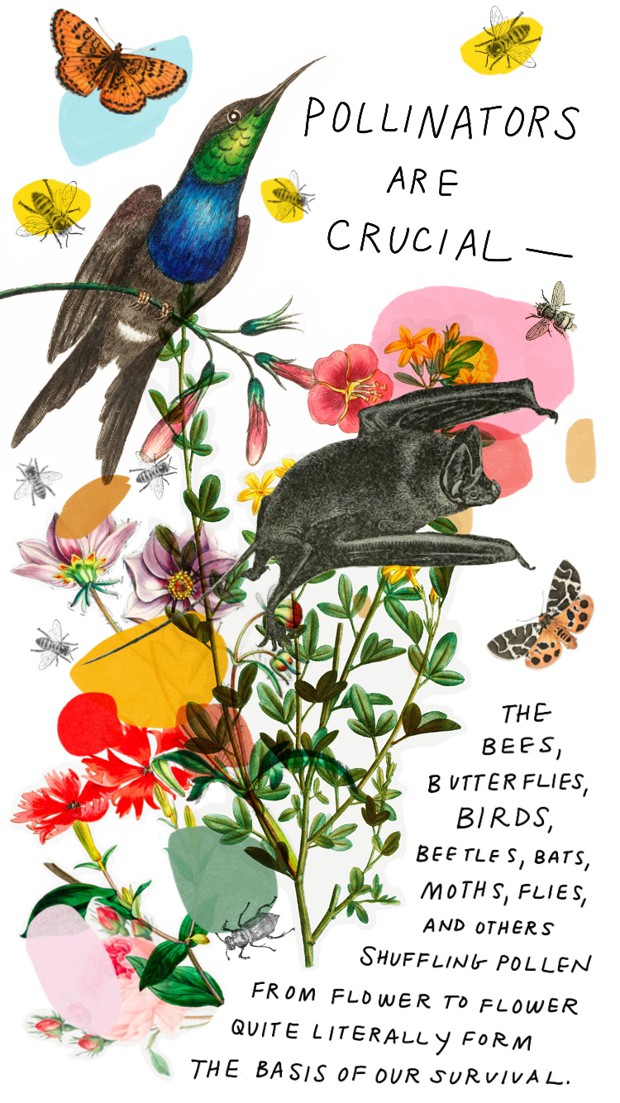
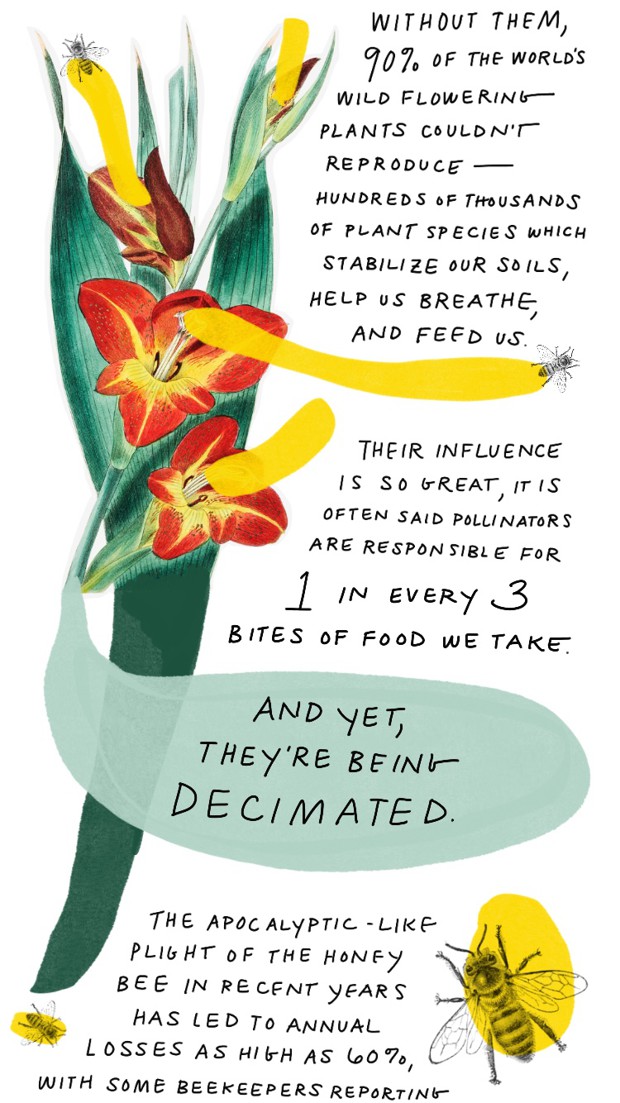
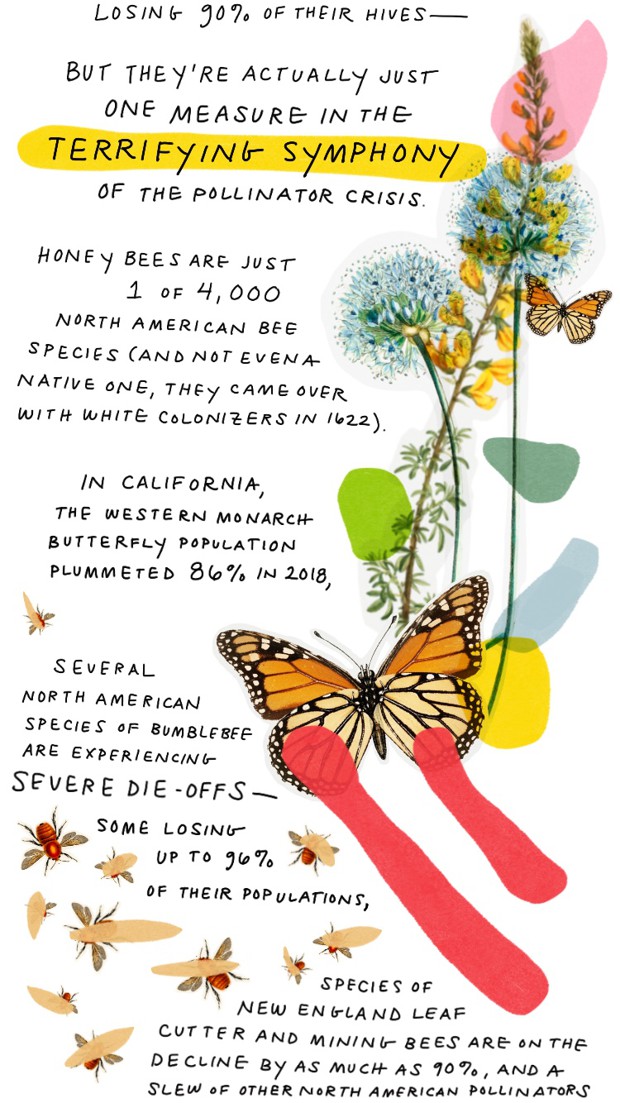
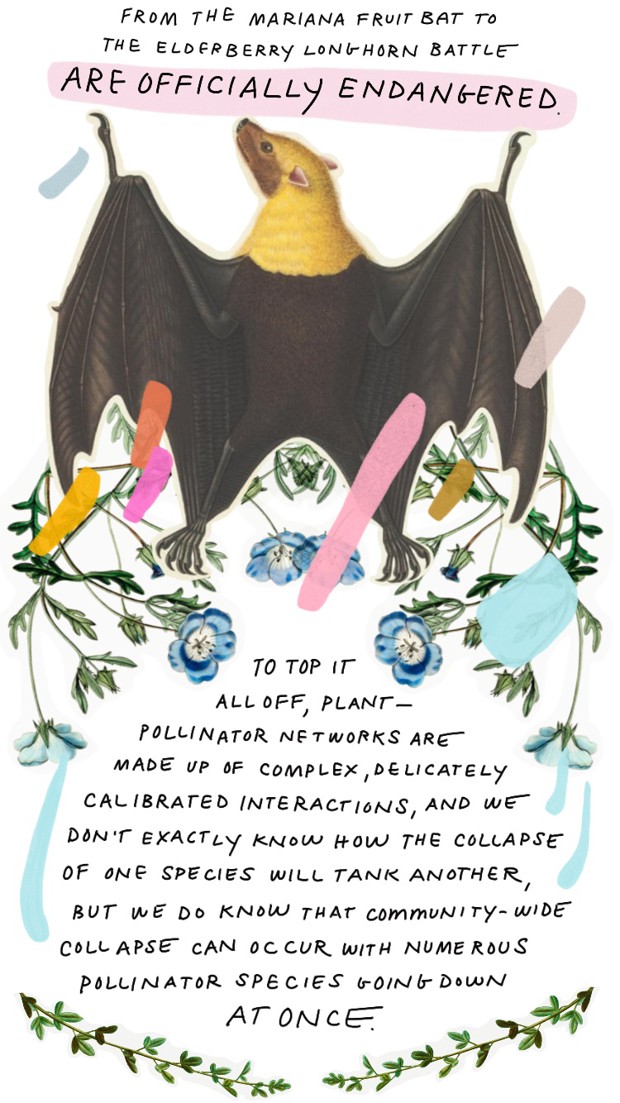
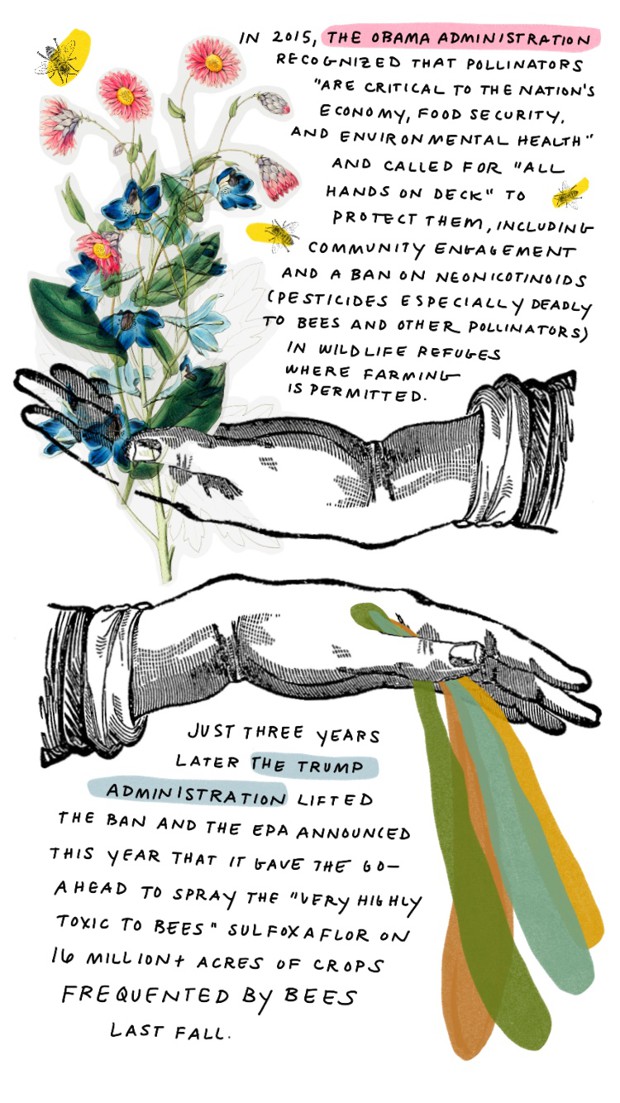
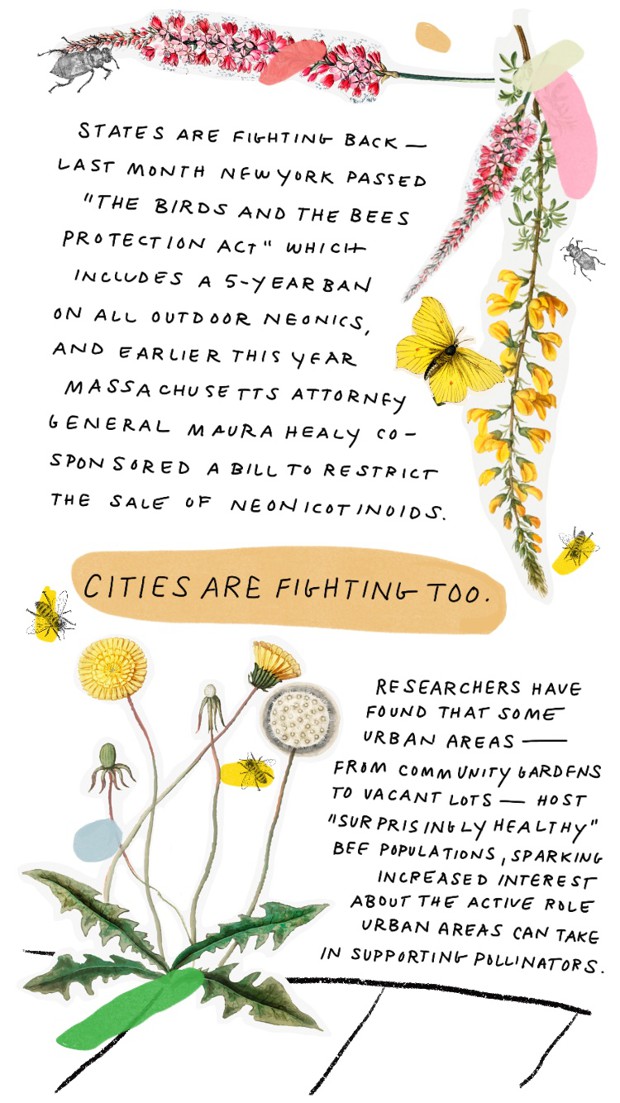
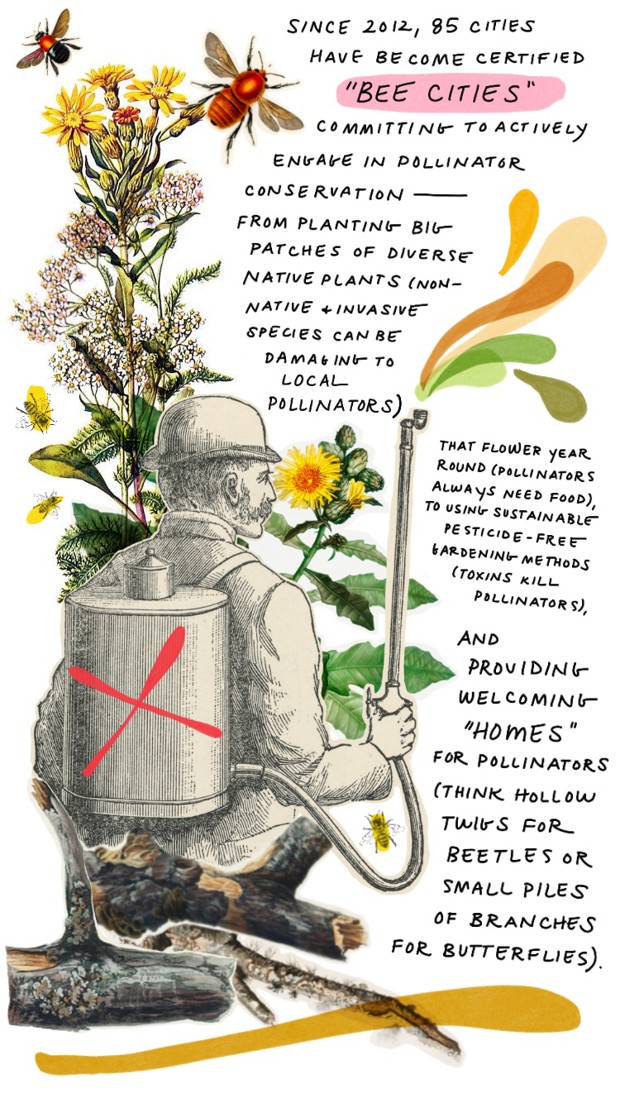
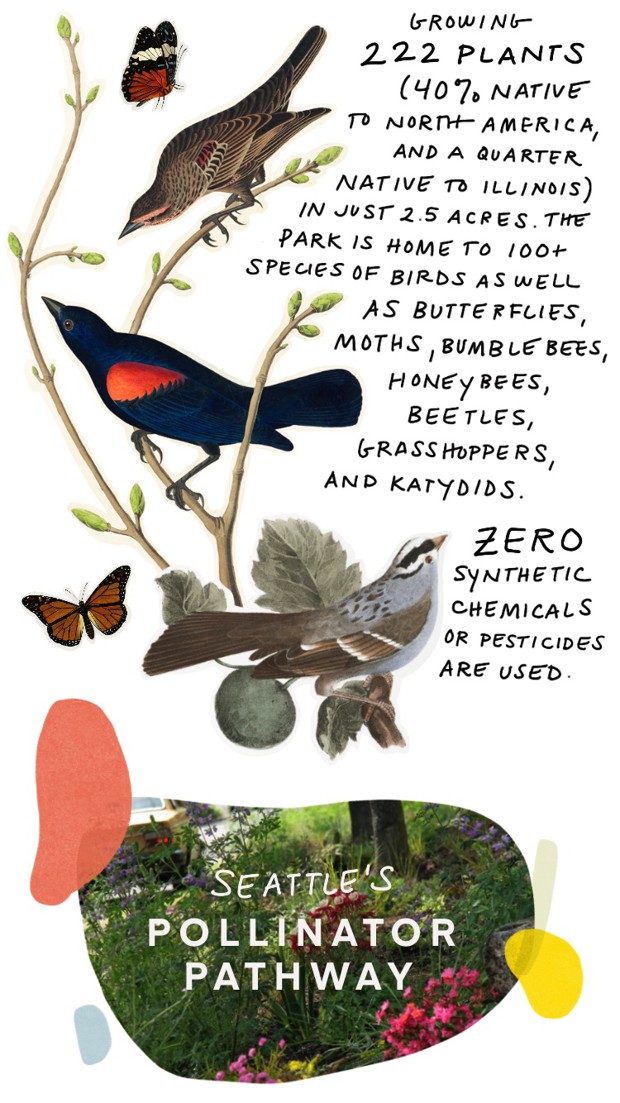
Editor’s note: For National Pollinator Week, visual storyteller Ariel Aberg-Riger looks at the birds and the bees in our cities and how they may still thrive with enough help from today’s urban humans.
Nick Feamster Provides Operators, Engineers, and Students with the Tools to Understand How the Internet is Glued Together
Who is Nick Feamster? Dr. Nick Feamster is known in the Internet Operations community as one of our primary source of great talent, research that pushes the Industry forward, a deep-dive investigation into security issues on the Internet, and constant exploration of ‘what we need next” to keep the Internet moving forward. Nick is also known to be generous and giving. He is not the academic investigator who walls up his work or holds things back. That is why the “master class” on Internet Networking is not a surprise.
Internet Networking is a Mystery
How the Internet is “glued together” is perceived as a “mystery.” Engineering professionals are perplexed how a massive network of networks are interconnecting all based on levels of trust that provide the vast majority of human online connectivity. Backbone engineers, Peering coordinators, routing specialist, Internet Security professionals, and other specialist are consistently sought after by companies and telecommunications firms. People ask how do they learn and build their Internet Networking skills? The most common answer is to “go watch the sessions from NANOG, RIPE, APRICOT, and the other NOGs.” NOGs are Network Operations Groups. This is where the Internet Networking professionals meet, consult, think, work, share, and collaborate. It is part of the interconnection fabric for all Telecommunications and the Internet. Some of these NOGs have special tutorial workshops based on the ISP Workshop Series (see The Service Provider Security “Bootcamp”). For many these are useful. For most, the volume and diversity of topics covered are intimidating. Enter “Nick Feamster’s Internet Networking Master Class.
In reality, there is not really a “Master Class” that Nick runs. The reality is that over time, Nick has worked to help his students. Over time he has amassed and a huge library of Youtube tutorials and classes on a specific topic for Internet Networking. Now we have a massive, detailed tutorial on a huge range of topics. Engineers can get into specifics that are often “assumed to already be known” in the NOG Workshops.
These YouTube “Master Class” sessions are the same materials Nick uses when teaching his students @ Princeton University. Network Engineers in all places of the world can not dig into …
Why must Buffer Bloat be accounted in network designs?
Finally, see why people are worried about BGP Hijacks was a walkthrough of the Kapela Attack on BGP.
The added benefit to all these sessions is the interaction Nick will have with Engineers all over the world. Post your question on Youtube, ping Nick via E-mail, and you will get an answer.
What’s Next?
Step 2 – Start Using Nick’s Master Class to start your journey to being an Internet Networking “Master.”
Nick’s archive is a gem for the Internet community. When I mentioned to Nick I was going to share his “Internet Networking Master Class” to the world, he laughed. All he was doing was trying to make things easier for people to learn how the Internet is interconnected so they can build better networks and do exciting research. If you find Nick’s Youtube Channel valuable (https://www.youtube.com/user/nfeamster/videos), please let him know, ask your questions, and share with others.
The Darra Adam Khel Library, less than a year old and with more than 2,500 books, offers residents a respite from the arms bazaar that dominates local life.
 Margaret Hamilton in an Apollo Command Module. | NASA
/cdn.vox-cdn.com/uploads/chorus_asset/file/3739060/Margaret_Hamilton.jpg) NASA, via Steve Milan
NASA, via Steve Milan


 “We’re seeing in the schools a lot more kids having mental health difficulties, whether that’s anxiety, trauma, depression, eating disorders, emotional difficulties, a lot more.” | Getty Images/RooM RF
/cdn.vox-cdn.com/uploads/chorus_asset/file/18303766/US_teen_suicide.jpg) Javier Zarracina/Vox
Javier Zarracina/Vox


/cdn.vox-cdn.com/uploads/chorus_asset/file/8792091/boysidiots.jpg)
/cdn.vox-cdn.com/uploads/chorus_asset/file/8792729/Screen_Shot_2017_07_03_at_1.57.06_PM.png)
/cdn.vox-cdn.com/uploads/chorus_asset/file/8792451/Cannon.jpg)