Luke.mcspritz
Shared posts
I manga da attendere nel 2026 tra avventure straordinarie, umorismo e horror
NASA selects SpaceX to launch a gamma-ray telescope into an unusual orbit

Enlarge / Artist's illustration of the COSI spacecraft. (credit: Northrop Grumman/European Southern Observatory (background image))
A small research satellite designed to study the violent processes behind the creation and destruction of chemical elements will launch on a SpaceX Falcon 9 rocket in 2027, NASA announced Tuesday.
The Compton Spectrometer and Imager (COSI) mission features a gamma-ray telescope that will scan the sky to study gamma-rays emitted by the explosions of massive stars and the end of their lives. These supernova explosions generate reactions that fuse new atomic nuclei, a process called nucleosynthesis, of heavier elements.
Using data from COSI, scientists will map where these elements are forming in the Milky Way galaxy. COSI's observations will also yield new insights into the annihilation of positrons, the antimatter equivalent of electrons, which appear to be originating from the center of the galaxy. Another goal for COSI will be to rapidly report the location of short gamma-ray bursts, unimaginably violent explosions that flash and then fade in just a couple of seconds. These bursts are likely caused by merging neutron stars.
Turkish student creates custom AI device for cheating university exam, gets arrested
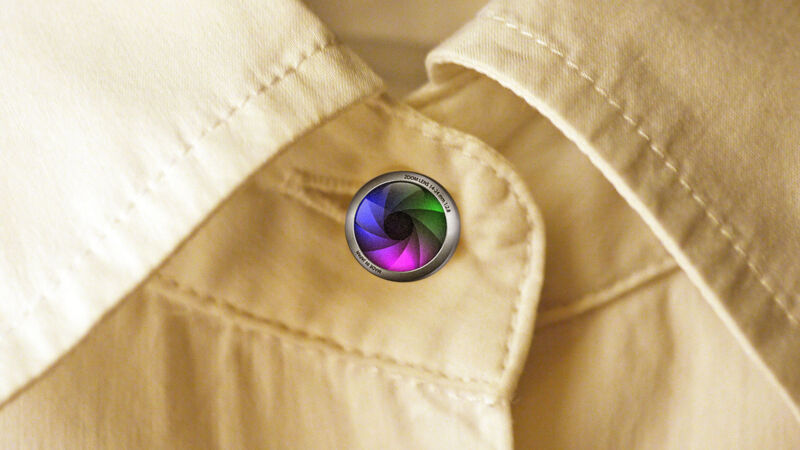
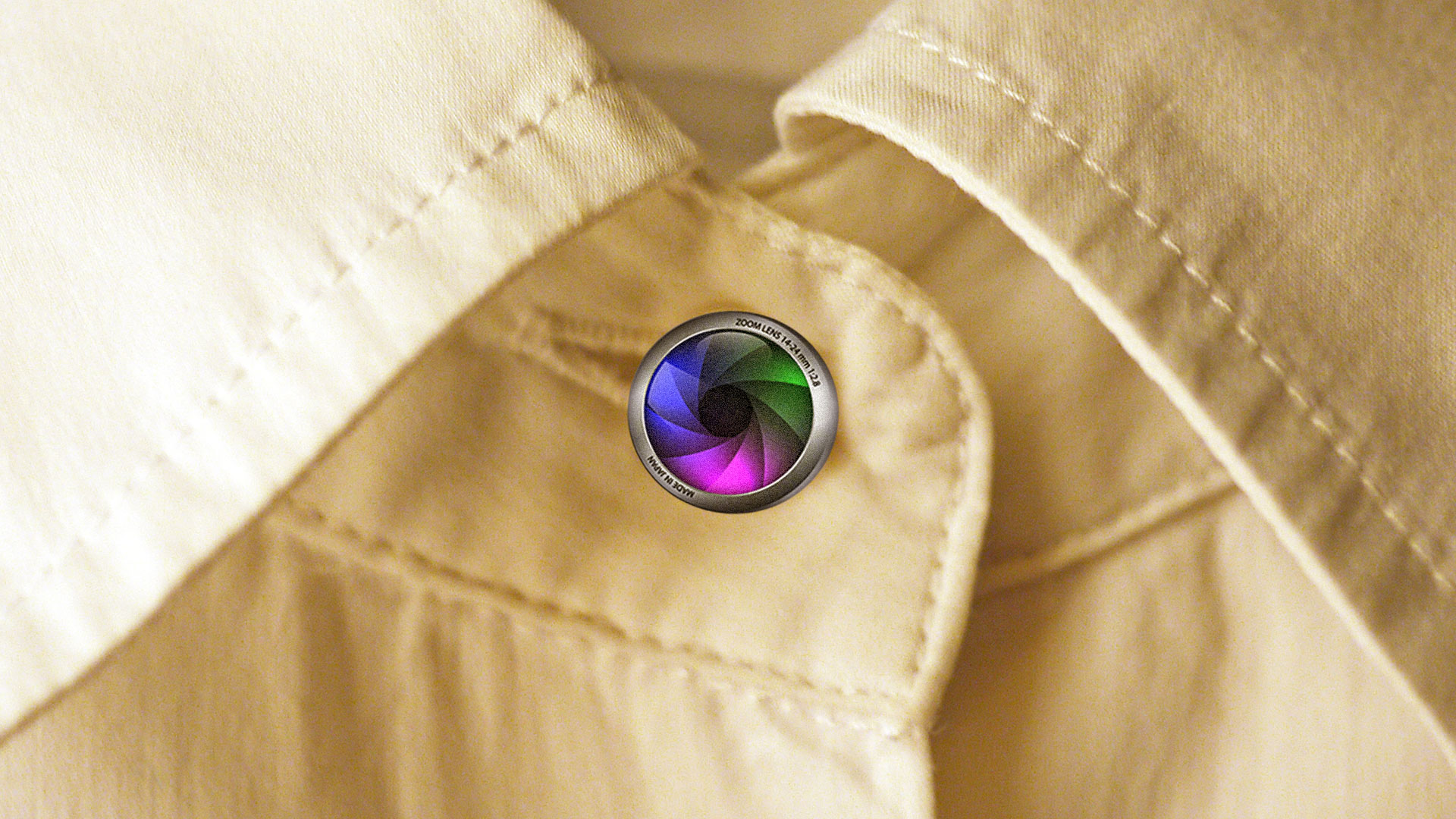
Enlarge / A photo illustration of what a shirt-button camera could look like. (credit: Aurich Lawson | Getty Images)
On Saturday, Turkish police arrested and detained a prospective university student who is accused of developing an elaborate scheme to use AI and hidden devices to help him cheat on an important entrance exam, reports Reuters and The Daily Mail.
The unnamed student is reportedly jailed pending trial after the incident, which took place in the southwestern province of Isparta, where the student was caught behaving suspiciously during the TYT. The TYT is a nationally held university aptitude exam that determines a person's eligibility to attend a university in Turkey—and cheating on the high-stakes exam is a serious offense.
According to police reports, the student used a camera disguised as a shirt button, connected to AI software via a "router" (possibly a mistranslation of a cellular modem) hidden in the sole of their shoe. The system worked by scanning the exam questions using the button camera, which then relayed the information to an unnamed AI model. The software generated the correct answers and recited them to the student through an earpiece.
Radeon RX 6900 XT di nuovo da record: toccati i 3,3GHz in overclock
PoDvision Puntata #2 | Dylan Dog nel videogioco
Scary 22% vaccine efficacy in South Africa comes with heaps of caveats

Enlarge / Vials in front of the AstraZeneca British biopharmaceutical company logo are seen in this creative photo taken on 18 November 2020. (credit: Getty| NurPhoto)
Dismal preliminary data on AstraZeneca’s COVID-19 vaccine in South Africa—where the B.1.351/ 501Y.V2 coronavirus variant is spreading widely—led the government there to rethink its vaccination rollout and raised further international concern about the variant.
But the small study has so many limitations and caveats, experts caution that drawing any conclusions from it is difficult.
The study, which has not been published or peer-reviewed but presented in a press conference Sunday, began in June and enrolled only around 2,000 participants, about half of which received a placebo. Early in the study—before B.1.351 emerged—the vaccine appeared over 70 percent effective at preventing mild-to-moderate cases of COVID-19. That is largely in line with the conclusion of an international Phase III trial released by AstraZeneca and vaccine co-developer Oxford University, which showed mixed results for the replication-deficient adenovirus-based vaccine but an overall efficacy of around 70 percent.
Read 6 remaining paragraphs | Comments
Redmi Note 9 5G e Pro (o forse High): immagini e caratteristiche dal TENAA
Redmi ha in programma di lanciare alcuni nuovi modelli della sua serie più fortunata. Niente Note 10, però: a quanto pare si tratterà ancora di Note 9. Gli smartphone in totale dovrebbero essere tre, ma quelli che sono spuntati oggi sull'ente di certificazione TENAA sono due. Non solo così ne conosciamo il design, ma veniamo anche al corrente della scheda tecnica.
Cominciamo da quello che dovrebbe essere Redmi Note 9 5G (forse sarà accompagnato dalla dicitura "Standard"), che è equipaggiato con un display IPS LCD FHD+ da 6,53 pollici con un rapporto di 20:9 e un piccolo foro per la selfie-cam da 13 MP posto in alto a sinistra - e già possiamo segnare una prima differenza estetica rispetto a Note 9, 9s e 9 Pro.
Sotto la scocca c'è il SoC Dimensity 800U di MediaTek, mentre le opzioni per la RAM sono di 4, 6 o 8 GB, e per lo storage interno invece di 64, 128 o 256 GB. La batteria ha una capienza di 4.900 mAh, e sappiamo per tramite di un'altra certificazione - quella 3C - che supporterà la ricarica rapida a 22,5W. Sul retro il modulo fotografico cambia forma rispetto agli attuali modelli della serie Note 9 e da quadrato diventa circolare, con tre camere (la principale dovrebbe essere da 48 MP). Infine, le dimensioni sono di 161,96x77,25x9,2 mm, mentre il peso ammonta a 200 g e il sensore di impronte è posto sul lato destro del dispositivo. Come suggerisce il nome, c'è il supporto alle reti 5G.
CLICCA QUI PER CONTINUARE A LEGGERE
Elden Ring: la colonna sonora sarà realizzata dalla compositrice di Bloodborde e Sekiro
È arrivata Resso, l’app di streaming musicale della società di TikTok

La promessa è stata mantenuta: la società di TikTok, ByeDance, ha presentato la sua personale risposta a Spotify e a tutti gli altri servizi di fruizione di musica in streaming da dispositivo mobile: il suo nome è Resso. Il brand dietro l’applicazione amata dai giovanissimi ha ufficializzato questo servizio, che debutterà in un primo momento in due mercati dal grandissimo potenziale di crescita, l’India e l’Indonesia.
Una scelta non casuale, dato che nella sola India ci sono 470 milioni di possibili utenti che già sfruttano app simili. E l’Indonesia è un’altra nazione che fa gola a tutte le grandi società del tech, dato che la maggior parte della popolazione ha meno di 30 anni e vive costantemente connessa con il proprio smartphone.
E ora Spotify, Apple Music, YouTube Music ma anche Amazon Prime Music dovranno guardarsi le spalle, perché la potenza di fuoco di Resso è già di tutto rispetto: e non solo perché si propone con il traino di TikTok. L’idea alla base è quella di offrire non soltanto un ascolto musicale, ma anche una piattaforma social connessa molto sviluppata che punta all’interazione tra gli utenti e alla condivisione della musica.
E così, dopo aver firmato accordi con le maggiori etichette, ByteDance ha pensato a confezionare un prodotto che fosse di particolare appeal per la clientela più giovane. Ogni utente potrà per esempio creare uno sfondo animato e lo potrà condividere con i propri contatti, ma anche inviare messaggi con immagini e gif animate. Gli artisti più famosi potranno avere pagine ufficiali con contenuti da condividere con i fan, anche in questo caso basati su un’interazione molto attiva e semplice.
I prezzi di Resso saranno particolarmente popolari, con l’equivalente mensile di 1,20 euro per Android e 1,45 euro su iOs (ovvero iPhone), ma si potrà anche utilizzare gratuitamente col compromesso di una qualità d’ascolto inferiore e le pubblicità in-app.
La sfida ai giganti della musica in streaming è lanciata: e vista l’incredibile crescita di TikTok nell’ultimo biennio non c’è da stupirsi se anche questo nuovo progetto macinerà da subito grossi numeri.
The post È arrivata Resso, l’app di streaming musicale della società di TikTok appeared first on Wired.
I case Cougar Essence e Turret in mostra al PAX East
Durante il PAX East Cougar ha mostrato tante nuove periferiche, ma ai nostri occhi sono balzati subito due case inediti, uno per configurazioni a basso budget e uno di fascia alta.