Shared posts

09 Apr 19:28

Weeknote 14/2017

by Doug Belshaw

This week I’ve been:

  • Sending out Thought Shrapnel, my weekly newsletter loosely structured around education, technology, and productivity. Issue #253 was entitled ‘Spring has sprung!’
  • Attending a meeting of the local Scout group’s Executive Committee. Given the concerns I raised about using Facebook as the primary means of communication, it looks like I’ve got a couple of actions relating to the website…
  • Planning a Creative Commons Summit session with Laura Hilliger. We’ll be over in Toronto running a workshop which aims to forge links between co-ops and the commons.
  • Hitting publish on the March issue of my Dynamic Skillset newsletter. What do you mean you haven’t subscribed yet?!
  • Running an online workshop for Waterford Institute of Technology in Ireland. The session was on Open Badges and part of a week of activities supported by All Aboard: digital skills in Higher Education. The session was recorded, so I’ll share that at some point in the future. My slides can be found here.
  • Catching up with Kev Jones from Sussex Downs College about a potential application our co-op is making to the Ufi VocTech Seed Fund 2017.
  • Reflecting on being in business two years as a consultant. When I see how little many in full-time employment seem to enjoy their job, I’m thankful every day! I wrote up my reflections here.
  • Travelling to and from Manchester to present at the Co-operative Education and Research Conference. It took 6.5 hours to get there due to a fatality on the line, but it was definitely worthwhile going. The slides for my two sessions can be found here and here, and I did a brief write-up on the We Are Open Co-op blog. The keynote from Keri Facer was great, and (amongst others) it was good to catch up with her, Joss Winn, Mike Neary, and Richard Hall.
  • Messing around with ZeroNet. It’s describes itself as allowing ‘open, free and uncensorable websites, using Bitcoin cryptography and BitTorrent network’. Despite still be new and experimental, it’s extremely well-constructed and answers a question I’ve been asking for years about how to create an un-takedownable website!
  • Planning my keynote and workshop for my visit to Queen’s University Belfast next week. I’ve only got 45 minutes on ‘The Essential Elements of Digital Literacies’, which I could actually talk about, without notes, for hours.
  • Drafting a job advert for London CLC, as one of their long-serving members of staff is off to join Google! I was keen for them to attempt to recruit someone in a less ‘stodgy’ way than usual, so they’ve video interviewed the person who’s leaving, and I’ve tried to make the job advert more conversational and focused on the individual who’s considering an application.
  • Climbing Ben Nevis, Stob Bàn, and Mullach nan Coirean on Friday and Saturday. It was a five-hour journey each well, too, so I spent almost the same amount of time driving as walking! Ben Nevis on Friday was a bit boring, but I enjoyed Saturday.
  • Writing:

Next week I’m working from home on Monday, travelling to Northern Ireland on Tuesday, presenting and running a workshop at QUB on Wednesday, doing some work remotely with MyKnowledgeMap on Thursday, flying home, working from home on Good Friday (I know, I know) and then flying down to meet the rest of my family in Devon for Easter!


I make my living helping people and organisations become more productive in their use of technology.  If you’ve got something that you think I might be able to help with, please do get in touch! Email: hello@nulldynamicskillset.com

09 Apr 19:25

Huge split in consumer sentiment means… what, exactly?

by Stowe Boyd

Maybe just that the US is schizophrenic

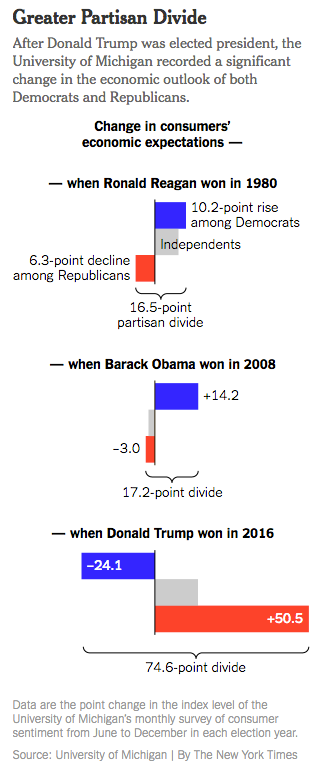
Researchers have found a massive split in the US zeitgeist, now reaching historically unprecedented proportions.

Consumer sentiment is polarizing politically, which has not been the case in former eras:

Nelson Schwartz, Boom or Bust: Stark Partisan Divide on How Consumers View Economy
Since Donald J. Trump’s victory in November, consumer sentiment has diverged in an unprecedented way, with Republicans convinced that a boom is at hand, and Democrats foreseeing an imminent recession.
“We’ve never recorded this before,” said Richard Curtin, who directs the University of Michigan’s monthly survey of consumer sentiment. Although the outlook has occasionally varied by political party since the survey began in 1946, “the partisan divide has never had as large an impact on consumers’ economic expectations,” he said.
At the same time, familiar economic data points have become Rorschach tests. That was evident after the government’s monthly jobs report on Friday; Republicans’ talking points centered on a 10-year low in the unemployment rate, while Democrats focused on a sharp decline in job creation.
“I find it stunning, to be honest. It’s unreal,” said Michael R. Strain, director of economic policy studies at the conservative American Enterprise Institute in Washington. “Things that were less politicized in the past, like how you feel about the economy, have become more politicized now.”

So, if you’re a Democrat, you expect that the economy — which seemed so solid prior to the election — to fall and perhaps precipitously, taking us into recession, even. If you’re a Republican, Trump seems to represent a glorious economic upwelling.

In a post-truth world, are we supposed to split the difference? Whose reality should we trust?

09 Apr 04:20

You can chain a knowledge worker to a desk, but you can’t make them think

by Doug Belshaw
Rolandt

jj

This month marks two years since I left my post at the Mozilla Foundation and became an independent consultant as founder of Dynamic Skillset Ltd.

Now then, I’m aware that in sitting down to write this post, there’s is an expectation for me to follow certain conventions. One example is that last sentence: I’ve just used the phrase ‘sitting down’ when I’m actually standing at my standing desk.

Tired phrases and worn out cliches aren’t what I’m about. They’re of no use. I don’t deal in dead metaphors, but in lived experience. As a result, and having never been a fan of convention, I’m going to attempt to turn the usual tropes upside down. Here goes…

1. “I should have made the leap years ago”

Well, no actually. I remember being promoted straight into senior management straight from being a classroom teacher. It was an extraordinarily steep learning curve and, coming at a time when we had a young son and I was writing my doctoral thesis, I wasn’t ready for it.

This time, I was ready for it, having worked at two organisations that gave me progressively more responsibility for managing my own time. Had I not spent two years working on projects at Jisc, and then three years working remotely for Mozilla, it would indeed have been a ‘leap’ instead of a fairly smooth transition.

2. “It’s been a rollercoaster ride”

Yes and no. Mostly, it’s been about finding a sustainable rhythm that allows me to do work I enjoy with people that I like.

I can remember meeting a freelancer at a Nesta event just after I’d become a consultant. That old cynic’s words of encouragement? “Welcome to being skint”. In actual fact, it hasn’t been like that. There’s certainly been months where I’ve earned more and months where I’ve earned less, but I try not to measure my life solely on profit.

Instead, I measure it at how successful I’m being in removing from my life what the Ancient Greeks termed ‘akrasia‘. My aim is to live, as much as is in my power, a simple, upright, and moral existence. To do that, I have to be in control – of myself and my working conditions.

3. “It’s been really hard work”

Hang on, walking up a mountain in a blizzard is ‘hard work’. While I certainly haven’t slacked off, I wouldn’t say I worked any harder than I did while employed. I definitely work differently, and more flexibly, though. I’d already cut out my commute, but not having to attend meetings unless I really want to is pretty awesome. I’ve definitely applied Derek Sivers’ philosophy in that respect.

About six months in, I increased my day rate and went down to working four days per week. After all, I’m the boss, right? So now, most Fridays you’ll find me reading the things that I never used to get around to reading or, better yet, clocking up the Quality Mountain Days as part of my training for the Mountain Leader award.

4. “I’m happier than I’ve ever been”

I think a certain utilitarian philosopher said it best:

I have learned to seek my happiness by limiting my desires, rather than in attempting to satisfy them.

(John Stuart Mill)

Yes, we still have all of the creature comforts, but my attitude towards them has changed. I’ve stepped off the hedonic treadmill. When you’ve got more time on your own, and time to think, you realise that you’re not in competition with anyone.

That being said, the time alone also means you have to exercise greater self-care. That’s physical – making time to walk, swim, and go to the gym – but also mental. In fact, learning to live comfortably within your means (and your own skin) is an incredibly difficult thing when you don’t have as many things to distract you.

Am I ‘happier’ than I was when I was employed? Well, that’s an emotion that comes and goes. Do I feel like I’m more in control of my life? Yes. Do I feel like I’m flourishing more as a human being? Definitely. Happiness can be synthesised. Flourishing can’t.

5. “I couldn’t have done it without X”

In these kinds of posts or speeches, the individual thanks their family (usually) and their friends and colleagues (sometimes) in a quasi-apologetic way. Doing so in this way puts the focus back on the individual themselves, as they thank others for ‘putting up’ with them, or for looking after things (children, pets, other organisations) while they pursued their dream.

On the contrary, this has been a collaborative endeavour from the start. My wife gave up one of her positions in a Ofsted ‘Outstanding’ school to help me with admin and logistics. She’s supported me in very practical ways, suggesting things I never would have thought about, and developing a real head for business.

In addition, and I’ll perhaps expand upon this when we reach our one year anniversary next month, setting up We Are Open Co-op with friends and ex-colleagues has been a revelation. The work we do together is often different from the work I do by myself with my own clients. Both are enjoyable. What the co-op brings, however, is camaraderie and collegiality.

So thank you, Hannah, Bryan, Laura, and John. Not for supporting me on some ‘crazy dream’, but for the everyday comments, advice, and guidance that you give me to help things tick along.

Final thoughts

I still get several people per year emailing me to ask whether I think they should pursue a PhD. It’s always a difficult one to answer. Likewise, I know there’ll be a lot of people reading this post thinking that they quite like the idea of being self-employed. So, given I don’t know your situation, I’m going to point you in the direction of Epictetus for some advice:

In every act observe the things which come first, and those which follow it; and so proceed to the act… A man wishes to conquer at the Olympic games. I also wish indeed, for it is a fine thing. But observe both the things which come first, and the things which follow; and then begin the act. You must do everything according to rule, eat according to strict orders, abstain from delicacies, exercise yourself as you are bid at appointed times, in heat, in cold, you must not drink cold water, nor wine as you choose; in a word, you must deliver yourself up to the exercise master as you do to the physician, and then proceed to the contest. And sometimes you will strain the hand, put the ankle out of joint, swallow much dust, sometimes be flogged, and after all this be defeated. When you have considered all this, if you still choose, go to the contest: if you do not, you will behave like children, who at one time play at wrestlers, another time as flute players, again as gladiators, then as trumpeters, then as tragic actors: so you also will be at one time an athlete, at another a gladiator, then a rhetorician, then a philosopher, but with your whole soul you will be nothing at all; but like an ape you imitate everything that you see, and one thing after another pleases you. For you have not undertaken anything with consideration, nor have you surveyed it well; but carelessly and with cold desire.”

(Epictetus, Enchiridion, XXIX)

Given that Epictetus was writing 1,900 years ago, I’m going to add ten very practical points to the above. Some of this is advice I was given to me before I started out, and some I’ve learned along the way:

  1. Get an accountant — preferably via a recommendation.
  2. Use online bookkeeping software — the same one as your accountant!
  3. Backchannel like crazy — reach out to people who may be able to help you, call in favours.
  4. Sort out your first six months — get contracts in place, verbal agreements don’t pay your mortgage.
  5. Create productive routines — as any creative person will tell you, it’s extremely difficult working in an environment without any constraints!
  6. Update people often — create something (newsletter, podcast, etc.) that makes it easy for those interested in your work to keep tabs on you and remind them that you’re available for hire.
  7. Build a realistic pricing model — otherwise you’re just licking your finger and putting it in the air.
  8. Share your work — it’s the best form of marketing.
  9. Meet with people often — both online and in-person, to build solidarity and to stave off loneliness.
  10. Book your own professional development — think of conferences and events you can go to, podcasts you can listen to, and books you can read to develop your practice.

I could go on, but for the sake of brevity I will stop there. Questions? I’ll happily answer them!

09 Apr 03:41

Why I Support the $10aDay Child Care Plan

image

I am going to share something with you that I wouldn’t normally post on this blog. But it’s part of a larger story that needs to be told, which is the lack of quality, affordable child care in British Columbia.

A few months ago, a child died at an unlicensed child care centre where my son had been for 1.5 years. It was due to a preventable accident and I will not provide any further details, because it is currently under investigation.

Thankfully, my son was not at the daycare at this time. We put him in licensed care last year when he turned just over 2 years old. While I had issues with this caregiver, none of these were related to safety concerns or quality of care. Regardless, I felt pressured to put my son in an unlicensed daycare when he was 1 year old and I had to go back to work, because despite the waiting lists and calls to several places, there was no licensed care available. I could never really know how negligent this person was and had to trust her with my son. Thankfully, my son is safe. But, a mother and father like me suffered an unspeakable loss.

I believe that this accident could have been prevented if we had more affordable, licensed child care, especially for children under 2.5, who are the most vulnerable to tragic accidents.

BC families face a crisis in accessing quality, affordable child care. Fees are too high — the second highest family expense after housing. My husband and I both have well-paying jobs and this is still a reality. It keeps many women, who want to work, out of the work force. Wait lists are too long — less that 20% of children under the age of 12 in BC have access to a regulated child care space. Too often, families are forced into unregulated care with no safety standards.

We need more LICENSED child care, especially for children under 2.5 years old, and more affordable child care overall.

If you believe this too, email a letter to your MLA  in support of The $10aDay Child Care Plan by following this link.

09 Apr 03:13

Android O Feature Highlight: Picture-in-Picture Finally Comes to Phones and Tablets

by Rajesh Pandey
Google first debuted Picture-in-picture support in Android with Nougat last year itself. Back then, however, the feature was limited to Android TVs only. With Android O, Picture-in-picture will be available for all Android smartphones and tablets as well. Continue reading →
09 Apr 02:23

On editing (not really, it’s about Mastodon)

by Rob Campbell

Don’t you hate blog posts or articles that start with the subject, “On [SOMETHING]”? I know I do!

I was going to write a thing about how editing books is hard because you have to look at each thing and think about it. After a thousand of these things, I have begun to stare obliquely at a comma – all commas, really – and wonder if the sentence could have been made better without it, or if there could have been a colon or semicolon instead. The answer is always, no semicolon! Anyway, thanks Scarlett. The editing is going fine.

But no, I’m not going to write about that. Instead I wanted to talk about the new social media platform that’s sweeping the internation: Mastodon. I expect there’ve been a lot of pixels spilled on the topic this week, and I figured I’d add my own slightly sweaty take to the mix.

Whenever one of these things crops up, (e.g., identica, diaspora, meatspac.es? …) there’s always a faint whiff of hope that bubbles up through the cracks in the software. You can see it in the new subscribers. The realization that there are other ways to interact online outside of the regular habitrails they’ve been running in. The early adopters always have a certain glee in their interactions. Tooting (yes, they call it tooting) about “tooting”. Boosting their toots. Failephants… It all seems fun and new, even though we’ve seen it in other forms and names before. It’s refreshing because the people are new, or new again. There’s an air of genuine hope that maybe this platform will be better the others.

And I suppose it could be.

Recently, the infosec community arrived en masse. Some heavies in the tech space have showed up and are testing the waters. It feels like it could be something big, even if it has a bit of an early 2000s livejournal thing going right now. “But they don’t have the people,” you cry out, announcing its stillborn failure.

That’s OK for now, I think. My twitter stream is the same small group of people posting threads and memes, science folks and political outrage. It’s hard on the head, and I could use a lot less of that, to be honest. Facebook is, well, I don’t really fit in there.

The notion of a “federated system,” one that is composed of a multitude of server “instances” at first sounds a little failure prone. If an instance goes down, it takes everybody on that instance with it. Their logins, their avatars, their connections to friends. The toots themselves may live on once they’ve been pushed to the federated timeline, but the backing behind them might disappear.

Toots are longer than tweets from that other place, commonly referred to as #birdsite, and they talk about it a lot. You get 500 characters instead of a mere 140. This is a surprisingly roomy field to think in. You can have real conversations without the need to abbreviate or massacre language. I haven’t seen many toots encapsulating a screen shot of a wall of text yet, or for that matter, the ubiquitous “Thread: ” tweet encapsulating someone else’s length tweet-chain. Those things are a product of twitter’s limitations, and I think, makes that platform worse for it. By sticking with 140 characters, people have routed around it in fairly uncomfortable ways.

If you don’t like it, you can always change it. This is open source software, further differentiating it from the walled gardens. This is a huge strength, I think, and perhaps a weakness too. The lead developer on the project, suddenly has an exponential upsurge in interest, and the rate of pull requests has gone up considerably in the last week. I actually feel a little guilty writing this because it might drive a few more people to sign up, if they can negotiate the maze of instances to find one that’s accepting invites. I bet dozens more crop up this weekend, and several others will probably vanish from the face of the internet for good. There’s a fluidity to this system, and initially, populations are going to be moving around until the whole thing stabilizes.

The implications are neat, technically and sociologically. Instances don’t have to publish to the federation, they can be silos. Businesses could have their own internal mastodon instance or a public facing one, or both. This is actually good for the network, because it provides stable instances that will back up the rest of the network. Users carry the fully-qualified name of their instance around. For example, I’m @robcee@mastodon.social. As the federation grows, and the software is forked, the thing could morph into something rather strange, and hopefully interesting. The underlying technology would’ve felt terrifying to any sysadmin five years ago, but now, it’s matured. It’s still freaky, the node.js and the redis, but at least there are a lot of people using these things. The database is postgresql which has been around literally forever.

Anyway, it’s a lot to think about. And it’s still fun.

@rayalez@hackertribe.io posted a great-looking howto on setting up your own instance on Digital Ocean. I aim to take a crack at it this week. Once I’m done my edits.

toot at you later.

footnote: I suppose I should mention that mastodon is itself a variant of GNU Social. Don’t go Stallman on me, bro.

08 Apr 13:56

— China Miéville, London’s Overthrow

by Stowe Boyd
One of capitalism’s defences is the outrage-fatigue it engenders.

— China Miéville, London’s Overthrow

08 Apr 13:54

Minimum viable phone for an adventure?

by Alex Guest
Kayak prow points the way to adventure?

Part of MEX Inspirations, an ongoing series exploring tangents and their relationship to better experience design.

I recently went along to A Night Of Adventure, a collection of talks by adventurers with a particular twist: each talk was accompanied by 20 slides which automatically moved on after 20 seconds – known as the Pecha Kucha format.

It reminded me placing constraints on experience is very much part of adventuring.

For example, Alastair Humphreys, the organiser, spoke of a trip in Spain. His constraints included having to raise money by playing his violin, and spending whatever money he had by the end of each day.

The 20×20 constraint made for fast-paced, energetic presentations, that conveyed a surprising amount of detail, emotion and learnings. It’s remarkable how often placing constraints on a solution makes for a better experience.

I began exploring this notion further. After reviewing the Punkt MP01 ‘dumb phone’ a few weeks ago, I now wondered what the ideal mobile phone might be for an adventurer. These were my product requirements:

  • Ability to make calls (especially in emergency).
  • Lightweight, and small, but with buttons that can be operated with a gloved hand.
  • Not easily damaged, for example, by water or shock.
  • Long stand-by battery life.
  • Low energy consumption.
  • GPS providing a grid reference but no mapping app.
  • Indeed, no ‘apps’.
  • A GPS beacon to transmit location in case of distress.
  • Some means of attaching it to the person.
  • Perhaps a version with a camera.

The very first of these is the most problematic: in many places there is no phone signal, which means either it’s useless; or having a cumbersome satellite phone. And if you can’t make calls, all we have is a GPS device.

Perhaps the minimum phone for an adventurer is no phone at all?

Part of MEX Inspirations, an ongoing series exploring tangents and their relationship to better experience design.

08 Apr 13:53

Automatic visualization is a bad idea, generally speaking

by Nathan Yau

Plug in any dataset into a magic box and it spits out a lovely visualization you can show all of your co-workers, friends, and family. That’s the promise of a lot of startups, but it doesn’t quite work that way. Ian Johnson explains by comparing visualization the medium to other forms of communication.

I want to take a deeper look at why this pursuit of automation is misguided, and in the process hope to point out potentially more fruitful paths. I intend to do this by looking at how other communication mediums have come about via technology, what the authorship tools look like and how they evolved. We will start with the most recent medium and go back in time, getting deeper into the essence of augmenting human communication with technology.

Some (many?) might argue that automated visualization is a worthwhile pursuit. And I would agree that some parts of visualization certainly should be automatic, such as standard chart types and recurring geometries. Pieces of visualization, such as annotation and axis construction can be automatic. There are plenty of tools to make our lives easier.

But full on automation where insight fountains out from any dataset is farfetched at this point, because this requires automatic analysis. Analysis is context-specific and requires more than boilerplate statistics. The most interesting visualization is context-specific.

Tags: automation

08 Apr 13:53

Paul Krugman on Why his followers support Trump

by Stowe Boyd

Outright, unapologetic voice to racism, sexism, and contempt for ‘losers’

Paul Krugman, The Bad, the Worse and the Ugly
By now there’s a whole genre of media portraits of working-class Trump supporters (there are even parody versions). You know what I mean: interviews with down-on-their-luck rural whites who are troubled to learn that all those liberals who warned them that they would be hurt by Trump policies were right, but still support Mr. Trump, because they believe that liberal elites look down on them and think they’re stupid. Hmm.
Anyway, one thing the interviewees often say is that Mr. Trump is honest, that he tells it like is, which may seem odd given how much he lies about almost everything, policy and personal. But what they probably mean is that Mr. Trump gives outright, unapologetic voice to racism, sexism, contempt for “losers” and so on — feelings that have always been an important source of conservative support, but have long been things you weren’t supposed to talk about openly.
In other words, Mr. Trump isn’t an honest man or a stand-up guy, but he is, arguably, less hypocritical about the darker motives underlying his worldview than conventional politicians are.
08 Apr 13:50

The inflamed rhetoric of the Trump justification for bombing Syria

by Josh Bernoff

President Trump, outraged by the use of nerve gas on civilians, launched 59 cruise missiles at the airfield that Bashar al-Assad uses in Syria. Then he made a statement justifying the action. It’s a case study in Trumpspeak — does the pileup in intensifying adjectives and adverbs make a statement more persuasive, or more suspect? In my … Continued

The post The inflamed rhetoric of the Trump justification for bombing Syria appeared first on without bullshit.

08 Apr 13:50

Privacy concerns spill over offline: 5 steps you must take to prevent identity theft

by Thejesh GN

How many times have you put down your name and number in a visitor’s book after making a purchase in a store? And filled in all your life’s details — from birth date to marital status — while registering on an ecommerce site or some delivery app? Next time you are asked to do that, step back and fill in only the mandatory information, and be cagey wherever you can, because your personal information is at risk of being stolen and being used for fraudulent activities and harassment.

No, I’m not exaggerating. In the past month alone, at least three of my women friends have been harassed on WhatsApp. In all three cases, the offender got their phone numbers and name from offline transactions (one of them had made an entry in a visitors book in some store) and then went online to harass the person. In one case, the stalker even traced my friend’s Facebook profile using her mobile number, name and location, and continued the harassment online. He would keep sending her friend requests and WhatsApp her from multiple numbers as she kept blocking him.

This recent report in the Hindustan Times about mobile numbers of women being sold at recharge outlets across Uttar Pradesh with the pricing based on their looks reveals what levels harassment can go to.

And that’s just harassment. With online identity becoming the primary identity to be used in everything from banking to PDS, you have to worry about privacy not only online but also offline. The Economic Times has a story this morning (Tuesday) about how your personal data ends up in the hands of ‘data brokers’ who sell it cheaper than chewing gum.

As your offline interactions are increasingly tagged to your online profiles — usually Gmail or Facebook — and mobile number, it’s becoming that much easier for cybercriminals to steal your online identity and commit financial frauds. Armed with your mobile phone number and data gleaned from your offline transactions, attackers can con you to get even more confidential information. The process — called social engineering in information security wherein a thief manipulates people to perform actions that give away confidential information — is usually employed to steal money using credit or bank account card details.

There is no foolproof way to stop this. The best way is to minimise online-offline linkage, thereby curbing violation of privacy, identity theft and online harassment. Here’s how you can up your offline privacy.

Your mobile number is the key

We Indians are liberal with sharing our mobile numbers. But now, more than ever, it’s important to be careful about this. As transactions go online, the mobile number has become the primary identifier of individuals.

Don’t give your mobile number to anyone you don’t know or enter it during any offline or online activity unless it’s absolutely required to do so. You could leave a dummy number, unless you are legally required to provide one.

If you can afford it and if your employer allows it, use separate numbers for business and personal work. Use only your work number on your business card and in public interactions and situations. Keep the personal number personal.

Unlist your number from Truecaller as it gives away your name, gender and photograph (if you have uploaded one) to anyone who’s on the TrueCaller network. Also hide your profile picture, status etc on WhatsApp from people who are not on your contact list by going to settings->account->privacy.

Keep your ID documents safe and dispose them properly

Most services — like getting a mobile number, booking a hotel room, mobile wallets etc — require you to to submit identity and address proof documents. Don’t send soft copies or allow anyone to scan your documents. Provide a black-and-white self-attested photocopy along with the date and the reason it has been furnished. This makes it tough for criminals to fake documents.

Your credit card and telephone bills contain valuable personal information. Opt to get them on email. Don’t opt for hard copies by post. If you need physical copies, take printouts and shred them before disposing them.

Also, make sure you shred receipts attached to courier packages that you receive from Amazon or Flipkart or other online retailers as they too contain a lot of personal information.

Update your address to current

Don’t be lax about updating your address in the records of financial — banks, insurance companies, stockbrokers, credit card companies — and other service providers when you relocate. Even if you’ve opted for e-versions of bills, there are chances they may send information on offers, annual statements, reminders for renewal of subscriptions etc by snail mail.

If you’ve relocated, these papers containing sensitive information may end up in the wrong hands or in a dumpster. Dumpsters are a great source of information for security attackers to gather information about you.

If you’re not in the country or your address is temporary, use your permanent address (parents?) as your primary contact/mailing address. This way, you know some is always available to receive post.

Keep your phone connection active

Make sure the mobile number linked to your bank is active. Stealing identity through a duplicate SIM has become a reality. It’s usually done with the perpetrator requesting a duplicate sim claiming that he/she owns the number and has lost the phone. Usually, fudged documents are used to prove identity and address. So, if your SIM / connection goes offline for long periods of time, remember to call your telco.

Half-truths are fine for online profiles

Not every bit of data on your online profiles — Facebook, Linkedin, Google Plus, Twitter needs to be completely true unless it’s required by the law. It’s also not necessary to fill in all the boxes. For instance, there is no need to fill in the marital status or your birthdate while registering on a delivery service app.

Also be careful while setting up security questions to recover passwords. Usually, the questions are based on simple real life information like: “What was the make and model of your first car?” Such answers are easy to guess, especially if someone knows you in personal life.


This post first appeared on FactorDaily as Privacy concerns spill over offline: 5 steps you must take to prevent identity theft. Edited by Prakriti.
08 Apr 13:49

How A Former iPod Chief Built The World’s Most Advanced First-Aid Kit

files/images/i-2-ram-fish-creates-health-box.jpg


Mark Sullivan, Fast Company, Apr 10, 2017


“ Everybody is focusing on doing things in the cloud, but the place where you really control the experience is the endpoint.” I agree, and that's why I think there will be a swing back from cloud-based to local technologies (but no time soon). This health clinic in a box is a good example. "Gale is a breadbox-size chest containing diagnostic tools in the bottom drawer and medications and supplies in the top drawer. On the top is a pop-up touch screen that displays various interactive treatment guides." It is designed for environments where medical assistance (and internet access) are not readily available, though it would be very useful in a connected environment as well.

[Link] [Comment]
08 Apr 13:35

Animated Picture Frame Needs Charging Once Per Month

by Will Sweatman
mkalus shared this story from Kindle hacks – Hackaday.

[Kyle Stewart-Frantz] took one look at a black and white photo of a mountain stream, and decided it was way too boring. How much cooler would it be if the water was moving! Like any good hacker worth his weight in 2N2222s, [Kyle] set out to make his idea a reality. After discovering some pricey options, he found a Kindle Paperwhite with a display that had decent resolution and 16 levels of grey. But would 16 levels be sufficient to produce an animation that’s pleasing to the eye?

After stumbling upon a community dedicated to hacking Kindles, [Kyle] got to work. Using a custom Amazon command called eips, he was able to access the display’s memory location and paint images to it. The next trick was to write a script that called the command multiple times to produce a GIF-like animation effect.  This… didn’t work so well. He then found some code from [GeekMaster] (thanks for the tip!) that ran a specialized video player on the Kindle that used something called ordered dithering. After a few more tweaks, he got everything working and the end result looks like something straight out of the world of Harry Potter.

The animated picture frame can run for three to four weeks between charges. This is a hack that would make a great gift and look nice in your office. If you make one, be sure to put the skull and wrenches on it first and let us know!


Filed under: Kindle hacks, slider


08 Apr 13:34

Twitter Favorites: [Planta] I have something in common with @nardwuar: We both interviewed @christyclarkbc at the BC NDP convention in 2000. https://t.co/D5hEA6jSaZ

Joseph Planta @Planta
I have something in common with @nardwuar: We both interviewed @christyclarkbc at the BC NDP convention in 2000. pic.twitter.com/D5hEA6jSaZ
08 Apr 13:34

R⁶ — RStudio Server Client? Make An App For That!

by hrbrmstr

RStudio is a great way to work through analyses tasks, and I suspect most folks use the “desktop” version of the product on their local workstations.

The fine folks at RStudio also make a server version (the codebase for RStudio is able to generate server or desktop and they are generally in 100% feature parity when it comes to interactive use). You only need to set it up on a compatible server and then access it via any modern web browser to get virtually the same experience you have on the desktop.

I use RStudio Server as well as RStudio Desktop and have never been comfortable mixing web browsing tasks and analysis tasks in the same browser (it’s one of the many reasons I dislike jupyter notebooks). I also keep many apps open and inevitably would try to cmd-tab (I’m on macOS) between apps to find the RStudio server one only to realize I shld have been keyboard tabbing through Chrome tabs.

Now, it’s not too hard to fire up a separate Chrome or Safari instance to get a separate server but it’d be great if there was a way to make it “feel” more like an app — just like RStudio Desktop. Well, it turns out there is a way using nativefier.

If you use the Slack standalone desktop client, the Atom text editor or a few other “modern” apps, they are pretty much just web pages wrapped in a browser shell using something like Electron. Jia Hao came up with the idea of being able to do the same thing for any web page.

To create a standalone RStudio Server client for a particular RStudio Server instance, just do the following after installing nativefier:

nativefier "https://rstudio.example.com:8787/" --name "RStudio @ Example"

Replace the URL with the one you currently use in-browser (and, please consider using SSL/TLS when connecting over the public internet) and use any name that will be identifiable to you. You get a safe, standalone application and will never have to worry about browser crashes impacting your workflow.

There are many customizations you can make to the app shell and you can even use your own icons to represent servers differently. It’s all super-simple to setup and get working.

Note that for macOS folks there has been a way pre-nativefier to do this same thing with a tool called Fluid but it uses the Apple WebKit/Safari shell vs the Chrome shell and I prefer the Chrome shell and cross-platform app-making ability.

Hopefully this quick R⁶ tip will help you corral your RStudio Server connections. And, don’t forget to join in on the R⁶ bandwagon and share your own quick tips, snippets and hints to help the broader R community level-up their #rstats work.

08 Apr 13:33

This Week in Photography Books: Michael Lesy

by Jonathan Blaustein


Remember John Woo?

He’s a Hong Kong filmmaker best-known for his gangster movies, which often featured a young, insanely charismatic Chow Yun Fat.

“Bullet in the Head” and “Hardboiled” had a huge influence on American filmmakers, which continues to this day. The balletic use of gunmanship in “John Wick,” (and presumably “John Wick 2,”) are direct descendants of his Gun Fu techniques.

Frankly, if you’ve EVER seen a protagonist leaping sideways while shooting guns in each hand, you’ve seen vestiges of John Woo.

So I was shocked, and also pleasantly surprised, to know he had a career re-invention in the aughts, once he left Hollywood for China. He came over here in the late 90’s, and if I tell you that his two best films featured a post-Pulp Fiction-successful-and-therefore-neither-ironic-nor-charming John Travolta, that’s probably enough information.

Back East, as it were, in the run-up to the Great Recession, (almost on its eve,) John Woo dropped a massive, historical-kung-fu-action-war drama called “Red Cliff,” which was released as a 2+ hour movie in the West, and a 2 part, 4+ hour epic in Asia.

It was as if he took a large Hollywood budget, and instead of going futuristic and alien, like “Star Wars,” or “Avatar,” instead chose to retell a particular battle from China’s endless history of war and dynastic succession.

The story, which is set in the 3rd Century AD, (when China already had 55,000,000 people,) follows a North-South Civil War in which northern aggressors, behind the Prime Minister Cao Cao, try to invade the South to unite an empire.

The opposing side, an alliance between Sun Quan and Liu Bei, together still possesses far less troops and weaponry. SPOILER ALERT, the smaller forces prevail, due to some strategic wizardry on the part of its leaders, and the propitious use of weather prognostication.

One of the good guys, Zhuge Liang, is a master of strategy, who also possesses high-level battle-observational skills. He’s depicted, at one point, discerning the size and tactical spread of oncoming calvary, simply by listening to the pattern of hoof-print-sounds on the ground.

That this key part, a man of almost mystical ability, was played by a Japanese actor, the heartthrob and singer, Takeshi Kaneshiro, was particularly surprising to me.

Because the Japanese are almost always the bad guys in Chinese action movies. Their history of Chinese repression, and imperial aggression, in the 19th and 20th Centuries, makes them sworn enemy number 1.

The English are number 2 on the list, due to their colonial violence, which resulted in multiple wars, and the annexation of Hong Kong.

We Americans are pretty lucky, from what I can tell. We never stole any Chinese turf, nor murdered its citizens. Conversely, we gave them Capitalism and let them into the WTO, thereby helping to bring hundreds of millions of people out of poverty.

So hopefully our future Chinese overlords will treat us better than other Westerners? (Fingers crossed.)

Wait, where was I?

Right. “Red Cliff” was pretty badass, and proved John Woo has mastered another genre of cinema. Kudos to him.

Big shout out to my man Tony Leung, too, because he brought the necessary acting chops to make it seem more like an art film than an action flick.

These guys spent tens of millions of dollars, (if not a hundred,) to recreate the past for the viewing pleasure of a global audience. They re-animated and re-interpreted history, for our entertainment.

We yearn for such things.

Because as long as there have been cameras, and before that sketchpads, people have wanted to see what other places look like. Other people. Different colors. Different foods.

I’ve said before photography allows us to travel in time. I’m very lucky, (and forgive me if I don’t say that enough,) to get to see exhibitions, read books, and look at pictures online, as a job. Because of my employment, I share the best of what I see with you, each week.

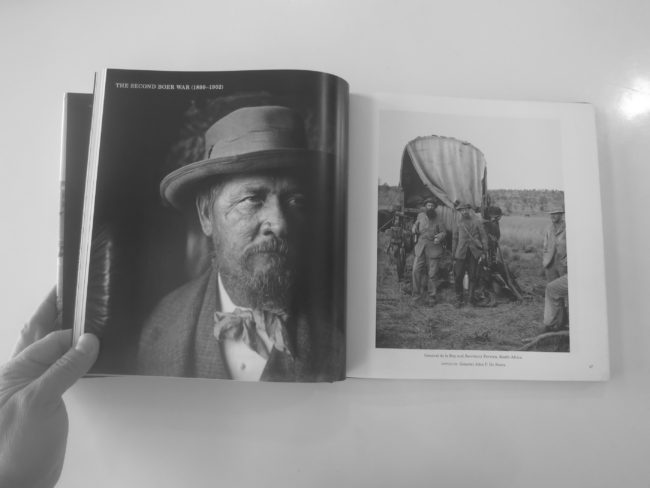
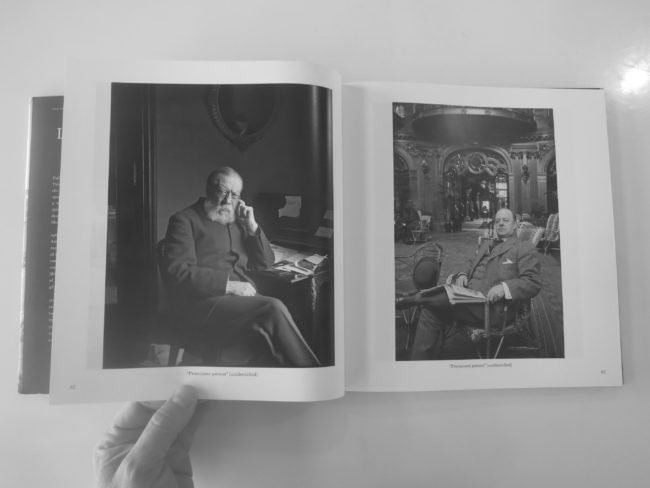
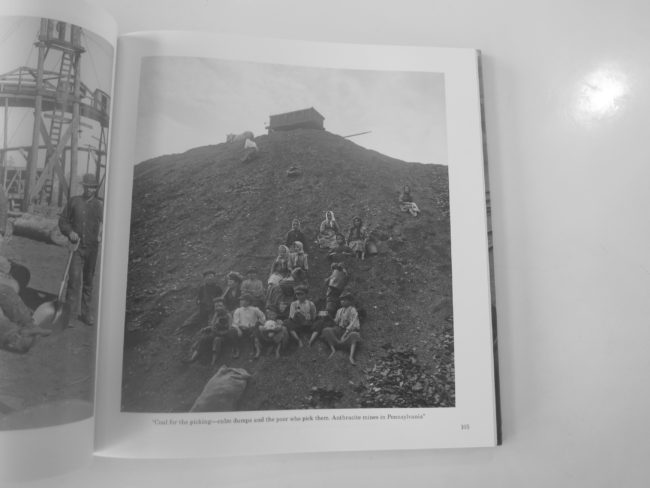
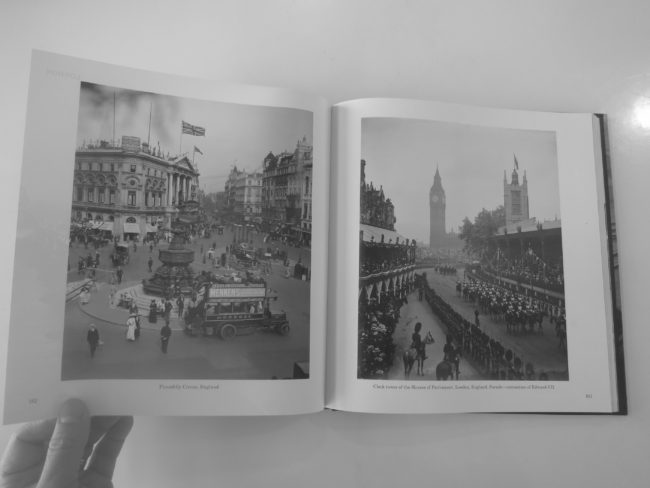
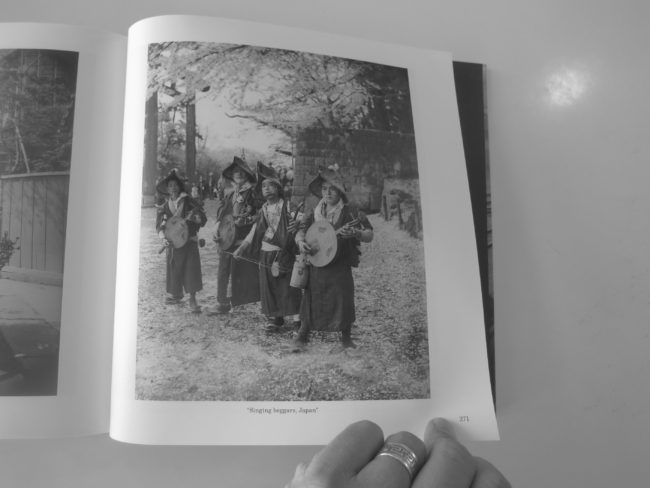
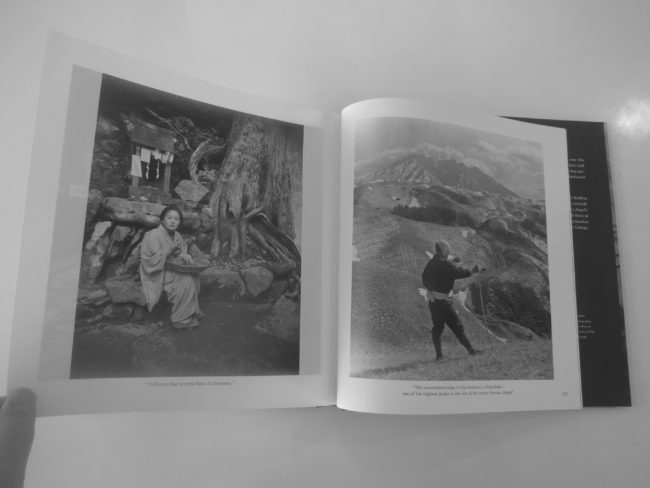
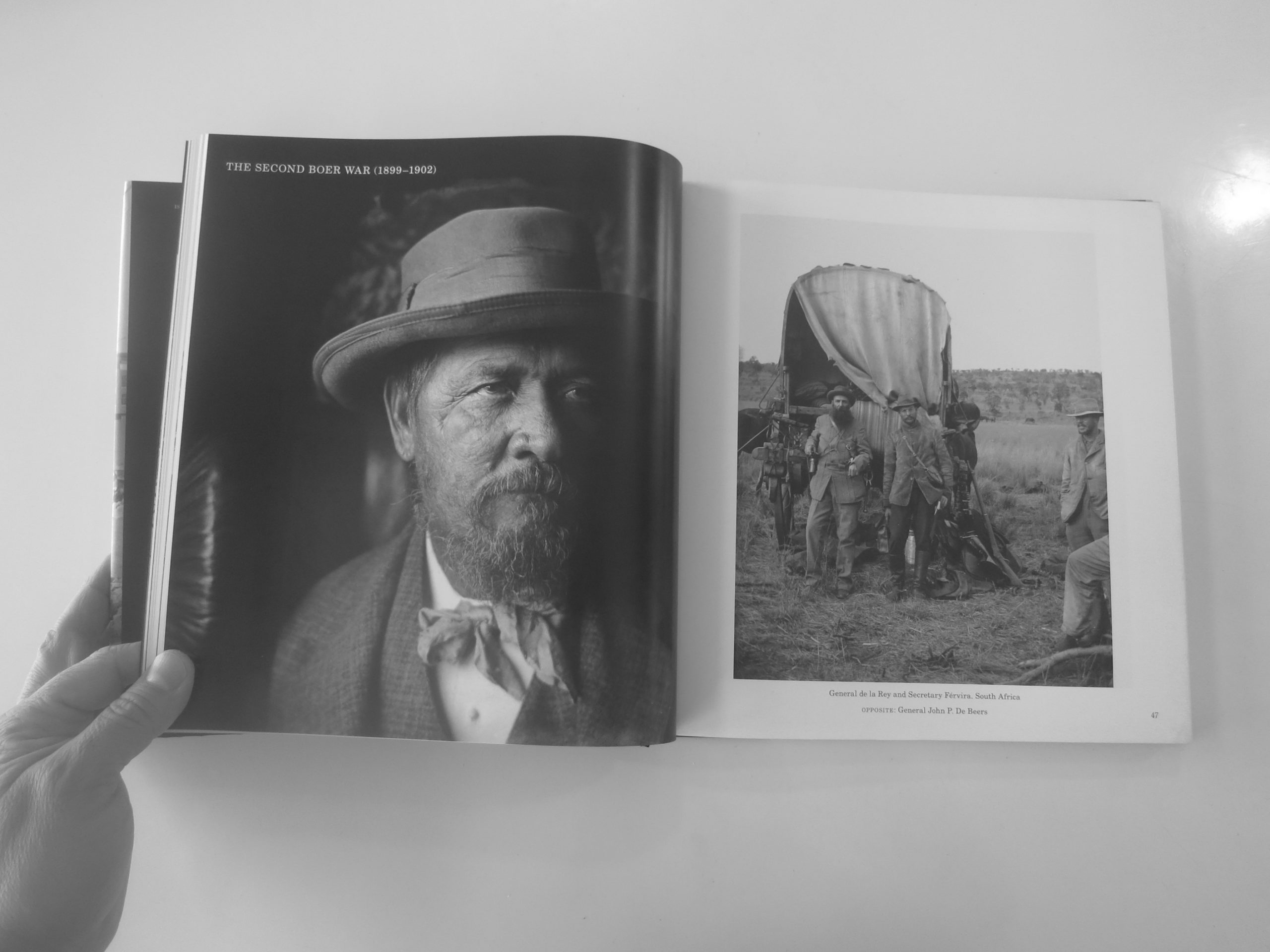
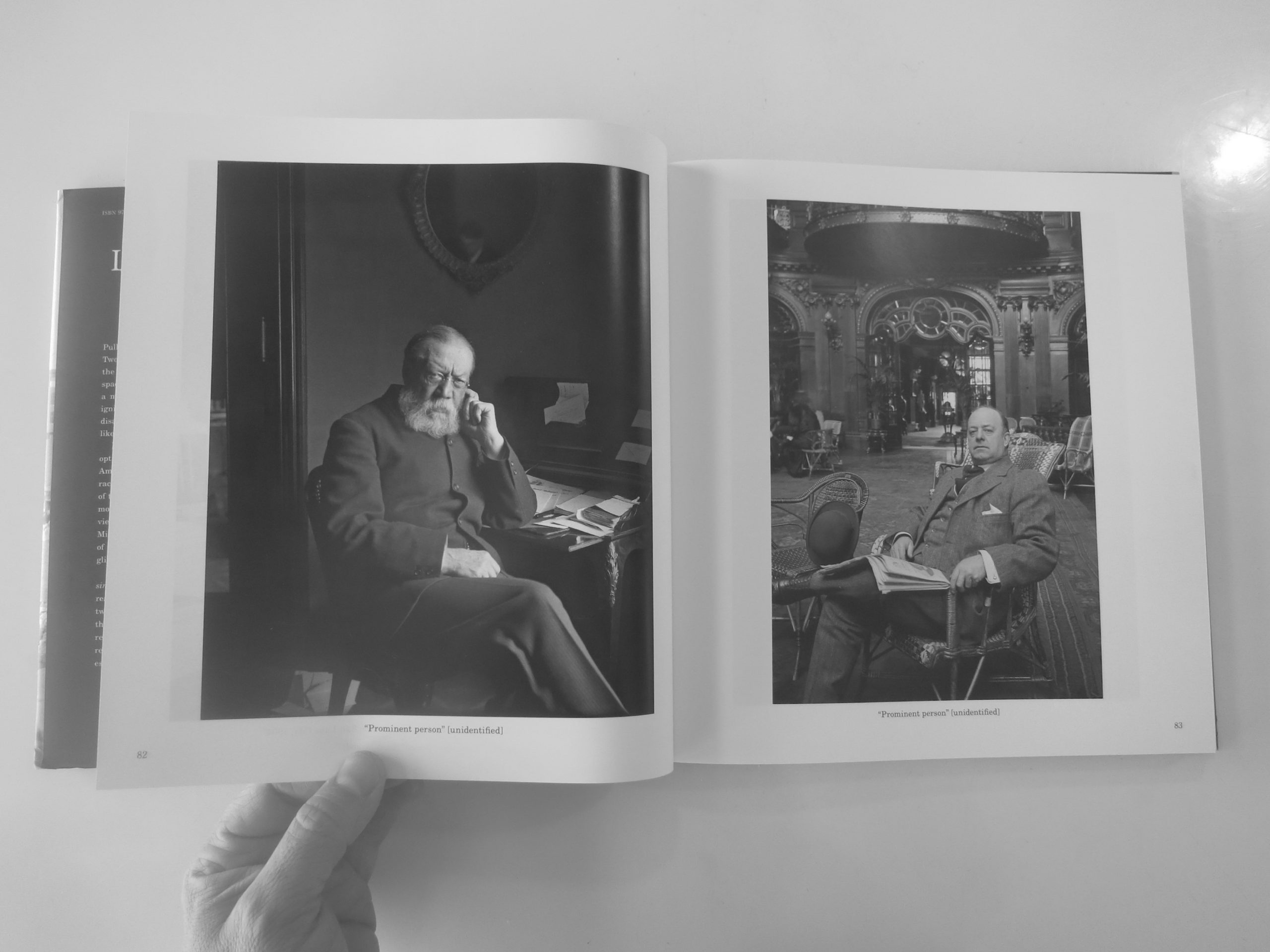
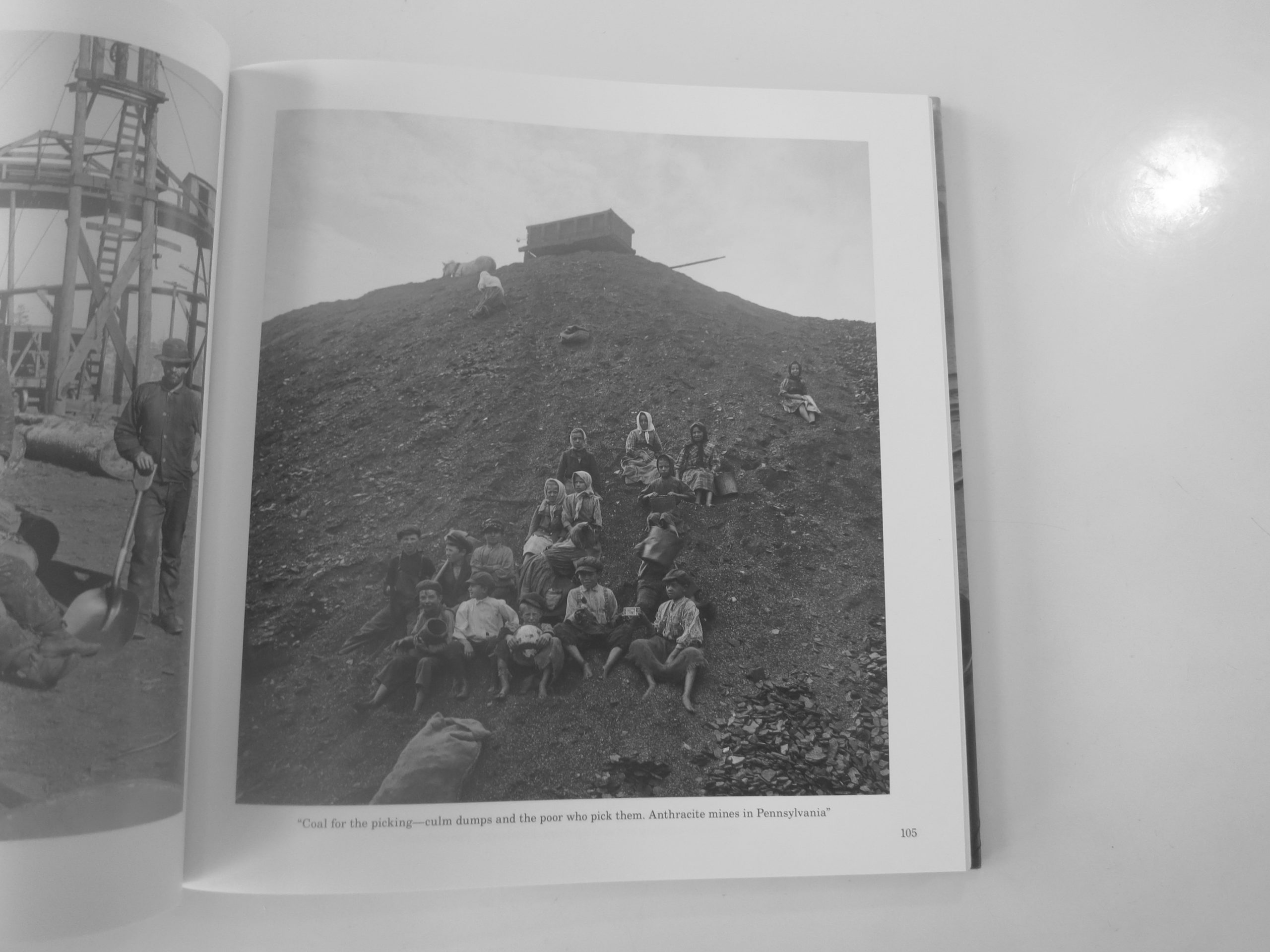
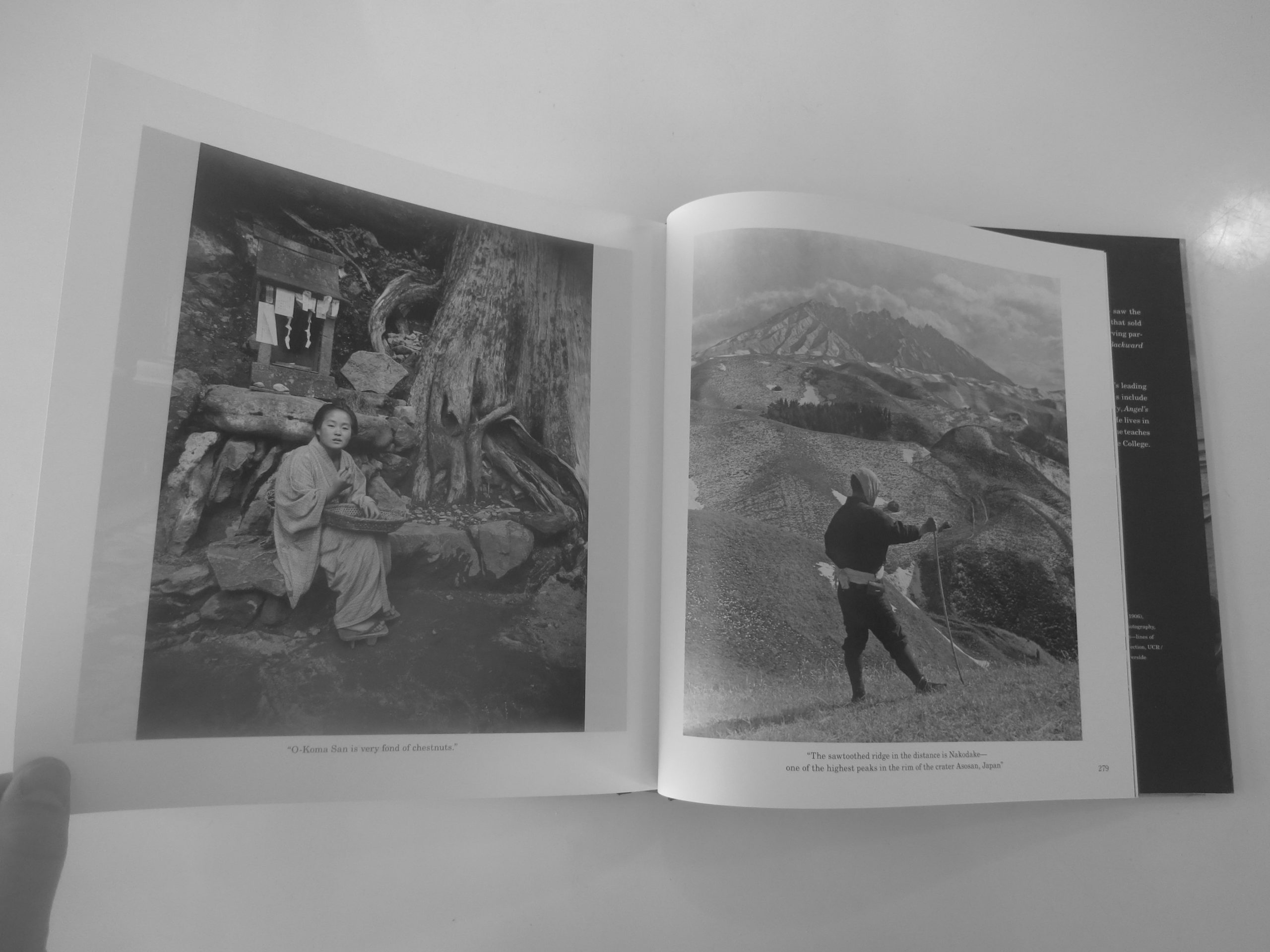
“Looking Backward: A Photographic Portrait of the World at the Beginning of the Twentieth Century,” a new book by Michael Lesy, recently published by WW Norton, definitely qualifies as something excellent to share.

It’s a fantastic book, actually, and fits in perfectly with the theme of historical work that we’ve been on for the last couple of months. (Have you noticed?)

Mr. Lesy makes a similar statement, in one of his well-written essays within, that photographs allow us to travel through time. And he should know.

He spent months combing through a massive archive of stereographs at the California Museum of Photography at Riverside. The Keystone-Mast Collection contains the entire remains of the two biggest stereograph companies of the late 19th and early 20th Centuries.

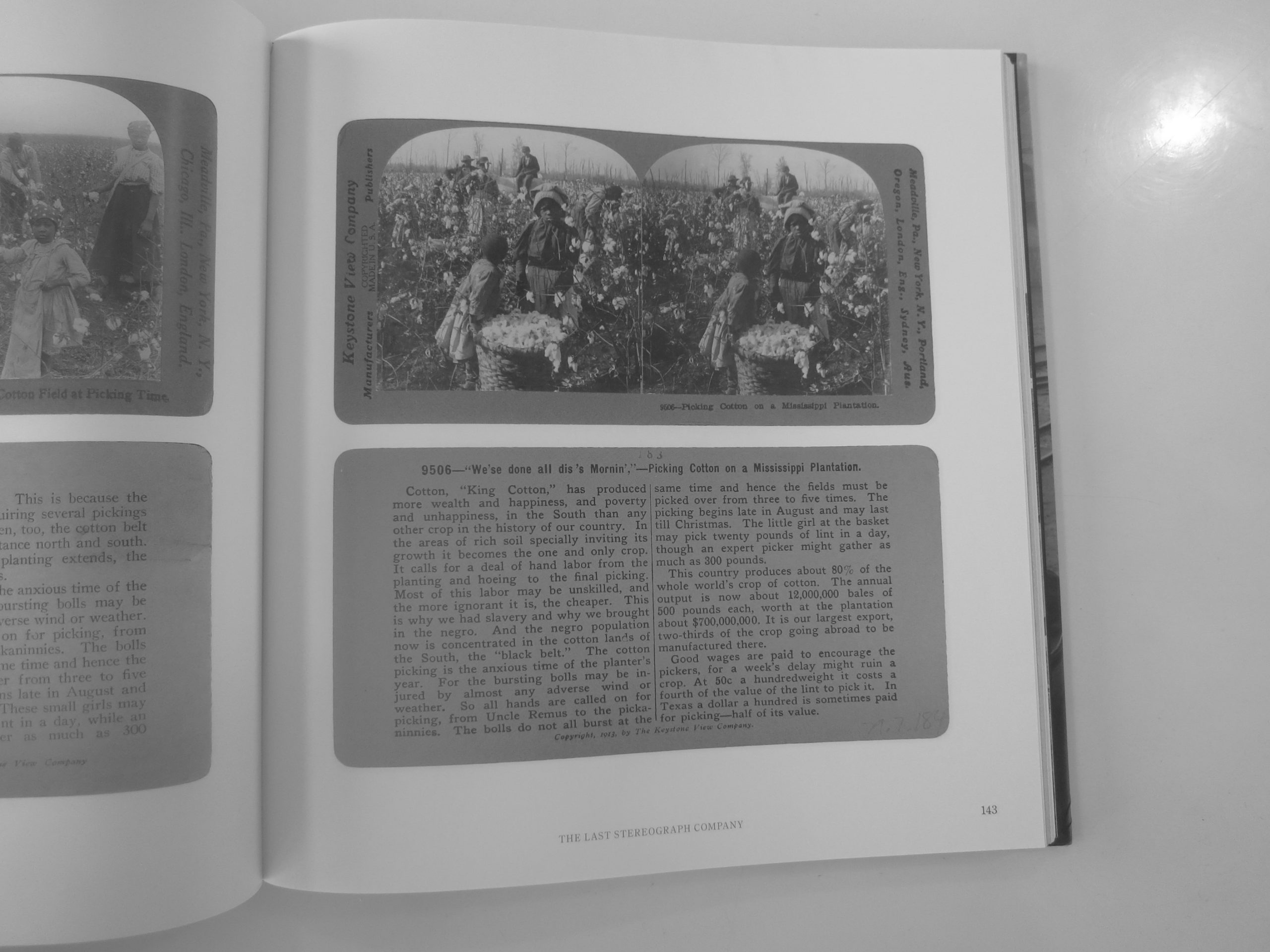
The essays educate us about the practice, of which I was unaware, in which stereoscopic images were packaged with text, and the mechanical means to turn them into 3 dimensional images that would appear before the eye.

An entire section of Keystone’s business was designed to sell to schools, so these pictures were the backbone of the American educational system for decades. (Before AV clubs.)

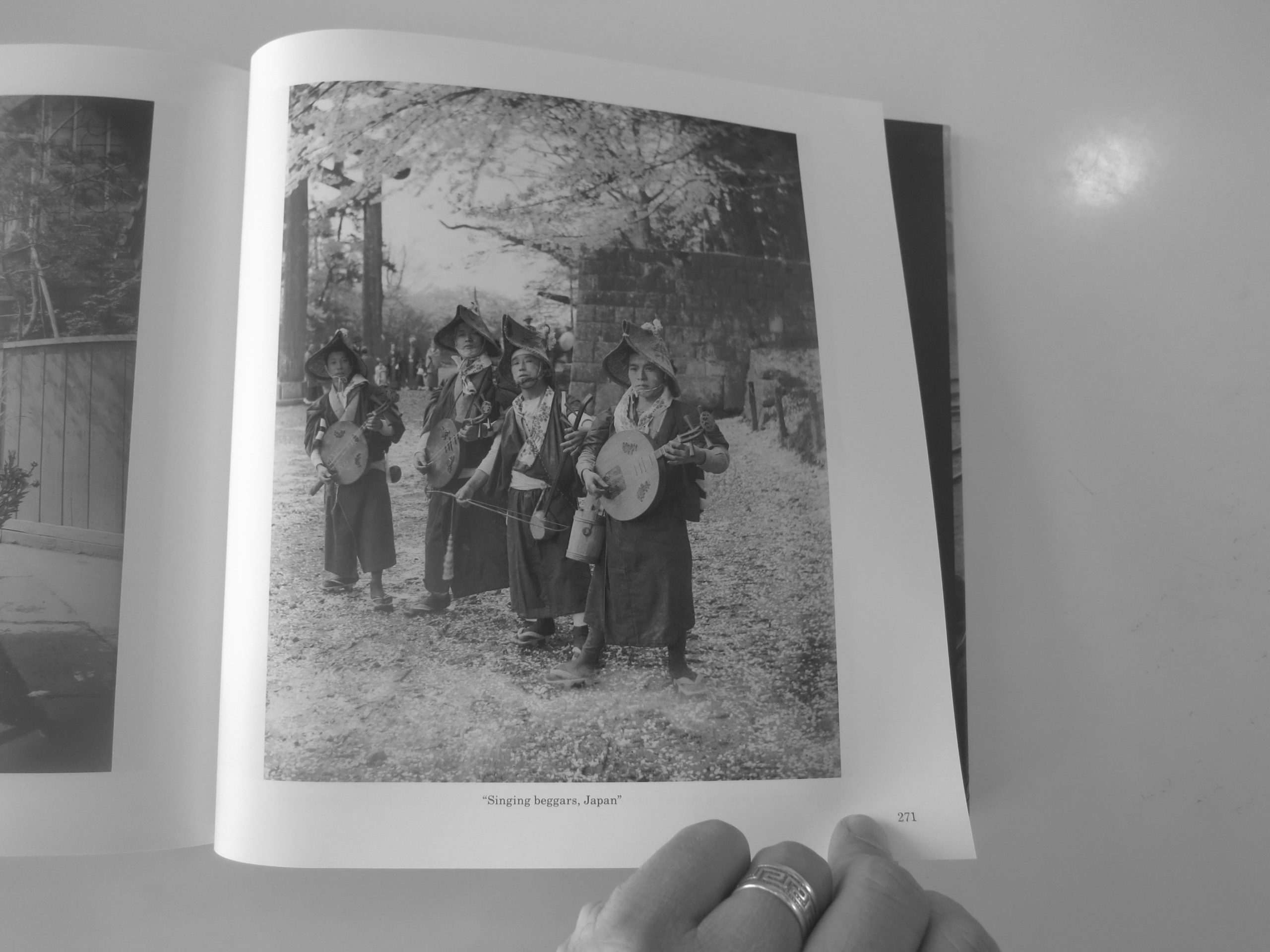
From today’s perspective, large parts of the content are racist. African-Americans are denigrated. The Chinese are savaged. Japanese culture, in contrast, is treated with respect bordering on veneration.

Mr. Lesy culled from 300,000 images to choose the selections in this book, which are broken down thematically, with sections of engaging writing in between.

The book focuses on 1900-10, the beginning of a new, dynamic century that felt like a different age entirely. (Sound familiar?) The writing makes explicit contemporary references to climate change, and treats the offending texts with proper context and condemnation.

Like the stereographs from which they originate, these pictures allow us the same vicarious thrill that the original buyers experienced. Except we get to step back in time as well!

Look at those dead Filipino rebels. (Staged, apparently.) Who were they fighting?

Us.

Why?
Because we were occupying their country.

The company’s network was vast, in both distribution and hiring photographers, so we see pictures from almost every continent. (No Australia or Antarctica that I noticed.)

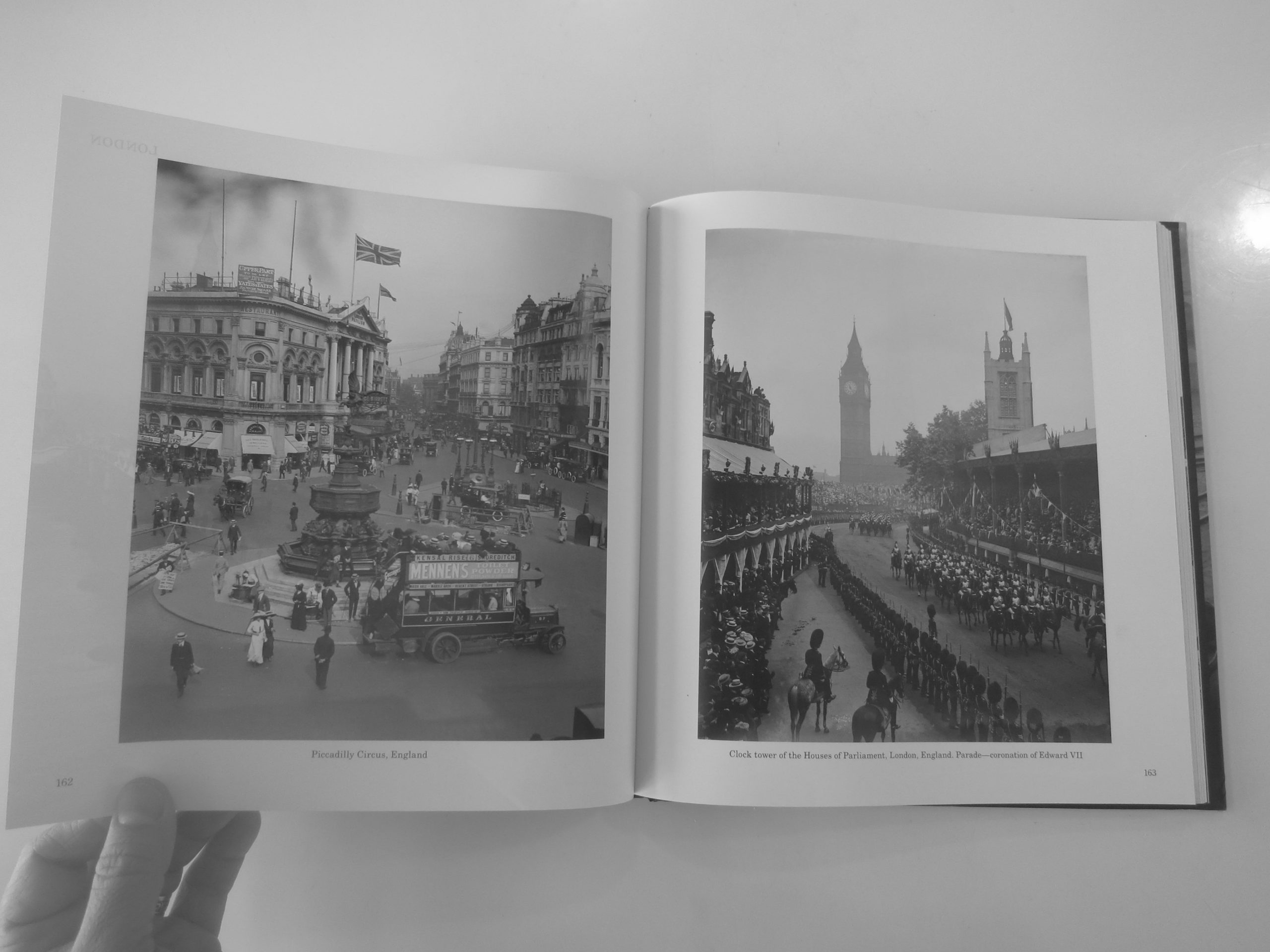
There are cities. And battlefields. Aristocrats. And architecture. South Africa. Peking. London. You name it.

The wars were plentiful, and there is a fair bit about the Chinese rising up in the Boxer Rebellion, to battle the outside forces that were picking over her weakened carcass. There are pictures of that era in Beijing, (then Peking), including a beheading.

The Chinese are described as dirty, dishonest, and craven.

The Japanese, in conjunction with the biases shown by the photographer James Ricalton, who is chronicled within, are by contrast clean and orderly.

There were so many fascinating things to look at. I felt like a kid with a dollar in my pocket at the freak show, in Coney Island circa 1952, with so many choices I didn’t know what to do.

The best part is, I can open it up again, whenever I want, to get my jolt of a another tumultuous age, beset with technological changes and vast shifts in global power.

One of Mr. Lesy’s essays alludes to said shift, as the British Empire has ceded way to a world run by American and Chinese power. The 19th and 20th Centuries were not kind to the Chinese people, I now understand. (Thanks, Netflix. Thanks, Wikipedia.) How they co-exist with Trump’s America is anyone’s guess, but at least we’ll have Mar-a-Lago.

Bottom Line: Fascinating, excellent production featuring an archive of the world in the early 20th C

To Purchase “Looking Backward,” click here



If you’d like to submit a book for review, please contact jonathanblaustein@gmail.com

------------------------

Visit our sponsor Photo Folio, providing websites to professional photographers for over 9 years. Featuring the only customizable template in the world.

------------------------
08 Apr 13:31

Trump’s Dystopian View of the City

by pricetags

From MTV News:

In 1984, Donald Trump wanted to build a castle in Manhattan. Not a metaphorical castle, a literal 60-story building on the Upper East Side, complete with battlements, a water-filled moat, and a working drawbridge with guards. …. The proposal made clear that the medieval accoutrements were not whimsical, but functional, touting the increased security the moat and drawbridge would offer. It also gave the fortress a name. It was to be called, of course, Trump Castle. …

In the ’70s, just as crime began to rise more sharply in New York, corruption scandals roiled the NYPD. Nationwide economic stagnation hit New York particularly hard, driving it into a fiscal crisis that almost led to bankruptcy in 1975. In 1977, a citywide blackout plunged much of the city into almost 24 hours of looting, riots, and arson. That year, Democrat Ed Koch swept into office on a pro–death penalty and law and order platform, pledging to clean up the city and restore it to its former glory. The homicide rate jumped drastically in his second year in office. The mayor of Boston, visiting East Brooklyn in 1978, said, “I have now seen the beginning of the end of civilization.” And Donald Trump finished the negotiations to build Trump Tower, the luxury high-rise that would become his home and headquarters, in midtown Manhattan….

Walter Hill’s 1979 film The Warriors is a postapocalyptic movie. The old order of things has been swept away and a new order has risen. But there is no apocalyptic trigger, no cleansing fire or natural disaster. The fall is ushered in simply by the steady march of social decline, the trends of the ’70s projected into the future. The Warriors‘ New York is a balkanized city, each gang leader ruling his fiefdom like a warlord. Crossing into the wrong territory without a pass or parley is an act of war. The police are reduced to just another gang — and not even the most numerous or powerful one. …

In this way, the movie anticipates the animating anxiety of the coming decade: not just crime, but disorder, and the contested border between the two New Yorks. In one New York, the one that Donald Trump occupied, a Wall Street boom was restoring the fiscal health of the city, the real estate market was recovering, and unemployment was dropping. But in the other New York, homelessness and crime were both rising. …If you listen to Donald Trump, it’s the late ’80s again. “The murder rate,” Trump declared at his campaign rallies, “it’s the worst, the highest it’s been in 45 years. Nobody talks about that — nobody talks about that.” Nobody talks about this mostly because it isn’t true.  …

Trump is evoking this fever dream of a disintegrating city because his policy solutions thrive on fear of crime and fear of terrorism. The hellscape of Escape From New York, which is itself Carpenter’s conscious extension of the urban “jungle” of Death Wish, is inhabited by characters from the nightmares of Trump’s rural and suburban base — drug-addled vagrants, violent thugs, hardened convicts, mindless mobs. And the world that those people would create is one so depraved and anarchic that fear of it would drive people to accept state repression.

It is that fear that justifies the travel ban, the draconian deportation of undocumented immigrants, the promise to spend millions of dollars on a southern border wall, the crackdown on “sanctuary cities.”  It is that fear that justifies squashing attempts to reform civil forfeiture laws and the retreat, at the federal level, from trying to hold local police departments accountable for their abuses.

Full article here.


08 Apr 13:29

'Education Technology's Completely Over'

This was the first-half of a joint presentation at Coventry University as part of my visiting fellowship at the Disruptive Media Learning Lab. The better half was delivered by Jim Groom. Our topic, broadly speaking: "a domain of one's own"

“The Internet’s completely over,” Prince told The Daily Mirror in 2010. People laughed at him. Or many of the digital technorati did. They scoffed at his claims, insisting instead that the Internet was inevitable. The Internet was the future of everything.

When it came to music, the technorati contended, no longer would any of us own record albums. (We wouldn’t own books or movies or cars or houses either. Maybe we wouldn’t even own our university degrees.) We’d just rent. We’d pay for subscription services. We’d stream singles instead. We’d share – well, not really “share,” but few would complain when a post-ownership society got labeled as such. Few would care, of course, except those of us struggling to make money in this “new economy.”

Prince was wrong about the Internet, the technorati insisted. Turns out, Prince was right. The “new economy” sucks. It’s utterly exploitative.

But many technorati would never admit that Prince was right – perhaps until Prince’s death this time last year when everyone hailed him as one of the greatest artists of our day. The Electronic Frontier Foundation, for example – an organization that, as its name suggests, sees itself as a defender of “Internet freedom,” particularly with regards to copyright and free speech online – had inducted Prince into the Takedown Hall of Shame in 2013, establishing and then awarding him with the “Raspberry Beret Lifetime Aggrievement Award for extraordinary abuses of the takedown process in the name of silencing speech.” Prince was, no doubt, notorious for demanding that bootleg versions of his songs and his performances be removed from the Web. He threatened websites like YouTube with lawsuits; he demanded fans pull photos and lyrics and cellphone videos offline. It was, until recently, almost impossible to find Prince’s music on streaming services like Spotify or video services like YouTube.

And thus Prince was viewed by some as a Luddite. But many of those folks utterly misunderstood Prince’s relationship to technologies – much like many, I’d argue, misconstrue what the Luddites in the early nineteenth century were actually so angry about when they took to smashing looms.

It was never about the loom per se. It’s always about who owns the machines; it’s about who benefits from one’s labor, from one’s craft.

From the outset of his career, Prince was incredibly interested in computers and with technological experimentation – in how computers might affect art and relationships and creativity and love. He released an interactive CD-ROM in 1994, for example, a game that played a lot like another popular video game at the time, Myst. That video game was one of the few ways you could get ahold of the original font file for the symbol that Prince had adopted the previous when he officially changed his name. (His label was forced to mail floppy disks with the font to journalists so they could accurately write about the name change.) You could see Prince’s interest in computer technologies too in songs like “Computer Blue” from the Purple Rain soundtrack (1984) and “My Computer” from the album (his nineteenth) Emancipation (1996). The lyrics in the latter, which some argue presage social media – okay, sure – but perhaps more aptly simply reflect someone who was active in (or at least aware of) the discussion forums and chatrooms of the 1990s:

I scan my computer looking 4 a site

Somebody 2 talk 2, funny and bright

I scan my computer looking 4 a site

Make believe it’s a better world, a better life

The following year, Prince released Crystal Ball, and in what was a novel move at the time, put all the album’s liner notes online, via a fairly new technology called a “Web site.” A few years later, Prince launched a subscription service that promised to give fans exclusive access to new music, again via a site he controlled.

See, Prince didn’t hate the Internet per se, although he certainly had a complicated relationship with what has become an increasingly commodified and exploitative Internet and Web (one actively commodifying and exploiting not just musicians and recording artists). Rather, the problem that Prince identified with the Internet was that it enables – is built on, really – the idea of multiple digital copies, permission-less digital copying. And Prince has always, always fought to retain control of the copies of his work, to retain control of his copyright.

“I don’t see why I should give my new music to iTunes or anyone else,” Prince told The Daily Mirror in that 2010 interview.

They won’t pay me an advance for it and then they get angry when they can’t get it."


The internet’s like MTV. At one time MTV was hip and suddenly it became outdated. Anyway, all these computers and digital gadgets are no good. They just fill your head with numbers and that can’t be good for you.

He later clarified what he meant to The Guardian: “What I meant was that the internet was over for anyone who wants to get paid, and I was right about that. Tell me a musician who’s got rich off digital sales. Apple’s doing pretty good though, right?”

If you’re wondering why I’m talking about Prince today and not education technology, you’re not paying close enough attention to the ways in which the ed-tech industry gets rich off of the creative work (and the mundane work) of students and scholars alike. Indeed, I wanted to invoke Prince today and talk a little bit about how his stance on the Internet – and much more importantly, his stance on the control and the ownership of his creative work – might help us think about the flaws in education technology and how it views ownership and control of data, how it extracts value from us in order to profit from our labor, our intellectual property. And I hope that by retelling the story of Prince and the Internet, by telling a counter-narrative to one that’s simply “Prince hated it,” we can think about what’s wrong with how ed-tech – as an industry and as an institutional practice – treats those doing creative and scholarly work. Not because we hate or resist the Internet, but because we want to build and support technologies that are not exploitative or extractive.

Me, I will gladly echo Prince – I do so with the utmost respect and with a great deal of shock and sadness still to this day that he’s gone – “education technology’s completely over.”

“If you don’t own your masters, your master owns you,” Prince told Rolling Stone in 1996, on the cusp of the release of his album Emancipation. (A master recording is the first, the original recording of a song, from which all subsequent copies are made.) Prince had famously battled with Warner Bros over his contract and his catalog. He’d recorded with the label from 1978 to 1996 – and that included his biggest hit record, Purple Rain. Fighting with Warner Bros had prompted Prince to change his name to the symbol. Born Prince Rogers Nelson, Prince discovered that he didn’t even own his own name, let alone his music. He hoped that by changing his name, he’d be able to get out of his contract – or at least protest its terms. He appeared with the word “slave” written on his cheek at the 1995 BRIT Awards. His ­acceptance speech at the event: “Prince. In concert: ­perfectly free. On record: slave.”

In 2014, Prince signed a deal to get his masters back. He controlled his music. The original copies of his music. He could decide what to release and what not to release and when and how to release it.

Prince fought for a long time with record labels, and arguably that makes his response to the new digital “masters” – Apple, Google, Spotify, and such – more understandable. But his assertions about masters and slaves are perhaps more than a little overstated, overwrought. And as such, I want to be a little cautious about making too much about a connection between the ownership of ideas and the ownership of bodies and how control and exploitation function in academia.

In the US (and I’m not sure how this works in the UK), if you request a copy of your educational records from your university, they send you a transcript. That is, they send you a copy. You can request a copy of your articles from academic publications. Rarely – although hopefully increasingly – do authors retain their rights. Students often find themselves uploading their content – their creative work – into the learning management system (the VLE). Perhaps they retain a copy of the file on their computer; but with learning analytics and plagiarism detection software, they still often find themselves having their data scanned and monetized, often without their knowledge or consent.

So I want us to think about the ways in which students and scholars, like Prince, find themselves without control over their creative work, find themselves signing away their rights to their data, their identity, their future. We sign these rights away all the time. We compel students to do so. We tell them that this is simply how the industry, the institution works. You want a degree, you want a record label, you must use the institutional technology. You must give up your masters.

You needn’t. None of us need to. (Of course, none of us are Prince. Perhaps it seems a little overwhelming to fight the corporate masters like he did. But I believe that “domains” is one small step towards that.)

08 Apr 13:24

Port Mann Parameter: How to measure the cost of bike lanes

by pricetags

It happened again today: someone mentioned that if only we hadn’t spent so much on bike lanes, we could afford to fund … (fill in blank).  In this case, repairing the Lost Lagoon fountain.

Bikeways, greenways, any way but roadways, have become for some a rhetorical measurement of waste, kind of like the fast ferries.  Such examples are typically fodder for the Right.  (Try googling “Bateman poodle.”)  These days, Trump has given the Left equal opportunity: (Google “Mar-a-Lago cost-per-trip, Meals-on-Wheels.”)

Here’s a local example:

City councillor Melissa DeGenova said Saturday that at a rally earlier in the week she heard from many residents along that stretch who don’t want to pay the money (to bury utility lines on Point Grey Road) , and are upset the sidewalk expansion is happening at all. They believe the money could be better spent elsewhere, such as affordable housing for homeless or improvements to the Downtown Eastside …

Too much to ask residents of some of the most expensive property in Canada to spend $80,000 per house – but really they were objecting to the cost of the PGR sidewalk rebuild in the first place.

By the way, how much was that?

Up to $6.4 million.

Sound like a lot?  Let’s compare:

6 MILLION

Dollars spent to maintain the bridges this winter

This winter had more snow and storms than most, with 22 days of snowfall on the Port Mann Bridge. TI Corp, which maintains and operates the bridge, spent about $5 million to operate the cable collar system on the Port Mann Bridge. Last winter, the cost to operate the system was $300,000.

To repeat: TCI “spent about $5 million to operate the cable collar system on the Port Mann Bridge.”

Note that that was only a one-time operating cost, not a permanent capital improvement like Point Grey Road.  But it does make for a handy new unit of measurement: The Port Mann Ice Removal Parameter.

For instance: Phase 2 of the Point Grey greenway cost one and a quarter PMIRs.

And this counter-lament: ‘If only the Port Mann Bridge had been designed properly, we could have spent the money filling in the gaps in the regional bike network.’

Or we could continue to use poodles:


08 Apr 13:23

Musqueam isn’t Celebrating

by Stephen Rees

new-bridge

Cut and Paste from a Press Release

Musqueam isn’t celebrating with BC regarding George Massey Tunnel Removal and Bridge Project

For Immediate Release

Thurs. April 6, 2017

Musqueam Territory, Vancouver, BC – Canada.  Yesterday the BC government announced the  construction of a bridge to replace the George Massey Tunnel (GMT). The project lies in the heart of Musqueam territory and the BC government has not received consent from Musqueam to proceed. It is in an area that has been occupied by Musqueam since time immemorial.  GMT is surrounded by heritage sites, and other culturally important sites, including fishing areas in the Lower Fraser River that Musqueam has Aboriginal rights to fish, which are protected by the Canadian Constitution after a Supreme Court of Canada ruling (R. v Sparrow, 1992).


Chief Wayne Sparrow stated, “Musqueam has not been meaningfully consulted nor accommodated for the GMT project. This project is in the core of our exclusive territory and the Provincial and Federal government have not received Musqueam’s consent.”


The GMT project will involve the construction of a 10-lane bridge, and the removal of the tunnel. The tunnel removal will add to the negative cumulative effects in Musqueam’s territorial waters in the Fraser River. BC and Canada have not considered these effects as they continue to approve projects like this without meaningfully consulting, accommodating and compensating Musqueam for these cumulative impacts.


“Musqueam will not stand for the continued degradation of our lands and waters.  The BC and Canadian government have much work to do with us to ensure the GMT project can proceed according to Musqueam conditions”, said Chief Sparrow.  He added, “Musqueam is leading in areas of stewardship and management in our territory, and will raise the bar on all future projects in Musqueam territory.  We are not against development, but it must be done in ways that include Musqueam values, and ensures the protection of our rights.”


Musqueam has cultural sites all around the project and in the Lower Fraser River that provide evidence of Musqueam exclusive use and occupancy, thousands of years before Canadian Confederation.


Filed under: Transportation Tagged: First Nations, George Massey Tunnel
08 Apr 13:22

Two Very Different Kinds of Student

by Eugene Wallingford

The last sentence of each of these passages reminds me of some of the students over the years.

First this, from Paul Callaghan's The Word Chain Kata:

One common way to split problems is via the "generate and test" pattern, where one component suggests results and the other one discards invalid ones. (In my experience, undergrad programmers are experts in this pattern, although they tend to use it as a [software development] methodology--but that's another story.)

When some students learn to program for the first time, they start out by producing code that looks like something they have seen before, trying it out, and then tinkering with it until it works or until they become exasperated. (I always hope that they act on their exasperation by asking me for help, rather than by giving up.) These students usually understand little bits of the code locally, but they don't really understand the program or function as a whole. Yet, somehow, they find a way to make it work.

It's surprising how far some students can get in a course of study by programming this way. (That's why Callaghan calling the approach a methodology made me smile.) It's unfortunate, too, because eventually the approach hits a wall when problems and domains become more challenging. Or when they run into a course where they program in Racket, in which one misplaced parenthesis can cause an otherwise perfect piece of code to implode. Lisp-like languages do not provide a supportive environment for this kind of "programming by wandering around".

And then there's this, from Andy Hertzfeld's fun little story about the writing of the classic manual Inside Macintosh:

Pretty soon, I figured out that if Caroline had trouble understanding something, it probably meant that the design was flawed. On a number of occasions, I told her to come back tomorrow after she asked a penetrating question, and revised the API to fix the flaw that she had pointed out. I began to imagine her questions when I was coding something new, which made me work harder to get things clearer before I went over them with her.

In this story, Caroline is not a student, but a young new writer assigned to the Mac documentation team. Still, she reminds me of students who are as delightful to work with as generate-and-test programmers can be frustrating. These students pay attention. They ask good questions, ones that often challenge the unstated assumptions underlying what we have explained before. At first, this can seem frustrating to us teachers, because we have to formulate answers for things that should be obvious. But that's the point: they aren't obvious, at least not to everyone, and us thinking they are obvious is inhibiting our teaching.

Last semester, I had one team of students in my compilers class that embodied this attitude. They asked questions no one had ever bothered to ask me before. At first, I thought, "How can these guys not understand such basic material?" Like Hertzfeld, though, pretty soon I figured out that their questions were exposing holes or weaknesses in my lectures, examples, and sample code. I began to anticipate their questions as I prepared for class. Their questions helped me see ways to make my course better.

As along so many other dimensions, part of the challenge in teaching CS is the wide variation in the way students study, learn, and approach their courses. It is also a part of the great fun of teaching, especially when you encounter the Carolines and Averys who push me to get better.

07 Apr 20:27

University of Toronto and Waterloo finalists to compete in AutoDrive Challenge

by Dean Daley
Chevy Bolt used as base for the AutoDrive Challenge

General Motors Canada and Society of Automotive Engineers (SAE) announced two Canadian universities were chosen for the AutoDrive Challenge, University of Waterloo and the University of Toronto. The two schools competed in the inaugural competition where they became two of the eight finalists announced at the SAE World Congress.

“Congratulations to the Universities of Toronto and Waterloo on this wonderful achievement,” said Brain Tossan, director of the Canadian Technical Centre for GM Canada, in a press statement. “We are very excited to work closely with you over the next three years.”

AutoDrive Challenge, is a three-year competition to make a fully autonomous driving passenger vehicle. Students will need to focus on, artificial intelligence, computer vision, pattern recognition, sensor fusion and autonomous vehicle controls to complete the challenge. The universities are given a Chevrolet Bolt EV as platform vehicle to work on for the challenge.

For U of T, 100 students will fill out various roles, such as calibrating the sensors and designing software algorithms. School professor Tim Barfoot of U of T’s Institute for Aerospace, believes they have an advantage.

“We have an advantage in that our brand-new facility backs onto a private road,” he said in a statement. “We can do a lot of testing just by opening the garage door.”

Each spring the teams will compete in annual competitions. The first competition will have the teams submit a concept design written paper and have the autonomous vehicle self-drive down a straight open road.  The second competition will be more challenging, the autonomous vehicle will have to change lanes and detect objects. The final competition will have the teams’ autonomous vehicles self-drive through an urban driving course designed by the SAE, the course will have turnabouts, moving objects and the vehicles will be moving at high speeds.

Other finalists are among the following: Kettering University, Michigan State University, Michigan Tech, North Carolina A&T University, Texas A&M University and Virginia Tech.

The post University of Toronto and Waterloo finalists to compete in AutoDrive Challenge appeared first on MobileSyrup.

07 Apr 20:27

Justin Trudeau selling Canada’s innovation agenda through Quora and LinkedIn

by Jessica Galang
Justin Trudeau

Prime Minister Justin Trudeau turned to Q&A platform Quora to drive home the point that Canada is setting itself up to become a global leader in innovation and tech.

Trudeau answered questions that were not only cheerful and personal, but also questions that offered insights into Canada’s increasing focus on innovation, its investments in the tech sector, and growing domestic talent.

When asked about his stance on artificial intelligence (AI) research, Trudeau explained how the recent federal budget is investing $125 million to launch a Pan-Canadian Artificial Intelligence Strategy to retain and attract talent in AI.

“The strategy will promote collaboration between Canada’s main centres of expertise in Montreal, Toronto-Waterloo, and Edmonton and position Canada as a world-leading destination for companies seeking to invest in artificial intelligence and innovation,” wrote Trudeau.

As part of the $125 million investment, the federal government is already contributing $40 million to $50 million towards the Vector Institute, a new Toronto-based institute that aims to support research in AI. The non-profit institute, which is affiliated with the University of Toronto, will hire approximately 25 new faculty and research scientists to commercialize research in AI and machine-learning.

morneau

In his Q&A session, Trudeau also addressed what governments need to do to prepare for the automation of human jobs. He noted that while automation replacing jobs is inevitable, governments should embrace advancements in automation while helping to educate and train people to help them find sustainable careers.

“We know that the job market is changing, and instead of resisting in vain, we’re focused on funding research and innovation, like in AI and quantum computing, that’ll help lead the change here in Canada,” writes Trudeau. “And while we do that, we’re preparing Canadians to find good jobs through investments in education and training.”

Trudeau pointed out that Canada’s budget this year includes more grants and interest-free loans for students, in addition to investing in 10,000 “work-integrated learning placements” for students. At the same time, citizens who are a part of the Employment Insurance (EI) program will be able to keep their status if they are pursuing self-funded skills training.

“For unemployed workers receiving EI, this will mean that they can return to school to get the training they need to find a new job—without fear of losing the EI benefits they need to support themselves and their families,” wrote Trudeau, who said Budget 2017 has proposed to provide $132.4 million, over four years, and $37.9 million per year thereafter, towards this initiative.

When asked why the best engineers in the world should come to Canada, Trudeau said innovation and creativity often requires tapping into people with diverse perspectives and backgrounds, and that encouraging multiculturalism at Canada’s post-secondary institutions like the University of Waterloo is crucial.

“It is vital that Canadian children – from kindergarten through Grade 12 – have access to education that prepares them for the jobs of today and tomorrow.”

“The reason University of Waterloo is the top recruiting spot for Silicon Valley certainly has to do with the incredible multiculturalism of its graduates, and not just for the high quality of education,” writes Trudeau.

Trudeau also noted that Canada can deepen its multicultural tech pool “by reaching out beyond our borders.” Pointing to the new Global Talent Stream, a feature of the Temporary Foreign Worker Program that will offer a two-week permit processing time to bring in highly-skilled talent.

Trudeau said that he’s committed to bringing the best talent into Canadian businesses. “We want to help high-growth companies bring in the talent they need quickly by slashing the processing time for a Canada visa application from six months to just 10 business days,” he wrote.

This isn’t the first time that the Prime Minister has used an online platform to promote Canada’s commitment to innovation. After the budget was released, Trudeau took to LinkedIn to break down how the so-called Innovation Agenda would benefit Canadians — especially through education.

“It is vital that Canadian children – from kindergarten through Grade 12 – have access to education that prepares them for the jobs of today and tomorrow,” he wrote. “Budget 2017 invests in organizations that teach girls and boys digital skills and coding, which means more young Canadians will be ready for a workforce that is inherently tech-savvy.”

To read through the full session, click here.

This article was originally published on BetaKit.

The post Justin Trudeau selling Canada’s innovation agenda through Quora and LinkedIn appeared first on MobileSyrup.

07 Apr 20:27

Google says 5% of Android devices are now running Nougat 7.0 and 7.1

by Igor Bonifacic
Android Mascot

Almost 5 percent of Android devices are now running Nougat, the latest version of the mobile operating system, according to the most recent platform distribution data from Google.

The combined number of Android devices running 7.0 and 7.1 increased by 2.1 percentage points compared to the same time last month. While that doesn’t sound particularly impressive, at its current pace Nougat will be on approximately one-third of Android devices in one year. Moreover, compared to Marshmallow at the same point in its history, Nougat is currently outpacing 6.0.

google android

Older versions of Google’s operating system didn’t fare so well in the one month period since the company last updated its data. With the exception of Nougat, all other versions of Android either saw their share of the operating system stagnant or drop. For the first time in Android’s history, the number of devices running Marshmallow decreased.

It was only a small 0.1 percent drop. Nonetheless, that change still marks a turning point for Google’s operating system. Moving forward, it’s all about Nougat and Android O.

Source: Google

The post Google says 5% of Android devices are now running Nougat 7.0 and 7.1 appeared first on MobileSyrup.

07 Apr 20:27

Google rolls out Search and News fact checking cards globally

by Igor Bonifacic
Google Search

With the effects of the fake news phenomenon still being felt throughout the world, Google is adding a new fact-checking feature to Search and News results.

Pulling information from PolitiFact, a website dedicated to fact-checking U.S. politics, as well Snopes, another fact-checking website, this time dedicated to debunking urban legends, the company will now display information on whether something a website or news piece claims is accurate.

Google Search fact check

Google first added fact-checking functionality to Search back in October of last year. At that point, the feature was only available to search engine users in the U.S. and U.K. In addition, at that point, Google had only partnered with Jigsaw. The company later expanded the availability of the feature to other countries this past February.

Notably, the fact checks do not come directly from Google; instead, the company is depending on third-party organizations to do the hard work of vetting information. The company also notes its sources may sometimes contradict one another. “This information won’t be available for every search result, and there may be search result pages where different publishers checked the same claim and reached different conclusions,” says the company. “Even though differing conclusions may be presented, we think it’s still helpful for people to understand the degree of consensus around a particular claim and have clear information on which sources agree.”

Source: Google Via: The Next Web

The post Google rolls out Search and News fact checking cards globally appeared first on MobileSyrup.

07 Apr 20:27

Microsoft’s Surface Pro 5 to feature Intel’s Kaby Lake processor and similar design

by Patrick O'Rourke
Surface Rumours

While we’ve heard some news regarding Microsoft’s still unannounced Surface Book 2, very little has leaked out about the inevitable Surface Pro 5.

According to technology journalist Paul Thurott, the Surface Pro 5 will stick with the same proprietary Surface power connector but is also set to adopt Intel’s latest Kaby Lake processor architecture. Thurrott, however, claims there is “nothing dramatic” about the Pro 5, so those hoping for a full refresh, will likely be disappointed with Microsoft’s still unannounced successor to the Surface Pro 4.

The word is still out on if Microsoft will adopt USB-C in its latest devices, following other PC manufacturers — especially in the 2-in-1 space — and Apple. Given the tech giant’s emphasis on backwards compatibility between Pro 3 and Pro 4 accessories, it’s possible Microsoft could opt to include both USB-C and USB-A ports in the Pro 5.

Microsoft is reportedly set to hold a special Surface hardware event in the coming weeks, though ZDNet has already reported that we won’t get a glimpse of the Surface Book 2 at the keynote.

Source: Paul Thurrott

The post Microsoft’s Surface Pro 5 to feature Intel’s Kaby Lake processor and similar design appeared first on MobileSyrup.

07 Apr 20:27

The BlackBerry Priv is one of the most secure Android devices on the market, Google reports

by Rose Behar
BlackBerry Priv Smartphone laying on table

In its latest ‘Android Security: Year in Review’ report, Google has honoured the BlackBerry Priv as one of the most secure Android devices on the market.

The BlackBerry Priv is among a group of devices that achieved an update rate of 60 percent to 95 percent for its monthly security releases, including the Pixel devices; Nexus 5, 6, 5X and 6P; OnePlus and OnePlus 3; Samsung Galaxy S7; Asus Zenfone 3; LG V20 and Sony Xperia X Compact.

“We are honored that PRIV was included in Google’s Android Security: 2016 Year in Review, and we take this as a signal that we’re living up to our promise to deliver the world’s most secure Android software platform,” stated BlackBerry senior vice-president and general manager of the mobility solutions division Alex Thurber in a blog post on Inside BlackBerry, adding: “It’s especially gratifying that the Priv was named among the market’s security leaders for the second year in a row.”

BlackBerry was also named as one of four manufacturers (the others being LG, Samsung and OnePlus) that deliver Android security updates to flagship devices on the same day that Google updates its own smartphone — at least for unlocked devices bought directly from BlackBerry or its manufacturing partners. Thurber acknowledged that carriers sometimes hold updates “for various reasons.”

Additionally, the report lauds BlackBerry for deploying a fix to a zero day vulnerability known as “Dirty Cow” — which was publicly disclosed on October 19th, 2016 — in time for the November 2016 security update.

Google wrote in its report that in 2016, Android security updates addressed 655 vulnerabilities, 133 of which were critical in severity, 365 high, 154 moderate and three low — representing a more than 275% increase from 2015.

Source: BlackBerry, Google

The post The BlackBerry Priv is one of the most secure Android devices on the market, Google reports appeared first on MobileSyrup.

07 Apr 20:08

Short Answers to Hard Questions About HPV

mkalus shared this story .

This week, the federal government reported that nearly half of Americans between the ages of 18 and 59 are infected with genital human papillomavirus — some strains of which can cause deadly cancer. The report, by the National Center for Health Statistics, notes that HPV is the most common sexually transmitted infection in the United States. It also said that some high-risk strains infected 25 percent of men and 20 percent of women, and cause about 31,000 cases of cancer each year.

The good news is that the HPV vaccine is very effective, especially if given in early adolescence. Here are some basics about HPV and the vaccine.

How is the human papillomavirus transmitted?

About 40 strains of HPV are transmitted through direct contact with infected skin or mucous membranes during vaginal, anal and oral sex. Many sexually active people are exposed to the virus by their early 20s, indicating that it is hardly only a risk for people who engage in promiscuous sex.

How serious is the risk of cancer?

Most HPV infections are destroyed by the immune system and cleared from the body within two years, but some strains can persist, including the HPV-16 and HPV-18 strains, which cause most cervical cancers. More than 4,000 women are estimated to die from cervical cancer each year, according to the American Cancer Society. Other strains cause genital warts or cancer of the vagina, vulva, penis, anus, throat and mouth.

How effective is the vaccine?

Recent data from a survey by the Centers for Disease Control and Prevention found that in the decade since the vaccine was introduced, cases of HPV infection in teenage girls had decreased by almost two-thirds. And in women in their early 20s, who have lower vaccination rates and may already have been exposed to the virus before being vaccinated, the vaccine reduced cases of infection by more than a third.

Health experts note that there is also a protective effect for people who vaccinated people become intimate with, because those who are vaccinated will not spread the virus to sexual partners.

Who should get the vaccine?

The HPV vaccine is currently approved by the F.D.A. and recommended by the C.D.C. for people up to age 26. Some experts say this recommendation is based on studies showing that the prevalence of HPV infection in women decreases after age 25. It may be possible for older women to derive some degree of protection from the vaccine, some experts say. Because the vaccine is most effective before people become sexually active, health experts recommend that girls and boys get vaccinated at age 11 or 12. As of last fall, C.D.C. guidelines said that children ages 11 to 14 need only two doses of the vaccine, given at least six months apart. Those receiving the vaccine between ages 15 and 26 should adhere to the previously-used regimen of three doses over a period of six months. The C.D.C. says that even if young people have already had sex before they get the vaccine, it can still provide some protection.

Continue reading the main story
07 Apr 02:13

Pepsi delivers a clueless apology for a clueless ad

by Josh Bernoff

Pepsi’s launched a poorly thought out, protest-themed commercial starring Kendall Jenner. Actual protesters protested the commercial, and Pepsi withdrew it. But Pepsi’s apology is as mild and clueless as its commercial — and demonstrates how advertisers had better steer clear of political minefields. The ad is set in a diverse street protest clearly based on Black Lives … Continued

The post Pepsi delivers a clueless apology for a clueless ad appeared first on without bullshit.