El decreto del salario mínimo de 2026 ya está en el BOE. Tal y como anunciamos en Laboro, de momento no se ha cumplido la promesa del Gobierno y de los “sindicatos” CC.OO. y UGT de que los complementos del convenio serían aparte del salario mínimo. Además, la realidad es que los convenios que firman Coquito y Ugeto demuestran que quieren impedir que las empresas que les financian tengan que pagar los complementos aparte del salario mínimo.
etiquetas: sin pagar, complementos, salario mínimo, cc.oo., ugt
Los avances tecnológicos han permitido resolver uno de los casos abiertos más antiguos del condado de Sonoma y la condena se ha anunciado el mismo día en que la víctima habría cumplido 57 años Leer
What if you could teleport into Stanford’s most popular class and walk out knowing exactly how to build the life you want?
This episode is your invitation to do just that.
Today, Stanford professors Bill Burnett and Dave Evans are giving you their step-by-step guide to find your purpose and design the life you want, even if you feel stuck, uncertain, or overwhelmed.
Their proven process will quickly help you take charge of your life, expand your view of what’s possible for yourself, live with no regrets, and find more meaning in each day.
Is it ever too late to design the life of your dreams? In this conversation, the professors will tell you the surprising truth – and exactly what to do if you feel like time is running out.
You’ll also learn: -The 3 powerful questions to ask yourself to figure out what you really want -How to really design a meaningful life and why there’s no such thing as a “perfect” life -The easy, no-stress way to turn your ideas into action -Why you can’t fail, no matter what
This conversation will prove to you that your life is the biggest, most important project you’ll ever take on.
You’ll see that you really can live a meaningful life and design the future you want, and you’ll walk away with the simple tools and positive mindset to make it happen, one step at a time.
I’m just your friend. I am not a licensed therapist, and this podcast is NOT intended as a substitute for the advice of a physician, professional coach, psychotherapist, or other qualified professional. Got it? Good. I’ll see you in the next episode.
In this episode: 00:00 Meet the Guests 02:18 What to Do When You’re Stuck in Life 06:01 You Can Design Your Own Life 11:31 Why Your 20s Feel So Hard 14:19 The Odyssey Plan: What’s Your Dream Life? 22:59 Design Your Life With Prototypes 32:25 Why You Should Have Your Funeral Early 41:42 Bill and Dave’s Guide For a 20-Minute Life Reset 45:43 How to Stop Procrastinating: Design Meaning Now 49:19 How to Live in the Present Moment 52:54 Four Simple Steps to Design Your Life
De tarde en tarde surgen en el mundo de los negocios palabras que no se pueden dejar de oír. En las últimas décadas, suelen ser términos relacionados con la tecnología, y su ciclo de interés responde a lo que los analistas de Gartner bautizaron como The Hype Cycle, algo así como el «Ciclo del Entusiasmo». Conceptos como gamificación, blockchain, NFT o metaverso siguen un ciclo de entusiasmo, cuando se presentan como respuesta a los problemas de las organizaciones, y desinterés cuando se descubre que esa expectativa no respondía a la realidad. Solo serán soluciones eficaces cuando lleguen a su ventana de madurez.
Tom Fishburne explica el Hype Cycle.
Durante un ciclo de entusiasmo, es normal hacerse la pregunta «¿qué hacer con…?». Por ejemplo, «¿qué hacer con el metaverso? ¿Debería ofrecer a mis clientes una experiencia virtual?», o «¿qué hacer con los NFTs? ¿Es buena idea imprimir NFTs con nuestra propiedad intelectual?». Pues ahora estamos en la fase de «¿qué hacer con la IA?», pregunta que, vista en perspectiva, es tan errónea como «¿qué hacer con el Internet?». Eso es así porque la tecnología nunca es la pregunta.
La tecnología es el uso del conocimiento para intervenir intencionalmente en la realidad, por tanto, es el medio para conseguir una transformación. La pregunta que subyace a cualquier intervención tecnológica es la intención con que se usa.
Hay una ley que dice que cualquiera de los retos a los que se enfrenta un directivo, un emprendedor, o un gobernante en sus organizaciones pueden resumirse en cuatro: la pregunta por las personas, la pregunta por las herramientas, la pregunta por los procesos y la pregunta por los resultados. Las cuatro relacionadas entre sí y mutuamente interdependientes. Es decir, ¿están en el equipo las personas adecuadas? Esas personas, ¿tienen a su disposición las herramientas adecuadas? Esas herramientas, ¿se usan de la forma adecuada? Finalmente, ¿se consiguen los resultados esperados?.
Por ejemplo, preguntarse por qué no se consiguen los objetivos trimestrales, y descubrir que las personas no tienen las competencias necesarias para seguir los procesos definidos en la prestación del servicio. Las posibles acciones pasarán por una combinación de: ampliar las capacidades de las personas, adaptar los procesos existentes, o revisar la viabilidad de los objetivos. Y así sucesivamente en cada caso, para eso están los consultores. Esta ley, por cierto, se cumple en cualquier modelo de organización y de negocio, incluyendo el autónomo que trabaja en solitario. Alguien diría que puede resumirse en la pregunta por los resultados, y de ahí hacia atrás, pero eso equivale a decir que «el fin justifica los medios», y no.
Entre estas cuatro preguntas no aparece la pregunta por la IA. No es una pregunta esencial para conocer un mercado, ni definir un modelo de negocio, ni para enunciar un núcleo estratégico, ni para crear una estructura organizativa. La pregunta por la IA es por tanto una pregunta subordinada a las cuatro, las complementa, y, como tecnología, debe relacionarse con la transformación de lo existente.
Pero además de transformadora, la IA entra en la categoría de la tecnología habilitante. ¿Qué quiere decir esto?
Hay cierto consenso en que las primeras realizaciones tecnológicas que hicieron los humanos fueron los palos y las piedras, ambos elementos que están a la mano en la naturaleza. Usar un simple palo para golpear algo no puede hacerlo cualquier animal, sin embargo, golpear con algo no es ejemplo de habilitación tecnológica. En la naturaleza los animales pueden golpear con sus extremidades en forma de brazos o patas, incluso tener características óseas como picos o cuernos. Sin embargo, usar un palo como muleta para que un homínido, herido o lisiado, se apoye y pueda desplazarse sí es un ejemplo de tecnología habilitante. En este caso, la tecnología de la muleta complementa un impedimento motriz. De ahí el carácter habilitante, la muleta, como tecnología (aplicación del conocimiento) habilita algo que sin ella no era posible (que un lisiado se desplace).
Por otra parte, el bifaz es una realización tecnológica mucho más compleja que la muleta. Requiere un material particular, un tipo de piedra que al romperse produzca fragmentos finos y cortantes, como el sílex. Y además requiere cierto conocimiento del tamaño y forma adecuado para seleccionar la piedra que hace de núcleo, una técnica concreta de percusión, incluso un retocado posterior.
El bifaz Excalibur encontrado en la Sima de los Huesos (Atapuerca) tiene más de 480.000 años.
La invención del bifaz es un hallazgo tecnológico más complejo que el de la muleta, pero no es una tecnología habilitante. Es decir, como tecnología, el bifaz transforma cómo separar la carne de los huesos, pero esa separación ya estaba habilitada orgánicamente, había otras formas de hacerlo. Quizá menos eficientes. Quizá más molestas. Que una tecnología no sea habilitante no impide que perdure en el tiempo, si aporta una solución a un problema, como separar la carne de los huesos, mejor que la que había antes. Y perdurará hasta que otra tecnología la mejore, en el caso del bifaz, algunas basadas en la piedra, como las lascas y la técnica de Levallois, antes de dar paso a los metales. Esta teoría de la Innovación por Oleadas no es nueva y ya se ha mencionado en otras ocasiones.
Habilitar y Des-Velar
Desde esta perspectiva, no hay tantas tecnologías habilitantes. La rueda. La escritura. El estribo. El telescopio. El microscopio. La máquina de vapor. La electricidad. Los antibióticos… Lo que las convierte en tecnologías habilitantes no es la complejidad de la realización tecnológica, sino que abren el campo de lo posible que se convierte en factible, porque permiten que ocurran cosas que anteriormente podían o no pensarse, pero en ningún caso podían hacerse. Que el ser humano haga cosas que naturalmente no podría hacer por sí mismo. Y al hacerlo, transforman no solo nuestras capacidades o nuestras habilidades, sino la forma de relacionarnos con la realidad.
Creo que hay una conexión en la idea de la tecnología habilitante con la visión del Desvelar a través de la técnica que propone Heidegger. Encuentro que aunque técnica y tecnología son conceptos similares, pero no idénticos, su reflexión en «La pregunta por la técnica» es ciertamente aplicable. Por lo general se entiende la ciencia como la disciplina que busca el conocimiento de la realidad para poder explicarla a partir de la experimentación y los hechos; y la tecnología como el uso del conocimiento de la realidad para intervenir en ella. Técnica existe en ambos dominios, pues habitualmente se define como un conjunto de conocimientos, recursos y formas de hacer.
Al aplicar la tecnología des-velamos, hacemos visible algo que antes estaba ahí pero no lo veíamos, estaba velado. [1] ¿Que por qué estaba velado? Digamos que todo se basa en la teoría de la posibilidad. Separar la piel de la carne, y la carne de los huesos, son posibilidades. Cuando un homínido caza, muerde y desgarra a su presa lo está haciendo. Sin embargo, usar el bifaz nos muestra otra forma de hacerlo. Esa forma ya estaba antes de que descubriésemos el bifaz, conceptualmente era posible, físicamente también, lo que pasa es que no podía hacerse sin la herramienta.
Aceptemos esta metáfora y volvamos a la cuestión. Estaba velado porque no lo veíamos, no estaba delante de nosotros, no lo habíamos producido. La tecnología es una forma de mostrar la verdad, en el sentido de que algo nuevo comparece ante nosotros, un ente (sea físico, digital o conceptual, como un proceso o sistema) que ha sido creado. Se entiende así que la producción, cuando crea, muestra como efecto lo creado, que se ha convertido en real. Siguiendo esa línea de pensamiento, la tecnología cuando es habilitante va un paso más allá del mostrar algo y hacerlo presente, porque des-vela algo que antes no era posible desvelar, y al hacerlo, amplía nuestras capacidades. La muleta amplía la capacidad de la persona lisiada o herida.
La IA no es una tecnología habilitante porque analice nuestros correos electrónicos, escriba documentos, o invente los memes del Bombardino Cocodrilo. Todo eso ya se podía hacer antes. Tal vez de otra manera. Pero se hacía. Igual con menos gracia.
Una de las maravillas de la IA y la Propiedad Intelectual es que cualquiera puede ganar dinero con el bueno de Chimpancini Bananini.
Descubrir el plegado de proteínas, crear nuevas formulaciones moleculares, diseñar nuevos materiales, difuminar la barrera del idioma (que arrastramos desde la Torre de Babel), encontrar patrones en datos astronómicos, actuar en artefactos a través del pensamiento, materializar el ideal Enciclopédico de acceso universal al conocimiento… esa es la realidad que la IA habilita. Ese sí es un aspecto esencial de la IA: su capacidad de habilitar y hacer real algo que antes solo era una posibilidad. La IA transforma lo que ya existe porque esa es la esencia de la tecnología y, además, permite ser, desvelar, lo potencial porque es habilitante.
Empresas, organismos, gobiernos y demás deberían entonces preguntarse por cómo la IA habilitará personas, herramientas, procesos y resultados.
Ruedas y Engranajes
Sin embargo, Heidegger introduce otro concepto que va de la mano del desvelar, y es el del Engranaje, o Gestell. Este término nombra el marco ontológico al que ha transitado la técnología moderna. Y es que cuando des-vela lo real como lo nuevo producido no lo convierte en algo que simplemente aparece, está ahí, y se puede usar. Sino que todo lo vuelve ordenable, medible, calculable, y disponible. Por tanto, sujeto a la instrumentalización o a volverlo más eficiente. Así, la Inteligencia Artificial, habilitante o no, queda atrapada en la misma lógica de la Gestell de la que ya nada ni nadie parece poder escapar.
El que no optimiza es porque no quiere.
En ese sentido, la tecnología en general y la IA en particular, se vuelven a sí mismas al mismo tiempo motor y engranaje, de manera que tanto ella, como la realidad donde se aplica, o el resultado de su intervención se perpetúa como sistema que siempre es medible, eficientable y disponible, porque está ahí para ser intervenido.
Es posible identificar el origen de esta realidad en los ciclos de mejora continua de Shewhart y Deming, teorizados en los años 40 y 50 [2]. Inspirados en el desarrollo conceptual del método científico, trasladan la elaboración de hipótesis y la validación experimental al modelo de producción en masa. La idea de convertir el mundo de la producción en un ciclo de mejora contínua que deviene en optimización y eficiencia, es lo que torna la tecnología en un experimento científico interminable. En términos científicos, significaría que, aunque se haya validado una hipótesis de manera experimental y replicable, el propio científico no da por bueno su resultado, y busca una nueva hipótesis para el mismo problema. Con una diferencia, y es que en ciencia, estos ciclos de investigación aumentan la comprensión del mundo, lo abren, mientras que los ciclos de eficiencia parece que lo reducen. Habitualmente se cita a Saint-Exupery «Il semble que la perfection soit atteinte non quand il n’y a plus rien à ajouter, mais quand il n’y a plus rien à retrancher» [3] como si el hecho de quitar y reducir fuese algo positivo, cuando en realidad en términos de significado es justo lo contrario. Como seres humanos, nuestra obligación debería ser siempre ampliar los campos de sentido y entendimiento de la realidad.
En el año 2013 empecé este blog reflexionando sobre la sensación de ser un hamster atrapado en una rueda, y con el paso el tiempo he llegado al convencimiento de que los hamsters en la rueda están mucho mejor que muchos humanos. Exacto, aunque hamsters y humanos están atrapados en ciclos que no les llevan a ninguna parte, al menos los roedores no tienen que correr mejor cada vuelta.
Corre, corre, corre, que te van a echar el guante.
Incluso aunque la IA se presente como ampliadora de nuestras capacidades, sigue operando bajo el encuadre técnico-instrumental que convierte todo (incluyendo al ser humano) en medio para un fin, y en un medio optimizable. La propia dinámica del ciclo de mejora contínua se realimenta a sí misma, aunque temo que todavía no hemos encontrado una forma de sacar a las organizaciones de esa rueda; a las personas ya no digamos.
Lo que nos lleva de vuelta la necesidad de hacerse preguntas por cosas, y si la IA es una pregunta en sí misma o una pregunta subsumida en las cuatro anteriores (personas, herramientas, procesos y resultados).
De nuevo Heidegger, cuando explica qué es la metafísica, y por qué es necesaria la metafísica, la contrapone con la idea de la Nada [5]. ¿Qué tiene que ver aquí la Nada?
Das Nichts nichtet (la Nada nadea)
Las cuatro preguntas esenciales son ónticas, porque se refieren al ente que es la organización, en la que la IA se aplica y se explica a través de su capacidad transformadora de lo que ya existe, o de habilitar lo posible.
Decir que en una empresa hay personas, herramientas, procesos y resultados es construir un mundo, donde en términos de gestión hay un telos, un propósito, una gramática de relevancias (qué es importante para alcanzar ese propósito), y unos grados de éxito en la consecución de los resultados. Este entramado de significación no flota sobre la organización porque aparezca escrito en manuales o documentos.
Existe porque significa algo para las personas que habitan una organización (bien porque la dirigen, o porque trabajan en ella), y de ellas emana hacia la organización como la construcción cultural-administrativa que es. Forman como diría Heidegger un suelo de verdad, y crean y por tanto pertenecen a lo que Markus Gabriel define como campo de sentido [6] en el que la empresa se da a sí misma como algo que existe.
La nada en el mundo de la empresa no se evidencia como la carencia. Aparece justo donde desaparece aquello que da la sentido. Cuando se pierde el propósito de la empresa, cuando se pierde su esencia, aquello que hace que una organización sea esa organización y no otra. Las preguntas esenciales (personas, herramientas, procesos y resultados) son esenciales cuando se hacen en el contexto que da sentido a organización porque nacen de su unidad de signficado.
¿Están en el equipo las personas adecuadas? ¿Tienen a su disposición las herramientas adecuadas? ¿Se usan de la forma adecuada? ¿Se consiguen los resultados esperados?. ¿Adecuado para qué?¿Esperado por qué? Las cuatro preguntas sólo son relevantes en un horizonte de sentido, precisamente el que constituye el propósito de la organización. Cuando ese horizonte desaparece, aparece la Nada.
Las personas han empezado a perder la esperanza y olvidar sus sueños. Por eso la Nada se hace más fuerte.
Las cuatro preguntas (personas, herramientas, procesos y resultados) ordenan el ente organizativo y permiten intervenirlo. Con el paso del tiempo, esta intervención se ha anclado en la mejora de la eficiencia como única posibilidad. Hay una idea contemporánea de tener que buscar cómo incoporar la IA en las empresas a toda costa, que se traduce en la expresión «buscar los casos de uso«. El propio concepto rompe una de las máximas de Steve Jobs cuando decía que «You’ve got to start with the customer experience and work backwards to the technology. You can’t start with the technology and try to figure out where you’re going to try to sell it«.
Pero es lo que está ocurriendo y lo vemos todos los días. Supeditar el mundo que construye la empresa a la integración de una tecnología precisamente lo que hace es reducirlo y despojarlo de sentido, abrir la puerta a la Nada. La Nada no entendida como la ausencia de personas, ausencia de herramientas, ausencia de procesos o ausencioa de resultados. Nada como carencia de sentido.
Solo así se explica por qué la IA nunca es la pregunta, y tampoco es la respuesta. Toda pregunta por una tecnología acepta un horizonte en el que esa tecnología aparece como herramienta transformadora / habilitadora. Y por lo mismo, ninguna tecnología es capaz de responder por sí misma al sentido de la organización. Todo depende del horizonte de significación desde el cual alguien o algo puede contar como empleado, herramienta, proceso, o resultado.
Puede que el Miedo lleve al Lado Oscuro, pero hacerse las preguntas erróneas es peor. Conduce a la Nada.
Redux
Una versión más ligera de esta reflexión se publicó en la revista Ethic el 18 de julio de 2025.
Referencias
[1] Heidegger, M. (2021). «La pregunta por la técnica». Trotta.
[2] Moen, R. (2009). «Foundation and History of the PDSA Cycle». En Asian network for quality conference. Tokyo.
[4] Saint-Exupery, A. (2023) «Tierra de los hombres». Ladera Norte.
[5] Heidegger, M. (1963). «¿Qué es Metafísica?». Cruz del Sur.
[6] Gabriel, M. (2015). “Why the World Does Not Exist”. Polity Press.
¿Apenas abres los ojos y ya sientes una punzada de ansiedad? ¿Basta poner un pie fuera de la cama para que te atenace una sensación de opresión en el pecho? ¿O quizá preparas el desayuno con un nudo en el estómago mientras piensas en todo lo que tienes que hacer? La jornada ni siquiera ha empezado… y tú ya estás funcionando en modo supervivencia extrema.
La ansiedad al despertar, también conocida como ansiedad matutina, es mucho más común de lo que crees. Por desgracia, muchas personas la viven en silencio y se resignan a esas sensaciones pensando que es una consecuencia normal de las responsabilidades y de ir siempre con prisa. Sin embargo, lo cierto es que despertarse con ansiedad casi todos los días no es normal. Y no debería serlo.
¿Qué es la ansiedad matutina y cómo se manifiesta?
Como indica su nombre, la ansiedad matutina se presenta por las mañanas, generalmente desde el despertar. A diferencia del trastorno de ansiedad generalizada, que consiste en una sensación constante de aprensión y angustia a lo largo del día, la ansiedad matutina suele alcanzar su punto álgido durante las primeras horas tras despertar y va disminuyendo a medida que avanza la jornada.
Sus síntomas varían de una persona a otra, pero los más habituales son:
Malestar físico. La ansiedad matutina suele reflejarse primero a nivel corporal. Al despertar, puedes sentir palpitaciones, una opresión incómoda en el pecho o un nudo persistente en el estómago. También podrías tener dificultades para respirar hondo, como si el aire no terminara de entrar en los pulmones, junto con temblores o mareos ligeros y debilidad. Esas sensaciones suelen generar aún más inquietud, porque aparecen sin una causa clara y hacen que el día empiece con una sensación de malestar y amenaza.
Manifestacionescognitivas. Quizá experimentes una sensación de niebla mental, por lo que podría costarte pensar con claridad o tengas problemas para concentrarte. En otros casos podrías sentir que tu mente se acelera desde primera hora, saltando sin control de una preocupación a otra. En ambos casos el resultado es el mismo: una sensación de desorden interno que te impide empezar el día con calma.
Síntomasemocionales. La ansiedad matutina también suele manifestarse como una angustia difusa que es difícil de explicar con palabras. No siempre hay un miedo concreto, sino más bien una sensación general de inquietud, inseguridad o peligro inminente. Te despiertas con la sensación de que algo irá mal, aunque no sepas exactamente qué, lo que hace que la jornada sea muy cuesta arriba.
¿Cómo diferenciar la ansiedad al despertar de la ansiedad generalizada? Te lo resumo a continuación, aunque es importante tener en cuenta que a veces la ansiedad al despertar es tan solo una expresión más intensa de un cuadro de ansiedad generalizada.
ANSIEDAD AL DESPERTAR
ANSIEDAD GENERALIZADA
MOMENTO DE APARICIÓN
Al levantarse por la mañana
Durante la mayor parte del día
DURACIÓN
Disminuye al avanzar el día
Se mantiene por meses o años
INTENSIDAD
Variable y moderada
Elevada y constante
FRECUENCIA
Episódica, coincidiendo con episodios de estrés
Casi a diario
IMPACTO
Permite funcionar tras unas horas
Interfiere en la vida cotidiana
¿Por qué sientes ansiedad al despertar?
La ansiedad al despertar no aparece por casualidad, suele ser una combinación de factores biológicos, hábitos mentales y estrés acumulado.
En primer lugar, debes saber que por las mañanas aumenta de manera natural el cortisol, la hormona del estrés. Un estudio realizado en la Universidad de Westminster reveló que en adultos sanos, la concentración de cortisol en la saliva aumenta entre un 50 – 160% durante los primeros 30 minutos inmediatamente después de despertar.
Esta hormona es útil porque ayuda al cuerpo a activarse después de una noche de sueño, pero si ya vives con estrés crónico o ansiedad, ese pico matutino podría ser excesivo. Como resultado, se produce una activación temprana del sistema de alerta, razón por la cual acabas sufriendo palpitaciones, inquietud y angustia nada más abrir los ojos.
En segundo lugar, también depende de tu estilo de afrontamiento y patrones cognitivos. Las personas que tienden a preocuparse en demasía, ven problemas en todas partes o le dan demasiadas vueltas a las cosas suelen reactivar esos pensamientos automáticamente nada más abrir los ojos.
Antes de ser plenamente consciente, es posible que tu mente ya esté repasando tareas pendientes, posibles conflictos o escenarios negativos. Y es que, durante el sueño, el cerebro no se desconecta del todo sino que sigue procesando la información. Si has pasado todo el día preocupado y angustiado, esas preocupaciones pueden “reanudarse” automáticamente por la mañana sin el filtro racional que te ayuda a ponerlas en perspectiva y calmarte, por lo que generan una reacción emocional muy intensa.
De hecho, una investigación llevada a cabo en la Universidad de Montreal reveló que la rumiación está relacionada con un nivel más elevado de ansiedad basal. En práctica, si los problemas se te acumulan y tienes la tendencia a hacer tormentas en un vaso de agua, es más probable que te despiertes con ansiedad.
En tercer lugar, también influye el agotamiento emocional y el cansancio mental acumulado. Si llevas semanas o meses viviendo en “modo supervivencia”, ya sea porque estás cargando con un exceso de responsabilidades, estás sometido a demasiada presión laboral, tienes conflictos interpersonales o simplemente no estás descansando todo lo que necesitas, tu sistema nervioso pierde la capacidad de autorregulación.
En lugar de relajarse por la noche, permanece en estado de hipervigilancia. Al despertar, ese sistema sobre activado entra en funcionamiento de inmediato, provocando ansiedad incluso en ausencia de estímulos externos. De hecho, los estudios sobre el estrés crónico demuestran que dicho nivel de activación mantenido a lo largo del tiempo altera el funcionamiento del eje hipotálamo-hipófisis-adrenal, responsable de regular la respuesta al estrés.
¿Cómo lidiar con la ansiedad al despertar por la mañana?
Los primeros minutos tras abrir los ojos suelen definir el resto de la jornada, por lo que si la ansiedad se instala temprano, luego cada decisión o tarea resultará más pesada. La buena noticia es que no tienes que levantarte así todos los días. Hay solución.
Establece una rutina matutina relajante. Al despertar, evita correr, aunque eso signifique que tengas que levantarte un poco más temprano para hacer las cosas con calma. Empieza el día con una rutina relajante que te ayude a bajar el pico de cortisol, ya sea un desayuno saludable o una música que te guste y te ponga de buen humor.
Limita los factores estresantes matutinos. Date tiempo para despertarte completamente antes de lanzarte a leer las noticias o revisar las redes sociales y tus mensajes, ya que eso suele aumentar el nivel de ansiedad. También conviene olvidarte de la alarma tradicional y pasarte a los despertadores con simulador de amanecer ya que estos te van despertando paulatinamente, respetando más tu ritmo circadiano natural.
Muévete. El movimiento físico suele ser muy útil para aliviar la ansiedad matutina. Puedes comenzar la jornada haciendo un poco de yoga, tai-chi o con unos ejercicios sencillos de estiramiento para aliviar la tensión muscular que se acumula durante la noche. También podrías salir a correr temprano o ir al gimnasio. O darte una ducha caliente. Solo tienes que encontrar la actividad que te ayude a empezar con buen pie.
No obstante, para que la ansiedad matutina deje de ser la protagonista al iniciar la jornada, no basta con ajustar pequeños hábitos o intentar empezar el día más tranquilo. Si durante el resto de la jornada vives atrapado en un ritmo vertiginoso que te sobrecarga y estresa, la ansiedad al despertar es tan solo la punta del iceberg, un reflejo de un patrón más amplio de tensión acumulada, estrés crónico y exigencias que no eres capaz de afrontar.
Por eso, es fundamental que mires más allá del despertar y analices tu estilo de vida. Los horarios irregulares, el exceso de responsabilidades, la falta de sueño reparador, las preocupaciones constantes y la incapacidad para desconectar al final del día crean un caldo de cultivo idóneo para que la ansiedad te noquee nada más abrir los ojos.
No tienes que cambiar todo de golpe, sino identificar las áreas que te generan más estrés y ansiedad, y pensar en cómo puedes reconfigurarlas para que tu cuerpo y tu mente dejen de sentirse en alerta máxima desde el primer instante.
Referencias:
Cernik, R. et. Al. (2025) When talking goes awry: association between co-rumination and trait anxiety, test anxiety, and anxiety sensitivity in early and late adolescents. Anxiety, Stress, & Coping; 38(1): 115–124.
McEwen, B. S. (2006) Physiology and Neurobiology of Stress and Adaptation: Central Role of the Brain. Physiological Reviews; 87(3): 10.1152.
Clow, A. et. Al. (2004) The Awakening Cortisol Response: Methodological Issues and Significance. Stress; 7(1): 29–37.
HBO has another critically acclaimed hit with A Knight of the Seven Kingdoms, based on George R.R. Martin’s Tales of Dunk and Egg novellas, and it deserves every bit of the praise heaped upon it. The immensely satisfying first season wrapped with last night's finale, dealing with the tragedy of the penultimate episode and setting the stage for the further adventures of Dunk and Egg. House of the Dragon is a solid series, but Knight of the Seven Kingdoms has reminded staunch GoT fans of everything they loved about the original series in the first place.
(Spoilers below, but no major reveals until after the second gallery. We'll give you a heads up when we get there.)
A Knight of the Seven Kingdoms adapts the first novella in the series, The Hedge Knight, and is set more than 50 years after the events of House of the Dragon. Dunk (Peter Claffey) is a lowly hedge knight who has just buried his aged mentor, Ser Arlan of Pennytree (Danny Webb). Ser Arlan was perhaps not the kindest of mentors and often stone drunk, but at least he was hung like the proverbial horse—as viewers discovered in a full-frontal moment that instantly went viral. Lacking any good employment options, Dunk decides to enter a local tournament, since he has inherited Ser Arlan's sword, shield, and three horses.
¿Te exigen resultados pero nunca parece suficiente? En este vídeo te explico la diferencia entre ser eficaz y ser eficiente… y por qué entenderla cambia totalmente cómo interpretas lo que te piden en el trabajo. #Trabajo #Productividad #DesarrolloProfesional #MentalidadLaboral #Eficiencia
ÚLTIMA HORA | Irán estaría a una semana de fabricar material para una bomba nuclear, según EEUU
El enviado especial de Estados Unidos para Oriente Medio, Steve Witkoff, ha advertido que Irán podría estar "a una semana" de obtener suficiente uranio enriquecido como para producir material de grado armamentístico, en un nuevo capítulo de máxima tensión en torno a su programa nuclear.
Según Witkoff, Teherán ya ha alcanzado niveles de enriquecimiento de uranio del 60%, acercándose al 90% necesario para el desarrollo de armas nucleares, lo que permitiría un avance rápido hacia la fabricación de material apto para bombas si se intensificara el proceso.
Estas declaraciones se producen en un momento clave, mientras Estados Unidos e Irán se preparan para una posible reanudación de las conversaciones nucleares en Ginebra.
🔞Exención de responsabilidad: Toda la información, material y / o contenido incluido en este programa es sólo para fines informativos y educativos. Invertir en acciones, opciones y futuros es arriesgado y no es adecuado para todos los inversores. Consulte a su propio asesor financiero independiente antes de tomar cualquier decisión de inversión.
Negocios TV no se hace responsable de las opiniones expresadas en el vídeo.
Object permanence: "Lawer" threatens suit; Landmark metaphotos; 3DP v (c); Forced arbitration; Imperial Scott Walker; Keysigning ritual; Polyfingered robot dictaphone; DNS bug; Register of copyright damns term extension; How Anonymous decides; Christchurch quake people-finder; Minor HP disenshittification; US v developing world at WIPO; TfL v anagram tube-map; Disneyland waiting; Internet of Garbage.
The first time I met William Gibson – to interview him for the Globe and Mail on the release of 1999's All Tomorrow's Parties – there was one question I knew I wanted to ask him: "What happens to the counterculture in the era of instantaneous commodification?"
What we're doing pop culturally is like burning the rain forest. The biodiversity of pop culture is really, really in danger. I didn't see it coming until a few years ago, but looking back it's very apparent.
I watched a sort of primitive form of the recommodification machine around my friends and myself in the sixties, and it took about two years for this clumsy mechanism to get and try to sell us The Monkees.
In 1977, it took about eight months for a slightly faster more refined mechanism to put punk in the window of Holt Renfrew. It's gotten faster ever since. The scene in Seattle that Nirvana came from: as soon as it had a label, it was on the runways of Paris.
There's no grace period, so that's a way in which I see us losing the interstitial.
This may seem like an odd thing to think about, but nearly all the art and culture that means something to me started as something that was transgressive and weird, and even if it was eventually metabolized by the mainstream, that was only after it had a chance to ferment and mutate in a tide-pool of Bohemian weirdness.
All this century, I've asked friends and weirdos about what can resist this commodification and co-option. Scott Westerfeld – author of Uglies – had a very on-brand answer: he told me that he thought that teenagers might deliberately start cultivating acne as a badge of rebellion. That hasn't happened yet, but if it does, it will be born co-opted, because there's already a luxury brand called "Acne":
One anti-commodification measure that's worked reasonably well over the years is to be ugly. Punk zines and early Myspace pages embraced an aesthetic that the existing cohort of trained designers available to work for would-be co-opters would rather break their fingers than imitate. Eventually, some punk zinesters and Myspacers became freelance designers and offered the aesthetic for sale, but after the "grace period" that Gibson was worried about in 1999. By contrast, after a brief period in which early AI image-gen snuck psychedelic fish-dogs into every output, AI became so mid and inoffensive that even when it was used to make transgressive images (Trump spraying protesters with liquid shit from an airplane), it looked incredibly, terminally normal:
There's more than one way to be ugly, of course. The "edgelords" that defined forums like SomethingAwful and /b/ made heavy use of slurs, rape "jokes" and other beyond-the-pale rhetoric. Whether this reflected sincerely felt beliefs or a mere desire to shock (or both), it had the effect of making these subcultures very difficult to commodify. If you and your friends barely utter a single sentence that can be quoted in a mainstream news forum or office email, it's going to be very hard to co-opt you. For a long time, edgelords festered in the "dark corners" of the internet. But that's changed. The Holocaust denier Nick Fuentes – who thinks that "every woman and girl" should be "sent to a gulag" – has had dinner at the White House:
Last week, Ryan Broderick wrote a short, striking article for his must-read Garbage Day newsletter about the way that the far right have become "cool" within Gen Z by being so outre that they were evicted from the major platforms (before Trump II, that is):
As Broderick writes, "cool" isn't just "trends" ("hyperpop, brainrot, crowdwork comedy, Instagram collages, their weird post-COVID pop punk exploration"). For Broderick, cool things used to become trends after they were "begrudgingly canonized" by the likes of Time Magazine. But with Hollywood replaced by Youtube, magazines replaced by Tiktok, and radio replaced by Spotify, that looks very different today. Today's version of artist management teams is "hype houses." All forms of cultural activity have collapsed into a single, overriding imperative: "getting attention."
Which brings Broderick to his main question:
If everything is just attention now, and attention is completely commodified by algorithmic tech platforms, how can you push back against that?
His answer: "You have to essentially pre-deplatform yourself."
For young people, "the only things that have the level of scarcity and danger required to be seen as cool" are "whatever is unacceptable on those platforms." In other words, anything (and maybe only things) that're blocked or banned are a candidate to be cool. Cool people walk away from the places where you'd expect to find them and hang out in places that are culturally viewed as less important.
Broderick argues that this is the source of far-right influencers' influence: the fact that manosphere weirdos and trolls are hanging out in "shadowy corners" like Kick makes them feel authentic and outside of the norm and thus intrinsically interesting. And (Broderick continues) the fact that these manosphere types are now totally reliant on Discord clip-farmers has made them feel more mainstream and thus potentially less interesting.
This is where it gets cool. Broderick argues that there's nothing intrinsically reactionary about this kind of self-deplatforming as a parallel evolution taking place in progressive media. When Stephen Colbert's Trump-colonized network bans him from airing an interview with a Democratic politician, he puts it on Youtube instead, where it gets far more attention than it would have if the network had just left him alone.
But by and large it's not Democratic politicians who are too dangerous for the platforms – it's copyright infringement. The law makes it very easy to get things removed via unproven accusations of copyright infringement, and the platforms make it even easier:
Copyright is a doctrine that, by design, has very fuzzy edges where things may or may not be prohibited. But in the digital world, those edges are often erased, even as the zone of lawful activity they enclose contracts. This means that media that can be accused of infringing copyright is the most unwelcome content on platforms.
Broderick's theory predicts that the "coolest" media – the stuff that makes taste – is the stuff that fits in this zone of copyright infringement. He cites some compelling case studies, like Vera Drew's "The People's Joker," an amazing, unauthorized Batman mashup/trans allegory. Warner shut down multiple screenings of The People's Joker (including at TIFF), and this increased the coolness and prominence of the movie, driving people to underground screenings:
A more contemporary version is Nirvanna The Band The Show The Movie, which Broderick describes as "a copyright rats nest" based on a web series that is "completely illegal to watch on streaming platforms":
Broderick's conclusion is that "as platforms police speech less and less, edgelords lose their sheen," but that this material, at or beyond the edge of copyright, unwelcome on platforms, is the future face of cool.
And here's where Broderick really got me: "the most dangerous thing for platforms is not racist garbage. It’s unmonetizeable content."
I make a lot of "unmonetizable content," starting with this blog, which has no metrics, no analytics, and (of course) no ads. I refuse to add social media cards, and hide obscure jokes in incredibly long URLs that get truncated on social media. I labor for hours over the weird illustrations that go at the top of the posts, which I release (along with the text they accompany) under Creative Commons licenses that let pretty much anyone do pretty much anything with them, without asking me, telling me, or paying me (it's always very funny when someone accuses me of publishing this work as clickbait – clickbait for what? To increase bandwidth consumption at my server?).
I do this to "woo the muse of the odd," a phrase I lifted from Bruce Sterling's 1991 keynote for the Game Developers' Conference, a talk that struck me so hard that I dropped out of university to make weird multimedia shortly after reading it:
It's a great talk, but the best parts are where Sterling grapples with this question of coolness, counterculture, and commodification:
In the immortal words of Lafcadio Hearn, a geek of incredible obscurity whose work is still in print after a hundred years, "woo the muse of the odd." A good science fiction story is not a "good story" with a polite whiff of rocket fuel in it. A good science fiction story is something that knows it is science fiction and plunges through that and comes roaring out of the other side. Computer entertainment should not be more like movies, it shouldn't be more like books, it should be more like computer entertainment, SO MUCH MORE LIKE COMPUTER ENTERTAINMENT THAT IT RIPS THROUGH THE LIMITS AND IS SIMPLY IMPOSSIBLE TO IGNORE!
I don't think you can last by meeting the contemporary public taste, the taste from the last quarterly report. I don't think you can last by following demographics and carefully meeting expectations. I don't know many works of art that last that are condescending. I don't know many works of art that last that are deliberately stupid… Get weird. Get way weird. Get dangerously weird. Get sophisticatedly, thoroughly weird and don't do it halfway, put every ounce of horsepower you have behind it.
It's been more than 30 years since I read that essay, more than a quarter century since I asked William Gibson whether Madison Avenue "finds its own use for things." Over the ensuing decades, media has become ever-better at "following demographics and carefully meeting expectations," thanks to vast troves of behavioral data correlated with media analytics. That process has only accelerated the "recommodification machine" that Gibson worried about in 1999, but as Broderick points out, there's one thing that is even harder to co-op than acne – "unmonetizable content," the Kryptonite of the platforms.
"Red Team Blues": "A grabby, compulsive thriller that will leave you knowing more about how the world works than you did before." Tor Books http://redteamblues.com.
"Chokepoint Capitalism: How to Beat Big Tech, Tame Big Content, and Get Artists Paid, with Rebecca Giblin", on how to unrig the markets for creative labor, Beacon Press/Scribe 2022 https://chokepointcapitalism.com
Currently writing: "The Post-American Internet," a sequel to "Enshittification," about the better world the rest of us get to have now that Trump has torched America (1035 words today, 351334 total)
"The Reverse Centaur's Guide to AI," a short book for Farrar, Straus and Giroux about being an effective AI critic. LEGAL REVIEW AND COPYEDIT COMPLETE.
"The Post-American Internet," a short book about internet policy in the age of Trumpism. PLANNING.
A Little Brother short story about DIY insulin PLANNING
This work – excluding any serialized fiction – is licensed under a Creative Commons Attribution 4.0 license. That means you can use it any way you like, including commercially, provided that you attribute it to me, Cory Doctorow, and include a link to pluralistic.net.
Quotations and images are not included in this license; they are included either under a limitation or exception to copyright, or on the basis of a separate license. Please exercise caution.
"When life gives you SARS, you make sarsaparilla" -Joey "Accordion Guy" DeVilla
READ CAREFULLY: By reading this, you agree, on behalf of your employer, to release me from all obligations and waivers arising from any and all NON-NEGOTIATED agreements, licenses, terms-of-service, shrinkwrap, clickwrap, browsewrap, confidentiality, non-disclosure, non-compete and acceptable use policies ("BOGUS AGREEMENTS") that I have entered into with your employer, its partners, licensors, agents and assigns, in perpetuity, without prejudice to my ongoing rights and privileges. You further represent that you have the authority to release me from any BOGUS AGREEMENTS on behalf of your employer.
Tras cada periodo de sequía, suelen llegar años con lluvias por encima de la media. En cuestión de semanas pasamos de ver embalses secos, con suelos agrietados y restos de pueblos emergiendo, a observar espectaculares chorros de agua a presión liberados por los aliviaderos de las presas. Esta alternancia tan extrema demuestra que los embalses, aunque importantes y esenciales para frenar las avenidas, no bastan por sí solos para afrontar ni las sequías ni los periodos de lluvias intensas.
Almacenes subterráneos de agua
España es uno de los países con mayor número de grandes presas por habitante. Muchas están muy bien construidas y en los lugares adecuados, pero una parte considerable ha superado ya su vida útil o ha perdido capacidad de almacenamiento debido a la colmatación por los sedimentos que van arrastrando los ríos. Por ello es necesario plantear soluciones complementarias que permitan gestionar mejor tanto los episodios de exceso como los de escasez de agua.
Mucha gente desconoce que el 99% del agua dulce de nuestro planeta, que no está congelada, es agua subterránea. Así, son los acuíferos (extensas formaciones geológicas compuestas por sedimentos y rocas porosas y permeables), y no las presas, los que almacenan la mayor parte de agua.
Estos acuíferos son los que nos han permitido superar las sequías que se han producido en España desde la década de los ochenta del siglo anterior. Lo saben bien los agricultores, que han salvado sus cosechas regando con aguas de pozo. Y muchos municipios recurren a los llamados «pozos de emergencia» cuando el abastecimiento con agua superficial falla.
Tras cada sequía, los acuíferos quedan más deteriorados
Sin embargo, tras cada sequía, los acuíferos quedan más deteriorados, porque extraemos más agua de la que se recarga de forma natural, porque no los protegemos lo suficiente frente a la contaminación y porque su gran capacidad de almacenamiento no se considera en la planificación hidrológica.
Los agricultores ayudan a recargar los acuíferos
En algunos lugares del mundo ya se está actuando para revertir esta tendencia. En California y Nevada, en Estados Unidos, desde hace unos veinte años hacen recarga gestionada de acuíferos con técnicas agrícolas. Se establecieron acuerdos con agricultores para inundar de forma controlada campos en barbecho o cultivos tolerantes –como almendros, viñedos, pastos o arrozales – durante los años húmedos o cuando hay exceso de agua en invierno.
Estas inundaciones controladas se realizan sobre acuíferos, lo que permite que el agua se infiltre en el medio subterráneo mientras se reducen los riesgos de inundación en superficie. El éxito de estas prácticas ha sido posible gracias a la colaboración entre centros de investigación públicos y privados, universidades punteras, como Davis o Stanford, las autoridades del agua, del medio ambiente y la agricultura y los usuarios.
Lo interesante es que, mirándolo con perspectiva histórica, prácticas similares se realizan en España desde hace siglos. Proyectos como WaSHa, del Instituto Geológico y Minero, han documentado cómo nuestros antepasados ya gestionaban los excedentes hídricos mediante acequias de infiltración en zonas de montaña –como Sierra Nevada, Gredos y Guadarrama– y acequias sin revestir en las vegas agrícolas, como las de la Valduerna (León) y Granada.
El agua infiltrada se almacena en los acuíferos y más tarde se extrae mediante pozos o galerías durante los meses secos. Es una forma ingeniosa de equilibrar los ciclos de lluvia y sequía. Es una forma de sembrar y cosechar el agua.
Una estrategia para gestionar mejor el agua
Recuperar esta lógica sería clave hoy: aprovechar los años de exceso de agua para recargar los acuíferos, utilizando los campos de cultivo y las infraestructuras agrarias que ya existen. Esto permitiría restaurar parte del agua subterránea que se extrae de más en los años secos.
Para hacerlo realidad se necesitan investigación, planificación y una gestión del agua que combine infraestructura gris –presas, canales, tuberías– con infraestructura verde, basada en procesos naturales que favorecen la infiltración y la recarga.
Integrar ambos enfoques permitiría almacenar parte del agua que ahora se descarga rápidamente desde los embalses. Y decimos solo una parte, porque los ríos, los deltas y los estuarios también necesitan de estas crecidas para mantener sus ecosistemas. Pero aprovechar parte de esos excedentes para «sembrar agua en los acuíferos» sería un paso decisivo hacia una gestión más resiliente del agua en nuestro país.
Ojalá estemos preparados en el próximo año húmedo. En este, el agua liberada ya no podremos sembrarla. Pero sí podemos cambiar la forma de gestionar nuestros ciclos hídricos para que, la próxima vez, no se nos escape otra oportunidad.
John Oliver discusses how an already flawed Twitter got worse under Elon Musk, how it continues to impact us all, and what it has to do with the 30-40 trillion cells humans are composed of. Or, wait, sorry, Twitter doesn’t have anything to do with the cells. It’s about our understanding of the universe. Maybe. You’ll just have to take that last part up with Elon directly.
Subscribe to the #lastweektonight YouTube channel for more almost news as it almost happens: www.youtube.com/lastweektonight
Or find us on your favorite social media platform we may or may not have discussed at length on the show:
Early on the morning of September 2, 2024, a Chicago Transit Authority Blue Line train was the scene of a random and horrific mass shooting. Four people were shot and killed on a westbound train as it approached the suburb of Forest Park.
The police swiftly activated a digital dragnet—a surveillance network that connects thousands of cameras in the city.
The process began with a quick review of the transit agency’s surveillance cameras, which captured the alleged gunman shooting the victims execution style. Law enforcement followed the suspect, through real-time footage, across the rapid-transit system. Police officials circulated the images to transit staff and to thousands of officers. An officer in the adjacent suburb of Riverdale recognized the suspect from a previous arrest. By the time he was captured at another train station, just 90 minutes after the shooting, authorities already had his name, address, and previous arrest history.
Little of this process would come as much surprise to Chicagoans. The city has tens of thousands of surveillance cameras—up to 45,000, by some estimates. That’s among the highest numbers per capita in the US. Chicago boasts one of the largest license plate reader systems in the country, and the ability to access audio and video surveillance from independent agencies such as the Chicago Public Schools, the Chicago Park District, and the public transportation system as well as many residential and commercial security systems such as Ring doorbell cameras.
Law enforcement and security advocates say this vast monitoring system protects public safety and works well. But activists and many residents say it’s a surveillance panopticon that creates a chilling effect on behavior and violates guarantees of privacy and free speech.
Black and Latino communities in Chicago have historically been targeted by excessive policing and surveillance, says Lance Williams, a scholar of urban violence at Northeastern Illinois University. That scrutiny has created new problems without delivering the promised safety, he suggests. In order to “solve the problem of crime or violence and make these communities safer,” he says, “you have to deal with structural problems,” such as the shortage of livable-wage jobs, affordable housing, and mental-health services across the city.
Recent years have seen some effective pushback against the surveillance. Until recently, for example, the city was the largest customer of ShotSpotter acoustic sensors, which are designed to detect gunfire and alert police. The system was introduced in a small area on the South Side in 2012. By 2018, an area of about 136 square miles—some 60% of the city—was covered by the acoustic surveillance network.
Critics questioned ShotSpotter’s effectiveness and objected that the sensors were installed largely in Black and Latino neighborhoods. Those critiques gained urgency with the fatal shooting in March 2021 of a 13-year-old, Adam Toledo, by police responding to a ShotSpotter alert. The tragedy became the touchstone of the #StopShotSpotter protest movement and one of the major issues in Brandon Johnson’s successful mayoral campaign in 2023. When he reached office, Johnson followed through, ending the city’s contract with SoundThinking, the San Francisco Bay Area company behind ShotSpotter. In total, it’s estimated, the city paid more than $53 million for the system.
In response to a request for comment, SoundThinking said that ShotSpotter enables law enforcement “to reach the scene faster, render aid to victims, and locate evidence more effectively.” It said the company “plays no part in the selection of deployment areas” but added: “We believe communities experiencing the highest levels of gun violence deserve the same rapid emergency response as any other neighborhood.”
While there has been successful resistance to police surveillance in the nation’s third-largest city, there are also countervailing forces: Governments and officials in Chicago and the surrounding suburbs are moving to expand the use of surveillance, also in response to public pressure. Even the victory against acoustic surveillance might be short-lived. Early last year, the city issued a request for proposals for gun violence detection technology.
Many people in and around Chicago—digital privacy and surveillance activists, defense attorneys, law enforcement officials, and ordinary citizens—are part of this push and pull. Here are some of their stories.
Alejandro Ruizesparza and Freddy Martinez Cofounders, Lucy Parsons Labs
Oak Park, a quiet suburb at Chicago’s western border, is the birthplace of Ernest Hemingway. It includes the world’s largest collection of Frank Lloyd Wright–designed buildings and homes.
Until recently, the village of Oak Park was also the center of a three-year-long campaign against an unwelcome addition to its manicured lawns and Prairie-style architecture: automated license plate readers from a company called Flock Safety. These are high-speed cameras that automatically scan license plates to look for stolen or wanted vehicles, or for drivers with outstanding warrants.
Freddy Martinez (left) and Alejandro Ruizesparza (right) direct Lucy Parsons Labs, a charitable organization focused on digital rights.
AKILAH TOWNSEND
An Oak Park group called Freedom to Thrive—made up of parents, activists, lawyers, data scientists, and many others—suspected that this technology was not a good or equitable addition to their neighborhood. So the group engaged the Chicago-based nonprofit Lucy Parsons Labs to help navigate the often intimidating process of requesting license plate reader data under the Illinois Freedom of Information Act.
Lucy Parsons Labs, which is named for a turn-of-the-century Chicago labor organizer, investigates technologies such as license plate readers, gunshot detection systems, and police bodycams.
LPL provides digital security and public records training to a variety of groups and is frequently called on to help community members audit and analyze surveillance systems that are targeting their neighborhoods. It’s led by two first-generation Mexican-Americans from the city’s Southwest Side. Alejandro Ruizesparza has a background in community organizing and data science. Freddy Martinez was also a community organizer and has a background in physics.
The group is now approaching its 10th year, but it was an all-volunteer effort until 2022. That’s when LPL received its first unrestricted, multi-year operational grant from a large foundation: the Chicago-based John D. and Catherine T. MacArthur Foundation, known worldwide for its so-called “genius grants.” A grant from the Ford Foundation followed the next year.
The additional resources—a significant amount compared with the previous all-volunteer budget, acknowledges Ruizesparza—meant the two cofounders and two volunteers became full-time employees. But the group is determined not to become “too comfortable” and lose its edge. There is a tenacity to Lucy Parsons Labs’ work—a “sense of scrappiness,” they say—because “we did so much of this work with no money.”
One of LPL’s primary strategies is filing extensive FOIA requests for raw data sets of police surveillance. The process can take a while, but it often reveals issues.
In the case of Oak Park, the FOIA requests were just one tool that Freedom to Thrive and LPL used to sort out what was going on. The data revealed that in the first 10 months of operation, the eight Flock license plate readers the town had deployed scanned 3,000,000 plates. But only 42 scans led to an alert—an infinitesimal yield of 0.000014%.
At the same time, the impact was disproportionate. While Oak Park’s population of about 53,000 is only 19% Black, Black drivers made up 85% of those flagged by the Flock cameras, seemingly amplifying what were already concerning racial disparities in the village’s traffic stops. Flock did not respond to a request for comment.
“We became almost de facto experts in navigating the process and the law. I think that sort of speaks to some of the DIY punk aesthetic.”
Freddy Martinez, cofounder, Lucy Parsons Labs
LPL brings a mix of radical politics and critical theory to its mission. Most surveillance technologies are “largely extensions of the plantation systems,” says Ruizesparza.
The comparison makes sense: Many slaveholding communities required enslaved persons to carry signed documents to leave plantations and wear badges with numbers sewn to their clothing. The group says it aims to empower local communities to push back against biased policing technologies through technical assistance, training, and litigation—and to demystify algorithms and surveillance tools in the process.
“When we talk to people, they realize that you don’t need to know how to run a regression to understand that a technology has negative implications on your life,” says Ruizesparza. “You don’t need to understand how circuits work to understand that you probably shouldn’t have all of these cameras embedded in only Black and brown regions of a city.”
The group came by some of its techniques through experimentation. “When LPL was first getting started, we didn’t really feel like FOIA would have been a good way of getting information. We didn’t know anything about it,” says Martinez. “Along the way, we were very successful in uncovering a lot of surveillance practices.”
One of the covert surveillance practices uncovered by those aggressive FOIA requests, for example, was the Chicago Police Department’s use of “Stingray” equipment, portable surveillance devices deployed to track and monitor mobile phones.
The contentious issue of Oak Park’s license plate readers was finally put to a vote in late August. The village trustees voted 5–2 to terminate the contract with Flock Safety.
Since then, community-based groups from across the country—as far away as California—have contacted LPL to say the Chicago collective’s work has inspired their own efforts, says Martinez: “We became almost de facto experts in navigating the process and the law. I think that sort of speaks to some of the DIY punk aesthetic.”
Brian Strockis Chief, Oak Brook Police Department
If you drive about 20 miles west of Chicago, you’ll find Oakbrook Center, one of the nation’s leading luxury shopping destinations. The open-air mall includes Neiman-Marcus, Louis Vuitton, and Gucci and attracts high-end shoppers from across the region. It’s also become a destination for retail theft crews that coordinate “smash and grabs” and often escape with thousands of dollars’ worth of inventory that can be quickly sold, such as sunglasses or luxury handbags.
In early December, police say, a Chicago man tried to lead officers on what could have been a dangerous high-speed chase from the mall. Patrol cars raced to the scene. So did a “first responder drone,” built by Flock Safety and deployed by the Oak Brook Police Department.
The drone identified the suspect vehicle from the mall parking lot using its license plate reader and snapped high-definition photos that were texted to officers on the ground. The suspect was later tracked to Chicago, where he was arrested.
Brian Strockis, chief of the Oak Brook Police Department, led the way in introducing drones as first responders in the state of Illinois.
AKILAH TOWNSEND
This was the type of outcome that Brian Strockis, chief of the Oak Brook Police Department, hoped for when he pioneered the “drone as first responder,” or DFR, program in Illinois. A longtime member of the force, he joined the department almost 25 years ago as a patrol officer, worked his way up the brass ladder, and was awarded the top job in 2022.
Oak Brook was the first municipality in Illinois to deploy a drone as a first responder. One of the main reasons, says Strockis, was to reduce the number of high-speed chases, which are potentially dangerous to officers, suspects, and civilians. A drone is also a more effective and cost-efficient way to deal with suspects in fleeing vehicles, says Strockis.
Police say there was the potential for a dangerous high-speed chase. Patrol cars raced to the scene. But the first unit to arrive was a drone.
“It’s a force multiplier in that we’re able to do more with less,” says the chief, who spoke with me in his office at Oak Brook’s Village Hall.
The department’s drone autonomously launches from the roof of the building and responds to about 10 to 12 service calls per day, at speeds up to 45 miles per hour. It arrives at crime scenes before patrol officers in nine out of every 10 cases.
Next door to Village Hall is the Oak Brook Police Department’s real-time crime center, a large room with two video walls that integrates livestreams from the first-responder drone, handheld drones, traffic cameras, license plate readers, and about a thousand private security cameras. When I visited, the two DFR operators demonstrated how the machine can fly itself or be directed to locations from a destination entered on Google Maps. They sent it off to a nearby forest preserve and then directed it to return to the rooftop base, where it docks automatically, changes batteries, and charges. After the demo, one of the drone operators logged the flight, as required by state law.
Strockis says he is aware of the privacy concerns around using this technology but that protections are in place.
For example, the drone cannot be used for random or mass surveillance, he says, because the camera is always pointed straight ahead during flight and does not angle down until it reaches its desired location. The drone’s payload does not include facial recognition technology, which is restricted by state law, he says.
The drone video footage is invaluable, he adds, because “you are seeing the events as they’re transpiring from an angle that you wouldn’t otherwise be privy to.”
It’s an extra layer of protection for the public as well as for the officers, says the chief: “For every incident that an officer responds to now, you have squad car and bodycam video. You likely have cell-phone video from the public, officers, complainants, from offenders. So adding this element is probably the best video source on a scene that the police are going to anyway.”
Mark Wallace Executive director, Citizens to Abolish Red Light Cameras
Mark Wallace wears several hats. By day he is a real estate investor and mortgage lender. But he is probably best known to many Chicagoans—especially across the city’s largely African-American communities on the South and West Sides—as a talk radio host for the station WVON and one of the leading voices against the city’s extensive network of red-light and speed cameras.
For the past two decades, city officials have maintained that the cameras—which are officially known as “automated enforcement”—are a crucial safety measure. They are also a substantial revenue stream, generating around $150 million a year and a total of some $2.5 billion since they were installed.
Urged on by a radio listener, Mark Wallace started organizing against Chicago’s red-light and speed cameras, a substantial revenue stream for the city that has been found to disproportionately burden majority Black and Latino areas.
AKILAH TOWNSEND
“The one thing that the cameras have the ability to do is generate a lot of money,” Wallace says. He describes the tickets as a “cash grab” that disproportionately affects Black and Latino communities.
A groundbreaking 2022 analysis by ProPublica found, in fact, that households in majority Black and Latino zip codes were ticketed at much higher rates than others, in part because the cameras in those areas were more likely to be installed near expressway ramps and on wider streets, which encouraged faster speeds. The tickets, which can quickly rack up late fees, were also found to cause more of a financial burden in such communities, the report found.
These were some of the same concerns that many people expressed on the radio and in meetings, Wallace says.
Chicago’s automated traffic enforcement began in 2003, and it became the most extensive—and most lucrative—such program in the country. About 300 red-light cameras and 200 speed cameras are set up near schools and parks. The cost of the tickets can quickly double if they are not paid or contested—providing a windfall for the city.
Wallace began his advocacy against the cameras soon after arriving at the radio station in the early 2010s. A younger listener called in and said, he recalls, “that he enjoyed the information that came from WVON but that we didn’t do anything.” The comment stuck with him, especially in light of WVON’s storied history. The station was closely involved in the civil rights movement of the 1960s and broadcast Martin Luther King Jr.’s speeches during his Chicago campaign.
Wallace hoped to change the caller’s perception about the station. He had firsthand experience with red-light cameras, having been ticketed himself, and decided to take them on as a cause. He scheduled a meeting at his church for a Friday night, promoting it on his show. “More than 300 people showed up,” he remembers, chatting with me in the spacious project studio and office in the basement of his townhouse on the city’s South Side. “That said to me there are a lot of people who see this inequity and injustice.”
Wallace began using his platform on WVON—The People’s Show—to mobilize communities around social and economic justice, and many discussions revolved around the automated enforcement program. The cause gained traction after city and state officials were found to have taken thousands of dollars from technology and surveillance companies to make sure their cameras remained on the streets.
Wallace and his group, Citizens to Abolish Red Light Cameras, want to repeal the ordinances authorizing the city’s camera programs. That hasn’t happened so far, but political pressure from the group paved the way for a Chicago City Council ordinance that required public meetings before any red-light cameras are installed, removed, or relocated. The group hopes for more restrictions for speed cameras, too.
“It was never about me personally. It was about ensuring that we could demonstrate to people that you have power,” says Wallace. “If you don’t like something, as Barack Obama would say, get a pen and clipboard and go to work to fight to make these changes.”
Jonathan Manes Senior counsel, MacArthur Justice Center
Derick Scruggs, a 30-year-old father and licensed armed security guard, was working in the parking lot of an AutoZone on Chicago’s Southwest Side on April 19, 2021. That’s when he was detained, interrogated, and subjected to a “humiliating body search” by two Chicago police officers, Scruggs later attested. “I was just doing my job when police officers came at me, handcuffed me, and treated me like a criminal—just because I was near a ShotSpotter alert,” he says.
The officers found no evidence of a shooting and released Scruggs. But the next day, the police returned and arrested him for an alleged violation related to his security guard paperwork. Prosecutors later dismissed the charges, but he was held in custody overnight and was then fired from his job. “Because of what they did,” he says, “I lost my job, couldn’t work for months, and got evicted from my apartment.”
Jonathan Manes litigated cases related to detentions at Guantanamo Bay and the legality of drone strikes before turning his attention to Chicago’s implementation of gunshot detection technology.
AKILAH TOWNSEND
Scruggs is believed to be among thousands of Chicagoans who’ve been questioned, detained, or arrested by police because they were near the location of a ShotSpotter alert, according to an analysis by the City of Chicago Office of Inspector General. The case caught the attention of Jonathan Manes, a law professor at Northwestern and senior counsel at the MacArthur Justice Center, a public interest law firm.
Manes previously worked in national security law, but when he joined the justice center about six years ago, he chose to focus squarely on the intersection of civil rights with police surveillance and technology. “My goal was to identify areas that weren’t well covered by other civil rights organizations but were a concern for people here in Chicago,” he says.
“There is a need for much broader structural change to how the city chooses to use surveillance technology and then deploys it.”
Jonathan Manes, senior counsel, MacArthur Justice Center
And when he and his colleagues looked into ShotSpotter, they revealed a disturbing problem: The system generated alerts that yielded no evidence of gun-related crimes but were used by police as a pretext for other actions. There seemed to be “a pattern of people being stopped, detained, questioned, sometimes arrested, in response to a ShotSpotter alert—often resulting in charges that have nothing to do with guns,” Manes says.
The system also directed a “massive number of police deployments onto the South and West Sides of the city,” Manes says. Those regions are home to most of Chicago’s Black and Latino residents. The research showed that 80% of the city’s Black population but only 30% of its white population lived in districts covered by the system.
Manes brought Scruggs’s case into a lawsuit that he was already developing against the city’s use of ShotSpotter. In late 2025, he and his colleagues reached a settlement that prohibits police officers from doing what they did in Scruggs’s case—stopping or searching people simply because they are near the location of a gunshot detection alert.
Chicago had already decommissioned ShotSpotter in 2024, but the agreement will cover any future gunshot detection systems. Manes is carefully watching to see what happens next.
Though Manes is pleased with the settlement, he points out that it narrowly focused on how police resources were used after the gunshot detection system was operational. “There is a need for much broader structural change to how the city chooses to use surveillance technology and then deploys it,” he adds. He supports laws that require disclosure from local officials and law enforcement about what technologies are being proposed and how civil rights could be affected.
More than two dozen jurisdictions nationwide have adopted surveillance transparency laws, including San Francisco, Seattle, Boston, and New York City. But so far Chicago is not on that list.
Rod McCullom is a Chicago-based science and technology writer whose focus areas include AI, biometrics, cognition, and the science of crime and violence.
Uber CEO Dara Khosrowshahi reveals the future of driverless cars, how he led Uber’s financial turnaround, his family’s escape from Iran in 1978, and the truth about AI, automation, and job loss!
Dara Khosrowshahi is the CEO of Uber and successfully transformed the company from losing $3 billion a year to generating over $9 billion in free cash flow. He previously served as CEO of Expedia for over a decade, scaling the company into a global leader in online travel.
He explains: ◼️The "wartime" leadership strategy he used to save Uber from collapse ◼️Why telling the uncomfortable truth is the only way to scale a company ◼️His undercover experience as a driver and why it changed the app ◼️Why 80% of jobs face total disruption from AI automation by 2035 ◼️The truth about autonomous vehicles and banning humans from driving
00:00 Intro 03:33 Why Fleeing Iran Shaped My Risk Tolerance And Resilience 10:17 The Hardest Realization About Having Kids And Their Future 16:52 Do Engineers Actually Make Better CEOs — Or Worse? 18:11 How To Spot The One Person Worth Betting Your Career On 19:17 What Separates A Good Employee From A Truly Great One 20:52 Why Rejection Is The Hidden Engine Behind Every Successful Business 26:48 How To Spot Big Transitions Before Everyone Else Does 32:52 The Jevons Paradox: Why Efficiency Can Backfire 39:48 Why Radical Transparency Makes You A Stronger CEO 46:54 Can You Really Turn A Comfortable Team Into A Hungry One? 49:44 Ads 51:11 The Career Advice Young People Need — But Rarely Hear 57:38 How To Build A Culture Of Continuous Improvement That Never Stalls 01:01:55 Why Most Teams Fail At Goals — And How To Set Ones That Actually Work 01:06:58 What Happens When Leadership Alignment Breaks Down 01:13:54 How AI Is Reshaping Our Business — And What We’re Doing Next 01:18:53 Why 90% Of Our Coders Now Rely On AI — And What That Changes 01:23:44 Will AI Replace 9.5 Million Uber Drivers — Or Create Something Bigger? 01:35:06 The Best Advice For Thriving In An AI-Dominated Future
Enjoyed the episode? Share this link and earn points for every referral - redeem them for exclusive prizes: https://doac-perks.com
Elegimos zapatos con los ojos y no con los pies. Las chicas se miran guapas en el espejo con tacones, pero no se ven caminar compensando con la cabeza. Bonitos por fuera, desastre postural por dentro.
👉 Mira la entrevista completa en el video recomendado
Hay iniciativas que, por su aparente ingenuidad, merecen ser leídas como lo que realmente son: mensajes. Que la administración Trump impulse freedom.gov, un portal concebido para que europeos (y, por extensión, cualquiera) puedan «eludir las prohibiciones de contenido», no es un gesto filantrópico ni una cruzada súbita por la libertad de expresión. Es, sobre todo, una declaración política: si el mundo pretede regular «nuestras verdades», nosotros construimos atajos.
Al hacerlo, convierten esa discusión, que en Europa se formula como protección de derechos, seguridad, responsabilidad, protección de la democracia y del Estado de derecho, en una guerra cultural en la que Estados Unidos pretende ser árbitro, víctima y supuesto salvador a la vez.
Cuando Estados Unidos reetiqueta esa conversación como «censura europea», lo que hace en realidad es proteger un activo estratégico: su capacidad para moldear el espacio de información global. Porque, se diga muy alto o se susurre, las grandes plataformas estadounidenses no son únicamente empresas: son infraestructura cognitiva. Determinan qué se ve, qué se amplifica, qué se monetiza, qué se invisibiliza. Y en un mundo donde la influencia geopolítica se ejerce cada vez menos con portaaviones y cada vez más con algoritmos, datos, publicidad y narrativas, perder control sobre esa infraestructura equivale a perder poder. Si algo aterra a Estados Unidos es la posibilidad de perder la palanca que sus redes sociales representan sobre la opinión mundial.
De ahí que la lectura más plausible de un movimiento como freedom.gov sea defensiva: un intento de blindar la exportación de influencia estadounidense ante un escenario que hasta hace poco era impensable y hoy empieza a normalizarse: que países y bloques decidan que algunas plataformas o prácticas no son aceptables. España, por ejemplo, ha endurecido el discurso y las acciones legales contra grandes redes por su papel en contenidos gravemente dañinos, y el debate europeo sobre responsabilidad de plataformas se está volviendo menos retórico y más penal. En ese marco, un «puente» patrocinado por el gobierno estadounidense no es neutral: es una forma de decir «si intentáis cerrarnos el grifo, os pondremos una derivación».
Así que efectivamente, freedom.gov parece menos una defensa de derechos que un mecanismo para preservar el alcance global de las herramientas con las que Estados Unidos influye, legal y culturalmente, en la conversación pública del resto del planeta. Puro soft power. Y, sobre todo, un intento de impedir que el mundo descubra algo muy incómodo para Washington: que la hegemonía informacional también se puede regular, fragmentar o sustituir. Cuando un poder se sabe indiscutible, no construye pasarelas para saltarse leyes ajenas: negocia, impone o ignora. Cuando empieza a sentir que el suelo se mueve bajo sus pies, es cuando intenta a toda costa mantener el control del relato… incluso si para ello tiene que disfrazar de «libertad de expresión» lo que en realidad es continuidad del dominio.
Europa, por su parte, no debería caer en la trampa semántica. La cuestión no es si «amamos» la libertad de expresión más o menos que Estados Unidos: la cuestión es quién fija las reglas del espacio público digital, quién asume costes por los daños que produce, quién permite auditoría y transparencia, y quién se reserva el derecho de saltarse el marco cuando le conviene. Si freedom.gov acaba siendo un símbolo de algo, probablemente no será de la libertad, sino de la transición: del mundo unipolar al mundo en el que el antiguo centro del mundo, la antigua potencia hegemónica ya venida a menos intenta, a golpe de atajo, seguir pareciendo indiscutible.
El cantante puertoriqueño Benito Antonio Martínez Ocasio, conocido como Bad Bunny, denunció este lunes a través de las redes sociales que en una peluquería de Oviedo se negaron a hacerle la manicura «por ser hombre». El cantante, que actúa esta noche en la que es la cuarta jornada del Gijón Life, mostró su enfado por la situación. «Nada, solo les quería contar que ando muy contento por España disfrutando mi gira y que fui a este apestoso lugar para hacerme las uñas (manicura más pintarlas) y me dijero que no por ser hombre. Jajaja. Real. No sé qué pensar, pero me parece muy, muy, muy lamentable», señala en su publicación, subida a la red social en torno a las ocho y media de la tarde. @elcomercio
En el año 2025 se jubilaron en España 117 jueces, de los que casi el 40% lo hizo de forma voluntaria, según un estudio elaborado por la Asociación Judicial Francisco de Vitoria (AJFV) con datos contrastados en el Boletín Oficial del Estado (BOE). La jubilación forzosa de jueces y magistrados se establece actualmente a los 70 años —con posibilidad de prolongar el servicio activo hasta los 72—, pero cuatro de cada diez se jubila antes. En cifras absolutas, 60 de las bajas el año pasado fueron forzosas por razón de edad, otras 46 fueron voluntarias o anticipadas y 11 se produjeron por incapacidad permanente. “Las jubilaciones anticipadas están vinculadas a la sobrecarga de trabajo, el aumento de la litigiosidad, la ausencia de carrera profesional bien definida, donde se reconozca la experiencia y la competencia para continuar ejerciendo como juez, junto con la ausencia de soluciones políticas y el clima de deslegitimación del Poder Judicial por parte de otros poderes del Estado”, denuncia Marien Ortega, portavoz de la AJFV, en una nota de prensa difundida este lunes.
Los secretos pendientes del alumbramiento de la democracia en España verán la luz. El Consejo de Ministros levantará mañana martes la confidencialidad de los archivos sobre el golpe de Estado del 23-F, del que hoy se cumplen 45 años, que todavía permanecen ocultos.
El presidente del Gobierno lo ha avanzado en un mensaje en X. "La memoria no puede estar bajo llave. Mañana desclasificaremos los documentos del 23-F para saldar una deuda histórica con la ciudadanía. Las democracias deben conocer su pasado para construir un futuro más libre. Gracias a quienes abristeis camino".
La memoria no puede estar bajo llave.Mañana desclasificaremos los documentos del 23F para saldar una deuda histórica con la ciudadanía.Las democracias deben conocer su pasado para construir un futuro más libre.Gracias a quienes abristeis camino. pic.twitter.com/VNHEAadVxv
El levantamiento de la protección de información reservada afectará previsiblemente a toda la documentación sobre el juicio del Consejo Supremo de Justicia Militar contra Antonio Tejero, Jaime Milans del Bosch y Alfonso Armada, condenados a 30 años de prisión. Sus declaraciones, la investigación y también grabaciones y conversaciones de aquella noche, entre las que se encuentran escuchas telefónicas y comunicaciones entre Zarzuela, la Moncloa y las capitanías generales. Todos estos archivos están custodiados en el depósito acorazado del Tribunal Supremo, que revisó y ratificó la condena.
Según fuentes del Ejecutivo, la desclasificación será ya una realidad a partir de este mismo miércoles, con su publicación en el Boletín Oficial del Estado. A partir de ese momento, los documentos estarán al alcance de todos los ciudadanos en la página web oficial de Moncloa.
El Gobierno da este paso con la ley franquista de Secretos Oficiales de 1968 aún vigente, que no obliga ni establece plazos para desvelar documentación reservada del Estado. Durante los últimos ocho años, su sustitución ha sido uno de los caballos de batalla del PNV. En julio del año pasado, el Consejo de Ministros aprobó y remitió al Congreso la ley de Información Clasificada, que por primera vez regula la desclasificación.
Pendiente del visto bueno de la Cámara, por primera vez se instaura la desclasificación automática. De estar ya en vigor, supondría que justo este año los secretos del golpe de Estado deberían ser revelados. La nueva ley regula que la información de "Alto Secreto", el mayor blindaje, verá la luz a los 45 años, aunque la protección se puede prorrogar de manera motivada por 15 años más.
El Ejecutivo se mueve por decisión propia, a pesar de que el marco legislativo le permitiría mantener ocultos más tiempo los documentos del 23-F. De sus máximos protagonistas, Milans del Bosch, Armada, Tejero y el rey emérito, solo los dos últimos están aún vivos.
El presidente del Gobierno, Pedro Sánchez, ha anunciado que desclasificará los documentos del intento de Golpe de Estado “para saldar una deuda histórica con la ciudadanía”.
Es un libro que invita a todos, meditadores y no meditadores, a recorrer un camino interior de autodescubrimiento. Con una escritura poética e inspiradora y en ciertos momentos mística, el autor vincula los diferentes procesos de la meditación con la metáfora fecunda del árbol. Edita: Acanto. PVP: 16,90€ «Creo, sin lugar a dudas –escribe Julián […]



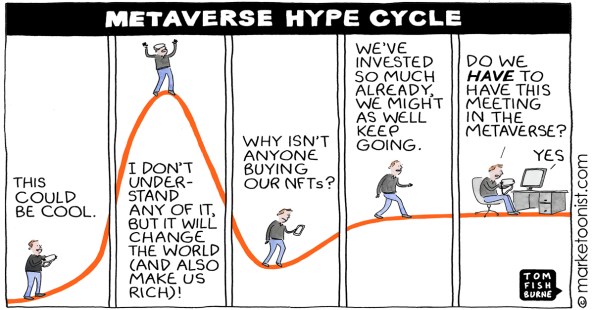



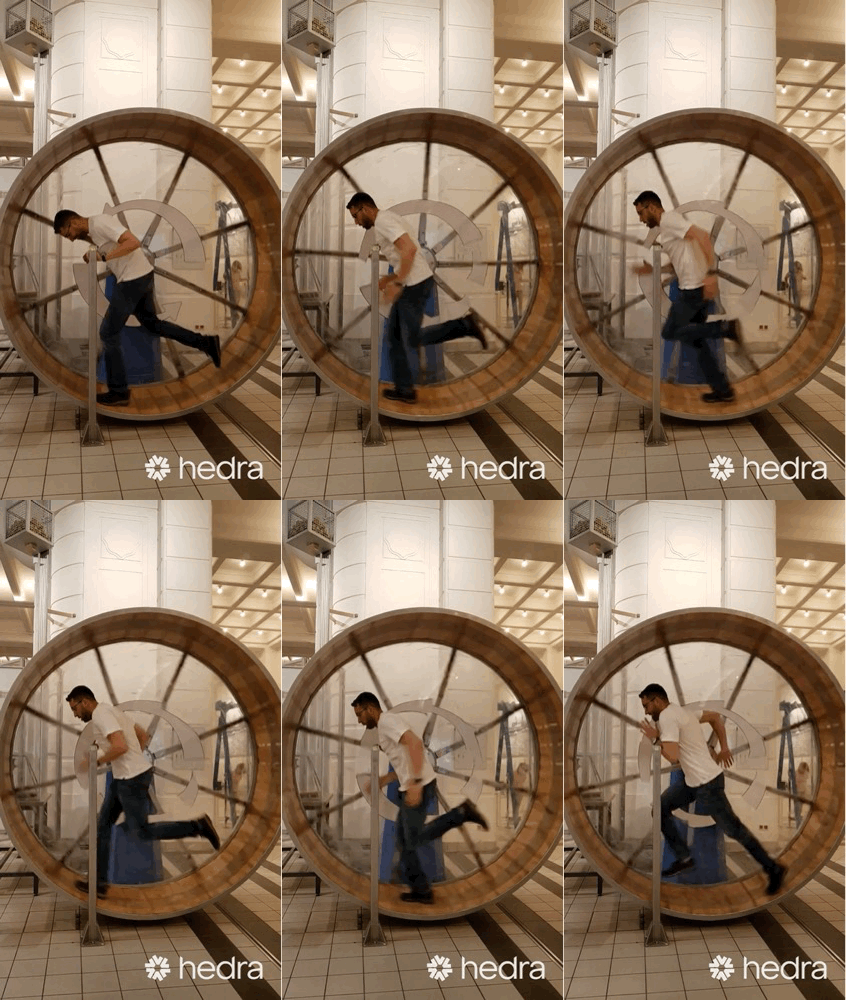






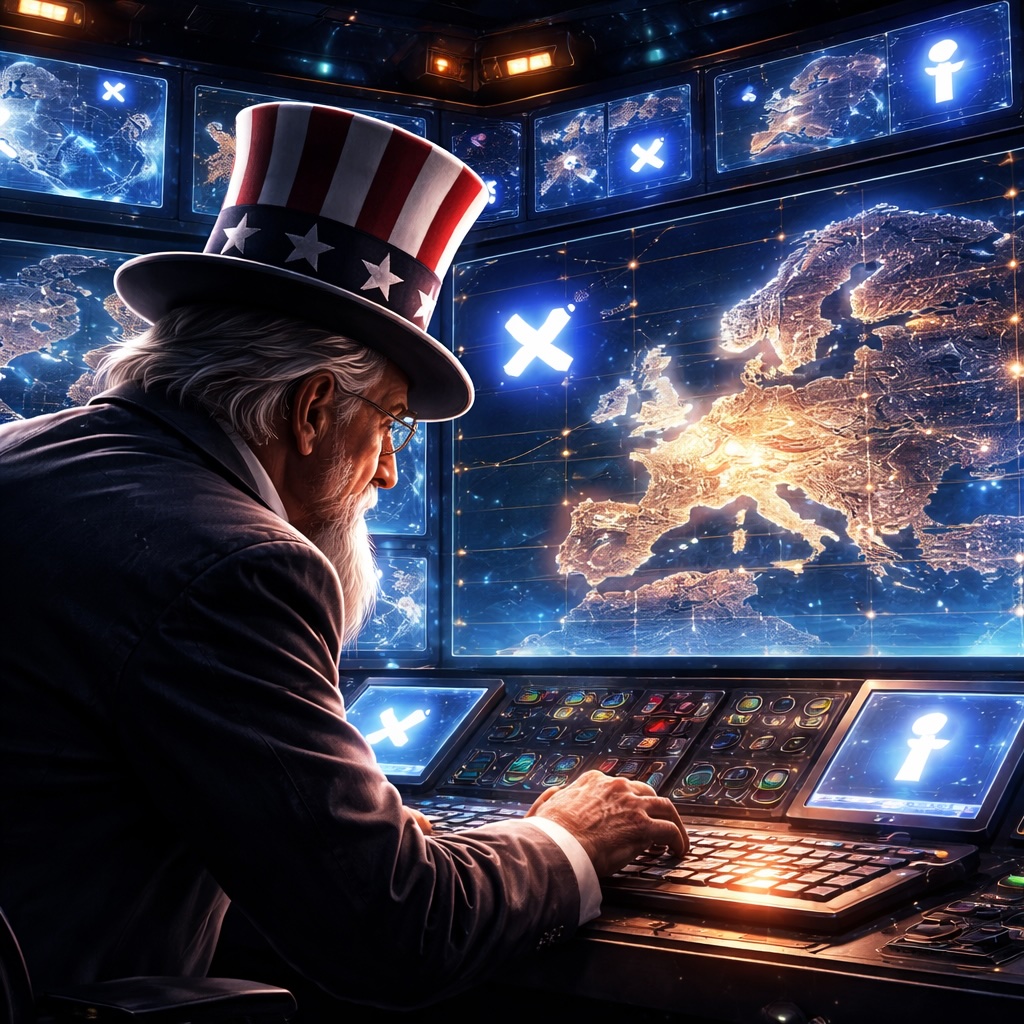




 El presidente del Gobierno, Pedro Sánchez, ha anunciado que desclasificará los documentos del intento de Golpe de Estado “para saldar una deuda histórica con la ciudadanía”.