The conversation focused on the unprecedented wave of technological disruption brought about by advances in artificial intelligence, exploring how these innovations are reshaping the social contract, the workforce, and the very fabric of society. One concept discussed was the collapse of traditional pathways—such as the idea that doing well in school and earning a college degree guarantees security and a stable job—in the face of rapidly evolving AI capabilities.
A key theme that emerged was the dual-edged nature of AI's impact: while automation and intelligent machines threaten to displace conventional jobs, particularly for those unable or unwilling to adapt, new opportunities are arising for solopreneurs, creators, and individuals ready to leverage technology as a force multiplier. The discussion explored the ways gatekeepers have been removed, the costs of entrepreneurship have plummeted, and barriers to innovation are lower than ever before.
Several points were raised, including the psychological and societal turbulence that can result from such rapid change, with concerns about social unrest, especially among younger generations struggling to find their place. The conversation also addressed the promise of AI to solve critical problems in healthcare, science, and education, potentially ushering in an era of abundance—but only if society can adjust mindsets, update educational systems, and encourage purpose-driven curiosity.
Listeners can expect a deep dive into the ethical, economic, and cultural fork in the road humanity faces, as well as practical advice for achieving agency, adaptability, and meaning in a world where the only constant is exponential change.
Henry Tillman is the founder of Asia Investment Research & CEO of Aiyana Research. Tillman discusses Russia's Northern Sea Route, which has been incorporated by China into its New Silk Road Project under the label of the Polar Silk Road.
Bienvenidos a un nuevo episodio de "Vaquero Podcast", esta vez con Alberto Sotillos.
Hablamos de su paso por el PSOE, de cómo se enfrentó a Sánchez para ser secretario general y del futuro que le espera a la izquierda española. Os va a gustar. No os lo perdáis.
- Si además de mis análisis de actualidad política te apasiona la historia de España, esta newsletter privada es para ti. Descubre curiosidades, reflexiones históricas y recomendaciones de libros, solo para mi comunidad más cercana: https://robertovaquero.beehiiv.com/upgrade
00:00 Alberto Sotillos: su lucha contra Pedro Sánchez 02:21 La candidatura "kamikaze" de Sotillos en el PSOE 04:20 Cómo el sanchismo eliminó al socialismo tradicional 07:08 Pedro Sánchez: un proyecto de poder, no ideología 09:26 El hiperliderazgo de Sánchez y la "wokización" del PSOE 12:50 ¿Existe la socialdemocracia en la izquierda española actual? 15:38 Descubre Alicia Sanz Agency: comunicación y marketing 16:17 El fracaso de "Decir en Común" y la política 19:47 Cómo el sistema favorece el poder de los partidos 21:55 La degradación del PSOE y la espiral de silencio 31:07 La izquierda woke: control de partidos y búnker ideológico 37:44 Errores de comunicación y oportunidades perdidas en la izquierda 40:00 ¿Quién liderará la izquierda tras la destrucción de alternativas? 43:29 Atomización de la izquierda y liderazgos en el PP 48:51 El control de Abascal y la imagen de Vox en debates 53:37 La dictadura y el neofranquismo: polarización histórica en España 58:58 El bajo nivel del debate y la autodestrucción de la izquierda woke 1:04:49 Abandono de la clase obrera y predicciones electorales
🗓️Apúntate a la presentación (en directo y online por Zoom) del Curso de Especialización Universitaria en Inversión Multimercado y Diversificación de Visual Business School: https://bit.ly/VisualInversionxJRR
💬 ¿Qué opinas? ¿Crees que esta cuenta de ahorro bonificada será realmente útil o solo una forma de dirigir el ahorro?
Europa tiene un problema serio: las familias acumulan unos 10 billones de euros en cuentas corrientes que apenas dan rentabilidad y pierden poder adquisitivo por la inflación. La Comisión Europea dice que hay que movilizar ese ahorro hacia inversiones más productivas y ha propuesto crear una cuenta de ahorro fiscalmente bonificada similar a la ISK sueca.
Sobre el papel suena bien. El problema está en los detalles. La propuesta de Bruselas no es neutral como la sueca. Recomienda dar bonificaciones fiscales adicionales a las inversiones que los burócratas consideren “estratégicas”, es decir, defensa y transición energética. En la práctica, esto significa dirigir el ahorro de las familias hacia los sectores que eligen los políticos, no hacia donde el mercado considera más rentable.
En este vídeo analizo la propuesta de la Comisión Europea, cómo se diferencia de la ISK sueca, y por qué detrás de las buenas intenciones puede esconderse un mecanismo para que el ahorro de los europeos financie los planes de rearme y la agenda verde de Bruselas.
👍 Dale like si te ha parecido interesante el análisis 🛎️ Suscríbete para más vídeos sobre economía y política europea
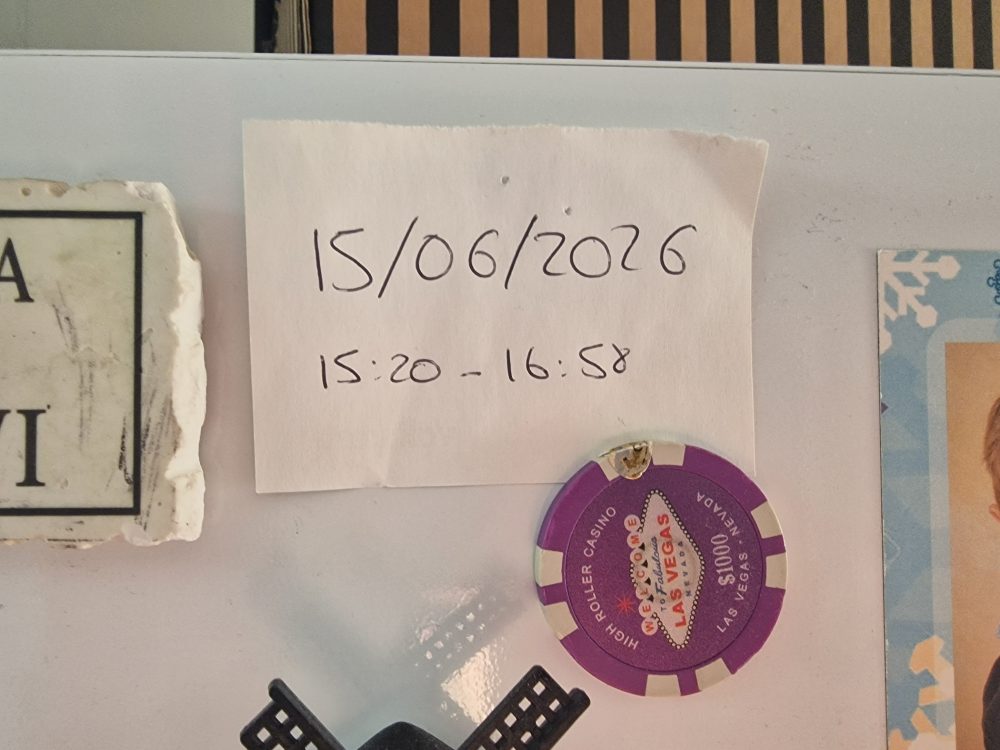
Hola Fino, se que suena a chorrada pero hace unos 8 o 9 años tuve un sueño muy intenso, de esos que te deja tocado varios dias. Me desperté recordando lo que había pasado y mientras apuntaba la fecha en la que ocurria la tragedia, se me olvidó el hecho en si….Asi que solo me queda la fecha y la hora a la que se supone ocurrirá.
Soy una persona de ciencia y no creo en mierdas varias, tampoco esto me ha estado atormentando, lo puse en la nevera en su momento un poco de coña ya que en su momento el sueño me afectó ( a veces me pasa con los sueños) y me pareció importante no olvidarlo. Quería compartirlo por que es verdad que me inquieta esa fecha y no se que es lo que se supone que ocurría, solo se que era algo a gran escala y muy chungo. Un pepinazo nucelar acaso? Por si acaso ocurre de verdad algo malo, disfruta de estos días a mi salud. Un abrazo de vidente.@Pasoachica
ÚLTIMA HORA | SpaceX revienta Wall Street: la demanda supera en 4 veces el volumen de acciones
La compañía aeroespacial y de inteligencia artificial capitaneada por Elon Musk protagoniza uno de los movimientos bursátiles más agresivos del año ante su inminente salida al Nasdaq. La oferta pública inicial de venta (OPV) ha registrado una demanda abrumadora que supera en más de cuatro veces el volumen de acciones disponibles, alcanzando un interés inversor superior a los 250.000 millones de dólares y pulverizando el objetivo inicial de recaudación de 75.000 millones. Con la estructura de precio fijada en 135 dólares por acción tras el cierre de la sesión en Estados Unidos, SpaceX saldrá al mercado con una valoración total cercana a los 1,8 billones de dólares. Analizamos el apetito feroz de los grandes fondos institucionales por las infraestructuras tecnológicas de última generación de Musk.
🔞Exención de responsabilidad: Toda la información, material y / o contenido incluido en este programa es sólo para fines informativos y educativos. Invertir en acciones, opciones y futuros es arriesgado y no es adecuado para todos los inversores. Consulte a su propio asesor financiero independiente antes de tomar cualquier decisión de inversión.
Negocios TV no se hace responsable de las opiniones expresadas en el vídeo.
EL MAYOR ROBO DE LA HISTORIA: Así han destruido las élites tu dinero y la inflación te va a rematar
Análisis de la situación macroeconómica global y el colapso del sistema monetario tradicional. Desgranamos el impacto del repunte de la inflación en Estados Unidos, que se sitúa en una cifra del 4,2%, una auténtica salvajada que destruye el consumo interno y amenaza el motor de crecimiento económico. Examinamos los planes del nominado a la Reserva Federal, Kevin Warsh, para alterar los parámetros de cálculo de la inflación con el objetivo de maquillar los datos sin aplicar reformas estructurales reales, una estrategia que emula las políticas económicas aplicadas por Pedro Sánchez en España. A través de una revisión histórica, revelamos el gráfico de la pérdida del poder adquisitivo del dólar estadounidense, el cual muestra una devaluación del 97% desde la fundación de la FED en 1913 y una caída del 88% desde el fin del patrón oro y el cierre de la ventana de convertibilidad en 1971. Un examen crítico sobre cómo el gasto público deficitario de los gobiernos se financia mediante la devaluación de la moneda fiduciaria, actuando como una estructura piramidal que empobrece a los hogares y abre el camino hacia las monedas digitales (CBDC) y la acumulación de oro por parte de potencias como China, según los informes de Oxford Economics.
🔞Exención de responsabilidad: Toda la información, material y / o contenido incluido en este programa es sólo para fines informativos y educativos. Invertir en acciones, opciones y futuros es arriesgado y no es adecuado para todos los inversores. Consulte a su propio asesor financiero independiente antes de tomar cualquier decisión de inversión.
Negocios TV no se hace responsable de las opiniones expresadas en el vídeo.
"Cualquier político razonable ama la inflación porque es la manera de robar". Gustavo Martínez
La economía global se enfrenta a un cambio de paradigma histórico. El analista macroeconómico Gustavo Martínez desvela cómo el dinero FIAT ha destruido el 97% del poder adquisitivo del dólar desde la creación de la Reserva Federal (FED) y un 88% desde que Richard Nixon cerrara la ventana del oro en 1971. Martínez analiza el concepto de Bretton Woods 3.0, una estrategia no escrita en la que bancos centrales como el de China acumulan reservas masivas de oro para desvincularse del control y la hegemonía del dólar estadounidense tras las sanciones de 2022. Además, se debate sobre la desaparición de la clase media por culpa de la inflación real y las polémicas declaraciones de Donald Trump asegurando que "ama la inflación", desvelando el subconsciente del poder político que utiliza la devaluación monetaria para licuar la deuda soberana a costa del ciudadano. ¿Es el momento de comprar oro aprovechando las correcciones?
🔞Exención de responsabilidad: Toda la información, material y / o contenido incluido en este programa es sólo para fines informativos y educativos. Invertir en acciones, opciones y futuros es arriesgado y no es adecuado para todos los inversores. Consulte a su propio asesor financiero independiente antes de tomar cualquier decisión de inversión.
Negocios TV no se hace responsable de las opiniones expresadas en el vídeo.
¡La traición histórica de Donald Trump a la clase media de EE.UU.!
De atacar a los demócratas por la subida de precios a confesar abiertamente que le encanta la inflación. ¿El motivo? Reducir las deudas exprimiendo el bolsillo del ciudadano común.
🔞Exención de responsabilidad: Toda la información, material y / o contenido incluido en este programa es sólo para fines informativos y educativos. Invertir en acciones, opciones y futuros es arriesgado y no es adecuado para todos los inversores. Consulte a su propio asesor financiero independiente antes de tomar cualquier decisión de inversión.
Negocios TV no se hace responsable de las opiniones expresadas en el vídeo.
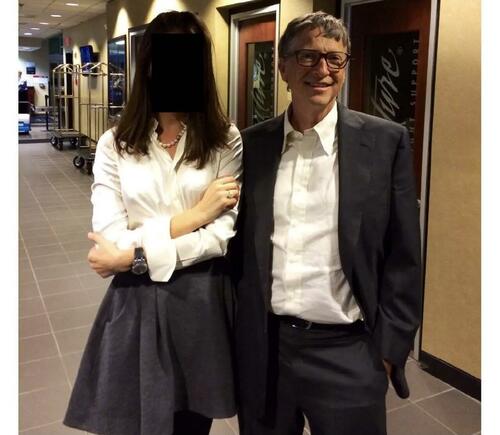
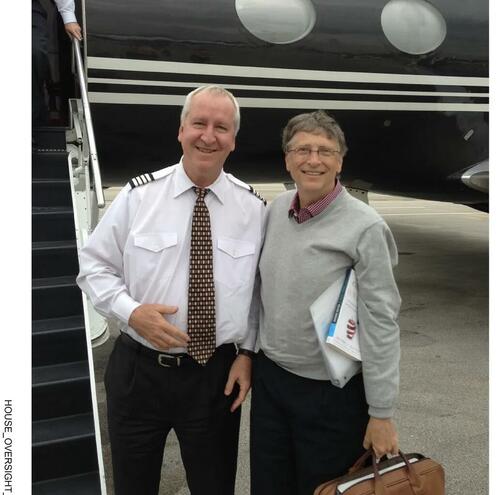
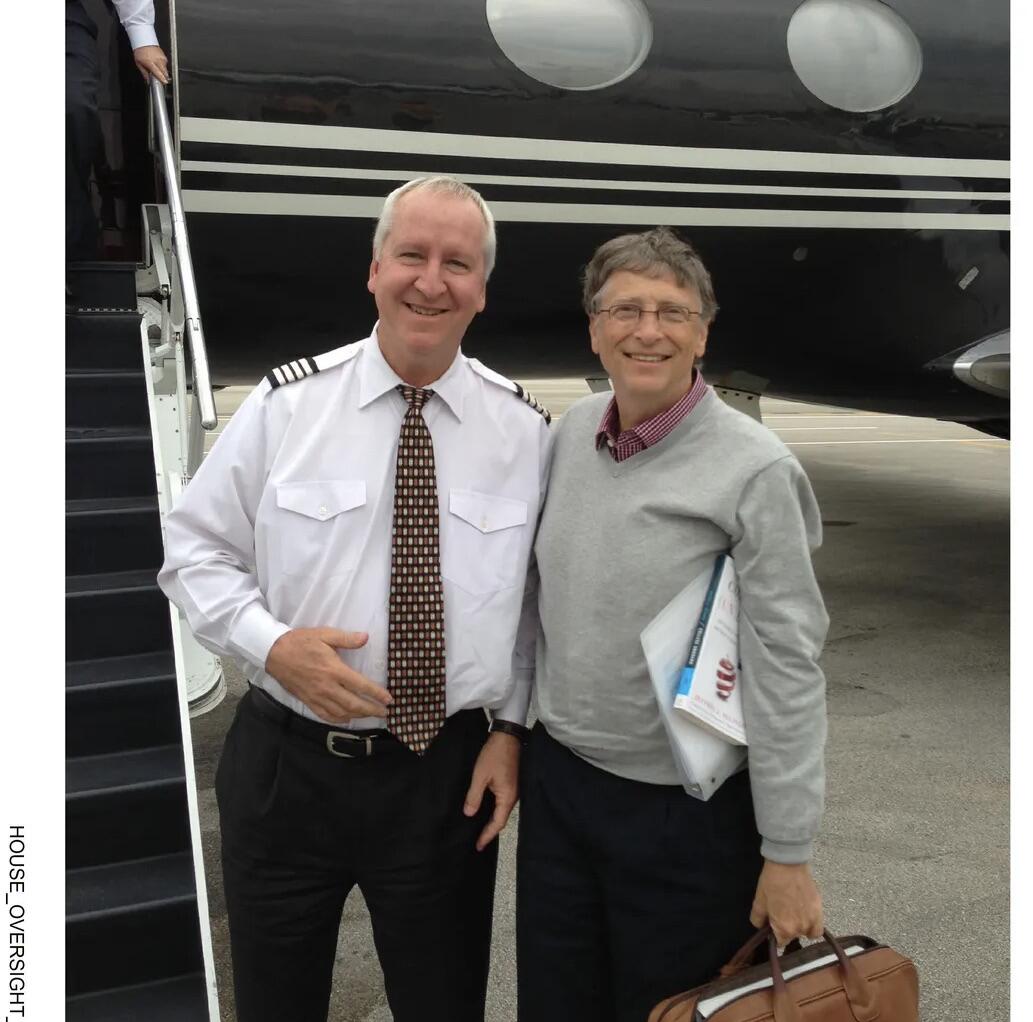
Bill Gates Tells Congress That Epstein Exploited Knowledge Of His Adultery
Microsoft founder and mega-billionaire philanthropist Bill Gates told Congress that Jeffrey Epstein exploited knowledge of Gates' multiple marital infidelities. Gates insists, however, that he committed no crimes and that the women he had adulterous sexual relations with were not associated with Epstein. Nonetheless, Gates' highlighting of Epstein's leveraging of Gates' sexual secrets fans suspicions that he sought to exploit similar secrets of other powerful people.
"I never witnessed nor had any indication that Epstein was engaged in ongoing criminal conduct. I never went to his island, his ranch, or his Florida home. I have never victimized anyone. While he may have sought to foster a personal relationship, I was never interested in that and never reciprocated," Gates said in his opening remarks, which were published by the House Oversight committee. His testimony on Wednesday was given behind closed doors.
Gates told legislators that Epstein became aware of Gates' serial philandering with three different women via a mutual acquaintance. “Based on what has been released in the files, Epstein was working to use information about my infidelities—in addition to many lies that he layered on top—to pressure me to re-engage with him,” Gates said. “He was unsuccessful in this effort, but it shows some of the ways he tried to leverage his interactions with me to further his agenda.”
The three women were two Russians and another woman who's been described as a doctor, according to a leak of Gates testimony leaked to the Wall Street Journal. Committee Democrats held a press conference in which they said Gates acknowledged having been in the company of women that were abused by Epstein or his colleagues. It's expected that the Oversight Committee will release a transcript of Gates' give-and-take with lawmakers, which reportedly became combative at times.
Documents from the Epstein files revealed that Epstein and Gates met on several occasions after Epstein's 2008 conviction. Gates told the House committee that he met Epstein through "people I trusted in my professional and philanthropic work," and that Epstein promoted his ability to give tax and estate guidance. Gates expressed regret for not vetting Epstein. "I recall being aware that Epstein had faced prior legal issues, but I did not fully understand the extent of the crimes he committed. I accepted the introduction without applying the scrutiny I should have," said Gates in his opening remarks. He said he stopped communicating or meeting with Epstein in December 2014, after concluding that Epstein "would never deliver on his promises" of reeling in donors for the Gates Foundation.
Tapping a tiny sliver of his net worth of more than $100 billion, Gates went to truly extraordinary lengths to prepare for his appearance on the Hill -- even assembling a mockup of the room in which he would testify. That replica was put together in Palm Desert, California, near his home, the Journal reported:
The replica included a podium on one side with wood paneled furniture flanked by gold curtains to display where lawmakers would traditionally sit. The other side featured a large wooden table for the person responding to questions, along with microphones and several cameras, to mimic the space in Washington.
Defying President Trump's wishes, the Epstein files were forced into public view by House representatives led by Republican Thomas Massie and Democrat Ro Khanna. Massie used a "discharge petition" to force a vote on legislation requiring the release of the documents. Last month, Massie lost a primary challenge funded by pro-Israel billionaires whose involvement in the contest made it the most expensive primary race in US history.
Thomas Massie says he will publicly read the names of Epstein clients before leaving Congress.
Massie also says there will be no high-level arrests while Todd Blanche and Kash Patel remain in power. pic.twitter.com/bICUDSvgPD
On a recent Meet the Press appearance, Massie said there are many files still hidden from the public, and he accused the acting US attorney general of violating the Epstein Files Transparency Act: "Todd Blanche is violating the law. There's still millions of files they haven't released." Massie promised to name more people whose identities are still redacted in the Epstein files. He also made an intriguing reference to Trump's First Lady:
"I don't think it's possible to get to convictions with Todd Blanche at the top and with the FBI director, Kash Patel, at the top, because they have effectively both perjured themselves by saying there's nobody else in the files. Even Melania doesn't believe that. The First Lady knows that Jeffrey Epstein didn't act alone."
Massie has another seven months to help us understand exactly what that means -- a time during which he's empowered to spill Epstein-file secrets on the House floor with impunity, thanks to the Constitution's Speech and Debate Clause.
El informe, de 300 páginas, más de 10.000 fotografías y videos analizados y numerosos testimonios, revela desgarradores patrones de violencia sexual, perpetrada de manera premeditada por el grupo terrorista en el ataque y a rehenes durante el cautiverio Leer
HashiCorp Vault is the industry-standard way to store, manage, and control access to secrets — API keys, passwords, certificates — across your entire infrastructure.
What you'll learn: • What Vault actually is and the two types of secrets it handles • How your app authenticates and retrieves secrets at runtime (the auth → token → secret flow) • The one rule for knowing when you must use Vault instead of .env files
Stop storing secrets in dot-env files, config maps, and hardcoded strings. One Vault instance centralizes, encrypts, rotates, and fully audits every secret access in your stack.
En este encuentro en directo abriremos un espacio de reflexión y conversación donde exploraremos juntos aquellas dinámicas, creencias y emociones que muchas veces nos mantienen atrapados en el sufrimiento.
A través de las preguntas y experiencias que vayan surgiendo durante la transmisión, profundizaremos en temas relacionados con las relaciones, la familia, la culpa, el miedo, el perdón, el autoconocimiento y la conciencia.
Cada intervención puede convertirse en una oportunidad para descubrir algo valioso sobre nosotros mismos.
💭 Y ahora queremos preguntarte:
¿Qué patrón, situación o desafío te gustaría comprender mejor?
Déjanos tu comentario y participa en la conversación. 👇
El ‘Freedom Ship’ sería el hogar de unas 50.000 personas, con espacio para 10.000 turistas y 20.000 miembros de la tripulación.
“El Freedom Ship se concibe como una ciudad permanentemente móvil en el mar diseñada para residencias a largo plazo en lugar de viajes a corto plazo”, dice la compañía.
El barco sería aproximadamente 8 veces más grande que el barco más grande del mundo actualmente, el Icon of the Seas de Royal Caribbean.
Los planes incluyen un estadio con 15.000 asientos, escuelas, colegios, tiendas, clubes, un parque acuático, un salón de música, museos, parques y más.
El barco, que funcionaría con energía nuclear, sería demasiado grande para atracar y permanecería en aguas internacionales.
Freedom Cruise International dice que daría la vuelta al mundo cada dos o tres años.
La respuesta corta es: **sí, algunos trastornos mentales pueden constituir una discapacidad**, pero no todos los trastornos mentales lo son automáticamente. Y aquí está el matiz importante: la discapacidad no depende solo del diagnóstico, sino del grado en que ese problema limita la vida cotidiana de una persona.
Una persona puede tener ansiedad, depresión, trastorno bipolar, esquizofrenia, trastorno obsesivo-compulsivo o un trastorno de la personalidad y funcionar de manera relativamente autónoma en su trabajo, relaciones y rutinas. Otra, con un diagnóstico parecido, puede tener enormes dificultades para sostener un empleo, estudiar, relacionarse, cuidar de sí misma o participar en la vida social. El nombre del trastorno importa, pero no lo explica todo.
Por eso conviene evitar dos errores frecuentes: negar el impacto real de los problemas de salud mental y, al mismo tiempo, convertir cualquier malestar psicológico en una discapacidad. Ambas posturas son simplificaciones.
## Qué entendemos por trastorno mental
Un trastorno mental no es simplemente “estar triste”, “tener nervios” o “pasar una mala racha”. Hablamos de alteraciones psicológicas que afectan de forma significativa a la emoción, el pensamiento, la conducta, la percepción o la relación con los demás.
En Psicología y Mente hemos abordado ampliamente los [trastornos mentales más comunes](/clinica/trastornos-mentales-mas-comunes), desde los trastornos de ansiedad hasta la depresión, los trastornos psicóticos o los trastornos de la conducta alimentaria. Todos ellos pueden generar sufrimiento, pero no siempre producen el mismo nivel de deterioro funcional.
Ahí está la clave: **no se trata solo de sufrir, sino de cómo ese sufrimiento afecta a la vida real**.
Una persona puede tener un trastorno de ansiedad y seguir trabajando, estudiando y manteniendo sus relaciones con mucho esfuerzo. Otra puede quedar bloqueada por ataques de pánico, evitación, insomnio, hipervigilancia o miedo constante. El diagnóstico puede ser parecido; el impacto vital, muy distinto.
## Qué entendemos por discapacidad
La discapacidad no debe entenderse como una “etiqueta fija” que define por completo a una persona. Hoy se tiende a verla como el resultado de la interacción entre una condición de salud y el entorno.
Esto es importante. Una misma dificultad puede ser mucho más limitante en un contexto hostil, rígido o lleno de barreras que en un entorno adaptado, comprensivo y con apoyos adecuados.
Pensemos en una persona con depresión severa. Si trabaja en una empresa inflexible, con jornadas excesivas, estigma hacia la salud mental y nula posibilidad de adaptación, su deterioro será mucho mayor. Si, en cambio, recibe tratamiento, ajustes razonables y apoyo social, puede recuperar gran parte de su funcionamiento.
Por tanto, cuando hablamos de discapacidad vinculada a la salud mental, no hablamos solo de síntomas. Hablamos de autonomía, participación, barreras, apoyos y calidad de vida.
## Entonces, ¿un trastorno mental puede ser una discapacidad?
Sí, puede serlo cuando produce limitaciones importantes, persistentes o recurrentes en áreas esenciales de la vida.
Algunos ejemplos claros serían:
- Dificultades graves para mantener un empleo o seguir estudios.
- Problemas importantes para realizar tareas básicas de autocuidado.
- Aislamiento social intenso y mantenido.
- Necesidad de apoyo frecuente para organizar la vida diaria.
- Crisis recurrentes que impiden una rutina estable.
- Deterioro significativo en la toma de decisiones, la concentración o la regulación emocional.
- Limitaciones severas para participar en la vida comunitaria.
Esto puede ocurrir en trastornos como la esquizofrenia, el trastorno bipolar, la depresión mayor recurrente, algunos trastornos de ansiedad graves, el trastorno obsesivo-compulsivo severo, los trastornos de personalidad con alta desregulación emocional o determinados cuadros relacionados con trauma complejo.
Pero también hay que decirlo claro: **tener un diagnóstico no equivale automáticamente a tener una discapacidad**. Esta confusión genera ruido, estigma y, a veces, incluso conflictos innecesarios.
## Discapacidad psicosocial: un concepto clave
En este tema suele aparecer el concepto de discapacidad psicosocial. Se refiere a las limitaciones que pueden experimentar algunas personas con problemas de salud mental cuando sus síntomas interactúan con barreras sociales, laborales, familiares o institucionales.
La palabra “psicosocial” es útil porque evita reducirlo todo al cerebro o al individuo. Una persona no se ve limitada solo por sus síntomas, sino también por el miedo al rechazo, el estigma, la falta de oportunidades, la precariedad, la incomprensión familiar o la ausencia de apoyos.
Esto se ve claramente en muchos trastornos. Por ejemplo, en la [depresión mayor](/clinica/depresion-mayor), no solo hay tristeza. Puede haber pérdida de energía, anhedonia, alteraciones del sueño, culpa, lentitud mental, dificultad para concentrarse y una sensación de incapacidad que afecta al trabajo, la higiene, la vida social y la toma de decisiones.
En los [trastornos de ansiedad](/clinica/tipos-de-trastornos-de-ansiedad), la persona puede evitar situaciones normales de la vida cotidiana: viajar, hablar en público, ir a trabajar, entrar en espacios cerrados o relacionarse con desconocidos. Si esa evitación se consolida, la vida se va estrechando.
## No es lo mismo discapacidad mental que discapacidad intelectual
Aquí conviene hacer una distinción importante. La discapacidad intelectual y los trastornos mentales no son lo mismo.
La [discapacidad intelectual](/desarrollo/discapacidad-intelectual-desarrollo) implica limitaciones significativas en el funcionamiento intelectual y en la conducta adaptativa, generalmente presentes desde el desarrollo. Afecta a habilidades como el aprendizaje, la autonomía, la resolución de problemas o la adaptación a demandas cotidianas.
Un trastorno mental, en cambio, puede aparecer en distintos momentos de la vida y afectar principalmente al estado de ánimo, la percepción, la conducta, la personalidad, la ansiedad, el pensamiento o la regulación emocional.
Pueden coexistir, por supuesto, pero no deben confundirse. Una persona con esquizofrenia no tiene por qué tener discapacidad intelectual. Una persona con depresión severa puede tener una inteligencia alta y aun así estar temporalmente incapacitada para funcionar con normalidad.
Esta distinción es básica para evitar etiquetas imprecisas y prejuicios.
## La gravedad no siempre se ve desde fuera
Uno de los grandes problemas de los trastornos mentales es que muchas veces no son visibles. Una pierna rota, una silla de ruedas o una limitación sensorial suelen activar rápidamente la percepción social de discapacidad. En cambio, una depresión profunda, un trastorno bipolar o un TOC severo pueden pasar desapercibidos.
Esto lleva a frases injustas: “pero si parece normal”, “pero si ayer estaba bien”, “pero si tiene estudios”, “pero si puede salir a tomar algo”.
La salud mental no funciona así. Una persona puede rendir durante unas horas y hundirse después. Puede parecer competente en público y estar completamente desbordada en privado. Puede trabajar a costa de un esfuerzo brutal que luego paga con crisis, insomnio o agotamiento extremo.
El funcionamiento externo no siempre refleja el coste interno.
## El papel del entorno: barreras y apoyos
La discapacidad no está solo en la persona. También está en el entorno.
Una persona con trastorno bipolar puede funcionar mejor si tiene tratamiento, rutinas estables, sueño protegido, apoyo familiar y un trabajo con cierta previsibilidad. La misma persona puede descompensarse gravemente en un contexto de estrés crónico, turnos cambiantes, consumo de sustancias, aislamiento o presión constante.
Lo mismo ocurre con otros cuadros. En algunos casos, pequeños ajustes pueden marcar una gran diferencia: flexibilidad horaria, reducción temporal de carga, teletrabajo parcial, acompañamiento terapéutico, adaptación de exámenes, pausas, entornos menos sobreestimulantes o planes de reincorporación progresiva.
Hablar de discapacidad no debería servir para encasillar a nadie, sino para reconocer necesidades reales y facilitar apoyos.
## Cuidado con banalizar la palabra discapacidad
También hay un riesgo contrario: usar la palabra discapacidad de forma demasiado amplia. No todo malestar psicológico es discapacidad. No toda ansiedad ante una entrevista, tristeza por una ruptura o etapa de estrés laboral debe interpretarse como un trastorno incapacitante.
La vida incluye sufrimiento, pérdidas, incertidumbre, miedo y cansancio. Psicologizarlo todo puede acabar diluyendo los casos realmente graves.
La pregunta útil no es solo “¿qué diagnóstico tiene esta persona?”, sino:
- ¿Qué puede hacer y qué no puede hacer en su vida diaria?
- ¿Desde cuándo ocurre?
- ¿Con qué intensidad?
- ¿Qué áreas están afectadas?
- ¿Qué apoyos necesita?
- ¿El problema es puntual, recurrente o persistente?
- ¿Hay deterioro laboral, académico, social o familiar?
- ¿Existe riesgo para sí misma o para otros?
Estas preguntas son más precisas que una etiqueta aislada.
## El diagnóstico no debe convertirse en identidad
Reconocer que un trastorno mental puede ser discapacitante no significa reducir a la persona a su diagnóstico. Este punto es crucial.
Una persona no “es” su depresión, su ansiedad, su trastorno bipolar o su esquizofrenia. Tiene una condición que puede afectar a su vida, a veces de manera intensa, pero sigue siendo mucho más que eso: su historia, sus vínculos, sus capacidades, sus valores, sus gustos, sus proyectos y su manera de estar en el mundo.
El lenguaje importa. No porque haya que hablar con miedo, sino porque las palabras pueden abrir puertas o cerrarlas.
Decir “esta persona no puede hacer nada” es tan falso como decir “solo tiene que esforzarse más”. En salud mental, muchas veces la realidad está en el punto incómodo: hay capacidades conservadas, limitaciones reales y necesidad de apoyos bien ajustados.
## Tratamiento, recuperación y funcionamiento
Otra idea importante: que un trastorno mental pueda ser una discapacidad no significa que sea irreversible. Algunos cuadros son crónicos, otros episódicos y otros pueden mejorar mucho con tratamiento psicológico, psiquiátrico, apoyo social y cambios de entorno.
En muchos casos, la recuperación no significa que desaparezcan todos los síntomas, sino que la persona recupera autonomía, vínculos, sentido vital y capacidad de participar en la vida cotidiana.
Por eso la intervención temprana es tan importante. Cuanto antes se detecta un problema grave, más margen hay para evitar deterioro, aislamiento y pérdida de oportunidades.
En este sentido, comprender los [tipos de enfermedades mentales](/clinica/tipos-de-enfermedades-mentales) ayuda a no meterlo todo en el mismo saco. No es lo mismo una fobia específica que una psicosis persistente; no es lo mismo una etapa depresiva leve que una depresión mayor recurrente; no es lo mismo tener rasgos de personalidad difíciles que presentar un trastorno de personalidad con deterioro intenso.
## La conclusión: sí, pero depende del impacto funcional
Los trastornos mentales pueden ser una discapacidad cuando limitan de forma significativa la autonomía, el funcionamiento y la participación de una persona en la vida diaria. No por el mero hecho de existir un diagnóstico, sino por sus consecuencias reales.
Este matiz es fundamental. Sirve para reconocer derechos y necesidades de apoyo sin caer en el reduccionismo. También permite combatir el estigma sin convertir el sufrimiento psicológico en una etiqueta rígida.
La pregunta no debería ser solo si una persona “tiene” o “no tiene” una discapacidad, sino qué barreras encuentra, qué apoyos necesita y qué margen de recuperación puede tener.
Al final, hablar bien de salud mental exige aceptar una verdad incómoda: hay trastornos que pueden ser profundamente incapacitantes, aunque no siempre se vean desde fuera. Negarlo es cruel. Exagerarlo, también. Lo razonable es mirar caso por caso, con rigor clínico, sensibilidad humana y sentido práctico.
In China, large reactors are coming together at a stunning pace. The country has nearly doubled its nuclear fleet since 2016, reaching nearly 60 gigawatts of total power capacity. The new facilities are nearly all gigawatt-scale pressurized-water reactors.
Meanwhile, the US has built just two reactors in that time—Unit 3 and Unit 4 at Plant Vogtle in Georgia. Smaller reactors are attracting a lot of excitement and investment, though. A microreactor developer just saw its reactor reach criticality in a new Department of Energy pilot program.
The world is racing to meet rising electricity demand, and many countries are interested in energy sources, like nuclear power, that don’t come with greenhouse-gas emissions. The key question: Which of these strategies will really pay off in terms of getting electrons on the grid quickly?
Today, the US and France are known as leaders in the nuclear industry. The US has the world’s largest fleet, with France coming in second. France is heavily dependent on nuclear for its grid—about two-thirds of the country’s power comes from nuclear reactors.
But they have hardly added any new reactors to their fleets in recent years. The US can point only to Vogtle, and France connected its latest reactor to the grid in December 2024—the first in over 20 years.
It’s incredibly difficult to build the massive projects that dominate the nuclear industry today. Up-front investment can run well into the billions, so investors need to wait decades to break even. Designs are complex and can often change during the regulatory process, tacking on cost and time.
Many are hoping that the key to turning things around in these countries could be smaller reactors.
The idea is that shrinking the footprint of a reactor cuts down the initial investment needed to prove out the new technology. The reactors could even be put together in a factory rather than being built on-site, allowing for a lower price over time.
These smaller reactors are the target of tons of interest and investment in the US, including a new Department of Energy pilot program. The department set a goal last year of having three test reactors reach criticality by July 4, 2026, the nation’s 250th anniversary. (Criticality is the point at which a reactor achieves a self-sustaining chain reaction that can release energy.)
Last week, California-based Antares hit the milestone with its Mark-0 reactor.
The company plans to eventually build microreactors, designed to produce between 100 kilowatts and 1 megawatt of electricity (large reactors on the grid today are at least 1,000 times that size). The core design is a sodium-cooled reactor, and it uses TRISO fuel, self-contained graphite-coated spheres of a more concentrated fuel than what most reactors use today.
But there is still a long way to go before it can actually produce power—the Mark-0 doesn’t have any power conversion or heat removal systems. The company plans to produce electricity in late 2027 and deploy in the field by 2028, CEO Jordan Bramble told the Associated Press.
The private sector is interested—and invested—too. Big Tech companies are throwing money at new reactors they hope can help power data centers.
But look to the other side of the globe, and others are sticking with the established blueprint: China is absolutely churning out large nuclear reactors. Construction started on six new reactors there in 2025, and two more got underway in the first five months of 2026. The country is on course to overtake both the US and the European Union in installed nuclear capacity by 2030.
The speed here is staggering. As of 2024, the average time to build a new reactor in China came in at between five and seven years. The global average is about nine years, and the two most recent reactors in the US took about 15 years.
One key to this speed is standardization: China has set up a uniform project management system to design, license, and build new reactors. They’re built in batches of six or more to take advantage of economies of scale.
It’s one of the ideas meant to give the edge to smaller reactors, but China is working to realize the same benefits for larger projects. A huge amount of government investment is certainly helping.
Larger reactors generally provide more electricity to the grid for a lower price, a key consideration in view of China’s steeply increasing electricity demand. While smaller reactors require less up-front investment than larger ones because of their size, they’ll actually be more expensive per unit of electricity produced.
That’s not to say China is exclusively focused on big reactors: the country is also expected to see its first operational small modular reactor, the Linglong-1, start sending power to the grid this year.
But looking ahead, it’ll be interesting to see if smaller reactors can help the West keep building new nuclear power. At the moment, with China’s quick progress, it’s looking as if bigger might just be better.
This article is from The Spark, MIT Technology Review’s weekly climate newsletter. To receive it in your inbox every Wednesday, sign up here.
Google DeepMind is funding research into the potential dangers of situations where millions of different AI agents interact with each other online.
According to Rohin Shah, who directs the company’s AGI safety and alignment research, the mass-market arrival of agents that can carry out tasks without human oversight and follow instructions given to them by other agents creates a whole new class of risk.
In an effort to address this, Google DeepMind—which made agent-based tools a centerpiece of Google I/O last month—has teamed up with several other organizations to announce a $10 million funding pot for researchers to study the behavior of multi-agent systems and come up with ways to prevent unsafe scenarios. Joining Google DeepMind are Schmidt Sciences, a philanthropic foundation set up by Eric and Wendy Schmidt; ARIA, the UK government’s moonshot agency; the Cooperative AI foundation, a UK-based nonprofit research outfit; and Google’s charitable arm, Google.org.
I asked Shah and James Fox, who leads the Science of Trustworthy AI program at Schmidt Sciences, what they hope to achieve with that $10 million. It’s no small sum, but it’s dwarfed by the budgets commanded by Google DeepMind’s own research teams.
The aim is to kick-start research outside tech companies, says Shah: “The strength of academia is that it can look really quite far into the future and do the kind of work that isn’t top of mind at industry labs.”
“The main issue is that there just isn’t really a field of research for multi-agent safety yet,” he adds. “And we would like there to be.”
The concern is that as more and more AI agents get deployed and begin working together, we could hit a tipping point where imagined scenarios become real. “We see this with humanity, too,” says Shah. “Our institutions can accomplish things that no individual human can.”
Shah thinks we have a few more months to go before agents are deployed throughout the economy in numbers that make potential risks a real concern. He wants to get ahead of that moment.
Risky business
What risks are we talking about, exactly? The possibilities that Shah and Fox have in mind mostly boil down to supercharged versions of bad things that happen on the internet already: scams, prompt injections (where an AI agent is fed malicious instructions, turning it into a self-guiding piece of malware), other forms of cyberattack. We look at what humans do now and ask what the agent version of that would be, says Shah.
“We’ve got this digital commons that is integral to how society works, and you really want to ensure that this doesn’t descend into just absolute anarchy,” says Fox.
(I asked Shah if they were considering any worst-case scenarios more on the doomer end of the spectrum, such as widespread economic collapse. “Certainly not if we’re talking by the end of the year,” he said. That’s only six months away! He laughed. “Okay, a while after that.”)
Shah and Fox both think that the only way to understand what might happen when large numbers of multi-agent systems interact with each other is to run realistic simulations. They want researchers to drop AI agents into sandboxes and study what they do.
You can’t predict what’s going to happen by studying single agents, or even small groups of agents, in isolation. You can’t assume that AI agents underpinned by LLMs will always act rationally, says Fox. And the complexity comes from having huge numbers of interactions at once.
Google DeepMind is not the only top AI firm warning about the risks of the technology it is building. A couple of weeks ago, Anthropic published guidelines for deploying AI agents based on an approach to cybersecurity known as zero trust, which starts with the assumption that a computer system is vulnerable, an agent is an attacker, and a breach will happen.
Refael Angel, cofounder and CTO of Akeyless, a cybersecurity firm based in Tel Aviv, agrees that understanding the new risks introduced by agent-based systems is crucial.
Every approach to security in the past has assumed that the machine in question was software written by a human, doing fixed things on fixed paths, says Angel: “An agent breaks all of those assumptions. It reasons, it improvises, and it can be hijacked by a single sentence buried in a document it was asked to read.”
Angel welcomes this new funding. “No single lab should author the safety standards everyone else has to trust,” he says. But he cautions that safety researchers can overlook boring problems that are already here in favor of more exotic hypothetical ones.
And yet, Fox notes, risks that were hypothetical a few years ago are now very real: “The future’s come more quickly than perhaps expected.”
by The Curiosity Shop with Brené Brown and Adam Grant
In this episode of The Curiosity Shop, Brené Brown and Adam Grant use this year’s booed commencement speeches as a launching pad to explore the role of AI in our lives. They dig into what some of those commencement addresses were missing: moral imagination, emotional honesty, and real empathy for the graduates. Brené introduces the concept of being “smitten with what’s written,” the trap of polished AI output that looks good but fails to move anything forward, and unpacks why writing is a tool for thinking, not just communicating. Adam proposes that signing your name on AI-generated content is an integrity violation, and together they work through how to give feedback, set expectations, and stay human in the middle of a technological transformation.
About The Curiosity Shop: Research professor Brené Brown and organizational psychologist Adam Grant are partnering on a new weekly podcast grounded in an unflinching commitment to learning and unlearning. At a time when public discourse rewards certainty over inquiry, The Curiosity Shop features two of the world's most sought-after experts on connection, change, and leadership making the case for slowing down, asking better questions, and embracing informed complexity over easy answers. Bringing together their left and right brain sensibilities — she’s a qualitative researcher; he’s a quantitative researcher — they explore some of the defining questions of our time, unpack the research reshaping how we live, lead, and love, and dive deep into the ideas, evidence, and cultural moments intriguing them the most.
Chapters: 0:00 Welcome to The Curiosity Shop 3:04 The George Saunders Speech 7:03 The 5 Most Common Commencement Speech Themes 11:19 The Commencement Speeches Adam Loves 14:04 The Commencement Speech Booing Controversy 18:29 Moral Imagination & Empathy 21:24 How AI Leaders Should Give Better Speeches 26:03 What It Means to Be Human in the AI Era 28:54 Should Brené Write a Book on Storytelling? 33:16 The Problem With AI-Generated Work & "Work Slop" 39:45 Why Good AI Writing Can Fool Us 45:07 The Hidden Cost of AI Content 50:50 How to Give Feedback on AI-Generated Work 1:01:40 Adam Grant's AI Integrity Dilemma 1:10:33 Is Letting AI Think for You Dishonest? 1:20:03 Brené on Feeling Hollowed Out by AI
Kyle Bevan, que cumplía cadena perpetua por el asеsinato de su hijastra de dos años en 2020, fue hallado muеrto en la prisión de Wakefield en noviembre, después de que tres reclusos supuestamente lo siguieran hasta su celda y desataran el vioIento ataque, según se escuchó el miércoles en el Tribunal de la Corona de Leeds al dar comienzo el juicio por asеsinato. @nypost
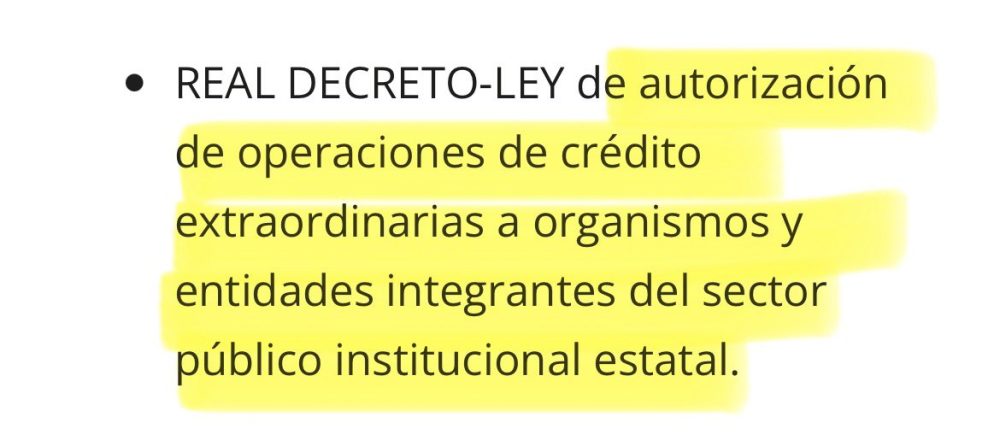
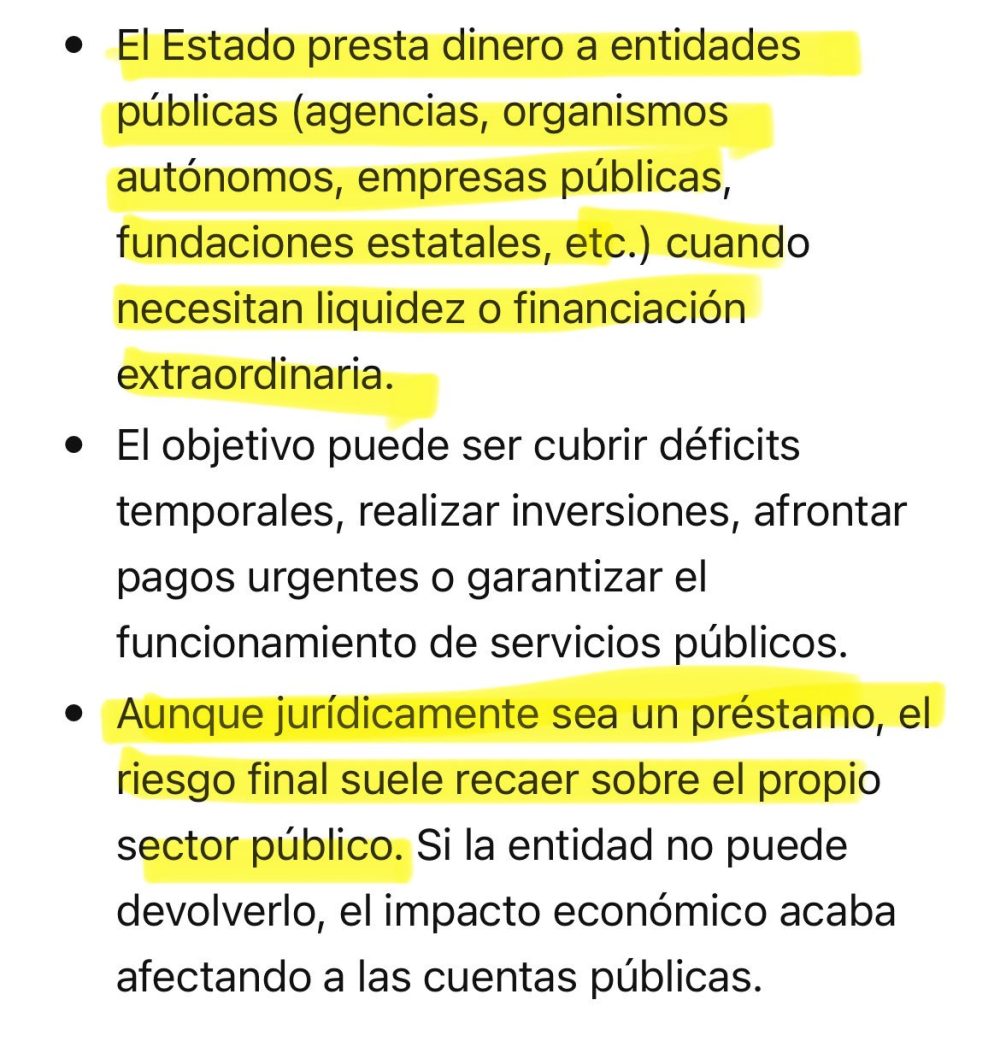
Por esta norma aprobada ayer (con rango de ley) el Gobierno puede dar el dinero público que le dé la gana a todos entes que quiera, incluso crear nuevos y dotarlos.
A la gente se le olvida que si pierde el PSOE, el que va a gobernar es… EL PP. ¿Esperan que el PP haga una limpieza de mamandurrias y elimine los mecanismos con los que poder hacer trapis millonarios? LOL.
En una nueva acción contra pisos turísticos gestionados por la multinacional Airbnb, cerraduras y cajetines han sido saboteados en protesta a la turistificación y gentrificación de los barrios por este modelo de alquiler que expulsa a la vecindad.
🎓 Te recomendamos TheNomba, Escuela de Humanidades para profundizar en los grandes saberes: Antropología, Filosofía, Historia, Artes, Trascendencia, Ciencias, etc... 👉 https://bit.ly/pdepodcast-colaborador. 20% de descuento con el código: PDEPODCAST.
En este episodio hablamos con José Ignacio Latorre, físico teórico, catedrático y una de las mentes más brillantes del panorama científico hispanohablante. Recorremos algunos de los grandes interrogantes de nuestro tiempo: el problema energético global, los límites físicos del planeta, el verdadero coste de la inteligencia artificial y la pregunta incómoda de si realmente puede considerarse inteligente. Hablamos del cambio climático, del experimento del cuarto de Mary, del problema de los qualia y de la posibilidad real de que la humanidad se extinga. Cerramos con una teoría matemática sobre cómo se propagan las religiones, anécdotas reveladoras sobre Isaac Newton, la inesperada fascinación de Jeffrey Epstein por la física teórica y la enseñanza más importante que José Ignacio ha aprendido en toda su vida. Una conversación fascinante donde la ciencia, la filosofía y la condición humana se cruzan para intentar responder a las preguntas que más nos definen como especie. Marcas de tiempo:
🎙️ConPdePodcast es un podcast presentado por Luis Usera, creado para fomentar el pensamiento crítico, descubrir nuevas ideas y abrir conversaciones profundas sobre los temas que nos ayudan a entender mejor el mundo.
00:00 Introducción 00:03:30 A qué se dedica José Ignacio Latorre 00:07:36 El misterio del universo que le gustaría descifrar 00:14:06 ¿Estamos viviendo un gran momento de la historia? 00:16:14 El problema de la energía, la IA y los recursos del planeta 00:31:03 ¿Conseguiremos revertir el cambio climático? 00:36:38 La inteligencia artificial en la ciencia 00:42:59 ¿La inteligencia artificial es realmente inteligente? 00:47:38 ¿Superaremos algún día ciertas leyes físicas? 00:49:37 El experimento del cuarto de Mary 00:52:50 ¿Nos vamos a extinguir como especie? 01:04:08 Qué hay después de la muerte 01:08:52 Teoría matemática de cómo se propagan las religiones 01:11:58 Anécdotas reveladoras sobre Isaac Newton 01:16:03 A Epstein le fascinaba la física teórica 01:24:08 La enseñanza más importante que ha aprendido
En el mundo de las redes sociales hay una idea que se repite mucho, y que incluso algunos profesionales de [salud mental](/psicologia/salud-mental) refuerzan: **que todo, absolutamente todo, depende de ti**. Que si te sientes mal es porque no te has esforzado suficiente, que con actitud y voluntad cualquier cosa se supera.
Y aunque hay verdad en que la forma de responder ante lo que pasa importa, esa narrativa tiene un lado que es importante cuestionar, ya que deja fuera algo que también cuenta mucho: el entorno. Lo cierto es que, muchas veces, **el malestar psicológico es un efecto residual de las circunstancias objetivas** por las que estamos pasando.
Así pues, hablemos sobre lo que pasa cuando la [ansiedad](/clinica/que-es-ansiedad) no es una señal de que algo falla en tu interior, sino de que algo en tu entorno te está afectando de verdad.
## La responsabilidad personal tiene un límite
Hablar de responsabilidad personal tiene sentido en muchos contextos, ya que hay cosas que sí podemos modificar con tiempo, información y apoyo. Pero hay un punto en que esa conversación se vuelve contraproducente, especialmente cuando le dice a alguien que vive en condiciones difíciles que su malestar es culpa suya por no pensar de otra manera.
No todas las personas tienen el mismo acceso a recursos, redes de apoyo, estabilidad económica o entornos seguros, por lo que exigirles los mismos resultados con herramientas distintas suena un tanto injusto desde distintas ópticas.
**Hacer ese equilibrio, entender qué está en tus manos y qué no, puede aliviar bastante la carga de la culpa innecesaria**. Y ahí es donde vale la pena mirar la ansiedad con otros ojos.
## Lo que tu ansiedad puede estar diciéndote
La ansiedad en niveles moderados tiene una función biológica: te activa para que resuelvas algo que percibe como una amenaza. En esa misma línea, la ley de Yerkes-Dodson sugirió que cierto nivel de activación mental mejora el rendimiento y la concentración, mientras que demasiada paraliza.
Dicho de otra manera, la ansiedad que sientes no es un invento tuyo, pues en muchos casos está respondiendo a algo concreto. Y ese algo, en algunas oportunidades, está afuera: en una situación laboral insostenible, en una relación que te hace sentir agotado o agotada, en una carga económica o en un entorno que no te da lo que necesitas.
Antes de asumir que el problema está en cómo piensas o en lo que sientes, **vale la pena revisar qué está pasando alrededor**. Hay contextos que generan ansiedad de manera completamente comprensible, ya que el sistema nervioso responde a lo que percibe como real, aunque no siempre sea una amenaza física.
### Situaciones externas que pueden estar detrás de la ansiedad
Aquí van algunos ejemplos de situaciones externas que pueden estar en la raíz:
* **Un ambiente laboral tóxico o con exigencias desproporcionadas**, donde la presión es constante y los límites no existen.
* **Inestabilidad económica sostenida**, ya que la incertidumbre sobre el dinero es capaz de activar de forma casi automática el estado de alerta.
* **Vivir o convivir con personas que generan tensión**, sea en casa, en el trabajo o en cualquier círculo cercano.
* **Falta de tiempo libre**, porque cuando el descanso no existe, el cuerpo suele manifestarse de alguna manera.
* **Entornos con poco apoyo social**, pues el aislamiento tiene efectos medibles sobre el bienestar emocional.
* **Situaciones de discriminación, violencia o abuso**, que podrían activar respuestas de alerta incluso cuando ya terminaron.
* **Responsabilidades que superan los recursos disponibles**, cómo cuidar de otras personas sin apoyo suficiente.
* **Cambios abruptos e involuntarios**, como perder un empleo, mudarse de forma forzada o enfrentar una enfermedad en la familia.
* **Entornos con mucho ruido informativo o sobreestimulación digital**, que puede mantener el sistema nervioso en un estado de activación que no baja fácilmente.
## Qué puedes hacer cuando la ansiedad responde a lo que está afuera
Cuando el origen de la ansiedad tiene un componente externo, la gestión es distinta, porque aquí el objetivo no es convencerte de que todo está bien ni reformatear la forma en que ves las cosas, sino encontrar formas concretas de relacionarte diferente con ese entorno, ajustar cómo gestionas el tiempo y los recursos o protegerte dentro de lo que está en tus manos.
**No siempre vas a poder cambiar la situación de raíz, eso es cierto, pero hay ajustes más pequeños y más accesibles que también generan alivio real**. La clave está en no buscar una transformación interior radical cuando lo que necesitas son interacciones distintas con lo que te rodea.
### 1. Identifica qué es concreto y qué es percibido
No toda ansiedad responde a amenazas reales, pero muchas veces sí. Pregúntate: ¿hay algo específico en mi entorno que me está generando tensión? Si la respuesta es sí, nombrar eso claramente ya es el primer paso, porque mezclar el malestar general con causas concretas confunde mucho.
### 2. Revisa tu distribución de tiempo y energía
A veces la ansiedad no pide que cambies de mentalidad sino que reorganices cómo estás usando tus horas y tu energía, ya que gastar demasiado en cosas que no son prioridad deja poco para lo que sí importa y eso tiene consecuencias emocionales reales.
### 3. Pon límites donde puedas, aunque sean pequeños
Poner límites no siempre es un acto grande y dramático. A veces es decir que no a una reunión extra, salir a tiempo del trabajo o apagar el teléfono una hora, pues esos ajustes pequeños le mandan al sistema nervioso una señal de que hay algo de control posible.
### 4. Cambia las interacciones, no necesariamente a las personas
No siempre es posible alejarse de quien te genera tensión, pero sí puedes cambiar cómo te relacionas con esa persona o situación: con menos disponibilidad, con respuestas más breves, con más distancia emocional cuando sea necesario.
### 5. Busca puntos de alivio concretos, no solo de distracción
Distraerse ayuda a corto plazo, pero el alivio más duradero viene de resolver aunque sea una parte pequeña del problema, ya que sentir que algo avanzó, aunque sea poco, reduce la sensación de estar atrapado o atrapada.
### 6. Habla de lo que pasa con alguien de confianza
Contarle a alguien lo que estás viviendo tiene un efecto regulador porque saca el problema de tu cabeza y lo pone en perspectiva. No tiene que ser con un profesional necesariamente, aunque eso ayuda mucho cuando la situación se prolonga.
### 7. Cuida las necesidades básicas aunque el entorno esté difícil
Dormir mal, comer de cualquier manera y no moverse durante días intensifica la respuesta ansiosa, incluso cuando el origen es externo. Mantener esas bases no lo resuelve todo, pero sí le da al cuerpo menos razones para seguir en alerta.
### 8. Distingue lo que puedes cambiar de lo que no
Hacer esa lista mentalmente, o en papel, ayuda a no gastar energía en lo que escapa de tu control, ya que gran parte del agotamiento emocional viene de intentar resolver lo que no depende de ti.
@professional(2070230)
### 9. Considera apoyo profesional si la situación se sostiene en el tiempo
Cuando la ansiedad responde a un entorno complicado que no cambia fácilmente, hablar con un psicólogo o terapeuta puede ayudarte a encontrar formas de gestionarlo que quizás no ves sola o solo desde adentro.
Va a ser interesante, digno de ir preparando unas palomitas y sentarse en el sofá, ver cómo acaba esto. Según cuentan en 404,la FCC quiere acabar con los teléfonos prepago; más exactamente con las tarjetas SIM anónimas que se usan en esos teléfonos. Es lo que da vida a los famosos burner phones que permiten a los oriundos de «la tierra de la libertad» comprar un móvil y una SIM sin tener que asociarlos a sus datos personales.
Dice la información que se ha filtrado la FCC estadounidense, que es el organismo que se encarga de estas cosas, estaría estudiando una normativa que obligaría a las operadoras a recopilar y conservar más datos de todos los clientes nuevos y de quienes renueven sus líneas. Entre otros: nombre, dirección física, un documento oficial de identidad y un número de teléfono alternativo, Sin eso, no hay servicio. Básicamente supondría el fin de las líneas prepago que no están vinculadas explícitamente a la identidad de una persona.
Según el gobierno, el objetivo sería combatir las estafas telefónicas, el fraude y otros delitos facilitando la identificación de los usuarios por parte de las autoridades.
Los defensores de la privacidad y organizaciones de derechos civiles advierten de que la propuesta supondría una importante pérdida de anonimato, acercando a Estados Unidos a los «países con regímenes autoritarios» (sic) donde es imposible contratar una línea móvil sin identificarse. También avisan de otros riesgos conocidos por concentrar más datos personales en manos de las telecos: problemas de seguridad (los ha habido), filtraciones (las ha habido) o vigilancia indebida (la ha habido).
El globo sonda está lanzado; sólo queda ver cómo evoluciona la cosa. Seguiremos el tema, más que nada para ver cómo son los razonamientos y evolución y comparar con cómo fue y evolucionó por aquí.
→ Regístrate en Neverless utilizando el enlace de Solo Fonseca y deposita al menos 100 €. Si mantienes esos fondos en tu cuenta durante 30 días, recibirás un bono de 20 €. 👉 https://neverless.com/es/referral?code=solofonseca
Promoción válida para nuevos usuarios. Se aplican términos y condiciones de Neverless
Patrocinador
Venezuela lleva años con apagones diarios en el 90% de los hogares. Pero el problema no es solo humanitario: sin electricidad no puede bombear el petróleo de la Faja del Orinoco, y sin petróleo no hay transición posible. Arreglarlo cuesta entre 15.000 y 40.000 millones de dólares, más del triple de lo que recauda el Estado en un año, y ninguna empresa quiere firmar contratos a 25 años con un gobierno ilegítimo que mañana puede ser reemplazado. La solución que está estudiando el chavismo es un parche: turbinas de gas modulares que alimenten las instalaciones petroleras sin tocar la red eléctrica general. Los venezolanos de a pie seguirían sin luz, pero el petróleo volvería a fluir.
Y aquí es donde entra la guerra civil dentro del Partido Republicano. Marco Rubio quiere una transición democrática real, inspirada en el modelo español. JD Vance prefiere un chavismo domesticado que haga negocios con Washington sin complicaciones. Un exembajador americano en Venezuela lo dijo sin rodeos: para Washington, Delcy Rodríguez es cien veces más predecible que María Corina Machado. En este vídeo analizamos por qué el sistema eléctrico venezolano es la clave de todo, qué está proponiendo cada bando dentro de la Casa Blanca y si Venezuela va a conseguir de verdad arreglar su red eléctrica o se va a quedar eternamente con el parche.
¿Disfrutas realmente de la soledad… o simplemente te has acostumbrado a vivir dentro de ella?
En este vídeo exploramos la diferencia entre estar solo y sentirse desconectado del mundo. Hablamos de cómo la soledad puede convertirse poco a poco en una identidad, de las trampas emocionales del aislamiento, del sarcasmo como mecanismo de defensa, de la necesidad de vínculos auténticos y de por qué la autosuficiencia absoluta suele esconder heridas más profundas de lo que parece.
A través de diez reflexiones prácticas y humanas, descubriremos cómo construir una vida más cálida, más auténtica y más conectada sin renunciar a nuestra naturaleza. Porque necesitar cariño, comprensión y compañía no te hace débil. Te hace humano.
Si alguna vez has sentido que observas la vida desde fuera, este vídeo es para ti.
Hace un año escribimos una entrada comentando como en el mundo del hardware y de la electrónica muchas marcas europeas eran adquiridas por fabricantes orientales. Se quedaban solo con la marca y a lo mejor con las redes de distribución. A partir de ese momento la producción pasaba a fábricas de extremo oriente. Muchas veces los clientes no eran conscientes del cambio.
Y el otro día me encuentro esta entrada donde cuentan con muchos detalles un fenómeno parecido, pero con marcas de ropa norteamericana. Se centran en una marca (que no conocía, lo malo de ser de pueblo europeo) que es Brooks Brothers. Parece que tenían fama de hacer prendes de alta calidad. Hace unos años fue adquirida por un fondo de inversión norteamericano. Este fondo está especializado en ese tipo de operaciones: compran marcas de ropa o calzado de calidad en apuros. Luego hacen limpieza (vamos cierran las fábricas y liquidan a la mayoría de los diseñadores y comerciales) y empiezan a comprar la ropa de fábricas genéricas, le cambian el logo y a mantener el precio.
Pero el artículo no tiene desperdicio. Cuenta como hay empresas que fabrican series de ropa o calzado solo para venderlas directamente en algunas grandes superficies o en outlets. No es ropa de otras temporadas, sino ropa “nueva” pero de menor calidad, fabricada expresamente para venderse como prendas de outlet.
Ya sé eso de que mal de muchos consuelo de tontos… pero vemos que el fenómeno de comprar una empresa para quedarse solo con el nombre no es algo que se inventase en la informática y la electrónica.












 En una nueva acción contra pisos turísticos gestionados por la multinacional Airbnb, cerraduras y cajetines han sido saboteados en protesta a la turistificación y gentrificación de los barrios por este modelo de alquiler que expulsa a la vecindad.