Shared posts

27 Dec 09:18

The Depressing True Story That Helped Create American Gods' Version of Vulcan

by Katharine Trendacosta
Image: Ian McShane as Mr. Wednesday, Corbin Bernsen as Vulcan, and Ricky Whittle as Shadow Moon in American Gods, Starz via Entertainment Weekly

Starz’s adaptation of Neil Gaiman’s American Gods has to expand to fill a TV season and one of the ways they’re doing that is by adding more gods and going more into their backgrounds. One added character is the metal-forging god Vulcan, played by Corbin Bernsen (Psych). It turns out that his addition actually came from Gaiman.

Co-showrunner Michael Green explained to Entertainment Weekly what happened:

He’s a brand-new addition who came from an experience Neil had. He was going through a small town in Alabama where he saw a statue of Vulcan. It was a steel town and, as he told the story, there was a factory that had a series of accidents where people were killed on the job and they kept happening because an actuarial had done the numbers and realized that it was cheaper to pay out the damages to the families of people who lost people, rather than to shut down the factory long enough to repair, and that occurred to him as modern a definition of sacrifice as there might be.

Not only is that one of the bleakest true things I’ve seen in a while, it’s a perfect match for the tone of American Gods, which draws a historical link between everything that humans have worshipped in the past to everything humans worship now.

American Gods has gods that no one cares about anymore, gods that have adapted to the new world, and brand new gods. This version of Vulcan fits into the second category, with co-showrunner Bryan Fuller saying that they turned the volcano god into the gun god because “We started talking about America’s obsession with guns and gun control and, really, if you’re holding a gun in your hand, it’s a mini volcano, and perhaps, through this character, there’s a conversation to be had.”

We’re excited to see what conversation the show chooses to have between a Roman god of fire and metal and Mr. Wednesday, given that they’re both very old gods with the ability to ruin lives.

27 Dec 08:24

Om kunskap och felkänslighet

by Hexmaster
Så här: Ju mer du kan om ett ämne, desto mer retar du dig på fel inom ämnet.

Under det myckna arbetet med Sagan om ringen (första delen släpptes 2001, eller jämnt femton år sedan häromdagen) möttes saga och verklighet mer än en gång. Som när designern och zoologen Ben Wootten och konstnären John Howe diskuterade en viss detalj hos Tolkiens bevingade fell beast. Meningsutbytet återges i form av en hopklippt "dialog":
Ben: John loves putting elbow spikes on his wings for his creatures. He loves them.
John: Yeah, Ben has a background in zoology. That's right.
Ben: Wrong. Cause they don't exist. Right?
John: Ben hassled me to no end about the elbow spines the Fell Beast have. He kept on going on about how that, that wouldn't work.
Ben: And the wings don't fold up properly and they don't fly properly and we'd have these, you know, "You can't do that", and he'd go. "Ah, it's just, it's just a wing, eh?"
John: I said, "Shut up, Ben. It looks cool!" I said, "Leave me alone. You know, this isn't, this isn't a zoo, this isn't, this isn't National Geographic. This is Lord of the Rings."
Ben: And he'd be in going, "Oh, those buckles will have to be in a different place on the armor" ... It's like so ... You know. There it is ... That's it in a nutshell really.
- Ur extramaterialet till Sagan om de två tornen: Weta Workshop

Armbågsklorna i närbild. Såväl fladdermöss som flygödlor har/hade något liknande, där "klon" utgör ett finger (resten av "handen" utgör vingen), så jag är inte helt säker på hur Ben Wootten resonerade. Är klor som de på bilden för stora, eller tänker han på vingbestarna dem som ödlor?

Fast det intressantaste är Woottens avrundning. När det gällde alla dessa vapen, rustningar och dräkter som togs fram för filmerna så vimlade det av experter som hade uppfattningar om saker och ting. När det gällde zoologi så var den allmänna kunskapsnivån betydligt lägre, och därmed acceptansen betydligt större.

Det är en tendens så stark att jag menar att det är en lag: Ju mer du kan om ett ämne, desto mer retar du på dig på fel inom ämnet. Kanske är du såpass insatt inom ett område att du inte står ut med att exempelvis se spelfilmer som berör det på ett eller annat sätt, eftersom du bara sitter och retar dig på alla dessa fel som de okunniga klantskallarna till filmmakare gjort. Samtidigt kan du utan minsta problem se minst lika slarvigt gjorda produktioner av andra slag, där du inte stör dig på felen eftersom du inte ser dem.

Är detta ett problem? Inte alltid för experterna ifråga; många av dem bär sin förvärvade felkänslighet med stolthet och ser till att ständigt hålla den vältränad, redo att brista ut i skov vid minsta retning. Deras mindre kunniga och framför allt mindre känsliga omgivning kan ha en annan syn på saken. Hur lösa problemet? Ja, inte vet jag. Det hjälper åtminstone inte att påpeka att felen ofta är struntsaker, eftersom de naturligtvis inte är struntsaker för experten.


Bonus: John Howes bild togs fram som underlag för en "cliffhanger" till scen, lämplig att avsluta den första filmen med. Vid tillfället planerade man att göra Lord of the Rings i två filmer. När antalet så småningom utökades till tre så blev cliffhangern onödig, och bilden användes inte.

22 Dec 12:11

Peanut Butter Execs Were Comically Concerned About 'Aggressive' Almond Butter

by Kaleigh Rogers for Motherboard

There was a time when the only choices you had in the nut butter department were chunky or smooth. These days, there’s a veritable buffet of nut and seed butter varieties on the market, from sunflower butter to cashew butter.

Peanut butter still far outpaces all the newcomers, but by far the closest competitor is almond butter—and Big Peanut has known this for a long time. In fact, executives at the National Peanut Board (a marketing group funded by farm taxes collected by the government) were very concerned not too long ago about Big Almond’s “aggressive” moves into the “spread category,” according to meeting minutes obtained through a Freedom of Information Act request by FOIA blog Government Attic.

Minutes from a meeting on March 19, 2008 show that some peanut board members attended the Research Chefs Association conference, an annual gathering of food researchers.

“The Almond Board was present and very aggressive,” the minutes read. “It appears that they are looking to take over the spread category as well as ingredients.”

This reads a little hand-wringing but things get even more tense by May, when meeting minutes indicate the peanut board was peeved that the almond board was allowed to make certain health claims that they weren’t.

“We just want a level playing field,” the minutes read.

Because both the National Peanut Board and the Almond Board of California (this is a national group, but most almond farmers are in California) receiving funding through taxes levied by the Department of Agriculture, they have to play by certain rules dictated by the USDA. This includes focusing only on promoting their products and not trying to disrupt competitors’ marketing. It also means they can only make certain claims about their products, such as how much protein there is in a serving of peanuts, which have been verified by the USDA.

An excerpt from the minutes.

These minutes don’t indicate any ill-will from the peanut board, but definitely seem to capture some frustration over the almond’s use of certain claims. Minutes from a 2006 meeting suggest some claims had to do with the heart health benefits of almonds and peanuts, while a 2009 meeting included reference to protein.

“Almonds had recently been caught presenting themselves as having the most protein of any nut,” the minutes read. “This is not accurate. Almond Board didn't feel they needed to pull back on the material because USDA had approved. Marie suggested that NPB consider filing a formal complaint to USDA as they continue to give the Almond Board of California an unfair marketing advantage.”

Oddly, none of the meeting minutes make reference to any other nut. I reached out to both the Almond Board of California and the National Peanut Board, but they insisted they simply couldn’t recall what this beef would have been about.

“I can’t speak to any concerns former board members and staff may have had,” Lauren Highfill Williams, the marketing and communications manager for the National Peanut Board, wrote in an email. “But I can say that we have a very good working relationship today with both USDA and the Almond Board, and have no issues about language we can use to promote USA peanuts.”

But the Almond Board did provide a bit more insight about how tricky it was in the mid-aughts to navigate some of the rules around marketing. It was the beginning of marketing material oversight from the USDA, according to Stacey Humble, the executive director of global marketing for the Almond Board.

“During that time, it was common for groups to question the consistency of the oversight,” Humble wrote via email, adding that the rules are often changing. “Just a few weeks ago they issued revised guidance on use of ‘healthy,’ which resulted in almonds, and most of other nuts, being authorized to use that word. The regulation does not, however, mean all nuts can use this word which underscores the importance of each nut’s marketing claims being considered individually, as opposed to assuming all nuts can make the same claims.”

So maybe it was just a matter of growing pains as the boards tried to navigate new rules around what they can and can’t say to market their nuts. Regardless, if you take a look at peanut consumption in the US—which the board believes will reach 7.4 pounds per capita this year—Big Peanut really didn’t need to worry. There’s plenty of toast to go around.

21 Dec 07:07

Det bidde inte ens en tumme av värtan

Södra värtan är ett stadsutvecklingsområde som länge varit på tapeten. Tanken är att delar av hamnverksamheten i detta för staden väldigt centrala läge ska maka lite på sig och göra plats för nya bostäder och kontor. Om vi bläddrar tillbaka till 2008 var visionerna storslagna. Ett krafttag både mot bostadsbrist och stadsbrist.


Visions/Volymbild från 2008. Klicka på bilden för större version


Hög exploatering från 2008.

Stadsdelen var då tänkt att ha 25.000 invånare och 25-30.000 arbetsplatser.

I en artikel i Dagens Nyheter (inte längre tillgänglig online) fanns flera intressanta citat:

"Visionen kan ses som en korsning av Stockholms stenstad och en stad med höga hus vid vatten - som New York eller Vancouver. Både avgående stadsbyggnadsborgarrådet Mikael Söderlund (m) och tillträdande Kristina Alvendal (m) ser Värtan som en stor utmaning.

- Det är ju entrén till Stockholm för många människor och här kan vi bygga högt, modernt och framåtblickande, utan att det stör den historiska stenstaden, betonar Kristina Alvendal."


(Kristina Alvendal var stadsbyggnads- och fastighetsborgarråd i Stockholm 2008-2010, Mikael Söderlund var stadsbyggnads- och trafikborgarråd 2006-2008)

Artikeln fortsatte:

"I den centrala delen av Värtan vid Finlandsbåtar och kryssningsterminal ska Finansplats Stockholm växa upp kring fondbörsen. Här ska många hus växa högt upp i skyn. Ett tiotal hus på 30-40 våningar planeras."


Låg exploatering i de senaste planerna från 2016.

I de senaste planerna är det inte mycket alls kvar av de en gång så storslagna planerna. Från "25.000 invånare" ser vi nu stora planområden som planeras med utgångspunkt på 1500-1700(!) bostäder. Det framfår inte helt tydligt exakt hur många som kommer kunna bo i hela det område som planeras, men om den exploateringsnivå som nu föreslås fortsätter kommer antalet bostäder att ha minskat med runt 70-80%. Detta i en central stadsdel i en stad med skriande bostadsbrist och behov av förtätning. Utvecklingen är direkt provocerande.

Några högre hus blir det inte heller, då de nya planerna arbiträrt har bestämt att inget nytt i området får vara högre än 25 våningar.

Vi kan bara spekulera i varför den politiska majoriteten i stadshuset tycker att en så radikal minskning är rimlig. Varför verkligheten återigen blir så långt från visionerna. Är det månde så att omtanken om små, men högljudda och inflytelserika, anti-bygg-rörelser får övertrumfa behovet av att lösa bostadsbristen? Att de ges sådan vikt att UN-Habitats principer för en hållbar stadsutveckling kan ignoreras?

Varför är det så viktigt att Stockholm ska fortsätta vara en småstad med bostadsbrist att man väljer att bortse från FN:s klimatmål och möjliga lösningar för bostadsbristen? Om detta kan vi bara spekulera. Och hoppas att majoriteten gör ett ordentligt omtag, för det här är under all kritik.

YIMBY Stockholm om: värtan, värtahamnen, bostadsbrist, feghet, nationalstadsparken, småstad

Bloggar om: värtan, värtahamnen, bostadsbrist, feghet, nationalstadsparken, småstad

20 Dec 13:28

Even the Good Guys in ‘Rogue One’ Are Bad

by Matthew Gault for Motherboard

This article contains extensive spoilers for Rogue One: A Star Wars Story. You’ve been warned.

A New Hope and The Empire Strikes Back always made the Rebellion seem so righteous, organized and pure. The good guys wore white and always did the right thing. The bad guys, save the shiny armored stormtroopers, wore black and choked people to death with magic.

It was a classic tale of good versus evil—and an epic tale with an easy morality. But it was only part of the story and half the truth. War is always bloody, brutal and disgusting. The soldiers who fight, even when they fight for a good cause, debase themselves to serve the greater good.

The original trilogy gave audiences a wonderful story about a charismatic rogue, a take-no-shit princess and a farmer with a grand destiny. As children, we watched these heroes finish off the Empire, end the Galactic Civil War, and restore peace to the galaxy.

Here’s the thing though—when Han and Luke entered the story and put an end to the Empire, the Civil War was already almost 20 years old. An entire generation knew nothing but constant war. Children were born, fought and died in the span of time it took Luke to grow up and learn his destiny.

His victory is built on the backs of millions of brave souls who stood up to the Empire and died. Worse, it’s built on the backs of millions of souls who stood up to the Empire and did horrifying things in the name of freedom.

Rogue One is their story.

Read more: This Is the Most Satisfying Moment in Star Wars

Rogue One is a straightforward standalone Star Wars adventure that forces the audience to consider the horrors of war and insurgency. In A New Hope, we know the Rebellion has plans for the Death Star but not how those plans ended up in Leia’s hands. Rogue One explains how a ragtag band of rebels and hangers-on got those plans to the Rebel Alliance.

At the center of the story is Jyn Erso, daughter of the man who engineered the Death Star. The film opens with the Empire murdering Erso’s mother and kidnapping her father. She hides in a hole and the kindly but crazy Saw Gerrera rescues and raises her.

Gerrera is the first in a long line of batshit crazy rebel insurgents in Rogue One. This is a man Senator Mon Mothma calls an extremist—and she’s right. He runs a straight-up insurgency on the moon of Jedha. He and his band of rebels aren’t above killing civilians.

During the film they attack the Empire in broad daylight in a crowded city using explosives. Innocents die. His team downs supply convoys, black-bags captives as if they’re Gitmo detainees and tortures people to get information.

The torture is particularly horrifying. Gerrera straps victims to a chair in a room with a strange beast that rubs greasy tentacles across their temples and extracts the truth. He tells the victims it will probably drive them crazy.

We only see him use it once in the film and when he does, it’s on an Imperial pilot who’s defected and already told the insurgents everything he knows. Poor Bodhi Rook almost loses his mind trying to do the right thing.

Gerrera’s body is ravaged by decades of constant war. When Erso and he reconnect he’s more machine than man. Like Darth Vader, he uses a rebreather to survive. The machine body, the torture and the rebreather are all deliberate echoes of Vader. The filmmakers want the audience to see the blurry line between freedom fighter and terrorist.

Gerrera is a portrait of an extremist freedom fighter, a terrorist to both the Empire and the people of Jedha. The Rebellion doesn’t want him. He may think he’s helping them, but his violent and brutal tactics hurt the people he’s trying to protect.

His campaign of violence caused the Empire to occupy the ancient and holy Jedha City. A Star Destroyer hovers above the city and Imperial troops move through the streets, harassing the locals for I.D. and killing with impunity. The brutality of the occupation is a direct result of Gerrera’s extreme tactics.

It’s The Battle of Algiers meets Star Wars.

The other prominent and morally questionable rebel is Captain Cassian Andor. Along with Erso, Andor has been fighting for the Alliance his entire life. “I’ve been fighting this Rebellion since I was six years old,” he yells at one point late in the film.

So has Erso.

It’s The Battle of Algiers meets Star Wars.

Gerrera trained Erso for 10 years before he left her to fend for herself. She was just 16. She and Andor are both children of the resistance and they’ve both done nasty things to survive.

Andor is one of the Rebellion’s dark operatives. He’s the guy they get to pull the trigger and do the wet work no one else will. He’s a bastard for the good guys.

His first scene puts him in a trading post getting information out of a scared informant. When stormtroopers show up and Andor needs to bail, he shoots the informant in the back. The poor guy has a bum arm and he’s not going to be able to climb to escape. He’s a liability and Andor makes sure he won’t weigh him down and jeopardize the higher goals of the Rebellion.

The Alliance also wants Andor to assassinate Erso’s father for crimes against the Galaxy and because he’s so important to the development of the Death Star. In a moment of weakness—or Force-given grace—he balks and lets the engineer live.

But Andro already called his boss and the Rebels are on their way. The Rebel X-Wings swoop down, light up the Imperial research facility and kill the engineer and many other innocent scientists forced to work at the end of a gun. Even if Andro didn’t pull the trigger, he’s still responsible.

Just like Gerrera, Andor’s hands are filthy with blood. Some of it is innocent, and some of it is even friendly. That’s what happens in war and what happens when fighting an oppressive fascist regime. It’s in the nature of oppression to infect everything it touches, even the oppressed. Those who revolt often adopt the tactics of their enemies. People become monsters to fight monsters.

At the end of the movie, when the senator won’t authorize the reckless mission to steal the plans, Andor organizes his fellow soldiers to volunteer for the suicide mission. He tells Erso and the others that he’s done terrible things in the name of the resistance. He tells them he needs that to mean something.

In the end, the heroes of Rogue One sacrifice themselves for the greater good and get the plans to Leia. But millions died to make that happen and not all were evil. Some were rebels, some were good and most just wanted to get through their day.

The Empire would not have used Jedha City as test target for the Death Star if Gerrera hadn’t made it impossible for them to hold. Bodhi didn’t need torture to loosen his tongue, and the Rebels killed millions of innocent construction workers when it blew up the second Death Star.

In war, especially an insurgent one, no one’s hands are clean.

This article originally ran on War Is Boring.

20 Dec 07:54

EFF's full-page Wired ad: Dear tech, delete your logs before it's too late

by Cory Doctorow

defend-encryption-cyan-1

EFF has run a full-page ad in this month's Wired, addressed to the technology industry, under the banner "Your threat model just changed," warning them that the incoming administration has vowed to spy on and deport millions of their fellow Americans on the basis of religion and race, and that they are in grave risk of having their services conscripted to help with this effort. (Trump is also an avowed opponent of net neutrality) (more…)

19 Dec 11:59

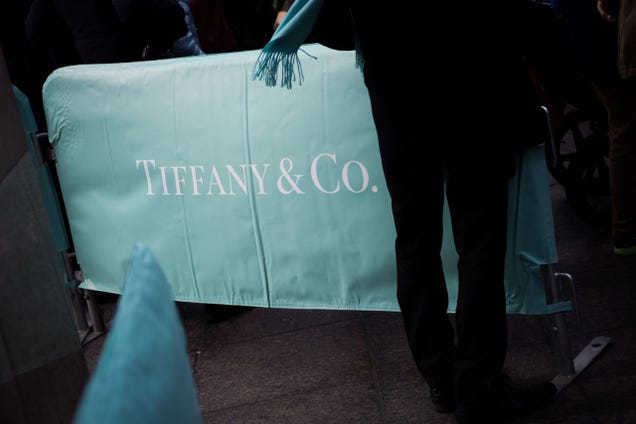
Trump Tower Has Tiffany's-Branded Security Barricades Because We Live In a Scifi Dystopia Now

by Matt Novak

If you lived in a dystopian science fiction movie, what would be your first clue? The rise of an authoritarian leader? Battles in the streets over scarce resources? Personally, I think the very first clue might be when brands are buying ad space from the police. And if I’m right, I’ve got some bad news for you.

Read more...

15 Dec 09:06

An attempt to chart media brands on the fake-real spectrum

by Mark Frauenfelder

7xHaUXf

From Imgur: "A decent breakdown of all things real and fake news." Here is is full size.

13 Dec 07:53

Om misstanken att man är någonting på spåret.

by fthunholm

Här kommer ett långt intro: Ann Heberlein skrev nyligen i en text, att vi måste se hela människan, och alla hennes umbäranden, och inte bara se den avhumaniserade tiggaren, som sitter på marken.

Haha nej det gjorde hon såklart inte.

Hon skrev istället att folk som ger pengar till några andra än människor som färgar ögonbryn, är hycklare. Vi skänker pengar för att vi är äckliga, kan man säga. Och tror oss vara förmer tack vare att vi skänker. Vi tror att vi är goda, men vi är gråtvänster. (Vänster är här inte politiskt definierat, det är bara allmän avpixlat-svenska för typ landsförrädare.) Och godheten är vår vinterkräksjuka.

Om man ger pengar till någon, någonstans, som inte färgar ögonbryn, är man ett svin. (Undantaget givetvis: Kollekten. Ann älskar kyrkan! Hon får inte nog av kyrkan. Skänker man pengar till kyrkan är man god på riktigt.)

Snart började folk påpeka att godhet ändå är rätt bra, överlag. Bättre än motsatsen, som ju är ondska. Och kanske skiter den som behöver pengar i att den som skänker inte skär sig av självhat utan mår lite bra. Ann håller inte med.

Nu är det långa introt slut.

På Twitter skriver Ann: De starka reaktionerna på min text om köpt godhet får mig att misstänka att jag är något på spåren.

Ja, du. Whatever rocks your boat.

Men… det är ju inte som att det finns ett absolut samband mellan starka reaktioner och att vara något på spåret. Ganska ofta är väl de starka reaktionerna ett tecken på att man inte är någonting alls på spåret? Du kunde anklagat judarna för nine eleven och fått starka reaktioner. Du kunde propagerat för kombinationen barnporr och kolloidalt silver som recept mot dåliga PISA-reslutat. Utan att nödvändigtvis ha varit mer på spåret än du är nu.

Ett bra sätt att få en bild av någon är att se vilka strider hon tar.
Ann tog striden mot godhet. Grattis.

09 Dec 08:46

The True Cost of Your Uber Ride Is Much Higher Than You Think

by Samantha Cole for Motherboard

Uber’s become the generic trademark—right up there with Kleenex and “Google it”—for using your phone to get into strangers’ cars.

But like most cheap commodities, what you’re paying for the sausage might not reflect the actual cost it takes to make it.

Transportation industry expert Hubert Horan is building a case for why Uber will never become a profitable company on the Naked Capitalism blog. One of the most eyebrow-raising statistics, as gleaned from investor reports, is how little riders are paying of the true cost of their trips: “Uber passengers were paying only 41% of the actual cost of their trips; Uber was using these massive subsidies to undercut the fares and provide more capacity than the competitors who had to cover 100% of their costs out of passenger fares.”

That means your $25 trip into Manhattan from Brooklyn should actually cost around $60. Investors in the private company are currently footing the other $35 (most!) of your fare.

Financial Times’ Alphaville, which highlighted Naked Capitalism’s findings, calls it like they see it: “This is critical because it suggests we’re dealing with a charity case in disguise.”

The math doesn’t add up, from a consumer standpoint, because you’re not seeing the subsidies’ long shadow over it all: Only a third of Americans have ever heard of Uber. Of those, the frequent users spend a median of $95 a month on rides. That’s not a ton of income, for a company that also has to pay its drivers, especially when some of those drivers are currently protesting for higher wages and turning to rival companies to get what they believe are fairer fares.

Although, if Uber’s driverless car efforts currently underway in Pittsburgh expand as the company hopes, the days of paying a chauffeur could be numbered.

Uber lost $1.27 billion globally in the first half of 2016 and 100 million domestically in the second quarter.

You’re paying beans for your Uber ride because you’re cruising on investor cash, which Uber is using in an attempt to drive competitors into the ground.

Get six of our favorite Motherboard stories every day by signing up for our newsletter.

08 Dec 08:36

Steve Wozniak Was My Computer Teacher in 1995

by Syambra Moitozo for Motherboard

I grew up in Silicon Valley two decades before it was cool enough to be the title of a show on HBO. My parents were conventional hippies who drove Volvos donned with “Save Tibet” and “Question Authority” bumper stickers. The public elementary school I went to in the Santa Cruz Mountains had only 30 kids in the 5th grade.

No matter their livelihoods or income levels, whether they were on food stamps or had enough money to get their kids their own miniature drivable Power Wheels Jeeps for Christmas —the parents would help out in whatever ways they could. My dad would take our class on nature walks while another girl’s mom led our Girl Scout troop. In 5th grade, we’d stay after school so my friend Sara’s dad could teach us about computers.

Sara’s dad happens to be Steve Wozniak, co-founder of Apple.

“It was less important to me what you teach, and more important to motivate people by making things as fun as you can,” Wozniak told me recently over the phone, after I reconnected with him nearly 22 years later. “I had that liberty because I was sponsoring the class myself and wasn’t under the guidance of a principal. My intent was not to train people to become computer specialists or work for computer companies. We don’t need everyone in life to be computer experts.”

A photo of the author's class showing off their Macintosh PowerBook laptops provided by Wozniak. The author appears on the slide, near the top. Image: Cati Myer

The Keys to the Kingdom of the Early Internet

Wozniak was teaching my 5th grade class back in 1995, almost a decade after the brain behind the Apple 1 had left the company to start other ventures, including CL9, which brought the first programmable remote control to the commercial market.

Thinking back to that class, I remember looking out the classroom window on our first day. It was raining and Steve walked across the playground wearing a red, white, and yellow umbrella hat—indicative of his love for quirky innovations. He walked in, took off his hat, and asked us to gather around. Then he pulled a floppy disk out of his pocket and proceeded to take it apart to show us what each piece did. In the back of the room were 30 brand new Apple Macintosh PowerBooks (1400c) on loan to us. He said that those who mastered the concepts would get to keep theirs at the end of the year.

“It was less important to me what you teach, and more important to motivate people by making things as fun as you can."

We spent the next months learning how to use the internet, set up a network, and build simple webpages. I remember feeling like I had the keys to some magical kingdom.

Steve had a sincere demeanor about the class, but he made sure to keep things interesting. Some days he’d bring us McDonald’s Happy Meals, which felt rebelliously exciting for kids who were regularly force-fed granola by health conscious parents. He also loved sharing fun gadgets with us. One day he gave us all laser pens, which he instantly must have realized was a mistake, as we spent the rest of class sneakily trying to blind each other.

When I Discovered the Web Wasn’t Made By Spiders

I was not exactly your ideal tech learner. When Steve told us he was going to teach us how to get on the “world wide web”, I imagined some secret underground tunnel where we’d be able to climb gigantic spider webs that connected every town around the world. I had heard about people trying to dig holes to China—who knew they had it all wrong?

I was at first disappointed when I discovered the web was invisible and inside my computer, but my disappointment was soon replaced by glee when Steve introduced us to America Online. He helped us set up usernames and we’d dial in and wait for the voice of God to tell us we had mail. I soon decided this was way cooler than a giant underground spider web.

Steve Wozniak leads a conga line of 7th and 8th graders carrying Apple Macintosh PowerBook laptops he purchased for them, in an image dated 1993. Image: Getty

“I actually spent quite a bit [of money] to bring internet to the schools to even give dial-up to all you students,” Steve said during our recent conversation, reflecting on the early days of online access and how we hoped it would change how kids learn. “But networks were important and AOL was here before the internet. When we were in dial-up speed times, we could hardly imagine real live instantaneous things. But pre-internet, AOL had chat rooms which were kind of like the social web. You could get into rooms and categories you wanted to. As far as what it would lead to in the future, I just assumed computers would become more and more commonplace in school. All the schools were getting labs.”

Learning Lessons in Online Privacy (With a Little Help From Jonathan Taylor Thomas)

Once I realized that we could technically connect to anyone or anything, I immediately wanted to know if my childhood celebrity crush and Home Improvement kid star Jonathan Taylor Thomas would come hang out with me. Surely, he had the internet. So naturally I emailed him at JTT@aol.com telling him how much I loved him on the show and that I know he was probably really busy but if he came to visit, I’d show him my Pog collection. I gave him my address and phone number just in case.

Two weeks later my parents received a very polite typed letter from a dentist in Des Moines telling them they should monitor their daughter’s activity online as she was giving out their personal information to total strangers. And there I had my first lesson in internet privacy at the age of 10.

Woz’s Legacy as a Computer Teacher

Of the 30 kids in our class, at least eight of us have gone into careers in technology. One of my former classmates, Dan Leis, said that Steve teaching us binary and networks like the long-dead Token ring, inspired him to go into tech. I have no such memory of that part of the curriculum and can only assume that was being taught when I snuck out to play “Truth or Dare” in the greenhouse behind our classroom. Another classmate, Bianca Yacoub, who now works at Apple in California, mentioned how he taught our class in her interview. Yacoub had a vision impairment due to albinism, and had a hard time seeing the font on our laptops, so Steve went to her house and installed a huge screen so she could see the lessons better.

Steve Wozniak instructs children in his after-school computer class in the 1990s. Image: Getty

My most vivid memory from the class was a conversation I had with Steve. It was no secret that I was not the star pupil of that class. I found computers to be fun, but the technical aspect was lost on me pretty early on. One time Steve caught me zoning off and was instantly plagued with guilt. After class he came up to me and asked how I was liking the class. I replied with a cheerful, “Good!” but followed up with a confession that I didn’t love learning about computers the way some kids did. He just smiled and asked me what I did like.

I admitted that generally, school was hard for me, but I loved art and in his class I liked the software that let you build things, like Sim City. He said those things were important, too, and that when he was younger, he didn’t like school much either. He was kind and nonjudgemental, and let me just be me about it.

Read More: 2001: An Apple Odyssey

In our recent conversation, when I shared that memory with Steve, he chuckled and then added, “Why not let young students go in the directions they want to? Let them go off and do what they like to do and don’t force them to be going at the same speed as somebody else. Most of school might as well just be daycare anyway. If people have something in their heart, you shouldn’t slow them down...I liked being a super geek, but I definitely never pushed my values on other people.”

At the end of the year, we were all given a hard copy of Steve’s biography, Steve Wozniak, Inventor of the Apple Computer, by Martha E. Kendall. The kids awarded free computers had sparkly star stickers on their back page. I opened mine flipped to the back, where in place of a star, there was a note that read, “Go build great things. Best, Steve.”

Looking back now, I think “The Woz” being something of a tech God was lost on us, as were many things when we were 10. I think we all just thought of him as Sara’s cool, super smart dad who made computers. We also thought it was cool that another girl’s dad was a firefighter, and that our class pet rabbit would eat pretty much anything you fed it. We were kids. Regardless, he gave us the freedom to be who we were, to discover our own passions, and defy imposed normative structures, whether they be from the confines of a school curriculum or parents who wouldn’t let us eat Mickey D’s.

Syambra Moitozo is Associate Producer for Daily VICE.

Get six of our favorite Motherboard stories every day by signing up for our newsletter.

07 Dec 15:02

Inside the Bizarre Movement to Make John McAfee Cyber Czar

by Jake Offenhartz for Motherboard

On Monday afternoon, as Donald Trump continued finalizing his cabinet from his transition base atop Trump Tower, a group of thirty demonstrators gathered below to make a very specific recommendation: “That Donald Trump put America first and name John McAfee, the most qualified expert, to be our nation’s Cybersecurity Czar.”

The event was part of a public campaign organized by the hacking collective Anonymous, aimed, oddly enough, at “securing America from Hackers.” For the remainder of the day, the protesters alternated between chants of “Make the internet safe again” and “We want McAfee,” as they distributed flyers highlighting the software magnate’s unique qualifications to confused passersby. While not all of the protesters were affiliated with Anonymous, the requisite Guy Fawkes mask was worn by nearly everyone.

Stephanie Lee (right, holding the sign) and Mary Blake. Image: Jake Offenhartz / Motherboard

“We’re newly passionate about cybersecurity,” said Stephanie Lee, a senior citizen who’d learned of the protest on Facebook and come to check it out with a friend. Both women expressed concerns about Russian hacking, and both seemed excited by the possibility of McAfee’s appointment. “The virus guy,” Lee said, “that’s who we want right now.”

McAfee, who founded the eponymous antivirus software nearly three decades ago, is much more than just the virus guy. In 2012, he became entangled in a homicide case while living in Belize, then spent the next two years on the run. Since then, he’s launched a failed bid for the Libertarian Party nomination, earned headlines for engineering various tech-related hoaxes, and been the subject of a Showtime documentary alleging he committed rape and murder.

Jake Offenhartz / Motherboard

While such behavior wouldn’t necessarily disqualify him from serving in Trump’s administration, the efforts to make McAfee cyber chief are doomed for another reason: He doesn’t want the job. Reached over the phone, McAfee read a prepared statement (copied in full below) outlining his reasons for denying the hypothetical offer.

“I believe that the US government is filled with deadwood, ossified practices and procedures, does not reward innovation and creativity, and is in fact completely dysfunctional,” he said. “It needs a 35-year-old hacker with balls of brass and nothing to lose.”

To that end, McAfee offered two recommendations: Chris Roberts and Eddie Mize. Roberts is best known for allegedly causing a plane to veer off course by hacking into its in-flight entertainment system. And Mize, according to McAfee, “could put you on the top of the FBI’s most-wanted list by tomorrow.”

“This is the reality we’re living in,” he continued. “They have this power you need to understand, and that is the first thing that people need to tell Trump. There is nothing a great hacker can’t do.”

Jake Offenhartz / Motherboard

After getting off the phone, I returned to the protest to break the news that McAfee wasn’t interested. The group had shrunk substantially by then, and the few remaining protesters were following the campaign’s advice to not speak with press. The mention of McAfee’s recommended hackers seemed to elicit some nodding approval, though their masks made it difficult to be sure.

Eventually, a musician and organizer from Trenton, New Jersey broke the silence. “At this point,” he said, “we just want someone there who understands this universe.”

A few weeks before this protest, Anonymous-themed Twitter account @YourAnonNews tweeted a link to a Newsweek story about the draft McAfee movement, and the following message accusing the entire movement of being staged: "FRAUD ALERT: We know of no Anonymous groups supporting @officialmcafee ego stroke, orchestrated by @ihazcandy."

@ihazcandy is reportedly a friend of McAfee's. Reached by phone, McAfee denied paying protesters to appear in front of Trump Tower. As McAfee said during our conversation when asked about hired protesters: "Well, if that is the case than I have no idea who did it, because I don't have the money and I certainly know nothing whatsoever about it. I know nothing about it. I had publicly stated over and over again, I have no interest, let's move on with life."

Updated December 6, 5:55 pm ET to include the tweet from @YourAnonNews and again at 6:56 pm to add McAfee's comments on allegations he paid protesters.

Get six of our favorite Motherboard stories every day by signing up for our newsletter.

07 Dec 13:34

The Untold Story of Napoleon Hill, the Greatest Self-Help Scammer of All Time

by Matt Novak

Napoleon Hill is the most famous conman you’ve probably never heard of. Born into poverty in rural Virginia at the end of the 19th century, Hill went on to write one of the most successful self-help books of the 20th century: Think and Grow Rich. In fact, he helped invent the genre. But it’s the untold story of Hill’s…

Read more...

07 Dec 11:53

I AM THE LAW

by fthunholm

Om jag skulle drista mig att, i sociala medier, skriva att jag tycker det var dåligt av Hitler och de andra nazisterna att systematiskt mörda många miljoner människor i dödsläger. Då skulle det handla om sekunder innan någon skrev  ”jaha, men vänstern då?”

Sekunder.

Vi har fått, kan man säga, en omvänd Goodwins lag (denna, alltså originalet, säger att vad man än diskuterar på nätet, kommer någon förr eller senare att jämföra motståndarens ståndpunkt med Hitler eller nazismen, därefter blir det omöjligt att göra diskussionen saklig igen).

Jag kallar denna spegelversion för Thunholms lag eftersom jag har fått nog av jante. (Hör ni det, töntar? Jag har fått nog!) Thunholms lag säger att om någon påtalar moraliska eller andra brister i vad Hitler eller nazismen står för, om man så bara skrapar lite i nazismens lack eller problematiserar Hitlers gärning, så kommer någon säga att det minsann är vänstern som är de största bovarna.

Missförstå mig inte. Stalin, Lenin, Mao, Pol Pot – sjukt osköna gubbar. Vidriga, utan tvekan! Men det finns en inneboende elasticitet i Thunholms lag, som innebär att nazisterna relativiseras till ständigt nya nivåer. Hitler har gått från att vara i paritet med Stalin i ondskan-rankingen, till att nu komma strax före Palme. ”Treblinka var dåligt, visst. Men Mona Sahlin då? Du tycker att man ska köpa Toblerone på regeringens kort?”

Jag undrar vad det är som driver de här personerna.

Kanske är det ett oerhört stort rättspatos. Eller så är det ett ännu större rättshaverist-patos. Kanske älskar de friheten lika mycket som Björn Ranelid älskar att inte knäppa sin skjorta. Kanske är de bara freaks som aldrig lämnade MUF mentalt.

Kanske är detta de enda som förmår att blottlägga historiens krasshet och åskådliggöra de egentliga orättvisorna och fasorna. Kanske är de bara medlemmar i subkulturen inte blockad på Twitter av Rebecca Weidmo Uwell.

Så många frågor.

05 Dec 12:26

52 things learned in 2016

by Jason Kottke

Consultant Tom Whitwell shared 52 things he learned in 2016. Here are three:

Call Me Baby is a call centre for cybercriminals who need a human voice as part of a scam. They charge $10 for each call in English, and $12 for calls in German, French, Italian, Spanish, Portuguese and Polish. [Brian Krebs]

Twitter has enough money in the bank to run for 412 years with current losses. [Matt Krantz]

Intervision, the 70s Soviet answer to the Eurovision Song Contest, was judge by electricity grid voting: “those watching at home had to turn their lights on when they liked a song and off when they didn’t, with data from the electricity network then being used to allocate points.” [Nick Heady]

It was hard to whittle the list down to just three, so a bonus one:

Instead of batteries, the ARES project in Nevada uses a network of train tracks, a hillside and electric trains loaded with rocks to store wind and solar power. When there is a surplus of energy, the trains drive up the tracks. When output falls, the cars roll back down the hill, their electric motors acting as generators. [Robson Fletcher]

The Economist did a piece — “Sisyphus’s train set” — on ARES this summer.

Tags: energy   lists   Tom Whitwell   Twitter
05 Dec 08:27

The Fiji Government Backed an App That Claims to Defy Physics

by Jordan Pearson for Motherboard

The Fijian government has thrown its support behind InstaCharge, an Android app that claims to store extra “wasted energy” while your phone charges overnight so that it can be “released” on demand and charge your phone instantly on the go. There’s only one problem: this is impossible, because of physics.

The laws of thermodynamics say that energy can neither be created nor destroyed in a closed system and since an app isn’t a physical thing, it can’t store “extra” energy. A battery can only store as much energy as it’s physically able to, or less. Energy might be wasted as heat, but it has nowhere to else go in the phone.

Despite all this, the app’s creator, Las Vegas-based entrepreneur Douglas Stewart, has apparently convinced the Fijian government to support the app.

The app was announced last week in a lavish ceremony at the Grand Pacific Hotel in Suva, Fiji’s capital. According to the Fiji Sun, Fijian Prime Minister Frank Bainimarama spoke at the ceremony, emphasizing Fiji’s aspirations in the global tech industry. Videos apparently from the event on the sparsely populated InstaCharge Facebook page show that music, dancers, and food were also part of the ceremony.

The Fijian government claims the app is a “multi-billion dollar venture,” Radio New Zealand reported, which, considering we’re talking about a single Android smartphone app that’s not even available on Google Play yet, is dubious at best. Again, this is all for an app that any high school science teacher will tell you simply cannot work as advertised.

Stewart and InstaCharge haven’t yet responded to Motherboard’s request for comment, sent via email to the address on the app’s website.

There are more red flags than just the concept itself. For one, while the launch happened last week, there’s no indication as to when the app will be available. The app’s website is quite nice on the whole, but there are little slip ups—for example, a YouTube video on the site advertising the app is filled with “lorem ipsum” filler text where it should be explaining what the software does.

Screengrab: YouTube

Finally, the only piece of video evidence ostensibly showing the app at work was posted six months ago to Stewart’s YouTube channel. The video shows someone opening the app, hitting “begin charge,” and then a progress bar slowly loads. But if you look closely, the phone has been at 100 percent battery life the entire time. The name of the app on the phone’s home screen isn’t InstaCharge, but “ProgressBar.”

The question of who is Douglas Stewart raises more questions. His LinkedIn account lists no background in technology whatsoever and states he’s the owner of Benzo Luxury Rent-a-Car in Las Vegas. Not the occupation you’d expect from a man with the brilliance to bend the laws of physics and turn it into a consumer product. Moreover, reviews for the company on Yellow Pages and elsewhere all, with one exception, claim the business is a scam.

Stewart also filed for chapter 13 bankruptcy in 2007, and court documents show he listed Benzo LLC as being his company and that he was in possession of six Mercedes cars and a Range Rover, all leased. His bankruptcy case was dismissed after he failed to pay the assigned fees, putting him right back where he started financially.

Fast forward nine years, and Stewart is in Fiji making deals with local businesspeople and getting the prime minister to help announce the launch of an app that apparently defies the laws of nature.

It’s unclear what, exactly, is going on in the strange tale of an American pitching some quite literally unbelievable new technology in Fiji, but all indications point to the lesson here being: if an app promises the moon before even getting off the ground, it’s probably not worth your time or your government’s.

Get six of our favorite Motherboard stories every day by signing up for our newsletter.

05 Dec 07:40

Don’t overlook the quiet voices and contributions

by Dan Kim

A few years ago I worked at a mega corporation. I had just finished up a brutal week of all-day meetings with 20 people. My boss and I sat down to catch up. Eventually, she warned:

“Dan, you need to speak up more. You need to participate and contribute during these meetings.”

I was livid.

She felt that others had “contributed” far more than me.

It didn’t matter that people were talking just for the sake of it — repeating things that were already said and adding no value. It didn’t matter that very little was accomplished from all that talking. It didn’t matter that the week was a huge waste of time. It only mattered that people were speaking loudly and frequently.

All of my quiet contributions — selectively speaking, listening, thinking, writing, leading small group discussions — were being completely ignored.

Suffice to say, I didn’t last very long at that company.

But the sad part is that given the right environment, I could have. I had plenty of energy, ideas, and good work in me. But because I wasn’t always a loud voice, all of it was being overlooked.

If you’re a leader in a company, it’s important to keep your eyes and ears open for all types of contributions. The quiet members of your team have a wealth of insights everyone can benefit from.

While it’s easy to hear the loud voices, they might be drowning out the quiet ones. To tap into the potential of those quiet voices, here are a few tips to keep in mind:

  • Encourage writing as the preferred medium to share ideas. Writing has a wonderful way of leveling the playing field. No single voice can physically drown out or interrupt another. Not to mention it’s far more efficient than huge meetings.
  • Don’t correlate being quiet in meetings with a lack of participation. It’s likely that people are thinking about conversation at hand before responding. This is a good thing. Instant reactions aren’t what you want anyway.
  • Give people time and space to think. Don’t fret if written responses come in slower than you’re used to. Reviewing ideas, thinking, and building thorough contributions takes time and focus. These responses will be far better in quality than the speedy ones.
  • Judge contributions by quality, not quantity. Not everyone needs to chime in on everything — there’s already too much noise and commentary. Look for depth and breadth of contributions, not volume.
  • Don’t assume you’re privy to every bit of collaboration that’s happening. People share and discuss all over the place — in small groups, individually, in public, in private. Just because you don’t see collaboration, that doesn’t mean it’s not happening.
  • Ask for opinions individually. Sometimes the quiet voices just need a tiny bit of encouragement. Find the medium they prefer (IM, Hangout, face to face) and talk to them individually about a particular topic they’re interested in. You might strike gold and it will help them find their voice in the long run.
  • Avoid large group-think sessions. They’re insanely ineffective. Short bursts of collaboration in small groups is great. Huge ideas spread across hours and hours? Not so much.

I really believe in quiet voices. They’ve taught me the most and positively influenced my career — far more than the big talkers.

I hope you’ll give them a chance.

If this article was helpful to you, please do hit the 💚 button below. Thanks!

We’re hard at work making Basecamp 3 and its companion Android app better every day. Check ’em out!


Don’t overlook the quiet voices and contributions was originally published in Signal v. Noise on Medium, where people are continuing the conversation by highlighting and responding to this story.

05 Dec 07:25

Wikipedia som källa

by Hexmaster
Många har en avfärdande inställning till Wikipedia. Efter en lång tids flitigt bruk och kritisk granskning finner jag den i stort sett orättvis – under förutsättning att man vet vad det är man har att göra med.

Wikipedia i sig är ingen källa. Det är en samling av påståenden, som ofta är korrekta men inte behöver vara det. Det känns särskilt svårt att vara fullkomligt negativ när facklitteratur och Wikipedia anger olika uppgifter – och det är den senare som, vid ordentlig kontroll, visar sig stämma. Men det bästa är att man inte behöver bli, eller ska behöva bli, påmind om vad det är man läser, något som även den bäste annars kan glömma bort.

Ska man utnyttja Wikipedia på vetenskapligt allvar, får man se till att dubbelkolla uppgifterna; alla uppgifter.

Att kontrollera den diskussionssida som alla artiklar är försedda med är också att rekommendera. Ofta får man avslöjande uppgifter där, ibland rentav intressantare än de som finns i själva artikeln. Referenserna är, med tanke på ovanstående "samling av påståenden", ibland det värdefullaste i Wikipedia; om de alls finns, och om de utgörs av pålitliga källor (att idka källkritik utmed kedjor av källor är en tidkrävande syssla). I synnerhet omstridda och infekterade frågor har den fördelen att de är bevakade av folk från många sidor. Jag tar hellre del av en sådan artikel än någon om ett bortglömt ämne, där stolliga uppgifter kan ligga kvar i åratal utan att någon reagerar.

Det finns direkt undermåliga artiklar. De är inte många, men de finns. Det finns också direkt undermåliga avsnitt, stycken och meningar i för övrigt utmärkta eller hyfsade artiklar. Sådana har den fördelen att man som läsare blir påmind om vad det är man läser, ifall det nu skulle behövas.

Ju fler granskande ögon och bidragsgivare, desto bättre – som regel. Därför använder jag mig i första hand av engelska Wikipedia, därefter tyska, därefter svenska m.fl. (Om det inte gäller snabba, enkla småuppgifter som födslar, dödslar m.m.) Inte sällan ger jämförelser mellan artiklar intressanta uppslag.

[Denna text fanns med i min Tredje rikets myter (Forum 2011)]
02 Dec 09:04

Chipspartiet, Liberaces parti, skit i isbjörnarna-partiet

by fthunholm

Jag älskar moderaterna! Bästa partiet! Okej inte deras politik. Men deras sätt att vara. Det är det enda partiet med swag. Alla coola typer i historien, typ Marie Antoinette, Ludvig den fjortonde och Liberace, hade varit moderater om dom levt idag.

Kommer ni ihåg när priset på ett SL-kort höjdes med 100 kronor år 2011? En höjning från 690 till 790 kronor, alltså 15%. Det moderata finanslandstingsrådet Torbjörn Rosdahl sa då att ”det vore orimligt om inte SL-kortet kostade lite mer, jag har själv fått mer i plånboken, hundra kronor – det är tre chipspåsar!”.

Bra analys, Tobbe. Orimligt! Det klart att det ska kosta mer. Men inte för mycket heller. Tre chipspåsar är ju inget att tjafsa om. Vad är folk ens för idioter som tjafsar om tre chipspåsar? Om chips är så viktigt i era liv kanske ni ska springa istället för att åka tåg. Eller bara äta keso. Fetton.

När flygskatteutredningen kom med sitt förslag häromdagen, att det skulle kosta 80 kronor (2,3 påsar chips) extra i skatt att flyga inrikes och 430 kronor (13 påsar chips) mer att flyga till andra sidan jorden, var reaktionerna dom samma. ”Det vore orimligt om det inte kostade lite mer att flyga, jag har själv fått lite mer i plånboken.”

Nej, vänta, det var dom inte. And this is why I love moderaterna.

En familj om fyra personer som i vanliga fall lägger sjuttio tusen på att komma iväg till Asien för man be-höver lite sol när det är som mörkast amirite, får nu istället betala 71 720 kronor. INTE SÅ KUL, tycker moderaterna. Troligtvis ett brott mot någon FN-konvention. Som en moderat talesperson sa när jag ringde kansliet, ”det vore väl ändå helt orimligt och odemokratiskt om vi gör isbjörnarna och pingvinerna till vågmästare i svensk politik, dom är så vitt jag erfar inte invalda i parlamentet”.

Andra som protesterar är norrlandskommunerna, vilket säger något om deras självförtroende. Deras analys är, att den som innan tänkte, åh, jag vill verkligen åka till Arvidsjaur eller tänk om man ändå fick se Gnarp – nu kommer att backa, på grund av dom extra 160 kronorna. Det är outsägligt sorgligt.

Vad jag själv tycker om skatt på flygresor? Äh. Vad vet jag om sånt. Men kanske typ tusen kronor extra per biljett. Om du inte är moderat och ska flyga till Norrland. Då får du istället biljetten gratis. Men du släpps inte av planet innan du har ätit upp tretton påsar chips.

02 Dec 07:53

K283: Om populism och teknokrati – och en intervju med Moishe Postone

by rasmus

Daniel Strand – som nästa vecka disputerar i idéhistoria – skriver i Dagens Arena: “De progressiva måste återta populismen“. Hans plädering för en vänsterpopulism à la Sanders/Syriza/Podemos övertygar inte mig, det ska väl sägas. Mer om det snart. Men artikeln gör skarpa observationer av den brännmärkning av populismen som under 2016 har tilltagit i intensitet hos “representanter för den politiska och mediala eliten”. Med hänvisning till Jacques Rancière beskriver Daniel Strand “en elitism där folket, i stället för att utgöra demokratins fundament, uppfattas som ett potentiellt hot”.

Populismens centrala princip handlar om folket mot eliten. Men motsatsen till populism är för den skull inte elitism. Elitism existerar i massor av former, inte minst bland nationalistiska högerpopulister som utfärdar löften om att det egna folket ska få känna sig som en elit i förhållande till de främmande. Man kan säga att nationalismen är en demokratiserad elitism, vilket inte betyder att den är demokratiserande. Nåväl.

Jag tänker mig att samtidens politiska läge känntecknas av en motsatsställning mellan populism och teknokrati. Det amerikanska presidentvalet var ett val mellan populisten Trump och teknokraten Clinton. Det föregicks av ett primärval mellan teknokraten Clinton och populisten Sanders. Samma sak i brittiska Labour. Samma sak med Brexit, obviously. Samma sak i spelet mellan Syriza och trojkan. Samma sak överallt.

Det är som att en permanent krisande kapitalism spottar ur sig motsatsparet populism och teknokrati, med en sådan kraft att det tränger motsatsen mellan höger och vänster åt sidan. Eller nåt i den stilen.

Mekanismen bakom detta berörs i en ny intervju med Moishe Postone, gjord av Agon Hamza och Frank Ruda för tidskriften Crisis & Critique. Jag skulle inte bli helt förvånad om tidskriftens svenska namn Kris och kritik kommer att översätta Postone-intervjun, som förresten med fördela kan läsas jämsides den intervju med Anselm Jappe som Kris och kritik översatte till sitt senaste nummre.

today, on a global level, the production of “superfluous populations” is an even bigger problem than exploitation. I am convinced that this kind of theoretical critique and its practical consequences are the only alternative to the rising tide of populism which restricts its critique to opposition to banks, speculation and the financial sphere, and which could result in a dangerous mix of left-wing and traditional right-wing opinion.

Anselm Jappe

If, withTrump’s racist and xenophobic explanation, it is the Mexicans and the Muslims etc., for the populist Left it is the banks and trade. If it were not for “them” we would have jobs in America. Well, jobs are not going to come back to America.The reasons have much more to do with the logic of capital, than they do with trade policies. But instead of thinking about how we are going to deal with a society where manufacturing jobs are disappearing, about what the responsibility of the government is in a new situation the populist Left avoids such questions. /…/ So we have elite technocrats on the one hand, and populist anger on the other.

Moishe Postone

Låt mig gå lite närmare in på intervjun med Moishe Postone, som verkligen är läsvärd. Intervjuarna låter inte resonemangen fastna på marxologisk nivå utan får Postone att prata lite mer tillämpat om hur han ser på kapitalismens tillstånd och framtid. Där på köpet tar de upp den franske filosofen Jean-Pierre Dupuy och hans “katastrofism”.

I centrum för resonemanget står frågan om hur det abstrakta förhåller sig till det konkreta.

Det som Marx kallar “fetischism” handlar just om hur det abstrakta ersätter det konkreta, i förhållanden mellan människor. Alla tre band av Kapitalet är, i Postones läsning, en studie av den moderna fetischismen, där människors interaktion förmedlas av det universella tvånget att tjäna pengar. Men kapitalismen är inte bara fetischism i denna snäva bemärkelse. Den konkreta världen ersätts inte av abstrakta storheter, utan förblir vid existens, samtidigt som det konkreta formas av det abstrakta. Som när en sysslar förvandlas till ett lönearbete, vilket betyder att arbetet följer instruktioner som utfärdas av någon som har att ta hänsyn till den produktivitetsnivå som marknaden kräver. Tillföljd av abstrakta tvång, ändras arbetets konkreta innehåll. Eller så görs det överflödigt med hjälp av nya maskiner. Arbetets avskaffande som kapitalets telos och yttersta gräns = kroppen utan organ (Deleuze/Guattari) = dödsdriften (Freud).

The fact that there is a limit to capital does not mean that capital collapses. Rather the limit is an asymptotic curve, you get closer and closer to an absolute limit but you never reach it.

Utan att gå så långt som till den freudska dödsdriften, framhäver Postone ändå den djupare innebörden av det marxska begreppsparet “levande arbete” (arbetskraft) och “dött arbete” (maskiner, byggnader, infrastruktur, kod). Han säger också att vägen till en friare värld inte går via ett upphöjande av det levande arbetet, utan snarare ska sökas i bruket av dött arbete.

Motsättningen mellan “levande” och “dött” arbete hör, likt motsättningen mellan det konkreta och det abstrakta, till kapitalismens inre dynamik. Därav dess ständiga tendens att åter reproducera sig på det politiska området. Vad är populismen om inte det levande arbetets bejakande av sådant som uppfattas som konkret och ursprungligt, i systematisk motsats till det abstrakta maskineri som uppfattas vara orkestrerat av en elit?

Privileging immanence over transcendence, multiplicity over unity, and concrete local engagements over abstract mediations is just simply taking one pole of the dichotomies constituted by capital. So, what we unfortunately are seeing all too often is a debate between globalizing intellectuals and economic elites who represent the abstract side, on the one hand, and reactionary and also Left populist activists who take the concrete side, on the other.

Postone med rätta för den romantiska antikapitalism som han menar “genereras av kapitalismen själv”. Däremot tycker jag att han är lite orättvis i sitt förkastande av anarkismen, som han förknippar just med den romantiska antikapitalism som okritiskt bejakar det lokala, partikulära, konkreta. Det känns som att han kanske mest talar om en viss subkulturell anarkism i Nordamerika.

Inom akademisk poststrukturalism och postmarxism gäller i regel att man bör hylla allt som på något vis kan klassas som “motstånd”. Mot detta vänder sig Postone, som påpekar att “motstånd” lika gärna kan vara av reaktionärt slag; begreppet saknar innehåll.
Detta hänger också samman med vad Postone säger om hur antisemitismen skiljer sig från rasism. “Antisemitismen handlar om vem som styr världen”, skriver Postone. “Ingen tror att syriska, afghanska eller afrikanska flyktingar styr världen.” Inte heller trodde någon i den amerikanska Södern att världen styrdes av de svarta. Den fruktan som i allmänhet artikuleras av rasismen handlar om att värna den egna livsstilen gentemot ett yttre hot som föreställs vara av konkret art. Antisemitismen vänder sig däremot mot en abstrakt makt, personifierad i någon form som direkt eller indirekt associeras till “judarna”. Just därför, vill jag tillägga, fungerar rasismen och antisemitismen som parhästar inom högerpopulismens ramar.

I think that the Holocaust should serve as a significant warning against all of the forms of utopia that reify the concrete and vilify the abstract – instead of seeing that both, the abstract and the concrete, as well as their separation are what makes up capital.That is the first point.The second is, that capital, (and this is based on my reading of Marx), is not simply an abstract vampire sitting on top of the concrete whereby one could simply get rid of it, like taking a headache pill. Within this imaginary, capital is considered extrinsic to the concrete, to production or labour. Capital, however, actually molds the concrete. It empties labour increasingly of its meaningfulness. At the same time it is an alienated form of human sociality, of human capacities. As such, it is generative of socially general forms of knowledge and power, even if it generates them historically in a form that oppresses the living. Yet, in many respects, precisely this becomes the source of future possibilities.

Vänsterns traditionella svar på en krisande kapitalism har varit att resa krav på full sysselsättning. “Det kommer inte längre att funka”, skriver Postone. Problemet är inte att det bara rör sig om reformer och inte om revolution, utan att den fulla sysselsättningens tid är förbi.

Ungefär detsamma säger Anselm Jappe i den ovan nämnda intervjun:

The workers’ movement, in its various currents, was mostly a struggle for a fairer redistribution of the basic categories that were no longer questioned: money and value, labor and the commodity. They were therefore essentially forms of immanent critique, linked to the ascending phase of capitalism, when there was still something to distribute. But from the very start, there was a major contradiction lurking inside the process of value-production: only living labor—labor in the act of its execution—creates value. Technology does not.

Postone räknas ofta till den “värdekritiska” skolan, men har till skillnad från de tyska värdekritikerna (Robert Kurz et.al.) inte formulerat någon uttalad sammanbrottsteori. I intervjun säger han lite om sin personliga motvilja mot att tala om katastrofer. Han tycks mena att detta tal lätt glider över i ett bejakande. Ändå är han mycket tydlig med att han ser ett samhälleligt sammanbrott som en möjlighet:

What we can have is an image of complete social collapse. Capitalism would not necessarily collapse economically, as a system of social mediation of wealth. But the society to which it gave rise would collapse.The result would be a form of social life that would either be Hobbesian — brutal nasty and short (think of Mad Max) — or it would be militarily controlled. We are on the verge of this sort of social collapse.

Detta tycks mig ligga helt i linje med det sammanbrottsscenario som skisserats av värdekritikerna kring Robert Kurz. Må vara att det enligt Postone inte behöver innebära kapitalismens sammanbrott som ekonomiskt system. Men jag uppfattar nog att den värdekritiska kristeorin strikt talat handlar om kapitalets sammanbrott, snarare än om kapitalismens. Kapitalet är självförmerande värde, en tom tillväxtprocess som lägger grunden för krediten och för staten. “All hittillsvarande historia är historien om fetischförhållanden”, skrev Robert Kurz i sin sista bok. Medan marxisterna uppfattat kapitalismen som klassherravälde, beskrev Kurz den som ett fetischförhållande där det trots all grotesk ojämlikhet inte finns något nämnvärt manöverutrymme ens för eliterna.

Då går det möjligen att tänka sig att kapitalismen består samtidigt som kapitalet faller samman. Och det blir inte så svårt att se varför de tidigare skedena i en sådan process kännetecknas av ett upprepningssyndrom i partipolitiken, där motsättningen mellan populism och teknokrati spelas upp med ständigt nya masker.

01 Dec 09:19

A Canadian Conservative Politician Promises ‘Revenge of the Comment Section'

by Jordan Pearson for Motherboard

During the election campaign, pundits frequently derided Donald Trump as an online comment section come to life. Now, a politician in Canada has rebranded her Conservative leadership bid as “revenge of the comment section.”

The implication of this criticism, when it’s been thrown at Trump, has been clear: anonymous commenters are unhinged, block-headed, un-PC, undesirable, “deplorable,” and so on. Comments sections have become increasingly unfashionable—they’re seen as cesspools where humanity goes to die, and some say they should be cast off entirely.

“Ignore the comments” is a maxim of living online, and perhaps for good reason. Many sites, including Motherboard, have done away with comment sections in part due to the amount of vitriol directed at writers, particularly women, that they often contain.

Yet Trump, the human comment section, won. Now, Conservative Kellie Leitch is aiming to duplicate Trump’s success and harness the power of what she calls the “silent majority.” In a Facebook post on Wednesday, she branded her campaign “revenge of the comment section.”

Read More: Understanding Trump's Troll Army

Leitch is a Conservative politician running for party leadership, and in many ways her platform mirrors Trump’s. She doesn’t want to ban Muslims from entering the country, but she does want to screen every immigrant to make sure they hold “Canadian values.” She also shares the president-elect’s distaste for mainstream media, and has made completely dismantling the country’s public broadcaster, the CBC, into a core platform point.

But while Trump keeps his association with aggressive online trolls—many of whom are overtly racist and anti-semitic—at a distance, Leitch is now making her connection explicit.

When Motherboard turned off its own comments section, the response to the decision by popular webcomic Penny Arcade perhaps best summed up the Trumpian point of view: that the media is full of effete liberal elites who don’t want to hear what the average person has to say. And this is exactly what Leitch is attempting to tap into.

“Are you tired of being ignored or mocked by the Liberal and media elites?” Leitch’s post states. “If you are, join the revenge of the comment section!”

Leitch goes on in the post to highlight what she interprets as a snarky response from establishment media to her policy proposals, and ties it into the experience of comment sections being ignored.

“It’s time to say enough to this condescending, elitist sarcasm that we get from the Liberal and media elites,” Leitch’s post states. “It is the ultimate left-wing hypocrisy: they rally and rail for tolerance and respect and then their behavior and attacks are the epitome of intolerance and disrespect.”

Read More: How Trump Could Screw Up Trudeau's Climate Plans

Leitch is likely hoping that pitting a supposed silent majority deemed undesirable thanks to their, ahem, “controversial” opinions against a dismissive liberal media elite will be a winning strategy in Canada, much like it was in the US.

“Send a clear message to the elites of this country that there is a silent majority in Canada who will not be disrespected and who will fight back!” she wrote.

It would be easy to write off Leitch’s campaign branding as hopeless—nobody reads the comments, right?—but she might be onto something. The prevailing narrative in the media establishment is that everything’s just peachy up here in sleepy, comfortably liberal Canada. We’ve been told for decades by white politicians that this is a happy multicultural society.

But not everybody believes this is true. Some people hate Justin Trudeau’s big promises and weak follow-through, and the adulation he nonetheless receives from the mainstream press. Some people think their neighbourhood or school is not as white as it used to be, and that’s a bad thing. Some, and maybe even many, people want Muslims and non-white folks to “go back to their country.” Some people put up posters inciting white hatred against immigrants.

Some people read another ostensibly liberal writer casually dismissing the awful power contained in their toxic beliefs with a sarcastic comment, and know in their hearts that this is simply not how most people around them think.

These people are the comment section, that which was cast off from the mainstream of acceptable opinion. They’ve been ignored, they feel, and if Leitch is to be believed, now it’s time for revenge.

Every sarcastic comment, every casual writing-off of their plot, every self-satisfied pronouncement that their cause is dead on arrival only gives them strength. As we’ve seen now in the US, none of this is a joke.

Get six of our favorite Motherboard stories every day by signing up for our newsletter.

30 Nov 07:16

Every story is the same

by Jason Kottke

A few years ago, Dan Harmon broke the structure of stories down into eight basic parts:

  1. A character is in a zone of comfort,
  2. But they want something.
  3. They enter an unfamiliar situation,
  4. Adapt to it,
  5. Get what they wanted,
  6. Pay a heavy price for it,
  7. Then return to their familiar situation,
  8. Having changed.

Calling himself a “corny screenwriting guru”, this is Harmon’s attempt to simplify Joseph Campbell’s concept of the monomyth, or hero’s journey.

A hero ventures forth from the world of common day into a region of supernatural wonder: fabulous forces are there encountered and a decisive victory is won: the hero comes back from this mysterious adventure with the power to bestow boons on his fellow man.

In the video above, Will Schoder explains Harmon’s theory using a number of different stories (movies, books, TV shows, etc.) as examples, most notably the original Star Wars, which George Lucas created using Campbell’s ideas.

Tags: Dan Harmon   George Lucas   Joseph Campbell   movies   Star Wars   video   Will Schoder
29 Nov 09:22

San Francisco Subway Hackers Now Threaten to Publicly Dump Data

by Joseph Cox for Motherboard

Image: Lowe Lugano / ShutterStock

Over the weekend, riders of San Francisco's municipal transit system (Muni) were allowed to travel for free because hackers had infected subway computers with ransomware. According to CSO Online, the attackers have demanded some $73,000 worth of bitcoin.

Now, the hackers have made a new threat: the release of 30GB of databases and documents belonging to the San Francisco Muni, including contracts and customer and employee data, if they don't receive payment.

“To Have More Impact to Company To Force Them to do Right Job!” the hackers, which used the moniker “andy saolis,” told Motherboard in an email exchange on Monday.

“Anyone See Something like that in Hollywood Movies But it’s Completely Possible in Real World!,” they added, presumably referring to the rather bizarre site of a public transport system becoming infected with ransomware.

“It’s Show to You and Proof of Concept, Company don’t pay Attention to Your Safety!” they continued. The hackers claimed to have infected over 2,000 of Muni’s systems, including payment kiosks and email servers.

According to CBS San Francisco, which first covered the hack on Saturday, the message “You Hacked” has been sprawled across Muni station monitors.

A commentator on Bleeping Computer indicated that the same hackers may have hit another target in September, and CSO Online reported that the ransomware behind the attack is a variant of HDDCryptor. According to a Trend Micro report from September, this particular strain of ransomware is pretty aggressive, targeting drives, folders, printers, and serial ports.

The hackers' latest threat appears to be on top of their use of ransomware. Often, hackers will deploy one tactic or the other: either, they will threaten a company with the release of internal data, or they will keep the victim's files locked down with malware. But seeing both in one go is fairly unusual.

However, it's not clear how many internal documents the hackers have actually stolen, if any. When asked several times to provide proof to back up their claims, the hackers told Motherboard they were still waiting for the company to contact them, and declined to send any sample files.

“we proof our capability before ! we don't want leak really but if they don't pay attention , it's will be our plan, [sic]” they wrote.

*

After the publication of this article, the San Francisco Municipal Transportation Agency (SFMTA) published a statement, denying that the hackers had accessed any internal data.

"The malware used encrypted some systems mainly affecting office computers, as well as access to various systems. However, the SFMTA network was not breached from the outside, nor did hackers gain entry through our firewalls. Muni operations and safety were not affected. Our customer payment systems were not hacked. Also, despite media reports - no data was accessed from any of our servers," the statement read.

"The SFMTA has never considered paying the ransom. We have an information technology team in place that can restore our systems, and that is what they are doing," it continued. The SFMTA is working closely with the FBI and DHS, the statement added.

Update: This piece has been updated to include a statement from the SFMTA, and has also been updated to clarify that the hackers are also threatening to release data about Muni customers.

28 Nov 15:21

Brännland Cider Fatlagrad iscider 2014 i Systembolagets fasta sortiment

by Andreas Sundgren Graniti

fatlagrad-la-pomme-under-2-mbBrännland Ciders fatlagrade iscider har kvalificerat sig till Systembolagets fasta sortiment nationellt. Det innebär att den fatlagrade iscidern inledningsvis kommer att introduceras på hyllan på drygt 30 Systembolag från och med 2:a december 2016.

Recensionerna har varit överväldigande:

-  Äppelkompott, marsipan, honung och botrytiskänsla iklädd friska långa syror. Komplex och lång. Drick som soloavslut på vilken finmiddag som helst.”

Alf Tumble, 5 av 5, Dagens Nyheter 26:e november 2016

”Tosca, honung och aprikoser i en underbart lång, syrarik och samtidigt nötig smak. Som en smäck till pekannötkola paj.”

Gourmet nr 6, 2016. 5 av 5

Brännland Ciders VD, Andreas Sundgren Graniti,

- Det är naturligtvis fantastiskt att få bekräftat att vårt arbete med att ständigt öka kvaliteten på vår cider, kommunicera varumärket och vad det står för och att presentera cidern på ett sätt som gör att kunden känner att man får valuta för sina pengar i ett ganska högt prisläge, är rätt väg att gå.

Brännland Iscider fatlagrad 2014 har lagrats i 12 månader på en blandning av begagnade franska ekfat som tidigare bland annat har använts för Chablis och Sauternes.

Fatlagringen adderar ytterligare några lager av doft och smak till iscidern som får ett djup och en integration som vittnar om ett dessertvin med stor lagringsduglighet väl lämpat för samma klassiska kombinationer som en Sauternes eller ett klassiskt Eiswein klarar av. Klassiska sommar-desserter med frukt och bär, gåslever eller som en njutning i sig. Den här flaskan är också en perfekt present tillsammans med ett par La Pomme glas, formgivna av Ingegerd Råman för Brännland Cider.

Artikelnumret är 76345 och priset är 149 kr.

Länk till produktinformation på Brännland Ciders web. 

Länk till Systembolaget och Brännland Iscider Fatlagrad 2014.

Länk till webshopen och iscider-glaset La Pomme.

The post Brännland Cider Fatlagrad iscider 2014 i Systembolagets fasta sortiment appeared first on Brännland cider.

28 Nov 14:08

Draw a maze and watch different algorithms beat it

by Rob Beschizza

maze

Draw a maze at PathFinding.js, pick a an algorithm, and watch it explore and find its way to the target square.
24 Nov 13:25

NPR tracks down "fake news" entrepreneur claiming up to $30,000 a month from ads: "I have a beautiful life"

by Rob Beschizza

fake-news

The Denver Guardian looked enough like a real news site to convince legions of Facebookers that its fake news about Hillary Clinton was worth sharing. The anonymous creator reused an old handle in an early posting there, though, allowing NPR to track him down to the LA suburbs.

Jestin Coler, 40, weasels at first, claiming it's all an attempt to "highlight the extremism" and show "how easily fake news spreads." But he's soon boasting of a business operation that brings in five figures a month from ads.

Coler's company, Disinfomedia, owns many faux news sites — he won't say how many. But he says his is one of the biggest fake-news businesses out there, which makes him a sort of godfather of the industry.

At any given time, Coler says, he has between 20 and 25 writers. And it was one of them who wrote the story in the Denver Guardian that an FBI agent who leaked Clinton emails was killed. Coler says that over 10 days the site got 1.6 million views. He says stories like this work because they fit into existing right-wing conspiracy theories.

"The people wanted to hear this," he says. "So all it took was to write that story. Everything about it was fictional: the town, the people, the sheriff, the FBI guy. And then ... our social media guys kind of go out and do a little dropping it throughout Trump groups and Trump forums and boy it spread like wildfire."

As with other fake news hucksters, Coler says he also targeted liberals and lefties too, but found that they didn't fall for it the way others do. He is a registered Democrat. Now the election's over and Google and Facebook are done with fake news, he's thinking of getting out of the business—but insists that there are now so many ad tech options that alternative revenue sources are easily found.

23 Nov 07:05

The FBI Hacked Over 8,000 Computers In 120 Countries Based on One Warrant

by Joseph Cox for Motherboard

In January, Motherboard reported on the FBI's “unprecedented” hacking operation, in which the agency, using a single warrant, deployed malware to over one thousand alleged visitors of a dark web child pornography site. Now, it has emerged that the campaign was actually several orders of magnitude larger.

In all, the FBI obtained over 8,000 IP addresses, and hacked computers in 120 different countries, according to a transcript from a recent evidentiary hearing in a related case.

The figures illustrate the largest ever known law enforcement hacking campaign to date, and starkly demonstrate what the future of policing crime on the dark web may look like. This news comes as the US is preparing to usher in changes that would allow magistrate judges to authorize the mass hacking of computers, wherever in the world they may be located.

“We have never, in our nation's history as far as I can tell, seen a warrant so utterly sweeping,” federal public defender Colin Fieman said in a hearing at the end of October, according to the transcript. Fieman is representing several defendants in affected cases.

Those cases revolve around the FBI's investigation into dark web child pornography site Playpen. In February 2015, the FBI seized the site, but instead of shutting it down, the agency ran Playpen from a government server for 13 days. However, even though they had administrative control of the site, investigators were unable to see the real IP address of Playpen's visitors, because users typically connected to it through the Tor network.

In order to circumvent that anonymity, the FBI deployed what it calls a network investigative technique (NIT), or a piece of malware. That malware, which included a Tor Browser exploit, broke into the computer of anyone who visited certain child pornography threads on Playpen. It then sent the suspect's real IP address back to the FBI.

According to court filings, the FBI obtained over 1,000 IP addresses of alleged US-based users. Over the past year, Motherboard has also found that the FBI hacked computers in Australia, Austria, Chile, Colombia, Denmark, Greece, and likely the UK, Turkey, and Norway too.

But, those are only a tiny handful of countries in which the FBI was hacking computers. According to the newly published transcript, the FBI hacked computers in at least 120 countries.

“The fact that a single magistrate judge could authorize the FBI to hack 8000 people in 120 countries is truly terrifying,” Christopher Soghoian, principal technologist at the American Civil Liberties Union (ACLU) told Motherboard in a phone call. (Soghoian has testified for the defense in Playpen cases).

Bizarrely, the FBI also hacked what has been described as a “satellite provider,” according to the transcript.

“So now we are into outer space as well,” Fieman said in the hearing.

Image: United States District Court Western District of Washington at Tacoma

The Department of Justice has had an intense battle on its hands over the past few months, especially around the validity of the warrant used for this hacking operation. According to a filing from the Department of Justice, fourteen court decisions have found that the warrant was not properly issued pursuant to Rule 41 of the Federal Rules of Criminal Procedure, which governs how search warrants can be authorized.

The main issue has been that the judge who signed the warrant, Magistrate Judge Theresa C. Buchanan in the Eastern District of Virginia, did not have the authority to greenlight searches outside of her own district. In four cases, courts have then decided to throw out all evidence obtained by the malware because of the violation.

But, changes to Rule 41 will likely come into effect on December 1, meaning that magistrate judges will be allowed to authorize warrants just like the one used in the Playpen investigation.

The changes “give rank and file law enforcement officers way too much discretion to conduct hacking techniques within and outside the United States,” Ahmed Ghappour, visiting assistant professor at UC Hastings College of Law, and author of the paper “Searching Places Unknown: Law Enforcement Jurisdiction on the Dark Web,” told Motherboard in a phone call.

Soghoian added “With the changes to Rule 41, this is probably the new normal.”

“We should expect to see future operations of this scale conducted not just by the FBI, but by other federal, state and local law enforcement agencies, and we should expect to see foreign law enforcement agencies hacking individuals in the United States, too,” he added.

Indeed, in August Motherboard reported that Australian authorities had hacked criminal suspects in the United States. It is unclear whether a warrant was obtained.

The Department of Justice said it received Motherboard’s request for comment, but did not provide a direct response in time for publication. However, the DoJ published a blog post on Monday further justifying the Rule 41 changes.

“We believe technology should not create a lawless zone merely because a procedural rule has not kept up with the times,” Assistant Attorney General Leslie R. Caldwell of the Criminal Division wrote.

The FBI declined to comment.

As far as is publicly known, these mass hacking techniques have been limited to child pornography investigations. But with the changes to Rule 41, there is a chance US authorities will expand their use to other crimes too.

“That's the real question: are they going to use watering-hole attacks, are they going to use network investigative techniques to pursue, for example, visitors of the Silk Road, or visitors of a drug marketplace, or other types of illicit services?” Ghappour said.

Get six of our favorite Motherboard stories every day by signing up for our newsletter.

22 Nov 11:26

Disney's Avatar Land Shows Why It's So Hard to Keep Epcot Futuristic

by Matt Novak on Paleofuture, shared by Rob Bricken to io9
Executives, many of whom are no longer with the company, break ground on Avatar Land in January 2014 (Disney)

Do you remember Avatar? It was released seven years ago as the single biggest movie of 2009. But unlike other sci-fi blockbusters with broad family appeal, you’d be hard pressed to find anyone today begging for a sequel, let alone clamoring for theme park rides based on the film. But that’s just what we’re going to get next summer at Walt Disney World. The company announced that Avatar Land will open at Disney’s Animal Kingdom park during the summer of 2017. And the fact that it’s opening long after anyone cares about Avatar shows precisely why it’s so hard to keep Disney’s Epcot theme park “futuristic.”

My obsession with past visions of the future owes a lot to Epcot. When I was a kid in the 1990s and visiting the Orlando theme park with my family, something about the park didn’t feel quite right. I absolutely loved it, don’t get me wrong, but there were a lot of things about Epcot that didn’t seem very futuristic. Many elements of the park looked like how people of the 1970s and 80s might have envisioned the future. Mickey Mouse’s silvery jumpsuit perhaps best captured this vein of retro-futurism. But there was a good reason for the park’s dated futurism: It’s really hard (not to mention really expensive) to update a theme park quickly.

The Epcot theme park opened in October of 1982 as a shadow of what it was supposed to be originally. It was first envisioned by Walt Disney as a functioning experimental city in the mid-1960s, but it opened as a World’s Fair-themed park in the early 1980s. The park took years to get rolling, and with half of Epcot’s real estate dedicated to futurism, it was unintentionally set up to be a static landmark to yesterday’s visions of tomorrow.

Avatar Land was dreamed up in 2010, not long after the movie’s original theatrical release in December of 2009. After years of planning, Disney broke ground on the themed area in January of 2014, and it will finally open in the summer of 2017. This trajectory is completely normal in the theme park business, as it takes a lot of planning and money to make something like this function properly. But Epcot has always been operating under the same constraints, which keeps the park from ever feeling truly “futuristic.”

Every time Epcot gets an update, there’s a big question about how well a given attraction will age. Imagine you were tasked with building a ride about transportation of the future in Epcot today. What would you include? Driverless cars? Delivery drones? When your ride isn’t going to open for 7 or 8 years, it’s hard to plan for what will still be considered “futuristic.” We’re already seeing elements of these technologies functioning in society today. Would a driverless car ride be laughable by 2025? We don’t know. You’re not just planning for what’s futuristic today. You’re planning for what will still be futuristic a decade from now.

The fact that there’s no real fan excitement over Avatar isn’t Disney’s fault. The movie was the biggest hit of 2009, grossing $750 million in the US alone. At the time, making a themed land about the movie seemed like the safest bet in the world. But it hasn’t turned out that way. There’s virtually nobody begging for an Avatar-themed environment these days. And despite promises of multiple sequels, there’s not much interest in James Cameron’s jumbo smurfs as we approach 2017.

Disney will probably be able to weather the storm of disinterest around Avatar in the near term, and might even luck out if Cameron releases his Avatar sequels sometime soon. But with the future clipping along at a steady pace, it’s hard to guess what Epcot might do in an attempt to become more dynamic and, best case scenario, relevant to futurism for the countless American families visiting each year.

Correction: This post originally stated that Epcot opened in 1983. It opened in 1982.

22 Nov 11:20

newdarkage: Britton Taylor on Twitter: “.@google this is...


newdarkage:

Britton Taylor on Twitter: “.@google this is completely unacceptable. https://t.co/GJpnzY9ad4”

[Point one: Google are capable of editing live search results for political purposes. Point two: is this what we actually want? For Google or Facebook to determine the “truth” of news. Or rather, to reflect commentary on the world that we would like to see, rather than what is actually out there? Because this stuff might be bullshit, but we should be building literacy to deal with it, the educated, individual ability to assess and discriminate news sources ourselves, rather than expecting corporate software to do it for us.]

22 Nov 08:41

Stockholms skattepengar betalade SD:s kritiserade tunnelbanereklam

Det kostade Sverigedemokraterna 462 000 kronor att tapetsera Östermalmstorgs tunnelbanestation med sitt anti tiggeri-budskap hösten 2015. Pengarna kom från Stockholms stad.