Shared posts

03 Nov 07:37

Seasonal Affective Disorder: Men’s Health Strategies for Fall

by E L
Men's Health Solutions

Men’s Health Solutions helps men restore energy, confidence, and vitality through personalized testosterone therapy, erectile dysfunction treatments, peptide programs, and medical weight loss in Indianapolis.

Website: https://menshealthsolutions.us/
Location: 9302 N Meridian St, Suite 170, Indianapolis, IN 46260
Phone: (317) 207-9486
Email: info@menshealthsolutions.us

As the days grow shorter and the weather cools, many men begin to notice subtle changes in their mood and energy. While it is natural to feel a shift with the seasons, some men experience more significant challenges during the fall months. This condition, known as Seasonal Affective Disorder (SAD), can have a profound impact on mental, emotional, and even physical health.

At Men’s Health Solutions, we understand that men’s wellness goes beyond physical strength and fitness. Mental health plays a key role in overall vitality, and addressing conditions like Seasonal Affective Disorder is an important part of ensuring long-term well-being. Let’s take a closer look at SAD, its impact on men, and effective strategies to navigate the fall season with greater resilience.

Understanding Seasonal Affective Disorder

Seasonal Affective Disorder is a form of depression that typically occurs during the fall and winter months when daylight hours are shorter. The reduction in natural sunlight can disrupt circadian rhythms, lower serotonin levels, and impact melatonin production, all of which contribute to changes in mood, energy, and sleep patterns.

Some of the most common symptoms of SAD include:

  • Low energy or persistent fatigue
  • Difficulty concentrating or staying motivated
  • Changes in appetite, often with cravings for carbohydrates
  • Withdrawal from social activities
  • Persistent sadness or feelings of hopelessness
  • Sleep disturbances, either oversleeping or insomnia

While SAD affects both men and women, research shows that men are often less likely to seek treatment. This can lead to symptoms being overlooked or dismissed, making the condition more disruptive to daily life and overall health.

Why Men Are Uniquely Impacted

Men often carry societal expectations of toughness and emotional resilience, which can create barriers to acknowledging and addressing mental health concerns. This means Seasonal Affective Disorder may go unrecognized until symptoms become overwhelming.

Additionally, men with other health concerns such as low testosterone, stress, or sleep issues may find that SAD intensifies these challenges. Recognizing the early signs and seeking support is a proactive step toward better health.

Practical Strategies for Managing SAD This Fall

While Seasonal Affective Disorder can feel discouraging, there are proven strategies that help men maintain balance and vitality during the fall season. At Men’s Health Solutions, we recommend an integrated approach to mental and physical well-being:

1. Prioritize Natural Light Exposure

Maximizing time outdoors, especially in the morning, helps regulate circadian rhythms and boosts serotonin. Even a 20-minute walk outside can improve mood and energy levels.

2. Incorporate Regular Exercise

Physical activity is a powerful natural antidepressant. Exercise increases endorphins, improves sleep, and reduces stress. Strength training, cardio, or even low-impact movement like stretching can make a significant difference.

3. Optimize Nutrition

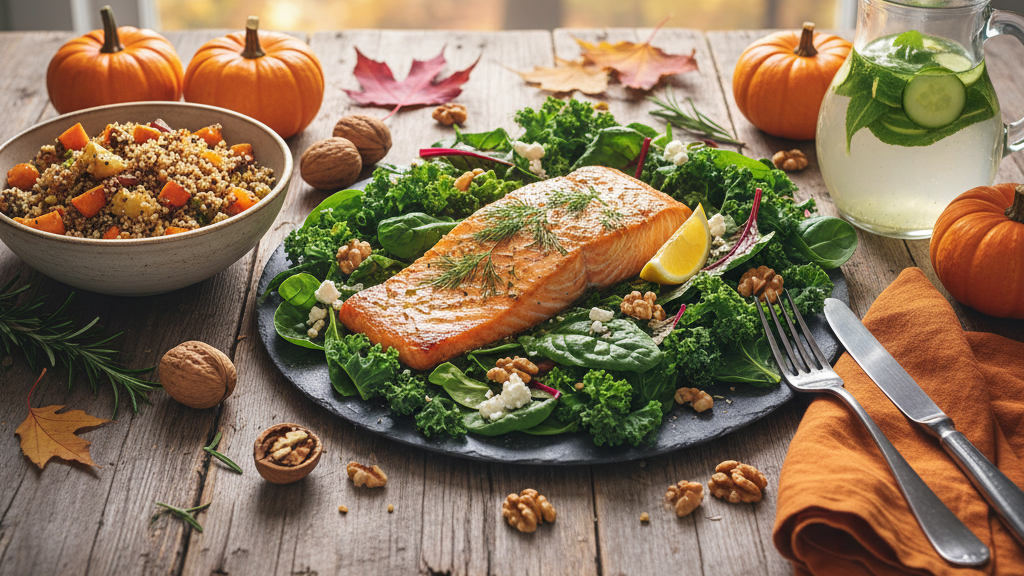
A balanced diet supports brain function and energy levels. Focus on whole foods, lean proteins, and omega-3 fatty acids found in fish and nuts. Limiting processed sugars and refined carbs can also stabilize mood swings.

4. Consider Light Therapy

Light therapy boxes are designed to mimic natural sunlight and can help regulate mood. This non-invasive option is especially helpful for men with limited access to natural daylight during the workweek.

5. Support Hormonal Balance

Low testosterone and other hormonal imbalances can worsen SAD symptoms. Professional evaluation and targeted treatment may help men regain energy, improve mood, and restore motivation during the fall months.

6. Establish Healthy Sleep Habits

Sleep disruptions are common with SAD. Aim for a consistent sleep schedule, avoid excess screen time at night, and create a calming bedtime routine to improve rest quality.

7. Seek Professional Support

One of the most effective steps men can take is seeking professional guidance. Talking with a health provider can uncover underlying issues and provide tailored treatment options, including therapies that address both physical and mental health.
How Men’s Health Solutions Can Help

At Men’s Health Solutions, we are committed to helping men achieve optimal health across all areas of life. If you are noticing changes in your mood, energy, or motivation this fall, you don’t have to face Seasonal Affective Disorder alone. Our team provides comprehensive support designed to address both the physical and emotional aspects of men’s health.

Take Charge of Your Health This Fall

Seasonal Affective Disorder is more common than many men realize, but with the right strategies and support, it is possible to thrive during the fall and winter months. Whether through lifestyle adjustments, medical guidance, or personalized treatment plans, taking action now can set the stage for greater well-being all year long.

Contact us today to learn more about men’s health strategies for fall and how we can support your journey to better health.
03 Nov 07:28

Men’s Health in Fall: Seasonal Tips for Immunity, Sleep, and Wellness

by E L

Fall is a season of transition. As temperatures cool, daylight decreases, and routines shift, so do the demands on your body. For men focused on optimal health, performance, and longevity, autumn is a crucial time to reassess lifestyle choices, reinforce immune defenses, and prepare both physically and mentally for the colder months ahead. This guide explores practical and science-backed ways to protect your health this fall, with a focus on immunity, sleep quality, hormone balance, and overall wellness.

Why Fall Health Matters for Men

Unlike summer, which often encourages outdoor activity and lighter foods, fall tends to push people indoors. This can lead to reduced physical activity, changes in mood, increased stress, and a weakened immune system. Additionally, the body’s hormonal rhythms, including testosterone production, may be affected by lower sunlight exposure and disrupted sleep. For men, this season presents both challenges and opportunities to reset key health metrics and build a stronger foundation for winter.

Optimize Your Immune System for the Season

The fall season is prime time for viruses to circulate. Whether it is the common cold, flu, or other seasonal illnesses, immune function becomes a top priority. Men can take the following steps to stay healthy and reduce downtime during the colder months:

  • Eat nutrient-dense, seasonal foods: Incorporate fall produce like squash, sweet potatoes, carrots, Brussels sprouts, apples, and pears. These are rich in vitamins A and C, antioxidants, and fiber that support immunity and digestive health.
  • Stay hydrated: Cooler weather can reduce the urge to drink water, but hydration is critical. Herbal teas, lemon water, and warm broths can keep mucous membranes moist and support immune defense.
  • Use natural immune boosters: Supplements such as vitamin D, zinc, and vitamin C can enhance immune responses when taken appropriately. Always base supplementation on lab testing and medical guidance.
  • Exercise regularly: Moderate physical activity improves immune surveillance and lowers inflammation. Aim for at least 30 minutes of movement most days of the week.
  • Manage stress: Chronic stress impairs immunity. Practice breathing techniques, meditation, or spend time outdoors to reduce cortisol levels.
  • Prioritize sleep: Sleep is one of the most powerful tools for immune regulation, which we will explore in more detail below.

Protect and Improve Sleep Quality

As the days grow shorter, your body’s natural circadian rhythm may shift. For men, disrupted sleep can have a direct impact on testosterone levels, energy, cognitive function, and metabolism. Maintaining high-quality sleep should be a top priority throughout the fall season. Consider the following strategies:

  • Stick to a consistent sleep schedule: Going to bed and waking up at the same time every day helps regulate your internal clock and improves sleep efficiency.
  • Limit screen time before bed: Exposure to blue light from phones and TVs can suppress melatonin, a hormone essential for sleep. Try turning off screens at least one hour before bed.
  • Create a restful environment: A cool, dark, and quiet room is ideal for deep sleep. Use blackout curtains and white noise machines if needed.
  • Watch evening consumption: Avoid heavy meals, caffeine, and alcohol close to bedtime. These can interfere with the quality and depth of sleep.
  • Consider supplements cautiously: Nutrients like magnesium or natural melatonin may support sleep onset, but always consult a medical provider before using any sleep aids.

Balance Hormones and Support Metabolic Health

Fall is a smart time to assess your hormonal health. For men, testosterone plays a central role in mood, energy, libido, and muscle mass. Lower activity levels, poor sleep, and reduced vitamin D exposure during fall and winter can all negatively affect hormone production. Consider the following steps:

  • Get comprehensive lab work: Measuring testosterone, thyroid, vitamin D, and inflammatory markers can reveal hidden issues. Fall is a great time for this baseline check-up.
  • Support vitamin D levels: With less sun exposure, vitamin D tends to drop during fall. Low levels can impact testosterone and immune health. Supplementation may be necessary based on lab results.
  • Incorporate strength training: Resistance exercise is one of the most effective natural methods to boost testosterone and improve metabolic rate.
  • Prioritize protein and whole foods: Focus on lean meats, eggs, nuts, seeds, and legumes to support muscle repair and hormonal balance. Avoid processed sugars and refined carbs that can spike insulin and promote fat gain.
  • Evaluate advanced therapies: For men experiencing symptoms of hormone imbalance, Men’s Health Solutions offers targeted protocols including testosterone therapy and peptide-based treatments. These can be tailored based on lab work and lifestyle goals.
Home Gym Setup in Fall

Maintain Physical Activity Despite Weather Changes

Fall weather may be less inviting than summer, but physical activity remains essential for cardiovascular health, hormone regulation, and mental wellness. Use the following strategies to stay active throughout the season:

  • Adapt your workout routine: If outdoor workouts become difficult due to weather, transition to indoor training. Bodyweight circuits, kettlebells, or gym routines can be just as effective.
  • Move daily: You do not need long workouts every day. Even a 20-minute walk after meals supports digestion and metabolism.
  • Focus on consistency over intensity: During colder months, overtraining can weaken immunity. Aim for consistent, moderate-intensity workouts instead of constant high-intensity sessions.
  • Incorporate flexibility and mobility work: Stretching, foam rolling, or yoga can enhance recovery and prevent injury, especially in colder weather when muscles are tighter.

Strengthen Mental Health and Resilience

The psychological effects of fall should not be overlooked. Reduced sunlight can impact mood, while the anticipation of holiday stress or year-end work pressure can increase anxiety. Men often ignore emotional health, but it is a critical part of wellness. These tips can help protect your mental well-being:

  • Get natural light daily: Even on cloudy days, morning exposure to daylight helps regulate your mood and circadian rhythm.
  • Stay socially connected: As people spend more time indoors, social isolation becomes more common. Schedule time with friends, family, or support groups to stay engaged.
  • Practice mindfulness: Meditation, journaling, or even taking a few deep breaths throughout the day can reduce stress and improve focus.
  • Seek professional support when needed: If you experience persistent low mood, lack of motivation, or difficulty sleeping, do not hesitate to reach out for help. Mental health is just as important as physical health.

Use Fall as a Health Reset

Fall is an ideal time to reset your health goals. With the chaos of summer behind and the holidays still ahead, men can use this window to make meaningful changes that carry into the new year. Consider these strategies for a seasonal reset:

  • Review your current habits: Take an honest look at your diet, exercise, sleep, and stress levels. Identify one or two areas to improve.
  • Set short-term goals: Instead of waiting until January, set a 30- or 60-day goal for weight loss, energy improvement, or better sleep starting now.
  • Schedule preventive appointments: Fall is a great time to book your annual physical, lab work, or health screenings. Catching problems early can make a huge difference.
  • Plan ahead for holiday resilience: Create a strategy now for how you will maintain health during the holiday season. That could mean meal planning, sticking to a workout schedule, or managing alcohol intake.

Men’s Health Solutions Can Help You Take Control

At Men’s Health Solutions, we believe that every man deserves personalized, proactive care. Fall is not a time to slow down — it is a time to refocus, recharge, and optimize your health for the months ahead. Whether you are looking to strengthen immunity, improve sleep, balance hormones, or upgrade your overall wellness strategy, our team can guide you with lab testing, customized treatment plans, and ongoing support tailored to your specific needs.

Contact us today to schedule your consultation and discover how we can help you stay strong, energized, and in control this fall.