Shared posts

10 Nov 13:19

How Much Do Journalist Shield Laws Matter When A Journalist Is Murdered?

by Tim Cushing

Jeff German, a forty-year veteran investigative reporter residing in Las Vegas, Nevada, was murdered earlier this year, allegedly by a local government official whose actions had received recent criticism in articles bylined by German.

Robert Telles, a county official, has been arraigned in the murder of the journalist, something prosecutors claim was prompted by German’s reporting.

A prosecutor told a judge last Thursday that Telles left his own cellphone at home and waited in a vehicle outside German’s home until the attack. It was characterized as a planned response to articles that German wrote about “turmoil and internal dissension” in the county office that handles the property of people who die without a will or family contacts.

After articles appeared in May airing claims of administrative bullying, favoritism and Telles’ relationship with a subordinate staffer, Telles lost his bid for reelection in the June primary. County lawmakers also appointed a consultant to address complaints about leadership in the office.

The murder of a journalist in the United States isn’t unheard of, but it’s still fairly uncommon, at least when compared to the killing of journalists in other parts of the world. This relative rarity means shield laws — meant to protect journalists’ sources and source materials from government snooping — have rarely been tested, at least as far as criminal investigations go.

The prosecution of Robert Telles is taking things in a dangerous direction, as Alanna Madden reports for Courthouse News Service. Although Nevada has one of the most robust journalist shield laws (one made even stronger after the state’s top court extended this protection to independent journalists), the law has (fortunately) never been tested quite like this.

Police matched Telles’ DNA under German’s fingernails, located evidence in his home and identified his car near the crime scene, and since his arrest on Sept. 7, Telles has remained jailed without bail for murder. However, Telles has pleaded not guilty, and the defense and prosecutors are attempting to access German’s seized property.

The state law definitively protects journalists who are still alive. Those who are deceased or, in this case, murdered, don’t appear to be quite as covered. There may still be some coverage, but it’s unclear what it covers, who can invoke it, or how it will be applied to the German’s possessions and recordings, which are being targeting by both prosecutors and Telles’ defense team.

“What’s interesting about this situation is the fact that number one, the journalist’s phone was seized, in part at least, to investigate his murder,” said professor of media ethics and law at the University of Minnesota Jane Kirtly. “And number two, that the Nevada shield law does not explicitly seem to protect the notes and other documentary materials of people once they have died. The statute does make reference to former journalists. So, I suppose an expansive interpretation of that might include somebody who has passed away.”

Since no one seems to know exactly how the judge handling the case will read the law, German’s employer is doing what it can to protect information gathered by the murdered journalist. It has filed a motion indicating it retains legal possession of German’s finished and unfinished work, including everything used to create that work. It then had to go back to the court to request an emergency protective order after law enforcement threatened to search German’s devices by October 4 if no court order had been obtained.

The injunction was granted but the presiding judge has ordered all parties to reach some sort of agreement. The Las Vegas Review-Journal says any agreement approved by all parties would let the government do things the state’s shield law says it can’t. Here’s George Freeman of the Media Law Center paraphrasing the current conundrum:

“It would be tragic and backward if, after a journalist gets murdered by a government official who he’s about to do a story on, the same government that the murderer was part of, is able to get the confidential records and information from the murdered journalist,” said Freeman.

Should a shield law prevent the prosecution from gathering evidence that might secure a conviction simply because the victim was a journalist? Should someone accused of a crime involving a journalist be restricted in their defense by a law that might provide access to exculpatory evidence? Can the government be trusted to not abuse its access if it’s granted? And will permission to search in this case encourage the government to ignore the shield law if it can plausibly argue a journalist is either close enough to a criminal act to justify a search or a victim of crime necessitating the search of their possessions?

All of this is up in the air at the moment. And there are no easy answers. While it may be easy to blithely state the government doesn’t need this access, any denial would have to extend to the person accused of a crime, which would implicate their rights to a fair trial. But neither should this tragedy give the government (and a former government employee) a blank check to root around in a journalist’s protected work material simply because he’s no longer living.

Whatever the solution ends up being, it has to be better than the one proposed by the judge handling the murder trial, which would give the Metro PD full access as part of the so-called “taint team.” Loading a taint team up with cops doesn’t do much to limit the chance of abuse. The team should be far more impartial and not composed of current members of law enforcement. The newspaper has suggested a two person taint team composed of the judge and a former district attorney — neither of whom should have any reason to root around for information they shouldn’t have access to.

Above all, everyone involved needs to remember that unique tragedies tend to result in bad laws and bad rulings. First and foremost, the victim was a journalist. And that should be the watchword as the prosecution moves forward. Serving the cause of justice should be no excuse for introduction of new injustices.

10 Nov 12:15

Still using Gmail’s old design? Soon you’ll be forced to stop

by Samuel Axon
  • The new Gmail. It's blue and has a big sidebar, but there are options to tweak both of these big changes. [credit: Google ]

Starting this month, users who have been holding out on the new Gmail design introduced earlier this year will be forced to switch.

The latest design was first introduced as an opt-in update in February and then became opt-out this summer. Now it's just Gmail, full stop.

The design didn't change too much about how Gmail works; it mostly just changed the color scheme—gone is the Gmail-brand red styling in favor of a more neutral and blue-ish-by-default look in line with the company's "Material You" design principles. You can tweak the coloring yourself anyway.

Read 8 remaining paragraphs | Comments

09 Nov 18:27

EU’s “in-depth investigation” could spell trouble for Microsoft/Activision deal

by Kyle Orland
A magnifying glass inspects a surface covered in various corporate logos.

Enlarge / Taking a close look... (credit: Aurich Lawson / Ars Technica)

The European Commission today said its preliminary investigation of Microsoft's proposed $69 billion purchase of Activision Blizzard "may significantly reduce competition on the markets for the distribution of console and PC video games." As such, the government group is now opening what it calls an "in-depth investigation" of the proposed merger, which it says will be completed by March 23, 2023.

"We must ensure that opportunities remain for future and existing distributors of PC and console video games, as well as for rival suppliers of PC operating systems," European Union Competition Commissioner Margrethe Vestager said in a statement. "The point is to ensure that the gaming ecosystem remains vibrant to the benefit of users in a sector that is evolving at a fast pace. Our in-depth investigation will assess how the deal affects the gaming supply chain."

Specific concerns

In announcing the new investigation, the Commission says that it is worried "in particular" that the merger will "foreclose access" to "high-profile and highly successful games... such as Call of Duty" on non-Microsoft platforms. In response to such concerns, Microsoft recently promised that it would ensure Call of Duty remained on PlayStation platforms "as long as there is a PlayStation."

Read 6 remaining paragraphs | Comments

09 Nov 18:27

Pixel 8 hardware leaks suggest faster chip, tweaked screen ratios

by Kevin Purdy
If the earliest of Pixel 8 and Pixel 8 Pro rumors are to be believed, there could be more RAM and a notably different chip inside even the lower-spec Pixel 8.

Enlarge / If the earliest of Pixel 8 and Pixel 8 Pro rumors are to be believed, there could be more RAM and a notably different chip inside even the lower-spec Pixel 8. (credit: Ron Amadeo / Ars Technica)

Google's Pixel line changes from year to year, but one area of consistency is frequent supply chain leaks at every stage of a Pixel's life. Just a few weeks after the Pixel 7 arrived in most people's hands, a German website claims to have details of two Pixel-like devices being tested at Google.

WinFuture cites devices codenamed "Shiba" and "Husky," both running Android 14 "Upside Down Cake" and sporting a new Tensor G3 system-on-a-chip developed with Samsung's Exynos division. WinFuture's source suggests the package, codenamed Zuma, would have the same 5G modem as the Tensor G2, but the processor would be based on Samsung's 3 nm Exynos 2300, with the typical Google AI/ML improvements baked in. The Exynos 2300 was seemingly on the verge of cancellation but has recently shown up again in Bluetooth certification documents.

A 3 nm, Exynos-2300-based Tensor matches up with what noted Pixel hardware-watcher Kuba Wojciechowski has seen in export databases and heard from sources.

Read 4 remaining paragraphs | Comments

08 Nov 12:36

US hospitals are so overloaded that one ER called 911 on itself

by Beth Mole
An isolation tent for an emergency department in Walnut Creek, California, in March 2022.

Enlarge / An isolation tent for an emergency department in Walnut Creek, California, in March 2022. (credit: Getty | Gado)

Although COVID-19 remains in a lull, hospitals across the country are in crisis amid a towering wave of seasonal respiratory illnesses—particularly RSV in children—as well as longer-term problems, such as staffing shortages.

Pediatric beds are filling or full, people with urgent health problems are waiting hours in emergency departments, hallways, and even parking lots, and some hospitals have pitched outdoor tents, conjuring memories of the early days of the pandemic.

In one of the most striking examples, the emergency department of a Seattle-area hospital became so overwhelmed last month that the department's charge nurse called 911 for help, telling the fire department that they were "drowning" and in "dire straits." There were reportedly over 45 people in the department's waiting room and only five nurses on staff.

Read 7 remaining paragraphs | Comments

07 Nov 16:59

An Abortion Battle in Southwest Virginia Could Have Big Implications

by Sylvie McNamara

Late last month, the city council in Bristol, Virginia—a small city in the southwest corner of the state—began reviewing an unusual zoning proposal: an ordinance that would restrict abortion within the city’s borders. This is among the first attempts to restrict abortion at the local level (rather than via state law) since the Supreme Court’s […]

The post An Abortion Battle in Southwest Virginia Could Have Big Implications first appeared on Washingtonian.

07 Nov 12:34

Algorithms quietly run the city of DC—and maybe your hometown

by WIRED
Algorithms quietly run the city of DC—and maybe your hometown

Enlarge (credit: Dmitry Marchenko/Getty Images)

Washington, DC, is the home base of the most powerful government on earth. It’s also home to 690,000 people—and 29 obscure algorithms that shape their lives. City agencies use automation to screen housing applicants, predict criminal recidivism, identify food assistance fraud, determine if a high schooler is likely to drop out, inform sentencing decisions for young people, and many other things.

That snapshot of semiautomated urban life comes from a new report from the Electronic Privacy Information Center (EPIC). The nonprofit spent 14 months investigating the city’s use of algorithms and found they were used across 20 agencies, with more than a third deployed in policing or criminal justice. For many systems, city agencies would not provide full details of how their technology worked or was used. The project team concluded that the city is likely using still more algorithms that they were not able to uncover.

The findings are notable beyond DC because they add to the evidence that many cities have quietly put bureaucratic algorithms to work across their departments, where they can contribute to decisions that affect citizens’ lives.

Read 14 remaining paragraphs | Comments

05 Nov 16:35

10 years of FTL: The making of an enduring spaceship simulator

by Ars Staff
WARNING! INTRUDERS DETECTED

Enlarge / WARNING! INTRUDERS DETECTED

Today, FTL: Faster than Light is recognized as one of the most influential games in the indie sector. Alongside The Binding of Isaac and Spelunky, it was part of a holy trinity of games that popularized the roguelite genre in the early '10s.

But before it was a hit, FTL was just a humble idea shared by Matthew Davis and Justin Ma, two developers working at 2K’s Shanghai office. The studio wasn’t a bad place to work, by their accounts, but they just weren’t making the kinds of games they were interested in. So Davis and Ma departed the big-budget firm and started a hobby project to keep them busy while they were looking for new jobs.

“The original intention, at least from my perspective, was that [FTL] was only intended as a hobby project or a prototype,” Davis tells Ars. “It was something in between jobs to build up a resume that we could use to get a job at a studio working on projects that we were more excited about. But we stumbled into something that became a lot bigger than what we set out to do.”

Read 35 remaining paragraphs | Comments

05 Nov 16:33

Hollywood Whines About Mandatory Release Windows (Which They Used To Support) Fueling Piracy

by Mike Masnick

This is all kinds of hilarious if you’re aware of the history of the Motion Picture Association (MPA), formerly the MPAA. Basically, the group’s entire existence has been built around lobbying government for ever more ridiculous laws that protect the bottom line of the movie studios. In the late aughts, the studios decided they needed to fight for special “release windows” to make it harder for people to rent movies (this was the pre-streaming, DVD era).

Specifically, Hollywood had a pretty clear release window schedule (we’ll leave aside how the industry fought the existence of a “home” movie market all the way up to the Supreme Court, where they lost): movies get released in theaters. Many months later, DVDs (and VHS tapes) would be available to purchase at inflated prices. Many months after that, you could finally rent them at your local rental store. The issue in the late aughts was that a new entrant, Redbox, was bucking that last window by buying the DVDs… and just renting them out, relying on the first sale doctrine.

And, hoo boy, did the movie studios lose their shit. 20th Century Fox declared Redbox a menace and ordered its wholesalers not to sell to the company. Redbox and Universal went to court after Universal demanded Redbox wait 45 days after DVDs were released for sale to rent them. Warner Bros. then blocked Redbox (and Netflix, long before Netflix became a member of the MPA) as well. The studios insisted that these windows were vital to their own business interests.

How things have changed.

DVDs are now relics. Streaming rules the day. Netflix is a member of the MPA and one of the biggest “studios” around.

And… now, the MPA is freaked out about release windows. And how they might increase piracy. Gee, that kinda sounds like the thing we talked about a decade ago, when we pointed out that all these release windows that the studios demanded, were contributing to piracy.

So I find it absolutely hilarious that, as reported by TorrentFreak, the MPA is fuming at laws in France and Italy (almost certainly pushed for by theater owners) that require mandatory release windows. The MPA filed its usual overwrought list of concerns about “trade barriers” (historically, this has always been “copyright laws that are too weak”) to the US Trade Rep (USTR). And these mandatory release windows are part of their concerns.

In France, where the ridiculous “media chronology law” was recently updated so that streaming services had to wait 15 to 17 months after a theatrical release to stream a film (before that it had been three years). But now the MPA is suddenly concerned that these laws lead to piracy there:

Release Windows – France mandates the chronology of how cinematographic content is released. The media chronology was last updated in January 2022. However, several international and local stakeholders have argued that the chronology lacks flexibility, that the mandated release windows are too long, and that such windows exacerbate piracy. There are ongoing discussions to re-update the media chronology.

They’re similarly concerned about a release window law in Italy, which is currently at 90 days and is looking to extend it:

Release Windows – In 2022, the Italian government considered extending a 90-day mandatory release window to all theatrical films, including foreign productions. The Italian government introduced a mandatory window for Italian subsidized motion pictures in 2018. MPA is concerned about the impact of such an extension on a broad scale, as this mandatory window would have serious repercussions on producers’ ability to adequately market their works. It remains unclear at this stage if the new government elected in October 2022 will further pursue plans to regulate theatrical release windows.

So, everyone agrees with the MPA here that these mandatory release windows are really, really silly, and serve no one’s interests but theater owners’. But I find it pretty rich that the MPA is running around calling these “trade barriers” when it was just over a decade ago that they were fighting for the same sort of release windows, when they (falsely) believed they benefited the studios.

04 Nov 12:41

A realistic roundup of what today’s Matter launch means for your smart home

by Kevin Purdy
Companies like Nanoleaf have products coming soon with Matter support, but your ability to actually integrate them into any system, using any phone, is still a hazy promise.

Enlarge / Companies like Nanoleaf have products coming soon with Matter support, but your ability to actually integrate them into any system, using any phone, is still a hazy promise.

It's not too often that there's an international launch event for an interoperability standard with a nearly 900-page spec manual. But there are big hopes pinned to Matter, an industry-wide effort to make smart home devices easier to shop for and set up without compatibility concerns.

Companies brought their Matter-ready devices to Amsterdam overnight for the Connectivity Standards Alliance's (CSA) Matter Launch Event. The CSA states that 190 devices have been certified for Matter since the standard was finalized in early October. Those devices include motion blinds, smart plugs, HVAC controls, door locks, lighting, hubs and gateways, and certain kinds of sensors. More device categories, including vacuums, cameras, and large appliances, are due next.

Matter's launch video.

There were charts with smart home growth projections, talk from executives about what Matter means for the future of everything, and lots more light revelry and broad pontification. We'll focus here on what this actually means, in the short-term, for people who might be aiming to upgrade their home setup—or avoid doing so at all costs.

Read 14 remaining paragraphs | Comments

04 Nov 12:17

The plan to save America by killing the partisan primary

by Andrew Prokop
An illustration of a generic ranked-choice ballot shaped like the state of Nevada.
Bita Honarvar/Vox; Getty Images

It’s on the ballot in Nevada, and it may be coming soon to a state near you.

Can much of America’s current political dysfunction be traced back to one feature of our system: the partisan primary? And if so, what should be done about that?

Nevada voters will be tasked with assessing those questions when they go to the polls Tuesday, to vote on “Question 3” — a proposed overhaul of the state’s election system that would effectively kill the partisan primary (the elections in which Democratic and Republican voters choose their party nominees).

Instead, Nevada would have a nonpartisan primary, from which the top five candidates of any party would emerge to the general election. The general election would then be conducted under ranked-choice voting (which lets people vote for multiple candidates for each office, ranked in order of their preference).

This is not just about election wonkery. The proposal’s backers say it could help fix American politics by weakening the forces of partisanship, polarization, and extremity. The two parties, they believe, have become captured by their bases’ most extreme elements, who can discipline anyone breaking from the party line through a primary challenge.

Indeed, when assessing how the Republican Party has moved into the hands of Donald Trump, it’s impossible to miss the importance of the primary. Some Trump critics have retired rather than face the primary electorate again: “The path that I would have to travel to get the Republican nomination is a path I’m not willing to take,” then-Sen. Jeff Flake (R-AZ) said in 2017. Others have taken on Trump anyway and, with a few exceptions, have faced defeat. The most common strategy employed by GOP incumbents, though, was to become a strong Trump supporter to preemptively prevent losing renomination.

But while Sen. Lisa Murkowski (R-AK), who has defied Trump on several high-profile issues, did draw a right-wing challenger this year, she did not have to worry about getting primaried. In 2020, Alaska voters approved a similar reform to the one on the ballot in Nevada. That effectively guaranteed Murkowski would make it to the general election, rather than being taken down beforehand. Her case — and her GOP challenger Kelly Tshibaka’s — will go before the full Alaska electorate next week.

And yet progressives worried about the future of American democracy aren’t so enthusiastic about these reforms — in part because they’d likely weaken the left wing of the Democratic Party as well. Progressives have had their own success at taking down incumbents in primaries that elevated rising stars like Rep. Alexandria Ocasio-Cortez (D-NY) to Congress. They hope to punish Sen. Kyrsten Sinema (D-AZ) for opposing much of President Joe Biden’s agenda this year with a primary challenge in 2024. There is even speculation that fear of a primary challenge has made Senate Majority Leader Chuck Schumer focus hard on pleasing the left during Biden’s term.

If approved, these reforms probably wouldn’t live up to all their supporters’ ambitions — few reforms do. But they would present a clear path by which politicians of both parties disfavored by the party bases could make it to the general election. And for those who believe the rise of the Trump right presents a clear threat to US democracy, reforms that could weaken that movement’s power are probably worth at least some thought.

How voting would work in Nevada if Question 3 is approved

The Question 3 proposal would make two major changes. First, it would blow up the system in which the two parties hold separate primaries to choose their nominees — substituting instead one nonpartisan primary in which any registered voter can vote, and from which the top five vote-getters move on to the general election.

Many politicians now live under the fear of “getting primaried” — annoying their party’s base voters, losing a low-turnout election those voters dominate, and never even making it to the general election ballot. For instance, any potential GOP critic of Donald Trump must reckon with a looming primary dominated by strong Trump supporters and assess whether to fall in line, fight a likely losing battle, or simply retire. It’s a powerful incentive.

This reform would essentially ensure any incumbent, as well as any significant primary vote-getter, would get to make their case on Election Day. That could mean just one Democrat and Republican move on, or multiple candidates from one or both parties advance. Five candidates going forward also means more options than California and Washington’s nonpartisan top two primaries provide.

Now, if you have multiple candidates in a typical general election, there’s a possible problem — someone could win with merely a small plurality in a split field. So the second big change in this proposal is to conduct the general election with ranked-choice voting. This system lets voters rank several candidates for each office in order of their preference, rather than voting for just one. When votes are tallied, the low-performing candidates are gradually eliminated, and each vote for them is reallocated to the voter’s next-ranked candidate. This reform, supporters hope, will help the candidate truly preferred by a majority of the electorate win. (I wrote a detailed explainer last year on how ranked-choice voting works.)

The measure is funded mainly by a collection of bipartisan or nonpartisan businesspeople, many from outside the state. Yet most organized political interests in the state hate the proposal — the opposition includes leading Democratic and Republican politicians, progressive and conservative activists, and even minor parties.

Tuesday’s vote won’t settle the issue in Nevada — the state’s constitutional amendment process requires voters to approve the measure twice before it goes into effect, so if voters approve it now, there would be another big battle over it in 2024. And while the reform would apply to elections for congressional, legislative, and top state offices, it wouldn’t apply to the state’s presidential nominating and general election contests.

Regardless of Tuesday’s outcome, the proposal’s backers aren’t going away. They’ve already succeeded in getting a similar reform implemented in Alaska, and they hope for ballot initiative campaigns in as many as eight other states in 2024. Their idea could be coming to a ballot near you very soon.

The “rational centrist” behind final five voting

Nonpartisan primaries and ranked-choice voting are not new ideas. California and Washington both use a nonpartisan top two primary, while Maine, New York City, and other cities use ranked-choice voting for some elections.

But the combination of a top five primary and ranked-choice voting for the general election is the brainchild of Chicago business leader Katherine Gehl, who branded it as “final five” voting and provided the organization and much of the fundraising (her own and others’ money) behind it.

Her father had built the family company, Gehl Foods, into a dairy-based food product manufacturer with hundreds of millions of dollars in revenue, and Katherine took over as CEO in 2011 before arranging its sale to an investment firm in 2015. Gehl grew up as a Republican, but was impressed by Barack Obama and became a bundler for him. Obama appointed her to be a board member of a government entity investing in developing countries. Disillusioned with gridlock in Obama’s second term, she turned her attention to the political system.

“I would call myself a rational centrist,” Gehl told me in an interview. “What I saw after Obama went to the White House is that candidates can’t deliver in this system. And it was just clear it all traced back to the primary.”

Indeed, most members of Congress are in safely Democratic or Republican districts and are therefore effectively immune to general election pressures. Their primary election — often a low-turnout affair dominated by strong partisans or ideologues — is their only real election. And even those in swing districts still have to survive their primary before making it to the general election.

“The root cause of our political dysfunction is that November elections in this country are for the most part meaningless,” Gehl said. “Most November voters are wasting their time, which is not only profoundly undemocratic and unrepresentative, it’s the reason we can’t solve our complex problems and make necessary trade-offs.” She continued: “In the existing system where most people are elected and answer to only 8 percent of their side, they are forbidden to do the work of having those policy discussions and innovating across the aisle, of negotiating and making a deal.”

This dysfunctional system is propped up, Gehl believes, by the two-party duopoly and the large arrangement of entities supporting them, from donors to campaign professionals to ideological or partisan media to activists and organized interest groups. She began writing about this alongside Harvard Business School professor Michael Porter, and they began pitching final five voting as their solution. An election reform group, FairVote, had previously written about the possibility of linking a top four primary and ranked-choice voting, which Gehl and Porter cited in a 2017 report.

Now, Gehl’s organization, the Institute for Political Innovation, is working with local groups to seed the idea in various states — starting in Alaska and Nevada — and she’s helped win over other deep-pocketed tech and business donors to contribute, including major Democratic donor Reid Hoffman, major Republican donor Ken Griffin, and Rupert Murdoch’s liberal daughter-in-law Kathryn Murdoch.

“Everyone says there is no silver bullet. I think this is as close to a silver bullet as you can get,” said Gehl, arguing that final five voting’s implementation would mean politicians become “freed from the tyranny of the party primary” and newly able to work as problem-solvers and consensus builders. Her goal is that five states will be using the system by 2025, and said initiative campaigns in California, Ohio, Arizona, Colorado, Michigan, Utah, Idaho, and Wyoming are possible in 2024.

What are the criticisms of final five voting?

Not everyone is sold on the idea. The critics are legion, and they include most politicians and political groups in Nevada. We can think of these criticisms as falling into a few categories.

Defending parties or primaries: Before even getting into the nitty-gritty policy details, lots of people simply don’t want to weaken the parties, defang primary challenges, or allow purported centrist problem-solvers an easier path to victory.

The party establishments want to be able to run a coherent general election campaign with one nominee for each office, rather than the multiple Democrats or Republicans per contest this system could advance to Election Day. “That’s a basic function of political parties, essentially determining who gets to compete for office,” said David Damore, a political science professor at the University of Nevada Las Vegas.

Meanwhile, if you’re a progressive who believes enacting policies on the left is very important, and that elected Democrats are often too centrist, then you’d view the primary challenge as an important and valuable tool — as would conservatives in the GOP. And you wouldn’t be too enthused about proposals to elect more centrists. The system seems most likely to help candidates who could have trouble winning traditional primaries like, say, Kyrsten Sinema, Liz Cheney, Jeff Flake, Mike Bloomberg, Lisa Murkowski, Joe Lieberman, or Andrew Yang.

Part of this is about values. It’s a “fantasy,” Will Pregman of the progressive group Battle Born Progress told me, that “quote-unquote ‘moderate’ candidates are more desirable and accurately reflect the population that votes.” But it’s also partly about leverage. Activists really like the current primary system because turnout is low and it’s easier for them to influence the outcome, according to Damore.

Worrying about its effects on voters: The well-funded TV ad campaign promoting the proposal has focused overwhelmingly on the issue of letting independents vote in the primary, and avoided the more wonky territory of ranked-choice voting. But that reform has long had its critics, as I wrote last year.

For one, many fear that less privileged voters — voters who don’t speak English, who are lower-income, or who are less educated — will have more difficulty with the new system, if they haven’t been sufficiently informed about how to use it. Perhaps they may be more likely to have their ballots thrown out due to improper rankings. Or perhaps they may be less likely to use all their ranking slots, making their ballots disproportionately likely to be discarded in a later round. Or perhaps they’ll be deterred from turning out at all (though in places where it has been adopted, it hasn’t resulted in consistently lower turnout).

“In our voting rights coalition, we have over 25 organizations that work in faith communities, AAPI communities, Latinx communities, Indigenous communities, and none of those organizations were brought to the table and asked, ‘What is the impact this is going to have on your community?’” Emily Persaud-Zamora, the executive director of Silver State Voices, a civic engagement group that coordinates with Nevada progressive organizations, said after citing the above concerns. “That in itself is unacceptable.”

Another issue is that ranked-choice ballots in the US tend to take a long time to count. Election administrators need to determine the order of candidates so they can eliminate them one by one and reallocate their ballots accordingly. They also have to decide whether to release a preliminary reallocation tally well before every ballot is counted (as New York City did last year). With the threat of election denial from the right, a protracted count could lead to lower confidence in the results.

Critiquing the specific design: Separately, there have been some questions from voting systems experts about whether this system is properly designed, as Edward Foley, a law professor at Ohio State University, recently wrote in a Washington Post op-ed.

The issue is that ranked-choice eliminations can often eliminate the voters’ true consensus choice, if that person starts off with fewer first-choice votes. That appears to be what just happened when this system was used in Alaska’s House special election. Voters overall preferred the moderate Republican Nick Begich over both conservative Republican Sarah Palin and Democrat Mary Peltola in head-to-head matchups, but he was eliminated before either of them. This has happened elsewhere, too. Foley suggests a technical fix — tweaking the rules so that the order of elimination is based on a candidate’s total votes, not just first-choice votes.

This reform could have a real impact but likely won’t totally transform the system

Political scientists I interviewed were skeptical about the grander claims that final five voting would be able to solve so many of America’s political ills.

For one, few believed the primary system is really the main cause of polarization and dysfunction. “Primaries existed for a long time without producing MAGA winners,” said Drexel University political scientist Jack Santucci. The forces pushing the parties apart are much broader — journalist Ezra Klein has argued they trace back to a fundamental polarization of politics around voters’ core identities — and primaries are merely one arena in which they play out.

Even if partisan primaries went away, pressure from party leaders, donors, ideological media outlets, activists, and politicians’ social circles will remain. “When I look at the things that make party elites powerful, this doesn’t do a whole lot to change them,” said Florida State University political scientist Hans Hassell. “What I suspect will happen is you end up seeing parties and party elites adapt to it.”

Would-be politicians inclined to defy all this rather than just falling in line with one party or the other would need to find a support base somewhere. Yet voters less inclined to feel strongly toward one side or the other also tend to be less engaged with the political system in general. And it’s not clear their preferences really do incline toward a centrist, “problem-solving” business type. “The existence of this voter that is going to produce moderation itself is in question,” Santucci said.

Still, it seems indisputable that final five voting would achieve one key thing: It would let incumbents who run afoul of their party base get past the primary and make it to the general election (since you’d have to be a pretty incompetent incumbent to fall to sixth place in a primary). It does not necessarily ensure that those candidates will be more likely to win the general, but it lets them get there and present their case to voters.

It’s no accident that Alaska is the first state where a version of this was put in place. Murkowski, the incumbent moderate Republican senator, has long had a tense relationship with GOP primary voters. She actually lost her primary in 2010 but then subsequently ran as a write-in candidate and won the general election, keeping her seat. Yet after Trump became president, Murkowski defied him on several high-profile issues, so trouble appeared to loom ahead for her in the 2022 primary.

Scott Kendall was Murkowski’s lawyer during her write-in campaign, and believed the closed primary system was “broken,” he said. So in 2019, he began researching potential alternatives, and eventually found a report by Gehl and Porter proposing what was, at the time, final four voting. (They changed the number to five later.) Kendall told me he was already thinking along these lines, but the report “sorted what I was trying to do and was more eloquent than the actual thoughts in my head.” He put together a ballot measure on the topic, and eventually Gehl donated to the cause and was “one of the thought leaders I talked to during the journey,” he said.

Voters approved Alaska’s top four primary and ranked-choice general election in 2020, giving Murkowski an all-but-guaranteed ticket to the general election, and relieving primary pressure on her from the right. Three months later, Murkowski voted to convict Trump at his second impeachment trial.

So for Democrats and progressives who think preserving democracy is important, and that the GOP is being increasingly captured by extremists, these reforms deserve serious consideration. The reason Trump was stopped from stealing the 2020 election was largely because enough Republican elites defied his pressures. Yet open Trump critics have increasingly retired or been purged from the party. Election deniers have won GOP nominations in hundreds of contests across the country. The trends aren’t encouraging, and a future crisis could lie ahead.

Yes, final five voting would also weaken the power of the institutional Democratic Party. Yes, it would take away leverage progressives currently have over centrist Democrats. But if that comes along with helping the GOP become less of a pro-Trump personality cult — might that be worth the trade-off?

Update, November 7, 1:30 pm: This story was originally published on November 4 and has been updated to note the role of the group FairVote in linking a top four primary with ranked-choice general election voting.

04 Nov 12:12

DC May Be in for a Warmer—But Snowier!—Winter

by Keely Bastow

A new round of winter weather predictions recently came out, and while there’s no major blizzard in these early forecasts, the DC area may see a snowstorm or two, maybe even a big one. Snow lovers might recall last year’s lackluster winter, with its measly 13.7 inches—half of which came from a single January storm that […]

The post DC May Be in for a Warmer—But Snowier!—Winter first appeared on Washingtonian.

04 Nov 12:08

Maryland’s New Holiday Festival Boasts One Million Lights and Snow Every Night

by Jessica Ruf

Olney’s Field of Screams Maryland has taken a 180-degree turn for the holiday season, transforming its haunted trail experience into a wintry wonderland that touts itself as the “largest, most sophisticated holiday lights experience” in the area. The new holiday festival, called Winter City Lights, will feature 200,000 square feet of festive displays across the […]

The post Maryland’s New Holiday Festival Boasts One Million Lights and Snow Every Night first appeared on Washingtonian.

03 Nov 15:01

Here’s How to Sustainably Dispose of Pumpkins in DC

by David Andrews

Jack-o’-lantern season is over, and if your pumpkins are starting to look more sad than spooky, it’s time to dispose of them. But getting rid of your gourds can come with a cost: Pumpkins emit methane once they are left to rot in a landfill, which is almost 80 times more noxious for the environment […]

The post Here’s How to Sustainably Dispose of Pumpkins in DC first appeared on Washingtonian.

03 Nov 13:10

Daylight saving time and circadian rhythms

by Nathan Yau

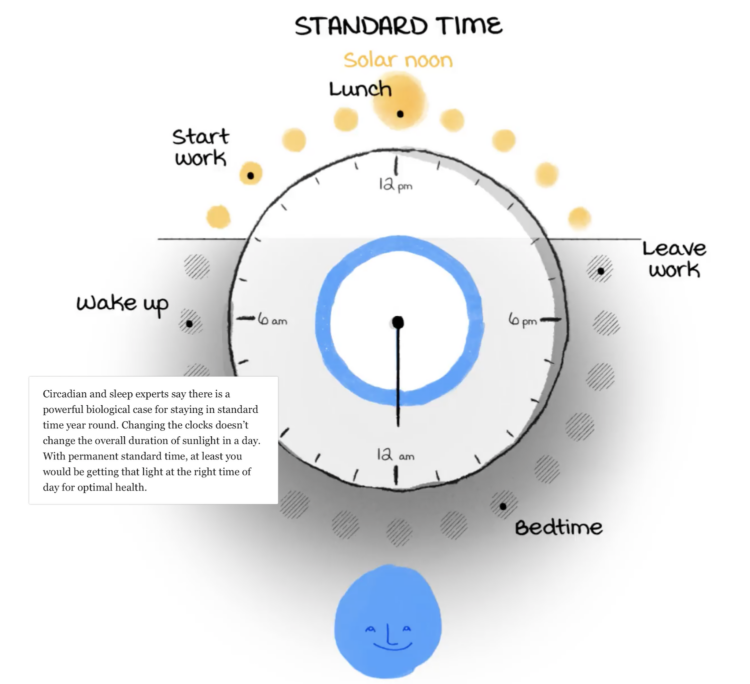
Daylight saving time ends in the United States this weekend and ended already in other places. This can only mean one thing, which is that we must hem and haw about whether to shift our clocks or not. Aaron Steckelberg and Lindsey Bever, for The Washington Post, illustrated the sleep challenges that arise when we have to change measured time, which is easy to shift with button presses, against our less malleable internal time, which is more in tune with sunlight.

Scrolling through, it started to feel like too many layers on top of that clock, but my main takeaway, and I think we can all agree on this, is that we should all get to sleep and wake whenever we want. Boom, problem solved.

Tags: daylight saving, illustration, sleep, Washington Post

02 Nov 17:01

Honda aims for a solid-state-powered EV by the end of the decade

by Ars Staff
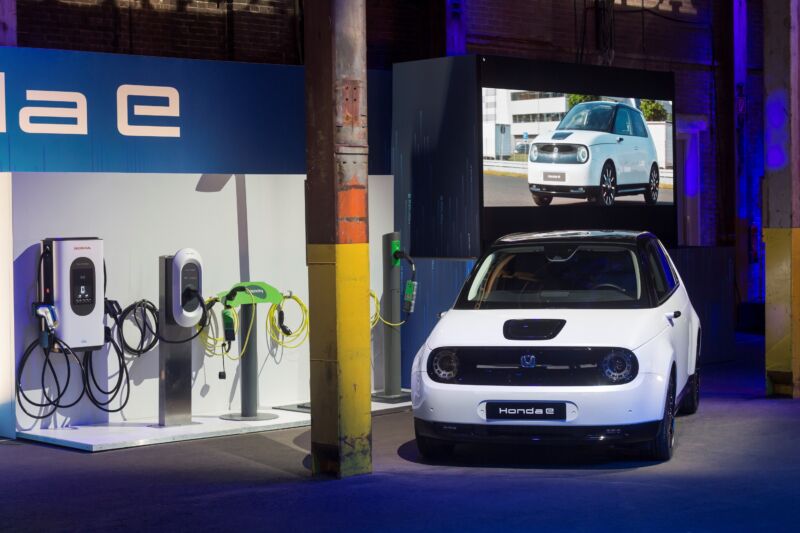
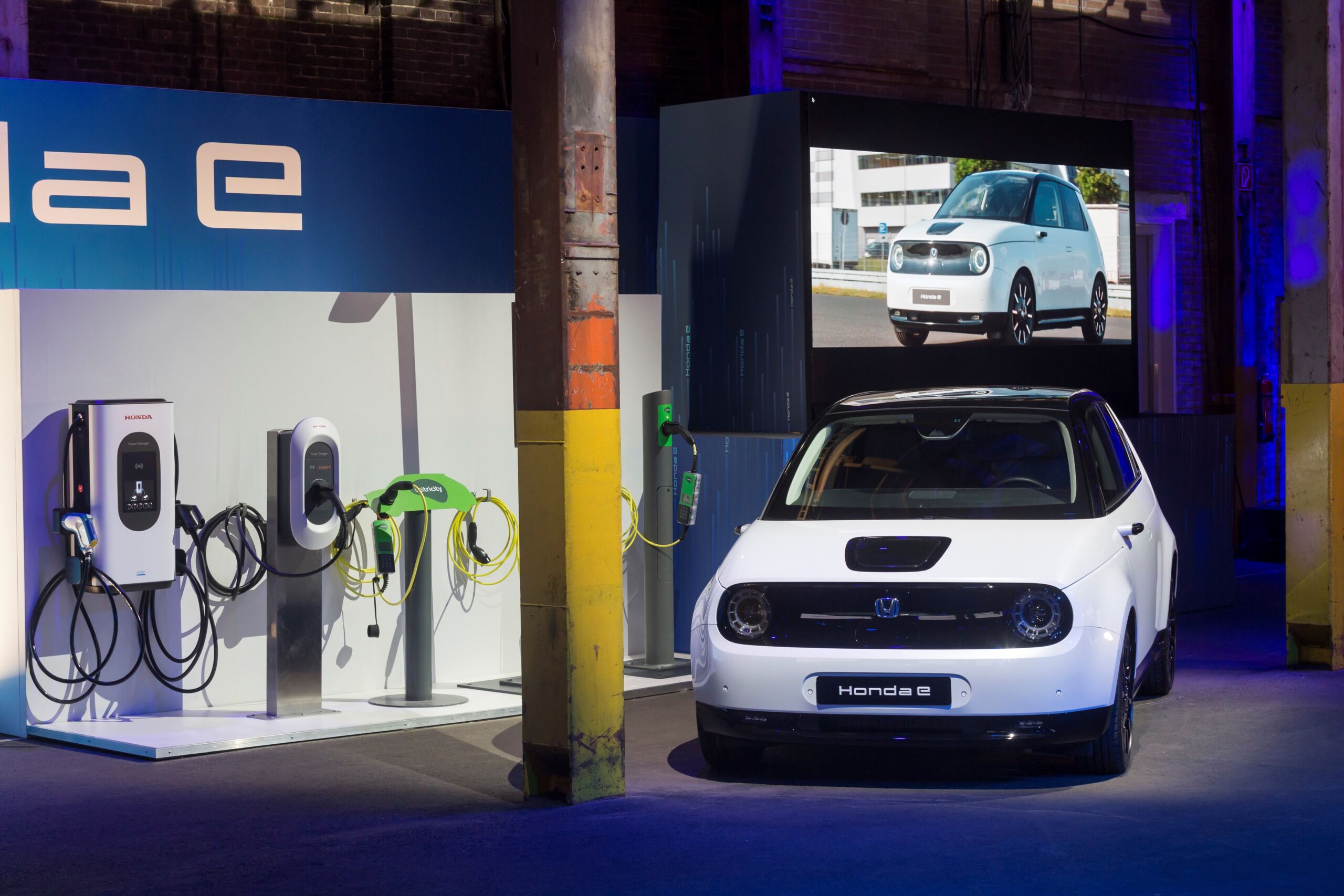
The Honda e is adored by journalists, but it's small and expensive.

Enlarge / The Honda e is adored by journalists, but it's small and expensive. (credit: Honda)

By all rights, Honda should be further along with its electrification strategy. The Honda Insight beat the Toyota Prius as the first mass-market hybrid to be introduced into the US market by seven months. Instead, other manufacturers seemed to have jumped on the EV train while Honda was still buying a ticket. After appearing to languish, the company announced that its first modern EV in the US would be the fruit of a team-up with GM. But under new leadership, it's working with partners and striking out on its own for its long-term EV strategy.

At its research and development facility in Tochigi, Japan, Honda is working on what it believes will be the breakthrough that brings solid-state batteries to the market. While Honda is happy to work with General Motors and Sony on electrification efforts, the automaker is working solo to bring the technology to the masses by the end of the decade.

"In the springtime of 2024, we will start a pilot line (for manufacturing). Then if we can be successful, we believe we can launch a vehicle with a solid-state battery in the latter part of the 2020s. 2029, 2028," Shinji Aoyama, Honda's global leader of electrification, told Ars Technica during a roundtable interview at Honda headquarters in Tokyo.

Read 17 remaining paragraphs | Comments

02 Nov 12:38

New RSV vaccines are coming. This is very, very good news.

by Keren Landman
A hand wearing a surgical glove and holding a vial of vaccine, with the outline of a virus drawn in the background.
Amanda Northrop/Vox

The vaccines, along with other preventative treatments, could change cold season as we know it.

All over the country, pediatric hospitals are packed to the gills. Although soaring rates of several cold viruses are to blame, one baddie in particular is responsible for much of the mayhem: respiratory syncytial virus, otherwise known as RSV.

RSV generally causes cold symptoms but can also lead to severe lung inflammation or infection in very young and very old people. And it’s started off cold season with a bang: As of October 22, babies under a year old were being hospitalized at rates six times higher than they were at the same point in 2019, and the overall hospitalization rate was seven times higher for people of all ages.

Every year, hundreds of children die of RSV, and tens of thousands more are hospitalized. But for a change, this year brings some good news: It might be the last time the virus wreaks this kind of havoc.

After decades of failed efforts to produce an RSV vaccine, several highly effective ones are finally on the verge of approval. On Tuesday, Pfizer announced that in a trial, its vaccine — which is given to pregnant people so infants are protected at birth (more on that later) — prevented 69 percent of severe RSV cases among infants 6 months and younger. Also on the horizon are vaccines for older adults, and new monoclonal antibodies (i.e., human-made proteins that function like antibodies in our immune systems) to help prevent infections.

All told, experts say these products are effective enough to prevent more than three-quarters of severe disease in both age groups.

Experts anticipate these products could be broadly available for use within one to two years — if drug approval and recommendation processes at the Food and Drug Administration and Centers for Disease Control and Prevention go smoothly. That means that, barring any surprises, babies and adults in the US could be able to rely on them for RSV protection as soon as next fall. Expect global vaccine authorities to weigh in on these products soon, as well.

“If we can keep the babies out of the ICU and keep them from dying, we’ve won a huge victory,” said Amy Edwards, a pediatric infectious disease specialist at Rainbow Babies and Children’s Hospital in Cleveland. But it wouldn’t just be a win for babies: “More adults have died from RSV than most people realize,” she said, “RSV vaccine could be a game changer for them as well.”

It’s all because of a scientific breakthrough that happened less than a decade ago. Here’s how the secret to RSV vaccine development was found and why the proliferation of discovery it sparked is such a big damn deal.

RSV is an overlooked cause of illness and death, with no great preventive options

RSV disease is one of the first pediatric illnesses that young pediatricians learn to fear, said Edwards. Babies with the infection have terrible coughs and make wheezing noises as they struggle to move air through their swollen airways. “Once you’ve seen it, it’s like you never forget it,” she said.

RSV itself is nothing new, especially during the cooler months. “There are bad seasons and less bad seasons, but there’s always RSV,” said Edwards.

In the US, the infection leads to about 58,000 hospitalizations and 100 to 300 deaths among young children each year, making it the country’s top cause of hospitalization in infants. Although it’s a particularly risky infection for babies born prematurely and for those with lung problems or heart abnormalities, about 40 percent of American infants who died of RSV over the past few decades were otherwise healthy.

RSV is also an underrecognized cause of pneumonia in adults, causing up to 120,000 annual hospitalizations among people over 65. It’s overlooked in part because adult doctors don’t think of it as an adult disease, said Helen Chu, a University of Washington infectious diseases doctor and researcher who specializes in emerging respiratory diseases. Even when hospitalized adults test positive for RSV, she said, that detail is often omitted from the hospital discharge codes (which play a big role in insurance billing but are also used to monitor disease trends).

In a talk at a conference of the Infectious Diseases Society of America in late October, Chu compared the impacts of RSV and influenza on Americans over 65, noting that RSV causes as many as 12,700 deaths in seniors each year — not too far shy of the 21,000 deaths caused annually by the flu.

However bad RSV is in the United States, it’s worse globally. Every year, it causes an estimated 120,000 infant deaths worldwide and as many as 55,000 adult deaths, most of them concentrated among people living in poverty and breathing polluted air.

There is currently no approved antiviral treatment for RSV in either adults or children, and the one preventive option that currently exists is far from perfect.

That option is palivizumab (brand name Synagis), a monoclonal antibody developed 25 years ago to protect high-risk infants. However, it has to be given monthly during RSV season, and most insurance companies require physicians to go through a lengthy approval process to get the drug’s high cost covered for their patients. Plus, although it does prevent hospitalization in high-risk babies, it’s not clear how cost-effective it is.

Babies need something better — something affordable that can protect all infants, not just the highest-risk ones, from this seasonal scourge. Adults, too, need something to protect them from a virus that reliably causes an immense amount of disease — ideally, something that’s as good as a flu shot, or better.

RSV vaccines are super effective, and soon, they’ll be for everyone

The first time scientists tried to develop an RSV vaccine, in the 1960s, it failed miserably, actually leading to more severe RSV infections in the babies who received it.

Although that tragedy slowed vaccine development somewhat, it didn’t entirely dissuade researchers. But over the next few decades, they made little progress, largely due to some unique features of RSV’s surface proteins.

Those proteins are shape shifters, taking different forms depending on whether they’ve invaded — or fused to — a human cell. And to complicate matters, their pre-fusion shape is wildly unstable. That meant that for a long time, researchers’ only option was to use the protein’s post-fusion shapes as targets for new vaccines.

As a result, for years, RSV vaccines could only recognize viral particles after they’d invaded cells — too late to make much of a difference. To make a better vaccine, scientists really needed a clear picture of what those surface proteins looked like before cell invasion.

In 2013, structural biologist Jason McLellan, now at the University of Texas at Austin, figured out how to get that picture: He worked out a way to stabilize a surface protein in its pre-fusion form, then described it in great detail. That discovery meant researchers could now create vaccines that targeted an earlier stage of RSV infection. And they did, with incredible results.

In her conference talk, Chu presented data on five different vaccines for use in adults and six products for use in younger populations, including vaccines for pregnant people and both monoclonal antibodies and vaccines for babies and young children.

What she then described would have seemed inconceivable a few years ago.

Chu presented data from phase 3 trials — advanced vaccine studies that test a product’s safety and effectiveness. Overall, these products are knocking it out of the park, preventing more severe RSV cases at a range of 70 to 86 percent effectiveness. Writ large, that means they have enormous potential to prevent hospitalization in many of the people most vulnerable to the worst effects of RSV.

Vaccinating mothers during pregnancy will protect their infants

Of the many options currently under development to protect babies from severe RSV infection, the one that will likely get the most use is a vaccine that would be given not to babies themselves, but to the people who carry them before they’re born, said Edwards.

When someone is immunized against RSV during pregnancy, the antibodies they produce in response get transferred in large quantities to their infant, providing a strong wall of protection over the first few months of their lives. “Maternal vaccination — I mean, that’s the ultimate monoclonal antibody,” said Edwards, and “a lot of moms are used to it.” The strategy, which relies on antibodies transferring naturally from pregnant people to fetuses while they’re in the womb, is used to protect babies from diphtheria, tetanus, and pertussis (with the maternal Tdap vaccine), the flu, and SARS-CoV-2.

In particular, Pfizer’s RSV vaccine candidate for pregnant people prevented 85 percent of RSV cases in their babies from getting bad enough to require bringing them to a clinic or hospital.

But even if the expecting parent does not get vaccinated, there will still be options to protect their babies: Several monoclonal antibody options will likely be on the table, which prevent between 70 and 75 percent of more severe symptoms. In contrast to the maternal vaccine, these are intended to be given directly to infants after birth. Importantly, both the maternal vaccine and the monoclonal antibody will be available to protect all infants, whether they have medical conditions or not.

Even with the vaccines and antibodies, there will still be some challenges. The protection babies get from maternal vaccination or monoclonal antibodies lasts less than a year. However, some children — like those with medical conditions such as heart abnormalities — need longer-lasting protection. (Most children are at highest risk for bad RSV in their first six months of life, and should be well covered by maternal vaccines and antibodies.)

The strategy for refreshing their immunity is still up in the air, said Chu. It might involve getting repeat doses of monoclonal antibody — or it might eventually involve giving a vaccine to a young child directly. Two candidates for that are currently in the early stages of investigation and so will not be widely available for several years. It will be up to the FDA and the CDC to determine how best to keep infants protected in their early years.

Meanwhile, three vaccines for adults are in phase 3 trials, and at least two more candidates are at earlier stages of development. The three closest to the finish line prevent 80 to 86 percent of severe RSV infections in people over 60.

In the US, all that stands between these vaccines and the people who need them is finishing the trials (for those still in progress), submitting data for review to federal agencies, and approval and recommendation by the FDA and the CDC.

The current RSV season shows just how badly these products are needed

Chu suspects these vaccines’ benefits will take many Americans by surprise. “I don’t think that the general public is either aware of RSV or realizes what a huge change this will be,” she said. She also underscores just how important the basic science underlying some of these vaccines has been. McLellan’s protein stabilization discovery also helped facilitate the development of Covid-19 vaccines by providing a technique for stabilizing SARS-CoV-2’s spike protein. “It is a momentous achievement that they were able to do that — and that’s how things moved so quickly,” she said, referring to the lightning pace of production of the first Covid-19 vaccines.

The discovery’s original purpose — to enable RSV vaccine development — will also do enormous good. “I’m very excited, and for a variety of reasons,” said Edwards. “One: babies shouldn’t die,” she said. But also, as these products become available, she said, “most of us believe that we’re going to see a reduction in hospitalization — and that can only work in our favor.”

If only we had these vaccines and antibodies available this year. RSV is currently surging, and hospitals hollowed out by the pandemic are struggling to meet the need. Many hospitals increase their staffing at this time of year, said Edwards, but that’s becoming harder to do because of shortages across the medical professions.

“Granted, this season has been worse than most,” she said. “We don’t necessarily anticipate having this bad season every year.”

“But as staffing shortages become more and more acute around the country, we would expect even smaller and smaller surges to incapacitate hospitals,” she said.

In other words, we’ve never needed an RSV vaccine more urgently than we do right now.

02 Nov 12:36

NASCAR driver stuns racing world with a move learned from Nintendo GameCube

by Benj Edwards
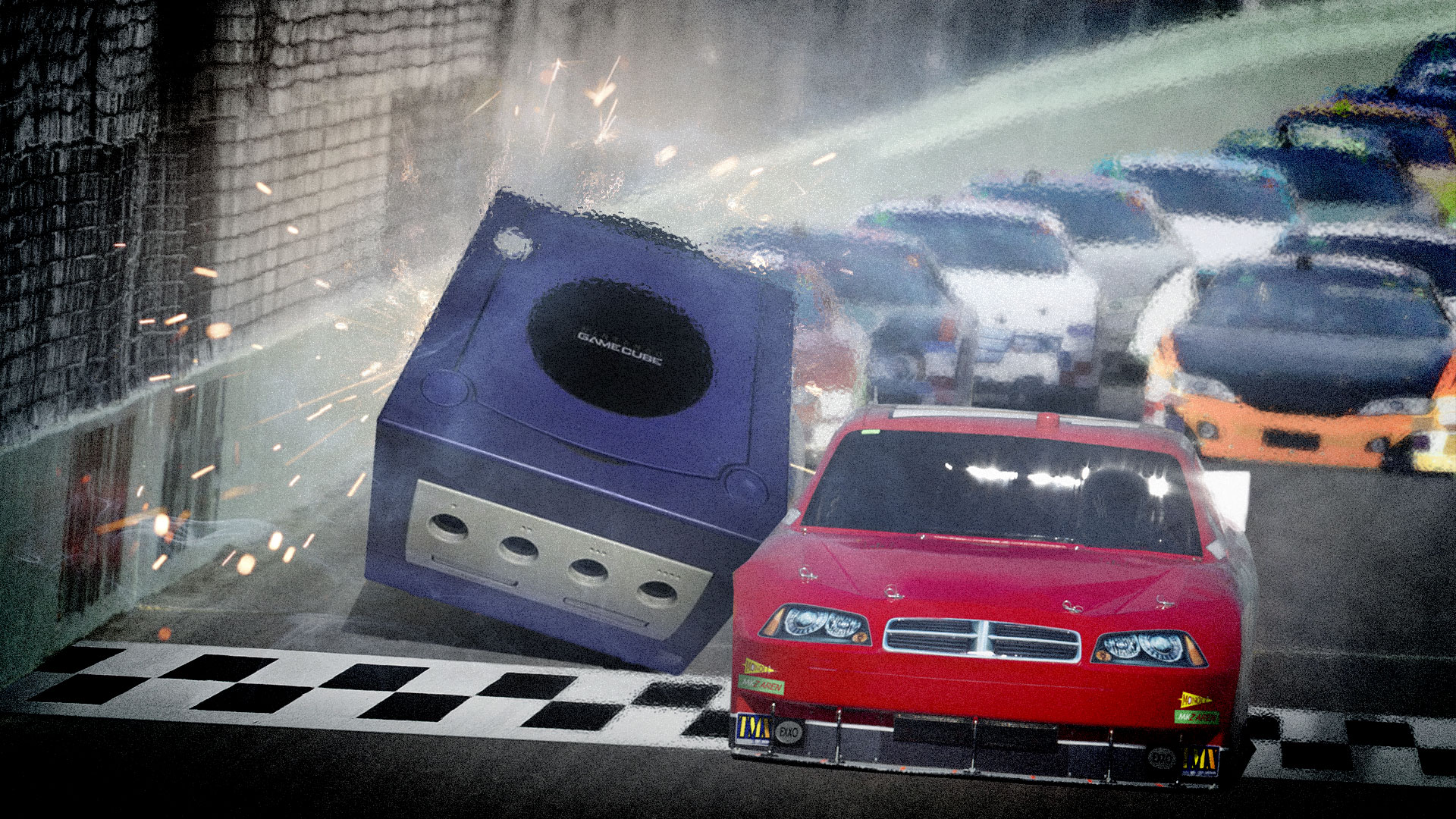
In a stunning move, a Nintendo GameCube pulls ahead of the pack.

Enlarge / In a stunning Photoshop move, a Nintendo GameCube pulls ahead of the pack. (credit: Aurich Lawson / Getty Images)

On Sunday, NASCAR driver Ross Chastain made history with an unprecedented wall-riding maneuver that qualified him for a championship race and set the record for the fastest lap on the track at 18.845 seconds. Remarkably, Chastain said he learned the move playing NASCAR 2005 on the Nintendo GameCube when he was a kid.

The maneuver happened at the Xfinity 500 race hosted at Martinsville Speedway in Ridgeway, Virginia. Martinsville is a half-mile short track built in 1947 that is well known for its tight, shallow-banked turns that usually require heavy braking to negotiate.

During the final lap of the race, Chastain found himself in 10th place but needed to pick up two positions to earn enough points to qualify for the Championship race on November 6. Instead of slowing down on the turn, Chastain shifted into fifth gear and gunned it, riding the outside wall and passing five cars to finish the race in fith place.

Read 5 remaining paragraphs | Comments

02 Nov 12:34

Newly Obtained Uvalde 911 Calls Shed More Light on Botched Police Response

by by Lomi Kriel, ProPublica and The Texas Tribune, and Zach Despart, Alejandro Serrano and Roxanna Asgarian, The Texas Tribune

by Lomi Kriel, ProPublica and The Texas Tribune, and Zach Despart, Alejandro Serrano and Roxanna Asgarian, The Texas Tribune

ProPublica is a nonprofit newsroom that investigates abuses of power. Sign up to receive our biggest stories as soon as they’re published.

This article is co-published with The Texas Tribune, a nonprofit, nonpartisan local newsroom that informs and engages with Texans. Sign up for The Brief Weekly to get up to speed on their essential coverage of Texas issues.

This story contains audio of people calling 911 during a mass shooting incident.

The first two 911 calls came in at 11:29 a.m.

A man had crashed his truck into a ditch by Robb Elementary School in Uvalde, Texas, and he was rushing toward the school with a gun.

“​​He’s inside the school shooting at the kids!” a third caller yelled at 11:33 a.m.

The gunman fired more than 100 rounds by the time police dispatchers received another call two minutes later. An adult voice could be heard making “shh” sounds for nearly 44 seconds before the phone abruptly cut out.

Monica Martinez, a STEM teacher who was hiding in a closet at the school, was among several callers from inside the school who followed.

“There’s somebody banging at my school,” Martinez said, her voice muffled as she continued speaking. “I’m so scared,” she said at 11:36 a.m.

What happened on May 24 in Uvalde is well documented. Hundreds of law enforcement officers from nearly two dozen local, state and federal agencies rushed to the scene. It took more than an hour before they entered the rooms where the gunman was located. They treated the crisis as one of a barricaded suspect who was no longer an active threat. Ultimately, 19 children and two teachers were killed in the worst school shooting in Texas history.

In the ensuing five months, the delayed law enforcement response has spurred state and federal investigations. The school district’s police chief was fired. He has publicly contested his termination, saying he was unfairly blamed. The acting Uvalde police chief has also been suspended and a state trooper fired. The chief of the Texas Rangers, the Department of Public Safety unit that is leading the state investigation, retired abruptly in September, as did his deputy in August. Several state police troopers remain under investigation. Officers facing punishment either could not immediately be reached for comment or declined to respond.

The Texas Tribune and ProPublica have for the first time obtained recordings of more than 20 emergency calls and dozens of hours of conversations between police and dispatchers that lay bare the increasing sense of urgency and desperation conveyed by children and teachers. In chilling, muffled 911 calls, they begged for help from inside the school.

Although the existence of some 911 calls and body camera footage has been reported publicly, the totality of the recordings show the pervasiveness of the miscommunication that unfolded that day.

During some calls, dispatchers and officers warned that class was supposed to be in session in rooms where the gunman had been shooting. On others, law enforcement officers said they were unaware that anyone aside from the gunman was in the classrooms, even as dispatchers received calls from children seeking help.

Never miss the most important reporting from ProPublica’s newsroom. Subscribe to the Big Story newsletter.

Ten-year-old Khloie Torres was one of those children. While state officials previously released a transcript with excerpts from one of Khloie’s phone calls, the news organizations obtained additional recordings of her pleading for help that had not been made public. Khloie survived that day.

In an interview, her father, Ruben Torres Jr., said he is “disgusted” that police did not quickly intervene. The fact that his daughter had to wait so long to get help is “mind-boggling,” Torres said.

“There was no control. That dude had control the entire 77 minutes,” said Torres, a U.S. Marine Corps veteran. “They didn’t have him barricaded. He had the police barricaded outside. It’s plain and simple. The police didn’t go in. That’s your job: to go in.”

DPS officials did not respond to questions from ProPublica and the Tribune about the recordings. A spokesperson for the city of Uvalde, the police chief, the Uvalde mayor and the county’s chief executive declined to comment.

Communication was a key failure throughout the response. Many officers assumed the school police chief, Pete Arredondo, was in command. He did not have his radios with him, issued few orders and later said he never viewed himself as the officer in charge. County officials said emergency communications were overwhelmed in the rural community, which typically has only two dispatchers answering 911 calls and juggling the transmission of key information to emergency responders.

The emergency radio system has two 911 lines and three emergency channels. Its frequency is designed for the vast, 15,000-square-mile stretch of scrubby desert terrain, rather than for high-density urban areas where equipment must work inside buildings, said Forrest Anderson, the county’s emergency management coordinator who oversaw the radio system’s implementation two decades ago. A legislative committee that later examined the response noted that city police radios worked only intermittently inside the school.

Radio traffic and footage obtained by the news organizations show that some police knew about the 911 calls, but just how many officers remains unclear.

High-stakes emergency responses always have some communications gaps, but skilled incident commanders should be prepared to overcome such challenges, said Bob Harrison, a former California police chief and homeland security researcher at the Rand Corp., a national think tank.

Harrison noted that many of the radios used by Border Patrol agents also did not work during the Uvalde shooting response, but the agency’s SWAT team, which does not typically lead the response in school shootings because it is a federal agency focused on immigration and national security, mobilized to breach the classroom once it arrived and determined no one was in control.

“If a strong unifying command scene was set up quickly, these discrepancies wouldn’t have been necessarily relevant, and there would have been one voice and one command,” Harrison said of the problems with 911 and radio communication.

The state legislative committee reached a similar conclusion in its July investigative report, which stated that a capable incident commander would have realized that the radios were “mostly ineffective” and that responders needed other means of communication to transmit key details such as calls from victims inside the classrooms. The report highlighted that law enforcement is trained to be “prepared to respond effectively without reliable radio communications” and could employ a series of strategies including using “runners” to deliver messages in person.

But that day, children and teachers, including Martinez, waited to be rescued.

In the dark closet of room 116, Martinez stayed on the phone with a dispatcher and tried to practice a key tenet of the school’s active-shooter protocol: Be quiet.

Class Should Be in Session

When a new round of gunshots rang out from behind the closed door of the two adjoining classrooms, Uvalde police Sgt. Daniel Coronado sprinted outside, panting heavily as he relayed an urgent message on his radio to city police dispatchers.

“He’s inside the building,” Coronado said of the shooter at 11:38 a.m. “We have him contained.”

He asked for ballistic shields and requested that someone call DPS.

Then he repeated: “He’s contained. We’ve got multiple officers inside the building at this time. We believe he’s barricaded in one of the offices. Male subject is still shooting.”

Four minutes later, an unidentified male official asked that someone check the classroom of fourth-grade teacher Eva Mireles, a 44-year-old educator and the wife of Ruben Ruiz, a Uvalde Consolidated Independent School District police officer. Mireles was assigned to room 112, one of two adjoining rooms where the shots were coming from.

“See if the class is in there right now or if they’re somewhere else,” the official said.

Then a Uvalde school district police officer came on the radio with a critical announcement: “The classroom should be in session right now. The class should be in session, Ms. Mireles.”

Another officer gasped.

“That’s going to be Ruben’s girl,” he said, referring to Mireles.

“Oh no, oh no,” Coronado muttered under his breath.

The exchange demonstrates some officers knew early on that the gunman was not barricaded alone in the classroom. More indicators, and clear confirmations, would come soon after — yet for much of the response, they would not be heard.

At 11:48 a.m., Ruiz, who was standing in the hallway outside of the classroom, told officers that his wife had been shot. Ruiz said his wife had called him and said she was “dying.” Mireles later died in an ambulance.

Officers escorted Ruiz outside, taking away his weapon for his safety, according to interviews officers at the scene later gave to the Texas Rangers. But they did not attempt to enter the classroom. One of the police lieutenants who heard Ruiz’s announcement told investigators that they were waiting for DPS and Border Patrol to arrive “with better equipment like rifle-rated shields.”

By that time, Martinez, the teacher, had been on the phone with 911 for more than 10 minutes. She had told the dispatcher that she could hear people in the hallway. The dispatcher urged her to stay quiet and remain barricaded in the closet.

“You still there with me?” the dispatcher asked at about 11:47 a.m.

“I’m still here,” Martinez whispered.

Misinformation spread as Martinez and other 911 callers waited to be rescued. At 11:50 a.m., a Uvalde police dispatcher wrongly reported that the school chief was “in the room with the shooter,” referring to Arredondo by his call sign.

Seven minutes later, an officer asked if any children were inside with the gunman.

“No, we don’t know anything about that,” another officer replied on the radio.

“Everything is closed, like the kids are not in there,” a third responded.

About a minute later, an officer asked for the shooter’s location.

“The school chief of police is in there with him,” another officer replied.

As the back-and-forth continued, law enforcement officers rescued people from other classrooms. At 11:58 a.m., Martinez told the dispatcher that she again heard someone knocking. She said the person had identified themselves as a police officer.

“Open the door,” the dispatcher said, confirming that the person on the other side was law enforcement. “Stay on the line with me until you make contact with him.”

“I’m coming,” the teacher whispered.

Her sobs carried through the phone.

The teacher did not return calls and emails seeking comment.

Confusion Marks Response

Some children in classrooms 111 and 112 with the gunman kept calling 911, seeking help even when they suspected it was not safe to speak. One of the first calls from a trapped student, at 12:03 p.m., was barely audible.

“There’s a school …” a muffled child’s voice reported, breaking up in the recording, “at Robb Elementary.”

The call lasted a minute and 24 seconds. The child was silent as the dispatcher asked their name and what room they were in.

“Hello, ma’am? Can you hear me?” the dispatcher asked.

Then at 12:10 p.m., Khloie called.

“There is a lot of bodies,” The New York Times previously reported that she told a dispatcher, adding that her teacher had been shot but was still alive.

Khloie stayed on the phone for more than 17 minutes. While she spoke, another city police dispatcher answered a call from DPS and erroneously reported that the school police chief was inside the classroom with the gunman.

“I have the school chief of the PD in room 111 or 112 with the active shooter, and they’re still standing by,” she said when the DPS dispatcher asked for an update. “We have multiple agencies on scene. I don’t know if you have anybody else to send out to help out?”

“We’re sending everybody that we can, um, heading out there, but do you have any injuries, fatals, anything?” the DPS dispatcher responded.

Only one female was shot, and perhaps an officer was injured, the Uvalde dispatcher replied.

A dispatcher’s voice crackled through the Uvalde police and Border Patrol radio traffic, notifying that she had a child on the line.

“The child is advising he is in the room full of victims, full of victims at this moment,” the dispatcher said.

Hallway surveillance video from inside the school at the time shows at least four law enforcement officials, one with a shield, kneeling outside the classroom door with their guns drawn.

It is not clear if the officers heard that message.

At 12:14 p.m., a state trooper’s body camera captured someone saying, “There’s victims in there, dude.” The trooper was standing outside a door to the school, with at least eight officers from different agencies visible from that camera angle.

“We need to get in there,” one responded.

No one did.

Five minutes later, another girl in room 111 called 911. The recording of the call, which lasted a minute and 17 seconds, is mostly inaudible.

In the hallway, Uvalde County Constable Emmanuel Zamora wrongly suggested that the gunman may have already shot himself.

“One shot at the end was self-inflicted, maybe,” Zamora said in the recording, referring to an earlier burst of gunfire.

Zamora did not respond to texts and emails about his comments, which had not been previously reported.

Arredondo, the school chief, can be heard on a state trooper’s body camera at 12:20 p.m. telling another officer: “We have victims in there. I don’t want to have any more. You know what I’m saying?”

It was the first time he acknowledged to other responders that anyone was wounded inside the two classrooms, according to new footage obtained by the news organizations. The legislative report noted only that he acknowledged “some casualties” 14 minutes later. Arredondo did not return a message seeking comment shared with him by his former attorney.

A minute later, the gunman fired again.

Officers in the hallway flinched, formed a line and started walking down the hall, then suddenly stopped, a state trooper’s body camera footage reveals.

Just after the shots were fired at 12:21 p.m., the school chief began trying to talk to the shooter for the first time, according to communications and records.

“If you can hear me, sir, please put your firearm down, sir,” Arredondo said. “We don’t want anyone else hurt.”

Just after 12:30 p.m., three troopers again advanced toward the classrooms before an unidentified person said “no, no, no,” according to body camera footage.

Once again, they stopped.

A DPS trooper who made his way into the hallway around that time asked another officer if there were children in the classroom. The response was, “We don’t know.”

By then, more than 20 minutes had lapsed since Khloie first begged a dispatcher for help. She ended the initial call when she feared the gunman, who she felt taunted the children, was getting close, her father later recalled.

She called 911 again at 12:36 p.m.

“There’s a school shooting,” Khloie said. “Yes, I’m aware,” the dispatcher responded. “I was talking to you earlier. You’re still there in your room? You’re still in room 112?” “Yeah,” Khloie replied. “OK. You stay on the line with me. Do not disconnect,” the dispatcher said.

“Can you tell the police to come to my room?” Khloie whispered. The dispatcher said: “I’ve already told them to go to the room. We’re trying to get someone to you.”

About two minutes later, Khloie once more asked for police.

Yet again, a dispatcher tried to reassure her.

“I have someone that is trying to get to you, OK,” she said.

Khloie whispered that she thought she heard the police next door.

“If you hear anyone come in, but they’re not supposed to be there, and they don’t say that they’re police, y’all pretend that you are asleep, OK?” the dispatcher replied.

“That Was You?”

As the Border Patrol strike team was almost ready to breach, DPS Capt. Joel Betancourt went on the radio and ordered the agents to wait.

“The team that’s gonna breach needs to stand by,” Betancourt said at 12:50 p.m.

The captain did not respond to requests for comment left for him through DPS.

The team ignored the order and entered the classroom, quickly killing the shooter. The previously silent hallway filled with officers waiting to act.

Someone yelled, “Make a hole!” as police carried out wounded children. Law enforcement officers motioned for those who were not as severely injured to walk out on their own.

“Oh man, I guess there was more kids in that room,” a DPS special agent said, according to his body camera footage. “Yeah, he must have had some hostages,” another law enforcement officer replied.

As the onsite paramedics focused on the most critically injured, officers began taking other hurt children to the hospital. Khloie was among them.

“I was on the phone with a police officer,” she told the trooper examining her as the screams of other wounded children reverberated in the background.

The officer, whose body camera had earlier picked up a dispatcher describing that call, seemed surprised.

“Oh, that was you?” the trooper asked.

Uriel J. Garcia of The Texas Tribune contributed reporting.

Correction

Nov. 3, 2022: A previous version of this story included incorrect details of a request to check the classroom of teacher Eva Mireles early in the police response. The request was to check Mireles' room, 112, not the adjoining 111. It was made by an unidentified male official, not a dispatcher. And class was reported to be in session by a school district police officer, not a Uvalde officer. That same officer, not a dispatcher, also wrongly reported over the radio at 11:50 a.m. that the school chief was "in the room with the shooter."

02 Nov 11:15

Ninth Circuit Bucks Extremely Recent Trend, Says Chalking Tires Not A Fourth Amendment Violation

by Tim Cushing

I have to admit I’m amused by recent court activity dealing with chalking tires. Something that has been done for years with zero protest — marking tires with chalk to determine how long a vehicle has been parked — is now fodder for federal appellate decisions.

It’s a low tech solution to a low tech problem. Cop surveillance tech and techniques may have advanced rapidly over the years, but someone still has to make sure parking laws are enforced. Parking tickets generate revenue but this revenue appears to be unworthy of much attention. It’s un-sexy law enforcement, something that reliably puts money in city’s coffers but will never generate headlines or result in local TV coverage.

Intrusion on people’s personal property can still happen even when that property is temporarily located on public streets. That’s the conclusion that’s been reached by one federal court and (twice!) by the Sixth Circuit Court of Appeals. The seemingly innocuous chalk mark on a parked car’s tire may be a fleeting artifact of a criminal investigation — one that ceases to be valuable once the car is in motion and will disappear (thanks to regular driving, rain, or car washes) with zero direct interaction from the car owner — but it’s investigatory all the same.

The tire mark is the initial effort in an investigation into parking violations. Because it’s part of an investigation into a crime that may or may not be committed, it has Fourth Amendment implications. But not everywhere.

As noted above, the Sixth Circuit Appeals Court has declared this form of parking enforcement unconstitutional. So did a lower level court in the Ninth Circuit, which went a different direction than the Sixth Circuit. It cited the unconstitutional intrusion observed in the Supreme Court’s Jones decision — one that found the warrantless placement of a GPS device on a car parked on private property unconstitutional — and said the intrusion wasn’t justified by the city’s desire to enforce parking ordinances. This court said it was not an investigational intrusion, but it was still an intrusion, one that couldn’t be excused by the city’s “public safety” claims since residents’ safety clearly wasn’t affected by illegally parked cars.

Unfortunately for the plaintiffs in the California federal court lawsuit, the Ninth Circuit Appeals Court isn’t inclined to believe tire chalking is a Fourth Amendment violation. The ruling [PDF] handed down late last month reverses the lower court’s decision, declaring that tire chalking (at least in this circuit) is still perfectly constitutional. (h/t Short Circuit)

The Appeals Court says chalking tires is a “no harm, no foul” form of law enforcement, one that has at least one warrant exception on its side.

The panel held that even assuming the temporary dusting of chalk on a tire constitutes a Fourth Amendment “search,” it falls within the administrative search exception to the warrant requirement. Complementing a broader program of traffic control, tire chalking is reasonable in its scope and manner of execution. It is not used for general crime control purposes. And its intrusion on personal liberty is de minimis at most.

“De minimis” is unhelpful. No one knows the contours until a federal court issues a ruling. The Supreme Court’s Rodriguez decision made it clear it wasn’t the length of the violation, but rather the violation itself. Meanwhile, plenty of other Fourth Amendment decisions says that cops can violate rights as long as they’re quick and not too abusive about it. So, this last phrase isn’t all that instructive.

Unfortunately, it seems unlikely the US Supreme Court would be interested in adjudicating the intricacies of parking enforcement at local levels, so there will be no immediate resolution of this circuit split (which, admittedly, only includes two of twelve circuits at this point). Fortunately, this decision is kind of narrow: for the moment, it just says the city of San Diego can continue to chalk tires to engage in parking enforcement. It is not a blanket blessing of all other enforcement efforts in the circuit, even if it does suggest it’s a blanket blessing for tire chalking.

Weirdly, the Ninth Circuit acknowledges that the city’s failure to provide ample parking is detrimental to public safety, but chooses to place this burden on drivers rather than the city.

Insufficient parking impacts public safety. Cruising, double parking, and illegal parking all lead to increased traffic congestion that makes it more difficult for public buses and emergency vehicles to navigate city streets. Illegally parked vehicles may block access to fire hydrants or bus lanes. Greater traffic volume poses greater safety risks to pedestrians, bicyclists, and drivers, and drivers searching for spots are also distracted and more likely to cause collisions. Stop-and-go traffic and idling vehicles associated with congestion and parking shortages also result in increased localized vehicle emissions.

The Ninth Circuit says the victims of inadequate city planning and traffic control are to blame. And any efforts they use to minimize the impact of “insufficient parking” should be rewarded with citations. Issuing citations helps minimize a problem the city apparently can’t solve and the techniques most commonly used to punish people who can’t find parking in a mismanaged city are A-OK in this court’s book.

The court goes on to note the city could use several other methods to achieve this end. But it also goes on to grant credence to the city’s declarations that other options — ranging from traffic enforcement notations to stationary cameras in high traffic areas to automated license plate readers — are too expensive or too difficult to implement, at least as compared to meter maids and a box of chalk.

But that’s not how this is supposed to work. The government is supposed to be expected to utilize the least intrusive method even if it’s not the simplest or the cheapest. This decision says the simplest method — no matter its constitutional implications — is reasonable under the Fourth Amendment.

To be fair, the court does take time to discuss plenty of Fourth Amendment implications, including the fact that chalking tires in hopes of finding future criminals is not entirely unlike dragnet surveillance, which considers all captured information useful until it’s determined that it isn’t. But in the end, San Diego prevails. The government can still employ dragnets, so long as the dragnet is minimally intrusive. If the government can bypass rights to obtain other, more important ends, why not here, when it’s only a lack of adequate parking at stake?

All of this confirms that the plaintiffs’ position cannot be readily situated within a coherent theory of Fourth Amendment jurisprudence. Without a warrant, people can be lawfully stopped at road checkpoints for detecting drunk driving, driving without a license, and illegal hunting; government employees and students can be lawfully searched, including through drug testing; closely regulated businesses can be subject to periodic inspection; and airplane passengers can have their luggage opened and their bodies patted down. People can also be detained based only on reasonable suspicion of wrongdoing (“not a particularly high threshold to reach”), United States v. Valdes-Vega, 738 F.3d 1074, 1078 (9th Cir. 2013) (en banc), and can be arrested based only on probable cause (“not a high bar”). Kaley v. United States, 571 U.S. 320, 338 (2014).

Within this body of established law, it would be passing strange if tire chalking, of all things, were somehow a Fourth Amendment red line that cannot be crossed. That is not a theory we can endorse. And that is especially so when the upshot of plaintiffs’ lawsuit is that San Diego should instead use other methods of enforcement—such as photographing cars or using license plate reader technology and GPS data—that would ironically invite greater intrusions into personal privacy.

The court seems to believe that forcing the government to engage in more surveillance to regulate parking would be a net loss for citizens. But it doesn’t seem to consider the alternative: that parking enforcement isn’t the sort of thing that should even begin to involve discussions of blanket surveillance or expansions of government intrusions. It’s about parking. And while it’s limited and valuable, most parking problems arise from problems governments created with poor zoning decisions or expansion plans that only saw what was possible, rather than what was actually feasible. Decisions like this, while seemingly rational given the minimal intrusion, serve to reward governments for doing a bad job governing, while shrugging off constitutional concerns that may not seem immediately obvious if one limits their reading of these conclusions to chalk on tires.

01 Nov 11:26

What hearing loss sounds (and looks) like

by Nathan Yau

Using an audiogram as a backdrop, Amanda Morris and Aaron Steckelberg, for The Washington Post, explain what hearing loss sounds and looks like.

Hearing level, or volume, is on the vertical axis, and frequency, or pitch, is on the horizontal axis. Objects in the illustration are placed based on where they reside in the coordinate system, which is pretty great. Put on headphones for the full effect.

Tags: hearing, illustration, sound, Washington Post

01 Nov 11:10

Metro’s Silver Line Extension Has Finally Set an Opening Date

by Keely Bastow

Metro riders, some good news—an opening date has finally been set for the six new stations on the Silver line extension. Beginning November 15, riders will be able to take the Metro to Dulles International Airport and five other new stations, including Reston Town Center, Herndon, Innovation Center, Loudoun Gateway, and Ashburn. The Dulles International […]

The post Metro’s Silver Line Extension Has Finally Set an Opening Date first appeared on Washingtonian.

31 Oct 16:18

Massive pandemic relief fraud has Congress eyeing digital IDs

by Ashley Belanger
Massive pandemic relief fraud has Congress eyeing digital IDs

Enlarge (credit: Aurich Lawson | Getty Images)

When the US government began offering financial aid to Americans struggling to cope with a pandemic-fueled economic collapse in 2020, the Department of Treasury and the Federal Bureau of Investigation urged Americans to be ever more vigilant about their personal information. COVID-19 scams seemed to be everywhere, and for government agencies, it became difficult to ensure that all the money it was sending out actually made it to the citizens most in need of aid—and not into the hands of bad actors.

It’s now estimated that hundreds of billions in COVID relief funds were stolen, Bloomberg reported, with no way of knowing the true cost of the losses.

It has perhaps never been clearer to the federal government how impactful it could be during times of emergency to already have trusted nationwide digital identification verification systems in place.

Read 23 remaining paragraphs | Comments

31 Oct 16:17

Reports: Musk plans big Twitter layoffs and $20 monthly charge for verification

by Jon Brodkin
Illustration of Elon Musk juggling three birds in the shape of Twitter's logo.

Enlarge (credit: Aurich Lawson | Photo by Jim Watson/AFP via Getty Images)

The Elon Musk-led Twitter is reportedly planning big layoffs and a $20 monthly charge for any user who wants to be verified or keep their current account verification.

According to The Verge, Musk ordered employees to raise the price of the Twitter Blue subscription from $4.99 a month to $19.99 and require anyone with a verified account to subscribe in order to keep their blue verification checkmark. Citing "people familiar with the matter and internal correspondence," The Verge article said the plan is that "verified users would have 90 days to subscribe [to Twitter Blue] or lose their blue checkmark. Employees working on the project were told on Sunday that they need to meet a deadline of November 7th to launch the feature or they will be fired."

Turning verification into a paid feature could make it easier for scammers to impersonate real people. As Twitter's website notes, "the blue Verified badge on Twitter lets people know that an account of public interest is authentic. To receive the blue badge, your account must be authentic, notable, and active."

Read 11 remaining paragraphs | Comments

31 Oct 12:11

Forget tainted candy: The scariest thing on Halloween is parked in your driveway

by Muizz Akhtar
Arial Meehan, 9, center, dressed as a crazy cat lady, smiles as she walks down the street with other trick-or-treaters on Halloween 2018. | Natalie Kolb/MediaNews Group/Reading Eagle via Getty Images

More American child pedestrians die on Halloween from cars than on any other day of the year.

As is the custom, millions of children in the United States will be out in the streets this Halloween to trick-or-treat, decked out in costumes. Also as is custom, adults will fret about the mostly mythical dangers children may face. Once upon a time it was razor blades in apples; this year, it’s rainbow fentanyl in candy. But while fears of children receiving narcotic-spiked treats are unfounded, there is a very real danger that America’s children face on this most hallowed of evenings: cars.

That’s because pedestrians under the age of 18 are three times more likely to be struck and killed by a car on Halloween than any other day of the year. That risk grows to 10 times more likely for children aged 4 to 8 years old, according to a study from 2019 in JAMA Pediatrics.

 National Highway Traffic Safety Administration
Halloween is the deadliest day of the year for child pedestrians.

“You’re going to have increased numbers of children, including younger children who are out on the streets,” said Lois Lee, a professor of pediatrics and emergency medicine at Harvard Medical School. “At the same time, you have adults who are driving, and especially this year on a Monday, people will be driving home from work. If children are in costume, they may be wearing darker clothing … which makes them harder to detect.”

The JAMA Pediatrics study from 2019 corroborates this, noting that Halloween “may heighten pedestrian traffic risk, because celebrations occur at dusk, masks restrict peripheral vision, costumes limit visibility, street-crossing safety is neglected, and some partygoers are impaired by alcohol.” It’s the kind of lethal combination that can turn a fun occasion into a deadly nightmare. Adult victims included, the risk of death to all pedestrians was 43 percent higher on Halloween compared to a regular evening.

But what happens on Halloween isn’t an isolated incident. After gun injuries, motor vehicle injuries are the second leading cause of death among children in the US overall. And with pedestrian fatalities (both adult and child) at a 40-year high in the US, it’s worth asking why children roaming the streets is so inherently deadly, and what can be done about it.

“Sometimes when you talk about this issue, you get pushback from people and people say, ‘Well, of course, you have more children on the streets, of course, more children are going to die,’” Doug Gordon, a writer and podcast host who advocates for safer streets and cities, told me. “But that accepts a baseline level of danger that I think we as a society have in fact accepted on the other 364 days of the year.”

There are broader reasons for why streets have gotten even more dangerous for pedestrians recently. One is that drivers are distracted — not just by their phones, but increasingly by the infotainment systems that come as a part of newer cars. A more pressing issue is the increasing size of cars in the US; SUVs make up half of all car sales in the US, and are much more likely to kill pedestrians in crashes than smaller vehicles. “Mass times velocity is force,” Gordon summed up. “When you increase the mass of something, you’re going to increase the force at which it interacts with a small vulnerable child.”

 Brianna Soukup/Portland Press Herald via Getty Images
Trick-or-treaters cross the street as they walk from house to house in Portland, Maine, on Halloween 2019.

But the biggest reason may be that American streets and cities are designed for cars, and not people. As Charles Marohn — founder and president of Strong Towns and an expert on urban planning and civil engineering — has argued, engineers who design streets prioritize getting cars as quickly from point A to point B over everything else. One recent example: A traffic safety committee in Utah could not find any way to make the five-lane road crossing to a school safer for students aside from just removing the crosswalk altogether.

But there is a lot that can be done to make streets safer, for future Halloweens and every other day of the year. In the short term, cities and towns can build on open streets programs implemented after the Covid-19 pandemic began, which involve closing certain streets to car traffic to allow for more public space. Notably, New York City announced a “Trick or Streets” plan that would see 100 car-free zones in effect from 4 to 8 pm on Halloween this year. And the Big Apple isn’t alone, as Henry Grabar reported for Slate: less dense and more car-dependent cities like St. Petersburg, Florida and Seattle will also either close off the city center for Halloween or actually allow residents to apply for permits that can close off their neighborhoods to car traffic.

In the long run, Gordon believes that places around the US should be able to pass what is known as the popsicle test, where a kid should be able to safely walk to a store, buy a popsicle, and return home before it melts. In essence, every city should be designed to be friendly and traversable to the most vulnerable in our communities. “If you start thinking along those lines, then I think you start thinking along the lines of what infrastructure is needed to make that possible, where I would feel comfortable letting my kid do that,” Gordon said. “Halloween is like a giant version of the popsicle test because it’s not just your kid, it’s every kid in the neighborhood.”

Designing safer streets for children goes beyond safety — it would make for a better Halloween. “Having sidewalks and good lighting is a good preventive measure, not just for injury prevention, but also just general health,” Lee told me, “because that encourages everybody in the neighborhood to walk, exercise, and get outside, which is better for everybody’s health as well.”

And if their safety isn’t enough motivation, designing dense, walkable cities could even lead to bigger candy hauls for kids.

“When you build a city that’s safer, so that kids can walk around by themselves and not be worried about getting hit by a car, or the parents being worried about them being hit by a car, it’s just better,” Gordon said. “It’s awesome. They’re independent. It’s fun. And on Halloween, they get a lot of candy.”

31 Oct 12:08

Election ad topics

by Nathan Yau

Midterm election day is just about here in the U.S., so the political ads are running. Harry Stevens and Colby Itkowitz, for The Washington Post, show the spending breakdown by political party and topic. Bigger squares mean more spending, and more blue or more red mean more Democrat or Republican, respectively, share of the spending.

The chart reminds of the Shan Carter classic from 2012, which visualized word usage at the National Convention. Same split and sort, but with circles.

Tags: advertising, election, text, Washington Post

29 Oct 19:32

COVID-19 Origins: Investigating a “Complex and Grave Situation” Inside a Wuhan Lab

by by Katherine Eban, Vanity Fair, and Jeff Kao, ProPublica

by Katherine Eban, Vanity Fair, and Jeff Kao, ProPublica

ProPublica is a nonprofit newsroom that investigates abuses of power. Sign up to receive our biggest stories as soon as they’re published.

This article was produced in partnership with Vanity Fair.

“A Secret Language of Chinese Officialdom”

Toy Reid has always had a gift for languages — one that would carry him far from what he calls his “very blue-collar” roots in Greenville, South Carolina. In high school, Spanish came easily. At nearby Furman University, where he became the first person in his family to attend college, he studied Japanese. Then, “clueless but curious,” as he puts it, he channeled his fascination with the Dalai Lama into a master’s degree in East Asian philosophy and religion at Harvard. Along the way, he picked up Khmer, the national language of Cambodia, and achieved fluency in Chinese.

But it was his career as a China specialist for the Rand Corporation and as a political officer in East Asia for the U.S. State Department that taught him how to interpret a notoriously opaque language: the “party speak” practiced by Chinese Communist officials.

Party speak is “its own lexicon,” explains Reid, now 44 years old. Even a native Mandarin speaker “can’t really follow it,” he says. “It’s not meant to be easily understood. It’s almost like a secret language of Chinese officialdom. When they’re talking about anything potentially embarrassing, they speak of it in innuendo and hushed tones, and there’s a certain acceptable way to allude to something.”

For 15 months, Reid loaned this unusual skill to a nine-person team dedicated to investigating the mystery of COVID-19’s origins. Commissioned by Sen. Richard Burr, R-N.C., the team examined voluminous evidence, most of it open source but some classified, and weighed the major credible theories for how the novel coronavirus first made the leap to humans. An interim report, released on Thursday by the minority oversight staff of the U.S. Senate Committee on Health, Education, Labor & Pensions (HELP), concludes that the COVID-19 pandemic was “more likely than not, the result of a research-related incident.”

As part of his investigation, Reid took an approach that was artful in its simplicity. Working out of the Hart Senate Office Building in Washington and a family home in Florida, he used a virtual private network, or VPN, to access dispatches archived on the website of the Wuhan Institute of Virology (WIV). These dispatches remain on the internet, but their meaning can’t be unlocked by just anyone. Using his hard-earned expertise, Reid believes he unearthed secrets that were hiding in plain sight.

On Nov. 12, 2019, a dispatch by party branch members at the BSL-4 laboratory appeared to reference a biosecurity breach: "These viruses come without a shadow and leave without a trace."

Ever since the Chinese city of Wuhan was identified as ground zero for the COVID-19 pandemic, a contingent of scientists have suspected that the virus could have leaked from one of the WIV’s complex of laboratories. The WIV is, after all, the venue for some of China’s riskiest coronavirus research. Scientists there have mixed components of different coronaviruses and created new strains, in an effort to predict the risks of human infection and to develop vaccines and treatments. Critics argue that creating viruses that don’t exist in nature runs the risk of unleashing them.

The WIV has two campuses and performed coronavirus research on both. Its older Xiaohongshan campus is just 8 miles from the crowded seafood market where COVID-19 first burst into public view. Its newer Zhengdian campus, about 18 miles to the south, is home to the institute’s most prestigious laboratory, a biosafety level 4 (BSL-4) facility, designed to enable safe research on the world’s most lethal pathogens. The WIV triumphantly announced its completion in February 2015, and it was cleared to begin full research by early 2018.

Like many scientific institutes in China, the WIV is state-run and funded. The research carried out there must advance the goals of the Chinese Communist Party (CCP). As one way to ensure compliance, the CCP operates 16 party branches inside of the WIV, where members including scientists meet regularly and demonstrate their loyalty.

Week after week, scientists from those branches chronicled their party-building exploits in reports uploaded to the WIV’s website. These dispatches, intended for watchful higher-ups, generally consist of upbeat recitations of recruitment efforts and meeting summaries that emphasize the fulfillment of Beijing’s political goals. “The headlines and initial paragraphs seem completely innocuous,” Reid says. “If you didn’t take a close look, you’d probably think there’s nothing in here.”

But much like imperfect propaganda, the dispatches hold glimmers of real life: tension among colleagues, abuse from bosses, reprimands from party superiors. The grievances are often couched in a narrative of heroism — a focus on problems overcome and challenges met, against daunting odds.

As Reid burrowed into the party branch dispatches, he became riveted by the unfolding picture. They described intense pressure to produce scientific breakthroughs that would elevate China’s standing on the world stage, despite a dire lack of essential resources. Even at the BSL-4 lab, they repeatedly lamented the problem of “the three ‘nos’: no equipment and technology standards, no design and construction teams, and no experience operating or maintaining [a lab of this caliber].”

And then, in the fall of 2019, the dispatches took a darker turn. They referenced inhumane working conditions and “hidden safety dangers.” On Nov. 12 of that year, a dispatch by party branch members at the BSL-4 laboratory appeared to reference a biosecurity breach.

once you have opened the stored test tubes, it is just as if having opened Pandora’s Box. These viruses come without a shadow and leave without a trace. Although [we have] various preventive and protective measures, it is nevertheless necessary for lab personnel to operate very cautiously to avoid operational errors that give rise to dangers. Every time this has happened, the members of the Zhengdian Lab [BSL4] Party Branch have always run to the frontline, and they have taken real action to mobilize and motivate other research personnel.

Reid studied the words intently. Was this a reference to past accidents? An admission of an ongoing crisis? A general recognition of hazardous practices? Or all of the above? Reading between the lines, Reid concluded, “They are almost saying they know Beijing is about to come down and scream at them.”

And that, in fact, is exactly what happened next, according to a meeting summary uploaded nine days later.

The dozens of pages of WIV dispatches that Reid unearthed, particularly those from November 2019, helped shape the conclusion of the interim report. Working out of a small, windowless room in the Hart building that they nicknamed “the Bat Cave,” the researchers cross-referenced Reid’s analysis with myriad clues, from procurement notices and patent filings to records of ongoing scientific experiments at the WIV. As their investigation grew, so did a timeline that unfolded across the walls like a giant checkerboard.

A sign on the door of the Senate team’s office, nicknamed “the Bat Cave.” (Mark Peterson/Redux for Vanity Fair)

Given advance access to hundreds of pages of the Senate researchers’ findings and analysis, Vanity Fair, in partnership with ProPublica, spent five months investigating their underlying evidence. We analyzed WIV documents, consulted with experts in CCP communications, asked biocontainment experts to help analyze documents and reviewed with independent scientists the possible evidence that certain vaccine research may have begun far earlier than acknowledged.

We also traced the hazards that arose as the WIV built a lab to research the world’s most dangerous pathogens. Taken together, our reporting provides critical context that is not included in the pared-down 35-page interim report. It offers the most detailed picture to date of the months leading up to the COVID-19 outbreak, including new details on the intense pressure the lab faced to produce breakthrough research, its struggles to grapple with mounting safety issues and a previously unreported series of references to a mysterious incident shortly before the virus began infecting its first victims.

The Senate HELP minority committee did not release a detailed 236-page analysis that Reid drafted as a companion report. Nor did the interim report provide context for the documents he unearthed. These omissions came as hundreds of pages were whittled down to 35 in the days before the report was released. Though some members of the Senate team reviewed a small number of classified documents, the interim report relied only on publicly available material. A spokesperson for the Senate HELP minority committee told Vanity Fair and ProPublica: “What has been included in the interim report are the facts the Committee has determined are ready for, and worthy of, publication at this time. The Committee’s bipartisan oversight investigation is still ongoing, and what is worthy of inclusion will find its way into the final report.”

Vanity Fair and ProPublica downloaded more than 500 documents from the WIV website, including party branch dispatches from 2017 to the present. To assess Reid’s interpretation, we sent key documents to experts on CCP communications. They told us that the WIV dispatches did indeed signal that the institute faced an acute safety emergency in November 2019; that officials at the highest levels of the Chinese government weighed in; and that urgent action was taken in an effort to address ongoing safety issues. The documents do not make clear who was responsible for the crisis, which laboratory it affected specifically or what the exact nature of the biosafety emergency was.

The interim report also raises questions about how quickly vaccines were developed in China by some teams, including one led by a military virologist named Zhou Yusen. The report called it “unusual” that two military COVID-19 vaccine development teams were able to reach early milestones even faster than the major drug companies who were part of the U.S. government’s Operation Warp Speed program.

Vanity Fair and ProPublica spoke to experts who said that the timeline of Zhou’s vaccine development seemed unrealistic, if not impossible. Two of the three experts said it strongly suggested that his team must have had access to the genomic sequence of the virus no later than in November 2019, weeks before China’s official recognition that the virus was circulating.

The authors of the interim report do not claim to have definitively solved the mystery of COVID-19’s origin. “The lack of transparency from government and public health officials in the [People’s Republic of China] with respect to the origins of SARS-CoV-2 prevents reaching a more definitive conclusion,” the report says, adding that its conclusion could change if more independently verifiable information becomes available.

Throughout the pandemic, the WIV has largely remained a black box, owing to the Chinese government’s refusal to cooperate with international probes. By mining the WIV’s own records, Toy Reid and Senate researchers unearthed new clues that support the interim report’s assessment that a lab accident was “most likely” responsible for the pandemic.

In response to detailed questions, a Chinese Embassy spokesperson, Liu Pengyu, dismissed allegations of a lab leak and said that an international team convened by the World Health Organization concluded that “the allegation of lab leaking is extremely unlikely. The conclusion should be respected. … From the very beginning, China has taken a scientific, professional, serious and responsible attitude in origins tracing.” Some American politicians and journalists “distort facts and truth,” he said, adding that the U.S. should “stop using the epidemic for political manipulation and blame games.”

“Open the Aperture of Your Mind”

More than two years after the COVID-19 pandemic’s onset, the question of its origin has remained a scientific whodunit for the ages. Did the virus come from a caged infected animal, languishing in the warren of stalls at a Wuhan wholesale market? Or did it come from the nearby Wuhan Institute of Virology, where China’s top coronavirus researchers, some partly funded by the U.S. government, were splicing together coronavirus strains to gauge how they might become most infectious to humans?

A bitter battle has ensued between a group of virologists who assert their research points to a market origin and an alternate group of academics and online sleuths who argue there’s been an attempted cover-up of a more likely lab origin. Four months ago, the World Health Organization’s Scientific Advisory Group for the Origins of Novel Pathogens revised an earlier conclusion and said that both scenarios remain on the table, due to insufficient evidence, and require further investigation.

In June 2021, with efforts to learn the truth at a virtual standstill, Burr drafted Dr. Robert Kadlec, the former Health and Human Services assistant secretary for preparedness and response under President Donald Trump, to assemble a team to examine the leading hypotheses. Burr, the ranking member of the Senate HELP committee, is retiring at year’s end. A spokesperson for Burr declined to make him available for an interview.

In the foreword of the interim report, Burr wrote, “My ultimate goal with this report is to provide a clearer picture of what we know, so far, about the origins of SARS-CoV-2 so that we can continue to work together to be better prepared to respond to future public health threats.”

Burr has served in the U.S. Congress for 28 years, first as a congressman and then, since 2005, as a senator. By today’s standards, he is a moderate Republican, having voted to convict Trump in the Jan. 6 impeachment. Long known for his work on biodefense issues, he helped lead passage of the Pandemic and All-Hazards Preparedness Act in 2006 and also worked to speed up the FDA’s approval of drugs for rare diseases.

The pandemic also immersed him in scandal, as ProPublica has previously reported. In February 2020, after receiving Senate intelligence committee briefings on the health threat of COVID-19, he sold up to $1.7 million in stock holdings before the market tanked, sparking a Justice Department investigation into insider trading. Burr said he relied on public news reports to guide his decision to sell stocks. He stepped aside as chairman of the Senate Intelligence Committee after the FBI seized his cellphone. In January 2021, the DOJ closed its investigation without charging him.

Dr. Robert Kadlec examines evidence assembled by the Senate researchers. (Mark Peterson/Redux for Vanity Fair)

The Senate HELP committee paid the salaries of seven researchers, but little more, so Kadlec cobbled together the best team he could. From the State Department, he borrowed a veterinary epidemiologist as well as Reid, whom he’d met just weeks earlier through a mutual friend who was a Dalai Lama aficionado. At the time, Reid was detailed to the office of Sen. Marco Rubio to work on China policy issues. Kadlec also leaned on scientific advisers with expertise in virology, epidemiology and biodefense.

Kadlec, a former Air Force officer who worked with Burr years earlier on bioterrorism issues, has served under both Republican and Democratic presidents. In 2003, he deployed to Iraq for the Department of Defense and played a critical role in debunking the false claims that trailers there doubled as mobile bioweapons labs. That experience, he says, equipped him to navigate the murky world of“dual-use research,” where civilian scientific work sometimes has a clandestine military purpose.

In February 2020, in his role at HHS, Kadlec allowed sick Americans on a cruise ship to return to the U.S. Angry that the move added to the domestic COVID-19 case count, Trump threatened to fire him. And when Rick Bright, a senior HHS official turned whistleblower, accused the Trump administration of politicizing the pandemic response, he also alleged that Kadlec demoted him in retaliation and used federal funds to bestow contracts on favored drugmakers. The House Select Subcommittee on the Coronavirus Crisis investigated. While it did not issue formal findings against Kadlec, it noted in a press release that an HHS division under Kadlec’s control awarded a lucrative contract to a drugmaker, despite regulators’ warnings about its troubled manufacturing plants. Calling the experience “very hurtful,” Kadlec says, “I got slimed in the press.” He adds, “I still carry that with me today.”

Kadlec says the investigation of the 2003 Columbia space shuttle disaster, in which seven astronauts died, inspired his approach to the inquiry. It showed that “in complex disasters and events, there is always a political side, an engineering side, a human error side,” he says. “These things happen for a variety of reasons, so you have to open the aperture of your mind.”

In recruiting Reid, Kadlec found an analyst who would look for clues in places a typical scientist wouldn’t. “The things that I’ve been researching and translating are not really science,” Reid says. “It’s the party speaking to the world of science and trying to manage it.”

“Complex and Grave Situation”

Even the authors of the relentlessly cheerful party branch dispatches and meeting summaries in the WIV archive found it hard to sugarcoat the events of Nov. 19, 2019, Toy Reid discovered as he delved into the WIV’s archives.

Seven days after the Zhengdian party branch members wrote their memo about rushing to the front line to defend against viral dangers, fallout arrived in the form of an official visitor from Beijing. That visitor, Dr. Ji Changzheng, is the technology safety and security director for the Chinese Academy of Sciences, the sprawling state agency that oversees more than 100 research institutions in China, including the WIV. His visit was billed as a senior safety-training seminar for a small high-level audience, including the WIV’s research department heads and top biosafety officials.

But the meeting, chronicled in a one and a half page summary uploaded to the WIV website on Nov. 21, was no pro forma seminar. According to Reid, it appears to have been “out of the ordinary and event driven,” and distinct from the annual safety training, which had been held in April.

For Reid, the import of Ji’s opening remarks practically leapt off the page. Ji told the assembled group that he had come bearing “important oral remarks and written instructions” from General Secretary Xi Jinping and China’s premier, Li Keqiang, to address a “complex and grave situation.”

Though the summary’s language is characteristically vague, Ji described:

many large-scale cases of domestic and foreign safety incidents in recent years, and from the perspective of shouldering responsibility, standardizing operations, emergency planning, and inspecting hidden dangers one-by-one, [he] laid out a deep analysis, with many layers and taken from many angles, which vividly revealed the complex and grave situation currently facing [bio]security work.

The WIV’s deputy director of safety and security spoke next, summarizing “several general problems that were found over the course of the last year during safety and security investigations, and [he] pointed to the severe consequences that could result from hidden safety dangers.

But what drew Reid’s full attention was the word Ji used to describe the important “written instructions” he was relaying from Beijing: “pishi.” When China’s senior leaders receive written reports on a worrying or important issue, they will write instructions in the margins, known as pishi, to be carried out swiftly by lower-level officials. As Reid interpreted it, the pishi that Ji arrived with that day appeared to have come directly from Xi, arguably China’s most powerful leader since Mao Zedong. To Reid, it suggested that Xi himself had been briefed on an ongoing crisis at the WIV.

Is it possible that Ji meant to invoke the authority of China’s supreme leader in a general way? As Reid acknowledges, “When Chinese officials want to be taken seriously by whoever their audience is, they invoke more senior officials.” To assess whether Ji had simply been dropping Xi’s name, as a way to underscore the importance of his message, Reid researched nine of Ji’s visits to different facilities prior to the pandemic. All were characterized as annual or routine. None mentioned a pishi. “There wasn’t this bandying about of Xi,” Reid says.

Further, when Chinese officials are invoking a higher authority in general terms, they will typically cite an important speech, says Reid. For example, Ji could have referenced the one Xi gave at the Chinese Academy of Sciences’ plenary session in May 2018. As Reid puts it, “If he just wanted to invoke the authority of Xi, the natural way to do that is to say, ‘Remember when he came to speak to all of us?’” Invoking the pishi, Reid believes, was “taking it to another level.”

Ji did not respond to questions and a request for comment sent to the Chinese Academy of Sciences. The director general at the WIV and the head of the WIV party committee did not respond to emails seeking comment.

Vanity Fair and ProPublica examined research from Chinese academics on pishi and separately got three experts on CCP communications to review the WIV meeting summary. All agreed that it appeared to be urgent, nonroutine and related to some sort of biosafety emergency. Two also agreed that it appeared Xi himself had issued a pishi.

A former senior U.S. intelligence official said that, while the pishi in the dispatch is not necessarily a smoking gun, he reads it as saying that “there is some issue related to lab security, which doesn’t come up very often, that needed to be seen by Xi Jinping.” He added, “Something signed off on by the General Secretary (Xi) and Premier (Li) is high priority.”

Another longtime CCP analyst said it was not possible to conclude from the document that Xi and Li had actually issued a pishi related to a specific incident, or even that they had been informed of one. Ji, in her view, might well have been invoking their names without their knowledge to underscore the importance of his message. However, she said that, given the party’s preference for positive communications, the acknowledgment of a “‘complex and grave situation’ means ‘We are facing something really bad.’” She also said that the language of the summary implied that the situation in question was happening at that time.

Reading between the lines is essential to understanding what the WIV dispatches really mean. As Geremie Barmé, an emeritus professor of Chinese history at the Australian National University, who analyzed key documents at our request, said of CCP communications, “The style of self-protection, of rounding things out, of avoiding the truth, is a highly developed, bureaucratic art form.”

Without more evidence, it is impossible to know the details of what the assembled group knew and discussed that day. But at least one news report supports the notion that the virus may have been circulating at that time. In March 2020, a veteran journalist with the South China Morning Post reported that she reviewed internal Chinese government data on early cases of COVID-19 that included a 55-year-old in Hubei province, where Wuhan is located, who contracted COVID-19 on Nov. 17, 2019.

That was just two days before Ji arrived at the WIV, bearing urgent instructions from the highest levels of China’s government.

“Black Swans and Gray Rhinos”

A virologist and former Army officer, James LeDuc spent half a century studying how infectious diseases impact public health and national security. Over the course of his career, he witnessed China’s rise from a “not well-developed country” to a biotechnology superpower, he told Vanity Fair and ProPublica.

In December 1985, LeDuc, then a supervisor at the U.S. Army medical research center, Fort Detrick, arrived at the Wuhan Institute of Virology to help work on a trial of drug efficacy for the hantavirus, a life-threatening disease transmitted by rodents. “China was emerging from the Cultural Revolution. Everyone was on bicycles,” he recalls. “I can remember giving a talk — the screen was a sheet one of us had to hold. The windows were broken out.”

China "didn’t have the background of how to run [advanced laboratories] safely," says James LeDuc. "They were trying to do their best."

Two and a half decades later, with help from French scientists and engineers, the WIV laid the cornerstone for China’s first BSL-4 laboratory. That facility, the Wuhan National Biosafety Laboratory, would become synonymous with the country’s lofty biotech ambitions. “China has said repeatedly and forcefully — and they’re backing up their words with actions — that they intend to own the bio-revolution,” the biodefense expert Dr. Tara J. O’Toole testified in November 2019 before a U.S. Senate Armed Services Subcommittee on Emerging Threats and Capabilities. O’Toole served as one of Kadlec’s scientific advisers for the report.

Today, China operates three BSL-4 laboratories and plans to build at least five more. (Biolabs are rated 1-4, from least to most secure, according to standards set by the Centers for Disease Control and Prevention and international public health agencies.)

China’s progress has been fast — arguably too fast for its infrastructure to keep pace. It remains dependent on other countries for critical technology and supplies, leading to chronic procurement hurdles that party branch members refer to as the “stranglehold problem.” It has a thin bench of experts to run the most advanced laboratories. China “didn’t have the background of how to run [advanced laboratories] safely,” says LeDuc. “They were trying to do their best.”

From 2010 until his retirement in 2021, LeDuc served as director of the Galveston National Laboratory, one of eight BSL-4 facilities in the U.S. During that time, he went out of his way to help improve standards at the WIV. He brought several of the WIV’s scientists to Galveston for training and invited its officials to attend an international conference he hosted.

In 2016, LeDuc returned to the WIV for a scientific meeting in which he shared a new set of recommendations. The National Science Advisory Board for Biosecurity had urged the U.S. government to more intensively screen proposals for what it called “gain-of-function research of concern” in which scientists manipulate dangerous pathogens to gauge their likelihood of sparking a pandemic.

LeDuc says his presentation was “not necessarily well received. Most of the folks were scientists and could care less about policy.” But he felt he had a responsibility to warn them all the same. “It’s enlightened self-interest that we are doing everything to ensure [China’s] success,” he says. “We want to make sure they have the best practices. If someone screws up, we all suffer.”

Poring through publicly available documents, Kadlec’s researchers saw that China’s top scientists had been sounding the alarm too. “The biosafety laboratory is a double-edged sword; it can be used for the benefit of humanity but can also lead to a ‘disaster,’” warned a March 2019 article co-written by Yuan Zhiming, director of the WIV’s BSL-4 laboratory. “With increasing numbers of high-level biosafety laboratories constructed in China, it is urgent to establish and implement standardized management measures.”

That same month, the director of China’s CDC cautioned that bioengineering technologies would “also be available to the ambitious, careless, inept and outright malcontents, who may misuse them in ways that endanger our safety.” Writing in the journal Biosafety and Health, the director at the time, George Fu Gao, also urged that “modifying the genomes of animals (including humans), plants, and microbes (including pathogens) must be highly regulated.”

Meanwhile, reports of sloppy practices, hazardous conditions and inadequate oversight reverberated across China’s laboratories, according to documents unearthed by Reid and reviewed by Vanity Fair and ProPublica. A 2018 study by a municipal agency in Zhangjiajie, which canvassed 37 laboratories in the area, came to a scorching conclusion. “Our findings allow for no optimism about biosafety conditions,” the study said. “There are many hidden safety dangers, including occupational exposure, hospital acquired infections, environmental hazard, lack of training, those without credentials taking posts, management systems that do not operate effectively, leadership that does not place enough importance [on lab safety], deficient supervision and management by relevant health departments, etc.”

On Nov. 7, 2018, an official with the Municipal Health Inspection Bureau of Guangzhou, China’s largest manufacturing hub, identified a litany of hazards found during laboratory biosafety inspections: improper use of disinfectants, substandard management of samples, personnel with inadequate training and protective gear, and laboratory wastewater released directly into sewage systems.

The WIV was by no means exempt from such problems, according to reports in its own archives. In 2011 and 2018, inspections of WIV laboratories turned up lapses including improper storage of viral samples and management failings.

Then, on Dec. 24, 2018, an incident that was impossible to conceal helped catapult lab safety to the top of China’s policy agenda. Three students at Beijing Jiaotong University burned to death after improperly stored chemicals exploded inside the school’s laboratory.

On Jan. 21, 2019, Xi Jinping gave a speech to the CCP’s Central Party School, where budding young cadres receive their higher education. Conveying a sense of “anxious urgency,” according to The New York Times, he stressed the need to prepare for two kinds of risks: “black swans and gray rhinos.” He was referring to two concepts popularized in bestselling books: A black swan is a rare and unpredictable event, while a gray rhino is an obvious risk that is ignored until it poses an immediate threat. Xi proceeded to describe potential security problems in China’s state laboratories, leaving no doubt that he was concerned about the issue.

With Xi himself calling for action, a biosecurity bill that had been on the back burner became a top priority and later passed. In October 2019, Gao Hucheng, chairman of a National People’s Congress committee responsible for environmental protection, argued for its importance before the Congress’ standing committee.

In the fall of that year, according to declassified intelligence in a U.S. State Department fact sheet, several researchers inside the WIV became sick “with symptoms consistent with both COVID-19 and common seasonal illnesses.” The fact sheet did not say who the researchers were or how the US government learned of their illnesses.

As the Chinese government raced to overhaul biosafety regulations, scientists at the WIV faced a conflicting imperative: Beijing’s demand for scientific breakthroughs, which created pressure to perform cutting-edge experiments that could be published in prestigious journals. A party branch dispatch noted that Tong Xiao, a member of the WIV’s CCP committee, often told scientists there: “Don’t look at your work duties as pressure. Every task is an opportunity and a ladder for continuous self-improvement. Our team’s belief is that suffering losses is good fortune.”

“They’ve got this really aggressive regime breathing down their neck,” says Reid. “These guys are in a political pressure cooker.”

“A Doom Loop of Pressure”

In 2002, an outbreak of the SARS coronavirus that originated in China spread around the world, killing 774 people and infecting more than 8,000. At first, China tried to conceal the problem. When that became impossible, it played down the severity, falsely claiming the epidemic was under control. Meanwhile, in two separate incidents in 2004, SARS accidentally leaked from a top laboratory in Beijing and led to mini outbreaks.

In the wake of the debacle, China committed to a long-term project to not only repair its public-health reputation but also achieve the cutting-edge scientific prowess worthy of a true global superpower.

In 2004, French president Jacques Chirac flew to Beijing to sign a scientific cooperation agreement that would help catapult China into the big leagues. Welcomed with lavish ceremony, amid Champagne and strutting soldiers, Chirac pledged that France would sell China four mobile BSL-3 laboratories, help build a world-class BSL-4 lab and partner on essential research.

Eleven years and $44 million later, construction of the BSL-4 lab was complete. Set high above a flood plain, the four-story concrete laboratory was designed to withstand a magnitude 7 earthquake. By early 2018, it had been accredited to research the world’s most dangerous pathogens, including Ebola, Marburg and Nipah viruses. Xi Jinping himself hailed it as “of vital importance to Chinese public health.”

"My gut feeling is that the WIV was not ready to go hot when they turned everything on [at the BSL-4] and started doing experiments in early 2018," says Larry Kerr.

From the outside, the WIV appeared to be a transparent hub for top-caliber international collaborations. That ethos was best embodied by a fearless scientist named Shi Zhengli. She had risen through the ranks at the WIV to become director of its Center for Emerging Infectious Diseases and deputy director of its BSL-4 lab. Fluent in French, she had trained at the BSL-4 Jean Mérieux-Inserm Laboratory in Lyon and was well known in China as “bat woman” for her intrepid exploration of their caves to collect samples. “Shi Zhengli was totally aware of how to handle viruses,” Gabriel Gras, a French biosafety and biocontainment technology expert who helped train the WIV’s BSL-4 staff, told Vanity Fair and ProPublica. “She has handled these all her life.”

As the BSL-4 lab there became one of the nation’s most exalted scientific showpieces, Shi’s research grew in importance and scope. In a 2015 research paper, Shi and a University of North Carolina virologist named Ralph Baric proved that the spike protein of a novel coronavirus could be used to infect human cells. Using mice as subjects, they spliced the spike of a novel SARS-like virus from a bat into a version of the 2003 SARS virus, creating a new infectious pathogen. The virus manipulation was completed at Baric’s BSL-3 lab in North Carolina. This gain-of-function experiment was so fraught that the authors essentially put a warning label on it, writing, “scientific review panels may deem similar studies … too risky to pursue.”

In March 2018, Shi partnered with Baric and a longtime collaborator, Peter Daszak, on a $14 million grant proposal to genetically manipulate bat coronaviruses to see how they might cause pandemics. The proposal called for possibly enhancing the viruses with something called a furin cleavage site to boost their entry into human cells. The Defense Advanced Research Projects Agency (DARPA) rejected the grant proposal for not adequately assessing the risks posed by a supercharged virus.

It is not clear whether WIV scientists continued the research on their own. Shi and Baric did not offer comment. In his response to our request for comment, Daszak did not address the DARPA grant. He said that he had not reviewed the Senate report and instead pointed to another report, which he recently co-authored in the Proceedings of the National Academy of Sciences, that “strongly indicates” a natural origin for SARS-CoV-2.

Though Shi was most often pictured in the Chinese press in her white, pressurized oxygen suit, required for BSL-4 research, published papers show that she and the researchers she supervised did much of their work in BSL-3 and even BSL-2 facilities, which the WIV allowed prior to the pandemic. The interim report enumerates several types of risky research conducted at the WIV at BSL-3 and BSL-2 levels. Animal experiments to test the efficacy of vaccines generated highly infectious aerosols that are “difficult to detect,” the interim report says, adding that “there were concerns about conducting this type of research in a BSL2 laboratory.”

In early 2017, the collaboration with the French fizzled and Gras, the last French expert there, departed. The French had served as designers and contractors but never became partners. “I think the French did not really have a strong interest in working with Wuhan,” in part due to diverging research interests, Gras said. He added that Yuan Zhiming, the BSL-4 director, “was not an easy person. He can put pressure on people.” Yuan did not respond to emails seeking comment.

Long before the lab began its riskiest work, there were alarming signs of trouble ahead. In 2016, during severe flooding, the waters rose so high that nearby streets were impassable, and researchers had to hike through a forested area to reach the laboratory and ensure its safety, Zhengdian lab party branch members recounted in a WIV dispatch that Toy Reid unearthed.

The decision to build the walls out of stainless steel caused a considerable challenge. Stainless steel is “very vulnerable to corrosion” from disinfectants, Bob Hawley, the former chief of safety and radiation protection at the U.S. Army Medical Research Institute of Infectious Disease, told Vanity Fair and ProPublica. Hawley is an expert adviser to the interim report.

Even in 2016, Chinese technicians were already struggling with how to properly disinfect laboratory surfaces and other items, according to emails obtained in a FOIA lawsuit. That July, Yuan emailed an NIH staffer he’d met the previous year under the subject line “ask for help.” He wrote that he was seeking “some suggestion for the choice of disinfectants” used in the BSL-4 laboratory. “I am sorry to disturb you and I really hope you could give us some suggestion,” he wrote.

As LeDuc observed, “They were looking for expertise wherever they could find it.”

Yuan himself identified the shortage of expertise as one of many problems that imperiled safe operations in China’s laboratories. In the September 2019 issue of the Journal of Biosafety and Security, he described a threadbare system where maintenance costs were “generally neglected” and “several high-level BSLs have insufficient operational funds for routine yet vital processes. Due to the limited resources, some BSL-3 laboratories run on extremely minimal operational costs or in some cases none at all.”

Gerald Parker, associate dean for Global One Health at Texas A&M University’s School of Veterinary Medicine and Biomedical Sciences and an expert adviser to the interim report, told Vanity Fair and ProPublica that he found Yuan’s revelations “jaw-dropping.” The combination of biosafety problems and limited maintenance funds is “a recipe for disaster,” he said. “You further couple that with an authoritarian regime where you could be penalized for reporting safety issues. You are in a doom loop of pressure to produce, and if something goes wrong you may not be incentivized to report.”

As the Zhengdian lab party branch members noted in their dispatch of Nov. 12, 2019, which the interim report includes: “In the laboratory, they often need to work for four consecutive hours, even extending to six hours. During this time, they cannot eat, drink or relieve themselves. This is an extreme test of a person’s will and physical endurance.”

A four- to six-hour shift in a positive pressure suit would be “unusually lengthy,” said Hawley, given the stress of dehydration, lack of mobility and noise from oxygen that is so loud it requires hearing protection. “Usually, it’s only a couple of hours at the maximum.”

Larry Kerr, a virologist who recently retired as HHS’s director of the Office of Pandemics and Emerging Threats and served as an expert adviser to the Senate report, told Vanity Fair and ProPublica, “My gut feeling is that the WIV was not ready to go hot when they turned everything on [at the BSL-4] and started doing experiments in early 2018.” He added: “Even the WIV’s people are saying, ‘We don’t have the resources and capabilities to keep this up and running.’ It’s like, holy crap, if you are working in a lab like that, I don’t understand why people don’t shut it down.”

But the showpiece laboratory remained as busy as ever. As Reid said of the WIV dispatches he analyzed, “The feel you get from all these documents is: It’s just produce, produce, produce, like an actor preparing to take the stage before they’re ready.”

Newspaper clippings on a cork board in the Bat Cave. (Mark Peterson/Redux for Vanity Fair) “The CCP’s Version of ‘Cover Your Ass’”

By the fall of 2019, trouble was brewing at the WIV, according to documents turned up by Toy Reid.

On Sept. 11, 2019, the CCP’s No. 15 Inspection Patrol Group arrived at the Beijing headquarters of the WIV’s parent organization, the Chinese Academy of Sciences (CAS), to conduct a two-month political inspection. The inspection was part of a larger routine sweep of 37 state organizations. According to the inspection team’s leader, its purpose was to sniff out any “violations of political discipline, party organizational discipline, [financial] ethics discipline, discipline with regard to the masses, work discipline, and discipline in one’s personal life.” They were also on the lookout for instances of insufficient loyalty to the CCP’s mission.

The Beijing inspectors identified more than a dozen “principal problems” at CAS, among them a “‘persistent gap’ between Xi Jinping’s important instructions on pursuing ‘leap frog development in science and technology’ and CAS’s implementation of Xi’s instructions.” In short: not enough progress, despite all the pressure.

A week earlier, on Sept. 3, more than 50 managers and staffers at the WIV had met to discuss a looming internal audit that would evaluate political discipline, according to a party branch dispatch. The scientists and their overseers were facing scrutiny at every level.

A trail of evidence from that fall appears to show the WIV trying to address a crisis. “That’s when you start to see emergency response activity,” says Larry Kerr, the former director of the HHS pandemic office.

It began within 24 hours of the start of the CAS inspection. On Sept. 12 between 2 and 3 a.m., the interim report says, the WIV took down its Wildlife-Borne Viral Pathogen Database, which contained more than 15,000 samples from bats. The database had been a resource for researchers globally. A password-protected section only accessible to WIV personnel contained unpublished sequences of bat beta-coronaviruses — the family of coronaviruses to which SARS-CoV-2 belongs. Public access to the database has not yet been restored.

On Dec. 11, a team of WIV researchers submitted a patent application for a device to filter and contain hazardous gases inside a biological chamber, like the ones it used to transport infected animals.

The Senate researchers analyzed a trail of procurements and patent applications, which, the interim report notes, suggest that “the WIV struggled to maintain key biosafety capabilities at its high-containment BSL3 and BSL4 laboratories.” On Dec. 11, a team of WIV researchers submitted a patent application in China for a device to filter and contain hazardous gases inside a biological chamber, like the ones it used to transport infected animals. The application, which Vanity Fair and ProPublica reviewed, noted that defective air hoses on animal carriers can lead to “multi-stage” risks when airborne pathogens are involved, and warned that a “stable high-efficiency filtering device” and corrosion-resistant frame were “urgently needed.” The following year, in November 2020, the WIV applied for a patent for a new disinfectant compound that it argued would reduce “the corrosion effect to metal, especially stainless steel material,” the interim report says.

The patent application, which listed seven inventors, including Yuan Zhiming, vividly describes concerns related to its prior disinfectant:

Long-term use will lead to corrosion of metal components such as stainless steel, thereby reducing the protection of … facilities and equipment. It can not only shorten its service life and cause economic losses, but also lead to the escape of highly pathogenic microorganisms into the external environment of the laboratory, resulting in loss of life and property and serious social problems.

In the words of one China analyst who serves as an adviser to Western companies, when Chinese officials “describe the solution to a problem, that’s how you find out what went wrong.”

Vanity Fair and ProPublica analyzed the WIV website and found that there may have been an after-the-fact attempt to reframe the events of November 2019. On Nov. 11, the WIV appeared to republish the entire section of its website containing institutional and party branch news. Every dispatch from prior dates, even those from several years earlier, contains underlying data that indicates that it was changed on that day.

While this could have resulted from routine site maintenance, it raises another possibility: that WIV officials removed or revised documents in an effort to insulate themselves from blame ahead of the Nov. 19 visit from Ji Changzheng, the CAS biosecurity official.

The first dispatch to be posted after Nov. 11 was the one from the Zhengdian lab party branch enumerating how its members had rushed to the front lines every time there had been a biocontainment lapse. The dispatch was dated Nov. 12, but the underlying data suggested the file was actually uploaded on Nov. 19, the day of Ji’s urgent visit.

Matthew Pottinger, who researches China-related issues at Stanford University’s Hoover Institution and was President Trump’s former deputy national security adviser, told Vanity Fair and ProPublica, “This is the CCP’s version of ‘cover your ass.’”

“Scientifically, Technically Not Possible”

As Senate researchers explored the question of when the outbreak began, they and their scientific advisers examined the surprisingly fast vaccine development by several Chinese research teams.

The work of one military vaccinologist caught their attention: Zhou Yusen, director of the State Key Laboratory of Pathogen and Biosecurity at the Academy of Military Medical Sciences Institute of Microbiology and Epidemiology, in Beijing. Zhou had spent years working to develop vaccines for pathogens including SARS and Middle East Respiratory Syndrome (MERS), a novel coronavirus first identified in Saudi Arabia in 2012. A 2016 report by the WIV featured Zhou as a key partner on its MERS vaccine research. And in November 2019, he collaborated on a paper with a team of WIV scientists that included Shi Zhengli.

On Feb. 24, 2020, Zhou became the first researcher in the world to apply for a patent for a SARS-CoV-2 vaccine. His proposed vaccine worked by reproducing a part of the virus’s spike protein known as the receptor binding domain. In order to start vaccine development, researchers would have needed the entire SARS-CoV-2 genetic sequence, the interim report says.

Shi Zhengli has said that her lab was the first to sequence the virus and completed that work on the morning of Jan. 2, 2020. That sequence is the one Zhou said he worked with in his Chinese patent application, which Vanity Fair and ProPublica reviewed.

According to the interim report, there are limits to how fast a vaccine can be developed. In particular, it said that “animal studies are designed to last a specific length of time and cannot be curtailed without compromising the resulting data.”

In his patent application and in subsequently published papers, Zhou documented a robust research and development process that included both adapting the virus to wild-type mice and infecting genetically modified ones with humanized lungs.

Vanity Fair and ProPublica consulted two independent experts and one expert adviser to the interim report to get their assessment of when Zhou’s research was likely to have begun. Two of the three said that he had to have started no later than November 2019, in order to complete the mouse research spelled out in his patent and subsequent papers.

Larry Kerr, who advised on the interim report, called the timeline laid out in Zhou’s patent and research papers “scientifically, technically not possible.” He added, “I don’t think any molecular biology lab in the world, no matter how sophisticated, could pull that off.”

Rick Bright, the former HHS official who helped oversee vaccine development for the U.S. government, told Vanity Fair and ProPublica that even a four-month timetable would be “aggressive,” especially when the virus in question is new. “Things aren’t usually that perfect,” he said.

Jesse Bloom, a virologist at the Fred Hutchinson Cancer Research Center, told us the timetable was very fast but “feasible for a group with substantial existing expertise and ongoing work” on developing similar SARS-related coronavirus vaccines, but only if “everything went right.”

Zhou and his colleagues described their COVID-19 vaccine research in a preprint posted on May 2, 2020. When it was published in a peer-reviewed journal three months later, Reid found, Zhou was listed as “deceased.” The circumstances of his death have not been disclosed.

A chart tabulating early cases of COVID-19 in Wuhan. (Mark Peterson/Redux for Vanity Fair) Battle Lines

In the early hours of Jan. 1, 2020, Wuhan officials closed the Huanan Seafood Wholesale Market after identifying it as the site of the world’s first cluster of SARS-CoV-2 infections. Animals for sale were carted away, stalls were sanitized and an epidemiology team spent days collecting environmental samples.

How did the virus arrive in Wuhan, a metropolis of 11 million people hundreds of miles north of China’s teeming bat caves? It was such an unlikely place for a coronavirus outbreak that WIV scientists had in the past used Wuhan residents as a control group when screening people in the countryside of Yunnan Province for exposure to bat-borne viruses. The assumption was that urbanites in Wuhan would have little contact with bats.

To many scientists, the answer was clear: The wildlife trade in China had brought live animals, an obvious source of disease, into dangerously close proximity with people. Years earlier, something similar had happened with SARS, which spilled over into multiple different markets that sold live animals across Guangdong Province over the course of months.

But the interim report also highlights questions that soon arose regarding the market theory. If the wildlife trade was the culprit, where was the trail of infected animals? And where was the animal host?

The question of where COVID-19 came from has never been a purely scientific one. From the start, in both China and the U.S., it has been politicized almost beyond recognition.

In April 2020, Trump declared at a press conference that COVID-19 — or “kung flu,” as he soon began calling it — had come from a lab in China. When pressed on the evidence for this claim, he declared: “I can’t tell you that. I’m not allowed to tell you that.”

As a conspiratorial rabble trained its sights on the WIV generally, and Shi Zhengli specifically, Western scientists rushed to their defense. “We stand together to strongly condemn conspiracy theories suggesting that COVID-19 does not have a natural origin,” read a statement signed by 27 scientists and published by the Lancet medical journal on Feb. 19, 2020. It would later emerge that one of the scientists who’d signed that statement had sought to conceal his own role in orchestrating it and creating the impression of a consensus, as Vanity Fair has reported previously. That scientist didn’t address this issue when he replied to our request for comment for this article.

By then, however, the battle lines had been drawn. If you backed the lab-leak theory, you were with Trump. If you believed in science, you supported the natural-origin theory generally and the market-spillover theory in particular.

On Feb. 25, 2022, a team of researchers from China’s CDC published a preprint revealing that of the 457 swabs taken from 18 species of animals in the market, none contained any evidence of the virus. Rather, the virus was found in 73 swabs taken from around the market’s environment, all linked to human infections. And although some seafood and vegetable vendors in the market tested positive, no vendors from animal stalls did.

The next day, a team of scientists including Michael Worobey, an evolutionary biologist at the University of Arizona, published a preprint identifying the Huanan market as the “unambiguous epicenter of the COVID-19 pandemic.” Using mapping software, they analyzed the locations of 155 of the earliest known cases reported by the Chinese authorities to the World Health Organization and found them to be centered on the market. A companion analysis led by Jonathan Pekar, a bioinformatics graduate student at the University of California San Diego, said there had been not one but “at least two” spillover events at the market.

The Worobey paper described its findings as “dispositive evidence” for a market origin. The New York Times catapulted the preprints to international attention. When the peer-reviewed version was published in Science in July, the “dispositive evidence” language was gone. In a detailed response to our request for comment, Worobey said that the removal of those words was the authors’ editorial choice and that the language in Science was “no less definitive” than the preprint: “It was replaced with similar language: ‘our analyses indicate that the emergence of SARS-CoV-2 occurred through the live wildlife trade in China.’”

By contrast, the interim Senate report concludes that “the hypothesis of a natural zoonotic origin no longer deserves the benefit of the doubt, or the presumption of accuracy.” The available evidence doesn’t fit the patterns of previous outbreaks, it states, including outbreaks of SARS in 2003 and avian influenza in 2013. Those outbreaks saw many independent spillover events in multiple locations, and those viruses “exhibited much greater genetic diversity than early SARS-CoV-2 strains.” And within six months of the first known case of SARS, the report says, Chinese health officials found evidence of the virus in palm civets and raccoon dogs.

The interim report also points out that, “almost three years after the COVID-19 pandemic began, there is still no evidence of an animal infected with SARS-CoV-2, or a closely related virus, before the first publicly reported human COVID-19 cases in Wuhan in December 2019.”

Worobey said, “Our two recent papers establish that a natural zoonotic origin is the only plausible scenario for the origin of the pandemic.” Before this story ran, Worobey posted his comments to us, as well as additional ones, on Twitter, so they would not be “ignored or filtered,” and stated he had not been given sufficient time to respond.

While the China CDC found no evidence of the virus in animals in the market, Pekar told Vanity Fair and ProPublica that the removal of animals from the market by the start of 2020 made it difficult to “actually sample the correct animals for SARS-CoV-2.”

The Senate’s interim report is no likelier than the Worobey and Pekar studies to close the book on the origins debate, nor does it attempt to. If anything, it seems destined to escalate the battle just as Republicans in Congress hope to retake the majority in the midterm elections. They aim to haul Dr. Anthony Fauci, the outgoing director of the National Institute of Allergy and Infectious Diseases, into Benghazi-style hearings.

The dispute over COVID-19’s origins, fought in the halls of Congress and on the web pages of scientific preprints, has become more toxic and divisive as time has passed. On Twitter, what should be scientific debate has devolved into a mosh pit of poop emojis and middle school insults. It is unclear what is driving the animus, but political advantage, egos, scientific reputations and research dollars all hang in the balance.

“Under the Thumb of the Party State”

In early February 2020, as COVID-19 was spreading beyond China, James LeDuc of the Galveston National Laboratory began fielding calls from journalists asking if SARS-CoV-2 could have originated from a lab.

He didn’t think so. Nonetheless, on Feb. 9, he emailed his longtime colleague and mentee at the WIV, Yuan Zhiming. LeDuc encouraged him to “conduct a thorough review of the laboratory activities associated with research on coronaviruses so that you are fully prepared to answer questions dealing with the origin of the virus.” He included a three-page list of “some areas where you may wish to investigate.”

Included in LeDuc’s proposed review were the following questions: “Is there any evidence to suggest a mechanical failure in biocontainment during the time in question? -were biological safety cabinets used and appropriately certified? -Exhaust air filtration systems working correctly?”

The questions were apt. Two and a half months earlier, according to the interim report, procurement officials at the WIV posted a call for bids on a government website seeking a costly air incinerator. The post was dated Nov. 19, 2019, the very day that the visiting CAS safety official arrived to address a “complex and grave” situation there.

"The WIV is under the thumb of the party state," says Toy Reid. "American scientists have been slow to realize that."

Prior to the wider adoption of HEPA filters in the 1950s, air incinerators were used to “superheat air coming from one place and going to another, in order to render them free of any microbial agent,” said Bob Hawley, the former safety chief at the Army’s Medical Research Institute of Infectious Disease. “If somehow the HEPA filter system failed, because there was a tear or breach … then your quick fix would be to bring in an air incinerator.”

LeDuc says he never heard back from Yuan.

Toy Reid, who is now in Jakarta, Indonesia, resuming his work for the State Department, says that WIV scientists are not “free agents” who can candidly share what occurred in their laboratories. “The WIV is under the thumb of the party state,” he says. “Just because you can’t see the political pressures they’re under doesn’t mean they’re not under them. American scientists have been slow to realize that.”

Without the cooperation of China’s government, we can’t know exactly what did or didn’t happen at the WIV, or what precise set of circumstances unleashed SARS-CoV-2. But the dispatches that Reid unearthed, when overlaid with additional evidence the Senate team compiled, point to a catastrophe in the making: political pressure to excel, inadequate resources to safeguard risky work and an effort to skirt blame once a crisis hit.

As Reid sees it, the international community must continue to demand answers. “If you just throw your hands in the air and say, ‘We’ll never know because it’s China,’ and just move on — if you take that defeatist approach to things — you can’t prepare yourself to prevent something like this from happening in the future.”

We Want to Talk to People Working, Living and Grieving on the Front Lines of the Coronavirus. Help Us Report.

Clarification, Oct. 28, 2022: This story has been updated to clarify that Michael Worobey, an evolutionary biologist at the University of Arizona, said two recent papers by him and his colleagues established that “a natural zoonotic origin is the only plausible scenario for the origin of the pandemic.”
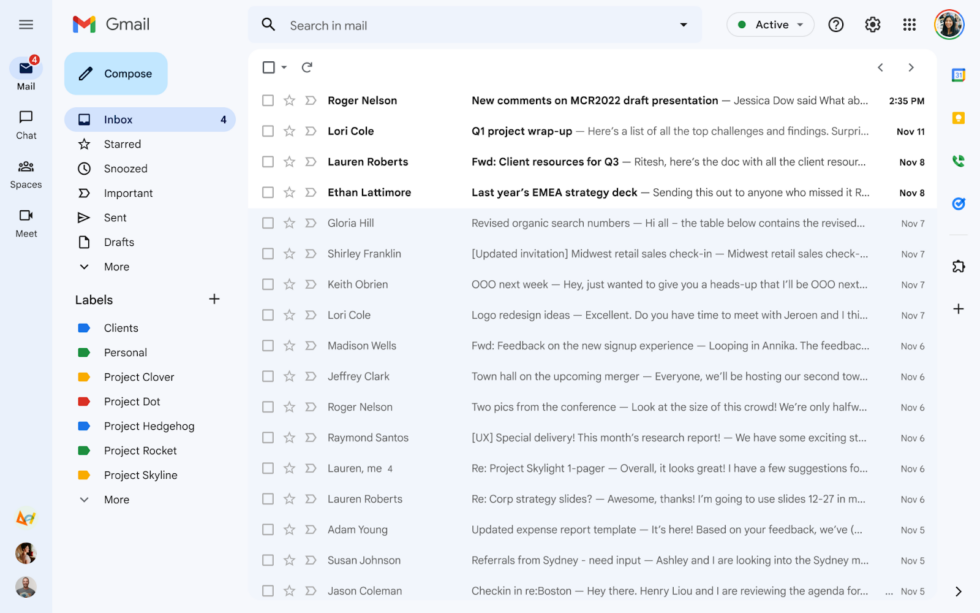
29 Oct 17:15

Pebble, the OG smartwatch that may never die, updated to work with Pixel 7

by Kevin Purdy
Pebble's e-ink smartwatches, like the Pebble 2 HR pictured here, can now work on 64-bit Android phones like the Pixel 7, following a surprising official app update from Google.

Enlarge / Pebble's e-ink smartwatches, like the Pebble 2 HR pictured here, can now work on 64-bit Android phones like the Pixel 7, following a surprising official app update from Google. (credit: Valentina Palladino)

When Pebble, an early, quirky, crowdfunded smartwatch, was acquired in a fire sale by Fitbit in December 2016, the company noted that while existing watches would work for the time being, "functionality or service quality may be reduced in the future." You'd maybe get some bug fixes, but no software updates or features would arrive for the pioneering e-ink wearables.

Nearly six years later, a new Pebble app for Android has been released by the Rebble Alliance, a group that has kept Pebble viable for its users since Fitbit shut down Pebble's servers in mid-2018. Pebble version 4.4.3 makes the app 64-bit so it can work on the mostly 64-bit Pixel 7 and similar Android phones into the future. It also restores a caller ID function that was hampered on recent Android versions.

Most notably, the app is "signed using the official Pebble keys," with Google Fit integration maintained, but isn't available through Google's Play Store.

Read 4 remaining paragraphs | Comments

29 Oct 17:13

How Google alerted Californians to an earthquake before it happened

by WIRED
How Google alerted Californians to an earthquake before it happened

Enlarge (credit: Sefa Kart/Getty)

Android phones around San Francisco’s Bay Area buzzed with an alert on Tuesday morning: A 4.8 magnitude earthquake was about to hit. “You may have felt shaking,” some of the messages read. More than a million Android users saw the alert. And for some, it arrived seconds before the ground even started moving.

It’s not the first time Android devices have received these alerts, says Marc Stogaitis, the project lead for the Android Earthquake Alerts System. But because the Bay Area is so densely populated, the alert hit enough phones that the larger public took notice. Earthquakes have historically come without warning, catching people off guard and leaving them with no advance notice to drop and take cover. Alerts like this aim to take some of the unpredictability out of earthquakes—even if by just a few seconds.

Read 8 remaining paragraphs | Comments

29 Oct 17:11

Europe prepares to rewrite the rules of the Internet

by WIRED
Europe prepares to rewrite the rules of the Internet

Enlarge (credit: Elena Lacey/Getty Images)

Next week, a law takes effect that will change the Internet forever—and make it much more difficult to be a tech giant. On November 1, the European Union’s Digital Markets Act comes into force, starting the clock on a process expected to force Amazon, Google, and Meta to make their platforms more open and interoperable in 2023. That could bring major changes to what people can do with their devices and apps, in a new reminder that Europe has regulated tech companies much more actively than the US.

“We expect the consequences to be significant,” says Gerard de Graaf, a veteran EU official who helped pass the DMA early this year. Last month, he became director of a new EU office in San Francisco, established in part to explain the law’s consequences to Big Tech companies. De Graaf says they will be forced to break open their walled gardens.

Read 10 remaining paragraphs | Comments