Jhancock20
Shared posts
09 Sep 00:09
Apple Seeds tvOS 17 Beta 9 to Developers [Download]
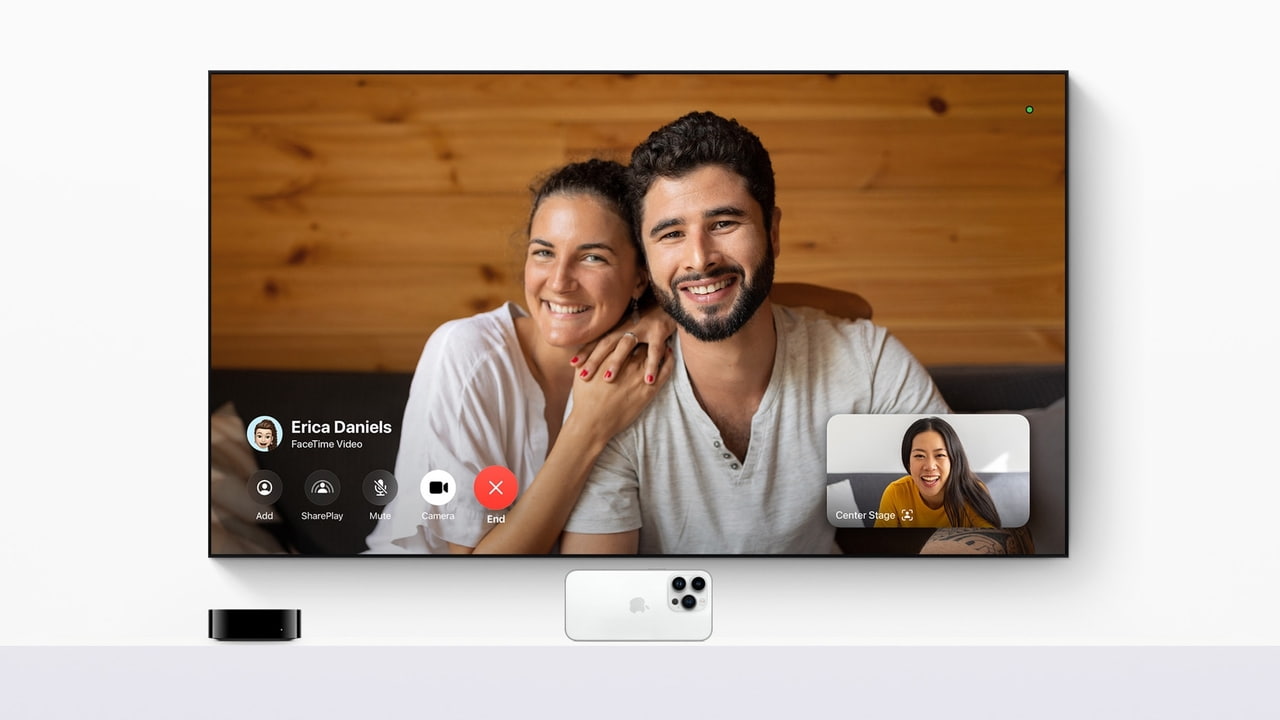
Apple has seeded tvOS 17 beta 9 to developers for testing.
tvOS 17 is a major operating system update for the Apple TV that features support for FaceTime and video conferencing, among other improvements. You can learn more about what's new in tvOS 17 here:
● Apple Announces tvOS 17 for Apple TV
Developers can download the new beta from the link below. Please download the iClarified app or follow iClarified on Twitter, Facebook, YouTube, and RSS to be notified if we spot any changes.
Continue Reading
Spotlight Deal:
Discover Samsung Fall Sale Event: Day 1 [Deals]
Share Article:
Facebook, Twitter, LinkedIn, Reddit, Email
Follow iClarified:
Facebook, Twitter, LinkedIn, Newsletter, App Store, YouTube
tvOS 17 is a major operating system update for the Apple TV that features support for FaceTime and video conferencing, among other improvements. You can learn more about what's new in tvOS 17 here:
● Apple Announces tvOS 17 for Apple TV
Developers can download the new beta from the link below. Please download the iClarified app or follow iClarified on Twitter, Facebook, YouTube, and RSS to be notified if we spot any changes.
Continue Reading
Spotlight Deal:
Discover Samsung Fall Sale Event: Day 1 [Deals]
Share Article:
Facebook, Twitter, LinkedIn, Reddit, Email
Follow iClarified:
Facebook, Twitter, LinkedIn, Newsletter, App Store, YouTube
09 Oct 22:02

Incredible Light-up Phone Case Includes Battery Lasting Two Years
by Maverick Baker
[Image Source : Lunacase]
SPECTRE is a brand new phone case with an integrated LED lighting system which reportedly is powered by a battery efficient enough not be charged for two years.
The heart of the case remains a high-tech lighting system, which provides 40 percent greater illumination in comparison to the company’s previous models. In the upper half, the case has a LED which illuminates the entire case. Using a set of complex fiber optics, the light is then distributed to the highly detailed image featured on the back. That image grabs the attention of phone users when the screen is facing a table top or away from the phone owner.
11 Feb 23:29


WWF Assignment to Capture Rare Camera Trap Images
by Will
In August last year I undertook an assignment for World Wildlife Fund in the Zambezi Region of Namibia. Our aim was to obtain high-quality images of elusive animals, some of which had only ever been photographed on research cameras before.
The Zambezi Region is a narrow strip of land, formerly known as the Caprivi Strip, that runs between Botswana and Angola, all the way to the Zambezi river in the East. It is the heart of the Kavango – Zambezi Transfrontier Conservation Area, otherwise known as KAZA, which links wildlife populations in Angola, Zambia, Zimbabwe, Botswana and Namibia. WWF works with the governments, local communities and species conservation programmes throughout the KAZA region.

For many years, Lise Hanssen has been studying wildlife populations in the region, with a particular focus on the carnivores. Her research utilised over 100 research camera traps to build up a picture of predator populations for the first time. She was able to identify the ranges of leopards, lions, hyenas and African wild dogs. Her findings prove how vital this area is to carnivore populations and movements throughout the KAZA region.
I teamed up with WWF and Lise to try and get high-quality photographs of her study subjects. However, it quickly became apparent that this was not going to be easy, as the carnivores are extremely elusive and hard to see. I spent two weeks in Namibia trying to find and photograph them but didn’t catch a glimpse of a single one!
Fortunately, we had foreseen this challenge and I had come prepared with five Camtraptions camera trap systems. These are similar to the Lise’s research cameras but incorporate a high-quality DSLR camera instead. You can watch my short video blog showing one of my camera trap set-ups below.
I relied on Lise’s research and expertise to identify several promising sites for my traps. These included locations both inside and outside the national parks. At the end of my trip, I left my cameras in place so they could continue working for a further ten weeks.
Lise’s predictions were spot on and over the following weeks my camera traps started capturing images of the key species we were after including leopards, hyenas, African wild dogs and even a serval cat.


Of course, my traps also photographed many other creatures. One trap in particular, positioned near a waterhole in the Mashi Conservancy, captured an incredible number of animals including elephants, giraffes, eland, wildebeest, warthogs and bushpigs. It also took thousands of photos of guineafowls. In fact, I estimate that I had ten images of guineafowls for every other animal photographed. Sorting through them all took a quite a while!


The greatest challenge of all was photographing the lions. These cats spend much of their time outside the national parks and are extremely shy. Even Lise has never seen them other than on her research cameras. I set up two camera traps near waterholes that the lions sometimes visit. In the three months that my traps were operating, the lions passed by twice, resulting in some very rare shots of these secretive big cats.

I hope that my images, in combination with WWF’s efforts and Lise’s valuable research, can help inspire conservation action in this important part of the KAZA region.


You can find out more about the camera traps used in this project at Camtraptions. You can follow Lise Hanssen’s research on the Kwando Carnivore Project Facebook page. You can find out more about WWF’s work in the KAZA region and see more of my images from the project here: Photographing Africa’s Most Elusive Animals.
31 Mar 22:55
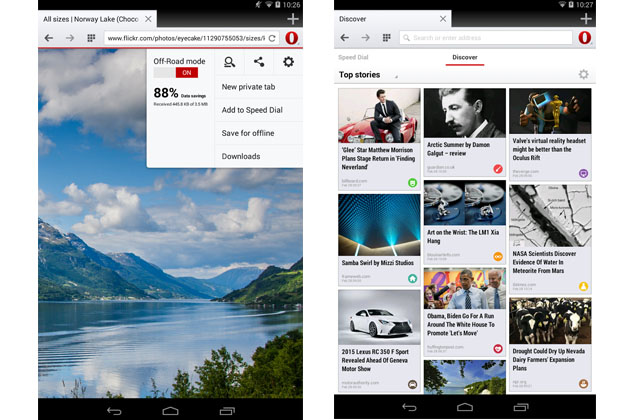 Given Google's Chrome dominance, it's easy to forget that there are other Android browsers. Opera is one of the also-rans, and it's just brought a new version with a nice round number, 20, for your consideration. It's touting WebRTC as the main hook,...
Opera's Android browser catches up to rivals with support for webpage video chats
by Steve Dent
Given Google's Chrome dominance, it's easy to forget that there are other Android browsers. Opera is one of the also-rans, and it's just brought a new version with a nice round number, 20, for your consideration. It's touting WebRTC as the main hook,...
17 Jan 05:42
BBFC issues new language guidelines for crap films
Citing audience surveys that concluded that people have ‘seen a shitload of crap films lately’, the BBFC has issued new guidelines that will break film releases into three categories: Good, (G) Bollocks (B) and Utter Shite (Pirates of the Caribbean 2)
No more posts. Check out what's trending.