Een club waar ik vaak kom heeft sinds kort een verbod op camerabrillen. Vind ik prima, maar los van het feit dat ik betwijfel of hun uitsmijters of garderobepersoneel een camerabril van een gewone bril kunnen onderscheiden, mogen ze dat zomaar verbieden?
Het korte antwoord is simpel: ja, want een club mag (binnen het redelijke & artikel 1 Grondwet) huisregels stellen zoals ze goeddunkt. Alleen in net pak, geen sportschoenen, geen camerabril, alleen met paars haar op Paarshaardag, kan allemaal.
Het idee is dat het zichzelf oplost: als te weinig mensen in net pak willen komen, dan krijg je geen publiek en ga je failliet. Dus waarom zou de wet zo’n regel verbieden. De discussie over huisregels gaat vrijwel altijd over verkapte discriminatie: met neutraal klinkende huisregels zoals “geen sportkleding, schoudertasjes en Vuitton-petjes” ben je in feite aan het selecteren op een beschermd (etnisch) kenmerk bijvoorbeeld, en dat mag niet.
Een goede reden hebben voor een huisregel is handig voor het draagvlak. Bij camerabrillen kan ik die wel bedenken, want velen ervaren het als ongewenst dat ze stiekem gefilmd worden. En voor regelziftende juristen zoals ik is er ook nog artikel 441b Strafrecht, dat heimelijk gebruik van camera’s in voor het publiek toegankelijke ruimtes (zoals cafés, bioscopen en clubs) strafbaar stelt. Ook als je ze in de hand houdt.
Een bezoeker met camerabril zou daar tegenover kunnen stellen dat elke club vol zit met Tiktokkende of Instagrammende bezoekers die alles livestreamen zonder te vragen. En dat is waar, maar valt niet onder het wettelijk verbod. Ook zijn die mensen makkelijk te spotten, al is het maar omdat ze zelf graag front and center in beeld willen zijn.
Camerabrillen zijn een stuk lastiger te spotten, zeker als mensen het rode lampje afplakken en gemaakt achteloos rondlopen. Dan gefilmd worden voelt ineens anders, en dat kan de sfeer in zo’n club beïnvloeden. En dat is voor mij al snel gelijk aan het “heimelijk” uit het strafrecht. Daarom kan -en mag- een club dan ingrijpen.
Mit dem Tod von Jürgen Habermas, so der Philosoph Jörg Noller, endet die Epoche der deliberativen Moderne. Doch zugleich beginnt eine Zeit, in der Habermas’ Denken neue Relevanz erfährt. Man darf nur die Technik nicht aus dem Blick verlieren.
De AVG (GDPR) kent 6 grondslagen. Om persoonsgegevens te mogen verwerken, moet je gebruik kunnen maken van een van deze grondslagen. Kan dat niet, dan mag je ook de persoonsgegevens niet verwerken. Soms kun je zelfs uit meerdere grondslagen kiezen. Iene miene mutte doen is dan niet zo verstandig. Hoe bepaal je dan wel de juiste grondslag?
Waarom moet je weten welke grondslag je gebruikt?
De AVG zegt dat de verwerking alleen rechtmatig is als er aan ten minste een van de grondslagen wordt voldaan. Prima, zou je denken, even het lijstje aflopen, kijken of je er een kunt gebruiken en of je er iets extra’s voor moet doen en gaan! Niet te moeilijk. Klopt op zich wel, maar je moet vanwege je informatieverplichting ook vertellen van welke grondslag je gebruikmaakt. Bijna iedereen zorgt dat zijn/haar organisatie aan de informatieverplichting voldoet door middel van een privacyverklaring. Je mag niet van grondslag wisselen, dus je moet goed van te voren hebben bedacht van welke grondslag je gebruikmaakt. Je moet dus vooraf de grondslag kiezen en niet achteraf je verwerkingen rechtvaardigen door er een grondslag bij te zoeken.
Toestemming
De eerste grondslag die de AVG noemt is de toestemming. Toestemming kan gegeven worden door een vrije, specifieke, geïnformeerde en ondubbelzinnige wilsuiting. De toestemming moet uitdrukkelijk zijn. Stilzwijgende toestemming is niet voldoende.
De vereisten voor toestemming zijn strenger geworden dan ze onder onze huidige privacywet, de Wet bescherming persoonsgegevens, waren. Bovendien mag toestemming ook weer worden ingetrokken en moet dat net zo gemakkelijk zijn als het geven van de toestemming. Als dat gebeurt ben je dus je grondslag kwijt en mogen de persoonsgegevens niet meer verwerkt worden. Deze grondslag is vooral een vangnet, een soort restbepaling, voor het geval je van geen van de andere grondslagen gebruik kunt maken.
Uitvoering van de overeenkomst
De tweede grondslag maakt verwerking van persoonsgegevens mogelijk wanneer dat nodig is voor de uitvoering van de overeenkomst. Het gaat dan uiteraard om een overeenkomst waarbij de betrokkene (de persoon waarvan de persoonsgegevens zijn) partij is. Belangrijk is dat de overeenkomst niet uitgevoerd kan worden zonder die persoonsgegevens. Denk bijvoorbeeld aan een webwinkel die een naam en adres nodig heeft om producten te kunnen leveren. Is het verwerken van de persoonsgegevens alleen maar handig, maar niet noodzakelijk, dan kan deze grondslag niet gebruikt worden.
Wettelijke verplichting
Soms bestaat er een wettelijke verplichting op basis waarvan je persoonsgegevens wel moet verwerken. Die verplichtingen staan dan in een andere wet. Denk bijvoorbeeld aan facturen die 7 jaar bewaard moeten worden. Je bent niet verplicht om daar een contactpersoon in op te nemen, maar gegevens van eenmanszaken zijn ook persoonsgegevens. Je moet dan toch die factuur, juist inclusief die gegevens van de eenmanszaak, bewaren. Ook loonadministratie moet 7 jaar bewaard worden. Daaronder vallen ook de arbeidsovereenkomsten, ziektestaten en een kopie identiteitsbewijs.
Vitale belangen
Om de vitale belangen van een natuurlijk persoon te kunnen beschermen, mogen de persoonsgegevens verwerkt worden. Maar alleen als de verwerking noodzakelijk is om die vitale belangen te kunnen beschermen.
Er is niet zo snel sprake van een vitaal belang. Vitaal wil zeggen dat het gaat om het leven van de persoon. Niet zozeer de algemene medische gegevens, maar wel in het geval van een ongeval, bijvoorbeeld, waarbij persoonsgegevens verwerkt worden om iemand op dat moment te kunnen behandelen. Van deze grondslag kan, maar ook mag bijna nooit gebruik gemaakt worden. Deze grondslag mag alleen worden gebruikt als een andere grondslag niet mogelijk is en er toch een noodzaak bestaat om de gegevens te verwerken om het vitale belang te beschermen.
Algemeen belang
Als er een taak van algemeen belang vervuld moet worden waarvoor de verwerking van persoonsgegevens noodzakelijk is, dan mogen de persoonsgegevens verwerkt worden. Dit geldt ook voor taken in het kader van de uitoefening van het openbaar gezag die aan de verwerkersverantwoordelijke zijn opgedragen. Hieronder vallen onder meer de gebruikelijke verwerkingen van, voor of namens de overheid. Voor deze grondslag zal meestal ook een andere wettelijke grondslag moeten bestaan. Bijvoorbeeld omdat in een wet een bepaalde taak of verplichting is opgenomen.
Een van de rechten van de betrokken, uit de AVG, is het recht op gegevenswissing. Ook wel bekend als het recht op vergetelheid. Als persoonsgegevens echter op de grondslag algemeen belang worden verwerkt, dan bestaat het recht op gegevenswissing niet. Misschien ook niet zo gek, want anders zouden gemeenten de BRP (Basisregistratie Personen, waaronder het voormalige GBA valt) niet bij kunnen houden.
Gerechtvaardigd belang
Het gerechtvaardigd belang is eigenlijk vooral een belangenafweging. De verwerking moet noodzakelijk zijn voor de gerechtvaardigde belangen van de verwerkingsverantwoordelijke of een derde, tenzij de privacybelangen van de betrokkene zwaarder wegen. Hierbij moet bijvoorbeeld rekening gehouden worden met de vraag in hoeverre de betrokkene had mogen verwachten dat de verwerking plaats zou vinden en met welk doel dan.
Dit belang kan bijvoorbeeld gebruikt worden om direct marketing mogelijk te maken. Let wel op dat een betrokkene altijd bezwaar mag maken tegen direct marketing en de verwerking dan moet stoppen. Het gerechtvaardigd belang is ook belangrijk voor fotografen die bijvoorbeeld fotograferen op evenementen, journalistieke of documentaire fotografie verzorgen waarbij een quitclaim niet mogelijk is of wanneer het gaat om straatfotografie.
Doelbinding
Naast een geldige grondslag, is er ook nog een gerechtvaardigd doel nodig. Gegevens mogen op basis van een grondslag verwerkt worden, maar dat mag alleen voor een bepaald doel. Die doelen staan niet in de AVG genoemd, maar moeten dus wel gerechtvaardigd zijn. De verwerking van de persoonsgegevens mag alleen plaatsvinden voor dat doel. Ook die doelen moeten in de privacyverklaring worden opgenomen.
Zo kun je bijvoorbeeld op basis van het gerechtvaardigd belang persoonsgegevens verwerken voor direct marketingdoeleinden. Soms kan een grondslag ook samenvallen met een doel. Zo kun je op basis van de grondslag wettelijke verplichting persoonsgegevens verzamelen met als doel te voldoen aan de administratieve bewaarplicht.
The rapid spread of artificial intelligence has people wondering: who’s most likely to embrace AI in their daily lives? Many assume it’s the tech-savvy – those who understand how AI works – who are most eager to adopt it.
Surprisingly, our new research (published in the Journal of Marketing) finds the opposite. People with less knowledge about AI are actually more open to using the technology. We call this difference in adoption propensity the “lower literacy-higher receptivity” link.
This link shows up across different groups, settings and even countries. For instance, our analysis of data from market research company Ipsos spanning 27 countries reveals that people in nations with lower average AI literacy are more receptive towards AI adoption than those in nations with higher literacy.
Similarly, our survey of US undergraduate students finds that those with less understanding of AI are more likely to indicate using it for tasks like academic assignments.
The reason behind this link lies in how AI now performs tasks we once thought only humans could do. When AI creates a piece of art, writes a heartfelt response or plays a musical instrument, it can feel almost magical – like it’s crossing into human territory.
Of course, AI doesn’t actually possess human qualities. A chatbot might generate an empathetic response, but it doesn’t feel empathy. People with more technical knowledge about AI understand this.
They know how algorithms (sets of mathematical rules used by computers to carry out particular tasks), training data (used to improve how an AI system works) and computational models operate. This makes the technology less mysterious.
On the other hand, those with less understanding may see AI as magical and awe inspiring. We suggest this sense of magic makes them more open to using AI tools.
Our studies show this lower literacy-higher receptivity link is strongest for using AI tools in areas people associate with human traits, like providing emotional support or counselling. When it comes to tasks that don’t evoke the same sense of human-like qualities – such as analysing test results – the pattern flips. People with higher AI literacy are more receptive to these uses because they focus on AI’s efficiency, rather than any “magical” qualities.
It’s not about capability, fear or ethics
Interestingly, this link between lower literacy and higher receptivity persists even though people with lower AI literacy are more likely to view AI as less capable, less ethical, and even a bit scary. Their openness to AI seems to stem from their sense of wonder about what it can do, despite these perceived drawbacks.
This finding offers new insights into why people respond so differently to emerging technologies. Some studies suggest consumers favour new tech, a phenomenon called “algorithm appreciation”, while others show scepticism, or “algorithm aversion”. Our research points to perceptions of AI’s “magicalness” as a key factor shaping these reactions.
These insights pose a challenge for policymakers and educators. Efforts to boost AI literacy might unintentionally dampen people’s enthusiasm for using AI by making it seem less magical. This creates a tricky balance between helping people understand AI and keeping them open to its adoption.
To make the most of AI’s potential, businesses, educators and policymakers need to strike this balance. By understanding how perceptions of “magicalness” shape people’s openness to AI, we can help develop and deploy new AI-based products and services that take the way people view AI into account, and help them understand the benefits and risks of AI.
And ideally, this will happen without causing a loss of the awe that inspires many people to embrace this new technology.
The authors do not work for, consult, own shares in or receive funding from any company or organisation that would benefit from this article, and have disclosed no relevant affiliations beyond their academic appointment.
by Valerie van Mulukom, Visiting Lecturer in Psychology, Coventry University
The 2024 Academy Awards recognised several amazing acting performances, including Cillian Murphy’s portrayal of the physicist Robert Oppenheimer, which won him the award for Best Actor. But what is it that drives such peak performances? When an actor fully embodies the character to the extent that it creates an immersive, sustained world of make believe, we say that the actor was acting intuitively.
Such performances are not limited to acting – we might see such intuition in sports and music, too. But it is broader than that. Behaving intuitively is something we all do. It is any type of situation where we just know what to do in the moment – allowing us to be the best versions of ourselves.
So how can we make sure we behave intuitively, where it matters? And can we foster this ability? Our latest research, published in the journal Psychology of Aesthetics, Creativity, and the Arts, suggests that intuition can be trained and that it may be best understood as an “embodied state of mind” supported by the cognitive abilities of being aware of ourselves and our surroundings, and being immersed in an experience.
What does an embodied state of mind mean? William James, generally acknowledged to be the founder of modern psychology, suggested that there are two sides to awareness, the “I” and the “me”. The active aspect of self-awareness is the “I” – this is the part of our awareness that experiences the here and now – sometimes referred to as the “experiential self”. The more passive aspect of awareness is the “me” – this part that observes or reflects upon our actions. We might call this the rational or reflective self.
This distinction has long been recognised in neuroscientific research. For example, studies have shown that taking psychedelic drugs and experiencing awe or wonder can reduce activity in default mode network, which is a self-referential brain network underlying reflective self-awareness.
Moreover, recent research has suggested that mindfulness meditation might help us to move from reflective self-awareness to experiential self-awareness through training our attention.
Immersing with awareness
Our intuition relies on many unconscious processes that support all of our cognition, perception and interaction with the world. It requires us to take much of that in, but also not lose ourselves in being overwhelmed by our senses. In other words, we need to maintain the right levels of awareness while being immersed.
We perceive the world with our entire bodies, through all of our senses – from seeing to “thermoception” (sensing temperature) and “proprioception” (knowing which parts of your body are where without looking). This allows us to interact with the world around us in safe and useful ways. Ultimately, intuition happens when we are attuned to both what happens in our body and what happens around us.
But being highly aware of ourselves and our surroundings can’t fully explain intuition. When we are engaging with our intuition, we are acting on what we sense. But it can be hard to maintain our awareness if we become fully engaged with some specific task that uses intuition. This is why another ability is required: the ability for immersion.
The ability for immersion or absorption means that you can stay fully immersed in a task through focused attention. This is very similar to what is dubbed as “flow”.
But if you become too immersed, wouldn’t you lose your awareness of yourself and your surroundings? This is why we suggest you need meta-awareness: an awareness of having the experience, rather than reflecting on the fact that you are having an experience. In other words, you have to be in an experiential rather than rational state; you are experiencing, not reasoning.
Take for example acting. When we played a part in a school play, we may have been okay with representing Juliet, up until we realised that everyone was looking at us just as we stumbled over the words. We then switched from experiential self–awareness – in which we embodied Juliet – to reflective self-awareness, where we (over)thought about what we were doing. This type of “choking” during a performance is also really common in sports.
An actor acts intuitively when they enter a state of immersion during their imagining, with full attention to and awareness of the imagining, as well as full awareness of oneself and the environment. They become fully immersed in the awareness of the experience – they have experiential awareness.
If intuition is an embodied cognitive state rather than an ephemeral phenomenon that may happen by chance, does that mean it can be developed?
Achieving intuition is considered one of the aims of Konstantin Stanislavski’s approach to acting training (the foundation of western mainstream acting). But even in this, intuition is often still treated as something that has been handed down from the muses, much like a burst of creativity or insight.
Our research, however, found that intuition can be trained. To do that, we need to train the underlying abilities: an awareness of our internal and external world, combined with immersion.
As part of our research, we invited acting students to do intuition training, developed by co-investigator Micia de Wet. This consisted of exercises focused on imagery and structured by using guided meditations to train the actor’s attention and sensory awareness. The training also included exercises to stimulate immersion into story worlds through play and imaginative exploration. We found that this training boosted the actors’ intuition. Our survey of 310 actors also showed that the more they engaged in mindfulness meditation, the higher their acting intuition.
While this training was specific to acting, we suggest similarly guided meditations, role play exercises and mindfulness training can boost our attention and focus. These may increase intuition in other contexts, as these exercises sharpen general underlying cognitive abilities of awareness and immersion, bringing awareness to the body and environment.
Rather than an esoteric phenomenon or temporary moment of peak performance, intuition is an important cognitive and emotional state supported by abilities that anybody can continuously use to engage with the world around them – and that, moreover, can be developed.
Valerie van Mulukom does not work for, consult, own shares in or receive funding from any company or organisation that would benefit from this article, and has disclosed no relevant affiliations beyond their academic appointment.
Today I announce the appointment of Dr Greg French as Australia’s next Ambassador to the Netherlands.
The Netherlands is one of Australia's closest European partners.
Australia and the Netherlands work together to support a world which is stable, peaceful, prosperous, and respectful of sovereignty, including in the Indo-Pacific.
We cooperate closely on international security issues and weclome the role the Netherlands is playing in support of accountability for the recent developments in Ukraine.
We also deeply appreciate the Netherlands' leadership throughout the joint investigation into the downing of Flight MH17, and our cooperation to hold those responsible to account.
The Netherlands is home to the International Court of Justice, the International Criminal Court and Organisation for the Prohibition of Chemical Weapons, all are key to promoting and protecting the international rules-based order.
The Netherlands is Australia’s fifth-largest source of direct foreign investment and our second largest export market in Europe.
We are working with the Netherlands and other European Union (EU) member states to conclude an ambitious and comprehensive trade agreement between Australia and the EU as soon as possible.
Dr French is a senior career officer with the Department of Foreign Affairs and Trade and was most recently seconded to the Department of Defence as Senior Legal and Non-Proliferation Adviser, Nuclear Powered Submarine Taskforce.
He has previously served overseas as Australia’s Ambassador to Italy and Australia’s High Commissioner to Sri Lanka, as well as in Germany.
I thank former Ambassador Matthew Neuhaus and interim Head of Mission Julie Heckscher for their contributions to advancing Australia’s interests in the Netherlands.
Netflix wil een extra toeslag gaan vragen aan gebruikers die hun account delen met personen die op een ander adres wonen. Dat meldde Tweakers vorige week. De toeslag zou van toepassing zijn wanneer je de app langer dan 14 dagen buitenshuis gebruikt. En dat is natuurlijk juridisch een probleem, zoals de Consumentenbond terecht opmerkt. Want hier is gewoon expliciet regelgeving over.
In 2017 nam de EU de Verordening betreffende grensoverschrijdende portabiliteit van online-inhoudsdiensten in de interne markt aan. De lange naam geeft aan wat deze regelt, en artikel 1 motiveert dat nog eens:
Deze verordening voorziet in een gemeenschappelijke benadering in de Unie van de grensoverschrijdende portabiliteit van online-inhoudsdiensten door ervoor te zorgen dat de abonnees op portabele online-inhoudsdiensten die rechtmatig worden verstrekt in hun woonlidstaat, toegang hebben tot en gebruik kunnen maken van die diensten, wanneer zij tijdelijk in een andere lidstaat dan hun woonlidstaat aanwezig zijn.
Dus als je in land A naar Netflix mag kijken, dan moet dat ook in land B kunnen. Geen IP-blokkade, geen technische beperkingen (zoals geen 4K maar alleen lage resolutie) en vooral: geen extra kosten.
Netflix is ratcheting up its efforts to get freeloading viewers to pay up and will start charging accounts for password sharing early next year, instituting a system that add fees to your plan for “extra member” subaccounts when people outside your household use your membership.
Wat hier dus misgaat is dat Netflix zo’n vakantie-periode ziet als een persoon buiten het huishouden, terwijl dat niet zo is. Dat snap ik wel want dat volgt uit de standaardimplementatie, maar het zal toch echt anders moeten. Mogelijk is het argument van Netflix dat dat woord “tijdelijk” uit het citaat hierboven “twee weken” impliceert, maar dat zie ik nergens in de Verordening staan.
On July 13, 2022, the European Commission published its third annual Rule of Law Report under the rule of law mechanism, which addresses the rule of law in the European Union (EU) as a whole as well as in the individual member states. In addition, for the first time, specific recommendations for each member state were included. The rule of law is one of the EU’s fundamental values and there are several mechanisms in place to protect it. Since early 2021, an additional mechanism to protect the rule of law is in full effect. This FALQ examines what this and other mechanisms to protect the rule of law are, including how the EU is financially punishing violations of its core values.
The European Union flag in the European Parliament in Strasbourg. Photo by Flickr user European Parliament. June 11, 2013. Used under CC BY-NC-ND 2.0.
What is the Rule of Law Mechanism?
The rule of law mechanism was first introduced in 2014 to “ensure an effective and coherent protection of the rule of law in all member states” and to engage in an annual, structured dialogue between the EU institutions and the parliaments of member states in a more flexible way. The rule of law report presents positive and negative developments across the member states and national parliaments. The European Commission issues recommendations when there is a clear threat to the rule of law and monitors their implementation. It regularly informs the European Parliament and the Council of the European Union (Council) of the progress. This inter-institutional cooperation through the general rule of law mechanism aligns with the aim of the Council and the European Parliament to improve this type of cooperation.
How is the Rule of Law Defined in the EU Legal Order?
According to the first sentence of article 2 of the Treaty on European Union (TEU), the EU “is founded on the values of respect for human dignity, freedom, democracy, equality, the rule of law and the respect for human rights, including the rights of persons belonging to minorities.” The second sentence of this provision assumes that all of the EU member states respect and observe these values, as emphasized by the Court of Justice of the European Union (CJEU), meaning that the respect of law is the basis for common trust between the member states. The CJEU has stated that the “existence of effective judicial review designed to ensure compliance with EU law is of the essence of the rule of law.” The European Commission defined the rule of law in a communication of April 2019 as follows:
Under the rule of law, all public powers always act within the constraints set out by law, in accordance with the values of democracy and fundamental rights, and under the control of independent and impartial courts. The rule of law includes, among others, principles such as legality, implying a transparent, accountable, democratic and pluralistic process for enacting laws; legal certainty; prohibiting the arbitrary exercise of executive power; effective judicial protection by independent and impartial courts, effective judicial review including respect for fundamental rights; separation of powers; and equality before the law.
In addition, article 7 TEU contains two mechanisms to enforce EU values in cases of systematic violations and to sanction member states. The preventive mechanism is laid out in article 7, paragraph 1 TEU and the sanctions mechanism in article 7, paragraph 2 TEU. However, these mechanisms require a high decision-making threshold in the Council (4/5 majority), European Council (unanimity), and in the European Parliament (2/3 majority), and rely heavily on member states’ willingness to take action. If there is only one state that blocks the procedure in the European Council, it is ineffective. Affected member states could also file an action against each step of the article 7 procedure before the CJEU. The procedure could thus take years, making article 7 TEU not a particularly effective instrument to solve conflicts within the EU.
Up until recently, the general rule of law framework had only been applied to Poland, whereas article 7 TEU had been triggered in relation to Poland and Hungary. In December 2017, the European Commission activated the above-mentioned preventive mechanism under article 7 TEU because of a clear risk of a serious breach of the rule of law by Poland. The European Parliament had earlier shared its concerns over the situation in Poland, addressing it in several of its resolutions between April 2016 and November 2017. In March 2018, it adopted another resolution by which it supported the Commission’s proposal for a council decision on the determination of a clear risk of a serious breach of the rule of law by the Republic of Poland. Not long after, the European Parliament called on the Council to trigger another article 7 proceeding, this time against Hungary. This resolution was preceded by numerous others adopted by the Parliament between March 2011 and May 2017, which mainly referred to concerns related to judicial independence, freedom of expression, corruption, rights of minorities, and the situation of migrants and refugees in Hungary.
What is the New 2021 Mechanism to Protect the Rule of Law?
The EU draws a great part of its legitimacy from the fact that its organs and member states respect the rule of law. However, the above indicated problems with certain member states demonstrated that the existing tools were insufficient to preserve its values. In 2021, the EU therefore decided to add an additional layer of protection, establishing that in cases when breaches of the law directly affect or seriously risk affecting the EU’s financial budget, these violations are also punishable financially (conditionality mechanism). It is different from the general rule of law mechanism. First, the European Commission must determine that a possible breach of the rule of law exists, and propose triggering the mechanism against a member state (Conditionality Mechanism, art. 4). After that, the European Council proposes measures to force compliance with EU values, such as suspending payments, against the member state in question (id. art. 5). On March 2, 2022, the European Commission published non-binding guidelines that explain how it will apply the conditionality mechanism.
What are Some Recent Developments?
In September 2021, the CJEU sentenced Poland to pay 500,000€ (about US$500,000) in damages to the Czech Republic for the unlawful operation of an open-cast lignite mine. Since Poland refused to pay this penalty, the European Commission announced that it would withhold payments from the EU budget to Poland. Furthermore, due to this refusal and other rule of law violations as mentioned above, it sent informal letters to Poland and Hungary threatening to activate the new 2021 mechanism for the first time. In October 2021, Poland and Hungary both filed an action to annul the new rule of law mechanism, alleging that the rule of law mechanism is incompatible with their laws, and urging the EU to respect their member states’ sovereignty by not intervening in what they regard as domestic matters. The European Commission decided not to activate the conditionality mechanism until the CJEU had issued its ruling. The European Parliament therefore filed an action for failure to act under article 265 TFEU against the European Commission. In February 2022, the CJEU affirmed the legality of the 2021 conditionality mechanism and ruled against Poland and Hungary. The Commission then activated the conditionality mechanism against Hungary in April 2022. The European Parliament therefore decided to withdraw its action against the Commission in June 2022.
Whether the willingness to compromise, especially by member states like Poland and Hungary, actually increases with the new rule of law mechanism remains to be seen.
Subscribe to In Custodia Legis – it’s free! – to receive interesting posts drawn from the Law Library of Congress’s vast collections and our staff’s expertise in U.S., foreign, and international law.
The Legal Theory Bookworm recommends Law's Ideal Dimension by Robert Alexy. Here is a description:
Law's Ideal Dimension provides a comprehensive account in English of renowned legal theorist Robert Alexy's understanding of jurisprudence, as expanded upon from his publications A Theory of Legal Argumentation (OUP 1989), A Theory of Constitutional Rights (OUP 1985), and The Argument from Injustice (OUP 1992). The collection is divided into three parts. Part One concerns the nature of law: it explores its real and ideal dimensions and how the ideal dimension of law is sometimes employed but does not play a systematically important role. Part Two discusses constitutional rights, human rights, and proportionality. It defends the construction of constitutional rights as principles against objections raised by the rule construction and elaborates on the nature of constitutional rights as well as the mathematical balancing of those rights. Part Three concerns the relation between argumentation, correctness, and law. The author concludes this volume with a biographical reflection.
Alexy is one of the most important legal theorists of the last fifty years. This volume provides a very useful collection of some of his most important work in a single volume. Readers who are interested in general legal theory, the nature-of-law debates, and constitutional theory but have not read Alexy would be well advised to read this.
Juist nu de biodiversiteit onder druk staat en extreem weer vaker voorkomt, is het belangrijk dat natuurgebieden, rivieren en landschappen goed worden beheerd. Tien jaar geleden is besloten dat provincies daar verantwoordelijk voor werden. Wij maakten de balans op in Limburg en zagen: de provincie kan zich gemakkelijk aan haar verantwoordelijkheden onttrekken.
Dit is een beeld uit de serie The Butterfly Defect van fotograaf Louisiana van Onna. In deze serie werpt van Onna het gentiaanblauwtje op tot icoon van de biodiversiteit. Lees onder het stuk meer over de beelden.
Noord-Limburg is het hart van de intensieve landbouw en tussen de dorpjes Ooijen en Wanssum was dat tien jaar geleden niet anders. Maar wat onvoorstelbaar leek, gebeurde hier, aan de oever van de Maas. De provincie, het waterschap, het ministerie en omringende gemeenten trokken samen 230 miljoen euro
uit om boeren uit te kopen, bomen en struiken te planten, verdwenen zijtakken van de rivier te herstellen en autowegen en dijken te verleggen.
Het doel: een bijdrage leveren aan de provinciale doelstelling om 2.600 hectare extra natuur aan te leggen vóór 2027,
en grote overstromingen
voorkomen.
Wij, Pomme Rademaker, Nena van Bakel en Jan Daalder, volgden aan de Universiteit van Amsterdam een vak over onderzoeksjournalistiek toen iemand ons tipte: het dreigt helemaal mis te gaan in het nieuwe Limburgse natuurgebied Ooijen-Wanssum. Maandenlang
dompelden wij ons onder in natuuropgaven, natuurpacten, beheerplannen, rivierdynamiek, maaibeleid, natuurcompensatie en tal van andere termen die voor ons aanvankelijk hocus pocus waren.
Toen we deze zomer rondliepen bij de N270, in het opgeleverde natuurgebied Ooijen-Wanssum, was het moeilijk te zien wat er nu precies misgaat. Het is een groot natuurgebied: 540 hectare – bijna achthonderd voetbalvelden. Vogels zongen, insecten zoemden en waar ooit uitgestrekte akkers lagen, ligt nu een ruig veld vol wilde planten als kamille, zuring, kattenstaart en boterbloem.
Maar schijn kan bedriegen, zo leerden wij het afgelopen jaar.
Want een natuurbeschermer ziet iets heel anders dan wij. Op 1 januari 2021 werd het project opgeleverd, maar sindsdien wordt deze nieuwe natuur slecht beheerd. Geen boswachters, geen boa’s, geen controle op loslopende honden, maar wel motorcrossers die dwars door de velden rijden.
Hoe kon dat gebeuren?
(Geen tijd om alles te lezen? Hier in het kort onze bevindingen.)
Nieuwe natuur: aanleg én beheer
Nieuwe natuur moet worden aangelegd, maar vervolgens ook worden beheerd – een beetje zoals bij het wegennet. En de aanleg én het beheer kosten geld.
Een professioneel beheerder, zoals Staatsbosbeheer,
zorgt normaal gesproken voor goede wandelpaden en bordjes, zet boswachters in om de regels te handhaven en onderhoudt de natuur zelf: bomen kappen, dieren voeren en ga zo maar door.
En voor dit verhaal belangrijk: maaien.
‘Je moet natuurlijk weten hoe je omgaat met bezoekers, maar vooral wanneer je wat moet maaien om te voorkomen dat alles verandert in een groot wilgenbos’, vertelt Peter van de Rijdt, provinciehoofd van Staatsbosbeheer Limburg. ‘Als de natuur dichtgroeit, is dat een groot probleem voor de waterveiligheid.’
Een van de doelen van de nieuwe natuur in Ooijen-Wanssum was de rivier de Maas meer ruimte geven. Het is de bedoeling dat het overtollige water van de rivier bij hoogwater het gebied in kan lopen. Daarvoor is het van belang dat er niet al te veel struiken, bomen of hoog gras staan. Die kunnen de doorstroming tegenhouden. Bovendien kunnen dijken niet goed worden geïnspecteerd als ze niet gemaaid zijn.
Maar in het natuurgebied Ooijen-Wanssum is er geen sprake van professioneel natuurbeheer. De provincie liet tot voor kort wel maaien, maar dat werd gedaan door aannemers die normaal de wegberm onderhouden. Maar ‘je moet dat door mensen met verstand van zaken laten doen’, stelt Van de Rijdt.
De aannemers zetten dit voorjaar grote maaimachines aan het werk, in de periode dat hazen en konijnen zich net hadden voortgeplant. Het gevolg: dode jonkies. Na klachten van omwonende natuurliefhebbers stopte de provincie grotendeels met maaien, maar dát levert weer problemen op voor de waterveiligheid.
En hoewel de overstromingen van deze zomer in Ooijen-Wanssum niet voor problemen zorgden – het hoogwater van de Maas kon er gelukkig wegstromen, waardoor de dijken het hielden – lijkt
dat eerder ondanks dan dankzij het beheer door de provincie, al spreekt de provincie dat tegen.
Het gebrekkige natuurbeheer in Ooijen-Wanssum staat niet op zichzelf. In 2011 werd onder staatssecretaris Henk Bleker (CDA) het natuurbeleid gedecentraliseerd. Niet de Rijksoverheid maar de provincies waren vanaf 2015 verantwoordelijk voor het aanwijzen, ontwikkelen en het beheer van natuurgebied. Bleker besloot ook om het budget met 70 procent te korten.
Door gesprekken met natuurbeheerders, wetenschappers, lokale politici en natuurliefhebbers kwamen wij er snel achter dat deze decentralisatie vooral in Limburg tot grote problemen leidt.
Maar in essentie was het idee erachter helemaal zo verkeerd nog niet.
Soorten verdwenen in rap tempo, dus was beter natuurbeleid nodig
Om te begrijpen hoe de problemen met het natuurbeleid in Limburg zijn ontstaan, moeten we eerst terug naar de jaren negentig. Veel dier- en plantensoorten verdwenen snel – in Nederland nog sneller dan in de rest van de Europese Unie
– net als het aantal vierkante meters natuur.
In Nederland daalde het besef in dat er écht actie ondernomen moest worden tegen de drastische achteruitgang van de natuur.
Er bestond in die tijd een landelijke overheidsdienst die toezag op de ontwikkeling en instandhouding van natuur: de Dienst Landelijk Gebied (DLG). Een organisatie met veel inhoudelijke expertise.
Zo’n centrale dienst had z’n voordelen, stelt Wiebren Kuindersma,
die aan Wageningen University & Research (WUR) onderzoek doet naar landgebruik en natuurbeleid in Nederland:
‘Overal in Nederland werd hetzelfde beleid gevoerd. Om nieuwe natuurgebieden aan te leggen moet je meestal landbouwgrond opkopen, boeren kregen overal in Nederland daar de marktconforme prijs voor.’
Maar dat centrale beleid
had ook een keerzijde, zegt hij: natuurbeleid kun je niet uitsluitend vanuit Den Haag organiseren.
Om succesvol landbouwbedrijven uit te kopen en nieuwe natuur te ontwikkelen, is contact met gemeenten, omwonenden en boeren belangrijk. Vaak stuitte de Dienst Landelijk Gebied op lokale weerstand, zegt Kuindersma. Het was daarom niet zo’n gekke gedachte om het natuurbeleid te decentraliseren.
Toenmalig CDA-Kamerlid Ger Koopmans
en staatssecretaris van Landbouw Henk Bleker besloten in 2011 om het hele natuurbeleid bij de provincies te stallen en de Dienst Landelijk Gebied op te heffen.
‘Het CDA wil dat het beleid altijd zo dicht mogelijk bij de burger is’, verklaart Ger Koopmans die keuze aan ons. ‘En provincies hadden al veel bevoegdheden op het gebied van natuur. In Limburg is er nu een groot draagvlak voor het natuurbeleid.’
Maar het ging niet alleen om decentralisatie: Bleker en Koopmans schroefden de ambitie voor nieuw aan te leggen natuur ook terug van 700.000 naar 600.000 hectare, schoven de deadline vooruit van 2018 naar 2027 en kortten het budget van ongeveer 600 naar minder dan 200 miljoen euro per jaar. De aanname was dat provincies natuur efficiënter konden aanleggen en beheren. In Limburg betekende dit dat de oorspronkelijke doelstelling van 3.400 terugging naar 2.600 hectare.
Sindsdien kregen de provincies samen eerst 105 en later 354 miljoen euro per jaar
om die extra natuur te ontwikkelen en beheren. De afspraak was dat provincies zelf geld bij zouden leggen: jaarlijks gezamenlijk 60 à 65 miljoen.
Maar hoe pakte het plan van CDA’ers Koopmans en Bleker uit? Fast forward naar de zomer van 2021.
Natuurbeheer in de rest van Nederland
Natuurgebied Ooijen-Wanssum kent op z’n minst opstartproblemen, met de crossende motoren, rondlopende honden en amateuristisch gemaaide bermen. Maar is Ooijen-Wanssum de regel of de uitzondering? Hoe gaat het sinds de decentralisatie en bezuinigingen in de rest van Nederland?
Lang niet altijd goed, blijkt uit de rondgang die wij maakten langs provinciale natuurorganisaties en berichtgeving in andere media.
Neem Noord-Holland: door de bezuinigingen en de gebrekkige financiële bijdragen van de provincie zijn daar in verschillende natuurgebieden de bruggen rot, ontbreken de rugleuningen van bankjes en raken de paden overwoekerd, meldde NH Nieuwsbegin dit jaar.
En Pointer meldde recent dat Staatsbosbeheer in meerdere provincies met plastic vervuild bouwpuin gebruikt voor de wandelpaden.
Staatsbosbeheer zei tegen Pointer niet te hebben geweten dat het bouwpuin vervuild was met plastic en dat dit materiaal om ‘budgettaire redenen’ gebruikt werd.
Staatsbosbeheer wijst ons op de lage subsidies die verschillende provincies verstrekken, Noord-Holland bijvoorbeeld. ‘Zo krijgen we voor het onderhouden van alle paden, trappen en bordjes in de Schoorlse Duinen bij Alkmaar jaarlijks maar 70.000 euro’, vertelt woordvoerder Marcel van Dun aan ons. ‘We moeten nu één lange trap vervangen, dat alleen al kost 40.000 euro. Daarmee zijn we al door de helft van ons budget heen.’
Ook in Zuid-Holland ging het lang vrij slecht. Hoewel de provincie grote financiële reserves heeft, hielden bestuurders de hand op de knip. ‘De politiek werd jarenlang door accountants en rekenmeesters van de VVD en het CDA gedomineerd, de subsidies
voor natuurbeheer zijn gewoon zo laag dat niemand het wil doen’, zegt Michiel Houtzagers, directeur van natuurbeheerorganisatie Zuid-Hollands Landschap. Sinds 2019 is er een gedeputeerde van GroenLinks die over natuur gaat, vertelt hij, en dat maakt verschil. Zo staat er in het laatste collegeakkoord dat er 5 miljoen euro extra beschikbaar komt voor ‘landbouw, natuur en bodemdaling’.
Provincies krijgen geld van het Rijk voor natuur, en bepalen zelf of ze dat er daadwerkelijk aan uitgeven
Hoewel vrijwel geen enkele provincie op schema ligt om de natuurdoelen van 2027 te halen, nemen de meeste provincies hun nieuwe verantwoordelijkheid serieus en leggen ze zelf geld bij, al doen zij ook zeker niet meer dan voor de decentralisatie.
Eén provincie springt er in positieve zin bovenuit: Noord-Brabant. Eén van de rijkste provincies, maar ook een provincie waar er echt politieke wil is om actief aan de slag te gaan met de natuur, vertelt Femke Dingemans, directeur van de Brabantse Milieufederatie.
Hoewel ook hier de bezuinigingen van Bleker nog steeds voelbaar zijn, hebben ze het in Brabant relatief goed getroffen, zegt zij.
De provincie Brabant investeerde zelf meer dan 400 miljoen euro in natuurbeleid, boven op de rijksbijdrage. Ook heeft de provincie besloten om meer natuur aan te leggen dan oorspronkelijk afgesproken.
In Brabant hebben allerlei maatschappelijke organisaties de handen ineengeslagen, vertelt zij. ‘In ruil voor extra provinciale investeringen in de natuur leggen de waterschappen, natuurbeheerders als Natuurmonumenten, Staatsbosbeheer en Brabants Landschap zelf ook geld bij’, zegt Dingemans.
Het is al heel wat dat de doelstelling voor het aantal hectare nieuwe natuur in haar provincie behouden is gebleven,
vertelt Dingemans, ‘maar natuurorganisaties moeten creatief met hun geld omgaan.
We werken bijvoorbeeld samen met boeren die op of rond hun landbouwgrond ook ruimte voor natuur laten: bloemen, struiken, bossen, niet alleen maar grasvlaktes.
Dat is minder dan je zou willen natuurlijk, maar voor ons is het glas halfvol’, zegt zij.
‘Het huidige systeem is... dynamisch’, verzucht onderzoeker Wiebren Kuindersma (universiteit van Wageningen). ‘Provincies mogen in principe helemaal zelf beslissen waar ze het geld dat zij van het Rijk krijgen aan besteden. Dat geld is namelijk niet geoormerkt met een label “natuur”. Er wordt niet gecontroleerd of het aan andere dingen wordt besteed.’
En dat is wat in Limburg gebeurde.
De couleur locale van Limburg
Wie er in het college van Gedeputeerde Staten zit, maakt nogal uit voor het natuurbeleid.
In Limburg is het CDA van oudsher dé grote machtspartij.
In de provincie is het natuurbeleid de afgelopen jaren een hoofdpijndossier.
Dit voorjaar viel het college naar aanleiding van de onthullingen van NRC Handelsblad over hoe een voormalige CDA-gedeputeerde provinciale natuursubsidies via een natuurorganisatie naar zijn eigen bv sluisde
– subsidies waar tot een aantal jaar geleden niet de provincie maar de Dienst Landelijk Gebied over ging.
Ger Koopmans, het Kamerlid dat er samen met Henk Bleker voor gezorgd had dat voortaan de provincies verantwoordelijk werden voor het natuurbeleid, werd in 2014 gedeputeerde van Financiën in Limburg.
In 2019 was Koopmans formateur en daarna weer gedeputeerde van Financiën in het extraparlementaire college van onder meer CDA, VVD, PVV en FVD.
Uit openbare bronnen en onze gesprekken met wetenschappers en natuurbeschermers blijkt dat de colleges met Ger Koopmans als gedeputeerde, natuurontwikkeling en -beheer op drie manieren moeilijk maakten.
Probleem 1: zelf nauwelijks geld bijleggen
De eerste manier is heel simpel: voor het hele natuurbeleid is in Limburg te weinig geld en dat komt deels door de bezuinigingen van voormalig staatssecretaris Bleker, maar ook door de politieke keuzes van de provincie zelf.
Waar Noord-Brabant jaarlijks boven op de rijksbijdrage van 52 miljoen euro maar liefst 35 miljoen
investeert in het natuurbeleid, legt de provincie Limburg vrijwel niets bij. Van het Rijk krijgt Limburg jaarlijks 28 miljoen euro, maar het legde daar in eerste instantie zelf een schamele 300.000 euro bovenop,
al is dat intussen gestegen tot iets meer dan een miljoen euro per jaar.
Hoewel in de begroting van 2019 staat dat er een miljoen euro per jaar extra beschikbaar komt voor ‘soortenbeleid’, steekt dat schril af bij de extra natuurinvesteringen die de colleges van Noord-Holland (29 miljoen euro),
Overijssel (14 miljoen)
en Utrecht (12 miljoen)
hebben gedaan.
Torben Mulder, tot vorig jaar
ambtenaar bij de provincie Limburg op de afdeling natuur, zag van dichtbij hoe de provincie Limburg tekortschiet: ‘Het is eigenlijk knotsgek’, vertelt hij, ‘dat Koopmans er als Kamerlid voor heeft gezorgd dat de provincie zelf ook moet bijdragen aan natuur, om een paar jaar later als gedeputeerde voor de provincie Limburg te besluiten om vrijwel niets bij te dragen!’
Probleem 2: de subsidiekraan dichtdraaien
Te weinig geld in natuurbeleid steken, dat heeft gevolgen. In 2018 besloten
de twee toenmalige CDA-gedeputeerden, Ger Koopmans (Financiën) en Hubert Mackus (Landbouw en Natuur) dat de zogenoemde SKNL-subsidie,
waarmee nieuw natuurgebied ontwikkeld kan worden, ‘op nul’ ging.
Daarmee kon geen enkele particulier of natuurorganisatie meer subsidie krijgen om nieuwe natuur aan te leggen.
Een project als Ooijen-Wanssum was nooit van de grond gekomen zonder deze subsidies.
Door het dichtdraaien van de subsidiekraan heeft het ontwikkelen van nieuwe natuur in Limburg vervolgens drie jaar feitelijk stilgelegen, terwijl de Rijksoverheid wel miljoenen aan belastinggeld
aan de provincie overmaakt om goed natuurbeleid te voeren.
Een week nadat wij hier vragen over stelden, kondigde de provincie aan dat de subsidie weer beschikbaar komt.
Probleem 3: gecompenseerde natuur aftrekken van de opgave
Een derde manier waarop de provincie de natuurontwikkeling bemoeilijkt, zit ’m in de zogeheten ‘natuurcompensatie’. Kort gezegd: als er natuur moet verdwijnen voor een snelweg of woonwijk, moet die natuur elders gecompenseerd worden, iets wat in Limburg, maar ook in andere provincies lang niet altijd goed gaat.
Provincies hebben vaak weinig zicht op waar hoeveel natuur verdwenen is
en waar die natuur vervolgens gecompenseerd
is en of dat goed gedaan is, zegt Mirjam Broekmeyer, die in het verleden aan de universiteit van Wageningen onderzoek heeft gedaan naar natuurcompensatie. ‘Als er al gecompenseerd wordt, gebeurt het heel vaak slecht.’
Maar de provincie Limburg gebruikt natuurcompensatie ook nog om onder haar verantwoordelijkheden uit te komen.
Tussen nu en 2027
moet de provincie nog 1.448 hectare nieuwe natuur aanleggen, maar elke keer als er op de ene plek een hectare natuur verdwijnt en die elders wordt gecompenseerd met een hectare nieuwe natuur, moet daar een soort ‘boete’ voor worden betaald (de ‘kwaliteitstoeslag’). Die boete bestaat eruit dat als de provincie één hectare bos omhakt, zij daar soms wel twee hectare bos voor moet terugplanten.
Het beleid van de provincie Limburg is om die extra hectare bos die ze sowieso al moeten aanleggen te gebruiken voor de doelstelling om in 2027 2.600 hectare extra natuur aan te leggen. Al duurt het nog tientallen jaren voordat dat jonge bosje iets toevoegt aan de biodiversiteit.
Tot nu toe gebeurde dat alleen bij een groot natuurgebied bij de Brunssummerheide. Daar werd 170 hectare natuur gecompenseerd omdat er bij de aanleg van een snelweg natuur verloren was gegaan. Van die 170 hectare bestond 70 hectare uit de ‘boete’, die de provincie vervolgens aftrok van de ontwikkelopgave.
Het is alsof je bij de jaarlijkse belastingaangifte een verkeersboete aftrekt van de belastingen.
Hoewel een woordvoerder in een reactie laat weten dat dit ‘inderdaad niet in de geest is van hoe natuurcompensatie bedoeld is en daar strijdig mee is’, sluit zij niet uit dat de provincie dit in de toekomst weer zal doen.
De tijd dringt
Veel van de problemen van het Limburgse natuurbeleid komen samen in Ooijen-Wanssum.
In het najaar van 2020, enkele maanden voor de oplevering, liet de provincie aan de beoogde beheerder Staatsbosbeheer weten dat er geen geld voor het beheer was.
De subsidies voor aankoop en ontwikkeling zijn al jaren geleden – voordat Koopmans gedeputeerde werd – verstrekt. Maar of ook de subsidies voor het beheer verstrekt gaan worden, is nu onzeker.
Daar wordt nu al bijna een jaar over gesteggeld.
Staatsbosbeheer heeft intussen aangeboden het hele natuurgebied van de provincie te kopen, een flinke financiële kluif voor de natuurbeheerder.
Ger Koopmans en de zijnen zijn opgestapt na de integriteitsaffaire rondom natuurorganisatie Instandhouding Kleine Landschapselementen in Limburg (IKL) en er is intussen een nieuw college,
maar de tijd dringt wel voor Ooijen-Wanssum, constateert Peter van de Rijdt, provinciehoofd Staatsbosbeheer Limburg: ‘Er zal hoe dan ook schade aan de natuur ontstaan. Laten we hopen dat we nog voor het eind van het jaar in kunnen grijpen’, zegt hij. ‘Het dreigt nu een echte bende te worden.’
Wat nu?
‘De decentralisatie en het opheffen van de Dienst Landelijk Gebied was doodzonde’, vindt Van de Rijdt. ‘De provincie is goed in beleid, niet in uitvoering. En dat wreekt zich’, zegt hij. En dat terwijl Limburg veel potentie heeft met bijzondere soorten en landschappen die je nergens anders in Nederland vindt.
Een zekere mate van centralisatie van het natuurbeheer is hard nodig, vinden ook ex-ambtenaar Torben Mulder, wetenschappers als Wiebren Kuindersma en natuurbeschermers en -beheerders in verschillende provincies. Al was het maar om goed toe te zien dat provincies het rijksgeld daadwerkelijk gebruiken voor natuurbeleid.
Dat geld is namelijk niet geoormerkt met het label ‘natuur’.
De provincies missen expertise, geld en – in Limburg – wellicht ook de wil voor degelijk natuurbeleid.
Het nieuwe Limburgse college heeft nadat wij onze vragen stelden de subsidies voor natuur weer hervat. Nu nog zelf geld investeren en natuurcompensatie gebruiken waar het voor bedoeld is. Zodat niet alleen mensen, maar ook de meest kwetsbare dier- en plantensoorten van het land hun toevlucht kunnen zoeken in de groene gebieden van Nederland, en Limburg in het bijzonder.
Voor dit onderzoek hebben we gesproken met meerdere natuurorganisaties in Limburg en andere provincies, wetenschappers van het PBL en de universiteit van Wageningen, enkele onafhankelijke natuuradviesbureaus, inwoners van de dorpen Ooijen en Wanssum en lokale en provinciale politici. In het bijzonder dank aan Torben Mulder en Wiebren Kuindersma.
Over de beelden
Is biodiversiteit een begrip waar je maar moeilijk echt een beeld bij kunt krijgen? Nou, maak dan kennis met het gentiaanblauwtje moet fotograaf Louisiana van Onna gedacht hebben. Dit bijzondere vlindertje heeft de hoofdrol in haar project genaamd The Butterfly Defect, waarin ze het gentiaanblauwtje neerzet als de belichaming van het concept biodiversiteit en de intrinsieke verbondenheid van de natuur. Het kleine blauwe beestje kan zich namelijk louter en alleen voortplanten als er twee organismen in zijn omgeving zijn. De klokjesgentiaan (een bloemetje) om eitjes in te leggen. En een leger bossteekmieren die, als het rupsje uit het eitje is gekomen, de larve als het ware moeten adopteren. Het rupsje scheidt namelijk een allomoon uit, een signaalmolecuul dat in tegenstelling tot het feromoon, soorten overstijgt. Hierdoor worden de rupsen in de mierenkolonie geaccepteerd als een van de mieren, en door hun grootte zelfs meer gevoed dan de mierenlarven. Zo groeit het rupsje uiteindelijk door tot een volwaardig gentiaanblauwtje. Bekijk hier meer werk van Louisiana van Onna
Lees ook:
Hoe Nederland het schaakbord werd dat je van boven ziet
Wie door het Nederlandse landschap fietst, rijdt of treint, ziet voornamelijk eindeloze, kaarsrecht verkavelde landbouwvelden. Het kleine Nederland is de op een na grootste exporteur van landbouwproducten ter wereld. Maar we betalen een prijs. Wat zijn we allemaal kwijtgeraakt onder het groene asfalt? Lees het verhaal van Jan van Poppel terug
Op De Correspondent praten de auteur, experts en ervaringsdeskundigen samen verder over dit artikel. Log in om mee te praten. (Alleen voor leden).
Nog geen lid? Steun onze missie om jouw nieuws van context te voorzien en sluit je hier aan. Wil je eerst kennismaken met onze verhalen? Schrijf je dan in voor de proefmail en ontvang elke zaterdag een artikel in je mailbox.
If you’ve ever stood in front of a stunning vista, camera in hand, and wondered how to capture its grandeur, you’re not alone. Every great landscape image includes a great composition, but understanding what composition is, what it does, and how you can use it to improve your scenic shots can be intensely daunting.
Fortunately, landscape photography composition isn’t as challenging as it might seem. And in this article, I break it all down for you. I start with the basics, then I continue on to share 17 effective landscape photography composition tips so that you can start creating beautifulimages. as soon as possible.
Specifically, you’ll discover:
How to draw the viewer straight into the scene (and keep them wanting more!)
How to position your horizons for maximum dynamism and balance
A simple trick for minimalistic landscape shots
A cool technique to focus the viewer exactly where you want them
Much more!
So if you’re ready to take your landscape compositions to the next level, let’s dive right in!
What is composition in landscape photography?
You’ve likely heard the term “composition” thrown around a lot, but what does it really mean? Composition involves the thoughtful arrangement of elements within your frame. For landscape photographers, it’s all about where to place the horizon, what to include in the foreground, and what should occupy your background.
When determining a landscape photo composition, you’ll often need to ask yourself a handful of key questions:
What should my main subjects(s) be?
Where should I position them in the frame?
Does the scene have plenty of depth?
Have I removed all distractions from the shot?
Did I choose a good angle to showcase the landscape?
When you’re just getting started, it can be helpful to mentally run through a checklist before you capture each shot. Before you know it, however, you’ll be setting up your shots without even having to think twice.
The importance of mastering landscape composition
Mastering composition isn’t just for show. It serves a bigger purpose: to create images that captivate your audience. What makes an image engaging? The answer often lies in how well you’ve positioned the different elements within the frame.
A well-composed landscape shot typically has a balanced feel, and you can frequently sense the depth, almost as if you could step right into the picture. Good compositions often add dynamism to your photos; the arrangements guide the viewer’s eyes, making them linger on the details you want to emphasize.
The bottom line is that the better your compositional skills, the more striking your photos will be. If you’re just getting started with landscape photography, all this may seem a bit overwhelming, but don’t worry: landscape photographers have developed plenty of easy-to-apply techniques that work great for snappers of all levels, and they don’t require any technical wizardry to pull off!
17 tips to improve your landscape photography compositions
You know all about what landscape composition is and why it’s important. Now let’s take a deep dive into the approaches you can use to create beautiful results, including basic guidelines like the rule of thirds and leading lines as well as more advanced techniques such as patterns and color harmonies.
1. Include a main subject to engage the viewer
To instantly level up your landscape compositions, here’s how you should start:
By including a clear, identifiable subject in each photo.
The subject can be anything: a rock. A mountain. A river. A shell on the beach. Waves crashing on the shore. Lightning in the sky.
The point is to include at least one element in your photo that a viewer can latch onto – something that sucks them into the frame and piques their interest. Otherwise, the viewer will become confused. They won’t know where to focus, so they’ll move on to a different image and never look back.
Is it okay to include multiple interesting subjects? Absolutely! In fact, many landscape photographers these days like to pack both a foreground subject and a background subject into a single photo. But make sure the subjects complement one another and be careful not to include so many subjects that the viewer no longer has a place to focus. When in doubt, keep it simple.
2. Use the rule of thirds to position your key elements
The rule of thirds is one of my favorite landscape composition tools. It’s a great way for beginners to get started with composition, and it gives you an easy way to arrange key elements within the frame (e.g., your main subject, your horizon, and other supporting elements).
If you’re unfamiliar with the rule of thirds, here’s a quick explanation:
The rule of thirds tells you to split your composition into vertical and horizontal thirds so you end up with a series of gridlines (displayed below). To create the most powerful compositions, you should place compositional elements along those gridlines and at their intersection points.
Graphic by Jeremy Flint
This often comes into play when working with horizon lines. Instead of putting the horizon smack-dab in the center of the frame, you can put it along the top rule of thirds gridline (a good idea if your foreground is especially interesting) or along the bottom rule of thirds gridline (a good idea if your sky is colorful or dramatic).
For this image, the blowing sand in the foreground is stunning – so the photographer chose to put the horizon along the upper gridline:
You can also use the rule of thirds to position your main subject. You might put the subject along one of the vertical gridlines, or – even better – at an intersection point. In fact, the rule of thirds gridline intersections are sometimes referred to as power points because they create such compelling compositions.
A quick word of caution, though:
The rule of thirds is a helpful technique. But despite the name, it’s not a landscape composition rule. Rather, it’s a guideline, so you don’t need to follow it all the time. Instead, use it when it works, and break it when it doesn’t.
Make sense?
3. Use foreground interest to create depth
Most landscape photos, even the mediocre ones, include background interest (such as a distant mountain, a dramatic sunset, or a house on a cliff).
But if you want to really take your landscapes to the next level, I highly recommend including foreground interest, which should sit somewhere between your camera and the background. (This is also referred to as the near-far composition technique.)
It’s a powerful tool, one that’s insanely popular among today’s professional landscape photographers. Check out the work of popular landscape shooters on Instagram or 500px, and you’ll see thousands of stunning near-far compositions featuring:
Foreground logs and background waterfalls
Foreground rocks and background sunsets
Foreground flowers and background mountains
And the reason this technique is so popular? It helps create the illusion of depth in a scene.
For instance, a photo of a distant mountain can look nice, but it often appears flat.
But add some flowers or grass close to the camera, and the whole composition immediately deepens. The viewer first focuses on the foreground grass, then moves into the midground, and then finally sees the stunning mountain in the background:
So the next time you find a beautiful background subject, like the mountain I mentioned above…
…take a few moments to look for foreground interest. Then include both foreground and background in a single shot. (It can also help to use a wide-angle lens and get down low; that will magnify the foreground element and make it loom large in the frame, sucking the viewer right in.)
Note that the foreground interest can be a discrete subject, like a patch of grass. Or, as I discuss in the next tip, it can be a linear element that leads the eye into the frame:
4. Use leading lines to suck the viewer into the scene
Leading lines are lines that draw the viewer into the scene. They generally start in the foreground of the composition, then move back, back, back…until they reach a distant subject.
In the photo below, the road acts as a leading line, which moves the viewer toward the beautiful sunset:
The road isn’t really a discrete subject, but it does provide foreground interest, and it moves the viewer toward the background.
By the way, you can make leading lines out of pretty much anything. I highly recommend you take a look at some of your favorite landscape photography and see how it incorporates leading lines; you’ll find all sorts of creative compositions with lines created out of roads, rivers, fallen trees, ferns, lines in the dirt, and much, much more.
5. Change your angle for a unique perspective
This one’s a simple composition trick that works for pretty much any type of photography:
If you feel like you’re starting to capture the same old images over and over again, put some real effort into picking your angle.
Most beginner landscape photographers shoot at eye level. But while you can certainly get great images that way, it often pays to go beyond the standing shot. Try getting down low over a foreground element; it’ll create extra depth, plus it’ll help draw the viewer into the frame.
Alternatively, find a vantage point and get up high. (A drone can be hugely useful here!) From an elevated perspective, the scene will look far more abstract, and you’ll capture stunning images that convey the incredible scope of the landscape.
You can also carefully adjust your angle to block out distracting elements and create interesting framing opportunities (see below!). Sometimes, a couple of steps to the right or the left is all it takes to create a stunningly original composition.
6. Photograph with a tripod
I can’t stress enough how valuable a tripod can be for landscape photography, not just to capture sharp images but also for composition.
You see, when you set up a tripod, you’re forced to slow down – and when you’re not rushing, you naturally pay more attention. You notice how the foreground plays against the backdrop. You start to scrutinize the edges of your frame. Are there any distractions that need to be eliminated? What about gorgeous elements that lie just outside the frame but could look great as part of the shot?
You might think that tripods are a hassle, and in a way, you’re right. They’re bulky and setting them up takes time. But in the context of composition, a tripod can be a game-changer. The level of deliberation it encourages will inevitably elevate the quality of your work.
Therefore, even when you have enough light to shoot sharp handheld shots, I strongly recommend using a tripod for the sake of better compositions!
7. Use lots of negative space to create minimalist landscape compositions
These days, minimalism is all the rage in landscape photography. Here’s how it works:
First, find a scene full of negative space. (Negative space refers to “empty” areas in the composition, like a long stretch of blue sky, a swathe of green grass, a smooth, barren beach, etc.)
Second, find a small, isolated, lonely-looking subject, like a tree in a field, a rock jutting out from a flat landscape, or even a person.
Third, position your isolated subject so it’s small in the frame, and it’s surrounded by plenty of negative space. Here, it often pays to break the rule of thirds; instead of putting your subject at a rule of thirds intersection point, you put it closer to the edge of the frame, which serves to emphasize the emptiness.
The person walking alone provides a focal point and is surrounded by plenty of negative space.
You’ll end up with an attention-grabbing shot, one that feels both contemporary and timeless.
8. Don’t be afraid to go tight
A telephoto lens compressed these mountains for a beautifully layered composition.
Most photographers do landscape photography with wide-angle lenses. And in general, this works really well; you can capture the vastness of the scene while emphasizing foreground and background subjects.
That said…
It sometimes pays to zoom in tight using a telephoto lens (a 70-200mm or 100-400mm will do a good job).
This works especially well on relatively flat subjects with graphic lines: a distant waterfall, cracks in a canyon wall, overlapping mountains. Zooming in will compress the scene, so advice about adding depth tends to fly out the window, and that’s okay.
Instead, focus on using landscape compositional tools like the rule of thirds to create balance and flow. And as I emphasized at the beginning of this article, make sure to include a clear point of interest!
9. Use layers to help simplify the scene
Layers are one of my absolute favorite landscape photography composition techniques because they make scenes simpler, easily digestible, and all-around beautiful.
When you’re out with your camera, just look for a clear bottom layer, middle layer, and top layer (though adding more layers is fine, too!).
One of the great things about layered compositions is that they work regardless of your focal length or subject of interest. You can create layered wide-angle shots by incorporating clear foregrounds, midgrounds, and backgrounds into the composition.
Note the grasses in the foreground, the water in the midground, and the sky in the background.
And you can create layered telephoto shots by compressing distant elements (as I mentioned in the previous tip, overlapping mountains look great, but you can also layer trees, sand dunes, and more).
Here, the layers are more subtle – the mountains are layered, though the final layer is the sky.
Not every composition is amenable to layering. But when you find a scene with repeating or overlapping elements, that’s a good sign you can get a layered shot – and when possible, I recommend you go for it!
10. Incorporate diagonal lines to add movement
This one’s a more advanced landscape composition tool, and the effect can be subtle – but when done right, it can level up a good photo to a great one.
You see, diagonal lines are an effective way to move the eye around the scene and add flow to a shot. They’ll carefully push the viewer toward the main subject, while also prompting them to have a fun little journey around your photo.
To get started, I’d recommend first identifying your main subject. This should be the focal point of your image, and the place you want the diagonal lines to lead.
Then walk around, looking for potential diagonals that point toward – not away! – from your subject. You’ll often need to get creative. Consider all your options: paths, lines of trees, fences, rivers, a shadow, even clouds!
Finally, compose your photo, including at least one diagonal line moving toward your subject (and feel free to use two, three, or four lines if you can find them).
The clouds provide diagonal lines that move the viewer toward the mountain.
Note that diagonal lines can be foreground leading lines, but they don’t have to be. It’s perfectly acceptable to find a diagonal line that starts far off in the distance as long as it moves toward your main subject.
11. Use geometry, especially triangles, to add flow and stability
In landscape photography, geometry is your friend.
Specifically, you can incorporate shapes, such as triangles, squares, and circles, into your compositions. These will help create both flow and stability, plus they just look very cool (especially when done with subtlety!).
For instance, consider the triangle, one of the most powerful shapes available to the landscape photographer. It includes diagonal lines and therefore adds plenty of movement. It also tends to be very stable thanks to its strong edges and wide base.
The mountain creates a clear triangle – and it makes the composition far more powerful.
Circles are great, too – partial circles create nice curves for plenty of flow. And complete circles create eye-catching points of interest.
You don’t need to find full shapes in the landscape, by the way. It’s okay to use a somewhat circular rock, a vaguely triangular mountain, and so on. The point is to include shape-like elements when you can, without stressing too much about whether you have a complete shape or an implied one. That way, you create strong compositions that still feel natural.
Also, remember: When it comes to working with geometry in landscape photography composition, there are no hard and fast rules as to what works well. You can look for single bold shapes, you can look for multiple shapes that are similar, or you can look for several opposite shapes. Play around, and see what you can create!
12. Find natural frames to focus the viewer
As emphasized earlier in this article, foreground interest is a great way to add depth to landscape compositions.
But sometimes, you run into foreground elements that can’t quite work as a discrete compositional element…
…yet can still sit around the edges of your photo as a frame.
This is the landscape photography framing technique: You include tangential elements around the outside of an image and use them to direct the viewer toward the interesting midground and background.
For instance, you might include an overhanging branch toward the top of the image in order to guide the viewer toward the subject in the middle of the shot:
Or you might find a tunnel of rocks that leads the viewer toward the sunset in the background.
In wide-open spaces, finding frames can be tough. But if you’re shooting in a more chaotic landscape, you can often find trees or rocks to create a frame. In fact, it’s often these simple frames that take a good composition to the next level; they provide much-needed focus by showing the viewer exactly where to look (and when positioned carefully, they can also block out distracting elements).
Pro tip: When working with foreground frames, spend time experimenting with different apertures. A narrow aperture will help you capture lots of detail, while a wide aperture will blur the foreground frame for a cool creative effect.
13. Look for patterns to add compositional coherence
Patterns are instantly eye-catching, they’re a great way to add rhythm to your images, and they help landscape scenes feel more unified.
So whenever you’re out with your camera, keep an eye out for interesting patterns. Some patterns are very conspicuous, so you’ll spot them immediately – for instance, aspen trees standing in a row, or flowers dotting their way toward the horizon.
But other patterns are more subtle, and it’ll take some work to find them. A forest in fall may initially seem chaotic, but if you take the time to really stop and examine the leaves around you, you’ll start to see little runs of color.
Which leads me to another key point: Patterns can be composed of forms (e.g., several trees or rocks) or colors. Don’t restrict yourself to tonal patterns; use patterns of all types!
14. Work each scene before moving on
The world is beautiful and full of landscape photography opportunities – so it’s easy to get in the habit of capturing a quick image of each subject, then packing up and continuing the hunt for more photos.
But if you only ever capture the first composition that you see, you’ll miss out on other breathtaking images (many of which are better than your first attempt).
Instead of taking a single shot, I encourage you to work each scene. Commit to sticking around for a few minutes (or even a few hours). Capture that first shot, yes, but then keep going. Adjust your angle. Find different foreground elements that complement the background and lead the viewer into the scene.
A handy trick here is to walk twenty paces in each direction with your camera to your eye. That way, you can see how the foreground and background elements shift in relation to one another, and you’ll quickly notice other compositional opportunities (such as interesting frames or powerful juxtapositions of foreground and background).
Then, once you feel satisfied you’ve exhausted all possibilities and captured the best possible image, you can move on!
15. Try to portray scale
Here, the distant road helps the viewer evaluate the scale of the mountains!
When you’re photographing gigantic landscape features – mountains, for instance, or oceans – it can be difficult for the viewer to get a sense of how big the elements actually are. And this can be a problem; in my experience, the more you can show scale in a landscape image, the better.
Fortunately, there’s a simple technique that allows you to give your landscape compositions a sense of scale time and time again: include a reference point, something that the viewer is familiar with and can use to gauge the size of the rest of the scene.
Natural reference points include lone trees, flowers, and branches, while human-made reference points include bridges, cars, roads, barns, houses, or even people standing (or walking) in the vicinity. In a pinch, you can even stand in the scene yourself!
16. Don’t forget about color
Color. It’s more than just eye candy in your photos; it’s a powerful tool in your composition arsenal. Often, we get so caught up in lines, shapes, and focal points that we forget the role color plays in our landscape shots. The mood, the emotion, the depth – color affects them all.
As you compose each landscape shot, take a moment to think about the colors present in your frame. Stick with 2-4 main colors to avoid overwhelming the viewer, and when you’re scouting a scene, be on the lookout for complementary colors; think red and green or blue and orange. They sit opposite each other on the color wheel and create a dynamic tension when placed together in a photo. Contrasting colors naturally draw the eye and can make your image pop.
But don’t exclude analogous color combinations, either! These are the colors that are adjacent on the wheel, like shades of blue and green. They create a sense of peace and can often give your photos a deeply tranquil mood.
Note that color, unlike framing, is something you can fine-tune during post-processing. Adjusting the hues or ramping up the saturation can enhance the natural color relationships in your scene, and you should always spend a bit of time working with these elements during photo editing. Of course, for the best results, you should always aim to get the colors right in camera and only use post-processing as a last resort.
17. Break the rules
Image by Jeremy Flint
Don’t feel you have to stick to the compositional rules and guidelines outlined above. As with all rules, they don’t always give the best result, and you can break them successfully!
Sometimes positioning the horizon along the center of the frame can produce a much more eye-catching photo, for instance. Yes, it breaks the rule of thirds, but the result is very powerful. And you can even place your main subject in the center of your frame for some intense symmetry.
Bottom line: Don’t be afraid to try out different compositions and experiment to see what looks best.
Landscape photography composition: final words
By now, you should have a solid understanding of the elements that go into creating a visually stunning and emotionally impactful landscape photo. But remember, the rules and tips are just a framework; the real magic happens when you start to apply your own vision and creativity.
Sure, composition may feel overwhelming at first, especially if you’re just dipping your toes into the world of landscape photography. But here’s the thing: The more you practice, the more intuitive it becomes. And before you know it, you’ll be capturing landscapes that really catch the eye!
Now over to you:
Which of these composition tips is your favorite? Which are you going to try first? Share your thoughts in the comments below!
Zo’n 591 leerlingen van tien basisscholen uit de regio Nijmegen lazen de afgelopen weken bijna 4.000 boeken in de klas en thuis. Na tien weken leesplezier vond op 29 april het Fluitsignaal van het leesbevorderingsproject Scoor een Boek! plaats. Niet zoals gebruikelijk tijdens een sportdag, maar via een flitsende digitale live show.
Tijdens de live-uitzending dansten de leerlingen erop los, sprak N.E.C.-speler Dirk Proper hen toe via een videoboodschap en was er een spannende quiz. Aan het eind werd het totaal aantal gelezen boeken onthuld: 3.887. Dat betekent dat elke leerling gemiddeld 6,5 boeken heeft gelezen. Een mooie score.
Kees Meulendijks, projectleider van de Bibliotheek Gelderland Zuid zegt dat het project zich keer op keer bewijst. “Dit is nu het vierde jaar dat we het project ‘Scoor een Boek!’ organiseren samen met N.E.C. en leerlingen laten ieder jaar zien dat ze meer gaan lezen door dit project. Halverwege het project kwam ik in de klas en kreeg reacties van kinderen: ‘Ohh juf, mogen we nu eindelijk beginnen met lezen?’ Als ik dat zo hoor, word ik daar heel blij van. En als ik zie hoe vrolijk en vol energie de leerlingen zijn tijdens het Fluitsignaal, blijkt dat ze echt heel blij worden van Scoor een Boek!” aldus Meulendijks.
Martijn van Bergen, docent N.E.C. for Success en betrokken bij het programma Scoor een Boek! is blij met het aantal boeken dat gelezen is: “Dit bewijst de kracht van de samenwerking tussen N.E.C. en de Bibliotheek Gelderland Zuid. We zijn ervan overtuigd dat kinderen dankzij dit project ook in de toekomst blijven lezen.”
Un avion qui a décollé samedi après-midi de l'aéroport de Maastricht Aix-la-Chapelle, aux Pays-Bas, a perdu des pièces après une explosion dans l'un de ses moteurs, juste après le décollage, a annoncé un porte-parole de la "Région de sécurité", un organisme public de coopération régionale aux Pays-Bas.
So far, Japan and South Korea’s COVID-19 infection and mortality rates are relatively low despite neither country having been locked down. Both countries had the first cases of infection very early, in mid-January. The measures the two countries took appear different. South Korea was widely regarded as a model country in combating the pandemic. South Korea conducted a large number of tests and conducted rigorous tracking of COVID-19 infected persons and those who were self-quarantined. This model may be hard to follow for other democratic countries. By contrast, Japan has limited testing and while many feared it would be an epicenter of COVID-19, it was not.
Flyer announcing upcoming foreign law webinar on response to COVID-19 in Japan and Korea, created by Susan Taylor-Pikulsky
The Foreign and Comparative Law Webinar Series of classes is designed to provide information on some of the foreign, comparative, and international law issues researched by the foreign law experts at the Law Library of Congress. In this entry Foreign Law Specialist Sayuri Umeda will discuss what both countries have done to successfully combat the first wave of COVID-19 infections and how they plan to deal with the next wave. Please join us on Thursday, July 23, 2020, at 2 p.m. for the webinar “Avoiding the New Wave: Response to the Pandemic in Japan and South Korea”.
Sayuri Umeda is a senior foreign law specialist at the Global Legal Research Directorate at the Law Library of Congress. Sayuri holds a Master of Laws from the George Washington University Law School, and Bachelor of Laws from Chuo University, Japan. Sayuri practiced law in Japan and is admitted to the New York State bar.
Categories: Auteursrecht Wat is nieuw in het wetsvoorstel tot implementatie van de DSM-richtlijn ten opzichte van de consultatieversie?
Implementatiewet richtlijn auteursrecht in de digitale eengemaakte markt, kamerstukken II 2019/20, 35454 (ingediend 11 mei 2020).
Consultatieversie: https://www.internetconsultatie.nl/auteursrecht.
Lees verder.
The Waldorf Astoria residences’s pool. | Renderings: Courtesy of Noe & Associates/The Boundary
The hotel/condo hybrid is expected to debut in 2022
The Waldorf Astoria’s condo conversion continues to move forward. Three years after closing its doors for its transformation, the iconic hotel has launched sales for its 375 condo residences.
The renovation project, which has been in the works since 2014, is being developed by Dajia Insurance Group and designed by Skidmore, Owings & Merrill. The new residences will range from studios starting at $1.7 million to four-bedrooms starting at $18.5 million.
“For almost 100 years, the Waldorf Astoria has been New York’s ‘Unofficial Palace,’ and was famously anointed by Conrad Hilton as ‘The Greatest of Them All’,” Andrew Miller, CEO of Dajia US, said in a statement. “Now, with residences for sale for the first time, buyers from New York and all over the world can call it home.”
A rendering of the residences’s porte cochère.
The interiors and amenities are, expectedly, very fancy. They were designed by Jean-Louis Deniot and include features that allude to the building’s Art Deco style: Tile mosaics with a pattern inspired by the hotel, antique bronze hardware, custom cabinets, herringbone floors, and vanities with polished marble countertops. Some of the units also come with private outdoor spaces.
At a preview earlier this week, Deniot said that the front doors tried to simulate an exterior townhouse front door: “It was very important for us to give the impression of something very individual per unit.”
Meanwhile, as far as the amenities, the building’s residents will have access to an elegant 25-meter swimming pool, a winter garden, four private bars, a gym, and private spas. There will also be a theater with performance space and a children’s playroom.
A rendering of the residences’s bathrooms.
Sales for the homes come during a widely known softening of the New York City luxury market, which has led to a glut of unsold condos. But in a statement, the developers said they are hopeful that the variety in the units’ pricing will help with sales.
Back in 2014, the developers bought the Waldorf for $2 billion, and in 2017, the hotel closed to begin renovations. Construction for the project is now underway and the developers anticipate both the hotels and residences will open in 2022.
Vorige week blogde je over een werknemer die bij StackOverflow bijdragen doet. In de discussie kwam toen langs hoe je als werknemer de rechten zou kunnen behouden. Ik ben werkgever en wil mijn mensen hierin vrij laten, maar hoe schrijf je zoiets op?
Als werknemer heb je inderdaad niet zomaar zelf de rechten op wat je programmeert, ook niet als je dat in je vrije tijd doet of op je eigen laptop. Het criterium is namelijk of dat werk werkgerelateerd was. Zeg maar of je werkgever je gewoon had kunnen opdragen om dat werk te maken.
Nog belangrijker is dus wat er in je contract staat, want je kunt afspraken maken die verder gaan dan dat. Ik ken bedrijven die zeggen, alles dat raakt aan enig product dat wij uitbrengen dat is van ons. Ben jij Apache webserver beheerder en programmeer je ’s avonds games, dan zijn die van ons want een andere divisie van ons programmeert al games. Dat kan, maar gaat wel ver.
(Het moet wel echt in je arbeidscontract staan, enkel een mededeling in een reglement of achteraf aangekondigd is niet mogelijk. Dit is iets dat vrijwillig moet worden afgesproken, niet eenzijdig kan worden bepaald.)
Het is natuurlijk ook mogelijk dat je als werkgever juist wel wil toestaan dat de werknemer hobbywerk doet dat in de buurt komt van het werk. Dat moet je dan wel even opschrijven, iets dat ook kan nadat het arbeidscontract al lang is getekend. Je stemt dan beiden in met een wijziging van het arbeidscontract, vaak gebeurt dat in een briefje (“side letter”) dat het contract aanvult.
Zo’n wijziging kan een specifieke toestemming bevatten, oftewel verwijzen naar één specifiek project, maar voor de vraagsteller is een algemene toestemming logischer. Dat kan relatief simpel:
Werknemer wordt hierbij toegestaan buiten werktijd en voor zover het werk hier niet onder lijdt, naar eigen inzicht te werken in samenwerkingsverbanden met als oogmerk het als open source aanbieden van software.
De term ‘toestemming’ is nodig omdat werknemers vaak een concurrentieverbod hebben. En een term als “opensourceprojecten” vind ik net te vaag, vandaar deze iets grotere mond vol. Het lijkt me wel belangrijk dat het gaat om aanbieden als open source, omdat je anders gewoon bij de concurrent kunt gaan werken en dat is vast niet de bedoeling. (Het “onder werktijd” kan er natuurlijk af, uiteindelijk is “voor zover het werk er niet onder lijdt” het belangrijkste.)
Dan krijg je juridisch de zenuwen als werkgever, want gaan ze nu gewoon alles inbrengen dat ze bij jou maken of te weten komen? En wat moet je met reputatieschade? Dat soort zorgen schrijf je er dan als aanvullingen (lid 2, 3 et cetera) achteraan:
Werknemer zal bij dergelijk werk de belangen van werkgever niet schaden. In geval van twijfel overleggen partijen vooraf. Voorts zal werknemer geen bedrijfsgeheimen van werkgever of reeds voor werkgever ontwikkelde software inbrengen in dergelijke samenwerkingsverbanden.
Bij die laatste is natuurlijk de crux hoe je zegt, je mag zelf dingen maken maar niet als dat eigenlijk van ons is – terwijl je nou net wil zeggen, die dingen zijn niet van ons. Dat kun je bijvoorbeeld zo doen:
Werknemer zal geen software inbrengen die zhij voor het werk heeft gemaakt of die zhij redelijkerwijs opgedragen zou kunnen worden te maken.
Een andere oplossing is dat je als werkgever wilt horen om welke projecten het gaat, en dan die per stuk goed- of afkeurt. Dat heeft als voordeel dat je per geval heel duidelijk weet waar je staat, maar als nadeel dat je dus niet spontaan iets nieuws kunt gaan doen:
Werknemer wordt hierbij toegestaan buiten werktijd en voor zover het werk hier niet onder lijdt, naar eigen inzicht te werken in de hieronder opgesomd samenwerkingsverbanden welke als oogmerk hebben het als open source aanbieden van software. Werknemer zal bij dergelijk werk de belangen van werkgever niet schaden. In geval van twijfel overleggen partijen vooraf. Voorts zal werknemer geen bedrijfsgeheimen van werkgever of reeds voor werkgever ontwikkelde software inbrengen in dergelijke samenwerkingsverbanden.
Dan heb je alleen nog een clausule nodig die zegt wanneer een nieuw project (“samenwerkingsverband”) wordt toegevoegd:
Op verzoek van werknemer zal werkgever een nieuw samenwerkingsverband toevoegen aan de opsomming hierboven. Een verzoek wordt alleen geweigerd als het verband concurreert met software van werkgever, als werkgever redelijkerwijs mag vrezen voor reputatieschade als bekend wordt dat werknemer daaraan deel zou nemen of als het waarschijnlijk is dat het werk hieronder zou lijden.
Dat zo’n project niet mag concurreren, lijkt me vrij logisch. De tweede eis is ook redelijk voor een werkgever: ook als je op persoonlijke titel ergens aan werkt, kan het afstralen op je werkgever als mensen de link ontdekken. En het werk kan lijden onder een hele grote rol in de privésfeer, dus ook dat lijkt mij een weigeringsgrond.
Wat zouden jullie als werknemer prefereren? Of als werkgever?
Tijdens zijn periodes van werken, wonen en reizen in Azië - alles opgeteld zo’n 7 jaar - raakte Lodewijk De Decker gefascineerd door het straatleven in de grootsteden. Duizenden uren moet hij gewandeld hebben in Bangkok, Hong Kong, Chiang Mai, Chengdu, Xian, Kuala Lumpur, Singapore, Manila, Tokyo, Kathmandu, Colombo, Lhasa en Beijing.
Het zalige slenteren en observeren, proeven en praatjes slaan, het ontwaken van een stad beleven, het nachtleven induiken, de pleinen, boulevards, markten, wijken en tempels ontdekken
Librarians will need to cherish their special talent as “stewards” while letting go of the instinct to be “collectors.” Knowledge in physical form needs to be preserved and curated. But with digital information pouring into iPhones and Kindles in petabytes, libraries need to rethink old habits. They cannot collect everything, or even a small fraction of everything.
“Instagram is steadily taking the place of Facebook and Twitter among teens and young millennials.
In the last twice-yearly Piper Jaffray survey of US teens, 32% of respondents named Instagram as the most important social network, while only 24% said Twitter was most important, and only 14% pointed to Facebook.
Here are a few of the key takeaways from the BI Intelligence report:
"Not well known among those not from the area, or not into historic architecture, the Flatiron Building is a favorite of New Yorkers and admirers around the world. Perhaps because it symbolizes so much of how New Yorkers see themselves -- Defiant, bold, sophisticated, and interesting. With just enough embedded grime and soot to highlight its details. The Flatiron's most interesting feature is its shape -- a slender hull plowing up the streets of commerce as the bow off a great ocean liner plows through the waves of its domain. The apex of the building is just six feet wide, and expands into a limestone wedge adorned with Gothic and Renaissance details of Greek faces and terra cotta flowers. The building has two claims to fame -- one architectural, the other cultural. Some consider the Flatiron Building to be New York City's first skyscraper. It certainly was one of the first buildings in the city to employ a steel frame to hold up its 285-foot tall facade, but not the first. Some felt its shape (like a flatiron) was less artistic and more dangerous. They thought it would fall over, and during construction the Flatiron Building was nicknamed "Burnham's Folly." The building's cultural legacy is a little more interesting and has passed into the local social consciousness as a fable. It is said that the building created unusual eddies in the wind which would cause women's skirts to fly around as they walked on 23rd street. This attracted throngs of young men who gathered to view the barelegged spectacle. Police would try to disperse these knots of heavy-breathers by calling to them, "23 Skidoo." This phrase has passed out of common usage, but its descendant, the word "scram" remains in a back corner of the American lexicon." - www.glasssteelandstone.com
Stories, and their ability to transport their audience, constitute a central part of human life and market experience. This article offers a review of almost two decades’ worth of research on narrative transportation, the phenomenon in which consumers mentally enter a world that a story evokes. Extant contributions seem to lack systematization. The authors conceive the extended transportation-imagery model, which provides not only a comprehensive model that includes the antecedents and consequ

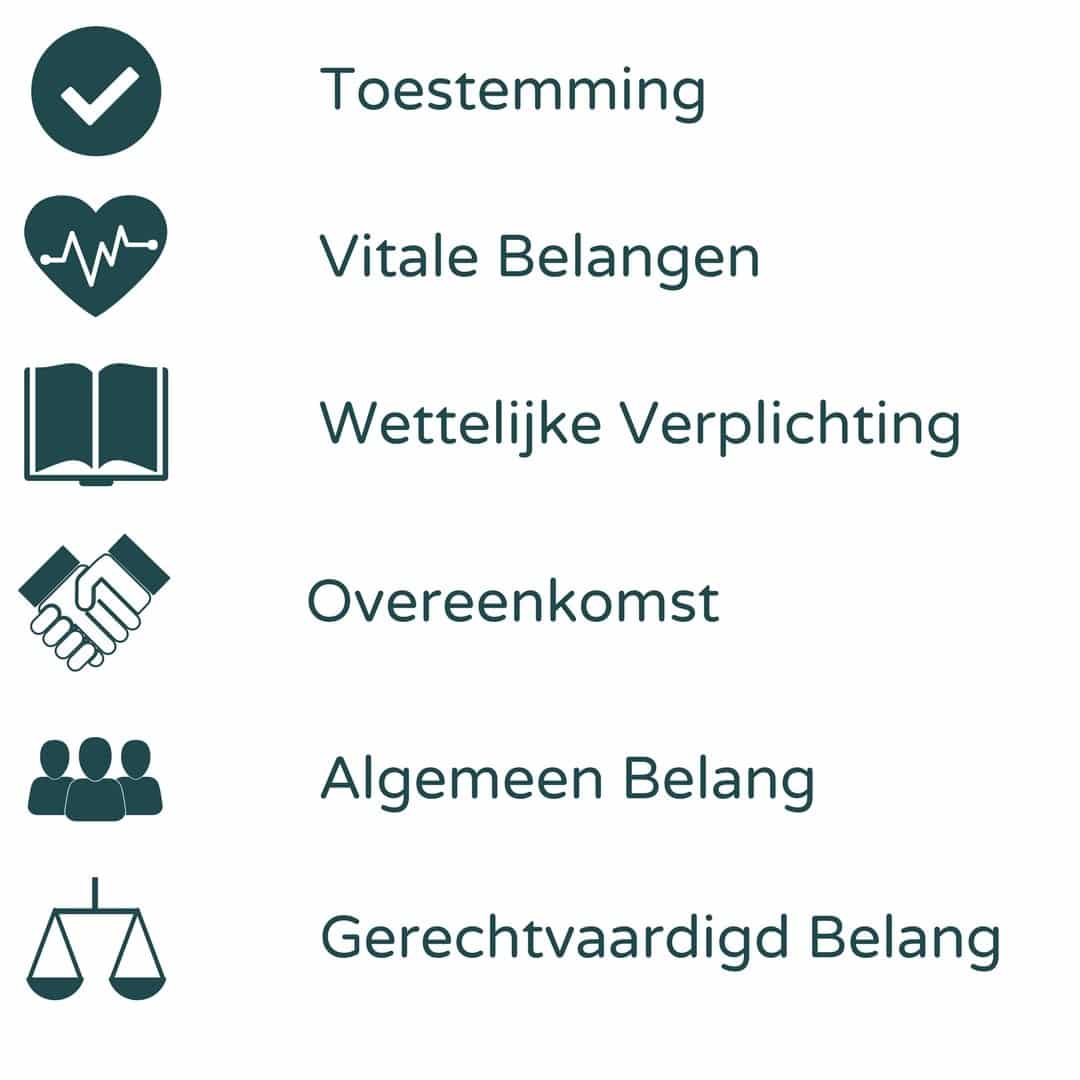





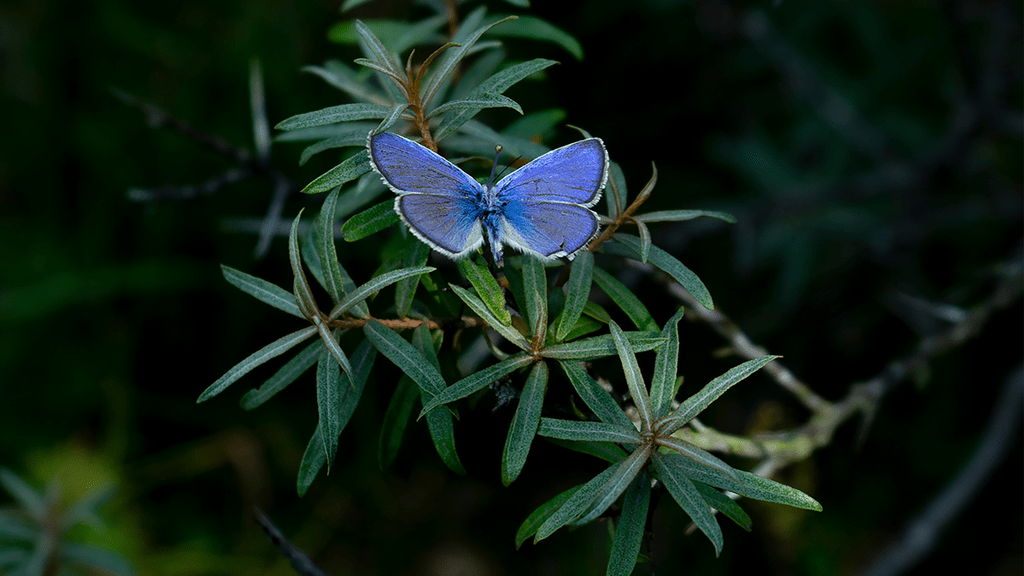
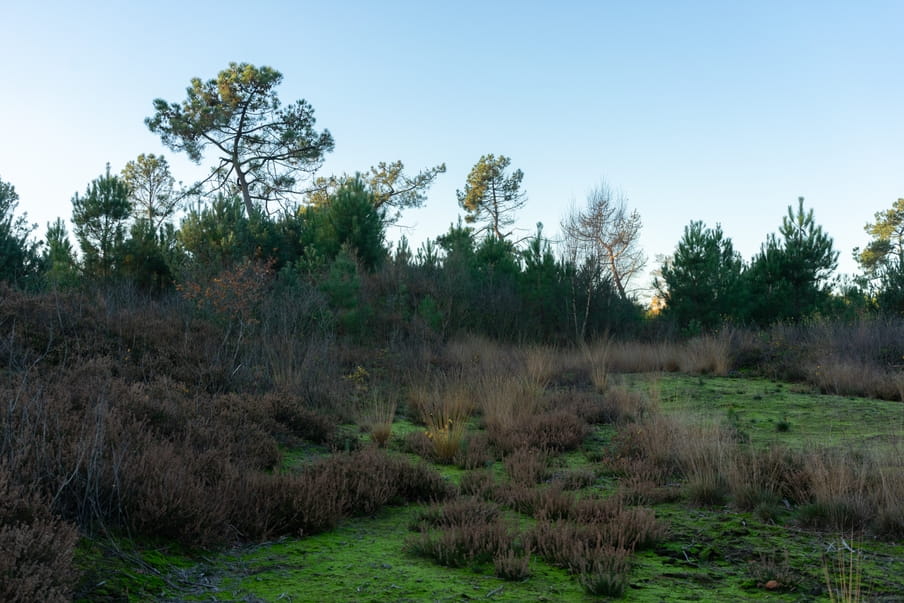
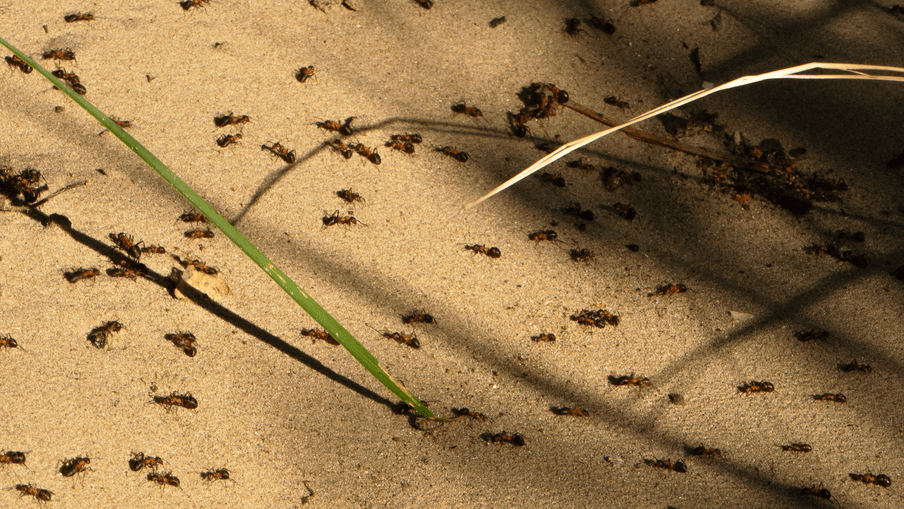


 Un avion qui a décollé samedi après-midi de l'aéroport de Maastricht Aix-la-Chapelle, aux Pays-Bas, a perdu des pièces après une explosion dans l'un de ses moteurs, juste après le décollage, a annoncé un porte-parole de la "Région de sécurité", un organisme public de coopération régionale aux Pays-Bas.


 Categories: Auteursrecht
 The Waldorf Astoria residences’s pool. | Renderings: Courtesy of Noe & Associates/The Boundary
/cdn.vox-cdn.com/uploads/chorus_asset/file/19767679/Waldorf_Astoria___Common_Areas___Porte_Cochere.jpg)
/cdn.vox-cdn.com/uploads/chorus_asset/file/19767685/Waldorf_Astoria___Residences___Master_Bath_2.jpg)
/cdn.vox-cdn.com/uploads/chorus_asset/file/19767686/Waldorf_Astoria___Residences___Secondary_Bath.jpg)
 Een lezer vroeg me: