Shared posts

07 Apr 03:48

Gyroscopolis

by Geoff Manaugh
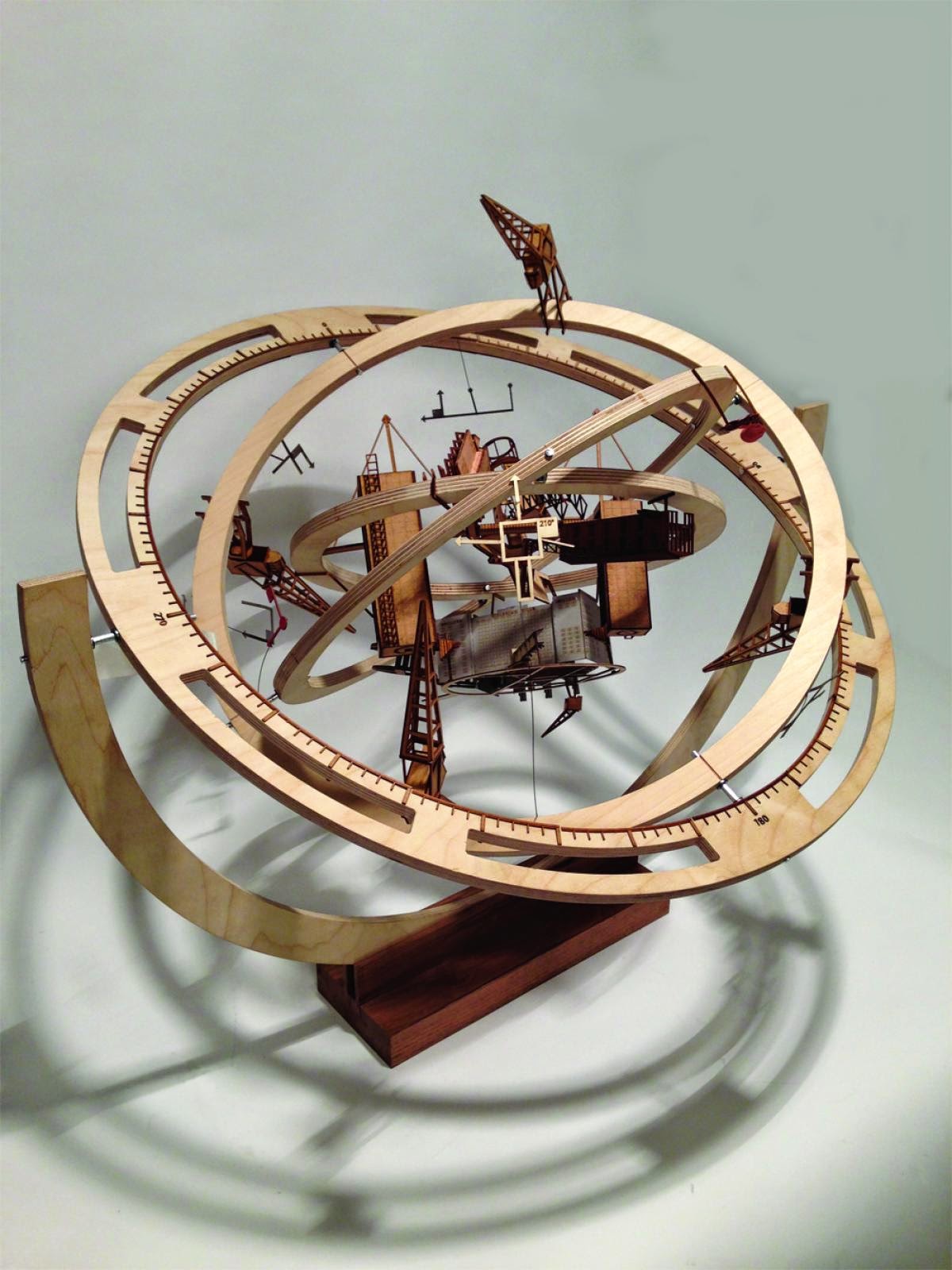
[Image: From "Destination Docklands" by Emma Colthurst; via Lobby].

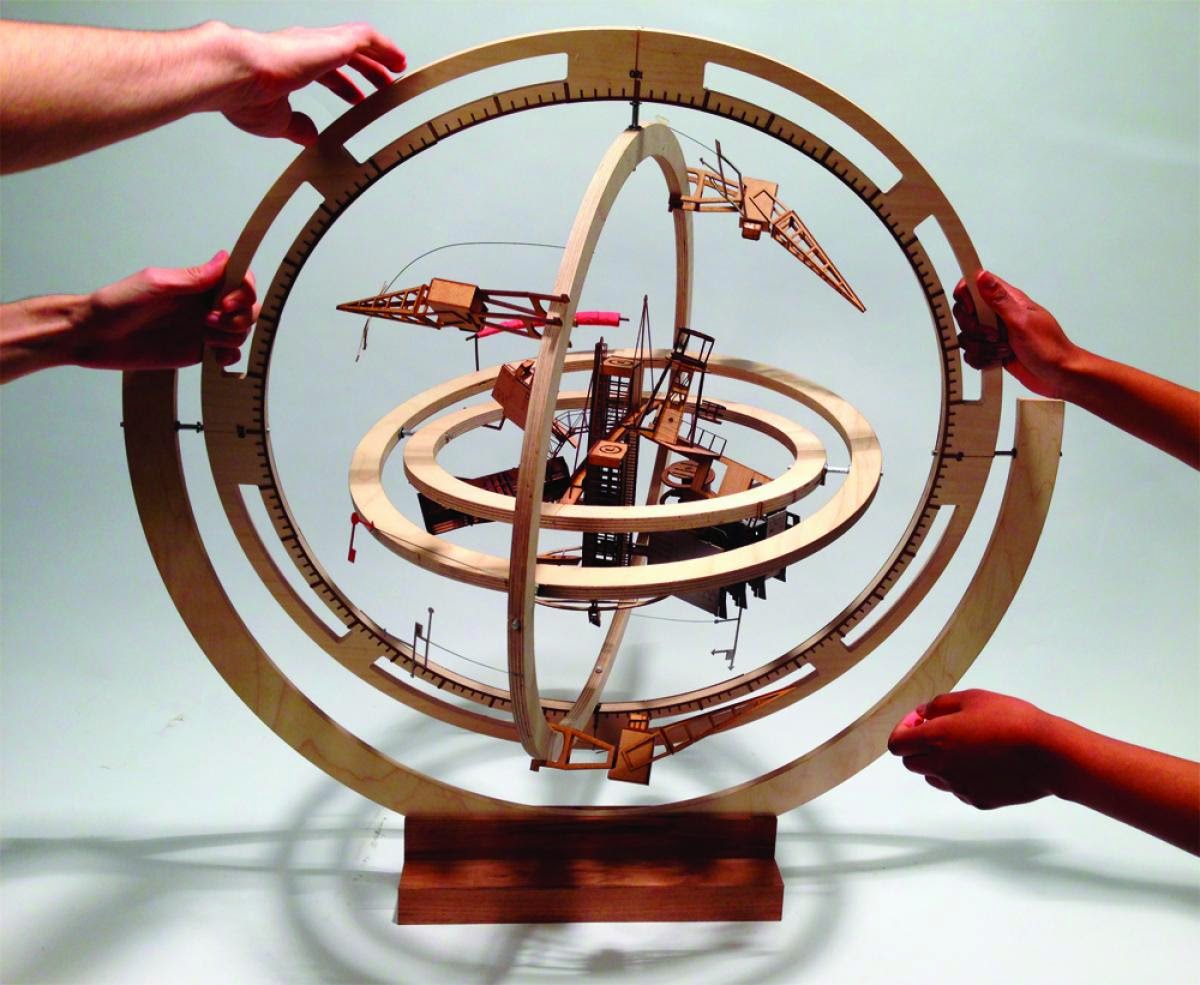
This is such a clever architectural model: a project by Emma Colthurst from the Bartlett School of Architecture in London is presented as a narrative gyroscope, an urban universe of wheels within wheels, of shifting ground planes and emerging landscapes amidst a carousel of new horizons.

[Image: From "Destination Docklands" by Emma Colthurst].

Called "Destination Docklands," it is intended as a kind of horological device, telling the story of the site through time.

This includes the "submerged industrial landscape" that re-arises with a turning of the gears to the towering cranes of as-yet unrealized construction projects set to transform the Docklands for generations.

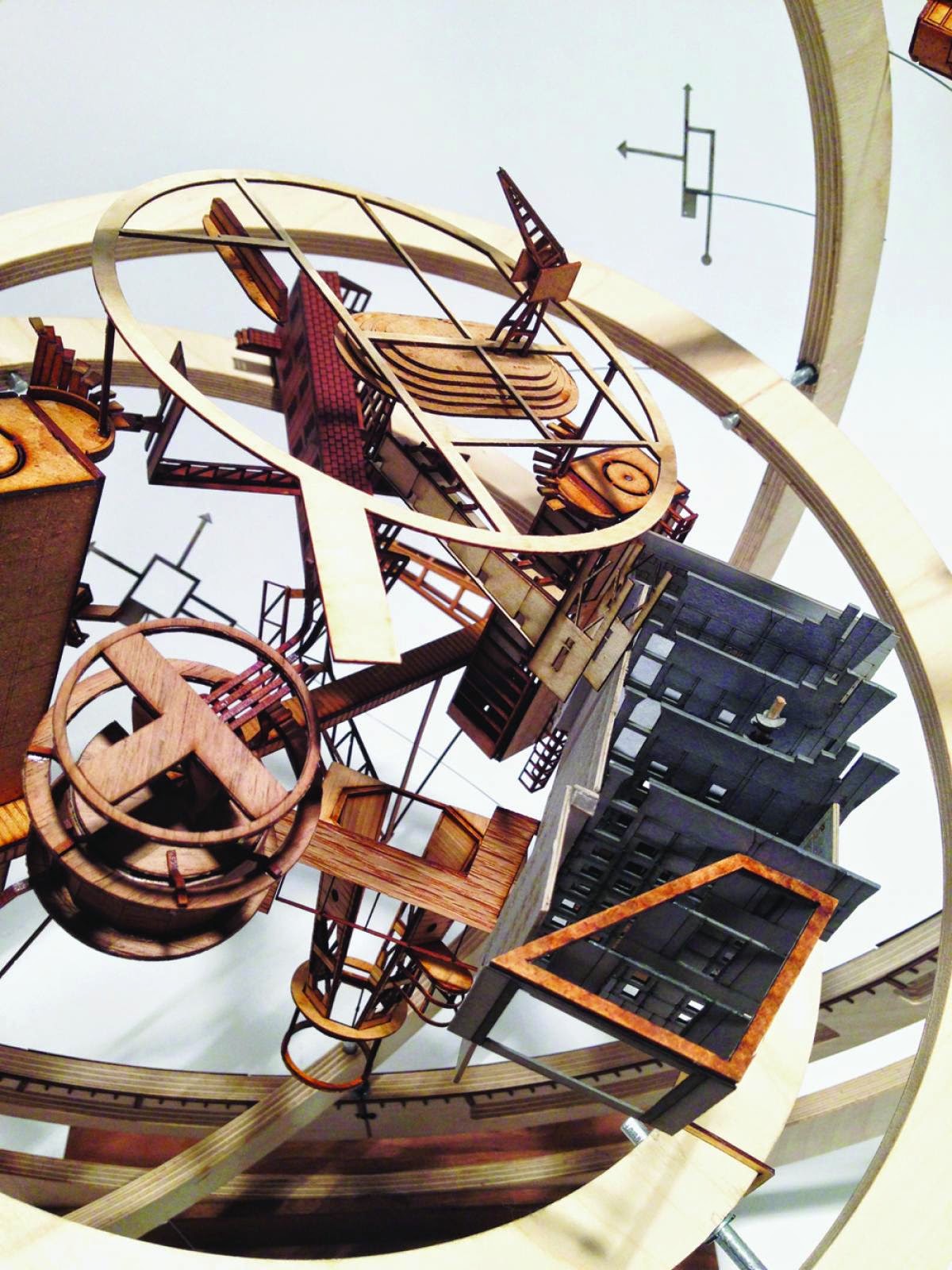
[Image: From "Destination Docklands" by Emma Colthurst].

As Colthurst herself explains over at Lobby:
"Destination Docklands" seeks to reconnect the remnant memory of the submerged industrial landscape. A Gimbal—a mechanism, typically consisting of rings pivoted at right angles, for keeping an instrument such as a compass or chronometer horizontal in a moving vessel or aircraft—holds the Dock’s spatiality in fragmented balance. Previously a device used for ship navigation, the Gimbal realigns glimpses of the area’s connected history, and its axes pivot perpendicularly, bringing their own relationship and meaning to the Dock. The Gimbal becomes a capsule for the connected "players" of this industrial world.
"As the rings turn," she adds, "the spatial relationships between the industrial worlds are juxtaposed against each other. As these tangible connections teeter on the edge of the Dock’s hemisphere, their world is refocused in moments of realisation, before falling away."

[Image: From "Destination Docklands" by Emma Colthurst].

The result is a gyroscopic scenography of different contexts rolling into view, momentarily aligning, and then sinking once again into the urban murk of potential rearrangements yet to come.

Read more about the project over at the recently launched Lobby.
22 Mar 04:44

Space Sherry

by Nicola

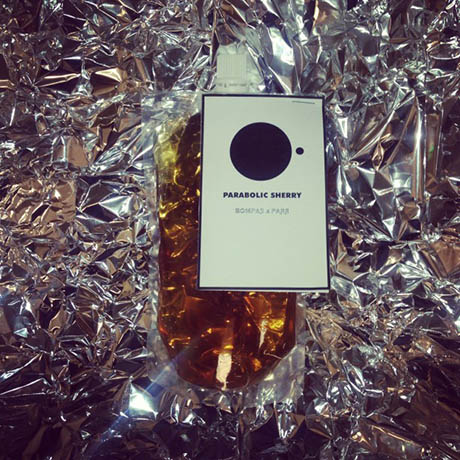
bompasandparr-460

IMAGE: Bompas & Parr’s Parabolic Sherry is available for purchase at the Pop Rock Moon Shop.

If you’re in London on Sunday, don’t miss “A Brief History of Drinking in Space” with Sam Bompas of Bompas & Parr and David Lane of The Gourmand:

To date, there has been relatively little consumption of alcohol in space and on the moon, but that could be set to change. With space tourism taking off, new lunar missions on the horizon and manned expeditions aiming further into space – with all its stresses – could a new era of zero gravity libations be next? From Buzz Aldrin’s legendary Holy Communion on the moon to sherry experiments aboard Skylab and ceremonial ‘vodka’ consumption aboard the ISS, we’ll discuss the secret history of a slightly tipsy space age and ask what role our favourite poison will play in the future colonisation of the moon.

Better still, the £5 ticket price includes the chance to sample Bompas & Parr’s Parabolic Sherry, a limited edition, plastic-pouched tipple based on Skylab-era research about alcohol in space.

The story behind NASA’s brief embrace of extraterrestrial sherry is a curious one. In the early seventies, the agency’s focus was shifting from short, Moon-focused missions to possibility of longer-term inhabitation of space. A revamped menu was among the most pressing challenges: food on the Gemini and Apollo programs came in dehydrated cube form, or squeezed from a pouch, and was universally regarded as inedible. According to Ben Evan’s book, At Home in Space: The Late Seventies into the Eighties, in May 1969, Don Arabian, NASA’s spacecraft project manager, tried living on Apollo fare for three consecutive days, and subsequently reported that he had “lost the will to live” and that, in particular, “the sausage patties tasted like granulated rubber.”
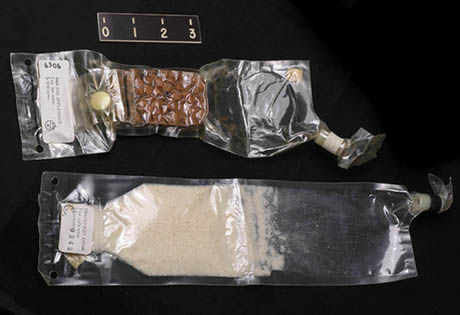
OLYMPUS DIGITAL CAMERA

IMAGE: Apollo-era space food, via.

After a year of working on the food program for Skylab, the United States’ first space station, Evans reports that “the situation had improved significantly: the station would include both a freezer and an oven and foods would be provided in five varieties — dehydrated, intermediate moisture, ‘wet-packed,’ frozen, and perishable.”

Spaghetti, prime ribs, ice-cream, and — for a brief moment — alcohol were all on the menu.

The tough role of Space Sommelier fell to Charles Bourland, who spent more than three decades at NASA Johnson Space Center developing food and food packages for spaceflight, and shared his recipes and reminiscences in The Astronaut’s Cookbook:

My boss was Mormon and consequently, the job of heading the wine selection process for the Skylab missions fell to me. Selecting a wine was an interesting project for the people in the food laboratory, and we had no shortage of volunteers for the taste panel.

After consulting with several professors at the University of California at Davis, it was decided that a Sherry would work best because any wine flown would have to be repackaged. Sherry is a very stable product, having been heated during the processing. Thus, it would be the least likely to undergo changes if it were to be repackaged.

The winner of the space Sherry taste test was Paul Masson California Rare Cream Sherry. A quantity of this Rare Cream Sherry was ordered for the entire Skylab mission and was delivered to the Johnson Space Center. A package was developed that consisted of a flexible plastic pouch with a built-in drinking tube, which could be cut off. The astronaut would simply squeeze the bag and drink the wine from the package. The flexible container was designed to be fitted into the Skylab pudding can.
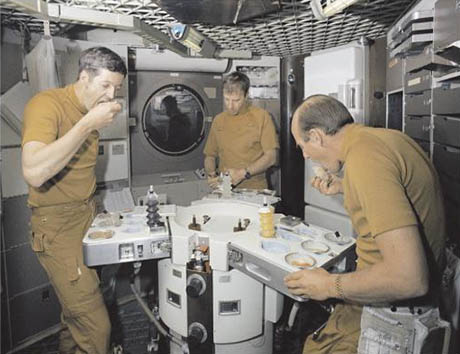
Tasting food in Skylab 460

IMAGE: “Skylab’s first crew — from the left, Joe Kerwin, Paul Weitz, and Pete Conrad — prepare and eat food in a mockup of the wardroom in the spring of 1973.” Photograph from At Home in Space: The Late Seventies into the Eighties by Ben Evans.

An article in The Milwaukee Journal, dated August 1, 1972, gleefully reported the news that “the era of prohibition is about to end in space.” Dr. Malcolm Smith, a nutritionist on Bourland’s team, explained that the wine chosen was American, that astronauts were rationed to just four ounces every four days, and that “the question of whether wine promoted better health was still open.”

I would tend to believe that there is some value besides pure energy, either in the calming effect or promoting digestion. Somewhere in there, there’s probably a beneficial effect from wine.

And yet the sherry never went to space.
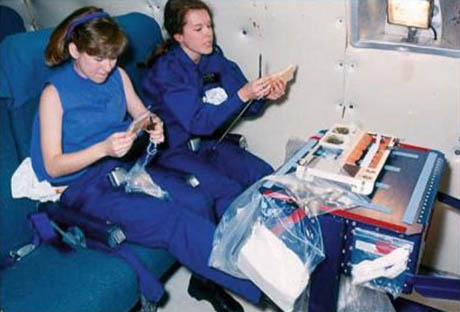
Testing food packaging in the Vomit Comet 460

IMAGE: Food Lab personnel Jane McAvin and Gloria Mongan test food packages on the zero G plane (NASA photograph).

First of all, early tests in NASA’s low-gravity, “Vomit Comet” plane, designed to see whether the packaging worked in weightless conditions, produced unfortunate results, as Bourland recalled in his official oral history:

As it turned out, the odors released by the wine, combined with the residual smell of years-worth of people getting sick on the plane, had an unplanned effect on the crew. Many grabbed for their barf bags.

In response, NASA surveyed the crew as to whether they wanted the sherry on board, and “it was about half and half. They didn’t really care.”

The final nail in the drinks cabinet coffin came when Skylab 4 commander, Gerry Carr, mentioned the presence of alcohol on the menu in a public lecture, and NASA received a flurry of angry letters from the general public. As the Milwaukee Journal article reports, the team had anticipated that the sherry plan might not go over well:

“Let’s just say that no one here is enthused about publicizing this thing any more than necessary,” said scientist-astronaut Edward G. Gibson, who will fly on the third Skylab mission. “The problem is that you have got some extremists around and we (astronauts) kind of represent a form of purity. As soon as you taint that purity with alcohol, they really get upset,” Gibson said.

Gibson’s comments were prescient. The official end of NASA’s alcohol program came just ten days later, in a memorandum from Kenneth S. Kleinknecht, Skylab’s manager in Houston, to Chris Kraft, director of the Johnson Space Center:

In accord with our discussion on Tuesday, August 8, 1972, I have reconsidered the requirement for a fruit beverage (wine) in the Skylab menu and have concluded that there is no basic requirement for such a beverage.

This conclusion is based on the following:

a. It is not necessary either for nourishment or to provide a balanced diet.

b. It is not a fully developed menu item, and, therefore, an unnecessary expense is involved.

c. The PI for experiment MO71, mineral balance, is opposed to its use because it will affect his experimental results.

d.  This beverage will aggravate, to a small degree, a minor problem of galley stowage capacity for beverage.

e. We can expect continued criticism and ridicule throughout the Skylab Program if such a beverage is provided.

Based on the above rationale, I am, by copy of this memorandum, notifying Deke Slayton that wine will not be included in the Skylab menu, and requesting Dick Johnston to immediately terminate all activity associated with developing and providing wine for Skylab.
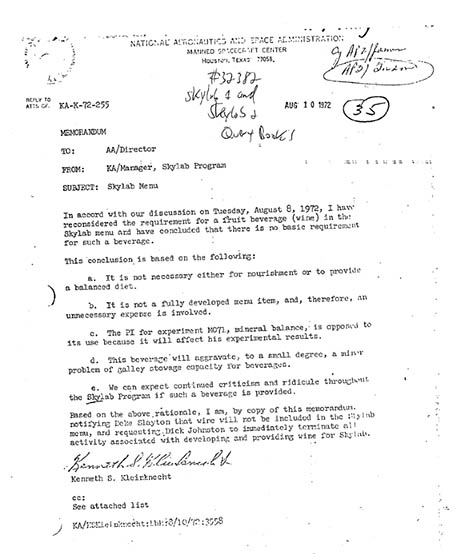
Memo 460

IMAGE: The sherry death knell, as seen in a faxed response to a 2006 Freedom of Information Act request by space historian Jennifer Ross-Nazzal.
SMEAT chamber 460

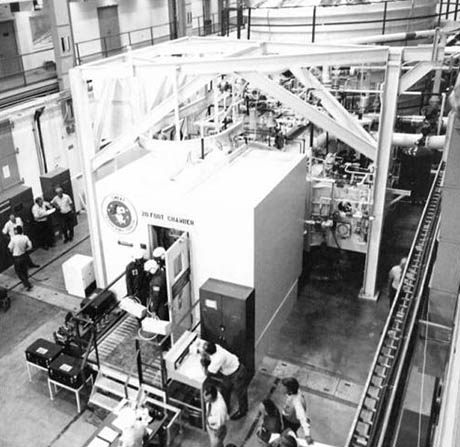
IMAGE: The SMEAT chamber. Photograph from Homesteading Space: The Skylab Story.

The good news is that the sherry did not go to waste. At the time the fateful decision was being made, a crew of astronauts were preparing to spend fifty-six days in a vacuum chamber, simulating a Skylab stay as closely as possible. The experiment was called SMEAT (Skylab Medical Experiment Altitude Test), and in Homesteading Space: The Skylab Story, astronauts Owen Garriott and Joe Kerwin, writing with co-author David Hitt, describe the role that sherry played in it:

Fortunately for the SMEAT crew, however, by the time the decision was made to remove the sherry from the Skylab menus, the SMEAT menus had already been made out, and it was too late to go back through the process of completely rebalancing the various nutritional factors that would have to be changed if the sherry was removed. “We had it,” Crippen said, “and we really looked forward to it.”

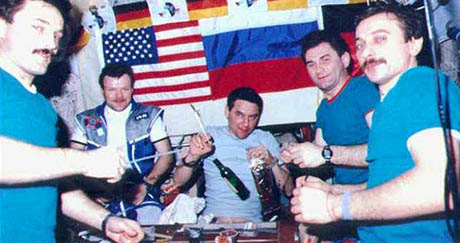
Of course, not all countries share the United States’ prohibitionist tendencies. Russia, has its own, differently dysfunctional relationship to alcohol, which, as Mir space station resident Alexander Lazutkin explained to NBC, means that cognac is prescribed to cosmonauts on extended missions in order “to stimulate our immune system and on the whole to keep our organisms in tone.”
Russians drinking 460

IMAGE: Russian cosmonauts celebrating with cognac after dealing with a fire emergency on the Mir space station. Alexander Lazutkin is on the far right. The picture was taken by NASA astronaut Jerry Linenger, who did not drink.

As it turns out, there is some scientific evidence for the benefits of alcohol in space. A 2011 paper published in the journal of the Federation of American Societies for Experimental Biology concluded that resveratrol, a phenolic compound found in red wine, “could be envisaged as a nutritional countermeasure for spaceflight,” following an experiment that hung rats upside down to simulate the bone density loss that accompanies zero-gravity living.

Sadly, both cognac and sherry are made from white wine grapes, and contain very little resveratrol. But, as Sam Bompas and David Lane point out, with longer term missions to Mars on the horizon, as well as Virgin Galactic-style space joyrides, perhaps it’s time for a new crew of Space Sommeliers to step up. If you manage to get to the event on Sunday, please report back!
26 Jan 15:51

Spice Tile

by Nicola

Laurent_Mareschal_Beiti

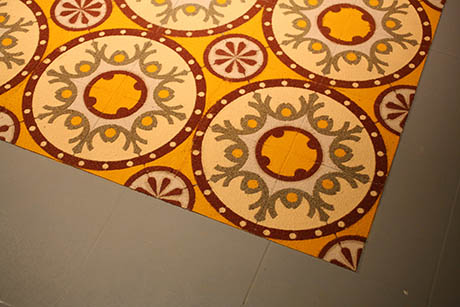
IMAGE: “Beiti” (detail from a 2011 installation at CAPC in Bordeaux, France), Laurent Mareschal. Courtesy of the artist and Galerie Marie Cini. Photo by Tami Notsani.

2013GV2410

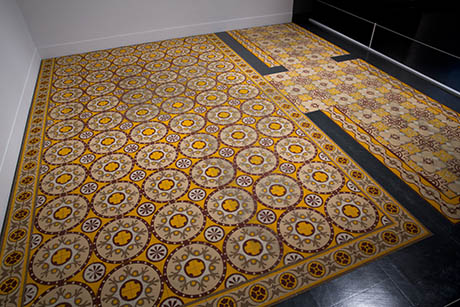
IMAGE: “Beiti,” Laurent Mareschal, installation shot at the Victoria & Albert Museum, London.

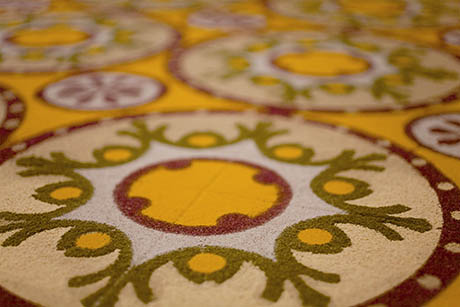
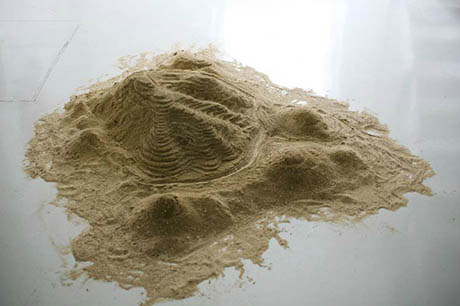
Laurent Mareschal’s “Beiti” is a carpet made of spice, carefully sieved through stencils into tiled patterns inspired by Arabic geometry. I saw it last month at London’s Victoria & Albert Museum, on display as part of the Jameel Prize shortlist of Islamic-influenced contemporary art, craft, and design.

In the exhibit’s low light, the carpet seems to float above the black floor, warming up its corner with a slightly fuzzy glow and a faint gingery, spicy scent. In an accompanying video, Mareschal, whose work typically deals impermanence and, in particular, the Palestinian condition, explains that the spice tiles are a deliberate play between ephemerality and the almost subliminal longevity of olfactory memory.

“I want people to look and think [...] wow, this guy is completely nuts, he has been working for a week and it will just vanish in a second,” Mareschal said, before adding that:

There is something about the smell that you can’t really refuse. It gets inside of you and makes you remember something. You can play with the colour and the smell and what it makes you remember and I am playing with that.

Laurent_Mareschal_Beiti_Detail

IMAGE: “Beiti” (detail from a 2011 installation at CAPC in Bordeaux, France), Laurent Mareschal. Courtesy of the artist and Galerie Marie Cini. Photo by Tami Notsani.

With its Proustian olfactory powers, capable of transporting exhibition viewers to a remembered or imagined romantic Orient—a Moroccan souk or Egyptian spice bazaar—Mareschal’s spice carpet is perhaps also something of a magic carpet, that standard device of Eastern storytelling.

But the installation also reminded me of Paul Freedman’s fascinating book, Out of the East: Spices and the Medieval Imagination, which examines the incredible popularity of nutmeg, clove, pepper, cinnamon, and ginger in Europe during the Middle Ages—and their sudden fall from fashion in the seventeenth and eighteenth centuries.

Curiously, while their mysterious Oriental origins formed part of the allure of spice for European consumers, Freedman notes that, “alone among the great world religions, Islam has consistently resisted the use of incense in both public and private worship.” Meanwhile, for their Christian consumers, the uses of aromatic spices went beyond food flavouring and medicinal tonic to become a sort of medieval air freshener:

It was customary that the rooms of a comfortable house should be not merely airy and unscented but redolent of actual healthy scents from spices that might be scattered about or resins that were burned as incense.

Rooms were perfumed with spices to promote health (“Avicenna, the authoritative Arab physician whose work was known in Christian Europe by the late twelfth century, recommended that ambergris, frankincense, cloves, and even theriac be employed to dry out the air and make it smell sweet,” writes Freedman), but also for spiritual and aesthetic reasons.

As Freedman explains, the theological consensus at the time was that the Garden of Eden was located in eastern Asia, most likely in India. For medieval Europeans, exotic aromatics thus literally represented the scent of earthly paradise—a prelapsarian idyll of intoxicating beauty and freedom from decay.

Terre Promesse 460

IMAGE: “Terre Promesse 2″ (detail from a 2008 installation using za’atar and cumin), Laurent Mareschal.

Of course, Freedman points out, it was this passion for spices that launched Europe on its path to overseas conquest and colonialism. The great expeditions of Vasco de Gama and Christopher Columbus were motivated by the desire to control the lucrative spice trade by finding and conquering its Asian source. The irony is that, by the time Europe’s colonial expansion truly hit its stride in the nineteenth century, spices had long since fallen out of fashion, all but disappearing from the continent’s cuisines.

Mounir_Fatmi_Modern_Times_-_A_History_of_the_Machine_Detail

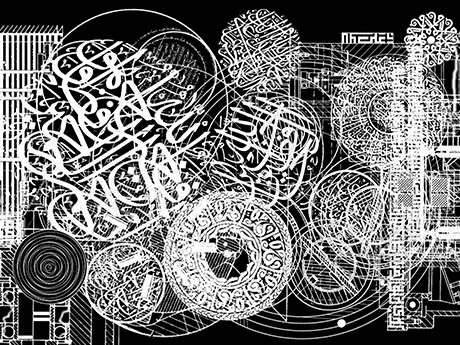
IMAGE: “Modern Times: A History of the Machine” (detail), Mounir Fatmi, 2010–12, (video). Courtesy of the artist and Shoshana Wayne Gallery, photo by Mounir Fatmi.

In any case, the Jameel Prize exhibition is on display at the V&A until April 21, and is well worth a visit if you’re in London. Florie Salnot’s plastic bottle jewellery, the mesmerising calligraphic gears and cogs of Mounir Fatmi’s video projection, and Faig Ahmed’s pixellated rugs are some of its other, non-edible, delights.

21 May 20:09

Geomedia

by Geoff Manaugh
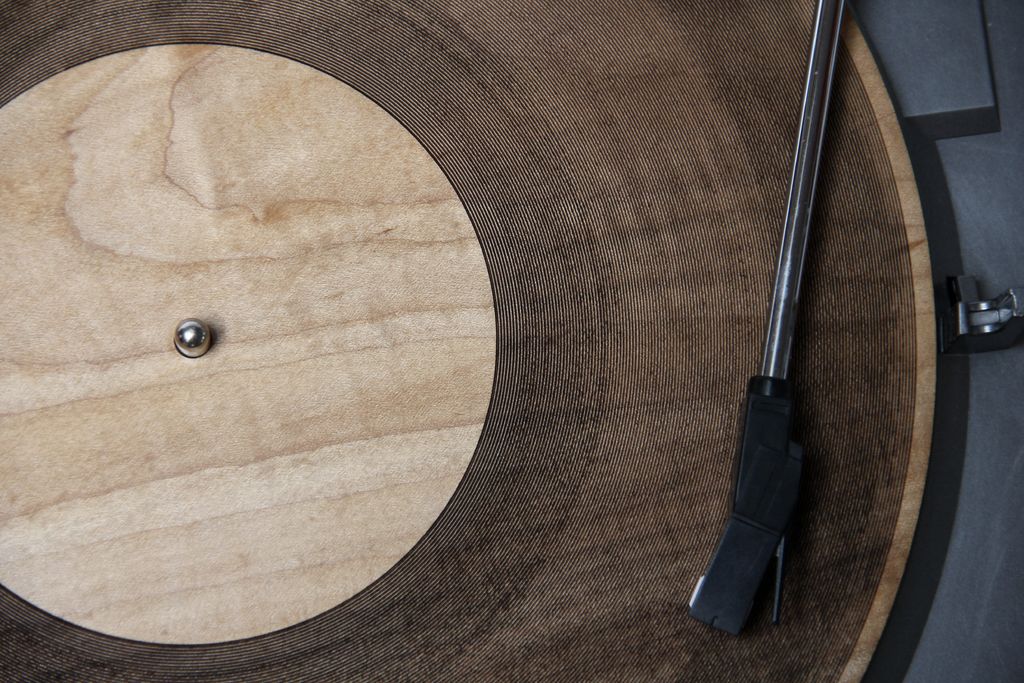
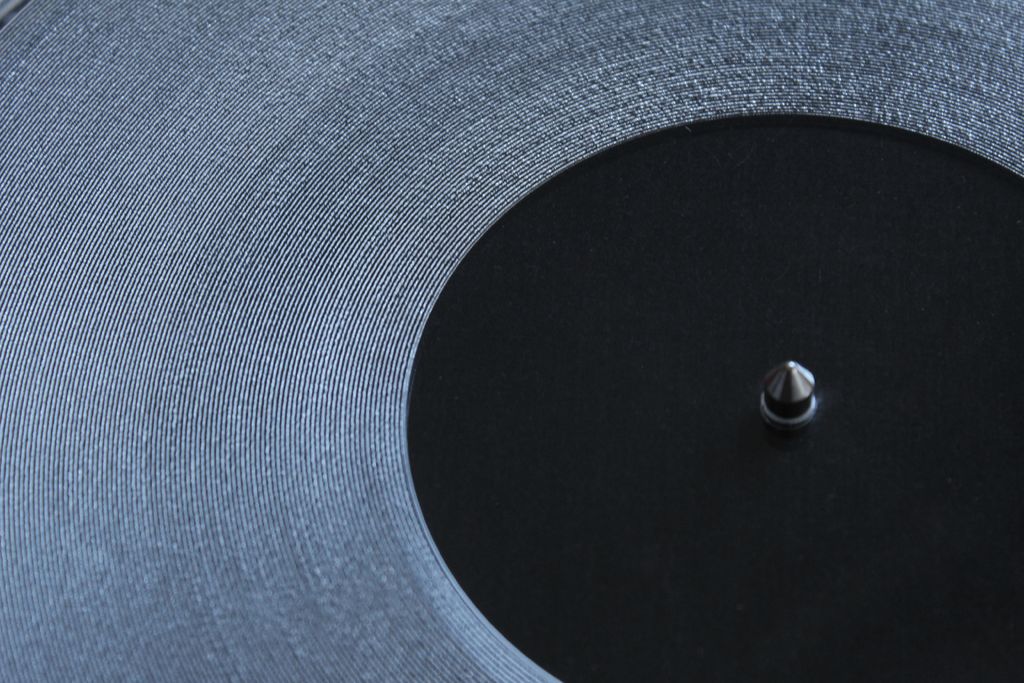
[Image: "Laser Cut Record" by Amanda Ghassaei].

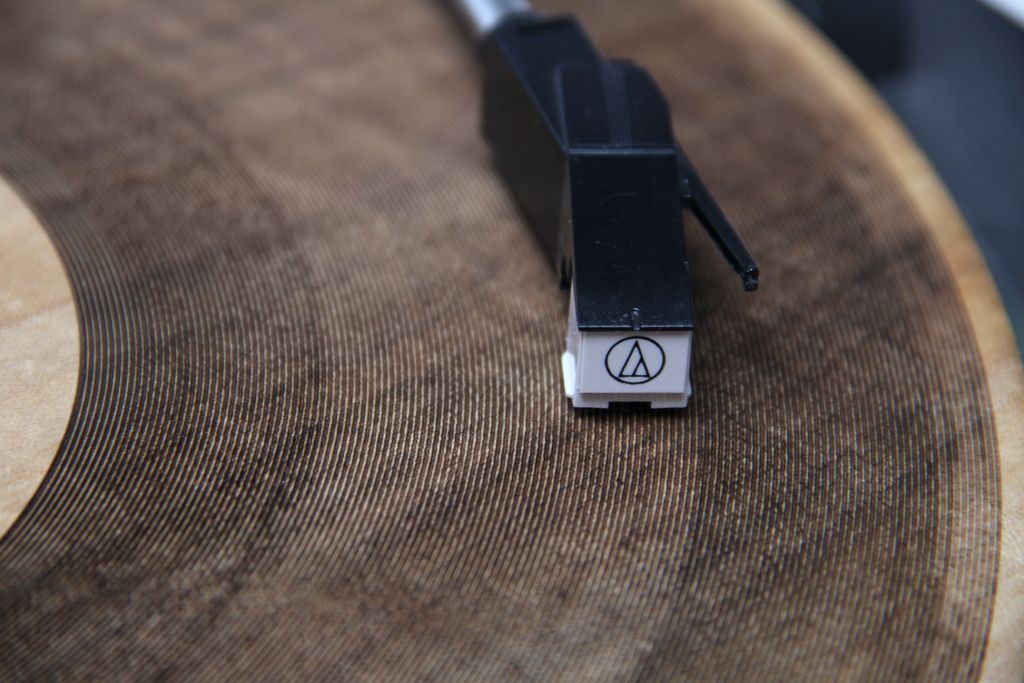
An incredible example of what can be done with laser-cutting, Amanda Ghassaei's project "Laser Cut Record" features music inscribed directly into cut discs of maple wood, acrylic, and paper, resulting in lo-fi but playable records.


For what they are, the otherwise scratchy and off-kilter audio quality is actually quite amazing, and the sounds themselves are made all the more haunting and strange by the crackling noise and resonance of the material that hosts them.

[Image: "Laser Cut Record" by Amanda Ghassaei].

Some technical details are available at Ghassaei's Instructables page, and you can see the laser-cutting itself at work in the following video.


I'm reminded of a short letter called "Acoustic Recordings from Antiquity," written to the Proceedings of the IEEE in August 1969 by a man named Richard G. Woodbridge III. The somewhat eccentric Mr. Woodbridge explains that he has been researching accidental recording of sounds found, after careful analysis, on the surfaces of physical objects rescued from antiquity—in particular, pieces of pottery originally shaped on potters' wheels (seen here as a kind of primordial record platter).

Woodbridge even claims some sounds have been "recorded" as re-playable waves in the slowly drying shapes of oil paintings.

To listen to these lost recordings, the letter suggests, you simply hold a record cartridge near the work of pottery in question, such that the needle of the phonograph can "be positioned against a revolving pot mounted on a phono turntable (adjustable speed) 'stroked' along a paint stroke, etc." When this was done properly, he claimed, a "low-frequency chatter sound could be heard in the earphones."

That is, the voices of people present in the room during the making of the pot could be re-played from the surface of the pot itself.

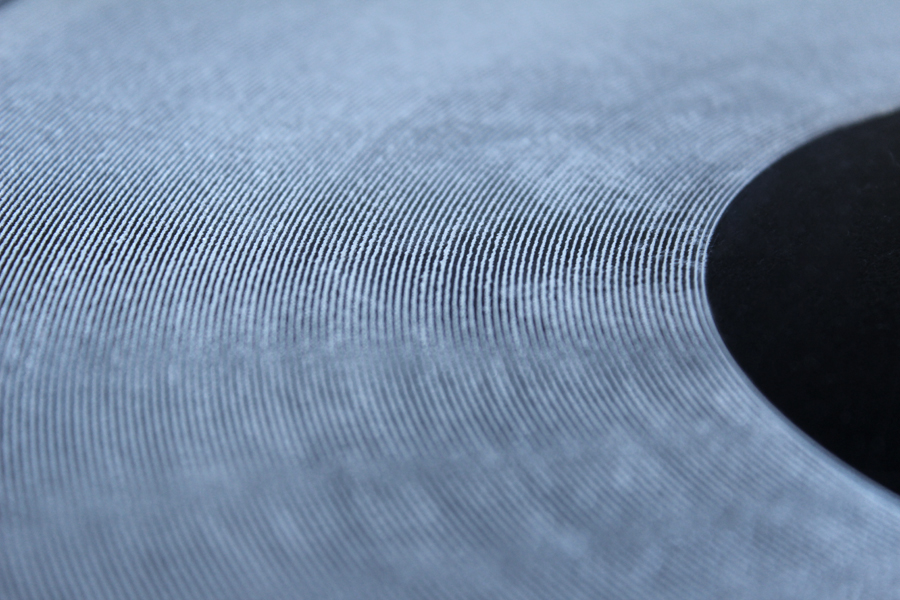
[Image: "Laser Cut Record" by Amanda Ghassaei].

Woodbridge suggests that this might have alternative applications: "This is of particular interest as it introduces the possibility of actually recalling and hearing the voices and words of eminent personages as recorded in the paint of their portraits or of famous artists in their pictures." So an experiment was orchestrated:
With an artist’s brush, paint strokes were applied to the surface of the canvas using “oil” paints involving a variety of plasticities, thicknesses, layers, etc., while martial music was played on the nearby phonograph. Visual examination at low magnification showed that certain strokes had the expected transverse striated appearance. When such strokes, after drying, were gently stroked by the “needle” (small, wooden, spade-like) of the crystal cartridge, at as close to the original stroke speed as possible, short snatches of the original music could be identified.
Through this technique, the overlooked—overlistened?—acoustic qualities of various objects, beyond high-brow pottery and oil paintings, can thus be revealed:
Many situations leading to the possibility of adventitious acoustic recording in past times have been given consideration. These, for example, might consist of scratches, markings, engravings, grooves, chasings, smears, etc., on or in “plastic” materials encompassing metal, wax, wood, bone, mud, paint, crystal, and many others. Artifacts could include objects of personal adornment, sword blades, arrow shafts, pots, engraving plates, paintings, and various items of calligraphic interest.
Woodbridge calls the pursuit and revelation of these sounds "acoustic archaeology."

[Image: Like the rings of Saturn, from "Laser Cut Record" by Amanda Ghassaei; in fact, perhaps the rings of Saturn are an unread recording...].

But why stop at sounds?

Perhaps in two years' time, we'll watch as Amanda Ghassaei cuts DVDs—"the data on a DVD is encoded in the form of small pits and bumps in the track of the disc"—with a combined and simultaneous laser-cutter/3D printer ensemble, coating inscribed "small pits and bumps" with reflective metals.

Suddenly, wood, rock, metal, even exposed geology in situ can host visual content. Indeed, perhaps it already does, but we haven't invented—or we simply haven't applied—the right technologies for decoding it. In other words, we have DVD players; we just haven't, learning from Richard G. Woodbridge III, used them to "read" other materials.

In August 2015, you and some friends hike up to a rock wall in the middle of Utah, and there are DVDs printed all over the surface of the hillside, full-length albums laser-burned into White Rim sandstone, and audio-visual pilgrims carrying deconstructed laser-lens systems, scanning for hidden film fests and warbling soundtracks, swarm every surface all around them.

It's the rise of geomedia.