Shared posts

08 Jan 17:11

Meet the She-Oaks

by Matt
V.w.verweij

The she oaks!

628814411_ed018d2c14_o.jpg

No, what you are looking at here is not a type of conifer. Nor is it an oak. This odd plant belongs in its own family - Casuarinaceae. Despite their gymnosperm appearance, this is in fact a family of flowering plants. Though the name “she-oak” does hint at their larger position within the order Fagales, it was actually given to these trees in reference to the density of their wood in comparison to more commonly harvested oak species. Other common names for trees in this group include ironwood, bull-oak, beefwood.

As a whole this family sorts out as sister to Myricaceae in the order Fagales. It' is comprised of 4 genera (Allocasuarina, Casuarina, Ceuthostoma, and Gymnostoma) and roughly 91 species spread among Australia, Malaysia, and much of Polynesia. It is extremely difficult to make generalizations across so many species but there is one aspect of this family that makes them stand out - their appearance.

Gymnostoma  sp.

Gymnostoma sp.

Gymnostoma nobile  in Sarawak, Malaysia.

Gymnostoma nobile in Sarawak, Malaysia.

Without close inspection, one could be forgiven for thinking the various Casuarinaceae were species of conifer. For starters, their leaves have been reduced to tiny whorls surrounding their photosynthetic stems. The stems themselves have taken up the role of photosynthetic organs, which is one of the reasons this family is known for its drought tolerance. Reducing the surface area available for gas exchange helps to reduce water loss in the process. The stems themselves are arranged with whorls around the branches, giving them a rather bunched appearance. The photosynthetic branches are sometimes referred to as being ‘equisetiform’ as they superficially resemble the stems of Equisetum. They do not shed their photosynthetic branches and are therefore evergreen.

As mentioned, these are flowering plants. Their flowers themselves are aggregated into spike-like inflorescences near the tips of branches. Clusters of male flowers resemble catkin-like strobili and are often brightly colored. Female flowers are clustered into a more ovoid shape, with long, filamentous pistils sticking out like fiery, red pompoms. After fertilization, bracts at the base of the female flowers swell and the whole inflorescence starts to look more like some sort of a conifer cone than anything floral. This may have to do with the fact that, like conifers, the various Casuarinaceae are wind pollinated. Therefore, their reproductive structures have had to deal with similar selective forces related to optimizing pollen dispersal and capture.

Casuarina equisetifolia  with catkin-like male flowers and smaller, red female flowers.

Casuarina equisetifolia with catkin-like male flowers and smaller, red female flowers.

Allocasuarina distyla  female flowers and infructescence.

Allocasuarina distyla female flowers and infructescence.

Another interesting trait common to Casuarinaceae is the ability to fix nitrogen. The plants themselves don’t do the fixing, rather they form specialized nodules on their roots that house nitrogen-fixing bacteria. Unlike perennial legumes that regrow their nodules year after year, the members of Casuarinaceae hold onto their nodules, which can grow into impressive structures over time. This ability to house nitrogen-fixing bacteria is also shared with other members of the order Fagales, including members of Betulaceae and Myricaceae.

Thanks to the fact that they can tolerate drought, fix nitrogen, and have high timber value, species of Casuarinaceae have been introduced far outside of their native ranges. This has created yet another invasive species issue. Various Casuarinaceae have become serious pests in places like Central and South America, the Carribbean, and the Middle East. Control of such hardy plants can be extremely difficult once they reach a critical mass that maintains them on the landscape. Keep you eye out for these species. Not only are they interesting in their own right, knowing them can help you better understand their role in ecosystems both native and not.

Allocasuarina decaisneana  (Desert Oaks), Central Australia
Allocasuarina decaisneana (Desert Oaks), Central Australia
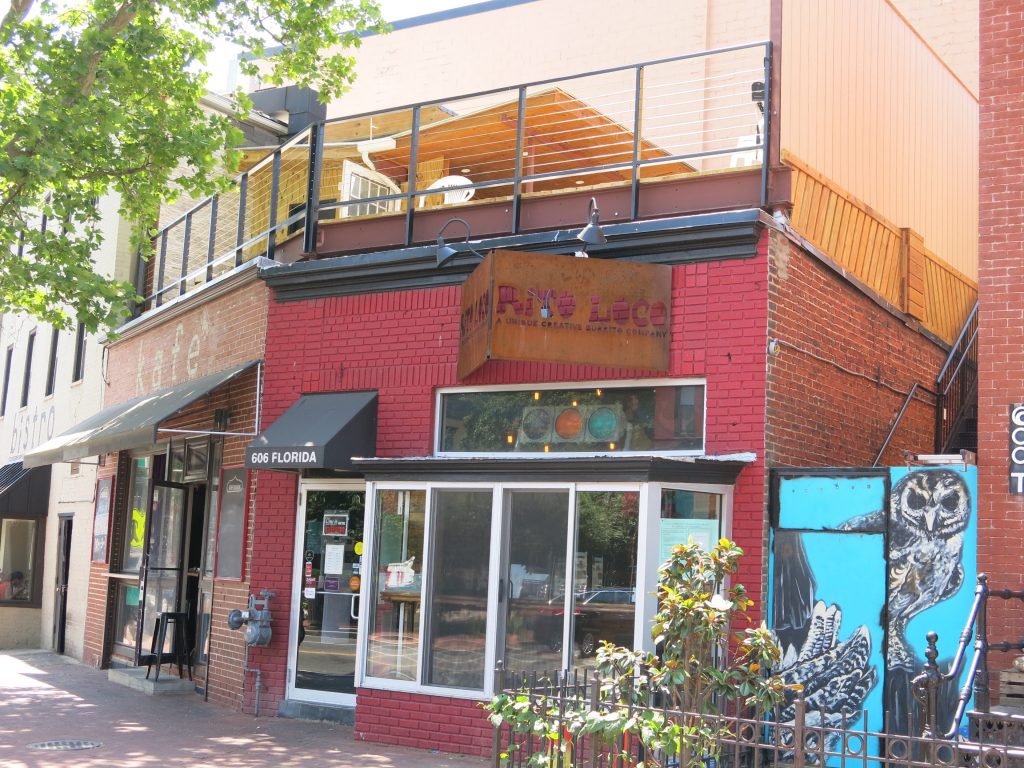
Photo Credits: [1] [2] [3] [4] [5] [6]

Further Reading: [1] [2] [3] [4]

08 Jan 14:04

Oh Man Check Out Union Market in 1984/85 from the classic Spies Like Us opening credits

by Prince Of Petworth

hahaha Oh My God this is great. Over the weekend I noted that, man, if you haven’t been around the Union Market/Near North East area in a bit, it’s tough to wrap your head around it. I suppose that sentiment could apply to many areas in D.C. but the contrasts are especially vivid here. Tim replied with the following youtube clip which is blowing my mind. For those not familiar with Spies Like Us – 1. it is awesome and 2. it was released in 1985.

04 Jan 21:20

“Raise the Roof In the Rain Forest at El Techo’s Seasonal Pop-Up, Selva”

by Prince Of Petworth


606 Florida Ave, NW courtesy El Techo

From a press release:

“El Techo is Making it Rain Latin Fare, Crave-worthy Cocktails,and Vacation Vibes at Its Rain forest-Inspired Winter Pop-up, Selva

8-hour smoked brisket tacos, breakfast nachos, and spiked jarritos served in a skull can all be spotted at Selva, El Techo’s seasonal popup for a cause

When owner Louie Hankins dreamed up El Techo, he did so with his time living and working on the tropical beaches of Ibiza in mind. Through his inspiration, Shaw’s  “adult tree house” was born, bringing with it wanderlust- worthy cocktails, Latin fare, and most importantly, vacation vibes.

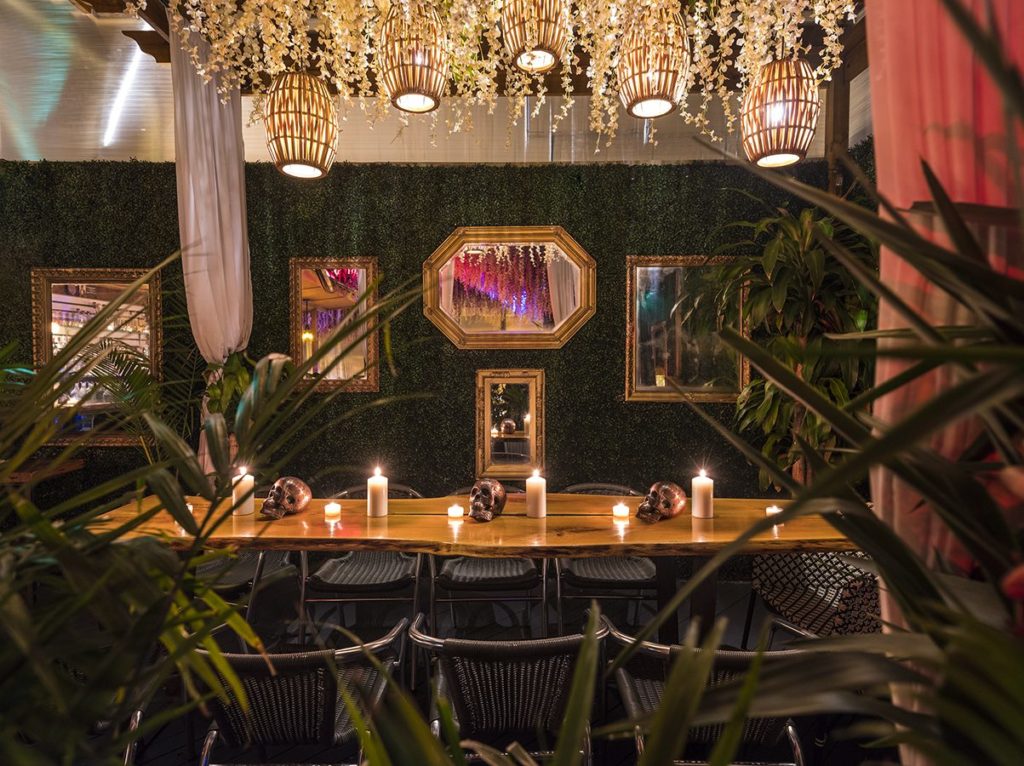
After transforming El Techo into a flower-studded oasis last winter, Hankins knew he add to up the ante this year. Reflecting on the “adult tree house” moniker and his desire to transport Washingtonians somewhere tropical during the winter months, there was only one answer: the rain forest. This winter, Hankins and the team behind El Techo give you Selva, a winter pop-up inspired by all things Amazonia.

With the winter pop-up comes an upgraded roof, special dinner, cocktail, and brunch menus, and a philanthropic perk. A portion of the proceeds from Selva will be donated to the Amazon Conservation Team and other worldwide organizations dedicated to preserving and protecting the rain forest.

Space

The most important part of any tropical escape is, of course, warm weather. While last winter’s roof brought the heat, Selva’s rooftop respite is hot fire. Hankins and the El Techo team raised the winter rooftop game with an insulated floor and poly-carbonate walls to keep the heat in throughout the cold weather months. The newly walled-in space increased the capacity of the roof, adding 12 seats to the dining area. To complete the rain forest revamp, the communal dining area, previously open-air in the winter, is now covered so groups aren’t left out in the cold.

With the heated roof overhaul taken care of, Hankins turned his eye towards decor. Selva is studded with over 40 woven lanterns made from re-purposed fishing baskets sourced from a small fishing village an hour outside of Mexico City. To pair the rain forest motif with where guests find themselves in Washington, El Techo staff created a Mayan calendar wall mural with the original Rito Loco logo and Washington landmarks including the Washington Monument and the Lincoln Memorial throughout.

Food

At Selva, guests can enjoy an elevated menu to match the upgraded roof. Hankins started with a beloved menu staple, tacos, and added meat options with more intensive cooking methods, namely 8-hour smoked brisket and chicken made using a smoker housed out back. Also starring on the Selva menu is Pollo Pizolla, their answer to ramen or pho aka the ultimate hangover-busters, featuring chicken thighs and tender pizzola beans in a 24-hour chicken and red chile broth served with do-it-yourself toppings including queso fresco, radish, cilantro, cabbage, lime, and – last but definitely not least- chicharrones.

Knowing El Techo is a dream gathering place for groups, Hankins added the Cast Iron Skillet Latin American Stir Fry with filet tips, smoked brisket, shrimp, chicken, peppers, onions, and yucca, all with a side of rice and tortillas to join their signature Seafood Paella as items ideal for sharing. Brunch brings new menu items as well including the A.M. Nachos with flour tortilla chips piled high with chicken, pico de gallo, cilantro, sunny side up eggs, and Chef Alex’s secret sauce. Other standout brunch items include the Tostado Tower with fresh guacamole sandwiched between two crispy corn tortillas and topped with refried beans, pico de gallo, ranchero sauce, and queso fresco and a Latin-twist on Shrimp and Grits with shrimp, cheesy jalapeno grits, and spicy andouille sausage gravy.

Selva sweetens the brunch deal with bottomless Tecates, Blood Marys, mimosas, or El Techo margaritas for $40 or $25 with the purchase of an entree. The lucky largest brunch crew seated by 2 PM will get their bottomless brunch offer extended until 5 PM.

Cocktails

The cocktail menu at Selva got kicked up a couple notches with a lineup of hot cocktails to keep guests warm in winter including the Hot & Boozy with Ilegal Mezcal or Gran Agave Tequila, house made hot chocolate, whipped cream, and fragrant cinnamon and La Havana featuring Bacardi 4 Year Anejo Rum, anis, cloves, apple, cinnamon, honey, and black tea. Additional cocktails joining El Techo’s staple roster of margaritas include the Caipiroska with vodka, Asian pear, lime, and cinnamon (complete with a cinnamon stick that is set to smoke upon delivery), the El Diablo made with Casa Noble Tequila, cointreau, cranberry syrup, fresh pineapple, spicy habanero, lime, and a sugar rim and the El Ladron de la Noche with Old Overholt Whiskey, honey, averna, fresh lime, and chipotle syrup.

Groups of guests will be in great spirits thanks to the Spiked Jarritos featuring the cult-favorite Mexican soft drink spiked with Gran Agave and cointreau and finished off with hibiscus and lime. The shareable cocktail ($40) is served communal style, fit for five and arriving in a skull complete with a tap to easily serve yourself and your crew.”


606 Florida Ave, NW

03 Jan 18:03

Craigslist Ads During The Shutdown

by Prince Of Petworth
V.w.verweij

Hilarious

Thanks to T. for passing on Coffee Lover? Bodum French Press / Bialetti Espresso Maker / Grinder – $35:

“I should have known better. I love the smell of coffee but, in the end, somehow it always ends up leaving a bitter aftertaste. She was (and still is) a coffee drinker and I drink diet soda. She was (and still is) a demanding coffee drinker. Demanding that her coffee be rich and flavorful and NOT instant. No Folgers, Maxwell House nor Mr. Coffee for her. In her place she has some $$$$ superautomatic machine that takes a degree in rocket science and the ability to think in Italian to coax out a cup of joe with sufficient “crema”. I couldn’t take it anymore, her roasted arabica ways behind the beautiful smile that I truly loved. She couldn’t take my swigging Coke Zero straight from 2 litre bottles. We called it quits and I’m left with some remnants of her coffee culture. I think I still have beans in the freezer! I think a barista from some non-chain coffee place is making hot brew with her now.

A lovely Bodum Chambord 8 cup (no, not 8 “real” cups but those dinky 4 oz size coffee cups–I wonder what the SI unit is for coffee?) French Press. This is the second one. It replaces the one I broke in a fit of humiliation when I made unsatisfactory coffee. Why I couldn’t master this thing I’ll never know. Maybe it’s just my tendency to forget that I started making coffee and come back an hour later to find barely warm mud inside.

A Cuisinart “Grind Central” coffee grinder. The words “why didn’t you get a burr grinder dear?” still ring in my ears. I didn’t get a burr grinder because the cheapest one I could find was almost $100 and the clerk said , with a little practice, this grinder would work great for making french press coffee. I think the clerk was right and she was just too darn finicky.

A Bialetti Venus 10 Cup stovetop espresso maker. It’s the 10 cup model but keep in mind that, for espresso, cup size is only 2 ounces–how do coffee people keep track of anything? Made in Italy so it’s got to be good, right? Italians drink espresso–heck, isn’t the word espresso Italian? It was my first attempt to caffeinate the beast into submission. It was another expensive coffee culture accessory and while I thought it would be great for making those damn espresso drinks that were sucking $5 bills out of my wallet every time we walked past a shop. I can’t remember what I paid for this at a shop in Philadelphia. Whatever the amount, it was too much!

I’m selling these items to reduce my load physically and mentally. I paid a hefty emotional price and you can get it all for only $35 Just $35! $35 doesn’t even cover ten minutes of therapy. If you don’t drink coffee, don’t start. Just say NO. Stay away from Starbucks, Caribou Coffee, trendy little independent shops with skinny people inside and fixed gear bicycles outside. If you like the smell of coffee, go visit your grandparents and help them open the can of Maxwell House and buy them some filters for the Wal-Mart purchased Mr. Coffee. Don’t ever drink the stuff though………

Email to make arrangements to purchase.

Oh, please don’t insult yourself by making some sort of lowball offer. The price is $35, I need the money, it’s a good price (if you want and/or need the items), and while you may feel compelled to try for a lower price, your pleas that you are a poor (insert whatever you are here) will not receive favorable consideration.

The first pic is of the actual three items offered, the additional photos are stock photographs of the individual items.

p.s. I think the end came when she went into a Starbucks (reluctantly since there wasn’t a decent non-chain place nearby) and I ventured into the 7-11 next door and she came in the 7-11 to find me while I was getting my health food lunch from the roller grill and the 64oz Double Gulp of Diet Coke. Not really a happy ending.”

02 Jan 16:17

“Starting next week, Metro customers will be able to bring their bikes with them on the train – at any time”

by Prince Of Petworth
V.w.verweij

Neat!


Photo by PoPville flickr user Tim Brown

From WMATA:

“Starting next week, Metro customers will be able to bring their bikes with them on the train – at any time – as Metro ends a longstanding restriction that prohibited bicycles during rush hours.

The policy change, which takes effect Monday, is expected to make Metrorail a more attractive travel option for reverse commuters (i.e. customers traveling outbound in the morning and inbound in the evening) who want to take their bike to travel between the rail station and their workplace.

Metro reviewed its policy and determined that it could respond to requests from the bicycling community by ending the rush-hour bike restriction without significant negative effects.

The review took into account that the majority of rush-hour trains are 8 cars in length (the longest possible), and that new 7000-series trains provide more open space.

“We received requests from Washington Area Bicyclist Association (WABA) and others in the bicycle community asking us to take a fresh look at our policy,” said Metro Chief Operating Officer Joe Leader. “We believe this change supports ridership growth by Metro a commuting option for those who want to have a bike with them.”

The Washington Area Bicyclist Association welcomed today’s announcement. “Bicycling extends the reach of Metrorail for customers at the beginning and end of their trip. Members of the community have long wanted the option to bring a bicycle along with them on their rush hour trips, especially reverse commuters.” said Greg Billing, WABA Executive Director. “I have to say that we’re pleasantly surprised with how flexible and accommodating Metro has been in responding quickly to this request. We are grateful to leadership at Metro for this policy change to permit bicycles during all hours of Metrorail operations.”

When Metrorail first opened, bikes were not allowed in the system at all. Since then, Metro has incrementally loosened restrictions without significant problems. Bikes were first allowed in 1982, with a paid permit on weekends and holidays only. The days and hours when bikes were allowed gradually expanded over time. Permits were eliminated in 1998, and the current policy was established in 2001, allowing bikes at all hours except weekdays from 7-10 a.m. and 4-7 p.m.

Starting Monday, standard-size bikes will be allowed at all times, on any car of any train, provided that space is available. Customers with bikes are reminded to use the doors at either end of the railcar – not the center doors – and to avoid blocking doors or aisles. Metro will monitor implementation of the new policy to determine whether any modifications are necessary. In addition, Metro reserves the ability to restrict bicycles on the rail system during major events drawing high ridership, such as July 4 fireworks and Inauguration Day.

Customers can also bring their bikes with them on Metrobus. All 1,500 Metrobuses are equipped with a rack on the front that can accommodate up to two full-size bikes at a time.

Roughly 0.8 percent of Metro customers arrived at their rail station by bike in 2016. The WMATA Board has set a goal of increasing that percentage to 2.1 percent by 2020.”

31 Dec 21:04

Hold My Beer

by Prince Of Petworth
V.w.verweij

Narwals

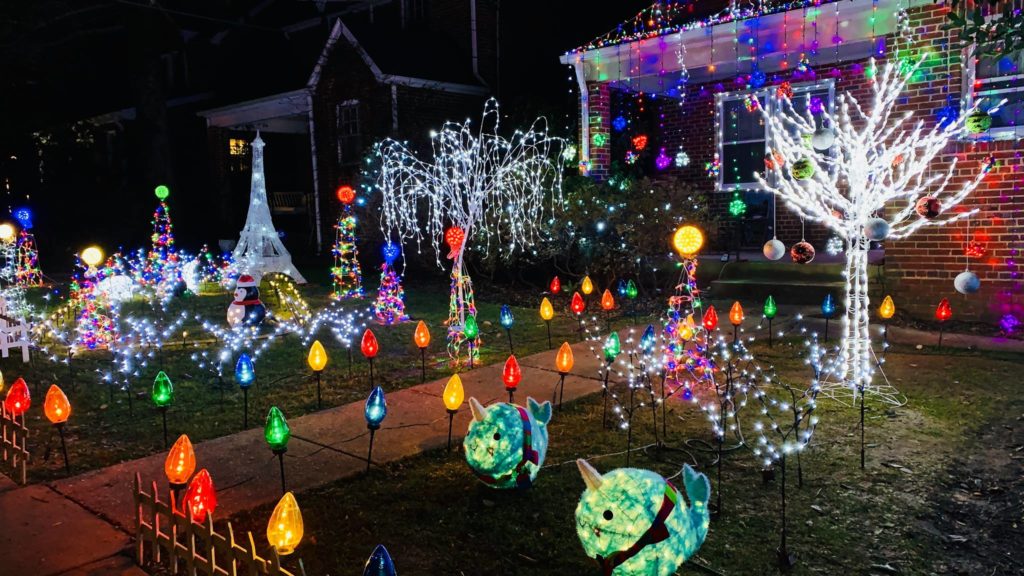
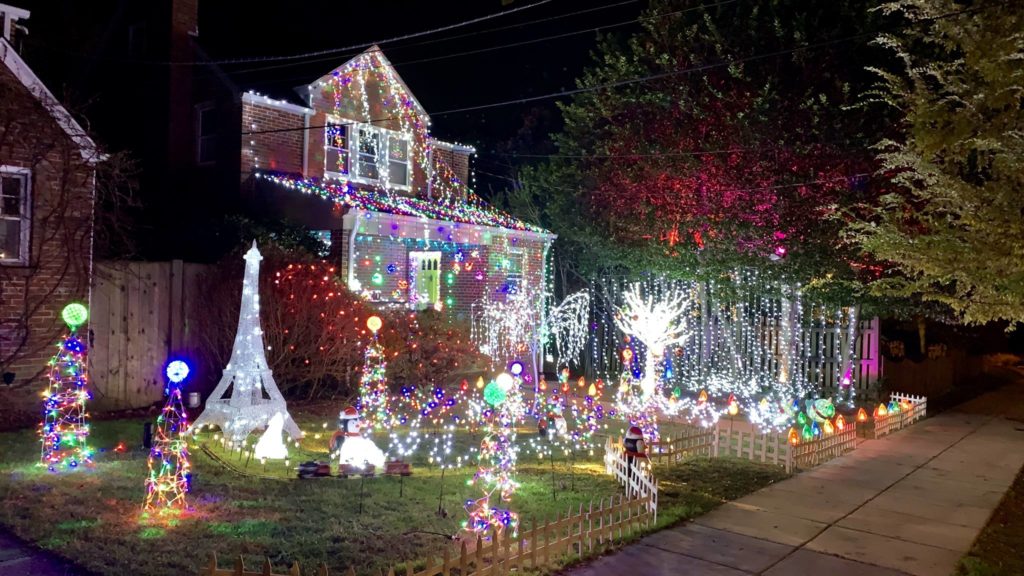
Perhaps I fawned to soon over the Unicorn being the best decoration of all time. It’s still pretty damn sweet but this get up from Lou (above) in AU Park has narwhals. Narwhals!!

Oh yeah making snow too:

Making snow.

Check out a couple more ridiculously awesome shots:

31 Dec 21:03

Arlington Pet of the Week: Beaufort

by ARLnow.com
V.w.verweij

Beaufort? MORE LIKE BUFORD

This week’s Arlington Pet of the Week is Beaufort, a bulldog who is quite personable, and a little sleepy.

Here’s what his owner, Rebecca, had to say on his behalf:

My name is Beaufort! I’m a happy-go-lucky Bulldog that loves attention from everyone and anyone. My hobbies include napping, relaxing with my toy ball, and napping again. I’m always excited to meet new people especially when I can show them my toys. I recently celebrated my 5th birthday which means I’m an adult whose decided that I need a bigger bed. I’ve been sneaking into my parent’s bed at night when they are asleep, I didn’t think they’d mind but it turns out I snore too loud, so (like the gentleman I am) I wait for them to leave for work and then go back to the bed. This actually works out better for me because I can sprawl out as much as I want. I don’t think my parents know I do this, so it’s between you and me.

When I’m not sleeping I love to explore the Shirlington dog park right here in Arlington! I wander around and once I get in all my sniffs I go down to the water for a swim and by swim I mean I go in to wear I can still reach and then come back. Now that its getting colder outside I don’t “swim” as much but I wear my sweater, lay down with my ball, and dog watch the others as they play. I get pretty sad when people pass me and they don’t say hi or scratch my butt. I’m very friendly and I want to greet everyone so if you see me in the area be sure to come say hi, the butt scratch is optional but still very much appreciated!

I hope to see you around!

With all the love and sniffs in the world,

Beaufort

Want your pet to be considered for the Arlington Pet of the Week? Email arlingtonnews@gmail.com with a 2-3 paragraph bio and at least 3-4 horizontally-oriented photos of your pet. Please don’t send vertical photos, they don’t fit in our photo galleries!

Each week’s winner receives a sample of dog or cat treats from our sponsor, Becky’s Pet Care, along with $100 in Becky’s Bucks. Becky’s Pet Care is the winner of six consecutive Angie’s List Super Service Awards, the National Association of Professional Pet Sitters’ 2013 Business of the Year and a proud supporter of the Arlington County Pawsitively Prepared Campaign.

Becky’s Pet Care provides professional dog walking and pet sitting in Arlington and all of Northern Virginia, as well as PetPrep training courses for Pet Care, CPR and emergency preparedness.

21 Dec 13:41

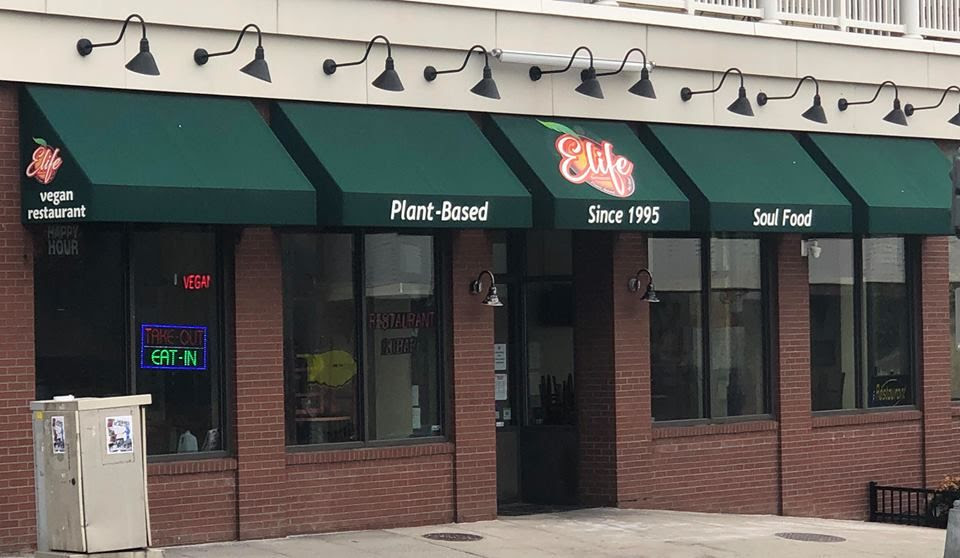
“The cafeteria style menu changes daily and now includes Vegaritos bowls and Elife smoothies and salads.”

by Prince Of Petworth


341 Cedar Street, NW courtesy Old Takoma Business Association

From the Old Takoma Business Association:

“Elife Restaurant, formerly Evolve, located at 341 Cedar St, NW in the Takoma neighborhood of Washington, DC is part of the collection of vegan soul food restaurants owned by founder, Dr. Baruch Ben-Yehudah. This location opened in 2014 and, in addition to this name change, is now incorporating menu items from its sister restaurants in Capitol Heights, MD, Anacostia as well as Vegaritos, formerly at 6904 4th St, NW.

The cafeteria style menu changes daily and now includes Vegaritos bowls and Elife smoothies and salads. Each day, diners can find at least five different entree choices along with many side dishes plus corn bread, desserts and drinks – including a full bar. The restaurant is also now open for lunch and offers delivery service via Ubereats.

New hours of operation:
Monday – Saturday 12 noon -9:00 pm
Sunday, 12:00 noon – 5:00 pm”

18 Dec 03:17

Your Afternoon Animal Fix

by Prince Of Petworth

If you have any animal/pet photos you’d like to share please send an email to princeofpetworth(at)gmail(dot)com with ‘Animal Fix’ in the title and say the name of your pet and your neighborhood.  If you love the animal fix and want to ensure PoPville’s long term viability please consider donating to our Patreon page here.

“Meryl named after the 3-time Academy Award-winning actress Meryl Streep of H Street”

“Post-Thanksgiving football edition. Moose from Columbia Heights enjoying the Pats game and holiday music.”

18 Dec 03:17

Your Afternoon Animal Fix

by Prince Of Petworth

If you have any animal/pet photos you’d like to share please send an email to princeofpetworth(at)gmail(dot)com with ‘Animal Fix’ in the title and say the name of your pet and your neighborhood.  If you love the animal fix and want to ensure PoPville’s long term viability please consider donating to our Patreon page here.

“Sprout en route to meet her forever mama in Columbia Heights.

She was adopted and she was a foster from the Humane Society”

“This is Otis, lounging on Saturday evening at his parents’ new house in Petworth.”

17 Dec 22:24

So About All That Rain This Weekend (Year)

by Prince Of Petworth
V.w.verweij

Time to print "Make Hains Point the Potomac Again" hats.

Thanks to Phil Yabut for sharing these crazy shots.


Photos by Phil Yabut

13 Dec 04:44

First look at the 2019 Calendar + sick elephant book! New greeting cards too.

by David Malki
V.w.verweij

You can get all the Sick elephants in one book, for your dad

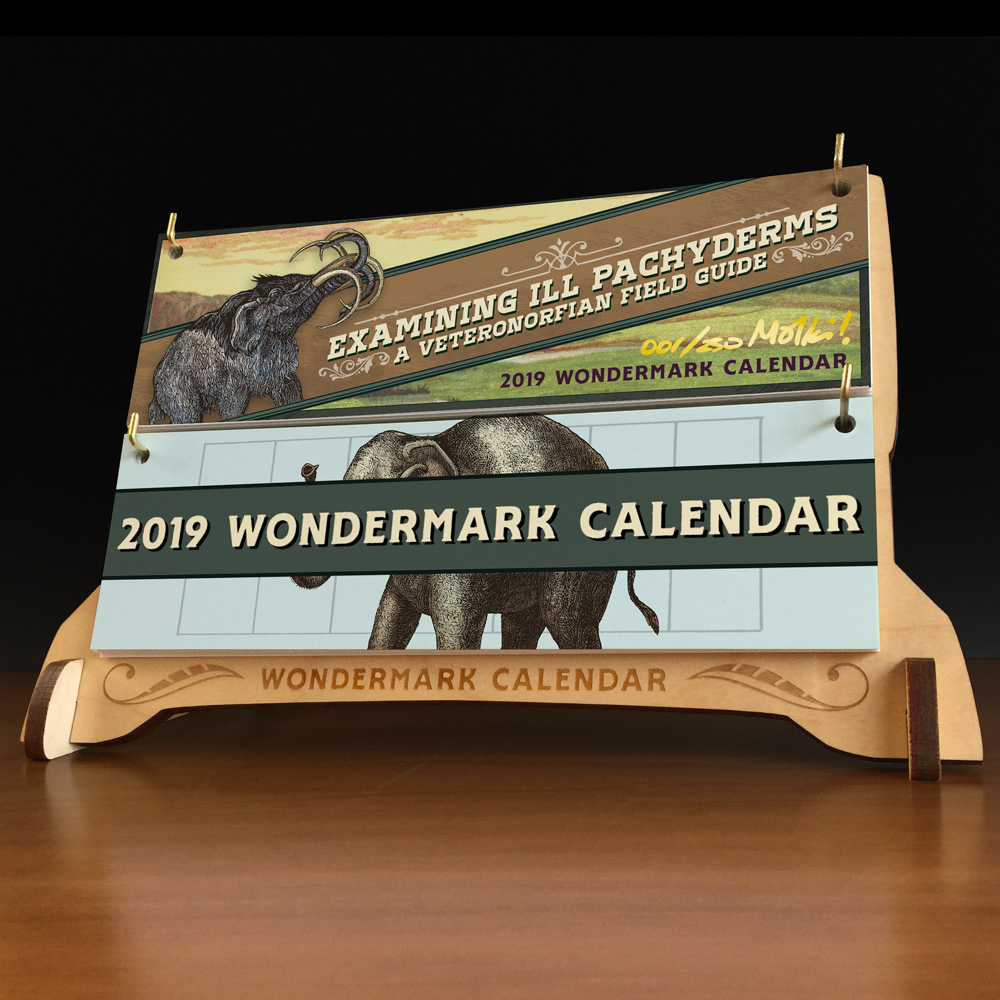
Here are some pictures of the (presently in-production) 2019 Wondermark Calendar, Examining Ill Pachyderms: A Veteronorfian Field Guide.

First look at the 2019 Calendar + sick elephant book! New greeting cards too.

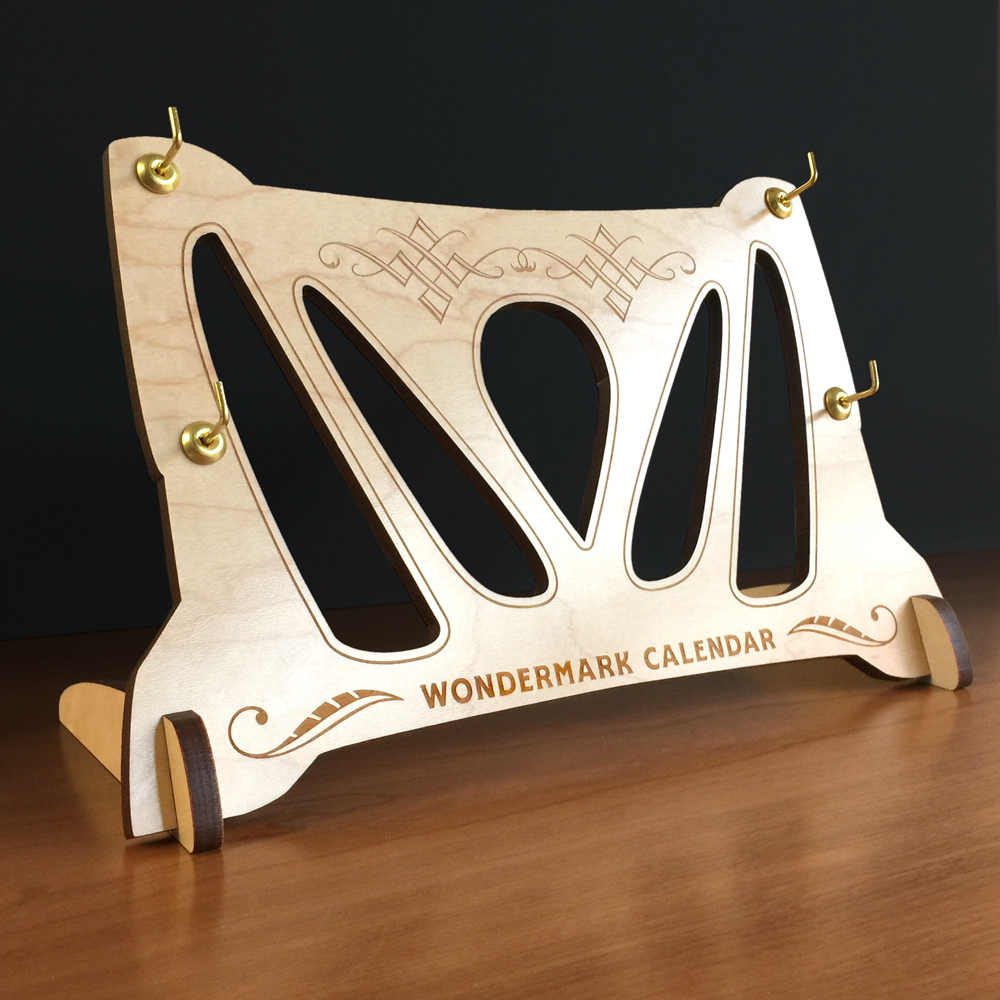
If you have a wooden stand from any previous year, it will work with this year’s calendar as well — but this year we are also offering a 2019-exclusive wooden stand design, each of which will be signed and dated by me!

First look at the 2019 Calendar + sick elephant book! New greeting cards too.

Those holes allow the legs to ship flat INSIDE THE STAND ITSELF, which satisfies my perpetual desire for MAXIMUM EFFICIENCY.

And, optionally with the calendar or just by itself, also available is the sick elephant book collection, The Elephant of Surprise:

First look at the 2019 Calendar + sick elephant book! New greeting cards too.

I only printed a limited run of these for this season, so if they end up selling out, I’ll reprint them in January.

You can get any or all of the above right here!

And of course there will be an exclusive Cast Card — one of the final ones produced — available with the calendar or book as well.

As is true every year, the production and shipping schedule for the calendar is very, very tight. I cannot promise every order will arrive by Christmas — but there is a menu, when you order, that lets you select whether you do or don’t care about that in particular. UPDATE: I’ve shipped all I can before Christmas; everything else will ship in the first run of January!

I will prioritize shipping the orders for folks who say it’s important to get it by Christmas. And if you personally don’t care, I appreciate you letting me know that as well! I never really know how many of these things are purchased as gifts vs. purchased for oneself. Anyway, we will just try our best!


Turns out I will indeed have some new greeting card designs too:

First look at the 2019 Calendar + sick elephant book! New greeting cards too.

First look at the 2019 Calendar + sick elephant book! New greeting cards too.

These are available singly or in quantity, along with all of my other greeting card designs.

Greeting card orders are shipping without delay, since I know you have to receive them with enough time to send them back out!

More pictures of the calendar as I have them! About half of our limited run have already sold, so don’t delay!

11 Dec 19:40

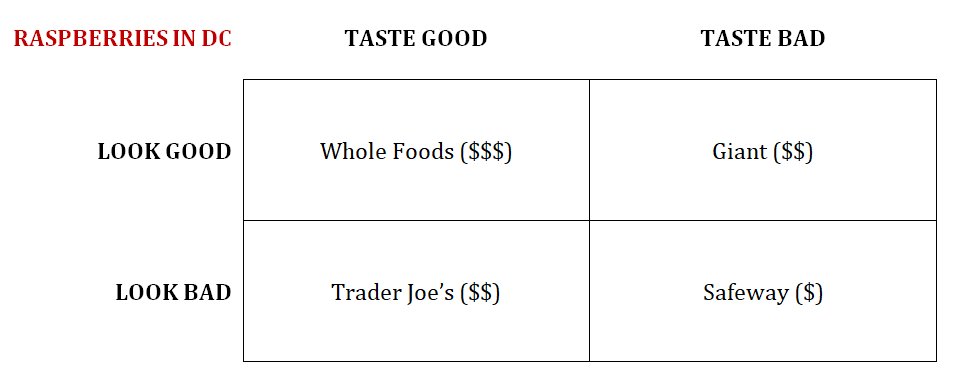
“Six years of in-depth research culminate in the official DC raspberry chart.”

by Prince Of Petworth
V.w.verweij

This is relevant to your interests.


Photo by PoPville flickr user Erin

hahaha thanks to Ben for sending:

“Six years of in-depth research culminate in the official DC raspberry chart. Agree? Disagree? You can’t disagree – it’s perfect. Where would Harris Teeter go?”

11 Dec 16:54

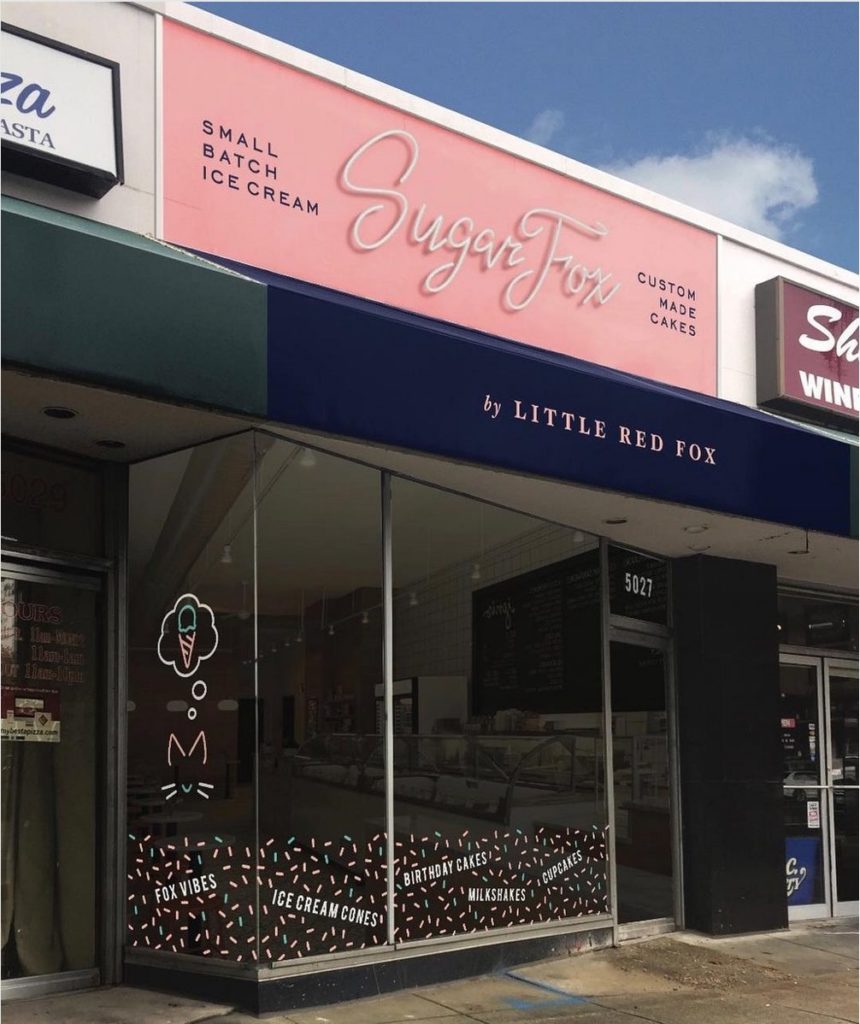
Sugar Fox, “a neighborhood ice cream shop and bakery”, coming “early 2019”

by Prince Of Petworth


rendering credit: Polygraph Creative. 5027 Connecticut Ave, NW

From an email:

“Sugar Fox

Opening: Early 2019

5027 Connecticut Ave NW, Washington, D.C.

About: Husband-wife duo Jena and Matt Carr of Little Red Fox will open Sugar Fox, a neighborhood ice cream shop and bakery,

in early 2019, just a few storefronts down from their current café. The shop will offer house-made and customizable treats including small batch ice cream by the scoops in rotating seasonal flavors, milkshakes, cakes, and cupcakes.”

11 Dec 16:21

I Heart Radio

by Dorothy

Comic

10 Dec 21:50

“Hear that, DC? WE’RE GETTING A TINY IKEA.”

by Prince Of Petworth
V.w.verweij

What we all needed


Photo by PoPville flickr user Rukasu1

Thanks to Jonathan Padget for passing on to us last week: “Hear that, DC? WE’RE GETTING A TINY IKEA.”

CityLab reported:

“For anyone who knows the furniture retailer’s massive blue-box megastores, this might come as a surprise. But what you’ll find at the Midtown outpost is something new: a “Planning Studio” with a much smaller footprint, where New Yorkers can get one-on-one advice before ordering items for delivery.”

09 Dec 22:26

Your Afternoon Animal Fix

by Prince Of Petworth

If you have any animal/pet photos you’d like to share please send an email to princeofpetworth(at)gmail(dot)com with ‘Animal Fix’ in the title and say the name of your pet and your neighborhood.  If you love the animal fix and want to ensure PoPville’s long term viability please consider donating to our Patreon page here.

“Bella of Trinidad celebrating her Sweet 16 birthday this year!”

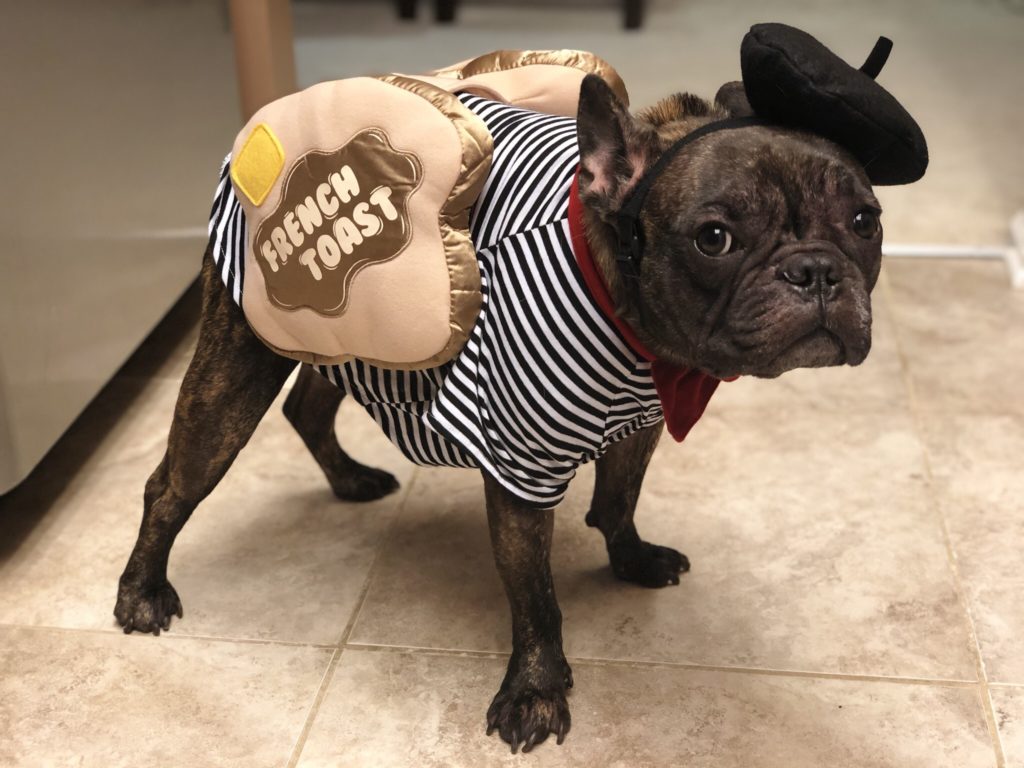
“This is Frenchie-Toast Charlie! He’s chilling in McLean!”

06 Dec 17:00

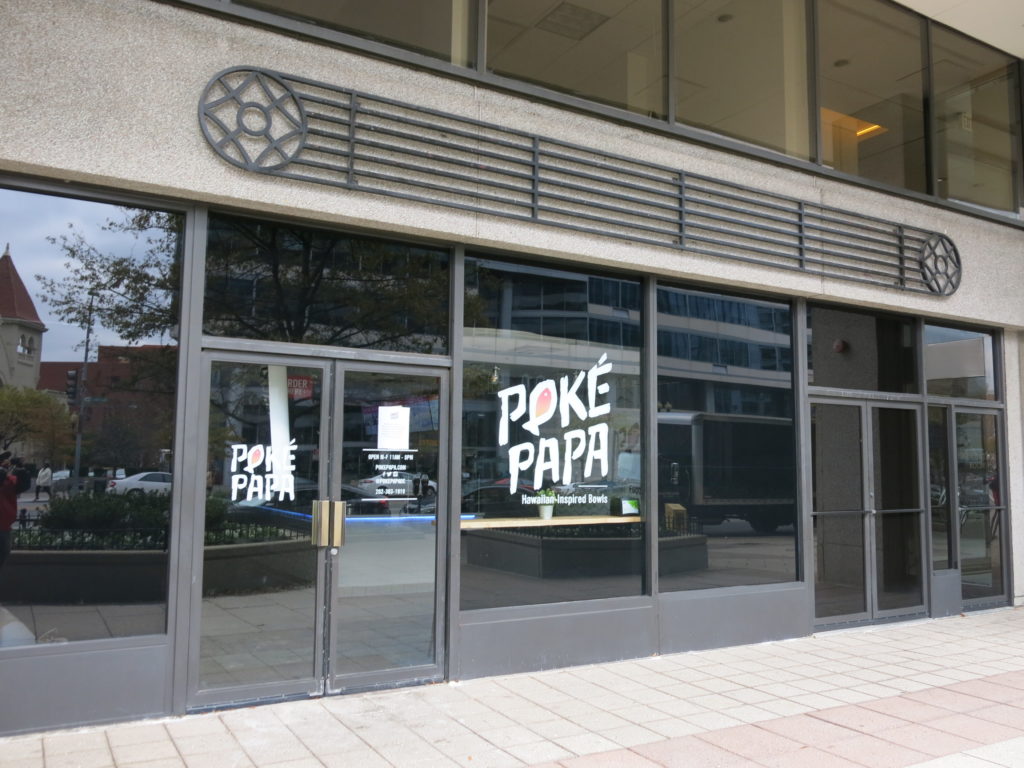
Poke Papa opened today in Foggy Bottom

by Prince Of Petworth


1919 Pennsylvania Ave, NW

Today’s the day for Poke Papa in former Greenberry’s space! Hours here are 11am to 8pm.  Poke Papa opened their first D.C. location on H Street, NW in April 2017. You can see their menu here

06 Dec 16:49

I Interrupt our Restaurant News with A Little Dose of Awesome

by Prince Of Petworth

Thanks to Jenny for sending:

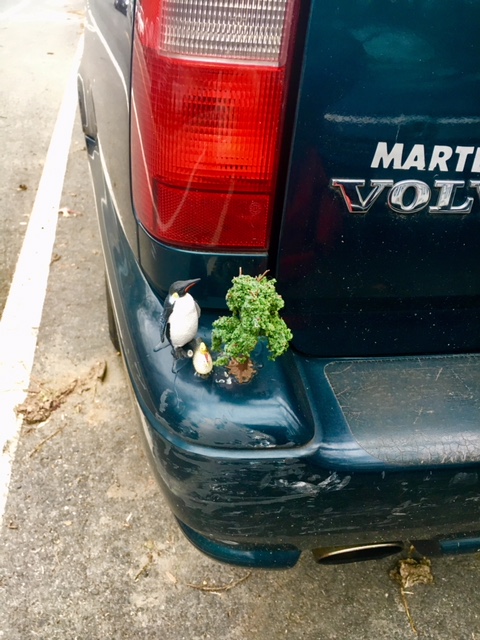
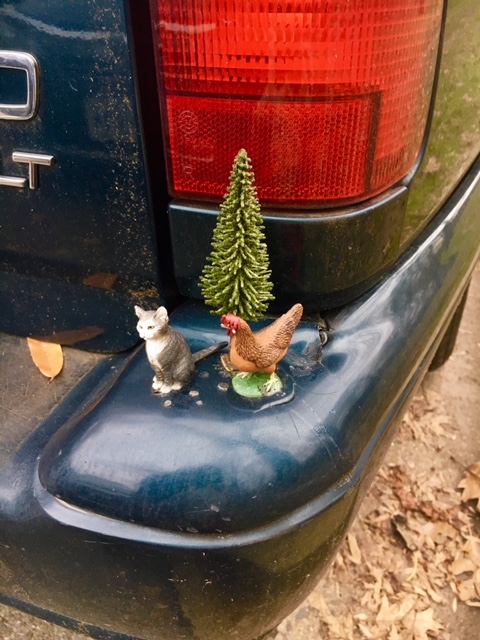
“I pass this old-ish Volvo almost every day on my walk to work, parked on Tilden by Melvin Hazen Park. Just noticed this awesomeness”

05 Dec 22:43

(previous)

04 Dec 22:39

The Rise and Fall of the Scale Trees

by Matt
V.w.verweij

This is worth reading the end of.

SS2139210.jpg

If I had a time machine, the first place I would visit would be the Carboniferous. Spanning from 358.9 to 298.9 million years ago, this was a strange time in Earth’s history. The continents were jumbled together into two great landmasses - Laurasia to the north and Gondwana to the south and the equatorial regions were dominated by humid, tropical swamps. To explore these swamps would be to explore one of the most alien landscapes this world has ever known.

The Carboniferous was the heyday for early land plants. Giant lycopods, ferns, and horsetails formed the backbone of terrestrial ecosystems. By far the most abundant plants during these times were a group of giant, tree-like lycopsids known as the scale trees. Scale trees collectively make up the extinct genus Lepidodendron and despite constantly being compared to modern day club mosses (Lycopodiopsida), experts believe they were more closely related to the quillworts (Isoetopsida).

Carboniferous coal swamp reconstruction dating back to the 1800’s

Carboniferous coal swamp reconstruction dating back to the 1800’s

It is hard to say for sure just how many species of scale tree there were. Early on, each fragmentary fossil was given its own unique taxonomic classification; a branch was considered to be one species while a root fragment was considered to be another and juvenile tree fossils were classified differently than adults. As more complete specimens were unearthed, a better picture of scale tree diversity started to emerge. Today I can find references to anywhere between 4 and 13 named species of scale tree and surely more await discovery. What we can say for sure is that scale tree biology was bizarre.

The name “scale tree” stems from the fossilized remains of their bark, which resembles reptile skin more than it does anything botanical. Fossilized trunk and stem casts are adorned with diamond shaped impressions arranged in rows of ascending spirals. These are not scales, of course, but rather they are leaf scars. In life, scale trees were adorned with long, needle-like leaves, each with a single vein for plumbing. Before the started branching, young trees would have resembled a bushy, green bottle brush.

Juvenile scale tree on the left & the adult on the right

Juvenile scale tree on the left & the adult on the right

As scale trees grew, it is likely that they shed their lower leaves, which left behind the characteristic diamond patterns that make their fossils so recognizable. How these plants achieved growth is rather fascinating. Scale tree cambium was unifacial, meaning it only produced cells towards its interior, not in both directions as we see in modern trees. As such, only secondary xylem was produced. Overall, scale trees would not have been very woody plants. Most of the interior of the trunk and stems was comprised of a spongy cortical meristem. Because of this, the structural integrity of the plant relied on the thick outer “bark.” Many paleobotanists believe that this anatomical quirk made scale trees vulnerable to high winds.

Scale trees were anchored into their peaty substrate by rather peculiar roots. Originally described as a separate species, the roots of these trees still retain their species name. Paleobotanists refer to them as “stigmaria” and they were unlike most roots we encounter today. Stigmaria were large, limb-like structures that branched dichotomously in the soil. Each main branch was covered in tiny spots that were also arranged in rows of ascending spirals. At each spot, a rootlet would have grown outward, likely partnering with mycorrhizal fungi in search of water and nutrients.

A preserved  Lepidodendron  stump

A preserved Lepidodendron stump

Eventually scale trees would reach a height in which branching began. Their tree-like canopy was also the result of dichotomous branching of each new stem. Amazingly, the scale tree canopy reached staggering heights. Some specimens have been found that were an estimated 100 ft (30 m) tall! It was once thought that scale trees reached these lofty heights in as little as 10 to 15 years, which is absolutely bonkers to think about. However, more recent estimates have cast doubt on these numbers. The authors of one paper suggest that there is no biological mechanism available that could explain such rapid growth rates, concluding that the life span of a typical scale tree was more likely measured in centuries rather than years.

Regardless of how long it took them to reach such heights, they nonetheless would have been impressive sites. Remarkably, enough of these trees have been preserved in situ that we can actually get a sense for how these swampy habitats would have been structured. Whenever preserved stumps have been found, paleobotanists remark on the density of their stems. Scale trees did not seem to suffer much from overcrowding.

leps.PNG

The fact that they spent most of their life as a single, unbranched stem may have allowed for more success in such dense situations. In fact, those that have been lucky enough to explore these fossilized forests often comment on how similar their structure seems compared to modern day cypress swamps. It appears that warm, water-logged conditions present similar selection pressures today as they did 350+ million years ago.

Like all living things, scale trees eventually had to reproduce. From the tips of their dichotomosly branching stems emerged spore-bearing cones. The fact that they emerge from the growing tips of the branches suggests that each scale tree only got one shot at reproduction. Again, analyses of some fossilized scale tree forests suggests that these plants were monocarpic, meaning each plant died after a single reproductive event. In fact, fossilized remains of a scale tree forest in Illinois suggests that mass reproductive events may have been the standard for at least some species. Scale trees would all have established at around the same time, grown up together, and then reproduced and died en masse. Their death would have cleared the way for their developing offspring. What an experience that must have been for any insect flying around these ancient swamps.

The fossilized strobilus of a Lepidodendron

The fossilized strobilus of a Lepidodendron

Compared to modern day angiosperms, the habits of the various scale trees may seem a bit inefficient. Nonetheless, this was an extremely successful lineage of plants. Scale trees were the dominant players of the warm, humid, equatorial swamps. However, their dominance on the landscape may have actually been their downfall. In fact, scale trees may have helped bring about an ice age that marked the end of the Carboniferous.

You see, while plants were busy experimenting with building ever taller, more complex anatomies using compounds such as cellulose and lignin, the fungal communities of that time had not yet figured out how to digest them. As these trees grew into 100 ft monsters and died, more and more carbon was being tied up in plant tissues that simply weren’t decomposing. This lack of decomposition is why we humans have had so much Carboniferous coal available to us. It also meant that tons of CO2, a potent greenhouse gas, were being pulled out of the atmosphere millennia after millennia.

A fossilized root or “stigmaria”

A fossilized root or “stigmaria”

As atmospheric CO2 levels plummeted and continents continued to shift, the climate was growing more and more seasonal. This was bad news for the scale trees. All evidence suggests that they were not capable of keeping up with the changes that they themselves had a big part in bringing about. By the end of the Carboniferous, Earth had dipped into an ice age. Earth’s new climate regime appeared to be too much for the scale trees to handle and they were driven to extinction. The world they left behind was primed and ready for new players. The Permian would see a whole new set of plants take over the land and would set the stage for even more terrestrial life to explode onto the scene.

It is amazing to think that we owe much of our industrialized society to scale trees whose leaves captured CO2 and turned it into usable carbon so many millions of years ago. It seems oddly fitting that, thanks to us, scale trees are once again changing Earth’s climate. As we continue to pump Carboniferous CO2 into our atmosphere, one must stop to ask themselves which dominant organisms are most at risk from all of this recent climate change?

Photo Credits: [1] [2] [3] [4] [5] [6] [7]

Further Reading: [1] [2] [3] [4] [5] [6] [7] [8] [9] [10] [11] [12] [13] [14]

04 Dec 22:38

‘Washington-Loving High School’ Proposed As New Name for Washington-Lee

by Alex Koma
V.w.verweij

Thoughts?

Washington-Lee High School could soon be renamed to honor Mildred and Richard Loving, the Virginia couple who successfully challenged the state’s ban on interracial marriages before the Supreme Court.

A committee tasked with suggesting a new name for the school voted on Thursday (Nov. 29) to recommend “Washington-Loving” as its new moniker, according to School Board spokeswoman Linda Erdos. She added that the committee’s second choice was “Washington-Liberty High School” in passing along recommendations to the Board.

The 23-member group began its work in September, after the Board voted in June to strip Confederate general Robert E. Lee’s name from the building due to his legacy of fighting to preserve slavery. Board members will now have the final say on a new name for the school, which they’re hoping to have in place in time for the 2019-2020 school year.

The renaming effort has been a controversial one throughout the community, with three W-L students suing the school to block the name change, arguing that the Board didn’t follow its own procedures in kicking off the renaming. The Board vigorously denies those charges, and a hearing in that case is set in Arlington Circuit Court later this month.

Other disgruntled alumni also backed Audrey Clement’s unsuccessful School Board campaign this fall in a bid to register their displeasure with the name change.

Nevertheless, the Board is set to debate the matter for the first time at its Dec. 20 meeting, Erdos said. In an email to the school’s staff that Erdos provided to ARLnow, W-L Principal Gregg Robertson expressed confidence that the “Washington-Loving” option would be the ideal option for the Board to consider.

“I don’t like to speculate, but ‘Loving’ holds a strong first place recommendation,” Robertson wrote. “I am so proud that our school community is moving forward in a positive way, while being insightful and thoughtful. I am also proud that we may be the first school in the United States to honor two individuals who looked past race and color and joined in a marriage based on their love and respect for each another. Though at the time, treated very unfairly by the state they loved — they will now hopefully be honored for possessing many of the same attributes we associate with our school, our goals and our vision for a global society.”

Chloe Slater, a junior at Washington-Lee who sat on the committee, agreed that “Washington-Loving” provides a “clear representation” of the school’s values. As the child of an interracial couple herself, Slater says the Lovings’ court battle represents an inspiring example of “how everyday people can accomplish great things.”

“I just really enjoy how we can turn a name with so many negative connotations into something positive,” Slater told ARLnow.

The Lovings, who have both since died, hailed from Caroline County, just south of Fredericksburg. The couple married in D.C. in 1958, but were subsequently convicted under a Virginia law banning interracial couples from returning to the state. The Lovings challenged that sentence in court, and the Supreme Court ultimately issued a unanimous decision in their favor in 1967, in effect striking down all laws banning interracial marriage across the county. The case was also the subject of the film “Loving” in 2016.

The Board had originally hoped to vote on a new name for W-L before year’s end. However, Erdos said it’s currently planning to do so at its Jan. 10 meeting.

04 Dec 22:38

DC's zip code 20001 ranked 2nd in US for most gentrified zip code

by noreply@blogger.com (Scott Roberts of Bloomingdale)
Click on the link to read the entire CNBC Make It post:


Of the top 20 ZIP codes deemed most gentrified, here are the top 10:

Los Angeles, California

ZIP code: 90014
Home value change: 707 percent
Household income change: 95 percent
Higher education change: 857 percent

Washington, District of Columbia

ZIP code: 20001
Home value change: 207 percent
Household income change: 163 percent
Higher education change: 212 percent

04 Dec 22:37

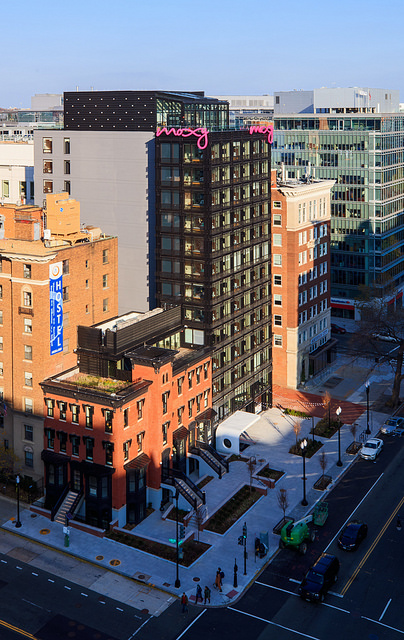
Check Out the new Moxy D.C. Hotel now open at 11th and K St, NW.

by Prince Of Petworth


11th and K Street, NW courtesy The Moxy

From a press release:

“The experiential and spirited Moxy Hotels, part of Marriott International, officially opened its doors to guests and the local Washington D.C. community. The new Moxy D.C. will boldly reinvent the lifestyle hotel experience in the nation’s capital, positioning itself as the ultimate destination for engaging, smart and free-spirited travelers.


Courtesy The Moxy

Partially built within a historic building dating back to 1870, the former home to a Civil War Union General, Moxy D.C. is a hotel that embraces the city’s past with an eye to the future. The hotel’s interior design, led by Dash Design, is industrial chic; where style meets function throughout the 200-room, 14-story hotel situated on 1011 K Street NW in downtown D.C. Polished concrete floors, exposed concrete columns, and open ceilings give way to a vibrant art-filled lobby, featuring original work by local D.C. artist Michael Crossett and a video art installation by international artist Rahul Jhad, winner of the hotel’s #BlankCanvas campaign competition.


Courtesy The Moxy

With more travelers spending time in common areas, guests can hang at their own pace in the lobby – on a couch with mobile device in hand or in take in a lively scene at the bar with beverage in hand: think living rooms with a bartender. The communal areas feature ample plug-ins for personal devices, a library zone to enjoy a quiet read, and the Moxy Digital Guestbook for streaming videos and pictures via Instagram. The NOW public space at Moxy D.C. is ignited with games – from tabletop to game tables to amp up the fun – and fun twists, like a mechanical toy horse that guests and visitors can actually ride.

“We’re thrilled to open Moxy in the heart of downtown Washington, D.C as a fun, spirited hotel with a bold approach to hospitality,” says Moxy D.C. Captain, Mark Namdar. “Our doors are open to the young and the young at heart, and to those who seek adventure – from our programming to our music to art to cocktails and everything in between, Moxy does things differently. We look forward to welcoming both the travel and local community to show them all that Moxy D.C. has to offer.”


Courtesy The Moxy

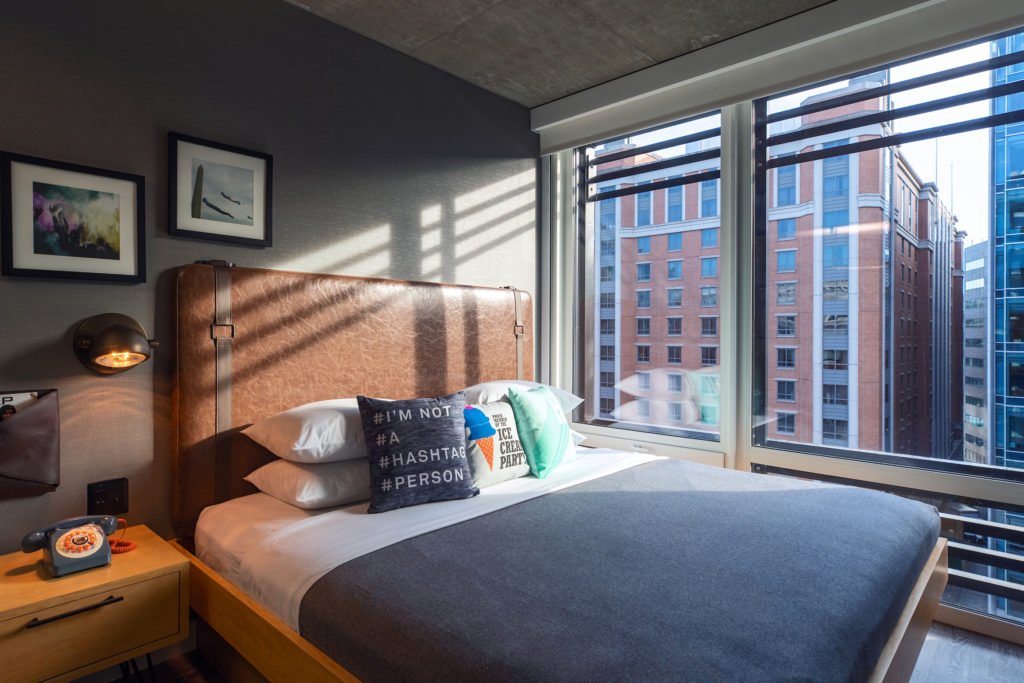
Targeted to the Fun Hunter, Moxy D.C.’s experiential concept fully embraces a different approach to hospitality. Rather than a traditional check-in counter, guests walk up to the bar and are handed a complimentary signature Got Moxy! cocktail with a room key. Bedrooms are smart and flexible, featuring mobile check-in and check-out; keyless entry; motion sensor lighting; internet TV, abundant power and USB outlets; and furiously fast and free Wi-Fi for ultimate connectivity.

In addition to thoughtfully designed bedrooms and common spaces, the hotel features three distinct dining and drinking options, including the city’s first glass-enclosed rooftop bar. The splashy space is expected to open in Spring 2019 by the Baltimore-based Atlas Restaurant Group. Opening with the property, Moxy D.C. offers the brand’s signature 24/7 grab-and-go concept giving guests access to what they want, when they want it. Whether grabbing a quick bite with Moxy’s self-serve pick-ups or a 4-pack of local craft beers, guests will have all they need for a night on the town or a night cap in-room. The hotel will host the happiest of hours serving their signature naans with toppings and featuring a cool local DJ or a chill acupuncture happy hour.

To ring in the hotel opening and introduce itself as the newest destination to play and stay in The District, Moxy D.C. will debut itself with an untraditional opening ceremony on December 4, 2018, followed by a series of opening events open to both guests and the local community. More details on Moxy D.C.’s programming can be found at www.MoxyHotels.com.

“Moxy colors outside the lines when it comes to the traditional hospitality experience and, working hand-in- hand with Douglas Development, we are set to disrupt the Washington D.C. hotel scene with the opening of Moxy D.C.,” said Vicki Poulos, Senior Global Brand Director, Moxy Hotels. “The combination of best-in- class in design, culture and food & beverage, as well as a killer price point, will no doubt deliver the fun and playful hotel experience guests have come to expect from Moxy Hotels, while reflecting the unique spirit of the nation’s capital.”

04 Dec 18:50

#1436; The Elephant of Surprise (Part 10 of 10)

by David Malki
V.w.verweij

The last one, I promise.

James Darvjamin Goodschin III, requiescat in pachyderm.

04 Dec 18:37

Ridiculously Awesome Album Cover of the Week

by Prince Of Petworth

One of my all time favorites. Speaking of which, please enjoy a few red balloons:

Ridiculously Awesome Album Cover of the Week is made possible by a generous grant from the Gerard M. Silverman foundation.

04 Dec 17:09

Meet D.C.’s New Nightlife Mayor

by Prince Of Petworth


Photo by PoPville flickr user Tim Brown

From the Mayor’s Office:

“Today, Mayor Muriel Bowser announced the appointment of Shawn Townsend as the Director of the Mayor’s Office of Nightlife and Culture. Mr. Townsend most recently served as a Supervisory Investigator at the Alcoholic Beverage Regulation Administration (ABRA) where he led a team of six investigators. He has extensive knowledge and work experience engaging with nightlife establishments to resolve challenges and leading business training and engagement opportunities.

“We are excited to welcome Shawn to the Office of Nightlife and Culture where he is going to help us ensure our city’s growth is benefitting more DC residents and local businesses,” said Mayor Bowser. “Together, we’re going to work with the community to overcome challenges, create new opportunities for Washingtonians, and spread prosperity across all eight wards.”

Prior to becoming an investigator at ABRA in 2014, Mr. Townsend worked as an investigator at the DC Office of Police Complaints as well as at the District of Columbia Public Schools. Before joining DC Government, Mr. Townsend was instrumental in launching and managing a bar and lounge in Charleston, South Carolina; through this experience, he gained an inside knowledge of the nightlife industry.

Mr. Townsend received his bachelor’s degree in journalism and mass communications from New Mexico State University.

“I introduced the bill establishing this office because the District needs an entity in our government that can think strategically about the nightlife industry’s growth and development,” said Ward 4 Councilmember Brandon Todd. “With Shawn Townsend, Mayor Bowser has found an individual with the experience and perspective necessary to lead the Mayor’s Office of Nightlife and Culture in pursuing this important mission. I look forward to working closely with Director Townsend and I congratulate Mayor Bowser on selecting an eminently qualified individual to do this critical work.”

In October, the Mayor signed the “Office of and Commission on Nightlife and Culture Establishment Act of 2018,” establishing the District’s first Office of Nightlife and Culture. The new office will promote efficiencies for the District’s after-hours economy by serving as a central point of contact between DC Government, the nightlife industry, and District residents. The legislation also establishes a 15-member Commission of Nightlife, which will be comprised of government, private-sector, and community representatives. The commission will advise the Mayor, the Director of the Office of Nightlife and Culture, and the DC Council on policies that effect nightlife establishments and the creative economy. The Commission of Nightlife will meet quarterly to review regulations, common complaints, public safety concerns, and other relevant issues.”

03 Dec 23:32

#1440; In which one’s Gut is trusted

by David Malki

It's not WRONG, it's FICTION, which can illuminate a LARGER TRUTH by way of METAPHOR

29 Nov 17:55

To his friend...

by noreply@blogger.com (MRTIM)
(Buy the COMPLETE Our Valued Customers at:
29 Nov 17:33

A Passionflower With a Taste for Insects?

by Matt
Passiflora_foetida_1.jpg

For a plant to be considered carnivorous, it must possess one or more traits unequivocally adapted for attracting, capturing, and/or digesting prey. It also helps to demonstrate that the absorption of nutrients has a clear positive impact on growth or reproductive effort. For plants like the Venus fly trap or any of the various pitcher plants out there, this distinction is pretty straight forward. For many other species, the line between carnivorous or not can be a little blurry. Take, for instance, the case of the stinking passionflower (Passiflora foetida).

At first glance, P. foetida seems par for the course as far as passionflowers are concerned. It is a vining species native from the southwestern United States all the way down into South America. It enjoys edge habitats where it can scramble up and over neighboring vegetation. It produces large, showy flowers followed by edible fruits. When the foliage is damaged, it emits a strong odor, earning it the specific epithet “foetida.”

Not until you inspect the developing floral buds of this passionflower will the question of carnivory enter into your mind. Covering the developing flowers and eventually the fruit are a series of feathery bracts, which are covered in glandular hairs. The hairs themselves are quite sticky thanks to the secretion of fluids. As insects crawl across the hairs, they become hopelessly entangled and eventually die. So, does this make P. foetida a carnivore?

Passiflora_foetida_3.jpg

Many different plants produce sticky hairs or glands on their tissues. Often this is a form of defense. Herbivorous insects looking to take a bite out of such a plant either get stuck outright or have their mouth parts completely gummed up in the process. This form of defense seems to work quite well for such plant species so simply trapping insects doesn’t mean the plant is a carnivore. Worth noting, however, is the fact that it appears that many carnivorous plant traits have simply been retooled from defense traits.

The question remains as to what happens to the trapped insects after they are ensnared by P. foetida. Observations in the field suggest that there is more to these sticky hairs than simply defense. This led a team of researchers to look closer at the interactions between P. foetida and insects. What they found is rather fascinating.

It turns out that most of the insects captured by P. foetida bracts are herbivores that would have made an easy meal of the flowers and fruits. However, after getting stuck, the insect bodies quickly decay. Laboratory analyses revealed that indeed, the fluids secreted by the sticky hairs contained lots of digestive enzymes, mainly proteases and acid phosphatases. Still, this does not mean the plant is eating the insects. It makes sense from a defensive standpoint that a plant would not benefit from having lots of rotting corpses stuck to its buds. As such, digesting them removes the possibility of fungal or bacterial attack. To investigate whether P. foetida benefits from trapping insects beyond simply avoiding herbivory, the team needed to know if any nutritional benefit was being had.

P_foetida_fruit.jpg

The team took amino acids marked with a special carbon isotope and smeared it onto the bracts. Then they waited to see if any of the labelled amino acids showed up in the plant tissues. Indeed they did. The amino acids were absorbed by the bracts and translocated to the  calyx, corolla, anthers, and finally to the developing ovules. This is probably not too surprising  to those of us that spend time growing plants as numerous plant species can uptake at least some nutrients through their leaves. This is why foliar feeding can work as a means of fertilizing potted plants. Nonetheless, these results are enticing as it shows that P. foetida is not only capturing and dissolving insects, it also seems capable of absorbing at least some amino acids from its victims.

So, should we call P. foetida a carnivore? To be honest, I am not sure. Certainly all of the evidence suggests there is more going on than simply defense. However, does garnering the attention of hungry herbivores constitute prey attraction? Certainly other carnivores utilize food deception as a means of prey capture. Does simply being a palatable plant count as a lure? Does absorbing nutrients constitute carnivory? In some instances, yes, however, as mentioned, plenty of plant species can absorb nutrients from organs other than their roots.

I think the main question is whether P. foetida sees a marked increase in growth or reproduction due to the addition of the dead herbivores. What I think we can say is that the sticky bracts surrounding the flowers and fruits serve a dual purpose - defense against herbivores and potentially a nutrient boost as well. If anything, I think this should qualify as a form of protocarnivory.

Photo Credits: [1] [2] [3]

Further Reading: [1] [2]