
Forests are important
V.w.verweijTrigger warning for cartoon elephant dying.

If you have any animal/pet photos you’d like to share please send an email to princeofpetworth(at)gmail(dot)com with ‘Animal Fix’ in the title and say the name of your pet and your neighborhood. If you love the animal fix and want to ensure PoPville’s long term viability please consider donating to our Patreon page here.

“Charlie is enjoying this fall weather in McLean!”
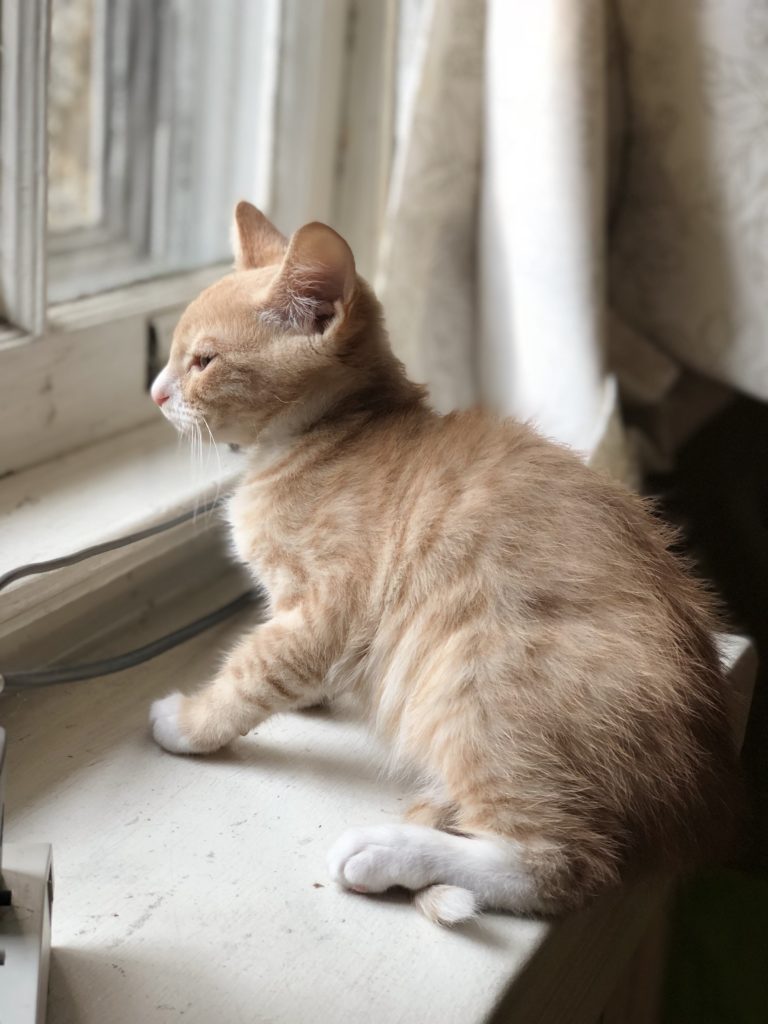
“This is Oscar the Meowch. Someone found him in a dumpster and now he’s here in Burleith. Loves: window watching, small spaces. Hates: loud noises, car rides.”
V.w.verweijBARKLEY
If you have any animal/pet photos you’d like to share please send an email to princeofpetworth(at)gmail(dot)com with ‘Animal Fix’ in the title and say the name of your pet and your neighborhood. If you love the animal fix and want to ensure PoPville’s long term viability please consider donating to our Patreon page here.

“Recently rescued kitten, Benny, getting used to his new home in Park View.”

“This is Barkley, a 9 week old Bernese Mountain Dog that moved in to Columbia Heights last week. Watch him grow way too fast on IG @BarkleyBerner”
V.w.verweijThis is the shagging parrot.

The plight of the kākāpō is a tragedy. Once the third most common bird in New Zealand, this large, flightless parrot has seen its numbers reduced to less than 150. In fact, for a time, it was even thought to be extinct. Today, serious effort has been put forth to try and recover this species from the brink of extinction. It has long been recognized that kākāpō breeding efforts are conspicuously tied to the phenology of certain trees but recent research suggests one in particular may hold the key to survival of the species.
The kākāpō shares its island homes (saving the kākāpō involved moving birds to rat-free islands) with a handful of tropical conifers from the families Podocarpaceae and Araucariaceae. Of these tropical conifers, one species is of particular interest to those concerned with kākāpō breeding - the rimu. Known to science as Dacrydium cupressinum, this evergreen tree represents one of the most important food sources for breeding kākāpō. Before we get to that, however, it is worth getting to know the rimu a bit better.


Rimu are remarkable, albeit slow-growing trees. They are endemic to New Zealand where they make up a considerable portion of the forest canopy. Like many slow-growing species, rimu can live for quite a long time. Before commercial logging moved in, trees of 800 to 900 years of age were not unheard of. Also, they can reach immense sizes. Historical accounts speak of trees that reached 200 ft. (61 m) in height. Today you are more likely to encounter trees in the 60 to 100 ft. (20 to 35 m) range.
The rimu is a dioecious tree, meaning individuals are either male or female. Rimu rely on wind for pollination and female cones can take upwards of 15 months to fully mature following pollination. The rimu is yet another one of those conifers that has converged on fruit-like structures for seed dispersal. As the female cones mature, the scales gradually begin to swell and turn red. Once fully ripened, the fleshy red “fruit” displays one or two black seeds at the tip. Its these “fruits” that have kākāpō researchers so excited.

As mentioned, it is a common observation that kākāpō only tend to breed when trees like the rimu experience reproductive booms. The “fruits” and seeds they produce are an important component of the diets of not only female kākāpō but their developing chicks as well. Because kākāpō are critically endangered, captive breeding is one of the main ways in which conservationists are supplementing numbers in the wild. The problem with breeding kakapo in captivity is that supplemental food doesn’t seem to bring them into proper breeding condition. This is where the rimu “fruits” come in.
Breeding birds desperately need calcium and vitamin D for proper egg production. As such, they seek out diets high in these nutrients. When researchers took a closer look at the “fruits” of the rimu, the kākāpō’s reliance on these trees made a whole lot more sense. It turns out, those fleshy scales surrounding rimu seeds are exceptionally high in not only calcium, but various forms of vitamin D once thought to be produced by animals alone. The nutritional quality of these “fruits” provides a wonderful explanation for why kākāpō reproduction seems to be tied to rimu reproduction. Females can gorge themselves on the “fruits,” which brings them into breeding condition. They also go on to feed these “fruits” to their developing chicks. For a slow growing, flightless parrot, it seems that it only makes sense to breed when food is this food source is abundant.

Though far from a smoking gun, researchers believe that the rimu is the missing piece of the puzzle in captive kākāpō breeding. If these “fruits” really are the trigger needed to bring female kākāpō into good shape for breeding and raising chicks, this may make breeding kākāpō in captivity that much easier. Captive breeding is the key to the long term survival of these odd yet charismatic, flightless parrots. By ensuring the production and survival of future generations of kākāpō, conservationists may be able to turn this tragedy into a real success story. What’s more, this research underscores the importance of understanding the ecology of the organisms we are desperately trying to save.



Thanks to Rachel for sending.
If you spot a hawk or any interesting wildlife around town, lunching or otherwise, and get a good photo please send in an email where you spotted it to princeofpetworth@gmail.comand I’ll add it to the queue. Hawks around Town is made possible by a generous grant from the Ben and Sylvia Gardner foundation.

V.w.verweijDood
If you have any animal/pet photos you’d like to share please send an email to princeofpetworth(at)gmail(dot)com with ‘Animal Fix’ in the title and say the name of your pet and your neighborhood. If you love the animal fix and want to ensure PoPville’s long term viability please consider donating to our Patreon page here.

“Morris aka MoMo the Dood of Navy Yard, just boatin around”
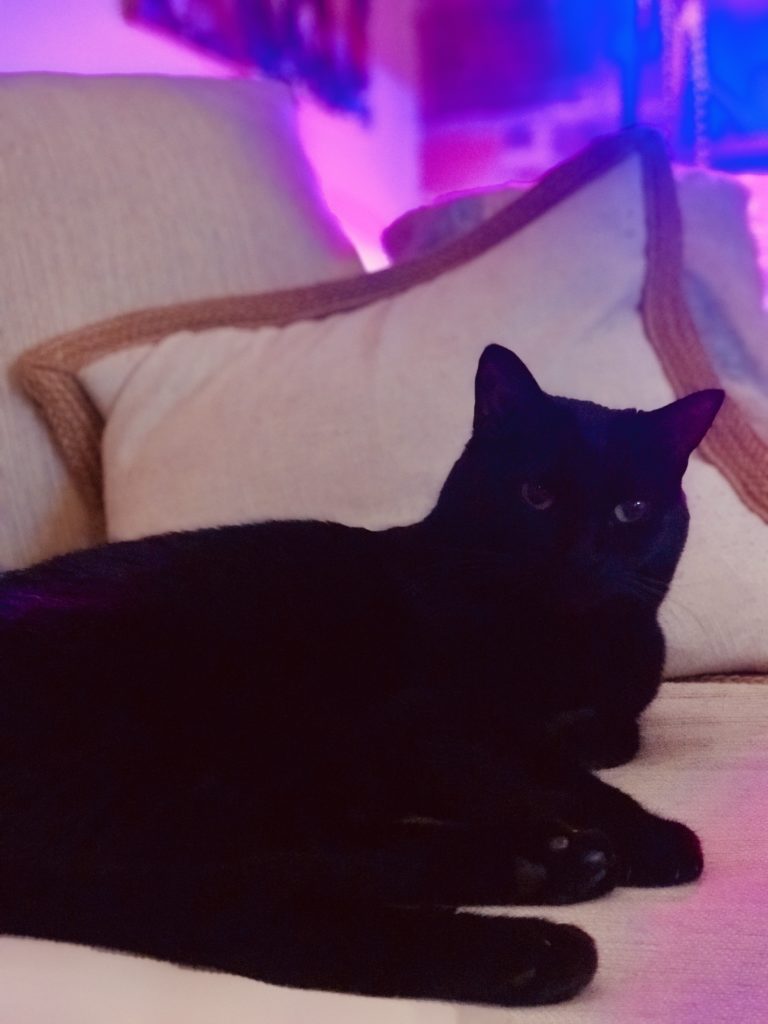
“Lily, Logan Circle, enjoying a relaxing Sunday night by her favorite lilac light.”
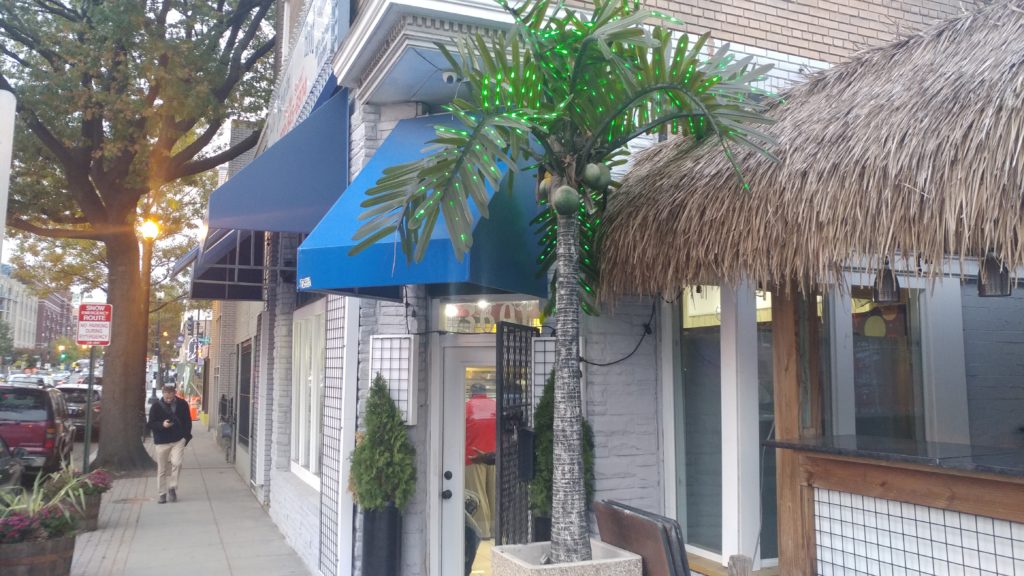
Georgia and Otis Pl, NW
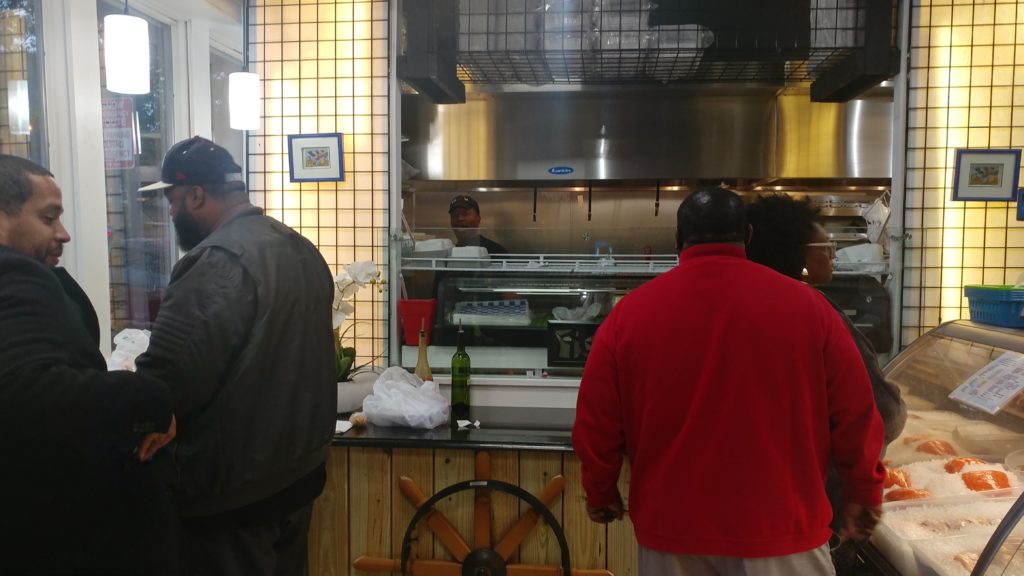
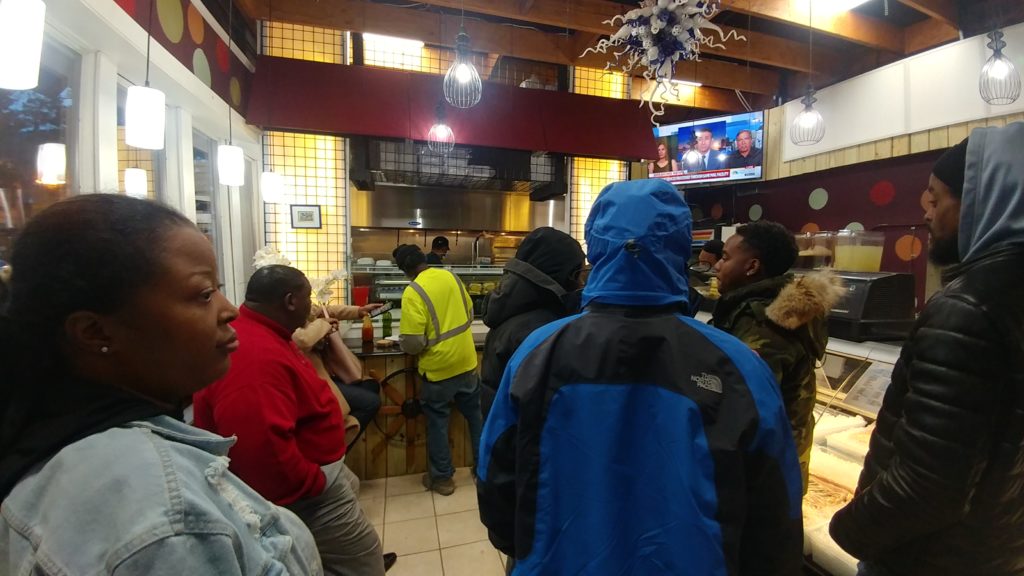
YES!!! Thanks to Louis for sending the great news and photos:
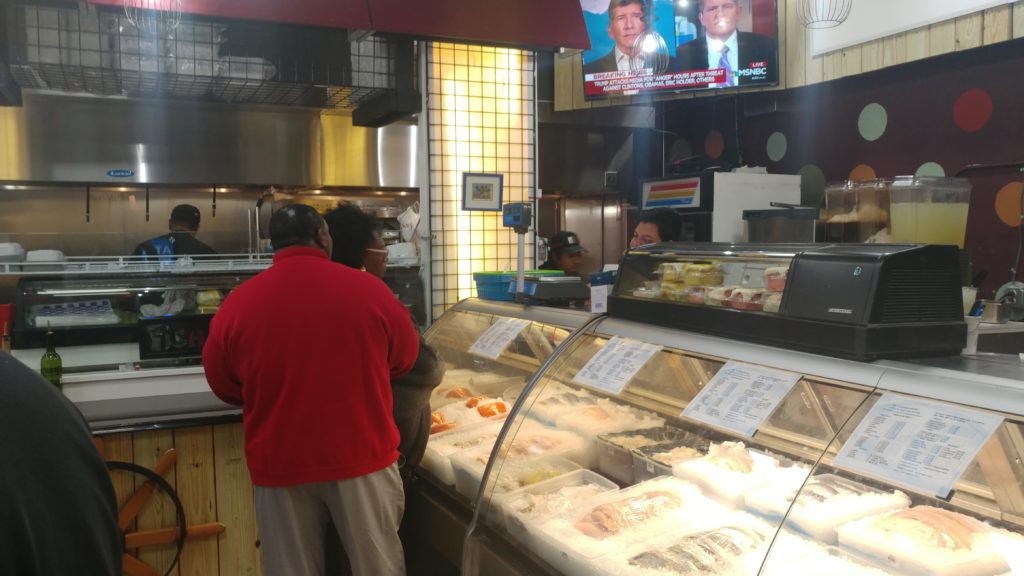
“Fish In The Hood is Back! Stopped by last night and it was packed!! The food was delish.”
Fire struck Fish in the Hood back in April 2017.
Back in the day, community activists had to start young in #BloomingdaleDC pic.twitter.com/gaFSD1gS7Z— Bloomingdame (@bloomingdame) October 21, 2018
V.w.verweijAdded another layer of Leah Gates onto this.

V.w.verweijThis one is more than gold. I'm still waiting for a line involving a mission where they seek an elven wand, though...


“$500 REWARD
Last seen at Pennsylvania and Potomac Ave SE. His collar and leash were found at the footbridge along the Anacostia trail.
His name is Frank–He’s a Liver Tan Miniature schnauzer, 3 YO and weighs 15 lbs.
He’s extremely scared and fearful of strangers and will run.
Please call or text 803-479-7517 if you find or see him.“

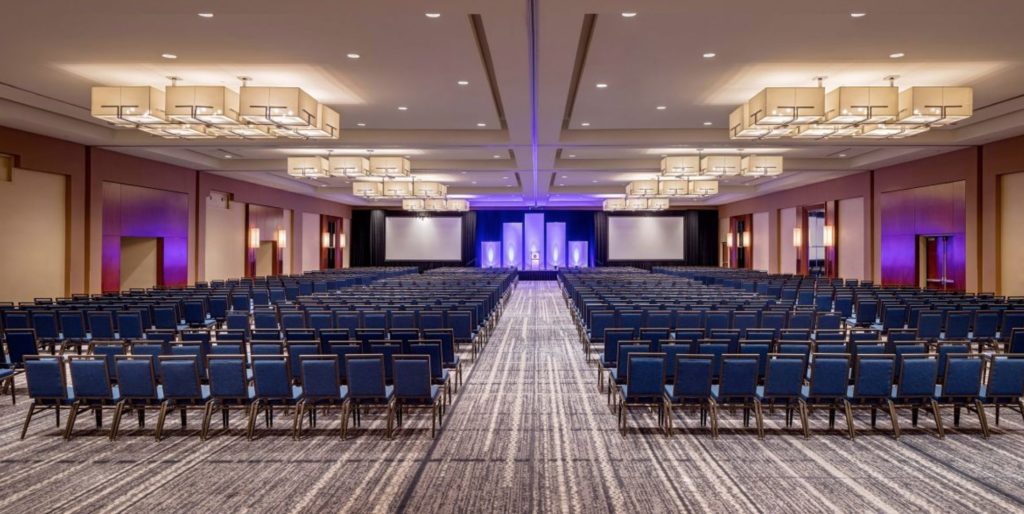
A gathering called BroCon is coming to Arlington in October, but it’s probably not what you think it is.
The convention, which is taking place in the D.C. area for the first time, is being held from Oct. 10-12 at the Hyatt Regency Crystal City. Registration costs as much as $500 per person.
BroCon is not, as one might guess by the name and the Arlington location, a meeting of former fraternity members and fist-pumping enthusiasts. Rather, it is a convention for network security professionals and academics.
Bro is open-source software that has been used to monitor computer networks since the early days of the internet.
The three-day conclave is billed as “the most important community event for users, developers, incident responders, threat hunters and architects who rely on the open-source Bro network security monitor as a critical element in their security stack.”
“This year join your colleagues who rely on Bro for technical talks, demonstrations and discussions about the project, its many applications, and its future,” says the convention’s website. “If you’re interested in the ever-evolving cybersecurity landscape and how Bro can help your organization by providing better data about network traffic, then BroCon 2018 is a critical event for you.”
V.w.verweijPun of the day


A massive pipe organ that was once housed in the demolished Arlington Presbyterian Church is getting a new chance to make music, this time in Alexandria.
The organ was a centerpiece of the church for decades, back when it was still located along Columbia Pike. But the church’s congregation agreed to work with the county to redevelop the property into an affordable housing complex back in 2016, leaving the instrument’s long-term fate in doubt.
Though Arlington Presbyterian moved to a new space over on S. Glebe Road, church leaders decided to offer up the organ to give away. As it happened, the Calvary Presbyterian Church in Alexandria (6120 N. Kings Highway) had a pressing need open up for an organ at the exact same time.
Calvary leaders say their old organ was diagnosed with “metal fatigue,” which they deemed to be a “death sentence” for instrument. Accordingly, Calvary wrote to their Arlington counterparts to express their interest.
By April 2016, Arlington Presbyterian told Calvary that the organ was theirs — if it would fit in their church.
“Out came the measuring tapes and, lo and behold, the pipes would fit like a glove within the church’s balcony,” the church wrote in a release. “Moreover, the baroque-like appearance of the pipes would find a comfortable home in Calvary’s sanctuary, which was constructed in 1954 and remains faithful to the traditional style of churches from that era.”
Even still, Calvary said the move required a “Herculean effort of a team of architects, engineers, carpenters, electricians, construction contractors, asbestos remediators, consultants, inspectors, and organ technicians.”
“It was more than two years from Calvary’s selection for the instrument to be installed and operational, following a celebratory and cathartic pipe washing party,” the church wrote. “Today, as you look upward from the pulpit of Calvary’s sanctuary on Old King’s Highway, what would make generations of parishioners from both Arlington and Calvary proud is that their pipe organ looks right at home, like it’s always been there.”
Calvary is even planning a special dedication ceremony for the organ, set for Sunday (Sept. 23) at 10 a.m.
V.w.verweijUpdate

3301 Georgia Ave, NW
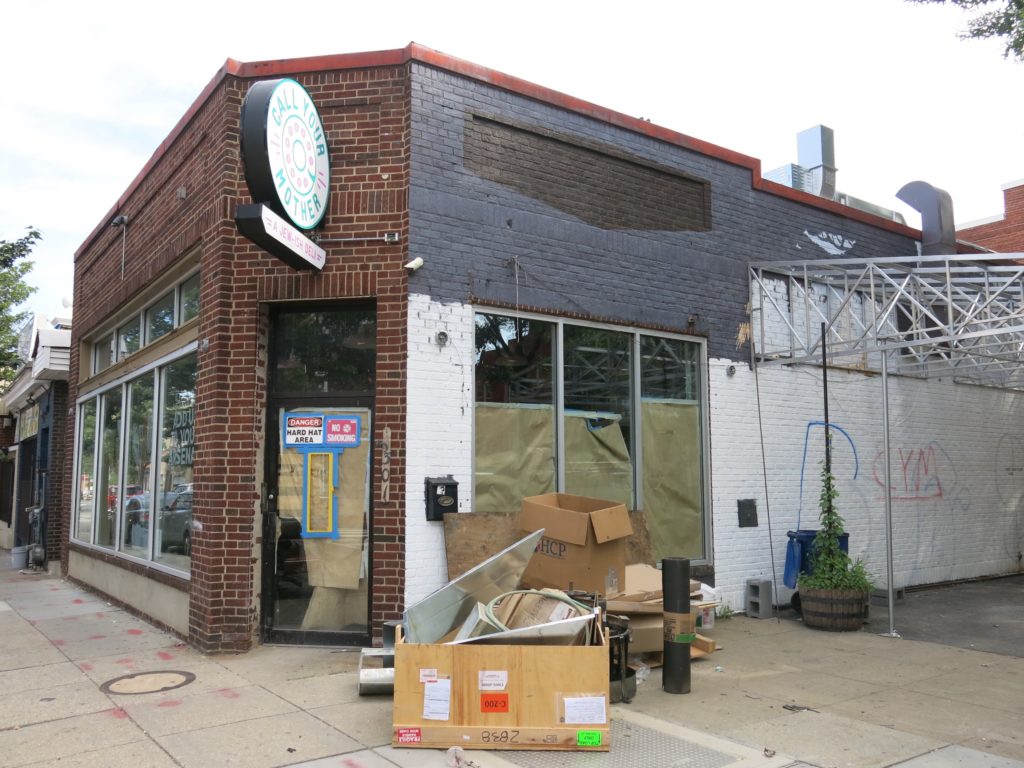
I am not a foodie but there are two things my upbringing have made me expert in – pizza and bagels. We covered the great pizza news yesterday, and apparently God is smiling on me because I got some great bagel (and more) news today. After some serious serious anticipation the folks at Timber Pizza are opening Call Your Mother in the the former Alfie’s space next week! To start they’ll be open 7am-2pm Weekdays and 8am-3pm on weekends. In a few weeks they’ll also be launching a super club in the evenings so stay tuned for that. Also stay tuned for an exact opening date next week and the full menu. In the meantime, I got a sneak peek and a sneak taste from Andrew and partner/head chef Daniela Moreira:
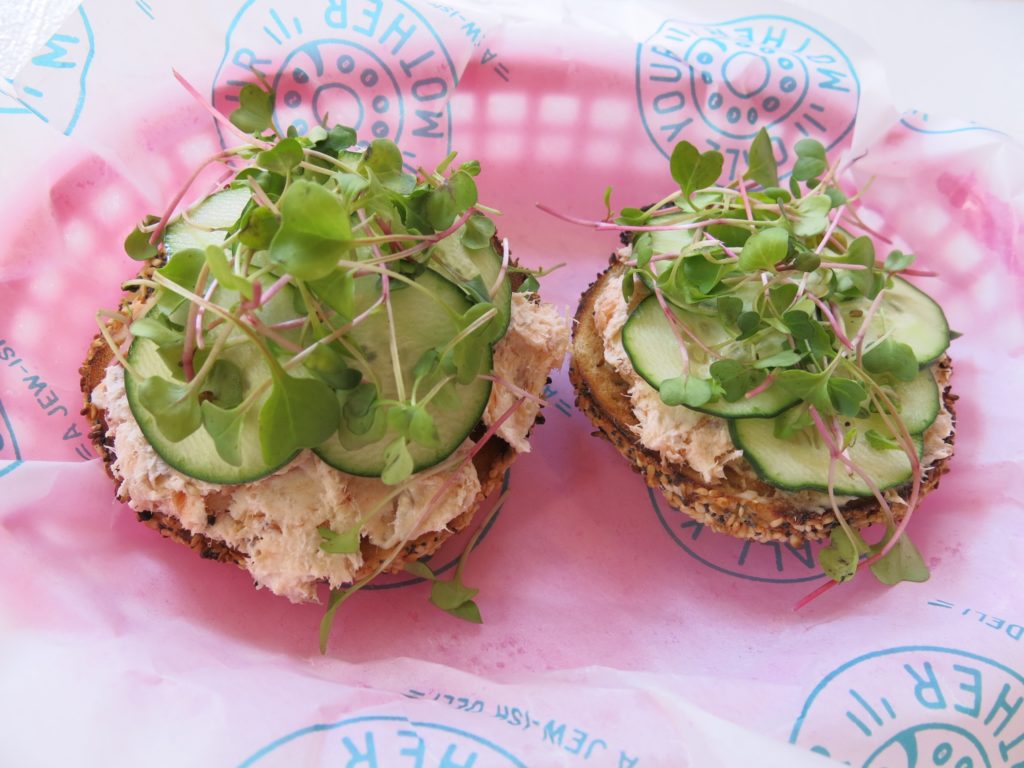
Oh and there will be Babka!! And of course a black and white cookie. Ed. Note: I’m normally not a black and white cookie guy but this one is much lighter and tastier than the ones from my youth. Can’t wait to taste some sandwiches too.

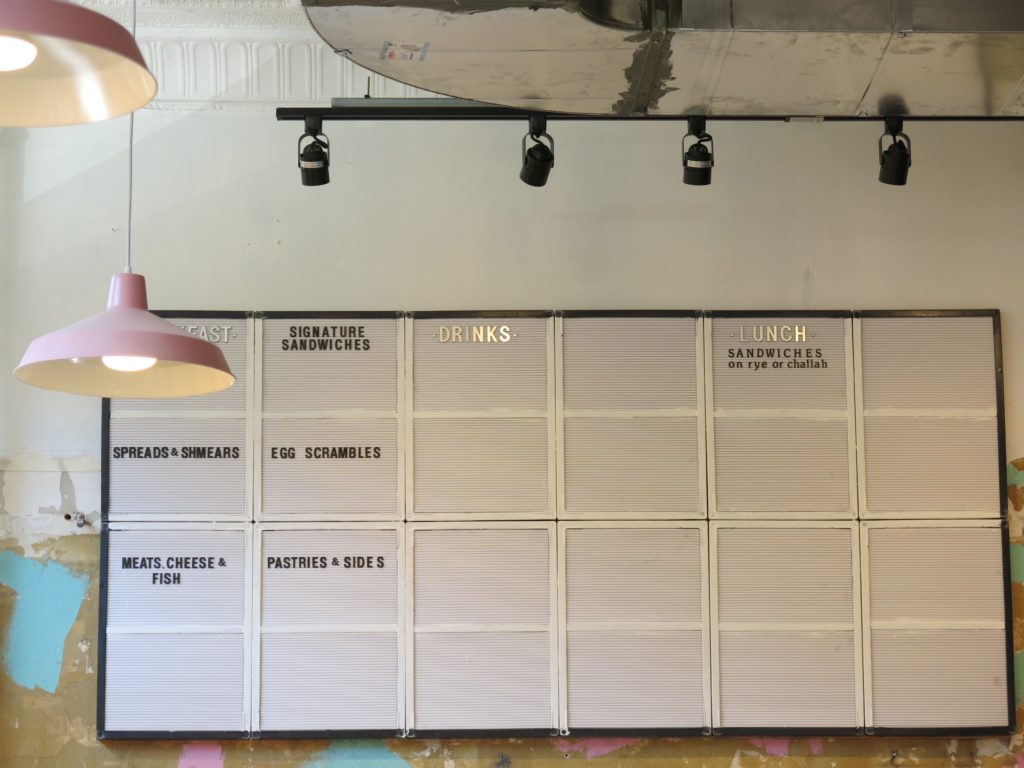
Check out some sneak peeks of the inside:
The homage to (half Jewish) Drake is too good (Co-owner Andrew Dana is also half Jewish):
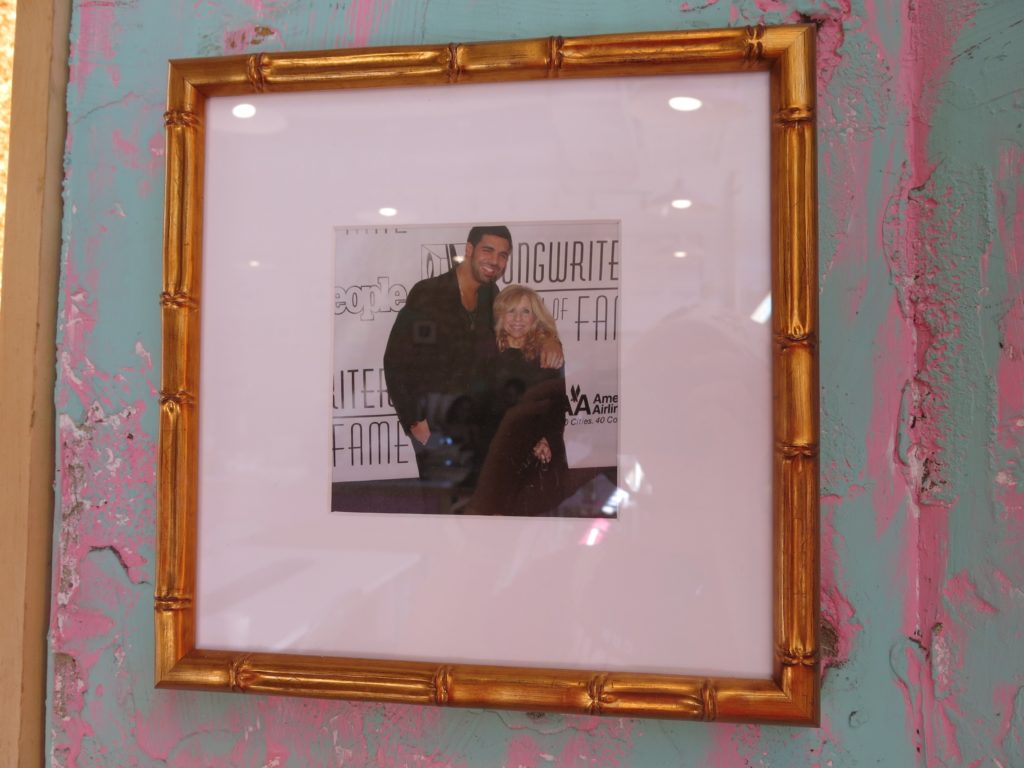
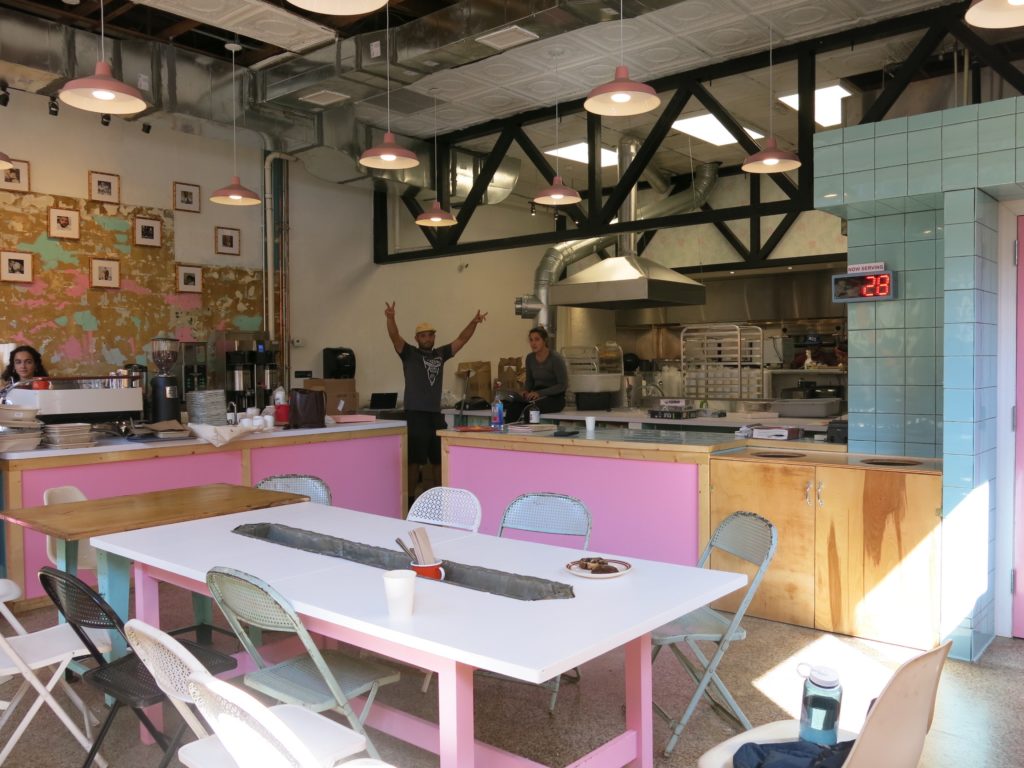
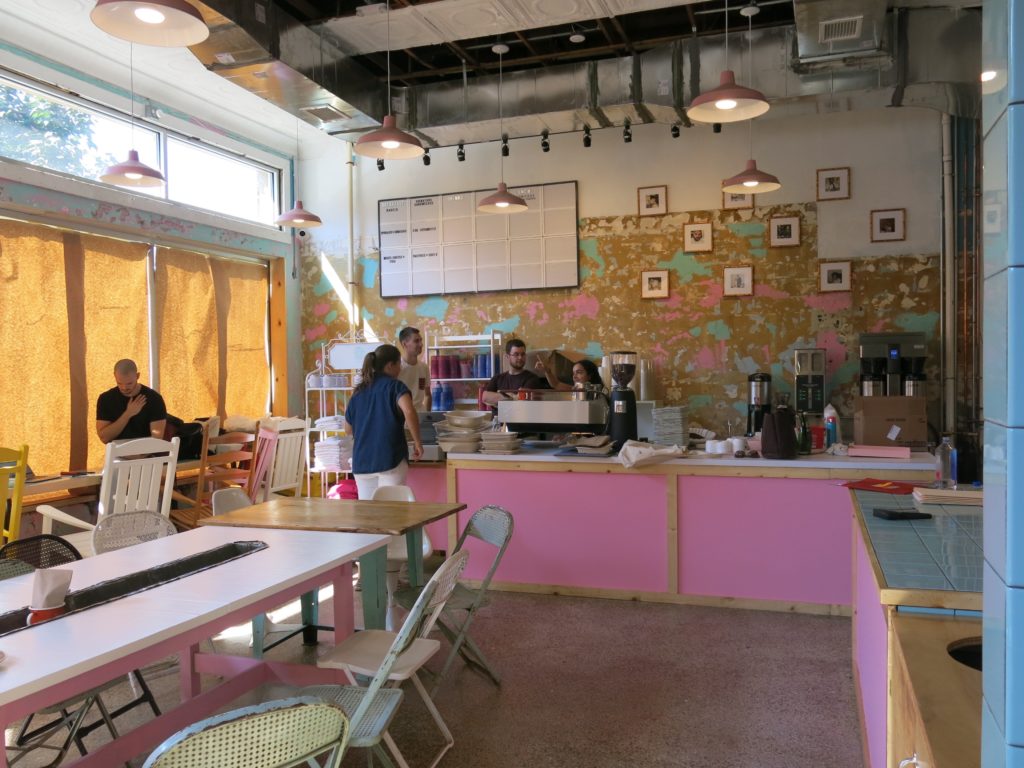

Yes please:
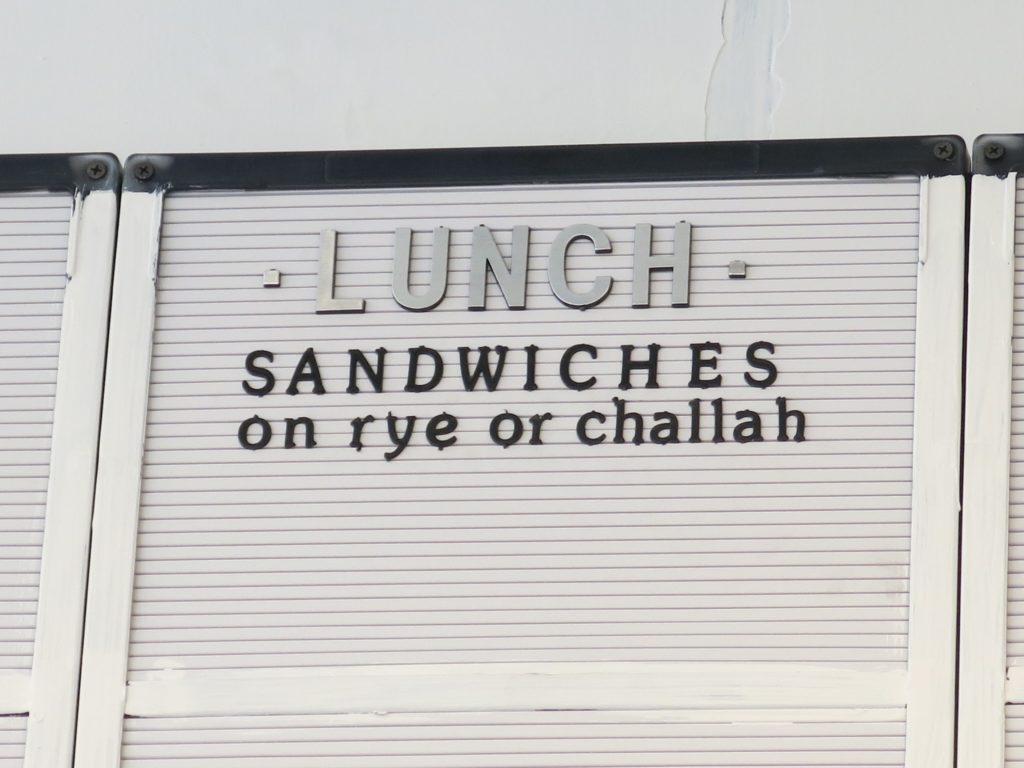
Wall of Drake:

New mural and lots of patio seating coming too:

V.w.verweijRead the previous one, too

V.w.verweijBrutal

Take a bite out of a dumbcane (Dieffenbachia spp.) or a pothos (Philodendron spp.) and it won’t be long before your mouth and throat start to burn (please don’t actually do that). Eat enough of it and your symptoms may also include intense numbing, oral irritation, excessive drooling, localized swelling, and possibly even kidney and liver failure (again, please don’t). What you are experiencing is a brutal form of plant defense caused by tiny crystals called raphides.
Raphides are tiny, needle-shaped crystals made up of calcium oxalate. A lot of plants accumulate calcium oxalate. Research has shown that in doing so, plants are able to sequester excess calcium in their cells. Many plant lineages then use that calcium oxalate to make raphides. Not all raphides come in the form of needle-like crystals. Often they are ‘H’ shaped or even twinned. Others are blunt, kind of like tiny crystalline cigars.

Cigar-shaped raphides found in the tissues of the polka dot plant (Hypoestes phyllostachya).
How raphides form within the plant is rather fascinating. As far as we can discern, raphide crystals form in vacuoles of specialized cells called “idioblasts.” It is thought that an exquisitely controlled scaffolding or matrix shapes the biomineralization process. To the best of my knowledge, no one has been able to reproduce this process in a laboratory setting. For now, plants are the undeniable masters of raphide manufacturing.
Within the cells, raphides are often associated with acrid and toxic proteins. Together, they comprise one hell of a defense against herbivory. Raphides are only the first part of the defensive equation. When plant tissues containing raphides are damaged, usually by chewing, the raphides shoot out of the idioblasts and into the oral cavity of the herbivore. This is where their needle shape comes in.

Needle-like raphides extracted from the leaves of an Epipremnum species.
Raphides wreak havoc on sensitive tissues. They literally act like tiny needles, cutting into and tearing the lining of the mouth, esophagus, and gut. This is only half of the story though. As mentioned, raphides are often packed in with acrid and toxic proteins. The laceration caused by the raphides allows these compounds to enter into the wounds. This is where things can get especially nasty. If the proteins are toxic enough, the herbivore now has far more to worry about than simply the burning sensation.
Raphides are not produced in equal amounts in all tissues. Stems tend to have more than leaves, but raphide content in leaves has also shown to be a function of leaf size. Raphides also differ from species to species. Not all plants that produce raphides produce them in the same shape and quantity. Still, more than 200 plant families contain species that have evolved this form of defense and many of our most prized houseplants fall into this category. However, this should not scare you away from these plants. Provided you or your loved ones don’t go nibbling on the leaves or stems, all will be fine. If anything, this remarkable form of plant defense should earn these plants even more respect than they already get.
V.w.verweijSaw this coming. Still hate it.
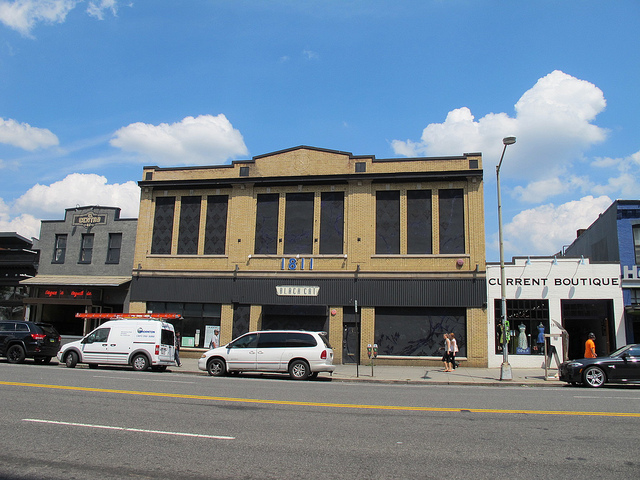
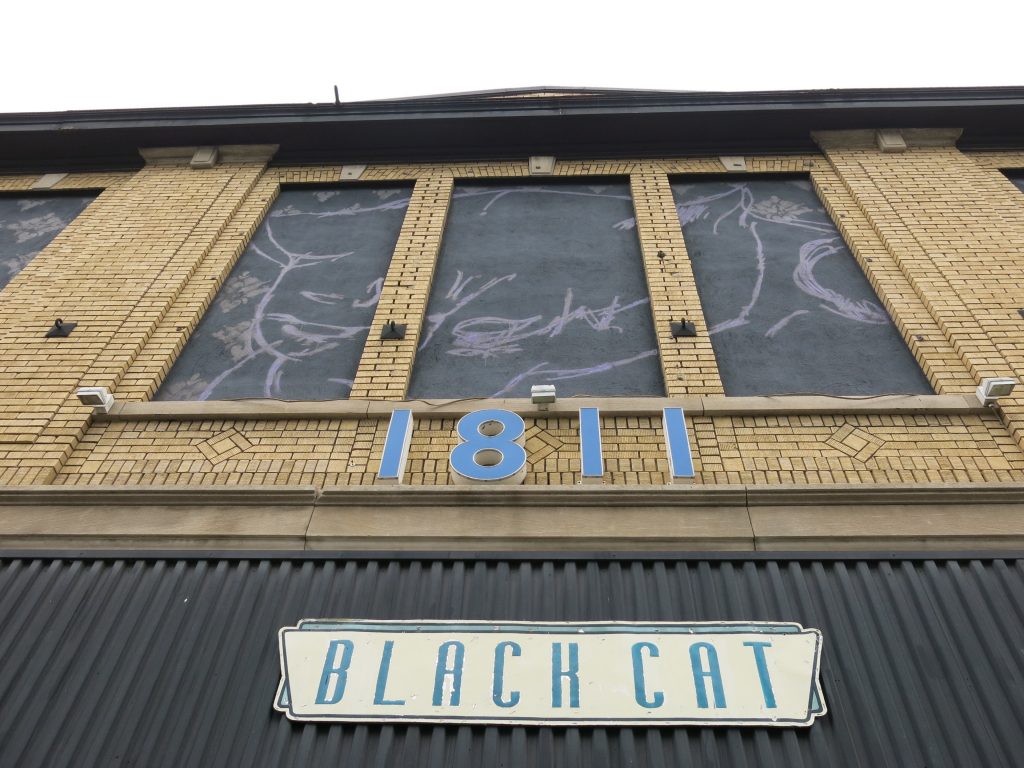
1811 14th Street, NW
I ran down to the levee
But the Devil caught me there
He took my twenty dollar bill
And he vanished in the air
So much for that third floor expansion?
The Washington Post reported the bombshell news yesterday:
“By the end of the year, its ground-floor Red Room bar — where, for years, young Washington’s edgier population convened to pound PBRs and Tecates — will close, along with the Backstage, the Black Cat’s small secondary performance space.
Both operations will squeeze into a much smaller nook upstairs while Ferrando carves up the sizable square footage on his club’s street level to make room for one or two retail tenants that fit in better with the new landscape of the booming Dupont-Logan neighborhood.”
And may God have mercy on their soul.
If you have any animal/pet photos you’d like to share please send an email to princeofpetworth(at)gmail(dot)com with ‘Animal Fix’ in the title and say the name of your pet and your neighborhood. If you love the animal fix and want to ensure PoPville’s long term viability please consider donating to our Patreon page here. Every little bit helps.

“June, Adams Morgan”

“This is Hendrix (@its.hendrix) and he lives in Columbia Heights! He loves long walks through Rock Creek Park and exploring DC like the city pup he is! He was rescued from a local shelter in Virginia – Homeward trails animal rescue!”
V.w.verweijBest name?!?!?!?






This week’s Arlington Pet of the Week is the historically named Theodore Ruffsevelt, a 2-year-old survivor of Hurricane Irma living in Clarendon.
Here’s what his owner, Patrick, had to say:
“Scream loudly, and carry all of the sticks”- Theodore Ruffsevelt
Meet Theodore Ruffsevelt, Theo to his friends. Theodore is a 2 and a half year old Plott Hound/Dutch Shepherd/President mix. Theo was abandoned by his family in Florida in the face of Hurricane Irma. Although his story began sadly, Theo rebounded from this tragedy (much like his namesake) and has blossomed into the handsome young man you see here today.
Theo’s hobbies include being the resident 50 lb lapdog of his home, invading the personal space of anyone on any piece of furniture, pursuing rabbits through the streets of Clarendon (but utterly ignoring squirrels), playing with his best friends Jaxon, Moxie, and Sampson at the dog park, and playing fetch with his favorite light up squeaky toy.
Theo, much to his dismay, is still searching for love. His heart belongs to Rosie of Arlington, but her love only comes in the chill winter months and occasional cooler summer mornings. Much like his namesake, he very much enjoys composing lengthy letters of love to her and delivers them passionately in person… unfortunately his vocabulary is limited to a few choice howls of heartbreak and awooooos of adoration… She is often unreceptive. Rosie if you read this Theo says, “AAAWOOOOOOOOO”, your guess is as good as mine as to the meaning.
If you see Theo around town, don’t mind his aloof nature, he loves attention but is too stubborn to admit it.
Want your pet to be considered for the Arlington Pet of the Week? Email arlingtonnews@gmail.com with a 2-3 paragraph bio and at least 3-4 horizontally-oriented photos of your pet. Please don’t send vertical photos, they don’t fit in our photo galleries!
Each week’s winner receives a sample of dog or cat treats from our sponsor, Becky’s Pet Care, along with $100 in Becky’s Bucks. Becky’s Pet Care is the winner of six consecutive Angie’s List Super Service Awards, the National Association of Professional Pet Sitters’ 2013 Business of the Year and a proud supporter of the Arlington County Pawsitively Prepared Campaign.
Becky’s Pet Care provides professional dog walking and pet sitting in Arlington and all of Northern Virginia, as well as PetPrep training courses for Pet Care, CPR and emergency preparedness.
V.w.verweijNeed confirmation of Jewish approval

Remember that Jewish deli from the folks at Timber Pizza, well I hear it’s opening next month!! This is the the former Alfie’s space in Park View:
And this is a magnificent bagel and lox so STAY TUNED for an exact opening date:

courtesy Call Your Mother
V.w.verweijArlington



The Trolley Pub, the mobile biking platform hopping from bar to bar across Arlington, has undergone a rebranding to Pedal Saloon.
According to John Alligood, general manager at Pedal Saloon Arlington, the change came after former partners were bought out by the current leadership.
Passengers on the Pedal Saloon meet at 3101 Wilson Blvd and board a pedal-powered party vehicle.
While Virginia law prohibits consuming alcohol onboard the vehicle, guests will pedal to bars across Arlington like Spirit of 76 or Don Tito, where there are special deals and discounts. Tickets for the Pedal Saloon are $35 for individual tickets or $420 for groups of 14.
Photo via Pedal Saloon

Photo by National Mall and Memorial Parks
Not quite a possum in a liquor store but still…
In case you live in a cave or were kicked off twitter – this is surely the greatest post from the National Mall and Memorial Parks, from Sunday:
“Look who decided to take a ride on the bus! Take the DC Circulator National Mall Route around National Mall and Memorial Parks. It’s only a dollar! Spotting wildlife is not guaranteed…”
Kathryn Duval is a D.C. transplant by way of Chicago, Boston, and Buffalo, NY. She has lived happily in Eastern Market for the past two years, and can most frequently be found at Bullfrog Bagels, Beuchert’s Saloon or pushing the limits of hashtag allowances on Instagram @kate_duval.
I rode every form of transit in D.C. for two weeks and this is what I learned
Kathryn Duval
A rite of passage for any D.C. dweller is to complain about Metro, the city’s public transit system that links the city with parts of Virginia, Maryland, and maybe, one day, a long, long time from now, Dulles Airport. Metro’s long, well-documented history of everything from crippling negligence to death on “America’s subway,” has caused the transit service to begin overhauling its system, working to improve the third-busiest subway in the country, using an ironically lackluster marketing campaign to let the public know they’re working on getting the system “Back 2 Good.”
In August, Metro announced a two-week service impact on the Blue, Orange, and Silver lines, three lines that run all the way from my little pocket of home in Eastern Market, through downtown D.C. and out into suburbs like Vienna, Falls Church, and Alexandria (and again, if we’re lucky, one day, maybe Dulles). The announcement came with near-apocalyptic messaging, that Metro should be used “only if no other alternatives are available.” Given that I’m a rule-follower and slightly phobic of large crowds in confined spaces, I decide to seek out as many alternatives as possible.
What follows is an account of two weeks commuting in D.C. on everything from the bus to a scooter, a rideshare to a bikeshare, an electric bicycle to a broken electric bicycle, and an untold amount of sweat and profanity.
Monday, August 13
• Metro alternative: Bus
I wake up excited about the little challenge I’ve given myself. Today is a double dose of the Metro Rail’s prettier, more modern sister: Metro Bus. The bus stop is across the street from the Metro Rail entrance at Eastern Market, so I don’t even have to change the walking part of my commute. I get on the #32 bus at exactly 8:00am, headed for Foggy Bottom.
This bus is amazing. The A/C is blasting, the people are silent, and there are seats aplenty. Better yet, I can look out the window as we glide down Pennsylvania Ave, passing the Library of Congress, the Capitol, the Smithsonian. I am deposited directly across the street from my office in 32 minutes, a symmetry with the bus number that my inner OCD is thrilled by. Metro Bus is bae.
The day speeds by, and suddenly it’s time to go home. At 5:30pm, I make my way a block down to the bus stop at Murrow Park, waiting for good ol’ #32.
Waiting.
Waiting.
Waiiiiiiiiting.
Here’s the thing: you think you have an understanding of D.C. traffic, but you don’t. And you won’t until you ride the #32 bus in rush hour on a weekday from Murrow Park to Eastern Market. It’s 3.3 miles from Murrow to Market. It took SEVENTY-ONE MINUTES. 71! One hour and 11 minutes doesn’t have ANY kind of symmetry with the #32 and I am forever done with utilizing Metro Bus for evening commutes.
Tuesday, August 14
• Metro alternative: Scooter
I’ll preface this day by admitting that I am a judgmental person. Show me a hearty-sized group of tourists on Segways barreling around the Tidal Basin and I actively have to restrain myself from shoving the healthy-looking ones right into the water. We’ve been given legs and feet and the ability to walk! Scooters, electric or not, are unnecessary. “Scoot with your feet,” I imagine hissing at this fictional family of Segway riders as their dad splashes helplessly alongside a cluster of ducks in the dank water.
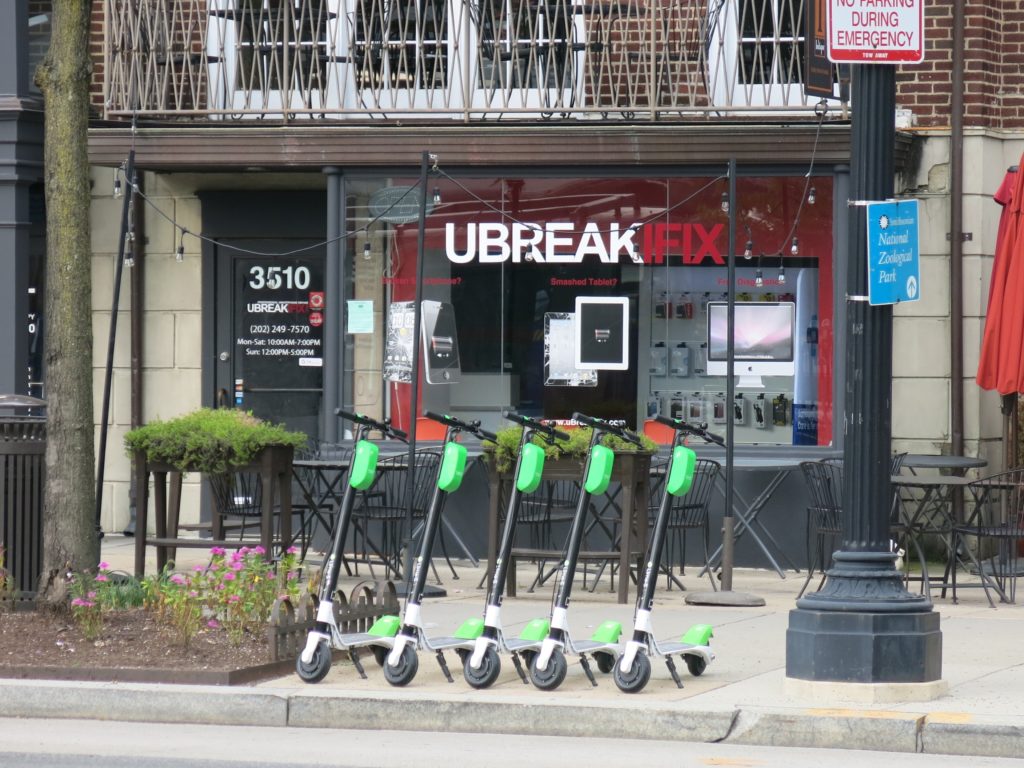
Thus, I had a lot of crow to eat on Tuesday morning when a Lime scooter was parked directly outside my door, making my decision for transit pretty straightforward. A few simple clicks and I was registered and able to “unlock” this dockless scooter, buzzing down Penn like a queen. It took about 20 minutes to get to work via scooter, my route quickened by the ability to dart from road to sidewalk, National Mall to bike lane, whenever I saw an opening. It’s a little unnerving to be on a dinky piece of metal next to a massive rush of cars, but I make it to the office relatively unscathed.
My commute home is similar in time, with an added adrenaline bonus of having to dash around the 3 blocks surrounding my office like a madwoman in an attempt to locate and unlock a scooter before someone else did. I have officially become that person who refuses to use her legs and feet when a motorized option is available. I die a little at this realization, and make it home in 22 minutes.
Wednesday, August 15
• Metro alternative: Via rideshare
Day three presents a challenge as I have to wear a suit to work, I am carrying an additional bag of materials, and it’s threatening to rain. It seems like the right day to commute by Via, the cheap version of a Lyft Line. I sign up for the service, get a coupon (thanks, Via!) and am told to walk to the corner where the Metro station to wait for my ride. I locate my driver and get into a car with two other people, and we drive down Penn, making stops every 5-10 minutes to either let someone out or put someone else in the car. There’s nothing wrong with this method of transit, but I just want to be super clear about something: THAT IS WHAT THE BUS DOES. Via drops me off at the same location as my old gal the #32 bus in 38 minutes, and I laugh to myself at the fact that I paid an additional $2 for the exact same service as the bus. Millennials are idiots.
My Via home is pretty similar in experience, but with the addition of the traffic I saw on the bus. We crawl down Penn, letting 2 people out and one person in before I jump out at Eastern Market, reminded of how I should never bother to be in a moving vehicle of any kind on the streets of D.C. between 4-7pm.
Thursday, August 16
• Metro alternative: JUMP Bike
I’ve seen the bright red JUMP Bikes around my neighborhood with increasing frequency, and have been trying to build up my confidence enough to join the cycling community in D.C. JUMP Bikes try to mitigate your inherent laziness and aversion to showing up at work looking like a sweaty mess by putting a little “motor” inside the bike. It’s not a scooter, but it gives you just a little zap to get up a hill without breaking a sweat. It seems like a great option for a sticky hot day of commuting.
I take out the JUMP Bike next to the Metro entrance and begin the journey to my office. I fly down Capitol Hill and make it into those clutch little protected bike lanes on Penn that have designated signals and great barriers. My ride is enjoyable until I start to feel monstrously out of shape. Like, can’t-pedal-without-serious-grit out of shape. Turns out, my JUMP ran out of JUMPS and died while I was riding it. And you know what happens when a bike with a lil’ motor runs out of power? It doubles in weight. But my spin class instructor has prepared me for moments like this. I bear down, stand up on the pedals and chug my way forward, lurching to my place of employ fully drenched in sweat. Since it’s a dockless program, I lock it up right in front of my office and log the whole trip as about 38 minutes and 7,926 calories burned.
My JUMP home is another story. JUMP has the ability to reserve a bike for 30 minutes, something the scooter options don’t have. Instead of trying to fight to the death with the bros of K Street for a freestanding scooter, I breeze past the potential bloodbath, enter in a pin code on my reserved JUMP, and I’m off. I double check to make sure this JUMP is actually charged, and am pleased to see it’s at 94% battery life. My JUMP home is the best evening commute of the whole experiment. I get the benefit of the protected bike lanes, I only have to pedal a medium amount before the zap of the motor kicks in, and I trick my brain into thinking this counts as a workout. I’m home after a perfectly pleasant 25 minute ride, and I am newly in love with this option.
Friday, August 17
• Metro alternative: Capital Bikeshare
Now that I’m the Lance Armstrong of JUMP Bikes (minus all physical fitness and drug use), I decide to close out the week with Capital Bikeshare. D.C.’s longest-running bike program is the sister of New York’s Citibike, Chicago’s Divvy, and Montreal’s Bixi. The bikes have to be docked at a station within 30 minutes of being taken out, or the flat rental rate increases. Fortunately for me, I have been timing myself all week, and I make it to work on those same gorgeous protected bike lanes in 24 minutes, docking the bike across the street from my office. I congratulate myself on using a real bike, count the commute as a workout, and go about my day.
The commute home is what one might call a humbling experience. While I understand that I live at the “top” of Capitol Hill, I forget that hills, on bikes, in dress clothes, are difficult things to climb. Missing the motor of the previous day’s JUMP, I huff and puff my way up the hill, barely conscious and slick with a combination of sweat and tears, realizing I am no better than the fictional Segwaying family I mocked in my daydream for their lack of ability. I arrive at the dock after 29 minutes (less than one minute to spare before the late charges begin!), and throw the front wheel into the lock, refusing to let this bicycle best me again.
The following week is daunting with different combinations of each travel method spinning off form one another like a public transit Fibonacci sequence, so I simplify the process and choose the methods that I enjoyed the most: the #32 bus for the commute to work, and the JUMP bike for the commute home. I spend $4 on transportation each day, leave a minimal carbon footprint, get to relax when only half awake in the morning, and get to pretend I’m working out on my way home.
After two weeks of braving the streets of D.C. in everything shy of a handsome cab, I’m ready to get Back 2 Good on the rusted out rails of the Metro. But I’m a little more patient with the scooter riding population for falling victim to the vehicle’s siren song, a little more wary of a bike that promises to do the work for you, and a lot more appreciative of the sights around D.C.
That is, until the next Segway tour crosses my path.


![[1]](https://en.wikipedia.org/wiki/Raphide#/media/File:Raphide.jpg)
![[2]](https://en.wikipedia.org/wiki/Raphide#/media/File:Raphides_from_variegated_ivy.jpg)
![[3]](https://commons.wikimedia.org/wiki/File:Dumb_Cane_(Dieffenbachia_%27Tropical_Snow%27)_2.jpg)