Shared posts

20 Nov 23:51

How Long Does a Bathroom Remodel Take? What to Expect & Plan For
by jonys674@gmail.com

How Long Does a Bathroom Remodel Take? What to Expect & Plan For

How Long Does a Bathroom Remodel Take? What to Expect & Plan For

If you’re thinking about remodeling your bathroom, you’re probably asking yourself a very common question: how long does a bathroom remodel take? The short answer is: it depends. But don’t worry – we’ll walk you through exactly what that means so you can feel better prepared before the first tile comes up.

Whether you’re planning a basic refresh or a full-scale renovation, understanding the timeline is key so you’re not left surprised halfway through your morning routine.

Let’s dive into what factors affect remodel timeframes, what a typical schedule looks like, and how to prepare.

What Affects How Long A Bathroom Remodel Takes?

The answer isn’t one-size-fits-all. Several factors directly influence your project’s duration. Here’s what plays into the timeframe:

Scope of Work

This is the biggest factor. Ask yourself: are you just updating fixtures, or are you knocking down walls and moving plumbing?

  • Cosmetic updates (paint, hardware, lighting): ~1 to 2 weeks
  • Mid-range renovation (new tiles, vanity, shower install): ~3 to 6 weeks
  • Full gut renovation (layout reconfiguration, plumbing/electrical changes): ~6 to 10+ weeks

Labor and Scheduling

Even if you hire a great contractor, tradespeople are often working across multiple jobs. A smooth schedule depends on:

  • Contractor availability
  • The sequencing of work (some tasks can’t begin until others are finished)
  • Inspection timelines (required at different stages)

Material Availability

Here in Dallas, Texas, most materials are readily available. But custom orders can cause delays, especially for:

  • Custom cabinets or vanities
  • Imported tile or specialty lighting
  • Luxury plumbing fixtures

Delays due to backordered materials are more common than most realize.

Permitting and Inspections in Dallas, Texas

If your remodel involves electrical, structural, or plumbing changes, you will need permits and inspections. The City of Dallas can take anywhere from a few days to a couple of weeks to approve building permits, depending on the complexity.

The Typical Bathroom Remodel Timeline

Once demolition starts, here’s a rough breakdown of what to expect week by week:

Week

Tasks


1

Demolition, prepping surfaces, finalizing material orders

2

Rough plumbing, electrical work, first inspections

3

Drywall, flooring prep, tile work may begin

4

Continue tile, paint, install cabinets and countertops

5

Fixture installation (toilet, sink, lighting), mirrors

6

Final touches, finish inspections, punch list fixes

This roadmap is ideal for a mid-range remodel. Larger projects might stretch beyond six weeks, especially if unexpected issues arise (like water damage under old flooring).

How to Keep Your Remodel on Schedule

Knowing the timeline is one thing. Keeping it on track is another. Here’s how you can help prevent delays:

  • Plan every detail before demo begins. From faucet finishes to grout color, decisions made in advance keep things moving.
  • Hire a reputable contractor. A professional who understands Dallas’s permit process can save you headaches.
  • Stick to your decisions. Changing materials or layouts mid-project can easily set things back a week – or more.
  • Schedule materials to arrive early. Custom materials should be onsite before demo starts to ensure smooth transitions.

If you’re not sure where to start with planning, check out our blog for expert support tailored to your goals.

Are DIY Bathroom Remodels Faster?

It might seem like skipping the pros can speed things up. But unless you’ve got the skills of a contractor yourself, going DIY often takes longer. Here’s why:

  • Fewer tools = slower work
  • No help to juggle plumbing, tiling, electrical, and fixtures
  • No access to trade discounts or bulk ordering deals

You might save money if you know what you’re doing, but expect the remodel to take twice as long.

Realistic Expectations for Your Bathroom Remodel in Dallas

Kitchen remodels and bathroom upgrades remain popular in Dallas homes. But before you plan your finish line, pad your expectations with wiggle room. Think of the estimated timeline as a guideline, not a guarantee. Permitting schedules in Dallas and unpredictable issues like mold behind the drywall can extend even small projects.

Need more insight? This resource from Forbes can give you a national perspective to compare.

Final Thoughts: Start with a Clear Plan and Trusted Guidance

So, how long does a bathroom remodel take? Anywhere from 2 to 10 weeks, depending on your project’s scope and preparation strategy. Staying realistic with your expectations, making prompt decisions, and hiring professional help can make the experience smoother – and faster.

If you’re ready to get started, we’re here to talk through your goals and timelines. Browse our custom bathroom remodeling page to see how we help homeowners like you turn ideas into beautiful spaces.

Have a story from your own remodel? Share your experience, or reach out with questions – we’re always happy to help.

The post How Long Does a Bathroom Remodel Take? What to Expect & Plan For appeared first on Construction Company Irvin Texas.

20 Nov 23:51

Transform Your Space with Smart, Stylish Eco-Friendly Home Renovations

by jonys674@gmail.com

Transform Your Space with Smart, Stylish Eco-Friendly Home Renovations

Transform Your Space with Smart, Stylish Eco-Friendly Home Renovations

If you’re a homeowner looking around your space wondering how to make things more energy-efficient, sustainable, and modern – you’re far from alone.

Eco-friendly home renovations are gaining traction not just because they’re what’s best for the planet, but because they promote a comfortable lifestyle while saving money long-term.

Here at Build Strong, we specialize in making the renovation process less overwhelming and more rewarding by helping Dallas-area homeowners transition to a greener lifestyle without sacrificing style or function. Let’s break down what an eco-friendly home renovation really looks like and why it might be the smartest investment for your space.

Why Choose Eco-Friendly Home Renovations?

Upgrading your home doesn’t always mean going big with a full redesign. Sometimes, it’s about tweaking existing elements to make your home more efficient and environmentally responsible.

Here’s why more homeowners in Dallas are choosing eco-friendly renovations:

  • Lower energy bills: Energy-efficient appliances and systems reduce energy use.
  • Increased home value: Sustainable home improvements are appealing to future buyers.
  • Reduced carbon footprint: Less reliance on fossil fuels and more use of renewable energy.
  • Improved indoor air quality: Better ventilation, safer materials, and smarter systems mean healthier living.
  • Tax incentives: Renewable energy and efficiency upgrades may qualify for a tax credit from the IRS or the United States Department of Energy.

Smart Home Improvement Starts with a Sustainable Mindset

Eco-friendly remodeling isn’t just a trend – it’s a shift in how you view your space and its relationship with the planet. Before you choose any renovation project, ask the right questions:

  • How will this project affect my home’s energy efficiency?
  • Can I use sustainable or recycled materials?
  • Will this improve air quality and natural airflow?

Even a single eco-friendly upgrade can improve the comfort and longevity of your home.

Sustainable Home Renovation Ideas for Every Budget

Whether you’re planning a major remodel or just want to make small improvements, here’s how to start making your home more eco-conscious.

Upgrade Low-Efficiency Appliances

Replacing outdated appliances with ENERGY STAR–rated models is one of the fastest ways to boost home energy efficiency.

Popular energy-efficient appliance upgrades include:

  • Induction stove tops: More efficient than gas stoves, they heat cookware directly.
  • Tankless or solar water heaters: Only use energy when needed.
  • Efficient HVAC systems: Better airflow and reduced energy bill.
  • Smart thermostats: Adjust your home’s temperature using programmable settings for optimal energy conservation.

Optimize Heating, Cooling & Thermostats

It’s easy to overlook your heating and cooling systems until they fail. But aging systems are often energy hogs.

Consider an HVAC upgrade or smart programmable thermostat to help:

  • Reduce energy costs through temperature automation.
  • Limit unnecessary heating and cooling cycles.
  • Maximize comfort while improving the efficiency of your home.

Insulating Your Home the Smart Way

Upgrading insulation results in dramatic energy savings. Properly insulating your home — especially the attic — stops heat loss in the winter and keeps your home cooler in the Texas heat.

Focus on:

  • Attic insulation: Hot air rises, so insulating the attic makes immediate impact.
  • Caulking and sealing: Prevent air leaks around your home’s windows and doors.
  • Wall and basement insulation: Improve thermal retention throughout your structure.

Improve Indoor Air Quality With Eco Materials

Choose green construction materials that safely manage air flow and moisture. Reclaimed wood, nontoxic paint, and bamboo flooring are sustainable options that also reduce pollutants indoors. Proper ventilation systems, centrifugal fans, and low-VOC finishes can dramatically enhance your indoor air quality.

Eco-Friendly Renovation Projects That Deliver Real Results

So what kind of home improvement projects are actually worth the investment? Let’s break down a few that Dallas homeowners are finding success with.

Install Solar Panels for Long-Term Energy Savings

Solar panels are more accessible than ever before. Whether on your roof or installed nearby, solar energy:

  • Lowers monthly electricity bills.
  • May qualify for a federal tax credit.
  • Improves your home’s resale value.
  • Reduces your dependence on fossil fuels.

Plus, when paired with electric battery storage, you can bank excess power for nights or outages from the Texas grid.

Replace Windows and Doors to Reduce Heat Loss

If your windows and doors are more than 15-20 years old, they’re probably not as efficient as they should be.

Benefits of upgrading:

  • Prevent heat loss or gain through leaks and drafts.
  • Improve thermal performance with modern low-emissivity (Low-E) glass.
  • Add value and modern appeal with stylish, eco-friendly finishes.

Add a Green Roof or Go for Cool Roofing

Green roofing systems layer vegetation on top of your roof to absorb heat, manage rainfall, and reduce roof degradation.

Benefits include:

  • Better insulation.
  • Noise reduction.
  • Reduced surface temperature.
  • Support for local habitat and biodiversity.

If a full green roof feels like too big of a leap, opt for cool roofing materials designed to reflect sunlight.

Style Meets Sustainability: Interior Eco-Friendly Upgrades

Interior design choices can also reflect your commitment to sustainability, often with little change to your daily routine.

Consider LED Lighting and Natural Light Placement

Switching to LED lighting greatly reduces electrical load, and planning your renovation to maximize daylighting (natural sunlight) can save even more.

Try:

  • Lighting control systems: Dimmers and sensors adjust use automatically.
  • Clerestory windows or skylights: Designed to bring sunlight deeper into your home.

Go with Low-Flow Plumbing Fixtures

Water conservation is a key part of eco-friendly home improvements. Swap out outdated bathroom and kitchen fixtures for low-flow models.

Options to consider:

  • Low-flow showerheads and faucets.
  • Dual flush or low-flow toilets.
  • Water-efficient dishwashers and washing machines.

Recycle, Reuse, and Minimize Construction Waste

Every sustainable renovation should include a plan to reduce construction waste. That means:

  • Reusing cabinetry, flooring, or hardware when feasible.
  • Donating or recycling deconstructed materials, like old doors, windows, and plumbing parts.
  • Buying reclaimed lumber or upcycled items for new installations.

Not only does it keep materials out of the landfill, but it adds character to your space.

Investing in Smart Technology & Energy Management

Today’s innovations let you manage your home’s systems from your phone or tablet, making sustainable living more convenient.

Smart Home Upgrades That Help Save Energy

Incorporating smart home solutions into your eco-friendly remodeling makes energy conservation part of your everyday routine.

Top smart devices for sustainability:

  • Programmable thermostats like Nest or Ecobee for smarter heating and cooling.
  • Lighting control systems to automate turning lights on/off.
  • Smart water monitors to detect leaks and monitor water use.

These upgrades not only boost energy and cost savings but also improve the overall resilience of your home.

Planning Your Renovation Project the Sustainable Way

Taking on a renovation project? Here’s how to make sure you’re planning for long-term sustainability from the start.

Start With a Home Energy Audit

This will give you a clear picture of where energy is being wasted and where smart upgrades can make the biggest difference. The Department of Energy recommends energy-efficient home design strategies as a step toward an energy-efficient home.

Work With Experts in Home Building

Partnering with a contractor experienced in green home renovations can dramatically improve outcomes. Firms like Build Strong understand Dallas-specific climate challenges, allowing you to prioritize the best upgrades for your lifestyle and budget.

Whether you’re considering a complete remodel or a full house remodel in Irving TX, our team uses sustainable building methods that reduce your carbon footprint and maximize your return on investment.

Budget for Long-Term Value, Not Just Upfront Cost

Some eco-friendly solutions might seem expensive at first, but they save far more in the long run.

For example:

Upgrade

Estimated Upfront Cost

Long-Term Savings


Solar panels

$10,000–$20,000

$20,000+ savings over lifetime

Attic insulation

$1,500–$3,500

15% reduction in heating/cooling

Smart thermostat

$150–$300

$180+ per year in savings

Low-flow fixtures

$50–$250

20%–60% less water use

Conclusion: Make Your Home Greener Without Sacrifice

Renovating your home doesn’t have to mean wasting materials or energy. With smart upgrades, local expertise, and a little planning, you can make your home more eco-friendly while boosting comfort, functionality, and value.

Build Strong is committed to guiding Dallas homeowners through eco-friendly renovations with a thoughtful, personalized approach. Whether you’re looking to install solar panels, add new insulation, or completely renovate, we’re here to help you reduce your energy bill, lower your carbon footprint, and live more sustainably.

Ready to start your sustainable renovation? Try one of the ideas above or get in touch to see how Build Strong can help make your home greener and smarter for the future.

The post Transform Your Space with Smart, Stylish Eco-Friendly Home Renovations appeared first on Construction Company Irvin Texas.

20 Nov 23:51

Maximize Space With These Smart Apartment Laundry Room Ideas

by jonys674@gmail.com

Maximize Space With These Smart Apartment Laundry Room Ideas

Maximize Space With These Smart Apartment Laundry Room Ideas

Living in an apartment doesn’t mean your laundry area has to feel cramped or chaotic. With the right design decisions and clever storage, even the smallest laundry room can run like a dream. Whether you’re dealing with a tiny laundry closet or a corner tucked next to the bathroom and laundry combo, there’s always a way to maximize the space you have.

If you’re currently scratching your head and asking, “How do I make my laundry room functional and still stylish in a small Dallas-area apartment?”—you’re in the right place. At Build Strong, we specialize in optimizing living spaces and guiding homeowners through smart storage solutions. 

Let’s explore laundry room ideas that help you make the most out of apartment living, keeping practicality and comfort in perfect balance.

Make Room for Essentials in Your Apartment Laundry Room

When space is tight, it’s important to zero in on necessities. A functional apartment laundry room typically needs:

  • A washer and dryer (stackable or side-by-side)
  • Room for folding clothes
  • Easy-to-access detergent and fabric softener
  • A drying rack or hanger setup
  • Space-saving storage options

Every square inch counts, so let’s dive into strategies to make it all work—without sacrificing style.

Save Space With a Stackable Washer and Dryer

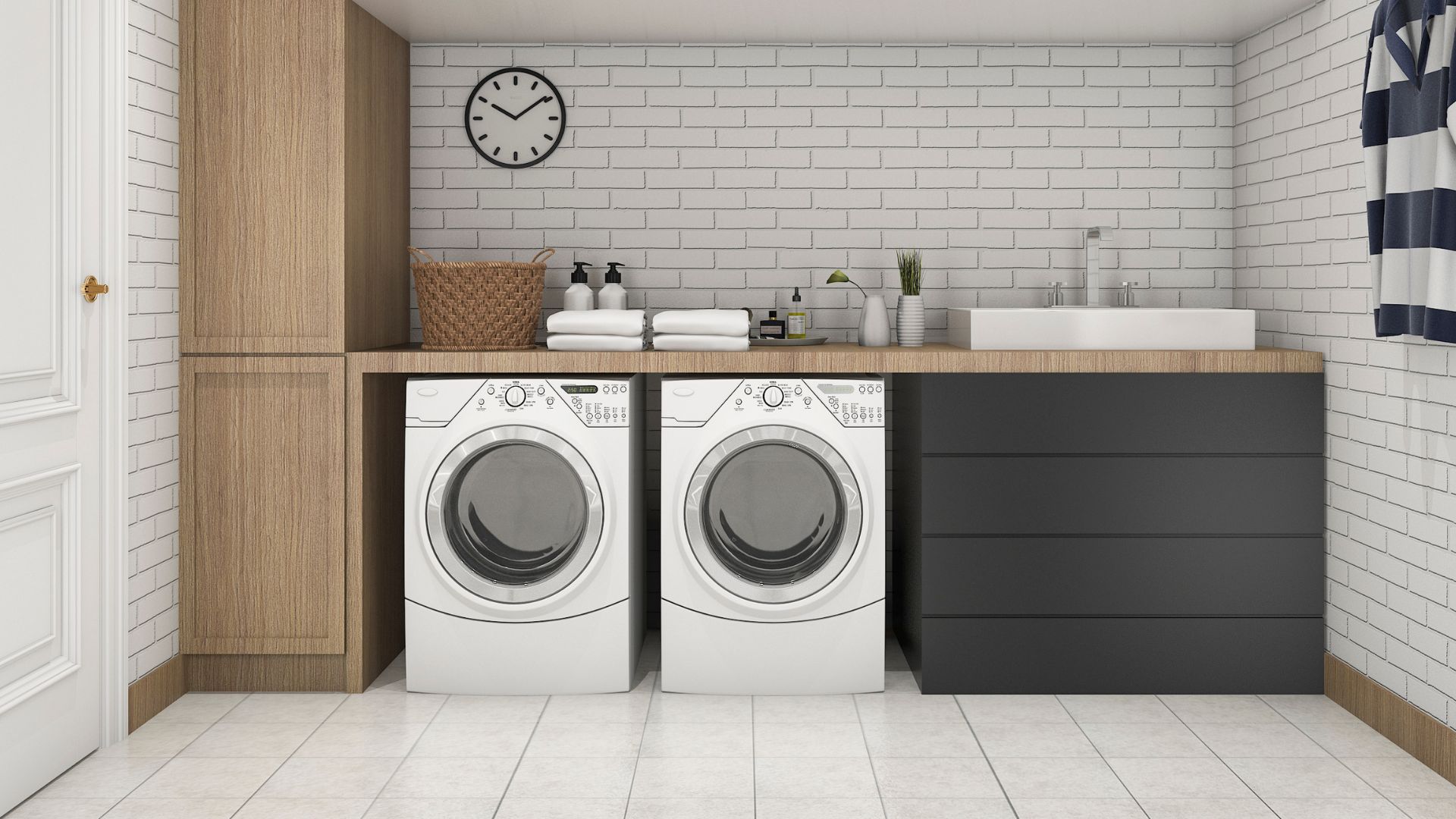
Your washer and dryer are the heart of your laundry experience. Stackable units are a major win for any small laundry setup, especially within an apartment. By going vertical, these machines open up the floor beneath or beside them for other uses like drawers, cabinetry, or a countertop.

Need a place to sort or fold your clothes? A floating countertop over your laundry machines can turn wasted space into a neat workstation.

Maximize Vertical Space With Smart Shelving and Built-Ins

Forget bulky furniture. The secret to an organized laundry room is to maximize vertical space with shelving built into walls or above machines.

Try these ideas:

  • Wall-mounted shelves over your washer and dryer
  • Floating shelves for storing laundry detergent, fabric softener, and other supplies
  • Built-ins with designated slots for laundry baskets and linens

By adding these vertical storage solutions, folks in tight Dallas apartments can dramatically reduce clutter while improving laundry room organization.

Hide Clutter With a Laundry Closet or Hidden Laundry Room Setup

Not every apartment comes with a dedicated laundry room. If your setup is more of a laundry closet, there are still plenty of room organization strategies that keep things tidy.

Tips for tucked-away areas:

  • Install bifold laundry room doors, curtains, or sliding barn doors to hide machines when not in use
  • Use slim, wall-mounted shelves for laundry detergent and dryer sheets
  • Store extra linens in labeled storage baskets that slide easily in and out of shelving units

A hidden laundry room offers the bonus of visual calm, especially when located near living spaces or the kitchen.

Add Storage With Rolling Carts or Under-Counter Cabinets

In a small laundry room where floor space is precious, don’t underestimate the power of mobile storage.

Rolling storage carts that fit snugly beside or under washers can hold:

  • Laundry detergent
  • Dryer sheets
  • Lint rollers
  • An iron or ironing board

Consider under-counter cabinetry with pull-out shelves for a built-in feel. This also helps eliminate piles of laundry from overtaking your utility room.

Create a Folding Station With a Countertop

Don’t let the top of the washer and dryer go to waste. Add a butcher block or laminate countertop to your laundry room design and instantly create a space for folding clothes. If you already stack your washer and dryer, use the extra wall space beside them for a vertical folding station complete with a small bench or dropdown table.

Even in a compact layout, a dedicated folding surface helps keep your laundry process organized, efficient, and less chaotic.

Use a Drying Rack Without Eating Up Floor Space

Air-drying your clothes shouldn’t leave them draped over chairs. Look for drying rack solutions that suit your square footage:

  • Wall-mounted racks that fold flat when not in use
  • Vertical standing racks that tuck into a closet
  • Ceiling-mounted pulley systems for hanging clothes

Not only does this keep your room neat, but it prevents laundry from taking over your living area—a common challenge in small space apartments.

Choose Wall Hooks and Hangers for Added Convenience

Hooks aren’t just for coats. A few well-placed hooks can hold your reusable grocery bags, collapsible ironing board, laundry basket, or even your handheld vacuum. Use hangers on a mounted rod for clothes straight out of the dryer—perfect if you’re short on time.

This kind of space-saving strategy is a must-have for apartment dwellers trying to maintain an organized laundry room.

Embrace Clever Laundry Room Decor That’s Functional

Just because a space is small doesn’t mean it can’t be cute. Laundry room decor can double as function when chosen thoughtfully.

Try these enhancements:

  • Wallpaper to add a pop of pattern without using up space
  • Bright paint color to make a small laundry room feel larger
  • Wall decals or decals with inspirational text, creating a more enjoyable vibe

Little updates like this make your laundry room more inviting—and less of a chore zone.

Explore our interior remodeling contractor in Irving TX page if you’re considering adding a laundry room in your Dallas property.

Combine Your Mudroom and Laundry Room

If you’re lucky enough to have any extra nook near the entrance, consider combining your mudroom and laundry room. A dual-purpose design makes room for:

  • Shoe storage under cabinetry
  • A utility sink for quick scrubs
  • Built-ins for jackets, baskets, or umbrellas

This dynamic layout works especially well in apartments with limited square footage but open floor concepts.

Use Space-Saving Solutions in a Communal Laundry Room

For residents using a shared or communal laundry room in an apartment complex, storage options may be limited—but room organization can still be achieved.

Handy alternatives include:

  • Totes or laundry baskets with your name neatly labeled
  • Foldable drying racks you can tuck away
  • A compact ironing board and iron that you carry in and out as needed

Focus on being mobile and neatly organized so other tenants respect your laundry space.

Upgrade Your Room With a Simple Makeover

Sometimes, an affordable makeover is all you need to update your laundry room and create a more functional space. A new rug, peel-and-stick tile on the floor, or updated lighting can brighten the area and make laundry less of a dreaded task.

Here are some quick makeover tips:

  • Add wallpaper behind the machines for a splash of personality
  • Upgrade your lighting fixture for a brighter workspace
  • Paint cabinetry to artificially enlarge cramped spaces
  • Swap standard doorknobs for something with visual interest

A few changes to your laundry room can completely transform your outlook on chores.

Final Thoughts: Make Your Laundry Room Work for You

No matter how limited your square footage may be, your apartment laundry room doesn’t have to feel like an afterthought. From maximizing vertical storage to designing with smart, built-in solutions, your laundry routine can be tidy, efficient, and even enjoyable.

Don’t be afraid to embrace wallpaper, baskets, shelving, and compact cabinetry to make room for every part of your laundry experience – whether it’s folding, ironing, or storing linen and detergent. Think about how to make use of vertical space, tuck away clutter, and bring beauty to functionality.

Want to learn about more layout and storage tips for small interior spaces? Contact Build Strong for more practical, local advice—or explore a full redesign with help from our professional team.

Your perfectly organized laundryroom is just a few smart ideas away. Keep experimenting, stay creative, and let your favorite laundry room ideas inspire your next makeover.

The post Maximize Space With These Smart Apartment Laundry Room Ideas appeared first on Construction Company Irvin Texas.
20 Nov 23:51

How to Pick a Contractor for a Remodel Without Getting Burned or Overcharged

by jonys674@gmail.com

How to Pick a Contractor for a Remodel Without Getting Burned or Overcharged

Choosing the right contractor for a remodel is one of the most critical decisions you’ll make as a homeowner. Pick well, and your home improvement project can run smoothly, come in on budget, and leave you with results you’re proud of. Pick wrong, and you could face delays, unexpected costs, or worse – poor craftsmanship or legal headaches.

At Build Strong, we understand how overwhelming the renovation process can be. With so many remodeling contractors available, it’s easy to feel lost when you just want someone who’s reliable, communicative, and gets the work you want done – done right.

Let’s walk through how to pick a contractor for remodel work without getting burned, so your money is well spent and your project stays on track. Whether you’re planning a small kitchen update or a full house remodel in Irving, TX, this guide is your go-to resource.

Why Picking the Right Contractor Matters

Before anything else, it’s important to recognize that not all contractors are created equal. Your home is one of your largest investments, and remodeling or renovating it is a big decision.

A trustworthy contractor will:

  • Safeguard your property
  • Respect your budget
  • Follow the correct legal liability guidelines
  • Carry appropriate insurance, including liability insurance and workers’ compensation
  • Pull required building permits

A bad contractor, on the other hand, can expose you to incomplete work, unsafe job site conditions, or even legal and financial consequences.

Step 1: Know What Kind of Work You Want Done

Before calling anyone, clarify the scope of work. Do you want minor updates, or is it a major home renovation project? Are you remodeling your kitchen, bathroom, or a whole floor?

When you know what kind of remodel you are aiming for, you’ll be in a stronger position to find a contractor who specializes in the type of work you need.

Step 2: Ask Around and Do Your Research

One of the most reliable ways to find a quality contractor is to tap into your network.

  • Ask neighbors or friends for referrals
  • Look for contractors near Dallas who have completed similar work done
  • Check reviews on trusted sites and verify reputations through the Better Business Bureau
  • Use resources like the National Association of the Remodeling Industry or National Association of Home Builders for lists of vetted contractors in your area

Not all reputable contractors advertise. Often, someone who has had similar work done can lead you to the best people in the business.

Step 3: Narrow Down Potential Contractors

Once you’ve gathered a list of potential contractors, do a quick screening.

  • Check if the contractor holds a valid license and is insured
  • Ask if the contractor carries adequate liability insurance and workers’ compensation
  • Confirm how long they’ve been in business
  • Look at their completed home improvement projects
  • Ask to see certificates of insurance and past customer references

If a contractor doesn’t provide these willingly, that’s a red flag.

Step 4: Interview Contractors Like It’s a Job Interview

When you meet with a contractor, treat it like hiring for an important job – because you are.

Here are 14 questions to ask during the interview:

  1. How long have you been a contractor in Dallas?
  2. Are you licensed and insured in Texas?
  3. Can I see your certificates of insurance, including liability insurance and workers’ compensation?
  4. Have you completed projects like mine before?
  5. Will you use employees or subcontractors for this job?
  6. Can I see a sample contract?
  7. How is payment handled?
  8. Do you handle permits, or is that up to me?
  9. What happens if there’s a delay due to weather or supply issues?
  10. How do you protect a job site?
  11. What’s the timeline from start to finish?
  12. Can you share a few email addresses or phone numbers of past clients?
  13. Do you offer a warranty or guarantee?
  14. What sets you apart from other remodeling contractors?

Use these questions to help detect how knowledgeable, organized, and trustworthy a contractor is.

Step 5: Check References and Confirm Insurance

Always, always follow through.

  • Contact 2-3 references and ask the right questions, like:
    • Was the work completed on time and on budget?
    • Were there any unexpected issues? If so, how were they handled?
    • Would you hire this contractor again?
  • Call the contractor’s insurance provider to verify coverage
  • Cross-check against the Better Business Bureau to see if any major complaints are on file

Also, confirm that building permits are handled appropriately. Any good home remodeling contractor will know how to secure the necessary approvals for your property.

Step 6: Get Detailed Bids Before Making a Decision

Once you’ve narrowed the list to 2-3 reputable contractors, it’s time to look more closely at what they propose.

A good contractor will provide a detailed contract, not just an estimate. It should include:

  • Full description of work to be done
  • Material and labor costs
  • Estimated timeline
  • Permits required
  • Payment schedule
  • Warranties or guarantees
  • A reasonable clause in case the contractor fails to pay subcontractors

Be wary of vague quotes or lowball estimates. If one bid is significantly lower, ask why. You may not be getting the same level of quality or protection. Remember, you often get what you pay for.

Step 7: Understand What You’re Signing

Before signing a contract, make sure everything discussed verbally is in writing.

Red flags to watch out for:

  • A contractor who insists on full payment up front
  • Missing contact info
  • No proof of insurance
  • Refusal to pull required permits
  • Pushing you to sign immediately

Take your time. If something feels off, it probably is.

Need help figuring out what to ask or double-check in a bid? Use our free contractor checklist to guide your review.

Step 8: Set Clear Expectations and Maintain Communication

After signing a contract, communication is key. Reputable contractors should:

  • Answer your questions clearly
  • Be transparent about any changes or delays
  • Set up regular project updates
  • Respect your home and space
  • Share emergency contact info

If an issue arises, stay calm and seek a resolution. In the rare moments when things can’t be worked out, mediation is a helpful option before considering legal action.

Special Note on Insurance and Permits

Never underestimate the importance of insurance. Make sure the contractor carries both adequate liability insurance and workers’ compensation.

If something goes wrong – whether that’s property damage or an injury on-site – the right coverage will protect you from costly liability.

Also, Don’t forget permits. For most major home improvement or renovation projects, building permits are legally required.

If a contractor doesn’t want to secure a permit or suggests you do the work “under the radar” – walk away.

How to Find a Contractor in Dallas, Texas

Looking to find a contractor for your upcoming remodel in Dallas?

Here’s how you can start:

  • Visit local contractor directories
  • Search for contractors near Dallas with good reviews
  • Ask current homeowners or real estate pros in Dallas who they recommend
  • Reach out to a trusted resource like Build Strong for reputable local contractors

Whether you’re planning a kitchen face-lift or a home construction addition, we can help you find the right fit.

Choose Smart, Build Strong

Hiring a contractor isn’t just about price. It’s about trust, communication, and having a partner invested in the success of your home renovation.

By following the steps above – from asking the right questions to checking credentials and understanding your agreement – you can confidently hire a contractor who delivers quality, reliability, and peace of mind.

If you’re ready to start or want to talk to someone who’s seen it all, Build Strong is here to help. Browse our recent projects, or reach out to learn more.

Try it today: Begin your research, use our checklist, or contact a contractor you trust.

Your next great remodel starts with a smart decision.

The post How to Pick a Contractor for a Remodel Without Getting Burned or Overcharged appeared first on Construction Company Irvin Texas.

20 Nov 23:51

How to Choose the Right Flooring: Smart Tips for Every Room & Budget

by jonys674@gmail.com

How to Choose the Right Flooring: Smart Tips for Every Room & Budget

Trying to figure out how to choose the right flooring for your home can feel like wandering through a maze of materials, finishes, and features. With so many different flooring types available, each offering its own blend of beauty, durability, and cost, it’s easy to get overwhelmed.

This guide breaks everything down in plain English to help you select the right flooring material for every room, situation, and budget.

Whether you’re renovating a cozy bedroom or updating a high-traffic kitchen, here’s how to choose the best floor for the job — and feel confident doing it.

Consider Your Lifestyle Before You Choose the Right Flooring

Before diving into finishes or patterns, take a moment to reflect on your household.

Do you have pets that shed and scratch? Kids who spill juice? Maybe you just want something easy to clean and maintain. Different flooring types respond differently to daily wear and tear.

Questions to consider when choosing:

  • How much foot traffic does the room get?
  • Is the room exposed to moisture (like bathrooms or laundry rooms)?
  • Do you need floors that are scratch-resistant or waterproof?
  • Are allergies a concern in your household?

By answering these up front, you’ll narrow down your options and focus on what matters most to your lifestyle.

Flooring Materials 101: Understanding Key Options

You don’t have to become a flooring expert overnight, but it helps to understand what each material offers. Here’s a breakdown of common flooring materials and why you might choose them.

Hardwood and Engineered Wood Flooring

Hardwood flooring is a timeless flooring option known for warmth and value. It’s made from solid wood species like oak, maple, or walnut. You can refinish it multiple times over its lifespan.

  • Pros: Long-lasting, adds warmth, improves home value, can refinish
  • Cons: Expensive, susceptible to moisture and heat

Solid hardwood is one piece of wood from top to bottom, while engineered hardwood flooring features multiple layers of wood pressed together in a durable plank. The top layer is real wood, which gives you that natural look of hardwood.

  • Better for high humidity spaces than solid hardwood
  • Installation is often easier

Choose solid hardwood or engineered wood floors if you’re after beauty, prestige, and a long-lasting flooring material for living rooms or dining rooms.

Laminate Flooring

Laminate uses a high-resolution image of wood or tile printed on a composite base, topped with a tough wear layer.

  • Pros: Budget-friendly, easy to clean, scratch-resistant
  • Cons: Can’t refinish, not fully waterproof

Laminate wood flooring mimics the look of hardwood for a fraction of the price and is ideal for high-traffic areas where real wood flooring might not be practical.

Vinyl and Luxury Vinyl Flooring

Vinyl flooring products have leveled up in recent years. Luxury vinyl plank (LVP) and luxury vinyl tile (LVT) can convincingly mimic the look of hardwood or stone while adding superior waterproofing.

  • Pros: Waterproof, durable flooring, affordable, many styles like luxury vinyl plank or tile
  • Cons: Not as long-lasting as hardwood

Sheet vinyl is another resilient flooring option that’s great for large areas, like basements or laundry rooms.

Look into rigid core flooring under the luxury vinyl umbrella if you need extra resilience and a firmer underfoot feeling.

Tile Options: Ceramic and Porcelain

Tile is a go-to for bathrooms and kitchens, thanks to its waterproofing and easy maintenance.

Ceramic tile is made from clay and is typically more budget-friendly.

Porcelain tile is denser and more durable, making it perfect for high-traffic areas or outdoor patios.

  • Pros: Waterproof, heat-resistant, available in many designs
  • Cons: Hard underfoot, can crack on impact

Ceramic or porcelain tile can even come as planks that mimic the look of hardwood, giving you a high-end floor with added durability and waterproof qualities.

Carpet: Softness for Bedrooms and Cozy Spaces

Nothing beats the comfort of carpet in a bedroom or cozy living room. Available in endless colors and textures, it adds warmth and absorbs sound.

  • Pros: Soft, quiet, affordable
  • Cons: Stains easily, not great for allergies, wears over time

While not ideal for high-moisture rooms, carpet remains one of the best flooring options for kids’ rooms and relaxed spaces.

Choosing the Right Flooring for Every Room

Different rooms have different demands, which affects your choice of flooring. Let’s walk through the best options for common home zones.

Kitchen and High-Traffic Areas

For high-traffic areas like kitchens, opt for durable flooring that’s also waterproof and easy to clean.

  • Best options: Porcelain tile, luxury vinyl plank, engineered hardwood flooring, high-quality laminate

Avoid solid hardwood in areas where moisture is a concern, unless you’re fully committed to maintenance.

Living Rooms

Living rooms thrive on aesthetic appeal, comfort, and durability.

  • Top choices: Solid hardwood flooring, engineered wood, laminate, or even carpet for a plush, inviting feel

Add warmth and timeless flooring appeal by choosing natural wood textures or textured laminate flooring.

Bedrooms

Since bedrooms see less wear and tear, your choice focuses more on comfort and style.

  • Ideal picks: Carpet, laminate, wood flooring, vinyl flooring

Consider how a floor feels under bare feet and how it contributes to sound insulation.

Bathroom & Laundry Room

Moisture is the enemy here. Floors need to be waterproof, non-slip, and easy to clean.

  • Best choices: Porcelain tile, ceramic tile flooring, luxury vinyl, sheet vinyl flooring

Avoid laminate or solid wood in these rooms as they tend to warp with exposure to water and humidity.

Basement

Basements often deal with humidity and temperature change, so choose a flooring type that’s moisture-resistant and flexible.

  • Best options: Luxury vinyl flooring, rigid core vinyl, tile, or laminate designed for damp areas

If your basement is regularly wet, skip wood products completely and lean into waterproof flooring materials.

What to Consider When Choosing Flooring Materials

Now that you’ve narrowed your options, weigh these practical factors.

  • Flooring cost: Budget wisely for materials, underlayment, labor, and prep work
  • Durability: How well does the flooring stand up to foot traffic, kids, pets, or appliances?
  • Maintenance: Some floors can be a mop-and-go dream; others may need regular sealing or refinishing
  • Aesthetics: Think of your home’s interior design, existing furniture, and color schemes
  • Climate and moisture: Especially important for solid hardwood and laminate
  • Installation complexity: Are you DIYing or hiring professionals?

Still unsure? Try visiting local showrooms or working with trusted professionals like flooring contractors in Irving, TX, who can guide you based on the layout and conditions of your home.

Comparing Different Flooring Products at a Glance

Here’s a quick comparison table to help you choose the right type based on the most important traits.

Flooring Type

Waterproof

Scratch-Resistant

Refinishable

Cost Range

Best Use


Solid Hardwood

No

Medium

Yes

$$$$

Living Room, Dining Room

Engineered Wood Flooring

Somewhat

Medium

Once

$$$

Bedrooms, Living Rooms

Laminate Wood Flooring

Somewhat

High

No

$$

High-Traffic Areas

Luxury Vinyl Plank

Yes

High

No

$$

Kitchen, Bathroom, Basement

Ceramic or Porcelain Tile

Yes

High

No

$$ to $$$

Bathroom, Kitchen, Outdoor

Carpet

No

Low

No

$ to $$

Bedrooms, Low-Traffic Areas

Installing Your Flooring: Final Thoughts

Once you’ve made your selection, the next step is installing your flooring. Whether it’s locking planks, adhesive tiles, or glued-down hardwood, the surface must be prepped properly to ensure longevity and performance.

Many homeowners in Dallas opt for professional installation to ensure the flooring materials are laid efficiently and according to warranty guidelines.

If you’re working with an irregularly shaped room, professionals can also help ensure precise cuts and design flow.

Conclusion: Find the Perfect Flooring for Your Home

At the end of the day, the best flooring is one that balances form and function specific to your space. Consider your budget, your lifestyle, and the room’s purpose — these are the pillars of smart flooring decisions.

Still have questions? Don’t worry — the pros at Build Strong are here to help you choose the best floor for your renovation or new build. Reach out or visit us to plan your next steps with confidence.

Let your floors reflect your lifestyle — and let every room shine.

The post How to Choose the Right Flooring: Smart Tips for Every Room & Budget appeared first on Construction Company Irvin Texas.

20 Nov 23:51

Hardwood vs Vinyl Plank Flooring: Which One’s Best for Your Home?

by jonys674@gmail.com

Hardwood vs Vinyl Plank Flooring: Which One’s Best for Your Home?

Choosing the right flooring for your home can feel overwhelming, especially when torn between two popular choices: hardwood and vinyl plank flooring. It’s not just about style or aesthetics.

Your decision impacts everything from durability and maintenance to resale value and cost.

At Build Strong, we understand how important this choice is for homeowners in Dallas, Texas.

Whether you’re remodeling your kitchen, finishing a basement, or just replacing worn-out floors, we’re here to break it down in a way that makes sense.

Understanding the Basics: Hardwood Floor vs Vinyl Plank Flooring

Before we dive deeper, let’s get clear on what each of these flooring types actually is.

What Is Hardwood Flooring?

Hardwood flooring is made from solid wood like oak, maple, or walnut. Each hardwood plank is made from a single piece of lumber that’s milled, cut, and stained for a natural wood finish.

There’s no mistaking the real wood feel and look of authentic hardwood planks.

You’ll often find solid hardwood flooring or engineered hardwood. Engineered hardwood has a real wood veneer on top with a plywood base, making it more stable and budget-friendly than solid hardwood.

What Is Vinyl Plank Flooring?

Vinyl plank flooring (often referred to as LVP or luxury vinyl plank) is made from several layers of synthetic material like polyvinyl chloride (PVC). It’s designed to mimic the appearance of wood flooring, often convincingly, thanks to advanced printing technology and texture layers.

Luxury vinyl plank flooring is popular because it’s extremely durable and waterproof, making it great for areas prone to moisture like bathrooms and basements.

Durability: Which Floor Can Handle Your Life?

Let’s talk durability. Whether you have kids, pets, or just a lot of daily foot traffic, your floors need to hold up.

Hardwood Durability

  • Genuine hardwood is tough, but it can get scratched or dented over time.
  • You might see wear in high-traffic zones like entryways or kitchen spaces.
  • However, many hardwood floors can be refinished multiple times, giving them a new life when the wear shows.

LVP Durability

  • LVP flooring is resistant to scratches and daily wear, making it ideal for children and pets.
  • Most luxury vinyl and hardwood alternatives are completely waterproof, making them great for bathrooms or basements.
  • High-quality LVP can last 15–20 years with minimal upkeep.

Winner for Durability: LVP Flooring

If you’re looking for a low-maintenance, durable choice that’s resistant to scratches, water damage, and general wear, LVP is hard to beat.

Aesthetics and Natural Beauty: The Look of the Floor

When it comes to the look of natural wood, nothing quite compares to a real hardwood floor. But vinyl flooring has come a long way.

Hardwood Aesthetics

  • The natural beauty of hardwood flooring adds warmth and elegance to any room.
  • Every plank is unique due to the natural wood grain.
  • Options like oak, walnut, and maple come in various stains for flexible design choices.

Vinyl Plank Aesthetics

  • LVP is made to mimic the look of wood or stone at a fraction of the cost.
  • It comes in a range of colors and grain patterns, so you can match the look of wood that suits your style.
  • Thanks to improved manufacturing, LVP looks more realistic than ever.

Winner for Aesthetics: Hardwood

If authenticity and the appearance of wood matter most, hardwood is the gold standard.

Moisture Resistance: Flooring That Can Handle Spills

Vinyl Flooring Is Waterproof

  • Luxury vinyl plank is waterproof, making it ideal for kitchens, bathrooms, and even laundry rooms.
  • Its vinyl core and layered structure prevent water damage.

Hardwood Flooring and Water

  • Hardwood floors, especially solid wood, are prone to water damage if spills aren’t cleaned quickly.
  • Engineered wood flooring offers better moisture resistance than solid wood because of its plywood base, but it’s still not waterproof.

Winner for Moisture Resistance: Vinyl Flooring

If you need a flooring solution for your kitchen or bathroom, LVP is a safer bet.

Maintenance and Cleaning: What’s Easier?

Everyone wants a floor that’s easy to clean.

  • LVP is easy to clean. Just sweep and mop with non-abrasive cleaners.
  • Hardwood requires more care. Avoid standing water and harsh chemicals. You might also need to refinish it every few years, depending on wear.

Winner for Maintenance: Vinyl Plank Flooring

If convenience is your top priority, LVP wins in this category.

Resale Value: Flooring That Adds Worth to Your Home

Hardwood and Resale Value

  • Homes with hardwood often have higher resale value.
  • Buyers tend to perceive hardwood as a premium feature, especially solid wood varieties.

LVP and Resale Value

  • High-quality luxury vinyl plank flooring can also improve the value of your home, especially if it offers beauty combined with practical benefits.
  • However, it typically doesn’t carry the same prestige as real hardwood.

Winner for Resale: Hardwood

If your goal is to increase your home’s value, hardwood is generally the better long-term investment.

Cost: Flooring That Fits Your Budget

Let’s be honest—cost matters.

Hardwood Costs

  • Hardwood installation costs more, especially solid hardwood flooring due to the material and labor.
  • Engineered hardwood is more budget-friendly but still pricier than vinyl.

Vinyl Plank Costs

  • LVP is significantly more affordable to buy and install.
  • It’s also cheaper to maintain and replace in the future.

Here’s a quick price comparison:

Flooring Type

Average Cost (Installed per sq. ft.)


Solid Hardwood

$8–$15

Engineered Hardwood

$6–$12

Luxury Vinyl Plank

$2–$7

Winner for Budget: Vinyl Plank Flooring

If you’re cost-conscious, LVP is the flooring option that gives you solid performance and style without the high price tag.

Environmental Impact: Which Is More Eco-Friendly?

Flooring is made not just for homes but for a better planet, too.

  • Hardwood can be more environmentally friendly if sourced sustainably, especially FSC-certified lumber.
  • Vinyl and plastic-based flooring, like LVP, isn’t biodegradable, though some brands use recycled PVC and offer recycling programs.
  • Hardwood floors have a longer life-cycle and can be refinished, reducing waste.

Winner for Environmental Impact: Hardwood (barely)

If sustainability and recycling matter, real wood or engineered hardwood edges out over vinyl.

Choosing the Right Flooring for Your Home

Still deciding between hardwood and luxury vinyl plank? Consider these final thoughts based on your lifestyle, budget, and needs:

  • Have young kids or pets? LVP is the practical flooring solution.
  • Love the timeless look of natural wood flooring? Hardwood might be best for your home.
  • Worried about water damage in bathrooms or basements? Go with waterproof vinyl plank.
  • Planning to sell in a few years? Invest in a genuine hardwood floor for better resale value.
  • Looking for a stylish yet budget option? Luxury vinyl flooring offers the appearance of wood without the high price tag.

Hardwood Flooring vs LVP: What’s the Final Verdict?

When you compare luxury vinyl and hardwood flooring side by side, both options offer compelling benefits. It’s not a matter of which floor is better overall—it’s which is best for your home.

Pros of Hardwood Floors:

  • Natural beauty and warmth
  • Long-term value through refinishing
  • Boosts the value of a home

Pros of Luxury Vinyl Plank:

  • Waterproof, durable, and easy to clean
  • Affordable and easy to install
  • Mimics the look of wood with less maintenance

We always recommend working with professionals who can help guide you on what’s best based on your home layout, budget, and lifestyle needs.

For those in the Dallas area, our expert flooring contractors in Irving TX can walk you through your selection of flooring products and help make your choice crystal clear.

Conclusion: Which Flooring Is Best for Your Home?

Ultimately, whether hardwood or luxury vinyl is right for you depends on your priorities:

  • If you love natural wood, long-term investment value, and don’t mind a bit of upkeep, choose hardwood.
  • If you need something cost-effective, waterproof, and family-friendly, LVP is your solution.

Wherever you are in your remodeling journey, Build Strong is here to help you make well-informed choices that turn your house into a home.

If you found this guide helpful, don’t keep it to yourself. Share it with someone else who might be weighing the hardwood vs vinyl plank flooring question—or follow us for more smart tips on choosing the right flooring for your home. Reach out now.

The post Hardwood vs Vinyl Plank Flooring: Which One’s Best for Your Home? appeared first on Construction Company Irvin Texas.
20 Nov 23:51

Hardscape vs Landscape: Choose the Right Outdoor Design for Your Yard

by jonys674@gmail.com

Hardscape vs Landscape: Choose the Right Outdoor Design for Your Yard

Hardscape vs Landscape: Choose the Right Outdoor Design for Your Yard

When you’re thinking about how to improve your property’s curb appeal or create an outdoor living space you’ll actually enjoy, you’ve probably come across the terms “hardscape” and “landscape.” But what’s the difference? And which one is right for your yard?

Let’s break it down in plain English.

Understanding Landscaping: What It Really Means

Landscaping refers to modifying your outdoor area to make it not only more functional but also more visually appealing. This includes both hardscape and landscape elements, and that’s where many people get confused.

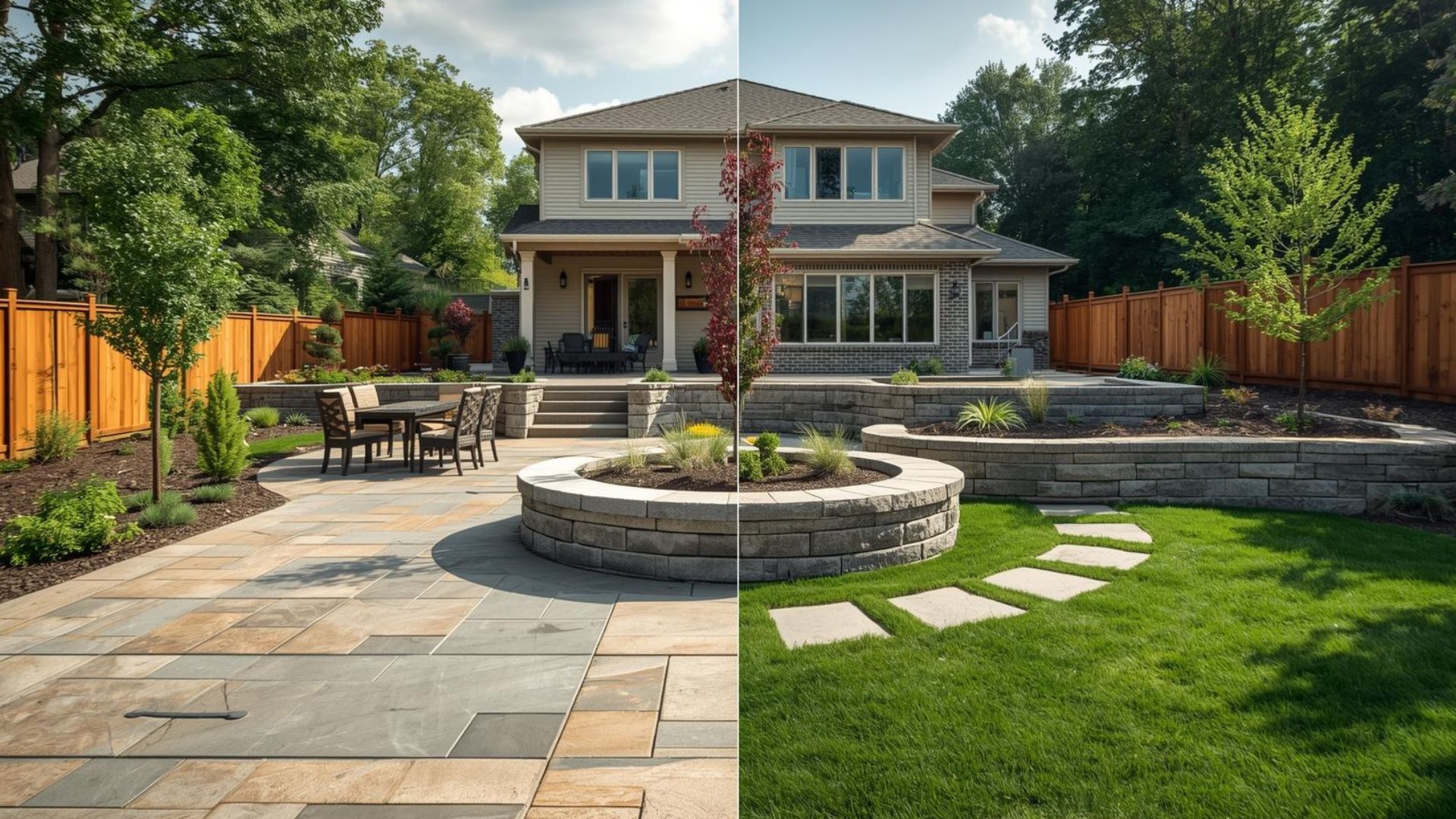
A well-balanced landscape combines natural elements like trees, shrubs, and flowers with structural features like patios and walkways to create a cohesive outdoor design. Knowing when and how to integrate both hardscape and landscape features is key to creating a beautiful and functional yard.

Hardscape vs. Landscape: Know the Difference

Hardscape refers to the non-living elements of a landscape. These are often permanent structures or materials that serve a purpose in layout, structure, or function.

Landscape, on the other hand, includes the living, growing parts of your yard, also known as the softscape.

Here’s a simple breakdown to help you know the difference:

Category

Hardscape

Landscape (Softscape)


Materials

Concrete, brick, stone, wood, paver

Plants, lawn, trees, shrubs, flowers

Function

Structure, accessibility, drainage

Beauty, greenery, shade, softness

Examples

Patio, walkway, driveway, retaining wall

Lawn, shrub, flower bed, garden

Maintenance

Less frequent (sealing, cleaning)

Regular (watering, pruning, fertilizing)

Both hardscaping and landscaping contribute to curb appeal, but in very different ways.

Hardscape Elements: Create Structure and Flow

Hardscaping brings order, structure, and usability to your yard. It often includes:

  • Patios: Great for entertaining or relaxing. A patio becomes an extension of your indoor living space outdoors.
  • Walkways and Patios: Direct foot traffic and define areas of use while preventing mud or lawn wear.
  • Driveways: More than a place to park – they frame your house’s entrance and boost curb appeal.
  • Retaining walls: Solve elevation changes and drainage issues while adding dimension.
  • Fire pits and outdoor kitchens: Perfect for gatherings and extending your outdoor living capabilities.
  • Decks and structures like pergolas: Add height and interest while carving out useful outdoor space.

Hardscape is usually crafted from durable materials like stone, concrete, brick, and wood. Compared to living elements, hardscapes are more durable than landscapes but still require some care – cleaning, sealing, and occasionally filling in cracks.

Need expert help for your next hardscape project? Check out trusted hardscape contractors in Irving TX.

Landscape Design and Softscape: Bring Life and Beauty

Where hardscapes offer structure, softscapes add life and visual appeal. These living components are often what people picture when they think of “landscaping.”

A solid landscape design uses softscape strategically to soften hard edges and infuse natural beauty. Softscape includes:

  • Lawn and meadow areas that make your yard feel expansive and lush.
  • Shrubs, ornamental plants, and trees that add height, shade, and privacy.
  • Flowers and succulent plants that attract pollinators and add bursts of color.
  • Soil and mulch that nourish plant life and define garden beds.

Together, these elements make your yard feel like the natural environment it is. A good landscaper understands how to choose the right plants based on climate, drainage, and exposure to the elements like frost and heat.

How Hardscape and Landscape Work Harmoniously

The magic happens when hardscape and landscape design features blend to form a unified, aesthetically pleasing space.

Think of a paver path cutting through blooming flower beds, or a custom fire pit surrounded by native grasses. Maybe your deck leads to a garden framed by a natural stone retaining wall, complete with a pergola overhead for shade.

When done thoughtfully, these hard and soft elements serve a purpose, guide movement, and create a visually appealing yard that is both functional and relaxing.

Adding Value to Your Home with Outdoor Living Spaces

Whether you’re investing in hardscaping, landscaping, or both, upgrading your outdoor area can seriously improve the value of your property.

Here’s how:

  • Curb appeal – First impressions matter. A tidy walkway, manicured lawn, and tidy shrub borders catch the eye.
  • Outdoor living – Features like a patio, outdoor fireplace, or outdoor kitchen extend your living space.
  • Functionality – Smartly planned drainage, surface runoff control, and structured accessibility make your yard more usable.
  • Beauty – Carefully chosen plants, flowers, and materials like rock and wood transform your space into a sanctuary.

When to Call a Landscaping Company

If you’re looking at your yard and wondering, “Where do I even start?” – you’re not alone.

Sometimes, transforming your space takes more than DIY trips to the garden center. Bringing in professionals for landscaping and hardscaping services can help you:

  • Assess your soil, climate, and drainage in your yard
  • Choose the right materials like stone, brick, or concrete
  • Design features like a fireplace, water elements, or even stairs
  • Create a cohesive look with flow, balance, and focal point strategy
  • Optimize the layout for both aesthetics and function

With expert help, you can extend your living space and make your home more enjoyable – and more valuable.

Final Thoughts: Which Is Right for You?

So hardscape vs landscape? The truth is, you need both.

Focusing only on hardscape might give you structure but leave the space feeling rigid. On the other hand, going all-in on plants without pathways or patios can leave your yard hard to navigate or use.

The key is balance.

A smart approach is to start with design elements you need functionally – a walkway, driveway, or patio – then layer in natural elements to soften and beautify.

Both hardscape and landscape contribute to a great outdoor living space and add value to your home. And when you combine them with intention, they can truly transform your space. Want to explore even deeper?

Remember, investing in your home’s exterior isn’t just about looks – it’s about living better outdoors. Now’s the time to take the next step. Whether you’re planning your first path of patio pavers or imagining an all-out outdoor kitchen, thoughtful planning can help you get the most from your yard.

Have questions or need guidance? Reach out to experienced professionals who can help bring your vision to life.

The post Hardscape vs Landscape: Choose the Right Outdoor Design for Your Yard appeared first on Construction Company Irvin Texas.

20 Nov 23:50

Hardscape vs Softscape: Choose the Right Elements for Your Yard

by jonys674@gmail.com

Hardscape vs Softscape: Choose the Right Elements for Your Yard

Hardscape vs Softscape: Choose the Right Elements for Your Yard

Creating a beautiful landscape isn’t just about planting a few flowers and calling it a day. It’s about understanding how different elements work together to form a well-designed outdoor space that reflects your style and meets your practical needs. If you’ve heard the terms “hardscape” and “softscape” and wondered what’s the difference, you’re not alone.

Many homeowners are confused by these landscape design components, but once you know the difference between hardscapes and softscapes, creating a cohesive and inviting yard becomes much simpler.

What Is Hardscape?

Hardscape refers to the non-living components of your landscape. These are the inanimate elements that bring structure, functionality, and long-lasting beauty to your yard. Hardscaping plays a crucial role in shaping how you use and move through your outdoor space.

Common Hardscape Elements:

  • Patios made from concrete, brick, or natural stone
  • Walkways and paths, often designed with permeable paving or pavers
  • Driveways that add curb appeal and durability
  • Retaining walls and stone walls for erosion control and aesthetics
  • Gazebos, pergolas, and fire pits for outdoor living and entertaining

In short, hardscape materials bring form to your garden or overall landscape. Whether it’s a functional paver driveway or a decorative rock wall, hardscape elements provide enduring solutions that hold up year to year.

What Is Softscape?

Softscape includes all the living elements in your yard. These are the dynamic parts of your landscape that change with the seasons and grow over time.

Examples of Softscape Elements:

  • Trees, shrubs, and flowering plants
  • Groundcovers like Poaceae, leaf plants, and vines
  • Annuals and perennials
  • Grasses like a lush green lawn
  • Mulch used to retain moisture and prevent erosion

Softscaping enhances the liveliness and ambiance of your yard. It’s flexible and can be changed at any time, whether you’re creating a softscape with new plant varieties, or simply adding seasonal color with flowers or shrubs.

Hardscape vs Softscape: What’s the Difference?

This is one of the most common questions in landscape design – and for good reason. While both are essential, understanding their roles helps you achieve the look and function you want.

Feature

Hardscape

Softscape


Definition

Non-living/inanimate elements

Living elements

Functionality

Structure, durability, navigation

Beauty, change, and natural ambiance

Materials

Concrete, paver, brick, stone

Trees, shrubs, soil, mulch, flowers

Maintenance

Typically low-maintenance

Requires constant care & seasonal change

Flexibility

Static, designed for permanence

Dynamic, can evolve with time

A well-designed landscape achieves balance between the two. Too much hardscape can make your outdoor space feel sterile. Relying solely on softscape may result in muddy areas, erosion, or disorder during seasonal changes.

How Hardscape and Softscape Work Together

In great landscape design, hardscape and softscape elements are integrated to complement each other. The linear and symmetrical aspects of the landscaping often come from hardscaping, while softscape delivers texture and color.

Here’s how to combine them effectively:

  • Use pavers or concrete to form bordered walkways that lead to flower beds.
  • Install retaining walls that double as planters for shrubs or perennials.
  • Surround your patio with climbing vines or groundcover for a lush, relaxed atmosphere.
  • Position a water feature like a small fountain near decorative grasses or colorful blooms.

This thoughtful blending of hardscape and softscape elements to create a unified design is what gives your outdoor living areas that polished, magazine-worthy look.

Choosing the Right Elements to Create Your Beautiful Landscape

A well-designed landscape requires careful planning. The good news? Whether you favor a formal design with structured lines, or a naturalistic design that mimics nature, you can use both hardscape and softscape to create the style you envision.

How to Get Started with Your Landscape Design:

  • Visualize Your Lifestyle– Do you love entertaining outdoors? Emphasize patios, fire pits, and outdoor living zones. Prefer quiet reading nooks? Think shaded corners framed by soft flowering shrubs.
  • Consider Maintenance – Hardscape is generally low-maintenance, while softscape needs more attention – from fertilizing to tasks like mowing. Choose plant varieties that require less upkeep if you want to spend more time relaxing.
  • Evaluate Drainage and EnvironmentHardscape elements like a paver driveway or walkway help manage water runoff and provide smoother navigation. Meanwhile, softscape can absorb surface runoff and attract wildlife that enrich your space.
  • Integrate for Comfort and Appeal – Use both elements to create inviting zones. A gazebo or pergola as a focal point surrounded by annual plants or evergreen softscapes offers both shade and color for all seasons.

By working with professionals who understand the integrated elements of hardscaping and softscaping, you’ll achieve a functional and relaxing and inviting outdoor design that flows naturally.

Hardscaping and Softscaping Tips to Keep in Mind

  • Ensure consistent use of material choices throughout the layout for visual harmony.
  • Use raised-bed gardening to add layers and structure using both plant life and retaining walls.
  • Choose permeable paving for environment-friendly walkways that reduce runoff.
  • Maintain balance and order with alternating hardscape and softscape zones.
  • Think about different designs for your garden, especially in different areas of your yard like the backyard vs. front yard.

Talk to Experienced Landscape Designers

Planning your dream yard isn’t just about what looks good today. It’s about creating an entire outdoor lifestyle that evolves with your needs and the seasons.

Whether you’re dreaming of a stone walkway leading to a cozy patio, or a vibrant garden with layers of softscape elements, the key is to balance durability with life.

For expert help, consider working with experienced hardscape contractors in Irving, TX to make sure your vision is executed beautifully and professionally.

Final Thoughts: Know the Difference, Create the Balance

Understanding the differences between the two – hardscape vs softscape – is the cornerstone of any successful landscaping project. Knowing how to combine inanimate and living elements with purpose lets you create an overall design that not only looks great but functions well throughout the years.

Your entire outdoor experience depends on this balance – one that provides curb appeal, supports the natural environment, and boosts property value.

By thoughtfully blending hardscape and softscape elements, your yard can become a sanctuary that delivers beauty, relaxation, and utility in equal measure. Start by visualizing what you love – then build strong from there. Reach out today.

The post Hardscape vs Softscape: Choose the Right Elements for Your Yard appeared first on Construction Company Irvin Texas.

20 Nov 23:50

How to Hire a Contractor for a Kitchen Remodel Without Getting Burned

by jonys674@gmail.com

How to Hire a Contractor for a Kitchen Remodel Without Getting Burned

How to Hire a Contractor for a Kitchen Remodel Without Getting Burned

Thinking about a kitchen remodel but not sure how to find the right contractor without blowing your budget or losing your mind? You’re not alone. Hiring a contractor for your kitchen renovation can feel like a high-stakes gamble, especially if you’ve never taken on a remodeling project before.

The good news? With the right information and approach, you can hire a professional who delivers on time, on budget, and up to a high standard of quality. Whether you’re refacing cabinets or launching a full-blown kitchen reno, building a solid partnership with a trustworthy kitchen remodeling contractor is key.

Let’s explore step-by-step how to hire a contractor for your kitchen remodel in a smart, informed way that lowers risk and raises your return on investment.

Why Hiring the Right Remodeling Contractor Matters

Your kitchen is more than just a space to cook—it’s the heart of your home. A renovation here can impact your daily life, your home’s value, and your wallet. That’s why choosing the right remodeling contractor is one of the most important decisions a homeowner can make during a renovation project.

What Can Go Wrong If You Don’t Choose Wisely?

  • Costly mistakes due to a lack of experience
  • Delays caused by disorganized subcontractors or poor project planning
  • Poor communication leading to frustration and unmet expectations
  • Legal liability if the contractor is not licensed and insured
  • Low-quality materials that don’t stand the test of time

To avoid this, let’s walk through how to find the right fit for your kitchen remodel.

Step 1: Define Your Remodeling Project Scope

Before you start interviewing contractors, it’s essential to get clear on what you want. Are you planning a complete overhaul or making selective updates like new countertops or updated fixtures?

Think through your needs for:

  • Layout changes (do you need an architect?)
  • Cabinetry
  • Countertop replacements or upgrades
  • Flooring
  • Plumbing and electrical rerouting
  • Lighting and finishes
  • Kitchen design or working with a kitchen designer

A clearly defined project scope makes for accurate quotes and a smoother experience from start to finish.

Step 2: Start Finding a Contractor You Can Trust

When it comes to finding a contractor for your kitchen remodel, start close to home. Ask friends, family, or neighbors — especially those who’ve completed similar remodeling projects — for a referral. Asking for recommendations from people you know and trust is often the best way to find contractors near Dallas, Texas who’ve already proven themselves.

You can also explore:

  • The National Association of the Remodeling Industry
  • The National Association of Home Builders
  • Local listings and directories
  • Company websites with portfolios and kitchen remodeling services

Questions to Help You Screen Contractors:

(Not hiring yet — this is your fact-finding stage.)

  • How long have you been a remodeling contractor?
  • Do you specialize in kitchen renovation?
  • Are you licensed and insured in Dallas, Texas?
  • Can you provide referrals or examples of recent kitchen remodels?
  • Who will be the main point of contact or project manager?

This early research helps you avoid contractors who overpromise, underdeliver, or simply aren’t equipped for your type of work.

Step 3: Interviewing and Asking the Right Questions

Now it’s time to meet with a few contractors. This is your opportunity to get a feel for which remodeling contractor “gets” your vision, clearly communicates the renovation process, and values your input as the homeowner.

14 Questions to Ask Before You Hire a GC

Hiring a general contractor is a big decision. These 14 questions can help you spot red flags and identify professionals who fit your needs:

  • Are you a general contractor or a design-build firm?
  • Are you licensed to work in Dallas and required to carry liability insurance and workers’ compensation insurance?
  • What type of home remodeling contractor work do you specialize in?
  • Can you help manage permits and code requirements?
  • Do you work with a consistent crew or use subcontractors?
  • How do you handle plumbing, electrical, and HVAC needs?
  • Will I need an architect or a kitchen designer?
  • Who oversees daily work — you or a project manager?
  • How do you source quality materials like finishes and fixtures?
  • What is your estimated timeline for the entire project?
  • Can you walk me through your invoicing and final payment terms?
  • What happens if there’s a delay with ordering materials?
  • How do you handle inspection or cleanup?
  • What home construction or bathroom remodel projects have you done recently?

Having a printed copy of the “14 Questions to Ask” can help keep you grounded during interviews and ensure you’re comparing apples to apples.

Step 4: Compare Bids and Understand the Contract

When bids come in, don’t automatically go with the lowest price. Instead, compare detailed estimates that include:

  • Labor costs
  • Material allowances (like countertops, cabinetry, etc.)
  • Timeline
  • Payment schedule
  • Scope of work for the entire project
  • How a remodeler plans to handle cleanup or demolition

The contract must clearly state the project scope, materials used, roles of any subcontractors, ordering materials process, permit responsibilities, and how costs may change. A solid agreement protects both you and the general contractor.

Also, make sure the contractor who’s bidding is the one who will actually manage your bathroom or kitchen renovation—not a salesperson who hands you off.

Step 5: Check Credentials and Verify Insurance

Don’t skip this. A qualified home remodeling contractor should be:

  • Licensed and insured in Dallas, Texas
  • Able to provide proof of liability insurance
  • Covered by workers’ compensation insurance (to protect you from legal liability if a worker is injured)

You’ll likely need permits for major kitchen remodeling services, especially if you’re moving walls or touching plumbing or electrical. General contractors who specialize in renovation work will know how to manage permits properly.

Verify their license by checking with Dallas’s licensing agency and asking for insurance documentation before signing anything.

Step 6: Talk Through the Timeline and Communication Style

Remodeling projects affect your daily routine, so it’s crucial to set expectations about scheduling, delays, material ordering, and communication.

Ask:

  • When will the remodeler be on-site? (Every day? M-F 8 to 5?)
  • Who can I contact with project questions?
  • How will changes or cost updates be communicated?
  • What’s your process for changing orders?

Also, ask about potential delay factors — from custom cabinetry to overseas countertop shipments. A qualified GC should give you a realistic timeline based on prior experience.

Step 7: Review Examples and Read Reviews

Always evaluate past projects to get a sense of a contractor’s craftsmanship. Ask to see before-and-after photos of kitchen renos, room and kitchen projects, or even a recent bathroom remodel.

Where possible, contact past clients to ask:

  • Did the contractor meet deadlines and stay on budget?
  • Were workers respectful of your home?
  • Was the final product what you expected?

Online reviews can also reveal patterns—whether good or bad—that help you choose the right remodeling contractor.

Tips for a Successful Kitchen Renovation

Even after you hire a GC, keep engaging with the process. A professional kitchen remodel takes time, and collaboration between homeowner and contractor is key to great results.

Keep these success factors in mind:

  • Be clear about your budget from the start
  • Lock-in choices for countertops, cabinetry, and plumbing fixtures early
  • Build cushion time in for unexpected delays
  • Get every change in writing via an updated invoice
  • Plan for how your household will function during the renovation
  • Trust your contractor, but verify progress regularly

Bonus: What Design-Build Firms Offer

If you’re overwhelmed by hiring multiple pros—like a kitchen designer, architect, and GC—you may want to work with a design-build firm. These companies handle everything under one roof.

Design-build teams can save time and reduce finger-pointing between subcontractors or vendors. Plus, they’re often more cohesive in project management, kitchen design decisions, and code compliance.

Conclusion: Don’t Just Hire—Find the Right Fit

Hiring a general contractor for your kitchen remodel doesn’t have to be intimidating or stressful. With the right strategy, questions to ask, and a clear understanding of the remodeling process, you’re far more likely to have a positive experience and a stunning new kitchen to show for it.

At Build Strong, we believe homeowners deserve support and transparency throughout every stage of their home renovations. Whether you’re planning a kitchen reno or full room and kitchen upgrade, we’re here to help you make informed, confident decisions.

Ready to take the next step? Explore our kitchen remodeling services in Dallas, Texas to see how we bring construction expertise, quality materials, and thoughtful planning into every remodel.

Want more renovation insights and homeowner guides? Follow along and share your questions – we’re always here to help you build strong.

The post How to Hire a Contractor for a Kitchen Remodel Without Getting Burned appeared first on Construction Company Irvin Texas.

20 Nov 23:50

When Remodeling a House, What Comes First? Start With This Smart Plan

by jonys674@gmail.com

When Remodeling a House, What Comes First? Start With This Smart Plan

When Remodeling a House, What Comes First? Start With This Smart Plan

Remodeling a house can feel overwhelming, especially if it’s your first time diving into a project this big. If you’re asking yourself, “When remodeling a house, what comes first?” you’re not alone.

The renovation process involves many moving parts, and getting the order right isn’t just about efficiency – it can save you money, protect your investment, and help you avoid problems down the line.

Let’s walk through a down-to-earth, no-fluff guide to help you understand the correct order of operations for a successful home renovation project.

Understanding the Renovation Order: What Comes First?

When it comes to home renovations, doing things in the right order is critical. Tackling the wrong step too early can lead to delays, extra costs, and even damage to new work.

The renovation order of operations generally looks like this:

  • Planning & Budgeting
  • Permits and Inspections
  • Demolition
  • Structural Repairs
  • Systems (Plumbing, Electrical, HVAC)
  • Insulation and Drywall
  • Interior Elements
  • Final Touches

Let’s break down each of these so you know what truly comes first – and what can wait.

Create a Detailed Plan and Set Renovation Goals

Every successful remodel begins with a detailed plan. Think of it as your roadmap for every decision you’ll make during your home renovation process.

Whether you’re looking at a whole home remodel or renovation of just the kitchen and bathroom, planning helps you prioritize and avoid costly mistakes.

Ask yourself:

  • What rooms need attention?
  • Are there structural issues involved?
  • What’s your realistic budget and timeline?
  • Are you after cosmetic upgrades or major structural repairs?

A clear renovation plan ensures the entire project goes smoothly and sets the foundation for every other step.

Prioritize Necessary Permits and a Home Inspection

Before your contractor picks up a hammer, you need to take care of the paperwork. Securing the necessary permits isn’t just a legal step – it’s also your insurance that work is up to safety and building codes.

Be sure to:

  • Determine what permits are required in your area
  • Schedule a thorough home inspection
  • Identify any hidden issues that might affect your renovation budget

A home inspection can uncover critical structural problems, outdated wiring, or plumbing concerns that must be addressed before cosmetic upgrades.

Demolition: Clearing Out the Old

Once the permits are in hand and the problems identified, demolition can begin. Whether you’re tearing down walls, removing old furniture, or lifting outdated carpet, this step clears the way for your new space.

Demolition might be messy, but it’s necessary. It lets you work with a blank slate and ensures hidden issues like mold, damaged drywall, or unstable flooring are caught early.

Just be sure proper dust containment is in place to protect the rest of your living space.

Address Structural Repairs and Build a Solid Foundation

This is the stage to deal with anything critical to your home’s structure. From foundation cracks to sagging ceiling joists or uneven flooring, these issues must be fixed before anything else.

Don’t cut corners here. Addressing structural integrity at this point ensures your remodel won’t run into risks later.

This phase may include:

  • Foundation leveling
  • Roofing repairs
  • Framing adjustments
  • Rebuilding damaged walls

Think of this as the backbone of your entire project. Without it, everything else is at risk.

Systems First: Plumbing, Electrical Work, and HVAC

Once the structure is sound, it’s time to focus on the inner workings of your house.

This includes all the systems that make your home run smoothly:

  • Plumbing – Rerouting pipes, installing shower systems, or moving kitchen sinks.
  • Electrical Work – Updating wiring, outlets, and circuit boxes.
  • HVAC – Installing new heating, ventilation, and air conditioning units where needed.

Getting these systems in place before drywall or painting ensures you won’t need to tear open finished walls later.

This is also a good time to install advanced features like smart thermostats or built-in ceiling speakers.

Insulation and Drywall: Sealing the Space

Once your critical systems are in, you can move on to insulation and drywall. This is where your rooms start looking like rooms again.

Proper insulation helps with temperature control and energy efficiency, which is especially important in hot climates like Dallas. Once that’s in place, you can:

  • Hang drywall
  • Tape and mud the seams
  • Sand down for a smooth finish

This stage literally shapes the look of your home.

Room Renovations: Kitchen, Bathroom, and Living Areas

With the guts and frame of your home complete, you can finally focus on spaces like your kitchen and bathroom.

The kitchen is one of the best places to start because it adds significant value to your home. A kitchen remodel often includes:

  • Installing new cabinets and countertops
  • Hooking up appliances
  • Tile or hardwood flooring
  • Painting walls

Bathrooms are equally important and may involve:

  • Replacing vanities
  • Updating fixtures
  • Waterproofing floors and showers

These upgrades enhance both the look and function of your home.

Interior Finishes and Fixtures

With room renovations complete, you can then focus on flooring, painting, and final fixtures.

This includes:

  • Laying down new flooring (hardwood, tile, or carpet)
  • Painting walls and ceilings
  • Installing light fixtures and ceiling fans
  • Placing furniture and décor

Important: This is where the craftsmanship really shows. Rushing through these could undo all your earlier hard work, so take your time.

These final touches are what guests will see and feel – and what makes your house feel like a home.

Don’t Forget the Exterior Work Too

While you’re focused on your indoor space, don’t neglect the outside. Exterior work might include:

  • Replacing siding or windows
  • Fixing the roof
  • Painting trim or adding curb appeal

Having a full home renovation mindset ensures both inside and out are upgraded together – enhancing not only livability but the value of your home.

Home Renovation Checklist: Keeping Things On Track

Here’s a simplified home remodel checklist to help visualize the process:

  • Define renovation goals
  • Set a realistic budget and timeline
  • Create a detailed plan
  • Secure necessary permits
  • Schedule a home inspection
  • Begin demolition
  • Complete any structural repairs
  • Install plumbing, HVAC, and electrical
  • Add insulation and hang drywall
  • Remodel the kitchen or bathroom
  • Paint and install finishes
  • Final inspection and clean-up
  • Enjoy your dream home

Following this order should give you peace of mind and an efficient renovation from start to finish.

When In Doubt, Bring In the Experts

The wrong order can lead to a tangled mess of delays and added expenses. That’s why working with professional remodeling services is key.

A knowledgeable contractor will:

  • Follow the correct renovation order
  • Coordinate trades efficiently
  • Ensure compliance with building codes
  • Help you determine the best timing for each step

If you’re looking for a full home remodel in Irving, TX, we at Build Strong are happy to guide you through your remodeling journey with quality craftsmanship and personalized support.

Final Thoughts: Start Your Remodel the Right Way

Remodeling a house doesn’t have to be overwhelming. By understanding what comes first and following a smart, logical renovation process, you’ll finish with a space that’s functional, beautiful, and built for the long haul.

So whether you’re planning a kitchen remodel, whole home renovation, or bathroom upgrade, remember: Planning, structure, systems, style – that’s the right order.

Ready to begin your dream home transformation? Create your renovation plan today and take the first step toward making your home your favorite place to be.

The post When Remodeling a House, What Comes First? Start With This Smart Plan appeared first on Construction Company Irvin Texas.