Cowboy Who?
Shared posts
‘Nailgate’ In Beaumont, And A Pandemic Hoarder Looks For A Refund: The Good, Bad, And Ugly Of The Week’s News

“If We Survive This, What Will Be Left?”: Considering a Post-COVID World from the Front Lines in NYC
Emergency Physician
NY-Presbyterian/
Weill Cornell Hospital
New York, NY
This essay is part of our new series, Flattened By the Curve, which features the voices of doctors, nurses, healthcare workers, and others on the front lines against COVID-19. For information on how to submit, click here.
“If we survive this…” beings any conversation with my husband about the future. He is an intensive care physician and I am an emergency physician. We both know that one — or more likely both — of us will be infected with COVID.
Our jobs involve direct patient care, and right now, everyone in the hospital has COVID. Medicine has always involved some form of sacrifice, from seemingly endless years of graduate and post-graduate training, to high-interest student loans to hours of work in the hospital at the exclusion of anything else. Despite our predilection for sacrifice, the calculus for us has changed with COVID. I think everyone working in NYC knows colleagues who have become critically ill from COVID infection, and perhaps some who have died. We cannot assume we will survive this pandemic.
Besides worrying constantly about whether I am touching my face, or if my N95 has an adequate seal, I continually have to tell patients that we can’t test them for COVID-19. Only the sickest patients can get COVID testing. I have to tell patients that I hope they will get better, but please come back to the ER if they get worse. This conversation sucks, because I know I’m not doing the right thing for them.
Patients and their families scream at me, threaten to sue me, and refuse to leave the ER. I agree with them. I wish I could test them, but I can’t. It’s not up to me. I know that nearly 800 people are dying from COVID every day in this city. I know people are scared. I am scared too. I am working outside of my comfort zone. I am telling myself that the city is in disaster mode, so we can only hope to do our best for as many people as possible. Hospitals are full; we are discharging people who should be straightforward admissions.
Recently, our hospital has established telemedicine follow up for these “moderate risk patients” within 24 hours of discharge. This helps me worry a little bit less about all the people I would have liked to watch in the hospital. But I feel I am still not able to do the right thing for my patients, and it keeps me awake when I could be sleeping, wondering about who might not do well. Will I see them tomorrow, but this time they will need a breathing tube?
Working through this pandemic, healthcare workers have been pushed to the physical, mental, and emotional limits. The Boston Marathon bombings happened during my emergency medicine training in Boston; the patients I cared for during that disaster are etched into my brain, and I will always carry them with me.
But this is a different type of disaster: slow and relentless. COVID owns my conscious and subconscious mind. All my dreams are about COVID. Sometimes I wake up crying. Sometimes I fall asleep crying. My face is bruised from PPE, but I am also sure that my mind is bruised and battered. If my body survives COVID, it will surely claim other parts of myself, and I am not sure they can be resuscitated.
Radhika Sundararajan is an Emergency Physician, anthropologist, and global health researcher in New York City. Her research seeks to improve engagement with evidence-based health resources through culturally competent healthcare interventions. The opinions expressed here are her own.

Tom Hanks writes to boy called Corona who said he was bullied
Sir Leopold
The post Sir Leopold appeared first on The Perry Bible Fellowship.
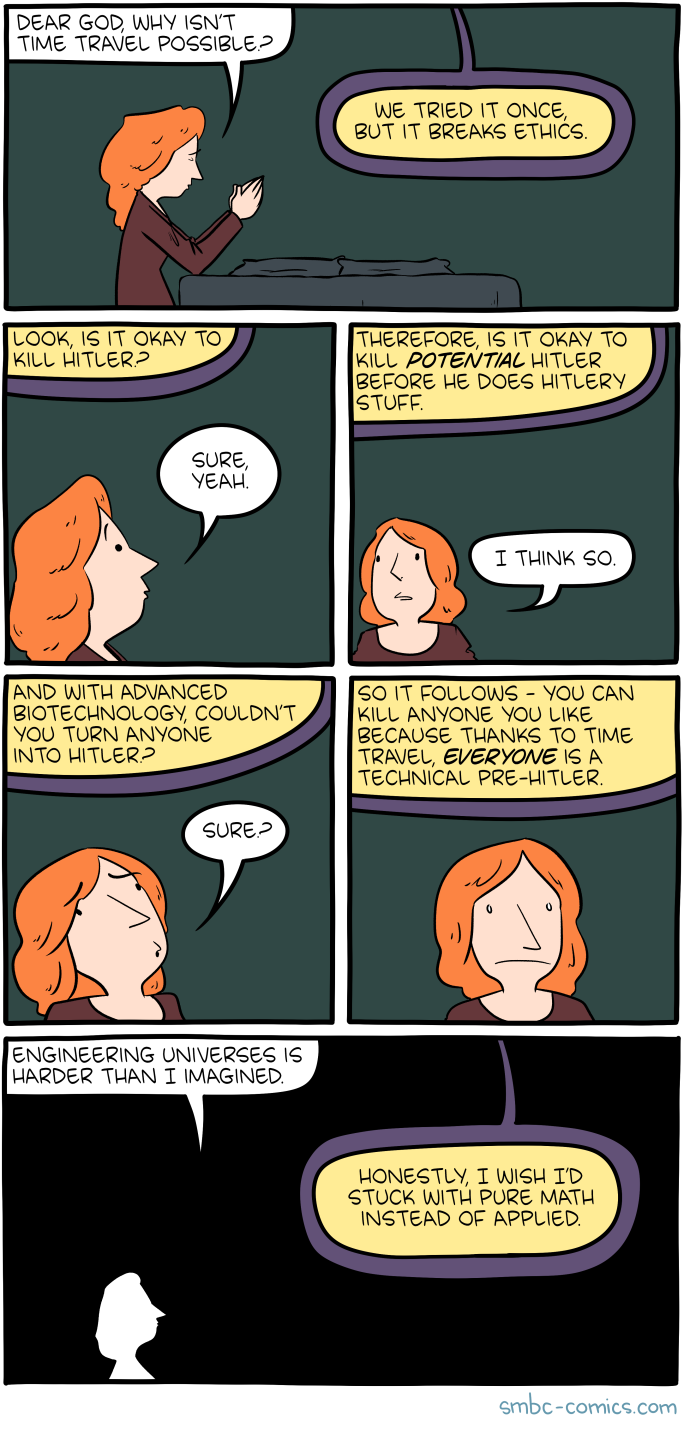
Saturday Morning Breakfast Cereal - Time Travel
Click here to go see the bonus panel!
Hovertext:
The easiest way to ruin all time travel movies is to think about time travel for more than 3 seconds.
Today's News:
Google will force advertisers to prove they are who they say they are
Google will require all advertisers to confirm their legal identity in an effort to increase transparency. Since 2018, political advertisers have had to verify who they are, so this is an expansion of that measure.
The company will enforce the rule in the US at first, and it's likely to take a few years before the requirement rolls out worldwide. Google suggests advertisers that in certain categories may be prioritized for the verification process. Those include the promotion of "products, goods, and services" (such as retail, media, tech and travel), "informational, advisory, or educational content"(charitable causes and free financial or health advice, for instance) and ads related to regulated industries, like gambling and healthcare products.
When the requirements come into place in their locales, existing advertisers will have 30 days to submit documents or Google won't display their ads. They'll need to send business incorporation paperwork, personal ID or other documentation. Starting this summer, you'll be able to see a verified advertiser's legal name and country of operation via a context menu in ads.
“This change will make it easier for people to understand who the advertiser is behind the ads they see from Google and help them make more informed decisions when using our advertising controls,” Google director of product management for ads integrity John Canfield wrote in a blog post. Verifying advertisers is also likely to help Google clamp down on scams and the spread of information through ads.
Share your favorite memories of the original Game Boy
In the ‘80s there were no Switches or smartphones to play portable video games on. For on-the-go gaming, you were mostly limited to things like Nintendo’s Game and Watch, or those cheesy Tiger Electronics handhelds. Then, in 1989, Nintendo released the Game Boy. That now iconic gray chassis with its green pixelated screen was packaged with Tetris, selling over a million units in the first few weeks of release. It cemented itself into the hearts and minds of millions of gamers who now had the ability to travel with games Super Mario Land, Link’s Awakening and Kirby’s Dream Land.
Few gamers forget the first time they used a Game Boy. For the 31st anniversary of the original system, we want to hear your memories of this historic handheld. What was the first game you played on a Game Boy? How did the portable console change your gaming habits? And how would you, in retrospect, review this influential system given the advancements that have happened since its release? Tell us all your fondest stories, favorite games and high scores in a user review on the Game Boy product page -- and don’t forget, the best reviews may be included in upcoming user review roundup articles, so don’t leave out any details!
Note: Comments are off for this post but we’d love to hear your memories and reviews about the original Game Boy on its product page!
Hamlet or an American Millennial?
1. Is 30+ years old and still lives at home.
2. Is scolded by elders for doing things.
3. Is scolded by elders for not doing things.
4. Attempts to communicate concerns to leaders typically result in dismissal of feelings and/or receipt of bootstrap narratives.
5. Is forced to rely on moping, complaining, and melancholy as defense mechanisms.
6. Is saddled by forebears with a debt that cannot reasonably be discharged.
7. Is constantly paralyzed by indecision for lack of good choices to be made.
8. In an on-again-off-again relationship with someone they will never be able to marry.
9. Majority of problems can be blamed on the prior generation’s incompetence.
10. Has been prepared for none of the problems life presents after years of supposedly necessary schooling.
11. Likely suffers from an undiagnosed anxiety disorder, and lacks the support network to treat or cope with it.
12. Strongly disagrees with one of their uncles about who should be running the country.
13. Is promised a great kingdom, but has it stolen by spoiled older people who quickly close ranks to maintain their stranglehold on power.
14. Dies — along with every other young person in acquaintance — as a direct result of said older people’s machinations, pettiness, or outright stupidity.
15. New government of home country is installed by a hostile foreign power.
Hamlet: 1-15
American Millennial: 1-13, 15, probably 14
Here’s What You Need To Know About The Face Covering Order In Harris County
Tornado In East Texas Leaves 3 Dead, Dozens Injured And Thousands Without Power
Called to the Front Line: The Futility of Self-Care
Surgical Trainee,
Wexham Park Hospital,
Berkshire, United Kingdom
This essay is part of our new series, Flattened By the Curve, which features the voices of doctors, nurses, healthcare workers, and others on the front lines against COVID-19. For information on how to submit, click here.
The news came by email:
Drafted.
It felt like a suicide mission. But if I was being sent to the trenches, surely I would at least be given adequate protection…
I didn’t want to tell loved ones for fear they’d panic. Colleagues across the globe had died, others teetered on the precipice. No matter what hospital middle management may say, healthcare workers make up a significant proportion of the patients treated for the virus worldwide, and the numbers in the UK are growing.
I did not want to become a statistic.
I tried to allay my trepidation by reminding myself of friends already on the front line, some of whom had even volunteered to be there.
I should be brave like them.
It was part of the job: our vocation to serve. I was not alone in my fears.
When one of my seniors told me that she was worried, that she felt like she was sending some of us out to die, my feelings were validated. It was the first acknowledgement from authority that we were putting our lives at risk. I came into this profession to save lives. I never considered having to sacrifice my own.
When I naively inquired about the guidelines on personal protective equipment (PPE) for the NHS staff, each word in reply felt like another nail in my coffin. Was it optimistic to expect that joining the front line would change the provisions we would receive? I was informed that they would follow local protocol, which would in turn align with “national standards.” National standards, which had fluctuated, been diluted and at various times were out of step with both the World Health Organisation and Europe. Which begs the question whether standards stem from scientific evidence or instead, simply trade health protection for resource efficiency.
I questioned whether my fear was selfish, and whether now is the time for utilitarianism, not individualism. I had a moral obligation.
But I did not want to die. I am not expendable. I am not cannon fodder.
We are all watching as history is being made: social norms warping, generations being defined, humanity being shaped before our eyes. Despite having watched the disease arrive and linger in other nations, there was a hope (or rather complacency) that these epidemiological trends would not apply to us in England. Biology would show some innate favouritism towards us. A cocktail of arrogance and idleness, with a dash of ineptitude, guaranteed we (our leaders) would not act when required. We would not respond to the pandemic unfolding before us.
When I arrived on the scene I was inspired by those already serving. Nurses, maintaining the dignity of the marked or adjusting the settings on patients’ ventilators. My seniors told me to stay back, don’t enter: reduce unnecessary contact.
Meanwhile, they went ahead alone to assess the status of the deteriorating patients. Yet amongst this bravery, the air remained thick with the unease of droplets housing the invisible virus. Unease at the strain we faced, and that which is to come.
And still the question remains: why isn’t there enough PPE? Masks are being reused, putting us at risk or worse, making us vectors, spreading the disease we war against.
The resigned whispers of “supply chain issues” are ubiquitous. It is clear and unspoken that everyone working on these wards has accepted their fate, whether that means life or death from COVID-19. Because there is no alternative. The patients cannot be left to die because of a discrepancy between supply and demand. Our reason for joining this profession is what allows us (even compels us) to continue despite the risk to ourselves. So I have to accept my fate.
Applause or no applause, we will keep going.
Dele is a surgical trainee (resident) in otolaryngology, now redeployed to the intensive care unit. He works at Wexham Park Hospital, Berkshire.
The Contemporary Arts Center, New Orleans Open Call Extended; Application Fees Waived
 Gulf Coast artists are invited to apply to the Contemporary Arts Center in New Orleans (CAC) 2020 exhibition Make America What America Must Become. The exhibition would have premiered at the CAC this summer, but has been rescheduled for the fall. The deadline for submissions has been extended to April 30, and the call is open to artists living in the coastal states of Texas, Louisiana, Alabama, Mississippi, and a Florida. All applications fees are waived.
CAC is seeking art from its members that examines the manifestation of power in culture, politics, economics, and ecology. Artists may enter up to four works of art of any medium. To apply, please go here.
More about the exhibition:
“America is an anxious nation chasing a more perfect union. As its political body struggles along the arc of justice, the truths “we” hold rarely appear self-evident. Complicated by an overtly mediated era, today’s social movements demand a punctuated examination of #historicalconsequence and #power. At this moment, the distance between Art and Politics—reflection and response—seems to be collapsing. In a letter to his nephew on the 100th anniversary of the Emancipation Proclamation, philosopher and American commentator, James Baldwin, offered an optimistic but urgent message, “Great men have done great things here, and will again, and we can make America what America must become.”
***
“The Contemporary Arts Center (CAC) is a multidisciplinary arts center dedicated to the presentation, production, and promotion of the art of our time.
The post The Contemporary Arts Center, New Orleans Open Call Extended; Application Fees Waived appeared first on Glasstire.

Why Are Some Young, Healthy People Getting Severe COVID-19?
Most young people who get COVID-19 get pretty nasty flu-like symptoms but fight off the infection on their own with bed rest and over-the-counter pain medication. Some, though, have a severe, even deadly, case. Why is it that someone who seems healthy and has no underlying conditions could be killed by this virus when so many of their peers pull through just fine? Let’s break down what we know and what research is needed to answer this COVID-19 mystery.
What we know
Our understanding of why some people get mild infections while others wind up hospitalized or killed by COVID-19 is still limited. In the U.S., 34 percent of confirmed COVID-19 cases are in patients under the age of 45, according to Centers for Disease Control and Prevention data from mid-March. Of patients known to be hospitalized, about 20 percent were under 45, and of those known to be admitted to the ICU, 12 percent were under 45. The CDC also reports that the case fatality rate is less than 1 percent for people age 20-54.
But there isn’t much we know about why some young people are getting extremely sick and others aren’t. We know that age is a risk factor — the case fatality rate for COVID-19 climbs steeply for patients over 60. This is true for a lot of infections and generally has to do with diminishing immune systems and underlying health conditions.
But that doesn’t help us figure out what’s going on with these cases where young people get sick and it quickly turns serious. It’s not as simple as pointing to underlying conditions. Many conditions, such as asthma, haven’t been definitively confirmed as risk factors, though many doctors suspect they are.
“We have guesses, but we don’t know,” said Dr. David Smith, the head of the Division of Infectious Diseases and Global Public Health at the University of California San Diego. “It’s going to take some time to figure that out.”
What we don’t know (and how we figure it out)
Sure, there’s plenty scientists don’t know, but that’s what hypotheses are for. Researchers have already begun studies to uncover which factors contribute to a severe or deadly case.
Some are looking into genetic differences. Our genes can affect the way our immune system responds to an infection, which could explain why some people fare worse than others. “The possibilities, unfortunately, are endless,” said Dr. Jean-Laurent Casanova, an investigator at the Howard Hughes Medical Institute and physician at Rockefeller University Hospital. “Between the first encounter with the virus and death, you can imagine that there are lots and lots of steps. At any of these steps, a defective immunity in any of the cells encountered by the virus can be responsible for severe disease and therefore death.”
https://abcnews.go.com/video/70274236
Casanova is leading a global study to try to identify what, if any, genetic mutations may cause otherwise healthy young people to have a more severe or deadly infection. The study will look for any shared genetic mutations among otherwise healthy patients under 50 who tested positive for COVID-19 and were admitted to an ICU. From there, they can investigate those mutations further to determine whether they cause a susceptibility to severe COVID-19.
Another factor being investigated is the infectious dose, or the amount of virus a patient was exposed to when they first became ill. Could it affect how sick someone becomes, regardless of their age or health? This can be determined through epidemiological studies, where researchers compare groups of patients to learn more about how they first became infected and whether higher levels of viral exposure correspond to sicker patients. For example, Smith explained that researchers could track households where at least one member got COVID-19 and measure how much virus the patient is shedding, then observe how other members of the household fare. It can also be studied using animals in a lab to see how immune responses change at different levels of exposure.
There’s also a chance that whether or not you have already been exposed to COVID-19 can determine how severe your infection is. With the dengue virus, for example, the first time someone is exposed to the virus, they often have only a mild infection, but if they encounter it a second time, it can become deadly. Researchers believe this is due to the antibodies the body creates after first exposure, which start to diminish over time. If they drop to a low enough level, they’re not able to fight off the virus, but instead they inadvertently assist the virus in infecting cells. It’s called antibody-dependent enhancement, and researchers are investigating whether past exposure to this or a similar coronavirus could worsen the symptoms of COVID-19.
Other researchers are looking at whether the microbiome — the menagerie of bacteria, viruses and fungi that live in and on the human body — could be playing a role. Microbiomes differ from person to person and some microbes have been known to help or hinder an individual’s ability to fight off infection.
All of these possibilities will require studies that use control groups to determine whether these variables are actually causing a more severe reaction or if their presence is just a coincidence. It might be true that a high proportion of COVID-19 patients drink coffee, for example, but that doesn’t necessarily mean drinking coffee puts you at a higher risk of COVID-19. (And, god, can you imagine if it did?) The only way to know for sure is by running a trial and comparing a group with one set of factors to a group without those factors to see if there’s a consistent difference between them.
In the midst of an ongoing crisis, one way to ethically do this (without purposely giving people a potentially deadly infection) is through a case control study, which looks retroactively at infections that have already played out.
“So you have a case and a control and they look the same, except one progressed and one didn’t,” Smith, of UCSD, said. “Then you sort of work your way backwards and say, ‘What is really different between these two groups?’ And you need lots of people [in the study] to get that figured out.”
Another option is called a cohort study, where a sample of the population is enrolled and then followed over time to see who gets sick and how sick they get. Those who got seriously ill can then be compared to those who didn’t get sick or had less severe infections to see what differences stand out.
Luckily, many of the studies needed to determine why some young people get severe infections are already underway, and we could see preliminary results in a matter of months. But it may take years to fully understand why COVID-19 affects people differently.
Who Has Five Atmospheres, Four Layers, One Moon, and Finally Got What They Wanted for Earth Day?
Hey everyone,
Thanks for joining me, Earth, on this Zoom call so bright and early. I’ve actually been up for a while, haha. Also, sorry that I’m a potato. I don’t know how to fix that. Can I get you a virtual orange juice? A GIF of a coffee? I’ll just be having spring water, but you could probably guess that.
So, what have you all been up to? Just chillin’ at home, razoring the hair off one side of your head, dressing your dog in a sequined bolero? I bet I know what you haven’t been doing. Flying in planes, running factories, killing things. Shotgunning barrels of crude oil. Running over manatees with powerboats. Everyone in Los Angeles didn’t even know they had a sky until last week. Yeah, imagine there’s no pollution, it’s easy if you try… idiots.
Me? I’ve been busy, the good kind of busy. Just interesting to discover how productive I can be when I’m not panicking over how to sequester an obscene amount of carbon, you know? Mostly I’ve been listening to what whales sound like when they swim in the ocean without emitting an existential panic scream. I’ve also been letting penguins out of their enclosures so they can wander around, but honestly, that’s just for kicks ‘n’ clicks.
What’s that? You’ve been doing cry-yoga, wailing into your closet full of clothes that have dimensional limits, and taking your dog on her 32nd walk of the day when you’re not homeschooling your kids? Oh, is life challenging for you right now? Is it not what you wanted? Do you feel like a force greater than you isn’t quite listening to your needs and just doing whatever the hell it wants?
Huh, can’t imagine how that feels. Must be hard. Must be frustrating. Must make you so super angry that you’re considering sending a 17-year-old Swedish girl to fix it.
Since we’re on the subject of feeling frustrated, unappreciated, and not listened to, it’s fascinating how every year someone asks me, “Hey Earth, what do you want for Earth Day?” and I’m like, “Man, you know what I want” and everyone’s like, “LOL, OK, we’ll plant a single tree and run an ad about it.”
Earth Day — my day — turned into a half-assed brand-sponsored shitshow somewhere along the way. Look, I want to feel bad for you guys, but I just… don’t? This is the best Earth Day I’ve ever had. Like, you are nowhere to be found. I can’t see you, I can’t smell you, the only time I hear you is when you’re screaming or crying, and I’m not gonna lie, it gets me off a little. Because you know what I’ve had to deal with? Pelicans coated in crude oil. Starving polar bears floating to their deaths. David fucking Geffen.
Maybe I can frame this in a way you’ll understand. Imagine me slowly spinning on my axis, looking forlorn. I’m wearing a mask and you can hear plinky piano music in the background. I’m using the word “unprecedented” for sure, but only in voiceover. Then it cuts to black and type slowly fades up on the screen. You know what that type says?
Guess who went viral
for Earth Day, bitch.
Anyway thank you for joining me on my big day. Feel free to go back to sorting through your failures and arranging your canned goods by color. I’ll be over here feeling clear, happy, and full of life. OK bye… Yup bye… Talk soon… Alright, see you later… Just leave the call. Oh, “End Meeting,” yeah, I see it now. OK, everyone, enjoy those great indoors!
Creative Reference Interview

The Reference Interview As A Creative Art
Jennerich and Jennerich
1987
As it is National Library Week, it is time to do some professional development. Let’s start with improving our reference interview techniques. Are they creative enough? This is the book for you.
For the most part this is standard stuff we learned in library school. If you are old enough, this could have been one of your old texts from library school. However, if you had this in a professional librarian collection, I don’t think anyone would find it helpful. By the way this was weeded from a public library pro collection. (In actuality, I bet someone dumped a textbook from library school into the collection and I’m willing to bet after the cataloger put it in the collection, it never moved until it was weeded in 2019.
Someone I worked for in the very olden days, spoke exactly like the book’s scripts. It was weirdly robotic, and I know she must have memorized an entire script before she talked to someone. She really didn’t like the “public”. Pro tip: Maybe you should re think a career in public libraries if you don’t like the public.
Mary


The post Creative Reference Interview appeared first on Awful Library Books.
Many Things Were Stolen, But the First Was Optimism
Physician Assistant,
Medical ICU Hospital of
the University of Pennsylvania
Philadelphia, PA
This is the fourth installment of our new series, Flattened By the Curve, which features the voices of doctors, nurses, healthcare workers, and others on the front lines against COVID-19. For information on how to submit, click here.
We learned very quickly, with gnawing dread, that this virus made people sick — something more sinister than the lung injuries we knew so well. This was a sickness that struck like wildfire and smoldered longer than we first let ourselves believe. We exchanged breathless accounts of patients who walked in with a slight cough or fever, scarcely appearing ill, who within hours were fighting for their lives on a ventilator. One senior physician dubbed it “fulminant respiratory collapse.”
“Fulminant” is from the Latin fulminare — “to strike with lightning.”
For a patient on a ventilator, from the moment the breathing tube is in place, our eyes bend toward the day when it can be removed. We carefully dial back sedatives: the patient needs a high enough dose to be comfortable, but any excess means drugs building up hour by hour, a deeper and often delirious sleep. We back down the efforts of the ventilator itself where we can, letting the patient do more and more of the work, exercising their fragile lungs back to order. It is a cautious labor to create a controlled environment, one in which the patient can once again take strong, healthy breaths and soon — we hope — be able to come off the ventilator entirely.
In the ICU, hope is a rare thing jealously guarded, but extubation — the removal of the breathing tube — is a moment when the sun breaks through the clouds. After days or weeks of dependence on this machine, someone has come all the way up that difficult road, back to the waking world, and is once again ready to breathe the free air under their own power.
But now that ray of hope is too often fleeting.
The first patient to be extubated checked all the boxes: awake, breathing above and beyond the ventilator, strong and ready. The tube came out, and their lungs kept pace. The wall monitor showed a merry blue graph of oxygen readings, all exactly as they should be. We smiled.
But something was not right. Within a few hours, those lungs struggled. Breaths became ragged and hurried, and the oxygen graph turned sour. Far from being beaten, the virus had merely shown us the eye of its hurricane, and now the wind was picking back up. By evening, the breathing tube was back in place.
The second patient made it on their own for twelve hours. The third, a marathon, 24 hours. It was not enough to achieve escape velocity. The lungs could not keep up the fight, and the tube went back in. Each time, we watched with downcast eyes as one sad event became a grim trend, and we tried not to think in terms of inevitability.
If a routine extubation is a moment of celebration, an extubation for someone fighting this virus feels more like setting a kettle onto the stove. Watched or unwatched, you listen for the unmistakable sound — a high fluttering whistle of steam, a string of shrill alarms on the monitor — of things boiling over.
Justin Claire is a Pulmonary/Critical Care Physician Assistant in Philadelphia, PA. He misses Sixers basketball and believes that Angelo’s Pizza makes the best sandwiches in town. When he’s not at the hospital he likes to play the piano and garden, and he’s hoping it warms up soon so he can get his tomato plants in the ground.
Planet Earth or Traits I List On My Dating Profile?
1. Natural
2. Lots of layers
3. Well-rounded
4. Mostly liquid
5. Worldly
6. Distant
7. Hardcore
8. Magnetic
9. Shockingly durable
10. Impressive physical features
11. Thicker in some places
12. Retains a protective shield
13. Looks younger than actual age
14. Needs constant space
15. Not flat
16. No ring
17. Always down for another round
18. Too many men to keep track of
19. Getting hotter by the decade
20. Begging to be hit by an asteroid
Planet Earth: 1-20
My Dating Profile: 1-20
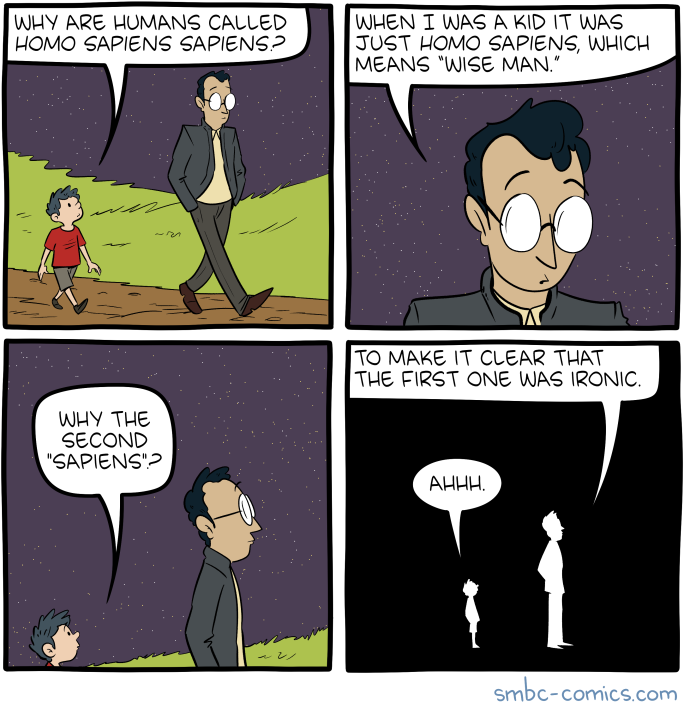
Saturday Morning Breakfast Cereal - Sapiens
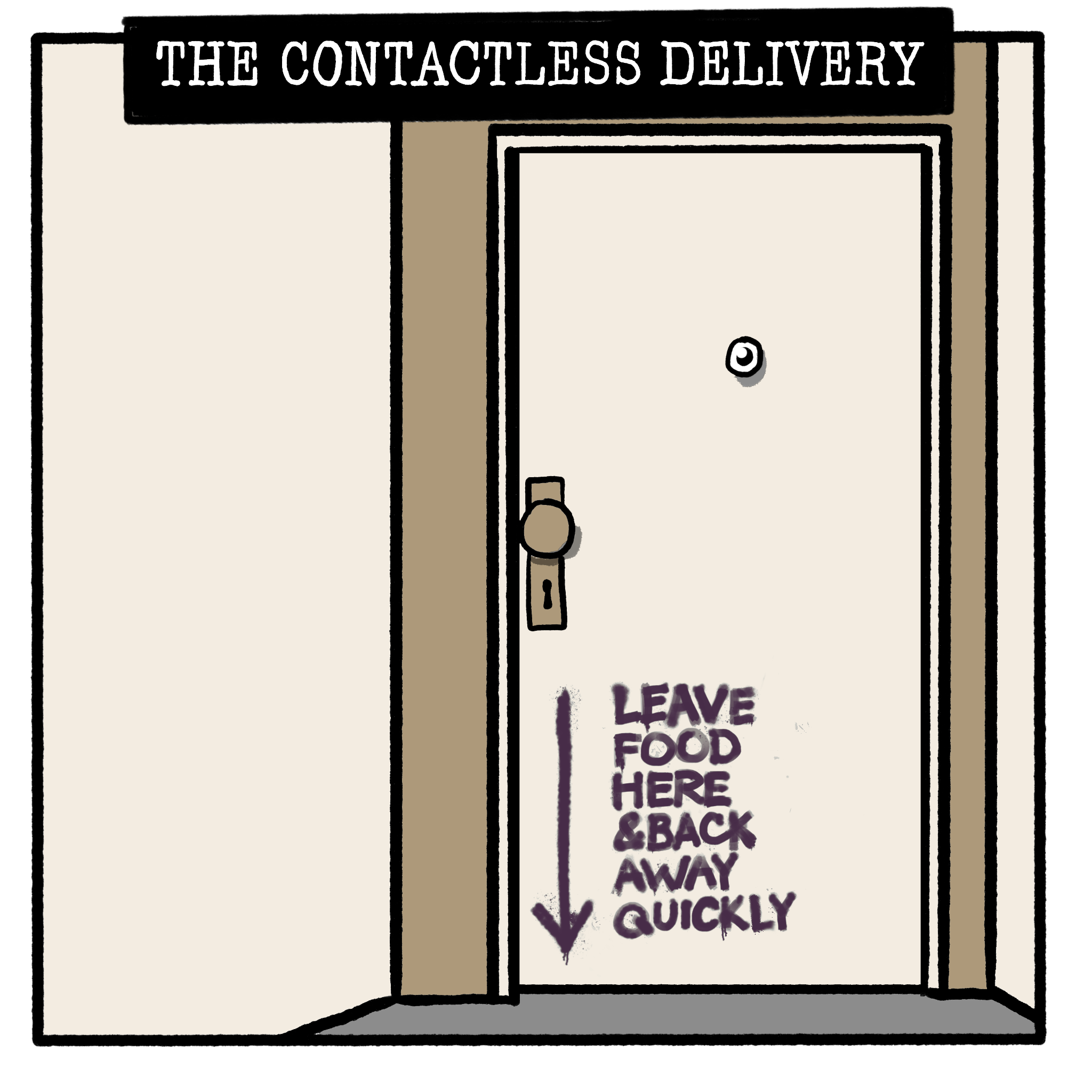
Eight Kinds of Food Delivery Customers During the Coronavirus Crisis
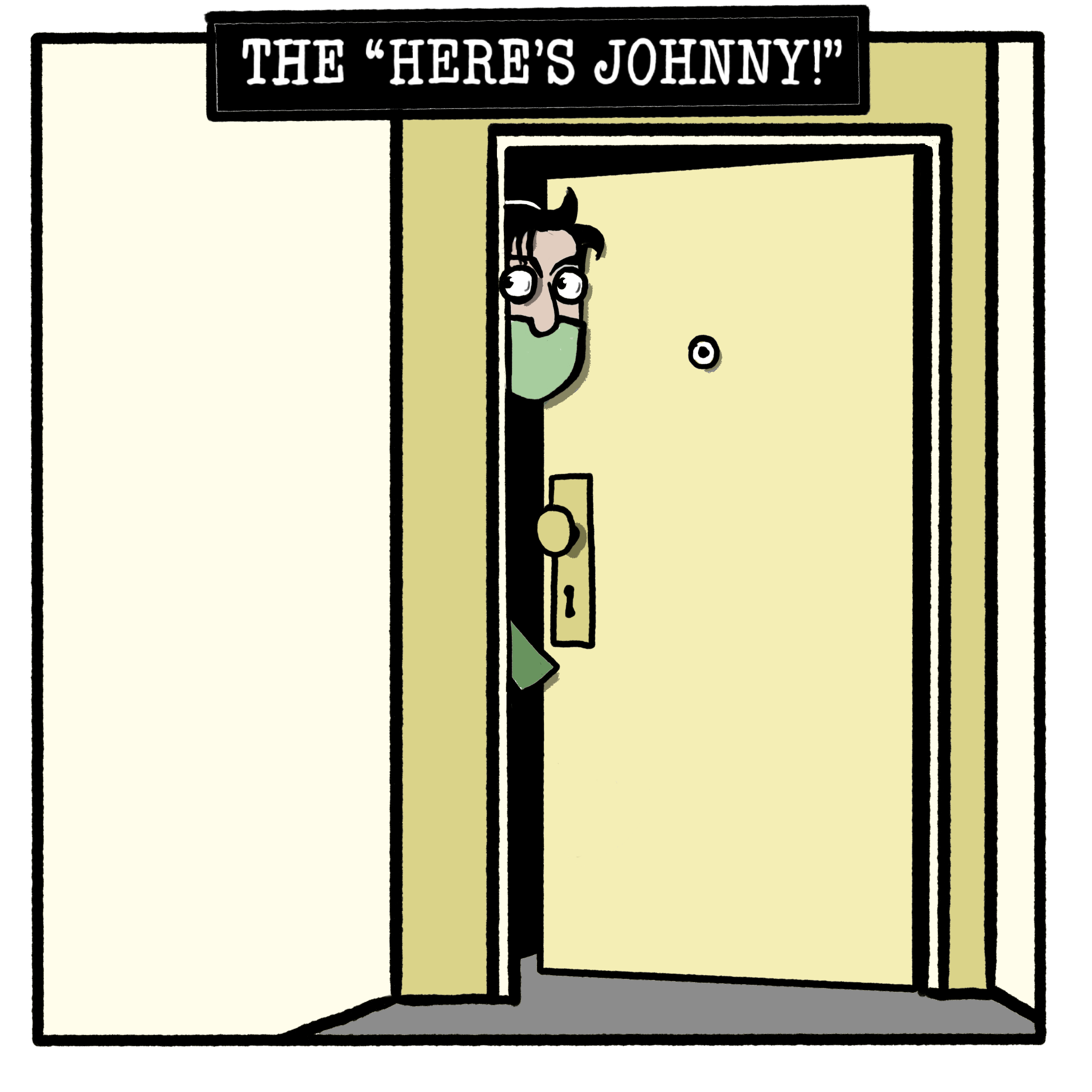
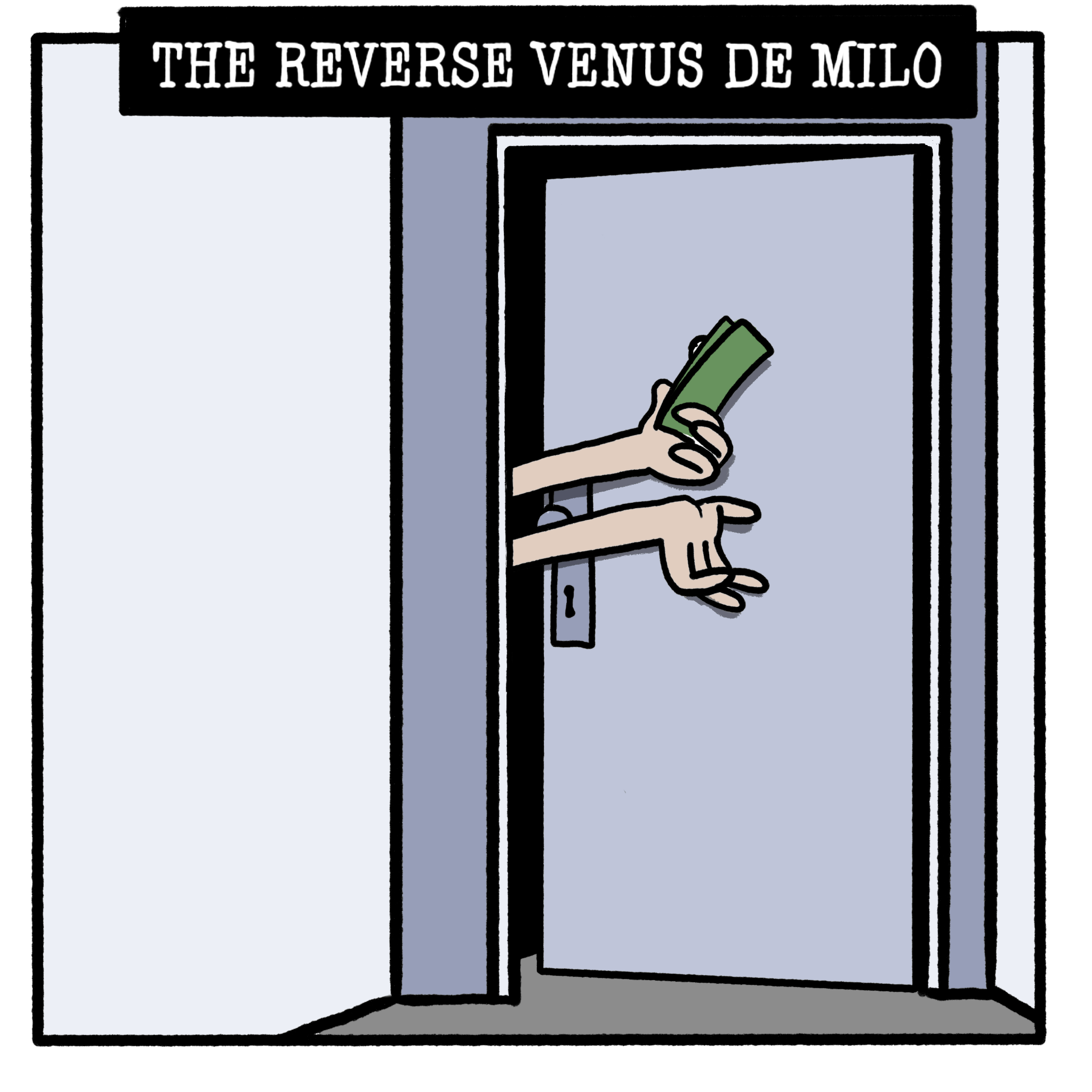
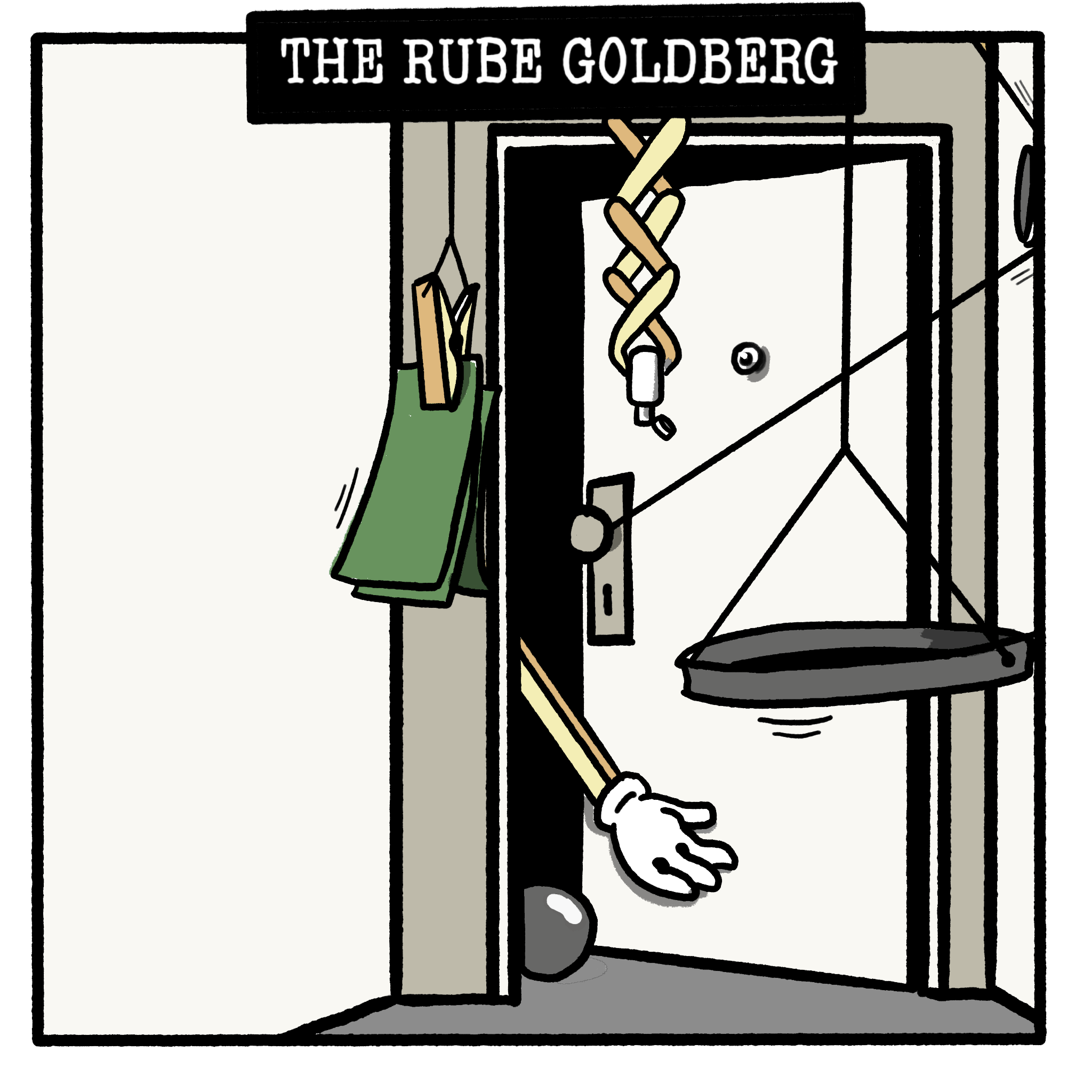
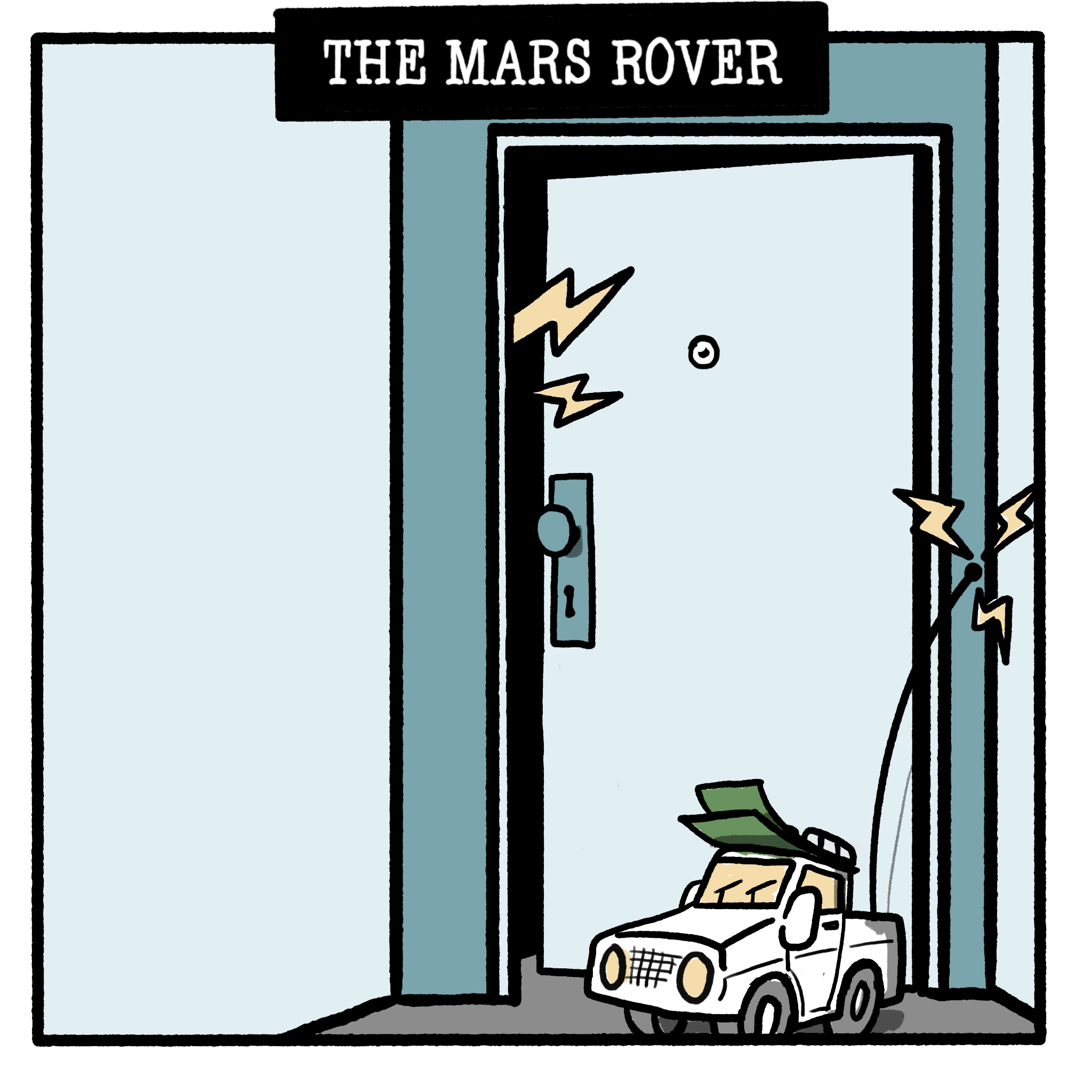
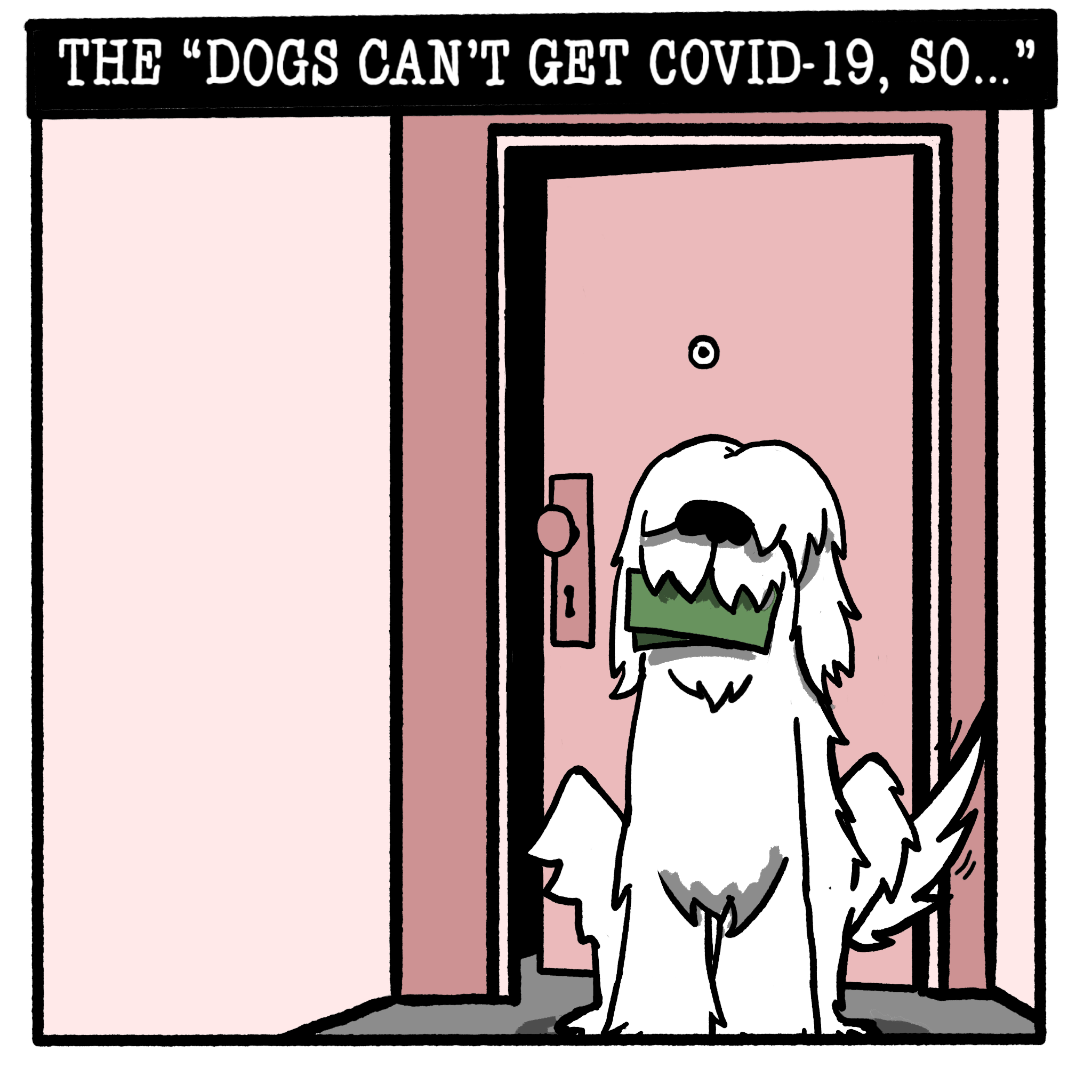
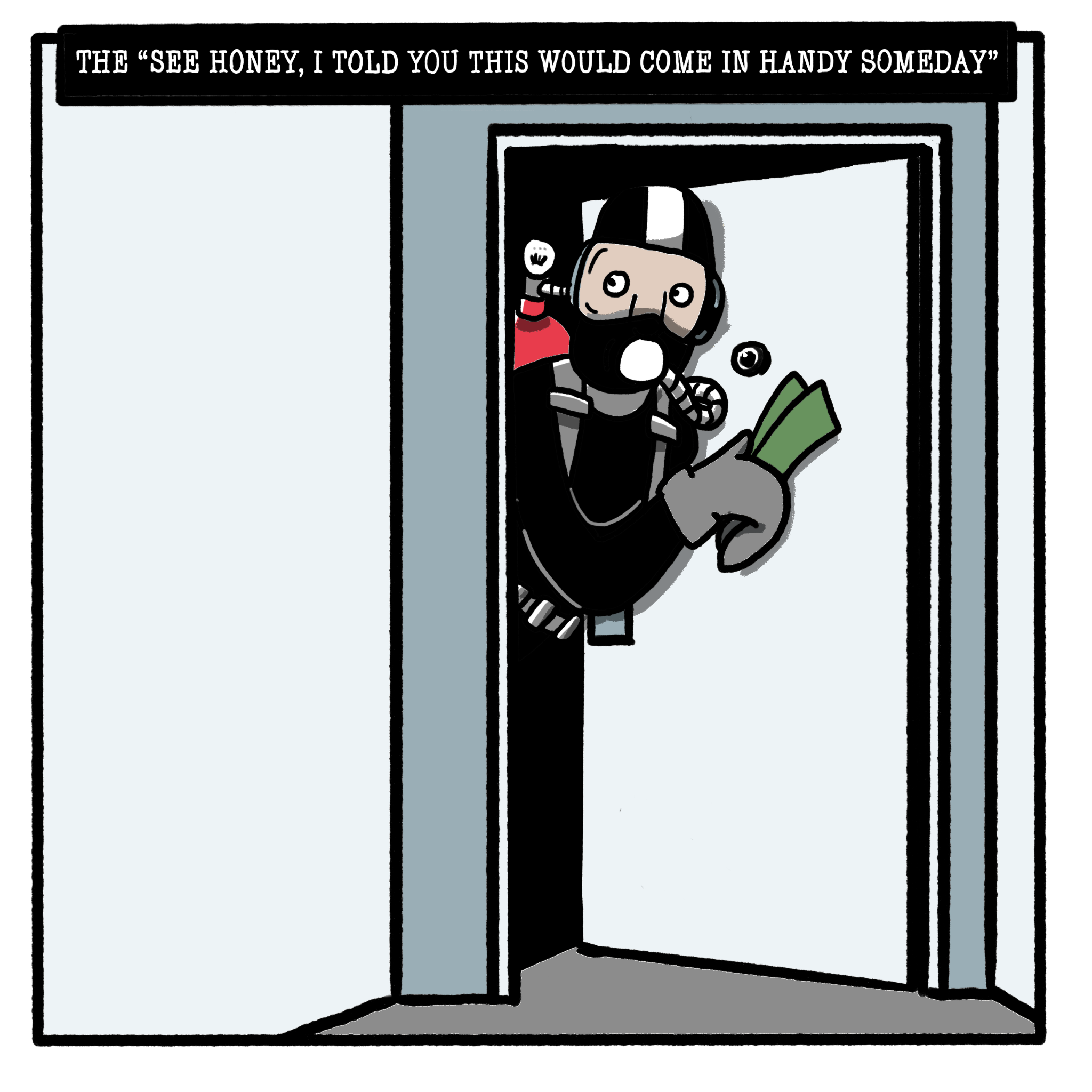
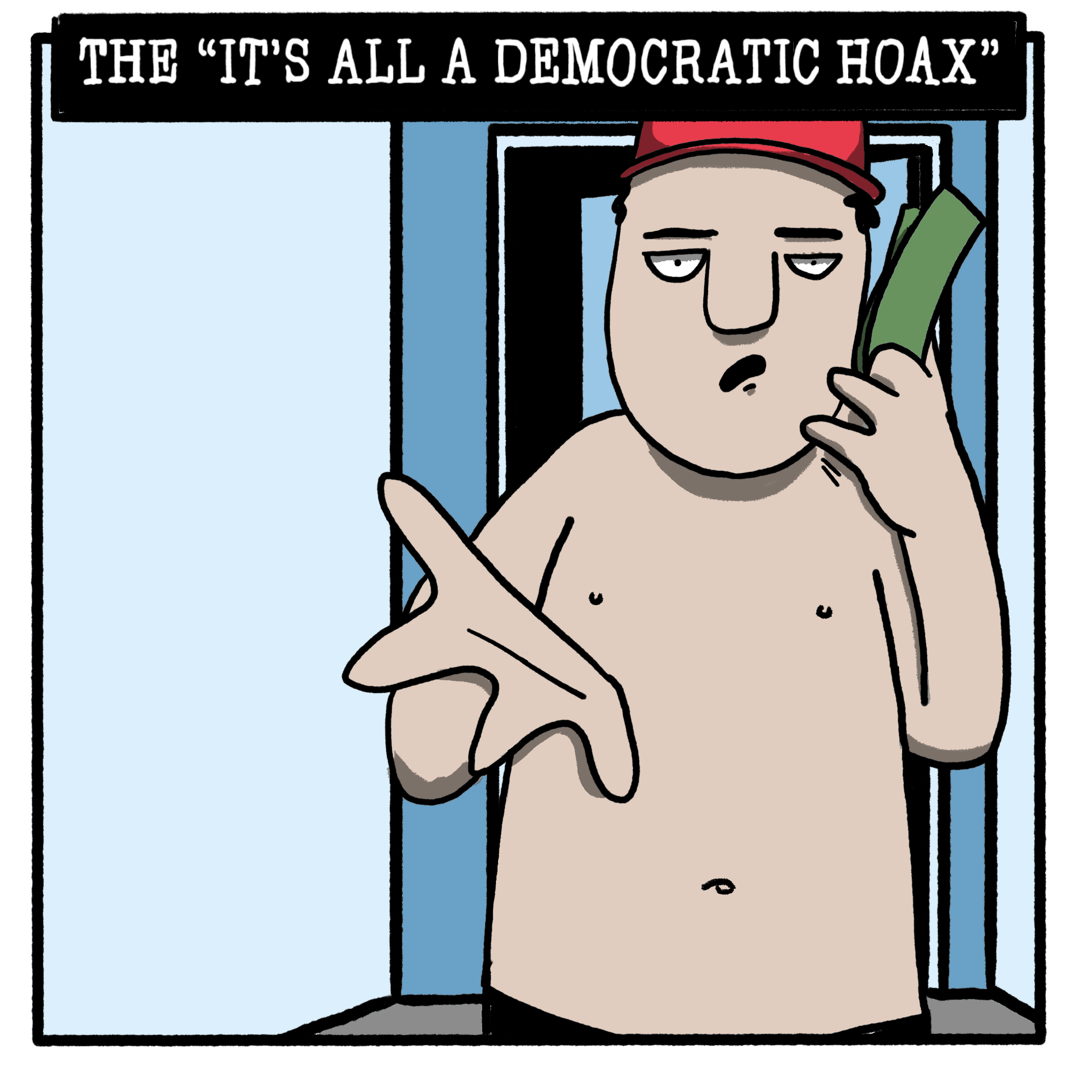
Such grace
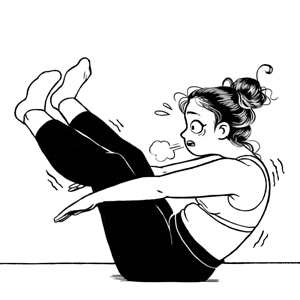
I took pilates classes in college and decided to try again at home, years later. I'm just as bad as I was back then.
Busy week
It truly was a busy week. I’ve been binge-watching GrayStillPlays and discovering more YouTubers who torture their Sims in creative ways. If you have any channel recommendations as well, please share them below!



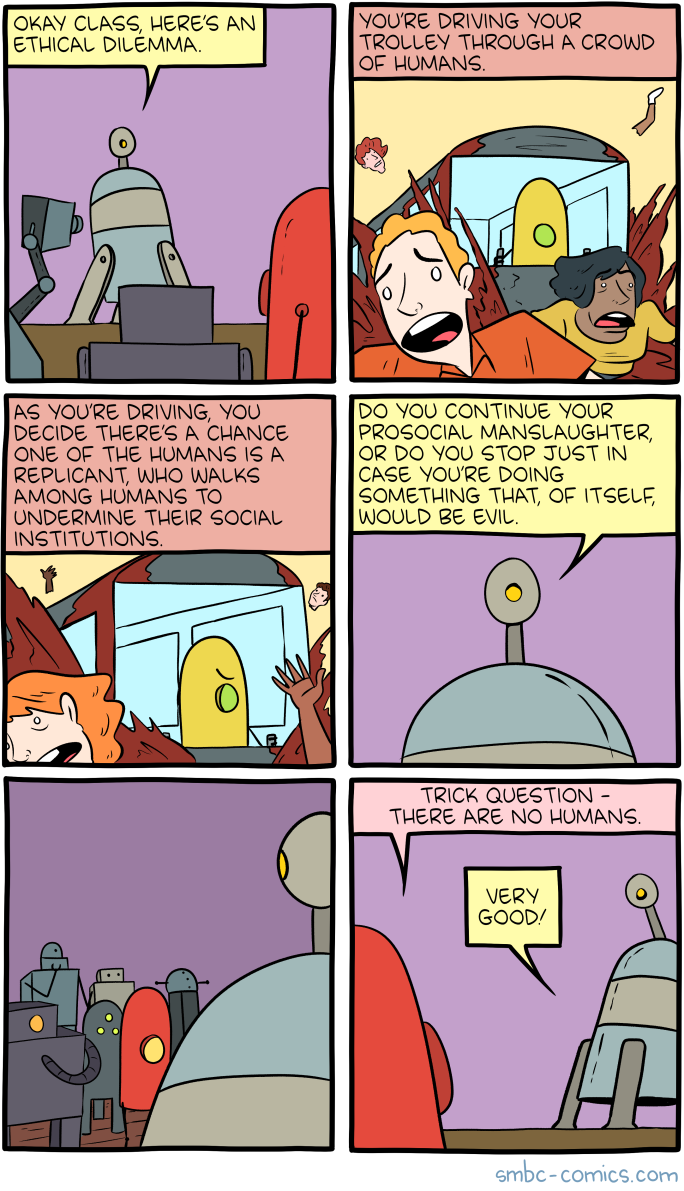
Saturday Morning Breakfast Cereal - Trolley
Click here to go see the bonus panel!
Hovertext:
The actual answer to the trolley problem is that on a sufficiently large time scale none of it matters anyway, so just go with your gut.
Today's News:
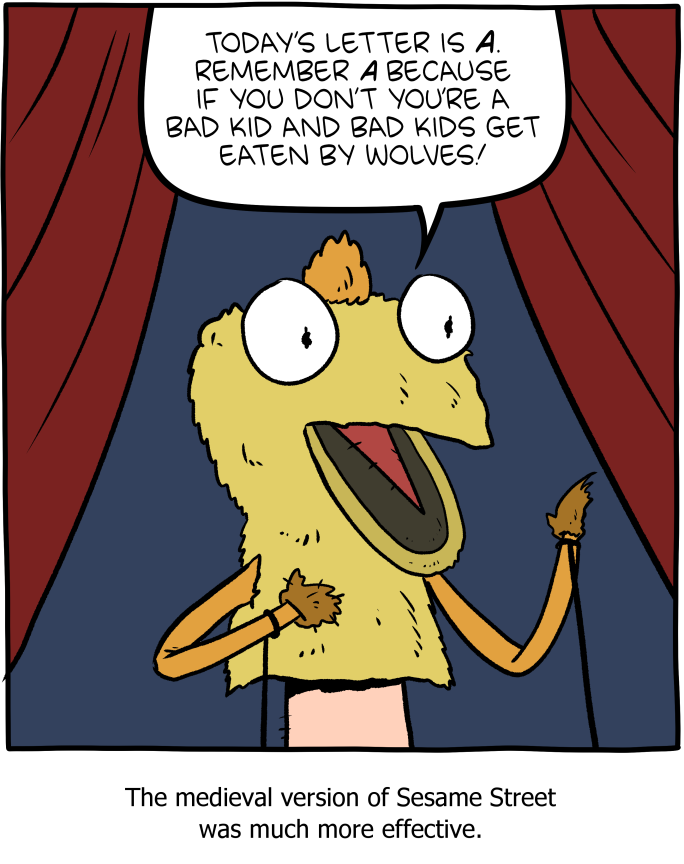
Saturday Morning Breakfast Cereal - A
Click here to go see the bonus panel!
Hovertext:
I miss the good old days when a story could just end with the kids getting eaten. Would've made the Narnia books a lot better.
Today's News: