Shared posts

11 Sep 12:13

Housing and human rights: how do other countries compare with UK?

by Mona Chalabi

The United Nations' special rapporteur on housing has recommended that Britain's so-called bedroom tax be abolished. Should she be focusing her efforts elsewhere?
Mona Chalabi, with your help, finds out.

Get the data

In 2012, the UN's special rapporteur on adequate housing published a report that looked at housing finance and human rights across the world. We take a look at her conclusions then as well as international statistics on the availability of adequate housing to find out if her 2013 intervention on Britain's so-called "bedroom tax" debate is inappropriate, as Grant Shapps, the Tory chairman, has claimed.

What is "adequate housing"?

"Housing", along with food, clothing and medical care is mentioned under article 25 of the Universal Declaration of Human Rights. "Adequate", however, is a concept slightly harder to pin down. UN committees have tried to articulate "adequate housing" using these criteria to define a minimum standard:

 Security of tenure (occupants must have legal protection against
. . forced evictions, harassment and other threats)
 Availability of infrastructure (safe drinking water, adequate sanitation,
. . energy for cooking, heating, lighting etc)
 Affordability (the cost of housing mustn't threaten or compromise the
. . occupant's other human rights)
 Habitability (occupants need physical safety, adequate space, as well
. . as protection against the cold, damp, heat, rain, wind etc)
 Accessibility (specific needs of disadvantaged and marginalized
. . groups must be taken into account)
 Location (employment opportunities, health-care services, schools etc
. . must be accessible)
 Cultural adequacy (housing has to respect and take into account the
. . expression of cultural identity)

Which countries don't have "adequate housing"?

The UN's latest housing statistics cover the period 1995 to 2010. But they're far from complete - they only have data from 26 other places (not all countries provide numbers at a national level) about the presence of basic facilities in housing, which makes it difficult to accurately compare Britain's housing situation internationally.

In the footnotes, you'll find what constitutes 'basic facilities' and how they relate to the definition of adequate housing above:

Conventional dwellings with all basic facilities are those having floor different from earth floor, with water piped inside the housing unit or the lot where the housing unit is located, and with an electricity and sewer system connected to a public network

This is what we can say about housing in the UK on the basis of the numbers that are available. In 2001, out of 24,479,439 housing units, 110,865 were deemed to lack basic facilities. The proportion of inadequate housing was higher in urban than rural areas, and of four cities mentioned, London had the highest fraction of inadequate housing.

But the UK, with its 0.5% of housing structures that lack basic facilities, looks very different when stacked against the other countries included in the data. Top of the list is Romania, where 69% of housing lacks the minimum defined by the UN.

Take a look at the data we have so far and post your comments below - we'll be updating this article by sifting through different indicators of "adequate housing" throughout the day.

12.10pm The role of government

There are different types of state-intervention in the housing market - understanding them is important to get perspective on the UN special rapporteur's comments that the bedroom tax is "shocking".

Raquel Rolnik has been special rapporteur on adequate housing since 2008 and has seen the role of government change over that time. Last year, in a report to the General Assembly, Rolnik commented that the state has shifted from being:

supplier of affordable housing to enabler of housing and financial markets... having examined the impact of these policies in various regions of the world, it is the view of the Special Rapporteur that they have largely failed to promote access to adequate housing for the poor.

The UK is also specifically highlighted in the report as one of the countries with the fastest rises in average house prices.

Between 1997 and 2004 average housing prices grew by 149 per cent in Spain, 139 per cent in the United Kingdom, 187 per cent in Ireland, 112 per cent in Australia, 65 per cent in the United States and 227 per cent in South Africa.

12.50pm Universal human rights from a national perspective

There are other reasons why Rolnik might consider the bedroom tax to be a reasonable focus of her attention. As special rapporteur (an unpaid role, only filled by someone with specific expertise in the area) one of her responsibilities is to ensure states fulfil their obligations about the right to housing.

The obligation to provide adequate housing means that a government:
1) "undertakes to take steps . . . by all appropriate means"
2) "to the maximum of its available resources"
3) "to achieve progressively"

For some commentators and activists, the "under-occupancy penalty" of the 2012 Welfare Reform Act, breached those obligations laid out in article 2.1 of the International Covenant on Economic, Social and Cultural Rights.

2.50pm Housing as a fraction of income

The bedroom tax also affects the affordability of adequate housing. Lots of studies have looked at UK data and the fraction of income that is spent on housing. The latest housing survey from the Department for Communities and Local Government broke it up as this:

Those 'mean' values obscure the wide gaps - both in income and regionally. A report by the Resolution Foundation earlier this year found that "one third of Britain is effectively off-limits to lower-income working families looking to rent a home privately because they can no longer afford a property in those parts of the country."

3.30pm Homelessness

One of our commenters below was keen to highlight the potential impact on homelessess so we've also pulled up some international comparisons on this too.

Amelia Gentleman also touches on this in her piece today:

Orla Doyle, part of the Cyrenians' homelessness prevention service, said staff were only just beginning to appreciate the consequences of the introduction of the policy, as tenants who had chosen to stay in their home realised how difficult it was going to be to find the extra money. "People thought they would be able to afford it, but it turns out they can't," she told Rolnik.

Can you do more with this data?

• Download the full spreadsheet
• Contact us at data@theguardian.com
• Follow us on Twitter
• Like us on Facebook

theguardian.com © 2013 Guardian News and Media Limited or its affiliated companies. All rights reserved. | Use of this content is subject to our Terms & Conditions | More Feeds

11 Sep 09:38

Too much of a bad thing

by C.H. and L.P.

The prevalence of rape in Asia

LAST year a brutal gang-rape on a bus in Delhi caused outrage in India. On September 10th the woman’s attackers were convicted of rape and murder. The case has brought new attention to violence against women in India. Unfortunately, the situation in neighbouring countries is none too bright, according to new research in the Lancet Global Health, a medical journal. More than one in ten men surveyed in six Asian countries said they had raped a woman who was not their partner—and that figure rose to nearly one in four when wives and girlfriends were included among victims. The study, part of a United Nations project, is the first to give a comprehensive tally of rape in several Asian countries. The researchers surveyed more than 10,000 men in Bangladesh, Cambodia, China, Indonesia, Papua New Guinea and Sri Lanka. The men, aged 18-49, met male interviewers. They were never asked about “rape” explicitly; instead they were asked if they had “forced a woman who was not your wife or girlfriend at the time to have sex”. The answer varied from 4% in Bangladesh to a staggering 41% in Papua New Guinea. Shockingly, more than one in seven...Continue reading

11 Sep 09:37

Выборы мэра Москвы - рекап

by corpuscula
Теперь можно отложить сумочки и курточки и подвести итоги мэрской эпопеи.

Во-первых, сколько бы там точно не набрал Навальный - 27%, 32% или 36, в любом случае это очень хороший результат. Это его первый выход в качестве не просто "блогера из интернетов", а политика, и то, что он набрал в разы больше прогнозируемых в начале 9% - это просто прорыв. Напомню, что Прохоров на президентских выборах набрал всего лишь 7,98% по России и 20% по Москве при всей своей известности, протестных настроениях электората, поддержке МЗС и нехилом бюджете.

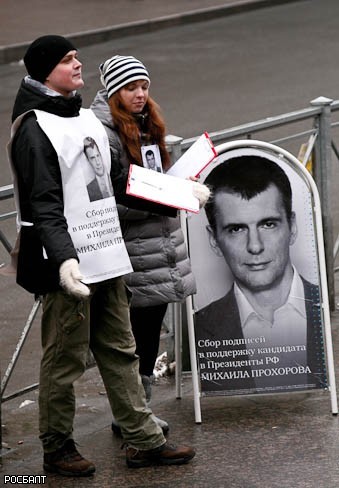
Надо отметить, что всё то, что прохоровский штаб декларировал, но сделать не смог, штаб Навального выполнил и даже перевыполнил. Я сейчас говорю об организации кампании. Гламурщики Прохорова что-то щебетали про "модную и красивую кампанию как у Обамы", про дизайн и прочие ляля, но не могли сойтись даже в том, какую фотографию кандидата использовать, и весь их "дизайн" вылился вот в такое:


Штаб Навального построил стратегию в лучших традициях кота Хэнка и неплохо организовал работу. У них и визуальная часть симпатичная, и денег собрали, и с волонтерами всё получилось, и творческая активность граждан сработала (агитация в метро, наклейки на машинах, банеры на балконах, причем каждое принудительное снятие банера тоже работало на Навального, потому что создавало инфоповод в сети). Наверняка можно было бы и лучше, но у нас перед носом есть свежий пример, когда мечтали сделать то же самое, но не смогли вообще ничего. Люди Навального смогли. Я не знаю, кто лично этим занимался, какие-такие "гинзбурги", но сработано было в целом грамотно. Самое главное, что штабу Навального удалось навязать свои правила предвыборной игры, и конкуренты стали выглядеть на этом фоне очень тухло, тухлее, чем обычно. Что и вылилось в соответствующие результаты для остальных кандидатов, за исключением главного.

Конечно, надо учитывать, что МЗС в этот раз изображали демократию и не велели особо мешать, посчитав, что Навальный по любому не пройдет на второй тур, в крайнем случае, можно и вмешаться. Поэтому они даже не включали сетевую бот-машину, которая так процветала при Суркове.

Если штаб поработал хорошо, то сам Навальный напорол, конечно, с интервью у Собчак. То, что ему не давали эфиров, оказалось ему в плюс, потому что если бы он выступил так еще пару раз, он бы себе обедню бы попортил основательно. Несогласованные заявления представителей штаба тоже дела не улучшили (то участвуем в выборах, то призовем бойкотировать, то Навальный сказал одно, а они другое), но за ними мало кто следил, по-моему. Ну и Волков, зачем-то ставший отрицать несчастную фирму в Черногории, совсем уж глупо выступил. Который раз в случае компромата все делают одну и ту же ошибку - начинают отрицать, валя всё на хакеров. То в почту что-то "приписали", то в записи прослушки что-то "вставили", то фирму хакеры в реестр воткнули.Даже если бы это было правдой, то надо выбирать другую стратегию нейтрализации компромата, нежели чем "всё отрицать".  Хорошо еще что история с Черногорией сама по себе малозначительная, понятно, что была какая-то мертвая компания, которая болталась в реестре, да и бог с ней. Зачем было сочинять хакеров и смешить народ?

Недостатки же Навального, как политика, остались всё те же - отсутствие внятной программы и замена её бессодержательными кричалками, отсутствие политической команды. От себя добавлю - Волкова не брать совсем. Не надо давать ему слова. Я лично заинтересована в том, чтобы Навальный присутствовал на политической кухне и набрал там какой-то вес, а не терял электорат благодаря непродуманным интервью.

А что Собянин? А МЗС решили не делать вообще ничего. Ни тебе агитации, ни дебатов. "И так пройдет". Он и прошел, но он не выглядит в этом случае победителем, потому что он не боролся вообще ни за что, он просто занял должность, усё. Формально результат достигнут, но никаких политических очков он Собянину не прибавил, а вот Навальному даже поражение пошло в плюс. После этих выборов Навальный официально стал политиком, а Собянин остался функционером. МЗС, наверное, эта ситуация устраивает на данном этапе. Вот в демократию поиграли, народного оппозиционера признали, все формальности соблюдены, а ничего не изменилось. Вы довольны? Вот и славненько.
10 Sep 12:54

Changing British attitudes: explore the major trends

by Mona Chalabi

British Social Attitudes aren't just changing on welfare and the royal family, they're changing on the NHS and the environment too. You can explore all the major changes using this interactive guide


10 Sep 12:53

Changing British attitudes: press and politicians out, royal family in

by Mona Chalabi

The British public has far less confidence in its institutions than it did thirty years ago - especially the media. Which public bodies have lost our trust?
Find out how attitudes to welfare are changing
Test your knowledge on British social attitudes

It is not just attitudes to welfare that are changing – the latest British social attitudes survey from NatCen shows that public opinion about the institutions that affect our lives are rapidly changing too. Public confidence in the UK's banking system is at an all-time low – as is trust in the British press. We've looked at all the trends below.

Banking crisis

Of all British public institutions, banking has shown the most rapid decline in public confidence – from 9 out of 10 Britons believing the sector was well-run in 1983 to less than 2 in 10 thinking so today. The press has also seen a 26 percentage-point decline in public confidence, more than double the fall in faith for the police. Trust in the BBC has fallen over this period, though less rapidly than the press in general – from 72% confidence in the institution in 1983 to 63% in 2012.

Popularity of politics

The survey also reveals the complexity of British attitudes about politics. The notion of disengagement doesn't quite capture the full picture – more Britons are expressing an interest in politics than they were in the 1980s.

A greater proportion of British people are reporting that they not only understand politics, but believe they can influence it – which may point to the empowering effects of non-traditional political activism.

That rise in positive attitudes has not carried over to UK political parties and politicians. In 1987, most people said they had a "very strong" or "fairly strong" affiliation with a political party – the majority now lies with those who say it is "not very strong" or they have "none" at all. Of those who do identify with a political party, Labour has seen a rise in support from 26% in 2009 to 36% in 2012.

Just 18% of the population trust government to place the needs of the nation above the interests of their own party and when asked if they trust a politician of any party to tell the truth when they are in a tight corner, 93% said "almost never" or "only some of the time".

More monarchists

The UK is still a long way off its 1980s levels of royal support, when 65% said it was "very important" for Britain to continue to have a monarchy. But there has been a fascinating turn-around in opinion – from 27% thinking this in 2006 to 45% expressing strong support for the royal family in this year's latest survey.

2014

Surveys like these face a major challenge – they need to keep the questions consistent enough to measure changes in attitudes over time while also keeping the questions relevant to a modern audience. For example, past questions about medical treatment by homosexuals have become outdated and inappropriate but this year's findings may call for the addition of new ones.

The demise of traditional institutions and changing British habits might mean that next year, questions about public trust in the defence sector, food companies and technology manufacturers have a relevance that's hard to neglect.

Can you do more with this data?

• Download the full spreadsheet
• Contact us at data@theguardian.com
• Follow us on Twitter
• Like us on Facebook


theguardian.com © 2013 Guardian News and Media Limited or its affiliated companies. All rights reserved. | Use of this content is subject to our Terms & Conditions | More Feeds

10 Sep 12:53

Changing British attitudes: rise in support for benefits since last year

by Mona Chalabi

For thirty years, the British social attitudes survey has taken the temperature of the nation. This year's results show the largest change in attitudes towards welfare since the survey began

Find out how attitudes to press, politicians and the royal family are changing
Test your knowledge on British social attitudes

The percentage of Britons believing that "benefits for unemployed people are too high and discourage work" has seen the biggest fall in thirty years. NatCen Social Research has been asking over 3,000 British people about their views on a wide variety of topics since 1983. This year, the biggest changes in public opinion concern the welfare state.

Benefits for the unemployed

When asked if benefits were too high, 51% of respondents agreed, compared to 62% the previous year. The responses were collected in 2012, before the bedroom tax policy so NatCen researchers have suggested that attitudes may have changed even more since these responses were collected.

Although this is the biggest softening in attitudes so far, it doesn't represent the highest level of support for benefits to the unemployed. In fact, looking at all three decades of data reveals a very different picture of how attitudes to welfare have changed.

In 1993, in the wake of what was another historic UK recession, just 24% of respondents thought that benefits for the unemployed were too high - compared to 55% who believed they were "too low and cause hardship".

Welfare priorities

However, when asked about government spending on welfare, a very different pattern of attitudes emerges. When asked to complete the sentence "It definitely/probably should be the government's responsibility to …" 83% of people continued "… provide a decent standard of living for the unemployed". Today, only 59% of people finish that sentence in the same way.

What's more, benefits to the unemployed receive far lower levels of support when people are asked to choose between five different areas of welfare spending.

Retirement pensions have been considered the highest priority for three decades - although the entrenchment of this as a British attitude was not always what it is today. In 1983, 64% of Britons surveyed considered retirement pensions to be a top priority for government spending which rose to 80% in 2005 as the country has aged.

In 2012, 72% of respondents highlighted pensions as their preferred area of government spending, compared to 59% prioritising benefits for disabled people (the highest level of support since 2000 and noteworthy given these responses were collected while the UK was hosting the Paralympics), 35% for child benefits, 14% benefits for single parents and just 12% of people believing that extra spending should be allocated on benefits for the unemployed.

'Benefit cheats' and 'scroungers'

The latest survey responses also show a slight reduction in frustration with benefit claimants. 54% of people said "around here, most unemployed people could find a job if they really wanted one" compared to 56% the previous year. The overall numbers however, remain very high: four out of five Brits believe "large numbers of people these days falsely claim benefits".

Comparing this year to last will tell you a very different story about British attitudes to welfare than if you take a 30 year perspective. Overall, we've become more cynical about government spending on welfare and those who receive it but the public mood has started to shift recently, potentially in response to increased debate around cuts and austerity.

Can you do more with this data?

• Download the full spreadsheet
• Contact us at data@theguardian.com
• Follow us on Twitter
• Like us on Facebook


theguardian.com © 2013 Guardian News and Media Limited or its affiliated companies. All rights reserved. | Use of this content is subject to our Terms & Conditions | More Feeds

10 Sep 12:53

The week in charts

by The Economist

All the infographics from the latest edition

WHY President Obama's hands are tied over responding to Syria's use of chemical weapons is readily explained through this week's charts: only around 30% of Americans favour airstrikes. Look deeper and the reasons are apparent: some 70% of Americans feel it may lead to a backlash and 60% fret over long-term military commitments. In another chart this week, Switzerland is still the premier destination for offshore wealth, though Britain, Ireland and the Channel Islands are close behind.

A PDF contact sheet of this week's infographics is available to download here.

10 Sep 12:49

поднялся сразу на 13 строчек

По данным агентства, в новом рейтинге МГУ занял 120-ю позицию, в то время как в 2012 году он располагался на 116-м месте. В то же время Санкт-Петербургский государственный университет поднялся в новом рейтинге сразу на 13 строчек, заняв 240-е место против 253-го в 2012 году.

Питер форева, Москва маздай!
10 Sep 12:48

Поствыборный юмор

one_more_round

По-английски это еще лучше звучит, потому как round означает как "тур", так и "заказ выпивки на всех".

Кстати, политолог Дмитрий Орешкин на "Дожде" сказал, что на юго-востоке Москвы голосуют больше за Собянина оттого, что "качество населения там пониже". Мы ужасно хохотали!
10 Sep 12:46

"Спутник и погром", перепост

Я бы хотел поблагодарить Алексея Навального за то, что он вернул в Россию политику. Политику не как мрачное отрицание существующего режима, не как глухой протест, но как позитивную, созидательную работу ради успеха твоего кандидата, как непосредственное участие в больших и важных событиях, меняющих сам курс развития общества, как причастность к общему делу, превращающему аморфную народную общность в нацию.

Мы как-то привыкли, что политика — это дело больших серьезных мужчин, договаривающихся друг с другом в рублевских саунах и на курортах Куршевеля, а затем спускающих вниз свои решения нам, простым смертным, под вой платных «политологов» о том, что тот, кто против — тот предатель. Мы как-то забыли, что в цивилизованных странах политика — общенародное дело, в котором участвует вся страна, разделяясь на разные политические лагери и устраивая своеобразную выборную войну понарошку, в которой разрешаются образовавшиеся в обществе противоречия. Мы как-то забыли, что политика — это не гадание на кофейной гуще, что там опять решат в Кремле, а в первую очередь участие, участие не молчаливое и покорное, но активное, злое, боевое.

Мы как-то привыкли, что мы — не нужны. Не нужны Путину — за него голосует какой-то абстрактный «народ», проживающий исключительно в эфире федеральных телеканалов (к народам горным, равнинным, морским и речным надо добавить еще и категорию народов телеэфирных). Не нужны Собянину — его политтехнологи додумались до великого проекта «Мой питомец за Собянина», с фотографиями домашних животных в символике сибирского хана, символизирующих идеального избирателя (покорный, пушистый, не умеет говорить). Не нужны всем этим легальным партиям, вспоминающим про нас лишь накануне выборов, но и накануне выборов не предлагающих участвовать в политике никак (характерно, что даже у коммуниста Мельникова на 60 с лишним миллионов бюджета лишь сто тысяч частных пожертвований. Наверняка его бухгалтериями ворчала, эти сто тысяч разбирая, «Понаслали тут копеек, а нам сиди, оформляй!»).

Не нужны, в общем-то, никому, максимум нашего политического участия, которое требуют все эти важные господины в костюмах не по зарплате — это расслабиться и постараться получить удовольствие, пока полуграмотные советские хамы определяют, как нам жить и что нам делать.

И тут пришел Навальный и сказал: «А без вас народ неполон! Мне нужны волонтеры в штаб, мне нужны агитаторы на кубах, мне нужны сторонники в соцсетях, мне нужны добровольные финансовые доноры, мне нужны все, кроме печальных молчаливых котеек, полузадушенных собянинскими банданами, потому что мои сторонники должны уметь говорить, уметь кричать так, чтобы рушились стены».

И внезапно оказалось, что это нормально. Что нормально быть частью большого и важного дела, нормально пытаться изменить общество к лучшему своим активным участием, что ТАК И НАДО ЖИТЬ, а жить в отчуждении от государства и политики — плохо, скучно и, самое главное, совершенно необязательно. Что это и есть белый европейский мир — когда ты выбираешь кандидата, отстаивающего твои интересы, который не из каких-то абстрактных «токарей», но который комментирует в твиттере новую серию «Во все тяжкие», и ты начинаешь всеми своими силами помогать ему победить, потому что веришь, что с его победой мир станет чуточку, но лучше.

Навальный, по сути, ничего не придумал и не изобрел — он просто позволил нам месяц пожить как настоящим европейцам, участвующим в судьбе своей страны, определяющим эту судьбу. Он не мессия, не пророк, не спаситель, не гений — он просто нормальный русский европеец, который попросил помощи у других нормальных русских европейцев, и нормальные русские европейцы откликнулись, потому что «наши в городе». Это главное ощущение всей кампании — «наши в городе!» Европа вернулась — может быть, где-то глуповатая, может быть, где-то слишком агрессивная, где-то слишком навязчивая, но Европа, наша родная русская Европа. С настоящими сторонниками. С настоящими активистами. С настоящими дискуссиями о будущем страны. С настоящей программой. И даже с настоящим кандидатом!

И мы тоже из каких-то призрачных людей, которые лишь мешают праздновать стабильность чеченцам и токарям («Разойдитесь! Вы мешаете проходу граждан! Вы мешаете! Вы мешаете! Вы мешаете!»), тоже стали настоящими. Настоящими русскими, которые сначала потребовали себе настоящие выборы настоящего мэра, и вот-вот начнут требовать настоящую страну.

И именно в таких кампаниях, когда инвестбанкиры раздают листовки на кубах, а домохозяйки швабрами отгоняют от баннеров летающих таджиков, именно в активном всенародном политическом действии население превращается в нацию.

Я хочу, чтобы это продолжалось и после 8 сентября. Я хочу жить в настоящей стране.

badthings

http://sputnikipogrom.com/politics/4492/breaking_good/
05 Sep 12:07

Labour party finances: then and now

by Mona Chalabi

The decision by Britain's General Union (GMB) to slash its £1.2m affiliations to the Labour Party by 88% has come as a major blow to the party's finances, its leader and its planned funding reforms. We take a look at how trade unions contribute to the financial health of the Labour party, the impact that GMB's decision will have and consider what would happen if other trade unions were to do the same


04 Sep 10:00

The week in charts

by The Economist

All the infographics from the latest edition

AMID accusations that the Syrian government used chemical weapons against its own people, The Economist published an information-rich map detailing the sites of previous, suspected chemical attacks along with production facilities, Syrian airbases and NATO airbases from where attacks by the West may come. Strikingly, it shows the territory that factions in the conflict control. Other graphics this week include our housing price index, which shows an uptick in America. Also check out charts on the world's biggest banks and where doctors are sorely needed. There is also a novel analysis that shows the degree to which women are under-represented in central banking.   

A PDF contact sheet of this week's infographics is...Continue reading

04 Sep 10:00

UK immigration: what if it stopped tomorrow?

by Mona Chalabi

Yet another survey has revealed that the UK public is sceptical, at best, about immigration benefits. But what about the costs of halting it? We take a look at the data

Get the data

In a poll of more than 20,000 Britons, 77% thought it would help the economy "if the government were to clamp down on immigration and dramatically reduce the numbers entering Britain". We find out if they're right by taking a look at what might happen if immigration were to stop altogether.

Fiscal impact

Perhaps unsurprisingly, academics disagree with the Home Office which disagrees with thinktanks which disagree with just about everyone over the effects of immigration on tax and revenue.

Worst case scenario:

A Home Office report in 2002 had the highest positive estimate, suggesting it produced £2.5bn in extra revenue for the Treasury. If, as a proportion of GDP, the costs and benefits of immigration were to stay the same, we could lose £3.8bn in 2013 if immigration were halted altogether.

Best case scenario:

Migration Watch takes an entirely different view. In 2006, they estimated that immigration resulted in a net loss of £5bn to the UK government. Their calculations would mean that if the net effect of immigration has remained the same, we could save £6.5bn in 2013 if immigration were stopped altogether.

Even illegal immigration can sometimes be desirable from a purely economic perspective as the state of Georgia found out in 2012. When it implemented a blunt new immigration law, farmers in the US state had to watch crops rot as labour shortages resulted in losses totalling $140m.

Unemployment

Using statistics from the Labour Force Survey, LSE's Centre for Economic Performance found that changes in immigration had virtually no effect on youth unemployment.

A House of Lords report in 2008 looked at various academic studies about the long-term impact of migration on employment. Its 84-page report concluded:

the available evidence is insufficient to draw clear conclusions about the impact of immigration on unemployment in the UK

Wages

A 2012 study in the Review of Economic Studies analysed the effect of immigration on the wages of UK-born workers along the employment scale. It found that immigration actually bolstered average UK wages but that it put downward pressure on wages for those at the bottom of the scale.

An IPPR study in 2009 reached a similar conclusion. It found that for a 1% increase in the proportion of working-age migrants in the UK, wages fell by about 0.3% - or 70p in terms of weekly gross pay.

Emigration

All too often forgotten in the migration debate are the 350,000 people who emigrated from the UK last year alone, 42% of whom were British citizens.

If we were to close our doors to the 155,000 people immigrating to Britain from the EU, those countries may choose to retaliate by closing their doors to the 74,000 who wish to emigrate there.

Unforeseen circumstances

The reality, as ever, is a pretty unexciting answer of 'it depends'. The skills and age of migrants as well as their length of stay in the UK have a far greater role in determining the overall impact of immigration. The 17% of respondents in this survey who argued that the advantages of immigration outweigh the disadvantages are just as unlikely to have all those facts as the 60% of respondents who thought the opposite.

Even with detailed statistics on the demographics and intentions of immigrants, the cultural consequences of immigration are likely to be neglected in calculations. Counting the impact every T.S Eliot, every chicken korma and every iconic British business founded by immigrants from Marks & Spencer to EasyJet.

This research was produced by Lord Ashcroft, former Deputy Chairman of the Conservative party whose previous titles include Blue Collar Tories, They're Thinking What We're Thinking: Understanding the Ukip Temptation and What Are the Liberal Democrats For?

Although the study recognises that around 10% of the British population are "militantly multicultural" and 9% believe in "urban harmony" it also finds that these groups are outnumbered by those who express "universal hostility", "cultural concerns" or those who believe they are "competing for jobs" or "fighting for entitlements".

Can you do more with this data?

• Download the full spreadsheet
• Contact us at data@theguardian.com
• Follow us on Twitter
• Like us on Facebook


theguardian.com © 2013 Guardian News and Media Limited or its affiliated companies. All rights reserved. | Use of this content is subject to our Terms & Conditions | More Feeds

02 Sep 15:46

Обычная российская история

Мой брат оказался без документов в Иркутске (пьяный отстал от поезда) и был продан иркутскими ментами в рабство местным азербайджанцам. Работал на отоплении теплицы с цветами, азеры пригрозили, что если цветочки помёрзнут, то им землю и удобрят на следующий урожай. Не имел одежды, даже чтобы выйти на улицу.

Ему удалось через год отправить письмо с каким-то приходящим работником. Отец его забрал ещё через полгода, купили билет и ехали по моим документам. Надо сказать, что азеры были поражены приездом близкого родственника, сопротивляться и угрожать не стали, видимо от растерянности. Удалось забрать его без эксцессов.

Такая вот обычная российская история.
31 Aug 14:58

Bars and lines

by K.N.C.

Murders in America, loans in China, jobs in London, elections in Germany and more

THE number of murders in America has fallen over the past 20 years, but the rate of killings in Philadelphia—the city of brotherly love—has remained four times higher. In another chart this week, Germany's ruling coalition, the CDU/CSU, has maintained its dominance, making it likely that it will stay in power after next month's federal election. The most extraordinary chart is of congressional representation of the 11 former confederate states. Since the civil rights movement gathered steam 50 years ago, Democrats went from dominating the south to seeing Republicans claim two thirds of the seats (while more than half the Democrat representatives today are black or Latino); see article. And be sure to check out the speed with...Continue reading

31 Aug 14:46

Хороший вопрос

Atrios задает хороший вопрос. Почему определенные люди готовы потратить сколько угодно денег на то, чтобы помочь людям, убивая их, в то же время не желая сделать практически ничего иного, чтобы помочь людям внутри страны или за границей? Как пишет автор, есть много разных ответов, причем все довольно неприятны.

31 Aug 14:38

Robust!

cameron-robust

Что ты делаешь, пупсик, ахаха прекрати. Это же цельнотянуто из всеми любимого сериала Veep, где помощники героини решили, что ей нужно больше юзать это словечко, в результате чего газеты и онлайн издания подцепили его и сделали из него мем:


Пупсик сериал не смотрел, ясное дело, но его команда-то просто обязана была. Ну и идиоты, прости господи.
31 Aug 14:36

Там тоже хорошо

Экс-любовница лидера Северной Кореи Ким Чен Ына певица Хен Сон Воль была приговорена к смертной казни и публично расстреляна вместе с другими музыкантами оркестра Unhasu, а также танцорами и исполнителями из группы Wangjaesan, сообщает южнокорейское агентство Сhosun. Их обвинили в том, что они якобы продавали свои порнографические записи в Китае. Также утверждается, что у некоторых обвиняемых обнаружили Библии, что стало еще одним пунктом обвинения. Нынешняя жена Ким Чен Ына Ли Соль Ю также была певицей оркестра Unhasu, но неясно, имеет ли она отношение к аресту и расстрелу Хен Сон Воль.

hell hath no fury like a woman scorned
27 Aug 12:54

Их сопровождали люди в штатском, которые не представились

Полиция изъяла в петербургском Музее власти три картины художника Константина Алтунина, чтобы проверить, нет ли в них признаков экстремизма. Неофициально сотрудники полиции дали понять, что «лавочку прикроют», рассказал изданию владелец музея Александр Донской. По его словам, [управляющую музеем] Титову без каких-либо объяснений удерживали в помещении музея до ночи, кроме того, без документов опечатали кассу заведения.

Инициировал карательную операцию всем известный борец с нетрадиционными отношениями, чей роскошный портрет украшал выставку:


А-а, "экстремизм". Ну разумеется. Ебаные рогатые твари нашли наконец удобную для себя формулировку, снимающую все вопросы и позволяющую не давать объяснений.

"Экстремизм" - это всё, что не по нраву ебаным рогатым тварям. Пора, думаю, вносить изменения в толковый словарь.
23 Aug 11:56

Было и стало

Оригинал взят у corpuscula_cult в Было и стало

http://feedproxy.google.com/~r/corpuscula/~3/jrLYuFOHdtM/blog-post_22.html


Я рассматриваю посуду в цветочек, чтобы не читать новости, от которых меня просто тошнит. Наши МЗС планируют взять под контроль иностранный трафик, создав для этого госмонополию из подручных средств. Не знаю, во что это выльется, если сейчас разных деятелей то посещает мысль как-нибудь урезать нам возможность покупать в интернет-магазинах, то закрыть доступ к Ютюбу. У меня не хватит фантазии предугадать их следующий шаг. Скажем, с любителями сериалов, которых по сравнению со слушателями музык или смотрельщиками кино не так и много, уже начали разбираться. А ведь есть такая богатая тема - геймеры. Они же шляются везде, по чужим серверам, иностранным, кстати, серверам.


Я стала активно пользоваться интернетом с 97-ого года. Тогда больше половины контента составляла порнография. Куда не ткнись, всюду порн. Когда появился Яндекс, все первые позиции в поиске составляли порносайты, особенно в 2000-2001ом году. Набираешь "тыква" - получаешь порно, набираешь "драйвер" - порно. В начале нулевых в хит-параде поисковых запросов Яндекса слово "секс" уверенно занимало первое место. Помню, на шестом был запрос "писающие девочки". Но мы как-то пережили это и остались в здравом уме. Интерес к порнографии угас сам собой, нашлись другие развлечения.


И качать начли еще тогда - сначала музыку с фтп-серверов, потом появился Напстер, потом Напстер придушили и на его место пришли новые, усовершенствованные сервисы.


Пятнадцать лет на моем веку мы жили как хотели - с порно, с сообществами самоубийц (были такие в ЖЖ), с анонимностью, пиратством, мошенничеством всех видов, хакерами и спамерами. Но среда как-то урегулировала сама себя без вмешательства государства и МЗС. По сравнению с концом 90-ых интернет сейчас просто воскресная школа. И тут у них зачесалось в одном месте. Нельзя ли как-нибудь всё это испортить, чтобы просто позлить население. Придумать какой-нибудь сетевой аналог Первого канала, чтобы принудительно показывать Путина и благодарных "студентов" и "предпринимателей", за которых на Первом регулярно выступает Бурматов. Пусть-ка они озвереют! Для продвижения этих светлых идей создали пул сумасшедших персонажей - Милонов, Мизулина, Жук, Железняк и тд. Случись какая неприятность, их не жалко.


Я не удивляюсь, что у депутата Железняка дети в Швейцарии или где они там. А как бы они ходили в нашу школу? Им  же каждый день одноклассники говорили, что их папа мудак. Затравили бы. А в Швейцарии пади и не знает никто, чем их папаша занят. Что не меняет обстоятельства, что заходя в сеть они всё равно рано или поздно прочтут, что он мудак. Я на это очень расчитываю.

23 Aug 11:56

О том, как ненависть делает людей идиотами

Когда ураган Катрина прошелся по Луизиане в 2005 году, президент Буш-младший был в Белом доме, а будущий президент Обама только-только стал сенатором. Федеральное правительство тогда отличилось редкой некомпетентностью. Эта некомпетентность надолго запомнилась американцам и помогла падению рейтинга Буша - а в конечном счете, победе Обамы в 2008 году (ну, финансовый кризис, когда зашатался капитализм в целом, тоже не помешал).

Только что PPP опросила республиканцев Луизианы, кто, по их мнению, больше виноват в тогдашнем провале. Ответы:

  • Джордж Буш-мл: 28%
  • Барак Обама: 29%
  • Не уверен: 44%
22 Aug 22:04

Было и стало

by corpuscula
Я рассматриваю посуду в цветочек, чтобы не читать новости, от которых меня просто тошнит. Наши МЗС планируют взять под контроль иностранный трафик, создав для этого госмонополию из подручных средств. Не знаю, во что это выльется, если сейчас разных деятелей посещает  мысль то как-нибудь урезать нам возможность покупать в интернет-магазинах, то закрыть доступ к Ютюбу. У меня не хватит фантазии предугадать их следующий шаг. Скажем, с любителями сериалов, которых по сравнению со слушателями музык или смотрельщиками кино не так и много, уже начали разбираться. А ведь есть такая богатая тема - геймеры. Они же шляются везде, по чужим серверам, иностранным, кстати, серверам.

Я стала активно пользоваться интернетом с 97-ого года. Тогда больше половины контента составляла порнография. Куда не ткнись, всюду порн. Когда появился Яндекс, все первые позиции в поиске составляли порносайты, особенно в 2000-2001ом году. Набираешь "тыква" - получаешь порно, набираешь "драйвер" - порно. В начале нулевых в хит-параде поисковых запросов Яндекса слово "секс" уверенно занимало первое место. Помню, на шестом был запрос "писающие девочки". Но мы как-то пережили это и остались в здравом уме. Интерес к порнографии угас сам собой, нашлись другие развлечения.

И качать начли еще тогда - сначала музыку с фтп-серверов, потом появился Напстер, потом Напстер придушили и на его место пришли новые, усовершенствованные сервисы.

Пятнадцать лет на моем веку мы жили как хотели - с порно, с сообществами самоубийц (были такие в ЖЖ), с анонимностью, пиратством, мошенничеством всех видов, хакерами и спамерами. Но среда как-то урегулировала сама себя без вмешательства государства и МЗС. По сравнению с концом 90-ых интернет сейчас просто воскресная школа. И тут у них зачесалось в одном месте. Нельзя ли как-нибудь всё это испортить, чтобы просто позлить население. Придумать какой-нибудь сетевой аналог Первого канала, чтобы принудительно показывать Путина и благодарных "студентов" и "предпринимателей", за которых на Первом регулярно выступает Бурматов. Пусть-ка они озвереют! Для продвижения этих светлых идей создали пул сумасшедших персонажей - Милонов, Мизулина, Жук, Железняк и тд. Случись какая неприятность, их не жалко.

Я не удивляюсь, что у депутата Железняка дети в Швейцарии или где они там. А как бы они ходили в нашу школу? Им  же каждый день одноклассники говорили, что их папа мудак. Затравили бы. А в Швейцарии пади и не знает никто, чем их папаша занят. Что не меняет обстоятельства, что, заходя в сеть, они всё равно рано или поздно прочтут, что он мудак. Я на это очень расчитываю.
22 Aug 21:58

За амишами

Продолжаю религиозную тематику. После гарлемским африканским запевок и православных отголосков дореволюционной России в Новом Свете, обратимся к амишам, которые живут не только в Пенсильвании, но у нас тут под боком - на севере штата Нью-Йорк.

Следующие 12 миль - гужевые повозки. Обочина специально пошире здесь сделана.
Heuvelton, NY


Я всегда им завидовал. Живут же люди без гаджетов, без интернета, без всей этой зависимости. Как люди, короче, живут.
Heuvelton, NY

Город Heuvelton. По слухам, именно здесь у них логово.
Есть даже магазин, где продаются вещи, произведённые амишами. Я ожидал увидеть в этом городке девятнадцатый век. Но ничего особенного не увидел. Центр города представлен автозаправкой, что несколько необычно для поселения, где предпочитают передвигаться на лошадях.
Heuvelton, NY

Вторичный продукт полагается за лошадьми убирать.
Heuvelton, NY

Сфоткать скачущих амишей почти нереально. Мчатся они с превышением скорости. Я погнался было за этими и скоро обнаружил себя посреди полей и дворов, по которым бегали дети в домотканых платьях. Люди из карет стали удивленно показывать в меня пальцами.
Heuvelton, NY

Потом я принялся фотографировать кареты, пока из-за них не показалась молодежь, недобро поглядывающая исподлобья. Тут я понял, что надо тикать, и дал по газам в надежде успеть до канадской границы.
Heuvelton, NY
22 Aug 14:25

Когда профессор - не обязательно хуесор

Некий московский профессор 79 лет от роду залупнулся на ментов, и те надели на него наручники и приложили головой о дверной косяк. А потом, как водится, завели на него уголовное дело о "нападении на полицейских".

Профессор, однако, оказался не простой, а со связями - помогал, например, Шойгу и Зубкову защитить их "диссертации". Так что возник конфликт интересов.

В общем, отличная история, такая по-хорошему российская. Будем следить за развитием событий.
22 Aug 14:22

Не хочет в Питер

Актер Миллер, сыгравший «умного брата» из Prison Break отказался приезжать в Питер, признавшись, что он гей. (О чем он раньше никогда не распространялся.) Мотивировал он это тем, что не может принять участие в праздничном мероприятии, которое проходит в стране, где люди, подобные ему, «лишены базового права жить и любить открыто».

С одной стороны, отлично, конечно. Лучше бы туда, в Мордор, вообще перестали бы эльфы ездить - пусть орки сами с собой играют в свои злобные игры.

С другой стороны, сам Миллер хоть и не лишен этого самого базового права, но воспользоваться им решил отчего-то только в 41 год. Что немного напоминает известный скетч из Life of Brian про борьбу за право мужчин рожать детей.

Или в Голливуде таки есть проблема с coming out? Про того же Киану Ривза все вроде как знают, что он гей, но он никогда в этом прямо не признавался. Видимо, для карьеры это не очень хорошо.
22 Aug 14:19

О завлабах перестройки

До революции он был генеральской задницей. Революция его раскрепостила, и он начал самостоятельное существование. Илья Ильф.

Решил вынести из комментариев к заметке prof_yura.

Если я правильно понимаю автора по второй ссылке, он полагает, что "самостоятельность завлабов" есть панацея для российской науки, а реформа РАН может этой самостоятельности завлабов способствовать (хотя может и не).

Странно, что ни он, ни автор цитированной им статьи не говорят, что самостоятельность завлабов на фоне разрушения структуры вокруг них в России уже пробовали. Всякие Березовские с Ходорковскими - это именно они, самостоятельные завлабы (то, что лаборатория иногда называлась НТТМ, дела не меняет). Я припоминаю, что эти завлабы перестройки торговали мануфактуркой, устраивали лохотроны - а вот расцвета науки и техники при них я не помню - впрочем, может, память моя однобока, и xaxam знает лучше. В любом случае нет оснований сомневаться, что вторая попытка окажется куда успешней первой, правда?

22 Aug 14:16

Shooting up

by P.T.W. and K.N.C.

America's prisons are teeming, largely because of drug crimes

22 Aug 14:16

Are there really 71,000 Vietnamese manicurists hidden in the UK?

by Mona Chalabi

Could there really be the equivalent of 90 secondary schools worth of Vietnamese migrants unaccounted for? And are they all manicurists?

An article in the Sunday Times magazine about manicurists was picked up by Comment is free yesterday in an article titled "Nail bars: modern-day slavery in plain sight". In it, Holly Baxter cited numbers originally reported by the Sunday Times article (paywalled link) which said:

Two of the biggest nail product suppliers in Britain estimate there are 100,000 Vietnamese manicurists working in 15,000 nail salons across the country. Yet census data states that only 29,000 Vietnamese-born migrants officially live in the UK.

Our commenters were quick to flag up that the numbers seemed inaccurate.

So, was the Sunday Times right to report this number and were we right to use it?

100,000 Vietnamese manicurists

This figure is based on a pretty routine journalistic practice that should always be avoided at all costs. In the absence of other sources, The Sunday Times quoted estimates from undisclosed private organisations.

Without providing their names, it is difficult for us to ask the sources for confirmation of their numbers. Even if we did, those manufacturers are ill-positioned to know the staffing levels of the companies they supply to – much less the nationalities of those staff.

29,000 Vietnamese migrants

Given that the UK census is a far more robust source of data, their claim "census data states that only 29,000 Vietnamese-born migrants officially live in the UK" seems a much better starting point. From there we might work out the number of Vietnamese immigrants that are likely to be unaccounted for – and then to work out the likely proportion of them that are manicurists.

But the latest ONS data did not include Vietnam in its list of the 60 most common nationalities now resident in the UK. That list stretched from 545,000 Polish nationals to 13,000 Colombians – so the omission of Vietnam would suggest that the 29,000 figure is incorrect. We're still trying to check that.

Even if that figure were accurate, at the least, the Sunday Times article currently implies that there are 71,000 hidden Vietnamese nationals in the UK and that every Vietnamese migrant, hidden or not is a manicurist. At the most, it implies that there are hundreds of thousands of illegal Vietnamese nationals in the UK.

But there's another source which is more reliable than a nail-product supplier for working out how many Vietnamese immigrants there are – the UK Border Agency. We've dug up their latest statistics on the number of Vietnamese nationals that applied for, and were subsequently refused a visa.

They show that in the eight years between the first quarter of 2005 and the first quarter of this year, 81,886 Vietnamese nationals applied for a UK visa – and almost 73,000 of those visas were subsequently issued. The reason for the huge gap between that and the 29,000 figure is that a successful visa application does not equate to becoming a UK resident. What's more, some would have entered prior to 2005.

In fact, a tiny proportion of those applications are for work permits – just 77 (or 0.6%) of the 13,000 visa applications from Vietnamese nationals in 2012 asked to work in the country. Can we assume that all the other immigrants lied, and subsequently remained in the country?

Probably not. Many probably came for tourism or to visit friends and family over here. Although we can't say what proportion did so, that's no reason to assume that none did.

Scale of human trafficking in the UK

More problematically, the Comment is free article leapt from talking about illegal immigrants to victims of human trafficking and in doing so, seemed to conflate these two, very different groups.

But again, there are more reliable sources for understanding the scale of human trafficking to the UK. Since 2009, the UK has had a National Referral Mechanism (NRM) in place to "identify individuals who may be potential victims of trafficking".

According to the latest statistics from January to March 2013, it is true that Vietnam is one of the top countries of concern, having the highest number of NRM cases after Albania, Nigeria and Poland. While even one case of human trafficking is one too many, the raw numbers do cast doubt on the implication that there are thousands of Vietnamese victims in the UK – 32 Vietnamese nationals were identified as potential victims in those three months.

Scale of modern slavery in the UK

Another claim, made quite explicitly in the title and throughout the article, was that many of these Vietnamese nationals are "modern-day slaves". A report by the Center for Social Justice in March this year suggested that there were around 850 adults and 380 children in modern-day slavery – around a quarter of whom are victims of labour exploitation.

In 2011, around 25 of the cases they documented were Vietnamese nationals. Though they acknowledge that the known figures are a small fraction of the true scale of human trafficking, it is unlikely that they represent just 0.025% of the problem.

The fact is, like any illicit activity, illegal immigration is extremely hard to measure. But that should not be an excuse for using spurious sources such as private companies or conflating separate notions such as immigration, human trafficking and slavery.

It is possible that the Sunday Times' figures are accurate. But we would suggest treating them with a dose of scepticism.

Can you do more with this data?

• Download the full spreadsheet
• Contact us at data@theguardian.com
• Follow us on Twitter
• Like us on Facebook


theguardian.com © 2013 Guardian News and Media Limited or its affiliated companies. All rights reserved. | Use of this content is subject to our Terms & Conditions | More Feeds

22 Aug 14:02

Новодивеево

Вроде бы русские, вроде бы наши,
Только не наши они, а ничьи. (Р.Рождественский)


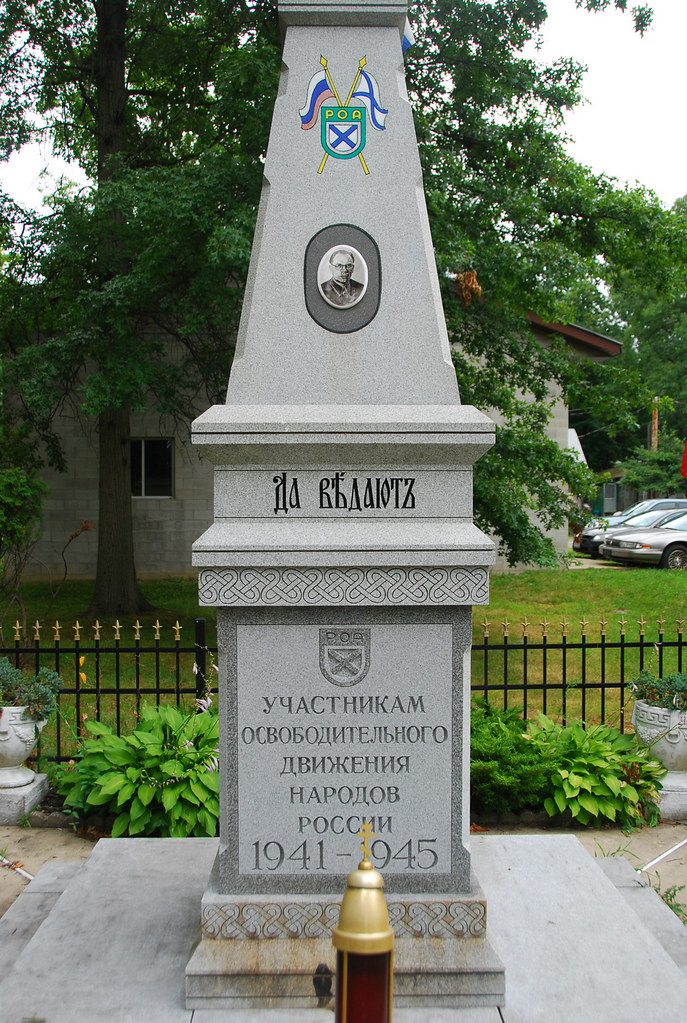
Памятник Участникам Осободительного Движения Народов России 1941-1945. Кто такие будут? Об этом под катом.
Novo Diveevo Convent

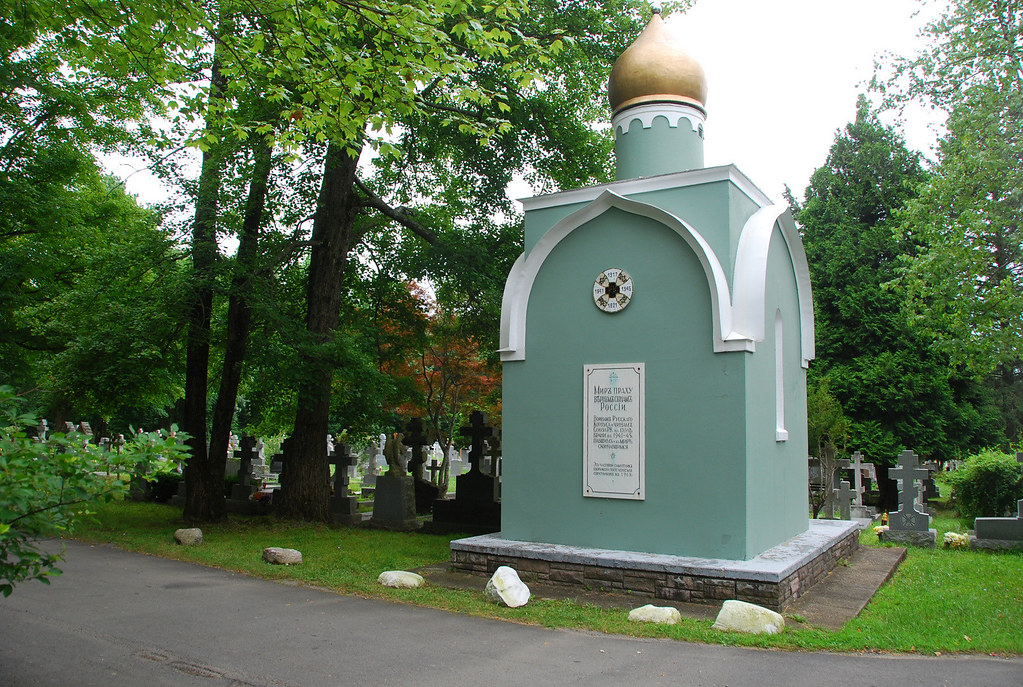
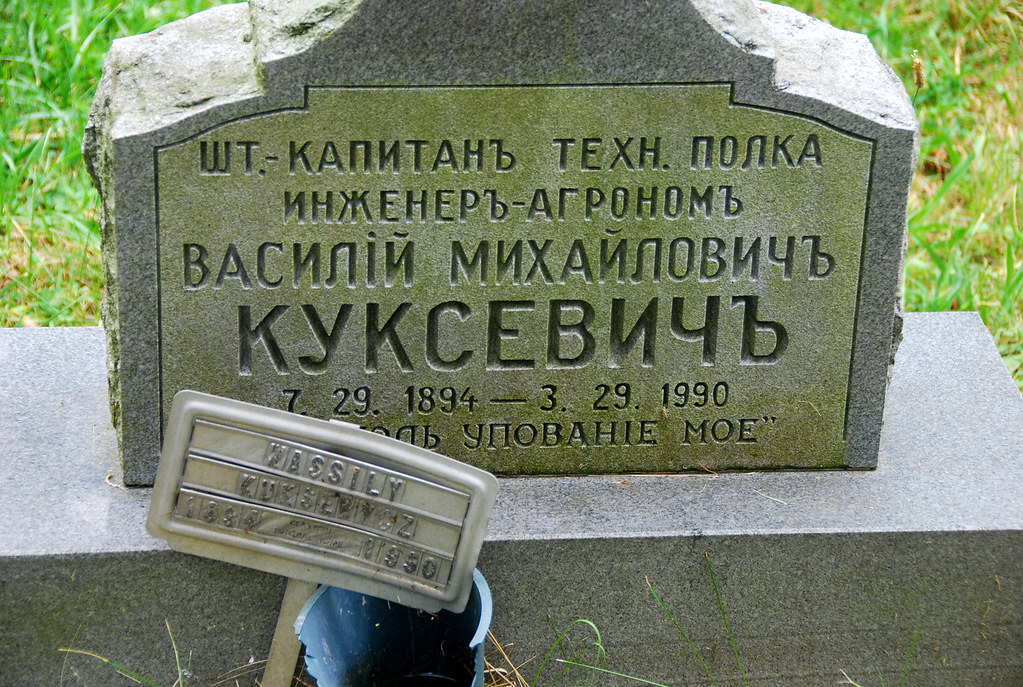
В 30 км на север от Нью-Йорка, в селении Nanuet, где-то за углом от торговых центров, пиццерий и макдональдсов, я обнаружил уютный монастырь. Это женский монастырь Ново-Дивеево, и интересен он тем, что здесь находится небольшое русское кладбище а-ля Сент-Женевьев де Буа под Парижем, только на американской земле. Сюда в своё время привозили усопших из Франции, Бразилии, Марокко и других стран русского рассеяния.


Монастырская церковь
Novo Diveevo Convent

Часовня
Novo Diveevo Convent

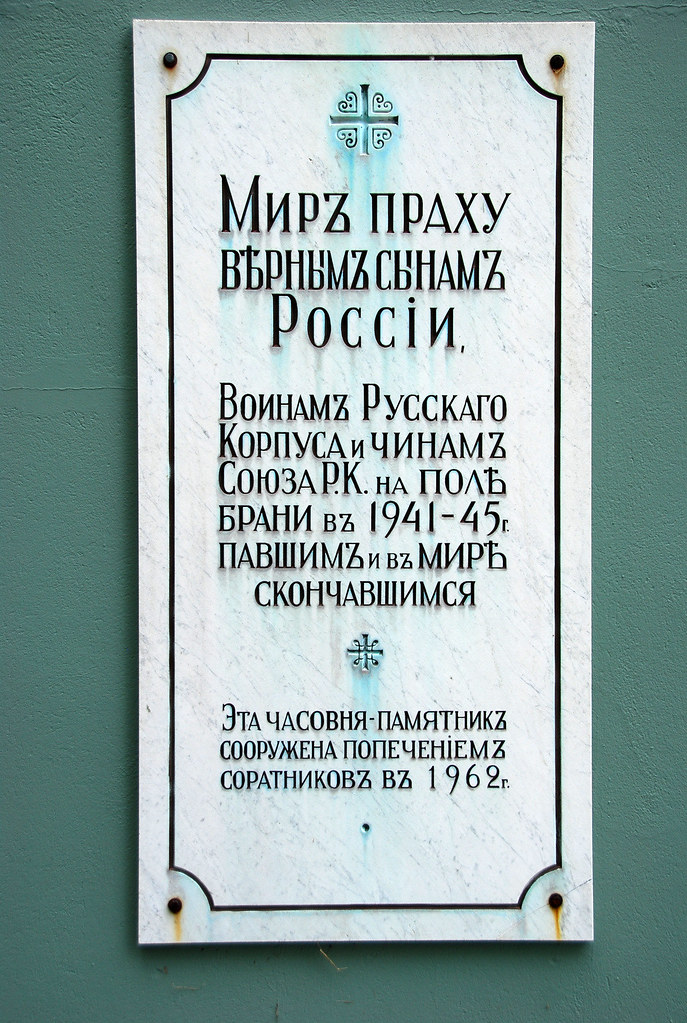
Посмотрим ближе на памятную табличку
Novo Diveevo Convent

На фотографии - генерал Власов. Андрей Андреич. В Гражданскую в Таврии воевал против Врангеля (ирония судьбы: на этом кладбище покоится и вдова Врангеля). В 1937-38 член военных трибуналов. До войны командовал одной из самых лучших дивизий Красной Армии. Награжден орденом Ленина. "Красная звезда" печатала о нём хвалебные отзывы. В декабре 1941-го 20-я армия под командованием Власова в 32 км от Кремля остановила части немецкой 4-й танковой армии. За это награждён орденом Красного знамени и произведён в генерал-лейтенанты. Власова, вслед за Сталиным, называли "спасителем Москвы". Жуков отзывался о нём благосклонно. Летом 42-го он попал в окружение и отказался оставить своих солдат, когда за ним прилетел самолёт чтобы эвакуировать командующего вглубь советской территории.
Попал в плен. Согласился сотрудничать с нацистами. Возглавил Комитет Освобождения Народов России и Русскую Освободительную Армию. Воевал против Красной Армии, но "за Россию". Уже весной 1945-го, когда исход был ясен, Франко готов был предоставить Власову политическое убежище и даже послал за ним самолёт. Власов снова отказался бросить своих солдат. В мае американцы предлагали доставить его вглубь своей оккупационной зоны. Он в третий раз отказался оставить подчиненных. Захвачен советскими войсками и доставлен в Москву. Осужден в 1946 году, и тогда же повешен. Захоронен в безымянном рву Донского монастыря.
Novo Diveevo Convent


Novo Diveevo Convent

А вот и мини-Сент-Женевьев-де-Буа
Novo Diveevo Convent

Вдова Врангеля.
Novo Diveevo Convent

Здесь лежат бароны и баронессы. Некоторые тоже из Врангелей.
Novo Diveevo Convent


Князья Голицыны
Novo Diveevo Convent

Графья Оболенские
Novo Diveevo Convent

Поручики
Novo Diveevo Convent

Сотники
Novo Diveevo Convent

Гардемарины
Novo Diveevo Convent

Штабс-капитаны
Novo Diveevo Convent

Лейтенанты Импараторскаго флота
Novo Diveevo Convent

Полковники Петербургскаго полка
Novo Diveevo Convent

И многие другие, чьи непривычные звания и регалии - как запоздалое эхо той исчезнувшей России, долетевшее аж до 1960-х, 70-х, 80-х и даже 2000-х.
Novo Diveevo Convent


Novo Diveevo Convent


Novo Diveevo Convent

Встречаются кубанские кОзаки
Novo Diveevo Convent

И просто старообрядки
Novo Diveevo Convent


Novo Diveevo Convent
21 Aug 11:18

We still like Ike

by P.J.W. and L.P.

To what era do Americans yearn to return?

IN OUR latest weekly Economist/YouGov poll, we asked Americans which decade of the 20th century they would most like to go back to. Most popular was the 1950s. The decade of economic boom following the second world war is regarded as a time of consumerism, conservatism and cold-war caution. It was an age of stay-at-home wives, novel household appliances and new suburbs—yet was also most popular among women. The haze of Woodstock and Haight-Ashbury in the 1960s rolled up in second place. Republicans in particular preferred the morally uncomplicated 1950s under President Eisenhower and the 1980s of Reagan; Democrats tended to opt for Bill Clinton's 1990s. In general, people yearned for their youth. Over 50% of those over 65 wanted to revisit the 1950s and 1960s, while 45- to 64-year-olds pined for the 1980s. The youngest were torn between the jazz age of the 1920s and the 1990s, their own salad days.