Mail Online: The last surviving member of the real von Trapp family that inspired The Sound of Music has died.
Maria Franziska, one of seven brothers and sisters from the famous family, passed away in her sleep aged 99 at home in Vermont, America.
Hat tip to Jeff Meyerson.
Bcstevieb
Shared posts
22 Feb 20:02

SoundHound can now create Spotify playlists from discovered music
by Chris Ziegler
Apps like Shazam and SoundHound have significantly reduced the stress of hearing a songs you like and being unable to identify them — but turning those discoveries into something you can actually play back again and again isn't always a straightforward process, particularly as streaming services have caught on. SoundHound is changing that with the introduction of the "Add to Spotify" button to its iOS app, which lets the user automatically create a playlist on their Spotify account using songs they've identified in SoundHound. During the account registration process, new users will now have the opportunity to link their accounts together (existing users can do it from the app's settings).
There's no word yet on when the new feature...
22 Feb 10:56


[New App] Type Machine Securely Saves Everything You Type So You'll Never Lose Text Again
by Ryan Whitwam
 It's profoundly annoying when some janky web form or app crashes and you lose a bunch of text, but you're just a few clicks away from stopping that once and for all on your Android device. Type Machine silently backs up every word you type so you can retrieve it later. Does this sound both awesome and worrisome? Well, it's only one of those.


Setting up Type Machine requires you allow the app as an accessibility service, which is how it saves your text.
Done With This Post? You Might Also Like These:
- Dropbox Drops New Beta v1.0.9.3 With Lock Code Support, More Languages, Honeycomb Improvements, And Other Fixes
- NFC Task Launcher Update Version 7.0.1 Introduces New Drawer Layout, Enhanced Google+ Integration, And More
- [New App] Clip Ninja Saves Almost Everything You Type, Like A Clipboard On Steroids
- Swiftkey Keyboard For Android Now Available In The Market As A Public Beta. Swype Begone - It's That Good!
[New App] Type Machine Securely Saves Everything You Type So You'll Never Lose Text Again was written by the awesome team at Android Police.
    
|
22 Feb 10:41

How to Rip a DVD to Your Computer
by Whitson Gordon
Say you have a movie on DVD, but you want to watch it on your phone, tablet, somewhere else. You can “rip” that DVD—or turn it into a movie file on your computer—to play it wherever you want. Here’s how to do it.
Ripping a movie to your hard drive can seem complicated, but it’s actually pretty simple. There are a lot of ways to do it and a lot of different programs out there, but our favorite method uses a program called Handbrake. It’s easy to use, it’s available for Windows, Mac, and Linux, and it’ll convert your file into compatible formats for any device, like an iPad or Android phone. The video above should walk you through the process, but you can follow along with these instructions.
- Head to Handbrake’s homepage and download the program. Install it to your computer as directed.
- By default, Handbrake can rip unprotected DVDs, but most DVDs you buy from the store have copy protection. To get around this, you’ll need to install libdvdcss. On Windows, you can download this file separately (here for 32-bit systems and here for 64-bit systems),
rename it to libdvdcss.dllleave the filename as libdvdcss-2.dll, and put it in your Handbrake program folder (C:\Program Files\Handbrake). If you’re on a Mac, download this file and double-click to install it. If you’re running OS X El Capitan, you have a few more steps—head to the bottom of this article before doing anything else. - Insert the DVD you want to rip, and open Handbrake.
- Click the Source button in the upper left-hand corner and choose your DVD drive from the list. It will start scanning your DVD, which could take a few minutes.
- When it’s done, head to the “Title” drop-down menu in the upper left hand corner of the window. This is where you’ll select which part of the DVD you want to rip. In the case of movies, it’s usually the longest title, so just pick that one. If you’re ripping episodes of a TV show, it’s usually the 22 or 44 minute ones, and you’ll have to rip them each separately.
- Click the Browse button on the right side of the window. Navigate to where you want to save your movie file, and type in a file name in the box. Click OK.
- Next, head to the bar on the right labeled “Presets”. This is where you’ll choose what format the resulting file will be in. If you just want to watch it on your computer, the “Normal” or “High Profile” preset is fine. If you want to watch it on something like your iPod or iPhone, though, pick the correct preset from the list.
- Hit the Start button at the top of the window. This will take awhile, so you’ll probably want to grab a cup of tea.
- When it’s done, you’ll get a popup notification. From there, you can double-click on your movie file to watch it, or sync it to your device of choice. Enjoy!
It seems like a lot of steps at first, but it really isn’t very difficult—especially after your first time through. Once you’ve installed the libdvdcss file, for example, you can skip that step in the future.
Mac users, specifically those running OS X El Capitan, have to deal with System Integrity Protection (SIP), a security feature designed to protect critical system files and processes. Unfortunately, SIP breaks a lot of software, and removes the libdvdcss file that Handbrake needs in order to work. You could disable SIP, but it’s useful, and you shouldn’t have to. Besides, there’s a better way, as redditor hvyboots points out:
- Close Handbrake, and open a new Finder window.
- Type cmd+shift+G, and paste in this path:
/Library/SystemMigration/History/
- Inside this folder should be a folder named “Migration-[random letters and numbers].” Open that folder and you’ll find “QuarantineRoot.” Open that folder, and you should see your libdvdcss.2.dylib file.
- Open a second Finder window.
- Type cmd+shift+G, and paste in this path:
/usr/local/lib(If you get an error saying this folder doesn’t exist, go to/usr/localinstead, create a new folder called “lib”, and open it.)
- Drag and drop the libdvdcss.2.dylib file from the first window into the
/usr/local/libfolder. You should be prompted for your admin password. Type that in and wait for the copy to finish.
Make sure to restart Handbrake after doing this, since the app will scan for the libdvdcss file, and once it’s detected, you won’t have to move it or deal with it again. Then you can go ahead and follow the above instructions as normal and rip away!
It’s just a matter of picking the right chapter from the DVD and ripping it to the right format. Note that if you’re going to be ripping a lot of DVDs, you can head to Tools > Options (or Handbrake > Preferences, if you’re on a Mac), and hit “Browse” next to “Default Path” to choose a location for all the other movies you rip in the future. You can also click “Add to Queue” instead of “Start” and rip multiple files at once, which is great for ripping TV shows.
Good luck and enjoy your newly ripped DVD! If you’re looking to rip Blu-Rays too, you’ll need to do just a little bit of extra work. Check out our guide to Blu-Ray ripping for more.
http://lifehacker.com/5559007/the-ha...
Video music by Smurg.
22 Feb 10:16

'Veronica Mars' will launch in theaters and online at the same time
by Kwame Opam
Fans waiting for the theatrical release of Veronica Mars on March 14th now have a few more ways to watch the series' return. According to The Wall Street Journal, the film will also be available to rent and download at the same time as its cinema debut. The move breaks the long-standing "theatrical window" rule that typically governs when major movies are available for home viewing.
22 Feb 10:03

Microsoft combats Chromebooks by cutting Windows licensing fees by 70 percent
by Tom Warren
Microsoft is reportedly cutting Windows 8.1 license costs by 70 percent for PC makers. Bloomberg News reports that the cuts are targeted at devices that retail for less than $250, in a move designed to combat rival low-cost tablets and Chromebooks. PC makers are usually charged $50 for a license of Windows 8.1, but Bloomberg News reports that manufacturers will be offered a license for just $15 on their low-cost devices.
21 Feb 23:39


Venezuela: 15 Years of Solitude
by Maruja Tarre
The governments of Hugo Chavez and Nicolas Maduro, amongst the most corrupt and inefficient in the world, have one big success: the extraordinary good will they’ve been able to garner for the so-called “revolution.” Very few authors (Will Dobson, Michael Penfold, Javier Corrales) have studied Chavez as a new form of authoritarianism. Public opinion in general, for the 14 years of the Chavez regime, viewed him as a modern-day Robin Hood: younger than Fidel Castro, less handsome than Che, but with a lot more money to give away at his discretion.
With his sharp political instinct and great advice from his mentor Fidel Castro, Chavez realized that to project himself on the world stage he needed to position himself as the archenemy of George W Bush and the U.S. In a memorable UN appearance that captured world media attention, he said it smelled like sulfur because the devil (Bush) had been there. From then on, each of his public appearances and a huge PR budget—fueled by the Venezuelan oil earnings he was supposed to be distributing among the poor—was used to build his image as the Anti-Bush. Artists, celebrities, lobbyists, and aspiring academics started going to Venezuela in a revolutionary tourism extravaganza designed to combine visits to the beautiful beaches and to experience first-hand the interesting political experiment in the Caribbean.
Meanwhile, in Venezuela, we could see every last vestige of democracy rapidly disappearing. Chavez changed the Constitution, the flag, the time-zone, and even the country’s name. Separation of powers disappeared completely and a hate campaign started on TV with the Comandante’s endless speeches in which he spoke of “pulverizing” the opposition. Anyone who did not agree with his ideas was branded a traitor, a cockroach, an insect, a piece of shit and even worse a “pitiyanky” or friend of the US. His very rudimentary notion of Venezuelan history happened to fit into the stereotypes the US and Europe have about Latin America, therefore his vision of the Venezuelan opposition as despicable fascists was accepted unquestioningly by world opinion.
And that is how these 15 years of solitude on the world stage started. Any complaint by Venezuela’s democratic opposition was perceived as fascist attempts to overthrow the beloved revolutionary government.
After the Caudillo’s death and the years of incredible ineptitude and corruption that had squandered the highest oil earnings in the history of Venezuela, propaganda money started to decrease. Due to expropriations and assaults on private property, Venezuela only produces oil, but not enough to finance the huge need for imported goods. Food, medicine and even toilet paper shortages have become chronic in a country with the world’s largest oil reserves. There are daily demonstrations by workers who have not been paid, people without homes and mostly a population exhausted by the highest inflation and crime rates in Latin America. But even then the international community is unaware. Last week at a conference in Brussels, UNESCO staffers spoke of the extraordinary education revolution under Chavez. Ignoring that in Venezuela public education has been free and mandatory since 1870, more than a century before the Bolivarian Revolution. Today there is no money for the free breakfast and lunch that used to be available in the poorest neighborhoods and Venezuela’s school teachers have the lowest salaries in Latin America.
Venezuela’s prestigious free and public universities, some founded before Harvard, were economically starved because the Chavez-funded students never won elections in them. It was precisely the students who started the most recent protests that have ended in bloodshed. One of their slogans is “they’ve taken so much away that they’ve taken our fear as well.” These fearless students have been brutally repressed by the government. They have been killed, wounded, tortured and even raped; the places where they’ve taken refuge have been raided by the military and armed paramilitary forces. This kind of repression had never been seen before in Venezuela and once again the international community and particularly Latin American countries ignore it, say nothing. Silenced by contracts and oil gifts that have flowed now for fifteen years, many presidents have expressed their solidarity for Maduro, ignoring the OAS democratic charter. Others, including the US, have protested so timidly that Maduro is convinced he can crackdown on the population with absolute impunity.
The democratic Venezuela received exiles from neighboring countries and gave asylum to political refugees fleeing military governments is, once again, alone.
These have been 15 long years of solitude.
[PHOTO: Opposition supporters stand over a monument of a tank which they dragged into the middle of the street during a protest against Nicolas Maduro's government in San Cristobal, February 19, 2014. REUTERS/Carlos Eduardo Ramirez]
|
|
21 Feb 22:00


Amazon Rebrands LoveFilm In The UK And Germany Into Prime Instant Video, Similar To How Things Are In The US
by Bertel King, Jr.
 Here in the US, Amazon offers video streaming bundled up with its annual Prime subscriptions, so anyone who wants discounted shipping gets to watch some videos on the side seemingly for free. Now the company is starting to replicate this setup in the UK and Germany as well. Today Amazon announced that it is merging Amazon Prime and LoveFilm Instant in both of these countries starting on February 26th, combining the speedy delivery and substantial Kindle library of the former with the 15,000-strong collection of TV shows and movies of the latter.
Done With This Post? You Might Also Like These:
- Amazon Signs Deal With Epix, Brings Paramount, MGM, And Lionsgate Films To Prime Instant Videos
- [New App] Redbox Instant Streaming Comes To Google TV Courtesy Of Verizon
- [New App] Amazon Finally Releases Instant Video App... For Google TV
- Dayframe Hits v2.0 With Chromecast Support, A Revamped UI, And More [Update: Video And More Info On Prime Upgrade]
Amazon Rebrands LoveFilm In The UK And Germany Into Prime Instant Video, Similar To How Things Are In The US was written by the awesome team at Android Police.
|
|
21 Feb 22:00


Facebook Will Now Make 'Look Back' Videos For Those Who Have Passed Away If Their Family Requests So
by Bertel King, Jr.
 Earlier this month Facebook celebrated its 10-year anniversary by introducing "Look Back" videos, bite sized glimpses at what each of us have shared on the social network over the years. Depending on how active a person you are on the site, these short clips may fill you with overwhelming nostalgia as you look back over time gone by. But Facebook's videos are capable of more than that - they can also serve as brief reminders of who you are and the kind of life you've lived, and they can do this even after you're gone.
Done With This Post? You Might Also Like These:
- [APK Download] The Redesigned Facebook Messenger Is Currently Only Available To Limited Users, But You Can Get It Now
- Google Announces 'Inactive Account Manager' – A Tool That Lets You Manage What Happens To Your Personal Data After Death
- Facebook Decides To End Sponsored Stories, Will Invent Other Ways To Creep You Out Later
- Facebook For Android Updated To V3.4 - Swipe To Open Chat And Bookmarks, More Sharing Options, Folders In FB Home
Facebook Will Now Make 'Look Back' Videos For Those Who Have Passed Away If Their Family Requests So was written by the awesome team at Android Police.
|
|
21 Feb 21:59


That Amazon Prime Price Hike Is Already Happening In Europe
by Adriana Lee

Amazon is raising the price of Amazon Prime subscriptions in the U.K. and Germany by roughly 60% to 70% starting February 26, it announced Friday. The new fee coincides with Amazon's decision to include streaming video in the deal for its European customers and may be a sign of things to come for U.S. users as well. Amazon said a few weeks ago that it may impose similar increases for domestic Prime users, who have access to free streaming since 2011.
21 Feb 21:59


Amazon offering traditional retailers a lifeline they can’t refuse
by Jacob Siegal
If you can't beat them, join them. At least that's what Amazon is hoping its brick-and-mortar competition will say as it extends an olive branch to retailers that could be beneficial for everyone involved. The Wall Street Journal reports that Amazon is currently in talks with several popular brands, such as Ralph Lauren and J. Crew, along with ten major retailers to start showing listings of their merchandise on Amazon.com. According to the Journal, "Amazon wouldn't sell the goods directly; the listings would be links to the retailers' own sites."
21 Feb 19:06

What Is Tor and Should I Use It?
by Thorin Klosowski

Dear Lifehacker,
I've been hearing a lot about Tor these days (with a shoutout on House of Cards!), but I'm not entirely sure what it does or why I'd ever use it. What exactly does Tor do?
Sincerely,
Frank Overwood
Dear FO,
We've talkeda lot aboutTorover the years because it's the easiest way to browse the web anonymously, but it's not always clear why that matters or why you'd need to use it. Let's take a look at what Tor does, who uses it, and perhaps most importantly, what Tor doesn't do.
What Tor Does

Tor is short for The Onion Router (thus the logo) and was initially a worldwide network of servers developed with the U.S. Navy that enabled people to browse the internet anonymously. Now, it's a non-profit organization whose main purpose is the research and development of online privacy tools.
The Tor network disguises your identity by moving your traffic across different Tor servers, and encrypting that traffic so it isn't traced back to you. Anyone who tries would see traffic coming from random nodes on the Tor network, rather than your computer. (For a more in-depth explanation, check out this post from our sister blog, Gizmodo).
To access this network, you just need to download the Tor browser. Everything you do in the browser goes through the Tor network and doesn't need any setup or configuration from you. That said, since your data goes through a lot of relays, it's slow, so you'll experience a much more sluggish internet than usual when you're using Tor.
What Tor Is Good For

If you want to be anonymous—say, if you live under a dictatorship, you're a journalist in an oppressive country, or a hacker looking to stay hidden from the government—Tor is one of the easiest ways to anonymize your traffic, and it's free. It's far from perfect, though (we'll get to that in a moment).
On a more general level, Tor is useful for anyone who wants to keep their internet activities out of the hands of advertisers, ISPs, and web sites. That includes people getting around censorship restrictions in their country, police officers looking to hide their IP address, or anyone else who doesn't want their browsing habits linked to them.
Tor's technology isn't just about browsing anonymously. It can also host web sites through its hidden services that are only accessible by other Tor users. It's on one of these hidden service sites that something like The Silk Road exists to traffic drugs. Tor's hosting capabilities tend to pop up in police reports for things like child pornography and arms trading, too.
So is it something that everyday users need? Probably not, at least not yet. But it's become popular because of its usefulness in many of these more specific situations.
What Tor Doesn't Do

Tor is handy, but it's far from perfect. Don't think just because you're using Tor that you're perfectly anonymous. Someone like the NSA can tell if you're a Tor user and that makes them more likely to target you. With a enough work, the government can figure out who you are. Motherboard points to a recent FBI bust that shows how this might work:
The FBI's big child porn bust this summer also raised some suspicion from privacy advocates over how easy it is for the Feds to infiltrate Tor. The FBI managed to crack the anonymous network by injecting malware into the browser, in order to identify what it called "the "largest child porn facilitator on the planet." In the process, the malware revealed the IP addresses of hundreds of users.
Furthermore, anonymity is not the same as security. It's hard to hack into the Tor network, but the browser is a different story. As we found at least year, the NSA can get into your browser a lot easier than it can the network and once it does, it gets access to everything else. So, "man in the middle" style attacks on Tor are still possible with help of internet service providers. Tor responded to these possible attacks with these comments:
The good news is that they went for a browser exploit, meaning there's no indication they can break the Tor protocol or do traffic analysis on the Tor network. Infecting the laptop, phone, or desktop is still the easiest way to learn about the human behind the keyboard.
Tor still helps here: you can target individuals with browser exploits, but if you attack too many users, somebody's going to notice. So even if the NSA aims to surveil everyone, everywhere, they have to be a lot more selective about which Tor users they spy on.
Just using Tor isn't enough to keep you safe in all cases. Browser exploits, large-scale surveillance, and general user security are all challenging topics for the average internet user. These attacks make it clear that we, the broader internet community, need to keep working on better security for browsers and other internet-facing applications.
As the How-To Geek points out, you still need to use HTTPS whenever possible to protect yourself from man-in-the-middle style attacks. Likewise, Tor's only as strong as its browser, which has had security flaws before, so it's worth making sure you always have the newest version.
So Should You Use Tor?
As we mentioned above, if you're an average user looking at cat GIFs and browsing Facebook, you probably don't need to worry about the government spying on your activity, and Tor is just going to slow down your connection. It's more likely that you need to secure your internet rather than anonymize it, say, when you're using public Wi-Fi. In that case, you'd want to make sure you're using HTTPS on all sites that support it, and possibly even use a VPN to encrypt all your traffic when you're away from home.
If you want to stay anonymous because you're downloading large files and don't want people to see what you're downloading—say, on BitTorrent—Tor is not a good solution. It won't keep you anonymous, and you'll slow down everyone else's traffic for no reason. In this case, you'd want a proxy or a VPN instead.
In other cases where you want to stay anonymous, Tor will do the trick, and it'll do it freely and easily. But we recommend considering a VPN too—as long as you use a VPN dedicated to anonymity that doesn't keep logs of your traffic, it can provide quite a few advantages over Tor (though you'll usually have to pay some money).
Most importantly, remember: nothing is 100% anonymous or secure, whether you're using Tor, a VPN, or anything else. If you think you need something along these lines, think about what exactly you're doing and what you need to protect—half the battle is picking the right tool for the job.
Good Luck,
Lifehacker
21 Feb 19:04

This Infographic Shows You How to Wear a Tie with Style
by Walter Glenn

Men's suits are basic enough, it seems like decisions would be easy. But even with something as simple as the neck tie, understanding choices like length, width, and matching collar style can make a real difference. This graphic from The Art of Manliness breaks it down for you.

Tie Tips: A Visual Guide | The Art of Manliness
21 Feb 17:40


Meet The Guardians Of The Galaxy

With the arrival of the trailer on Tuesday night, the awareness of Marvel’s Guardians Of The Galaxy has spiked sharply. (If you haven’t watched it yet, check it out here.) The studio launched five new character videos, in which each of the cast members talk about their respective Guardian.
First up, Gunn and Cooper chat about Rocket and you get to hear a sample of his voice work. There's also Vin Diesel explaining how strange Groot is - sadly, we don't get any snippets of his voice - as well as Dave Bautista talking Drax, Chris Pratt on Peter Quill and Zoe Saldana on Gamora.
Meet Rocket Racoon
Meet Groot
Meet Drax
Meet Gamora
Meet Peter Quill
For those still wondering what the whole Guardians thing is about, we meet Peter “Star Lord” Quill (Pratt) as he’s captured trying to steal a mysterious orb. In prison, he meets four others – assassin Gamora (Zoe Saldana), hulking warrior Drax The Destroyer (Bautista), grumpy weapons expert Rocket Raccoon (Cooper) and giant tree-man Groot (voiced by Diesel). This mismatched bunch don’t seem like a natural team, but they’ll have to band together to face a huge threat.
Should all this leave you with a lot of questions, James Gunn helpfully appeared on Kevin Pereira’s Pointless Podcast to answer a few queries thrown at him by the host. Pereira has now put the relevant chunk online for your listening use, which was spotted by the team at Collider.
In the brief interview, Gunn explains why Rocket Raccoon and co. don’t talk in that initial trailer, what other characters from the Marvel universe we can expect to see (Skrull fans, do not get your hopes up) and how Rocket was brought to life on set (Gunn’s brother Sean pulled green Lycra suit duties to give the other actors something to interact with). For the whole podcast, which will be posted on Monday, head here.
Plus, because it's apparently Guardians Day at Marvel, here is the poster... {First Guardians Of The Galaxy Poster} With Lee Pace, Karen Gillan, Benicio Del Toro, Djimon Hounsou, Michael Rooker, Glenn Close, John C. Reilly and Peter Serafinowicz in the cast, Guardians Of The Galaxy arrives on August 1.
|
|

21 Feb 17:34


Mall cops freak out over steampunk meetup, call the real cops
by Cory Doctorow

A group of steampunk cosplayers arranged to meet up at Westfield Plaza Camino Real near San Diego to ride the mall's Victorian carousel. But Westfield's mall cops were terrified of the cosplayers and evicted them all, escorting them to the door, calling the cops, and making them wait until the police arrived (the police basically shrugged and said, "Look, it's stupid, but it's their mall").
The mall cops -- and their corporate overlords -- cited a variety of dumb policies in support of the action, including a ban on wearing costumes that obscured the wearer's face (which didn't describe the cosplayers' outfits), a ban on gathering in groups larger than three (ORLY), a ban on photography without the subjects' permission (the steampunks, having gathered to have their photos taken, can be presumed to have consented to the pictures). Basically, it's a case of mall cop authoritarianism followed by the usual bland corporate doubling-down.
Of course, kids -- especially kids who happen to be brown -- already know that malls are capricious and fraught replacements for the public square. Mall cops basically hate anything that doesn't accord with their view of what a shopper should be and relentlessly discriminate against anyone they don't like. Back when I was in high school, more than half of my school had been banned from College Park, the mall in Toronto that was across the street from the school, by sneering jerks from Intercon security, who had the full backing of their management and the mall management.
The irony of ejecting people for wearing steampunk clothes in rich: malls are full of steampunk-inflected clothing, as the commodification mills of the fashion industry relentlessly mine subculture for new looks to put under glass. And here, too, is another parallel to the much more widespread discrimination against brown kids, who are often ejected on the pretense of wearing "gang" clothes -- clothes whose styles have been snaffled up, denatured, and repackaged for sale in the stores whose rent keeps the mall in business.
My family (four of us, three dressed in Victorian clothing) arrived early to eat lunch before riding the carousel. We parked near the entrance with the carousel and began walking down the mall to find a restaurant. We saw two other people from the group walking the other way. We found a McDonald’s and since the choices at the mall seemed rather limited and 1pm would come up soon, we ordered our food and sat down to eat. It was only a minute or so later when we were approached by a security guard who said we had to leave. You can imagine our surprise....
...We asked to see the policy and were told we could not. We asked to see the manager (either go to him or have him brought to us) and were told no. We were also told that they were calling the police. We were allowed to finish our lunch but the guard had to stand over us and escort us out.
While we were finishing, the other two people whom we had passed earlier returned, followed by their own security guard. They had gone through the same procedure and had asked the guard if they could come see us before leaving. Having now finished eating, we all left for the door by the carousel.
When we got there, we found more people had arrived, and a guard at the door was not letting them beyond the entrance to the mall. The security guards said we had to wait outside for the police.
Steampunk Carousel Outing Cut Short By Security Guards [Kim Keeline/KPBS]
(Thanks, Greg!)
(Photo: Laura Lusk) 
|
|
21 Feb 17:25

YouTube Gets Google’s Card Design And Puts Stronger Focus On Playlists
by Frederic Lardinois
YouTube is rolling out a new design to its users today that takes its cues from the “card-like” design Google now uses on many of its other web and mobile apps. The aim of the redesign, Google tells me, is to emphasize playlists by putting them front and center in the left sidebar.
In addition, however, the company also center-aligned the site to make it look better on any screen and give it a “feeling similar to the mobile apps you’re spending almost half your YouTube time with.” This move allows it to easily employ the card look, which is clearly the main organizational metaphor for any Google product these days.
As part of this design tweak, YouTube also added new icons to the sidebar and introduced a new persistent menu button next to the YouTube logo in the top-left corner of the screen that will bring up the guide with playlists, subscriptions and everything else that’s usually in the sidebar. Overall, the site looks a bit fresher and brighter now and — thanks to some tweaks in the typography — quite a bit more readable.
As part of the emphasis on playlists, Google now shows you all of the playlists you have created and those from channels you liked in the sidebar. In addition, it now highlights playlists on YouTube channels with a new playlist tab. For those who want to create playlists, YouTube is also making it easier to do that. When you make a playlist now, YouTube will pop up a new page that lets you organize your videos.
The new design starts rolling out today, though it may take a few hours or even days before every user will see it.

21 Feb 17:24

Google Acquires Spider.io To Help Spot And Stop Online Ad Fraud
by Darrell Etherington
 London-based Spider.io has been acquired by Google, the company’s DoubleClick advertising blog announced today (via Re/Code). Spider.io is a startup that specialized in weeding out fraudulent clicks around online ads. The three-year old company has tech that will help Google identify bad behavior around their content in video and display ads on the web, to help them get a more accurate picture of what is and isn’t succeeding.
From Google’s official blogpost on the deal:
Advertising helps fund the digital world we love today — inspiring videos, informative websites, entertaining apps and services that connect us with friends around the world. But this vibrant ecosystem only flourishes if marketers can buy media online with the confidence that their ads are reaching real people, that results they see are based on actual interest. To grow the pie for everyone, we need to take head on the issue of online fraud.
Google isn’t revealing the terms of the deal, but the small London company is only seven strong, and this is a fairly specialized niche product so it’s unlikely to have been a huge exit. Still, the Spider.io team brings some impressive talent to Google’s ranks, including three PhDs and a an ex-Yahoo natural language processing and artificial intelligence expert.
Spider.io’s tech is designed specifically to detect attacks originating from PCs infected by malware. Often these hijacked computers are programmed by their attackers to place a high volume of ad requests, thus skewing the numbers and defrauding online advertisers out of millions of dollars. An FT article from last year revealed that one botnet last year managed to falsify billions of web-based ad clicks, sometimes accounting for as much as two-thirds of the sum total of visits to some websites.
21 Feb 17:18

Amazon's Android set-top box reportedly set for March release
by Vlad Savov
It didn't make its intended launch window of the 2013 holiday shopping season, but Amazon's web TV set-top box is apparently still very much on the roadmap. Recode reports word from multiple sources today that Amazon is aiming for a March rollout of its Apple TV and Roku competitor. Having invested in developing a rich and varied Prime Instant Video library, Amazon has done a good job of distributing that content across platforms, but there are obvious benefits to the web company controlling and selling its own hardware.
Up to this point, the anticipation has been that an Amazon set-top box would run on Android, likely a customized version of the software as can be found on its Kindle tablets, with third-party app support helping to...
20 Feb 22:24


Top 10 new Android games this week: Overdroy, Glyph Quest
by Steve Raycraft
Welcome back to Android Gaming Weekly, our weekly recap of new game releases. We still plan to cover upcoming releases and games we’re playing, but this column is dedicated to new games that you can install and start playing right now. Check out our top picks and let us know if you have any suggestions for next week in the comments below.
Colossus Escape
Description: Colossus Escape is a fast-paced action game based on the world of Moffee Adventures™, featuring an epic fantasy world with great graphics and its own unique graphical style.
Mikey Shorts
Description: RUN, JUMP and SLIDE through the land to help Mikey Shorts rescue the people! Collect coins to buy fun disguises along the way!
Mig 2D: Retro Shooter!
Description: Mig 2D has 20 levels of the most intense gameplay, offering you the chance not only to control a legendary fighter plane but to try some other, no less dangerous, war machines. You’ll be opposed by legions of flying, floating, crawling and wheeled metal monsters both currently existing and fantasy designs.
Gobliiins Trilogy
Description: Gobliiins Trilogy is a compilation of three games including Gobliiins, Gobliins 2 and Goblins 3. Released successively one after the other from 1991 to 1993 on PC, those point ‘n’ click classics are now available on Android in a new version specifically enhanced for mobile and tablets.
Overdroy
Description: Overdroy is a game that mixes the traditional platform style with puzzles. The player assumes the role of Droy, a friendly robot on wheels who must face the most diverse challenges to collect precious gears through over 54 levels full of dangers and riddles.
Call of Mini: Dino Hunter
Description: Dinosaurs emerge from the ancient forest after hiding for decades. As a descendant from a great hunter family, you continuously hone skills towards your desired goal in order to stand up to your father’s expectation. Now it’s time to prove yourself.
Drifty Driver
Description: Have you ever wanted to feel like you were driving recklessly down the street in the slipperiest car ever? Well now you have the chance! Drifty Driver is a simple game that is hard to master.
Glyph Quest
Description: Head out into the wilderness, meet loads of cute, I mean TERRIFYING, monsters and kill them with Fire. Or Air. Or Earth. Or anything else you can get your grubby little hands on. Bombs, for example. They’re pretty cool. Or Ninja Stars! Then steal their loot and return to the village a hero. No one will judge you because hey – they’re monsters, right?
Superior Tactics
Description: Superior Tactics is a tactical RTS game where your custom designed fleet battles against progressively more challenging enemy fleets. A variety of ship types and weaponry are available for you to choose from in assembling your fleet.
Card City Nights
Description: Card City Nights is an adventure through a city filled with card nuts and lunatics. Battle for the 8 legendary cards to enter the biggest competition this city has seen yet.
20 Feb 22:23


Pushbullet Releases Beta Windows App, Makes It Even Easier To Push Between Devices
by Ryan Whitwam
 The guys behind Pushbullet always seem to be working on something new. This time it's a beta Windows app that you can take for a spin right now. This program is similar to the browser extension, but it includes some useful extra features.


Each computer you install Pushbullet on is now its own device, so you can push content from Android directly to a specific PC. The app already has support for pushing and receiving all the content the website can, but it also integrates with the Windows shell.
Done With This Post? You Might Also Like These:
- PushBullet Updated To Version 11.3, Introduces Push-To-Chrome, List Transfers, And More
- PushBullet Updated To Version 11 With Easier Sharing, Improved Reliability, And More
- PushBullet Version 12 Revamps Push-To-Friends Interface, Makes It Much Easier To Share Files With Others
- PushBullet 12.2 Update Brings Mirrored Notification Duration Setting, Shows Upload Progress, Makes Downloads Easy To Cancel, And More
Pushbullet Releases Beta Windows App, Makes It Even Easier To Push Between Devices was written by the awesome team at Android Police.
|
|
20 Feb 22:22


How to get your iTunes music onto Android
by Richard Devine

Getting your Apple based music onto your Android device need not be a chore
If you've been a long time user of an iPod, iPhone or iPad there's a good chance that the majority of your digital music collection is tied up inside iTunes. If you're moving on to pastures new with an Android device in your hand you're going to want to be able to listen to your music. While there is no iTunes for Android, there are actually a few different ways for you to get your groove on.
We've singled out three methods in particular to look at, and we'll take you through them after the break.
20 Feb 22:21

Three Questions You Should Ask Yourself Before Making a Purchase
by Holly Crawford

If you can relate to the proverbial hamster on a wheel in your quest to have a bigger house, or nicer clothes, science can explain why. The "hedonic treadmill" is what psychologists call our innate desire for bigger, better pleasures—like a bigger house or splashier car—each time we get a raise or bonus.
This post originally appeared on LearnVest.
But there's literally a catch to this phrase: Those same psychologists know that acquiring these trophies won't make a meaningful blip on our happiness radar.
What Our Genes Have to Do With It
In this "unfortunate feature of human psychology, you keep running, but stay in the same place, happiness-wise," explains Julia Galef, president and co-founder of the Center for Applied Rationality. "We've been shaped by the forces of evolution," she says "and we've inherited our ancestors' insatiability."
Why were they hell-bent on acquisition, even back in the my-cave-is-bigger-than-your-cave days? "Our genes 'want' us to pursue more and more resources, and status, because those things help our genes spread to the next generation," she explains. "But our genes don't particularly care whether we enjoy those hard-won prizes once we get them."
Put another way: Which of our ancestors do you think were most successful? The ones who sat around the fire, sighing and were content with their lives? Or the ones who were never satisfied with what they had and always chasing more wealth, power and status? The second group would dominate—which means we're their descendants, and we've inherited their tastes for more, bigger, better.
A More Modern Take on Happiness
It's the age-old question: Can a bigger house really make us happier? And the answer is: it depends.
"If a bigger house means you have the space to do things you value, like work from home or comfortably entertain a large family or group of friends, the increased space could bring happiness," says executive coach Syble Solomon, founder of LifeWise Strategies/Money Habitudes. But, she adds, it's a matter of perspective: "If you don't have friends to entertain, or you don't follow through with a home-based business, and you were using 'lack of space' as your excuse, now you'll be even unhappier."
It's filling that large home with people you love and sharing special moments together that separates lasting fulfillment from the fleeting kind. And even then, it's not the house that's delivering the happy. It's the experiences and the people—two components Galef says are essential to the happiness equation.
Experts agree that you can move the needle on the happiness meter by being more thoughtful about how you use your money and time. One way to do that is to consider three questions before every purchase you make. You can even review your budget from last year to decide the things that really brought you lasting joy—and those that didn't quite live up to the hedonic hype.
1. Does It Make Me Feel Good About Who I Am?
"We get pleasure and joy when we do something that makes us proud of who we are," Solomon says. That can be a sensory experience like getting a pedicure, attending a play or sharing dessert with a loved one. It can also be non-monetary: "That can be anything from taking the time to notice another person's pleasure or pain and be with them in the moment," says Solomon. "It can be saying 'no' to others and making the space for you to say 'yes' to yourself."
While on the never-ending treadmill, we tend to knock out obligations—and miss out on purely pleasurable moments that last longer than instant gratification.
2. Does It Have Meaning?
Most people, say the experts, find satisfaction in being part of a community and giving of themselves. Whether through volunteering or joining a like-minded club or organization (think: anything from ski lessons to the church of your choice), meaningful and memorable interactions contribute to longer-term euphoria.
"Again and again, research has shown that spending your time with other people—and spending your money on other people—is great for your happiness levels," Galef says. "Also, part of being a social creature is that moods are contagious, so keep that in mind when you decide who to spend your time with."
3. Does It Engage or Challenge Me?
As Edgar Allan Poe put it, "the best things in life make you sweaty." But don't take that too literally. You might find rapture in working puzzles, playing the piano, knitting, golfing, or mastering any new hobby. No matter what your happy activity is, the clock will all but disappear while you partake of it. "Part of the fun of life is getting so involved in something that we lose our sense of time and are totally engaged," Solomon says.
It's a state positive psychologists have labeled as "flow," and new research shows that when we're in it, our brain releases all sorts of neurochemicals correlated to reward, satisfaction and joy.
So, next time you're deciding whether to shell out for yet another sweater, or save up for your next vacation, consider which is likely to have a more lasting impact.
Will That Purchase Really Make You Happier? 3 Questions to Ask Yourself | LearnVest
Holly Crawford is a contributor at LearnVest. Follow her on Twitter @hollycrawford.
Want to see your work on Lifehacker? Email Tessa.
20 Feb 22:16



Will US condemn UK for using terrorism laws to suppress journalism?
by Trevor Timm
Journalist Glenn Greenwald after being reunited with his partner, David Miranda, in Rio de Janeiro's International Airport after British authorities used anti-terrorism powers to detain Miranda. RICARDO MORAES/REUTERS
In a disturbing ruling for democracy, a lower court in United Kingdom announced today that the detainment of journalist Glenn Greenwald’s partner David Miranda was lawful under the Terrorism Act, despite the fact that the UK government knew Miranda never was a terrorist. This disgraceful opinion equates acts of journalism with terrorism and puts the UK on par with some of the world’s most repressive regimes. Miranda has vowed to appeal the ruling.
Glenn Greenwald has much more on what this means for press freedom, but I’d like to expand on one particular point:
Over the past several years, the US State Department has publicly criticized several governments for using overly-broad terrorism laws against journalists and has even claimed its their policy to oppose “misus[ing] terrorism laws to prosecute and imprison journalists.” As we pointed out a couple months ago, they have criticized Turkey, Ethiopia, Morocco, and Burundi all within the past year.
Just last week, the State Department harshly criticized Egypt for detaining over twenty Al-Jazeera journalists and charging them under the regime’s terrorism statute. A State Department spokesman said, Egypt’s "targeting of journalists and others on spurious claims are wrong and demonstrates an egregious disregard for the protection of basic rights and freedoms.” She continued: "any journalist, regardless of affiliation, must not be targets of violence, intimidation or politicized legal action. They must be protected and permitted to freely do their jobs in Egypt."
Will the US State Department condemn very similar behavior by one of its closest allies, the United Kingdom? Sadly, in November when the UK first made its argument in court, the State Department refused to comment when asked about its stance by the Guardian's Paul Lewis. Now that a court has ruled in the UK’s government favor, it’s time for the State Department to speak out.
With the ruling, the UK government has vastly widened the definition of terrorism to include ensnare people who have not committed violence, who have no intention to commit violence, and who aren’t even associated with people who intend to commit violence. The lower court essentially agreed with the government’s warped definition it put forth in court documents in November:
"Additionally the disclosure, or threat of disclosure, is designed to influence a government and is made for the purpose of promoting a political or ideological cause. This therefore falls within the definition of terrorism..."
Under the UK government’s logic, several Guardian reporters and editors could also be guilty of engaging in “terrorism”, and as well as New York Times or Pro Publica journalists who have received the same news-worthy documents for publication. In fact, if publishing or threatening to publish information for the purpose “promoting a political or ideological cause” is "terrorism," than the UK government can lock up every major newspaper editorial board that dares write any opinion that strays from the official government line.
The UK already has draconian measures in place that prevents newspapers from reporting freely on government. Newspapers are under constant fear of being censored under the Official Secrets Act, the Guardian was forced to destroy harddrives containing the Snowden files last year, and they are reportedly under active criminal investigation as well.
But this ruling is more troubling than all of it, and quite seriously threatens democracy. If journalism can be equated with terrorism in the court of law, any press freedom that is left in the UK will quickly disappear.
Note: Glenn Greewald is a member of Freedom of the Press Foundation's board of directors.
|
|
20 Feb 22:06
 Google Maps is one of several free Google services that have changed our lives. It's easy to take for granted since it has become such a staple, but the world was much more difficult to traverse — virtually and literally — before Google came along and mapped it out so thoroughly. Google just rolled out a big update to its desktop Google Maps website that adds a bunch of new functionality to this already-great product, but there are a few new additions in particular that you really should check out.
Continue reading...
Google just updated Google Maps - here are 5 awesome new features you HAVE to try
by Zach Epstein
Google Maps is one of several free Google services that have changed our lives. It's easy to take for granted since it has become such a staple, but the world was much more difficult to traverse — virtually and literally — before Google came along and mapped it out so thoroughly. Google just rolled out a big update to its desktop Google Maps website that adds a bunch of new functionality to this already-great product, but there are a few new additions in particular that you really should check out.Continue reading...
20 Feb 22:05
 If you live in a major metropolitan area, accessing public Wi-Fi is likely part of your daily routine. The only problem with public Wi-Fi is the exhaustive, unavoidable login process, but one of the biggest tech companies in the world is trying to simplify the process with a new app. Engadget reports that Google is working on an app for Android and iOS devices that will "automatically authenticate and connect to its free hotspots inside Starbucks stores or wherever they are available."
Continue reading...
New Google app could fix the most annoying thing about public Wi-Fi
by Jacob Siegal
If you live in a major metropolitan area, accessing public Wi-Fi is likely part of your daily routine. The only problem with public Wi-Fi is the exhaustive, unavoidable login process, but one of the biggest tech companies in the world is trying to simplify the process with a new app. Engadget reports that Google is working on an app for Android and iOS devices that will "automatically authenticate and connect to its free hotspots inside Starbucks stores or wherever they are available."Continue reading...
20 Feb 22:04

Google Launches Project Tango Smartphone To Experiment With Computer Vision And 3D Sensors
by Frederic Lardinois
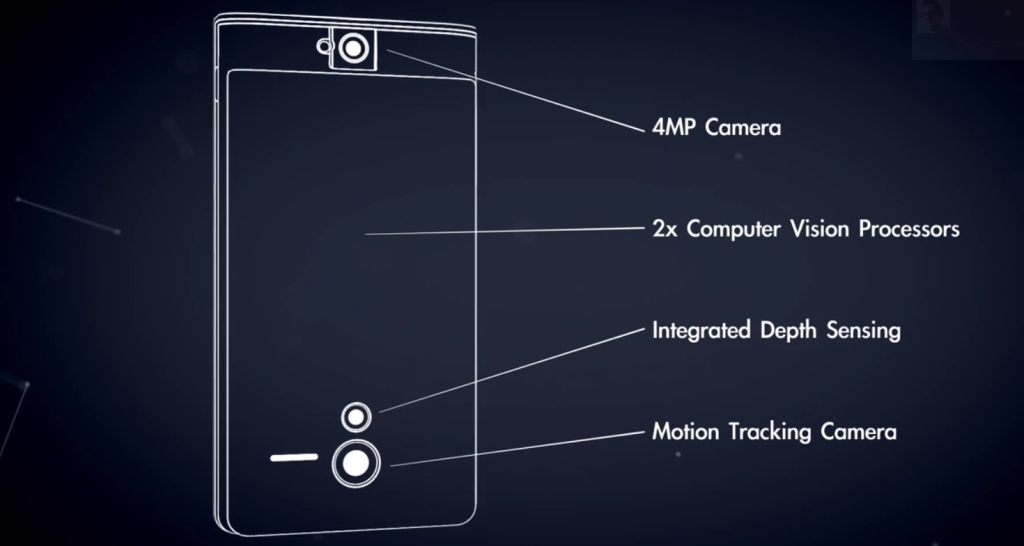
Google today announced Project Tango, an Android-based prototype 5″ phone and developer kit with advanced 3D sensors out of its Advanced Technology and Projects (ATAP) hardware skunkworks group.
Using its sensors, the phone doesn’t just track motion, but it can actually build a visual map of rooms using 3D scanning. The company believes the combination of these sensors with advanced computer vision techniques will open up new avenues for indoor navigation and immersive gaming, among many other things.
Starting today, Google will allow developers to sign up for access to these phones, but the first run will be limited to a hand-vetted group of 200 developers. Developers will have to provide Google with a clear idea of what they want to build with the device and the company expects to allocate all devices by March 14th, 2014. It will allocate the devices to developers who want to build apps for “indoor navigation/mapping, single/multiplayer games that use physical space, and new algorithms for processing sensor data.”
Developers will be able to write apps in Java, C/C++ and with the help of the Unity Game Engines. The company notes that the APIs for the phone remain a work in progress.
“Project Tango strives to give mobile devices a human-like understanding of space and motion through advanced sensor fusion and computer vision, enabling new and enhanced types of user experiences – including 3D scanning, indoor navigation and immersive gaming,” said Johnny Lee, ATAP’s technical program lead.
The idea behind Project Tango is to see what kind of applications developers will dream up for this technology. Google hopes that it can unlock new kinds of smart, vision-based applications based on the 3D sensing and vision technology that it has built into the phone. By giving applications an almost human-like understanding of space, developers will be able to create applications that simply weren’t possible before.

The phones are outfitted with a compass and gyros, just like any other phone, but in addition, they feature Kinect-like visual sensors that can scan the room around the phone.
It’s worth noting that the idea here isn’t to create Leap Motion-like, gesture-based interfaces. It’s about how the apps developers can create when they know exactly where a phone is in space.
In its announcement, Google asks: “What if you could capture the dimensions of your home simply by walking around with your phone before you went furniture shopping? What if directions to a new location didn’t stop at the street address? What if you never again found yourself lost in a new building?”
Tango’s Sensors
Google is using Movidius’ Myriad 1 vision processor platform for Project Tango. For the longest time, embedding these kinds of sensors into phones was not just prohibitively expensive, but because it tends to be computationally demanding, they would also drain a phone’s batteries rapidly. The latest generation of vision processors, however, uses significantly less power, which was likely a reason why Google was able to go ahead with this project. You can read more about the sensors in our post here.
The project was headed up by Lee, who previously worked on Microsoft’s Kinect technology before he left for Google in early 2011. Today’s announcement also marks the first public hardware release from Google’s ATAP group, which was one of the few units of Motorola the company decided to keep, even as it is selling off the rest of the company.
Besides Tango, the group is also involved in Project Ara, the modular phone concept that has received quite a bit of attention, as well. Google considers ATAP to be its “moonshot tech group” outside of Google[x] and its mission, as far as we can see, is to test advanced mobile technologies. The group is headed by Regina Dugan, a former DARPA director who joined Google in 2012.
20 Feb 22:03

And Now For Your Smartphone’s Next Trick: Seeing And Understanding, Courtesy Of Google
by Darrell Etherington
Your smartphone hosts a bevy of sensors that do many things within its sleek case. But thanks to a new project, dubbed Tango, by Google’s Advanced Technology And Projects (ATAP) group, your next one might have one more superpower: visual special awareness. As in, your next smartphone might be able to not only see, but also to understand its surroundings.
If that seems like something out of science fiction, that’s because it very much could be – the AI assistant in Her, for instance, manages to be so convincingly human because it shares an awareness of the user’s world, including recognizing the environment and putting that into the proper context. Google’s new prototype hardware and development kit, with its Myriad 1 Movidius Vision Processor Platform, is an attempt to give mobile devices exactly this type of “human-like understanding of space and motion,” according to ATAP Program Lead Johnny Lee.
This Isn’t Just A Fancy Camera
To be clear, this isn’t just a new camera for smartphones – it’s more like the visual cortex of the brain, made into a device component like any accelerometer or gyro currently found in smartphones. And to some extent, that’s the battleground for next-gen mobile technology; Apple has its M7 motion coprocessor, for instance, and Qualcomm is building advanced camera processing tech into its SoCs that will allow users to alter focus on pictures after the shot and do much more besides.
 But Google’s latest experiment has the potential to do much more than either of these existing innovations. Computer vision is a rich field of academic, commercial and industrial research, the implications of which extend tendrils into virtually every aspect of our lives. Better still, the tech from Google’s partner used to make this happen is designed specifically with battery life as a primary consideration, so it’s designed to be an always-on technology, rather than something that can only be called upon in specific situations.
Contextualizing Requests
So what will these mean in terms of user experience? It’s trite but true to say “expect big changes,” but at this stage the push is to get developers thinking about how to make use of this new tech. So it’s still early to say exactly what kind of software they’ll build to put it into practice. One thing’s clear, though – context will be key.
Google Now has provided some hint of what’s possible when a smartphone has a thorough understanding of its user, and what said user’s needs might be, given time, location and inputs including email, calendar and other overt signals. Combined, those can present a pretty good picture of what we call ‘context,’ or the sum total of circumstances that make up any given situation. But ultimately, as they operate currently, your smartphones are effectively working within black boxes, with pinholes cut out sporadically across their surface, letting through shafts of light that partially illuminate but don’t necessarily truly situate.
With an understanding of surroundings, a virtual personal assistant could know that, despite being in the general vicinity of a bus stop, you’re currently shaking hands with a business contact and dropping your bag ahead of sitting down for coffee, for instance. In this situation, providing local bus arrival times isn’t as important as calling up that email chain confirming the meeting in question, for instance.

But the value of visual awareness to virtual personal assistants is just one example, and one that’s easy to grasp given recent fictional depictions of the same. Knowing where a phone is being used could also help to bring more far-out concepts to life, including games that change settings, surroundings and characters depending on where they’re played; situational advertising that interacts with nearby multimedia displays and addresses/engages a user personally based on where they are and what types of products they have to be looking at; even macro level settings change to make sure your phone is prepared to suit your needs given your current circumstances.
As for that last example, it could help usher in the type of dynamic mobile OS that Firefox, Google and others have clearly been toying with. Contextual launchers, I argued on a recent TechCrunch Droidcast, aren’t ready for primetime because too often they get the context wrong; again, they’re working inside a black box with only brief and sporadic glimpses to make sense of the world around them, and this new tech stands to bring them out into the open. The result could be devices that don’t need to be manually silenced, or that automatically serve up the right home screen or app for what you need without having to be told to do so.
Immense Data Potential
Of course, Google wouldn’t be doing Google if this project didn’t have a data angle: The type of information that could potentially be gleaned by a device, carried everywhere by a user, that can not only see but also make sense of its surroundings is tremendously powerful.
Related Videos
-
How Apple and Google Went to War and Started a Revolution
11:32 -
Hands-On With The Nexus 5
-
Box’s Aaron Levie Has Thoughts on Microsoft

Google’s entire business is built around its ability to know its customers, and to know what they want to see at any given time. The search engine monetized on the back of extremely targeted web-based text ads, which return highly relevant results whenever a user types a query into their engine – an almost foolproof sign that they’re interested in that topic. It sounds like a no-brainer now, but at the dawn of search, this simple equation struck the entire ad industry like a lightning bolt, and it continues to drive behemoth revenue for Mountain View.
Even Google’s famously ambitious “moonshots” all have a thread of that original goal behind their impressive facades of consumer potential, and Tango is no exception. Stated intent, like that expressed by people Googling things, is only one part of the equation when it comes to sussing out a consumer’s desires – anticipating needs before they arise, and understanding needs that a person might not even be aware they have, make up the broader blue sky opportunities for a company like Google. In that context, having a contextually aware smartphone that can observe and interpret its surroundings is almost like putting a dedicated market researcher in the room with any given shopper, at any given time.
As with every single noteworthy mobile tech development of the past decade at least, Project Tango will seek greater access to a user’s life in exchange for more and better services rendered. And once developers start showing us what’s possible once a smartphone can understand where it is and what’s going on, I’m willing to bet users find the cost in data perfectly acceptable.

Google’s Not Alone
Google isn’t the only company that’s working on perceptive mobile devices, and it won’t be the only one that helps bring gadgets with visual intelligence to market. Apple acquired PrimeSense last year, a company that builds motion-sensing tech and helps map 3D space. Qualcomm purchased GestureTek, a similar company, back in 2011.
Location-based tech seemed sci-fi when it was first introduced to mobile devices, but now it’s de rigueur. The same will be true of contextual awareness with the devices we buy tomorrow. Google is the first one to start putting this power in the hands of developers to see what that might mean for the future of software, but it won’t be the only one. Expect to see development come fast and furious on this new frontier in mobile tech, and expect every major player to claim a seat at the table.
Images by Bryce Durbin
20 Feb 17:49


The earth is shaking in Oklahoma. But why?
by Maggie Koerth-Baker

The Meers fault in Southwestern Oklahoma.
There were 179 earthquakes in Oklahoma in just the last 7 days. Which is crazy. What's more the frequency of earthquakes in the state has dramatically increased since 2004. What was once a freak occurrence has become so common that I'm now more accustomed to hearing about earthquakes from family in Oklahoma than from friends in California. So what gives?
Earthquakes happen all the time in places where you don't expect earthquakes to happen. If you read an interview I did in 2010, you'll learn that Oklahoma does have plenty of faults and the state has been recording earthquakes since anybody started keeping records. The ground shaking at all: That's completely normal. This sharp increase in frequency and size of quakes, though, is weird. Last October, the Oklahoma Geological Survey released the results of a study that suggested these changes in how Oklahoma experiences earthquakes are different from what you'd expect as a part of natural variation.
In other words: These earthquakes could be triggered by human activity. If that's what's happening, then the likely culprit is the disposal of wastewater from fracking operations. A National Academy of Sciences report, published in 2013, determined that the liquid can lubricate existing faults and/or change the pressure around those fault lines in such a way that it causes them to move. There aren't many earthquakes that have been clearly and cleanly attributed to this effect, but given how difficult it can be to disentangle natural processes from the effects of man-made triggers that induce natural processes, that fact doesn't really mean that the injection of wastewater has only contributed to a small number of quakes. But it's also true that we don't have the evidence to say, "Wastewater disposal is causing all these quakes."
Meanwhile, oil and gas-producing states are mostly ignoring the oversight recommendations made by the NAS report. Although, on Monday, the governor of Kansas appointed a committee to study whether some of the quakes that have happened along the Kansas/Oklahoma border can be linked to wastewater disposal.
So what now? Until any kind of regulatory action gets taken, it's basically just fallen to Oklahomans to get used to the ground shaking. Earlier this week, the Red Cross launched an Oklahoma-centric earthquake app that not only educates people on how to respond to a quake, but also helps them track activity near friends and family and make quick contact in case of an emergency.
|
|
Ronald.phillips likes this
20 Feb 17:47

The Best Home Remedies for Any Ailment, Backed By Research
by Thorin Klosowski

Home remedies are awesome ways to fix common little problems like hangovers, headaches, acne, and just about everything else. But how much research goes into them? Let's take a look at which ones have studies behind them.
The human body is a pretty complex machine, so we can't dig into every cure out there. Below you'll find a few of the more common maladies we all face and the home remedies with research to back up their claims. As you'd expect, most home remedies aren't researched that much, but a handful of studies have promising results. As always, we're not doctors, so if you have any serious issues be sure to talk with your doctor first.
Pain Relief

Nobody likes being in pain so you'll find a ton of different home remedies for various types of pains out there. Of course, not that many home pain relief remedies have much research behind them.
Headaches
If you don't want to reach for a bottle of Advil every time you have a headache, a few alternatives might help. For tension headaches, a small study published in Australian Family Physician suggests that a small amount of Tiger Balm on the forehead may help with pain relief. Peppermint oil has a similar effect on headaches, but more research is need for both.
For a spicier solution, we also have anecdotal evidence that sex helps relieve migraine headaches. The rush of endorphins that comes from an orgasm turns off migraine pain temporarily. Conversely, The U.S. Department of Health & Human Services points to several studies that suggest relaxation training helps with stress-induced headaches. All that said, with headaches, it's best to concentrate on prevention rather than treatment when possible.
Sprains, Twists, and Other Sores
Chances are that if you've ever sprained a body part, you've put ice on it. As it turns out, research from Vanderbilt University shows that ice really is the best solution for most bone and joint injuries. If you do suffer an injury, apply ice and a little pressure for about 15-20 minutes. Then remove it for an equal amount of time, and apply again.
Studies also show that arnica gel decreases pain and stiffness in arthritis sufferers. This may extent to athletes who suffer soreness or strains. WebMD points out that since arnica is poisonous, you need to use a diluted formula if you're going to rub it on sore areas.
Toothaches
Nobody likes toothaches and they're often hard to deal with because it's hard to get inside your mouth. A 2006 study published in The Journal of Dentistry shows that clove oil is just as effective at relieving tooth pain as other pain medications. Just dab a cotton swab with a small amount of clove oil and apply it to the area that hurts. Within a couple of minutes it should go numb.
Hangovers

Hangover remedies are a dime a dozen. Solutions range from greasy foods to more alcohol, but the basic theme of successful hangover cures is pretty simple: hydration.
Of course, there's all kinds of ways to hydrate that don't need studies. If you're looking for a research-backed solution, a study published in Food & Function says that Sprite is the best hangover cure. At a basic level, Sprite speeds up the breakdown of alcohol to help get rid of your hangover. When you're hungover, acetaldehyde lingers in the body and makes you feel gross. Sprite (and soda water) have an enzyme that turns into acetate, which helps with recovery. Eggs cause a similar reaction. Research has only been down in lab beakers, but it's still a promising result.
Cold and Flu

We've talked a lot about cold and flu cures so we won't spend too much time on them here because the basics haven't changed much over the years.
For a sore throat, a survey published in Pediatrics showed that honey helps relieve both your throat and your cough. Just swallow two teaspoons before bed. If honey isn't your thing, a study by the American Journal of Preventative Medicine shows that gargling with salt water helps with a cough. Dissolve half a teaspoon of salt in a full glass of water, gargle a few seconds, and spit it out.
Skin Remedies

Skin remedies are some of the most common topics for home remedies. Whether it's a bit of acne or athlete's foot, covering your body in household fluids is oddly commonplace.
Acne
Acne is one of those skin issues that has thousands of solutions, but few have stood the scrutiny of a study. A small number of studies have found tea tree oil effective at fighting acne. Just apply a small amount to your acne daily to shrink that zit down.
Athlete's Foot
All it takes to get athlete's foot is a step on a moist floor or a bit of time in a gym where the fungus is present. Getting rid of it isn't as easy. A study in The Journal of the American Academy of Dermatology showed that garlic is just as effective as the drug Lamisil for treating athlete's foot. The New York Times suggests finely crushing cloves of garlic into a foot bath and soaking your feet for 30 minutes a day until it's gone.
Atopic Dermatitis
Atopic dermatitis is a type of eczema that results in dry, itchy skin. If you're looking for a treatment you'll find in your own kitchen, a small study published on Dermatitis shows that olive oil and coconut oil are both effective treatments. Coconut oil applied to the skin twice daily for four weeks helps reduce dryness and has antibacterial effects as well.
Dandruff
Dandruff is a common scalp condition where small bits of skin flake off on your scalp. While it's not contagious or serious, it is obnoxious. Unfortunately, it's also difficult to treat and while a ton of remedies exist, none of them definitively get rid of dandruff.
Doctors typically recommend eating healthy and getting a little sun to manage dandruff, but a small study shows that tea tree oil is effective at fighting dandruff. It's still inconclusive how effective it might be, but you can try mixing a drop of tea tree oil into your shampoo to see if it helps.
Warts
The most common home remedy for warts is to put a small piece of duct tape over it to kill it off. A 2012 review of studies showed mixed results, but duct tape is still commonly recommended because it's easy to try. The McKinley Health Center at the University of Illinois at Urbana-Champaign has a simple regimen to follow:
In order for duct tape to work in the treatment of warts, it must be used as directed. The duct tape should be cut approximately 1/4 inch in size larger than the actual wart(s). If the duct tape covers too much normal, healthy skin tissues, skin irritation will develop. The duct tape should be left in place for cycles lasting six days. After six days, the duct tape should be removed, the wart soaked, then gently debrided with a thick emery board or pumice stone and left uncovered overnight. A new piece of duct tape should be reapplied the next morning.
Stomach Issues

Like headaches, stomach issues have all kinds of solutions without a lot of research. Nobody likes a stomach ache, but you can treat them with a few ingredients you have on hand all the time.
Heartburn
Heartburn sucks, but you don't have to reach for the antacids right away. The easiest home remedy is chewing gum. Studies show chewing gum decreases heartburn because it helps force fluids back into the stomach. If you have heartburn, just pop in a piece of sugarless gum and see if it helps.
Motion Sickness
If you suffer from motion sickness, several studies show that ginger is one of the best home remedies out there. If you're feeling nauseas, shave off a few pieces of ginger root and eat it fresh. Ginger also helps with nausea related to morning sickness.
Upset Stomach
Chances are that if you've ever had an upset stomach, you've heard that peppermint is a good solution. Studies show that peppermint helps with irritable bowel syndrome, nausea, and heartburn. If there's such thing as a cure all for a generally upset stomach, peppermint is a good place to start. For an upset stomach, just take 90 mg of peppermint oil a day.
Of course, thousands of home remedies exist that haven't stood the test of a research team. That doesn't mean they don't work for you. Many are more about science and chemistry, so studies aren't really needed to prove their efficiency.
Photos by Igor Zakowski, John Takai, Mr. Thomas, Ktoine, Craig Finlay, Zzzack, Evil Erin.
20 Feb 17:43

Google-powered map will watch all Earth's forests in real time
by Jacob Kastrenakes
The world's forests are being rapidly destroyed, and a new map hopes to help conservationists figure out everywhere that it's happening. Using technologies from Google Maps and Google Earth, the World Resources Institute has created an interactive map that shows forest coverage almost in real time, marking where coverage has increased and — more often — where it's decreased. The map is being called Global Forest Watch and is available for anyone to explore. It appears to be using data from a variety of sources, including NASA, to analyze forest coverage, and it's also capable of highlighting what different forests are being used for and where lands have been protected.
When the map was announced last year, World Resources...