
 From the opening salacious, limbering, bars of Joe Lutcher’s spanking ‘Ojai’ you enter into the sweaty, devilish Jukebox Mambo spirit.
This raucous, and constantly carnal, compilation is the perfect soundtrack for illicit cellar bars, honky tonk joints and the sort of clubs you’re always warned not to enter! You know, the type of places where you can dance the coitus rituals of mambo till dawn and get your cocktail kicked over by the cornet player as he leaps up onto the bar with unreserved boundless energy and joy.
The listener then, is tempestuously invited to bare witness to the alluring mix of “dynamite R&B” and Afro-Cuban/Latin rhythms. A dynamic sensual sound prevalent during the 50s that brought Hispanic and Black cultures into contact with…
320 kbps | 137 MB | UL | TB | MC
…each other to form a most infectious, slinky, dance style of music.
Corralled and instigated by DJ Liam Large, this latest selection of rambunctious mambo follows on from the previous, and widely applauded, ‘Jukebox Jam’ compilation. More or less keeping to the same agenda, Large rescues another choice cannon of mystical, forgotten and rare-as-hens-teeth 45’s from the musical graveyard.
Those elected American R&B grooves playfully tease and soak up a myriad of influences from across the southern boarder. We got yelping travelogue boogaloo – Mabel Scot kisses goodbye to Mexico on ‘Fool Burro’ – ;Louisiana swamp forlorn – Percy Mayfield pines for his native land on – ;rip-roaring innuendo – Larry Dale is looking for a lover who, “like to jelly roll” on ‘Down To The Bottom’ – ;and pots’n’pans rattling percussive bossa nova – Cozy Cole let’s loose with an uninterrupted Latin frenzied drum solo on ‘Cozy N Bossa’.
Coquettish flirtations and provocative hip movements collide as artists such as Gloria Irving cuts-to-the-chase on her swinging, lumbering ‘I Need A Man’, whilst Fay Simmons’ leeringly and suggestively sings the high praises of her lover, ‘Big Joe Mambo’, over a primal conga beat – “He got what it takes to change a woman’s mind.” There’s a strong female presence, and a sexually confident one at that, which permeates throughout, despite the machismo climate of the era. These ladies know exactly what they need and where they’re “gonna git it!”
Yet again another quality compilation from the evangelical jazz and exotic rhythm activists at Jazzman Records, who’s weighty and scholastic releases schedule has constantly come up with the goods during the year.
1. Joe Lutcher – Ojai [04:02]
2. Mable Scott – Fool Burro [02:44]
3. Red Callender Sextet – Voodoo [02:35]
4. Percy Mayfield – Louisiana [02:03]
5. Larry Dale – Down in the Bottom [02:17]
6. Dave Bartholomew – Shrimp & Gumbo [01:57]
7. Danny Cobb – My Isabella [02:48]
8. Marvin Phillips – Salty Dog [02:03]
9. Fay Simmons – Big Joe Mambo [02:22]
10. Gerald Wilson – Mambo Mexicana [04:12]
11. Mad Man Jones – Snake Charmer [02:23]
12. Lalo Guererro – Los Chucos Suaves [02:59]
13. Sultans – Boppin’ with the Mambo [02:28]
14. Alfredito – Honeydripper Mambo [01:51]
15. Annisteen Allen – Take a Chance On Me [02:24]
16. Gloria Irving – I Need a Man [02:15]
17. Billy Red Love – A Dream [03:20]
18. Faye Adams – The Hammer [02:17]
19. Elena Madera – Pu-Chun-Ga [02:05]
20. Cozy Cole – Cozy & Bossa [02:29]
21. Camille Howard – Shrinking Up Fast [02:42]
22. Joe Loco – Why Don’t You Do Right [02:33]
Quirky psychologist, author and performer Richard Wiseman will make you question your “Assumptions” in a video that is full of illusions.
via The Presurfer
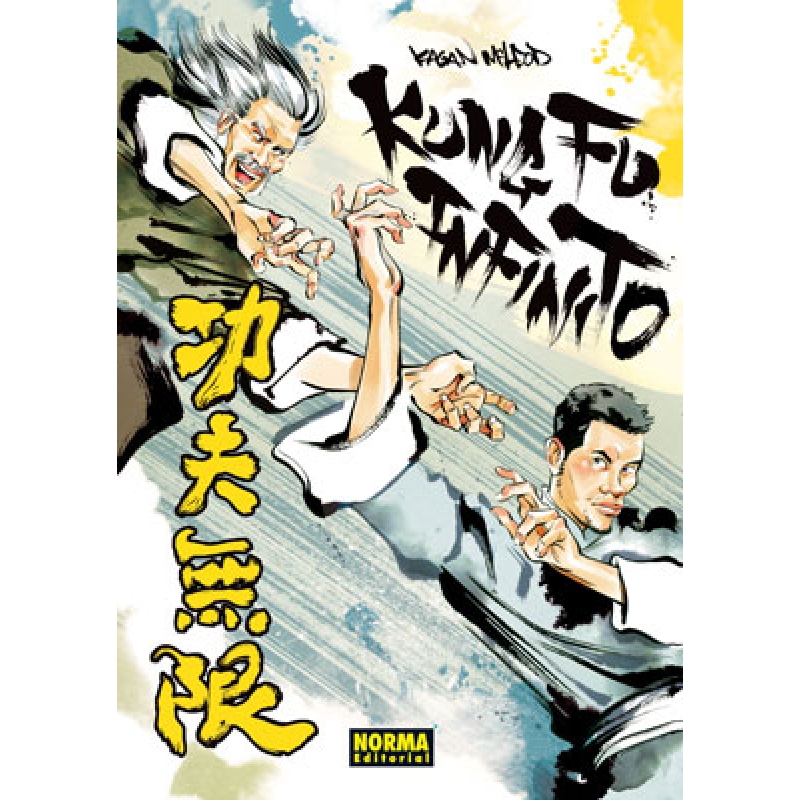

 Por esbozar un poco, la cosa va de cómo los ocho inmortales del kung-fu ven como sus pupilos (uno por cabeza) se entregan al kung fu venenoso y al reverso oscuro justo en el momento en que ellos ya no pueden interferir en el mundo marcial. Y el mundo está peor que nunca, sometido a un emperador pérfido y a una infección zombi provocada por tanta matanza y tanto espíritu que busca reencarnación fácil. La salvación caerá en manos de un nuevo pupilo que se someterá a todo tipo de pruebas y aprendizajes para poder superar tamaño desafío.


SnobAs miñas favoritas! :3

Cthulhu Slippers are inspired by “H.P. Lovecraft’s imagination” and available to purchase at BunnySlippers.com.
Inspired by the fictional creature that sprung from the depths of noted sci-fi/horror writer H.P. Lovecraft’s imagination, we proudly present Cthulhu slippers. The eye-opening design, which envelops the entire foot in devilish warmth and comfort, features dangling tentacles, claws, red demonic eyes, and a green-on-green colorblock, all of which are true to the orginal as described by the author himself.
submitted via Laughing Squid Tips
Having just published our 2,000th ZooBorns post, we thought it was time to take a look back and reflect on the last 4 years. We crunched the numbers and identified the Top 25 Most Popular Baby Animals since we founded ZooBorns in 2008.
We innocently entitled this story about a baby Aardvark "Naked into the World." To this day the post attracts some very strange Google keyword searches… well, joke's on them. Detroit Zoo's Aardvark cub, Amani, was our first and, many Aardvarks later, remains our most popular. Full story
Photo credit: Mark M. Gaskill - Phoenix Innovate. Taken at the Detroit Zoo
Hoover and Sawyer, the two Tawny Frogmouth chicks born at SeaWorld, Orlando made a splash on ZooBorns just three months after we launched. Our first book featured a Fennec Fox on the cover in the US and six foreign language versions. The exception was the Korean publisher who saw fit to put one of these fluff-balls on the cover. Full story
Photo credits: Jason Collier, SeaWorld Orlando
Feisty, stubborn, smelly, and adventurous, at 14 weeks old "Badger Girl," the Honey Badger cub, exhibited all the trademark charms of her species. A few weeks after sharing this story, the Johannesburg Zoo realized Badger Girl was actually a badger boy and shortened his name to BG. Full story
Photo credit: Lorna Fuller / Johannesburg Zoo
"Pound" the Koala joey was one of 11 born at Dreamworld in 2011. He also graced the cover of our second book for young children ABC ZooBorns. Check out those claws! Full story
Photo credits: Australia's Dreamworld / Koala COuntry Photographics
Born underweight, this tiny Hoffman's Two-toed Sloth bounced back thanks to Rosamond Gifford Zoo keepers supplanting her nursing with formula. Now Ruth is happy, healthy and as active as Two-toed Sloth ought to be, which is to say, pretty laid back. Full story
Photo credits: Amelia Beamish, Rosamond Gifford Zoo
Siku was the perfect poster-child (cover child?) for our newest book, ZooBorns: The Next Generation, since he A) is shockingly adorable and B) puts an empathetic face on the tremendous challenges posed by climate change like melting sea ice. Zoo's like the Scandinavian Wildlife Park of Djursland's and organizations like Polar Bears International are working hard to spread the word and educate the public on how to help. Full story
Photo credits: Soren Koch & Himer / Koch Nature Photography
A relatively recent zoo-born, Beau the Echidna was brought to the Taronga Zoo as a 30 day orphan in late October. This unique looking baby, called a puggle, caught even many longtime ZooBorns fans by surprise. Full story
Photo credit: Ben Gibson / Taronga Zoo
Tazo, the orphan Sea Otter was rescued by the Alaska SeaLife Center in the summer of 2010. He enjoys socializing with other Otters, playing in a tote bag full of ice and toys, and eating clams. We here at ZooBorns remain in awe of the rescue and rehabilitation work performed by the Alaska SeaLife Center, which included orphaned walrus calves, Sea Otters, seals and baby Belugas among others this year. Full story
Photo credit: Alaska SeaLife Center
At just over one month old, the Alma Park Zoo's baby Common Marmoset was smaller than a kiwi fruit and enjoyed mugging for the camera. Full story
Photo credits: Wei
Just days old in the photo below, this baby Tamandua was still nameless when we included him in the first ZooBorns kids' book. Apparently he was never named and, to this day, children and moms write in asking us what the critter's name is. Tamandua toddlers like little Nameless here hitch a ride on mom’s back for the first part of their life. This baby was born at Discovery Cove. Full story
Photo credits: Photo credits: David Collier / Discovery Cove
Moving slowly through the tree tops and weighing only a pound or less in adulthood, the Pygmy Slow Loris lives up to its name. Random ZooBorns fun fact - Slow Lorises have been ZooBorns Co-founder Andrew Bleiman's favorite animal since he was 6! Moody Gardens announced the rare birth of Pygmy Slow Loris twins in 2010. Full story
Photo credit: Moody Gardens
Lethally cute, we dubbed these North American River Otter triplets the "Thermonuclear Otters." Born at the Columbus Zoo, the pups remained secluded in the den with mom for the first two months. Full story
Photo credits: Grahm Jones
Columbia Basin Pygmy Rabbits are the world's smallest and among the rarest. Native only to a single area of Washington State, the species was declared extinct in the wild in the '90s, after the remaining 14 bunnies were scooped up and taken into the equivalent of bunny protective custody at Oregon Zoo. Full story
Photo credits: Michael Durham / Oregon Zoo
Surprising fact: baby otters actually need to be taught how to swim! Not so surprising fact: the process is obscenely adorable! Watch mom teach her pups at the Columbus Zoo. Full story
Arctic Foxes have heavily pigmented eyes, which function like built-in sunglasses, to protect them from the glare of sun on snow. These playful pups were born at Aquarium of the Pacific in 2011. Full story
Photo credits: Aquarium of the Pacific
ZooBorns fans love shots of mothers and cubs. Here a newborn black Jaguar is carried by her mother, named Venus, at the Park of the Legends zoo in Lima. Full story
Photo credits: AP Photos/Karel Navarro
One of ZooBorns very first posts, this Snow Leopard kitten born at Binder Park Zoo also has the honor of being the most popular Snow Leopard kitten of the many we've showcased over the years. Full story
Photo credit: Binder Park Zoo
The Everland Zoo in Seoul, Korea is always full of surprises and their resident photographer, In Cherl Kim, is always there to capture them. This guy is The Master. Check out his Flickr page. These Bat-eared Fox pups look like cartoon characters. Full story
Photo credits: In Cherl Kim
Rejected by its mother, this tiny Kirk's Dik-Dik was hand-raised by keepers at England's Chester Zoo where he apparently assists with light clerical work... Standing just 10 inches tall, the baby is bottle fed five times a day and appears to be doing well. Full story
Photo credits: Press Association
Prince Harry the Pygmy Hippo at the Cango Wildlife Ranch was an international superstar who helped raise visibility for the plight of his endangered species. Full story
Photo credits: Cango Wildlife Reserve
Once plentiful in numbers in the dunes of Israel, the Sand Cat has become extinct in the region. This was Safari Zoo's first successful Sand Cat birth, which joined Israel's Sand Cat Breeding Program in order to help reintroduce the species into the wild. Full story
Photo credit: Tibor Jager
Asian Small-Clawed Otters are the smallest species of otter and also one of the noisiest. In addition to the photo, we couldn't resist posting the video, which incidentally, remains our most popular. Turns out otter pups chirp like birds! Full story
Photo credits: Jason Collier SeaWorld Orlando
In 2009, these Clouded Leopard cubs were the first born in 16 years at Smithsonian National Zoo. Many Clouded Leopard posts later, they are still the most popular of their species. Full story
Photo credit: Tracy A. Woodward / The Washington Post
It's been two years since we shared the Paignton Zoo's baby Mouse Deer and we still get comments claiming the post is fake! The Lesser Malay Mouse Deer, a species of Chevrotain, is very real, and very small. Full story
Photo credit: Ray Wiltshire / Paignton
This photo single handedly introduced ZooBorns to 500,000 new visitors. Twice as popular as our friend the Mouse Deer, this Fennec Fox kit from Korea's Everland Zoo, has since become the ZooBorns' mascot. Many many more Fennec Fox posts...
Photo credit: In Cherl Kim
Want the cliff notes? Enjoy our "executive summary", or Pyr-Aww-mid below. This graphic provides a handy snapshot of the cast of characters that make-up ZooBorns.com and help to ensure you get your daily recommended dietary allowance of adorable animals. Finally, don't forget to order our newest book, ZooBorns: The Next Generation in time for Christmas! 10% of all sales goes to conservation and at $9.99, it's a perfect stocking stuffer.
Click image to enlarge

I’ve been telling myself to stay out of this debate. I’ve been assuring myself that any time spent reading rants, posts, and their circular comments will only make me feel resentful and defensive. I tell myself that the fight is over and no one won. I rationalize that only a few people are ruining it for the rest of us and therefore, those few should just be ignored. I vow to stop drawing attention to this ridiculous creature, to stop reinforcing the idea that the “Fake Geek Girl” exists.
“Why don’t you just drop it?” “Why can’t you take a joke?” “Why aren’t you over this?” I ask myself these things too.
The truth is, I don’t know. But, recently, I’ve been asked by Badass Digest to weigh in on why such accusations have a strong impact on our community, and to provide some of the psychological explanations for why we’ve reacted the way we have to the recent verbal attacks on female fans and to the accusations that some are “fake nerds.” Can we learn anything from this, beyond acknowledging that these claims are rude and unequivocally sexist? We know that it’s absurd. We do! So why does it keep getting dragged into our dialogue? And if we are accused of fakedom, why do we snap back in defense? We’ve been called some awful, demeaning things in our past. But this “F”-word seems to have climbed the ranks to become one of the most insulting labels. Why so much power? Why are we so deeply threatened by the notion of falsified fandom?
We’re told we’re overreacting.
I wish it were that simple. Trust me–I’d prefer to raise an eyebrow, flip my hair, and be on my way. But the much stronger reaction to the accusation of being “fake” can’t be explained by just one isolated feeling. This stronger reaction stems from years of repeated, accumulated experiences of insults, indignities, and demeaning messages from other members of the comics community. These experiences–the seemingly harmless comments, the sarcastic jokes, the subtle non-physical exchanges–are called microaggressions. The theory of microaggressions was developed back in the 70′s to denote racial stereotyping, but was expanded by psychologist Derald Wing Sue, Ph.D. in 2007 to encompass a wide variety and classifications of these subtle and seemingly harmless expressions that communicate “hostile, derogatory, or negative slights and insults” toward people who aren’t members of the ingroup. These outgroup members might include women, racial/ethnic minorities, LBGT members, and others historically marginalized in our community.
Here are some examples of gender microaggressions in the context of female members of the comics community:
“You sure know a lot about Batman, for a girl.”
“You don’t look like a geek.”
“That’s nice of you to come to Star Wars celebration for your boyfriend.”
“Did your older brother get you into comics?
“You’re a nerd’s wet dream.”
I didn’t say that men are the only assailants when it comes to gender microaggressions. Women also deliver these seemingly harmless bites.
Why are microaggressions harmful? They seem silly, right? But these comments actually communicate messages that exclude, negate, or nullify the psychological thoughts, feelings, or experiential reality of a person. Sure, these incidents typically appear minute, banal and trivial. Sometimes they produce a good laugh. But repeated experiences of receiving them can have a long-term psychological impact. For instance, here are the implied messages about women in the comics community:
“You do not belong.”
“You are abnormal.”
“You are intellectually inferior.”
“You cannot be trusted.”
“You are all the same.”
These messages can therefore be pervasive and potentially damaging to a large group of people. And the reason they are micro-aggressions, Dr. Sue explains, is that the person delivering them may be well-intentioned and non-threatening in nature, maybe not even aware of their own biases. They, too, are have their own experiences that have shaped their perspectives. In most cases, when confronted, the person will deny that they meant any harm, explain that they were joking, and tell the recipient that she is being too sensitive. I cannot emphasis enough the point here:
1. The recipients of microaggressions feel victimized and threatened.
2. Their assailants feel like they did no harm.
3. BOTH ARE CORRECT IN THEIR EXPERIENCES.
Thus the endless cycle of invalidation, misunderstanding, defensiveness and back to invalidation. We’re seeing the cycle play out now in the context of social media where there seems to be a huge misunderstanding about the definition of “satire.”
Let me be clear about what IS NOT a microaggression:
“You’re not comics.”
“You don’t know SHIT about comics.”
“You are what I refer to as CON-HOT.”
These are examples of actual threats, verbal assaults, and intentionally insulting remarks. There is no doubt they are sexist and I’m not tackling them here. But these comments do trigger an emotional response because they confirm past microaggressive experiences. That is, they reinforce the stereotypes, the deluded beliefs that women lack comics knowledge, that women who affiliate with geekdom shouldn’t look feminine/pretty/sexy, and that male members of the community are responsible for our membership. These instances are like knife-stabs in vulnerable places.
We’re told we’re invisible.
Sometimes I feel like I’m standing right in front of someone and they still don’t see me. I’ve explained to people that the reason I sometimes express my geekdom superficially, through a ridiculous amount of fan-wear, is for the identity recognition. I admit, I have a deep and sometimes desperate desire to be seen for who I am, for my geek identify to be validated. There’s a part of me that is yelling, “Please see me!” And yet, despite my flamboyance, I’m still overlooked. In my experience, this typically happens in the form of a microaggression– a subtype called microinvalidation.
I recently traveled to a psychology conference, and, upon arriving at the airport for my departing flight, experienced an example of a microinvalidation. At security check, after my technology went through the scanner, I scurried over to gather my shoes and belongings. I picked up my Star Wars hoodie and wrapped it around my Batgirl t-shirt. The thirty-something male TSA agent pointed to my Kindle, the one with the Star Wars comics cover, and immediately looked at the stranger standing next to me: “Is this your Kindle?” The stranger next to me, a twenty-something looking guy dressed in plain jeans and a pale shirt, shook his head. “It’s mine,” I blurted. The TSA-man then leaned forward and said, giddily, “That’s really awesome. I love Star Wars too.” A compliment. But I couldn’t process the kind words because I was still recovering from being stunned by his assumption that my things do not actually belong to me. A reminder of the widespread belief that Star Wars is gendered. It’s male. The thing I love is for males.
The mistaken identity stayed with me. The negative thoughts of being invisible flooded my mind. Resentment became my in-flight entertainment. But because I insisted on obsessing over a microinvalidation, I dismissed a validating compliment and an opportunity to feel visible. And damnit, an opportunity to geek out with someone who liked my stuff. Ridiculous, huh? I’m guilty of perpetuating the cycle, too.

Microinvalidations are just one explanation of why we’re incited when being accused of being an imposter. But it’s an important one because it refers to a basic human need. Psychologically we have a deep desire to be recognized and to belong. Our social identity– who we are, essentially, to the world– is greatly determined by the groups we belong to. We develop much of ourselves from our groups: self-esteem, purpose, a sense of belonging, approval. Thus, being accused of being an imposter is actually very damaging and fragmenting to our sense of self because it’s like someone is telling us, “you’re not who you say you are.” Again, these comments seem so harmless and silly, but they undoubtedly exclude, negate, or nullify the psychological thoughts, feelings, or experiential reality of a person. If we’re recipients of these messages, we experience powerlessness, loss of integrity, and invisibility.
We’re told we can’t keep up intellectually.
How are costumes in any way related to comics knowledge? Moreover, how are skimpy costumes related to comics knowledge? And what if these women who cosplay want to be seen in their costume and therefore want the attention? (GASP!). I have no explanation for this imagined fantasy that women who cosplay for attention cannot be actual nerds. But I have to acknowledge that the accusation of being “fake” stings like hydrosulphuric acid because of the underlying message that we’re not knowledgeable enough to read, enjoy and understand comics, especially if we’re wearing a costume that’s seen as provocative or revealing. “You’re too busy looking like a slut you can’t possibly have read all the issues of The Walking Dead.” I don’t get it. I simply can’t form a sensible relationship between skin and stupidity, because these two things operate on completely different, orthogonal planes. But nothing seems more damaging to a woman than the simultaneous attack on both her body and her brain.
Why are we threatened by the Imposter?
I’ve talked about how the “fake” accusation can be more than just insulting, how it actually taps into some deeper feelings stemming from accumulated negative experiences. But what IF some of these women in question were, in fact, “fake?” What if there are people out there conning us, putting on a guise, attempting to pass as one of us? Why does the imposter, who represents a small fraction of our community, seem to have grabbed so much focus and power? Perhaps we’re enraged by the “fake geek girl” accusation in the first place because we find imposters to be very threatening. Here are some reasons why we might be threatened by inauthentic members of our society:
1. The false notion of limited resources: Growing up, many of us experienced our fandoms in the context of collections, acquisitions, and serialized products. Our fandoms seem to manifest as measurable amounts of goods. Our vocabulary includes words like “exclusive,” “mint condition,” and “collectible.” We know that Comic-Con tickets will sell out. We know that Mondo will only offer 580 Olly Moss Lord of the Rings posters and 285 variant posters. Guess what? They sold out in 3 minutes. Like it or not, we think of our fandom as serialized and limited. We’re a possessive lot and it’s not entirely our fault. The notion of an imposter–someone who doesn’t truly care about the personal meaning and value of the items– is threatening to us because they may take from our precious, vulnerable pot.
The opposite is actually true if we think about intangible goods– the vast amount of knowledge across all geek genres from comic books to fantasy literature to video games. There’s such a large universe that the few imposters–if they really existed–are not realistic threats.
2. The misinterpreted sense of ownership. When we belong to a community, we develop a sense of deserved ownership. When I was young, I received fan club cards and membership letters to inform me that I belonged to a particular club, reinforcing the exclusivity of the group. Serial numbers, laminated cards, and now, e-mails and twitter groups seem to reify the notion that belonging to a group means we are shareholders and that others are not. Shareholding grants us certain conceptual privileges: We get to decide who else is in or out. But, really, apart from the tangible products, what do we really own?
3. Resentment of the changing culture. Some of us grew up hiding our geek identity for one reason or another. Maybe we felt insecure; maybe we got bullied for being “out.” Some of us hid or masked our identities as geeks well until adulthood. For many of us, when we see individuals who appear to have recently joined the community we feel uncomfortable with their different identity development. We had to suffer the bullying! But now that it’s “cool” to be geek, here they come in droves! God, they even look happy. Let’s stop that. That’s a whole lot of projection on people we don’t know. And they don’t deserve it.
The feelings of being threatened, invalidated, and overlooked can happen to any one of us in this community–some psychologists argue that when the threats are ambiguous or subtle (like microaggressions), they can be more damaging because there is no certainty and the assault is denied or ignored. They say that we don’t do any good for ourselves if we latch on to the few experiences that give us the greatest pain–we have to escape the cycle. We should point out the real threats, defending ourselves, correcting lies, demonstrating that it’s not incongruous to be sexy and smart; we’re a disservice to ourselves if we miss opportunities to highlight and celebrate the healthy validation and recognition happening by both men and women in this community.
In other words, we’ve got to stop being exclusive. All of us have, at one point or another, experienced bullying, invisibility, insult, attack, or violation. This is the human condition. But I seriously wonder if we’ve pulled these abilities from the dark, awful places of our childhood, lashing out quite expertly to newcomers or strangers, in ways we know are the most painful.
Dr. Andrea Letamendi is clinical psychologist who writes in-depth perspectives about heroes and villains from science fiction, fantasy, and comics. She is a consultant to writers and creators in the comics industry to help ensure the accuracy of psychology as depicted in fiction. She regularly speaks as an expert panelist at comic conventions around the country and, in her spare time, obsesses over all things Batman and Star Wars.
[Editors Note: You can find Dr. Letamendi on Twitter: @ArkhamAsylumDoc or at her website: Under the Mask]
Are you following The Mary Sue on Twitter, Facebook, Tumblr, Pinterest, & Google +?

Onte a comisión da Historia da Gentalha do Pichel presentou E há de vir o Apalpador, un documental que presenta numerosas testemuñas gravadas entre os Ancares, o Courel ou Sarria da tradición do Apalpadar entre esas xentes da montaña. Ao ver tan abrumadora cantidade de testemuñas a pregunta que se fixo alguén entre o público é: «como isto nunca se soubo?». Aquí está o vídeo:
Ao meu ver hai dúas respostas ante isto. Unha é pensar mal, en estilo conspiración, e crer que non interesaba politicamente a difusión dunha lenda deste tipo. A outra é máis triste pero eu creo que é máis realista: simplemente porque non estaba (demasiado) na bibliografía anterior. Na Academia (no sentido amplo da palabra) dubidábase do Apalpador porque os grandes etnógrafos da Galicia do século XX (apenas) repararan nel. Eu teño percibido cousas similares, como ocorre coa xente cativa, a xente pequena. Esa marabillosa raza tan habitual no Atlántico europeo, que teño recollido a eito por todo o país, a penas entrou nos libros clásicos de antropoloxía cultural galega e que, cando teño comentado con recoñecidos antropólogos, me teñen mirado cunha mestura de curiosidade e dúbida pero sen asomo de poñerse ao traballo, basicamente porque non había precedentes. No caso do Apalpador, xuntábase ao meu ver outros factores que provocaban a reactividade: o discurso estaba producido desde a alternatividade dun centro social, en galego reintegracionista, e nun colectivo de ideas moi marcadas…daba igual o que se dixera. Os feitos non eran tan importantes coma os portadores.
Sen embargo, como lles comentei á xente da Gentalha, a súa historia do Apalpador é, sobre todo, e aínda que lles doan algunhas críticas, é sobre todo un caso de éxito digno de estudarse en termos de marketing. Fixeron un excelente traballo de codificación e de adaptación dunha ancestral tradición ao mundo moderno. Desde a estandarización da imaxe do apalpador ata do ritual e calendario de comportamento da personaxe. Calquera, calquera figura mítica do presente pasou por procesos de codificación similares a partir das infinitas variantes deses mitos na sociedade tradicional (pensemos por exemplo, na evolución dos urcos campesiños e mariñeiros da sociedade tradicional ata os orcos das novelas de Tolkien, recreadas por Peter Jackson no século XXI).
O factor relevante co Apalpador, ao igual que co Samaín, é como é a reacción das persoas que o rexeitan como icona. Non se trata unicamente dunha falta de atención ou interese, senón que hai unha interesante agresividade, unha reacción airada. É un proceso moi similar ao da xente que se indigna co galego da TVG. A frase que vén despois adoita ser a seguinte: «é que na miña aldea non se facía iso». A frase é tremenda: o que dan a entender esas persoas é que Galicia debe ser como a súa aldea. Tamén é moi interesante saber por que esas mesmas persoas non se adoitan anoxar co Papá Noel (que na versión que chega ata aquí é un produto do marketing norteamericano). Creo que parte da clave (parte, non todo) está nun curioso fenómeno.
Galicia, desprovista secularmente de mecanismos de autoidentificación como colectivo, construíu a súa identidade étnica (os galegos) a partir da aldea de cada quen. Un dos beneficios expresados por moitos televidentes cando se fixo a TVG é que «podían coñecer outras partes de Galicia». Ata a TVG, poucas persoas, como Cunqueiro ou Castroviejo, podían ter o privilexio de ter unha noción de Galicia. O vello Otero Pedrayo teno moi claro cando fala de que a auténtica conversión dos mozos fidalgos de principios do XX ao galeguismo se produce cando ven por primeira vez o mapa do Reino de Galicia, o prodixioso mapa de Domingo Fontán, de mediados do XIX. Ata ese momento, Galicia era unha quimera: Galicia era ata onde chegaba a vista.
O que lle provoca reacción a esta xente é a estraña percepción de país: de que Galicia se estende máis alá da súa parroquia, que é diversa e distinta no seu interior. Que é un país complexo, en suma. A reactividade de moita xente está en que a súa identidade galega é cómoda: temos a aldea, que é Galicia, e eu estou orgulloso da miña aldea e a defendo, e temos España. O que está no medio é un problema, para moitos non é doado de xestionar. Por quen pulo nun Celta ou Deportivo-Madrid?
Esta estraña dualidade de vivo e non vivo nun lugar apréciase en todas as ordes da vida. Eu teño que xente me se me violenta cando aludo ao Presidente da Xunta como Presidente do Goberno (ollo, non que se confunda, senón que se violenta, que é distinto). Ou fíxense nos titulares dos xornais galegos, nos que a palabra Galicia se repite unha e outra vez, malia estar sobreentendido pola difusión do xornal, a sección ou o tema. Non sabemos manexarnos ben co espazo público común, parece que escribimos desde fóra del.
O Apalpador, en realidade, todo, está no medio. A gran conquista da Galicia do futuro será forxar esa identidade do espazo público. No fondo, é o que se leva loitando 150 anos. Vexo a xente moi nova aínda co discurso: «na miña aldea non se facía iso». O noso futuro será demostrar que o orgullo é que Galicia está feita por miles de aldeas, e miles de cidades, e que tan importante é o que se faga na túa aldea como o que nos importe a todos nunha política común, que tan importantes son as túas particularidades como ter símbolos comúns, que nos unan. E que iso é o que nos enriquece como sociedade moderna que debemos ser.

Deep blue C’s originally appeared on my[confined]space NSFW on December 21, 2012.
"We struggled with this," Kathleen Cromley, a NatGeo executive producer, says after a screening of the series. "Our preppers have really strong beliefs and they are not always supported by mainstream science. As a network, we are concerned about factual accuracy."All but one of the 20 episodes that have aired to date can be watched online.

Archer, the animated comedy television series on FX Networks created by Adam Reed, will premiere its fourth season Thursday, January 17, 2013 at 10/9C.
Archer is an animated, half-hour comedy set at the International Secret Intelligence Service (ISIS), a spy agency where espionage and global crises are merely opportunities for its highly trained employees to confuse, undermine, betray and royally screw each other. The series features the voices of H. Jon Benjamin as suave master spy “Sterling Archer,” whose less-than-masculine code name is “Duchess”; Jessica Walter as his domineering mother and boss, “Malory”; Aisha Tyler as his ex-girlfriend, “Agent Lana Kane”; George Coe as his aging-but-loyal butler, “Woodhouse”; Chris Parnell as ISIS comptroller and Lana’s new love interest, “Cyril Figgis”; and Judy Greer as Malory’s lovesick secretary, “Cheryl.”
image via DVDs Release Dates, video via Boing Boing
via Boing Boing
 Jamaican-inspired tunes by Spanish groups of the mid 60s to early 70s – ska and rocksteady rhythms with timeless, warm and universally-flavored pop vocals, harmonies and melodies. Skanish Sound does indeed of numbers with ska-inspired rhythms, but, it’s absolutely not a collection of Jamaican-pretenders from Spain. Along with the Carribbean-steeped rhythms, there’s bits of global R&B and pop in the DNA – much of it with flowing under wonderful solo and group vocals, some groovy organs and other great 60s sounds.
Trying to pinpoint the influence of Jamaican music on Spanish pop in the 60s and 70s, taking into account the socio-political situation in Spain, is like a script from Spanish director Luis García Berlanga. Despite Spanish public fervor for…
…the suggestive, hot melodies coming from the Antilles, the Francoist censors tried to avoid any general lack of inhibition, minimizing the impact of the music’s most enticing elements on Spanish soil. In the margins, apart from sterile regime-promoted national flamenco and sleep-inducing ballads, one could find few black elements in Spanish pop. At that time they were found in their Latin form: rumba and salsa and even sometimes something like Afrobeat. So it was necessarily the case that only the less suspicious artists had an opportunity to copy what they could get their hands on from that treasure island.
The first vibrations that arrived to Spain from Jamaica, via England, came in the form of records. Given the difficulties, none of the artists collected here would have had access to the original recordings nor to Jamaican radio. Clearly then, their method of absorption and assimilation was that of musicians the world over: they heard it, they liked it, they copied it. Nothing more to it. And if any Spanish musician active in the 1960s claims to have set foot in Jamaica, call their doctor. It’s all but impossible. At the most, some Spanish pioneers had the luck to cross the Pond in the 1960s as cruise ship musicians. In any case, it’s uncertain whether any of the players on this compilation came into contact with Jamaica through the “natural route”. Equally uncertain is the occurrence of concerts by Jamaican artists in 1960s Spain.
Therefore, what we have here is a captivating collection of tracks (mainly covers but also a few originals) which mix the enthusiasm and fascination of musicians who were captivated by the sounds coming originally from Jamaica. At times the results they achieved fit within the expected sounds of the genre, but sometimes their efforts produced a mixture, whether intentionally or due to better intentions than skill, which gave Jamaican music a uniquely Spanish character.
18-track compilation of Jamaican-influenced music in Spain from the 60s and early 70s from Vampi Soul.
Se acerca la navidad y en esta época de fiesta y reunión familiar suele ser muy buena época para que las familias y amigos se sienten alrededor de la mesa y pasen unos muy buenos ratos jugando a nuestros juegos de mesa que tanto nos gustan. Por dicho motivo, voy a hacer una lista de los mejores títulos que se pueden regalar en estas fechas y que seguro que les gustarán a todos, ya sean muy jugones o no, dado que son muy buenos títulos y que no defraudarán a nadie. Aquí está mi lista de juegos divertidos e ideales para regalar (y además económicos), ¿qué más podemos pedir?
 Jungle Speed. Es uno de los juegos más vendidos en la mayoría de las tiendas especialistas y que engancha a muchísimos jugadores. Un juego de percepción visual que hace ya mucho realizamos una reseña en el blog y que podéis leerla aquí. Un juego que por sus aproximados 20€ que cuesta, os dará muchos ratos de diversión y que es ideal para poder jugar con niños ya que sus reglas son realmente fáciles.
 Dobble. Es otro juego de percepción visual y que también conseguiréis muy buenos ratos de diversión con sus cinco minijuegos que hay dentro de la caja. Otro de los juegos que a los niños les encantará, sobretodo por sus divertidas ilustraciones que encontramos en sus cartas y que también los adultos disfrutan. Todo esto por un precio aproximado de 15€. A modo de resumen y dependiendo del juego tendréis que encontrar el objeto que se repite de tu carta con la del montón, pero con cartas con muchos objetos de diferentes tamaños que lo hace mucho más complicado de ver que es lo que se repite.
 Fantasma Blitz. Y para no llevar la contraria, seguimos con otro juego de percepción visual, pero en esta ocasión tendremos que aplicar un poco la lógica en algunas de las situaciones. Un juego de estética muy infantil, pero que el juego engancha como filler a jugadores habituales, como para grupos de no muy jugones. El objetivo es encontrar el objeto que aparece reflejado en la carta, pero a veces aparecerá directamente (que será muy fácil en esta ocasión) o por otro lado, encontrar el objeto que no está en ella, pero para ello veremos que los objetos que aparecen están mal representados, por lo que tendremos que agilizar nuestra mente para ser el primero en coger el correcto. De un precio aproximado 20€.
 La Isla Prohibida. Un juego muy familiar, el hermano pequeño del Pandemic, y nunca mejor dicho, dado que su creador es el mismo. Juego en que tanto jugones como no tan jugones se divertirán y que podrán cooperar para conseguir salvar los tesoros de la isla y salir de ella antes de que la isla se hunda en las profundidades del océano. Un juego que al ser cooperativo podrán jugar tanto adultos como niños y que todos buscáis conseguir ese objetivo común. Otro gran juego por unos 20€.
 Carcassonne. Este juego personalmente me parece otro de los ideales para regalar a no muy jugones, dado que es un juego de reglas muy sencillas y que se trata de colocación de losetas. Es otro de los juegos más clásicos dentro del mundillo y que no debería faltar en la ludoteca de un jugón. El juego consiste en turno a turno colocar losetas e ir construyendo poco a poco un mapa con ciudades, caminos, claustros y campos y cuando se acaben las piezas, se termina de puntuar. Es una opción muy buena de regalo y especial para iniciar un poco más a los no-jugones en este apasionante mundo por 20€.
 Mamma Mia!. Este es uno de mis juegos favoritos para jugar con no jugones, dado que es muy fácil de explicar y suele provocar muchísimas risas a lo largo de la partida y siempre quieren repetir. Un juego muy barato (ahora un poco más caro ya que viene en caja mayor y con la ampliación de ingredientes dobles) que os convertirá en pizzeros donde tendremos que preparar pizzas. Para ello necesitaremos usar nuestra memoria para recordar los ingredientes que hay en el horno para lanzar nuestra pizza en el momento idóneo. Un juegazo por 14€.
 La Resistencia. Un juego de roles, que vendrá genial para jugar en navidades donde la familia se ha reunido y pueden sentarse a la mesa hasta 10 jugadores. Juego donde interpretáis el papel de miembros de la resistencia que quiere conseguir cumplir unas misiones, pero dentro del grupo hay infiltrados que intentarán sabotearlas, mediante mentiras, artimañas, acusaciones y palabrería. Un juego muy divertido donde os sentiréis que os han “follado el cerebro”. Juego de 17€.
 Dixit Odyssey. Tanto éste como su hermano Dixit son dos muy buenas opciones, pero he elegido este porque puedes jugar hasta 12 personas al mismo juego y es igual que el otro. El objetivo para el que no lo conozca, intentar adivinar las cartas que el cuenta cuentos ha elegido en su turno. Un juego que resulta muy divertido de jugar y que despertará vuestra imaginación. Es una opción algo más cara, sobre los 30€ pero que merece mucho la pena.
 The Island. Otro juego familiar y que es muy fácil de explicar. Aventureros que se encuentran en una isla que se está hundiendo, tienen que escapar y llegar a las otras islas vecinas que están a salvo de este hundimientos, pero por el camino se encontrarán con ballenas que romperán sus embarcaciones y con tiburones y serpientes marinas que devorarán a nuestros personajes. El jugador que consiga salvar a sus personajes y consiga más puntos será el ganador. Un juego de unos 30€.
Por lo pronto esta es la lista que recomendaría de juegos a regalar posibles para todo el mundo, muchas de las opciones no son caras y divertirán muchísimo a vuestros amigos y familiares. Espero que os guste.

Kingdom Builder, de Donald X. Vaccarino.
Arte de Oliver Schlemmer.
2 a 4 jugadores.
Partidas de ~60 min.
Sábado, 27 de Octubre, de 16:00 a 20:45.
Biblioteca Central Tecla Sala, l’Hospitalet de Llobregat
Página en BoardgameGeek.
Página de la editorial.
.
Kingdom Builder es un juego abstracto en el que el objetivo es colocar nuestros marcadores sobre el tablero según unos objetivos que varían de partida a partida. Unas reglas de colocación muy sencillas, algunas variables para hacerlo más rejugable, y una gran dosis de azar, definen a esta obra del autor de Dominion.
El tablero de juego se forma uniendo cuatro secciones de las 8 disponibles (se colocan al azar formando una cuadrícula de 2×2, así que las partidas son bastante diferentes unas de otras). Cada sección está dividida en hexágonos que representan diferentes tipos de terreno y algunas localizaciones clave: lugares y castillos.
Aunque los castillos son todos iguales, cada sección del tablero contiene sus lugares exclusivos. Sobre cada uno de estos lugares se colocarán dos fichas que identifican la localización y que se las llevarán los dos primeros jugadores que construyan un asentamiento a su lado. Las fichas permitirán realizar algunas acciones especiales a quienes las posean.
Después de montar el tablero y colocar las fichas sobre los lugares, escogeremos al azar 3 cartas de bonificación (de las 10 que hay). Estas cartas de bonificación establecerán los objetivos que puntuarán al finalizar la partida. A parte, barajaremos las 25 cartas de terreno y las dejaremos a un lado del tablero.
Por último, cada jugador recibirá 40 fichas de asentamiento y robará 1 carta de terreno que guardará hasta que llegue su turno.

A punto de comenzar una partida, con el juego recién desplegado
Durante su turno, cada jugador está obligado a enseñar la carta de terreno que guardaba en la mano y construir tres de sus asentamientos sobre tres casillas del tablero que coincidan con el tipo de terreno de la carta mostrada. Para ello debe seguir unas reglas muy básicas: sólo puede construirse 1 asentamiento por cada casilla de terreno y, siempre que sea posible, se deben colocar los nuevos asentamientos adyacentes a un asentamiento propio que ya esté sobre el tablero. Si esto no fuera posible, se podrá construir en cualquier casilla del tablero que coincida con la carta de terreno jugada.

El jugador azul usa una carta de “hierba” para colocar sus tres asentamientos obligatorios. Como ha construido junto a la casilla de lugar “Cercado”, cogerá una de las fichas que hay en ella para usarla en turnos posteriores.
A la hora de construir asentamientos también debemos tener bastante claro que:

El jugador blanco usa una carta de “barranco” para construir sus tres asentamientos obligatorios. Como ha construido junto a la casilla de lugar “Oasis”, cogerá una de las fichas que hay en ella para usarla en turnos posteriores.
Además de realizar la acción obligatoria de construir 3 asentamientos, durante su turno el jugador también puede usar las acciones de las fichas de lugar que poseyera. Cada ficha sólo puede usarse una vez por turno y el jugador la tendrá en su poder mientras mantenga el asentamiento junto al lugar de donde la cogió.
Cuando haya finalizado, el jugador robará una nueva carta de terreno (que usará en el siguiente turno) y le tocará al siguiente.
La partida termina al final de la ronda en la que alguno de los jugadores haya colocado su último asentamiento sobre el tablero (unas 10 rondas). Ganará quien más pepitas de oro consiga en el recuento final. Estas pepitas de oro, recordemos, varían según las cartas de objetivo que haya en juego y los asentamientos propios que hayamos construido adyacentes a castillos.
El juego incluye 10 cartas diferentes de objetivo, de las cuales se usan 3 durante cada partida. Estas cartas definen la cantidad de pepitas de oro que cobrarán los jugadores al final de la partida. Por si tenéis curiosidad (no hace falta que os lo leáis todo), son:
Como veis, las posibilidades son muy grandes. Al combinar 3 de estas cartas al azar, tendremos que adaptar nuestra estrategia en cada partida.

Algunas de las cartas de objetivo. La ilustración de “Comerciantes” nos gusta mucho!
Al principio de la partida, se colocan 2 fichas de lugar sobre los hexágonos correspondientes de los tableros. El jugador que construya un asentamiento adyacente a una casilla de lugar podrá coger la ficha correspondiente que hubiera encima (si queda alguna). Estas fichas permiten realizar 1 acción especial por turno y son esenciales para ganar la partida. Por si tenéis curiosidad (no hace falta que os lo leáis todo), son:
Como podéis ver, las fichas nos proporcionan más libertad que las cartas de terreno a la hora de distribuir nuestros asentamientos por el tablero.

Las placas de resumen que se colocan junto al tablero para tener más presentes dónde está cada “lugar”
Kingdom Builder es un juego sencillo que disfrutaréis si os gustan los juegos abstractos con azar. Este detalle del azar puede ser determinante a la hora de decidir si os gusta el juego o no. Porque, un detalle que suele no gustar es el hecho de que sólo podréis construir asentamientos en casillas que os indique la carta de terreno que robáis cada turno. Y estas cartas se roban de manera aleatoria. Esto, a veces, puede resultar muy frustrante, ya que puede que el tipo de terreno sobre el que estáis obligados a construir no os sirva para nada.
La solución a esto pasa por escoger con mucho cuidado dónde construís cada uno de vuestros asentamientos (con especial cuidado a la hora de colocar el primero). Si tratáis de no estar en contacto con demasiados tipos de terreno, para poder romper la regla de la adyacencia, podréis construir en otros lugares del mapa que os resulten más provechosos. Esto es bastante difícil de verlo durante las primeras partidas, pero es una estrategia que asumiréis con la práctica.
Así que, si no os gusta este aspecto del juego, es posible que no os termine de convender Kingdom Builder. Sobre todo si sólo jugáis una partida. Pero si perseveráis y aceptáis el azar de la carta de terreno como un desafío más a vencer, podréis llegar a pasarlo bastante bien durante la hora escasa que puede durar.
En resumen: se trata de un juego interesante, con unas reglas muy sencillas, bastante rejugable y al que merece la pena acercaros si tenéis la oportunidad.

Además, el juego es precioso… 
Estaremos enseñando a jugar a Kingdom Builder mañana sábado, a partir de las 16:00, en la biblioteca Tecla Sala de l’Hospitalet de Llobregat.
Hasta otra!


O meu amigo Manuel Veiga regaloume o libro que Carlos Callón escribiu para mellorar a competencia na fala e na escrita da nosa lingua. O volume ten cousas interesantes, especialmente os consellos para falarmos o idioma de noso con autoestima e superando preconceptos.
Unha gran parte da obra está dedicada a xustificar as escollas do autor naqueles casos de palabras nas que a normativa non ten unha forma única: -ble/bel; ao/ó; -aría/ería; esixir, osíxeno/exixir, oxíxeno… Callón opta sempre polo que el considera “o máis próximo ao padrón do portugués culto”, seguindo a liña da denominada Escola coruñesa, que lidera no académico Xosé Ramón Freixeiro Mato e no político María do Carmo García Negro.
O libro é divulgativo e non se lle pode pedir demasiado rigor pero choca que ás veces asegure con rotundidade cousas que non son certas, como que a única forma documentada no galego medieval para o nome da nosa nación sexa Galiza ou que tacitamente desprece a gheada por considerala posible resultado indirecto da imposición do castelán na Idade Moderna.
Ao final da publicación aparece unha listaxe de palabras incorrectas ou non recomendables co seu equivalente máis acaído. Co permiso de Callón, preguntareime en público e en voz alta polo motivo da súa escolla. Hoxe quero falar do caso de castaño e marrón.
Callón considera castaño unha forma permitida pola normativa pero que el propón “ir desbotándoa por outra”, neste caso marrón. E aquí náceme un enigma: por que marrón é máis galega que castaño?
Castaño como adxectivo que cualifica calquera cousa da cor da casca da castaña está admitido polo dicionario da Real Academia Galega, o Estraviz, o Eladio e asemade os principais dicionarios portugueses e casteláns. Con este significado aparece en varios textos medievais. E aínda así, o filólogo considera que é mellor ir desbotando o seu uso a prol de marrón. E velaquí o cerne da miña sorpresa.
Marrón é un galicismo, unha palabra francesa que até o século XVIII unicamente era substantivo que definía o que nós chamamos castaña. De aí que os Posada bautizasen a súa castaña confitada como marron glacé. No século da Ilustración aparece o uso de marrón como adxectivo para referirse á cor castaña. Idioma de grande influencia, do francés pasa a outras linguas, incluída a galega e a portuguesa como sinónimo perfecto de castaño. Por que preferir un estranxeirismo a unha palabra patrimonial e tan idiosincrática coma a castaña? Non o sei. Iso si, eu fago o contrario que Carlos Callón: prefiro castaño a marrón, sen que considere allea unha palabra que está presente desde hai tanto tempo entre nós.
Cóntanos o historiador das cores Michel Pastoureau que en Francia, co tempo, o marrón adquiriu un matiz húmido e cálido que o achegou en certo xeito aos excrementos. Ese matiz pexorativo de marrón está aínda máis claro no castelán, que converteu o adxectivo francés en substantivo co significado de obriga ingrata, directamente relacionada coa merda na locución comerse ou tragarse un marrón. Que diferenza de comer ou papar un marron glacé.


 Signed and Sealed in Blood is the forthcoming eighth studio album by the Dropkick Murphys.
The album is due for release on January 8, 2013 on the band’s Born & Bred Records label. The album’s title comes from the lyrics of the first single, “Rose Tattoo”. The album is their second with producer Ted Hutt (Gaslight Anthem, Old Crow Medicine Show), which was recorded at Boston’s Q Division studios and mixed by Joe Chiccarelli.
Where “Going Out in Style” told the story of a fict- ional character named Cornelius Larkin — complete with an obituary written by Michael Patrick MacDonald for the liner notes — “Signed…” has no such constraints. “This is just the opposite of that,” bassist Ken Casey explains, “just us having…
320 kbps | 100 MB | UL | TB | MC
…fun and making the most catchy, singalong kind of songs we can. It’s not that the last album wasn’t fun. It was. ‘Going Out in Style’ is one of the records I’m most proud of, of anything we’ve done. But it gave me a couple migraines along the way, getting through that because everything was so connected. This time we cut loose.” But he does feel that “Signed…” is also “almost a continuation of (‘Going Out in Style’), in a musical sense. There’s an upbeat, party vibe to it. A lot of these songs, we were having such a good time writing them and just enjoying the writing process. It’s the quickest we’ve released an album, ever, after another.”
The group has been previewing some of the new songs during its Halfway To St. Patrick’s Day U.S. tour, which wraps up September 21, 2012 in Boston. Casey describes the final track, “End of the Night,” as “the closing time, kind of loser’s anthem, about people who don’t want to go home.” The album also features a holiday song called “The Seasons Upon Us,” which Casey promises “is definitely not some cheesy Christmas tune. It’s about a dysfunctional family.”
SnobCUIDADÍN.