Recomendaciones personalizadas
por Encarni Torres
Recomendaciones personalizadas
por Encarni Torres
 (Photo: Janet Galore)
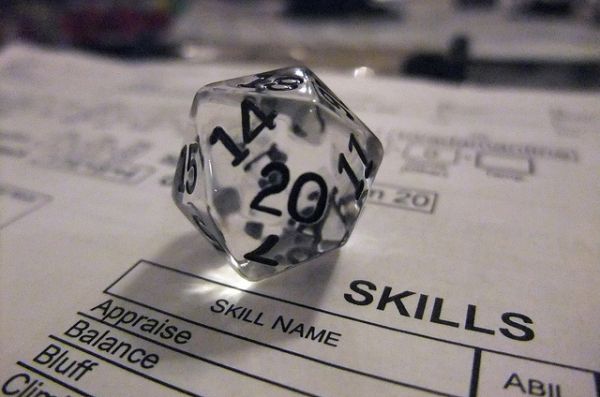
In a fascinating article for Tablet, a Jewish magazine, Liel Leibovitz argues that playing Dungeons & Dragons is a good analogy for the Jewish religious experience:
The first thing you need to know about D&D is that it takes place entirely in your head. It’s not a computer game. There’s no board, no visuals, only a manual, a few chewed-up pencils, and stacks of papers on which to record your statistical progress. Everything you do, from attacks on monsters to attempts at magic spells, is determined by the aforementioned dice. It’s hopelessly procedural, deeply detailed, wonderfully abstract, and decidedly conducive to argumentation. It is, in other words, a wholly Jewish experience.
Leibovitz remembers one gaming session in which some players argued with the Dungeon Master over the legality of one of his decisions. They cited the rules at length and ultimately persuaded the Dungeon Master to reverse his ruling. This experience, Leibovitz asserts, is quintessentially Jewish:
It hardly occurred to us at the time—adolescents aren’t known for their facility with insight—but we were engaging in more than a mere pastime for the socially awkward and the romantically inept. In the best tradition of rabbinic Judaism, we were studying in a small group, with an authoritative but by no means infallible scholar as our guide. We were being told a story—all good Dungeon Masters craft compelling ones, often based on existing campaigns but sometimes largely innovative—and the only way for us to follow that story, to be a part of it, was by following the rules. Or not following them: In the proud Jewish tradition of questioning and defiance, D&D allowed for, even encouraged, players to query one another, to cast doubt, to demand satisfaction. It provided a codex but acknowledged that the game only got interesting when players sought to interpret, adapt, or reject the rules, not follow them blindly. It offered clearly prescribed campaigns but allowed both human ingenuity and blind luck, represented by all those funky dice, to meddle with and reshape destiny. You don’t have to be a rabbi to realize that these are precisely the things religion does; in Avi’s room, strewn with pizza crusts and thoughts of monsters, we got the finest theological education.
-via Jeremy Barker
"Self-esteem is the likeliest candidate for a social vaccine, something that empowers us to live responsibly and that inoculates us against the lures of crime, violence, substance abuse, teen pregnancy, child abuse, chronic welfare dependency and educational failure. The lack of self-esteem is central to most personal and social ills plaguing our state and nation as we approach the end of the 20th century."Is the relentless pursuit of self-esteem really all cracked up to be? The man who destroyed America's ego tells the story of social psychologist Roy Baumeister, and how his efforts have shed light on some of the core tenets of the self-esteem movement. (via)

As the Americans argue over whether or not Miley Cyrus is a “slut” or if Girls creator, director, and star Lena Dunham should be able to show her average, naked body on subscription television, Dutch people are busy having a full-on weekly, national, televised nudefest that involves flirting, romance, and other scary sexy things that we’re too ashamed to have on air here in the US. The program is called Adam Zkt Eva, and here’s an uncensored clip; before you press play, make sure no one’s behind you. 


|
O monumento foi cedido en 2010 á Xunta para que tivese un uso como "centro de divulgación e promoción da moda, o viño e as augas medicinais da comarca". Porén, o Goberno galego prepara a instalación alí dun Parador
Este fin de semana ha tenido lugar la Japan Weekend en Barcelona, evento dedicado al manga, anime y la cultura japonesa en general y donde suelen hacerse algunos anuncios sobre novedades u ofertas referentes a ediciones en dvd/bluray de animes japoneses, además de poder conocer a invitados tan especiales como dobladores de anime en España, que aunque muchos aficionados al anime prefieran la V.O. es innegable la gran calidad de actores de doblaje que tenemos en nuestro país.
La gran noticia que ha destacado, entre otros anuncios, ha sido la aparición de este poster en el evento:

Y no, no es un poster promocional de la edición en DVD de la película Dragon Ball Z: La batalla de los dioses sino el anuncio de que la última película de animación de Goku y compañía llegará a los cines de España, siendo el segundo país en estrenarlo en Europa (y en principio antes que en America). Hace un tiempo se supo que Selecta Visión compró los derechos de la película para poder traerla doblada a España, pero no se sabía si era para editarla directamente en DVD o si habría laguna posibilidad de ver la película en pantalla grande. Hoy se confirma que será Alfa Pictures la distribuidora de la misma para llevarla al cine. Aún falta mucho por saber sobre este estreno, si tendrá a los actores de doblaje originales, en cuales cines se estrenarán y lo más importante: cuál será la fecha de estreno, pero han prometido que pronto habrá respuestas a todas estas preguntas que los fans de Goku desean conocer.
El artículo Dragon Ball Z: La Batalla de los Dioses llegará a los cines de España apareció primero en GenComics.


proper fucksluts love getting used by monster thug cocks stretching their tight little fuckholes … the bigger and blacker, the better.
Reddit has a post about unpaired words that asks the question: Why is “nonchalant” a word, but “chalant” is not? Are there other English words like this? It is pointed out that grruntles is a word and it means ‘pleased’, so you can be gruntled.
Can you think of any more?

No Festival Atlántica queremos instituír tradicións. Hai espectáculos para bebés, nenos, adultos, obradoiros de narración oral, pero tamén espazo para a conversa e a reflexión. O Festival comezará o día 11 de marzo cunha conferencia de Mercedes Peón no Consello da Cultura Galega ás 19 h., e o día 20 de marzo teremos as Conversas Atlánticas, tamén no CCG, que coordino eu.
En 2014 a proposta é reflexionar sobre os cruces entre a literatura culta e a narrativa popular na tradición oral galega (e viceversa). Este é un tema interesantísimo, porque os cruces, voltas e reviravoltas das tradicións, dos relatos e das narrativas ao longo dos séculos son abraiantes e poden darnos moitas sorpresas. Desta volta, o xoves 20 de marzo, no Consello da Cultura Galega, en Santiago de Compostela, celebraremos estas Conversas Atlánticas, a partir das 18:00 h. Estades todas e todos convidados a participar. A entrada é libre e non se precisa inscrición. Deixádeme que vos comente un pouco o espléndido elenco de relatores e vouvos recomendar un libro de cada un deles:
18:00. A Raíña Lupa e a mitoloxía oculta de Galicia.
ANTONIO BALBOA SALGADO. Profesor e Doutor en Historia, foi Presidente da Asociación Galega de Historiadores e director de Edicións Lóstrego. Obtivo os premios Taboada Chivite e Manuel Murguía de ensaio. É autor de Gallaecia nas fontes clásicas, A Galicia celta, As cidades asolagadas e A Raíña Lupa.
Recomendación:

Un magnífico ensaio que explora as diferentes tradicións e narrativas que conflúen na historia da nosa raíña máis popular.
19:00. O culto e o popular na tradición oral galega. . Con Antonio Reigosa e Xosé Ramón Mariño Ferro.
ANTONIO REIGOSA é un escritor, conferenciante e investigador da mitoloxía popular e da literatura galega de tradición oral, ademáis de responsable de comunicación e difusión do Museo Provincial de Lugo. Sen dúbida un dos maiores coñecedores do noso imaxinario e as súas conexións co imaxinario universal. É responsable desa marabilla que é Galicia Encantada e na Wikipedia podedes ler a súa bibliografía. Antonio Reigosa centrarase no xénero do conto popular.
Recomendación:

Diccionario dos Seres Míticos Galegos. Publicado con Xoán R. Cuba e Xosé Miranda, este libro é un must en toda biblioteca doméstica galega. Aquí está recollido o traballo de moitísimos anos de lecturas e, sobre todo, conversas por todo o país.
XOSÉ RAMÓN MARIÑO FERRO é profesor titular de Antropoloxía Cultural na Universidade de Santiago de Compostela. Mariño Ferro é un antropólogo dunha dilatadísima experiencia na análise e comprensión da sociedade tradicional galega e prestaralle atención ao xénero das lendas. Ver obra na Wikipedia.
Recomendación:

Los amores del ciervo. una aproximación a la literatura popular española, en la que abundan las historias, leyendas y cuentos en los que intervienen animales. Los que tienen por protagonista o motivo principal al ciervo destacan por la atmósfera mágica en la que discurren y por la incorporación de imágenes de extraordinaria belleza. Con ellos, y con los romances viejos y los cuentos maravillosos, la tradición oral alcanza el nivel de la literatura oral con mayúsculas. Xosé Ramón Mariño Ferro, partiendo de la leyenda gallega de la cierva blanca, ha ido descubriendo capa a capa, como si de un palimpsesto se tratase, otras historias de ciervos, antiguas, medievales y contemporáneas, cultas y populares que nos ayudan a entender el sentido oculto de la narración, sus significados y mitologemas. Ha realizado un acopio de 16 textos de España, Europa y la Edad Media, en los que el ciervo es el hilo conductor de los relatos. En un segundo capítulo analiza en profundidad la simbología presente en dichos textos.
…e ao rematar, final de luxo do día Atlántica na Nave de Vidán. No CCG remataremos ás 20:15, así que dá tempo para achegarnos ata a Nave de Vidán, onde ás 21 h. aparecerá Xurxo Souto para contarnos esta chulada:

As cousas do mar non se contan na terra, dixo o Machín de Muxía. Galiza é unha pedra chantada no Atlántico e un espazo mariño que abrangue todos os océanos. Quizá un mariñeiro do Berbés non saiba onde queda Riotorto, polas montañas do norte, mais todos saben de Capetón, Cape Town, na fin de África. Un mariñeiro do Muro non saberá quizá de Olelas, na raia de Portugal, mais todos saben de Antuerpe, que é como lle din en galego do mar a Amberes, o gran porto do Norte.
Prodixioso saber gremial, absolutamente vedado a terrícolas e terrícolos.Cómpre romper con esta fronteira de silencio. E cómpre principiar a mollarse na auga máis doméstica: o Gran Sol. Caladoiro tan traballado polos nosos avós que está inzado de nomes en galego.
Alén do paralelo 48º N, o Mar das Galiñas, a Cona da Vella, a Ferradura agardan.
Está subindo a marea, ti non quedes varado en seco.
Hombre, no queríamos sumarnos a esos homenajes a la mujer tan triviales una vez al año, a esos programas-palmadita que hay por ahí. Pero es que es un tema para reflexionar: ¿por qué hay grandes mujeres compositoras que no están en el repertorio?... Suena Kassia desde la noche de los tiempos con su "Mujer caída" (ya empezamos mal con ese título); suena la mística Hildegarda; suenan sus coetáneas y contrapuestas las trovadoras; el tópico de la "amante triste"; Ana Bolena y su fatal destino plasmado en un ground; la genial Barbara Strozzi; mujeres sometidas a estéticas masculinas: Mariana Von Martines; las románticas: Clara, Fanny, Paulina (otro título simbólico: "La ausencia")... ¿Por qué no están en el candelabro estos nombres?... La tesis feminista de Susan McClary: la forma sonata ¿es masculina? ¿No hay un imperio de lo masculino?... El caso de Germaine Tailleferre y Lili Boulanger. Acabamos con la inolvidable Gabriela Montero. Seguiremos, amigos-as.


[Nota de prensa] La Asociación Cultural Tebeosfera emite su informe anual sobre la industria del cómic en España:
Estabilización de la industria española del cómic, que se mantuvo en 2013 por debajo de las 2.500 novedades anuales, con un porcentaje de obra autóctona inferior al 20%.
El análisis elaborado por la Asociación Cultural Tebeosfera (ACyT) de los datos que obran en el Gran catálogo de la historieta revela que gran parte de los tebeos consumidos por los españoles en 2013 proceden de Estados Unidos (casi un 40%), seguidos de Asia (más de un 15%) y de Europa (casi el 13%).
Los editores con más volumen de producción son los que traducen esos tebeos, destacando sobre todos los demás Panini, que lanzó más de quinientos cómics a lo largo del año. El formato de libro es el que predomina en el mercado, con casi mil ochocientos publicados, y los meses de mayor actividad son abril, octubre y noviembre.
Resulta destacable la proliferación de producciones experimentales de corta tirada lanzadas por pequeños sellos, de escasa difusión pero ricos en ideas.
Toda la información detallada la tienen en el pdf alojado en nuestro sitio web:
 Rose is a 27 year old escort living in rural Tennessee. She’s been in the business for three years, and also works an office job. I talked to her about the challenges of being a sex worker in a small town, and living a double life.
How and why did you get into escorting?
Rose: I’ve actually had an interest in doing it since I was young. Then, a few years ago I became friends with a girl and one night we drank a bunch and she ended up telling me about her sugar daddy who takes care of her bills, eventually as we became good friends she told me she also was an escort and started telling me about her Johns. I thought the job sounded really intriguing, and like an easy want to make money. She helped me get started, and showed me an escort website where you can post personal ads.
It’s funny, I’ve talked to a lot of sex workers and many of them say something similar–that sex work something they’d always wanted to do. Sort of like how if you ask a doctor about her job she’ll say, “I’ve always been interested in medicine.”
Yeah lol, it’s a total calling. Plus I’m not a person who makes emotional attachments through sex–it’s just a physical thing for me. Of course sex can be emotional, and I do enjoy having sex with people I have actual feelings for, but I’m also good at detaching. I don’t think most of my friends could do this job.
So if you have an office job, and don’t “need” money, is escorting just for thrills?
Honestly, sometimes I feel like I only have a legitimate job to cover for my greasy side work, and keep my family and friends from asking too many questions. I lead what some would call a double life. I’m attractive, I work, I’m popular in my area, but I also enjoy having my lifestyle paid for by men who go weak for a blonde with a Southern accent.
I know you live in a small town. Is it easy to make money escorting there?
Not at all. I live in the middle of nowhere in Tennessee–Nashville and Memphis are each two hours away–so it’s not the most reliable place to make money. There’s a lot of work in Nashville and Memphis, but that involves four hours of round trip travel, and then half the guys are flakes, so I like to arrange multiple appointments over a couple days if I’m going to make the time and effort to travel. Still, a lot of the time it’s a wasted effort and I end up spending more money than I make. But occasionally it works out. A lot of the time I arrange to work together with my escort friend who I mentioned–we’ll go to Memphis or Nashville together, which means we save money on gas and hotels. If I see clients in my hometown, they tend to be men who are traveling on business. But I don’t really like to work here too much, because it’s such a small, sleepy town, so it’s hard for me to walk into a Hampton Inn because I literally might know the person working behind the counter. Gossip here travels fast. Plus my parents live here–my dad owns a small business, and actually one of my clients owns a company that he buys goods from, so it’s risky business, really.
Have you ever used a sugar daddy website to meet clients, rather than a straight-up escort site?
I have, but they aren’t my favorite. A sugar daddy site once resulted in the biggest debacle I’ve ever gotten myself into.
What happened?
Well, the guy lived in New York and was CFO of a major TV news station, and he bought me a train ticket to visit him. I normally wouldn’t have gone, but I was already planning to come to New York to visit my friend, so I figured I might as well make money while I was there. So I ended up missing my train and getting there three hours later expected, at 8pm. He had a car pick me up at the station which brought me to wherever he lived in Brooklyn, which I quickly realized wasn’t a nice part of town, and then his apartment was crappy and rodent infested, and we literally had takeout for dinner.
Eww, NO. Takeout is so depressing.
I know! So I spent the night and I blew him but I was like, “I’m not having actual sex with you because you haven’t given me any money yet or fed me properly.” So the next morning we woke up and I asked what he had planned for us that evening, and he was like, “Actually I don’t think is going to work out, you should just stay with you friend.” And I was like, “Well, what about my money?” And he goes, “I’m sure you’ll figure something out.” Like… thanks dude.
That’s heinous. From what I’ve heard, that’s what can be weird about sugar daddy sites–the money-for-time exchange isn’t as clear cut. Men who hire escorts know they have to pay by the hour, but sugar daddies want pseudo girlfriends–so basically a “non sex worker”–because they want to feel like they’re just helping a girl out, rather than paying for sex. But sometimes they can abuse that ambiguity.
Yeah, that’s what’s annoying about those sites, because it’s like, I am a call girl, I am an escort. On sugar daddy sites it’s really hard for me to draw the line between not wanting to sound like a professional, and making sure I get paid well. Plus those guy can be so needy too. I had one sugar daddy who wanted to text me constantly, and ask how my day was. I was like “Ugh, I don’t want to tell you how my day was!” And the weirdest part was that I think he was gay, so I never even slept with him. I would only kiss him on the cheek.
Do you think he wanted you to be his “beard” or whatever?
Well no, because we never went out in public. I just went to his house. He had a really awesome, old Victorian house with a giant wrap-around porch that we would sit on and drink beer. He gave me a $700 iPad on our first date, and he bought me a really nice collection of Jeffrey Campbell shoes that I don’t really know what to do with.
How do you juggle your real life relationships with your work? Do you tell guys on the first date about your job? Do you keep it a secret? What’s the protocol?
Juggling a relationship is complicated. In my personal sex life I generally have about five people at one time who I’m talking to, but I don’t commit to any of them because I’ve realized I just don’t want to be in a monogamous relationship. Generally, I don’t tell them about my job. There was one guy who was my primary hook-up for a year, and he would absolutely die if he knew I did any of this while I was with him–which I did, a lot. However, if I get to a point where I actually want to be in a relationship, the person will have to know and be OK with my work, because I don’t want to lie again. Basically, any guy who wants a traditional, monogamous relationship is instantly a no.
Have you ever met a guy, told him what you do, and he didn’t care?
Yeah, there’s one guy I’ve been seeing pretty casually for years, and he knows what I do and likes it. He has a thing for getting with total strangers, which I think is hot, and he think it’s hot that I get paid, so we enjoy talking about that. We probably could make so much money if we worked as a pair, but he refuses. He has a good job so he doesn’t need to make extra money.
Do you think working as an escort fulfills your sexual needs? Like maybe if you weren’t doing this you’d be more interested in having a conventional boyfriend, because you wouldn’t be getting so much sex and attention?
I kinda of feel like the three years of escorting has deterred me from ever wanting a conventional relationship again. Society wants to put you in a box, and tell you to be with one person, but then at work I see so many married men who are cheating on their wives, and they’re all so unhappy. Most of the time I have to sit there for an hour and listen to them talk about how they’re married to women who don’t appreciate them, who don’t have sex with them, who just take their money. And meanwhile they’re paying me $300 to listen to them. It makes me feel bad for them. I’ve actually been married before, when I was 21, but I got divorced when I was 23. We were together for 6 years.
Wow, 21 is young.
Yeah but it’s completely normal where I’m from–that’s how I got trapped into it. At 22 I had a career, a boyfriend, a perfect house and a nice car–the life some people dream of–but I was so unhappy. I didn’t have any friends, because all my old friends were going to college, so I would just come home from work and make dinner. Six months into being married my husband lived in the basement and I lived upstairs. We didn’t even talk anymore.
So there were two years in between your divorce and when you started doing sex work?
Yeah, it was weird because I was 23 and I’d never been on a real date before, and I’d only ever had sex with one person. It was basically like being 15 again. I ended up going to school–I have three college degrees. I dated people and made friends. It took me a minute to ease into having sex with other people because it seemed so strange after only having seen one person naked ever. But it’s been pretty easy since then.
Do you ever enjoy sex with clients?
I definitely like it sometimes, because I don’t care what they think about how I look, so I’m really uninhibited, whereas I get nervous and uptight around people I actually like.
Do you ever find being a prostitute degrading?
I don’t. I actually find it semi-empowering that there are people willing to pay money and buy me nice things just to hang out with for me an hour. I’m really nothing special–I’m just a small town girl with an office job who’s never done anything really spectacular.
Have you ever had any weird requests from clients?
Oh yeah. If there’s one thing I’ve learned from this whole experience, it’s that people are just weird. But I kind of enjoy that. Probably my favorite part about getting into this industry has been learning about all the weird things that get people off, and how unique and special people really are. I had this one guy who liked to be humiliated–he didn’t want me to let him touch me, which is fine because I prefer that. So we would go out to lunch or dinner, and I would wear something really nice and low cut to draw attention. He totally got off on other people were looking at us, thinking he wasn’t good enough to be out with me. Then we’d go back to the hotel room and I would videotape him masturbating while I told him he could never touch me.
Lol, that’s like being a dominatrix–I’ve done Domme sessions similar to that. So have you ever been really broke and done anything “drastic” to make money?
Not too drastic, but there was a month where I was between job and I needed money really bad, so I put an ad up on the ‘casual encounters’ section of Craigslist that was like “I need help, I’m traveling through the area and my car broke down, blah blah blah.” In two hours I got sixty responses. Over the next week I met three of the guys at hotels for sex, only one of which could actually perform, and made almost $2,000. I told each of them that my car needed a $600 repair and they all gave it to me.
Do your friends know what you do? Are they judgmental?
My good friends know, but I usually phrase it like I have a “sugar daddy” rather than that I’m a prostitute, ya know? I haven’t been able to tell my guy friends at all really–I find that they’re more judgmental than the girls. But I had one female friend get really judgmental on me when I did the Craigslist thing, and told me my job was degrading. But I was just like, “Well if that’s how you feel then we can’t be friends, because I think it’s degrading that you’re almost 30 and live with your parents. At least I make money and have my own place.”
You said you feel empowered by what you do. But have there ever been any moments when you felt bad, or you questioned what you were doing?
I usually feel a bit apprehensive before an appointment, but I really haven’t had any “bad experiences.” I mean, I’ve definitely had to sleep with my fair share of men that weren’t attractive–like really fat or really old, or really small dicks–but for me escorting is just a job, and I far prefer it to other jobs I’ve had, like when I worked in a deli and had to bread fried chicken. I was like, “Eww, I don’t want to do this, I hate my life!” But I don’t feel like that now. Still, I don’t imagine myself doing this forever.
p.s. You can read my interview with a New York City escort here.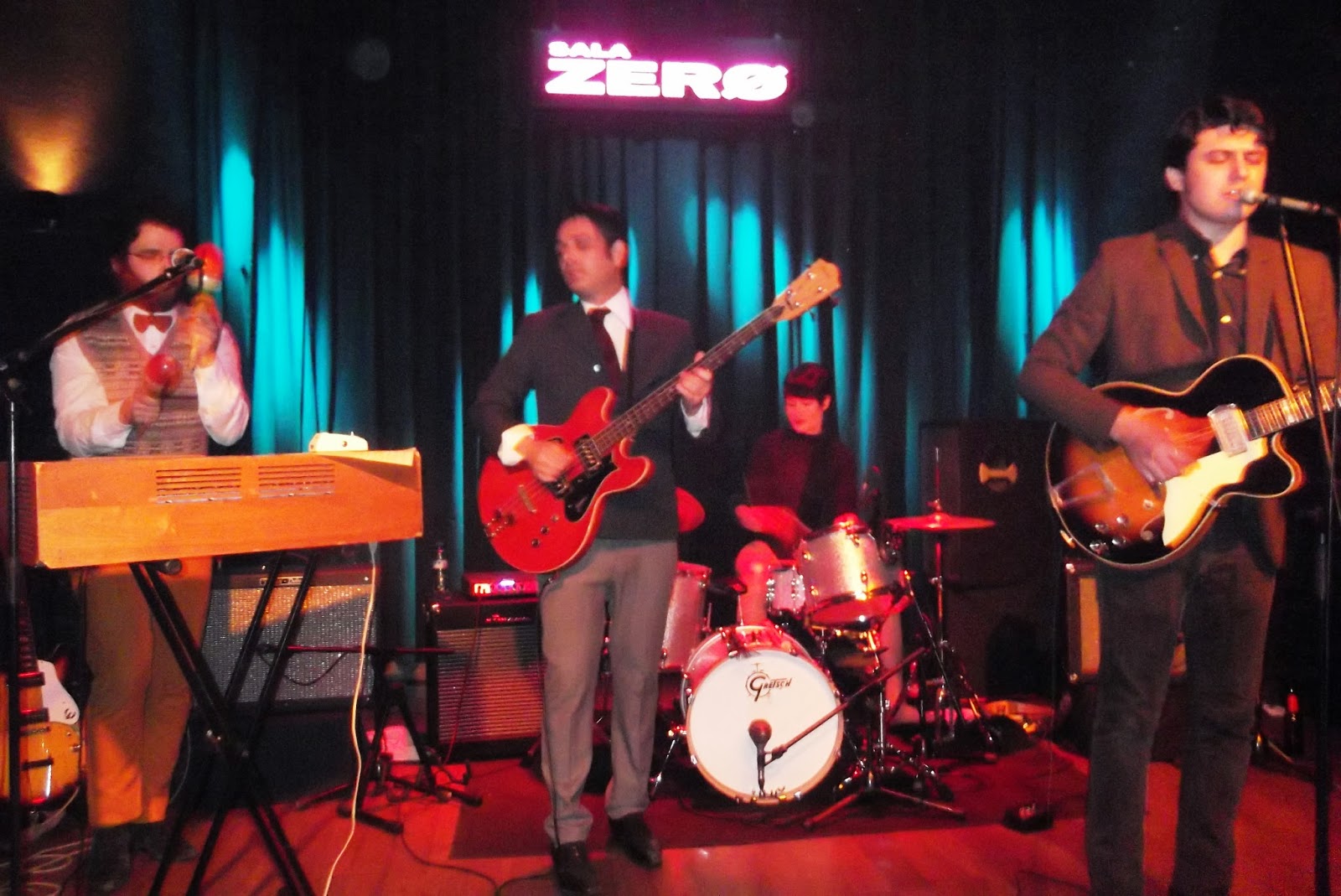 |
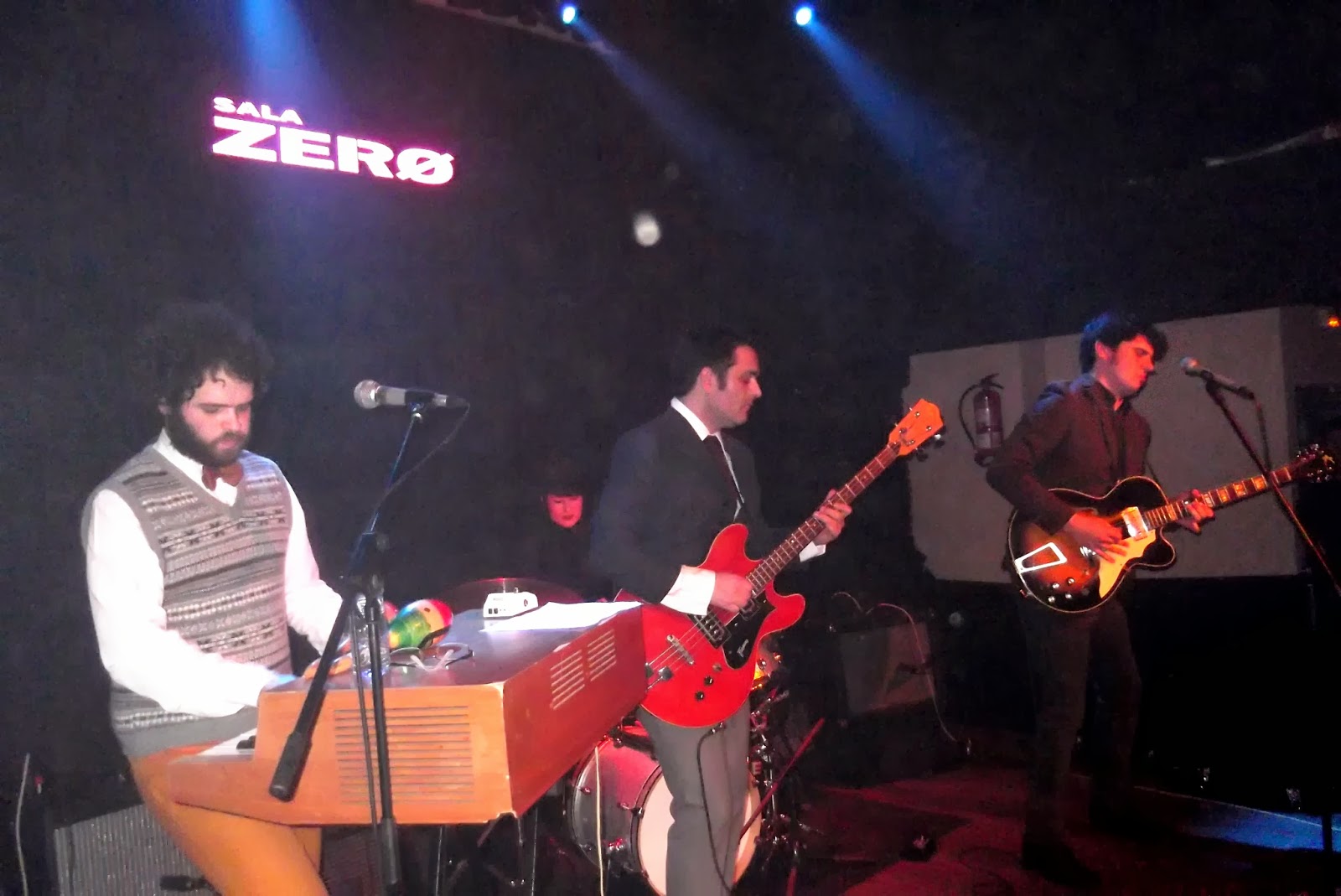
| The Limboos. Foto: Magic Pop |
 |
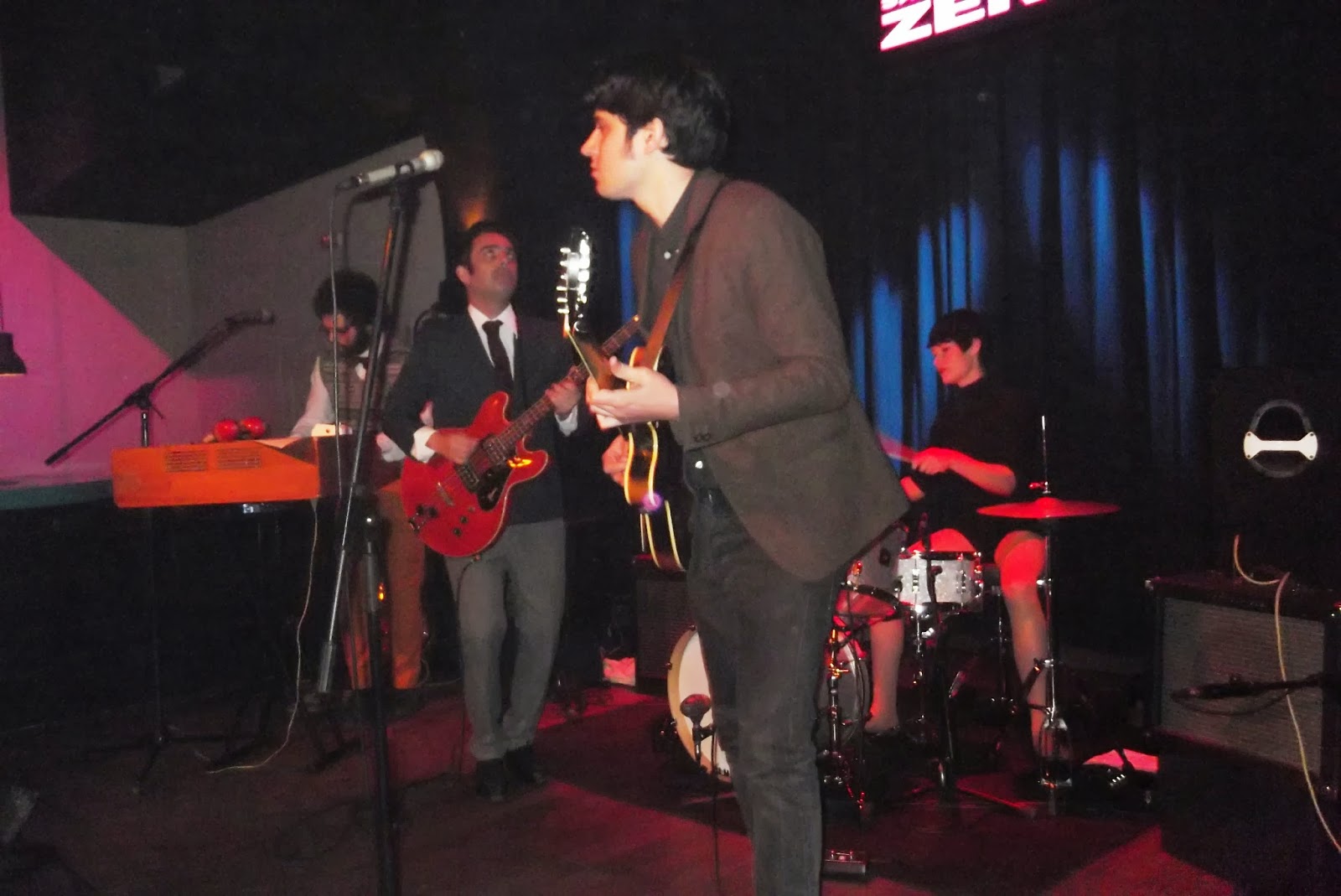
| The Limboos. Foto: Magic Pop |
 |
| The Limboos. Foto: Magic Pop |
 |
| The Limboos. Foto: Magic Pop |
 |
| The Limboos. Foto: Magic Pop |
 IKEA conducted a survey of Americans to find out about their homes and lifestyles. Fast Company looked through it and found some interesting results, which they expanded on. Here's a sample.
1. Only 1% [of those surveyed] want their home to reflect how successful they have been.
Analysis: This may seem surprising, but in fact Americans often choose to lie to surveys to make themselves appear more humble.
2. 62% of respondents say they control the remote over their significant other, children, friends, or others. However, 74% of men are more likely to say they control the remote than women at 52%.
Analysis: Americans are warlike creatures who must wrest control of an item called a control.
Number one is kind of believable. I understand the theory of conspicuous consumption as well as the next person, but where I live, if your house looks nicer than your cousin’s house, that cousin will be over all the time asking to borrow money. Number two adds up to way over 100%, but that can be explained by the American habit of having a TV for every person in the house. You don’t have to argue over the channel if you’re in separate rooms.
If you want to see the entire IKEA report, you’ll find that here. I noticed that 27% percent of Americans use technology in their kitchens. The other 73% either don’t realize what technology means, or else they never go into the kitchen. -via mental_floss


Panamanian bananas infected with the Fusarium fungus, commonly known as Panama disease. Photo courtesy of environmentmove.com
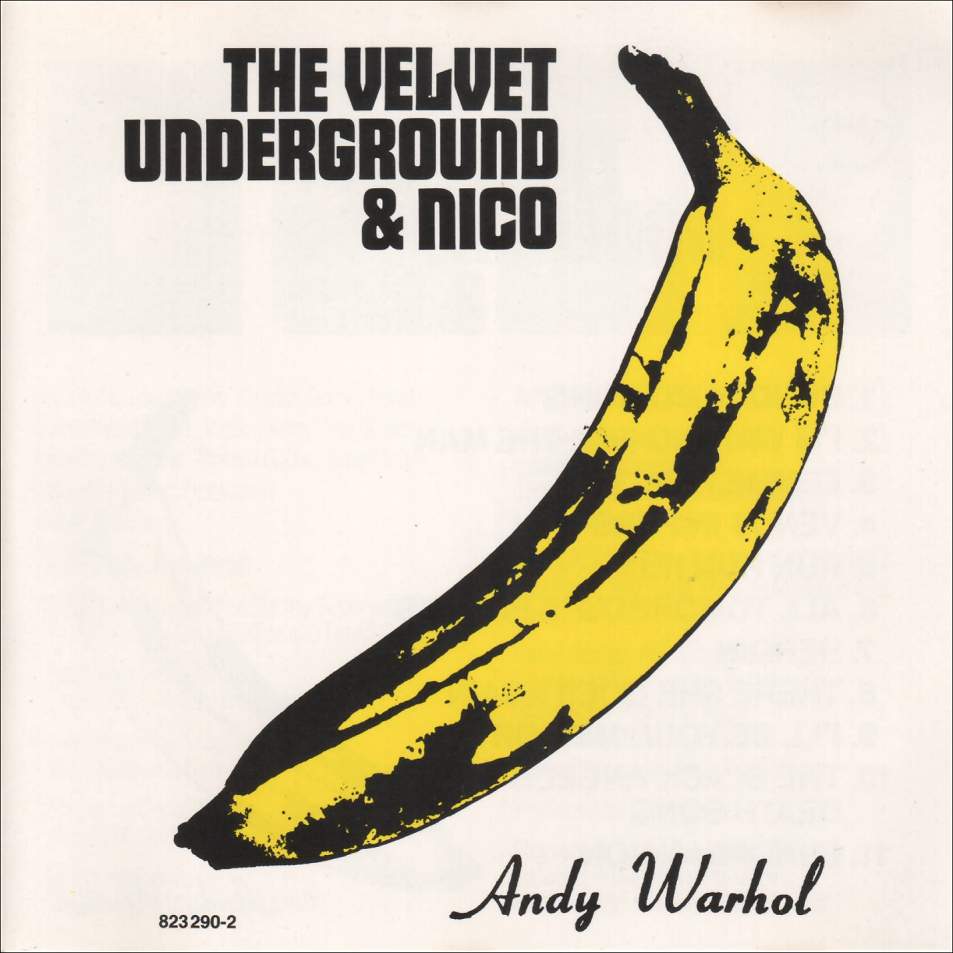
When Andy Warhol designed the iconic banana album cover for 1967’s The Velvet Underground & Nico, the artist didn’t tap the aromatic Lacatan banana, or the red Dacca banana, with its light pink flesh, or even the obscenely long rhino horn banana to be his muse. Instead, he opted for the obvious choice: the curved, 6–9-inch, bright-yellow variety known as Cavendish, a variety that is so ubiquitous in our markets that it’s come to define what we picture when we think of bananas. Between lunch boxes, flambés, and cream pies, the average American consumes over 28 pounds of bananas every year—more than any other fruit.
All that’s about to change. For the last 20 years, the Cavendish—which accounts for 95 percent of all bananas sold internationally—has been hounded by a deadly, incurable fungus that can demolish entire plantations. Until last year, the Tropical Race 4 strain of the Fusarium fungus, commonly known as Panama disease, was contained in southeast Asian countries like China, Indonesia, Malaysia, and the Philippines.
Now, like a lumbering goliath, Panama disease is on the move. In October 2013, the fungus reared its head in Jordan. One month later, an outbreak was confirmed in Mozambique. There are currently unconfirmed reports in Oman, and central Asia as well.
If—or more likely, when—Panama disease hops the Pacific or Atlantic oceans and hits Latin America, the impact will be devastating. Latin America and the Caribbean, home to 80 percent of all exported bananas, and are by far the leading source of America’s favorite phallic fruit. “This could really be the devastation of the Latin American banana trade,” says Dr. Gert Kema over the phone from Costa Rica, where he’s attending a banana conference. Kema works at Wageningen University, in the Netherlands and is a preeminent authority on the subject.
Panama disease spreads through spores and, as such, is easily transported by contaminated water, or workers and researches as they move from one plantation to another. Kema says he recently analyzed trace amounts of soil under a pair of tennis shoes he’d worn while visiting an infected farm in the Philippines and found 142 disease spores per gram of dirt. Once the fungus infects a plantation, it renders it fallow for decades. “I really think we are not exaggerating the case,” Kema says. “This is a very, very serious threat.”
And if this still sounds like a false alarm, just look back 70 years. Before the Cavendish was king, Americans wolfed down a sweeter and stockier cultivar known as Gros Michel, or Big Mike. Once as commonplace as the Cavendish is now, throughout the first half of the 20th century Gros Michel was plagued by the original iteration of the Panama disease—Tropical Race 1. By the 1940s and 50s, Gros Michel plantations were being wiped off the map. The banana industry was in crisis until, at the last moment, the Cavendish—by all accounts an inferior substitute—was introduced. But now the Cavendish is going the way of Gros Michel, and there’s no heir apparent to the throne.

Hanging banana stems. Photo via Christopher Augapfel
To discuss this banana bummer and possible solutions, I called Dan Koeppel, author of 2007’s Banana: The Fate of the Fruit That Changed the World and a man deep in the banana game. Koeppel estimates that since his book came out, he’s spent almost half his time writing banana-related articles, lecturing on bananas, and consulting food growers on bananas—he’s currently working on a new edition of his book. We discussed alternatives to the Cavendish, the problems of monoculture production, and the historical impact of Panama disease on work conditions.
VICE: You published your book Banana: The Fate of the Fruit that Changed the World back in 2008. What’s happened with Panama disease since then?
Dan Koeppel: Since my book came out, Panama disease has spread to many places. It has not yet arrived in Latin America, but it’s almost certain to arrive at some point. We just don’t know when. There’s no predictable curve or model to say when this will happen. But we do know that when it arrives, it’s game over. And that’s not an exaggeration.
You’ve been to banana plantations across the world—what does Panama disease look like on the ground?
You have to catch it at the right time because the plantations go down pretty quick. Much of the time, a plantation affected by Panama disease isn’t a plantation anymore—it’s just empty. The one time I saw a truly big commercial plantation in the midst of Panama disease was in south China. This was a place where they had just identified the disease. The plants die from within and the leaves wilt (the technical name for Panama disease is Fusarium wilt). The leaves don’t provide shade anymore, so the plants get too much sun and start to literally crumble and dry out. So it looks a lot like a banana plantation that’s dried out. But if you cut into the plants, you can see something happening: they’re sort of rotting. Panama disease destroys the banana’s vascular system, so it loses the ability to absorb and use water—they die pretty quickly.
The first incarnation of Panama disease wiped out the Gros Michel variety in half a century. Do we know if the disease is spreading slower or faster this time?
There’s not a lot known about what makes Panama disease spread rapidly or not rapidly. With Gros Michel and Cavendish, it’s pretty clear that in some places it spread shockingly fast, and in some places it didn’t. Certain things can play a role in that, like water, soil conditions, and ambient temperature, but we don’t really know. My argument is that this uncertainty needs more urgency, not less.
Panama disease hasn’t come to Latin America yet, but once it comes, it’ll spread pretty quickly. That’s a certainty. Will it wipe out country X’s crop in three, ten, or fifteen years? Who knows. The question is whether or not the banana industry will have someplace else to grow bananas. They can’t just roll in, take new land, and start plantations the way they used to. One can argue that the spread will be quicker than it was before because now the industry is more global. People in the 1920s weren’t flying around the world with dirt on their shoes the way they do now. On the other hand, the banana industry now knows more about the disease and quarantine procedures, which are temporarily effective, at best. That might slow it down.
Instead of putting all our banana eggs in one basket—first with the Gros Michel and now with the Cavendish—wouldn’t it make more sense to diversify the crop, thereby avoiding industry-wide pandemics?
I think at this point the banana industry is thinking of a non-diversity-based solution—in other words, finding another monocultural banana to replace the Cavendish. There just isn’t a very good candidate out there. The Cavendish was a pretty poor replacement for the Gros Michel, but it worked. There isn’t even a poor candidate to replace the Cavendish that has all the properties an export banana needs: toughness, slow ripening, proper taste, proper color, proper size, tree height.
I believe that the Cavendish will ultimately be replaced by a non-monoculture product. Not having monoculture will definitely slow the spread of disease, though it won’t stop it. But it will enable multiple price points, which will make the banana a more profitable fair trade product for workers. Just like apples—there are dozens of commercial varieties, and some apples cost a dollar a bag and some cost $2 each. I see that model happening in the banana industry. However, there will always be a need for a primary, super-cheap banana. And the only answer, I believe, is a genetically modified banana. It will probably be a genetically modified Gros Michel, or Lady Finger, which is another variety. Since there’s no good off-the-shelf or out-of-the-tree Cavendish replacement, the answer for the commodity banana is going to have to involve some form of transgenics, which would mean cross-breeding with another species of plant—I know some researchers have experimented with radish genes—or cisgenics, using genetic engineering to breed two varieties of bananas together.
Can you describe the two most likely replacements for the Cavendish, the Gros Michel, and the Lady Finger?
You can still get Gros Michels. They’re not viable commercially, but they’re found in large parts of Africa on family farms. Everything that’s said about the Gros Michel—that it’s a bigger, better-tasting banana—is fundamentally true. Is the worst Gros Michel better than the best Cavendish? Probably not. But as a whole, it’s a way better fruit. It has a premier, richer taste.
Lady Finger is a different sort of banana entirely. It tastes quite different. It’s not as sweet—it has a tarter flavor. One of the nice things about Lady Finger is that the fruit doesn’t turn brown when cut. On the other hand, one of the issues with Lady Finger is that for it to be sweet, you have to let the flesh go pretty brown; otherwise you get a starchy banana. The question is whether consumers are going to let their bananas get brown, whether they’re willing to learn how to handle a banana differently. When we see a banana that’s brown, we think it’s rotten, and we throw it away. So it’ll require some education to make it work. Now, many of these things could be ironed out in the genetic mix—because while you’re breeding resistance to Panama disease, you could also be looking for other things like changing the ripening characteristics, or the flavor, or even adding beta-carotene and vitamins to the banana.
In your book you draw a relationship between Panama disease and the violence perpetrated on banana workers in the early 20th century, particularly in Colombia. Can you describe that correlation?
Colombia is a lab for the banana industry’s growth and behavior in Latin America. It’s the home of the great banana massacre of 1929, when workers attempting to unionize were massacred by the predecessors of the CIA at the behest of United Fruit, which is now Chiquita. The story is chronicled in Gabriel García Márquez’s One Hundred Years of Solitude. Workers and their families were killed Sunday morning as they came out of church. More than 1,000 people died, and their bodies were dumped into the sea.
It isn’t just the profit motive that made that massacre happen. Panama disease made the banana companies more evil. Looking at why that is can really give you an idea of what can happen in the future. The banana business industry model, founded over 100 years ago, remains the same today. The banana is the cheapest fruit in the supermarket, and that’s an amazing phenomenon if you think about it. Bananas are half the price of apples, yet they’re grown over 2,000 miles away, while apples are grown in almost every state that consumes them. Bananas are perishable, unlike apples, and they need to be refrigerated when they’re shipped. So how is it that bananas are the cheapest fruit? And the reason is that now, as then, the business model requires absolutely cheap production and labor. That involved, back then, exploiting workers and land. If you add this advancing disease into the mix—making it impossible to grow bananas—the banana industry’s response to anything else raising costs, like workers advocating for better pay or conditions, has always had the potential to be brutal.
So we might expect to see added pressure on Colombian banana workers if and when Panama disease crosses the ocean.
Colombia is a pretty good place to be a banana worker, and I’m talking relatively. They have a high level of unionization. However, recent history in Colombia does not give you good evidence that banana companies will behave well when pressure is brought to bare on them in the form of losing plantation to disease. Just as recently as seven, eight years ago, Chiquita was forced to pay huge fines for supporting terrorist organizations in Colombia. When you look at anything that raises banana prices, the banana industry will react in a very aggressive way if it’s to maintain its 100-year-old business model.
Yes, there are other business models they could try. But I like to compare banana companies to McDonald’s—how easy would it be for McDonald’s not to sell hamburgers? They'd probably fight tooth-and-nail for the right to sell hamburgers. And Panama disease is something that banana companies aren’t able to effectively fight. There’s no cure for it, and it doesn’t look like there will be a cure for it any time soon, as far as I can tell. The question is not when Panama disease will come to Latin America. The question is, what is the banana industry going to do about it?
Follow Michael Zelenko on Twitter.