Sesión temática dedicada a peleas y luchadores. Canciones sobre rings, trifulcas callejeras y refriegas en garitos. Cartuchos dedicados a grandes figuras de la lucha libre o cantadas por estrellas del boxeo. Ponte los guantes y súbete a bailar a nuestro cuadrilátero subterráneo con Elvis Presley (Trouble), Jimmy Liggins and his Drops of Joy Orchestra (Knocked out), Los Matemáticos (La pelea), Marc Allen Smith (Skeleton fight), The Novas (The crusher), King Krusher and the Turkeynecks (King krusher), Ramones (The crusher), Vigilante Gitano (Piño lata), The Fleshtones (Friends of Bazooka Joe), Southern Culture on the Skids (Viva el Santo), Wade Curtis and the Rhythm Rockers con Dixie Dee (Voodoo mama), The Tomcats (Rumble in Brighton), The Stray Cats (Rumble in Brighton), Jon and the Nightriders (Rumble at Waikiki), The Rolling Stones (Street fighting man), Nick Lowe (Born fighter), Lazy Lester (Im a lover not a fighter) y Cassius Clay aka Muhammad Ali (Stand by me). (07/03/14)
Shared posts
Random Teleporter Takes You Somewhere on Earth

Jim Andrews's teleporter has a simple interface. You begin in the control room of the TARDIS (naturally). Click on the teleport button to go somewhere on Earth. You'll promptly see the nearest photo in Google's archive.

Andrews calls himself a "programmer-poet," so this device is a work of art. It's also a way to explore the world, albeit not in any particular order. His inspiration for the project was a game in which people are shown panoramic photos from around the world and are then invited to guess the locations. You can do the same thing with the teleporter. Just click on the Map button to see the location of each photo.
Dress in layers. You may end up in a hot desert or in the Antarctic interior.
-via David Thompson
50 años haciendose yomismos
If only Bradley's arm was longer. Best photo ever. #oscars pic.twitter.com/C9U5NOtGap
— Ellen DeGeneres (@TheEllenShow) marzo 3, 2014
Pero a nosotros expertos comiqueros estas cosas no deberían sorprendernos ya que hace más de 50 años que aprendimos a hacernos yomismos con el mejor fotógrafo del mundo:

Efectivamente, Spiderman, que una y otra vez se hacía fotos a si mismo posando de las maneras más chulas posibles... ¿Cómo? ¿Que no os lo termináis de creer? ¿Qué el Superior Spiderman no hace eso y sois demasiado jovenes para acordaros? Vale, venga, Spidey, enseñanos como se hace un yomismo.
Paso 1. Sacamos la camara del sitio donde la llevamos habitualmente, es decir, el cinturón.

Paso 2. Dejamos la camara en un sitio adecuado ya que no tenemos un actor a mano para hacernos el yomismo. En su lugar podremos el temporizador.

Paso 3. Arrojamos arena al aire para.. para... si lo hace un experto es que sera así.

Paso 4. Ponemos la pose más chula que se nos ocurra.

Y voila, ya tenemos nuestro yomismo, aquí esta el resultado:

¡Perfecto! ¿Veís que fácil era? Spiderman, eres el rey de los yomismos
Los Terry Gilliams del mundo

Han sido la cita incendiaria de la semana: durante la promoción de 300: El origen de un imperio, Zack Snyder fue interrogado sobre unas declaraciones recientes de Joel Silver acerca de Watchmen. El superproductor pensaba que la película es demasiado esclava del cómic de Alan Moore y Dave Gibbons, añadiendo que su versión nonata (dirigida por Terry Gilliam sobre un guión de Sam Hamm) hubiese sido un trabajo más triunfal en términos cinematográficos. Snyder no tuvo ningún problema en llevarle la contraria: “Si lees el final de Gilliam, es una completa locura (…) Así que, honestamente, hice Watchmen para mí. Es probable que sea mi película favorita de todas las que he rodado. Y adoro la novela gráfica y realmente adoro todo lo esa película. Amo su estilo. Simplemente amo la película y fue un trabajo de amor. Y la hice porque sabía que el estudio iba a rodarla de todos modos, y habrían hecho una locura. Así que, al final, la hice para salvarla de los Terry Gilliams de este mundo”.
Corte a: muchísima gente enfadada en Internet, defendiendo la integridad artística de Gilliam y poniendo el grito en el cielo por que alguien como Snyder, a quien la myor parte de la población parece tener ganas después de Sucker Punch y El Hombre de Acero, se atreviese a situarse por encima de ella. Primero, lo evidente: sí, Terry Gilliam es un artista, y seguramente había una elección de palabras más sabia y, sobre todo, menos susceptible de llevar a error por parte de Snyder. Porque la responsabilidad de ese final que tanto le incordia, y hacia el que dirige sus ataques, pertenece casi exclusivamente a Sam Hamm, que acababa de escribir el guión de Batman para Warner Bros. cuando acometió la ardua tarea de reinterpretar Watchmen como un blockbuster de dos horas de duración. Este primer borrador, con fecha de 1989, es el que ha trascendido y el que incluye esos cambios en el clímax que tanto agradaron al productor: básicamente, Hamm eliminó el monstruo final e hizo que el Dr. Manhattan volviera hacia atrás en el tiempo para impedir su propia creación, lo que daba lugar a una línea temporal alternativa en la que los superhéroes sólo eran personajes de ficción (es decir, la nuestra). Pero lo cierto es que el director de Brazil nunca estuvo del todo cómodo con esta versión de guión, que describió en su momento como “poco más que un puñado de superhéroes” y que, a sus ojos, no lograba hacer justicia a la complejidad del original: “El Comediante sólo era alguien que moría al principio”. Gilliam abandonó el proyecto en 1991, pero le volvió a dar otra oportunidad cinco años más tarde, cansado de que Silver le insistiese. Su condición fue poder trabajar en una nueva versión de guión con Warren Skaaren y Charles McKeown, dos de sus principales colaboradores. Al parecer, el resultado estaba más cerca de las intenciones de Moore y Gibbons, pero nunca llegó a filtrarse y Gilliam tiró la toalla por segunda vez en 1996. Por tanto, cuando Zack Snyder habla del final de Gilliam, se está refiriendo al final de Hamm, perteneciente a un borrador que nunca contó con el respaldo del cineasta. Los Terry Gilliams del mundo jamás iban a arruinar Watchmen, porque los Terry Gilliams del mundo demostraron en dos ocasiones que preferían no rodar nada a rodar algo en lo que no creyeran.
Sin embargo, entendemos lo que quiere decir esa frase. Snyder está tan obsesionado con la obra original que no podía permitir que un director aplicase su visión distorsionadora y acabase entregando algo que se apartara, aunque fuera un ápice, de lo establecido en las viñetas. Watchmen, estrenada en 2009, demostró que la literaridad extrema no es sinónimo de triunfo artístico. No es una mala película, en absoluto, pero sí una película poco imaginativa y a la que, en ocasiones, le falta oxígeno. Quizá lo más frustrante es que Snyder se negase a ofrecer una lectura de Watchmen, una interepretación personal de una obra universalmente reconocida, y se limitase por el contrario a darnos un espectáculo audiovisual competente, pero reiterativo. Incapaz de inventar nada (como sí hizo su visión de Superman, por mucho que a algunos espectadores le duelan los cambios en el personaje), satisfecha de poder reproducir con asombrosa fidelidad lo que ya nos sabíamos de memoria. Curiosamente, su película también se veía obligada a sacrificar el monstruo final, aunque no lo sustituyese por nada tan radical como lo que aparecía en el guión de Hamm. La solución de Snyder resulta más orgánica al universo de los personajes que un monstruo gigante (supuestamente) del espacio exterior, pero el director se sintió tan culpable de haberse apartado en un único punto de su biblia personal que se vio obligado a incluir una referencia explícita al episodio de la serie The Outer Limits que sirvió a Moore de inspiración. Y luego está el hecho de que, bueno, el monstruo gigante tenía sentido, tenía una razón de ser que va mucho más allá de lo que un pragmático como Snyder jamás entendería. Así que el director acabó en una posición parecida a la de Ozymandias al final de la narración: venció (rodó la adaptación de Watchmen que él y millones de fans de la literaridad extrema tenían en la cabeza), pero no convenció (la obra original aún le miraba crípticamente desde arriba, como el Dr. Manhattan segundos antes de abandonar para siempre este planeta).
Hubo otra versión del cómic que llegó muy lejos en su proceso de preproducción y que tanto Joel Silver como Zack Snyder parecen olvidar: la de Paul Greengrass, que debía haberse estrenado en 2006 y que llegó incluso a confirmar la presencia de Paddy Considine como Rorschach. Cambios en la cúpula de Paramount (distribuidora internacional de la película estrenada) y dudas acerca del presupuesto acabaron enterrando una versión que, sin duda, habría horrorizado a Snyder: su idea era trasladar la acción al presente, bucear en la paranoia post-11 de septiembre que tanto interesaba al Greengrass de entonces y optar por un estilo casi documental, con fragmentos de falsos telediarios puntuando la trama. Existe un montaje del Watchmen de Zack Snyder, The Ultimate Cut, que también incluye fragmentos de otra narrativa: el tebeo de piratas que servía como interferencia metalingüística en el original, convertido aquí en un cortometraje de animación narrado por Gerard Butler. Erm, no. Se siente, pero no: no tiene sentido convertir el tebeo de piratas en unos dibujos animados de piratas. Si quieres incluir Tales of the Black Freighter en la película, TIENE que ser un tebeo. Por tanto, una película de Watchmen verdaderamente fiel al original, verdaderamente libre de la interferencia de los Terry Gilliams del mundo, debería haber sido algo parecido a ese viejo sueño de Eisenstein: adaptar El capital a través de un montaje intelectual llevado hasta sus últimas consecuencias, un Ultimate Cut avant la lettre integrado por una serie de imágenes y fragmentos de texto marxista aparentemente inconexos que sólo tendrían sentido una vez decodificados como un Todo en la mente del espectador. Así, el Ultimate Cut de Watchmen debería ser algo más parecido a un hipertexto que a un largometraje tradicional: un montaje no lineal de secuencias audiovisuales que desplegaran una reproducción en movimiento (un motion comic) de la página original, fragmentos documentales de Vietnam y el movimiento por los derechos civiles, viñetas de piratas, textos del libro de Hollis Mason o del New Frontiersman, archivos de audio con las canciones que cerraban cada episodio, fotografías del hongo atómico, la ecografía de Laurie Juspeczyk y la superficie de Marte superpuestas, clips del episodio de The Outer Limits en pantalla partida junto al clímax revisado de la película… El espectador formularía el significado abstracto de Watchmen a partir de esta sobredosis de significantes concretos. El resultado sería una adaptación tan fiel que solo tendríamos una opción al terminar de verla: quemar la novela gráfica original.


The 13 Most Badass Female Villains in Pop Culture
In honor of 300: Rise of an Empire’s (in theaters today) latest addition to the bad ass villainess Hall of Fame, Eva Green’s Artemesia, from comics to movies to animation, I present thirteen of the most badass chicks in pop culture history. Better watch out, ’cause these girls will totally cut you.
13. Varla (Faster, Pussycast…Kill! Kill!)
You may not know the name, but you’ve certainly felt her influence in pop culture. Varla, as played by the fabulously-named actress Tura Satana, was the ring leader of a wild pack of killer go-go dancers in director Russ Meyer’s 1965 cult classic film Faster, Pussycat! Kill! Kill! Varla was a stone cold monster who, within the first thirty minutes of her movie, drag races in the desert, karate chops a dude to death, and kidnaps his girlfriend. Sporting a black cat suit that showed off her rather abundant gifts, long black hair with bangs, and painted-on eyebrows, Varla was the template for every bad ass chick you ever met at a dive bar or at a tattoo parlor who ever gave you the stink eye for staring at her for too long.
12. Gozer the Gozerian (Ghostbusters)
This entry is cheating a little bit, after all, Gozer the Gozerian isn’t really a woman, it’s an ancient Babylonian God who can choose any form it wishes. However, when it finally makes its big entrance on the roof of Sigourney Weaver’s building at the climax of Ghostbusters, it chooses the form of a back up dancer from an early eighties music video. But it’s a female backup dancer, so it counts in my book. Although only existing as a female form for a grand total of three minutes before becoming a giant marshmallow creature, Gozer made the most of her time as a “nimble little minx.”
11. The Borg Queen (Star Trek: First Contact)
When the Borg were introduced as the new villainous alien species in Star Trek The Next Generation, they were a single minded hive with no personality. As cool as that concept is, when it came time to make Star Trek: First Contact for the big screen, the producers knew that they needed someone to act as the “face” of the Borg, so they came up with the notion of the Borg Queen. Played by Alice Krige, who brought a creepy sexuality to the role, the Borg Queen ended up being the franchise’s most memorable villain next to Khan. And her grand entrance, where her head and shoulders are lowered into her body from above, was super badass back in 1996. She would later be used several times on Star Trek: Voyager, as that show ran the Borg into the ground, but she was never cooler than in her first appearance in First Contact.
10. Annie Wilkes (Misery)
While most of the female villains on this list are “sexy” in some way (which says a lot about our culture’s views on sex and “badness,” but that’s another article for another day), no one can claim to have ever called Kathy Bates’ breakthrough performance in 1990′s Stephen King adaptation Misery “sexy” in any way. Bates won an Oscar for her portrayal of Wilkes, a deranged obsessive fangirl of fictional literary character Misery Chastain, who ends up caring for her favorite novelist (and Misery Chastain’s creator) Paul Sheldon after he’s injured in a car accident. She’ll only help him recover on the condition that Sheldon writes a new novel resurrecting the character with whom she is obsessed. Needless to say, there are complications. In all my decades of movie-going, I have never seen anyone literally get up out of their chair and fist pump when a movie bad guy “gets theirs” like I did at the climax of this movie.
9. Joan Crawford (Mommie Dearest)
I have no idea if the real Joan Crawford was as much of a monster as the 1981 biopic film Mommie Dearest would suggest (actually, I read the book…she was that bad), but Faye Dunaway sunk her teeth into the role of Hollywood golden era acting legend Joan Crawford, who at the height of her fame decided to adopt two cherubic orphans “for a little extra publicity” and then proceeded to make their lives a living hell. Dunaway’s performance is part kabuki theater, part campy horror flick, and entirely something you’ll never forget. Dunaway was coming off over a decade’s worth of critically praised performances and an Oscar win when she made this, and she blames the film’s reception as a camptastic schlock fest for ruining her career. (According to urban legend, Dunaway also claims to be haunted by the ghost of the real Joan Crawford for ruining her reputation. I desperately want to see someone tackle a movie based on that scenario.) For thirty plus years now, gay men the world over have become grateful for the endless amount of quotes Mommie Dearest has provided us, and for everyone else, the movie can serve as reminder that your mom isn’t really that bad.
8. The Alien Queen (Aliens)
Ridley Scott’s original Alien movie introduced us to the Xenomorph, one of the most terrifying creatures in sc-fi movie history. James Cameron’s sequel Aliens raised the stakes even higher by introducing a whole colony overrun by Xenomorphs. But the worst was still to come for Ellen Ripley and her crew of Colonial Marines, when we discover that these aliens are merely the children of a ginormous Alien Queen, a creature that is the living embodiment of the phrase “never come between a mother and her cubs.” The Queen is one mean mother… literally. When Sigourney Weaver’s Ripley says, “Get away from her, YOU BITCH!” you are right there with her.
7. Mystique (Uncanny X-Men)
When Uncanny X-Men writer Chris Claremont created the mutant shapeshifter Mystique, he probably had no idea she’d grow into one of the franchise’s most popular and enduring villains, and even come to symbolize the entire franchise due to a brilliant make-up idea conceived of for the first X-Men movie. Although her portrayals in the comics and the movies come with starkly different backstories, one thing remains the same about her: her single-minded devotion to protecting the mutant race at all costs….regardless of innocent humans getting in the way. Although originally just part of a team, the Brotherhood of Evil Mutants, she quickly became the standout character, and is now the X-Men’s most notorious female adversary.
6. Catwoman (Batman)
Batman doesn’t only have all the best villains, he also has all the best villainesses. So when it came time to pick one for this list, I almost gave this spot to Talia al Ghul, Poison Ivy, or Harley Quinn. But in the end, this entry belongs to Batman’s longest running femme fatale, Selina Kyle, a/k/a Catwoman. While Catwoman teeters the line between hero and villain more than anyone else on this list, truth is, she’s still a master jewel thief, and last time I checked, stealing was still considered bad. Besides, for the first fifty or so years of her existence, she was definitely considered a villain, so I say that’s where she really belongs. Aside from a long career in the comics, Catwoman has also had a ton of memorable portrayals in the media over the years, including Julie Newmar, Eartha Kitt, Michelle Pfeiffer, and most recently Anne Hathaway (I won’t mention C.I.N.O, or “Catwoman In Name Only.” You know who I mean.) For decades now, this badass villain has been inspiring young boys to visit dominatrixes when they grow up, and had no doubt inspired young girls to be dominatrixes themselves. Nothing more badass than that.
5. Cersei Lannister Baratheon (Game of Thrones)
I know many out there that would argue that King Joffrey is the “big bad” of Game of Thrones, and while he is indeed the most inherently hateable, I would say the biggest villain would be none other than his mother, Cersei Lannister Baratheon. It is she who is the real power behind the throne at King’s Landing, and she is the puppet master who is pulling all the strings in a quest to seek absolute power for herself and her family, possibly even more so than her father. Just why is Cersei so awful? For starters, she had three kids with her twin brother (ew), then plotted to kill her husband the king, and when the King’s Hand Ned Stark found out the truth and tried to expose her, well… let’s just say it didn’t go very well for him at all. Cersei is the perfect villain for an ongoing series like Game of Thrones, because no matter how much you hate her, you kind of love to hate her, and realize the show would lose a vital element were she to go away. Actress Lena Headey brings an actual humanity to Cersei that makes you almost sympathize with her at times, and actually not want her to die a horrible death… if only for a little while.
4. Nurse Ratched (One Flew Over the Cuckoo’s Nest)
The fictional embodiment of what happens whenever a bully is given to much power and free reign. Played by actress Louise Fletcher, who won an Oscar for her performance, Nurse Ratched is on a massive power trip and gets sadistic glee from brutally terrorizing the assortment of outcast patients that live in her psychiatric ward, including Jack Nicholson, Danny Devito, Christopher Lloyd, and Brad Dourif, in the 1975 film One Flew Over the Cuckoo’s Nest. Far more than anyone else on this list, you know there are real Nurse Ratched types out there, making her all the more horrible. Louise Fletcher didn’t have much of a movie career after this, but she would go on to play the evil Kai Wynn of Star Trek: Deep Space Nine, becoming one of the primary antagonists for that series, and she infused her with more than a little of Ratched’s cold evil.
3. May Day (A View to a Kill)
There is quite the long list when it comes to female 007 villains, and therefore it’s hard to pick one to represent them all. A great deal of people would probably say it’s Pussy Galore, played by Honor Blackman in 1964′s Goldfinger, but I’d have to disagree. I think the best Bond girl villainess would have to be May Day from 1985′s A View To A Kill. First and foremost, she’s Grace Jones, a statuesque goddess with fierce style (hello, look at her awesome haircut and those shoulder pad suits!) She base jumps off of the Eiffel Tower, and while she does sleep with Bond, she uses him just as much as he’s using her. Heck, for a second I thought he might give the old boy a heart attack (Roger Moore was already fifty-seven years old when he made this one, it could have happened.) Like most female 007 villains, the power of Bond’s penis makes her switch sides at the end, and she ends up sacrificing herself and saves him. In the end however, I think if May Day went toe to toe with any other Bond girls she’d kick their butts hands down. May Day for the win.
2. The Wicked Witch of the West (The Wizard of Oz)
The Wicked Witch from The Wizard of Oz is the original scary bad guy most kids are exposed to for the first time, and she is certainly one that makes an impression that lasts a lifetime. Not only does Margaret Hamilton’s character make one of the best entrances of any villain in movie history (“Who killed my sister?”), but she goes out in one of the best ways too (“Oh, what a world, what a world”). The original character as found in the L. Frank Baum novel wasn’t that much to write home about; it was Hamilton who infused her with that manic cackle and that green skin. The Wicked Witch of the West is so iconic, in fact, that if you were to say the word “witch” to the average person on the street, the image that their mind that would conjure would probably be that of Margaret Hamilton’s character above anything else. Despite attempts to make the witch seem more sympathetic in things like Wicked and Oz, the Great and Powerful, it’ll take a lot more than that to undo the Wizard of Oz‘s legacy of the green hag as the ultimate evil.
1. The Disney Villainesses
Starting in 1937 with the Evil Queen in Snow White and the Seven Dwarfs, Disney has had, hands down, the greatest assortment of female villainy anywhere. All of these ladies are dripping in malevolence and glamour, from Cinderella’s wicked stepmother Lady Tremaine, to the ultimate bitterness of Maleficent (sixteen years of making a kingdom suffer because she wasn’t invited to a baby shower? That’s devotion, baby), to Cruella de Vil, someone who wanted to kill adorable puppies to make a coat, for heaven’s sake. Take that, Hannibal Lecter. Then there’s the Red Queen from Alice in Wonderland, Ursula the Sea Witch from the Little Mermaid.… the list goes on and on. Any one of these ladies could have earned a separate spot on this here list, but collectively, they own the number one space by a landslide.
—
Who is your favorite bad ass female villain? Let us know in the comments below.
 #
#


I assure you, the death notice I'm looking for will be on the front page
















.jpg)


Conde Roa: «Si menciono que vuelvo a la política, no quiero ni contar como me pondrán en mi casa»

Crónicas de la Mafia: la familia…
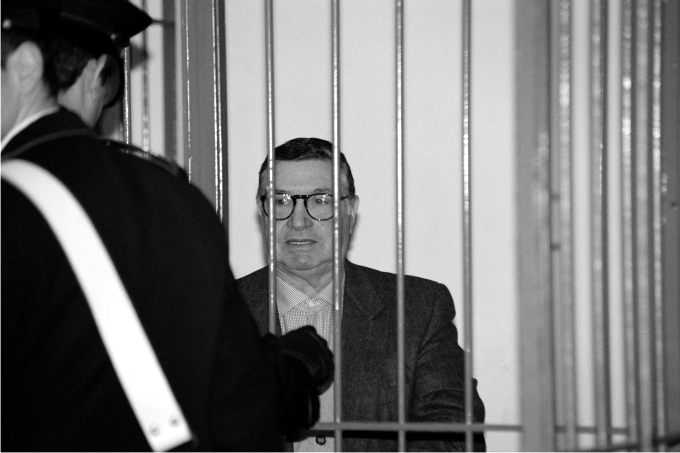
Totò Riina durante su juicio en 1993. Foto: Pier Silvio Ongaro / Sygma / Corbis.
Al hablar de la Mafia suele sonar en nuestros oídos una voz rasposa que susurra: «La familia…». Es otro de esos profundos efectos de El Padrino. Más allá de los tópicos, es para preguntarse: ¿… y la familia? La familia de los capos mafiosos, y estamos hablando de la Mafia siciliana, suele ser una burbuja perfecta y hogareña que le envuelve, sometida a su voluntad y fiel a su destino. Pero me interesaba hablar más de los hijos, esos chicos que nacen en una familia mafiosa y para quienes todo lo que sucede es normal. Es frecuente que desarrollen, primero, una inconsciencia cotidiana y luego una hipocresía natural o una doble moral congénita. Es difícil clasificar, desde luego, lo que le pasaba por la cabeza a la hija de Nicola Di Salvo, de quince años, que en 1982 escribió la siguiente redacción en su cuaderno de clase: «Una de las plagas sociales más grandes es la droga. Es un fenómeno difícil de combatir, porque en los últimos tiempos hay refinerías de heroína en todo el mundo, y también en Palermo. Hace falta una acción más fuerte de la policía, porque no consiguen encontrar las refinerías. Mientras tanto la droga se sigue vendiendo y la heroína arruina a cientos de chicos». La policía encontró este cuaderno al registrar su casa de Palermo, en cuyo sótano el padre tenía montada una de las grandes refinerías de heroína de Cosa Nostra, cuando dominaba el narcotráfico mundial. Lo ha contado el periodista Attilio Bolzoni, que estuvo allí tras el registro.
Podemos fijarnos en la familia mafiosa por excelencia, la de Totò Riina, ochenta y tres años, el gran capo de los Corleoneses, autor de los más horribles crímenes y de decenas de homicidios. Su familia no existía hasta que emergió de la nada el 16 de enero de 1993. Su mujer Ninetta y sus cuatro hijos: Giovanni, dieciséis años; Maria Concetta, diecisiete; Salvo, quince; y Lucia, doce. Fue al día siguiente de la captura de Totò Riina. La madre cogió un taxi y se plantó con los cuatro en el pueblo, en Corleone. Así empezó su vida pública, porque hasta entonces habían vivido en la clandestinidad, siguiendo a su padre de escondite en escondite. Nada sórdido, entiéndase: en Palermo vivían en un chalé. Pero sin ir al colegio, una vida aparte, en familia. Rezaban todas las noches y su madre, que había sido maestra, les enseñó a leer y escribir. Veamos cómo se ha traducido esto en sus vidas. Se pueden distinguir dos líneas de conducta.
La primera es la de los chicos. Después de volver al pueblo, Giovanni Riina duró en libertad solo tres años. Fue detenido en 1996 y condenado a cadena perpetua en 2005. Los dos hermanos eran famosos y temidos, y se movían como si el pueblo fuera suyo. Sin nada que hacer, Giovanni entró en una fase de paranoia, pensaba que alguien le vigilaba cuando deambulaba por el pueblo. En enero de 1995, le pareció que un coche le había seguido. Llamó a su tío Leoluca Bagarella, mano derecha de su padre, y se lo contó. También le pasó unos números de matrículas de coches de Palermo que le habían mosqueado. A través de los habituales funcionarios corruptos, contactos al servicio de la Mafia, obtuvieron el nombre de sus propietarios. Tenían una vaga relación con las familias rivales de la guerra de Mafia de los ochenta, en la que los Corleoneses exterminaron al otro bando. Bagarella pensó que tramaban una venganza contra Totò Riina, atacando a sus hijos. Así que decidió actuar.
Primero identificaron a los ocupantes de aquel coche que a Giovanni Riina le pareció que le seguía. También les encontraron remotos lazos con clanes rivales. Giuseppe Giammona, veintidos años, dependiente de una tienda de ropa en Corleone, fue asesinado en el local de cuatro tiros en la cabeza. Al otro, Francesco Saporito, de treinta años, obrero de la construcción, le acribillaron cuando iba en su coche con su mujer y su hijo de dos años. Ella, Giovanna, hermana de Giuseppe Giammona, también murió. El niño resultó herido. Eran todos inocentes. No tenían nada que ver con la Mafia y lo del coche fueron imaginaciones de Giovanni Riina. En cuanto a los otros dos coches sospechosos de Palermo a uno lo tirotearon al salir de casa. Al otro, su cuñado, le torturaron y luego le estrangularon. Pero luego se supo que se equivocaron de persona, a quien buscaban era a su hermano.
Giovanni Riina ya estaba metido de lleno en los asuntos de la familia y ese verano fue puesto a prueba. Estranguló con sus propias manos a un capo en un ajuste de cuentas que también era un examen de valor, un momento de paso a la edad adulta, para comprobar su valía mafiosa. Tenía diecinueve años. Su tío, Calogero Bagarella, citó a la víctima a una reunión en una villa campestre con limoneros y Giovanni tuvo que ejecutarle allí mismo. No le tembló la mano y le mantuvo la mirada hasta el final. Quedaron orgullosos de él. Un año después, en 1996, fue detenido. Así terminó el mayor de los Riina.
Su hermano Salvo fue detenido en 2002. Tuvo un micrófono en su Audi durante dos años y acabó detenido por asociación mafiosa, porque se movía para hacerse con las riendas de la organización, por derecho dinástico. Pasó ocho años en prisión y fue puesto en libertad en 2011.
La segunda línea de conducta viene a ser la de la hijas. Maria Concetta, por ejemplo, estaba con su padre cuando dieron en la tele la noticia de la masacre que acabó con la vida del juez Paolo Borsellino y sus escoltas: «Estábamos abrazados en el sillón, viendo la tele. De repente aparecieron las imágenes del atentado, yo oigo que dicen el nombre de mi padre, pero para mí es como si hablaran de otra persona. Mi padre estaba allí, a mi lado, siempre afectuoso. Todo lo que decían estaba lejos de lo que yo vivía cada día en mi familia. Atentados, homicidios, mafia… Claro, esta palabra, “mafia”, oída de mi boca causa impresión. La gente piensa: “Mira, habla de mafia justo la hija de Totò Riina”. Pero mi padre es mi padre». Luego ha sostenido que su padre es un simple trabajador acusado injustamente. Estas declaraciones las hizo en 2009 a Attilio Bolzoni, de nuevo él. Es el gran periodista sobre la Mafia del diario La Repubblica que hace unas semanas estuvo por España para denunciar que hay una cadena de restaurantes que se llama «La Mafia se sienta a la mesa». A él, que conoce la Mafia, le parece un escándalo. Es una macabra forma de frivolidad o ignorancia.
Es más difícil de catalogar el tipo de periodismo que hizo posible hace un mes una increíble entrevista a Lucia Riina, la hija pequeña de Totò Riina, que ahora tiene treinta y tres años. La revista Panorama le hizo un reportaje de prensa del corazón en la que es necesario hacer un esfuerzo para recordar de qué familia estamos hablando. El artículo se centra en el talento artístico de la entrevistada: «Desde que era pequeña he tenido la pasión por el dibujo, recuerdo que mamá y papá intentaban siempre darme cuadernos y pinturas allá donde estuviéramos. Yo era pequeña y no entendía, pero me entusiasmaba la idea de que en cada nueva residencia me esperaban pinturas y cuadernos nuevos».
Solo transcribo las dos primeras preguntas, que capturan bien el tono de la entrevista:
—¿Qué recuerdo tiene de su infancia?
—Un recuerdo de alegría y serenidad. Se respiraba amor puro en casa, parecía que vivíamos en un cuento: mamá me mimaba, papá me adoraba y mi hermana Mari, para que me durmiera, me contaba historias acariciándome el pelo. Mi hermano Gianni me subía en sus piernas llamándome «pececito», Salvo era el compañero de juegos. Teníamos un perro y un gato, por eso adoro los animales.
—¿Se respiraba perfume de arte?
—Mamá tenía el diploma de maestra, y por tanto nos hablaba a menudo de la historia del arte y de la literatura. Papá era un apasionado de los libros y pasaba las veladas leyendo volúmenes de la historia de Sicilia. Creo, de todos modos, que he heredado el amor por la pintura del tío Leoluca, el hermano de mi madre. En casa conservo celosamente algunos de sus cuadros, regalos de las tías para mi boda, sabían que incluso desde la cárcel el tío habría apreciado el gesto.
Algunas de las siguientes preguntas fueron de este tipo: «De pequeña se deleitaba pintando peces y mariposas, ahora estos temas se han convertido en protagonistas de sus cuadros». También tocaron la polémica por haber donado a Save the Children el 5 % de la venta de sus cuadros y colocado el logo de la ONG en su página web. Entrando un poquito en materia, la pequeña de los Riina lamenta que es «traumático para una niña de doce años verse arrancar, de un día para otro, la persona que más adora sin conocer los motivos». También fue «atroz, no, peor» la primera visita a su padre en la cárcel, aislado tras un cristal. «Pasamos todo el tiempo llorando. Algunas atrocidades a un niño no se hacen», apunta. Cree haber heredado de su padre «la alegría de vivir y el optimismo, ir siempre adelante sin rendirse». La historia de sus padres es «un amor de novela, ella dejó todo para dedicarse en cuerpo y alma a sus hijos y al gran amor de su vida».
Acompañan la entrevista fotos de publirreportaje rosa. Si se preguntan quién ha publicado esto, la revista Panorama es propiedad de Silvio Berlusconi.
ÚLTIMAS NOTICIAS DE LA MAFIA:
—Tras los sorprendentes monólogos en prisión de Totò Riina, la policía ha interceptado un anónimo que le dice: «Cierra esa maldita boca».
— La Camorra asesinó el 27 de febrero a un capo mientras estaba en una sesión de rayos uva en un salón de belleza, exactamente igual que en la escena inicial de Gomorra, el filme de Matteo Garrone basado en el libro de Roberto Saviano. Al irse los sicarios mataron a otra persona, pensando que era el guardaespaldas. Pero era Enzo Ferrante, de treinta y un años, casado y con dos hijos, que no tenía nada que ver y se estaba depilando las cejas.
— A raíz del crimen anterior, Saviano escribió un artículo para exigir una acción política real contra la Mafia, atacando sus círculos de blanqueo de dinero. Al día siguiente le respondió el nuevo primer ministro, Mateo Renzi, con cinco promesas concretas de iniciativas legales. Saviano replicó que se lo apunta y espera a ver si es verdad.
— A todo esto Renzi piensa en Nicola Gratteri, destacado fiscal de la lucha contra la ‘Ndrangheta, como nuevo ministro de Justicia pero a última hora su nombre se cae de la lista por diferentes presiones.
— Una operación contra la Camorra destapa veintitrés restaurantes y pizzerías de los clanes en el centro de Roma.
— Detenidos en Vibo Valentia, ciudad de Calabria, el jefe y el número dos de la Squadra Mobile de Policía, por estar al servicio del clan local de la «ndrangheta y desviar las investigaciones al bando rival.
— En el proceso de la «Trattativa«, celebrado en Palermo, un arrepentido relata que en los ochenta Totò Riina ordenó eliminar al fiscal federal de Nueva York, Rudolph Giuliani, luego alcalde de la ciudad, porque trabajaba mano a mano con Falcone. Pero las familias de EE UU se opusieron.
— Desconocidos tirotean el coche de Luigi Merola, un cura que se enfrenta a los clanes de la Camorra, en Marano, cerca de Nápoles.



Los parques de las plazas de Vigo y Galicia serán acabados este mes


The past is a foreign country, also the present
More ARCHER Is On The Way
DANGER ZONE!
Good news: The FX animated favorite Archer has been renewed for two more seasons by the network, according to The Hollywood Reporter. The order will be for 13-episodes each season, with the possibility of extending further. This pick-up will also line the series up for off-network syndication. That’s right; we’re heading into a world where Archer could marathon at all hours of the day. Now that’s exciting.
“Archer is one of the best comedies on television and has played a significant role in the growth of the FX comedy brand,” said FX original programming president Eric Schrier. Not surprising, as the premiere of the most recent season scored 1.3 million viewers in adults 18-49, a huge win for a network like FX.
Considering this season turned the gang into drug dealers, who knows where else the creators plan on taking the ISIS team the next two years. At this point, let’s just revel in the fact that the journey of Sterling Malory Archer isn’t over just yet.
And if you want more Archer goodness, check out our interview with Mr. Danger Zone himself, Kenny Loggins.
By The Time You See It, You'd Probably Be Dead

Image: Art Wolfe - via Moillusions
You're the leader of an African expedition and danger lurks from every corner. Your team depends on your ability to spot the threat - it may be closer than you think ... can you find it in the photo above, before it finds you?
Renowned Washington-based photographer Art Wolfe (previously on Neatorama) snapped this intriguing photo back in 2010. Leave a comment how long it took you to spot the danger, or whether you saw it at all ...
Why I don’t give a shit about what your ‘real-life Barbie’ looks like

Nickolay Lamm just came out with his own line of imitation Barbie dolls that are built on the premise of their being average. “Average is beautiful,” he says whole-heartedly, making eye contact with the camera, promoting his creations, called Lammily dolls. They were made after the huge success of his first creation, a Barbie doll made to embody the exact average proportions of an American 19-year-old. He has the statistics to back it up.

via: PolicyMic
When I first heard about his new Barbie creation, I marveled at the difference in appearance right along with countless other viewers on the internet. This girl does look average. She looks great. But there was something still nagging at me: Why do we give a shit what she looks like at all?
Now, stay with me here. I’m not saying that we should be in a post-appearance society, and that every body should be regarded as simply nebulous cell-created organisms that should be disregarded entirely. I’m talking about priorities.
See, here’s the thing—think of your average boy’s doll (action figure, whatever they call them). Picture Superman. Does he have ridiculous proportions? Rippling muscles? An incredible six pack that very few men will ever achieve in their lifetime? He does.
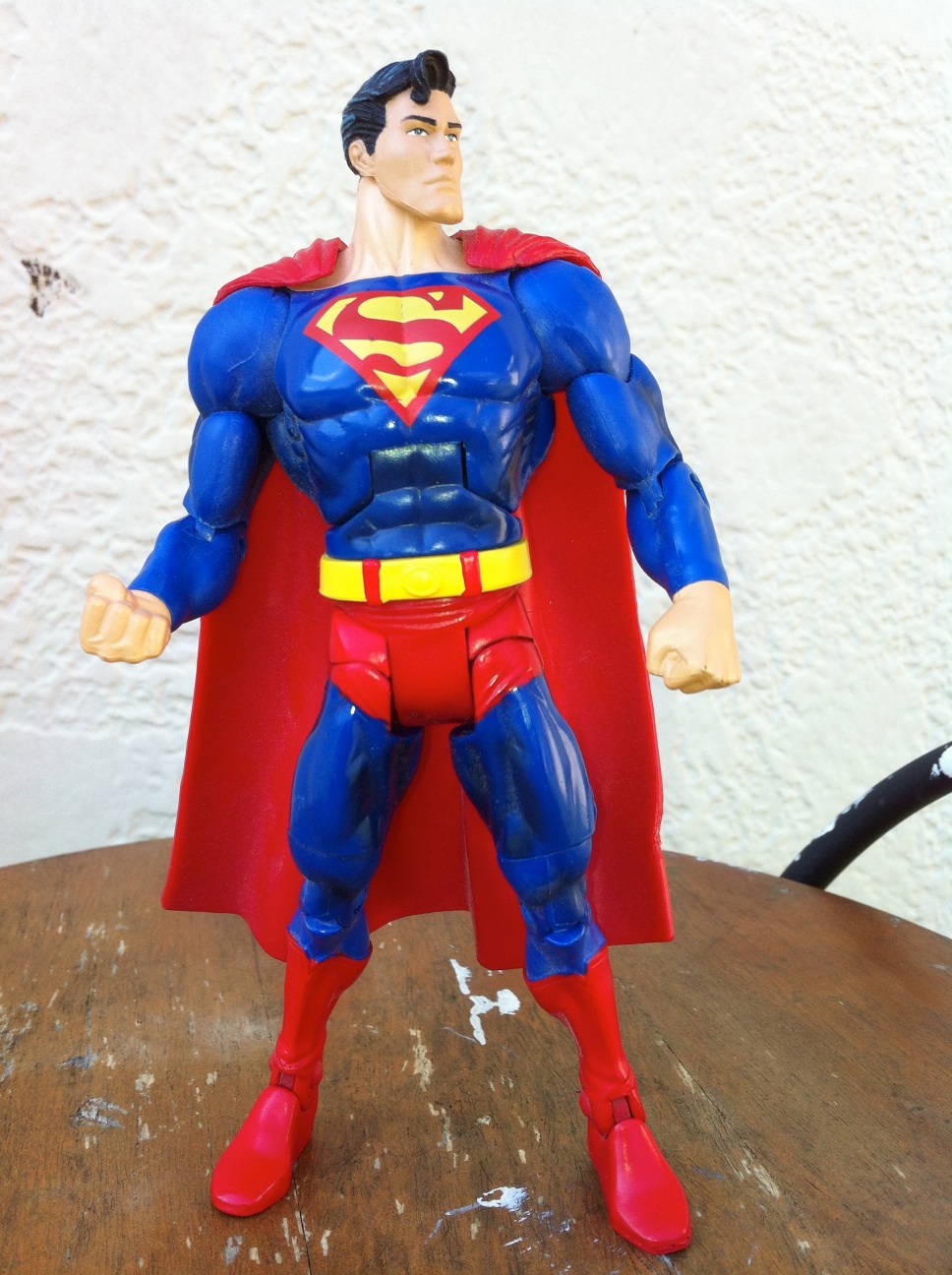
Now think about all the people who are up in arms about the way men’s bodies are being portrayed in action figures. Can you think of anyone? Any campaigns going viral about changing action figures’ bodies? Didn’t think so.
That’s because when you think of Superman, you don’t think about his six pack or his rippling muscles. You think about what he can do—the lives he saves, the incredible feats he achieves, even his personality. His appearance isn’t your first priority. You look at Superman the same way you look at men in society: achievements, character, actions… all of those things matter more in judging a man as a whole than if you’re judging a woman.
Back to Barbie. Let’s think about what she looks like. Now, let’s think about what she’s achieved. According to NPR she ran for president of the United States in 2004. According to this playset sold at Target, she’s a goddamn doctor. Considering the gal doesn’t even have functioning ankles, it’s pretty impressive, right?
I know what you’re thinking, and you’re right—Superman was a character in a story before he was a doll, and Barbie was not. She’s always been a plastic toy that girls dress up and place in different situations. She’s always been whatever the girl wants her to be…so why can’t that be her story? Why the focus on her looks?
PolicyMic’s story about the Lammily doll says that it will “revolutionize the way girls think about their body.” And if that’s true, I say that’s great. We need girls thinking that Barbie isn’t an average woman’s body. But what we really need are girls revolutionizing the way they think about themselves. A girl is more than her body. A girl should love her body because it is part of her, not because it looks a certain way and looks similar to a doll.
To declare that these dolls make “average” into something “beautiful” is to declare that average is now the new measuring stick for beauty. Are you above average or below average? Fatter than average? Skinnier? That matters now, so you better start measuring yourselves accordingly, girls! I’m being overdramatic, but you get my point. To place so much importance on what the Lammily doll looks like makes her just as judged as Barbie is. It’s continuing the politicizing of women’s bodies, regardless of what you’re saying about them.
Brené Brown, a researcher and writer, declares, “What we think, hate, loathe and wonder about the acceptability of our bodies reaches much further and impacts far more than our appearance. The long reach of body shame can impact who and how we love, work, parent, communicate and build relationships.” Notice that she doesn’t mention what the person in question’s weight is. She talks about how the person measures him or herself according to what is acceptable. The Lammily doll is merely changing the marker for acceptability.
It’s only when we find peace with our bodies and start focusing on what we can achieve, that we do the real work of becoming ourselves. Lupita Nyong’o, in her acceptance speech at the Essence’s Black Women In Hollywood award, spoke of her struggle to find peace with her body as it was, with darker skin than she wanted. She mentions the measuring sticks she used for how she felt about her own acceptability, saying that other kids’ opinions hurt her, society pushed against her, and then later Alek Wek’s modeling career helped her feel better about her skin tone. But then, she let that go. “Finally I realized that beauty was not a thing that I could acquire or consume, it was something that I just had to be,” she said. Finally she felt she was more than how she looked, and became what she could do. And that is the difference.
I want us to stop talking about what Barbie looks like, and start talking about what she can do. I want us to stop telling girls how to measure their worth based on their appearance. What Barbie can do is whatever she puts her mind to—and that’s exactly what real girls can do, too.
Cat wearing jetpack in 16th century drawing baffles historians

Some drawings prepared for a German prince who was trying to squash a peasant uprising in 1530 were recently digitized by the University of Pennsylvania. After catching the attention of an Australian book blog they made their way to researcher Mitch Fraas. Faced with the 500-year-old drawings, he confronted the damndest thing: They feature cats wearing jetpacks.
“I really didn’t know what to make of it,” said Fraas, a historian Penn library. “It clearly looks like there’s some sort of jet of fire coming out of a device strapped to these animals.”
It turns out the artist in question was indeed proposing jetpacks as a weaponized defense strategy. But instead of a 16th century version of Iron Man, he was proposing turning the cats themselves into weapons.
The idea was set forth by artillery man Franz Helm, who had apparently seen action in Turkey and witnessed first-hand the power of gunpowder. His idea went like this: Rather than try to lay siege to a castle or otherwise protected town, you could simply kidnap a cat, attach a jetpack to its back, set it on fire nearby and release the cat, which would run back home in its panic wearing the jetpack and set the whole town on fire.
“Sort of a harebrained scheme,” says Frass, with the benefit of 500 years of hindsight. “It seems like a really terrible idea, and very unlikely the animals would run back to where they came from. More likely they’d set your own camp on fire.”
Probably true. But you have to give Franz Helm credit for thinking ahead of his time. Incidentally, the drawing was created just 15 years from when Albrecht Dürer famously drew a rhinoceros with startling accuracy having never seen one, based only on a written description.
Must have been something in the air. No word whether any drawings have been recovered of sharks with fricking laser beams attached to their heads.
Image/ source: Guardian
Intro to Aperol

[Photo: Maggie Hoffman]
Audrey Saunders of Pegu Club in New York created this fruity and bittersweet drink to introduce customers to the flavor of Aperol. The cocktail is citrusy and mildly herbal, with a subtle undercurrent of bitterness.
Note: To make simple syrup, combine 1 cup water with 1 cup sugar in a small saucepan and heat over medium heat, stirring constantly, until sugar is dissolved. Cool before using. Simple syrup will keep in a sealed container in the refrigerator for up to 5 days.
Special equipment: cocktail shaker and strainer
Ingredients
serves makes 1 cocktail, active time 3 minutes, total time 3 minutes
- 2 ounces Aperol
- 1 ounce London Dry gin
- 3/4 ounce fresh lemon juice, from 1 lemon
- 1/4 ounce simple syrup (see note above)
- 1 dash Angostura bitters
- Garnish: orange twist
Procedures
Fill a cocktail shaker 2/3 full with ice. Add Aperol, gin, lemon juice, simple syrup, and bitters. Shake until well chilled, about 20 seconds. Strain into a cocktail glass and garnish with orange twist.
Is that the world's smallest violin I hear playing?
Is he a victim of class worfare?
Sriracha Aged in Whiskey Barrels Is Better Than the Original Sauce

When I first wrote about how I was dealing with the now-lifted sriracha ban, I got the strangest emails, tweets, and ideas on how to enjoy the sauce. Weirdly enough, too many of them involved whiskey. One guy suggested that I try a sriracha pickle-back shot: Fill an empty sriracha bottle with pickle juice, let it marinate, and use that as your whiskey-back. (He promised it would “burn so good,” which I’m assuming refers to the inevitable heartburn-back.)
A couple of weeks ago, I got an email from Lisa Murphy, a woman who offered to send me a jar of her whiskey-barrel-aged sriracha. The day after I got her version of the chili sauce, I put a spoonful of it on my morning sandwich: a whole-wheat sandwich with a slim slice of cheddar, a handful of fresh spinach, and an egg over easy. It was everything she had promised. A sweet and spicy sauce with just the right hint of smoked-whiskey flavors. It made the plastic-bottle stuff look like a pansy.
When I got on the phone with Lisa, I realized that she wasn’t just another person trying to capitalize on the put-sriracha-on-everything craze. This woman was very serious about sauces. She was even more serious about ketchup—and trust me, she is a lover, fanatic, and historian of ketchup—which she assured me is a sauce and not the $3 goo you keep in your fridge to mask the taste of overcooked burgers.
She used to throw “ketchup parties” for her friends as a hobby when she was still working for a high-tech startup. Her ketchup is orange, not red, because she uses local tomatoes that came in a variety of colors. As a side gig, she experimented and sold her orange—jarred, not bottled—ketchup in local specialty stores in San Francisco. At $7.50 a pop, the stuff sold out. When the storeowners reordered, she quit her job, spent the three months before tomato season in California traveling throughout Southeast Asia, and returned to start her sauce company, SOSU.
She used what she learned in Cambodia and Thailand to add sriracha ketchup as a complement to her orange ketchup, and now, her company has a Kickstarter to bring a better version of sriracha to the masses and fulfill her mission of reinventing condiments as healthy, delicious sauces. She believes that using jars instead of bottles will get people to think of condiments as sauces they can cook with, too.
Then, I tried to get her to tell me all her secrets about the whiskey sriracha that now completes my breakfast.

VICE: First, why don’t you tell me about your process and how you make this?
Lisa Murphy: We combined our philosophy of using fresh, locally sourced ingredients with the age-old craft of fermentation. We age our secret pepper mash in whiskey barrels for between one and three months. The sriracha takes on complex flavors from the oak barrels and the natural fermentation process. Absolutely no preservatives or additives go into our sriracha. Each bottle is handcrafted and made in small batches to ensure the most intense flavors.
I’m a little confused. How does the company feel about this? Are they trying to shut you down?
Actually, you're not the only one confused. Many people think that "sriracha" is a brand or a trademarked name because we have all become accustomed to only one brand of sriracha. It’s actually just the name of a Southeast Asian chili sauce that is prevalent in many parts of Southeast Asia, including Thailand, Laos, Cambodia, and others. Many families have their own recipe of how sriracha should taste.
Why sriracha? Is there something that drew you to the condiment?
We decided to make our own sriracha sauce for a few reasons. First, we were already making our own sriracha. We had already been making our own sriracha for our Srirachup, a spicy combination of our own sriracha and ketchup for the past year. Our fans asked us to make a stand-alone sriracha to complement the Srirachup. Also, sriracha is great, but we felt it could be better. SOSU’s mission is to take everyday sauces and make them better. We felt that sriracha can be improved by using the old-age craft of fermentation and barrel aging to create complex layers of flavor without the addition of preservatives.
Lastly, when I was traveling in Southeast Asia, I discovered that there are different varieties of sriracha in different countries. For example, in Thailand, I discovered that they make a sriracha with fermented fish as a base. In Cambodia, because flavors tend to be sweeter, their sriracha was sweeter. The different variations inspired me to make my own sriracha with the flavors I enjoy.
What other sauces do you plan on making?
We have ketchup, sriracha, and are also planning to launch a barrel-aged hot sauce and sriracha cumin spice rub. We have thought about barbeque sauces, but no firm plans.
Have you ever read Malcolm Gladwell’s essay “The Ketchup Conundrum”? It basically explains why mustard comes in different varieties but Heinz ketchup continues to dominate, because it hits all the different tastes: sweet, sour, salty, bitter, and umami. What makes sriracha different from, say, ketchup?
Yes, I have read that essay. I disagree with Malcolm Gladwell. We have had many fans tell us that after they have tasted and tried our ketchups, they never go back to Heinz. When a consumer tastes a fresh tomato versus a paste, fresh tomato ketchup always tastes better. I think the main reasons why Heinz has succeeded in holding onto its market share is its price point and also because people are used to their idea of ketchup should taste like, but they haven’t tasted how ketchup can really taste when it is made with fresh ingredients. We are going back to the basics of making ketchup the old way and encouraging people to “rediscover ketchup” again.
When Heinz started making ketchup, it was made with fresh tomatoes. He was a pioneer and entrepreneur in incorporating high-quality ingredients in his ketchup. When he was around in the 1800s, a lot of the ketchup brands—and his wasn’t the only ketchup brand—came in this amber, pharmaceutical-type packaging, and the amber color would hide what’s inside so you wouldn’t see what stuff they were using. So Heinz stepped up and said, “I focus on quality. I use fresh tomatoes that I source from farmers, and I’m going to choose a clear bottle, because I want to show people what’s really inside my ketchup.” I admire the guy a lot. But if you look at ketchup now, it’s changed completely. It’s become ingrained in our mind that it’s just something that you have around in your fridge, that it shouldn’t cost more than $2.99, and when you look at the ingredients, it should have high-fructose corn syrup. That’s why when you taste ketchup, it just tastes very sweet, very processed, very glossy. You don’t even taste the tomatoes any more. Ketchup can be improved quite a bit.
Thanks, Lisa. Best of luck!
You can’t get the whiskey-barrel-aged sriracha in stores yet, but you can get a jar if you contribute to SOSU’s Kickstarter here.
Follow Angelina Fanous on Twitter.

4 Ways the Internet Is Creeping into the Real World
5 World-Changing Trends That Will Transform Pop Culture
narcoleptic squirrel song
From the... erm... more than 5 boroughs.

u/wittybrit' s outline of their mapping methodology in the comments of their mapping submission.