Shared posts

12 Mar 14:27

Mitos y leyendas: la cabeza del rey don Pedro

by Amo del castillo

Bueno, me han prestado un chisme minúsculo cuyo teclado es más pequeño que mis manazas juntas, pero al menos me da el avío de momento… espero.


Ante todo, quiero agradecer a mis lectores por las muestras de solidaridad por mi pérdida, lo que me llena de júbilo por saber que mis modestas filípicas disfrutan de tanto predicamento entre el personal. Pero como aún no he podido ordenar los tesorillos del cofre, extraídos en el día de ayer del seno del difunto, pues en este mi retorno tras el breve receso tendremos que aviarnos con mi memoria sin más. Así pues, narraré una curiosa historia que puede que algunos o quizás muchos desconozcan.


¿Ven vuecedes esa hornacina en la que reposa un busto regio? Es el rey don Pedro, y su estatua se encuentra en la calle Cabeza del Rey don Pedro. ¿Cómo fue a parar ahí? Pues bien, se me sienten apaciblemente, tengan una lata helada de zumo de cebada a mano y deléitense con esta curiosa historia…


Este enloquecido y cruel monarca, del que ya se ha hablado en el blog, tenía gran afición por Sebiya. De hecho, gran parte de las magnificentes estancias del alcázar hispalense son obra suya, y allí gustaba de vivir con su amada María de Padilla que, al decir del canciller Ayala, “era muy fermosa e de buen entendimiento e menuda de cuerpo”. Pero don Pedro no tenía bastante con la pequeña pero hermosa María para saciar sus urgencias ya que era un hembrero y un pichabrava como pocos, y se deleitaba sobremanera con el ardiente mujerío hispalense, a las cuales visitaba de noche, en cuanto se hacía de noche, saliendo de incógnito por un postigo del alcázar. Así, solo, sin escoltas ni guardias, se perdía por el intrincado dédalo de la nocturnidad sebiyana a la caza y captura.


Es evidente que era un hombre bragado y que, a pesar de la enorme cantidad de enemigos que tenía, le daba todo ello una soberana higa con tal de satisfacer su insaciable lujuria. Y unos de sus más enconados adversarios eran los guzmanes, la poderosa familia andaluza que había sentido sobre sí el implacable odio del monarca, que no había tenido problema en escabechar a varios de sus miembros. Recordemos como no dudó en mandar quemar viva a doña Urraca Ossorio, madre de don Juan Pérez de Guzmán, o que su padre Alfonso XI relegó al ostracismo a su mujer y madre de don Pedro en favor de su amante, la prolífica Leonor de Guzmán. Y, mira por donde, una mala noche se topó con un miembro de dicho clan cuando se dirigía a una de sus correrías.

A pesar de la oscuridad reinante, don Pedro era fácilmente reconocible por un detalle: le crujían las canillas al caminar. Si a eso unimos su cabello rubio y su tez pálida nadie dudaría que estaba en presencia del mismo rey de Castilla. Tiempo le faltó al guzmán para aprovechar la oportunidad que se le presentaba: su enemigo, solo en mitad de las callejuelas de la populosa Sebiya, de noche y sin testigos. O sea, el escenario ideal para aliñarlo, tomarse venganza sañudamente y por ahí te pudras. Pero no era don Pedro hombre que se achicase ante un enemigo como un gazapo ante una serpiente así que, tras retarse, ponerse ambos de hideputas y de perros traidores, metieron mano a las espadas y se enzarzaron en briosa riña. El choque de las armas se escuchaba en toda la calle, pero como el personal ya estaba habituado a las pendencias nocturnas entre matasietes y los ladrones que apiolaban a los pardillos que se aventuraban a circular de noche, pues ambos enemigos se lanzaban de estocadas a su sabor sin que nadie interviniera.


Calle Cabeza del Rey don Pedro en la actualidad.
La calle del Candilejo está girando a la izquierda
Era un buen espadachín don Pedro, y no tardó mucho en finiquitar el negocio aliñando bonitamente al guzmán, al cual dejó tumbado en el suelo terrizo sin darle tiempo de pedir siquiera confesión. Satisfecho con el resultado de la lidia, don Pedro limpió su espada, la envainó y, mirando en todas direcciones por si había algún testigo, se embozó con su capa y se largó tan campante en busca de alguna hermosa hembra para refocilarse a base de bien.


Al día siguiente, nada más saberse el destino sufrido por el guzmán, toda la parentela del difunto se personó en el alcázar dando berridos y clamando justicia. Fueron recibidos por el rey, que se estaría descojonando en su fuero interno ya que les juró por las barbas de sus ancestros dar con el asesino y poner su cabeza en el lugar del crimen para escarmiento y ejemplaridad del populacho. Tanto énfasis puso don Pedro al prometer justicia que los guzmanes se largaron más apaciguados mientras el monarca se repantigaba satisfecho en su jamuga sabiéndose impune. Así pues, mandó echar el bando en el que se ofrecía una jugosa recompensa por cualquiera que delatara al asesino del guzmán.


Pero al día siguiente se le debió atragantar el desayuno cuando un paje se presentó en la sala diciendo que un tipo pedía ser recibido ya que sabía quién era el asesino. Cabe suponer que don Pedro debió preocuparse un poco a pesar de su proverbial sangre de horchata para esas cosas pero, como no estaba solo y varios de sus ricoshombres le acompañaban, no le quedaba más remedio que conceder audiencia al chivato. Cuando éste entró en la sala se inclinó ante el monarca y esperó a que se dirigieran a él.


-    ¿Así que vos sabedes quien fue el asesino?- preguntó don Pedro más mosqueado que un pavo escuchando una zambomba.

-   Sí, mi señor- replicó el hombre mientras se doblaba como una alcayata en señal de acatamiento.

-    Pues dadnos presto su nombre para fazer en él justicia.


Los presentes estiraban el pescuezo como grullas para enterarse de la gran noticia. ¿Quién leches habría matado al guzmán?


-   Non vos lo puedo dar más que en privado, mi señor. El asesino es caballero muy principal, y si se sabe podría causaros gran mal tanto a vos como al gobierno de vuestros estados.


Don Pedro saltó de la jamuga y, agarrando al hombre de un brazo, se lo llevó a un aparte ante el disgusto de los cortesanos, que ardían de curiosidad.


-    Aquí nadie nos oye. Decidme ya el nombre del asesino e non pongáis más a prueba mi paciencia, sangre de Cristo.


El hombre señaló a un enorme espejo que había cerca y, con voz muy baja, respondió:


-     Ese que vedes asomado en esa ventada es el asesino, mi señor.


Don Pedro miró al espejo y se vio a sí mismo, no dejando de maravillarse por la discreción del hombre.


-    Bien pues. Habéis actuado como un hombre honrado, así que id en paz y jamás habléis con nadie de esto si non queredes perder la cabeza.


El hombre se inclinó, recibió la recompensa de manos de un chambelán y se largó más contento que unas pascuas.


Fachada del palacio mudéjar
del alcázar construido
por don Pedro I
Al día siguiente salió del alcázar una comitiva encabezada por varios pajes aporreando cajas de guerra y haciendo sonar añafiles y trompetas a todo pulmón. Tras ellos iba media curia regia con una escolta de ballesteros y, en unas parihuelas, una caja de madera de lo más misteriosa. Junto a ella iba el pregonero desgañitándose para informar a los ciudadanos que el asesino había sido arrestado, juzgado, condenado y ejecutado y, en cumplimiento del mandato regio, su cabeza sería empotrada en un muro de la calle donde cometió el crimen. Pero que por ser persona de cierta relevancia y para evitar pendencias entre la nobleza, dicha cabeza quedaría para siempre guardada en la caja a fin de que nadie pudiera saber quien era, lo cual enojó sobremanera a los guzmanes, que ya se relamían de gusto imaginando mil venganzas bíblicas contra la familia del reo.

Total, que cuando llegaron a la calle en cuestión unos albañiles abrieron un nicho, metieron en él la caja, lo cubrieron con una fuerte reja trabada y allí quedaron dos guardias para impedir que, en cuanto la comitiva volviera al alcázar, los guzmanes intentaran sacar la cabeza para ver quién puñetas era el alevoso asesino de su querido pariente. Y así quedó la cosa hasta que en marzo de 1369, don Pedro y su medio hermano el Trastámara se apuñalaron bonitamente en el pabellón de Bertrand du Guesclin hasta que el rey dejó este mudo convertido en un colador. Está de más decir que tiempo les faltó a los guzmanes para ir a arrancar la reja y sacar la caja del nicho, esperando que aún pudiera ser identificable el asesino. Y cual no fue su sorpresa cuando vieron que la cabeza del reo no era otra que una del mismo monarca, arrancada de una estatua y, tal como había ordenado, depositada en el lugar del crimen. Don Pedro, a pesar de todo, había sabido cumplir su palabra.

Estatua orante de Don Pedro
¿Que como supo el hombre aquel quién había sido el matador del guzmán? Pues fue su madre la que, asustada por el estruendo de la lucha, se asomó a una ventana con un candil para ver qué pasaba. Y gracias a la mortecina luz de la lucerna pudo identificar claramente al rey el cual, además, hizo sonar sus canillas a base de bien al largarse de allí a toda prisa, pensando que nadie había sido testigo de la reyerta. La pobre mujer, aterrorizada, dejó caer el candil y dio por sentado que el rey se daría cuenta y que, amigo como era de las justicias rápidas, la descabezaría sin más. Angustiada le contó todo a su hijo el cual, haciendo un alarde de astucia, fue capaz de delatar al monarca de forma que, al mismo tiempo, quedaran tanto él como su madre a salvo de las iras regias y, encima, con la recompensa.

Allí quedó para siempre la cabeza del rey don Pedro en la calle que hoy lleva su nombre, al lado de la del Candilejo, donde vivía la mujer que lo vio acuchillar al guzmán como quien cortaba un rábano. El nicho y la estatua que vemos hoy datan del siglo XVIII, pero dejan constancia sobrada de esta curiosa historia.

Hale, he dicho... 

12 Mar 14:12

Popcorn Time Is Just Like Netflix, Except Everything Is Pirated

by Yannick Lejacq

This story came from Motherboard, our tech website. Read more at Motherboard.tv.

The rise of Netflix has corresponded with a decline in piracy, largely due to ease of access. Sure, you can easily find countless of hours of entertainment on any number of torrent websites and similar services. But even if you're tech savvy enough to wade through all the sketchy porn ads, torrents can be risky, from both malware and legal standpoints. Netflix (or Hulu, HBO Go, or any other streaming service) is simple: Just load a video and go.

It may not solve the legal problem, but a group of programmers have come up with a new service that basically removes usability concerns from the piracy equation—at least for video content. Popcorn Time, which is currently available in beta form for Mac OS X 10.7 (Lion) or higher, is pretty much identical to Netflix for all intents and purposes. The only difference is that all the content therein is pirated, of course.

According to the site's FAQ, it's designed to download and stream torrented video that's "buried in a secret folder somewhere in your drive until you restart your computer," at which point it's deleted. In essence, it's a torrent client dressed up with a better presentation. At face value, Popcorn Time has the potential to be truly huge.

But as the site's terms of service notes, you may be violating copyright law, depending on where you are. So while you may not have to pay up to watch American Hustle (plus you'll get to see it earlier than people using iTunes or Amazon Video), legally speaking, you should treat the service as any other torrent site.

Popcorn Time's creator isn't that concerned with legal threats, however. The Buenos Aires-based programmer who was only identified as Sebastian told TorrentFreak that he doesn't expect any legal repercussions since "they are just repackaging existing content, without a commercial angle."

“We don’t expect legal issues. We don’t host anything, and none of the developers makes any money. There are no ads, no premium accounts, and no subscription fees or anything like that. It’s an experiment to learn and share,” Sebastian said.

Considering how popular a service like this could quickly become, I'm not sure how much longer Sebastian and company will hold to that principle. A report from last month claimed that the world's top piracy sites make hundreds of millions of dollars every year off advertising revenue—much of it coming from the very companies trying to tamp down on piracy.

But according to TorrentFreak, Sebastian and the rest of the Popcorn Time team are all avid Netflix users and moviegoers themselves. And really, they're just looking for an easier way to make more movies widely available as a result.

“We hate that we don’t have the chance to watch some movies at home. Popcorn Time is an experiment to show that you can do something better for the users, and that you can do it with BitTorrent,” Sebastian said. Hey, Netflix— your move.

12 Mar 14:02

Police rescue family penned in bedroom by their cat

by Alex Moore
Police rescue family penned in bedroom by their cat

A family in Portland, Oregon barricaded themselves in their bedroom and called 911 for help when their cat, a 22-pound bruiser named Lux, went completely ballistic on them.

Lux had torn into one of its rages and attacked the family’s 7-month-old baby. The baby’s father Lee Palmer kicked the cat to get it to stop attacking the baby, and that’s when all hell broke loose.

“The cat, we don’t know what to do about the cat – he’s trying to attack us,” Mr. Palmer told the 911 operator. “I kicked the cat in the rear and it has went off over the edge and we aren’t safe around the cat.”

KATU reports that a “911 dispatcher who stayed on the phone could hear the cat screeching in the background throughout the call” as the cat stalked the family just outside the locked bedroom door.

“When I leave the bedroom to let the police in, I’m gonna have to fight this cat,” Mr. Palmer told the 911 dispatcher.

When the cops did finally arrive and started banging on the door, Lux ran to the kitchen and jumped on top of the fridge. Mr. Palmer made his move and ran for the door to let the cops in.

Police used a trap to capture the cat and put it in a crate. The family lived to tell the tale. Picture of their tormentor is below:

Lux the cat Police rescue family penned in bedroom by their cat

Image: Shutterstock

12 Mar 14:01

Sheryl Sandberg wants to ban the word ‘bossy,’ but she’s not the boss of me

by Robyn Pennacchia
Sheryl Sandberg wants to ban the word ‘bossy,’ but she’s not the boss of me

Sheryl Sandberg of “Lean In” fame has a new campaign in which she encourages the ban of the word “bossy” on account of the fact that she believes the word discourages young girls from wanting to be leaders. There’s even a fancy video featuring Sandberg, Jane Lynch, Jennifer Garner, Condoleeza Rice and Beyonce to promote it.

The video ends with Beyonce stating “I’m not bossy, I’m the boss.” Which is fine. For Beyonce. An adult person who is in fact the boss of some people. However, an eight-year-old kid is specifically not the boss–and I gotta tell you, if she’s going around acting like she’s goddamned Beyonce, then that’s a problem.

I can’t get down with this “ban bossy” thing. First of all, because I think it’s pretty low on the feminism priority list. We’ve got a few other things we need to be worrying about right now that are slightly more important, I’d say. Banning “bossy” right now feels like rearranging the furniture while the house is on fire. Second of all, because I actually do think that the word “bossy” describes a specific type of behavior that is, quite frankly, obnoxious. It is a useful word.

I am not averse to adjusting my language to make people more comfortable. I don’t use slurs, except when I refer to myself as a Shamwop because I made that one up on my own, for my half-Irish half-Italian self, and fuck you, it’s funny. As much as I think it’s a wee bit over the top, I’ve tried to stop saying “crazy” and “insane” and other words like that in order to not be ablelist–which, let me tell you, is really hard for someone who writes about politics and the Tea Party as much as I do. I even spent 20 minutes yesterday trying to figure out if I could still use the word “rational.”

Generally speaking, if someone tells me something is hurtful, even if I don’t 100% “get it” or am very sure that the words have multi-contextual use and don’t just describe one thing that I wouldn’t use them to describe anyway, I try to avoid it. I pride myself on having good manners, and sometimes that means having to realize that a slight inconvenience to me is a big deal for another person.

However, the term “bossy” isn’t a negative term for something otherwise positive or neutral. It’s not a negative term for something someone can’t help. It’s a negative term for a negative personality characteristic. “Bossy” people aren’t “leaders,” they’re brats. When I think of a “bossy” kid, I don’t think of an assertive and confident child with leadership skills, I think of that kid from “The Twilight Zone” who sent people to the cornfields for not doing whatever he told them to do, or, less extremely, the kids who always had to get their own way on the playground. “Bossy” is ordering people around when you don’t have the authority to do so, as in the case of many an annoying younger sibling.

Sure, it’s a negative word in and of itself. It’s not a “nice” thing to say. But I don’t want to live in a world where we can only say nice things about people. That would not be doubleplusgood. Not to mention the fact that trying to ban a word like “bossy” takes the legitimacy away from those who want to avoid slurs that really are offensive and hurtful to people. It just goes a little too far.

As for the bossy gender gap? If there’s a problem, it’s that perhaps “bossy” behavior is less scrutinized in boys than in girls. If you ask me, this type of behavior should be discouraged equally. It’s obnoxious, regardless of who it’s coming from. Not to mention that I don’t think that bossy behavior necessarily translates to success in life. I’ve met both adult men and women who come across as “bossy” and my first thought isn’t that they’re “confident,” “self-possessed” or “great leaders”–by any stretch of the imagination. If you want the truth, they come across as kids whose parents never told them “no,” and spent too much time praising them for being special precious snowflakes.

I feel like maybe it would be better to praise “working together” over “being a leader,” anyway. I think you can be a “leader” by making sure everyone else has their say and feels included, and that assertiveness doesn’t have to translate to telling people what game you’re all going to play at recess.

I think it’s important to think about gender socialization, and how we encourage certain behavior in boys that we discourage in girls. I think it’s important to talk about the fact that girls get called on less in class and that teachers give more attention to boys, and are more likely to not penalize them for speaking out of turn. I think the phrase “boys will be boys” needs to go the fuck away forever. However, I don’t think that encouraging girls to also act like assholes is the way to go on this.

12 Mar 13:59

Call Nancy Drew! We need to solve the mystery of this Target model’s missing mons pubis!

by Robyn Pennacchia
Call Nancy Drew! We need to solve the mystery of this Target model’s missing mons pubis!

“Thigh gap,” a concept originated on pro-anorexia websites but quickly adopted by a populace hungry for creative new ways for women’s bodies to fail them, has been all the rage for some time now. Even our moms are talking about it, prompting odd conversations in which they insist we explain to them why what they used to call “bow-legged” is a hot trend these days.

Unfortunately, the demand for wider and wider “thigh gaps” has increased so that even models, those whose entire job it is to provide us with impossible beauty standards that we will never live up to, cannot accommodate it. Which, of course, is where Photoshop comes in. Really, if you think about it, these brave artists are doing us all a favor, because can you just imagine what would happen to our retinas were we to gaze upon a pair of female thighs less than twelve inches apart from one another? We would surely die.

However, it seems that an intrepid Photoshopper working for Target’s website has gone a bridge too far in the war against touching thighs, and virtually eliminated the entire pubic area of several models on the site.

rs 600x600 140311090319 600 target photoshop fail.ls .31114 copy Call Nancy Drew! We need to solve the mystery of this Target models missing mons pubis!

target12n 3 web Call Nancy Drew! We need to solve the mystery of this Target models missing mons pubis!

target12n 2 web Call Nancy Drew! We need to solve the mystery of this Target models missing mons pubis!

Not to mention the additional body spikes to the model’s hips and armpits. Cappellini arms or not, these ladies are ready for battle!

Now, it is possible that whoever edited these pictures was just horrible at Photoshop, but perhaps he or she is onto something. I mean, let’s face it- if a woman starves herself enough, she may be able to look as skinny as these models and perhaps achieve the perfect thigh gap. However, without the help of I don’t know what kind of surgery–probably one involving the removal of bones–there is no woman on earth that can actually get a rectangular indent into her pubic area. I mean, if you make women insecure about a thing their bodies are not even sort of capable of doing, just think of the things you could sell them!

Target, however, is not quite ready for such a radical move as this and has since removed the bizarrely Photoshopped pictures from the site.

12 Mar 13:46

5 Truths About Sexual Fetishes (A Dominatrix's Perspective)

By Robert Evans,Anonymous  Published: March 11th, 2014  The stereotype goes that when it comes to sex, men are as simple-minded as dogs. ("Come on, we all know guys are only after one thing!") Well, as someone with a few years' experience as a dominatrix and phone sex operator, I'm here to tell you that c
12 Mar 13:09

FESTA SUEVO IRLANDESA PARA ESTE SÁBADO COM UMHA EXTENSA PROGRAMAÇOM

by Gentalha

sampatricio

12 Mar 12:32

This cartoon just made a scientific breakthrough

by seemikedraw

Excellent-Meth-500

11 Mar 22:49

Tuesday, March 11 @ 9:58:25 am

by Tonny_Pizzicato
11 Mar 22:43

14 Things Only Women With Small Boobs Know

by Rachel Hodin
It was a cold winter morning. The year was 2003. And my nipples? Swelled to the size of two mosquito bites. No I wasn’t having an allergic reaction — I was going through puberty, and it wasn’t pretty. All the boys and girls stared –1) because I was one of the first to sprout and 2) I wasn’t yet too self-aware and so nixed the idea of bras altogether. I was uncomfortable in my new skin but excited and secure, believing I was well on my way to full-grown boobs in no time. Well, you can imagine my disappointment when, ten years later, I woke up with the same mosquito-bite-size boobs.

1. How it feels to put excess hope in those “I went from a size AA to a size C at 25″ stories.

Every woman with small boobs has heard that elusive story — the one where some lucky 25-year-old, pitiful in all her late-bloomingness, finally grew the boobs she had always wanted in her mid-20s. We’ve all HEARD the story, but have never actually witnessed it. It’s always a friend of a friend’s cousin or someone else no less than four degrees of separation from us, her existence shrouded in the uncertainty of urban legends. But she keeps our spirits high.

2. Never going bra shopping.

I have zero clue how to shop for bras; in fact, I don’t think I’ve purchased a single bra in my life. My collection of bras fall into two categories:

  1. The bras I’ve had all my life; the ones I can’t remember not having. They usually look like a sports bra Susanne Summers might’ve worn.
  2. The bras my friends outgrew.

3. Never having to complain of sore boobs.

With boobs so small, there’s scarcely anything about them that needs tending to. Sometimes when your friends are complaining about their “sore” boobs, us small-boob folk will nod along and say something in the affirmative like “ugh, yeah me too…” But know this: we’re lying.

4. What it feels like to pull skin into a makeshift cleavage.

As a faithful member of the dwarfed boobs cohort, I am inevitably familiar with the myriad ways in which we try to trick men into thinking we are a cup-size bigger than we actually are. Like a blind woman finding her way by reading Braille, i too could find my way in a sea of darkness if it was adorned with those cup-shaped cushions that go into padded bras. But, perhaps the most practiced ruse of all is the classic skin grab; without enough tittage to secure cleavage, we resort to our skin, grabbing all the excess skin in our boob region that we can get our hands on, and use that as cleavage fodder.

5. How it feels to constantly hear “but small boobs are in!”

When it comes to boobs, the grass is usually always greener; everyone’s got boob FOMO and they won’t let up. (Though we all know who the real winners are: the girls blessed with perky B-cups.) Big-boobed women are constantly fawning over our small boobs and are always of the belief that their boobs make classy outfits look tacky and that small boobs are “chic” and “in.”

6. The sobering realization that you’ve gone too far with not wearing a bra.

Sometimes, us small-boobed broads feel duped, as if we’ve been excluded from a very feminine process: that of growing boobs. Sometimes — whether in an effort to make ourselves feel better or out of pure indolence — we forgo bras altogether. Big-boobed women are so envious of this and because it’s probably the only thing about our small boobs that they envy, we like to flaunt this one and only perk. But fellow small-boobers, beware: the sans-bra look has the power to come back and bite you in the ass; take your no-bra celebration too far and you won’t just be bra-less, but friendless too.

7. How it feels to borrow your best friend’s younger sister’s bra.

It’s always a fine moment when your best friend’s bra size surpasses your and now every time you need to borrow a bra she goes marching into her little sister’s room. A fine moment for all. Unfortunately, I’m not being facetious — cherish this moment, as it’s a hell of a lot more preferable than when the younger sister finally surpasses you in bra size too.

8. Small boob family pride.

I come from a female-dominated family in which the small boob gene runs deep. Ever since I could say “mama” I was aware of my fate. My mother, leading the pack, never once shied away from poking fun at her small boobs and my inevitable ones. There was never even a freckle of hope that I would some day have natural, effortless cleavage, and so we did what most small-boobed girls in large numbers too: we band together.

9. How it feels to freak out over big tits.

Having never had these salacious, excess appendages, I’m as impressed by them as the next straight guy. Would one squeeze hurt? Just one? I want to know what they feel like, because for all I know they really could have the texture of a bag of sand.

10. What dudes sometimes say about big boobs in private.

Because I’m a 32 AA, guys seem to think it’s acceptable — even welcome — to talk poorly of large breasts. One time I was applauded for my breasts because, as he put it, “your boobs won’t become a liability when you’re older.” And yet, hearing other talk about women in this manner didn’t make me feel any better! Strange…

11. That eating more doesn’t always mean bigger boobs.

There are some blessed women out there whose breasts hoard all of the weight they gain. Us bevy of small-boobed gals are not as blessed. I can’t stand when people say “just gain weight!” as a solution to my dwarfed boobs. Don’t you think if this worked I’d be practicing it already? Funneling Oreos into my mouth?

12. How it feels to put too much hope in “boob enlargement exercises.”

There’s this chant I used to say as a 12-year-old that, in hindsight, epitomizes a truly twisted mindset. While doing this weird pectoral clench thing — which I know realize is just a rather useless exercise for the serratus anterior — I would sing “I must, I must, I must increase my bust, the bigger the better the tighter the sweater the boys depend on us.” Prolific poetry, I know…But my focus isn’t so much the anti-feminist chant as it is the “boob exercise” that went along with it. Futile boob exercises abound and, after trying them all out, I can safely say they’re all folklore.

13. The I-want-a-boob-job phase.

And this is especially true if you grew up in the 90s like me — note: this is not the same as growing up with 90s GIF-related articles. The 90s was anything BUT boobs, and most of them were fake too. Elizabeth Hurley, Lil’ Kim, Pam Anderson, Jenny McCarthy, Jennifer Love-Hewitt, with Aaliyah and barely anyone else leading the small-boob camp. My point is, the influence was strong. And it took a toll. i’m just glad my mom refused to let me get one “until I could pay for it myself,” because, though I still can’t afford it, I now know I don’t want it.

14. Getting over that phase.

It’s not instantaneous; you don’t go to sleep one night dreaming of fembots and wake up idolizing Kiera Knightley. It’s gradual, but it happens. As it tends to happen, you realize: “Wait a second — world hunger. Gay rights, too. Also: racism still exists. And: FEMINISM!” And what used to matter begins to matters less… TC mark


11 Mar 15:44

No people without houses, no houses without people.

by alona
Photojournal of Spain's new squatters: families, young professionals, degree-holders, single mothers, the elderly. "I have grandchildren," she says. "When I die I would like to be able to say to myself that they will have jobs, homes and a happy life. The corralas are important. They set an example to people who are struggling. They show that we can help ourselves and each other. I don't know what the future will hold for any of us, but one way or another I believe that this will be a successful fight. I have to, otherwise I wouldn't be able to sleep at night."

The financial crisis in Spain has left thousands of families without housing, while around the country an estimated 3-4 million houses are deemed 'unsellable' or 'unrentable' and left empty. In May 2012, homeless families in the Andalusian capital of Seville decided to group together and found Corrala Utopía (their blog, in Spanish), the first in a growing network of previously vacant properties now occupied by victims of Spain's ongoing economic crisis.
11 Mar 15:29

Here’s a selfie from 1920

by Joe Veix
Here’s a selfie from 1920

A few years back, Gothamist uncovered an awesome selfie. No, it wasn’t from distracted millenials, but from prim gents in 1920s New York.

SELFIE1920SA Heres a selfie from 1920

And now there’s another, meta view of them taking the shot of themselves. The caption reads, “Five photographers posing together for a photograph on the roof of Marceau’s Studio, while Joseph Byron holds one side of the camera with his right hand and Ben Falk holds the other side with his left hand.” It took two people to hold the camera, probably because it was heavy as fuck.

It’s worth noting—as Gothamist also points out—that this isn’t the first selfie. That honor goes to this photo of US chemist Robert Cornelius in 1839, using what appears to be a sutro Instagram filter.

mny65382 Heres a selfie from 1920

h/t Gothamist, via: MCNY

11 Mar 15:02

5 Things I Didn't Know About Health Care (Until I Got Sick)

By C. Coville  Published: March 11th, 2014  In 2011, I entered a period of ill health so terrible that I bankrupted a couple of insurance companies and caused an entire hospital to collapse in despair, killing hundreds. I'm mostly better now, and the lawsuits are almost all sorted out, but alo
11 Mar 13:23

First Kiss

by Endswell

Tatia PIlieva asks 20 strangers to kiss on film for the first time.

Tatia PIlieva via Reddit

11 Mar 13:19

Redditor poses with asscracks

by noreply@blogger.com (biotv)

Reddit user OB1FBM went to the Grand Prix Richmond (a Magic: The Gathering card game tournament) last weekend, where, in an effort to document the event, he thought it would be a good idea to pose as if he was praying, next to people with exposed asscracks.


Imgur | via
11 Mar 13:14

¿El mejor chino chino de España?

by Mikel López Iturriaga
Snob

Hai que ir!

  Royal-cantones comida1.jpg

Sí, es la clásica mesa giratoria. / ROSA ARDÁ


Comer en restaurantes finolis está muy bien. Pero seguramente nada iguala el placer de descubrir un lugar barato, sin ninguna pretensión y completamente fuera de circuito en el que cenas como un emperador. Por desgracia, no quedan muchos ejemplares de esa especie, y cuando te topas con uno te entran ganas de ofrecer a los dioses a tus hijos o a tu madre en sacrificio para agradecérselo. Esto es, en líneas generales y con la inevitable salsa de la exageración, lo que sentí al visitar por primera vez el Royal Cantonés.

Este restaurante chino, pero chino chino, está en Usera, un barrio popular del sur de Madrid que yo siempre había tenido mitificado por una canción de Almodóvar&McNamara, y que en los últimos años se ha  beneficiado gastronómicamente de una fuerte inmigración venida del país de la Muralla. Abrió en verano de 2009, y desde entonces se ha mantenido fiel a una consigna: dar a conocer la auténtica cocina cantonesa y lograr que los paladares españoles, anestestiados por décadas de sucedáneos de comida china, aprendan a apreciarla.

El aspecto del Royal Cantonés no difiere demasiado de los otros tropecientos mil chinos que hay en España. Sin embargo, su carta encierra maravillosas sorpresas: una espectacular barbacoa cantonesa con panceta crujiente, cerdo rojo y pato; un milagroso pollo cocido a baja temperatura con salsa de jengibre que no puede estar más jugoso; un fantástico guiso de berenjena con carne picada y dim sums como los bollitos bao rellenos de cerdo al vapor y los hojaldres de carne. A los atrevidos, allí les espera también una peculiar medusa y un guiso de tendones de vaca que para mí fue como una iluminación: nunca habría pensado que una pieza tan poco atractiva a priori pudiera transformarse en semejante manjar. Hasta tienen un buen postre: pasteis de nata, llevado a Cantón por los portugueses hace siglos.

Royal-cantones comida6.jpg Royal-cantones comida2.jpg Royal-cantones comida3

Barbacoa cantonesa, berenjenas y manitas crujientes. / ROSA ARDÁ


El dueño del establecimiento, cuyo nombre español es Luis, llegó a Madrid con su familia procedente de esa ciudad china hace dos décadas, buscando una nueva vida en el extranjero. El jefe de cocina también proviene de allí, así como los otros cuatro cocineros que tiene a su cargo. "La cocina de de la región de Cantón es uno de los cuatro pilares de la gastronomía china junto con la de Sichuán, la de Shandong y la de Jiangsu", explica Luis traducido por su hijo David, que habla y escribe castellano como cualquier madrileño. "En España, la mayoria de chinos que abren restaurantes provienen de las zonas del norte, donde predomina la cocina de Sichuan, de ahí su famosa sopa picante. La cocina cantonesa es muy distinta, muy rara vez se emplea el sabor picante en los platos, se tira más a buscar el equilibrio en otros sabores".

Según Luis, la comida cantonesa se caracteriza por el uso de especias como el jengibre, cebolleta, salsa de ostras, vino de arroz o alubias negras. Otra gran virtud es la fusión de los alimentos frescos con los secos, de sabor más intenso y aromático, para crear contrastes de textura y sabor. Pero la estrella de su cocina es el dim sum. "Traduciendo literalmente del chino, significa algo así como 'tocar al corazón, satisfacerlo'. Y esa es la idea, platos delicados, ligeros y variados, con combinaciones de carnes, vegetales o mariscos. Se sirven en pequeñas cestas o platos dependiendo del tipo. La tradición siempre ha sido tomárselos en el desayuno acompañados de un buen té, pero con el tiempo se han empezado a consumir a todas horas".

Íñigo Aguirre, autor del blog Umami Madrid y buen conocedor de la comida oriental, coincide en destacar su sutileza. "Normalmente la cocina china para no chinos es una adaptación barata de algunos de sus platos, más otros inventados con muy poca gracia. Por otro lado, los restaurantes chinos para chinos suelen servir comida típica otras regiones con menor tradición culinaria y sabores más pronunciados, algo grasienta y con grandes cantidades de azúcar. Sin embargo, la comida cantonesa se considera -con razón- la alta cocina china: busca que los ingredientes principales sean los que tengan el protagonismo, intenta cocinarlos poco y evita el uso de especias fuertes, ajo y mucho picante".

Royal-cantones comida5.jpg

Royal-cantones salón.jpg Royal-cantones comida4.jpg

Bollitos bao, el local y los dumplings. / ROSA ARDÁ


Luis trata de hacer pedagogía entre sus clientes, y los camareros invitan siempre a sustituir los rutinarios rollitos primavera, pollo con almendras o arroz tres delicias por dim sum, cazuela de berenjenas o "si son mas atrevidos, la medusa o las tripas de oca". "Más de una vez se han llevado una sorpresa y han pasado de pedirlo a regañadientes a disfrutarlo saboreando cada bocado. En estos cuatro años hemos ido aprendiendo y evolucionando siempre mirando la reacción tanto de españoles como de chinos a nuestros platos. Ofrecemos algo distinto, muy exótico y arriesgado para muchos, pero que merece la pena probar".

Uno de los fanses más acérrimos del Royal Cantonés es el actor y gourmet Juan Echanove. De hecho, en las paredes del local no hay una foto suya, ni dos, sino tres. Y bastante grandes. Lo descubrió celebrando un cumpleaños y recuerda la comida como "inolvidable". "Me pareció distinta y exquisita, y lo que más me gustó ademas de los dumplings y el dim sum fueron las patitas de pollo, los tendones, y las medusas en salmuera".

Otra ilustre comensal de este insólito lugar ha sido la infanta Elena. Y sí, también hay una foto suya colgada. "No se nos pasaba por la cabeza que aparecería alguien famoso en nuestro pequeño restaurante, y menos un miembro de la familia real", recuerda Luis. "No hubo reservas ni nada, nos pillo de sorpresa. Lo que más nos alegró es el hecho de pensar de que se hubiera enterado de la existencia de nuestro local. Nosotros manejamos las redes sociales básicas para tener contacto con la gente, saber sus críticas y opiniones. No hemos hecho nunca nada de publicidad, o sea que todo el que venía era por el boca en boca. La verdad es que le gustó bastante la comida, pidieron de todo un poco, pato, pescado, dim sum... Me acuerdo que le encantaron las empanadillas al vapor. ¡Repitió y todo!".

6429_407379339390987_1743343085_n

La infanta, sacándoles una cabeza a las chicas del Royal Cantonés. / FACEBOOK


¿Es el Royal Cantonés el mejor chino chino de España? Para mí es, sin duda, uno de los mejores que he probado, y lo pondría en el puesto número 1 si hablamos de cantoneses. "Hay chinos buenísimos a otro nivel, como el Tse Yang del Hotel Villamagna. Pero probablemente éste sea el mejor en la categoría de chino barato", señala Íñigo Aguirre. "Para mí es el más divertido", concluye Echanove. "Ya tienen algún vino nuevo, y son muy buenas personas. Cada tres meses vuelvo con [el periodista gastronómico] Ignacio Medina, y sigue pareciéndonos un buen restaurante. ¡Viva Useratown!".

11 Mar 13:08

The Venezuelan Protests Aren’t Black And White. Even If The Protests Succeed, Nothing Will Change.

by Ozerec Ordnajela
“In Venezuela, it is extremely necessary to create a solid economy, one that is reproductive and progressive. It is necessary to use the transitory wealth present in this current destructive economy to our favor. We should create healthy, wide and coordinated bases so they work for this future, progressive economy that will be our true manifest of independence. It is important to get the best profits we can out of the mines so that we can invest all of the capital gain in helping, facilitating and stimulating agriculture and national industries. Petrol should not be a curse to us, it should not turn us into a parasyte, into a nation with no use. Petrol should be the fortunate event that allows us with its sudden wealth to speed up and strenghten the productive evolution of this country in exceptional conditions.”  -Arturo Úslar Pietri

My name is Samuel. I am 25 years old and I am a doctor. I live in a city called San Cristóbal, in the state of Táchira. My city is contiguous to Colombia. I have lived practically my whole life in this place and I am proud to be a Venezuelan. I think my country is worth fighting for and that my land is filled with beautiful, honest, and worthy people. My nation also has a plethora of invaluable natural wealth and an endless supply of human talent. I feel that the moment we are living now is a historical moment, and I know that my perspective on it is limited, biased and probably wrong, but I will go to great lengths if, in the end, my take on the protests is heard by those interested in our current political reality. This is particularly relevant to me if we take into account that the public in general can only have access to fragmented information available on the internet and other mass media.

12592678255_16078af2c6_z

Protesters on police line via

First of all, I would like to offer some backround in order to put this political situation in context. Venezuela is, sadly, a monoproducer. Our whole economy is based since the very beginning of the last century in the export and refinery of petrol, or Black gold, as some call it.

Over the years, the discovery of petrol in Venezuela has proven to be a curse for the nation. Ever since it was found (not too far from where I am), it has put all of the other existing lucrative activities (agriculture, industries) on the backburner. It is to the point that these other industries are practically non-existent in terms of the overall economy. By 1970, Venezuela had become the number one producer of oil on the planet, it even managed to surpass any Arabic country. However, and even though petrol has singlehandedly managed to turn the Venezuelan economy into one of the most powerful in Latin America, with the highest gross national product of its time, companies like Creole (Standard) Oil, Texaco, Dutch Shell, and whatever appointed government we’ve had, never worried about diversifying our economy, or about creating better conditions living for the great majority.

Caracas, our capital, has mutated into a monster made of highways and huge concrete towers, bordered by misery belts where some of its inhabitants live in subpar conditions. What is worse, Venezuelans now have a very ingrained culture of consumerism that you don’t see in other parts of the continent. Here, it has always been easier to buy a new product than to repair the old one and it’s easier to import than to produce. The typical young Venezuelan that will go as a tourist to any of your countries will be a vacuous being, someone overly obsessed with his or her appearence, overly obsessed with products, with consuming. He will be proud to be Venezuelan, yes, but, at the same time, he will show disdain to everything that reminds him that he eventually has to come home, to that fictitious reality fabricated by the mass media.

The truth is that, as of today, Venezuela still does not have a decent train system, we don’t produce our own food, nor do we produce local medicine or clothing. The problem reaches unprecedented levels if we think about our most basic dish, El Pabellón Criollo, and how its ingredients are not produced by our country in amounts sufficient to provide for all of its inhabitants. Those who oppose the current government claim that the production apparatus was destroyed by Chávez’s government, when in actuality it has never existed as something even remotely close to the petrol industry.

12880848185_90022c28b4_z

Scenes from Las Mercedes via

Many have tried to pass the buck to others, other governments, other countries. Chávez’s government successfully gave special importance to the classic Latin anti-American, anti-imperialist sentiment by expressing the idea that every single problem tormenting Venezuelans has a simple root cause: The empire. And it certainly is a pretty enticing idea, to blame other people for our problems. Let me remind you that Hugo Chávez never lost a single election. And, even if it hurts many of his main opponents who will probably claim those elections were tampered with they won’t be able to explain, for example, how, with the same electoral system, Leopoldo López managed to become the governor of Chacao, or how Henrique Capriles is the governor of Miranda (the state where the capital is located), or how Antonio Ledezma is the mayor of Caracas.

In 2002, groups that were then against Hugo Chávez’s government had success with their coup d’état on April eleventh. At that time, I was only a small child, but I vividly remember how the main perpetrators of the coup closed down the nation’s public TV station, Venezolana de Televisión. All of the other TV stations, who had openly supported the coup and that had shown the marches and the bloody occurrences on screen just days before the coup were then, mere days after the fall of Chávez (and while citizens protested against the anti-democratic measures on the streets) were only showing cartoons, soap operas or any other type of frivolous fodder, doing exactly what they are criticizing right now: silencing the voices of the people. This was a vile action on behalf of the media then alligned with the opposing portions, that now finds its own reflection in Maduro’s threats to sanction every TV station if they dare to broadcast the protests.

In that same year, the then-governor of Chacao, Leopoldo López, sought the Ministry of Justice, Ramón Rodríguez Chacín, who was then living a clandestine life after Chávez’s fall, and arrested him under assassination charges because of his actions at Puente Llaguno, where another brutal act took place: the murder of protesters by the police in Baruta (a jurisdiction inside Caracas). This was all a trick to put the blame for many deaths on Chávez’s government and justify the coup d’état. Does it sound familiar? Yes, Leopoldo López, the same man that is now turning himself in to Maduro’s government in an intelligent political maneuver, making the government seem dictatorial and showing himself as the visible head of a faction of the opposition that is fed up with all of this and doesn’t want to wait until next elections and thinks it is important to get out of Maduro’s rule by any means.

I am left asking myself, does Leopoldo López have the moral standing to criticize the government that is now arresting him for starting the protests? Nonetheless, the same government that is now silencing protests and seeking to discredit CNN journalists has criticized, in its time, the media blackout we suffered in 2002. Both are hypocritical actions. Is there any transparent political faction in Venezuela? Can you trust the government? Can you trust those who oppose the government? I don’t trust either.

The average person protesting today in Venezuela has more valid reasons to protest than the ones I was previously exposed to. They protest for a collapsed economic system. They are calling out a corrupt judicial branch. They protest because they see hospitals without supplies. There is no division of power in government. The limits between the current political party in charge and the nation itself are blurry. Life in Venezuela has become extremely challenging, in some cases even impossible. Insecurity is a problem that grew out of control for the government a long time ago and that was never publicly recognized by Chávez. The number of homicides taking place here is embarrassing to even think about and our judicial and penitentiary systems are collapsing and corrupt.

12779088024_c54ae98bfc_z

Mérida, Venezuela, 2014 via

The country’s economy is going through one of its worst moments ever since Chávez’s government started. The measures taken in this field by the government ever since 2002 are based on a system of control of currency exchange called the CADIVI, which tries to contain the amount of capital that leaves the country. The system has experienced relatively little change since then. However, social detriment has become greater and the fact that maintaining a government subsidy for each spent dollar (the official exchange rate right now is one dollar for 6.3 Venezuelan bolivars) stimulates the existence of a black market where every dollar sent outside the CADIVI reaches an exchange rate of about 80 Venezuelan bolivars. Excessive demand and the low supply of dollars resulting from a low amount of investment creates a problem since the cost of each dollar increases progressively. It is not unusual to see professionals (doctors, architects, engineers) buy products (milk, TVs, rubber) which end being subsidized by the government at the official exchange rate and then resold on the black market for a far higher exchange. Sometimes, the goods are taken to Colombia, where they can be sold and turned into a fabulous profit. The problem has reached a point where the city’s taxi drivers, living close to the border, prefer to take gasoline (technically free in my country), rubber and milk to sell in Colombia, generating many terrible problems related to a lack of supplies in Venezuela. Not too long ago, they caught a member of the military in Zulia, another state near the border of Colombia, trafficking with cancer medicine, scarce now in the hospital where I work. The central bank has produced millions of Venezuelan bolivars without backing them up, generating one of the highest inflation rates in the world (60%).

The government’s answer to the protests, on the other hand, couldn’t have been more unfortunate. Hundreds of military members patrol cities, going overboard and hurting protesters with no need. Many students have died. It’s curious, many members of the current government were once leaders of political student groups, and now they are employing the nation’s resources to end a manifestation that had the possibility of ending with no consequence.

The government’s response to the protests on the other hand, could not be more unfortunate. Currently, the great majority of the streets in my town are barricaded with obstacles that people call “guarimba.” Members of opposing political parties have threatened local business owners with burning their stores if they dare to work. I can understand that a person’s frustration can take them to try to collapse the cities to create political instability. But, is it really the way to go about it? Recently, protesters haven’t let ambulances with the sick and wounded cross their protest lines. On highways, protesters that have nothing to do with the student protests charge a fee in order to let people get through.

12880745485_0ea200061b_z

Scenes from las mercedes via

Today I saw with extreme sadness that a mountain nearby was on fire. Is it really necessary to destroy forests thousands of years old because of a political dispute?

Is it really a political problem we have? If we went from a leftist government to another in the right wing, would it change things? My view is that our problem is not political, but cultural. I think the time has come to start looking at ourselves in order to understand the origin of our problems. We should become generators of solutions.

Lastly, I just want to leave the foreigners reading these lines with a piece of advice. If you are really interested in this issue, don’t be content just with the reports issued by CNN, Univisión or Telesur. You won’t get an unbiased view of what’s going on here, much less the perspective of a Venezuelan. Try to look for the causes before repeating a poorly told lie. I hope one day you can visit my land and appreciate all the worthwhile things it has to offer. Look for me, I’ll be waiting here. TC mark

image – andresAzp


11 Mar 12:59

Wikipedia

by feelslav
11 Mar 12:50

a young Machete

by thx1138

11 Mar 12:19

Descarganding Comics

by Sark
Hay temas que hacen que se nos llene la boca, como bien sabe Jotacé, y uno de ellos es el de las descargas de cómics.  Más ahora que tan de moda parece estar el acceso a la información y el no pagar a los autores. Pero no vamos a hablar de manga aquí sino de la necesidad de recuperar los clásicos. Que puede ser una consecuencia de lo otro pero ese es ya otro tema.

El asunto es que OpenCulture ha dedicado unos pocos posts a unos proyectos para poner cómic clásicos al alcance de todos.  Porque aunque también hayan hablado de los cómics actuales que se ponen de manera gratuita al alcance de todos...


...hay que reconocer que nada como los clásicos que recuperan en el Digital Comic Museum y enComic Book Plus para nuestro alborozo.  Porque así, además de conocer a nuevos héroes clásicos como 


algunos tan originales como 
   
que demuestran que no siempre en el cómic antiguo las cosas son un asunto de perspectiva


y que siempre ha habido cómics que tocaban todos los palos
 y para todas las aficiones


Sobre todo teniendo en cuenta que Comic Book Plus incluye también clásicos en español que permiten echar un ojo a ese pasado glorioso
 
poblado por héroes irrepetibles
  y originales personajes

Que no solo no temía buscar acercamientos diferentes, 

sino que a veces lo buscaba vivamente.

Por eso desde aquí estamos tan a favor de esas iniciativas - y ponemos enlaces desplegables en las imágenes, no sea que hagáis algo productivo en el trabajo-, no solo porque sirve para recordar de dónde venimos y mostrar la libertad con la que se puede abordar esto, como si fueran guionistas extranjeros que no supieran el concepto de reedición; pero sobre todo porque muchas veces no somos consicientes de lo importante que es el pasado.

Al menos para que no0 nos vendan como novedad lo que no deja de ser reciclaje.


¡BIBLIOTECA MARV... CLÁSICA YA!

11 Mar 12:16

Hard On

by Don Loro

Incluye 9 historietas cortas: "Anal probe", "Shitfun", "Rubber Plumber", "Silicone whore", "Hand job", "Feltching", "Space is the place", "Sybian" e "Into the tank". Se trata de historias cortas a lo Miguel Ángel Martín. La mayoría son historietas realizadas para la revista italiana Selen, incluyendo una (Shitfun) que el editor italiano prefirió no publicar. Completan el álbum una historieta publicada en El Víbora Especial Vicio en blanco y negro y coloreada para la ocasión (Space is the place) y dos historeitas inéditas realizadas expresamente para este álbum (Sybian e Into the tank). La mayoría son historietas simplemente mostrando alguna práctica sexual de diferente índole pero alejadas del extremismo de Psycopathia Sexualis.

Snuff 2000
Dibujo y guión: Miguel Angel Martín
46 páginas color
Descarga

11 Mar 12:09

“47 Ronin”, de Stan Sakai, Mike Richardson y Kazuo Koike.

by noreply@blogger.com (PAblo)


Planeta acaba de publicar “47 Ronin”, la adaptación en cómic de una historia popular japonesa, empeño personal de Mike Richardson,  editor fundador de Dark Horse y ocasional guionista, a quién le ha costado décadas verlo cristalizar y para el que ha contado con dos colaboradores excepcionales, el mítico Stan Sakai, en el apartado gráfico, en el que es su trabajo en colaboración más ambicioso a lo largo de su larga y premiada carrera, y Kazuo Koike,el legendario guionista de “El lobo solitario y su cachorro”, quién ha realizado tareas de asesoramiento e investigación sobre diversos aspectos de la leyenda y la cultura japonesa.

En “47 Ronin” se nos narran la caída en desgracia del señor Asano, un daimyo rural del siglo XVII, como consecuencia de las malas artes de un funcionario de la corte del Shogun al que no quiso sobornar. Asano es condenado a hacerse seppuku y sus bienes son confiscados, su linaje es extinguido y  sus samuráis  obligados a convertirse en ronin y vagar por Japón. Sin embargo, Oishi  el jefe de los antiguos samurais de Asano, ha ideado un plan para vengar a su señor y acabar con el protegido del Shogun,  aunque para conseguir su objetivo deba perder su honor y provocar su propia ignominia, pero Oishi y sus 46 compañeros están dispuestos a todo para vengar a su señor y restablecer el  honor de su Casa.

Mike Richardson, quien al parecer se ha pasado décadas reuniendo ingente cantidad de documentación obsesionado con esta historia, por fin se ha decidido a llevarla al cómic con excelentes resultados. Y es que Richardson, con el asesoramiento de Koike, ha tenido que hacer un verdadero esfuerzo de síntesis para poder reducir a una miniserie de cinco números una historia que partiendo de un hecho real cuenta con diversas versiones al formar parte del folklore popular japonés y haber inspirado asimismo numerosas. Richardson realiza una notable labor de síntesis y va directamente al grano en un cuidadoso guión que sabido transmitir al lector occidental toda la grandeza de los hechos que narra sino la propia esencia que según dice retrata como ninguna el carácter japonés..

Sin duda, uno de los grandes aciertos de Richardson ha sido contar para esta historia con todo un experto en el tema como es Stan Sakai, quién desde hace décadas lleva demostrando su conocimiento y talento en esa magnífica novela río sobre samuráis antropomórficos que es Usagi Yojimbo. Lo mejor que se puede decir de la colaboración es que Richardson  amolda de tal modo su guión al estilo de Sakai que “47 Ronin” parece un tebeo realizado en exclusiva por el artista hawaiano. Sakai aporta a la historia su fluida narrativa e inspira muchas de sus composiciones en la obra del grabador Ogata Gekko
  Por otro lado, las dos grandes dudas que podría despertar este trabajo de  Sakai, su capacidad para el tratamiento de la anatomía humana y la expresividad de sus rostros y el efecto del color sobre sus líneas, son disipadas con acierto por el gran Sakai quién adapta perfectamente su método de trabajo a la labor de equipo en la que hay que destacar el cuidado y elegante trabajo del colorista Lovern Kindzierski que se adapta como un guante al trazo de Sakai..

Se puede decir queRichardson y Sakai han cumplido con su objetivo y han puesto a disposición de los lectores occidentales un cómic de acción intenso al tiempo que respetuoso con la obra y la filosfía que lo inspira. Misón cumplida.
11 Mar 12:07

The coolest.

by Ryan

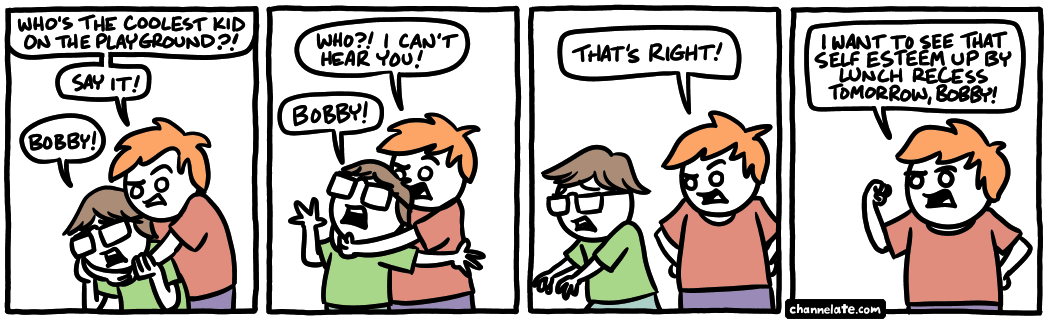
Who's the only kid I want at my birthday party? WHO?!

10 Mar 23:12

The Newest Dating Trend: Relationship Contracts

by Chet Porter


Nowadays most young couples avoid discussion about what their relationship really entails. For some, that works, but this can be a gateway drug (much like marijuana) to worries, issues with commitment, and “having to forgive them for sleeping with your best friend because you never clearly discussed the rules of your relationship”. The way around all of the constant wondering and let-downs, is to get you and your partner to sign a contract stating the guidelines. The purpose of this document is to make the rules of any basic relationship crystal clear for both sides, resulting in a comfortable, mutual love-fest where you know exactly how committed you both are. TC Mark

Screen Shot 2014-03-10 at 3.01.31 PM


10 Mar 23:07

Monday, March 10 @ 3:53:53 pm

by half_past_seven
10 Mar 16:05

The Divine Taco

by John Farrier

(Mandatory Roller Coaster/Aram J. French)

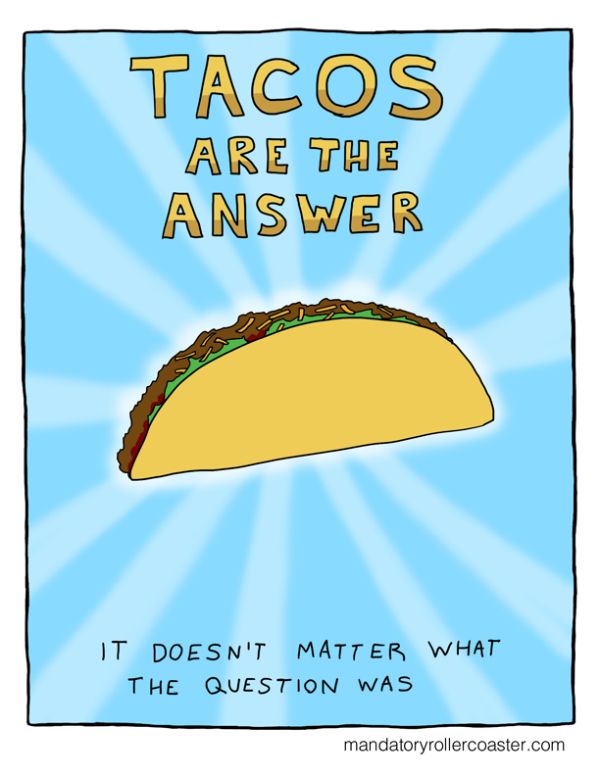
Tacos just make life better, as this pharmaceutical advertisement advises us. What was the original question? It doesn't matter. Now is always a good time for tacos.

-via Foodbeast

10 Mar 16:02

Kenau: heroine or harridan?

by MartinWisse
The fascinating thing about the sexist Dutch slur kenau -- aimed at women deemed too aggressive or bossy -- is that it originated as the given name of a heroine of the Eighty Years War, Kenau Simonsdochter Hasselaer who during the 1573 Siege of Haarlem led a monstrous regiment of women in defence of her home town against the Spanish oppressor. Last week a movie was released retelling her legend, which prompted the Haarlem Frans Hals Museum to create a short documentary about her, Kenau: heroine or harridan, looking at the historical truth of Kenau Hasselaer's life, which has been subtitled in English.
10 Mar 11:16

Cuarenta y dos años después de "los sucesos del 72"

by Germán Castro
Los manifestantes circulaban por la plaza
de España (en la foto) poco antes de que 

la policía franquista abriera fuego con 
el resultado de dos muertos y numerosos
heridos.
La fecha del 10 de marzo en Ferrol, particularmente, pero también en Galicia y España, con gran repercusión internacional, fue, es y será imborrable. Dramática para dos obreros de la antigua Empresa Nacional Bazán, Amador Rey y Daniel Niebla, que en 1972, se cumplen cuarenta y dos años, cayeron mortalmente heridos por las balas de la policía franquista, cuando, junto con sus compañeros, se manifestaban por las calles y avenidas de Ferrol. Trágica también para las familias que perdían a sus seres queridos y para trabajadores y ciudadanos en general que, inmediatamente, respondieron con el silencio y la inactividad industrial y comercial, protagonizando una huelga general como contestación a la aberrante represión. El personal, que se movilizaba por cuestiones de índole laboral, quería abrirse paso hacia la factoría de Astano con el objetivo de invitar a los operarios de aquella empresa, a que se uniesen a su protesta. En el intento se produjo un acalorado enfrentamiento, con la inesperada respuesta de los "grises" que utilizaron balas asesinas para frenar la marcha de los obreros, con resultado de dos muertos y numerosos heridos. Los nombres de Amador -que era esmudiense, nacido en la parroquia de San Juan de Esmelle, paisano del que suscribe- y Daniel quedaron prendidos para siempre de la memoria colectiva. A raíz de este conflicto y ante la represión desatada contra los dirigentes laborales, muchos trabajadores huyeron hacia Francia, en donde se exiliaron, otros fueron encarcelados  y, obviamente, despedidos, en el afán de la dictadura de lograr de esta manera el descabezamiento del movimiento obrero ferrolano. En la transición se desagraviaría a estos luchadores, permitiéndoles el retorno a su país a unos y quedando en libertad los otros, mientras que todos fueron reincorporados a sus puestos de trabajo en la Bazán, hoy Navantia. Desde entonces, Amador y Daniel son el símbolo de un sacrificio en la defensa de los derechos laborales y de las libertades democráticas, ya que sectores importantes del proletariado se alineaban a la sazón en la lucha antifascista, animados por la clandestina Comisiones Obreras y el también ilegal Partido Comunista, que lideraba Santiago Carrillo desde el exilio en París. Hoy, al conmemorar "los sucesos del 72" recordamos a Amador y Daniel, expresamos el aliento y la solidaridad con sus familias y lamentamos que, precisamente, todas aquellas conquistas sociales y laborales han quedado desactivadas bajo las razones de una crisis que, sin comerla ni beberla, estamos pagando todos los asalariados.
10 Mar 11:10

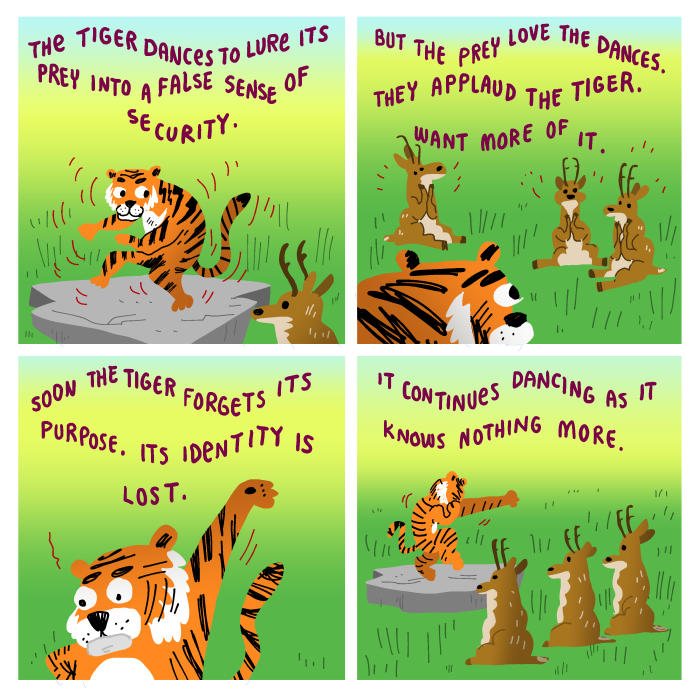
The Tiger Dances


10 Mar 10:58

EDT abandona el manga para centrarse en el cómic español

by Sebas

EDT (Editores De Tebeos), la anteriormente conocida como la filial de Glenat en España, lleva una muy larga temporada sufriendo la crisis, cosa que hemos podido comprobar al ver como su apuesta por la línea Gaijin (manga español) acababa diluyéndose, teniendo que marchar los autores a pastos más verdes para poder seguir con sus obras (como comentamos hace poco) y como las novedades de los últimos meses han sido cada vez de menor cantidad (que no calidad) centrándose en obras más independientes y en cómics españoles. Tampoco olvidemos que el dejar de ser Glenat y el perder los derechos de los mangas de Shueisha fueron durísimos golpes para la editorial, quien vio como varios de los mangas que más dinero le hacían recaudar se iban. La editorial que una vez se salvó gracias a las ventas de Kenshin ahora debe abandonar el manga para poder sobrevivir.

Logo EDT

Ha sido en el Salón Internacional del Cómic de Granada de este fin de semana donde Joan Navarro anunció que da 6 meses de margen para comprobar la viabilidad de la editorial, por lo cual abandonan el manga y se centrarán en la recuperación del tebeo histórico español, como una colección dedicada a la obra de los hermanos Blasco, aunque también mantendrá el manga más alternativo como el de Shintaro Kago. Series como la nueva edición de Ranma 1/2, La Espada del Inmortal, Saint Seiya Episodio G o Berserk quedarán colgadas a la espera de que otra editorial se haga con los derechos de estas, esperemos tener pronto noticias sobre ello.

Es una pena que una editorial con tanta historia haya acabado de esta manera, endeudada y dejando tirados a los aficionados que seguían sus series. Desde Gencomics le deseamos mucha suerte y esperamos que puedan salir adelante, recuperando el terreno perdido y convirtiéndose en un referente del tebeo histórico español.

El artículo EDT abandona el manga para centrarse en el cómic español apareció primero en GenComics.