Shared posts

18 Sep 10:57

How a Cat Parasite Affects Your Behavior, Mental Health, and Sex Drive

by Roc Morin

Dr. Jaroslav Flegr, a Czech researcher who studies parasites and their effect on humans. Photo by the author

Parasitic mind-control is common in the animal kingdom. The rabies virus produces a delirious rage in its dying host, causing the animal to infect new victims with its bite. The hairworm Spinochordodes tellinii manipulates the brains of crickets into committing suicide by leaping into water, where the worm can breed. When the protozoan Toxoplasma gondii enters a rodent, the animal’s natural fear of cat urine is reversed. The rodent becomes attracted to the odor of its predator, and when eaten, the parasite is able to spawn inside the feline’s intestines.

Although Toxoplasma is primarily a rodent parasite, human beings are not immune. Our cohabitation with cats ensures ample opportunity for toxoplasmosis to occur through fecal contact. Since its discovery in the early 1900s, the protozoan had been widely viewed as a relatively benign passenger in humans. The only perceived threat was to patients with compromised immune systems (such as people with AIDS) and pregnant women whose fetuses are often deformed or aborted by the pathogen. It was believed that a healthy human host could control the parasite indefinitely. New evidence suggests the opposite. Through a delicate finessing of the neurotransmitters in our brains, it is us who are being controlled. 

Dr. Jaroslav Flegr was the first to make these claims in 2002. Analyzing traffic data, the Czech parasitologist discovered that toxoplasmosis-infected drivers are 2.6 times more likely to be involved in car crashes. Flegr sees a parallel between the risk-taking behavior of infected rodents and the risk-taking behavior of the infected motorists. It was a pattern the scientist had noticed first in himself.

While attending Charles University in Prague, the usually conscientious Flegr realized that he had suddenly become bolder. The student frequently found himself crossing the street without looking, oblivious to the blaring of car horns around him. He also began openly criticizing the Communist government, at a time when dissent was a crime. It wasn’t until he tested positive for toxoplasmosis as part of an unrelated research project that Flegr began to make sense of his recklessness. If the parasite could alter the behavior of rodents, he reasoned, why not humans too?

Flegr tested his theory by administering personality inventories to toxoplasma-positive and -negative populations. In test after test, the results were consistent. Infected men were “more likely to disregard rules,” and were more “suspicious, jealous, and dogmatic.” The traits of the women were the exact opposite. They were more “warm-hearted,” “outgoing,” and “moralistic.” A further decade of research has uncovered links to a variety of conditions as far-ranging as ADHD, OCD, schizophrenia, and suicidality.

I sat down recently with Dr. Flegr at his office in Prague to discuss how a tiny parasite living inside of at least 10 percent of Americans and 30 to 50 percent of the world’s population can so profoundly alter who we are.

Why is there such a different response to infection in men and women?
Dr. Jaroslav Flegr: It’s known that men and women react in opposite ways to stress. So, it’s possible that Toxoplasma induces chronic stress, and that men and women react in opposite ways to the same effect.

It’s interesting that the characteristics of infected women are generally perceived to be positive.
When women feel stressed, they start to be friendly. They seek company. It’s the reason that we suppose that it’s nice to be infected. [Laughter] But it’s not true. It’s just a defensive strategy.

I’ve read that some women have actually wanted to become infected.
Yes, but I don’t recommend it.

Have they asked you to infect them?
Sometimes I’ll get an email like that, but it’s mostly men interested in infecting their girlfriends.

Because it makes women more promiscuous?
It’s not true, actually. It’s just journalists extrapolating my discoveries. My recent research shows that it decreases the sexual drive of women.

What does it do to a man’s sex drive?
It seems that it does nothing. It is strange because there is a very a strong effect on women and no effect on men. I suppose that there are two processes taht cancel each other out. One is they are ill, so that decreases sexual drive; the other is that Toxoplasma is known to increase the concentration of testosterone in males. So you would think that would increase the sex drive.

Are we just collateral damage in the life cycle of the parasites, or do the changes we undergo actually benefit the parasite in some way?
A few thousand years ago we were part of the life cycle of Toxoplasma. Even now a lot of people die due to tigers and lions in other parts of the world. It’s actually possible that the [parasite’s] manipulation is primarily aimed not at rodents but at apes.

Do you think that the effects of toxoplasmosis makes a human more likely to be eaten by a lion or tiger?
Yes. Several effects of toxoplasmosis really increase this risk. In our questionnaire, infected people say that they are less afraid than people who are not infected. We asked how much they are afraid of being in dark woods, for example, and they say that they are not so afraid. They also have weaker startle reactions. When infected people cross the street and a horn blows, they don’t skip away. [Laughter] It’s not a good strategy when we are endangered by tigers or lions.

If toxoplasmosis correlates with schizophrenia, OCD, and suicidality—those would all seem to be things that would isolate in an individual from the safety of their social group and make them more vulnerable to being eaten by a large cat.
It’s possible that could be the reason.

As with the rodents, is there actually a human attraction to cat urine itself?
Yes, we observed this fatal attraction phenomenon in humans. Infected men rated the smell of very diluted cat urine as more pleasurable. It was a double-blind study. The people didn’t know whether they were infected, and they didn’t know what they were smelling. Using 12 urine samples from different animals, they had to rate pleasantness of smell. The pattern was quite clear when we analyzed the results.

I was talking to a graduate student, Charlie Nichols, and he wondered if an attraction to the smell of cat urine is one of the reasons why people like to have cats around.
It’s possible. At least when somebody dislikes the smell of cats they probably don’t keep them. Smell plays a very strong role in our life. We don’t realize this because it’s mostly subconscious reactions, but love is a question of smell. To fall in love with somebody—very often smell is the reason for this.

Do you think toxoplasmosis plays a role in love in any way?
Toxoplasma changes our sense of smell quantitatively and qualitatively too. There is not enough data for this, but there is some indirect evidence for it. It’s known that the smell of schizophrenics changes. A smell that was pleasurable starts to be unpleasurable. Many data show that a large percentage of schizophrenia is caused by toxoplasmosis.

What is the evidence for that?
There is a prospective study showing that antibodies against toxoplasmosis appeared in the blood of subjects from six months to three years before the start of schizophrenia. Many times schizophrenia is triggered by and may be caused by Toxoplasma. Of course, it’s rare. The frequency of toxoplasmosis is about 30 percent and the frequency of schizophrenia is about 1 percent. So most people who are infected by toxoplasmosis do not get schizophrenia.

You yourself have toxoplasmosis, correct?
Yes.

Do you know where you got it from?
There were several possible sources. I spent more than one year in Japan, and I ate a lot of raw meat, so maybe there.

How did you feel when you found that out?
I was not very happy about this. But a lot of people in the department were infected too—about 30 percent. Now, the prevalence of toxoplasmosis in our students is about 10 percent.

Is that because of better hygiene?
Possibly. Maybe it’s better regulation of public sandboxes. Sand must be changed very often. There are other possibilities too. For example, our recent paper accepted for publication has shown that Toxoplasma is very probably a sexually transmitted disease. So maybe because of the AIDS epidemic, unprotected sex is not so popular, and it has decreased toxoplasmosis.

Did you find Toxoplasma in semen and vaginal fluid?
In some animal species we saw parasites in semen. And in about two-thirds of cases where a human fetus is infected, we weren’t able to find any risk factor. The mother did not eat raw meat, she washed vegetables, she behaved very reasonably. There were no risks, and still she became infected. So it’s quite possible that during unprotected sex with her husband, she acquired the infection

You found that the husband was infected?
We have no data on this, but it should be tested.

Can women transmit it to men?
I believe that transmission goes only from men to women—or mainly.

Do you think that the increase in testosterone in infected men is the Toxoplasma trying to increase sex drive so that it can more easily spread?
It is possible. In The Selfish Gene, Richard Dawkins mentions the possibility of increased sexual drive of patients with syphilis.

I’ve read reports about HIV also increasing sex drive.
I believe chlamydia can do that maybe too.

I understand that there are very different rates of toxoplasmosis from country to country. Latin American countries have the highest, and South Korea has the lowest, I believe. Do you think toxoplasmosis could affect behavior on a national level?
I believe it can have this impact. It was already published by another parasitologist that national personality can be partially explained by frequency of toxoplasmosis. This year, we published a very important paper showing that the frequency of a lot of diseases can be explained by differences in the prevalence of toxoplasmosis. Our data show a strong relation with epilepsy and cerebrovascular diseases including infarcts [heart attacks]. In Europe, it explains about 16 percent or 17 percent of infarcts. So, if we were able to find a treatment for toxoplasmosis, or if we find a vaccine, we can save a lot of lives.

***

As the interview drew to a close, I asked Flegr if I could photograph him for the article. He agreed, joking, “It’s a pity I have no cats to hold.”

But, as I looked through the view-finder I could see his grin quickly fading. The mood had suddenly shifted.

“I think it’s enough,” he snapped. “I was told by my friend that if a journalist is taking your photo using this kind of lens, it means that they want you to seem ugly in the photos. It’s the standard method for journalists taking pictures of politicians when they don’t like them.”

I forced out what I hoped would look like a reassuring smile. “Not at all, doctor. I’m just trying to capture your personality.”

“But, you have fixed-focus camera,” he countered. “We have data using different lenses that shows really large differences in the attractiveness of different people.”

We shook hands tensely and said goodbye, but it seemed more like good riddance. I made my way out through the empty halls of Charles University, ruminating about that unexpected burst of suspiciousness. Where had it come from? Was it Flegr or was it the Toxoplasma? At this point, was there any difference?

Follow Roc’s latest project collecting dreams from around the globe at World Dream Atlas.

18 Sep 10:56

Neckbeard: Board Game Creators Are Making Assloads of Money on Kickstarter

by Giaco Furino

Gameplay detail of Zombicide Season Two: Prison Outbreak, a Kickstarter-funded board game that raised $2,255,018 on Kickstarter.

Climb the ladder. Slide down the chute. Score on the triple-word tile. Don’t pass go.

You remember all those cardboard commandments, don’t you? Well, times have changed since you were last clad in dingy sweatpants and rolling dice in your rec room.

The board games of today look extremely different from the ones you may remember growing up with. Where once your job was to bankrupt your fellow players, or be the first to go around a loop, modern board games ask their (largely adult) audience to trade wheat for sheep, to finish building a road in the city of Carcassonne, or to help the CDC fight off a global health crisis. Over the past three decades, as players have matured, their board games have grown up too.

And now, with the social media/funding platform Kickstarter, they’re ballooning in popularity. Over 13,000 people have invested in a board game about robot turtles. Over $2 million has been raised for expansions to a game about zombies. But mention the project-funding machine Kickstarter to a group of gamers and you’ll hear as many people screaming, “Kickstarter is killing board games” as people chanting, “God bless Kickstarter.”

“In 2013, games overtook film as the largest Kickstarter category by money pledged (with only a fraction of the number of projects launched),” explains Luke Crane, Kickstarter’s community manager for games. A new board game project is launched almost every day, and more and more of those projects fund successfully.

But in this democratic business model, does every game that gets funded deserve to be funded? Is every company that successfully launches its first game ready to be a company? I wanted to know how a flush of cash and support affects brand new companies, companies that can now dive head-first into the board gaming world in a way more direct than ever.

“Kickstarter was built as a funding platform for creative projects of all kinds.” Luke Crane continues. “The board gaming community adopted the model and started teaching us how it could be used to make amazing and fun games.” And take it from a die-hard board gamer: A lot of the games coming out of Kickstarter are extremely fun, inventive, and original. But for many small business launching their first game on Kickstarter, the experience often feels like biting off more than they were hoping to chew.

One of the issues that keeps coming up when I talk to these new game designers is the time commitment. Donald Mitchell, whose “micro-game” AlakaSLAM was recently funded, said, “We were originally going to be doing two to three [Kickstarter Campaigns] a year, and now I can't see doing more than one a year. Disregarding research, the entire process takes at least three months of your focus.” A lot of that has to do with properly marketing your Kickstarter campaign. Before you hit the button to post your campaign, Kickstarter strongly suggests that you make a video to hype your game, that you think hard about all the things that could go wrong, and that you make the best case you can for your game. Which makes sense, right? If game developers didn’t shine up their game boxes and fan out their cards, the games would be backed by their grandparents alone.

For some young designers, the ups and downs of a campaign—from the first burst of support to the final minutes of the funding window—can be fraught with angst and uncertainty. Anthony Conta, of Urban Island Games, felt the pressure midway through the campaign for his game Funemployed. “Once we received so much of our goal at the start, we expected a lot more to come in the following weeks. However, like with so many Kickstarter projects, we hit a mid-campaign slump which was super brutal.” Many games fund early, but begin to peter out after they hit their goal.

The Doom That Came to Atlantic City, a project that was abandoned after its creators raised $120,000.]

Post-production, too, can prove extremely challenging for small gaming companies. A wildly successful miniatures game, Kingdom Death: Monster, was so over-funded, and had such technically specific plastic miniature pieces, that they’ve been delayed on multiple occasions. Reading the updates that the creator Adam Poots released is like watching a man tear out his hair. As Tim Rodriguez, of Brooklyn Indie Games, and multiple successful Kickstarter campaigns explains, “If you’re going to publish games, you have to start understanding what it means to run a business, and fast.”

The demands of the target demographic, a group of dedicated gamers with high expectations, puts added pressure on designers. Tim continues, “You can’t go into a campaign half-baked with an idea. People expect more from game publishers in particular.”

With all these troubles and tribulations that new game designers go through, it still brings games right to gamers' doorsteps. As the board gaming hobby continues to grow and expand its audience, the game makers need to keep up. When fresh new talent constantly funds itself, it’s up to the old guard of gaming to continue to innovate. So whether these games are tough on the makers, it could end up being vital to keeping a healthy gaming culture.

But what of the duds? What of the games that come out that are, by all accounts, bad? And what happens when a game is funded and cheats its backers? Each game project (well, all projects on Kickstarter) offer tiers of rewards for backing the project. With board games, that usually amounts to an ability for consumers to effectively pre-order the game. But in a very notable case, the Doom that Came to Atlantic City made a ton of money… and disappeared.

Kickstarter’s Luke Crane detailed the story further. “One of my favorite Kickstarter stories is about the Doom That Came to Atlantic City. The creators announced that the project was a failure and all the money had been spent, but no game had been produced. Rather than let a good game die, Cryptozoic Entertainment, a game publisher and Kickstarter creator, stepped in and bought the game and delivered it to the project backers.” In other words, the makers of the game raised $120,000 and said, “Sorry! Seeya!” and, miraculously, a big house publisher picked it up. While Kickstarter is clear about their Terms of Use, problems like this will continue to happen.

Is Kickstarter good for the gaming community? After interviewing lots of board game designers, players, and gaming companies I have to say yes, it is. Is it easy on the designers? No, of course not. But neither is making a game from scratch, blind-pitching it to investors, and getting it onto shelves across the country. As Donald Mitchell elaborates, “It gives us a sense that people are actually interested in our games,” and in a world full of half-started ideas and under-funded brilliance, sometimes a little kick in the ass is all a good game needs.

Follow Giaco Furino on Twitter.

18 Sep 10:55

The Real Face of Narcissister: A Conversation with the Woman Behind the Mask

by Joseph Keckler

Photo by Matthew Leifheit

While Narcissister may appear to be a mannequin that sprang to life one day, she is the result of years of work in a number of disciplines. The artist behind the anti-persona had already danced professionally, made a living as a window designer and stylist, and completed the Whitney Independent Study Program when she first descended upon the New York nightlife scene in a plastic mask to execute “burlesque-type” pieces that are often as unsettling as they are inventive. In Self-Gratifier, the artist mounts an abstracted exercise bike that whips her as she pedals. In Hot Dog, she is dressed as an oversized wiener that emerges from its bun like a vampire from a coffin. And in Every Woman, she draws articles of clothing from various orifices and proceeds to dress herself with them, performing a reverse striptease.

Recently Narcissister invited roughly thirty women—friends of friends—to don her signature mask and exercise their right to roam the streets of New York with bare breasts. The action, and the stills that resulted from it, created quite a buzz. Returning from a busy summer of touring and residencies, the enigmatic provocateur will perform in the flesh, and the plastic, at The Hole on September 17th, as part of FutureFeminism, curated by sisters-in-crime Kembra Pfahler, Antony Hegarty, Johanna Constantine and Bianca and Sierra Casady of CocoRosie. 

VICE: How did you come up with the name Narcissister?
Narcissister: I had a short list. At the top were Narcissister and Moxy. I’m glad I picked Narcissister! I was flipping through the dictionary, looking for words I could combine. I realized that by adding an “er” to narcissist I could extend the definition and evoke sisterhood, especially among women of color. It refers to that fact I’m a “sister.” 

It’s very catchy. 
Thanks. I had a hard studio visit with somebody recently, and he told me how much he disliked the name. It made me think about it. 

Why did he dislike it? 
He’s an art world person. I think for him it felt, maybe too “catchy,” too commercial. My name has served me well in the performance scene and nightlife scene, and I’m not sure how the art world really thinks about it. 

Sculptural work by Narcissister from a recent residency

In the arts right now, there’s a fetish for the interdisciplinary, and “boundary crossing,” to use a nauseating term. But there is also an underlying pressure for one to stake one’s claim firmly in one camp—say, visual art or theater. Although the histories of these forms are intertwined, the values and economic structures around them are different and it can be dangerous, career-wise, for an artist’s work in a particular form to be seen as too ‘contaminated’ by another tradition. Has your involvement in one world ever become a liability in another? 
Absolutely. My interest in keeping my project broad and able to exist in many different scenes is, I’m realizing, unfortunately quite a liability. The feedback I’m getting lately from curators is that my artwork is too entertainment-flavored to be viable for them, and I don’t have objects to sell. And the entertainment people often feel my work is too arty, too opaque in its meaning and standpoint, and too erotic for many “entertainment platforms.” I have faith that in the long-term the broadness and multifaceted nature of my project will be seen as a strong point.  

It’s not that you have multiple identities. You have this very singular identity that has multiple venues. 
There are models—John Cameron Mitchell. Or John Waters. The full power of his work is so fully felt now, when we’ve seen over the span of his career that he’s been this cult hero, and made work that is so transgressive, and had a hit Broadway show. I have to think of women—maybe Bjork. People who have had commercial success, whose work has strong artistic resonance, whether it’s lived in the art world or not. 

You make all your own costumes. I understand you studied with Faith Ringgold? Did she have an influence on the craft-based aspects of your work?
I did study with her! I went to Brown, but was spending my junior year in Paris. I was dancing, studying at the Sorbonne, and I broke my ankle. So I came back home to San Diego, injured, and finished the year at UCSD. That gave me the opportunity to study with her. I made my own contemporary quilts. I got so interested in the idea of incorporating unusual objects into wall pieces. All of that makes its way into my work as Narcissister—the fabrication of my costumes and unusual elements. Also the politics. She combined craft with racial politics. That made a huge impression.

I first saw you in sort of a burlesque context. Your performances felt subversive, in part because you revealed your body but not your face. And in a scene that had become so much about warm, inviting personalities, you came across as an anonymous, cold, and possibly menacing presence. What’s your relationship to burlesque?
I was designing the windows at Agent Provocateur and a lot of the women who worked there were part of the rockabilly/burlesque scene. I would go see their performances and realized quickly that was something I could do—integrate my background as a dancer with my experience creating tableaus, and bring the content, formality and politics I’d been thinking about in my visual art. I could bring all this to bear in some burlesque-type performance. I was entertained by what I was seeing in the burlesque world but most of it stopped short of where I wanted to go. With some exceptions: Julie Atlas Muz, Dirty Martini, and Rose Wood.

Like you, Julie comes partly from dance, doesn’t she? And she integrates elements of body art into her work.
She was an interesting model. She had been in the Whitney Biennial, and shown at Deitch Projects. She showed me a model for working with the body in a way that felt powerful. But I knew I wanted to go even further than she had-- in that I didn’t want to do something that would sit well in the burlesque world. I’m troubled by the seemingly narrow opportunities for women of color in that world, and the worshipping of a certain standard of beauty I cant’ relate to—the blonde hair and the heavily made-up face and a certain presentation of femininity that I’m interested in transcending. I do think the burlesque world is wonderful in its acceptance of bodies of different shapes and sizes. That has always felt radical to me. 

You have said that your choice to wear a mask relates to wanting privacy in your life, as well as onstage—you want to preserve a sense of interiority while you perform. You often dance with your eyes closed, and even if they’re not closed, your elaborate costumes obstruct your vision—and you like it!
Yes! [Laughs] I do!

What is the importance of privacy for you? In a broader sense, is privacy something your work is addressing?
I’ve only thought about the importance of protecting my privacy. But I love that you’re presenting the possibility of that reality to me, that my work might make statements about privacy. When an artist uses their own body, face, eyes, it’s always going to be about their experience, how they look, how they’re aging, their presentation of supreme or failed femininity or masculinity. There are certain things I can’t change—my body, my skin color—but I want to comment beyond my own subjecthood on issues of race, beauty, and sexuality. Narcissister is nobody. It is a plastic mask that is only animated by the person who is wearing it. The mask becomes a mirror and it’s very rare for artists to make themselves a mirror. It’s so much more common that we get absorbed into them. Into their subjectivity.

Is the gratification you receive as performer different because of the anonymity? 
I’m not interested in adoration. I’m uncomfortable when people come up and say “You’re Narcissister arent’ you? I love your work!” I always ask, “What do you love about my project?” I want to understand what’s exciting for them. I don’t just want to absorb this vague comment and walk away feeling like a bigger person. 

What is this mask, anyway? 
I just found out the story of the mask! Narcissistically, I had taken the mask and claimed it as the face of my project. I learned it is a re-purposed wig form, designed by a woman named Verna Doran in Los Angeles in the 60s. It’s not being made anymore. She died just last year. 

Where did you get it?
They’re everywhere. They’re very easy to find. We’ve all seen them but we don’t remember. Paul McCarthy used it in one of his performances, but that’s not surprising, because he’s LA-based and it’s an LA-based company, and the masks are part of the cultural landscape there.

This summer you invited women to go topless in New York, while wearing the mask.
Yes, just taking their children to school, window shopping, walking down the street, riding their bikes. I did it too. I had no idea how people would respond to us. It felt very risky, a bit scary. 

Women on the street are harassed normally. If you’re topless I imagine that might increase—but then how does the mask function? What happened?
This is an interesting comment on street culture. Most of us walk down the street now looking at our phones. So most people didn’t even notice there was a woman, with her breasts out, walking past them. The people that did… mostly the response was mild. Women seemed inspired by what we were doing. Men seemed impressed by our boldness. I do think it shocked people out of their reverie, their habits, to suddenly see this woman with her breasts out. And a mask. And the mask, which is always disconcerting.

When I Google you the first phrase that pops up is “Narcissister real face.”
Isn’t that weird? I had a couple of moments of getting a lot of publicity—when I did the America’s Got Talent and the outing with Marilyn Manson

What ever happened with America’s Got Talent? 
I ended up going to Las Vegas. I performed a piece that the producers selected for me. It wasn’t appropriate and I didn’t have enough time to adapt and rehearse it. The judges actually don’t know what they will be seeing, and they were shocked. I think they were really hoping I’d be the freak on the show, one who would barely pass the censors. 

What piece was it? 
They picked Hot Dog.

So you were shooting ketchup and mustard from your breasts?
I was. And embodying a giant hot dog. In my version, I pull hot dogs out of my body, I serve hot dogs off of my body, and there’s a lot of suggestive gesturing. I tried to tame all of this. But I just could not stand up as a big red phallus without it being inappropriate. There were children in the audience. I don’t think the producers realized how strong of a statement it would be. 

Was it a traumatic experience?
It was, because of my belief in professionalism and putting my best foot forward. 

It’s like the Coliseum isn’t it? Is it intense to submit yourself to that kind of judgment? 
Yes, but how is this different really from the art world? You could get a scathing review in the New York Times, or be made to sound bad in an interview. This is interesting to discuss because I’m about to go be on France Got Talent. America’s Got Talent contacted me many times before I said yes, but when the opportunity to be on the program in France came up I didn’t resist at all. People might ask, “Why is she interested in these low brow possibilities? Why is she diluting her work? What about the politics?” Is it possible to be strongly political and appear on these talent competitions? I think it’s radical that I would want my work to be seen on such a huge platform. If one aspires to show only in the art world, who is going to see their work? Elitist culture, people already in the know, who are already liberal. To be able to reach all kind of people—different classes, ages groups—feels righteous. And I’m protected by the mask. Narcissister can always only be a mirror of what’s around her.

So she can operate in any context. France Got Talent becomes part of her piece, in a way? 
She can’t really be absorbed. She always has this additional surface. That’s how she keeps her power. 

Joseph Keckler is an interdisciplinary artist, writer, and operatic bass-baritone whom the Village Voice named “Best Downtown Performance Artist" in 2013. Follow him on Twitter.

18 Sep 10:49

Satanic Temple to distribute Satanic activity books to school children

by Robyn Pennacchia
Satanic Temple to distribute Satanic activity books to school children

Last year, a group calling themselves World Changers of Florida decided to hand out Bibles to students in Orange County schools, on campus. In order to allow them to do this, the Orange County School Board made a rule that any religious group, atheists included, could also hand out pamphlets. However, apparently the board censored a large amount of atheist materials, such as anything suggesting Jesus did not resurrect himself.

This year, the Satanic Temple has announced plans to go down to Florida and hand out some of its own materials, including a children’s activity book called “The Satanic Children’s Big Book of Activities.

In a statement to Raw Story, Lucien Greaves, the Satanic Temple’s spokesperson stated:

“[The organization] would never seek to establish a precedent of disseminating our religious materials in public schools because we believe our constitutional values are better served by respecting a strong separation of Church and State.”

“However, if a public school board is going to allow religious pamphlets and full Bibles to be distributed to students — as is the case in Orange County, Florida — we think the responsible thing to do is to ensure that these students are given access to a variety of differing religious opinions, as opposed to standing idly by while one religious voice dominates the discourse and delivers propaganda to youth.”

If you ask me, they’d actually have more success were they to give kids books about all religions. For one reason, it doesn’t look like showboating or “freaking out the squares,” and for another, if what you’re trying to do is get children to think “rationally”–giving them things to compare and contrast is probably more effective than handing out condescending pamphlets about how fabulously rational you are.

I don’t like evangelism. I don’t like it when it comes from religious people, and I don’t like it when it comes from atheists or “Satanists” or what-have-you. It’s tacky. The fact is, in this situation, our side is right–no one should be handing out religious materials in schools, period. School is not the place for that. I get that this is what they’re going for, but I highly doubt the Orange County School District is going to get that nuance.


18 Sep 10:29

Héroes de papel y lápiz, documental sobre D&D

by Antonio Manuel Nieto

Héroes de papel y lápiz, documental sobre D&D

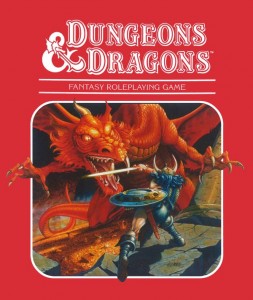
Javier Murillo y la Asociación Cultural Mecatol Rex, nos presentan un documental para conmemorar el 40º aniversario del lanzamiento del juego de rol por excelencia, Dungeons & Dragons. 

Dungeons & Dragons, portada

Tanto si eres un jugador de rol experimentado, como si no, en este documental tendrás la herramienta perfecta para ver en qué y cómo ha afectado o influido, este tipo de juegos en nuestras vidas a lo largo de sus ya 40 años de existencia.

Con este primer documental, su productor y director Javier Murillo, en colaboración con la Asociación Cultural Mecatol Rex de Madrid, nos muestran la evolución de los jugadores, recordando sus primeras experiencias, tomas de contacto y anécdotas con Dungeons & Dragons, aprovechando el 40º aniversario del mítico juego creado por Gary Gigax y Dave Anderson.

A través de experiencias contadas por jugadores veteranos, de la Asociación Mecatol Rex (sobre todo en D&D), el vídeo nos ofrece diferentes puntos de vista sobre un tema lúdico, en el que desgraciadamente en España, sufrió una época de decaimiento y casi persecución herética, por parte de algunos medios de comunicación y gente que no sabía ni lo que era un dado.

Como veterano jugador de rol que soy, sin duda al ver el documental Héroes de papel y lápiz, me he sentido totalmente identificado con sus comentarios y sobre todo con la pequeña introducción, recordando cuando empezaron a llegar al mercado español los primeros títulos de juegos de rol y era casi imposible encontrar algún manual o la prácticamente nula existencia de tiendas especializadas donde nos pudieran asesorar sobre cómo empezar en este mundillo.

Gracias a Javier Murillo y su granito de arena, contribuye a que los juegos de rol hoy en día tengan mayor presencia y gocen de una mejor opinión entre la sociedad. Acciones como esta, nunca están de más para desmitificar algunas opiniones (sobre todo de ciertos sectores), que desgraciadamente todavía se siguen vertiendo sobre los juegos de rol.

Dungeons & Dragons, art

En LudoNoticias pensamos que en esto de los juegos de rol “Siempre hay que sumar”. Como hablaba el otro día con un amigo sobre el tema: “…Parece que en este mundillo, hay gente que sólo quiere llevarse los galones para fardar entre sus colegas… No aportan nada y lo único que hacen en cerrarse con su círculo de amigos y endiosarse…”  Desde luego que con actitudes así, los juegos de rol tienen los días contados.

Desde LudoNoticias queremos agradecer y apoyar la iniciativa de Javier Murillo, animándole a que continúe haciendo más partes, para expandir este magnífico, útil y divertido medio de entretenimiento.

A continuación os dejamos con Héroes de papel y lápiz, un documental de roleros para roleros y no roleros ¡Disfrutarlo y difundirlo!

La entrada Héroes de papel y lápiz, documental sobre D&D aparece primero en LudoNoticias, todo sobre juegos de mesa y simulación.

17 Sep 21:02

Recopilación de entradas

by Alberto López Traba
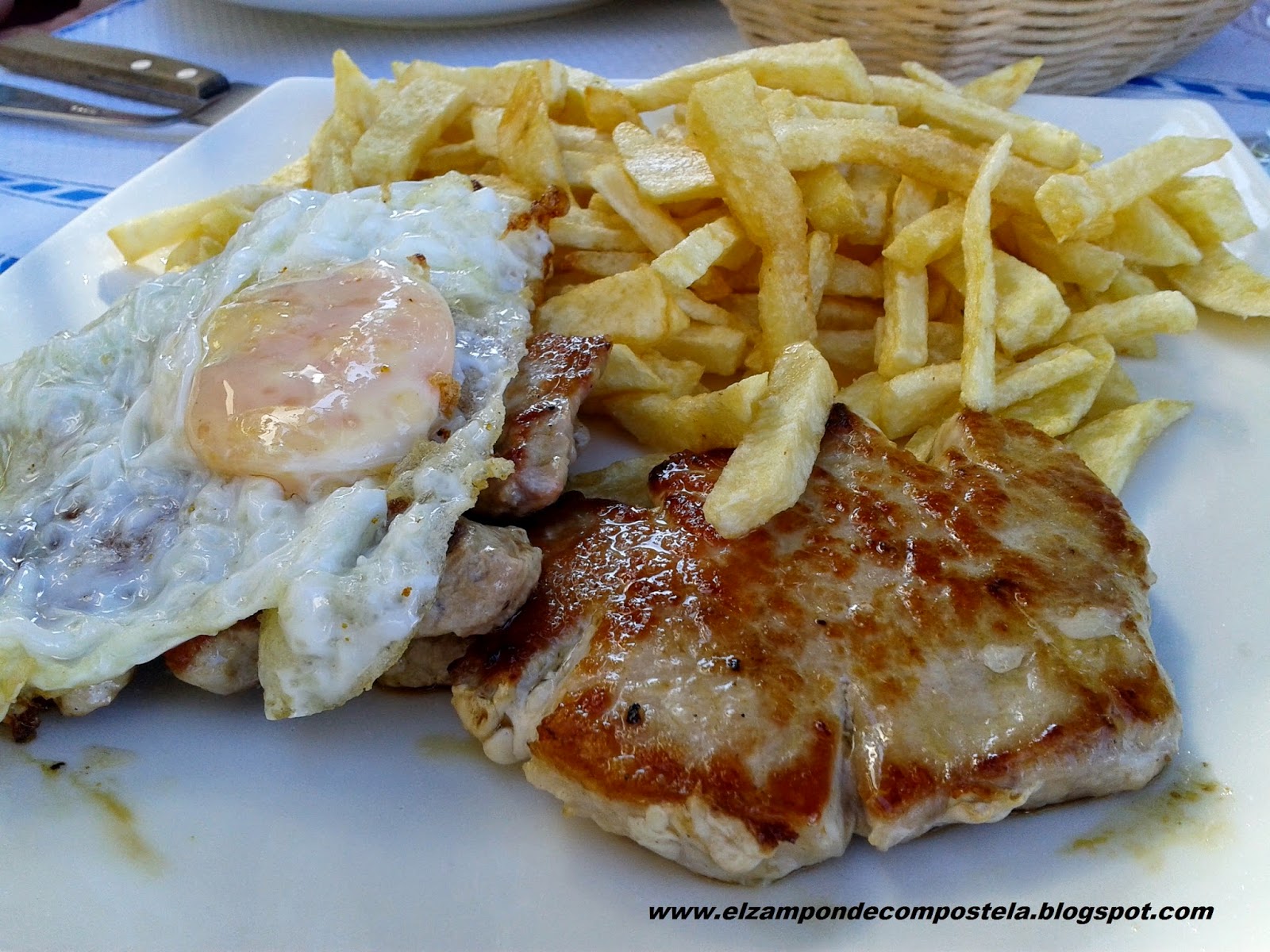
¡Hola zampones! Llevo ya un año con esto de El Zampón De Compostela y se me ha ocurrido abrir una entrada con todos los links a todas las críticas que llevo publicadas para que así os sea más fácil a los nuevos lectores navegar por el blog. Además adjunto debajo una foto representativa. ¡Pinchad en el nombre del restaurante e iréis directos a su crítica!

Restaurante Susos


 O Son Do Miño (Fin de semana)


A Cañiza (Camporrapado) Versión mariscada


Casa Eduardo (Esclavitud)


Casa Rosinda (Trazo)


Restaurante Square 134 (Ponferrada)


Restaurante El Cubano (Candás, Asturias)


Restaurante Son Do Miño (Oza)


Pulpería Fuentes (Santiago, Conxo)


Restaurante Tearrón (Fisterra)


Sidrería Moreno (Asturias, Benia de Onis)


Restaurante A Pedra (Catoira)


Restaurante A Cañiza (Camporrapado, Fin De Semana)


Restaurante Bodeguilla de San Roque (Santiago)


Taberna Singular Filiberto (Brión)


Megapost Viajando por Holanda y Bélgica


Vinoteca Ventosela (Santiago)


Restaurante A Curtidoría (Santiago)


Restaurante A De María (Cacheiras)


Restaurante Resas (Santiago)


Vinoteca Gonzaletxu (Bertamiráns)


Restaurante María Castaña (Ramallosa)


Restaurante O Dezaseis (Santiago)


Restaurante Alto Do Vento (Ventosa)


Restaurante O Almacén (Santiago)


Restaurante San Carrodio (Santiago, Fin De Semana)


Restaurante Tropic (Bertamiráns)


Restaurante Don Manuel (Santiago)


Restaurante O Carro (Santiago)


Restaurante Cima das Quintas (O Pino)


Restaurante San Carrodio (Santiago)


Raxería San Marcos (Santiago, San Marcos)


Enchenta de las 5.000 visitas (Este local ya no existe)


Restaurante Don Cosme (Este local ya no existe)


Especial Express (Santiago, Comida rápida)


Restaurante Casa Antonio (Santiago)


Hotel/Restaurante O Pozo (A Cañiza)


Restaurante Adega Bello (Santiago)


Restaurante A Cañiza (Camporrapado)


Restaurante A Cuquiña (Pobra do Caramiñal)


Restaurante Orella (Santiago)


Pulpería Guerra (Santiago, feria de ganado)


Restaurante El Cortés (Sigüeiro)


María Castaña (Santiago)


Ruta por Costa da Morte, marisco y pescado


Ruta por Costa da Morte, versión low cost


Post Especial Pulpo (Varios locales)

 
Restaurante Casa Lola (Bertamiráns)


Ruta gastronómica por la zona vieja de Santiago (Varios locales)


Restaurante O Cesto (Santiago)


Restaurante O Santiso (Trasellas)


Espero que os haya servido de ayuda y hayáis disfrutado de las fotos y de la evolución del blog este último año :)

¡¡Hasta la Próxima Zampones!!

17 Sep 20:48

Hola, sentimos no llevar regularidad con las publicaciones pero...


Hola, sentimos no llevar regularidad con las publicaciones pero estamos en unos días difíciles de hospitales y hostias de las buenas, de las que te da la vida y tiempo para escribir no sacamos pero para decir unas cuantas verdades SIEMPRE.

A ver que quede claro de una vez:

- Las características físicas no proporcionan NADA. Ser alta, baja, gorda, flaca, rubia, morena, DA IGUAL, porque eres lo que tu autoestima te deja ser. EVER.

- Tener curvas no te hace una mujer de verdad porque no existen mujeres de mentira, SORPRESA!!!

- Teñirte, maquillarte, depilarte, usar sujetadores push up, hacerte operaciones de estética, etc, no te resta sinceridad, ni hace que no merezcas un tío sincero, estamos locos O QUÉ?

- Ni a esa le faltan unos cocidos, ni a la otra le sobran porque no es estar gorda o delgada, es estar SANA. 

- Los Reyes Magos, los unicornios, las hadas, tomarse solo una caña y los milagros NO EXISTEN, suerte que sí compensar lo que ingieres con lo que gastas y recordad tías: la única cavidad de tu cuerpo donde se deben meter los dedos, es el coño. 

Moraleja: Titis, si fuera ÉL jamás preguntarías si esa prenda te hace gorda porque cojón y medio te importaría. Que no es cómo te ves que es cómo te sientes al verte, de siempre. ^^

17 Sep 13:56

Los GIF del más allá de Kevin Weir

by David Garcia

Ya iba siendo hora de que nos topásemos, a través de un post en Colossal, con alguien que hace las cosas por los motivos correctos. Kevin Weir dice que «le motiva el constante deseo de hacer cosas raras». Bien. Así es como atesora una colección de GIF inquietantes, que se mueven entre lo inusual y lo paranormal y que darían a Íker Jiménez para llenar un programa entero de Cuarto Milenio.

«Sí, amigos de lo desconocido. Tras mucho bucear por los procelosos mundos de los legajos olvidados, tras bosquejar con detalle cada guiño de estas imágenes venidas del pasado, Carmen Porter y yo hemos llegado a la conclusión de que las nimaciones de Kevin Weir nos emparentan directamente con lo que fuimos, cona gente que abandonamos en el pasado, en las líneas ocultas de la historia y los polvorientos estantes de las bibliotecas. Ah, y ya no necesitamos en el plató al tío raro con barba que le habla a los fantasmas con autoridad, como si fueran sus enemigos». Así explicaría el cazafantasmas mayor del reino el trabajo de Kevin Weir. Por suerte, sus GIF tienen poco de paranormal y mucho de extraordinarios.

Weir trabaja en Brooklyn en la agencia creativa Droga5. Es director de arte y, desde hace tres años es también animador. Eso, es algo que, según cuenta, le sitúa «en lugares muy chulos», como lo que recrea con sus GIF. Admite que la cosa comenzó para matar el tiempo y para adquirir destreza en la edición de imágenes. «Empecé mientras era becario en verano y disfruto realmente trayendo a la vida de maneras extrañas estas viejas fotografías», cuenta.

No es nada raro terminar así si tu adolescencia se ha visto inundada de literatura de ciencia ficción y fantasía. «Es eso lo que ha hecho que mi imaginación transite por los más raros lugares», dice Weir. Cita a HP Lovecraft, Terry Gilliam, Zlzadislav Beksinski o HR Giger pero señala que cuando trabaja en las viejas fotografías de la Biblioteca del Congreso de Estados Unidos, trata de «investigar la historia de cada foto para ver si eso es la espoleta de algo. En otras ocasiones, sencillamente leo la escena y trato de imaginar que habría ocurrido en un universo alternativo».

tumblr_n9ufltHmlF1r0kdxho1_500

tumblr_nbn53jQAa61rte5gyo4_250

tumblr_nbn53jQAa61rte5gyo2_500

tumblr_inline_nameax1EaB1qa1zlb

tumblr_nbpb85vvRv1qlq9poo7_r1_400

tumblr_nbpb85vvRv1qlq9poo9_r1_400

tumblr_nbpb85vvRv1qlq9poo10_r1_400

Kevin Weir celebra este regreso -que a estas alturas ya no es tanto- del GIF animado. «La culpa es de comunidades como Tumblr o Reddit, que son escenarios geniales para las animaciones», dice. La otra explicación es meramente técnica, ya que la mejora del software y el aumento de los lugares de almacenamiento para archivos grandes ha hecho posible este auge.

«También está el hecho de que ahora tenemos gente que ha crecido casi completamente en internet y su relación es íntima con el medio. Son capaces de explorarlo y darle forma y eso permite que internet pueda abrirse como un modo de autoexpresión».

Weir ha conseguido llevar la pasión por el GIF al trabajo cotidiano en el estudio. Así, ha creado también animaciones para vídeos musicales o para clientes como General Electric. Si tu madre dice que te busques un trabajo de verdad, ya puedes decirle que haces GIF y que eso lo es.

The Flight feat. Keaton Henson – Dark Corners

tumblr_mvphbciX901r0kdxho1_500

tumblr_mvphbciX901r0kdxho4_500

tumblr_mvphbciX901r0kdxho4_500

The post Los GIF del más allá de Kevin Weir appeared first on Yorokobu.

17 Sep 13:48

dick smack

by tiki god

dick smack dick smack

dick smack originally appeared on MyConfinedSpace NSFW on September 17, 2014.

17 Sep 13:45

Abella Anderson Taking A Ride

by tiki god

Abella Anderson Taking A Ride Abella Anderson Taking A Ride

Abella Anderson Taking A Ride originally appeared on MyConfinedSpace NSFW on September 17, 2014.

17 Sep 13:42

Presentación – degustación de EL GOURMET SOLITARIO en Valencia

by Gerardo Vilches
Snob

QUENMEDERA!

Gourmet Bartleby Tora

17 Sep 13:33

"Se non tes personalidade propia, non existes no panorama internacional..., nin no local, vaia"

by Marcos Pérez Pena

O Festival Internacional de Curtametraxes de Santiago de Compostela, Curtocircuíto, celebrará a súa undécima edición entre o 6 e o 11 de outubro. Falamos co seu director, Pela del Álamo.

17 Sep 07:17

La canción de Apolo (Osamu Tezuka)

by Gerardo Vilches

cancion_apolo

La canción de Apolo (Osamu Tezuka). ECC, 2014. Rústica. 21 x 14,5 cm. 544 págs. B/N. 25 €

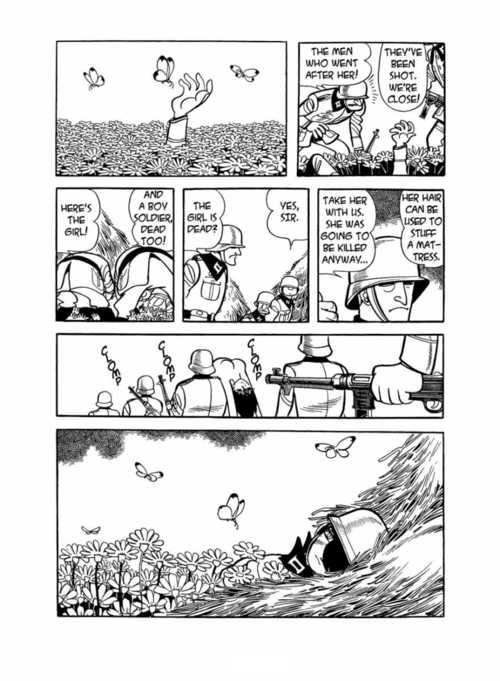
Es bastante probable que dentro de diez años, puede que veinte, todavía sigan publicándose en España obras inéditas de Osamu Tezuka. No es, aunque parezca increíble, el japonés que dibujó más páginas en su vida —murió relativamente joven— pero seguramente fue el que más páginas relevantes produjo. El nivel medio de Tezuka no tiene comparación posible con casi ningún otro artista del cómic internacional. Y sin embargo… ¿es posible hablar de «obras mayores» y «menores» de Osamu Tezuka?

La canción de Apolo es contemporánea de El libro de los insectos humanos (Astiberri, 2013), y por eso además de por su formato y extensión creo que tiene sentido histórico compararlas, aunque cada una de ellas tenga su propia personalidad independiente. Pero ambas pertenecen a la época en la que Tezuka, abiertamente influido por el gekiga, estaba dibujando obras más adultas, saliendo poco a poco del ámbito juvenil cuya consolidación él mismo había capitaneado. En el epílogo de la edición de ECC el mismo Tezuka señala al gekiga y además lo vincula con la situación del país en aquellos años para explicar su éxito y su interés como autor en adoptar ese tono. No sólo eso, sino que admite la influencia directa de sus (malas) circunstancias personales en el carácter oscuro de La canción de Apolo: «Es por eso por lo que sobre ella planea un ambiente aún más lúgubre y pesimista del que planeé darle». Es decir, que Tezuka, puede que sin racionalizarlo aún demasiado, estaba ya haciendo verdadera obra de autor, si no semejante a lo que hoy entendemos por ella, sí claramente precursora de la misma.

Por otro lado, si Tezuka es precursor de algo, bajo mi punto de vista lo es sobre todo del concepto de cómic como obra unitaria y cerrada, en contraposición con la serie de larga duración. Las obras de Tezuka de esta época, por su estructura, son verdaderas «novelas», entendidas a la manera clásica. Es más, siempre me han parecido algo muy cercano a los grandes novelones del siglo XIX, incluso con la influencia folletinesca. De hecho, afino más y digo que está muy cerca de los grandes realistas, a pesar de que Tezuka siempre incluya elementos fantásticos, porque, en mi opinión, lo que define aquella corriente no es la verosimilitud de lo que cuenta, sino la profundidad de la etopeya o retrato moral de los personajes.

Como en tantas ocasiones, el punto de partida es una condición médica o una enfermedad rara del protagonista —recordemos que Tezuka tenía estudios de medicina—. Shôgo se presenta como un niño más o menos normal que sin embargo pierde el control cuando observa cualquier gesto de amor, incluso en animales, por un fuerte trauma que arrastra desde su nacimiento. A partir de ese concepto y del deseo de un psiquiatra por curarlo, se desata una historia monumental con todos los elementos propios de esta etapa de Tezuka: grandes amores y grandes tragedias, peripecias constantes, personajes que aparecen y desaparecen… Shôgo recibe una maldición por sus acciones y es condenado a sufrir por amor una y otra vez, a lo largo de diferentes reencarnaciones, aunque algunas historias de las que vive parecen fruto de su mente más que de una reencarnación real. Sea como sea, esto le permite a Tezuka moverse por diferentes ambientaciones e integrar historias más breves dentro de la trama central que tiene lugar en el presente del protagonista: una historia bélica, otra ambientada en una isla habitada por animales que viven en armonía, y la mejor, para mí: una historia situada en un futuro distópico en el que los humanos sintéticos han tomado el control y empujado a los humanos originales a la esclavitud o la marginalidad.

En sus historias se convierte, por decisión propia, en un moralista y humanista que despieza la naturaleza humana, y eso no es poca cosa. La miseria de nuestros defectos se expone sin ambages, pero en las obras de un humanista siempre habrá espacio para la esperanza: en el caso concreto de La canción de Apolo, la esperanza es el amor, que nos redime y se convierte, para el patriarca japonés, en el motor del mundo y de la historia.

cancion_apolo_osamu_tezuka_111

Las obras de Osamu Tezuka siempre son increíblemente ambiciosas, y ésta no es una excepción, y por eso el juicio inevitablemente será más duro que con otros autores, lo cual, posiblemente, no sea justo, pero es así. Esto me lleva a la cuestión que planeaba al principio. Si uno compara este tomo con El libro de los insectos humanos que mencionaba, u Oda a Kirihito (Mangaland, 2004), otro cómic de la misma época, se encuentra con una trama más deslabazada, menos rotunda. Se notan un poco las costuras, no demasiado, pero sí más que en aquéllas donde el pulso de Tezuka era capaz de todo. Los secundarios no ayudan demasiado, aunque la arrolladora personalidad del protagonista  y la habilidad como narrador de Tezuka pueden con todo. Quiero decir que no es que no se lea con interés y de forma tan absorbente como otras obras suyas, pero sí que se hace también con la sensación de medio gas, de premisa tan potente como siempre que no se desarrolla todo lo que podría. Es una cuestión de ritmo, seguramente, la que impide que nos traguemos situaciones y giros argumentales que en otros mangas de Tezuka no son menos inverosímiles, pero ésa es la sensación que me ha dejado. Por ejemplo, la manera en la que una joven intenta convertir a Shôgo en una máquina de correr maratones.

Por supuesto, incluso con todo eso La canción de Apolo merece la pena. No lo digo por rebajar la crítica o darle equidistancia, lo siento así. La facilidad para dibujar bien e inventarse cosas nuevas a cada poco de Tezuka siempre está ahí, aunque no arriesgue tanto. El cómic es divertido y está lleno de escenas magníficas. Bien por esa mala racha que él mismo comenta, bien porque otras obras contemporáneas le exigieran más, este libro es el primero del autor que he leído y me ha dejado con la sensación de que podría haber sido más de lo que es. Sin embargo, comprobar que el dios del manga es humano es muy positivo, aunque no lo parezca.

17 Sep 07:16

The Dance of Reality (2013) Alejandro Jodorowsky

by noreply@blogger.com (David Arthur)
The Dance of Reality (2013)
aka La danza de la realidad
Genre: Biography | Drama | Fantasy | Surreal
Country: Chile | France | Director: Alejandro Jodorowsky
Language: Spanish | Subtitles: English & french
(Optional, embedded in MKv file)
Aspect ratio: Widescreen 1.85:1 | Length: 127mn
Dvdrip H264 Mkv - 1021x552 - 25fps - 2.42gb

Alejandro Jodorowsky was born in 1929 in Tocopilla, a coastal town on the edge of the Chilean desert where this film was shot. It was there that Jodorowsky underwent an unhappy and alienated childhood as part of an uprooted family. Blending his personal history with metaphor, mythology and poetry, The Dance of Reality reflects Jodorowsky's philosophy that reality is not objective but rather a "dance" created by our own imaginations. 
 The Dance of Reality (2013)
or
or
17 Sep 07:09

Agua fresca de pepino y limón

by Xose Manoel Ramos
Hala una receta muy fácil y muy mexicana que apenas requiere ingredientes exóticos, con lo cual se puede hacer fácilmente. A muchos os va a parecer un poco extraña y a lo mejor no os es apetecible. Probad primero, es realmente sabrosa.

Ingredientes para 1 litro:
  • Medio pepino 
  • 3 limas (se puede sustituir por un limón grande) 
  • 10 cucharadas soperas de azucar (o más o menos, hay que probar)
  • 1 litro de agua
Es muy sencillo de preparar:
 Se pela la mitad del pepino, se le sacan las semillas y se corta en daditos.
 Se toma un cuarto de litro del agua y los daditos del pepino y se trituran. No hace falta que quede muy fino.  Si quedan particulas aún hace el agua más divertida.

Se pone el azucar en los otros tres cuartos de agua y se disuelve.

Finalmente se mezcla el pepino triturado en el agua con el azucar. Ya se puede tomar o se puede guardar en el refrigerador y tomarlo más tarde.

La cantidad de azucar es un poco en el gusto. Podeis hacer pruebas con diferentes cantidades.
17 Sep 06:58

bagged

by tiki god

bagged bagged

bagged originally appeared on MyConfinedSpace NSFW on September 17, 2014.

17 Sep 06:58

topless bride

by tiki god

topless bride 700x1050 topless bride

topless bride originally appeared on MyConfinedSpace NSFW on September 17, 2014.

17 Sep 06:57

Getting Upset At Video Games Is Probably Terrible For Your Health

by Nathan Grayson

Getting Upset At Video Games Is Probably Terrible For Your Health

I tend to get angry at little things in video games. A lot. Sometimes really, really, really angry. I'm starting to think I should stop. Why? A recent study explained just how bad for us small yet frequent day-to-day stresses really are. The short version? Life-threatening.

Read more...


17 Sep 06:43

4 Things You Didn't Know Are Shortening Your Life

By C. Coville  Published: September 16th, 2014  If you're reading this on your phone while driving down the highway at 75 mph, chances are you're not going to live very much longer. For most of us, though, the cause and time of our final demise is a complete mystery. Comstock/Stockbyte/Getty Image
17 Sep 06:43

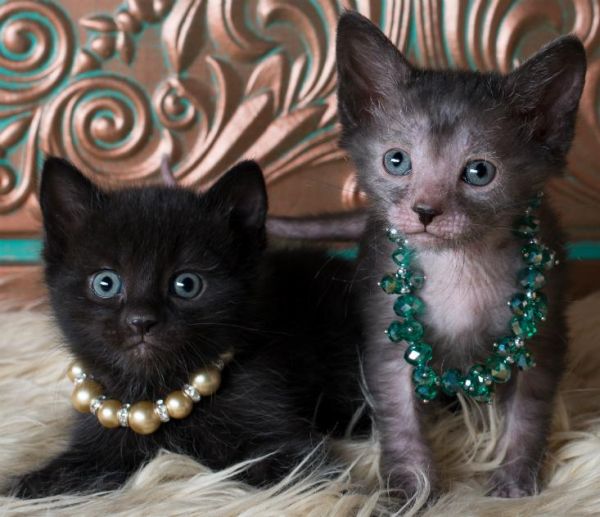
A Mighty Roar (of purrs)

by quin
Having a rough day? Need something to make you feel better? May I present you with A DEN OF KITTENS, a video where the roar of their purring is punctuated by the occasional "Meep" as one after another pops up to discover the camera.
17 Sep 00:48

If Lucille Bluth Quotes From "Arrested Development" Were Motivational Posters

You know, very questionable motivational posters.

Flickr / Konstantin Zamkov / Via Flickr: zamkov

Flickr / bill lapp / Via Flickr: blapp

Flickr / THOR / Via Flickr: geishaboy500

Flickr / Michael Neel / Via Flickr: scoregasm


View Entire List ›

17 Sep 00:47

9 Things You Don’t Have To Have

by Tim Hoch
m a n d o l i n
m a n d o l i n

1. An opinion.

We form opinions about everything. People. Food. Countries. Religions. Music. It is human nature. Opinions, by their very nature, involve judgments. The problem with opinions is that we usually form them without being fully armed with the facts. Or we form them based on emotion or a limited perspective. How many times have you made a judgment about someone or something only to later learn that you were wrong?

Having an open mind allows you to reserve judgment. Reserving judgment is liberating. You can establish relationships and open yourself to experiences you might otherwise have prematurely dismissed.

2. A cause.

Pink ribbons. Yellow bracelets. Ice buckets. Everywhere you turn someone is promoting a cause. I am not diminishing the importance of these. They give people a sense of community and purpose while raising money for worthy endeavors.

But how much do you engage in simple acts of charity? Not ones that involve running a 10k or pouring water on your head. I’m talking about everyday things: encouraging a child, smiling at a stranger, helping a friend. Over the long term, the sum of these incremental kindnesses will far surpass every Saturday morning marathon you ever log.

3. A side.

We love to choose sides. Israel or Palestine. Pro-life or pro-choice. Democrat or Republican. Typically our stance on something conforms to an overarching agenda or an unexamined, shallow ideology. This is easier than taking time to really understand an issue.

Here’s the problem with tidy one-size-fits-all belief structures. This is a complex world with complex issues. They require empathy, dialogue, patience, even nuance. We cannot settle deep seated problems in 30 second sound bites. We want to see the world in black and white when it rarely is. You don’t have to buy into this idea that you have to pick a side.

4. Agreement.

We go crazy trying to convince someone that we are right. We try to persuade people to agree with us because we can’t handle standing alone or in opposition. We seek the comfort of consensus. Not everyone will agree with you. This doesn’t mean they are a bad person. It doesn’t mean they are evil. It doesn’t even mean they are wrong. It’s okay to disagree with someone. You might even be able to stay friends without being in complete agreement with them on major issues. Don’t let your disagreement define your relationship with someone else. Be open to people with a different point of view.

5. Security.

You want money in the bank, a career with opportunities, a long term, committed relationship. You want stability and security. Life usually has other plans. The only certainty is uncertainty. You are always just a phone call away from a life altering event. Eventually you will lose a job, or get a bad diagnosis, or get cheated on. Security is a phantom state.

Even in the most secure of times you will have to fight off competitors, work like a dog, and side step con artists. You’ll never be able to let down your guard. That’s just life. It’s exhausting but you’ll be better equipped to face it when you let go of the fleeting illusion of security.

6. A reason.

We hate it when we don’t understand the motivations of others. Why did my friend commit suicide? Why do deranged people kill? Why did my boyfriend cheat on me? We demand an explanation. We want to know why. This is human nature. We always feel as though there must be a reason for someone’s actions. Sometimes there isn’t. Or even if there is, it won’t be adequate.

In a similar vein, you don’t always have to have a reason or explanation for your actions. Just because other people expect or want a reason doesn’t make it your obligation to give them one. You may not even have one.

7. A calling.

I know a few people who were born to be one thing. A musician, a priest, a doctor. Most of us don’t have the luxury of a “calling.” Still we ask ourselves: Why am I here? What is my purpose? What is my calling? Your calling may not be so apparent. You may not even have one. Or it may be one that is not readily apparent. Perhaps it’s being a good mom, or providing a stable work environment for others to thrive, or offering friendship to someone who is lonely.

There’s a misleading notion that if we look hard enough we will find fulfillment. Better yet, if we pray or work hard enough fulfillment will find us. Look, you may not ever find your calling. Or you may recognize it only after it has passed. Let go of this fantasy and your life will be much less frustrating.

8. A plan.

Everyone wants you to have a plan. What career will you choose? When will you get married? When will you have kids? Where will you be in 5 years? 10 years? I’m not encouraging you to be a shiftless loser. But you don’t always have to have a plan. Sometimes it’s just as important to not have a plan. This will open you up to more possibilities. Even if you have a plan, you don’t have to strictly adhere to it. Once you have some clarity about what you want, you can formulate a plan. Don’t plan for planning’s sake. Stop and listen first.

9. Outrage.

Are you in a frequent state of outrage over something? Congress, The President, Benghazi, spousal abuse, the price of milk, crappy cable service. Getting pissed off is an impotent impulse. It’s an outlet for ineffective people. Outrage is the only response they can draw upon. Do something constructive about the things you can affect. Forget about the things you cannot. TC mark


17 Sep 00:45

Bonkers Dragon Ball Z Theory Says Goku Ruined Everything

by Patricia Hernandez

Bonkers Dragon Ball Z Theory Says Goku Ruined Everything

Goku showing up on earth kicked off a whole string of ridiculous events in the Dragon Ball world, not all of which were to humanity's benefit. But what if Goku had never shown up at all?

Read more...


17 Sep 00:41

Lucifer TV Series Will Follow Neil Gaiman's Devil To Los Angeles

by Meredith Woerner

Lucifer TV Series Will Follow Neil Gaiman's Devil To Los Angeles

The Sandman character, who got his own spinoff comic series, just landed a TV show on Fox. And in even better news, the show is being made by the creator behind Californication. This is a perfect match.

Read more...


17 Sep 00:38

The world's happiest nations, in one map

by German Lopez

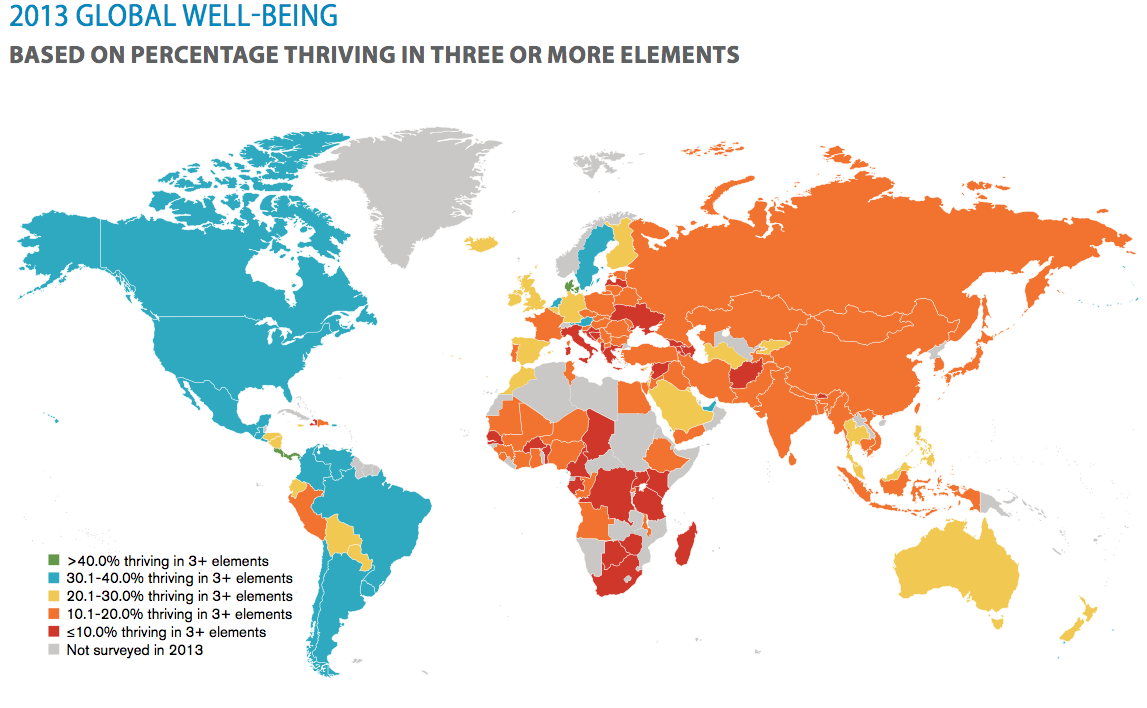
North America and South America make up the world's happiest region, according to a new report from Gallup and Healthways.

The report looked at five elements of well-being: sense of purpose, social life, finances, community, and physical health. Respondents from 135 countries self-reported their satisfaction with these elements, and Gallup and Healthway then compiled the results into their well-being index.

2013 global well-being

As the map shows, Gallup and Healthway's measures of well-being don't necessarily correlate with a country's wealth. The groups' breakdown of the data indicates that the largely poor Latin America, along with the relatively wealthy Europe, hosts some of the highest reported rates of thriving in different categories. More than three in five people in Panama, for instance, say they're thriving in three or more elements of well-being. Gallup and Healthways say this is thanks to Latin American countries' tendency "to focus on the positives in life."

Still, the Latin American countries do fall severely behind in self-reported measures of financial well-being. The leading countries for that measure — Sweden, Austria, and Denmark — are all European. None of the Latin American countries even show in the top 10.

In other words, optimism can go a long way, but it can't erase the crippling poverty many people in Latin America face today.

17 Sep 00:37

Is East London's New Death Row Pop-Up Restaurant for Real?

by Joe Bish

The homepage of the Death Row Dinners website

Like your parents' marriage, death row is losing its romance with every passing day. A few hundred years ago it was princes and queens being held in giant towers as they waited for death, like something from a bloody fairytale. And that was fine; all part of the social contract. Cutting the heads off the formerly powerful in front of baying crowds with a massive sword was the kind of justice that made sense in a time of disease, poverty and chucking your own shit and piss out the window. Even in the days of Bundy and other big American serial killers there'd be an electrifying pay-off; evil men being riddled with lightning till their eyes burst open like dawn slugs, but we can't even rely on the States for our execution kicks any more. What's that you're offering us? A painfully slow criminal holocaust carried out by a state that doesn't even know where to get proper death drugs? Where's the fun in that?

I'm joking, of course. Any progressive person would agree that the death penalty is always the wrong answer. In most parts of the world, it has more or less been decided now that executing people for crimes they did or did not commit is very much "not on." It's a disgusting, pugilistic, and frankly pretty deranged way of dealing with the problems that a society faces, which is presumably why the whole process is about to be paid homage to by a new pop-up restaurant in East London.

That's right: for a mere £50 (~$80) per-head (plus booking fee) you can now reserve a seat at Death Row Dinners, a dining experience claiming to draw inspiration from real-life death row inmates' last meal requests. On the website it claims that you can "enjoy the idea of a last meal, without the nasty execution bit." It appears to be some kind of Secret Cinema-style project, but instead of happy-go-lucky losers dressing up like film characters, it’s happy-go-lucky losers pretending they’re about to be killed by the state.

However, don't rush to get your bright orange death onesie and deranged stare out of the cupboard just yet. The website's run by something called Dirty Dishes—a company that, for all my googling, seems not to exist anywhere other than in a footnote on the Death Row Dinners website itself. Perhaps they're shrouding themselves in secrecy because they're wary of a backlash. Perhaps they just don't want to give anything away. Perhaps it's just fake. It's definitely fake... isn't it?

There's plenty of evidence that would seem to suggest so. There's no menu, no phone number and no venue (it's apparently going to take place at a place called "The Penetentiary" in Hoxton Square, but it being a pop-up, of course that doesn't exist yet). There are no foodie-type names attached to it, no production companies and when I went down yesterday no one in Hoxton Square seemed to have heard of it. You'd almost be 100 percent certain that it's an elaborate ruse set up by art students—a commentary on the unthinking modern fetish for the pointlessly wacky that leads to places like this existing—were there not a page that allows you to fork out £50 (~$80) of your hard-earned cash to be "charged, sentenced, searched, and frisked" before eating a burger.

The booking page of the Death Row Dinners website

Someone running a Twitter account for the pop-up has also been responding to people's booking enquiries on Twitter—so, if it is fake, and even if it is "art," whoever's behind it must be treading a fairly thin line with regards to the law. Which I guess is ironic?

The homepage of the site plasters doctored black and white images of "inmates" with placards slung round their necks listing other dishes that you can order; mussels and fries, Coca-Cola, hot fudge sundae, and racks of ribs. They’re the accused, and they’re made to look like their stint in Alcatraz is coming to a grim end. But Alcatraz closed 50 years ago, and people continue to be shot, shocked, and have poisons mainlined into their venous system in the name of justice.

I eventually got in touch with the human who appears to run Death Row Dinners, who assured me that's it's legit, and not just some weird joke. "It's definitely real!" they said over email. "You should start reading more about it in the press over the next few weeks."

Sounds like a laugh, guy. I’ll take two tickets.

Update: Since this article was published Death Row Dinners have released a statement apologising for any offense caused. They're now considering their next steps and are going to update everyone real soon.

Follow Joe Bish on Twitter

17 Sep 00:35

This Year's National Day of Catalonia Was a Big Independence Blowout

by Darren Loucaides

Crowds at the National Day of Catalonia flying the estelada flag. Photos by Andrea Alemany

It’s Thursday morning and I feel horrendous. Last night, on the eve of the National Day of Catalonia, I joined revellers watching the 17th-century music and dancing (as well as some weird street theatre) in Barcelona’s Gothic and Ribera districts. I drank quite a lot, as you tend to do when there’s music and dancing going on around you, and now have dim recollections of attempting to teach my local friends the lyrics to “Three Lions,” perhaps swept up in the patriotism of the occasion. 

I’d expected to spend the early hours of today trying to counter my intermittent bouts of alcohol sweats with slurps from the tap. Instead, I was woken at what felt like sunrise by my friend Anna: “Come on—it’s La Diada…”

As we wander through the crowds, looking for a place to watch the parade, there seems to be only one means of coping with the situation. I reach into my bag and grab an Estrella. “It's 10 in the morning,” says Victor, one of our group, disapprovingly. Ignoring his advice, I try to offer some cans around. Everyone gives me the kind of look I'd expect to see at the beginning of an intervention. “It’s not that kind of festival,” whispers Anna.

La Diada Nacional de Catalunya—the National Day of Catalonia—marks the date that Barcelona surrendered to Bourbon forces at the climax of the War of Spanish Succession in 1714, thus relinquishing the Catalan constitution and submitting to the Spanish crown for the next three centuries. 

In the thick of it by now, we've taken up position near Ciutadella park. Horsemen dressed to represent the army that defended the city march solemnly past us, heading through the El Born district towards the city center. They're followed by a troop of men with black caps, red-and-blue coats, and rifles. “They represent the trabucaires, the Catalan outlaws who joined in the defence,” says Anna.

The idea, I'm told, is to honor the soldiers who defended Catalan freedom in 1714. As well as the horsemen and trabucaires, thousands of flowers and wreaths are placed at the statue of Rafael Casanova, the commander in chief of the city's defense, near Ciutadella.

La Diada is a day of remembrance, but it’s also become a focus for frustrated Catalan ambitions of nationhood. Last year, more than a million people turned out to celebrate their country and demonstrate for independence. This year's festival was predicted to be even bigger, as it’s not only the 300th anniversary of the fall of Barcelona, but also comes just days before quite an important vote.

As Scotland prepares to decide whether to go it alone, the Catalans are watching closely, with their own independence referendum set for November 9. The repercussions of a vote for secession in Scotland will be felt here, as it would set a precedent that could “fast-track” Catalan independence, according to Catalan first minister Artur Mas. The only problem, of course, is that the Spanish government doesn't actually recognize this vote—though Catalan members of parliament are currently trying to pass a law that would make the referendum legal, forcing Madrid to respect whatever the result might be.

Men dressed as trabucaires

After the trabucaires have passed, we follow the parade towards the El Born district, where there's a rising tide of yellow and red. The size of the crowds is already impressive, and I can hardly believe how many esteladas—the flag typically flown by Catalan separatists—are surrounding me.

I notice a commotion ahead and wonder if the mood is about to turn. People seem to be clambering on top of each other. “What the fuck is happening?” I wonder out loud. “It's a casteller,” says Anna gleefully. I soon realize that around 30 people are constructing an enormous human tower, soundtracked by an unnerving tune played on the gralla, a Catalan flute. “They practice years to do this,” says Anna. “It's very typical here—you always see the castellers at big events. It symbolises how we're stronger when we work together, as one.”

A casteller

Whether it’s the heat of the midday sun or the fear of witnessing lots of people being crushed under a collapsed human pyramid, something triggers the flight instinct inside me. I slip away to a bar in one of the quieter streets off El Born for a quick refreshment.

Una grande, por favor,” I say to the bartender, who smirks at my accent.

“Do you like la Diada?” he asks in English.

“Too hot,” I blurt out, before trying to make amends with: “I’ve never seen so many people—it's incredible.”

“They have come from all over Catalonia,” the burly 50-something replies, handing over my drink. “We're very proud of our country. I have no problem with los Espanoles, but we have to stand up for our culture, our history.”

The Arc de Triomf

When I finally track down Anna and the rest of my friends a couple of hours later, they're near the colossal Arc de Triomf—there's a huge estelada hanging beneath it—discussing the referendum. Anna reckons the whole thing is a mess; that there should be reasoned debate, like in Britain, instead of the war of words between Madrid and Catalonia. She has doubts the referendum will even go ahead, especially if it's illegal. Victor, who I've now identified as an out-and-out separatist, is not only sure that the referendum will take place, but convinced the answer will be “yes.”

Like Tony fucking Blair, I foolishly wade into the argument with a third way. As it's almost impossible that the referendum will be recognized by November 9, I suggest that the vote is more symbolic; people will probably vote yes to give separatists leverage against the Spanish government for more powers and greater autonomy, rather than outright independence.

Overhearing us, a man wearing a yellow top (and inexplicably about to buy three more from one of the many kiosks selling Catalan-themed stuff), interjects. “You're wrong,” he says. “They've said that they'll declare independence if we vote yes.”

Crowds outside Santa Maria del Mar

The debate continues in Ribera, where crowds have gathered to listen to speeches behind the 14th-century church of Santa Maria del Mar. This is where the Catalan defenders made their last stand; it was the final district to fall to the Bourbons. Opposite the church lies the Fossar de les Moreres, where the soldiers were buried, and the site of an official ceremony the evening before, led by First Minister Artur Mas.

As evening approaches, the masterpiece of La Diada begins to be assembled. The plan is to somehow martial the vast crowd into a giant V for "vota"—or perhaps "victory"—in the central boulevards of Diagonal and Gran Via. As we jostle into position, I apologise to a lady for bumping her. She has two little girls in tow, both with their faces painted red-and-yellow, and tells me she's come all the way from Lleida, a city a good two-hour drive away. “We want to show support,” she beams. “Catalonia is a country, with its own language and traditions. We just need Madrid to accept it.”

It's all very organized, and by 17:14—timed to the year Barcelona fell—the red-and-yellow V seems to be complete. You can't tell from street-level, of course, but it can be seen in Madrid, from one of the media helicopters flying overhead.

As the sun disappears we settle in for the night back by the Arc de Triomf, where a stage has been set up and live bands are performing, all singing in Catalan. I finally crack open an Estrella, but recoil after the first swig of the now tepid lager. “Don't worry, man,” laughs Victor, putting an arm around me. “In a couple of weeks it's Le Mercè, the real Barcelona party.” 

This, I'm told, is the city’s main annual festival, featuring gegants (giant papier-mâché effigies, of which I only saw two today), carrefocs (firework displays set off by people in devil costumes) and many more castellers. There will also be a lot of drinking. Maybe it's the warm beer talking, but I'm not sure Le Mercè will match up to La Diada. Politics might be a different kind of trip for some, but for me there’s just more to get fired up about when your partying is framed around the long-fought for secession of an entire region.

Later, I review the news and learn that 2 million people are thought to have take part in the day's events (though at least one news outlet in Madrid puts it at 500,000), making this potentially the biggest ever “rally” in Europe. 

Follow Darren Loucaides on Twitter

16 Sep 17:48

Photo


16 Sep 17:45

How to Make Hot Sauce, the A&B American Style Way

by Matt Gross

Welcome to Out of the Kitchen, our ongoing exploration of America’s coolest food artisans. Over the next few months, we’re apprenticing with the best knife forgers, cider brewers, and spice blenders, then bringing their knowledge and expertise back to our home kitchens—and to yours.

In 16 years of living in New York City, I had somehow never taken the opportunity to wander the industrial wilds of Long Island City, Queens. To survey the landscape between the Long Island Railroad tracks and Newtown Creek (a toxic Superfund site!) is to understand why: warehouses, two-story brick buildings, the Brooklyn–Queens Expressway—there is little of beauty here. And what little beauty there is can be found, on occasion, inside an unassuming food-production facility on Borden Avenue, which runs kind of along the creek. That is where, just last week, I gazed into two 50-gallon blue plastic barrels and saw that each was nearly full of fresh Fresno chiles—312 shimmeringly gorgeous pounds of them!

Bright red, conically tapered, with shiny skin and thick flesh, Fresnos have become the chile of choice here at Bon Appétit, in part for their even dose of heat (slightly more than a jalapeño) but more so for the burst of juicy fruitiness that accompanies their steady fire. In short: They are spicy and they taste good.

And I was about to watch them get made into one of my favorite new hot sauces—although Ariel Fliman and Brian Ballan, the guys behind A&B American Style, frankly don’t like the term “hot sauce.” For them, “hot sauce” suggests heat over flavor, and invites in extracts and chemicals to preserve color. ”Hot sauce tastes good,” said Fliman, 32, who left his job as a lawyer to start A&B in 2010. “But there’s a way to do it that emphasizes the quality of ingredients without a gimmick.”

So that’s what Fliman and Ballan do. They make their small-batch “pepper sauces” from Fresnos, a smaller but still sizable amount of waaaaay spicier habaneros or Scotch Bonnets, lots of carrots and red onions, white vinegar, and kosher salt. And that’s it. No dyes, no essences, nothing unpronounceable (if “habanero” gives you pause, remember: there’s no ñ there), and no sugar.

“Never ever ever add any sugar ever,” said Fliman. Sugar is a perhaps surprisingly common ingredient in hot sauces, added for flavor and to balance the heat. Not so at A&B, says Fliman. “Chile peppers have great flavors of their own, and so we think there’s no reason to rely on added sugars to flavor our chile-based products.”

And definitely no gimmicks. In fact, that was what first attracted me to them. It was last spring, and I was wandering around the NYC Hot Sauce Expo, a weekend-long festival of—you guessed it—hot sauces, and amid all the bottles of BURN YOUR FACE OFF!!! sauce, the labels featuring mushroom clouds and flame-spitting monsters, and the thunderous heavy metal on the echoing through the rooms, there was one surprisingly understated stand, with squat bottles of bright crimson sauce and brown-paper labels stenciled in black. I tasted that sauce, and… I could actually taste the sauce! Fresh and fruity, almost as if it had just emerged from a home kitchen, A&B’s pepper sauce was a lovely alternative to the dominance of mouth-obliterating ghost chiles, Trinidad Scorpions, and Carolina Reapers. (Which, to be fair, I do love, too!) I could immediately see putting it into regular rotation among my stable of hot sauces, for use on eggs, steaks, carnitas… Which is exactly what I’ve been doing for the past few months, immensely enjoying the bright spark it brought to my dishes, without overpowering them.

Now Fliman and Ballan were about to reveal the secrets of their sauce! Well, one of their sauces, anyway. Alongside their classic pepper sauce, they also produce a thicker “With Garlic” sauce and a “More Heat” variety that has five times the habaneros. Today’s formula, however, was to be a seasonal specialty—the Fresnos, normally sourced from Florida, were instead grown on the rooftop of the nearby Brooklyn Grange farm, making this “NYC Rooftop” edition (as it’s billed on the A&B website) essentially a locavore sauce. (Except that the Scotch Bonnets, which replaced habaneros, came from the Dominican Republic. Whatevs.) The secrets, meanwhile, were hardly secret.

As I watched intently, five workers staff shredded carrots, onions, and half the chiles (a mere 150+ pounds!), and heated them along with a ton of white vinegar in a 60-gallon vat while another worker puréed the mixture using an industrial stick blender. After an hour or two of very gentle simmering and puréeing, the sauce was smooth, crimson, and ready to be bottled. Boom, done.


Shredding time. Photo: Alex Lau

Naturally, it’s not all that simple. There’s a ton of things that Fliman and Ballan—childhood friends who grew up loving spicy food in northern New Jersey—considered as they developed their formula, from the type of chiles to the strength of the vinegar to how they wanted the sauce to be used. Fliman favors highly “versatile” sauces that can go with anything from eggs to steak to the base of a vinaigrette; some sauces on the market, however, have flavor profiles that are, well, more niche.

“I’m not going to add a mango purée to my eggs in the morning,” Fliman said.

That said, Ballan—also 32, a former corporate bank strategist and former cook at Buddakan—broke all hot sauces down into four fundamentals:

1. Chiles
This is perhaps the most important part: What kind of chiles do you like? Also, how do you figure out what kind of chiles you like? Well, you taste them, he said. You go to the supermarket or the farmers’ market, buy a bunch of different kinds, from the familiar jalapeños and serranos to the weirder ones, and just try them. Nibble the tip, see how powerful they are and where the spice hits you (the tip of your tongue? the back of your throat?), and what other flavors they have. Then, once you know what you like, use those chiles.

Of course, it gets more complicated than that. You can roast or smoke chiles to alter their flavors or soften thick skins, which is particularly good for green chiles, since they tend to turn brown after being puréed. Cooking chiles mellows their heat, too; conversely, leaving them raw and including the ribs and seeds (but not the tough, bitter stems) gives you the full brunt of their power.

2. Acid
Sure, you could just purée a ton of chiles and call that a sauce, but an acid is going to help draw out flavor, preserve the ingredients, and turn it into something you could truly call a sauce. A&B uses white vinegar at 5% (that strength helps them create the right pH needed for bottling, and it’s actually pretty standard for grocery-store white vinegar), but if you’re not concerned with FDA guidelines or creating a shelf-stable product, there are tons of other vinegars out there to play with. (I’m a big fan of the sweetness that apple cider vinegar brings.) Beyond vinegars, there are also citrus juices to add—but as Fliman noted, you shouldn’t cook them. Either add them at the end to complement a vinegar or use them in a raw sauce.

3. Aromatics
For some, aromatics such as carrots, onions, garlic, and ginger may be optional, but for A&B they contribute that garden-fresh flavor they’re after. They also tend to require some cooking, both to bring out their sweetness and temper either their texture or their raw power.

4. Salt
It’s cooking, so there has to be salt. A&B uses kosher because… why? It’s just what they’ve always used, Fliman said, and it’s always worked. Good enough for me.


The finished product. Photo: Alex Lau

These four categories may seem obvious, but I don’t think I’d ever quite thought of hot-sauce-making in such an organized way. It made me notice, too, that Fliman had skipped over a potential fifth category: Extras—everything from fruits to oils to spices. And as I looked ahead to the hot-sauce experimentation that I’d be performing for the next installment of this series, I decided I’d attempt two varieties, one hewing closely to A&B’s “American-style” principles (“bright, fresh flavors and honest, true ingredients,” according to Fliman), the other building on them into something… well, I guess you’d call it Grosser. Tune in next week to see how it went!

The post How to Make Hot Sauce, the A&B American Style Way appeared first on Bon Appétit.

16 Sep 17:20

New Cat Breed: Lykoi, the Werewolf Cat

by Miss Cellania

The kitten on the right is an example of a new breed called Lykoi. Veterinarian Johnny Gobble breeds Lykois, a name that is derived from “lycanthrope,” or werewolf. The cat is result of a mutant gene that inhibits hair growth, leaving a cat with sparse hair, especially on its face. Although the gene is naturally-occurring, these cats do not last long in the wild. Due to lack of fur, they are suseptible to hypothermia. 

According to Gobble, the cats’ infirm appearance is only skin deep. Aside from the patchy hair that makes them notable, the first few generations of Lykoi cats seem rather healthy thus far. Tests conducted by Leslie Lyons, an aptly named expert in cat genetics at the University of Missouri (home of The Tigers), found no recognized genetic disorders in the cats; a battery of tests done by Gobble at his clinic, from blood screenings to thyroid function exams, turned up nothing out of the ordinary. Gobble cautions, though, that giving the breed an entirely clean bill of health right now would be premature. “It’s way too early,” he emphasized. “A lot of health problems won’t show up until a cat is 6 or 7 years old, and we don’t have any Lykois that old yet.”

Cats with the sparse hair gene are bred with black cats to highlight their unusual fur pattern. A cat must carry two copies of the gene to be a true Lykoi, which is why the littermates in the above picture look so different. The black cat on the left carries only one copy of the pertinent gene. Read more about this new cat breed at Nautilus. See more pictures of Lykoi cats at Gobble’s website.

(Image credit: Brittney Gobble)