Shared posts

06 Jan 21:34

Mooallempalooza

by roman
As you probably know, 99% Invisible is a show about the built world, about things manufactured by humans. We don’t tend to do stories about animals or nature. But our friend Jon Mooallem writes brilliant stories about the weird interactions between animals and humans, interactions that are becoming ever weirder and more designed. Mooallem is a writer with the New York Times Magazine and for Pop -Up Magazine, the live magazine in San Francisco, which is where we first heard these two stories. You might remember them as episodes #40 and #91 respectively, but now we present them together in a radio special we’re calling Mooallempalooza.

 In 1902, President Theodore Roosevelt decided to vacation in a Mississippi town called Smedes, where he could hunt black bear. He was a big outdoorsman and went hunting a lot, but this particular hunting trip became kind of a famous story.

Roosevelt_safari_elephant[Roosevelt on Safari. Photo from the Library of Congress.]
He had spent a few days hunting and hadn’t yet shot a bear. One morning, the president’s guide finally finds a bear and knocks it unconscious so the president can have the honor of shooting it. This female bear weighs about 235 pounds. She’s about half as heavy as she should be. The guide presented the bear to Roosevelt and she’s tied to a tree, semiconscious and injured. She looked very pathetic. Roosevelt took pity on her and decided it was unsportsmanlike to shoot her.
Roosevelt lowered his gun in this merciful moment. Word of this story spread, and a political cartoonist made a cartoon of the moment, and drew the bear as almost like a little labrador puppy. It’s got these big, round, perked-up ears, almost like Mickey Mouse, with big wide eyes staring at the president, waiting to see what its fate will be.
The cartoon was called “Drawing the Line in Mississippi,” and it basically spawned the teddy bear. This adorable little bear in the cartoon was turned into a three-dimensional plush toy.
berrymantoon1post[The political cartoon that spawned the Teddy Bear craze]
They named it after Theodore Roosevelt, calling it “Teddy’s Bear,” and it was a huge sensation. It was even more popular than baby dolls. People assumed that the wild success of the teddy bear would be unsustainable, and that the toy was a novelty that would fade as soon as Roosevelt left office.
The toy industry was thrilled, of course, wanted to keep this successful run going. They were constantly looking for whatever was going to be the next cuddly plaything that American kids were going to want.
72[One of the original teddy bears on display at National Museum of American History. Photo: Smithsonian]
Fast forward to 1909, and Roosevelt’s term was about up. The president-elect was Roosevelt’s handpicked successor, William Howard Taft. In January of 1909, Taft goes to Atlanta, where he was the guest of honor at this banquet. The chamber of commerce in Atlanta decided they were going to serve him the truest, most unpretentious southern dish around: ‘possum and ‘taters.
It was was an opossum roasted on a bed of sweet potatoes, presented whole on a platter, with its head on and tail on. The one that they brought to Taft’s table weighed 18 pounds. All of a sudden, the orchestra strikes up and the guests burst into song. Suddenly Taft is presented with this surprise gift: a small, stuffed opossum toy.

billy_possum[Image credit: oldbear.co.uk]

This is a brand new invention that some local Taft supporters try to position as the Taft presidency’s answer to the teddy bear. They’re calling it the “Billy Possum.” Already there was a company set up called the Georgia Billy Possum Company. According to one account, within 24 hours of that banquet, there were already deals being brokered for Billy Possums with distributors accross the country. In covering the banquet, the LA Times announced that “The teddy bear has been relegated to seat in the rear, and for four years, possibly eight, the children of the United States will play with Billy Possums.”
possumcropped
From then on, a little bit of possum-mania started. There were Billy Possum postcards, Billy Possum pins, Billy Possum pitchers for creamer. There was was a ragtime tune called “Possum: The Latest Craze.” Soon, Billy Possums were in toy stores from New York to San Francisco.
Since you’ve probably never heard of a Billy Possum, you can guess what happened next.
 taft_postcard [“Teddy Bears are now called in. Billy’s Possum is the thing.” – 1909 postcard. Courtesey of the Cornell Library]
 It was a total flop. The Billy Possum was forgotten and almost entirely out of stores within a couple of months. The Billy Possum never even made it to see Christmas time, which is a special kind of tragedy for a toy.
There are several possible explanations as to why the Billy Possum never took off. The most obvious reason is this: opossums are ugly and nobody likes them.
1236554
Additionally, Jon Mooallem argues that the acceptance of Teddy’s Bear and the rejection of Billy Possum comes down to their origin stories.
In the story that was told about Roosevelt and this bear, it was a very kind of tender moment, where Roosevelt was showing the bear mercy and when you looked at that cartoon, the way the bear was drawn, it looked like something you just want to sweep up into your arms and take care of and that was vulernable and that needed your help. The story with Taft, it didn’t give it anything else. You know, Taft ate his opossum for supper. And he ate a lot of it, and he ate so much that after his first several helpings, a doctor seated nearby apparently passed him a note suggesting it might be a good idea if he slowed down a little.
The messed up thing about the famous story of Teddy’s bear is that it isn’t even the whole truth.
GI4TD00Z1[Credit: artplanet.eu]
Roosevelt was a hunter. He was there to hunt bears. He wasn’t a PETA activist or anything. Although he did show the bear mercy, it was a very particular kind of mercy. After Roosevelt refused to shoot it, he said, “put it out of its misery,” and one of his hunting buddies slit the bear’s neck open with a knife. They carried the bear’s body back to camp and they ate off it for the next several days. On the last night of their trip, they finished the bear, roasted its paws, and ate them with–this is true– a side of ‘possum and ‘taters.

Jon Mooallem revisits the Billy Possum in his book, Wild Ones: A Sometimes Dismaying, Weirdly Reassuring Story About Looking at People Looking at Animals in America. In Mooallempalooza part 2, Mooallem performs selections from Wild Ones with live with musical accompaniment from the band Black Prairie.

jon and band[From left: Black Prairie members Annalisa Tornfelt, Nate Query, Jon Neufeld. Far right: Jon Mooallem. From their performance at the U Street Music Hall in Washington, DC. Credit: Nalinee Darmrong]

Wild Ones is not a book about nature. It’s a book about how we value nature and try fit it into our modern lives. Wild Ones is about the cutesy stuffed animals, the eco-tours, and the byzantine methods of conservation that evolve when our experience with wild life goes from something natural to something designed. Human-animal interaction has become a designed experience and the story of that transition, as the title of the book suggests, is sometimes dismaying and weirdly reassuring.

[WILD ONES book trailer from Jon Mooallem on Vimeo]

Jon Mooallem is friends with the band Black Prairie, and as he was writing the book, they concocted this idea of the band creating a “soundtrack to the book” and the result was an Extended EP called Wild Ones: A Musical Score for the Things You Might See in Your Head When You Reflect on Certain Characters and Incidents That You Read in the Book. The CD case is furry.

photo-1[Image courtesy of Jon Mooallem.]

Wild Ones: A sometimes dismaying, weirdly reassuring story about looking at people looking at animals in America by Jon Mooallem is available in all the usual places. You should get it. When you reach that moment where the book is over but you still want more, go check out Jon’s scrapbook of photos and ephemera he collected while conducting research.

photo 4[Wild Ones Live at the U Street Music Hall in Washington, DC. Credit: Jeff Kearns]

Black Prairie is Jenny Conlee-Drizos (Accordion, Vocals), Chris Funk (Banjo, Dobro, Autoharp, Vocals), John Moen (Drums, Vocals), Jon Neufeld (Guitar, Vocals), Nate Query (Bass), and Annalisa Tornfelt (Fiddle, Vocals). Rich Hipp is the Black Prairie traveling sound man and he recorded the show for us.

Black Prairie‘s latest album is called Fortune. Annalisa Tornfelt has upcoming solo album called “The Number 8″ that is available for pre-order.

To support the show and get free audiobook of your choice go to Audible. In honor of Mooallempalooza, I’m recommending Wild Ones and American Hippopotamus.

Other recent favorites from Audible: People Who Eat Darkness, On the Grid, I Wear the Black Hat, Pulphead, Invisibles, Being Wrong, Shadow Divers, Frank, and so, so many others. I hope Audible sponsors us again, so I can share them all with you.

Our Format site this week is from Matthew Albanese. This is a diorama he created:

Screen Shot 2014-12-29 at 3.52.31 PM

I know!

Music: coming soon..

03 Jan 18:00

Reddit Bros Report Getting High Makes Them a Little Bit Gay

by bianco@post.harvard.edu (Marcie Bianco)

Does getting high make you a little gay? If so, you may just be a "highsexual."

The term, ensconced in Urban Dictionary since 2009, made its way onto two Reddit forums in recent weeks as a way to describe the alleged phenomenon of participating in sex with someone of the same gender or having same-sex fantasies when getting incredibly high.

But while perhaps not common parlance, these two threads — "Can LSD make you temporarily gay?" and "Weed makes me temporarily gay. Anyone else?" — are example of a phenomenon that's been around for awhile. It seems straight guys have wondered about "highsexuality" for a few years, given the plethora of online evidence. Are drugs the key to sexual fluidity in men?

Source: TwitterResponses in both Reddit threads exhibited an awareness of "highsexuality," as well as the fact that getting high makes you horny and just might lead to a more unconventional sexual encounter. Read More
03 Jan 15:44

If Congress hadn't extended copyright, Batman and Gone with the Wind would be free today

by Timothy B. Lee

January 1 is Public Domain Day, the day that works whose copyright terms ran out in the previous year fall into the public domain. Until 1998, the law allowed all published works to fall into the public domain after 75 years. Once books, movies, and music enter the public domain, they aren't just free to copy, they're also free for anyone to appropriate, modify and build upon. Think, for example, of the many theatrical and film adaptations of Romeo and Juliet or Huckleberry Finn.

In 1998 Congress retroactively extended copyright terms by 20 years, effectively imposing a 20-year moratorium on older works falling into the public domain. As a result, works from the 1920s and 1930s that otherwise would have fallen out of copyright remain protected. We won't see another Public Domain Day release until January 1, 2019.

Keeping older works under copyright makes it harder for people to access, use, and build upon them. One fascinating study, for example, found that there are more books available on Amazon from the 1880s than the 1980s, because copyright restrictions make it hard to keep books in print. Longer copyrights make it harder to preserve older films, many of which are literally crumbling in film canisters.

It's interesting to look at the works that would be in the public domain if Congress had not changed the law in 1998. If the maximum copyright term remained 75 years, every work published in 1939 would be into the public domain starting today. Here are some of the most significant examples.

The Wizard of Oz

(MGM)

This was one of the first feature films to be shot in color. It wasn't a big commercial hit in its initial release, but subsequent re-releases and television broadcasts turned it into one of the best-known films from the 1930s. The movie helped launch the career of Judy Garland, who starred as Dorothy Gale.

The Grapes of Wrath

This was one of John Steinbeck's most famous novels, and it helped win him a Nobel Prize in Literature. It tells the story of the Joads, Oklahoma tenant farmers whose lives are devastated by the Great Depression and the Dust Bowl. The year's best-selling novel, it sparked a national debate about poverty.

Batman

The caped crusader made his debut in 1939. Created by Bob Kane and Bill Finger, Batman was initially a recurring character in the Detective Comics series. He would go on to have his own comics series, as well as television shows, movies, and other works related to the character. Had Congress not extended copyright terms, not only would the first Batman comics have fallen into the public domain, so would the Batman character. That means that anyone could create their own Batman comics, movies, television shows, or other works — though they'd have to be careful not to include elements of the Batman story that were introduced in later years.

Gone with the Wind

Set in the Civil War South, Gone with the Wind follows Scarlett O'Hara (Vivien Leigh) and her tempestuous relationship with Rhett Butler (Clark Gable). The film, released in 1939, is based on a book by Margaret Mitchell that was published in 1936, which would have fallen into the public domain on January 1, 2012. It was the highest-grossing film of 1939.

Madeline

This children's book spawned a lucrative media franchise, with numerous books, television shows, and movies created from the Madeline character. Written by Ludwig Bemelmans, it follows the adventures of the title character, a schoolgirl at a Catholic boarding school in Paris. As with Batman, the expiration of the first Madeline book would mean that anyone could use the character in their own works.

Finnegans Wake

This famous — and famously difficult — novel by James Joyce was first published in 1939. It took more than a decade to write and was the last novel Joyce published in his lifetime. Its unorthodox literary techniques helped make it one of the most discussed novels of the 20th century.

Anne of Ingleside

This was the final installment of L. M. Montgomery's Anne of Green Gables series, which began with the 1908 book by that name. Most of the books in the series were published before 1923 and so are already in the public domain. But the last two books to be published, Anne of Windy Poplars and Anne of Ingleside, remain under copyright protection and are not scheduled to fall into the public domain until the 2030s.

And Then There Were None

This thriller by Agatha Christie is frequently listed as one of the best-selling novels of all time. It's based on the poem "Ten Little Soldiers" (the original edition of the novel used a version of the poem employing a racial slur). In it, ten dinner guests are killed one at a time. Each dies in a manner reminiscent of one line from the poem.

"Over the Rainbow"

The same year The Wizard of Oz debuted, Judy Garland released a recording of the movie's most famous song, "Over the Rainbow." Over the last 75 years, the song has been covered by many other musicians. The Recording Industry Association of America listed it as the top song of the 20th century.

03 Jan 15:41

It’s 2015, and You’re in the Future

by Tim Urban

Time flies. Years that seem recent can quickly become buried in the past, and if you tune out for a second, you can quickly find yourself standing in the future. Suddenly, today, it’s 2015. Let’s look at what that means:

The 21st century seems like it just started, but we’re already half way to 2030.

The Wonder Years aired from 1988–1993 and covered the years 1968–1973. If it were made today, it would cover the years 1995–2000. Instead of episodes about the moon landing, The Beatles, and the Civil Rights Movement, they’d be about AOL, ‘N Sync, and the Bush-Gore election. The characters in a Wonder Years made today would be watching Friends (’94 – ’04), South Park (’97 – present), Dawson’s Creek (aired 1998 – 2003), Sex and the City (’98 – ’04), and they’d even catch the first couple seasons of The Sopranos (’99 – ’07).

Speaking of the moon landing, the following movies were in theaters closer to the moon landing than to today:

  • Wayne’s World
  • My Cousin Vinny
  • The Newsies
  • Silence of the Lambs
  • Terminator 2
  • Hook
  • Beauty and the Beast
  • The Addams Family
  • City Slickers
  • Father of the Bride
  • Home Alone

These movies were in theaters closer to JFK’s presidency than today:

  • Batman
  • Back to the Future 2
  • The Little Mermaid
  • Indiana Jones
  • Honey I Shrunk the Kids
  • Field of Dreams
  • Major League

And these movies came out closer to World War II than to today:

  • The Empire Strikes Back
  • The Shining
  • Airplane
  • Caddyshack

Then there’s the Godfather, which came out in 1972, a date closer to the 1920s than to today. Likewise:

Born before June 1, 1972? You were born closer to the 20s than to today. Today’s 38-year-olds were born closer to the 1930s than to today. I was born in 1981 which is closer to the 1940s than today. 28-year-olds and 23-year-olds, before you laugh, you were born closer to the ’50s and ’60s than today, respectively.

Know any 85-year-olds? Their birth is farther away from today than is the 22nd century. And there are millions of people alive today who will live well into the 22nd century.

Remember 1995? The way we thought of the 60s then is how someone who today is the age you were then thinks of the 80s. The way you thought of the 70s then is exactly how far in the past the 90s are today. In 1995, the Mad Men era was the same distance back as the Disco era is today.

How about 1980? It’s closer to FDR, Churchill and Hitler fighting each other than it is to 2015.

1977 is 38 years ago—1/4 of the way back to the Civil War and Lincoln’s presidency.

How about other presidencies? If you’re a 33-year-old American like me, your early childhood took place during the Reagan administration, you finished elementary school during Bush Sr.’s presidency, and high school coincided with Clinton. Someone who’s 13 today views W. Bush the way I view Reagan, and for them, the Clinton years are as far back as Watergate and the Vietnam War are for me. Reagan, for them, happened when JFK’s presidency happened for me.

And finally, one of my favorite childhood movies was Back to the Future, during which the present was 1985. The year the movie used as the faraway future? 2015.

Want the full perspective? Here.

The post It’s 2015, and You’re in the Future appeared first on Wait But Why.

03 Jan 15:30

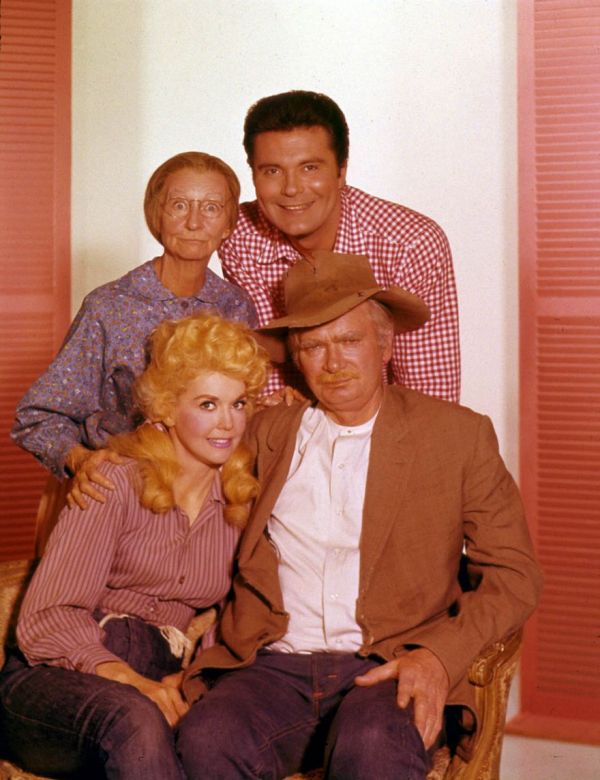
Donna Douglas, R.I.P.

by John Farrier

(Photo: CBS)

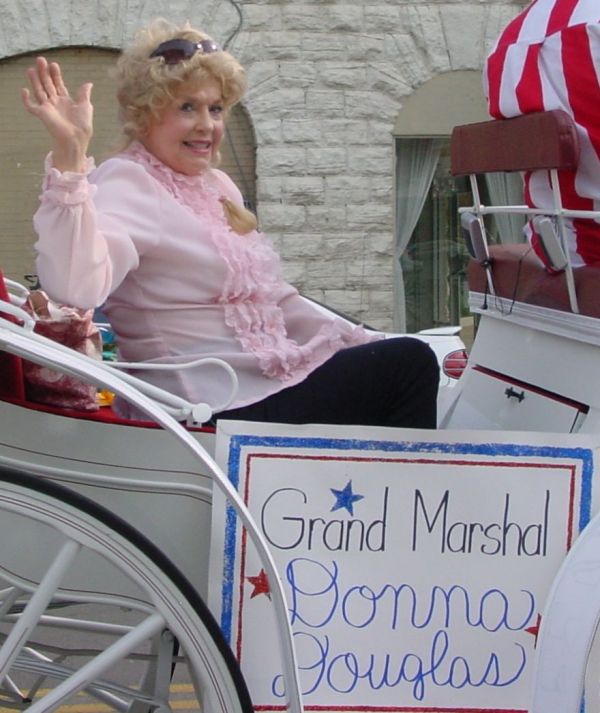
When I was 7 years old, I developed a crush on a pretty blonde woman who didn't even exist: Elly May Clampett. She was a character on the sitcom The Beverly Hillbillies. Donna Douglas, the actress who played that role, passed away yesterday at the age of 82.


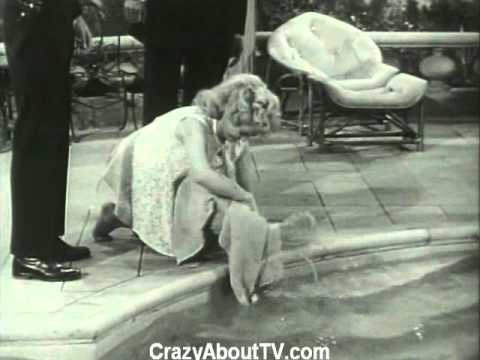
(Video Link)

Douglas was born and raised in Louisiana. She was a teenage beauty queen who left her home state (only to return, years later) for stardom. she was also a farmgirl whose rural skills helped land her a role on The Beverly Hillbillies. The Times-Picayne reports:

Douglas was chosen for the part of Elly May from more than 500 other actresses. She said she felt at ease playing the role because, like her character, she grew up a poor Southern tomboy. The experience came in handy when she was asked during her audition to milk a goat.

"I had milked cows before," she said. "I figured they were equipped the same, so I just went on over and did it."


(Photo: Wdwic Pictures)

Douglas later retired to a home in Baton Rouge. She made occasional appearances that capitalized on her most famous role, often while wearing Elly May's characteristic pigtails and jeans.

-via Popehat

03 Jan 02:25

Un home loce orgulloso a súa motocicleta na Pobra do Caramiñal...


Un home loce orgulloso a súa motocicleta na Pobra do Caramiñal (1956)

03 Jan 00:33

What I Learned From Jurassic Park

by DOGHOUSE DIARIES

What I Learned From Jurassic Park

Don't worry. It's not like that's gonna be the same exact mistake they make in the next movie, AGAIN.

03 Jan 00:32

To his friend...

by noreply@blogger.com (MRTIM)

01 Jan 18:33

El sótano - Se fueron en 2014 - 30/12/14

Ya es tradición que el penúltimo programa del año se lo dediquemos a los caídos. 2014 nos ha dejado muchas bajas musicales; hoy recordamos algunas de ellas. Playlist; Phil Everly (The Everly Brothers - Bye bye love), David Teichenné (The Rippers - Under frozen moon), Bob Casale (Devo - Freedom of choice), Gary Burger (The Monks - I hate you), Scott Asheton (The Stooges - I wanna be your boyfriend), Antonio Morales (Los Brincos - Tú en mi), Alfonso Sainz “Junior” (Los Pekenikes - Twist de los elefantes), Gerry Goffin (The Shirelles - Will you love me tomorrow), Bobby Womack (The Valentinos - It’s all over now), Tommy Ramone (Ramones - I wanna be your boyfriend), Tony Urbano (Leño - Qué desilusión), Paul Revere (Paul Revere and the Raiders - I’m not your steppin’ stone), Lou Whitney (The Morells - Push kick shout), John Holt (The Paragons - The tide is high), Shane Fenton (I’m a moody guy), Jack Bruce (Cream - Sunshine of your love), Ian McLagan (Small Faces - All or nothing) y Joe Cocker (Something). 

01 Jan 18:29

POV

by Krapintosh


01 Jan 18:27

It works!

by Anita Bryant
01 Jan 18:14

Navantia Fene estrena su primer año sin vetos tras tres décadas de restricciones

by Salgado

FERROL360 | Jueves 1 enero 2015 | 17:26

El veto se ha marchado, pero ahora comienza la verdadera lucha, la que debe permitir la dotación de una carga de trabajo digna al astillero. Navantia Fene ha estrenado 2015 sin limitaciones a la construcción naval, las que han atenazado su actividad desde los años ochenta y espectadoras de la decadencia de una planta brillante hasta la reconversión.

La imposición comunitaria expiró con las uvas de Nochevieja y se abre un nuevo período en el que el sector eólico marino parece que puede ser decisivo en el futuro de la antigua Astano. De hecho, el primer contrato de los últimos años para Perlío, adjudicado por Iberdrola el pasado 18 de diciembre, conlleva la construcción de 29 jackets para su parque alemán de Wikinger.

El contrato reportará 614.000 horas de carga de trabajo y 90 millones de euros de desembolso privado en las dependencias languidecientes de la ría ferrolana. La finalización de la contribución fenesa a los bloques para los buques encargados por Australia dejó al reducido plantel en subactividad durante varios meses.

BAM

El corte de chapa del Buque de Acción Marítima para la Armada Española, retorno de las antiguas Bazán y Astano al paraguas militar, se desarrolló de forma simbólica en Fene. Fue con esa cita, el pasado 5 de diciembre, con la que remató, al menos sobre el papel, la sequía constructiva en las gradas ribereñas.

Supondrá este último barco 333 millones de euros de gasto público. Con el inicio del año, los sindicatos retomarán las protestas a ambos lados del puente de As Pías. Las demandas son conjuntas y pasan por inversiones en los astilleros, el dique flotante y carga de trabajo civil y militar que colme las aspiraciones de empleo principal y auxiliar.

Casi 4.000 puestos de trabajo, sobre todo en las empresas satélite, han sido destruidos en los cuatro últimos años. Esas expectativas pasarían también en buena medida por el plan de la firma Gestamp para ocupar un alto porcentaje de terreno en Perlío para sus nuevos proyectos eólicos, iniciativa inicialmente contestada desde los comités de empresa.

Astillero de Navantia Fene (foto: CIG).

Astillero de Navantia Fene (foto: CIG).

01 Jan 18:09

Retro Man Blog's Pick of 2014 - The Year's Best Albums, Gigs & Singles/E.P.s

by Retro Man
2014 was another great year for gigs and new releases, and whilst we didn't quite top our average of one gig per week as we did in 2013, there were still loads of excellent live acts out there to get excited about. So, here's what floated our boat this past year. If you'd like to investigate further, please click on the highlighted link to take you to each band's web-site or to the relevant Retro Man Blog feature, review and photographs. Happy New Year and thanks for your support!

BEST ALBUMS OF 2014


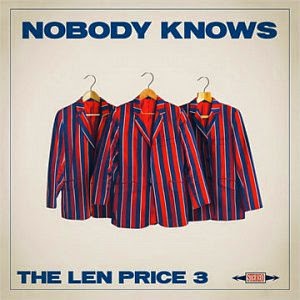
01. THE LEN PRICE 3 - “Nobody Knows”
A little bit sneaky as we actually put on the exclusive album launch gig and already named it album of 2013 although it wasn't actually officially released until February of 2014. However, it's so good that it deserves top spot again and although The Galileo 7's "False Memory Lane" pushed it all the way, nothing this year could quite come close to beating "Nobody Knows". The album showed The Len Price 3 developing their already considerable songwriting skills, breaking out of their Garage Rock roots without losing their trademark aggression. "Nobody Knows" is a set of perfectly constructed, timeless songs which culminates in the band's undoubted masterpiece "The London Institute" which promises much for the future of the Medway based trio.

The Len Price 3 - Photo by Paul Slattery
02. GALILEO 7 - “False Memory Lane”
Allan Crockford is a busy man, at various points in time he has been a trusty sidekick and member of some superb bands such as The Prisoners, The Prime Movers, Graham Day & The Forefathers, James Taylor Quartet, The Solarflares, Phaze and The Stabilisers amongst others. With The Galileo 7 he stepped into the limelight as the main songwriter, lead vocalist and guitarist and on this, the band's third album, he has produced a quite superb collection of top quality Psych Pop songs that are crammed full of scorching guitar riffs, catchy keyboard lines and melodic vocal harmonies. Think the Beatles, Syd Barrett, Julian Cope and The Left Banke and you might get the idea.

03. GRAHAM DAY & THE FOREFATHERS - “Good Things”
A refreshingly different take on a covers album as Graham Day has decided to cover his own songs! But this is not a collection of acoustic, orchestral or radically different versions of old classics, far from it, these are supercharged live-in-the-studio assaults on his back catalogue. Pretty much reforming The Solarflares to assist, Graham, Allan Crockford and Wolf Howard positively attack a choice set of songs from The Prisoners, The Solarflares, The Gaolers and The Prime Movers. Bursting with energy and vitality, the originals take a hell of a powerful beating! Oh, great cover photography by my Retro Man Blog colleague Paul Slattery too...!

04. BILLY CHILDISH & CTMF - “Acorn Man”
A resurgent Medway scene sees a clean Kentish sweep of the top four albums completed by a brand new release by Billy Childish under the guise of Wild Billy Childish & CTMF. Harking back to the more accessible sound of The Musicians of The British Empire, "Acorn Man" is full of that trademark guitar and has Nurse Julie taking on more of the lead vocal duties and backing vocal harmonies. For me this is definitely one of his best albums and he sure has a lot to choose from!

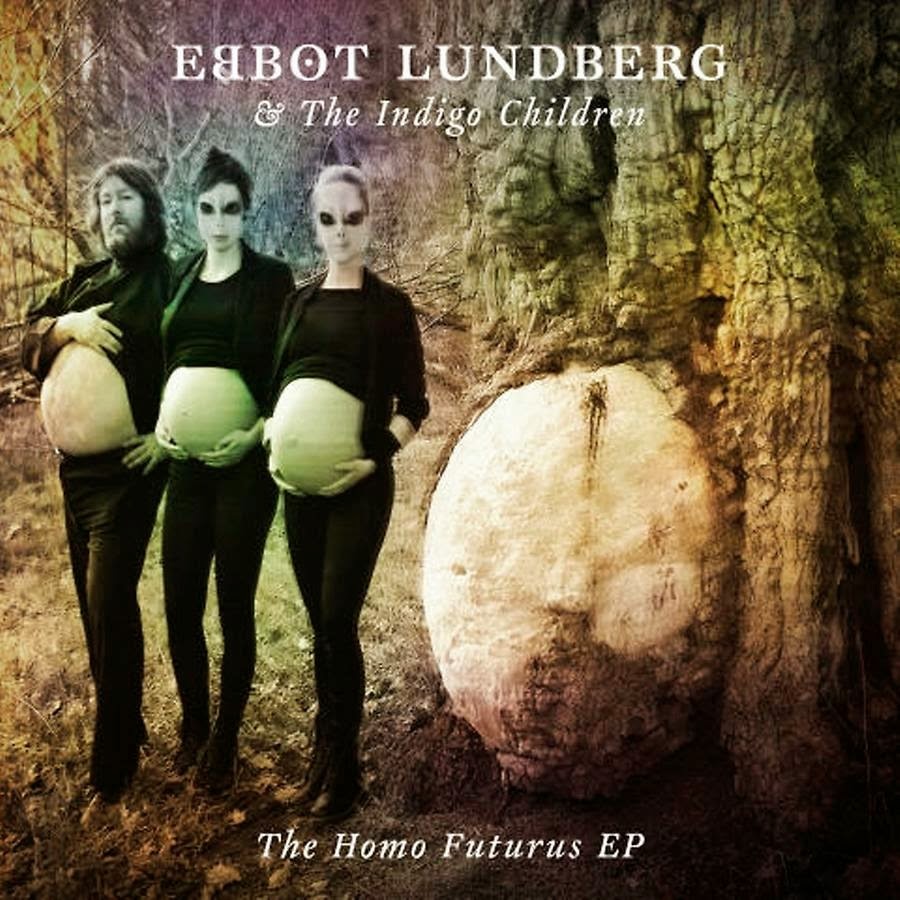
05. EBBOT LUNDBERG - “Be Careful What You Wish For!”
Low-key limited edition release of demos by The Soundtrack of Our Lives ex-front man Ebbot Lundberg that would go on to form the basis of his superb "Homo Futurus" E.P with The Indigo Children. This release went some way to filling that huge TSOOL shaped hole in my life, it's great to have the big Swede back on this form.

06. THE FLESHTONES - “Wheel Of Talent”
America's hardest working band have still got it and are sounding as fresh and vital as they did when they first formed nearly 40 years ago. The only thing to beat the energy in this record is the energy that they still have when they play live! In "Remember The Ramones" and "What You're Talking About" they have produced songs that can match anything in their impressive back catalogue.

07. VIC GODARD & SUBWAY SECT - “1979 Now!”
Northern Soul meets angular Post-Punk in this upbeat collection of short sharp dance songs. If you're good at multi-tasking and can sing along and dance at the same time then this album is for you.

08. EIGHT ROUNDS RAPID - “Loss Leader”
"Loss Leader" is the superb debut album of totally original and idiosyncratic music from the enigmatic Southend-on-Sea based four-piece. David Alexander's quick-fire half spoken vocals spit out some quite brilliantly observed lyrics and the band, featuring Wilko Johnson's son Simon on guitar, kick up a blistering racket behind him.

09. BUZZCOCKS - “The Way”
The Buzzcocks have been steadily releasing really strong albums since they reformed with 1993's superb "Trade Test Transmissions" and "The Way" certainly keeps the impressive track record going. Packed full of trademark Buzzcocks songs with Pete Shelley's melodic lovelorn songs battling with Steve Diggle's more traditional Mod influenced numbers.

10. OF ARROWE HILL - “A Conspiracy of Clocks"
Although this was only released a few weeks ago, this album still crashes into the Top 10 as it is so refreshingly different and the vinyl is beautifully packaged. Some songs are presented as mere sketches with the studio chat left in and it's that spontaneous feel that reminds me of Robert Pollard and Guided By Voices. Other times Of Arrowe Hill are pure English pastoral pop like XTC or Michael Head's album as The Strands. Whatever they are, these are nothing short of literary, intelligent little gems of songs crammed full of many melodic twists and turns.

11. THE DUSTAPHONICS - “Big Smoke London Town”
A huge joyful celebration of an eclectic mix of 1950s Rock 'n' Roll, Garage Rock, Soul, Blues and instrumental Surf music. The swinging rhythm section and Yvan Serrano-Fontova’s equally rhythmic scratchy Lo-Fi guitar lay down a hip-shaking groove that allows the stunning Hayley Red’s soulful vocals to shine throughout the album. 

12. WILKO JOHNSON & ROGER DALTREY - “Going Back Home”
Similar to the Graham Day & The Forefathers album, this is another legend looking back on his career and reviving some old classics. Wilko Johnson has finally found a vocalist in The Who's Roger Daltrey that can equal Lee Brilleaux's raw R'n'B growl. A stunning success made when Wilko wasn't even sure if he would live to see the album released. His subsequent against-the-odds recovery from cancer was definitely one of the most moving and inspiring stories of 2014.

13. VIV ALBERTINE - “Vermillion Border”
Excellent solo album from the former Slits guitarist that is both challenging and rewarding and features a cast of famous names including Mick Jones, Dylan Howe from The Blockheads and a different bassist on every track from Norman Watt-Roy and Jack Bruce to Tina Weymouth and Dennis Bovell. A perfect soundtrack to her recent searingly honest autobiography.

14. TV SMITH - “I Delete”
The legendary voice of The Adverts follows up the brilliant album "Coming Into Land" with another collection of his beautifully observed tales of modern life. A truly inspirational songwriter, this time TV has chosen to move away from the acoustic based sound of his live shows to release a shiny, polished and upbeat album that doesn't detract from the message within the songs. 

15. MUCK & THE MIRES - “Dial "M" For Muck”
Despite the name putting me off for some time I couldn't ignore the rave reviews this band were getting and this Dirty Water Records release certainly showed me what I've been missing. Power Pop sensibilities and good time Rock & Roll that evokes The Fleshtones and The Woggles at their best.

16. NINA PERSSON - “Animal Heart”
Nina's vocals just keep on getting stronger and stronger and this album of perfectly crafted pop songs highlights this in the best way possible. "Food For The Beast" and "Animal Heart" are what pop music should be all about.

17. THE TEAMSTERS - “The Teamsters”
Some great songwriting lifts this album head and shoulders above most of the samey Garage Rock music that gets sent into the Retro Man Blog. Thee Milkshakes, early Kinks and Hamburg-era Beatles are channelled into some excellent crunching pop songs such as "I'll Take What I Want" and "I Would Cry". Definitely a band to watch out for in 2015.

18. THE pUKES - “Too Drunk To Pluck”
Although it's impossible to capture on record the sheer exuberance of seeing a 20-piece Ukulele orchestra performing covers of Punk Rock classics, this debut album comes close. With some originals nestling between tracks by Ramones, Cock Sparrer, Wire and The Dead Kennedys, The pUKES prove they are far from a one-joke act.

19. THE YOUTH - “Nothing But The Youth”
Like The Teamsters, this Danish outfit are working in a quite traditional genre but have the songs to make them stand out amongst a sea of forgettable Garage Rock bands and this impressive debut promises much more great music to come.

20. STUPIDITY - “Fore!”
Raw and Rockin' R'n'B from the Stockholm based four-piece, they are pals of The Fleshtones and it shows as some of their boundless energy has certainly rubbed off on the songs on "Fore!" The double hit of "King Midas" and "On Fire" has to be one of the best opening salvos of many an album.

BEST GIGS OF 2014


01. GRAHAM DAY & THE FOREFATHERS + THE LEN PRICE 3 + GALILEO 7 - Half Moon Putney June 06th. For review and photos please click here.

Graham Day & The Forefathers - Photo by Paul Slattery
02. THE FLESHTONES + THE WITCHDOKTORS - Camden Underworld June 03rd. For review and photos please click here.

03. THE LEN PRICE 3 + LES KITSCHENETTE'S + THE PAST TENSE - Half Moon Putney September 26th. For review and photos please click here.

04. KING SALAMI & THE CUMBERLAND 3 + LES KITSCHENETTE'S + REVOX - Weirdsville September 27th.

05. THE MONOCHROME SET + THE FALLEN LEAVES - Half Moon Putney May 24th. For review and photos please click here.

06. THE DAMNED + RUTS DC + TV SMITH - The Forum April 24th. For review and photos please click here.

07. GRAHAM DAY & THE FOREFATHERS - The 100 Club February 08th. For review and photos please click here.

08. LES BOF + OH!GUNQUIT - Weirdsville October 25th. For review and photos please click here.

09. THE FALLEN LEAVES+ THE MYND SET + THE BEATPACK - The 12 Bar December 03rd

10. SPIDERS - Borderline May 06th. For review and photos please click here.

BEST E.P./MINI-ALBUM/7" VINYL OF 2014


01. EBBOT LUNDBERG & THE INDIGO CHILDREN - “The Homo Futurus E.P.”

Ebbot Lundberg at Heaven, London, September 2012 - Photo by Paul Slattery
02. LES KITSCHENETTE'S - “2e Etage: Lingerie Pour Hommes E.P.”

03. MICHAEL HEAD & THE RED ELASTIC BAND - “Artorius Revisited”

04. GRAHAM DAY & THE FOREFATHERS - “Love Me Lies”

05. BILLY CHILDISH & CTMF - “Punk Rock Enough For Me”

06. OH!GUNQUIT - “She Wolf At Work" 7" Single

07. FRENCH BOUTIK - “Mieux Comme Ca E.P.”

08. GROOVY UNCLE & SUZI CHUNK - “Barefoot In The Car Park”

09. THE MYND SET - “The Mynd Set E.P.”

10. THE PAST TENSE/THE LOOP - “Split 7” Vinyl E.P.

For a reminder of our pick of 2013 please check out the Blog Archive feature here.

Thanks to all the bands who played at our Retro Man Blog gigs in 2014 - and of course all those of you who have come along to the gigs, helped and supported us throughout the year. Retro Man Blog and Retrosonic Podcast are both non-profit making D.I.Y. ventures set-up purely to promote great underground music so your continued support is very much appreciated.

01 Jan 17:56

Lo mejor de 2014 (V): sobre la mesa

by Miguel Michán

top2014juegosdemesa

Tras repasar lo mejor del año en cómic USA, europeo y nacional, y echar la vista atrás sobre lo más interesante que ha pasado por la cartelera en 2014, tomo el relevo a mi compañero Sergio Benítez para enfrentarme al no menos arduo reto de señalar con el dedo los mejores juegos de mesa que han llegado a nuestros salones este año. Y recalco lo de “nuestros salones” como disclaimer de que, a diferencia del cómic, el cine o los videojuegos, todos ellos de fácil acceso y consumo, los juegos de mesa requieren de una dedicación considerablemente superior, aprendiendo reglas, reuniendo al grupo y jugándolos durante algunas sesiones antes de formar una opinión mínimamente coherente.

Dicho esto y a sabiendas de que sólo durante 2014 se han lanzado cerca de 5.000 nuevos juegos, aquí os dejamos el Top10 de juegos de mesa de 2014 ordenado del último al primero. No dudéis en dejar en los comentarios vuestras propias preferencias, estas son las mías, pero ya sabéis que aquí todos tenéis voz y voto.

10. Star Wars: Imperial Assault

Imperial Assault

Descent: Viaje a las tinieblas se encuentra muy arriba en mi ranking personal de juegos de mesa y aunque George Lucas casi consiguió desintoxicarme de mi pasión por Star Wars con los Episodios I-III, la perspectiva de las nuevas películas en manos de J.J.Abrams y dulces como X-Wing: el juego de miniaturas han reavivado la llama justo a tiempo para este juego, Imperial Assault, un rediseño de Descent con la ambientación de la conocida saga galáctica que promete terminar de hundir mi economía.

Imperial Assault es una especie de dos en uno. Por un lado tenemos el modo tradicional de campaña que enfrenta hasta cuatro jugadores en el papel de la Alianza Rebelde contra uno al mando del Imperio Galáctico en una aventura muy narrativa con el ya conocido sistema de evolución de personajes. Por otro, tenemos un nuevo modo de escaramuzas uno contra uno donde cada jugador forma su equipo de asalto para enfrentarse por diversos objetivos.

El juego será editado en español por EDGE durante el primer trimestre de 2015 así que teniendo en cuenta la cantidad de texto que trae (una barbaridad) os recomendamos que resistáis las ganas un poco más.

9. Istanbul

Istanbul

Juego del año en la categoría menos familiar del Spiel des Jahres 2014, Istanbul es uno de esos clásicos instantáneos de Pegasus Spiele; uno que aún no tiene visos de publicación en nuestro país y al que por fortuna podemos jugar sin tener ni papa de inglés o alemán.

En esta ocasión somos mercaderes recorriendo el bazar de Estambul junto a nuestros asistentes y dejándoles a cargo de tareas específicas como aumentar la capacidad de nuestro carromato, cargarlo de mercancías y vender combinaciones de ellas con el objetivo final de ser los primeros en conseguir cinco rubíes. La gracia del juego está en cómo optimizamos nuestro movimiento por las 16 localizaciones del tablero soltando y recogiendo a los cuatro asistentes de nuestro color mientras fastidiamos al resto.

8. Alchemists

Alchemist

Una de las sorpresas más gratas de Essen 2014. Su editorial, Czech Games Edition, se ha convertido en un sello de calidad por su vinculación con el gran Vlaada Chvátil, pero en este caso no estamos ante otro título del autor de Galaxy Trucker o Mage Knight, sino ante la opera prima de Matúš Kotry, un completo desconocido al que tendremos que seguir la pista a partir de ahora.

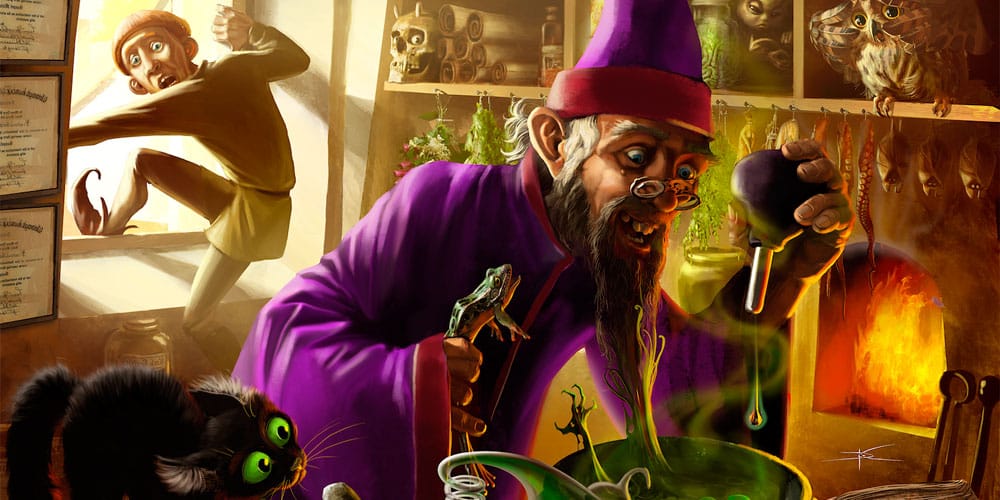
En Alchemists somos alquimistas (¡sorpresa!) obsesionados con hacernos un nombre en el gremio. Nuestro trabajo es tratar de deducir los compuestos químicos de los ingredientes que tenemos a nuestra disposición y combinar estos para crear pociones, venderlas, publicar nuestras teorías, refutar las de los demás o experimentar a las bravas en nosotros mismos o un estudiante.

El juego es original, divertido, cuenta con unos componentes sobresalientes y hace uso de una innovadora app para móvil con la que podemos fotografiar dos ingredientes y obtener el resultado (distinto en cada partida) sin que nadie tenga que hacer las veces de master. ¿Se puede pedir más? Sí, una edición en español que llegará tan pronto como el mes que viene de manos de Devir.

7. Imperial Settlers

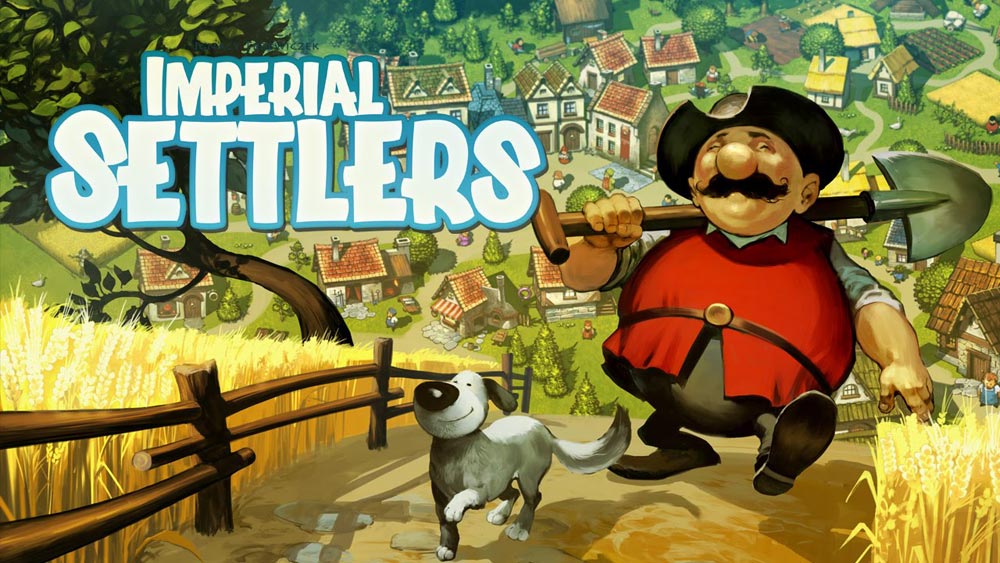
Los fans de 51st State tienden a restarle valor a esta nueva reimplementación del polaco Ignacy Trzewiczek pero a nosotros nos encanta. El juego es más bonito que nunca, con una curva de aprendizaje notablemente mejorada y un futuro abierto a infinidad de expansiones. Sergio y Sagres acostumbran a darme un buen repaso cada vez que jugamos pero aún así se trata de un título que tenía que estar sí o sí en la lista. Muy recomendable.

EDGE se ha hecho con los derechos de este juego para publicarlo en primavera bajo el nombre de Los Colonos del Imperio así que otro que se une a la lista de “próximamente” junto al también esperadísimo Robinson Crusoe: Aventuras en la isla maldita del propio Trzewiczek.

6. Lords of Xidit

xidit

Este año ha ido de reimplementaciones al parecer ya que aquí tenemos la tercera de la lista: Lords of Xidit, de Régis Bonnessée, la primera del Top en contar ya con distribución en nuestro idioma gracias a los chicos de Asmodee. Se trata de una vuelta de tuerca al clásico y reconocido Himalaya del mismo autor, donde se dejan atrás las ilustraciones viejunas y los componentes pobretones en favor del mundo de Seasons (otro de mis juegos preferidos dicho sea de paso) y una edición de primera.

En Xidit nuestra misión consiste en viajar por el reino reclutando unidades militares y liberando ciudades de las amenazas que se ciernen sobre ellas para que los bardos canten nuestras proezas. Un juego de programación de movimientos con más opciones estratégicas y re-jugabilidad que su predecesor.

5. Heroes of Normandie

Llegamos al meridiano del ranking con un wargame del que ya os hemos hablado y que no dudamos en recomendar a aquellos que quieran iniciarse en el género. Su cuidado diseño e ilustraciones desenfadadas le permiten escapar del nicho de los estudiosos de la Segunda Guerra Mundial y un conjunto de reglas sencillas y muy divertidas terminan de hacer el trabajo. No está publicado en español, pero como ya señalamos en su día, podéis descargar tanto el reglamento como los escenarios traducidos a nuestro idioma por fans desde su propia web oficial.

4. Splendor

splendor

Junto con nuestro nº3, uno de los títulos más familiares de la lista. Splendor, un juego sin dependencia del idioma distribuido en España por Asmodee al que todos conocen merecidamente como “el juego de las fichas de poker”. Un título que podría haberse resuelto con apenas una baraja de cartas y que sin embargo gana bastantes enteros precisamente gracias a su sobreproducción. Da gusto sujetar las fichas en la mano y chocarlas unas con otras apiladas en montones sin motivo aparente. Somos así de simples.

Pero hay más que eso, claro. Este nominado del Spiel des Jahres 2014 es rápido, sencillo y adictivo con una mecánica que puede resumirse en coger fichas (gemas), comprar cartas con ellas o reservarlas para más tarde. La primera opción nos permite elegir entre coger tres gemas diferentes o dos del mismo tipo y simplemente con eso y un par de reglas y bonificadores adicionales ya tenemos la fiesta montada.

3. Ciudad Machi Koro

El mes pasado dediqué una considerable cantidad de palabras para tratar de convenceros de que este es el juego que deberíais utilizar para subir a vuestros familiares y amigos al carro de los nuevos juegos de mesa así que trataré de no volver a repetirme demasiado. Machi Koro es tan sencillo como para que cualquiera pueda aprender a jugar en cuestión de minutos pero sus partidas son suficientemente interesantes como para que todos disfruten del paseo.

No se si serán las ilustraciones, la mecánica estilo Catán de los dados, o la satisfactoria sensación de espoliar a tus vecinos pero lo cierto es que Ciudad Machi Koro es un valor seguro sin importar quién sea la compañía. Una sabia incorporación al catálogo de Devir.

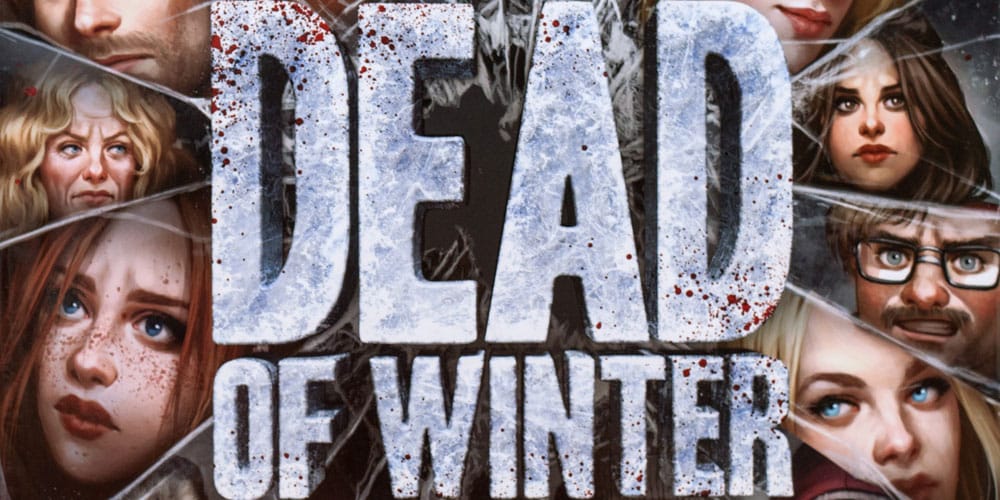
2. Dead of Winter

Dead of Winter

Uno de los juegos más esperados y comentados del año, una experiencia narrativa de gran intensidad acerca de los supervivientes de un mundo apocalíptico plagado de zombis durante el invierno más duro que se recuerda. Dead of Winter es descrito como un juego meta-cooperativo de supervivencia sicológica, lo que significa que los jugadores trabajan en equipo para conseguir un objetivo común mientras tratan de cumplir sus propias agendas personales, secretos que afectan a la confianza del grupo y toda la dinámica de la partida.

El juego nos enfrenta con frecuencia a importantes decisiones que ponen a un lado de la balanza el bienestar de la colonia frente a lo que es mejor para nosotros. Si os gustó Battlestar Galactica o Náufragos, este juego os va a encantar. Y la buena noticia es que EDGE nos ha confirmado que lo pondrá en las tiendas españolas a principios de febrero.

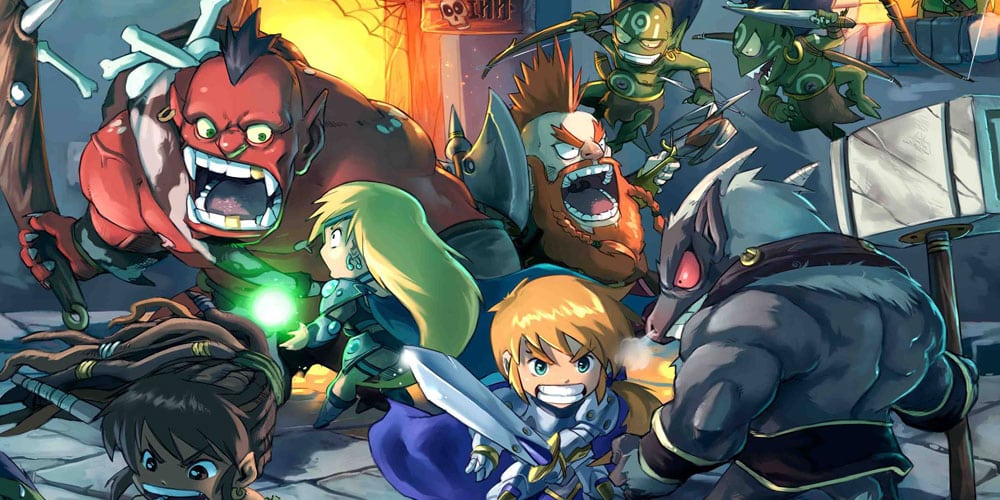
1. Arcadia Quest

Arcadia Quest

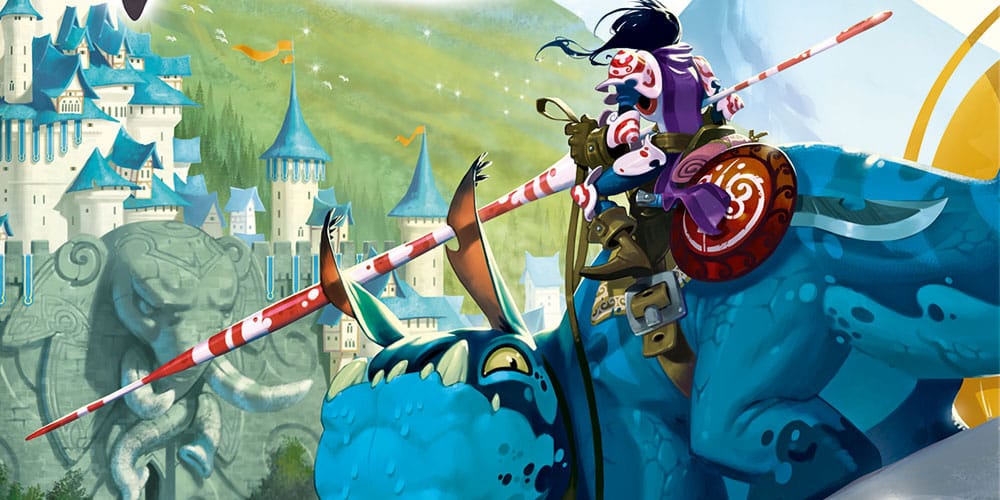
Extremadamente divertido, con un claro valor de producción y la promesa de infinidad de partidas por delante, Arcadia Quest ha sido mi juego del año sin discusión. Pese a que ha estado a punto de perderse 2014 y tan solo lleva en casa desde hace unas semanas, ya es con mucho el juego que más mesa ha visto este año, y hablamos de una cifra de dos dígitos para un juego que entre una cosa y otra puede llevarse por delante una tarde entera.

Como de costumbre con los títulos de CoolMiniOrNot, ha sido EDGE la responsable de traerlo a nuestro país, y aunque su precio es una frontera difícil de cruzar, lo que encontramos una vez abrimos la caja es oro puro. Minituras de primera, infinidad de cartas, variedad de tableros, una campaña que puedes jugar una y otra vez sin problemas, y un manual extenso aunque refrescantemente claro y práctico.

Eric M. Lang sabe lo que se hace y si buscáis un título con estrategia, enfrentamiento directo entre jugadores y un importante componente de azar que da lugar a situaciones realmente épicas, Arcadia Quest no os defraudará.

01 Jan 15:44

Queres un bo propósito para 2015? Faite pastor de camiños

by magago

Nada define máis a relación de Galicia co seu territorio cos camiños. Igual que os esquimais teñen tropecentos nomes para designar á neve -o elemento máis definitorio da súa paisaxe- nós facemos o noso coa chuvia ou cos…camiños. A panoplia de termos “técnicos” para definir diferentes tipos de camiños en Galicia é un dos nosos grandes patrimonios culturais. Son os camiños a primeira demostración de que en Galicia a natureza non se pode comprender sen o home e o home sen a natureza, fermosos itinerarios cunha flora de seu que nos levan aló onde a memoria comeza a desdebuxarse. Camiñamos camiños pisados por xentes durante miles de anos, e ao facelo continuamos construíndo e preservando o territorio. Sen embargo, os camiños non teñen -agás o de Santiago- figuras de protección legal. Ninguén coida deles, agás se non se transforman en pistas para subir aos parques eólicos.

Debido ao abandono do rural, cantos camiños que significaron algo nas vidas dos nosos avós, tataravós ou nós mesmos están nestes momentos inzados de matogueira. Congrostras convertidas en trincheiras de silvas e xestas, camiños reais beireados por mámoas cubertos pola toxeira máis brava. Así que esta é unha idea que quero compartir contigo para este 2015: fagámonos pastores de camiños. Aprendín a disciplina dalgúns amigos, que van ao monte como se ía antes, cun fouciño na man, e conforme van andado van remexendo a matogueira que vai bloqueando os camiños. O seu é unha limpeza non sistemática, senón visual, do pouco a pouco, do hoxe corto isto e mañá estoutro. Pero era o xeito tradicional de aproveitar o esforzo.

Con fouciño ou con machete (eu son máis de machete) propoño que este ano nos comprometamos, sempre que saiamos ao monte, a levar o instrumento connosco, e ir limpando pouco a pouco aqueles camiños que se van pechando, que levan a lugares máxicos e de memoria: que nos conducen aos vellos muíños, as ruínas das capelas, aos castros inexpugnables e ás mámoas soturnas e silandeiras. Un zas por aquí e outro por alá, un exercicio estupendo porque queima moitas calorías, non enlentece a marcha, permite desestresarse e ao mesmo tempo, preservar o camiño para o futuro.

Se conseguimos iso, teremos feito moito por Galicia e polo noos patrimonio. Os camiños, vieiros, congostras, breas, corredoiras… son as veas polas que circula a nosa cultura. Manteñámolas abertas!

Facebook
Twitter
Google+
Pinterest
01 Jan 15:40

"We're also thankful for Mississippi"

by Jacqueline
01 Jan 15:11

Sark de Oro 2014: Repaso al año o Bajo el mismo libro.

by Jónatan Sark

Menudo año. También para los libros. Y, por supuesto, para echarle un ojo a cómo se van moviendo las cosas. Parece que no hay una tendencia tan clara como otros años, posiblemente porque el que más cerca ha estado ha sido un libro de hace dos años a cuyo autor la editorial ha exprimido a conciencia. En fin, cosas que pasan. La verdad es que las tendencias, como hemos visto en la Lista de Sandías, ha sido reaprovechar lo que ya había para tratar de sacar más dinero. Pero vamos con el texto de siempre (y sus pequeñas actualizaciones).

Un año más (15 años vamos a cumplir esta vez, y parecía que fue ayer cuando empezamos con la tontería) aprovecho el comienzo de año para entregar el “Sark de Oro” al libro que más me ha gustado del año recién concluido

Comienzo con la clásica advertencia así que quien quiera pasar al resumen del año que se salte este párrafo. Las listas de “Lo mejor de…” acaban siendo los resultados de la intersección de los gustos personales con los libros leídos a lo largo del año. La posibilidad de que haya aparecido un libro revelador y no salga en esta lista puede deberse más a no haberlo leído que a criterios de selección. Recapitulando en estos años y para que quede constancia, los anteriores Sark de Oro recayeron en “El Hada Carabina” de Daniel Pennac“Huérfanos de Brooklyn” de Jonathan Lethem“Cíclopes” de David Sedaris,“La Disco Rusa” de Wladimir Kaminer“La Mosca” de Slawomir Mrozek“El Martillo Cósmico” de Robert Antón Wilson “Pégate un tiro para sobrevivir” de Chuck Klosterman, “Las Ovejas de Glenkill” de Leonie Swann, los“Cuentos Completos” de Connie Willis, “Al pie de la escalera” de Lorrie Moore, “Mi Tío Napoleón” de Iraj Pezeshkzad, “Los amigos de Eddie Coyle” de George V. Higgins, “Hermana mía, mi amor” de Joyce Carol Oates y “Boston. Sonata para violín sin cuerdas” de Todd McEwen

Aviso, también como casi todos los años, de que mis lecturas suelen determinarse por escuderías, es más sencillo que lea algo de Asteroide, EsPopÁtico de los libros o Valdemar que lo haga con lo que sacan PlanetaAlfaguara Anagrama. Vamos, que no pretendo engañar a nadie: No me he leído todo lo publicado ni de lejos. Dicho lo cuál y antes de entrar en los ganadores de este año vamos a repasar lo que han hecho los editores.

Aunque no hay demasiado que contar de las grandes. Pero por suerte este año pasado también tuvimos a las pequeñas editoriales moviéndose, incluso aunque fueran distintas a las que se movía en años anteriores. Lo bueno es que entre las Epístolas Librescas y los Libros que Llegan se puede uno hacer una idea de lo que teníamos sin necesidad de sacar demasiados nombres, pero digamos que este año hemos visto un poco de todo. Desde la constatación de los interesantes proyectos editoriales de La Felguera -como el estupendo Valle-Inclán y el insólito caso del hombre con rayos X en los ojos- o el de Sajalín -con tres libros tan brillantes este año como el libro de relatos Los niños se aburren los domingos de Jean Stafford y los dos de entorno bélico Sin visado de Jean MalaquaisLos favores de la fortuna de Frederic Manning- a un cambio de guardia en la novela negra que veía hundirse a uno de los grandes sellos de los últimos años y aparecer a un avatar que merece mejor suerte para el futuro.

Propuestas mínimas como Siberia y su Le Park, Mr. Griffin con Las aventuras de Jonathan Corncob o Ginger Ape y La nariz de un notario, han  estado ahí para recordarnos lo importantes que son. Incluso alguna otra que se prodiga menos de lo que desearíamos nos ha dejado un gran recuerdo para este año, me refiero a la magnífica Una singularidad desnuda de Sergio de la Pava, que demuestra lo necesario que es apoyar a Pálido Fuego cuando hace las cosas bien.

Aunque reconozco que la editorial que más ha hecho por ganarse de nuevo mi respeto este año es Valdemar, que sigue interesada en diversificarse y, a la vez, siendo fiel a sus principios rectores. De manera que pudimos disfrutar de obras que entran en la línea clásica de la casa -como La araña (y otros cuentos macabros y siniestros) de Hanns Heinz Ewers- unidos a lo mejor de sus nuevos proyectos -véase John muere al final de David Wong – y aún les queda tiempo para sus colecciones de westen o para publicar al apreciado José Maria Latorre un último libro de relatos, Música muerta, y a la siempre magnífica Pilar Pedraza un ensayo de calibre como Brujas, sapos y aquelarres.

Ha sido un buen año para el fantástico y sus cercanías. No solo por recuperaciones estupendas como la nueva edición de El maestro y margarita de Mijaíl Bulgákov por Nevsky Prospects y la magnífica edición, con ilustraciones de Alejandra Acosta, que Sexto Piso hizo de La cámara sangrienta de Angela Carter, posiblemente las dos mejores recuperaciones del año junto a la del imprescindible La noche a través del espejo de Fredric Brown por Reino de Cordelia. También por dos motivos tan diferentes como haber ayudado a apuntalar la recuperación de los bolsilibros y por la variedad que ha llegado a ofrecernos este año.

En cuanto a lo primero, hemos visto aparecer editoriales como DarkLand que recuperaban clasicazos españoles como Rancho Drácula de Silver Kane y El fantasma de Baker Street de Curtis Garland y también continuar proyectos más actuales como el de Memento Mori o, sobre todo, el de Prosa Inmortal, que ha dado lugar a uno de mis libros favoritos del año -aunque quede fea decirlo teniendo en cuenta la amistad que me une a su autor- como es Mataré a vuestros muertos de Daniel Ausente. Pero es que incluso en libros que no eran bolsilibros como La santa de Mado Martínez (ed. Algaida) se podían encontrar restos.

La verdad es que ha sido un buen año para el género fantástico en un montón de frentes diferentes, sobre todo con la multitud del recopilatorios de relatos, bien los de autor como La glándula de Ícaro de Anna Starobinets en Nevsky Prospects y el inicio de la publicación con Nacido de hombre y mujer de los cuentos completos de Richard Matheson, o como las dos antologías que Cátedra ha publicado este año y que no podrían ser más diferentes, por un lado Relatos hispánicos asombrosos y de terror y por otro la de Letras Populares Historia y antología de la ciencia ficción española en edición a cargo de Julián Díez y Fernando Ángel Moreno y se queda un poco en medio el bestiario clásico Guía ilustrada de monstruos y fantasmas de Japón de Sekien Toriyama que ha editado Quaterni y que quedaría como punto intermedio entre las antologías y las obras unitarias. Luego ya un poco de cada en cada campo, ciencia ficción tan opresiva como magnífica en El Marciano de Andy Weir,  space opera cómica en Redshirts de John Scalzi, la ficción metalingüística de Lexicón de Max Barry, el postapocalipsis en el que aún queda la esperanza de La constelación del perro de Peter Heller, el sorprendentemente diferente La comemadre de Roque Larraquy sobre experimentación médica en la nueva colección de Turner, y el homenaje a los terrores de su padre que hace Joe Hill en NOS4A2.

Padre que, mientras tanto y como quien no quería la cosa, se pasaba a las cercanías de la novela negra con Mr. Mercerdes. Este año se han notado esas fluctuaciones de poder en la novela negra y quizá no hayamos tenido la enorme cosecha de años anteriores, pero lejos de significar eso que no haya habido novedades de calidad. Empezando por el final tendríamos la brillante antología American Noir, a cargo Otto Penzler que ha publicado Navona, con una buena muestra de relatos de grandes autores estadounidenses o la negra negrísima barcelonesa de Tomás Salvador en Los atracadores que nos ha recuperado Salto de Página, empezando por el principio podríamos mencionar los Trabajos de amor ensangrentados de Edmund Crispin que nos devuelven a un Fern en plena forma, o ese magnífico tocho antológico que es Cuentos de detectives victorianos en Alba. Y en medio de todo eso una buena cantidad de títulos destacables como la llegada a España del gran Seicho Matsumoto con El expreso de Tokio, la nueva entrega de las investigaciones de Ana Martí con El gran frío de Rosa Ribas y Sabine Hoffman y, por supuesto, dos libros magníficos. Uno de ellos por lo que representa, una antología de autora con protagonista investigadora, reunido en Alrevés con el título de Fundido en negro. Y por encima de todos ellos uno de los mejores libros que he leído este año, mitad fábula afilada, mitad novela negra en género y en humor, me refiero a la muy inglesa aunque notablemente canadiense Matemos al tío de Rohan O’Gary que ha editado para mi solaz y regocijo Impedimenta.

Aprovechemos un momento para señalar que otra de las señas de este año ha sido la houdinixplotation que ha permitido la publicación de títulos muy distintos, desde los de producción directa como Traficantes de milagros y sus métodos -que ha publicado Nórdica con grandes ilustraciones de Iban Barrenetxea- a los que se limitaban a mencionarlo para usarlo -masomenos- de gancho como la mirada al interior del mundillo ilusionista y sus trucos que hace Alex Stone en Engañar a Houdini, en Debate. Pero sin duda los grandes protagonistas han sido dos textos para La Felguera aprovechando el gran año de la editorial. Por un lado contraponiéndole a Conan Doyle en Sherlock Holmes contra Houdini y, por el otro, haciendo un nuevo e inesperado emparejamiento/confrontación en otro de los grandes libros del año, un ensayo magnífico sobre una historia poco conocida en la ya mencionada  Valle-Inclán y el insólito caso del hombre con rayos X en los ojos.

La verdad es que el ensayo ha tenido este año el fuste y la variedad que no han tenido otros campos, bien es cierto que ha habido novedades generalistas tan interesantes como La madre de Edward St. Aubyn y otras de editoriales independientes que han merecido tanto la pena como Los políglotas de William Gerhardie en Impedimenta o Los Reconocimientos de William Gaddis en Sexto Piso, y que algunas editoriales han tenido la buena idea de empezar nuevos proyectos como el mencionado de Turner, la entrada de Principal de los Libros en el cómic publicando Hipérbole y media de Allie Brosh o la de Sexto Piso en la poesía con Alfabeto de Inger Christensen.

Pero mientras tanto en ensayo hemos podido disfrutar de libros tan gozosos como el malévolo recorrido por el mundillo cultural y político español de los años ’60 y ’70 -y también un poco más, hasta 1996- de El cura y los mandarines de Gregorio Morán que tras notable periplo ha terminado sacando Akal y que quien esto escribe ha gozado como cochino en cenagal. O la imprescindible mención a El capital en el Siglo XXI de Thomas Piketty que Fondo de Cultura Económica ha tardado la misma vida en publicar en español.

Además de esto hemos tenido también aquí para todos los gustos. El repaso histórico de ¿Por qué manda Occidente… por ahora? de Ian Morris en Ático de los Libros o las crónicas deportivas que traen mucho más en El Giro de Italia de Dino Buzzati que publicó Gallo Nero demuestra la gran variedad de temas. Biografías como Arte salvaje de Robert Polito -sobre Jim Thompson- en Es Pop o El gran depredador de Lucy Hughes-Hallett sobre D’Annunzio y autobiografías como Nobles y rebeldes de Jessica Mitford , incluso con el sesgo más literario como en Una infancia de Harry Crews en Acuarela, aunque reconozco que en este campo siento aún especial predilección por la historia del padre de Alejandro Dumas (Padre), El conde negro de Tom Reiss.

Grandes libros y un buen trabajo también en editoriales grandes como Debate que nos han traído el recopilatorio Escritor en guerra de George Orwell, el repaso histórico De animales a dioses de Yuval Noah Harari y, por supuesto, otra de las especialidades del año, el acercamiento a la historia social y cultural de la cocina que se centraba en este caso en la italiana con Delizia! de John Dickie. Un buen año este también para la cocina que ha visto publicado también en esa editorial Cocinar: Una historia natural de la transformación de Michael Pollan. Por cierto que también de cocina aunque ya recetarios hemos podido conseguir Jerusalén. Crisol de las cocinas del mundo de Yotam Ottolenghi y Sami Tamimi en Salamandra o  Pan y dulces italianos de las Hermanas Simili en Libros con Miga.

Con esto y todo aún quedó espacio para libros sobre lenguaje y literatura/traducción casi imposibles como La novela múltiple de Adam Thirlwell, o del análisis de datos de La señal y el ruido de Nate Silver, la historia de los voluntarios alemanes de la Legión Cóndor en La guerra como aventura de Stefanie Schüler-Springorum y, siguiendo con la Guerra CIvil y las sorpresas que aún podemos encontrarnos, Hotel Florida de Amanda Vaill , por cierto que este no es el único libro interesante en la sección de no ficción de Turner, ahí están también las extrañas biografías de Inventar en el desierto de Miguel A. Delgado. Todo esto y, además, la aparición estelar de Byung-Chul Han, un nuevo filósofo controvertido de entre cuyos múltiples libro destaco Psicopolítica -todos en Herder- que por un lado trata de explicar los mecanismos de seducción y el uso de la actitud positiva y proactiva que sigue el neoliberalismo para controlarnos y por el otro se empeña en mantener opiniones difíciles de mantener sobre cualquier aspecto negativo o de comunicación social que se nos pueda ocurrir. Pero interesante, en cualquier caso.

Es curioso pero parte de los mejores libros de ensayo que he leído este año han sido en inglés. Ya hablamos por aquí de los libros de entrevista sobre el humor Poking A Dead Frog de Mike Sacks, y debo decir que no ha sido el único libro de ensayo que he leído con gusto este año. Sin salir del humor, American Cornball (A Laffopedic Guide to the Formerly Funny) de Christopher Miller me ha parecido que quizá necesitara algo de edición pero, en cualquier caso, que conocer lo que una vez se creyó divertido dice más de la época y de nuestra evolución social que cualquier otra cosa. En cuanto a la parte cultural ensayística, y por afinidades, hemos podido leer grandes cosas sobre cómics en The Secret History Of Wonder Woman de Jill Lepore, el Xerox Ferox -sobre los fanzines de terror a través de entrevistas a sus responsables- de John Szpunar -del que espero hablar a no mucho más tardar por aquí- , acercarnos al discordianismo a través de sus documentos con la Historia Discordia de Adam Gorightly y a las posibilidades científicas con What If?: Serious Scientific Answers to Absurd Hypothetical Questions respondidas por Randall Munroe -sí, el de XKCD- así como a un true crimen en el Hollywood de los inicios gracias a William J. Mann y su Tinseltown, todo lo cuál me lleva a los -quizá no tan buenos como yo esperaba- ensayos The Empathy Exams de Leslie Jamison y a la autobiografía del mil veces grande John CleeseSo, Anyway… Como decía, un gran año para la no ficción que se ha comido con patatas a la ficción que he leído en lengua inglesa salvo un par de honrosos ejemplos como los cada vez menos fantásticos y más criminales Lauren Beukes (con su Broken Monsters) y Stephen King (con Revival) aunque si de un libro de ficción en inglés tuviera que hablar sería de Bark de Lorrie Moore, una magnífica colección de relatos que tiene la calidad esperable en esta autora.

Termino diciendo que tras el repaso de la Lista de Libros Infantiles y Juveniles Recomendados de 2014 tampoco tiene mucho sentido darle más espacio aquí, aunque la progresión de las recuperaciones -a mí me ha gustado la de Los tres investigadores de Robert Arthur en Molino aunque han sido muchas más-, la búsqueda de nuevos terrenos para el juvenil/young adult/crossover/manzanas traigo que podemos ver en cosas como el acercamiento al suspense de, por ejemplo, Diez de Gretchen McNeil uniendo Diez Negritos de Christie a las películas slasher de los noventa, la presencia de locuras ilustradas como Madama Butterfly de Benjamin Lacombe o el descubrimiento de que un ilustrador puede mejorar cualquier texto como Sempé con la Catherine de Patrick ModianoChris Ridell trayéndonos a Ada Goth o Iban Barrenetxea creando su propio libro con Brujarella, junto con la apuesta renovada por el cómic para todos los públicos – que para mí sigue representando la Hilda de Luke Pearson- sirven de breve demostración de lo bien que va la cosa para los libros para los más pequeños.

Pero ya está bien de tanto título y tanta cosa, ¡que tampoco habéis venido para que os aburra durante todo el día! Así que pasemos a lo que os interesa de verdad. ¡Los Sark de Oro! Y los ganadores son…

01 Jan 15:11

Sark de Oro 2014: Los Premiados

by Jónatan Sark

Dicho todo esto, vamos a por lo que realmente está esperando la gente. Bueno… alguien habrá que lo espere, digo yo. Así que vamos con los premios de este año.

Golden Sark

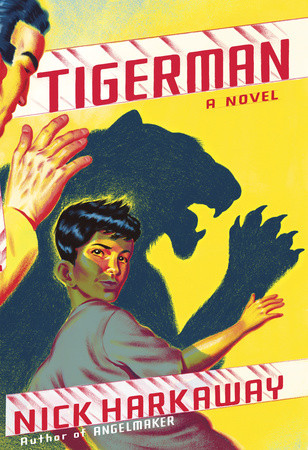
Tigerman by Nick Harkaway, ed. Knopf

Tigerman

Ante tanta variedad y posibilidades de libros en inglés lo esperable es que el ganador fuera uno… distinto. Y esta novela de Nick Harkway logra serlo reuniendo elementos del negro y del fantástico reinventando no solo las historias postcolonialistas y las relaciones -o aspiraciones- paternofiliales, incluso cuando son postizas, sino, además, permitiendo crear un acercamiento diferente a la ficción superheróica sin prescindir de ninguno de los rasgos que la hacen interesante. Así que puede que sea por haber sabido tocar algunos de mis botones pero esta de aquí ha sido mi novela en inglés favorita del año.

Sark de No-Oro

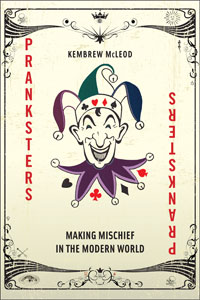
Pranksters: Making Mischief in the Modern World de Kembrew McLeod, ed. NYU Press

9780814796290_Full

Con todo lo que tenía de por medio este año y al final he acabado con uno de los ensayos en inglés… Con uno del que, además, ya hablé por aquí antes. Pero, claro, incluso teniendo en cuenta su superficialidad al tratar muchos temas para los que sirve nada más que de introducción y su forma diferente de tratar las distintas minorías estoy ante un libro que no solo disfruté por todo lo que abarca, gracias precisamente a esa superficialidad que le permite recorrer suficientes aspectos de las bromas -o la falsedad humorística si lo preferimos- , sino que acaba siendo una fuente a la que remitir precisamente para esa primera toma de contacto. Espero que algún día -antes que después- podamos verlo en español.

Sark de Plata

Os vais a reír. No he logrado decidirme este año. Habría dos libros que tenían sus propios méritos y deméritos, sus razones para ocupar este puesto o el siguiente. Al final y tras muchas vueltas he decidido que ninguno de ellos merecía ser Sark de Plata.

Los dos merecen ser, por orden alfabético, Sark de Oro.

Sark de Oro

Americanah de Chimamanda Ngozi Adichie (ed. Literatura Random House)

244_RH28122.jpg

No sé qué es lo que más me ha gustado de este libro, si la perspectiva tan distinta de la que suelo leer habitualmente, la forma de conducir las distintas historias por caminos para luego entrecruzarlos o esa sensación de Novela Total en la que un tema -que aquí podríamos considerar la emigración en cuanto a otredad, pero también la raza o las relaciones- es expuesto en distintas posibilidades hasta casi agotarlo. Una gran novela, que pese a los temas tratados logra ser divertida de manera regular.

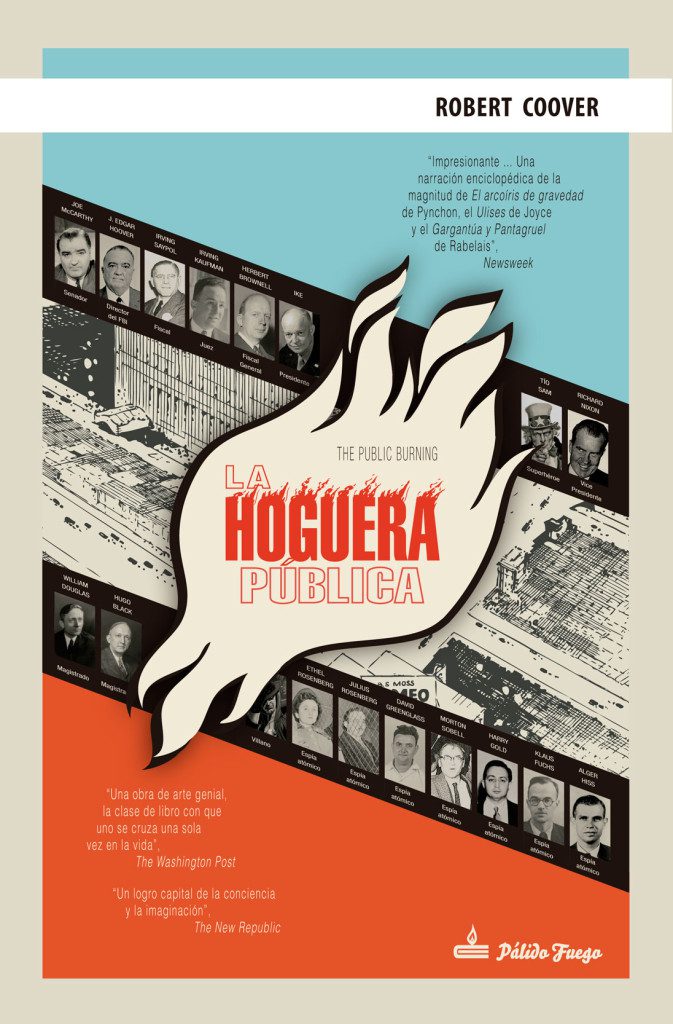
La hoguera pública de Robert Coover (ed. Pálido fuego)

Hoguera_Cubierta

No es un libro fácil, eso para empezar. Tampoco es que sea deliberadamente difícil, si acaso podríamos decir que una idea como esta, el ajusticiamiento de un matrimonio en favor de una construcción exterior de la imbatible imagen del imperio estadounidense, no necesitaría mayores excusas para ser tratada como thriller. Sin embargo lo que aquí logramos es una obra casi generacional, una sátira de los poderosos y sus instituciones aliadas y la manera en que mueven y manipulan para justificar algo tan injustificable como este castigo desproporcionado. No es un libro fácil, pero merece mucho la pena.

Ahora sí, ya hemos acabado. Muchas gracias por vuestra atención y hasta los próximos premios.

01 Jan 15:10

6 tendencias sexuales que triunfarán en 2015

by S Moda EL PAÍS
Estas son las terapias, corrientes, actitudes o reivindicaciones entorno al sexo que veremos en el año que empieza.
01 Jan 15:09

Los mejores vídeos con las reacciones de familias al quedarse sin uvas en Canal Sur

by Borja Terán

Vivimos en una sociedad en la que se graba prácticamente todo. Incluso a nosotros mismos. Incluso en plenas Campanadas. 2015 ha entrado con mucha gente haciéndose la versión en vídeo del selfie. Pero, aquellos que decidieron seguir las Campanadas en Canal Sur, se quedaron sin poder inmortalizar sus doce uvas por el garrafal fallo de emisión.

No pasa nada. No hay mal que por bien no venga: queda un chascarrillo para el recuerdo. De hecho, hay familias ‘damnificadas’ que han decidido compartir su momento de las no-campanadas, de forma pública, en las redes. Es el otro punto de vista al traspiés de la autonómica andaluza. La televisión que hacen los propios espectadores, hilarante y delirante, la televisión de la espontaneidad más real.

El fallo garrafal de Canal Sur durante las Campanadas: los andaluces se quedaron sin uvas (VÍDEO)

> Lo mejor y lo peor (a nivel televisivo) de la última Nochevieja

> Las mejores parodias de este año de Jose Mota (VÍDEOS)

Y ADEMÁS…

Los trucos televisivos de Ellen DeGeneres

El truco de Chicho Ibáñez Serrador que sigue vigente hoy

¿Qué ingrediente falta a la televisión de hoy?

> Lo que nos enseñó la tele en 2014

31 Dec 17:52

Are you a cognitive miser?

by jzed
A bat and a ball cost $1.10 in total. The bat costs $1 more than the ball. How much does the ball cost? Many people give the first response that comes to mind—10 cents. But if they thought a little harder, they would realize that this cannot be right. Keith E. Stanovich writes in Scientific American about "dysrationalia" and how having a high IQ doesn't guarantee that your brain won't take shortcuts when it can.
31 Dec 17:04

Serial revisited: Jay's interview shreds the case against Adnan Syed

by Ezra Klein

We've finally heard from Jay Wilds, the key witness in the murder of Hae Min Lee. And while the story he told the Intercept's Natasha Vargas-Cooper is more believable than the one he told the police or Adnan Syed's juries, it also makes Jay, as a witness, less credible — and thus it makes the case against Adnan much weaker.

If that paragraph doesn't make much sense to you, then you probably haven't been following Serial, the wildly successful podcast in which Sarah Koenig reopens and reinvestigates the 1999 Baltimore murder case that put Adnan, who was then 17 years old, behind bars for the rest of his life.

The case came down to the testimony of Jay, who claimed Adnan told him he was going to kill Hae, Adnan's former girlfriend. He claims Adnan strangled Hae, showed Jay the body and made Jay help bury Hae's body. Jay later led police to Hae's car.

There wasn't any physical evidence linking Adnan to the crime. There was only Jay's testimony — which seemed, at least in the prosecution's telling, to be backed up by cell phone records.

The problem is that Jay was, well, a bit of a liar. The details of his story changed on each telling. In one interview with police he tells them Adnan showed him Hae's body on Edmonson Avenue. In another interview with police he tells them it was at a Best Buy. A detective testifies Jay told him he first saw Hae's body on Franklintown Road.

Or take the murder itself. In one interview Jay tells police Hae was killed at the Best Buy. In another he says it was at Patapsco State Park. He tells a friend it was at the library.

The internet is thick with lists of Jay's lies (here's one, for instance). But Jay admits he's a liar. He tells the police he lied to them. He tells the jury he lied to the police. The prosecutors ask the jury to believe him anyway. And as Koenig puts it, "the spine" of Jay's story has never really changed. She quotes the prosecutor saying, "he tells police a consistent story about the defendant, he tells consistently the defendant’s involvement, the defendant’s actions on that day. He has never wavered on that point." Which is to say, Jay always said Adnan choked Hae to death and asked Jay to help him bury the body.

Koenig tried to interview Jay. She showed up on his doorstep one day and begged him to talk for her series. He refused. It was the great failing of Serial. In the end, the case wasn't about Adnan Syed, not really. It was about Jay Wilds — what he said, and whether it was true. And he wasn't talking.

Jay's interview with the Intercept

But Jay spoke to the Intercept's Natasha Vargas-Cooper. The story he tells her is, in some respects, more believable than the story he's ever told anyone else. But it also undermines the case against Adnan.

Jay gives Vargas-Cooper a simple reason for his lies: he was a serious drug dealer living in a culture that feared and mistrusted the police. Jay says:

It wasn’t just like I was selling a nickel bag here and there. At the time, this was Maryland in the ’90s, the drug laws were extremely serious. I saw the ATF and DEA take down guys in my neighborhood for selling much less than I was at the time. And they were getting sentenced to three and five years. I also ran the operation out of my grandmother’s house and that also put my family at risk. I had a lot more on the line than just a few bags of weed.

The other thing to understand is something about the culture of Baltimore—this is where the ‘Stop Snitching’ video comes from. This is where it was produced. It went national, but it was produced in Baltimore. This is where people would have their house firebombed and still tell the police they knew nothing about it rather than to try to make some sense of what’s going on.

He also makes clear that his cooperation with the police was reluctant at best. Again, here's Jay:

I wasn’t openly willing to cooperate with the police. It wasn’t until they made it clear they weren’t interested in my ‘procurement’ of pot that I began to open up any. And then I would only give them information pertaining to my interaction with someone or where I was. They had to chase me around before they could corner me to talk to me, and there came a point where I was just sick of talking to them. And they wouldn’t stop interviewing me or questioning me. I wasn’t fully cooperating, so if they said, ‘Well, we have on phone records that you talked to Jenn.’ I’d say, ‘Nope, I didn’t talk to Jenn.’ Until Jenn told me that she talked with the cops and that it was ok if I did too.

I stonewalled them that way. No — until they told me they weren’t trying to prosecute me for selling weed, or trying to get any of my friends in trouble. People had lives and were trying to get into college and stuff like that. Getting them in trouble for anything that they knew or that I had told them — I couldn’t have that.

Put this together and Jay's lies begin to make a bit more sense. He saw himself as a target. He feared the police. He feared implicating people he loved. He feared hurting his grandmother. He told the police enough to get them off his back, but he withheld anything he thought might widen their investigation to his friends and his family. Jay's actions here may not be right. But they're comprehensible, even familiar.

The problem is they completely undermine the state's case against Adnan.

Rabia Chaudry is a lawyer and national security fellow at the New America Foundation. But she's also a family friend of the Syeds, and she brought the case to Koenig's attention. And in the hours after Jay's interview broke, her Twitter feed was an almost unbroken celebration.

I spoke with Chaudry on Tuesday, and she explained why. Serial, she said, might be addicting entertainment for most people, but not for her. She's trying to free a loved one from serving a life sentence for a murder she believes, firmly, that he didn't commit.

Losing track of how many times Jay's story has changed. #FreeAdnan pic.twitter.com/4iCiYVHtFl

— rabia chaudry (@rabiasquared) December 29, 2014

PERJURY ABOUNDS! #FreeAdnan #Serial #LyingMoFo! pic.twitter.com/k1CioGE2la

— rabia chaudry (@rabiasquared) December 29, 2014

So yeah, i'm not sleeping tonight. My New Years just go SO HAPPY. #FreeAdnan #PerjuryFTW

— rabia chaudry (@rabiasquared) December 29, 2014

"If what he’s reporting is the truth right now," she said, "then what he’s saying is that when he took the stand under oath at trial one, he lied, and when he took the stand under oath at trial two, he lied … If there was a third trial, that could be used to impeach his credibility."

Chaudry ticks off the changes. "Definitely the idea that the body was buried after midnight. The cell records were used again and again to show the phone was in Leakin Park at 7pm. Now [Jay] is saying it wasn’t 7pm. It was midnight. Jay is now saying at no point was he shown the body at Best Buy, that that never happened. He had this very detailed story of pulling into Best Buy; Adnan is wearing these red gloves. He's now saying, no, Adnan never told me he would do it that day, he just showed up and said I’ll be contacting you later."

The argument for trusting Jay has been that while the details of his story change, "the spine," as Koenig put it, holds. That's over, Chaudry says. "This completely destroys the state's case. This carefully planned out timeline with all the phone records is wrecked."

Jay's interview also undermines very specific charges. Adnan is away for life because the state used Jay's testimony to show premeditation — he said Adnan told him he was going to kill Hae before he did it. But in his interview with the Intercept, Jay doesn't seem to think the evidence for premeditation was beyond a reasonable doubt. "I don’t necessarily know if he meant to kill Hae before he did it or if it was a sudden moment thing," he says.

It's not about Adnan's innocence. It's about the state's case.

Listening to Serial, the hole for me has always been motive. Adnan's motive for killing Hae never made much sense. None of his friends thought he reacted particularly badly to the break-up. But nor was there good reason to disbelieve Jay. After all, Jay did know where Hae's car was, and while Adnan didn't have much reason to kill Hae, Jay had even less reason to kill her.

Chaudry doesn't buy it. She doesn't argue that Jay had reason to kill Hae, but she does argue he had reason to frame Adnan. "You have to remember Jay was a suspect in this case," she says. "Jay testified early on that the police said we’re considering charging you with this murder. The police came to Jay; he didn’t go looking for them. He had to give hair and blood samples. Why did he lie? Are you kidding me? He would’ve gone to jail for murder!"

Of course, Chaudry isn't a disinterested observer — a fact she freely admits. "I’m coming at this as someone who knew Adnan since he was young," she says. "If you imagine for a second someone you know and trust and love in your life and the story of someone like Jay is the only thing tying a person to the crime, do you believe that?" When I ask her for her theories of what could have happened that day, she says she doesn't know, but she offers three possibilities — Adnan murdering Hae doesn't even make the list.

I can't be as confident as Chaudry. I don't know Adnan, and I don't think Jay's lies prove Adnan's innocence. But they don't need to. It's guilt that has to be proven. And the burden of proof for a crime like this is extraordinarily high: beyond a reasonable doubt. Almost by definition, the testimony of someone who repeatedly lies to you is not beyond a reasonable doubt; it's testimony that you would be unreasonable not to doubt.

But that testimony — shifting and shot through with holes as it is — is all the prosecution had. Adnan is in jail for life because of the testimony of Jay, who lied to the cops, changed his story under oath, and is still changing his story even today.

Colin Miller, a law professor who writes at the EvidenceProf Blog, is unsparing in his evaluation of what this does to the state's case. "I said before that the prosecution's case was dead. With this interview, Jay has now burned the corpse."

Adnan has a petition into Maryland's Court of Special Appeals. Miller thinks his appeal has a real chance. But in terms of whether Adnan should be in jail right now, the question is whether his guilt is beyond a reasonable doubt. And it's hard to imagine, right now, how anyone could be free of doubt about Jay's testimony. "Even people who think maybe Adnan is guilty should conclude this shouldn’t have passed muster in a court of law," says Chaudry. And she's right.

Related: 7 addictive podcasts to listen to once you're done with Serial.

31 Dec 16:59

The Lord Rutledge Awards 2014

by noreply@blogger.com (Lord Rutledge)


So again we've found ourselves on the final day of the year. Congratulations to all of us for making it to the "mid 2010s"! Tomorrow we will all look a little different. I traditionally entertain myself on this particular holiday with a variety of annual rituals such as timing myself in the 40-yard dash, arranging my collection of Lou Diamond Phillips movies in order of their artistic merit, and convincing close relatives that I now prefer to be addressed as "Turk". I reflect on what I accomplished in the past year (learning how to correctly type "Cincinnati" without spellchecker, going through an entire football season without throwing anything at the television) and what I might wish to accomplish next year (read the entirety of Crime and Punishment, place top five in a pierogi-eating contest). If I get really crazy, I might go up to my walk-in closet and see if I still remember how to tie a tie. And of course it wouldn't be New Year's Eve in Rutledge Manor without my annual awards post - which I will now endeavor to complete if I can just manage to pull myself away from the Law & Order: SVU marathon on USA Network. 

It's been a long time since we've had as good of a year for punk, power pop, and rock n' roll music as we've had in 2014. I remember one year ago thinking that 2013 would be extremely hard to top, but there were probably twice as many great albums released this year as there were last year. And last year was a very good year. In just about every area of music that I like to cover ('77 punk, power pop, garage punk, pop-punk), I had plenty of quality music to write about. I already announced my top ten albums of the year a couple days ago, but there were also a number of outstanding EPs and singles to consider. So, then, without any further delay - let's get to the awards! 

Album of the Year:
The Cry!- Dangerous Game
You may remember that I reviewed this release on the first day of 2014 and predicted it would be album of the year. Little did I know how fierce the competition would be! Los Pepes, Mother's Children, and Sugar Stems all came really close to taking the top spot. But in the end, it came down to this: the first Cry! album is a modern classic, and Dangerous Game is even better.

Short Form Album of the Year:
Gino and the Goons- Shake It!
We all know that 4 songs are an EP and 12 are an album. But what about eight songs? Is that an LP or an EP? I don't know! What I do know is that Gino And The Goons' Shake It! is one of the hottest rock n' roll records I've heard in a long time - and surely deserving of its own category.

EP of the Year:
The New Trocaderos - Kick Your Ass
When Geoff and Brad from The Connection got together with Kurt Baker last year to record a couple songs penned by their friend Michael Chaney, The New Trocaderos proved to be every bit the super group I hoped they'd be. They returned this year with Craig Sala on drums and Kris "Fingers" Rodgers on keyboards and delivered an EP so good that it even beat out that awesome Lovesores 10" for this award. If you enjoy power pop and traditional rock n' roll, The New Trocaderos ought to be your new favorite band!

Single of the Year:
Barreracudas- "Promises" 
This was a fine year for singles - with the likes of Ricky Rat, Terry & Louie, Nasty Rumors, Neighborhood Brats, The Plain Dealers, The Connection, Jenny Dee, and late entrants The Mandates all receiving consideration for the big prize. But I had to give it to Barreracudas - because "Promises" was the one single I played this year more than any other. In what kind of sick world do we live in where this song is not a massive hit?!


Song of the Year:
Sugar Stems- "Some Might Say"
From my #2 album of 2014. I still can't stop playing this song! 


Album of the Year (Masters Class):
Real Kids- Shake Outta Control
This award goes to the best album released by a band that's 25 years or more into its existence. This was a very good year for punk rock oldtimers. '77 punk greats like The Boys and Buzzcocks produced excellent LPs, and Stiff Little Fingers turned out a really solid album as well. But the big prize goes to the Real Kids - who came through in classic form on a proper second album that was 37 years in the making.

Label of the Year:
Taken By Surprise Records
Three albums in my top ten (The Cry!, Mother's Children, Neighborhood Brats) plus another great one from Piss Test and some killer singles to boot (Piss Test, The Mandates). Tonight I gladly raise a glass of fine Bavarian pilsner in honor of this outstanding German label!

Garage Punk Album of the Year:
Rev. Norb & The Onions- self titled
An absolute smasher of an album from the great American Midwest. 

Pop-Punk Album of the Year:
The Bat Bites- self titled
Holding off formidable competition from The Putz, this long awaited debut from The Bat Bites is probably my favorite pop-punk album of the last several years. 

Power Pop Album of the Year:
Sugar Stems- Only Come Out At Night
How does this band manage to keep improving upon perfection?!

Album I Regret Not Yet Hearing:
Flesh Lights - Free Yourself
Hopefully that will be rectified soon.

Best Cover Song:
Scantron - "Shot Down"
If The Sonics were the proto punk version of Little Richard, then there's definitely some genius in taking a signature Sonics song and making it sound like Little Richard himself could have recorded it!


Best Song Of 2013 That I Didn't Hear Until 2014:
honeychain - "Lucky One" 
This was like the best new Muffs song in 15 years until The Muffs actually made a new record!


Producer of the Year:
Ed Valauskas
You might know Ed Valauskas from his playing with The Gravel Pit, The Gentleman, and Graham Parker. As a producer, he's worked with a variety of Boston greats such as Andrea Gillis and Muck and the Mires. He's also a band member and producer for his wife's group, Jenny Dee & The Delinquents. Electric Candyland, the band's new record, sounds absolutely stunning in every way. Somehow this album recalls the late '70s productions of Jeff Lynne and sounds thoroughly modern.

The Patrick Bateman Prize For Excellence In Music Criticism: 
Dale Merrill - Smashin' Transistors
I can't remember if I've ever honored Dale with this award before. At the very least, I know I haven't since I started this particular blog. When it comes to writing about rock n' roll, he's probably the best guy in the business. And on top of that, he does beer reviews as well - a feature I've long considered adding to this blog but have never had the guts to follow through with. For a sample of his work, check out this killer piece he did on Sick Thoughts.

Radio Show Of The Year:
Jazzed Up And Bonkers!! 
If you could somehow combine Dr. Demento with Little Steven's Underground Garage, it would sound like this.

Comeback of the Year:
Charles Matthews
Sometimes people construe "comeback" to mean some sort of return to form after a prolonged period of decline. But in this case, I'm referring to Charles Matthews literally coming back to the world of music after a decade spent writing toilet paper jingles and wrestling bears in the wilderness. It had been nine years since the former Dimestore Haloes singer had officially released music, and his presence had been greatly missed. The Cheap Cassettes, a duo he formed with longtime bandmate Kevin Parkhurst, did not disappoint with their long-awaited debut long player (my #7 album of the year). Think a more power pop Dimestore Haloes. Or maybe Wham! with better haircuts. 

Vault Treasure of the Year: Gun Fury - Complete Studio Recordings
Gun Fury was a very important band in my musical life - a local group from my younger days that heavily influenced me getting into '77 punk. It always bothered me that this band was never really known outside of central Pennsylvania. And since most of my '90s record collection is no longer in my possession for a variety of reasons, the music of Gun Fury had long existed only in my memory. But thanks to the magic of modern technology, Gun Fury's entire recorded output lives again. And it sounds just as good as I remembered!


Blog of the Year:
just some punk songs
I've always thought that F & L would be a much better blog if I didn't, you know, write so much. Mick Fletcher's just some punk songs is a blog I'd like to emulate - featuring similar styles of music but with much shorter write-ups that allow the music to speak for itself. Plus he posts new stuff just about every day - so there's always something for me to look forward to when I click into the Internets every morning. I like the fact that he promotes new punk music and classic punk music with equal fervor. And his on-going feature of having individuals from the punk world listing their ten favorite songs is something I enjoy very much.

Best New Band:
The Shanghais
Every year, I hope to discover that one new act that immediately cracks my top ten list of favorite bands. Two years ago, it was Livids. Last year, it was L.A. Drugz. And this year, it's The Shanghais from Oakland, California - who burst on the scene with two super awesome EPs. Runner-ups: Scraps and Lexxi Vexx & The Modern Gentlemen.

Compilation of the Year
Jake and the Stiffs - The Singles
Long before the '77 punk/powerpop thing was even remotely "in", Delaware's mighty Jake and the Stiffs were making amazing records that only a handful of people gave a damn about. Finally this year, Randy America remixed and remastered all of those original singles from 1993-97 and released them on one brilliant collection. With just a few clicks of a mouse, classic songs like "Jennifer", "All I Said", and "Scrappy Come Home" can be yours today! Given the inflated prices of adult magazines, The Singles is the greatest reward you will ever get out of $6.

The Championship Belt:
The Cry! 
This title is annually awarded to my current favorite band. Something Fierce has held the belt since its inception. But given that we've been waiting a couple of years for Something Fierce to release new material, I thought it was only fair that they surrender the belt and perhaps regain the title next year when they blow my mind with their new album. In the meantime, The Cry! just can't be denied. If I had to name the best five albums that have come out since I started this blog, The Cry! would have two of them! 

Alright, that's another great year behind us! Hopefully an equally great one awaits. Happy New Year, everyone! Be safe tonight, and I'll see you in 2015!

-L.R.
31 Dec 16:56

Santiago es otra vez la ciudad de Galicia más cara para comprar o alquilar vivienda

by marga mosteiro
El metro cuadrado de los pisos nuevos sube hasta los 2.125 euros

31 Dec 01:00

Masturbation skill level 7.5

by garciuh
Video: 

Also- Happy Belated Birthday Jesus!
full size pics of Muff #7786 nude bonus pic 3


full size pics of Muff #7784 nude bonus pic 2
30 Dec 21:31

China Just Arrested 15 People in a Bust on an Adult Breastfeeding Ring

by Mike Pearl

[body_image width='2420' height='1692' path='images/content-images/2014/12/30/' crop='images/content-images-crops/2014/12/30/' filename='china-just-busted-15-people-for-breastfeeding-body-image-1419900468.jpg' id='14832']

Photo via Wikimedia Commons user Tonicthebrown

The South China Morning Post reported Monday that 15 people were arrested when the police broke up a prostitution ring in Beijing that gave adults the opportunity to drink human breast milk, which is regarded by some as having healing properties.

Lin Jun, owner of a domestic services Xinxinyu, a TaskRabbit-like company that also provides the service, told the International Business Times that clients "can drink it directly through breastfeeding, or they can always drink it from a breast pump if they feel embarrassed."

It might not be simple shyness that makes them embarrassed, according to Wendy Haldeman, co-founder of the Pump Station, a breastfeeding resource center in Santa Monica, California. It might be clumsiness. "In general, adults are not very adept in drawing milk from a breast," she said. "One does not simply suck, as on a straw—rather it is a sophisticated motion known as suckling. Babies are really good at this. Adults, not so much."

It's not all that strange for grown-ups to seek human milk. "I am aware of men with cancer drinking human milk as a form of treatment," Haldeman said. It seems that Western men will find any excuse to drink breast milk. At some point most new dads ask to try some, according to a recent Time article.

The Chinese Ministry of Public Security was far from blasé about adults suckling from women's teats though. They say they teamed up with law enforcement in Beijing, and several eastern provinces in a coordinated effort to stop people from drinking from boobs.

Beijing law enforcement had been aware of the rising tide of breast milk drinkers for a while; the Chinese reported on the trend last year. The Telegraph commented when the story came out that it was "capitalism gone mad."

In the US, a lot of people are willing to discuss their "lactophilia" openly. Sites like OnlyTheBreast.com cater mainly to parents looking to give their babies supplementary milk, but they don't seem to shun fetishists, or at least not coy fetishists like the one below who wants to suck the milk out of your nipples but is "not interested in anything sexual."

[body_image width='612' height='255' path='images/content-images/2014/12/29/' crop='images/content-images-crops/2014/12/29/' filename='china-just-busted-15-people-for-breastfeeding-body-image-1419896833.jpg' id='14830']

Screenshot from OnlyTheBreast.com

An International Business Times article pointed out that the Chinese women involved in this "only breastfed their babies once a day or stopped breastfeeding them altogether in order to provide for clients," but it also mentioned that, just like everywhere else on earth, there are also legitimate wet nurses in China who provide the service at much lower prices without the erotic component. Some women just produce a lot of milk.

Does sucking milk from a human breast come with any risks? Haldeman pointed out that there's a slight disease risk if the circumstances are just right: "If these men were breastfeeding, the mother had an open wound on her nipple, [and] the man carried blood-born pathogens, I guess it is conceivable the mom could contract a disease and then transfer to her baby." She also mentioned that "if the man had active hepatic lesions in his mouth, [that] could be a concern."

So the simple fact that breast milk is being squirted into the gaping maws of China's wealthy isn't all that disturbing on the face of it, assuming no diseases are being spread, but there something to the Telegraph's "capitalism gone mad" assessment. When some women are apparently so desperate that they're selling their bodies and their breast milk, that should concern authorities more than some odd men wanting a nipple to suck on.

Follow Mike Pearl on Twitter.

30 Dec 21:29

The Benefits of Being Cold

by Librarypt
The notion that thermal environments influence human metabolism dates back to studies conducted in the late 18th century by the French chemist Antoine Lavoisier, but only in the past century has it really become relevant to daily life. Cronise believes that our thinking about the modern plagues of obesity and metabolic disease (like diabetes) has not addressed the fact that most people are rarely cold today. Many of us live almost constantly, year-round, in 70-something-degree environments. And when we are caught somewhere colder than that, most of us quickly put on a sweater or turn up the thermostat.
30 Dec 21:28

Alcohol, explained in 35 maps and charts

by German Lopez

The history of alcohol is as long and complicated as the history of human civilization. While a lot of people love their alcohol, very few are familiar with its past and the risks involved with the tasty beverages. Here is a glimpse into alcohol, its history, and its effects on nearly every aspect of human life.


    Alcohol and its history

  1. M. Nissen (1990) via LiveScience

    The earliest records of brewing come from Mesopotamia

    The earliest records of how to make beverages derived from malted cereal grains, including beer, come from the Sumerians, although there's some uncertainty about whether these beverages actually contained alcohol. The Sumerian poem "Hymn of Ninkasi" glorified the process, praising the goddess believed to be responsible for brewing. Since the Sumerians, virtually every advanced civilization, from ancient Greece to modern Mongolia, has taken up drinking.

  2. The Code of Hammurabi regulated alcohol transactions

    The Babylonian Code of Hammurabi regulated drinking establishments, although it didn't mention drunkenness. According to the Ancient History Encyclopedia, the code required fair transactions — under the threat of drowning — involving beer. The law also punished tavern owners who allowed conspirators against the state to meet within their business. It also banned priestesses from opening a tavern. (Babylonians didn't have a problem with priestesses drinking, but they objected to them opening a tavern.)

  3. The 13 colonies imported wine and exported rum

    Colonial America, particularly New England, was known for its production of high-quality rum — and its exports to Europe and the rest of the world made up a huge part of the early Colonial economy. In return, colonies imported a lot of wine from Europe, which was similarly known for some of the best wine in the world.

  4. Before Prohibition, most states banned alcohol sales

    In 1920, the United States passed the 18th Amendment to ban the production, sale, transportation, import, and export of alcohol. But in 1917, before enough states ratified the constitutional amendment, all but three states already prohibited alcohol or let local governments restrict it, according to family research firm Mocavo.

    Prohibition is widely considered a policy failure by historians. Economists Jeffrey Miron and Jeffrey Zwiebel estimate alcohol consumption was 30 to 40 percent lower a few years after Prohibition began. But Prohibition also led to a flourishing underground market that financed violent criminal organizations, leading to increases in violent crime, according to Miron. By 1933, public outcry against Prohibition led to the policy's repeal through the 21st Amendment.

  5. 17 states run their own alcohol stores

    Following the end of Prohibition in 1933, states kept the ability to permit or ban alcohol sales. In time, all states legalized alcohol — but how they did so differed. By the latest count, 17 states maintain an alcohol monopoly that lets them tightly regulate and restrict production and sales in state-controlled establishments. The rest of the states privatized sales, with Washington most recently doing so in 2012. Previous research indicates that state-controlled liquor stores tend to produce better public health outcomes through higher prices, reduced access to youth, and lower overall levels of use — which is why some experts want the same approach with marijuana as it's legalized in more states.

  6. Very few counties are dry

    After Prohibition, counties also kept the power to ban alcohol sales within their borders. As this map shows, very few counties have wielded that power outside of the South. While the dry counties ban alcohol sales altogether, the semi-dry counties only prohibit sales depending on city or town laws or the type of alcohol in question.


  7. Alcohol consumption in the US

  8. The percentage of Americans who drink has been very stable

    Since the 1940s, two-thirds of Americans have steadily identified as alcohol drinkers. But that doesn't mean American drinking habits haven't changed over time: Americans in 2014 told Gallup they drank about 4.1 drinks on average in the past week, up from 2.8 in 1996 and down from 5.1 in 2003. In the same time period, Gallup found that — perhaps unsurprisingly — Americans are much more likely to drink on the weekends.

  9. American teens are drinking less than before

    During the past couple of decades, teen alcohol use has plummeted. Public health experts and policy officials generally credit stricter enforcement of ID checks, better education, and anti-drug campaigns for the drop. The drop in drinking is a public health win for all sorts of reasons: Studies show alcohol may damage the developing teen brain, people who drink earlier in life may be more likely to have alcohol problems later on, and young drivers are more likely to be involved in alcohol-related car crashes. A 2013 analysis from Mothers Against Drunk Driving found that just 32 percent of underage-drinking deaths were traffic-related; 30 percent were homicides, 14 percent were suicides, 9 percent were alcohol poisonings, and 15 percent were due to other causes.

  10. New England teens drink a lot

    Teens in New England and some states in the West seem to have an easier time accessing alcohol. In some instances, particularly in New England and some parts of the South, about 10 to 15 percent of these teens were able to purchase their drinks by themselves. Sometimes, adults or a lack of adult supervision may be to blame: in a 2005 survey from the American Medical Association, two in three teens said it was easy to get alcohol from their homes without their parents' knowledge, and about four in 10 said that they could obtain alcohol from their parents or friends' parents.

  11. The top 10 percent of American drinkers have 10 drinks per day

    The top 10 percent of drinkers account for more than half the alcohol consumed each year. This level of consumption is typical for any market: The Pareto principle, or 80-20 rule, states that "the top 20 percent of buyers for most any consumer product account for fully 80 percent of sales," Philip Cook, who conducted the analysis on different drinkers' consumption levels, told Wonkblog's Christopher Ingraham. The problem with this market is that alcohol is a dangerous drug that can lead to liver damage, violent behavior or other behavioral issues, and other health problems. But the alcohol industry is encouraged to market to these heavy — and likely problematic — drinkers, since they make up so much of the industry's profits.

  12. Americans love beer

    For at least two decades, America's alcoholic beverage of choice has been beer. But wine has been catching up in the past two decades. The Atlantic's Derek Thompson in 2013 provided a few possible reasons for this trend: Americans are more health-conscious about their drinks; lower-class white men, who prefer beer, are getting crushed by the poor economy; liquor ads, which began running on US televisions in 1996, are working; and Americans are increasingly realizing that wine is both delicious and affordable.

  13. Favorite beer by state

    This map, based on Blowfish's nonscientific survey of 5,249 Americans, shows a surprising amount of states favor the Colorado-based Blue Moon, which has only been in production since 1995. But these states' love for Blue Moon doesn't necessarily translate to America's overall preference, since many of the states that like Blue Moon are relatively small. California, where Corona is more popular, and Texas, where Bud Light is, carry a lot more weight population-wise than many of the Blue Moon states combined. Also a person's favorite beer isn't necessarily the one he or she consumes the most.

  14. Favorite shot by state

    According to Blowfish's nonscientific survey of 5,249 Americans, a plurality of states prefer lemon drops, with Jägerbombs a close second. Shot preferences can vary a lot even among neighboring states: While lemon drops are popular in most of the East Coast, New Jersey is an outlier in the region for its love of Southern Comfort Lime and Rhode Island for its love of tequila shots, which are mostly popular in states with high Latino populations.


  15. Alcohol consumption around the world

  16. The wealthiest countries tend to drink more

    People 15 and older on average drink 26.2 cups of alcohol each year, according to a 2014 report from the World Health Organization. Unsurprisingly, the wealthiest countries tend to drink more — a sign that alcohol is still a relatively expensive luxury for much of the world. But in some cases, higher rates of drinking can be a result of cultural norms that encourage and glorify excessive alcohol consumption, which the World Health Organization argues is a serious problem that needs to be taken more seriously by policymakers. For example, a previous study published in The Lancet found that binge drinking, particularly of vodka, significantly contributed to the 25 percent death rate of Russian men ages 54 and younger.

  17. Other countries have fewer drinkers, but they drink a lot

    The World Health Organization's data suggests some countries have very few drinkers as a percentage of the population, but that the people who do drink happen to do it a lot. In Chad, almost nine in 10 adults abstain from drinking, but its 780,000 drinkers consume almost 34 liters of alcohol each — more than double what US drinkers consume on average. On the other end of the spectrum, Pakistan has very few drinkers, and those who drink reportedly consume less than 3 liters of alcohol each year.

  18. Each country's booze preference

    The world's booze preferences aren't very surprising. The United States likes beer, France loves wine, and Russia favors spirits (vodka). Still, some countries hang on to their preferences much more than others. Throughout the typical week, the average Frenchman drinks 10 glasses of wine for each one and a half pint glasses of beer and three shots of spirits, and the average Russian drinks nearly seven shots of spirits for each two glasses of wine and three pint glasses of beer. Americans, meanwhile, drink slightly more than three pint glasses of beer, more than two glasses of wine, and barely more than three shots of spirits each week — a considerably closer trend.


  19. Alcohol and the economy

  20. The Great Recession hit alcohol sales

    This chart suggests the alcohol industry isn't quite as recession-proof as the conventional wisdom suggests. Even members of the Distilled Spirits Council of the United States acknowledged this fact when they told the Associated Press they see the spirits industry as "recession resilient," but not immune to economic downturns. In general, it seems Americans drink less — or drink cheaper brands — during economic hard times. And, based on one study from market research firm Mintel International, they also tend to take their drinking home.

  21. Wealthier Americans are more likely to binge drink

    It seems there's some economic inequality in binge drinking, according to Centers for Disease Control and Prevention data. More than one in five Americans with an annual salary of $75,000 or more report binge drinking, while just 16.2 percent of those who make less than $25,000 do. But lower-income binge drinkers seem to have more drinking episodes and drinks: Binge drinkers who make less than $25,000 reportedly have five episodes and 8.5 drinks during each occasion, compared with 3.7 episodes and 7.2 drinks among those who binge drink and make $75,000 or more.

  22. Domestic beer sales are slumping

    Domestic beer sales rose by just 0.8 percent in 2013, compared with a 6 percent rise in imported beers that same year. The Atlantic explained that much of the imported beer market's gains are attributable to Mexican beers, which grew by a whopping 11.1 percent in 2013 largely thanks to an aggressive marketing push. (Who isn't familiar with Dos Equis's "Most Interesting Man in the World" commercials at this point?) Still, the domestic beer industry maintains about five times the US sales of imported brewers, so Bud Light and Coors Light definitely aren't going anywhere any time soon.

  23. Beer is a lot cheaper in the US

    It takes someone making the median wage in India nearly an hour of work to be able to afford a beer, while an American worker needs to be on the clock for just five minutes and a German worker needs to clock in seven minutes. This shows that on a global scale, alcohol is still very much a luxury good that many people in developing countries simply can't afford. But even among developed countries, there can be some stark differences due to the varying costs of beer around the world: the 2011 retail price for 500 milliliters of beer in Japan was $4.15, compared with $1.80 in the US and $1.90 in Germany.


  24. Alcohol's risks

  25. Alcohol is the second deadliest drug in the US

    Every year, alcohol directly causes more deaths through various health complications, such as liver damage, than all illicit drug overdoses. This chart doesn't even include the more indirect causes of death, such as alcohol-related car accidents, which drive up the total death toll to more than 88,000 each year, according to the Centers for Disease Control and Prevention. This doesn't necessarily indicate that alcohol, by itself, is deadlier than a harder drug like heroin. If heroin was as available and used as alcohol, its death toll would almost certainly be higher. But stats like this do show that alcohol is a much more dangerous drug than America's cultural norms — and its legality — suggest.

  26. Some researchers consider alcohol to be the most dangerous drug

    British researchers in 2010 sought to identify the most dangerous drugs, both to society and individuals. They looked at all sorts of variables, including drug-induced health effects, changes in behavior, and impacts on violence and crime. They found the most dangerous drugs were alcohol, heroin, and crack. Alcohol's prominence was partly attributable to how accessible it is, since it’s legal and highly commercialized. But it also placed highly because it can lead to several serious problems: direct health issues like liver cirrhosis, aggressive behavior that can lead to violence and crime, and a seriously increased risk of accidents and car crashes. Although other experts see various problems with the rankings, they generally agree that alcohol can be a dangerous drug — to the point that it would likely be better for society as a whole if marijuana supplanted it.

  27. Alcohol increases the chance of an accident by more than 13 times

    Perhaps the most well-known risk of alcohol is its very negative effect on a person's ability to drive. Not only does alcohol increase the risk of a fatal accident by 13 times — more than any other drug tracked by researchers — but it also massively raises the risks of other drug use. Alcohol can exacerbate other drugs' negative effects off the road, too. As Notre Dame University's McDonald Center for Student Well-Being explains, alcohol can increase the sedative and intoxicating effects of marijuana, heighten the risk of heart attack and stroke while on cocaine, raise the chance of overdose while on opiates, and reduce the effectiveness of antibiotics, among many other health issues.

  28. Fewer people are reportedly driving under the influence

    The good news is that fewer Americans are reportedly driving drunk than before. This saves thousands of lives each year: the National Highway Traffic Safety Administration (NHTSA) estimates 10,322 people died due to drunk driving in 2012, down from 15,827 in 1991. But NHTSA estimates drunk driving still leads to 31 percent of all traffic deaths each year — a sign that much more work is left to be done.

  29. Excessive drinking causes 1 in 10 deaths among working-age adults

    Excessive drinking is the fourth leading preventable cause of death in the United States. A study by the Centers for Disease Control and Prevention found one in 10 deaths among adults ages 20 to 64 are due to alcohol, shortening the lives of those who died by an average of 30 years. The results varied among states: in New Mexico, 16.4 percent of deaths among working-age adults are linked to alcohol. In Maryland, the rate is only 7.5 percent. In addition to the tragic loss of life, the premature deaths imposed major economic costs through losses in productivity and potential earnings. In 2006 alone, the CDC estimated excessive drinking cost the United States $223.5 billion.

  30. More than one in three Americans blame alcohol for family problems

    Although the number of heavy drinkers is down, more Americans — more than one-third of all surveyed US adults — told Gallup that they blame alcohol for family problems. Gallup acknowledged the reports of more family problems also could be due to greater awareness. Since people better understand alcoholism now than they did three decades ago, they might be more willing to discuss and stigmatize excessive alcohol consumption within their families.


  31. Alcohol policy

  32. Washington state has the highest excise taxes on spirits

    While Washington's high taxes on spirits probably aren't popular among consumers, they happen to be the favorite approach of public health experts, criminologists, and economists for addressing problems caused by excessive alcohol consumption. Researchers at the Centers for Disease Control and Prevention found that higher prices on alcohol generally reduce consumption — and alcohol-related fatalities and assaults as a result. Since self-reported surveys of incarcerated criminals suggest that about 36.8 percent of state-level violent offenders and 20.8 percent of federal violent offenders were drinking at the time they committed the crime for which they were incarcerated, the reduced rates of consumption could go a long way to fight crime.

  33. Where you can drink in public

    It can be hard to tell in some cities, but public drinking is illegal in much of the United States. As the Huffington Post’s investigation uncovered, many of these bans came about after states and cities repealed bans on public drunkenness. Many legal scholars argued the public drunkenness laws wasted police and court resources, were disproportionately enforced against poor black people, and were trying to address issues that are better left to health and religious institutions over the criminal justice system. Of course, public drinking laws have many of the same problems: In a review of a month's worth of public drinking tickets in Brooklyn, a New York City judge's staff in 2012 found that, as reported by the New York Times, "85 percent of the summonses were issued to blacks and Latinos, while only 4 percent were issued to whites" — even though 36 percent of Brooklyn's population is white.

  34. States that restrict Sunday alcohol sales

    Some states have always prohibited all sorts of activities — work, loud noises, and horse racing, as a few examples — on Sunday to uphold the day as a time of worship or relaxation. Many of those bans have been repealed or deemed unconstitutional, but some states still prohibit Sunday liquor sales. MinnPost's Briana Bierschbach previously explained the opposition to a repeal in Minnesota, which applies to other states as well: "Liquor store owners from across the state are organized by the Minnesota Licensed Beverage Association (MLBA), a powerful lobbying force at the Capitol. Mom and Pop liquor shops argue Sunday sales would force them to be open seven days a week but just stretch out same revenue they'd make over six days. Each year the MLBA joins forces with the Teamsters Joint Council 32 union and liquor industry lobbyists to squash efforts to repeal the ban."

  35. Europe generally taxes wine at much lower rates

    In general, the United Kingdom and Nordic countries have the highest taxes on alcohol, in large part due to historical problems with alcoholism. But not all types of beverages are taxed in the same way. Wine in particular faces a much lower tax than spirits and beer, even though the alcohol content in it isn't any less dangerous than other beverages. (Vox's Joseph Stromberg pointed out that red wine's supposedly "magic ingredient," resveratrol, doesn't even produce positive impacts on rates of heart disease, cancer, or mortality. Still, wine is associated with some long-term cardiovascular benefits, although it's unclear how or why.)


  36. Alcohol culture

  37. America's bars

    This map shows references to bars on Google Maps, but it also serves as a guide to population centers. All the big circles on the map — New York City, Philadelphia, Miami, Denver, Los Angeles, and so on — represent major cities.

  38. Some places have more bars than grocery stores

    A surprising amount of places in the United States have more bars than grocery stores. At first, this might seem ridiculous; food, after all, is far more important than alcohol. But Vox's Matthew Yglesias makes a convincing case for why this is okay: "[A] normal person should be perfectly satisfied going weeks, months, or even years while just shopping at one or two grocery stores. By contrast, when it comes to bars a person probably wants some variety. A great place to watch the game might not be the best place to catch up with an old friend. Sometimes you want a fancy cocktail, sometimes you want a cheap beer. A great grocery store will actually endeavor to cover all your bases — you can get fruits and vegetables and meat and fish and grains and eggs and yogurt and canned stuff and everything you could want all under one roof. But a bar that tries to be all things to all people is going to be a mediocre, annoying bar."

  39. Tweets about beer and wine

    America generally prefers beer, but the preference doesn't apply to every part of the country. Geographers from the University of Kentucky used social media data to gauge each region's preferred alcoholic beverage. The results certainly reinforce some stereotypes: The West Coast and New England tend to favor wine, while the Midwest and some parts of the South take up beer.

  40. Some parts of Virginia and North Carolina call drive-through liquor stores "brew thrus"

    There is, apparently, such a thing as a drive-through liquor store. Most of the country either has never heard of these stores or has no special term for them. But it seems a certain section of southern Virginia and northern North Carolina has taken to calling them "brew thrus."

  41. People are much more likely to report UFO sightings during drinking hours

    Drinking, it seems, greatly influences when people reportedly spot UFOs. Either that, or aliens are very considerate and respect earthlings during working and sleeping hours, as the Economist suggests. If UFO sightings are controlled for sobriety, they seem to be most common in northern states where Northern Lights are more more common — and perhaps being mixed up with visitors from outer space. It's a fun chart that communicates what everyone needs to know about alcohol: It can lead to entertaining, funny moments, but it can also lead people to do some ridiculous — even dangerous, although probably (hopefully) not with UFOs — things.

Credits

30 Dec 20:57

10 platos fáciles para picar en Fin de Año

by Mònica Escudero

Ya está aquí, ya llegó, es la noche del año en la que los que no salen nunca van a darlo todo y los fiesteros de a diario se quedan en casa (para no encontrárselos). Como a estas alturas de la Navidad ya nos sale el mariscocorderopescadocaviar por las orejas, hoy os proponemos una serie de recetas fáciles y asequibles para quedar bien con los invitados en un pispás y salir a toñaros lo más rápido posible. Que total es lo que queréis, que ya nos conocemos.

Por cierto, si alguien ha venido buscando la lista de canciones para cocinar en Fin de Año, que sepa que –aunque esta vez no le hemos dedicado una entrada para ella sola– existe, y la podéis escuchar haciendo un click aquí mismo. Aprovechamos para desearos que os lo paséis de pamelas esta noche, y que el 2015 os traiga todo lo bueno que os merecéis. ¡Feliz año, amigos, rebonicos, cocinillas, residentes en la López-Ibor y lectores normales!

Hummus de guisantes y menta

Hervir, cortar y triturar es todo lo que tienes que hacer para preparar esta versión color Rana Gustavo del untable más famoso de Oriente. Por la textura del guisante, este hummus es un poco más suave que el de garbanzo y por obra y gracia de la menta, bastante más fresco, así que es difícil verle el fin al picoteo. Si lo queréis todavía más lujurioso, ponedle un par de cucharadas de yogur griego de verdad y preparad unos lacitos de hojaldre con parmesano para mojar.

Ensalada de pulpo y patata

Tiradísima de hacer, fresca, con patata que ayuda a que después no os siente mal el alcoholazo y proteína estupenda en forma de pulpo. Si compráis este ya cocido, no os llevará más de 10 minutos -de trabajo, las patatas tienen que hervirse pero eso lo hace el fuego– prepararla. Si queréis darle un toque más exótico, podéis buscar unos limones marroquíes encurtidos y cambiar el perejil por cilantro.

6a00d8341bfb1653ef01b7c6f9771e970b-550wi
 Alguien que yo me sé se cascó 3 platos de esta ensalada...  / CIRA LÓPEZ


Pincho de alcachofa, queso de cabra y mortadela

¿Hasta el toto de la brocheta de tomate chirry con mozzarelitas y pesto industrial que te sacan en todas las bodas, bautizos y comuniones? Aquí tienes una alternativa con menos papeletas para convertirse en comida viejuna del futuro. Los corazones de alcachofas las puedes comprar congelados, cocerlos y saltearlos si quieres darles un punto más tostado; un plan B para el que cuente con alguna tienda de delicatesen italiana cerca es pillarlas embotadas a la brasa. El elemento lácteo pueden ser unas bolitas de queso de cabra, de labné o de la mismísima mozzarella. Para terminar, media loncha de buena mortadela que envuelva los dos elementos anteriores (o puesta en plan gurruño al final del pincho). La combinación es para devorar y no parar.

Untable de ricotta

Otra opción que se hace en dos patadas, perfecta para unir en hermandad a vegetarianos y no-tan-vegetarianos y a la que se le puede añadir casi cualquier cosa. Aunque ahora no es el mejor momento para el tomate fresco que lleva la receta original, podéis hidratar un poco de tomate seco, usar remolacha en su lugar, pera o manzana (en este caso, os recomiendo que le pongáis un poco de queso azul o gorgonzola al untable) o algún encurtido.

Cochinita pibil

Una de las mejores opciones para cocinar para 50 con el mismo esfuerzo que dedicarías a cocinar para dos. El trabajo duro y largo lo hace el horno, la única parte chunga para el que cocina es pelar y picar la cebolla de la guarnición, pero como idealmente tienes que hacerlo el día antes para que macere en la nevera, los invitados no te pillarán con los ojos rojos. O sí, pero no será de eso, pillín/a. PD: Puede hacerse con contramuslos de pollo.

6a00d8341bfb1653ef019affff2b74970d-550wi
Apuesta carnaca segura / EL COMIDISTA

Puré de patata, sobrasada y huevo frito

Una idea directamente mangada de la barra de El Coure, aunque espero que Albert me perdone porque no revelo su fórmula secreta, un puré de patatas que parece elaborado por los mismísimos angelitos. No la revelo porque no la sé, y si la supiera tampoco podría revelarla porque sería toda yo una bolita y ya no podría ni escribir. El concepto es el siguiente: una base de puré de patata casero y cremoso, un taco de buena sobrasada mallorquina de porc negre (si no tenéis de esa a mano, la de Cal Rovira es una brutalidad) pasada por el horno o la sartén -no demasiado- y un huevo frito encima. ¿Buscáis una versión más ligera? Cambiad el huevo frito por uno mollet. ¿Más ligera aún? Un yogur desnatado y una pera pelada. Y a la cama, que luego las calorías de los gintónics no las contáis, ¿eh?

Lentejas estofadas

En Italia son tradición, y se dice que el que las cena la noche del 31 irá bien de panoja durante el año siguiente. Aunque no lo hemos comprobado en primera persona, no parece ninguna mala opción, sobre todo si se tiene que alimentar a un grupo grande o se piensa volver a casa con ellos a hacer la recena: pocas cosas hay mejores para la resaca que atizarse un plataco de lentejas antes de irse a dormir. Nuestra versión se curra algunas preparaciones previas para eliminar parte de la grasa de los sacramentos, pero si vais a esperar a que pasen Reyes para poneros a plan, podéis hacerlas a la manera tradicional.

Tartar de salmón estilo tailandés

Un cuchillo afilado –para no destrozar el pescado– y una tabla es todo lo que necesitaréis para hacer este tartar tan sexy. Si os apetece más usar atún o gambas, adelante. Si os ponen más los anacardos que los cacahutes, también. Si no tenéis el gen del cilantro, podéis usar otra hierba (que no sea leñosa ni dura, o vais a rumiar como vaquitas). Un par de cucharadas de leche de coco tampoco le irán mal, lo que no cambiaría sería lo de buscar un pan o acompañamiento cujiente que le aporte contraste a la textura melosa del salmón.

6a00d8341bfb1653ef01a73e18ed97970d-550wi
Ese pan es una ma-ra-vi-lla / EL COMIDISTA

Vasos de tarta de queso exprés

En una entrada reciente –en la que Mikel explicaba, de paso, el maravilloso concepto del jetapostre– compartimos estos vasitos de falsa-pero-deliciosa tarta de queso y mandarina. Si este cítrico no es lo tuyo, puedes hacerla con saroni, plátano, orejones de melocotón o albaricoque, más mermelada de la que utilicéis para mezclar con la crema, compota de castañas o prácticamente lo que os de gana.

Hot Toddy

Un cóctel calentito, que toña de lo lindo y con referencia cinematográfica de por medio –lo hice para un especial de cócteles de cine para El País Semanal, todo eso y más es el Hot Toddy. La bebida con la que Brick y Meggie Pollit –interpretados por Paul Newman y Elizabeth Taylor–, se pelean y reconcilian en La gata sobre el tejado de zinc. Ideal para temperar el cuerpo después del postre y antes de salir a tomar las calles.

Captura de pantalla 2014-12-30 a la(s) 09.19.59
    El rollo es porque la cosa iba de pelis... / CATERINA BARJAU
30 Dec 20:25

HORROR EXTREMO: 13 modas que deberían terminar en 2015

by administrador

Lo dice la sabiduría popular: La moda de hoy es la vergüenza de mañana. Queremos repasar para ustedes una lista de trece modas infernales que han arrasado durante 2014 y que esperamos que estallen cuales burbujas inmobiliarias durante el año 2015. Cosas y conceptos de los que ya estamos muy cansados. Toca renovarse de una vez…

frozenok

Frozen

Vivimos en una sociedad, la de la era digital, en la que las cosas brillan con fuerza durante cinco minutos y luego desaparecen. Por eso nos extraña mucho, muchísimo, que Frozen, la película animada de Disney, que se estrenó a finales de 2013 continúe dando guerra por todas partes.

alaskamarook

Alaska y Mario

La pareja favorita de los adolescentes españoles continúa haciendo caja sin ningún tipo de criterio. Nosotros ya hemos aborrecido la cerveza Mahou y no pensamos ver la versión doblada de la película de Doraemon.

chicoteok

Cocina

¿Porqué ahora todo el mundo está interesado en la gastromía? ¿Qué emoción tiene un programa de TV protagonizando por gente que compite para ver quién cocina mejor? ¿Y qué placer tienen los espectadores que ven un programa sobre un restaurante que tiene una rata momificada en la freidora? ¿Porqué hasta una simple hamburguesa ha de ser de autor?

guettaharrisok

David Guetta y Calvin Harris

Dicen que el Dance es el nuevo Pop. Llevamos ya dos añitos escuchando en todas partes la música de estos dos señores, que han encontrado una repetitiva fórmula que nos taladra el cerebro. Un sonido del que parece que no podemos escapar. Que nos arranquen las orejas.

egbok

 Yo fui a EGB y similares…

¡Ya está bien de tanta reivindicación pueril de los ochenta! Los lagartos de V, Espinete, Verano Azul y El Coche Fantástico necesita un descanso. La explotación económica de la memoria colectiva está llegando a unos niveles intolerables. Hay que mirar hacia delante.

ikerycarmenok

Cuarto Milenio/Milenio 3

Iker Jimenez y Carmen Porter eran una pareja de investigadores paranormales que juntos crearon un programa de radio, Milenio 3, y su versión televisiva, Cuarto Milenio. Ambos espacios gozan de gran éxito de audiencia. A la pareja se les ha subido tanto a la cabeza que ahora se han permitido convertir a sus programas en tribunas desde las que lanzan mensajes reaccionarios. Su mayor contradicción: acusar a los medios de comunicación generalistas de estar domesticados por el poder mientras que ellos mismos caen en servidumbres como hablar de muñecos terroríficos o tablas OuiJa coincidiendo sospechosamente con los estrenos en cines de películas de temática al respecto. Ojo que este año se lanzan a dar conferencias y a montar su primer centro de peregrinación en el Palacio de Linares previo pago. Atentos porque Iker Jimenez está a puntito de convertirse en el primer telepredicador de España. Y no dudamos que fundará un culto junto a su alucinante esposa Carmen.

phenomena0k

Phenomena

Este es uno de los tentáculos de la ridiculez a la que ha llegado la explotación de los ochenta. Una vez al año no hace daño, pero… ¿Es sano acudir semanalmente a una sala de cine que exhibe únicamente películas de más de veinte años de antigüedad? ¿No creéis que este exceso le quita la magia al asunto? ¿Cuántas veces sois capaces de volver al cine a ver la trilogía de Regreso Al Futuro?

autoayudaok

Autoayuda

Los libros de autoayuda son tan fáciles de hacer y de vender… pero de ninguna manera son efectivos, porque si todo el mundo tuviera la capacidad de conseguir lo que se propone viviríamos en un mundo en el que todos los artistas que han participado en talen shows ocuparían simultáneamente el número uno en las listas de éxitos, por poner un ejemplo. Una cosa es vender ilusión, otra bien diferente es convertirla en realidad.

lost-jack

Series de TV

Las series de televisión del siglo XXI se han convertido en una manera cómoda y barata de matar el tiempo. Hasta aquí todo bien, pero el problema es lo pesada que se pone la gente a través de las redes sociales a la hora de proclamar su amor por sus ficciones televisivas preferidas. ¿No estáis cansados de leer estados de Facebook o tuits ensalzando lo maravilloso que es el final de “A dos metros bajo tierra”? Pues eso.

ChristopherNolan

Christopher Nolan

El director de cine más pretencioso y aburrido del mundo. Tiene la capacidad de hacer creer a sus fans que cada película que estrena es la mejor de la Historia del Cine. Pensamos que su momento ha durado demasiado, y que después de destrozar a Batman y hacer la peor película de ciencia ficción del mundo en 2014, se merece un descanso…

barbaok

La gota que ha colmado el vaso…

Barba

Otra moda inmunda. El noventa por ciento de los hombres de hoy prefieren parecer unos indigentes…

I-Hate-Twitter

 Twitter

La red social más odiosa del mundo. Millones de personas haciendo bromas sin gracia a costa de todo. Un gallinero que luego es amplificado por los medios de comunicación serios. Si empleas el tiempo que dedicas a twitter en leer libros o tebeos, tu cerebro te lo agradecerá.

sonrisas-home

Buenrollismo caligráfico

¿Se han dado cuenta de que cualquier cartel o logotipo diseñado durante los dos últimos años se ha hecho con caligrafía? Si sólo pudiese terminarse una moda de las que forman esta lista, tendría que ser esta, pues es la más dañina de todas. Todo comenzó como un soplo de aire fresco, hay que reconocerlo… pero… Cientos de miles de mensajes buenrollistas han inundado tazas, láminas, cuadernos, carteles en bares, agendas… Mr. Wonderful es la empresa responsable de que esta tendencia se haya extendido tan rápidamente. Un horror y punto.

The post HORROR EXTREMO: 13 modas que deberían terminar en 2015 appeared first on Teenage Thunder.