There's more to it than being white.
College Humor
There's more to it than being white.


Stripes up originally appeared on MyConfinedSpace NSFW on February 22, 2015.
Current mood: babies by Van Gogh.


Herederos de países inhóspitos, guerreras de sangre real, hijos de papá que se rebelan contra un destino de sangre azul… los príncipes y princesas son uno de los más habituales leitmotives de la cultura pop. Os invitamos a una recepción en la que el protocolo nos lleva por todo tipo de personajes reales y ficticios que nos han marcado.
Ante tamaña empresa hemos decidido recuperar a nuestras expertas en glamour, la talentosa diseñadora Leyre Valiente y la organizadora de eventos Marta Moya, que ya nos acompañaron hace bien poco. Para arrancar no podíamos dejar de lado a los héroes de los cuentos infantiles, los príncipes y princesas azules, que tanto ha exprimido Disney, pero no dejaremos de lado a esas princesas guerreras de armas tomar, que han proliferado en el mundo del cómic.

Si bien suelen tener la vida más que resuelta, algún que otro heredero ha decidido probar suerte en el mundo de la canción o incluso hay quienes se han apropiado de la etiqueta principesca para dar un mayor punch comercial a su carrera discográfica.

Pero sobre todo la mayoría recordamos a príncipes y princesas del celuloide y de la TV que han tenido los más variados orígenes y destinos.

Finalmente no dejaremos de lado el mundo de la animación, la literatura o los videojuegos, para concluir con otro tipo de príncipes que hemos consumido en la merienda.


 |
| The Garcia brothers show us how it's done in Texas Sorry, al pastor. This Cinco de Mayo, we'll be doing like they do at Garcia's Mexican Food in San Antonio. In other words, we'll be piling our tacos with slow-smoked brisket, a little avocado and some pico de gallo. Nothing more, nothing less. Chef-owners John and Andrew Garcia smoke the meat in pits for 12-plus hours and serve it on house-made flour tortillas, so it's no wonder they regularly sell out. Hungry yet? Get the secrets behind the Texas-barbecue-meets-Mexican tacos here. |
| Keep reading on TastingTable.com |

Even those inclined to defend this year's lineup of Oscar nominees (particularly in Best Picture) will readily admit that the list ... could be better.
And yet the more I look at this list, the more I wonder if this isn't the new normal. What's more — what if the way the Oscars conducts its voting is essentially dooming them to these sorts of nominees — and winners?
In fact, it's very possible this year isn't a fluke. The milquetoast set of choices is the result of a process that is skewed toward producing disappointing sets of winners, a process that only adds to the ongoing frustrations with the awards body's lack of diversity.
Since 2009, when the Academy changed Best Picture from a straight popular vote to something much more convoluted (ostensibly to more accurately reflect the Academy's consensus), the winners have gotten much more self-congratulatory.
Instead of the most interesting, daring, creative films taking statues, the Academy is just as likely to end up with a scenario where the winner is the majority of voters' third-favorite film.
Birdman would be the third film about Hollywood to win Best Picture in six years if it wins. (Fox Searchlight)
Academy members vote for nominees in late December and early January and then for winners in early February. (Here's the calendar.) They can do it either online or via paper ballot.
At the nominations stage, something called "instant runoff voting" is used to determine nominees in all categories. Instant runoff voting is used again for the Best Picture category when it comes time to choose winners. (Every other winner is chosen using a straightforward popular vote.)
But what is instant runoff voting? At its most basic level, it involves ranking a number of choices. Then the choice with the fewest votes is removed. And then those who voted for that candidate have their votes counted instead according to their second-favorite candidate. Then the candidate that now has the lowest votes is removed, and so on.
Elections reformers advocate for instant runoff because it frees up voters to rank their preferences, rather than hedge their bets and vote for a candidate they don't really like for fear of accidentally electing a candidate they despise. (Think of the concern that Ralph Nader's presence in the 2000 election would swing enough potential Al Gore votes away to give the election to George W. Bush.)
If you're still confused, here's a pretty good video about instant runoff voting. (In the video, it's called the "alternative vote." The Oscars often call it the "preferential voting system.")
The problem is that the Academy has just 6,124 members, and particularly when voters are trying to choose multiple nominees (and especially within individual Academy branches), it's easy for those votes to be spread thin.
So the Academy has instituted certain hacks to the system to make it work better with a smaller voting pool. And it's those two factors — the smaller voting body and those hacks — that allow for the skew toward blandness.
We'll examine the nuts and bolts of the process in a second, but here's the gist of what's happened since the Academy switched to this new method in 2009.
In the 2000s, the Academy was actually shifting toward making bolder decisions for Best Picture.
After Russell Crowe's one-two punch of Gladiator and A Beautiful Mind (both very standard, Oscar-friendly choices), the Academy chose a cynical musical (Chicago), a fantasy epic (Return of the King), a tiny, short-story boxing fable with a pro-euthanasia message (Million Dollar Baby), a wild ensemble film about racism (Crash), a dark crime epic (The Departed), another dark crime epic with an inconclusive ending no less (No Country for Old Men), and a movie about modern India (Slumdog Millionaire). I do not like all of these films — Crash is awful — but every single one of them is pretty far from a "typical" Academy choice.
In 2009, the Academy switched to the instant runoff system, and very quickly started rewarding movies about Hollywood. The Artist and Argo won in 2012 and 2013, respectively, and assuming Birdman wins this year (as I expect it to), that will mean fully 50 percent of the winners since the change in voting systems will be about backstage show business shenanigans. At Grantland, Mark Harris has pointed out how unusual it is for the Oscars to reward movies about movies — at least until recently.
Now, The Artist (a silent film), Argo (a thriller), and Birdman (a dark comedy seemingly shot in one take), are all pretty outside the Academy mainstream, at least on their surfaces.
But dig a little deeper, and it's easy to see that every single one of these films makes Hollywood types, especially actors, feel better about themselves and what they do. The films are all grand, stylish exercises in self-aggrandizement, exactly the sorts of things that will often end up in second or third place on a ranked ballot, and exactly the sorts of things that benefit from this voting system.
Of course, since 2009 the Oscars have also rewarded a riveting war thriller (The Hurt Locker), an uncompromising film about slavery (12 Years a Slave), and The King's Speech, perhaps the most Oscar-friendly film of the last 20 years. So this process doesn't necessarily mean only movies about the movies are going to win going forward. But combine Argo and The Artist with The King's Speech, and the overall trend toward bland self-congratulation seems all the more clear. (In fact, those three films won three years in a row.)
The cast of Argo hangs out, reading over the script for the movie within the movie. (Warner Bros.)
Now let's take a look at how a bland film could win the top prize.
In Best Picture, with its five to 10 choices, Academy members are asked to rank as many nominees as they want to. The accountants at PricewaterhouseCoopers (who count the ballots) then use the instant-runoff method to find the victor. One film must eventually receive 50 percent of the vote plus one. (That means that if all 6,124 Academy members vote, the winner of Best Picture will receive at least 3,063 votes.)
If no film has 3,063 votes or more, then the film with the fewest votes is removed from the running. The second-place choices on those ballots are instead counted as first-place votes. And then the lowest film is dropped, and this goes on until one film receives 3,063 votes.
It's not to hard to imagine, say, that after four rounds of voting, The Imitation Game, a movie that seems likely to inspire a lot of people to rank it in second or third place, ends up victorious.
Let's take a look at how this would work (and assume that all Academy members voted, for simplicity's sake):
Round 1: Boyhood, 2,000 votes; Birdman, 1,600 votes; The Imitation Game, 1,000 votes; The Theory of Everything, 600 votes; The Grand Budapest Hotel, 300 votes; Whiplash, 300 votes; American Sniper, 200; Selma, 124.
Selma is in last place here, so it drops out. Let's imagine every single one of its 124 voters had Grand Budapest in second.
Round 2: Boyhood, 2,000 votes; Birdman, 1,600 votes; The Imitation Game, 1,000 votes; The Theory of Everything, 600 votes; The Grand Budapest Hotel, 424 votes; Whiplash, 300 votes; American Sniper, 200.
Now, American Sniper drops out. Let's imagine its votes are evenly divided between Imitation Game and Theory of Everything (the two films most likely to benefit from garnering lower-place votes on ballots).
Round 3: Boyhood, 2,000 votes; Birdman, 1,600 votes; The Imitation Game, 1,100 votes; The Theory of Everything, 700 votes; The Grand Budapest Hotel, 424 votes; Whiplash, 300 votes.
Out goes Whiplash. We'll toss all 300 of its votes to Imitation Game.
Round 4: Boyhood, 2,000 votes; Birdman, 1,600 votes; The Imitation Game, 1,400 votes; The Theory of Everything, 700 votes; The Grand Budapest Hotel, 424 votes.
And so on. Imitation Game keeps gaining, because we're assuming its support has a lot of breadth, but not a lot of passion. It's very easy to play this scenario out from here and have it ultimately overtake Birdman and Boyhood. The Imitation Game is not my prediction for what will ultimately win Sunday, but I would not be surprised in the slightest if it did. The longer it — or Theory of Everything — can hang in for the count, the more likely they are to garner lower-placement votes and improve their chances.
The important thing is that this lengthy, drawn-out process tends to reward mushier films that are in second or third place on many people's ballots, not divisive films that are maybe in first on some and dead last on others'. (This will come up when it comes to nominations, too.)
Remember: instant runoff voting is often held up as a way Al Gore could have won in 2000, not a way Ralph Nader could have secretly proved triumphant. It still tends to benefit consensus candidates in a way the Oscars' prior system of a straight popular vote didn't.
And the voting rules also could point to why movies about movies — like Birdman — seem to gain unique benefit from the new system. After all, Hollywood tends to look kindly upon itself, and whatever shame may have existed in the past about choosing a movie about movies as your one and only vote is quite likely eased by getting to rank that movie second or third — which is precisely where it's most dangerous.
Of course, to win, you have to be nominated. And while the nominations process is better than the winner-selecting process, it, too, is pretty messed up.
Here's the best thing about the nominations process: a movie needs only grab a little over 5 percent of the voting body to crack the Best Picture lineup. That means smaller movies with cult-like fanbases can get in with just over 300 votes. (This also arguably hurts some of these movies — these artier choices often have a smaller pool of voters to choose from in the first place.)
Of course, it's also hard for those films to win, as we've shown above. "A little over 300 votes" is going to get you nowhere in a "winner takes all" race. But still, as my colleague Alex Abad-Santos has pointed out, there's more of a monetary benefit from being nominated than there is from being a winner, so these nominees will likely take what they can get.
Let's dig more into the nominations process.
The Best Picture lineup has at least five final nominees and no more than 10. Votes are tallied by accountants over two rounds. Up to 10 films that have garnered at least 5 percent of the vote are nominated. Except, as with all things at the Oscars, it's slightly more complicated than that.
Let's examine how the Oscars have modified instant runoff voting for the nominations process.
1) Academy members vote for nominees
To qualify for the Oscar ballot, a film must have played for a week in Los Angeles County in the calendar year of 2014, and that describes a lot of films (323, to be precise). Voters are asked to vote for at least one and up to 10 Best Picture candidates, ranked. (For simplicity's sake, we're going to assume all 6,124 Academy members ranked at least a few choices.)
2) The first round of counting and the first threshold
The accountants separate the ballots by first place votes. Every film that crosses a certain vote threshold is added to the Best Picture lineup.
That threshold is the total number of voters (in our example, 6,124) divided by the total number of potential nominees plus one (11). That's a little over 556, which is rounded up to 557. (This works out such that if 10 films get 557 votes, the 11th film won't make the list.)
Things could stop after the first round if 10 films make it in, but that's unlikely.
3) The surplus rule
Now, the accountants turn to the so-called "surplus rule."
The "surplus rule" means that any voters who supported a film that crossed the threshold plus 10 percent effectively get their ballots counted twice. In our example, this number is 613 or more (557 + 56 = 613). Every voter who voted for a film that triggered the surplus rule sees their ballot counted a second time for their second-place choices. I'll say that again: some voters' ballots are counted twice.
4) The 1 percent rule
In addition, the accountants remove any ballots whose first-place choices are on less than 1 percent of ballots. This is the standard instant-runoff scenario, where voters' first-place choices failed to garner the requisite amount of support and so their second-place choices are now counted, instead.
5) The second round of counting
The votes get counted up again. This time, the threshold is lower. Any film with 5 percent of the votes or more makes the list — up to 10 films total. The threshold number thus drops from 557 (a little over 9 percent) at the first round to 307 (slightly over 5 percent).
6) The unlikely third round of counting
If fewer than five films were in the Best Picture lineup at the end of this round, things could proceed to a third round, but this seems staggeringly unlikely.
Selma is likely the kind of film that needed the second round of voting to make the Best Picture lineup. (Paramount Pictures)
Let's say Boyhood has received 1,000 first-place votes, Birdman 900, The Imitation Game 800, and The Grand Budapest Hotel 590. These four films are all past the 557 vote threshold and have landed in the Best Picture lineup.
As round two of counting begins, the ballots for all first-place choices receiving less than 1 percent of the vote total are reallocated to the voters' second-place choices. Then, the surplus rule kicks into effect, tossing all of the Boyhood, Birdman, and Imitation ballots back into play. Grand Budapest falls 23 votes short of 613. Its ballots remain out of the counting.
After our reallocation, let's imagine The Theory of Everything now hits 600 votes, while American Sniper gets to 450 votes, with Whiplash and Selma scoring around 330 votes. The accountants check the first-place choices to see which additional films cross the 5 percent threshold. All four films do — and join the others for the final Best Picture lineup.
Meanwhile, in the other categories, the same system applies except it goes on until five nominees (or three nominees, for some) are arrived at, and the surplus rule is triggered by something receiving the threshold number plus 20 percent.
Unlike Best Picture, these nominations are only voted on by members of that particular Academy branch as well, say the acting branch or the designers' branch. (The threshold number is often perilously low for these branches — for the designers, it's just 19, according to The Wrap.)
When it comes time for voters to choose Oscar winners in early February, all categories are voted on by everyone. Thus, only experienced directors of photography choose the Oscars' nominees for Best Cinematography, but the entire voting body chooses the actual winner you see accept the prize at the ceremony.
Blockbusters like Guardians of the Galaxy could be hurt by this nominations process. (Marvel Studios)
As mentioned, it allows the Oscars to let some offbeat choices slip into the lineup. If you can get 307 people to rank you in first place, you're in the Best Picture race. And once you consider that it's almost certain that not every one of the Academy's members votes, the task becomes even easier. Thus, a movie with a passionate cult, like The Tree of Life or Amour, can make it into the Best Picture lineup.
But the simple fact of the matter is that the Best Picture nominees lineup is ultimately just a bunch of first-place choices — and likely a handful of second-place choices — from Academy members.
And although this system benefits more cult-like films, it has the inverse effect of punishing movies that people are less likely to rank in their top two slots — like, say, blockbusters. You can imagine a scenario in which every single Academy member ranked, say, Guardians of the Galaxy in third place on their ballots for nominations, meaning it would be highly unlikely to receive a single vote for Best Picture, despite being arguably one of the three most popular films of the year.
That system also makes it far easier to have years, like this one, when the divisive films fall by the wayside, in favor of choices more likely to land in second place on various ballots, like the largely bland and inoffensive Theory of Everything.
In essence, at every step of the Oscars process, the voting skews results toward bland consensus, rather than smaller, nervier choices. That hasn't yet completely overrun the nominations process, but it sure seems to be turning out bland winners.


No se nos puede olvidar que antes que la moda de los youtubers y los gameplays estuvieron ellos. La primera moda Youtubera española fue retar a John Cobra. Así llegaron a la fama personajes como el inolvidable Batu, El Due de Vallekas, El Pata… Y como todas las modas, tocaron a su fin. John Cobra se mudó a Sudamérica, El batu murió y el resto de los “retadores” dejaron de subir vídeos.
Todos menos El seductor de Tomelloso. Porque el tipo, o más bien algún conocido suyo sigue a ello, ahora hablando de actualidad, contando chistes o, y esto es lo mejor, contando su vida y miserias.
Este es mi vídeo favorito. Mientras escucha al Atlético de Madrid (y con una oportuna pausa para escuchar el gol de Mandzukic), nuestro amigo pide perdón a su novia Lucía, e improvisa una sentidísima canción para alcanzar su corazón. No es ya que este tipo esté casado, sino que encima… ¡también tiene una amante!
Pero antes que artista, el seductor es, ante todo, persona humana. O al menos con formas humanoides. El seductor no puede permanecer imposible ante tanta injusticia y abuso como hay en el mundo, y también pone su granito de arena en la lucha contra los más necesitados, convirtiéndose en el Punisher de los curas pederastas.
Como veis, la creatividad le desborda: lo mismo te improvisa una canción así que se convierte en zombie o saca de la manga un personaje como Pedro Antonio el Heavy. También gusta de realizar spots publicitarios como esta maravilla en la que nos recomienda el consumo de ciertas sustancias. Legales, por supuesto. De hecho al tipo hasta le sale algún patrocinio, con lo que se puede pagar algunos vicios.
El seductor cuenta también con el canal de chistes, con el que divertirnos a todos, otro donde sube sus vídeos más costumbristas y un tercero para compartir sus vídeos más divertidos. La necesidad de crear como forma de vida. Y todo esto sin olvidar sus maravillosos orígentes, donde nos dio algunos de los vídeos de retos más destacados, por lo desfasado: una ÉPICO montaje entrenando su puto cuello y este último, mi favorito. Uno de los vídeos más desconcertantes que he visto en mi vida. En serio. ¡Da miedo!
Desde aquí, todo nuestro apoyo a su labor de “creación de contenidos”, como les gusta decir a los que lo petan aquí. Los que lo petan ahora. El seductor representa a una clase de youtuber, y de internet, olvidado. El que era grande en 2010, el grabado con un móvil, el que se fue con la muerte del Batu y fue sustituido por los jumpcuts y las “marcas personales”. Cuando se hacían vídeos no para impulsar una carrera, o para ganar dinero, sino, simplemente, para demostrar, y demostrarse, que seguían vivos.
Y Lucía, por favor: vuelve con el niño.
[body_image width='954' height='634' path='images/content-images/2015/02/10/' crop='images/content-images-crops/2015/02/10/' filename='the-vice-guide-to-chatting-up-girls-written-by-girls-body-image-1423581181.jpg' id='26065']
Photo by Jake Lewis
This article originally appeared on VICE UK.
Spend too much time on the internet and you'll end up thinking young men today fall into one of two camps: hypersensitive puppy dogs trying to fund-raise their way to true love, or those guys who think flirting means getting shitfaced and screaming rape threats down a traffic cone at girls in the street. While this picture isn't 100 percent accurate, it does seem that too many guys have adopted either the love formula or the Bro Bible as their seduction template, and frankly either of those approaches is as erotic to us as the idea of getting finger-banged in a Jacuzzi by the Elephant Man.
Of course, we know you're not all dumbasses. But the truth is, boys these days have really dropped their flirt game. Finding a woman to love you tender isn't about throwing a burlap sack over her head and tossing her on the back of a truck. It's also not about slithering up with some awful PUA lines and trying to bully-fuck her. We're not asking for Jane Austen; we just want to be wooed, and we want you to be cool about it.
Dating in the post-Tinder age is a romantic, political, and legal mine field, so here's a guide to help you through the painful business of chatting up girls.
SOCIAL MEDIA AND DATING APPS
Don't pretend you haven't spent every last toilet break this month hungrily trawling through girls' Tinder bikini pictures. We know you're not "new" to the whole dating-app game, and the evidence doesn't suggest you find it particularly "weird." The only weird thing about it is the 15 minutes you just spent on a perfect stranger from Happn's LinkedIn page. (Hi! We can see when you do that, by the way!) We're all desperate and shallow and lonely, so let's not pretend otherwise.
Never call yourself a "gin enthusiast" or a "coffee snob" in your bio. Beverages are not a substitute for personality. You don't have to put your height, but thinking girls don't care would be naive, so post a full-body photo of you posing near something for scale, like a "You Must Be This High to Ride" roller-coaster sign, a door, or—if you're really small—a cat.
Consider these topics to be banned from Tinder chat: your epic weekend plans, the undoubtedly epic hangover you're going to have as a result of them, music genres, your SAT or GRE scores, vacations. Playing flirty-uppies with a total stranger is completely unnecessary—just ask her out. It's 2015, half the work is done for you: This is an app that's designed solely to help lonely people have sex with one another. If you're still stuck making Tinder small talk about her "plans for the summer" or the exact location of her office, you're fucked.
TALKING TO US IN REAL LIFE
A lot of you have become so used to copy and pasting "you still up?" to your 47 Tinder matches that you've forgotten how to talk to us in person. Remember, there are some times where girls just don't want to be chatted up—if we look like we are already on a walk of shame, for example, or outside an abortion clinic.
Other than that, we're really fine with getting wooed anywhere. In fact, no matter how cynical the girl, it's a really pleasant to think that someone still wants to bang us when we're applying chapstick to our nose on a subway platform while contemplating a cheesesteak. Approaching a girl in an unlikely situation takes balls. Girls really like balls. Not to look at. Don't show us your balls. Don't text us your balls. Do talk to us (about things other than your balls and the size of your balls).
[body_image width='697' height='467' path='images/content-images/2015/01/30/' crop='images/content-images-crops/2015/01/30/' filename='the-vice-guide-to-chatting-up-girls-written-by-girls-body-image-1422628698.png' id='22857']
HOUSE PARTIES
In an ideal world, us single gals would walk around with a vial of tears of solitude around our necks, or wear our loneliness as a decorative brooch. But unfortunately, you're going to have to go through the exhausting game of bullshit badminton that is finding out whether we're single.
House parties are particularly fraught for this reason: There's a good chance you could be trying it on with a girl while sitting next to her boyfriend, on his own bed. It might sound elementary, but the quickest way round that is to just ask her whom she came with.
Everyone knows that house parties tend to run dry at about 4 AM, around the time the last bottle of Cinzano runs out and the angriest roommate is marching around, shouting in her slipper socks. It's your last chance to magnetize those sexy dangerous party girls who wear bangles around the tops of their arms, so you really ought to have held something back. And we're not talking about another line of mephedrone off the microwave—we're talking about an Uber account, a bottle of Glen's vodka, and (the promise of) a better party. If she wants to bang you/is high enough to believe there's a good party going on at 4 AM, she'll go along with this bullshit. Single people are, against the odds and contrary to common sense, always staggeringly optimistic about the night ahead.
[body_image width='619' height='410' path='images/content-images/2015/01/30/' crop='images/content-images-crops/2015/01/30/' filename='the-vice-guide-to-chatting-up-girls-written-by-girls-body-image-1422622932.png' id='22807']
Photo by Jake Lewis
CLUBS AND BARS
As fun as house parties are, once you're past your early 20s they can get a bit dry. This is because you'll have already systematically banged your way through your immediate group of friends ("just to check") and all their semi-attractive friends. You can, however, still pick people up in public, the good old-fashioned way, and that's where clubs, bars, and smoking areas come into their own.
Has anyone ever met on a dance floor? We're not sure, but it seems unlikely. If you, like many, aren't all that good at conversing with the rhythm of your body, then maybe just talk to her at the bar. Don't be put off by her ice-maiden face, or the fact that her back is turned to you, or that she has been trying to get served for five minutes already and doesn't want to break her gaze with the barman: Smile at her. Introduce yourself. Buy her a drink. Feminism might have killed chivalry, but everyone still likes free stuff.
At this point, how can you tell if she's into you?
–Her friends seem a tiny bit annoyed with her
–She's tried to make fun of you a lot
–She's doing the opposite of flaring her nose
–She has not mentioned shit once
–She is not eating a hot dog
–She's touched you on the top of the arm (this is actually a thing)
[body_image width='620' height='407' path='images/content-images/2015/01/30/' crop='images/content-images-crops/2015/01/30/' filename='the-vice-guide-to-chatting-up-girls-written-by-girls-body-image-1422623039.png' id='22811']Photo by Jake Lewis
SMOKING AREAS
If you're determined to find love IRL, the best place to strike up conversation is a smoking area. Everyone knows that all the good flirty banter takes place when you're being herded around in the dark like cattle, so get puffing. If you don't smoke, you're just going to have to pretend. No one ever banged all the bad bitches babysitting a family of handbags in the corner of the club.
Bumming cigs off girls is no way into a conversation, although—sad as it may sound—having a lighter is. Do you remember someone at school once saying lighting a girl's cigarette was like a third of having sex with her? Well, he was right, if that figurative third is the bit where you prematurely ejaculate into her bellybutton.
Nothing in this world is more awkward than the moment of silence as you try to light a girl's cigarette in a breeze, so just hand us the lighter. And don't carry a Zippo, dude; this isn't the 1920s, and you're not a hardboiled detective.
Feminism might have killed chivalry, but everyone still likes free stuff.
CHARM THE LIVING DAYLIGHTS OUT OF HER FRIENDS
If, while on your sexual safari, you've managed to isolate the buffest buffalo in the herd, you'd be wise not to underestimate the group's instincts. Her best friend's got you all figured out, and she is not afraid to trample your ass, reason being the sleepover you've got in mind is really fucking with her brunch plans. The wanton lust of your penis is going to leave her one poached egg short of a decent Instagram post tomorrow, and she's not about to let that happen. Here's how to tread carefully with our friends:
–Choose one of us and stick with your choice.
Aside from the fact that no one likes to be a second-stringer, you're going to end up spreading yourself too thin, repeating the same shitty jokes and quickly repelling literally everyone there. Also, don't try to coerce one of us into a threesome; you're not Dan Bilzerian, and suggesting that it might be fun for the girl you've just met to roll around naked with you and one of her childhood friends is (so, so obviously) not a good way to get either of them to like you.
–Be nice to our friends.
We might not want you to flirt with our friends, but we want them to like you enough to be jealous of us. So please, try to engage them in conversation. You probably want to work out early who's the leader of the group/running this whole thing and keep her on your side, because she'll be the bitchy one who says, "Amanda's too drunk, and now we all have to leave to go buy her fries to stop the crying." She'll be the one who mouths "NOW" across the bar at your sweet Juliet and then looks you dead in the eye like some sort of polka-dot Medusa. She'll be the one who has no problem mouthing, "Really, him?" and pointing right at you, while your crush's hand slackens apologetically in yours.
PICKUP LINES, GIMMICKS, NEGGING, AND "TECHNIQUE"
You can't really imagine what it's like to be a woman until you've been informed you're a bad dancer by an overweight man wearing a fedora, told your job is crap because "What value does PR actually bring to the world?" by a man who wrote copy for a yet-to-be developed children's entertainment app, and told you're a loser for wearing a waterproof poncho when it was pouring by a man whose mustache curls up at the ends.
What do all of these assholes have in common? They've all obviously read The Game, or watched The Pickup Artist, or lurked in any of a hundred internet forums that treat interactions with human women like a text-based RPG.
Perhaps you enjoy the idea of having sex with a woman whose confidence is so shatteringly fragile that she actually cares how you feel about the print on her pants. But let's just clear up negging once and for all: It doesn't pique our curiosity, or make you seem intriguing. If you think we're so intimidatingly hot that the only way to get us down to your level is to be rude, maybe we just are out of your league? Plus: We are all wise to this shit now. It's been going on for an actual decade, dude. Most of our very first PUA experiences were smuggling our way into a club with a fake ID just so some Julian Assange–looking weasel-in-a-waistcoat could tell us he can read palms.
HOW TO INTRODUCE THE IDEA THAT WE ARE GOING TO HAVE SEX
That's the tipping point: bringing sex to the table, like hefting your dick onto a side plate. It's all about sensing that delicate balance, that perfect moment. You're smoking at the gas station of a one-night stand, here, and you need to avoid saying something like "I want to get you wet" when you're trying to be suave. Saying sleazy stuff out loud, IRL, can turn a man into decomposing Tinder spam quicker than you can say "rape alarm." There is a really thin line between giving us pangs in our lower abdomens and making us want to call the police.
If you're in doubt about whether to invite her back to your place, sound it out. So often the difference between a creep and potential hookup is that a girl actually likes the latter. Ask yourself the big questions: "Have we kissed? Is she only talking to me because I am standing in the doorway of the girls' bathroom? Is she trapped here because I'm sitting on her coat?" Remember that, unless you're Scandinavian, propositioning a woman will never come naturally to you. This is no time for your jittery metaphors or your "let's-get-outta-here" California drawl. And please, literally never say "nightcap": You're not going for a midnight grappa in the Campo de' Fiori; you're both weighing up the idea of smuggling a road beer onto the subway. Know your limits.
[body_image width='954' height='634' path='images/content-images/2015/02/10/' crop='images/content-images-crops/2015/02/10/' filename='the-vice-guide-to-chatting-up-girls-written-by-girls-body-image-1423581314.jpg' id='26066']
Photo by Jake Lewis
HOW NOT TO SCREW THINGS UP ONCE YOU'RE BACK AT YOUR PLACE
So this is it. Everybody's down to bang. Go time. Game day. Welcome to Fuck City. Population: You and this girl you've been talking to for less than four hours.
In this situation, ambience is important—until you've had a guy change his sheets in front of you before you get in his bed, you don't know the importance of pre-prepared atmosphere. You are not a real estate agent. She doesn't want a tour of the house. Take her to your room at speed. God knows what happens to you guys—perhaps it's the Dorito-jizz fumes coming from your bedspread—but this is where you are capable of undoing an entire night's worth of decent flirting.
Don't pick up that musical instrument in the corner of your room and begin to play it. Don't warn us that you're emotionally unavailable while unbuttoning your trousers. Choose your sex music wisely: D'Angelo is way too obvious; the XX suggests you seriously watch music award shows. And don't use some nickname or innuendo for condom. We all know what you're talking about. Use a condom, obviously. But you don't need to invent some new triple-entendre to ask if we have one shoved inside a desk drawer.
And there you have it. You're getting laid. That wasn't so hard, was it?

Comenzamos un nuevo especial semanal en el que no solo os introduciremos algunas de las mecánicas y conceptos más habituales en los juegos de mesa modernos, sino que también aprovecharemos para recomendaros los títulos más interesantes y representativos que no deberían faltar en ninguna colección que se precie. Bienvenidos a nuestra Enciclopedia Lúdica. Capítulo 1: Colocación de trabajadores.
El modo más sencillo de que entendáis en qué consisten los juegos de colocación de trabajadores es hablando de ellos desde una perspectiva temática. Cada jugador cuenta con un número limitado de trabajadores a los que puede encomendar tareas repartiéndolos sobre una serie de localizaciones del tablero: cortar leña en el bosque para obtener madera, sacar piedra de la cantera, construir algo con ciertos materiales, etc…
Los trabajadores se van asignando por turnos eligiendo una sola localización cada vez, y se trata de un detalle importante puesto que: a) Nunca cuentas con suficientes trabajadores como para hacer todas las acciones disponibles, y b) La acción que elijas normalmente quedará bloqueada, impidiendo al resto de jugadores realizar la misma hasta que llegue el momento de limpiar el tablero y empezar de nuevo.
Existen diversas variaciones de esta mecánica, pero por lo general no suelen alejarse demasiado de estas directrices básicas, dando como resultado que la interacción principal entre los jugadores sea la propia competición por realizar las acciones antes que tus rivales, tratando de anticipar qué posiciones ocuparán ellos y en qué orden para valorar tus prioridades.
Keydom, creado en 1998 por Richard Breese (Keyflower, Reef Encounter…) es considerado el primer juego de colocación de trabajadores, aunque serían Caylus de William Attia y Agricola de Uwe Rosenberg, ambos gestados a finales de 2005, los que sin duda darían el impulso final a la popularización de esta mecánica.

Aunque Agricola, del mismo autor, es el referente por antonomasia del género, Caverna es a priori una compra más interesante en 2015 por un montón de motivos que ya discutimos en su reseña. Enanos, una montaña y el bosque a sus pies. Una joya de juego.

Innovador juego de colocación de trabajadores en el que el tiempo es un recurso más que debemos gestionar con sabiduría. Tus trabajadores se colocan sobre una de las seis ruedas conectadas entre si formando un engranaje, y van moviéndose automáticamente por diferentes posiciones que determinarán la acción a realizar cuando los retires. Brillante.

Un título perfecto para iniciarse en los eurogames en general y a esta mecánica en particular. Sencillo pero con enjundia, divertido, vistoso y con esa clásica sensación de “quiero hacerlo todo pero no tengo suficientes trabajadores” tan deliciosamente puñetera que aquí cobra una especial importancia al introducir una sutil regla: podemos hacer una acción que ya haya sido ocupada poniendo al menos un trabajador más de los que dedicó el último que la llevó a cabo.

Uno de los mejores juegos de 2013 con una excelente combinación de mecánicas (colocación de trabajadores y creación de mazo) para plasmar la trepidante carrera por la geografía del Oeste estadounidense a través del río Misuri y sus montañas. Al principio es algo complejo de entender pero cuando finalmente hace click en tu cabeza, ofrece horas de disfrute.

En este clásico supervisas la construcción un castillo para Felipe IV de Francia en un humilde pueblo fronterizo que pronto comenzará a florecer con la llegada de trabajadores y artesanos. Es un juego duro en el que los errores se pagan caro. Mecánicas sencillas que nos planean difíciles decisiones.

Quizás no el mejor ni el más representativo del género, pero sin duda sí uno de los más originales y desenfadados. Como suele ocurrir con todos los títulos del gran Vlaada, Dungeon Petz despliega mecánicas novedosas junto a un gran sentido del humor mientras gestionamos nuestro negocio de cría y venta de mascotas para señores oscuros, las criaturas con las que llenarán sus mazmorras para protegerlas de esos dichosos grupos de aventureros. Quizás suene sencillo, pero literalmente te verás de mierda hasta el cuello. 

La versión de dos jugadores de Agricola es perfecto para disfrutar de unas cuantas partidas cuando todo el mundo salvo tu pareja o algún amigo está demasiado ocupado para quedar. Es mucho más ligero y rápido, pero transmite las mismas sensaciones que su hermano mayor y resulta igualmente adictivo. Muy recomendable con su expansión.

Los jugadores de Dungeons & Dragons ya conocerán esta ciudad de Reinos Olvidados, pero aunque no seas un rolero de pura cepa encontrarás multitud de detalles interesantes en este juego en el que los magos, guerreros y ladrones sustituyen los manidos recursos de pieza, madera u ovejas. Está en inglés pero se entiende aunque no controles la lengua de Shakespeare. Aquí el reglamento en español.

Compite por crear la red ferroviaria más avanzada y extensa. Un euro para jugones en el que el tema casa perfectamente con la mecánica, donde el azar brilla por su ausencia, y donde te devanarás los sesos por conseguir optimizar tu generador de puntos de victoria entre las muchísimas posibilidades que te ofrecen cada uno de sus tracks. Deberás vigilar a tus oponentes de cerca, o te quedarás atrás rápidamente. En inglés, pero sin dependencia del idioma. Reglamento en español.

Parafraseándome a mi mismo en la reseña que le hice el año pasado, “un juego duro y complejo como pocos, pero excepcionalmente bien diseñado“. Si eres nuevo en el mundillo quizás te convenga mantenerte alejado de esta bestia durante algún tiempo… a menos que seas de los que prefieren coger el toro por los cuernos. En inglés. Reglamento y cartas traducidas en español.
Ever wonder what your pug was thinking? Why is your cat looking at you that way? “Tiny Confessions” is a series of handcrafted prints by Christopher Rozzi that will reveal these secrets once and for all.


Un momento, ¿y si Cincuenta sombras de Grey es la primera película producida por un gran estudio con una sincera ambición por no gustarle a absoultamente nadie?
En un caudaloso ensayo publicado en Sexualities, Sarah Harman y Bethan Jones desarrollaban una interesante teoría sobre la posición central que adquirió una figura privativa de nuestros días, el anti-fan, dentro del fenómeno literario desatado por E.L. James. La versión oficial siempre será que ese estereotipo que habita en nuestras cabezas el ama de casa cuarentona y aburrida que, tras una vida entera ajena al porno y las novelas eróticas, descubre de improviso la fuerza torrencial de la prosa guarra fue quien alzó la trilogía de Grey a número uno en ventas alrededor del globo, pero la realidad es que alrededor de una tercera parte de la gente que compró el libro en Estados Unidos tenía entre 18 y 29 años. La etiqueta de "porno para mamás" empieza a tambalearse en el momento en que entra en juego otra corriente con la que ni la editorial ni, por supuesto, la propia James contaban: el hate-reading, variante de ese hate-watching que, según algunos analistas televisivos, mantuvo a flote series como The Newsroom o Smash durante meses, cuando no temporadas completas. Es una revisión de conceptos tan espeluznantes como "placer culpable" (el placer nunca es culpable) o "es-tan-mala-que-es-buena", pero potenciada por las redes sociales y su oportunidad para tuitear en tiempo real eso que tanto detestas, pero que tanto te fascina al mismo tiempo. Quien esté libre de pecado...
Así que imaginemos esto: un montón de veinteañeros criados en la lingua franca de la ironía hacen uso de sus ebooks o sus tabletas para adquirir Cincuenta sombras de Grey, esa fan fiction glorificada de Crepúsculo, y así poder reírse de las señoras a las que está poniendo increíblemente cachondas. Es el crimen perfecto: nadie les habrá visto comprarlo (¡ugh!), ni sabrá que lo van leyendo en el metro (¡argh!), sino que podrán espiar y, más tarde, ridiculizar los gustos del populacho iletrado desde un cómodo y bendito anonimato. Ah, pero lo habrán comprado. Habrán pagado por ello. Así que por qué no llevar esta teoría hasta sus últimas consecuencias e imaginar, como proponen Harman y Jones en Sexualities, que el arquetipo del ama de casa cachonda es simplemente un constructo artificial, un Otro idealizado, que ha impulsado a miles de anti-fans a comprar el libro para poder reírse de él. Pero puede que no exista ese Otro. Esa idea de la lectora que ni siquiera se da cuenta de la basura tiene entre manos ha elevado a E.L. James a los primeros puestos de ventas, pero realmente no ha sido tan central en su éxito como el anti-fan. El hate-reader. El lector o la lectora irónicos que se metieron en el fenómeno gracias a todo eso del porno para mamás, la proverbial zanahoria en el palo.
Así que, ¿cómo demonios enfrentarnos a una película como Cincuenta sombras de Grey, que ya nos llega con rumores de conflictos en el plató, protagonistas incapaces de soportarse mutuamente y una directora (Sam Taylor-Johnson) que ha denunciado en varias ocasiones el poco margen de maniobra que le dejó E.L. James en cada decisión creativa? A decir verdad, hay una cierta elegancia en los primeros planos y una tímida búsqueda del erotismo a través de la sensorialidad, pero estos pequeños puntos a su favor no salvarán a Cincuenta sombras de Grey del infierno del hate-watching. La película, que algunos críticos han resumido como la negociación contractual más larga de la historia, cae varias veces en el puro ridículo, está plagada de secundarios ensamblados con clichés y cartón-piedra, ni siquiera se esfuerza por ser realmente escandalosa, contiene composiciones de plano que parecen haber sido elaboradas por cangrejos modificados genéticamente y, en general, se puede considerar como algo parecido a la atracción basada en el BDSM que Disneyland abriría en una dimensión paralela. Los críticos se han dedicado a destrozarla con el ímpetu de un vikingo y la meticulosidad de un asesino psicópata, pero no es una película para los críticos. Tampoco es una película para los fans, porque la forma en la que se está consumiendo (todos hemos oído rumores de despedidas de soltera que la incluyen como primera parada en su ruta) tiene más que ver con la ironía y el hate-watching que con un placer sincero. Es, probablemente, la primera película pensada sobre todo para satisfacer al anti-fan, al espectador que paga su entrada para descubrir qué es ese sexo kink de chichinabo que el muy idiota del paladar medio está confundiendo con verdadero sadomaso.
Así que sí, puede que estemos ante un auténtico cambio de paradigma. Próxima parada: películas protagonizadas por esos youtubers a los que nos encanta odiar.
Between two cheeks.
Buzzfeed Yellow / Via youtube.com
 As the leader of NOFX since their early-’80s inception, Fat Mike penned hundreds of punk rock tunes as campy as they were snotty, dropping cheeky one-liners or toilet humor over snarling guitars and rowdy tempos. It makes perfect sense, then, that Mike would eventually channel some of his campy wit and knack for simple hooks into a punk rock musical, which is exactly what he, NOFX, and a cast of many supporting players deliver on Home Street Home: Original Songs from the Shit Musical. The production has a typically irreverent veneer, mocking tired musical theater clichés by recasting them in goofy punk rock themes, the story vaguely following the character of 16-year- old runaway Sue, who leaves an abusive home to fall in with a crew of homeless gutter punks.
320 kbps | 104 MB UL | HF | MC ** FLAC
Bawdy pop-punk tunes like “Urban Campers,” “Bearly Legal,” and “Gutter Tarts” sound like standard NOFX blasters, but the majority of the songs actually tend toward more traditional musical territory, ranging from sorrowful piano ballads like “Missing Child” to vaudevillian fare on the drug-friendly anthem “High Achievers.” The production and performances are highly polished, with guest spots from members of Alkaline Trio, No Use for a Name, Dance Hall Crashers, and a myriad of other punk bands, as well as excellent vocals from Broadway regular Lena Hall who won a Tony Award for her role in Hedwig and the Angry Inch. Home Street Home, with all its punk flag-waving, lyrics about begging for spare change, and errant approach, ultimately feels like a fairly direct and mostly mainstream production. Following the exploits of these fictional homeless teens through the 18 pristine, pitch-perfect songs that make up the soundtrack ends up feeling paradoxically sterile and safe. The songs are catchy and their narrative arc is interesting, but without offering much in the way of divergence from the tried-and-true tropes of Broadway.

Fotografía: BitterScripts (CC)
Uno de los medios de los que se ha dotado la psicología para tratar de acercarse a la metodología de otras disciplinas como la medicina, es el famoso Manual de Trastornos Mentales (DSM) elaborado en los Estados Unidos, que contiene la definición de todos esos problemas de salud mental que tanto nos gusta usar, como el TDAH, el TOC y un largo etcétera. A simple vista una robusta herramienta para clasificar y estudiar clínicamente los trastornos y sus tratamientos. Pero, ¿es esta Biblia Psiquiátrica realmente un elemento confiable? Para entrar en esta cuestión creo que es interesante conocer de dónde viene, porque como su homólogo teológico, sus oscuros orígenes parecieran inspirados por algo etéreo cuando no es en absoluto así.
En 1972, la salud mental en Estados Unidos llevaba ya décadas en manos de la influyente APA —American Psychiatric Association— que gestionaba los hospitales mentales. El modelo bajo el que se determinaba la salud psicológica de las personas era de orientación psicoanalítica, pues era en el que se habían formado la mayoría de los psiquiatras. Lo cual no deja de ser algo paradójico si tenemos en cuenta la alergia de este modelo hacia las clasificaciones, por otra parte.
David Rosenhan, que era psicólogo y estaba por tanto al margen de la institución psiquiátrica, tenía importantes dudas con respecto a la fiabilidad de los diagnósticos que se realizaban en dichos centros. De hecho, intuía que el contexto del examinador —y por tanto, también la cultura predominante— determinaba el juicio clínico, que era asistemático y poco científico. Así que diseñó un curioso experimento para comprobarlo: instruyó a ocho personas entre amigos y conocidos de diversa formación —desde amas de casa a psicólogos, pasando por pediatras o pintores— para que acudieran a hospitales mentales a pedir el ingreso refiriendo un único síntoma: oír una voz que les decía «¡plaf!», otras fuentes dicen que «¡zas!» o incluso «¡thud!», los estudiosos no se ponen de acuerdo. Nada más. La segunda parte, una vez dentro, implicaba comportarse normalmente, tomar notas de todo lo que vieran y avisar de que las voces habían desaparecido.
Siete de los voluntarios fueron diagnosticados de esquizofrenia, y el restante de un cuadro maníaco-depresivo: todos fueron ingresados. A pesar de aplicar la consigna, tardaron entre siete y cincuenta y dos días —el propio Rosenhan— en ser dados de alta con la etiqueta de «esquizofrenia en remisión». Algunas de las observaciones más curiosas incluyen el hecho de que fueran en muchas ocasiones los propios internos los que sí se dieran cuenta de que los infiltrados no eran enfermos mentales, treinta y ocho pacientes reales los detectaron, mientras que nadie del personal supo verlo.
Las conclusiones del experimento fueron finalmente publicadas en la prestigiosa Science «On being sane in insane places» en 1973 y crearon el revuelo que se pueden imaginar. En un intento de contrarrestar los efectos del hoy mítico estudio, uno de los hospitales retó a Rosenhan a repetir el experimento enviándoles pseudopacientes durante tres meses, reto que este aceptó. Al finalizar el plazo, el hospital refirió haber detectado cuarenta y un casos de falsos intentos de ingreso, a lo que Rosenhan respondió afirmando que no había mandado a nadie. Hoy en día se diría que Rosenhan «trolleó» al estamento psiquiátrico.

Fotografía: BitterScripts (CC)
La «oposición» al método analítico, formada por psicólogos conductuales y algunos psiquiatras de formación fenomenológica, no dejó pasar la oportunidad. Con todo el edificio de la psiquiatría estadounidense tambaleándose después de semejante epic fail apareció en escena un curioso personaje, el psiquiatra Robert Spitzer, a pescar en el río revuelto. Este profesor de Columbia era un irreductible enemigo de la psicodinámica de inspiración freudiana, así que aprovechó el escándalo para propinarle el golpe de gracia a la titubeante disciplina y asaltar su castillo, lo que no le impidió criticar con saña la metodología de Rosenhan, una vela a Dios y otra al Diablo.
¿Cómo lo hizo? Pues se valió de una herramienta insignificante, el menguado DSM-II. Por entonces, un intrascendente breviario clínico de tan solo ciento trentaicuatro páginas empleado en algunos hospitales como orientación y que sin ir más lejos, identificaba la homosexualidad como un trastorno mental. Precisamente a raíz de esta controversia, Spitzer aprovechó para colocarse del lado de los activistas gais, cogió impulso y se postuló para el puesto vacante de redactor del DSM-III, que obtuvo al ser el único candidato.
Desde aquí puso en marcha su plan de eliminar el juicio humano de la psiquiatría. Se trataba de redactar un manual clínico basado en conductas observables desde la fenomenología —vamos, la observación de síntomas, pensamientos y emociones asociados con la psicopatología—, una herramienta que pudiera ser universalmente utilizada y que eliminara los diagnósticos subjetivos. Incluso usted, querido lector, podría utilizarlo en su casa. De hecho, puede hacerlo. Eso sí, cuando se encuentre veinte trastornos en una tarde tonta luego no se asuste demasiado, es lo habitual.
El nuevo DSM prescindía de describir las causas de cada cuadro clínico, al considerar que era el motivo de tanto fallo diagnóstico. ¿Cómo se agruparon los síntomas para identificar cada trastorno? Tal como explica el propio Spitzer a Jon Ronson, juntando decenas de psiquiatras —de similar línea teórica— en una sala y proponiéndolos a grito pelado mientras se pasaban las sugerencias a máquina a duras penas; quien más insistía y más alto hablaba era el que se imponía. El único trastorno que no se admitió fue el «Síndrome del Niño Atípico», caracterizado por «síntomas indefinibles pero atípicos». No, no parece tampoco excesivamente científico, ¿verdad?

Imagen: Reeve041476 (CC)
Por si se lo estaban preguntando, también eliminó la homosexualidad como trastorno, lo que le valió un demoledor comentario de Paul Watzlawick, padre del constructivismo: «Eso ha constituido el mayor éxito jamás alcanzado, pues millones de personas se curaron de golpe de su enfermedad». Después de tanta gloria, en 2001 Spitzer trató de introducir su revolucionario método para el cambio de orientación sexual —de homo a hetero, por supuesto— sin mucho éxito salvo en círculos ultramontanos del Bible Belt, entre los cuales es una «autoridad» en la materia. Lo cual parece dar la razón a Rosenhan sobre los factores sociales y culturales como determinantes para decidir lo que es o no enfermedad mental; si aún no acaban de creerlo siempre pueden acudir a las investigaciones —ejem— realizadas en los cuarenta por el militar y psiquiatra español Vallejo-Nájera para encontrar la cura del marxismo.
El DSM-III, con cuatrocientas noventa y cuatro páginas y doscientos sesenta y cinco trastornos, se convirtió en un éxito, supuso una revolución en la psiquiatría americana y mundial y se institucionalizó como herramienta diagnóstica rápidamente. Pero… ¿consiguió sus objetivos de imparcialidad y eficacia? ¿Ha contribuido realmente a mejorar la práctica clínica? Pues podría decirse que algunos beneficios tuvo, pero a costa de unos efectos indeseados realmente preocupantes. Es indiscutible que dotó de un lenguaje común a los profesionales de la salud mental independientemente de su formación, lo que contribuyó a unificar e institucionalizar conocimientos, pero también que convirtió el medio en un fin por sí mismo: hoy en día pareciera que el principal objetivo de la carrera de Psicología está orientado a realizar diagnósticos como si fueran sudokus y poco más.
Al dar un manual estandarizado paradójicamente se perdió la tradición fenomenológica —para qué ir más allá de los criterios ya indicados, que además son unos mínimos— y con ello la riqueza particular de cada caso. Las personas con problemas psicológicos pasaron a ser uniformizadas y etiquetadas con los riesgos que eso conlleva. Es un dilema habitual en psicoterapia, si es útil o no un diagnóstico DSM más allá de hospitales y administraciones varias; a algunos les puede tranquilizar saber que su problema no es algo rarísimo sino que sale en los libros de texto. Pero a la mayor parte una etiqueta DSM les asusta, les hace creer que son enfermos mentales y sobre todo les da una herramienta para resistirse al cambio, profundizando en su problema: «hago, pienso y me siento así porque soy obsesivo» y «como soy obsesivo, hago estas cosas». De esta trampa circular tautológica es complicado salir. Quitarse la etiqueta cuesta mucho trabajo y tiempo de terapia.
Es más, la pretendida objetividad del manual no es tal. Cojan un criterio cualquiera y traten de determinar cuándo se traspasa el umbral; según dónde pongamos el listón, y eso depende del observador. Se evidencia claramente en los del Eje II —personalidad, los que corresponderían a «rasgos» estables más que a estados transitorios recogidos en el Eje I—, en los que el límite de lo patológico es una frontera difusa. Algunos trastornos se superponen y es difícil diferenciarlos, otros muchos pueden presentarse a la vez —comorbilidad—, existe una buena cantidad de trastornos tipo «ninguno-de-los-anteriores» para cuadros no insertables en ninguna categoría. No es extraño encontrar diagnósticos erróneos y eso que aún no hemos hablado de la discutida decisión de eliminar las causas.
Si bien parece facilitar la labor diagnóstica, esto implica eliminar una variable muy importante: una persona puede ser perfectamente diagnosticada de depresión sin atender a situaciones personales que explicarían coherentemente ese estado de tristeza, no siendo por tanto patológico sino adaptativo. No se puede ignorar el contexto de cada persona, aunque esto pase por aceptar un grado de subjetividad. Por otro lado, ni siquiera la neuropsicología con todos sus avances ha logrado identificar ni una sola causa indiscutible de cualquier trastorno, esquizofrenia incluida, aunque sea una imagen tentadora concebir el cerebro humano como una computadora, esto es incorrecto. El cerebro es plástico, por lo que estaríamos ante un ordenador cuyo «hardware» puede cambiar en función del «software» que usemos; en estas condiciones, es imposible determinar si es la función o el soporte el que determina el comportamiento humano. Ningún DSM ha podido incluir ninguna evidencia biológica como criterio diagnóstico.
Por no hablar de que el espíritu de Rosenhan seguía bien vivo. estamos ante un manual estadounidense hecho por estadounidenses sobre población estadounidense. Puede resultar bastante azaroso el intentar diagnosticar con él, qué sé yo, en Bangladesh o Zambia, etiquetando como trastorno mental usos culturales bien asentados. Y ahora piensen en emigrantes de culturas distintas. En definitiva, no es que el manual no sirva para nada, pero parece claro que tiene graves limitaciones a la hora de cumplir la función para la que fue concebido.
Por último, también había muchos intereses económicos detrás, concretamente de la industria farmacéutica. La redacción de la cuarta versión del texto es un buen ejemplo; treinta y dos nuevos trastornos fueron añadidos en un plis. Uno de los más críticos con ella es precisamente su responsable, Allen Frances, lamentando la tremenda explosión de casos de TDAH, autismo o trastorno bipolar infantil a raíz de su publicación. Que ha conllevado un no menos explosivo aumento de la medicación farmacológica y los balances contables de algunas empresas del sector.

Imagen: Reeve041476 (CC)
Para acabar de arreglarlo, rodeada de secretismo llega la quinta edición recién salida del horno y la polémica se ha disparado cual prima de riesgo griega. La idea subyacente en el DSM-V es en teoría extender el rango de los trastornos a lo que se conoce como cuadros subclínicos —es decir, los que no llegan a cumplir los criterios para ser trastorno por poco— y evitar diagnosticar de menos. Pero claro, a costa de aumentar exponencialmente los falsos positivos. Así que una buena parte de la población va a verse de golpe y porrazo etiquetada con algún síndrome sacado de la chistera: los adultos inquietos —el TDAH se amplía a los mayores—, los niños rebeldes y sus pataletas, las comilonas de fin de semana, el duelo independientemente del motivo, las personas que presenten cualquier tipo de afición desmesurada que pueda ser calificada de adicción, sin ir más lejos.
No es sorprendente que esta extensión artificial de los problemas de salud mental haya terminado por hartar a los profesionales de la psiquiatría y la psicología, que se han declarado en abierta rebeldía ante esta indiscriminada ampliación de la psicopatología, paso previo a su medicalización, que sanciona algunos comportamientos ya no como delito, confrontación o disidencia, sino como enfermedad mental. La tentación de ver la sombra de un «Gran Hermano» proveedor de soma es grande. Algunas de las críticas son de gran calado; la Asociación Británica de Psiquiatría llega a considerar los defectuosos diagnósticos del DSM como la causa de años de estudios con resultados contradictorios y por tanto de escaso valor. Y no carece de fundamento: leer un experimento con una población de n=20 sujetos con un trastorno límite de personalidad es para echarse a temblar. No solo es uno de los trastornos más difíciles de diagnosticar, sino que no hay dos personas en las que se manifieste de la misma manera. En estas condiciones las conclusiones se han de coger con pinzas en el mejor de los casos.
El DSM se ha convertido en un instrumento orientado a poder incluir a cualquiera en el cada vez más extenso colectivo de «enfermos mentales»; como el «Anillo Único», parece destinado a someternos a todos a golpe de fármacos. No deja de ser una sarcástica metáfora de una sociedad donde lo normal parece ser tener problemas de salud mental. Sin embargo, el futuro de las «sagradas escrituras» se presenta incierto y por ello, apasionante. ¿Estaremos en el punto de partida de algo nuevo o se impondrá la cura por «pastilla mágica»? ¿Se refundará la psiquiatría? ¿Sobre qué bases? Se avecinan tiempos interesantes.
 Los niños invisibles: el caso de Cristian
 Jose María Delgado-García: «Las ecuaciones de Newton predicen cómo ha de funcionar el cerebro mejor que muchas teorías neurocientíficas»
 Juan José Martínez Jambrina: La mejor juventud
 Juanjo M. Jambrina: ¡Alegrémonos pues!
 Medicamentos que (me) matan (y a usted)
 Las matemáticas que nos curan
La entrada El último hombre sano: breve historia del DSM aparece primero en Jot Down Cutural Magazine.

Last night was the series finale of Two and a Half Men. And what started off as a "So long, farewell" episode slowly unspooled into a terrifying horror show. And I think I've cracked it: Two and a Half Men is actually a brilliant mashup of Black Mirror and Stay Tuned. And last night the actors finally tried to escape.

In addition to the Season 4 blooper reel fans got to see last summer at SDCC, attendees at an exhibition in London were recently treated to some more goofball antics from Game of Thrones‘ cast. Oberyn falling down the stairs. I just can’t.
(via Daily Dot)
Are you following The Mary Sue on Twitter, Facebook, Tumblr, Pinterest, & Google +?
Fret not, wintry brethren! These ecstatic little guys have enough enthusiasm for everyone!



I should be the last person in to point out stupid haircuts, but get a load of Kim Jong Un, first secretary of the Workers' Party of Korea, first chairman of the National Defense Commission of the DPRK and supreme commander of the Korean People's Army, sporting a trapezoidal haircut.
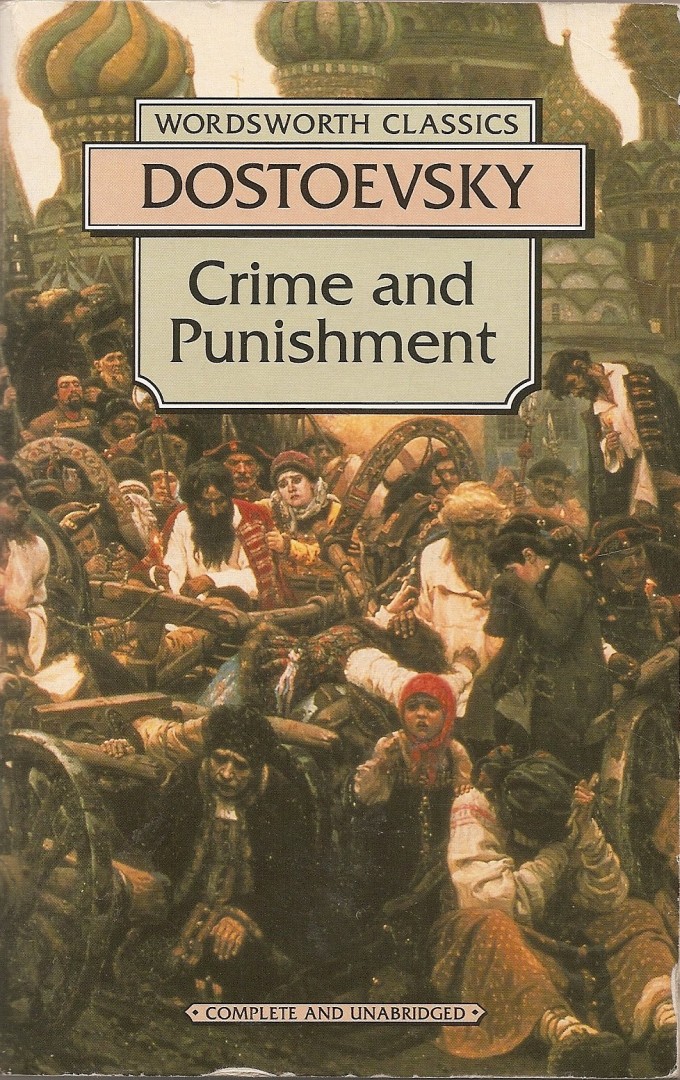 Crime and Punishment. Perhaps you're thinking, "maybe I should read that canonical novel!" I'm going to stop you right there. Read the rest
[body_image width='1200' height='900' path='images/content-images/2015/02/18/' crop='images/content-images-crops/2015/02/18/' filename='inside-kinkcoms-san-francisco-porn-palace-body-image-1424283308.jpg' id='28714']Kink.com HQ. All photos courtesy of the author
The basement of the San Francisco Armory used to be where the National Guard kept its guns and ammo. If you go there now you'll see a chainsaw with all the sharp edges replaced with plastic tongues, a room full of dildos attached to drills, and two bright blue 55-gallon barrels of natural, water-based lube. One hundred and ten gallons is a hell of a lot of lube.
You see, shortly after the National Guard left the Armory in 1976, the former headquarters was registered as a historical landmark. This meant that whoever bought the two-acre, redbrick, Moorish revival castle would not be able to make any major architectural changes, so the building sat more or less empty for 30 years. The trouble was, they needed to find a millionaire buyer with a mountain of cash and a desire to own a network of dingy dungeons, and even in San Francisco that isn't an easy task.
That was, until Peter Acworth came along. Acworth grew up in Britain before moving to America in 1996 to study finance at Columbia. The following year, after reading a tabloid story about a fireman who made $250,000 dollars selling porn online, Acworth decided to start his own website dedicated to the porn he wanted to watch himself. It happened that he was into the kind of stuff that half the planet were in denial about until
Fifty Shades of Grey came along.
[body_image width='1200' height='900' path='images/content-images/2015/02/18/' crop='images/content-images-crops/2015/02/18/' filename='inside-kinkcoms-san-francisco-porn-palace-body-image-1424283525.jpg' id='28719']The barrels of lube
Judging by the success of his site, Kink.com, plenty of people were already well aware of the pleasures of a well-aimed whip before EL James sold all those paperbacks. By 2006, Acworth was able to drop a cool $14.6 million to buy the San Francisco Armory and turn it into the world's biggest BDSM porn studio. Kink.com and its various subsidiary sites now produce hours upon hours of hardcore porn there every week. No wonder they get through so much lube.
In an era of free streaming porn, Kink.com's paid-for content and high production values mark it out as an anomaly and a rare success story, so I decided it would be a good idea to go to San Francisco to sign up for their daily $25 tour and see inside the studio for myself.
[body_image width='1200' height='900' path='images/content-images/2015/02/18/' crop='images/content-images-crops/2015/02/18/' filename='inside-kinkcoms-san-francisco-porn-palace-body-image-1424283425.jpg' id='28716']Dane, my guide
Which is how I found myself down on my knees in one of their dungeons. The first thing you notice when you're down there is that although the floors look like they're made from hard, cracked concrete, they're really covered in soft, springy rubber. Dane, who performs at Kink.com under the screen name "Bastian," is our tour guide for the day.
He's one of those conventionally good-looking all-American types who'd seem wholesome to the point of cheesiness if it wasn't for where we were. You wouldn't have him down as a sexual deviant. In another life he'd have made a great Jehovah's Witness.
"We don't like to hurt our models," he says, explaining the rubber flooring. Then his face breaks into a wicked grin. "Well, of course we do like to hurt our models... but only in the agreed ways."
[body_image width='1200' height='900' path='images/content-images/2015/02/18/' crop='images/content-images-crops/2015/02/18/' filename='inside-kinkcoms-san-francisco-porn-palace-body-image-1424283449.jpg' id='28717']
Dane explains that, even though Kink.com make graphic, BDSM porn, the site still does its best to keep their models safe. "We're making porn for people like us, who can't enjoy a really sexy, really heavy dominant-submissive scene if we didn't know that everyone was actually being taken care of," he says. "We've created a space where someone is free to do that while still maintaining control of their agency throughout the process."
[body_image width='1200' height='900' path='images/content-images/2015/02/18/' crop='images/content-images-crops/2015/02/18/' filename='inside-kinkcoms-san-francisco-porn-palace-body-image-1424283777.jpg' id='28725']
There's a whole world of different Kink.com sets down in the dungeons which serve their various websites—24 in all. First up is "Ultimate Surrender," an all-girl, college-style wrestling tournament. Part of the appeal of this site is that it's a real sporting event—unlike pro wrestling, there are no scripts. The competitors get a bonus if they win so they really do fight it out to pin their opponents down.
This being porn of course, they also get points for undressing, fingering or even motor-boating the opposition. Once a month, Kink.com invites a studio audience down who sit on the side lines, hold up signs to support their favorites and scream "Sit on her face" at the top of their lungs.
[body_image width='1200' height='900' path='images/content-images/2015/02/18/' crop='images/content-images-crops/2015/02/18/' filename='inside-kinkcoms-san-francisco-porn-palace-body-image-1424283483.jpg' id='28718']
Round the corner from the "Ultimate Surrender" wrestling arena is "Naked Combat," the all-male alternative styled like an X-rated version of Fight Club. Further on are the cages and chain rooms used for Kink's long-running series "The Training of O." It's based on the French erotic classic Story of O, which was written in 1954 by Anne Desclos under the pen name Pauline Réage, and let's just say Fifty Shades pales in comparison.
In this studio, Kink puts their "slaves" through some of the most physically and mentally strenuous porn conceivable. The series' director, James Mogul, is notorious for putting his models through a gauntlet of "slave training exercises," so even experienced porn stars end up doing things for the first time. There's an air of improv to it all, which I guess makes him the BDSM game's Mike Leigh.
[body_image width='1200' height='900' path='images/content-images/2015/02/18/' crop='images/content-images-crops/2015/02/18/' filename='inside-kinkcoms-san-francisco-porn-palace-body-image-1424283570.jpg' id='28721']
It's while walking around the "Training of O" set that I really start to appreciate just how good Kink's art department are. You couldn't really use dirty, dingy basements with stagnant water and rusty chains to shoot porn. Health and safety would have a field day. Instead, everything is scrupulously clean but designed to look like it's been rotting away in the dark for years.
As I leave the studio, I see a sign reminding staff of just how clean and careful they have to be "!!! You Must Wear Surgical Gloves Whenever Handling Anything That Has Been In Contact With Bodily Fluids !!!" it begins, before telling staff to always change gloves between "handling different toys." It's the hardcore world's version of those signs in the office toilets reminding you to wash your hands.
[body_image width='1200' height='900' path='images/content-images/2015/02/18/' crop='images/content-images-crops/2015/02/18/' filename='inside-kinkcoms-san-francisco-porn-palace-body-image-1424283543.jpg' id='28720']
After the dungeons come yet more sets. These are used for videos like "Bound in Public" or "Bound and Disgraced," so they're designed to look like we're outside in the real world. There are houses, bars, doctor's offices, police cells, and school rooms all laid out in flawless detail in the basement of the Armory. Dane tells us that they have to pride themselves on that attention to detail. "If we make a mistake in the algebra on the blackboard behind some people fucking," he says, "then that's what people will write in about."
If you fancy yourself as the next James Deen, appearing as a background extra in a "public" scene is one way to get onto a porn set before you throw yourself in at the deep end. If you find yourself in San Francisco, you can apply online to appear as a member of the public. You can even go as a couple—it'd be a hell of a first date.
[body_image width='1200' height='900' path='images/content-images/2015/02/18/' crop='images/content-images-crops/2015/02/18/' filename='inside-kinkcoms-san-francisco-porn-palace-body-image-1424283620.jpg' id='28723']
If you're looking to make a bigger commitment, Kink.com is always hiring. Their rates vary from $200 to $800 per shoot for men, or from $500 to $1,300 per shoot for women. When you sign up you'll be given a "Yes-No-Maybe" list so that you can say what you're into and what you're willing to try. Naturally, the highest rates are reserved for those rare specimens who are up for doing the stuff that the fewest people want to.
[body_image width='1200' height='900' path='images/content-images/2015/02/19/' crop='images/content-images-crops/2015/02/19/' filename='inside-kinkcoms-san-francisco-porn-palace-body-image-1424341494.jpg' id='28865']The author, pictured with Carol Acworth's statue
I tell Dane I'll get back to him about the "Yes-No-Maybe" list, but before I leave the Armory there's one more place he wants to show us. We head all the way up to the top floor of the building and enter what could be a stately home if it wasn't for the antique gynecological table and all the graphic, hardcore porn portrait paintings hanging on the walls. One of the most eyebrow-raising statues is a naked, large-breasted woman sculpted by Carol Acworth—that's the bosses' mum. After she finished, her son Peter completed the piece by trussing it up with bondage rope. A real family affair.
[body_image width='1200' height='900' path='images/content-images/2015/02/18/' crop='images/content-images-crops/2015/02/18/' filename='inside-kinkcoms-san-francisco-porn-palace-body-image-1424283679.jpg' id='28724']
This is the "Upper Floor," Kink.com's private member's club. It's essentially Downton Abbey, but with ball gags and more leather than Kanye's wardrobe. On the Upper Floor, models act out master-servant fantasies at regular parties in front of a hand-picked crowd of BDSM fans. They have a strict guest list, so you can't just wander in if you've watched a couple of videos and now consider yourself a budding Christian Grey. You've got to earn an invitation by introducing yourself to a guy called Maestro Stefanos at one of San Francisco's BDSM nights, and I'm guessing guys who call themselves "Maestro Stefanos" know what they like.
What's really interesting about the Upper Floor is that they livestream their parties, and people log in from all over the world to watch and chat to participants and other fans. This means that BDSM fans in Smalltown, Nowheresville, who find it next to impossible to meet anyone who shares their tastes can tune into what Dane calls "transmissions from the kinky mothership." That seems to be what's made Kink.com such a success. The internet might be awash with free porn, but people still have a fetish for community.
Follow Kevin on Twitter.













.JPG)
.JPG)
