Shared posts

15 Aug 23:41

Two Marv Newland Directed Collaborative Films

by Chris

Two Marv Newland Directed Collaborative Films

Two Marv Newland Directed Collaborative Films

Two Marv Newland Directed Collaborative Films

I marinated for years in the juices of my VHS of Marv Newland’s Rocketship Reel where my favorite short was the collaborative film, Anijam which included the work of 22 animators:

Marv also directed the sexy collaborative film Pink Komkommer with the repeating sound track interpreted in different ways by nine artists:

15 Aug 23:26

Granxa O Cancelo, unha aposta pola innovación e o capital humano

by Campo Galego

Unha explotación láctea rendible e saneada economicamente, coa mellor media de produción por vaca de Galicia en 2014, que cultiva e mesmo vende forraxe e transforma o seu propio leite creando valor engadido e postos de traballo. Nun momento de crise de prezos do leite, esta podería ser a explotación soñada por moitos gandeiros, e existe en Galicia, en concreto no concello coruñés de Miño.

Trátase de Granxa O Cancelo, unha explotación propiedade da Cooperativa Agraria Provincial da Coruña (CAP), que botou a andar no ano 2009 cando a cooperativa decidiu asumir a xestión directa dunha explotación previa tamén de vacún de leite co obxectivo de convertela nun referente para o sector lácteo galego.

Sen embargo, como se encargan de subliñar os seus directivos “no día a día traballamos como unha empresa privada, sendo cada unha das áreas da empresa rendibles por si mesmas”.

Aposta polo capital humano e pola formación e innovación

Isto é posible grazas a un bo manexo do gando “e á calidade humana e profesional dos tres traballadores da explotación”, segundo subliñan dende a dirección. Insisten moito na vocación e na formación do cadro de persoal a través de cursos de formación e visitas a outras explotacións. Tamén teñen uns protocolos e rutinas de traballo establecidas, que permiten que cada persoa saiba o que ten que facer en cada momento.

“Os nosos traballadores están formados e a gusto co seu traballo e transmítenlle confianza e cercanía ás vacas, que deste xeito están máis cómodas e producen máis litros”, destacan dende Granxa O Cancelo.

Traballadores de Granxa O Cancelo cun novo membro da explotación

Traballadores de Granxa O Cancelo cun novo membro da explotación

Ademais, apostan pola estabilidade do persoal e por unha organización do traballo que permita conciliar a vida persoal coa laboral. Así, os traballadores dispoñen de 6 días libres ao mes e 30 días de vacacións ao ano, mentres que os horarios se organizan en dúas quendas: unha primeira dende as 5 mañá ás 3 da tarde, con media hora de descanso para o bocadillo, e a quenda da tarde é desde as 11:30 ás 15:00 e das 17:30 ás 23:00 horas.

Alimentación do gando

Granxa O Cancelo conta cunha cabana de 150 vacas, das que 85 son vacas en lactación e o resto son vacas secas e xovencas. A recría fana nun centro de recría de León, do que é socio a CAP Coruña.

Cultivan un total de 33 hectáreas, nunha zona na que non existe moita presión sobre a terra pero onde o pequeno tamaño das parcelas dificulta a ampliación. Nelas cultivan exclusivamente millo e no inverno sementan chícharo en combinación con outras leguminosas para fixar nitróxeno e aportar materia orgánica. “O chícharo mellora o rendemento do millo e tamén reduce a erosión nas fincas en pendentes” salientan. A boa produción destas terras permítelles a Granxa O Cancelo seren autosuficientes en silo de millo, de xeito que venden unha parte todos os anos.

Elaboran unha ración de 1 kilo de palla, 2 kg de veza, sobre 34 kg de silo de millo, 12 kg de bagazo, 5 kg de colza e 3,5 kg de fariña de millo. Dende fai tempo para o penso realizan a través da Cooperativa Agraria Provincial un peche de compra de materias primas a longo prazo, o último ata xuño de 2016. As vacas de Granxa O Cancelo comen sobre 27 kg de materia seca ao día, cun custo sobre 5 € por vaca e día.

Contan cun carro mesturador propio, o que lles permite facer dous carros diarios cando é necesario. Dende hai tempo fan o carro pola tarde noite “pois as vacas teñen máis dispoñibilidade de comida pola noite”.

Dentro da alimentación, nesta explotación danlle moita importancia ao manexo dos silos e da comida. “Intentamos ser moi coidadosos co manexo dos frontes do silo, que temos cubertos cun tellado para mellorar a súa conservación e evitamos que vaia silo estragado no carro”, aseguran.

A produción de Granxa O Cancelo está nunha media de 42/43 litros por vaca e día, o que os levou a ser distinguidos por FEFRIGA como a explotación galega con maior produción láctea por vaca no 2014. As características do seu leite están nun 3,2-3,3% de graxa e nun 3,3% de proteína.

Vantaxes dos 3 muxidos

Dende hai 5 anos en Granxa O Cancelo fan tres muxidos diarios: ás 5 da mañá, ás 12:30 do mediodía e ás 20:30 horas.

“A vantaxe que ten os tres muxidos é un aumento da produción entre un 12 e un 15%, que nos compensa economicamente. Tamén melloramos a saúde das vacas”, aseguran dende a dirección.

Recoñecen que “os inconvenientes que poderíamos ter serían os horarios e as quendas de traballo e rotación de persoal”, pero salientan que “témolo resolto porque temos estabilidade laboral”.

Coidado do benestar animal e da mellora xenética

Un aspecto que explica o éxito de Granxa O Cancelo é o coidado do benestar animal. Así, nesta explotación fan as camas do gando 3 veces ao día, encaman con material novo unha vez á semana e pican tamén unha vez á semana. Coidan tamén a comodidade das vacas secas, con suficientes cubículos para evitar a competencia entre elas.

OLYMPUS DIGITAL CAMERA

Muxindo as vacas

Ademais, fan sobre 8/10 arrimados de comida ao día, intensificándoos pola tarde, nas últimas horas. Para o verán dispoñen dun sistema de ventilación e de aspersores de auga automáticos para que as vacas sufran o menor estrés por calor posible.

En canto á xenética, consideran que “é moi importante, pero máis crucial é o manexo e a alimentación das vacas”.

Aínda así coidan tamén este aspecto, escollendo cada ano 2 ou 3 touros de entre os dez ou quince mellores por ICO para facer acoplamentos coas vacas. En xovencas solen utilizar seme sexado e tamén están empezando a comprar embrións para mellorar o rabaño.

Obxectivo: mellorar a lonxevidade e a fertilidade

Un dos aspectos nos que dende Granxa O Cancelo consideran que teñen máis marxe de mellora é na fertilidade e na lonxevidade. Actualmente esta explotación móvese nun intervalo entre partos de 410 a 415 días vaca/ano e a primeira inseminación é aos 78 días.

En canto á lonxevidade, están nunha media de 2,8 partos por vaca.

Unha vantaxe desta explotación para mellorar estes dous caracteres é que contan cunha porcentaxe de recría sobre vacas adultas bastante alto e ademais venden bastantes animais para vida, o que lles permite renovar o rabaño de forma máis rápida.

Comercializan do leite e elaboración propia de xeado, un auténtico éxito comercial

O outro aspecto innovador de Granxa O Cancelo é a súa aposta pola transformación do leite. Dos arredor de 3.800 litros diarios de leite que producen están a transformar arredor do 20%, unha porcentaxe que prevén ir incrementando nos próximos meses. O 80% restante véndenllo a Leite Celta, cos que asinaron un contrato ata setembro por 305 euros / tonelada máis IVE e calidades.

O 20% do leite que transforman permítelles crear 8 postos de traballo, dos que 2 son en fábrica e 6 en vendas. Por unha parte, distribúen leite pasteurizado tanto en máquinas expendedoras como mediante venda directa a hostalaría e a tendas. Tamén están a elaborar xeados coa marca “Bico de Xeado”, “unha liña de negocio moi positiva -recoñecen- na que temos unha enorme capacidade de crecemento”. A maior parte dos clientes de Bico de Xeado son restaurantes e tendas e este ano abriron unha xeadería propia na Coruña e tamén dispoñen dunha furgoneta móbil. Ademais, venden nalgúns puntos da cidade de Madrid.

Perspectivas de futuro

En canto ás perspectivas de futuro, den Granxa O Cancelo teñen previsto seguir apostando pola transformación do seu leite, aínda que con cambios.

Así, recoñecen que “as máquinas expendedoras non están a funcionar como esperabamos”, e onde si seguirán apostando co leite pasteurizado é na hostalería e en tendas pequenas en formatos de botella de 1,5 litros e de bolsas de 25 litros .

Pero onde teñen depositadas as maiores expectativas é nos xeados, “xa que teñen unha gran aceptación polos clientes e deixan valor engadido”. Deste xeito teñen previsto seguir abrindo xeaderías propias “e no futuro expandirnos fóra de Galicia”.

En canto á cabana gandeira non teñen previsto incrementala a curto prazo “porque temos un contrato de alugamento por 6 anos máis e esta explotación xa está equilibrada”.

Non obstante, en Granxa O Cancelo recoñecen que “no futuro gustaríanos levar o nivel de eficiencia e de manexo que logramos acadar aquí a unha granxa máis grande nunha zona na que non haxa moita presión sobre a terra”.

“Altius, citius, fortius” (Máis alto, máis veloz, máis forte), o lema olímpico tamén se pode aplicar para acadar explotacións, coma esta, cada vez máis rendibles, con máis valor engadido e máis sustentables.

Cun novo membro da granxa

La entrada Granxa O Cancelo, unha aposta pola innovación e o capital humano aparece primero en Campo Galego.

13 Aug 01:36

The Opossum Banana Eating Choir

by codacorolla
13 Aug 00:38

10 cosas que el feminismo me ha arruinado* // 10 things that feminism ruined for me

by Leticia Roig


Estoy pasando por una fase de intensidad política –por culpa del  feminismo. Tiendo a ponerme visceral y tengo amigos que ya no me invitan a sus cenas. Veo desigualdad de género en todas partes, en el tono en el que me hablan mis compañeros de trabajo, en canciones, en conversaciones de bar con mis colegas de toda la vida… Seguramente me esté convirtiendo en un tostón de tía para muchos. 
Hay días en los que sólo me apetece estar entre feministas. Con ellas, organizamos saraos divertidísimos sobre estrategias políticas, nos pasamos domingos de resaca en la cama comentando películas porno y nos preocupamos por el desarrollo intelectual de las unas y las otras. Pero…tengo que ser sincera… desde el feminismo, siento que el mundo es un lugar más hostil. Un día me desperté y vi que "feminista" se había convertido en un insulto. Me entraron muchas ganas de quejarme. He decido compartir con vosotras 10 cosas en modo queja que el feminismo me ha arruinado.


 1. Los Chichos, los Chunguitos, Camela y otras referencias musicales de mi infancia.
Oh, primos, qué bien me hacían sentir estas canciones. Esa furia gitana que tan bien retrata las cosas que pasan en la vida, en la calles de extrarradio, en mi vida. O ,por lo menos,  de la vida de la que vengo. Escucharlos era como un ejercicio de enraizamiento. Bastantes años después volví a esas canciones como feminista y cometí un error: escuchar la letra. Gran error. ¿Cómo no había podido darme cuenta? Por ejemplo, de cómo “Mujer Cruel” de Los Chichos cuenta cómo la infidelidad de una mujer se castiga con la muerte. De la de “Pa Ti Pa Tu Primo” de los Chunguitos que dice “dónde está esa niña, me cago en sus muertos, se me ha ido con otro, me ha puesto los cuernos, como yo la coja, le corto el pescuezo”. O de la de “Déjale Nacer”  de Camela que le dice a una mujer que quiere abortar “tú no tienes sentimientos” y “te sientes amargada y lo pagas con él”. Joder, feminismo, me encantaban estas canciones. Ahora sólo veo en ellas historias ridículas repletas de violencia de género. Y pienso en todas las mujeres que viven en eso y ,en especial, en aquellas que me son cercanas y queridas. Y vaya mierda, en serio. Qué horror.

2.    Los medios mainstream

Hace bastante tiempo que no puedo soportar la gran mayoría de los contenidos generados por medios mainstream. No desde que el feminismo me sucedió. No aguanto ver cómo los medios son un campo de nabos, vasto y frondoso. O peor, cómo las mujeres que aparecen en escena son una representación muy loca de estereotipos de género que mucha gente acepta como normal. Tertulianos no dejando hablar a sus compañeras, presentadoras de televisión feminizadas a lo Letizia Ortiz… Mau, mau, mau. 

Ahora, vivo en una burbuja de contenido que he comisariado muy cuidadosamente con mis gafas lilas puestas. En mi burbuja, sigo a humanos en Twitter que me llevan a algunos artículos de Playgrounder, del Diario.es, de Nativa, de Pícara o de JacobinMag. Veo series en donde las chicas son listas y divertidas - como “The L world” o “Orange is the new black”. Leo libros escritos por megazorras contemporáneas que me ponen mucho como “Un zulo propio” de Itziar Ziga o “Pornoterrorismo” de Diana Torres. Mi banda sonora está repleta de señoras tan sensuales como Soko, las Warpaint, Grimes o Yolandi. Soy perfectamente consciente de que he cambiado las escalas patriarcales de los medios mainstreampor un microgueto feminista pero ,a veces, mi burbujita me resulta el único lugar humano del mundo. 


3.    Los señores con botón de play.
Hubo un tiempo en el que los señores con botón de play me fascinaban. Esos hombres cis –usualmente con un capital cultural acumulado superior al mío- que me seducían hasta la expiración con sus palabras. Quedaba con ellos, les hacía preguntas que activaran su botón de play y me abstraía escuchándolos durante rato y rato. Pero, eso era antes de que el feminismo pasase. Ahora, cuando me encuentro con un señor con botón de play, no puedo evitar que se me repita en la cabeza la letra de aquella canción de Rosendo que dice “Berberecho, te pasas el día sacando pecho”. 


4.    Algunos insultos
Eso que estas de birras con unos colegas y alguien suelta lo de “me cago en la gran puta” y yo me giro con mirada asesina, sin ningunas ganas de explicarles por qué me duele tanto que utilicen lenguaje putofóbico y entonces… ¿Cómo lo arreglo? ¿Eh? ¿eh? ¿eh? ¿Entramos en una de esas disputas feas en las que una acaba haciendo de policía del feminismo? Pues no, o a veces, sí, no sé. 
Breath, Letizia, breath.


5.    El capitalismo  
Yo también me tragué con patatas la historia de “estudia”, “esfuérzate”, la clase media te espera. No estaba mal, me daba perspectiva, objetivos y me trazaba un futuro. Hasta que vino el feminismo. El reflexionar mucho sobre qué quiere decir poner la vida en el centro y qué pasa cuando no es así. El darme cuenta, de que haber nacido mujer y sensible va a ser una cruz muy pesada que voy a tener que arrastrar toda la vida. Ahora, mi existencia en el sistema capitalista se ha convertido en pura táctica. Actuar, producir y odiar. Una fábrica diaria de rabia contenida. Menudo cuadro. 


6.    Una gran parte del porno
Antes del feminismo, masturbarse era muy fácil. Hablo de aquellos días en los que mi sexualidad todavía era apolítica y torpe. En los que la sofisticación discursiva no me había invadido la entrepierna. Ahora, todo es mucho más complejo. A veces, el porno mainstream me pone cachonda. Otras veces, me distraigo y acabo pensando en la tiranía del culto a los cuerpos femeninos infantilizados, en las relaciones conflictivas con nuestros cuerpos…así no hay quien se corra . ¿Por qué algo tan simple también se ha tenido que convertir en una reflexión sobre la subversión contra la naturaleza del mandato normativo? ¿Por qué? 


7.    La Monogamia
Eres feminista, te cuestionas las normas relacionadas con el género y te empiezas a dar cuenta de que el sistema social en el que la gente reclama derechos sobre la propiedad sexual de los cuerpos de los demás es un sistema fundamentalmente arraigado a la ideología patriarcal capitalista que hace la igualdad entre géneros imposible. 

Empiezas por abrir tus relaciones , a experimentar con prácticas sexuales que te desconstruyen como sujeto y ,de repente, te das cuenta de que en lugar de bailar o hablar sobre cosas bonitas, dedicas tus espacios sociales a hablar de cómo gestionas esa movida tan compleja de compartir tu intimidad con gente que forma parte de tu día a día. ¿Desde cuando la vida se convirtió en un bucle de negociaciones interminables sobre los sentimientos de TO-DO EL MUN-DO? En etapas de esas, me acuerdo de aquellos días en los que pensaba que iba a acabar con un chico catalán , que nos juntaríamos en un pisito de Gracia o del Raval, iríamos los domingos al Verdi o al Café del Teatre, algún fin de semana a Roma o Estambul y seguiríamos así -sin muchas variaciones- durante el resto de nuestras vidas. Antes del feminismo mi vida era mucho más simple. Menos excitante y con etapas bastante chungas de vacío existencial, pero simple. 


8.     Las bodas
De niña, yo también me veía de blanco en un altar en "el día más feliz de mi vida". Ahora, por culpa del feminismo, incluso asistir a bodas de los demás me parece un acto de complicidad contra el mal. Veo simbología patriarcal por doquier. Vestidos blancos en representación de la virginidad de la mujer, el padre llevando a la niña al altar para cederla al futuro marido…Y lo peor, lo que pasa después, lo de encerrar a las personas en la estructura de la familia nuclear. Para que se preocupen de su pareja, de sus hijos y de nadie más. Entonces, me acuerdo de algo que me dijo una académica feminista de 70 años: “la sabiduría de la vida es aceptar los límites, ¿hasta dónde puedes soportar la incertidumbre de la soledad?” y todo me da mucha pena. 


9.    Las discotecas
Menosmal que ,antes de que la política me entrara en el subconsciente, ya había pasado suficiente tiempo bailando en tarimas de macro-discotecas, en fiestas en las que las chicas entran gratis y se les invita a rondas de chupitos por la face. Ya sé, qué vergüenza, pero en serio que me parecía divertido. 


10. Mi psicoanalista
Adoraba a mi psicoanalista. Durante mucho tiempo, me permitió conectarme con verdades sanas. Gracias a él me di cuenta de que ser anormal ,en el fondo, tampoco estaba tan mal. Hasta que un dia me empezó a suscitar movidas con un rollo muy binario sobre mis desviaciones varias relacionadas con mi género Me dejó de funcionar. Por suerte, al igual que con las ganas de ir a bodas o a discotecas, los sentimientos de soledad y de depresión también dejaron de ocurrir. Entre gente de espíritu ácrata, me pasan los ratos sin angusta y sin presiones. Igual que cuando aún no había salido de mi barrio y el mundo parecía un lugar seguro y divertido y los días pasaban sin prisa, sólo viviendo. 


*Este post tiene mucho que ver con este artículo que la feminista  Emer O'Toole publicó en The Guardian. No tiene desperdicio. 


/// ENGLISH VERSION ///


10 things that feminism has ruined for me


I’m going through a phase of political intensity for which I blame feminism. I tend to get into a visceral mood and certain friends don’t invite me to their dinner parties anymore. I see gender inequality everywhere, in the tone of voice of my colleagues, in songs, in bar conversations with old friends… I’m sure I’m a pain for many.

There are days in which I only feel like being around feminists. With them, we organise really fun soirées with a political wink, we spend Sundays hangovers in bed commenting on porno movies and we care about each others’ intellectual development. But… I must be honest… since feminism happened, I experience the world as a rather hostile place. One day I woke up and I saw that ‘feminist’ had become an insult. I really felt like complaining. So I have decided to share with you 10 things in ‘complain’ mood that feminism has ruined for me.


1. The “Chichos”, the “Chunguitos”, “Camela” and other musical references from my childhood.

Oh girl these songs used to make me feel amazing. This gipsy force that sketches so well the things that happen in life, in the streets of the suburbs, in my life. Or, at least, the life that I come from. Listening to them was like a rooting exercise. A few years later I came back to these songs as a feminist and I made a mistake: to listen to the lyrics. Great mistake. How did I not realise before?! For example, the song “Cruel Woman” by the “Chichos” tells of how a woman’s infidelity is punished with death. Or, the song “For you for your cousin” from the “Chunguitos”, which goes “where is the girl, I shit on her buried, she left with me for another one, I will sack her”. Or, the one about “Let her born” from “Camela” that tells a woman that wants to have an abortion “you don’t have feelings” and “you feel bitter and your baby pays the price”. Fuck feminism, I used to love these songs. Now, I can only see in them stories filled with gender violence. Then I think of those women that live this and, what shite, seriously. What a horror.


2.  Mainstream media.


For a while now I haven’t been able to put up with the majority of the content generated by the mainstream media. Not since feminism happened. I can’t handle how mainstream media are a sausage fest, vast and thick. Or worse, how women that show up on the scene are a very crazy representation of gender stereotypes that many people accept as normal. Male presenters mansplaining their female colleagues, women feminised like Letizia Ortiz, meow.

Now, I live in a bubble of carefully curated content with my purple glasses on [purple is the color of feminism]. In my bubble, I follow humans on Twitter that bring me to articles of DIY feminist “zines”, or, radical left magazines. I watch series in which girls are clever and fun. I read books written by contemporary mega whores that turn me on so badly. My soundtrack is filled up with very sensual women. I’m very aware that I have changed the patriarchal scales of the mainstream media for a feminist “micro ghetto” but, at times, my little bubble feels like the only human place in the world.


3.    Men with “play button”

There was a time in which men with a ‘play button’ used to fascinate me. These cis men, usually with an accumulated cultural capital superior to mine, used to seduce me with their words. I used to meet them, ask them questions that would activate their “play button” and I would abstract myself for long hours. But, this was before feminism happened. Now, when I encounter a man with a play button, I can’t avoid hearing that song that said something like “Oh mussel, you spend all day showing your chest”.


4. Some insults.

You are having pints with friends and someone let’s go a “I shit on the whore” and I turn with a murderous gaze, without feeling like giving explanations about why it hurts so much that someone uses whorephobic language and then… How do I sort it out? Should I enter into one of those ugly fights in which I end up performing as the “feminist police”? Maybe yes, maybe not, who knows.

Breathe, Letizia, breathe.


5. Capitalism

I also passively accepted the story of ‘study’, ‘work hard’, “the middle class is waiting for you”. It wasn’t that bad, it gave me perspective, goals and sketched a future for me. Then, feminism came. As a consequence of reflecting a lot about what it means to “put life in the centre” I realised that having been born as a sensible woman is going to be a very heavy cross that I will have to carry all my life. Now, my existence in the capitalist system has become pure tactics. To act, to produce, to hate. A daily factory of repressed anger. What a picture.


6. A large part of porn.

Before feminism, to masturbate was very easy. I talk of those days in which my sexuality was still apolitical and clumsy. In which discursive sophistication hadn’t yet invaded my inner thight. Now, everything is much more complex. Sometimes, mainstream porn turns me on. Other times, I get distracted and I end up thinking about the tyranny of the cult of infantilising female bodies, and, of the conflictive relationships with our bodies… with such an internal dialogue, it becomes impossible to reach an orgasm. Why did something so simple had to turn into a reflection about the subversion against the nature of the normative mandate? Why?!


7. Monogamy.

You are a feminist, you question norms related to gender and start realising that the social system in which people claim the bodies of others is fundamentally rooted in the capitalist patriarchal ideology that makes gender equality impossible.

You start by opening up your relationships, to experiment with sexual practices that deconstruct you as a subject and, suddenly, you realise that instead of dancing or talking about beautiful things, you dedicate your social spaces to talk about how to manage this really complex business of sharing your intimacy with a few people that are part of your daily life. Since when did life become a loop of endless negotiations about everyone’s feelings? In periods like these, I remember the days in which I believed that I was going to end up with a Catalan guy, that we’d move together into a little apartment in “Gracia” or “El Raval”, that on Sundays we’d go to the cinema “Verdi” or to the “Café del Teatre”, we’d take long weekends to go to Rome or to Istanbul and we’d keep going on like this, without much variation, for the rest of our lives. Before feminism my life was much more simple. Less exciting and with pretty heavy periods of existential void, but, nevertheless, simple.


8. Weddings.

As a child, I used to daydream of myself dressed in white at an altar on the “happiest day of my life”. Now, because of feminism, even attending other people’s weddings makes me feel like an act of complicity with the evil. I can see patriarchal symbolism everywhere. White dresses representing women’s virginity, the father bringing “the girl” to the altar to hand her over to the future husband… And, worst, what comes after, this thing about enclosing people in the structure of the nuclear family. So that they only care about their spouses, their offspring and no one else. Then, I recall something that a 70 year old feminist said to me: “Wisdom in life involves being able to accept your limits”, until where are you able to put up with the uncertainty of loneliness? And, then, I kind of sink into my own sorrow.


9. Clubs

Lucky me that, before politics would enter my subconscious, I had already spent enough time dancing on platforms at macro-clubs, at parties in which girls get in for free and also get rounds of shots “just because”. I know, what a shame but really, before feminism, clubbing was exciting.


10. My psychoanalyst.


For a long time, it allowed me to connect with very healthy truths. Thanks to him, I realised that, deep inside, being abnormal wasn’t even that bad. Until one day, he started bringing up really binary things related to my various deviations related to my gender. He stopped working for me. Luckily, as it happened with going to weddings or to clubs, the feelings of loneliness and depression also stopped happening. Amongst people of an anarchist spirit, life goes by without anxiety and without pressures. It reminds me of when I was a little girl and the world seemed like a safe and fun place and days were passing by without hate and without sorry, only breathing.


12 Aug 01:17

La razón por la que te sienta tan bien un paseo entre los árboles

by Natalia Martín Cantero

Quizás recuerdes cómo la pequeña Heidi se marchitaba cada vez que la sacaban de los verdes prados en los Alpes suizos para llevarla a Fráncfort y acompañar a Clara, la hija inválida de una familia pudiente. Y, a la inversa, cada vez que Clara visitaba a su amiga Heidi en las montañas, revivía milagrosamente y conseguía dejar su silla de ruedas para dar unos pasos. Que la naturaleza sana –aunque no hasta el extremo de operar milagros como el de Clara– es un hecho que los científicos se afanan desde hace tiempo en investigar.

Las ventajas para la salud mental y física, la cognición, la habilidad para aprender e incluso para la productividad del contacto con la naturaleza están fuera de duda. En 1984, en uno de los más tempranos y llamativos estudios, el investigador Roger Ulrich observó cómo los pacientes que se estaban recuperando de una operación quirúrgica de vesícula en un hospital de Pensilvania (EEUU) recibían el alta un día antes, y pedían menos analgésicos para el dolor, si desde la ventana de su habitación veían unos árboles, frente a aquellos que sólo podían contemplar una pared.

¿Curan los árboles? “Si alguien te da a elegir entre 10.000 dólares o diez árboles, escoge los árboles”, resume el artículo que dedica al asunto la revista New Yorker, titulado Cómo nos calman los árboles. La comparación monetaria no es en balde. Es la que hacen los autores de un estudio reciente elaborado en Toronto (Canadá) que muestra cómo los barrios con árboles son más saludables. Concretamente, tener diez o más árboles en el vecindario mejora la percepción de la salud de forma comparable a como lo haría disponer de 10.000 dólares extra (la percepción de la salud es un factor subjetivo, pero los autores señalan que correlaciona fuertemente con las medidas objetivas de salud). “La gente ha descuidado las ventajas psicológicas del medio ambiente para la psique”, señala Marc Berman, psicólogo de la Universidad de Chicago y director del estudio.

Para elaborar este trabajo, los investigadores utilizaron dos grandes bases de datos. Por un lado, un gran registro donde figuran los árboles municipales de la ciudad de Toronto, incluida su localización, especie e incluso diámetro y, por otro, la base de datos sobre el estado de salud de más de 30.000 residentes en la ciudad canadiense.

“La naturaleza, la vegetación y el agua tienen una influencia poderosa en la reducción del estrés”, señala a Verne José Antonio Corraliza, catedrático de psicología ambiental de la Universidad Autónoma de Madrid (UAM). “El estrés no es malo en la vida. Nos permite hacer frente a los retos. El problema es estar estresado durante mucho tiempo. Y la naturaleza nos ayuda a reducir el tiempo de estrés”.

No sólo el estrés. También restaura la atención, de la que estos días andamos escasos. La ciudad, con su fuente casi infinita de reclamos, satura nuestra capacidad de atención, que es limitada, y llega un momento en que nos bloqueamos. “Es como si sacásemos un paraguas para defenderos de estímulos no deseados”, señala Corraliza. “La naturaleza nos ayuda a recuperar el equilibrio. Es un potente inductor de estados de bienestar”.

Se sabe que la falta de acceso a los espacios verdes redunda en mayores problemas psicológicos. ¿Pero cuál es el mecanismo que hace que una visita al parque altere el estado de ánimo? Esto es lo que se lanzó a estudiar Gregory Bratman, de la Universidad de Stanford, en California. En un estudio anterior, Bratman ya había mostrado cómo los voluntarios que caminaban por una zona verde del campus se mostraban más atentos y felices que aquellos que lo hacían, durante un tiempo equivalente, en una zona con tráfico denso.

En un nuevo estudio, publicado en julio, Bratman examina los mecanismos neurológicos que se producen cuando estamos en la naturaleza. Concretamente, se propuso estudiar el efecto de un paseo en la tendencia de las personas a rumiar las cosas, ese estado mental en el que no paramos de pensar en todo lo que puede ir mal, como un disco rayado. Los que pasearon por zonas de tráfico denso no se habían tranquilizado, y los escáneres mostraron más flujo sanguíneo en la zona del cerebro asociada con el proceso de rumiar excesivamente. Por el contrario, los voluntarios que habían paseado por el campo sí mostraron pequeñas mejoras en su salud mental, y las zonas de su cerebro implicadas en ese proceso registraban menor actividad. “Salir a la naturaleza podría ser una forma fácil y casi inmediata de mejorar el estado de ánimo para los urbanitas”, resume Bratman.

El documental Vuelve a jugar arroja información bastante escalofriante sobre las costumbres de los niños en Estados Unidos: pasan un 90 por ciento del tiempo en espacios cerrados, y entre siete y once horas delante de todo tipo de pantallas. Sus experiencias, como ocurre con los adultos, son cada vez son más virtuales que reales.

“Las pruebas científicas que relacionan las experiencias en la naturaleza con una mejor salud emocional se están expandiendo”, señaló a Verne Richard Louv, autor del superventas Los últimos niños en los bosques: salvar a nuestros hijos del trastorno de déficit de naturaleza. “Ya estamos observando el impacto de estos descubrimientos en el ámbito de la salud mental. Ya hay métodos de terapia basada en la naturaleza, como la terapia con animales, horticultura o eco-psicología, y se está viendo su éxito con pacientes que no habían respondido a otros tratamientos”.

Preocupado por la creciente desconexión con la tierra –en 2008, por primera vez en la historia, había más gente viviendo en las ciudades que en el campo– Louv acuñó el término trastorno por déficit de naturaleza para referirse a la hiperactividad u obesidad que a menudo aparecen cuando los niños pierden esa conexión fundamental. La adicción a las pantallas empieza bien pronto, y supone que haya un montón de energía bloqueando nuestros sentidos. “Esto, para mí, es la definición de estar menos vivos. No creo que nadie quiera que sus hijos estén menos vivos”, señala el escritor. “Cuando más se apoye la educación de los niños en la tecnología, más naturaleza necesitarán”, dice Louv, que apuesta por lo que califica de “mente híbrida”, una que se maneje bien tanto en el mundo natural como en el de la tecnología.

En sus investigaciones con niños, los investigadores de la UAM muestran cómo la cercanía con la naturaleza aumenta la capacidad de afrontar fenómenos estresantes en la vida de los pequeños. Es lo que se conoce como el “efecto moderador” de la naturaleza, que también se da con los adultos. En otro estudio diferente, un grupo de voluntarios corrió en una cinta mecánica durante diez minutos, de forma que aumentó sus constantes fisiológicas como la tasa cardíaca. Los investigadores colocaron electrodos para medir estas constantes y los dividieron en tres grupos. Mientras se recuperaban, unos contemplaban imágenes de naturaleza, otros calles peatonales tranquilas y otros imágenes de tráfico denso. “El grupo que contemplaba las escenas de naturaleza recuperó las pulsaciones y demás constantes en la mitad de tiempo”, apunta Corraliza.

Esto no significa que el mero hecho de vivir en el campo le vaya a hacer a uno más feliz. “La naturaleza tiene efectos positivos cuando hay un daño causado por la ausencia de contacto”, señala Corraliza, que apunta que el entorno rural puede ser también estresante por lo opuesto: la ausencia de estímulos, relaciones sociales y horizontes.

No hace falta, en cualquier caso, salir al bosque. Los espacios verdes de la ciudad aportan “experiencias micro-restauradoras. El verde urbano no es un adorno. Es un elemento clave para el bienestar”, apunta el experto. De hecho, en sus investigaciones en plazas de Madrid, Corraliza y su equipo observaron que las plazas con más vegetación son las preferidas de los vecinos porque tienen mayor capacidad de restauración psicológica, no porque sean más bonitas.

¿Somos conscientes, en general, de este poder restaurativo? Corraliza se refiere a un “analfabetismo natural”, que no tiene que ver con saberse de memoria el nombre de los pájaros del lugar sino con la capacidad de disfrutar del entorno. No se trata tanto de programar en las escuelas una actividad de contacto con la naturaleza, sostiene Corraliza, sino de practicarlo. Tal y como hacía el entrañable maestro (interpretado por Fernando Fernán Gómez) en la película La Lengua de las Mariposas, que recordaba a sus alumnos que “la naturaleza es el espectáculo más sorprendente que puede mirar el hombre”. Solo hace falta detenerse unos momentos a contemplarla.

12 Aug 00:50

Los foros de puteros son los nuevos mercados de ganado

by Javier Blánquez

Hubo una época en la que la lengua castellana abundaba en sinónimos para la palabra "puta", más de mil palabras según algunos filólogos, entre las que se encontraban bagasa, cantonera, cellenca, hurgamandera, mujer del arte, descosida, coima, cotorrera o las tres que dieron título a aquel libro de Camilo José Cela sobre sus andanzas de rojo y fornicio por el barrio chino de Barcelona, Izas, rabizas y colipoterras (1963). Hoy, sin embargo, el lenguaje se ha empobrecido, y los puteros a las putas las llaman básicamente lumis, que viene de lumia, y se ha perdido también mucho del sentido de la aventura, pues van a buscar sus placeres de la bragueta ya no a las esquinas, sino que criban toda esa información -de manera sistemática y obscena- que abunda en los foros de internet.

Meterse en un foro de putas -que básicamente es un foro de puteros, puesto que las obreras apenas hablan- es como entrar en una antigua feria de ganado y animales de tiro: se habla de las ellas como si fueran reses, se las tasa en función de parámetros físicos que rozan la grosería, y se debate sobre sus prestaciones sexuales, calibrando la capacidad de su garganta profunda (por ejemplo) como si se estudiara la dentadura de un caballo.

Son los foros de puteros lugares deslenguados y a plena luz -los encuentras fácilmente, no hace falta internarse en la deep web para saber de qué hablan estos señores-, y en ellos se ponen las cosas fáciles para contratar servicios de folleteo. No son espacios de entretenimiento a lo bruto y sin filtro, como nuestro querido Forocoches, donde el debate intrascendente es la costumbre, sino ágoras del sexo de pago en las que, tras unos minutos de búsqueda, podemos obtener un número teléfono con el que quebrantar la ley (y mucha información sucia).

De todos modos, antes de entrar a explicar lo que hemos visto en lugares como Sexo Mercado BCN , Foroputas, Spalumi o Foros X , una apreciación: ¿de qué prostitutas hablamos cuando hablamos de un foro de lumis? Ciertamente, no son las esquineras -o sea, la puta de la calle, o la de carretera de toda la vida- las que se puntúan ahí como si fuera el último disco de Drake en Pitchfork. Tampoco son las de casas de alterne (las saunas urbanas o los clubes de carretera), y por supuesto ni rastro de las escorts de lujo como las que te puede gestionar la empresa de la Sra. Rius o Honey Companion , la agencia para la que trabaja la pornstar Franceska Jaimes, y que cuestan un ojo de la cara a menos que seas de la FIFA. Los foros de putas versan sobre mujeres independientes (generalmente) que ejercen en pisos y que ofrecen servicios estándar a cambio de tarifas medias: entre los 60 y los 200 euros la hora, como horquilla aproximada.

¿Quién se anuncia en un foro de putas?

"Hola soy (NOMBRE DE LA PUTA), te cuento un poco sobre mi. Soy ardiente y pasional en el sexo... muy complaciente, me encanta comerte entero!!" (todo sic). Así se presenta en Sexo Mercado BCN una chica que se identifica como "latina" y que tiene hasta 100 páginas de comentarios en el foro. Se ofrece por una tarifa mínima de 30 euros (por 15 minutos de servicio, que da para un quiqui) o una máxima de 140 (por hora y media, que da para más). Las 100 páginas de comentarios, de todos modos, tienen truco: es ella la que postea continuamente -fotos, vídeos de canciones, poemas que parecen escritos por Paulo Coelho- para que su hilo suba a las primeras posiciones de la parrilla de discusión. Ocasionalmente, algún forero le comenta -"espero conocerte pronto", "qué rica estás", "hola wapa, te llamo mañana"-, pero queda clara cuál es la primera función importante de un foro de estas características: exhibirse tras el cristal de la pantalla como si fuera una ventana en el Barrio Rojo de Ámsterdam y empezar la caza de clientes con reclamos. Es interesante observar cómo muchas de las chicas llevan en los anuncios camisetas con el dominio de la web: seguramente, a cambio de un anuncio exclusivo -en perjuicio de Loquo y guías chungas así-, obtienen mayor visibilidad y hasta promueven concursos (una hora gratis para el que atraiga nuevos usuarios registrados a la web, por ejemplo). Algunas incluso ofrecen descuentos para clientes que se estrenen si se identifican como "foreros". Resulta que no es tan distinto irse de putas que irse de tapas.

Hilos 'random'

Hay páginas, como Foros X , que aunque lleven la palabra foro en su dominio, en realidad son escaparates. Lo que ofrecen es un exhaustivo bodegón de carne femenina, dividida por territorios -por ahora, ofrece anuncios de chicas en Madrid, Barcelona y Tarragona, como por ejemplo Michell (Barcelona, 26 años, 200€, española; más de 15.000 visualizaciones del perfil)-, y con una pestañita en la que se puede consultar las opiniones de otros foreros que ya la 'han catado'.

Pero lo habitual es que haya hilos de discusión. En Spalumi, además de una completa base de datos de prostitutas por comunidad autónoma, e incluso por cada capital de provincia (incluidas Ceuta y Melilla), también se puede compartir información sobre el tratamiento de varias ETS, hacer quedadas con otros foreros (se supone que para gestionar foursomes y cosas así), una sección de relatos y hasta un "rincón de las chicas" muy jugoso en el que son las propias prostitutas las que comparten información útil en hilos tan apetecibles de leer como "¿Son las putas canallas y mentirosas?", "Cuidado con este cabrón", "¿Es posible la amistad con una profesional?" o "Pagar antes o después". De todos modos, no es ahí donde está la acción. La verdadera chicha de los foros de putas está en las 'expes'.

Las 'expes'

'Expes' significa, claro, 'experiencias', y es cuando un putero explica con todo lujo de detalles cómo ha ido la cita con la lumi de su elección. Tienen el tema tan trabajado que no es que suelten una parrafada como esta, así a lo bruto y a cholón, sino que utilizan una plantilla, perfeccionada desde tiempos inmemoriales en la que comentan todos los aspectos interesantes de una puta para encontrar siempre la información útil para cada forero. Los hilos suelen tener siempre la misma composición -nombre profesional de la puta + ubicación (ciudad, barrio, incluso calle) + número de teléfono-, y el contenido sería digno de una taxonomía botánica de Linneo o un albarán, ya que no se trata de hablar de sexo, sino de tasar una mercancía, que es como se trata a las putas en estos foros.

Ejemplo: Señor Pinkykinky habla sobre B******, argentina, que recibe en un piso de la calle Aragón de Barcelona. Primero expone los datos objetivos -nombre "artístico", nacionalidad, edad aproximada (siempre haciendo notar que seguramente tiene más años de los que anuncia), la descripción física ("pone que es de 170 cm de altura y es mucho más pequeña en realidad"), la valoración de la chica (en este caso, 6.5, un aprobado normal, pues pone el listón muy alto), la vestimenta y si es fumadora o no. Ah, qué tiempos aquellos en los que a las putas se les llamaba también "señoras que fuman". Luego viene el formulario de contacto (teléfono, link del anuncio, horario de atención al cliente, si es fácil aparcar o no), y finalmente lo más importante: cómo ha ido; lugar del encuentro, tarifa y tiempo pactado, fecha de la experiencia y detalles fornicatorios varios como si a la chica le gusta recibir cunnilingus, si ofrece anal (con suplemento), si besa o no besa, si la chupa con o sin (y si hace GP, que les interesa mucho), y una de las cuestiones vitales para cualquier putero: si deja acabar en la boca o no.

Dicho esto, Señor Pinkykinky explica cómo fue la cosa una vez cruzó la puerta de B******, argentina. [Nota: hemos corregido la atroz ortografía del texto original] "Tenía un culete bastante grande pero redondo y lindo... ¡Me daba morbo y a mí no me van los culos grandes! [...] "Después de un par de momentitos se gira y se pone de 4, se ve que le gusta la lengua entre sus piernas..." [...] "Y se implicaba bastante bien. Le dije 'me voy a correr', y se tumbó en la cama boca arriba con una gran sonrisa" [...] "De allí a un ratito empezamos otra vez. Se sube encima mío a cabalgar, me daba morbo otra vez ver ese culete saltando y moviéndose como un flan duro [¿ein?] y mi ayudante desapareciendo abajo. Tenía sus tetas en mi boca" [...] "Empecé a sudar y tenía calor, así que le dí la vuelta, de misionero, a 4, y después de un ratito... ¡disparé como un rey!".

Los foros de putas están a rebosar de 'expes'. Hay un forero llamado Gourmet, aparentemente célebre en el submundo putero, que ha publicado 180 valoraciones en Sexo Mercado BCN (a 100 euros la media, el montante invertido sale por una hipoteca). Estas 'expes' son todas y cada una de ellas auténticas obras maestras del relato erótico quinqui, salpicadas de emojis en formato gif para simular la mamada en la ducha, el cowboy o la corrida en la boca, con observaciones zafias y con un nivel de escritura que no es que sea ni el de Apollinaire, ni el de Bataille, ni siquiera el de E. L. James, pero que transparenta la psicología de la mayoría de los que se van de putas y lo cuentan: sátiros con presupuestos abultados que, pudiendo tener el decoro de callar después de comerciar con el cuerpo, hablan de las chicas como si fueran patricios romanos comprando esclavos nubios para su villa en la Toscana. Seguro que huelen a zorruno y se presentan a las citas con requesón en la polla. Qué asco.

11 Aug 20:07

Various Artists - "Teenage Shutdown: Jump, Jive and Harmonize" (CD, Teenage Shutdown / Crypt in reality - 1995)

by noreply@blogger.com (Mihaleez)
Howdy people! Back from a couple of days off (thankfully there are few more on September's starting) but still in a slacking mood... You know, Greece's having many reasons to be in heat except for the summer, he-he...

Anyway as most (if not all of them) posts here are the results of things I'm crashing in daily and kick me to write and present to you stuff I had previously led my hands on and wasted my ears to and so is this one. My good friend JP once introduced me to the Steve Hoffman forum and even though I hate purists, it has many interesting moments if not educational or funny!

I came yesterday across a TEENAGE SHUTDOWN discussion that if these semi-boot Crypt series are any good and as most conversations ends up, it got bigger and wider on garage/60s punk comps mixing along (what else?) the sound qualities matter... Don't know if any of these guys there are following this jerk behind this blog, but if they do please do yourself a favor and go somewhere else guys for sounding matters. I mean, rock and roll is everything else but fidelity! And even if these next words sound/look/are a cliché, are 100% true as well. Rock and roll is sweat, sex, rawness and sloppiness. It's moving and grooving and having a good time. How this old mod punk song goes? Ah yeh: FUCK ART, LET'S DANCE! 

For me the Shutdowns, are even better than BACK FROM THE GRAVE volumes! Actually Shutdowns are better from anything else except for the iconic NUGGETS (yep, PEBBLES included).  I'm not going to enter into the 'legit' discussion. Of course there lying many well pointed opinions, but firstly I don't know actually what's what and secondly, I don't care as long as these are so well packaged and mastered (yes, even if it's from the bands 45s directly and not from the master tapes).

Here's the first volume and probably my fave one! The "Pounding, Pulverizing, All-Out Punk Dance Ravers" sub sets from the word go, the recipe for this. And what I like THE MOST on these (as the legend says, Moptop Mike owned but Tim Warren chosen) 45s it's the all American feeling into! These frat punks are deeply rooted on the black R&B and Soul acts of their country and day than the British Invasion gangs. Chuckster, Bo, Little Richard and the less known Rhythm and Soul acts (listen to the Shandells' "Gorilla" version or the Us Four "Alligator"). And of course it includes some very well known now tracks like the comp's subtitle of the east L.A. garage legends Thee Midniters or the Lyres well covered and strongly Kingsmen influenced "Busy Body" from the Jolly Green Giants. For fuck's sake it has a prime Del-Shannon mover also!

Don't know if they're still around but if they are, grab 'em with no second thoughts. Trust me, I know my rock and roll... 


11 Aug 16:26

requested by justcallmebren


requested by justcallmebren

09 Aug 11:00

El Ensanche tiene historia

by J. Crespo, J. C.
Colectivos de la zona nueva quieren dinamizar el barrio

09 Aug 10:55

Why Corn Syrup Isn't Evil

by erinmcdowell

Food52's Test Kitchen Manager Erin McDowell is here, with tips and tricks to help you master the ABCs of baking.

Today: What's the deal with corn syrup? You may be surprised.

This may be the first time I’m going to type a phrase that I know will stir the masses into a fiery hubbub of contention (turns out when you make a living writing about cake and cookies, there’s not a lot of debate surrounding your offerings). But I will not hide behind a sticky plastic bottle as I make this proclamation. It’s true: Corn syrup isn’t evil, at least not entirely—and definitely not for the reasons you think it is. 

I’ll admit that I began the journey to this opinion completely uninformed. In pastry school, we used corn syrup, especially when we were making candy, ice cream, certain frostings and glazes, and pastries. We also used other sweetener syrups. They weren’t used interchangeably: Everything was used in certain amounts and ratios, but aside from what was asked on our standard end-of-week tests, I didn’t really care to know why.

But when I left school and started writing recipes for home cooks, the questions/comments/angry rants started pouring into my inbox. “Corn syrup?!? Ugh!” People demanded substitutions for this vile, processed product that, in their minds, was responsible for the fattening of our entire country and the downfall of our culinary contributions to the world.

I was enraged, too; having read The Omnivore’s Dilemma and The End of Food, I set out to figure out what we could be using at home to replace this awful ingredient. What I discovered instead was lot of information that, while not strictly in defense of corn syrup (or the plethora of processed foods it can be found in), proved I’d been looking at it all wrong. But before I start sounding like one of those “It’s made from real corn and it’s fine in moderation” commercials, let’s looks at some facts. 

Understanding Sugar

The first step to understanding corn syrup is to understand sugar. There are dozens of varieties of naturally occurring sugars, but for the purpose of this discussion, we’ll be focusing on four: sucrose, glucose, maltose, and fructose (these specifics come from Harold McGee’s book On Food and Cooking). 

  • Sucrose is the scientific name for our regular, commonplace granulated sugar. Plants naturally produce sucrose during photosynthesis, and it’s most commonly harvested from the stalks of sugar cane and the stems of sugar beets. It is composed of 2 molecular parts: 1 glucose molecule and 1 fructose molecule. Compared to the other sweeteners we’ll be discussing, it is the second in concentration of sweetness (and, unlike fructose and glucose, tastes good when used alone in larger amounts). It is the second most soluble sweetener and will dissolve in a 2:1 solution of sweetener to water to produce a naturally thick solution (think simple syrup). Sucrose melts at 320° F and caramelizes at 340° F. 

  • Glucose, also known as dextrose, is a naturally occurring sweetener that can be found in fruit and honey. Glucose is only a part of a composition that contains many molecules, with the glucose molecules building chains of starch in more complex structures. Glucose is less sweet than sucrose, less soluble in water, and produces a thinner sugar solution. It melts and begins to caramelize at 300° F. 

  • Maltose is the formation of 2 glucose chains together. Its sweetness level, solubility, and melting/caramelization temperatures match those of glucose. 

  • Fructose, also known as levulose, has the same molecular composition as glucose but the atoms are arranged differently, which results in different structural chains. Like glucose, fructose is naturally occurring and can be found (along with other sweeteners) in fruit and honey. Fructose is the sweetest of the four and the most water-soluble (4 parts fructose will dissolve in 1 part water); it also absorbs and retains water more effectively than the other fruit sweeteners. It melts and caramelizes at just 220° F. Additionally, fructose possesses several unique properties. The structure of the molecule actually changes when dissolved in different temperatures of water, and these structural changes affect its discernible level of sweetness. Fructose seems sweeter when dissolved in cold water, with a sweetness closer to that of sucrose when dissolved in warm water. Most interestingly, our bodies metabolize fructose more slowly than sucrose or glucose. This slow metabolization raises blood glucose levels more slowly, making it the lowest naturally occurring sugar on the glycemic index (and therefore preferable to other sugars for diabetics). 

The Syrup Discussion

Armed with this information, it’s now easier to understand our next segment: the syrup discussion. The first ingredient to understand is called glucose syrup (which is sometimes shortened in recipes and formulas to "glucose"—for purposes of clarification, I’ll refer to by its longer form). Glucose syrup was first made in Russia, where they discovered that adding an acid to potato starch broke down the starch (inside which glucose exists) and resulted in a thick sugar syrup. Over time, scientists found that using malted barley instead of an acid produced similar results. Eventually, in countries that produced high volumes of wheat, this technique was used to break down wheat starch rather than potato starch. Regardless of the original plant origin (in America, it's generally wheat) the resulting sweetener is called glucose syrup. 

Glucose syrup isn’t commonly available in grocery stores, but it is used widely in professional kitchens, bakeshops, and commercial food production. As someone who has used it, I can say that it’s wonderful and useful for a variety of reasons (and now I even understand why). Glucose syrup essentially consists of long strands of carbohydrates that get all tangled together but never fully bond. This creates a thick syrup that’s thicker than even the most concentrated sucrose solution.

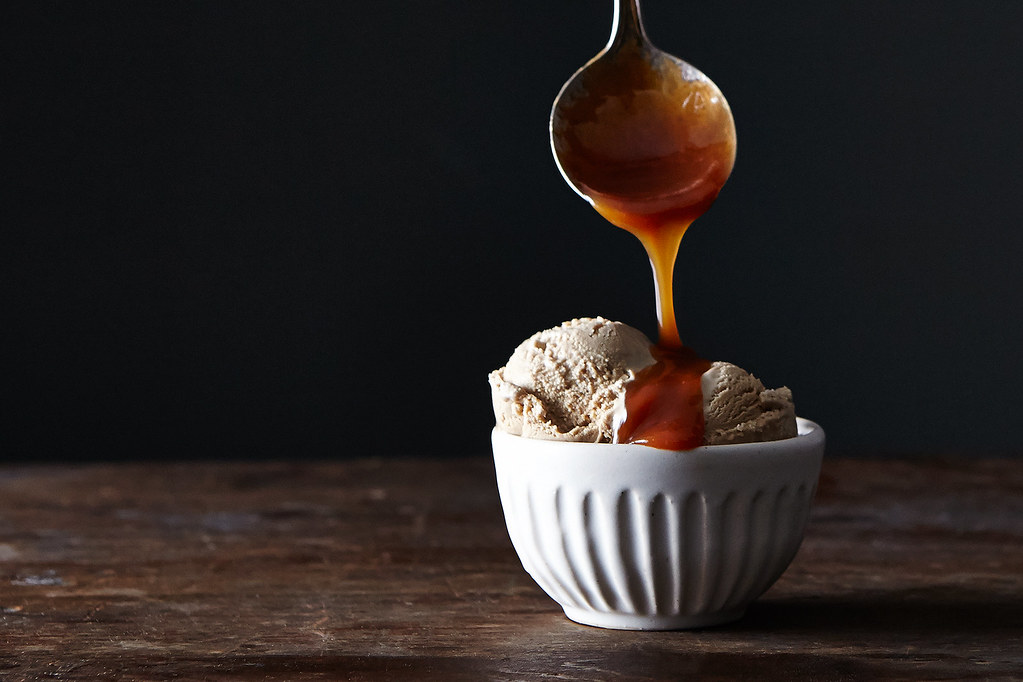
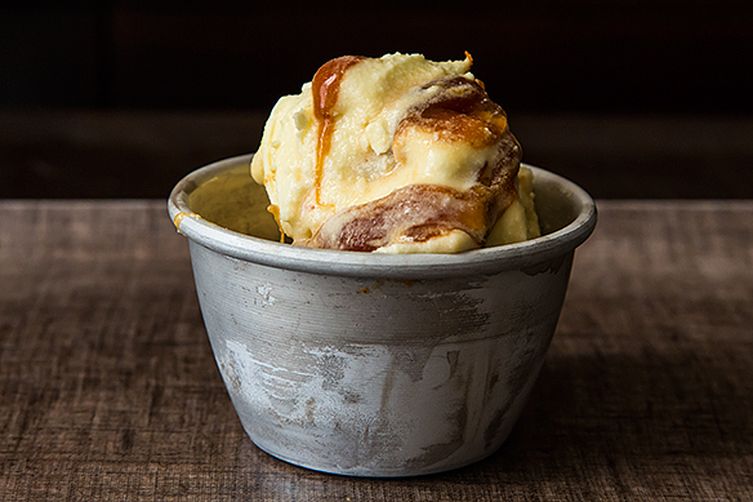
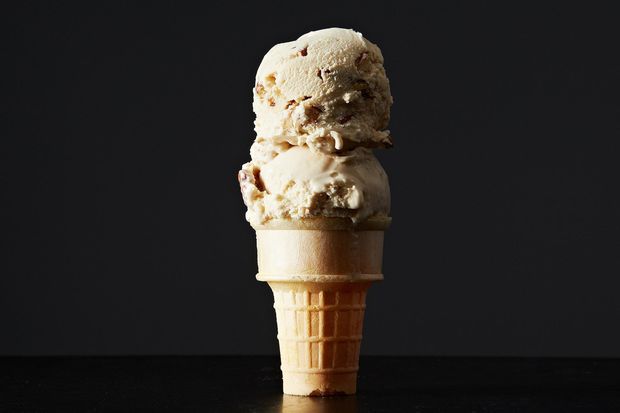
When you add glucose syrup to a recipe, it continues to get tangled with the other ingredients in the formula; it interferes with the molecules and how they move and bind to one another. This prevents (or at least drastically reduces) the other sugars present in the recipe from forming the crystals that create a grainy, unpleasant texture. It also helps reduce the formation of ice crystals in frozen desserts, which leads to smoother, creamier results. Additionally, glucose syrup contains some acid and thereby contributes to leavening by reacting with baking soda or other chemical leaveners. It also makes baked goods chewier and more tender and helps retain moisture, which prolongs shelf life.  

Corn syrup is produced from corn (no surprise) and is produced in essentially the same way as glucose syrup. First, the starch is extracted from the corn. Then an acid is added to break down the starch into individual glucose molecules and short glucose chains (maltose). The mixture is finally clarified and evaporated to create a thick syrup. 

First revelation: Corn syrup is essentially glucose. Yes, it is processed in a way that alters glucose from its naturally occurring form (in nature, glucose is usually present alongside other sugars, not alone), but it is basically just glucose. Plus, it’s the closest product to glucose syrup you’ll find in a standard grocery store (though the wonders of the internet mean you can have access to glucose syrup if you prefer it). 

But most importantly, the advantages of using corn syrup are the same as those that come from using glucose syrup: prevention of crystallization (both from sugar and ice), better internal textures, leavening assistance, moisture retention, and a longer shelf life.

Some types of corn syrup are treated with additional enzymes that convert some of the glucose into fructose. This creates a sweeter syrup—known as high fructose corn syrup—that can be used in smaller amounts to achieve the same level of sweetness. It's very appealing to large companies producing processed food and drink: Because they need less of it to sweeten a product, they save money. High fructose corn syrup usually contains about 53% glucose and 42% fructose. By controlling the digestion of starch, additional varieties of corn syrup can be made, including maltodextrin and high maltose corn syrup. All three of these syrups are used in commercial production of hundreds of processed foods but are not readily available for consumer purchase. 

While the exact consequences of consuming large amounts of fructose are still being studied, it should be noted that corn syrup as its sold in regular stores generally is not of the high fructose variety (and Karo brand syrup contains no high fructose corn syrup). Just like all refined sugar, corn syrup shouldn't be consumed in excessive amounts, but using it in baking recipes doesn't necessarily need to be avoided beyond the normal concerns of eating too much sugar. 

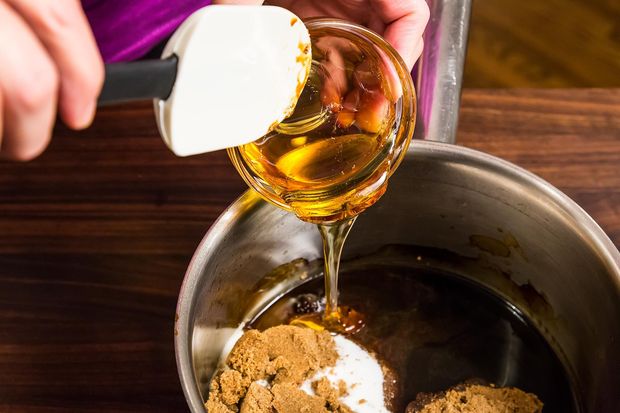
One additional syrup of note is invert sugar. Invert sugar is made by heating sucrose with an acid. Much like the acid breaks down the starch in the production of glucose syrup or corn syrup, acid also breaks down sucrose into its two sub-parts (glucose and fructose). This process, called inversion, results in a thick syrup that’s about 75% glucose and fructose and 25% sucrose. Due to high levels of glucose and fructose, invert sugar also prevents crystallization and is used just as commonly as glucose syrup in professional kitchens, bakeshops, and commercial food production. Invert sugar is available for purchase online, but you can even make your own by adding citric acid to a sucrose solution. It should be noted that invert sugar syrup is discernibly sweeter than corn syrup and is therefore most often used in conjunction with sucrose in recipes (basically just enough so that it can aid to the prevention of crystallization). 

So what’s the takeaway? Certainly not that all sweeteners are created equal. I’m just as outraged as the next person by the high level of sweeteners (especially processed sweeteners) in processed foods and I’m certainly not suggesting that anyone make consumption of these products a part of your diet by saying that corn syrup is a-okay.

But when it comes to baking at home, these sweeteners have a purpose. Understanding why corn syrup gives you perfectly smooth caramels or creamy gelato is something we should all take into account when trying a recipe that calls for it in ingredient list. 

When do you use corn syrup? Share with us in the comments below.

09 Aug 10:44

Estas son, en orden decreciente y segun mi personal opinion, las peliculas que he visto que con mas...

Estas son, en orden decreciente y segun mi personal opinion, las peliculas que he visto que con mas realismo consiguen representar Paris:

Ratatouille
Amelie
Roma de Fellini

09 Aug 09:53

xkcd explained

by HuronBob
You know those days when you read the latest xkcd comic, and you sit there, scratching your head, clueless as to the meaning, scared that someone will reference it and your response will immediately expose you as the idiot that you are? Relax, the explain xkcd wiki answers all your questions. You too can smile at the in jokes, understand the math, and get the obscure references. or you could just memail Randall
08 Aug 14:32

Ash Ketchum

by John martinez

Ash Ketchum

07 Aug 14:59

El final de Jon Stewart en The Daily Show

Jon Stewart es uno de los más conocidos y reputados presentadores de noticias en Estados Unidos... aunque sean cómicas. Lleva al frente de The Daily Show desde 1999, ha ganado multitud de premios y la consideración de una gran parte de sus compatriotas, sobre todo entre los más jóvenes que le buscan para entender la actualidad. Pese a todo ha decidido dejarlo tras el programa del 6 de agosto.
07 Aug 14:59

El canto del gallo

La lectura de La ira es energía, la reciente biografía de John Lydon / Johnny Rotten recién publicada en nuestro país por Malpaso, exige paciencia.
07 Aug 14:49

5 Stupid War Myths Everyone Believes (Thanks To Movies)

By Chris Janney  Published: August 07th, 2015 
07 Aug 14:37

Mike Huckabee: The point of the military is to "kill people and break things"

by German Lopez

Former Arkansas Gov. Mike Huckabee doesn't think transgender soldiers should be allowed to serve openly in the military because the military is meant to "kill people and break things," not serve as "a social experiment."

"I'm not sure how paying for transgender surgery for soldiers, sailors, airmen, Marines makes our country safer," Huckabee said.

The problem with Huckabee's argument is that the question isn't whether trans soldiers should serve, but whether they should be allowed to serve openly. And there's some evidence that not letting trans soldiers get the gender-affirming treatments they need can lead to mental health issues that can then cause problems in the field.

About 15,500 trans people serve in the military, according to the Williams Institute, an LGBTQ think tank. These troops are forced into hiding. As a result, many can't get treatments for their gender dysphoria, a state of emotional distress caused by how the gender someone was designated at birth conflicts with their gender identity. This condition doesn't affect all trans people, but for some it can lead to severe depression, anxiety, and suicidal ideation.

So all trans soldiers could potentially serve without problems if they were allowed to do so openly and got the care they need. But by blocking access to that care, the military risks pushing trans people into hiding and stops the treatment and prevention of mental health issues that can lead to actual problems when they're on duty.

07 Aug 01:05

'Babe' Is Now 20-Years-Old, and So Is Star James Cromwell's Animal Rights Crusade

by Mike Pearl

1995 publicity photo for Babe via Universal

James Cromwell doesn't care if you call him "the guy from Babe." Sure, he's been killing it lately in American Horror Story, and his performances in The Green Mile and LA Confidential are pretty legendary too. But the 75-year-old actor's life was completely changed by Babe, the story of a talking pig who escapes slaughter when a kindhearted farmer discovers he can herd sheep—a movie released 20 years ago this week.

Not only did Babe become a blockbuster that scored Cromwell an Oscar nomination, and move his headshot to the top of central casting's "Tall, British-Seeming Americans" pile, it was also the movie that made him a vegan.

The factoid is common knowledge: He'd been a somewhat casual vegetarian for years, but on the set of Babe, he had a change of heart.

Somewhat less well known is the fact that he's a really hardcore vegan. He narrated Farm to Fridge, one of those vivid animal rights documentaries that plunge you into the nightmarish, blood-geysering hellscapes of the slaughterhouse floors where America's meat gets created. He was also arrested during a protest against experiments on cats.

We got in touch with the very serious James Cromwell to find out how it feels to have your life completely changed by a movie about a talking pig. He was pretty adamant that Babe is not a kids' movie, and also that animals have unalienable rights that humans need to recognize.


Check out one of our documentaries on animal rights:

<span id="selection-marker-1" class="redactor-selection-marker" data-verified="redactor"></span>

And if you liked that one, try this one.


VICE: It's been 20 years since Babe. How does that feel?
James Cromwell: Well, I'm not very good with time, but I suppose I feel it when I try to do some of the things I used to be able to do 20 years ago, and now can't.

Like that dancing scene in Babe?
Yeah, dancing is one of them. You know, it's a truism but it goes a lot faster the further on you get.

Does it bother you that Babe sorta defines your life in a way?
Listen: That film was a turning point in my life and in my career, and in fact, it gave me a career—up until that, I had a careen. So if I can trace back all the many blessings that exist in my life, it all began with that one film. It's been 20 glorious years.

Is it true that you didn't want to play Farmer Hoggett because he didn't talk much and you wanted more lines?
Well, yes, in the sense that when I told my dear friend Charles Keating that I was considering this, he said, "Hey, listen man. It's a free trip to Australia! If the movie stinks, it's the pig's fault. You don't carry the picture. The pig carries the picture!"

So was the shoot as easy as it sounded?
I felt I could just show up. But when I got to Australia, showing up involved, probably up until that point, the most generous and open and communal expression of my work in the industry. I mean, I loved Australia. I loved the director. Magda [Szubanski, who played Farmer Hoggett's wife] was adorable. The crew was great. I felt like, wow, I can just show up every day and enjoy every moment of this, shooting in this beautiful place, and I'm staying in this really nice place, I really like this country.

Tell me a little about the transition from vegetarian to vegan.
I had made the choice to become a vegetarian because I came across the country on my motorcycle and went through the feedlots in Texas for like a whole day, and just said, This really sucks. I can't do it.

Then, was there a particular moment with an animal on the set of Babe that really stands out?
We had a little pig that was brought out for the last scene, during the pig contest. It had gone through the training that all the other little pigs had along the line. When that little pig was put down on that big pitch and saw the blue sky and the green grass and the sea, that pig just took off, and said, I don't want any part of this. I am out. I support that! And it was funny to see all the men in Wellingtons running after a pig.

Wouldn't you say that little moment was the movie in a nutshell?
The film is about what we do to each other by pigeonholing us and other people into certain categories that protect our own sense of entitlement and position and power. The little pig questions that and finds a receptive consciousness in Farmer Hoggett.

Does Farmer Hoggett, in your opinion, eventually come to vegetarianism or veganism?
Well, in real life, Farmer Hoggett did!

What's the moment when Farmer Hoggett makes the switch?
The moment when he feels he has made a snap judgment—that the pig is somehow responsible for the dogs getting in and killing his sheep. He doesn't even know about the dogs. He thinks that Babe has done this. So he gets his shotgun out and he is going to shoot the pig. At that moment, something intervenes and he withholds it. He has the opportunity to readjust his point of view and learn something. Farmer Hoggett's consciousness and our consciousness—if you'll allow yourself to take the time—will arrive at the same conclusion: that we have no right to usurpation of another sentient being's destiny for our own needs and self-interests.

So he's a vegetarian when we see him in Babe: Pig in the City! Why'd that movie vanish? I think it's great.
[Babe Director] Chris Noonan's gentleness, evenness, and that love informs Babe. That's why those two films are so different. And that's why the second one—although it's a wonderful film—[Babe: Pig in the City Director George Miller]'s personality, and the antipathy that he created in the higher echelons of the industry, led to that film being obliterated, just obliterated.

I've known plenty of people who went vegetarian after they watched Babe, and people make fun of them because it's a kids' movie—
No, I disagree with you there. It is a movie shot in such a way that kids can relate to those characters, and do what adults do: project their imaginations onto the characters that they see, and to imbue those characters with the aspirations that they themselves feel. Kids can do that at four, but the sophistication of Babe is that it analyzes, in parable form, the circumstances that people find themselves in when people are prejudiced against them.

In terms of persuading people, what would you say is the difference between your slaughterhouse documentary Farm to Fridge and Babe?
If you feel that there is a pressing need for people to understand the culture that they live in, and its cost to other beings, then you have to sort of whack them over the head. You have to show things that they really don't want to see because people don't feel that a subtler approach is efficacious. Babe is understood by children and dismissed. It was trivialized as a pig movie for children. How dare they put this film up for Best Film, and this actor up for Best Supporting? This is a children's film! Well, they miss the entire point because they're so jaded. Those people, you have to rub their noses in it and then you can say, OK, now let's forgive each other and now let's talk about it.

Do you have 20 years worth of pessimism about this stuff?
What makes me doubtful is the corporate mentality bred by a financial and economic system that puts profits before people, and creates—in the people that work for them—the very narrow, limited, inhumane routine. And that they are stuck in it.

Has anything made you optimistic?
There's so much evidence of the rise of consciousness! Just the fact that I can go to restaurants now and say "I'm a vegan," and have the chef say at one of the best restaurants in New York "Great!" and fix me this extraordinary meal.

Could there be more Babe movies?
[Original author] Dick King-Smith wrote 75 other stories about pigs. I had one that Chris told me about where a future relative of Farmer Hoggett has this pig and he takes it to a bar and they drink beer together. He gets in the newspaper and somebody calls him and says, "Oh, you should come to Sydney and get on television." And while the pig is on television drinking beer and everybody is laughing and having fun, the pig opens his mouth and talks to human beings and, of course, they're poleaxed. But the fact that none of these get made, that there isn't a Babe 3 and 4 and 5, and yet you have Halloween 15...?

I'd love to see a Babe 3.
Oh! It would be great. If you get George Miller to produce it and write it, and Chris Noonan to direct, it would be something.

Follow Mike Pearl on Twitter.

07 Aug 01:02

How Eating Spicy Foods Can Help You Cheat Death

by Hilary Pollack
How Eating Spicy Foods Can Help You Cheat Death
07 Aug 01:01

How to do it

by mudpuppie
How to make corks fit. How to adjust a door. How to extract a splinter. A surprisingly useful How to Do It series of mid-19th century cigarette trade cards, digitized by the New York Public Library.
07 Aug 00:59

2015 is the year the old internet finally died

by Todd VanDerWerff

Here are five stories that couldn't be more different but are, at their base, animated by the same basic fears.

  1. After Gawker's managing partners pulled a widely derided post outing an executive at a media company who was being blackmailed by a man he had solicited, two of the publication's senior editors and many other writers resigned out of fears that the company's business side had too much influence over its editorial side.
  2. Just shy of its second birthday, the film criticism site the Dissolve ceased operations in mid-July 2015. Its end prompted renewed concerns for the future of film criticism as a profession. In late October, ESPN announced it would shutter its highly acclaimed longform publication Grantland. Its founder, Bill Simmons, left ESPN for HBO earlier in the year, and without him around, the network seemed at a loss as to what to do with the site (as reported here). Though beloved, both Grantland and The Dissolve struggled to find large enough readerships to be monetarily viable.
  3. The Washington Post ran an article claiming that comedian Amy Schumer's jokes about Latinos are racist. A few days later, the Interrobang revealed that the author of the article has never seen Schumer's standup or TV show.
  4. The online aggregation site ViralNova sold to Zealot Networks for $100 million.
  5. In the wake of the banning of several subreddits that had engaged in harassment and the firing of a popular employee, Reddit interim CEO Ellen Pao resigned after a lengthy campaign against her, often conducted via racist and sexist language. A few days after her departure, credible sources suggested she had nothing to do with the firing, not that it helped matters.

What links these seemingly dissimilar stories is a very basic fear — the idea that the internet as we knew it, the internet of five or 10 or 20 years ago, is going away as surely as print media, replaced by a new internet that reimagines personal identity as something easily commodified, that plays less on the desire for information or thoughtfulness than it does the desire for a quick jolt of emotion.

It's an internet driven not by human beings, but by content, at all costs. And none of us — neither media professionals, nor readers — can stop it. Every single one of us is building it every single day.

How every media outlet became a syndication service

The Gawker of August 5, 2005. (Archive.org)

Take a look at your browser tabs if you're reading this on a computer. Inevitably, you have at least a few that are weeks, if not months, old, things you've always intended to get to but just never have. Odds are these are so-called "longform" articles that will take a while to read. (Here's one of mine, which I've had open since October: a GQ feature about "the last true hermit.") A fair number of you are going to open this piece in a tab and just never get back to it.

These longform pieces are the pinnacle to which lots and lots of us writers and the websites we work for aspire. They win awards. They garner attention from other journalists. They're often why we got into this business to begin with. Even BuzzFeed turned out to be using all those cat GIFs as a Trojan horse for a lot of great investigative journalism.

And I don't want to suggest, even inadvertently, that nobody reads these longer pieces. A well-written, well-reported longform piece can break out as well as anything, as Gawker found out with (among many others) its influential, over-9,000-word essay "On Smarm."

The problem is scale. A larger, general-interest site can't be built purely atop longform, because longform takes time — both for writers to produce and readers to read. Therefore, as both Buzzfeed and Gawker realized early on, well-done longform could be the steak, but it couldn't be the meal. (Grantland perhaps realized this too late.)

Some of this was driven by the greater knowledge the internet has given publications about just who's reading what on their sites. Newspapers could suspect nobody was reading the city council report or the dance review; with the internet, we know nobody is. The internet has made it clear that the kinds of things that people want to read are sort of an endless collection of what's cool. And that might be a longform story, or it might be the quick, clicky little things that repackage the best flotsam and jetsam out there in a more presentable fashion. And if longform takes time, then aggregation is its opposite, easier to throw together in a few minutes with huge potential upside (though, it should be said, with much bigger potential for disaster, since everything is moving so quickly).

The theory always went that BuzzFeed couldn't be all cat GIFs, because it would very quickly wear out its welcome. But that theory was wrong in one crucial aspect — with the rise of social media, a site's brand identity is a little less important with every year. Gawker is important to those of us in the media because it's Gawker, with its strong institutional voice. But to someone not entrenched in the world of the media (which is the vast majority of everybody), it's just another Facebook content provider. Social media has, essentially, turned every content provider into a syndicator. Vox's own Ezra Klein argued something very similar recently.

And the best syndicators were always those who could take the most crowd-pleasing stuff and get it before as many eyeballs as possible. Think about, say, comic strips or advice columns — fun to read and ultimately disposable. That's precisely the philosophy a site like ViralNova, which essentially only collects fun little things and repackages them, operates upon. And its growth has been phenomenal, so far avoiding the pitfalls that eventually took down earlier contenders like Upworthy.

And if you work in online media, that's terrifying.

How the internet of 2005 was different — so different

Facebook on August 6, 2005. (Archive.org)

Now think about, if you remember, the internet of 10 years ago. It was a world not of articles as standalone entities, but of blogs and sites with strong, central identities. That was the world in which a site like Gawker thrived, because it was a world built almost entirely around voice — whether that voice came from a single person or from a carefully crafted editorial identity. Gawker was the site that gave no fucks. It exposed secrets and reported on gossip and became a witty, trashy tabloid that thumbed its nose at the pomposity of old media.

The internet of 2005 existed as an unending series of office sitcoms, where writers and comments sections blended together to feel almost like the same thing. You went to Gawker or a beloved blog as much to hang out with your friends as you did to get information.

Gawker founder Nick Denton seemed to recognize this, too, in an email to Jordan Sargent, the author of the post that prompted the companywide meltdown. "You need to know you did nothing wrong," wrote Denton, according to New York magazine. "These are the stories we used to do. But times have changed."

That was also a more limited internet. Fewer people read it, and those people tended to be whiter, younger, and more male, on average. That internet's greatest enemy was the hidebound traditions of old media — a world of stuffiness and a supposedly "objective" voice that was anything but. In that economy, the readers only had power in aggregate. Get enough of them, and you'd have a site that stuck around. Get too few, and you would fade.

Two things have happened to change all of this: the rise of mobile, and the rise of social media. Mobile has ultimately downplayed the importance of words. Indeed, the fewer, the better. (God forbid you are reading this on a phone.) Images and video are king. Nilay Patel has written about this brilliantly over at our sister site The Verge.

And the rise of social has flipped the old writer/reader balance, restoring power to the reader. On social media, you share an article because you agree with the take, sure, but also because it says something about you, whether that fact is that you're angry about a political issue, or that you like cute bunnies, or that you love Back to the Future. Your social media feed is a curation of things you want people to know about you. Inconvenient truths, negative views, or anything too dark will be pushed aside.

There are good things about this — namely the increasing diversification of our readership and the fact that there are enough readers now that one can make something of a living doing this. In particular, the Gawker story that caused such a flap would have been published without much pushback in 2005, I'd wager, where it rightly drew much criticism in 2015. And the fact that Reddit is fighting a very public battle over the place of retrograde, hateful views within a community driven by a shallow ideal of what free speech should be is ultimately a good thing for bringing to attention, visibly, that the internet is not all white men in their 20s and 30s.

But this is also a seismic shift in the way online news is consumed. The internet of 10 years ago has become the old media it railed against, and many of us regard this shift as nothing less than an existential struggle for our very professional lives.

The end of quirky, specialty sites

The A.V. Club of August 6, 2005. (Archive.org)

The Dissolve was founded by former employees of the A.V. Club, a pop culture publication that started out as the silly but serious arts and entertainment section of the print version of the Onion. (As will become quickly obvious, I also worked at the A.V. Club, and I owe my career to Dissolve founder Keith Phipps.) At the center of the Dissolve's founding origin story was a rift between the A.V. Club of 2005 and the A.V. Club of right now, a similar rift to the one that consumed Gawker, if not such a public or acrimonious one.

The split, essentially, was this: The Dissolve bet that the internet of 2005 could exist peacefully alongside the internet of 2015. It wagered there were enough movie fans out there who would click, each and every day, on a Dissolve link in their bookmarks list and read a bunch of long, movie-related features, before reading some shorter, aggregated news articles. On some macro level, it was betting the shift to a pure social web was wrong. You didn't need to keep churning out more and more content to see what stuck on Facebook. You could still get enough diehard website fans to keep the lights on. And once you did, you could build from that base.

The A.V. Club flipped that ratio around. The longform stuff was the fun stuff you got to do, but it was ultimately there in support of the stuff more likely to bring in looky-loos from Google or Facebook. And when it did come to longform writing, a traditional review would never go viral on Facebook in the way that a think piece based on sociopolitical readings of a film would.

Now, two years after that rift, it's become obvious that sites like the Dissolve — quirky, specialist sites that thrived in 2005 — are an endangered species in 2015. In an ideal world, the Dissolve might have built itself up from humble beginnings, might have started out as a part-time blog on the side of a day job. But then it never could have paid its employees a living wage, or produced work as high in quality as it did. Similarly, in an ideal world, Grantland might have had a strong subscriber base that would have ameliorated the need to draw in more and more readers who didn't care about the publication's brand, but about whatever content it came up with that day.

The future belongs to the fleet, to the fast, to the instantly assembled hot take. Thoughtfulness is almost beside the point, in many cases, if you can produce something enough people will want to associate with the curation of their core beings.

We're all looking for the middle ground

SB Nation (the oldest Vox Media property) in late August 2005. (Archive.org)

There are, of course, many sites trying to chart a middle ground. I think the A.V. Club found its way to just that, and it will come as no surprise to you that I believe I write for one currently — which may explain why Vox figures so heavily in the meta-drama surrounding Gawker.

Gawker doesn't fear becoming Vox because we're intrinsically evil (at least I hope not); it fears becoming Vox because Vox is one of the more obvious exemplars of whatever the new world is, and that new world necessarily requires letting go of a lot of the assumptions of the internet of 2005.

In particular, it requires the idea that making money on this new internet requires scale, and if you need to always keep scaling up, you can't alienate readers, particularly those who arrive from social channels. The Gawker of 2015 can't afford to be mean, for this reason. But the Gawker of 2005 couldn't afford not to be mean. What happens when these changes scrub away something seen as central to a site's voice?

And I miss that old internet, too. As Hossein Derakhshan writes beautifully at Medium, that was a world, ultimately, of communities, where a hyperlink could boost a fledgling site's traffic for a few days. It was a world that had many, many flaws, but it was one eventually built around the idea that if you created a place where people could gather based around shared interests, they ultimately would. It was the ideal of the original internet made real, an actual, virtual web spreading its tendrils about the world.

Now, however, our articles increasingly seem to be individual insects trapped in someone else's web. The internet has the exact opposite problem of every other medium. Instead of going from something for everybody to something for a large series of hyper-specialized niches, we're navigating the choppy seas where once stood an archipelago and increasingly stands a continent. As TV and music and even publishing become the internet, the internet is becoming everything else — and it's taking so much of what seemed to make it special with it.


07 Aug 00:22

Think oysters are an aphrodisiac? Think again.

by Julia Belluz

For centuries, humans have been searching for a magic food or supplement that will boost their sex drives. Yesterday's honey and oysters are today's "horny goat weed" and Libido-Max pills.

There's only one problem with these supposed libido enhancers: There's no good evidence showing that they work.

According to a new study published in the journal Sexual Medical Reviews, many of the most popular aphrodisiac foods and supplements have either no science or only low-quality studies backing the claims they carry. The aphrodisiacs that have been adequately investigated either do no good, or more harm than good.

Here are just a few examples:

Oysters: Casanova supposedly relied on oysters, and they do contain nutrients and amino acids that theoretically aid in testosterone production and enhancing the pleasure response. But the researchers concluded, "There are no [high-quality randomized control trial] data to confirm that oysters have any beneficial effects on sexual responsivity or satisfaction."

Spanish fly: This stuff can burn the mouth and throat, scar the urethra, and, in cases of excess consumption, kill you.

Honey: It won't hurt you, but there's no data to back its use as an aphrodisiac.

Chocolate: The notion that chocolate can put you in the mood isn't backed by any medical evidence.

Horny goat weed (or epimedium): Despite the claims on the labels of the aptly named horny goat weed supplements, no high-quality studies in humans have ever been conducted.

Saw palmetto: Again, no studies here.

Ginkgo biloba: Early research suggested ginkgo biloba might help with sexual dysfunction, but a higher-quality follow-up study showed no clear benefit. What's more, there are risks. "While Ginkgo is generally well tolerated, it can cause significant bleeding risks, especially if taken with [blood thinning medications]," the researchers noted.

Ginseng: Researchers found that "there have been seven double-blind, placebo-controlled studies comparing ginseng to placebo for treatment of erectile dysfunction—review of these studies showed overall effectiveness of ginseng." But the study designs were so different, it's hard to draw any firm conclusions. "While studies in women are more limited, there has been research to show Korean red ginseng improves sexual arousal in menopausal women." But here, too, there were caveats: Ginseng can interfere with blood thinning medications and should be avoided in people with hormone-sensitive cancers such as some breast cancers.

Cannabis-enhanced products: "There are no published studies to support claims of cannabis as a sexual stimulant, and thus these products cannot be recommended at this time," the researchers wrote.

The study's conclusion? "Future randomized clinical trials are warranted before health care practitioners can recommend most aphrodisiac products. There remain some medical concerns with drug interactions, purity, reliability, and safety."

h/t Time Magazine

07 Aug 00:19

National Calorie Consumption Down Because of Your Judgy Friend Becca

by Tonya Riley

According to a study released by the National Institute of Health, the average calorie consumption of Americans has decreased by nine percent. The answer, scientists say, is the incessant passive shaming of your judgy friend, Becca.


Scientists were initially puzzled by such a drastic drop after four decades of rising calorie consumption. However, after studying a sample of 5,000 women who live sort of near you, a clear correlation developed between the start of the decline and Becca asking for your office to have a no-snacking policy.


“The overconsumption of food is something that our country has struggled with for decades,” said lead researcher Johnna Hei. “It seems that we’re finally absorbing that one time Becca said that cauliflower-crust pizza tasted just like regular pizza.”


At least 90 percent of women surveyed reported Becca as the cause of their change, with reasons ranging from “the time she asked if it was okay to dump the communal office cookies in the trash” to “the time she booped my stomach fat and said ‘Awww!’” After meeting Becca at their college roommate’s wedding, subjects reported an increased association between their calorie consumption and the reason why they still weren’t engaged. Even women who had previously indicated being happy with their weight reported that they would opt for a dumb fucking salad when brunching with Becca in order to not feel like a “disgusting cow”.


According to the National Institutes of Health, the decrease in calories has been accompanied by a decline in soda consumption—even diet sodas—thanks to Becca.


“I used to drink Diet Coke, but thanks to Becca’s Pinterest board “#HealthLife” I now only drink water while smelling a lemon wedge,” said Becca’s coworker Ann Stodges. “I think eventually the vending machine guy just stopped coming to our office for refills.”


Researchers noticed that even Becca’s #fitspo posts on Instagram could prevent additional consumption for a full two hours due to debilitating feelings of inadequacy and hoping that skipping that muffin was kind of like interval training in a bikini on the beach. Local bakeries have been struggling since Becca created her Instagram account.


“Nobody come-a to eat-a my muffins,” weeps Antonio Galuccio, the owner of Muffin Man Bake Shop. “Why-a people no like-a my muffins? Why, Becca, why?”


“Now that we’ve unlocked the power of Becca, there’s no telling what breakthroughs we could make,” says Hei, who is currently looking into the impact of Becca on aging.

06 Aug 23:49

España oponse ás medidas do sector leiteiro para paliar a crise

by D.A.
O Ministerio de Agricultura non apoia as propostas das organizacións agrarias embora Francia as estar a implementar. 
05 Aug 16:13

Why Straight Men Have Sex With Each Other

by Elementary Penguin
05 Aug 15:56

New website CharacTour is an expansive database for fictional characters

by Caroline Siede
Infographic-CharacTour-1

We’ve all been there a million times: Flicking through Netflix or Amazon or Hulu with no idea what to commit to watching. Nothing immediately grabs your interest and the plot descriptions aren’t selling any of them. Thankfully a newly-launched site called CharacTour offers a new way to think about movies, TV shows, books, and video games: Through their characters.

Read the rest
05 Aug 15:03

#1901 // Vice (Temporada 2)

05 Aug 14:36

Immortan Joe Wants You For War, Boy!

by Cory Doctorow


Hugohugo's Fury Road/Uncle Sam mashup art is available as a tee, shirt, poster -- there's also a Furiosa/We Can Do It mashup. (via Gameraboy)

05 Aug 14:21

How What You Believe Affects What You're Like When You're High

by Maia Szalavitz

Photo by Flickr user Heath Alseike

Psychedelic connoisseurs are usually well versed in "set and setting," or the the idea that both your state of mind, beliefs, and expectations (set) as well as your social and physical environment (setting) determine whether your trip is heavenly or takes you straight to hell. The concept has been a bedrock of psychedelic practice since acid guru Timothy Leary first promoted it in the 60s and 70s.

But research now shows that these non-drug influences are even more powerful than previously suspected—and can affect everything from how aggressive you get when drunk to your risk of addiction, your experience of pain and even whether or not you overdose. Expectations and environments can either harsh your mellow or heighten your high—and they change the way your brain processes information as they do so.

On Motherboard: How to Make Weed 'Dabs' at Home With a Hair Straightener

According to Ted Kaptchuk, a leading researcher on placebo effects and professor of medicine at Harvard, "It depends on what you're targeting, but in issues like mood and in recreational drug use, the evidence suggests that [expectations] are pretty important."

For one, beliefs about whether or not you are actually receiving a drug can directly affect both your experience of it and the way your brain reacts. A recent study on smoking showed just how profound these effects can be.

Giving smokers cigarettes that contained nicotine—but telling them that they were nicotine-free—dramatically reduced their brains' physical responses to the drug. This almost certainly made the smoking less satisfying, because it lowered activity in brain regions that contain the neurotransmitter dopamine, which is linked to desire and pleasure.

What's more, the false belief that the cigarettes lacked nicotine actually changed the way the smokers made decisions about risk in an investment game, altering how much they valued their wins. Not only did their beliefs affect how they felt while smoking, they also altered subsequent behavior related to reward and motivation.

"It's a neat finding," says Tor Wager, director of the Cognitive and Affective Neuroscience Lab at the University of Colorado, who was not involved with the research.


Watch: Stopping HIV? The Truvada Revolution


The study's authors argue that the data has major implications for the understanding of addiction: basically, that beliefs about drugs can affect dopamine in much the same way that drugs themselves can, making the psychology of the condition critical. They write that the reduction in the "high," which comes from a false belief about getting a drug, indicates that "although it might account for physical dependence, DA [dopamine] abnormality alone is not sufficient to account for the whole collection of addictive symptoms."

Whether a culture sees drunkenness as shameful or as a badge of masculinity affects what anthropologists call "drunken comportment."

Beliefs are also widely known to affect drinking, with cultural ideas about what people do while drunk influencing how they behave while sloshed. "There's clearly some individual differences in how people behave when drunk and it's clearly also considerably structured by cultural expectations," says Robin Room, professor of alcohol policy research at the University of Melbourne in Australia.

For example, studies show beliefs about alcohol causing aggression can influence whether or not people become violent when drunk. Other types of beliefs about the specific effects of drinking on sensations like relaxation and stimulation also change how drunk you feel. Whether a culture sees drunkenness as shameful or as a badge of masculinity also affects what anthropologists call "drunken comportment."

"It varies a great deal by situation within a particular culture and who is doing the drinking," Room notes, mentioning gender as one factor. Biology, culture, environment, and psychology all play a role.

Stimulant highs are also changed by expectations. For example, when people with cocaine addictions (who weren't seeking treatment) were given IV methylphenidate (Ritalin) and told they would be getting a stimulant, their overall brain metabolism was 50 percent higher, their heart rates were faster and they reported a 50 percent increase in feelings of "liking" the drug and being "high," compared to those who believed they would be getting a placebo but were actually given the same dose of the drug.

And sometimes, the influence of expectations even goes beyond conscious awareness. "There's a lot of modification of the effects of medications and drugs by anticipation, either conscious or non-conscious," Professor Kaptchuk says.

In a study Kaptchuk and his colleagues just published, 49 people learned to associate pictures of specific faces with either high or low levels of heat-related pain applied to their forearms. Once this connection was learned, seeing the faces previously associated with greater pain made moderate pain worse— and seeing the faces associated with less pain provided relief.

That finding alone wasn't surprising; after all, prior studies had shown that cues previously associated with distress enhance pain, while those linked with pleasurable experience enhance pleasure. But what was intriguing in the new study was that even when participants couldn't really see the faces—they were masked so that the images could not be recognized consciously—the moderate pain was greater for the "high pain" faces compared to the low ones.

Unconsciously, the participants' brains had become conditioned to predict whether a particular face meant more or less pain. And so, even they couldn't consciously identify them, their brains responded to the faces, magnifying the pain they way they'd been trained to do.

Rats given drugs like heroin in the same cage repeatedly are more likely to die from getting a high dose if it is later given in a different environment.

This kind of unconscious conditioning doesn't just affect pain—it also alters many types of drug responses. For instance, research on both rats and humans suggests that tolerance for drugs like heroin and prescription painkillers relies to some extent on environmental cues. Rats given drugs like heroin in the same cage repeatedly are more likely to die from getting a high dose if it is later given in a different environment. In humans, this effect may account for some otherwise mysterious overdose deaths that occur when people take their usual dose in a new place— and could suggest new avenues for research on overdose prevention.

"It's a form of conditioning," Wager says. "Some parts of it you are aware of, some not." So tolerance to a drug, where you need more to get the same high, isn't just pharmacological, but also psychological. In part, your brain relies on unconscious cues related to where, how, and with whom you typically take the drug in order for tolerance to work.

Bizarrely, this means that expectations can either enhance or diminish drug highs. In the case of cocaine users given Ritalin, expecting the drug heightened their pleasure. But the expectation of taking a drug in the place where you usually do so can also make you tolerant and reduce the effects. Indeed, the effect is sometimes so large that when do you take the drug in a new situation, it can kill you.

"Some placebo effects mirror the drug experience, but another whole class are designed to prepare for what's coming, so they oppose the response," Wager says. And no one really knows what determines which type of effect will predominate.

The question of who becomes addicted to alcohol or other drugs is also heavily influenced by set and setting. A series of experiments from the 1970s, in which rats that were housed with other rats and given lots of toys and a stimulating environment ("Rat Park"), found that they took far less morphine when given the chance, compared to rats caged alone. Having a better social and physical environment made the rodents more resistant to addiction—and the same thing seems to be true for humans.

In fact, even when the researchers forced the Rat Park rats to become physically dependent and taught them that drinking water that contained morphine could relieve withdrawal, they took eight times less drug than the caged rats, whose lives were the equivalent of being in solitary confinement.

A study published in June found similar effects with cocaine. Mice that received extra stimulation—like being trained to find rewards of Honey Nut Cheerios—were less susceptible to developing a strong preference for a chamber where they later were exposed to cocaine. And other studies have shown that varying the conditions of an experiment—like whether animals get to socialize, their living conditions, or the way they are raised—affects whether rats prefer cocaine or sweets, which accounts for why headlines in the 80s suggested that crack was the most addictive substance and why headlines in the 2010s demonize sugar as being at least as bad.

It's safe to say that drugs themselves are only part of the story—and if we want better ways of addressing drug problems, we need to look beyond the brain. Getting addicted is much more than simply exposing your brain to a drug; it involves making repeated choices in a complex environment and unconsciously learning to associate the drug with relief. Recovery, likewise, involves complex learning—and is much easier in an environment that offers meaningful options and warm relationships. To conquer addiction and reduce drug-related harm, a basic understanding of set and setting is essential.

05 Aug 11:10

Lo que el punk hizo por el feminismo en diez puntos

by Rafa Cervera
Siouxsie Sioux. Foto: Carlos Aguilar (CC)

Siouxsie Sioux. Foto: Carlos Aguilar (CC)

El punk supuso un cambio notable en lo referente a la visibilidad femenina en la música pop. Hasta entonces, las mujeres se limitaban a cantar en grupos femeninos dirigidos por hombres o en grupos mayoritariamente compuestos por hombres. La visión artística femenina quedaba circunscrita a una serie de cantautoras que tenían licencia para expresarse porque en su trabajo no había, aparentemente, peligro de subversión. El rock era un mundo machista en el que apenas se distinguían iconos femeninos notables como Janis Joplin, y no porque no existieran artistas con ese potencial. El glam fue un fenómeno en el que los hombres se valieron de lo femenino para reivindicar la homosexualidad pero donde lo femenino apenas tenía lugar. Poco después todo cambió. Esto fue lo que el punk hizo por el feminismo.

1. Subvertir el papel de la mujer en el rock. En 1975, la portada de Horses revelaba una imagen femenina a la que este no estaba acostumbrado. En ella, Patti Smith posaba con gesto desafiante, apropiándose de la imagen de sus héroes masculinos para hacerla suya. El atuendo a lo Rimbaud y la chaqueta al hombro igual que Sinatra. El aplomo de Dylan, la dureza de Keith Richards. Armada con su ego y una labia imparable, llevaba años luchando por hacerse un nombre en el circuito literario underground neoyorquino, mezclando su estilo declamatorio con el rock & roll. Por sus poemas transitaban sus heroínas —Marianne Faithfull, Edie Sedgwick, Jeanne Hébuterne, Juana de Arco, Jeanne Moreau— mientras ella se movía por el escenario como ninguna otra mujer lo había hecho hasta entonces.

Su constante predisposición a la rebeldía hizo de ella un ejemplo a seguir por las nuevas generaciones, sobre todo cuando la escucharon cantar «Jesús murió por los pecados de alguien, pero no por los míos». Aquellos versos, una declaración de independencia absoluta llevada al máximo grado de irreverencia, prologaban su versión de «Gloria» de Them, una canción sobre el deseo masculino hacia una mujer, que en su nueva encarnación también se convertía en un canto a la homosexualidad femenina. Patti Smith anticipó el punk y cualquier mujer que haya elegido el rock & roll como lenguaje después de su aparición, está en deuda con ella.

2. Propiciar la aparición de un poderoso símbolo sexual pop. En muchos aspectos, el papel de las mujeres en la música estaba regido por la estética, por unos cánones de belleza impuestos por hombres que vocalistas y solistas debían seguir para contentar al público masculino. Al frente de Blondie, Debbie Harry cambió las reglas del juego al explotar su atractivo físico, haciendo de su belleza el color principal de esa obra de arte pop que fue Blondie. Lo que hizo Harry fue tan simple como innovador: adoptar una imagen de rubia sexy, trasladando a la música un elemento que hasta entonces era patrimonio del cine. Asimiló en su figura el magnetismo sexual de todas las grandes rubias de la historia de Hollywood, pero su atractivo y su fotogenia hicieron de ella la Marilyn Monroe que la música pop necesitaba. Además, y pulverizando cualquier tópico misógino, poseía un background cultural que la colocaba a años luz de ser solamente una cara bonita. Y cuando en 1978 llegó el momento de que Blondie conquistara el mundo con canciones como «Heart of glass», el público descubrió a un nuevo modelo de estrella femenina. Debbie Harry se mostraba deseable y bella, a la vez que seguía abordando proyectos artísticos ligados al ámbito alternativo del que provenía, incluso cuando estaba en la cima de su popularidad. Su actitud y su proyección global dejaron el camino preparado para que apareciera Madonna —que por cierto, también procede del underground neoyorquino aunque con una mentalidad más empresarial que artística— y cultivara su propia revolución sexual de la que se han beneficiado tantas artistas posteriormente. A sus setenta años está orgullosa de ser considerada un icono feminista. «Si eres mujer y no eres feminista, ¿entonces qué eres?», declaró a este periodista en 2014. Dos años antes, entrevistada en 10Magazine dijo también: «No quiero resultar atractiva, quiero resultar follable».
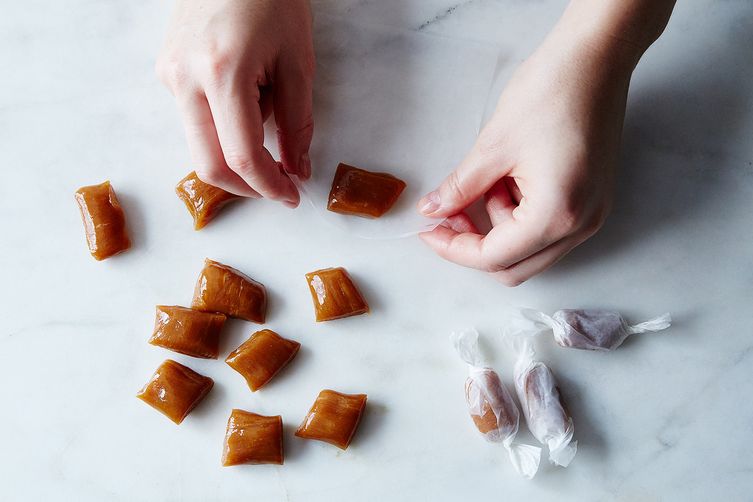
3. La transgresión a través de la moda. Suele señalarse al empresario Malcolm McLaren como artífice del punk británico, concepto que diseñó en 1974, a partir de su experiencia en Nueva York como manager de New York Dolls, que le convirtió en testigo de la aparición de Ramones y otros grupos que marcaron un relevo generacional en el rock. Sin embargo, no hay que olvidar que McLaren llevaba años trabajando en Londres con su pareja, la diseñadora Vivienne Westwood con la que montó boutiques de referencia como Let It Rock y SEX. Esta última se convirtió en el laboratorio donde ambos experimentaron hasta dar con la estética punk. Los diseños de Westwood aplicaban los conceptos revolucionarios de McLaren —que había pertenecido a un grupo situacionista en la universidad— al plano estético. El resultado fueron camisetas que plasmaban el descontento juvenil devolviéndole a la sociedad adulta sus errores, vergüenzas y contradicciones en forma de imágenes y eslóganes subversivos —esvásticas incluidas—, así como prendas de vestir que incorporaban complementos fetichistas y elementos de la cultura gay. La propuesta de Westwood apostaba por la fealdad, ignoraba la sexualidad convencional y fue adoptada tanto por mujeres como por hombres. La poderosa imagen de Soo Catwoman y Jordan, dependientas de SEX, fue el pistoletazo de salida para una estética femenina que iba mucho más allá de la minifalda o la psicodelia hippie. Cuando en 1976 Jordan empezó a salir a la calle con su pelo rosa cardado, maquillada con formas geométricas y camisetas cosidas con imperdibles, ningún londinense daba crédito a lo que estaba viendo. Pero lo mejor estaba aún por llegar.

4. Propiciar un icono empoderador infiltrado en el mainstream. Los Sex Pistols dejaron de ser únicamente un grupo musical cuando, en diciembre 1976, acudieron a un popular programa televisivo donde el presentador quiso mofarse de ellos. Esto desencadenó un combate verbal lleno de tacos que acaparó los titulares del día siguiente. La batalla se desencadenó cuando Bill Grundy se dirigió a una de las chicas de Bromley Contingent —el grupo de admiradores cultivado en SEX que acompañaba a los Pistols a todas partes— en tono condescendiente y esta lo mandó a la mierda. La muchacha en cuestión era Siouxsie Sioux, que solos dos años más tarde lideraría Siouxsie & The Banshees, una de las formaciones musicales más renovadoras de la música inglesa.

Al principio —tal y como se ve en el programa de Grundy— su imagen era una desviación la imagen glam que fue evolucionando a medida que su perfil artístico crecía. Su estética siempre fue la representación visual de su música. La influencia del expresionismo alemán, el Berlín de entreguerras y las actrices del cine mudo están presentes en un atuendo que, en la medida en que ella iba ganando visibilidad como artista, la hacía única. Louise’s, un local para lesbianas que tuvo un papel determinante para muchos músicos ingleses de finales de los setenta, era uno de sus destinos favoritos. En los albores de su carrera musical, vestida únicamente con ropa interior de cuero y medias de malla, Siouxsie se convirtió en la versión bondage de la Sally Bowles de Cabaret. «Había una tienda de artículos sadomaso llamada She And Me —declaró en 2005—. Iba mucho por allí y adapté algunas prendas inspirándome en lo que veía y usando ropa interior vieja de mi madre. No lo hacía para excitar, lo hacía para aterrar a la gente y mantenerla apartada de mí. El punk fue el primer movimiento que tuvo consecuencias positivas para la mujer».

A medida que Siouxsie & The Banshees fueron ganando notoriedad —entre 1978 y 1985 sus discos tuvieron una notable presencia en las listas de venta británicas—, su imagen acabó siendo un referente estético para nuevas tribus urbanas como los góticos. Pero lo más destacable es que, incluso cuando aparecía interpretando los éxitos del grupo en el Top Of The Pops de la BBC, su empoderamiento estético y artístico dio forma a una estrella con una visión propia de la popularidad, alguien que nunca se doblegó ante la industria y optó por proyectar un perfil público misterioso, díscolo y distante, tan opuesto a la obligada simpatía que cualquier cantante de éxito debía mostrar en los medios.

5. Impulsar un nuevo concepto de grupo femenino. Hasta 1975, los grupos formados o creados por mujeres, salvo contadas excepciones, estaban obligados a seguir los cánones de las bandas masculinas. Rara vez se veían instrumentistas femeninas, si acaso alguna violinista, alguna teclista e incluso alguna guitarrista; eran pocas y en muchos casos no pasaban de ser una anécdota. El caso de Moe Tucker, de Velvet Underground, todavía era visto como una especie de milagro: ¡una baterista femenina que además impuso un estilo propio! Las californianas Runaways fueron de las primeras en romper con esa regla no escrita, a pesar de que estaban controladas por un caballero llamado Kim Fowley. Esto venía a decir que unir a unas cuantas mujeres en un grupo no significaba necesariamente que dicho grupo pudiese incorporar un lenguaje propio a todos los niveles.

En ese sentido, The Slits fueron pioneras. Grupo exclusivamente femenino que imponía un sonido —optaron por el reggae y el dub en lugar de por el rock— y una estética —salieron con el pecho al aire y untadas en barro en la portada de Cut, su primer álbum— propios, con letras dedicadas a la ablación —«FM»— y un mensaje claro, como el de «Typical girls», donde cuestionaban el rol femenino en nuestra sociedad. Ser como las Slits en 1977 no era sencillo porque lo que en un momento dado se le permite a un hombre es inaceptable para una mujer. «Se suponía que debíamos comportarnos como las chicas de Abba —contaba Ari Up—. Nos adelantamos a nuestro tiempo treinta años».

Esa actitud que contempla lo personal como algo político y que finalmente penetra en la música a través del punk, sería compartida por otros grupos femeninos (dos años después Au Pairs cantaban «we are different but equal» en el estribillo de «It’s obvious») y vivió un renacer en la década de los noventa con el movimiento riot grrrls, que reivindicó esos postulados desde el underground. Kathleen HannaBikini Kill, Le Tigre—, Beth DittoThe Gossip— o Sleater-Kinney han filtrado esa actitud en la música popular actual. Sin un grupo como The Slits, seguramente actitudes críticas y militantes como las de M.I.A. o Pussy Riot no serían hoy posibles.

6. Una mirada que hizo historia. Dos álbumes emblemáticos del periodo 1976-1979 cuentan en la portada con fotografías firmadas por mujeres. Una de ellas era Roberta Bailey, que trabajó ocupándose de la taquilla en el CBGB, a la vez que ejercía como fotógrafa de la revista Punk. Por una carambola del destino, una instantánea de Ramones para dicha publicación ilustró el primer álbum del cuarteto, convirtiéndose en una imagen icónica. Por su parte, Pennie Smith, una de las fotógrafas de confianza de The Clash, captó el momento de furia que llevó a Paul Simonon a estampar su bajo contra el suelo durante un concierto en Nueva York. La imagen se convirtió en la portada de London calling.

A partir del punk y los movimientos que llegaron después —la new wave y el postpunk—, no solo se normalizó el hecho de que las mujeres tocaran instrumentos, cantaran y compusieran. Fue una época que también potenció el trabajo y la aparición de fotógrafas que captaron la agitación reinante, tanto en Inglaterra como en Estados Unidos. Jill Furmanowsky, Stephanie Chernikowski, Laura Levine, Marcia Resnick, Kate Simon, Lynn Goldsmith, Julia Gorton son algunos de los nombres destacables en este campo. Aunque de modo muy puntual, la obra de la británica Linder Sterling también dejó su huella. La que años después se convertiría en amiga y confidente de Morrissey creó collages que cuestionaban el papel de la mujer en una sociedad consumista. Suya es la obra que preside la portada del single «Orgasm addict» de Buzzcocks. En una de sus performances, mucho antes de que Lady Gaga naciera, envolvió su cuerpo con filetes y plástico.

7. La integración del arte en el rock. Del mismo modo que el punk posibilita que la mujer tenga un papel mucho más activo y personal en la música, también facilita que los músicos no se limiten a una única disciplina creativa, sobre todo en la escena neoyorquina, siempre bajo el influjo de Warhol, pionero en abarcar diversas áreas. Debbie Harry había participado activamente en las primeras películas de Amos Poe, y Tina Weymouth, bajista de Talking Heads, procedía, como el resto del grupo, de la Escuela de Diseño de Rhode Island. Patti Smith había sido compañera, modelo y acicate creativo de Robert Mapplethorpe.

Pero es con la no wave, un movimiento musical más radical que el punk, que niega las raíces del rock, cuando las mujeres adquieren mayor visibilidad en la escena artística alternativa de Nueva York. A la cabeza Lydia Lunch, que además de cantar e imponer un estilo escénico basado en la confrontación con el público, también participa en decenas de películas del llamado no wave cinema, algunas de ellas dirigidas también por mujeres como Vivienne Dick o Beth B. En el downtown se difuminan las líneas entre música y performance, el punk se mezcla con el avant garde. Las componentes femeninas de bandas como DNA, Contortions, Bush Tetras, The Bloods, Model Citizens, Mars, Ut, Lizzy Mercier están involucradas en proyectos literarios, audiovisuales o ligados al arte conceptual. Kim Gordon, futura fundadora de Sonic Youth, y la fotógrafa Cindy Sherman surgieron durante los últimos coletazos de aquella escena.

8. Aportar la cuota española. Dadas las circunstancias políticas que rodeaban a la España de 1977, el punk era algo que nos pillaba demasiado lejano. No obstante, el afán de cambio que llegó con la democracia facilitó que, además de canción de autor politizada, rock urbano e ídolos para adolescentes, se filtrara parte de la rabia del punk británico y de su consecuencia más colorista, la new wave. La pionera en ese aspecto fue Alaska, una niña mexicana instalada en España que se enamoró de Runaways y Sex Pistols, y a los catorce años adoptó —como pudo, porque aquí no era fácil— la imagen punk (la también adolescente Poly Styrene, del grupo británico X-Ray Spex, era uno de sus modelos estéticos), paseando por la calle Princesa con un mono de leopardo y un collar de perro cuando era miembro de Kaka de Luxe.

En 1979, Ana Curra, otro elemento imprescindible para entender el cambio de actitud que experimentó la música pop española en cuestiones de género, pasa a formar parte de Alaska y los Pegamoides, rompiendo también con la imagen tradicional de la instrumentista, que en el caso de España, tenía que ser mucho más modosita que en Inglaterra, Francia o Estados Unidos. La nueva ola madrileña también nos trajo a Las Chinas, grupo íntegramente femenino que duró mucho menos de lo deseado. El éxito que los Pegamoides obtuvieron con «Bailando» hizo visibles a Alaska y a Curra ante un público que, digan lo que digan en Cuéntame, no estaba en absoluto acostumbrado a ver mujeres de esa guisa y con esa actitud. Curra, por su parte, desarrolló una imagen más oscura, agresiva y sexy como componente de Parálisis Permanente y posteriormente como solista.

Si en los grupos de la Movida hubo mujeres que asumían ese cambio de rol —Jane de Maeztu tocando el bajo en Las Brujas y Alphaville, Christina Rosenvinge cantando en Ella y los Neumáticos, Susana y Beatriz de Monaguillosh…—, Barcelona también tuvo su cuota femenina, representada por vocalistas no menos provocadoras como Tere, del trío Desechables. Aunque fue el tardopunk de las bilbaínas Vulpess el que puso en alerta a la vieja guardia el día que salieron en la televisión pública —la única que había entonces—cantando «Me gusta ser una zorra».

9. La reivindicación de Yoko Ono. Desde 1969, Yoko Ono había sido acusada, juzgada y condenada como supuesta causante de la separación de los Beatles. En realidad, una excusa para castigarla por ser mujer, japonesa y artista conceptual y haberse ligado a John Lennon. Pocas artistas han sido tan injustamente denostadas como Yoko. Su gutural estilo vocal ponía nerviosos a los fans de los Beatles y a los aficionados al rock, que la consideraban una excéntrica sin remedio. Hasta que en 1979 apareció un nuevo grupo musical con dos vocalistas femeninas que hacían unos gorgoritos muy originales. Eran Kate Pierson y Cindy Wilson, de The B-52’s, que se convirtieron en el colmo de lo cool con canciones como «Rock lobster». Kate y Cindy se apresuraron a explicar que su gran influencia vocal era Yoko Ono, algo que también se reflejaba en otras cantantes de ese periodo como Lene Lovich, Nina Hagen, Toyah o la propia Siouxsie. Fue así comenzó un periodo de desagravio que necesitaría de unas cuantas décadas más para consolidarse, del cual forman parte Diamanda Galas, Björk o Peaches.

10. La reivindicación de lo naíf. Las riot grrrls de Olympia, Washington, no solo reivindicaban el mensaje político en el rock, también abogaban por la simplicidad como sinónimo de pureza artística. Lo naíf como estilo en sí mismo es algo que había caracterizado a grupos femeninos del postpunk como The Raincoats y las suizas Kleenex —que se cambiaron el nombre por Liliput tras la amenaza de demanda por parte de la empresa homónima—. El sonido de grupos como Bratmobile, Bikini Kill y Heavens To Betsy revivió un espíritu que caló hondo en la formación musical de Kurt Cobain. Objeto de ataques homófobos en su adolescencia, Cobain se enfrentó al machismo imperante antes incluso de tener éxito con Nirvana. The Shaggs (un grupo de tres hermanas creado en los sesenta por un padre dispuesto a convertirlas en estrellas del rock a pesar de la ineptitud musical de sus hijas) y The Raincoats (que se reformaron en los noventa casi a petición de Cobain) figuraban en su top 10 de grupo predilectos. Una identificación que tenía más que ver con una sensibilidad que con la música de Nirvana, y que también llevó a Cobain a llevar vestidos de mujer en el escenario. El espíritu de las riot grrrls tuvo continuidad después de los noventa gracias a grupos como Chicks On Speed que, entre otras cosas, renegaban de las siempre fálicas guitarras («We don’t play guitars») y abrazaban un pop electrónico de bajo presupuesto como vehículo expresivo.

La entrada Lo que el punk hizo por el feminismo en diez puntos aparece primero en Jot Down Cultural Magazine.