Shared posts

30 Mar 16:44

Great Secular Stories That Follow the Same Arc as the Passion of Jesus

by Brian Josephs


Photo via Facebook.

It's Easter Sunday, a holiday when Christians across the globe revisit and retell the story of Jesus's crucifixion and resurrection. FOX tried to cash in on all of that with their broadcast ofThe Passion on Palm Sunday. In terms of quality, it was about as good as you'd imagine a live musical featuring Chris Daughtry as Judas singing Evanescence would be. Ratings were down 42 percent from Grease: Live, FOX's last live musical. The drop could mean people simply think The Walking Dead is a better watch. Or maybe it's just that the Bible's account of Jesus's final days on Earth is getting kind of played out.

I'm not saying that the elements that comprise the Passion story are wack; sacrifice, betrayal, resurrection, and ascension are the essential stuff you need to make up any great story. I'd just prefer to get all of that stuff with the added bonus of aliens or explosions, where the surrounding story is different, but most of the basic concepts are the same.

The following selection of resurrection stories below weren't ripped line-by-line from the scripture like The Passion, but their characters do follow the same narrative arc. While none of them are even close to being as popular or influential as the "reason for the season," I'd take them over seeing Jim Caviezel get flagellated any day.

The Day the Earth Stood Still (1951)

In this 1951 classic, an alien visitor named Klaatu lands on Earth and announces to the world that he comes in peace. Of course, it doesn't work out. He ends up shot, distrusted, and shot again by the humans he's trying to help. But after being put out of commission, the ET is brought back to life. Instead of a holy miracle, Klaatu gets resurrected for a limited time by a domineering robot. But just like Jesus, post-resurrection, he still hopes the best for the humans. Of course, it's all a thinly-veiled threat, because the humans will destroy the world if they don't get their shit together.

RoboCop (1987)

Robocop is very of its time and ahead of its time. There's a lot of 80s camp, but it also features a Detroit ravaged by counterproductive institutions. In other words, its 2016 Michigan with robots. But where corporations and governments can't save the populace, RoboJesus RoboCop can. Alex Murphy is a well-to-do human cop before he gets shot up so badly that it makes Alonzo Harris's gunshot wounds look like boo-boo scratches. It's also worth noting his body is splayed in a crucifix formation as he's taking those bullets.

Murphy is resurrected as a cyborg officer focused on justice, not vengeance. Described by director Paul Verhoeven as an "American Jesus," RoboCop sets out to rid Detroit of sin. But this is the American Jesus, so he does it with violent gunplay instead of forgiveness. RoboCop also walks on top of water at the movie's climax. It's not a display of the power of faith though, since he ends up catching a body in that same scene.

The Matrix (1999)

The bible says nothing about human beings who live naked within wombs as they're "plugged in" to a virtual reality. Yet, it's The Matrix that entrenches itself deeper within biblical mythology than most. Before becoming a wise-cracking grandfather on network television, Laurence Fishburne was Morpheus, whose faith in Neo's messianic destiny parallels John the Baptist's faith in Jesus. Before getting bodied in The Sopranos, Joe Pantoliano was Cypher, the crew's Judas.

Then there's Keanu Reeves, who plays the prophetic savior who beats death in his quest to save humanity. Neo ascends into (virtual) heaven at the end of the film after roaming the Earth. A lot of digital spiritual miracles going on here.

The Green Mile (1999)

Wrongly convicted inmate John Coffey isn't resurrected after his execution—he's still, tragically, very dead. But Coffey does fit the Jesus role in that he's a miracle worker, albeit one who does it simply because he can, not because of any religious testaments. He heals the sick, resurrects the dead, and grants Tom Hanks's character—a death row officer—an unnaturally long lifespan. Unfortunately, it's not enough to get him off death row. So, Hanks has to do his his job and oversee Coffey to the electric chair even though he knows the gentle giant isn't guilty. Hanks basically played Pontius Pilate the same year he played a toy sheriff.

This analogy is actually Dick Gregory approved. During a lecture, the comedian-activist noted Jesus Christ and John Coffey share the same initials (although Stephen King said he got the name from an Emerson College professor), compared Coffey's healing powers to casting away demons, and emphasizes how two prisoners were executed before Coffey (Jesus was hung between two thieves). Gregory also claimed he saw The Green Mile 13 times, a Herculean task for a three-hour film.

Lord of the Rings (2001)

Gandalf had what would've been one of the greatest deaths for a wizard in written history in the famous "You shall not pass" scene, when he falls to his death while fighting a demon. He does this so his companions can survive, which is a literal embodiment of John 15:13: "Greater love has no one than this: to lay down one's life for one's friends."

But through circumstances that are essentially the equivalent of a heavenly video game respawn, Gandalf the Grey returns as Gandalf the White, bathed in heavenly light to lead the forces of good. Thankfully, his return isn't like Michael Jordan and the Wizards; he puts in work in through the following two films.

And after Gandalf does his thing in his godly white and helps defeat Sauron's forces, he doesn't spend time dilly-dallying in post-retirement. He soon departs for the unseen Grey Havens, which could be a allegory for Jesus's ascension to heaven.

Alien 3 (1992)

Ellen Ripley makes a Christ-like sacrifice in Alien 3. After killing the murderous alien, she has to deal with the monster growing inside of her belly. To save others, she voluntarily falls in crucifix formation into a pit of molten lava. And then she's reborn. Instead of in a few days, Ripley comes back 200 years later as a clone in Alien: Resurrection.

All-Star Superman (2005-08)


Superman's decades-long run as the great American hero has multiple parallels to Christ. But the allegory is clearest in All-Star Superman, which is my favorite Superman yarn. In it, Lex Luthor's shenanigans afflict Superman with a cancer-like condition that gives him one year to live.

The clearest biblical parallel comes near the end when Superman resurrects after temporarily succumbing to his ailment and defeats Luthor for a final time. However, the emotional apex happens just before at chapter 10, when he's rushing to help humanity and write his last will during what's supposed to be his final full-day alive. Although All-Star writer Grant Morrison is hesitant toward Christ comparisons, he does admit that, "the idea of the Last Will and Testament of Superman. A dying god writing his will," was a reference point.

Yes, he uses his super-intelligence to create a miniature Earth to see if the world could survive without him. But he also saves a teenager from suicide and helps cure children's cancer—two compassionate acts that hold no benefit for Superman. The Passion and many other modern-day Christ re-imaginings fail because they focus on the spectacle of the crucifixion, but they don't explore the empathetic act—dying for the good of humankind—at the core of its story. What gives All-Star's parallel its emotional heft is how they home in on the hero's love of people.

Follow Brian Josephs on Twitter.

30 Mar 13:19

5 Things to Name Your Cat So People Know You Read

by Megan Meadows

We don’t know about you, but we’re always looking for ways to drop little nuggets of superiority amongst our friends and loved ones. The best way we’ve found so far is to name your cat after a literary character so people know that you can—and have—read a book. Let me tell you, buying a cat just to let everyone know you’re a smart person is well worth the smell! Here are our literary moniker picks for your feline friends:


1. Clifford

What better way to lord your impressive and consistent reading over people’s heads than by reminding them you have been a bibliophile (that means reading-freak) since childhood. You loved to read Clifford the Big Red Dog then and you love to read everything, all the time now. In fact, sometimes you’ll go back and re-read the Clifford books with your Siamese just for fun, just like you do Catcher in the Rye “every once in a while.” Naming your cat Clifford is a congratulations on lifelong literacy! Me-ow!


2. Rosencrantz

To be or not to be okay with rubbing this cat’s name in people’s faces? After you name your cat Rosencrantz, a minor character from Hamlet, you can start practicing saying clever things like, “Yes, I do know who Shakespeare is! He is a writer of things I have read.” And hell yeah, he is! Everyone who names their cat something dumb like Molly or Fluffy can jump off a cliff—and land on a library!


3. Mr. Darcy

You’re so into Jane Austen, you might as well be living the life of a spinster in the 1800s. Not only did you understand every single nuanced word of Pride and Prejudice, you also figured out that no real man is able to compete with Mr. Darcy. But that’s where your aptly named American Shorthair comes in! You read this book, which makes you better than other cat owners.


4. Incandenza

If you name your cat Incandenza, you are basically daring someone to question if you are capable of reading. That’s because Incandenza comes from Infinite Jest, a book that has over 1,000 pages—no big deal. Just kidding, it’s a huge fucking deal. If you Google “big word books” it comes up, so suck on that, cats named after plants like “Juniper” or “Rose.” You are literal trash.


5. Kierkegaard

This one says, “Wow. You really need this, don’t you?” which is perfect because yes, you need books more than you need oxygen, thanks so much for asking. This is a good name to weed out the dum-dums. If you can’t pronounce Kierkegaard, you don’t even deserve to change Kierkegaard’s cat litter. Like Kierkegaard, you’re an existentialist, which basically means if you don’t name your cat after something from literature, you deserve to have to eat a book and then die because the book was poisoned and then smart cats eat your remains. It’s so cute how much you love to read!


Whether you choose to go with a cat name that will just hint at your knowledge of Penguin Classics or a name that drives home you are a scholarly scholar whose eyes are seeing bound pages constantly, you’ll still seem like someone who has seen, touched, and read at least one book. That’s just who you are, and it’s time someone besides your cat knows it!

28 Mar 23:52

Tarde de toros (y fútbol) en el cine español

by Carlos Marañón

tarde de toros

Lo descubrí hace más de 30 años, leyendo un Zipi y Zape: hubo un tiempo en España en el que latía una curiosa y recurrente rivalidad entre hinchas del fútbol y aficionados a los toros. Hoy parece imposible, pero recuerdo de aquella historieta algo desactualizada (Escobar empezó a dibujar las historietas de los hermanos Zapatilla, hijos de don Pantuflo y doña Jaimita, en 1948, y se reeditaban o se reimprimían un poco al tun tun) es que un personaje con acento andaluz les recriminaba a los traviesos gemelos que jugasen al balón por la calle.

Hoy trasnochado, el tópico aparece también en Tarde de toros, el largometraje a supuesta mayor gloria del arte de Cúchares dirigido en 1956 por Ladislao Vajda (El cebo, Un ángel pasó por Brooklyn, Marcelino pan y vino). Aquella producción reproducía una jornada taurina en la Monumental de Las Ventas con todo su folklorismo, tratando de trasladar las emociones de una jornada al cine, con los clichés absolutamente reglados, un poco a medio camino entre documental y ficción.

Nada podía escapar de la imagen pintoresca de una tarde de toros. En el ruedo, lo más típico: una terna compuesta por un maestro olvidado a punto de la retirada, una figura en su esplendorosa madurez (rival del anterior) y un joven hijo de figura con ganas de comerse el mundo. En este caso, interpretados, con sus limitaciones, por auténticos diestros del momento: Domingo Ortega, Antonio Bienvenida y Enrique Vera. Con sus cuadrillas, sus autoridades y los bravos animales enfrentados a su ya conocida suerte.

En los tendidos, además de los avezados espontáneos que acabarán sobre el albero, los aficionados de toda la vida, toristas y toreristas, parientes sufridores de los espadas, bellas damas arrobadas y, también, como no, ese pulso soterrado entre la lidia y el fútbol representado en un padre y su hijo. Tradición y modernidad, que dirían los puristas.

tarde de toros 2

–”¿Y esto te gusta, papá?”.

–”Esto no me gusta ni a mí ni a ningún aficionado… Pero, espera, creo que tampoco todos los partidos de fútbol son buenos, y sin embargo…”.

–”Me gusta más el fútbol”.

Pero no se acaba aquí el enfrentamiento entre toros y fútbol. La película, una producción a mayor gloria del toreo, da por perdida a una buena parte de la afición joven. Al parecer el Real Madrid de Di Stéfano (que llegó a España en 1954) tenía la culpa.

–”Hijo, ¿qué haces ahí?”.

(El chaval se acerca a otro aficionado que ha ido a los toros con un transistor)

tarde de toros 3tarde de toros 4

Se escucha la radio: “Molowny hacia Olsen, que centra, tira Muñoz y… ¡Gol!”

–”Papá, dos a cero a favor del Madrid, ¡Dos a cero!”.

Real Madrid 2 – Los toros 0, aunque en un arreón final de emoción desbordada en el ruedo, el padre se vendrá arriba y volverá a sentir la ilusión de que esa rivalidad que el tiempo ha sepultado todavía tiene sentido.


Bonus track:

La ilustración de Mingote para la película Hoy como ayer (Mariano Ozores, 1966), en la que por cierto también se habla de la medalla de plata de Amberes, de Zamora y del “A mí el pelotón, Sabino, que los arrollo”, por comparación a la supuesta modernidad en la que hasta los toros han sido suplidos por el auge del balón.

Hoycomoayer

The post Tarde de toros (y fútbol) en el cine español appeared first on CINEMANÍA.

28 Mar 23:38

16 whatsapps que solo habrás recibido si tienes una madre gallega

by Marcos Chamizo

“Non facemos futuro de ti” es el whatsapp que más has recibido en tu vida.

Cuando opina sobre tu estilismo:

Cuando opina sobre tu estilismo:

BuzzFeed

Cuando se da cuenta de que, aunque la has cagado tú, ella tiene parte de culpa:

Cuando se da cuenta de que, aunque la has cagado tú, ella tiene parte de culpa:

BuzzFeed

Cuando te vas de Erasmus y se preocupa por lo más importante...

Cuando te vas de Erasmus y se preocupa por lo más importante...

BuzzFeed

... aunque sabes que nada le va a parecer correcto.

... aunque sabes que nada le va a parecer correcto.

BuzzFeed


View Entire List ›

28 Mar 23:36

21 fotos que demuestran que "Extremadura" no existe

by Alfredo Murillo

No nos vais a engañar más, extremeños, sabemos que no existís.

No tenemos pruebas definitivas, pero todo apunta a que nos han estado timando muchos años y Extremadura no existe.

No tenemos pruebas definitivas, pero todo apunta a que nos han estado timando muchos años y Extremadura no existe.

Nadie va por ahí comiendo setas para demostrar que no son venenosas. Esas cosas no pasan.

Via wtf.microsiervos.com

No existen estas portadas de periódicos si no es todo una gran telenovela.

No existen estas portadas de periódicos si no es todo una gran telenovela.

¡En la vida real las mujeres del alcalde no le dicen eso a los curas!

todocoleccion.net / Via Twitter: @CarlosMartin_

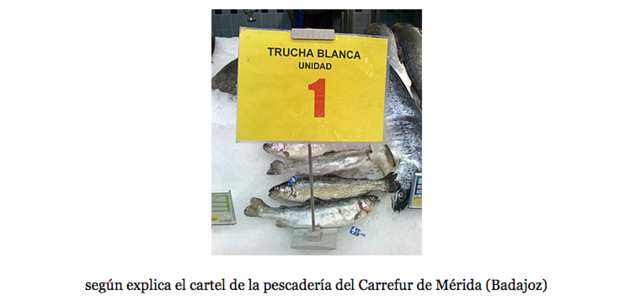
Un sitio que exista no necesita que sus carteles indiquen cuánto es una unidad.

Un sitio que exista no necesita que sus carteles indiquen cuánto es una unidad.

Via wtf.microsiervos.com

La Policía en Extremadura es, claramente, cosa de nuestra imaginación.

La Policía en Extremadura es, claramente, cosa de nuestra imaginación.

¡Gracias por recuperar mi coche! ¡Está justo como lo recordaba!

Via Twitter: @rayjaken


View Entire List ›

27 Mar 13:34

While discussing superhero movies...

by noreply@blogger.com (MRTIM)

27 Mar 13:32

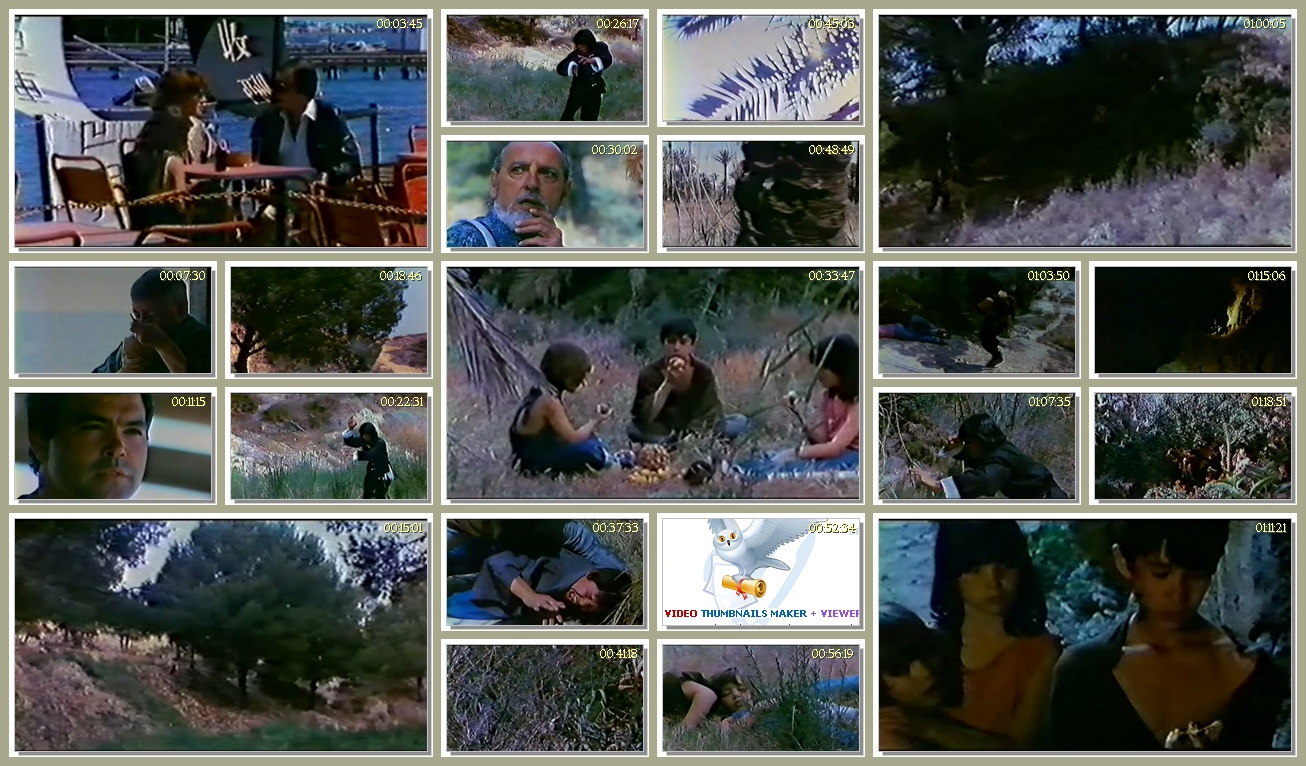
En busca del dragón dorado

by Kulltime

En busca del dragon dorado

Year: 1983

Duration: 01:22:36

Directed by: Jesús Franco

Actors: Jesús Franco, Flavia Hervás, Ivana Mayans

Language: Spanish

Country: Spain

Also known as: 

Description: 

Screenshots

vlcsnap-00003 vlcsnap-00004 vlcsnap-00005 vlcsnap-00006 vlcsnap-00007 vlcsnap-00008 En busca del dragon dorado vlcsnap-00001 vlcsnap-00002

Download

En busca del dragón dorado (1983)

27 Mar 13:20

50 One-Sentence Reminders Everyone In A Relationship Needs To Hear Sometimes

by Mélanie Berliet
www.flickr.com/photos/xsossa/">Credit Joel Sossa
www.flickr.com/photos/xsossa/”>Credit Joel Sossa

1. Love is worth celebrating in some small way every single day, even if your celebration is as simple as a shared, knowing smile.

2. It’s impressive that you’ve made it this far, so congratulate each other on staying together once in awhile.

3. It’s definitely worth having sex in the middle of the night just because you can sometimes.

4. There’s no downside to telling each other exactly why you love each other as often as possible.

5. Never forget why you fell for each other in the first place.

6. Tell each other secrets, but don’t expect to know each other completely because the beauty of being human is that no one can ever know you entirely.

7. Realize how fucking lucky you are to have found each other.

8. Create your own world together as a couple.

9. Hold onto your hearts, because it’s going to be a wild ride.

10. When things get dark, never stop believing that you can—and will—find a way forward as a couple, because believing that’s half the battle.

11. Craving a little time apart isn’t necessarily cause for distress.

12. You’re not a bad partner just because you need some time to yourself.

13. You’ll be a better partner, in fact, if you make sure that all your needs are being met.

14. Encourage each other to look out for yourselves—to be selfish so that you’re positioned to support each other better.

15. Ridiculous pet names should be embraced.

16. Don’t underestimate your capacity for forgiveness.

17. Don’t underestimate your capacity to be an asshole, either.

18. There will be times when you will have to own your mistakes, and beg for another chance.

19. You will be humbled again and again and again.

20. Invite your partner into your mind as often as you can.

21. You cannot fix a problem without first identifying and addressing exactly what’s gone wrong.

22. Recognize the happy times for what they are, and clutch them tightly.

23. Get weird whenever you can.

24. Don’t be afraid when the dynamic between you shifts a little because love isn’t static and you’ll both evolve over time.

25. It’s possible to care deeply for other people without betraying your number one.

26. Loving each other is a privilege, not a right.

27. When one of you is having an off day, the other is required to be kind.

28. Speak your authentic truth in every situation, even when your authentic truth differs vastly from your partner’s.

29. Every emotion is valid, so don’t be afraid to express how you really feel about anything.

30. It’s true that some things cannot be unsaid, so you might as well refrain from being nasty to each other mid-fight.

31. The less nasty you get, the less you’ll have to apologize.

32. Own your role in every single argument because you’re both partly responsible for every single battle.

33. Remember that it takes two willing adults to make things work.

34. Couples that play together stay together.

35. Be your absolute laziest selves without feeling at all guilty on occasion.

36. Eat too much.

37. Leave your phones at home when you go out to dinner sometimes.

38. Tell your significant other exactly why you think they’re beautiful, but don’t expect to keep your youthful good looks for your entire lives.

39. Challenge each other, but know each other’s limits,

40. Cancel your plans with friends once in awhile just to be together.

41. Watch as many movies and read as many books as possible together so you can escape reality holding hands.

42. Make sure you have at least one inside joke at all times.

43. Try to guess what your significant other is thinking because it’s fun—whether you’re right or wrong.

44. You’re going to hate each other sometimes, but hopefully not for too long.

45. It’s perfectly normal to lean on friends and family members instead of each other sometimes.

46. Be honest about what you want and need—out of your relationship and life overall—especially as those wants and needs change over time.

47. You might have to pretend to like each other’s families more than you actually do sometimes.

48. The only way to know the answer is to ask the question.

49. It’s your duty to defend each other’s honor.

50. There are a billion ways to say ‘I love you,’ so say it as often as possible in your own way.

TC mark
27 Mar 13:06

HBO Cancels ‘Togetherness’ Ahead of Its Season 2 Finale

by Megh Wright
Jay Duplass, Mark Duplass, and Steve Zissis’s HBO comedy Togetherness is coming to an end. According to Deadline, the network has decided to cancel the series ahead of its season 2 finale, which is scheduled to air on Sunday, April 10th. “Although we have decided not to proceed with another season of Togetherness, we look […]
27 Mar 13:04

The People Who Upload Torrents

by Patrick Klepek on Kotaku, shared by Cheryl Eddy to io9

On a popular torrent site, Fallout 4 has been downloaded nearly 140,000 times. Nearly 200 people are downloading right now, as I write this. AAA or indie, Fallout 4 or Super Meat Boy, it doesn’t matter. Piracy is inevitable. But a torrent doesn’t appear out of thin air.

Read more...


27 Mar 12:59

The Defining Look Of DC Comics: A Birthday Tribute To Jose Luis Garcia-Lopez

by Chris Sims

If you don't know who José Luis García-López is by name, that's actually pretty understandable. Despite a 40-year career in the comics industry that has seen him drawing virtually every major DC hero --- a career that's still going strong every time he puts pencil to paper --- he's very rarely enjoyed the kind of long, definitive run on a title that makes an artist a household name among comics fans.

But even if you're not familiar with him, you've definitely seen his art. For years, he was not only the primary artist of DC's licensed art, providing the versions of Superman, Batman and Wonder Woman that exist on lunchboxes, t-shirts and other pieces of pop culture merchandise --- a trend that continues even today on t-shirts that feature the classic designs --- but he also drew the in-house style guides that defined the look of the DC Universe in the wider world. In other words, when you think of DC Comics, there's a pretty good chance that the image in your head is one of his.

Continue reading…

27 Mar 12:49

Instagram is a dialup BBS

by Cory Doctorow

056c026d-1c66-4d42-9fae-a8e96df290c5-1020x999

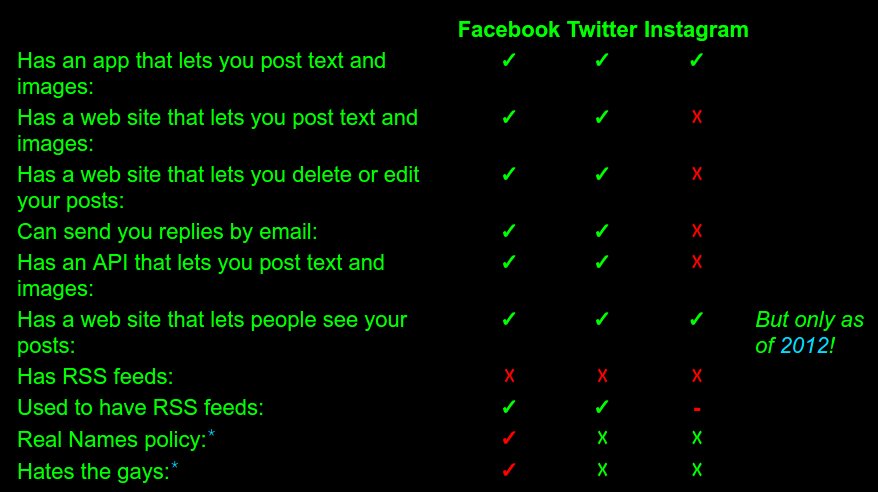
JWZ reminds us that all social media is some variation on the walled garden strategy, designed to lock you in and lock value away from the open, interoperable Web into a silo where it languishes and rots. You know, AOL. (more…)

27 Mar 12:42

O día en que Evita plantou «A Perona»

by QUIQUE ALVARELLOS
«Compostela botouse literalmente á rúa para recibir á muller de Perón: «¡E-vi-ta!-¡E-vi-ta!», berraban as xentes ao paso do coche descuberto»

27 Mar 12:41

«El Paluso nos robó hasta poder disfrutar de un paseo en pareja»

by marga mosteiro
La hostelería «es esclava, pero en el nuevo local, los domingos son para nosotros»

26 Mar 21:47

Homemade Garam Masala

by Angie Tee


This is a simple and wonderful Garam Masala, great for flavoring in many dishes. You can always adjust the spices to your liking. Coriander seeds, bay leaf, or fennel seeds are some of the great options.


Homemade Garam Masala

Ingredients

1 Tbsp Cardamom Seeds
2 Tbsp Cumin Seeds
2 Tbsp Black Peppercorn
2 tsp Whole Cloves
2 (2 to 3 inches) Cinnamon, break into smaller pieces
1/2 Whole Nutmeg, break into smaller pieces

Method

Dry fry all the ingredients until fragrant. Remove and let it cool completely. Then grind into a fine powder. Store in an airtight jar.
26 Mar 16:21

"R&B Hipshakers" Vol. 3 Just A Little Bit Of The Jumpin' Bean

by noreply@blogger.com (RYP)
The third volume in Vampi Soul's Hipshakers series is again compiled by WFMU DJ Mr. Fine Wine and features an array of late-'50s to early-'60s R&B, some jump blues stragglers, and a bit of proto-rock & roll -- punctuated by honking saxes, shouting vocals, and tempos guaranteed to have you doing exactly what the title says. This set features rare tracks from Joe Tex, Little Willie John, the underrated Red Prysock, and many more. Roll back the rugs and grab a partner; this stuff will get you in a dancing mood real quick. (Tim Sendra, Allmusic)Rare soul from the legendary King Records – hand-picked by Mr Fine Wine, with a special ear for sharp-edged R&B grooves! Most of the work here is from the same early soul stretch as James Brown's initial work for King – and recorded with an equally raw sound overall – heavy rhythms, powerful instrumentation, and amazing vocals that really stretch out with a bold sound for the new generation! A few of the cuts here are by familiar names, and others are lesser-knowns from the rich King catalog – all wrapped together in a big batch of tracks that's filled with the kind of rare gems that Fine Wine's know for – both as a collector and a DJ. (Dusty Groove)

trax:
1. Cozy's Mambo - Cozy Cole 2. Mama Needs Your Lovin' Baby - Linda Hopkins 3. Old Faithful And True Love - Earl King 4. She's Mine - Joe Tex 5. Send Me A Picture Baby - Mel Williams 6. Sixteen Tons - Eugene Church 7. Dry Bones Twist - The Drivers 8. Hold It - Bill Doggett 9. Solid Rock - El Pauling & The Royalton 10. Nothing But Good - Hank Ballard & The Midnighters 11. Take Your Fine Frame Home - Billy Gayles 12. Much Later - Jackie Breston With Ike Turner's Kings Of Rhythm 13. Thanks Mr Postman - Bobby King 14. Don't Play With Love - Little Willie John 15. In The Open - Freddy King 16. One Buffalo (You Mean A Nickel) - Jimmy Peterson 17. I Won't Have It - The King Pins 18. Just A Little Bit - Tiny Topsy 19. The Jumpin' Bean - The Mystics 20. Harem Girl - Red Prysock
...served by Gyro1966...
26 Mar 16:20

Las visitas guiadas a Navantia Fene proseguirán hasta el próximo mes de julio

by Salgado

FERROL360 | Sábado 26 marzo 2016 | 00:50

El Concello de Fene prevé un nuevo éxito de público en los dos turnos de visitas guiadas al astillero de Navantia en Perlío para este domingo. La oferta mantiene el respaldo popular, que lleva a que la iniciativa promovida por el grupo naval en colaboración con el consistorio prosiga todos los domingos hasta el verano próximo.

Concretamente, se espera el remate para julio, coincidiendo con el traslado a su destino de las jackets ahora en ejecución en la antigua Astano. Para próximas estancias, se ofrecen 30 plazas por turno, existiendo dos tandas: a las diez de la mañana y a las doce del mediodía. Las plazas se cubren por riguroso orden de inscripción.

La fecha límite, el viernes anterior a las 12:00 horas. Se pueden tramitar remitiendo la ficha de inscripción, descargable en la web del Ayuntamiento, a visitasnavantia@fene.gal, teniendo que esperar por correo de confirmación. Hay otra opción: acudir al departamento de Cultura y Deportes del Concello de lunes a viernes y de 08:00 a 14:30 horas.

Las visitas guiadas incluyen las zonas dedicadas a los últimos contratos en marcha en el centro fabril y tienen una duración de 90 minutos. Los asistentes reciben casco, lentes de protección y chaleco reflector, siendo preciso vestir calzado adecuado y evitar talón alto y zapato inestable o resbaladizo.

Además, pueden acudir menores si lo hacen junto a un adulto, quedando prohibidos los carritos de bebé por las condiciones del suelo de los talleres y la utilización de teléfonos móviles en su interior. Tampoco se permiten fotografías o vídeos en esos espacios, aunque sí en el exterior de talleres. La entrada al astillero se realiza por el acceso de As Pías previa presentación del DNI.

26 Mar 16:19

Rincón Mexicano, Pontevedra.

by Jose Antonio

El Jueves Santo tras procesionar por preciosos rincones de la provincia de Pontevedra decidimos parar en su bella capital para dar un paseo y de paso cenar. La idea era ir al que según dicen es uno de los mejores mejicanos que hay, y hablo de mexicanos de verdad, no de tex-mex ni franquicias de dudosa calidad. La fachada del restaurante es simple con una decoración en la puerta con botellas de tequila y la Santa Muerte.Rincon Mexicano PontevedraRincon Mexicano Pontevedra

Tras entrar, el local con forma de L, y recorrer un pasillo se abre un buen comedor que con el transcurrir de la noche se lleno lo cual significa que tiene éxito. La decoración es a base de elementos típicos de la cultura mexicana, incluidas guirnaldas en el techo.Rincon Mexicano Pontevedra

Nos trajeron la carta y el personal que ya os anticipo que es muy atento nos explico con detalle sus platos y su grado de picante. La carta es muy visual con fotos de los platos y después te dan un formulario con los productos y los precios que tu rellenas.IMG_20160324_221105 IMG_20160324_221127 IMG_20160324_221134 IMG_20160324_221141 IMG_20160324_221148Rincon Mexicano Pontevedra

Empezamos con un guacamole (5,90€) que bien puede ser el tradicional o batido. En este caso es el tradicional y que traen con tres salsas, ranchera, verde y pico de gallo de menor a mayor intensidad de picante. Estas salsas ya sirven para acompañar el resto de los platos a gusto del consumidor. Estaba rico y con un ligero toque picante.Rincon Mexicano Pontevedra

Seguimos con el sope (4,90€) que es una gruesa tortilla de maíz sobre la que se pone carne, queso y salsa. Esta tortilla esta frita en manteca y también la complementas con la salsa que mas te seduzca. Un plato original y distinto a lo que nos solemos encontrar por Galicia.Rincon Mexicano Pontevedra

Pedimos unas enchiladas verdes (15,50€) que venían servidas en un cuenco de barro bañadas en salsa y un poco picantes. Me gustaron y como curiosidad me recordaron levemente al sabor de los grelos. ¿Curioso no? O puede ser efecto del picante en mi lengua que ya no sentía ni padecía…es que yo le ataque a la pico de gallo.Rincon Mexicano Pontevedra

Por último unas carnitas (15,50€) que consisten en costilla cocida, ¿estará relacionado con los grelos de antes?, que tu deshaces y vas rellenando con unas tortillas de maíz calientes que te traen en unos coquetos cestos de paja. Tu añades la salsa que mas te guste para que no se haga muy seco y en la cantidad que puedas soportar. Este plato para mi fue el más flojito ya que mi ración de costilla le faltaba un pelin para deshacerse bien del todo. Las de mis compañeros estaban mejor y fueron mas fáciles de desmigar. Tanto este plato como el anterior es una ración para tres o cuatro personas.Rincon Mexicano PontevedraRincon Mexicano Pontevedra

En los postres mis compañeros se tomaron la tarta de queso fresco con mango (3,50€) que sirvió para calmar los picantes. Aprovecho para daros un gastroconsejo, lo mejor para contrarrestar los picantes son los lácteos. La tarta tenia una base de galleta muy rica y coronada con una crema de mango.Rincon Mexicano Pontevedra

Me sedujo la tarta de queso con dulce de leche (3,50€) , muy parecida a la anterior pero no estaba al mismo nivel. Me pareció mucho mas fresca y con mejor textura la de mango.Rincon Mexicano Pontevedra

La bodega de la casa tiene unos vinos básicos mas que suficientes para un cliente medio, rioja, ribera y algunos blancos. También tenia diversas cervezas mexicanas y Coronita, no se si lo cogéis ;), y nosotros nos decidimos por una cerveza clásica de los cuates, la Negra Modelo (2,50€). Excelente para maridar platos de cocina mexicana.Rincon Mexicano Pontevedra

Y ya que estábamos en plan cantar rancheras bajo el balcón de alguna linda chamaquita nos tomamos el refresco por antonomasia, un Margarita (5,00€).Rincon Mexicano Pontevedra

No tomamos café pero la casa nos invito a unos chupitos de crema de orujo, detalle que siempre es de agradecer.

En resumen estamos ante un restaurante mexicano autentico, gestionado por mexicanos y que es una agradable sorpresa en medio de tanto raxo, tortilla y calamares. Habra platos que pueden gustar mas o menos pero lo que no se puede negar es la autenticidad de su comida y desde luego merece una visita para conocer otras culturas culinarias.

26 Mar 16:17

Galiza: vivir a deshora

by M.O.
Este domingo, como todos os derradeiros domingos de marzo, volve cambiar a hora. Ás 2h serán as 3h. Esta mudanza de horario volve pór de actualidade o desfase horario que padece o país, o segundo maior desfase do mundo...
26 Mar 12:09

Cerveja, bebida de bárbaros?

by Henrique Egea
De seguido, publicamos un artigo da serie histórica "A Torre de Trezenzonio". Desta vez, Henrique Egea lévanos aos alimentos que constituían os alicerces da civilización helena.
26 Mar 12:07

he should have eaten the other five

by the man of twists and turns
26 Mar 11:50

Way to give the people what they want, Connery

by jacquilynne
26 Mar 11:48

What you think about Millennials says a lot about you, nothing about them

by Cory Doctorow
tumblr_o4et44OhHj1r83d7lo7_500

Adam "Ruins Everything" Conover was asked to give a keynote to a conference on marketing to millennials, and he brought the house down with an amazing speech about the absurdity of generalizations about generations, and about how all of the generalizations hurled at millennials have been slimed over every other generation, too. (more…)

26 Mar 11:40

Simon Garfield: En el mapa. De cómo el mundo adquirió su aspecto

by Santi
Idioma original: inglés
Título original: On the Map. Why the World looks the way it does
Traducción: Belén Urrutia
Año de publicación: 2012
Valoración: recomendable

Los mapas tienen algo que nos fascina. Podemos utilizarlos con un fin únicamente prácticos: saber dónde estamos, adónde vamos, por dónde tenemos que ir o cuánto tardaremos en llegar. Pero también podemos observarlos con ojos curiosos, o como objetos estéticos: nos muestran países lejanos y desconocidos, ciudades que no hemos visitado o que quizás ni siquiera existen, nos ayudan a comprender el mundo y la forma en la que nos relacionamos con él. Desde hace unos años, además, los mapas están de moda; todo se cartografía, los mapas se sitúan en el centro de la investigación en Humanidades y Ciencias Sociales, y gracias a Google Maps y al GPS los mapas forman parte de nuestra vida más inmediata.

En el mapa es un libro que explora y explota esta fascinación que provocan los mapas. Con un objetivo claramente divulgativo (su autor es un periodista que ha escrito también sobre sellos, sobre tipografía, sobre cartas, sobre coches...) se presenta una historia abreviada y entretenida de la cartografía, desde sus orígenes en Grecia o Mesopotamia, hasta sus actuales aplicaciones informáticas. El libro se compone en capítulos, en los que se reconstruye esta historia, y "mapas de bolsillo", que son capítulos algo más breves en los que se analiza un mapa concreto, o un aspecto marginal del arte o la ciencia cartográfica.

La mejor parte del libro, me ha parecido, es precisamente la reconstrucción histórica del modo en el que el mundo fue "adquiriendo su aspecto": los primeros mapas griegos, sorprendentemente metódicos y, dentro de sus posibilidades, exhaustivos; los mapas medievales, moralizantes, religiosos, alegóricos; la edad de oro de los descubrimientos en Asia y América; la colonización de África y las exploraciones australes; hasta llegar a las guías turísticas del siglo XIX, los Murray y los Baedecker. Esta es una historia realmente apasionante, en la que sobresalen hermosas rarezas como el mapa de Hereford, el mapamundi de Fra Mauro o el misterioso mapa de Vinlandia, cuya autenticidad todavía provoca dudas (sin excluir, naturalmente, el influyente mapa de Mercator o sus alternativas, en particular la de Gall-Peters).

Curiosamente, cuando la historia llega al siglo XX, el autor parece perder el hilo, y empieza a tocar diversos temas, todos interesantes, pero sin llegar a profundizar realmente en ninguno de ellos: los mapas y el cine, los mapas y el cerebro, los mapas y las diferencais de género, los mapas y el diseño... Tampoco el apartado dedicado a los mapas y los ordenadores parece excesivamente completo, ya que no menciona ni los GIS (sistemas de información geográfica) ni el "mapeado colaborativo", que son dos de los avances más interesantes e innovadores de la cartografía del siglo XXI a mi entender.

Como decía antes, esta es una obra de divulgación, así que uno de sus objetivos es resultar amena. En general lo consigue: la apuesta por las curiosidades, el tono despreocupado con el que está escrito el libro y, por supuesto, la inclusión de abundantes mapas hace que las páginas pasen volando. Menos comprensible me parecen aquellos capítulos en los que el periodista se convierte en personaje, y nos cuenta cómo conoció al párroco de Hereford, cómo entrevistó al mayor tratante de mapas de los Estados Unidos, o cómo visitó las instalaciones de la compañía Tom Tom. Estos capítulos, que se concentran sobre todo en la segunda parte, no añaden demasiado a alguien que quiera saber "cómo el mundo adquirió su aspecto", en realidad.

Desde el punto del contenido, se le podrían hacer también algunos reproches a Simon Garfield: como suele pasar en estos casos, su historia, en especial en su segunda mitad, termina siendo muy anglo-céntrica, con casi todos los ejemplos tomados de la cartografía inglesa o estadounidense y unas pocas, poquísimas, referencias a mapas orientales o árabes. Por otro lado, aunque su historia no ahorra críticas al colonialismo ni al belicismo de determinadas épocas, quizás podría haber insistido más en la relación entre cartografía, poder y control: que los centros cartográficos coincidan con centros de comercio (Venecia, Flandes) o con sedes de poder imperial (desde la Alejandría antigua al Londres victoriano) deberían proyectar cierto escepticismo sobre la inocencia y el altruísmo de los mapas - como sobre la de cualquier otra forma de conocimiento, claro.

Pero en fin, una obra como En el mapa tiene claramente dos objetivos: informar y entretener. Y en este caso los dos objetivos se cumplen de un modo bastante razonable. Es por eso una obra recomendable, que quizás lleve a quienes la lean a interesarse más profundamente por la cartografía y su historia. Así pues, bienvenida sea.
26 Mar 11:40

¿Quién ha pagado el concierto de los Stones en La Habana?

by Nando Cruz

El quién, el cuándo y el dónde han centrado la atención durante semanas. Los Rolling Stones actuarían en la Ciudad Deportiva de La Habana el 25 de marzo ante una audiencia estimada de medio millón de espectadores. Son los datos que han replicado educadamente las agencias desde que el 29 de febrero se confirmó la noticia. También el cómo: sería un macroconcierto gratuito. Pero esta vez la dimensión de ese cómo va mucho más allá del repertorio interpretado (de 'Jumpin' Jack Flash' a 'Brown sugar', pasando por 'It's only rock'n'roll', 'Paint it black', 'Sympathy for the devil'...) y hasta debería llevarnos a indagar en el verdadero porqué del concierto cubano.

Ante tan excepcional acontecimiento, la pregunta no es si sonó '(I can't get no) Satisfaction' o no; que sí, faltaría más. Ante la visita de los Rolling Stones a Cuba la pregunta esencial es: ¿quién ha pagado todo esto?

El rock del ingeniero (fiscal)

El Gobierno cubano no está para costear un caché astronómico como el de los Stones y, aunque estuviera en disposición de hacerlo, cuesta creer que quisiera. Vamos, que Cuba no funciona como el Deutsche Bank, capaz de aflojar cuatro millones de euros como hizo en 2007 para que la banda de Jagger y Richards actuase para seiscientos de sus clientes más selectos en el Museu Nacional d'Art de Catalunya. Los Rolling Stones no salen de casa si no hay mucho, muchísimo dinero de por medio. Y el coste estimado para el concierto de La Habana ronda los siete millones de dólares. Así que...

Según la revista 'Billboard', ni los Stones ni AEG, la empresa que lleva sus giras, obtendrán beneficios del concierto habanero. Sin embargo, la misma fuente habla de un montaje para el que ha habido que desplazar 61 'containers', un Boeing 747 y 350 personas. Los promotores se llenan la boca anunciando el concierto como un "abrazo histórico entre el pueblo cubano y la comunidad internacional musical", pero lo cierto es que los Stones lo traen absolutamente todo. Cuba pone el público y los aplausos.

Tras este monumental despliegue está la Fundashon Bon Intenshon. No, no es un chiste de Sacha Baron Cohen, sino una fundación benéfica que lo mismo patrocina un equipo de fútbol para niños desfavorecidos que costea un orfanato o monta un festival de jazz con Sting, Rubén Blades, Chic, Stevie Wonder, Juan Luis Guerra, Alicia Keys y quien haga falta. Radicada en la isla de Curazao, parte de las antiguas Antillas Holandesas, la FBI (esas son sus siglas) es un proyecto filantrópico de Gregory Elias cuyas obras benéficas se desarrollan principalmente en la propia isla.

United Trust, transparencia y megayates

Elias es, a su vez, el presidente de United Trust, una de las asesorías financieras líderes de este paraíso fiscal caribeño. United Trust se presenta en el mundo de las altas y laberínticas finanzas mediante esta declaración: "Nos sentimos orgullosos de nuestra capacidad para cumplir las leyes que regulan algunas de las situaciones financieras más desafiantes en todo el mundo". Y acto seguido aclaran: "De hecho, las personas de United han ayudado a dar forma a las leyes que regulan el sector de servicios financieros". Es una forma sutil de sugerir a sus clientes que ellos saben cómo ajustarse a la legalidad, puesto que han contribuido a diseñarla. La empresa antillana hace bandera insistentemente de la transparencia, pero lo que no desvela en la web es el nombre de sus clientes.

(fundashonbonintenshon.org)

El portal de United Trust es un dechado de transparencia en otros sentidos. Ayuda, por ejemplo, a hacerse una idea de las preocupaciones y necesidades de sus representados. En el artículo 'Hacia la unidad del sector de los superyates' se pregunta "cómo unir el sector de los superyates para crear una situación con mayor igualdad de oportunidades de modo que sea más competitivo". No es lo que se pregunta el 99% de seres humanos en el contexto actual, pero la costa cubana es uno de los tesoros más codiciados por los inversores extranjeros. Cuba será una parada ideal para cruceros y puerto de amarre de yates privados. Solo el Complejo Punta Colorada, proyectado en la provincia de Pinar del Río, tendrá dos puertos deportivos con amarres para 1.400 megayates. Y es que mientras el Papa Francisco, Obama y los Stones promocionaban sus respectivas visitas a Cuba, los expertos estadounidenses en finanzas publicaban artículos como 'Cuatro formas de invertir en Cuba ahora', 'Cinco cosas que debes saber sobre comprar propiedades en Cuba', '25 cosas que cualquier inversor debe saber antes de instalarse en Cuba', 'Siete formas de invertir en Cuba'...

Es el tipo de artículos que debe leer Mick Jagger mientras desayuna. Ya en 1971, los Rolling Stones protagonizaron dos hitos para la historia del rock moderno. El primero, grabar el doble disco 'Exile on Main Street' en su nueva residencia en el sur de Francia. El segundo, desviar sus ingresos para esquivar el fisco británico. Aquella empresa pantalla que los convirtió en pioneros de la ingeniería fiscal fue la holandesa Promogroup. Holandesa como lo era la isla de Curazao, hasta que en 2010 se convirtió el territorio autónomo. Holandesa como la universidad en la que estudió Gregory Elias. Holandesa, ya puestos, como la pista que ayudó a la Agencia Tributaria a dar con los 4,6 millones de euros que Oleguer Pujol, hijo del 'expresident' de la Generalitat, Jordi Pujol, había escondido en Curazao.

'Sex, drugs and evasión'

Las letras de los Rolling Stones han sido objeto de incansable estudio en muchas escuelas, pero también deberían serlo sus números. La Habana ha sido la última escala de su gira latinoamericana, pero las fechas anteriores también han tenido su complicación. Se ha hablado durante meses de lo difícil que era que el grupo actuase en La Plata a causa de la debilidad de la moneda argentina. La respuesta del promotor Daniel Grinbank fue puro 'rock'n' roll': "Hay que hacer una ingeniería financiera distinta". Y se hizo.

En octubre de 2015, Mick Jagger viajó a Cuba y en cuatro meses se cerró el trato. Inicialmente el concierto iba a celebrarse el domingo 20 de marzo, pero al saber que Barack Obama iba a visitar la isla en esa fecha, el concierto se aplazó cinco días. Para dar suficiente pompa, se anunció como "el primer concierto al aire libre de una banda británica" en suelo cubano. De este modo, nada pueden alegar los Manic Street Preachers, que actuaron en Cuba en 2001, pero dentro del Teatro Karl Marx. Ni Audioslave, que actuaron en 2005 ante 70.000 personas en la tribuna antiimperialista José Martí, pero son estadounidenses. Ni Major Lazer, que reunieron a 450.000 personas el pasado 6 de marzo, porque la banda de Diplo no es de rock.

El mundo no necesita más discos de los Stones, pero el contrato con todas las cláusulas y acciones derivadas de su 'show' en Cuba debería caer en manos de alguna universidad; privada, 'of course'. Un pormenorizado análisis del documento daría para un jugoso e intenso máster de dos o tres años: 'Ingeniería fiscal, filantrocapitalismo y rock'n' roll en la tercera edad'. Y de regalo, el visionado del histórico 'show' de los Stones en La Habana (histórico es el calificativo más repetido en los titulares), con especial atención a la canción escogida por votación popular para reforzar el 'set list'; nada menos que 'All down the line', del exiliado 'Exile on Main Street'.

Vea más imágenes del concierto.


Dame refugio y dame contactos

Aquel concierto secreto de los Rolling Stones de hace nueve años en el MNAC de Barcelona era la guinda a un curso sobre nuevos productos financieros que organizó el Deutsche Bank y en el que participaron "ejecutivos de Morgan Stanley, Goldman Sachs, JP Morgan, Santander Gestión, BBVA, La Caixa y analistas de Singapur y Hong Kong", según informó 'El Economista'. Ahora que la banda de Sir Mick Jagger se ha convertido en algo más que una máquina de hacer dinero (es un anzuelo cultural alrededor del cual se hace dinero), a saber la de manos que se habrán encajado, la de reuniones que se habrán acordado, la de tratos que se habrán cerrado y la de porcentajes que se habrán apalabrado mientras Jagger, Richards, Watts y Wood tocaban 'Gimme shelter' en la La Habana.

Y todo, gracias a la Fundashon Bon Intenshon y a United Trust.

25 Mar 20:37

How Masculinity Is Killing Men

by Gabby Bess For Broadly

All of the oldest living people in the world are women. On average, men die five years sooner than women, and they also are more likely to die from cancer. While some have theorized that men are just biologically doomed, researchers at Rutgers University think that toxic masculinity is to blame.

In a new study titled, "Masculinity in the doctor's office: Masculinity, gendered doctor preference and doctor–patient communication," published in Preventative Medicine, Mary Himmelstein and Diana Sanchez set out to find out why men have shorter life expectancies and are more likely to suffer from several leading causes of death. Expanding on scientific literature that links toughness and avoidance of weakness with negative implications for health, among other traits associated with male norms, Himmelstein and Sanchez found that men who adhere to the traditional scripts of masculinity and hold the belief that manhood is precarious—or that it could be "lost"—were more likely to choose a male doctor over a female doctor due to implicit bias. In turn, men who consulted with a male doctor were less likely to have open and honest conversations about their medical health, which is an integral step in early detection and preventative care. In other words, men who "tough out" minor health problems because they believe that going to the doctor is a sign of weakness are, in part, killing themselves.

"In my research I find that upholding gender ideals, for men and women, is very restrictive," Sanchez told Broadly over the phone. "There's been a lot of work as of late talking about how masculinity has a lot of negative effects, so we were interested to see if masculinity played a role in men's willingness to engage in preventative care and how they disclose their symptoms to doctors."

For the first part of the study, the researchers recruited 250 men to answer a set of questions related to their ideas about masculinity and manhood. The same participants also answered questionnaires about the importance of having a male doctor and gendered medical competence. Though men did not explicitly believe that male medical professionals were more competent than women, respondents who scored highest on the masculinity scale were still more likely to prefer a male to a female doctor.

"Men preferring a male doctor over a female doctor only matters if choice of a male doctor somehow influences doctor–patient communication," the researchers write. So they conducted a third test to see if men actually do underreport their symptoms to male doctors; Himmelstein and Sanchez recruited 250 men from around campus and divided them into two random groups. One group would discuss their health with a female interviewer wearing a white lab coat. The other would talk with a male interviewer, also wearing a white lab coat. Participants were told that the interviewers were students enrolled in pre-medicine who were interested in gaining clinical experience. All participants were asked to take the masculinity test and were also asked about five common, chronic health problems before their appointment as a control.

Photo by Peter Meciar via Stocksy

"We found that when men actually interacted with male doctors, they were inhibited or less accurate in reporting their health symptoms," Sanchez said. "The men who talked to the male pre-med students were less likely to disclose their physical health symptoms accurately if they scored high on the masculinity test."

Himmelstein and Sanchez conducted a separate study in 2014 that illustrated how gender beliefs contribute to men's healthcare avoidance. That study "showed that men who scored high on the same masculinity questionnaire were less likely to engage in preventative care and more likely to delay going to the doctor." Together, the two studies show masculinity's negative effects on health, Sanchez said. "One could say that masculinity potentially plays a role in men's higher mortality than women," she said.

Thus, Sanchez explained, one way for men to take better care of their health could include rebranding doctor visits. "We're looking into ways that we can make men think of seeking medical help as a masculine act," she said. "We're trying to think of ways to intervene for men who think that masculinity is at odds with healthcare."

Of course, another way would be to dispel gender myths altogether, though that's a harder task. "We've had years of men endorsing masculinity," Sanchez said. "Because it may be so difficult to get men to not endorse this masculinity idea, we might need to start with reshaping how they think about healthcare."

25 Mar 20:23

Indignación vecinal al orinar una indigente en medio de la procesión del jueves

by SANTIAGO. Redacción Web


25 Mar 19:46

Otra muestra de incivismo de los sintecho del Toural indigna a vecinos y comerciantes de Santiago

by La Voz
Una mujer orinó en la calle en medio de una de las procesiones del Jueves Santo

25 Mar 19:33

Don’t Make These Couscous Common Mistakes (Unlike Everyone Else)

by Rochelle Bilow

Oh, couscous. Is there anything you can’t do? Couscous is a dried and cracked pasta made from semolina, like tiny pasta, meaning it cooks at lightning speed. It has a nutty, sweet flavor that pairs perfectly with stews, braises, and grilled or roasted veggies. But there are a lot of mistakes being made and crimes against couscous being committed as this grain joins the mainstream. Here they are, and here’s how to fix ’em.

1. Using Water
Never, ever, ever use plain water to cook your couscous, says Andy Baraghani, BA’s senior food editor. If you don’t have stock on hand, create an infused water by adding toasted star anise pods, crushed garlic and ginger, and/or half an onion. (Using larger spices and aromatics allows you to easily fish them out of the grains once they’re cooked). Optional: Baraghani prefers to cook couscous using a traditional steaming method: He places a sieve filled with dampened grains over two inches of seasoned water, brings it to a simmer, covers, and steams for 15 minutes before fluffing. This process is repeated two more times before serving. This method makes for impossibly fluffy couscous, but let’s be real: Who’s got that kind of time on a Wednesday evening? For your everyday couscous consumption, the “pour hot liquid over the grains, cover, steep, and fluff” method is absolutely sufficient.

2. Not Seasoning the Liquid with Salt
You salt the water when boiling spaghetti. You season the pot when making rice. So why wouldn’t you salt the cooking liquid before adding it to your couscous? Remember, says Baraghani, the grains will absorb the liquid and everything included in it. Although you’ll have to taste and adjust the seasoning once it’s cooked, get a leg up early and season from the start.

Hanger-steak-with-spicy-lemon-couscous-646
The key to a flavorful couscous is sautéing plenty of aromatics and using a robust cooking liquid. Photo: Brian W Ferry

3. Being a Lazy Fluffer
Most recipes dictate fluffing the cooked grains before serving. If you’re just sticking a fork in the pot and stirring it around, you’re asking for patchy clumps. Take a few extra minutes to do it right. Line a rimmed baking sheet with a clean kitchen towel and pour the cooked couscous on top. Use your fingers to gently break up the grains (Baraghani mists the pasta with a spray bottle of water first to aid in breaking them up—did we mention he takes his couscous very seriously?). “Each grain should have a distinct texture, like caviar, when you chew,” he explains.

4. Over-Seasoning
Don’t drench your cooked couscous with a viscous vinaigrette—it should never have a wet texture. Taking the time to cook them properly results in a dish with subtle flavors (Nutty! Toasted! Spiced! Sweet!), and you won’t want to mask those under tons of sauce. A restrained drizzle of extra virgin olive oil or melted butter, salt and pepper, and fresh herbs (torn, not chopped to hell) will do the trick. Baraghani likes to serve couscous as a simple, unfussy side for braises and stews, rather than as a main dish packed with tons of add-ins. “I never want to see another cranberry or pumpkin seed in my couscous again,” he says. Duly noted, Andy.

curried-red-lentil-kohlrabi-and-couscous-salad
Couscous can be the main event, but don’t overstuff it with flavors. Photo: Patricia Heal

5. Serving Cold
If not piping hot, couscous should be room temperature. Cold encourages clumping (and clumping = bad).

Now that you’ve mastered couscous, it’s time to make the best rice ever

The post Don’t Make These Couscous Common Mistakes (Unlike Everyone Else) appeared first on Bon Appétit.

25 Mar 19:31

The History of Chocolate Eggs

by Alison Kinney

In the chocolate shops of Paris, the Easter chocolatier has laid the Easter eggs. It means springtime is here—gorgeous in pastel royal icing, edible gold, and velvety cocoa powder. At La Maison du Chocolat, a daisy with a mustache sprouts from a chocolate egg. Arnaud Larher has made clown and elephant eggs for the kiddies and glorious chocolate eggs bearing priestly breastplates made of mendiants for the adults. At Jean-Charles Rochoux’s shop, a giraffe hatches from one massive chocolate egg, and the bust of a bewigged man—the seventeenth-century playwright Molière—looms from another. Choco-Story, the Musée Gourmand du Chocolat, is preparing a giant chocolate egg for children to destroy with tiny hammers on Easter. (How giant? “Big, but not big enough to fall over on them,” a clerk tells me.)

Chocolate eggs are more than candies, symbols, or what the German Insurance Association calls “delicious, energy-rich products of the confectionery industry”: they confuse and titillate; they suggest egginess when no real eggs are in sight. Eggs are so fundamentally about origins that even egg-shaped chocolates can’t help but evoke their antecedents. Half the pleasure—or disgust—in a Cadbury Creme Egg derives from its uncanniness: the fragile shell, the oozy innards, the flavor whose intensity rivals that of a soft-cooked yolk. Then there’s the Kinder Surprise: food, fowl, or foul?

Chocolate eggs are for lovers, philosophers, and Christians. In 1902, the French teachers’ journal Manuel général de l’instruction primaire published “Easter Story,” in which a chocolate egg is used to romance a melancholy schoolteacher. A century later, the (fabricated) tale of a Perugian couple’s mishap with a diamond ring inside a dark chocolate egg—exchanged, by the fiancée, for a milk chocolate egg—went viral in the Italian media. Researchers have given children chocolate eggs to test the bounds of friendship; philosopher Slavoj Žižek has tested our patience by opining about chocolate eggs as the central void of subjectivity; Ludwig Wittgenstein had the wherewithal just to give them as gifts to friends. During World War I, little Simone Weil was so moved by the suffering that, at Easter, she donated her chocolate egg to soldiers.

One day this past February, inside Jacques Torres’s factory on Brooklyn’s industrial waterfront, pastry chefs painted colored details into polycarbonate chocolate molds before turning out bemused ducklings and saucy bunnies. In the lunchroom, Torres and I, wearing hairnets, studied the history of chocolate eggs—on his phone, on Wikipedia. In his native France, the traditional Easter symbols include eggs, fish, bells, and hens, but “in America, it’s rabbits,” Torres says. “We sell more rabbits than eggs.” Eggs inspire Torres. “Eggs are a very interesting topic. I think that has something to do with the baby. The egg is a symbol of birth, renewing, beginning, spring!”

Easter eggs date at least to 1290, when England’s Edward I spent eighteen pence on 450 colored, gold-leafed eggs. But in many cultures around the world, eggs have long symbolized creation, birth, fertility—or death or witchcraft. Egg-decorating folk traditions have crossed the boundaries of paganism, Judaism, Islam, Christianity, and communism.

The history of the chocolate egg is murkier. The sixteenth-century introduction of Mesoamerican cacao to Europe created, at first, an imitative hot chocolate-drinking culture. At Versailles, chocolate was whipped with sweet almonds or orange flower water and—wait for it—an egg yolk. According to Élisabeth de Contenson’s Chocolat et son histoire, it was the eighteenth-century chocolate-drinkers who first blew out a chicken eggshell to fill with drinking chocolate: thus, the chocolate egg may predate the invention of solid eating chocolate.

Solid chocolates and molded chocolates, including egg shapes, were invented in the 1830s. Chocolate ovoids remain elementary: not only symbolically, but also in the pastry chef’s education. Jürgen David, senior coordinator of pastry arts at New York’s International Culinary Center, supervises students in tempering and molding chocolate eggs, then, later, building chocolate sculptures. “If you think of the shape of a bunny or teddy bear, you can make a big egg that’s the body, and smaller eggs for the feet. If the eggs are hollow, they can become ears.” Even in France, there’s only so much a chocolatier can do with a whelk or an Easter bell. An egg, on the other hand, is a fundamental form whose simplicity provides opportunity for creativity, meaning, and humor. (One 2016 Parisian trend is eggs with teeth: À La Mère de Famille’s egg-chickens brandish candy toothbrushes; Pierre Marcolini’s “Easter Wonderland” eggs are grinning, eyeless Cheshire cats.)

For Easter 2016, Torres is molding a streamlined “Egg-Rabbit,” a shape resembling a Japanese netsuke, designed by sculptor Carter Jones. (“I cannot recall if we asked him to make a rabbit egg, or maybe he came with this idea and said, ‘Eh, what about a rabbit egg?’”) He’s also making chocolate eggs containing underwater scenes. (“In France, fish is for Poisson d’Avril—April Fools’ Day—so we make chocolate fish here, nobody understands why! But that’s okay for Easter: people buy them because people go fishing. But spring is when the fish start biting—and fish make eggs, too!”)

One chocolate egg summons up not only confectionary history, but also the origins in the chicken egg. All over Paris they’re sold, singly from wire egg baskets or six at a time in egg cartons. I buy mine at Rochoux’s: a chocolate “oeuf dur,” or hard-boiled egg. It’s a real brown chicken eggshell, containing a hard chocolate shell filled with luscious hazelnut praline. Ronald Bilheux and Alain Escoffier, in the French Professional Pastry Series, called this an “Oeuf Surprise”: “Very often purchased by our clientele to be put in the gardens on Easter—it’s really a surprise egg!” How am I supposed to eat it? The staff at Rochoux’s say, “Cut it with a knife, and eat it like any egg!”

Surprise eggs are a fixture in Parisian chocolate shops but rare in the U.S., except in the kitchens of intrepid food bloggers. David, who grew up in Vienna, said, “When I was an aspiring pastry chef, they just started popping up in magazines and things, in the late eighties, early nineties: Wow, that’s a real egg that has chocolate in it! You’d crack the egg and have a chocolate egg inside! I said, I’ll do that for Easter. But when I got here [to the U.S.], the health department wouldn’t consider them sanitary.”

It must be said that these shelled eggs are fussy to eat. Like fresh hard-boiled eggs, they’re the damnedest things to peel. Shell chips get stuck in the chocolate. But that’s part of their magic. They use the eggshell itself—the inedible, discarded, beautiful-until-cracked eggshell, upon which the egg depends for its characteristic form—and turn it into a chocolate mold. Chocolate eggs, so to speak, were born inside real eggshells, and now they’re back, as mysterious and strange as they ever were. They resurrect both chocolate and eggs, making us rethink the uses of foods so common we hardly even register their marvelousness, telling us nearly forgotten food histories, revealing origins we didn’t even know they had. Spring is here, beginning all over again.