A represión que seguiu á sublevación militar de xullo de 1936 acabou coa vida de máis de 30 rexedores galegos, entre eles os de Vigo, A Coruña, Santiago, Ferrol e Ourense e os catro gobernadores civís. Valga homenaxea este sábado a Celestino Carbia, alcalde fusilado en 1937. Mapa no interior
On Friday, many Americans are celebrating a holiday they likely know almost nothing about.
I'm speaking, of course, of Cinco de Mayo, which is Spanish for May 5. Although the day is supposed to celebrate Mexican heritage, it has become Americanized — that is, hijacked into another excuse to party, eat, and drink, all while getting sweet discounts at some restaurants. (It is so Americanized, in fact, that it's actually celebrated more in the US than in Mexico.)
The origins of the holiday go back to, as one would expect, Mexican history. But Cinco de Mayo is not Mexican Independence Day (September 16), as many people believe. It is, instead, a day commemorating an important battle after Mexican independence.
These details might not seem crucial to your partying needs. But the origins are an important part of the Mexican heritage many Americans are supposed to be celebrating today — and give some insight into why this uniquely Mexican-American holiday is now celebrated in the US.
Cinco de Mayo's origins go back to a 19th-century battle
Let's be clear: Mexican Independence Day is September 16, 1810, the beginning of Mexico's revolution against Spain. It is not Cinco de Mayo.
In 1861, Mexican President Benito Juárez declared that his country couldn't afford to pay its debts. This, as one would expect, did not please the countries that had made loans to Mexico — and Britain, Spain, and France sent naval forces to Mexico to secure their debts.
Britain and Spain managed to negotiate the issue peacefully. But the French, ruled by Napoleon III, decided to invade, taking over the country and setting up a monarchy led by an Austrian archduke.
But before the French managed to take over the country for several years, Cinco de Mayo gave Mexicans a glimmer of hope: When the French approached the town of Puebla on May 5, 1862, their army lost to a badly outnumbered and out-armed group of Mexican soldiers.
The Mexican victory was short-lived, and France eventually advanced to the nation's capital and took over. But the win still turned into a symbol of Mexican resistance, helping sustain an independence movement that would go on for the next few years.
Driven by the spirit of Cinco de Mayo and with American support, Mexicans eventually — in 1867 — toppled the French-installed government and put Juárez back in power.
Over time, Cinco de Mayo became an American holiday
So how did Cinco de Mayo go from celebrating a struggle for Mexican liberation to a US holiday?
It goes back to the US and Mexico's close ties — linked by proximity, a struggle against European imperialism for independence, trade, and immigration. (There's also the US's imperialism in Mexico.)
These close ties were also real in 1862, the year of Cinco de Mayo and second year of the American Civil War. The two events were tied, as Brian Greene reported for US News and World Report:
As the French were making war with Mexico, the American Confederacy was courting Napoleon's help in its conflict with the United States. At the time of the Battle of Puebla, the Confederacy had strung together impressive victories over the Union forces. According to some historians, the French, who made war with Mexico on the pretext of collecting debt, planned to use Mexico as a "base" from which they could help the Confederacy defeat the North, and the Mexican victory at Puebla made the French pause long enough for the Union army to grow stronger and gain momentum. Had the French won at Puebla, some contend, the outcome of the American Civil War could have been much different, as the French and Confederates together could have taken control of the continent from the Mason Dixon line to Guatemela [sic], installing an oligarchical, slave-holding government.
This link between the victory in Puebla and the Civil War drove Mexican Americans in California to celebrate the holiday as part of the cause to abolish slavery. As David Hayes-Bautista, author of El Cinco de Mayo: An American Tradition, told the Associated Press, Hispanic Americans in the western US even celebrated Cinco de Mayo in parades while dressed in Civil War uniforms.
Over time, Mexican Americans' festivities transformed into a broader celebration of their Mexican heritage, particularly as Mexican Americans adopted Cinco de Mayo as a rallying cry in their struggle for civil rights in the 1970s. (The civil rights link has stuck, at times leading to protests and riots. On May 5, 1991, for example, the police shooting of a Salvadoran man led to three days of riots in the Mount Pleasant neighborhood of Washington, DC.)
Eventually, the celebrations became so prominent that white Americans began to take part in the holiday as well. With that, major companies began getting involved to make Cinco de Mayo into a profitable venture.
But as the holiday grew broader, so did its focus — and with that, its true origins were mostly lost.
Cinco de Mayo has turned into another reason to booze up
None of this history has any bearing on how most Americans take part in Cinco de Mayo. Insofar as the holiday's Mexican origins color how most Americans celebrate the day, it mostly just changes the kind of alcohol and food people consume as they party.
This, of course, isn't exclusive to Cinco de Mayo. It's happened with St. Patrick's Day, which went from celebrating the top patron saint of Ireland to essentially celebrating alcohol, America's second deadliest drug. It's something we've seen with holidays like Halloween, Thanksgiving, and Christmas, which have over time transformed more into reasons to buy a bunch of stuff — candy, food, booze, gifts, and so on.
Similarly, the food and alcohol industries have transformed Cinco de Mayo into a huge day for advertising and sales. According to CNN, in 2014 the Friday closest to Cinco de Mayo was the biggest non-winter drinking day of the year.
This is just what capitalism does to holidays in America. And, hey, it can be pretty fun. But since booze is so dangerous (linked to 88,000 deaths each year), it's also a public health and safety hazard — to the point that state agencies warn people to take it easy on the drinking during holidays like Cinco de Mayo. And the corporate takeover of Cinco de Mayo has also by and large diluted the holiday's origins.
But at the very least, knowing the origins of Cinco de Mayo will give you something to talk about with strangers as you down fajitas and margaritas on Friday.
Cualquier aficionado a la lectura que haya pasado los últimos treinta años apilando libros, e incluso en ocasiones leyéndolos, tarde o temprano habrá terminado con un Valdemar entre las manos. Libros bien confeccionados, bien traducidos, bien editados. Un antídoto contra la epidemia de la piratería digital. Una editorial singular que con mayor o menor éxito sigue dando guerra y presentando colecciones que a nadie más, ya sea en su sano juicio ya sea recién escapado de una casa de orates, se le ocurriría sacar a la venta. Vaqueros y aspirantes a papa; el color que llegó del espacio exterior y la magdalena proustiana; el tarado de Schopenhauer y los hombres topo, que quieren tus ojos… Todo cabe, y así debe ser. Siempre con cuidado, sin embargo, de no traspasar los límites académicos y volverse respetables. Conversamos con Rafael Díaz Santander y Juan Luis González Caballero, editores de Valdemar, Marta Lila Murillo, traductora, y Jesús Palacios, escritor y crítico, sobre estas y otras cuestiones. Cuestiones que esperemos nadie sea capaz de resolver jamás.
¿Veinticuántos años lleváis ya?
Rafael Díaz Santander: En realidad son treinta años, porque empezamos en el 86; por entonces teníamos treinta años. Pero libros no empezamos a sacar hasta bien avanzado ya el 87.
Juan Luis González: Nos costó tanto sacar el primer libro que tardamos un año hasta el siguiente. En aquella época traducíamos y corregíamos nosotros, apenas había ordenadores. Teníamos un XT de hierro que pesa siete kilos, ahí esta, de reliquia. Ni disco duro tiene.
R. D. S.: Iba a la increíble velocidad de 2,5 Mh.
J. L. G.: Ya corregía textos, aunque tardaba varias horas en procesarte una novela.
La decisión de lanzarse al mundo editorial, según se dice por ahí, surgió después de leer a Lovecraft, que por entonces no estaba precisamente al alcance de cualquiera.
J. L. G.: Sí, por aquella época las ediciones de las que disponíamos los aficionados al terror eran más bien cutrecillas. No eran muy fiables en cuanto a traducción. Ofrecían muchos problemas. Nosotros lo que queríamos era editar pero darle cierta dignidad, aunque no es una palabra que me guste utilizar, ponerlas al nivel de otras ediciones. Recuerdo cuando era pequeño, existía una colección que se llamaba Crisol, de Aguilar. Eran unos libros pequeños, muy bonitos, editados en papel de biblia. Era una colección que ponía al mismo nivel a Dostoievski que a Salgari, era totalmente ecléctica, no había distinciones, mezclaban aventuras con literatura «seria», terror, todo salía. Es el espíritu de las grandes colecciones de bolsillo. Es la filosofía de las grandes colecciones de bolsillo. Como ha sido Austral. Sacar el libro de bolsillo, sin dar más relevancia a unos que a otros. Ahora parece que está más compartimentado: la literatura seria para gente seria, el terror para los frikis. La idea era dedicarnos a lo que nos gusta.
Por entonces Lovecraft en España se reducía a lo que había traducido Llopis, y poco más.
R. D. S.: De Llopis había ediciones procedentes de otros países. México, Argentina, pero la primera que se hizo digna fue la antología Los mitos de Cthulhu. Pero digamos que ese no es el motivo principal. Empezamos por una colección que se llamaba «Tiempo Cero», que tenía una intención claramente de literatura fantástica, pero enseguida vimos que si nos quedábamos ahí no íbamos a llegar a ninguna parte. Porque hay muy poca gente a la que le interese, no es suficiente gente para hacer rentable una empresa. Vimos que teníamos que diversificarnos en clásicos y en aventura.
¿Y ahora? ¿Ha crecido ese público de base?
R. D. S.: Ahora las cosas están casi peor. Lo que se vende ahora mismo es irrelevante. Las salidas de las novedades son muy flojas, nosotros nos mantenemos gracias al fondo, quinientos o seiscientos libros. Y por otra parte hay un gran afloramiento de editoriales nuevas. A mí me gusta muchísimo que haya tanta diversidad, pero es que hay muy poco a repartir. Las tiradas que se están haciendo son de mil ejemplares, mil quinientos. Pasar de mil ejemplares hoy en día es un éxito de ventas, y eso en un país de cuarenta millones de habitantes en realidad es un fracaso.
J. L. G.: Se produce una situación paradójica: en un país con un índice de lectura muy inferior al que debería corresponderle por su nivel de vida se produce, sin embargo, un afloramiento de nuevos editores independientes con gran ilusión y una gran oferta editorial mensual increíble. Increíble para el público que hay. Siempre decimos que los lectores en España pueden estar encantados, porque es como en un país donde nadie come dulces pero está todo lleno de pastelerías. Joder, pues para los poco golosos es el paraíso.
Editamos mucho pero leemos muy poco.
J. L. G.: Sí, y es algo paradójico, porque va contra las normas del mercado, no hay una especie de ley inexorable de la oferta y la demanda. En los temas culturales estas cosas se rompen, no es tan automático.
¿Tenéis la impresión de que el mercado editorial lo sostenemos los que compramos libros por encima de nuestras posibilidades? ¿Los que seguimos comprando libros aunque tengamos muchos en cola?
R. D. S.: Sí, al final somos solo unos cuantos, que estamos superagobiados, que somos lectores acosados. Precisamente porque hay mil cosas que nos interesan y que nos gustaría comprar y tener y no podemos, y se nos van acumulando en filas interminables.
Ahora, con la serie Insomnia, parece que os habéis atrevido a algo que no hacíais antes: editar a autores de terror contemporáneos. Incluso a editar trabajos inéditos, como los de Jesús Cañadas o Emilio Bueso.
J. L. G.: Ahora estamos en condiciones de asumir más riesgos, económicamente hablando. No es que sea lo que más se vende, pero sí lo que más se vende nos permite sacar esto.
R. D. S.: No sé si esto lo debería decir o no, pero Insomnia va floja. Es una colección que la hemos creado con todo el cariño, cuesta mucho hacer cada libro, porque tiene traducción, derechos de autor, tapa dura, contracubierta… y eso tardamos en amortizarlo. Tenemos que vender más de mil para hacerlo. Y no lo estamos consiguiendo.
J. L. G.: Es que es una colección destinada al público norteamericano, solo que está publicada en castellano [risas].
R. D. S.: Y fíjate que es la colección más reseñada de toda nuestra historia. No es que hagamos mucho esfuerzo en mandarla a todas partes, ni que nos reseñen… Somos casi antimarketing. Pero con esta nos hemos molestado en que llegue al mayor número de sitios posible, es la colección más elogiada, pero…
Ya que lo mencionas, el silencio de los medios tradicionales con vosotros es un poco escandaloso…
R. D. S.: Sí, bueno, pero es mutuo.
J. L. G.: Se debe a lo que nos dedicamos. Como publicamos novela y literatura de género, los grandes suplementos literarios de difusión nacional no se dedican a esto, van más al mainstream, al gran negocio editorial, al libro que se tiene que vender mucho. Lo nuestro, en la política de estos suplementos, es una cosa como muy secundaria.
La editorial silenciosa de referencia.
R. D. S.: Somos la editorial con más prestigio y menos reseñas de España.
Y en esto internet es fundamental. Estáis siempre a tope, cuidando a vuestro público y haciendo parroquia.
J. L. G.: Es que Rafael es nuesto community manager particular. Desde que empezó con Facebook tiene una cantidad de visitas y de «me gusta» que ninguna otra editorial tiene. Puedes comprobarlo. Lo he comprobado, y en editoriales más grandes tampoco tienen ese seguimiento. Nos entra mucha gente de Sudamérica, pero no es la única explicación. La gente que lee este tipo de literatura es muy fan de lo suyo. Son pocos, pero todos están ahí.
R. D. S.: Suelen ser gente muy aficionada al terror, a la gótica, y son muy entusiastas y muy leales y fieles. Muy tocapelotas también.
Pero de los «me gusta», de momento, no se come.
R. D. S.: No, claro que no. Con nosotros los lectores son muy considerados, muy atentos. A mí siempre me alucina un poco la cantidad de elogios que te transmite la gente. No tenemos troles.
J. L. G.: Lo que más critican, sinceramente, es el precio. No sé si es porque es gente que lee mucho y no les alcanza para comprar todo, y les encantaría que vendiéramos todo a un euro. Pero no podemos, porque a nosotros también nos cuesta hacerlo. Critican eso y en general, cada vez que anunciamos un libro, les parece maravilloso y estupendo, con frases sonrojantes. «Es que me hacéis feliz, es que mi vida sin vosotros no tiene sentido». Yo entiendo que es de cachondeo.
R. D. S.: Había uno que decía que había tenido más orgasmos con Valdemar que con su novia.
J. L. G.: Son muy maximalistas.
Marta Lila: Pero es que a lo mejor no. A lo mejor es un loco de la pradera que está ahí esperando a que salga un libro para tener un orgasmo.
J. L. G.: A nosotros también nos hace felices editar estas cosas. Quizá no a ese extremo…
R. D. S.: Lo que no encontramos en la prensa, que nunca nos ha hecho ni caso, quitando excepciones, lo encontramos en la gente que nos sigue. El desinterés, en realidad, ha sido mutuo, porque a ellos no les interesamos nosotros, y a nosotros no nos interesan ellos.
¿Pero no creéis que en cierto modo esa actitud de la prensa, de desprecio, refleja un poco la baja consideración social que se tiene hacia la literatura de género?
R. D. S.: Es que creo que hay mucho amiguismo en España, en este rollo literario. Es, como decía Trapiello, el club de las almendritas, que son unos cuantos que se las reparten.
J. L. G.: ¡Nos ha dado un premio hace poco! ¡Y venía hasta con regalo, una botellita de whisky!
R. D. S.: Es mejor que los del Premio Nacional, que no nos dieron nada.
Es cierto, en 2001 os dieron un premio nacional. ¿Tenía algún truco? Una editorial que apenas sale en los medios…
J. L. G.: Pues fuimos a Barcelona a recoger el premio, subió Rafa, que se puso hasta corbata, pero no dio ningún discurso lacrimógeno como en los Goya. Nos dieron una placa, que no sé ni dónde está.
Podrías haber dicho lo que cuenta Anguita que diría si volviera al Congreso: «¿Y ahora qué, hijos de puta?».
J. L. G.: No nos habrían dado jamás una ayuda más. Y eso que nos dan y pedimos pocas.
R. D. S.: Fue muy extraño que nos lo dieran. Yo creo que lo hicieron porque fue el año que editamos A la busca del tiempo perdido de Proust.
J. L. G.: Claro, cómo se lo van a dar a una editorial que se dedicaba solo a publicar literatura gótica. Además, es que el responsable de cultura era Luis Alberto de Cuenca, y él es muy fan de la literatura gótica. Pero hay un jurado, eh. Lo sé porque al año siguiente nos tocó ir, porque es como los Óscar, que si te premian vas de jurado el año siguiente. Hay votaciones y no existe ese nepotismo de que lo que diga el secretario de Estado va a misa. Puede intentar meter a un candidato, pero no puede ser solo porque a él le guste la colección gótica —que me consta que le gusta—. Quizá Luis Alberto lo introdujo, pero luego hubo un jurado que votó, y votó a favor. Muchos premios han sido ex aequo, prácticamente todos, pero el nuestro fue solitario. No hubo empate en la votación.
R. D. S.: Nosotros le hemos dado siempre mucha importancia a los clásicos, que en realidad nos dan más dinero que el terror. Nos gusta más el terror, y como nuestra motivación no es el dinero estamos más volcados en ello.
J. L. G.: Sí, pero de Proust hemos vendido mucho más que de autores de terror, curiosamente. Entiendo que van a otro público. En Valdemar hay cierta esquizofrenia porque queremos tener distintos públicos no comunicados entre sí. Los que leen la colección Frontera no coinciden con los que leen la colección Gótica, y los que compran Kafka, Proust y Flaubert no son los mismos que compran Frontera o Gótica. Pero eso está bien.
R. D. S.: También tenemos los valdemarianos, que compran todo.
J. L. G.: Hay gente que se intercambia fotos de la colección Gótica diciendo: «Yo tengo todos, jodeos». De hecho, de libros que llevan años agotados, se piden precios muy por encima de lo marcado. Intentamos deshacer esa especulación reeditando todo, incluso mejorando la edición. Pero claro, no damos abasto, porque a lo mejor quince o veinte de ellos llevan diez años agotados. La gente a la que le falta un título paga cien pavos, doscientos pavos… E intentamos desmontar esa especulación. Es una colección que empezó hace más de veinte años. Había uno de Zaragoza, que era amigo de nuestro amigo Alfredo, que se queda con restos de edición, que quería que le consiguiéramos los títulos que le faltaban. Y estaban agotados. Y claro, Alfredo estaba acojonado, porque este era juez y decía: «¿Cómo le voy a decir que no le puedo mandar los que faltan?» y tal. Que hasta un juez hace la colección Gótica, en un momento dado.
Un juez, un secretario de Estado como Alberto de Cuenca, el hijo de la duquesa de Alba Jacobo Siruela… Tenéis fans de literatura de género de todo tipo. La imagen de que es una literatura que solo nos gusta a cuatro frikis se desmorona…
J. L. G.: Yo diría que hay frikis en todos los estamentos sociales.
R. D. S.: Ojo, Luis Alberto de Cuenca es muy friki. Es un tío que no se le caen los anillos por coleccionar tebeos, fanzines…
J. L. G.: Es un poco como Savater, en otra línea. Lectores tan compulsivos que conocen las cosas desde un tebeo de el Capitán Trueno hasta una edición erudita de un clásico griego. Comen de todo, son grandes entusiastas y animadores de la lectura con su sola presencia. Hablan de los ratos felices que han pasado en su vida leyendo, y se te cae la baba escuchándolos.
M. L.: O un fiscal del Estado, mira a Eduardo Torres-Dulce. Le encanta la colección Frontera.
J. L. G.: Incluso en la tele lo ha dicho. Ha escrito un ensayo sobre la caballería americana en el cine, es un especialista. Claro, la colección esta le encanta, porque no hay nada en España parecido a eso. Está encantado.
De hecho, os ha recomendado alguna vez en aquél programa que tenía, Cowboys de medianoche.
J. L. G.: Es verdad, ese que hacía con Garci y con César Vidal.
R. D. S.: César Vidal es otro gran fan de Valdemar.
M. L.: Savater, durante una Feria del Libro, hizo una reseña en Babelia de Felices pesadillas alucinante.
J. L. G.: Fue acojonante. Fue uno de los libros más vendidos de nuestra historia. También es verdad que eran los cincuenta mejores cuentos de terror publicados en quince años de Valdemar. Como referencia y especialistas en terror, el que nunca compra terror debió de pensar que era la antología que debía tener. Cuando vendes a gente que no es del grupito es cuando vendes más, porque es un público mucho más amplio. Con H. P. Lovecraft nos está pasando, se está generalizando. Las ventas que tienen los dos tomazos que hemos sacado con toda su obra ya no se justifica con el círculo de lectores de género que hay en España, sino que va mucho más allá. Está comprándolo gente que no lee literatura de terror.
Es cultura popular, ya.
J. L. G.: Absolutamente. También ha sido publicado en la colección de Penguin, en clásicos norteamericanos. Y a Lovecraft, en Estados Unidos, que lo tenían como una especie de friki, ignorado autor pulp, hace ya una década o así, han empezado a considerarlo uno de los grandes autores del siglo XX. Por su difusión mundial, por sus traducciones a otras lenguas… Si no por un valor literario, cuanto menos un valor social, que muchísima gente lo ha leído y le gusta.
Y por eso, por la penetración en la cultura pop, como ya está en videojuegos, cómics, la palabra Necronomicón sale hasta en los dibujos animados…
J. L. G.: No te puedes imaginar, lo de Lovecraft es como lo de Holmes.
R. D. S.: Cthulhu se ha vuelto ya un icono popular. Hay hasta peluches.
¿Y cómo se produce ese salto de consideración? Porque hay autores que continúan relegados a ese desprecio de género, el mismo en el que estaba Lovecraft hasta hace no tanto.
R. D. S.: Pues es difícil. Ahora hay que remontarse hasta atrás, cuando yo era pequeño, y Lovecraft era casi un autor maldito, que había que buscarlo.
M. L.: Creo que es porque ya se ha adaptado a la literatura académica. Por ejemplo, hablamos de Proust, y si las ventas de Proust son regulares es porque se ha incorporado al catálogo de las universidades. El profesor te indica las ediciones en castellano, y la más completa va a ser la edición de Mauro Armiño de Valdemar porque tiene todas las notas… Con lo cual ya tienes a una población estudiantil que va a comprar ese libro. Ya no es solamente el grupito de frikis.
J. L. G.: Hay gente que incluso está haciendo tesis doctorales sobre Lovecraft.
R. D. S.: El caso es que Lovecraft tenía todas las cartas para ser un autor maldito. Era muy incorrecto, sus opiniones políticas eran detestables…
J. L. G.: Todo para triunfar: un misógino, racista, facha… Encantador.
R. D. S.: Pero tampoco hay que olvidar que tenía una vía humorística muy acusada que no todo el mundo ve. Pero si analizas la obra de Lovecraft y de todo su círculo encuentras mucho humor soterrado. ¿Por qué ha triunfado? La verdad es que no lo sé.
J. L. G.: Es que es un tipo de horror que no se ciñe a los fantasmas victorianos, que no dan tanto miedo. El horror cósmico es un horror más penetrante, metafísico, psicológico. Yo creo que permea más en la gente. Lo otro es como más cliché, y por eso Lovecraft es el gran renovador de la literatura de terror del siglo XX.
Que otros autores, tanto literarios como cinematográficos como de casi cualquier medio, le citen como gran influencia ayuda mucho. Como en la nueva serie de Stephen King de 22.11.63 que adapta su libro, donde hay homenajes explícitos. De hecho, King dijo algo en su Twitter sobre Lovecraft y un estudio corroboró que después de eso habían aumentado la venta de libros de Lovecraft.
J. L. G.: Ha pasado con Robert Chambers y la serie True Detective, la primera temporada. Se mencionaba de pasada El Rey Amarillo, y nosotros hemos agotado la edición en un año. Porque hay referencias veladas. La serie no es que tenga nada que ver con el relato, es un homenaje personal de Nic Pizzolatto. Pero claro, la serie ha sido un fenómeno tan acojonante como para que cosas tan laterales como una referencia literaria agoten edición. Porque si la serie va sobre el relato en concreto, lo entiendo, pero no era el caso.
Quizás sea porque el público trató, mientras la serie estaba aún en emisión, de adivinar el desarrollo en El Rey amarillo. Como si fuera a encontrar allí pistas de lo que ocurriría.
J. L. G.: Sí, y al final fue un «no chavales, no vais a salir de dudas». Ha sido una venta por equivocación.
En una librería nos lo contaban, la cantidad de libros que salieron con la etiqueta «El Rey Amarillo, que inspiró True Detective»…
R. D. S.: Sí, pero el nuestro no lleva esa etiqueta. Porque somos además contrarios a esa tendencia. El libro llevaba un par de años editado. Siempre habíamos querido editarlo porque es uno de los grandes clásicos. Ya por fin lo sacamos, y llevaba su venta lentísima hasta que salió la serie. Y de pronto…
M. L.: Nos hacía mucha gracia, porque parecía que Pizzolatto se sabía los títulos de la colección Valdemar. Mencionaba frases de Thomas Ligotti, de La conspiración contra la especie humana, que son tal cual las dice Matthew McConaughey, luego las referencias al Rey Amarillo, luego lo de Carcosa… ¡Todo estaba en el catálogo de Valdemar!
J. L. G.: Es que Pizzolatto tiene pinta de ser un poco friki, y hay coincidencia, aunque no le conozcamos ni él a nosotros tampoco. En la FNAC pusieron una chapita debajo de la edición de La conspiración contra la especie humana, y lo que ponían era: «Frases literales del detective Cohle en este libro». Y así estaba en el escaparate.
R. D. S.: Es acojonante, es que cualquier cosa apoyada por una serie o una película se dispara. No me quiero ni imaginar ya lo que debe ser Juego de Tronos. Si nosotros a este nivel hemos vendido esto, lo que será aquello.
De hecho, no sé que editorial grande fue la que les ofreció un pastón por quedarse con los derechos en España…
J. L. G.: Hombre, la verdad es que tiene mucho mérito el editor original, Alejo Cuervo, que es un poco underground y minoritario, como nosotros. Normalmente cuando un autor tiene una oferta de una editorial que es la que más distribuye en un país, no él, su agente literario, es el que dice «tú te callas y se lo vamos a vender a estos que son los que saben de vender». Este habrá preferido que se lo edite alguien que le gusta, que disfruta con ella, que se preocupa por hacer buenas ediciones…
M. L.: Y que apostó por él antes que nadie.
Exacto, es que es algo que va en ambas direcciones. Lo que hizo Alejo con George R. R. Martin fue traerlo aquí cuando no lo conocía nadie.
M. L.: Justo, se gastó su dinero en una traducción, y lo dio todo.
J. L. G.: A mí me gusta mucho que una editorial de género de pronto se haga rica, si se puede decir así. Porque normalmente eso les pasa a otro tipo de editores.
M. L.: Lo bueno es que Alejo ha vuelto a reinvertirlo todo en más libros.
J. L. G.: Como suele ocurrir. Nosotros también somos tan románticos que si nos hiciéramos ricos, empezaríamos a editar cosas con las que perderíamos dinero.
Hablando de Ligotti, contadnos, porque creo que llegar hasta él no ha sido precisamente un camino de rosas.
M. L.: No, con él personalmente no hemos dado aún.
R. D. S.: De Ligotti habíamos oído hablar a amigos, mal en general, porque la traducción que había en España no era buena. Nos interesó sacar obras ya completas de él, empezamos con Noctuario, seguimos con Grimscribe y el mes que viene el Teatro Grottesco.
J. L. G.: La colección Clásicos de Penguin le ha publicado recientemente dos colecciones de cuentos, consagrándole ya como un escritor reputado.
Y no habéis llegado a contactar con él nunca, es una especia de leyenda.
J. L. G.: De hecho yo creo que nadie. Y sí, hay una especie de leyenda en torno a si existe o no. Es un tipo tan misántropo yagorafóbico que no habla con nadie. En su página a veces otros comentan por él, pero no se sabe si es él. Hay fotos por internet de Ligotti, pero son confusas. Tiene una neurosis muy potente.
M. L.: Pero las entrevistas que hace son verdaderas tesis doctorales. No hace muchas, pero las que hay las respuestas son increíbles. Pero tendrá tres o cuatro.
R. D. S.: En Teatro Grottesco se ve cómo se transmite la neurosis y la psicosis de Ligotti al cuento.
M. L.: La dificultad que tiene para traducirle es la ambigüedad, la línea roja que no debes traspasar para no darle más pistas al lector de las que puso el autor. No puedes tú explicar lo que no queda claro: es el autor el que lo ha dejado ambiguo a drede para que no quede claro. No hay que poner nada de tu cosecha.
Se le ha definido como el Mallarmé del terror.
J. L. G.: Sí, es que es un autor de terror pero sus lecturas favoritas luego son Nabokov, Borges, Kafka… Clásicos reputados, no de género.
M. L.: Y luego, como lo llama él, utiliza el terror corporativo, que a mí me resulta muy kafkiano. Es su tema: hay fuerzas cósmicas, pero de grandes corporaciones o empresas donde el individuo no es más que un animalillo que está ahí y no puede hacer nada.
Los primigenios son las grandes corporaciones.
M. L.: Sí, incluso tiene un cuento en el que las personas no son de países, son de corporaciones.
J. L. G.: Bueno, ahora casi estamos en eso ya.
R. D. S.: Pero Ligotti tiene también mucho de autor centroeuropeo, por eso nos resulta tan extraño. Hay mucho de Kafka, de autores oscuros. Es muy intelectual, muchos lo llaman terror filosófico.
Sobre la plaga zombi y vampírica que se desató hace unos años, ¿cómo va la moda de esas dos vertientes del terror soft?
R. D. S.: Coño, pues no sé qué decirte, porque ya no estoy muy enterado de estos últimos fenómenos. Hubo una época en la que sí, estábamos invadidos por vampiros adolescentes. El zombi sigue triunfando.
J. L. G.: Ha declinado un poquito, aunque ya ha durado más de lo que yo sospechaba que podía durar una moda. Y todavía siguen editando bastantes libros.
R. D. S.: A mí es que el zombi me resulta muy aburrido. Nosotros editamos una antología de zombis, que para mí es lo mejor que ha salido, una antología de Jesús Palacios, que te da una visión de lo que es el zombi desde sus inicios en el vudú hasta nuestros días.
J. L. G.: Con ese libro zanjamos todo lo que había que decir sobre los zombis. Darle más vueltas es absurdo. Y como las cosas se repiten mucho, se entra en un cliché, y todo resulta autoparódico y chusco.
Pero la infantilización (en el mal sentido de la palabra) del terror, en general, persiste.
J. L. G.: Estos fenómenos no nos gustan mucho, pero no sé, a lo mejor sí contribuyen a que la gente luego quiera leer otras cosas.
R. D. S.: No. Lo peor es que hay gente que no da el salto, gente a la que le han gustado los zombis y se queda en los zombis y quiere leer el mismo zombi siempre. Que las cosas sean siempre iguales.
J. L. G.: Esto pasa con muchas sagas, como lo de George R. R. Martin o J. K. Rowling. Hay fenómenos increíbles. Hay gente que piensa que esos adolescentes, cuando acaba la serie, se quedan como lectores habituales, y no. Cuando se acaba la serie, se acaba. Alguien que ha leído tres mil páginas y luego no vuelve a leer en su vida.
R. D. S.: Es el lector no evolucionado, que se queda en lo que conoce, en lo que le gustó, y todo lo que lea quiere que sea igual. Pasa un poco también en la música, la gente a los Rolling Stones les pide las mismas canciones, y se mosquean cuando el grupo cambia de registro.
J. L. G.: Y ahí tienes a Kiss FM poniendo las mismas putas canciones siempre, porque es lo que la gente quiere oír.
Vamos, que no llegan a Valdemar muchos lectores de Crepúsculodespistados.
R. D. S.: Yo creo que no. En general, esos lectores se pierden.
J. L. G.: Son fans de una historia concreta, no del género. Porque si extrapolas esas historias a otra época o a otro registro, se bajan.
R. D. S.: ¿Cuánta gente se está leyendo Canción de hielo y fuego y se queda ahí, no investiga otras cosas? La mayoría.
Y, ¿cuánto es culpa de las grandes editoriales que enfocan todo a repetir hasta la saciedad el mismo éxito?
J. L. G.: Mucha.
R. D. S.: Mira lo que pasó con Cincuenta sombras de Grey: las librerías se inundan de libros de igual e incluso inferior categoría para buscar el mismo éxito.
J. L. G.: Y nosotros estamos en las antípodas de eso. Hacemos buenas ediciones para grandes aficionados y esas otras cosas ni las entendemos, ni nos gustan, ni pensamos que esos fenómenos nos podrían traer un público que le interesara algo más. El personal es que es así y no puedes hacer nada.
R. D. S.: Tenemos callo desde hace veinte años, al principio nos llamaba la atención pero ahora ya… Sabemos en qué país estamos y lo que se puede esperar de eso.
M. L.: Yo no conocía Valdemar cuando empecé a traducir para ellos, y de repente mi hermana, que trabaja en la facultad de psicología, y sus colegas me decían: «¡Valdemar! ¡Pero si a mi me encanta!». Se conocían hasta los nombres, ¡pero desde cuándo alguien conoce los nombres de los editores! Se conoce a Lara y poco más. Yo me quedaba alucinada.
J. L. G.: Realmente ese es nuestro premio. La generosidad de algunos lectores que les gusta lo que hacemos y son entusiastas.
R. D. S.: La verdad es que yo no sé si eso ocurre con otras editoriales, ese nivel de fanatismo. Con Valdemar es que hay tíos que te paran por la calle. Aunque lo entiendo un poco, porque yo también he sido muy fanático de muchas editoriales.
La mayoría de editoriales reconocen que alguna cosa sí que han publicado con la nariz tapada, casi para después poder darse el lujo de publicar lo que quieren. ¿Vosotros también?
J. L. G.: No, porque además no tendría mucho sentido. Porque podríamos haber tirado por una línea más comercial desde el principio, por una línea de lo que más se vende. Y entonces no habríamos palmado pasta.
M. L.: Habrían sacado El Código Da Vinci.
J. L. G.: Pero es que cuesta mucho dinero ser coherentes.
R. D. S.: Jesús justo publicó un libro sobre los desastres de Valdemar.
¿Y cuáles son esos desastres?
Jesús Palacios: Pues justo mis autores favoritos. Era una colección con el barón Corvo, Pétrus Borel,la colección de Planeta Maldito. Gente maldita que lo es precisamente porque no vende.
R. D. S.: Autores que sabíamos que eran invendibles pero que tenían que estar ahí, que debíamos publicarlos. Y mira que esa colección funcionaba muy bien, porque metíamos eróticos, tipo Las once mil vergas de Apollinaire, que se leían muchísimo. Pero luego estaban los libros menos vendidos.
Asteroide sacó el libro de En busca del barón Corvo, ¿no ayudó eso a vender?
R. D. S.: No, no, nada.
J. P.: Lo curioso es que su biografía, que ya estaba publicada hace muchos años, es un libro que siempre se ha vendido muy bien. Su biografía se vende, pero sus obras no. Siruela también publicó en la colección Ojo sin párpado y fue de los menos vendidos. Con ese precedente yo le dije a Valdemar que lo sacáramos…
J. L. G.: Y es uno de los mejores libros que hemos editado, pero no vendido.
J. P.: Es que es una colección que tenía mucha querencia por los autores finiseculares, relacionados con el simbolismo, con el modernismo, el decadentismo… Sacamos a dos que son de mis autores favoritos de ese mundillo, Corvo y Ronald Firbank. Son libros que no se han vendido, pero visten mucho.
J. L. G.: Pueden que nos hayan dado prestigio. Aunque muchas veces dices eso de «cambiamos un poco de prestigio por un poco de oro».
R. D. S.: De todas formas he de decir que son libros que me gustan mucho. Yo hubiera querido hacer una especie de «biblioteca del infierno» con todos estos autores. De tocarnos la lotería si que hubiera hecho una cosa así, me habría permitido el lujo.
J. P.: Creo que siempre habéis tenido la política de sacar un libro que os apetecía mucho inmediatamente después de tener dos libros que se habían vendido muy bien, aunque sabíais que aquel no se vendería. Aprovechar la liquidez para daros el gusto.
J. L. G.: Sí, los frikis en general cuando tienen dinero se lo gastan todo en sus vicios, y nosotros reinvertimos lo que ganamos de un libro en otros proyecto de más riesgo. Aunque pierdas una parte de esto.
Los editores suelen hablar de la «responsabilidad social» de la edición. De proveer al público de una literatura de un determinado nivel, para elevar el de la oferta. ¿Vosotros sentís esa «responsabilidad» con el público en general, o con vuestro público?
R. D. S.: Nuestra responsabilidad empieza y acaba en nuestro público. Los fenómenos de superventas están bien porque ayudan a que las librerías subsistan, si no fuera por ellos estaríamos sin librerías ya. En cierta medida agradezco esos bestsellers, pero nosotros estamos en nuestra guerra, publicamos para el club Valdemar, digamos.
J. L. G.: Aunque nos gustaría que el club Valdemar fuera más amplio.
J. P.: Es absurdo pensar que la gente pueda pasar de leer Crepúsculo a leer al barón Corvo o Bram Stoker.
De hecho hay libreros que nos cuentan que venden el libro de Stoker como «el libro que inspiró a la autora de Crepúsculo».
J. P.: Sí, recuerdo haber visto hace no mucho una secuela de la Isla del tesoro y en la cintita ponía «una secuela, superior incluso a la original». Pobre Stevenson, vaya hostia.
R. D. S.: Nosotros somos muy enemigos de ese tipo de cintas y citas un poco engañosas. «Trescientos mil libros vendidos desde que se editó en Francia» como pasó con El salario del miedo. No queremos buscar subterfugios de esa clase.
J. L. G.: A nosotros nos ofrecieron primero True Blood antes de la serie de televisión, y nos pareció que era una secuela de Entrevista con el vampiro y que estaba muy visto. Y lo rechazamos. Ahora la editorial lleva ocho o nueve volúmenes, pero bueno…
R. D. S.: ¡Si es que somos gilipollas! Pero bueno, hablando de la responsabilidad, yo sí que siento un poco de orgullo de que haya muchas generaciones jóvenes que han mamado de Valdemar. Muchos escritores que nos hemos encontrado ahora como Emilio Bueso o Jesús Cañadas, y eso en cierta manera es gratificante. Y después en la Feria del Libro vemos que hay un público más o menos joven que nos sigue, que muchos se forman en el género con Valdemar.
J. P.: Y no solo en el género, Rafa. La colección de Intempestivas además ha hecho cosas con festivales de cine, y ha dado oportunidades a gente como Rubén Lardín. Y haber publicado en España a gente como Camille Paglia, que es una de las pensadoras más importantes del siglo XX, es una cosa de la que estar muy orgulloso. O los dos libros de Cultura del Apocalipsis de Adam Parfrey.
Llopis ha dicho hace poco que no ha vuelto a sentir miedo como cuando tenía catorce años. ¿Y vosotros?
J. L. G.: Creo que gracias autores como Ligotti, no estoy de acuerdo. Yo no lo habría disfrutado de adolescente, porque no pillaría ni la mitad.
R. D. S.: Siempre vas descubriendo cosas nuevas con la edad, aunque quizá la emoción del miedo realmente solo la tienes cuando empiezas a leer. Luego se va convirtiendo en otra cosa, en un juego intelectual del que participas voluntariamente con la famosa suspensión de incredulidad. Pero el miedo genuino sí que es cierto que lo tienes cuando eres más joven.
J. L. G.: Hombre, porque todas las emociones son más intensas. Luego el juego pierde intensidad pero gana conocimiento, porque se hace más sofisticado.
J. P.: Pensar en la literatura de terror como que su función exclusiva es dar miedo es muy reduccionista.
De ahí viene la losa de ser considerado subgénero.
J. P.: Exacto. Y pasa aún más en cine que en literatura, porque se asocia al susto y a pasar un mal rato. Y evidentemente eso forma parte intrínseca de la literatura de terror, pero no es el único elemento. Hay otros muchos niveles de disfrute, cosas que vas aprendiendo y vas sofisticando con el paso del tiempo. Creo que es el proceso lógico de madurez del lector, y que aprovechan los buenos escritores de género. Lees Drácula con catorce años y lees una cosa, lo lees con treinta y es otra, y cuando lo haces con cincuenta lees otra que al mismo tiempo contiene todas las anteriores. Yo ahora no puedo sentir miedo como cuando tenía catorce años, pero cuando leo a un autor como Grabiński siento una cosa muy aproximada, que me permite resucitar un poco esas emociones en la medida en la que me lo puede permitir mi madurez actual. Que es más decadente.
R. D. S.: El primer libro que recuerde que me impresionó fue El doctor Jekyll y Mr. Hyde, porque me asustó y me hizo descubrir que la literatura era algo importante, porque dejaba aflorar en mí algo que estaba oculto. La parte oscura que llevamos dentro. Esa emoción es muy difícil de repetir.
J. L. G.: Para mí fueron más bien los cuentos de Poe. Y leyéndolos ahora, alucino que con trece o catorce años los leyera, los entendiera, y los disfrutara. Hoy en día me gustaría saber si un chico de esa edad coge a Poe y lo disfruta, porque tiene una prosodia que no coincide con cómo se habla hoy o con los guiones de cine…
J. P.: Creo que lo que ha dicho Rafa es muy interesante, porque una de las funciones de la literatura de horror es asustar, pero otra de ellas, como diría Anton LaVey, no es exorcizar, sino ejercitar a la bestia. Reconocer tú mismo aquellos elementos de ti que te asustan, que son antisociales, primitivos o agresivos, y el ver como eso tiene una función en el arte, literaria y estética. Y no una función domesticadora, prefiero pensar que es ejercitadora, porque esa parte del ser humano es fundamental para la cordura y para la supervivencia. Si no existiera esa literatura y ese cine que nos acostumbra a lo peor de nosotros mismos y de nuestros vecinos, probablemente pensaríamos que el mundo es como las comedias románticas de Hollywood o en las canciones de Los Planetas.
R. D. S.: Es mejor que pensemos que vivimos en un mundo lovecraftiano.
J. P.: No es que lo pensemos, ¡es que vivimos ya en él! Y como vivimos en él, es mejor saberlo.
¿Es casualidad que Lovecraft, junto a Kafka, sean de los pocos autores que tienen un adjetivo propio, lovecraftiano y kafkiano?
J. L. G.: Cuando un autor tiene ya un adjetivo propio es que ha calado definitivamente en la cultura. Se convierte en universal.
J. P.: Porque además ya trasciende lo literario, vas por la calle y dices «esto es un poco lovecraftiano».
R. D. S.: Y sobre todo porque el sistema es cada vez un poco más Cthulhu…
Hablando de lovecraftiano, Revival, de Stephen King lo es. Pero, con todo el reproche, Rafa, creo que tú dices que no te gusta nada el Stephen King desintoxicado…
R. D. S.: Es un poco broma, y aunque no lo he verificado documentalmente tengo la sospecha de que desde que abandonó la cocaína y el alcohol dejó de ser interesante. Al menos para mí. Porque el King que echo de menos es el King de los cuentos, como narrador de historias cortas me parece muy difícil de superar por nadie.
J. P.: Pero como el mercado mismo se ha destruido… Pasa también con George R. R. Martin, que se hizo famoso como narrador de cuentos cortos, y eran cojonudos. A King le pilló justo el cambio de mercado, que volvió a los cuentos, y lo aprovechó. Todo el mundo que hacía novelas de doscientas páginas empezó a hacerlas de dos mil, pero como Stephen King tuvo muchísimo éxito, él mismo contribuyó a que el cambio fuera más radical.
R. D. S.: Como nos dedicamos más a la colección Gótica, cosas anteriores al siglo XX, abundan los cuentos. Nosotros vivimos un poco del cuento, aunque sea un chiste muy malo.
¿Y cómo os hicisteis con Danza macabra, el ensayo de Stephen King?
R. D. S.: Es una larga historia. Estuvimos cinco años detrás de ello…
J. L. G.: Cuando preguntamos por ese ensayo a la agencia literaria que lleva los derechos de King en España, le dijimos que a la editorial habitual no le interesaría publicarlo. Porque habían pasado muchos años desde su publicación en Estados Unidos y nunca lo habían hecho. Les preguntamos que si había alguna posibilidad de que lo hiciéramos nosotros. Y tardaron cuatro años en contestar a esa pregunta, posiblemente porque tampoco al editor español que publicó a Stephen King en España le interesaba publicar el ensayo, ni que otro lo publicara. Y eso es en lo que no estábamos de acuerdo.
R. D. S.: Lo peor de gente como Stephen King, tan grandes y tan famosos, es que es muy difícil acceder a ellos. Siempre hay un agente de por medio que te corta. Y estoy seguro de que a él, si le hubiéramos trasladado la idea de que qdeseábamos editar este ensayo que nadie quería, habría dicho que sí.
J. L. G.: Planteamos a la misma agencia hacer una antología personal de cuentos de distintas obras, para que no compitiera con sus libros, e incluirla en nuestra colección Gótica, donde empiezan a estar los clásicos modernos. Nos dijo su nuevo agente que no nos podía dar ese permiso porque todas las editoriales querrían hacer lo mismo, aunque las editoriales no fueran de terror, solo porque es Stephen King. Nos negaron la posibilidad. Estamos publicando en Gótica a Ligotti, vamos a publicar a Clive Barker, pero Stephen King se quedará fuera no a causa de él, sino de su agente literario.
¿Vais a publicar por fin a Clive Barker?
R. D. S.: Dentro de nada vamos a editar en un volumen los tres primeros Libros de sangre, los mejores, con una ilustración de cubierta fantástica de Santiago Caruso.
Sobre la colección Frontera que habéis sacado, ¿el interés era reivindicar el género? Porque si el terror estaba maltratado, el wéstern ya no digamos…
J. L. G.: Sí, era lo peor.
R. D. S.: He de decir que yo era un lector con cierto prejuicio, porque no la conocía. No sabía que había grandes autores con valor literario más allá del género. A través del primer libro que sacamos, Indian Country, me abrí a todo.
J. L. G.: Y descubrir a Dorothy M. Johnson,porque aquí tenemos el cliché de que la novela del Oeste es una caca y nada de eso…
J. P.: Bajo cielos inmensos, de A. B. Guthrie, es una novela que prefiero a todo lo que he leído de Faulkner, sin ninguna duda y sin ningún remordimiento. En España había una gran tradición de publicar novela del Oeste de calidad, tanto de escritores de género pulp buenos, como de grandes novelistas norteamericanos. Lo que pasa es que eso quedó tapado en los años sesenta y setenta por los bolsilibros españoles, por Manuel Lafuente Estefanía y tal. Pero por ejemplo Dorothy M. Johnson estaba publicado ya aquí, o el Wild Wild West de Guthrie. Con traducciones peores, vale, pero sí que estaban.
R. D. S.: El caso es que cuando nos propuso Alfredo publicar, éramos escépticos, porque una novela de wéstern en España… Pero el caso es que funciona, está teniendo muy buena respuesta.
J. L. G.: Porque no hay más oferta en España.
J. P.: ¡O porque a veces lo bueno funciona!
R. D. S.: A veces cosas muy concretas, como la literatura japonesa con los de Satori, funciona.
J. P.: Y también porque en los últimos años ha habido, a lo tonto, una cantidad increíble de películas y series de televisión que son wéstern.
La enésima resurrección del wéstern…
R. D. S.: ¡No lo digáis muy alto, a ver si ahora se va a poner a editarlos todo el mundo!
J. P.: Luego también está el fenómeno de Oakley Hall.
R. D. S.: Nosotros publicamos una novela suya policíaca, pero no funcionó. Ambrose Bierce era el protagonista, una novela de ficción histórica muy buena. No vendimos nada.
J. L. G.: Teníamos la continuación preparada, pero vendimos tan poco que no pudo ser. También lo intentamos con la policíaca en la colección de Valdemar-Es Pop, tampoco funcionó…
J. P.: Dejadme decir que el gran acierto de Frontera es que es cien por cien Valdemar. El tipo de libro, de portada, de edición y tal. Como la colección Gótica es a la novela gótica, Frontera lo es al wéstern. Sin embargo Valdemar-Es Pop por hache o por be, no era tan genuino, ni el sello era tan evidente.
R. D. S.: Al margen de estas disquisiciones, el problema es que hay mucha competencia. Es muy difícil meterte ahí. La de wéstern, además de porque sean buenas, ha funcionado porque no había tanto publicado. Insomnia va a tirones y renqueando, pero esta colección va bien.
Ya que menciones la colección Insomnia, ¿podría ser Extraños eonesde las mejores adaptaciones de los mitos de Cthulhu en el siglo XXI?
J. P.: Puede serlo, porque por lo menos da una versión original y distinta, no se queda en un palimpsesto de Lovecraft, aporta algo. Te puede gustar más o menos, pero es algo suyo.
J. L. G.: Eso es, porque no es un remake, es otra cosa.
R. D. S.: No copia la prosa rimbombante de algunos autores que han tratado de seguir la estela de Lovecraft.
J. P.: Aparentemente lo fácil es replicar eso. Pero es mentira, porque Lovecraft escribía muy bien pese a lo que se dice, y los que intentan escribir como él lo hacen muy mal. Todo lo que han leído de que Lovecraft es un mal escritor se lo han creído, y creen que replicarlo es muy fácil… Ponen veinte adjetivos seguidos, diciendo que todo es arcano, todo es cósmico y obscuro y pulsante y abominable, y la cagan.
Académicamente se le cita como ejemplo del «buen mal escritor».
J. P.: Sí, pero eso también se dice de Pío Baroja. El año pasado hablaba con Ramsey Campbell de esto, y estábamos de acuerdo en que cuando vuelves a leer a Lovecraft pasado mucho tiempo de repente descubres que es un tío que se preocupaba mucho, casi tanto como Poe, por la esencia formal del cuento de miedo. Que buscaba muy bien los efectos y construye las historias de puta madre. Coges La llamada de Cthulhu y no solo está perfectamente construida desde el punto de vista de la gradación del suspense, sino que la técnica de collage que utiliza es literalmente lo del falso found footage de La bruja de Blair que tanto se ha repetido después. Pero claro, producido en 1930. Y eso no lo hace alguien que escribe mal. Hay que tener en cuenta que él mismo corregía cuentos de otros, y los mejoraba.
J. L. G.: De hecho, el poco dinero que ganó en su vida fue gracias a eso.
J. P.: Hay una leyenda negra que se fundamenta sobre todo en dos críticos literarios, que son Colin Wilson y Helmut Wilson,que lo pusieron a parir siempre. Y hay que contar con que a Helmunt no le gustaba la literatura de terror. Y Colin, que empezó diciendo eso, acabó escribiendo novelas lovecraftianas…
Rafa, de hecho tú decías que quien ha acusado a Lovecraft de barroco abusivo es que no lo ha leído. Cuando describe la ciudad de R’lyeh como «geometría errónea», es justo el adjetivo que necesita. ¿Dónde está el mal escritor ahí?
R. D. S.: Y aparte de eso, un escritor que ha penetrado en el subconsciente del siglo XXI no puede ser un mal escritor.
J. P.: Sí, y además ha entroncado con arquetipos preexistentes que él mismo definió. El concepto «horror cósmico», que ahora toda esta escuela filosófica del nuevo materialismo especultativo utiliza a mansalva y lo ponen al mismo nivel que cuando hablan de Schopenhauer o de Nietzsche o Hegel… Por algo será. El realismo especulativo bebe del horror cósmico de Lovecraft tanto o más como pueda beber de esos autores.
Habéis mencionado antes que ciertos autores de terror empiezan a entrar en los temarios de universidades. ¿Qué otros merecerían estarlo? O en la colección de clásicos de la Penguin Random House…
R. D. S.: Yo es que no soy muy académico, así que prefiero que ninguno. Y la Penguin ya no es garantía de nada, porque también hay mucha morralla.
M. L.: Bueno, pero llega a mucha más gente.
J. P.: La literatura de género tiene muchos niveles de disfrute. Uno de ellos puede ser el académico. Cuando encuentras a un autor que conecta con lo que a ti te gusta, en cualquier género, y además es un buen escritor, estilista y gran creador literario, estás encantado. Pero —al menos en mi caso— a veces prefieres leer a muy malos escritores que también conectan con determinados gustos o con una iconografía que es agradable, que a otros muy buenos escritores que no conectan para nada a ningún nivel, ni con mi inconsciente ni con mi consciente. El género fantástico y de terror se presta mucho a eso. Prefiero leer un cuento mediocre de Robert E.Howard, o…
Los hombres topo quieren tus ojos, que mientras lees los cuentos de la antología piensas en lo mal escritos que están y lo bien que te lo estás pasando.
J. P.: Efectivamente, ese es el ejemplo, porque son cuentos que no están escogidos por su calidad literaria, sino por su cualidad arquetípica. Es como las películas de serie B o de serie Z. Hay gente que te dice que cómo te puede gustar Plan 9 del espacio exterior, que es la peor película de la historia del cine. Pues mira, me gusta porque en un momento determinado sale Tor Johnson de debajo del suelo, rompiendo la tierra con la calva en una escena totalmente onírica que es como si la hubiera soñado cuando tenía seis años. Y para mí eso vale más que ver veinte veces Ciudadano Kane.
Pero tú siempre vas a estar sujeto a la pregunta del ¿por qué? Nadie te va a preguntar por qué te gusta Ciudadano Kane.
J. P.: Cierto, pero te digo una cosa: vete a una isla desierta y escoge película. A ver quién se lleva Ciudadano Kane.
R. D. S.: Siempre digo que soy muy fan de los malos escritores, pero entre comillas. Hay muchos escritores pulp que son considerados académicamente como malos escritores. Clark Ashton Smith a mí me flipa, la exuberancia del lenguaje, las invenciones totalmente insensatas. Yo no sé que tomaba, pero quiero que me dé.
M. L.: Pero Ashton Smith es de los finos, es estilista. Y además era poeta.
R. D. S.: Bueno, hay críticas demoledoras en su época. O Howard, a mí me gusta mucho, y un académico no le considera un gran escritor. Lo que ocurre es que la gente oye «pulp» y como que se asustan. Pero no olvidemos que escritores pulp eran Raymond Chandler, Dashiell Hammett…
J. P.: Lo que dice Rafa es verdad, que hay escritores malos que están muy bien. Para mí la escuela de apreciación crítica más interesante siempre han sido los surrealistas franceses, los que sabían de verdad lo que pasa. Y lo que pasa no tiene que ver con la calidad académica o literaria, tiene que ver con el sentido de la maravilla, con lo onírico, con lo subconsciente individual y colectivo. Eso puede funcionar en un gran escritor y todos contentos, pero puede funcionar en un muy mal escritor que sin embargo, por los motivos que sea —porque era un esquizofrénico paranoide incurable— pues de repente te da imágenes y visiones que te descubren cosas. Que te divierten o que te vuelven loco.
R. D. S.: Uno de los libros que más me ha influido a mí en la vida ha sido la Antología del humor negro de André Breton. Me descubrió una cantidad de autores que para mí eran inimaginables.
J. P.: Lo bueno de los surrealistas es que iban más allá, es que se iban a Fantômas, a Gaston Leroux…
R. D. S.: Joder, ¡cuánto me habría gustado editar a ese hombre! El día que nos toque la lotería será eso.
J. L. G.: Tenemos una colección de pioneros de la ciencia ficción que dirigía Jesús cuando tenía pelo y fumaba que eran cosas también muy pulp. Cosas como muy ingenuas que pensábamos que tendrían interés para los lectores de ciencia ficción, pero claro, leían lo moderno. Lo de los pioneros era demasiado para este mercado, sería más para el anglosajón.
M. L.: Ahora lo está haciendo Paco Arellano, con tiradas de doscientos ejemplares.
J. L. G.: Paco Arellano es el único friki español más mayor que nosotros. Con la ciencia ficción ha habido una frenada, se ha notado mucho.
J. P.: Sí, porque se ha fundido también con el mainstream un poco, en España. Colecciones hay menos que hace treinta años.
R. D. S.: Incluso la serie policíaca. La novela policíaca en ocasiones va camuflada, por ejemplo Siruela las saca dentro de sus colecciones generales.
R. D. S.: Sería digno de estudio ver en qué año el género empezó a tomar mala fama en España, porque antes hemos hablado de colecciones como Crisol que editaban al mismo nivel policíaca, aventuras, y Tolstoi, y no sé cuándo se frenó…
J. P.: Quizás fue un proceso de absorción que a nosotros no nos gusta.
R. D. S.: ¡Fueron los académicos! ¡Malditos!
J. L. G.: En los años setenta la literatura era una cosa muy grave y muy densa, reivindicativa… Coincidiendo con el final del franquismo se leían cosas cosas comprometidas, y la literatura de evasión estaba mal vista.
Hemos abierto el melón con lo de «literatura de evasión». ¿Por qué es un género menor?
R. D. S.: Yo es que ni siquiera estoy de acuerdo con la denominación. Si te gusta, tú disfrutas tanto leyendo a Maimónides como a Lovecraft, el placer lo obtienes tanto de una obra abtrusa como de cualquier otra…
J. P.: El problema de llamarlo «literatura de evasión» es que tenga un sentido peyorativo. Si no, ¿qué hay de malo en evadirse leyendo? La gente se evade mucho más de lo que piensa —y mucho más de lo que reconocería nunca— leyendo historias sobre la guerra del Golfo o la guerra de Yugoslavia. Se evade de su puta vida de mierda con su familia, sus niños gritando y tal. Y encima cree que está haciendo una labor social, pero está haciendo literatura de confesionario, de «qué bien me siento ahora que he leído cómo de putas las pasan los pobres emigrantes». Te estás evadiendo igual, solo que además te diviertes menos, pero ese es tu problema. Hay que darle la vuelta a los términos.
R. D. S.: Por eso es tan irritante ese término. ¿Es que no te evades cuando lees Guerra y paz?
M. L.: Por ahí empieza un poco el desprestigio del género, y el ensalzamiento de la gran literatura, la que vale para concienciarse…
J. P.: Nosotros nos hemos criado como editores y como lectores en una época en la que eso parecía que se estaba rompiendo, en el tardofranquismo. Desde el año 72-74 hasta el 84-85 en España disfrutamos de muchas editoriales y muchos escritores de prestigio, empezando por el propio Alfonso Sastre, que fue uno de los promotores del realismo y también uno de los promotores del fantástico en España, y toda una generación, de Juan Tevar, el primer Garci y un montón de gente que venía del rollo intelectual universitario y de izquierdas. Gente que venía de la izquierda exquisita y estaba abierta la género. Había un interés porque incluso eso era, hasta cierto punto, libertario.
¿Y cuándo se jodió?
J. P.: Mi teoría es que empezó a joderse cuando conseguimos lo que creíamos que queríamos, que era dignificar el género. En el momento en que la gente empezó decir que la novela negra era buena y era marxista, y empezaron a costar cincuenta pesetas como costaban las novelas de Chester Himes en la Casa de Libro… Diez años después esa novela de Chester Himes ya no era una novela policíaca de Brugera, era un clásico de la novela negra de un escritor negro americano, comprometido con el marxismo, y ya costaba mil doscientas pelas. Pasó con todo, cada vez que dignificas algo y lo sacas del gueto, que es lo que todos creíamos que queríamos, toma: la literatura del siglo XX la pagas a precio del siglo XXI y te jodes. Todos los críticos como Javier Coma o Carlo Frabetti, que con todo el respeto los he leído con ganas y me han enseñado mucho, pero lo que consiguieron fue dar la vuelta a la tortilla y cargársela.
R. D. S.: Con todo el respeto también, pero… ¡De toda tu explicación entiendo que acusas a Valdemar de poner unos precios prohibitivos!
J. P.: A ver, vosotros hacéis unos libros de puta madre, pero los de Etiqueta Negra de Júcar, por ejemplo, ¿cómo eran? Que valían mil doscientas pelas y empezaban: «El cadáver estaba caído en la carpeta», ¡que no se me olvidará en la vida! ¡Traducían «alfombra» como «carpeta»!
Hablando de dinero, vosotros decís que sois ricos en fans. ¿La piratería os afecta mucho?
J. L. G.: Es difícil saberlo, pero yo creo que no. Que ya no.
R. D. S.: Es complicado, porque creo que afecta a un nivel general. Gente que antes compraba libros ahora ya no los compra. No se sabe si te toca a ti o aquél. Creo que a los que más daño hace son a las grandes editoriales y a los autores que venden mucho, tipo Reverte, Stephen King y tal, son los más pirateados. A nosotros que nos pirateen no creo que nos haga mucho daño.
J. L. G.: Viene un poco en paralelo lo que tú vendes en librerías con lo que te pueden piratear. No es comprensible que vendas dos mil o tres mil libros de una edición y haya treinta mil personas interesadas en internet en piratear ese libro. Eso no tiene mucha lógica.
R. D. S.: Luego, ¿cuántas obras de las que se piratean de verdad se leen, y la gente no las deja en un disco duro…?
M. L.: El Diógenes del pendrive.
J. P.: Para seguir utilizando términos marxistas, es el fetichismo por el objeto, ahora el síntoma es tener mucho, luego escucharlo, verlo o leerlo es lo de menos.
R. D. S.: Con respecto a la música, yo me bajé muchísima. Que luego no he podido escuchar porque ...
Dan es el bigardo barbudo de la izquierda; a la derecha, yo. Imagen por Ben Thompson
Dan Bilzerian es el modelo al que aspiran un montón de chavales adolescentes. Dan es el jugador profesional de póquer superyanqui que se hizo famoso en Instagram por tener una enorme fortuna y una igualmente enorme barba, y por pasarse la vida disparando rifles, montando juergas, volando en jets privados y acostándose con muchas, muchas mujeres.
Pero más que alguien real, Dan Bilzerian es una especie de anuncio para publicitar la soltería. Dan es la imagen de lo que podría ser nuestra vida si dejáramos atrás nuestros miedos y empezáramos a levantar pesas como locos.
En el mundo real nos abruman los problemas, como la falta de liquidez, la clamidia o la autorreflexión, pero Dan no vive en el mundo real. Este hombre tiene 16,9 millones de seguidores que contemplan su hiperexistencia en las pantallas de sus móviles y sienten una mezcla de fascinación y tristeza porque la mayoría de nosotros no somos como él.
Estoy apenado. En lo que respecta a ídolos que representen lo mejor del estilo de vida de un hombre blanco, Dan Bilzerian es el summum.
Cuando llego a casa por la noche, solo, y me encuentro con el desastre que ha montado el gato en el arenero, no existe versión masculina de Bridget Jones o de Carrie Bradshaw con la que pueda reconfortarme un poco. Solo están Dan Bilzerian y su vida de cine. Y aunque seguramente será un capullo y sus fotos son puro postureo, no puedo evitar pensar que sería muy feliz llevando una vida como la suya.
Para que no se quedara en pensamiento, decidí probar a vivir como Dan Bilzerian unos días. Esta es mi crónica.
Lunes
Por alguna razón que desconozco, Dan Bilzerian siempre lleva pantalones con muchos bolsillos, como de cazador. Es curioso, porque ya ni siquiera Frank Cuesta los lleva
Este era el plan: durante cinco días, no comería nada que no estuviera contemplado en una paleodieta, no bebería otra cosa que no fueran batidos de proteínas y me haría varias sesiones fotográficas a lo Bilzerian. También aprendería a jugar a póquer, me curraría el cuerpo en el gimnasio y vestiría como él.
Me compré un bote de proteínas. Estos productos son un fraude y da vergüenza tenerlos en la despensa, pero lo hice por Dan. Aquella semana sería distinta. No prestaría atención a mis instintos y en los momentos de incertidumbre me haría la pregunta QHD (¿Qué haría Dan?). Y Dan, por supuesto, compraría kilos y kilos de proteínas y tomaría batidos de forma obsesiva.
A continuación, me fui al casino. En internet aprendí a jugar a póquer, un juego complicado y aburrido que consiste, básicamente, en agrupar cartas por formas y colores y, si lo haces muy bien, conseguir dinero.
Huelga decir que no tenía ni idea de lo que estaba haciendo, lo cual pareció cabrear bastante a los otros jugadores, que no dejaban de resoplar y parar la partida cada dos por tres.
Solo la retomaban cuando yo ponía más fichas en la mesa. Llegué a la conclusión de que el póquer es como intentar que no te den una paliza en el instituto. Nadie sonreía, nadie tenía pinta de ducharse a menudo y a mí se me iba continuamente la vista a la moqueta naranja chillón. Perdí la mano y me fui a casa.
Martes
Empecé el día con una visita al gimnasio. Me suscribí porque me gusta la idea de coger cosas y pensar ¡OS ESTOY LEVANTANDO! También me gusta ir porque hay una chica en la recepción que me saluda y me llama por mi nombre.
Después del entrenamiento, me tomé un batido de proteínas. No fue para tirar cohetes. De hecho, era más bien un poco asquerosillo y pegajoso.
Esa noche me fui a un bar de strippers. A estas alturas quizá te estés preguntando cómo pude hacer todas esas cosas de millonario que hace Dan sin ser realmente millonario. La respuesta es que Dan compra las cosas con dinero, mientras que yo las compro con enlaces.
Para muestra, un botón: probé mi teoría llamando al Bar 20, el mejor club de strippers de Melbourne, y preguntándoles si me ofrecerían varios bailes privados a cambio de una mención. Dijeron que sí.
A mi yo adolescente le encantó el espectáculo, pero el resto de mí estaba más pendiente de cómo le estaba yendo a mi amigo con las fotos. Quería que las clavara, pero estaba demasiado ocupado con las chicas.
A decir verdad, creo que aquel momento fue lo más cerca que estuve de ser como Dan.
Su perfil de Instagram muestra distintos momentos de su día a día, pero detrás hay mucha preparación. Todas esas chicas no están allí porque Dan sea un fiera en la cama. Están ahí porque alguien les ha pagado y otro alguien (o el mismo) les ha hecho fotos.
Se requiere cierto nivel de artificio para ser una celebridad en Instagram, aspecto que suele olvidarse, y para mí eso se traducía en alimentarme a base de Moët y batidos de proteínas mientras me preocupaba de si habría puesto la ISO muy alta para el flash.
La idea inicial era que me acompañaran unas cuantas strippers, pero a las 10:00 de la mañana empezaba la sesión y las chicas no aparecieron. Hubo un momento de tensión ante la idea de verme solo en el avión algo que Dan odia, pero afortunadamente, no pasó.
Esta es Julia. Es amiga mía, así que no me resultó tan estresante y vergonzoso pedirle que se vistiera apropiadamente para servir cócteles y champán.
Mariam es la de la derecha. Escribe para VICE, por lo que fue un poco violento pedirle que me acompañara. Vale que era solo una sesión de fotos y no habría orgías, pero las mujeres que aparecen en las fotos de Dan lo hacen por un montón de razones ofensivas y retrógradas. Mariam lo llevó con toda dignidad y no le quitó ojo al móvil.
Soy Dan Bilzerian después de un fin de semana agotador y desenfrenado en Las Vegas, en un vuelo de tres minutos de vuelta a Los Ángeles con diez millones más en el bolsillo y una pipa nueva.
También soy Julian usando el lavabo de un jet privado, porque estoy fingiendo ser Dan Bilzerian y los batidos de proteínas causan estragos en mí.
Jueves
Me compré una marca de proteínas distinta. Posiblemente pienses que el concepto "Nature's Way" no podría estar más alejado de la esencia de la proteína en polvo, pero te equivocas.
Luego nos fuimos a disparar unas cuantas armas, experiencia que me sirvió para saber que las armas son lo peor. Eso fue todo lo que aprendí.
Son peligrosas y hacen mucho ruido, y no importa a qué dispares, todo estalla en añicos. Dan dispara muchas armas y yo esperaba poder seguir sus pasos, pero parece que no son lo mío.
Me he criado en Australia, un país tranquilo e inofensivo. Puede que no tengamos nada que sea superguay, pero creemos que intentar evitar los tiroteos en masa con más tiroteos en masa es una soberana estupidez. Por eso no entiendo el tema de las armas.
El otro problema es que disparar una pistola se parece mucho a disfrazarse de Power Ranger, aunque creo que Dan juega precisamente con esa psicología, con la perpetuación de los estereotipos de hipermasculinidad que tanto se utilizaron en publicidad allá por 2013.
Bilzerian es el hombre definitivo y ese estereotipo le viene como un guante, aunque la cosa ha empezado a oler a viejuno. Oh, sí, pistolas. Qué pasada...
Viernes
Era mi último día como Dan Bilzerian, así que me vine arriba y le eché un poco de vodka al batido de proteínas. A la mierda todo.
Me presenté en la oficina con una cabra, porque Dan siente debilidad por las cabras.
Si repasas su perfil de Instagram, verás que pasa mucho tiempo con su cabra, Zeus. En una de las fotos salen los dos en la cama, viendo la tele juntos. Hay otra en la que están los dos de barbacoa, acompañados de unas cuantas strippers.
Dan está tan obsesionado con el animal que incluso lo lleva en una pegatina en el coche.
La cabra se llamaba Two Stroke y lo único que quería era comer. La miré directamente a los ojos y en sus pupilas alargadas solo vi hambre y la nada, quizá el borde de un profundo y hermoso abismo.
Quizá hayamos dado con un punto en común con Dan. A él solo parece importarle el poder y la nada. Dan paga a mujeres para que aparezcan en sus fotos, trabaja su cuerpo para aparecer en las fotos y dispara armas para que se vea en fotos, y todo para obtener más seguidores, lo que equivale a obtener más poder.
Dan es el epítome de la ambición eterna. Todo lo que hace es grandioso y escandaloso y está salpicado de mujeres y cocaína. Es la esencia misma de América y para mí un tipo que solo quiere estar con sus amigos e irse de acampada de vez en cuando es muy difícil estar a la altura.
Después de una semana viviendo como Dan, estuve en condiciones de decir que su vida no es tan genial. Sí, los jets privados molan, pero no dejan de ser tubos con alas. Estar rodeado de strippers fue una experiencia, pero son solo personas. Al final, la experiencia fue como planear un superviaje a Europa para luego llegar y decir: "Vale, una iglesia en ruinas. ¿Qué más?
Pero Dan no puede parar. Es una celebridad en Instagram y está atrapado en ese bucle agotador, ingrato y sin sentido. Después de una larga semana, ya puedo pasar la página de Dan Bilzerian, su dinero y sus opciones y centrar la mirada en la cabra que hay al fondo, Zeus, que sabe bien que no hay nada mejor que comer.
Hace unas semanas las chicas del Roller Derby Madrid, las “gatas”, nos invitaron a ver un partido de su equipo. El roller derby, bastante desconocido para muchas de vosotras y de nosotras, resultó ser un deporte que reúne patines y contacto, compañerismo, feminismo, autogestión y tolerancia. La rivalidad entre las contrincantes comienza cuando se enfundan los patines y termina antes incluso de quitárselos, con el pitido de los árbitros que da por finalizado el encuentro. Porque la deportividad y la camaradería entre las rivales es uno de los rasgos más llamativos de este deporte cuya primera aparición se remonta a los lejanos años 20 en Estados Unidos, cuando “roller derby” se usaba, inicialmente, para referirse a carreras de patines.
Aunque no sería hasta 1935, en plena Gran Depresión, cuando el empresario Leo Seltzer crease el “Transcontinental Roller Derby” para atraer al público a un evento deportivo que tuvo que organizar en el Coliseum de Chicago. Setlzer escribiría las reglas de ese nuevo deporte en una servilleta, como recuerda la profesora Colleen English. Un deporte arcaico que poco se parece a lo que hoy se conoce como roller derby.
El “Transcontinental Roller Derby” de Seltzer parecía una competición bastante sencilla: una carrera de larga distancia en patines que se alargaba durante semanas con el objetivo de recorrer en una pista peraltada una ruta imaginaria a lo largo de los Estados Unidos. Veinticinco equipos mixtos reunieron a un total de cincuenta participantes para la primera edición del Transcontinental Roller Derby, en el que las parejas tuvieron que recorrer la distancia que separa San Diego de la ciudad de Nueva York (alrededor de 4.000 kilómetros).
Las mujeres patinaban al lado de las otras mujeres contrincantes, y los hombres seguían la misma dinámica. Las jornadas duraban once horas y media, y al menos uno de los miembros tenía que patinar, mientras el otro descansaba, para poder seguir en la maratón. Los equipos, además de dormir, comer y recibir asistencia médica en el recinto en el que se llevaba a cabo la competición, tenían que recorrer al día un número concreto de kilómetros para poder seguir compitiendo. La primera edición del Transcontinental Roller Derby comenzó el 13 de agosto de 1935 y terminó el día 22 de septiembre con la victoria de Clarice Martin y Bernie McKay.
Desde 1935 hasta 1937 esa versión primeriza del roller derby se popularizó mucho en Estados Unidos. En un país sumido en la Gran Depresión, un deporte con una entrada barata en comparación a otros eventos tenía todas las de ganar. Viendo la gran aceptación que había tenido el Transcontinental Roller Derby, Seltzer decidió hacer una gira por el país para llevar el campeonato a diferentes ciudades, en las que se congregarían cada día 10.000 personas para ver la competición.
Es en el año 37 cuando Seltzer, junto con el periodista deportivo Damon Runyon, comienza a cambiar las normas del deporte para hacerlo más emocionante. Las nuevas reglas empezaron a contemplar el contacto físico y el bloqueo entre los contrincantes, se pasó de varios equipos a dos compuestos cada uno por cinco jugadores y se incluyó un sistema de puntuación basado en el número de rivales que los patinadores adelantasen a lo largo del maratón, sentando las bases de lo que hoy se conoce como roller derby.
El roller derby vivió otro boom a partir de los años 40, cuando los partidos comenzaron a televisarse y era más fácil llegar a la audiencia, aunque este deporte tocaría fondo cuando Estados Unidos entró en la Segunda Guerra Mundial. Los jugadores empezaron a ser alistados al frente, y la sociedad, demasiado preocupada por el conflicto, no le prestaría al roller derby la misma atención que en los años 30.
A principios de los años 60, Seltzer transfirió el negocio a su hijo Jerry y comenzaron a surgir más equipos de roller derby, aunque se enfatizó el lado más teatrero del deporte y empezó a perder popularidad. En 1973 Seltzer hijo cerró su organización Roller Derby. Durante los años 80 y los 90 se intentó revivir la versión original de la competición, incluyendo los RollerGames, un espectáculo que había surgido en Los Ángeles en los años 60 para intentar acabar con el monopolio de la familia Seltzer y que incluso se convirtió en una serie de televisión que estuvo en antena un año, entre 1989 y 1990.
El gran resurgir del roller derby no llegaría hasta el nuevo siglo, a principio de los años 2000 en Austin, Texas. Un grupo de mujeres formaron el Texas Rollergirls, un equipo que sentaría las bases del roller derby como un deporte eminentemente femenino y que impregnaría en sus sucesores la tradición de autogestión. Las jugadoras empezaron también a ponerse motes de guerra para darle un toque diferente a los partidos. Empezó a popularizarse también la versión del roller derby en pista plana en lugar de peraltada, haciendo más fácil practicar el deporte: solo necesitas delimitar la pista en un lugar llano para enfundarte los patines y empezar a jugar. En España, el roller derby en pista plana es el único que se practica.
En el año 2004 se fundó la Women’s Flat Track Derby Association (WFTDA) en Estados Unidos, la asociación que actualmente rige las normas del deporte y que congrega a 369 ligas –o equipos– miembros de dieciocho países y a 76 ligas aprendices, aunque se estima que son medio millar los equipos de roller derby femenino en todo el mundo. Hay tres ligas españolas en la WFTDA: la Barcelona Roller Derby como miembro de la organización, y las gatas del Roller Derby Madrid y el equipo Tenerife Roller Derby como aprendices. El censo de la WFTDA de 2015 en España arrojó que en nuestro país hay 184 jugadores de roller derby, el 83 por ciento mujeres con una media de edad de 29 años.
El roller derby, con toda su historia, es más que un deporte de contacto en patines. Madame Psychosis, el dorsal 317 de las gatas del Roller Derby Madrid, nos explicó lo bien que se tienen que conocer las compañeras para llevar a cabo las tácticas en la pista, y el compañerismo que hay entre las propias rivales. Cuando una liga de otra ciudad o de otro equipo juega contra ellas, las acogen en sus propias casas, y las rivales hacen lo mismo. Si vas a pasar a una ciudad ajena una temporada, solo tienes que ponerte en contacto con la liga local para que te dejen practicar con ellas sin problemas e incluso te explicarán sus propias tácticas.
¿Todavía no es el roller derby vuestro deporte favorito? Pues solo diré dos palabras más: Whit Ip, el filme de 2009 con el que Drew Barrymore debutó como directora y que nos presenta a una joven Ellen Page de diecisiete años que hará todo lo posible para formar parte de un equipo de Austin. Una cinta que, por cierto, podéis ver en el catálogo de Netflix España. ¿Una película sobre roller derby protagonizada por Ellen Page? ¿Cómo no nos va a encantar este deporte?
Aprovechando que Francisco Ibáñez es el autor del cartel del 34 Salón del Cómic de Barcelona, nos hemos reunido con cuatro dibujantes y un teórico experto en cómics para que nos hablen de sus recuerdos, relación e influencia de los tebeos de la factoría Bruguera en su propia obra. Ellos son Pep Brocal, Manel Fontdevila, Miguel Gallardo, Albert Monteys y Daniel Ausente, nuestro colaborador canino.
Francisco Ibáñez tiene ochenta años y acaba de publicar la edición integral de 13 Rue del Percebe con las 342 páginas que en su día dibujó en Bruguera, editorial que aglutinaba a un conjunto de mentes creativas que trabajaban a destajo para que semana tras semana los niños del baby boom nos pudiéramos reír con sus historietas. Entre sus autores estaban Vázquez, Escobar, Peñarroya, Conti, Cifré, Raf, Jan, Figueras, Segura, Gin… Juntos formaban un universo que marcó a generaciones posteriores de dibujantes. En CANINO hemos hablado con algunos de ellos para que nos cuenten cómo veían esos tebeos en su infancia, cómo los ven ahora y en qué se han visto influidos.
ROSER MESSA (RM): Según dice Paco Roca, él en parte es dibujante porque creció leyendo los tebeos de Bruguera. ¿Vosotros también sois de la misma opinión?
MANEL FONTDEVILA (MF): Bueno… yo aprendí copiando dibujos de Ibáñez.
ALBERT MONTEYS (AM): Yo intentaba reproducir el puño de las manos de Mortadelo porque me parecía el más currado de todos. Hasta diría que este tipo de puño es marca Ibáñez, con este dedo que se mete hacia adentro y los nudillos tan marcados.
El puño Ibáñez.
PEP BROCAL (PB): Imagino que todo empieza ahí. En mi caso, incluso antes de saber leer ya ojeaba los Mortadelo aunque todo ese mundo Bruguera se me escapaba bastante.
RM: Así pues, vuestro primer contacto con Bruguera fue Ibáñez con Mortadelo.
MF: En realidad yo empecé a dibujar imitando a un chaval que copiaba los tebeos de Ibáñez pero en casa leíamos Cavall Fort y el TBO, que le gustaba a mi madre. Cada noche, cuando nos metíamos en la cama, nos contaba historias de la familia Ulises y nos partíamos de risa.
RM: Santiago García es de la opinión de que la familia Ulises de Benejam podría haber sido uno de los grandes clásicos del cómic.
AM: El TBO era muy de abuela catalana porque tenía un tipo de humor muy correcto, que no ofendía a nadie.
MF: El TBO y el Patufet. Los dos eran así y en mi casa era lo que se leía. Por eso, Mortadelo me pareció tan moderno cuando lo vi por primera vez. Me gustaban todas esas onomatopeyas gigantes que usaba Ibáñez. Había cantidades de viñetas repletas de… crash, pum, bum…
Plétora de onomatopeyas en Mortadelo.
MG: Ibáñez tenía un montón de personajes, pero ninguno fue tan longevo como Mortadelo y Filemón.
RM: De hecho… ¡aún dura! Y estamos en 2016. Si pensamos que Mortadelo empezó en 1958…
DANIEL AUSENTE (DA): Tú, Miguel, por edad, de pequeño leerías tebeos de Bruguera distintos a los del resto de participantes de esta entrevista, ¿no?
MIGUEL GALLARDO (MG): Me acuerdo del DDT, el Tío Vivo y el TBO. También leía a Vázquez y más o menos lo distinguía de los demás. Era buenísimo, aunque también tenía historietas sobre nada, o aquellas que salían en el DDT con temas del tipo “el cine americano” o a saber qué…
MF: ¿Notabas la diferencia entre Din Dan y Pulgarcito?
MG: No, pero sí que la noté con Gran Pulgarcito ya que allí empezaron a incluir a los franceses: Blueberry,Asterix y Obélix…
DA: Bruguera tenía una revista que se llamaba Bravo. Cuando yo tenía entre 8 y 10 años recuerdo que había unas que me gustaban más que otras. No distinguía si eran de Bruguera o no pero me daba cuenta de que algunas eran mejores, como Mortadelo, Din Dan y DDT. En cambio, Pulgarcito…
MF: A mí, Pulgarcito me parecía antigua. En casa siempre había tebeos pero nunca me fijaba en quien los editaba ni de dónde salían, pero cuando mi padre nos empezó a comprar la revista Mortadelo, la vi como toda una novedad. Que incluyera una historieta en el diseño de la portada era algo nunca visto en España. Además llevaba un listado con las historias que contenía.
Una historieta de propina
AM: Yo compraba pocas revistas. En mi generación casi todos leíamos Bruguera en los tomos de Súper Humor y Los Magos del Humor.
MG: En casa también teníamos una caja con tebeos de todo tipo. Había gente que iba una vez por semana al quiosco a comprarlos y luego yo les sableaba la colección para leerlos.
RM: Seguramente los intercambiabais con amigos, ¿no? En plan "Yo te dejo Pulgarcito y tú me pasas Din Dan", por ejemplo.
MG: Había un tío en mi escalera que recibía el Cavall Fort, y yo no lo había visto nunca.
RM: Antes hablabais de la gente que iba al quiosco a comprar tebeos… ¿Vosotros erais clientes fijos de alguno en concreto?
MF: Yo de la tienda de debajo de mi casa, que tenían los tebeos amontonados en un rincón.
MG: Yo viví la época de cambiar tebeos en el quiosco. Supongo que esto vosotros ya no lo deberíais pillar. Mi padre iba a cambiar las novelas de Punto Rojo y yo hacía lo mismo con los tebeos.
MF: En Manresa también lo hacíamos. Además, recuerdo que haber cambiado algunos tuyos, Miguel (risas)
MG: Pero, ¿pagando algo?
MF: Sí, claro… Conseguí los primeros Víbora cambiando otros cómics por ellos. Aún conservo algunos con la pegatina blanca con el precio de compra y de venta. La cosa era que tú lo comprabas por 15 pesetas y luego en el quiosco te lo volvían a comprar por 10. Con lo cual, solo habías pagado cinco por lo que sería el alquiler. En Manresa también había una tienda de viejo que tenían de todo. ¡Hasta revistas porno! Allí me compré una colección completa de Cavall Fort y Tío Vivo.
La modernidad de Superlópez
AM: De pequeño me encantaba Superlópez, de Jan. Así como Mortadelo me parecía un poco antiguo y desfasado, lo de Jan me parecía mucho más contemporáneo y cercano. Incluso el vestuario de los personajes era moderno. Él, con Pérez Navarro como guionista, lo planteaba todo como un libro de verdad, con una historia que contar, con un principio y final. En cambio, las historias de Ibáñez para Mortadelo eran cortas, episódicas y más sueltas.
RM: Las de Vázquez también eran cortas.
PB: Cada uno tenía su manera de narrar. En el caso de Mortadelo y Filemón, ¿os acordáis de las últimas viñetas, que siempre había alguien que se pegaba un batacazo o había una persecución?
RM: Los finales con persecuciones acabaron por imponerse en todos los tebeos de Bruguera. Casi eran “marca” de la casa. Vázquez, por ejemplo, también utilizaba este tipo de final con las hermanas Gilda.
PB: Y luego Benny Hill se lo copió (risas).
MG: Es un tipo de recurso que engancha al público. A la gente le gusta saber cómo termina la historia y que haya situaciones recurrentes gusta.
Niñato vs. Hermenegilda
RM: ¿Alguna vez os habéis inspirado en personajes de Bruguera para crear los vuestros propios? Esto os lo pregunto, sobre todo por Gallardo, ya que ayer me pareció que Hermenegilda (de las hermanas Gilda) y el Niñato se parecen.
MG: Sí, claro…Pero del parecido entre el Niñato y Hermenegilda no he sido consciente (risas)… Eres tú quien lo dice ahora, pero lo que sí es verdad es que Perico Carambola es un Reporter Tribulete llevado al extremo. También, con la revista Makoki quisimos hacer una especie de revista como las de Bruguera pero en bruto y, para El Víbora, llegué a hacer una falsa portada del Tío Vivo con el Niñato.
El Niñato y el Tio Vivo imposible
DA: Muchas de las cosas que hacíais en El jueves, Manel y Albert, también venían de Bruguera…
AM: El planteamiento inicial era que fuera una especie de revista de Bruguera para adultos. Por eso, a veces nos inspirábamos en su forma de hacer. Por ejemplo, que los nombres de los personajes incluyeran el resumen de lo que trataba la serie, como Tato con moto y sin contrato. Eran detalles que te daban pistas sobre el argumento de la historia. Por tanto, El Jueves sí que es una revista heredera de Bruguera.
DA: Orgullo y Satisfacción ya no, ¿verdad?
MF: No, pero El Jueves tampoco lo es tanto ya porque aunque sí que tenía sus series de historietas, no tenían la típica estructura “brugueresca”.
AM:Martínez el facha sí, por ejemplo.
RM: En cambio, El Víbora no tenía nada que ver.
MG: No, pero hace poco descubrí que Calonge, también dibujante de El Víbora, había estado en Bruguera cuando tenía quince años. ¡Y yo no tenía ni idea! Me enteré por una exposición que le ha montado un tío al que le fueron a parar, de casualidad, todos sus dibujos. El caso de Calonge es el típico caso de artista que muere, la familia guarda su trabajo en una buhardilla y ahí queda olvidado. Hasta que un día alguien lo descubre por casualidad. De su época de Bruguera no hay más que cuatro páginas. Hacía unos personajes de tipo realista y rollo romántico que no me cuadraban nada con su trabajo posterior aunque entonces ya empezaba a hacer caricaturas. Además, Bruguera tenía el patio cerrado en esa época porque en España no había nada más.
MF: Por eso casi todos los dibujantes acababan pasando por ahí. Como no había mucho más a dónde ir…
DA: ¿Alguna vez, mirando vuestros dibujos ya hechos y publicados, os habéis dado cuenta de algún detalle que hayáis metido por influencia de Bruguera pero que en el momento de hacerlo no fuerais conscientes? Me refiero a algún recurso del tipo personaje que se cae para atrás o cosas de este estilo.
Plof
MF: ¿Lo del personaje que cae para atrás es de Bruguera? ¡Pues yo lo uso mucho!
AM: Son recursos que flotan en el aire.
PB: No sé si lo que voy a decir viene de Bruguera o no pero siempre me ha llamado la atención que los personajes caminen por la línea de la viñeta de abajo. Es decir, que usen como suelo la línea de la viñeta inferior.
MF: Eso es muy Bruguera, sí.
DA: Era para dibujar más deprisa y ahorrarse detalles.
MG: Hace un montón de años entrevisté a Escobar para un programa de TV3 y nos enseñó una especie de plantillas que usaba para dibujar los marcos de las puertas y que siempre le salieran de igual tamaño. Así podía dibujar más rápido. Luego Vázquez se lo montó mejor con Angelito, porque al ubicarlo casi siempre en el campo no tenía que dibujar los fondos. De hecho, solía inventarse las mil y una con tal de dibujar menos. Había llegado a fotocopiar antiguas historietas suyas, ya publicadas, para recortarlas y pegarlas sobre las nuevas. Total, que intentando escaquearse de trabajar al final siempre acababa currando más.
DA: A las hermanas Gilda también las acabó mandando al campo.
MF: Y a la abuelita Paz.
La Abuelita Paz, asilvestrada
AM: Luego Bruguera tenía eso de que había un montón de historietas que no estaban dibujadas por sus autores. A mí me inquietaba mucho en Mortadelo, que había algunas que se notaba que no eran de Ibáñez.
MG: ¿Lo notabas?
AM: No sabía que el dibujante era otro, pero como lector intuía que pasaba algo (risas) ya que veía que unas eran mierda y otras eran oro, pero no sabía el porqué. Pensaba que siempre lo hacía Ibáñez.
RM: Deberías pensar que tenía un mal día y por eso los dibujos le salían mal.
Estajanovismo vazqueriano
AM: Todos esos trucos para dibujar rápido en Bruguera se usaban de una manera exagerada. No había fondos ni ningún tipo de detalles.
MG: Eso también pasaba en la versión española de los tebeos de Vértice. Como aquí se editaban en un formato distinto al americano, a veces tenían que reajustar los márgenes y eso se hacía volviéndolos a dibujar.
AM: No solo redibujaban los márgenes sino que también algún que otro brazo, alguna rodilla…
DA: ¡También troncos de árboles y arbustos!
La famosa Mano Mal de Vértice
PB: En el caso de Vázquez a mí me flipaba mucho el mobiliario de las casas: las lámparas, mesas, sillas…
RM: Y las esculturas, que siempre me han recordado a las de Henry Moore.
PB: Vázquez tenía un punto moderno.
MF: Hubo un momento en que Bruguera se pudo recuperar como moderno. Yo no he sido nunca un gran seguidor. Es más, siempre he intentado apartarme un poco pero sí que leí Mortadelo. Luego lo recuperé en Cairo, en un artículo que hicieron sobre Pulgarcito y me compré, de segunda mano, una colección del Tío Vivo. ¡Eran más de 100 números! Flipé con ella porque lo que conocía era la Bruguera que no me gustaba. En cambio, solo con ver las portadas del Tío Vivo ya me hice fan. ¡Eran muy modernos!
AM: Una cosa que me molestaba era comprar un cómic de humor y encontrar en su interior historias realistas. Había una serie sobre un detective que no me gustaba nada. De hecho, ni siquiera recuerdo cómo se llamaba. Se supone que si te compras un cómic de humor esto es lo que vas a encontrar. En cambio, a veces, lo que había eran historias de vaqueros.
MF: En Toutain recuperaron a Micheluzzi, que no me gustaba porque me sonaba a relleno de Mortadelo. ¡Era la típica cosa que te ponían en medio del Mortadelo para joderte la risa! En cambio, sí que me gustaban los franceses: Hermann y Charlier y Uderzo con Tanguy y Laverdure.
MG: Cuando empezó la moda de las series con continuidad de un número a otro me encontré con un problema y es que, con las colecciones de Din Dan o de Gran Pulgarcito nunca sabía si leer todas las historietas en el momento de ser publicadas o esperar a que saliera la serie entera y entonces leerla de un tirón. Para mí era un dilema.
MF: Eso me ocurría con Jan i en Trencapins, en Cavall Fort.
Universo pitufo en catalán
PB: En casa estábamos suscritos a Cavall Fort. Era la única forma de conseguirlo. Recuerdo que podías agrupar unos cuantos números y encuadernarlos en un tomo.
MF: La gracia era encuadernarlos pero nosotros no lo hacíamos porque mi madre usaba el papel de la revista para envolvernos la merienda. Cosa que ya me gustaba porque así podía merendar y leer el Cavall Fort a la vez (risas). Lo malo es que al final acabé invirtiendo mis primeros sueldos en comprarlos de nuevo.
DA: Yo envidiaba profundamente a los suscriptores de Cavall Fort porque, en esa época, publicaba mucha historieta francobelga y a mí me encantaba pero en casa no nos dejaban suscribirnos. Mi familia tenía la teoría que si lo hacías, a la semana siguiente la revista cerraba y tú habías perdido el dinero (risas).
AM: En casa de Manel la idea era otra. Suscribirse a revistas como esa era una cuestión de militancia y en mi casa ocurría igual… ¡Mi padre lo compraba encantado!
DA: ¿Qué dibujantes hay de Bruguera que os gusten especialmente y que no sean de los que se habla habitualmente?
PB: A mí Guillem Cifré. El Reporter Tribulete me fascinaba. Igual que Alfons Figueras.
AM: Figueras era bueno por el universo de personajes raros que sacaba. Había algo de misterio en él.
MF: A Figueras y a Cifré los recuperé de adulto cuando descubrí lo buenos que eran pero de pequeño no me percataba de eso… Más bien pensaba lo contrario… Sobre todo de Cifré, que me parecía lo más rancio del mundo.
PB: Alguien que fue muy conocido, evidentemente, por sus personajes como es Escobar, tenía una biografía espectacular.
RM: Durante la guerra colaboró en revistas declaradamente republicanas como L’esquella de la Torratxa realizando algunas ilustraciones por las que luego sufrió represalias. Por eso lo echaron de su trabajo en Correos y acabó en la Modelo.
AM: De los dibujantes famosos de Bruguera es el que me gusta menos porque me parece plano.
MF: Yo lo recuperé cuando compré los Tío Vivo viejos y descubrí que era muy bueno. En cambio, el Escobar de Zipi y Zape no me gustaba.
MG: Aunque era buen dibujante tenía un humor muy blanco.
PB:Carpanta estaba logrado…
RM: Pues el otro día lo estuve revisando y lo abandoné muy rápido. No me gustó. Se notaba mucho que era un cómic de la posguerra.
MF: Sí, pero en ese momento tenía su sentido.
MG: Una vez que hablé con él me enseñó una historieta de los años cuarenta o cincuenta que me sorprendió mucho. No entendía cómo la censura no se la prohibió… En ella se veían los pantanos vacíos por una gran sequía y encontraban la solución enseñándole a Carpanta un jamón. Solo de verlo, el hombre empezaba a salivar y a llenar todos los pantanos hasta acabar con la sequía (risas).
MF: Pantanos de saliva de un indigente… ¡Qué bueno!
MG: Era una historia totalmente surrealista que los censores no debieron entender y por eso la dejaron pasar… Luego, durante la entrevista le pregunté por Vázquez y me miró, con su pipa en los labios y como diciendo "Era una mala persona".
Censura vs. mad doctors
RM: Escobar creó un personaje en Tío Vivo, el Profesor Tenebro, que no gustaba nada a la censura porque, según sus normas, solo Dios podía quitar la vida. En cambio, Tenebro mataba a la gente.
MF: A Ibáñez también le pasó algo similar con el científico loco tipo Frankenstein de 13 rue del Percebe solo que con él fue al revés. Dicen que se lo censuraron porque solo Dios podía dar la vida. Pero igual es una leyenda…
RM: ¿Cuáles son los autores de Bruguera que os gustan menos?
MF: Cuando era pequeño no me gustaba ni Escobar ni Peñarroya. Sus historias de Don Pío me parecían viejas pero luego, en la época de Tío Vivo, eran buenísimos. Tampoco me gustaban las historietas de Conti del LocoCarioco y de Apolino Taruguez, pero las de Barón, el gato pardo y el mayordomo Abelardo dibujadas por Reginald Parlett, sí que me gustaban.
DA: ¿Y Segura?
MG: El de Roberto Picaporte, solterón de mucho porte…
MF: Sí que me gustaba. Recuerdo una historia sobre una isla con locos. Segura hacía La Panda y eran unas historias con las que no conectaba. Luego estaba Sanchís, el del Soldado Pepe.
DA: Yo lo descubrí con Robin Robot, una parodia de Flash Gordon. Nunca le había prestado atención pero un día lo leí y vi que era bueno.
MF: También me acuerdo de Pineda Bono, que trabajaba en Cavall Fort y hacía una historia que se titulaba ¡Quina trepa! De hecho, la portada del primer número de Cavall Fort es suya.
DA: Luego llegó la época en que empezaron a hacer historias largas como los franceses. Los plagios de Vázquez a Raymond Macherot y su serie de espías, Clifton son de entonces. Los descubriste tú, Manel.
Anacleto contra Clifton
MF: Eran viñetas de Anacleto, agente secreto de Vázquez copiadas de Clifton.
RM: En cuanto a gustos sobre autores de Bruguera todos coincidís en que, a medida que os fuisteis haciendo mayores fueron cambiando vuestras preferencias.
PB: Hay dos momentos en la experiencia Bruguera: uno es lo que has visto de pequeño y el otro es lo que recuperas de mayor. Lo que pasa es que es un magma enorme que se extiende en el tiempo y el espacio.
MG: Lo abarcaba todo. Mi padre leía novelas de servicios secretos.
PB: A mi madre le gustaban las Joyas literarias juveniles y siempre nos compraba los libros de esa colección. También era cómic, pero de un rollo distinto y el caso es que las recuerdo más que ciertas historias y personajes de los tebeos de Bruguera.
AM: Aunque todos leímos las Joyas literarias juveniles, no han dejado huella. En cambio, Bruguera sí. En cierto modo, todos los que estamos aquí somos hijos suyos.
MF: Pues a mí algunas viñetas de las Joyas literarias juveniles se me quedaron grabadas en la memoria. Como una de El último mohicano en que hay un tío que está a punto de caerse por una cascada y otro lo salva. Concretamente esa me gustó mucho pero, en cambio, el tebeo me pareció un coñazo.
DA: Bruguera era un poco virus, en el sentido de que se comía a las demás revistas. Pocas que ya había… En su época debería haber Jaimito, Pumby y poco más, si había algo.
Not Bruguera
MF: Eran revistas rancias.
AM:Don Miki era la otra que podía hacerles sombra. Por eso, en cierto momento Bruguera sacó el Pulgarcito pequeño para hacerle la competencia.
MF: Es fuerte porque hablamos de generaciones totalmente distintas.
AM: Aún nos falta hablar de una generación, la de los seguidores de Ramis y Cera. Para mí eran relleno pero tenían muchos fans.
DA: En los últimos tiempos llegaron a hacer Zipi y Zape.
AM: Tenían un humor muy básico…
MG: Sacaron una revista nueva, de la editorial Grijalbo, en la que estaba Ibáñez y que se llamaba Guai!
AM: Allí Ibáñez se tuvo que inventar personajes nuevos. No podía utilizar los suyos de siempre porque Bruguera tenía los derechos y así es como salió la serie de Chicha Tato y Clodoveo de profesión sin empleo.
13 Rue a la enésima potencia
MF: Llegó a hacer una versión de 13 Rue del Percebe titulada Rebolling Street donde a veces metía, en la buhardilla ¡gente pinchándose droga! (risas)
AM: Entonces Jan empezó a hacer unas historietas en las que aparecía un chaval que iba pidiendo papelas p’a la droga y se inventó la frase de “si te ofrecen drogas tú di que naranjas”.
MG: Como él es sordo supongo que le costaba captar la realidad.
RM: Hay una leyenda negra sobre Ibáñez que dice que solía apropiarse de las ideas de los demás: que si 13 Rue del Percebe fue idea de Vázquez, que si Rompetechos en realidad procedía de Raf... De hecho, Vázquez publicó una página del Almanaque de Pulgarcito en 1959, que bien podría ser un antecedente de 13 Rue.
Proto Rue del Percebe, by Vázquez
AM: El Botones Sacarino es Gastón el Gafe, de Franquin.
PB:El sulfato atómico también es muy Franquin, con esas persecuciones de coches…
AM: Y está lleno de skylines de pueblos franceses, con esas buhardillas tan típicas.
MF: Era bastante habitual entre los dibujantes de la escuela Bruguera pero no creo que tuvieran consciencia de estar haciendo algo malo.
AM: Les debería llegar algún libro de Francia, que nadie más iba a ver en la vida, y pensarían que no pasaba nada por copiarlo.
MF: Para ellos sus dibujos no tenían ningún valor. ¡Si ni siquiera les devolvían los originales! Así que, si les caía el Pilote en las manos y, por ejemplo, veían un coche impresionante dibujado y necesitaban uno para sus historias, no dudaban en copiarlo y meterlo en sus tebeos. ¡No había consciencia de derecho de autor! Jordi Bernet nos contaba que cuando empezaron a trabajar en Spirou con la serie de DanLacombe, los franceses se reían de ellos porque se sorprendían de que les devolvieran los originales. Claro, como en España los editores se los quedaban, Bernet al principio pensaba que lo hacía mal porque siempre le devolvían los originales. Es lógico que lo pensara. Como en España nunca le había pasado…
El cartel del Saló del Comic de este año, dibujado por Ibáñez
RM: Lo mismo ocurría con los lectores, que se compraban cómics y luego iban a la basura. El cómic era cosa de usar y tirar.
DA: Si no hubieran cambiado las cosas, ¿Vosotros habríais llegado a trabajar con Bruguera?
MF: Bueno… Albert y yo acabamos trabajando en El jueves.
AM: Era el Bruguera de nuestra época (risas).
MG: Cuando Gin estaba en El jueves yo fui a ofrecerme con el Buitre Buitaker y no me quisieron.
MF: Pasaron muchos dibujantes ofreciéndose.
PB: Yo también llamé a su puerta. Fui con Manel y, al final, tiempo después se lo quedaron a él (risas).
MF: Es cierto, lo intentamos cuando hacíamos Mr. Brain. No teníamos ni un duro y fuimos a ver si nos contrataban. Les hicimos una historia muy rara sobre cómo atender a un excomunista en casa.
Cuide a su propio soviético
MG: Cuando salió El Víbora empezaron a venir dibujantes de la generación anterior ofreciendo historias sobre drogas.
MF: ¿De la generación Bruguera?
MG: Más o menos sí. Era gente de la época de Luís García. También vino Beà pero él era muy bueno.
MF: En Cimoc también había historias de gente drogándose. Recuerdo unas de Ortiz que tenían unos diálogos ridículos. Los personajes iban vestidos en plan punki y soltaban frases del tipo: ¿has traído la mercancía?”
AM: En estos tebeos siempre había muchos líos con violaciones y drogas. Eran dos temas recurrentes que se usaban con gran desparpajo y que, además, se mostraban como una actividad lúdica.
MF: Vázquez tuvo una época de historias eróticas en El Papus. Una de ellas iba de una tía que la violan y luego se va a dar la vuelta a la manzana para que la vuelvan a violar.
MG: Entonces se hacían cosas que ahora se considerarían políticamente incorrectas. El mismo El Víbora sería un ejemplo.
RM: Vázquez también hacía otro tipo de historias, más en plan de humor de vodevil, sobre un matrimonio en que el marido siempre encontraba a los amantes de su esposa escondidos en el armario o en cualquier otro rincón.
Levemente impublicable hoy día
MG: Cuando trabajaba en ElVíbora estuve una temporada en El Papus deportivo con Martí. Íbamos a currar los domingos y a escuchar los partidos aunque ninguno de nosotros tenía ni puta idea de futbol. Nuestro trabajo consistía en hacer chistes sobre los partidos de la jornada.
MF: Si necesitas dinero buscas trabajo de lo que sea.
RM:El otro día en el Graf,Beà contaba que en una de esas épocas de escasez acabó dibujando bailaoras flamencas en conchas de mejillones para vender en las tiendas de souvenirs.
DA: ¿Sabéis de algún caso de dibujantes extranjeros que hayan conocido la factoría Bruguera y que les gustara?
PB: Pues no, pero supongo que habrá alguno porque las películas de José Luís López Vázquez y demás, me refiero a la típica españolada, triunfaban en Suecia y Dinamarca.
AM: Ya, pero en los cómics es otra historia. Los tebeos de Mortadelo y Filemón eran el Superagente 86, Maxwel Smart.
El mítico zapatófono
DA: Eso que dices de las películas, Pep, hay un episodio del Dr. Repronto, de Raúl Minchinela, que habla del concepto de la españolada y demuestra que ese tipo de películas también las hacían los alemanes. Eran lo mismo solo que en sus películas salían tiroleses persiguiendo chicas. Por tanto, lo del concepto de la española no era tan propio nuestro sino que iba más allá.
RM: Volviendo a las revistas de historietas… ¿Sabéis si en otros países habían equivalentes a Bruguera?
MF: Hace un par de años encontré en Italia un libro que había recopilado diez números de diez épocas distintas de una revista de se llamaba Corriere dei Piccoli. Era una especie de Bruguera italiana. Allí no había ningún español pero, en cambio, dibujantes de Bruguera sí que trabajaron para otros países. Por ejemplo Raf, que estuvo haciendo historias para Inglaterra que luego volvieron a Bruguera. Esto lo cuenta muy bien Jordi Canyissà en su libro. Y al revés también ocurrió, casos de dibujantes extranjeros que trabajaron para Bruguera, como Reginald Parlett.
RM: Una cosa que siempre me ha gustado son los nombres del universo Bruguera: nombres propios de personajes, de calles… Vosotros, seguro que más de una vez os habréis inspirado en ellos, ¿no? Antes hablábamos de Perico Carambola de Gallardo e Ignacio Vidal-Folch. Era muy Bruguera…
MF: Los dibujantes que fuimos invitados al primer Crash Cómic de Vitoria tuvimos que realizar una historieta dedicada a Bruguera y la mía era sobre nueve cosas que recordaba de sus revistas: los títulos con ripio, los pantalones rojos, decir Pernambuco a menudo…
Lo que quedó de Bruguera, por Fontdevila
MG: Las monedas eran rupias…
MF: A los policías les llamaban gendarmes pero llevaban el gorro inglés.
DA: Las bombas negras y redondas con la mecha encendida.
RM: El preso con el traje a rayas y la bola atada al pie.
PB: La tela de araña en una esquina de la habitación.
MF: El señor que con el tiempo le crece una barba blanca y larga… ¿Esto debe ser invento de Bruguera, o qué? El abuelo Cebolleta tenía ese aspecto.
MG: La tribu de los Kikuyu que salían en el tebeo… Los hombres prehistóricos arrastrando por los pelos a las mujeres…
MF: Cuando estábamos en El Jueves, tenía un post-it guardado en el que me iba apuntando cosas que no hemos visto en la vida y que tenemos asumido que solo aparecen en los chistes. Por ejemplo, náufragos en una isla, una cama de hospital con un gráfico en los pies, un banco con un cartel que pone “recién pintado”, un detective con una lupa siguiendo el rastro de unas huellas…Cosas nunca vistas en la realidad y que asocias a los chistes.
DA: Todo esto que relacionamos con Bruguera igual es más internacional, como la mujer con el rodillo de amasar pan.
MF: Igual sí. Además, muchas ya salían en las Sonrisas internacionales de los cómics de Bruguera.
Tópicos allende los mares
MG: Estamos hablando de un montón de tópicos que vienen de otras épocas y es algo que se tendría que estudiar. Cuando daba clases en la Escuela Eina solía poner un trabajo a mis alumnos que consistía en ilustrar un artículo de economía que hablaba de capitalistas y siempre los representaban con chistera. Yo les decía… ¿Habéis visto a alguien con una chistera, actualmente? Es algo que empezaría a saber cuándo y se acabó instaurando.
AM: En nuestra época en El Jueves, Manel y yo no queríamos estandarizar la imagen del capitalista con la chistera y el obrero con casco y camiseta imperio. Por eso siempre acabábamos representando al empresario como un señor mayor con traje y corbata. Al final, aunque puedes trabajar para inventarte otro icono inconfundible no lo haces porque el de la chistera ya existe y funciona. Todo el mundo entiende lo que significa.
RM: Manel, tú al capitalista le pones gafas de sol.
MF: Sí, los míos llevan gafas de sol y a veces fuman puros.
Monstruos de hoy día
DA: ¿Qué conserváis de Bruguera en vuestras casas?
AM: Los primeros nueve números de Superlópez, algún Súper humor de Mortadelo, Valor y al toro, de Mortadelo y Filemón. Luego, algunas otras cosas que compré ya de mayor en tiendas de segunda mano.
MF: Yo también compré posteriormente tebeos de los años cincuenta en tiendas de viejo. Además, tengo los Superlópez y recopilatorios más modernos, como el de RBA, colección que compré entera y de la que luego me deshice de algunos volúmenes.
PB: De lo que tenía en casa de mis padres no me quedó nada. Todo estaba guardado en una caja de cartón y un buen día mi padre se lo llevó a casa de mis primos y allí se quedó. De hecho, se acabaron fundiendo… ¡Toda mi colección de cómics desapareció misteriosamente! En realidad, fue una maniobra de mi padre, que no quería que yo tuviera mucho interés en los cómics.
RM: ¡Pues fracasó estrepitosamente en su intento!
MG: Yo conservo especiales: los de Navidad de los años 1955 o 1956 y algunos del Tío Vivo. Uno sobre el cuplé, otro sobre El Zorro y otro sobre Hollywood. A veces los reviso porque era algo inspirador.
MF: Yo también conservo el de Pepe Iglesias sobre El Zorro pero tenía muchos más que regalé. No necesito tener cincuenta ejemplares de Tío Vivo. Con conservar unos cuantos ya está bien. Sí que hay historias muy buenas pero tampoco son como para leerlas cada dos por tres.
Gente de la época
DA: En Tío Vivo dibujaban muy bien a las chicas.
MG: Eso venía de la escuela suramericana.
PB: Pero aquí, en España, antes de la guerra civil había dibujantes muy buenos. En la revista Papitu trabajaban ilustradores excelentes.
AM: Pero es otra tradición que se perdió.
RM: Sí, eran más ilustradores que dibujantes de tebeos. Junceda y Nonell dibujaron en Papitu.
AM: Sí, quizá Junceda fue el más continuador.
PB: Junto a Opisso.
RM: Aunque Manel ya me ha dicho que sí con lo de Crash Cómics de Vitoria, yo quería saber si a alguno de los demás alguna vez os habían pedido, expresamente, que hicierais algo inspirado en Bruguera.
MG: Si, claro. De hecho, pronto saldrá un cómic sobre la historia de Teresa Perales, la nadadora paralímpica con más medallas en la historia de los Juegos Paralímpicos y me han encargado hacer la contraportada a base de chistes inspirados en DDT y Tío Vivo. Para eso los recuperé, los releí y pillé un par de tramas.
MF: La portada del último Mr Brain era calcada a una de Peñarroya para Tío Vivo y la hicimos porque nos apetecía, no porque fuera una petición. En mi caso, a veces me lo han pedido y otras ha sido por iniciativa propia.
Separados al nacer
MG: Yo incluso lo he hecho más veces por placer que no por encargo.
AM: Eso que hacía Ibáñez de las Vidas ejemplares, que eran ripios, yo hice una en El Jueves y alguna más en otras publicaciones.
PB: Supongo que no siempre será así pero cuando ves un personaje con la nariz redonda y muy abultada puede que venga de toda esa influencia de Bruguera.
AM: Los franceses dicen que los españoles solemos dibujar personajes con la nariz muy grande y gestualidad exagerada. En cambio, ellos son todo lo contrario y tienden hacia las narices pequeñas y gestos comedidos. Por tanto, yo estoy convencido que esto lo hacemos por influencia de Bruguera.
MF: Incluso utilizan una expresión para definirlo. Dicen que es “humor de nariz gorda”: graisse nez humour. Aunque también hay dibujantes franceses en esa misma línea, como Greg, con Aquiles Talón.
PB: Yo inventé una historieta para Tretzevents protagonizada por una familia de monos, los Nastics, y les puse a ambos una buena nariz pensando expresamente en recuperar todo esta tradición Bruguera.
Los Nastics narigudos
MF: Puntualmente, todos recuperamos cosas pero yo he intentado evitar al máximo el chiste Bruguera. De hecho, puede que ni sepa hacerlo.
MG: Pero sí que has hecho homenajes.
MF: Sí, pero mis chistes son más de hablar que no del tipo de caerse por un barranco o resbalar con una piel de plátano.
DA: Llevas unos veinte años dibujando La parejita. ¿Cuántas planchas habrás hecho en todo este tiempo?
MF: En El Jueves estaba a punto de llegar a la 1.000 y quizá lo conseguí porque algunas eran de más de una página.
DA: Supongo que ninguno de los que estamos hoy aquí debe tener una serie tan longeva… Con Makoki no llegaste ¿No, Miguel?
MG: No, no…
DA: Pues tener una serie tan larga también es muy Bruguera.
MF: De todos modos, no son chistes muy bruguerianos sino más de diálogo.
DA: Manel, tú decías que había un recopilatorio de los tebeos de la familia Ulises de Benejam y lo tengo aquí para releer.
MF: Es muy bueno…Hasta la introducción es buena.
MG: Releer… ¡Qué concepto! Hay tantas cosas para releer.
RM: Pues yo releo muy a menudo.
PB: A mí me gustaría releer Anacleto.
RM: ¡Yo lo hice el otro día y me reía a carcajadas! Pero a mí cualquier cosa me hace gracia.
A carcajadas
DA: Ella es de risa fácil. ¿Hay dibujantes humoristas que no ríen?
MF: Uy, muchos… Por ejemplo, Ja nunca se ríe.
DA: Y vosotros… ¿Os reís con facilidad?
MF: Me cuesta reírme de los chistes de la gente. En cambio, aquí, ahora no me cuesta nada…
DA: ¿Os hacen reír vuestros propios dibujos?
MF: A mí nunca.
MG: Pues a mí sí. Incluso a veces me parto con mis historietas viejas. Makoki por ejemplo…Recuerdo la situación y me da risa.
PB: Yo he visto a Manel reírse de un patinazo de una señora en la calle.
RM: Quizá es porque las caídas también son situaciones que abundan en los cómics de Bruguera…
AM: Al final, lo malo de ser humorista gráfico es que el chiste tonto de la caída siempre acaba provocando más risa que cualquier otro más elaborado.
16 and Pregnant? Not anymore. Or, at least, less of it. The number of teenage mothers in the USA peaked in 1991, when it was considered a major public health crisis. But since 2006, the teen birthrate has plummeted, especially among Black and Hispanic populations.
Why? Scholars says that improved sex education and access to contraception has helped. But teens are also having sex less. The Washington Post explains:
“There has been a change in social norms that has happened in the past 20 years, and the idea of not having sex or delaying sex is now something that can be okay,” said Bill Albert, chief program officer for the National Campaign to Prevent Teen and Unplanned Pregnancy.
Veronica Gomez-Lobo, director of pediatric gynecology at Children’s National Medical Center, said the trend of abstinence has been mostly among younger teens rather than older ones. While there’s not good data on why this is happening, she thinks of it as a “contagion” factor: So many teens are waiting to have sex, she suggests, that the peer pressure goes opposite to the way that it might have in the past.
“We think this is a very healthy trend,” Gomez-Lobo said.
We would, of course, need hard data to confirm this impression.
1. The ol’ fashioned way—I walked in on my parents.
“The ol’ fashioned way—I walked in on my parents. They were never the type to directly lie to me, so I got the whole story the next day, when I regained my composure and asked about it.
God, hard to believe that happened so long ago. Don’t think I can even remember behind that day.”
2. My mom decided to tell me about hand jobs—at the beginning of a 3-hour car trip, just the two of us, no escape.
“I remember being trapped in embarrassing situations and having excruciatingly embarrassing conversations with my mother. The most memorable was the time she decided to tell me about hand jobs—at the beginning of a 3-hour car trip, just the two of us, no escape. It was all framed in a positive and feminist way, she was telling me about safer alternatives to PIV intercourse, etc. But still uncomfortable.
Interestingly enough, she has a totally different perspective. I recently asked her about explaining sex to me (because I’m starting to have these conversations with my son) and she said, ‘Oh my god! I HAD to tell you, you started asking questions at age 3! Pointing to your labia and saying ‘what’s this, Mama, what’s this?’ and asking about where babies come from! I ended up explaining periods and everything to you before you even started kindergarten!’
So I think I must not remember the earliest ones, only the junior-high age conversations in which everything out of a parent’s mouth is necessarily the most embarrassing thing ever. Also I’m kind of proud of my 3-year-old self.”
“I was twelve. I’d heard of it before that, but in my head, it was just some vague thing that not many people did, and I wasn’t aware until then that it was the way children were produced. When I found out how it worked, I was so freaked out over the fact that someday I might have to do this, and I cried for a long time.”
4. My Dad did the whole condom-on-the-banana thing. Geez. Thanks, Dad.
“I learned about sex from my dad. You’d think my mom would have given me the talk, but apparently she couldn’t handle it and my dad stepped in. He was kind of hilarious, thinking back on it now. Like, he went wayyyy to far. Did the whole condom-on-the-banana thing. Geez. Thanks, Dad…I guess it was good that he was thorough!”
“When I was little and I asked ‘where babies come from’, my mom always told me it was a ‘special cuddle.’ Kinda cute, really.
I got my period when I was in 6th grade, my mom took me to a ‘Mothers & Daughters’ seminar thing where they talked about periods and boobs and all that stuff, and then on the way back my mom said something—I’m not sure what, exactly—that led to my final realization: the penis goes INSIDE the vagina! EEEEEWWWWWW! (I thought it was absolutely DISGUSTING. I have since…made peace with the idea, I think it is safe to say.)
I think I figured out most everything else on my own through the Internet and stuff. The only hiccup was that nobody told me anything about the clitoris. The first time I saw mine, I thought I had a little tiny penis! I was revolted and thought I’d been born some kind of hermaphrodite and my parents had never told me.”
7. People want to do that? It sounds painful and sticky.
“I’ve known sorta where babies come from since I was really young and have practically always known that I never wanted kids. As I got older and my mom sorta explained it I was just kinda, ‘Meh’ and didn’t really pay much attention. Now really thinking about it and knowing what it basically entails. It sounds gross and really unappealing. All I can think now is, ‘People want to do that? It sounds painful and sticky.’ I never really touched a condom until a few weeks ago when my college was giving them out. I didn’t open it but I all I could think was ‘Ewwwwwww! It’s squishy!’ and I ‘left’ it on a table I knew people sit at all the time. Now I know for pretty much I fact that I don’t want it for multiple reasons no matter how many people apparently don’t believe me.”
8. The boy sticks his peepee in the girl’s thingy and white stuff comes out.
“I’ve always been into animals/nature, and I had started a Nature Club, and so I don’t know how old I was (probably like 6 or 7) and we (me and a bunch of the other neighborhood kids) had made a fort out of old bed sheets in the yard with a special time out section (my idea, ha-ha) and if you did something to offend nature you had to go in time out. Well, my cousin was over, and we went to the park. We spit in the river and so we were sent to time out. I didn’t know that was bad, and felt quite ashamed of myself, lmao!
While everyone else explored the creek behind our house, my cousin and I sat in the fort and she asked me if I know where babies come from. I said no, and she told me that she could tell me but I couldn’t tell anyone. I promised, and she told me that the boy sticks his peepee in the girl’s thingy and white stuff comes out. Then the white stuff makes a baby inside the girl. I didn’t believe her and was quite offended that she would tell such a crazy lie, but I couldn’t call her bluff because I promised. Haha, good times xD.”
9. Stephen King taught me more about sex than my parents ever would.
“I remember this one well actually—I was in the 3rd grade, and I was reading the book Cujo at the time. And there’s a scene in it, when the husband is yelling over the phone at a police officer who is describing the husband’s bedroom to him (since I believe the husband was away at the time, and his wife was having an affair).
Anyways, there’s a point where the husband just gets angrier and angrier until he yells over the phone (much to the horror of his friend just standing nearby) something to the effect of ‘Goddammit! How can you be so calm when telling me there’s another man’s CUM all over my bed!’
And I remember being confused as a child, because they misspelled ‘come’—I was thinking the man arrived at the bed, and I was trying to figure out the context of why a man having an affair would come to the bed when the police was there.
Finally, the thought struck me to go check an encyclopedia, and I couldn’t find it. So I did the dictionary—and BOY did that open up my eyes to a whole bunch of other stuff to look up!
Interestingly enough, there was a sex scene earlier in the book, and it never fazed me, because I understood the mechanics of sex, but only in an ‘insert A into slot B’ sort of way that you get from the encyclopedia when looking up fertilization. It never struck me that stuff came OUT of a guy when you were doing that stuff.
So yeah, Stephen King taught me more about sex than my parents ever would.”
11. I was shown a diagram of a vagina from one of my classmates, and was told that that was the only time I would ever see one.
“Lessee…was taught about the stork until I was brought in, along with the rest of the males of my age group, to watch a sex education video. At the time, it was one of the funniest things I’d ever watched.
Don’t know when I later discussed it with my mother, bur I eventually learned from her & the required health courses—in which I was shown a diagram of a vagina from one of my classmates, and was told that that was the only time I would ever see one. Stupids never thought ’bout the ‘Net…MUAHAHAHAHA…*cries*”
12. I was pretty disturbed by the thought that otherwise sane and rational people would voluntarily do such a disgusting thing.
“I don’t think I learned about sex until I was eleven or twelve, in my first proper sex-ed class (there was one when I was nine but I think we only learned about periods, so I had a vague idea that uteri were somehow involved but nothing else). This isn’t because my parents refused to talk about it but because I just never asked. Anyway, I was pretty disturbed by the thought that otherwise sane and rational people would voluntarily do such a disgusting thing, and decided that it must be something that happened by accident if two people slept in the same bed. However, I couldn’t figure out what happened to the underwear—so I asked my mother and she told me ‘they take it off, duh’ and shattered my illusions of accidental sleep sex. ;_;”
13. Why does a girl’s butt go back and forth when she walks?
“My parents first started telling me stuff when I was like 7 or 8. They would only answer what I would ask, though. When I was 11, me and my mom were in the car driving and I noticed a girl walking down the street. I stared at her ass, and looked at my mom and asked. ‘Why does a girl’s butt go back and forth when she walks?’ She blinked, then her eyes went wide, and she said, ‘Well, it’s because girls are made different than boys; their hips are made differently so they can have babies.’ I said ‘Oh OK, why does it look good to me then?’ Her eyes went really wide then lol, and her mouth dropped open a little bit, and then said, ‘Um, because you’re male and you like to look at that kind of stuff.’ I said ‘Oh OK,’ and went on with what I was doing lol. After that my parents got those ‘our bodies are changing’ books from the library, the male and female one lol.”
14. I knew about the doggies and the bitches from an early age.
“Well, I knew about the doggies and the bitches from an early age, as well as about the stallions and the mares (there used to be a military depot with stallions in my home town), the donkeys and she-donkeys, the…you get the picture…since a pretty early age. I also knew by age 5 that promised babies don’t always make it out in a single, hale piece. I do know I actively avoided thinking about the actual details of how it got done in our species until pretty much the time I got my period, though.
In 5th grade we got a mega-comprehensive sex-ed class which included such things as the advantages and disadvantages of different anti-baby methods. Some parents were outraged, sadly, including mine…”
15. My grandmother told me, ‘Men only want one thing and you should tell them no until you’re married.’
“Um, I was taught by my Grandmother. She told me, ‘Men only want one thing and you should tell them no until you’re married.’ That was the basic idea until I met hubby, course we didn’t marry before but. I am going to teach my kids by publishing my blog. When they turn 16, they will get a copy of the Piss, Puke and Poop Chronicles and hopefully, this will detour them for at least a few years. I want them to know, first hand experience what raising kids are like. What better way to learn than with a true daily chronicle?”
16. We used to sneak Playboys to our tree fort and look at them together.
“I remember so clearly, from a Playboy seeing a photo of a man and woman, nude standing up, but pelvis to pelvis.
We used to sneak Playboys to our tree fort and look at them together, so when we saw this assumed that was how people did it, and it made sense cause as a guy, our equipment sticks straight out from our body so we figured if that was the way you did it then the girl’s equipment could be accessed the same way: straight on.
Imagine my surprise a few years later when I actually got ahold of a live one, and upon putting my hand where I thought everything should be finding nothing?
I had to keep reaching lower, and I recall thinking, ‘what’s it doing way down here?’”
17. I knew everything, including double penetration and shit at the age of 9.
“My parents are both doctors…and my dad is a sexopathologist:)
When I was a kid, I had an access to my dad’s extensive library and whenever I was home alone, I used to like sneaking into under his desk and watch the pictures of different poses and it would get me extremely wet. Well, then I had no idea what the heck was happening to me, but I loved the feeling. Then, I once found in my parents’ bedroom a novel where every detail was described in details. Man, I reread that book like 8 times. I knew everything, including double penetration and shit at the age of 9.
18. For many years, I thought sperm might contain dry nutty bits, like cereal.
“When I heard Sir Alec Guinness had taught Emma Thompson the facts of life, I was inflamed by jealousy.
Why couldn’t a member of the acting aristocracy have introduced me to the rudimental aspects of sex? Preferably someone like Judi Dench, followed up some years later by a practical demonstration with Johnny Depp.
No such luck. My gathering of the facts was random and sporadic. Like a sex magpie, I gleaned bits of information from all sorts of unreliable sources including a girl in the playground who had older brothers and so ‘knew everything.’
This eight-year-old sex guru took up position by the swings and imparted all sorts of nonsense about seeds going through your knickers. For many years, I thought sperm might contain dry nutty bits, like cereal.
I resorted to pretending to be a lot more worldly-wise than I actually was, sneering at the uninitiated: ‘Of course I knew where babies came from—seeds and eggs and tummies.’ It sounded very much like baking.
Then, aged 10, the children at my school went through a massive ‘show and tell’ craze which involved standing in a church crypt and showing your bottom to curious bystanders.
However, after a few weeks of standing around with my knickers at my ankles, I realized all the bottom flashers were girls and all the onlookers were boys.
So, I learnt nothing from this exercise. I already knew what a girl’s bottom looked like—after all, I had one of my own.
By the time I got to my all-girls grammar secondary school, I’d read all the rude bits in Harold Robbins’ book The Carpetbaggers many times over and was ready for some straightforward biological facts.
Unfortunately our Health and Hygiene Mistress, the aptly named Miss Tite, was so virginal in her approach to all things sexual that she developed a stammer over the word ‘periods’.
But when we were about 15, we had a bit of a shock. We were shown a film about gonorrhea and another shocker titled To Janet A Son. This gore fest had girls fainting in their droves.
But it did the trick. No one in my grade at school got pregnant.”
“I was maybe 9 or 10 and we were getting those little talks at school about it. I went home got the encyclopedia out and read about it. I found those pictures of the human body and looked at both male and female parts and was like, OK, that looks sick. I was like, no thanks, not for me. My mom was telling my sister who was 12 at the time and wanted to know and I just had to run out of the room going no no no no no.”
20. I was about eleven when I first heard of the concept.
“I was about eleven when I first heard of the concept. It came up in conversation with my friends during recess, and they were surprised I didn’t understand what they were talking about. So one of my…more blunt friends tried to explain it. She was a little inaccurate and vague with her description, though, and I didn’t actually get an accurate description of sex until I was 16…
My reaction? Amazed with myself for not knowing that information until that late in my life. Also pretty squicked. And befuddled about why anyone would ever, ever want to do that. Ever.”
“I was 9. One day I was playing with my friends, but I got tired so I just sit in the stairs of the apartment of my friend (we were playing in the street), when I saw that there was a little downstairs, I found a porn comic, I started reading it, and my mind was transformed, I remember being a bit depressed about it, I felt changed and I didn’t like it; I couldn’t take the images out of my head.”
22. It was a mix of confusion, a little bit of ‘ew, no way’ and curiosity.
“I was probably somewhere between 12-13, I have been masturbating since I was 10 but I had no clue what I was actually doing just that it felt good and I liked it. I remember coming to class one day and the teacher announces that we will be learning something called ‘family life’ and gave us permission slips for our parents to sign. I didn’t know why they called it that or why it required parent permission slips but figured I would find out soon enough anyway. When I did find out it was a mix of confusion, a little bit of ‘ew, no way’ and curiosity. I also had some talks with my parents as well since certain aspects of my curiosity sometimes got me into trouble so some of those talks were very very awkward. By 7th grade I became close friends with someone who knew a lot more about this stuff than I did and was a huge perv so he had a bit of a ‘bad’ influence on me so I ended up becoming even more pervy than him.”
23. I was 13. I read through every anatomy book my parents had.
“I’m always amazed by how young most people are when they learn about sex. Me? It wasn’t until I was 14-ish.
My parents never told me anything about sex. In fact, they went out of their way to make sure that I knew it was a subject ‘off limits’ that I shouldn’t be getting into. If there was an innuendo on TV, they’d change the channel. If there was a sex scene in a movie, they’d fast-forward it so that I wouldn’t see it. I didn’t have Internet access until I was 14 specifically so that I could not ‘look at things I’m not supposed to.’ And when I inevitably did just that, I got in big trouble for it. But that was the final stage of a long and painful process.
I grew up knowing that most of my classmates knew more about ‘bad’ things than I did. I grew up thinking that whatever sex was, it was an inappropriate topic that I should never ever speak of. As a result, I never talked to my parents or even my friends about sex. Even though I wanted to, I couldn’t, as I thought it was something really bad.
What didn’t help was that at school, sex education consisted of little more than ‘sexually transmitted diseases are transmitted sexually, so don’t have sex.’ Not knowing what a sex was, I knew it was something really really terrible that only a man and a woman in a relationship could have. That was about it. All the preaching just made me stop wondering about it, because it was this terrible, terrible thing. Or so I believed.
Not long after, though, I started to piece things together and figure out what sex was. I knew it had something to do with boyfriends and girlfriends, but only when I started to question female anatomy did I even begin to understand.
When I was 13, I knew that there were obvious anatomical differences between sexes. One morning, when I was home alone, I went into my parents’ library and tried to find one of their medical books. I knew that sex was bad, but I didn’t want to know about sex. I wanted to know about female anatomy. Knowing it was something I probably shouldn’t see, I hid the book in my room and locked the door. Then I turned the pages until I found what I was looking for.
I found so much information. That was when I learned what sex was, as well as how a girl could get pregnant (before, I thought women only needed to make a conscious decision to have a baby). Then it all made sense, and I realized that was how infections could be transmitted.
That year, I was 13. I read through every anatomy book my parents had. The following year was when I got Internet access for the first time. It didn’t take long for me to use the Internet to acquire more information. I would spend hours a day not even looking at porn, but informative sites like Wikipedia.
My parents used my computer and found out what I was doing that same week, and instead of being helpful and telling me about what I wanted to know, they threatened me never to do it again. I was terribly embarrassed, and I convinced myself that my obsession with sex was unhealthy and unnatural. I thought I had a problem for the next few years.
Then I realized that everyone likes sex. To be asexual is pretty atypical. I realized that my parents weren’t perfect, and hiding sex from me was probably one of the greatest mistakes they made. I came to the realization that this whole discovery was something that almost everyone goes through, and I really had nothing to worry about.
I’m now much more open about sex than most people are, and I no longer see it as being a bad thing. As I said before, like anything, sex only carries the meaning you arbitrarily assign to it.”
24. I was convinced that my parents only had sex twice—once for me and once for my brother.
“I remember it with such detail. I was 6 years old and in the way back of my mom’s station wagon, (you know those old ones that used to face backwards?). I was playing with my Cabbage Patch Kid and I said out loud, ‘I want to have a baby named Molly when I grow up.’ My mom asked casually, ‘Well, do you know how you have a baby?’ I answered assertively, ‘Yeah, when you want one, they just show up in your belly.’ Then my mom’s tone changed and she said, ‘Well, not exactly. When a man and a woman love each other…’
I was thoroughly disgusted, and until very recently, I was convinced that my parents only had sex twice—once for me and once for my brother.”
25. I was 12 or 13 when I found my dad’s ‘Everything you wanted to know about sex’ book in the basement.
“I was 12 or 13 when I found my dad’s ‘Everything you wanted to know about sex’ book in the basement. It read it cover to cover and finally learned the basics of sex.
I recall reading the section about masturbation and wondering what that was. I rubbed my cock just as it described and suddenly thick cum came out. I thought I had peed but it smelled more pungent and was sticky. (I have never had a wet dream.) After that I’d do it every day. First with two hands, rubbing back and forth like I was churning butter. After a while I learned to do it with one hand.
Many complain that that book had misleading and incorrect info about homosexuality, but I didn’t realize it at the time.”
26. I looked up naughty words in the dictionary and pieced it all together.
“I got no sex-ed at home or in Catholic. I looked up naughty words in the dictionary and pieced it all together. I found my dad’s porn mags in the basement, which horrified me. I learned a lot from the erotic stories, though! Later found videotape in his VCR which was black chicks with white guys. I guess my dad had a secret fetish!
When I was about 16 my parents started to say adult jokes around me; where they thought I learned the birds and the bees I don’t know.”
27. The magazines were very graphic. I was only about 6-7 years old.
“In the 1970s as a kid, my brother, who was older than me, was friends with two brothers who had a porn addict father. That guy had all kinds of porn in his work shed out back. The brothers would take several of the magazines to show to me and my brother. They said their father had so many, he never knew that they took some. The magazines were very graphic. I was only about 6-7 years old. Of course I was appalled at that age. But I saw every position imaginable in these magazines and my brother and his friends would talk about it.
Side story: The wife of the porn addict divorced him because he spent all his time jacking to porn. There was a rapist in that area of town who spent years terrorizing the city, and she suspected it was her husband since some of his porn mags had rape fantasies. She was wrong, but it ruined their marriage. After the divorce, the brothers moved away to another city with their mother and we saw far less porn after that.
My friend and I actually discovered who the rapist was. I was staying over at a friend’s house and we decided to sneak outside after his parents went to sleep. We were only 10 years old. We were in the woods near a path that bordered a field on one side and a residential area on the other. We were right in between both in the woods. We heard a scream and were scared shitless. We started to sneak toward the area where we heard the scream and we saw a nurse run out of the path from the woods which emerged onto the residential street and she was yelling help. Right near us headed toward the field I saw the rapist, and he was the son of some elderly neighbors of ours. I heard him say, ‘Shit!’ and then he took off across the field. Neither one of them saw us. We were so scared we couldn’t even move.
My friend and I agonized for days about what to do. Being 10-year-olds, we were worried about getting in trouble for sneaking out. Then we decided to anonymously report the address of the rapist. I called the police from a pay phone (remember those?) and reported it quickly, then hung up. I watched for days and the police finally showed up at the house. I guess the elderly mother lied and said the son was home. The local cops, who were incompetent, never followed up. They never caught him. About 2-3 years later (and a couple other reported rapes or rape attempts later), the parents died and the son disappeared. We never found out what happened to him, but the rapes stopped after he left town. I still get chills to this day thinking about that.”
“I was 7. I found my parents’ porn stash. I learned the ‘educational’ stuff about it in school when I was 8 or 9. I’m 26 now and to this day my mother has NEVER discussed sex with me.”
“Second or third grade health class, I guess I was 7 or 8…that destroyed my belief in the stork. I think I was kinda grossed out…I have three older brothers, so mommy and daddy would have had to have done it at least 4 times. :P Fifth grade the school nurse met all the girls in a gathering and explained periods, and masturbation and all that.
All pretty weird, my parents never did have ‘The Talk’ with me, learned it all from school, and then TV.”
31. At 12 I stole my mom’s university library card and read everything they had by the Marquis de Sade.
“Hmm. When I was about 11 I’d go to the library and read books about sex. Boring educational stuff that was so titillating (I remember clearly). My mom gave me Our Bodies, Ourselves and some other books in that style. I paid rapt attention to sex scenes in novels and movies; thought about the ways boys and music made me feel. I remember clear as day the moment that my crushes stopped being ‘I want to kiss that boy and play doctor’ but ‘I want to be penetrated by him.’ It was an absolutely different and new desire and shocked the hell out of me. At 12 I stole my mom’s university library card and read everything they had by the Marquis de Sade. (That reminds me: I want to ask her if she knew!)
I started having sex at 13 (well, statutory rape started at 13, if we want to be strict about it). That taught me a lot about what boys like but very little about what I did; while I always enjoyed sex, it was extremely frustrating for pretty much the next decade. I was too insecure to not perform ‘porn star-y, down-for-anything, teenage blonde girl’—too insecure to challenge the idea that sex was about a guy’s dick, full stop, and my desires (and my getting off) were nice accompaniments maybe, but absolutely peripheral to the main show.
Also, body issues. I think this is a central thing in the way many MANY girls’ sexuality develops. Not only are we dealing with being objects and not subjects in sexual encounters, we’re dealing with the pressure to be perfectly beautiful objects while experiencing an adolescent’s legendary insecurity and self-consciousness. And we’re being objectified, catcalled, sexually harassed, and (God forbid) sexually assaulted. It’s a pretty potent mix.
In my late teens/early 20s my adult confidence started kicking in, and I started paying attention to what I wanted. And internalizing my good qualities, believing in them, and realizing that the fact that so many men wanted me meant that I could be demanding and picky. That changed everything, and sex started being awesome.
Of course it’s more complex than that and there have been a zillion detours, but that’s the general early trajectory.”
32. He demonstrated his own two hands (one is the male and one is the woman). And put ’em together.
“Back on elementary. I had this friend whose just so weird for me. He always talks about things I don’t understand (sex)…He says something about male’s sexual organ (didn’t know what this is) and of course the girl’s sexual organs!!!
Then he asked me how I was created. I couldn’t answer. But like every good boy would say, I said, ‘God did’…He laughs at me and he covered the whole story. He demonstrated his own two hands (one is the male and one is the woman). And put ’em together. Yeah, I was an idiot…”
35. I remember the first time my best friend explained the actual mechanics of having sex I told her she was stupid and called her a liar.
“I guess I learned about sex by piecing together what I had seen on TV and what I had heard from my friends. I remember the first time my best friend explained the actual mechanics of having sex I told her she was stupid and called her a liar. I guess when you’re 10 you don’t really see the attraction in it. Back then boys were still grody.”
“I asked Dad about lyrics of a song I heard on his player, and it prompted him to call eldest brother, me and younger brother together for a ‘little chat among men.’ He even sketched to illustrate some of his explanations. Thy name is embarrassment. I can’t remember which song was, but it was released the year I was 8.”
37. I was sitting and I was trying to calm down and hoped that I didn’t really see what I thought I saw. It was SCARY!!!
“When I was in kindergarten, one day we had a substitute and she was supposed to show us a movie and she did, but not about Barney or the Flintstones, but about how babies are made. Most of the kids were asleep but I wasn’t so lucky. She didn’t realize it until we were halfway through the movie. after she figured out what happened, the principal came and she got ‘fired.’ later, we heard that she went to the place where she got the movie and all they said was, ‘We’re sorry miss, we seem to have misplaced the disc and put in the wrong one’ and he was smiling while he said that. And the teacher started yelling ‘I showed this to 4 1/2 year-old kids, and got fired because of it.’ And then she stormed out of the store.
Back in the classroom, I was sitting and I was trying to calm down and hoped that I didn’t really see what I thought I saw. It was SCARY!!! They should NOT allow these kinds of movies in a store.
My mom told me what the teacher said the year after the incident.”
38. When I was around 5 years old, I read a book called How Life Begins that I found in my school library.
“When I was around 5 years old, I read a book called How Life Begins that I found in my school library. I don’t think the nuns were aware of how detailed the explanations were and how much the pretty pictures would appeal to a five-year-old.”
39. By the next afternoon I was watching soft porn. Oops!
“In fourth grade someone challenged me, taunting, ‘I bet you don’t even know what making out is.’ So that evening, I Googled it, and by the next afternoon I was watching soft porn. Oops!”
40. I was about 10 and used to stay up late just to watch Talk Sex with Sue Johanson.
“Exposure from movies as far back as I can remember, but I didn’t fully grasp the concept until I was about 10 and used to stay up late just to watch Talk Sex with Sue Johanson. I thank the Oxygen channel for that show!”
41. I naturally assumed the male ‘trips a wire’ within the female to start the process of pregnancy.
“When I was in grade 5 my friends told me about the penetration part but not the semen release part, so I naturally assumed the male ‘trips a wire’ within the female to start the process of pregnancy. Needless to say, I was always good at electronics.”
“I learned about sex in the boys’ locker room. I was kind of a nerdy kid, especially in middle school, but I ran track. Our high school and middle school were right beside one another and all the track meets and practices would happen at the high school since the middle school didn’t have a proper football field. In sixth grade, after tryouts, I left something in the locker room and had to go back and get it. Some older guys were there getting ready for their practice. They didn’t see me come in and I tried to be really quiet. One of the guys was talking about this girl he went on a date with and the other guys asked him, ‘Did you do it?’ ‘Have sex?’ he said. ‘No dude, she’s a virgin. But next time…’ The other guys laughed and I snuck back out. I guess I had heard about it before in school, but I hadn’t heard anyone talk about it in real life. After that, I couldn’t stop thinking about it, but I was still too young to really understand.”
43. The teacher was forced to give a very technical answer
“I learned about sex in 4th grade. I think they were just supposed to tell us about female reproduction systems and getting our periods (they split up the girls and the boys), but inevitably this loud girl yells out, ‘What about sex?’ And some people giggle and some are totally silent and look confused and I’m just embarrassed because I think I know what it means but I’m not entirely sure and I feel like it’s bad. So the teacher was forced to give a very technical answer and that’s how I learned what exactly sex meant.”
44. I’ll never forget sitting at the little table eating my butter pecan ice cream with caramel syrup on top and experiencing every single emotion ever.
“I found out about sex from my older sister. My mom is incredibly prudish and she just couldn’t handle having the big convo with me. My sister, Kendall, was on the phone with her boyfriend one night, flirting with him, and when she hung up she could tell I had heard what all she said.
The next day Kendall took me to my favorite ice cream place and told me she wanted to have a special sister talk. She proceeded to tell me all about sex. I’ll never forget sitting at the little table eating my butter pecan ice cream with caramel syrup on top and experiencing every single emotion ever. I went from embarrassed, to curious, to intrigued, to excited.
I didn’t really ask too many questions other than just one…Had she had sex? She told me yes, and I instantly gained tons of respect for her because she opened up and trusted me with such private information.
Kendall later told me that my mom asked her to talk to me and she was just waiting for the right moment. My mom is a great mom, but she just couldn’t talk to me about sex. I’m not mad at her or anything, she’s always been the quiet, shy, timid type person so it would be totally out of character for her to talk about sex.
Kendall told me that I could tell her anything and we became a lot closer after than afternoon at the ice cream place. It’s like I grew up that day and walked out a different woman. I felt more mature, smarter, and happier that I know knew what I always wondered about.”
“I learned about sex from a book—some early 90’s version of How Babies Are Made. It had friendly cartoon drawings and lots of anatomical words. My mom had bought the book without telling my dad—she’d heard that a good way to teach a child about sex was to just a buy a book and leave it in their bedroom. Then if the child was curious, they’d take a look and ask you to read it to them.
Fast-forward to one night when my dad asked me to pick a book for bedtime reading. I found a book I had never seen before and decided we should try that one—it was, of course, How Babies Are Made. My poor unsuspecting father read the book carefully. He told me later that he was trying to read it very casually, figuring he shouldn’t make any of it a big deal. He said when he finished the book and told me goodnight, I was frozen in the bed with eyes like saucers. It blew my mind. About an hour later of tossing and turning in bed, I walked downstairs and said that I had a few questions. My dad and I spent the next few hours talking about sex—he answered every question I had. At the end of it all, I was super grossed-out but also informed. I’ve always been grateful that both of my parents made it easy for me to go to them with questions about sex—they never, ever made me feel like it was something we couldn’t talk about, which I have always appreciated and would want to do one day if I ever have children of my own.”
46. I didn’t totally get ‘it’ or what a penis looks like until I actually went through heterosexual lovemaking.
“I never got a ‘proper’ sex talk really. My mom is a straight Christian all the way, so all the sex talks I got were about ‘remaining pure’ and ‘saving it for marriage.’ She never got into the nitty-gritty of sex; she had diagrams of course, but she never let me look at them. I didn’t even know what a vagina really looked like until, after being inspired by The Vagina Monologues, I decided to look at my own, quite amazing. I never got much in school, a little about diseases and condoms, etc. Honestly, my ma blocked a lot of my curiosity, I would buy anatomy books, for artistic learning, and she would take them and white-out all ‘inappropriate areas.’ I learned mostly from my friends and personal research, but to be honest, I didn’t totally get ‘it’ or what a penis looks like until I actually went through heterosexual lovemaking.”
47. My parents are extremely conservative and refuse to mention ‘the deed,’ so the Internet has taught me sex-ed.
“Surprisingly, fan fiction. The first time I read anything about sex, it was on the good ol’ classic Fanfiction.net. I can’t remember exactly what fandom, though, either Harry Potter or Lord of the Rings. I think I was 11 or so. My parents are extremely conservative and refuse to mention ‘the deed,’ so the Internet has taught me sex-ed. Thankfully there have been wonderful feminist and body-positive sites out there to help me along.
Well, that and porn, but that’s another note entirely.”
48. My mom and I have a ridiculously open relationship when it comes to sex.
“My mom and I have a ridiculously open relationship when it comes to sex. She taught me herself, because she knew that I wasn’t going to learn about protection or anything in school (Catholic school…) I was told that if I was going to have sex, then I should know everything that I needed to protect myself. It still gets a little awkward when she finds condoms and all, but she is proud I know enough to protect myself. I never learned in school, so I count myself lucky to be able to confide in her with this kind of thing.”
49. I became interested in the Internet, and suddenly there were a whole lot of answers to questions I didn’t even knew I had.
“I first got the whole story about sex when I was about 8 or 9. I was (and still am) a television watcher, and I could figure out almost everything except what the commercials for maxi pads, tampons, and ‘Summer’s Eve’ were about. So I asked my mom. She shined me on for a while, probably because I would wait and ask in front of company. But then one afternoon when I asked, she sat me down and told me about my reproductive system, having a period, and PIV sex. It all made an enormous amount of sense to me.
Later, I would ask about different aspects (does it hurt? what is oral sex? etc.). What was interesting is that I tended to ask these things in front of my dad, who was very uncomfortable with the whole thing. But I think I wanted his perspective, too. But he normally just left it to my mom to answer.
But then I became interested in the Internet, and suddenly there were a whole lot of answers to questions I didn’t even knew I had. O.O!”
50. Some kids are made from having a mommy and daddy, but I was made by my mom picking out a sperm donor.
“My mommies sat me down while I was catching fireflies and explained sperm and eggs and how some kids are made from having a mommy and daddy, but I was made by my mom picking out a sperm donor. Which I thought was cool, but not as cool as fireflies.
I didn’t think about it again until my mom frantically called me and said, ‘Mommy accidentally recorded a show instead of a movie on TV and it’s in the VCR. Don’t watch that show!’ that show, of course, was HBO’s Real Sex. This may or may not have been the first time I had an orgasm…Just sayin’.”
51. The teacher drew a badly drawn diagram of a seedling on the board and she managed to make it resemble a penis.
“I had a late introduction to it because my parents were very hush about it. But at secondary school, the teacher drew a badly drawn diagram of a seedling on the board and she managed to make it resemble a penis. There were barely suppressed sniggers in the class and I asked the girl next to me what everyone’s laughing at and she says, ‘It looks like a willy lol.’ And then we had sex education lessons where they taught us about condoms and the sort, and inevitably the boys made balloons out of the condoms and kicked them round the bus. Ah, fun times.”
52. I was on a family holiday and walked into a room and caught my cousin in the act.
“I was about 11 when I was on a family holiday and walked into a room and caught my cousin in the act.
I asked my rather embarrassed aunt, ‘What’s going on there?’ There certainly were no birds and bees involved.
My aunt didn’t really enlighten me. She used some funny phrase to explain it—something like he was enjoying the big holiday and I asked, ‘When do I get to enjoy the big holiday?’
It was quite confusing. In fairness it was back in the days when there was no Facebook, Twitter, or Google.
I lost my father when I was very young and grew up with my lovely mum.
In fact, I’m still waiting on someone explaining it all so if there is anyone out there who can give me the basic instructions I’d be glad to hear from them. I don’t do diagrams, though.”
53. That seemed like the most icky thing in the world!
“I must have been about 8 or 9. I was a ‘helper’ to the Brownie troop, along with another friend, and the meetings were held in a local church. When we weren’t needed, we’d go into another classroom and play with the chalk and erasers on the blackboard.
Anyhoo, one day, in between games of Hangman, she goes into this long involved explanation about where babies come from. I was nonplussed, to say the least. My mother must have noticed my mopiness later that evening, because she asked me what was wrong. I told her what my friend had told me.
To my horror, my mother confirmed it. That seemed like the most icky thing in the world!
I got over my reservations eventually, to say the least.”
54. Looking for picture books, I discovered a history book of erotic art.
“When I was four years old, I spent an afternoon playing in our sunroom which had wall-to-wall bookcases. Looking for picture books, I discovered a history book of erotic art. I flicked through it, fascinated, and felt unexplainably excited by the pictures. The Japanese section had the most incredible series of antique drawings depicting a penis on legs fighting a vulva on legs in a sumo ‘wrestling ring.’ I was pretty much obsessed with sex from then on, but didn’t give a damn about babies or where they came from. I think I connected those dots a few years later.”
So what is mole exactly? Well, it's complicated. It refers to a BUNCH of different sauces in Mexico. But we're gonna focus on this lovely, thick, dark brown sauce known as "mole poblano."
No one knows for sure where mole originated from, but Puebla, Oaxaca, and Tlaxcala all claim to have discovered this culinary gold.
Mole consists of over 20 ingredients, most notably a wide range of chili peppers and chocolate (yeah, chocolate). But unlike your typical Hershey's chocolate syrup, the chocolate hangs back and only helps the mole to achieve a certain smokey flavor.
You grind everything and mix all the ingredients together and before you know it, you got mole. It sounds easy, but trust me, it's not.
ENFPs and ENTPs are energized by exploring and synthesising new ideas.
ENFPs and ENTPs lead with extroverted intuition – a cognitive function that gains energy through brainstorming and exploring new ideas. When these types are low on energy, they recharge by speculating about new plans or projects they can take on, and new adventures or opportunities they could partake in. Nothing rears these types up quite like the emergence of an exciting new idea.
INFPs and ISFPs are energized by analyzing the deeper meaning behind events.
INFPs and ISFPs lead with introverted feeling – a cognitive function that gains energy through uncovering the deeper meaning behind the events of the user’s life. When these types are low on energy, they recharge by meditating on their experiences and coming to conclusions about what those experiences mean in the greater scheme of things. Nothing leaves these types feeling refreshed quite like a long bout of emotional introspection.
INTPs and ISTPs are energized by piecing together logical systems.
INTPs and ISTPs lead with introverted thinking – a cognitive function that gains energy through constructing an overarching logical system as to how things logistically work. When these types are low on energy, they recharge by reflecting on how new information fits into their existing schema of understanding, and searching for consistencies or inconsistencies within that system. Nothing leaves this type feeling refreshed quite like clicking the puzzle pieces together of how a system functions, and perceiving shortcuts or potential manipulations that could exist within that system.
ENFJs and ESFJs are energized by interacting with the people around them.
ENFJs and ESFJs are extroverts in the typical sense of the word – their dominant cognitive function, extroverted feeling, gains energy through interacting with others and feeding off the energy of the people around them. When these types are feeling spent, they recharge by immersing themselves in the company of loved ones. Nothing leaves these types feeling refreshed quite like spending time in the presence of a positive, upbeat people.
ESTPs and ESFPs are energized by interacting with their immediate environments.
ESTPs and ESFPs lead with extroverted sensing – a cognitive function that gains energy through manipulating its external environment. When these types are low on energy, they recharge by getting out of their heads and interacting with the people and environment that surrounds them – be it through socializing, exploring a new location or participating in physical activities, almost nothing is off-limits for these adventurous, present-oriented types. Nothing leaves ESTPs and ESFPs feeling refreshed quite like exploring the world that surrounds them and sampling new sensory experiences.
ISFJs and ISTJs are energized by internally organizing their experiences.
ISFJs and ISTJs lead with introverted sensing – a cognitive function that gains energy by cataloguing the user’s experiences in a practical and orderly fashion. When these types are feeling spent, they recharge by taking alone time to organize their thoughts, draw parallels between their past and present experiences, and consider how to best proceed in the future, based on what has worked best for them in the past. Nothing leaves these types feeling refreshed quite like taking the time to put their thoughts – and corresponding plans – in order.
ESTJs and ENTJs are energized by setting and achieving new goals.
ESTJs and ENTJs lead with extroverted thinking – a cognitive function that gains energy by identifying tangible solutions to problems that exist in its external environment, and then effectively carrying out the corresponding action plan. When these types are feeling drained, they recharge by injecting order into their lives, and aligning themselves with a new set of goals. ENTJs and ESTJs are problem-solvers through and through – nothing refreshes these types quite like laying out and executing a new action plan.
INFJs and INTJs are energized by analyzing plans for the future.
INFJs and INTJs lead with introverted intuition – a cognitive function that gains energy through examining all possible courses of future action, and pinpointing which one will ultimately be the most meaningful or beneficial. When these types are feeling drained, they recharge by taking time alone to analyze the situation at hand and consider it from various different perspectives. Then and only then do they feel confident acting upon their intuition about what’s best. Nothing refreshes these types quite like pinpointing the best of all possible options.
Pick up a signed copy of Heidi’s new book “How You’ll Do Everything Based On Your Personality Type” here.
A lot of people thought this plotline was racist. But not me. Screenshot via 'Unbreakable Kimmy Schmidt'
I can't stand when legendary comedians complain about the state of political correctness in the world. I grimace every time I read or see Jerry Seinfeld or John Cleese complain about how they can't even play colleges anymore. Complaining that colleges are too sensitive is like complaining that the library is too quiet. What did you think was going on there in the first place? Their complaints always miss the point of what's happening today in our age of safe spaces and trigger warnings. The motivating force behind the Trigger Age isn't sensitivity but anger. It's happening because we've progressed to the point where people who have been excluded from the conversation can say their piece and have it heard—and they're rightfully pissed off. It's important to listen to the outraged and not deride them as just too sensitive, because they usually have a good goddamn point to make.
These passions of mine were aroused with the release of the second season of Netflix's Unbreakable Kimmy Schmidt. I hadn't watched it until my girlfriend told me how conflicted it made her feel. She thought it was hilarious, but worried it was kinda racist: specifically, a plotline revealing that Jane Krakowski's vain, uber-rich trophy wife character Jacqueline White is actually Jackie Lynn White, an indigenous American and member of the Lakota tribe who has been passing for white for years. She spends a number of episodes attempting to reconnect with her roots and her family.
When she told me the plotline, I was dumbfounded. "That sounds crazy racist," I told her, just imagining the tone-deaf jokes being delivered by the white-as-hell Krakowski. This type of joke (haha isn't it funny when people who look white claim indigenous heritage) in particular irritates me because it hits close to home. My grandmother is a member of the Batchewana First Nation of Ojibways, whose mother lost her status and place on the Goulais Bay reserve when she married a white man. This policy of stripping status from women who married outside of their band was one of the techniques the Canadian government used in its attempted genocide of indigenous people. The policy had its intended effect as well. For my mother, her background was a source of pain and shame. She was subject to all the racism and taunting that is rife in Northern Ontario, but without any of the strength an attachment to her culture could have provided. This painful ambivalence to our past extends down to me as well. While I look and was raised blandly white, the confusing phantom limb of my First Nations heritage contributed far more to my values and ethics than the oodles of French Canadian genes that make up the rest of me.
This is all to say that as I queued up the first episode of the second season of Unbreakable Kimmy Schmidt, I was ready to rip it apart as a racist, ugly extension of the colonial project. And then I began the episode and found myself laughing, a bunch. The episode chronicles Krakowski's misadventures on the reserve, and instead of the sweet, sweet outrage I was expecting to feel, I just laughed. A mounting panic filled me as the episode wrapped up, and I apprehensively said to my roommate, "Uh oh, I didn't really think that was racist."
What!?
AAAAAHHHHH!
What the hell happened to me? I don't think Unbreakable Kimmy Schmidt is racist—what do I even believe in now? Maybe it isn't even #allmen? Oh God, when I wasn't paying attention did I become the head of a police union?
I texted my girlfriend that I didn't think the show was racist. I explained that while I thought it was occasionally clumsy, I never thought the culture was the target of the jokes but instead the context or setting for them. The humor comes from Krakowski's idiotic character attempting to integrate, not from how silly or strange this other culture is. Instead of feeling it was disparaging, I was heartened to see aboriginal culture and concerns as integral parts of a popular sitcom. It was also nice to see aboriginal characters (her parents) who were not portrayed as desperate tragedies or stoic savages but instead as an ordinary middle-class couple who love their culture and are exasperated by their idiot daughter.
As soon as I formulated this opinion, though, the doubt started to creep in. The part of my brain that's read Edward Said poked and prodded. "It's unforgivable to have a white actress in this role," it piped in. "This show by white people and starring white people is appropriating the struggle of others, which is racist no matter how much of a positive light it's done in." In enjoying this show, am I supporting the white supremacy that has done so much damage to my family? Am I no better than the character of Jackie Lynn who bleached out her past? This may seem like an overheated response to a sitcom, but in a country where many still believe the solution to the dire problems on reserves is relocation (because look how that worked in the past), these issues are deadly serious and require consideration.
Still, I watched more episodes and enjoyed them, and as I did, I began to relate more to those old put-upon comedians who can't perform at colleges. Not because I agreed with them, but because I realized what underpins those opinions. I didn't know what to think about this show and this confusion—no longer being able to locate the line between right and wrong is a scary place to be. There's a sense of powerlessness to it. So of course we criticize people for being too sensitive. It's far easier than looking in the mirror and realizing you are on the wrong side of the issue.
So I, a progressive who is acutely aware of the plight of First Nations, watched Unbreakable Kimmy Schmidt and didn't think it was racist, and I don't know what that means. Am I a liar or a secret racist, a conservative, a traitor? I'm confused and at the end of day probably wrong, as I'm sure people will tell me. But I'm OK with that because I'm willing to listen to why, something I hope the show (and its creators) would be open to as well.
1. Johnny Knight - Rock and Roll Guitar (2:10) 2. Classie Ballou - Classie's Whip (2:07) 3. Eugene Blacknell - Jump Back (2:22) 4. The Blazers - The Grasshopper Twist (2:25) 5. A.C. Jones & the Atomic Aces - Give Me Your Love (Instrumental) (2:44) 6. The Kings - Just a Little Bit of You (2:35) 7. The Dontels - Soul Nitty Gritty (1:55) 8. J. J. Jones - Aw Shucks (2:11) 9. The Sterlings - Hey Boy (2:36) 10. L. Hollis & the Mackadoos - Bui Bui (2:12) 11. Dino & The Deltones - Slap Stick (2:06) 12. Royal Jesters - Staletto 135 (2:12) 13. Cal Valentine - The Boogie Twist Part 1 (2:47) 14. Lou Ragland & the Bandmasters - Party at Lester's (2:32) 15. The Joy Rockers - The Gauster Bop (2:20) 16. The Fabulous Rhythm Makers - Mini, Mini, Afro Twist (1:55) 17. Soul Heirs - Hot Links (3:04) 18. Johnny K. Killens & The Dynamites - Frenchy the Tickler (2:12)
As Donald Trump all but solidified his Republican presidential nomination in Indiana Tuesday, the #NeverTrump movement was forced to come to terms with a harsh reality: that Democrat Hillary Clinton may be the only way to stop Trump.
Since the chair of the Republican National Committee, Reince Priebus, called Trump the "presumptive GOP nominee," some key Republican figures have made it clear they are not voting for Trump — ever.
Among others, Republican Sen. John McCain's top aide, Mark Salter, told MSNBC that Clinton is "the more conservative choice and the least reckless one," taking to Twitter to make his allegiances more clear:
the GOP is going to nominate for President a guy who reads the National Enquirer and thinks it's on the level. I'm with her.
Tony Fratto, the deputy press secretary under former President George W. Bush, tweeted that he too was "never ever ever ever ever" going to vote for Trump:
For the thick-headed: #NeverTrump means never ever ever ever ever under any circumstances as long as I have breath never Trump. Get it?
And Philip Klein, the managing editor of the conservative newspaper the Washington Examiner, said he had "officially de-registered" from the Republican Party.
Priebus, on CNN's New Day, said he knows it "will take some time" until the Republican Party will be able to rally around Trump.
But early polling in late February from Rasmussen Reports found that 60 percent of Republicans said they would vote for Trump if he were the nominee. In April, Washington Post/ABC polls found 56 percent of Republicans supported Trump.
So when Trump says he is unifying the Republican Party, he is not too far off the mark: most Republicans say they could vote for Trump, and, more so, most Republicans really dislike Clinton.
The cast of 'Saved by the Bell' in the 1990s. Photo by NBC/Contributor via Getty Images
This piece was published in partnership with the Influence.
There are plenty of (mostly recent) examples of drugs being aptly fictionalized on TV. Whole series, like Breaking Bad, That 70s Show, Broad City , and The Wire have managed to pull off pretty realistic depictions of substance use.
And then there's the iconic time Jessie Spano on Saved by the Bell screamed, "I'm so excited! I'm so excited! I'm so scared," having spun out of control due to a caffeine pill addiction. The pressure of her mounting school work and her new aerobics-enthusiast girl group Hot Sundae is just too much. Jessie incurs and then kicks her addiction within a few days.
It's far from the only instance of television getting drugs hilariously wrong. For some writers, it appears to have been a struggle to grasp any kind of reality at all. In other cases, they're simply meekly perpetuating the "drugs are bad" trope institutionalized by America's drug war.
Evidently, caffeine pill use was an issue of major concern in the the early 90s, because The Fresh Prince of Bel-Air had its own preposterous storyline. Will Smith, like Jessie, is overwhelmed by his commitments in the episode "Just Say Yo." He starts taking the pills, which he hides in a vitamin bottle in his locker.
Meanwhile, his cousin Carlton has a distressing pimple and unfettered access to Will's locker, so he ganks what he thinks is a "vitamin" from Will's stash on prom night. Oh, the fictive follies! What follows is an intense scene where Carlton dances like a maniac and yells like he's in Thriller, then collapses in the middle of the weakest prom ever thrown by and for private-schooled rich kids.
Carlton is rushed to the ER and forced to stay in the "chemical dependency unit," despite seemingly being pretty OK. Will confesses to his uncle that they were his pills. Uncle Carl reprimands Will—"My son could have died because of you"—and forces him to tearfully apologize to the family.
Absurd drug stories didn't end in the 80s and 90s (more on that later). Nowadays, it seems like they're the fodder for ill-advised efforts at edginess.
In February, HBO introduced its newest show in a long line of gritty dramas delving into the drug habits of a complicated (i.e. violent, taciturn, spiritually thirsty) male protagonist: Vinyl. The network has established itself as the foremost arena for alcoholic antiheroes and drug-addled supporting characters, a catalog that began with Oz and continued with The Sopranos, Deadwood, Six Feet Under, The Wire, Boardwalk Empire, The Leftovers, and True Detective. Vinyl is a sweaty, hedonistic, destructive love letter to the chaotic but vibrantly creative New York City of yore.
The show follows Richie Finestra, the coke-addicted overlord of degenerating record label American Century (and secondarily, a married father of two) in 1973 New York. Creator Martin Scorsese is the irrefutable master at crafting stories about drugs, violence, and men behaving badly. But while Vinylskillfully depicts addiction, the use of cocaine in the series is straight-up laughable. It opens with a clammy and shaken Finestra buying a quarter of "Bolivian dancing dust" from a dealer he's driven up to on the street. Inexplicably, this runs to $280... in 1973?
In 2016 US dollars, that quarter costs him roughly $1,500. Yet even less believable than the price of his blow is Richie's reaction every time he snorts it. Inhaling a line off of the rearview mirror he tears from his own car, he dramatically jolts up, throwing his head back, panting and grunting like he just ejaculated from the world's greatest blowjob.
Despite being a blowcaine veteran, he has the same exaggerated orgasmic response when blowing lines off his desk in the third episode. As Richard Hell wrote, "Cocaine is not like getting a cattle prod up your butt. Everybody knows that. Cocaine is sweet. A warm smile would suffice." We never see Finestra wipe his nose or grind his teeth. He talks a lot, but that could have as much to do with him being a narcissist as him being high on cocaine.
But perhaps the most frequent mischaracterization of cocaine on TV is the idea that one becomes immediately addicted to it. Charlie Day, Dee Reynolds, and poor Rickety Cricket are instantly hooked to "nose clams" in It's Always Sunny in Philadelphia. In "The Gang Gets Whacked (Part 2)," Charlie informs Dee that they need to gum the cocaine they're attempting to sell to "rev up," because if you snort it "that's how you become a drug addict."
Always Sunny is a live-action caricature—as evidenced by the velour tracksuit mobsters and the plotline in which Frank turns Dennis out, both in this same episode—so naturally Dee and Charlie become instant cokeheads (just like the time Dee and Dennis are immediately addicted to crack) from vigorously finger-brushing their gums with blow.
When a reluctant and tired Rickety Cricket is slow to sling more of their coke, they introduce him to "gumming," and he, too, is promptly addicted. Rather than gnashing his teeth or oversharing his feelings with an annoyed audience, he steals Dee and Charlie's drug profit and buys kettle drums for his new musical quest to achieve "total sexiness." You know, like most coke users. Once he "achieves" this, the velour-tracksuit mobsters break his legs, and so begins Rickety Cricket's downward spiral into a homeless, thieving, ringworm-having, crack-smoking, kidney-missing, suicidal, prostituting "Talibum" burn victim who dogs try to hump. All from gumming coke... and loving Dee.
Check out our documentary about how 'Sailor Moon' fandom became a refuge for 90s queer kids in America.
Few shows did a better job of capturing post-Reagan era fear-mongering than 90s teen soap Beverly Hills, 90210, with multiple characters developing sudden addictions during the show's run.
Reformed mean girl Kelly Taylor develops an instant dependence on blow when her dad stands her up for their lunch date, even using his consolation check to snort a line in her bathroom (her artist boyfriend, Colin, just left vials around, apparently). The daughter of an ex-model hot mess, Kelly has previously never touched any drugs on the show. Overnight, she's feeling up her boyfriend to get his coke and fighting about their "stash"—not to consume while drinking or partying, but just to get her "through the day."
Her friends confront her use of "lethal narcotics," though it's hard to imagine anything more horrifying than their severe makeup, which launched a thousand Bratz dolls. Kelly only quits after her drug dealer tries to rape her.
Donna Martin gets hooked on pain meds following a Jeep accident. Once she starts excessively using pain meds, Donna also needs "uppers" (because the medication makes her "so tired"), creating her own prescription drug symbiosis. She scores "deamphetamines" from her boyfriend's brother (which in the 90210 universe is traded in tiny, ornate metal boxes), a fictitious amphetamine. To further feed her swiftly acquired habit, Donna steals an entire bottle of "uppers" from her father's clinic.
When her "deamphetamine" source shuts down, Donna freaks out on a pharmacist, begging for pain meds, but he denies her because she's already crushed 60 pills in one week. Donna then cries to her daddy that she has "back spasms" and "like, eight million sketches due... tomorrow," so he hands her "enough pills to last a few days"—but that pill fiend does them all that night. Donna ODs and falls into a coma. Fortunately, she's quickly revived, so she can point her sad eyes at the camera and remind kids that drugs are bad.
The show doesn't stop there. Backward hat–wearing David Silver becomes addicted to "crank" while he's struggling to both study and stay awake for his college DJ shifts.
When he asks the station manager, Howard, who looks like a 70s suburban dad on his way to a key party, if he can play a recorded set, Howard scolds him that his show must be live and instead gives him crystal meth. The integrity of his graveyard DJ shift must be protected, but here, stupid hat kid, take some crystal meth!
Because this is 90210, David is now completely ensnared by "crank." Before long, he's gotten fired. David finds a new dealer, steals $150 from his dad, and then his house is raided by the cops for $150 of crystal meth (which he narrowly succeeds in flushing down the toilet with the help of his brooding alcoholic and formerly drug-addicted buddy, Dylan McKay).
Even square Brandon Walsh falls victim to drugs, when his mentally unhinged, Tom of Finland-inspired girlfriend, Emily Valentine, doses him at an "incredibly hip" underground club. After he declines her offer to take U4EA (90210's fictionalized version of ecstasy), the drug that "brings new couples closer together," she secretly buys two small packets from a hulking dealer in a leather jacket (of course). She orders two sodas, and looking over her shoulder at her unsuspecting boyfriend, dumps U4EA in both drinks, in full view of the bartender and everyone but Brandon. Aside from motivating him to awkwardly jerk his body at her, the drug just makes him kind of rude and annoying, and they seem more like they're drunk than like they're rolling.
Speaking of teenagers on ecstasy at a clandestine party, the maudlin crew of Dawson's Creek suffer their own bizarre MDMA plotline. In "Great Xpectations" (groan), overachieving crumpled flower Andie McPhee realizes her dream of being accepted to Harvard. Because she's not reeling from elation, Andie fears her antidepressants are inhibiting her ability to feel anything.
The gang decides to judgmentally frown at a rave when invited/challenged by the antagonist du jour, and through a ridiculous daisy chain of events, Andie finds herself in possession of the two tabs of ecstasy. Tonight, Andie (in her perpetually grating child voice) "just wants to have fun," so she decides not to heed the anecdotal wisdom of repentant party girl Jen Lindley and "sorta" pops a pill, asking Lindley to keep it a secret from her brother, Jack.
Things begin fine—she's dancing and molesting everyone's hair—until she launches herself onto a moon bounce, and the lights begin spinning menacingly, and she collapses, her fall whimsically cushioned by the inflatable bounce house. EMTs arrive, Jack suggests Jen should be the one who deserves to be hospitalized, and everyone does their best to look worried.
Andie's trip to the ER is blamed on the combination of ecstasy and her antidepressant, but in earlier episodes, we learn the medication she takes is Xanax, which is used to treat anxiety, not depression. Additionally, in "His Leading Lady," we see a close up of the pill bottle, which reads "Zanac 20 MG," and the pills are large and dark, nothing like Xanax.
Andie escapes unscathed, but her tearful brother says her antidepressant is a "time bomb when mixed with the wrong thing" and laments that "she could have died."
In this PSA masquerading as an episode, the message is universal: Work hard, get into Harvard, and one night of fun will probably almost kill you.
This article was originally published by the Influence, a news site that covers the full spectrum of human relationships with drugs. Follow The Influence on Facebook or Twitter.
Hai xa un par de anos que a idea da Terbualdea apareceu tras un concerto no festival Revenidas. O xa lendario grupo Terbutalina declarou ter en mente a recuperación dunha aldea abandonada para convertela en refuxio de artistas, baluarte do punk e ter un teito cando chova, que en Galicia é importante. No...
Os científicos tolean buscando unha explicación á lonxevidade dos galegos e galegas, superior á media nacional e unha das máis altas do mundo. Se, segundo a OCDE, a Organización para o Desenvolvemento e a Cooperación Económicos, España e O Xapón son os únicos países do mundo que alcanzan unha esperanza de vida de 83 anos, resulta que Galicia incluso os supera, con 83,04. Así pois, que os científicos, asombrados, desconcertados, perplexos, andan a darlles voltas a estas cifras para atopar unha explicación de por que a lonxevidade galega é superior que a andaluza, pero tamén que a escandinava, por poñer so dous exemplos de rexións con niveis de vida distintos.
Afondando na cuestión, o portal GCiencia publicaba recentemente que as diferenzas entre Galicia e o sur de España resultan extremas, pois mentres que na nosa comunidade bátense todos os récords, en Andalucía están á cola de Europa en esperanza de vida. E como diciamos, o PIB non pode explicalo, posto que zonas como Países Baixos ou Suecia tamén teñen baixa esperanza de vida con respecto á media, engadía o mesmo portal.
Ao parecer, os científicos coinciden en valorar que a clave podería estar na alimentación propia do país. Aquí coinciden co Servizo Galego de Saúde que tamén ten a súa propia explicación: que vivamos máis que o resto non estaría relacionada co PIB, senón cunha vida plena, sen estres e sobre todo cunha dieta saudable, a dieta atlántica.
Chegados a este punto, e debido ao recoñecido desconcerto dos científicos, AliciaPuntoG decidiu aventurarse a atopar a súa propia explicación a lonxevidade galega, a descubrir o seu segredo partindo da coincidencia entre científicos e médicos en sinalar a dieta como unha das causas principais.
Volvamos logo ao comezo do artigo: según a OCDE, España e O Xapón son os únicos países do mundo cunha esperanza de vida de 83 anos. E Galicia resulta que a supera, situándose nos 83,04. A conclusión resulta obvia: osgalegos e os xaponeses son os máis lonxevos do mundo.
Dado que tanto a comunidade científica como a médica coinciden en que a explicación podería estar na dieta, o segundo paso desta investigación (nada científica pero de puro sentido común) será buscar que teñen en común galegos e xaponeses en relación a súa dieta. E despois de darlle un par de voltas e de facer outras tantas pescudas en Google, acendéronse todas as lámpadas ao mesmo tempo: galegos e xaponeses son os maiores consumidores de polbo (tako en xaponés) do mundo, tal e como tamén confirma a maiorista A Feira, con sede no Carballiño.
E dentro de Galicia, o primeiro consumidor de polbo (ademais de berce das polbeiras) é Ourense, que (como non!) ten a esperanza de vida máis elevada das catro provincias galegas (83,68 anos).
Píllalo?, que lle diría Jesse Pinkman a Walter White en Breaking Bad. Pois se o pillas, non deixes de comer polbo para que a vida sexan moito máis que dous días. E se non o fixeches, xa podes facelo e, sobre todo, comezar a darlle duro ao polbo.
(*) A foto que acompaña este artigo é do fotógrafo Martiño Pinal e foi publicada polo periódico La Región con motivo da elaboración da tapa de polbo máis grande do mundo, incluída no libro Guinness dos récords.
En un alto , frente al puerto a la entrada de la ria de Foz se encuentra este curioso banco
Situado en el barrio do Campo da Cabana el antiguo barrio marinero de Foz
En el banco los viejos hombres de mar, se reúnen a mirar como se presenta la jornada, y a presumir de hazañas y capturas. El banco toma su nombre de cuando los marineros exageran el tamaño de los pescados de sus capturas.
La asociación Chrysallis publica el primer material didáctico sobre transexualidad que explica a los menores que “hay niñas con pene y niños con vulva”.
La ideología de género más radical se mete en las aulas. Normalizar la transexualidad en los centros educativos y explicar a los menores que “hay niñas con pene y niños con vulva” es el objetivo que persigue Chrysallis Euskal Herria, una asociación de familias de menores transexuales que ha creado el primer material didáctico sobre transexualidad.
La asociación ha publicado en Facebook este material consistente en seis fichas destinadas a las aulas de Educación Infantil y Educación Primaria que ya se está difundiendo en los centros escolares, públicos y privados, del País Vasco y Navarra.
En las aulas en las que los profesores han adquirido este material se explicará a los niños que “hay chicas con pene y hay chicos con vulva” y que aunque “la mayoría de las chicas tienen vulva” y “la mayoría de los chicos tienen pene” hay “algunas chicas que tienen pene” y “algunos chicos que tienen vulva”.
En las fichas se invita a los niños a dibujar a sus compañeros y a sí mismos según la diversidad y a realizar diversos ejercicios para “ahondar en la idea de que existen niñas con pene y niños con vulva”. Mediante dibujos de figuras de niños y niñas con genitales de ambos sexos se pretende convencer a los menores de “la normalidad” de la transexualidad.
Desde la asociación Chrysallis explican que el material subido a Facebook ya ha conseguido “miles de descargas”, también de profesores que están dispuestos a introducirlo en sus clases. “Lo importante es la formación del profesorado, pero después este material debería entrar en los libros de texto“, aseguran desde la asociación.
Por el momento, este material didáctico sobre transexualidad forma parte de la iniciativa particular de la asociación Chrysallis, pero las leyes de transexualidad que se están aprobando en distintas comunidades autónomas buscan que este tipo de contenido llegue a formar parte del currículo escolar.
El pasado 17 de marzo la Asamblea de Madrid aprobó una ley de transexualidad que establece que se instará a los colegios a poner en marcha los recursos educativos y psicológicos necesarios para “la detección temprana de aquellas personas en educación infantil que puedan estar incursas en un proceso de manifestación de su identidad de género”.
Asimismo, esta ley de transexualidad madrileña pretende impulsar medidas para lograr “el efectivo respeto en el sistema educativo de la diversidad afectivo-sexual así como la aceptación de las diferentes expresiones de identidad de género” y “transformar” los contenidos educativos de centros privados y públicos.
With summer fling season right around the corner, the competition to find a real-deal boyfriend is fierce. Being the intelligent and independent feminist you are, you deserve a man who respects you and your concerns as a woman—but only yours and nobody else’s! Here are the best ways to find a feminist boyfriend who is aware of women’s issues but never, ever speaks to other women.
Use dating apps.
In a world full of misogyny, it’s a relief how easy dating apps make it to find a male feminist who supports the plight of women! These great guys self-prescribe feminism in a way that makes it clear they have zero interest in any female other than you. By searching for a man who makes it clear that the only woman he ever texts with is his mom, you can be confident he’ll never cheat on you. Yay, equality!
Go shopping!
It might surprise you but there are some hot feminist men working at clothing stores. Seriously, you can find a fella here that is such an ardent supporter of women’s rights, he will refuse to make eye contact with a single woman in the store. Wow! Visit him at work every day so he never feels the pressure to talk to another female customer!
Take a women’s studies class.
When in doubt, sign up for a women’s studies class! The men you’ll find there are so well-versed in feminist theory that they’ll want to talk about it with you––and only you! Your perfect guy will know that any interaction he has with a woman who isn’t you is oppressive and patriarchal. Finally you’ll have a perfect boyfriend willing to fight for your reproductive rights—but not too much because he also refuses to think about other vaginas. Boyfriend hack!
It may be tough to find a feminist man but it’s even tougher to find one who’s only feminist for you! But with these tips, we guarantee you’ll find a boyfriend who’s “He For She” in the sheets and “He For Me And Only Me” in the streets!
(Great video + summarizing text)In America, white people are referred to as Caucasians, but outside the U.S. the term refers to people from the Caucasus region, which includes the countries of Armenia, Azerbaijan, Georgia, Iran, Russia, and Turkey. So why do Americans refer to people of European ancestry as Caucasians? In the video above, Franchesca Ramsey from MTV's Decoded takes a look at the word's history and it's really racist.
It's a short video (4:19) so limited depth. Ramsey hypothesizes that part of the continuing popularity of the term is that it functions to give white people the feeling of sharing something more meaningful than simple skin color.
WARNING: Contains a spoiler for season six episode two.
The ruler stood on a raised platform surveying a gathering
of political foes, vanquished rivals, and professional miscreants. He scowled
down at them and named his enemies in the room, calling for the guards to bar
the door. As a warning, the ruler invoked a legendary night when a festive gathering,
filled with food and alcohol, turned to slaughter.
In other words, over the weekend, President Obama told the gathered throng at the White House Correspondents' Dinner:
You know who you are, Republicans.
In fact, I think we've got Republican Senators Tim Scott and Cory Gardner. They're
in the house, which reminds me: Security, bar the doors. Judge Merrick Garland?
Come on out! We're gonna do this right here, right now! It's like the Red
Wedding.
Will season six culminate in a set piece with anything like
the power of that great crimson nuptial betrayal? It's off to a good start,
with the surprising emergence of Melisandre as a sympathetic, complex, and
genuinely interesting character. All it took was the collapse of her surety
coupled with a reveal of her true nature, and suddenly her character blossomed.
Turning a hated figure (remember she demanded the burning of the child
Shireen) into someone we might care for is a welcome trick for the show, recalling
the callow Kingslayer Jamie Lannister's shift toward viewer sympathy after losing his hand. Still, it's going to take a lot of work to twist the plot into
anything like season three and the Red Wedding.
It means something when lines or scenes from television jump
beyond the confines of a series into popular culture. From "the truth is out there"
(X-Files) to "I am the one who knocks"
(Breaking Bad), the phrases resonate even if you didn't watch the show. For me, as a kid, although I never watched a
minute of
Dallas (a nighttime soap
opera), I knew that "
who shot J. R." (and "it was just a dream") would resonate as a catchphrase with
pretty much everyone. In DC, I know current and former White House staffers and
plenty of others for whom the "Big Block of Cheese Day" (West Wing) still is marked on their calendar. Comedies generate
such lines and scenes too, from "we were on a break" (Friends) or "master of my domain" (Seinfeld is a particularly endless supplier, with other signature lines as "no
soup for you" and "not that there's anything wrong with that").
And yet, in this era of peak TV, where so many excellent
shows proliferate across multiple platforms, it's even more impressive when a
moment from a show leaps from fan base to general cultural consciousness. That makes the achievement of the Red Wedding
as a cultural touchstone (meaning surprising betrayal and slaughter) all the
more impressive. The White House Correspondents' Dinner attendees surely don't
all watch
Game of Thrones, but
everyone seemed to know what the president meant. Startled laughter rolled
through the hall.
The Red Wedding's reputation is deserved. The scene was
brilliantly executed. Season three built to it over the course of many
episodes, raising expectations of a major event, and yet no one (but book
readers) could have predicted the outcome. Best of all, those readers generally
seemed to hold back spoilers, the better to observe the reactions of the
uninitiated.
The scene isn't just gory—it subverts expectations by taking
Robb Stark, who seems to be following the quintessential vengeance narrative, and
abruptly slaughters him. A whole swathe of compelling, central characters
simply vanish from the board in a feat unprecedented in TV (and mostly in
fiction, for that matter). Authors just don't discard so many important
characters all at once, and that's why the Red Wedding looms so large in the
show's mythology.
The Red Wedding is not alone. Game of Thrones has always been at its best when the show creators
dedicate large chunks of an episode to a single setting or scenario, and hopes
of such scenes keep us going through the choppier early season episodes. We
need to sense that tensions are building somewhere, and we need to care. Good
seasons result in surprising dramatic set pieces with easily recognizable
titles. The Red Wedding and the death of the Starks is one, but the Purple Wedding and Joffrey's demise rivals it for surprise value. The sudden death of the blond child-tyrant caused widespread celebration instead of cries of dismay. The Battle of
Blackwater, with Tyrion's fiery victory; Hardhome and the emergence of the
Night King; and the battle at the Wall all provide a military showdown to bring
plot threads together and carry us from season to season, as does
Cersei's walk of shame. The names of these scenes stand in not only for the dramatic
power of events over the fictional world of
Game
of Thrones, but also the experience of watching them. When the show is long
over, it's these set pieces that will linger on in the popular imagination.
What set piece will we get in season six? Heading into
Sunday's episode, the leading theory was the Battle of Six Armies,
filmed last year in Northern Ireland, featuring the deciding contest over control
of the North. Early signs this season also point to potential turmoil in King's
Landing between the High Sparrow and the Lannisters, and possibly Dorne and the
Lannisters, followed by whoever wins the North and the Lannisters. And perhaps the
Tyrells and the Lannisters. And don't forget Braavos, Daenaerys, and likely
other Lannisters (the Lannisters aren't very good at making or keeping
friends). Either King's Landing or the Wall could easily host a big battle, but
will there be a surprise? Could it involve zombies? Will a future president, whoever
she is, be able to tell a gathering of journalists and celebrity guests to
watch out, lest the Night King surprise them at the Battle of Six Armies?
I'm not sure. It might happen, but to some extent the big
shocking deaths of
Game of Thrones are
well in the past. At this point, with the Red and Purple Weddings, we've all been
taught to expect that any character could die at any moment. If the writers
want to catch our attention, they'll need to reverse course. Instead of death,
they need to plot survival.
Which, of course, brings us around to Jon Snow. I'm a little surprised his resurrection came so soon, almost wishing the episode had faded with his body lying there still. There are, though, other fallen who might return. Rumors of the Hound's demise might be exaggerated, and there's always Lady Stoneheart. When death isn't permanent, the possibilities are endless.
O presidente da Xunta comprométese a esgotar a lexislatura. Afirma que non se vai "aproveitar" dunha oposición "fragmentada, dividida, con liortas internas”
Para la mirada patriarcal, todo son pepinos o calabacines. Pero nuestros cuerpos y nuestras mentes son, por suerte, mucho más amplias y originales. Ya sabes, ¡a las fucsias nos cabe de todo!


 Hace unas semanas las chicas del Roller Derby Madrid, las “gatas”, nos invitaron a ver un partido de su equipo. El roller derby, bastante desconocido para muchas de vosotras y de nosotras, resultó ser un deporte que reúne patines y contacto, compañerismo, feminismo, autogestión y tolerancia. La rivalidad entre las contrincantes comienza cuando se enfundan los patines y termina antes incluso de quitárselos, con el pitido de los árbitros que da por finalizado el encuentro. Porque la deportividad y la camaradería entre las rivales es uno de los rasgos más llamativos de este deporte cuya primera aparición se remonta a los lejanos años 20 en Estados Unidos, cuando “roller derby” se usaba, inicialmente, para referirse a carreras de patines.




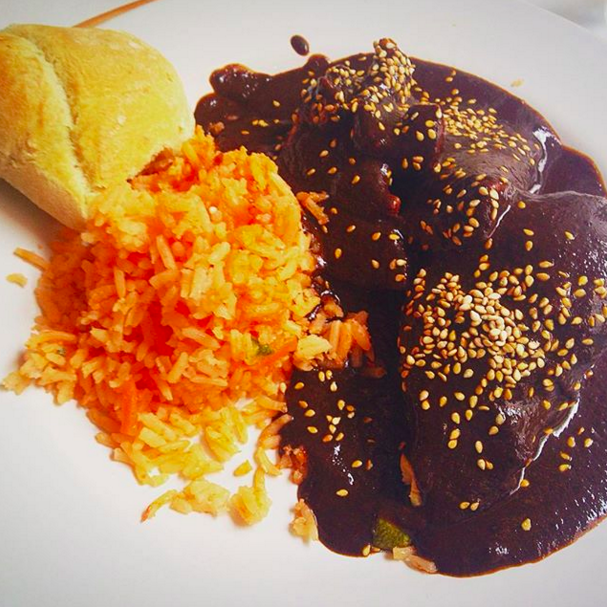


 A lot of people thought this plotline was racist. But not me. Screenshot via 'Unbreakable Kimmy Schmidt'



 Photo by Macall B. Polay/courtesy of HBO