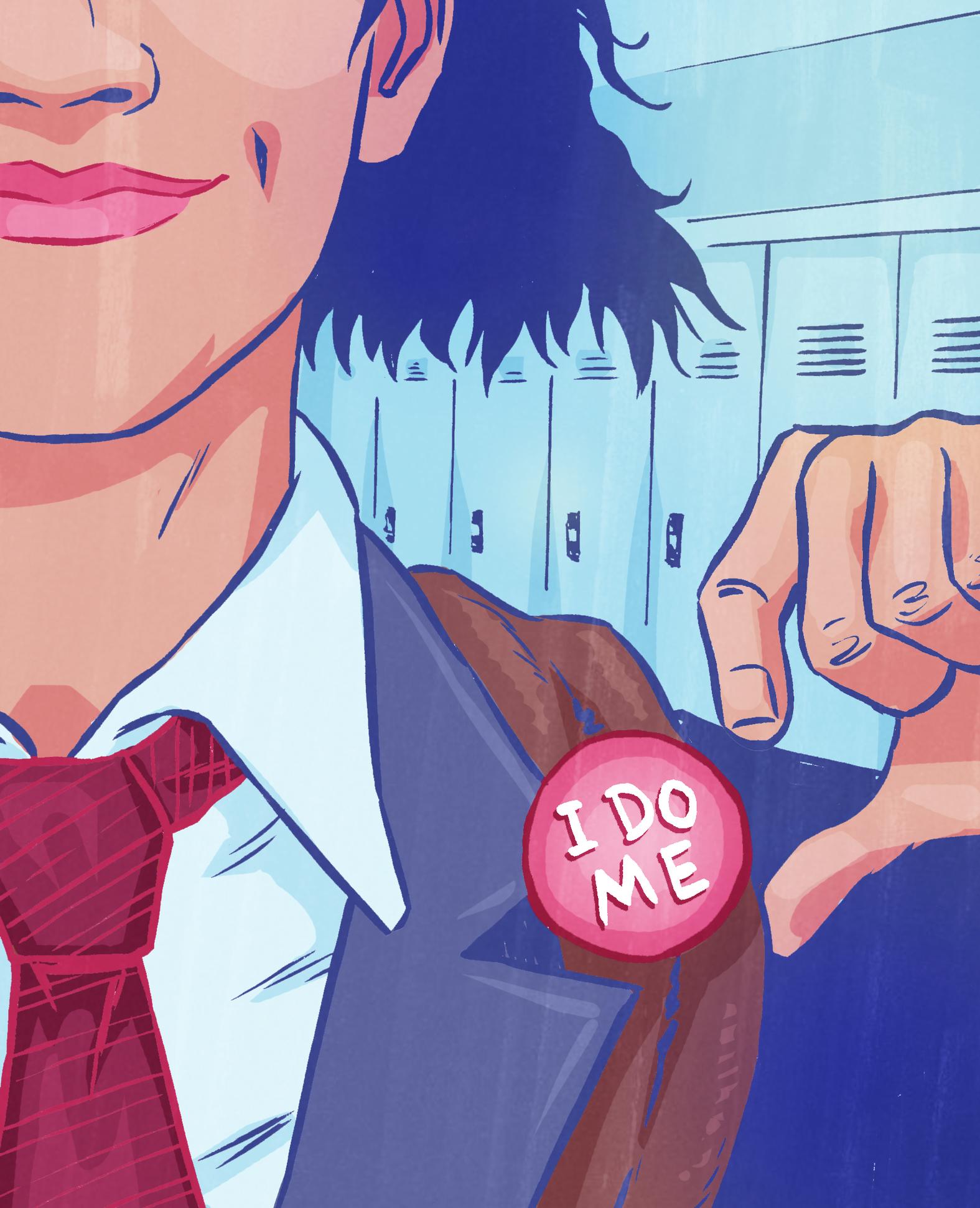
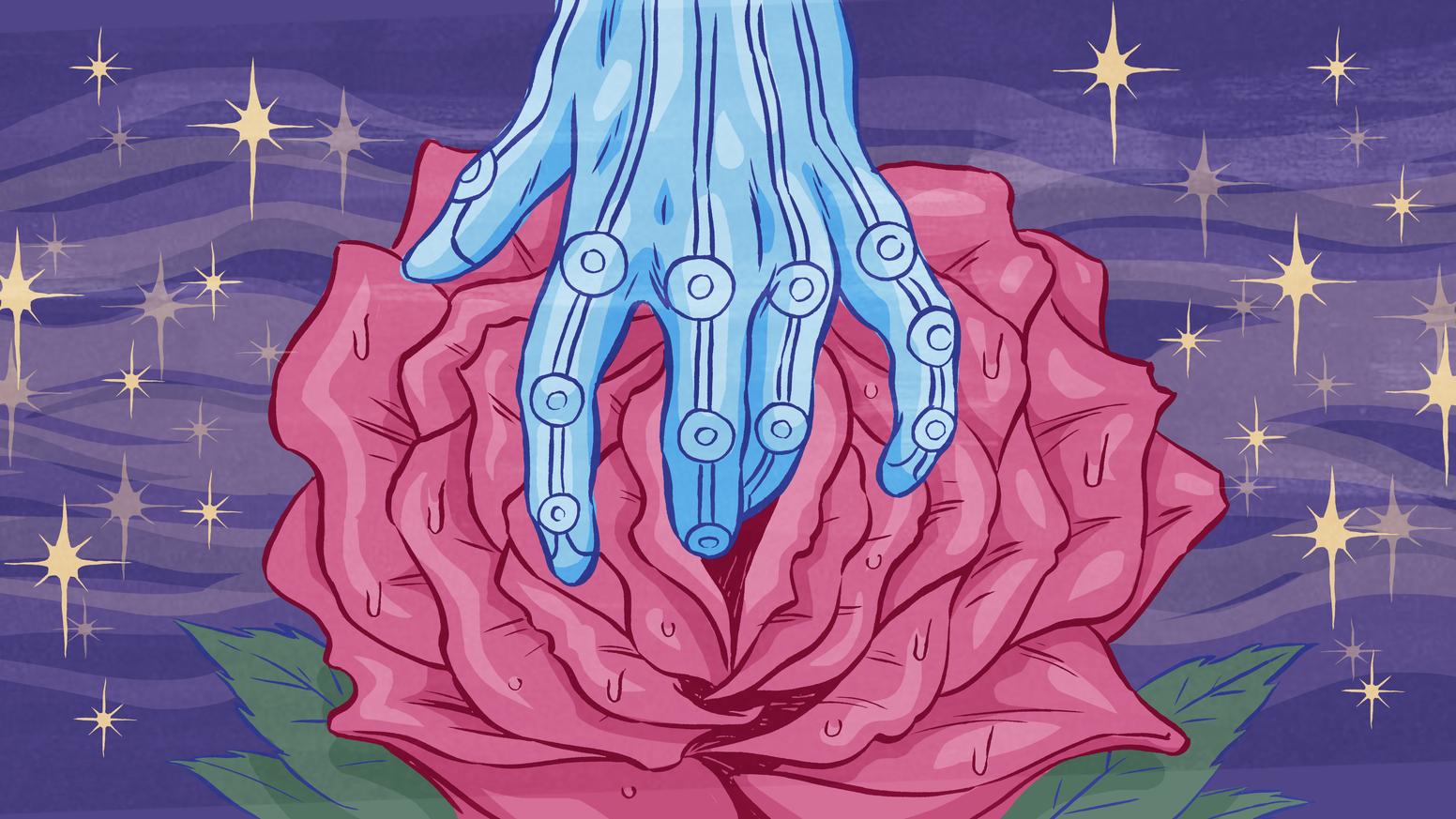
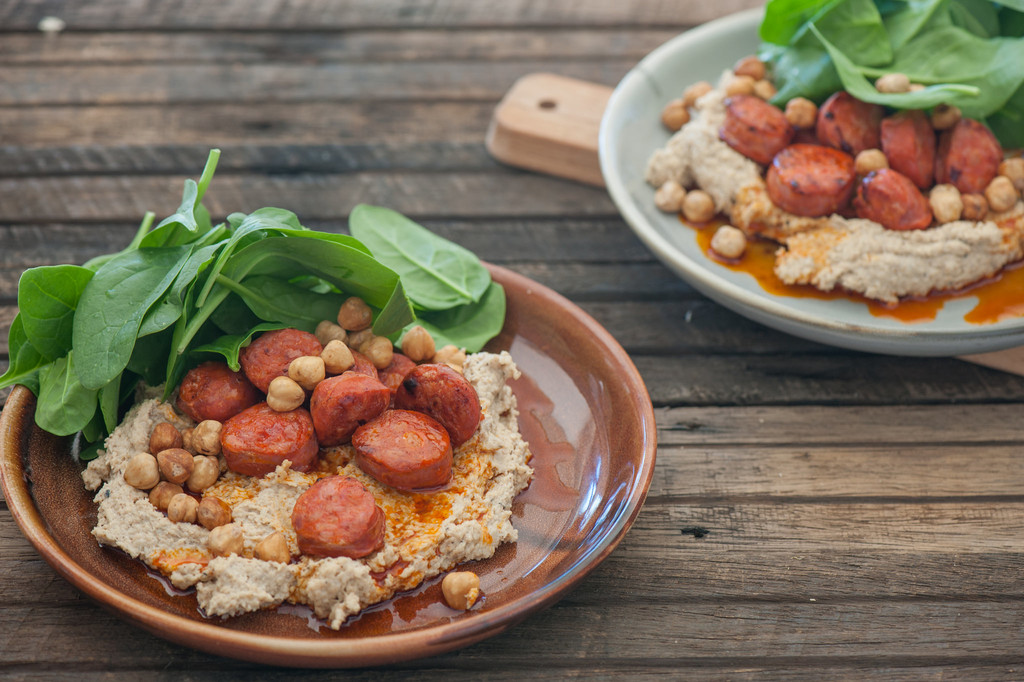
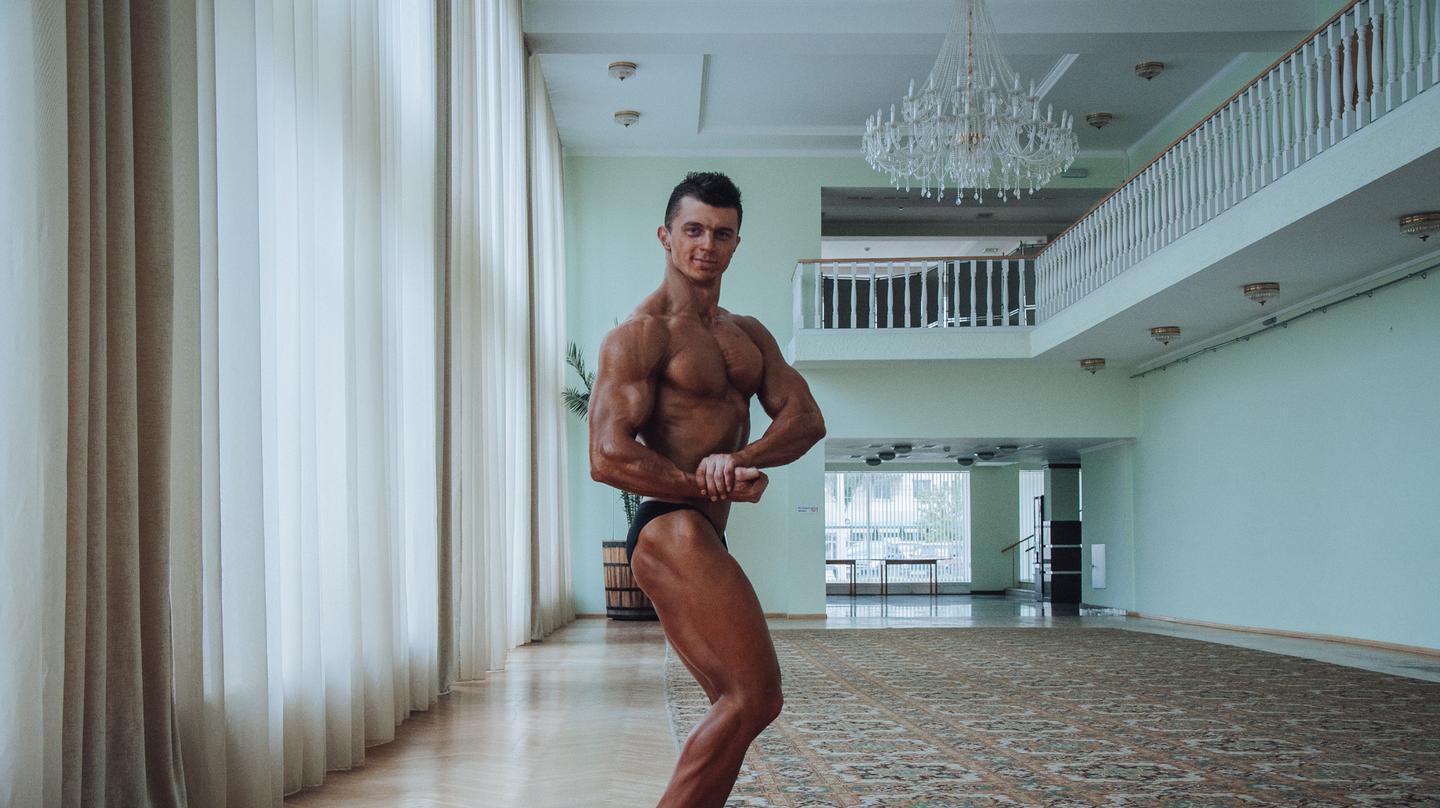
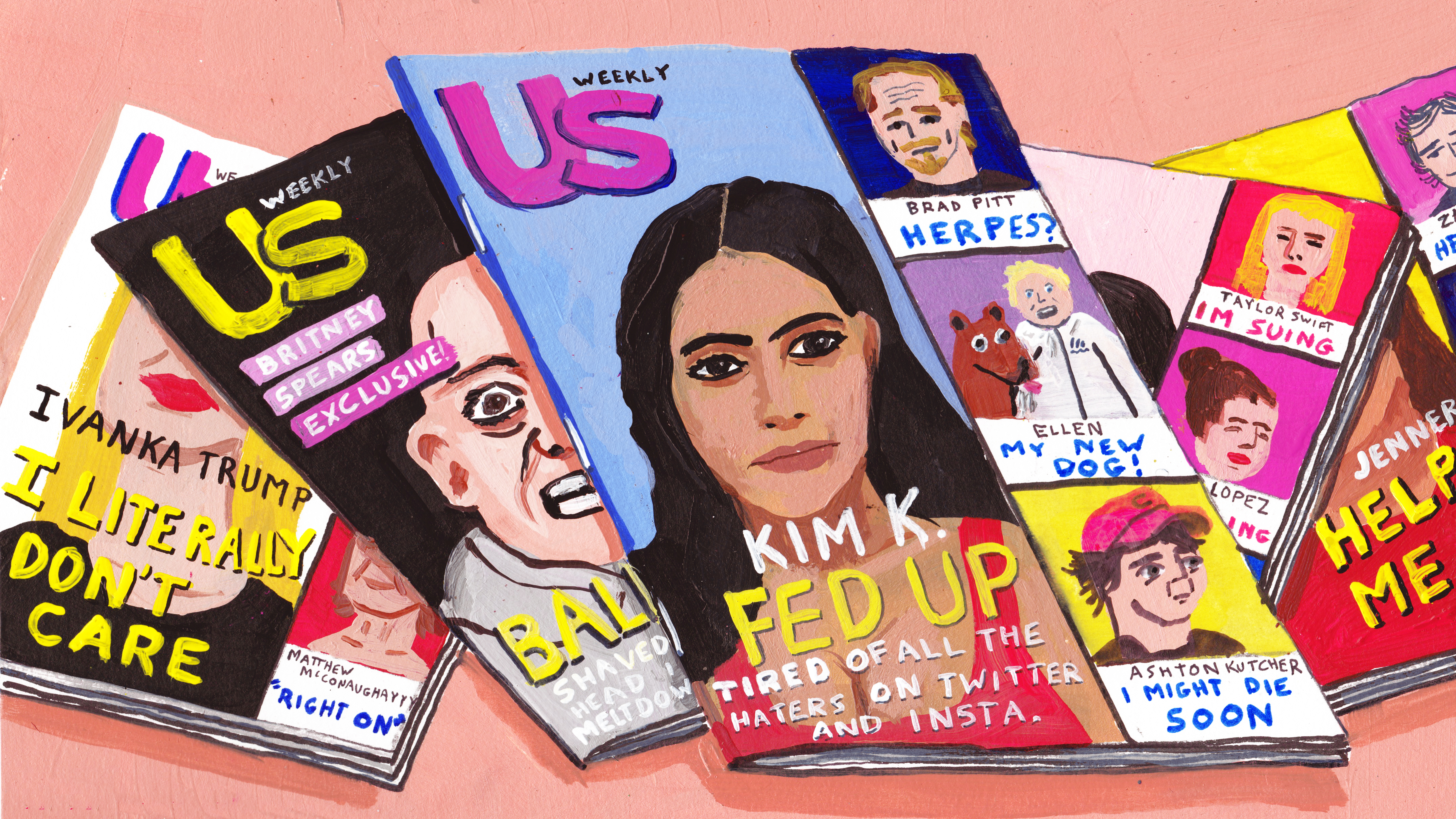
But the keystone of this vernacular is "cuck." A shortening of "cuckold," an old word used to refer to men who allow their partners to sleep with other men (and often find sexual gratification in the humiliation of it), its use has become the sine qua non of alt-right group membership.
El alcalde de Venecia (Italia) ha asegurado que en su ciudad cualquiera que grite “Allahu Akbar” será abatido en el momento por las fuerzas de seguridad.
“Si tú corres en la Plaza San Marcos y gritas ‘Allahu Akbar’, haces cuatro pasos y te abatimos. Te abatimos, tenemos francotiradores y te abatimos. Hemos aumentado la defensa“, ha manifestado Luigi Brugnaro en una conferencia de prensa días después de los ataques islamistas en Barcelona y Cambrils que se han cobrado la vida de al menos 15 personas y han dejado 120 heridos.
La frase, que significa “Alá es grande”, es usada por los terroristas islamistas para invocar a su dios antes de los ataques. Brugnaro ha manifestado además que Venecia es un lugar más seguro que la Ciudad Condal. “En contraste con Barcelona, donde no estaban protegidos, nosotros mantenemos la guardia en alto”.
Asimismo, ha recordado el arresto en marzo de cuatro sospechosos yihadistas provenientes de los Balcanes que planeaban un ataque sobre el famoso Puente de Rialto y ha asegurado que ellos les enviarán con Alá “antes de que hagan algún daño”. “Dicen que quieren ir con Alá, pero nosotros los enviaremos directo con Alá antes de que hagan algún daño. Si me amenazas, yo me defiendo. En Venecia nos defendemos”, ha finalizado.
Porque sobre gustos no hay nada escrito, y porque cuando al estúpido prejuicio de “Eso lo hace una niña de dos años” le sumas un estilo que, en efecto, imita el de un niño de dos años, se amontonan los conceptos y se convierte todo en un barullo conceptual que nubla el juicio. La tatuadora Helena Fernándes se está haciendo famosa por hacer tatuajes declaradamente horribles. Pero… ¿son en realidad tan horribles?
Reconocemos que no hay mucho que ver aquí: o te encanta o lo odias. Los espantajos garabateados de la brasileña, que responde en Instagram al nick Malfeitona, son puro feísmo. Una reinterpretación de la realidad a través de los ojos una niña deseando entregar los deberes de dibujo de cualquier manera y salir al patio a dar voces.
Por supuesto, los medios están cebándose con comentarios tan obvios (y algo paletos, también) como el de nuestro artículo favorito sobre el tema, donde el que posiblemente es un viejo o un artista del tatuaje vintage dice cosas como “Es pésima para tatuar y ya es viral porque todo el mundo quiere sus diseños… cosas de Millennials“, “Se ha hecho famosa por dibujar como una niñita pequeña que no tiene ni idea de los trazos…” (ya, Malfeitona tendrá un problema con el figurativismo, pero lo del redactor de Elciudadano.com con la gramática tradicional tampoco es manco) o “las personas encuentran el arte donde les da la gana o les llega como un golpe de suerte en un momento de fama” (se ha liao).
En cualquier caso: siempre atentos a cualquier adalid de arte brut o de gente que disfrute soliviantando al personal (algo nos dice que esta chica “sabe” dibujar estupendamente), hemos preparado una selección de su obra.
My consistent tearjerkers: this video of a lion being reunited with its owners after years of separation, the last chapter of Charlotte’s Web, Whitney Houston’s rendition of the Star Spangled Banner, and cutting onions. And while three of those would take longer to unpack than I have the time for, at least I can now confidently say I understand what it is about an onion that makes the tears flow.
The allium’s signature pungent taste is actually the result of a biochemical defense mechanism, called a lachrymatory factor, that onions use to protect themselves against microbes and animal predators. This lachrymatory factor is loaded with sulfur oxide—the chemical compound that causes your eyes to sting and tear ducts to overflow. Up until now, however, scientists couldn’t quite place their fingers on what exactly caused the onion to produce this lachrymatory factor.
To unearth the answer, researchers from Case Western Reserve University in Cleveland, Ohio focused their efforts on the lachrymatory factor synthase, an enzyme that the onion converts into sulfuric acid. By analyzing said enzyme up close and comparing it to similar organic structures, the scientists emerged with a more intricate understanding of what it is about an onion's molecular construction that allows for the creation of the much-derided kitchen tear gas. The full scientific explanation involves talk of proton transfer and ionic organization that goes a little over my head, but the scientifically inclined can get into the nitty gritty of the study here.
Unfortunately this new information doesn't really help us prevent our onion-chopping tears, so do your best to minimize them by using a very sharp knife and keeping the cut side down. In the meantime, I’ll be over here watching Christian the Lion kissing his owners, blaming all my tears on the enzymes in a freshly chopped onion.
Soy un gran consumidor de shawarmas (o kebabs o cómo se llamen, no nos volvamos locos ahora con el tema). Me gustan pese a saber que la gran mayoría están hechos con carne de poca calidad, aun así, carne de poca calidad que sabe a oro comestible. Son una droga, y me gusta.
Como todo aficionado al kebab, a lo largo de los años he ido desarrollando un gran compendio de preguntas llamado Grandes Interrogantes Sobre El Mundo del Kebab —¿Cómo se procesan esos bloques de ternera?; ¿Hay una técnica mejor que otra a la hora de cortar la carne?; ¿Provienen los döner de Alemania?; ¿Por qué la gente prefiere el dürum al pan triangular ese?; ¿Por qué hay sitios donde el kebab de pollo cuesta igual que el de ternera pero es más barato que el mixto?—, muchos de los cuales intentamos dilucidar en esta entrevista a un vendedor de kebabs.
Pero durante todos estos años de consumo siempre ha habido una pregunta que ha persistido por encima de las demás, ¿por qué no hay mujeres sirviendo shawarmas? Vale, podréis decir que es un tema cultural y que sus costumbres tienden a hacinar a las mujeres en casa, pendientes del cuidado de los vástagos y dios sabe qué más, pero bien podrían existir mujeres de otras nacionalidades y religiones manejando esas grandes esculturas de carne asada. ¿Qué nos tienen que decir sobre esto los que curran en el respetable gremio del shawarmeo?
Hablé con varios caballeros del döner de Barcelona para intentar dilucidar qué hay detrás de este misterio humano.
HASAN, 48, TURQUÍA. TRABAJA EN EL RESTAURANTE YAFFA
VICE: Hasan, ¿crees que una chica podría trabajar haciendo shawarmas? Hasan: Bueno, tú nunca has visto a un trabajador chino hacer un shawarma, ¿no?
Creo que no. No. Esto es porque se trata de comida árabe. Siempre son trabajadores árabes los que hacen los shawarmas.
Pero las mujeres árabes, son árabes también, ¿no? Sí, pero allí las mujeres no trabajan en restaurantes. Y aquí también, somos solo los hombres los que trabajan en un restaurante. Si ves a una chica trabajando en un sitio de shawarmas será porque no es un restaurante árabe, será pakistaní en todo caso.
[Entonces nos interrumpe un cliente que ha estado escuchando la conversación]
Cliente: Yo acabo de venir de un restaurante árabe en Calella de Palafrugell y nos ha servido una mujer árabe.
¿Pero era un sitio así de bocadillos rápidos o un restaurante rollo Ugarit? Cliente: No, era un restaurante. Hasan: En sitios como este local siempre son camareras, no hay chicas en la cocina.
Es un tema cultural entonces. No sé, yo llevo trabajando 18 años en restaurantes árabes y nunca he trabajado con mujeres, solo con hombres. ¡Ojalá trabajase con una mujer!
Pero fuera de este tema de costumbres, ¿crees que ellas podrían hacer el trabajo o les costaría por algún otro motivo? Podrían hacerlo perfectamente, sí.
¿Y aquí en España una mujer española podría trabajar haciendo shawarmas? Sí, pero a las mujeres de aquí no les gusta trabajar haciendo shawarmas. No sé por qué. En 18 años que llevo trabajando nunca he coincidido con una mujer. Hay camareras, claro, pero cortando carne y haciendo bocadillos no.
MOHAMMAD, 47, PAKISTÁN. TRABAJA EN EL RESTAURANTE AL ANDALUS II
VICE: ¿Por qué solo hay hombres haciendo kebabs? Mohammad: Es que las chicas no saben, no pueden cortar la carne porque los hornos desprenden mucho calor. Un calor muy fuerte, además la técnica de cortar es complicada. Pero sobre todo es por el calor, hay mucho fuego.
¿No crees que pueden aprender a cortar la carne? Es muy difícil.
¿Cortar shawarmas es como una cosa "de hombres"? Como ir a cortar leña o cazar perdices o hacer barbacoas. Sí, sí.
¿Y te gustaría que trabajara una chica aquí? Es que es muy difícil. La caja de cobrar también es muy difícil. No es como las del McDonalds que tienen una pantalla y son más fáciles. Esta caja es normal y es más complicada. En el McDonalds o el KFC sí que hay chicas trabajando pero con esta máquina es más difícil de operar. Aquí no podrían trabajar. Aquí siempre hemos sido chicos, es un trabajo para hombres.
ABDUL, 32 AÑOS, TRABAJA EN LUNCH & CATERING
VICE: ¿Cómo es que en los sitios de shawarma solo trabajan tíos? Abdul: Solo trabajamos tíos porque la mayoría de emigrantes que venimos somos hombres, las mujeres se quedan en el país. Pero aquí hay una chica trabajando.
¿En serio? ¿Está cortando y todo esto? No, cortando no, es camarera.
¿Y no podría ponerse a cortar esos bloques de carne? Es que hace mucho calor y no pueden.
Pero a ver, en otros sitios ya me han dicho lo del calor y no puede ser. Quiero decir, ¿vosotros también pasáis calor, no? ¿¡Es que a ellas no se les permite pasar calor!? Nosotros pasamos calor, sí, pero para las mujeres es muy difícil trabajar con tanto calor. Si esta chica que trabaja con nosotros quiere aprender, pues bien, adelante, no le veo ningún problema.
¿Te gustaría trabajar con una chica mano a mano? Sí pero no pueden trabajar aquí.
¿No quieren o no pueden? No sé. Pero no creo que puedan preparar un bocadillo tan rápido como los hombres.
Supongo que es cuestión de aprender y de acostumbrarse al calor, ¿no? Puede ser. No sé, depende del jefe. Si la chica quiere trabajar preparando shawarmas no hay problema pero se le tendría que pagar más. Normalmente los puestos de los chicos se pagan más que los de las chicas, haciendo shawarmas se paga más que siendo camarera.
QADEE AHMED, 27, ARABIA SAUDITA. TRABAJA EN EL RESTAURANTE "JUAN DONER KEBAB"
VICE: No hay ni una mujer trabajando en un kebab, ¿verdad? Qadee: Es un trabajo muy duro, el fuego está encendido todo el día. Las mujeres no pueden aguantarlo, los hombres tampoco. Es un trabajo muy duro.
Pero si vosotros aguantáis, ¿por qué ellas no lo pueden aguantar? Depende de la cultura, nosotros hemos nacido en una tierra donde hay mucho calor, por eso estamos acostumbrados. Las chicas de aquí de Barcelona no lo podrían aguantar.
Pero las mujeres de vuestra tierra también están acostumbradas al calor. Pero las mujeres de nuestro país no pueden trabajar, solo cuidan a los niños en casa y nada más. Depende de cada cultura.
IHSAN, 46 AÑOS, PAKISTÁN. TRABAJA EN EL DÖNER KEBAB "EL MAÑO"
VICE: Hola Ihsan, dime, ¿por qué no hay mujeres trabajando en esto de los shawarmas? Ihsan: Este trabajo es muy difícil, aquí hay mucho calor y las mujeres no pueden trabajar así. Esto es un trabajo solo de hombres.
¿Y no hay ninguna posibilidad de que las mujeres puedan trabajar haciendo shawarmas? Mi cuñada, por la noche, cuando hace menos calor, me ayuda un poquito.
Ah, bueno. Entonces sí que pueden trabajar aquí. Es que mi cuñada no es de Pakistán, es catalana.
¿Al ser catalana ya puede trabajar cortando carne? No es eso, es que mi cuñada es muy fuerte.
¿Entonces por qué has dicho lo de "catalana"? Porque es catalana.
A la izquierda está Attig. Sus colegas también quisieron salir en la foto.
ATTIG, 33 AÑOS, PAKISTÁN. TRABAJA EN EL RESTAURANTE KEBAB INN
VICE: Veo que todos sois hombres aquí. Attig: Sí, sí.
¿Cómo es eso? ¿Por qué no hay chicas? Es un trabajo muy duro. Ellas no trabajan dentro de la cocina. Pueden trabajar en supermercados o locutorios pero aquí hace mucho calor y, al cortar la carne, salpica mucho aceite caliente en las manos y por toda la cara, ensucia mucho.
Entonces no es una cuestión técnica ni de costumbres. No, en una semana cualquier persona puede aprender a cortar bien. Ellas lo podrían aprender perfectamente. Pero aparte del calor también hay que ser muy fuerte para poder montar la carne en el fuego.
¿Cuánto pesa un bloque de estos? Los de pollo 60 kilos, los de ternera (este pequeño) unos 15 kilos. Por eso aquí somos tres personas trabajando en la cocina. Tres hombres.
MAJID, 44 AÑOS, PAKISTÁN. TRABAJA EN BADAL DÖNER
VICE: Mujeres. Shawarmas. ¿Por qué crees que no son amigos? Majid: El fuego está muy caliente y la carne mancha mucho, la carne escupe aceite. Aquí trabaja una chica de camarera y no quiere pasar aquí detrás. Alguna vez le he intentado enseñar cómo se hace pero incluso con servilletas en el mango, dice que la plancha para calentar el pan le quema mucho.
¿Es ella la que no quiere? Sí, sí. En hora punta el fuego está muy fuerte y en esta zona, aquí detrás de la barra, hace mucho calor. Ella no quiere ni pasar por aquí.
¿Nunca has visto a una mujer cortando carne de shawarma? Antes yo trabajaba en un kebab de Benidorm y allí había una chica que sí que cortaba la carne y le daba igual el calor, le daba igual salpicarse la cara y la ropa de aceite o de carne. No le importaba. Y era muy guapa. Rubia. Muy guapa.
§
Así que hay unanimidad. Las mujeres no trabajan la carne de kebab por culpa del tremendo y visceral calor que desprenden los hornos que calientan los menhir de carne, algo que solo pueden y deben sufrir los hombres. Ellas no pueden, con sus delicadas manos y sus sensibles rostros, soportar temperaturas tan elevadas.
Después de todo esto estuve pensando —eso de pensar a veces viene bien, no siempre pero a veces— y, joder, realmente, que yo recuerde, aquí en Barcelona, en los sitios donde se vende pollo a l'ast, siempre son los hombres los que manejan el fuego y el horno giratorio ese. Podemos ver a mujeres cortar el pollo y servirlo pero, escasas veces, se acercan a la fuente del calor. Con esto quiero decir que antes de mirar con malos ojos a las costumbres de los de fuera, analicemos un poco nuestras propias idiosincrasias.
Twitter, the preferred social network of journalists, pundits, political junkies, and pretty much no one else, has become increasingly relevant in the Trump era. With the president himself using Twitter as a platform for his deranged rantings and questionably accidental retweets, voracious users of the social network have found their voices elevated to issues of minor national importance in these confusing times. During the election, for example, Donald Trump appeared to reference a joke from the beautifully trollish @randygdub as evidence of voter fraud while delivering a speech at a rally in Colorado.
Raandy is part of "Weird Twitter," a hard-to-define niche of weirdos and jokesters, once described as the part of the social network "where the language of Twitter gets created, where its funniest jokes come from, and where its worst tendencies are isolated, rebroadcast, and sometimes destroyed."
Since the election—which, naturally, was predicted by one of their own in 2011—the tone of Weird Twitter has become increasingly political. Considering howmanyofitsmembers happen to also be outspoken leftists, this isn't surprising, but it's been a strange thing to watch the online left and the descendants of the Something Awful boards merge into a unified movement.
Twitter gets a lot of (well-deserved) flack, but the essential beauty of social network is how it fosters conversation between journalists, the DC elite, other marginally influential people and total randos. Whether we like it or not, petty political spats of increasing importance are playing out on Twitter every day. Unfortunately, a lot of these arguments rely so much on slang, memes, and in-jokes that they're incomprehensible to outsiders.
So if you don't understand what the rose emoji signifies or why people with those things hate people with donut emojis—which is a real thing—don't worry, I got your back. Here's a primer for all the n00bz and to my Twitter friends, I'm sorry for ruining all of your jokes:
Brocialist: a derogatory term for a male socialist who doesn't respect women. Also known as a Bernie bro or simply, a dudebro, brocialist is frequently used by pro-Hillary Clinton centrists on Twitter to disparage their Bernie Sanders–loving leftist adversaries.
The dirtbag left: A term coined by Amber A'Lee Frost of Chapo Trap House, a popular politics podcast which was once described by the Guardian as "leftwing Breitbart," the dirtbag left describes a political movement that champions socialist ideology with an aggressive disinterest in pandering to prominent liberals (any Hillary Clinton advocate, for example). Dirtbag leftists disdain the average liberal's commitment to pomp and circumstance, to upholding civilized discourse. Moreover, the dirtbag left believes vulgarity can be a powerful political tool. (In an essay on the necessity of political vulgarity for Current Affairs, Frost writes that in the Trump era, "If we do not embrace the profane now and again, we will find ourselves handicapped by our own civility.")
Rose emoji: People who have a rose emoji in their Twitter usernames or bios are members of the Democratic Socialists of America (or, occasionally, a right-winger posing as a DSA member). Sometimes, the rose emojis get a little aggressive in the mentions of prominent liberals, especially when those liberals tweet something negative about Bernie Sanders, single-payer healthcare, et al.
via Twitter.
Binch: A playful synonym for bitch, which became widespread after Twitter began hiding replies from (non-verified) accounts that use swear words and other vulgar language.
Corncob: Recently, Democratic operative Al Giordano accused Bernie fans in his mentions of being homophobic for telling him he got corncobbed. Center for American Progress president Neera Tanden, never afraid to dive headfirst into Twitter drama, also got involved.
via Twitter.
Presumably, Giordano assumed that the corncob enthusiasts tweeting at him were using the word in the sense of this Urban Dictionary definition:
A largely unpleasant person, usually male. A substitute for the word "faggot" that you can use to avoid sounding homophobic.
But that's not what corncob means in the crazy, messed-up world of weird politics Twitter. To get corncobbed means to get owned, i.e. lose an argument, online, while insisting that you're victorious. It's a reference to a tweet from @dril, the reigning king of Weird Twitter.
Donut:In the middle of everyone yelling about the word corncob, BuzzFeed published an article about the conflict between Nina Turner, who runs a Bernie Sanders–founded political activist group called Our Revolution, and the DNC. Turner described a moment where she went to the DNC headquarters to deliver a petition supporting the "People's Platform," but was angry at what she saw as a frosty reception. From BuzzFeed:
A spread of donuts and water had also been set up for the Our Revolution party. Turner took particular issue with the donuts and water, which she called "hand-out trinkets."
"They tried to seduce us with donuts and water," she said. "They're pompous and arrogant enough to say to the people, 'You're not good enough to be on our property — and, oh by the way, we're just gonna hand you donuts and water over the barricade.' That is insulting. Absolutely insulting."
After liberals began criticizing Turner on Twitter for her rejection of the DNC's donuts (and for engaging in what they saw as a publicity stunt), a new meme was born.
Jen Kirkman, a comedian who frequently finds herself battling with Twitter leftists over her unique disdain for Bernie Sanders—she recently made waves when she wrote in a now-deleted tweet, "Bernie is a KNOWING chaos agent paid by Russia in 2016 election"—got in on the donut fun as well.
via Twitter.
The ratio:Conventional Twitter wisdom is that you can tell how good a tweet is by the ratio of comments to retweets and/or likes. If the tweet gets an alarming number of replies and significantly less likes and retweets, you done fucked up.
Let's take the bad tweet below, for example, from Republican Corey Stewart, who is currently running for Senate in Virginia: A little over 1,000 retweets, almost 3,000 likes, and over 22,000 replies:
Derived from the ratio, the coward's ratio denotes when a risqué tweets gets a ton of likes but not many retweets.
Milkshake duck: Coined by Ben Ward, who tweets under the pseudonym Pixelated Boat, milkshake duck describes a familiar online phenomenon: A random person gets their 15 minutes of viral fame, everyone loves them, and then their secret problematic past is uncovered.
Perhaps the best example of milkshake duck is the tale of Ken Bone, the jolly man in the red sweater who asked a question about climate change at the 2016 presidential debate. After he became a viral star he met his demise when he did a Reddit Ask Me Anything from his personal account, where he had previously posted about how the murder of Trayvon Martin was "justified" and his penchant for pregnancy porn.
Large adult sons: The New Yorker's Jia Tolentino explains the meme perfectly here. The phrase mainly conjures up images of beefy young men blundering about the world. Many problems are caused by large adult sons. If you don't understand or if this offends you, perhaps you are a large adult son yourself.
Tankie: When you see this one, you know you've reached the left-wing fringe—it's mostly a pejorative that's used by leftists to describe leftists that have strange, often pro-dictator positions. Leftist writer Carl Beijer explained the term's origins and present day use in a Twitter DM:
Originally, a tankie was someone who approves of Stalin's sending tanks into Hungary to crush resistance to Soviet communism. More generally, a tankie is someone who tends to support militant opposition to capitalism... Online, I often see people use tankie in a different way, to mean something like "a self-proclaimed communist who indulges in conspiracy theories and whose rhetoric is largely performative"... In both its original use and its peculiar online use, tankie is almost always used pejoratively. Unfortunately, I think these two uses of the word end up suggesting that all hardline communists are conspiratorial and performative, which just isn't the case.
Game theory: In December 2016, a little-known Twitter user named Eric Garland posted an 127-tweet epic threat that allegedly used "game theory" to explain Russia's involvement in the 2016 election.
Garland's rantings on that fateful December night consisted mostly of indecipherable gibberish: "OMG, that worked so well that the pièce de résistance was next: SNOWDEN!!! BOOYAH! THE BIG GAME! NSA! PRISM! SPASM!" read one tweet. "Bill Clinton spent most of his years pounding the living snot out of Hussein. Dude built anything funny lookin', in came the rockets," read another.
Nevertheless, Garland's tirade caught the attention of many prominent liberals like Mother Jones editor-in-chief Clara Jeffery, CNN's Brian Stelter, and Washington Post reporter David Fahrenthold, who applauded his manic rantings.
via Twitter.
Garland's thread lives on in the many, many jokes in spawned, and as a cautionary tale: If you think he's making some good points, it's time to log off.
Did you make it until the end? You're now a leftist Twitter expert! Congrats, and I'm very sorry.
Follow Eve Peyser on Twitter to view more of these fun and interesting political memes.
1. Empiezas a tener opiniones muy fuertes sobre la tortilla de patatas, qué es un cortado y cuáles son las mejores aceitunas.
2. Y dices que las cosas son o no son paella según tu criterio.
3. Alguna vez te descubres hablando de cómo se pone una autopista en algún momento del año (preferiblemente, cualquiera que vaya de la A1 a la A6 en verano).
4. Desayunas no menos de dos veces al día (la de casa, con galletas, y la de fuera, con bollería, sándwich, pincho o tostada).
5. ¿Una comida sin pan? ¿Qué somos, BÁRBAROS?
6. Hablas con desconocidos en la cola del baño de un garito, pero odias que te hablen en prácticamente cualquier otra circunstancia.
7. No te han contestado algo que no sea “bueno…” a la pregunta “¿qué tal?” en los últimos 7 años
8. No hay programa más interesante que First Dates ni concurso más completo que Boom.
9. Y si un reality de Cuatro lo presenta Luján Argüelles es sinónimo de calidad, especialmente gracias a la postproducción (que es algo que explicas cuando comentas que te gusta 'Quién quiere casarse con mi hijo').
10. El café lo quiero muy caliente, por favor, que lo voy a echar después en un vaso con hielo.
11. ‘Fiesta pagana’ en cualquier pub y a cualquier hora, se convierte en un musical. ‘Seven nation army’ se canta looolololololoooolooo. Y si es el cumpleaños de alguien vas a escuchar a Parchís.
12. Pelotazos > Risketos > Triskys > Caviar.
13. Tienes grupos de WhatsApp con las mismas personas para absolutamente todo.
14. Puedes estar haciendo botellón una madrugada de febrero en Soria y te siguen haciendo falta hielos para las copas. Y es un DRAMA.
15. ¿El paso de cebra? Si eres peatón es más una sugerencia que otra cosa.
16. Si dice que se pasará, es que tal vez se pase, si dice que tal vez se pase es que no se pasará y si dice que no se pasará es que no es español.
BuzzFeed
17. Pero qué haces pronunciando bien el inglés, flipao, William Shakespeare.
18. Cualquier persona puede decir lo que sea de España y sus políticos, pero, eh, alguien se mete con su fiesta, sus playas o su comida y te conviertes en el Cid Campeador.
19. Llega diciembre y te pones hasta el culo de un dulce navideño que te encanta y que bajo ningún concepto tocarás a partir del 8 de enero.
20. Casa Tarradellas para fuet y pizzas, SIEMPRE. No hay discusión posible.
21. Si no se cura con Aspirina C, Ibuprofeno y Vicks Vaporub posiblemente sea porque te vas a morir.
22. Sales de casa a la hora a la que habéis quedado. Y dices que ya estás llegando cuando todavía estás esperando el metro o el autobús.
23. Hacendado.
24. Si está "aquí al lado", no está aquí al lado.
25. Si está "a tomar por culo", no te apetece ir.
26. La radio se inventó para poner Kiss FM.
When it comes to delicious, unique, and refreshing summer drinks, it’s hard to beat horchata. There are countless ways to make this, but my preferred method is easy, relatively quick, and doesn’t require any tigernuts, whatever those are.
Apparently, that’s what the original Spanish version contained, among other things, but we’re doing a Mexican-style horchata, which is done with rice and almonds. The result is something that sort of looks like milk, but is much lighter, and pairs perfectly with all your favorite summer foods. I know, summer’s almost over, but not here in San Francisco, where our hottest weather is just ahead.
Depending on your tastes, you can alter the amount of sugar, as well as the ratio between rice and almonds, but what you can’t alter is the need to strain this before serving. Unless you like gritty drinks, you’ll want to pass this through a very, very five sieve, multiple layers of cheesecloth, or both. I hear a plain white, cotton t-shirt also works nicely, but I’ve never tried.
As you saw, I tested a nut milk bag, which allowed a little too much sediment through for my tastes, but regardless, do not skip this step. It’s especially important if you’re not leaving the mixture to sit overnight, since the particles won’t have as long to soften. Other than that, there’s not much that can go wrong, and I really do hope you give it a try soon. Enjoy!
Makes about 2 quarts of Horchata:
1 cup long-grain white rice
1/4 cup raw almonds
1 cinnamon stick, or 1 1/2 teaspoon ground cinnamon
2/3 cup white sugar
7 cups cold fresh water (4 cups to blend rice, 3 cups added after)
ground cinnamon to garnish, optional
Note: Once blended, let sit overnight before straining, if possible. This way the water has plenty of time to leach out the goodness from the rice and almonds. The four-hour method does work, but you don't get quite the same flavor. Along the same lines, many horchata "experts" actually prefer to not blend immediately, but rather let the mixture sit overnight to soften, before blending the next day. If you like how this comes out, feel free to experiment, and test for yourself.
Ya hablábamos hace algún tiempo sobre el origen mesoamericano del chocolate, donde mencionábamos que fueron los olmecas los primeros en fermentar, asar y moler los granos del cacao para aprovecharlos en diferentes bebidas en las que se resaltaba su sabor amargo y se combinaba con otros ingredientes de la región como son el chile y la vainilla.
Hoy en día, el derivado del cacao más conocido es el chocolate, pero más allá de este, las diferentes culturas que aún conservan sus tradiciones en México, siguen preparando bebidas a base de cacao, que a pesar de ser muy sabrosas, son poco conocidas.
Hablamos del pozol, el chilate, el taxcalate, el tejate y el atlaquetzalli, bebidas que brindan un gran aporte nutricional para quien las bebe, pues el cacao es rico en diferentes minerales como el potasio, el fósforo, el magnesio, la cafeína y la teobromina. Destaca además, que principalmente son elaboradas en el suroeste de México en los estados de Guerrero, Oaxaca y Chiapas.
Pozol
Bola de pozol, lista para preparar la bebida
El pozol o pochotl es preparada principalmente por los indígenas mayas y zoques de Chiapas y Tabasco, donde se considerada la bebida tradicional del estado; se trata de una bebida refrescante compuesta de masa de maíz previamente cocido y cacao.
El pozol, es muy apreciado entre los habitantes de estas comunidades como un alimento de resistencia al calor; pues de acuerdo a los apuntes españoles y holandeses de la época de la conquista, quienes viajaban tenían por costumbre comer muy poco y preparar este brebaje que preparaban a base de cacao y maíz molido que envolvían en hoja de plátano para llevarlo y hacer su bebida en el camino.
Del pozol existen cinco variedades principales: pozol con cacao, pozol sin cacao, pozol de camote y pozol agrio, y en algunas ocasiones, se les añade algún endulzante o chiles para potencializar su sabor.
Chilate
El chilate es tradicional del estado de Guerrero que se prepara a partir de chile, maíz tostado y dos variedades de cacao como base, pudiéndosele añadir algunas especias como el anís, la pimienta, el jengibre, la canela y piloncillo como endulzante. Usualmente se sirve frío, dejando caer la bebida sobre el vaso o la jícara desde una altura grande para permitir que haga espuma. El acompañamiento, los dulces buñuelos.
Tascalate
El taxcalate o tascalate, es una bebida tradicional del estado de Chiapas que tiene su origen en la época prehispánica, siendo el obispo Diego de Landa quien registrara su elaboración en 1566. Para prepararla se ocupan tortillas de maíz tostadas y molidas que se mezclan con cacao tostado, achiote, piñones, azúcar y canela, formando una mezcla que posteriormente se diluye con agua o leche y se sirve frío.
Tejate
Siendo popular entre los pueblos indígenas mixtecos y zapotecos, el Tejate es una bebida a base de maíz que es tradicional en el estado de Oaxaca y que en la época prehispánica era utilizada con fines ceremoniales. Es considerada la bebida de los dioses y preparada a base de harina tostada de maíz, granos de cacao fermentados, semillas de mamey y flor de cacao, a la que comúnmente se conoce como rosita de cacao. A esta bebida, se le reconoce fácilmente por la espuma pastosa que se forma en su parte superior cuando está lista.
Atlaquetzalli
En el Códice Florentino, Sahagún relataba que el atlaquetzalli, también llamada "agua preciosa" era vendida en los mercados, explicando a detalle la preparación de todos sus ingredientes: la molienda del café, la selección, el remojo, el aireo, el filtro, la forma de espumearlo, así como una lista de los ingredientes que lleva: semillas de cacao, chiles, flores, orejuela, teonacaztle, vainilla, acuyol, miel de abeja silvestres, flor de magnolia y otras hierbas aromáticas como la hoja santa. Hace también mención, de que esta bebida era ofrecida a los señores de linaje, y la describe como rojiza, espumosa y amarga.
Con la libertad que el comic independiente otorga a las editoriales para negociar ciertas licencias, el poder disfrutar de grandes comics es una opción que cada vez está más reñida y disputada. Obviamente, estamos hablando de la, ahora, todopoderosa Image, uno de esos ejemplos en los que se demuestra que haciendo las cosas bien se puede vender al mismo nivel que las dos grandes. Hace ya un tiempo que la gran “I” decidió plantar cara a Marvel y a DC y son muchos los autores que han decidido moverse hasta allí donde gozan de menos restricciones creativas. Los nombres que mes tras mes presentan sus credenciales son cada vez más importantes y los tebeos donde aparecen en los créditos no dejan de cosechar buenas críticas y ganar premios importantes. “Los Muertos Vivientes”, “Saga”, “Paletos Bastardos”, Invencible”, “The Wicked and The Divine” o “Paper Girls” son solo algunos de los ejemplos en los que la calidad está presente en cada una de sus páginas.
Le toca el turno a otro título que ha estado saltando de editorial en editorial y que ha creado bastante expectación entre los aficionados patrios, este ‘Sex Criminal Volumen 1: Un Truco Sucio’ que Astiberri nos trajo hace algunas semanas. Una historia bastante loca ideada por Matt Fraction y Chip Zdarsky donde el sexo es el eje principal de la trama aunque, habría que advertir, no estamos ante un comic erótico ni mucho menos. No es tarea fácil hacer un comic como Sex Criminals, aquí no se busca la estimulación del lector, no, aquí hay sitio para el sexo, sí, pero también para la comedia, para el thriller e, incluso, para la ciencia ficción. Prepárense para conocer a Jon y Suzie, una pareja de la que sabremos sobre su pasado y presente a través de sus experiencias sexuales, las cuales, una vez que alcanzan el orgasmo, los trasladan a una especie de espacio temporal donde el tiempo se detiene. Esto será aprovechado para realizar alguna que otra tropelía como unos atracos sin importancia, es en este momento cuando entre en escena la Policía del Sexo. Interesante, ¿no?
Una obra bastante transgresora si tenemos en cuenta dónde se publica y cuál es su temática principal, algo que siempre puede ser un problema. Fraction se las arregla de maravilla para hacer que todo funcione a la perfección sin que el lector se sienta incomodo, ¿o sí? Zdarsky tiene un estilo que es una delicia y le viene que ni pintado al tono del tebeo, un trazo limpio, realista y agradable que retrata a unos personajes normales, huyendo de modelos perfectos y exuberantes que hagan “distraerse” al lector de lo realmente importante de la historia. El único “pero” que se le podría poner a la edición de Astiberri, perfecta en todos los sentidos, es que solo se incluyen las cuatro primeras entregas USA (más un buen puñado de extras) pero tampoco podemos quejarnos demasiado ya que el volumen se ha editado a imagen y semejanza del americano. Sí, nos deja con ganas de más. Un mal menor que nos servirá para mordernos las uñas hasta que se decidan a traernos el segundo tomo de una colección llamada a ocupar un lugar privilegiado en nuestras tebeotecas. [Grade — 9.00]
Fighting Words is a column in which writers rub you the wrong way with their unpopular but well-argued opinions on fitness, health, nutrition, what have you. Got something to get off your chest? Send your pitch to tonic@vice.com.
As a science writer, I have a hobby that I keep under wraps: I'm a wellness junkie. Most of the people I follow on Instagram are food or "wellness" bloggers, or "influencers," who promote "clean" food products and restaurants, and create plant-based recipes. They try out new fitness classes, eat smoothie bowls every morning, and advocate for cleaner eating and living overall.
My slide into the wellness world was gradual. I've been a vegetarian for over a decade, and after finding out I was lactose intolerant, made the switch to fully vegan. That's the diet that makes me feel the best and have the most energy, and the one I love to cook and eat. But as any vegetarian or vegan will tell you, it's not an easy world to be plant-based in.
Go to any restaurant and the menu will usually have only one or two items free of animal products. Food that I've lovingly cooked for family gatherings has been mocked and criticized, without being tasted. When I've reluctantly told friends, acquaintances, or colleagues that I don't eat meat, seafood, or dairy (hiding the word vegan like a dirty secret) I've had these arguments thrown back at me too many times to count: "But what about bacon?" "What about protein?" "Plants have feelings too."
And yet, the reason I don't eat animal products has very little to do with morality. It has a large part to do with the environment, and an even larger part to do with health. Americans are sick and overweight, and it's partially because of what we're eating. Most Americans exceed the recommendations for added sugars, saturated fats, and sodium and about three-fourths of the population don't eat enough vegetables or fruits. We are plagued by chronic diseases like type 2 diabetes, heart disease, stroke, and obesity. More than one-third of Americans are obese, and there isn't a single state that has an obesity rate below 20 percent.
The wellness community was a place I could turn to, where people were excited about making desserts without refined sugar, cookie dough from chickpeas, eating big fresh salad bowls, and creating food products with ingredients that were as minimally processed as possible. I genuinely love eating a bright green smoothie bowl for breakfast every day, and these ladies on Instagram mirrored my enthusiasm. I had found my people.
Slowly, though, something began to creep into my sacred wellness world. I ignored it at first, becoming a cafeteria-wellness follower. I picked only what I liked: the encouragements for women to be strong not skinny, to fill each meal with fresh fruits and veggies, to take time for self-care, and support small companies with healthy products. I passed over what I didn't like: the pushing of supplements, adaptogens, odd restrictive dietary trends, and the subtle rejection of western medicine and science in favor of more "natural" remedies.
Then, about a month ago, the American Heart Association published a report on the health risks associated with saturated fats, and included coconut oil on its list of the worst offenders. The paper said it had a higher percentage of saturated fat than butter or lard, and referenced studies showing that coconut oil increases LDL cholesterol—the bad kind of cholesterol that is associated with heart disease. Coconut oil does raise good HDL cholesterol too, but at best, just enough to break even. Other unsaturated fats, like olive oil, not only increase HDL, but lower LDL.
Coconut oil has long been one of the stars of the wellness world, with claims that it does all sorts of things from immune boosting, digestion aiding, fat burning, and more. The "scientific" explanation was that coconut oil was made from medium-chain triglycerides, so it was processed in the body in a different way. As Stat reported, this myth originated in twostudies from Marie-Pierre St-Onge, a professor of nutrition at Columbia University. In her research, participants ate meals specially prepared with 100 percent medium chain fatty acids, and found that their overall fat levels were reduced, and that it helped them burn energy. But, the coconut oil that you buy at the store is only about 10-15 percent medium chain fatty acids, and that percentage isn't thought to be enough to outweigh the risks. Even though coconut oil is "clean" and a "whole food," it's just another source of high saturated fat content.
When the paper came out, I made a mental note to stop cooking so much with coconut oil and switch back to olive oil. I presumed to see that same reaction online. I was wrong. Most bloggers I followed either outright ignored the AHA study, or grudgingly acknowledged the findings but brushed it off. A few said that the AHA was wrong. I saw many bloggers holding on to the MCT explanation—even when it was not true.
Coconut oil is okay in moderation—I don't mean to demonize it. The AHA says we should limit our saturated fat consumption to 13 g per day, which is about a tablespoon of coconut oil. But recipes and products being created and touted by those in this world are still dripping in coconut oil, as the "healthy" fat of choice. As a consumer buying products in the wellness world, or making recipes from their blogs, I would be eating way more than my fair share of it, without trying.
"People take these things as if there is no debate, it's almost like a religion," says Timothy Caulfield, professor of law and the School of Public Health at the University of Alberta who has spent his career studying science policy. He's been an outspoken voice against "celebrity" and pop culture health claims; his most recent book is called, Is Gwyneth Paltrow Wrong About Everything?: When Celebrity Culture and Science Clash. I called him up to talk over some of the troubling trends I had seen in the accounts I was following online.
Caulfield thinks what influencers recommend and say about health has a lasting impact. Seven out of ten people still think that coconut oil is a health food, and that could mean not just eating it in moderation, but by the spoonful—and often. "This is a really good example of how the wellness community has kind of won," Caulfield says. "Let's be honest, it won." These messages can trickle down into more serious examples, too. Caulfield thinks that the anti-vaccination movement has roots in the wellness movement, because of the belief that there is some element of "unnaturalness" to it.
Around the same time the AHA paper came out, I was pursuing a skin care line that I saw on Instagram, Primally Pure. On their home page it reads, "Nature is Smarter Than Science." At first, I found this statement hilarious, then, horribly depressing. This phrase so perfectly encompassed the ideological clash I had been struggling with. The wellness community claims that they are "natural" and everything else outside of it is not—including science, which I define as the explanation of nature. After reading those five words, in combination with the coconut oil debacle, the wellness community came crashing down around me.
"I don't think there are two sides," Caulfield says. "I think that's a false dichotomy that the wellness industry has done a very good job of using. Almost every science person that I've had an opportunity to work with is completely onside with the idea of prevention, and health promotion. That is not a wellness thing. They do not own that idea. But they've done a really good job of owning that, of creating this false dichotomy, and that has been one of the most effective marketing tools that they've used."
How did I, a firm advocate of evidence-based practices, get so swindled? The problem with the wellness community, as Bee Wilson notes in her excellent Guardian article, "Why We Fell For Clean Eating," is that at its root, there are nuggets of truth. There isn't a dichotomy between "naturalness" and science, but it's true that our doctors are woefully undertrained in nutrition.
More From VICE: Soylent: How I Stopped Eating for 30 Days
Frank Hu, a professor of nutrition and epidemiology at Harvard T.H. Chan School of Public Health, who does research on diet, nutrition, and lifestyle and prevention of chronic diseases, says that there is an "urgent" need for nutrition to be integrated into the medical curriculum and health professional training. He thinks there is a move towards incorporating the two, but we're still at the early stages. Without it, the public's only exposure to dietary recommendations can be confusing media reports that tell you wine is good for you on Tuesday and say it will kill you on Thursday.
"Sensational headlines have made it seem like nutrition science is so shaky that nutrition experts really don't know what they're talking about," he says. "This is really not true; the basic tenets of a healthy diet are pretty well established and there is a good consensus about those tenets. Healthy dietary patterns usually include minimally processed plant foods, such as fruits and vegetables, nuts, seeds, and some animal products, especially seafood, and poultry, and a relatively small amount of red meat."
Hu says you can achieve a healthy diet several different ways. In the 2015 Dietary Guidelines Advisory Committee scientific report that Hu helped write, they recommended multiple healthy eating patterns including vegetarian, vegan, or as someone who eats a moderate amount of animal products.
Isn't this what my wellness community was promoting? Not really. The natural remedies and health and lifestyle tips from the wellness community go way beyond eating plants. Perhaps the most infamous come from celebrity sources, like Gwyneth Paltrow's website Goop. Goop has made false claims that bras could cause breast cancer, that Epstein-Barr viruses cause 95 percent of thyroid conditions, that tampons are dangerous, or that intentionally getting stung by bees could be a beauty treatment.
Their most recent product was a jade egg. "The strictly guarded secret of Chinese royalty in antiquity," which "harness the power of energy work, crystal healing, and a Kegel-like physical practice. Fans say regular use increases chi, orgasms, vaginal muscle tone, hormonal balance, and feminine energy in general." Goop says that the "Jade eggs' power to cleanse and clear make them ideal for detox," and list them on their site's store for $66.
Jen Gunter, an OB/GYN and pain medicine physician, has taken a stance against the variety of products and practices on Goop. As she wrote in response to the jade egg post: "Pelvic floor exercises can help with incontinence and even give stronger orgasms for some women, but they cannot change hormones. As for female energy? I'm a gynecologist and I don't know what that is!?"
She also says that jade is porous, which could allow bacteria to get inside and could be a risk factor for bacterial vaginosis or even toxic shock syndrome. Pelvic floor muscles are not meant to contract continuously, and she's had patients whose incorrectly done Kegel exercises have led to pelvic pain and pain with sex. The punchline? Goop still sold out of jade eggs.
When I heard about the jade egg, I tried really hard to divorce it from the wellness community that I followed online. But Goop also promoted a lot of products that I've been turning a blind eye to: adaptogenic mushrooms, like reishi and cordyceps, super food supplement blends like "spirit dust," or "moon dust," alkaline diets, detoxes, and bullet proof coffee. These supplements and diets have little to no evidence backing them up, but because they're "natural," they're being touted as cure-alls.
"I think we should be very cautious, everyone should be very cautious about these claims about the health benefits of these supplements," Hu says. "The evidence is very sparse and to a large degree it's almost like the individuals believe in the benefits of the supplements or the herbs they're taking, rather than based on objective and peer reviewed scientific evidence.
Some of the supplements are contaminated with impure ingredients, harmful ingredients, I think that can be dangerous. Supplements aren't regulated by the FDA, and while I'm all for having ginger tea when your stomach is upset, the plethora of other herbs and oils on the market are a wild card. It's hard to accurately know what dosage is in them, or what other chemicals and herbs make them up.
James Loomis, an internal medicine doctor in Washington, DC, doesn't recommend all these various herbal supplements for his patients. I sought him out because he works at the Barnard Medical Center, which integrates nutrition and prevention into its practice. I thought, if anyone would be responsibly giving out supplements, it would be him. He is a strong advocate for plant-based diets after going vegan in 2011, losing 60 pounds, and seeing his overall health improve dramatically. He does give B-12 to his vegan patients, and regularly monitors Vitamin D levels. "And the rest, I don't prescribe at all," he says.
Caulfield says that the problem with making wellness a lifestyle rather than a simple diet of mostly plants is that it makes it harder to access. If being healthy means buying more apples and spinach a week, great. If it requires moon dust and dropping a grand a week at Whole Foods, suddenly it's out of reach.
"I get upset that this wellness industry is leveraging the truth about how to live a healthy life in order to make money," he says. "I think their message confuses the simple truth about how we are supposed to live a healthy lifestyle. Research that has shown that pushing organic foods and raising fear about pesticides causes people in low-income families to eat less fruits and vegetables. That's a terrible outcome, and that's an outcome of the wellness community."
He thinks that Paltrow, who at her core is just pushing a healthy lifestyle, sullies the overall message because it's always wrapped in a blanket of pseudoscience, and it's often a really expensive blanket.
"There are no secrets," he says. "You don't smoke, you exercise, you eat lots of fruits and vegetables, you get a good night's sleep, you try to maintain a healthy weight, and you love somebody. That's about it. You can package it any way you want, and that's what the wellness industry tries to do. But just because you're against pseudoscience, doesn't mean that you're against the clear health prevention health promotion facts, the truth."
So what's a plant-loving person to do? Despite all my conflicted feelings, I don't want to unfollow all my wellness accounts on Instagram. I still enjoy seeing the recipes and pictures of healthy foods, and feeling the enthusiasm and support for healthier eating. The answer might not be another diet or lifestyle, but a major overhaul in the food industry.
"Our food system is in desperate need of reform," Wilson wrote in her Guardian piece. "There's a danger that, in fighting the nonsense of clean eating, we end up looking like apologists for a commercial food supply that is failing in its basic task of nourishing us. Former orthorexic Edward L Yuen has argued—in his 2014 book, Beating Orthorexia—that the old advice of 'everything in moderation' no longer works in a food environment where eating in the 'middle ground' may still leave you with chronic diseases."
My personal wellness addiction doesn't mean I have the wool over my eyes, necessarily, but that I wish for a future with good food for all, zucchini noodles be damned. Until then, I'm finally admitting that the wellness world is mostly fantasy. Or as Wilson calls it, "a dysfunctional response to a still more dysfunctional food supply: a dream of purity in a toxic world."
Last month, a 20-year-long study published in Health Psychology found that when people think they're less active than similar-aged peers—even if they're equally or more active—they're more likely to die earlier. This is just the latest in a long line of research that's been mystifying psychologists as much as physicians for decades: How people feel about their health changes it.
Our perceptions about our health can, in fact, have immediate effects. Naval cadets told that they're unlikely to experience seasickness are less likely to feel it than cadets told they probably will. Other research suggests that just thinking you slept well the night before—even if you didn't—improves both alertness and cognitive performance.
What we think about our health also has long-term consequences: In one longitudinal study, people with positive self-perceptions about aging lived an average of 7.5 years longer than those who had less positive perceptions. How they felt about aging affected their longevity more than blood pressure, BMI, activity level, or cholesterol. Likewise, high self-rated health—even controlling for objective health—predicts great long-term health. Conversely, if you feel unhealthy, even if you're not, you're more likely to become unhealthy.
But why? Harvard research psychologist Ellen Langer attributes these self-fulfilling health prophesies to the placebo effect. In one of her studies, she divided a group of housekeepers into two groups. Though these women were on their feet all day, they didn't see themselves as physically active. So Langer showed one of the groups how many calories their daily tasks burned and informed them that their physical activity at work met the surgeon general's recommendation for an active lifestyle. The second group was a control, and they learned nothing about their profession's potential health benefits.
A month later, the first group had lower blood pressure and body weight on average, whereas the control group experienced no improvement. It's possible that Langer's housekeepers were simply exhibiting the Hawthorne effect, where we change our behavior in response to being watched. Maybe group one started taking the stairs more or really putting their back into it once they knew someone was watching their health.
Alternatively, Langer hypothesized that the housekeepers experienced health changes in response to a placebo: because they thought their job was good for their health, their health improved. Indeed, researchers have found that placebo treatments can induce real and lasting physiological responses, like changes in heart rate, blood pressure, and pain tolerance.
More from VICE: Doctors Explain Why US Healthcare is So Expensive
The placebo effect may explain self-fulfilling health prophesies, but what explains the placebo effect? The simple answer: our behaviors change in response to what we think. For example, in one study, people who believed old age is lonely were more likely to be lonely eight years later than people who didn't. "Both stereotypes about, and expectation of, loneliness were positively associated with loneliness status later on," the researchers explain. It's easy to see how beliefs about loneliness in old age could become self-fulfilling; if you expect to be lonely, you're less likely to make an effort to put yourself out there and maintain social connections.
This adjusting-your-reality-to-your-expectations thing is called the consistency effect: People instinctively try to verify or confirm whatever they already believe about themselves or, in this case, their health. Sometimes that means unconsciously changing behaviors.
Here's another example of the consistency effect: teens who think they're overweight—even if they're not—are more likely to become obese in adulthood. Why? Perhaps because, as other research suggests, women who think they're overweight feel less capable of controlling their food intake than similarly-sized women who don't think they're overweight. So teens who think they're fat may eventually surrender their self-control and gain weight.
Our behaviors may also change in response to what we think other people think about us. "There are a lot of anti-obesity programs that get people to realize they weigh too much," says Brenda Major, a psychologist at UC Santa Barbara. Unfortunately, the "admit you have a problem" routine can backfire, because once people realize that others see them as overweight, they're more likely to engage in the kinds of poor eating habits that confirm that perception. Indeed, in one study, exposure to weight-stigmatizing news articles caused women who thought they were overweight to consume more calories and feel less capable of controlling their eating than women who didn't see themselves as overweight or women exposed to irrelevant articles.
Finally, the stress that accompanies certain health perceptions, like thinking you're getting old or fat, can also affect your health. If someone's stressed about aging because he has negative perceptions about it, for example, that stress itself may make him age faster. Likewise, when people stress about appearing overweight and undesirable, their stress may trigger emotional overeating, compromise impulse control and ultimately lead to weight gain. The stress of stigma may also help explain why perceived weight discrimination increases the health risks associated with obesity.
Stress can affect our health outcomes more acutely, too. In one study, anxious teens who anticipated a painful recovery after surgery experienced more pain than calmer teens who expected smooth recoveries. Why? It's possible that their stress actually lowered their pain threshold.
In short, when we expect the worst, our health suffers because we behave in ways that sabotage it. When we expect the best, our health benefits because we act in our best interest. Of course, health isn't all in your head. But we shouldn't forget that, when used right, our minds can be their own form of medication.
Na biblioteca familiar da familia Agra de Baio entre un cartapacio de documentos centenarios foi localizado un pergamiño datado en 1452 escrito en galego,...
El término "cuñadismo" es una de las palabras de moda, aunque solo es un sinónimo de la palabra sabelotodo, es decir, alguien que opina de todo creyendo saber más que los demás, cuando en realidad sabe bastante menos que los demás.
Es alguien que acostumbra a dar lecciones cuando opina. No se limita a sugerir, sino a imponer, a hablar con ese deje que se estila en la barra de un bar. Hablan a los otros como si nadie tuviera idea de nada y ellos fueran los únicos lo suficientemente perspicaces como para descubrir las verdades del barquero. Y tiene raíces psicológicas muy profundas.
De hecho, el efecto puede ser mucho más poderoso en personas formadas y cultas, porque disponen de mejores argumentos para defender sus posturas. Además, se da la circunstancia de que si alguien es muy competente en un campo del concimiento, acostumbra a pensar que es también relativamente competente en otros.
Es lo que se denomina ultracrepidarianismo: el hábito de dar opiniones o consejos sobre cuestiones ajenas al conocimiento o competencia de uno.
Decir "no lo sé" parece un tema baladí, pero fingir que se sabe algo que no se sabe en realidad acarrea unos costes sociales enormes. Sobre todo si tienes un puesto de relevancia social. Tal y como escribe Dean Burnett en su libro El cerebro idiota:
El debate público moderno está desastrosamente sesgado por culpa de ello. Hay áreas temáticas importantes, como la vacunación o el cambio climático, que se ven acaparadas por las diatribas apasionadas de individuos con opiniones personales infundadas, en vez de por las explicaciones más calmadas de los expertos bien informados, y todo ello por culpa de unas cuantas rarezas del funcionamiento cerebral.
Pero la gente ignorante no está a salvo de creerse una sabelotodo aunque no dispongan de herramientas intelectuales para argumentar correctamente (lo cual no importa mucho, porque debatir un tema objeto de glosa con alguien que lo ignora pero que cree que no lo ignora suele menoscabar los argumentos del que sabe).
Es lo que se llama efecto o síndrome Dunning-Kruger, un sesgo cognitivo que se define como el hecho de que individuos con escasa habilidad o conocimientos sufren de un sentimiento de superioridad ilusorio, considerándose más inteligentes que otras personas más preparadas, midiendo incorrectamente su habilidad por encima de lo real.
Todos somos víctimas, en mayor o menor medida, de estos sesgos. Absolutamente todos. Ser conscientes de ello quizá nos ayude a no meter tanto la pata creyendo que hemos sido seleccionados con un dedo divino.
CEMMA conseguiu devolver ao océano o animal, de dous metros de longo e cen quilos de peso, que aparecera nunha zona de cantís entre as praias da Miranda e a Barrosa. Unha familia socorreuno e chamou o 112, que se puxo en contacto coa Coordinadora para o Estudo dos Mamíferos Mariños.
Na Galiza instaláronse nove campos de concentración durante o franquismo. No da Lavacolla, en Santiago de Compostela, traballaron entre 2.000 e 3.000 presos republicanos na construción do aeroporto e da escola de...
¿Te acuerdas de la primera vez que llegaste al orgasmo masturbándote? Empiezas explorando por ahí abajo y, de golpe, un paraíso extraordinario de sensaciones eclipsa tu percepción sensorial y libera explosiones de un placer que antes desconocías. Un nuevo paradigma mágico, una dimensión que no sabías ni que existía. Dicen que los milagros son un cambio en la percepción de las cosas. El primer orgasmo al que llegas masturbándote es un milagro, y los que siguen son la resurrección del primero.
Para mí, la masturbación es la manera en que el cosmos te dice, "tienes un dios dentro de ti, tienes misterio, y también la habilidad de hacer algo maravilloso de la nada". Muchas veces, después de haber tenido una experiencia sexual mediocre con alguna pareja, he pensado, "¿por qué he hecho esto en vez de quedarme en casa, masturbarme y comer algo?". Incluso cuando echo los mejores polvos, a menudo necesito masturbarme para llegar al orgasmo. Quizás la persona con la que estoy pueda sentirse un poco excluida.
¿Por qué con todo el porno que tenemos (...), con los juguetes que simulan el cunnilingus, y un buen par de manos, nos seguimos preocupando de buscar otros agujeros?
Uno de mis colegas me preguntó si prefería que él se fuera de la habitación, y otro me dijo que parecía Houdini intentando escapar de la tortura de la gota de agua. Un tercero me confesó que cuando yo me masturbaba y él intentaba metérmela al mismo tiempo, notaba como que mi vagina intentaba expulsar su pene.
Sé que no todo el mundo es tan introvertido, ni se siente tan desligado —y, a la vez, encerrado— en una vida tan fantástica y épica como me siento yo. Pero la duda sigue ahí, ¿por qué con todo el porno que tenemos, con los robots sexuales que ya se están haciendo hueco en el mercado, con los juguetes que simulan el cunnilingus, y un buen par de manos, nos seguimos preocupando de buscar otros agujeros, aparte de los nuestros? Decidí hacer la pregunta a varias personas creativas que conozco.
"Creo que todavía hay muchas razones: la necesidad biológica que siempre ha habido; el miedo a la soledad; la idea de que el 'buen' sexo es siempre mejor que tocarte tú solo; los mimos; el miedo a la inteligencia artificial, es decir, a los robots; el pensamiento de que los robots sexuales son seguramente aburridos y poco creativos; los robots no han conseguido hablar de manera natural, así que seguramente no pueden decir guarradas; aunque la gente se odie, en el fondo todo el mundo tiene sentimientos y necesita a otras personas, pues no puede estar sin ellas", decía el músico, escritor, artista y, a veces, contribuidor con VICE , Kool A.D.
"El sexo es algo que estabiliza y desestabiliza a la vez", explica el cómico Jaboukie Young-White. "La página Pornhub nunca me ha hecho sentir como que necesitaba limpiar mi habitación a fondo en veinte minutos, antes de ponerme a verlo. Tampoco dependía de las fotos que necesitaba hace tres años. Hasta que los robots, la realidad virtual o lo que sea que se invente no consiga imitar perfectamente las sensaciones que se tienen con las relaciones sexuales, el follar va a seguir siendo la opción preferida.
Ya lo sé, por mucho que nos empeñemos en pensar lo contrario, todos necesitamos estar con alguien
"Es como la música", dice el escritor Christopher Zeischegg, también conocido como el antiguo actor porno Danny Wylde. "Puedo ver a mi banda favorita cantando mi canción preferida en un local pequeño, pero con un escenario increíble. Eso era muy emocionante, sobre todo, a los quince años, pero ahora, tengo la canción metida en la cabeza y lo único que puedo hacer es meterme en YouTube o usar el iPhone. Todavía disfruto más o menos cuando escucho esas canciones con videoclip online, es como masturbarse durante dos minutos con un vídeo de PornHub, ¿no? Cuanto más mayor me hago, más motivación me hace falta para saciar mis necesidades. Si no tengo esa motivación, paso, me hago una paja y sigo trabajando, o duermo, o yo qué sé. Pasa lo mismo con ir a ver a un grupo de música en directo, el hecho de tener que vestirte, ir hasta el concierto, y esperar en algún bar de mierda antes de entrar, me da tanto palo ahora mismo que tengo que encontrar una gran motivación".
Es una pena que la masturbación no sea lo que era cuando me estrené en el mundillo hace ya algunos años, pero recuerdo la confusión que tenía de adolescente sobre el tema. A los trece, perdí a mi mejor amiga cuando ella, de repente, empezó a decir que la masturbación era asquerosa y que no lo iba a hacer nunca más (ambas habíamos admitido previamente que nos masturbábamos y que mirábamos la revista Playboy de nuestros padres). Unos años más tarde, conocí a una chica muy guay, sexy, que hacía hípica. Ella decía abiertamente que se masturbaba y, cuando lo decía, nadie quería follar con ella. Ella me motivó para empezar el instituto con una actitud distinta y estando orgullosa de mi hábito.
"Creo que la ausencia de opinión es algo positivo del porno", dice Alissa Nutting, autora de la magnífica novela Made for Love, en la cual la protagonista abandona a su marido, un magnate de la tecnología —quien utiliza una máquina de orgasmos y quiere tener un chip en el cerebro— para irse con su padre —el cual mantiene una relación íntima con una muñeca—. "A veces, es difícil dar explicaciones a la pareja, como, por ejemplo, 'en verdad nunca he querido hacer esto, pero me pone mucho', o 'solo haría eso en el hipotético caso de que tuviera a una morena como las de Myers-Briggs —fundación dedicada a hacer los test psicológicos más comprensibles y útiles para los pacientes—', o 'esto me pone si pienso en que me lo hace ese detective de Ley y orden: acción criminal'. Puede ser bueno tener tus propios gustos y experiencias extravagantes, y a lo mejor hay puntos en común entre esas experiencias extravagantes tuyas y las de otra persona, también de gustos extraños, pero no creo que siempre los haya. Lo que realmente te pone cuando estás solo suele ser muy diferente".
He tenido masturbaciones en que he sentido más intimidad y cariño que en relaciones sexuales con alguien
La escritora, artista, y diseñadora de juegos Porpentine Charity Heartscape respondió a mi cuestión con toda una serie de preguntas.
"1) ¿Alguna vez ha practicado alguien sexo con otro ser humano?
2) La gente quiere algo fuera de lo común, desconocido para ellos, para así no saber lo que pasa después.
3) El sexo es como una parte de una convalecencia galáctica y eterna, que sigue en curso. Me gusta practicar sexo conmigo misma y con otras personas, sosteniendo su mano, para no entrar sola en ese túnel oscuro. No hay solución cuando te has convertido en una roca, pero sí que hay remedios para mejorar la situación.
4) Como los robots sexuales actuales, estoy rota pero contenta, y follarme es un crimen en contra de la naturaleza".
Yo también siento que practicar sexo con una pareja es como practicarlo contigo misma, pero en compañía. Sin embargo, he tenido masturbaciones en que he sentido más intimidad y cariño que en relaciones sexuales con alguien. Echando la vista atrás, me acuerdo de los esfuerzos que tenía que hacer para masturbarme, pues, por ejemplo, cuando me iba de colonias, tenía que fingir estar enferma para que me mandaran a la enfermería toda la noche y así tener un lugar privado para masturbarme. Pero, aunque la masturbación pueda suponer un esfuerzo, las relaciones pueden llegar a ser mucho más difíciles.
"Como mujer cisgénero, he tenido suficientes experiencias sexuales como para saber que la masturbación no solamente es más segura emocional y físicamente, sino que es mucho más rápida, y el nivel de satisfacción que se consigue con ella es más alto", dice la artista Addie Wagenknecht. "El sexo siempre ha sido lo más importante para los hombres cisgénero, motivo por el cual numerosas mujeres cisgénero tienen tantas experiencias sexuales horribles, polvos un tanto embarazosos, o relaciones complicadas, que los robots sexuales, simplemente, eliminan a los hombres del mapa. Conseguimos lo que necesitamos sin tener que pensar en las ETS, o en si él es un acosador. Pero, ¿por qué follo con hombres? Porque donde va mi vagina, va mi corazón, por eso no tengo relaciones sexuales con alguien con quien no tengo una relación. Vamos, que, en mi caso, el sexo y la intimidad emocional están relacionados, no me resulta fácil separarlos.
Las sensaciones de vacío más intensas con personas las he sentido después de tener una relación sexual de mierda con alguien
Me pregunto si es mi corazón el que todavía me hace practicar sexo con otra gente. Es cierto que la masturbación puede ser triste y solitaria a veces, pero yo lo que hago a veces ver algún vídeo porno en el cual los actores son atractivos, y así me olvido de que es porno, y entonces me acordaré otra vez y me sentiré melancólica. También me siento un poco sola después de tener un orgasmo masturbándome. Bueno, mejor dicho, me asalta una terrible duda existencial. Eso me suele pasar, sobre todo, si me he sumergido en una fantasía romántica que quiero que siga ahí después de haberme corrido.
Entonces, está claro que ese sentimiento de tristeza y de aislamiento cósmico no queda relegado de ninguna manera a la masturbación. Las sensaciones de vacío más intensas con personas las he sentido después de tener una relación sexual de mierda con alguien.
Creo que hemos llegado a un punto en que necesitamos tener la aprobación de los demás respecto a nuestra vida sexual
"Creo firmemente que nuestra mente nos hace creer que el sexo solo es divertido o especial cuando lo practicas con alguien. Pero, sinceramente, la mayoría de las veces, follar con alguien es una mierda porque la gente no sabe cómo comunicarse sexualmente ni satisfacer al otro (SOBRE TODO cuando conoces poco a tu pareja)", dice la artista Molly Soda. "Es decir, pienso que el tener relaciones sexuales con una pareja no siempre implica ponerse muy cachondo, sino estar con esa persona.
Creo que hemos llegado a un punto en que necesitamos tener la aprobación de los demás respecto a nuestra vida sexual. Con esto me refiero a que escuchas a gente quejándose porque están 'a dos velas' desde hace mucho tiempo, o por cosas así. Considero que sentimos esa presión de tener que ser muy activos sexualmente, quizás más de lo que nos gustaría.
A 25-year-old mother of three has died in a gruesome and unusual accident in Seville, Spain while being moved between floors in a hospital lift.
The Sunreports that Rocio Cortes Nunez was "sliced in half" while en route to a maternity ward on a stretcher after giving birth via cesarian section on August 20.
Her family said that a hospital porter had wheeled Nunez into a lift that didn't move even though its doors were able to open and close. As the staff member began transporting the stretcher out to swap lifts, the original lift began to operate and move upwards, trapping Nunez. Her exact injuries have not been officially confirmed, but initial reports claimed that she was decapitated by the moving lift.
Mercifully, Nunez's newborn daughter was not in the lift at the time, having been transported to a different hospital to receive treatment for a heart condition.
"We heard a loud blow in the elevator," Nunez's husband Jose Gaspar told Spanish publication El Correro. "I'm a total wreck."
"It's incredible," Nunez's brother-in-law David Gaspar said. "We still can't believe what's happened. Something has to happen. This cannot go unpunished."
Authorities are now investigating the incident, which took place at Virgen de Valme Hospital in the southern Spanish city of Seville, and a hospital manager has met with the firm responsible for the lift as well as Nunez's family and the porter who witnessed the accident.
Marina Alvarez, the health minister for the region, said at a press conference that the accident was "quick, unusual and tragic," and that the lift had undergone a recent maintenance check on August 12. Broadly reached out to the Andalucían health care authorities for further clarification, but they have not returned our request for comment.
Meanwhile, Nunez's mother is understandably shocked and distraught. "[Nunez] had given birth at 11 in the morning so I went to the [hospital] information desk," she told local publication Diario de Sevilla. "They told me there a young girl had died and then confirmed it was my daughter.
Ya sea presentado en unos tacos, cocinado con huevos o con papas, con nopales o dándole sabor a los frijoles, el chorizo es un ingrediente popular en nuestra comida mexicana. Un embutido cuyo origen remonta a la Península Ibérica y que hemos hecho nuestro, a tal grado, que hoy en día no es lo mismo el chorizo español que el chorizo mexicano.
Las bases de su elaboración siguen siendo las mismas: carne de puerco sazonada de una forma intensa y con un característico color rojo. En todo el mundo, podremos encontrar diferentes variedades, pero usualmente se categorizan entre español y mexicano gracias a sus bien definidas diferencias.
Historia del chorizo
El chorizo como hoy lo conocemos, es resultado de la unión de dos mundos tras la llegada de los europeos al continente americano en 1492. La carne de cerdo era uno de los productos alimenticios básicos en la Península Ibérica (lo que hoy en día es España y Portugal) y lo había sido durante siglos, y la curación de la carne era elemental para conservarla y cubrir las necesidades de los habitantes.
Por otro lado, uno de los ingredientes más comunes para la elaboración del chorizo es el pimentón, una mezcla de diversas variedades de chiles en polvo, encontrados en el Nuevo Mundo. Este ingrediente, es fundamental para darle sabor y color al chorizo que hoy conocemos, y fue llevado a España por los primeros conquistadores de América.
No hay que olvidarnos que el puerco, y por tanto, el chorizo, no existía en México antes de la conquista, siendo Hernán Cortés el primero en iniciar la operación de una granja de cerdos en el Valle de México. Allí, fue donde la capacidad de la población de mezclar diferentes tipos de chiles para sazonar la comida junto con el uso del vinagre en lugar de vino blanco, lo que logró darle forma a lo que hoy conocemos como chorizo mexicano.
Chorizo español
Las diferencias entre el chorizo mexicano y el chorizo español son muy claras. En primer lugar, el chorizo español es un embutido curado y firme, elaborado con carne de cerdo picada. Su color lo debe al uso de grandes cantidades de pimentón o paprika en la mezcla de especias que son utilizadas en su preparación.
Dependiendo del tipo de pimentón que se use, el chorizo español puede ser picoso o dulce. Además, la paprika usada usualmente es ahumada, lo que da como resultado un sabor profundo y ahumado. Entre otros ingredientes que se usan para prepararlo destacan hierbas aromáticas, ajo y vino blanco.
Al ser una carne curada y añejada por varias semanas, el chorizo español puede comerse sin cocinar, por lo que frecuentemente se sirve rebanado como parte de una bandeja de carnes frías o como parte de las tradicionales tapas españolas. Sin embargo, también es usado para darle sabor algunos platillos cocinados, como son caldos o paellas.
Chorizo mexicano
Las características del chorizo mexicano son diferentes. En primer lugar, en lugar de carne picada se utiliza carne molida y usualmente se le agrega grasa de cerdo, y se trata de un embutido fresco, no curado. Su color, procede del uso de chiles rojos picantes en lugar de pimentón ahumado, junto con vinagre y otras especias.
Además, el chorizo mexicano se vende crudo, por lo tanto, debe ser cocinado antes de consumirse y aunque no es necesario, comúnmente se desenvuelve de la tripa que lo cubre antes de cocinarlo como si de carne molida se tratara, aunque también suele cocerse entero como parte de un asado y lo utilizamos principalmente para preparar tacos, papas, huevo, frijoles y quesadillas.
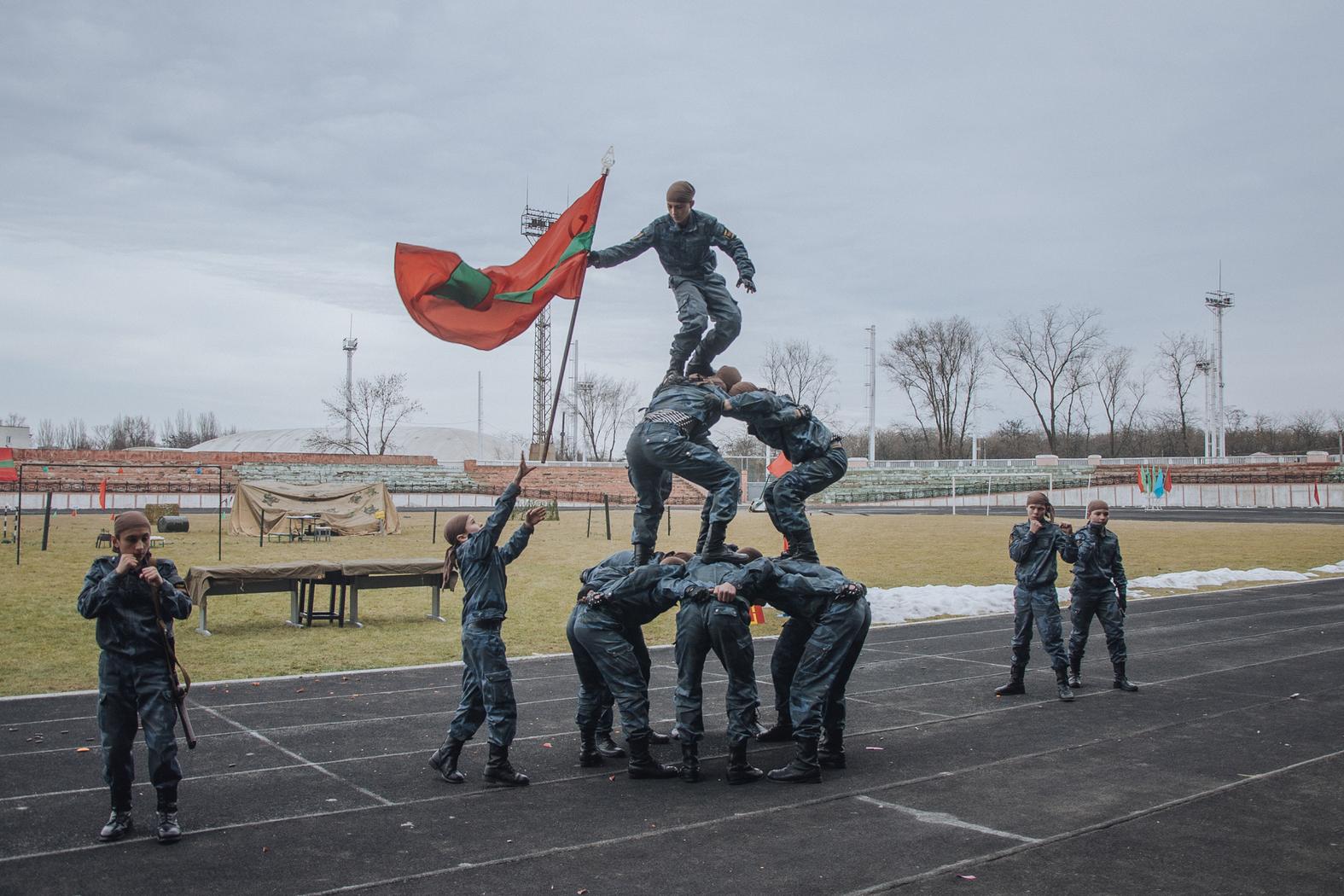
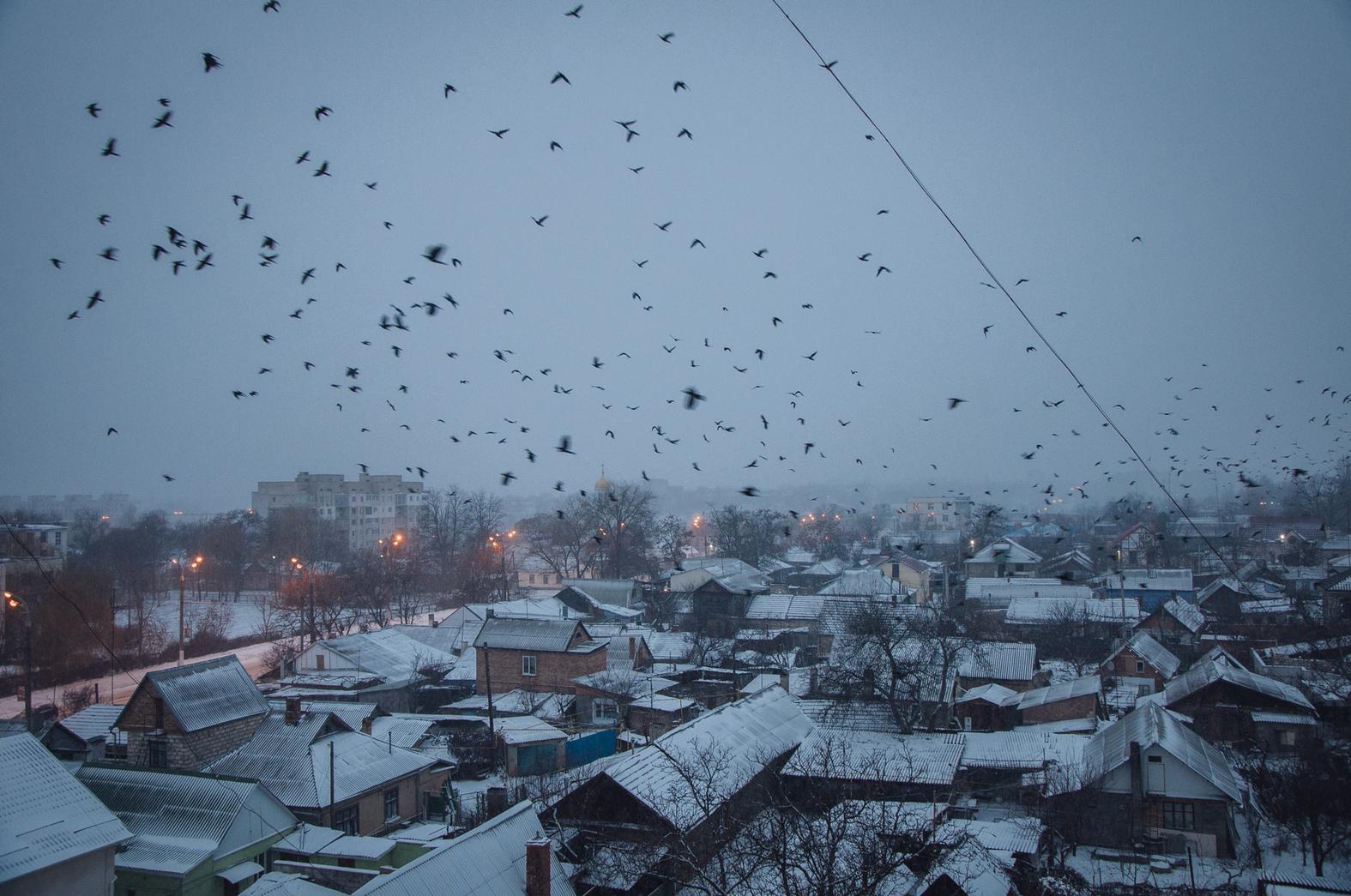
The self-declared Republic of Transnistria, which sits between Moldova and Ukraine, has fought for recognition for the past 27 years. In 1990, the small state—which is approximately 124 miles long—declared independence from Moldova, after that country broke away from the collapsing Soviet Union. Transnistria, which had a large Russian population, hoped to form a country that could remain a part of the USSR. After a two-year war, the Moldovan government granted the country limited recognition as an "autonomous territorial unit," with some control over its economy.
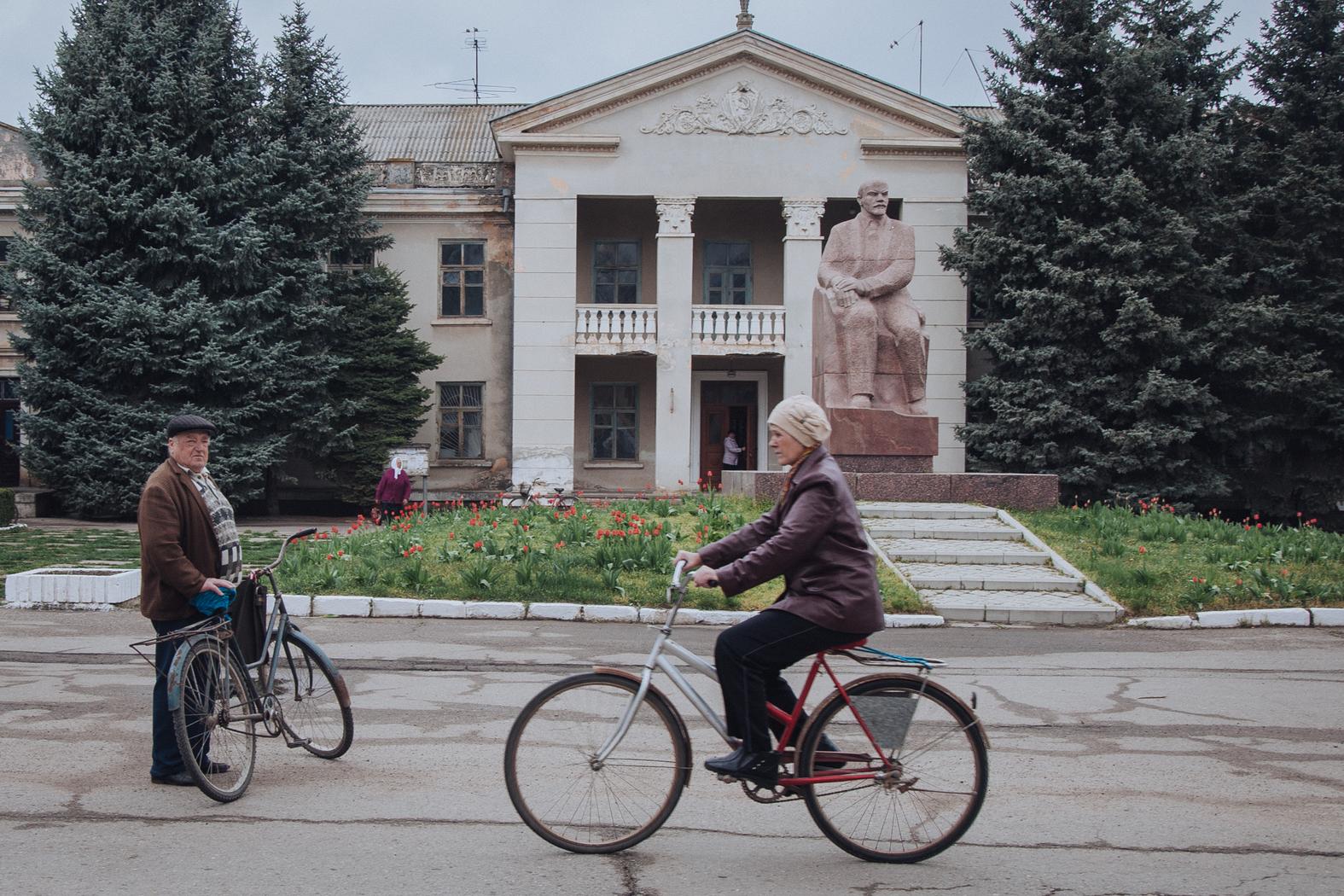
Today, although it has its own government, currency, and military, Transnistria survives off loans from Russia and isn't formally recognized by the United Nations. The state seems stuck in a bygone Soviet-era; a statue of Vladimir Lenin overlooks the main parliament building, Transnistrian currency has images of Soviet generals printed on it, and there's a framed portrait of Joseph Stalin hanging in basically every home and official government building.
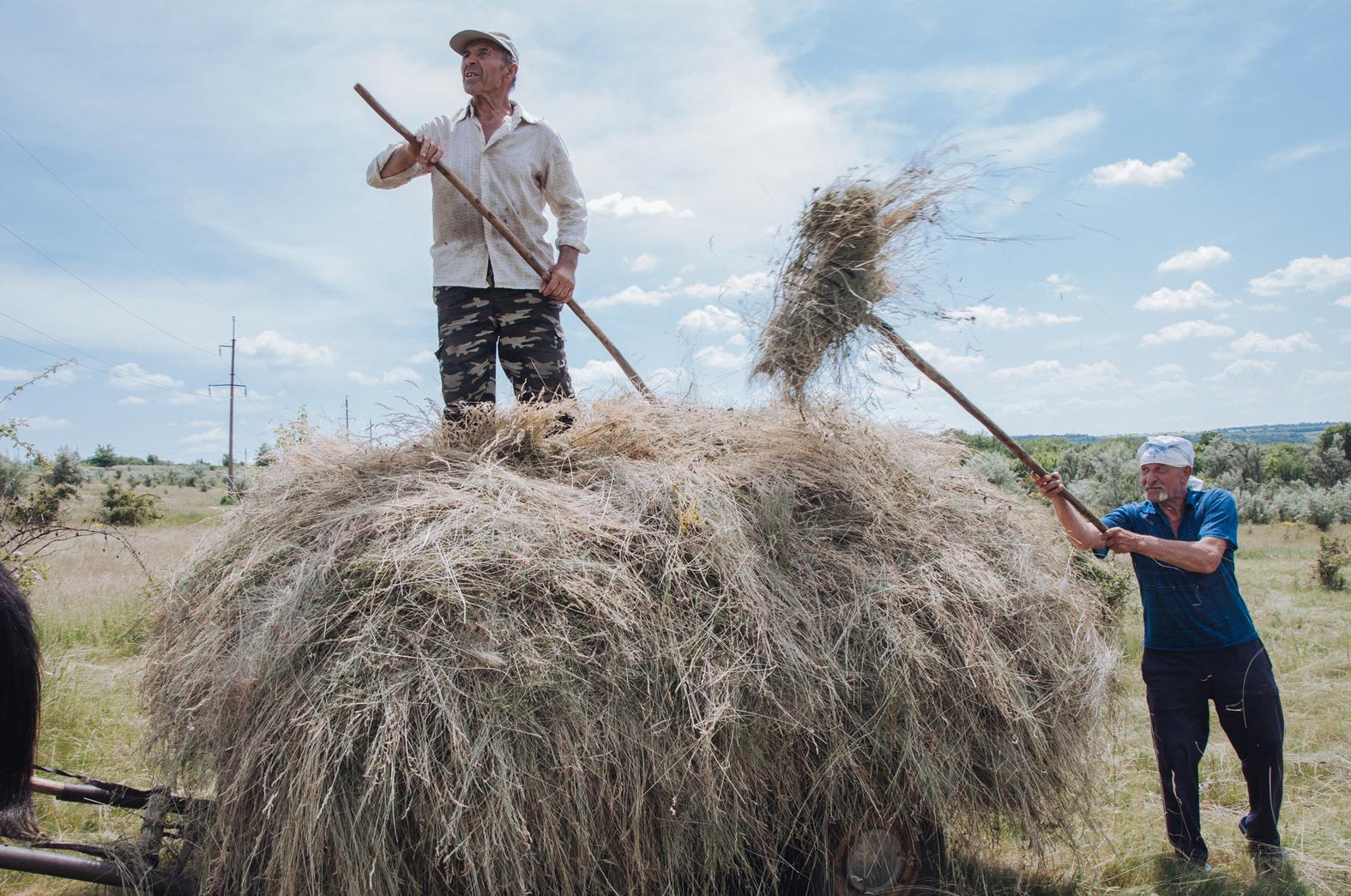
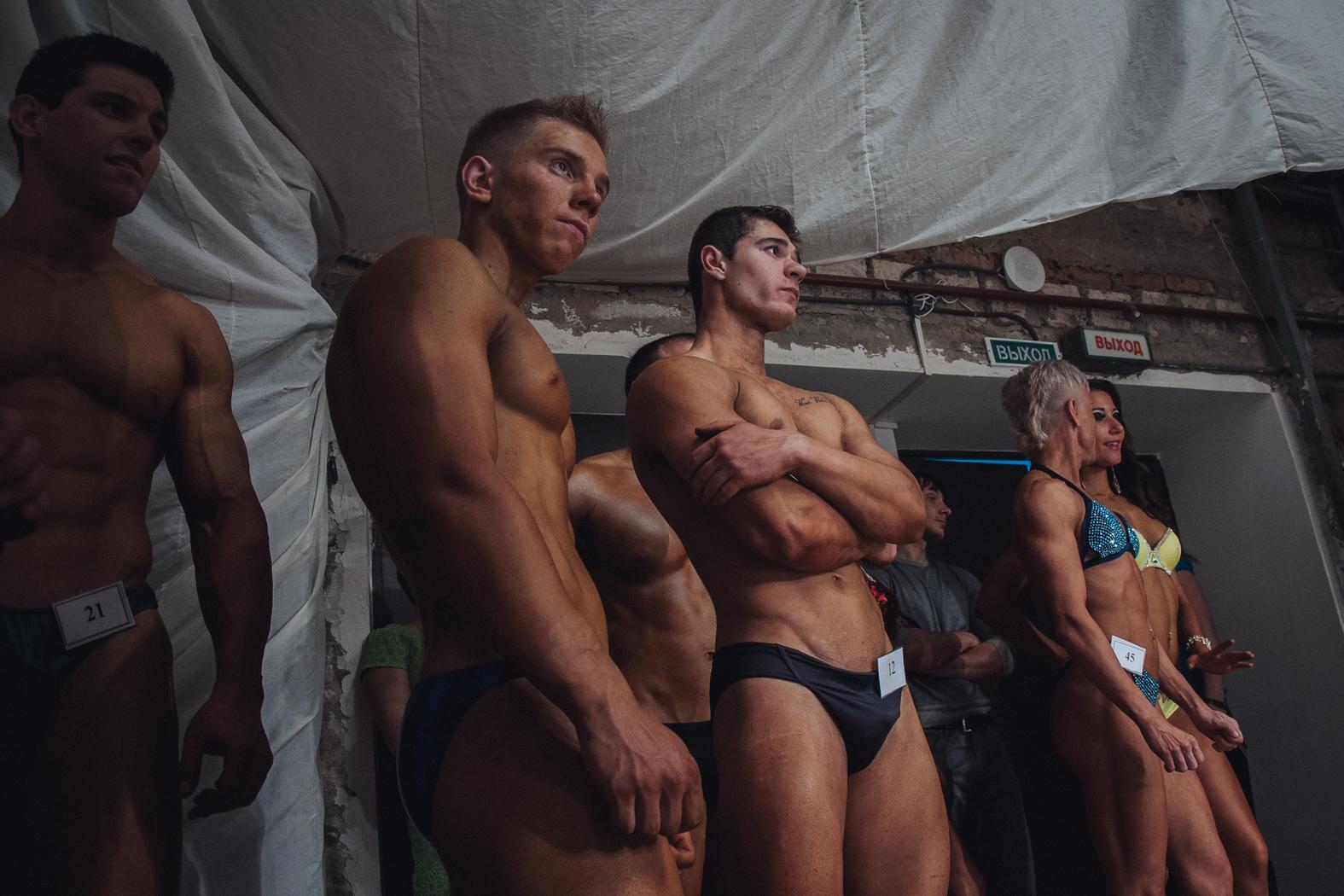
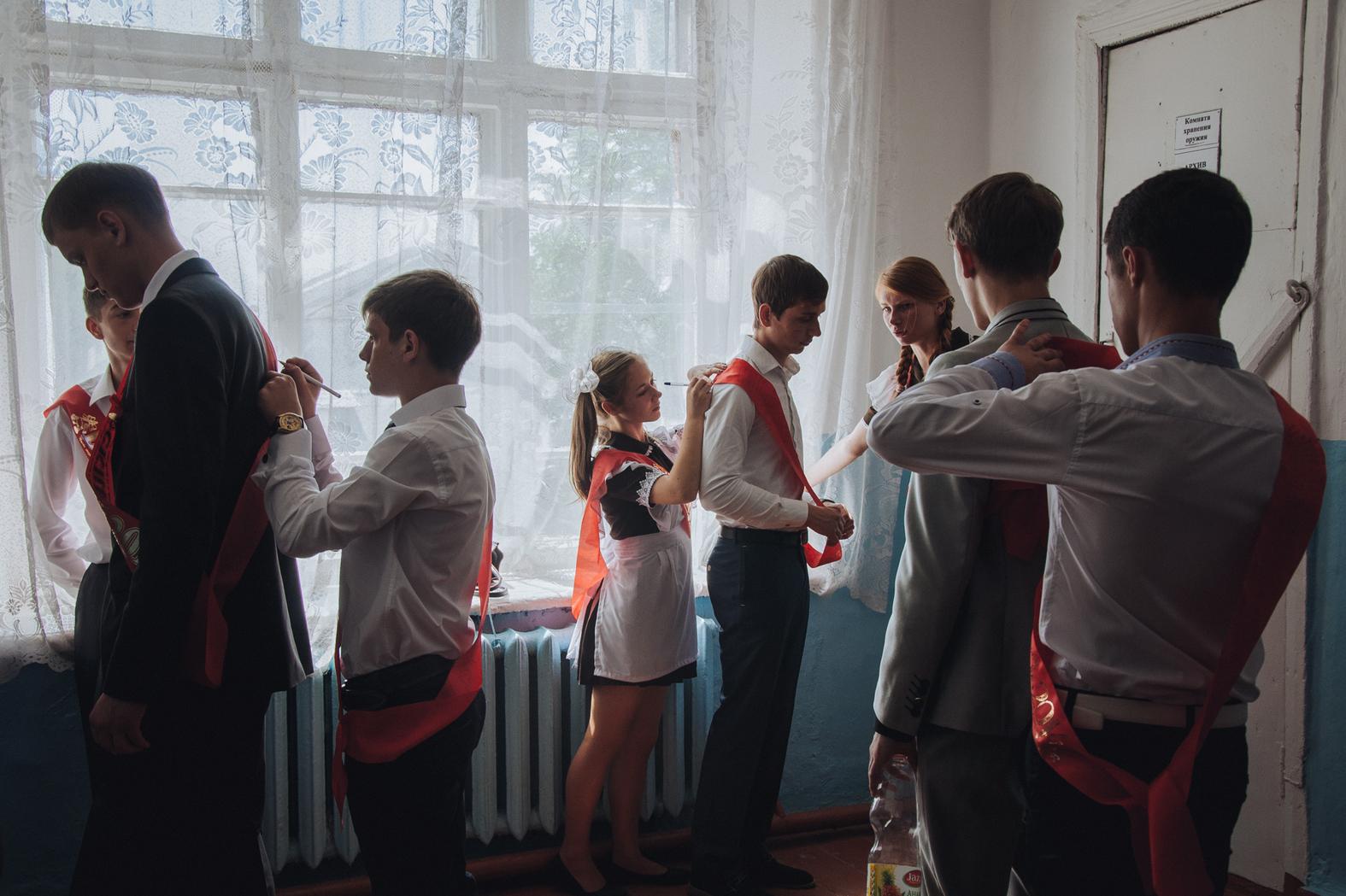
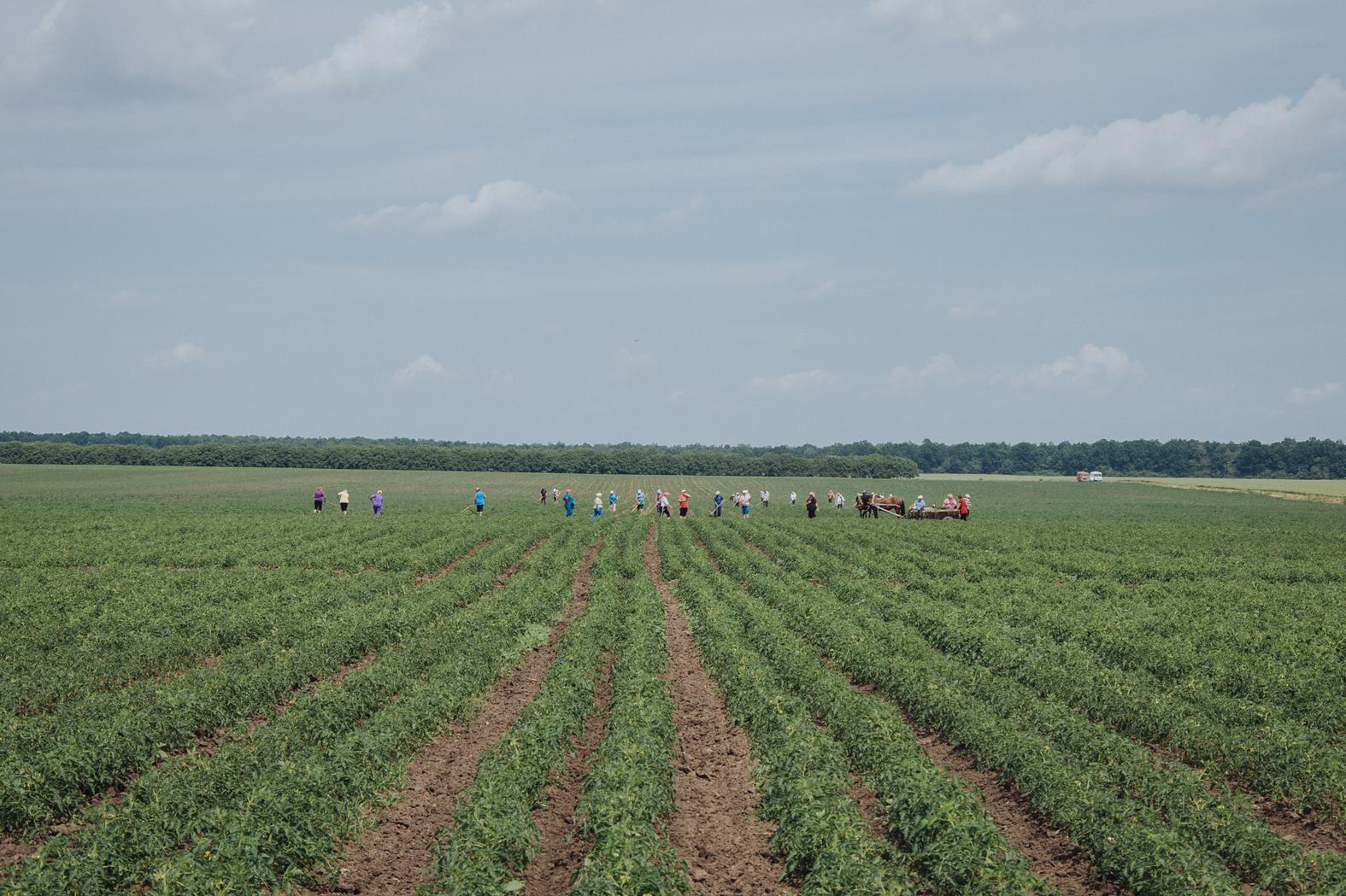
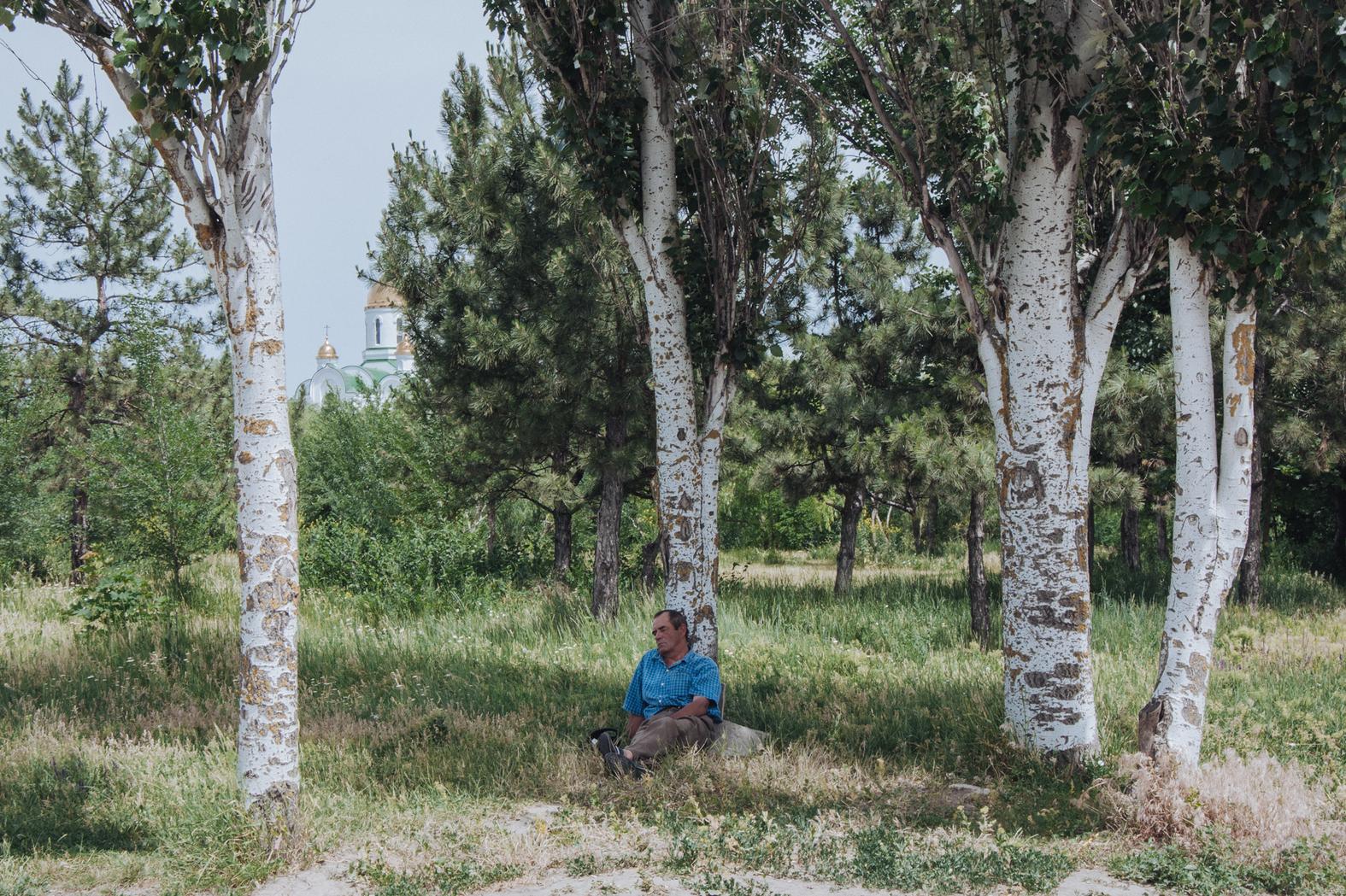
Transnistrian photographer Anton Polyakov wants the world to get to know his homeland a little better. His photo seriesTransnistria Conglomeraterecently won the British Journal of Photography's Bob Books Photobook Award for the way it "gives a voice to the citizens of Transnistria and brings them into our consciousness." I spoke with Polyakov to find out what it's like to live in a country that doesn't exist, and about how he hopes his work will change the way people look at a state that is often referred to as "the black hole of Europe."
VICE: How do Transnistrians cope with the idea of living in a country that technically doesn't exist? Polyakov: Establishing a national identity is very difficult. Historically, various ethnic groups—Russians, Moldavians, Ukrainians, and Bulgarians—have called Transnistria home. Nearly every young person there is faced with a tough choice. If you stay, what is there to do in a country that lacks its own established traditions, industry, arts, and culture, and has very little hope of developing those in the future? If you leave, where do you go? Most people choose between Russia and Moldova.
For outsiders, the country looks somewhat like an open-air Soviet museum. In terms of Soviet symbols and architecture, I don't think there's more here than in any other former Soviet republic. I appreciate the aesthetics of Soviet architecture—it should be preserved rather than replaced. It's part of our cultural history, and it's shameful to see people trying to get rid of it. I was born after Transnistria declared independence, so I don't really know what life was like under Soviet rule. But I don't feel it should be surprising that there's a Soviet mentality. For many people, that might well have been the happiest period in Transnistrian history.
From your photos, there seems to be a love of the military and bodybuilding among young Transnistrian people. Why do you think that is? Transnistria has yet to develop its own culture and traditions. The focus on our military and on physical education is an attempt to instill certain patriotic values in children—to imbue them with a love for their country.
In yourMahala project, you explore rural life in Transnistria by visiting the secluded village Hristovaia. Why were you so interested in this community? Fewer and fewer people today still live in secluded, rural areas, so I wanted to see how Hristovaians live on a day-to-day basis and how their closeness to nature influences their lives and their worldview. I wanted to learn what challenges they face—people personally and as a community.
How do young people spend their free time in villages like that? As you can imagine, there is very little to do in a small village in a tiny country. Still, most people have access to technology, so they're up to speed with what's happening elsewhere. Obviously, Transnistrian teenagers are like most teenagers around the world—they like pop music, video games, and gossip.
What keeps you in Transnistria? I feel like this is home. No matter where I go, I feel drawn to this place. I think it's important for me to do whatever I can to help our republic.
Scroll down for more photos from Anton Polyakov's Transnistria Conglomerate.
Which foods should be banished from the planet? Which bands should we stop idolizing? Which social norms need to die? Which TV shows are overrated (particularly ones with bastards, dragons, and incest)?
We asked friends and co-workers to tell us what petty, controversial opinion they secretly hold—the kinds that would would cause a full-on ruckus if aired at the family dinner table, at the corner bar, or in the break room at work. Here's what they said.
"Dogs are more fulfilling than children." - Brianna, 32
"Game of Thrones is fucking stupid." - Jenn, 38
"Breakfast food is not good at all." - Michael, 33
"Most 1970s punk is fucking terrible." - Larry, 29
"Most nuns are really complete assholes." - Matt, 26
"Hot dogs should be considered sandwiches." - Mike, 38
"Two step authentication needs to die." - Shani, 37
"Rosé tastes like cold, tart piss." - Kelly, 34
"Reclining on airplanes should be illegal." - Emily, 34
"Staying home beats traveling every time." - Cait, 38
The biggest player in both the cardboard and digital board game realm right now is the French company, Asmodee. If there’s a board game publisher you like, there’s a good chance they fall under Asmodee’s umbrella, and not just the cardboard version. Starting with Colt Express last November, they’ve published a ton of digital board games like Mysterium, Potion Explosion, Onirim, Pathfinder Adventures, and more. They’re only beginning, too, with upcoming titles both from their own cardboard catalog as well as tabletop titles that Asmodee has nothing to do with. It’s kind of crazy.
Before we get to the new, wild stuff, let’s take a look at what Asmodee already has on the books.
All of these range from “decent” to “outstanding”, with no real duds in the mix. Asmodee is committed to continued support for these titles in the future, with new content for Pathfinder Adventures already being released and new content for other games in the works.
That’s all good and exciting, but we really want to focus on the new stuff. The biggest news from Gen Con was the announcement of Terraforming Mars, a Kennerspiel des Jahres nominee this year and published by Stronghold Games. Since its release, TM has become my kids favorite game of all time and has been their go-to title whenever we have time to throw cardboard on the table. It’s a pretty great game, only hampered by some physical component decisions which won’t be a problem on our iPads. This one is just getting underway, so we won’t be seeing in on the App Store until 2018.
Another big game that we’ve already talked about is digital Scythe. Still being developed by Knights of Unity, but Asmodee has taken over the publishing duties. Check here for our previous coverage of the digital version of Scythe, with this caveat: our original posts indicate that Scythe would be coming to iOS/Android as well as PC/Mac. Asmodee has told us that Scythe will only be coming to Steam, with mobile versions not being listed on their press release. Will they be coming at a later date? We can hope, but right now it looks like Scythe will be a Steam-only release.
Other titles in development with a 2018 release date include the following:
Zombicide by Cool Mini or Not for iOS/Android/Steam
All those are titles are in Asmodee’s far future, but in the near future they have a ton going on as well. In 2017 we can expect no less than six new releases. First off is Ticket to Ride: First Journey, which is a family version of TtR that’s appropriate for everyone, even the little ones. They’re also releasing a new version of Carcassonne for Android/Steam which will make the other platforms finally have a version of Carcassonne as shiny as the iOS one, which is developed by Coding Monkeys. Cross-platform play between the Asmodee and Coding Monkeys’ version is currently not available, but Asmodee told us that it’s not impossible and is something we could see down the road.
Classic racing card game, Mille Bornes, is also on the way for iOS/Android/Steam as is the classic abstract title, Abalone. They announced that AEG’s card-mixing battler, Smash Up!, is still coming from our friends at Nomad Games, but will now be under Asmodee’s watchful eye and should be available for iOS/Android/Steam in Q4 of this year. Lastly is Catan Stories which is something a little different. Instead of another board game in the Catan line, this is a gamebook-like text adventure set in the Catan universe. I know it won’t, but I’m really hoping it takes place in this Catan universe.
That’s all they would talk to us about at Gen Con, but they hinted that it’s only the tip of the iceberg. What other secret awesomeness is Asmodee hiding? We honestly don’t have a clue, but were told that we should have some indication in September or October at the latest. As usual, we’ll let you know.


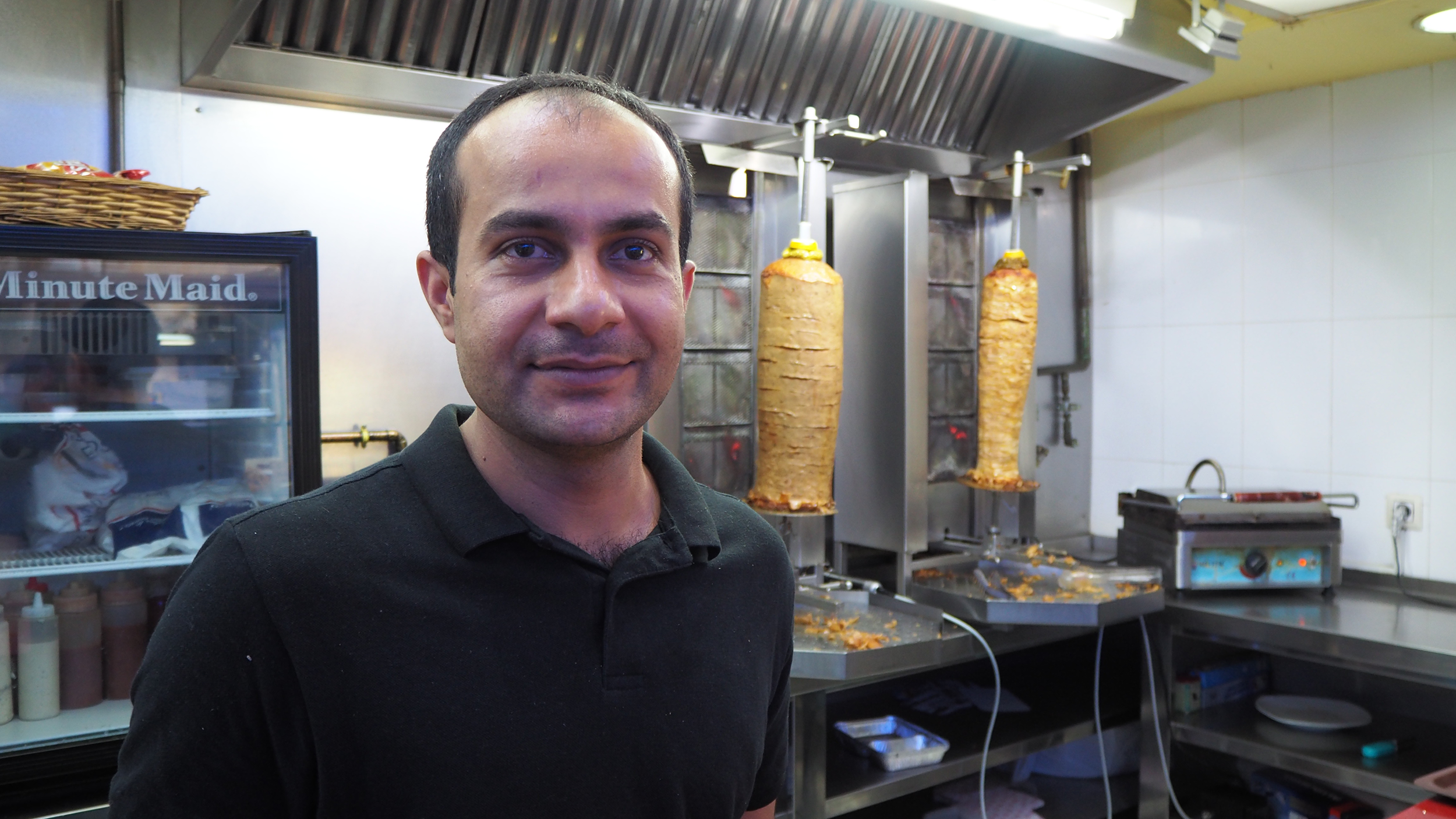
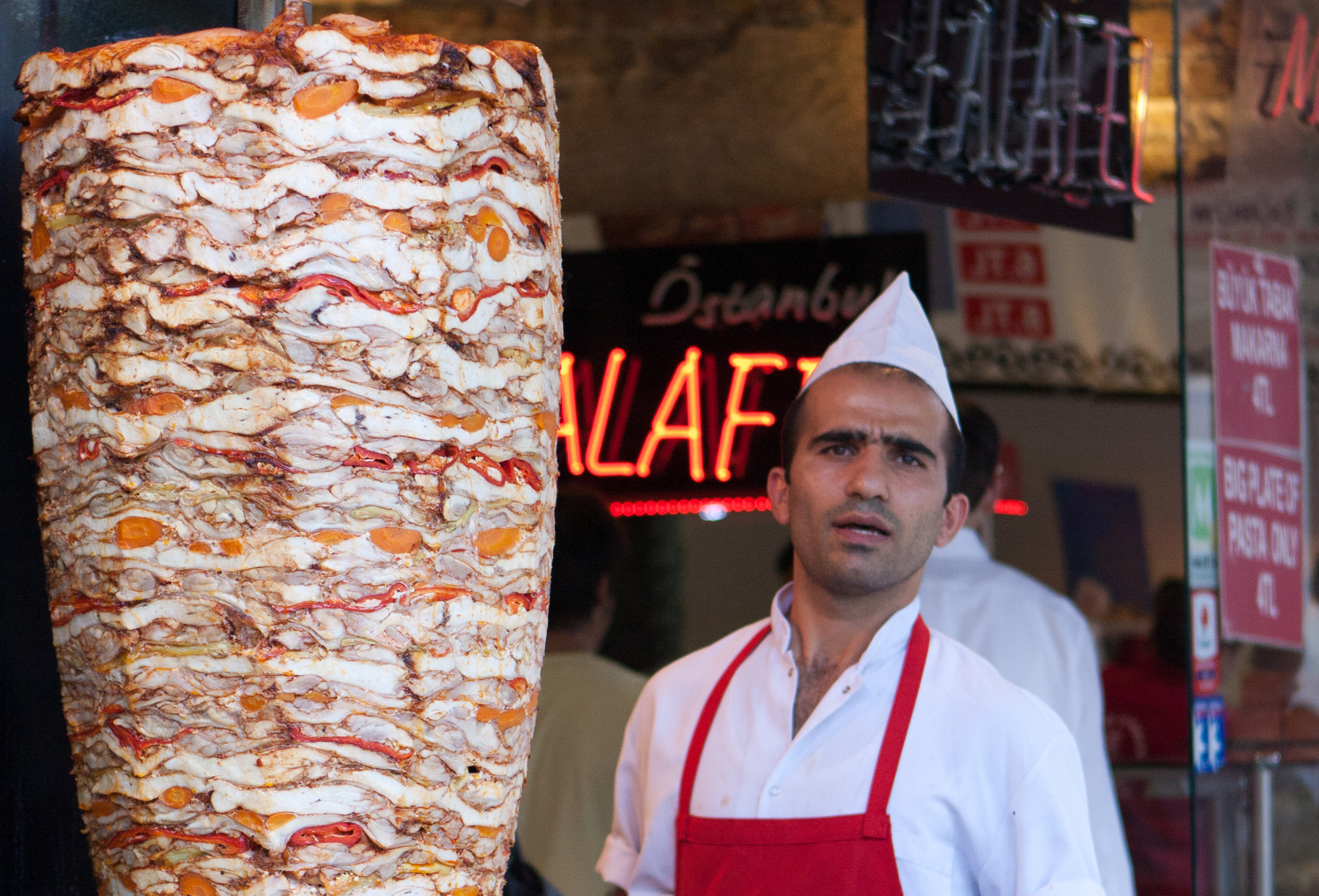

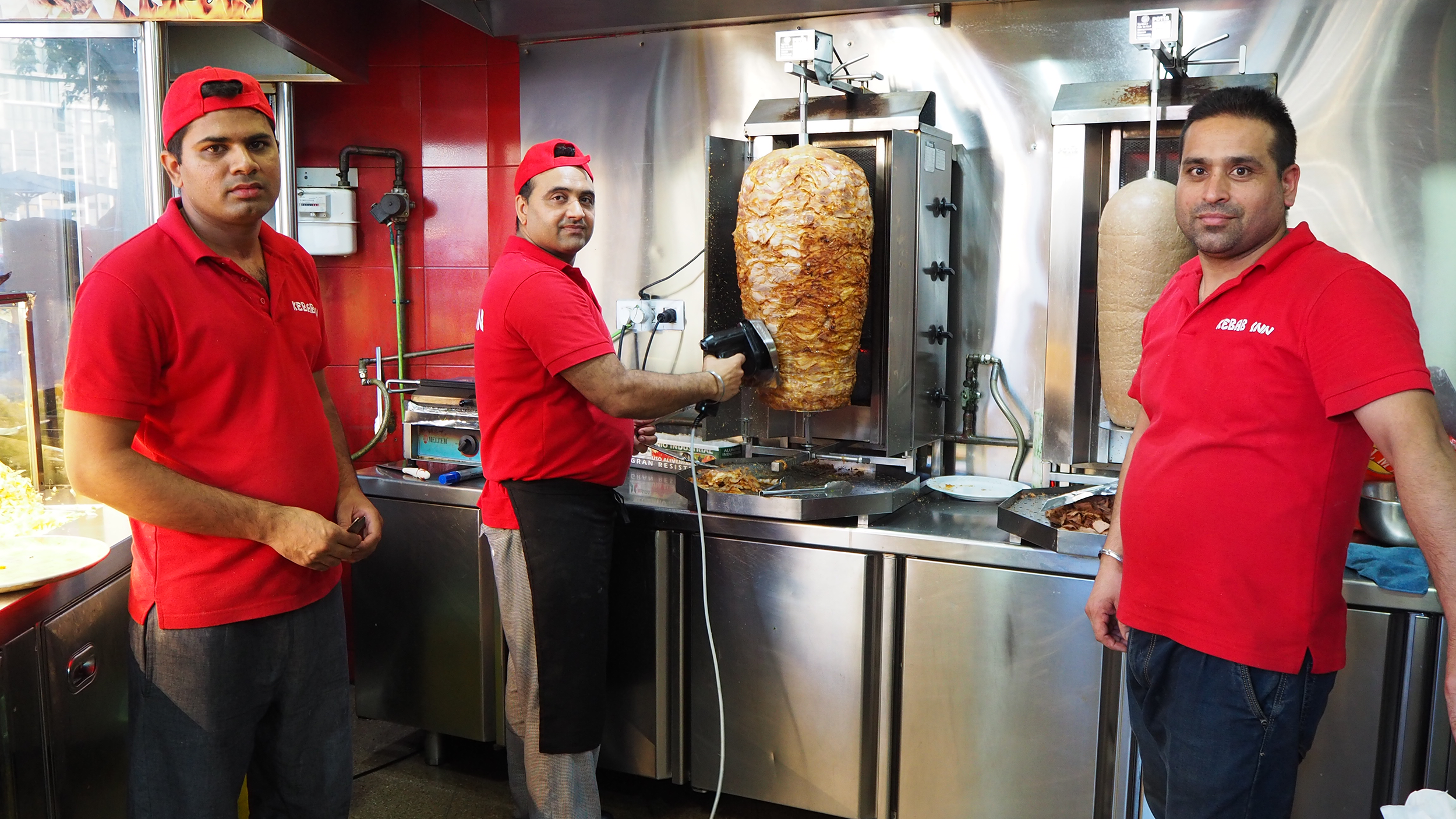
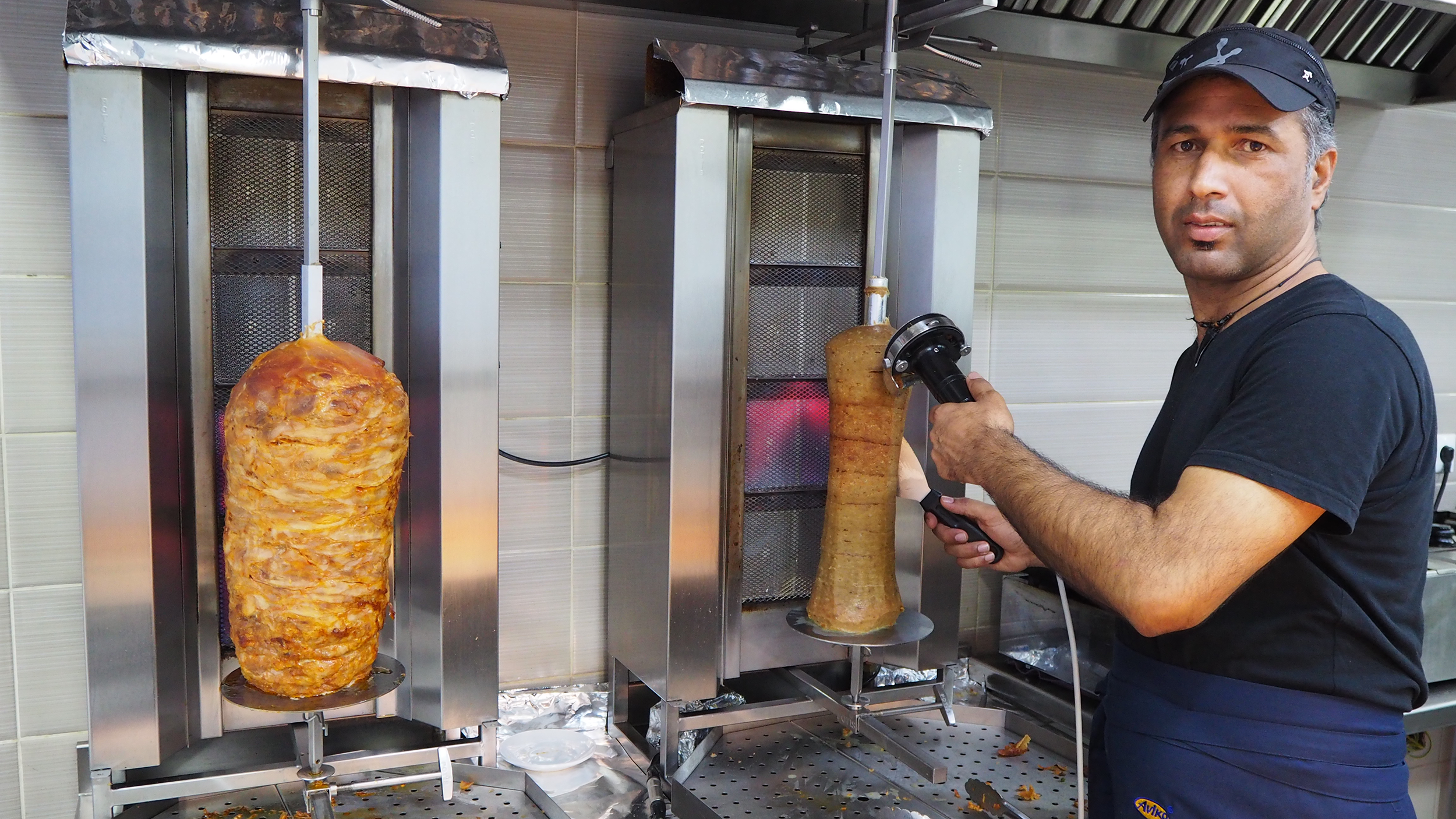

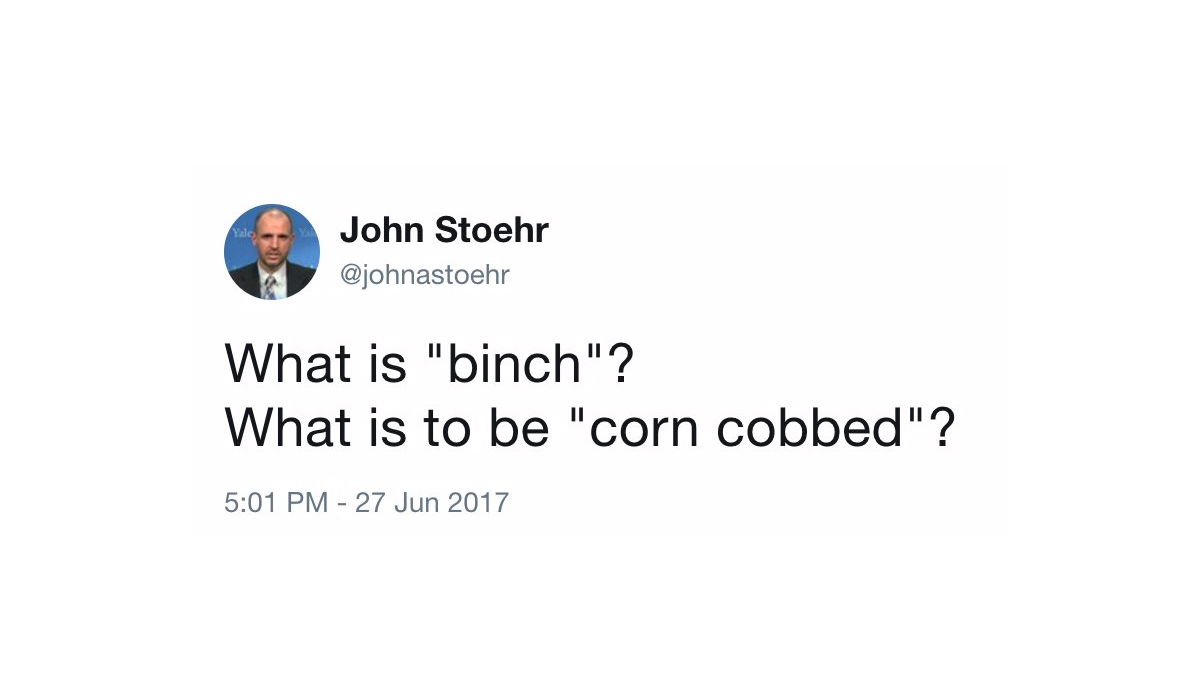

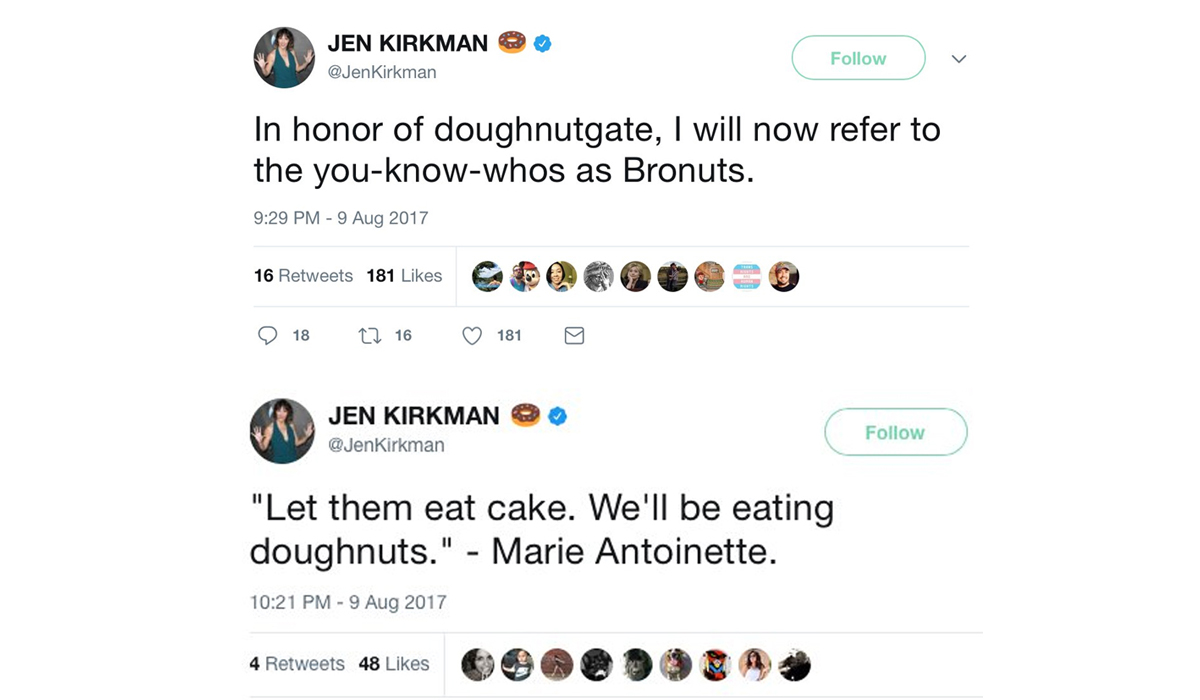
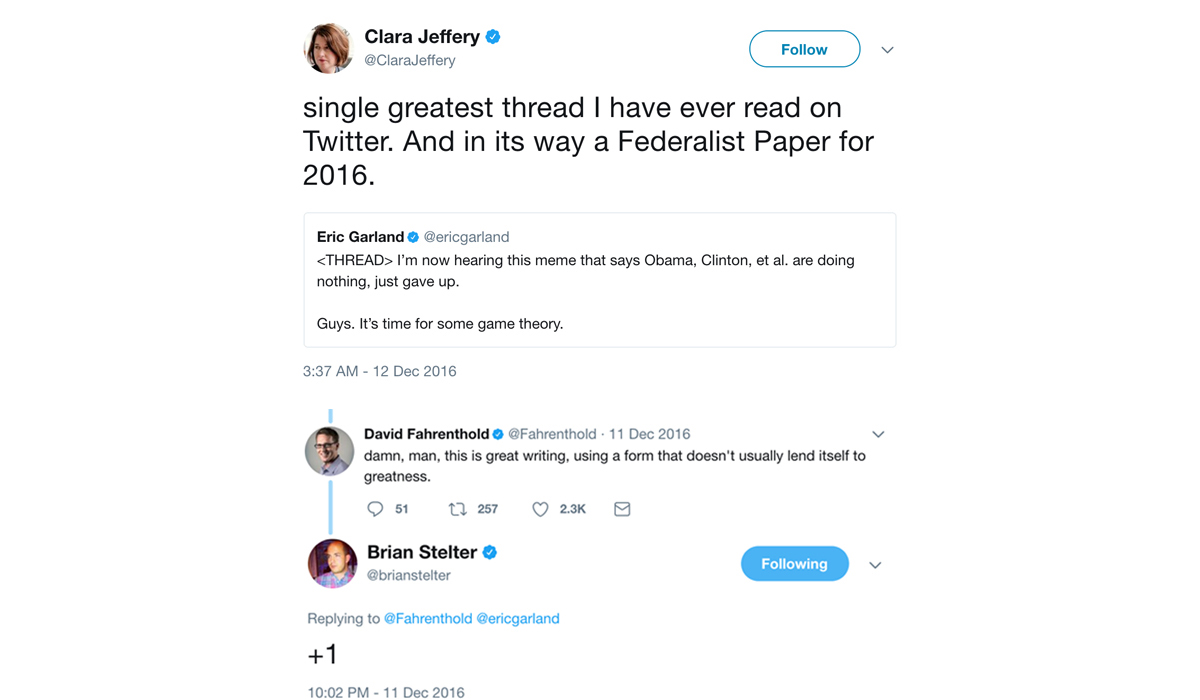





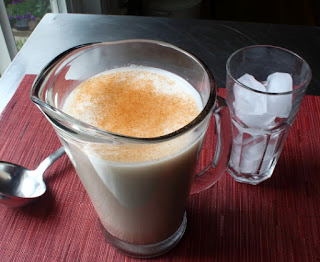 When it comes to delicious, unique, and refreshing summer drinks, it’s hard to beat horchata. There are countless ways to make this, but my preferred method is easy, relatively quick, and doesn’t require any tigernuts, whatever those are.


 Bola de pozol, lista para preparar la bebida


 El término "cuñadismo" es una de las palabras de moda, aunque solo es un sinónimo de la palabra sabelotodo, es decir, alguien que opina de todo creyendo saber más que los demás, cuando en realidad sabe bastante menos que los demás.