From a recent scientific discovery about your clit’s legs (??), to the boners you don’t know you’re getting, here’s some info that will make you less clueless about what’s going on underneath your tights. By Sophia Larigakis. Drawings by Maggie Dunlap. Vaginas are everywhere lately. Have you noticed? They used to just be in Georgia O’Keeffe paintings and the odd medical textbook, but now they are in every. single. place. you look. You literally can’t walk a block without seeing seventeen…
Ésta es la típica receta de café hecho muy a la mexicana, como cuando vas a un rancho en una tarde fría y comienza la cena con pan dulce y café de olla. Es la receta más sencilla pero con gran sabor, son de esas bebidas que calientan no sólo el cuerpo sino también el […]
Los más finolis los odian. Los adolescentes y los seres que habitan en pisos de estudiantes los los adoran. Y los cocinillas de mediana edad los miramos con tanta curiosidad como escepticismo: ¿será verdad que los mugcakes, esos pastelitos venidos de Estados Unidos, elaborados en una taza y cocinados en poco más de un minuto en el microondas, están tan deliciosos como prometen? A pesar de que desde lugares tan fiables como el blog Webos Fritos se anima a abrazar esta nueva religión, yo nunca me lancé a hacerlos. Por eso tengo clavada esta espina desde 2015, año en que los mugcakes lo petaron.
Before Creedence Clearwater Revival were the chart- topping, era-defining band they went on to be, John Fogerty, his brother Tom, Stu Cook, and Doug Clifford had been struggling to make an impact for almost a decade. After playing in various bands that didn’t make much of a splash, their mid-’60s incarnation as the Golliwogs found the group kicking out some seriously good garage rock, snappy Beat group knock-offs, and quite a few songs that pointed towards CCR. The band started off in 1964 with Tom and John sharing lead vocals on songs like “I Only Met You Just an Hour Ago” and “You Got Nothing on Me,” amiable Beatles-inspired songs that make up for their lack of originality with a healthy dose of teenage energy and occasionally strike gold, like on the moody…
…”Don’t Tell Me No Lies.” Once John took over on vocals and asserted his songwriting skills, things started to get more interesting. In 1965/1966 they started working on their own sound and in the process made some great garage rock. “Brown-Eyed Girl” is a dark, rumbling, minor-key rocker that Them would have been glad to have in their set; “Fight Fire” is a monster rocker with some fiery guitar riffing, and the garage ballad/rocker hybrid “Try Try Try” would have been a highlight of a Nuggets comp. By the time late 1966 hit, the band was starting to tap into something unique and that fall’s single “Walking on the Water” is a weird, one-chord song where the transition to the dark blues of CCR really begins. It’s in the power of John’s vocal, the clipped guitar playing, and the brutal drive of the rhythm section. From that point on the band went from a traditional garage band to something a little fuller and more expressive. The songs they recorded in 1967 show a new level of confidence and richness, with John coming into his own as a songwriter and the band starting to capture the tightly wound toughness they became known for. Tracks like the soulful “Tell Me” or the rollicking “Porterville” (which CCR ended up re-doing later) basically sound like Creedence, and good Creedence at that.
The Golliwogs work has been compiled before, on LP in the ’70s and as part of a CCR box set in 2001, but this is the first time their complete works have been showcased as a whole under their own name. It may have been down to legal issues or perceived lack of interest that it hasn’t happened until now, but the important thing is that it has finally happened and fans of CCR, John Fogerty, and good old-fashioned garage rock can be glad of it. — AMG
They told you about their dream of chasing their passions until the day they die, even if it meant scraping by for a while or taking a pretty big risk to achieve it- and rather than supporting them or helping them brainstorm how to get there, you suggested they abandon the idea altogether and should go a more “traditional” route- and it didn’t take long for them to see this wasn’t going to go anywhere.
You both got into a discussion involving a situation that to you seemed very black and white, but to them had so many different angles to be discussed. You couldn’t understand why they would even be willing to entertain the opposing side’s beliefs and told them they were being unreasonable and unnecessary. They quickly realized they couldn’t be with someone so narrow-minded, so they walked away.
ENFJ
You kept yourself closed off, never willing to share your feelings with them. While some people can be more introverted and private, they needed that validation to feel like they are valued in the relationship- and when they stopped feeling like they were needed, they ended up leaving.
INFJ
You never made them feel like they could fully trust you. They tried to open up and express themselves emotionally to see if you could handle it, and instead of providing a place of security that they could feel at home in, you were hesitant and unsteady, causing them to second guess whether they could really invest themselves emotionally with you.
ENTP
They constantly suggested trying to do new things- exploring different ideas, discussing new theories, meeting new people- and you shot them down every single time. When it came down to it, they were honestly bored and felt stifled in the relationship.
INTJ
You lied to them about something extremely important because you thought telling the truth would cause a major conflict, when in reality you could’ve worked through it and talked it out. However, the moment you lied you broke their trust- and there is no going back now.
ESFP
You were jealous of the amount of people they spent time with, and rather than talking about how you felt or even becoming part of the circle yourself to get to know them better, you presented them an ultimatum- you or their social circle. It wasn’t much of a choice for them.
ISFJ
They trusted you with something they were sensitive about, and rather than being considerate and kind, you turned it into insensitive jokes. When they tried to express to how hurt they were, you brushed it aside and told them they were “too sensitive” and needed to deal with it. After one too many times, they couldn’t stand to stay with someone who couldn’t set aside their arrogance.
ESFJ
You never made them feel like you were committed long-term. Even though you may have been in a relationship, you never wanted to show it or do anything that would indicate you were going to be around for a long time- whether it was meeting each other’s families and friends, planning a trip together in advance, or even discussing your potential future together. Once they realized they couldn’t feel secure with you, they felt no choice but to break things off.
They finally let you in and tried to express their true selves, and your response was less than enthusiastic or reassuring. Rather than taking time to try and understand and appreciate them as a person, you kept noticing and emphasizing their flaws or things you didn’t like- and they felt unable to to truly be themselves with you, which was a deal-breaker.
ESTJ
You told them you would be there for them, but constantly cancelled or backed out at the last minute for other things. While they were understanding for awhile, they eventually felt like they couldn’t rely on you when they needed you most, so they walked away.
ESTP
They tried to get you you to try something different- exploring new places, taking on new adventures, but you preferred to stay inside and never wanted to go anywhere. While there is nothing wrong with having a night in every once in awhile, there was never any give and take between your interests.
ISTP
You were very insecure in the relationship- and they weren’t sure how to deal with it. While they tried to express their love for you in other ways, but you didn’t take notice unless they were saying it constantly- and eventually it drove them away.
ISTJ
During your relationship, you ended up in a situation that put you two at odds with your moral beliefs- and it turns out your moral compasses fell in different ways. Once they realized that your foundations were too different to find much common ground, they had a hard time seeing the relationship go any further.
INTP
They were always ready to grow and learn about something new- and they picked up quickly that you were not. Every time they tried to talk to you about a new theory they had learned or and idea they had, you seemed completely disinterested and probably even bored. After awhile they felt they had nothing to really talk with you about- so they felt the need to break things off.
You betrayed them in a moment of weakness. Maybe it was revealing one of their secrets, manipulating them, or even having an affair with another person- one way or another you double crossed them and there was no way you could earn their trust again.
When Jon Bernthal returns to Netflix later this month in The Punisher, he'll be walking down a well-worn path. The superhero-movie industry likes to paint itself as risk-averse, but somehow the Marvel antihero has been given room to fail on the big screen three times before his well-received supporting role in Daredevil. Now that he's the headliner again, it's worth looking back on one of those failed attempts, one of Marvel Studios' best and most under-appreciated films: 2008's Punisher: War Zone.
Coming out the same year as the inaugural Avengers titles Iron Man and The Incredible Hulk, War Zone was part of the first batch of Marvel films made in-house (unlike those two, however, the Punisher character rights belonged to Lionsgate, which financed the movie in partnership with Marvel).
Who owns what in Marvel's stable of characters is an ongoing source of convoluted relationships between films; rather than being part of Marvel's "Phase One," War Zone was produced as part of an aborted side project called Marvel Knights. Like the whole Marvel Knights imprint, War Zone was quietly written out of canon after terrible reviews and subpar box-office earnings. Its fate was all but cemented when Marvel recast titular actor Ray Stevenson in the Thor films before the Punisher's official reboot in Daredevil.
Looking back, War Zone has all the hallmarks of the kind of movie superhero fans are always asking for. It's still the only Marvel film helmed by a woman, Lexi Alexander, making its casual dismissal all the more annoying.
What's more, War Zone has the hard R-rating of Deadpool and Logan, with the pitch-black humor of the former. These are important points of comparison. Marvel's in-house productions are overseen by Disney, and their kid-friendly lightheartedness doesn't hide their provenance.
FOX got a lot of attention with its edgier, adult-oriented X-Men spinoffs. The two films are already fan favorites in the superhero genre, and that little capital R on the posters is at least partially to than—Deadpool was especially successfully, briefly holding the record for the biggest single-day opening of an R-rated film. Marvel has been cagey about the prospect of R-rated Avengers titles, but this success can't have gone unnoticed. Kevin Feige, president of Marvel Studios, has recently become publicly more open to the idea, marking a change from earlier Disney statements.
War Zone's nostalgia and playful sense of (dark) humor similarly taps into some of what makes more recent Marvel titles feel fresh and exciting, in that peculiarly contemporary recycled way. It's a throwback to 80s action movies—maybe more violent than Guardians of the Galaxy, but playing in the same ballpark of nostalgic references. That's a strategy that seems to be working, with the most recent film Thor: Ragnarok getting praise for its Flash Gordon-y sense of classic sci-fi adventure (and 80s comic-book color palette).
But War Zone's tongue-in-cheek outdatedness and gallows humor seem to have been missed by critics who called it a "monstrosity" and an "inane bloodfest." It's a film that shouldn't be read straight, but instead with an openness to lines like "Fuck you, Castle, you fucking fuck!"
Admittedly, Frank punching through a guy's face or driving a chair leg into someone's eye aren't the most whimsical of images, but you have to admire the absurdity of it all. It's the kind of ultra-violence that goes so far as to be funny. Even the coke-sniffing Italian mobsters standing in Frank's way are a trope so outdated as to feel like some kind of anarchic statement. Again, the parallels to Deadpool are important. Had War Zone been marketed with an emphasis on its comedy, like Deadpool, it may have paved the way for a more receptive audience.
In all fairness, there are plenty of valid reasons why people wouldn't love Marvel's bastard child, not least of which is that the character is always hard to root for. In short, Frank Castle is a simple character. His family was murdered, leaving him broken but with a mission to use his military training to take out criminals as the Punisher whenever he sees the justice system fail. Unlike other heroes, though, Frank is fine with just killing his marks (and those around them), removing a lot of the nuances and moral complexities of the superhero job.
That simplicity makes it hard to get Frank right, too, as was illustrated by the painfully awful Punisher films that preceded War Zone. The Punisher (1989), starring Dolph Lundgren in the title role, feels like an action B-movie cashing in on the successes of the bigger stars of its time, like Arnold Schwarzenegger and Bruce Willis. Thomas Jane (and his kitchen-sink dye job) is OK in 2004's The Punisher, but none of the supporting actors seem like they're acting in the same movie, making the whole thing feel tonally incoherent.
Dolph Lundgren and Thomas Jane, missing the mark in their own ways
Of course fleshing out Frank's personality and motivations is a big risk. Frank's a monster who is sort of sometimes barely a good guy. The murder of his family is all the character development he ever needed, so thought bubbles and drawn-out monologues feel forced and function as hugely problematic justifications of his brutal vigilantism—they tend to spoil otherwise interesting comic-book iterations of the character and don't work any better when adapted to the screen.
Punisher: War Zone, more than any other superhero movie, seems to get that this is the problem with the Punisher, if not every other superhero too. It doesn't waste any time giving us a glimpse into his mind, because what's the point? Frank is like the shark from Jaws. We need him to keep the tension up and the story moving forward, but it's how the characters around him react to him that really determines if a Punisher movie works or not.
That's what War Zone understands. It's not the most memorable film, and it's ridiculous on so many levels, but it doesn't stray from its purpose, namely having a one-man army take on New York's criminal underworld. Between shootouts, we see bumbling cops and cartoonishly evil mobsters try to figure out how to deal with Frank.
The moralizing that we usually find on the surface of other superhero movies is only implied here, and it's so much more compelling than elsewhere. There's little doubt that Frank is going about this the wrong way, so we're forced to question why he doesn't seem like more of a villain. And how different is he from the cops who more or less accept his MO? How broken is our system that when Frank scoffs at the idea of rehabilitation, he sounds just like a politician or police chief, albeit more direct about his scorn for the slow process of justice?
There's something almost refreshing about Frank's honesty, in a fucked-up way. He's a hopeless shell of a man who has given in to despair and is now defined by his compulsive need to lash out. He should be easy to dismiss as a villain, but the fact that both cops and the general public are on the fence about him is oddly believable. No other Punisher film, comic, or series that I've come across has managed to distill Frank as perfectly as War Zone has in this regard, and it does so while still being a fun shoot 'em up film.
The closest we come to Frank growing as a person is when he accidentally kills an undercover cop. This could have led to a hokey redemption arc, but it doesn't. Seeing the effect on the man's family leaves Frank questioning his mission, not because what he does is wrong but because he has become what he hates. It's a revealing bit of self-reflection that calls into question everything about the Punisher. His motive is absurd and selfish, and his reason for almost quitting is just as stupid. The simplicity of this broken man is suddenly laid bare.
Bernthal's take on Frank, to its credit, did work similarly well in Daredevil. Unlike Matt Murdock's horned hero, Frank isn't tormented by guilt or questions of right and wrong. Pitting the two of them against each other and pairing them as unlikely allies cranks up the drama without forcing the Punisher to get introspective or grow as a person.
Now that he's going solo, things might get muddy again. Trailers give the impression that the Punisher series will focus on surveillance state overreaches and a conspiracy to silence Frank, who saw and participated in war crimes. These are interesting issues, but is the Punisher the right character for unpacking them? If he's morally torn when breaking the rules of war, how will he justify killing strangers without due process? And can any of us trust Marvel to know how to approach this?
The release of The Punisher was wisely pushed back after a heavily armed gunman opened fire on a crowd in Las Vegas last month. But the underlying philosophical problem with Frank Castle doesn't get any less complex after a few weeks' delay.
The Punisher should be a difficult character. In a broken system, he solves problems efficiently, but certainly, not justly, nor without innocent casualties. He's a good guy only insofar as his heart is in the right-ish place. It doesn't excuse him. As soon as we get too close, things start to get ugly. Let's hope he's kept at a safe distance now that he's the star again.
This is a video of a Miami, Florida man letting his pet emperor scorpion Mordekai crawl out of his mouth. What a party trick! Of course it doesn't look like it happened at a party, it looks like it happened in a sideyard. Hopefully he at least bought a keg. So...yeah. Fingers crossed he shot the clip hoping Tinder starts allowing video profiles.
Keep going for the video, as well as a BONUS one I found of a crazy person setting the Guinness World Record for most scorpions in his mouth at once, with a total of 21 (the key is using tiny scorpions).
Thanks to hairless, who agrees putting pets in your mouth is generally a no-no.
If you’re a fan of the internet in the form of Instagram, YouTube, or Tumblr, you’ve probably noticed a certain trend seeping into your feeds lately: Slime. No, not the green goop from the heyday of Nickelodeon; this slime is pretty, sparkly and the biggest new Instagram fad. Today’s slime looks like soft toffee, or gum, or gel, and videos of beautiful hands manipulating and mixing the stuff with colors, glitter, beads, and even make-up are all over the net. Slime-based Instagram accounts and YouTube channels have millions of followers that are generating serious money for their administrators, mainly young women, and even causing a shortage of Borax, which is a key ingredient in many DIY slime recipes.
While the trend has been covered all over lately, the origins of the phenomena remain mysterious to many journalists and even slimers themselves. Popular slime content creators confess that they came across it, thought “it looked really pretty,” and began their accounts because it was fun. They wanted to play with slime themselves, because they were seeing it everywhere. But where did it come from? In many of the articles linked above, the origins of the trend are hand-waved as murky, with only one pointing to the boom in the trend beginning in the summer of 2016. None of the articles I’ve read on the trend have addressed what, to me, as an avid Tumblr-er, was at least one obvious source: the online autistic community.
First, some background and some light science. Slime, as a material, has been around for a long time in many forms. We nineties kids remember products like Gak and foam that behave like slime. Slime itself is what’s called a non-Newtonian fluid, meaning it doesn’t quite follow the properties of fluids as observed by Isaac Newton. Non-Newtonian substances exist in-between a solid and a liquid and have all sorts of cool properties. (Check out this Mythbusters segment of “walking on water” for one of my favorites). Kids play with slime all the time, and I remember the days back in grade school when we made “Ooblek” as our version of slime. Slime is fun to watch and play with, and very soothing too, visually, texturally, and aurally, which is why slime became popular with people who enjoy or need “stimming.”
The term “stimming” may be new to you if you don’t know anyone in the autistic or neurodivergent community, but it’s a pretty old and established concept in those circles. For some on the autism spectrum or who fall under the neurodivergent umbrella, stimulating their senses with sounds, textures, pressure, color, or other elements can be soothing and calming. Someone may hold a piece of ice to prevent dissociation or to calm down from an episode. As those on the autistic spectrum have carved out spaces online, digital stimming has become popular. How does one “stim” online? Well, one way is to watch people play with slime.
On Tumblr, “stim blogs” have been popular for many years. One Tumblr user I spoke to, lunastims, started following stim blogs in 2015, long before the slime craze took off, and eventually created her own blog. She, like many stim blogs, creates gifs from videos—her own or others’—and creates posts of gifs based on certain themes. She also shares content created by other stim bloggers, who showcase videos, as well as gif sets and pictures. It’s not just slime. It can be anything soothing to watch, like milk being poured into coffee or mixing paint. I’ve found myself watching and enjoying this content whenever it makes its way across my Tumblr dash, thanks to a few of the autistic and neurodivergent blogs I follow. Slime blogs and stimming have been around on Tumblr for many years, long before the mid-2016 boom of slime into the mainstream. This was always my context when I saw a slime videos, and so, it was extremely surprising to me to not see stimming mentioned at all in recent coverage of the slime craze.
This is similar to the phenomenon called Autonomous Sensory Meridian Response, or ASMR, which is has exploded in popularity online, characterized by a physical sensation of tingling and pleasure, and a general sense of calm or euphoria. It can be caused by auditory stimulus as well as visual, and there is an entire genre of YouTube videos or sound clouds that share content designed to stimulate ASMR. Like stimming and slime, ASMR has been well known and used among autistic and neurodivergent people for a long time, as well. In short, watching something like a slime video makes your brain and body similarly happy, and for those with autism or other conditions, whose brains and bodies interact and react differently than others, that’s therapeutic.
Tracing where slime videos, ASMR, and stimming moved from a niche community to an all-out Instagram craze is tough, and I can’t fault other journalists for not finding the patient zero of these phenomena, but I think it’s important to acknowledge that this is trend that has its origins, at least in part, with the autistic and nondivergent communities. It’s also important not to dismiss a medium that has genuine therapeutic and personal benefits for many neurodivergent people as, as one writer put it, “almost post-modern in its apparent pointlessness.” To the people for whom these videos and stimming in general can be a real comfort, to read the trend that originated in their community as “pointless” is not only insulting, but closed-minded.
Slime and stimming aren’t the first, and I’m sure they won’t be the last, phenomena that have moved from the nondivergent community to the mainstream. This year, we also saw the fad of fidget spinners and objects explode. What began as a therapeutic technique for those with ADHD became a popular toy for everyone. With fidget spinners as well, the origins of the fad were lost, though not to the same extent as slime. I hesitate to use the term appropriation, because I fully believe that anyone should be allowed to enjoy slime (and fidget spinners) if they so desire, but it’s also important to understand where these fads came from, especially when it’s from a community of people that continue to be misunderstood and often misrepresented in the media.
Understanding stimming, slime, ASMR, and how they relate to autism and other sensory or neurological conditions, can help others to understand the experience of neurodivergence. If you’re having a rough day and fall down the rabbit hole of watching slime videos on Instagram for an hour because it’s meditative, soothing, or mesmerizing, consider why others may be viewing the same content. It may be the only way for someone to feel back at home in their body, or focus at all, or cope with a dissociative episode or sensory overload. Stim blogs and slime videos have made this accessible to all of us, and that’s a very positive thing. The human brain is amazing and mysterious in ways we are just beginning to understand. As these therapies become mainstream, we shouldn’t forget that what may just be “pointless” stimulus for some, can be truly therapeutic and important for others.
(image: Shutterstock)
Jessica Mason is a writer and lawyer living in Portland, Oregon passionate about corgis, fandom, and awesome girls. Follow her on Twitter at @FangirlingJess.
Obligó a emplearse a fondo a la policía municipal
<p> <img border="0" src="https://www.lavozdegalicia.es/sc/960x/default/2017/11/01/00121509569341798944264/Foto/SN2C5F2_214750.jpg" /></p>
"Si el consenso constitucional avanza hacia un modelo de Estado plurinacional en el cual existan naciones culturales, Galicia tendrá que estar en el pelotón de salida junto a Cataluña y País Vasco", defiende el nuevo líder de los socialistas gallegos, Gonzalo Caballero, desde el convencimiento de que las actuales nacionalidades históricas deben "mantener su especificidad" y estar "en el mismo nivel".
Existe una razón por la que todo compositor y pervertido en la historia de la humanidad usa la frase "quiero conocerte" como eufemismo de "quiero acostarme contigo". La manera en la que alguien folla te puede decir mucho más de esa persona que dos horas de conversación durante una cena, y aunque cada pareja tiene su propia historia, existen un par de reglas constantes.
Con esto en mente, agradezco que no todas las posiciones signifiquen lo mismo para cada persona. Mis propias experiencias heteronormativas por fuerza han de ser diferentes de aquellas vividas por las comunidades LGTBQ o BDSM. Pero incluso en el mundo del sexo entre heterosexuales, tal vez haya más mujeres que sienten que no logran conectar con sus parejas a un nivel más profundo y espiritual, a menos que se pongan a cuatro patas y les den por detrás.
MIRA: El peligroso mundo del fetiche de los secuestros
No quise escribir sobre lo que nuestras posiciones predilectas revelan de nosotros sin haber hablado primero con tres amigos y tres personas con las que me acosté (y con las que actualmente no hablo) y preguntarles cuál es su posición favorita y qué creen que esta dice de ellos. El listado está lejos de ser una guía exhaustiva, ya que la base es mi propia experiencia.
Bien, empecemos.
Misionero
Captura de pantalla: The Inbetweeners / Channel 4
"El misionero es muy cómodo e íntimo. ¿A quién no le gusta sentirse cómodo? – Hombre gay de 26
Me encanta hacerlo en la postura del misionero porque soy extremadamente perezosa, y es muy difícil que un hombre sea malo en esa postura. La gente la menosprecia, pero en realidad cumple con su función: como que todo parece estar en el lugar correcto y no requiere mucho esfuerzo de ninguno de los dos, te estimula por dentro y fuera. Es increíblemente reconfortante sentir el peso de la otra persona sobre ti, como si fuera una pesada manta contra la ansiedad. Lo tiene todo.
El perrito
Snoop Dog lo dijo desde el principio y de la mejor forma: "Tú no me amas/ sólo amas mi doggystyle".
Todas mis parejas pueden jurar que es cierto. Cuando le pregunté a mi exfollamigo (hombre hetero de 26 años) por su postura favorita, me respondió, "Me gusta follarte por detrás porque me hace sentir que puedo hacer de todo. Ya sé que está mal, pero me encanta decir la frase 'metértela hasta los huevos', y después hacerlo. Tal vez me gusta porque soy un hombre de palabra".
Creo que a los hombres les encanta la postura del perrito porque el culo está expuesto y les gusta fantasear como si estuvieran en un vídeo de PornHub. A mí me gusta porque los huevos me estimulan el clítoris, la penetración es más profunda y sé que tengo un aspecto increíble a cuatro patas.
MIRA: Porno Tecnológico
No soy la única. Mi mejor amiga (mujer bisexual de 23 años) me dijo que su posición favorita es "cualquiera que sea por detrás porque me siento más sexy desde que empecé a hacer twerking en la cama. Me siento poderosa porque sé que bastan unos cuantos movimientos para volverlos locos".
Cuando se trata de relaciones sexuales entre heterosexuales, muchas parejas —como era de esperar— dependen de roles de género tradicionales, y con la postura del perrito tu hombre se siente como un hombre. "Por lo general dejo que los hombres me sometan, lo cual me gusta, pero la posición del perrito tiene una carga sensorial bestial para ellos, incluso aunque hayamos acabado de practicar sexo", añade mi amiga.
De perrito es la posición perfecta por muchas razones: para follarte a alguien que no te gusta del todo físicamente o que no quieres ver; cuando estás aburrida de follar y quieres que se corran rápido; si hace demasiado calor y el contacto piel con piel es insoportable. Las únicas desventajas son las quemaduras que pueden sufrir en las rodillas por la alfombra.
La cucharita
El sexo en cucharita es, casi siempre, el final de una historia que comienza cuando te despiertas porque sientes una erección en tu espalda. Es la posición óptima para el sexo matutino: es práctica, no requiere mucho movimiento y, por tanto, ambos pueden evitar oler el fétido aliento que tenemos al despertar. Es una posición íntima para aquellos que no saben mucho de intimidad.
Ella encima
Si eres hombre y esta es tu posición favorita, posiblemente seas gordo, perezoso o hipervisual. Todos los chicos con los que hablé lo confirmaron. "Me gusta que se suban encima", comentó un hombre heterosexual de 26 años. "Tal vez sea porque soy un vago y porque me gusta que me dominen. Me gusta cuando me moja el abdomen y hace ese ruido de fluido".
La postura de la vaquera, como también se le conoce, es como la cocaína: una vez que te desinhibes, te conviertes en un exhibicionista, te gusta que todo te rebote y provocar. Otra amiga, también de 26 años, me dijo, "Me gusta estar arriba y controlar el ritmo. Pero también me gusta que me den nalgadas y me asfixien un poco, lo cual no es precisamente una actitud dominante. Es fácil decir que mi vida sexual es tan confusa como el resto de mi vida".
MIRA: Dentro del movimiento poliamoroso y hedonista de los Unicornios de Londres
69
"Para mí, el 69 es como intentar hacer los deberes de matemáticas mientras alguien te chupa la pierna. Tal vez tenga dispraxia, tengo mala coordinación" – Hombre gay de 26 años.
Hombres, por favor, dejad de ser egoístas por una vez en la vida y comédselo a vuestras chicas sin meterles la polla en la boca. El sexo oral es mucho mejor si convertís el acto en una experiencia placentera para los dos. El verdadero placer está en dar placer.
Ella encima y de espaldas
Para mí, esta posición depende de la forma del pene con el que esté trabajando. Una verga de 20 centímetros es ideal en este caso, pero con ciertas curvaturas y penes más pequeños no es tan cómoda. En alguna ocasión tuve una experiencia desagradable con un pene que se doblaba demasiado hacia atrás o demasiado hacia delante. En cualquier caso, después de esa vez, digamos que dejé de ver los muelles saltarines de la misma forma.
Sexo en la ducha
Sinceramente, no tengo idea de lo que significa esta posición. Deja de dártelas de estrella porno si vives en una casa compartida; no seas egoísta. Agua, sexo, y vagina no se mezclan del todo bien. El agua es un disolvente, no un lubricante. Una cosa más: el sexo en la bañera está sobrevalorado. Cuando tenía 17 años y los padres de mi novio se iban de vacaciones, solíamos hacerlo en la bañera y acabamos inundando el baño. Además, recuerdo que sus testículos flotaban y parecían una esponja vieja. No os lo recomiendo.
"On Saturday 2 September, a Traditional Low Mass was held at the Oxford Oratory to mark the anniversary of the death of world-renowned Catholic writer & philologist JRR Tolkien. The Mass was offered, however, not for the repose of Tolkien's soul – but rather praying for his Cause for Beatification to be opened."
Of the myriad things that threaten to ruin Halloween—eating too much candy, drinking too much booze, peeing yourself with fright—the two undebatable worsts both center on choice of costume. Picking one can be its own struggle. Much worse is—after much consideration, brainstorming, planning—finally settling on something and 1) seeing someone has dressed up as the same exact thing at the party or 2) arriving to a party to find you're the only person who made the effort.
Both can be avoided if, like Brooklyn-based comedian/photographer/videographer Mike Breen, you have a plan. And that plan is to make everyone attending your party dress as Darth Maul, the over-the-top capital-E evil Sith Lord from Star Wars: Episode 1—The Phantom Menace. For guests who can't or won't, the host provides red and black face paint, a black trash bag to wear, and at least 15 first-come-first-serve double-sided lightsabers. That way, there are no excuses. Everyone at the party is, to varying degrees, Darth Maul. Everyone.
It's a Halloween party theme that simultaneously eliminates and embraces the possibilities of the ruinous scenarios above, allowing attendees to forego embarrassment while walking, shoulders back, confidently into it. Breen held a Mauls of America party—as he captioned it on Instagram—this past weekend. We talked to him about how he stumbled onto this brilliant and subtle idea, and if it was as good in practice as it is in theory. Here's what he had to say before backflipping out the door in full Maul makeup.
Tell me about the genesis of this idea. How did you come up with it and why? What was the night like? I wanted to throw a Halloween party that removed all the worst things I didn't like—the stress of finding a costume, getting walked through the peripheral character of a show I've never watched ("I'm Greeble from Mangled Banner!"), and of course the lack of Darth Mauls.
I told my friend Matt about the idea, and his lukewarm response was the motivation I needed. We painted each other's faces with brushes used for blush, a tip given to me by this woman at my local art store who gives bad advice. We both painted something that wasn't necessarily, but could only be, Darth Maul. As people trickled in, we asked them to paint each other's faces. Eventually we had 20 people all in Darth Maul face paint. We watched lightsaber battles on a TV, listened to John Williams trap mixes, and tried to come up with the best Star Wars yo mama joke. "Yo mama so fat the Jedi gave her a heavysaber" was the winner.
The idea of a bunch of Darth Mauls together is funny, but I don't know why exactly. Why exactly? Right? Yeah, he just felt like the right character at the time I sent the text to my friend. But I'd love to use the power of hindsight to figure out why!
I think Darth Maul is revered in the Star Wars community, but he's also very one dimensional. And, no, I didn't read the Darth Maul comic books, or watch the Darth Maul cartoons, and haven't seen the YouTube video that makes a strong case that Darth Maul is actually Debra from Everybody Loves Raymond. Anyway there's something really disarming about 20 Darth Mauls hanging out. Even seeing Darth Maul do something as simple as eating or laughing is very entertaining. He's supposed to be training all day! Not vaping at a subway stop! It feels taboo. Wait, taboo rhymes with Naboo! Somebody upload this sentence to YouTube!
Did you go out on the town together? If so, what kind of reaction did you notice from passersby? Oh, we went out! The reactions ranged from "They're all Darth Maul" to "I think they're all Darth Maul." But out we went, onto the subway, where the fluorescent lighting wasn't kind to our poorly painted faces. I know pride and shame are nearly opposite feelings, but I think we all felt both. Here we were, adults celebrating Halloween, all dressed as Darth Maul on our way to our second party of the night. See, that sentence can go either way.
When we arrived at the second party, we were shocked to discover it was not a Halloween party, but a normal party. The kind where people just stand in a kitchen and discuss the latest episode of Mangled Banner on TBS. But we weren't as shocked as the people attending the standard house party who were greeted by 20 Darth Mauls barging through the door. It felt like a middle school dance. All the girls pressed against one wall and all the Darth Mauls on the other. It's the only party I've ever been to that died due to confusion.
Any ideas for things you might do like this for future Halloweens? Last year, a group of friends and I had a Thanksgiving dinner where we served meatballs instead of turkey. There were performances by a magician, a folk singer, and a rapper. It lacked the focus of "a bunch of Darth Mauls" but was very fun. We called it "Fiendsgiving."
Maybe something with birthdays? Now that I'm 62 years old I've caught myself exaggerating my age to avoid giving people the real answer. I've been thinking about throwing a birthday party where nobody younger than me is invited. That would fix things.
Mike Breen is a comedian, photographer, and director based in Brooklyn. Follow him on Instagram and watch his videos.
Los hechos tuvieron lugar a la altura del colegio público Os Dices
<p> <img border="0" src="https://www.lavozdegalicia.es/sc/960x/default/2017/10/31/00121509478742092968143/Foto/S06J4078.jpg" /></p>
Hollywood creep Harvey Weinstein has 329 producer credits on his IMDb page; sadly, he's likely had input on some of your favorite movies—like Carol, which especially hurts. While it doesn't mean that all these movies have been tainted by some sleazy Weinstein touch, one scene in a Weinstein-produced film really sticks out like a meta sore thumb.
Weinstein served as an executive producer on all four of Wes Craven's Scream movies (as well as the TV show of the same name, which is somehow still on the air) and while fans will know how cheeky and self-referential the whole franchise is, there's a scene in the third film that feels uncomfortably real in light of the recent accusations of sexual assault against Hollywood as a whole. Of course, Weinstein likely didn't have any creative say on this scene and it's unclear how pointed Wes Craven and writer Ehren Kruger were being, but it's hard to miss this bizarrely on-the-nose character in a rewatch today.
In Scream 3, which was released in 2000, the events of the first two films (released in 1996 and 1997) are mined for Hollywood popcorn flick material with an entire movie-within-a-movie plot line—giving way to many celeb cameos. Scream's leading final girl Sidney Prescott (Neve Campbell) and her friends and family are all introduced to the Hollywood versions of themselves (including Parker Posey playing the movie version of Courteney Cox's Gale Weathers), along with a bevy of industry execs who descend on the fictional town of Woodsboro, Calif., to make calls behind the scenes.
In Scream 3, Lance Henriksen plays John Milton, a studio exec leading the story's fictional movies (called the Stab franchise). Slight spoiler, but Milton is also revealed to have known Sidney's mother, Maureen Prescott, the first Ghostface victim who was murdered before the story that takes place in the first film. As a young actress, Maureen, who went by the stage name Rina Reynolds, was taken advantage of by sleazy men who promised her roles in exchange for "favors." One night, Milton raped her during a party at his mansion. Now, here's a mega spoiler alert: It turns out that Milton had a son with Maureen/Rina, named Roman Bridger (played by Scott Foley), who not only grew up to be the director of the Stab movies but also the film's actual Ghostface killer. Because Roman was given up for adoption, he never grew up with his sister, Sidney Prescott, and she doesn't find out until the very end that they are related.
Lance Henriksen as John Milton. Photo courtesy of Dimension Films
But before the big showdown between siblings, there's a scene in which Gale Weathers and her Hollywood doppelganger, Parker Posey's Jennifer Jolie, confront Milton about his abusive past with Maureen. Here's where it gets uncomfortably meta; Milton gives the most man-accused-of-assault excuse a la Harvey Weinstein himself:
"It was in the '70s, everything was different," he says. "I was well known for my parties, Rina knew what they were. It was for girls like her to meet men, men who could get them parts, if they made the right impression. Nothing happened to her that she didn't invite, in one way or another, no matter what she said afterwards."
He continues: "I'm saying things got out of hand. Maybe they did take advantage of her! Maybe the sad truth is, this is not the city for innocence. No charges were brought. And the bottom line is, Rina Reynolds wouldn't play by the rules. You wanna get ahead in Hollywood, you gotta play the game, or go home."
Yikes: the whole "nothing happened to her that she didn't invite" narrative as well as the "things were different back then" angle are all too familiar. The Scream movies have always been great Halloween fare, but be forewarned if you're about to pop in Scream 3 for a spooky time tonight: It's frightening in a way you wouldn't expect.
Thomas Warren Whisenhant was convicted of raping, mutilating, and murdering 3 women in Mobile County, Alabama in the 1970s. Whisenhant would abduct women, rape them in his pickup before shooting them with a 32 pistol. Whisenhant would visit the bodies of his victims after killing them and mutilate them. He killed his last victim just hours after celebrating his daughter’s birthday. He was convicted in 1976, and was executed after several appeals by lethal injection in 2010. Whisenhant declined having any final words when he was eventually put to death.
Robert Hansen, known as the “Butcher Baker” due to owning a bakery, was a serial rapist and killer in the Anchorage Alaska area between 1971 and 1983. Hansen would abduct women and release them into the Alaskan wilderness only to hunt them down with his rifle. After being brought into custody Hansen confessed to raping over 30 women, and murdering 17. Only 12 of the 17 bodies were ever found. Hasen died in prison in 2014 while serving 461+ years.
Arizona
Daniel Wayne Cook
Mugshot
Daniel Wayne Cook, John Matzke, Carlos Froyan Cruz-Ramos, and Kevin Swaney all worked together at a restaurant in Lake Havasu City, Arizona during the summer of 1987. When Cruz-Ramos was caught trying to find some money Cook stole from him in Cook’s apartment, Cook and Matzke tied him up and began to torture him for hours. They eventually killed him by crushing his throat with a pipe. After Matzke fell asleep on the couch, Cook lead Swaney to the body and proceeded to torture him the same way. Once Matzke was awake they both strangled Swaney with a bed sheet. Overridden with guilt, Matzke confessed to the murderers and served 20 years. Cook was executed in 2012, and thanked Red Robin in his final words.
Right around Christmas in 1987, Ronald Gene Simmons murdered his entire family. On December 22nd he first shot his wife and oldest son before strangling his 3-year-old granddaughter and disposing of the bodies in a cesspit he had made his children dig. He then waited for the rest of his children to come to house. Upon their arrivals he told them he had gifts for them but wanted to give them their presents one by one. He first strangled his 17-year-old daughter and held her under the water in a rain barrel. His two other daughters and son were killed the same way. The day after Christmas when his extended family arrived at the house, Simmons shot his children and their spouses before strangling their two infant children and his 7-year-old granddaughter. Simmons covered the bodies with coats and his best table cloth, wrapped the babies in plastic and left them in the abandoned cars, before going to his local bar for a drink. Simmons was apprehended by the police after killing a bank teller, an oil company worker, and wounding 3 other people. He put up no fight and never appealed his death sentence. He was executed by lethal injection in 1990.
The Manson Family was a communal group of people lead by the infamous Charles Manson in the 1960s. Manson implied heavily to his followers that he was a Christ figure, that coupled with LSD usage and isolation from the outside lead to brainwashing of the family members.
During the summer of 1969, The Manson Family carried out several murders. Manson was attempting to incite a race war, hoping to pin the murders on the Black Panthers. Bobby Beausoleil, Mary Brunner, and Susan Atkins held Gary Hinman hostage for days in order to retrieve his inheritance. When they were unsuccessful, Beausoleil stabbed him to death and the women painted Black Panther symbols on the wall with his blood. Mason ordered Charles Watson to take Susan Atkins, Linda Kasabian, and Patricia Krenwinkel to go to Terry Melcher’s house and murder anyone who was there. They killed five people, who were at the house—pregnant actress Sharon Tate, Jay Sebring, Abigail Folger, and Wojciech Frykowski, and Steven Parent. Lastly, Leslie Van Houten, Steve “Clem” Grogan, and the four members from the Tate murders murdered Leno LaBianca and his wife, Rosemary in their Los Feliz home.
Many of the Manson family members were given the death penalty, but it was revised to Life in Prison as California does not have the death penalty. Manson himself is currently incarcerated at the Corcoran State Prison, and has been denied parole 16 times.
Colorado
The Bennett Family Murders
Personal Photo
In January of 1984, just two months after the Bennett family moved into their Aurora home, 3 of the 4 family members were brutally murdered by a still unknown assailant. Bruce Bennett was stabbed and bludgeoned to death, while his wife Debra was sexually assaulted before being bludgeoned to death as well. The man then beat 7-year-old Melissa Bennett to death, before attempting to kill 3-year-old Vanessa, who survived the attack but still has weakness on the left side of her body. Police were never able to catch the murderer, only link him to a bludgeoning of another murder in Lakewood. As of 2017, Colorado Police are still attempting to close this case with DNA evidence.
Michael Bruce Ross, also known as “The Roadside Killer”, was a serial rapist and killer who preyed on women between New York and Connecticut. Ross claimed after his first murder his senior year of college he felt extreme remorse and vowed to never hurt anyone ever again, but then between 1981 and 1984 he would go on to murder 8 women. Ross became a devote Catholic while in prison, and supported the death sentence against him saying he did not want to cause his victim’s families any more pain. Ross was executed in 2005, making him the first and last execution in the state of Connecticut.
Delaware
Steven Brian Pennell
DELAWARE DEPARTMENT OF JUSTICE
Steven Brian Pennell is the state of Delaware’s only known serial killer. Also known as “The Route 40 Killer”, Pennell was found guilty for the torture and murder of 2 New Castle County women and is believed to have murdered 3 others. After picking up an undercover policewoman, fibres from the back of Pennell’s van linked him to the crimes. He was executed by lethal injection, the first person to be executed in Delaware after the death penalty was reinstated in the state in 1975.
Christine “The Babysitter from Hell” Falling was just 17 when she was convicted of smothering five children she had been babysitting. Falling claimed that she would hear voices chanting “Kill the baby!” and the only way to silence them way to push a blanket over the child’s face. After confessing Falling was convicted to life in prison with no possibility of parole for 25 years.
Eric Robert Rudolph was an American domestic terrorist convicted of several anti-abortion and anti-gay bombings across the Southern United States between 1996 and 1998. His first bombing was at the 1996 Summer Olympics in Atlanta, Georgia. The blast killed 1 spectator and injured over 100 others. He also confessed to bombing an abortion clinic in Georgia, a lesbian bar in Georgia, and an abortion clinic in Birmingham, Alabama resulting in the death of an Alabaman security guard and a police officer. Rudolph would often use “nail bombs” where the nails would act like shrapnel. As part of a plea bargain to avoid the death penalty, Rudolph plead guilty to all charges. He is currently serving four life sentences at the ADX Florence Supermax in Colorado.
Kemper began killing at an early age — murdering his paternal grandparents when he was only 15 years old, after being sent to live with them because his alcoholic mother abused him and his father had remarried and moved away. Even though Kemper had grown up with violent tendencies (in several interviews, he recalls how he’d derive pleasure from killing family pets and then lying to his parents about it), Kemper claimed he wanted to know how it would feel to kill his grandmother. He then only killed his grandfather so that he wouldn’t have to see his wife’s dead body. After being released from the Atascadero State Hospital at the age of 21, Kemper began abducting and murdering women throughout the early 1970s. His huge size and social awkwardness made him appear nonthreatening and also made it easy for him to lure his victims (mostly young, female hitchhikers) into his car, before driving them to a remote location to be murdered. He’d then take the bodies home so he could decapitate, dismember, and sexually violate them. His last victims were his mother and one of his mother’s friends, and then he turned himself in. While being tried in 1973, Kemper pled guilty and asked for the death penalty — specifically, “death by torture.” He was instead given eight life sentences and has declined all of his parole hearings, repeatedly telling the parole board that he knows he isn’t fit to return to society.
Similar to Kemper, Rissell began his crimes at a very early age. He had already raped several women before he even turned 15. His first murder occurred when he was only 18 — in an attempt to get over his ex-girlfriend, Rissell tried to rape a woman in the parking lot by his apartment complex. When she tried to pretend like she was enjoying herself as a defense mechanism, Rissell snapped in irritation and drowned her in the ravine nearby. By the time he was 19, Rissell had committed and been arrested for the murders of five women and received five life sentences.
Brudos grew up with a terrible and unfulfilling relationship with his mother, who constantly verbally, emotionally, and physically abused him throughout his childhood. He spent his teen years in and out of psychiatric hospitals after he was caught repeatedly stealing women’s shoes and underwear. At 17, he abducted his first victim and was consequently arrested and sent to the Oregon State Hospital for nine months. The psychiatrists who treated them there reported that his sexual fantasies were rooted in his hatred and rage against his mother. After he graduated high school, Brudos got married, had two children, and relocated to a different suburb outside of Salem, Oregon. Then, between 1968 and 1969, only seven years after his family moved, Brudos beat and strangled four women and attempted to kill two others. It’s reported that he would dress up in women’s shoes and masturbate after his victims were dead. When police raided his house, they found hundreds of photos Brudos had taken of his victims and found some of their body parts hidden throughout his house. Brudos died in prison in 2006.
Speck had spent his entire childhood and adolescence moving around all over the country, before eventually settling down in Chicago. He started drinking at age 12 and by 15 was getting drunk every day. His first arrest happened at age 13, for trespassing, and he spent the rest of the late 1950s-early 1960s stealing money and getting drunk. Late one night in July 1966, Speck, drunk and high, broke into a dorm for nursing students and then spent hours holding the nine female nurses hostage — eventually killing eight of them, one at a time, and raping the last victim. The ninth woman in the house managed to escape after hiding underneath a bed for several hours. After getting caught (his fingerprints were all over the house), Speck claimed he had no recollection of the murders. He only officially confessed in 1978 to a newspaper reporter, and said that he felt nothing the night he committed the murders. He was sentenced to 400 to 1,200 years in prison and eventually died of a heart attack. A neurologist who studied Speck’s autopsy report said that he’d never seen such a significant abnormality in the boundary between Speck’s hippocampus (memory) and amygdala (the part of the brain that deals with rage and strong emotions).
Like the other four killers mentioned, Rader’s murderous tendencies were foreshadowed from his behavior at an early age. Throughout his childhood he would torture animals to death and also had a sexual fetish for women’s underwear — later in life, he would steal his victims’ underwear and wear them himself. After getting married, he started a job at ADT Security Services — a fact that’s significant, because Rader would usually get to his victims by breaking into their homes. Over the course of almost two decades, Rader killed 10 people — eight women, two men — throughout Wichita, Kansas and collected items from each scene as “prizes.” Rader would send mocking letters to the police and local newspapers throughout the 1970s, detailing how he committed each murder. His name, the BTK Killer, comes from how he would “bind, torture, kill” his victims. His murders are so spread out because he would take breaks to raise his two children. His identity was eventually discovered in 2005, when he sent a Fox TV station in Wichita a floppy disk — in which, forensics found that the disk had previously been used by the Christ Lutheran Church in Wichita and also contained a recently deleted document that included reference to a “Dennis.” An internet search found that Rader was the president of the church council and 31 years after Rader’s first murder, he was finally arrested. He is held at the El Dorado Correctional Facility and is not eligible for release and/or parole until 2180. He is held in solitary confinement for 23 hours a day and only allowed three showers per week.
Until her recent passing, Vicki Fox was a versatile cog in the Ace Records machine, handling artwork and compiling several theme-based compilations. This anthology of bizarre instrumentals was her final work for the label, its enthusiastic diversity and effusive character making for an apt tribute. Tribal drums, twangy guitars, spooky organs and synths abound, often in unusual combinations: Jan Davis’s “Watusi Zombie” yokes together horror, exotica and rockabilly, while Ray Ellis’s “The Sheik” is an unfeasibly ambitious exercise in cod-Arabic go-go harpsichord and horns.
Outre FX are littered throughout, from quirky guitar noises and animal shrieks to the (apparently real) puking sounds heralding The Martinis’ Memphis soul groove “Hung Over”.
But it’s the unearthed rarities that delight most, from Sixties space oddities like The 101 Strings’ eerie “Flameout” and “Waltz in Orbit” by Ray Cathode (aka The Radiophonic Workshop), to the Tornadoes obscurity “Hot Pot” and the lovely dry, tribal drum-machine workout “Funky Me”, the B-side of Timmy Thomas’s “Why Can’t We Live Together?”. — independent.co.uk
1. Jan Davis – Watusi Zombie [01:56]
2. Felix & His Fabulous Cats – Savage Girl [02:17]
3. Andre Brasseur & His Multi-Sound Organ – Mad Train [02:22]
4. The Atlantics – War of the Worlds [03:00]
5. Timmy Thomas – Funky Me [03:01]
6. Gabor Szabo – Caravan [02:57]
7. The Tornados – Hot Pot [02:51]
8. Bo Diddley – Aztec [02:25]
9. The Forbidden Five – R.F.D. Rangoon [02:01]
10. Big Walter & The Thunderbirds – Watusie Freeze Pt 1 [02:50]
11. The 101 Strings – Flameout [02:47]
12. Leonard Nimoy – Music to Watch Space Girls By [02:19]
13. The Imps – Uh-Oh [02:06]
14. Ray Cathode – Waltz in Orbit [02:09]
15. Jean Jacques Perrey – Moog Indigo [02:57]
16. The Astros – Space Walk [02:23]
17. The Martinis – Hung Over [02:02]
18. Ray Ellis & His Orchestra – The Sheik [02:19]
19. Preston Epps – B’Wana Bongos [02:01]
20. The Upsetters – Long Sentence [02:21]
21. Travis Wammack – It’s Karate Time [02:27]
22. The Ventures – Zocko [02:01]
23. Martin Denny – Misirlou [02:35]
24. The Zanies – Russian Roulette [01:58]
In the late 80s and early 90s crack cocaine brings violence and tragedy to the streets of America. For the generation of kids coming up in The Struggle, it brings prison time, destruction or death. But for some of the survivors, there is a way out: Hip-hop. This is the story that's never been told; Planet Rock: The Story of Crack & the Hip-Hop Generation
When it comes to Korean cooking, you can’t get much more foundational than jang, the soy-based fermented sauces that you’ll find in almost every dish. It’s usually jang that brings that salty, spicy, umami funk to your food. While there are many kinds of jang, most Koreans will have three essential varieties in their kitchens: ganjang (soy sauce), doenjang (soybean paste), and gochujang (chile paste). You’ll find them in soups, banchan, meat dishes, marinades, dipping sauces... just about everywhere you need seasoning, really.
Jang goes back centuries. Every household made their own jang in onggi—porous, breathable earthenware jars that allow air and moisture to pass through and aid fermentation. In the decades after the war, a newly-industrialized food industry supplied new city-dwellers and working families with factory-produced jang packaged in plastic containers. Very recently, with rising incomes and renewed interest in Korean heritage and “well-being” health foods, a small market is opening up for traditionally-made jang, often sold in specialty grocery stores. This spring, I visited one of these artisanal jang-makers in a valley near Damyang, South Jeolla Province. Master Ki Soon-do has been making jang for over 40 years, ever since she married into an aristocratic family with a 360-year history of jang-making.
Master Ki Soon-do has been making traditional jang in earthenware pots for over 40 years.
Photos by Michelle K. Min
Master Ki is a tall, graceful woman in her seventies who speaks gently and politely with us, despite our age difference. She doesn’t talk about the fact that the government has designated her as a Korean Food Grand Master, or that she’s been featured on countless TV programs and magazines. Instead, she talks about her life’s work: making artisanal jang and keeping this tradition alive. “People need to know that traditional Korean soy sauce and doenjang have just three ingredients: soybeans, salt, and water,” she tells us as we sample her jang: amber-hued young soy sauce, ink-dark aged soy sauce, butterscotch-toned doenjang, and deep vermillion gochujang. We sit on the floor around a low table with the open doors overlooking the grounds. Classic Korean instrumental music plays on the outdoor speakers, accompanied by birdsong and the rustling of bamboo. And in the center of it all sits row upon row of onggi filled with different kinds of jang.
The Korean government has designated Ki Soon-do a "grand master."
Photo by Michelle K. Min
Making jang is a time-consuming process. After the fall harvest, you boil soybeans and shape them into large blocks called meju. The meju are hung up to age with rice straw, which helps inoculate them with microbes that begin to ferment the soy. After the aging and drying is complete, usually mid- to late winter, the meju are then soaked in salt water inside the onggi. By spring, it’s time to pull out the meju, now softened and salty, to age as soybean paste, while the brine, now dark and flavorful, ages as soy sauce. “This is what makes Korean soy sauce and doenjang different from Japanese soy sauce and miso,” explains Korean food expert Seoyoung Jung, who co-founded the website Bburi Kitchen. “We Koreans create our soy sauce and doenjang together in the same jar, like twins from one mother.”
Left: boiled soybean blocks (meju) are tied with rice straw, which helps in fermentation. Right: meju resting in its onngi.
Photos by Michelle K. Min
Gochujang is a little different. You mix rice flour porridge, chile powder, salt, powdered meju, and malted barley water, then age this mixture for several months or longer. There are regional variations: People in different regions might use different grains, for example, and Master Ki’s version is extra dark, because she uses soy sauce in place of salt. But all traditionally-made jang is fermented in onggi for a year or more, using the age-old ingredients of air, sun, and time. Some aged soy sauces command hundreds of dollars. If you’re lucky enough to come across onggi-fermented jang in a Korean grocery store, it can cost double or triple the price of commercial jang.
For advice on how to choose and cook with jang, I turned to Seoyoung. We met when I took her class on cooking with doenjang in Seoul three years ago. Seoyoung first trained in classical French cuisine at the Culinary Institute of America, but found her passion in Korean food while working for years at a Korean fermentation company in Seoul. Later, Seoyoung invited me to join her on a year-long project traveling around the Korean countryside interviewing grandmothers and farmers about local food. That year turned into three years, with plenty of stops at traditional jang-makers along the way. At any given moment, Seoyoung’s fridge is stocked with dozens of jang containers battling for space, all of different ages and regions. Even in Korean grocery stores abroad, the jang aisle can be overwhelmingly well-stocked. This is a quick guide to help you get started.
Commercially-produced ganjang lacks the complex flavors of ones produced in smaller batches.
Photo by Michelle K. Min
Ganjang (Soy Sauce)
Ganjang is used for seasoning meat and vegetables, in soups and dipping sauces, as well as for pickling and preserving. The ganjang selection is often the most varied in even small grocery stores. “You have to check the ingredients first,” says Seoyoung. “Traditional Korean soy sauce uses only soybeans, salt and water and has no other additives. Japanese-influenced soy sauce will have wheat, which makes it sweeter.” Though there are dozens of names for different kinds of ganjang, she recommends knowing three basic categories: guk-ganjang, yangjo ganjang, and jin-ganjang. “Guk-ganjang, or soup soy sauce (also called Joseon ganjang) is the most traditional with just the three main ingredients. This is what everyone used before industrialization. People use guk-ganjang to season their soup and vegetables, but use it carefully because it tends to be stronger and saltier than other kinds of soy sauce.”
Next is yangjo ganjang, which is one of the most commonly-used soy sauce types in Korea today. Like guk-ganjang, it’s fermented using microbes to break down the soy proteins, though there is one key difference. “Yangjo ganjang is a Japanese-influenced soy sauce that contains wheat, which makes it noticeably sweeter, so keep that in mind when you’re cooking,” says Seoyoung. “It’s good for dipping sauces and cooking, and it’s also a little less expensive than guk-ganjang.”
Finally, there’s jin-ganjang. “The name jin-ganjang is actually somewhat misleading. ‘Jin-ganjang’ used to refer to a deep and richly-flavored soy sauce that has been aged for years upon years,” she says. “But now, the jin-ganjang you’ll find in grocery stores is the cheapest soy sauce out there.” The soy proteins are broken down chemically and it doesn’t have any of the complex flavors that fermented ganjang has. “If you care about flavor, go for yangjo or guk-ganjang. But if you’re working with volume, like when pickling or braising, jin-ganjang can be a good, affordable option.”
Doenjang (Fermented Soybean Paste)
Doenjang is another ingredient that you’ll find in every Korean fridge. It goes into all kinds of vegetable banchan, forms the base of soups and stews, and is used for dipping sauces and sometimes marinades. To those more familiar with Japanese cuisine, it may resemble miso, though traditional Korean doenjang (like soy sauce) is made with just soybeans, salt, and water. “These days, some Koreans are saying that traditional doenjang is a little bitter, so a lot of commercial products are making sweeter doenjang to appeal to a younger market. But try the simpler, traditional doenjang [without wheat],” Seoyoung suggests. “You can immediately tell that it has a different flavor profile. It’s more complex.” If you’re using doenjang as a meat marinade and sautéing, use low heat, she advises, because it can burn. She also suggests using the cloudy water poured off from washing rice when making doenjang soup. “This will offset any bitter flavors and make it a lot softer.”
Gochujang might be the most popular of the three jang in the States, but it’s not quite as essential to the Korean pantry as ganjang and doenjang are. That’s partly because chiles only became widespread in Korean cuisine by the 17th century. Nonetheless, gochujang still shows up pretty regularly in marinades, vegetable banchan seasonings, dipping sauces, soups, and savory pancakes. “Gochujang is much sweeter today than it used to be,” says Seoyoung. “Older varieties of gochujang taste saltier and spicier. They’d also be aged in the sun, which makes them darker and gives them a slightly smoky flavor.” You’re not likely to find onggi-fermented gochujang in grocery stores, but you can look for the word taeyangcho, which means the chilies have been dried in the sun. Taeyangcho gochujuang tends to have a more vivid color and brighter flavor, Seoyoung says. She also advises looking for gochujang that doesn’t contain corn syrup or flour. “You can always adjust the level of sweetness by adding your own sweetener when you’re cooking, but getting already-sweet gochujang gives you less flexibility with that.”
Look for gochujang that is not pre-sweetened.
Photo by Michelle K. Min
To make ssamjang, a popular dipping sauce for barbecued meat, Seoyoung suggests mixing one part each of doenjang and gochujang, adjusting the gochujang to your desired spice level. Her special tip: “Add some minced garlic, crushed sesame seeds, and a dash of sesame oil—this will make a huge difference!”
For a bit it was looking as if Asmodee Digital was going to corner the entire digital board game market, pushing out more titles than anyone else could possibly manage. DIGIDICED doesn’t seem to be buying into that scenario, and has been just as active with releasing and announcing new board and card games for iOS, Android, and Steam. All but one of their titles, however, have been 2-player Uwe Rosenberg titles, so it’s hard to be surprised by any of their announcements unless, of course, they announce a non-Rosenberg, non-two-player game, which is what happened last night. Their next title will be Isle of Skye, and it’s coming in early 2018.
Isle of Skye won the Kennerspiel des Jahres award back in 2016, so you’d think I would have given it a try by now. I haven’t. In fact, the only thing I know about the game is that it looks a lot like Carcassonne, which is why I’ve steered clear. Carcassonne is a game I tolerate rather than enjoy. I’m probably being shortsighted. After all, Isle of Skye has whisky as a resource, so it’s got to be a little better. It also has variable scoring goals, depending on which tiles are revealed, so no two games will ever be quite the same.
I’ve heard nothing but good about Isle of Skye, so I’m excited to give it a go on my phone. Unfortunately, the only thing we know about it came from the all-knowing Suzanne Sheldon who seems to know everything before we do. She seems to know things before the publishers even know about them. HOW DOES SHE DO IT??? Ahem, sorry. All we know at this point is that it’s coming in Q1 of 2018. We can assume that it will have all the normal DIGIDICED flourishes, such as working online asynchronous play and decent AI, but we’ll ping DIGIDICED and see if we can nab any other information.
While you’re waiting, take a gander at Shut Up & Sit Down‘s overview/review of Isle of Skye and see if it’s something you should be getting excited about, too.
Earlier this year the torrent community entered a state of shock when another major torrent site suddenly closed its doors.
Having served torrents to the masses for over a decade, ExtraTorrent decided to throw in the towel, without providing any detail or an apparent motive.
“It’s time we say goodbye,” was all that ExtraTorrent operator SaM was willing to say in a brief response.
Although ExtraTorrent is no more, the site’s name lives on thanks to several uploader groups that were tied to the site. The TV and movie torrent uploaders ETTV and ETHD continued their work on sites such as The Pirate Bay and 1337x.
While this worked fine, not all former “followers” knew where to go. ETTV and ETHD torrents were still downloaded millions of times a week, but this activity was scattered around sites that didn’t really feel like their old home.
To fill this hole, ETTV, ETHD and DTOne have now joined forces and launched a torrent site of their own, simply named ETTV.tv.
“We have launched a new site to cater to our fans,” the ETTV.tv teams inform TorrentFreak.
“Since the shutdown of ExtraTorrent we were homeless and our fans and followers didn’t know where to find us. We decided, along with DTOne (formerly DDR/ICTV/DUS), to come together and make a site that can bring our fans back.”
ETTV.tv
While the groups in question had ExtraTorrent as their home, this is not a reincarnation of the defunct torrent site. ETTV.tv is operated by different people and only offers a curated selection of movie and TV uploads.
The site may expand to other categories in the future, but for now, there are no concrete plans to do so. It’s also a closed ecosystem, meaning that only a select group of trusted uploaders is allowed to add new content.
“We want to have a site for best quality torrents thus we are not taking every uploader that comes knocking our doors,” the ETTV.tv team explains. There are over 50,000 torrents on the site already but the uploaders are working on bringing their entire archive back online.
Since the site is new there are several bugs and other issues too, which is something the site’s operators are keeping a close eye on as well. They informed TorrentFreak that ETTV.tv users are encouraged to report problems and come with suggestions.
The groups currently promote ETTV.tv in their upload notes on other sites and, even though the site has only been around for a few days, many close followers have found their way to it already.
During the months and years to come the groups hope to keep these people on board, add some more, and stay clear from any legal problems.
“We hope we can live up to the trust we had in the past and continue to serve our fans and followers,” ETTV.tv concludes.
Sonita Alizadeh nació en Herat, Afganistán. A los 9 años le adjudicaron marido, pero su boda se canceló porque su familia tuvo que huir a Irán. Allí, su tía la internó en un centro de refugiados donde aprendió a escribir y… descubrió el rap. Desde entonces, escribió sin parar, cantando a sus compañeros en el […]
Teatralidad, ambigüedad, androginia, confusión: todos estos conceptos convergen en la fantasía infinita del glam, uno de los géneros más deslumbrantes de la historia pop. La traducción del volumen 'Como un golpe de rayo' (Simon Reynolds, Caja Negra, 2017) nos brinda la ocasión perfecta para desvelar algunas de sus claves.
Hoy vamos a daros unas cuantas pistas para pasar un Halloween distinto al habitual. Para empezar, hemos pedido a colaboradoras y amigas que nos den unas cuantas recomendaciones de piezas de terror de autoría femenina. Directoras, escritoras, dibujantes… y para adornarlo, unas cuantas monstruosidades femeninas a manos de otras tantas ilustradoras. Que empiece la noche de difuntas.
“El canibalismo es interesante porque tiene que ver con mis obsesiones corporales“. Así justificaba Julia Ducournau, parisina de 34 años, el tema central de Crudo, su primer largometraje como guionista y directora, y una de las mejores películas del año. Sin embargo, estas obsesiones corporales poco tienen que ver con estar guapa y gustar a los chicos, sino más bien con la condición humana, femenina en este caso, y la mortalidad. Crudo es la historia de Justine (Garance Marillier), una chica vegetariana de 16 años que poco después de iniciar sus estudios en una escuela de Veterinaria descubre sus inclinaciones caníbales. La película de Ducournau es una desmitificación del ideal femenino, una reivindicación del cuerpo de las niñas y las mujeres, un relato que ilustra cómo estas niñas y mujeres exploran sus cuerpos y se relacionan con sus propias pieles; una exaltación cruda y furiosa de sus necesidades, de sus temores, y de sus apetencias más básicas. Quizá por eso, en una sociedad tan profundamente misógina como ésta, la gente saliera del cine mareada y con náuseas. Quizá para algunos, nada dé más miedo que esto. Eva Cid
No siendo más que aire y agua, la niebla podría esconder todos los males que acechan. De igual modo, en los relatos de Flannery O’Connor (1925-1964) el infierno irrumpe en lo cotidiano en un desvío de la carretera, un río de aguas puras o una hilera de árboles que podrían arder fácilmente. El conflicto racial sureño y las reminiscencias bíblicas articulan las historias de esta escritora nacida en Savannah, Georgia, donde el mal se presenta como inevitable, una fuerza que se manifestará aunque nos comportemos cristianamente. “Nadie ha escrito mejor sobre la naturaleza del mal”, dijo Dean Koontz.
Oh Lord, do pray there won’t be any fires, it’s so windy.
A Circle in the Fire enfrenta a dos mujeres blancas, Mrs. Cope y Mrs. Pritchard, y la hija de la primera de ellas, a un grupo de tres niños desconocidos que se personan en su plantación, rondando la propiedad sin motivo aparente. La amenaza, palpable desde el primer encuentro, tiene rostro hambriento (aunque no de comida, según se nos aclara) y te atraviesa con su mirada blanca, perdida en los árboles del bosque. Son inescrutables e insondables, como el origen mismo del mal, y percibidos por Mrs. Cope de igual modo que sus trabajadores negros. Her Negroes were as destructive and impersonal as the nut grass. El fuego, metáfora de la purificación pero portador de la muerte, es la obsesión de Mrs. Cope, que intuye latente en las tres figuras misteriosas que invaden su finca.
Como en todo relato de O’Connor, uno puede enfrentarse al diablo con exquisita compasión y los mejores modales (I expect you to behave. I expect you to act like gentleman), pero todo lo que tenga que arder, arderá. Merche Montero
No es nada fácil escribir un buen relato de terror. En primer lugar, asustar al lector o, al menos, hacer que se remueva en su asiento con cierta inquietud, supone un reto más que encomiable. Por eso me gusta y me maravilla tanto la manera en la que lo hace Mariana Enriquez (Buenos Aires, 1973), que consigue imbuirte de esa sensación de ansiedad de una manera sencilla, incluso doméstica. Aunque sigue publicando de forma muy regular (Este es el mar es de este mismo año) para mí, su libro de relatos de 2009 Los peligros de fumar en la cama es una muestra perfecta de cómo hacerte estremecer haciendo uso de lo cotidiano. Para muestra, puedes leer aquí uno de los relatos, El desentierro de la angelita, publicado por Página 12 y comentado al principio por la autora (ojo, con spoilers). Cristina Ortiz
El equipo creativo formado por la guionista Marjorie Liu y la dibujante Sana Takeda es responsable de interesantes incursiones en el cómic de superhéroes, entre las que destaca la llevada a cabo en la mini-serie Antes de Lobezna, protagonizada por Laura/X-23, clon del mutante-x conocido como Lobezno; en este título intuimos algunas de las ideas que ambas han venido a desarrollar en Monstress -de reciente edición en nuestro país de la mano de Norma-, desde la coautoría y en el marco de la editorial Image.
Marjorie Liu, autora proveniente del fantástico y el noir, ha destacado siempre en el ámbito del cómic de superhéroes por desarrollar personajes complejos, torturados, y que se enfrentan a su programación, es decir, a los dictados inscritos en el código por otros. En este sentido, sobresalen sus trabajos en cómic con la Viuda Negra y Laura/X-23 como protagonistas, precedentes espirituales de Maika Halfwolf, de cuyo despertar somos testigos en Monstress, cabecera que alberga toda una mitología queer; generosa en lo que a mostrarnos abismos se refiere, así como en plantearnos encrucijadas morales.
Sana Takeda es la responsable de concretar con sus lápices forma, línea y color de este inspirado universo, donde se dan cita poderes ancestrales, civilizaciones en crisis y órdenes de brujas con querencia por ostentar el poder. La clave de Monstress está, precisamente, en la desobediencia. El viaje de Maika Halfwolf, como el de todas las heroínas de Liu hasta la fecha, pasa por la comprensión de que, por mucho que incidan unos y otras en doblegar su voluntad, ella no pertenece a nadie, pues es su propia dueña. Un discurso, el del cuestionamiento de las servidumbres, que emana de esta mitología híbrida, repleta de sangre, miedo y oscuridad, en la que todas las partes son responsables, pues todas ellas aspiran, anhelan, desean el poder. Nuestra heroína les descubrirá otras manera de hacer; otra forma de ser. Elisa McCausland
Lucy, de Mamen Moreu
Ilustración de Mamen Moreu realizada para la exposición colectiva en torno al personaje de Drácula organizada por Borja Crespo para el festival de cine de Sitges 2017.
Los pájaros (Daphne du Maurier, 1952)
Supongo que lo más adecuado para un especial Halloween de obras de terror concebidas por mujeres debería ir de monstruos clásicos. En cambio, mi elección va de otros monstruos, nada terroríficos por su aspecto, pero espantosos en cuanto a su comportamiento. Me refiero las aves protagonistas de un relato corto escrito por la británica Daphne du Maurier titulado Los pájaros, que luego sirvió de base a Alfred Hitchcock para su película del mismo título, estrenada en el año 1963.
Los pájaros (el cuento) fue publicado en 1952 y, según parece, tras habérsele ocurrido mientras paseaba por los acantilados de Cornualles, donde la autora residía en una mansión fastuosa. Unas aves que atacaban con fiereza a unos gusanos le dieron la idea… ¿Qué pasaría si esos mismos animales hicieran lo mismo a los humanos? De ahí salió este relato terrorífico en el que unos pájaros (en principio, dóciles y amigables) de repente se transformaban en animales extremadamente violentos. Y no solo eso, sino que dichos ataques contra las personas eran realizados de manera ordenada y organizada, como si las aves hubieran adquirido la capacidad de pensar, razonar y urdir un plan para acabar con los habitantes de una pequeña población costera, empezando con una familia de granjeros formada por el matrimonio Hocken y sus dos hijos pequeños. Un relato corto capaz de provocar en el lector repulsión, miedo y atracción a la vez. Roser Messa




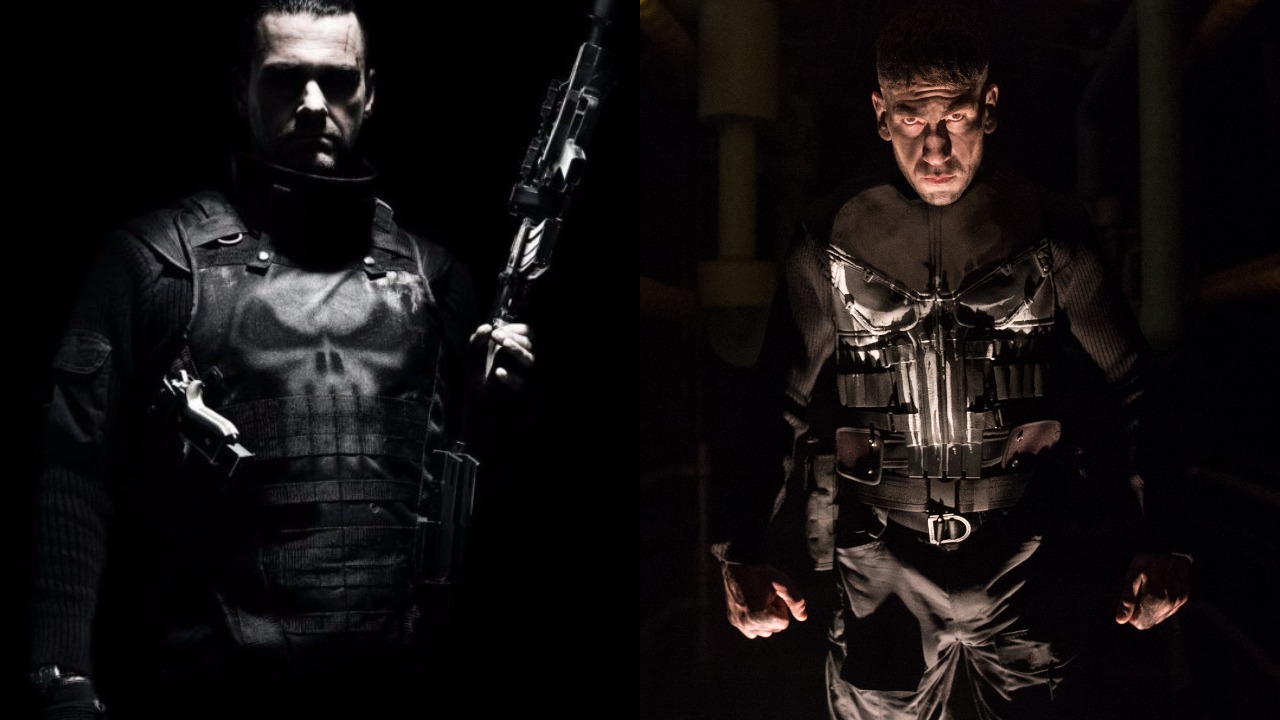
 This is a video of a Miami, Florida man letting his pet emperor scorpion Mordekai





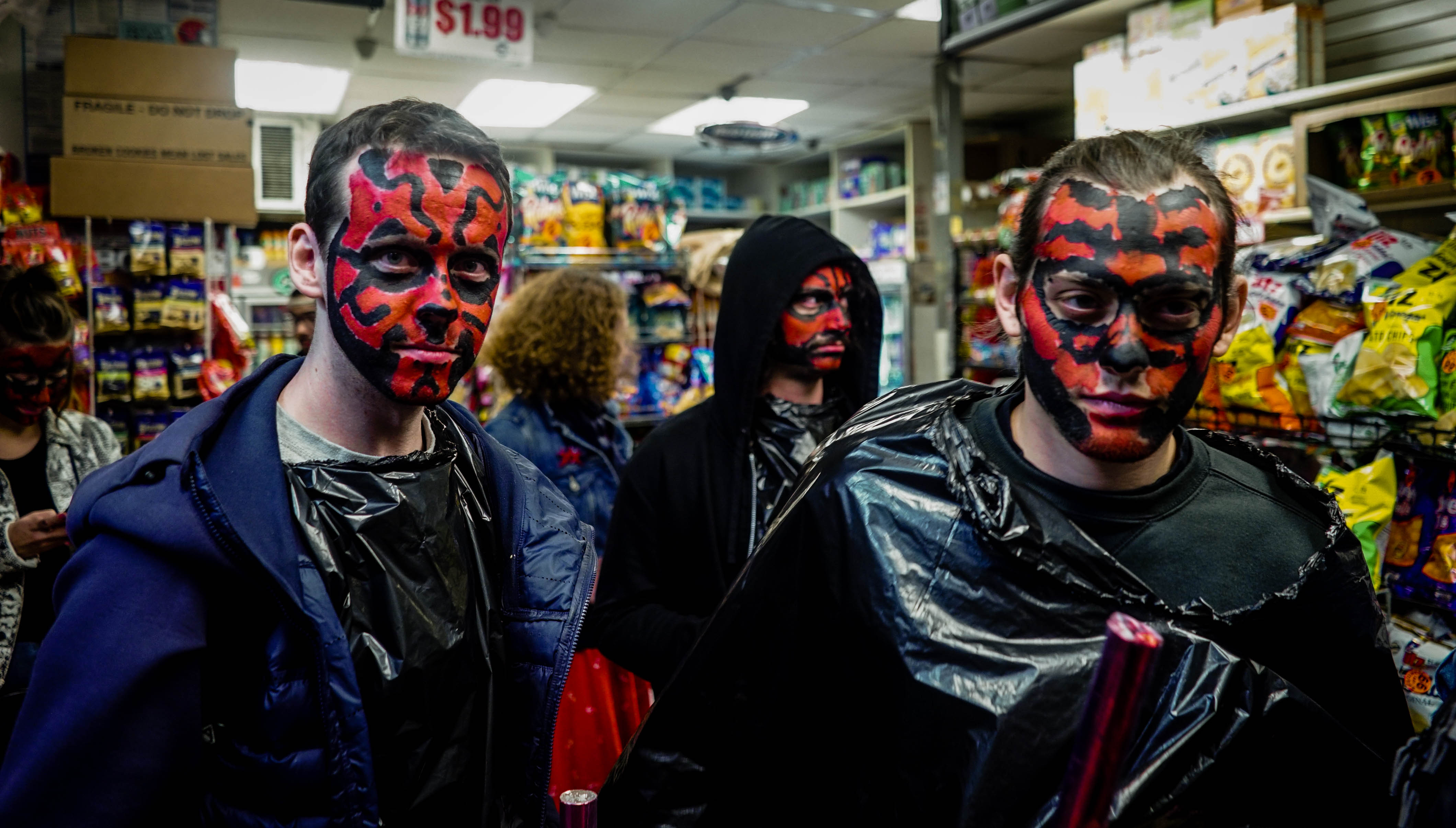

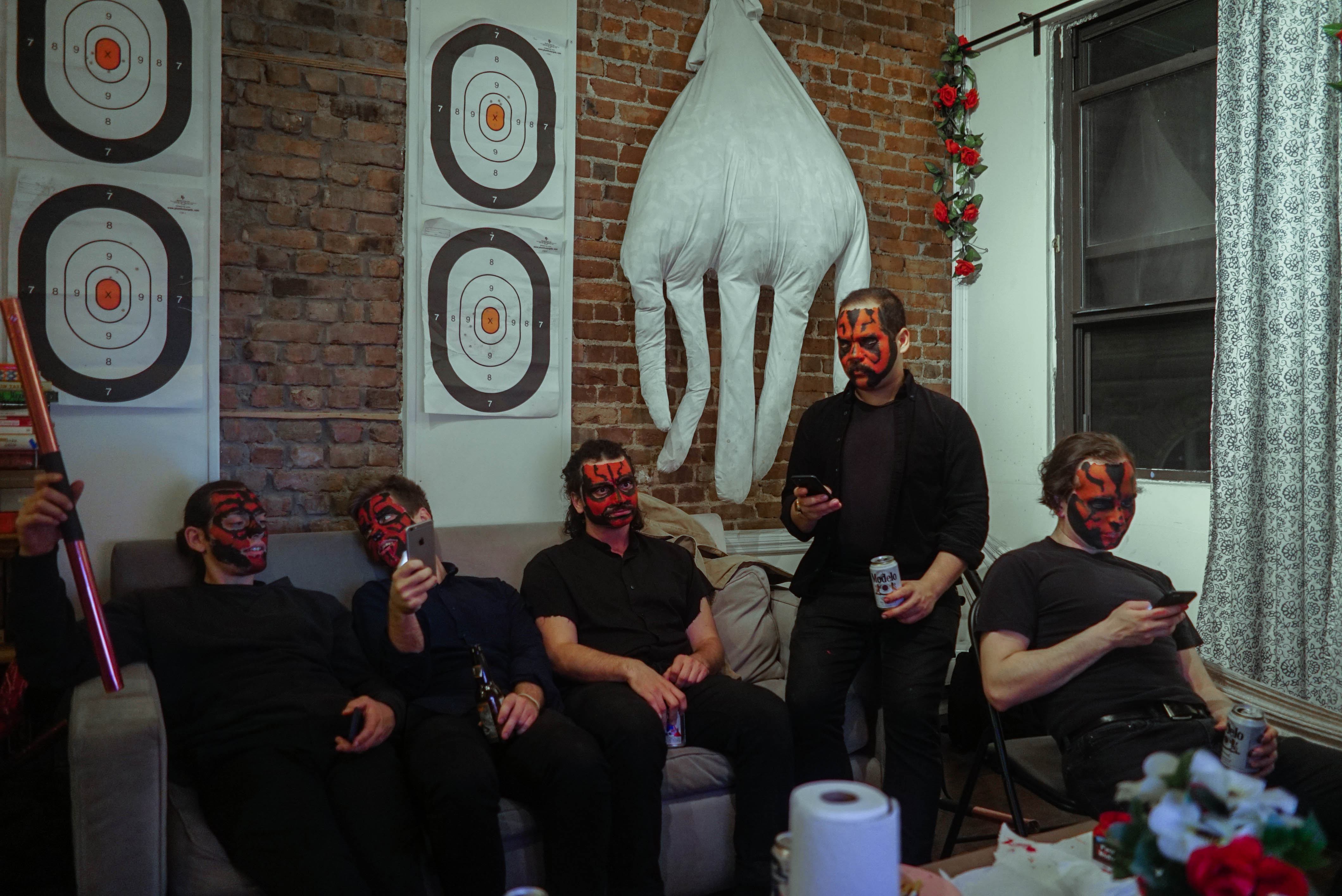
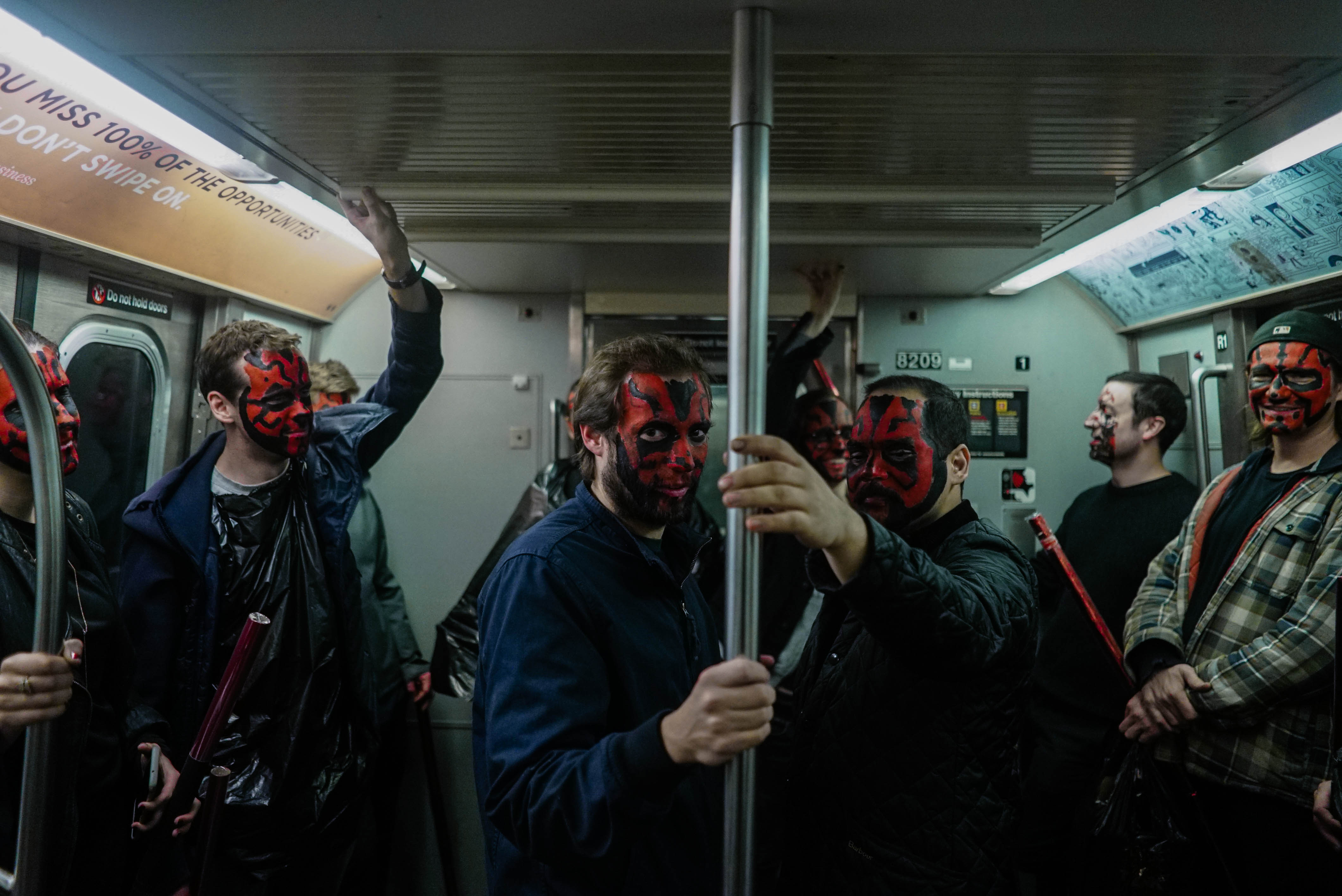
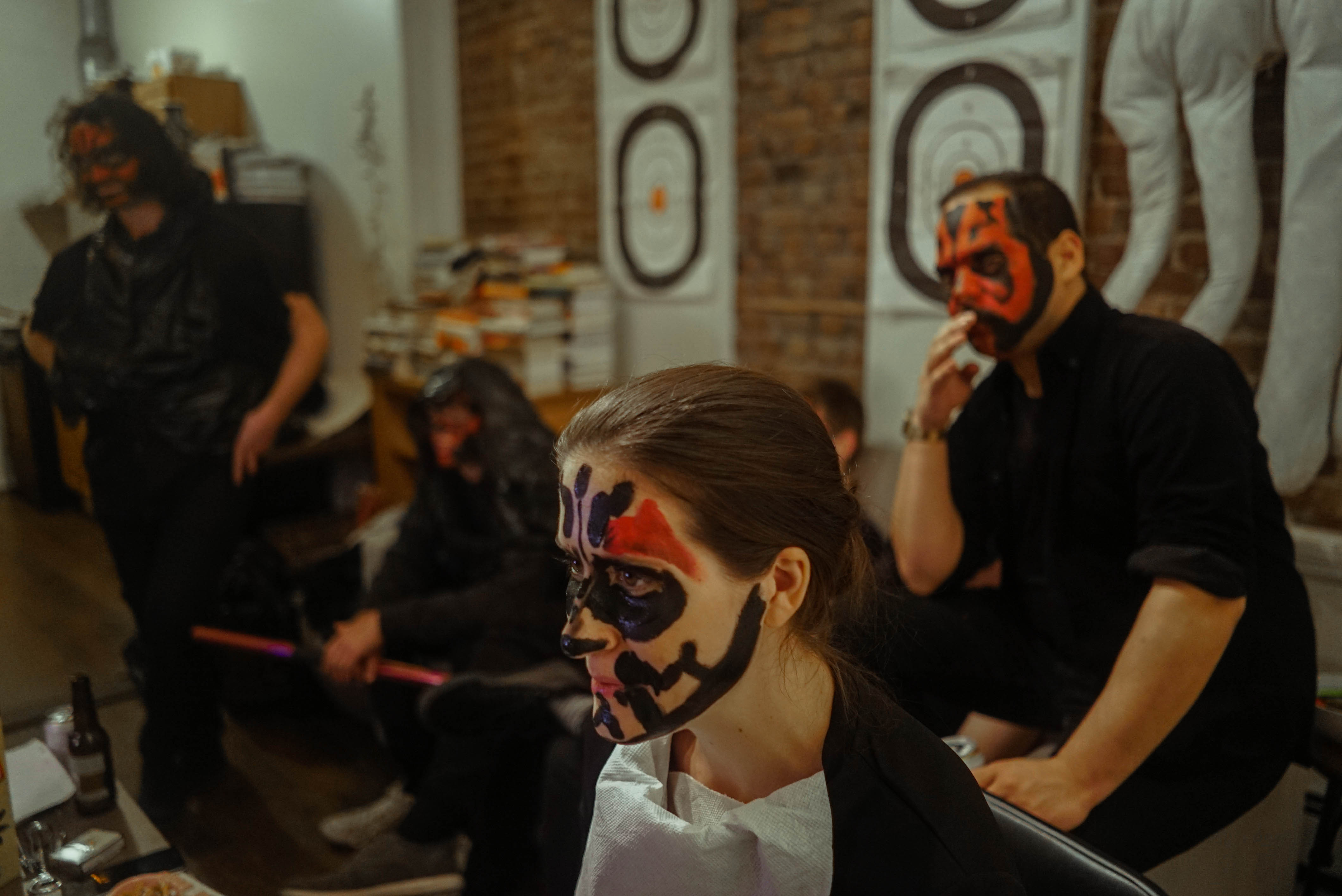
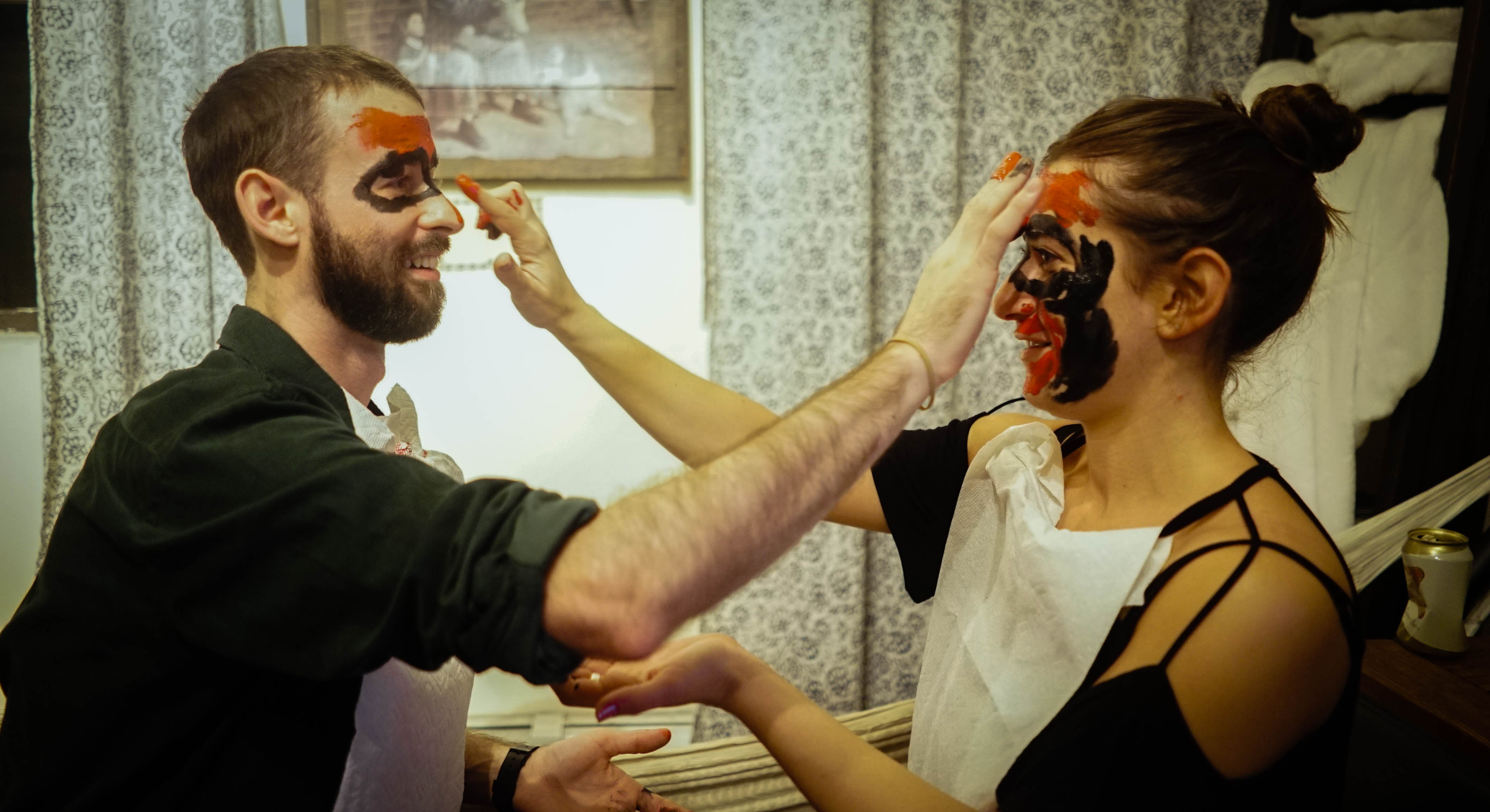
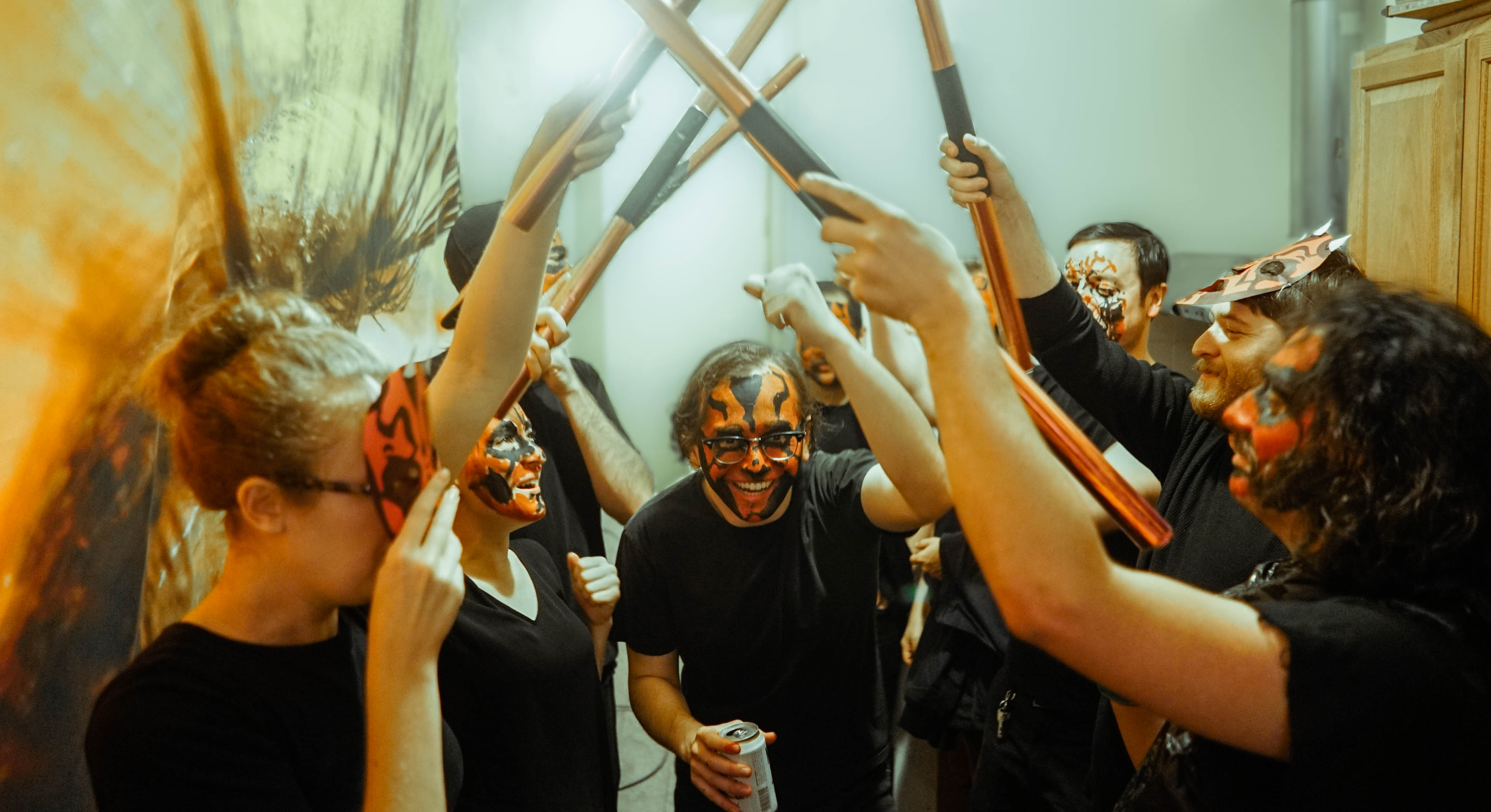
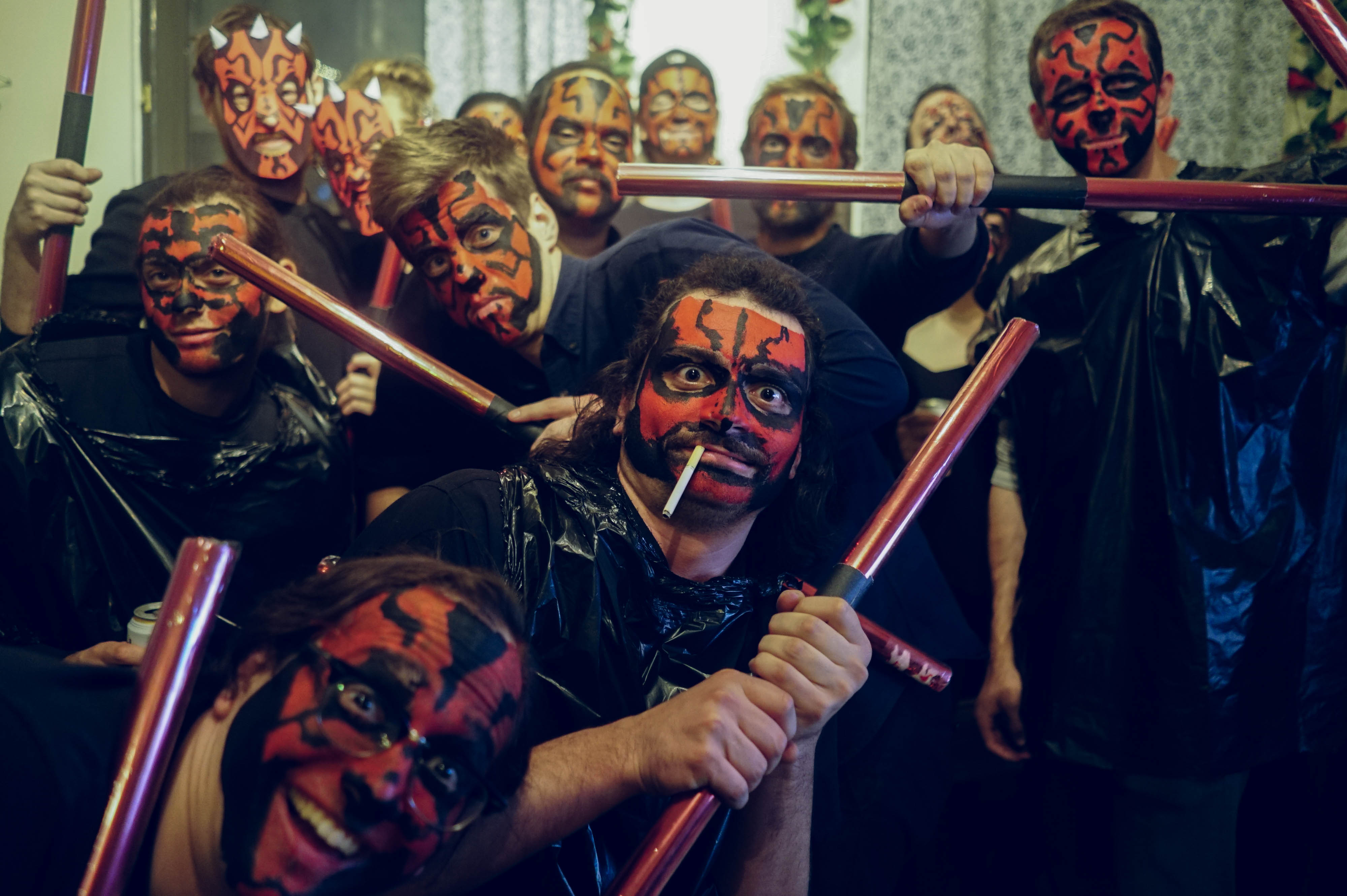
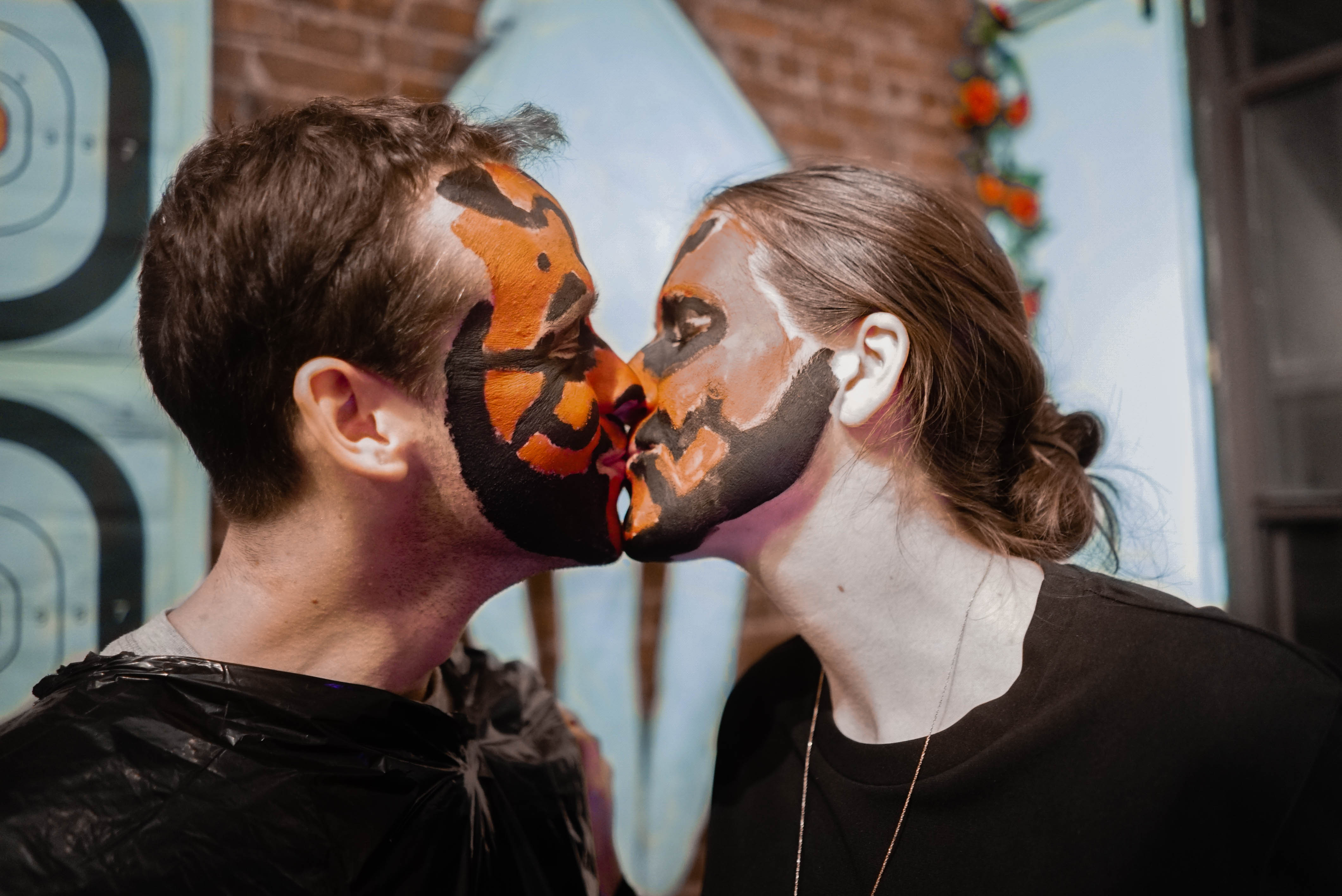
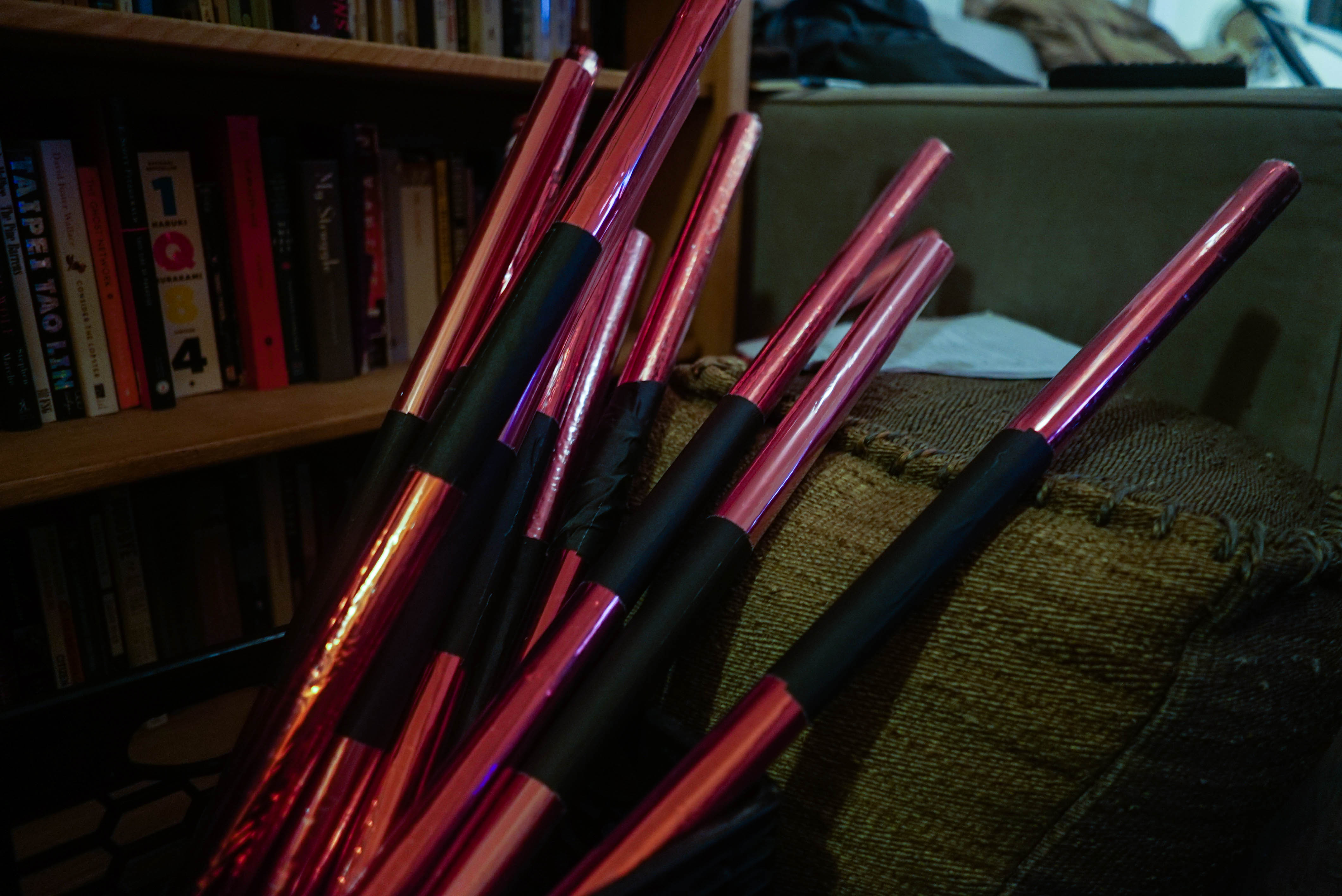
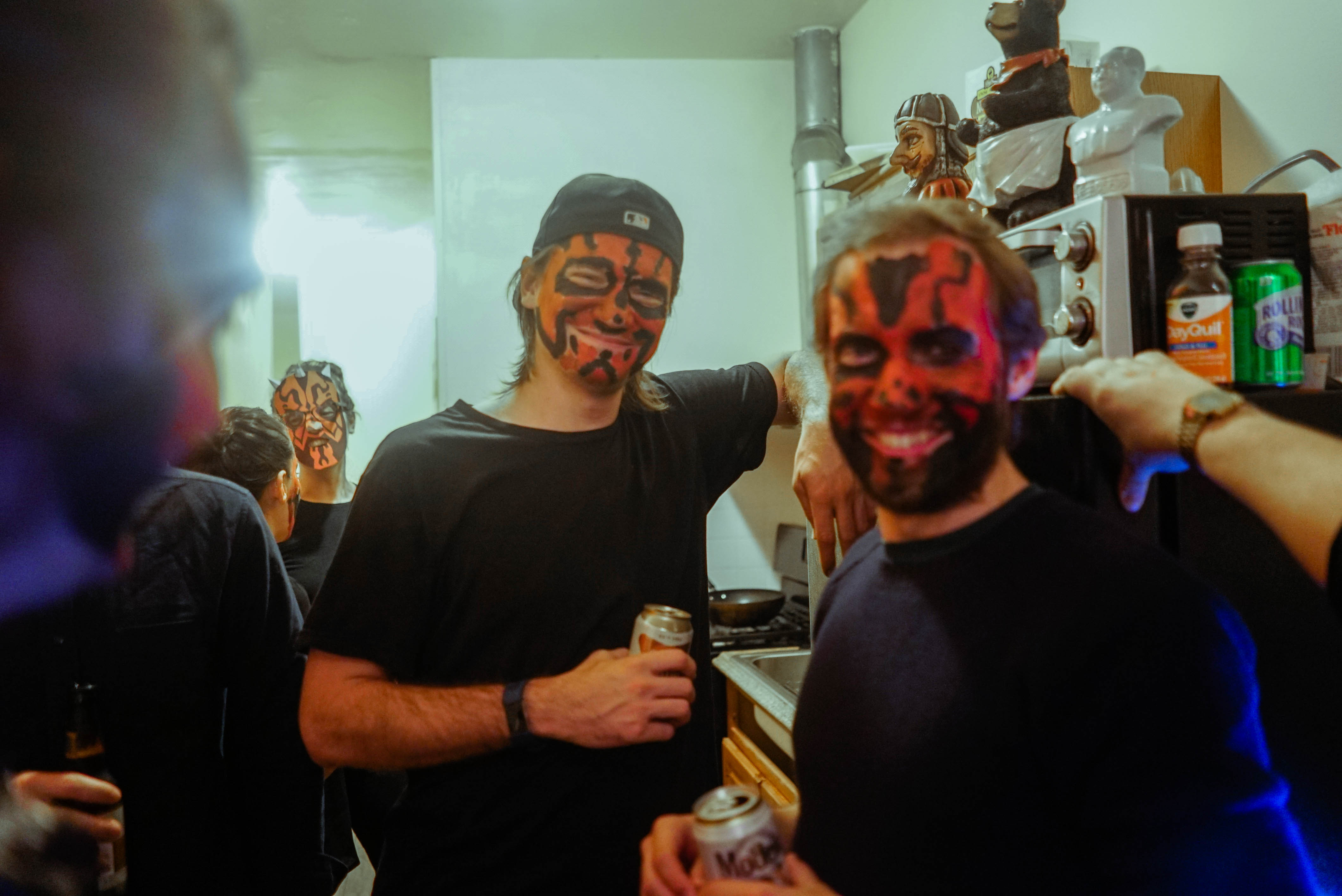
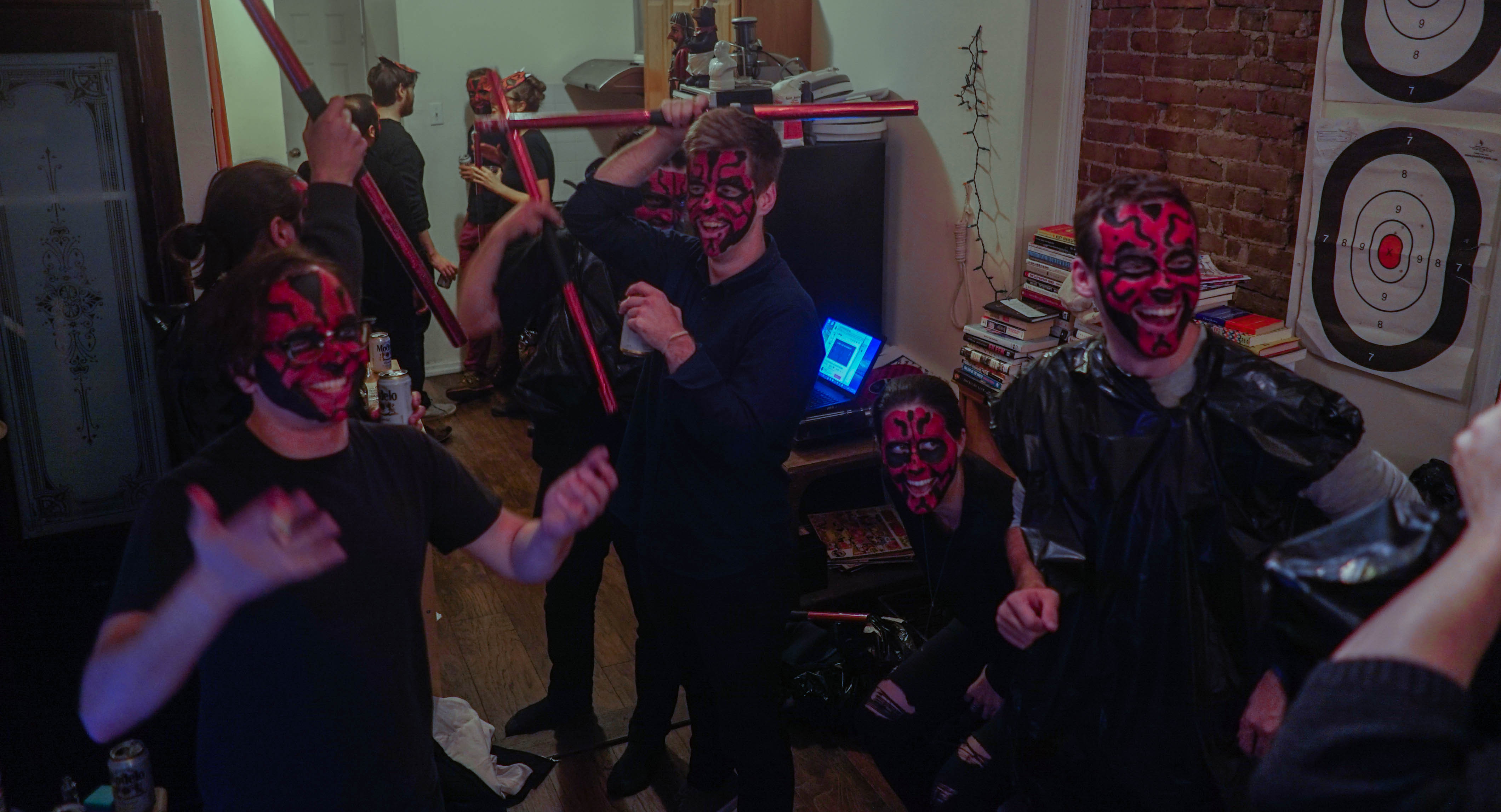
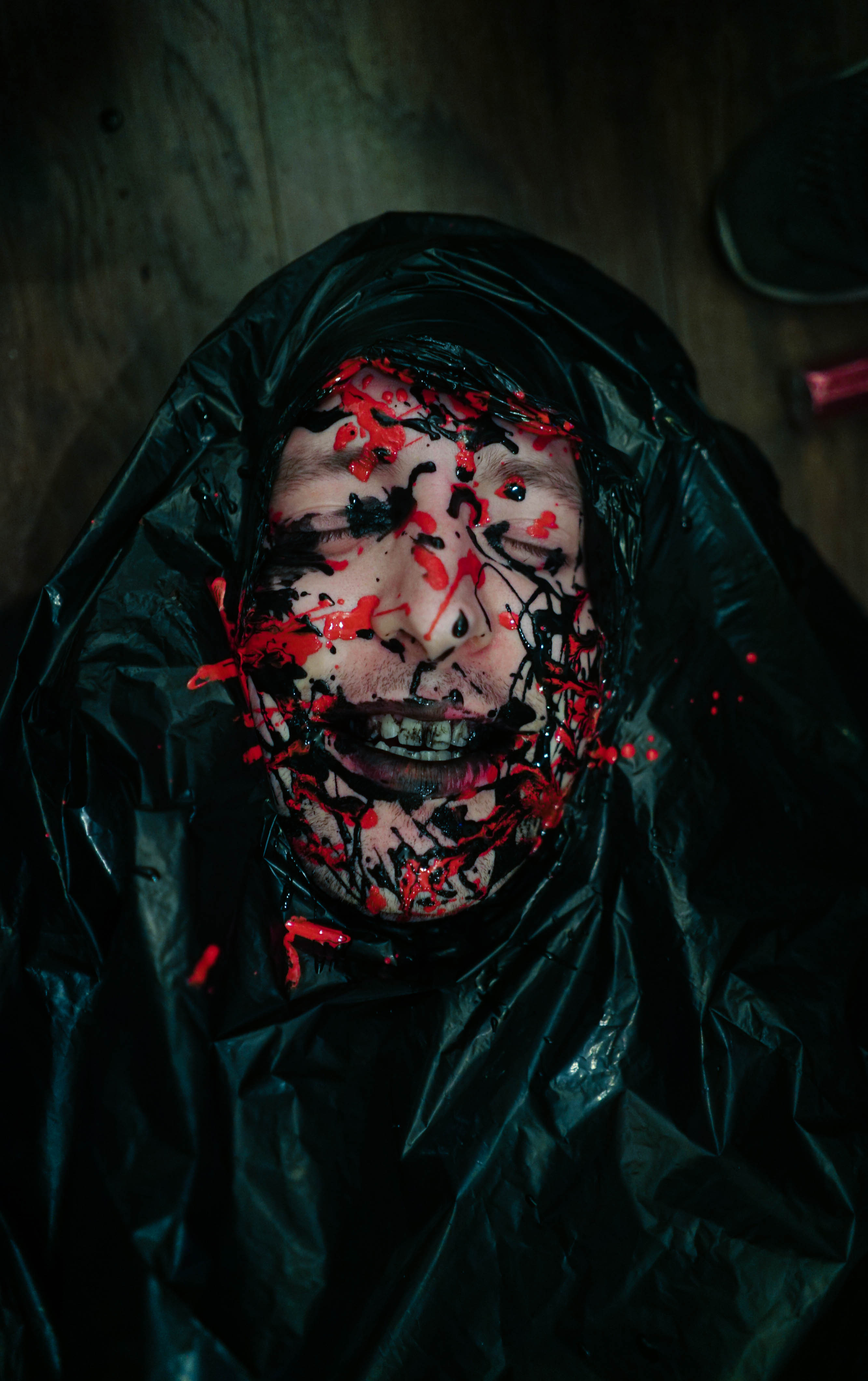
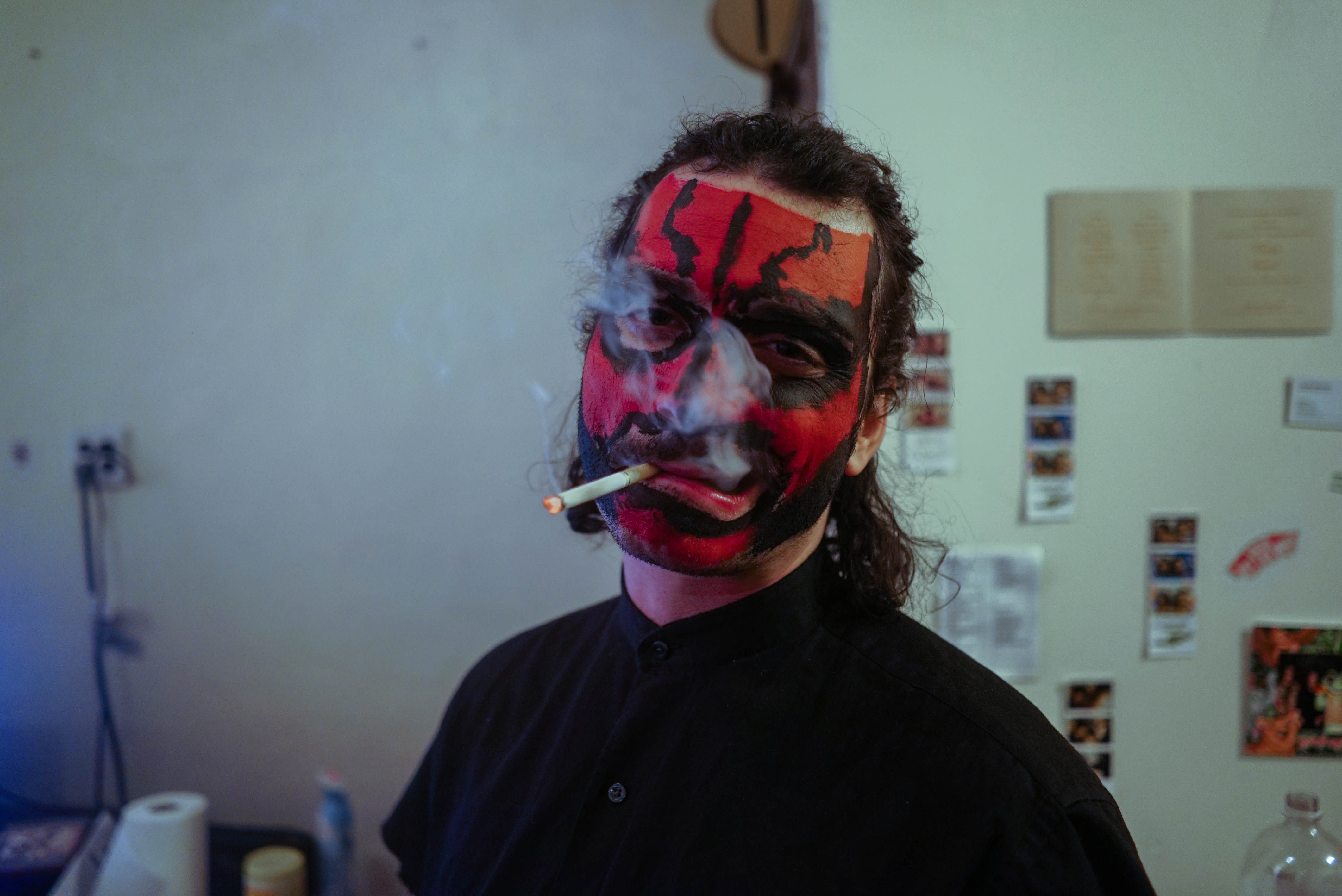

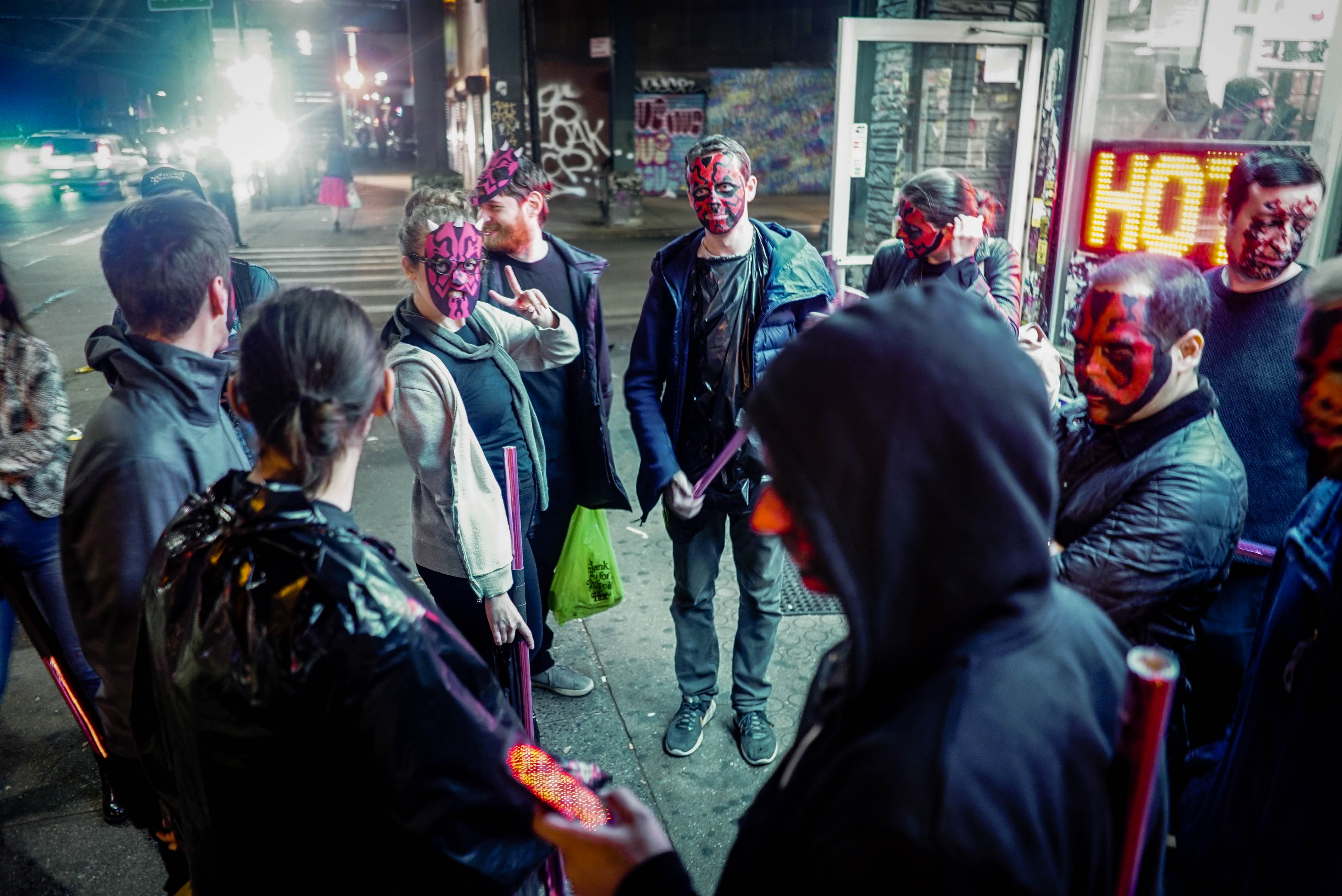
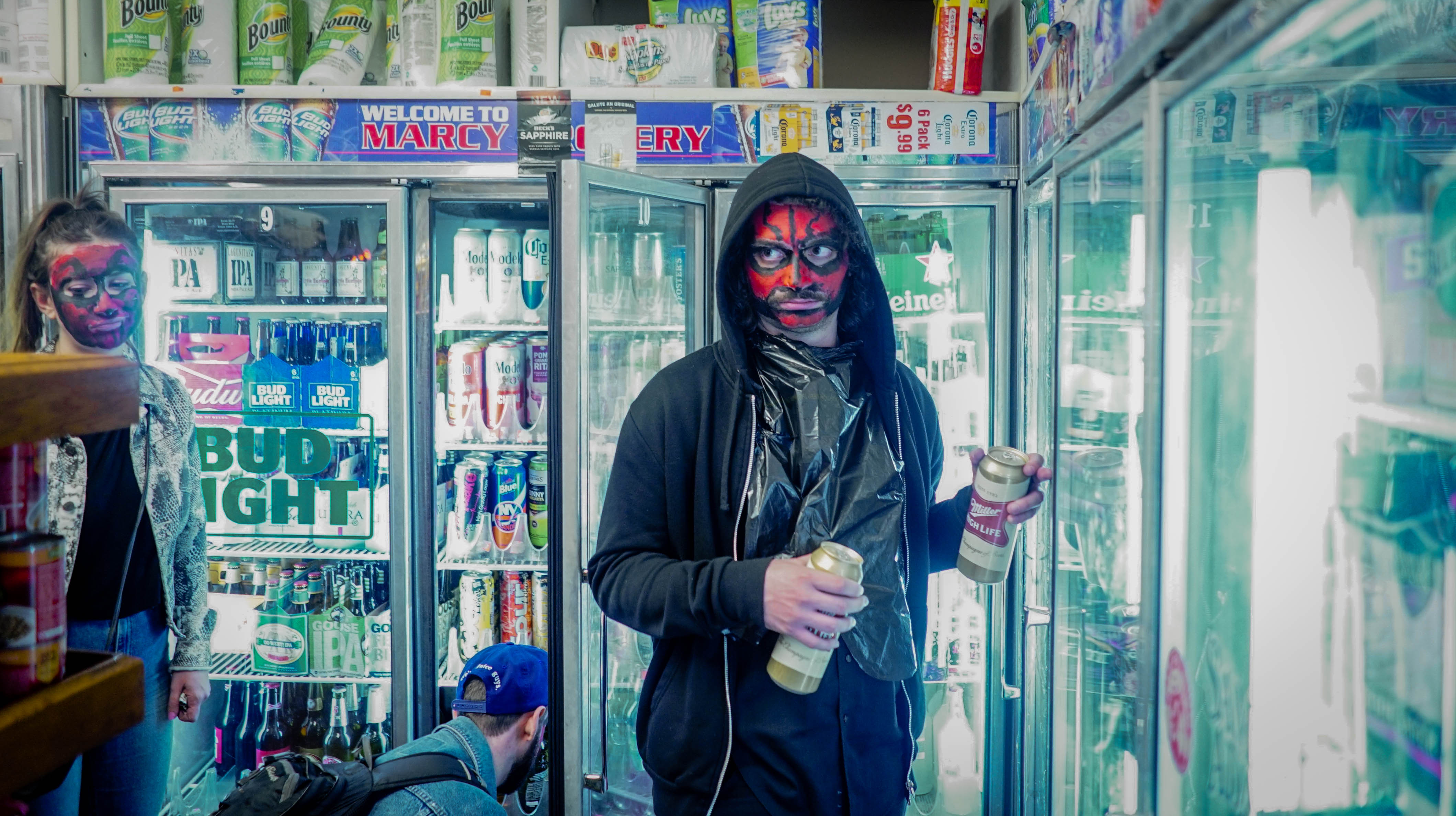
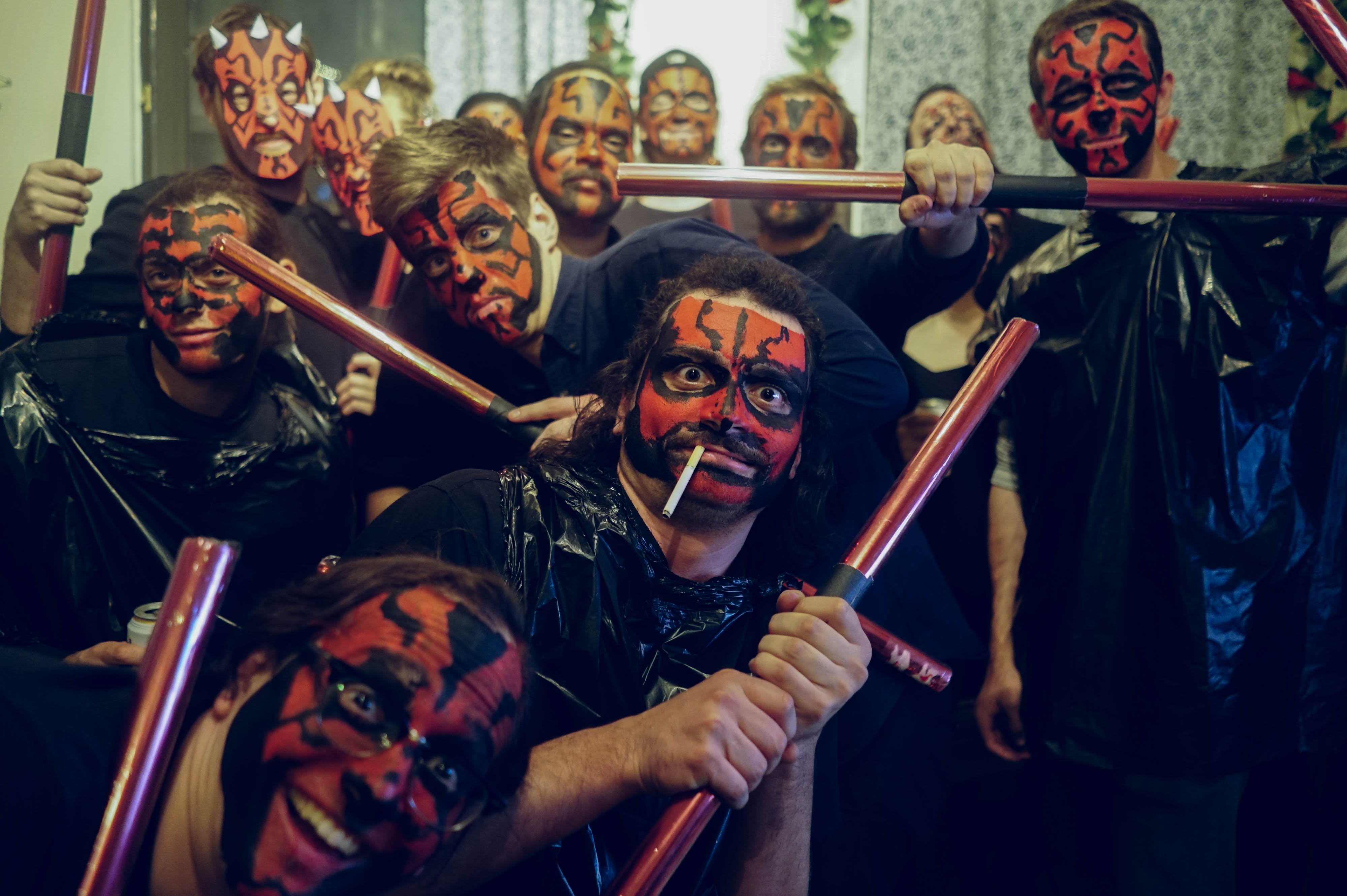
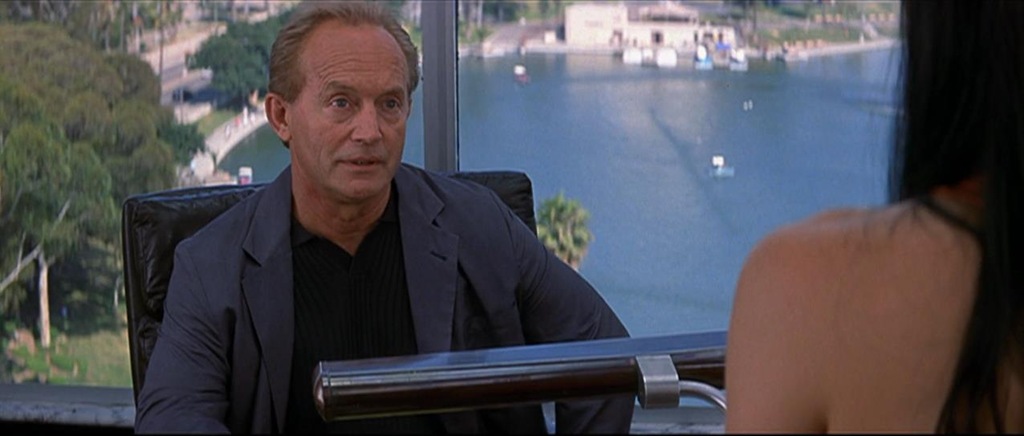
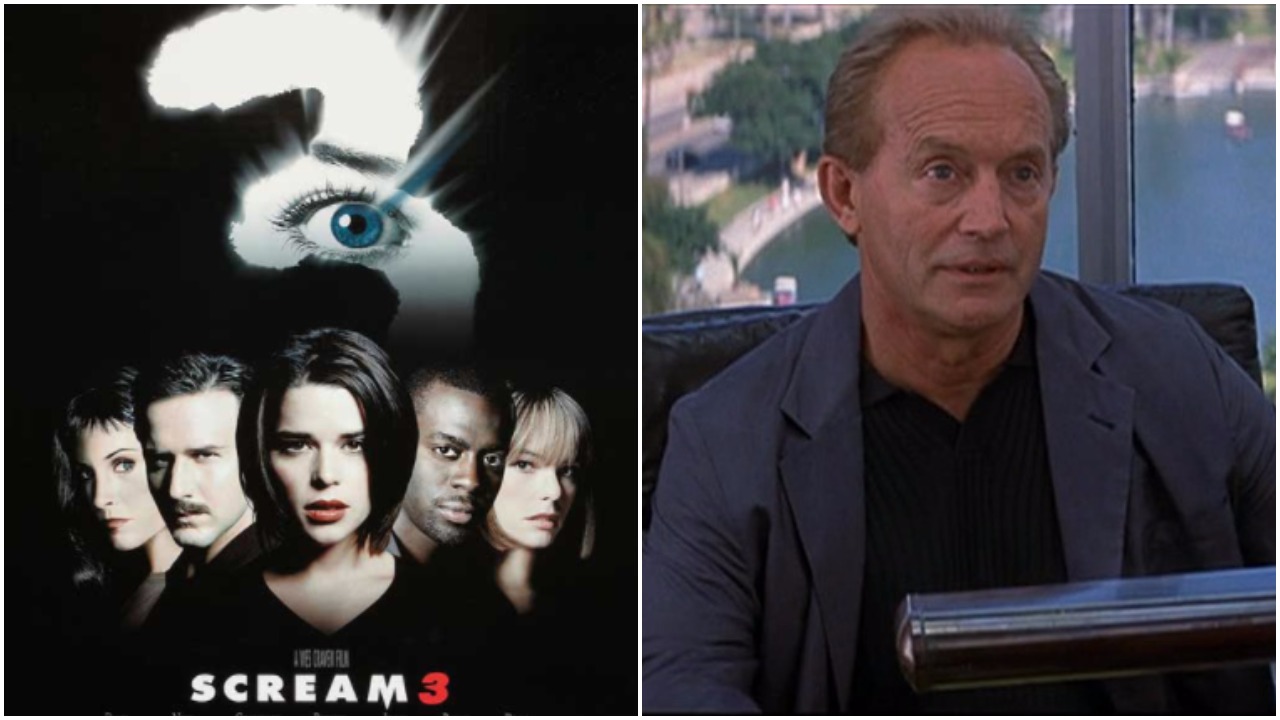


 Earlier this year the torrent community entered a state of shock when another major torrent site suddenly