Visit Uncrate for the full post.


These are the portraits of some of the men and women who attended the infamous Bethlem Royal Hospital, better known as Bedlam, in the 1800s.
A dearly departed nameplate could make an imminent return, for one thing.
Everything you ever wanted to know about America’s favorite brown spirit, including, of course, the best bottles you can actually buy.


While living in the heart of Bernheim Forest in Kentucky, Carla Rhodes tasted the pea-like buds of Eastern Redbud trees in springtime. In summer, she breathed in the spicebush-scented air. After dark, she heard the call of eastern whip-poor-wills, their song like whistles in the night. Every morning, she awoke the find a yellow garden spider building her web along the door of the cabin where she stayed. She greeted her as she left each day to explore.
Rhodes, a conservation photographer, was the first Environmental Artist in Residence at Bernheim Arboretum and Research Forest. Although she grew up in “Kentuckiana,” she’d never before heard of this 16,137-acre area, a wellspring of clean air and water. She was stunned to learn of its existence.
While there, Rhodes lived among beavers, otters, Virginia opossums, amphibians, and bluff vertigo snails. At less than two millimeters, these “microsnails” can only be found in thirty known populations. Listed as globally imperiled, they were discovered in the area by Lori Schroeder, a researcher and malacologist.
The photographer also learned about the hidden springsnail, a species found in just five places globally. Joe Cichan, a volunteer naturalist, introduced the photographer to an isolated population he’d discovered of four-toed salamanders. Along the way, she also made some discoveries of her own: after setting up a camera trap meant for a beaver, she was astonished to find a photograph of an American Bittern, a solitary heron who hadn’t been documented in Bernheim for decades.
Life in Bernheim was defined by surprises and discoveries, both small and large. Rhodes had permission to explore freely, with the guidance of Bernheim’s natural areas team, venturing into areas usually not visited by the public. “It was hard to remember to sleep,” she admits. She sat beside a patch of Kentucky glade cress, a rare and threatened endemic flower.
Photographing Bernheim was not a responsibility she took lightly, especially given the presence of threatened flora and fauna. “Some general guidelines I follow include keeping a respectable distance from my subject, watching for any signs of stress, and not damaging the habitat,” she explains.
“Post-photographing, I protect the wildlife by never sharing the exact location of the photo, and always making sure GPS/any identifying location details are stripped from the metadata of my photos.” The use of camera traps was also, in part, an ethical decision, allowing her to capture animals in their element without interference.
Unfortunately, the future of this natural oasis isn’t guaranteed. In 2018, Bernheim Forest learned about a natural gas pipeline, proposed by Louisville Gas and Electric (LG&E). “Bernheim Forest has been fighting the natural gas pipeline for almost four years now and is headed back to court tomorrow, January 10th,” Rhodes says.
“The proposed twelve-mile gas pipeline path would fragment Bernheim’s Cedar Grove Wildlife Corridor, breaking up a mostly intact forest, while destroying habitat and migration routes for countless wildlife, and would impact clean streams for decades—not to mention the energy company taking other land along the route from neighboring landowners, while putting the inhabitants of all of this land at risk.”
The pipeline puts at risk four wildlife species classified as federally endangered. Critically endangered bats live along the corridor. The bluff vertigo snails, just recently discovered in the area, would also be imperiled. “Their vuggy limestone habitat lies directly in the path of the pipeline,” Rhodes explains. She still remembers seeing them for the first time: it had just rained, and the snails moved across the landscape, tiny and marvelous.
“The experience of being Bernheim’s inaugural Environmental Artist in Residence has given me endless hope the beauty and power of nature triumphs all around us, whether it’s in hidden places or in our own backyards, and solidifies we only have to open our eyes to appreciate it,” the artist continues. “I’m always worried for the future of the planet, but whenever I’m in direct contact with nature, I am filled with endless wonder, hope, and awe.”
Rhodes has returned to New York, but the memory of Bernheim Forest lingers in her bones. And she’s managed to bring some of the forest with her. “When I went back home to the Catskills, I planted two Eastern Redbuds in my yard,” she tells me. In springtime, they’ll bloom once more—offering a daily reminder of a magical place in Kentucky, the creatures who live there, and the people working to protect them.
Learn more about Bernheim Forest and the work being done there by visiting their website. To help protect the future of this extraordinary place, consider making a donation or volunteering.


All images © Carla Rhodes
The post This Overlooked But Magical Kentucky Forest Deserves Our Protection appeared first on Feature Shoot.
Apple's disposable email addresses are good for more than just keeping spammers at bay.
If one were a slightly more casual Ducati fan, who wanted a classic to blip around in the post-pandemic on more than one to tear up the track with, one could do much worse than this 20-year old 2003 Ducati Monster 1000. Ten years after the original Monster, they’d already begun sticking liquid-cooled L-twins into everybody’s favorite naked bike. But the new 1000 Dual Spark air-cooled engine in the ’03 Monster 1000 was just as torquey, less pricey and complicated – plus the new air-cooled bike was much easier on the body and the occhi. Take it away, Yossef!
By Yossef Schvetz Mar. 16, 2003

A full decade after the Monster’s birth, this thing still looks the biz regardless of the IQ level of certain owners–a remarkable achievement in a time when companies are busy designing and redesigning their wares in cycles of three or four years or even less, seeking eternal young looks. You can bet your seating member that Ducati are well aware of the worth of their golden-egg laying chicken [must be an Italian thing–Ed.]. More than 100,000 Monsters of varying displacements have been sold since `93–which isn’t peanuts even by Japanese mass production standards–without any major design changes. It wouldn’t be wrong to assume that without Miguel Galluzzi’s master stroke (the Monster’s designer), Ducati might not have survived the ’90s.

Evergreen as the Monster has always been, time doesn’t stand still. The naked class is growing fast, all the biggies have contenders now, a serious update for the good old Monster was due. At first sight it seems like nothing has changed much and it’ll be hard to blame Ducati for not messing with a winning formula. Every tube of that unique and exposed trellis frame seems to create a perfect dialog with its neighbors, and moving one by even half an inch would be sacrilege. The brain-shaped fuel tank sits on top of the frame in perfect poise and balances with its softness the frame’s rigid lines. The air-cooled power unit has gained classical sculpture status and keeps the last ties with Ducati’s glorious past as it was originally penned by the one and only Fabio Taglioni, AKA Dr.T, the grandfather of all cool Ducatis. A frame, an engine and a fuel tank. Life can’t be simpler than that.

So the big news about the new Monster is in the details. The major “detail” is of course the new Dual Spark 1000cc engine. Unlike a decade ago, there is serious money now in Ducati, serious enough to allow a total revamp of the trusty power unit. The myriad changes to the air-cooled mill have been exhaustively covered in the SuperSport 1000DS launch report.The big growth in displacement, the deeply massaged head with enlarged valves, and above all the extra spark plug per pot are enough to justify an “all-new” heading. Like all Monsters for model year `03, the DS1000 also gets a strengthened frame, and a new swingarm and suspension linkage lifted from the 916-powered Monster S4. Ducati claims a 30-percent increase in overall stiffness for this frame and a comfier riding position–claims which felt justified when I tested the S4 a year and a half ago.

There are also plenty of smaller updates too, like a new and classy instrument cluster, a small fairing, a rear suspension with ride height adjustability, plenty of small carbon fiber covers and protectors, a fully adjustable Showa USD fork… Minimalist the Monster might well be but the bike I picked up from Ducati’s parking lot looked way better finished and detailed than the old 900 ever was. Come to think of it, this Duc looks better finished than even the exotic S4 I sampled, a Monster that didn’t quite know what to do with its exposed radiator and rubber hoses. Unlike the S4, which seemed like a quick effort to close the gap in front of powerful new naked models, the new DS1000 Monster is much more coherent while remaining faithful to the original spirit of the family. None of the flimsy brackets holding the S4’s bikini fairing for instance. The only visual detriment I can point my finger at is the high-voltage cable for the extra spark plug of the front cylinder, which juts out from the timing belt cover like a sore thumb.

This little complaint is soon forgotten as I sample the huge change in oomph brought about by the new engine and its extra sparks. Throttle response is totally awesome! A light throttle blip and the front wheel paws the air effortlessly. Do the same in second, and those wheelies just get longer. Pro monowheelers more courageous than me should have a field day with this one. Ducati knows a thing or two about fuel injecting big lungs, and the DS1000 surges forward without any hesitation. With a light crankshaft and not much of a flywheel, the new mill pushes in strong and linear fashion from 3000 right into the rev limiter at 8,700 rpm: 84 horsepower might not sound like much, but with a torque curve that bulges up early and a relatively light weight of 416 pounds (wet), the M1000 supplies plenty of fun in roll-ons, feeling just as quick as the taller-geared S4 at medium speeds. Being also a full 40 pounds lighter than the similarly powered Multistrada and physically smaller, the Monster feels much livelier and responsive all around.The cycle side of the equation leaves good early impressions too. A frame as stiff as a small steel bridge, sticky Pirellis, wide handlebars and a Ducati road tester on a Multistrada exiting the factory gate at the same time as me means I immediately go into attack mode. Seemingly inspired by my morning-ride idiot, the Ducati tester dives into a fast roundabout just outside the factory, all guns blazing, without giving much thought to the cold tires. Whatever. These guys know a thing or two `bout frames too. The M1000 is so confidence-inspiring from the word go, responds so sincerely to my inputs, that all thoughts of slowly learning its responses feel superfluous. Just ride the wheels off the thing. Soon enough we join the thick Bologna traffic–a good occasion to check the Monster’s table manners.
Bologna might be in Italy but Ducati’s ease of operation is getting more oriental by the year. Gearshifting is buttery and none of the jerkiness of the old 900 or Monster S4 is present. The only item to still remind you that you are on a Ducati is stiffish clutch pull that gives your left forearm a good workout in stop-n-go traffic. This thing is so small and nimble it never feels liter-size big, easy to understand then why you get to see so many Monsters in the streets of Italian cities. As good a city dweller as the M1000 is, the fun part was yet to come. It’s on slow-to-medium speed twisties, like the ones found in the hills of Romagnola, just south of Bologna, where the Monster really delivers its best. At first you are suddenly aware that as with most Ducatis, turn-in is not lightning quick. The Monster requires decisive inputs, yet the combination of a rock-solid front end and the ultrasecure feeling that the whole plot conveys at high lean angles allows me to attack with deadly effectiveness the very roads used by Ducati testers. The Monster remains a true Ducati in the sense that it asks you to plan a bit your line beforehand, rewarding you with superb midturn control. On my first test day the high roads were still pretty cold, damp and dirty from the last snow fall, not the ideal conditions for a supersports tool and indeed, I had a good time closing up on sportbike riders. The fluid power delivery urges you to roll on early, gaining yards on hesitating in-line fours with riders leaning heavily on lowish clip-ons. As the roads dry some more, I am able to check out ground clearance. On less than ideal tarmac, the front corners of the silencer touched once or twice at knee dragging angles, a known Monster issue–and one you can address now with the ride-height adjustable rear linkage if you so choose.

If you are a real squid or want to do track days, just fit underseat pipes. Other than that, the Monster 1000 is a superb canyon riding platform. Impudent small wheelies as you exit second gear curves wiggle your bars as the front regains contact, the extreme stability as you deep brake into turns, all in all, good fun without punishing your wrists. Talking about braking, the obligatory Brembos are pretty strong but do not excel in initial bite or feel, especially when cold. Last obligatory Ducati issue that regards mountain roads riding is of course the engine. Just like with the Multistrada, the 1000DS mill lets you stay in one gear and concentrate on your lines rather than on keeping the engine on the boil.

After the photo session, I am left mid-Toscana with plenty of time on my hands to sport-tour or just plain scratch. The hours pass and, still, everything’s feeling OK. A comfortable Monster at last? I can still recall the acute burning sensation in my tailbone when I once rode an M900 for a long stretch. Even the supposedly comfier S4’s seat mashed my buttocks in no time at all, so I don’t really know who to blame but this Monster is long-range comfy and I’m almost sure my anatomy hasn’t been altered. There seems to be slightly more seat to footpeg distance and a different cut to the seat foam. The handlebars ends tip down for a more ergonomic hold, and the Showa suspension does a real good job swallowing all sorts of road imperfections (although for really spirited riding I added a few clicks of damping).
So forget about punishing Ducatis, someone in the factory seems to be paying real attention to the small details that count. This road test eventually turned into a full-blown Tuscany tour that showed me this new Monster has indeed a much wider use spectrum. Later on, my girlfriend even found the small passenger seat acceptable, and we even tackled a pretty steep hard-packed trail. Try that with your sportbike.

Before I convince half the world to move on to naked bikes, the genre has its limitations too. Back on the autostrada, it turns out that vestigial fairing isn’t much use in low-altitude flight. The engine has no problem pushing the M1000 to 120 or 130 even, but your neck muscles do have some trouble keeping your head from detaching from the rest of your body. Even at 100 mph, my girlfriend was making wild gesticulations trying to slow me down, having trouble staying put with no hand grabs around. Back to 85- 90 cruising it was. At that speed, the Monster is kind of acceptable for longer highway cruising and the engine emmits just a vibrationless and gentle rumble. So where were we? A nice city tool, a mean canyon carver, we had some off-road fun even. Just forget about long to mid range highway droning, as it gets old kind of quick. My large soft saddle bags wouldn’t even fit on this one.

When I tested the the 916-powered S4, I was somewhat resentful about the premium price. There is hope now for souls captivated by the essentialist Monster formula; the M1000DS supplies most of the fun of its watercooled brother at a list price that’s 20-percent lower. The only thing you’ll miss would be the extra top end, but in the context of naked and pared-down-to-their-bones bikes such as the Monster, it just really doesn’t matter. Visually speaking, the liquid-cooled Monster can’t hold a candle to the classic look of Taglioni’s last creation. With its newfound fuel-injected vigor, there is no better frame in which to display this air-cooled masterpiece than the Monster.
Specifications
ENGINE
992cc air-cooled L-twin, 2v/cyl., desmodromic
Bore x Stroke: 94 x 71,5mm
Compression ratio: 10:1
Power: 62 kW – 84 HP @ 8000 rpm
Torque: 84 Nm – 8,5 kgm @ 6000 rpm
Fuel injection: Marelli, two 45mm throttle bodies
Exhaust: two aluminum mufflers with 3-way catalytic converter (not on USA version) in compliance with Euro1 standard regulations
Gearbox: 6-speed; dry-multiplate clutch
Ratios: 1st 37/15, 2nd 30/17, 3th 27/20, 4th 24/22, 5th 23/24, 6th 24/28
Primary drive: Straight-cut gears; 1.84
Final drive: Chain, 15/39
CHASSIS
Frame: Round-tube steel trellis
Wheelbase: 1440 mm/ 56,7 in
Rake/trail: 240/ yes
Front suspension: 43mm inverted Showa; fully adjustable (not adjustable on Dark version), 130mm travel
Rear suspension: progressive linkage with Sachs adjustable monoshock. aluminum swing-arm (steel swing-arm on Dark version), 148mm travel
Front brake: two 320mm discs, four-piston calipers
Rear brake: 245mm disc, two-piston caliper
Wheels: three-spoke light alloy; 3.50 x 17/ 5.5 x 17 in.
Tyres: 120/70-ZR17, 180/55-ZR17
Fuel capacity: 15 L / 3,9 US gal (including 3,5 L / 0,9 US gal reserve)
Claimed weight*: 189 kg / 416 lb
Seat height: 800 mm / 31.5 in
Instruments: Electronic speedometer, rev counter, neutral light, oil pressure warning light, low fuel warning light, high beam indicator, turn signals, immobilizer, LCD oil temperature, LCD clock
Warranty: two years unlimited mileage
Tank colors: Red, yellow, blue, black, metallic grey (Dark version: matt black, silver grey)
$$$$: 11,095
* includes battery and lubricants, no fuel…
.jpg)
The post Church of MO: 2003 Ducati Monster 1000 appeared first on Motorcycle.com.
Featured in Ripley's Believe It or Not!

You may have heard the popular expression “saved by the bell” in reference to the popular ’90s TV show or because it’s equated to a centuries-old practice in which people were buried with bells in their coffins so they could alert others in case they were inadvertently buried alive. But did this practice actually occur?
Keep reading to learn more, and find the true meaning behind the phrase “saved by the bell.”
The story goes that during the 17th century people were mistakenly declared dead when they weren’t quite dead either due to a comatose condition or some other malady. In order to give these very-much-alive people a way out, they were buried with a bell tied to a finger or other part of the body. They could then ring the bell to signal someone on the surface, who would stand guard by the grave for 24 hours specifically because they wanted to make sure the corpse was, in fact, a corpse.

via Wikimedia Commons.
In fact, several patents for safety coffins were created in the 19th century just in case an individual was buried alive, according to Smithsonian Magazine. These coffins included a mix of gadgets that allowed them to breathe, alert others, and even escape their graves.
Dr. Johann Gottfried Taberger created a bell system for coffins in 1892. Strings were attached to the body’s head, hands, and feet and were connected to a bell perched above ground, and a cemetery watchman would be alerted if the bell rang, according to History Collection.
Famed poet Edgar Allan Poe wrote a short story about the topic. Published in 1844, “Premature Burial” centers on a man with a condition that causes a “death-like trance.” He’s so scared of being buried alive that he builds a tomb that allows him to signal for help in case he’s mistakenly declared dead.

Illustration for Edgar Allan Poe’s story “The Premature Burial” by Harry Clarke (1889-1931), published in 1919. Via Wikimedia Commons.
In addition, there are actual cases in which people were buried alive, which would have necessitated safety coffins. For example, in 1674 a woman named Alice Blunden passed out after drinking copious amounts of poppy tea that may have been infused with codeine and morphine. A doctor declared her dead, but two days later children playing near her grave reported hearing noises.
Authorities dug up the coffin and found Alice’s body covered in bruises determined to be self-inflicted from her struggle six feet under. She was in such bad condition and once again appeared dead, but it was decided to leave her in the coffin unburied with people watching her overnight, just in case. Apparently it had been a rainy night, however, and the watch decided to take refuge indoors and placed the lid back on Alice’s coffin. The next morning, poor Alice was found to have new self-inflicted wounds. This time, sadly, she was truly dead and buried for the final time.
Patented safety coffins include models that circulate fresh air into the box and battery-powered alarms. However, according to the website I’m a Useless Info Junkie, there’s no proof that people were actually buried in these types of coffins and no evidence that lives were saved because of them.
As for the expression “saved by the bell,” there’s no record of its usage until the 19th century. It was used as boxing slang to indicate the end of a round, not in reference to saving someone who is buried alive. Instead, if a boxer was performing poorly and the bell rang, it “saved” him from being defeated.
By Noelle Talmon, contributor for Ripleys.com
Source: Is the Phrase ‘Saved by the Bell’ about Being Buried Alive?
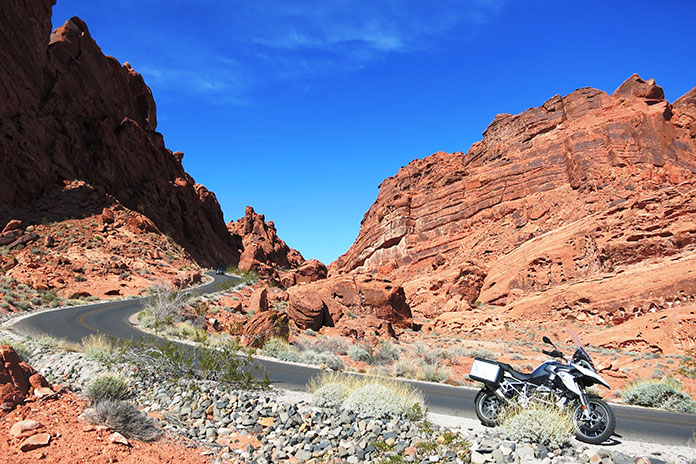
Johnny Cash sang about fire, murder, heartbreak, and sin, and I think he would have appreciated the symbolism of this ride, given its route. Northeast of Las Vegas is one of the most visually stunning state parks in the Southwest. The added bonus for motorcyclists is that the park’s roads trace through the crimson landscape like slithering black mambas. A ride through Valley of Fire State Park and Lake Mead National Recreation Area makes for a fantastic motorized respite from the neon bustle of Vegas.
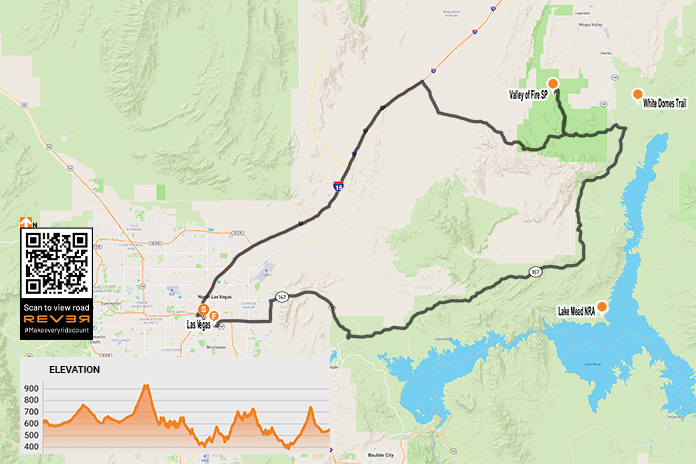
Scan QR code above or click here to view the route on REVER
The Las Vegas Strip, with its massive themed casinos, sidewalk solicitations, and congestion, is not my cup of tea. That’s why my staging point for this ride was Fremont Street. While still over-the-top, this area has the feel of an older, more genuine version of Vegas.
The night before my ride, I watched a cover band play classic rock tunes under the lights and video canopy that spans Fremont and enjoyed a variety of street performers. The next day, I put a couple bottles of water and lunch in the saddlebags of my BMW R 1200 GS and mounted up.
Read all of Rider’s BMW coverage here
Fremont Street is well north of the traffic and congestion of the Strip, so getting out of the city was much more convenient than it would have been if I had opted for lodging at one of the mega-casinos. On my way out of town, I rode past the Mob Museum and the Neon Museum – Vegas-themed tributes that were added to my post-ride entertainment schedule.
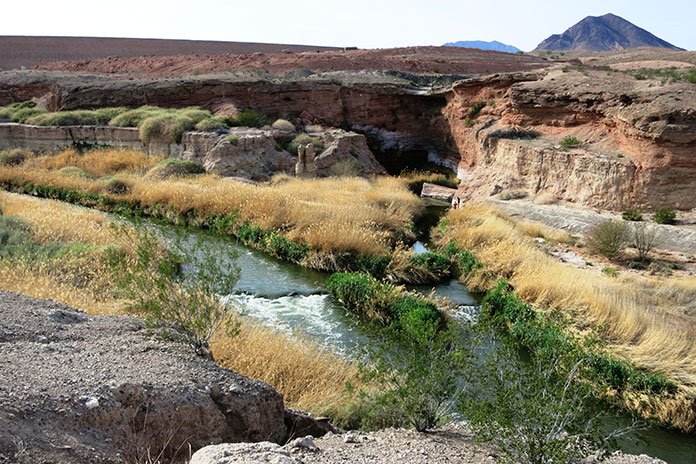
The cruise northeast on the Las Vegas Freeway (Interstate 15) was a nice warm-up to this loop ride. The muted hues and desert views were expansive as I climbed out of the neon valley. There were a few floating cotton balls in the otherwise intense blue of the mid-morning Nevada sky. The line where the horizon meets the sky was as crisp and sharp as I have ever seen.
After 30 miles of motoring on the freeway, I diverted the GS eastward onto the Valley of Fire Highway. The two-lane tarmac starts as a gently curving and undulating climb into the gray stone mountains that were part of the striking delineation I enjoyed just miles before. However, the monochromatic gray soon gives way to vibrant blotches of crimson. Contemplating the name of the Valley of Fire State Park, I couldn’t help but imagine those red spots as flare-ups caused by the wind-carried embers of an approaching wildfire.
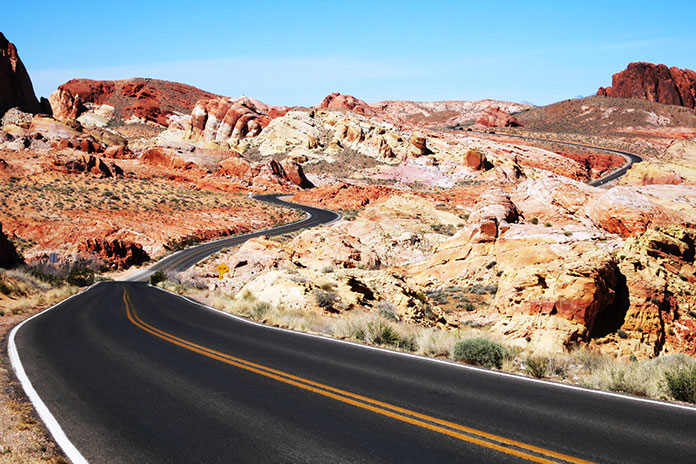
My first stop in the park was at the aptly named Beehives. There is little doubt what all the buzz is about. Cringe-worthy puns aside, the Beehives are a spectacular object lesson on the artistic creativity of erosion. The hives are stratified tributes to the power of wind, water, and time.
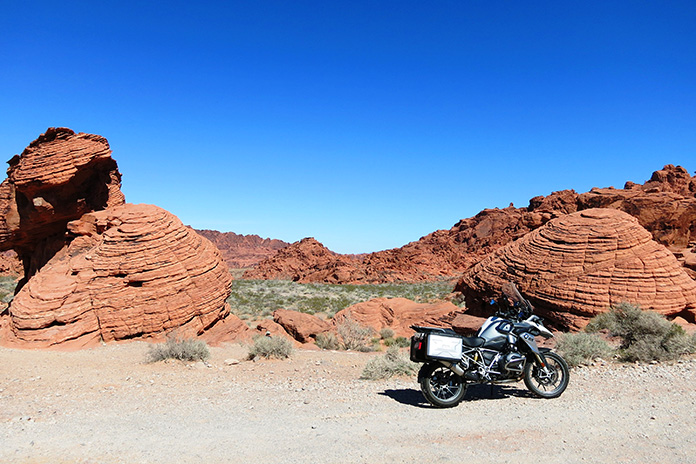
By the time I got to the turnoff for the park’s visitor center, I was fully engulfed in the figurative flames of the Valley of Fire. I live near Sedona, Arizona, and I have ridden extensively through the red rocks of southern Utah, so I have a solid base of reference for the hue of red sandstone. Valley of Fire is something different. The terrain carries a deeper, more blood-like patina in this region. It is stunning.
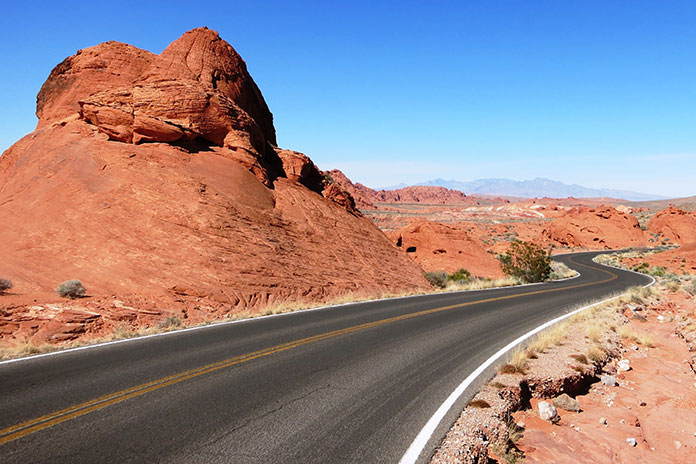
I bought a $10 park pass at a self-serve kiosk and rode up Mouse’s Tank Road. The endgame of this beautiful ride was a short hike on The White Domes Trail, where I enjoyed a drink of water and a snack and took in the majesty.
I am not usually a fan of out-and-back routes; however, this ride, carving through the curvaceous rock formations of the park, is fantastic in both directions. It’s only about 6 miles from the visitor center to the end of Mouse’s Tank Road, so the ride through the heart of the park is short but very scenic.
See all of Rider‘s touring stories by region/state here
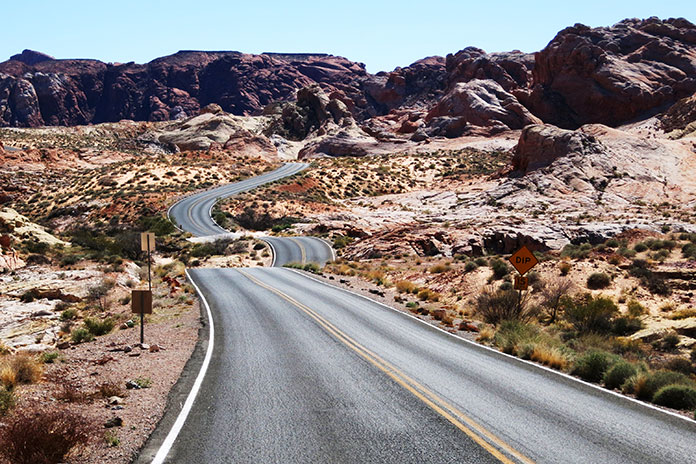
Back on the Valley of Fire Highway, I was awed at the beauty around me. The road follows the undulations and sinews of the red rocks. I made a final stop at Elephant Rock and meandered up the trail in my Sidi boots. It was well worth the wear on the soles of those expensive kicks. Elephant Rock is yet another of the park’s formations that is stunningly indicative of nature’s wonders.
If this were a full daytrip rather than a through-ride, I would have stopped and hiked several more of the park’s features, like Arch Rock and Atlatl Rock with its Native American petroglyphs. The park is deserving of more exploration than I was able to give it.
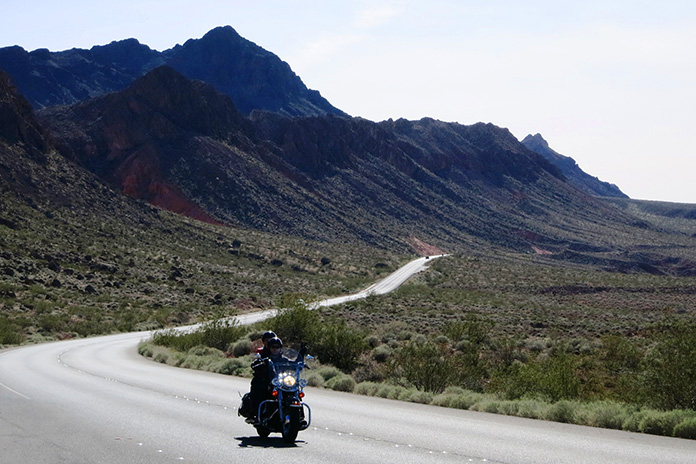
Back on the BMW, I made my way to the end of the park’s highway at its intersection with North Shore Road (State Route 167). The referenced shore is the bank of Lake Mead. The “shore road” moniker is a bit of a misnomer. The Southwest’s unprecedented drought has drawn the reservoir down to a record low, so I was quite some distance from the lake. While not a waterside trek, the ride in the Lake Mead National Recreation Area is entertaining and beautiful. I was back in that fringe environment where red outcroppings dot the gray landscape. The fire was to my back this time.
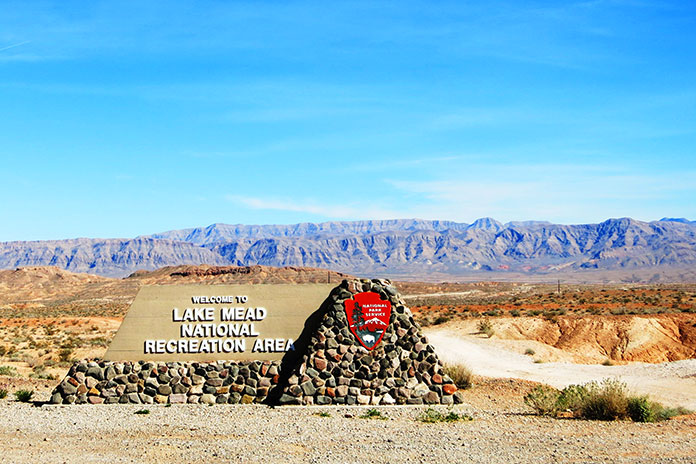
Farther west on my return toward Vegas, the flatter, muted desert landscape returned. Cactus, desert brush, and the occasional dwarf palm dotted the horizon, and the final leg was relaxing as I traveled back from the Valley of Fire to the valley of neon. With proper gear choices, this is a ride that can be made virtually year-round, and I will certainly be back. From the City of Sin to the Valley of Fire, it’s a heavenly ride indeed. The Man in Black would approve.
The post Valley of Fire and Lake Mead in Nevada | Favorite Ride first appeared on Rider Magazine.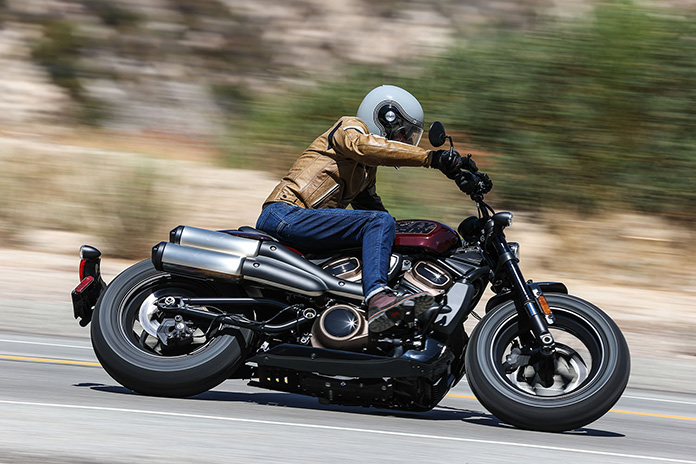
Choices for smaller, affordable motorcycles are growing, and that’s good news for riders looking for a fun bike that won’t break the bank. Whether you’re new to riding and want something easy to handle or an experienced rider looking for a lighter or shorter bike, you have more options now than ever when it comes to finding the best motorcycles for smaller riders!
Below is Rider’s 2022-2023 list of Best Small Motorcycles, an update of the popular post from 2019. Our new list includes motorcycles with seat heights up to 30 inches with an MSRP of $17,000 or less.
We’ve also curated lists of the best bikes with seat heights between 30.0 and 30.9 inches, as well as a list of bikes with seat heights between 31.0 and 31.9 inches. We’ll include links to those lists soon.
When possible, we’ve included a link to our test ride reviews so you can get a sense of how each bike performs in action. We’ve also included the 2022-2023 model year’s U.S. base MSRP (as of publication), seat height, and claimed wet or dry weight. On models with options to lower the seat height or suspension, we’ve listed the standard and lowered seat heights. You can also click on a model’s name to go to the manufacturer’s webpage for a full list of specifications and details.
The models in this list are arranged by seat height, with the first model having the shortest seat height and the last model having the tallest seat height in the list.

$8,999
23.6-inch seat height
594 lb dry
Read our 2019 Can-Am Ryker First Ride Review
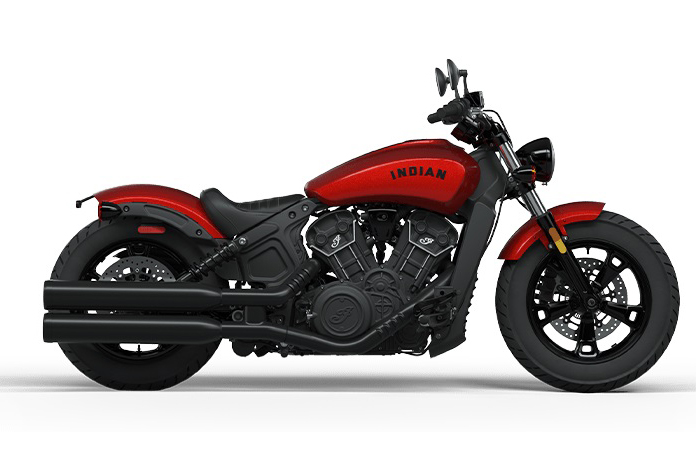
$10,749
25.6-inch seat height
548 lb
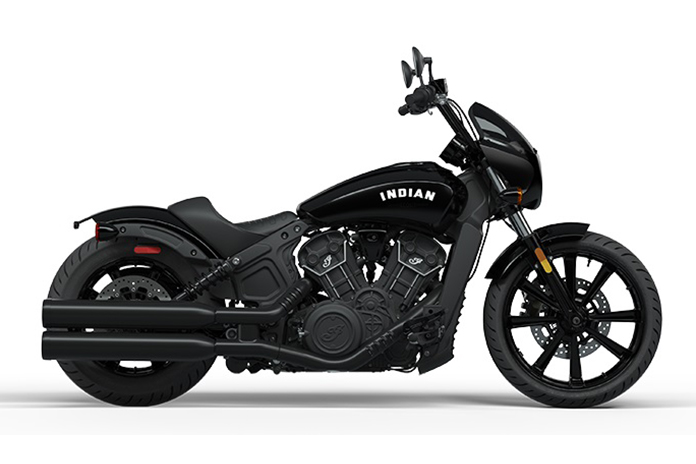
$11,249
25.6-inch seat height
540 lb
Read our 2022 Indian Scout Rogue First Ride Review
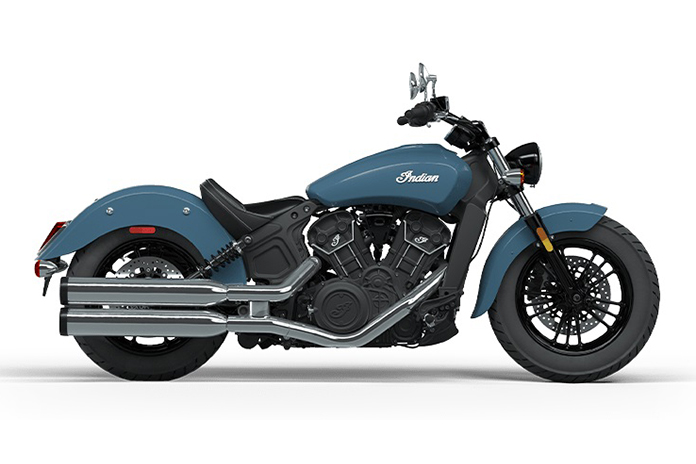
$11,749
25.6-inch seat height
543 lb
Read our 2016 Indian Scout Sixty Road Test Review

$12,249
25.6-inch seat height
553 lb
Read our 2018 Indian Scout Bobber First Ride Review
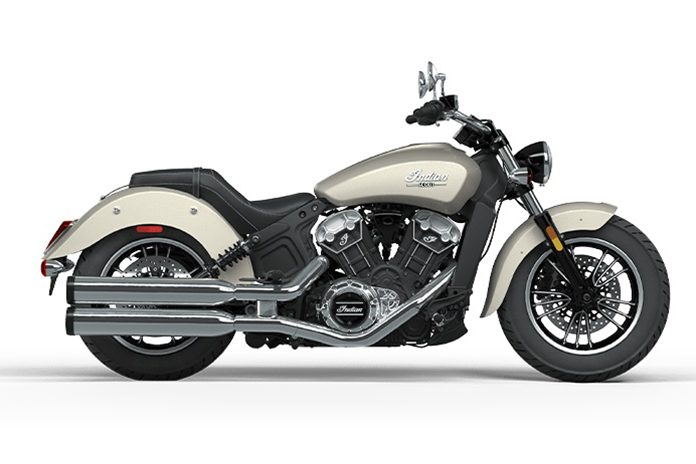
$13,249
25.6-inch seat height
561 lb
Read our 2019 Indian Scout Tour Test Review

$13,249
25.6-inch seat height
563 lb

(2022 is the final year for this model)
$11,249
25.7-inch seat height
564 lb
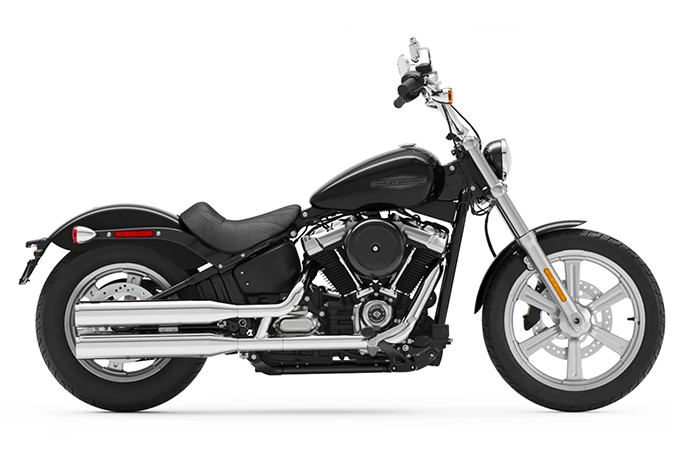
Harley-Davidson Softail Standard
$14,399
25.8-inch seat height
655 lb
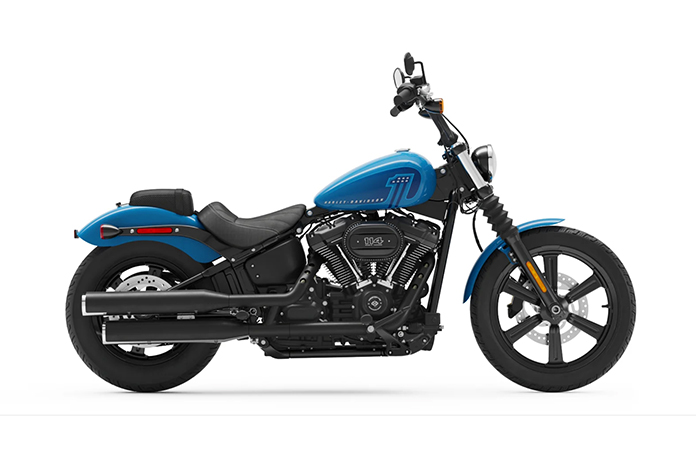
Harley-Davidson Street Bob 114
$16,599
25.8-inch seat height
631 lb

$7,999
25.8-inch seat height
549 lb
Read our 2010 Honda Shadow Phantom 750 Road Test Review
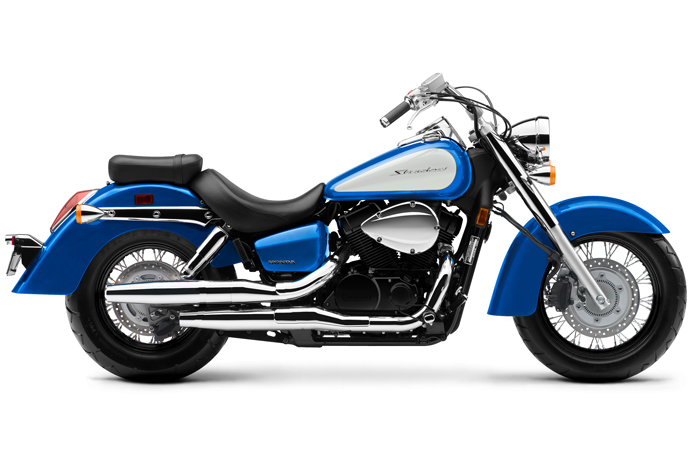
$7,799
25.9-inch seat height
560 lb
Read our 2013 Honda Shadow Aero Review
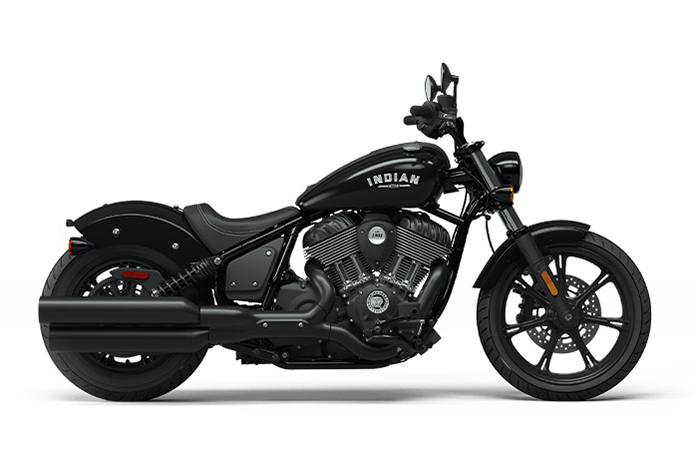
$14,999
26-inch seat height
670 lb

(2022 is the final year for this model)
$12,299
26.2-inch seat height
556 lb
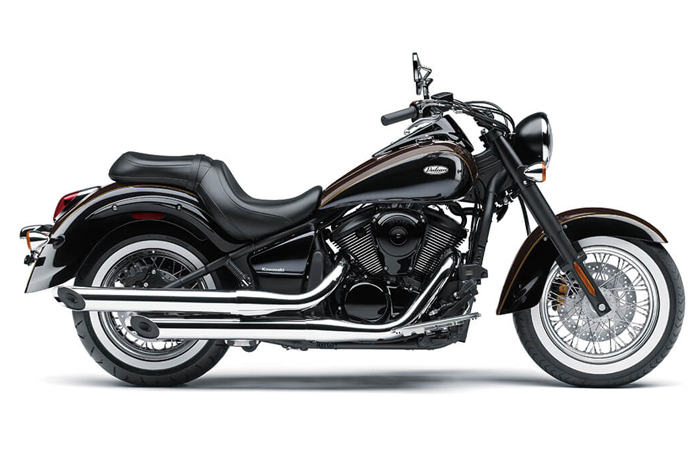
$8,999
26.8-inch seat height
620 lb
Read our 2013 Kawasaki Vulcan 900 Classic Review
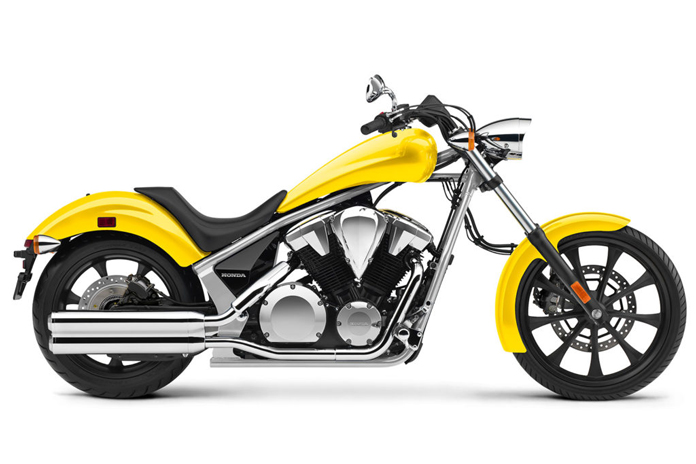
$11,449
26.9-inch seat height
663 lb
Read our 2010 Honda VT13VX Fury Road Test Review
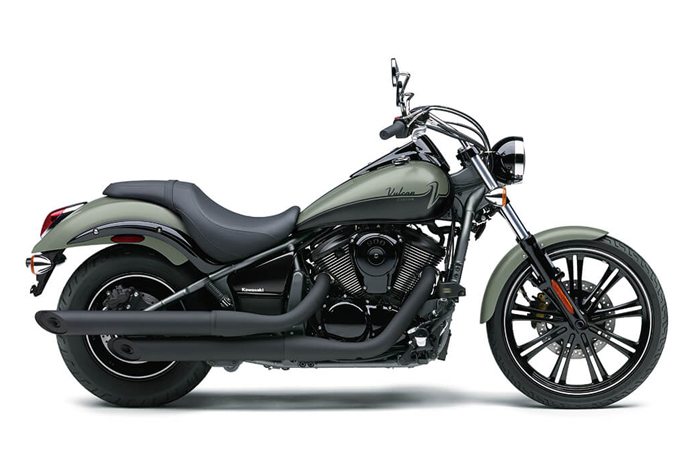
$9,499
27-inch seat height
611 lb
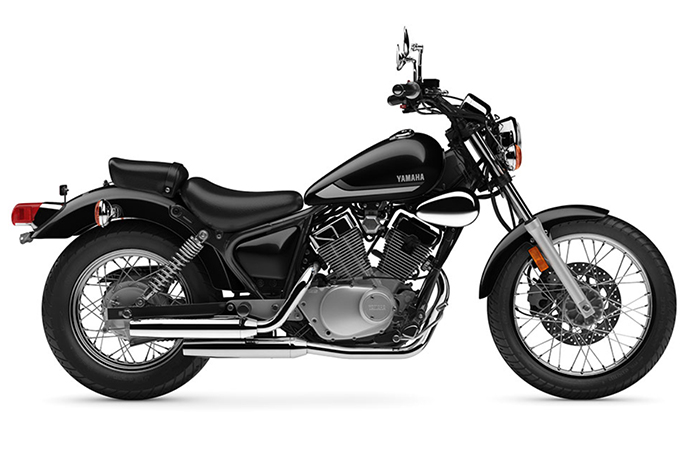
$4,699
27-inch seat height
324 lb
Read more about the V Star 250 in our 2008 Motorcycle Fuel Economy Comparison Review
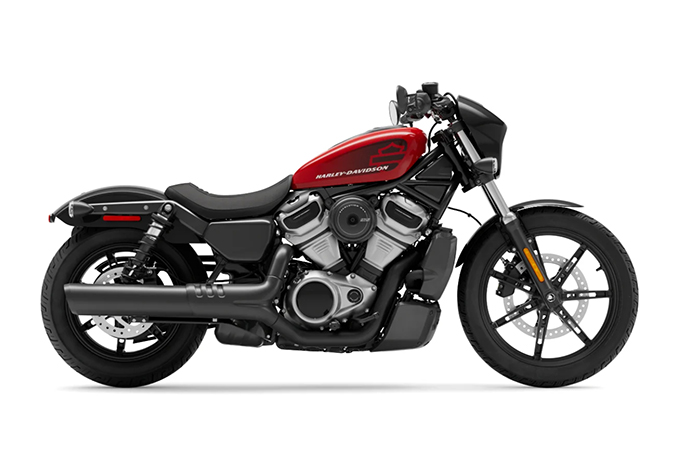
$13,499
27.1-inch seat height
481 lb
Read our 2022 Harley-Davidson Nightster First Ride Review

$14,995
27.2-inch seat height
761 lb
Read our 2021 BMW R 18 First Edition Road Test Review

$6,449
27.2-inch seat height
408 lb
Read our 2020 Honda Rebel 500 ABS Road Test Review

$4,749
27.2-inch seat height
364 lb

$13,495
27.6-inch seat height (optional lower seat of 27.2 inches)
553 lb
Read our 2017 Triumph Bonneville Bobber First Ride Review

$8,899
27.2-inch seat height
542 lb

$11,299
27.5-inch seat height
524 lb
Read our 2023 Honda Rebel 1100T DCT First Look Review

$9,499
27.5-inch seat height
487 lb
Read our 2021 Honda Rebel 1100 First Ride Review
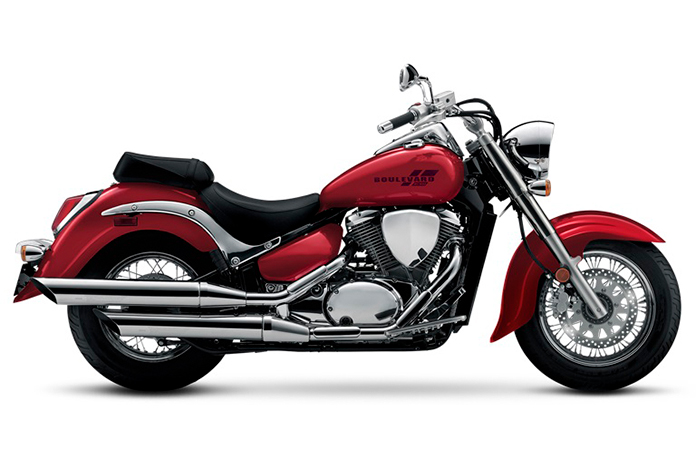
$8,609
27.6-inch seat height
611 lb
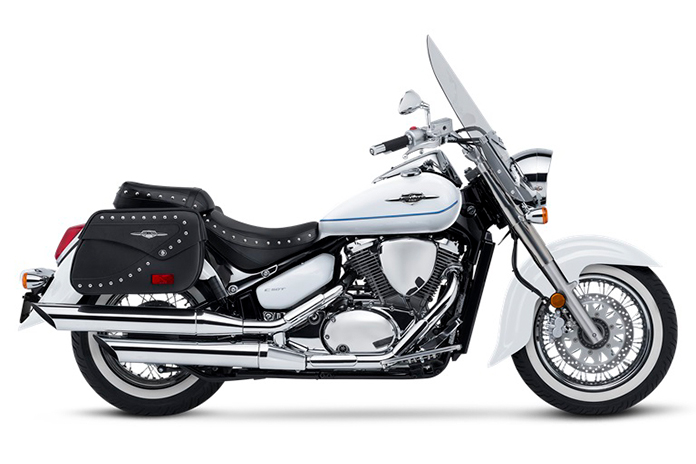
$10,059
27.6-inch seat height
644 lb
Read our 2007 Suzuki Boulevard C50T Road Test Review
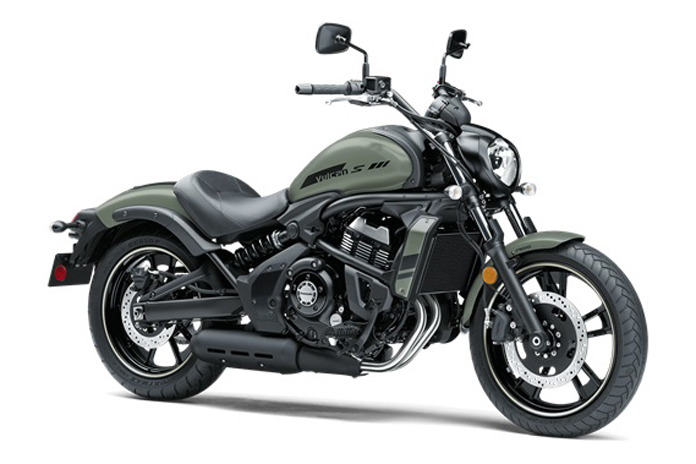
$7,349
27.8-inch seat height
492 lb
Read our 2015 Kawasaki Vulcan S Road Test Review
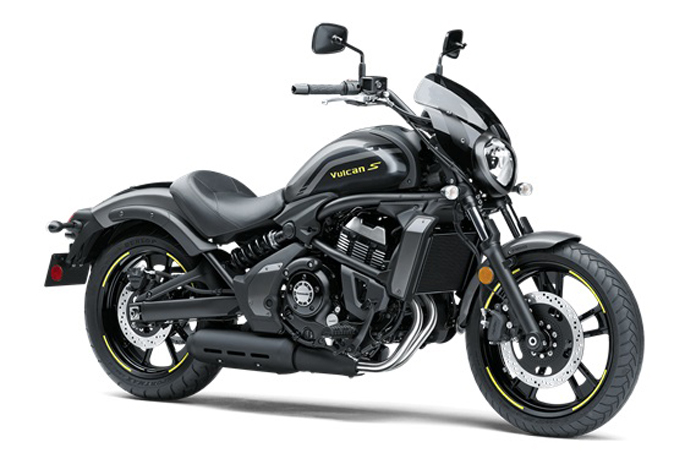
$8,099
27.8-inch seat height
496 lb
Read our 2016 Kawasaki Vulcan S Cafe Road Test Review
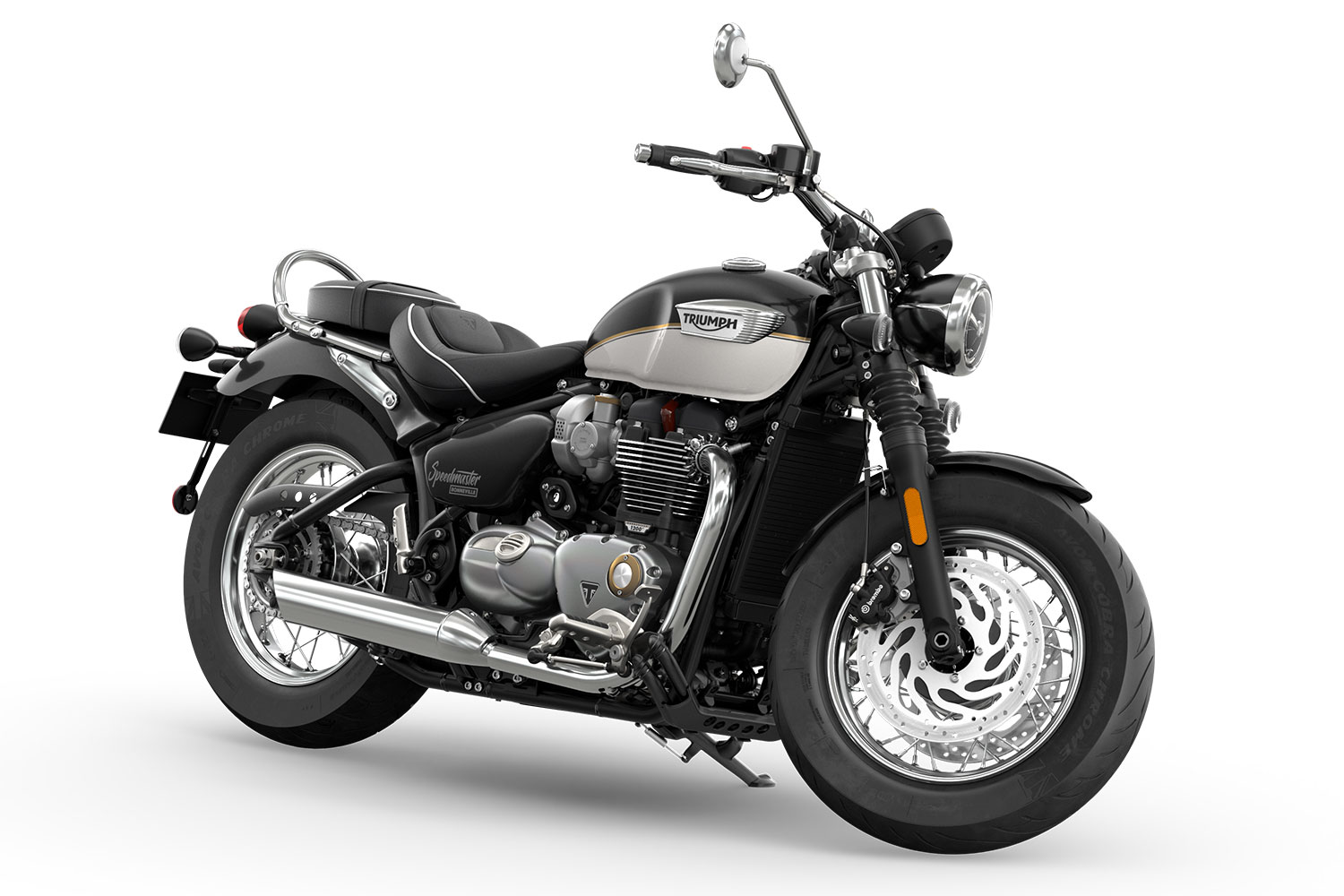
Triumph Bonneville Speedmaster
$13,495
27.8-inch seat height
580 lb
Read our 2018 Triumph Bonneville Speedmaster First Ride Review

$16,399
28.9-inch seat height
502 lb
Read our 2021 Harley-Davidson Sportster S First Ride Review
The post Best Motorcycles for Smaller Riders: Seat Heights Under 30 Inches first appeared on Rider Magazine.For the first time ever, a rising third bite action has been paired with a side-lever over/under format. The new gun – produced first in a trio of 16-bores for a European customer – joins Boss & Co’s 1812 Edition family of guns that utilize a purpose-built bespoke ambidextrous side-lever action with a lever for…
The post First Side-Lever Over/Under Rising Third Bite Shotgun appeared first on Sporting Classics Daily.
Google Maps and Apple Maps allow anyone to snoop on you and violate your privacy by posting crystal clear pictures of the front of your house or aerial shots of your property on their websites and apps.
Google has run into legal problems amid growing concerns regarding people's privacy. These included multiple instances where people were photographed through their windows without realizing it.
One Minnesota community successfully got Google to take down all pictures of their houses, something you have the power to do on your own. You can also ask Google to blur images of your car, license plate and, perhaps most importantly, yourself.
GOOGLE CHROME'S ‘INCOGNITO’ MODE MIGHT NOT KEEP YOU SO HIDDEN
How to take pictures of your home off Google Maps on a computer
Go to google.com/maps
Enter your home address in the search field
GOOGLE APOLOGIZES FOR CONTROVERSIAL DEFINITION OF ‘JEW’ ON SEARCH ENGINE
After submitting a request for your house to be blurred, you should then get an email confirmation requiring you to make any verifications. After a few days, it's worth checking to see whether your house is still visible. One thing that is worth keeping in mind, in case you have any doubts, blurring your house on Google Maps is permanent.
How to take pictures of your home off Apple Maps
To take pictures of your home off of Apple Maps, you will need to do so in writing, and "request that a face, license plate or your own house be censored." The email address to reach Apple Maps is MapsImageCollection@apple.com.
Have you been successful at removing your house from either Google or Apple Maps? Let us know. We'd love to hear from you.
For more of my tips, head over to CyberGuy.com and be sure to subscribe to my free CyberGuyReport Newsletter by clicking the "Free newsletter" link at the top of my website.
Copyright 2023 CyberGuy.com. All rights reserved. CyberGuy.com articles and content may contain affiliate links that earn a commission when purchases are made.
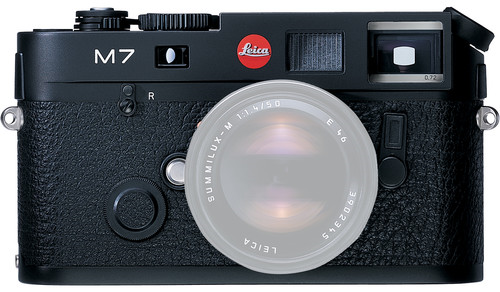
Despite the technological advancements of modern DSLR and mirrorless cameras, 35mm rangefinder cameras remain a popular choice for photographers today. And if you are old-school like me and prefer shooting on film, you will absolutely love working with the award-winning Leica M7!
In this Leica M7 review, we share everything there is to know about this amazing film camera. Here, you will learn about its design and construction, image quality, lens compatibility, price, and more!
One fantastic resource with tons of used Leica M7 cameras in stock and a place I have bought and sold countless photo and video gear throughout the years is MPB. They are a trustworthy and reliable online platform selling used photo and video kit at unbeatable prices.
Additionally, every camera at MPB is meticulously hand-inspected by knowledgeable product specialists and backed by a six-month warranty, allowing you to make your purchases confidently and worry-free. Another outstanding feature of MPB is that you can trade in and sell your old camera equipment to help offset the cost of new-to-you gear you want and need.
With that in mind, it’s time to jump in and discover five reasons why the Leica M7 is the perfect film camera for 2023!
Check out the video above by Awasos Entertainment to learn more about the extraordinary Leica M7.
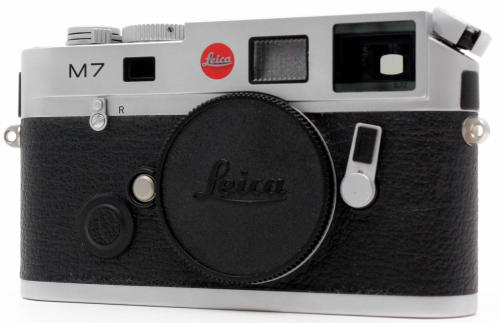
The Leica M7 is a high-end 35mm rangefinder that boasts the same simple and timeless design as classic film cameras like the Leica M3. The top dial controls the camera’s shutter speed, the rear dial controls ISO, and you adjust the aperture on the lens. Furthermore, you can easily add exposure compensation using the ring on the ISO control dial.
The M7 is extremely durable thanks to its all-metal design and weighs only 610 grams. This makes it ideal for travel and everyday use. Also, the mechanical shutter is unbelievably quiet and perfect for stealth shooting situations like street photography. Two shutter speeds are fully mechanical (1/60 and 1/125), and the camera can run battery-free at these speeds.
Here’s an in-depth look at the key features and specs of the Leica M7:
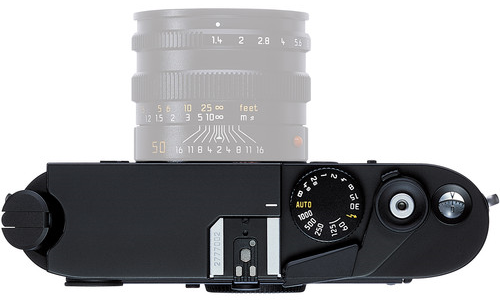
One of the main advantages of working with film is the excellent image quality, and in that regard, the Leica M7 is one of the best cameras I have ever used. Manual exposure and focus ensure the photographer has complete control over every image shot on the M7. While it takes longer to set up your shots, you will be blown away by the sharpness and detail of its photos.
The low-light performance of the M7 is also superb. The ISO goes up to 6400, and the lightning-fast Through-The-Lens (TTL) flash synchronization is a game changer. The TTL flash tops out at 1/1000/second, pairs electronically with lenses, and is great for night photography.
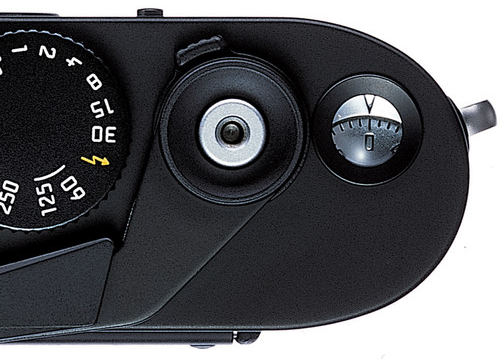
Traditionally, all three parts of the exposure triangle (shutter speed, aperture, and ISO) have to be adjusted manually on a film camera. However, the Leica M7 has an exciting new autoexposure mode typically only found on digital cameras, Aperture-Priority (AP).
AP is a semi-automatic mode where the photographer manually adjusts the aperture and ISO, and the camera selects the corresponding shutter speed to create a balanced exposure. It’s an incredibly useful tool that helps speed up workflow and productivity. Event and street photography are ideal times for playing around with AP.
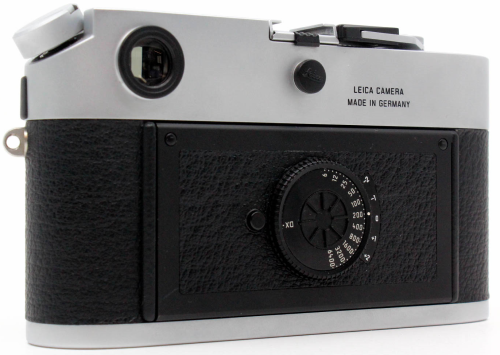
Next up, there’s the innovative viewfinder of the Leica M7. It shares the same beloved shape and crystal-clear quality as all Leica M cameras but also received some modern electronic upgrades. Information, including shutter speed, shooting mode, flash, and more, is now visible when looking through the viewfinder.
In addition, the brightness of the viewfinder’s information is adjustable. So, whether you are working in the dark of night or the middle of the day, you will always be able to know your camera settings. This nifty feature leads to consistently better photos and less money wasted on film.
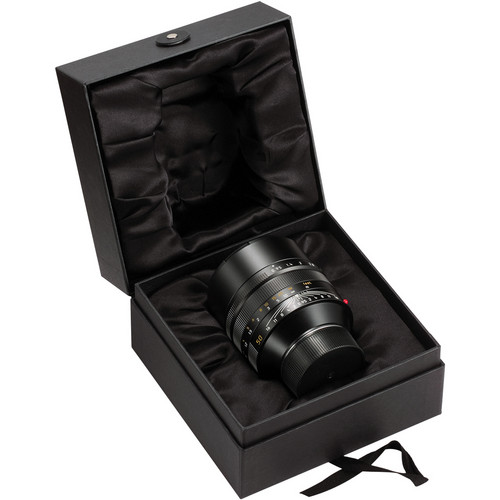
Lastly, I must mention the killer lens selection of the Leica M7. Most film cameras have only a handful of compatible lenses, but the M7 has 36 unique options. Every Leica M lens is a premium prime lens made of high-quality glass. Moreover, the focal lengths range from 18mm wide-angle lenses to 135mm telephoto lenses.
Here’s a short list of some of the best Leica M7 lenses:
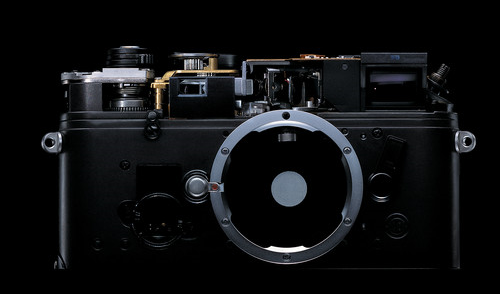
While the Leica M7 price is currently hovering around $3,500 for a used camera, that’s an absolute bargain if you are a film lover! The image quality is off-the-charts, and unlike digital cameras, which have a limited shutter count, this 35mm film camera will long outlive you and me both.
Finally, for those who want to shoot on film but aren’t 100% sold on the Leica M7, here are a few more great options:


By Enzo Palombo, Swinburne University of Technology Food safety authorities and regulators around the world recommend you don’t wash raw poultry before cooking. That’s because washing chicken can splash dangerous bacteria around the kitchen. It’s best just to thoroughly cook the chicken without washing it, so it is safe to eat. Despite this, chicken-washing remains common.…
The post Washing raw chicken before cooking is a BAD idea! So why do people still do it? appeared first on Study Finds.

WASHINGTON — Hurricanes are a common occurrence in Florida, but that’s not keeping wealthy homeowners from moving there. In fact, a new study finds rich home buyers don’t wait for neighborhoods to rebuild after a storm — they buy up real estate right away! A team from Resources for the Future (RFF), the University of California-San…
The post Rich people love moving to Florida right after a hurricane strikes, study reveals appeared first on Study Finds.
If you’re drawn to the smell of barbecue in downtown Memphis, chances are that Henry Morris is at work
The post Meet the Pitmaster Who’s Cooked Rendezvous Ribs for Three Decades appeared first on Garden & Gun.
Gareth’s Tips, Tools, and Shop Tales is published by Cool Tools Lab. To receive the newsletter a week early, sign up here.
Happy New Year to you all and thanks so much for your tremendous support and good will throughout the year. It means a lot.
Making Your Own Steel Boxes
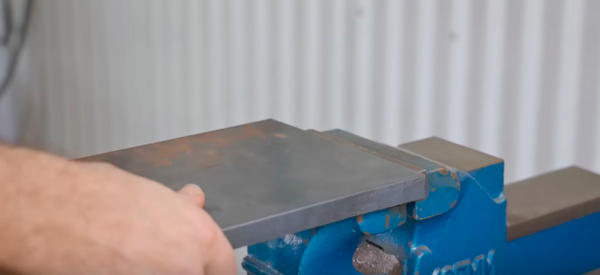
Metal boxes are so handy in the workshop. Image how cool it would be to make your own at whatever sizes you desire. In this Pask Makes video, he fashions metal boxes using a jig that he made. No special bending equipment required. To seal them up, you do need to weld, although, as he points out, you could easily make corner brackets and simply rivet them together.
Ask Gar: Cutting Sheet Metal
Reader Martin asks me:
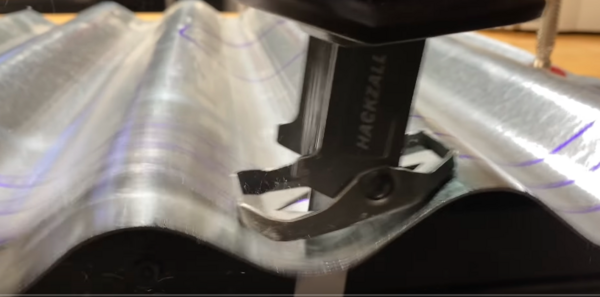
I’m interested in lightweight sheet metal cutting. I have tin snips but they have their limits. I know about pneumatic cutters but that’s overkill for my application. I’ve recently seen advertisements for something that connects to a power drill to cut sheet metal. Do you know about these?
There’s a reason This Old Tony refers to tin/aviation snips as “hand cramps.” The device you’re talking about is something like the Turbo Shear. I have no experience with this tool, but I’ve seen lots of video of it in action, and it looks useful if you have a lot of sheet to cut. If other readers have used this drill-attachment shear, please chime in.
There are many other options. This Farmer Tyler video shows three: A plasma cutter (which would be overkill for light material), an angle grinder, and a jigsaw (with a metal-cutting blade). You can also use a reciprocating saw with a metal blade. Then there are manual nibblers (for light-gauge metal).
BTW: Ron Covell has a great video on how to properly use aviation snips (which would make somewhat easier work than straight-pattern tin snips).
Shop Safety Basics
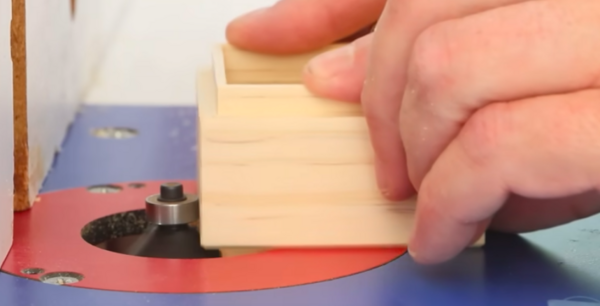
Woodworker and YouTuber, Steve Ramsey, offers a really great guide to shop safety basics in this video. Amongst the common advice about wearing eye, hearing, and breathing protection, and ensuring adequate ventilation, he presents some great “meta” safety advice. While these tips are directed at woodworkers, most of them apply to all types of shop safety.
* If an operation doesn’t feel right in your gut, it’s probably not. Think it through carefully. Consult the manual that came with the tool. Do a Google/YouTube search. Practice it with the machine turned off.
* Understand what the tool is actually doing; how it works. This goes a long way toward understanding what might do wrong and how to react if it does.
* Bad shop lighting, bad. The better you can see what you’re doing, the better the chances of doing it safely.
* Always keep your cellphone handy, in case of an accident.
* Be careful when doing repetitive tasks or tasks that you’ve done hundreds of time before. Lack of focus and complacency are dangerous. It can be helpful just to remind yourself before doing something repetitive that you’re about to do something repetitive and are therefore at higher risk of injury.
* And, one of the all-time best pieces of advice (what I call “The Kenny Rogers Rule”), knowing when something is not working and when it’s time to take a break, take a walk, grab a snack, etc. (Sayeth Kenny: “You got to know when to hold ‘em, know when to fold ’em. Know when to walk away and know when to run.”).
TOYS! Enamel Shop Trays

I recently “borrowed” an enamel tray from my wife’s art studio and I’m not giving it back (sorry, hon). I’ve been using it for things like parts cleaning and de-rusting. Above are two combination squares I was recently given. They were extremely rusty, but not so after a few Evapo-Rust soaks and wire-brush treatments in the tray.
The Duh Dept: Don’t Put Your Trash Cans Over the Edges of Your Worktable
It should go without saying, but I’ve made this mistake myself, lost items, and suspect they got knocked into the trash (I blame the cat). Put your cans well under your work surfaces or well away from them.
Systems Are Not Panaceas
I can’t find the video any more, but there’s a funny moment in an Adam Savage video from this year where he goes to apply one of his own shop rules and fails, on camera. The rule (which I’ve published several times) is about storing unique/specialty items that don’t have an obvious home. The idea is to go with the very first place that springs to mind when you think “Where should I store this tool?” It’s a great idea (‘cause that first thought is likely to come to mind when you need the item again). But it doesn’t always work, as Adam goes to find a special tool and can’t remember what his first storage thought was.
The cyberneticist Gregory Bateson famously said: “Always tie your ideas with slipknots.” Work systems are ideas that should be similarly tied. It’s great to think through the systems of your shop, tweak your workflow, and apply the wise thinking of others (e.g. Savage’s First Order Retrievability), but don’t kid yourself that these ideas will apply 100% of the time or in all situations.
Maker Slang
Technical terms, jargon, and slang from the realms of making.
Chase – In construction, a channel inside the walls of a building or a conduit outside of it used to protect and deliver wiring and pipes for plumbing, electrical, and other services.
Nadiral shading – Dark shading of an object from the bottom up. The opposite of zenithal shading, which is the light-shading of an object from the top down. Both techniques are used a lot in miniature painting.
Premature sheen – Term used by architect Rem Koolhaus to describe his fear that new technologies often make things look slicker, better designed, and more well thought out than they really are.
Toothing up – (or “toothing”) – Roughing up a surface to add texture/bite so that a paint or other finish will have more material to grab on to.
Notable Quotables
“You can never have enough woodworkers telling you you can never have enough clamps” – Dave Picciuto
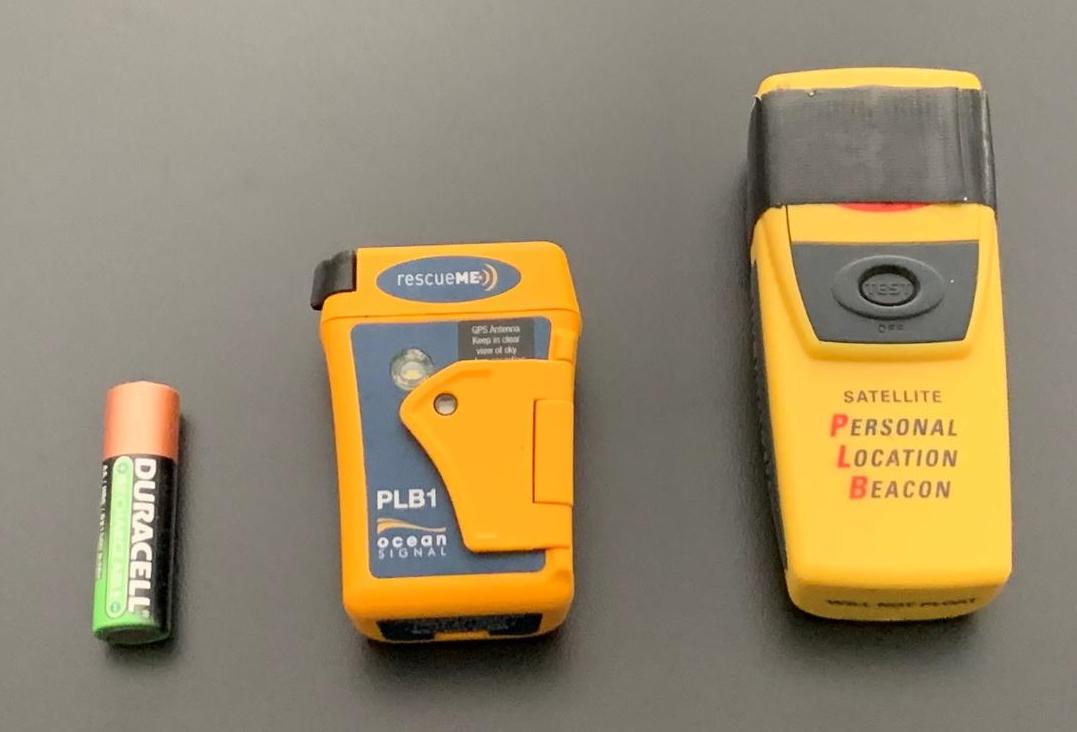
Per manufacturer specifications, the battery in my previously reviewed McMurdo FastFind 210 PLB expired in 2019. Oddly enough, the battery test still shows a full charge, but I’ll leave it to a chemical engineer to explain the resilience of lithium manganese batteries. Since replacing the battery would incur 2/3 of the cost of a new device, I decided to use the opportunity to procure an even lighter and more capable model.
Enter the rescueME PLB1 from Ocean Signal, which I’ve been carrying on backcountry hiking and camping trips for the last 21 months. The most notable improvements are MEOSAR coverage and support for Galileo/Glonass, which significantly reduces the time needed to detect a distress signal and triangulate the user’s position. Thankfully I haven’t had to personally verify this yet, but you can research real-life cases on the NOAA website if you’re truly interested.
The above picture is of my two PLBs compared to an AA battery. It’s hard to believe the tiny rescueME can talk to a MEOSAR satellite 19,000-24,000 kilometers (12,000-15,000 miles) above the Earth and broadcast for a minimum of 24 hours; this is borderline sci-fi technology. The battery shelf-life of my new unit is rated for 7 years (vs. 5 years for the FastFind 210) despite being noticeably smaller and lighter; again, technology just keeps improving. It’s a small point, but the antenna for the rescueMe requires manual extraction, so plan to involve your teeth if you don’t have use of both hands.
As with all PLBs, satellite coverage is worldwide, and there are no subscription fees. Faced with the seemingly weekly reports of drivers, hikers, hunters, sailors, and other people being injured or lost in remote locations without cellphone service, a MEOSAR-compatible PLB is probably one of the best investments you can make for the safety of yourself and your loved ones while recreating outdoors.
One last point — some readers will no doubt point out that the iPhone 14 series includes emergency SOS messaging via satellite. This is essentially the same satellite communication with SOS functionality as used by SPOT and InReach. Apple will be relying on GlobalStar for this service, which doesn’t have the same pole-to-pole coverage as COSPAS-SARSAT. Apple also hasn’t clearly stated what will happen when the complementary 2-year service ends; a monthly or annual subscription is likely. Caveat emptor.
-- Nabhan Islam, M.D.
Available from Amazon