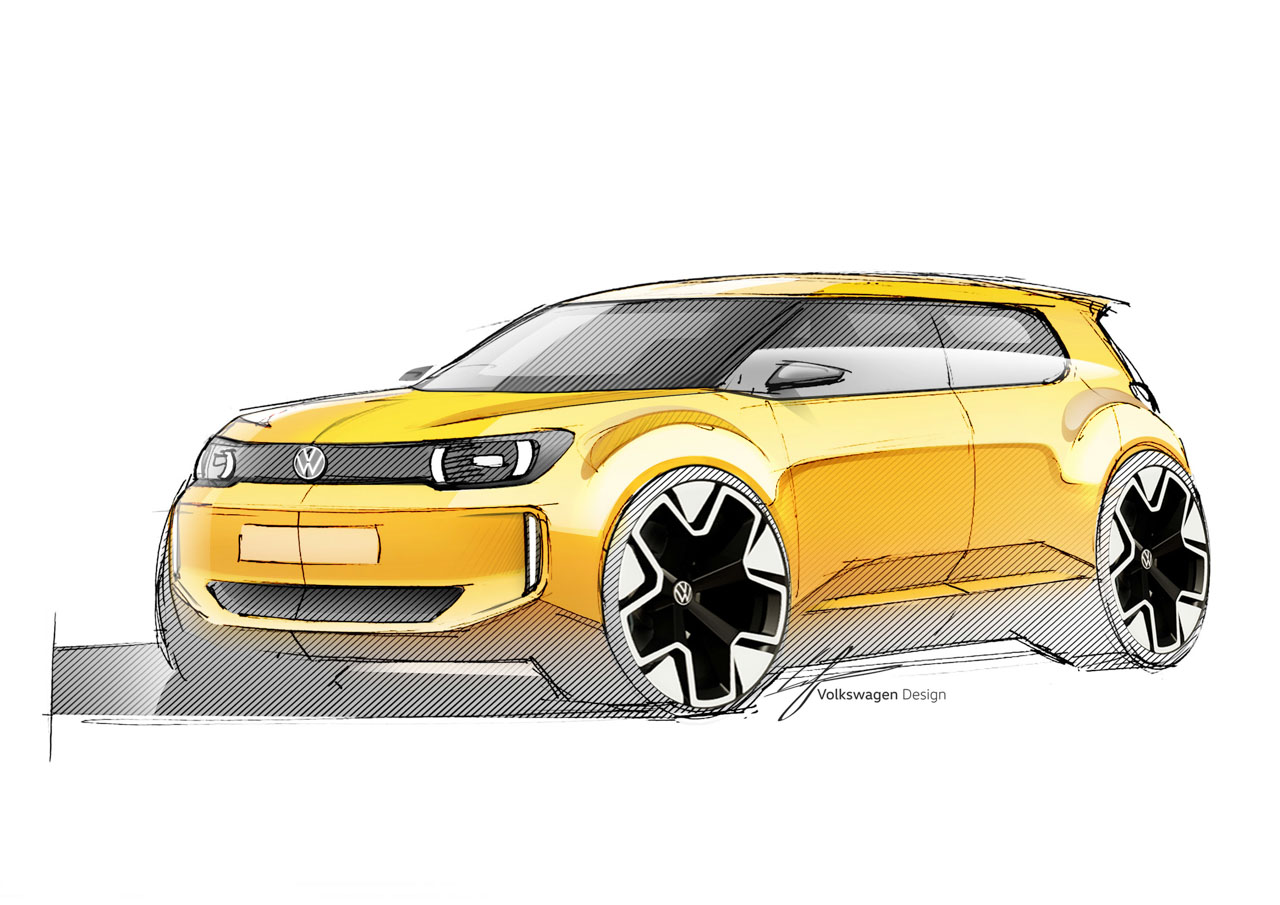
Volkswagen’s ID.1 design represents a fascinating study in accessible automotive aesthetics. The recently unveiled ID.EVERY1 concept previews what will become the production ID.1, a compact electric vehicle that challenges conventional thinking about budget-friendly car design. With Volkswagen securing €30 million ($35 million) in funding to build this vehicle in Portugal, the ID.1 design philosophy becomes even more significant. It prepares to democratize well-considered automotive design at the €20,000 price point.
Designer: Volkswagen
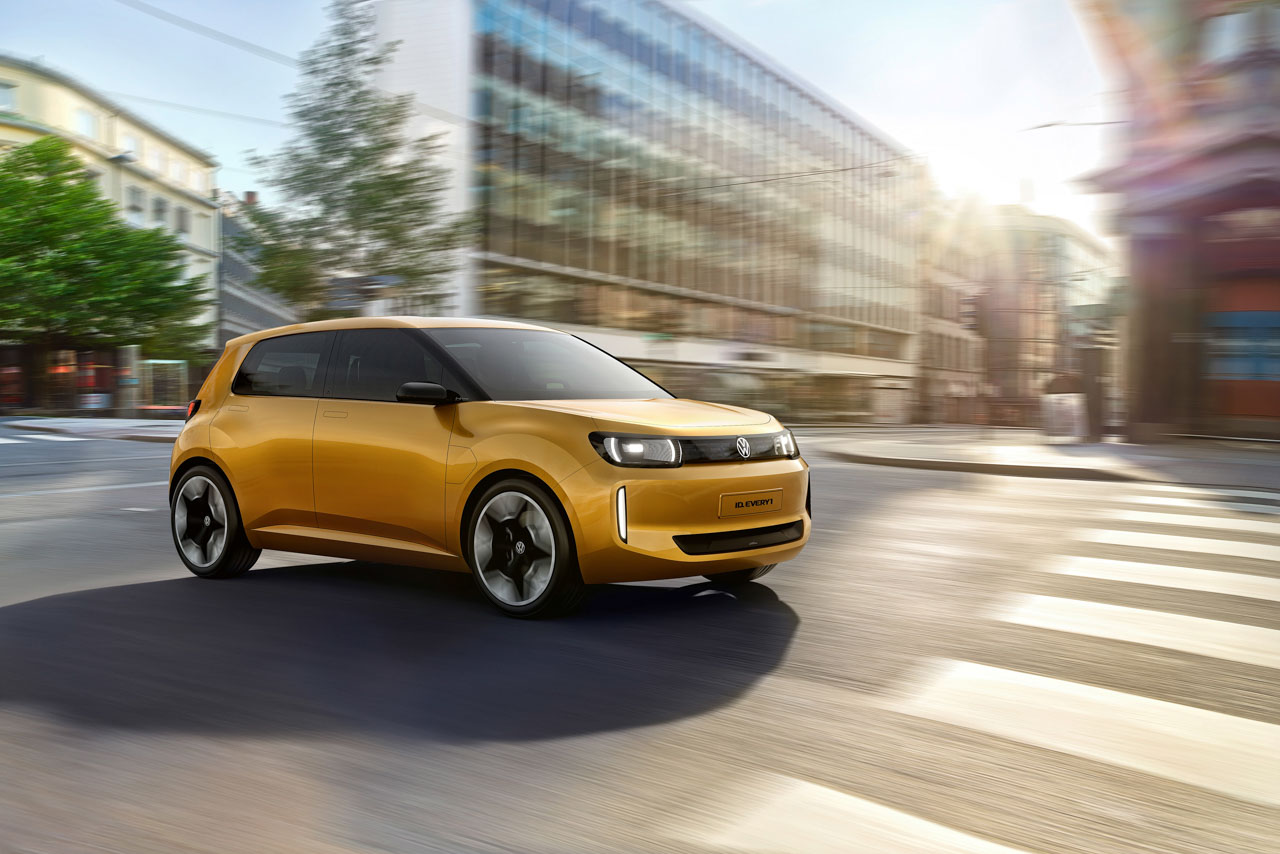
The concept showcases a deliberate departure from typical economy car aesthetics. Rather than compromising on visual appeal to hit cost targets, Volkswagen’s design team has crafted something special. They’ve created a vehicle that maintains the brand’s design integrity while introducing several thoughtful innovations. The ID.1’s compact 3,880mm length positions it strategically between the discontinued Up! and the larger Polo. Yet its design language suggests ambitions far beyond its modest dimensions. This isn’t your typical budget car approach. Every surface tells a story of careful consideration rather than cost-cutting desperation.
The Three Pillars of ID.1 Design Philosophy
Volkswagen’s approach centers on three core principles that drive every design decision. The brand calls them stability, likeability, and “secret sauce,” though these terms represent far more than marketing speak. Each concept addresses fundamental challenges in creating affordable electric vehicles that genuinely appeal to buyers.
These aren’t marketing buzzwords but genuine design strategies that influence every visual element of the vehicle. Each pillar addresses specific challenges in creating an affordable electric vehicle that doesn’t feel cheap or compromised. The stability principle manifests through crystal-clear, minimalist contours that give the ID.1 a sense of purposefulness that’s immediately apparent. Clean lines dominate the exterior, creating visual cohesion that makes the compact car appear more substantial than its actual footprint suggests.
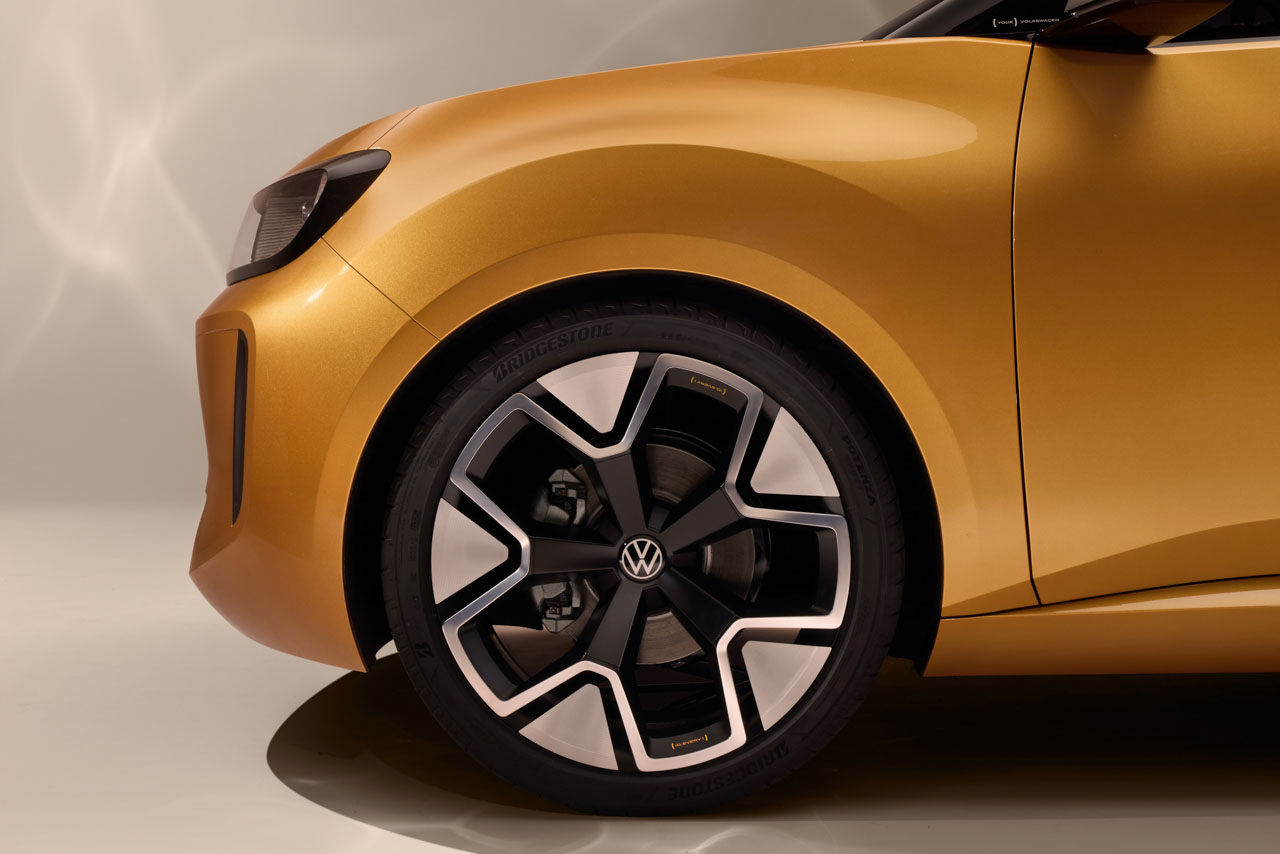
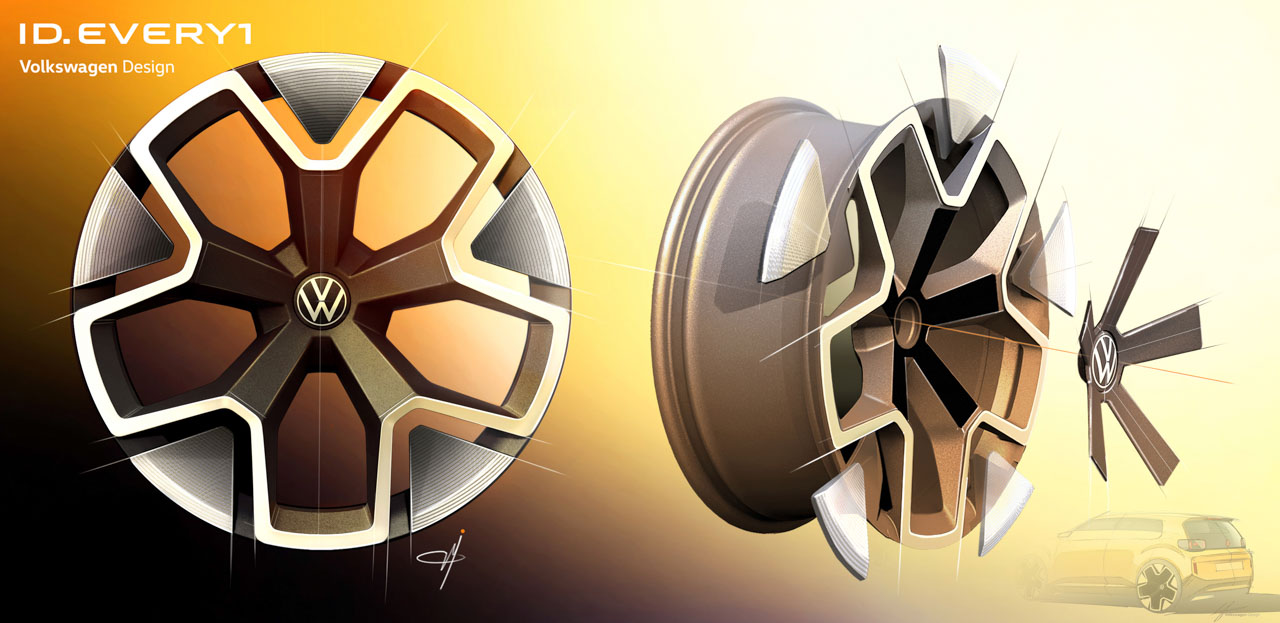
Large 19-inch wheels fill the wheel arches generously, though production versions will likely feature smaller wheels to optimize electric range. The proportions follow da Vinci’s golden ratio with a 2/5:3/5 split between windows and body surfaces, creating mathematical harmony that feels intuitively pleasing. This isn’t accidental. The design team spent considerable time getting these relationships exactly right, understanding that proportion mistakes are nearly impossible to fix later in the development process. Mathematical precision creates emotional response in ways that decorative elements simply cannot match.
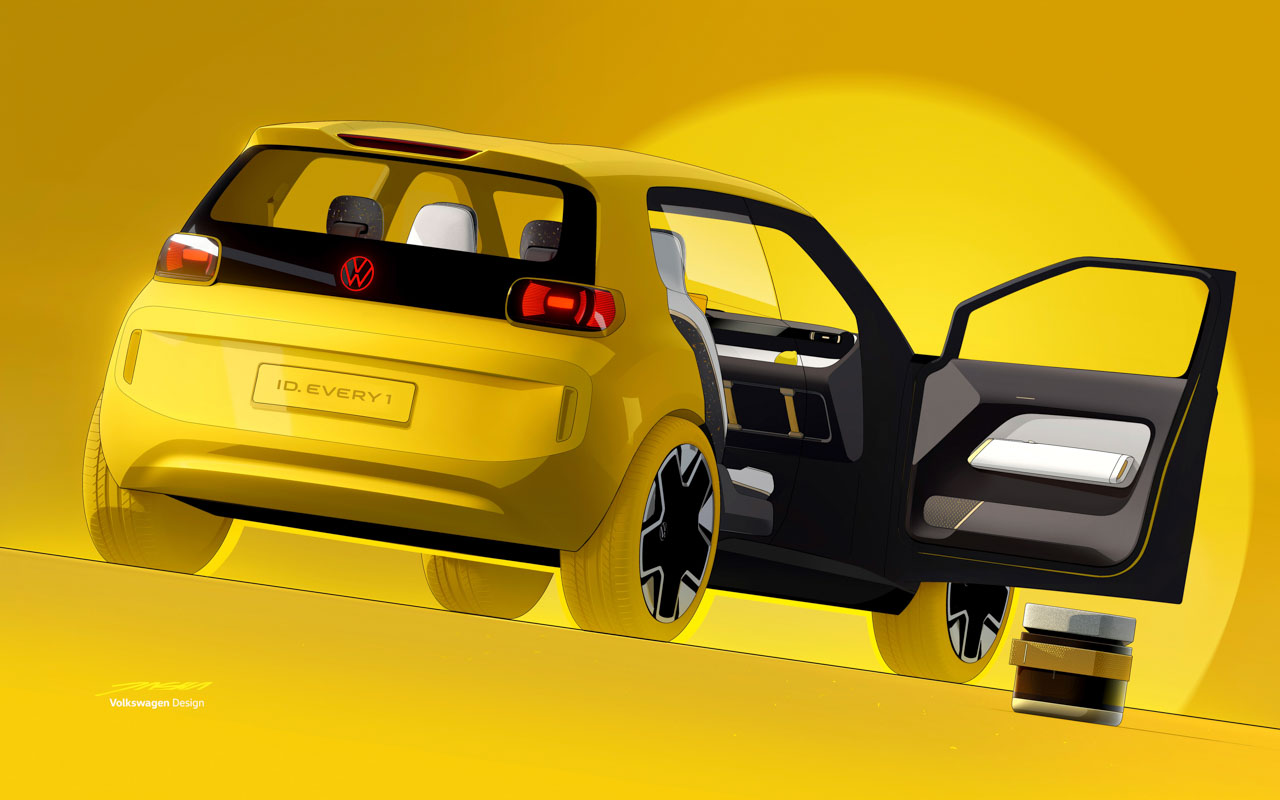
Likeability comes through in details that make the ID.1 instantly approachable. The front end carries a friendly expression enhanced by dynamic lighting elements that give the vehicle personality without resorting to aggressive styling cues. This approach distinguishes the ID.1 from electric vehicles that embrace alien aesthetics.
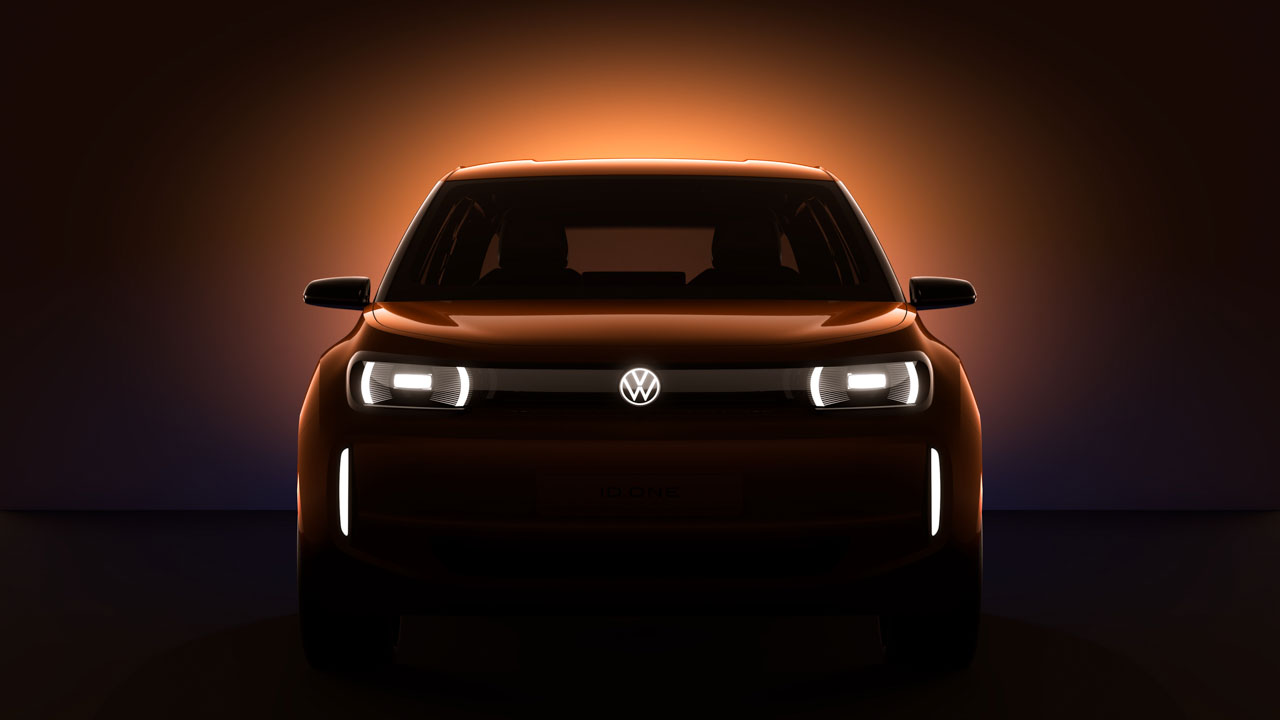
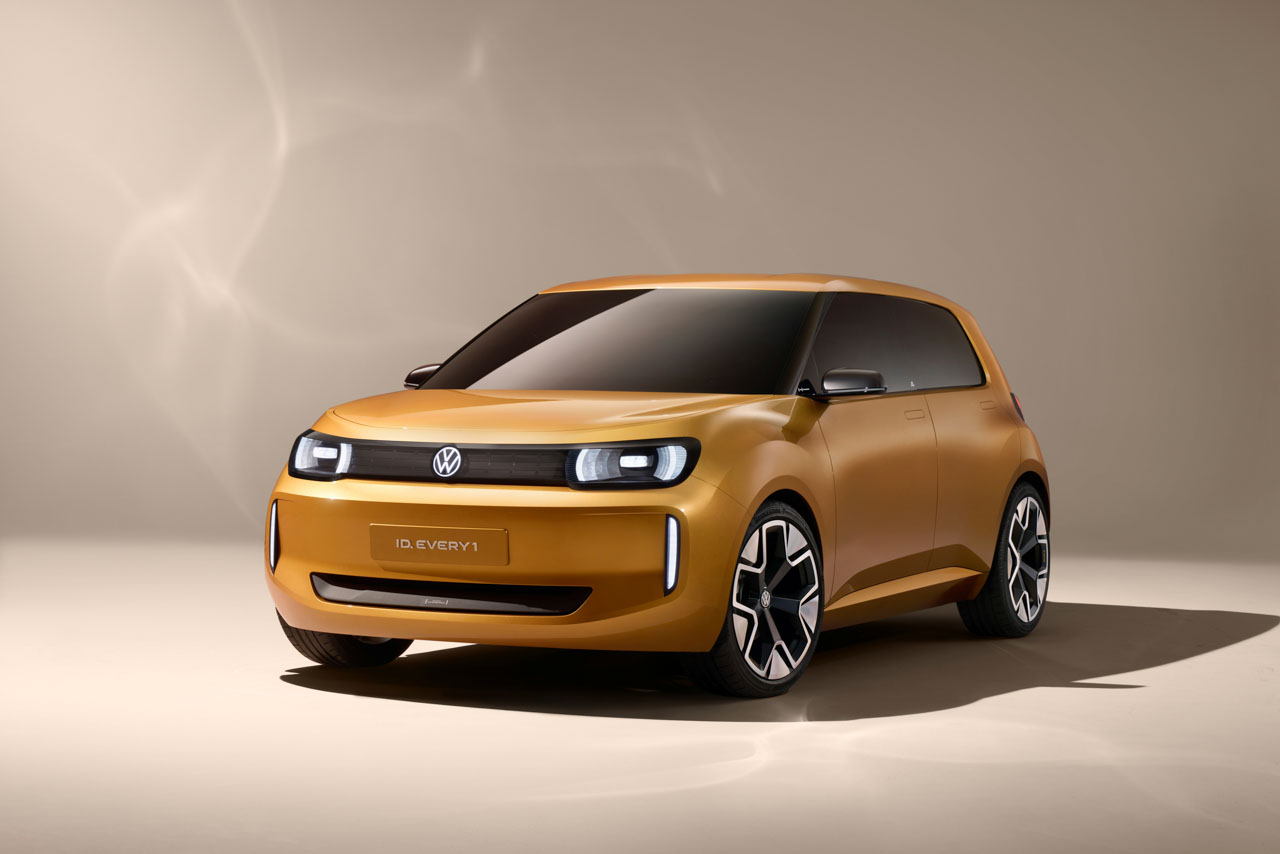
The design team has created what they describe as a “cheeky” front appearance that maintains Volkswagen’s familiar character while introducing electric-specific design elements. This balance between familiarity and innovation helps potential buyers connect emotionally with the vehicle. It’s approachable rather than intimidating. The lighting signature alone tells you this isn’t trying to be menacing or overly serious. Where many electric vehicles adopt an alien aesthetic that distances them from conventional cars, the ID.1 maintains human warmth. This emotional connection proves crucial for buyers making their first electric vehicle purchase.
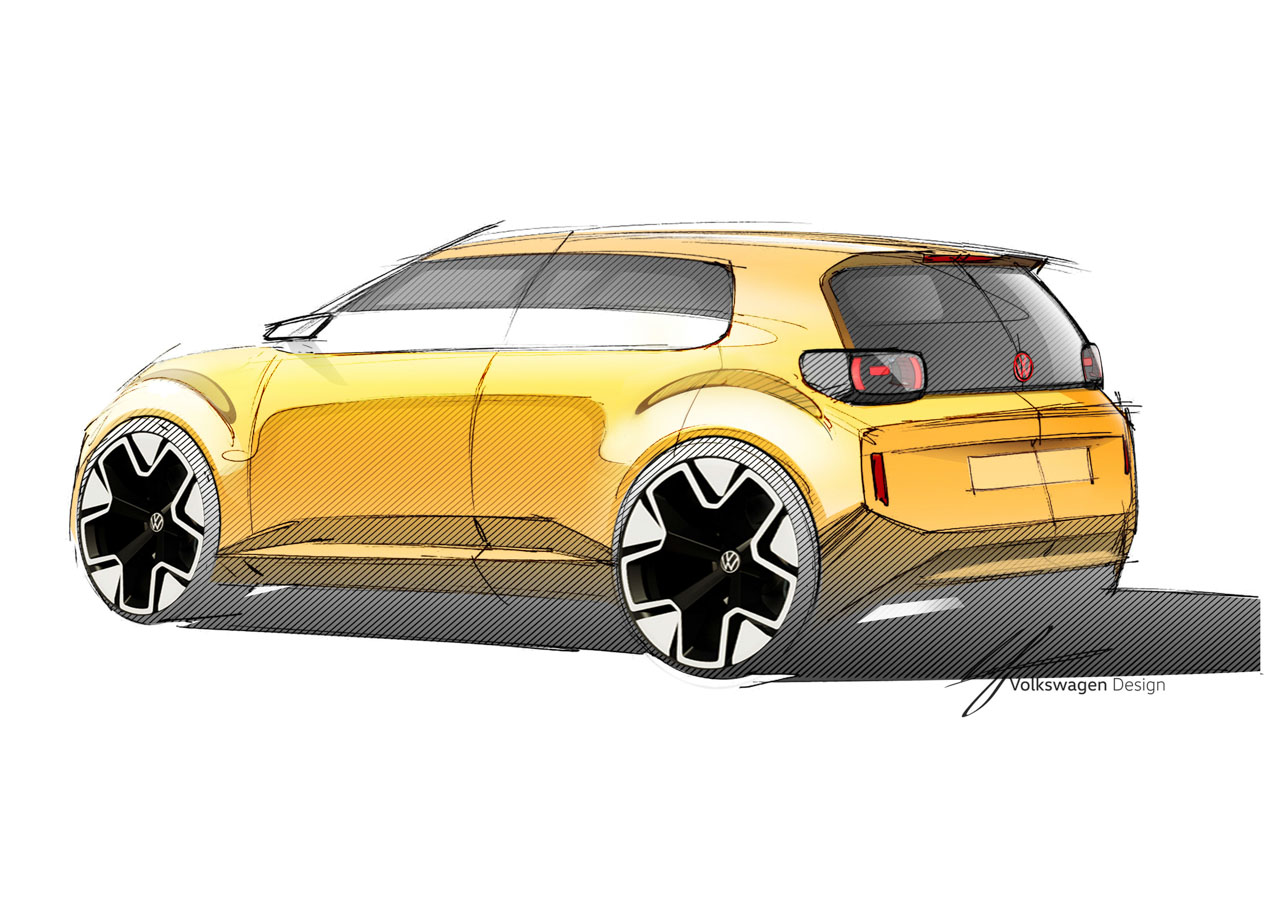
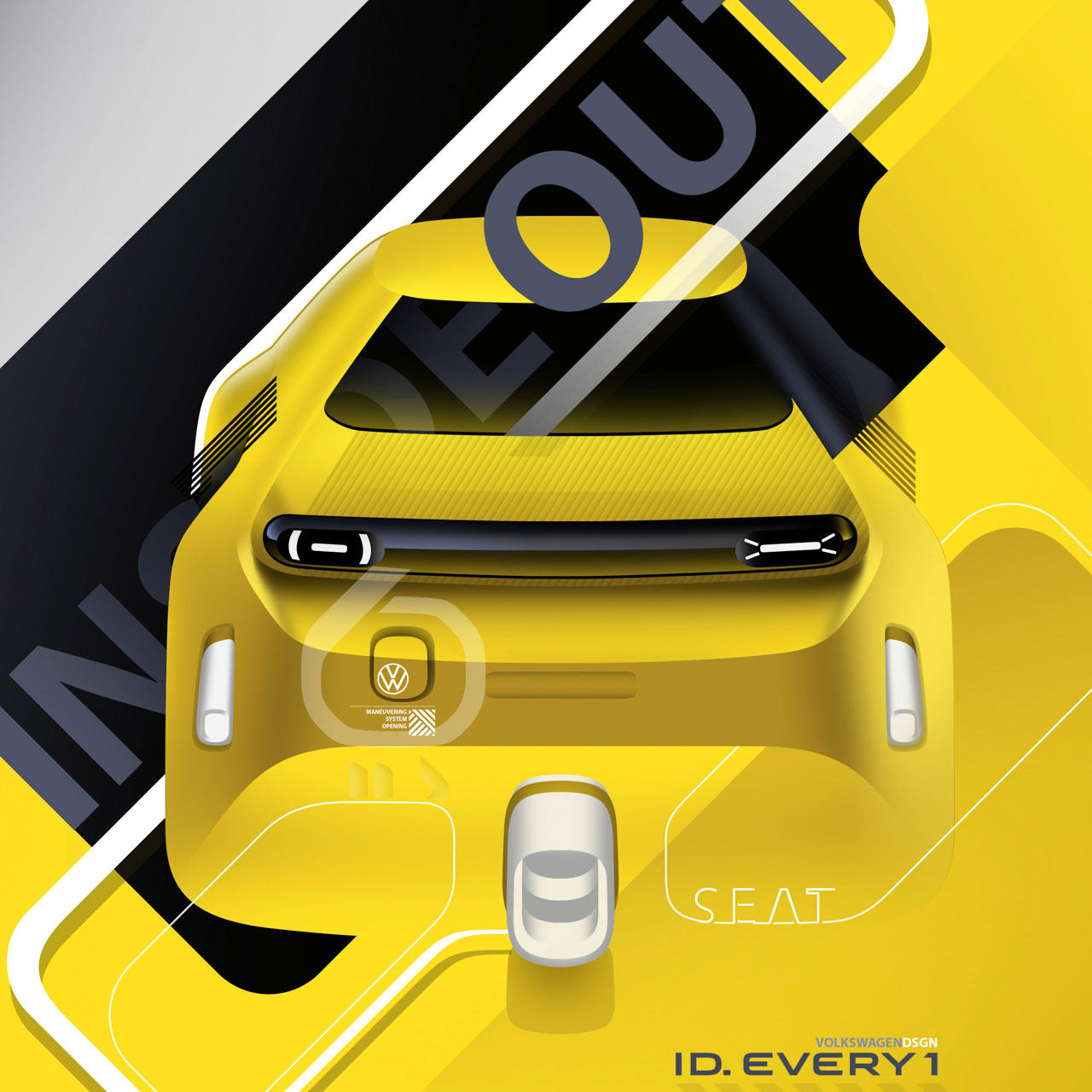
The “secret sauce” element introduces the most intriguing design innovations that set the ID.1 apart from conventional compact cars. This includes the striking “flying roof concept” where the roof surface dips lower in the center section. The effect creates both aerodynamic benefits and visual interest simultaneously. The rear center brake light integrates directly into the Volkswagen badge, demonstrating how functional elements can serve dual purposes. These details show how thoughtful design can add perceived value without significantly increasing manufacturing costs. It’s clever engineering disguised as pure aesthetics.
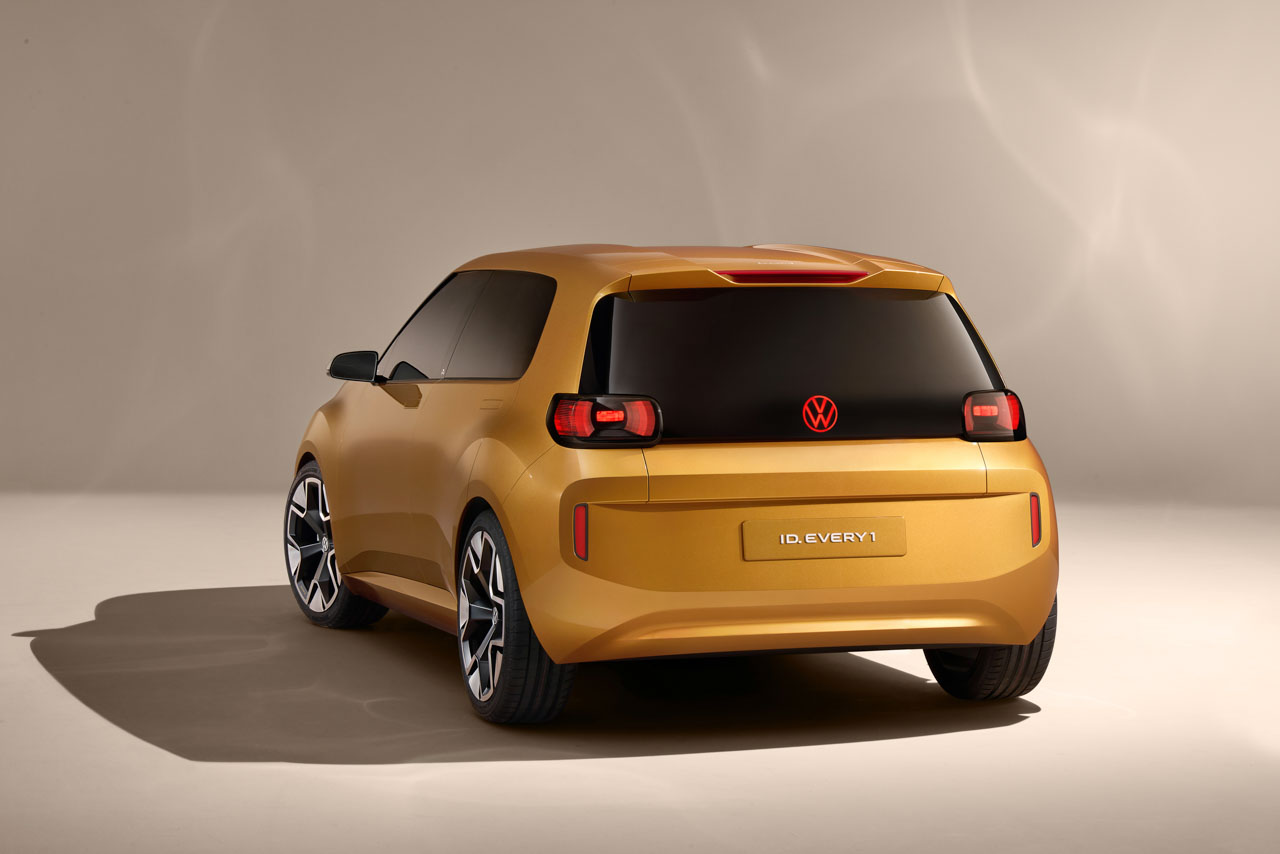
The execution requires precision but delivers impact that feels effortless. Pronounced wheel arch creases reference classic Volkswagen design language while serving contemporary aerodynamic functions. The black window surround pays homage to both the original GTI and the Up! city car. This creates visual continuity within Volkswagen’s design heritage, allowing the ID.1 to feel part of a larger family rather than an isolated budget offering. The rear window sits flatter than the bumper below it. Another aerodynamic consideration that becomes a distinctive design element without drawing attention to itself.
Interior Innovation: Rethinking Compact Car Space
The ID.1’s interior design philosophy centers on maximizing perceived space while introducing functional innovations that larger vehicles often lack. Despite sitting between the Up! and Polo in exterior dimensions, the interior matches the larger Polo’s spaciousness through careful space planning and visual tricks. Electric vehicle packaging advantages allow for creative solutions impossible with conventional powertrains.
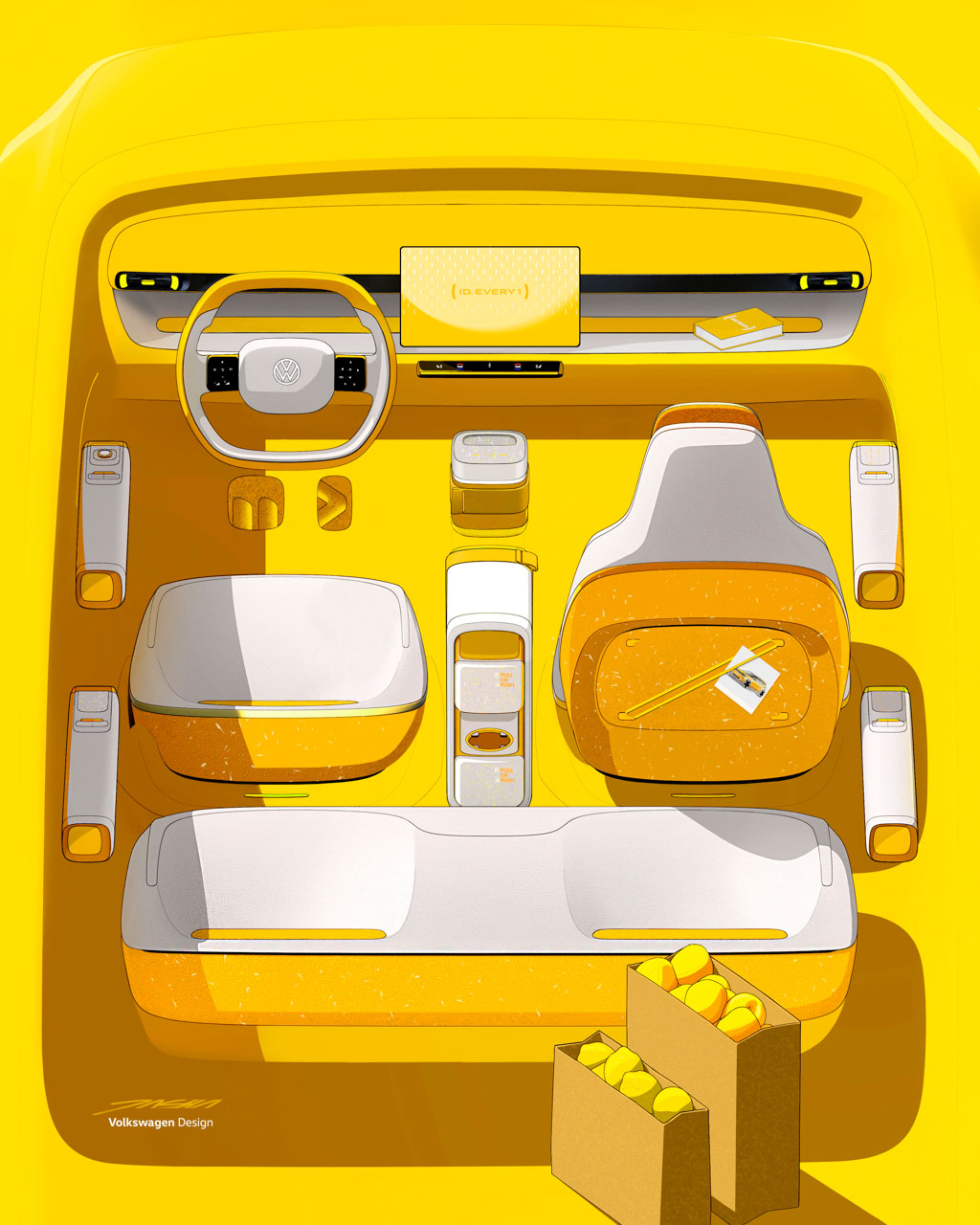
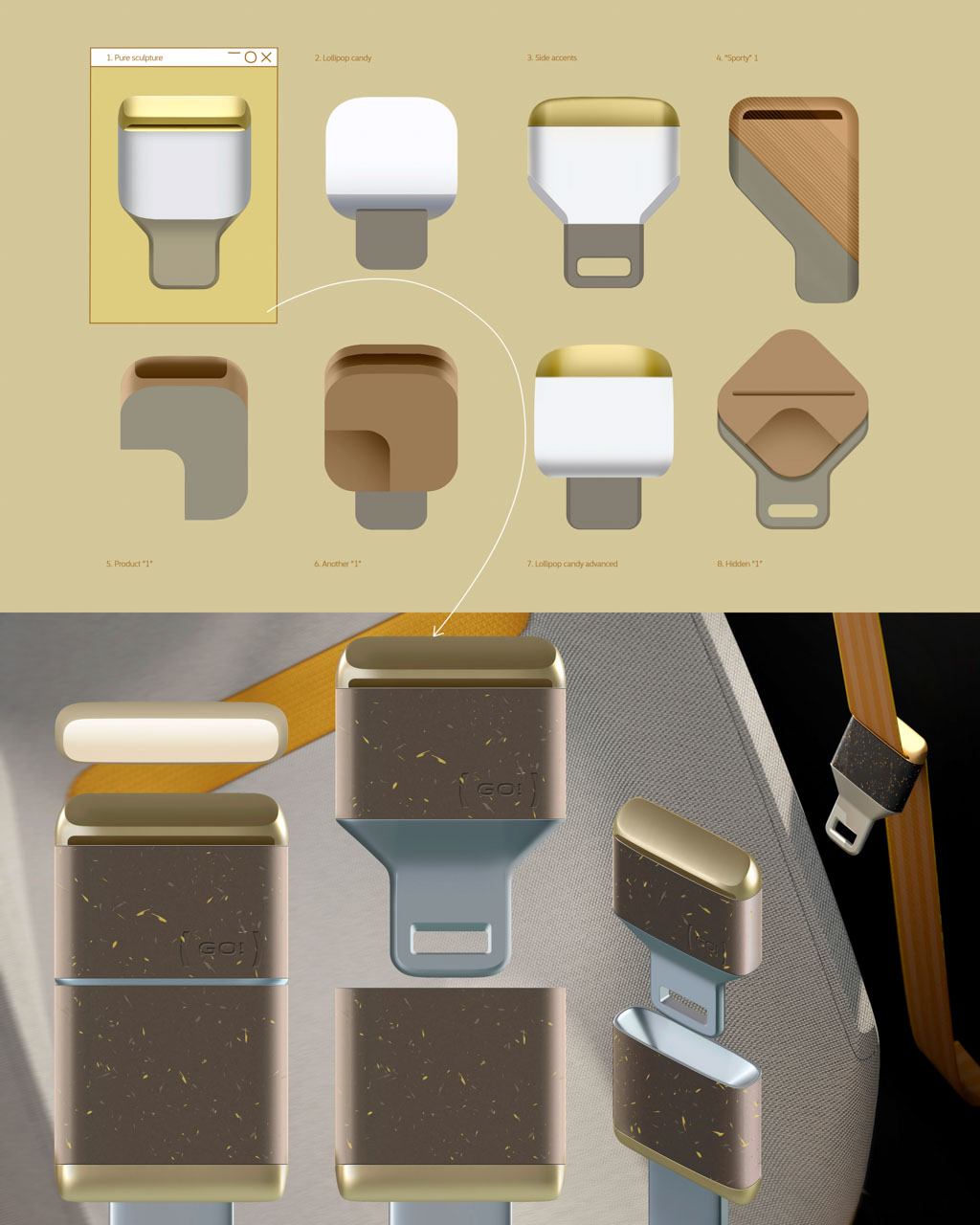
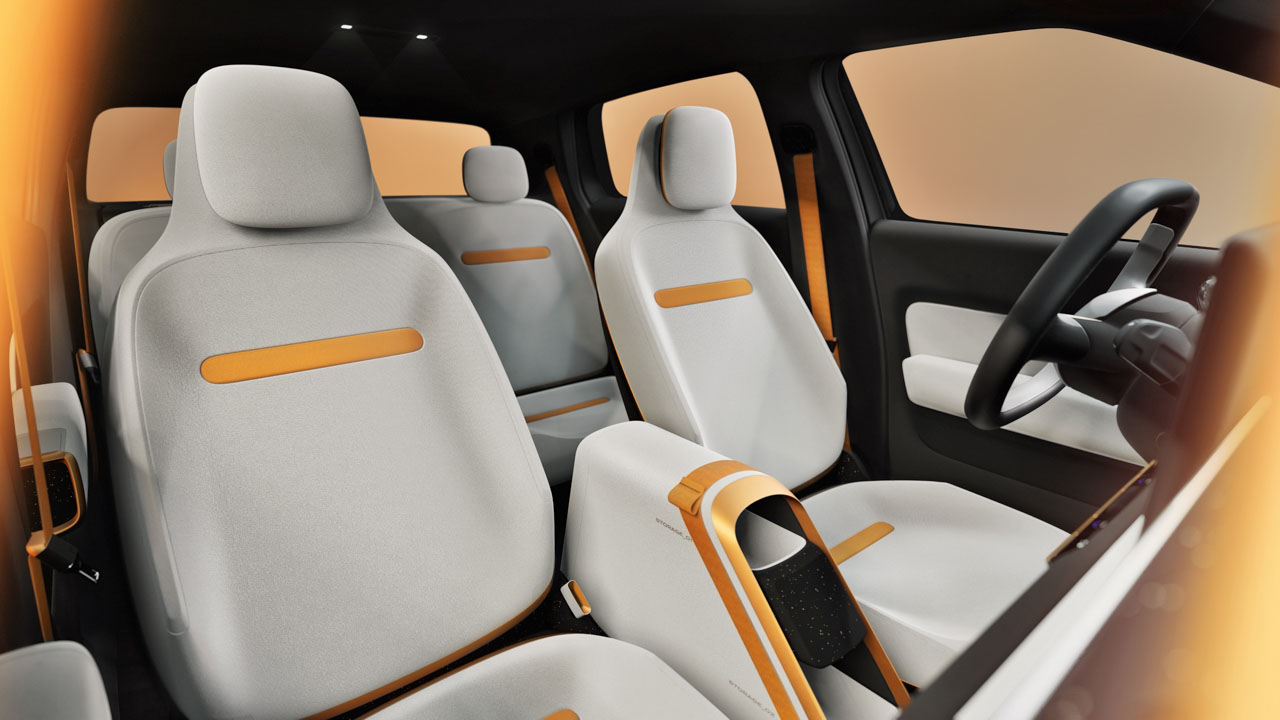
The cabin accommodates four people comfortably with 305 liters of luggage space. These are impressive figures for such a compact vehicle. Sustainable materials play a central role in the interior design strategy, with all fabric and soft-touch materials coming from recycled sources. Yet they’re described as warm, friendly, and pleasant to touch, representing a significant departure from the hard, cold plastics typically found in budget vehicles. The material selection demonstrates how environmental consciousness can enhance rather than compromise design quality. You won’t find the usual scratchy surfaces here. The textures actually invite interaction rather than warning you away from touching anything.
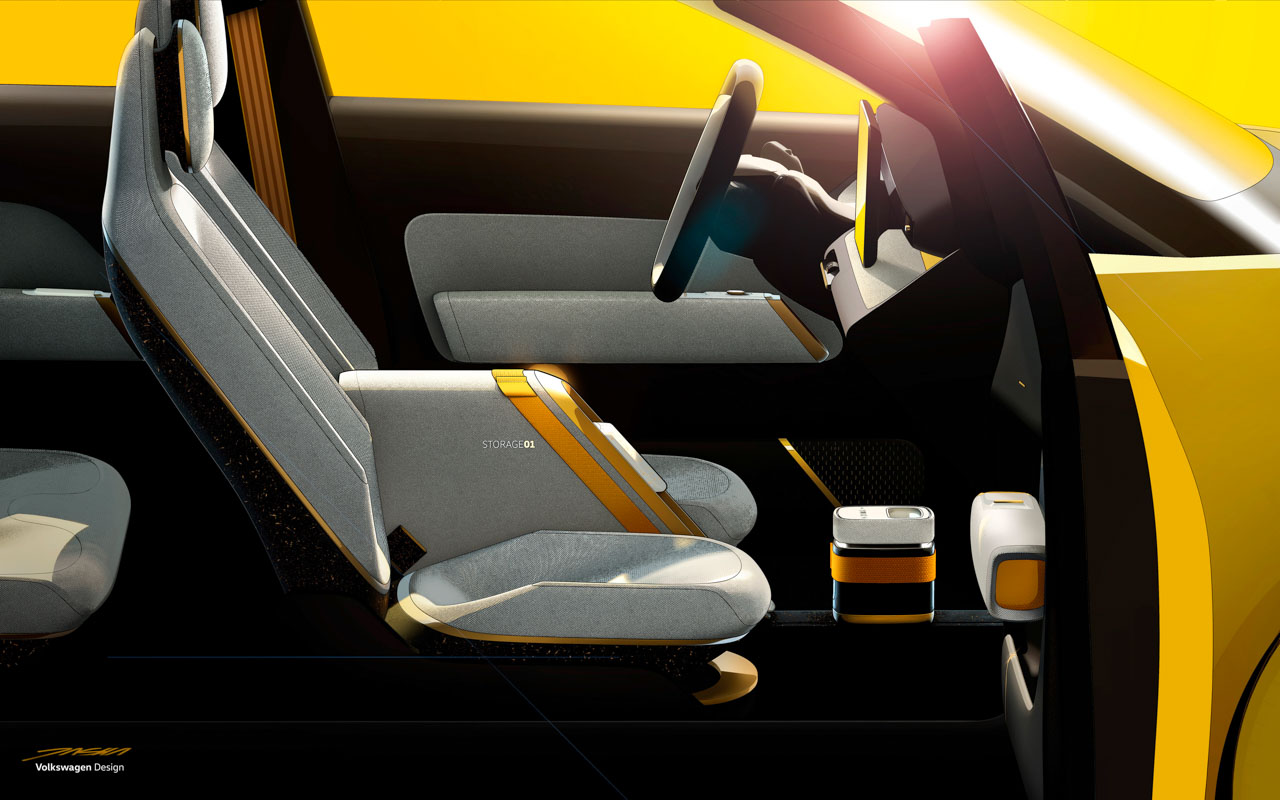
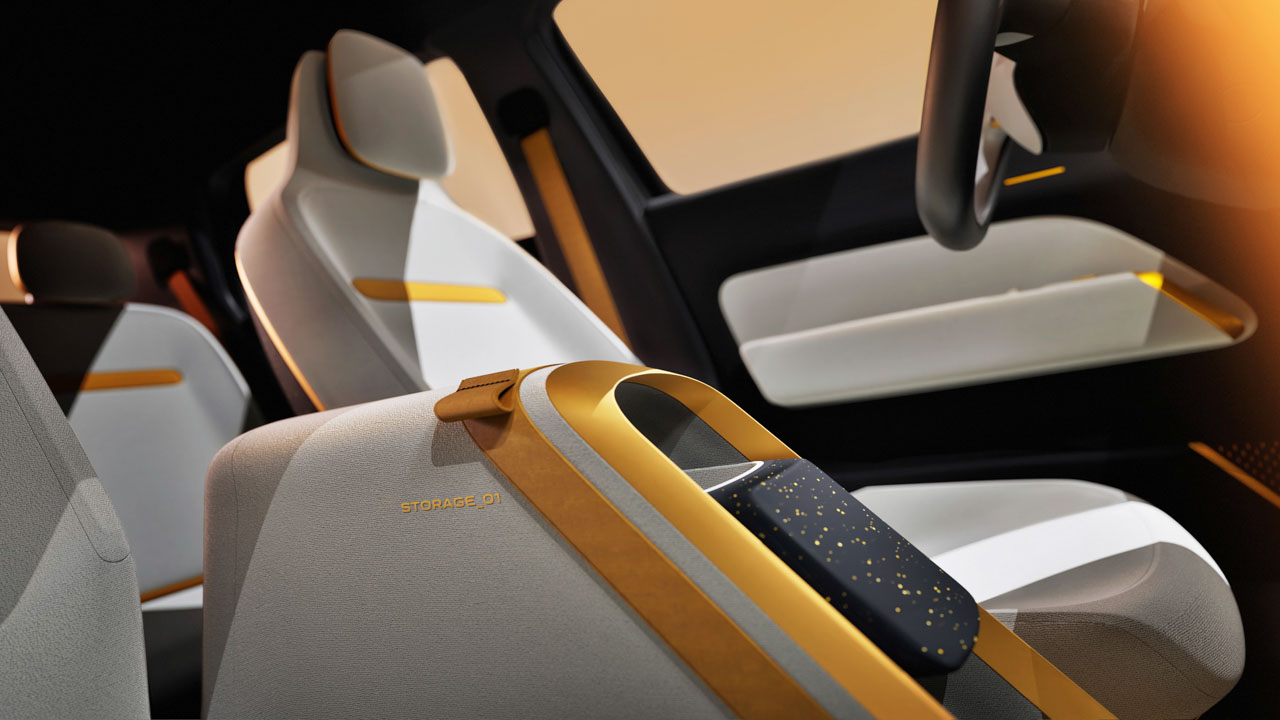
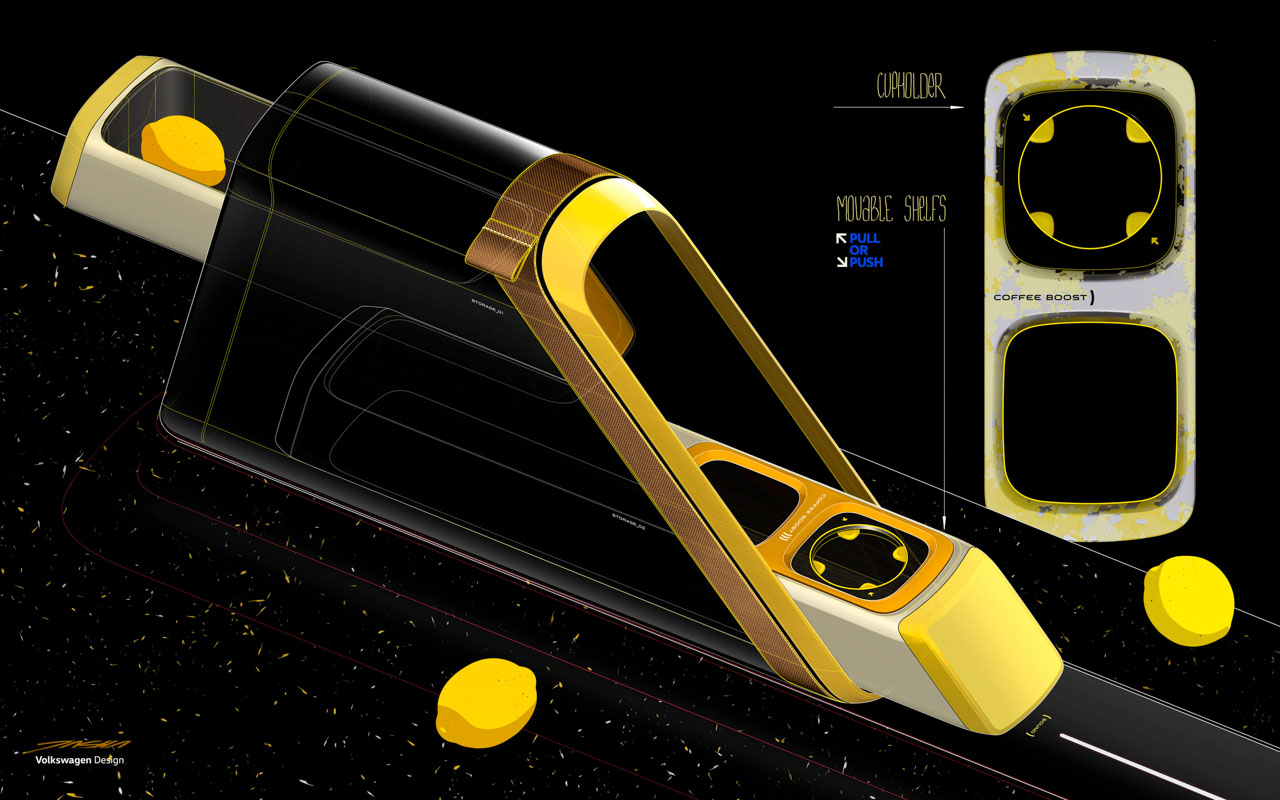
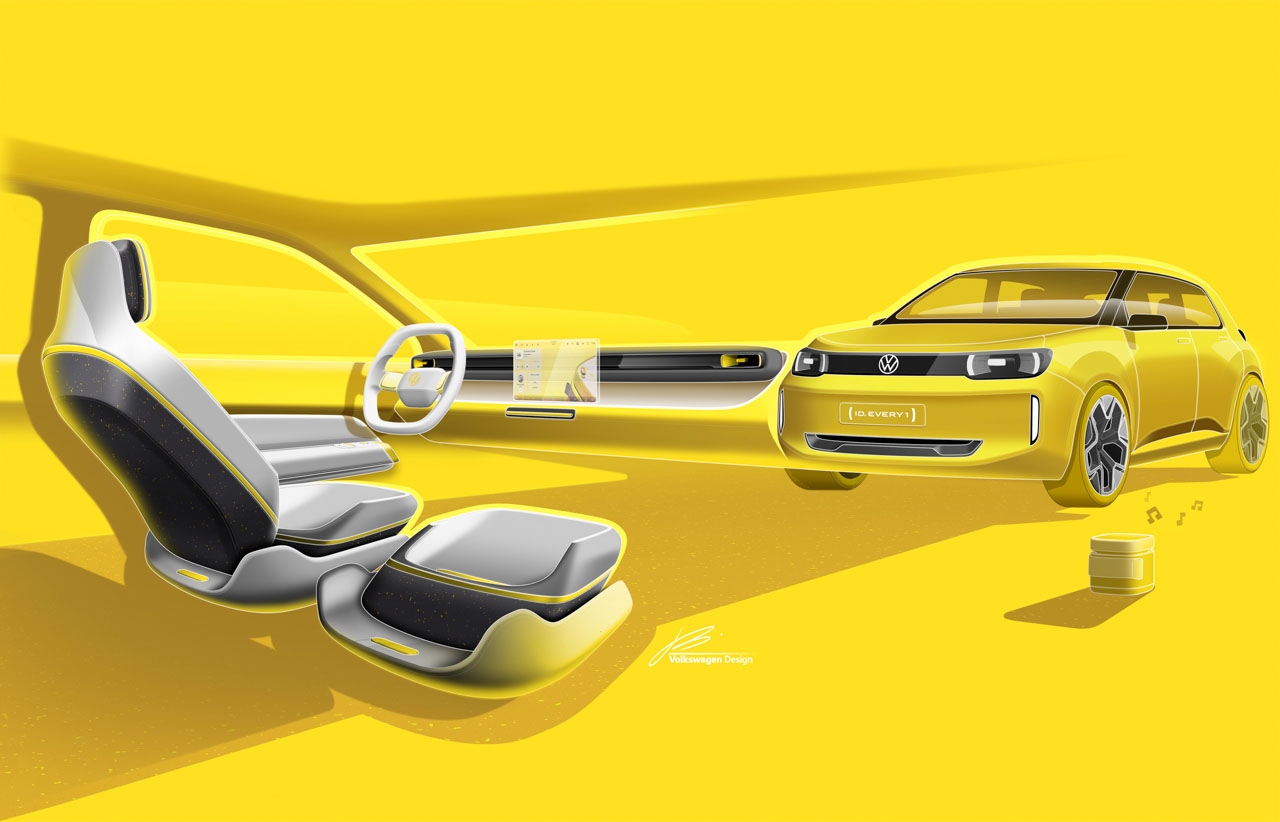
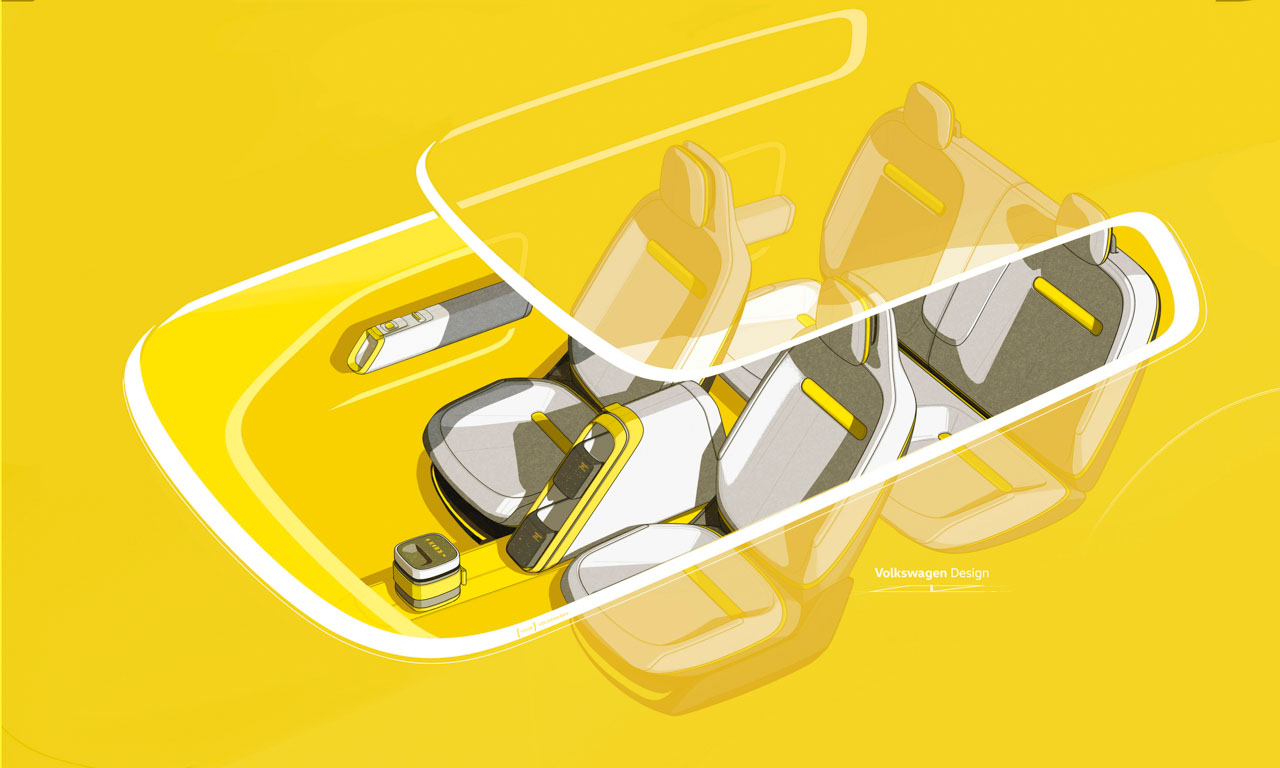
The center console represents the most innovative interior design element, built on rails so it can slide fore and aft to serve both front and rear passengers. Integrated shelves deploy when needed, mimicking functionality found in the larger ID.Buzz van. This versatility transforms the console from a simple armrest into a multifunctional workspace. The sliding mechanism addresses the varied needs of urban mobility, allowing users to optimize interior space based on specific situations. Whether carrying passengers or cargo, the space adapts. It’s like having furniture that thinks about your needs. The engineering complexity remains hidden while the benefit becomes immediately obvious to users.
Tablet integration forms another key interior design element that reflects changing technology habits. Rather than permanently mounting screens, the ID.1 design accommodates personal devices, reducing electronic waste and allowing users to leverage familiar interfaces they already know. The approach also helps control costs while providing more flexibility than traditional infotainment systems. The integration feels purposeful rather than afterthought, with dedicated mounting solutions that maintain clean interior aesthetics. Your phone becomes part of the car’s interface without looking bolted on.
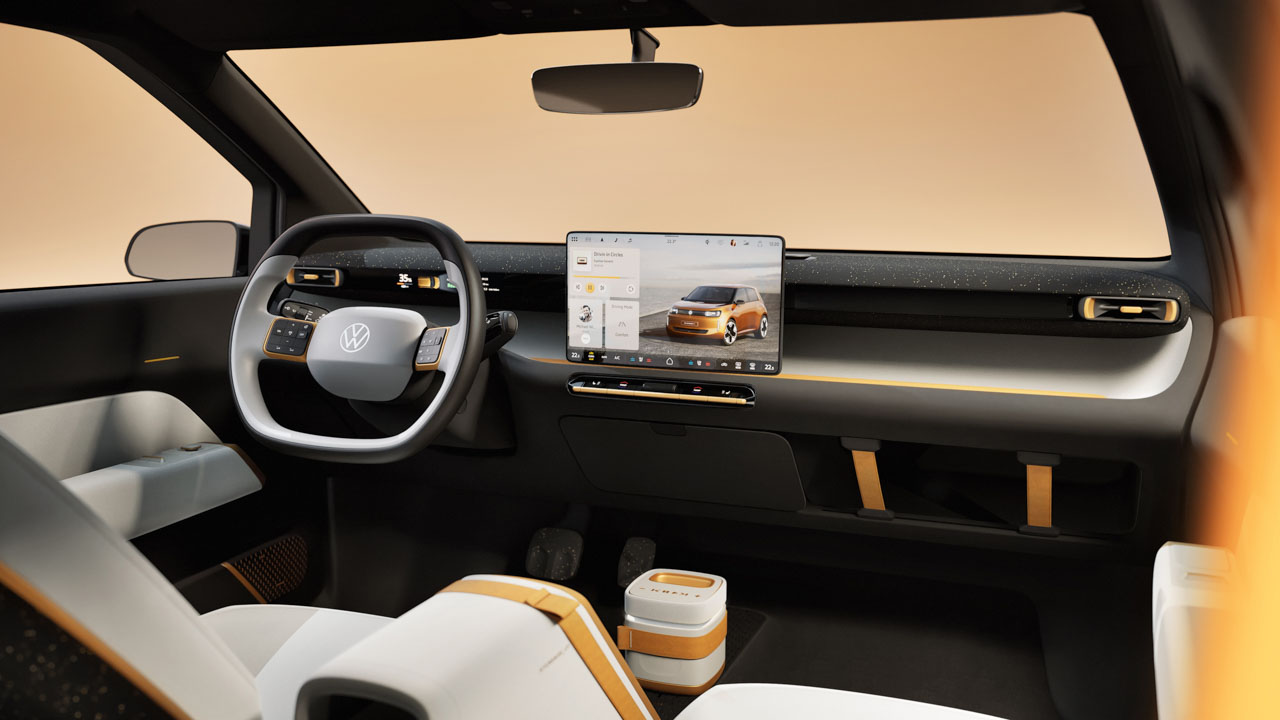
This philosophy extends beyond mere cost-saving to embrace a more sustainable approach to automotive technology. Instead of building in screens that will become obsolete, the ID.1 adapts to whatever device you carry. The mounting system can accommodate various tablet sizes while maintaining the clean aesthetic that defines the interior. Cable management remains hidden, power delivery happens seamlessly, and the result feels integrated rather than improvised. The approach acknowledges that personal devices evolve faster than vehicle replacement cycles.
Visual Language: Modern Minimalism and Volkswagen Heritage
The ID.1 design language builds upon elements introduced with the ID.2all concept, creating a cohesive visual family. It represents the second vehicle in Volkswagen’s new design philosophy, transferring iconic elements like the legendary Golf C-pillar into contemporary electric vehicle form. This evolution respects heritage while embracing future mobility needs.
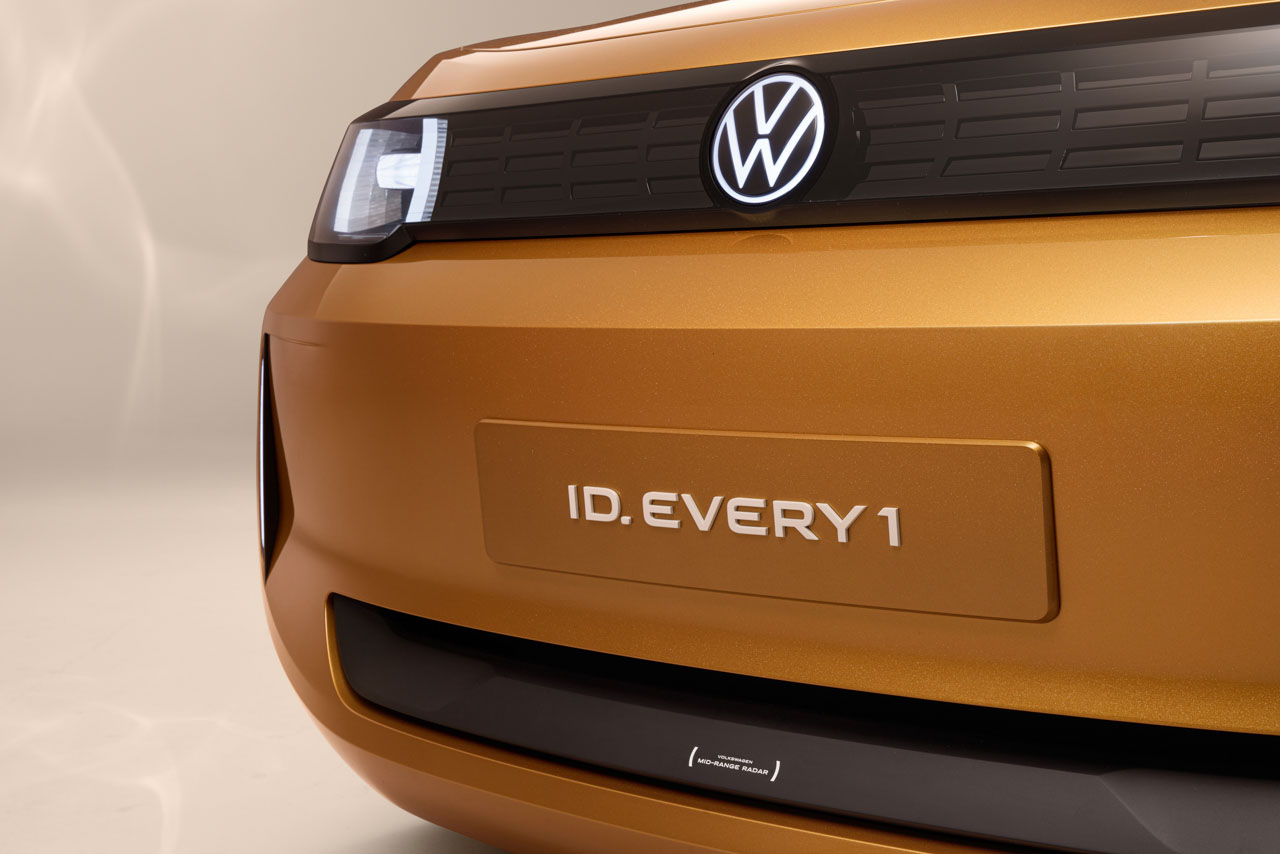
Minimalism guides every exterior surface treatment, with the absence of trend-following design elements suggesting longevity that’s important for buyers keeping vehicles longer than typical. Simplicity along the window base and door sills creates visual continuity that should age gracefully over time. Front and rear elevations maintain similar restraint, avoiding the aggressive styling that can quickly appear dated. This approach prioritizes timeless appeal over immediate visual impact. The restraint takes discipline but pays dividends in lasting appeal. Contemporary automotive design often prioritizes shock value over endurance, but the ID.1 takes the opposite approach.
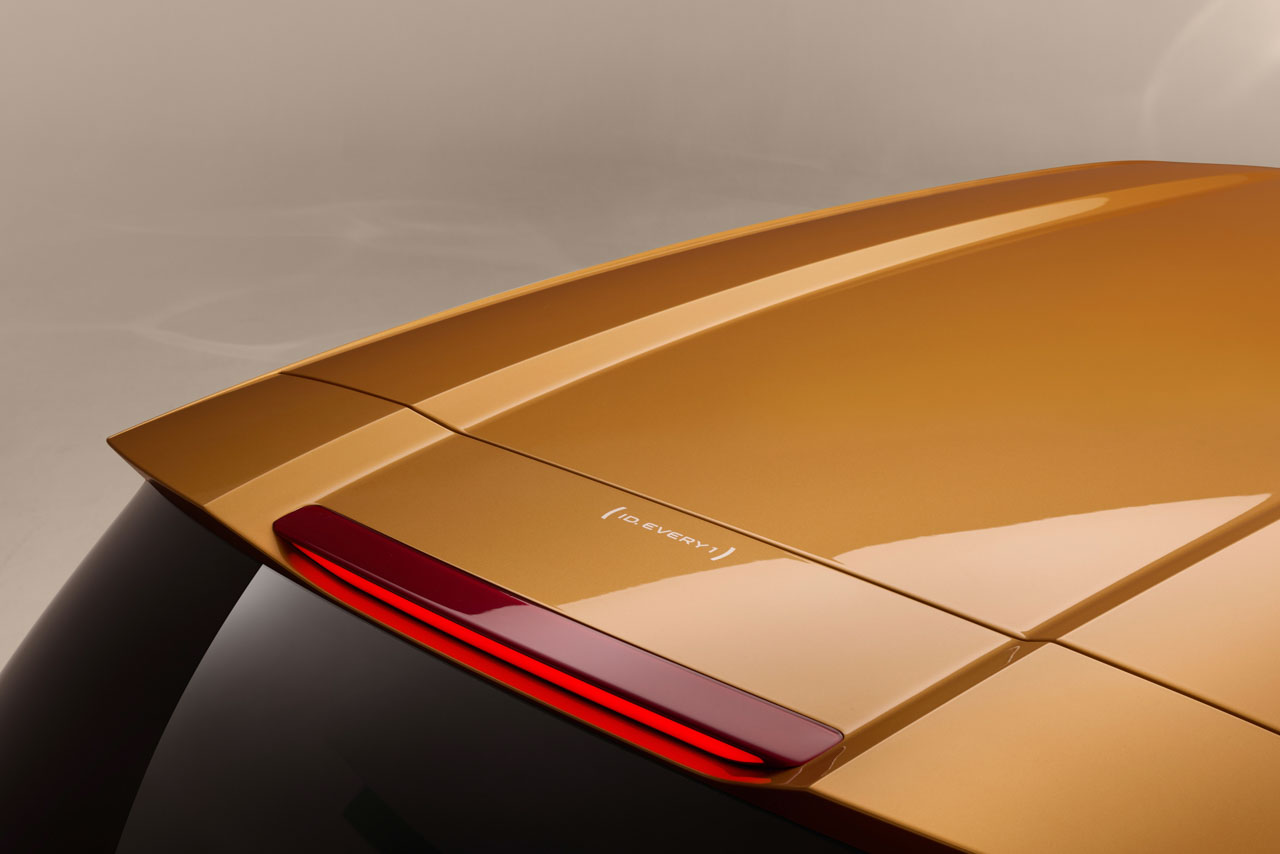
The flying roof concept creates the most distinctive visual signature, with the center roof section running lower than the outer surfaces along the vehicle’s entire length. This creates both aerodynamic benefits and visual dynamism that makes the car look like it’s moving even when stationary. The feature helps the compact car appear wider and more planted while serving functional purposes beyond pure aesthetics. The execution requires precise manufacturing tolerances but adds significant visual interest without costly decorative elements. It’s engineering as art direction. The roof treatment also improves aerodynamics, contributing to electric range while creating the ID.1’s most memorable design element.
Proportion management becomes critical in compact car design, and the ID.1 succeeds through careful attention to visual weight distribution that makes every millimeter count. The wide stance (1.81m width) maximizes interior volume while creating stability through visual mass. The relationship between wheel size, body height, and overall length creates harmony that makes the small car feel substantial rather than diminutive. These proportional relationships require mathematical precision translated into emotional appeal. Numbers become feelings through careful design execution.
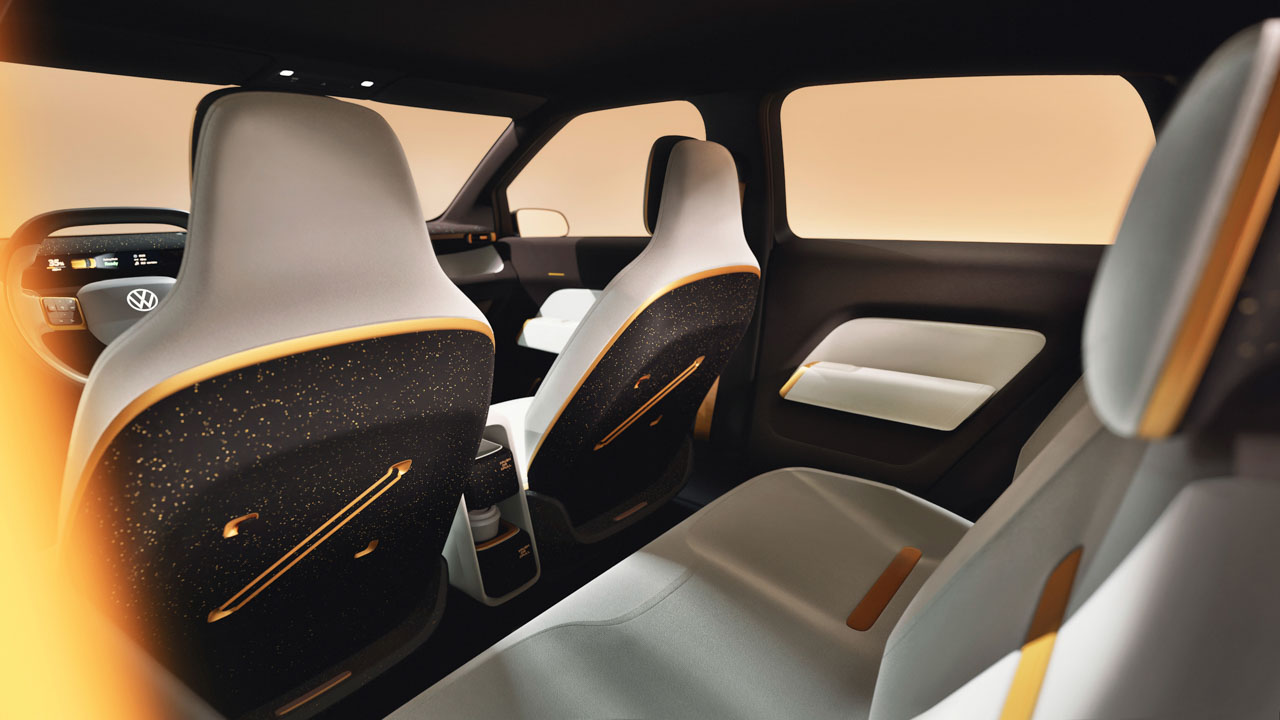
Color and surface treatments emphasize the minimalist philosophy throughout, with clean, unadorned surfaces allowing light to define form rather than relying on decorative elements that might date quickly. This approach reduces manufacturing complexity while creating sophisticated visual results that feel expensive. The design team has avoided the temptation to add visual complexity that might initially attract attention but ultimately compromises long-term appeal. The restraint shown in surface treatment demonstrates confidence in the underlying proportions and forms. Sometimes less truly creates more impact than additive design approaches.
Technology Integration: Form Follows Function
The ID.1 design seamlessly integrates advanced technology without creating visual complexity that might overwhelm users. The vehicle will be the first Volkswagen model powered by the brand’s new software-defined architecture, incorporating technology from the Rivian partnership. This represents a significant technological leap forward for Volkswagen’s entry-level offerings.
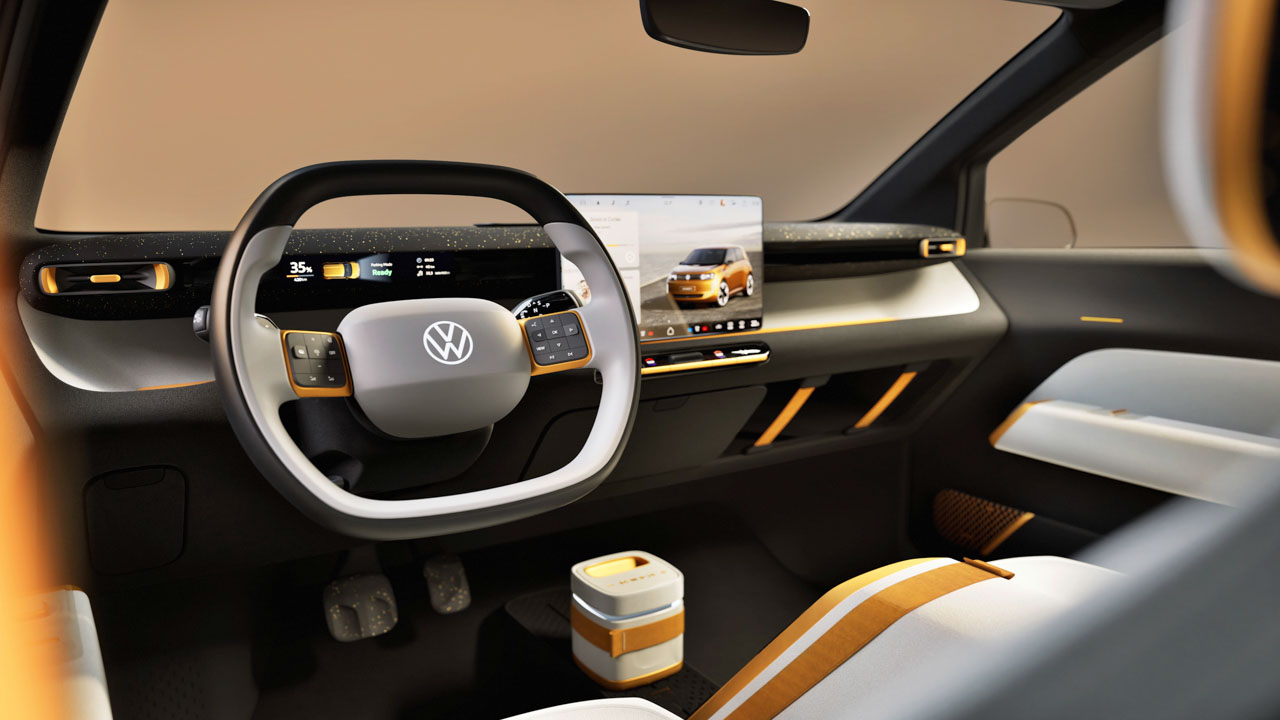
This technological foundation influences design decisions throughout the vehicle, from charging port placement to interior screen integration, creating a cohesive digital experience. Everything connects without looking forced or tacked on. Aerodynamic considerations shape numerous design elements beyond the flying roof concept, with the integrated rear brake light reducing drag while creating a distinctive visual signature that’s purely Volkswagen. Surface treatments across the body optimize airflow without relying on visible aerodynamic aids that might compromise aesthetic purity. These functional elements demonstrate how performance requirements can enhance rather than compromise design appeal. The car cuts through air efficiently while looking effortless about it.
Form and function achieve perfect harmony without either dominating the other. The modular MEB platform provides design flexibility while controlling costs effectively, serving as a foundation shared with other ID models that allows designers to focus on surface treatments and proportions rather than fundamental packaging constraints. The platform’s electric-specific architecture enables the spacious interior and distinctive proportions that would be impossible with internal combustion engine packaging requirements. Electric power liberates designers from traditional constraints, and the ID.1 takes full advantage of this freedom.
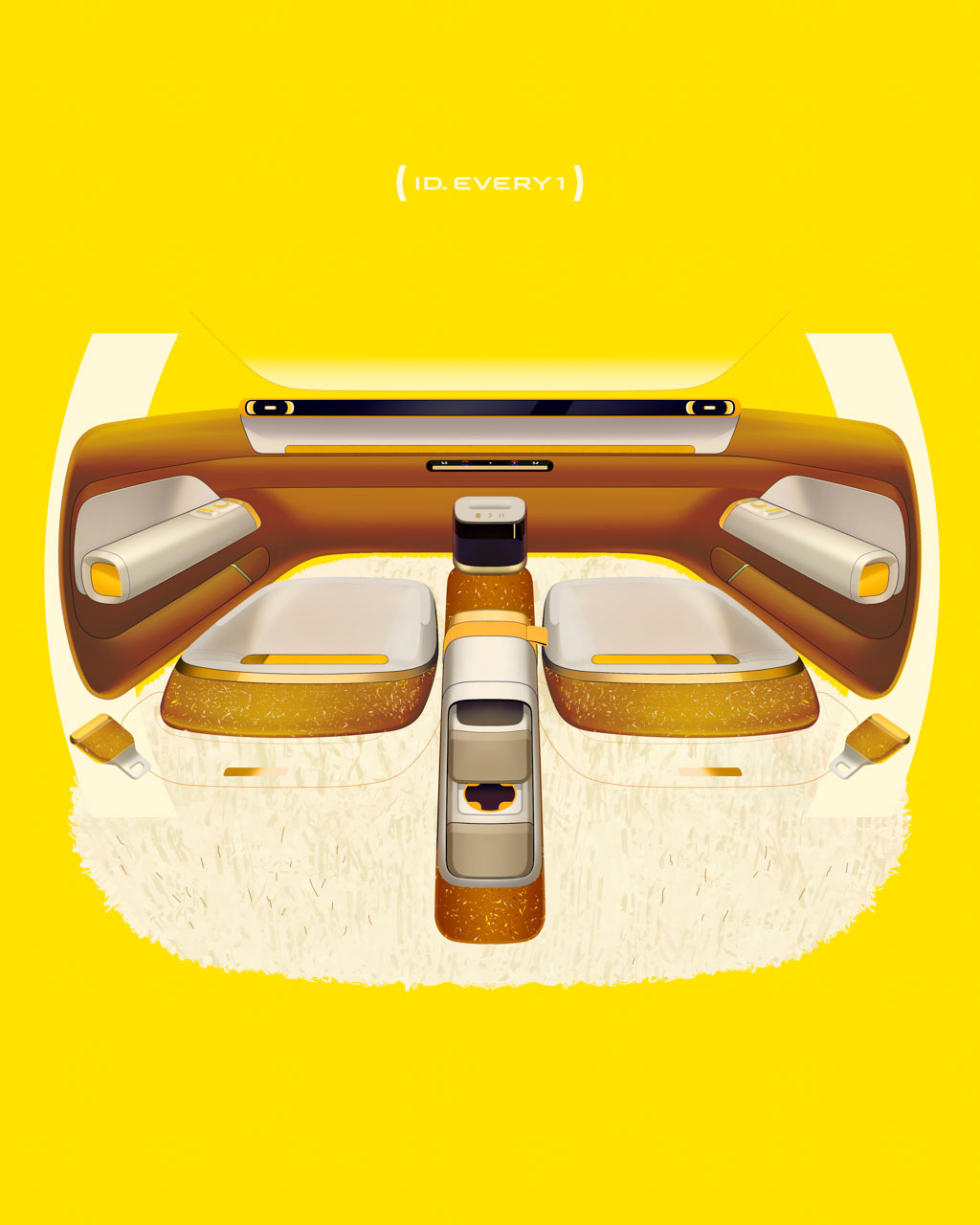
The battery pack sits low in the floor, creating a stable foundation while freeing up interior space. The absence of a transmission tunnel allows for creative interior solutions like the sliding console. Electric motors take up far less space than conventional engines, permitting the short overhangs that give the ID.1 its distinctive proportions. This packaging efficiency translates directly into design opportunities that conventional vehicles simply cannot match.
Future Production Considerations
The transition from ID.EVERY1 concept to production ID.1 will inevitably involve compromises. Production is scheduled for 2027, allowing time to refine details while maintaining visual appeal at the €20,000 price point.
Wheel sizes will likely decrease from the concept’s 19-inch diameter to optimize electric range and reduce costs. Other production modifications might include simplified door handles and adjusted material specifications while preserving the sustainable material philosophy. The key lies in identifying which elements provide the greatest visual and functional impact per euro invested.
The post Volkswagen ID.1 Design: $22,000 Electric Car Features Minimalist Aesthetic first appeared on Yanko Design.