Shared posts

21 Jul 14:07

To The Future of Fly Fishing

by Wade Fellin
Featured huckberry to the future of fly fishing wade fellin max lowe header2

"We need to protect what we have when we realize we have it, not just assume that it's going to be here forever."

To the future of fly fishing,

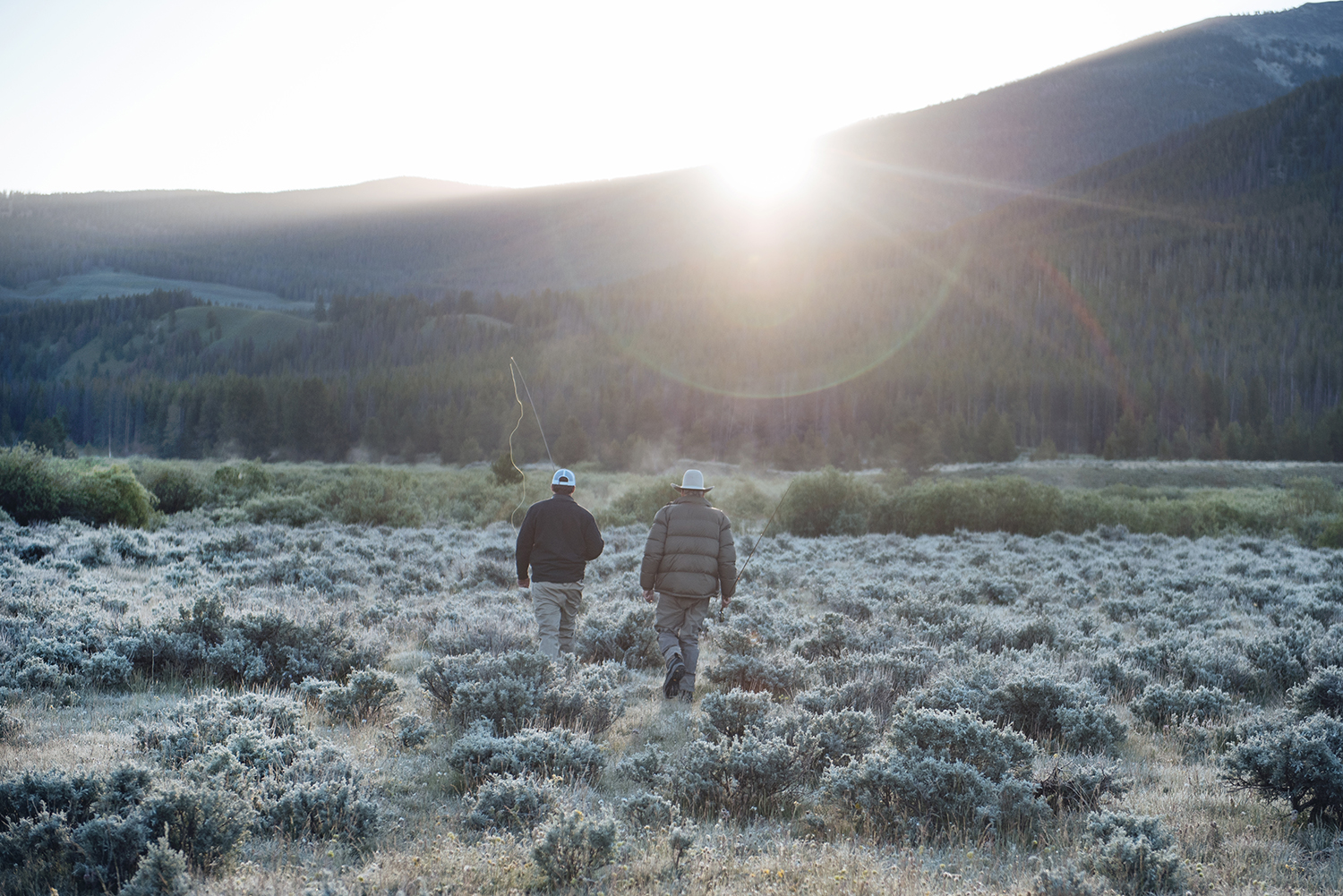
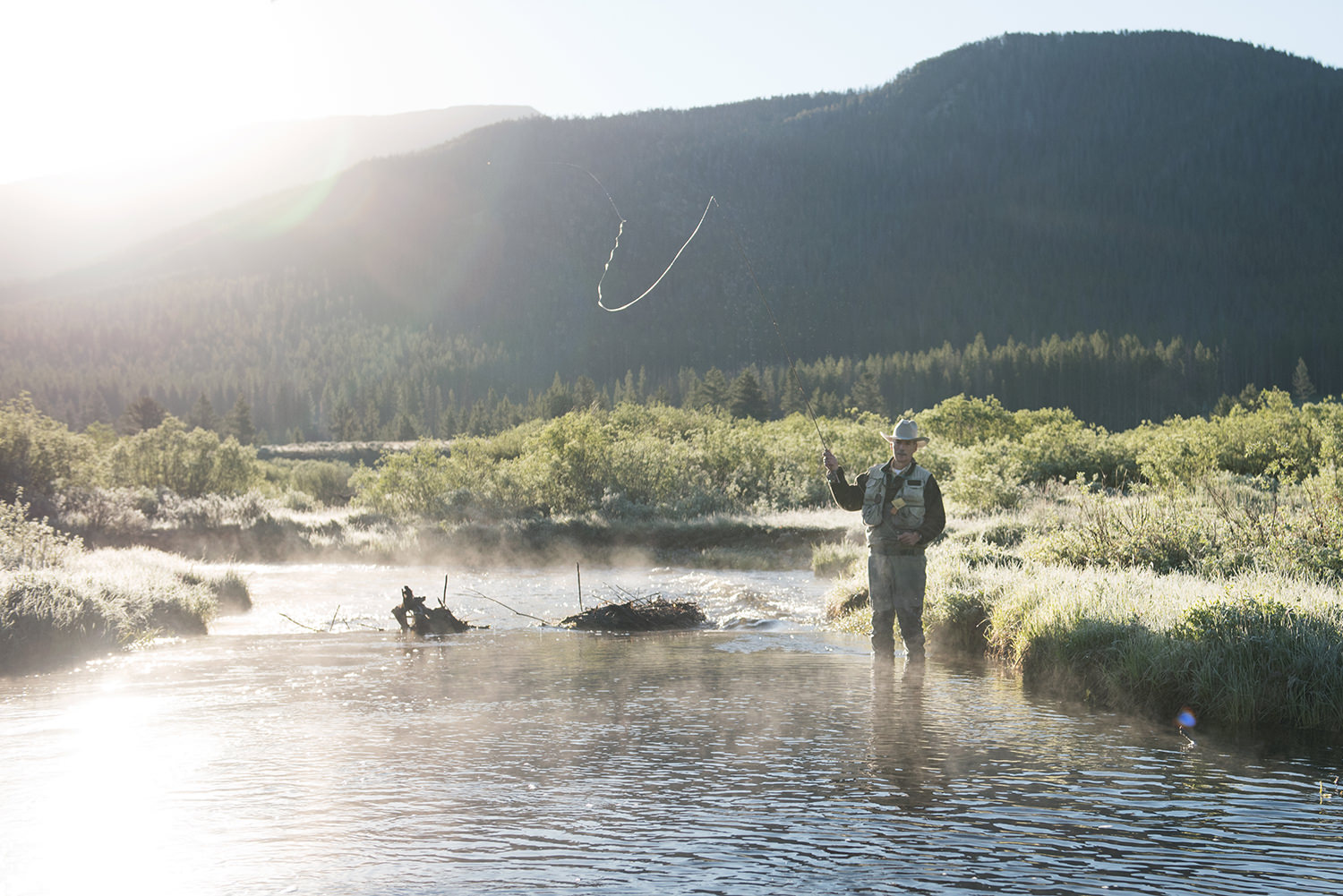
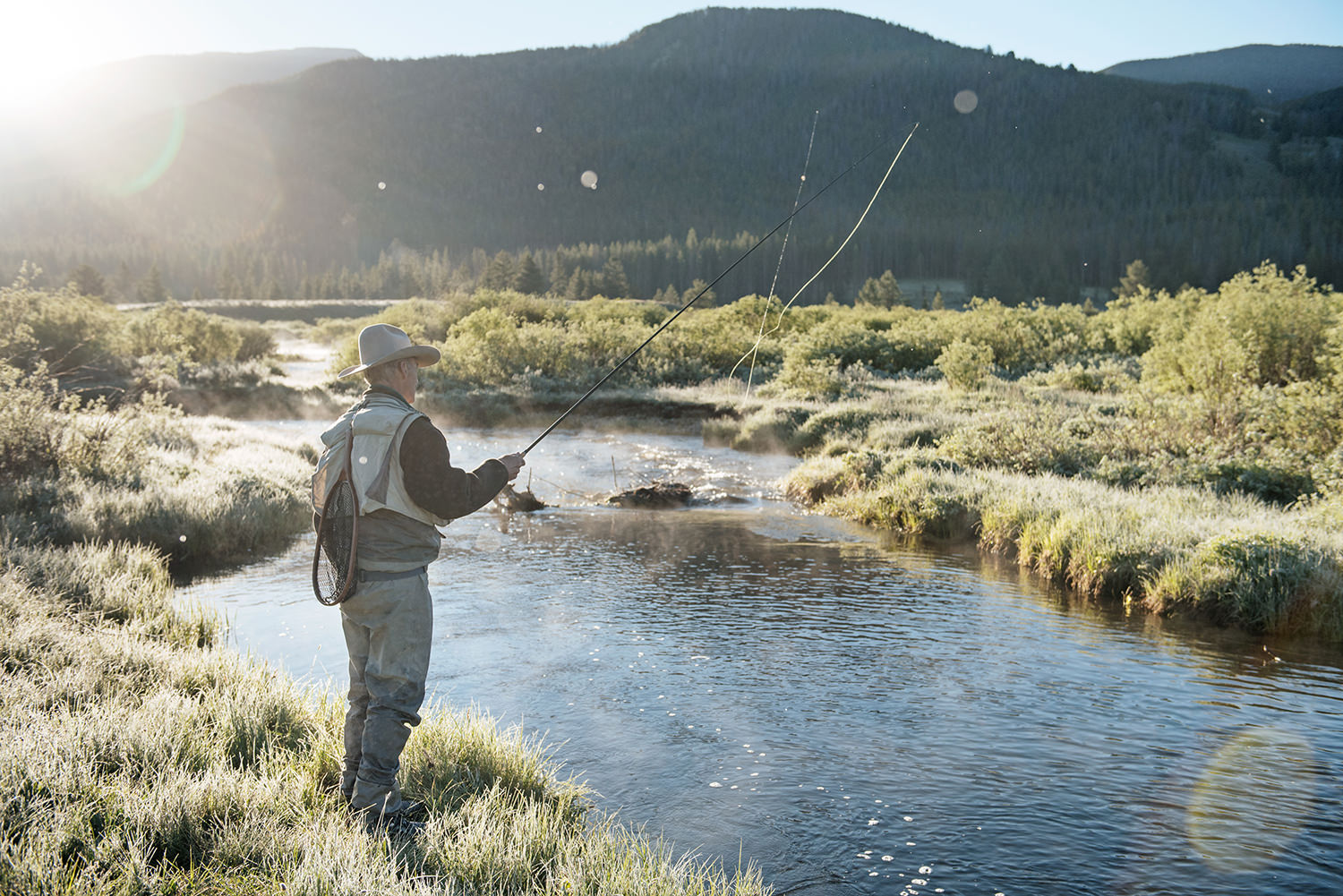
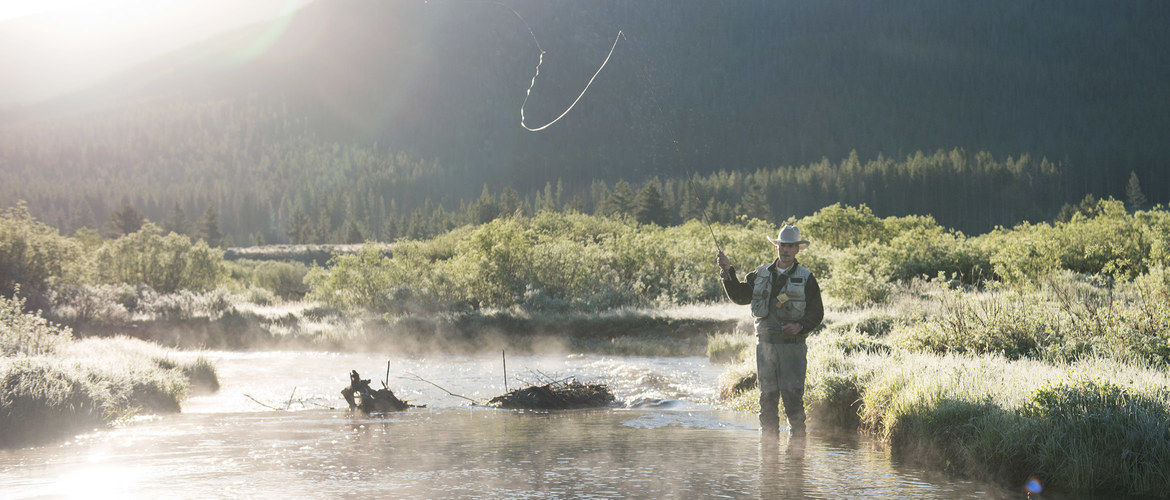
The reality is this: we’re inheriting a very different sport from our parents. And if we hope to live this fly fishing lifestyle and pass it, on we’re going to have to do more than #keepemwet and pinch our barbs. We need to fight for our rivers. Now. Though each generation before us has had a responsibility to protect fisheries for succeeding generations, and many before us have done great work, we are now heeding a much more urgent call.

Those of us lucky enough to fall in love with rivers have the duty to raise awareness about threats to them and take action to protect them.

My Mom and Dad strapped my bassinet to their 14-foot Avon raft and took me on guide trips when they founded the Big Hole Lodge, and since then I have been immensely grateful for the opportunity to grow up on the rivers of southwest Montana. But I realize that with it comes a significant set of challenges.

Those of us lucky enough to fall in love with rivers also have the duty to raise awareness about threats to them and take action to protect them. We are the voice for the voiceless and we have to work together now because our fisheries are on a slippery slope. Our climate is warming, our population is growing, and our rivers are suffering. The landscapes of the West are changing, and changing quickly; and though trout are often resilient to change, their ecosystems are not. Moving forward, we must be proactive in protecting the quality of water that sustains bug and plant life so crucial to our fisheries.  

Wade's father on the Big Hole River

The reality is that many of our country’s best trout streams are at risk.  

Over 40 years ago, our nation’s leaders recognized that the waters of the United States were in trouble, and they set forth a strong system of rules based on science to reverse the degradation and pollution of our waterways. That system has largely been viewed as red tape and, in many cases, ignored all together. The reality is that many of our country’s best trout streams are at risk.  

I truly believe we can protect our rivers and our fisheries before it’s too late. How? Join and support your local watershed groups working on the rivers you love. Local advocacy provides the catalyst for change that I believe every western river deserves. There’s a distinct need in the West for all of us who care about our rivers and fisheries to take the steps necessary to protect our most vital resources. 

Many generations before us have been forced to answer a call to action in protecting our country. We aren’t being sent to war in this; we have a choice to fight this battle. Let’s protect these fisheries, if not for our own quality of life and the future of the sport, then as a thank you to those who handed it down to us. We can do this.

Keep ‘em wet, keep ‘em cold, keep ‘em clean,

Wade

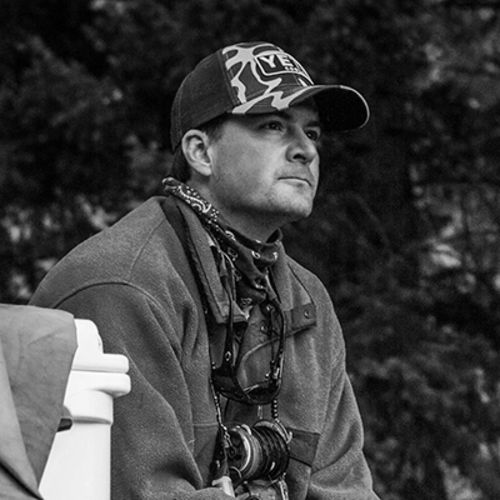
Wade Fellin is a fifth generation Montanan, has been a fly fishing guide since 2006, and studied environmental and water law at the University of Montana. In addition to guiding and managing the Big Hole Lodge with his father and guiding the Big Hole, Beaverhead, Bitterroot, and Missouri, Wade is program director of Upper Missouri Waterkeeper, a water quality advocacy NGO based in Bozeman, MT.


Video by Max Lowe


20 Jul 19:11

Tuesdays at 2:30 PM Is the Best Time to Schedule a Meeting

by Alan Henry

We’ve established that Tuesdays are the most productive day of the week , so it makes sense that a meeting on Tuesday would be best for a productive, useful meeting. And right after lunch is the best time. Tuesdays, 2:30pm local time, is your ideal time, based on a survey that collected over 2 million responses.

Read more...

20 Jul 18:57

Shoot Long Exposure Photos in Daylight Using Welder's Glass

by Andy Orin

Shooting long exposure photos in daylight can create beautiful images that capture movement in a scene, but the filters required can be prohibitively expensive for casual photographers. As this video shows, though, all you really need is a cheap piece of welder’s glass.

Read more...

20 Jul 18:51

Athens metalsmith receives Lifetime Achievement Award

by Staff Reports


One of the nation’s most renowned metalsmiths recently became a little more decorated.

Gary Noffke, artist and professor emeritus at the University of Georgia, received a Lifetime Achievement Award from Society of North American Goldsmiths at their annual conference in Asheville, N.C., this May.

The Lifetime Achievement Award is SNAG’s highest honor, and the winner is chosen based on a criteria of maintaining a sustained, long-term commitment to the metal arts, in addition to noteworthy achievements in their creative work, teaching, research and other activities in support of contemporary practice. Winners are considered no less than revolutionaries in the field of metalsmithing.

Conference attendees watched a video of Noffke creating a bowl from start to finish from a sheet of 24 karat gold before he took the stage to receive his award.

Beyond his own work as a metalsmith of all types — blacksmith, coppersmith, silversmith, goldsmith and more — as well as a toolmaker, he spent 30 years teaching art students in UGA’s Lamar Dodd School of Art, where he helped to develop its jewelry and metals program. He also assisted in launching the Jewelry and Metals curriculum for UGA’s study abroad program in Cortona, Italy.

In his personal work he has produced gold and silver hollowware, cutlery, jewelry and forged steelware. As he pioneered research in forging, he was able to innovate upon traditional metalsmithing techniques, and ultimately create an brand-new alloy. Noffke’s mentorship to younger generations in addition to his own artistic endeavors have forever changed this field.

His affectation for art began early in his youth in the small town of Sullivan, Illinois. After completing both a Bachelor’s degree (1965) and Master of Education (1966) at Eastern Illinois University, he began studying painting at Southern Illinois University at Carbondale. However, his focus shifted to metalworking, and he received his Master of Fine Arts in the field in 1969.

At SIU he studied under Brent Kington, an artist who led the 1960s and ’70s revival of blacksmithing in the U.S., who was also SNAG’s first president. He was also influenced by abstract expressionism in art,which you can see attributed in the intricate designs and symbols on his metalwork.

After short teaching stints at other universities, he began his career at UGA in 1971.

At UGA, he began experimenting with different alloys. According to a 2004 article by SNAG’s Metalsmith magazine, he received a grant from UGA to explore cold forging fine sterling silver from sheet. Forging is the process of making a metal object by heating it in a fire or furnace and then beating or hammering it into shape.

After teaching students lessons using copper, he questioned why if he could hot forge copper so easily, he couldn’t do the same with silver.

It took years of experimenting, but he finally found a solution — an alloy of his own creation suitable for hot forging. The new alloy was created by eliminating some of the copper content in sterling silver. This new silver finally allowed him to create the types of hollowware he pursued.

He later shifted his focus to hot forging gold, making him one of the few artists in the U.S., perhaps world, using cast billets to hot forge gold, according to Metalsmith magazine.

The 2016 award committee which chose Noffke said his “contributions to the field of metalsmithing are undeniable ... he has consistently mined the possibilities presented by the creation of hollowware, jewelry and flatware with his own brand of irreverent virtuosity. His dedication to smithing, teaching, and research have inspired generations of metalsmiths and introduced us all to the potential of hot-forging silver and gold.”

Noffke has received other various prestigious awards and honors, including once being selected as Master Metalsmith of the Year by the National Ornamental Metal Museum. And alongside artist Barbara Mann, he designed the original artwork given to the recipient of the Delta Prize for Global Understanding, presented annually by Delta Air Lines and UGA.

Today, Noffke is retired and works in his studio at his home in Farmington, Ga., continuing to do what he loves most.

20 Jul 18:45

My Town: Davis Love's St. Simons Island, Georgia

by ehutchison

Professional golfer Davis Love III was fifteen years old when his father, a golf pro, moved the family from Atlanta to St. Simons Island, Georgia. “It was great for us,” Love says. “We got to move to the beach.” He also met his wife, Robin, there. “I will say we were high school sweethearts. She will say we weren’t,” he laughs. The pair married after college and moved back to the barrier island when Love turned pro in 1985, and they’ve been islanders ever since. Even though he travels all over the world for nearly thirty weeks of the year, St. Simons and its next-door neighbor, Sea Island, haven’t lost their allure. “There’s really no other place like it,” he says. “We’ve got a five-star, five-diamond resort on Sea Island, St. Simons is a beach town, sure, but it feels like a real town. It has a real community. It’s not all about the tourists or second and third homeowners. The teachers, churches, schools…are all great.”


From left: Photos courtesy of Explore St. Simons Island and Squire Fox.

So when he’s not toting his golf bag all over the globe, he’s soaking up as much of his hometown as he can. Here are some of his favorite spots.

9:00 a.m.
Biscuit Bliss: “I’m probably not going to immediately go play golf when I’m home. I’m going to go to Sweet Mama’s for breakfast. Usually I’ll order a coffee and a couple of pork pops, which are these biscuits with cheese and bacon and sausage already mixed in the dough. The story goes that they didn’t know what to do with the leftover bacon and sausage, so they put it in the biscuit mix. They go fast.”


Photo courtesy of Paddle and Putt.

10:30 a.m.
On the Water: “After breakfast, I’ll do some paddle boarding. Where we go out is called Gould’s Inlet—the river that comes between St. Simons and Sea Island. I actually have a paddleboard shop called Paddle and Putt on St. Simons. So I will stop by there and maybe steal a board or get something I’m missing, like sunscreen, on the way to the water.”


Photos courtesy of Southern Soul Barbecue. 

1:00 p.m.
Hog Wild: “Lunch would have to be at Southern Soul Barbecue, for sure. I cook my own barbecue. I’m not competition level or anything, but I do compete in some charity stuff, so when I go to Southern Soul, it’s for their specialty stuff like the tomato sandwich, pastrami, or jerk chicken. Hopefully it’s Thursday for pastrami day, which is my favorite. It takes over a week to get the pastrami done. It’s brined and then smoked.”


Photo courtesy of the Sea Island Golf Performance Center.

2:30 p.m.
Fore the Win: “In the afternoon, I’ll go see my trainer at Sea Island Golf Club’s Golf Performance Center. We warm up and then go out and hit some balls at the range We’ll do our golf practice, but I might not hit too many because I want to go fishing later.”


Photo courtesy of Sea Island.

5:00 p.m.
Cast a Line: “I’ll fish until dinner, probably just inshore. The fishing opportunities here are incredible, even just for a few hours before dinner. We’ll go out and try our best to catch something, but usually not something for dinner. I don’t want that kind of pressure.”


Photo courtesy of Brogen's.

8:30 p.m. – until
Dinner and Drinks: “If I want to go casual for supper, I’ll go for burgers at Brogen’s—best burger on the island. If I’m going grown-up, as we call it, I’d go to Tavola over at the Cloister, because then, after dinner, we can go to the River Bar for a night cap. They have the best bourbon selection on the island. At Tavola, we always end up getting a pizza and a pasta because I can’t decide.”


Photos courtesy of Sea Island.

Shared: 
23
20 Jul 18:40

RIP Po’ Monkey

by kalexander

A tribute to a Delta legend

The news came to me on Friday via text of all things: RIP Po Monkey. Damn. Po’ Monkey would be Willie Seaberry, a legend of the Mississippi Delta, one of the last of the true juke joint operators in the South, and an icon for blues pilgrims the world over. And that’s about all you could say: Damn. Because for so many people around the world it’s almost impossible to imagine the Delta today without Po’ Monkey and his lounge, situated between a cotton field and a gravel road outside Merigold, Mississippi.


Photographs by William Hereford

A tenant farmer named Willie Seaberry by day, a zoot suit prince called Po’ Monkey or just plain old Monkey at night, he opened his home and his never-ending house party to the world. Po’ Monkey’s Lounge started in 1963 as a local joint for a predominantly black clientele. With time, as the blues became the subject of scholarship and tourism and people in the Delta began to recognize its value, the local crowd began to meld with museum directors, academics, off-duty sheriff’s deputies, frat kids from nearby Delta State University, and always at least a blues tourist or two. People traveled from all over, from the Northeast and the Midwest and the West Coast, from Sweden and Japan and South Africa. It didn’t matter who you were. Mr. Seaberry would welcome you with a warm smile and open arms to his Thursday night party, which he called “Family Night.”

On those nights, there would be a DJ spinning soul blues or a modern day bluesman like T-Model Ford (rest his soul, too) cranking away at his guitar. But everyone would be waiting to see what spectacular incarnation of Monkey would appear next. He was the real show. Nights at Po’ Monkey’s unfolded in a series of Mr. Seaberry’s wardrobe changes. First he would come out in something simple, a black pinstripe zoot suit with a bowler hat, chomping Clint Eastwood­–style on a cigar. Then the exact same suit but red, then powder blue, then white. The colors changed as if he had switched the channel, some kind of magic. The last suit was usually a metallic silver, and all the dangling light bulbs, Christmas lights, disco balls, stuffed monkeys, and old Technicolor TV tubes that covered the shack’s interior seemed to radiate off Monkey’s glory. But that wasn’t necessarily the grand finale. Mr. Seaberry claimed to have more than a hundred suits along with various wigs, hats, and monkey masks, and there were many encores. On one occasion I saw him emerge in a grass hula skirt.

In my household Mr. Seaberry’s death came as a particularly personal loss. I got to know him while working at Delta State’s Delta Center for Culture & Learning. We produced blues concerts with him at Po’ Monkey’s, took students and international tourists there to get the real deal, and my good friends the doctors Luther Brown and Henry Outlaw, who ran the Delta Center for many years, became devoted proponents of Mr. Seaberry’s genius and the significance of the place to the Delta and the world.

Ten years ago this summer, my wife, Kate, and I got married at Po’ Monkey’s with Mr. Seaberry presiding as a kind of unofficial officiant. Our wedding party took place outside the juke, under a big white tent, but the evening progressed in much the same fashion it would have inside, the same parade of suits. The last outfit he wore wasn’t a suit at all, not in the business sense. He looked more like a cowboy in a wide-brimmed brown hat, jeans, cigar. Pretty understated except for his T-shirt, which had two large hands pointing down below his belt captioned by MC Hammer’s immortal slogan Can’t Touch This!

The next time I visited, two years later, Mr. Seaberry greeted me with his usual smile, then looked at me with real concern and maybe a bit of skepticism and asked, “You still married?”

Hanging on the wall inside our front door is a picture of Po’ Monkey's from our wedding day. It shows a group of Mr. Seaberry’s friends watching the wedding ceremony, lighting cigarettes and pouring quarts of Budweiser into clear plastic cups, pre-gaming for the party that would follow. Behind them the juke joint looms large, close enough so you can read the now famous hand-painted signs posted on the exterior listing certain rules of etiquette, some repeated in alternative spellings: No Loud Music, No Dope Smoking, No Rap Music.

On the outside Po’ Monkey’s looked like a relic of blues history, a ramshackle assemblage of tin and plywood held together in the loosest possible way by nails, staples, and wire, and definitely made by the hand of Mr. Seaberry himself. Like the juke runners that came before him, Mr. Seaberry lived in his establishment. He slept on a cot in a little nook behind the bar, about the size of a suburban walk-in closet. There was a certain purity to the place, an authenticity that adhered to blues scholarship.


Photograph by Andy Anderson

But Po’ Monkey’s wasn’t stuck in the past. Any of the old Delta blues you may have heard there was likely staged for students and tourists. On any given Family Night, you were more likely to get R&B or Southern soul, the contemporary progeny of the blues, more Bobby Rush than Robert Johnson. Theodis Ealey’s “Stand Up In It” was a house favorite back in the day. At some point in the evening—approaching midnight, although you could never tell exactly by the clock—the mood at Monkey’s would shift. The bouncy soul blues would fade out and, almost like a switch had flipped, a heavier beat kicked in, something a bit more raw and lowdown.

But let’s just leave genre out of it, because most of the things that Monkey inspired cannot be explained using industry standards. In the moment, whether you were sipping beer in the corner, shooting pool, grinding with somebody, dancing on a table, it was never about the past, always about tonight, about the party going on right now. And that’s what really made Po’ Monkey's authentic, that sense of presence rarely achieved outside of a place like that. It was a place you could go to lose yourself for a night.

To most of the patrons and tourists who visited, little is known of Willie Seaberry’s personal life. He spent much of it plowing and planting the fields around his home. He had a family, a granddaughter who ran wild as a beautiful little girl at our wedding reception. But Mr. Seaberry was more than a man. The mayor of nearby Cleveland, Mississippi, Billy Nowell, called him a “positive influence” on Bolivar County. He was more than that, too. As Monkey, he was magnetic. And this isn’t a tribute to a man so much as a presiding spirit of a beautiful thing that’s disappearing from this world, a spirit that will certainly continue to preside over the place as long as it stands.
Shared: 
10
20 Jul 12:47

Stop Investing In Individual Stocks, Use ETFs or Mutual Funds Instead

by Eric Ravenscraft

Investing your money to make it grow for the future is a good idea. Picking individual stocks to do it isn’t. If you’re still in the habit of investing in the future by stock picking, there’s a better way.

Read more...

19 Jul 13:39

Introducing a Portable, Wood-Burning Hot Tub

by Michele Debczak

This tub can go wherever the party is.

13 Jul 16:33

Low-Key Southern Lake Escapes

by kalexander

Scorching summer temps call for one thing: Liquid refreshment, preferably both the immersible and imbibable kinds. A good cocktail is easy to come by, but not everyone can drive to the beach over a weekend and be back in time for work Monday morning. Most Southerners can, however, get to a lake, like one of these—all within a short drive from major Southern metros. 

Lewis Smith Lake, Alabama

Fed by rivers and streams from nearby Bankhead National Forest, Smith Lake—a quick jaunt from Birmingham, Huntsville, and Nashville—is one of the cleanest lakes in the country. It’s cooler than most, too, thanks to depths of nearly three hundred feet in places. Anglers won’t find a better spot to cast a line; nearby Cullman is the future home of the Bass Fishing Hall of Fame for good reason. Sandstone cliffs that ring its 642 miles of shoreline make excellent jumping off points. And there are boat rentals aplenty.

Spend the night: If you want someone else to do the cooking and cleaning, check out Smith Lake Bed & Breakfast. You’ll also find dozens of home rentals listed on VRBO and other home-share websites.


Lake Ouachita, Arkansas

Covering more than 40,000 acres, Lake Ouachita, nestled in the arboreal solitude of the surrounding Ouachita National Forest, is popular with sailboat enthusiasts because of its vast ocean-like stretches of open water. The pristine lake also consistently ranks among the country’s top ten largemouth bass fishing destinations. And on summer evenings, park rangers lead guided kayak tours at sunset.

Spend the night: Houseboats are a favorite way for folks from nearby Little Rock and Hot Springs to spend the weekend on Ouachita; rentals are available from companies like Wake Zone. But if you’re up for something a little (okay, a lot) more rustic, pitch your tent on one of the lake’s uninhabited islands. There are more than a hundred of them.


Courtesy of Arkansas State Park


Lake Rabun, Georgia

There’s only one marina (Hall’s Boathouse), which just recently began renting boats (still: be sure to check availability before you go), and the closest grocery store is thirty minutes away. The quiet rural appeal makes it hard to believe that Atlanta is only a two-hour drive from this North Georgia hideout set amid the Chattahoochee National Forest. And it’s considerably more low-key than its neighbor to the north, Lake Burton. If you make it to Rabun for the holiday weekend, check out the Fourth of July Wooden Boat Parade—the area is home to one of the country’s largest inland concentrations of classic wooden boats.

Spend the night: VRBO rentals are available, but you really can’t do better than the twenties-era Lake Rabun Hotel. Its locust-log decks and balconies offer views of the surrounding Blue Ridge Mountains. 


Photo by David McClister


Lake Summit, North Carolina

A forty-five minute drive from Asheville, North Carolina, and Greenville, South Carolina, this small semi-private mountain lake—just 290 acres—is big on charm. Old-school wooden boathouses dot the lake’s ten miles of shoreline and there are rope swings for summertime thrill seekers. A particularly wet season means the lake is nearly at full pond. If you need a day off the water, nearby Hendersonville and Saluda maintain quaint downtowns worth exploring.

Spend the night: You’ll find multiple B&Bs in Hendersonville and Saluda. To stay on the water, check VRBO and local listings.


Lake Buchanan, Texas

After years of extremely dry conditions, Lake Buchanan (pronounced BUCK-han-an by locals)—the largest but least populated of the Highland Lakes in the Texas Hill Country northwest of Austin—is just inches from being completely full once again. Tall granite cliffs line the eastern shore, but if you head west you’ll find pebbled beaches perfect for lounging and swimming.

Spend the night: In the heart of a 940-acre preserve, lies Canyon of the Eagles eco-resort and nature park, named for the bald eagles that winter here. Designed by San Antonio’s prestigious Lake/Flato architecture firm and owned by the Lower Colorado River Authority, the pet-friendly property includes sixty-four guest rooms, miles of walking trials, boat and kayak rentals, and an on-site restaurant serving three meals a day.


Photograph courtesy of Canyon of the Eagles


Land Between the Lakes, Kentucky/Tennessee

This 170,000-acre inland peninsula just and hour and a half northwest of Nashville is sandwiched between Kentucky Lake and Lake Barkley, which were formed when the Tennessee Valley Authority impounded the Cumberland and Tennessee Rivers to help control flooding in the early 1960s. Fishing is the big draw, but recreational boats are also available for rent—and you'll have access to twenty different boat landings on LBL if you want to trailer your own. Off the water, LBL offers hiking, biking, horseback riding, hunting, and picnicking (all for free). Visit the Elk and Bison Prairie at sunset for a glimpse of wildlife.

Spend the night: There are a multitude of cabins and campsites in the park. Don’t want to rough it? Not a problem. You'll find are more than a dozen resorts on the lake and plenty of home rentals, too.  


Photos courtesy of Land Between the Lakes.

Tell us: What's your favorite Southern lake?


12 Jul 23:21

Scallops Mornay

by Southern Boating AD

Celebrate Bastille Day with this classic French menu! All recipes serve 4.

French 75 Cocktail

8 oz. gin

4 tsp. sugar

2 oz. lemon juice

Bottle of Brut champagne

Mix first three ingredients together well, pour into glasses half-filled with cracked ice, then top off with champagne.

Green Salad with French Vinaigrette

6-8 cups of salad greens (romaine, mesclun)

½ cucumber seeded, quartered and sliced thin

½ red onion quartered and sliced thin

¼ cup oil

1 tbsp. vinegar

1 tbsp. mustard

1 clove of garlic, minced

Salt and pepper to taste

Clean and dry salad greens and place in salad bowl with cucumber and onion. Mix oil, vinegar, mustard, and garlic. Pour over salad and toss. Add salt and pepper to taste. Serve immediately.

Scallops Mornay

1 ¼ lb. sea scallops (about 16 large)

½ tsp. salt and pepper

1 ½ tbsp. butter

1 lb. asparagus or green beans, trimmed

Pat scallops dry and sprinkle with salt and pepper. Heat 1 tablespoon of butter in a skillet over medium-high heat until foam subsides. Add 8-9 scallops and sear for about 2 minutes on each side until golden brown and just cooked through—approximately 5 minutes total. Sear remaining scallops with 1/2 tablespoon of butter. Transfer to a platter. Serve scallops in a pool of mornay sauce with steamed asparagus or green beans.

Mornay Sauce:

1 tbsp. butter

1 tbsp. flour

1 cup milk

Pinch of nutmeg

5 tbsp. grated Swiss or Parmesan cheese

Add butter to skillet and melt over low heat. Whisk in flour and cook until pale golden brown–about 1 minute. While whisking add the milk in a thin, steady stream. Continue whisking with the pan over medium heat until sauce thickens. Remove from heat then add nutmeg and cheese.

Crepes au Fraises (Strawberry Crepes)

1 cup milk

1 cup all-purpose flour

2 eggs

2 tbsp. butter, melted (plus butter or oil for cooking)

¼ tsp. salt

Butter and sugar to spread on crepes when done

Blend milk, flour, eggs, 2 tablespoons of butter, and 1/4 teaspoon of salt until smooth. (Or make batter the day before serving and refrigerate.) Lightly brush a skillet with oil or butter and heat. Lower heat to medium and pour in 1/4-1/3 cup of batter, immediately tilting and rotating skillet to coat bottom and make crepe thin. When crepe begins to show little craters (30 seconds or so) flip over and cook until just set and golden, about 1-1 1/2 minutes total. Transfer to a plate. Make the rest of the crepes and stack them. Brush each crepe with a little butter and sprinkle with sugar, then fold over a filling of sliced strawberries. Top with a few more berries and whipped cream if you wish. You can make the crepes ahead of time and refrigerate, then simply reheat in microwave for 15-30 seconds before filling with fruit and serving.

Variations:

Berries and Stone Fruit: Fill half of crepe with berries, chopped peaches, apricots, or plums. Fold and top with whipped cream.

Apples and pears: Fill crepes with warm, sautéed and chopped apples and pears, then top with ice cream or sprinkle Cheddar cheese. Heat until melted.

Nutella and Banana: Spread a thin layer of Nutella and thin sliced bananas on crepe, fold and top with whipped cream.

Jam or Brown Sugar: Spread warm crepes with butter and jam or brown sugar. Roll and eat!

Savory: Fill half of crepe with chopped, cooked chicken, ham, asparagus, artichokes, or seafood in mornay sauce, fold and top with shredded Swiss or Cheddar cheese. Heat to melt cheese and serve. (This is a great way to use leftovers!)

By Lori Ross, Southern Boating Magazine July 2016


The post Scallops Mornay appeared first on Southern Boating & Yachting.

12 Jul 23:13

Eight Hip Stretches That Counter the Effects of Sitting All Day

by Stephanie Lee on Vitals, shared by Andy Orin to Lifehacker

You and I probably spend too much time sitting. Excessive sitting makes our hips very tight, which in turn, can affect our posture and make it harder to perform our best or move freely in general. If you have to sit for work, try a few of these hip stretches daily to keep that important joint healthy.

http://lifehacker.com/5879536/how-si…

In their video, GMB Fitness walks you through eight gentle movements and stretches. You may already know some of them, in fact. These include lying on your back and gently moving your hips back and forth, a stretch for your piriformis (which gets notoriously tight for most people), an active “butterfly” stretch, the frog, the kneeling lunge, and more.

With hip stretches, it’s important that you get your pelvis properly aligned (not tilted too far forward or backward) to feel the stretch in the right areas. One way is to imagine that your pelvis is a bowl of water and you don’t want to spill a drop.

http://vitals.lifehacker.com/the-truth-abou…

Hip Mobility Routine: 8 Exercises to Do Daily | GMB Fitness

12 Jul 22:35

Is Your Silent Sport a Fad?

by PaddlingLight.com
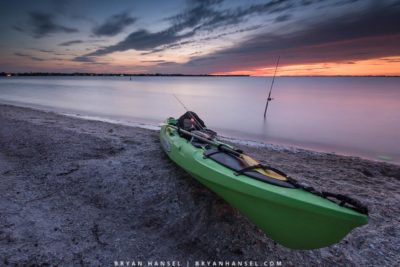
fishing kayak

Silent sports defined by a sports sole reliance on self-propulsion is the category of sports that paddlesports falls into. It’s joined by other sports such as biking, mountain biking, fat biking, hiking, running, climbing, snowshoeing and many other sports that don’t rely on fossil fuel or electronics to participate. Within the silent sport category, many sports have shined for a short time only to die out as a fad. Remember inline skating, anyone?

Here are a few silent sports that have stood up to the test of time as well as some that ended up as fads:

  • Canoeing – not a fad
  • Biking – not a fad
  • Cross Country Skiing – not a fad
  • Hiking – not a fad
  • Running – not a fad
  • Windsurfing – fad
  • Snowshoeing – fad
  • Kayaking – jury is still out
  • SUP – awaiting trial

What silent sports would you add to the list? Are they or were they a fad?


The post Is Your Silent Sport a Fad? appeared first on PaddlingLight.com. You can leave a comment by clicking here: Is Your Silent Sport a Fad?.

12 Jul 22:07

These No Bake Energy Bars Look Delicious, are Super Easy to Make

by Alan Henry

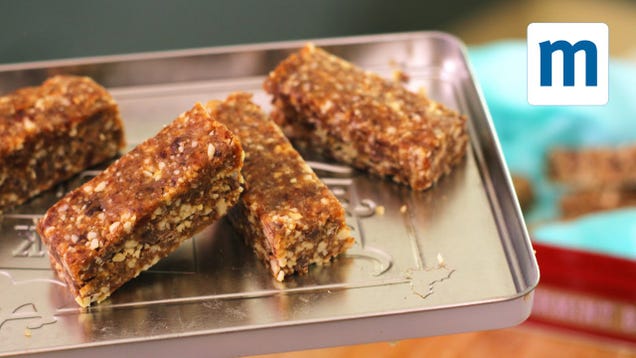
Making your own homemade energy bars can be as simple or complicated as you want, and this recipe is as simple as it gets. A few ingredients, your trusty food processor , and a few minutes in the fridge to firm up, and you’ll have a snack you can enjoy at home or on the go.

Read more...

12 Jul 22:02

Eight New Rooftop Bars for Summer

by ehutchison

Does a cocktail taste better when it’s served six stories up? That’s debatable. What’s not is the alluring combination of booze, a birds-eye view, and a nice cooling breeze. No wonder rooftop bars are booming. Here are five of the South’s hottest new sky-high establishments:

The Watch
Charleston, South Carolina

When a city has a skyline like Charleston—buildings can’t be taller than the church steeples—it shouldn’t come as a surprise that rooftop bars have become popular in the Holy City. And when the Restoration hotel, located on the corner of King and Wentworth streets, reopened earlier this year, it added its own. A seat at the outdoor portion of the Watch restaurant and bar offers perhaps the prettiest rooftop perch in town—depending on where you sit you can see both the Ashley and Cooper rivers. Use of the rooftop pool is exclusively reserved for guests, though. 


Photo courtesy of the Restoration


The Roof at the Durham 
Durham, North Carolina

Perched on the sixth floor of the Bull City’s landmark Home Savings Bank building—lavishly retooled as a boutique hotel last year—the rooftop bar at the Durham Hotel shows off the culinary acumen of James Beard Award-winning chef Andrea Reusing, who manages the food and beverage program for the entire hotel. Sample casual North Carolina-tinged dishes like picnic eggs with smoked fish and Tar Heel trout roe while soaking in the scenery. 


Photo courtesy of the Durham.


Alto
New Orleans, Louisiana

A shady spot under a tree on a hot summer day with an ice-cold cocktail in hand is fairly hard to beat. Unless, of course, you put that tree and that cocktail on a roof in New Orleans and add a swimming pool and a restaurant backed by two James Beard Award-nominated chefs. And that’s exactly what they’ve done at Alto, the new rooftop garden at Ace Hotel New Orleans. Order the Frozen Purple Rain—made with gin, blackberries, and lemon—for an instant cool down. 


Photo courtesy of the Ace Hotel New Orleans


Hot Tin
New Orleans, Louisiana

The Pontchartrain Hotel, the grand dame of Crescent City lodging, reopened last month after a much-needed facelift. And while the new owners preserved the famed Bayou Bar and Caribbean Room, they crowned the historic property with Hot Tin, a new rooftop bar and lounge—the name is a nod to Tennessee Williams, who lived at the Pontch briefly during the late 1940s—offering a nearly 360-degree look at downtown and the Mississippi River. 


Photos courtesy of the Pontchartrain Hotel. 


Quirk Hotel
Richmond, Virginia

Richmond’s first and only open-air rooftop bar can be found at the art-centric Quirk Hotel, housed in the hull of an old department store at the center of Richmond’s emerging design district. Sip on a house beer, the Quirk Cream Ale, bottled by the local Hardywood Park Craft Brewery, while taking in sweeping views the city. Then sweat it out the next morning at one of Quirk’s rooftop yoga classes. 


Photo courtesy of Quirk.


Coming Soon…

Opening August 2016
Nine Mile Station
Atlanta, Georgia
Ponce City Market’s rooftop playground will add a grownup drinking establishment and beer garden with twelve taps, specialty cocktails, high-end wines, and a champagne bar. 

Redmont Hotel
Birmingham, Alabama
The phones at the recently renovated Redmont Hotel in downtown Birmingham won’t quit ringing, and most people on the other end have just one question: When is the rooftop bar going to open? August, folks. 

Opening September 2016
Twilight Lounge
Oxford, Mississippi 
In town for an Ole Miss ballgame? This fall you’ll want to snag a bed at the opulent new Chancellor House hotel, and grab a bar stool at the hotel’s swanky rooftop bar, which opens at noon on game days. 


Shared: 
7
11 Jul 17:53

ThruNite Archer 1A V3

submitted by Mikey Bautista

Using powerful flashlight batteries like CR123A primaries and lithium-ion 18650 rechargeables has plenty of benefits. It's a very long list. But there's one key advantage of “common” AA and AAA batteries—accessibility. Every convenience store, grocery check-out aisle, and gas station will have one or both of these cells in stock. And when your flashlight dies—especially in an emergency—the last thing you'll want to worry about is where to get a fresh set of batteries.

That's not to say that ThruNite are just phoning it in with the Archer V3. Quite the contrary—it's very much a modern light with modern features. It's powered by a Cree XP-L V6 emitter and takes a wide range of voltage, including 14500 li-ion cells. Equipped with that kind of hardware, the V3 is no slouch for output across 5 modes, with 200 lumens on high for 115 minutes and 17 days of light on its  0.1 lumen firefly mode.

It's definitely good for EDC weighing only 42g without a battery, and type III anodized aluminum and IPX-8 waterproofing ensures a hardy everyday light. Simple, no-nonsense, and easy to both power and use. Add this convenient carry to your EDC by picking one up at the link below.

Buy on Amazon

11 Jul 17:19

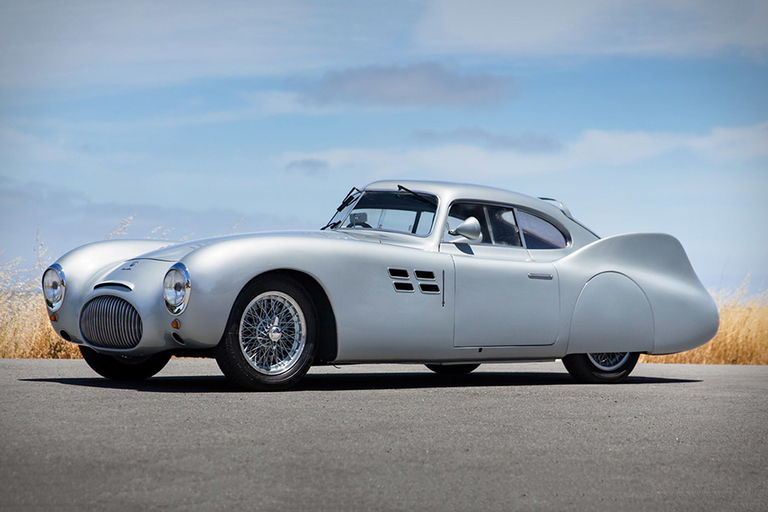
1946 Cisitalia 202 CMM

In case you were wondering, the "CMM" stands for Coupe Mille Miglia, the Italian endurance this 1946 Cisitalia 202 CMM was built for. It was entered into the 1948 contest...

Visit Uncrate for the full post.
11 Jul 17:19

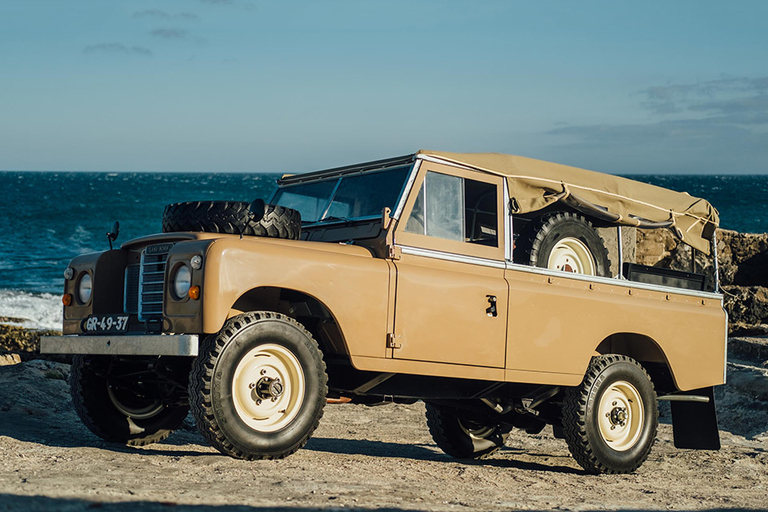
1979 Land Rover Series III

The Series III might be more common than its predecessors, but that doesn't make this 1979 Land Rover Series III any less compelling. Completely restored, it's clad in a sand...

Visit Uncrate for the full post.
11 Jul 00:36

Statue of the Conch-Blowing Greeter, Key West, FL

Feature: For decades Albert Kee would stand next to the Southernmost Point monument, blow on a conch shell, and yell, "Welcome to the Island!" ...
11 Jul 00:34

Huey Cooper and His Lucky Rabbit's Foot, Lake City, SC

Feature: Huey Cooper would hang out in downtown Lake City and encourage passers-by to rub his lucky rabbit's foot for a nickel. ...
11 Jul 00:31

Old Man Traffic, Charlotte, NC

Feature: Statue honors Hugh McManaway, who directed traffic at this intersection. ...
07 Jul 17:23

I finally saw “The Big Short” in its entirety, and anyone who cares about money needs to watch it. Fantastic

by Nick Sorrentino

“FRAUD has never, ever worked…Eventually things go south…When the hell did we forget all that?”

2008. I'll never forget. EVER.
2008. I’ll never forget. EVER.

I won’t go into why this movie speaks to me so much. I will say however that it isn’t because I had billions on the line.

07 Jul 17:20

The price of LEDs is falling so fast it’s profitable to farm in a New Jersey nightclub

by Editor

hydro let cc

I had some hydroponic lettuce in my salad last night and not only was it delicious, really really delicious (as lettuce goes) it was relatively cheap. Things are changing. Opportunities abound. (That’s a good thing.) Let’s hope the government (and its big ag sponsors) doesn’t regulate this industry to death.

Guess which industry is ripe – get it – for disruption? (And I hate the word “disruption” but it fits here.)

(From Quartz)

US agriculture has reached a tipping point: It’s now possible to buy greens grown indoors for the same price as those farmed in California fields thanks to the falling price of LEDs.

New Jersey-based AeroFarms is shipping arugula, kale, and spinach from a farm inside a former Newark nightclub to grocery shelves around New York City. Local ShopRites sell five ounces of AeroFarms’ greens for $3.99, the same price as EarthBound, an organic grower in California.

Click here for the article.

07 Jul 17:14

A Beginner’s Step-by-Step Guide to Landscape Photography Camera Settings

iStock 81641431 MEDIUM

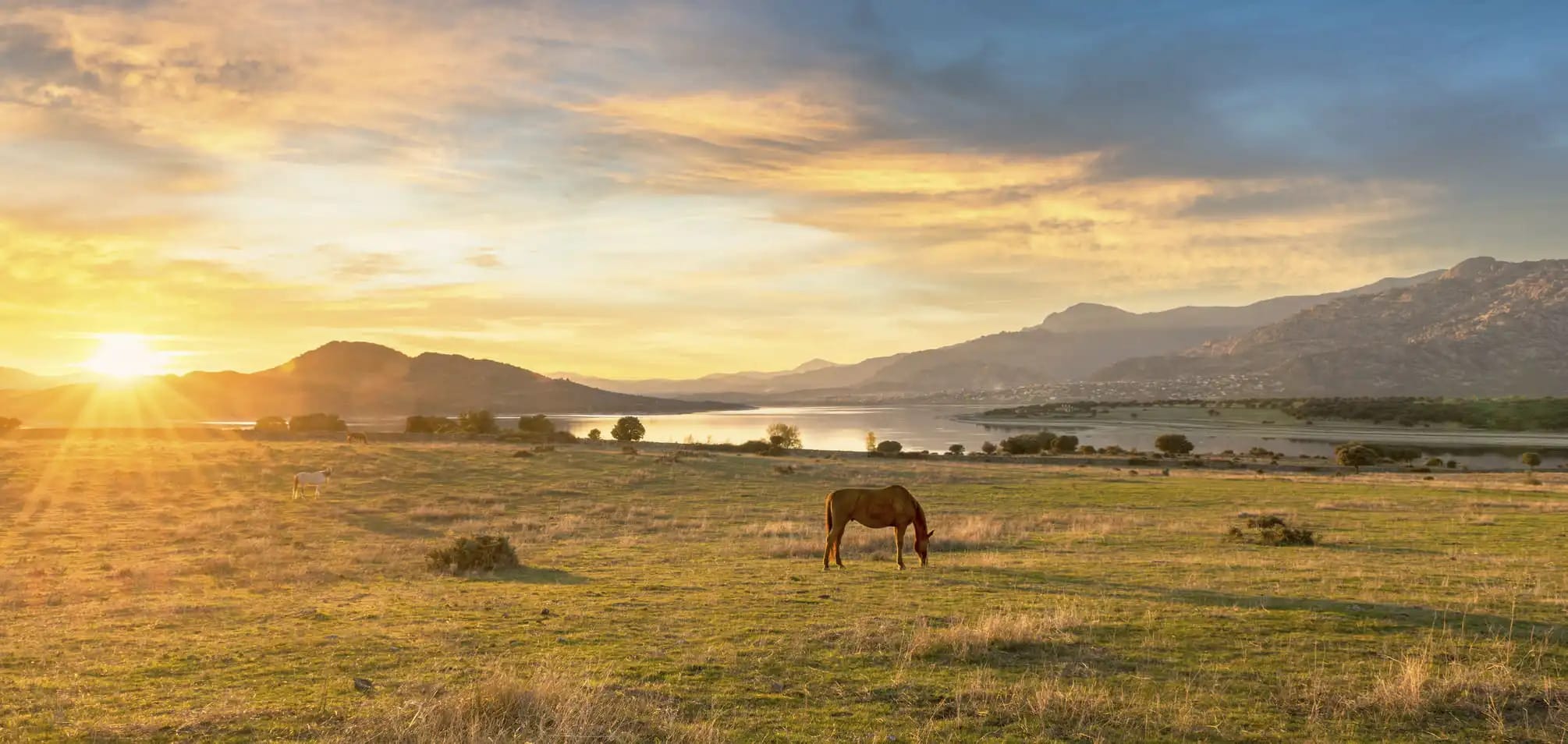
Granted, there are no perfect camera settings for every landscape you encounter. However, there are some good starting points to use when you find a landscape that benefits from motion blur or one that highlights a nice sunrise or sunset.

This step-by-step guide takes you through each of these scenarios and explains the camera settings that are most likely to get you the photographic results you want.

Camera Settings for Motion Blur

iStock 95976839 MEDIUM

Motion blur is all about the shutter speed you use - the slower the shutter, the more pronounced the blur will be.

The most difficult task when using a slow shutter is ensuring that your image is well exposed. As the length of the shutter speed is extended, more and more light is allowed to reach your camera’s sensor. That means you have to make adjustments to the other two exposure settings - aperture and ISO - to compensate. If you don’t, your images will be vastly overexposed, reduced to little more than a bright, white nothingness.

So, as your shutter speed is lengthened, you will need to reduce the size of your aperture to restrict the amount of light entering the lens. Recall that smaller apertures are indicated by larger f-numbers. For example, f/22 is a smaller aperture opening than f/2.8, therefore, f/22 would be more appropriate for counteracting the light allowed into your camera by a very slow shutter. Furthermore, remember that ISO controls the sensitivity of your camera’s sensor to light. The lower the ISO number, the less sensitive it is. Since you will have plenty of light entering your camera as a result of the slow shutter speed, you’ll need to minimize the ISO.

iStock 85348103 MEDIUM

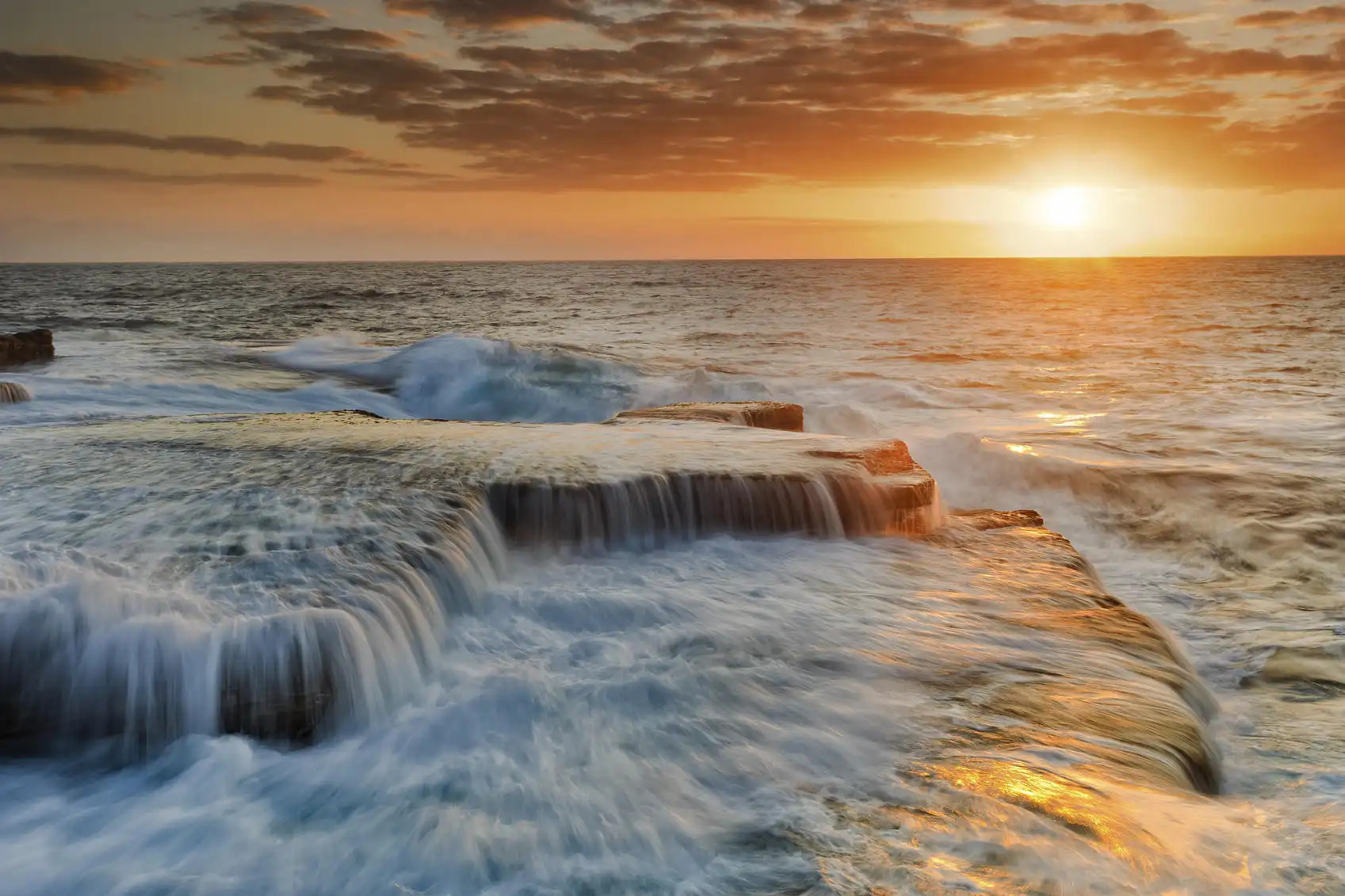
When faced with a scene like the one above, try these settings to blur the movement of the water:

  • Shooting mode: Full manual. This will give you the most control over the necessary settings to get the kind of motion blur you want.

  • Drive mode: Single shot if using a remote. If you don’t have a remote, use your camera’s self-timer so you don’t disturb the camera by touching it during the exposure.

  • Shutter Speed: 1/4 seconds. The speed of your shutter will depend on the speed of the movement you want to blur, but this is a good place to start. If you don’t get the level of blur you want, slow the shutter one stop at a time until you achieve the look you want.

  • Aperture: f/22. As noted above, a small aperture is needed to restrict the amount of light entering the lens to counteract the abundance of light allowed in due to the slow shutter.

  • ISO: 100 (or the lowest available setting). Minimizing your ISO will also help counteract the light allowed in by the slow shutter.

Note that if your images are consistently overexposed even when minimizing the size of your aperture and using the smallest ISO possible, you might need to utilize a neutral density filter to further restrict the light coming into your lens. Neutral density filters come in a variety of strengths, some of which are so strong that they allow you to take long exposure images even during broad daylight.

Camera Settings for Sunrise/Sunset

iStock 74769225 MEDIUM

Sunrises and sunsets are a bit of a holy grail for landscape photographers, and with good reason: the gorgeous light and the abundance of colors in the sky makes for the possibility of capturing a truly stunning image.

The greatest challenge of photographing a sunrise or sunset is getting the exposure right throughout the scene. Often, you’ll end up with a sky that’s well-exposed and a foreground that’s too dark, or a foreground that is well-exposed and a sky that’s far too bright. There’s just too much contrast for your camera to keep up with.

There are a couple of ways of getting around this. Perhaps most simply is to use a graduated neutral density filter that darkens the sky to bring it more in line with the exposure level of the foreground. Another option is to take two images that are exact matches in terms of composition, but one that is exposed for the sky and another that’s exposed for the foreground. Then you can blend the exposures together in post-processing to create one well-exposed image.

iStock 80567979 MEDIUM

When tackling sunrise or sunset photos, start with the following camera settings to get the best results:

  • Shooting mode: Full manual.

  • Drive mode: Single shot.

  • Shutter Speed: 1/30 seconds. This is a ballpark figure based on the slowest possible speed most people can hold a camera steady in their hand. If you find that your images are blurry at this speed, select a faster shutter speed.

  • Aperture: f/11. At this aperture, you have good depth of field, but also restrict the light from the sunrise or sunset somewhat. Note that if you have to speed up your shutter, which limits the light coming in, you’ll need to open your aperture to allow more light in to retain a well-exposed image. For example, if you change your shutter speed from 1/30 seconds to 1/45 seconds, change your aperture from f/11 to f/8 to compensate.

  • ISO: 100 (or the lowest available setting).

  • White balance: Shade. Though it seems counterintuitive, using the shade white balance preset will boost the warm tones of the sunset, giving the sky even greater impact.

Final Thoughts

iStock 82841509 MEDIUM

Remember that the settings recommended above are just a starting point - the chances are that you will need to make adjustments based on the specific situation in which you shoot. Nonetheless, learning how to manipulate things like aperture, ISO, and shutter speed will help you understand exposure and tailor your settings to the type of landscape you wish to photograph. Take these recommendations and run with them, and see what sort of gorgeous landscape photos you can create.

Recommended Reading

51h6MKCqoNL. SX409 BO1204203200

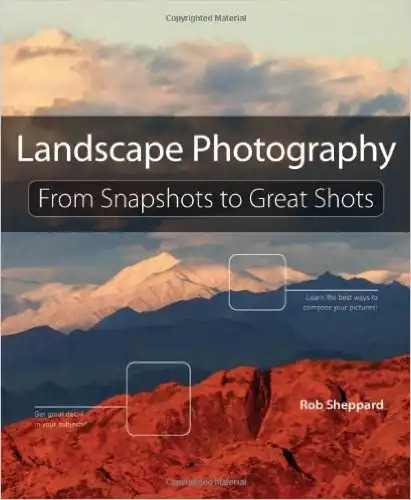
Landscape Photography: From Snapshots to Great Shots by Rob Sheppard will help you build on the skills you learned in this lesson regarding camera settings and take your learning even further into the realms of light, composition, perspective, depth of field, and beyond. Sheppard makes strong connections between what you do behind the lens and what’s happening in front of it, helping you to maximize the impact of your image by understanding how you camera, lens, and other photography gear works. With stunning example images to supplement the easy-to-read text, Landscape Photography: From Snapshots to Great Shots will help you take truly stunning landscape photos.
Recommended Vendors

PhotographyTalk readers have been asking for a list of top-notch photography companies, and we’ve obliged! Our Recommended Vendor section is chock full of the best photography companies out there. Take your landscape photography to a whole new level by equipping yourself with the best gear, finding workshops to attend in your area, and learning about handy accessories to help your workflow.


07 Jul 11:55

Begin Your Arguments From the Other Person's Perspective to Be Persuasive

by Eric Ravenscraft

When you’re defending your position, your natural inclination is probably to start with the arguments that make the most sense to you. However, if you want to persuade someone to your side, it can help to begin with how they see things.

Read more...

07 Jul 11:54

How to Make Hot Sauce--a Themed Lunch and Workshop in Boston

by Kevin Bonham
Anywhere near Boston this weekend? Join Rich Shih and I to eat delicious food, learn about the microbiology of traditional hot sauce and how to make your own!

-- Read more on ScientificAmerican.com
01 Jul 14:50

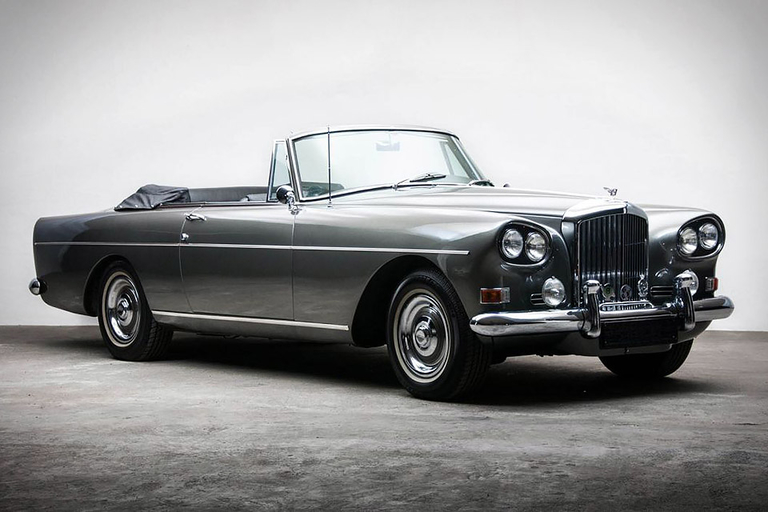
1963 Bentley S3 Continental Drophead Coupe

Incredibly rare and incredibly desirable, this 1963 Bentley S3 Continental Drophead Coupe would instantly become the crown jewel of most collections. The S3 was the last Bentley with separate body-and-chassis...

Visit Uncrate for the full post.
01 Jul 14:47

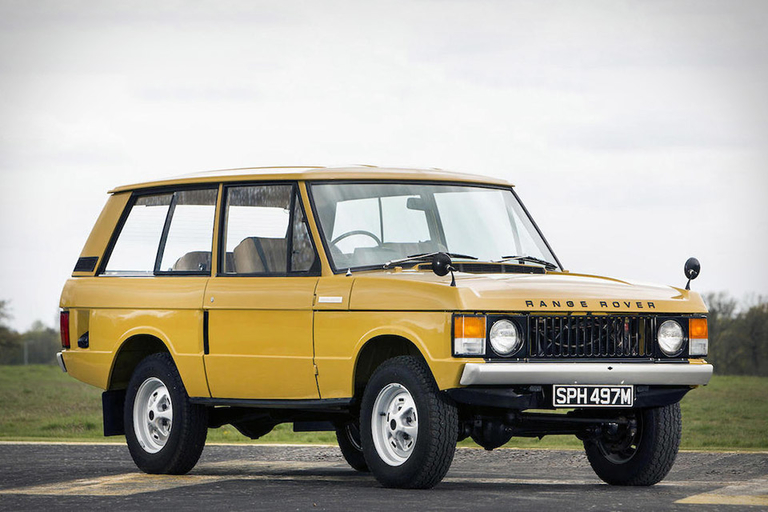
1973 Range Rover

You'd be forgiven for thinking this 1973 Range Rover was recently discovered in a 43 year-old time capsule, but instead it owes its appearance to a terrific service record and...

Visit Uncrate for the full post.
01 Jul 14:45

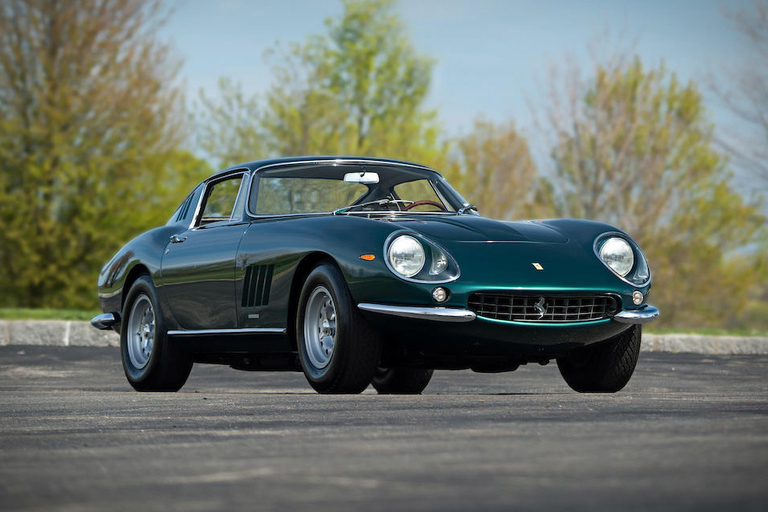
1967 Ferrari 275 GTB/4

One of just 331 examples produced, this 1967 Ferrari 275 GTB/4 is made even more rare by its ownership history and color. It's had only three owners in its lifetime,...

Visit Uncrate for the full post.
01 Jul 14:44

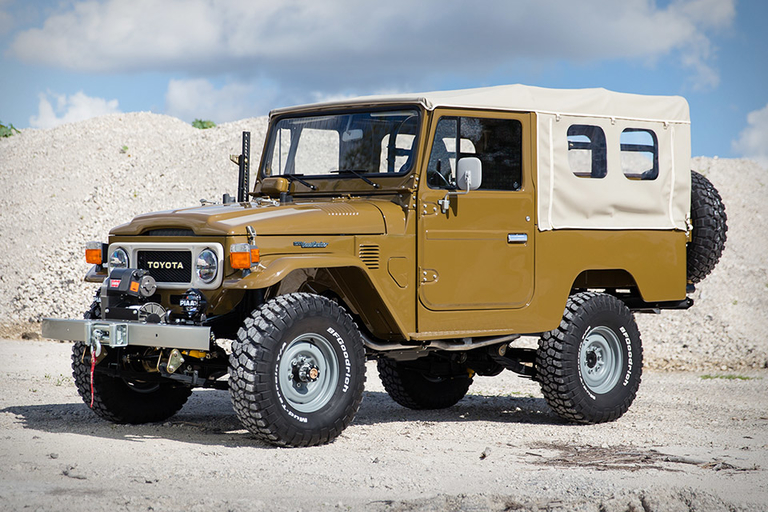
1981 Toyota Land Cruiser FJ43 Copperstate Overland Edition

Originally imported into Colombia, this 1981 Toyota Land Cruiser FJ43 Copperstate Overland Edition is now set to go to auction at Gooding & Company's Pebble Beach Auctions. In outstanding condition,...

Visit Uncrate for the full post.
01 Jul 14:42

1962 Shelby 260 Cobra CSX 2000

It's certainly not the first Cobra to come up for auction this year. This 1962 Shelby 260 Cobra CSX 2000 is the very first Cobra, however. Built in a Santa...

Visit Uncrate for the full post.