Photograph by Johnathon Kelso Salem Camp Ground in Covington, site of one of the country’s oldest Christian revivals, started out as a brush arbor—a few poles draped with tree branches to give worshipers shade from the summer sun. That was in 1835. The Civil War was still a generation away. Covington was a new town with a fledgling square a few miles down the road from Salem. There was no railroad. Atlanta was a full day’s ride by horse. Worshipers would sleep under the wagons they rode there or use the wagon sheets as tents, their horses tethered nearby. Times have changed. On a steamy Sunday morning in July, it took me just 35 minutes to get there from Atlanta. The campground sits a stone’s…View Original Post
Following:
More people should know about Nuzzel. It’s the sane and efficient way I consume social media without having to read it. Nuzzel displays the six most recommended links each day among all the people I follow on Twitter and Facebook. So instead of reading those endless feeds, I read my one page Nuzzel digest and get the six best articles that are most read by my friends. — KK
Hack:
I rarely iron anymore. I just throw a wet hand towel and whatever wrinkled top I want to wear into the dryer. Then I run it on high heat for a little less than 10 minutes, and go about my morning routine. Some people use ice cubes. — CD
Readable: The Crimson Petal and the White, Michel Faber’s 922-page novel about a Victorian era prostitute and a soap-and-perfume industrialist, was a full-sensory immersion into 1875 London. I haven’t had this much fun reading a novel about Merrie Olde England since Pillars of the Earth. — MF
Destination:
Before I travel to a new city X, I search for “street food tour for city X.” Almost every interesting city these days has someone offering this inside look. I find it a quick, fun, inexpensive, exhilarating way to get to know a place. — KK
Learn: The Learning Toolbox website has a bunch of useful tips for getting the most out of studying. It’s was created for students with “mild disabilities,” but I think it’s useful for all students and non-students too. As someone who gets distracted easily, I appreciated the tips on how to focus on lectures and while reading. — MF
Stuff:
I’m always amazed and slightly annoyed when the hotel hair dryer works better than my more expensive one back home. This hair dryer is cheap, portable and works just as good as any $50+ dryer. — CD
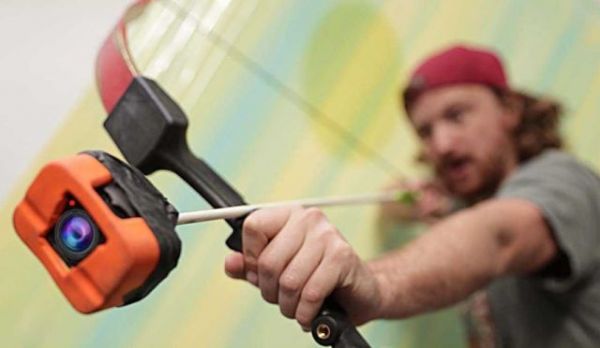
Special effects shots have been created to simulate an arrow's eye view as it soars towards its target, but until recently this shot was extremely difficult to create with an actual video camera.
Now cameras are smaller and lighter than ever and can be attached to most anything, so Niko Pueringer of Corridor Digital mounted a GoPro on the end of an arrow and started shooting them at his friend Wren Weichman. (Skip to around 4:30 to see arrow camera segment)
It's interesting to see how straight the flexible arrow flies even though it has a GoPro strapped to the front of it, but I don't think this practical camera shot will replace the digital version anytime soon.
A slim white gadget worn around the neck, the portable Ili translator is clean, simple and easy to use: a microphone records sounds and a speaker delivers the message in a target language.
Amazingly, it relies on a built-in database so it does not need a wireless, Bluetooth or other connection to work. Perhaps this will mean there is no more need for phrase books (physical or digital) for weary travelers who are game to wear one extra small accessory.
How well it works remains to be seen, but its creators claim it can operate between English, Chinese, Japanese, French, Thai and Korean, its database growing with future updates. If it saves someone taking their phone of their pocket, it might also provide a smoother user experience than other translator apps. Next step: a babel fish ear wearable that need not even be seen or touched (at least if the Hitchhiker’s Guide has its way). Meanwhile, even if the translations are imperfect, it could still work well for a traveler in a hurry to catch a train (or find a restroom) in some foreign land.
Keep Going - Check out this Great Related Gajitz Article:
Taking geothermal energy generation quite literally to the next level, Iceland is drilling a hole to tap into the Earth’s magma, a virtually unlimited potential power source.
The Iceland Deep Drilling Project (IDDP) is drilling 5 kilometers down into the Earth’s crust using its rig named “Thor” in order to reach hot zones between tectonic plates.
Unlike conventional geothermal, their pursuits are taking them to places where 400 to 1000 degrees Celsius can be expected, far hotter than similar approaches.
“People have drilled into hard rock at this depth, but never before into a fluid system like this,” Albert Albertsson of an Icelandic geothermal-energy company involved in the project. Researchers are hoping to find “supercritical steam,” which holds more heat energy than either liquid or gas. A potential 50 megawatts of energy could be generated from this steam, powering up to 50,000 homes. Similar techniques could be employed around the world near young volcanoes and similar subduction zones.
Keep Going - Check out this Great Related Gajitz Article:
Of the thirteen American Colonies before our War for Independence, eight were established for business. New Hampshire, New Jersey, Virginia, Delaware, North Carolina and South Carolina were founded for agricultural ventures and New York for trade. Georgia was originally set up as a place where debtors could start anew and so it could serve as a buffer between Spanish Florida and the Carolinas but quickly adopted the Carolinian business model. The remaining five were established for religious freedom in one form or another including: Massachusetts, Rhode Island, Connecticut, Maryland, and Pennsylvania. But even these colonies rapidly became economic powerhouses, providing such valuable commodities as furs, lumber, copper, ships, maple syrup, whale products, fish, livestock products, and my personal favorites, whiskey and beer. From north to south, the American colonies were thriving with capitalist ventures. But of course, with money come the coveters; the green-eyed monsters committed to stealing from those who produce.
Cash, however, was hard to come by in the American Colonies. Americans relied on barter and credit for most of their commerce and the importation of goods into the Colonies was strictly controlled by Britain. Raw materials were exported from America to England, manufactured and then re-imported back to the Colonies as final products. And of course, they were heavily taxed. As proud British subjects under British Common Law, Americans willingly contributed what little they had to the glory of the Empire so long as their rights as Englishmen were respected.
The French Indian War almost doubled Britain’s debt. The American Colonies sent and funded thousands of troops, but according to Benjamin Franklin when examined in the House of Commons in 1766, the amount Britain had reimbursed her colonies was entirely arbitrary, paying back only what they felt the Colonies had paid beyond their obligation. Americans accepted as law and tradition Parliament’s authority to tax imports and regulate commerce. However, Americans widely accepted that their individual Colonial Charters and Common Law gave only their Colonial Legislatures the power to impose internal taxes. As I’ve detailed in other articles as well as my most recent video Why the United States Constitution is Relevant Today, they attempted their theft through reinterpretation of rights, bureaucratic decree and most importantly, by introducing increasingly complex tax laws. Americans were insulted and angered and eventually became willing to gamble their lives by taking on the greatest military power at the time.
The idea that it was about money is a commonly held fallacy. Americans, in fact, paid only a fraction of the taxes those living in England did. Some estimates suggest, for example, that in 1765, while the average tax paid in England was 312 pence per year, Colonists in New York, Pennsylvania and Massachusetts paid only 12 pence and Virginians paid an average of 5. The increase from the series of acts passed by Parliament between 1765 and 1775 averaged only an additional 8 pence. However, it was the principle of who could raise what taxes and not the amount that was enough to bring the colonists to rebellion.
In 1913 the American Tax Code was approximately 400 pages long. Today its length is estimated anywhere between 2,600 and 5,000 pages once indexes, notes and previous tax laws are subtracted. Though many sources regularly claim it to be upwards of 70,000 pages in total, the fact that there does not appear to be an established number speaks volumes (excuse the pun).
What we do know is that the complexity of the tax code today makes it possible for those who can afford armies of accountants and tax attorneys to pay little or nothing. The rest of are out of luck. However, this does not mean that laws are being broken. It is merely another example of how big government colludes with banks and large corporations to complicate the law to favor the powerful. 200 years later, it is still about the principle and burden on individuals and smaller businesses.
When Hillary Clinton recently asked Donald Trump if he had paid anything in Federal taxes, the green-eyed monsters that are the Democratic Party and their left-wing media cronies immediately pounced. While they made no mention of how she monetized the State Department for her personal slush fund (The Clinton Foundation), hour after hour they bombarded Americans with one of the most boring non-stories of the campaign. But if it is in fact true that Trump paid nothing in taxes last year, voters can take away several important points:
• If Trump was able to successfully navigate and take advantage of such a complex tax code legally, then he should be praised for his intelligence and resourcefulness. Would we rather someone in the White House who has no measure of economic success, as Hillary Clinton admitted when she declared that she and her husband were nearly bankrupt when they left the White House with tens of thousands of dollars of American property which they were forced to return?
The complex tax code is a direct result of Democrat efforts over decades of increasing and complicating the Federal Government. In other words, people like Hillary Clinton created the very conditions they call unfair.
Hillary Clinton has never produced anything. As a public servant all of her adult life, it should come as no surprise that her understanding of economics, business and taxes is as deep as her record of honesty is long. What American business people have understood since even before the founding of our Republic, which the Left never will, is that American businesses thrive when government gets out of our way.
Hillary Clinton has promised to continue the majority of our current administration’s economic policy. After 8 years, President Obama’s policies have produced the slowest economic recovery in the history of our Republic while spending more of our money than all previous administrations combined. What more proof do Americans need that left-wing ideologues not only have no understanding of the economy but in fact destroy it?
The reason for the American War for Independence was increased taxes, regulations and a growing sentiment that there was one set of rules for the ruling class in England and another for their Colonies. The question is do we want another aristocrat in the White House who makes laws for the little people or someone smart enough to navigate them?
In the wake of Donald J. Trump’s historic election to the Presidency, the political left has again picked up the rallying cry demanding the elimination of the Electoral College. In the 228 years since 1788, the United States have held 56 Presidential Elections. In four of these, the winner did not secure the popular vote. Since the final tally of the 2016 Elections are incomplete as of the date of this writing, including absentee ballots, ex-patriots and our brave volunteer soldiers in the U.S. Armed Forces overseas, it is still unknown which candidate won the popular vote. This fact, however, has not stopped thousands of Leftists from protesting and rioting in cities and college campuses around the country in anticipation of another instance. Emotions aside, here are the historical facts:
In 1824, Andrew Jackson beat John Quincy Adams 99 to 84 in the electoral vote and by 38,000 in the popular vote but did not win the majority of electoral votes required by the U.S Constitution. This was the only time in U.S. History that U.S. House of Representatives had to determine a Presidential election. They elected Adams.
In 1876, Rutherford B. Hayes won the electoral vote by only one vote but lost the popular vote by more than 250,000 to Samuel J. Tilden.
In 1888, Benjamin Harrison won the electoral vote 233 to Grover Cleveland’s 168 but lost the popular vote by more than 90,000.
And in 2000, George W. Bush was declared the winner by the U.S. Supreme Court after confusion and countless recounts in Florida because of a poorly-designed ballot. Bush won the electoral vote, 271 to 266, but his competitor, Al Gore received roughly 540,000 more votes in the popular vote.
Today, as we wait both for the Electoral College to cast its votes and for the final tally of the popular vote, we again see the Left declaring that the Electoral College is un-democratic and must be eliminated to protect the rights of minorities.
However, what they fail to understand is that the Electoral College was designed precisely to protect minorities against the majority. But yet, on some level, I can relate to the feelings of the protesters.
One of the reasons I started PatriotMusic.com in 2005 was because I wanted to do something about my fellow citizens’ lack of knowledge in history and civics. My hope was that by writing non-partisan music with meaningful lyrics, I could spread my passion for our founding principles and do my part to get people thinking and talking about individual liberty from an informed perspective, rather than just an emotional one. By my late twenties, it became clear to me that although I had some strong beliefs about what government shouldn’t or simply couldn’t do, I struggled to back up my arguments because I didn’t have the necessary frames of reference. I hadn’t fully understood that the Bill of Rights and Constitution not only had the solutions to the problems of the time in which they were written, but also to the majority of our current problems, and that my knowledge of world and U.S. history was severely lacking.
Civics classes in the U.S. public school system are increasingly rare and history is almost universally thought of by students as boring because it is often taught in an antiquated way that requires memorizing names and numbers at the expense of the truly fascinating experiences of human beings. Combine this with the fact that public school teachers and administrators are unionized government employees who themselves don’t have to demonstrate proficiency in either subject, and it’s no wonder that no matter how much money we pump into our schools, they continue to produce graduates who contradict their own ideals because they feel rather than think, as did I at one time. The protesters we see today are perfect examples of humans based more on irrational feelings rather than reason.
Within the first week of any civics class in the U.S., students learn about different forms of government. But most importantly, they learn that the United States are a Republic, not a Democracy. Our founders knew through their own knowledge of history that democracies are brutal systems where minorities are tyrannized by the majority and die sudden deaths by suicide. And they usually do so based on a desire to protect rights. Since then, we in the modern age have seen countless collectivist forms of government, from socialism to fascism to communism, do the same. Each, in turn, has verified what they knew and protected us against as best they could. In their own words:
“A democracy is nothing more than mob rule, where fifty-one percent of the people may take away the rights of the other forty-nine.” -Thomas Jefferson
“Remember democracy never lasts long. It soon wastes, exhausts, and murders itself. There never was a democracy yet that did not commit suicide.” -John Adams
“Democracy is two wolves and a lamb voting on what to have for lunch. Liberty is a well-armed lamb contesting the vote!” -Benjamin Franklin
“Give all the power to the many, they will oppress the few. Give all the power to the few, they will oppress the many.” -Alexander Hamilton
Like so many of our Constitutional principles, the Electoral College was designed as a check and balance on forces that would destroy citizens’ rights. In fact, the Electoral College is the most effective method of protecting minorities against the majority because it ensures that Presidential candidates must speak to and win the favor of citizens in all areas of the Republic. Each State, and the District of Columbia, has one electorate for each Senator or House member, so the balance is evenly based on population.
Were it to be eliminated; only the most populated areas would be necessary to persuade. This would, of course, be a distinct advantage to the Left. Presidential campaigns could then ignore the vast majority of our Republic and focus hundreds of millions of advertising dollars on only the largest cities or the largest States. Except that people who live in cities see things very differently from those who live in rural or suburban regions.
This fact was not lost on our Founders and is certainly not lost on the leaders of those who support the elimination of the Electoral College. Their true intentions are clear. While their followers feel, protest and riot, those of us armed with reason and knowledge of history know better. The Electoral College protects minorities as effectively as the Right to Trial by Jury, the Right to Keep and Bear Arms, the Right to Free Speech, Freedom of Religion, the Right to Protest, etc. Eliminating it would be a terrible, irrevocable act of tyranny.
If you have dead leaves or snow covering your driveway and the mail is piling up, that’s a pretty clear sign for thieves that no one is home. As one community relations officer told CNN:
“Every year, we see a pretty big uptick in burglaries...Criminals drive through neighborhoods looking for places to burglarize. If there’s newly fallen snow that hasn’t been shoveled, they figure the home is empty.”
If you can ask a friend to house sit and take care of these tasks for you, even better. This way, stuff gets done, plus, you actually have someone in the house, so you don’t have to worry about making it look like someone’s home. If that’s not possible, you’ll at least want to make sure your home is maintained while you’re away. Aside from snow, here are some other maintenance tasks to consider:
Burglars don’t want to be seen. They looked for homes with big fences and overgrown trees or bushes. “Home away from other homes, blind spots, older window frames, cheap wooden doors,” wrote a burglar.
“Large trees, bushes or shrubs around the home, or very reserved and conservative neighbors,” wrote another inmate.
It’s a good reminder to make sure your bushes and shrubs are trimmed before you leave.
Make It Look Like Someone’s Inside
Yep, it’s time to get Kevin McCallister on your home. Okay, don’t go buy a bunch of life-size cardboard cutouts, but you do want to make it look like there’s some kind of activity going on in your home.
At the very least, put your lights on a timer or leave a radio on. Timers are inexpensive and you can schedule them to turn on and off at specific times throughout the day. Better yet, use smart home technology (like the Belkin WeMo light switch or outlet) for more control over your lamps, lights, and other devices. For example, Belkin’s app gives you an “away” option so lights will turn on and off at irregular intervals, which can throw off potential burglars.
If you really want to get clever, hook your TV or computer up to the outlet, too, and make it sound like someone’s home watching a show. You could also loop random barking and growling sounds, which might seem silly, but in that KTVB poll, most burglars said they’d stay away if they heard a big, loud dog. One burglar called it a “deal-breaker.”
Also, via YouTube TV, you can link your phone to your home computer or TV to play videos remotely even if you’re not on the same WiFi network. Of course, there are apps that allow you to control your computer remotely, too. TeamViewer is our favorite.
When you can control electronics and lighting remotely, it’s pretty easy to make it look like there’s activity in your house. You might also consider leaving a car in the driveway. Again, KTVB reported:
As a homeowner, this is one of the best precautions you can take. Almost all of the burglars said they’d think twice if there was a car in the driveway.
“Most of the time that is a sure-fire sign of someone being home,” wrote an inmate.
Sure, some burglars might see through this, but it’s better than not doing anything and making it obvious your home is empty.
Be Careful About Broadcasting Your Plans
You may want to reconsider broadcasting your plans or checking into places while you’re away or at least set your social media handles to private. This might seem like overkill, but according to officials, criminals don’t just stake out your neighborhood and home, they can easily check your social media handles, too.
“Social media is a great thing for people but it’s a great thing for criminals too,” said Holliday. “Criminals stake out the Internet.”
Plus, in many cases, the burglar may be a person you’ve interacted with that has easy access to your online information. You may not even realize you’ve enabled Facebook or Twitter to tag your location, so that’s something to watch out for, too. Along the same lines, your out of office reply can be a dead giveaway that you’re gone and your home is empty. You can filter your vacation responder to only send to certain people in your contact list or from certain email addresses.
As an agency professional, you should be proficient at all of the skills listed on your resume. But in a competitve industry, these aren't the only skills that matter. It's the details or unique personality traits that can help you get ahead in your career, whether that's being able to [...]
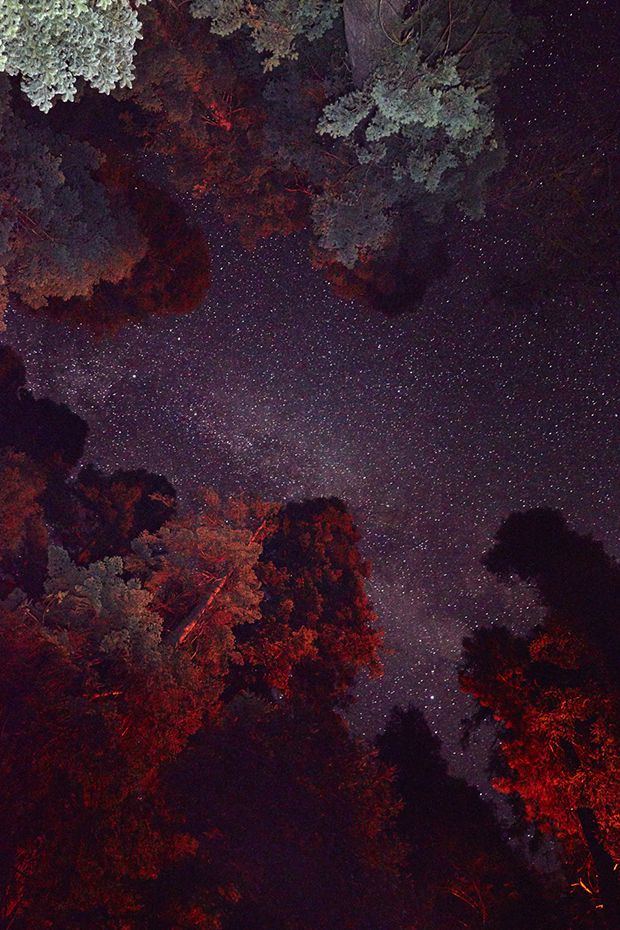
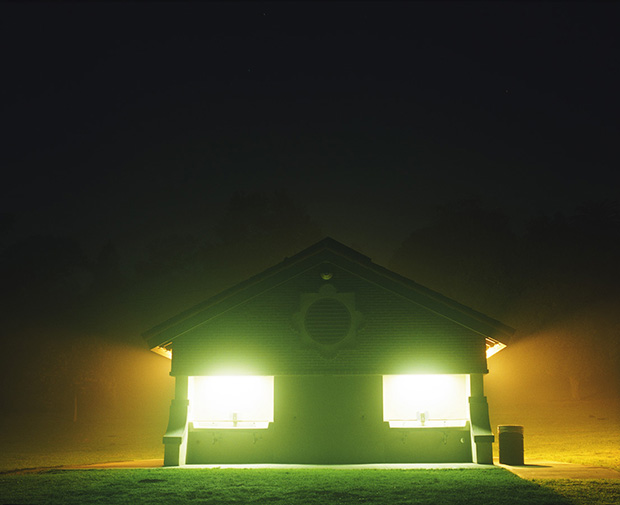
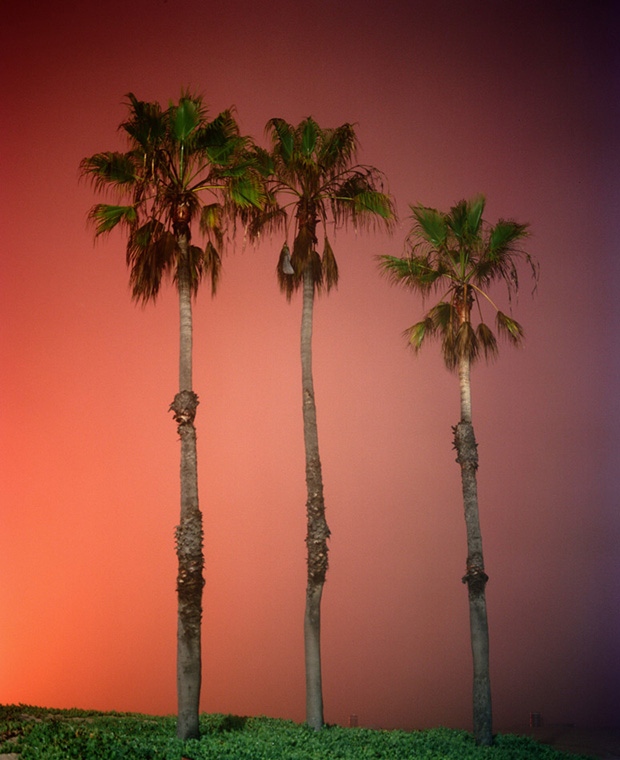
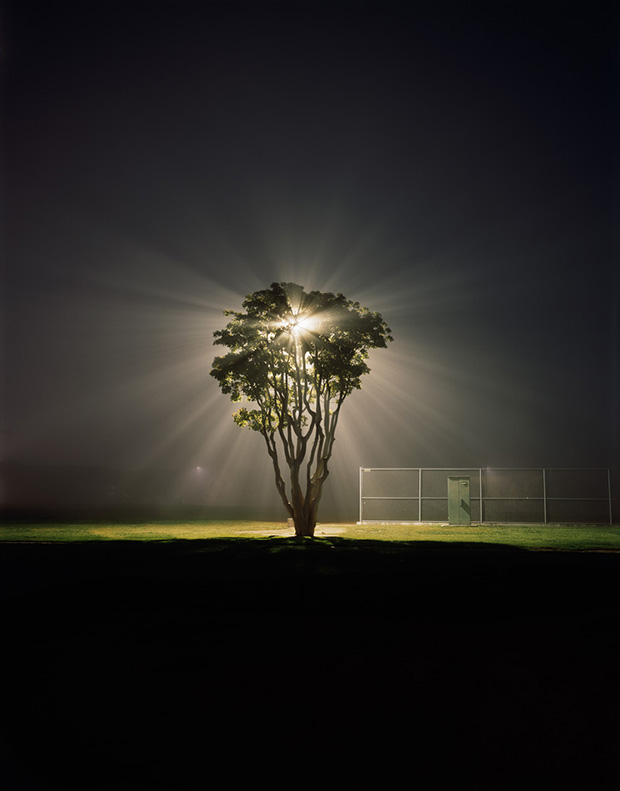
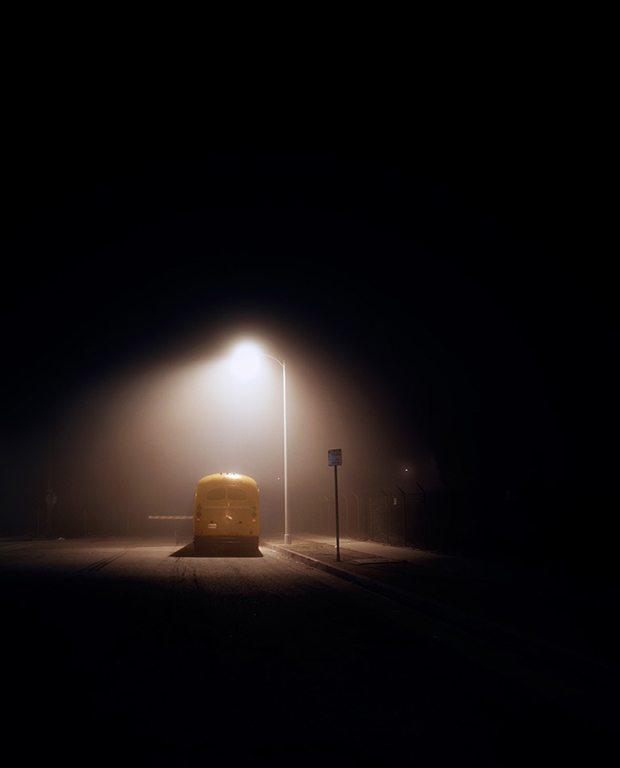
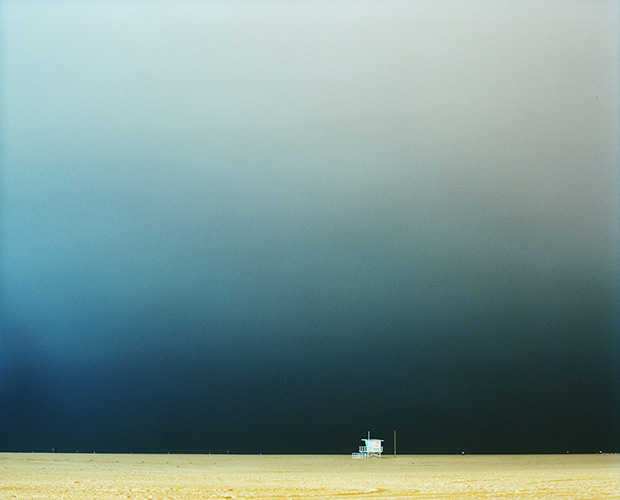
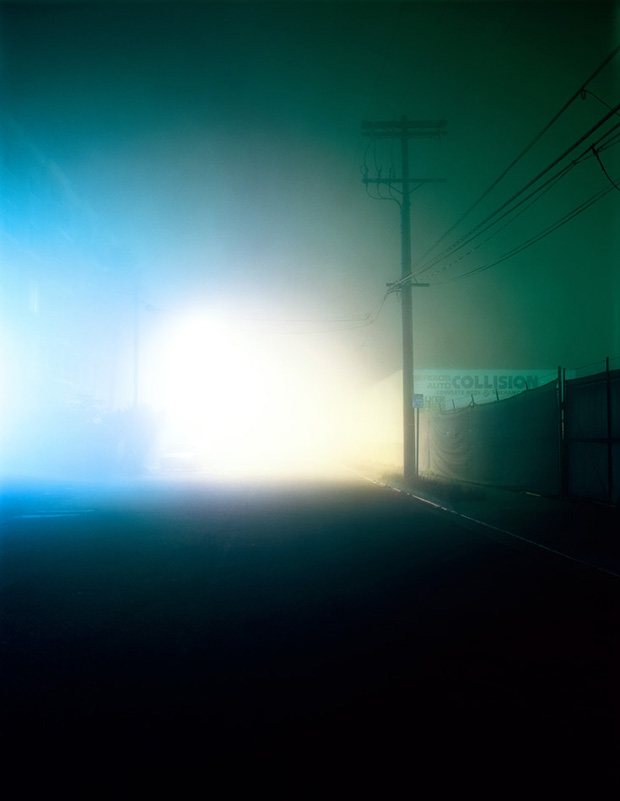
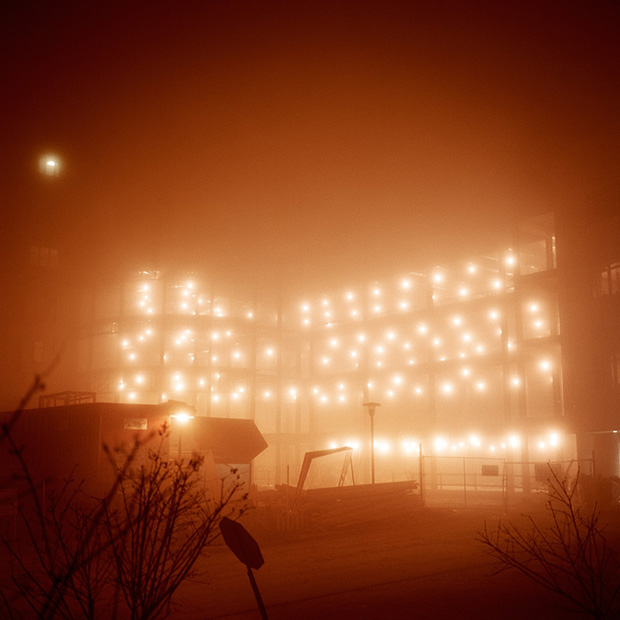
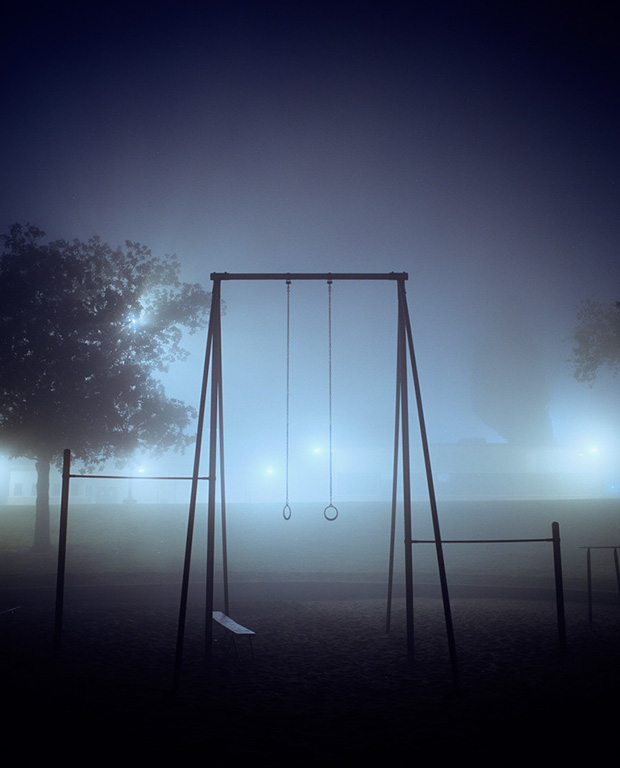
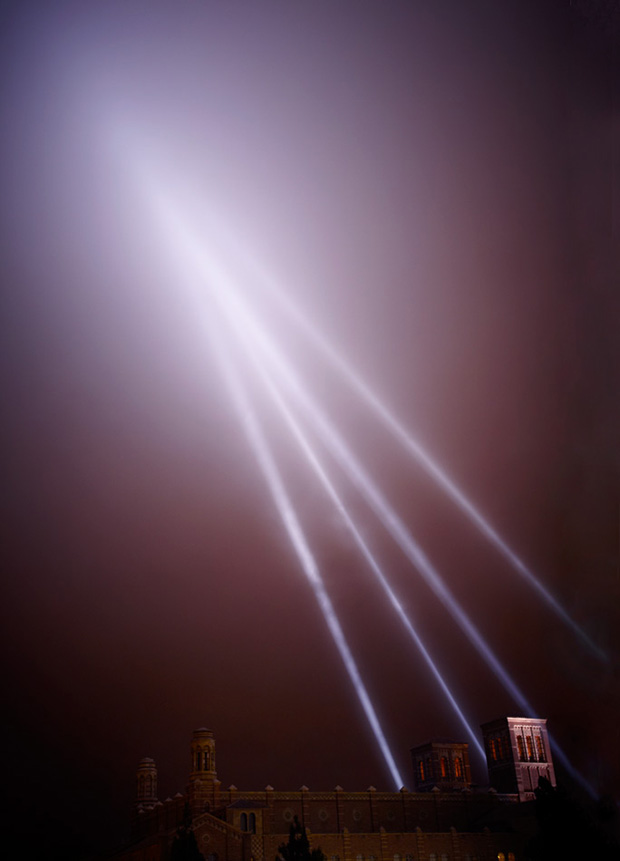
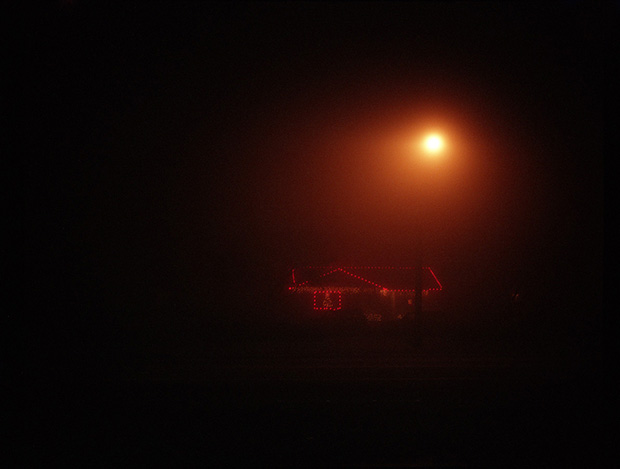
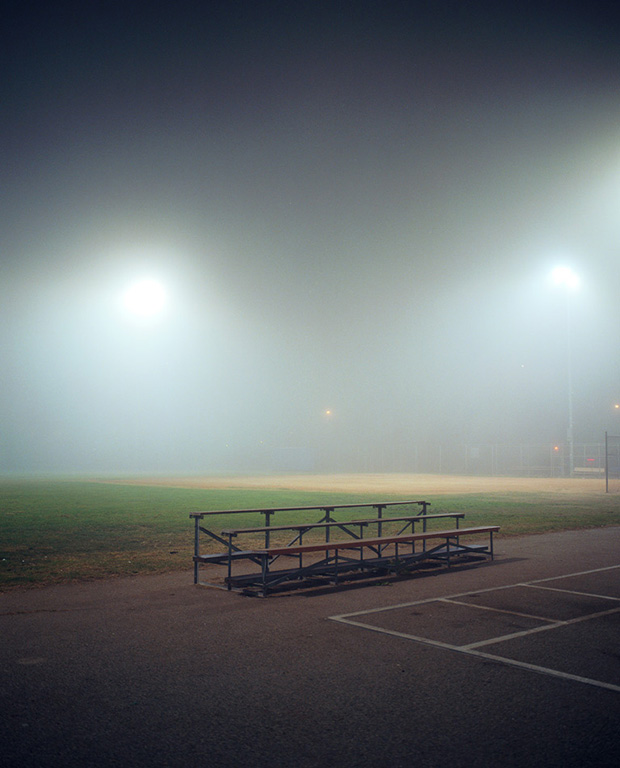
“When its dark, you can’t see whats ten feet in front of you,” Los Angeles photographer Amanda Friedman says, “things can feel a bit creepy.”
She knows the night as well as she does the day; she’s been wandering in the shadows since college in 1998, when she first set out on a misty evening in Rochester, New York with her cumbersome Rollei Twin Lens Reflex and some rolls of film.
Friedman never planned for Night Landscapes to become a series; it evolved over the years, and wherever she went, twilight seemed to follow. She finds her secret spots by a process she describes as “driving, and driving, and driving.” If she spots a flicker of preternatural light peering out from the fog, she stops her car.
As time went on, Friedman moved on to other cameras—a Mamiya RZ PRO II, a bulky 4×5, and even a Canon Mark III—but the heart of the nighttime series will always be the film photographs. It does get lonesome sometimes shooting after everyone else has retired to sleep, but Friedman finds solace in the silence.
When it comes to shooting at night, the fates are unpredictable. Friedman has made images that in the moment didn’t seem so special to her, but then she’s come back home and developed her film to find something magical in what she might otherwise have overlooked.
With a name like Clementine Paddleford, she should have been unforgettable. So why don’t you know who she is?
In the Long Island Sound, the world’s fastest nuclear submarine was cruising 200 feet beneath the waves. Sirens and horns whined as the crew tested the submarine’s alarms. As usual, the USS Skipjack hummed with activity. Sailors walked purposefully through tight passageways, their buzz cuts skimming the ceilings. That wasn’t the only buzz in the air: Word on the ship was that Clementine Paddleford was touring the galley.
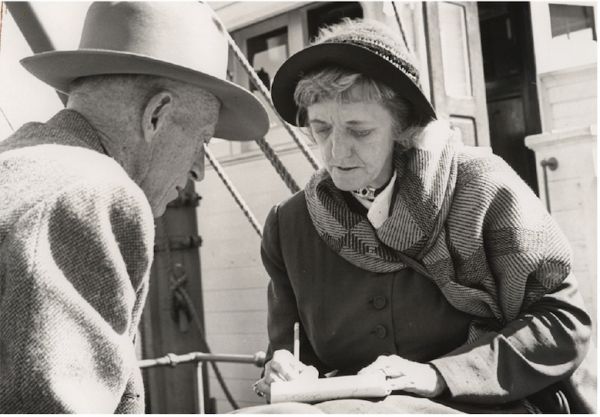
It was March 26, 1960, and after a year of wrangling, the U.S. Navy had finally given the 61-year-old journalist permission to board the Skipjack. Now she was in the submarine’s capsule kitchen, a cape around her shoulders and a notebook in hand, scoping out the 54-square-foot room where cooks prepared nearly 300 meals a day for the crew. They flurried about, making strawberry shortcake, prime rib, and endless pots of coffee from ingredients compressed to save space. Though she was no stranger to unusual kitchens, the endeavor was nerve-racking. Paddleford would later write that as she boarded the ship loaded with torpedoes, she’d been “clothed in gooseflesh.”
But she hadn’t worked so hard just to walk away empty-handed—she’d get her story, along with a brownie recipe that could feed 80. Whether Paddleford was inspecting a kitchen at the bottom of the ocean or piloting a plane across the country in search of new delicacies, she was a fearless pioneer, intent on uncovering tales that would resonate with the American public.
Growing up on a farm inStockdale, Kansas, taught Paddleford to appreciate the difficulties of ushering food from field to plate—if you craved pork, you needed to kill one of the pigs out back—and her mother instilled a strong work ethic, cautioning, “Never grow a wishbone, daughter, where your backbone ought to be.”
As Kelly Alexander and Cynthia Harris recount in their comprehensive 2009 biography, Hometown Appetites:The Story of Clementine Paddleford, the Forgotten Food Writer Who Chronicled How America Ate, Paddleford was ambitious and nosy, spending her high school years writing for the local newspaper. She would head to the local train depot at 6 a.m. after her chores to stake out stories. One morning, the 15-year-old spotted a local businessman boarding a train with a woman who wasn’t his wife. It could have been the scoop of her young career, but the story never ran. Her father wouldn’t let her file it.
Little else could stop her. She majored in industrial journalism at Kansas State, where she was an editor at both the college newspaper and the local paper she reported for as a teenager. All the while, she earned money freelancing for Kansas newspapers and farm magazines.
After graduating, Paddleford packed her bags with notepads and pencils and left Manhattan, Kansas, for Manhattan, New York. As Alexander and Harris explain, she worked feverishly, freelancing for The Sun, The New York Telegram, and papers back in Kansas. She made $8 per Sun story, writing puff pieces like “Girl Uses a Fake Limp to Get Seat.” Despite her motivation, she struggled to make ends meet and supplemented her income with babysitting, waiting tables at a seminary, writing press releases for an interior designer, and working at the Gimbels umbrella counter.
Paddleford felt like a failure. “Sometimes I fairly hate New York,” she wrote to her mother. In the spring of 1922, she attended a wedding in Chicago, and within two weeks, she’d made the Windy City her new home. Paddleford promptly landed two jobs—with the Agricultural News Service and the Milk Market News—making a name for herself covering everything from price-fixing scandals to shipments coming in all the way from China.
Within two years, New York had noticed. The editors of Farm & Fireside magazine invited Paddleford to be the women’s editor, and she returned to the city. She cultivated a chatty, authoritative voice, reaching out to readers directly for stories. They reached back: Response increased 179 percent during her tenure. Unlike other editors, she refused to be chained to her desk, traipsing onto Midwest farms run by women to find out how they lived. On another assignment, she reported from the home of famous flapper Clara Bow.
In 1930, Paddleford joined the Christian Herald, the nation’s largest religious newspaper, and picked up the church kitchen beat. She wrote increasingly about food: how to brew a good cup of coffee, how Dickens served Christmas pudding. At the time, most food writing was dry, short, and scientific. Journalists explained the benefits of nutrients and how to measure ingredients for recipes. Paddleford’s writing was different. She focused on the people and stories behind recipes instead of just the recipes themselves. Though her turns of phrase would verge on overwrought through the years—mushrooms were “pixie umbrellas,” the sun didn’t rise when it could “flame into a new day”—her descriptions were so brilliant that readers could almost taste each dish. She tapped into their emotions, too: “We all have hometown appetites,” she said. “Every other person is a bundle of longing for the simplicities of good taste once enjoyed on the farm or the hometown they left behind.” Her words made people think about food not only as sustenance but as an experience. Then, just as her career was blossoming, her voice became raspy.
Paddleford was a no-nonsense farm girl. She wasn’t going to visit the doctor over a measly sore throat. But as weeks passed, her hoarseness didn’t improve. The pain became so unbearable that she finally caved and visited New York Hospital. The doctor had bad news: The 33-year-old had laryngeal cancer.
Paddleford was devastated. She needed her voice. How could she do her job as a reporter without talking to people? The timing felt particularly cruel. Finally on the cusp of a national career, she was about to lose what made her exceptional.
Doctors gave her two options. They could stop the cancer by removing her larynx and vocal cords, leaving her unable to speak. Or she could undergo a partial laryngectomy, a new and unpredictable procedure that removed part of her larynx. In this case, she would risk a relapse.
There was only one answer for Paddleford: She needed to speak. Surgeons removed part of her larynx and inserted a permanent tracheotomy tube. For the rest of her life, she’d have to breathe through a hole in her throat—but she could talk. To speak, she had to press a button on the side of her throat to allow air to pass through her mouth.
Though it took her a year to speak above a whisper, within six months of surgery she was back to work, a black velvet ribbon wrapped around her neck to hide the hole. Her low, grating voice didn’t stop her from reporting with her typical vigor. She’d later say it was a blessing in disguise: “People never forget me.”
In March 1936, she took over the New York Herald Tribune’s market column. She woke before dawn and hustled to the markets to file copy about produce prices. It wasn’t her creative dream, but Paddleford saw it as a strategic move—the opportunity to write about food full time.
The decision wasn’t simply borne out of a passion for good eating—it was also business savvy. In the waning years of the Great Depression, Paddleford wanted a steady income from a beat she knew would keep people interested even in hard times. Brainstorming what people needed most, she wound up with shoes and food. And obviously, she liked food better.
That bet paid off. Her singular voice was a perfect fit for a regular column. Reader response nearly tripled in her first year. Soon she was the paper’s food editor, and by 1940, she’d become the food editor of the nationally syndicated Sunday magazine This Week.
Her work was game changing. Paddleford was the first American writer to approach food with as much respect and research as other journalists did with the established serious topics. She used it as a vehicle to talk about the Republican National Convention in Philadelphia and the New York World’s Fair. When Winston Churchill visited Missouri in 1946, most reporters parsed his Iron Curtain speech. Paddleford wrote about the buffet menu.
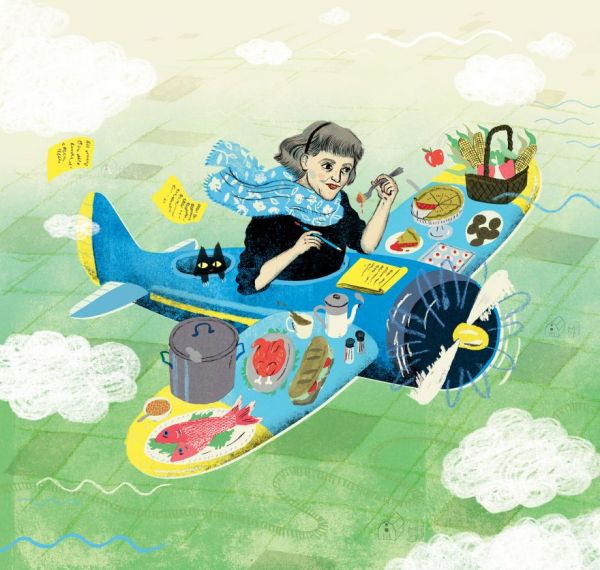
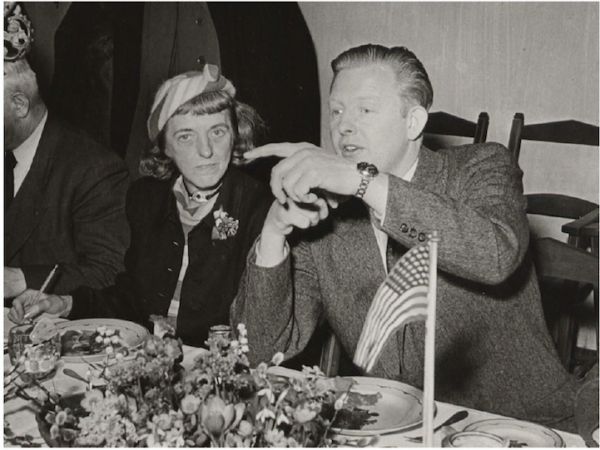
She traveled the country, looking for good food and good stories in the cooking pots at hobo conventions and the pantries at governors’ mansions, in the kitchens of fine restaurants in New Orleans, Louisiana, and the galley of an 85-foot yacht sailing the Gulf of Mexico. She cajoled kitchen secrets out of everyone from actress Joan Crawford to caterers at the Ritz-Carlton. By the late 1940s, she was filing stories from sugar shacks in Vermont, salmon canneries in Alaska, and trailer homes in Florida, traveling more than 50,000 miles a year as a “roving food editor.” It was more than a full-time job: Paddleford worked 12-hour days, starting a column each day at 5 a.m. Surrounded by a personal library of 1,900 cookbooks, she guzzled coffee and, to save time, typed in a personalized shorthand. (A secretary translated it.) When she visited the office, she brought her cats. She didn’t just travel to do her reporting—she flew a Piper Cub plane. Between 1948 and 1960, she logged more than 800,000 miles, enough mileage to span the globe 31 times. In her private life, she kept track of her male friends according to what they ate. She almost never cooked at home. One of her two maids prepared her dinner, which she’d eat at her desk.
She was an educator, exposing the country to new dishes. And she was practical: During World War II, she tested turtle, beaver, bear, and whale as substitutes for rationed beef, and she promoted American attempts at European cheeses. (Her recipes, however, called for Cheez-Its and canned mushroom soup more often than they called for truffles and fresh lobster.)
The work paid off. Paddleford earned a salary of $25,000—about $250,000 today. More important, she became America’s steward of regional food, the first person to celebrate the nation’s cuisine as uniquely multicultural. “Tell me where your grandmother came from and I can tell you how many kinds of pie you serve for Thanksgiving,” she wrote in 1960.
At Paddleford’s height in the late 1950s, roughly 12 million households read her columns. In 1960, she published How America Eats, a collection of regional recipes and stories. It was enormously successful and went through several print runs. By then, other writers had begun to stake claims in Paddleford’s territory. Food writing was now a legitimate enterprise, and people wanted more.
But when she died in 1967, the genre she created forgot her. Her name was eclipsed by new television food personalities (Julia Child’s The French Chef went on air in 1963). By 1969, her book was out of print. The work that had consumed her life was carried on by other writers who recalled her name only dimly—and as years passed, not at all.
Still, Paddleford’s work survives in the many magazines, books, and television shows now devoted to food, as well as in the realization that taste, culture, and the diversity of America are all vividly reflected in what we eat. Paddleford didn’t just discover that. She embraced it, weaving stories with a voice that doctors once feared would never speak again. Its influence has been heard, and has helped nourish people, all over the world.
(Images credit: Kansas State University, Morse Department of Special Collections, Clementine Paddleford Papers)
________________________________
The article above by Linda Rodriguez McRobbie appeared in the November 2015 issue of mental_floss magazine. It is reprinted here with permission.
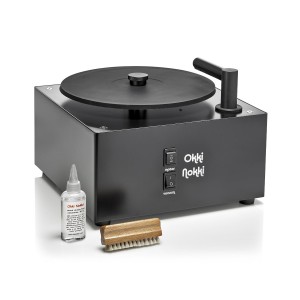
Okki Nokki Record Cleaning Machine ($499)
“It’s built like a tank. It looks like a big, heavy record player without a tone arm. You put a record on it and squirt some cleaning solution on it. Then you turn it on and the record spins. You scrub it gently with a goat hair brush. Then, you turn on the vacuum feature and it sucks up all the fluid and dirt in a couple revolutions. It’s amazing, really, how clean it makes the record.”
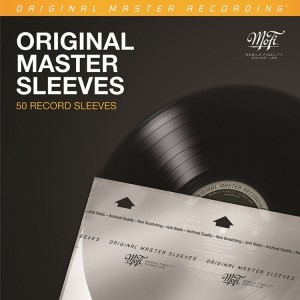
Polylined paper sleeves ($25)
“My son and I always joke that we can take a record that he’s dug out of the dollar or five dollar bin, give it a good cleaning, put a new inner sleeve to replace whatever moldy thing is in there … and it would be for sale at one of the hipster record stores in San Francisco Mission District for $25. … I buy these in bulk.”
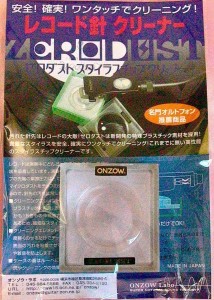
Zerodust Onzow stylus cleaner ($35)
“This is a luxury, admittedly, because they’re like $35 and it comes from Japan … It’s this little square plastic container with this lump of solidified gel. It feels kind of like Jello, but a little firmer … you basically dip the stylus into the gel and lift it back up, and whatever was on the needle is then held in suspension in the gel. … I’ve had mine for three years and it’s basically as good as new.”
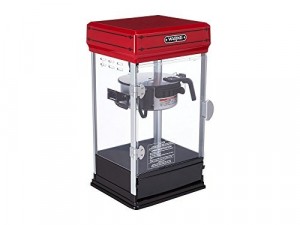
Waring Kettle Popcorn maker ($80)
“We got this because my daughter, who’s seven, really digs popcorn. She would eat it all day long if she could. My wife actually came up with this idea as a Christmas gift for her. The way it works is you put in the kernels, and then you put in the oil. We use peanut oil, it tastes really good with it. You turn it on and it just starts popping. The popped corn pushes the lid of the kettle and falls into the hopper. It tastes good. And it’s super easy to clean. There’s this little tray at the bottom of the hopper and you just brush all of the unpopped kernels into that and take it out and dump it. Then you pour like a half a cup of water into the kettle and turn it on and it boils very quickly. It just gets rid of all the burned on stuff, if there’s any, then you wipe it out with a cloth.”
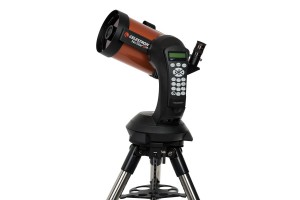
Celestron NextStar 5SE Telescope ($599)
“It’s got a computer and motors so you don’t even have to program anything. You turn it on, and use a handheld device, that looks like a phone handset, to steer the telescope to objects in the sky. You can pick an object out of the database and it’ll move the telescope to point at that object. You can point the telescope yourself and it’ll tell you what it is that you’re looking at. It gives you a whole new relationship to the night sky.”
Among European and Western culture, Polish cemeteries are unique. In a remarkable display of remembrance, they are often lavishly covered in flowers, pictures, mementos and candles, particularly around Roman Catholic holidays and especially on All Saints' Day. Strangers will often look after graves of non-family members; it’s rare to see an uncared-for or unclean tombstone.
The Polish word “zakopane” translates into English as "buried," so it should be no surprise that one particularly notable Polish burial ground can be found in the popular ski resort town of the same name.
The Old Zakopane Cemetery (as it is commonly known), or Pęksowy Brzyzek (its actual name, meaning roughly "Pęksa's Brook"), sits behind the old wooden Church of Our Lady of Częstochowa. The hallowed grounds contain over 500 grave sites. Some of Poland’s most celebrated denizens—particularly those hailing from the surrounding Podhale region in the Tatry mountains—can be found among those interred in the cemetery. Among the honored dead are Polish war heroes and Nazi resistance fighters, who lie side-by-side with authors, architects, mountain climbers, poets, musicians, artists, scientists, and engineers.
What really stands out are the stylistic representations of the grave markers themselves. In a stark contrast to traditional cemetery plots, the burial sites in the Old Zakopane Cemetery are adorned with memorials carved from raw rock and metal, or built in the form of tall wooden totems and sculptures. These monuments to the departed are true pieces of art in their own right, incorporating gnarly branches and moss-covered boulders, sudden visionary protrusions festooned with names and dates. The effect is a dreamy, magical, fairytale environment, with the impression that the entire ensemble is growing organically from the ground.
On November 14th, we’ll get the closest full moon since 1948, and it won’t happen again for 18 years. If you want to snap a photo of the moon in all its glory, be prepared. Here’s how to take a picture of next week’s supermoon that will do it some justice, and may even be wallpaper-worthy.
Entire lifetimes have come and gone without the moon looking quite as large as it will this month.…
Read more Read more
Start With the Right Camera and Lens
The moon looks beautiful, big, and bright. You snap a pic with your phone and take a look. Wow. You might as well have photographed a speck of dust because that’s what it looks like. If you’ve ever taken a photo of the moon with your phone, you know this feeling. It’s pointless.
The biggest and most obvious reason your moon photos suck is that the moon is just so far away. It’s hard enough to take a decent smartphone picture of your cat across the room, much less something that’s 238,900 miles away. Granted, the moon is much, much bigger than your cat, but still, it’s a long way from your camera.
You can’t take a great photo of anything that far away with your smartphone because, despite all its other cool settings, your phone’s zoom and focal length just aren’t designed for it. In basic terms, focal length is the distance between a lens and its focal point. Most decent photos of the moon are taken with telephoto lenses with focal lengths of at least 300mm. The capture in the video above, for example, was taken with a 500mm lens. By comparison, your phone’s focal length is probably about 20mm. Smartphone cameras and point and shoots are designed to be compact and convenient enough to fit in your pocket. They’re just not built to handle the same functions as a DLSR, mirrorless camera, or any other camera with interchangeable lenses.
Dear Lifehacker, I've got a DSLR that came with a regular zoom lens. It's fine, but I…
Read more Read more
However, there are detachable smartphone lenses available that come with optical zoom. As you can imagine, those aren’t that powerful either, but you can get slightly better shots with them. They won’t be amazing, but they’ll be better than what you would get otherwise.
You’ll have better luck getting a decent picture of the moon with a DSLR, or EVIL (electronic viewfinder with interchangeable lenses) camera, like a mirrorless. These cameras are equipped to handle better lenses. For lunar photography, you’ll need to rent or buy one of those 300mm or higher lenses we mentioned. Prices can range from about a hundred bucks to a couple thousand bucks. Here’s a low-end one I recently bought for my DSLR. It’ll do the job, but it’s nothing special.
On the other hand, some cameras have pretty good built-in optical zoom that can get great shots even without a lens. For example, the Nikon P900 takes impressive pictures of the moon, as you can see in the above image.
Choosing a digital camera used to be a simple process that was heavily dictated by the amount of…
Read more Read more
Adjust Your Camera’s Exposure Settings
Basic, boring photos of the moon also look crappy because the moon is so bright. That’s why it looks like a big blurry light bulb in your photos, lacking definition, or those clear features on the surface you’re probably trying to capture.
If you want to get even a hint of the moon’s craters and shadows, you have to adjust your camera’s exposure settings. You could use your camera’s metering mode for this. This function usually found in your exposure settings and it measures and analyzes the light of particular area to adjust your settings so that the area is properly exposed. With spot metering, you choose a smaller area. Instead of the night sky, your camera will focus on a specific spot (the moon) and adjust its exposure accordingly. It’s easy to adjust these exposure settings yourself, though.
Your camera’s exposure depends on three factors: aperture, shutter speed, and ISO speed, also called the “exposure triangle.” Here’s what each of those three settings mean and how you should adjust them to get your moon photo.
Aperture
Aperture is the amount of light your lens lets in and it’s measured in f-stops. The wider the aperture, the lower the f-stop (f/1.0 is pretty wide). Narrower apertures will have a higher number, like f/11. In fact, f11 is the ideal aperture for moon pictures. There’s even a name for it in lunar photography: the Looney 11 Rule. This narrow aperture doesn’t let too much light in, which is ideal, since the moon is super bright. According to Wired, you’ll at least want to stay in the range of f8 to f16. You’ll be able to pick up more detail, like craters and shadows. The downside is, if you want to get the surrounding landscape in your photo, you probably won’t be able to see it because your aperture is so narrow. We’ll tell you how to fudge this later, though.
Shutter Speed
Your camera’s shutter speed determines how long your camera’s sensor will be open to let in the light. The faster the shutter opens and closes, the less light it allows. When you have a long shutter speed, you let in a lot of light. Shutter speeds are measured in fractions of a second. For the moon, you want a speed around 1/125 to 1/250 second. The moon is already bright, so you don’t need to keep your shutter open that long.
ISO Speed
ISO determines how sensitive your camera’s sensor is to incoming light. The higher the ISO, the more sensitive it’ll be to light. If it’s dark, you can take a brighter picture without a flash by adjusting the ISO upward. The problem is, this typically makes your photo really grainy, too. When shooting the moon, you usually want a lower ISO (about 100-250) since the moon is super bright.
Full moon: Shutter speed at 1/125, aperture at f/11, and ISO 250
Quarter moon: Shutter speed at 1/60, aperture at f/11, and ISO 250
Thin crescent moon: Shutter speed at 1/15, aperture at f/2.8, and ISO 250
Of course, you’ll want to play around with the settings a bit to see what yields the best results. These ranges should get you in the ballpark, though. Also, make sure your camera is in manual focus so you can the clearest shot possible. Focus on the moon, then shoot. You also want to use a tripod to make sure the image is stable and not blurry.
If you’re shooting with all of your camera’s settings on automatic, you’re missing out. Your ISO…
Read more Read more
Choose the Right Environment
Barring a bunch of Photoshop tricks, your picture of the moon can only be as good as it looks in real life. If it’s obscured by a bunch of clouds, you’re not going to get as good of a shot. For a truly striking photo, you might even want to drive a little out of the city so there’s less light pollution to contend with.
You may want to wait until it’s pitch black so you can get a really bright and clear shot, too. On the other hand, as Wired points out, the moon looks bigger when it’s near the horizon, so you might also want to try within an hour of sunset or sunrise.
Finally, keep in mind: a decent image of the moon often means a terrible image of your surroundings. The moon is very bright, after all, so when you underexpose for that brightness, anything around you will be dark, since these surroundings aren’t as bright as the moon. You’ve probably seen images where both the moon and its surroundings are exposed beautifully, though. That’s usually because photographers take two separate photos and merge them.
First, you take a picture of the moon with the proper exposure settings, then adjust to expose the rest of the scene. In the second picture, the moon will look terrible, but you can layer and blend the two images in Photoshop (here’s a good tutorial). If that’s too much work, just try to add some basic composition, like the photo above, where you keep the focus on the moon and minimize the background in the shot. Photograph it with the silhouette of some trees in the foreground, for example.
With the right kind of camera and lens, you can get beautiful pictures of the moon, even if you’re not a professional photographer. If you don’t have access the right camera or lens, renting might be a better option, especially if you’re just interested in photographing specific events.
For many, it’s their biggest meal of the year. Where will you eat on Thanksgiving Day? Check out these top-notch options. Atlas Served from 4 p.m. to 9 p.m., Atlas’s three-course prix fixe Thanksgiving dinner costs $70 and may include items like crown-roasted turkey breast with herb-roasted sunchokes, mushroom and leek dressing, and truffled pan gravy. The St. Regis Atlanta, 88 West Paces Ferry Road, 404.600.6471 Lobby Bar and Bistro Enjoy a family-style feast from 11:30 a.m. to 6 p.m. The menu includes garlic butter green beans, charred honey ginger carrots, sage and thyme roasted turkey, and pineapple upside-down bread pudding. The cost is $45 for adults and $19.50 for ages 6-12. 361 17th St., 404.961.7370 Oak Steakhouse Oak Steakhouse is offering a traditional, three-course meal from…View Original Post
Inspired by the elevated huts local farmers use to keep watch on their crops, the Estate Bungalow takes this simple idea and elevates it further, not just in height but...
Set among the Redwoods in Sonoma's wine country, Autocamp allows you to enjoy the pleasures of camping without all of the hassle. Their luxury campsite is made up of 24...
There a tons of ways to access and share your memories in your home, like smartphones, tablets, and TVs. None are quite as simple as the Loop Connected Photo Display....
Offered from the collection of Japanese collector Tad Soto, this Nikon 1 Vintage Camera isn't just "vintage": it's the earliest known surviving production Nikon in the world. Just the third...
Designed for use without a permanent foundation, Ark Prefab Cabins are turnkey getaways you can place anywhere you want. The sides of the distraction-free box fold open, merging the interior...
As a people photographer, I am not a specialist in photographing still forms like architectural structures and interior spaces. However, because I photograph weddings, I often take photos of interiors and locations as part of the wedding photos I give my clients. This is essentially how I learned to develop an eye for detail, form and structure as part and parcel of my work.
Let me share with you a few tips I have learned that will hopefully get you started in photographing interior spaces and architecture if you are a people photographer.
#1 Use natural light
One of the advantages of still photography is simply that – nothing moves. You can leverage this by playing with your settings, especially the shutter speed. With the camera rested on a tripod or a table, you can play around with very slow shutter speeds to maximize capturing ambient light even in very dark corners, limited light, or night interior photography. If there are lamps and lights that make up the overall ambiance of the room, include them and take advantage of slow shutter speeds and long exposures. You can also keep your ISO low this way and have the bonus of clean noiseless images.
It is important to remember that for interiors, you should aim for balanced lighting. Meaning there are no overly dark shadows or overly bright highlights. You want to see the detail in dark areas but not blow out the light areas altogether. Because we are talking about natural light, think about which times of the day which best feature the interior space. Early morning and late afternoon light are the softest. Overcast days produce soft light. Bright super sunny days produce harsher light especially midday and therefore you may want to take into consideration shadows produced in the interior from harsh outside light. In contrast to photographing people, I would normally use these shadows as an artistic element of the photo. Interior spaces however are different and this may not always be appropriate.
Early morning and late afternoon light are the softest. Overcast days produce soft light. Bright super sunny days produce harsher light, especially midday. Therefore you may want to take into consideration any shadows produced in the interior from harsh outside light. In contrast to photographing people, I would normally use these shadows as an artistic element of the photo. Interior spaces, however, are different and this may not always be appropriate.
#2 Don’t forget your 50mm lens
Not only is the 50mm lens the closest lens that resembles the human eye (when using a full frame camera), it is also the perfect lens to separate some areas and details of the space without going in too close. In a way, it is an excellent “portrait” lens for spaces, whereas my 85mm is my choice of portrait lens for people.
When using wider lenses, I find I have to correct quite a lot of distortion on the edges of the frame. With the 50mm this is hardly an issue. The results are pleasing to the eye and it evokes a very natural look, making you feel like you are within the actual space yourself.
#3 Get the white balance right
This is tricky and the nemesis of many photographers. Most non-photographers are oblivious to white balance. This is especially obvious in weddings where the bride’s dress looks blue and people’s faces register as magenta, yet hardly anyone notices.
When I sold my house a few years back, the real estate agents who boasted of great property photography sent a photographer to my house to take some professional pictures. She arrived with a camera on the tripod and a flash head pointed slightly upwards. The lens used was very wide – I guessed around 10mm or 14mm. It took many days before the photos were up online, when finally I saw them, they were all very blue. My home felt so cold and not homely. One of the reasons for that was the incorrect white balance.
Personally, I prefer a warm feel to all my photos so I tend to edit towards that side. But do be careful that the whites still look white and not yellow or cream. Remember that what often draws people to an image is a feeling or emotion. Your image becomes all the more powerful if it reminds the viewer of a sentiment, experience, or something that resonates with them. White balance is key in helping achieve this kind of engagement with your viewer.
#4 Remember to go close, not just wide
Nowadays, when you browse through interior design catalogues or blogs, you will come across many interior details, arrangements and vignettes that do not show the entire space. Everyone is doing it from high street department stores to high end interior designers. There must be a good reason for it. In order to reinforce engagement and a connection to your audience, details are essential.
Imagine walking into a space, or that you are viewing a house for the first time. Before you walk though the door, you survey the outside look of the property and its surroundings. You do the same as you walk in, surveying the overall scene before your eyes. But when you are inside you get closer and see the details.
You may want to touch and feel the walls, flip some switches on if they work, or sit on the sofa with fluffy scatter cushions. You want to get close, touch and feel things. It is not only a visual connection then, it becomes physical. This is the sense you want to achieve with your images when the viewer is not physically in the space. That is why close up shots and details are important.
Conclusion
With photography, aim to connect with your viewers not only by using visual senses but also with the power of emotion. If you can add a virtual physical touch to this engagement, all the better. When viewers look at your images and say, “I feel like I was actually there.” take that as one of the highest compliments.
I hope you enjoyed this little beginner’s journey into interior photography. Of course there are many more tips like straightening horizons and shooting through doors. If you have any other awesome tips, do share them here in the comments below.
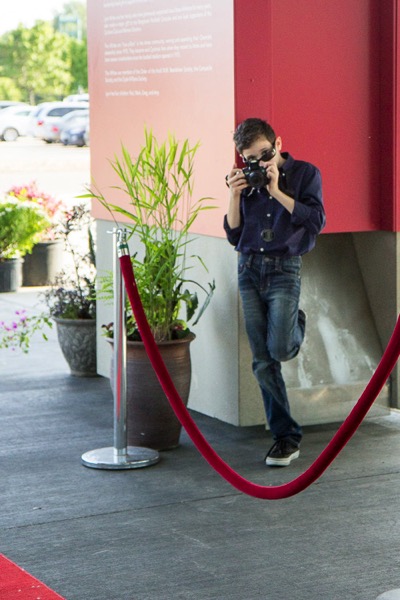
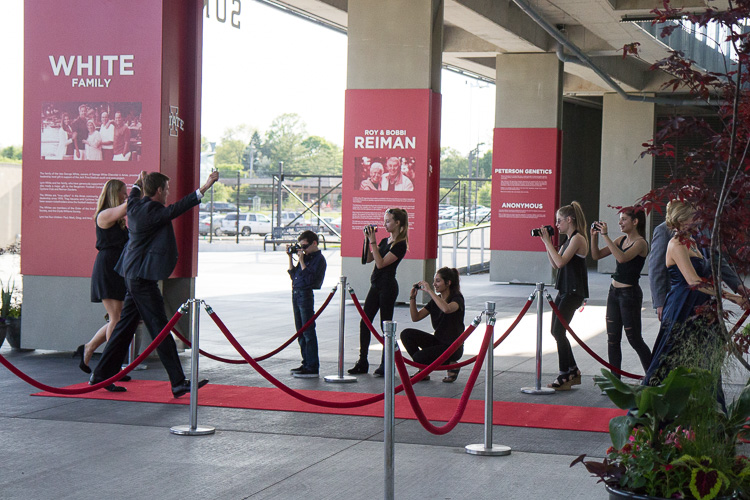
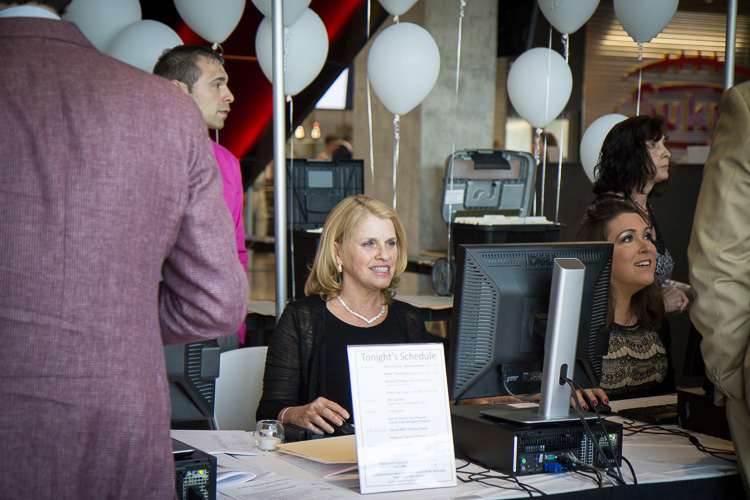
Have you ever wanted to be a fly on the wall? To see the behind-the-scenes of amazing events and activities? To meet influential or interesting people? If so, candid event photography may be the thing for you!
While wedding photography is technically event photography, that is not our focus here. There’s just something different about wedding photography. It’s more pressure, higher stakes, more intensity. In this article we are going to focus more on other types of events – social, corporate, family, religious, and others, that can broaden your experience (and line your pocketbook!).
Getting Started
Unless you are an event planner or have an “in” already, sometimes it can be a little hard to break into event photography. You are probably going to have to volunteer for a few events to get started.
Are you or any of your immediate family members part of an organization or club? This can be absolutely anything – PTA for your child/grandchild’s school, a community fraternal organization, a slow-pitch softball team, your place of worship. Do they have any big events that they feature regularly or annually? Ask if they would like some free event photography. The good thing about doing free photography is that it lets you practice and hone your skills without feeling like you’re wasting someone’s money if your photos aren’t perfect.
Communication is Key
Before the event, work with the event coordinator in advance. A phone call, or thorough email, is usually sufficient, but you may also want to meet in person. You’ll want to ask some key questions, if they don’t have the information readily available such as:
“Is there an itinerary for the program? Can I receive a copy in advance?” If you’re anything like me, you’re a planner. You want to know in advance exactly what is going to happen, and ideally, where. That way, you can make sure that you’re lined up to catch the keynote speaker or the moment when an honoree receives their award. This isn’t just a matter of convenience for you, it helps you make sure that you are able to provide the shots that will help the group remember their event (or, if appropriate, to market it for the future!).
Who to photograph
“Who are the key people I should photograph?” Unless you’re a seasoned veteran of the event you’re photographing, you might not know who the big players are. I recently photographed a big charity gala for the biggest hospital in the area . Some of the attendees were CEOs of companies, coaches of Big 12 sports teams, mayors, and councilpersons. By receiving the names of the key attendees in advance, you can do a Google Image search for them (yeah, I know it sounds super-creepy) so that you can recognize them on-site.
“Who or what should I avoid photographing, if anything?” Nobody really wants to get into a situation where the person being photographed becomes belligerent or aggressive. You also don’t want to photograph a moment that is supremely personal if that is not desired. There are many events where you don’t need to ask this question, but keep it on the list for more personal events (such as family or religious ones). Don’t be paparazzi!
What to photograph
“How many/what kind of pictures would you ideally like?” I try to provide as many photos as possible to my clients because everyone’s tastes vary so widely. However, this can be really overwhelming for some people who are under time constraints, or who really only want photos of a certain portion of the event. Figure out their ideal amount and try to stick to it.
“Is it okay if I use any of these photos in my business advertisements or on my web page in the future?” It can essentially be free advertising if you can use these photos to demonstrate your abilities.
“When are you setting up for the event? May I stop by early for some test photographs?” Unless you want to take every flash, diffuser, and lens you own, you want to get a feel for the venue in advance. It’s ideal if you can get some test shots using the same lighting (whether it’s natural or artificial) and see how they come out. This will not only help you decide what gear to bring, but it also saves you time on the day of the event. Having to readjust your camera settings to accommodate the environment, get your ISO correct, decide on a lens, etc., all take time. This will make you look more professional and prepared.
Work the Crowd – Tastefully
This next bit may not be appropriate for more solemn and serious occasions. For most, however, your foot is officially in the door. Be friendly and professional, make appropriate jokes or comments to appear personable and fun. Keep the attention off of you, but interact kindly with everyone you meet.
Having a camera in your hand instantly makes people more prone to smile around you, so use that goodwill to make them laugh. This will also allow you to get natural, fun shots that will please both the client and the subject of the photo. This will often lead to people either asking for your business card or asking the event organizer for your information. Make sure to keep a stack of business cards on hand, and give a few to the event organizer if they are comfortable with that.
After the event, don’t hesitate to ask the organizer if you can use them a a reference, or if they might be wiling to write you a review. You’re doing them a service, potentially for free. It’s not uncommon or inappropriate to ask for an honest review of your services.
Details, Details, Details
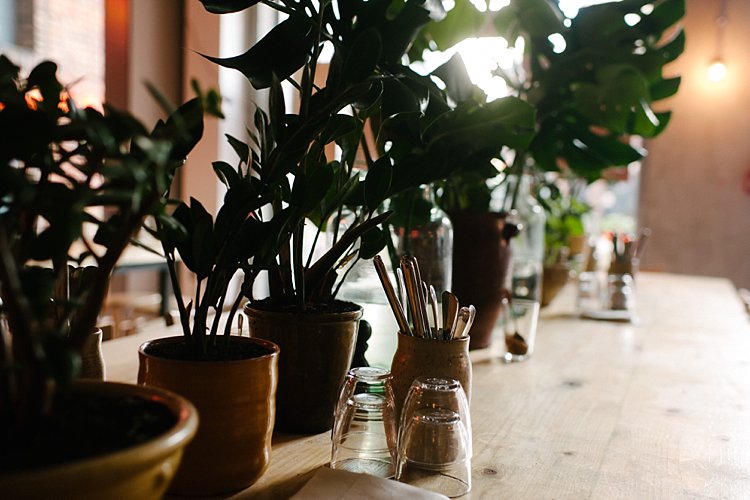
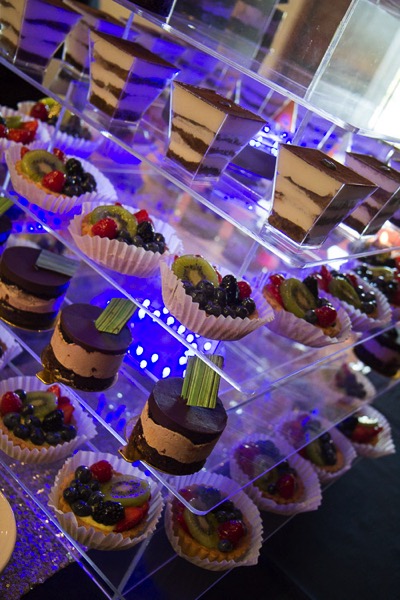
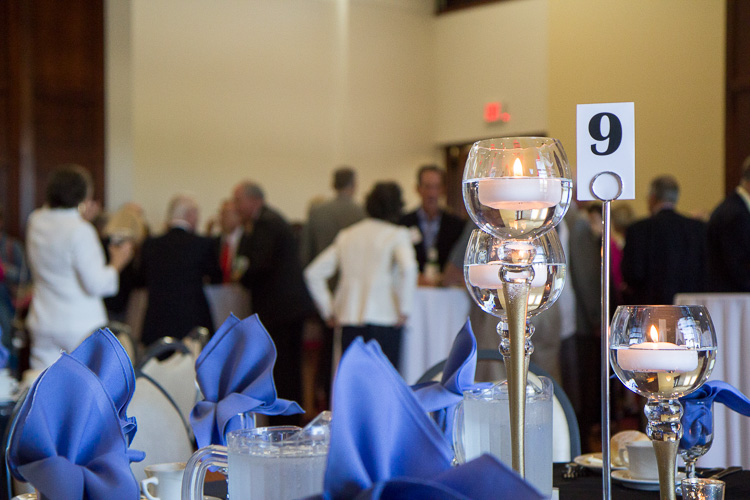
Whether you’re photographing a political dinner, a church bazaar, a birthday party, or an awards event, someone put a great deal of thought and time into making that event unique and special. Someone spent hours thinking aboutcenterpiecess and the dessert table, about the table layout, registration table, the serving stations and other details. In many instances, the people who planned the event are also in charge of hiring the photographers now and in the future, so it doesn’t hurt to get on their good side!
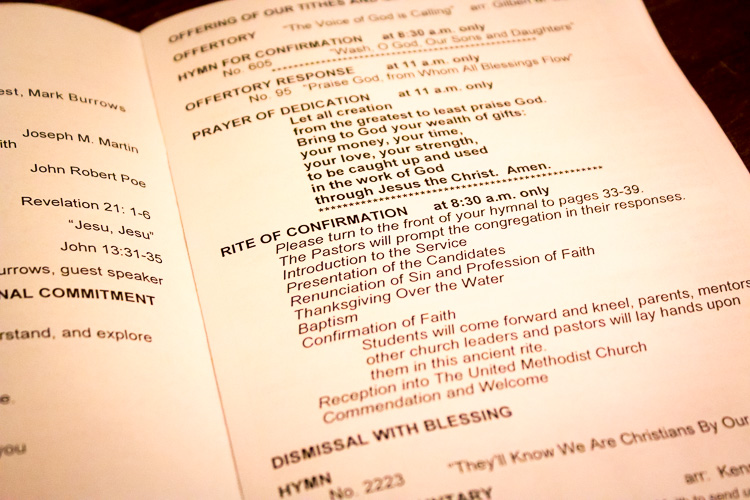
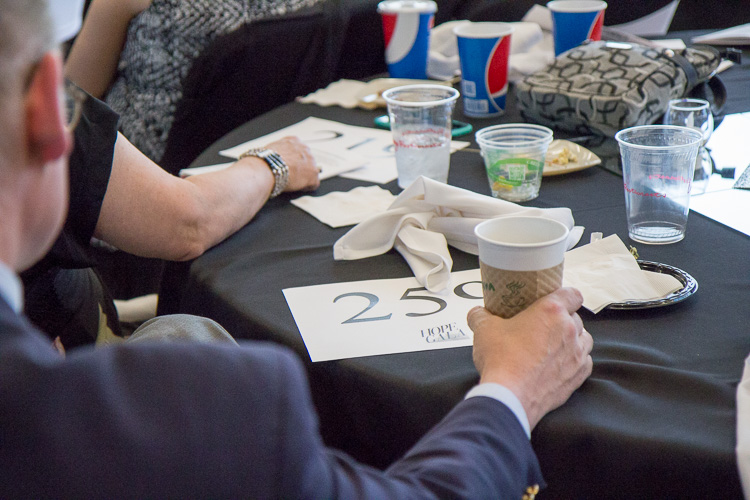
To do so, get good quality shots of the small things that went into the event to make it special. Programs, food, signage, the little things. These shots are good for remembering all of the wonderful details that were so special to them on that day, and they can also make good marketing (for a company, religious entity, charity organization, or similar) in the future. Getting them these shots gives them lots of options – this makes you more helpful and versatile, as they’re getting more bang for their buck. This ultimately makes you more marketable!
While You’re At It…
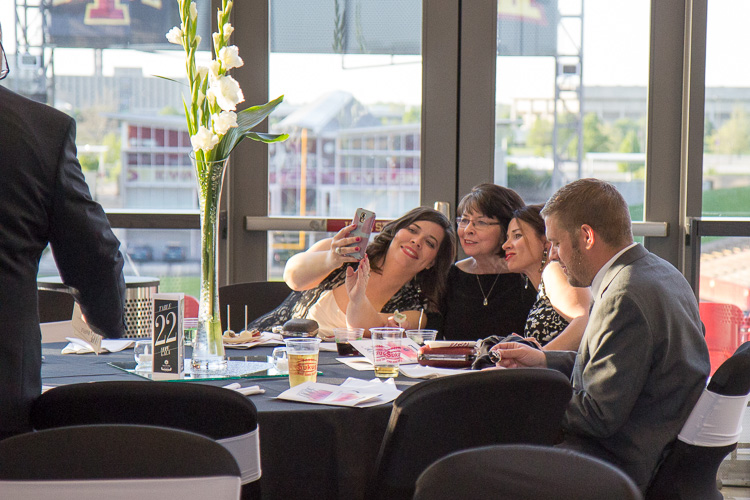
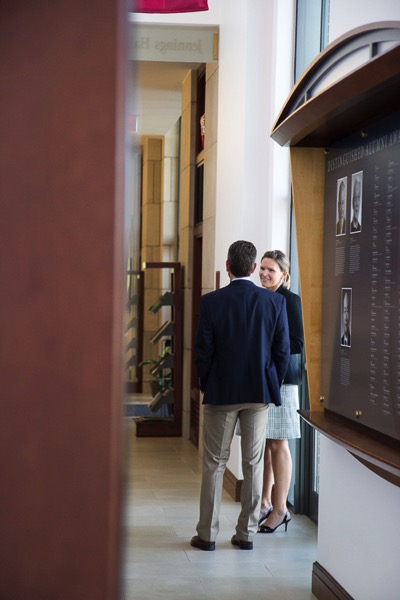
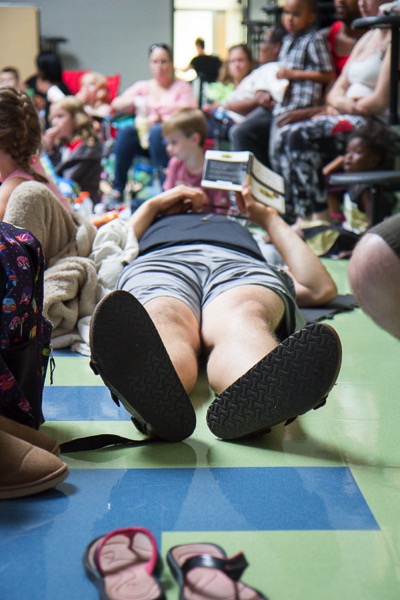
For some events, they want to get the feel of the event from the attendee’s eyes. These can be tricky to do, you may have to photograph tactfully over someone’s shoulder, or through an open door. These types of photos, however, can be used to promote events in the future, especially if they do not actually feature the faces of anyone. It’s always important to get shots of the attendees for the event, but you can also get some of these shots that are not related to a specific date and time. This gives the organization (if applicable) options if the attendees do not want their faces being used as advertisements.
Make It Artsy… But Not TOO Artsy
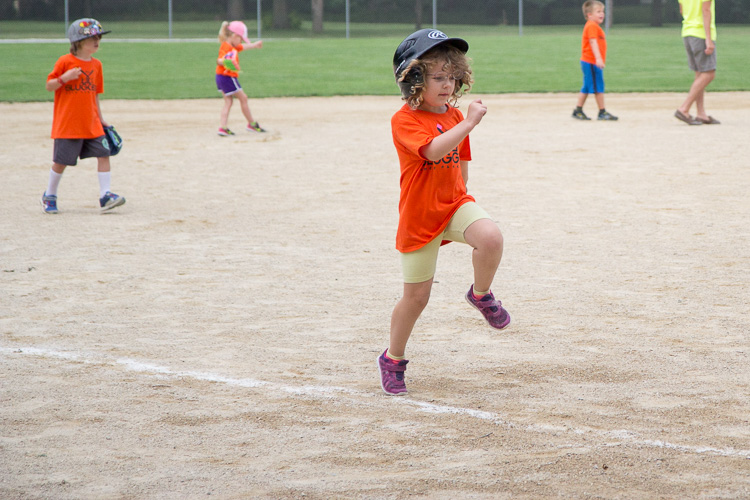
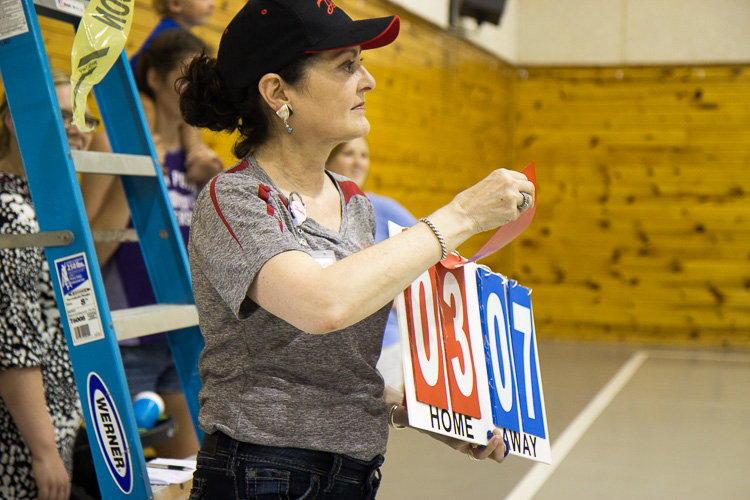
One of the biggest mistakes that I see in some candid event photography is that there is little artistic focus or composition to the photos. Yes, there will be times you’re ultimately just getting crowd shots, and those ARE important. In those instances, make sure you’re using the appropriate aperture and focal length to get everyone in focus who needs to be.
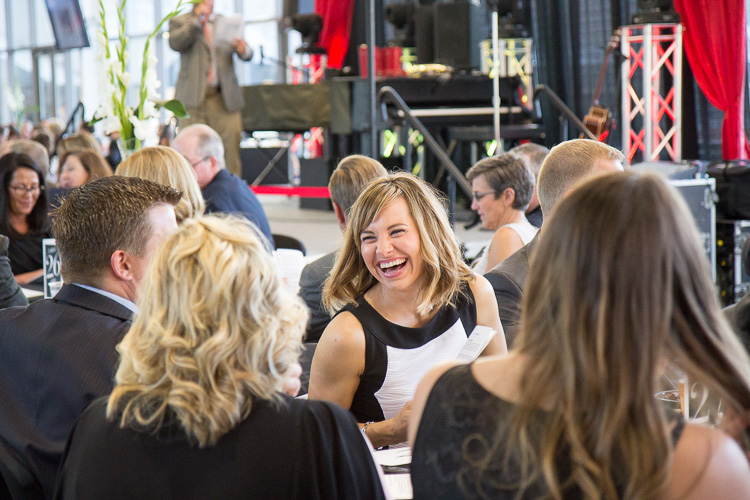
Try and catch an interesting moment, or a moment when the crowd is focused on something , when someone is the center of the crowd’s attention. This composes your photo more and draws the viewer’s eye. For shots of smaller groups, couples, or solo shots, use a wider aperture and an appropriate focal length to get more artistic portraits. Attendees like to see more personal, beautiful photos of themselves. People are predisposed to stopping and smiling for the camera, so you will end up with some staged shots. But also get images of people in mid-conversation, or engaging in activities.
You can also use a wider aperture to up your artistic factor. Is there a beautiful centrepiece that is blocking your shot of a crowd on the other side of the room? Focus on it with an f/2.8 or f/4 aperture so that your crowd in the background is slightly blurred. This will make for some interesting variety in your shots.
Not Too Flashy
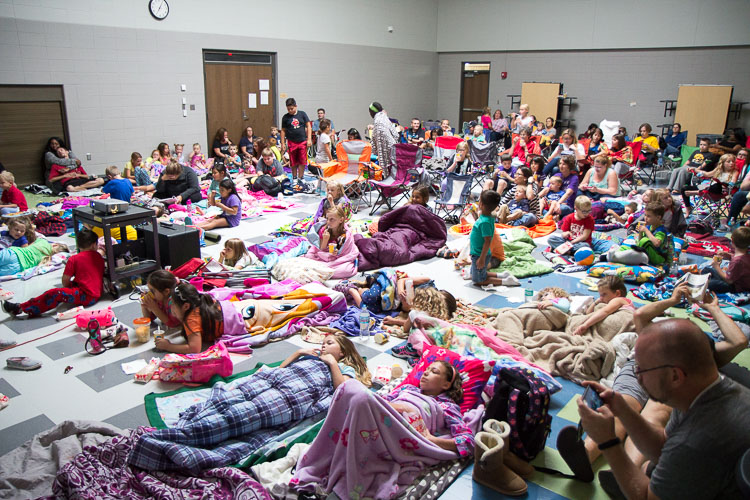
Just imagine that you are in the crowd at a movie night sponsored by the PTA. The lights have been dimmed, your eyes adjusted for the screen, and then someone’s camera flash pops right in your eyes. This exact same situation can occur at almost any event. A flash can distract from the event and disrupt not only the audience, but a potential performer or speaker. While it is usually absolutely appropriate to use a flash for group and/or staged photos to get proper lighting, it is often ideal to simply adjust your camera settings to make the available lighting work for candid photos.
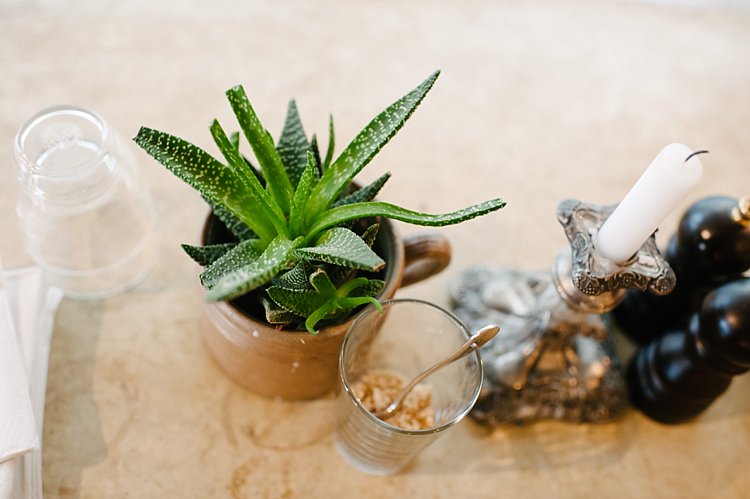
The photos below were taken at a PTA movie night just like the one I described. It was in the cafeteria of a local elementary school, with no artificial lighting other than the projector screen, and some natural light coming in through a skylight. I adjusted my ISO to 800 to accommodate for the limited light, and opened my aperture to f/2.8. Even at that, I had a shutter speed around 1/25 or 1/15 pretty consistently. If I needed to capture action (which was very limited in this sort of event), I bumped my ISO up to 1600 to accommodate it. These adjustments allowed the families to watch the film without disruption as I photographed.
Picking the Best Shots
The first time I photographed an event was at my church, and I realized during editing how much people yawn and pick their noses when they think nobody’s looking!
For a multiple-hour event, you will likely get an abundance of photos. On your first pass through, obviously weed out any photos that are fuzzy or have poor technical skills. Since these photos will represent your abilities, you want to make sure to highlight the best of them.
I always take a second and third pass through, however. Hopefully the event organizer gave you a rough idea of how many photos he or she wanted. So go through and remove any photos that are boring, or that paints the subjects in a bad light (such as picking their nose). If you still have a surplus, narrow it down on the next pass through to weed out ones with weak composition, or ones that don’t tell the story of the event well. I will then edit the remaining photos (rather than editing hundreds that I will just throw away), and export them. I usually give them another look at that time to make sure there isn’t anything I missed in my editing software.
I personally use Lightroom for editing event photography. Unless it is a statement photograph or a photo to be used for advertisement, I try to do very spare editing. These photos are not likely to be hung on someone’s wall in a large size, so you usually do not need to worry about editing out stray hairs or specks of lint. Basic adjustments for exposure and contrast, white balance, and occasionally a conversion to black and white are often sufficient.
Ready to Roll
You’re now ready to deliver your photos to your client. Be sure to provide your contact information and business cards for the future. If they indicated that you could share the photos on your website or business pages, make sure to feature them to show your amazing prowess as an event photographer.
Do you do events? If you have any other tips please share them in the comments below.
 Photograph by Johnathon Kelso Salem Camp Ground in Covington, site of one of the country’s oldest Christian revivals, started out as a brush arbor—a few poles draped with tree branches to give worshipers shade from the summer sun. That was in 1835. The Civil War was still a generation away. Covington was a new town with a fledgling square a few miles down the road from Salem. There was no railroad. Atlanta was a full day’s ride by horse. Worshipers would sleep under the wagons they rode there or use the wagon sheets as tents, their horses tethered nearby. Times have changed. On a steamy Sunday morning in July, it took me just 35 minutes to get there from Atlanta. The campground sits a stone’s…View Original Post





 (Image credit: Byron Eggenschwiler)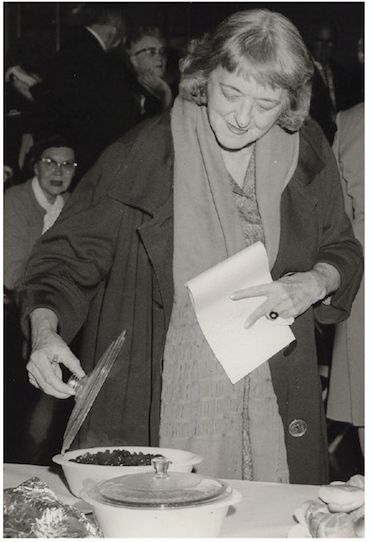
 The article above by Linda Rodriguez McRobbie appeared in the November 2015 issue of mental_floss magazine. It is reprinted here with permission.



 For many, it’s their biggest meal of the year. Where will you eat on Thanksgiving Day? Check out these top-notch options. Atlas Served from 4 p.m. to 9 p.m., Atlas’s three-course prix fixe Thanksgiving dinner costs $70 and may include items like crown-roasted turkey breast with herb-roasted sunchokes, mushroom and leek dressing, and truffled pan gravy. The St. Regis Atlanta, 88 West Paces Ferry Road, 404.600.6471 Lobby Bar and Bistro Enjoy a family-style feast from 11:30 a.m. to 6 p.m. The menu includes garlic butter green beans, charred honey ginger carrots, sage and thyme roasted turkey, and pineapple upside-down bread pudding. The cost is $45 for adults and $19.50 for ages 6-12. 361 17th St., 404.961.7370 Oak Steakhouse Oak Steakhouse is offering a traditional, three-course meal from…View Original Post
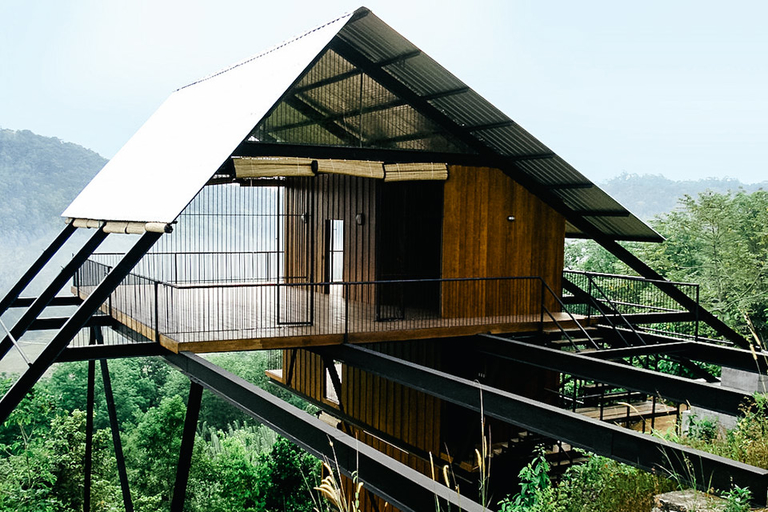 Inspired by the elevated huts local farmers use to keep watch on their crops, the Estate Bungalow takes this simple idea and elevates it further, not just in height but...
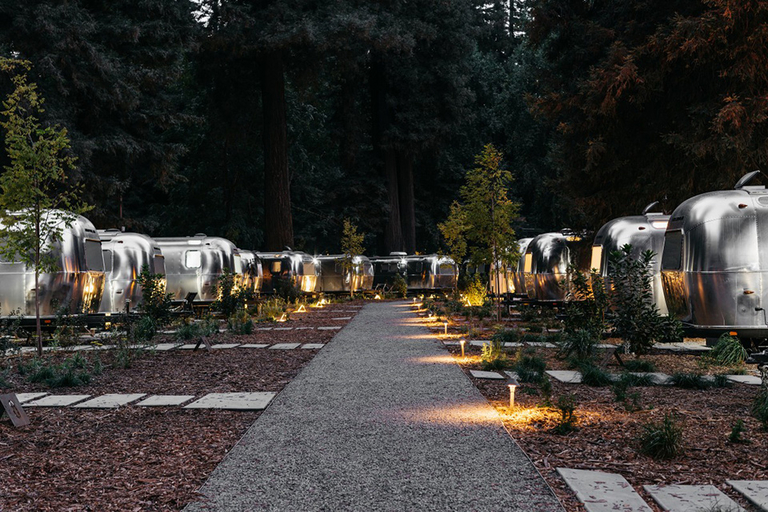 Set among the Redwoods in Sonoma's wine country, Autocamp allows you to enjoy the pleasures of camping without all of the hassle. Their luxury campsite is made up of 24...
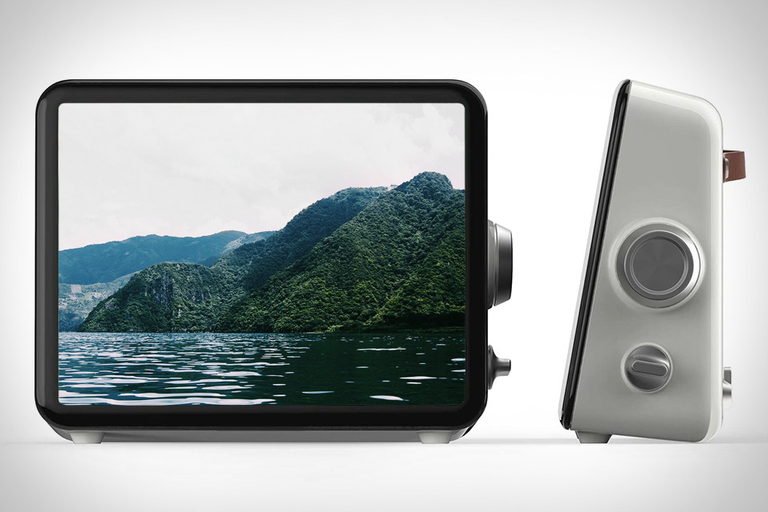 There a tons of ways to access and share your memories in your home, like smartphones, tablets, and TVs. None are quite as simple as the Loop Connected Photo Display....
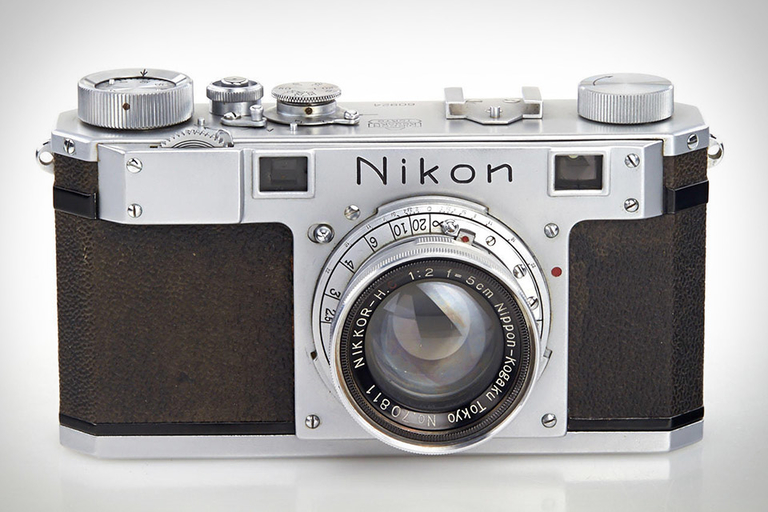 Offered from the collection of Japanese collector Tad Soto, this Nikon 1 Vintage Camera isn't just "vintage": it's the earliest known surviving production Nikon in the world. Just the third...
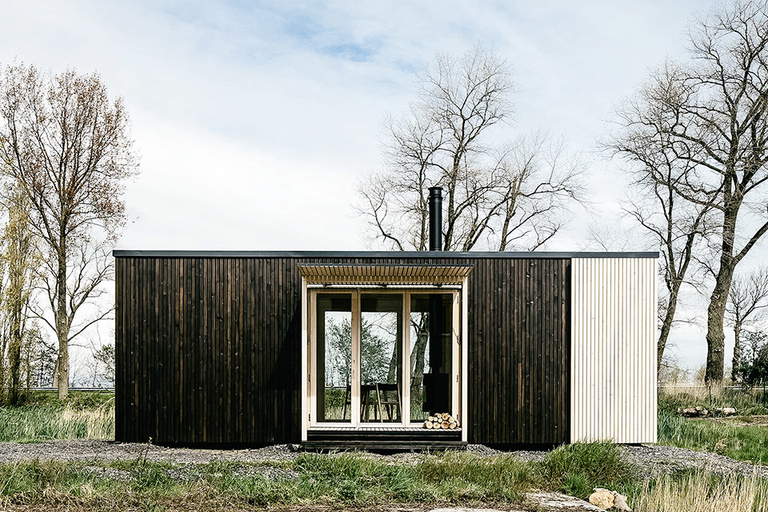 Designed for use without a permanent foundation, Ark Prefab Cabins are turnkey getaways you can place anywhere you want. The sides of the distraction-free box fold open, merging the interior...