Visit Uncrate for the full post.





We discover what sport fishing is like along arguably the least-fished Pacific coast in the tropical Americas.
 Photo by Christian Holzinger on Unsplash
When you're just starting out in photography, there can be many things that might overwhelm you.
Learning to use your camera is certainly one of them. Developing your creative eye is another. But with practice, these things become second-nature.
A different type of struggle that some photographers experience is simply trying to figure out what kind of photographer they want to be.
Is landscape photography the best type of photography? Or is it portraits? What about macro or street photography?
The answer is that there is no "best" genre of photography. Instead, you have to figure out which popular photography genre is the best fit for you.
Below, I've outlined 19 different types of photography to help you quickly explore which of these genres might be most appealing.

One of the most popular types of photography styles, landscape photography is all about capturing the beauty of nature.
Though many landscape photos are wide-angle, sweeping shots of a landscape, there are plenty of opportunities for vertical landscape photography and even photos of very small vignettes in a larger landscape that highlight the details of the natural environment.
Landscape photography is also perhaps the most accessible as well. All you have to do to find a subject is head outside!
Explore our collection of landscape photography tips.

I like to think of weather photography as landscape photography on steroids.
Instead of focusing on the serenity of nature, weather photography puts extreme weather events front and center.
Though most people think of tornadoes and thunderstorms when they think of this type of photography, it also includes blizzards, sandstorms, rainbows, and hurricanes, just to name a few.
Needless to say, photographing weather can be very dangerous, but if you play your cards right, you can get spectacular photos and keep yourself safe at the same time.

The misconception about astrophotography is that you have to have a mountain of expensive gear to get high-quality shots. That's just not the case!
Instead, you can take epic photos of the night sky with essential astrophotography gear, like a DSLR or mirrorless camera, a fast lens, a tripod, and a remote shutter release.
Common problems with this type of photography include getting stars nice and sharp and understanding how to compose astro photos in a way that's compelling. It helps to have mad post-processing skills too.
But, as you can see above, when it all comes together, there are opportunities to create truly incredible photos.
Use these astrophotography tutorials to get started!

Of course, not all landscapes involve mountains, rivers, foul weather, or stars - there's a whole other world to explore with your camera underwater.
Granted, you'll need some additional gear to make underwater photography a possibility, but the reward waiting for you beneath the surface of the water can be epic.
So, grab a GoPro and a snorkel and see what you can find just under the water's surface!

If you ask me, wildlife photography is one of the most difficult photography types to master.
That's because more than just about any other kind of photography, photographing wildlife requires an abundance of patience, and that is not something I have.
Though you might have to wait for hours and hours in a blind for that perfect moment, the payoff can be truly magical and breathtaking photos of animals.
Fortunately, to get started in wildlife photography, you don't have to trek to some distant mountaintop. Start practicing in your backyard with your dog or the local park with birds to develop your skills.

It seems like not that long ago, the types of photography shots that were available to most of us were those found while standing on the ground (unless you had a plane or helicopter handy).
But, with the development of drones in recent years, now any of us can take to the skies and get started in aerial photography.
For me, this type of photography involves photographing landscapes from a much different perspective than I normally do.
But aerial photography isn't limited to landscapes. Instead, you can use drones to take killer photos of anything from wildlife to weddings, real estate to sports.

One look at Instagram and you'll quickly realize that one of the most popular photography types is travel photography.
Travel photography encompasses all sorts of other types of photography - landscapes, portraits, wildlife, and street photography among them - and as such, it has broad appeal.
The beauty of this kind of photography is that it helps showcase different places and peoples and helps us all feel a little more connected to one another in this big, beautiful world. It's not all that difficult to get started in travel photography, either.
Besides, who wouldn't like to travel the world taking photos? Talk about one of the most ideal photography careers!

I like to think of architecture photography as urban landscape photography. By that, I mean that instead of photographing natural elements, you're capturing the beauty of manmade structures and exploring how they've changed the urban landscape.
Though I enjoy a good shot of a city's skyline, there's something even more compelling about the detail-oriented shots of buildings.
Whether it's a beautiful arch or a gargoyle perched on high, there are plenty of opportunities to accentuate the beauty of humankind's architectural wonders.

There are many types of photography jobs that one can pursue, including real estate photography.
Obviously, the purpose of real estate photography is to make residential and commercial properties as appealing as possible.
This involves everything from perfecting the staging of the property to finding the right angles to highlight interesting features or architecture.
Fortunately, there isn't an excessive amount of gear required for photographing real estate - in some instances, you might just need your smartphone!
Get all the real estate photography tips you need to kickstart your career photographing properties!

Much like I think of architecture photography as urban landscape photography, I think of street photography as being urban portrait photography.
The whole point of street photography is to portray what life is like in the city. Often, it's done with quick snapshots without the subject knowing that they've been photographed.
The challenge with street photography is to turn simple, everyday scenes into something meaningful and beautiful. That is, you have to concentrate on how the composition, framing, lighting and so forth help you tell a compelling story about the people in your photos.

Even taking selfies out of the equation, portraiture is likely the most popular photography niche in the world.
But portrait photography is much more than simply pointing your camera at someone and taking a photo.
Instead, portraiture is all about telling the story of the person being photographed and highlighting what makes them unique.
But there are many more types of portrait photography than solo portraits, including family portraiture, fashion photography, professional headshots, graduation photos, and even sports photography as well.
Regardless of the type, for the best portraits, you have to master the camera settings for portrait photography in addition to learning the types of lighting in portrait photography.
Discover more ways to improve your portraits with our collection of portrait photography tips.

Getting married is a big deal, and so is being hired to photograph that event. Needless to say, no matter the type of wedding photography, wedding photographers have an immense responsibility, and that makes this kind of photography among the most stressful.
But being a wedding photographer isn't just about having the right skill set behind the camera. Instead, wedding photographers must be storytellers, problem solvers, and have tremendous people skills.
Perhaps the most difficult aspect of wedding photography is finding ways to get practice so you can minimize your wedding photography mistakes. Working as a second shooter is a prime option for learning the ropes as it takes some of the pressure off of you while giving you an opportunity to learn from a more seasoned wedding photographer.

From concerts to birthday parties, corporate events to the county fair, event photography encompasses a huge range of subjects.
This might include portraits of the people at the event, the food they're eating, the event space in which they're gathered, and so on.
In other words, event photography is a fast-paced and challenging genre of photography that is not for the faint of heart. You have to be ready for anything and have an array of gear (especially a range of lenses with different focal lengths) if you're to be a successful event photographer.
Ultimately, though, event photography is all about helping the people in attendance relive the event years and years down the road through the photos you create.

Fashion photography primarily exists for branding and advertisements, though as photography has become more accessible and social media has risen to prominence, fashion photography is becoming more broad-based.
Whether the purpose of the photo shoot is to create photos for a magazine or to post on Instagram, the point of fashion photography is to highlight clothing, makeup, and other fashion accessories in a way that makes them highly desirable for consumers.
Because of the need to showcase these items, a lot of fashion photos are full-body shots. What's more, fashion photographers must be experts in types of lighting in photography and have excellent portrait posing skills too.

Whether you know it as newborn, infant, or baby photography, this genre is perhaps the most rewarding.
Capturing what a newborn is like in the first days after their birth is a huge honor - and a big challenge.
Babies are unpredictable, so photographing them while they sleep is one of the top newborn photography tips to follow.
You'll find that they are sensitive to temperature fluctuations, sensitive to light, and might have accidents that require a diaper and a wardrobe change.
Being prepared for these eventualities is a must, and despite those challenges, the reward at the end of the shoot is well worth the time and effort!
Get easy-to-understand instruction on maternity and newborn photography tips.

Along with photojournalists, documentary photographers strive to depict newsworthy events in a way that helps people better understand or connect to the event that's occurring.
The focus of documentary photography is on emotionality - evoking a feeling in the viewer that makes the event more real.
Though war photography is likely the best-known subgenre of documentary photography, many other events - presidential activities, state gatherings, and national celebrations - might fall under the purview of a documentary photographer. Additionally, many documentary photographers simply seek to capture daily life, history, culture, and so forth.

Still life photography is all about creating images of objects.
In many instances, just a single object or a few objects - a bowl of fruit, for example - might serve as the subject of a still life photo.
The key to a successful still life image is having excellent lighting that casts an even light on the subject while also minimizing shadows.
Even though it might not be the most popular photography type, by focusing on the lighting, you can create an interesting scene out of even the most mundane of subjects - silverware, items on a desk, kids' toys, and so on.

If you've got a keen eye for detail, macro photography might be for you.
Photographing small objects - flowers and insects, for example - is actually a lot easier than it looks, provided you have the right gear and the right approach.
In fact, you can use your smartphone for macro photography and get pretty awesome results!
Like any type of photography, becoming a pro at macro takes time, but if you commit yourself to practicing and learning, you can create some truly breathtaking photos.

When you're just starting out in photography, your pets are one of the best subjects with which to work.
After all, they're easy to access, they'll listen to your direction (hopefully!), and you can photograph them in the comfort of your own home.
Better still, because many of the same principles of portrait photography apply to pet photography, it's a great primer for flexing your portraiture muscles down the road.
So, put your dog in his favorite costume, grab your camera, and start working on your composition skills, mastering camera settings, and storytelling abilities!
For a humorous look at these and other types of photography, be sure to check out the video above by Antti Karppinen.
In the meantime, use the information I've provided above to think about the type of photography that best suits your interests and skills.
Don't be afraid to test out multiple genres as well!
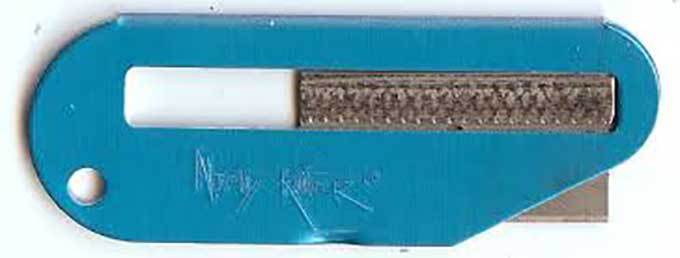
Here is the Nifty Kutter (nee HandiKutter). It is a realization of k.i.s.s. – Keep it simple, stupid. It is an aluminum holder of single edge (or I suppose double edge too) razor blades that with a simple slide of the blade brings the sharp out for action. I have used this for at least 20 years and keep it in my main desk drawer where it is a go-to for opening packages, cutting paper and anything else that needs a slicing. It has a hole in it for putting on a keychain which would be a great idea. However, I use a Swiss tech Utili-key for that. Practically indestructible in everyday life. You will lose it way before you ever wear it out or break it. Pretty cheap – and cheaper still if you buy a bunch. They make great presents or leave-behinds.
-- RJ Godin
Nifty Kutter ($2, less in bulk)
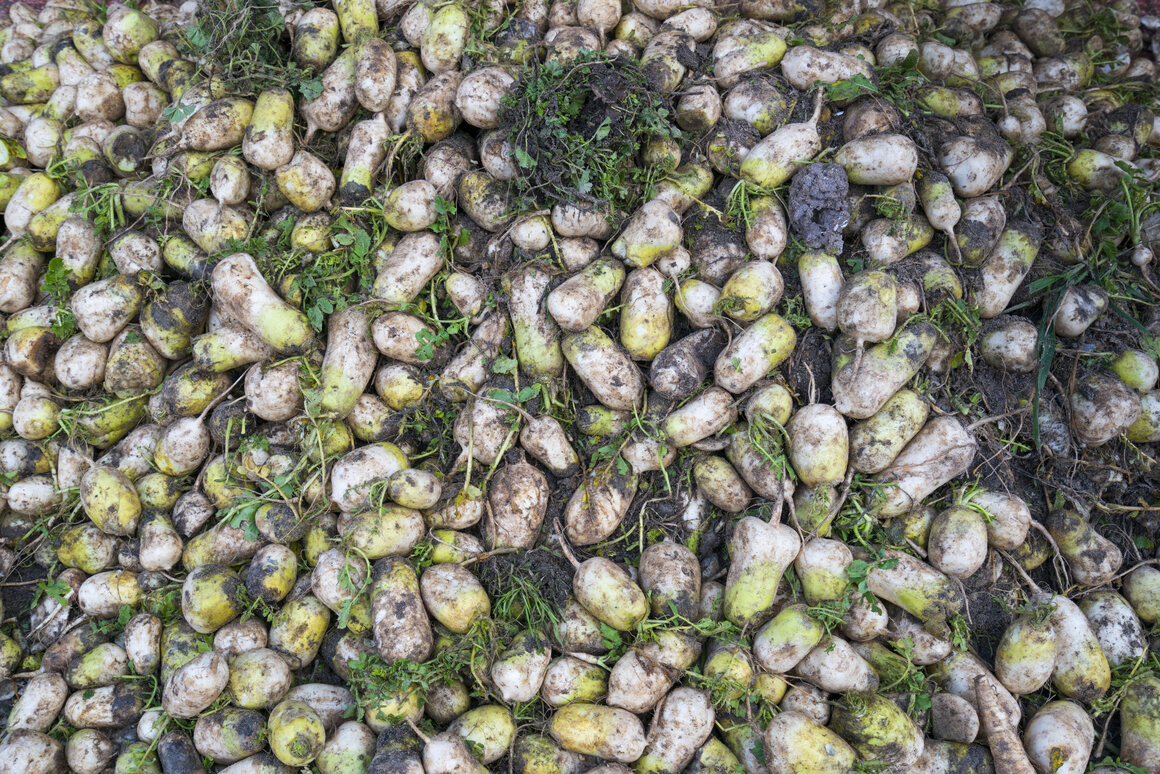
It’s a frigid winter morning in the remote mountain village of Piornal, Spain, and there is mischief afoot. The main road is eerily empty of cars. And everywhere—piled in the front of shops, rolling down gutters, floating in fountains—are turnips. The air is earthy, peppery.
Then the screaming begins. A mob shoves its way down a chute-like street into the main plaza. Close behind is the monster, clad in a suit of colorful rags, almost cute—except for the grin full of fangs and giant devil horns curving skyward. It swaggers forward, banging a drum. More people, by the thousands, pursue, chucking turnips at the monster for all they’re worth. The root vegetables ricochet off its body with astonishing velocity. The first half of the crowd, caught on the wrong side of the action, almost trample each other to avoid broken noses and black eyes. Then the monster stumbles toward a building and leans back against it. Their prey is now an easy target. Now the turnips really fly.
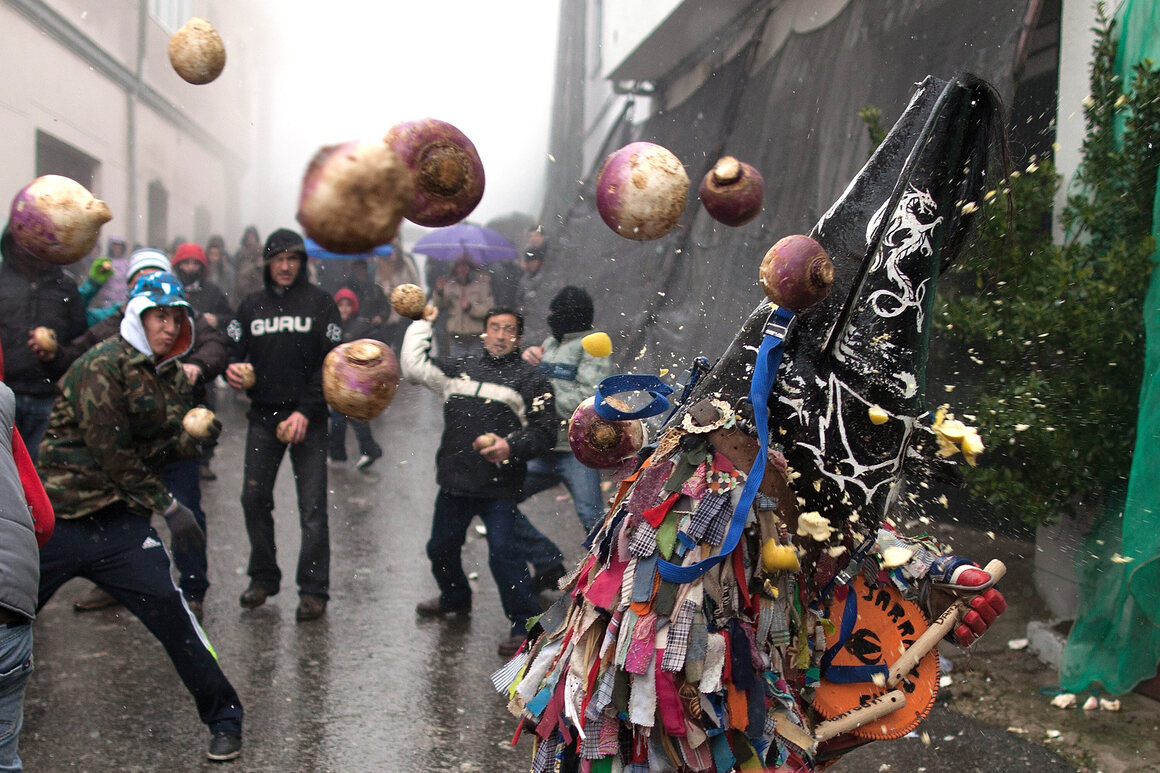
Finally, the monster throws down his drumsticks. The pelting stops. A group of men rush forward from the crowd and help lift off the heavy mask. Under the 110-pound costume, sweating and covered in turnip pulp, is a 19-year-old. His name is Adrián Moreno Serrano, but right now he is simply Jarramplas, the central figure in a unique festival of the same name that Piornalegos have celebrated every year for, well, nobody’s quite sure how long. Only one thing is certain: He has just taken the beating of his life, and he is the most important and beloved human being in Piornal.
Ask any Piornalego about the origins of Jarramplas, and the usual story involves a marauder who stole sheep and goats, and how the villagers drove him away with the only weapon on hand. But the truth, says Sebastián Díaz Iglesias, a Piornalego anthropologist who wrote his doctoral thesis on the ritual, is that nobody really knows where Jarramplas comes from. According to one hypothesis, the pre-Christian Celts who populated these mountains—due west of Madrid—thousands of years ago used Jarramplas to ritually drive out the nastiness of winter and usher in a fertile spring. (As you’re likely to be told if you attend the festivities, nabo, Spanish for “turnip,” is a common euphemism for penis.) According to another theory, Jarramplas derives from the Roman festival of Lupercalia, a fertility rite in February that had to do with protecting flocks of livestock from wolves. In the Lupercalian festival, a dog was sacrificed, and Jarramplas’s drum was traditionally made of dogskin.
At some point, as is the case with pagan festivals around the world, the ritual was Christianized, and subsumed in the feast day celebrations of San Sebastián, the third-century Roman captain who was martyred—though he was killed in a shower of arrows, not turnips. And there are other theories, too: that the ritual originated with Native Americans and was brought back to Spain by a returning conquistador, that the monster represents the “sinful” Christians who succumbed to conversion during the Muslim conquest, that Jarramplas was a ceremony to drive out the Black Plague.
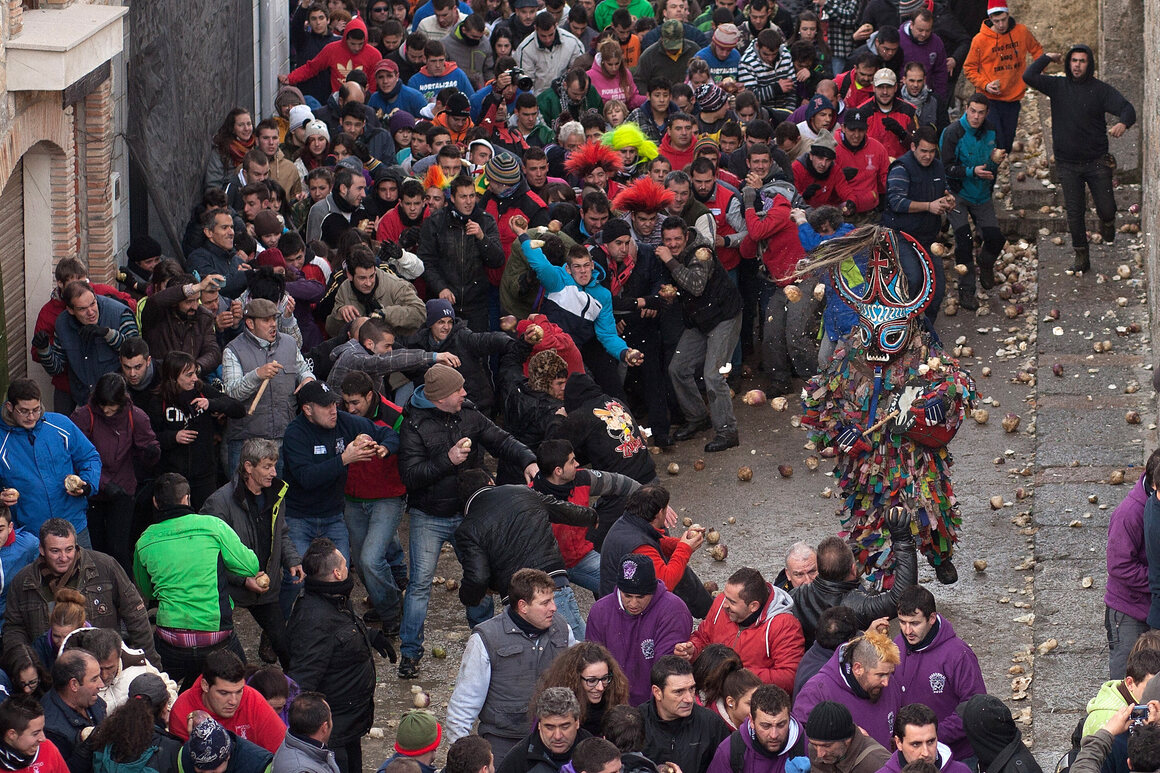
But Díaz can poke a hole in every story. For instance, Piornal wasn’t founded until the 13th century, throwing the Roman and Celtic theories on shaky ground. And according to town elders, turnips are used not because of their phallic associations, but because they are still abundant in winter (and used as livestock feed, unlike the more coveted potato). In the end, Díaz doubts the festival has a single origin. He calls it a “syncretism” of pagan and Christian traditions, with, perhaps, some borrowed ones mixed in.
In any case, the mystery is unlikely ever to be solved. The municipal archives were burned during the Spanish Civil War, and the precious few documents from the 18th and 19th centuries that mention Piornal lack information about Jarramplas. Díaz only knows for certain that the festival existed as early as 1898. He has documented the accounts of elders who remember that their own grandfathers, sent away to fight in the Spanish-American War of 1898, frequently made “promises” to be Jarramplas if San Sebastián brought them home safely.
In the mid-20th century, when Spain’s pagan festivals began to be seen as old-fashioned barriers to modernization, Jarramplas almost died out. In the 1970s, there was a year when the festival was a week away and no one had signed up to play the monster. (Luckily, the previous year’s star volunteered to undergo a second beating.)
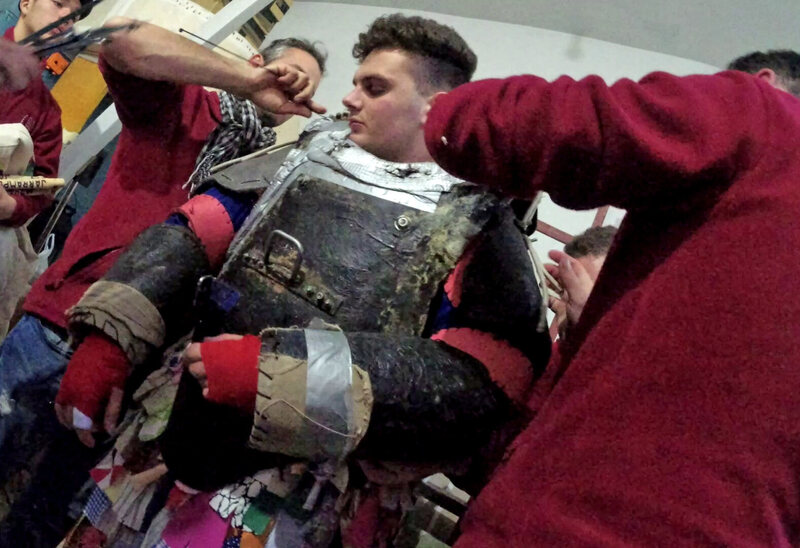
With the fall of fascism in Spain in 1978, the festival began to gain popularity again. It got modernized along the way. Originally, Jarramplas was only protected by layers of clothes. But in the 1990s, tired of seeing volunteers emerge black and blue every year, Díaz says, Piornalegos commissioned a nearby factory to make a fiberglass suit of armor. (Ironically, because the armor weighs so much, Jarramplas now can’t run away from his pursuers very well, and still gets a pretty serious beating.) The original dogskin drum has been replaced with plastic and canvas, and the traditional mask—cardboard decorated with animal blood, charcoal, and olive juice—is now just painted fiberglass topped with horsehair. Instead of gathering leftover turnips, the town council now buys them in mass quantities—this year it was almost 30 tons—from a farmer in a nearby town.
The meaning of Jarramplas to Piornalegos also seems to have changed, Díaz says. Originally, Jarramplas may have served as a scapegoat figure. In a small community, if a crime was committed and no culprit was found, “you have to look for someone [to blame] in order to calm the people down,” he says. The nonsense name “Jarramplas” might come from arramplar, which means “to make off with everything.” Jarramplas may be the one who carries away “everything we want to expel from our society.”
Today, however, scapegoats and fertility rituals don’t mean much to most Piornalegos. But Jarramplas is more popular than ever. According to town officials, around 14,000 people attended the festival in 2019; Piornal’s population is only 1,600. Meanwhile, the waiting list to be pelted with root vegetables extends to 2046. But these days, Jarramplas serves more as a way to “generate a certain unity, a certain village consciousness,” Díaz says. Beset on all sides by homogenization and globalization, Piornalegos “have something that makes us different,” he adds. “We’re not anonymous.”
For young Adrián Moreno Serrano, the beating was a long time coming. His father, Miguel Ángel Moreno Iglesias, a 42-year-old cherry and chestnut farmer, signed the pair up for this when Adrián was only seven years old. Three months before the festival, Adrián’s mother, Sandra Serrano Calle, with the other mayordomos, Jarramplas’s family and friends, began to sew the costume, make the mask, and plan her husband and son’s route through town.
The activities begin on Friday, when volunteers dress up as Jarramplas for children up to age 14. On Saturday, several of the mayordomos warm up the crowd by dressing up as Jarramplas and getting pelted as they run from house to house for five-to-15-minute bursts.
In 2021, these Saturday activities could witness yet another change. There has never been a female Jarramplas. Traditionally women have been restricted to sewing the costume, singing, and cooking. A few years ago, a local woman caused a scandal when she donned the costume for the kids’ version. But in 2021, María Hernando Serrano, a 24-year-old journalist, will be mayordomo for a male friend. She plans to put on the costume for the Saturday volleys and actually have turnips thrown at her by adults. It will make her the first woman to do this, and “there’s going to be controversy,” says Hernando, who so far has only told her parents and close friends. “It does not make me hesitate one bit to know that people will criticize me.” She thinks her participation could pave the way for a female main Jarramplas in the future: “Traditions are there to be changed.”
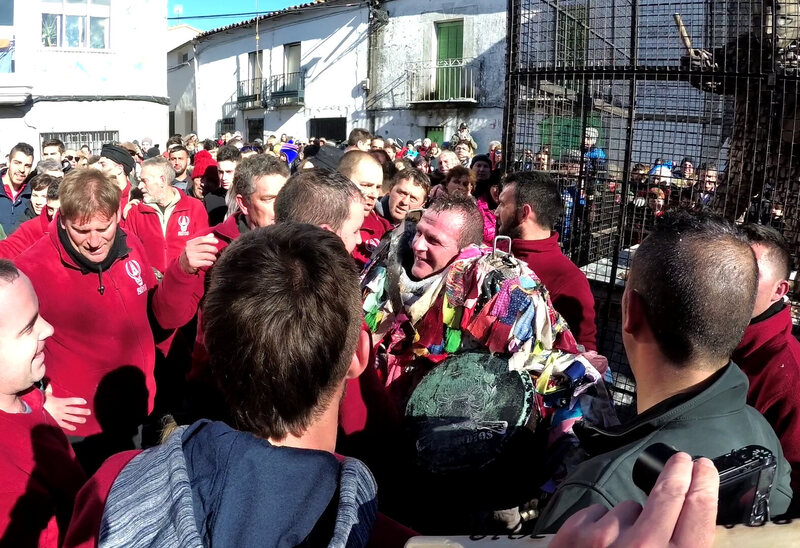
Saturday’s festivities are just the lead-up to the main event. In the afternoon, family and friends fete the father and son Jarramplas from pub to pub, where female mayordomos sing traditional songs. That night, under a fine, freezing mist, the entire town and many more crowd into the main plaza. As the church clock strikes midnight, Jarramplas father and son, sans masks, beat their drums and walk backwards. They process slowly through the streets while a group of women sing the eerie alborás (alba means “dawn”), traditional hymns that weave the story of San Sebastián with that of another, local Sebastián, a Piornalego sent to fight in the Italian wars of the 16th century. Given the pageantry, it’s a strikingly serious moment. But when asked if he considers playing Jarramplas a kind of sacrifice, Miguel Ángel disagrees: “It was a joyful thing for me.”
When the alborás ends, everyone feasts on migas, day-old bread fried with chorizo, onions, and spices, before hitting the pubs to dance until the wee hours. After too few hours of sleep, everyone gathers again at the church. On Sunday, Jarramplas makes two outings, one in the morning and one in the afternoon. Miguel Ángel, the elder Moreno, takes the first shift. Jarramplas is supposed to endure as long as he physically can before ending his route, usually at the house of a family member. To keep trudging for a solid half-hour while being walloped constantly by vegetables as hard as baseballs, Miguel Ángel says he kept his mind on both San Sebastián and “the people helping out all night …That gave me strength.” He adds gamely, “The idea is for people to enjoy it. With Jarramplas, the more they throw, the better.” (While Miguel Ángel says he spared his son, Adrián confesses to throwing a few turnips at his dad.)
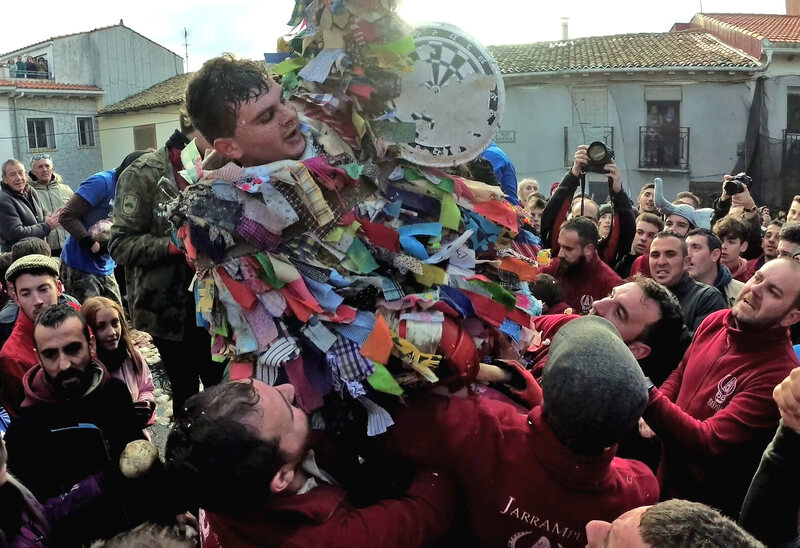
On Sunday afternoon, before Jarramplas’s final run, the energy in Piornal is electric. Inside the church, the priest is saying a mass for San Sebastián. Outside, a horde is waiting in the square, turnips aloft. A few people brandish cauliflowers, for extra fun. When mass ends, many of the worshippers are in tears, but outside the crowd’s excitement is rising to a fever pitch.
From inside the church, Adrián Moreno makes his way to the open door. His male mayordomos place the mask over his head, draw the straps tight, and push him forward. In an hour’s time, after a grueling march through Piornal’s narrow, crooked streets that will leave both him and the town out of breath and covered in turnip pulp, Adrián will be just another Piornalego again. But for now, he stands in the doorway as if on a precipice, his costumed bulk framed by the blinding winter light, demigod and demon and teenager in one. The crowd roars. And then the heavy doors swing shut, and all you can hear is the clamor of hundreds of turnips finding or missing their mark.
Sign up here to get Recomendo a week early in your inbox.
Online figure drawing
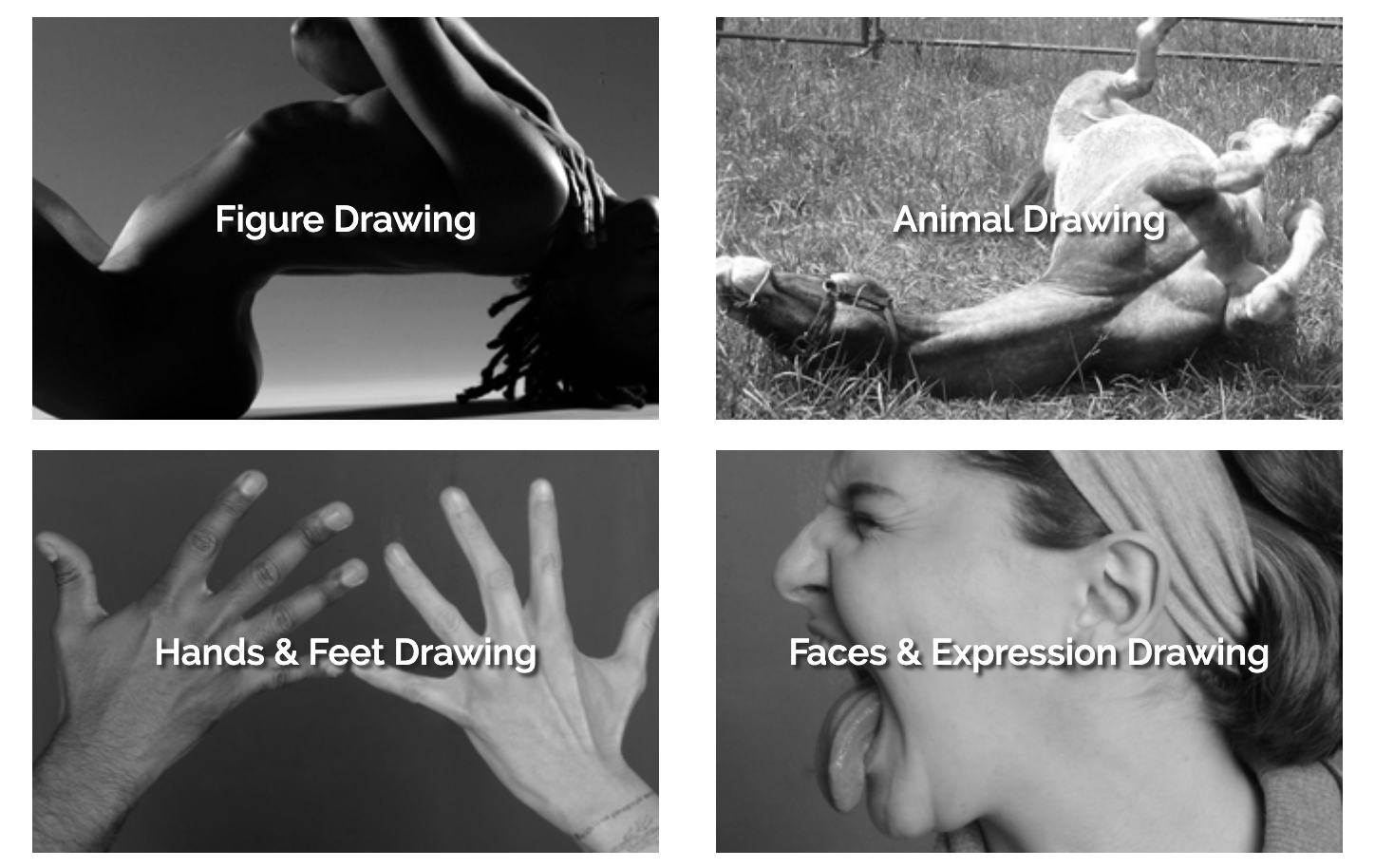
I live close to the Art Director’s Guild headquarters in Los Angeles, which has weekly evening figure drawing classes. My daughter and I go there occasionally, but I recently discovered a site called Line of Action that has a useful figure drawing practice system. It shows you a series of figure models posing for specified periods of time, just like a real figure drawing session. The hands-and-feet tool is especially useful (and challenging) for me. — MF
Renting Tools
Reminder: Your local Home Depot or other big box building store rents an amazing array of tools. Not just carpet shampooers, but carpet dryers, concrete cutting saws, pipe locators, ditch diggers, stump grinders, wallpaper removers, cherry pickers — all kinds of tools you will use only once in your life. Check out their selection. It’s a great way to try out a tool. My rule is if I want to rent a tool a second time, it’s worth buying. Last year I rented an electric power-washer. This year, I bought one. — KK
Figure out what song was playing
Whenever I’m watching TV and a song catches my ear, I often don’t have the chance to ask Siri what it is. Tunefind is great for that, because the next day I can just look up whatever show I was watching and listen to clips of all the songs that were played during that episode. Once I find the song, I can be redirected to listen on Spotify or search for the song on Youtube. — CD
Low-cost compact prism binoculars
I bought two of these handheld binoculars ($23) for an upcoming Rolling Stones concert my wife and I are going to. They are small and light enough that I could put them in a daypack and not know they are there. The optics are excellent, especially for the price. — MF
Touring by bicycle
I’m a huge fan of bicycles as the ideal way to tour. You see more than in a car, but you cover more than walking. Inexpensive, too. The Adventure Cycling Association is dedicated to encouraging bike touring in the US and offers very detailed maps and guides for many routes, short and long – including those paths without cars. I used their fantastic maps to bicycle 2,000 miles from Vancouver to Mexico along the Pacific coast with minimal traffic, hills, and hurdles. Plus tons of other help for bike touring. — KK
A view for your cat
The best gift you can give your indoor cat is a great view and a comfy place to nap. I’ve owned both the original Kitty Cot ($50) and the less expensive version by Oster ($20), and they’re both great. The Kitty Cot offers more size options and the Oster Sunny Seat has a machine washable cover and can hold up to 50 pounds. Every time I witness my little furry Frida sleeping or lounging in her perch enjoying her view, I think about what a smart purchase this was. — CD
-- Kevin Kelly, Mark Frauenfelder, Claudia Dawson


Among the pioneers of what was then known as “hillbilly music” was a coal miner from Norton, Virginia, named Moran Lee Boggs. Better known as Dock Boggs, he became known for his unique style of banjo playing and singing, which was a combination of old time Appalachian folk music and African American blues. Today we tell his story.
You can find the Stories podcast on RadioPublic, Apple Podcasts, Stitcher, Spotify, TuneIn and on most other podcast apps.
Thanks for listening and sharing our stories with your friends…
There’s a bug about to hit older GPS hardware that has echos of Y2K. Those old enough to have experienced the transition from the 1990s to the 2000s will no doubt recall the dreaded “Year 2000 Bug” that was supposed to spell the doom of civilization. Thanks to short-sighted software engineering that only recorded two digits for year, we were told that date calculations would fail en masse in software that ran everything from the power grid to digital watches. Massive remediation efforts were undertaken, companies rehired programmers whose outdated skills were suddenly back in demand, and in the end, pretty much nothing actually happened.
Yet another epoch is upon us, far less well-known but potentially deeper and more insidious. On Saturday April 6, 2019 — that’s tomorrow — GPS receivers may suffer from software issues due to rollover of their time counters. This could result in anything from minor inconvenience to major confusion, with an outside chance of chaos. Some alarmists are even stating that they won’t fly this weekend, for fear of the consequences.
So what are the real potential consequences, and what’s the problem with GPS in the first place? Unsurprisingly, it all boils down to basic math.
GPS satellites are essentially super-accurate clocks in orbit, transmitting navigation messages at a screaming 50 bits per second. The navigation messages include a timestamp and information about the orbit of each satellite, which GPS receivers below can use to determine their location. Each full navigation message is 37.5 kilobits long, meaning that a full page of GPS data takes 12.5 minutes to transmit.

The navigation message is broken down into frames of 1500 bits, each divided into five 300-bit subframes that take 6 seconds each to transmit. Each 300-bit subframe is further divided into ten 30-bit words. The first 30-bit word of each subframe is a telemetry word, encoding certain information about the health of the satellite. The telemetry word is followed by a 30-bit time of week (TOW) word, which encodes the week number and time within that week. GPS time reckoning is a bit weird due to some gymnastics needed to encode the number of seconds in a week (604,800) into the 17 bits available in the TOW word after taking out 13 bits for parity and other uses. The TOW word actually represents the number of 1.5 second periods in a week, which is further divided by four, since there are four 1.5 second periods in the six seconds it takes each subframe to be transmitted.
Despite appearances, the complexity of time encoding on the space side of the GPS system is not the cause of the looming problem, although it is related. The problem is with how the time data is interpreted by GPS receivers, and like the erstwhile Y2K bug, comes back to decisions made by software engineers. Of the 17 bits devoted to encoding the TOW word, the week counter uses 10 bits. That means the satellites can count up to 1024 weeks, or about 19 years and 8 months, before the counter rolls over to zero. Right now, the week counter is all ones: 1111111111. On Saturday April 6, the week counter will be incremented, rolling back to 0000000000. Therein lies the problem.
Now, this is not the first time this has happened. The GPS system has been operating in various forms since the late 1970s, strictly for military use at first, then opened up for the civilian market in 1983, partially as a response to the shootdown of Korean Airlines flight 007 by Soviet air defenses which claimed that the airline was a spy plane. The beginning of the GPS epoch was set to January 6, 1980, with time reckoned from that point forward. That means the first rollover occurred on August 21, 1999 – 1024 weeks after the clocks were started.

The astute reader will note that the world did not come to an end the last time the GPS week counter rolled over, so surely this time will be a non-event as well. Probably, but there are a couple of complicating factors this time around. First, in 1999 there were very, very few GPS receivers in civilian hands. While Magellan introduced the first handheld GPS receiver, the Magellan NAV 1000, in 1989, and some mobile phones were equipped with receivers as early as 1999, any problems with the nascent system when the date flipped the first time were just not that big of a deal.
The year after the first rollover, the US Department of Defense made the decision to broadcast navigation messages with full positional accuracy enabled. For the first time, everyone would be able to get centimeter accuracy with the right equipment, and the GPS industry took off. By 2001, dashboard navigators by Garmin and Tom Tom became the killer app for GPS. Cell phones would morph into smartphones shortly thereafter, and would begin to incorporate GPS receivers and navigation software. In 2017 the worldwide market for GPS receivers was estimated at almost $38 billion, so there are a lot of GPS receivers out there, far more than there were back in 1999.
So what’s likely to happen to your GPS devices? Probably nothing. GPS manufacturers have known about this rollover for a while, and pretty much any receiver made in the last decade is already capable of dealing with the rollover. Older devices, like my ancient Garmin eTrex Legend that was once the source of a lot of family geocaching fun back in 2003 but has been sitting in a drawer for years, might have a meltdown on Saturday.
How the end of the second GPS epoch will manifest on specific devices is completely dependent on how the manufacturer coded the thing. Some will interpret the rollover as a 19.7 year leap in time, either backward or forward. Navigation itself should not be impacted, even if the time goes wonky, or just for a moment if it does. Non-navigational GPS receivers, like the GPS timebases used to synchronize cell phone services, might have more of an issue, but again, if the devices are of recent vintage or have been patched, there shouldn’t be an issue.
So, relax and go about your business, secure in the knowledge that when ten ones become ten zeroes sometime on Saturday, pretty much nothing will happen. If you’re so inclined, you might want to plug your car GPS in and see if there are any updates needed, but other than that, you’re probably all good. And if you really want to spend some time fretting over rollovers, think about this: it’s less than 19 years until we have to deal with the Year 2038 problem.

Today in Tedium: Television is perhaps the perfect medium for public service. It can reach large crowds of people in bars, in airports, and in living rooms. What it loses due to a lack of interactivity, it gains in being able to distribute visual information to a huge number of people. Which makes it perfect for public-service announcements—and throughout its history, television has been full of them. If you need to reach lots of people with a marketing message immediately, reaching them on television, repeatedly, is the way to do so. Especially if that request is specifically timed, like so: “It’s 10 p.m. Do you know where your children are?” Today’s Tedium ponders the public service announcement—and looks back at one of the most memorable local television campaigns of all time. — Ernie @ Tedium
Thanks to my pal Matthew Keys for the idea here—it’s a good one!

Keep Us Moving! Tedium takes a lot of time to work on and snark wise about. If you want to help us out, we have a Patreon page where you can donate. Keep the issues coming!
We accept advertising, too! Check out this page to learn more.
“Do you know where your children are?” is not an optimistic slogan. It’s a warning.
There’s a certain degree of dread hiding behind the simple, evocative message—not to suggest the worst is actually happening, but that it’s out there.
The actual history behind the phrase is hazy. The earliest reference I can find related to its use is January 1967, when a Baltimore newspaper referenced a local station using the phrase in reference to the 11 p.m. hour. Another early claimant to the phrase is Buffalo’s WKBW-TV, whose iconic anchor Irv Weinstein was long associated with using the phrase.
But perhaps the most common association with the local TV meme is via WNEW, which more than any other station, made it their own.
According to a 1985 New York Daily News article, the slogan came into use out of concern for the city’s minority communities, according to Charlotte Morris, who served as the network’s public affairs director. Morris dated the slogan to around 1968, as a part of the station’s “Focus” public affairs segments, when a concerned citizen in Brooklyn, Mildred Coleman, expressed concerns about children who were frequently out after hours.
“Mrs. Coleman told me that there were little children running around at night getting into mischief,” Morris told the Daily News. “She said it was the fault of the parents, and she asked to do a Focus spot urging parents to keep track of their kids.”
The slogan came out of that basic idea, but there is some general cultural context that should be brought into play here. During the summer of 1967, a series of riots took place in major cities, the product of major tensions around civil rights, unemployment, and police brutality that simmered during the era. The simmering came to a boil during that summer, which became known as the “long, hot summer of 1967.” Urban locales—such as Detroit, and especially nearby Newark, New Jersey, a city within shouting distance of WNEW—faced widespread riots.
And those riots only picked up steam in 1968, after the assassination of Dr. Martin Luther King, Jr. stoked social unrest in many major cities throughout the U.S. New York was one of many cities that dealt with the impact of MLK’s death that year.
Morris created a spot for Focus that featured mothers of different ethnic groups—Hispanic, white, and black—that used the “do you know where your children are” part of the iconic message. Here’s how she explained the original spot to the Daily News:
The first was a Puerto Rican mother who said she lived in Brooklyn, had five children, gave their ages, said she always knew where they were and asked: ‘Do you know where your children are tonight?’ The cameras panned next to each of the other two women, who said basically the same thing. The segment was an instant hit, and we got tons of mail.
So where did the actual phrase come from—and why did it get associated with 10 p.m. specifically? The credit for that, according to Mental Floss, is a result of some canny branding on the part of both the station manger, Mel Epstein, and its lead anchor, Tom Gregory, who came to use the phrase at the top of the station’s Faces and Places in the News. Eventually, the phrase merged into the station’s own branding—as WNEW, known today as WNYW, came to call its newscast The 10 O’Clock News.
We can only assume WNYW came up with it, but they came to own it.
The strange thing about the slogan is that it gained a cult following—not just as a somewhat stern warning, but as a part of popular culture. By the late 1970s, Gregory’s slogan had been handed off to an array of popular celebrities. Hundreds, big and small. (In the clip above, Paul Stanley of Kiss is clearly the most effective at this.)
And considering the market was New York City, cultural capital of the United States some of the celebrities were surprisingly hip. Andy Warhol! Grace Jones! And perhaps the best signifier that the slogan had turned from mere warning to popular meme? The 1985 Daily News piece stated that Channel 5 had just held a party at then-relevant Studio 54 that intended to bring together as many of those celebrities as possible.
(Michael Jackson even wrote a song around the slogan which went unreleased until after his death, though the song seems awkward to even bring up now, given recent revelations about the pop star.)
And WNYW wasn’t alone—newscasts in cities around the country used the slogan. Beyond the cities I’ve already mentioned, I’ve found evidence the slogan (or variants of it, given the different starts to newscast times) made it to Detroit, to Des Moines, to Miami, to Albuquerque.
The phrase is perhaps less prominent today than it once was, and not because parents know where their children are. But given the right time and the right context, it still packs a punch.
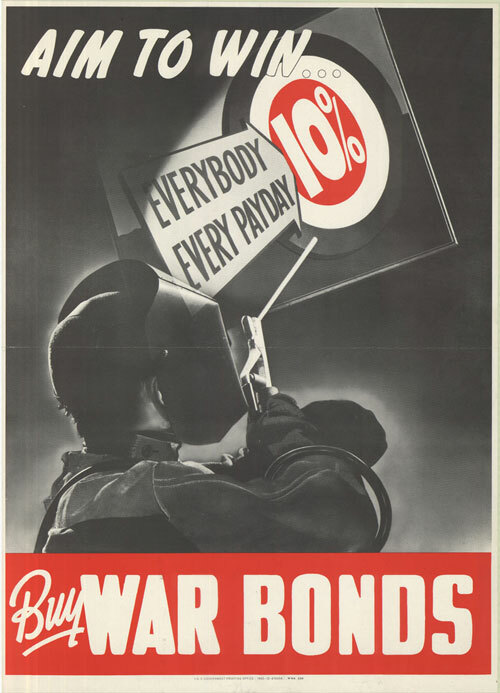
The Ad Council first sold the public—successfully—on war bonds.
It seems surprising to associate such generally helpful phrasing as “friends don’t let friends drive drunk” with the sloganeering of World War II propaganda such as “loose lips sink ships,” but that’s literally how the Ad Council got its start.
The organization was founded in 1941 as the War Advertising Council, a campaign to help the federal government sell War Bonds. The idea, basically, was this: Not every ad is going to get sold—and inevitably, there will be inventory left over that can be used for other things. And there are only so many house ads that one can run in a newspaper or in a 30-minute radio or television block.
Given the pressures facing the United States during the war effort, the ad industry saw an opportunity—and set aside $1 billion in ad space for the promotion of wartime messages.
If the Ad Council’s story ended on D-Day, it would still be an interesting story to highlight—after all, a lot of war bonds got sold thanks to all those ads. But the thing that makes it interesting is that the advertising industry kept the concept around, seeing it as a way to promote not only messages that deserved more attention, but the concept of advertising in general—as a force for good.
“Industry giants predicted the council could revolutionize advertising, showing it could tout not just the merits of a Lucky Strike or new Ford but also the personal responsibility inherent in smoking or driving,” Ad Age explained in 1995.
And it was true, but it’s worth noting that while the Ad Council eventually became associated with promoting neutral, non-controversial messages after the war effort ended, there were times when the council became more actively associated with wartime-style propaganda during eras of peace. Some of its earliest ads reflected an odd inability to shake off its propagandist roots.

(via Reason)
“Utterly devoid of irony, the ads come across as boosterishly simplistic today,” the libertarian magazine Reason, which otherwise expressed its general support for the Ad Council’s pro-capitalism message, said of the organization’s postwar PSAs back in 2016.

An example of a “people’s capitalism” ad. (via Herinst.org)
In the mid-1950s, the council’s longtime leader, Theodore Repplier, used his position to promote a concept called “people’s capitalism,” which effectively was something of a direct response to Communism, except with a strongly pro-business message.
“Consider also, that one half the world has been set against the other by a book—a book containing the economic philosophy of Karl Marx,” Repplier said in a speech preserved in the Internet Archive. “Ideas got the world into this predicament, and ideas—not bombs—are likely to be what gets us out.”
The Ad Council set up an exhibit demoing the concept at Washington, DC’s Union Station, which then-president Dwight Eisenhower is said to have attended.
This is some weird territory that you might have never associated with McGruff the Crime Dog, and it highlights how close the Ad Council got to simply being a peacetime propagandist for the United States government.
But it’s worth pointing out that, even if we didn’t get an Ad Council that was trying to promote American politics over all else, there’s room to take a critical eye to the more modern PSAs, which still have a direct influence on the way we see the world.
In the 2013 book How McGruff and the Crying Indian Changed America: A History of Iconic Ad Council Campaigns, author Wendy Melillo pointed out that campaigns promoted by the Ad Council, like Keep America Beautiful, had subtle ways of promoting certain kinds of messages while ignoring others:
Clearly, individual actions matter, and the Keep America Beautiful campaign performed a great service by heightening that awareness. But corporate actions also matter, and by ignoring industrial pollutants, Keep America Beautiful, whatever its merits, only addressed one side of the environmental issue. A cleaner America wasn’t seen as a civic duty for American business, only for its customers.
She adds that the “people’s capitalism” campaign, as weird as it is, at least had something of a context: “At that time, cynicism about, and radical activism against, corporate interests were not yet as woven into the public psyche as they are today.”
The Ad Council is clearly a valuable organization, especially today, but its value proposition is weirder than you’d think.
What makes something like a public service announcement or a bit of safety-minded TV branding so effective?
I thought my best bet on figuring this out was Mel Epstein, the WNEW station manager who directly claimed credit for “Do you know where your children are?”
He later used his association with both WNEW and his slogan-creation skills to reinvent himself as a branding expert, writing Brandicapped, a Who Moved My Cheese?-style book about the branding process that prominently advertised itself based on his WNEW days. I got my hands on a PDF copy of the book in hopes that he might spend half a page talking about his role in creating this iconic news-station branding. Not so much.
(Turns out a pseudo-novel-style book on business doesn’t say much about the author. The closest I got to that desired revelation was this bit of self-deprecation on the back of the book: “So what? And why does he make such a big deal about the fact that it’s still on the air after over thirty years?”)
So I’ll take a stab. Having thought about this issue a bit, my feeling is that the roots of modern public service announcements have a lot in common with propaganda. Which is not to say that the goal of these campaigns—these proto-memes, if you will—was anything other than to get you to think differently about your interactions with the world. That’s what good advertising does: It manipulates you into making a decision. That’s why the makers of Miller Lite and Coors Light were so upset when Bud Light tried to claim they used corn syrup—despite the claim being misleading.
Another common slogan associated with the local news is “if it bleeds, it leads,” and one has to wonder if the proximity between the 10 p.m. warning and the bleeding lead was accidental.
We live in a world where we’re trying to be influenced every hour on the hour—usually to buy something, but often to make a certain decision.
Sometimes that decision is to buckle up or check in on your kids—sometimes something more subtle is at play—but we should be aware of the way that ads play with or perceptions, even when they come in public service announcement form.
Not because they’re bad, but because they’re everywhere.
--
Find this one interesting to read? Share it with a pal! Oh, and see ya next week!

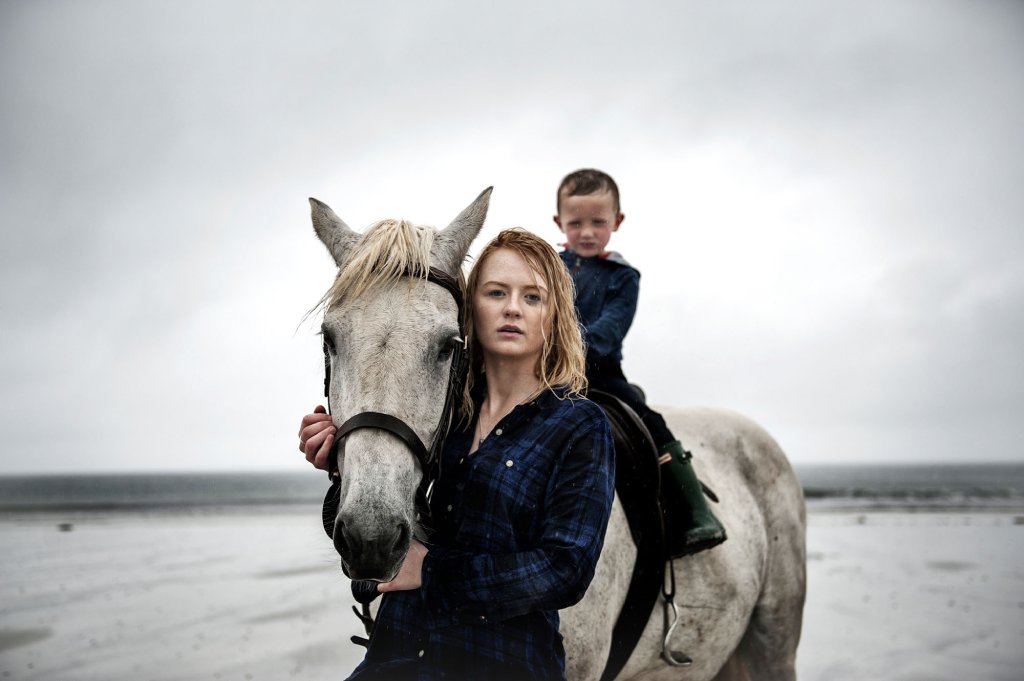
From the series “At the end of the day” by Laetitia Vançon, France, Shortlist, Professional, Portraiture, 2019 Sony World Photography Awards. “This series is a portrait of a territory through the prism of its younger generation. The Outer Hebrides are a string of islands (220km long with 27,000 inhabitants), located in the far North of Scotland, on the edge of what used to be Europe before Brexit. What is the daily life of these young people, in a place where the population is aging and the economy is declining, where jobs and studies but also their choice of partners are limited? Danielle Mac Gillivray 28 years old, raises alone her son Peter, four years old. She works in her father’s souvenir shop in Benbecula, the island where she lived and grew up. A single mother, suffering from multiple sclerosis, Danielle is aware that in her small community it will not be easy to rebuild her life.”
The Sony World Photography Contest broke records this year with 327,000 entries. Out of these entries, the judges have announced the shortlist. Here are our favorite photographs from the professional shortlist for your viewing pleasure.
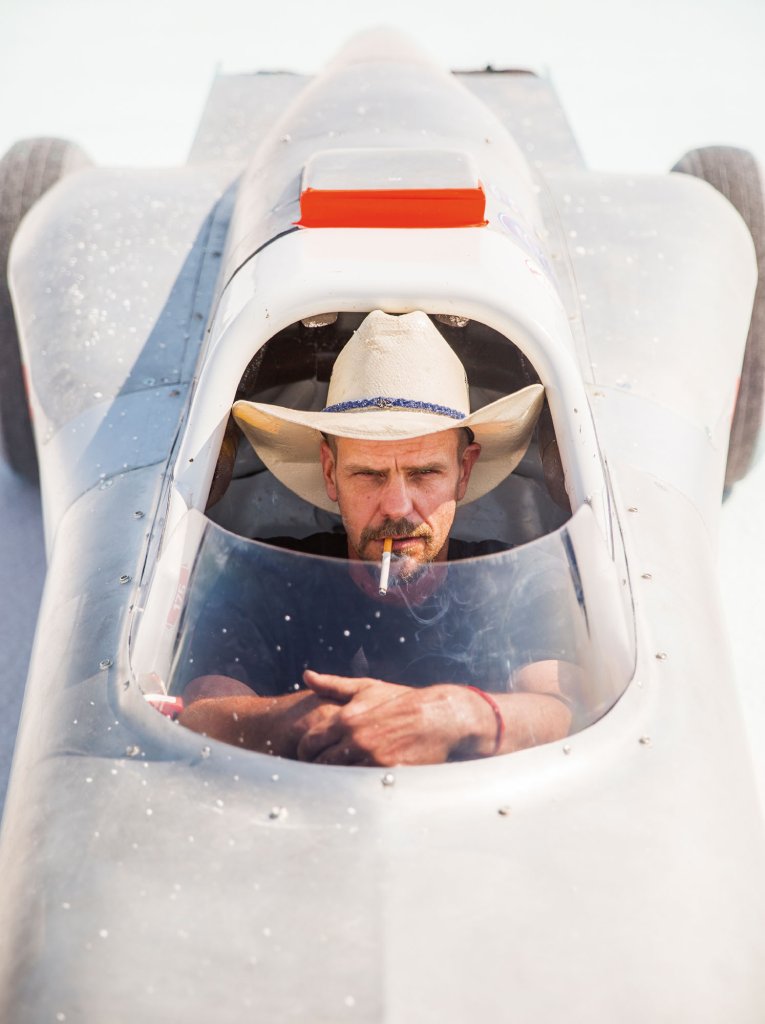
"Lee Dickerson" from the series "Bonneville" by Sigurd Fandango, Norway, Shortlist, Professional, Sport (Professional competition), 2019 Sony World Photography Awards. Ever since the car was invented, people have gathered at the Bonneville Salt Flats in Utah, US, to set land speed records. "The Flats" are the remains of an ancient lake, a dreamlike, vast expanse of salt, where 70-year-old grandfathers zip by at speeds of 450 miles per hour. “Speed Week” takes place in August each year and welcomes amateurs and professional drivers, as long as they can present a car that meets the specifications of The Southern California Timing Association.

“Popular Resistance Icon” from the series “Palestinian Right of Return Protests” by Mustafa Hassona, Palestine, State of, Shortlist, Professional, Documentary, 2019 Sony World Photography Awards. “A shirtless young protester in Gaza gripping a Palestinian flag with one hand and swinging a slingshot over his head with the other, on the northern border between the Gaza Strip and Israel in the weekly protests organized by Palestinian protesters to protest against the Israeli blockade of Gaza, which has been imposed by Israel for the past 12 years.”
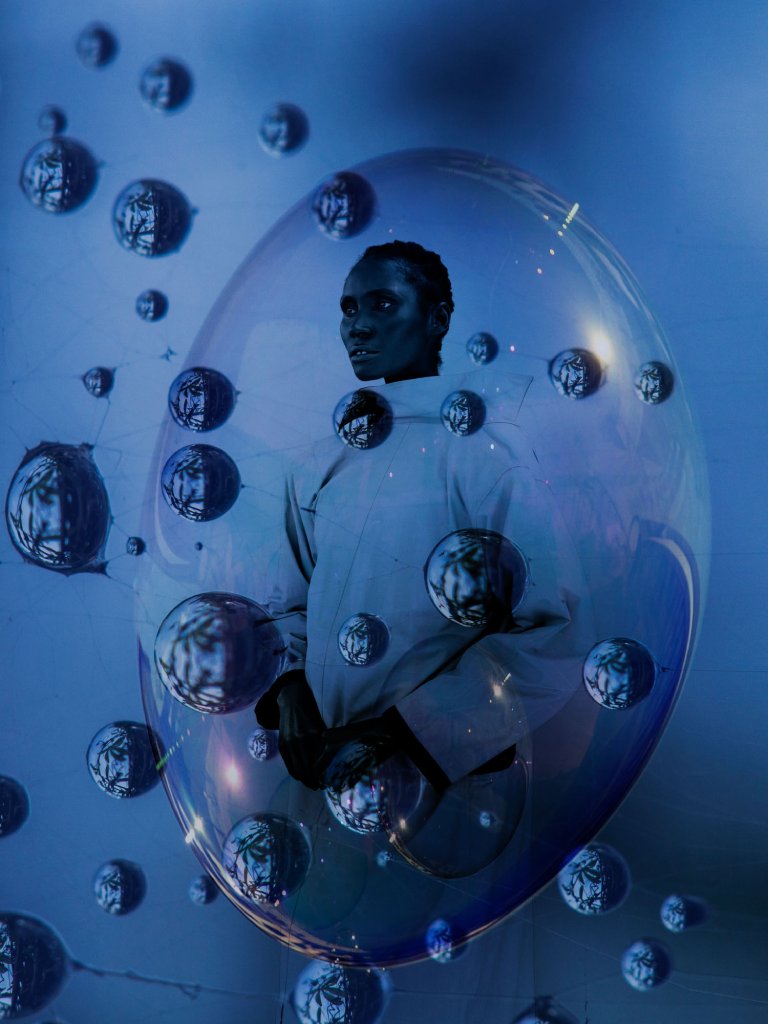
“Transformation” from the series “Capsulated Series” (courtesy of Galerie Number 8) by Djeneba Aduayom, France, Shortlist, Professional, Creative, 2019 Sony World Photography Awards. “his is an ongoing project/series called capsulated, an interpretation of an imaginary inner world translating numerous emotions and states of minds brought by rejection, solitude, and stereotypes. ‘To be inside a bubble, the world is a bubble. I am encapsulated in my own bubble. Within my own self, connected and disconnected all at once. Express, repress. Rejection makes me fragile and strong all at once. See me beyond the surface, see me beyond my differences. I am an Introvert in a world of extraverts. Movement of expression and self-reflection are the way forward. To touch someone’s heart is to touch the world one drop at a time so that the misconceptions melt away. See me for who I am, don’t judge me for what you see. I am inside a bubble. Capsulated.'”

"The Big Score" from the series "The Big Score" by Thomas Nielsen, Denmark, Shortlist, Professional, Sport (Professional competition), 2019 Sony World Photography Awards. Football was invented by the British in 1863, when the Football Association was formed. For the first time, rules for this simple ball game that requires a minimum of equipment were sketched out. Football lives in the British soul. Every week they cheer and support their teams, but not just in the Premier League. Millions of British football fans also shout for their teams in the lower divisions. In West London club Brentford FC - playing in the second best "Championship" league - they are used to not always winning, but the club’s form curve is improving this year and some even believe in the miracle of making it to the Premier League.
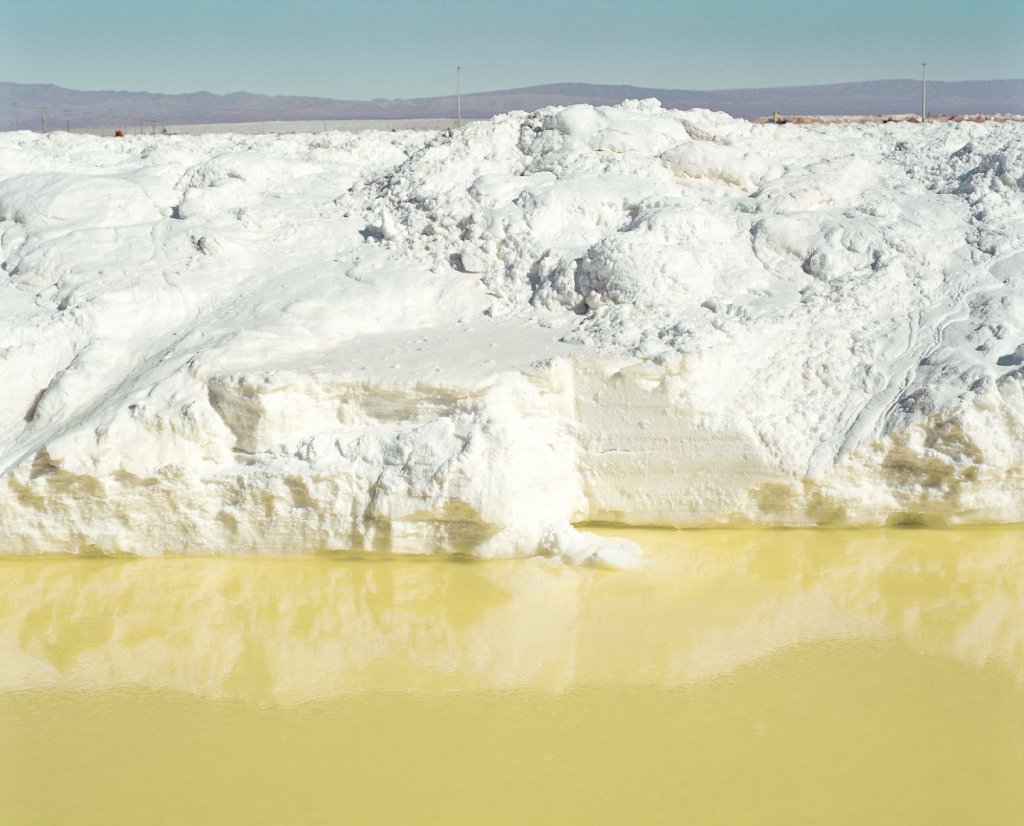
“Lithium Mining XXVI” from the series “Lithium Mining” by Catherine Hyland, United Kingdom, Shortlist, Professional, Landscape, 2019 Sony World Photography Awards. “SQM mine in the Atacama desert in northern Chile. The Atacama is famous for being the world’s driest place. Four thousand meters above sea level in the rain shadow of the Andes Mountains, almost no rain falls here and the people who do live here have historically scraped a living by breeding llamas and goats or knitting hats. So it’s remote and isolated. It’s also the world’s largest source of lithium, home to minerals that provide the power that fuels our modern daily life. Break down a smartphone battery and you’ll find 3 grams of lithium in there. A laptop has around seventy grams. Move up to an electric car and you’ll find twenty kilograms. Lithium is the element of the moment and the Atacama is where most of it comes from.”
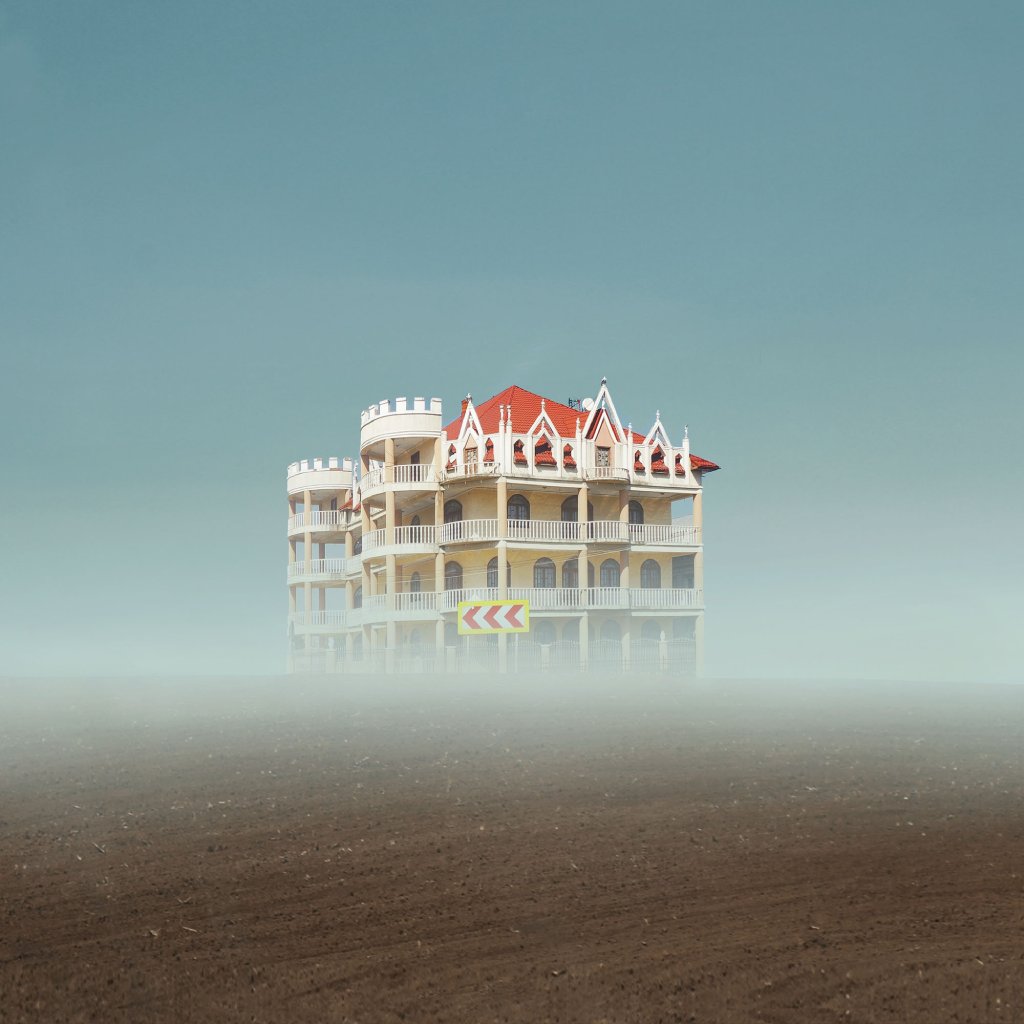
From the series “H o m e” by Felicia Simion, Romania, Shortlist, Professional, Architecture, 2019 Sony World Photography Awards. “Within the traditional Romanian mindset, the house is considered the nucleus of the family life, a primordial space which generates and preserves vital energies. As a photographer traveling across Romania, I watched villages and towns being architecturally transformed during the last years, as a consequence of cultural appropriation, as part of the globalization process. I photographed the remains of a so-called „traditional” world and also a more „modern” approach to the concept of home, featuring imposing palace-like houses and apartment complexes built at the cities’ outskirts. By isolating them in natural landscapes, as a form of decontextualization, I questioned the meanings and attributions of the habitat, and how they are reflected in the fluidity of the architectural styles. Is the house a primordial site anymore, or have its functions diminished to a utilitarian meaning? Has the house been relocated from the center of the world to its periphery?”
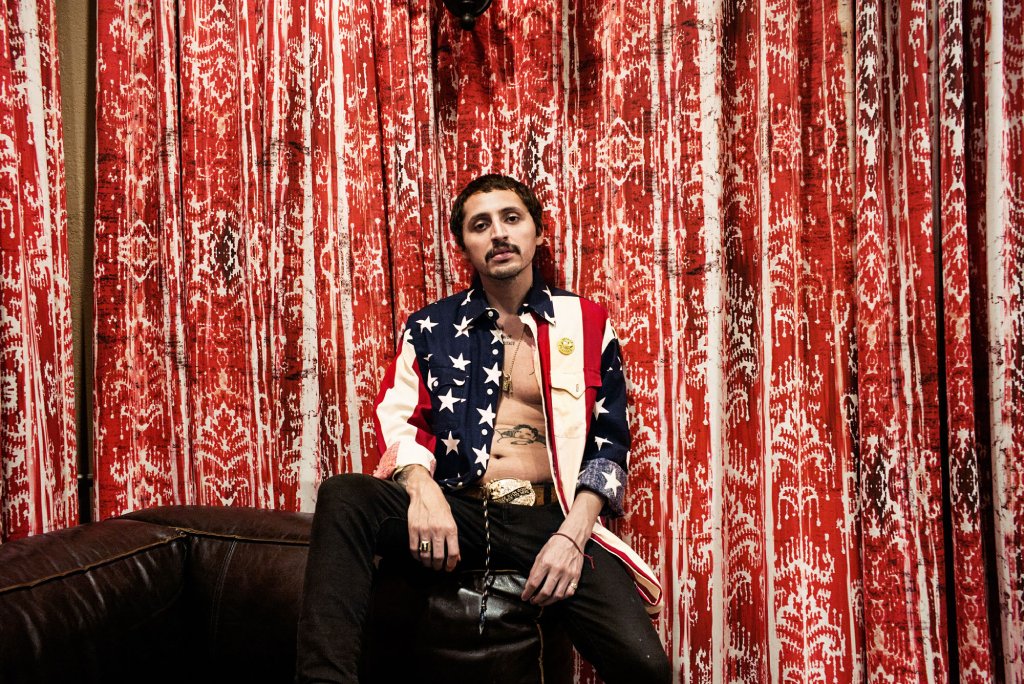
"Bryan, Palm Springs, California 2017" from the series "Plan Américain" by Scarlett Coten, France, Shortlist, Professional, Portraiture (Professional competition), 2019 Sony World Photography Awards. Plan Américain is part of a larger study on the complexities of masculinity and is devoted to a new territory: the United States. Through intimate portraits, this series gives a unique overview of today’s America - the America of my encounters with strangers. Reversing the typical societal roles, this work offers a female viewpoint on men, a transgressive photographic act, exploring the necessity of alternative perspectives and the power of the female gaze in the art. I choose men on instinct and invite them to pose, photographing those who agree in a confidential location selected to match each individual encounter. By focusing on beauty and the vulnerabilities of a gender constrained by stereotypical expectations of masculinity, my work strives to remove any cliché or stigma of sensitivity, recontextualizing gendered identity for today’s world.

From the series “Boxing Against Violence: The Female Boxers Of Goma” by Alessandro Grassani, Italy, Shortlist, Professional, Sport, 2019 Sony World Photography Awards. “Elysèe, 16 years old. portrayed on the streets of central Goma, she is part of one of the official boxing clubs in Goma. Elysèe tells: ‘I’ve been boxing for 2 years, it’s something that gives me strength and courage to defend myself and makes me feel accepted everywhere. In this city there is so much violence that you must always be ready to react. Under the ashes of this society there are latent conflicts, a violence ready to explode at any moment. Thanks to boxing I feel ready to face these dangers.’ Democratic Republic of Congo. Goma. 29/05/2018.”

“Birama & Ndeye Fatou” from the series “Pères” by Marta Moreiras, Spain, Shortlist, Professional, Portraiture, 2019 Sony World Photography Awards. “Pères is born as a reflection on fatherhood, to promote gender equality and social development in Africa. We live in a world permeated by stereotypes, of which we are often victims. Pères questions these clichés that we carry as a burden, in a literal way and also symbolically, to create a pathway towards an open dialogue on a crucial and significant matter. Pères aims to inspire social change and strives to support women in their battle for gender equality. It is a symbolic act that implies an invitation to reflect on gender roles. These portraits make the role of the father visible as well as promoting a more balanced family model, where fathers are engaged in the education and care of their children at the same level as mothers.”
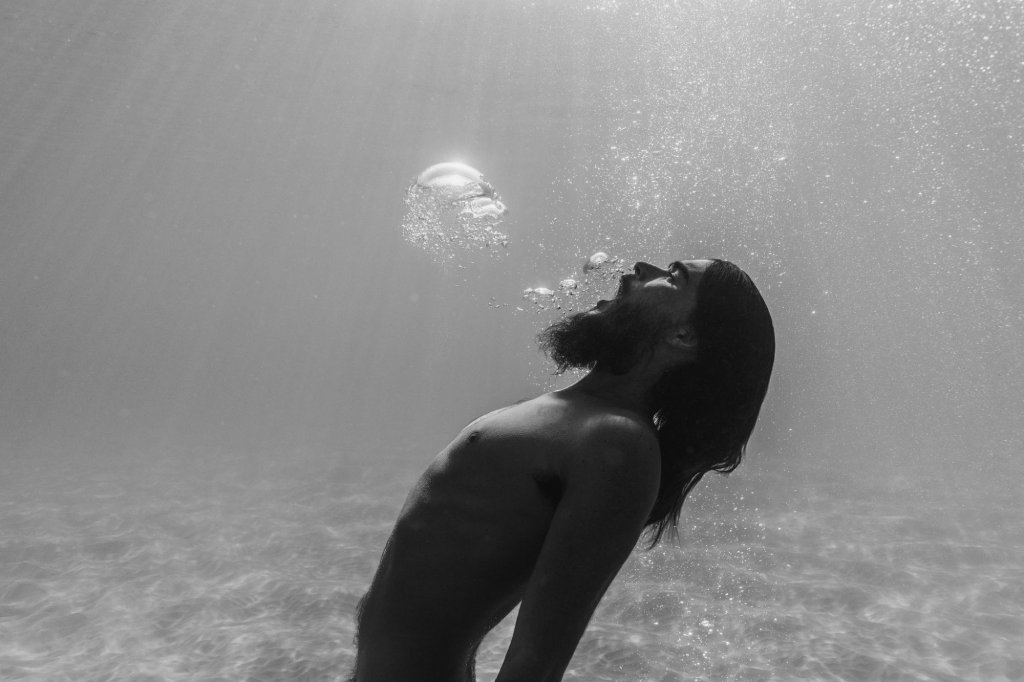
"Inner Atlas" from the series "Inner Atlas" by Trent Mitchell, Australia, Shortlist, Professional, Sport (Professional Competition), 2019 Sony World Photography Awards. "Regarded as an art form, the sport of bodysurfing is one of the most primitive forms of wave riding. Historically celebrated for performances above the water surface, I felt intrigued to explore the rider's interaction with the power of the sea from an immersive perspective below. What does it feel like to be there, moving at the perfect speed, intimately connecting with the dynamics of the sea? To ride the formless edge between fear and joy in a single breath? I discovered a physical and emotive space where man, movement and energy fuse during a journey of self-discovery and inner harmony."
The official winners of the Sony World Photography contest will be announced out of the shortlist on April 17th.

It is no surprise that there are many amazing things the Egyptians have to offer us: their mathematical knowledge, invention of the papyrus, and their beautiful art. But there is one thing that "Egypt ought to be prouder of them than her pyramids," said French entomologist René Antoine Ferchault de Réaumur in 1750, and that is the Egyptian egg incubators, invented some 2,000 years ago.
Many have been amazed by this ingenious method of the Egyptians, such as Aristotle. Some have even called it supernatural!
From the outside, many incubators looked like smaller, more rounded versions of the pyramids. They sat upon rectangular brick foundations, and had conic-shaped chimneys with a circular opening at the top. That thousands of eggs could be hatched in a single oven was an impressive feat, considering that a broody hen can only hatch up to 15 eggs at a time. Incubator hatching also meant that hens could spend more time laying eggs.
Exactly how workers operated the ovens is much less clear. According to some scholars, Egyptians were very secretive with egg ovens.
See the egg-cellent method of egg-hatching of the Egyptians over at Atlas Obscura.
(Image: Lenny Hogerwerf/Food and Agriculture Organization of the United Nations)
Do you love trivia? Some people get a thrill out of knowing the answers questions covering all kinds of topics. And if that description fits you to a tee, you’ve come to the right place.
This article rounds up some of the best trivia-filled YouTube channels full of interesting facts. And you can learn something new whether just for fun or as preparation for your next trivia night.
This aptly named channel is a simple delight for trivia fans. It regularly uploads videos containing 15 trivia questions each. Most of these are in the “general knowledge” category (up to 64 as of this writing) but you’ll find a few on movies, health, food, and other topics as well.
Each video is presented as a simple slideshow. You’ll have several seconds to choose from three possible answers for each question. After the answer is revealed, you’ll see a brief explanation of the answer. With each video clocking in around six minutes, this is the perfect way to start your morning.
The newest general knowledge video at the time of writing contains questions on Euchre, the flag of Chad, Men in Black, and more. See how much you know!
For something a little more focused, check out this trivia challenge that focuses specifically on animals. You’ll be asked how many stomachs a cow has, which continent has the most rabbits, and which type of shark is most dangerous.
By the way, for trivia on the go, we’ve looked at alternatives to HQ Trivia for testing your knowledge while you’re out and about.
MakeUseOf’s own Tech Geeks Try Stuff channel is a great place to test your tech trivia knowledge. We’ve uploaded a few videos putting our authors’ tech knowledge to the test, and plan to make more videos like this in the future.
TGTS Season 2 kicked off with a mega-episode of tech trivia. In it, our writers, James, Ben, Tina, Dave, and Joel square off by answering five questions each. Who will get the most right? Don’t forget to play along and record your score.
Later in Season 2, everyone was challenged to a second round of tech trivia. This time, an incorrect answer being penalized with a forkful of fire noodles! Feel free to play along with this one too—you might even want to create your own penalty for an incorrect answer.
Mental Floss is a treasure trove of information about every topic imaginable. You’ll find videos debunking myths, words that changed meanings, facts about famous landmarks, and much more.
The chances are that you’ll find a video on every topic you’re interested in and plenty more that will catch your eye. Many of its videos feature John Green, noted novelist and YouTube personality.
The channel’s latest video at the time of writing looks at all sorts of myths about animals that simply aren’t true. How many of these misconceptions do you believe?
Make sure to dig into the archives of Mental Floss, because it has a lot of old trivia-filled videos worth watching. This one looks at some fun facts about national parks in the U.S.
If you can’t get enough facts about video games, DidYouKnowGaming (DYKG) is the channel for you. Here you’ll find fact-filled videos about particular series, video game consoles, developers, and more. Even cooler, the videos are narrated by a variety of gaming YouTubers.
DYKG has been around for years, so you can dig through the sizeable archives. Keep an eye out for videos about region-specific titles, game that never saw the light of day, and gaming censorship. You’ll be amazed how much information you can learn about your favorite games.
The SNES is the favorite classic console of many. Find out more about some of its games in this interesting video.
Since the PS4 has recently received remakes of classic series like Crash Bandicoot and Spyro the Dragon, many have a renewed interest in these franchises. So why not take a look at this video for some fun facts about Crash Team Racing.
We wrap up with another fun general trivia channel. This one features regular videos with trivia questions about music, movies, TV shows, and a few miscellaneous topics like logos and country flags.
Some videos present you with three possible answers to a question and reveal the correct response after a few seconds. Others ask you to identify objects by their silhouettes. Every video offers something a little different, so be sure to give many of them a try.
Many famous people throughout history weren’t actually known by their real names. Do you know who Elizabeth Woolridge Grant, David Robert Jones, and Eric Arthur Blair are? It’s time to find out.
For a different kind of challenge, in this video you’re charged with identifying well-known cartoon characters by their silhouettes alone. It’s a lot harder than you might think.
These channels will provide you with hundreds of new facts. You can use them to impress others, win your next trivia showdown, or just enjoy knowing a little bit more about your favorite topics.
Your trivia journey doesn’t have to end here. These mobile music trivia games ask you to name that tune, which makes them perfect for people who love music AND trivia.
Read the full article: 5 Trivia-Filled YouTube Channels Full of Fun Facts
Have you ever gone for a tasty bowl of vanilla ice cream with caramel sauce, only to discover that your teenager ate the last of the caramel sauce...on a hamburger? Kids will eat anything, but take heart: making your own caramel sauce from scratch is a lot easier—and a lot tastier than you might think. Even better, it takes practically no time at all. All you need is some sugar, butter, and cream to make your own caramel sauce at home!
Makes approximately 2.5 cups:


Busted zipper? Ripped tent? Here are the best outdoor gear repair shops to get your kit fixed.

Podcasts are an essential medium on their own today. While most people listen to podcasts on their mobile devices, there are times when you’ll want to listen to them on your desktop. For example, when your phone is low on juice or when you’re on your PC at work.
We’ve compiled a list of good podcast players that can work from anywhere and are compatible with any modern browser. Many of these options also sync effortlessly with mobile apps or websites.
Player FM is a popular podcast app for mobile, and its web equivalent is one of the most robust options on the cloud. You can use the same account on both the mobile app and the web platform. This allows you to sync your subscriptions, played episodes, and play later list instantly.
The website lets you manage your playlists and categories. You can export your full library to OPML and import podcast feeds from RSS or iTunes. When playing a podcast, you can control playback settings such as speed, volume booster, and scrub the podcast with the playhead.
Player FM also has a useful discovery system that sorts podcasts into multiple categories and subcategories. When you subscribe to a podcast, it is automatically sorted by its subject. Player FM then recommends you podcasts based on what you’ve been listening to.
For a fee, you can also subscribe to an upgraded account which allows you to sync the duration of your playtime across platforms. So if you are on the web player, you can instantly pick up where you left off on your phone. It also allows you to bookmark certain parts of an episode.
Unlike most of the other apps on this list, Cloud Caster is completely cloud-based. That means that whether you open it on your desktop, on your mobile device, or on your tablet, it runs entirely inside a browser thanks to HTML5.
This implementation has some key advantages. Cloud Caster is entirely free to use and has a feature set that can rival the better paid apps.
If you’re logged into your account, your playtime is always saved. So you can pick up where you left off in an episode of an audio or video podcast. This is one of the few free podcast players that supports this sync between platforms.
Cloud Caster lets you customize playback speed and has a built-in sleep timer. If you want to listen to your podcasts offline, you can save any episode as MP3 and play it from your preferred audio player. Cloud Caster also allows you to import and export OPML databases.
Spotify has recently expanded their support for podcasts. If you prefer to keep your media in one place, their platform is a reasonable alternative to a traditional podcast app.
Spotify has a large library of podcasts, along with support for importing RSS feeds. You can sync playback, subscriptions, and played episodes across all of their applications. Their platforms include browsers, desktops, mobile devices, and television boxes.
The podcast options in their web app are similar to the ones in their mobile application. You can subscribe and unsubscribe to podcasts, customize playback speed, and save your favorite episodes.
Spotify recently acquired some podcasting companies, so you may start seeing shows exclusive to Spotify soon.
If you listen to a lot of podcasts, you’ve probably already heard of Stitcher in an ad or introduction. Its web app syncs seamlessly with its iOS, Android, and smart speaker counterparts. You can view your library, subscriptions, and saved episodes. It also supports resuming episodes from where you left off.
In addition to being a podcast player, Stitcher produces its own content. This includes popular shows such as Freakonomics Radio and Today, Explained.
Where it really excels is in curating and recommending content. They compile playlists of episodes from different shows that are centered around specific topics. They also have an autoplay mode that automatically lines up shows similar to the one you’re listening to. Here are some key tips for listening to podcasts using Stitcher.
Stitcher offers a premium version of its service for $4.99 per month that removes ads. You also get access to their library of exclusive podcasts and comedy albums.
Podchaser is an online podcast player that focuses on building communities and audiences. It has many user-driven features that most apps don’t have.
For example, users can create lists of shows and episodes based on any criteria. There are lists on the site for gaming podcasts, shows from Chicago, and recommendations for ongoing audio dramas. You can also sort podcasts in a variety of categories, from broad topics like storytelling to narrower topics like fishing.
Podchaser supports rating and reviewing both shows and individual episodes. You can view top-rated podcast episodes and shows.
It also has a robust search engine that allows you to search through creators, shows, and episodes. You can also filter by episode frequency, rating, and subject.
If you are a content creator, you can set up a profile on the site where you can add all the podcasts you host and have guested on. You can also add a description as well as links to your social media accounts. Users can browse through profiles and share them with friends.
Castbox is a podcast player for Android, iOS, and the cloud. Whether you’re using the web app as a standalone player or integrating it with your mobile device, it’s a feature-packed option.
The first thing that stands out is Castbox’s clean, easy-to-use interface. At the top of the home page are daily suggestions, with other podcasts are sorted by category throughout the page. They provide recommendations that cater to your favorites and listening habits. You can also read and add comments to individual episodes as well as entire shows.
The app also recommends you with local podcasts based on your location.
In addition to subscribing to whole podcasts, you can also add specific episodes to a favorites list. Your subscriptions and favorites automatically sync to your mobile phone. You can also view a complete history of podcast episodes you’ve listened to on your profile.
If you’re a creator, you can also upload podcasts directly from their website.
All the options we mentioned sync well with your other devices, with dedicated mobile apps or responsive websites. Before you pick an app to use, make sure that you enjoy the experience from every device.
If you’re looking for a fresh way to listen to podcasts, we made a list of unique podcast apps for when you want to enjoy them differently. If you want some podcast recommendations, check out our list of addictive podcasts telling stories you need to hear.
Read the full article: 6 Free Online Podcast Players You Can Use in Any Browser

Satellite phones are vital for maintaining contact with the world when there’s no regular phone coverage. They’re ideal for anyone from weekend adventurers to those who work in remote areas.
But which is the right one for you to buy? Here’s our guide to the best satellite phones for everyone who enjoys world travel.
Just as there are competing mobile carriers with different coverage and performance levels, so there are several satellite phone service providers.
The two main services are from Iridium and Inmarsat. A discussion of which is best is beyond the scope of this article, but we can summarize it very broadly:
Whatever service your phone runs on, you’ll need to buy airtime as well. This will give you an allowance of minutes and texts, or data, and there are prepaid and regular plan options available. Your plan also gets you a phone number so you can make and receive calls.
Prepaid plans are the most convenient for all but very regular use, but they often have an expiry date of anywhere between 30 days and two years. Airtime is a lot more expensive than you pay for a regular cellphone plan. Make sure you factor this in when you’re budgeting for the cost of your satellite phone.
The IsatPhone 2.1 Satellite Phone works on the Inmarsat service. It’s a large device measuring 6.7 inches with the antenna folded out and is pretty tough. It’s shock resistant, IP65-rated for protection and against dust and water, and can function in extreme conditions. It can handle temperatures as low as minus four degrees Fahrenheit, and 95 percent humidity.
Even more impressive is the battery life. It claims the longest life of any satellite phone at eight hours of talk and 160 hours on standby. As well as calls, you can send and receive texts and emails, and there’s an SOS function that connects you to the 24/7 GEOS emergency assistance service.
The IsatPhone is one of the most popular satellite phones and is highly rated by its users for reliability and call quality.
The BlueCosmo Iridium 9555 has the look of an old school Nokia phone. It’s probably as tough, too, although it is not ruggedized in the way that many other satellite phones are.
The 9555 is an inch shorter than the IsatPhone 2.1, thanks in part to the internally stowed antenna that you need to pull out to make calls or send texts or emails. It’s rated as weather resistant and can handle temperatures as low as 14 degrees Fahrenheit. The battery is around three hours of talk and 30 hours on standby.
The 9555 is the most affordable phone for the Iridium network. It works anywhere in the world, although you should note that it doesn’t come with an SOS feature.
The Iridium 9575 Extreme is smaller and lighter than the 9555, but is in a different league when it comes to toughness. It meets the 810F standard for military-grade durability. It’s also IP65-rated; shock resistant and sealed against dust and even water jets.
The phone runs on the Iridium network. As well as calls and text messages, you can use it for basic email messaging. Battery life is a solid 30 hours in standby or four hours of talk.
There’s an online tracking feature, and you can even use Google Maps to send your precise location in an SMS. On top of that, there’s an SOS button for added security.
The Iridium 9575 Extreme is expensive, but it’s a device that will withstand the very harshest conditions.
The Globalstar GSP-1700 is an affordable satellite phone with one big caveat; it runs on the Globalstar service. This has worse coverage than the big two providers, limited to the USA and Australia, plus only partial coverage in Canada, South America, Europe, and Asia.
The phone is lightweight at around seven ounces. The main body is small, although the antenna more than doubles the height when folded out. Features are basic. It supports calls and SMS and also offers voicemail. You can access the internet at dial-up level speeds. Battery life gives four hours of talk and around 35 hours on standby.
The lower price is the main selling point. If you’re heading for a camping trip in an American National Park, this could be the right choice. But if you’re heading further afield, check Globalstar’s coverage maps first.
Not everybody needs the full functionality of a satellite phone. But that doesn’t mean they want to be cut off completely from the rest of the world. In these cases, the Garmin inReach SE+ is the ideal compromise.
The inReach SE+ is a two-way messaging device that works on the Iridium service. You can’t use it for phone calls, but you can send and receive text messages. It also has an SOS button connected to the GEOS global monitoring center. If you get into problems, they can track your device and alert nearby emergency responders.
The SE+ also functions as a GPS navigation unit. You can link it to your phone over Bluetooth to download and access maps.
The Garmin inReach Mini takes the basic idea of the SE+ and downsizes it further. It’s less than four inches tall—including the antenna—and weighs just 3.5 ounces. Despite this, it is water resistant and can deliver five days of battery life. This is a satellite communicator that you can take anywhere.
It has a similar set of features to the SE+, only in miniaturized form. If you don’t fancy typing messages on the 1.27-inch display, you can compose a series of texts in advance to send at the touch of a button.
The inReach Mini supports the SOS service, giving you peace of mind when you’re off the beaten track. You can download weather forecasts or connect the Mini to your phone for mapping. It won’t show maps on the screen but will display waypoints and a compass.
The Iridium GO! 9560 is not a phone; it’s a satellite-based wi-fi hotspot. It works with up to five iPhones or Android phones, enabling them to make calls, send and receive texts, send SOS alerts, and even post Twitter messages.
You need to install the GO! app on your phone to do this. You can also install the Iridium Mail and Web app to use data services including web browsing, email, and photo sharing. The battery is good for around 15 hours on standby and five hours of talk. You’ll need to keep your phone charged, too, of course.
The box itself is small and rugged. It meets the same durability specifications as the 9575 Extreme. With Iridium coverage you can use it globally.
The GO! 9560 is part of a newer breed of satellite device. The communal function makes it ideal for camping or sailing trips.
A satellite phone is an important tool for world travel. It can be vital in emergencies. And you need one to stay in touch from the most remote areas or to check in with fellow travelers.
If this selection has left you curious, you could check out our guide on how satellite phones work.
Image Credit: AlexBrylov/Depositphotos
Read the full article: The 7 Best Satellite Phones for World Travel