Shared posts

31 May 17:06

Add Buttermilk to Your Boxed Macaroni and Cheese

by Claire Lower on Skillet, shared by Claire Lower to Lifehacker

When I make macaroni and cheese from the (blue) box, I rarely stray from the instructions. As far as processed foods go, this one is pretty dialed in, and I’m not one to mess with aggressively orange perfection. But the other night, after two martinis and a shot of Fernet, I remembered I had buttermilk in my fridge,…

Read more...

31 May 17:04

exceptional grilled chicken

by deb

I’m sorry to disappoint you if you ever believed otherwise, but only a fraction of the recipes on this site come from a place of adoration — i.e. I’ve always loved this dish, thus we all need to make it at home. A far greater amount come from befuddlement that people are so into something I find so unspecial. Maybe it’s not as bad as it sounds. I mean, would you rather get a recipe for a dish from someone who loved it to the moon and back and may not see its flaws or from a deep skeptic that had to be convinced by an exceptional version? Or so I tell us as a long windup to the fact that there are probably few summer dishes I like less than grilled chicken. Let’s take something that already leans dry and cook it for what is usually way too long and make it more dry! Here’s a thick sweet sauce that almost guarantees there will be little texture or color on the outside. I’m not saying that good grilled chicken doesn’t exist (I like this and that one, for example, and yours, yours is fantastic), it’s just far less common than bad grilled chicken.

Read more »

29 May 15:27

All You Need To Know About Albert Einstein's General Theory Of Relativity, 100 Years Old Today

by Jamie Carter, Contributor
The game-changing scientific theory about space and time, and how they're curved by mass, is mathematically complex. However, it’s much easier than you think to get your head around it.
28 May 18:09

WHY WE CARRY

by Mas
The rationale of the armed citizen is not easy to explain to people who haven’t grown up with it or studied it.  The eminent police psychologist Dr. Alexis Artwohl was kind enough to send me this article which sums it … Read more
28 May 18:05

How Google’s Handheld Multi-Frame Super-Resolution Tech Works

by Michael Zhang

Since there are physical limits to how large sensors can be in smartphones, companies like Google have been pushing heavily into computational photography, the use of digital rather than optical processes to improve the capabilities of a camera. Here’s a 3-minute video that explains how Google’s super-resolution technology works.

“Compared to DSLR cameras, smartphone cameras have smaller sensors, which limits their spatial resolution; smaller apertures, which limits their light gathering ability; and smaller pixels, which reduces their signal-to-noise ratio,” the Google researchers write in the paper behind the video. “The use of color filter arrays (CFAs) requires demosaicing, which further degrades resolution.”

Google’s solution for great image quality involves shooting a burst of raw photos every time the shutter is pressed. Since the human hand naturally has at least an ever-so-slight tremor, the pixel-level differences between the photos in the burst can be used to figure out optimal details at each pixel location.

Crop of a 7x zoomed photo on a Google Pixel 2 phone (left), and the same crop with super-resolution tech on Google’s Pixel 3 phone (right).

“This approach, which includes no explicit demosaicing step, serves to both increase image resolution and boost signal to noise ratio,” the paper states. “Our algorithm is robust to challenging scene conditions: local motion, occlusion, or scene changes. It runs at 100 milliseconds per 12-megapixel RAW input burst frame on mass-produced mobile phones.

“Specifically, the algorithm is the basis of the Super-Res Zoom feature, as well as the default merge method in Night Sight mode (whether zooming or not) on Google’s flagship phone.”

(via Google via Reddit)

28 May 18:05

iPhone Tracking You...


iPhone Tracking You...


(First column, 3rd story, link)


28 May 18:04

Under the Influence/Book Freak/Death checklist

by claudia

How to fake influence
I blurbed this self-published book, Under the Influence, which explains how popular influencers on social media make a living by buying fake followers, fake likes, and fake comments. It will tell you how to do all that. It was written by Trey Ratcliff, a photographer who has actual followers and real influence. I blurbed the book because it is more than just a take-down of the dark side; it’s about how to have real, enduring, positive influence by being creative, producing real engagement, and being honest. — KK

Advice from books
I recently started a weekly newsletter called Book Freak. Each issue has three short pieces of advice found in books. Here’s an example, from issue 7: “If you want the law to leave you alone, keep your hair trimmed and your boots shined.” ― Louis L’Amour, The Man Called Noon (1970) — MF

Death checklist
I came across this checklist and immediately bookmarked it. It’s a list of what to do after a death occurs. I compared it to other lists floating around online and liked this one best because of it’s practical reminders to take care of unpaid bills, contact the post office, etc. May be a bit morbid, but I like to be prepared. — CD

This vacuum cleaner really sucks
The Bissell Zing Canister (model 2156A) was only $50 and it exceeded my expectations. It is bagless, quieter than any other vacuum cleaner I’ve owned, and has powerful suction. It’s great for hardwood floors (I don’t know how well it works on carpeting since we don’t have any). — MF

Find fake people that look like you
This website (Have They Faked Me?) matches your selfie against AI-generated photos and tells you how close you are to being faked. You might be helping them to create more fakes, but it’s still kind of fun. It’s weird to see pictures of women that look so human and look sort of like me, but don’t exist at all. — CD

Earphone adapters
For a reason that no longer makes sense, airlines use a headphone jack that has two prongs, one for each ear channel, instead of the standard single ⅛” plug used everywhere else. That means you need a small 1-to-2 adapter if you travel with your own earphones/earbuds. These adapters are tiny, easily lost or left behind. I wanted to replace the several units (extra for companions) that I carry and lost, and could not figure out what they are called to order them. No specification I could think of worked.  Eventually I discovered they are called Airline Headphone Adapters. You are welcome. — KK

-- Kevin Kelly, Mark Frauenfelder, Claudia Dawson

28 May 18:01

Letterlist/Tascam DR-10L/Flatland

by claudia

Sign up here to get Recomendo a week early in your inbox.

Subscribe to newsletters with one click
I’m frequently on the lookout for new newsletters and I found Letterlist to be a great website to discover interesting new content. You can browse their curated collection of newsletters for free, but if you sign up (also free) you can subscribe to the ones you want with their 1-click button instead of having to type out your email address over and over again. — CD

Mobile sound recording
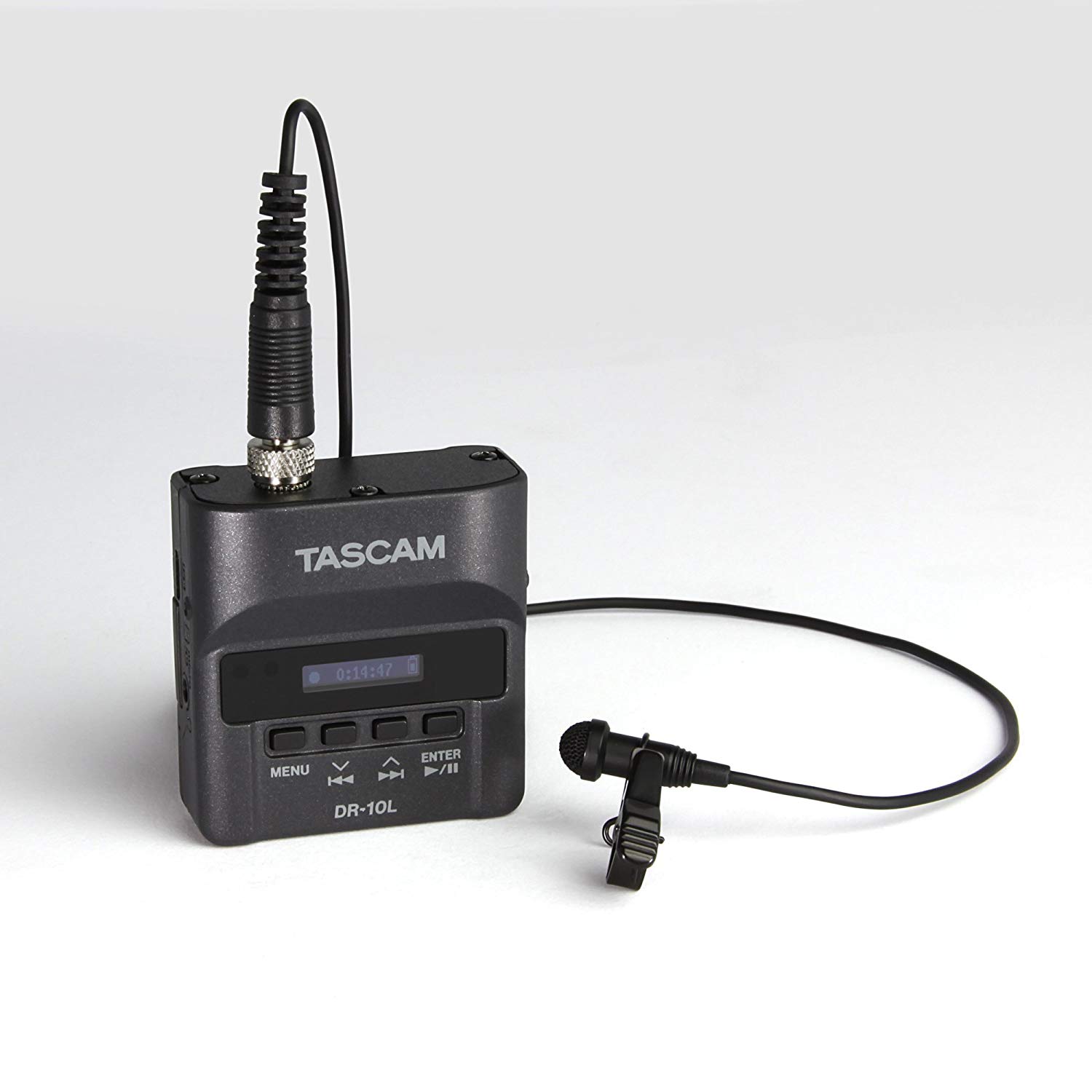
The way professionals record sound in a documentary, theatrical show, mobile podcast, vlogging channel, and even a wedding video, is to wire up the “talent” with a hidden lightweight recorder in a pocket or belt that is connected to an itsybitsy microphone discreetly clasped on a coat, shirt, dress, under a hat or in hair. The least expensive ($200) industry standard for this job is the Tascam DR-10L. It runs on a AAA battery for 10 hours. The sound is sterling, studio-quality, dependable. (Audio is recorded separately from video and easily synced later.)  I’ve been relying on this small device for interviews and podcasts in the field. — KK

My favorite $1.71 paperback novel
Flatland is a novel by Edwin Abbott Abbott, published in 1884. It’s written as a biography by “A. Square,” a two-dimensional creature who is literally a living square, thinner than a sheet of paper. He lives with other two-dimensional creatures on a surface called Flatland. In the book, Mr. Square tells of his adventures in worlds of different dimensions: Pointland (zero dimensions), Lineland (one dimension), and Spaceland (three dimensions) all inhabited with creatures suited for their respective worlds. Abbott does a wonderful job of world building, explaining how the society (a satire of the Victorian society) and infrastructure of Flatland works. Even though the book was written 135 years ago, I found it very easy to read. Amazon is selling the Dover edition of Flatland for less than the price of a cup of coffee. I just bought it for my daughter. — MF

An app to teach you about the fourth dimension
This iPhone/iPad app does just one thing — it gives you a feel for the fourth dimension by moving from 0 dimensions to 4. I’ve had this jewel of an app on my phone for years and still open it from time to time. It’s a great companion to Flatland. — MF

Street food stories
I really love street food, and I’m enjoying Street Food, a series streaming on Netflix. It plays out in the same format as the Chef’s Table series: food and culture are focused into mini-biographies of the cooks themselves. So we see the ordinarily unseen lives of street food vendors in Asia (in Season 1). It’s about the people, not the food; brilliant and delicious. — KK

Shoe cleaning kit
My favorite sneakers are both Vans and have white soles that get really dirty. I want them to last a long time, so once a month I clean them using this ShoeAnew Shoe Cleaner Kit ($17). It’s comes with a brush and a microfiber cloth and it only takes a few minutes to spray and scrub all the dirt off. — CD

-- Kevin Kelly, Mark Frauenfelder, Claudia Dawson

27 May 12:13

Alfonso Fonseca – It Could Have Happened Here

by burn magazine

Alfonso Fonseca

It Could Have Happened Here

[ FUJIFILM / YOUNG TALENT AWARD 2018 SHORTLIST ]

“It Could Have Happened Here” is a project where I find crimes that have occurred in the Phoenix, Arizona area; Research them, Photograph the places they have occurred at, and then create a narrative with those photos along with archival photos and others I find. This lets me explore time, place, narrative, and the relationship between all three. The crimes I research usually take place before the 1980s, some of the events are well known, while others are crimes that not many know about. The photos depict crime scenes as they are today often with no trace of the crime that was committed and any deviation from the original site will be indicated through handwritten text on the photographs. The photographs will function as signposts for invisible histories. Then the series of photos will be sequenced for a book, each crime being it’s own volume.


The photos are shot in similar ways that forensic and newspaper photos were shot. High contrast black and white photos shot usually with some kind of flash. This creates images similar to Weegee and other newspaper photographers. I then write on the prints in a similar fashion influenced by Jim Goldberg and Bill Burke’s work. I also do this to the archival photos I find online, using the handwritten text as a way to share more information. I then try to create a narrative with all this. I try to create a sequence that makes the viewer feel like they are discovering this information, as if they stumbled upon it. I use the information from my research to create a compelling story about what happened.


Short Bio

Alfonso Fonseca was born in Palm Springs California and lived in the Coachella Valley for most of his life. As a child of Mexican immigrants he had an understanding of culture and place, as frequent trips to Mexico to see his family helped him to start seeing how one place and its history can be drastically different from another. As an artist he began to be interested in how someone can document with photography, whether it has to do with everyday occurrences or finding interesting sub-culture to investigate. Influenced by photographers like Bruce Davidson, Alec Soth, Jim Goldberg, Alex Webb, and many more he began shooting in a formal documentary style to then investigate the connection and conflicts between past and present. Sometimes a historical or even personal past, either way he documents these through landscapes, portrait, and sometimes even uses archival materials. Alfonso currently studying for his B.F.A in photography with a minor in film at Arizona State University.


Related Links

alfonsofonseca.format.com


—–


The Fujifilm/Young Talent Award is supported by Fujifilm


FujiFilm_Basic-Black

24 May 15:46

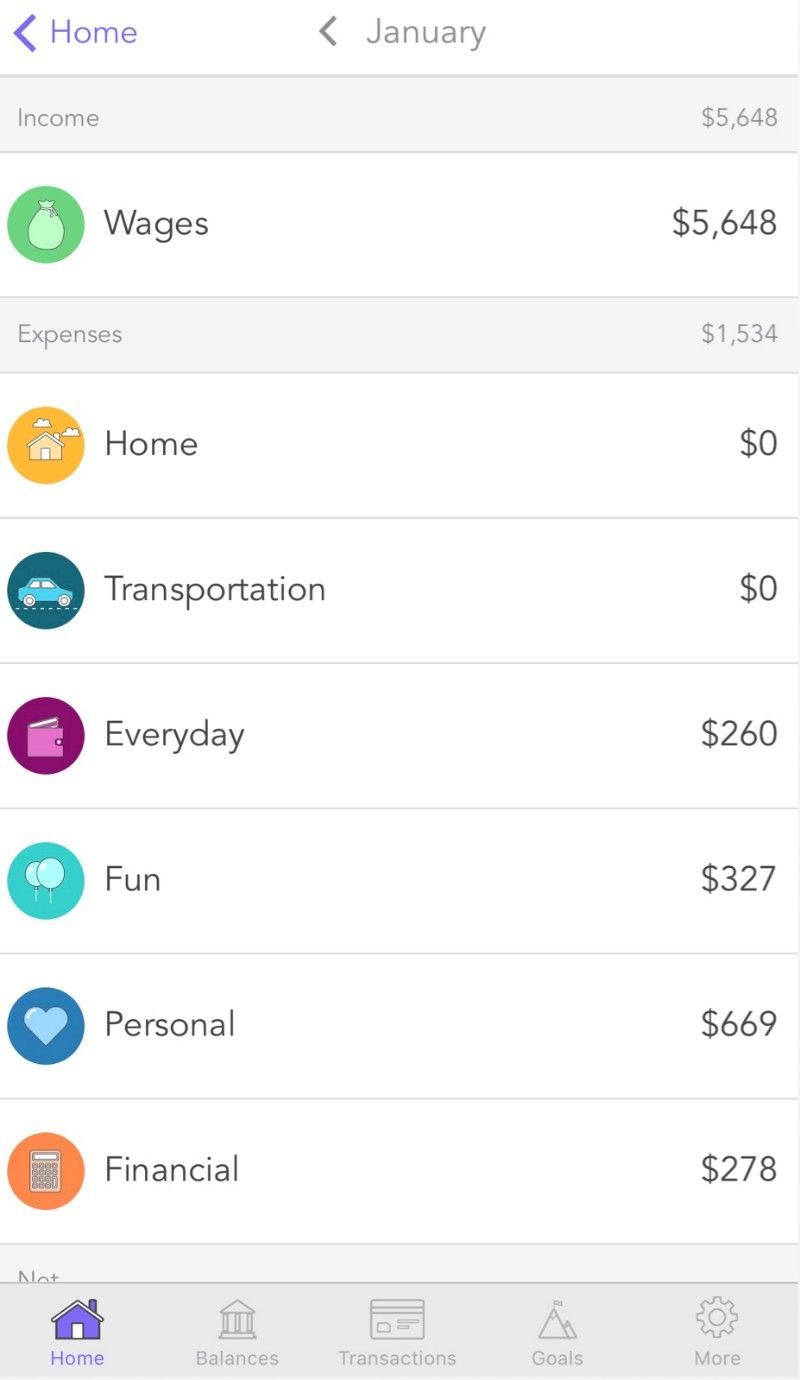
5 Simple Ways to Set a Budget and Avoid Overspending

by Mihir Patkar
ways-set-budget

Less than half the people in the world set a budget and adhere to it. This basic financial mistake often leads to overspending and eventual economic troubles. These five simple methods will help anyone set a budget that they can live comfortably with.

These apps are useful for beginners and those who don’t already set budgets. If you already have a budget and are looking to level-up or learn new methods and tools to save, you should check out Mint or YNAB, two of the best budgeting apps. Not only do they make it easier, but they also teach you saving skills.

Fifty Thirty Twenty (Web): Elizabeth Warren’s Budgeting Method

Elizabeth Warren's 50-30-20 method of budgeting

US Senator Elizabeth Warren, who is also running for President, popularized the 50-30-20 rule of budgeting in a book in 2005. Warren advises splitting your income such that you spend 50% on things you need (like rent, utilities, groceries, etc.), 30% on things you want (internet, entertainment, dining out, etc.), and 20% on savings and paying debt (student loans, retirement funds, etc.).

The system has become very popular, but how realistic is it? Fifty Thirty Twenty takes the rule and applies it to the average US citizen today. Using government-provided figures, this interactive guide shows who can and cannot live with the 50-30-20 rule, and suggests other methods too.

That said, the 50-30-20 budget is about living within your means. Even if it seems difficult, perhaps making some hard choices could make it work for you in the long term. To calculate the 50-30-20 budget for yourself, use the website’s 50-30-20 Budgeting Worksheet or NerdWallet’s calculator. Fill it out and you’ll find where you need to cut expenses to live within the 50-30-20 rules.

Moplan (Android): How Much Can You Spend Today?

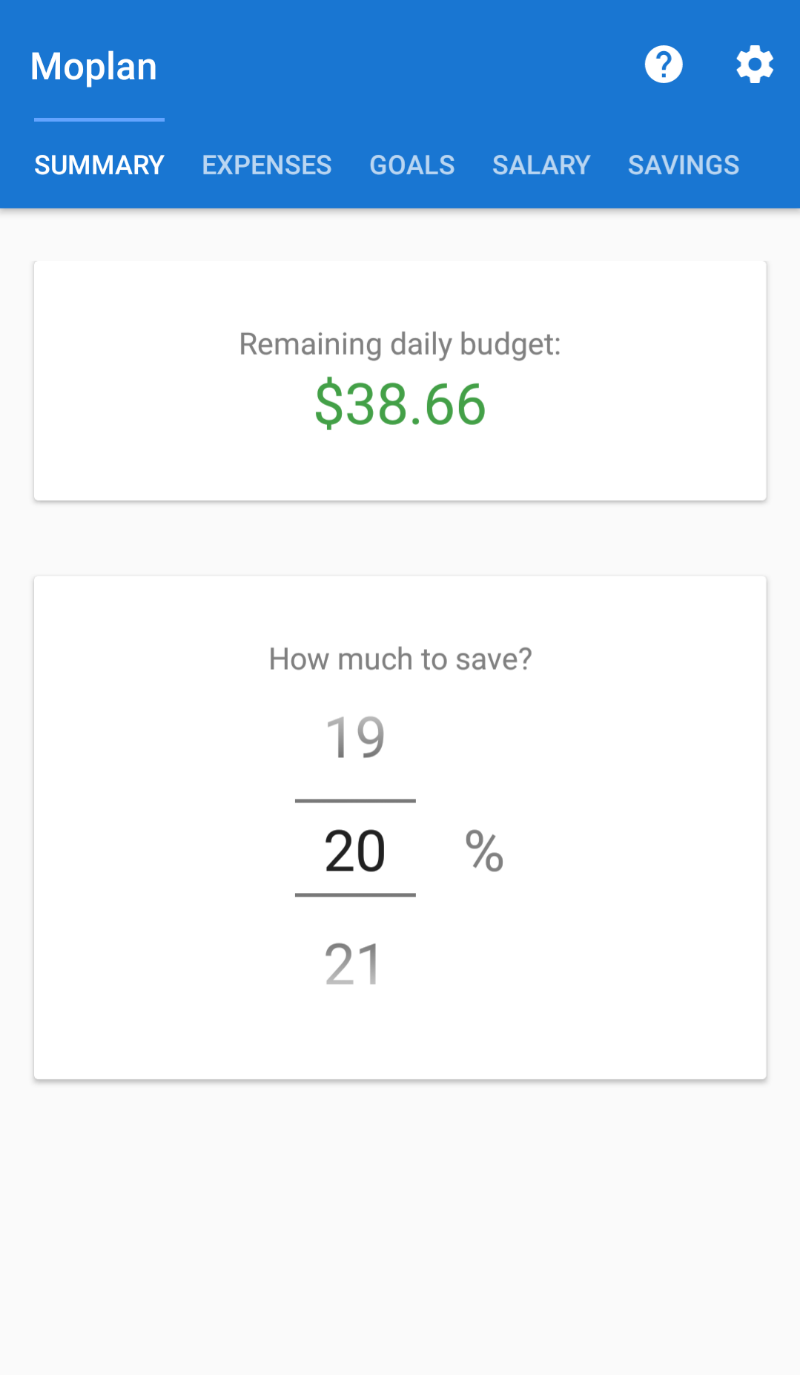
Moplan is the simplest app for budgeting beginners who need a constant reminder of their limits. Especially if you newly have a daily limit on expenditures, it can be difficult to track and stick to it. Set up Moplan and then add its handy widget to your homescreen, so you are constantly aware of how much you can spend today.

The app is ideal for those who have regular paydays and bill days. When you start the app the first time, you need to add your income and regular expenses, as well as their due dates. This lets Moplan create a daily expenditure limit for you.

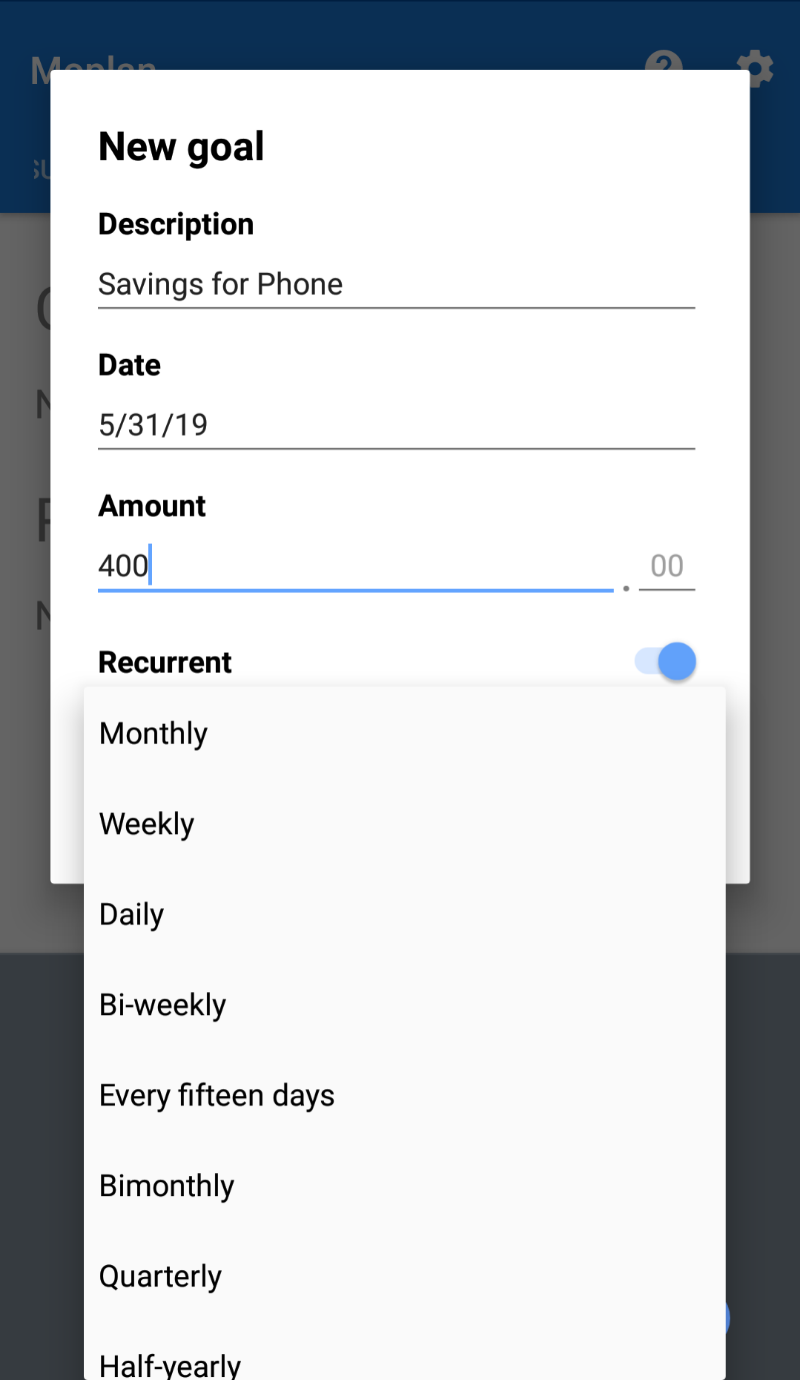
You can also set a savings target in percentage, as well as “Goals” for things you want. You’ll need to do the goal’s split yourself if you want to save money over some time.

Every time you spend money during the day, add it into Moplan. This updates the daily expenditure limit widget, reminding you how much you can spend. It can seem daunting at first, but this is one of those good financial habits that will serve you well in the long term.

Download: Moplan for Android (Free)

Beginner’s Spreadsheet (Google Docs): Redditor’s Free Template

Simplest budget planning free spreadsheet for beginners

This is one of the most impressive budgeting spreadsheets I have seen, especially for how simple it is to use. Reddit user Celesmeh shared this personal spreadsheet for people who don’t know how to budget. The idea is to make a daily budget for yourself, which supports long-term goals as well.

The spreadsheet, which you can copy in Google Docs and download to use offline, shows a snapshot of your daily spending limit, monthly earnings and expenditures, flex spending, and a pie chart of where your money is going. How it reaches this snapshot is the interesting part.

Each aspect of your money is broken down in the simplest format possible. Add income and expenses, credit card payments, large goals, tips, daily expenses, and almost anything else related to your money. The calculator will take care of everything. You can even rename elements or add new ones.

The spreadsheet includes detailed instructions on how to use it so you can get started immediately. If you like what you see, read Celesmeh’s original post for discussions and ideas.

Download: Budget-again for Google Docs (Free)

Paper and Excel Tracker: A Guide on Annual Personal Budgeting

Paper and Excel budget tracker for advanced budgeting

Apps aren’t for everyone. Some prefer a simple paper-and-pen approach to keep track of expenditures and receipts. Reddit user WhiskeySauer put together a guide on how to do that, convert it into data on an Excel spreadsheet, and use it to budget your living.

WhiskeySauer recommends using a folder to track and store all your expenses and receipts, along with a blank page that lists every foreseeable expense already. You fill the sheet manually with a pen, which can help in crystallizing your expenditures much like writing notes can help in remembering them later.

At the end of the month, add all that data into the spreadsheet to get a snapshot of your annual budget, spending patterns, and other useful information.

Note: WhiskeySauer’s spreadsheet link isn’t working right now, but it would be easy to make your own Excel based on the screenshot guide, or you can wait for an updated link.

Honeyfi (Android, iOS): Budgeting for Couples

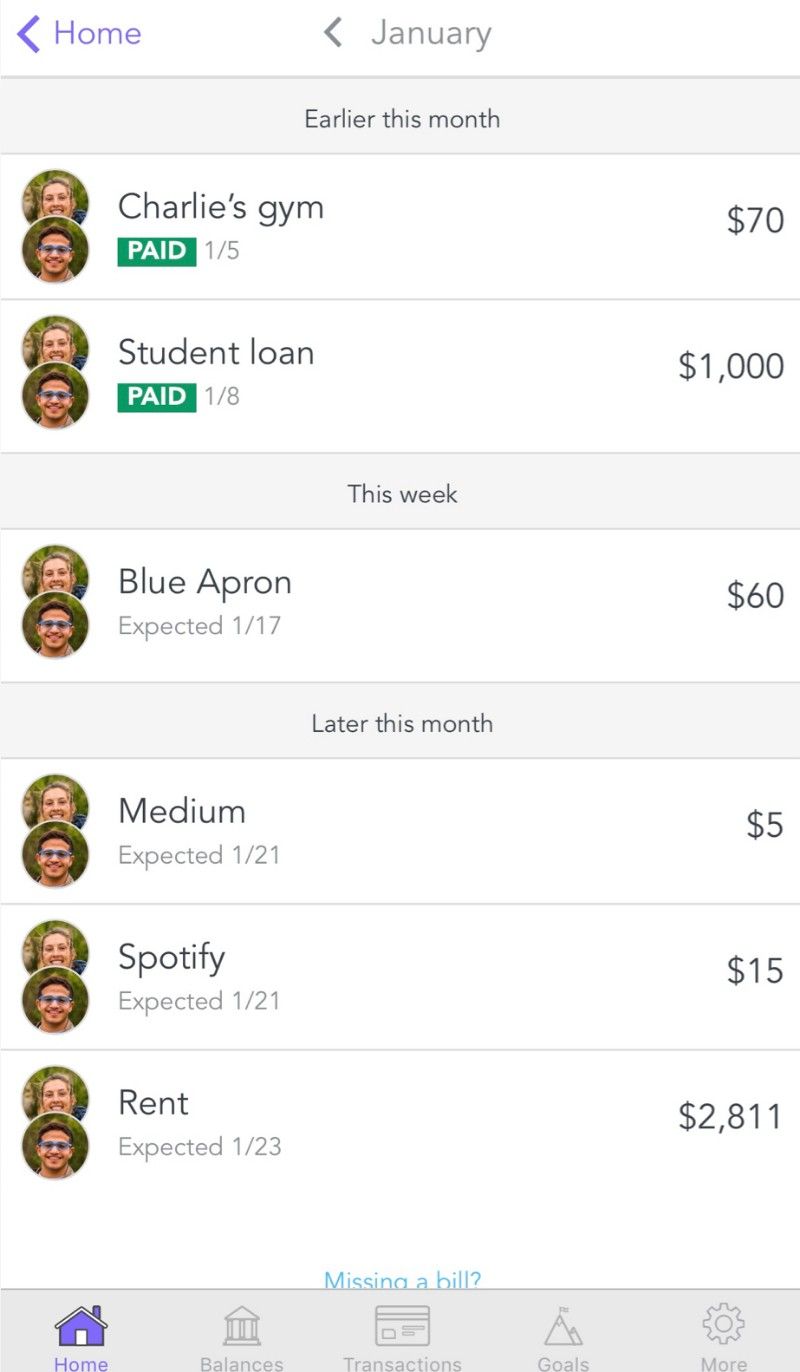
If you and your significant other have intertwined finances, you need an app that can set a budget together. Honeyfi works on both Android and iOS, and has all the features that a couple would need to set joint financial goals.

US citizens can link their Venmo accounts, credit cards, and manually add transactions too. You can add comments to a transaction to explain it to your partner, or as a note for yourself to remember later.

Like any other budgeting app, you can add incomes, expenses, upcoming bills, and all that jazz. But turning it into a shared dashboard of your coupled finances is where it helps the most.

Download: Honeyfi for Android | iOS (Free)

Try Out Simple Calculators

Much like the 50-30-20 budgeting rule, there are other budgeting methods and formulas that different financial advisors recommend. Most of these can be translated into simple calculators, which are available for free online.

Financial guru Dave Ramsey’s seven-step budgeting system, for example, is available as a free app called EveryDollar. Try it out, as well as other great budget calculators, to figure out the best financial management approach for yourself.

Read the full article: 5 Simple Ways to Set a Budget and Avoid Overspending

23 May 12:41

Historic U.S. Bill To Clean Up Recycling At The Bin And Save Billions

by Natalie Parletta, Contributor
A long overdue national recycling strategy will standardize recycling labels across the country.
22 May 11:59

Top 5 Sites to Identify the Owner of a Phone Number

by Tina Sieber

Phone numbers are a little like fingerprints; they can reveal a lot about a person, for example, their name or where they live. If you received a call from a number you don’t recognize, the following resources can help you identify the caller before you ring them back.

The Limits of an Online Phone Number Search

Several online tools let you reverse lookup and possibly identify who a phone number is registered to.

Unfortunately, you will run into several limitations with any phone number identification:

  1. If someone added their number to the National Do Not Call Registry or had it removed from a site like WhitePages, it will be difficult to trace that phone number.
  2. It’s almost impossible to find out the identity of the person behind a mobile phone number for free. Though with North American numbers, you can at least find where the number was registered.
  3. Moreover, many “free” services will try to sell you their service, even if it is possible to find the information for free elsewhere.
  4. Some countries, including the UK and Australia, have restricted the reverse lookup of phone numbers. So if you’re trying to find a number from these countries, you’re out of luck.
  5. Phone numbers can go out of service or change owners. Since it can take some time for a service to catch up on these changes, you can never fully rely on the information you find online.

With those restrictions in mind, let’s look at the best strategies to check for the origin or owner of a phone number.

Top Sites to Find a Phone Number

1. Google

This is the brute force method of identifying a phone number, but it’s quick, easy, and completely free. If the call is from an official or otherwise public source, a search engine like Google or DuckDuckGo might come up with every last detail about the location and owner of the phone number.

The screenshot below, for example, shows the Google result when searching for the number of the National Do Not Call Registry.

Searching for a phone number on Google.

Your Google search did not amount to much, so what next?

Bonus: Find Out Where the Phone Number Is From

Before you can choose the best service to identify the owner of a phone number, let’s narrow it down to a specific location first. You can skip this step if you recognize the country and area code. For automatic location lookup, you can also skip ahead and try the first online tool listed below.

Generally, a North American phone number consists of 10 digits. The first three digits represent the area code, meaning you can use these numbers to narrow down the location of the number. An easy way to do this is to type the three digits followed by the phrase “area code” into a Google search.

Searching for the area code of a phone number on Google.

It’s a little more complicated if you’ve received a call from an international number. You should see a much longer number, including a country code, which can be anywhere from one (e.g. +1 for USA and Canada) to three (e.g. +506 for Costa Rica) digits long. Just as outlined above, head over to Google, type in the number with the phrase “country code”, and you’ll get an instant answer.

To find out more about the number’s location within a country, you’ll need to learn more about how their phone numbers work. For example, area codes in Germany generally start with a zero and can be three to five digits long, such as 030 for Berlin or 0711 for Stuttgart. In a long distance call from Germany (country code +49), however, the number should show up as +49-711-xxxxxx, i.e. omitting the zero from the area code.

Now that you have a better idea of where the phone number is from, choose a service that covers this location.

2. Whitepages

Location: North America

Whitepages reverse phone lookup service.

Whitepages is one of the most established online services to find people and phone numbers in the US. Use this website to do a reverse lookup for North American landline and mobile numbers. Just enter the number in the Phone search field and hit Enter.

If Whitepages does not have an entry, it will give you some basic details about the number, such as its location and spam or fraud risk.

Note: Whitepages offers monthly subscription packages for users located in the United States. Premium users will gain access to additional information, like mobile phone numbers and full address history. This is one of the more trustworthy services you’ll encounter when trying to look up a phone number online.

3. WhoCallsMe

Location: International, but primarily North America

Reverse phone number lookup database for telemarketers and public numbers.

Do you suspect that you’re receiving unsolicited calls from a scammer, telemarketer, or a pollster? Then this is the service you should try. Enter the number in the search field and hit Search.

WhoCallsMe will tell you everything it knows about this number, including its location and any reports it has collected from other users. Once you’ve entered a number, you can contribute to the service’s database by leaving your own notes about the caller.

A similar page is Who Called Us.

4. Searchbug

Location: North America

Reverse phone number lookup using Searchbug.

This tool can quickly help you look up the location of North American phone numbers. Just type in the phone number, hit Search, and wait for Searchbug’s data on this number.

If they can’t find a public record for this number, you’ll at least learn whether this is a toll-free, landline, or mobile number and possibly where the caller is located.

Note: Searchbug will try to charge you for additional information, like the full name of the owner of the phone number, though you might be able to find it for free online.

5. NumberVille

Location: International

Search international phone numbers and find the owner and location.

This site is similar to Searchbug, but it works with international numbers, too. It appears to offer more information for free, including current and past addresses associated with a phone number; I suspect it pulls this data from Whitepages. I also had the impression it was more up-to-date than its competitors, such as ReversePhoneLookup or SpyDialer.

Note: NumberVille will log and publicly display your IP address, so you better use a VPN if you want to stay anonymous.

Did You Manage to Identify the Phone Number?

It’s not easy to find the owner of a phone number, including their name and location. But hopefully, you have a better idea of who’s given you an unsolicited call.

Have you been on the receiving end of spam calls? Learn how to block those unwanted calls once and for all.

Read the full article: Top 5 Sites to Identify the Owner of a Phone Number

21 May 14:39

Habits of Lucky People

by swissmiss

21 May 14:11

AI relies on human ‘labelers’ who make as little as $2.50 an hour

by Zachary Crockett

Artificial intelligence is driving some of the biggest technological advancements of our time, from self-driving cars to facial recognition.

But as Axios reports, this technology is reliant on a growing, often low-paid sector of human workers, or “AI sharecroppers.”

Day labelers

Before an AI system can identify images on its own (a process called deep learning), it must be “trained” with millions of hand-labeled images.

This so-called “AI labeling” industry is projected to grow from $150m globally in 2018 to $1B by 2023 — and like many booming industries, it’s largely dependent on tedious, cheap labor.

Many of these jobs are outsourced to Southeast Asia and Kenya, where workers sit at computers labeling millions of images (stop signs, animals, vehicles) for as little as $2.50 per hour.

But as IEEE Spectrum reports, some of these jobs also find a home on US soil.

Alegion, based in Texas, promises to help veterans “find meaningful work in the new digital gig economy.” (Apparently, this means labeling aerial photos of cars and trucks for $7-15 per hour.)

Big-time benefits for a small-time cost

Though the work these labelers do is rote, repetitious, and often referred to as “unskilled,” the financial value AI companies reap from it is enormous.”The companies derive benefit over a long time, while workers are paid just once,” James Cham, a VC at Bloomberg Beta, told Axios. “They are paid like sharecroppers, making subsistence wages. The landowners get all the returns because of how the system is set up.”

The post AI relies on human ‘labelers’ who make as little as $2.50 an hour appeared first on The Hustle.

21 May 14:04

Amazon is offering its employees $10k to quit and join its delivery service program

by Wes Schlagenhauf

In June, Amazon announced a new business opportunity for “entrepreneurs” to run a fleet of delivery trucks for the e-commerce giant through its Delivery Service Partner program.A few days ago, the company said it would expand its delivery program, offering existing Amazon employees $10k — along with 3 months of gross pay — and all they had to do was quit their existing job.

                                                                                                                                                                                                                                                                                       
“Now we have a path for those associates with an appetite to own their own businesses.” -- Amazon senior VP, Dave Clark

TRANSLATION: Amazon’s struggling to execute on its next-day delivery plans, because the criteria to start a fleet is damn near unattainable.

Amazon claims delivery partners can make up to $300k a year — but to become a Delivery Service Partner, a regular person must invest $10k and have liquid assets of at least $30k.

In other words, Amazon is asking its employees with benefits and a consistent (albeit generally unfair) wage to quit their jobs and become outside contractors in exchange for the multibillion-dollar powerhouse covering the investment cost.

It could be either/or for some Amazon employees

Per Reuters, the incentive comes at a time when Amazon is increasing automation in its warehouses that will put some warehouse workers out of jobs.

$10k is cool, but how many of those employees on the chopping block (or anyone really) has even close to $30k in liquidity?

The post Amazon is offering its employees $10k to quit and join its delivery service program appeared first on The Hustle.

21 May 12:59

Wild Fermentation

by Kevin Kelly

Yogurt, bread, beer, kimchi, wine, cheese, miso, kraut, and vinegar are among the many foods produced with the aid of microorganisms. Those are living beasties of a type that we ordinarily try to remove from what we eat. This cookbook $21 is full of fermentation recipes. It presents a unified theory of “live-culture foods,” a way of connecting their different methods in order to understand why fermentation is a Good Thing, and why there should be more of it.

Fermentation is fairly easy to do. It can self-correct many beginner’s errors. It is definitely a slow-food process, but at the same time, a low-effort process since the bugs do most of the work. The recipes here are starter ones, broad in scope, easy to do, just to get you going. The appendix contains a good roundup of sources for a large variety of live cultures. You can find deeper more complex recipes in specific books, but here in one slim volume is a great introduction to how to ferment. At least once, you should make your own yogurt, bread, beer, kimchi, wine, cheese, miso, kraut, and vinegar. Find what you do well and make more of it.

More importantly, ferment something new.

-- KK

[This is a Cool Tools Favorite from 2011]

Wild Fermentation
Sandor Ellix Katz
2003, 200 pages
$21

Available from Amazon

Sample Excerpts:

By eating a variety of live fermented foods, you promote diversity among microbial cultures in your body.

*

wildfermentation2.jpg

*

I know of no food that is without some tradition of fermentation.

*
Hamid Dirar has identified eighty distinct fermentation processes in The Indigenous Fermented Food of the Sudan, a book describing an incredible array of ferments that result in consumption of every bit of animal flesh and bone.

18 May 13:15

Snoopy to the Moon! Apollo 10 Commander Looks Back on Historic Flight 50 Years Ago

by Chelsea Gohd
Fifty years ago today, NASA's Apollo 10 mission rocketed to the moon. The crew got just 9 miles from the surface, but they never landed. Often referred to as a dress rehearsal for the lunar landing, this mission was an integral step forward in the Apollo program ...
18 May 13:14

Traeger's wood pellet grill is so good it hurts - CNET

by Brian Bennett
Commentary: I love barbecue from Traeger pellet smokers, and they're so expensive I hate them for it.
18 May 13:13

5G: From iPhone 12 to Galaxy Note 20, here's what you need to know - CNET

by Roger Cheng
With all the marquee phones in the industry getting 5G, the next-generation wireless technology has hit mainstream. This is what it means for you.
13 May 14:19

Baseball stars are getting paid less than they were 10 years ago

by Wes Schlagenhauf

Major League Baseball teams started going yard on player contracts when Kevin Brown became baseball’s first nine-figure player in 1998. And by 2007, Alex Rodriguez signed a 10-year, $275m contract with the New York Yankees. But since 2015, MLB salaries have been in a slump. 

With adjusted inflation even Bryce Harper (who signed a record 13-year, $330m deal with the Phillies this year) can’t match what the Yankees shelled out for A-Rod 12 years ago. 

So why the small ball?

Blame Billy Beane

Over the years, clubs have fielded armies of statisticians who’ve realized it’s not always a home run to pay top dollar for top-level talent. Why swing for one when you can field an entire infield for the same price?

Now, many top players have lost interest in free agency, instead opting to sign extensions with their current teams for a set salary after their contracts expire.

The free agency curveball 

In 2018, superstar Mike Trout stayed with the Anaheim Angels instead of testing the market. That led to the largest contract extension in baseball history

Anyone else would’ve likely made more in free agency than by signing an extension — but if you get hurt when you’re about to become a free agent, you could lose out on the grand slam tickle.

The post Baseball stars are getting paid less than they were 10 years ago appeared first on The Hustle.

13 May 14:18

Swiss government says coffee 'not essential', stockpiling to end

Switzerland on Wednesday announced plans to abolish the nation's emergency stockpile of coffee, in place for decades, after declaring the beans not vital for human survival, though opposition to the proposal is brewing.
13 May 12:54

Mathics: How to Do Hard Math When You’re Not an MIT Janitor

by Al Williams

Algebra is the bane of many a student, but it is surprisingly useful when it comes to electronics. Sure, you can just memorize all the permutations of things like Ohm’s law. But it is better if you can remember one form and deduce the others on the fly.

There are many occasions where you — as our old Algebra teacher used to say — need to use what you know to get what you don’t know. The gold standard, of course, is a computer program called Mathematica. For home and student use, the software is “only” about $160-$600, but commercial versions range from about $1,000 to nearly $8,000. Of course, there are free alternatives, and the one we’re looking at today is Mathics. It will run in your browser or as a desktop application powered by Python, and it’s available for free.

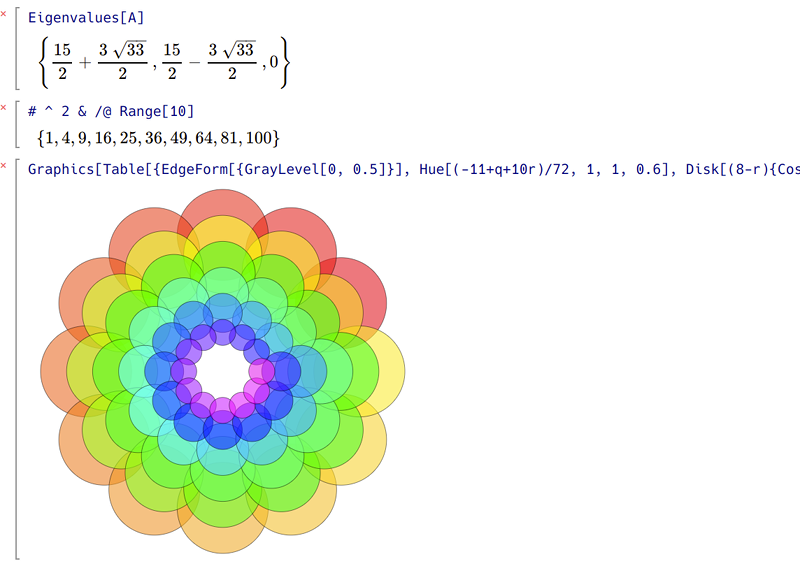
The program does a nice job of displaying mathematical formulae and you can get an idea of its power by visit the online version. which has examples if you click the question-mark in the upper right and look for the fourth item down. There’s also a standalone version of the online help.

We did have a little trouble with some of the gallery examples timing out, as well as the site certificate being expired. We also had a bit of difficulty remembering the linear algebra classes we took a long time ago! If you want something easy to play with try this:

Solve[4x+3==20,x]

Don’t forget to press Shift+Enter in the browser to get the solution.

Under the hood, MathJax and SymPy do a lot of the heavy lifting. In fact, we imagine a lot of the program’s intended audience would wind up using Jupyter notebooks with Python underneath. Of course, there are copies of Wolfram software on stock Raspberry Pi’s, too.

13 May 12:53

Better Debating Through Electronics

by Lewin Day

Watch any news panel show these days, and you’ll see that things can very quickly become unruly. Guests compete for airtime by shouting over one another and attempting to derail their opponent’s talking points. [cutajar.sacha] had encountered this very problem in the workplace, and set about creating a solution.

The result is the Debatable Deliberator, and it combines the basics of “Talking Stick” practices with behavioural training through humiliation. Two participants each wear a headband, fitted with electronics. The holder of the magic ball may speak for as long as the timer counts down. If their opponent speaks during this time, their headband reprimands them with gentle slapping to the face. If the holder speaks over their assigned time, they are similarly treated to mechanical slapping.

It’s an amusing way to help police a discussion between two parties, and it’s all made possible with a trio of WeMos D1 ESP8266 boards. The headbands act as clients, while the ball acts as a server and keeps track of how many times each speaker has broken the rules.

WiFi projects such as this one have become much easier in the past few years with the wide availability of chips like the ESP8266. Of course, if you need more grunt, you can always upgrade to the ESP32.

13 May 12:30

Together, 'Deep Medicine' And 'The Butchering Art' Reveal How Little Medicine Has Changed

by Robert Pearl, M.D., Contributor
Judging by their covers, "Deep Medicine" and "The Butchering Art" seem to take place in different worlds. Reading them back to back reveals a shocking truth: Today’s medical practice bears a striking resemblance to the world of medicine from two centuries ago.
13 May 12:24

Want To Make Better Decisions?

by Tara Swart, Contributor
Neurobiological research reveals complex communication between millions of neurons embedded in our gut, and the limbic brain, integral to decision-making. Decisions rely more on 'gut feel' that we may realize. Tuning into intuition and boosting gut-health delivers a double-benefit. Here's how.
10 May 14:10

If You’re Looking for a Great Affordable Bike to Commute, This Is It

Since 2009, State Bicycles has been making beautiful commuter-specific bikes. This one is ideal for the road.

07 May 17:31

5G fever: US consumers willing to pay a lot more, Ericsson study shows - CNET

by Shara Tibken
Folks in the US are hot to stream video at 5G's superfast speeds -- and maybe watch a football game with a mini 3D field in front of them.
07 May 16:47

The 15-minute Workout: Keeping It 300

by Miranda Smith
Featured 15minuteworkout keppingit300.jpg?ixlib=rails 2.1

We’re back for the fourth installment of our 15-minute workout series with fitness expert and lululemon Mindful Performance Manager Jian Pablico. (Make sure to check out the firstsecond, and third workouts if you missed them.)

These are no-nonsense workouts for when hours at the gym after a long workday just isn’t gonna fly. You can do them at home—no special equipment needed. Jian keeps it simple (warning: simple does not mean easy—Jian kicked our butts when we worked out with him) and designs his workouts to give you the most bang for your buck. Or, the most bang for your… fifteen minutes.

Give ‘em a try and let us know how you did.


Mountain Climbers


This workout is called “Keeping it 300” because if you finish all the prescribed reps, it all equals 300 reps (note we said if). You may not finish the workout at your first go around but the best part is, you can have another go at a later date and you have some data (aka motivation) in order to inspire you to go further the next go around.

EXERCISES

• 50 jump squats

• 50 alternating v situps

• 50 push-ups

• 50 lunges

• 50 mountain climbers

• 50 burpees

+ Every 3rd minute, sprint 200 meters (or a similar cardio exercise that that takes you about 30-45 seconds to complete). Start with the run, then run again at the three, six, nine, and 12-minute marks.


Set a timer and take your first sprint. After that, start chipping away at your reps in the order they’re listed above. Every three minutes, take another sprint and then get back to your reps where you left off. The goal is to finish all 300 reps before the 15 minutes expires. The faster you do the movements (with form and safety in mind), the faster you will finish the workout, and, the faster you run, the more time you have to finish your reps. Good luck!

(And if you need a refresher on keeping your form in top shape through all 50 push-ups, we’ve got Jian’s step-by-step guide to the basics below.)


HOW TO DO A JUMP SQUAT
 

1. Begin standing tall with feet shoulder-width apart
2. Squat down until your hips are level with your knees, while keeping your heels to the ground and spine straight

3. On the way back up, before reaching standing position, explode off the floor with a jump and land softly back into the next squat


HOW TO DO ALTERNATING V SITUPS
 

1. Begin lying down with shoulders, glutes, and legs on the ground

2. Using your core and balancing your weight on your glutes, simultaneously lift your right leg and left arm to touch left hand to right foot (or shins)
3. Using your core (not gravity) lower back down to starting position

4. Repeat movement with the opposite arm and leg


HOW TO DO A PUSH-UP
 

1. Start in an upper plank position, with your hands below shoulders and your core engaged

2. Keeping the core engaged and elbows in, lower your chest to the floor

3. Push back up to starting position


HOW TO DO A WALKING LUNGE


1. Begin from a standing position and make sure there is room to move forwards

2. Take a big step with one leg for the lunge

3. Lower your body until the back knee hovers just above the ground (be sure to keep your front knee above your ankle, not in front of it)

4. Bring the back leg forward to original standing position to count as a rep

5. Step the opposite leg for the next lunge


HOW TO DO MOUNTAIN CLIMBERS
 

1. Start in a high plank: shoulder over the wrists, core tight, glutes engaged

2. Take your right foot off the ground and using your core, bring the right knee up to gently touch the back of your right elbow for 1 repetition

3. Bring the right leg back to the original position

4. repeat with the left leg


HOW TO DO A BURPEE


1. Begin in a standing position with feet shoulder width apart

2. Lower your body into a squatting position while, at the same time, placing both hands on the floor in front of you (shoulders over the wrist like a push-up)

3. Kick both feet back so that you are in a plank

4. While keeping your body rigid, lower your chest for a push-up

5. Hop back up to position 2

6. Rise up to standing position and take a small hop—clap hands at the top of the jump to signify a rep well-done


>>Next: The 15-minute Workout You Can Do Anywhere


07 May 16:27

The Rundown: Jay Larson

Featured therundownjaylarsonfinishedbanner

We know, it’s been a while, but The Rundown is back. We’re kicking things off with our buddy, comedian Jay Larson, who just came out with a new podcast, Thruline. Jay’s got jokes, sure—but he’s also got suggestions on everything from his favorite tequila to which coffee maker will make you the most popular person in the office. 


Jay Larson


Life hack: An Arnold Palmer should be 70/30...iced tea/lemonade, guys.

Travel hack: Even if I’m Zone 6, I go with Zone 1 and make small talk with the attendant, “How are you this sweet this early in the morning?” And boom, I’m cozy in my seat.

If you had $500, how would you blow it on Huckberry?: Uuni 3 Bundle and Bunka Knife.

Splurge wine or beer or liquor: Casa Dragones Joven Tequila. Hands down the smoothest sipper in the tequila game.

New podcast you’re into: My new podcast the Thruline—Music, Comedy, Acting, Writing, Adventure, it has it all.

Favorite Huckberry Purchase: I stepped up and got the Ratio Eight Coffee Maker for my office and I’m kinda the man now.


Music or station to workto: Fleet Foxes radio on Spotify, I can’t stop

Most inspiring person you follow on Instagram: Bryan Callen, he just cracks me up.

Book that’s changed your behavior the most: The Four Agreements, I read it twice a year. It always resets me.

Netflix recommendation: Three Identical Strangers, it will literally blow your mind... three different times!

Next Huckberry purchase: I have Danner boots on the way so those don’t count, so next up I really want the Proof Nomad Pants.

Favorite new discovery: Transcendental Meditation. Completely changed my life.

Favorite place to wake up/fall asleep: Anywhere with my kids.

Favorite place to shower: Outdoors, if I could shower outdoors every day, I’d be a happy man.

Favorite Huckberry brand: Flint and Tinder’s Waxed Canvas Trucker is the best jacket I have ever owned.


>>Next: The Rundown: 3.11.2018


07 May 16:21

How to Make a Beer Can Camp Stove

by Miranda Smith
Featured beer can camp stove banner

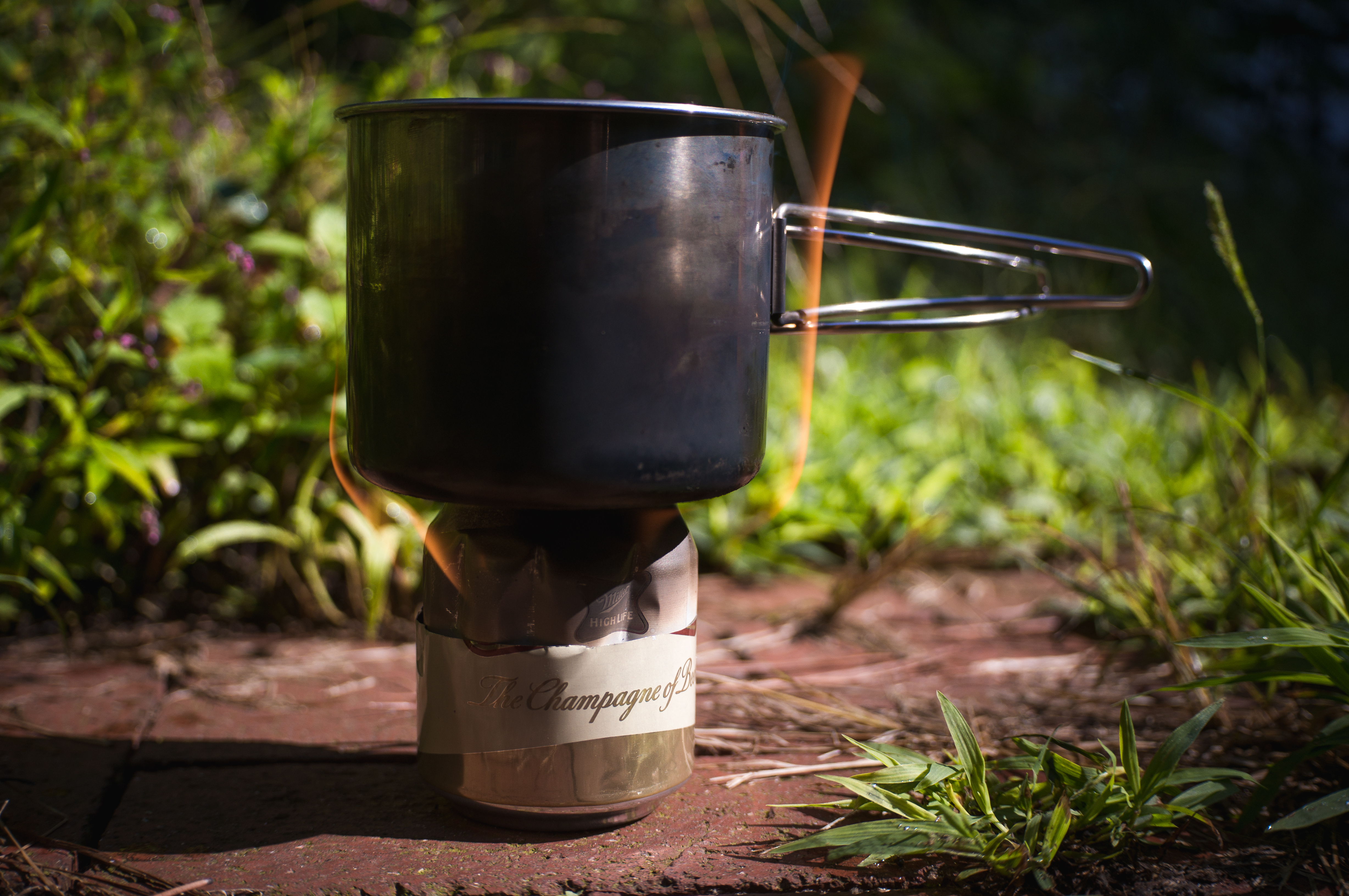
What’s the most important thing an outdoorsman can be? Resourceful. Whether it’s using Doritos as kindling or strapping your headlamp to a Nalgene for a makeshift lantern, hacks like these can make the difference when you’re deep in the backcountry (or even just car camping). Our favorite outdoor party trick? The beer can camp stove. That’s right, you can cook breakfast on your empty cans from last night. It costs nothing and actually holds up pretty well against other backpacking stoves because it’s so light (not to mention, it looks pretty badass). Read on for our step-by-step guide to turning your trash into dinner. 

Completed camp stove


Tools Needed
 

• Aluminum beer or soda

• Scissors

Knife

• Isopropyl alcohol

• Lighter

Items needed for the beer can camp stove


Directions
 

Step One:

Choose your can and drink up. (Off the record: We knew this was the right project for us when the first step was to toss back a cold one.) When you’re done, clean out the can with water so it isn’t sticky.

Step one: Choose your beer and drink up

Step Two:

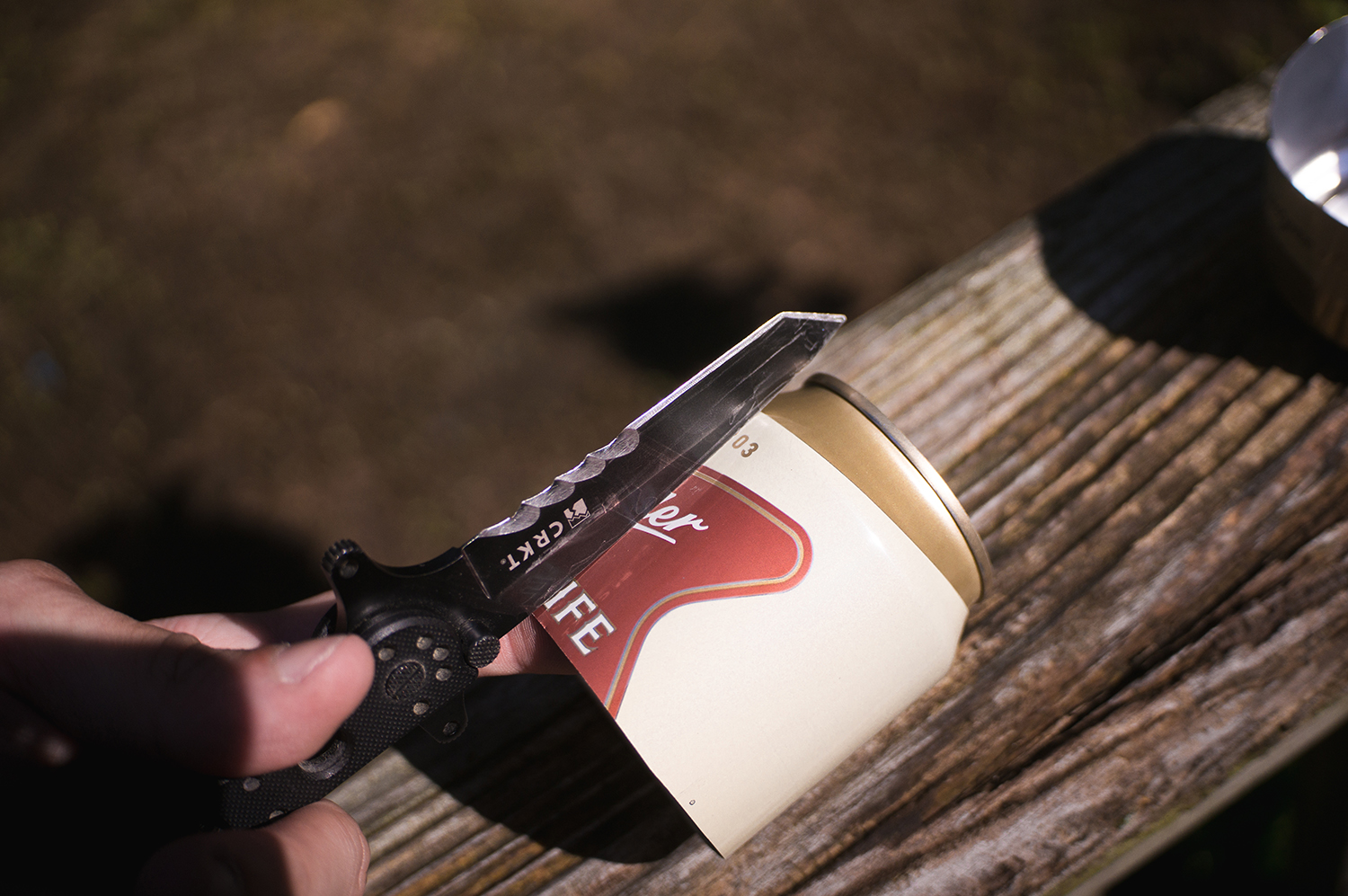
Using your knife, you’re going to cut off the top surface of the can. Initially poking through can be tough, so go about it carefully. Then, cut around the rim, keeping it as close as possible for a wider mouth. Once the top is removed, we can use the side of our knife to bend back any of the sharp little burs that remain from the cutting.

Step two: Cut off the top surface of the can

Step Three:

Next, use your scissors to carefully cut the can in half. If the cut turns out a little crooked, just be sure to trim off any excess.

Step three: Carefully cut the can in half

Step three: Carefully cut can in half
 

Step Four:

Next, on the top half of the can, you’re going to create channels for the flames. Place two fingers inside of the can, and use the back of our knife blade to crimp the can in the space between our fingers. It doesn’t take much pressure, so don’t overdo it. Once we have our first crimp, we’re going to repeat this step every finger-length so that they completely surround the can.

Step four: Create channels for the flames

Step four: Create channels for flames

Step Five:

Now we place the crimped portion of the can into the bottom section. If your top section isn’t level, go ahead and trim. You’ll need your cooking surface to be flat. 

Step five: Put halves together

Step Six:

Finally, somewhere along the top edge of our stove, poke a small “breather hole.” It doesn’t have to be pretty; it just has to let air reach the inside of the stove.

Using your stove


Using Your Stove


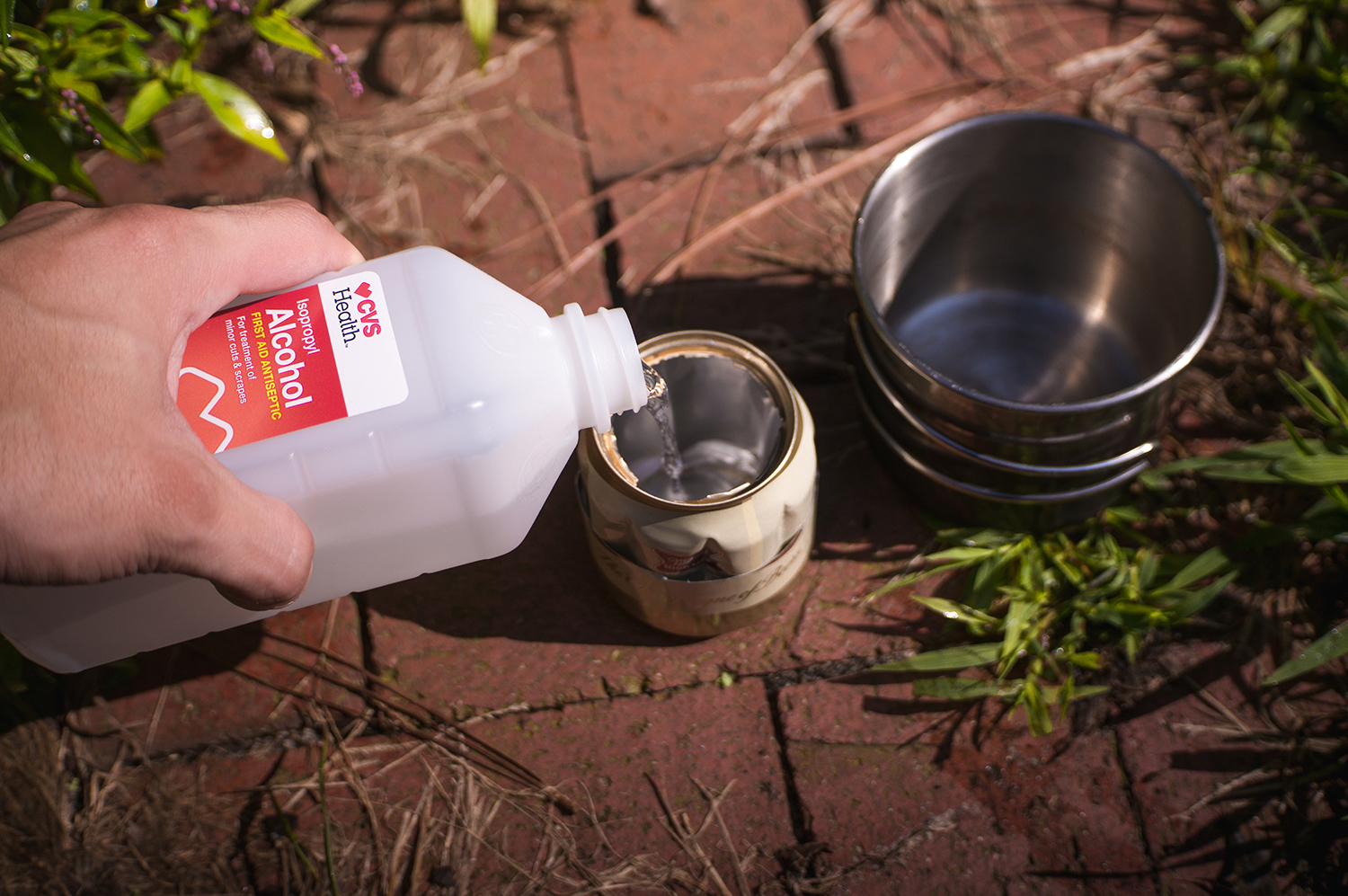
To fuel your stove, use isopropyl alcohol, or medical alcohol that can be purchased at any corner drug store or convenience store. Be sure the bottle is at least 90% alcohol, otherwise, the water content makes it too difficult to light. Pour some into the bottom of our stove. 1/4 inch is usually a good measurement to start with for something like coffee. If you decide to cook dinner, you’ll need to add more.

With the fuel in our stove, all we need to do is hold a lighter near the mouth to ignite the fuel. After giving the fire a few seconds to start, we can see the flames reach out of the stove from those side crimps. It’s at this point we can add our pot and cook.

Add fuel to your stove

Using your camp stove


Storing Your Stove
 

When hiking, things can get banged around, so we suggest storing your stove inside the pot you will use to boil water, and store your alcohol in a shatterproof, durable container to prevent leaks and spills.


Final step: Cook your buddies breakfast (we’ve got recipes for bacon bourbon pancakes and a classic hot toddy). Last night’s brew was good for more than just a hangover. Let us know how your beer can camp stove turns out, and if you’ve got crafty camping hacks of your own, comment below or tag us on Instagram


>>Next: Three of Our Favorite Adventurers Spill Their Road Trip Knowledge