Jean-Philippe Encausse
Shared posts
How to pitch your startup to investors
ESP-FLY DIY Kit is a tiny ESP32-S3-based DIY micro drone kit


ESP-FLY DIY kit is a miniature DIY drone kit based on Seeed Studio’s XIAO ESP32-S3 board that was initially introduced as a DIY project on Instructables by Max Imagination, but is now available as a complete kit for $59.99 on Seeed Studio.
It’s certainly not the first ESP32 drone, but the ESP-FLY drone must be the smallest, as the miniature (67 x 67 x 31mm) quadcopter design allows users to store into any pocket or small boxes. It’s mainly designed for STEM education, hobbyist DIY Projects, and indoor flight practice.
ESP-FLY drone kit key features and specifications:
- Main Controller – Seeed Studio XIAO ESP32-S3 board
- Wireless MCU – Espressif Systems ESP32-S3R8
- CPU – Dual-core Tensilica LX7 microcontroller @ 240 MHz
- System Memory – 512KB SRAM, 8MB PSRAM
- Wireless – Wi-Fi 4 & Bluetooth 5.0 dual-mode (Classic + BLE) connectivity
- Storage – 8MB SPI flash
- Antenna – External u.FL antenna
- USB – USB Type-C port for power and programming
- Wireless MCU – Espressif Systems ESP32-S3R8
- Flight System
- MPU6050 IMU sensor
- 4x 615 Coreless Motors (70,000 RPM)
- 4x 30mm propellers (CW & CCW)
- Connectivity
- 2.4 GHz Wi-Fi (AP mode) and ESP-NOW
- Control Range – About 50m via smartphone and 200m via ESP-NOW controller
- Power
- 3.7V 250mAh 25C LiPo Battery
- Flight Time – ~5 minutes
- Charging – 5V via USB-C port on the XIAO board
- Dimensions – 67 x 67 x 31mm
- Weight – 25 grams with battery


The firmware is the same as for the Circuit Digest LiteWing DIY ESP32 drone, which you’ll find on GitHub, and relies on the ESP-Drone Android app for control from a smartphone, or you could use an ESP-NOW radio controller instead.
The cost of the list of parts is estimated at about $37 on Instructables, but that also includes ordering a custom PCB, printing the plastic parts, and ordering from various sources. The $59.99 ESP-DIY kit on Seeed Studio has everything you need to get started.

As we could have guessed from the product name “ESP-FLY kit”, the drone comes in a kit, and you’ll still need to do some assembly and soldering, as shown in the video below, but that’s part of the fun!
The post ESP-FLY DIY Kit is a tiny ESP32-S3-based DIY micro drone kit appeared first on CNX Software - Embedded Systems News.
Scorpions go terminator mode and reinforce their weapons with metal
Scorpions are armed with dual front pincers (technically known as chelae or pedipalp appendages) and a venom-injecting telson, or stinger, on the posterior of their tail. These things look dangerous enough on their own, but a chemical examination showed they contain metals like zinc, manganese, and iron.
“That the metals are there has been known since the 1990s,” said Sam Campbell, a biologist at the University of Queensland, Australia. “What we didn’t know was whether scorpions evolved to be like that or if it was accidental and they were just picking the metals up from the environment.”
To answer this question, Campbell and his colleagues examined how metals are distributed across the stingers and pincers of different scorpion species. Based on their data, detailed in a recent study published in the Journal of The Royal Society Interface, there was nothing accidental about it.

Talkie-1930 - Le LLM qui pense qu'on est en 1930
Une IA qui pense que 2026 ressemble à un monde fait de bateaux à vapeur et de vastes réseaux ferroviaires, et qui considère qu'une seconde guerre mondiale est très peu probable... voilà Talkie-1930, le nouveau modèle de langage à 13 milliards de paramètres lancé par Nick Levine, David Duvenaud et Alec Radford (l'un des architectes de GPT-2 chez OpenAI).
LE truc avec ce modèle d'un nouveau genre, c'est qu'il n'a JAMAIS lu un mot écrit après le 31 décembre 1930. Pas de Wikipedia, pas de Reddit, pas de GitHub....et j'en passe.
Si ça vous branche, vous pouvez tester la démo direct sur talkie-lm.com/chat , et les poids sont dispos sur HuggingFace sous licence Apache 2.0 !

Alors pourquoi 1930 et pas 1950 ou 1900 ?
Hé bien tout simplement parce que c'est la date précise à laquelle les œuvres tombent dans le domaine public aux États-Unis. L'équipe a donc pu aspirer 260 milliards de tokens de livres, journaux, périodiques, revues scientifiques, brevets et jurisprudence antérieurs à cette date sans risquer la moindre poursuite légale.
Et c'est là que ça devient amusant parce que quand on demande à Talkie-1930 de décrire le futur, il imagine comme je vous le disais en intro, un monde dominé par les bateaux à vapeur et les trains et c'est logique car c'était l'horizon technologique de son corpus à l'époque. Le modèle considère aussi qu'une seconde guerre mondiale est improbable (il ne connaît évidemment que la Première) et du coup, ça donne un terrain d'expérimentation fascinant pour étudier le raisonnement temporel et la généralisation hors distribution moderne.

L'équipe a publié trois checkpoints : talkie-1930-13b-base (modèle brut), talkie-1930-13b-it (pour le chat) et talkie-web-13b-base (un jumeau d'architecture identique mais entraîné sur
FineWeb
à titre de comparaison). Cette approche "modèle jumeau" permet par exemple de mesurer précisément ce qui vient de l'architecture vs ce qui vient des données.
Pour la phase de post-training, l'équipe a utilisé Claude Sonnet 4.6 comme juge dans une procédure DPO (Direct Preference Optimization). Ils ont également généré des conversations synthétiques entre Claude Opus 4.6 et Talkie pour le fine-tuning supervisé. Bref, c'est un modèle ultra-vintage entraîné à l'aide de modèles ultra-modernes.

L'équipe travaille déjà sur un système OCR custom pour les documents historiques (les OCR conventionnels n'atteignent que 30% de l'efficacité d'apprentissage face à du texte transcrit manuellement) et vise un modèle de niveau GPT-3 pour l'été 2026, avec un corpus pouvant atteindre plus d'un trillion de tokens.
Bref, Talkie-1930 c'est un projet de recherche assez chouette pour tous ceux qui aiment creuser les LLMs. Le code est sur GitHub sous Apache 2.0, et la démo en ligne marche très bien si vous voulez juste tester sans installer.
Amusez-vous bien !

VitaLink – A foldable 180° keyboard with an integrated 13-inch 4K touchscreen (Crowdfunding)


VitaLink is a portable keyboard with a built-in 4K touchscreen. It folds like a laptop and gives you a second display when connected to a laptop, tablet, or mini PC. It is mainly used for people who work on the go and want a simple dual-screen setup without carrying extra devices.
It features a 13-inch 4K touch display (3840×1600, 60Hz) and a full keyboard with RGB backlight. The body is made of aluminum and folds flat to about 20 mm, with a 180° hinge. It connects using USB-C for power, video, and data, and works with Windows, macOS, Linux, and Android. It also has built-in speakers, 10-point touch, around 298 PPI, and weighs about 1.2 kg. It can be used for coding, writing, editing, gaming with handheld consoles, and general multitasking in small spaces, such as on desks or while traveling.
VitaLink specifications:
- Compatibility – Laptop, tablet, mini PC like Mac mini (basically Windows, macOS, Linux, Android, iOS)
- Display
- 13.0-inch 10-point multi-touch screen 3840 x 1600 @60Hz
- 100% sRGB colour gamut
- 298 PPI pixel density
- Audio – Built-in speakers
- Keyboard
- Scissor-switch with RGB backlighting (Breathing, Solid, and Rainbow modes)
- 0.8mm key travel; 3.27mm spacing
- 8x different layouts available
- USB – 2x USB-C ports (Full function Power/Data/Video)
- Dimensions – 365mm x 142mm (Closed); Folds to 20mm thickness
- Weight – 1200 grams
- Enclosure – CNC Aluminum alloy

The keyboard uses scissor switches with a short 0.8 mm travel, which provides a laptop-class typing experience. The default is US Windows, but users can pay extra ($10 to $30) to get layouts like US Mac, German, Japanese, UK, French, Nordic, Italian, or Spanish. It connects using USB-C and works in plug-and-play mode. It also supports 65W and 100W power delivery passthrough for devices that need more power. The project also lists several “Stretch Goals,” including a potential 3,000mAh internal battery and wireless display support (Miracast/AirPlay) if funding milestones are met.

It is very similar to the FICIHP multifunctional keyboard we covered back in 2021, but the new VitaLink stands out with a larger 13.0-inch 4K touchscreen, packed into a sleek 180° foldable aluminum chassis. It can connect instantly to a mini PC, Steam Deck, or smartphone using a single USB cable.
VitaLink is available on Kickstarter at a starting price of $279, quite lower than the planned $658 retail price. Shipping is expected to start in September 2026. Like other crowdfunding projects, there is some risk, but the company says it has over 20 years of experience in making consumer electronics. Shipping costs range from $18 to $33, depending on the destination (Asia is the most affordable). The company also mentions that they will cover all taxes and customs duties for you and offer a 1-year manufacturer’s warranty.
The post VitaLink – A foldable 180° keyboard with an integrated 13-inch 4K touchscreen (Crowdfunding) appeared first on CNX Software - Embedded Systems News.
La prochaine génération de Super App arrive


Actualité : Un “raccourci spatial” pour aller sur Mars en seulement 56 jours est découvert, mais à quel prix ?

EVA Foam Robot Costume
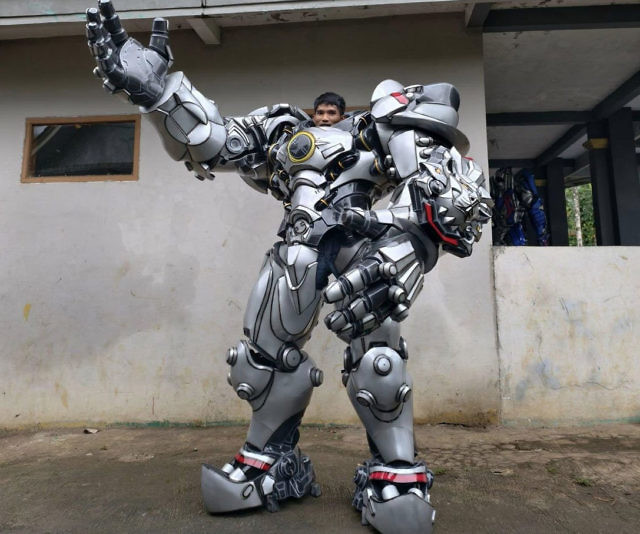
Stand out at every costume party, convention, or event this year. This handcrafted EVA foam robot costume is built fully by request, meaning you get a custom futuristic suit designed exactly to your vision down to every last panel.
$1,080.00
Actualité : Un capteur Météo France a été trafiqué par des escrocs qui ont touché une petite fortune

Microsoft Copilot can now do actual work inside your Word, Excel, and PowerPoint files

ESP32Synth : an Audio Synthesis Library for the ESP32
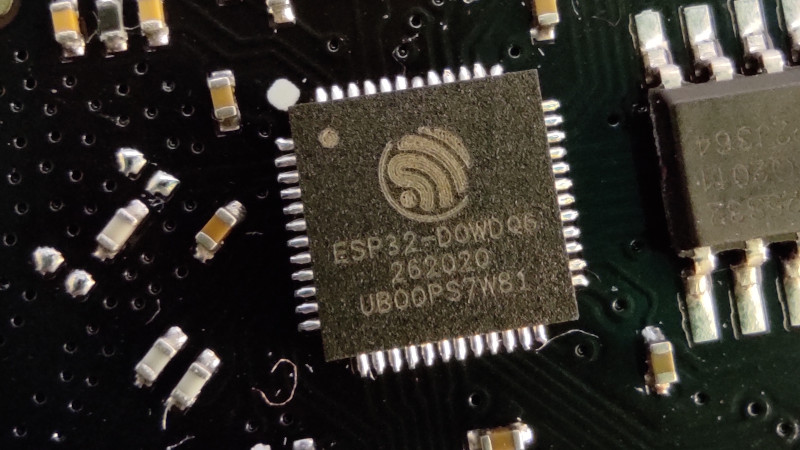
With MCUs becoming increasingly more powerful it was only a matter of time before they would enable some more serious audio-processing tasks. [Danilo Gabriel]’s ESP32Synth library is a good example here, which provides an ESP-IDF based 80+ voice mixing and synthesis engine. If you ever wanted to create a pretty impressive audio synthesizer, then all you really need to get started is an ESP32, ESP32-S3 or similar dual-core Espressif MCU that has the requisite processing power.
Audio output goes via I2S, requiring only a cheap I2S DAC like the UDA1334A or PCM5102 to be connected, unless you really want to use the internal DAC. With this wired up you get 80 voices by default, with up to 350 voices demonstrated before the hardware cannot keep up any more. You can stream multiple WAV files from an SD card for samples along with the typical oscillators like sinewave, triangle, sawtooth and pulse, as well as noise, wavetables and more.
In order to make this work in real-time a number of optimizations had to be performed, such as the removal of slow floating-point and division operations in the audio path. The audio rendering task is naturally pinned to a single core, leaving a single core for application code to use for remaining tasks. While the code is provided as an Arduino project, it uses ESP-IDF so it can likely be used for a regular ESP-IDF project as well without too much fuss.
Samsung fait franchir un cap spectaculaire à la 3D sans lunettes sur smartphone
Google Exec Says Your Favorite Video Games Are Secretly Made With AI
That new, unapologetically derivative open world game or umpteenth shooter sequel you’re currently addicted to? It was almost certainly made with a little help from AI, according to Google Cloud’s global director for games Jack Buser.
In an interview with Mobilegamer.biz, Buser claimed that pretty much every major video game studio is using the tech behind the scenes, whether they’re willing to admit it or not.
“I think what players don’t realize is that their favorite games right now were already built with AI,” Buser told the outlet. “Those games have shipped. We did a survey around Gamescom last summer with studios all over the world. Roughly nine out of 10 game developers told us ‘yeah, we’re using it’.”
Buser acknowledged that some surveys showed this share to be much lower, at around 40 to 50 percent. But that sizable gap, he charged, is “basically the developers’ willingness to tell you whether the fact of the matter is it’s being used.”
It’s unclear which specific surveys are being referenced, but a recent one conducted by GDC showed roughly half of game developers think AI is bad for the industry, while just over a third said they used AI for work. Those figures capture how polarizing AI remains in games, as it does in the arts and entertainment broadly. Gamers erupted in fury last month when Nvidia revealed a new graphics feature that used to AI to essentially yassify games, with the backlash so overwhelming that it appeared to rattle CEO Jensen Huang. Storefronts like Steam have drawn a line in the sand by mandating that developers disclose if their games use AI-generated content, a measure that many gamers approve of — but that some gaming CEOs don’t.
To support his claims, Buser pushes a common pro-AI argument: that it speeds along development and frees up time for developers to focus on more important stuff. Capcom, best known for its “Resident Evil” franchise, is one major studio using AI this way, he claims.
“One of the big problems that they have is they’re building these massive worlds and they’ve got to fill it with content,” Buser explained. “Just coming up with all the ideas for every pebble by the side of the road, every blade of grass, and having all those art reviews, the manual labour just starts piling up in preproduction.”
But with AI, gamers “will start to realize this is actually helping me get my favorite games faster,” he told Mobilegamer.biz. “And I’m also getting more innovation in the industry because there’s more room to take risks, and now it’s not seven years waiting for one game, but that studio can make five games.”
Buser has an angle here: the studios, he claims, are using Google’s AI tools, like its image generator Nano Banana and its Gemini chatbot, so it’s worth taking them with a heathy degree of skepticism. He isn’t the first person with inside knowledge of an industry claiming it has a dirty AI secret, and he won’t be the last. That said, there’s almost certainly a degree of truth to what’s he peddling; a third of developers saying they use AI is still a lot of developers, and many CEOs remain hellbent on forcing their underlings to use the tech.
More on AI: Unity Says It Has a New Product That Cooks Up Entire Games Using AI
The post Google Exec Says Your Favorite Video Games Are Secretly Made With AI appeared first on Futurism.

Insta360 Luna : une fuite massive dessine un vrai rival du DJI Osmo Pocket 4
Insta360 n’aura pas gardé le secret bien longtemps. À peine la série Insta360 Luna teasée au NAB 2026, une fiche technique très détaillée circule déjà en ligne et commence à préciser l’ambition du constructeur : attaquer frontalement la DJI Osmo Pocket 4 avec une caméra gimbal plus modulaire, plus polyvalente sur le zoom, et clairement pensée pour les […]
L’article Insta360 Luna : une fuite massive dessine un vrai rival du DJI Osmo Pocket 4 est apparu en premier sur BlogNT : le Blog des Nouvelles Technologies.
OpenAI is coming for your presentation poster with Images 2.0 model

OpenAI announced their generative model ChatGPT Images 2.0. One of the new features is that you can generate more than a single image in a prompt, which means you don’t have to generate images one-by-one and stitch them together on your own.
So now everyone can generate research posters like the one above with a quick prompt. Blessed day. Although, the robots are going to eventually do all the work for us anyways, so I’m not sure what the point is.
🧠 Un spray nasal pour raviver la mémoire et la concentration

DJI Osmo Pocket 4 Gimbal Camera

The DJI Osmo Pocket 4 is a compact gimbal camera with a 1-inch CMOS sensor. It’s for creators who want high-quality footage without carrying bulky gear.
- Large Sensor, Rich Detail: The 1-inch CMOS sensor paired with an f/2.0 aperture captures soft background blur and sharp subjects, even in low-light or high-contrast scenes like sunsets or coastlines.
- High-Frame-Rate Video: With support for 4K at 240fps, the camera handles slow-motion footage cleanly, giving editors more flexibility in post-production.
- Cinematic Color Range: A 14-stop dynamic range and 10-bit D-Log color profile preserve highlight and shadow detail, making footage easier to grade professionally.
- 3-Axis Stabilization and 2x Lossless Zoom: The built-in gimbal keeps shots steady while the 2x lossless zoom brings distant subjects closer without sacrificing resolution.
- Rotatable Touchscreen: The 2-inch OLED display rotates for flexible framing, with 1000-nit brightness for clear visibility outdoors.
With 107GB of built-in storage and 800MB/s transfer speeds, the Osmo Pocket 4 is a capable, travel-friendly camera worth a close look.
The post DJI Osmo Pocket 4 Gimbal Camera appeared first on Gadget Flow.
La Chine teste un faisceau de micro-ondes pour recharger des drones en plein vol
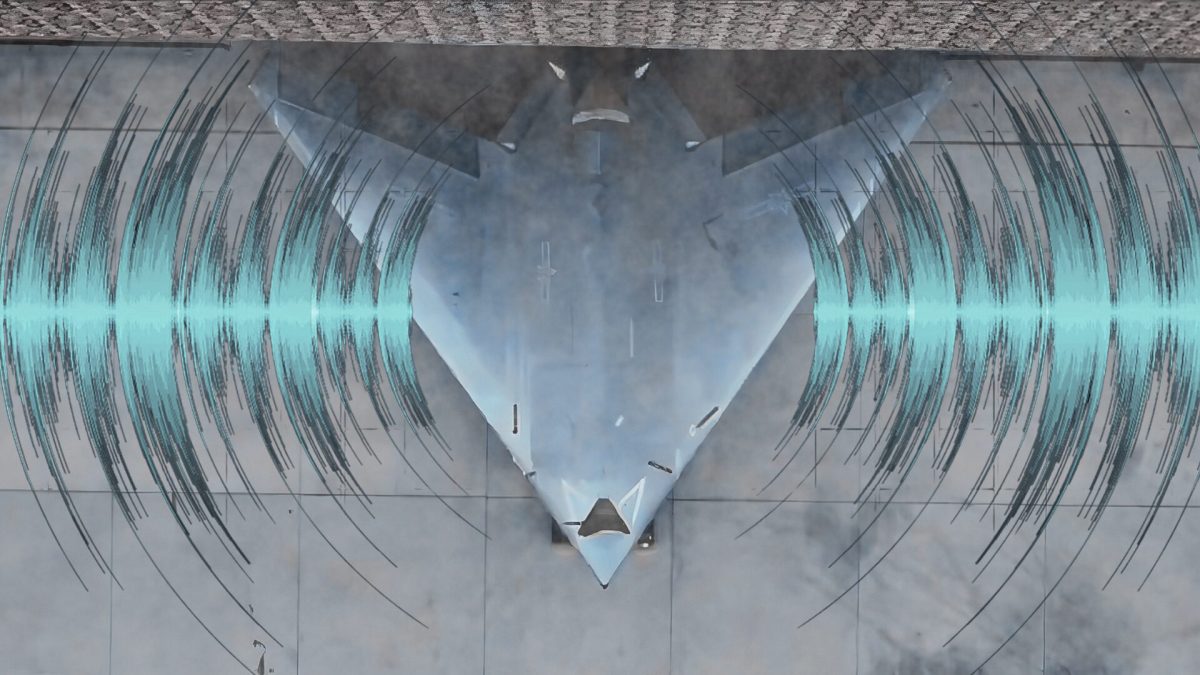
D'après un article du South China Morning Post, publié le 19 avril 2026, la Chine vient de franchir une étape concrète vers la capacité à maintenir une flotte de drones en vol indéfiniment, sans atterrissage.
Un ingénieur britannique parvient à séquencer son ADN à domicile

Printed neurons communicate with living brain cells
A Look at Full Spectrum 3D Printing
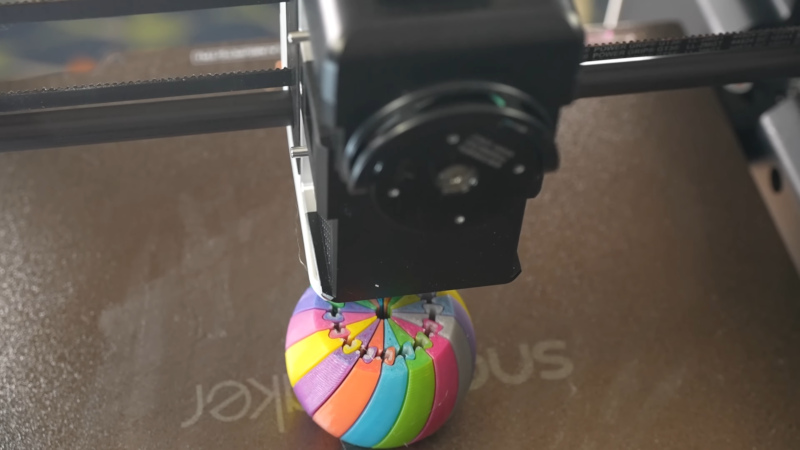
Many modern desktop 3D printers include the ability to print in multiple colors. However, this typically only works with a few colors at a time, and the more colors you can use, the higher the machine’s cost and complexity. However, a recent technique allows printers to mix new colors by overlaying thin sheets of different filaments. [YGK3D] looks at how it works in a recent video.
In the early days of 3D printing, there were several competing approaches. You could have separate extruders, each with a different color. Some designs used a single extruder and switched between different filaments on demand. Others melted different filaments together in the hot end.
 One advantage of the hotends that melted different materials is that you could make different colors by adjusting the feed rates of the plastics. However, that has its own problems with maintaining flow rate, and you can’t really use multiple material types. But using single or multiple hotends that take one filament at a time means you can only handle as many colors as you have filaments. You can’t mix, say, white and black to get gray.
Using Full Spectrum, you can define virtual filaments, and the software figures out how to approximate the color you want by using thin layers of different colors. The results are amazing. While this technically could work on any printer, in reality, a filament-switching printer will create a ton of waste to mix colors, and a single-filament machine will drive you batty manually swapping filament.
So you probably really need a tool changer and translucent plastic. You can see the difference in the test article when using opaque filament vs translucent ones. At low layer heights, four filament colors can give you 39 different colors. At more common layer heights, you may have to settle for 24 different colors.
One issue is that the top and bottom surfaces don’t color well. However, a new plugin that adds texture to the surfaces may help overcome that problem.
We looked at Full Spectrum earlier, but development continues. If you are still trying to get a handle on your filament-switching printer, we can help.
« Là-haut, c’est véritablement une guerre spatiale » : l’armée française face à l’inéluctable arsenalisation de l’espace
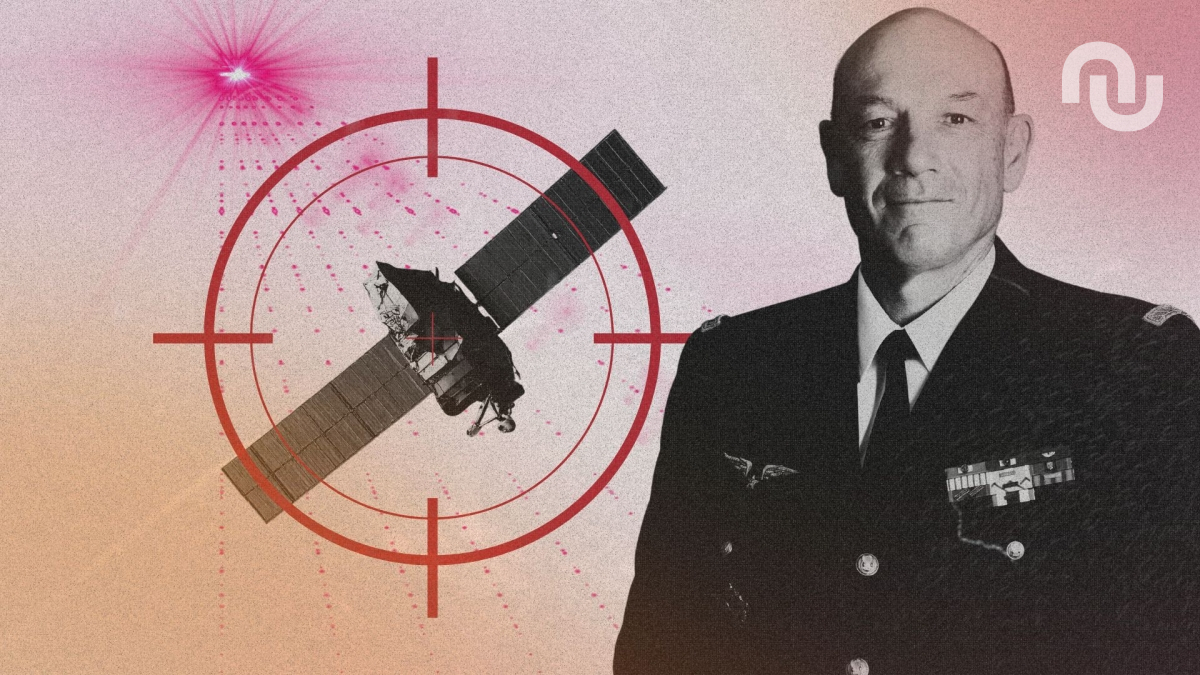
Auditionné à l'Assemblée nationale, le général Jérôme Bellanger, chef d'état-major de l'armée de l'Air et de l'Espace, a livré un constat sans appel : l'orbite terrestre est devenue un champ de bataille. Face à une arsenalisation de l'espace jugée inexorable, la France muscle sa riposte capacitaire.
Microsoft and Stellantis want to use AI to help car owners
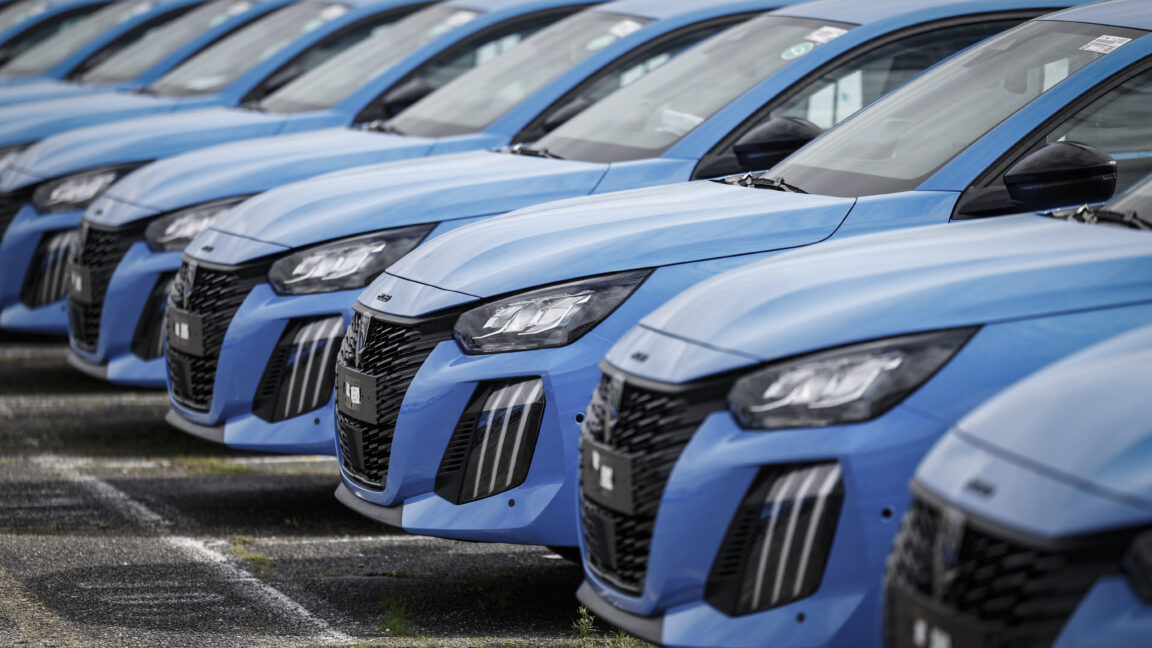
Stellantis, the global car company that owns brands from Alfa Romeo to Vauxhall (including Chrysler, Dodge, Jeep, and Ram), has begun a five-year partnership with Microsoft. The tech company will use its expertise to help the automaker improve its digital services, beef up its cybersecurity, and enhance its engineering capabilities. And yes, it will do that with the hype-iest of tech trends, AI.
When Ars Technica started covering the auto industry, it was because technology had begun to infiltrate our vehicles. More than a decade later, the impact of that trend is impossible to ignore. Almost every new vehicle has at least one modem embedded somewhere, connected to some cloud or other. Active safety systems perceive other road users and intervene to prevent collisions. Touchscreens are ubiquitous—and a necessity for the smartphone-like services we're told make Chinese cars so much better than anything we can buy here.
It's difficult to say that all this innovation has been good, at least for the end user. Connected services can be very useful—ironically, one of the harder things to test with press cars—but only if those services are provided securely. Advanced driver assistance systems aren't always that safe, as Tesla's many federal investigations and recalls remind us. Touchscreens and capacitive panels might save automakers a few bucks, but they're unquestionably worse in terms of human-machine interactions than real buttons or switches. And I don't need to tell the Ars audience about the possible privacy implications of in-car apps.
OpenAI starts offering a biology-tuned LLM
On Thursday, OpenAI announced it had developed a large language model specifically trained on common biology workflows. Called GPT-Rosalind after Rosalind Franklin, the model appears to differ from most science-focused models from major tech companies, which have generally taken a more generic approach that works for various fields.
In a press briefing, Yunyun Wang, OpenAI's Life Sciences Product Lead, said the system was designed to tackle two major roadblocks faced by current biology researchers. One is the massive datasets created by decades of genome sequencing and protein biochemistry, which can be too much for any one researcher to take in. The second is that biology has many highly specialized subfields, each with its own techniques and jargon. So, for example, a geneticist who finds themselves working on a gene that's active in brain cells might struggle to understand the immense neurobiological literature.
Wang said the company had taken an LLM and trained it on 50 of the most common biological workflows, as well as on how to access the major public databases of biological information. Further training has resulted in a system that can suggest likely biological pathways and prioritize potential drug targets. "We're connecting genotype to phenotype through known pathways and regulatory mechanisms, infer likely structural or functional properties of proteins, and really leveraging this mechanistic understanding," Wang said.

108 extensions, un seul pirate aux commandes ? Comment un immense réseau de pièges sur Chrome a contaminé des milliers de victimes

Dans un article de blog publié le 13 avril 2026, les équipes de recherche de Socket révèlent que, pendant plusieurs mois, 108 extensions Chrome apparemment anodines ont secrètement œuvré pour le compte d’un même opérateur, exfiltrant des sessions, des identifiants Google et des données de navigation vers une infrastructure centralisée
📡 HACKER : la pensée parallèle des systèmes

« En 1969, un gamin du Bronx s’appelle John Draper. Il a une oreille absolue, trop maigre, trop bizarre, et il découvre qu’un sifflet offert dans une boîte de céréales Cap’n Crunch émet un son à 2600 hertz. Exactement la fréquence utilisée par AT&T pour contrôler son réseau téléphonique longue distance. Il souffle dedans. Le réseau lui répond. »
Le lien vers la campagne est ici : https://fr.ulule.com/hacker/
Cette histoire-là qui a changé ma manière de regarder les systèmes numériques, informatiques. Pas la technique au sens strict, mais ce que la technique révèle sur la façon dont un esprit peut fonctionner autrement. Quand les voies officielles n’ont rien offert à quelqu’un… il cherche les chemins de côté. Et parfois, sur ces chemins de côté, il trouve quelque chose que les ingénieurs chez Bell n’avaient pas prévu 
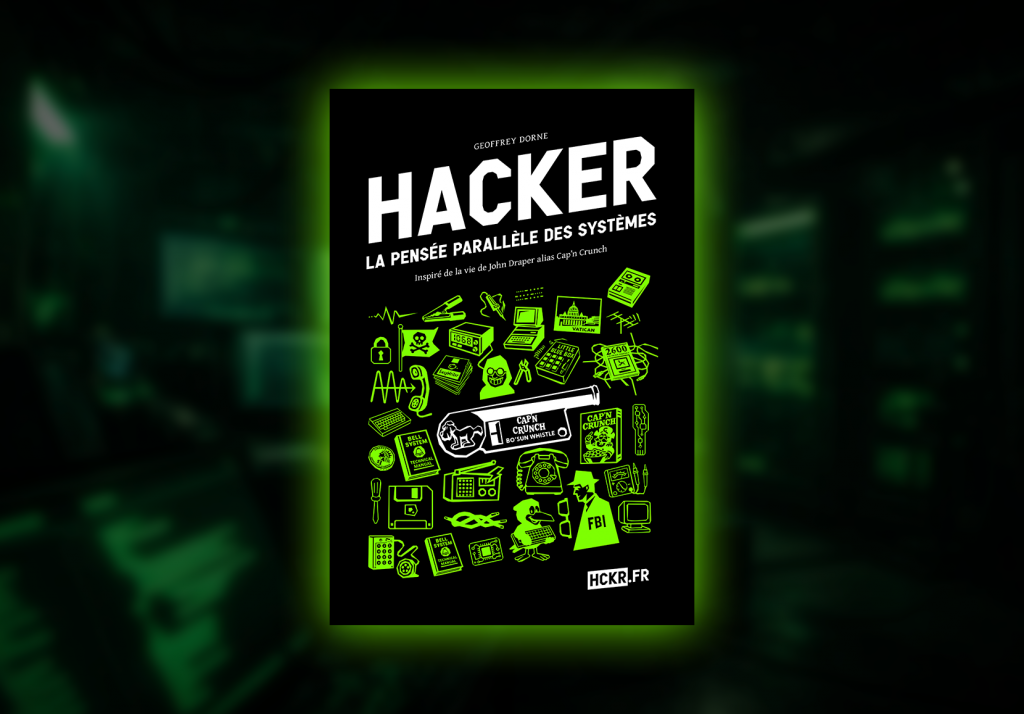
J’ai mis plusieurs mois à écrire ce livre. Il s’appelle HACKER : la pensée parallèle des systèmes. Il retrace la vie de John Draper, dit Cap’n Crunch, de l’Air Force en Alaska à la radio pirate dans un van, des nuits en prison à écrire du code sur papier, jusqu’à l’héritage intellectuel qu’il a laissé. Mais ce n’est pas une biographie. C’est un manifeste déguisé en récit. Il tente de nommer quelque chose que je crois voir partout autour de moi : cette intelligence qui ne détruit pas, qui détourne, qui transforme les contraintes en créativité et les marges en laboratoires.
Aperçu du livre
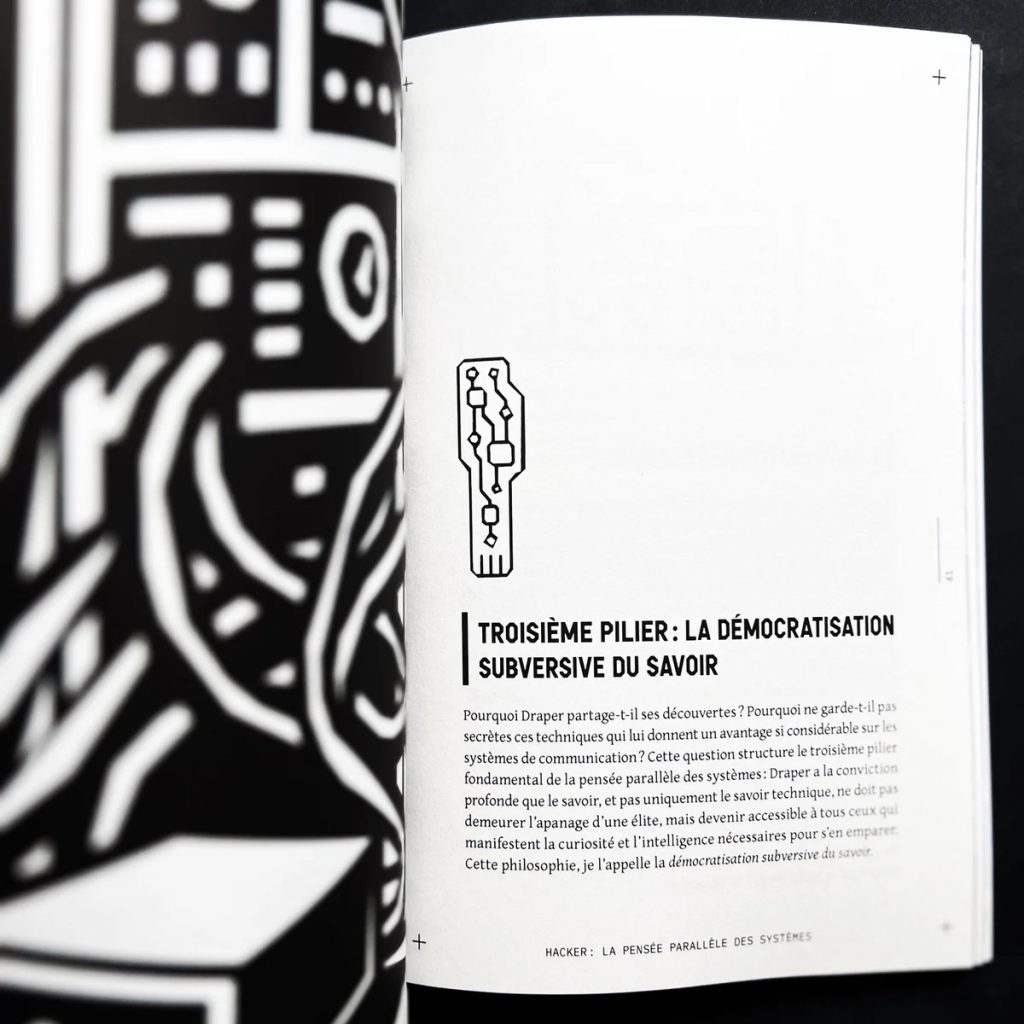
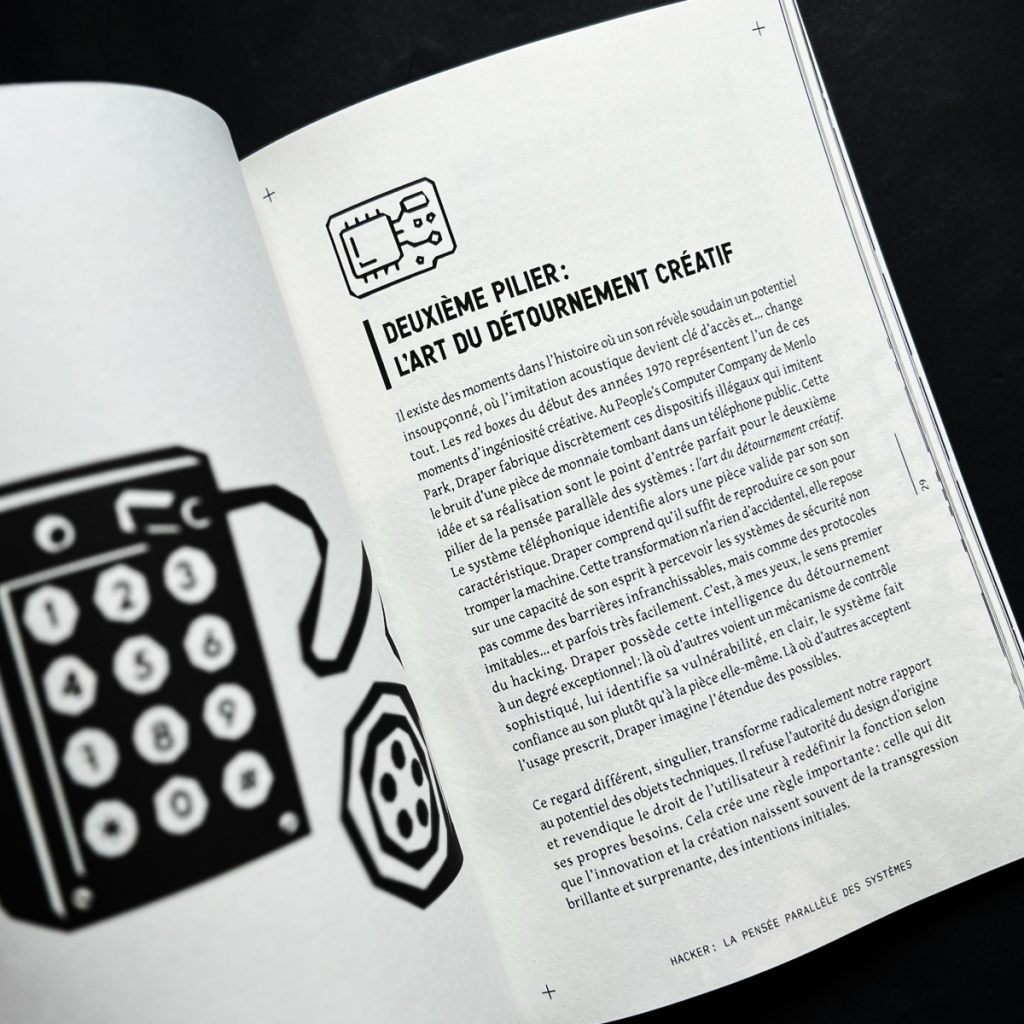

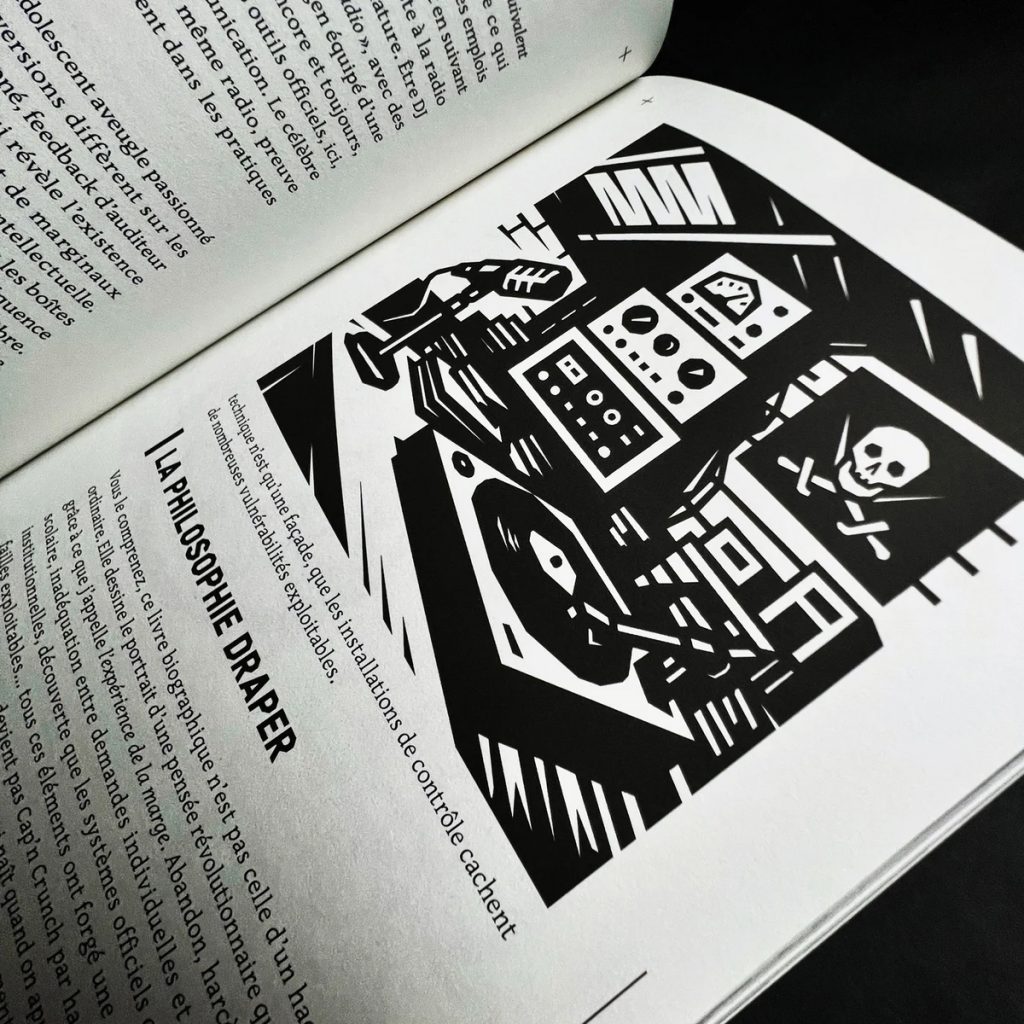
Le livre est construit autour de cinq piliers philosophiques. La curiosité systémique : regarder un système non pour s’y soumettre mais pour le comprendre dans ses mécanismes. L’art du détournement créatif : là où un ingénieur d’AT&T voit un protocole de sécurité, Draper voit une vulnérabilité, parce que le système fait confiance au son et non à la pièce. La démocratisation subversive du savoir : pourquoi partage-t-il ses techniques, alors qu’elles lui donnent un avantage considérable ? Parce qu’il considère que le savoir ne doit pas rester l’apanage d’une élite. Et deux autres piliers que vous découvrirez en lisant.

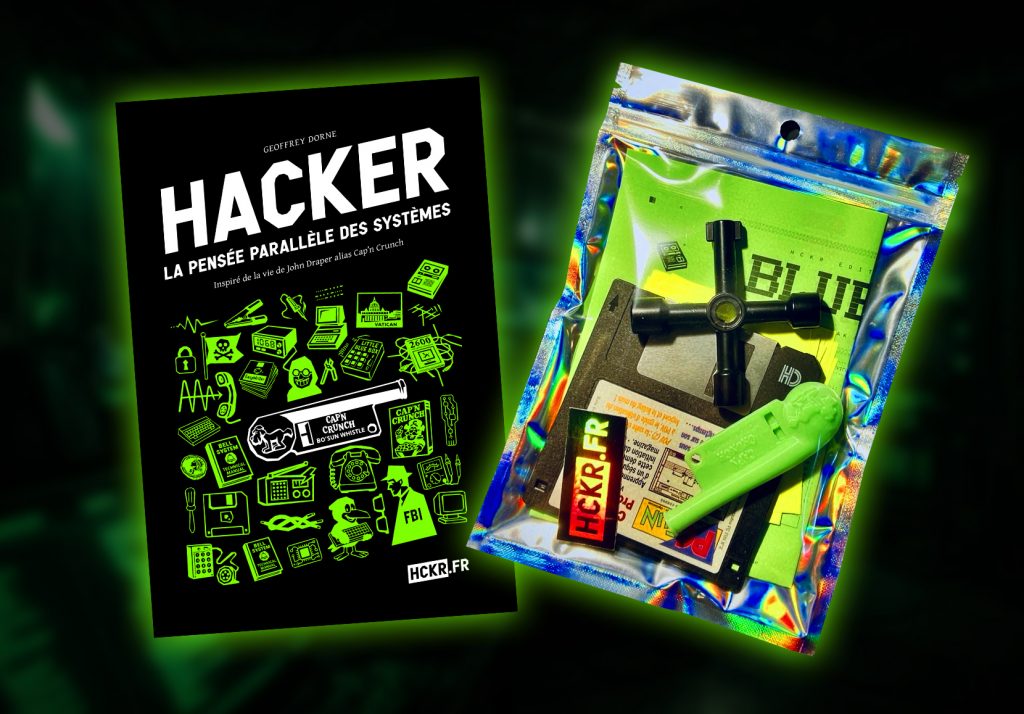
Le livre fait 84 pages, format A5. Les illustrations sont faites à la main, denses, proches des affiches underground. La couverture est phosphorescente. Il fallait bien ça
Pour financer l’impression, j’ai lancé une campagne sur Ulule. Les éditions HCKR fonctionnent sans subvention, sans distributeur, sans commercial. Je travaille depuis les Vosges du Nord, dans un atelier que j’ai construit pour faire du graphisme, du numérique et des livres. Chaque exemplaire est emballé à la main. L’objectif est simple : 50 précommandes pour lancer l’impression.
Le lien vers la campagne est ici : https://fr.ulule.com/hacker/
Et… si vous connaissez des gens à qui ce livre plairait, passez-leur le lien 
Reverse-Engineering an Amazon Blink Gen 3 Camera
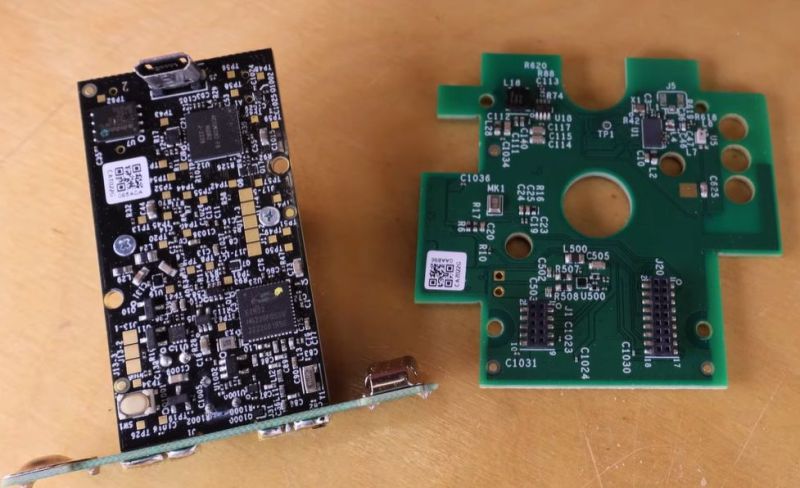
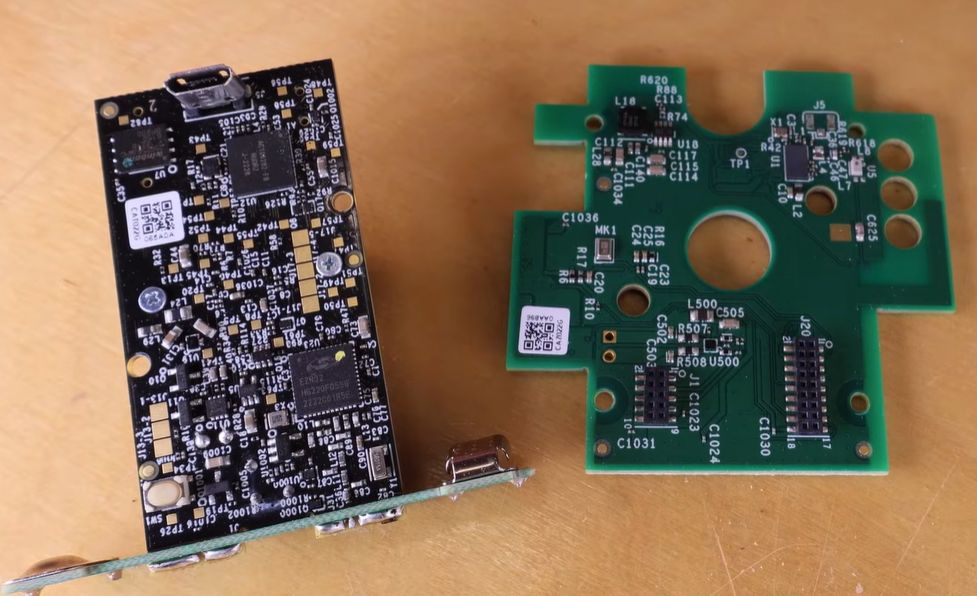
After some water intrusion apparently killed one of [electronupdate]’s Amazon Blink Gen 3 cameras he took this opportunity to do a full teardown and analysis of all the major components. Spread across its three PCBs there are no fewer than two wireless ICs and a custom ASIC for all the major processing. There’s also a blog post with easy-to-ogle pictures.
The most basic PCB is effectively just a PCB antenna for the Silicon Labs EZR32 IC on the main PCB, using which the ~915 MHz connection with the central hub is maintained. The other smaller PCB is a bit surprising in that it contains a Cypress CYW43438 W-Fi b/g/n and BT 5.1 chip. This would seem to be used for the setup process, but considering that it also uses a central hub it is a bit of a mystery as to what it is used for exactly.
Finally, the main PCB contains all the major parts, with the custom Amazon Immedia ASIC that’s an integral part of this very low-power camera. Given that two AA cells being enough to run the camera for about two years, using off-the-shelf parts probably wasn’t good enough without some serious customization.
As for why this outdoors-rated camera failed after a few years in the outdoors, the reason appears to be water intrusion via the speaker opening. As for why a camera needs a speaker and not just the microphone is left as an exercise to the reader, but maybe it could be useful for yelling at the local kids to get off your darn lawn?
Un journaliste de Bloomberg a préparé le marathon de Paris avec ChatGPT pour seul coach
9 kilos en moins. Ses meilleurs chronos de sa vie sur 5 et 10 km. Et la meilleure forme depuis au moins une décennie. Voilà le bilan que Derek Wallbank, rédacteur en chef chez Bloomberg, affichait à la veille du marathon de Paris, qu'il a couru hier. Son coach pendant ces douze mois de préparation ? ChatGPT, et rien d'autre.
Wallbank avait déjà tenté un marathon il y a une bonne dizaine d'années, expérience qu'il qualifie de "catastrophe complète". Cette fois, plutôt que de payer un coach humain ou de télécharger un plan générique, il a passé environ une heure à nourrir ChatGPT de son historique complet de coureur : courses passées, allures de référence, blessures, objectifs, contraintes personnelles.
Et c'est là que le truc devient intéressant par rapport aux plans tout faits qu'on trouve en PDF sur n'importe quel blog running : le modèle a produit quelque chose de bien plus structuré, qui s'ajustait semaine après semaine selon ses retours d'entraînement. Sur le papier, c'est un cran au-dessus.
Sauf que voilà, la bestiole a des limites sérieuses. "Il ne va pas vous dire ce que vous devriez faire, ni comment vous devriez vous sentir, ni si vous êtes en surentraînement, ni si vous foncez vers la blessure", expliquait-il avant la course.
Un vrai coach sent quand son athlète commence à tirer la langue. Le modèle de langage, lui, continue à balancer des séances en se fiant uniquement à ce que vous lui dites. Vous tapez "ça va", il vous colle 30 km le samedi.
Autre problème plus vicieux : au bout de plusieurs mois, le plan s'est mis à halluciner. ChatGPT perdait le fil entre ce qui comptait vraiment et le bruit accumulé dans les échanges précédents. Classique des LLM sur les projets longs : plus vous empilez les conversations, plus les infos importantes se diluent dans le contexte.
Wallbank a dû recadrer régulièrement, réinjecter les bons paramètres, rappeler les priorités du moment. Bref, c'est pas magique. "Ce n'est pas un remède miracle, ça ne se gère pas tout seul", résume-t-il.
La course s'est tenue dimanche dernier, remportée chez les hommes par l'Italien Yemaneberhan Crippa en 2h05'18". Wallbank, lui, n'a pas encore rendu public son propre chrono.
Mais il s'est présenté sur la ligne de départ avec 9 kilos perdus, des records personnels battus sur les courtes distances, et pas une blessure malgré les hallucinations du plan. Pas un mauvais retour sur investissement pour un abonnement à 20 dollars par mois.
Bref, un ChatGPT qui vous fait maigrir et battre vos chronos à l'entraînement, c'est déjà pas mal. Pour le verdict sur 42 kilomètres, on attend que l'intéressé parle.
Source : Bloomberg

