Shared posts

15 May 15:46

Google 自动驾驶汽车到底啥样?

by 柯基小虫

Google 的自动驾驶汽车还不错。他们在 Mountain View 召开了一次半公开范围内的试驾会。我想,我这辆雷克萨斯里存在于小芯片里的“司机”,估计脾气是挺暴的。

当然“他”脾气再暴,也还是照着规矩开的。只不过用一次非常犀利的并线超车让我吃了一惊罢了……

其实没说的那么糟糕,至少我在后座安心的度过了一段美好时光。自动控制系统比较机警,碰到乱闯马路的人会减速,摄像头感应不到红绿灯的时候会减速。而且,当普通人在作出超车还是不超车的决定时,绝对不会减速。


根据透露,公司在整个无人驾驶汽车的项目上已经进行了70万公里的测试,而没有发生过一起交通事故。当然,这是把被人追尾排除在事故之外的计算方法。这辆车绝不会超速,不过倒是可以允许坐在驾驶位子上的人手动发出超速的命令——当然,10迈(17公里/时)以内。

Google 在自动驾驶汽车中,用摄像机、激光以及各种感应装置向我们证明了 GPS 的落后。根据 Google 的介绍,车辆的定位是厘米级的。

但是,即便花大价钱买了一辆超高档的自动驾驶汽车,用户偶尔也会想要感受一下自己驾驶的乐趣——没问题,中控台上有一个超大的红色按钮(下图)。按下,这辆车就“属于你”了。


先别太激动,我很不幸地告诉你,Google 的自动驾驶汽车和相关的技术,和商业化,哪怕是准商业化都还有很远的距离。目前试驾车辆仅有几十辆而已,在全美也只有大约2000英里的道路被记录下来供探测设备追寻。

不过 Google 一直在努力,非常努力:在过去的数年里,团队的所有测试车辆几乎每天都会载着两名测试员在山景城以及更远的其他地方走来走去。测试员会用心记录下在每一个车辆的动作比如转完和减速,看看有没有改进的空间。当然,我希望他们能够改进一下在有车并线时候的威胁评估系统……这个系统现在太机警了。

Google的努力是得到了回报的。在2009年,项目刚刚开始的时候,各种问题层出不穷,程序员恨不得在停车场里编写好几个小时的代码,只为了让这辆车动起来……而今天,一辆辆曲线优美,漆面锃亮的自动驾驶汽车,让每一位参与到试驾当中的科技媒体记者感到:

这就是未来


问题是只多不少的。现在这些车能动起来了,但在复杂天气情况下的正常驾驶效率改进,对于 Google X 团队仍然难度很大。自动驾驶项目团队的软件领导 Dmitri Dolgov 表示,现在的自动驾驶功能,在大雨天气下的驾驶水平,和真人在大雾天里的驾驶水平差不太多。雪天里呢?他们还没敢试过,毕竟车挺贵的是不是。

很多人都讨厌 Google,原因很多,比如 Google Glass 侵犯隐私,比如 Google 大巴占领公交车站,比如根本用不上 Google……但至少自动驾驶不应该被讨厌。排除掉被追尾,自动驾驶能够极大程度上减少交通事故的发生。而交通事故是导致4岁到34岁年龄间人死亡的最大原因。

即便现在的 Google 自动驾驶技术还有各种细小的问题存在,大部分参与过试驾的朋友还是对其充满信心。项目领导 Chris Urmson 表示,大概在2017年到2020年,自动驾驶汽车就能够正式面向消费者推出。在这之前,Google 还有很多事情要做,比如记录下更多的道路数据,谈到更多的制造商合作伙伴,降低成本,扩大规模,取得监管机构许可……当然,还有解决雨天行驶的问题。

我儿子今年十岁了。如果你们也有十来岁的孩子,你们应该知道这些孩子的驾驶技术有多烂。所以,时不我待了。

Urmson 如此说道。

图片来自网络;来源:Re/code


14 May 08:56

Does Police Work Involve Special 'Bravery,' 'Courage,' or 'Risk,' As the White House Claims?

by J.D. Tuccille

President Obama and policeIt's good to excel at your job—and if that excellence involves protecting the innocent and rescuing children, so much the better. Good stuff. But if we're going to recognize individuals who have done awesome things, is it entirely necessary to lavishly spread the praise so that their entire trade is stroked as especially courageous, even when the actual facts suggest it's one job among many, done by people of varying virtue?

Well, yeah. When it comes to cops and politicians, such mass petting apparently is necessary. Like when President Obama and Vice President Biden pasted on their smiles to honor the National Organization of Police Organizations' "Top Cops" winners at the White House.

Said Biden

And the President and I, we recognize the bravery that you display simply by putting on that shield every morning.  That, all by itself, is an act of bravery.  Strapping on your sidearm, kissing your husband or your wife goodbye at the door, walking out knowing -- because most of you are experienced -- knowing that you don't know with any degree of certitude what’s about to greet you.  You have no idea -- except some of it may not be good.

The officers we have here today have been singled out for going above and beyond the call of duty, and we commend each and every one of them.  And from my perspective, there’s no greater honor that a law enforcement officer could have than being recognized and nominated by his fellow officers -- because you all know what real courage is.  You all know what kind of steel in your spine it takes to make the decisions that the men standing behind me have made.

We also know that there are thousands and thousands of more law enforcement officers out there on the job today and every day who are taking risks that are hard for ordinary people to imagine.  They take risks to protect the community, protect the people they don't know, protect people they’ve never met.  But they go out there and you all do it anyway, regardless of whether or not -- where they’re from, who they are, whether you know them or not.

"Bravery"? "Courage"? "Risk"? So this is the White House edition of Deadliest Catch?

That might make sense. For years, commercial fishing was the most dangerous trade in which an American could engage. In 1995, risking your life to gather fresh seafood carried a score of 21.3 on the Bureau of Labor Statistic Index of Relative Risk. Police work came in at 3.4. Driving a taxi scored at 9.5.

Even if you limit the danger to homicide, cashiers, cabbies, and "Supervisors, proprietors, sales" carried greater risks of being murdered on the job.

Have the relative dangers for police work increased since 1995?

Well...There's a change. People are now falling out of trees more often than they're falling overboard. But law enforcement still isn't in the top rank of dangerous jobs.

According to the National Law Enforcement Officers Memorial Fund, there were 100 on-the-job deaths in 2013, down from 183 in 1995 (and 280 in 1974).

Which doesn't lessen the individual bravery involved in "Storming an underground bunker to rescue a kidnapped five-year-old boy"—one of the feats honored at the White House. And it's good when work gets safer.

But, reality TV aside, lumberjacks don't draw the same kind of official praise as police officers. Nor do commercial fishermen. Or airline pilots. Or roofers.

And lumberjacks and company don't wield the same sort of power over their neighbors, not always for the sort of praiseworthy purposes touted at the White House ceremony. Law enforcement is increasingly militarized, larded with special authority, and prone to civil liberties abuses. Police are also increasingly resented by ther fellow Americans for the same, even if politicians don't quite get that lots of folks don't appreciate getting pushed around by uniformed enforcers.

Then again, maybe that's politicians like them so much—at least, so long as they know who butters their bread.

As Obama said:

And let me start by thanking Joe Biden not only for being a great Vice President -- which he is -- but also being a lifelong friend of law enforcement.  (Applause.)  Now, he and I have a special reason for loving law enforcement, because we have the unusual privilege of being surrounded by law enforcement every minute of every day. (Laughter.)  And they also protect the people we love most in the world -- our families.  So we’re incredibly grateful to them and to all the law enforcement officers who serve and protect families and communities across the nation every single day.

Too Praetorian for my taste. Better to praise the standouts—and keep a close eye on the rest.

11 May 18:23

The 5 Most and Least Charitable States

by Matt Vasilogambros

In the battle for the most generous states, the leaders depend on how you're measuring it.

Gallup on Thursday released a poll that surveyed at least 600 people in each state asking how many have recently donated money to charity or volunteered their time. It found that Utah is by and large the most charitable state, with 71 percent of Utahans saying they donated money recently, while 56 percent say they volunteered time, and 48 percent say they did both.

The rest of the survey, which was conducted between June and December 2013, shows high percentages of people from Minnesota, Hawaii, South Dakota, and New Hampshire saying they volunteer and donate money. Rounding out the bottom of Gallup's list are New York, Mississippi, Arizona, Nevada, and Kentucky.

Gallup argues there is a correlation between states that give more and score higher on rates of well-being, and states that give less and have lower levels of well-being.

There is a difference, however, between saying that you're willing to give your time and money and actually giving it.

This is where analysis from the Chronicle of Philanthropy comes in handy. Using public Internal Revenue Service data on itemized charitable contributions, it found that Utah is still the leading charitable state, giving more of its median discretionary income to charity than any other state.

It makes sense that Utah would top both lists, considering its large Mormon population. The Church of Jesus Christ of Latter-day Saints asks its followers to donate 10 percent of their income. Fittingly, according toChronicle data, people in Utah gave 10.6 percent of their discretionary income, which is more than 3 percentage points higher than the next state.

But the rest of the data shows a different story from the Gallup Poll. The next four states in the Chronicleanalysis are Mississippi (7.2 percent), Alabama (7.1 percent), Tennessee (6.6 percent), and South Carolina (6.4 percent), which aren't in the top 20 of Gallup's charitable list.

The top four states from Gallup—Minnesota, Hawaii, South Dakota, and New Hampshire—similarly are not in the top 20 of the Chronicle list. This just shows the difference between the amounts of money people are giving, as compared to whether or not people from those states say they are likely to give.

One thing to keep in mind with the Chronicle data, however, is that it measures itemized deductions. For those who gave money and did not file an itemized tax return, that data is unavailable.

So, there's no clear metric on generosity across the country. However, Gallup, in its analysis, does point out that Americans are some of the most civically engaged in the world, with high numbers of people saying they donate money, volunteer, and have even helped a stranger.


10 May 18:48

Washington's Marijuana Lottery: Good Odds, Big Cash Prizes

by Jacob Sullum

When the Washinton State Liquor Control Board (LCB) decided to license just 334 marijuana stores, it made permission to operate such a business a scarce and valuable commodity. But when the LCB received more than 2,100 applications for those 334 licenses, it did not cash in on that artificial value by auctioning them. Instead it used lotteries to winnow the field in each jurisdiction with more applications than licenses (which was most of them), saying applicants who received the lowest numbers would get first crack at qualifying. Guess what happened next.

The Kitsap Sun reports that David Comeau, who drew the second lowest number in the lottery for Bremerton, where the LCB plans to issue two retail licenses, recently sold his business, Better Buds, to C&C Shop LLC, which came in 13th, for $150,000. Comeau, whose business exists mostly on paper, will also receive 10 percent of C&C's net monthly revenue (or $10,000 a month, if the revenue is lower than that) for as long as the company's store is open. Since the application fee was $250, that's a pretty good payoff. Plus Comeau was competing against just 15 other applicants for Bremerton's two licenses. Those have to be the best odds ever in a state lottery. "We just got really, really lucky," Comeau told the Sun. "It was absolutely like winning a real lottery." He is not the only one to recognize the value of such luck:

Other marijuana lottery "winners" are rushing to sell. Several businesses were listed this week on Craigslist after placing high in retail lotteries. One was asking $1 million, another wanted $2.5 million. Comeau predicted a "frenzy" of marijuana business acquisitions this month.

John Davis, who operates two medical marijuana dispensaries in Seattle, applied for three of the 21 retai licenses allocated to that city. The LCB rejected one application, claiming (erroneously, according to Davis) that the location was in a "forbidden zone" (i.e., within 1,000 feet of a school, park, playground, library, recreation center, child care center, or game arcade). The other two applications placed 52nd and 96th. Although Davis' chances do not look good, some of the businesses higher on the list may not qualify for licenses, since they still have to clear background checks, get their operating plans approved, and pass inspections. "Some of them will go through the next screen and make it," Davis tells me, "but just don't have the know-how, the financing, the ties to a location that will allow them to open. I think there are a lot of people who were gaming the system, who don't really have hope of opening. A number of the people that are in the lottery now are simply in the lottery hoping to get a [number] they can sell."

Technically, they are selling their businesses, which happen to come with a marijuana license (or a good shot at one), just like a TV or radio station comes with a broadcast license or a restaurant comes with a liquor license. And just like the initial recipients of New York City's taxi medallions, the winners of Washington's marijuana lottery are enjoying a windfall thanks to legally mandated scarcity.

[Thanks to Marc Sandhaus for the tip.]

04 May 17:30

大麻合法化支持率45年来首超50% 私募融资上亿美元大举挺进

by Yveline

嗅觉灵敏、反应迅速的私募基金瞄准了新的投资目标——合法大麻市场。

全球最大的大麻信息杂志High Times今年1月宣布发起一只私募基金——High Times Growth Fund,并计划在未来两年募资1亿美元左右,支持经营合法大麻生意的创业型公司。若一切顺利,该私募基金或将成为合法大麻产业最具影响力的金融力量。

皮尤研究中心对公众观点调查的统计结果显示,高达52%的人认为大麻交易应当被合法化。这是自1969年开展此项调查以来,支持大麻合法化的立场首次占据上风。 

图——左:皮尤研究中心对公众观点调查的统计结果 
          右:合法大麻产业全美销售额预测值(单位是十亿美元)

图片来源:Medical Marijuana Business Daily, 皮尤研究中心, ProCon.org. Julie Snider and Janet Loehrke, USA Today.

High Times Growth Fund预计,今年合法大麻在全美销售额将达到26亿美元,去年为14.4亿美元。ArcView集团的预测更为乐观:随着更多的州正走在类似科罗拉多州和华盛顿州大麻合法化的道路上,美国合法大麻市场规模将在未来五年大幅增长到102亿美元

ArcView集团是一家专门为经营大麻生意的创业公司与天使投资人之间牵线搭桥的组织。据《财富》杂志介绍,ArcView的两位创始人是55岁的前嬉皮士迪安杰罗和36岁的雅皮士戴顿。2006年,迪安杰罗创建了美国最大、最受欢迎的医用大麻销售药店之一:奥克兰哈伯赛德健康中心(Harborside Health Center of Oakland)。帕克则是19世纪末期的一位印第安酋长、战士、政治活动家和成功的商人,拥有一半白人、一半印第安科曼奇人血统。

High Times Growth Fund启动了一个将在2017年前募资100亿美元的投资项目,以获取更大的合法大麻市场份额。此外,他们也在寻找其他机会。

该基金将在三个领域开展大麻生意:种植和销售大麻、植物基因研究和培育繁殖、以及相关产业服务。

基因检测用以鉴定植物种类,将大麻植株与其他“存在竞争”的助眠类药用植株区分开来。每一年,美国民众在助眠类药物上的花费超220亿美元。显然,这是笔大生意。

High Times Growth Fund该基金打算采用垂直整合零售的形式,先期在医用大麻近期已经合法化的内华达州开展运营,未来再将其扩展到其他大麻合法化的州。

当前,已经有22个州允许合法交易医用大麻,科罗拉多州和华盛顿州则已经修改立法,允许交易娱乐用途的大麻。华尔街见闻网站文章有过介绍,美国大麻合法化的最出名推手正是金融大鳄乔治·索罗斯。20年来,他在这件事上狂掷了8000多万美元

当然,大麻这一初步崭露头角的行业还是非常缺乏资金的。多数银行对大麻产业贷款非常谨慎。毕竟,在美国联邦法律中大麻交易及大麻本身并不合法。这就造成大麻只能在已经获得法律批准的州范围内交易,类似Silverpeak这种大麻交易商只接受现金。

该基金另一位合伙人Jordan Lewis介绍称,超过80%经营大麻生意的新公司是创始人自筹款项的,仅有3%来自风险投资,另有5%源自天使投资。 

High Times Growth Fund合伙人之一、资深畜牧场场主Ben Zaitz对大麻产业的未来抱有憧憬:

我们的定位是推广大麻产业,满足大麻市场的娱乐需求。如果这是下一个农业部门,那我们完全可以创造出类似大米或奶制品这样的供应链,以可再生的、可持续发展的方式来交付高质量的产品,而且我们的大麻还可以追溯产地、供应商等信息。

相关文章: 
20年、8000万美元 索罗斯醉心一件事
文章分类: 
01 May 09:59

NBA快船队老板因歧视言论遭永久封杀

by JOHN BRANCH

洛杉矶——周二,美国职业篮球协会(National Basketball Association,简称NBA)公布了永久封杀洛杉矶快船队(Los Angeles Clippers)的长期老板唐纳德·斯特林(Donald Sterling)的决定。这是职业体育领域中非同寻常的举措,目的是将斯特林逐出联盟,因为录音显示他发表了种族歧视言论。

NBA总裁亚当·萧华(Adam Silver)表示,联盟将设法迫使斯特林出售快船队,并且十分希望这一决定能获得所需的四分之三联盟球队老板的赞同。对于一个北美职业体育联盟来说,此举即使算不是史无前例,也实属罕见。NBA因为斯特林在私人谈话中发表的言论而对其进行处罚的事实,也使这项决定变得更加不同寻常。

斯特林还被处以250万美元(约合1600万元人民币)的罚款,即NBA章程允许的最高罚金。不过,据估计,斯特林拥有19亿美元的财富,罚款金额只是九牛一毛。斯特林据说现年80岁,目前尚不清楚他会作何反应。事件发生以后,他没有公开发表评论,为自己辩护。

“斯特林表达的观点极其无礼而有害,” 萧华说。“我们共同谴责斯特林的观点。NBA绝不容许它们的存在。”

数十名球员和几名球队老板立即发表声明,称赞萧华的举措。在球队总裁安迪·勒泽(Andy Roeser)、主教练道格·里弗斯(Doc Rivers)的支持下,快船队甚至也发表了声明,他们显然不再担心这名不受欢迎的老板的反应。

“我们全力支持并欢迎NBA及总裁亚当·萧华今天的决定,”快船队发表声明称。“现在,弥合的过程开始了。”

快船队网站的主页已经变成全黑背景,上书一条简单的讯息:“我们团结一心。”

斯特林与一名女性朋友交谈时发表了广泛的种族歧视言论。上周末,这些对话录音片段被曝光,因此引发争议。他对该名女子在网上公开她与“魔术师”约翰逊(Magic Johnson)等黑人的合照而感到不满。约翰逊曾效力于洛杉矶湖人队,并因此入选名人堂。

“别把他的照片放到Instagram上让全世界都看见,这样他们会给我打电话,”在TMZ网站公布的录音中,斯特林说。“不要带他来看我们队的比赛。你想公开宣传在和黑人来往,是的,这让我感到很烦。你一定要这样吗?”

斯特林没有公开评论这个声音是否来自于他,但萧华表示,NBA开展的调查显示,声音的确来自斯特林,而且他也承认话是自己讲的。

萧华没有详细解释NBA认为联盟能迫使斯特林出售球队的依据,也没有说明可能会如何进行球队的转让工作。快船的市值超过5亿美元。

NBA对斯特林言论的回应可能会终止这名在美国体育界饱受批评的老板的所有权。斯特林在1981年收购了圣迭戈快船队(San Diego Clippers),并于1984年将其搬到洛杉矶。该队一直处于广受欢迎且十分成功的湖人队(Lakers)的浓重阴影之下。几十年里,快船队一直是个笑话,而斯特林本人也很容易沦为笑柄。在他担任老板的前24年间,快船队只有一个赛季胜率过半,而且从未突破季后赛第二轮。

然而,几年来的高选秀排位及有力的球队管理举措已经使快船队转型为迅速成长的联盟队伍,拥有令人羡慕的天才队员。

NBA一直对斯特林心怀不满,原因不仅仅是他对快船队的压制性管理。前快船队总经理、NBA巨星埃尔金·贝勒(Elgin Baylor)曾在2009年以年龄及种族歧视为由对斯特林提起诉讼,但最终败诉。贝勒在该案中表示,斯特林“体现了普遍且持续的种族歧视态度”,并且通过“南部种植园式的结构”来管理球队。

同一年,司法部以房屋供给歧视为由代表非裔美国人、拉美裔和有孩子的家庭起诉斯特林。为了和解官司,斯特林支付了276万美元。

萧华在周二表示,斯特林被联盟封杀的决定,是基于他最近的言论,不过,球队老板们接下来决定是否迫使他出售快船队时,会考虑他担任老板期间的整体表现。萧华还称,将会立即启动迫使斯特林出售球队的投票程序。

Billy Witz对本文有报道贡献。
翻译:许欣

纽约时报中文网

27 Apr 09:37

大学招生不再优待少数族裔,美最高法支持密歇根

by ADAM LIPTAK

华盛顿——一个意见不统一的决定揭示了对于司法系统应在保护少数族裔中发挥怎样的作用,法官们存在深刻的分歧。本周二,最高法院宣布支持密歇根州宪法的一项修正案:在该州公立大学的招生工作中禁止平权行动(affirmative action)。

这项6票赞成、2票反对的裁决实际上是为其他七个采取类似举措的州提供了认可,而且还可能鼓励更多的州出台措施,禁止大学在招生时考虑申请者的种族。它也鼓励各州采取与种族无关的替代方案来确保学生的多样性。

在佛罗里达、加利福尼亚等禁止在高等教育中实施平权行动的州,最挑剔的学院和大学已经出现了黑人和西班牙裔学生入学率显著下降的现象,和密歇根州一样。

法官们针锋相对的观点,展示在总共超过100页的五份独立意见书中。占多数的法官虽然主张的强烈程度不同,但却都认为,影响少数族裔的政策,如果不涉及故意歧视,就应该以投票而不是上法庭的方式决定。

但大法官索尼娅·索托马约尔(Sonia Sotomayor)表达了其职业生涯中最长、最富激情、最严重的异议。她说,有鉴于美国的蓄奴历史、吉姆·克罗(Jim Crow)法,以及“州选举法最近发生歧视性变化的例子”,需要针对宪法特别提高警惕。

索托马约尔的意见书比其他四份加在一起都长,其观点似乎反映了她自己受益于普林斯顿(Princeton)和耶鲁法学院(Yale Law School)平权行动的经历。“我通过一扇特殊的门被常春藤联盟(Ivy League)录取”,索托马约尔在她颇为畅销的回忆录《我至爱的世界》(My Beloved World)中写道。多年以来,“我都是平权行动亲历者。”她写道。

和索托马约尔的愤怒异议相反,代表三名法官写主要意见书的大法官安东尼·M·肯尼迪(Anthony M. Kennedy)煞费苦心地说,这是个温和的决定。

“这个案子无关于种族优待现象应该如何处理的讨论,”他写道。这份意见书还代表了首席大法官小约翰·G·罗伯茨(John G. Roberts Jr.)和大法官小塞缪尔·A·阿利托(Samuel A. Alito Jr.)的意见。“而是关乎于可以由谁去处理它。从美国宪法和本法院的判例来看,司法系统没有驳回密歇根州法律的权力,那些法律让该州选民对这项政策作出决定。”

他在法院宣布这个决定时表现出公事公办的态度。索托马约尔法官则表现了深深的不悦,她在法院总结了自己的异议——这个举动不同寻常,每年大约只会出现三例。她说,这个举措让少数民族背上了其他的入学申请者所没有的负担;运动员、校友的孩子,和本州偏远地区的学生,仍然可以不受约束地尝试说服大学管理者,让自己的申请书获得特别对待。“对于密歇根州公民而言,在这个历史悠久的过程中,唯一一个不能使用的策略,”她写道,“就是与种族因素相关的策略。”这种差别,她说,违反了宪法的平等保护条款。

“宪法不会保护少数族裔免于遭受政治上的失败,”她写道。“但是,它也没有赋予多数派自由,让他们竖起选择性的壁垒来阻拦少数族裔。”同样持异议的还有大法官鲁思·巴德·金斯伯格(Ruth Bader Ginsburg)。

在以前的案例中,最高法院曾表示,宪法允许各州在录取过程中考虑种族因素。在次要意见书中,大法官安东宁·斯卡利亚(Antonin Scalia)和大法官克拉伦斯·托马斯(Clarence Thomas)说这些决定是错误的,并声称在本周二的这起“舒特控告捍卫平权行动联盟”(Schuette v. Coalition to Defend Affirmative Action)第12-682号案子中,问题简单得可笑。

他说,法院应拒绝让法官卷入“把国家分裂成种族阵营的肮脏事物”中。

“此事既困难又乏味,”斯卡利亚法官举了个例子:“一个半拉丁裔、半美洲印第安裔的人是该拥有拉丁裔的权益、美洲印第安裔的权益,两者都有,还是各一半呢?”

最令人惊讶的意见来自于大法官史蒂芬·G·布雷耶(Stephen G. Breyer),他抛弃了他通常支持的自由派盟友,投了赞成票,虽然他并没有采纳他们的理由。他说,宪法允许但没有要求各州在录取过程中考虑种族因素来实现教育的多样性。

他说,在一般情况下,“对于这些做法的分歧和争论,宪法倾向于用投票而不是上法庭的方式来处理。”

法官埃琳娜·卡根(Elena Kagan)进行了回避,这应该是因为她曾以联邦总检察长的身份参与了这个案子。

翻译:土土

纽约时报中文网

21 Apr 08:33

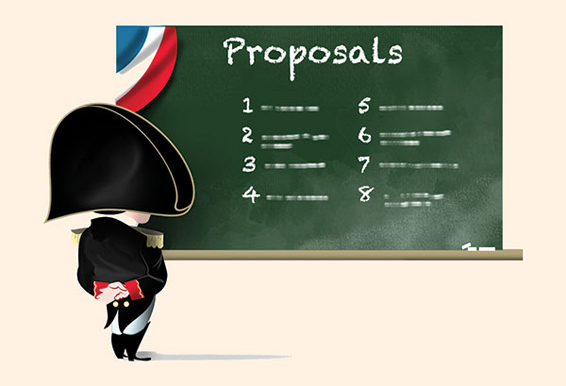
拯救法国的八条建议

Whig Zhou

呵呵真相了


西蒙•库柏

法国优点多多。我在这个国家住了12年,它风光美丽、相当富裕,食物美味,预期寿命为82岁。但用理疗师的话来说,“现状不行”。在Ifop今年1月的调查中,只有30%的受访法国人对未来“乐观”,这是19年来的最差水平,而且是从低位进一步跌落。法国人的乐观程度还不及伊拉克人和阿富汗人。

每逢这种时候,我们这些“盎格鲁撒克逊”评论者会告诉法国人:缩减政府规模,积极对待全球化,等等。但显然...

20 Apr 05:08

韩国游轮沉没疑与人为过失有关

by CHOE SANG-HUN, SU-HYUN LEE, JIHA HAM

韩国珍岛——船长是最先逃离的人之一。船上的44个救生筏只有几个派上了用场。渡轮向一边倾斜并开始下沉,将数十名学生带入水中,相关人员却通过广播指示数百名乘客“留在船内等待”。

周三沉没的韩国渡轮的通讯官员姜海成(Kang Hae-seong,音译)躺在病床上说,“我多次告诉人们保持冷静,原地等待一个小时。”他还表示,他不记得曾参加过疏散演习,当出现真正的紧急情况时,“我来不及查阅疏散手册。”

“岁月号”(Sewol)渡轮倾覆并沉入韩国西南端蓝灰色海水,这个过程持续了两个半小时的时间。然而,在这段时间里,船上的475人中只有179人获救。截至周四晚间,确认的死亡人数达到了25人。

救援人员遭遇了糟糕的天气,找到271名下落不明的乘客——大多数是学生——的希望越来越小,与此同时,越来越多的证据显示,韩国这场数十年来最严重的灾难是人为错误造成的。

 海岸警卫队的地方负责人金洙贤(Kim Su-hyun,音译)周四告诉记者,船长李俊石(Lee Jun-seok,音译)面临渎职指控,因为他抢在大多数乘客之前弃船逃走。周四,负责讯问李俊石的海岸警卫队官员表示,他们正在查核可能的刑事指控。警方则表示,他们正在调查船长是不是乘救生筏逃走的,只有少量救生筏派上了用场。

周四,李俊石在记者面前短暂露面时表示,“我无法抬头面对乘客及失踪人员的家人。”

但他没有澄清,这艘6825吨的渡轮为什么会在沉没之前向一边急剧倾斜,船上为什么有那么多人无法逃生。

对于一些海事专家来说,船长的弃船决定和船员的应急表现似乎重现了意大利“协和号”(Costa Concordia)游轮事故中的问题,该游轮于2012年触礁,导致32人遇难。

宾夕法尼亚州纽敦的事故调查员小詹姆斯·T·雪利(James T. Shirley Jr)表示,在渡轮慢慢沉没的两个半小时里,船员“绝对有足够的时间帮助大多数人逃离”。

“我不明白,船员为何会指示乘客待在船里,”雪利说。“我觉得,他们即便不做别的事情,至少也该让乘客穿上救生衣,跑到船舱外面。这样的话,就算船沉了,他们至少也可以穿着救生衣去面对冰冷的海水。”

Nexus咨询集团(Nexus Consulting Group)的海事安全专家威廉·H·多尔蒂(William H. Doherty)上校表示,这艘韩国渡轮“的安全训练明显非常失败”,这种失败可能是由高级船员及韩国监管人员造成的。多尔蒂曾指挥海军船舰及商船。

“向该船发放安全认证时,他们必须确认船员都受过训练,”多尔蒂上校说,他指的是通讯官承认未曾参与疏散演习。“你必须确认,船员接受过处理各种紧急状况的训练。”

乘客的主体是檀园高中(Danwon High School)的325名学生,这本是他们热切期待的一次旅行,是他们进入为全国高考而刻苦学习的一年之前,最后的一次娱乐机会。周二晚间,在渡轮驶离仁川港前往度假岛屿济州岛后不久,学生们为庆祝此行在甲板上点放了烟火。

据幸存者透露,当船开始倾斜时,学生们刚吃完早饭,正在自由活动,他们在各层船舱漫步,还在甲板上拍照。

幸存者说,紧急情况出现之时,许多学生仍然在第三层,也就是餐厅和游戏室所在的地方。

“我不记得登船前有人对我们进行过安全指导,”金秀彬(Kim Su-bin,音译)说。这位16岁的檀园高中学生在船下沉时爬了出来,之后跳入水中,由此得救。“救生衣都在四层,那层是卧舱,但那些下沉时呆在三层的人没有救生衣。”

调查人员称,“岁月号”在开始倾斜的时候似乎曾向左急转弯。他们说,它的航线一直与往常的路线稍有偏差,船长李俊石似乎曾尝试把它调整过来。目前尚不清楚他为何会在以水流湍急闻名的水域尝试这种转弯,以及这次转弯为何会使船身发生倾斜。

幸存者说,墙和地板似乎交换了位置,渡轮内一片混乱。瓶子和碗盘都掉了下来。渡轮的楼梯发生严重扭曲,根本无法通行。乘客也被甩到另一边。在渡轮餐厅打工的大学生宋志哲(Song Ji-cheol,音译)说,托盘和汤碗都打翻了。

他说,“突然之间,我们沉到了水下。我试图抓住桌子,但桌子也在移动。”

一些幸存者说,在这个过程中,灯全灭了。

“船身开始倾斜时,我听到砰的一声,以为那是学生撞上了舱壁,”韩熙敏(Han Hee-min,音译)周四在安山市的一家医院里说,“我穿着救生衣,所以浮了上去。有些朋友抓住我的腿,但我不知道他们怎么样了。”安山在首尔南边,是檀园高中的所在地。

有人用智能手机录下低分辨率的视频发给了亲属。这段视频显示,受惊的乘客蜷缩在一个房间的角落里,一个声音在船上的内部广播中呼吁大家“留在舱内等待,舱内更安全”。16岁的权姬赫(Gwon Ji-hyuck,音译)说,他也听到了那个广播。

16岁的学生韩相史(Han Sang-hyuk,音译)认为,失踪人数这么多,原因是渡轮船员引导不力。他说,呆在舱里和挤在狭窄走道里的乘客不大可能逃出来。

海难调查人员、国际拖船协会(International Tugmasters Association)主席阿兰·洛因德(Alan Loynd)拒绝直接评论船员的决定。但是“一般情况下”,他说,“如果渡轮开始倾斜,我是不会待在甲板下面的。”

渡轮上的通讯官员、32岁的姜海成说,事发之时,他和另一名船员不得不迅速做出决定。他说,他们认为如果乘客出于恐慌而匆忙逃跑,事情可能会更糟。

檀园高中学生申成熙(Shin Seong-hee,音译)是遵守指令的人之一。她在发给父亲的短信中说,船员告诉她“在船上走动会更危险”。

父亲回短信说:“我知道救援人员正在赶往现场,但是你为什么不想办法逃出来?”

“不行,因为船身倾斜得太厉害了,”她用短信回复说。她的姐姐把这条短信拿给记者看。之后,再也没人听到申成熙的消息。

有些幸存者讲述了船员的专业风范和自我牺牲精神。爬出船舱跳进水里的檀园高中学生金秀彬对朴智英(Park Ji-young)表示了感谢。这名船员当时一直在安慰学生,还在没穿救生衣的情况下帮助学生逃生,并且留在了最后。周三,人们发现这名船员已经遇难。

周四,当朴槿惠总统来到珍岛的一个体育馆时,一些家长大喊,“把我的孩子活着带回来!”该体育馆已被当地官员用作安置悲伤家属的场所。朴槿惠承诺将“所有可用的资源”投入营救,并承诺“彻底调查并严厉惩处事故责任人”。

韩国主要的保守派报纸《朝鲜日报》(Chosun Ilbo)在一篇社论中指责朴槿惠政府“乱作一团”,虽然该报基本对朴槿惠政府持支持态度。

“首先,人民一定会深深地觉得,韩国是一个不重视人命的国家,”该报表示。“数百名乘客与船一起沉了下去,船长和大多数船员却活着逃了出来。”

61岁的船员全永俊(Jeon Young-jun,音译)说,事发当时,轮机长让他的团队立刻弃船,这与发给乘客的广播指令完全不同。

“同事和我都确定,不赶紧出来就会死,因为我们知道,如果船身倾斜到了48度左右,那就非常危险,”他说。“当时根本想不到其他事情。”

翻译:陈柳、许欣

纽约时报中文网

16 Apr 16:40

What is a job that exists only in your country? (place-specific labor markets in everything)

by Tyler Cowen
Whig Zhou

有趣

Let us start with “Teheran markets in everything”:

I think this happens only in Tehran. Some people get paid to walk behind your car, so the traffic cameras can not capture your plate number when you enter the restricted traffic areas!

The photo alas does not reproduce, and that is from a fascinating Quora discussion on “what is a job that exists only in your country?”

The Vietnamese water bag carriers are impressive (you get into a plastic bag and they pull you across a river).  Here is some Indian arbitrage:

Disabled people get 50-75% concession on train ticket from Indian Railways. Additionally, they can take one person as escort who will be entitled to the same amount of concession.

Some disabled people earn their living with this scheme. Their only job is travelling between different cities and taking Strangers (who actually want to go to some city) as escorts. These strangers pay 75% of the fare to the disabled people. Thus Stranger saves money, Disabled person earns profit.

This also was new to me:

In China, when there are big traffic jams, you can pay a fee to have two people on a motorcycle drive to your vehicle, where one takes your place at the steering wheel, and the other will take you wherever you need to go on his motorcycle.

Nor had I known about the “pet food taster” (Simon and Marks) or the costumes of those Australian Meter Maids.  India is prominent on the list but Mexico makes an appearance as well:

In Mexico we have men who make a living by discharging electricity into the bodies of consenting drunk people (who gladly pay a couple of dollars for the experience). These men usually hang around bars and areas where nightlife abounds and yell “toques toques!”(“discharges, discharges!”) while banging the two metallic handles of their contraption together. The device is a battery-operated metal box with a voltage regulator that can increase the intensity of the electrical current depending on how much the customer can take. It is generally accepted by Mexicans that a bit of electricity will increase your buzz…

It costs about $2-$4 per jolt.  Maybe the real winner should be this one:

United States of America: Man who walks on the moon (currently on hiatus).

I believe I owe thanks to somebody on Twitter, alas I can no longer recall to whom.

15 Apr 09:16

中国3月CPI回升,PPI同比连降25个月

by xiaoyan

1-2月我国通胀涨幅呈现放缓势头后,3月CPI同比涨幅扩大。猪肉价格持续低迷及农产品价格在春节后趋稳,使3月CPI环比由升转降。有分析师判断,货币政策稳健、经济增速放缓的大背景下,未来几个季度里物价压力不大。此外,3月PPI同比下降2.3%,较2月进一步放大降幅,内需低迷态势不改。至此,PPI已连续同比下降25个月。

3月5日李克强总理的政府工作报告提出,今年CPI涨幅控制在3.5%左右,持平去年目标。1-3月平均,中国CPI同比上涨2.3%,低于全年目标。2013年中国CPI同比涨幅为2.6%。

统计局今天发布数据显示,3月中国CPI同比增长2.4%,预期增长2.4%,较2月的增幅2.0%回升。3月份,CPI环比下降0.5%。

同时发布的PPI数据为,3月PPI同比下降2.3%,2月为同比下降2.0%。1-3月平均,PPI同比下降2.0%。

国家统计局城市司高级统计师余秋梅认为

CPI环比由升转降,同比涨幅有所扩大。由于春节过后气温回升,蔬菜、水果等鲜活食品价格下降较多,是3月份CPI环比下降的主要原因。从发布的环比数据看,肉禽、蛋、水产品、鲜菜和鲜果价格环比均有所下降,合计影响CPI环比下降约0.55个百分点。

从同比数据看,食品价格上涨4.1%,影响CPI上涨约1.35个百分点,占CPI总涨幅近六成,是同比上涨的主要因素。食品中,蔬菜、水果和奶类价格同比分别上涨12.9%、17.3%和11.3%,牛肉、羊肉和水产品价格涨幅均超过7%,合计影响CPI上涨约1.23个百分点。从国家统计局此前发布的50个城市主要食品价格监测数据看,部分品种3月份同比涨幅还是比较高的。

国家统计局城市司高级统计师余秋梅认为,

工业生产者出厂价格环比下降0.3%,分行业产品价格有升有降。从发布的分行业出厂价格环比数据看,在30个主要工业行业中,14个行业产品价格回升,16个行业下降。

有色金属矿采选、电力热力生产和供应、石油加工出厂价格环比小幅上涨;有色金属冶炼、煤炭开采和洗选、黑色金属冶炼等行业出厂价格环比有所下降。

3月CPI和PPI数据发布后,澳元对美元一度小幅走高。

CPI相关数据

中国国家统计局今日公布

2014年3月份,全国居民消费价格总水平同比上涨2.4%。其中,城市上涨2.5%,农村上涨2.1%;食品价格上涨4.1%,非食品价格上涨1.5%;消费品价格上涨2.2%,服务价格上涨2.8%。1-3月平均,全国居民消费价格总水平比去年同期上涨2.3%。

3月份,全国居民消费价格总水平环比下降0.5%。其中,城市下降0.5%,农村下降0.6%;食品价格下降1.6%,非食品价格上涨0.1%;消费品价格下降0.6%,服务价格下降0.1%。

3月份,食品价格同比上涨4.1%,影响居民消费价格总水平同比上涨约1.35个百分点。

其中,鲜菜价格上涨12.9%,影响居民消费价格总水平上涨约0.41个百分点;鲜果价格上涨17.3%,影响居民消费价格总水平上涨约0.37个百分点;

水产品价格上涨7.7%,影响居民消费价格总水平上涨约0.20个百分点;

肉禽及其制品价格下降1.8%,影响居民消费价格总水平下降约0.14个百分点(猪肉价格下降6.7%,影响居民消费价格总水平下降约0.21个百分点)。

各类商品及服务价格环比变动情况

3月份,食品价格环比下降1.6%。其中,猪肉、鲜菜、水产品和鲜果价格分别下降7.1%、5.4%、1.9%和1.6%,分别影响居民消费价格总水平下降约0.21、0.20、0.05和0.04个百分点。

3月份,非食品价格环比上涨0.1%。其中,衣着、居住、烟酒及用品、医疗保健和个人用品价格分别上涨0.7%、 0.2%、0.1%和0.1%;家庭设备用品及维修服务价格持平(涨跌幅度为0);娱乐教育文化用品及服务、交通和通信价格分别下降0.4%和0.3%。

PPI相关数据

统计局同日公布

2014年3月份,全国工业生产者出厂价格同比下降2.3%,环比下降0.3%。工业生产者购进价格同比下降2.5%,环比下降0.5%。1-3月平均,工业生产者出厂价格同比下降2.0%,工业生产者购进价格同比下降2.1%。

文章分类: 
自由标签: 
15 Apr 09:14

20% of Americans are in the top 2%

by ssumner
Whig Zhou

呵呵

For years I’ve been arguing that income distribution data is meaningless for all sorts of reasons.  One is that it treats capital income and wage income as being equivalent.  A second problem is the life cycle issue—I’ve been in all 5 quintiles at various times in my life, but I’ve never really been anything other than “middle class” in a sociological sense.  (I started middle class and am now upper middle class.)

It seems the press is catching on to this problem:

Fully 20 percent of U.S. adults become rich for parts of their lives, wielding outsize influence on America’s economy and politics. This little-known group may pose the biggest barrier to reducing the nation’s income inequality.

The growing numbers of the U.S. poor have been well documented, but survey data provided to The Associated Press detail the flip side of the record income gap — the rise of the “new rich.”

Made up largely of older professionals, working married couples and more educated singles, the new rich are those with household income of $250,000 or more at some point during their working lives. That puts them, if sometimes temporarily, in the top 2 percent of earners.

Even outside periods of unusual wealth, members of this group generally hover in the $100,000-plus income range, keeping them in the top 20 percent of earners.

When I sell my rental unit and move to California I’ll have a huge capital gain, and be “rich” that year.  It makes no different whether my real capital gain is zero, the government treats nominal gains as if they are “income,” and economists treat income inequality as if it actually measures “economic inequality.”  The economic inequality debate is still pretty much in the Stone Age. GIGO.

Why does this matter?  Consider all the progressives who wonder “what’s the matter with Kansas?”  (I.e., why are our conservative opponents so stupid?)  Have you noticed that they never ask what’s the matter with Washington, or Massachusetts?  Maybe they should. Here are a couple examples:

1.  Washington state has no income tax at all.  And yet we are constantly told by progressives that “polls show” the public agrees with them. “Polls show” the people say “yes” when asked if it would be nice if the government would provide all sorts of free goodies to everyone. “Polls show” that voters like big government, and think the rich get off too lightly.  So obviously if you had a referendum on replacing Washington state’s regressive Texas-style tax system with an income tax that only applied to the top 1.2% of residents, the liberal voters of Washington state would pass the referendum overwhelmingly.  Or am I missing something?  I guess I am, as in 2010 they rejected the proposal by the razor thin margin of 64% to 36%, despite the Bill Gates fortune bankrolling the “tax the rich” initiative.

2.  Even more liberal Massachusetts has a flat tax with a top rate that is lower that the horribly regressive top rate recently set by the fanatical Tea Party GOP in North Carolina.  Massachusetts is even more liberal than Washington state, with the GOP now almost completely extinct in the State House.  So obviously if there were a referendum to make the income tax progressive, a proposal that would hurt only a “tiny number of taxpayers,” it would pass overwhelmingly, wouldn’t it?  Nope.

There have been five past efforts to amend the constitution to allow for a graduated income tax, but each time—in 1962, ’68, ’72, ’76, and ’94—ballot referendums to confirm the amendments went down to defeat. All the referendum votes “have failed by wide margins,”

I hesitated to write this post.  I’m actually glad that people who support progressive income taxes are so clueless about both income inequality and politics. It makes it much easier to defeat them politically.

PS.  Marcus Nunes has a wonderful new post that directed me to a left wing blog that advocates intentionally driving the economy into a recession as a way to reduce inequality.  That’s a wonderful idea.  I strongly encourage all progressives to read this Angry Bear post, and adopt the “breaking bones to fix bones” model of the economy.  Voters will love it and that will finally convince them to adopt all your other socialist ideas.

PPS.  I have another post on income inequality over at Econlog.

14 Apr 12:51

Preparing For China’s Middle Class Challenge (Part 2)

by McKinsey China

This is the second of three chapters from my China Development Forum paper on the future of China’s middle class. In it I lay out the trends reducing opportunities for China’s new graduates and the implications this has.

The rise of “Generation 2” consumers

A new generation of middle class consumers born after the mid-1980s is emerging. While their parents lived through many years of a shortage economy,and are primarily concerned about building economic security for their families, members of “Generation 2”, (G2) were born and raised in relative material abundance. With a stronger sense ofsecurity, the emerging G2 consumers are more interestedin “living it”. Most of them are also the only child in their family due to the strict enforcement of the one-child policy. They have high expectations for job satisfaction and income growth.

McKinsey research has found that G2 consumers are more confident than their parents, and are more willing to pay a premium; indeed, they regard expensive products as better products. They are eager to try new products and experience new technologies. Compared with their parents,they are more loyal to the brands they trust, and prefer niche brands. Importantly, they seek more sources of information prior to making a purchase than the previous generation, and they rely heavily on the internet for product information.This generation is becoming a crucial consumer group for the Chinese economy. In 2020, 35% of total consumption in China is expected to come from these G2 consumers, who will be major purchasers of personal care, leisure, and travel services.

Too many graduates chasing too few jobs

If they hope to make their entry into the middle class, today’s graduates will need to find well-paying jobs. For a growing number, however, this goal is becoming increasingly elusive. There are signs that this problem is rapidly becoming a serious one. According to the Chinese Academy of Social Sciences, 17.6% of newly minted graduates were reported to be unemployed in September 2013. In the segment of graduates aged 20 to 29 in 2013, 12.5% were unemployed[2]. Universities themselves report that only 50% of their students are finding a job before graduation, and a survey conducted by the Chinese Academy of Sciences/Mycos shows that nearly half of all graduates feel they are underemployed versus their potential and expectations.

Our analysis of National Bureau of Labor statistics suggests that this mismatch has led to real wages for graduates rising only 3% annually over the last decade, versus 11% annually for vocationally qualified workers (Exhibit 4). Jobs that facilitate entry into the middle class exist, but enough jobs to take the next step up the ladder into the upper middle class may not. The labor market is hardly clearing today. With China likely to have over 115 million graduates by 2020, this issue alone could materially depress wages and weaken the collective spending power of the emerging middle class.


Exhibit 4

Exhibit 4


There is a crisis of graduate unemployment and under-employment in many countries, dragging down middle class income and confidence in the future. Some of this was triggered by the global financial crisis of 2008, but not all. The overarching secular trend in developed economies is for technology to eliminate the well-paying middle class jobs that graduates aspired to, and which paid for the lifestyles that are just emerging in China.

Look at Europe, where graduate unemployment in the 15-24 age band is over 17%, ranging from 50% in Greece to 4% in Germany (Exhibit 5). In the UK in 2012, the Higher Education Statistics Agency records that not only were 10% of graduates unemployed after 6 months, but 50% were working in jobs that did not require a degree, and 5% were working in jobs that did not require a high school diploma. And yet many employers still report they cannot hire people with the skills fit for the jobs available.

Exhibit 5

Exhibit 5


The impact of technology must be built into projections of employment and wages in all countries. China is no exception. The China of tomorrow will deploy technology aggressively to substitute for labor, and will require a new range of skills from successful graduates if they are to obtain rewarding jobs. In manufacturing, capital intensity has risen for a decade. Domestic output of computer numerically controlled (CNC) machine tools rose 15x between 2000 and 2012, and the market for industrial robots rose by 55x over the same period.

The impact of technology is now starting to be felt in services. How many millions of existing jobs might disappear as sales of insurance and banking services move online (a single large insurance company may have more than half a million sales agents today), and as retail moves even further online in the next 5 years? Based on international comparisons, 30-50% of insurance sales could shift from agents to online. Today, more than 5% of all retail sales are conducted online, and clothing and consumer electronics chains are closing stores. How many additional retail positions will be lost if 15% of retail moves online? Already 25% of airline and 6% of train tickets are sold online. Based on international benchmarks, this could rise to 50%, eliminating the need for agents and travel advisors.

Even these international benchmarks may be too low for China, where the adoption of online commerce is faster than in almost any other major international economy. China’s share of online retail sales is already higher than the United States (Exhibit 6). Many of these “disappearing” jobs pay above the urban average (e.g. financial services pay 2.2x the city average in Shanghai[3]). So not only are major sources of middle class jobs likely to disappear, but sources of well-paying jobs as well.

Exhibit 6

Slide6


Notes:

2. China Employment Statistics

3. Shanghai government statistics, CEIC

You can read more of my views on China on my LinkedIn Influencer blog. And please follow me on Twitter @gordonorr

Photo: Cathy Yeulet / 123RF Stock Photo

10 Apr 07:48

RT @Cluvmmy: 拍几个美女的骚逼叫艳照,拍几百个这就是艺术,赞!RT...

Whig Zhou

果断存档


RT @Cluvmmy: 拍几个美女的骚逼叫艳照,拍几百个这就是艺术,赞!RT @wuhu57575 :@Cluvmmy 多种款式,任君挑选 。米帅应该已经尝试过不少不同type得吧~ http://bit.ly/1lLx5tN

— Kenji Kee (@KenjiKee) April 10, 2014
10 Apr 05:47

无声电动汽车太危险,欧盟强制加装假引擎噪音装置

by 王大发财
Whig Zhou

呵呵

无声电动汽车太危险,欧盟强制加装假引擎噪音装置

电动汽车和混合动力汽车行驶时非常安静,也许在非常近的距离才能被人发现,太安静的汽车对于盲人、有视力问题的路人和骑车人都会造成危险。

电动汽车和插电混合动力汽车,例如全电动宝马i3或丰田Prius在电动模式下行驶时几乎不发出任何声音。

近日欧洲议会规定在2019年前欧盟区域内所有电动汽车和混合动力汽车都必须加装能够发出虚拟引擎声的装置,让人们能够注意到车辆的到来。强制令的颁布为的是让所有人在街上通行都更为安全,尤其是盲人和有视力问题的人。

无声电动汽车太危险,欧盟强制加装假引擎噪音装置

汽车厂商们有五年时间为电动汽车和混合动力汽车加装汽车噪声警告系统,这种系统能够模仿燃油引擎的声音。

此前欧盟议会对于汽车噪声的要求仅仅是在自愿基础上安装人造声音设备,但是后来提出的修改方案改为强制安装,成功在欧盟议会和欧盟委员会通过投票。

除了加装噪音装置,欧盟议会还通过了提案要求传统汽油和柴油汽车卡车降低噪音,轿车、面包车、长途客车和公交车必须能够降低4分贝噪音,而大卡车必须能降低3分贝噪音。

欧盟委员会表示:“所有这些举措将降低车辆25%的噪音影响。”

[王大发财 via PSFK & dailymail]

相关:冷:新款宝马M5,会在车里播放预录的引擎噪音

08 Apr 15:02

[观点] 美国的劳动者都去哪儿了?

美国失业率正在下降,但越来越多的美国人却完全退出了就业市场。曾在小布什任期内担任美国总统经济顾问委员会主席的Glenn Hubbard探讨了其中的原因,以及如何让劳动者回归就业大军。


08 Apr 04:22

被高自杀率困扰的韩国

by 金英夏
Whig Zhou

自杀率似乎跟纬度有关?

韩国釜山——作为《我有毁坏自己的权利》(I Have the Right to Destroy Myself)一书的作者,人们经常问我,在我看来韩国自杀率如此之高的原因是什么。我那部小说的主人公是一名专业的“自杀咨询师”,客户聘请他是为了让他帮助自己规划和执行自杀。我从1995年开始写这部小说,当时韩国的年度自杀率远低于其他发达国家的平均水平。然而在1997年亚洲金融危机之后,韩国自杀率飙升,并且自那以后一直在恶化。

小说在1996年出版时,包括我在内,所有人都没有料到自杀会成为如此惨痛的问题。韩国自杀率一连八年位居发达国家之首。2012年,有14160人自杀,平均每天39人,和2000年相比增长了219%,那一年有6444人自杀。在10到30岁的人群中,自杀是最主要的死亡原因。在40多岁的人群中,自杀是第二常见的死因,仅次于癌症。在更为年长的人群中,数字更加触目惊心。

自杀随处可见。最近有一天,我和一个朋友在首尔的一家酒吧里喝酒时,年轻的调酒师问我们,感觉明天的天气是不是可以乘船出行。她说,她的哥哥一年前自杀了,家人把他的骨灰撒在了港口里,现在家人们打算乘船到港口纪念周年。接着,我的老朋友告诉我,我们原本以为死于心脏病的一个大学同学,实际上是自杀而死。

现在,每每听到年轻人去世的消息,我头脑中闪现的第一种可能性就是自杀。

“生命之桥”的宣传项目是官方应对自杀时不得要领的典型范例。首尔的麻浦大桥(Mapo Bridge)横跨汉江,由于有太多人从桥的边缘跳下护栏求死,所以这座桥有了“自杀大桥”的称号。2012年,首尔市政府和三星生命保险(Samsung Life Insurance)联合发起了一个项目,要把“自杀大桥”转变为“生命之桥”。一家广告公司邀请公众提交问候语,再将这些问候语印在可以发光的面板上,放在大桥护栏上方。有人走近护栏时,面板就会点亮,向行人致以这样的问候:“我知道你这段时间过得不容易”,或者“你今天感觉怎么样?”

一年之后,跳下麻浦大桥自杀的人数达到了原来的六倍。“生命之桥”的文宣非但没能劝阻自杀,反而吸引了自杀。

就在几天前,一部好莱坞大片制片方的保安团队,在拍摄期间从麻浦大桥下方的河水中,找到了一名21岁男子的尸体,他是两周前死去的。

翰林大学(Hallym University)家庭医学系的研究显示,尝试自杀的人中,有60%患有抑郁症。然而在韩国,有太多人对心理疾病持有陈旧的观念。许多人以为,自杀者只是缺乏活下去的坚强意愿,太软弱了。很少有人同情,也很少有人有兴趣透过表面,更深入地去探究。

此外,在韩国寻求抑郁症的治疗也并不容易,因为心理治疗在社会上仍然面临很强的阻力。延世大学世博兰斯医院(Yonsei Severance Hospital)的精神病学教授金於洙(Kim Eo-su)对我说:“三分之一的抑郁症患者在治疗过程中会放弃。许多患者认为,他们靠宗教生活或体育锻炼就能克服抑郁症,这是最大的问题之一。”

许多寻求心理治疗的人都担心医生做记录。最近在已婚妇女当中有传言说,如果有因为抑郁症而接受治疗或服药的记录,一旦丈夫起诉离婚,女方就会失去孩子的监护权。

关于自杀大量发生的根源,我们很难找到令人满意的解释。对于老年人的自杀,许多分析人士指出的原因是传统家庭单位的瓦解,以及经济状况不佳。对于年轻人的自杀,人们经常归咎于大学入学考试带来的压力。对于中年人,问题在于经济形势的不确定性。然而对于所有年龄段的人来说,都有太多韩国人把自杀当成了摆脱现代社会生活压力的可行的退路。这种态度必须转变。

好消息是,在地方层面这种转变正在发生。2013年,釜山成了韩国第一个开始对自杀高危人群进行关注的城市。精神病学专家也开始研究自杀者生前的精神环境,方法是对其亲友开展深入的访谈。釜山市的官员表示,他们参照了芬兰的范例。1992年时,芬兰自杀率处在全球最高的水平,当时官方实施了类似的系统。通过这种项目,芬兰成功地把自杀率降低了40%。

仁川也效仿釜山,建立起了全面的自杀预防项目,目标是把自杀率降低20%。

在全国层面,政府也已经开始着手应对自杀问题。然而措施仍然远远不够有力,自杀预防服务的全国预算接近700万美元。与此相对比,日本在预防自杀方面投入的资金有1.3亿美元,而且那里的举措取得了很好的效果。

今天,我绝对不会写出《我有毁坏自己的权利》这种充斥自杀情节的小说,因为我很担心它会鼓动其他人自杀。我盼望着有一天,像我这样的作家能再次安心地把自杀当成虚构的情节。

金英夏(Young-ha Kim)是小说家和短篇小说家。

翻译:王童鹤

纽约时报中文网

07 Apr 09:54

The Talker of the Town

by Steve Landsburg

tillyOnce upon a time, the New Yorker took special pride in its famously scrupulous fact-checking department. Nowadays, they’ve apparently stopped caring whether the pieces they publish are even remotely plausible, let alone true.

Thus, writing about the Affordable Care Act in the current issue, Jeffrey Toobin is able to report that “it’s clear that the law is helping a lot of Americans” because, among other things, “more than a hundred million people have received preventive-care services, like mammograms and flu shots, at no cost!!!!!!!!!!!!!!!!!!!!!!!!!!!” (Emphasis added.)

Now surely nobody at the New Yorker, right down to the greenest intern, can possibly believe that it is possible to provide a mammogram or a flu shot at no cost. The statement is so ridiculous that one has to believe either that it was intended as some sort of parody (a reading which the context does not support) or that Toobin meant to say something entirely different. But what?

Maybe he meant to say something like “a hundred million Americans have managed to get roughly a hundred million other Americans to pay for their preventive-care services”. But this seems to be an implausible reading, because it’s part of a laundry list of things that are supposed to be self-evidently good about the health care law, and there’s nothing self-evidently good about transferring a cost from person A to person B.

Now I am committed to the view that we should read each other charitably whenever possible, but in this case I can’t seem to come up with any plausible candidate for a charitable reading — let alone a plausible explanation of how this got past an editor.

It’s true, at least, that a law that takes money from a hundred million Americans and gives it to a hundred million others can accurately be described as “helping a lot of Americans”, but of course it can just as accurately be described as “hurting a lot of Americans”. Presumably there was some intent behind the choice of one locution over the other. (And anyway, it’s still not clear the statement is true, if by and large the people who are receiving these treatments and the people who are paying for other people’s treatments are by and large the same people.)

So: Did Toobin mean that this particular income transfer from hundreds of millions of unidentified persons B to hundreds of millions of unidentified persons A is a self-evidently good thing? Surely he can’t mean to say “It’s always good for Bob to pay Alice’s bills” without telling us anything about who Bob and Alice are. Indeed, in this case, it wouldn’t be unreasonable for us to guess that the recipients are, on average, better off than the billpayers — it is, after all, not implausible, that those who have their acts sufficiently together to schedule and show up for a mammogram are, by and large, those who have their acts sufficiently together to show up for work and establish bank accounts.

But beyond that, and more fundamentally, even if Toobin knows something he’s not telling us about who’s paying and who’s receiving, and even if, in light of that information, he thinks this income transfer is desirable, and even if he feels confident that, if only he had shared that information, we’d agree with him, and even if he believes we trust him enough that he doesn’t actually have to share the information in order for us to nod our heads and say “Well, if Toobin’s for it then so am I” — even if you grant all of that, a pure income transfer cannot be a significant benefit of the health care law, because a health care law is an extraordinarily indirect and clumsy way to transfer income. If Jeffrey Toobin really wants to move vast amounts of money around from one large group of Americans to another, I’m sure he can write an interesting article about that — but it’s got nothing to do with health care policy.

There are, of course, reasonable arguments in favor of the Affordable Care Act, at least in its broad outlines. (There are also plenty of reasonable arguments against it). But those arguments are off topic here, because Toobin wasn’t appealing to them.

So what on earth did he mean? Anyone?

Share/Save

07 Apr 06:37

十一种再也不存在的工作

by tzh1997

如今人们做过的工作总来没有像这些一样酷,我多么希望世界能够回到一个像这样简单的时代。你更希望见到下面那种的工作呢?

1.保龄球球童

十一种再也不存在的工作
十一种再也不存在的工作
保龄球球童是一些被保龄球馆雇佣来在保龄球瓶被击倒之后将它们重新摆放整齐的儿童。这种辛劳的工作通常都只能得到很少的工资。

2.人工闹钟

十一种再也不存在的工作
十一种再也不存在的工作
十一种再也不存在的工作
这些人通常被称为“巡逻吹哨人(knocker-uppers)”他们会沿着一条设定好的路线走动,用长杆轻叩窗户,扔石子或是大吼来提醒他们的客户以确保他们准时起床。

3.切冰工

十一种再也不存在的工作
十一种再也不存在的工作
在冰箱被发明出来之前,在冬天里“收获”冰块并将它们存放起来以备夏天使用是冷藏东西最好的办法。这个工作落到了切冰工的头上。他们必须在冰冻住了的池塘或湖面上切割出巨大的冰块,还得冒着摔进水中被冻死的危险。

4.人工雷达

十一种再也不存在的工作
十一种再也不存在的工作
就在飞机被发明之后不久,全世界的军队都发明出了各种各样的办法来侦测出敌机从远方靠近的声音。在我们发明出真正的雷达之前,我们不得不依赖于这些有着敏感的耳朵的人和被放大的声波。在听到敌机靠近之后,这些人就会拉响警报。

5.捕鼠员

十一种再也不存在的工作
十一种再也不存在的工作
十一种再也不存在的工作
当欧洲被鼠患困扰着的时候,这种工作一下子变成了大热门。老鼠通常是病毒的携带者,所以这些人必须冒着被老鼠咬伤得病的风险工作。但是他们的工作被认为是一项很重要的公共服务。

6.路灯点亮员

十一种再也不存在的工作
十一种再也不存在的工作
在许多城市拥有路灯之前,路灯是用瓦斯作为燃料的。所以这些路灯点亮员就得在傍晚沿着街道来帮这些路灯点火。

7.送奶工

十一种再也不存在的工作
十一种再也不存在的工作
在不进行冷却的情况下,牛奶在24小时之内就会变质。这正是送奶工存在的原因。他们每天都要配送牛奶,直到电冰箱的出现为止。

8.浮木驾驶员

十一种再也不存在的工作
在高速公路和铁路被发明出来之前,将木头从山上的森林砍倒然后让这些浮木驾驶员将它们沿着河道运下无疑是最好的办法。

9.接线员

十一种再也不存在的工作
十一种再也不存在的工作
在现代,每天上百通的即时电话交流都依靠数码来完成。但在不远之前,这些电话都必须由数不清的接线员人工完成,真正意义上的把线和线接在一起。

10.盗墓员

十一种再也不存在的工作
在现代医学刚开始发展的日子里,大学或是医院里的医生基本上都得依靠盗墓。他们会聘请这些盗墓员来为他们的实验和研究挖取尸体。

11.专门娱乐工人的讲师

十一种再也不存在的工作
十一种再也不存在的工作
试过在做重复性的工作时听播客或有声书吗?工人们过去都聘请这些“讲师”来为他们在工作中阅读文学作品。有时他们会凑钱来支付工资。这些讲师还会时不时念一些工人写的文章,这在一定程度上促进了公会的增加。

[tzh1997 via viralquake.com]

07 Apr 06:33

The Ghetto of Talent, by Bryan Caplan

Charles Murray has recently come under attack for the position he staked out in Human Accomplishment on gender and achievement.  He's ably defended himself by pointing out what he actually wrote.  In the process, though, I remembered my favorite part of what is possibly his most underrated book. 

While removing social and legal barriers often fails to release superlative achievement, sometimes it does.  The most dramatic case of all: What transpired when the barriers of Europe's Jewish ghettos came crumbling down.  Murray:
During the four decades from 1830 to 1870, when the first Jews to live in emancipation (or at least to live under less rigorously enforced suppression) reach their forties, 16 Jewish figures appear.  In the next four decades, from 1870 to 1910, when all non-Russian Jews are living in societies that offer equal legal protection if not social equality, that number jumps to 40.  During the next  four decades until 1950 - including the years of the Third Reich and the Holocaust - the number of Jewish significant figures almost triples, to 114.  The figure below shows how these numbers work out as percentages of all significant figures for the three half-centuries from 1850 to 1950:

jews2.jpg

As Murray elaborates elsewhere:
Disproportionate Jewish accomplishment in the arts and sciences continues to this day. My inventories end with 1950, but many other measures are available, of which the best known is the Nobel Prize. In the first half of the 20th century, despite pervasive and continuing social discrimination against Jews throughout the Western world, despite the retraction of legal rights, and despite the Holocaust, Jews won 14 percent of Nobel Prizes in literature, chemistry, physics, and medicine/physiology. In the second half of the 20th century, when Nobel Prizes began to be awarded to people from all over the world, that figure rose to 29 percent. So far, in the 21st century, it has been 32 percent. Jews constitute about two-tenths of one percent of the world's population. You do the math.
To use Clemens, Montenegro, and Pritchett's terminology, Murray is essentially estimating the "place premium" for Jewish achievement.  As long as Jews remained in literal ghettos, most of their creative abilities were invisible - and wasted.  In order to live up to their full potential, the Jews had to physically and intellectually migrate.  Some declined to do so even after they had the option.  But the rest took to social integration like fish to water - and the results are staggering.

(6 COMMENTS)
06 Apr 14:47

UPS不左转

by K7419

UPS不左转

2004年,UPS对它的司机们宣布:到达任何目的地的正确方法是避免左转弯。即便像是这个路线,一名UPS司机对一个不信的记着说:

“我们要在135大街上右转到西大街,然后再右转到139大街。在139大街上右转,走过一个街区后再右转。”

2001年配备了更好的追踪系统后,快递商们好好研究了下卡车在运送包裹时候的表现。作为一家有着96000辆卡车,几百架飞机的物流公司,UPS急需优化一系列问题来提升业绩,如,减少汽油使用,节省时间,更高效的利用空间。(UPS停车场里的车都停的后视镜靠后视镜,以节省空间。)

UPS工程师们发现,左转弯是高效率的主要妨碍。与车流对着干,会导致在左转弯区长时间停留,浪费时间和汽油,并且会导致一系列事故。通过绘制了一系列右回环路线,UPS既提高了利润和安全性,又很好的宣传了它的口号和环境友好政策。2012年,右转规则和其它改进——出于各种因素考虑,UPS不说——节省了大约一千万加仑汽油,相当于减少了5300辆汽车一年的排放量。

UPS CEO在一次演讲中对他的观众这样描述这个政策:“我能看到你们当中有些人在笑,我知道你在想什么。但这个政策真的有用。”

如果你不买账,那好,轮到Mythbusters上场。他们让一辆卡车分别遵循普通路线,和UPS的讨厌左转路线,去运送快递。他们发现,UPS的方法,有些费时,但能节省汽油。

Mythbusters没能节省时间是因为他们比UPS更严格的遵守了这个规则。尽管不左转规则看起来简单易行很有规则,但是UPS司机偶尔也会左转,特别是在车流量不大的居民区。在被问道右转的频率时,一位UPS司机告诉ABC:

“我估计在90%吧。我的意思是,在UPS,我们真的真的很讨厌左转。”

自从UPS使用软件规划路线后,它能让司机在交通繁忙路段右转,而在方便快捷的时候破例让他们左转。该公司一位和睦的副总裁说:“这就是我爱工程师的原因,他们就喜欢找出更好的方法。”

[K7419 via priceonomics]

04 Apr 05:43

德国财长把普京比作希特勒,俄罗斯警告这是挑衅

by Shox
Whig Zhou

整个欧洲都弄得女里女气的

(朔伊布勒对“普京-希特勒”的不恰当类比,火上焦油乌克兰危机)

周四俄罗斯强烈抗议德国财长把普京“收回”克里米亚地区,比做希特勒领土扩张野心的言论。

上周末德国财长朔伊布勒在一次演讲中说,普京以保护侨民的理由收回克里米亚,让他想起了希特勒对捷克斯洛伐克的行动。

“希特勒当年就是这么对待捷克斯洛伐克的苏台德地区。”

“这是历史告诉我们的事情。”

1938年希特勒以保护捷克斯洛伐克国内300万“德国裔少数民族”为理由,吞并了苏台德地区,一年之后纳粹占领了整个捷克斯洛伐克。

在这番措辞强烈的言论后,德国政府连忙出面澄清。总理默克尔立刻与朔伊布勒划清界限,表示这不代表她本人和德国官方立场。

默克尔称:“高层官员应该对自己的评论更为负责。”

俄罗斯外交部昨天正式召见了德国大使吕迪格尔(Ruediger Freiherr von Fritsch),抗议德国财长把普京和希特勒的类比“严重扭曲了历史和现实。”

周四俄罗斯外交部发表措辞强硬的声明,甚至暗指这是默克尔和朔伊布勒两人在唱一出双簧。

“几天前德国财长朔伊布勒在柏林对一群学生的演讲,就俄罗斯收回克里米亚和希特勒1938年吞并苏台德地区进行了不可接受的类比。”

“我们认为这是德国高层官员某种经过伪装的挑衅。尽管他们承认这是低劣的类比,但是德国高层必须对他的讲话负责。值得注意的是,这可能是朔伊布勒故意使出的花招,他要把自己的立场与德国总理默克尔和外交部长弗兰克 - 瓦尔特·施泰因迈尔区分开来。

周四朔伊布勒发言人否认财长曾把俄罗斯比喻为希特勒第三帝国。朔伊布勒本人对德国ARD广播电台说:

“我还不至于愚蠢到把希特勒和任何人作类比。”

他还说德国政治家都不应该做任何类似的比喻,并说如果他真的犯错,他会道歉。

文章分类: 
01 Apr 07:47

各大棒球场求婚费用

by K7419

昨天是美国职业棒球大联赛(Major League Baseball,简称MLB)2014赛季开赛日。这也意味着美国第二大消遣活动——记分板求婚开始了。为了加快你的求婚进程,我们帮你找来了在30个场馆求婚所需要的花费。

尽管图片已经列出了费用,但各个场馆提供的服务尽不相同,有些场馆甚至提供多种价位服务。印第安人的烟火求婚最浪漫,但费城人的四人大礼包最超值。当然,如果你想要节俭一点,你也可以在口袋里带着戒指,在更换投球手时,用传统的方式向她求婚。不过,让我们祈祷你不会出局。

各大棒球场求婚费用

亚利桑那响尾蛇——Chase体育场
$250:记分板上显示信息(每次主场仅限一位)。包括纪念DVD。

亚特兰大勇士——特纳球场
$50:记分板上显示信息。

巴尔的摩金莺——金莺公园
不提供求婚服务。

波士顿红袜——芬威公园
$250:记分板上显示信息。
$350:除了记分板上显示信息外,情侣会被视频直播,并且能得到球队吉祥物Wally的祝福。

芝加哥小熊——瑞格利球场
$175:记分板上显示信息(每场比赛限一位)。包括纪念印刷品和电子拷贝。

芝加哥白袜——美国移动通讯球场
$55:记分板上显示信息。

辛辛那提红人——Great American球场
$50:记分板上显示信息,或,印刷标语让吉祥物Rosie Res分发。

克里夫兰印地安人——杰克布斯球场
$400:赛季15场比赛后的烟火之夜现场求婚。(不接受赛中求婚。)电话(216) 420-HITS。

科罗拉多洛矶——库尔斯球场
$50:记分板上显示信息。电话(303) ROCKIES。

底特律老虎——科莫利卡公园
$50:球队吉祥物,虎爪们会在情侣座位进行打闹,用惊喜求婚收尾。包括一个写有情话和日期的棒球。
$75:记分板上显示信息。

休斯敦太空人——美汁源球场
$500:视频直播求婚(每series限定一位,不允许在连续比赛中求婚。)包括两张门票和纪念DVD。电话(713) 259-8332。

堪萨斯皇家——考夫曼体育场
不提供求婚服务。

洛杉矶安纳海姆天使——天使球场
不提供求婚服务。

洛杉矶道奇——道奇体育场
$75:记分板上显示信息。
$2500:视频直播求婚(每月限定一位)。

迈阿密马林鱼——马林鱼公园
$250:记分板上显示信息,和视频直播。
$500:除了上面的,还包括PA广播,和由吉祥物马林鱼Billy送上的一打玫瑰。电话(305) 480-1300。

密尔沃基酿酒人——米勒球场
$100:记分板上单行信息(最多35个字符),夹杂在其它信息当中。
$250:记分板全屏信息(最多75个字符)。电话(414) 902-4501。

明尼苏达双城——标靶球场
$209:视频直播求婚(每场比赛限定一位)。电话 (612) 659-3502。

纽约大都会——花旗球场
不提供求婚服务。

纽约洋基——洋基体育场
$100:记分板上显示信息(每场比赛限定10位)。

奥克兰运动家——奥克兰圆顶体育场
$85:记分板上显示信息。

费城费城人——国民银行球场
$450:视频直播求婚。包括4张门票,庆祝香槟,和纪念DVD。电话(215) 463-1000。

匹兹堡海盗——PNC球场
$38.5:记分板上显示信息。

圣迭戈教士——PETCO球场
$55:记分板上显示信息(每场比赛最多50位)。

旧金山巨人——AT&T球场
$145:记分板上显示信息(工作日赛事)。
$175:记分板上显示信息(周末赛事和高级赛事)。

西雅图水手——萨菲科球场
$115:记分板上显示信息。

圣路易斯红雀——布什体育场
$250:多大20人的私人游行,在场地上以惊喜求婚收尾。
$500:除了私人游行,还包括记分板上显示信息。
仅在非比赛日接受求婚活动。电话(314) 345-9630。

坦帕湾光芒——纯果乐球场
$500:视频直播求婚(每场限定一位)。包括一打玫瑰和纪念DVD。

德州游骑兵——游骑兵公园
$200:由球队吉祥物,游骑兵队长分发印刷标语。还有一束鲜花,和一份写有情侣姓名和日期的证明。还包括求婚照片电子档。电话(972) RANGERS。

多伦多蓝鸟——罗杰斯中心
不提供求婚服务。

华盛顿国民——国民球场
$500:记分板上显示信息(每场比赛限一位)。
$1500:视频直播求婚(没赛季仅限两次)。
电邮production@nationals.com。

[K7419 via swimmingly]

01 Apr 02:26

Bits From the Latest IPCC Report

by David Friedman
(all quotes from the summary for policymakers)
In this report, the term impacts is used primarily to refer to the effects on natural and human systems of extreme weather and climate events and of climate change
Or in other words, they are lumping together costs associated with climate change due to human action, costs associated with climate change from other causes, and costs associated with extreme climate events, whether or not due to climate change.
In recent decades, changes in climate have caused impacts on natural and human systems on all continents and across the oceans. ... Evidence of climate change impacts is strongest and most comprehensive for natural systems.  ... See supplementary Table SPM.A1 for descriptions of the impacts (B) Average rates of change in distribution (km per d ecade) for marine taxonomic groups ... . Positive distribution changes are consistent with warming (moving into previously cooler waters, generally poleward).
"Impacts" sounds scary, but, as the quote shows, only means change.
While only a few recent species extinctions have been attributed as yet to climate change (high confidence), natural  global climate change at rates slower than current anthropogenic climate change caused significant ecosystem shifts and species extinctions during the past millions of years.
Warnings about large numbers of species being driven to extinction by anthropogenic climate change have morphed into the observation that species have gone extinct in the past for reasons unrelated to human action.
Some low-lying developing countries and small island states are expected to face very high impacts that, in some cases, could have associated damage and adaptation costs of several percentage points of GDP.
Compare costs of "several percentage points of GDP" in the places most at risk due to sea level rise with past rhetoric of hundreds of millions of climate refugees, drowned island chains, and the like.
Climate change has negatively affected wheat and maize yields for many regions and in the global aggregate (medium confidence). Effects on rice and soybean yield have been smaller in major production regions and globally, with a median change of zero across all available data
They don't actually say that yields have fallen, although that is what a careless reader is likely to think they are saying, only that they are lower than they would have been without climate change. A little searching finds a scholarly article on wheat yields, published in 2012, which reports that 
Wheat yields have increased approximately linearly since the mid-twentieth century across the globe, but stagnation of these trends has now been suggested for several nations. .... With the major exception of India, the majority of leveling in wheat yields occurs within developed nations—including the United Kingdom, France and Germany—whose policies appear to have disincentivized yield increases relative to other objectives. The effects of climate change and of yields nearing their maximum potential may also be important.
...

Near the time that leveling is generally observed, the European Union shifted away from a policy that rewarded high agricultural production through price guarantees to a policy that pays flat subsidies that do not increase with production and triggers taxes when production limits are exceeded
So what has actually happened is not that yields have decreased but that in some areas they have stopped increasing, at least in part due to changes in agricultural policy.
At present the world-wide burden of human ill-health from climate change is relatively small compared with effects of other stressors and is not well quantified. However, there has been increased heat-related mortality and decreased cold-related mortality in some regions as a result of warming ... .
The first sentence makes it sound as though climate change is making things worse. The second implies that there have been both costs and benefits and offers no estimate of their relative size.
People who are socially, economically, culturally, politically, institutionally, or otherwise marginalized are especially vulnerable to climate change.
One might conclude that keeping poor people poor, for instance by pressuring poor countries to produce less energy or produce it in more expensive ways in order to hold down CO2 output, will do more damage than good.
Impacts from recent climate-related extremes, such as heat waves, droughts, floods, cyclones, and wildfires, reveal significant vulnerability and exposure of some ecosystems and many human systems to current climate variability.
Note that the extremes are not limited to those due to climate change. Floods, cyclones, et. al. do damage...and always have. 
For the major crops (wheat, rice, and maize) in tropical and temperate regions, climate change without adaptation is projected to negatively impact production for local temperature increases of 2°C or more above late-20th-century levels, ...
Emphasis mine. If farmers ignore the implications of climate change on what crops they should grow how and continue to ignore them for the next sixty years or so, output is expected to decline.
With these recognized limitations, the incomplete estimates of global annual economic losses for additional temperature increases of ~2°C are between 0.2 and 2.0% of income (±1 standard deviation around the mean)
I have not yet gotten into the full report but, judging from accounts I have seen, 2°C of additional warming is about what it suggests we can expect by 2100 if we don't do much to prevent it. So if policies to prevent warming reduce the annual growth rate of world income from (say) 2% to 1.98%, the resulting loss will just about cancel the gain. Not a compelling argument for switching from fossil fuels to solar power.

All of these quotes are from the first half of the summary for policy makers—I have not yet tried to get into the full report. My conclusion is that the IPCC's estimates of the negative effects of climate change due to human action are much smaller than the rhetoric surrounding the subject suggests, a fact the report attempts to conceal as best it can by its presentation.

And a fact that does not come through in news stories about the report, at least those I have so far looked at.

How long before the more enthusiastic true believers start accusing the IPCC of having sold out to the oil industry?


31 Mar 05:19

身高,确实是个国家大事

by 瘦驼

本文作者:瘦驼

6e66a46cjw1e4fs9oxn9uj20f20bzgni

 【题图出处:freeweibo.com

身高有多重要?看看它能力压财富和美貌而身居“高富帅”三元素之首,就知道了。而且不但是民间智慧,越来越多的研究发现身高跟择偶、收入等等各个方面都有着不少联系。正因为如此,身高才会成为一个敏感的话题。不仅对个人,对一个族群也是如此。

3月6日十二届全国人大二次会议分组审议政府工作报告时,全国人大代表,北京教育科学研究院基础教育教学研究中心小学数学教研室主任吴正宪女士的一个说法颇引起了一阵波澜。吴女士指出:“近几年世界男性平均身高排名中,韩国排第18位,平均身高1.74米;日本排29位,平均身高1.707米;中国男性排名32位,1.697米。7岁到17岁的中国男孩平均身高比日本同龄男孩矮2.54厘米。”【1】对此,吴女士呼吁立法,保护和激发孩子们进行体育锻炼的热情。

体育锻炼是让国人长高的王道吗?这事还得从如何测量一个国家的平均身高说起。

其实,测量一个国家全体成年国民的身高并计算平均值是一件不可能完成的任务。所以,这个数值都是根据各种抽样统计取得的。吴女士并没有给出她提供数据的出处。目前得到比较广泛引用的关于我国平均身高的调查来自于2011年国家体育总局发布的《2010年国民体制监测公报》,这个报告对31个省区市的459184人进行了抽样。结论是2010年,17岁男孩的平均身高是1.714米,17岁女孩的平均身高是1.593米【2】。

对比一下邻国的数据。根据日本文部科学省所做的统计,2010年日本17岁男孩平均身高是1.708米,女孩则是1.580米【3】。2010年韩国17岁男孩平均身高为1.736米,17岁女孩平均身高为1.609米【4】。

以上述三个统计研究为基础,以2010年为截面,东亚三国这一年17岁的青年人平均身高排排坐的话,中国比韩国低,比日本略高。

wpid-SuDNStjTLNtlA2Sb-26naDPSfC08axwUZ77vH_-68b2AAgAAUwIAAEpQ-2014-03-26-18-24.jpg

为什么选花季17岁作为比较的基准?一方面这个年纪的人类已经过了身高增长的高峰。虽说“二十三蹿一蹿”,但是大部分人的身高在17岁已经格局确定。但最重要的原因却与身高的增长趋势无关——在发展水平较好的国家,17岁的“准青年”大都在学校里。一旦中学毕业,统计人员再想“一网打尽”整个年龄层的统计对象可就没那么容易了。

wpid-UQKLGwZVCNQYh951mTTLtrVyEsLuI01NvgiQYJ_yGRuAAgAAhwEAAEpQ-2014-03-26-18-24.jpg

单纯比较不同国家间的平均身高水平意义并不大,因为正如大家感受到的那样,身高更多的取决于遗传。根据不同的研究,我们的身高有六到八成是“天注定”的【5】。不同的族群,或者用更科学正确的词是“有不同遗传背景”,的人群平均身高的差异是客观存在的。我们更应该关心的是不受遗传控制的那一部分。
回头再看国家体育总局的《2010年国民体质监测公报》,2010年全国成年男性平均身高一项,20-24岁为1.711米,25-29岁为1.707米,30-34岁为1.698米……随着年龄增长,平均身高下降了。年纪越大身高会缩水?到了老年因为骨质疏松和椎间盘失去弹性也许会,不过这二三十岁的青壮年还不到时候。

wpid-7K0n6trnatzdPOTwiRr08EuFIUbNY-U9pfWyeT5I9pqAAgAAQgIAAEpQ-2014-03-26-18-24.jpg

原因很简单,最近几十年,中国人长个了。2005年发表在《中华流行病学杂志》的一项对全国31个省市区的71971人所做的抽样调查发现2002年的17岁“鲜花”普遍比1992年的高了3厘米左右【6】。

wpid-jY7gBVf5sD3thwEPlDfeWQzpqKp4c-ZXbtlNYlB4abmAAgAAJwIAAEpQ-2014-03-26-18-24.jpg

而且这项研究还告诉我们一个明确的信息,农村孩子比城市中的同龄人要矮。这跟科学界对身高影响因素的主流研究结论相符——决定不受遗传影响的那二到四成身高的是经济水平。更确切的说是经济水平在影响一个人在胎儿期、婴幼儿期和青春期的营养健康状况。

英国拉夫堡大学(Loughborough University)教授,著名的人类学家巴里·博金Barry Borgin在上世纪70年代到危地马拉进行人类学调查时给当地的玛雅人做过身体测量。他发现危地马拉玛雅人成年男性的平均身高是1.575米,成年女性平均身高只有1.422米。后来危地马拉内战升级,大量玛雅人流亡美国。虽然在异国他乡只能做一些收入不高的工作,这些危地马拉玛雅人,特别是他们的孩子却仍然比留在故乡的同胞享受了更好的医疗服务,同时也有更好的营养水平。到2000年,在美国的玛雅人已经比留在危地马拉的同龄同胞平均高了10.24厘米【7】!

wpid-2JOSzrwdS8uiJ9SKRQKBdv7Sn9e5sJl6Ax1-PmRGgKF_AgAA7wAAAEpQ-2014-03-26-18-24.jpg

【同样是九岁,移居美国的玛雅人比他们在危地马拉的老乡高了一头。 图片来自:ABC News】

另一个例子发生在我们身边。本是同根生的韩国和朝鲜,在十年前已经有着5厘米左右的平均身高差距【8】。

要谈“增高”经验,这世界上没有谁比荷兰人更有资格。21岁荷兰男人的平均身高1.838米、 21岁女性平均身高1.707米,高居世界之巅。正如我们前面讨论的,单纯比身高意义不大,拼爹妈并没有什么可荣光的。荷兰人的骄傲之处是,就在一个世纪之前,他们的身高在西欧还是最矮的那一拨。最著名的荷兰人——梵高,死于1890年。他的身高是1.70米,在当时,梵高算是中等个头偏上的个头,比同龄荷兰男人的平均身高高一点。可梵高如果走在今天的阿姆斯特丹街头,人们会很难发现他“娇小”的身影。

wpid-Yyizbxy48Tpy0aM-Blub-NKW2KtP8Gouk2xslQlkV-R8AgAAZQEAAEpQ-2014-03-26-18-24.jpg

【如果身高一米七的梵高走在今天的阿姆斯特丹街头,将会被人潮淹没。 图片来:NPR】

根据现在的研究,荷兰人的平均身高在1840年代达到一个低谷,19岁的荷兰男性只有1.62米多一点。十九世纪中叶之后,荷兰人开始长高,到现在都一直保持着强劲的向上趋势【9】。

十九世纪中期,荷兰发生了什么?当时的荷兰,荣耀已经成为历史——十七世纪大航海时代,它可是称霸大洋的强大帝国。但财富的积累并没有直接惠及民众,精英阶层和普通民众之间存在明显的贫富差异。1840年-1848年间,荷兰逐步确立了议会制,从那之后,贫富差距逐渐变小。随着人均收入的提高,荷兰人也迅速高了起来。

wpid-X8U7MIoPCYrV6bB4TcWU6yXuG0UyIt6cPzbfpVfbyLGAAgAA_QMAAEpQ-2014-03-26-18-24.jpg

与之形成鲜明对比的是,曾经一度是世界最高的美国,平均身高已经有25年没有增长了。

由此看来,“高富帅”三个字也得调整一下座次,想跟人家比个头,如果没有“富”,特别是平均的“富”,怕是还得仰望一阵子呢。

参考资料

  1. http://www.chinanews.com/sh/2014/03-06/5921053.shtml
  2. http://www.sport.gov.cn/n16/n1077/n297454/2052709.html
  3. http://www.e-stat.go.jp/SG1/estat/List.do?bid=000001025829&cycode=0
  4. Jin Soo Moon,Secular trends of body sizes in Korean children and adolescents: from 1965 to 2010,Korean J Pediatr. 2011 Nov;54(11):436-442.
  5. http://www.scientificamerican.com/article/how-much-of-human-height/
  6. 杨晓光 等,中国2002年居民身高和体重水平及近10年变化趋势分析,《中国流行病学杂志》2005年第七期,489-493页
  7. Bogin B, Rios L. Rapid morphological change in living humans: implications for modern human origins. Comp Biochem Physiol A Mol Integr Physiol. 2003 Sep;136(1):71-84.
  8. Sunyoung Pak. The biological standard of living in the two Koreas. Economics & Human Biology Volume 2, Issue 3, December 2004, Pages 511–521
  9. Jan Jacobs,Vincent Tassenaar. Height, income, and nutrition in the Netherlands:the second half of the 19th century

相关阅读

30 Mar 13:11

美国的生死地图

by 小脑袋

很多人都在关注移民导致的人口波动,但是国际移民只是造成人口变动的原因之一。

这些原因中还包括人口的自然增长——一个地区在一定时间内出生人数与死亡人数的差值。这张地图是根据美国的人口普查数据绘制的,地图显示了美国2012年1月到2013年1月每个县出生人数减去死亡人数得到的差值,以1000人为基本单位。红色代表死亡人数大于出生人数的县,而蓝色代表出生人数大于死亡人数的县(即红色为人口负增长地区):

美国的生死地图

自宾夕法尼亚西部起,通过弗吉尼亚和西弗吉尼亚,一直延伸到田纳西的阿巴拉契亚,简直一片泛红,整个地区大多数的县死亡人数都大于出生人数。此外,北密歇根州和威斯康星州也面临着相似的境况。

与此同时,阿拉斯加和西部则呈现出生人数大于死亡人数的趋势。

既然在了解每个地区出生人数和死亡人数的分布,下面还有另两张地图,分别为各地区的出生人数图和死亡人数图。

这张是出生人数图,基本单位为1000人:

美国的生死地图

下面这张图则是死亡分布图,基本单位同样是1000人:

美国的生死地图

[小脑袋 via wired]

29 Mar 15:39

全球移民潮:人都去了哪儿?

by alanyitianzhu
全世界都在移民,这已经不是什么秘密。但很难有机会让你知道人口都在向哪里流动。《科学》杂志上发表的研究报告向我们展示了20年来全球人口流动的快照。
 
迁移数据计算在两个方面:存量和流量。研究的作者之一Nikola Sander说:
存量相对容易统计,只需查看某个时间点的国内人口,但统计流量则较为困难。
多年来,如何精确地统计困扰了联合国和研究人员。欧盟对于移民流动有着良好的统计数据,但其他地方的数据却很稀缺。
 
去年,联合国将来自近200个国家的人口数据进行了标准化处理,消除了不同统计方法带来的误差。要将人口数据转变成五年流量数据,研究人员对联合国统计的数据进行了提取和补充,结果发现两个有趣的事实:
 
1、对人口增长进行调整后,全球迁移率自1995年来大体保持不变。
 
2、大多数移民并不来自最贫穷的国家,而是来自那些正处于经济转变期的国家。这些国家尽管不富裕,但人们可以获得教育以及流动的机会。
 
科罗拉多大学的地理学家Fernando Riosmena说:
该研究做出的结论之一是:随着国家的发展,将有更多的人移民离开,而当发展到某种程度时,这些国家将会成为移民的接受国。
 
研究还发现的一些值得关注的事实:
 
1、区域内最大的移民潮是从东南亚迁移到中东。这主要是因为阿拉伯半岛巨大的、由石油驱动的建筑热潮。
 
2、最大的国家之间的移民是从墨西哥到美国。(事实上,美国是全球最大的移民目的地)
 
3、在撒哈拉以南的非洲国家,一个巨大的循环移民正在上演。这个数字远远高于离开非洲的人数。但媒体更多关注后者,因为欧洲正针对移民进行辩论。
文章分类: 
自由标签: 
24 Mar 04:57

越南奇观:穿越闹市的铁路

by shixinxin

越南奇观:穿越闹市的铁路

你可能在网上见过上面这张图,它是泰国的“铁路食品市场”。但这不是唯一的都市奇观,无独有偶在越南河内,也有一条穿过老居民区和商业区干线铁路。火车离居民房屋门前的台阶只有几英寸距离,一天两次经过这个城市。

亚当·阿姆斯特朗(Adam Armstrong)近日去越南旅行见到了这一幕情景,他乍见此景觉得极其超现实。“当地人熟知火车时刻,每天下午4点和7点,你会注意到所有人忽然跑进家中,玩耍的孩子、切菜的妇女,喧闹的前院立马被匆匆驶过的钢铁大家伙和它的轰鸣声占据。”

当地报纸上有篇文章介绍说将需要超过20亿美元的投入才能改善越南的铁路交通现状,交通安全全国委员会副主席Nguyen Hoang Hiep告诉记者,在越南每年死于铁路事故的人数占总死亡人数的百分之二。 他说:“铁路事故主要高发在路口,尤其是非法修建的路口。目前越南有近3,200公里长的铁路线,6,000个铁道口分布其中。只有1,000个是合法的铁道口,其余都是沿途居民为了抄近道非法所建。”

越南奇观:穿越闹市的铁路

越南奇观:穿越闹市的铁路

越南奇观:穿越闹市的铁路

越南奇观:穿越闹市的铁路

越南奇观:穿越闹市的铁路

越南奇观:穿越闹市的铁路

越南奇观:穿越闹市的铁路

越南奇观:穿越闹市的铁路

越南奇观:穿越闹市的铁路

[shixinxin via messynessychic.com]

16 Mar 19:46

Piketty's Dodge on Inequality, by David Henderson

Whig Zhou

呵呵

New York Times economics columnist Eduardo Porter recently interviewed economist Thomas Piketty on his work on income and wealth inequality. Piketty, in case you haven't followed, has been documenting the increase in income and wealth inequality in the richer countries, including the United States.

Porter doesn't ask any questions about world inequality. My impression is that it has decreased as large countries like China and India have gotten wealthier. But, of course, their real incomes could be growing faster than Americans' real incomes and income inequality could still be increasing. Start with a per capita income of $2,000 that is growing at 8% per year in poorer countries and a per capita income of $30,000 that is growing at 1% per year in richer countries. One year hence, per capita income in the poor countries will be 8% higher, which is $160 more. One year hence, per capita income in the poorer countries will be $300 more, which is, obviously $140 more than $160. So the gap will have grown. It will take a number of years before the absolute gap falls.

By the way, there is one quick way to make sure that global inequality of income falls dramatically: for the richer countries to allow in an additional 50 to 100 million immigrants a year.

I would be interested in Piketty's take on both of the above. Apparently, Porter is not.

But I want to focus on the area on which Porter focuses: increasing inequality within a country, specifically the United States.

Porter asks a good question:

Might inequality in the United States be less damaging than it is in Europe because the very rich were not born into wealth, but earned their money by creating new products, services and technologies?

Porter was implicitly, I think, getting at an obvious point: that large rewards for innovation give incentives for innovation. The innovation will help hundreds of millions of people who will never be really wealthy: think of how you gain from a computer and a cell phone.

Here's how Piketty answers:
This is what the winners of the game like to claim. But for the losers this can be the worst of all worlds: They have a diminishing share of income and wealth, and at the same time they are depicted as undeserving.

Do you see what Piketty did? He didn't answer. Not only did he not answer what I think was Porter's implicit point--the large social value of the incentive to innovate--but also Piketty didn't even answer the narrow question asked: is inequality less damaging because many very rich people earned their money by innovating?

What did Piketty do? He made it about what the "winners" "like" to claim, not about whether the claim is true. Had I been Porter, I would have followed with something like the following:

Regardless of what they would "like" to claim, is it true?

Piketty also conflates increasing inequality with "losing." Notice that he calls those with a diminishing share of income and wealth "losers" even though they may well be winners, but not as big winners as those with an increasing share of income and wealth. (15 COMMENTS)
16 Mar 07:47

Contra Nordhaus

by David Friedman
Whig Zhou

hehe

A recent piece by William Nordhaus purports to show why global warming skeptics are wrong. As he notes, one problem with the project is that there are a lot of people skeptical of different parts of the argument for doing something about global warming. He therefor chooses to select a specific set of criticisms, published in the Wall Street Journal. He writes:
The first claim is that the planet is not warming. More precisely, “Perhaps the most inconvenient fact is the lack of global warming for well over 10 years now.”
In response he offers a graph of global temperature and writes: "We do not need any complicated statistical analysis to see that temperatures are rising, and furthermore that they are higher in the last decade than they were in earlier decades"

We do not need any complicated analysis to see that temperatures have risen over the period 1900 to the present—but the piece he is attacking doesn't say they didn't. It says that they have not been rising for more than ten years—which, so far as one can tell from the graph, is true.  He is attacking them for the offense of making a true claim on the grounds that a claim they did not make is false. 

It is no doubt true that, among those critical of AGW, there are at least a few who deny that warming has occurred at all. But Nordhaus has explicitly limited himself to the claims in a particular article, and that is not one of them.

He goes on to criticize the WSJ article's attack on the IPCC models—specifically, its claim that "computer models have greatly exaggerated how much warming additional CO2 can cause." Unfortunately, his rebuttal never responds to that criticism. 

He writes, for all I know correctly, that "the projections of climate models are consistent with recorded temperature trends over recent decades only if human impacts are included." That is a statement about the ability of models to fit past data, not about whether models fitted to past data did or did not successfully predict temperatures thereafter. The distinction between the ability of a theory to fit past data and its ability to predict data not used in building it is something one would expect an economist to be familiar with.

He next responds to the article's attack on the description of CO2 as a pollutant, writing:
In economics, a pollutant is a form of negative externality—that is, a byproduct of economic activity that causes damages to innocent bystanders. The question here is whether emissions of CO2 and other greenhouse gases will cause net damages, now and in the future. This question has been studied extensively. The most recent thorough survey by the leading scholar in this field, Richard Tol, finds a wide range of damages, particularly if warming is greater than 2 degrees Centigrade.Major areas of concern are sea-level rise, more intense hurricanes, losses of species and ecosystems, acidification of the oceans, as well as threats to the natural and cultural heritage of the planet.
The critical point here is the concept of net damages. That CO2 increase causes damages is not sufficient to make it a pollutant in the economic sense, since it also produces benefits. Neither Nordhaus, Tol, nor I  knows what the sign of the sum is, since it depends on unknown future events. As Nordhaus and others have made clear, negative effects become more serious at higher temperatures. The IPCC projections include a range of temperatures, over some of which net effects might well be positive. I have linked in the past to a piece by Chris Landsea suggesting that a very small increase in force of hurricanes will be combined with a somewhat larger decrease in frequency, in which case that effect also might be positive. I have discussed in past posts here other positive effects and my reasons for thinking that they might well outweigh the negative at levels of temperature increase suggested by the IPCC models.

Nordhaus goes on to make some arguments about the controversy itself—that it is not biased in various ways against skeptics—that I find neither convincing nor terribly interesting. 

His final, and possibly most important point, is based on his own research, which he complains that the WSJ article is misrepresenting. He starts with a correct point—that it is the difference between benefit and cost, not the ratio, that matters. He goes on to summarize his conclusion:
My research shows that there are indeed substantial net benefits from acting now rather than waiting fifty years. A look at Table 5-1 in my study A Question of Balance (2008) shows that the cost of waiting fifty years to begin reducing CO2 emissions is $2.3 trillion in 2005 prices. If we bring that number to today’s economy and prices, the loss from waiting is $4.1 trillion. Wars have been started over smaller sums.
 What he does not mention is that his $4.1 trillion is a cost summed over the entire globe and the rest of the century. Put in annual terms, that comes to about $48 billion a year, a  less impressive number. Current world GNP is about $85 trillion/year. So the annual net cost of waiting, on Nordhaus's own numbers, is about one twentieth of one percent of world GNP. Not precisely a catastrophe. 

I suggest a simple experiment. Let Nordhaus write a piece explicitly arguing that the net cost of waiting is about .06% of world GNP and see whether it is more popular with the supporters or the critics of his position. I predict that at least one supporter will accuse him of having sold out to big oil.

That aside, is his conclusion that we ought to have a carbon tax correct? In a world of certainty run by benevolent philosopher kings, the fact that a policy has even a relatively modest benefit is a good argument for it, but we do not live in such a world. In practice, policies aimed at reducing warming will be designed not by William Nordhaus but by political actors subject to political incentives. For a sample of what that is likely to produce, I suggest looking at the cap and trade bill that passed the House a few years ago but did not make it through the Senate. The farther the policies are from optimal, the higher the costs and the lower the net benefits.

Even aside from that very serious problem, we do not live in a world of certainty. Fifty years from now it may turn out that warming has been much less than the IPCC projected due to technological changes that lower the cost of solar or nuclear power below that of power from fossil fuels, sharply reducing CO2 output. It may turn out that warming has followed the projected path, but costs have not—that the increased droughts, hurricanes, etc. have not appeared. It may turn out that benefits from longer growing seasons, milder winters, CO2 fertilization of agriculture, expansion northward of habitable land area, turn out to be larger than in Nordhaus's calculations. It may turn out that progress in other technologies has provided us with easy and inexpensive ways of modifying either the CO2 content of the atmosphere or global temperature. 

The future is very much too uncertain to have confidence in estimates of what will be happening fifty years from now—for an extended demonstration, see my Future Imperfect. If we follow Nordhaus's current advice and tax carbon now in order to slow warming, it may turn out that the costs were unnecessary or even counterproductive. We may be spending money in order to make ourselves poorer, not richer.

I conclude, on the basis of Nordhaus's own figures and without taking account of my past criticism of his calculations, that he has his conclusion backwards. The sensible strategy is to take no actions whose justification depends on the belief that increased CO2 produces large net costs until we have considerably  better reason than we now do to believe it.

P.S. Bob Murphy raised the question of why I assumed that Nordhaus was giving the cost summed over the rest of the century rather than some other period. After looking through Nordhaus' webbed manuscript and a spreadsheet of his model that he sent me in response to a query by email, I think Bob is correct and I was mistaken. As best I can tell, Nordhaus is running his calculations out to 2305.

If so, that has two implications. 

First, I was too generous in my calculation of annual cost—I should have divided by 291 instead of by 86, reducing the annual cost, in 2012 present value, to about .02% of current world GNP.

Second, Nordhaus writes in his manuscript: "At the same time, we must emphasize that, based on our formal analysis of uncertainty, we have relatively little confidence in our projections beyond 2050." So it looks as though the great majority of the cost he reports is from a period for which he has little confidence in his calculations. Something he did not mention in the NY Review of Books piece I have been commenting on.