In the April release of Power BI Desktop we release a powerful feature called 'quick measures' that helps create DAX measures based on templates for common patterns and expressions. You can submit your common calculations that would be helpful for the rest of the community on our new Quick Measures Gallery. We'll evaluate the DAX statement and may use it as the basis of a future quick measure - you can even get your name immortalized in Power BI Desktop!
Vor kurzem habe ich über einen Streit berichtet, den ich mit der Deutsche Bank Bauspar AG führe. Es geht um die Darlehensgebühr für einen uralten Bausparvertrag. Früher hat man als Kunde solche Gebühren ja bezahlt, weil irgendwie niemand an der Rechtmäßigkeit von so einer Darlehensgebühr zweifelte. Bis jetzt der Bundesgerichtshof ein Machtwort sprach und die Darlehensgebühr in Bausparverträgen für rechtswidrig erklärte.
Dass sie die Darlehensgebühr verlangen durfte, behauptet die Deutsche Bank Bauspar AG gar nicht. Vielmehr beruft sie sich mir gegenüber – etwas unfein, wie ich finde – auf Verjährung, weil das Bauspardarlehen schon vor knapp zehn Jahren ausgezahlt wurde, nämlich am 31.03.2007. Nach meiner Meinung beträgt die Verjährungsfrist aber nicht drei Jahre, wie die Deutsche Bank Bauspar AG geltend macht. Die Frist beträgt vielmehr zehn Jahre.
Warum das so ist, habe ich in der Anspruchsbegründung an das Amtsgericht Frankfurt am Main dargelegt. Weil der eine oder andere Bausparer ja vielleicht ebenso zu Unrecht eine Darlehensgebühr an eine x-beliebige Bausparkasse gezahlt hat und sich eventuell ein paar hundert Euro wiederholen möchte, veröffentliche ich die Anspruchsbegründung (es ging ein Mahnverfahren voraus) einfach mal im Wortlaut. Hier also der Text:
In dem Rechtsstreit
Vetter . Deutsche Bank Bauspar AG
31 C 905/17 (23)
werden wir beantragen, wie folgt zu erkennen:
Die Beklagte wird verurteilt, an den Kläger 603,42 € nebst Zinsen in Höhe von 5%-Punkten über dem jeweiligen Basiszinssatz seit Rechtshängigkeit zu zahlen.
Es wird wegen der Entfernung des Klägers und seiner Bevollmächtigten zum Gerichtsort höflich angeregt,
den Rechtsstreit im schriftlichen Verfahren zu entscheiden.
Den Anspruch begründen wir wie folgt:
I. Vertragliche Grundlage
Der Kläger schloss bei der Beklagten einen Bausparvertrag ab. Der Vertrag hatte die Konto-Nummer xx-02.
Die Bausparsumme betrug 51.129,19 €. Die Darlehenssumme belief sich auf 24.136,70 €. Der Vertrag wurde am 31. März 2007 zugeteilt.
Zum 31.03.2007 ließ sich der Kläger das Bauspardarlehen auszahlen.
Dem Vertrag lagen Allgemeine Geschäftsbedingungen der Beklagten zu Grunde. In diesen Bedingungen wurde dem Kläger eine Darlehensgebühr auferlegt, die € 603,42 € betrug. Diese Darlehensgebühr zahlte der Kläger bzw. diese Darlehensgebühr wurde dem Darlehen aufgeschlagen und vom Kläger mittlerweile getilgt.
Die vorgenannten Vertragsdaten und die Auszahlung zum 31.03.2007 ergeben sich aus der als
Anlage K1
beigefügten Zuteilungserklärung der Beklagten.
Die Konditionen des Bausparvertrages, insbesondere die mittels AGB ausbedungene Darlehensgebühr, dürften im übrigen zwischen den Parteien unstreitig sein. Jedenfalls hat die Beklagte in der vorgerichtlichen Korrespondenz den geltend gemachten Anspruch als solchen nicht bestritten.
II. Ziel der Klage
Mit seiner Klage verlangt der Kläger die von ihm gezahlte Darlehensgebühr zurück.
Für die geltend gemachte Darlehensgebühr bestand keine rechtliche Grundlage.
III. Rechtslage
Die Vereinbarung einer gesonderten Darlehensgebühr mittels AGB ist in Bausparverträgen unwirksam. Dies hat der Bundesgerichtshof mit seiner Grundsatzentscheidung vom 8. November 2016 in der Sache XI ZR 552/15
Anlage K2
festgestellt. Ebenso wie im entschiedenen Fall handelt es sich um eine eindeutig als solche deklarierte „Darlehensgebühr“. In Anwendung der vom Bundesgerichtshof herangezogenen Erwägungen hatte die Beklagte keinen Anspruch auf die Darlehensgebühr, weil die zu Grunde liegende Klausel den Kläger unangemessen benachteiligte.
Die Beklagte hat in der Vorkorrespondenz auch nicht geltend gemacht, dass der Kläger zur Zahlung der Darlehensgebühr rechtlich verpflichtet gewesen wäre. Das wäre angesichts der deutlichen Worte, welcher der Bundesgerichtshof findet, auch ein untaugliches Unterfangen gewesen.
IV. Keine Verjährung
Die Beklagte machte vorgerichtlich lediglich Verjährung geltend. Das entsprechende Schreiben der Beklagten ist als
Anlage K3
beigefügt.
Sollte die Beklagte auch im Verfahren die Einrede der Verjährung erheben, wird nachfolgend schon vorsorglich begründet, warum der Anspruch nicht verjährt ist.
Die Darlehensgebühr wurde frühestens mit der Auszahlung des Guthabens zum 31.03.2007 fällig. Denn ein Anspruch auf die Darlehensgebühr entstand nach den Bausparbedingungen der Beklagten erst mit der Auszahlung des Darlehens. Auf den vorherigen Abschluss des Bausparvertrages kommt es insoweit nicht an. Zu diesem Zeitpunkt stand ja noch gar nicht fest, ob der Kläger überhaupt ein Darlehen in Anspruch nimmt. Ebenso hätte er sich sein Guthaben nach Zuteilungsreife auch auszahlen lassen und auf ein Darlehen verzichten können.
Grundsätzlich verjähren Ansprüche innerhalb der sogenannten regelmäßigen Verjährung von drei Jahren, § 195 BGB.
Allerdings kann es besondere Umstände geben, die den Beginn der regelmäßigen Verjährungsfrist hinausschieben (§ 199 Abs. 1 BGB). Voraussetzung für den Verjährungsbeginn ist nämlich nicht nur das Entstehen des Anspruchs (§ 199 Abs. 1 Ziff. 1 BGB). Vielmehr muss der Gläubiger außerdem von den den Anspruch begründenden Umständen Kenntnis erlangt haben bzw. infolge eigener Fahrlässigkeit kenntnislos geblieben sein (§ 199 Abs. 1 Ziff. 2 BGB).
Hier ist es so, dass der Kläger – wie alle anderen Bausparer auch – keine Kenntnis von den Umständen hatte, welche den Anspruch begründen.
Tatsache ist nämlich, dass die Darlehensgebühr in Bausparverträgen über Jahrzehnte von den Gerichten als zulässig angesehen wurde. Der Kläger konnte mit seinen Möglichkeiten eine Vielzahl von Instanzentscheidungen recherchieren, in denen über Jahrzehnte hinweg die Darlehensgebühr als zulässig und insbesondere AGB-konform eingestuft wurde.
Eine anderslautende Entscheidung konnte der Kläger noch nicht einmal auffinden. Sofern es so eine oder mehrere Entscheidung mit diesem Tenor geben sollte, wären diese lediglich abweichende Stimmen im Vielklang einer – vermeintlich – gefestigten Rechtsprechung.
Demgemäß musste der Kläger wie jeder andere Bausparer davon ausgehen, dass die mittels AGB vereinbarte Darlehensgebühr in einem Bausparvertrag wirksam ist.
Dies änderte sich erst, als die anderslautende Entscheidung des Bundesgerichtshofs vom 8. November 2016 bekannt wurde.
Die in § 199 genannten „Umstände“ müssen nicht unbedingt tatsächlicher Natur sein. Vielmehr hat der Bankensenat des Bundesgerichtshofs ebenfalls in einer Grundsatzentscheidung festgestellt, dass auch eine gefestigte Rechtsprechung zu Lasten des Verbrauchers ein Umstand sein kann, der diesem keine hinreichende Kenntnis (oder zumindest fahrlässige Unkenntnis) von den anspruchsbegründenen Umständen vermittelt.
Zu verweisen ist insbesondere auf einen ähnlich gelagerten Fall. Hier hatte der Bundesgerichtshof über die Frage zu entscheiden, wann die Rückforderung von Kreditbearbeitungsgebührungen verjährt. Hierbei handelte es sich ebenfalls um Bankengebühren für andere Verbraucherdarlehen, welche die Banken ebenfalls über viele Jahre mittels ihrer AGB verlangten.
Es handelt sich also um eine parallel gelagerte Rechtsfrage. Im Urteil über Kreditbearbeitungsgebühren vom 28. Oktober 2014 in der Sache XI ZR 348/13
Anlage K4
führt der Bundesgerichtshof instruktiv aus, dass eben auch die durch eine (falsche) Rechtsprechung vermittelte Unkenntnis über den bestehenden Anspruch Umstände im Sinne des § 199 Abs. 1 Ziff. 2 BGB sind.
Auf die Entscheidungsgründe wird insoweit ergänzend Bezug genommen.
Es sind auch keine Gründe ersichtlich, wieso die Situation bei einer Kreditbearbeitungsgebühr und bei der streitgegenständlichen Darlehensgebühr für einen Bausparvertrag unterschiedlich sein sollte. Die vom Bundesgerichtshof zur Verjährungsfrage herausgearbeiteten Grundsätze gelten vielmehr auch vorliegend.
Dem Kläger ging es, wie gesagt, so wie allen anderen Bausparern. Er konnte weder wissen noch ahnen und schon gar nicht „prophetisch“ davon ausgehen, dass der Bundesgerichtshof die bislang unisono für zulässig erachtete Bearbeitungsgebühr bei Bausparverträgen für nicht AGB-konform hält.
Die Voraussetzungen des § 199 Abs. 1 Ziff. 1 BGB liegen somit vor.
Der Anspruch des Klägers wäre frühestens am 01. April 2017 verjährt (10-Jahres-Frist gemäß § 199 Abs. 4 BGB).
Der Kläger hat seinen Anspruch rechtzeitig vor Ablauf dieser Verjährungsfrist durch den Antrag auf Erlass eines Mahnbescheides im März 2017 geltend gemacht. Die Durchführung des streitigen Verfahrens wurde schon im Mahnbescheidsantrag beantragt. Die angeforderten Gerichtskosten wurden sofort bezahlt. Der Mahnbescheid wurde der Beklagten auch innerhalb kürzester Frist gerichtlich zugestellt.
Somit wurde die Verjährung rechtzeitig vor Ablauf der 10-Jahresfrist durch die Zustellung des Mahnbescheids gehemmt (§ 204 Abs. 1 Ziff. 3 BGB).
V. Zinsanspruch
Der Kläger macht lediglich Zinsen seit Rechtshängigkeit geltend. Der Anspruch ergibt sich aus § 291 BGB.
You can now configure a wired network connection as metered to control data usage on your PC, and in this guide, we'll show you how to do it on the Windows 10 Creators Update.
Windows 10 by default has unrestricted access to the internet to download updates, sync settings, connect to cloud services, and of course, to connect you online.
The only caveat is that Windows 10 can use an excessive amount of data, and not everyone has an unlimited data plan to access the internet. A vast number of users connect online using a capped plan that restricts the amount of data they can send and receive over a period of time.
One way to overcome this problem is to set a network connection as metered to reduce data usage and prevent extra charges. On Windows 10, it's been possible to set a connection metered for a long time, but the option was only available for Wi-Fi connections. If you needed to configure a wired network connection as metered, it required you to edit the Registry, which is not a convenient solution. However, on the Creators Update, Windows 10 introduces a new option to set an Ethernet connection as metered with a single toggle switch.
Today’s post was written by Kirk Koenigsbauer, corporate vice president for the Office team.
Several Office 365 updates this month can help companies of all sizes accelerate the digital transformation within their organization. We released Outlook Customer Manager, introduced Microsoft To-Do in Preview, extended Designer to PowerPoint on iPad, added support for Office 365 Groups in additional Office apps and more. Read on for the details.
Outlook Customer Manager is rolling out worldwide
Outlook Customer Manager makes it easy for small businesses to track and grow customer relationships without leaving Outlook. Today’s rollout includes several new capabilities based on feedback we received during the First Release of Outlook Customer Manager. It’s easier to manage customers and upcoming deals with automatic reminders about customer inquiries, suggested company information from Bing and integration with Microsoft Flow. You can also access Outlook Customer Manager on the go in Outlook for iOS and Outlook on the web. Read more about Outlook Customer Manager.
Availability: Outlook Customer Manager is rolling out to Office 365 Business Premium subscribers worldwide. It can be accessed in Outlook on Windows desktops, iOS and the web.
Microsoft To-Do transforms the way you manage your tasks
Last week, we introduced Microsoft To-Do in Preview, an intelligent task management app that makes it easy to plan and manage your day. To-Do helps you stay organized and prioritize your most important to-dos for each day with intelligent Suggestions. Outlook Tasks also sync so you can stay on top of all your to-dos in a single view, wherever you go, across your devices. Learn more about Microsoft To-Do.
Availability: Microsoft To-Do is now available in Preview for all customers and can be accessed on Windows 10 devices, iPhone, Android and the web.
Designer now provides design recommendations in PowerPoint on iPad.
Availability: Designer is now available in PowerPoint on iPad, for Office 365 subscribers. Designer was already available in PowerPoint on Windows desktops, Macs, Windows tablets, Android tablets and the web, for Office 365 subscribers.
More Office apps support Office 365 Groups
We’ve extended support for Office 365 Groups to more Office apps, making it easier for you to access shared team material and work better together.
Groups in Word, Excel and PowerPoint—Now, you can open and save documents in your frequently used groups, without leaving the app you’re working in.
Access your frequently used groups directly within Office apps.
Availability: Groups integration in Word, Excel and PowerPoint on Windows desktops is coming with this month’s Office 365 updates, for Office 365 commercial customers.
Groups in Outlook for Mac, iOS and Android—Now you can view your groups list, read and respond to group conversations, add group events to your calendar and more in Outlook on every platform. Read more about groups in Outlook.
You can now access groups in Outlook within Outlook for Mac, iOS and Android.
Availability: Groups integration in Outlook is rolling out in Outlook for Mac, iOS and Android, for Office 365 commercial customers. Groups integration is currently available in Outlook on Windows desktops and the web.
Skype for Windows 10 is generally available
With the launch of the Windows 10 Creators Update, Skype for Windows 10 has graduated from preview and is ready for everyday use. Skype for Windows 10 now includes exclusive features such as mini view, SMS relay for Windows Phone and Skype Translator for calls to mobile phones and landlines. It is easy to use Skype with keyboard shortcuts, conversation search and a redesigned group video calling view that brings everyone even closer together. Read more about Skype for Windows 10.
Skype for Windows 10 is generally available with new exclusive features such as mini view and more.
Availability: Skype for Windows 10 is available for all customers as part of the Windows 10 Creators Update.
Office 365 security and compliance updates
Earlier this month, we announced several Office 365 security and compliance updates that help enterprise subscribers better protect, detect and respond to threats within their organization. Office 365 Threat Intelligence, now generally available, leverages the Microsoft Intelligent Security Graph to help you stay ahead of the evolving threat landscape. Office 365 Advanced Threat Protection (ATP) Safe Links is now available in Word, Excel and PowerPoint to protect users from clicking malicious links. ATP also includes new reports to help you understand your organization’s health. Advanced Data Governance, also now generally available, applies intelligence to help you retain high value data while reducing your risk profile. Lastly, a new Data Loss Protection (DLP) policy management page helps you configure and enforce sensitive data policies across your organization. Read more about these security and compliance updates.
Availability: Office 365 Threat Intelligence, Advanced Threat Protection (ATP) improvements and Advanced Data Governance are all available and included for Office 365 Enterprise E5 and Secure Productive Enterprise E5 customers. ATP Safe Links is now available in Word, Excel and PowerPoint on Windows desktops, for Office 365 Enterprise E5 customers (or Office 365 ProPlus customers with ATP).
Microsoft's CEO Satya Nadella arrested the attention of tech pundits and Windows phone fans last year when he promised a Microsoft branded "ultimate mobile device."
The statement followed an earlier claim by Nadella that Microsoft is not bringing another smartphone to market and will not follow competitors' smartphone rules. He is targeting a device that is "beyond the curve in mobile."
What that device will be and what strategy Microsoft will execute to ensure its success amidst a myriad of challenges are still mysteries. But that doesn't stop us from speculating based on the information that is available.
The challenge is massive and the approach multi-faceted
Nadella's promises evoked both anticipation and reservation among Windows phone fans, tech pundits, critics and Microsoft's manufacturing partners. But why would anyone reserve excitement when hearing such a claim from the man at Microsoft's helm?
Cortana is Microsoft's first major foray into consumer-facing artificial intelligence (AI). But how did it all get started? And where did Microsoft get the name "Cortana?" Keep reading for answers.
Cortana was first demonstrated at Microsoft's Build 2014 developer conference, and it became directly integrated into both Windows phone devices and Windows 10 PCs. Cortana was, originally, simply a codename for the service. But an outpouring of fan interest led to Microsoft opting to stick with the name.
Here's a quick look at Cortana's history, development, and the digital assistant's future.
Prysmian zeigt ein flexibles Kabel, das 2.112 Glasfasern bietet. Der italienische Kabelhersteller will komplette Netzwerklösungen anbieten. Auch ZTE zeigt neue Festnetztechnik. (Glasfaser, Breko)
Weniger als zwei Wochen nachdem anonyme Hacker Software der NSA veröffentlicht haben, sollen fast 200.000 Geräte infiziert sein. Betroffen sind Windows-Computer, die einen bereits veröffentlichten Patch nicht erhalten haben.
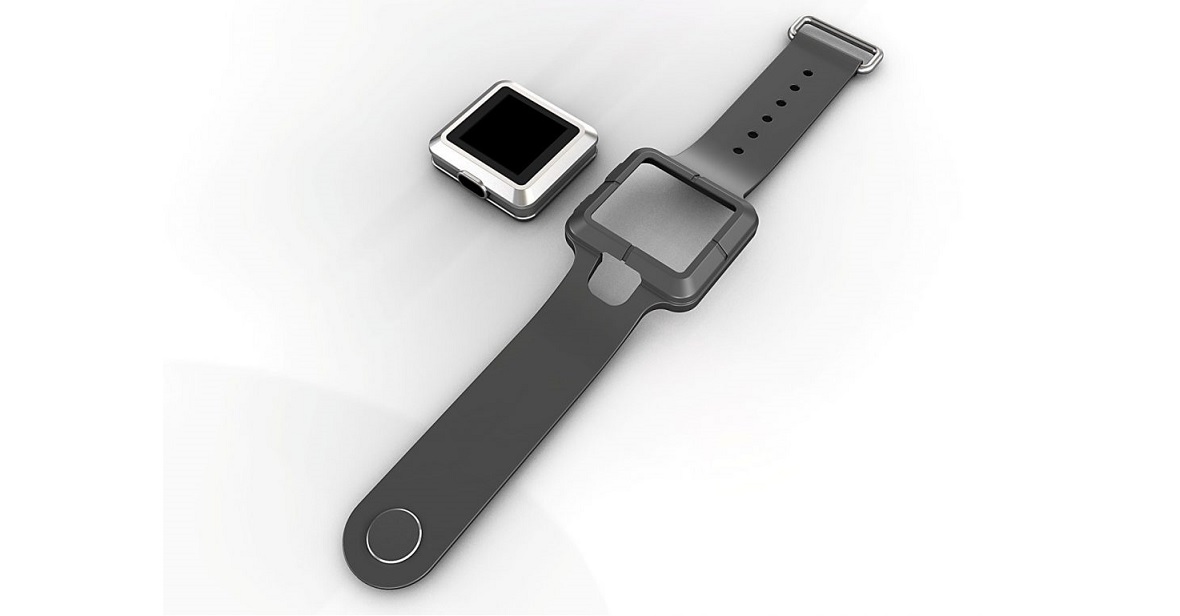
Der deutsch-chinesische Hersteller Trekstor arbeitet derzeit an einer neuen Smartwatch mit Windows 10 IoT. Das hat Microsoft heute im offiziellen Blog etwas überraschend angekündigt. Bislang gibt es nicht allzu viele Details zu dem Produkt: Einen Produktnamen hat das Gerät nicht und so wird es momentan noch Trekstor IoT Wearable genannt, auch Bilder gibt es noch nicht.
Beim oben eingefügte Bild handelt es sich um ein 3D-Rendering, welches die Trekstor-Smartwatch zeigt. Was die Uhr kann, hat Microsoft im eigenen Blog ebenfalls kurz angeschnitten. Demnach verfügt sie über ein 1,54-Zoll kleines Display und läuft mit Windows 10 IoT. Sie soll mit der Cloud verbunden sein und Windows 10 Universal Apps ausführen können. „Sie ist so sicher und managebar wie alle anderen Windows-Geräte“, schreibt das Unternehmen dazu.
Die Smartwatch mit Windows 10 IoT verfügt über Bluetooth- und WLAN-Konnektivität sowie die Prozessorleistung und die Akkulaufzeit, um für unterschiedliche Business-Szenarien geeignet zu sein. Die Uhr ist beispielsweise für Inventar-Management im Verkauf, Automatisierung für Gäste-Service in Hotels, Industrieautomatisierung, im medizinischen Sektor und in vielen anderen Bereichen einsetzbar. Nachrichten können einfach über das Display übermittelt und unterschiedliche Funktionen darüber gesteuert werden. Dank eines Mikrofons ist auch die Kommunikation darüber möglich und dank einer Silikonhülle und Gorilla Glass 3-Verglasung soll die Trekstor-Smartwatch mit Windows 10 IoT auch den Betrieb in etwas raueren Umgebungen überstehen.
Das Trekstor IoT Wearable dürfte es im freien Handel wohl nicht zu kaufen geben, immerhin ist diese wohl nur für die Nutzung in Unternehmen gedacht. Diese können ihre Windows 10 Universal Apps auch für die Uhr anpassen und die Mitarbeiter einfachere Aufgaben direkt darüber erledigen lassen, sodass dafür das Smartphone nicht herausgeholt werden muss.
Denkt ihr, dass ein solches Gerät für Unternehmen interessant sein könnte?
Während sich beispielsweise Google und Amazon von der Apple Watch zurückziehen, hat Overcast die Smartwatch-Unterstützung verbessert. Apple will die Uhr verstärkt im Zusammengang mit Fitness-Funktionen vermarkten.
Blitzschnell starten Nato-Jets von europäischen Militärbasen in den Himmel um verdächtige Flugzeuge zu überprüfen. Die meisten Einsätze gelten russischen Flugobjekten.
Für Epidemiologen war die deutsche Teilung auch ein einzigartiges Experiment, um die Bevölkerungen zu vergleichen. Die Ergebnisse waren tatsächlich überraschend.
In the Windows 10 Creators Update, you have a new, free, built-in app called Paint 3D that allows you to unleash your creativity. Anyone can experience, create, and share in a new dimension. Make 3D masterpieces or 2D scenes, all with a stroke of your digital pen. You can also access an online 3D community, Remix 3D, to pull and remix models from within the Paint 3D app!
Today, we’re going to show you a couple ways you can get started with Paint 3D:
Easily create a scene in 3D
With pre-made 3D models and objects, it’s easy to get started right away and begin personalizing.
Click on 3D objects in the top task bar
Select one of the pre-made 3D models from the tool bar on the right, such as a fish, dog or cat
Or click on “Get More Models” to access Remix 3D and search away!
You can also personalize your 3D objects with our new modern brushes.
Click on the Tools icon on the task bar and select marker.
Choose a color and scroll down to polished metal for a cool effect.
Select the object and use the rotation handles to spin it so you can paint on all sides.
You can also layer different pieces to add depth. Select a 3D object in your scene and use the Z-axis left-hand button to drag the object back and forth, and move items front to back.
Transform any drawing into 3D with the 3D doodle tool
Sketch a drawing with the 3D doodle tool and watch it instantly turn into 3D.
Click on the 3D icon in the task bar
Select 3D doodle from the tool bar.
Use your digital pen to draw a cloud shape, connecting the lines at the blue circle, and watch your 2D cloud puff up into a 3D shape.
Personalize with Magic Select and stickers
The “magic select” tool lets you easily crop the background of any picture to turn into a sticker to wrap or tile onto 3D objects. Here’s how it works:
Click on Insert and choose one of your favorite photos.
Use the “select” tool to drag and select the area that you want. The magic select button will appear.
Use the add and remove button to draw onto areas that you want to add or remove.
Once finished, click on the green check mark and the selection will pop-out as a separate layer.
You’ll love creating cut-outs from your favorite family photos, BFF selfies, or pet pics with magic select, then using them as stickers to personalize your creations.
You can make this a sticker by clicking on “make sticker”.
Find your spark with Remix 3D
Discover thousands of 3D models from the Remix3D community that can help you bring your creations to life.
Click on the Remix 3D icon from the task bar to access Remix3D right from within Paint 3D*
Sign in with your Microsoft Account
Use the search bar to find the perfect 3D model in our library for you to personalize and remix.
Or browse Staff Picks and the community for inspiration
You can even upload your own creations to give back to the community and showoff your 3D artwork.
Finally, set the scene with lighting and materials
When you’re done with your artwork, click on effects on the top tool bar so you can choose a great lighting finish. Set the perfect mood with fun lighting filters, from Mist to Taffy.
Now, click at the bottom of the screen the “View in 3D” button, so you can interact and see your creation from any angle.
The best part is that the fun doesn’t need to end in Paint 3D. With our History export feature, you can rewind your entire creative process and export a video to share with friends on social media. For additional tutorials, please visit this link.
Die High-Tech-Kreditkarte von Plastc sollte das Portemonnaie ablösen. Jetzt ist dem Millionen-Projekt das Geld ausgegangen.
Es war eine ambitionierte, aber charmante Idee: Statt ein mit Plastikkarten vollgestopftes Portemonnaie mit sich herumschleppen zu müssen, sollte nur noch eine einzige Karte nötig sein, um in Ladengeschäften bezahlen und Bonuspunkte einsammeln zu können: Plastc.
Die schwarze Hightech-Kreditkarte der gleichnamigen Firma aus den USA war etwas dicker als eine herkömmliche Kreditkarte, dafür jedoch mit einem berührungsempfindlichen Display ausgestattet. Auf Knopfdruck sollten Nutzer einfach zwischen ihren darauf gespeicherten Bezahl- und Bonuskarten umschalten können.
Neue Finanzierung scheitert in letzter Minute
Doch daraus wird nichts. Wie Plastc jetzt mitteilte, ist der Firma trotz Millioneninvestment das Geld ausgegangen. „Nach großen Fortschritten bei der Entwicklung hat Plastc alle Optionen ausgeschöpft, das zur Fortführung des Projekts nötige Kapital zu beschaffen“, heißt es in einer Erklärung auf der Website.
Zwar habe es in den vergangenen Wochen vielversprechende Angebote von Investoren gegeben, etwa einen unterschriftsreifen Deal über 6,75 Millionen US-Dollar. Diese seien jedoch „in letzter Minute“ zurückgezogen worden. In diesem Zuge habe das Unternehmen alle Mitarbeiter fristlos entlassen müssen.
80.000 Vorbestellungen seit Gründung
Plastc wollte eine High-Tech-Kreditkarte mit E-Ink-Display auf den Markt bringen. (Foto: Plastc)
Was nach einer Startup-Pleite von vielen klingt, ist tatsächlich eine der größten Crowdfunding-Pleiten überhaupt. Seit der Gründung 2013 konnte Plastc nach eigenen Angaben mehr als 80.000 Vorbestellungen für seine Hightech-Kreditkarte verbuchen. Die so erzielten Finanzmittel beliefen sich auf über neun Millionen US-Dollar und sollten für die weitere Entwicklung der Kreditkarte genutzt werden.
Zu einer Auslieferung kam es jedoch nie. Trotz namhafter Kooperationspartner wie unter anderem der Bank of America, verzögerte sich der ursprünglich für Sommer 2015 angesetzte Marktstart im Laufe der Jahre immer wieder. Zuletzt war von einem Termin im vergangenen September die Rede.
Auch die Konkurrenz glücklos
Damit zeichnete sich bereits ein Schicksal ab, das auch die Konkurrenz von Plastc in der jüngeren Vergangenheit ereilte. Unternehmen mit ähnlichen Konzepten wie Coin, Swyp oder Stratos konnten sich ebenfalls nicht durchsetzen. Dabei soll Plastc nach eigenen Angaben kurz vor der Serienfertigung gestanden haben.
Den Kunden von Plastc hilft das wenig. Nicht nur ist ihr Geld weg – sie müssen wohl auch in Zukunft mit einem vollgestopften Portemonnaie Vorlieb nehmen. Eine Sammelklage ist in Vorbereitung.
The Australian Transport Safety Board (ATSB), the organization overseeing the now-suspended ocean search for MH370, has just released a meaty drift-modeling report put together by the Commonwealth Scientific and Industrial Research Organisation (CSIRO), a scientific research arm of the Australian government, entitled “The search for MH370 and ocean surface drift – Part II.” It provides a fascinating level of detail into the research previously detailed by the CSIRO. Most media write-ups of the report emphasize the CSIRO’s own top-line assessment of the work’s significance, namely that “The only thing that our recent work changes is our confidence in the accuracy of the estimated location, which is within the new search area identified and recommended by the First Principles Review.” However, I think it would be more accurate to say that this newly detailed view of the CSIRO’s research points up what a baffling picture the combined evidence presents. To wit:
FLOAT TESTS. Previously, the ATSB had released details of float tests involving replica flaperons. It turns out that these in fact did not float very much like the flaperon retrieved from Réunion and tested in a flotation tank in France. To obtain better data, the CSIRO scientists obtained an actual 777 flaperon and cut it down to the exact (within 2 cm) shape of the real flaperon. (Neat video here shows exactly what part of the trailing edge came away; pity that no analysis has been done to explain what kind of impact might have produced this result.) The cut-down flaperon turned out to float very much like the original, unlike the replicas, as you can see in the image above.
This cut-down flaperon was put out to sea and its drifting characteristics measured. This data was then entered into CSIRO’s drift models. It turned out that the trajectories starting from the previously identified high-probability search area near 35 degrees south were now more likely to impact Réunion Island. Thus, CSIRO scientists were heartened that their previous conclusions were reinforced.
However, I see some other interesting aspects of this work that have not received much attention. For instance, check out these photographs of the cut-down flaperon’s trailing edges:
Hello! The majority of the trailing edge is above the waterline, regardless of the flaperon’s orientation. We already knew this, based on images of the French flotation tests, but the new view is clearer than ever. This is simply impossible to reconcile with the heavy incrustation of the Réunion flaperon’s trailing edge. Previously released videos have suggested that in windy conditions, this part of the flaperon could be periodically immersed, but videosattached to the new report show that in light wind they will stay high and dry for extended periods. Lepas barnacles cannot survive and grow under these conditions.
Intriguingly, the report mentions that four replica flaperons that had been outfitted with telemetry were allowed to float in the open sea for an extended amount of time, but no mention was made of what biofouling they experienced. I would be very curious to know.
DRIFT MODELING. Using the new flaperon drift data, CSIRO asked: presuming an entry point at any given location along the seventh arc, how long would it take a piece of debris to reach Réunion, the coast of Africa, and the coast of Australia? Their results are shown below.
The red-and-white vertical line in the central image shows the arrival time at Réunion. It appears that this is roughly consistent with a start point anywhere between 30S and 40S. Further north, and it would have arrived earlier; further south, and it wouldn’t have gotten there at all. So that’s all good.
Note, however, that debris starting in that range should have arrived in Africa even earlier. In fact, debris only started turning up about five months later. So that’s a bit of a puzzle.
Note also that debris entering the water at south of about 36S should have washed up in Western Australia. Intriguingly, debris that entered around 34S should have also hit Australia. Thus, it seems to CSIRO that there is a fairly narrow window of entry points around 35S that is consistent with both the presence of debris on Réunion and the absence of debris in Australia.
IMPACT OF SURFACE SEARCH. Confoundingly, the document also includes a graphic showing the estimated probability that debris from any given entry point would have been spotted during the extensive surface search conducted by ships and airplanes in the months immediately after the disappearance. This is a bit of a shocker: CSIRO asserts that if the plane impacted north of 33S, there is essentially a 100 percent chance it would have been spotted.
Taken together, these newly released bits of information explain why CSIRO feels reinforced confidence that the plane likely hit the water in a fairly narrow band near 35 degrees south. A problem, as the report acknowledges, is that this area has already been searched up to about 20 nautical miles inside and outside the 7th arc. Presuming that the plane was in a nearly vertical dive at the time of the 7th arc, it is hard to see how it is possible that it came to rest further than this.
The report’s executive summary suggests that it is physically possible that the aircraft could have reached some small distance beyond this:
The new search area, near 35°S, comprises thin strips either side of the previously-searched strip close to the 7th arc. If the aircraft is not found there, then the rest of the search area is still likely to contain the plane. The available evidence suggests that all other regions are unlikely.
I find it very interesting that the CSIRO is saying that, in essence, there is no other plausible end point that fits with the data in hand. The aircraft must be here, or else…
To my mind, the high-and-dry trailing edge of the flaperon suggests that “or else” should receive some decent consideration.
PS: A reasonable question to ask is: Why wasn’t this area searched? The short answer is that it was, but only partially. The area was within the initial search zone, such that “between latitudes 32.8°S and 36°S along the 7th arc the area has been searched to widths which vary from ~12 to 17 NM to the east and ~10 to 21 NM to the west of the 7th arc,” as reported in the First Principles Review.
Eventually the DSTG refined their analysis and concluded that a Bayesian analysis of possible flight paths suggested that an endpoint north of 35.5S was unlikely, so subsequent efforts were concentrated on an area south of 36S.
The First Principles Review also reports that ATSB investigators concluded that the wreckage could not reasonably lie more than 25 nautical miles from the 7th arc.
The distance from 34S to 36S is 350 kilometers. If we say that the area remaining to be searched inside the arc is 10 nm, or 18.5 km, wide, and that the area outside the arc is about the same, then the total area remaining to be searched is roughly 13,000 square kilometers, or about 1/10th of the area searched so far.
But, as I’ve written before, the ATSB realized this quite a while before they ran out of time and money for the seabed search, and they made no effort to look there (except a little bit at the very end).
I personally wonder how at downward-plunging plane could get even 10 nm from the 7th arc. But it’s worth bearing in mind that what the Inmarsat analyis tells us, and what the seabed search tells us, and what the drift analysis tells us, don’t get along very well with one another.
Microsoft hat ein neues Feature zu Outlook hinzugefügt und zwar ist ein gemeinsamer Familienkalender hinzugekommen. Die neue Funktion ist auf verschiedenen Plattformen verfügbar und ab sofort in der Windows 10-, Android- sowie der iOS-App nutzbar.
Der Familienkalender unterscheidet sich grundsätzlich nicht von anderen Kalendern in Outlook, welche für mehrere Nutzer freigegeben sind. Sämtliche Mitglieder der eigenen Familie können auf diesen Kalender zugreifen und Termine erstellen, Ereignisse organisieren und so das gemeinsame Familienleben vereinfachen. Neue Familienmitglieder können über das Familien-Dashboard des Microsoft-Accounts hinzugefügt werden, worüber sich auch einige Kinder- und Jugendschutzschutzeinstellungen festlegen lassen.
Neben dem erneuten Fokus auf Windows 10 für Bildungseinrichtungen will Microsoft auch eine neue Funktion namens Home Hub implementieren. Damit will Microsoft die Nutzung eines Wohnzimmer-PCs für die ganze Familie fördern und so auch ein Interface anbieten, das genau diesen Kalender anzeigt. Die Redmonder scheinen ihre Pläne recht konsequent zu verfolgen und umzusetzen.
A colleague showed me yesterday that now you can actually navigate from a Group site to any other resource. Just click the site title, and a menu appears. I have no idea when this was rolled out, and kind of difficult to discover – but hey, it’s Friday, so let’s celebrate that things are improving making life easier.
After my demo on the PnP screen cast where I showed a provisioning solution based on PowerShell and Azure web jobs, I’ve had some questions about how you go about creating the .pnp files we use for provisioning templates.
There are basically two options, and it’s quite easy. For full samples run Get-Help <command> –Examples on the command lets. If you want to use code instead of PowerShell, look at the PowerShell code in github and see how it’s all implemented.
It’s important that the .pnp file has the same name as the .xml file inside the folder, due to convention when applying the template, as you can have multiple .xml files in a complete template referenced with <xi:include> statements.
Hamburg bald wieder in der Top 5 der teuren Taxi-Städte? Zur Rushhour wird es besonders happig. Außerdem im Newsletter "Elbvertiefung": Graugänse, Fluglärm, "Watergate"
Ein Self Organizing Network (SON) soll dazu führen, dass sich das Telefónica-Netz künftig selbst besser optimiert. So soll dann auch schneller auf Netzengpässe und Ausfälle reagiert werden können.
In a move that should please its enterprise customers, Microsoft revealed today that it will align the development schedules of its core business products, Windows and Office 365.


 Prysmian zeigt ein flexibles Kabel, das 2.112 Glasfasern bietet. Der italienische Kabelhersteller will komplette Netzwerklösungen anbieten. Auch ZTE zeigt neue Festnetztechnik. (

 Während sich beispielsweise Google und Amazon von der Apple Watch zurückziehen, hat Overcast die Smartwatch-Unterstützung verbessert. Apple will die Uhr verstärkt im Zusammengang mit Fitness-Funktionen vermarkten.
 Jedes Jahr wird Hunderttausenden Menschen der Strom abgestellt. Das liegt ausgerechnet an der Energiewende. Gerecht geht es dabei nicht zu.
 Blitzschnell starten Nato-Jets von europäischen Militärbasen in den Himmel um verdächtige Flugzeuge zu überprüfen. Die meisten Einsätze gelten russischen Flugobjekten.


 Hamburg bald wieder in der Top 5 der teuren Taxi-Städte? Zur Rushhour wird es besonders happig. Außerdem im Newsletter "Elbvertiefung": Graugänse, Fluglärm, "Watergate"
 Ein Self Organizing Network (SON) soll dazu führen, dass sich das Telefónica-Netz künftig selbst besser optimiert. So soll dann auch schneller auf Netzengpässe und Ausfälle reagiert werden können.
