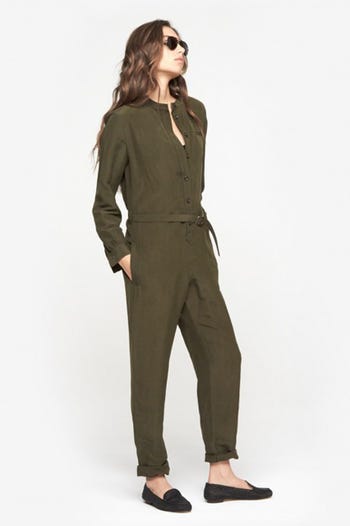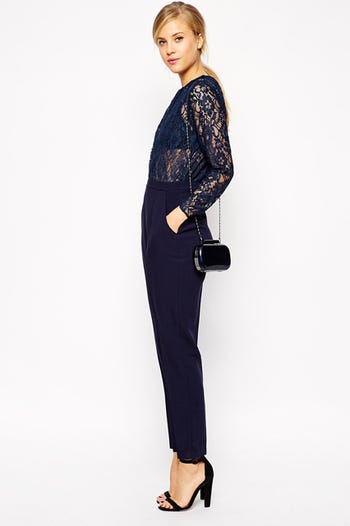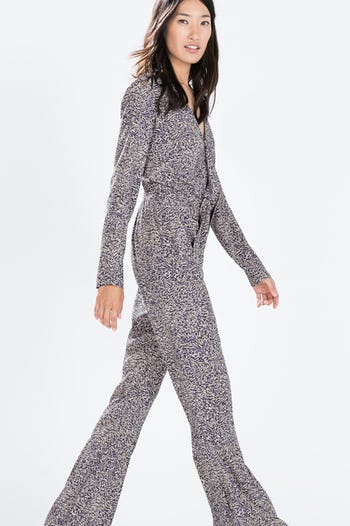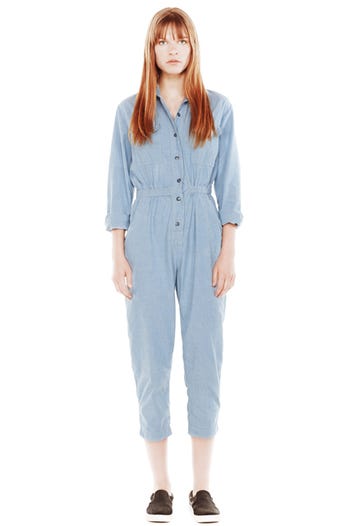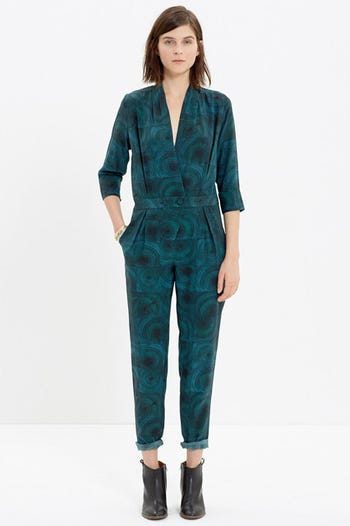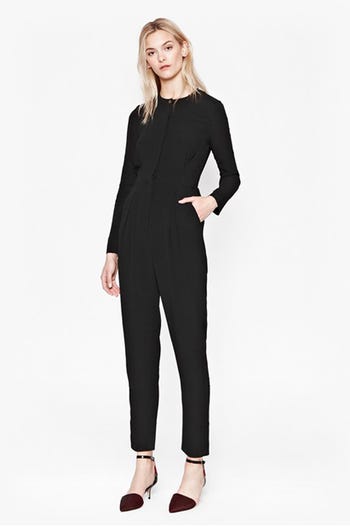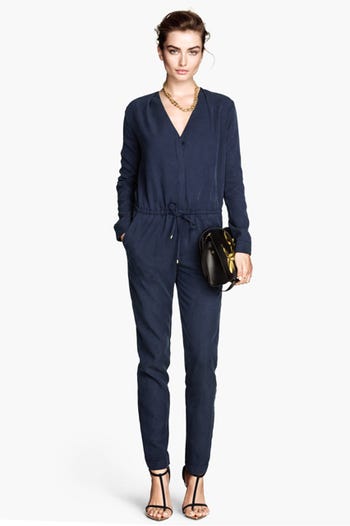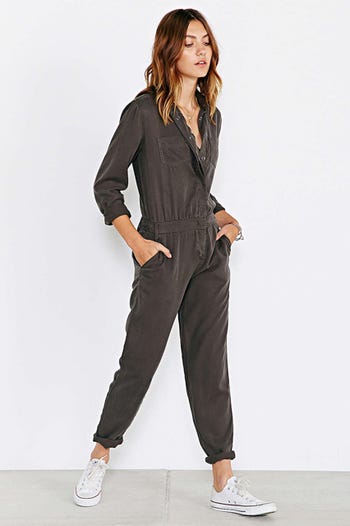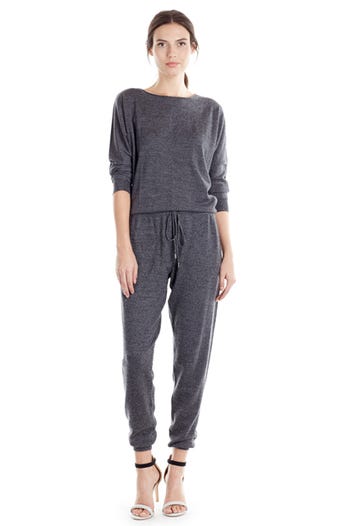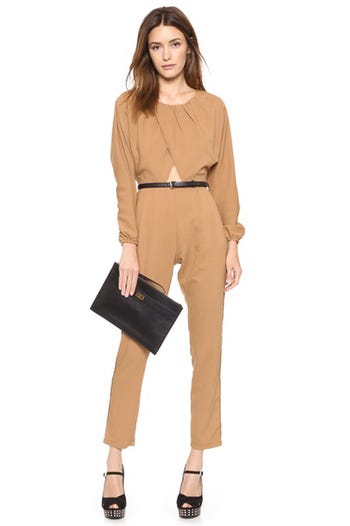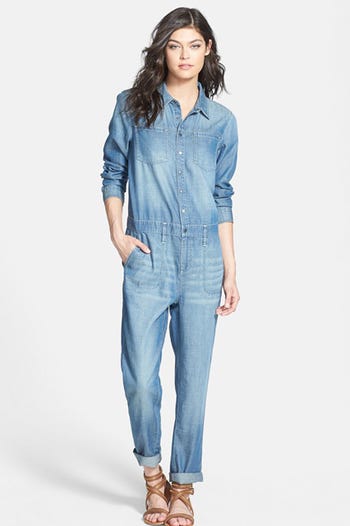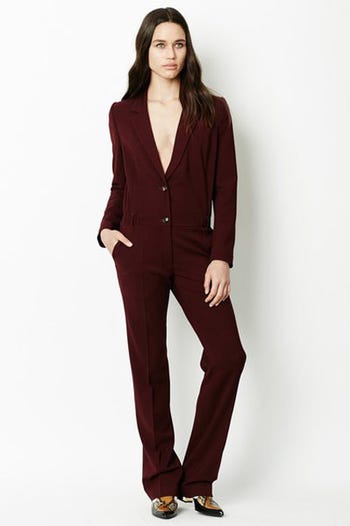
Photographer: Winnie Au; Designer: Gabriela Alford.
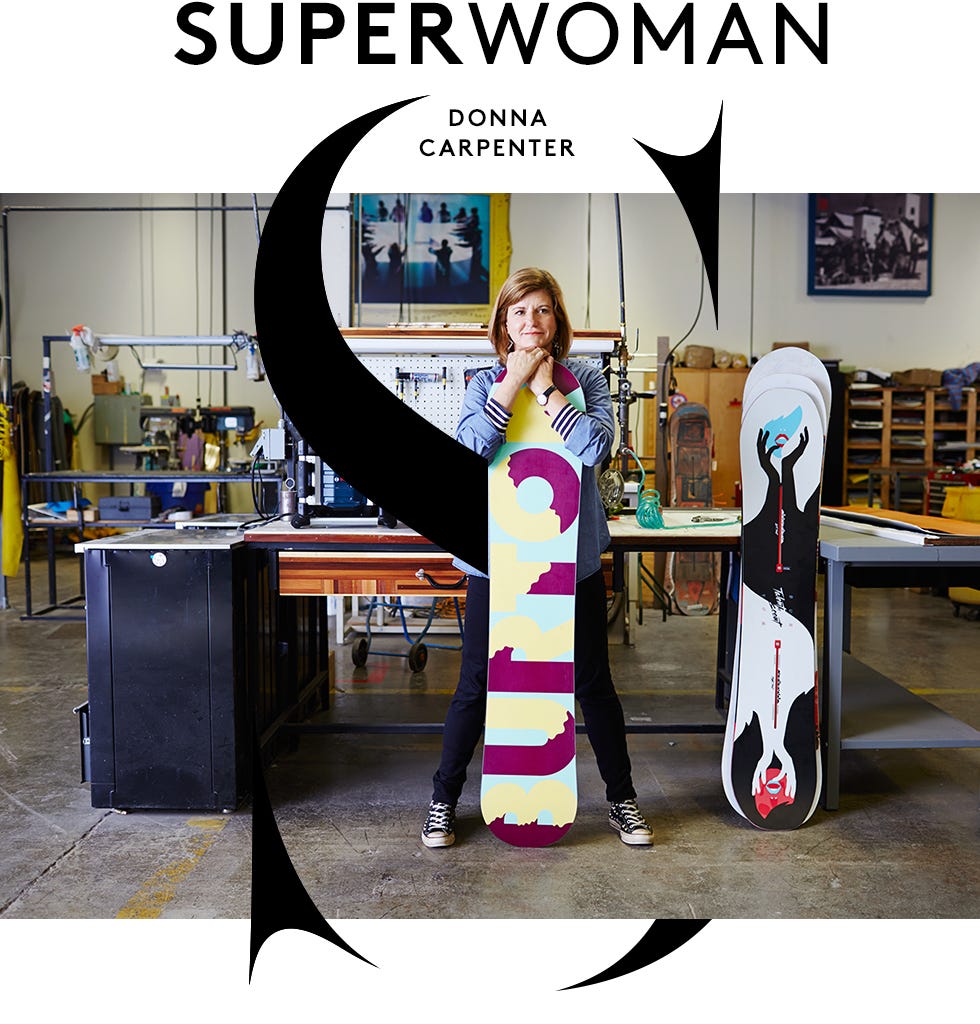
Over the past few decades, snowboarding has gone from a rebel winter sport to having a solid spot on the main stage — especially after its debut at the 1998 Winter Olympics. Hugely instrumental in this transition: the owners of
Burton Snowboards, Jake and Donna Carpenter. In addition to elevating the presence of the sport (and its equipment), Donna is also responsible for spearheading change for women in the workplace, championing conservation, and advocating for underprivileged kids. A superwoman by any standard.
Carpenter is an executive who makes guiding change her mission — and it's all rooted in a deep and driving passion for her work. Using just two words (one would be impossible), I would describe her as limitless and proactive. She’s traveled — and lived — around the world. She’s done everything at Burton from building snowboards to expanding the company’s European presence to serving as CFO. And, she's raised three sons, taking a 10-year hiatus from the workforce to do it.
Now, in the role of president, Carpenter continues to expand her reach through initiatives in key developmental areas like sustainability and mentorship. Like we said, she's making change happen — across the board. She’s a sports enthusiast, business owner, mother, ESPNW Advisory Board member, creator of the
Burton Girls community, and head of the Chill Foundation, a non-profit mentoring program for underprivileged kids. She’s also a champion for women in a male-dominated sport and industry — starting inside her own company.
Carpenter has created a range of programs to promote women within Burton — from a mentorship program to a progressive post-maternity travel option for new moms — and she’s seen the company and its profits positively change because of the female presence at all levels. She's helped increase the number of women in leadership positions (director level and above) from 10% to 40% since creating the Women’s Leadership Initiative (WLI) 13 years ago.
Plus, she's a badass. You’ll catch her on the slopes on any given night or day, trying new moves as well as splitboarding (hiking up a mountain, clicking the board together, and snowboarding down) — which makes sense, because she's fearless in and out of the boardroom. Her secret: finding something you’re passionate about, and turning it into a career. “I’m convinced that snowboarding makes the world a better place,” she told me. And, I believe her.
Up ahead, an incredibly empowering conversation with a female executive with whom we would
love to work. She’s rewriting the description of a strong female leader — and it's a definition we should all get on board with.
Hair & Makeup by Montana Sutton; Photographed by Winnie Au.
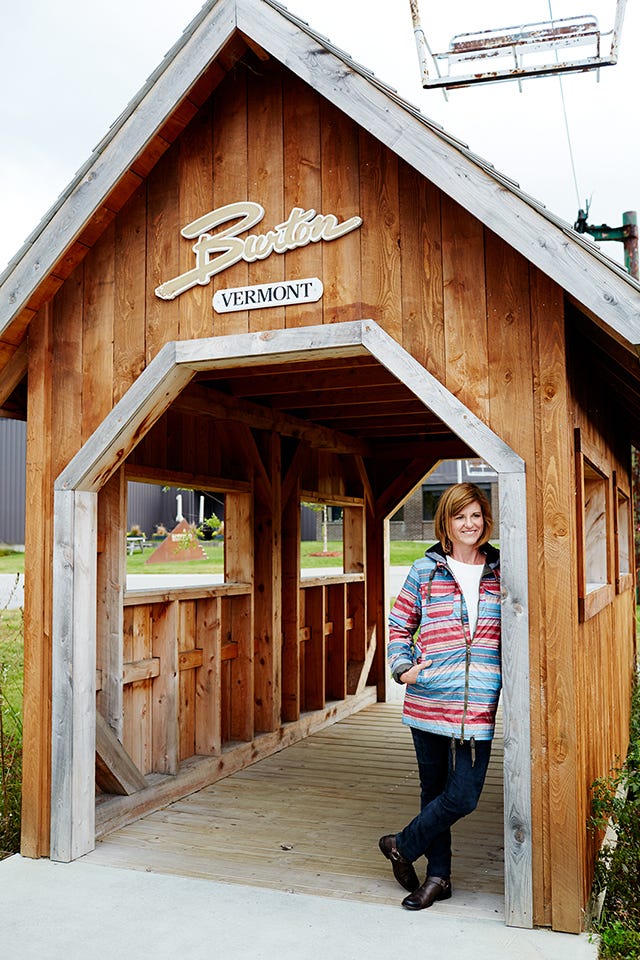
Photographed by Winnie Au.
You’ve been called one of the most influential women in action sports and the snow ambassador. What does this role mean to you?
“I don’t think it’s a role I ever anticipated, but I’m happy to do it. The thing that makes snowboarding so special is that we all grew as a community. We were [a new sport that was] in opposition to skiing. They didn’t want us at their mountains or trade shows, but we were determined. We’ve had this rebel attitude. We grew up as a community, and I felt that women have always been a big part of that community. When we started we had as many women as men working, as many women team riders, a woman was just as likely to get her picture on the new snowboarding magazine that started. Then, as the sport grew very quickly, and we were pulling from male-dominated sports like surfing, skate, and even ski, it really started to take on this male-dominated culture.”
The action sport industry is still male-dominated, but you’ve been leading the efforts to bring more women into this community.
“At one point I said that we really have to be careful that we are staying open to women and inviting them into our community because they’ve always been a part of it. I realized that we really needed to be proactive and Burton can take a lead role in that. We started 13 years ago, looking at how we can recruit, retain, and promote more women internally. We were never going to grow and succeed in the women’s market unless we have internal women making strategic decisions. So very early on, I made this connection between how making Burton a brand of choice is connected to making Burton an employer of choice for women.”
Burton jacket;
Topshop T-shirt;
Brunello Cucinelli pants;
Frye boots.

Photographed by Winnie Au.
What have been some of the challenges you’ve faced?
“I think that when you’re in a room full of guys and they’re all snowboarders, it’s really easy for them to develop these informal relationships, saying ‘let’s take a few runs before work,’ and you have to be more proactive about it with women. We just recently established a buddy program where if there is a female candidate who is a finalist for a position, we match her with a woman internally who they can go off with and have coffee or lunch. It’s off the record, not part of the interview, and the woman can ask honest questions about what it’s like to work at Burton and understand the policies and culture. We have a Women’s Professional Association that organizes a lot of events including an upcoming surf trip in Maine. We also do three exclusive women’s events every season, one of them is a half-day where every woman can just take off and ride, which has the double benefit of allowing the guys to realize how screwed they are without us.”

Photographed by Winnie Au.
What would you tell executives and industry leaders they should be doing to help women thrive at work?
“For us, the first thing that we did, and the first thing you have to look at is your maternity and post-maternity policies to make sure they are as progressive as possible. I always thought that you invest in these incredibly talented women employees in their twenties and early thirties [and] then they leave and don’t come back? They are at their peak in terms of talent and creativity and knowing the systems, so I thought, 'okay how do we address it?' You need to have role models — young women want to see that there are women in the company that have balanced both a career and a family, and working mothers in high positions, so they can see themselves investing in a long term career here as well. So, as a company, you have to make sure there’s a good culture around allowing high-performing women flex opportunities after maternity. One of the more progressive policies we have at Burton is that within the first 18 months after giving birth, if your job requires you to travel, you can either take a caregiver with you or we will pay for a caregiver at home.
“The second thing is mentoring. We started with 20 veteran women offering to mentor young women and it grew to where it was almost every woman, and it was so successful that the guys wanted it as well. Now, it’s company-wide.”
Burton jacket;
Topshop T-shirt.

Photographed by Winnie Au.
So, you’re helping women at a macro level, but you’ve also been working to encourage women from within. What’s the one thing that young mothers should feel empowered to ask their employers for?
“Looking at it from the employer’s perspective, they’ve invested a lot in you as an employee, especially if you’re high performing, so know that they don’t want to lose you either. I have the advantage that all my kids are grown now and on their own paths as adults, and I never thought that day would come, but it does. When I had my second child I went from a five-day week to four days and it made all the difference in the world. Everyone has to find different solutions, but know that you’re going into those conversations with your employer as a partner.”

Photographed by Winnie Au.
You’ve also been spearheading the effort behind BurtonGirls.com, a community specifically for female riders. What has previously been the barrier?
“We’ve had women team riders from the beginning, we made women-specific products, and we have a great history of providing equal prize money at the U.S. Open, which was unheard of. We had a strong heritage, but the company had become male-dominated, and I realized that the way we were marketing to men was not effective for women. Burton Girls is our way of tapping into that. Snowboarding is about the sport but it’s also about who you’re with, where you are, and how it makes you feel, and the empowerment it gives you. Burton Girls is our way of inviting women into our lifestyle, company, and sport. I think it’s been a success because it’s really authentic female voices with some high-powered women driving it internally. I think we have the right combination there. And, our women’s hardgoods are growing at 7%, which is a much faster rate than men’s right now.”

Photographed by Winnie Au.
You’ve had many roles at Burton besides co-founder — from snowboard builder to CFO to currently President. What have you learned about being a leader from your unique trajectory?
“Someone just asked me to give a talk on my leadership style and I said it [my style] was three words: I don’t know. I started very accidentally. Back in the '80s, my husband was convinced that snowboards, which were only a wooden plank with a rope on the end and some waterski bindings, could be made like a ski, something that was only happening in Europe at the time. [When we moved to Europe] I had lined up another job for a year and the next thing I know we’re setting up an office, and warehouse, and distribution and we had all this demand. I was in my early twenties, and a political science major with no business experience, so I really approached the business differently. I asked questions, I was curious, and I was open to learning. I didn’t know what the hell I was doing and I had humility — I approached everything that way."
Burton chambray shirt;
Burton long sleeve T-shirt;
Burberry pants;
Converse shoes.

Photographed by Winnie Au.
Owning a company with your husband must come with a particular set of challenges. How do you make it work?
“It was in part because what we were doing was something so much bigger than ourselves. We wanted people to try snowboarding because we knew they would fall in love with it. It was a new way to go down the mountain and it was spiritual for us. We did keep our areas very separate. He was laser-focused on product and marketing and I was really sales and finance operations, so that helped. I’m not saying it wasn’t ever hard, but I think it was because it was bigger than us. It was the hardest when things were tough. He would be having a product problem and I would be having these finance problems and we’d just make each other sick at night talking. So, we instituted this rule that we could not talk business after 6 p.m. and that was for about a year when we went through a tough time, but we got through it.”

Photographed by Winnie Au.
What advice would you give women who are looking to continue to develop in the workforce?
“I’ve cultivated a lot of mentors over the years. As an entrepreneur you sometimes think that you’re the first person to ever go through this, and chances are, you’re not. It’s always comforting when someone else says they’ve dealt with it as well. It gives you perspective. So, one thing I always tell women to do is create their own board of directors. I have people around me that are interested in seeing me succeed and give me candid feedback. I think sometimes that we develop blind spots, so [to] have people that will really call bullshit on you, and get you to look at the stuff maybe you don’t want to look at, is helpful.
“And, don’t be afraid of not knowing, or making a mistake. That’s where the learning comes from, by not knowing and asking for help. Mistakes are the crash-courses. When I was in Europe in the '80s we had a terrible quality problems with the snowboards that only impacted my market. It was bad — the bindings would rip out of the boards when people were riding them. It was one production run and they all ended up in Switzerland and it was really difficult for me to manage through. But, in the end we were so determined for that to never happen again that we became quality freaks. That has really served us well.”
Burton jacket;
Topshop T-shirt;
Brunello Cucinelli pants;
Frye boots.

Photographed by Winnie Au.
You’ve also said that taking care of yourself is immensely important. How do you find the time?
“It has to become a priority. I think about it as the people that work for me, they want me showing up being present and feeling good. That’s how I can be of best service to them, not coming in dragging and tired. I don’t know if that’s doing them any favors. I think we’ve all learned that the hard way, myself included. We’ve all worked too hard and made ourselves sick. The older I get the more I realize that my emotional, physical, and spiritual health have to come first before I can take care of anyone else. Maybe I did hear that advice as a 25-year-old and just didn’t follow it.
“I do a lot of yoga and meditation and I have that connection with the mountain no matter the season. I hike a lot. I get up really early in the morning and hike before work or hike with a headlamp after work. So for me, it’s being in the mountains, either climbing them or riding down them, or hopefully both. What I’m doing on a snowboard isn’t the same sport that Shaun White is doing. But, keeping that connection with the mountain, doing yoga, and meditating has changed my life.”

Photographed by Winnie Au.
You’ve also been driving the company’s global sustainability efforts. What do you think about the recent People’s Climate March and the UN Climate Summit?
“I wish I could have been there. Our director of sustainability was at the march and there was a little bit of a Burton presence. When you have a company you sometimes feel like you have to be careful of the political positions you take — customers might not like that you’re saying a certain thing. We weren’t really speaking up, but we also thought that we hadn’t really cleaned our own house, so how can we be out there talking about global warming. So, once I felt like we’ve made some progress, I said we really have to start speaking up more. We have joined different business groups and are really trying to speak up and speak out and see how we can get our demographic more involved.”
Burton long-sleeve shirt.

Photographed by Winnie Au.
How are you spearheading the campaign in a way that is authentic and meaningful?
“Quite honestly, I think the action sport industry is a little behind the curve, especially when you look at the outdoor sport industry. So, within our own company I looked around, and there were things that we were doing in different areas: For a long time we’ve had a partnership with Mountain Dew where we made jackets out of their recycled materials and we had a grassroots employee group that was doing things to green our building and encourage biking. I kind of just brought it all together. We made a three-year commitment (we’re in the second year now) to audit 100% of our factories, to know exactly what’s in our product from a chemical point of view, and we’re on target to reach that next year. It’s been a great learning experience. I wouldn’t say that we’re leading the way, we still have a lot of work to do, but we’ve made incredible progress.
“We also really wanted sustainability to be a focus for innovation. This is a very innovative company so if you challenge everyone to look at it through a sustainability lens, it’s really exciting.”
Like what you see?How about some more R29 goodness, right here?
Don't Go To The Gym Without These Fitness Upgrades
The Ab Exercise That Doesn’t Irritate Your Neck
Heading To The Gym? Do This First


 Photographer: Winnie Au; Designer: Gabriela Alford.

 Photographed by Winnie Au.
 Photographed by Winnie Au.
 Photographed by Winnie Au.
 Photographed by Winnie Au.
 Photographed by Winnie Au.
 Photographed by Winnie Au.
 Photographed by Winnie Au.
 Photographed by Winnie Au.
 Photographed by Winnie Au.
 Photographed by Winnie Au.
 Photographed by Winnie Au.
 New Yorkers are lucky enough to have rambling green naturescapes like Central and Prospect Parks, but the small, public-accessible pocket parks that dot the city are an oft-overlooked joy, a temporary respite from the hustle and bustle of the urban artery. For this guide, we're confining our list to Manhattan, where slivers of semi-green space clocking in at 5,000 square meters or so can be found wedged between office buildings in Midtown and beyond. Here are our favorites; leave your suggestions in the comments. [
 Photo: Gregory Pace/BEImages.
 If today's chilly, sodden weather hadn't clued you in:






 World leaders are converging at the UN next Tuesday




 Illustrated by Anna Sudit.
 Illustrated by Anna Sudit.
-thumb.jpg)