
Area codes in which Ludacris claims to have hoes
Area codes in which Ludacris claims to have hoes

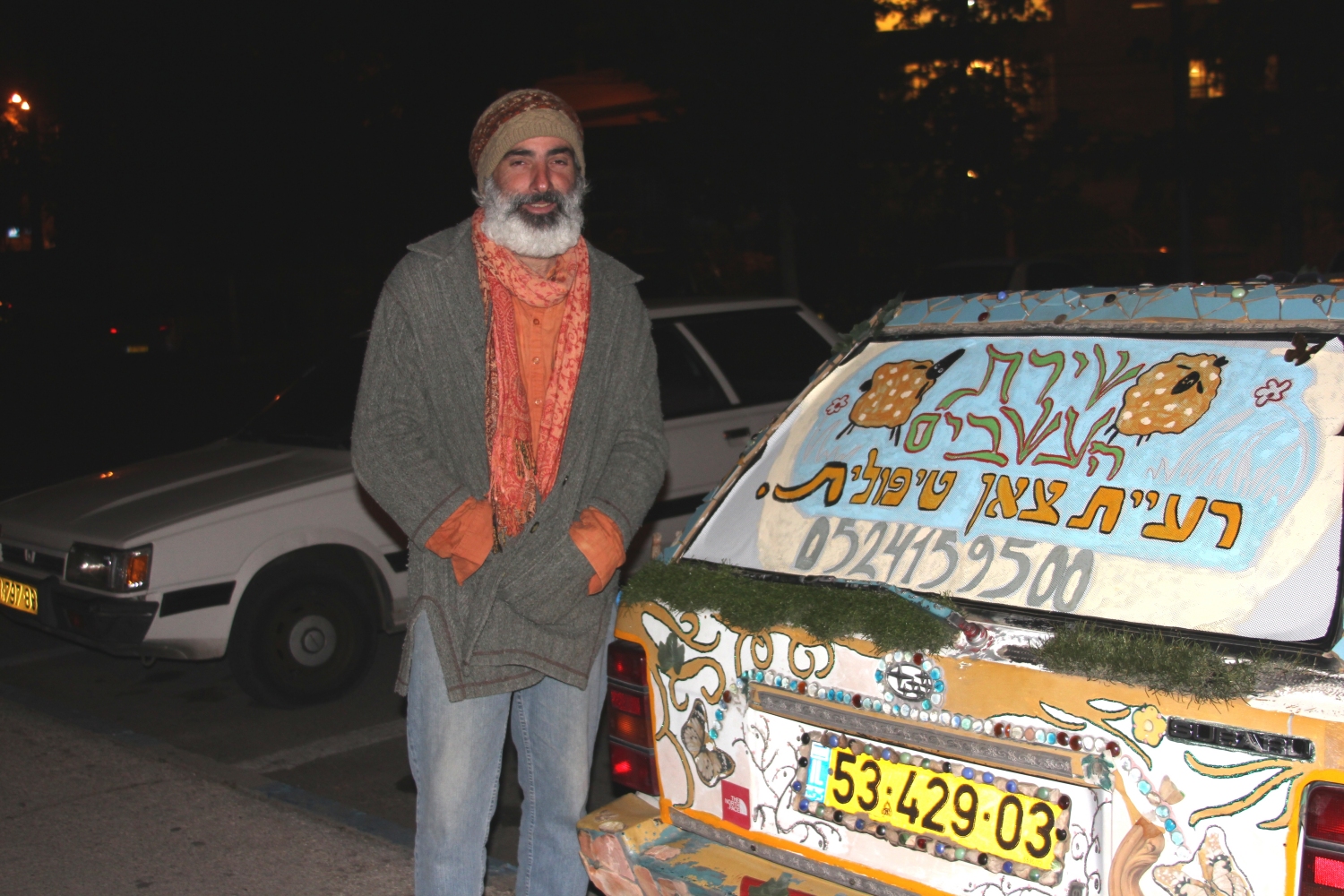
מה טיפולי ברעיית צאן?
“קודם כל, האנרגיה הטבעית שבה המטופל חווה את החיבור שלו לטבע ישירות, ולבעל החיים. בנוסף יש את כל העניין של הלמידה, איך רועים את הצאן, איך חולבים, איך מטפלים במשק בבעל החיים. נוצר קשר בלתי אמצעי בין בעל החי, הגדי או הטלה, מול הילד או הנער או הבחור. זה מתאים בעיקר לילדים ונוער שסובלים מ-ADHD, היפראטקיביות, וכל אדם שמרגיש צורך להיות מחובר יותר לטבע ופחות למסך”.
איך מפיקים דבר כזה?
“ההפקה הכי טובה זה המשק והטבע, יוצאים למשק ולמרעה וחווים את כל החוויה המדיטטיבית של היקום. החווה שלי, ‘שירת העשבים‘, נמצאת במצפה יריחו. אני מדריך רכיבה טיפולית על סוסים, והחלטתי לעשות הסבה לבעל חיים יותר עדין. אני גם מגדל כבשים ועזים, אז החלטתי לשלב את זה בטיפול. זה נולד בעקבות הנסיון שלי כרועה צאן שכיר אצל אחרים, זה פתח אצלי וטיפל בי, ומזה הבנתי שאני יכול לטפל דרך זה באחרים, כי גם אני סובל מהפרעות כאלו ואחרות”.
מה קורה בטיפול כזה?
באים ומטפלים בצורה פיזית, כל מה שקשור לטיפול במשק ובחווה – נקיון, האכלה, יציאה למרעה, הפרדות, האכלה של הגדיים והטלאים הקטנים. הילד מקבל את היכולת שלו ללמוד להיות אחראי על בעל חיים, יכולת להתמיד, לקבל אחריות להוציא קבוצה של עזים למרעה ושהם חוזרים בראיאים ושלמים. יכולת הנהגה, זה הרעיון, לקבל אחריות וסמכות, לא להיות מובל אלא ללמוד להיות מוביל. אנחנו קונים את הטלה או הגדי עם המטופל, והוא עובר איתו תהליך מסע של גדילה. זה טיפול ארוך טווח ומתמשך, לפי מה שהמטופל מרגיש שהוא צריך”.
מה עם מבוגרים?
“מבוגרים גם יכולים, אבל הם יותר מחפשים את הפרקטיקה שבעשייה, יותר את המטרות מאשר את הדרך. ברעיית צאן, רוב העניין הוא הדרך, וילדים יותר מתחברים לדרך. המבוגרים מחפשים את ההשגות שיש בכל עניין. ‘אם תגדיר לי מה זה נותן לי ותוצאות מיידיות, אני אלך על זה’. ילד אוהב את כל העניין שמסביב, את ההתעסקות לשמה בלי מניפולטיביות שכלית. הטבע הוא אחד הדרכים להיות במגע ישיר ולא מניפולטיבי”.
Yuval Pinterלחובבי הז'אנר
in Every Russian Novel Ever, Mallory Ortberg provides chapter titles summing up the classic nineteenth-century Russian realist novel. You can take them as representing separate novels or as a single monstrous work that is to War and Peace as War and Peace is to a Pushkin short story. Anyway, it’s funny as hell. (To save you wading through the comments, the only decent suggestion there is “Friends Swindle You While You Lounge on a Couch.”)
My wife asked me about the etymology of the verb root in root for ‘support (a sports team)’; I looked it up in the American Heritage Dictionary and told her it was “possibly alteration of rout ‘to bellow, used of cattle.’” But I thought I’d better get a second opinion, so I checked the OED, which includes it in the entry for root “Of a pig: to turn up the ground, etc., with the snout in search of food,” updated September 2010, and says:
It has been suggested that it may be a transferred use of the sense ‘to dig’, ‘to turn up the ground’, perhaps ‘with the imagery of stamping so hard that one is visualized as digging a hole’ (see G. Cohen Stud. in Slang (1989) II. 67–8). A connection with rout v.4 ["Of cattle: to bellow; to low or moo loudly"] has also been suggested, but is unlikely on phonological grounds (although compare rout v.9) and also perhaps also on semantic grounds, since some early examples emphasize stamping and clapping rather than cheering.
The first citation is from 1889 (World (N.Y.) 7 June 11/4 “All during the game Jim never blinked, and he rooted more energetically and with twice the freedom of a Yorkshire porker”); the most recent gives me great pleasure:
2004 M. St. Amant Committed xx. 160 How can anyone root for the Yankees and claim to have a human soul?
Also under this root they include the Austral. and N.Z. coarse slang sense (‘fuck’), with the first citation from 1922, in (of all things) J. Joyce Ulysses iii. 719 (“All the poking and rooting and ploughing he had up in me”).
| archive - contact - sexy exciting merchandise - search - about | |||
 |
|||
| ← previous | June 16th, 2014 | next | |
|
June 16th, 2014: The teen you give this to doesn't have to be one that lives with you. You can just hand them out on the street, or, say, at next year's E3?? – Ryan | |||

קרדיט: FreeDigitalPhotos.net
ההורים שלנו הפכו (בעל כורחם ובעל כורחנו) חלק מעשי במשכנתא שלנו, היום זה כבר לא סוד גדול שבלי עזרה מההורים מאוד מאוד קשה לרכוש דירה ואם ההורים לא נותנים לנו דחיפה ראשונית זה כמעט בלתי אפשרי להגיע להון עצמי בסיסי איתו אפשר להתחיל לחפש דירה.
אז קודם כל, אנו חייבים להם תודה ענקית כי באמת הם עוזרים לכולנו מעל ומעבר.
יחד עם זאת, לא מעט פעמים אנו מקבלים מהם הצעות נוספות, למעט המתנה החד פעמית הם גם מציעים לנו מתנה נחמדה ששווה על הנייר לא מעט כסף.
הם מציעים לנו לקחת מהם הלוואה ולהחזיר להם את ההלוואה בתשלומים חודשיים ללא ריבית (וכמובן ללא הצמדה), כפי שאמרתי על הנייר זה נראה משתלם ביותר אבל בואו נעצור לרגע ונבחן את זה במבחן המציאות.
לפני שאתחיל ואפרט את הסיפור, מבחינתי זה גם אותו דבר גם לגבי הבנקים שמציעים לנו כמה עשרות אלפי שקלים בפריסה למספר שנים קצרות בריבית מאוד נמוכה (או ללא ריבית בכלל).
בואו ניקח דוגמא בסיסית שההורים נותנים לנו הלוואה של 120,000 ש"ח ל- 10 שנים עם החזר של 1,000 ש"ח בכל חודש.
אם היינו לוקחים את ההלוואה הזו מהבנק היינו משלמים ריבית ומדדים בגובה 3.75% לשנה (פלוס מינוס) ותקופת ההלוואה הייתה ל- 12.5 שנה (פלוס מינוס, כי אנו מעוניינים להחזיר רק 1,000 ש"ח על ההלוואה הזו).
מכאן יוצא שהיינו אמורים לשלם לבנק יותר מ- 30,000 ש"ח עבור ריביות ומדדים, אז כמו שאמרתי המתנה הזו שווה לא מעט כסף והיא שקולה למתנה בגובה 30,000 ש"ח.
אבל כשאנו מדברים על משכנתא אנו חייבים לקחת בחשבון עוד הרבה משתנים.
אנו חייבים לזכור שיש לנו תקציב חודשי להחזר המשכנתא שאנחנו לא יכולים לחרוג ממנו וכאשר אנו מתקצבים החזר של 1,000 ש"ח עבור הלוואה של 120,000 ש"ח, ייתכן ואנו נותנים משקל יתר להלוואה הזו ושוכחים שהמשכנתא שלנו גדולה מזה בהרבה ואולי אנו בעצם פוגעים בה.
נניח כי אנחנו צריכים משכנתא בגובה של 800,000 ש"ח ונניח שאנחנו יכולים להחזיר כ- 4,000 ש"ח לחודש.
בפנינו עומדות 2 אפשרויות:
בואו נבחן מה יוצא יותר משתלם:
|
הלוואה מההורים + משכנתא |
|||||
|
מסלול |
סכום |
שנים |
ריבית |
החזר חודשי |
החזר סופי (חושב על בסיס מדד שנתי בגובה 2%) |
|
הלוואה מההורים |
120,000 |
10 |
0 |
1000 |
120000 |
|
פריים |
226,000 |
30 |
1.5 |
781 |
281194 |
|
קבועה צמודה |
228,000 |
26 |
2.75 |
1030 |
420845 |
|
משתנה כל חמש – לא צמודה |
226,000 |
25 |
3.75 |
1170 |
350989 |
|
סה"כ |
800,000 |
|
|
3,981 |
1,173,028 |
|
משכנתא (ללא הלוואה מההורים) |
|||||
|
מסלול |
סכום |
שנים |
ריבית |
החזר חודשי |
החזר סופי (חושב על בסיס מדד שנתי בגובה 2%) |
|
פריים |
266,000 |
28 |
1.5 |
971 |
326363 |
|
קבועה צמודה |
268,000 |
20 |
2.5 |
1426 |
420463 |
|
משתנה כל חמש – לא צמודה |
266,000 |
20 |
3.75 |
1586 |
380667 |
|
סה"כ |
800,000 |
|
|
3,984 |
1,127,494 |
ממצאים:
למרות שקיבלנו בחינם 120 אלף ₪ יקרים מאוד, עדיין יוצא שעם ההלוואה של ההורים אנחנו משלמים הרבה יותר (כ-45000 ש"ח), למה זה קורה?
מכיוון שהתקציב שלנו הוא 4,000 ש"ח והוא קשיח, בין אם אנחנו לוקחים מההורים הלוואה או לא.
מכיוון שאנחנו לא יכולים לפרוס את ההלוואה של ההורים לטווחים ארוכים, אנו חייבים להקדיש להם סכום גדול מההחזר החודשי (כ-25% מההחזר החודשי) ובכך יוצרים חלוקה לא הוגנת בין ההחזרים (ה-120 אלף מהווים רק 15% מהמשכנתא ואנחנ ומקדישים להם 25% מההחזר).
חלוקת ההחזר הלא מאוזנת מכריחה אותנו להעלות את השנים בשאר ההלוואות ולהיגרר לריביות יותר יקרות, מדדים ארוכים ושנים רבות.
לסיכום,
ברגע שאנחנו מקבלים כזו הצעה נדיבה, אנחנו חייבים לומר קודם כל תודה (ברצינות לגמרי, ההורים שלנו לא עושים את החישוב הפיננסי שעשינו כאן למעלה והם פשוט עושים את זה מהלב ומדאגה כנה).
אך יחד עם זאת, אנו חייבים לבדוק האם ההלוואה הזו עוזרת לנו או שהיא מקלקלת לנו בשאר חלקי המשכנתא.
קל וחומר שמדובר בהלוואות שמציעים הבנקים (כגון 50,000 ש"ח ללא ריבית ל- 5 שנים וכדומה), זה פשוט יגרום לנו להקדיש חלק נכבד מההחזר החודשי לסכום קטן מאוד מהמשכנתא ויכריח אותנו לקחת משכנתא ארוכה ולא משתלמת במיוחד.
נ.ב: כדי להיות הראשונים שמקבלים עדכונים על פוסטים חדשים, אני מזמין אתכם להירשם לרשימת התפוצה של האתר (זה בחינם וללא דואר זבל) – ההרשמה מתבצעת מכאן
In this week’ s edition of The Weekly Standard, an article entitled “Dangerous Unity,” I discuss the new Palestinian government. Here’s the basic argument:
The new PA government is a non-party, “technocratic” cabinet– and not a Hamas government or one with Hamas participation. For that reason I think the Israeli official reaction is a mistake: it treats this government exactly as it would treat a true coalition government of Fatah and Hamas, where Hamas held seats in the PA parliament and held ministerial or vice-ministerial positions in the government.
The problem is that such a real Hamas role may well be coming, after the PA elections planned for later this year. If Hamas gets a majority, as it did in 2006, the PA would be an entity controlled by a terrorist group–exactly as happened in 2006. If Hamas does not win a majority but has a strong representation in the parliament and a presence in the ministries, we are again faced with a terrorist role in governing the PA. Those are the real dangers ahead, and the current situation is different. The two should not be confused.
In 2006 we in the Bush administration made a mistake in countenancing Hamas’s participation in the elections when it refused to disarm. The United States should not make that same mistake twice, as I explain at length in the Weekly Standard article. Hamas participation is a violation of the Oslo Accords; makes future peace negotiations between Israel and the Palestinians impossible; rewards terrorism; and violates basic democratic precepts that should apply globally. The latter point is key: no terrorist group should be permitted to contest an election while it remains armed (which gives it unfair electoral advantages, as with Hezbollah in Lebanon) and refuses to commit itself to disarmament. Remember that power-sharing in Northern Ireland was always the goal–but only if and when the IRA agreed to disarm, which eventually happened as part of the Belfast Agreement.
In my view the new PA government does not present a crisis. But the plan to permit Hamas to run in the coming election does, and the United States should say so now–and announce our determined opposition.
tt
Elias Muhanna, an assistant professor of comparative literature at Brown University, has an excellent New Yorker blog post about just what the title says:
One of the forty-one languages in which you can watch “Frozen” is Modern Standard Arabic. This is a departure from precedent. Earlier Disney films (from “Snow White and the Seven Dwarfs” to “Pocahontas” to “Tangled”) were dubbed into Egyptian Arabic, the dialect with the largest number of speakers in the region, based in a country with a venerable history of film production. Generations of Arabs grew up watching Egyptian movies, and the Disney musicals capitalized on their familiarity with this particular dialect.
Modern Standard Arabic is very similar to Classical Arabic, the centuries-old lingua franca of the medieval Islamic world. Today, it is the language of officialdom, high culture, books, newscasts, and political sermonizing. Most television shows, films, and advertisements are in colloquial Arabic, and the past several years have seen further incursions of the dialects into areas traditionally reserved for the literary language.
Ironically, though, children’s literature has remained deeply resistant to the trend toward vernacularization. “If we read to them in dialect, when are they supposed to learn real Arabic?” is the answer I usually get when I ask other parents about this state of affairs. As a scholar of Classical Arabic and a native speaker of Lebanese Arabic, I have always felt this to be a false choice. Setting aside the fraught question of what constitutes real Arabic, there is surely something to be said for introducing children to literature that speaks to them. [...]
Why Disney decided to abandon dialectal Arabic for “Frozen” is perplexing, and the reaction has been mixed. Many YouTube viewers are annoyed, with some fans recording their own versions of the songs in dialect. An online petition has called for Disney to switch its dubbing back to Egyptian Arabic, plaintively wondering, “How can we watch ‘Monsters University’ in the Heavy Modern Arabic while we saw the first one in Egyptian accent that everybody loved…?”
How indeed? Or perhaps the real question is: Why? Why is Disney willing to commission separate translations of its films for speakers of Castilian Spanish and Latin American Spanish, European Portuguese and Brazilian Portuguese, European French and Canadian French, but is moving in the opposite direction when it comes to Arabic? The answer cannot be that the dialect markets are too small. The population of all of Scandinavia is less than a third of Egypt’s, but is represented by five different translations of “Frozen.” There are nearly ten times as many Moroccans living in Casablanca alone as there are Icelanders in the whole world. The markets are there. What is missing is a constituency for cultural production in dialectal Arabic.
Of course, it isn’t Disney’s job to cultivate such a constituency. Nor is its assumption that Modern Standard Arabic is a lingua franca suitable for all forms of literature and all Arab audiences a species of Orientalism. It reflects, rather, an ideology propagated by linguistic purists in the region, rooted in many centuries of literary and religious history. The Arab world, however, is no longer culturally unipolar, with most of its films and music originating in Egypt. The most popular soap operas of the region are Syrian, North African films are staples of the festival circuits, and some of the largest media conglomerates are based in the Gulf. This is to say nothing of the effect that the Web and social media are having on the penetration of Arabic dialects into written communication, which is incalculable.
The age of the Arabic vernacular is here; someone just needs to tell the talking snowman.
Lots of good stuff in there (is it really true that Arabic kids don’t get read to in their own language?!), and he links to things like “Let It Go in 41 Languages, which includes Icelandic, Vietnamese, Turkish, Croatian, Estonian, Hebrew, Lithuanian, and Canadian French.” Read the whole thing!
| archive - contact - sexy exciting merchandise - search - about | |||
 |
|||
| ← previous | June 3rd, 2014 | next | |
|
June 3rd, 2014: This comic was inspired by a Twitter post I made the other night when I first opened my mind and stumbled upon this conspiracy! Thanks to everyone who replied for pointing out other inconsistencies in the "official history". Together we'll bring the truth to light, I swear it. – Ryan | |||
From Ajam Media Collective's Facebook page, a surprising buffet sign at Erbil International Hotel in Erbil, the capital of Iraqi Kurdistan:
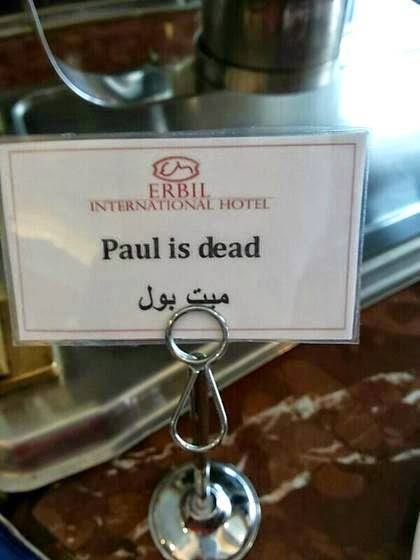
The Facebook post explains:
A buffet sign reads "ميت بول" ("MeatBall") transliterated into Arabic, with its translation as "Paul is Dead" in English, a literal translation of the text! The employees of the Erbil International Hotel seem not to have been aware that "Meat Ball" was not, in fact, an Arabic or Kurdish word!
How did this happen? First, someone had to transliterate meat ball into Arabic, with meat becoming "ميت" and ball becoming "بول". Then another person, unaware that this was a transliteration and not a translation, must have run "ميت بول" through Google Translate (or another online translator) to arrive at "Paul is dead."
The mistranslation is facilitated by a couple of aspects of Arabic orthography. First, Arabic text usually dispenses with the diacritics for short vowels known as ḥarakāt, leaving only long vowels represented. So "ميت" is a fine transliteration for English meat /mi:t/, but it could also represent the Arabic word mayyit 'dead' (derived from the verb māta مات 'die'). Second, since Arabic traditionally lacks the /p/ phoneme, loanwords with /p/ tend to be written with the letter for /b/, namely ب. Thus, "بول" could be a transliteration for either ball or Paul.
Google Translate can be ill-equipped to recognize such distinctions between translation and transliteration. And I suspect that Google's statistical approach to automatic translation is being misled by the frequency of the phrase "Paul is dead" in texts involving the persistent urban legend that Paul McCartney actually died in 1966. But who knows? Maybe the buffet sign is just a sly cross-linguistic wink from an Iraqi Beatles fan.
(Hat tip, Tal Linzen.)
בתור פראייר.נט ונוסע מתמיד בתחבורה ציבורית, יש לי לא מעט תלונות לאגד. אחת מהן היתה שבאחד האוטובוסים שלהם, הצלון הוברג לדופן האוטובוס כך שאי אפשר היה להסיטו. איימתי לבוא עם מברג בפעם הבאה.
זה עבד. אחרי ארבעה ימים הגיב אגד אינטראקטיב, אחד מפרופילי הפייסבוק של החברה:
פייר, אתה צודק. אבל אתה בוודאי יודע שאם תשלח לנו פרטים על הנסיעה, נוכל לאתר את האוטובוס ולשלוח איש משק עם מברגה ולחסוך לך את ההתעסקות עם מאבטחים ואת התשובה לשאלה “למה יש לך מברג בכיס?”.
סיפקתי את הפרטים, ואחרי קצת יותר משלוש שעות הם העלו תמונות של טקס הסרת הבורג:

Yuval Pinterah, ah, ah, ah, panel 5
| archive - contact - sexy exciting merchandise - search - about | |||
 |
|||
| ← previous | May 27th, 2014 | next | |
|
May 27th, 2014: The latest book by David Malki actually sounds like something I'd like to read! – Ryan | |||
Yuval Pinterהבחור יודע לתת פאנץ'

Yuval Pinterמצחיק
Yuval Pinterunbe-fucking-lievable.
English, Ursinus College
"Mothering and it’s redeeming qualities for the Victorian Reader"
Earth and Planetary Sciences, MIT
פוסט שני בסדרת התחקירים שלנו על תיקוני ניסוחים ממלכתיים לקויים.
הפעם, דווקא מספסלי האופוזיציה, או ליתר דיוק מכיסי ההתנגדות לראש הממשלה, בנגדה וביחדה כאחד. וכיוון שהעולם והמרשתת מתקדמים לשיתוף הקהילה, מיקור המונים וכל הג'ז הלז, תחרות שאינה נושאת פרסים בין קוראינו!
זהו את השגיאה הסמנטית שחלה בגרסה הראשונה לחוק להשתקת ישראל היום, הגם אם עברה מעט שח-רחוק שבור בדרכה אל המקור של אבישי עברי ומשם לדפי הפלוג, ותוקנה עד להגרסה שהונחה על שולחן הכנסת.
בין הפותרים נכונה תוגרל בדיחה שחוקה ממערכון של כוורת.


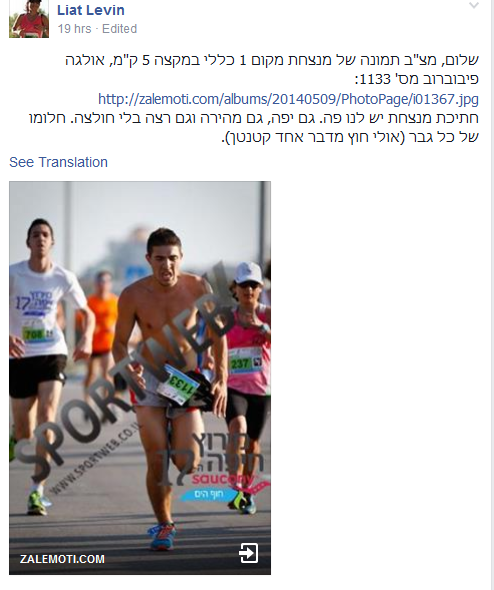
מירוץ חיפה ה-17 נערך ביום שישי האחרון (9/5). רצה מספר 1133, אולגה פיבוברוב, רצה את מירוץ ה-5 ק”מ ב-22:49 דקות, וזכתה במקום הראשון מבין הנשים.שלוש שניות אחריה הגיעה רצה 237, ליאת לוין, והגיעה במקום השני.

לוין העלתה לאירוע המירוץ בפייסבוק את התמונה שבה נראות היא ואולגה מגיעות לקו הסיום:
הממ.
מה?
“חתיכת מנצחת יש לנו פה. גם יפה, גם מהירה וגם רצה בלי חולצה. חלומו של כל גבר (אולי חוץ מדבר אחד קטנטן)”, לעגה לוין ל”אולגה פיבוברוב”, שהיא למעשה בן ונוסט. מעשהו זכה להרבה ביקורת ולהערות טרנספוביות.
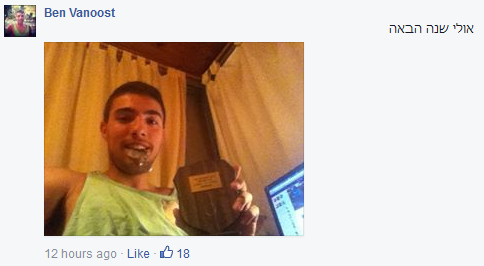
ונוסט הצטרף לשרשור ופרסום תגובות כדוגמת “יאללה יאללה מה אתם בוכים כולה רציתי תוצאה אז לא תהי מקום ראשון מי ישמע” ו”מי ישמע עבריינים כאילו גנבתי כולה רצתי עם ציפ לא נכון מה אתם עפים כאילו זה מרתון ברלין” ו”איזה פרס בקושי ניצ’ר ואלי הביאו לי שם מה אתה מגזימה” ו”בנסוף להכל גזלת את זמני היקר מחר יש לי מתכונת בהיסטוריה ועדיין לא התחלתי שואה אז ברשותך אני נאלץ לעזוב את דו השיח המרתק הזה” ו”חברים יקררים התחילו פה קללות וזה לא לרמת הפייסבוק אני מבקש להפסיק זאת ופירסום התמונה הועבר כבר לחקירת המשטרה” וגם
ליאת לבין שלום רב,
עקב האבל שנגרם לך מי ישמע לא לקחת את מירוץ חיפה, אני מוכן לאתגר אותך למירוץ חוזר בוא נאבק ראש בראש על התואר.
אם את מעונינת השאירי לי הודעה באינבוקס ואם לא אני אמכור את הגביע לברזל.
יש לך פה את הבמה להוכיח מה את שווה .
כל המעונין להגיע למירוץ החוזר יוכלו להגיע בעלות סימלית התכלול חולצת דרי פיט .
תאריך המירוץ יפורסם בקרוב אלא אם ליאת תשתפן ותעדיף להשאר בבית תחת המקלדת ולקוות שהתואר יועבר לה.
הרי כולנו יודעים שדיבורים לא עולים כסף אך בואי נראה אם ניתן יהיה להוציא לפועל את הקרב על התואר.
את המירוץ אני יקדיש לזכר חבר טוב שלי בר פרקש אשר נפגע באסון הבר נוער ונקרא למירוץ על שמו מירוץ ה-בר-נוער.
ההודעה מנוסחת בלשון נקבה איך היא פונה לזכרים,נשים ולטרנסגנדרים כאחד בואו נפסיק אם ההפליה!
וגם
[עדכון] עיריית חיפה הגיבה כאן והודיעה: “לאחר בדיקה מעמיקה ושיחה עם ‘הזוכה’ לכאורה במקצה 5 ק”מ נשים, עולה כי הבחורה שנרשמה לתחרות והחליטה שלא להתחרות נתנה בתום לב את מספר החזה לחבר שלה שלכאורה זכה במקם הראשון במקצה זה. הרצה היא תלמידה חובבנית שאף לא ידעה כי היא זכתה ולא קיבלה גביע או פרס על המירוץ. התוצאה של הרצה כמובן נפסלת ובמקום הראשון תזכה ליאת לוין”.
(הלשין: עוז פורמן)

ונעבור לעדכון מהשטח, פקאצת פייסבוק, מה את יכולה לספר לנו? “חחח מה קשור גשם”


