Canonical has finally released the latest version of its popular Ubuntu Linux distribution, 22.04 LTS, dubbed "Jammy Jellyfish." The system includes some major changes, including a controversial one to how the Mozilla Firefox browser is packaged.
I hate talking about cast iron. It’s just a pan (or a material with which they make pans, Dutch ovens, etc.), but it’s a pan that brings all the nerds to the yard, and they’re like “my seasoning method is better than yours.” They love to talk about thermal conductivity and polymerization, two subjects I’ve tried my…
Courtesy LionsgateTHE UNBEARABLE WEIGHT OF MASSIVE TALENT is a wonderfully warm, funny, and touching comedy that is also very meta about the craft of acting, the life of an actor, and filmmaking. It has a lot to say about creativity versus commerce. It’s a buddy comedy crossed with a spy thriller that is also about the relationship of a man with his daughter that has gone wrong. It’s really a send-up of many different films but at the same time, it’s also telling the same kind of story that is considered a cliche but in a way that avoids the cliches. By taking it in the meta direction and putting so much genuine human feeling into it, it manages to transcend the cliches.
There are many actors that are accused by critics and audiences of ‘playing themselves” in every film. This is something that drives actors nuts. Yes, they are supposed to be playing a character but, and I am going to lapse into actor-speak here, their instrument is their own body. How are they supposed to transform into someone else? There’s a belief among film fans that actors must physically transform themselves “to become a character” which is taken as an extreme form of method acting. Nothing could be further from the truth. That is not The Method and that is not the craft of acting. You cannot transform yourself into another person, no matter how much you physically punish your body or how many rats you send to your co-stars. It is a physical impossibility. The best that an actor can do is show, through emotional work and truthfulness, what a character is thinking and feeling.
YOU CAN NOT BECOME ANOTHER PERSON.
The film makes the point that emotional truth as communication through the art of cinema is really the only thing that matters. It is the only thing that will move and involve an audience in your film, which is what makes a film great.
Courtesy Lionsgate
In the film, Nicolas Cage plays himself. From the start, it is hilarious to watch him send up his image but his performance also shows you the vulnerabilities and hurts of an artist who lives for their art. That is the titular unbearable weight. It’s not the responsibility of having such a massive talent. It is the essential loneliness and isolation from the rest of the world and all the people who don’t understand how much it means to you. It is the regret and estrangement from those who you love that your creative drive and need to excel can cause in your life. This performance isn’t overtly as tragic as his role in the superlative Pig, but it is similar and related. It shows the other side of the coin that people don’t see when they mock actors for taking “paycheck roles”.
There’s a moment in the film where Nick Cage, the actor, cannot help but humble himself in his pursuit of a role and it’s a heartbreaking moment for anyone who is a passionate actor who also is misunderstood by the people who have the power to give them the roles that they crave. It’s a moment when you give your all and the gatekeeper seems wowed. You think, “I did it,” and then you hear from your agent those dreaded words, “They went in another direction”. It’s the worst kind of disappointment for an actor because you spilled your guts and they didn’t get it, or there was some other consideration that was more important than talent. Yes, that happens, even to Nicolas Cage.
But, don’t let all this talk fool you. THE UNBEARABLE WEIGHT OF MASSIVE TALENT is a delight. The director and co-writer is Tom Gormican, who only has one other feature to his name. The co-writer is Kevin Etten, who also worked with Gormican on a series called “Ghosted”. It seems like Cage is continuing his path of working with newer directors and giving their different ideas a shot which is part of the reason for the current Cage-issance. The script works very well. The light touch of both script and direction and the courage of the concept and subject matter is a big reason why THE UNBEARABLE WEIGHT OF MASSIVE TALENT is so successful.
The cast is wonderful. Nicolas Cage as Nick Cage, Pedro Pascal as Javi Guiterrez, Tiffany Haddish as Vivian, Sharon Horgan as Olivia, Lily Sheen as Addy Cage, Paco León as Lucas Guiterrez, Neil Patrick Harris as the hilariously named agent Richard Fink, Alessandra Mastronardi as Gabriela, and Ike Barinholtz as Martin. Every one of these performances is filled with such warmth and gentleness, particularly Pedro Pascal. There’s a moment that is played as a joke, regarding the film Paddington 2, but still makes the point about the value of vulnerability, which is an endearing quality that Pedro Pascal has huge amounts of.
Pedro Pascal and Nicholas Cage in THE UNBEARABLE WEIGHT OF MASSIVE TALENT l Lionsgate
It is so rare to see such beautiful vulnerability and hopefulness in a mainstream film, especially a comedy. Pascal brings out the natural warmth of Cage and vice versa. I think the actors are cast for this quality, except for the few who are the antagonists, and the antagonists do their jobs very well. Comedies these days tend towards being mean-spirited and are frequently based on watching characters be embarrassed socially and tormented in other ways. THE UNBEARABLE WEIGHT OF MASSIVE TALENT is not that kind of comedy. It’s a comedy that you can watch with your kids and still find nourishment and excitement for yourself as an adult. It’s not cynical but it’s also not faux nice either. It’s genuine and earns its humor honestly.
I wish I could say more to praise the craftspeople in the film, but I would have to watch it a second time, and I definitely will, so maybe I can update this later with a more detailed description of the below-the-line work. But what I can say is that everything else in the film was just as good as the work of the others that I have already praised, so the craftspeople did a wonderful job as well.
THE UNBEARABLE WEIGHT OF MASSIVE TALENT is so much fun. It is charming and thoughtful and filled with light. It’s got everything you could want in an action-comedy and it is PURE NICOLAS CAGE, which frankly should be enough to convince everyone to immediately head towards the theaters. A film that dares to be vulnerable, still brings the laughs, and has so much heart.
THE UNBEARABLE WEIGHT OF MASSIVE TALENT will be in theaters everywhere on April 22, 2022.
For those familiar with the work of Robert Eggers — the director behind the buzzy Viking epic "The Northman" — it comes as no surprise that his latest film adheres to the same standard of meticulous period accuracy that has come to define his film career. The story begins in the year 895 A.D., off the coast of Celtic Ireland, before moving to Slavonic Central Europe and, finally, to the rocky shores of Iceland.
Though the entire film was shot in various locations in Ireland, Eggers' team was able to perfectly capture the look and feel of the film's varied settings. In fact, the film's set was so immersive that lead actor Alexander Skarsgård (who plays the vengeful Viking prince Amleth) stated in a recent interview with Indiewire that it was almost too easy to get into character:
"You don't really, as an actor, have to suspend disbelief much because it's all real. When you step onto Fjölnir's [Amleth's uncle, played by Claes Bang] farm in the movie, it's a Viking farm. It was built by scholars, historians, Viking experts. They used the right type of wood. They planted the right type of grass a year before we shot the movie."
Due to this dedication to historical authenticity, the climactic fight scene in "The Northman" also had certain expectations (let's just say that more than one of Amleth's swords is unsheathed). Yet even Skarsgård understood that this wasn't merely a salacious detail added for the voyeurs out there; nudity was an absolute necessity for this scene, even if the mechanics of capturing it ended up leaving more to the imagination than not.
A Nude Duel
Without giving too much away about one of this year's most hyped films, the climax finds Amleth locked in battle with his fratricidal uncle Fjölnir, with both fighters buck naked as they cross swords on a lake of lava spewed by the nearby volcano. The red-hot magma pooling inches from their bare feet (and not much further from their most precious body parts), the two men finally settle a years-old transgression. The scene is absolutely spectacular to watch, and the fact that both men are naked takes a back seat to the adrenaline-fueled combat choreography. Typical of Eggers' films, however, this nudity is vital to the story, adding a detail set in historical precedence. As Skarsgård explains:
"It was essential to be naked. There are a lot of stories about the Vikings taking their clothes off before a fight for many different reasons. One being to intimidate the opponent. When you're completely naked, you're completely vulnerable. It is a way of showing fearlessness, and also to potentially to shock your opponent. So that was always the plan."
However, as the Indiewire interviewer notes, the duo were not, in fact, totally naked. They wore flesh-toned thongs in order to shoot the scene, employing careful choreography to reveal just enough without giving away that the mighty warriors weren't actually nude.
"We had to be smart about the way we choreographed that sequence and the relationship between us and the camera. We worked on it for many, many weeks before we're shooting it. All those big scenes, you just have to meticulously plan and rehearse and go over it again and again, so you find that fluidity, the flow of the scene."
Unsurprisingly, carefully calculated rehearsals are what make the scene feels so intimate and seamless — yet for Skarsgård, the nudity also proves his own personal viewpoint on what is deemed "okay" to portray on film.
Violence Is Apparently Less Offensive Than Nudity
During the interview, Skarsgård also notes that "The Northman" is incredibly brutal and violent — and yet somehow, the unabashed bloodiness it promises is less offensive than the prospect of full-frontal male nudity in our ultra-puritan society. I mean, he kind of has a point, what with the ever-present debate surrounding sex scenes in movies (in recent years, arguments have arisen that there's never any reason to have a sex scene in a movie). As with the bloody nature of "The Northman," any scenes involving sex and nudity are necessary for the narrative, rather than gratuitous. To have an issue with one transgressive element and not the other, notes Skarsgård, is quite contradictory:
"In our puritanical society, it's easier to portray violence on screen than nudity, which I find quite strange. So you can kill and chop heads left and right, but you can't show any nudity. We had to figure out a way to do this long fight scene [nude], and at one point, there were conversations about, 'Should we just do it shirtless?' But I felt strongly, and Rob did as well, that it was imperative that they would take their clothes off. They're completely naked on this mountaintop."
So when you find yourself flocking to the theater to watch what is arguably the most ambitious film of 2022, allow yourself to be completely absorbed in the meticulous story constructed by Eggers, his cast, and crew — and don't forget to appreciate the details that permeate every frame of "The Northman."
The screwball comedy has a unique place in Hollywood history: When times were tough, audiences sought escapism. What was less interesting to audiences during the Great Depression was celebrations of wealth and extravagance, as the purse strings were tighter than ever before. Enter the screwball, comedies that regularly delighted audiences by transporting them with ridiculous and often nonsensical scenarios featuring the brightest stars of the day. Performers like Carole Lombard, Gene Kelly, Claudette Colbert, Jean Arthur, Irene Dunn, and Gary Cooper regularly lit up the screen. The genre exploded in the 1930s, and while there's no consensus as to the first screwball, "Twentieth Century" and "It Happened One Night," both released in 1934, are often credited with initiating the genre.
Filled with piercing class criticism, relentless optimism, and high spirits, screwball comedies dominated the 1930s and early 1940s. Directors like Preston Sturges, Ernst Lubitsch, and Howard Hawks made many great screwball comedies, and while the output of the genre has decreased massively since the 1940s, there were still great screwballs made later. In celebration of one of cinema's most delightful genres, here are the 15 best screwball comedies of all time.
Design For Living
Directed by the magnificent Ernst Lubitsch, "Design for Living" is a glorious, sexy screwball comedy. The film begins on a train, where dear friends George Curtis (Western actor Gary Cooper), an artist, and Thomas Chambers (Fredric March), a playwright, happen upon Gilda Farrell (Miriam Hopkins). It's not long before both men find themselves completely smitten with Gilda. While they both experience romantic and sexual interludes with her, Gilda is incapable of choosing which of them she wants to be with, as she adores them both. She comes up with a radical idea: they'll all live together, as dear friends and have absolutely no sex, and she'll help them be successful in their fields.
So often in cinema and society, sexual desire is considered an inherently male trait. Women apparently sit around and wait for a man to come and sweep them off their feet. It's an antiquated idea, but one that's still surprisingly pervasive. It's something of a miracle, then, that a film from 1933 defies that very notion so confidently and so intelligently. In "Design for Living," Gilda is a woman with total agency and pursues who she wants without hesitation. "It's true we have a gentleman's agreement, but unfortunately, I am no gentleman," she quips, revealing her sexual proclivities. The movie has many magical qualities of pre-code Hollywood, as the early 1930s features American filmmaking at its most unbridled, surprising, and carefree.
It Happened One Night
Frank Capra's "It Happened One Night" has become the stuff of legends. It was the first film in Oscar history to win all of the five biggest awards — Best (Adapted) Screenplay, Best Actor, Best Actress, Best Director, and, of course, Best Picture. In the Academy's 90-plus-year history, only two other films have accomplished the same feat. The movie stars screen icons Claudette Colbert as Ellie Andrews, an heiress on the run from her father so she can pursue romance against his wishes, and Clark Gable as Peter Warne, a recently axed newspaperman who finds Ellie on the run and pursues her, hoping for the exclusive story on her disappearance.
A key component of the screwball comedy often finds people from different classes encountering each other, and that all starts with "It Happens One Night." The film's influence is extraordinary: In one key sequence, Peter undresses in front of Ellie, and it's revealed that he isn't wearing an undershirt. This reportedly sent shockwaves through America, and there were reports that the undershirt industry was left devastated as a result. Though there isn't actually evidence of this, it was a widespread belief at the time, speaking to the film's incredible impact. While the film gets plenty of deserved credit for being charming and hilarious, what it doesn't get nearly enough attention for is just how beautiful it is. Joseph Walker's cinematography is breathtaking, and nighttime sequences sparkle with expressive and dynamic lighting.
My Man Godfrey
Despite being released in 1936, "My Man Godfrey" still feels incredibly refreshing. The movie follows a ridiculously wealthy and stupendously bonkers family. In the heat of a scavenger hunt, they are tasked with finding a "forgotten man," which leads sisters Cornelia (Gail Patrick) and Irene (Carole Lombard) to meet Godfrey (William Powell), a homeless man that Irene acquires to win the contest. Before Godfrey can be on his way, Irene, utterly lovestruck, offers him a role as the family's butler — though Godfrey may not be the person she suspects.
Carole Lombard was essential to the screwball genre, practically helping to define the genre with 1934's "Twentieth Century." The esteemed Criterion Collection's streaming service, The Criterion Channel, even deemed Lombard the "First Lady of Screwball" in their June 2021 program. In films like "Hands Across the Table," "Mr. & Mrs. Smith," and "Nothing Sacred," Lombard lit up screens throughout the '30s with her remarkable tenacity and gifted timing. Lombard tragically died in a plane crash in 1942, so we can only imagine how extraordinary the rest of her career would have been. At least some solace can be taken in magnificent film performances like her role in "My Man Godfrey" that stand the test of time.
Easy Living
Many great comedies begin with a meet-cute: a quirky occurrence that causes our two eventual lovers to meet. "Easy Living" takes off with something of a meet-fall, after an extravagant fur coat seemingly falls out of the sky onto the unwitting Mary Smith (Jean Arthur). The coat did indeed come from above, and it's thrown off the balcony of an extravagant New York City penthouse by J.B. Ball (Edward Arnold), one of the wealthiest men in America. After a heated argument with his son, John Ball Jr. (Ray Milland), he discovers his wife spent an eye-watering $58,000 on the sable coat, and it's not long before the coat falls onto Mary. It's such an exquisite coat that everyone seems to know it was purchased by Ball and assumes that Mary is his mistress. Suddenly, she's treated like the wealthiest woman in town.
Mitchell Leisen is a director whose work is rarely mentioned amongst the greats, but he's a vastly underrated filmmaker. As a gay man, he was also a trailblazer, and his relationship with Billy Daniels was something of an open secret in Hollywood. Working off a script by the tremendous Preston Sturges (who directed multiple films on this very list), Leisen had a great handle on the outrageous material, making a rather ludicrous farce feel completely believable. "Easy Living" is certainly one of the screwiest screwball comedies you can find, with some wonderfully choreographed hijinks — especially the fantastic automat sequence — paired with Sturges' whipsmart dialogue.
The Awful Truth
Many great screwball comedies feature people already in a relationship. Helmed by Leo McCarey (who won his first Oscar for Best Director), "The Awful Truth" follows Lucy and Jerry Warriner (Irene Dunne and Cary Grant), a married couple who become increasingly suspicious of one another, and are preparing to file for divorce. A judge agrees for the divorce to be finalized in 90 days. For most people, that might be an acceptable timeframe, but Lucy and Jerry find themselves completely incapable of not meddling in each other's affairs in an effort to sully any attempts at romance. Maybe, just maybe, the Warriners are more in love with each other than they care to admit.
"The Awful Truth" doesn't feel especially emblematic of a screwball, until its wondrous second act where things turn into an out-and-out romp. There are some memorable gags and brilliant animal acting (hiding a hat has never been so exciting), but the real reason "The Awful Truth" stands as one of the genre's finest is its terrific performances. McCarey's film is a remarkable showcase for Grant, and one could effectively argue that this is the film that birthed Grant's suave and debonair persona. His face work alone is jaw-dropping, telling us everything we need to know with a cavalcade of expressions. Dunne is every bit as good, and more than holds her own. The pair feel made for each other, and that's why the hijinks of "The Awful Truth" work so beautifully.
Bringing Up Baby
Legendary four-time Oscar-winning actress Katharine Hepburn shines as the madcap clutz Susan Vance in Howard Hawks' masterful "Bringing Up Baby." Susan is your prototypical screwball dame: a free spirit, rather absentminded, and delightful, delivered with a knowing wink that someone like Hepburn brings with such effortlessness. David Huxley (Cary Grant) is a scientist attempting to bring together the skeleton of a brontosaurus over the last several years, and finds himself one bone short, causing him great stress. With just hours to go until his wedding, he meets Susan, and his life will never be the same again. I'd say more about the plot, but if you haven't seen it, the surprises of the film are more than worth experiencing naturally. (Let's just say, the titular baby isn't a baby at all.)
The cast is uniformly terrific, and Grant plays the straight-man to Hepburn's kooky heiress, though he certainly gets his moments to shine. The image of his character wearing a fluffy robe while jumping in the air is permanently etched in my mind, and it deserves to be in yours, too.
Midnight
Mitchell Leisen's "Midnight" sees two con artists going head to head and, you guessed it, falling in love. Claudette Colbert stars as Eve Peabody, an out-of-work American showgirl who finds herself stranded in Paris. Eve ends up posing as Hungarian royalty and is utterly bewildered to find a suite in her name at the Ritz. The man behind the scheme is Georges (John Barrymore), who wants Eve's help in breaking up an affair between Jacques (Francis Lederer), the man who helped Eve escape a party, and Helene (Mary Astor), Georges' wife. If it sounds complicated, that's because it is, but the colorful script and steady direction make it easy to follow.
"Midnight" crackles with cleverly suggestive dialogue: "From the moment you looked at me, I had an idea you had an idea!" roars Eve to Georges. The script written by Billy Wilder and Charles Brackett is every bit as socially incisive as it is hilarious. Many screwballs feature large class divides and a look at the extremely wealthy, but few lampoon excessive wealth with as much joyful malice as Leisen's film. "Midnight" is funny and romantic, and ingeniously throws us into its madcap world. When it's over, you'll want it all over again.
The Philadelphia Story
There's an incredible true story behind "The Philadelphia Story," surrounding the extraordinary star, Katharine Hepburn. In the late '30s, the actress — who had already won her first Oscar — was called "box office poison" by the Independent Theatre Owners Of America. Hepburn didn't sit back quietly at the report. She took things into her own hands by exiting her RKO contract, and, after starring in the hit Broadway play "The Philadelphia Story" — which she helped finance — Hepburn obtained the film rights for the story. She got the rights via an affair with Howard Hughes, which allowed her to take creative control, bringing on dear friend George Cukor to direct, and attaching herself to the lead role. The gamble paid off beautifully, as Hepburn's performance as Tracy Lord is quite possibly her most memorable role of all. As you can see, Hepburn wasn't just an actress; she was a fearless pioneer and trailblazer.
The film stars Hepburn alongside fellow screen legends Jimmy Stewart (who won his only Oscar for the film) and Cary Grant. Fuelled by a wondrous screenplay co-written by Donald Ogden Stewart, "The Philadelphia Story" finds Hepburn's Tracy Lord, a big-time socialite up against her ex-husband (Grant) whose keen to upend her upcoming nuptials, and a tabloid reporter (Stewart) sent to cover the much talked about the wedding. Cukor's film is fast-talking, wise-cracking, and a sumptuous delight that stands as one of cinema's great romances.
His Girl Friday
Unfolding over a single day in a busy newsroom, Howard Hawks' terrific screwball "His Girl Friday" is a truly great film. It's a remake of "The Front Page," a 1931 film directed by Lewis Milestone, though Hawks' film turns the lead Hildy Johnson (Rosalind Russell) into a woman, which changes the dynamics of the story for the better. In "His Girl Friday," Hildy is ready to leave news for quiet family life, though her ex-husband and newspaper editor Walter Burns (Cary Grant) wants her back. The film shines with a cacophony of noise; overlapping dialogue and cheeky barbs reign supreme, exacting the feeling of a busy newsroom.
So often women in early Hollywood films go from a career to becoming a doting mother or wife — the end of the Bette Davis picture "June Bride" still makes me nauseous — but in "His Girl Friday," it's the complete opposite. Hildy ultimately rejects her fiancée but still finds love, and continues being a newspaperman (as she puts it). "His Girl Friday" goes so far as to suggest something quite revolutionary for its time: Women don't have to choose between a career and romance, and can indeed have it all.
The Lady Eve
While stars like Carole Lombard and Claudette Colbert took the reigns of the screwball in the 1930s, Barbara Stanwyck helped usher the genre into the 1940s. She's absolutely, positively divine in "The Lady Eve," co-written and directed by Preston Sturges. Despite considerable censorship in 1940s Hollywood, Sturges' sly script manages to subtly circumvent expectations, thereby allowing one of the sexier films of the era to get through censors. Just watch the scene where Stanwyck's Eve brings Charles (Henry Fonda) back to her cabin, and he becomes intoxicated by her perfume. "You ought to be kept in a cage," Eve nimbly remarks as Charles seems unable to keep his hands off of her.
The fiery chemistry between Fonda and Stanwyck informs much of "The Lady Eve." While Charles, heir to a significant fortune, finds himself irrepressibly drawn to Eve, her name is actually Jean Harrington, a con artist looking to make away with his fortune. As Jean, her advances are spurned, but when she returns as Lady Eve, Charles finds himself unable to resist. Famed critic Andrew Sarris famously defined screwball comedy as a "sex comedy without sex," and that's rarely more evident than in "The Lady Eve."
Ball Of Fire
Another standout starring Barbara Stanwyck, Howard Hawks' "Ball of Fire" lit up audiences with the wonderful chemistry between Stanwyck and her leading man Gary Cooper. The film follows a group of rather pompous academics who have been holed up for ages working on a definitive encyclopedia. Unfortunately for them, they discover that their work on slang is completely off base, so Professor Bertram Potts (Gary Cooper) heads off to discover what on earth people are saying these days (in the '40s, mind you). On his journey, he meets the nightclub performer Sugarpuss O'Shea (Stanwyck), a name so ridiculous it would fit perfectly in a James Bond movie. O'Shea isn't especially interested in helping Potts, but when the police come looking for her, she moves in with him and his fellow professors to help, and escape police pressure.
A film about language needs great dialogue, and "Ball of Fire" has it in spades. Speaking of O'Shea, Miss Bragg (Kathleen Howard) says, "That is the kind of woman that makes whole civilizations topple!" Bragg is given all sorts of terrific one-liners, including, "If I were the cream for that woman's coffee, I'd curdle." The film was such a success for Hawks and RKO that he used the same plot again in 1948's "A Song Is Born," starring Virginia Mayo and Danny Kaye.
To Be Or Not To Be
Screwball comedies are generally considered light, fluffy affairs that don't require much in the way of introspective thought, and that's certainly a great deal of their charm. In 1942, Ernst Lubitsch gave us "To Be or Not to Be," the darkest screwball you can find. The film takes place in Nazi-occupied Warsaw, where an acting troupe, led by Maria (Carole Lombard) and Joseph Tura (Jack Benny), find themselves at the center of an effort by Polish soldiers to take down a German spy. While it doesn't sound like the setup of your typical genre fare, "To Be or Not to Be" is indeed thoroughly screwy, with brilliantly funny dialogue and a luminescent performance from Lombard, along with a career-best turn by Benny.
"To Be or Not to Be" is genuinely brave, personal, and heroic filmmaking. The film openly makes a mockery of Nazi Germany and even Hitler himself in the heat of World War II. The film was directed by Ernst Lubitsch, a German Jewish filmmaker who left Germany to make films in Hollywood in the early 1920s. It was Lubitsch's success in America that led to many other German artists leaving Germany entering Hollywood, especially with the rising threat of Nazism. "To Be or Not to Be" certainly deserves a place alongside Charlie Chaplin's "The Great Dictator" as some of the most daring films made in America during the war. It doesn't hurt that it's also darkly comic, romantic, hilarious, and completely winning.
The Palm Beach Story
Preston Sturges consistently delivered some of the funniest and most sophisticated comedies you could dream of. The year 1941 was an especially magnificent time for the director, having released two masterpieces: "The Lady Eve" and "Sullivan's Travels." His next film, 1942's "The Palm Beach Story," may not get as much recognition these days as his 1941 classics, but it's every bit as deserving.
The film follows Gerry (Claudette Colbert) and Tom Jeffers (Joel McCrea), five years into their marriage. They are no longer the starry-eyed, lovestruck couple they once were, and find themselves behind on bills and unable to pay rent. When their debts are cleared by Wienie King (Robert Dudley), it forges the opportunity for Gerry to finally divorce Tom, as they'd simply be better off without each other.
In wonderful screwball fashion, this leads to a tremendously zany and breathlessly funny 88 minutes. Gerry meets the incredibly wealthy John Hackensacker III (Rudy Vallée) on a train — after some stunning and farcical hijinks that must be seen to be believed — and she sees both an opportunity to fall in love, and get her soon-to-be-ex-husband the money he needs to fund his dream project. The cast is uniformly outstanding, though special mention must go to Mary Astor, whose fast-talking, man-loving Princess Centimillia is delightful. The film features a frank look at financial struggles and ends with quite possibly the most audacious and outrageously unexpected ending, that simultaneously feels completely unbelievable yet entirely fitting.
Some Like It Hot
Though the screwball comedy was at its peak from the mid-1930s through the 1940s, Billy Wilder's glorious romp, "Some Like It Hot," released in 1959 and proved the genre was far from dead. The setup is well known: two male musicians (Jack Lemmon and Tony Curtis) witness a hit and disguise themselves as women to hide in an all-female band. It's there they meet Sugar Kane (Marilyn Monroe), and fall head over heels.
"Some Like It Hot" is outrageous in all the best ways, featuring plenty of cross-dressing, and is rife with subtle and explicit references to homosexuality. It's a legitimately groundbreaking film, and one I couldn't believe was made during the era of the Hays Code, in which films had to follow a remarkably strict code of conduct. Homosexuality, amongst other things, was explicitly outlawed. Turns out, "Some Like It Hot" actually played a large role in decimating the power of the Hays Code, which had been weakened somewhat already since its introduction in 1934. Hollywood's relentless self-censorship was coming to an end, and the shift to the MPAA rating system finally came in 1968. To top it all off, "Some Like It Hot" has the single best ending in cinematic history, which, in case you haven't had the immense pleasure of seeing the film before, we won't spoil here.
What's Up, Doc?
A loving homage to the screwballs of yesteryear, Peter Bogdanovich's "What's Up, Doc?" is a comic delight. The film wears its influences on its sleeves, including the 1938 classic, "Bringing Up Baby." It should come as no surprise that Bogdanovich would be interested in making a film like this, as his second feature, "The Last Picture Show," and indeed his entire filmmaking career is indebted to movie history.
Barbra Streisand is perfection in "What's Up, Doc?" As Judy, she's a perfect screwball dame, and there's no doubt she'd have fit in perfectly alongside Claudette Colbert and Carole Lombard in the 1930s. Her chemistry with co-star Ryan O'Neal is scintillating, and from the moment Judy and Howard (O'Neal) meet in a San Francisco gift shop, it's clear there's something there, even as they discuss something as blase as igneous rocks. The film is replete with high-octane stunts, the highlight of which finds the pair careening down San Francisco streets in a Chinese dragon. A dizzying throwback that manages to feel original, Bogdanovich's "What's Up, Doc?" is a beautiful reminder of the staying power of the screwball comedy.
In casting films and television shows that are set in the recent past, there exists a tacit understanding that the actors and characters are separate entities. For instance, "Once Upon a Time...in Hollywood" doesn't have to go out of its way to explain a resemblance between Kurt Russell's character of Randy and a kid named Kurt Russell starring in a little film called "The Computer Wore Tennis Shoes," which was released in 1969, the year "Hollywood" is set.
Yet when a movie or show involves characters who are not only pop-culture obsessed but whose actors became major movie stars via major blockbusters, that suspension of disbelief can be harder to ignore. That's the situation facing "Stranger Things" as it enters its fourth season: with the series having advanced to the mid-1980's, the world of the show is coming very close to the emergence of Winona Ryder (who portrays Joyce Byers) as a real-life movie star. While movies like "Lucas" and "Square Dance" could conceivably be skipped at the theaters by the Hawkins, Indiana gang, there's no way Mike, Eleven and the rest would miss out on 1988's "Beetlejuice," starring Ryder as Lydia Deetz.
"Stranger Things" creators Matt and Ross Duffer know this, and are trying their best to have the show avoid it.
A Built-In End Point For Stranger Things
As "Stranger Things" has continued, one question on viewers' minds is not just when the show itself will end (a question which has recently been answered), but in what time period the story will stop. After all, the series has positioned itself as being quintessentially about the 1980s, so a continuation or a time jump into the '90s would seem unlikely.
As it turns out, the Duffers have a natural end point built in: the release of "Beetlejuice." Speaking recently about the fourth season to Deadline, Matt Duffer explained that the existence of "Beetlejuice" is "the threshold we can't cross," because "once Winona is a superstar in the world, the show has to stop." Duffer can't conceive of what would happen if Joyce's children Will (Noah Schnapp) and Jonathan (Charlie Heaton) were to view the Tim Burton-directed, Michael Keaton-starring supernatural comedy, and see in it someone who looks exactly like their mother in a leading role — he laughingly suggests that perhaps their heads would "spontaneously combust or something."
Ross Duffer jokingly pitched an idea for end of the series based on that notion, explaining how "that's the final scene: the kids go to see 'Beetlejuice' and their heads explode." In any case, it's clear that "Stranger Things" will not attempt to either "re-cast" Lydia in "Beetlejuice," or go full meta with Ryder, choosing to avoid the subject altogether.
How Stranger Things Could Take A Cue From Another '80s-Saturated Franchise
Not to make life harder for the Duffers, but they have more than just "Beetlejuice" to worry about when it comes to blurring the line between fictions. bBy the looks of the season 4 trailer, Paul Reiser's Sam Owens will be playing a big role, and if the season is set sometime around 1986 as speculated, Reiser's appearance as the dastardly Carter Burke in "Aliens" will be on multiplex screens all over Hawkins that summer.
However, the Duffers need not worry so much about these "threshold" films encroaching on their series — all they need to do is follow the lead of the long-running "Child's Play/Chucky" franchise, which spans seven films and an ongoing TV show. Beginning with 2004's "Seed of Chucky," the franchise willfully acknowledged the "real" lives of the actors who appear in the series, having actress Jennifer Tilly (who first appeared in "Bride of Chucky" as the killer doll's old flame, Tiffany Valentine) appear as herself. The "Chucky" films and TV series never tries to explain away or change the fact that Tiffany Valentine and Jennifer Tilly look exactly alike, and instead embrace the resemblance.
Given that the "Child's Play" series is suffused with themes of voodoo, resurrection, and other forms of supernatural black magic, there's enough license to fudge believability there. Likewise, "Stranger Things" is filled with stuff like extra-dimensional warping, invasions and distortions of reality by otherworldly creatures, so why can't it follow suit? After all, there's precedent in its very title! Never mind the fact that Lydia states in "Beetlejuice," "I myself am strange and unusual." It seems like the "Stranger Things" kids could relate to such a statement, and wouldn't have their minds literally blown by seeing Winona on movie screens; such a reveal would likely just make them nod their heads and add it to the ever-growing pile of weirdness surrounding them.
Courtesy ShudderVIRUS :32 is brought to us by co-writer and director, Gustavo Hernández, and he’s very familiar with horror, being the writer and director of other films such as The Silent House and You Shall Not Sleep.
But is VIRUS :32 worth even 32 seconds of your time? Well, let’s take a look and find out.
Iris is a bad mom. That’s a clear fact from the beginning with her own daughter not wanting to see her, her rum-bottle-cluttered apartment, and her dead-end job as a security guard in a dilapidated building. But when she forgets she needs to watch her daughter, she has no choice but to bring her daughter to work.
However, this night is anything but a normal shift when strange things start happening and, yes, zombies break in. 32-second zombies to be precise — zombies that reboot for 32 seconds after being a real jerk (mostly to humans, but unfortunately to animals, too, so there’s your trigger warning). But can Iris safely get her daughter out of the situation or will she fail all over again?
My thoughts on this are many. Because, back in the day, I actually was a security guard. And I’ll tell you what, I felt this hard. You see, when you’re a security guard and a weirdo like many security guards are (we admit it), your brain does weird things as you’re walking around for hours, in the same halls you walk every day. Especially if you’re a night guard.
You start kind of imagining things that aren’t there. It’s like the Troxler effect, seeing distorted faces in the mirror. It’s when your brain gets bored and starts playing around. Eventually, the mind starts to daydream, and a lot of my daydreams involved zombies.
Courtesy Shudder
So, you can see how this hits a little closer to me than possibly the average person? There was a lot in VIRUS :32 that was like looking into the past of all my horrific daydreams. The dark corners and spooky distant noises you have to investigate, always thinking that when you turn another corner, it’ll be right there. Yes, VIRUS :32 brought me back to work circa 2015, with only a flashlight and a prayer…
Suffice to say, I loved it.
And honestly, this film has a lot to love. Hernández has great pacing; enough mystery; and a creative, fun vision. The cinematography by Fermin Torres was impeccable, taking from old techniques and making them feel fresh again. Gabriela de Armas’s costume designs were down-to-earth, but also iconic; I adored the security outfit for Iris. And there’s only one special effects artist listed in IMDB, and if so Sofia Sellanes did a good bloody job, as they were terrific.
In fact, the list of people who worked on this film is scant. It’s very small. And to think something that polished and that well-told was made by a little more than a handful of people, it’s a bit mind-blowing.
As is the acting, particularly from Paula Silva and Daniel Hendler. Their dynamic together was so raw and real. They made it all feel very real and VIRUS :32 has a lot of real and complex issues in it besides rebooting zombies. There are heavy topics that are intricately woven into the story and the actors portray this shift so organically, it’s an incredible performance by the whole cast. It highlights the monsters from our environment, but also deep within ourselves.
VIRUS :32 is stellar. If you love zombies, strong leads, fresh horror, and the horrors of loss, this will absolutely be your jam, as it was mine.
You can now catch VIRUS :32 streaming exclusively on Shudder.
Pixar's "Lightyear" will feature an important first for the animation studio: an on-screen kiss between a queer couple.
The timeliness of this event isn't lost on anyone. Pixar's parent company, Disney, recently came under fire for sponsoring the Florida politicians behind the notorious HB 1557, a bill that forbids the state's elementary school teachers from talking about sexuality and gender in their classrooms. (Hence HB 1557's nickname: the "Don't Say Gay" bill.) Hoping to smooth things over, Disney CEO Bob Chapek sent out a memo to the company's employees, stating that it would strive to counter the bill's ill effects by producing more "inspiring," queer-friendly content.
Far from resolving the matter, Chapek's memo was roundly criticized for trying to suggest that positive queer representation in media is enough on its own to offset the harm caused by real-world homophobic legislation. (That's to say nothing of Disney's, to put it charitably, half-hearted attempts at real LGBTQ+ representation in the past.) Queer Pixar employees and their allies even penned an open letter in response, alleging that Disney executives had cut out moments of "overtly gay affection" from several of their animated films. This, in turn, led to the same-sex kiss in "Lightyear" being restored after previously being censored by the higher-ups at the Mouse House.
Putting Back The Kiss Was 'Important' To Lightyear's Creatives
"Lightyear" puts a meta-twist on Pixar's "Toy Story" franchise by revealing the origin story of Buzz Lightyear, "the hero who inspired the toy — introducing the legendary Space Ranger who would win generations of fans," as the film's official synopsis explains it. Steve Rogers himself, Chris Evans, is voicing the non-toy version of Buzz in the movie, with "Orange Is the New Black" star Uzo Aduba voicing his friend and fellow astronaut, Hawthorne.
As part of a "Lightyear" press screening and Q & A event attended by /Film, producer Galyn Susman confirmed that a moment where Hawthorne is shown kissing her wife was initially cut from the movie, prior to being put back in after the "Don't Say Gay" controversy. She went on to explain why this scene is meaningful, both as queer representation and in terms of Buzz's arc in the film:
"Yes. We have a kiss. You saw it in the version of the film that you all saw before this Q & A. We've always had the lesbian couple. They've always been a part of the film. Being able to put back the kiss was important to us. It's a touching moment. It helps Buzz to see what it is that he's... It's the life that's being lived in front of him by his best friend that he's not having. He doesn't have those kinds of relationships. He doesn't have a child. He doesn't have what she has. And so it was important for us to get that back in there. And we're really excited about that."
For the time being, it's unclear whether Disney plans to cut the kiss between Hawthorne and her wife from "Lightyear" for its release in places that have long censored LGBTQ+ content or will simply forgo distribution in those markets. Last year, Marvel's "Eternals" never saw release in China and other select locations after director Chloé Zhao refused to remove an onscreen kiss between Phastos (Brian Tyree Henry) and his husband, so there's already a precedent for Disney tentpoles going the latter route. The company's higher-ups might not like it, but if they want to avoid even more bad publicity, they would do well to follow suit with "Lightyear" and show the movie in its full, uncensored form wherever they can.
The year is 1995, and "Mystery Science Theater 3000" was undergoing changes. A conflict between producer Jim Mallon and show creator Joel Hodgson — largely over who was running the show and how they should go about making a "Mystery Science Theater 3000" feature film — caused the latter to leave the series halfway through its fifth season (head writer Mike Nelson would take over acting/hosting duties). Additionally, the show's lucrative contract with Comedy Central was about to run out. A man named Doug Herzog was put in control of Comedy Central, and his new vision for the network was raunchy animated programs like "South Park," and the news commentary show "The Daily Show," leaving "MST3K" looking old-fashioned and dried up in comparison.
Because a feature film was already in the early stages of production, producer Mallon, host Nelson, and the rest of the remaining writers decided to give it their all. The filmmakers upped the show's production design (still careful to retain its traditional homemade look), extended the host segments, and included an introductory sequence explaining the premise of the show to audiences. That last detail was required, as the premise of "MST3K" — that is: watching random late-night movies on TV with a retinue of wisecracking, onscreen buddies — may function perfectly well for late night television, but it seems quite unusual for a feature film. Going to a movie theater to watch a movie about other people watching a movie? It's a hard sell.
As such, the filmmakers needed just the right film to "riff" on. Because of the show's sci-fi-evocative title and space-bound setting, the subject of mockery within "Mystery Science Theater 3000: The Movie" had to be a science fiction film. (It would be weird if the feature debut of "MST3K" was a biker movie or a beach party flick.) It also had to be in color, because a black-and-white film, Mallon feared, may put audiences off. And, ironically, the subject had to be watchable in itself, meaning it couldn't be so slow-moving or bad as to repel newcomers. But at the same time, it also had to contain enough awful writing, bad acting, or weird premises as to inspire comedic riffs. Eventually, they settled (wisely one might say) on Joseph M. Newman's and Jack Arnold's 1955 Universal classic "This Island Earth." Color sci-fi classic, imminently watchable, just cheesy enough, weird aliens with big foreheads, a notable movie monster ... it seemed to work perfectly. A lot of these details are iterated in a 2018 oral history published by The AV Club.
Perfectly, that is, until the many, many fans of "This Island Earth" emerged from the woodwork to declare "MST3K" for being unfair to a beloved piece of sci-fi cinema. One of those defenders was "Gremlins" director and longtime fan of 1950s genre films, Joe Dante.
Joe Dante's Fandom
Joe Dante's love for 1950s B-pictures cannot be understated. When he's not making a straight-up homage to the one true Great American Showman, William Castle (Dante's film "Matinee" is a fictionized version of Castle's heyday), his films often contain references to some of his favorite sci-fi movies of yore. Recall the scene in "Gremlins" wherein the Time Machine from George Pal's 1960 film adaptation makes an appearance. Or actor Kevin McCarthy reprising his role from 1956's "Invasion of The Body Snatchers" in Dante's "Looney Tunes: Back in Action."
On the special features of the 2013 Blu-ray re-issue of "Mystery Science Theater 3000: The Movie," Dante was interviewed to comment on the show's legacy, and the general history of sci-fi B-movies. In that interview, Dante revealed how annoyed he was that "MST3K" decided to brand "This Island Earth" as a "cheesy movie." The show, after all, was known for riffing on bad movies, not good ones, and "This Island Earth" was a far cry from dregs like "Manos: The Hands of Fate," "Monster A-Go-Go," or "Eegah." Dante wanted to defend "This Island Earth's" quality and reputation, pointing out that it is certainly on par with Pal's 1953 version of "The War of the Worlds."
Additionally, Dante points out, "Mystery Science Theater 3000" didn't give "This Island Earth" a fair shake. The original film is 86 minutes long, and "MST3K: The Movie" was, even with introductions, credits, and host segments, was only 74 minutes in total. Overall, about 30 minutes of the original film were cut, giving any "This Island Earth" neophytes a bad impression of the total movie's tone and pacing.
Some Talk About Aspect Ratios
What's more, "This Island Earth" was notable for its glorious, brightly saturated 1950s Technicolor and then-novel use of a 2.00:1 aspect ratio. The very first CinemaScope (2.39:1 aspect ratio) feature film, "The Robe," was released in 1953, and films began experimenting with screen shapes immediately thereafter. "This Island Earth" was one of the very first films to shoot with an "open matte," which meant they shot a film negative in the old Academy Standard 1.37:1 aspect ratio, and then used a specially designed aperture plate on the projector to correct the image shape. Because many early home video and TV-broadcast editions of movies were haphazard tracked, the 1.37 version was the one most people saw in the years after the film's release.
Dante complained that "MST3K: The Movie" did not retain the film's original color scheme, calling the ultimate version "washed out."
Because "MST3K: The Movie" wanted to present in a 1.85:1 aspect ratio, they — accidentally and perhaps ironically — applied their own matte to the Universal classic, and in so doing restored a closer aspect ratio to "This Island Earth's" intended original. The only difference is there are now silhouettes of the show's characters along the film's bottom edge.
In defense of the cuts and aspect ratio juggling that "MST3K: The Movie" did with "This Island Earth," it may be worth remembering that the washed-out, 1.37 version was the version made most widely available to audiences. What's more, old prints often lost several feet of film throughout the years to bad print handling in projection booths, and TV studios would frequently make cuts to feature films to account for slotted time periods. As such, "MST3K: The Movie" wasn't riffing on the "whole" version of "This Island Earth" as it appeared in theaters, but an unfortunately bowdlerized version more readily available.
As such, "MST3K: The Movie" wasn't necessarily mocking a classic, but pointing out that many films, even big-budget classics, made their way to audiences in versions that made less sense than the original filmmakers intended. It would be like only ever seeing the network TV version of "Pulp Fiction," or a two-hour cut of "The Godfather." There's a classic hiding in there, but you're only getting a piece. As such, "MST3K: The Movie" is just as much criticism as it is comedy.
Charlize Theron might have been considered an unlikely action star once upon a time, but her performances in films like "Atomic Blonde" and "The Old Guard" went a long way in proving her credibility. In the former, the actress did nearly all her own stunts, conceding to her double only for more dangerous work. But "The Old Guard" saw Theron doing even more of the work herself, powering through fight scenes despite several on-set injuries.
It's this dedication that has earned the actress comparisons to Keanu Reeves, who's famously done the bulk of his own stunts as far back as "The Matrix." Both Theron and Reeves have been training with the same stunt teams — and working with "John Wick" directors David Leitch and Chad Stahelski — for years, but the two have been good friends for even longer. In fact, it was Reeves who inspired Theron to take a more hands-on approach to her stunt work.
Keanu Reeves' Impact
The action cinema community is, according to Theron, a "small, insular world" — and in the course of 20 years, Reeves has definitely become a legend in it. For the "Matrix" films, Reeves helped set a standard that would follow him throughout his career. The actor performed as many of his stunts and fight choreography as physically (and legally) possible, with the film's stunt team helping to accommodate his level of skill.
"Keanu was trained specifically to do his own martial arts," said Chad Stahelski, who worked as Reeves' stunt double in "The Matrix" (and later went on to direct him in the "John Wick" franchise). "If there's anything really, really technical, a super hard piece of wire choreography that required above-average [experience], or it's painful or tricky or there's a probability of injury, then yes, a double would step in and try to make that move fit to what Keanu could do."
Even now, at 57, Reeves still performs about 90% of his stunts, short of any dangerous work that insurance won't allow. The actor told Today that this commitment was more to keep audiences connected to the action than for any personal thrill — and it's a commitment he shares with Stahelski. "My background's martial art choreography, so obviously I like to see human beings doing the stuff," the filmmaker told /Film's Jack Giroux. "Right off the bat, that connects that gap in your mind: Keanu Reeves and John Wick are the same guy. They're doing it. This is real, because of that."
Returning The Favor
Reeves may have opened the door for A-listers to train harder than they were able to before, but Theron has since pushed herself to an even more intense standard. "I'd put her in the top one percent of actors who do action," said Sam Hargrave, the second-unit director and stunt coordinator for "Atomic Blonde." Theron's "off the charts" work ethic was instrumental to carrying out the film's unforgettable one-take brawl, Hargrave told IndieWire.
Theron's work ethic even managed to inspire Reeves in 2017, when he was training for the second "John Wick" film, and she for "Atomic Blonde." Since their respective directors are longtime collaborators, the actors often trained in the same gym.
Though they trained separately, that didn't stop Theron from spurring Reeves on now and again. "[I was] the annoying one who's like, 'Yeah, come on, let's do it,'" Theron told USA Today. "And he's like, 'Oh God, here we go again.'"
"Charlize would look over, and Keanu would look over, and they'd train a little bit harder to push themselves," Hargrave added. "It always helps to have a training partner."
A parent's attempt to start an After School Satan Club at an elementary school in Pennsylvania as an alternative to the Joy El Christian club was shot down by an angry mob who showed up in droves at their local school board meeting on Tuesday. — Read the rest
In the same way the GOP calls anyone they don't like a pedophile, Putin's government calls anyone it doesn't like a Nazi. Take the case of 21-year-old Zambian student Rebecca Ziba. She posted a video of herself twerking in front of a Russian war memorial, adding the caption, "Shaking ass for the dead." — Read the rest
FEATURING: Michelle Yeoh, Stephanie Hsu, Ke Huy Quan, Jamie Lee Curtis, James Hong
PLOT: Evelyn Wang is barely keeping it together, running a business and raising a family while the threat of an IRS audit hangs over her head; as if that wasn’t enough stress, just before a last-chance appointment with her stern auditor, a visitor from a parallel universe tells her the fate of the multiverse lies in her hands.
WHY IT MIGHT JOIN THE APOCRYPHA: Based on the trailer, I had originally assumed this was going to be Daniels’ mainstream popcorn movie: a sci-fi/action/comedy not likely to be significantly weirder than The Matrix or the latest Marvel Phase 4 offering. And while there were plenty of wisecracks, kung fu free -for-alls, sentimentality, and CGI frippery, the makers of Swiss Army Man snuck enough genuine weirdness and unpredictability into the formula that, as the credits rolled, a young theater patron was moved to loudly announce “bizarre is the only word that describes that.”
COMMENTS: Evelyn is a hot mess: a hot mess in a quiet, middle-aged matron kind of way, but a hot mess nevertheless. Harried and constantly distracted, she vainly tries to balance running her laundry business with an overextended social life. She also has to deal with the family members constantly vying for her attention: neglected husband Waymond, lesbian daughter Joy and her new girlfriend, and disapproving, ailing father Gong Gong. It’s no wonder that Evelyn’s 1040 was selected for audit, and that she’s having enough trouble filling out the forms correctly and collecting the proper receipts and documentation that the business is in danger. And so it’s also little surprise that, when told by an interdimensional emissary that the fate of the entire multiverse depends on her, her response is an exasperated “Very busy today, no time to help you.”
But of course, help she reluctantly does. After the setup, the movie reveals its relatively complicated mechanics about infinite universes that branch off at individual’s decision points (i.e., marry Waymond or don’t marry Waymond creates a new universe, as does eating eggs for breakfast instead of noodles), all leading to a network of bubble universes that are visualized as nodes on a smartphone app. A helpful avatar of her husband from the “Alpha” universe explains the evil force threatening all existence (which involves a “bagel of everything”) and how Evelyn can access the skills and knowledge of versions of herself from parallel universes to counter it. So she does, with both badass successes and wacky failures along the way.
With its focus on branching realities, the Canonically Weird movie Everything Everywhere all at Once most resembles is Mr. Nobody (2009) rather than Swiss Army Man. In fact, it’s Nobody to the nth degree: where Jaco Van Dormael‘s cult classic confined itself to three main alternate histories (with notable detours like the argyle universe), Everything attempts to live up to its title with dozens upon dozens of alternate realities, from simple ones where Evelyn is a martial arts expert or a movie star to bizarre worlds where she’s a piñata, a sentient rock, or (the audience’s favorite) a lesbian in a universe where everyone has hot dog fingers. Adding to the eccentricity, the Daniels posit that it’s necessary to seed a jump to a new universe by performing an unpredictable action like eating an entire tube of ChapStick or—in another audience favorite scene—finding an unconventional use for a suggestively shaped IRS auditor’s award.
The script requires almost every actor to play multiple roles, and the ensemble acting is about as good as it gets. Everyone shines, although naturally it’s Yeoh who holds it all together with a performance that recalls (and references) her Hong Kong roots in wuxia films, as well as her recent turn to comedy with Crazy Rich Asians. And a special kudos have to be given to 93-year-old James Hong, for whom this would be an excellent cherry on the top of an incredible 450-role career (except that he still has more films coming out, and may be trying to hit 500 credits before he passes the century mark).
Ultimately, all the apocalyptic furor relates to events in Evelyn’s real universe—uh, the universe we started in, that is. My only slight reservation is with the ending, which gets a bit sappy in delivering its honorably intended “love yourself, faults and all” message. On the other hand, not everyone is a black-hearted cynic like me, and most audience members seemed as moved by the film’s pathos as they were invigorated by its action and amused by its comedy. In the end, this impressive feature comes pretty close to delivering Everything, with bizarre and imaginative conceits delivered at a hyper pace that does make it sometimes seem like they’re happening All at Once. Everything Everywhere all at Once is recommended for everyone everywhere as soon as you can.
The OpenBSD team have announced the release of OpenBSD 7.1, the latest version of this security-oriented operating system. The project has done a lot of work in the last six month, with efforts going into making OpenBSD compatible with Apple's M1 architecture. Improvements have also included wireless driver....
Martin Wimpress has announced the release of Ubuntu MATE 22.04, a long-term support Ubuntu community edition. The new release ships with version 1.26.1 of the MATE desktop, offers an updated HUD, and refreshes the MATE Tweak tool. "MATE Tweak has refreshed its supported for 3rd party compositors. Support....
When news dropped in March that an "It" prequel series may be headed to HBO Max, the announcement opened the floodgates of speculation for fans of one of Stephen King's scariest — and heftiest — books. Variety reports that the series, which is currently called "Welcome To Derry," will be largely set in the 1960s, but will also dig into the origins of Pennywise the Clown. The prequel series will be developed and executive produced by Andy Muschietti, who directed both recent adaptations of the beloved book.
With over a thousand pages of source material to pull from, "Welcome To Derry" could pretty much be about anything — except the Losers Club. In Muschietti's timeline, the group of foul-mouthed kids turned world-weary adults led by Bill Denborough (played by both Jaeden Martell and James McAvoy) already bested Pennywise for good in 2016, so this series will likely pull from Pennywise's greatest hits throughout history. There are plenty of deep cuts in his catalog to choose from, but here are a few that would be especially terrifying to witness on the small screen.
The Creation Of Pennywise
Muschetti's films hint at the creation of Pennywise, but viewers never get to see the evil force's creation in all its horrifying glory.
In King's book, the creature rockets to earth on an asteroid, landing in the prehistoric land that would eventually become Derry, Maine. There, It seemed to go mostly unnoticed for years, with its earliest recorded appearance happening a few centuries before the Losers Club came along and knocked It out of commission. In "It: Chapter Two," viewers caught a glimpse of one prior version of Pennywise, a dapper but frightening man glimpsed in flashback, and in the photo found by Jessica Chastain's Beverly at Mrs. Kersh's house.
It makes sense that Muschietti didn't dive headfirst into the creation of Pennywise in either "It" film, as it's actually a complicated cosmic event with ties to other King books like "The Dark Tower" series. Pennywise seems to be counted among a group of beings that initially exists in a sort of universe-spanning void called The Macroverse, but at some point along the way, he became the shapeshifting earthly monster fans love to hate. A more thorough on-screen explanation of Pennywise's origins would be welcome in the new series, especially if Bill Skarsgård gets to reprise his role as the bloodthirsty villain. It's easy to imagine the actor crawling out of a still-steaming meteor and breaking out into his character's signature maniacal laugh.
The Derry Township Disappearance
In King's 1986 novel, Mike Hanlon digs deep into Derry's history to pinpoint prior sightings of Pennywise. He discovers that the creature goes into hibernation for around 27 years, then appears to inspire violence and disturb minds all across town. Although he focuses specifically on the kids of Derry in his later years, the monster seemed to be an all-purpose killer when he first arrived on the scene.
Both the book and Muschietti's films site the Derry Township disappearance as the first traceable instance of It-related casualties. In the book, a group of 300 or so settlers goes missing all at once without a trace in 1741. In the 2017 film, Ben Hanscom (Jeremy Ray Taylor) says an encampment of about 90 beaver hunters (insert Richie Tozier joke here) disappeared without a trace in 1719. Either way, the phenomenon calls to mind the real-life Roanoke colony disappearance, a mysterious group vanishing that has stumped the public for centuries. According to Ben, "the only clue was a trail of bloody clothes leading to a well house."
It would be extremely cool to see Pennywise's side of this story, which would fill in the empty pages of the history books with all kinds of unnerving details.
The Silver Dollar Massacre
Pennywise pops up several more times in the historical outline Mike provides in King's book, but some cyclical hauntings are more interesting than others. Sometimes, the monster plagues a small group of people, like the Losers Club or John Markson, who Derry lore says poisoned his family and himself in the 1800s. More often, though, the creature sews chaos in public, during events that happen in broad daylight yet can't be explained. In one specific instance in the book, a lumberjack massacre with ties to a burgeoning labor movement rocks the town.
Claude Heroux isn't mentioned by name in Muschietti's films, but readers get a glimpse of his strange fate in the original novel. In the early 1900s, in the wake of a successful strike, four pro-union lumbermen head to Derry to do some drinking at a bar called The Silver Dollar. After checking into a hotel for the night, one disappeared, two were found grossly dismembered and floating in a local river, and Heroux escaped with his life. Heroux became a recluse and was rarely seen again — until he walked into The Silver Dollar one day and started killing people with an axe. King's retelling of these events is purposefully mysterious, but it would be interesting to see this story play out on screen, especially given its era-specific political context.
The 1960s Cycle
If "Welcome To Derry" largely takes place in the '60s, that means it'll be exactly one Pennywise hibernation cycle prior to the Losers Club. That timeline points to a very specific era in Derry's history, one that's marred by both racial violence and a public mob execution. In "It: Chapter One," Ben mentions that The Black Spot was burned down by "that racist cult," and Mike later sees a specter of the horrible event in the form of burning hands reaching out from behind a locked door. In the original source material, Mike learns about The Black Spot from his grandpa, who witnessed Pennywise take the form of a giant bird at the scene of the hate crime. It turns out that The Black Spot was a nightclub for Black service members, but a hooded white supremacist group burned it down with people still inside.
Pennywise seems to magnify the hate that already exists in peoples' hearts, and this terrible act seems to have been no exception. The Black Spot burning was actually the end of that particular cycle of Pennywise-inspired violence, which kicked off a year earlier when a criminal group called the Bradley Gang was gunned down in public by citizens of Derry. The research shown in Muschietti's movies seems to move this event back one cycle to the 1930s, so it matches King's timeline and calls to mind an image of classic gun-toting bank robbers on the lam. As with many of It's greatest hits, witnesses swear they saw a clown among the crowd when shots started to ring out.
Other Derry Hijinks
In theory, "Welcome To Derry" could open up a Stephen King extended universe the likes of which haven't been seen this side of Hulu's ill-fated series "Castle Rock." The horror master has set several of his most famous stories in the fictional town, from the stalker story "Secret Window, Secret Garden" to the bizarre alien saga of "Dreamcatchers." One of King's books, "Insomnia," even features a Pennywise-like creature called "The Crimson King" that feeds on fear in, you guessed it, Derry.
Perhaps more interesting than any potential crossover is the series' chance to dig deep into the very human fear and hatred that keeps Pennywise coming back again and again. Nearly all of the monster's cycles play upon public phobias and biases of the time, with plots about race, sexuality, gender, and class taking center stage. In many ways, Pennywise is the personification of flawed human history that can't help but repeat itself.
With the breathing room afforded by a full series, the team behind "Welcome To Derry" has the ability to explore every terrifying facet of Pennywise's history, from the supernatural to the all-too-human.
Despite an increase in cybersecurity incidents, many industrial organizations turn off security systems if they interrupt or otherwise impact operations, according to a global survey conducted earlier this year by Kaspersky.
No matter how much my fellow nerdy brethren tried to push the Next Generation era of Star Trek on me in high school, I resisted their attempts. I grew up with the 60s version of Star Trek. In my mind, having another crew helm the Enterprise was an outlandish proposition. — Read the rest
In a recent study from the Department of Psychology at the University of Georgia, a group of scientists examined the impacts of highlighting the racial disparities of COVID-19, and how such knowledge might affect people who are outside of those disparate racial groups — which is to say, white people. — Read the rest
This article containsmajor spoilersfor episode 4 of "Moon Knight."
If you thought you knew where "Moon Knight" was going before this week's episode, guess again. Directors Benson and Moorhead steered us down a pretty wild (and at times gross) road that seemed to follow the previously established vibes of "The Mummy" and "Indiana Jones." However, things took a pretty sharp turn around the 36-minute mark. Suddenly, we were in some "Legion" or second season of "American Horror Story" territory when Oscar Isaac's Marc Spector was suddenly sedated and in a wheelchair at some kind of psychiatric facility after getting shot by Arthur Harrow in the tomb of Alexander the Great. To make things even more unsettling, he was surrounded by a number of familiar faces from throughout the series so far, but none of them were as they were when we last encountered them.
While it was certainly nice to see our two favorite boys come face to face and play nice for a change, it was a bit jarring to see a giant anthropomorphic hippo dressed in ancient Egyptian regalia. There is a lot to unpack in those final 10 minutes of this episode titled "The Tomb." So rather than tediously rewind and zoom in to all the little details, let us do that for you as we examine the plethora of references in the closing moments of this week's "Moon Knight."
I'm Just A Lad Tying To Do My Best
After Marc gets shot and falls into an ominous void, we find ourselves in a jungle with an adventurer and his young companion. Just as we learn that this explorer goes by the name Dr. Steven Grant, the camera zooms out to reveal that this duo is in a movie that's playing on the television of the facility. You'll also notice a rubber ducky on the TV stand next to a stack of VHS tapes labeled with hieroglyphics. This duck looks as if they're wrapped in bandages, which could be a reference to Khonshu or his avatar Moon Knight or the various mummies we saw in this episode.
Disney+
When the camera pans to the right, an older gentleman with long white hair is pulling bingo balls out of his hat. If you think that he looks familiar, then you'd be absolutely correct. This man is the living robot that Steven talks to earlier on in the series. The hat he's holding looks like the one that the street performer used to collect tips in the "real world." (Or is this the "real world?" Who knows at this point?)
Disney+
As the camera continues to pan around the room, we see a patient trying to solve a Rubik's cube, similar to the one that Steven uses to stay awake at night. Next, an orderly is passing out what looks to be Jell-O and possibly medication to the other patients. This person is Bobbi, one of the police officers on Harrow's payroll. When we previously saw her, she and her partner were bringing Steven to their boss at one of their shelters in London.
Disney+
Bobbi brings some pills over to Donna, Steven's former boss at the museum gift shop. Donna is seen hugging a blue beetle and she's hoping that the bingo caller pulls out some Os. If you look behind Donna, you'll see a clock with one hand that resembles Khonshu's staff.
G15 Sweet Sixteen
Continuing around the room, we see another orderly with a sweets trolly brimming with cupcakes. If you recall, Marc and Steven found themselves in a chase through the mountains after crossing paths with Harrow in a quaint European village. During that chase, they drove a cupcake delivery truck. Although, instead of our hero at the wheel, the cart is being operated by Bek, Anton Mogart's bodyguard from episode 3.
Disney+
Bek brings a cupcake to a patient that's drawing. This patient is Lagaro, the woman that made the counterfeit passport for Layla so she could meet Marc in Cairo. And if you look closely at her drawings, you'll notice two things. First, the piece that Bek is holding appears to be a bird with Khonshu's face.
Disney+
Second, the one under that featured colorful oblongs. Could they be Infinity Stones? If they are, the red one would be the Reality Stone and the green one is the Time Stone. Could this be an indication that this place is somewhere outside of the regular time and place of the Sacred Timeline? It's a possibility.
We Won!
Finally, we catch up with the show's leads. In the reflection of a window facing some trees, we see the reflection of Marc Spector in a wheelchair. He's parked in place by an orderly that you might recognize as Bobbi's partner, Billy. The large bearded man parks Marc in his "favorite spot" between Gus the fish (who looks to be less lively this time since he might be plastic or glass) and a magnetic bulletin board with artwork and postcards. The postcards look to be the ones from Steven's flat. And eagle-eyed True Believers may be able to see that one of the books under the fish bowl says "Royal Necropolis," which is a term related to the Black Panther. This isn't the first reference to the guardian of Wakanda in this show, but will there be another one that's more explicit before the season wraps up?
Showing signs of sedation, Marc is startled when Layla El-Faouly comes up from behind him. She says that she changed the movie on the TV because they've watched it five times this week. As she hangs a new picture on the board, Layla snacks on a Turkish Delight, a treat that she was snacking on in Lagaro's workshop.
Disney+
As Marc moans, Layla apologizes for startling him. In this shot, you can see a Band Aid on Layla's finger with a red scarab beetle on it. While they're not exactly the same, Layla's backstory seems to be inspired by Mehemet Faoul, the second character in Marvel Comics lore to take up the mantle of the Scarlet Scarab. He was an archeologist in search of an ancient artifact connected with his father's death. Sound familiar? This could be an allusion to the origins of the character or it could be a symbol foreshadowing a super-powered future for Layla.
Disney+
She scurries off after realizing that Marc has won bingo. That's when he notices his reflection in the window. Thinking that it's Steven, he calls out to his other personality in hopes that they can communicate. Instead, he falls out of his wheelchair, which he is cuffed to in a similar fashion to when Steven would cuff himself to his bed while sleeping in the hopes that he wouldn't "sleepwalk" anymore. Now on the floor and requiring Billy's help to get back up, Marc drops the action figure that he was holding. Upon closer examination, we see that it's a Moon Knight figure.
Disney+
For a minute, I thought it was the upcoming Marvel Legends figure for the character, but it's not. This one was definitely created specifically for the show.
The Plot Makes A Real Meal Out Of A Lunar God
After the attempt to get out of his wheelchair, Marc ends up in a doctor's office. This doctor mentions borrowing Marc's movie featuring the famed explorer Dr. Steven Grant. Through Marc's blurred vision, we see that this doctor is actually Arthur Harrow, who is now sporting a moustache. He makes a bunch of observations about the villain of the Dr. Grant adventure and makes comments that are pretty meta to the audience watching at home.
Harrow goes on to say, "We don't live in a material world. We live in a psychic world. Right? We're only able to make indirect inferences about the nature of reality." To me, that might indicate that this is definitely all happening in Marc's mind. Could this be the place where he went before Khonshu saved his life? And now that Khonshu was imprisoned, who is going to save him this time?
Disney+
I'm sure that the hippo at the end of the episode will play into all that next week, but maybe it could be one of the other gods. Around Harrow's office is a plethora of ancient Egyptian paraphernalia. You might also spy a painting of the village from episode one where the cupcake truck chase took place, but the office is mostly filled with Egyptian artifacts.
From canopic jars to a realistic sculpture of Ammit's head (who Harrow has been trying to resurrect this whole time) to a stone sculpture on Harrow's desk that could be either Isis or Hathor (both of whom were part of the Ennead council we met earlier in the series), everything in the office is connected to Marc/Steven's whole mission up to this point. And when Harrow finally says, "I can't help you if you don't help yourself," Marc regains lucidity and escapes the office.
DIsney+
Now that Marc has found his bearings, he runs out of the office and through the hospital, finds a sarcophagus that Steven happened to be entombed in, and set him free. They don't know how it's possible and neither do we. And just as they both try to make their way out of the facility, that's when we meet the hippo aka the deity known as Taweret. Previously, Steven was selling merch for this god in the gift shop and now he's face to face with them. Of course, we have no idea what this means right now, but this exciting new development is surely enough to make fans of "Moon Knight" excited for next week's penultimate episode of the season.
A new set of phishing attacks delivering the more_eggs malware has been observed striking corporate hiring managers with bogus resumes as an infection vector, a year after potential candidates looking for work on LinkedIn were lured with weaponized job offers.
"This year the more_eggs operation has flipped the social engineering script, targeting hiring managers with fake resumes instead of
Courtesy Screen MediaScreen Media, a Chicken Soup for the Soul Entertainment (Nasdaq: CSSE) company, has dropped the official poster and trailer for the much-anticipated horror film, MONSTROUS. Make sure you check out the trailer below and let us know what you think.
The past can pull you under…
A terrifying new horror awaits Laura (Christina Ricci) and her seven-year-old son Cody when they flee her abusive ex-husband and try to settle into a new life in an idyllic and remote lakeside farmhouse. Still traumatized, their physical and mental well-being are pushed to the limit as their fragile existence is threatened.
MONSTROUS stars Christina Ricci (“Yellowjackets,” The Matrix Resurrections, Buffalo ’66, Casper), Colleen Camp (Sliver, Clue, Die Hard With a Vengeance), Santino Barnard (8-Bit Christmas, “Penny Dreadful: City of Angels“, “Bing”), Don Balderamos (Suburbicon, “Castle”), and Nick Vallelonga (Green Book, The Many Saints of Newark, The Birthday Cake).
MONSTROUS is directed by Chris Sivertson (I Know Who Killed Me, All Cheerleaders Die), with a screenplay written by Carol Chrest (The Prophet’s Game).
Screen Media will release MONSTROUS in theaters and on-demand on May 13, 2022. The film premiered at Glasgow FrightFest.
About Screen Media
Screen Media is an international distributor of television series and films, licensing content through theatrical, home video, pay-per-view, free, cable and pay television, and subscription and advertising video-on-demand platforms. With one of the largest independently-owned libraries of filmed entertainment in the world and license agreements across all forms of media, their distribution capability enables direct distribution of all rights in all countries, thus enhancing the profitability of our productions. In 2017, Screen Media was acquired, and is in its 23rd year as a leading global independent distribution company. Screen Media is continually looking to add films and television series to their content library.
QEMU v7.0.0 is released. QEMU is a generic and open source machine emulator and virtualizer.When used as a machine emulator, QEMU can run OSes and programs made for one machine (e.g. an ARM board) on a different machine (e.g. your own PC). By using dynamic translation, it achieves very good performances.When used as a virtualizer, QEMU achieves near native performances by executing the guest code directly on the host CPU. A host driver called the QEMU accelerator (also known as KQEMU) is needed in this case. The virtualizer mode requires that both the host and guest machine use x86 compatible processors....More
The temperatures are getting warmer and the sun is setting later (at least in the northern hemisphere), and you know what that means, right? It means it's the perfect time to close your blinds, crank your AC, get under the covers and bliss out with a creepy movie. Sure, you could be out in the sun drinking piña coladas, but that doesn't really hold a candle to the joy of midrange CGI, unhinged aesthetics, and the uneven acting that comes along with the finest summer horror flicks. After all, who needs the sun when you can get all of your serotonin from cheap thrills and quick spooks?
Thankfully, actress Christina Ricci ("Yellowjackets," "Buffalo '66") and director Chris Sivertson ("I Know Who Killed Me", "All Cheerleaders Die") have heard the call, because they're here to surprise and delight with their upcoming horror venture, the conventionally named "Monstrous." No, it's not the Bigfoot movie "Monstrous" or the Korean movie "Monstrum" or the Charlize Theron movie "Monster," which also starred Ricci, this is it's own thing baby! The movie tells the story of Laura (Ricci) who takes her young son Cody (Santino Barnard) and moves to a secluded farmhouse to escape her abusive ex-husband. Of course, things aren't as easy or simple as they seem, and Laura and Cody soon start to see strange scenes around every corner, and it doesn't help that the abusive ex is still doing everything he can to control their lives.
This creepy little weirdo of a film crawls into theaters and On Demand on May 13, but you can gauge your interest (and the scare quality) with the trailer below.
Monster II: Monstrous
If you'd indulge me in a little movie math here, this kind of feels like what you'd get if you added "Edward Scissorhands" to "The Babadook," right? Like it's got the colorful '50s vibes with the creepy, and also beautiful house, but there's also the single mom struggling to raise a child on her own bit, and a monster that feels like it could also be a metaphor. That's not to say it's necessarily derivative, "Monstruous" definitely has its own thing going on, but you can see its horror genetics. It's got a touch of schlock that makes sense when you consider Siverston's other horror movies, which skew sexy in a weird and upsetting, but not entirely bad way.
Besides Ricci and Barnard, the film also stars Colleen Camp ("Sliver," "Clue"), Don Balderamos ("Castle"), and Nick Vallelonga ("Green Book", "The Many Saints of Newark"). A fun cast for a fun looking flick! As much as I like to rag on horror movies sometimes, it's because I love them all like they're my weird sad children. And I can tell you one thing, I will absolutely be camped on my couch, drinking an ice cold highball, and watching this baby when it comes out.
Just in case nothing else sold you, here's the official synopsis if you want to get official about it:
A terrifying new horror awaits Laura (Christina Ricci) and her seven-year-old son Cody when they flee her abusive ex-husband and try to settle into a new life in an idyllic and remote lakeside farmhouse. Still traumatized, their physical and mental well-being are pushed to the limit as their fragile existence is threatened.




![[Nightmarish Detour Review] THE UNBEARABLE WEIGHT OF MASSIVE TALENT](https://i0.wp.com/www.nightmarishconjurings.com/wp-content/uploads/2022/04/massive-talent-poster.jpg?resize=640%2C948&ssl=1)
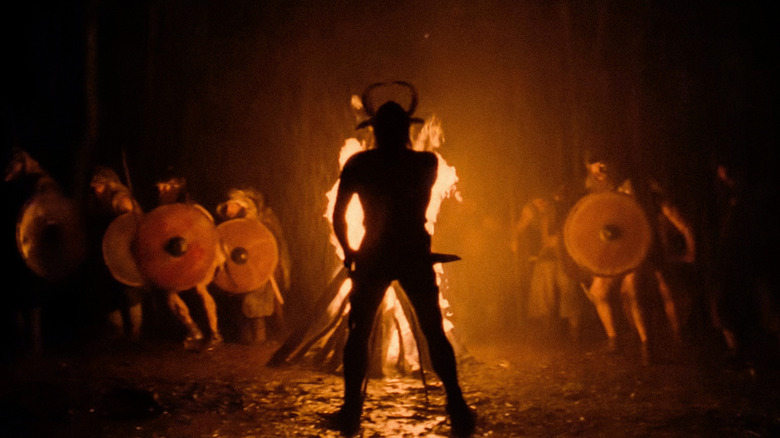
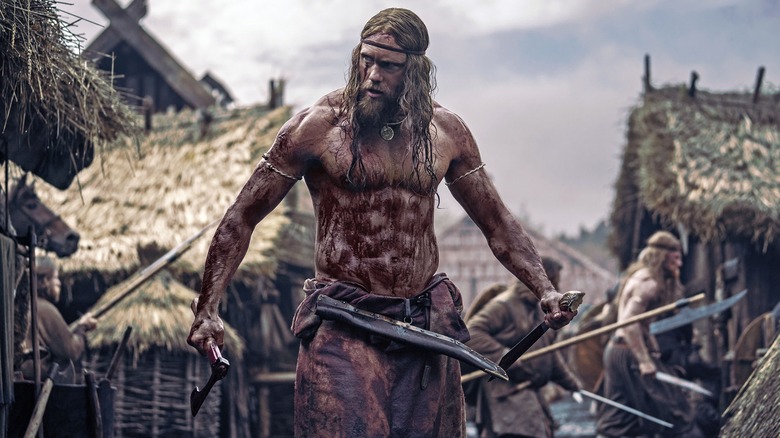

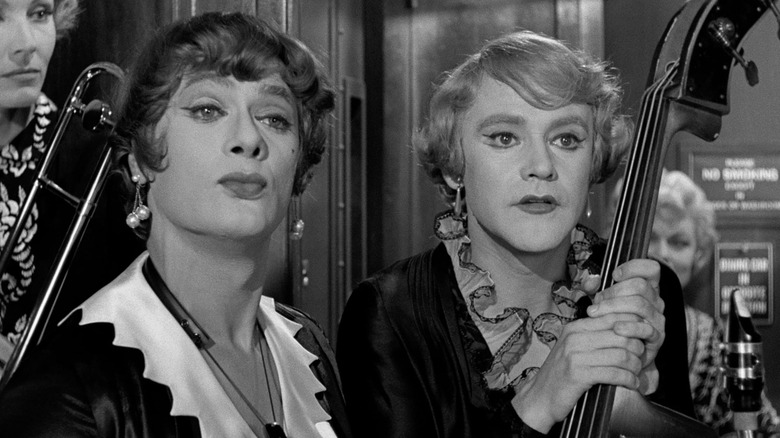
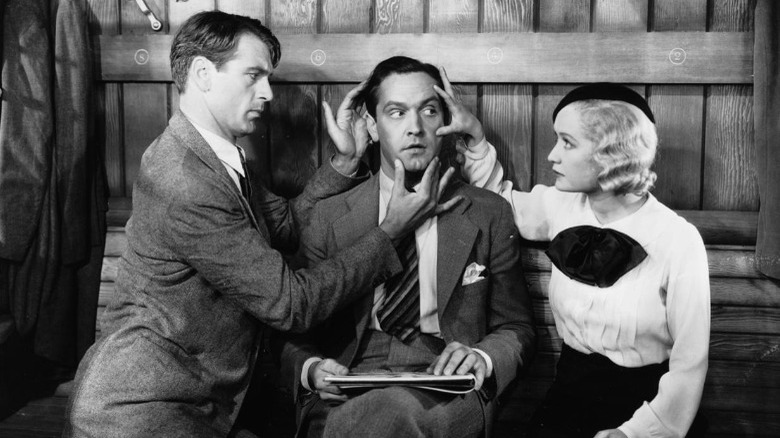
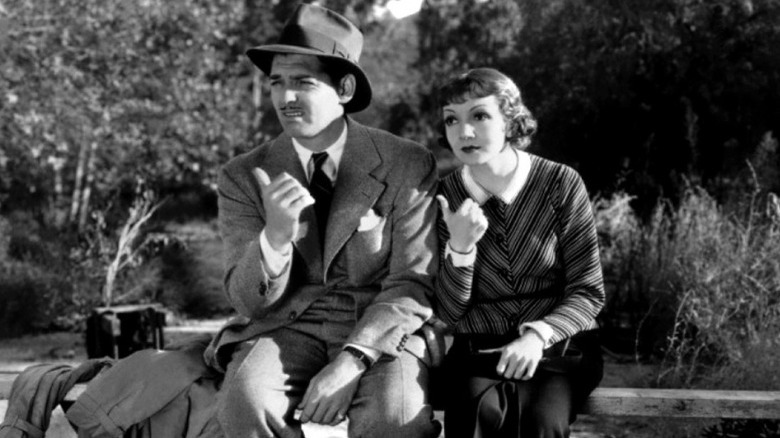
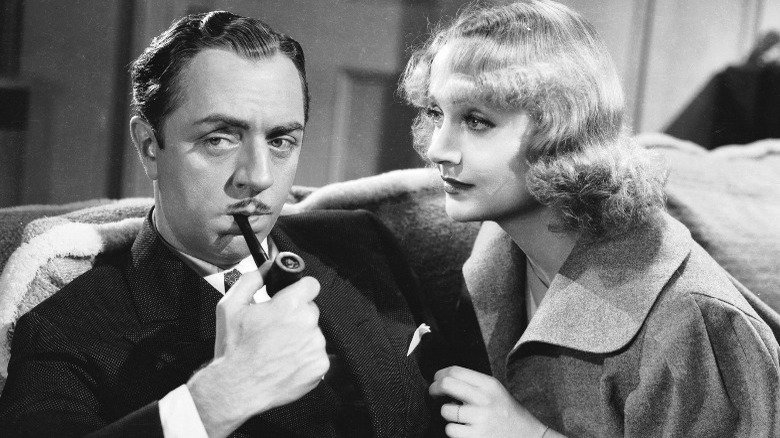
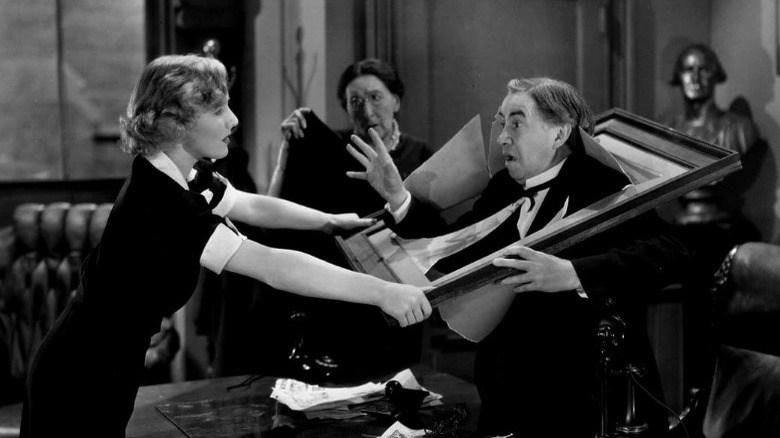
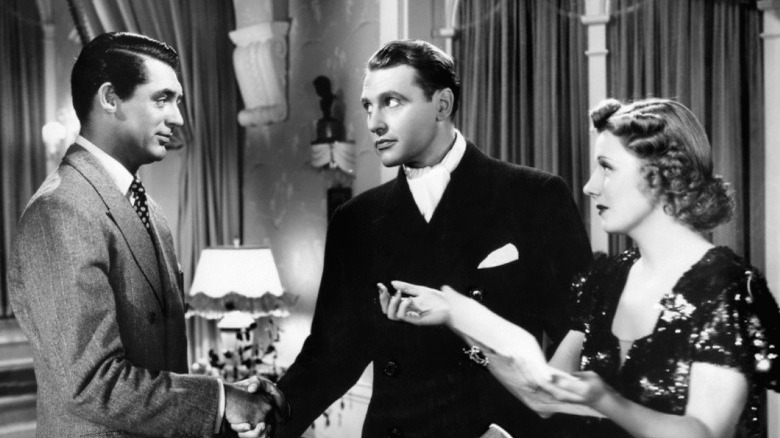
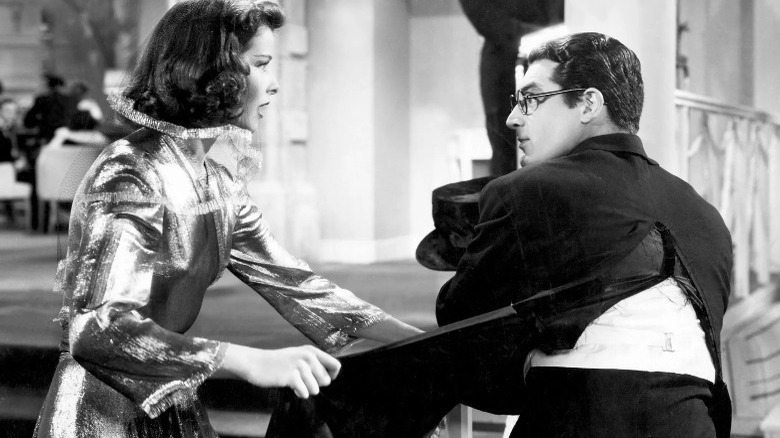
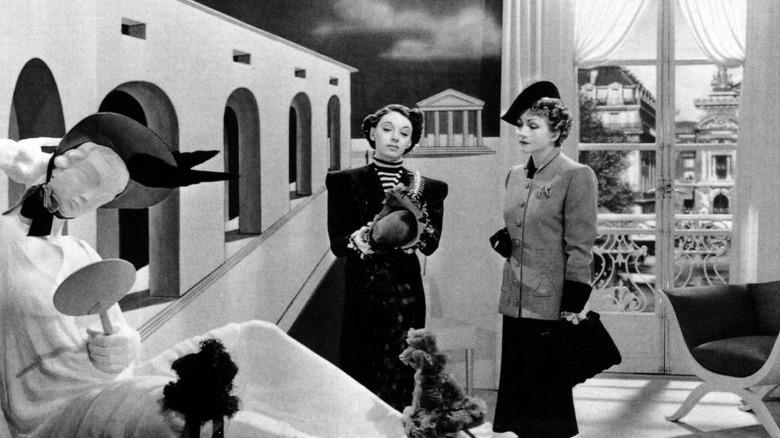
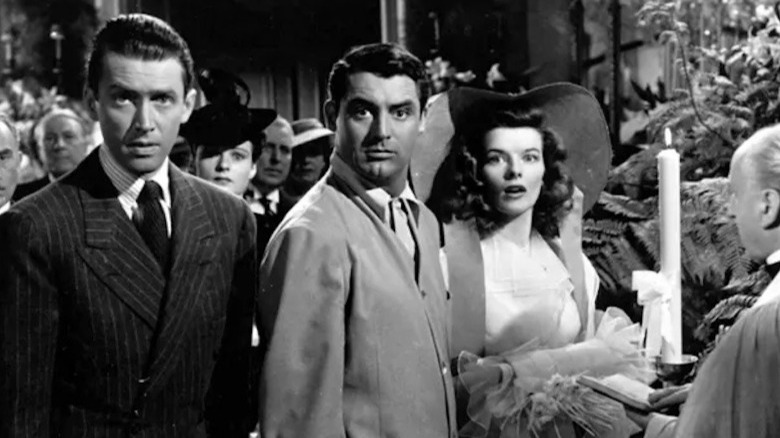
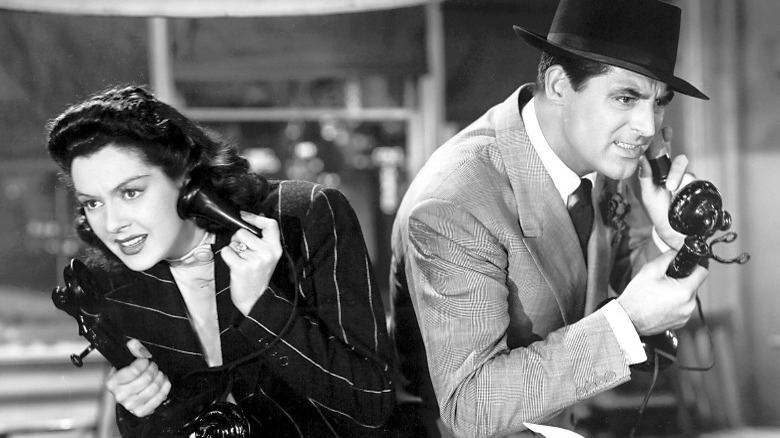
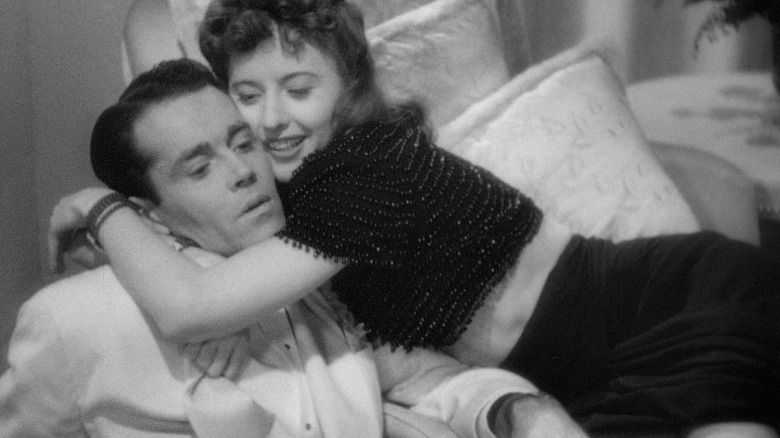
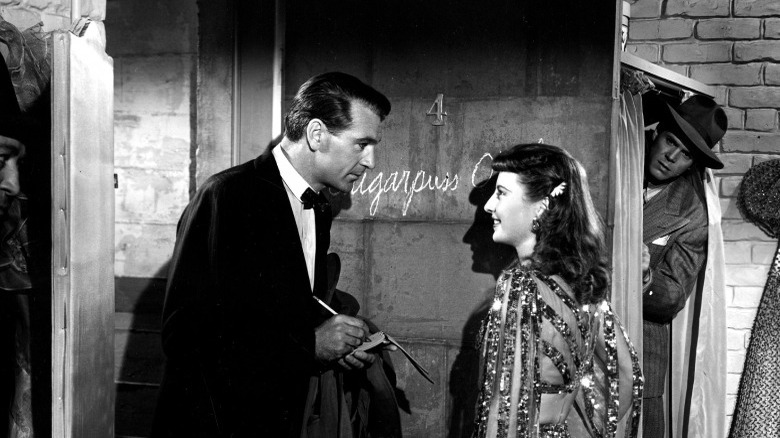
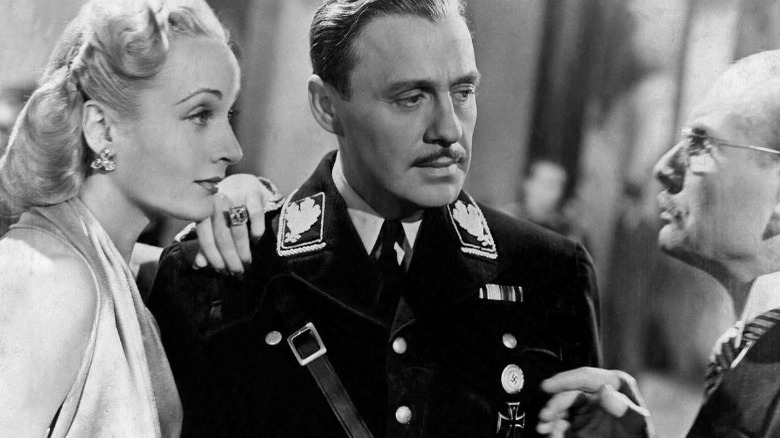
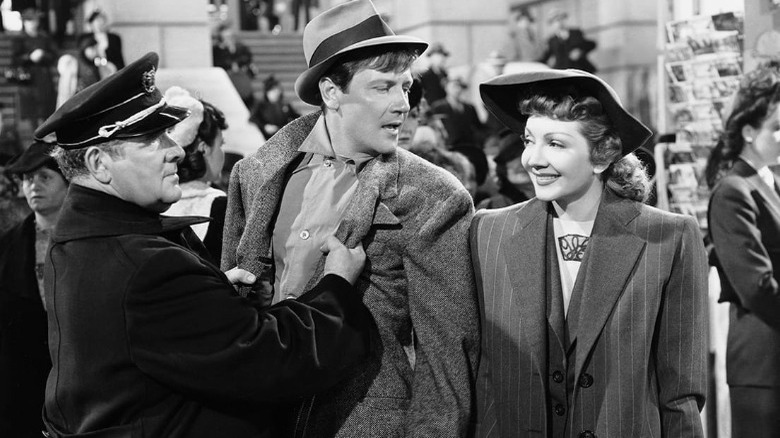
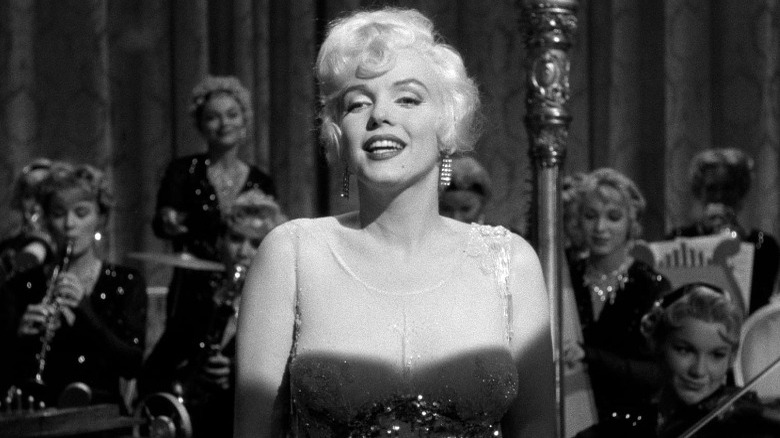
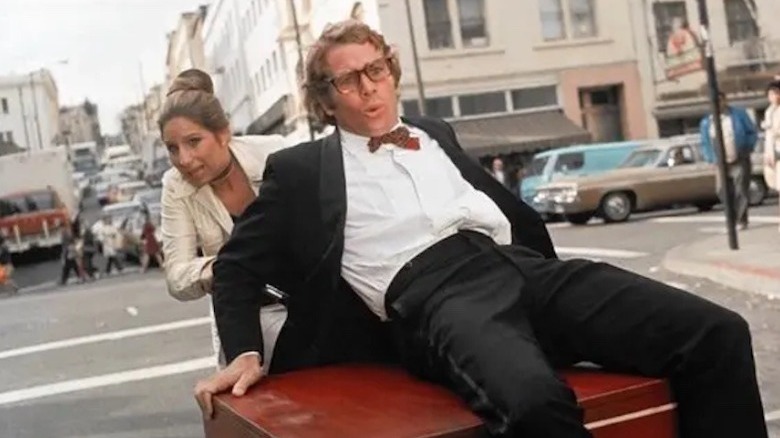
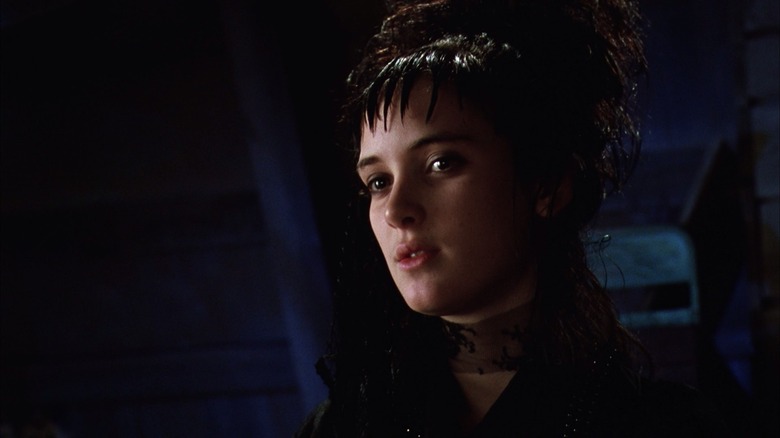

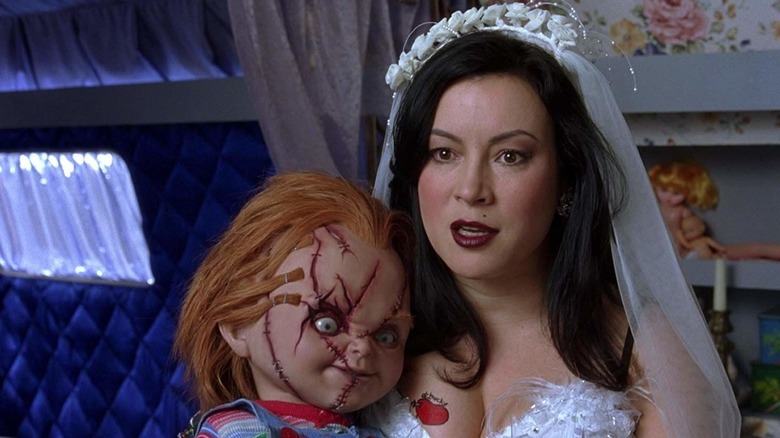

![[Movie Review] VIRUS :32](https://i0.wp.com/www.nightmarishconjurings.com/wp-content/uploads/2022/03/Virus32_PosterArt_sized.jpg?resize=640%2C960&ssl=1)


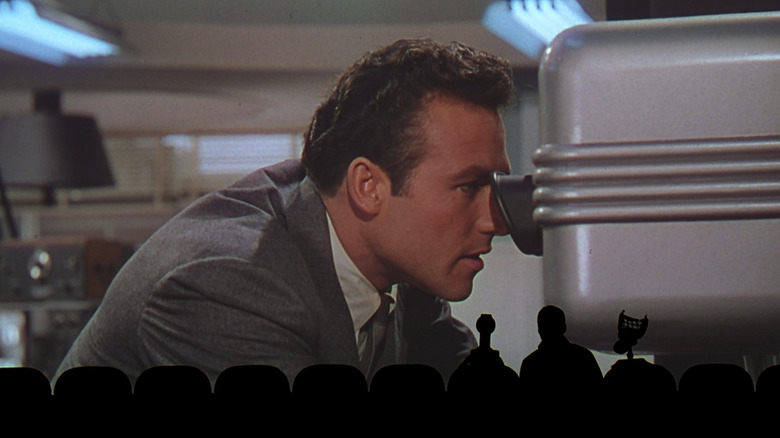
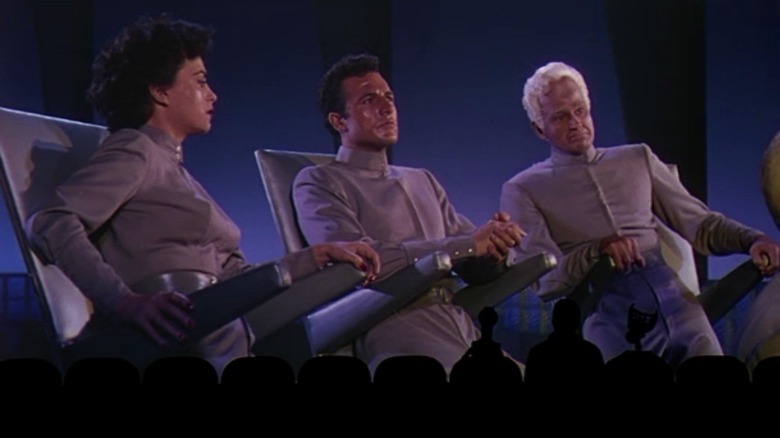
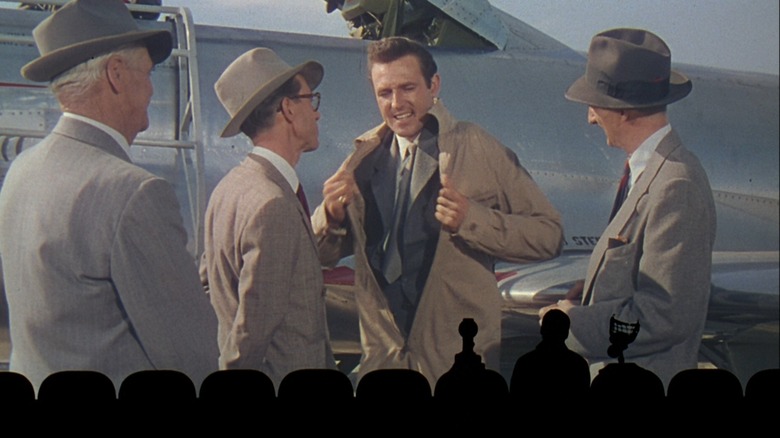

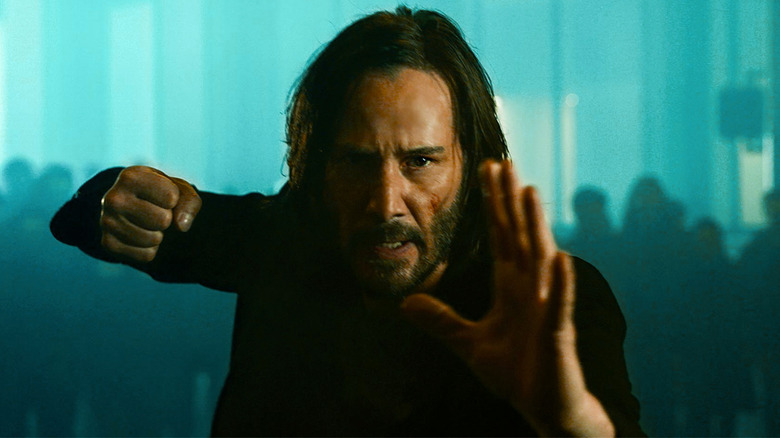
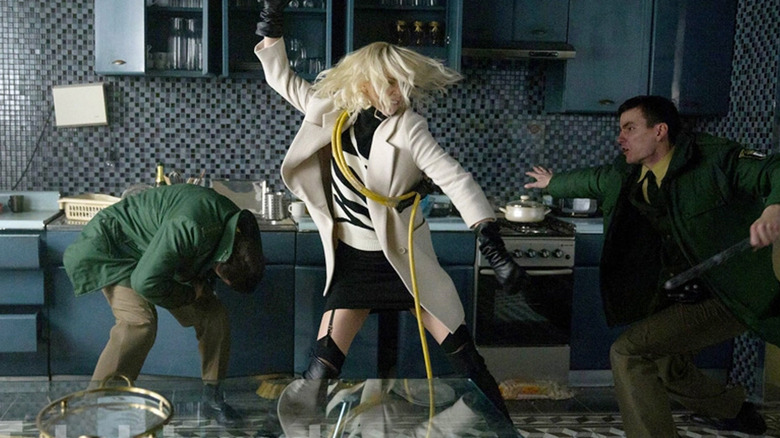



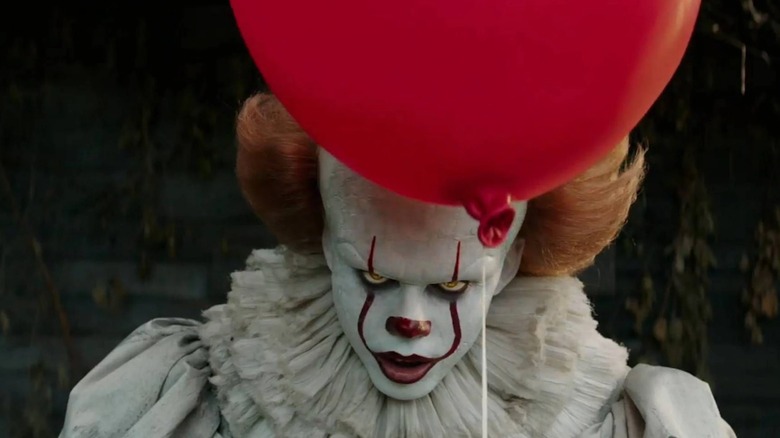
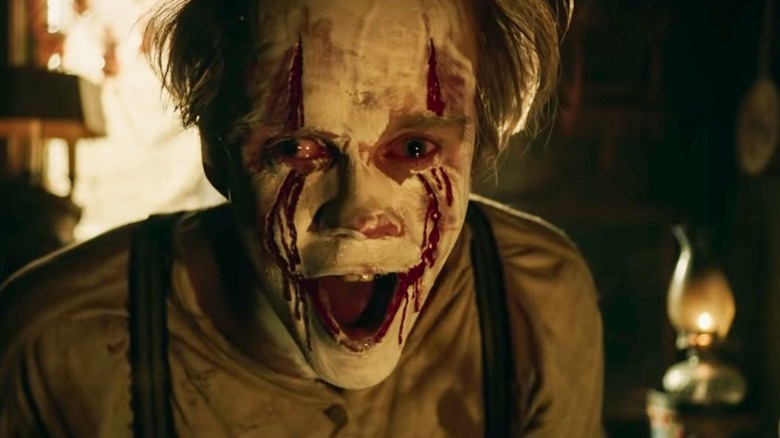
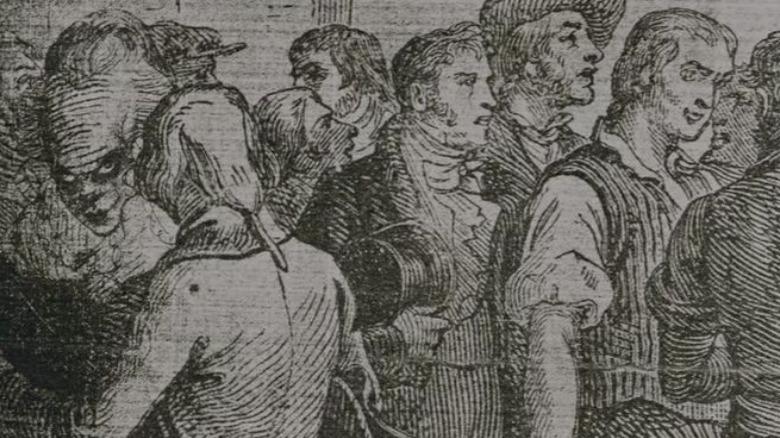

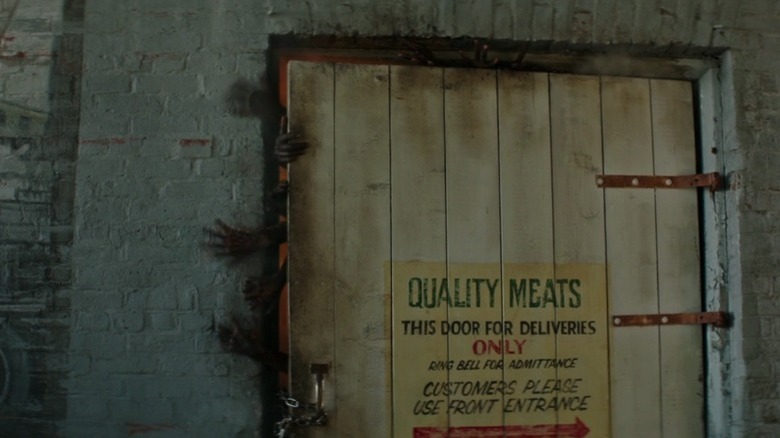
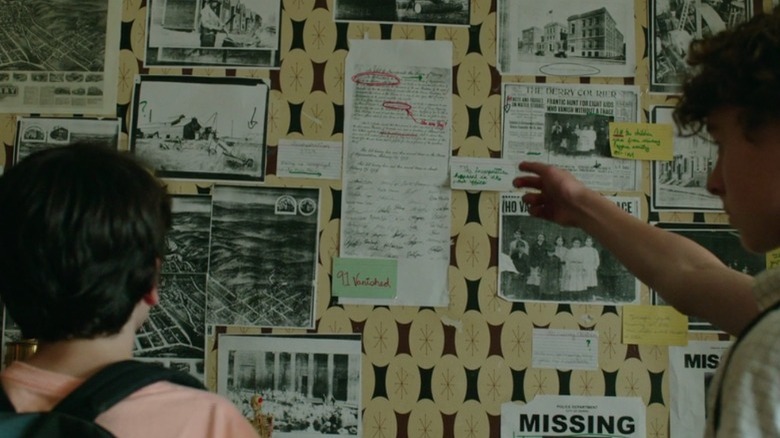



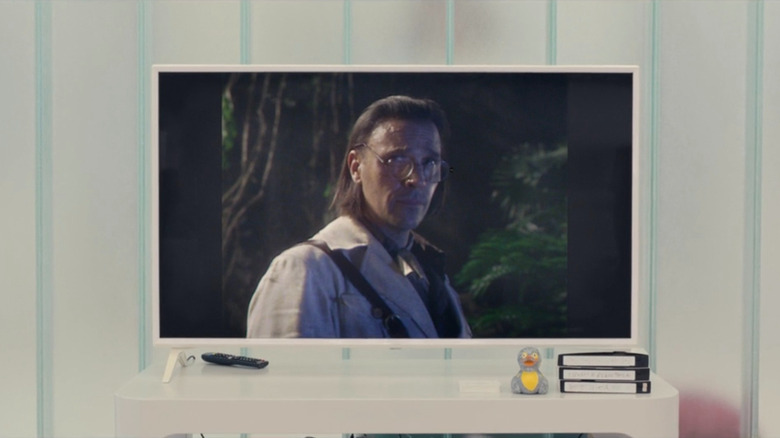

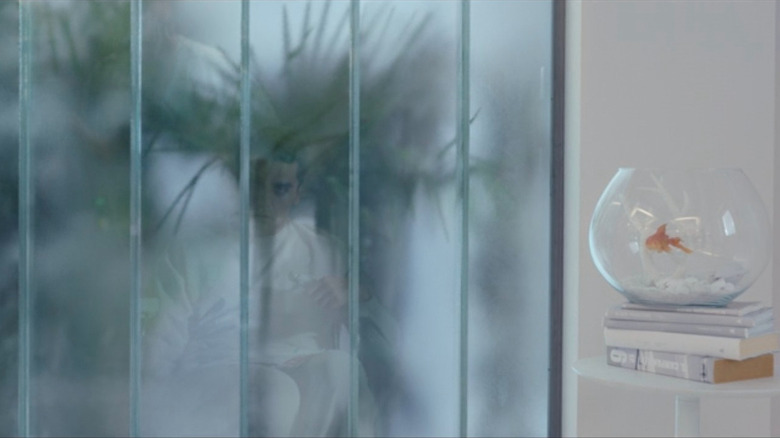
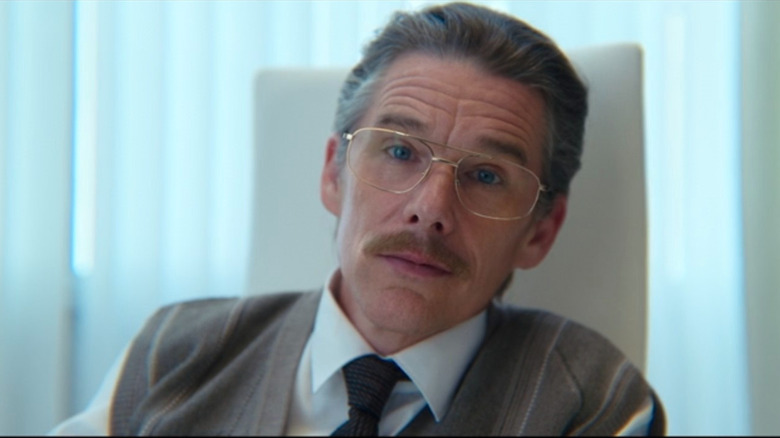
![[News] MONSTROUS - The Past Will Pull You Under in Latest Trailer](https://i0.wp.com/www.nightmarishconjurings.com/wp-content/uploads/2022/04/Monstrous-Final-Key-Art.jpg?resize=640%2C947&ssl=1)
 QEMU v7.0.0 is released. QEMU is a generic and open source machine emulator and virtualizer.When used as a machine emulator, QEMU can run OSes and programs made for one machine (e.g. an ARM board) on a different machine (e.g. your own PC). By using dynamic translation, it achieves very good performances.When used as a virtualizer, QEMU achieves near native performances by executing the guest code directly on the host CPU. A host driver called the QEMU accelerator (also known as KQEMU) is needed in this case. The virtualizer mode requires that both the host and guest machine use x86 compatible processors....More