There are many valid theories to explain the global appeal of cats, including our obsession with watching videos of them online. In terms of cats’ pure entertainment value, however, our fascinations are probably attributable to their seemingly endless repertoire of bizarre behaviours.
From being able to “trap” your cat by simply drawing a square around them, to cats seemingly freaking out when presented with a cucumber (I don’t condone this latter activity on cat welfare grounds), our feline companions are as entertaining as they are perplexing.
When it comes to their seemingly weird reactions to things, their response to an unassuming plant belonging to the mint family is no exception.
Nepeta cataria, or more commonly known as catnip is a plant native to parts of Europe and Asia that is well known for its cat-attracting (and craze-inducing) properties among domestic cats and several other (non-domesticated) felids, including lions, leopards and jaguars. Responses to catnip typically include sniffing, licking, biting, rubbing or rolling on the plant, head shaking, drooling, vocalising and even kicking with the hind feet.
Catnip’s status as kitty kryptonite is due to a specific chemical compound called nepalacatlone that the plant naturally releases when its leaves or stem are bruised. This chemical is thought to bind to protein receptors within the cat’s nose which then stimulate sensory neurons that lead to changes in brain activity.
These mind-altering affects can typically last between five and 15 minutes, although some cats will respond much more intensely and for longer than others. Interestingly, the ability to respond to catnip is thought to be heritable, with around one in three adult cats seemingly immune to its effect.
However, other scientists argue all cats may possess the ability to react to catnip, but that some are active and others more passive responders, with differences in intensities of reactions influenced by their age, sex and neuter status.
Is catnip a drug for cats?
Many cats are certainly very attracted to catnip and will actively seek it out in their environment. For these reasons, catnip is often used (in its dried form) to encourage cats to use their scratching posts – as opposed to the arm of our expensive new sofa. It’s also commonly placed within cat toys or planted in gardens as a source of enrichment for cats.
In humans, smoking catnip has been described as inducing sensations akin to those of marijuana or LSD. It’s possible that cats may experience similar effects, although their brains are not quite the same as ours, so their “trips” might feel a little different to them.
However, a recent study indicates that exposure of cats to nepalactalone leads to increases in a peptide hormone associated with pleasure. This suggests that catnip could have some pretty powerful feel-good properties for kitties.
Interestingly, the authors also found that cats covered in nepalactalol were less likely to be bothered by mosquitoes. This provides a suitable evolutionary explanation for cats’ innate attraction (and reaction) to the plant - covering yourself in catnip might feel really good, but also help keep those pesky insects at bay.
Around a third of cats are immune to catnip’s effects.
Shutterstock/Okssi
Is it cruel to give a cat catnip?
Although evidence suggests catnip does have pleasurable side-effects, not everything we like – or are at least attracted to – is good for us. The heightened arousal and altered state of consciousness that probably occurs among active responders may not always be a welcome experience.
In situations where cats feel anxious, unsure or not fully in control, they tend to seek out sources of safety rather than stimulation. Under these circumstances, the last thing cats probably want is to go on some sort of mind-bending hallucinogenic trip.
While it may certainly be fun for us to watch their catnip-induced antics, we should think carefully about if we are doing this for the cats’ benefit, or simply for our entertainment. We should also avoid disturbing or trying to stroke cats that are under the influence, and ultimately, cats should always be allowed to say no.
If we want to give cats catnip, it’s best that we place it somewhere quiet, away from their core areas in the home – avoid locations where they usually eat and sleep – and let them decide if they feel like taking a hit, in their own time.
Lauren Finka is a member of International Cat Care's feline wellbeing panel and consults for Battersea Dogs and Cats Home
by Hugo Massé-Alarie, Professeur adjoint, physiothérapie, Université Laval, Université Laval
Stretching exercises are often prescribed by health professionals, such as physiotherapists, to reduce pain. Shutterstock
To stretch or not to stretch?
Should you do it before or after exercise? Does it prevent or heal injuries? Stretching is always a hot topic. However, while it is effective in improving flexibility, its usefulness in reducing pain is being questioned.
Back pain is one of the most prevalent health conditions in our society. Up to 80 per cent of the population may suffer from it at least once in their lifetime. Many sufferers do not improve after treatment. What makes treatments work or not? Answering this question could improve the quality of life of millions of people.
Health care professionals, including physiotherapists, often prescribe exercises such as stretching to reduce pain. It has long been accepted that stretching provides pain relief by increasing range of motion and decreasing muscle tone, which give the impression that there is less pain.
For the study we recruited 22 healthy adults who did not suffer from back pain. Each participant was asked to perform a stretch of the lumbar region (lower back), followed by a stretch of the forearm muscles. Participants were instructed to hold each stretch for three minutes to produce a moderate stretching sensation.
Stretching produces hypoalgesia
Before and after each exercise, we measured the pain sensitivity threshold for a muscle of the lower back (erectors of the lumbar spine) and a muscle of the forearm (wrist flexors) using an algometer.
An algometer is a measuring instrument equipped with a sensor that calculates the pressure required to produce a sensation we call a pain threshold. This way we can measure the modulation of pain sensitivity, or the change that stretching has on a pain threshold.
We calculated the modulation for each stretch on the extended area and on an area distant from the stretched muscles. A change recorded in an area remote from the stretch would suggest that the regions of the central nervous system that involve pain control were activated, and therefore that the stretch had a systemic effect.
Back stretches may not benefit everyone who suffers from back pain.
(Shutterstock)
We observed that both stretches produced hypoalgesia, an increase in the pain sensitivity threshold. In other words, after the participants performed the stretches, the experimenter had to apply greater pressure to produce pain.
Following the wrist extension, stretch-induced hypoalgesia was restricted to the stretched area itself, while following the back flex, hypoalgesia was also present at a distance from the stretched area (the forearm).
These forms of exercise have received much more attention from the scientific community than stretching has, with some groups of researchers attempting to determine what mechanisms are at work. For example, it has been suggested that exercise-induced hypoalgesia involves the activation of — and interaction between — the opioid and endocannabinoid systems, which control pain.
In a recent review or research, the authors suggested that exercise-induced hypoalgesia could be explained by the unpleasant and even sometimes painful effect of these exercises. Indeed, we know that activating nociceptors (pain receptors) induces hypoalgesia by triggering systems that modulate pain, including opioids.
For example, holding a hand in a bucket filled with cold water produces an intense pain that induces systemic hypoalgesia. It is possible that similar mechanisms could also explain our results, since stretching produces a sensation that is sometimes unpleasant and even painful.
The remote, and therefore potentially systemic effects, were only present following back stretching. We believe that stretching the back could involve stretching a larger mass of structures (muscles, ligaments, tendons, skin) than stretching the wrist, and could therefore produce a greater effect. These hypotheses should be tested in future studies.
Stretching is not a panacea
The immediate benefits of stretching in people with back pain could be explained by the fact that regions in the body involved in pain modulation were stimulated. However, many people with chronic back pain benefit less from the hypoalgesia that is usually induced by exercise. This could be explained by differences in the functioning of regions in the central nervous system that are involved in pain control.
Back stretches may not benefit everyone who suffers from back pain. Severe back pain that persists over time is usually multifactorial, so general management by a health care professional, such as a physiotherapist, may be necessary to reduce or control the pain. Stretching is only one of the treatment tools available to improve one’s health condition and it is not a panacea!
Hugo Massé-Alarie has received funding from the Canadian Institutes of Health Research (CIHR), the Natural Sciences and Engineering Research Council of Canada (NSERC), the Fonds de Recherche du Québec - Santé (FRQS) the Canada Foundation for Innovation (CFI) as well as the Government of Quebec, the Canadian Pain Society, the Canadian Musculoskeletal Rehabilitation Research Network, the International Society for the Study of Lumbar Spine (ISSLS), Taisho Pharmaceuticals, Pfizer Inc., Lilly Co, REPAR, the Réseau Québécois en Recherche sur la Douleur (RQRD) and Cirris.
"I'm careful not to shake my finger at donors because without them, we wouldn't have a business model," said Megan Fink, a marketing executive at Palmetto Goodwill, which operates 31 stores in South Carolina.
A massive construction project is set to transform the Howard Frankland Bridge linking Tampa and St. Petersburg. The Florida Department of Transportation is now seeking input on the new aesthetic features that will be visible to not just commuters, but boaters as well.
Construction is underway on the Howard Frankland Bridge replacement project. As part of feedback from the community, FDOT is constructing aesthetic features that will be visible to drivers, boaters and shared path users. These aesthetic features will be located along the overlooks and on each side of the bridge, welcoming you to both Pinellas and Hillsborough Counties. The map below shows the planned locations of the aesthetic features.
Transforming the way people travel over the Howard Frankland Bridge
This nautical theme is inspired by the surrounding waters in the Greater Tampa Bay area. Here’s what you have to choose from:
Modern Marconi Sail
The modern Marconi sail, which embodies the energy and excitement from sailboats ‘rounding the mark’ in a regatta.
Classic Schooner Sail
The classic Schooner sail, which embodies the historic sailing ships and their lofty ‘flying jib’ sails.
Those interested can cast their vote online by clicking here. Voting officially closes on May 31.
The Florida Department of Transportation project will ultimately be the largest bridge ever constructed in Florida.
Creating a new three mile bridge
The new three-mile bridge will be built to the north of the current southbound interstate bridge. With BCC Engineering as the lead engineer, the project design will feature four southbound general purpose lanes, two southbound express lanes, two northbound express lanes, as well as a shared use path and accommodations for transportation via light rail system.
The existing southbound bridge will be converted to the new northbound I-275. When complete, the current northbound bridge will be removed. Construction is anticipated to begin in the fall of 2020 with completion in 2026.
The newly built connection will add capacity and mobility to account for future growth of the Tampa/St. Pete region and will allow for improved emergency management scenarios and hurricane evacuations.
Doctor Who is one of the most popular science fiction fandoms in the world. It should come as no surprise that, with that huge presence comes a very large fan fiction community.
However, over the past few days much of that community has been sent into a frenzy as, according to a report on iNews, several fan fiction authors have received demands from the BBC to take down their works.
This has led others to seek out and find the Doctor Who FAQ page, which includes this passage about fan fiction:
You are welcome to write Doctor Who fiction for your own enjoyment, but we should remind you that it is not permitted for you to publish this work either in print or online.
Doctor Who FAQ Page
However, as noted by the Daily Dot, that FAQ has been up since at least 2014 and has included that passage since then. In short, this is not a new policy, but one that has been in effect for at least seven years.
It’s clear that we are not in the middle of a massive clampdown on Doctor Who fan fiction. A simple Google search finds communities and forums with tens of thousands of stories available.
So what is going on? Most likely, much ado about nothing.
Difficult Times for Fan Fiction
Fan fiction (and fan art) are a messy space for copyright. In general, when you create a work of fan fiction, you are creating a derivative work based upon the original work and that is something that the copyright holder has the exclusive right to do or license.
In short, unlicensed and unpermitted fan fiction is a copyright infringement and rightsholders are well within their rights to take action against it if they see fit.
That said, they rarely do.
The reason for this is quite simple: Most rightsholders don’t want to go to war with their fandoms, especially when the infringement isn’t harming their bottom line and may even be helping to keep fans engaged during gaps between official works.
Still, there are general guidelines including publishing fan fiction for fun and not commercializing it, not submitting the work directly to the creators and not trying to position a fan creation as canon. As long as those lines are not crossed, fan fiction may well be an infringement, but it is generally well-tolerated (sometimes begrudgingly).
So, it is entirely possible that the BBC is seeing the writing on the wall and has decided to start more strictly enforcing their boundaries. However, a handful of removal requests does not represent a tidal change, not when tens of thousands of stories remain online, and countless communities are active.
Once that changes, then the time to panic has come.
Bottom Line
In April 2017, three years after the FAQs went live, the BBC published a guide to fan fiction writers. However, it wasn’t a set of legal guidelines but help on penning a great story and encouraged users to publish it to Mixital, a BBC-owned site for fan fiction works that went defunct in April 2019.
Clearly, the FAQ page is not the last word on BBC’s approach to fan fiction. Though they would be wise to clarify their policy and spell out the boundaries that they DO intend to enforce, that FAQ has been up for seven years with very little, if any, enforcement of that policy.
To make matters more complicated for the BBC, many of the show’s writers including Nicholas Briggs, Steven Moffat and Paul Cornell got their start writing fan fiction. David Tennant, the Tenth Doctor, also reportedly wrote fan fiction as a child.
To be clear, fan fiction is under more scrutiny than any point in history. We’re in a period of pushback after several fan productions overstepped boundaries and other former works of fan fiction, such as Fifty Shades of Gray, went on to become large commercial successes.
The relationship between fan fiction community and rightsholders has never been more tenuous. But that doesn’t mean a blanket ban is on the horizon.
As a surgeon who specializes in treating patients with voice problems, I routinely record my patients speaking. For me, these recordings are incredibly valuable. They allow me to track slight changes in their voices from visit to visit, and it helps confirm whether surgery or voice therapy led to improvements.
Yet I’m surprised by how difficult these sessions can be for my patients. Many become visibly uncomfortable upon hearing their voice played back to them.
“Do I really sound like that?” they wonder, wincing.
(Yes, you do.)
Some become so unsettled they refuse outright to listen to the recording – much less go over the subtle changes I want to highlight.
For one, the sound from an audio recording is transmitted differently to your brain than the sound generated when you speak.
When listening to a recording of your voice, the sound travels through the air and into your ears – what’s referred to as “air conduction.” The sound energy vibrates the ear drum and small ear bones. These bones then transmit the sound vibrations to the cochlea, which stimulates nerve axons that send the auditory signal to the brain.
However, when you speak, the sound from your voice reaches the inner ear in a different way. While some of the sound is transmitted through air conduction, much of the sound is internally conducted directly through your skull bones. When you hear your own voice when you speak, it’s due to a blend of both external and internal conduction, and internal bone conduction appears to boost the lower frequencies.
For this reason, people generally perceive their voice as deeper and richer when they speak. The recorded voice, in comparison, can sound thinner and higher pitched, which many find cringeworthy.
There’s a second reason hearing a recording of your voice can be so disconcerting. It really is a new voice – one that exposes a difference between your self-perception and reality. Because your voice is unique and an important component of self-identity, this mismatch can be jarring. Suddenly you realize other people have been hearing something else all along.
Even though we may actually sound more like our recorded voice to others, I think the reason so many of us squirm upon hearing it is not that the recorded voice is necessarily worse than our perceived voice. Instead, we’re simply more used to hearing ourselves sound a certain way.
A study published in 2005 had patients with voice problems rate their own voices when presented with recordings of them. They also had clinicians rate the voices. The researchers found that patients, across the board, tended to more negatively rate the quality of their recorded voice compared with the objective assessments of clinicians.
So if the voice in your head castigates the voice coming out of a recording device, it’s probably your inner critic overreacting – and you’re judging yourself a bit too harshly.
Neel Bhatt does not work for, consult, own shares in or receive funding from any company or organization that would benefit from this article, and has disclosed no relevant affiliations beyond their academic appointment.
by Francis McGlone, Professor in Neuroscience, Liverpool John Moores University
Our sense of touch is important for creating and maintaining social bonds. DimaBerlin/ Shutterstock
For many people, the thing they’ve missed most during the pandemic is being able to hug loved ones. Indeed, it wasn’t until we lost our ability to hug friends and family did many realise just how important touch is for many aspects of our health – including our mental health.
But now that vaccine programmes are being rolled out and restrictions are beginning to ease in much of the UK, many people will be keen to hug again. And the good news is that not only do hugs feel good – they also have many health benefits.
The reason hugs feel so good has to do with our sense of touch. It’s an extremely important sense which allows us not only to physically explore the world around us, but also to communicate with others by creating and maintaining social bonds.
Touch consists of two distinct systems. The first is “fast-touch”, a system of nerves which allows us to rapidly detect contact (for example, if a fly landed on your nose, or you touched something hot). The second system is “slow-touch”. This is a population of recently discovered nerves, called c-tactile afferents, which process the emotional meaning of touch.
These c-tactile afferents have essentially evolved to be “cuddle nerves” and are typically activated by a very specific kind of stimulation: a gentle, skin-temperature touch, the kind typical of a hug or caress. We see c-tactile afferents as the neural input stage in signalling the rewarding, pleasurable aspects of social tactile interactions such as hugging and touching.
Touch is the first sense to start working in the womb (around 14 weeks). From the moment we’re born, the gentle caress of a mother has multiple health benefits, such as lowering heart rate and promoting the growth of brain cell connections.
When someone hugs us, the stimulation of c-tactile afferents in our skin sends signals, via the spinal cord, to the brain’s emotion processing networks. This induces a cascade of neurochemical signals, which have proven health benefits. Some of the neurochemicals include the hormone oxytocin, which plays an important role in social bonding, slows down heart rate and reduces stress and anxiety levels. The release of endorphins in the brain’s reward pathways supports the immediate feelings of pleasure and wellbeing derived from a hug or caress.
Hugging has such a relaxing and calming effect that it also benefits our health in other ways.
It improves our sleep:
From the benefits of co-sleeping with infants to cuddling your partner, gentle touch is known to regulate our sleep, as it lowers levels of the hormone cortisol. Cortisol is a key regulator of our sleep-wake cycle but also increases when we’re stressed. So it’s no wonder high levels of stress can delay sleep and cause fragmented sleep patterns or insomnia.
It reduces reactivity to stress:
Beyond the immediate soothing and pleasurable feelings provided by a hug, social touch also has longer-term benefits to our health, making us less reactive to stress and building resilience.
Nurturing touch, during early developmental periods, produces higher levels of oxytocin receptors and lower levels of cortisol in brain regions that are vital for regulating emotions. Infants that receive high levels of nurturing contact grow up to be less reactive to stressors and show lower levels of anxiety.
Increases wellbeing and pleasure:
Across our lifespan, social touch bonds us together and helps maintain our relationships. As noted, this is because it releases endorphins, which makes us see hugs and touch as rewarding. Touch provides the “glue” that holds us together, underpinning our physical and emotional wellbeing.
And when touch is desired, the benefits are shared by both people in the exchange. In fact, even stroking your pet can have benefits on health and wellbeing – with oxytocin levels increasing in both the pet and the owner.
It could help us fight off infections:
Through regulation of our hormones – including oxytocin and cortisol – touching and hugging can also affect our body’s immune response. Whereas high levels of stress and anxiety can suppress our ability to fight infections, close, supportive relationships benefit health and well-being.
Research even suggests that cuddling in bed could protect us against the common cold. By monitoring hugging frequency among just over 400 adults who were then exposed to a common cold virus, researchers found the “huggers” won hands-down in being less likely to get a cold. And even if they did, they had less severe symptoms.
Hug it out
While it’s important we continue to keep ourselves safe, it’s equally as important that we don’t give up hugs forever. Social isolation and loneliness are known to increase our chances of premature death – and perhaps future research should investigate whether it’s a lack of hugs or social touch that may be driving this. Touch is an instinct that is all-around beneficial for our mental and physical health – so we should celebrate its return.
Of course, not everyone craves a hug. So for those that don’t, there’s no reason to worry about missing out on the benefits of hugs – as giving yourself a hug has also been shown to regulate emotional processes and reduce stress.
Francis McGlone has received funding from The Leverhulme Trust, BIAL,
Susannah Walker receives funding from The Leverhulme Trust and BIAL.
by Julie VanDusky-Allen, Assistant Professor of Political Science, Boise State University
The COVID-19 pandemic seems to have widened the partisan divide between Democrats and Republicans on health care.
John M. Lund Photography/Getty Images
Throughout the COVID-19 pandemic, a partisan divide has existed over the appropriate government response to the public health crisis. Democrats have been more likely to favor stricter policies such as prolonged economic shutdowns, limits on gathering in groups and mask mandates. Republicans overall have favored less stringent policies.
As political scientists and public health scholars, we’ve been studying political responses to the pandemic and their impacts. In research published in the summer of 2020, we found that “sub-governments,” which in the U.S. means state governments, tended to have a bigger impact on the direction of pandemic policies than the federal government. Now, as data on last year’s case and death rates emerge, we’re looking at whether the political party in the governor’s office became a good predictor of public health outcomes as COVID-19 moved across the country.
Looking at states’ COVID-19 case and death rates, researchers are finding the more stringent policies typical of Democratic governors led to lower rates of infections and deaths, compared to the the pandemic responses of the average Republican governor. In preparation for future pandemics, it may be worth considering how to address the impact that a state government’s partisan leanings can have on the scope and severity of a public health crises.
Comparing responses by Democratic and Republican governors
To compare and chart our state-by-state COVID-19 policy stringency data, we’ve developed our “Protective Policy Index.” To calculate this index, we took into account the types of policies state governments adopted over the course of the pandemic, such as school closings, lockdowns and mandatory mask mandates. We combined the adopted measures for each state over time to calculate the index. Higher values of the index indicate states adopted more stringent measures.
When we charted the policy responses of Democratic and Republican governors between May 1 and July 31, 2020, they revealed that heading into May, states led by Democrats generally took more stringent measures than those led by Republicans. Over the next eight weeks or so, as Democratic-led states began to slowly reopen, they continued to maintain more stringent measures on average than Republican-led states. By July, Democratic governors began to roll back their reopenings amid some signs of a new pandemic wave, while Republican-led states largely maintained the same level of stringency.
With that information established, we could begin to explore whether there was a relationship between COVID-19 policy stringency in different states, and their rates of pandemic cases and deaths.
According to a study released in March, both case and death rates were higher on average in states led by Republican governors during the second half of 2020. The first map represents rates of COVID-19 cases between June 1 and July 31, 2020 as reported by the CDC. The second map represents CDC estimates of excess mortality rates – the number of deaths above the average norm – between June 1 and August 31, 2020. The taller spikes indicate higher case and death rates.
Next, to study the relationship between the stringency of a state’s pandemic responses and its rates of COVID-19 cases and deaths, we mapped each state’s rating on the Protective Policy Index to the same CDC data. The results show that more stringent policies were generally associated with fewer cases and deaths.
All of these findings, in conjunction with those of our own research, suggest that amid the current deep divide in U.S. politics, it’s possible to forecast public health outcomes based on whether a state is led by a Republican or a Democrat. For large chunks of time in 2020, states led by Republicans overall had higher average case and death rates from COVID-19, in part due to their state governments adopting less stringent policies to quell the virus. It is important to note, however, that not all states fit perfectly into this pattern. For example, Vermont Gov. Phil Scott, a Republican, adopted relatively stricter measures and this likely led to better health outcomes.
America’s polarized health care politics
The differences we discovered between red and blue states in our analysis did not surprise our team. After all, a partisan divide over health care in the U.S. existed before COVID-19. During President Bill Clinton’s administration in the 1990s, there was a clear and growing partisan divide over health care reform. During President Barack Obama’s administration, Democrats supported the Affordable Care Act and the federal government’s response to the H1N1 virus, while nearly all Republicans opposed both measures.
We already know that partisan divisions over health care in the U.S. can worsen public health. For example, despite the evidence that the ACA has had a positive effect on individual health care outcomes, Republicans have consistently fought against it. Republican-led states that chose not to adopt Medicaid expansion have not experienced all the positive benefits of the Affordable Care Act.
These long-established partisan divisions have also influenced Americans’ polarized views of the government’s proper role in addressing the pandemic. This divide grew so wide during 2020 that at some points it was as if people were living in alternate realities based on their partisan leanings. At times an American’s political affiliation indicated whether or not they would acknowledge even that a pandemic was really happening.
Where we go from here
Now that mass vaccination against COVID-19 is underway across the country, Americans have hope that life will soon get “back to normal.” But until enough people are vaccinated to halt the spread of the virus, public health officials are warning that we are not quite there yet. They are encouraging states to maintain some restrictions that slow the spread of the virus, especially considering that there are more contagious variants spreading across the country.
Overwhelming evidence suggests that differences between Republican and Democratic officials on health policy have had life-or-death consequences during the pandemic. But recent history suggests that in the next public health crisis, governments across the U.S. may once again focus more on politics than on policies grounded in the best available science. Experience also suggests that even when this leads to bad health outcomes, Americans aren’t likely to rethink the partisan divide over health care.
[Over 100,000 readers rely on The Conversation’s newsletter to understand the world.Sign up today.]
The authors do not work for, consult, own shares in or receive funding from any company or organization that would benefit from this article, and have disclosed no relevant affiliations beyond their academic appointment.
Beau Ouimette, better known by his YouTube handle Aquachigger, has a 13+ year history of posting videos of him finding valuable, strange and/or unusual things underwater as well as doing metal detection and other kinds of adventuring. He’s amassed a sizable audience, 1.3 million subscribers, and has a successful and ongoing Patreon campaign.
However, right now he is worried that his YouTube career may be coming to an end.
In his most recent video, entitled “Aquachiggers YouTube Termination Notice: Someone Stole My Videos and YouTube Is Terminating Me!” Ouimette outlines a recent exchange with YouTube where after filing a copyright complaint on a “reaction” video featuring his content, YouTube is now threatening to take action against his channel unless he either retracts his claim or proves that he owns the video he uploaded.
In the video, he outlines the story involving his channel and a much larger Saudi Arabian YouTuber that hosts a “reaction” video channel. YouTube, through its internal copyright system, notified Ouimette that one of his videos had been copied and uploaded on this other channel, which has over 6.3 million subscribers. He filed a copyright notice through the system, something he has done many times before without problem, but this time was different.
YouTube sent him a letter back saying that they were “concerned that some of the information in your takedown request may be fraudulent” and that he had seven days to provide a detailed explanation with additional information or retract his claim. Either way, his YouTube account may be terminated for filing a false takedown notice.
Ouimette, worried that his account may be terminated by the end of the week, said that he may simply stop making videos if that happens and that, if he does continue, it will only be on his Patreon and Facebook accounts.
As of this writing, the infringing video he was referring to has been removed due to a copyright claim by him, signaling that YouTube likely realized what was going on decided to take the video down.
However, that doesn’t mean the story can be dismissed out of hand. There really shouldn’t have been a story here at all and the fact that YouTube let it get to this point points to the flaws in not just their copyright system, but their abuse systems in general.
YouTube’s Long, Troubled History
To be clear, Ouimette’s account was not/is not in the extreme danger he feared. Yes, the letter has threatening language in it, but it’s also boilerplate. As long has he provided proof that he owns the content, it’s most likely that YouTube would take his side (as they seemingly have) and the matter would be resolved in his favor.
That said, his level of fear is perfectly understandable. Not only are we talking about a YouTube channel that he has spent thirteen years growing, but YouTube is so notorious for being bad at handling copyright claims that termination certainly seems like a reasonable outcome.
To make matters worse, how does one provide more proof that they own a video that features them in front of the camera, was uploaded to their YouTube channel before the infringement, which was identified by YouTube’s own copyright system? It’s unlikely that Ouimette has copyright registrations for each of his videos so what further details can he provide?
It’s easy to see why he was frustrated and worried. He had every right to be.
Literally none of the issues raised in Ouimette’s case were new. These are all challenges that YouTube has faced for years and still struggles to deal with. Sadly, they are problems that YouTube can’t likely solve, at least not on a mass level.
However, for some YouTubers, that isn’t an issue. As it has become clear, once you’ve hit a certain size, you get a very different YouTube experience than most.
The Haves and Have Nots of YouTube
Ouimette is no YouTube slouch. with 1.3 million subscribers, his channel is far larger than most, including the majority of channels he previously filed copyright claims against. According to his screenshot, most of the other channels had only a few dozen or a few hundred subscribers.
But in a land of haves and have nots, there is always someone bigger and that’s what Ouimette ran into with this claim, a Saudi Arabian react channel about 5x his size.
YouTube has a long history of showing favoritism to its bigger stars and channels. In August 2019, this came to a head as the Washington Post aired the concerns of many YouTube moderators that claimed popular channels were allowed to flout the rules regularly and continue to not only operate but earn revenue from their videos.
To be clear, YouTube can’t provide this level of service to everyone. There are too many channels, most of which make little to no money. However, this means that most of us struggle under a deeply flawed and largely-automated system for rules enforcement, including copyright, while others at least have access to human beings that can help them resolve complex issues.
Even if large YouTube channels are technically held to the same rules, they don’t live in the same world and can often get away with things that smaller channels can’t, simply because of that personal element.
Different systems will always produce different outcomes. That’s a simple reality that YouTubers are still coming to grips with.
Sadly, for most of us, there’s nothing we can do. Until a real competitor enters this space, YouTube and YouTube alone sets the rules we must follow and creates the systems under which those rules are enforced. For most of us, that means dealing with a deeply-flawed, mostly-automated enforcement system that will continue to wreak havoc on channels big and small.
One simply can’t “hire more people” and get rid of Content ID. There’s simply too much content being uploaded every minute of every day. Automated tools are necessary. To make matters worse, even the relatively small number of appeals likely can’t be handled by humans either, the number is still too great.
But there are a few things that they could do. One would be to ensure that partner managers can not intervene in any way on community standards and copyright disputes.
Second, they could provide greater transparency across the entire enforcement process (including clearly indicating which decisions are automated versus human) and offer an independent and external tribunal to hear extreme disputes.
Though obviously not every dispute could reach such a tribunal, a transparent “Supreme Court” for YouTube that is both independent of YouTube and of the creators, could help bring some consistency by establishing clearer rules and it could hold YouTube accountable to its own standards.
What we most want to avoid is situations like Ouimette’s where a YouTube reports an infringing video and ends up fearing punishment for it. This was a clear breakdown of YouTube’s most basic systems, but better infrastructure behind those systems could prevent it from reaching the point that it did.
This never should have happened but, if it had to happen, it should have been clear what the next steps were for Ouimette. There is no reason that he should have been in as much reasonable fear for his channel and we can only hope that this is a lesson YouTube learns from.
Last week, the Florida Legislature passed a bill prohibiting social media platforms from “knowingly deplatforming” a candidate (the Transparency in Technology Act, SB 7072), on pain of a fine of up to $250k per day, unless, I kid you not, the platform owns a sufficiently large theme park.
Governor DeSantis is expected to sign it into law, as he called for laws like this. He cited social media de-platforming Donald Trump as examples of the political bias of what he called “oligarchs in Silicon Valley.” The law is not just about candidates, it also bans “shadow-banning” and cancels cancel culture by prohibiting censoring “journalistic enterprises,” with “censorship” including things like posting “an addendum” to the content, i.e. fact checks.
This law, like similar previous efforts, is mostly performative, as it almost certainly will be found unconstitutional. Indeed, the parallels with a nearly 50 years old compelled speech precedent are uncanny. In 1974, in Miami Herald Publishing Co. v. Tornillo, the Supreme Court struck down another Florida statute that attempted to compel the publication of candidate speech.
50 Years Ago, Florida's Similar "Right of Reply" Law Was Found Unconstitutional
At the time, Florida had a dusty "right of reply" law on the books, which had not really been used, giving candidates the right to demand that any newspaper who criticized them print a reply to the newspaper's charges, at no cost. The Miami Herald had criticized Florida House candidate Pat Tornillo, and refused to carry Tornillo’s reply. Tornillo sued.
Tornillo lost at the trial court, but found some solace on appeal to the Florida Supreme Court. The Florida high court held that the law was constitutional, writing that the “statute enhances rather than abridges freedom of speech and press protected by the First Amendment,” much like the proponents of today’s new law argue.
So off the case went to the US Supreme Court. Proponents of the right of reply raised the same arguments used today—that government action was needed to ensure fairness and accuracy, because “the 'marketplace of ideas' is today a monopoly controlled by the owners of the market.”
Like today, the proponents argued new technology changed everything. As the Court acknowledged in 1974, “[i]n the past half century a communications revolution has seen the introduction of radio and television into our lives, the promise of a global community through the use of communications satellites, and the specter of a ‘wired’ nation by means of an expanding cable television network with two-way capabilities.” Today, you might say that a wired nation with two-way communications had arrived in the global community, but you can’t say the Court didn’t consider this concern.
You might wonder why the Florida Legislature would pass a law doomed to failure. Politics, of course.
The Court also accepted that the consolidation of major media meant “the dominant features of a press that has become noncompetitive and enormously powerful and influential in its capacity to manipulate popular opinion and change the course of events,” and acknowledged the development of what the court called “advocacy journalism,” eerily similar to the arguments raised today.
Paraphrasing the arguments made in favor of the law, the Court wrote “The abuses of bias and manipulative reportage are, likewise, said to be the result of the vast accumulations of unreviewable power in the modern media empires. In effect, it is claimed, the public has lost any ability to respond or to contribute in a meaningful way to the debate on issues,” just like today’s proponents of the Transparency in Technology Act.
The Court was not swayed, not because this was dismissed as an issue, but because government coercion could not be the answer. “However much validity may be found in these arguments, at each point the implementation of a remedy such as an enforceable right of access necessarily calls for some mechanism, either governmental or consensual. If it is governmental coercion, this at once brings about a confrontation with the express provisions of the First Amendment.” There is much to dislike about content moderation practices, but giving the government more control is not the answer.
Even if one should decry the lack of responsibility of the media, the Court recognized “press responsibility is not mandated by the Constitution and like many other virtues it cannot be legislated.” Accordingly, Miami Herald v. Tornillo reversed the Florida Supreme Court, and held the Florida statute compelling publication of candidates' replies unconstitutional.
Since Tornillo, courts have consistently applied it as binding precedent, including applying Tornillo to social media and internet search engines, the very targets of the Transparency in Technology Act (unless they own a theme park). Indeed, the compelled speech doctrine has even been used to strike down other attempts to counter perceived censorship of conservative speakers.1
With the strong parallels with Tornillo, you might wonder why the Florida Legislature would pass a law doomed to failure, costing the state the time and expense of defending it in court. Politics, of course. The legislators who passed this bill probably knew it was unconstitutional, but may have seen political value in passing the base-pleasing statute, and blaming the courts when it gets struck down.
Politics is also the reason for the much-ridiculed exception for theme park owners. It’s actually a problem for the law itself. As the Supreme Court explained in Florida Star v BJF, carve-outs like this make the bill even more susceptible to a First Amendment challenge as under-inclusive. Theme parks are big business in Florida, and the law’s definition of social media platform would otherwise fit Comcast (which owns Universal Studios' theme parks), Disney, and even Legoland. Performative legislation is less politically useful if it attacks a key employer and economic driver of your state. The theme park exception has also raised all sorts of amusing possibilities for the big internet companies to address this law by simply purchasing a theme park, which could easily be less expensive than compliance, even with the minimum 25 acres and 1 million visitors/year. Much as Section 230 Land would be high on my own must-visit list, striking the law down is the better solution.
The Control that Large Internet Companies Have on our Public Conversations Is An Important Policy Issue
The law is bad, and the legislature should feel bad for passing it, but this does not mean that the control that the large internet companies have on our public conversations isn’t an important policy issue. As we have explainedto courts considering the broader issue, if a candidate for office is suspended or banned from social media during an election, the public needs to know why, and the candidate needs a process to appeal the decision. And this is not just for politicians - more often it is marginalized communities that bear the brunt of bad content moderation decisions. It is critical that the social platform companies provide transparency, accountability and meaningful due process to all impacted speakers, in the US and around the globe, and ensure that the enforcement of their content guidelines is fair, unbiased, proportional, and respectful of all users’ rights.
This is why EFF and a wide range of non-profit organizations in the internet space worked together to develop the Santa Clara Principles, which call upon social media to (1) publish the numbers of posts removed and accounts permanently or temporarily suspended due to violations of their content guidelines; (2) provide notice to each user whose content is taken down or account is suspended about the reason for the removal or suspension; and (3) provide a meaningful opportunity for timely appeal of any content removal or account suspension.
1. Provisions like Transparency in Technology Act’s ban on addendums to posts (such as fact checking or link to authoritative sources) are not covered by the compelled speech doctrine, but rather fail as prior restraints on speech. We need not spend much time on that, as the Supreme Court has roundly rejected prior restraint.
Once upon a time there was a company called Oxford Insect Technologies, or Oxitec, that came up with a brilliant solution to reduce the spread of mosquito-borne illnesses: more mosquitoes. Specifically, legions of mutated male Aedes aegypti that have been genetically modified (and EPA-approved! — Read the rest
I was lying on the jungle floor of a Malaysian rainforest with a wasp nest dangling 10cm from my nose. I had painted each wasp with a few coloured spots so that I could tell one from another.
I’d been watching these wasps for several weeks: I saw them being born, I saw them fight for a place in society, I saw some rise to motherhood as queen, and others fall to a life of hard labour as workers. I was here to study the unfolding of social behaviour in the insects best suited to show us – the hover wasps. This was probably the moment I got over my long-held horror of small stinging and biting insects.
Hover wasps live in very small societies of around five to ten individuals. They don’t chase you and they can barely sting. This makes them a good “entry-level” wasp (perhaps you’re tempted?).
All these individual wasps are capable of reproducing but choose instead to live in a group, where most members sacrifice personal reproduction to help raise the brood of a relative. This is the first rung of the oft-named “social ladder” of evolution. Understanding how and why group living evolves in these simplest of societies may provide critical glimpses into the evolution of more complex stages of social behaviour (as found in the yellowjacket wasps, hornets and honeybees).
This story is part of Conversation Insights The Insights team generates long-form journalism and is working with academics from different backgrounds who have been engaged in projects to tackle societal and scientific challenges.
Watching my painted hover wasps gave me a unique invitation into the plot of an evolutionary soap opera: there were dominations, submissions, enforced celibacy, births, deaths. The characters were woven together by a matrix of genetic relatedness and pulled apart by temptations outside the family home. Evolution had already decided how the genetic fitness books would be balanced, and the social interactions were my clues to deciphering it. I was hooked.
Twenty years later, I’m still studying social evolution and behaviour, but have welcomed to my stage a broader cast of characters, including some of the most feared and impressive characters of the wasp world, from the much-maligned yellowjacket and hornets to a range of tropical paper wasps, with names that depict a devilish nature – such as Polistes satan.
Twenty years later, I am still justifying why I study wasps for a living to both friends and strangers.
Why should we care about wasps?
What do they do for us?
Why don’t I do something more useful … like study bees?
My personal love story with wasps and their evolutionary soap operas, it seems, is not enough.
The author, in the place she got hooked on the wonders of wasps.
Humanity has always had a rocky relationship with wasps. They are one of those insects that we love to hate. We value bees (which also sting) because they pollinate our crops and make honey. We go out of our way to “rescue” a bee from inside a window; but we don’t flinch as we slam a rolled-up magazine over a wasp in the same situation. Our prejudice against wasps is culturally engrained. It stems from our ignorance about what wasps do in ecosystems and how that is beneficial to us.
In 2018, an undergraduate student Georgia Law, a fellow wasp-loving colleague, Dr Alessandro Cini, and I set about finding out whether people really did hate wasps, compared with bees – and if so why. We asked members of the public to rate how they felt about bees, wasps, butterflies and flies (on a scale of one to ten) and to rate how important these insects are as pollinators and predators.
As expected, bees and butterflies were very much loved, and both were recognised for their importance as pollinators. Flies and wasps were very much loathed, but wasps elicited stronger negative feelings of hatred and fear, while flies were merely bothersome, noisy and dirty. No real surprises there.
The shocking result was that no one seemed to know that wasps are important predators. We were quite surprised, especially as the very same respondents had a clear appreciation of the ecological role that bees fill as pollinators. People hate wasps because they don’t understand the important role they have in ecosystems. No wonder I am regularly asked: “What’s the point of wasps?”
This was a eureka moment for me. I’d been singing wasp-evangelism from the wrong hymn book. Most people don’t care about behaviour, they care about what wasps can do for them. And scientists have failed to tell them.
To better justify conserving and managing natural resources, scientists try to define their value to us (humans) in terms of their “ecosystem services”: that is, functions or goods provided by nature that directly or indirectly support the quality of human life, and are therefore of value to society.
Some of these you’ll be very familiar with – like the value of pollination services by bees without which, we’d be hand-pollinating our crops; others you may be less aware of – like the value of soil as a means of recycling nutrients necessary for maintaining the air we breathe and by being the literal bedrock of agriculture.
Insects are renowned for their contributions to ecosystem services. Correction. Certain insects are renowned for their contributions to ecosystem services. For example, up to 88% of flowering plants are pollinated by insects such as bees, butterflies and flies, and we can even put a price on this “service” – greater than US$250 billion (£180 billion) a year, worldwide. Once a price tag is attached to a natural resource, we have a reason to value it and look after it – a kind of minimum wage for nature.
But there are many facets of the natural world that haven’t had a price tag attached. The lack of a price tag doesn’t mean they are worthless, it just means we’ve not bothered to work out which part of mother nature’s jigsaw they belong to. At a time of heightened concern about the global status of insect populations, turning our attention to the forgotten fauna – like wasps – has never been more important.
In the US alone, services provided by bees through pollination and honey production are worth around US$20 billion annually. What’s the economic value of wasps? We don’t know. We know (anecdotally) that wasps eat a lot of insects, many of which may be agricultural pests. But scientists have not calculated how many tonnes of insect pests wasps remove from agricultural landscapes.
The idea that wasps could have an economic value is not at all new. Early entomologists conceded the useful role of wasps in the environment, but lamented the lack of evidence.
In his 1868 book British Social Wasps, physician and amateur entomologist Edward Latham Ormerod acknowledges the predatory role of wasps in ecosystems, but his call to quantify their impact remains unanswered to this day: “It would be difficult to prove absolutely that wasps have a sensible influence in diminishing the number flies and other insects.”
He follows with what remains one of the best lines of evidence in favour of wasps as natural biocontrol agents, albeit anecdotal:
The practical result of destroying all the wasps on Sir T Brisbane’s estate was, that in two years’ time the place was infested, like Egypt, with a plague of flies.
You’d have thought that after 150 years, some enterprising entomologists would have tried to replicate this experiment in a scientifically rigorous manner. Sadly not.
The problem is not a lack of acknowledgement of the possible importance of wasps nor a shortage of talented entomologists. Rather, it is likely to be the ingrained cultural prejudice we have against wasps. Even entomologists shun wasp research in favour working on bees or butterflies.
Here we can learn a lot from the success story of the bees. We have exploited the natural resources of honeybees for millennia. It’s only in the last few decades that scientists have properly turned their attention to the other 22,000 species of bees which we haven’t (yet) semi-domesticated. We are finally starting to properly understand the value and importance of ecosystem services provided by these insects, beyond that of honeybees.
The pollinating activities of bees are far more well known – and appreciated.
DES82/Shutterstock
In this spirit, for the last few years, I’ve been trying to put the value of wasps on the map. The public deserves to know how useful these insects really are. What we lacked was a comprehensive review of the evidence that wasps are in fact useful.
And so together with two of my fellow wasp-enthusiasts, Ryan Brock from UEA and Alessandro Cini from UCL and the University of Florence in Italy, we scoured the literature for evidence on the ecological value of wasps. Now, 500 academic papers later, we have arrived at some answers. So what did we learn? Here are some highlights – and some evidence-based reasons why we are wrong to undervalue wasps.
1. Nature’s pest controllers
Wasps are spectacular pest controllers: over 30,000 species of solitary and social wasps hunt a diversity of invertebrates from bugs and spiders to roaches and flies. They are likely to be as effective at regulating the populations of these organisms as are other top predators like insectivorous birds, mammals and amphibians. And what’s more, their short lives and fast reproduction mean they can match fluctuations in prey populations closely.
Solitary wasps tend to be fussy about their prey, focusing their efforts on a single order, or even a single genus. For example, the Pompylidae only hunt spiders and the Eumeninae
hunt mostly Lepidoptera (moths and butterflies). But collectively, the solitary wasps (from across 15 families) were found to hunt prey from across 14 different arthropod orders, indicating that as a group, solitary wasps are important in maintaining balanced ecosystems.
Conversely, social wasps are generalists, who opportunistically cease a diverse range of prey. For example, the yellow-jacket wasps (genus Vespula) alone catch prey from at least 15 different orders to feed to hungry sibling larvae in their colony.
Why should we care about the predatory power of wasps?
There is now no doubt that the chemicals we use to keep our crops free of insect pests are detrimental to wildlife and ecosystems. Although pesticides are designed to kill specific insect species, a wealth of research now reveals the non-lethal effects that pesticides have on non-target insects. We need to be looking for more sustainable approaches to agriculture.
Employing the services of natural enemies, like predatory wasps, is one such solution. Insects have a long economic history in their use as biocontrol agents of crop pests: this is valued at an estimated US$417 billion, and parasitoid wasps (which lay their eggs in or on insect hosts in situ, rather than moving them to a nest) feature heavily in this. But this figure almost completely overlooks the potential contributions of the hunting wasps.
As specialist predators, solitary wasps have great potential as biocontrol agents. Surprisingly, only four species of solitary wasps are commercially available for biological control (the most well-known is the Emerald jewel wasp, Ampulex compressa, which is famous for zombiefying cockroaches). Introductions of solitary wasps to non-native regions have not been very successful, possibly because their life histories are not understood well enough.
A more successful approach may be to exploit local species, and especially social species. Over 100 years ago, colonists in the West Indies toyed with the idea of using social wasps on plantations, reporting anecdotally that crops appeared to be less plagued by pests and there was less need for pesticides when wasp populations were encouraged. But apart from a handful of mid-20th century studies and some encouraging opinion articles, the suggestive potential for using social wasps in biocontrol has largely been forgotten.
The jewel wasp (Ampulex compressa) is one of the few wasps actively used as biocontrol.
Yod67/Shutterstock
Together with some enterprising Brazilians, we provided some tantalising evidence for the biocontrol promise of social wasps a couple of years ago. We showed that levels of crop damage and pest populations of the fall army worm (a pest of maize, which causes billions of dollars in crop yield losses every year) were significantly reduced when wasps were allowed to access them.
2. Wasps are pollinators
A whopping 75% of human-cultivated crops are partly dependent on insects for pollination. So it’s not surprising that insect pollination services are estimated to be worth over US$235billion a year worldwide. That’s 9.5% of the value of world agricultural production.
Although wasps hunt prey to feed to growing offspring, the adult hunters are herbivores, just like bees, who visit flowers for carbohydrates in the form of sugar. Much of the year adult social wasps are fed by their larvae, which provide the adults with a nutritious sugar solution in return for the meat they are fed. It’s only when larvae numbers are low (in spring and late summer) that you’re likely to see social wasps visiting flowers. You’ll see solitary wasps, on the other hand, on flowers throughout the year because they don’t benefit from the larval nutrition that their social cousins enjoy.
Some plants are completely reliant on wasps for pollination; we counted 164 plant species across six families. Most of these are orchids which have evolved to mimic female wasp pheromones – some even look like the back end of a female wasp. Males of the Scoliidae and Thynnidae are duped into copulating with a sexy-looking orchid, during which pollen is attached to him and transferred to another flower as he flits from one sexy deceptor to the next.
The Australian warty hammer orchid, which are pollinated by male thynnine wasps, which believe that the flowers are female wasps.
Anjahennern/Shutterstock.com
The vast majority of wasp-plant interactions are, however, non-specific. We identified 798 plant species across 106 families that were visited by wasps. The social wasps in particular appear to be extremely unfussy about what flower they will visit, so long as they can reach the nectar.
To date, there are no studies that allow even a rough estimate of the value of wasps as pollinators. But, given the importance of natural pollinators to our food security and the apparent declines of well-recognised pollinators like bees and hover flies, now would be a good time to start taking wasp pollination a bit more seriously.
This is especially true given that some species of social wasp appear to be relatively resilient to anthropogenic change. In a recent analysis of museum and contemporary biological records, we showed that populations of social wasp species had changed very little over the last 100 years. The yellowjacket wasps in particular appear to be resilient to anthropogenic challenges, like urbanisation and agriculture. Other species, like the hornet, may be more affected by pollutants and loss of habitat.
We need a better understanding of what life history traits make certain species resilient and others vulnerable to our changing planet in order to manage the potential pollinating power of wasps.
3. Grocers and pharmacists
When trying to put a value on insects, one rarely thinks beyond pollination and predation. In fact, these are only part of the services that insects, including wasps, might offer us.
Most obviously, wasps are quite delicious, tossed in a little chilli oil, and they’re surprisingly nutritious. Promoting entomophagy – insects as food for humans – is surely the solution to sustainable food security.
Insects are high in protein and essential amino acids. They use less space and water, emit fewer greenhouse gases and ammonia than livestock. This means that farming them is very efficient. For example, it takes 12 times fewer resources to “rear” a gram of protein from insects compared to beef.
Over 2 billion people around the world consume insects as part of their diet, with 109 species being eaten across 19 countries. And wasps account for 4.8% of all insect species eaten globally.
Wasp larvae have an exceptional dry protein mass (46%-81%) and provide around 70% of our required amino acids, with a low-fat content. The Japanese are especially appreciative of wasp larvae or pupae. With a market price of US$100/kg, demand is so great that sellers have to supplement their supplies with wasp nest imports from abroad.
If you’re not taken by the idea of fried wasp larvae, then perhaps you might appreciate the honey stored in the nest of a honey wasp, Brachygastra mellifica. Or the fact that brewers’ yeast sit out the cold winter in the cosy intestines of an overwintering wasp queen. When the queen wakes up in spring, the yeast hitch a ride to a nearby sugar source (remember that wasps like flowers?).
When we humans are not thinking about our stomachs, we’re thinking about our health. Wasps – specifically wasp venom – can help out here, too. The venom of solitary and social wasps is packed with antibiotics which keeps their prey disease-free and fresh. Larval secretions of social wasps are also rich in antimicrobials, which wasp workers smear over their bodies, brood and nest.
Many of these antimicrobials have potential benefits for human health. They are effective against disease-causing bacteria, and some take specific action against Mycobacterium abscessuss, an important multi-drug-resistant bacterium.
Even the nests of wasps hold medicinal potential, with antibiotic properties effective against Streptococcus mutans (a bacterium associated with dental decay), Actinomyces and Lactobacillus found in the combs of social wasps like Polistes. The solitary mud-dauber wasps (such as Sceliphron) incorporate essential minerals into their clay nests, making them rich sources of magnesium, calcium, iron and zinc – pregnant women and children in parts of rural Africa feast on these “insect earths”.
Many of these antimicrobials have potential benefits for human health. The practical potential of these buzzing medicine cabinets has yet to be picked up by the pharmaceutical world.
But perhaps the most exciting medical potential of wasps are the cancer-cell killing properties of mastoparan found in the venom of social wasps. These are a family of amphipathic peptides which preferentially target cancerous cells over healthy cells. But this too is still far from practical application.
My love affair with wasps arose out of their fascinating behaviour. The turbulent lives of such tiny beings drew me in and seduced me. I didn’t need to know if they were of “value” to human society or how big their price-tag might be. I cared about them because their mini-dramas unfold chapters in our understanding of social evolution – one of the most perplexing and phenomenal products of the natural world.
Twenty years on, I get that not everyone shares this obsession and fascination. But now, I hope we’ve laid out the evidence for the potential value of wasps, from pest-control to pollination, cancer treatments to sustainable food production. Wasps matter to us. I will challenge anyone who fails to agree that wasps deserve the same attention and respect as the more beloved insects (like bees) that we openly value and protect.
Wasps are important facets of the natural world and have much to offer us, if we’d only take more notice.
To hear about new Insights articles, join the hundreds of thousands of people who value The Conversation’s evidence-based news. Subscribe to our newsletter.
by Sanya Osha, Senior Research Fellow, Institute for Humanities in Africa, University of Cape Town
Mural by Gabriel Marques, Dublin Artur Widak/NurPhoto via Getty Images
Many years ago, talk show hostess Oprah Winfrey had actor Don Cheadle and a couple of other guests on her TV programme to debate racism, including the unresolved question of the N-word. Arguably, by the end of the show, there was no resolution of the status of the word in American society, the country where it has caused so much anguish and turmoil.
“Negro”, under slave conditions, quite apart from being a neutral racial category, became a term of absolute dehumanisation. Africans stolen by the millions and transported to the New World had to be divested of their humanity, individuality and variety.
A word had to be invested with the powers of dehumanisation, on the one hand, and absolve the racist oppressor of culpability, on the other. Since the period of US plantation slavery from the 1600s to the 1800s, the word of terror – invested with so much vitriol, hate and revulsion – wended its venomous way through the veins of the black community, polluting the entire body politic.
A word is as delicate as an egg and had to be treated so accordingly.
A state of white supremacy
After the defeat of slavery, the end of the American Civil War, systemic lynching, Jim Crow segregation of the early 1900s, and the successes of the civil rights movement, the terrible word was still loose in American society, evoking dusky trauma and spectres of toxins. It was a word that was not dead and buried. It had acquired a life of its own and had become as complex as the deceit and illusions of the ongoing age of mass incarceration.
American authors Richard Wright in Native Son (1940) and Ralph Ellison in The Invisible Man (1952) evoke the terror and soul destroying anonymity through which blackness had to exist under white supremacy. The reality of blackness entailed a continual recoil into nameless shadows, opprobrium and silence. Finally, it entailed a state of enforced non-being even if it was artificially constructed.
Mikhail Bakhtin, the Russian cultural critic and literary theorist, popularised the notion of the carnivalesque – a concept that became well-known in his country in the 1960s and much later in the West. It has been subsequently adopted as a means of deconstructing figures and institutions of tyrannical power by ordinary people.
Power, in arbitrary and irresponsible forms, is not often to be confronted head on. Instead, it is more judicious to puncture its bombastic façade using the weapons of humour, evasion and other similar sleights of hand. And thus the sheer terror of unaccountable power is defanged by the instrumentality of humour and the carnivalesque. In that manner, we are able to laugh at the state of abjectness that power imposes upon us in order to endure yet another day.
The N-word lives within the black community like a volcano, ready to erupt at any time, fed constantly by the bitter flares of history, humiliation and dehumanisation. But it also has to be appeased, detoxified and inverted for black folk to remain human and resilient.
Taking venom from a snake
And just as black folk have been able to create astounding works of beauty out of unbearable abjection – think of 1940s bebop music from the brothels and after hours clubs of the American Chitlin’ circuit and hip hop from the derelict precincts of the Bronx – the odious, life-crushing word was made to undergo a rebirth, a reinvention and was as such infused with new music and sinuousness.
Rapper Nas pays tribute to Tupac Shakur in 2004. Hip hop reclaimed the word.
Scott Gries/Getty Images
In this way, the victims and descendants of racial oppression wouldn’t have to live with tainted shadows, befouled blood and nightmares every moment of their lives. They had to perform an act similar to daredevilry, which is, to extract and detoxify venom from a snake without being bitten.
When Tupacraps, “I’d ratha be your N.I.G.G.A” and makes it cool to do so, it is easy to gloss over the tribulations, bloodshed and heartbreaks it took to reach this stage of supposedly post-racial, post-Martin Luther King casual hipness.
Yet this seemingly benign scenario has to be juxtaposed with the rise of the Black Lives Matter movement – including its contradictions and disenchantments. It rose due to the alarming cases of police brutality aimed at often unarmed black men and the apparent inaction of the political establishment in curbing these new forms of racial discrimination and injustice.
Rivers of blood
The word of abjection – regardless of its sordid and tortuous past itinerary – had to be appeased with endless rivers of blood. It would be a demonstration of a lack of empathy for a non-black person to throw the epithet around casually.
In this case, “non-blacks” are those who do not possess a direct or ancestral link to the transatlantic slave trade as primary victims. In the case of South Africa, non-blacks would apply to those who benefited most directly from the apartheid regime of racial stratification.
It is necessary to take into cognisance the multitude of crushed bones, shredded bodies and defeated spirits – in short, the genocidal ordeal – it took for the word to become hip and cool within only black communities.
In other words, it took horrifying crucibles for it to become a specific term of endearment, invariably, a consequence of astronomical costs. It is the inadequate recognition of this excruciating history by non-black persons that rankles the black community.
Protest for justice for George Floyd, NYC 2020. Police brutality forms a backdrop to the use of the word.
Ira L. Black/Corbis via Getty Images
We need to be constantly reminded that social transformation isn’t complete as long as blacks are vilified, oppressed and murdered simply because of the colour of their skin. Recent cases in point, Trayvon Martin, Breonna Taylor and George Floyd.
It’s not helpful to adopt a trivialisation of the essence of racial rainbowism without its accompanying historical realities. What precisely are we to achieve by flippantly discarding the humanism we have been nurtured by to acquire a stunted, uncertain version of something that continually seems to elude us? What is the benefit of the new if it fosters a form of ahistorical barbarism?
Hands off the word
So the N-word, regardless of its current chic hip hop-speak, is perennially a double-edged sword, thoroughly Manichean, with Jekyll and Hyde properties. Non-blacks would do well to appreciate this ever-shifting duality and are perhaps better off eschewing it.
It took black folk unimaginable resources of creativity, humanity, humour and generosity to detoxify it for their own collective sanity. Nonetheless a non-black de-contextualised appropriation of it remains, as always, a seismic volcano. A volcano kept active by the flickering embers of racism.
Sanya Osha does not work for, consult, own shares in or receive funding from any company or organisation that would benefit from this article, and has disclosed no relevant affiliations beyond their academic appointment.
The story starts a few weeks ago when she logged into her rarely-used Gmail account and noticed she had an article that was removed from the blog over a copyright claim.
However, when she checked out the “Original URL”, it took her to a post on a blog named Comusa and operated by a person known as Bella Andreas. However, the post was dated to September 3, 2018, 25 days before the real original post went live.
Strauss then realized that the plagiarist clearly backdated the post and then filed a DMCA notice to make it look as if she was the infringer. She then went through other posts on the blog (which has been inactive for nearly a year now) and found that every post on the site followed that pattern, copied wholesale from another site and backdated.
Strauss further noticed that many of the post dates on her site actually predate the registration of her domain, with some going as far back as 2014 and the domain being registered in 2016.
It’s also worth noting that, according to the Lumen Database, Andreas is an active DMCA filer, having submitted 10 DMCA notices since December last year over content on her site. All the notices in the database were sent to Google, however, other hosting providers may or may not participate in submitting notices there.
In short, Strauss is not the only one to have this experience.
But all of this begs a simple question: Why? What could anyone gain from copying and backdating posts, especially older posts, and sending DMCA notices over it? To that, we can only speculate.
A Bizarre Tale
Image from Whoisrequest.com
If we set the copyright notices aside for a second, the idea seems fairly straightforward. The site is copying posts and hoping that, by backdating them, they will fool the search engines into thinking that THEY are the original site.
This is not an uncommon technique among spammers but it rarely works. Google organically tracks when pages make it online and isn’t likely to be fooled by a backdated post. That said, it almost certainly improves the odds at least some.
As for the site itself, though the domain was registered in October 2016, it most likely didn’t become an active site until December 2020 as that was when it moved to its current host, which is in Russia. Unfortunately, the Internet Archive has no older copies of the site to verify or debunk this.
All in all, it’s a standard spam blog, complete with misspellings in the tag line and name. It doesn’t have ads or outbound links, but if the site was only launched in December 2020. The operator is likely waiting until it is performing better to add them.
What makes this case unique is the DMCA notices. Why would a spammer want to send DMCA notices against the original authors and draw more attention to themselves? Though it’s impossible to know for certain, there are a few reasons one might.
Speculation Station
Here, we have to enter Speculation Station as reading into the intent of a spammer is an incredibly difficult thing to do.
Strauss may have simply had bad luck. The Writer Beware blog is hosted on Google’s Blogspot service. Most of the other sites that were targeted are not but the owner site notices to Google anyway. The aim wasn’t to get these posts taken down, but to get them removed from Google.
That, in turn, makes things much more clear. The site is sending out notices for content it copied so that, once those are removed from Google, their site will hopefully be seen as the “original” host for the content.
In short, they are likely trying to remove the original articles from Google so their plagiarized and infringing ones will become the new default for the relevant terms.
Once again, this is pure speculation but given the pattern of the notices and the setup of the site itself, this is the most probable explanation. As someone with 20 years of experience dealing with such sites, this fits well with what I’ve seen elsewhere.
That said, it is still VERY unusual and rare for such sites to file takedown notices against the sites they copied from. Spammers are usually hoping to fool the Google bots but avoid detection from the humans.
The good news is that, for right now. stories like this one are rare. However, if these spammers find success in this approach, it may just be the first drops before the dam bursts.
Luckily, at least judging by Google’s indexing of the site (or rather, lack thereof), it did not work in this case and may have even backfired. If so, let’s hope it’s a lesson others take to heart.
by Mark Patrick Taylor, Professor of Environmental Science and Human Health, Macquarie University
Shutterstock
Australians are eating and inhaling significant numbers of tiny plastics at home, our new research shows.
These “microplastics”, which are derived from petrochemicals extracted from oil and gas products, are settling in dust around the house.
Some of these particles are toxic to humans — they can carry carcinogenic or mutagenic chemicals, meaning they potentially cause cancer and/or damage our DNA.
We still don’t know the true impact of these microplastics on human health. But the good news is, having hard floors, using more natural fibres in clothing, furnishings and homewares, along with vacuuming at least weekly can reduce your exposure.
What are microplastics?
Microplastics are plastic particles less than five millimetres across. They come from a range of household and everyday items such as the clothes we wear, home furnishings, and food and beverage packaging.
We know microplastics are pervasive outdoors, reaching remote and inaccessible locations such as the Arctic, the Mariana Trench (the world’s deepest ocean trench), and the Italian Alps.
Our study demonstrates it’s an inescapable reality that we’re living in a sea of microplastics — they’re in our food and drinks, our oceans, and our homes.
While research has focused mainly on microplastics in the natural environment, a handful of studies have looked at how much we’re exposed to indoors.
People spend up to 90% of their time indoors and therefore the greatest risk of exposure to microplastics is in the home.
Our study is the first to examine how much microplastic we’re exposed to in Australian homes. We analysed dust deposited from indoor air in 32 homes across Sydney over a one-month period in 2019.
We asked membersof the public to collect dust in specially prepared glass dishes, which we then analysed.
Here’s how microplastics can be generated, suspended, ingested and inhaled inside a house.
Monique Chilton, Author provided
We found 39% of the deposited dust particles were microplastics; 42% were natural fibres such as cotton, hair and wool; and 18% were transformed natural-based fibres such as viscose and cellophane. The remaining 1% were film and fragments consisting of various materials.
Between 22 and 6,169 microfibres were deposited as dust per square metre, each day.
Homes with carpet as the main floor covering had nearly double the number of petrochemical-based fibres (including polyethylene, polyamide and polyacrylic) than homes without carpeted floors.
Conversely, polyvinyl fibres (synthetic fibres made of vinyl chloride) were two times more prevalent in homes without carpet. This is because the coating applied to hard flooring degrades over time, producing polyvinyl fibres in house dust.
These chemicals can leach from the plastic surface once in the body, increasing the potential for toxic effects. Microplastics can have carcinogenic properties, meaning they potentially cause cancer. They can also be mutagenic, meaning they can damage DNA.
However, even though some of the microplastics measured in our study are composed of potentially carcinogenic and/or mutagenic compounds, the actual risk to human health is unclear.
Given the pervasiveness of microplastics not only in homes but in food and beverages, the crucial next step in this research area is to establish what, if any, are safe levels of exposure.
How much are we exposed to? And can this be minimised?
Roughly a quarter of all of the fibres we recorded were less than 250 micrometres in size, meaning they can be inhaled. This means we can be internally exposed to these microplastics and any contaminants attached to them.
Using human exposure models, we calculated that inhalation and ingestion rates were greatest in children under six years old. This is due to their lower relative body weight, smaller size, and higher breathing rate than adults. What’s more, young children typically have more contact with the floor, and tend to put their hands in their mouths more often than adults.
Microplastics are found not only in the sea, but in our food, beverages, and our homes.
Shutterstock
Children under six inhale around three times more microplastics than the average — 18,000 fibres, or 0.3 milligrams per kilogram of body weight per year. They would also ingest on average 6.1 milligrams of microplastics in dust per kg of body weight per year.
For a five-year-old, this would be equivalent to eating a garden pea’s worth of microplastics over the course of a year. But for many of these plastics there is no established safe level of exposure.
Our study indicated there are effective ways to minimise exposure.
First is the choice of flooring, with hard surfaces, including polished wood floors, likely to have fewer microplastics than carpeted floors.
Also, how often you clean makes a difference. Vacuuming floors at least weekly was associated with less microplastics in dust than those that were less frequently cleaned. So get cleaning!
Mark Patrick Taylor received research support for this project via an Australian Government Citizen
Science Grant, CSG55984, ‘Citizen insights to the composition and risks of household dust’ (the DustSafe project).
Participant questionnaires for collecting meta-data were approved by Macquarie University’s ethics panel, project ID 2446. Cochlear Sydney provided access to their Nicolet iN10-MX FTIR instrument to undertake the research.
Neda Sharifi Soltani receives funding from the Australian Government as a Research Training
Program (RTP) scholarship no.2017678.
Scott Wilson receives funding from the Total Environment Centre and NSW EPA to conduct research on microplastics in the environment. He is the Research Director of the Australian Microplastic Assessment Project (AUSMAP), which is a citizen science focussed program.
I am a 78-year-old woman with a loving husband, three sons, seven grandchildren and three great grandchildren. However, I was recently diagnosed with cancer. The initial surgery was successful, but I was left wondering whether I should opt for further treatment, and all the suffering it might cause, or take my chances without it. I have, after all, lived a long and happy life. While I have now thankfully been cured, I am still left wondering: do we have a moral obligation to live for as long as possible? Ann, Tarbert, Scotland
There are many answers to this question - especially during a pandemic - and probably no clear solution. But that doesn’t mean we shouldn’t think about it. Indeed, by considering such questions we can discover some of the most enlightening perspectives on life.
So let me approach this issue as a philosopher – and define first exactly what we mean by a “moral obligation”. A moral obligation or a moral duty is a morally required form of conduct. Obligations can be perfect, leaving us no wriggle room – for instance, the duty not to kill unjustly. Obligations can also be imperfect, giving us some flexibility in when and how we honour them, such as the duty to be beneficent. Obligations can be context-specific, such as the duty to meet someone at 3pm as promised. And, they can be general, including the duty not to steal without necessity or the duty to try to save someone’s life when we can do so at little cost to ourselves.
In my view, we cannot have a blanket moral obligation to live for as long as possible regardless of our circumstances. Each life is unique and, for some people, continuing to live is a horrific experience. But, we can have an obligation to prolong our lives when certain conditions are met.
This article is part of Life’s Big Questions The Conversation’s new series, co-published with BBC Future, seeks to answer our readers’ nagging questions about life, love, death and the universe. We work with professional researchers who have dedicated their lives to uncovering new perspectives on the questions that shape our lives.
To add some clarity, here are some thoughts on two different sets of circumstances: living in isolation and living with others. These cases rely on some imagination, but then imagination is the tool that allows us to see dilemmas from alternative perspectives.
Imagine I am a solitary person, stranded on a distant and deserted island surrounded by a vast expanse of ocean. I have no one to love, no one who misses me, and my only hope of escaping the island and meeting another person again lies wrecked in the waves: the ship that brought me here. Now, I will likely want to survive, but that is a different thing. What we need to consider is whether, given my plight, I have an obligation to live for as long as possible.
I might, if my duties to respect myself include me prolonging my life. The German philosopher Immanuel Kant’s categorical imperative states that we have a duty to treat all people including ourselves as ends to be respected and not merely as means. But respecting myself need not entail striving to live an impressively long life. I have a duty to care for my mind and my body and, as a result, I may live healthily for a long time. But that doesn’t mean that living for as long as possible must be my aim or responsibility.
Even so, I might still have an obligation to prolong my life for a different reason. The people who raised me and were sufficiently invested in my fortunes to ensure I survived into adulthood might have a claim on me. This would suggest that this Robinson Crusoe version of me should care for myself now, to honour their investment.
In his book Happiness, the Buddhist monk Matthieu Ricard quotes the words spoken by a mother to her son shortly before her death:
Don’t think you’re paying me some kind of great tribute if you let my death become the great event of your life. The best tribute you can pay to me as a mother is to go on and have a good and fulfilling life.
But living a “good and fulfilling life” is not the same as living for as long as possible. Indeed, living a good life, not a long life, may be the best way to honour our guardians’ investment in us.
And what if those who raised me have passed away – do they still have a claim? Similarly, what if they are living, but will never know how I fared? Will their lives be worse if I don’t prolong my life indefinitely? Probably not. They likely think I am already lost forever.
Legacies
But perhaps I am a remarkable person – Mozart, say – and I have been abandoned on this island. I have a musical genius that arguably I shouldn’t squander, even though the music I compose in my head here will never be heard. My potential to craft masterpieces might give me an obligation to prolong my life but, of course, only for as long as I can create divine music.
Indeed, even if my talents aren’t “divine”, I might have an obligation to “use up” the talents or blessings I have been given. The American humourist Erma Bombeck, for example, wrote that:
When I stand before God at the end of my life, I would hope that I would not have a single bit of talent left, and could say, ‘I used everything you gave me’.
It’s an inspiring approach to life – but, as the 17th-century British poet John Milton argued: “God doth not need Either man’s work or his own gifts; who best Bear his mild yoke, they serve him best … They also serve who only stand and wait.”
Ultimately, as Milton suggests, no one of us has any greater claim to life than another – even if we have no talents, choose to ignore the talents we do have, or simply “stand and wait”, we still fulfil our purpose.
Dependants
Of course, most of us do not live alone on deserted islands. We don’t exist in isolation, but with and among others, at least until the pandemic forced us behind our front doors. Consequently, perhaps we have an obligation to prolong our lives for the sake of the people we love and who love us.
When we have dependants, particularly young children in our care, we arguably do have a duty to try to keep ourselves safe and healthy for as long as they need us. But that doesn’t mean we have an obligation to live for as long as possible when they no longer depend on us. S Matthew Liao, a bioethicist at New York University, has argued that children have a human right during childhood to be loved, and that we all have a duty to ensure that children are loved because this is crucial to their lives and development. Once they have grown, our love-giving duties subside, but do not entirely disappear.
There’s a flip side to this, too. When we become dependent on our loved ones as we age, do we have an obligation to prolong our life or, alternatively, to end it – so that we’re not a financial or emotional anchor or an additional burden on our overcrowded, exhausted planet?
This question is an easy one to answer. People should never think of themselves as a “burden” or a “problem to be solved”. Every human being has a right to life and to lead a life that is at least minimally decent, free from degradation, cruelty, undue harm and unfairness. No one person has any more entitlement than any other to live in this world. We are all worthy of a place here, and older people should be treasured by their families, friends and societies.
Yet not everyone accepts this. The pandemic has held up a moral mirror to our treatment of older people and found it to be abysmal. Even though many countries have taken an age-attentive approach to vaccinations, older people have nonetheless borne much of the brunt of COVID-19.
Doing versus allowing
One final thorny question concerns doing versus allowing. Sometimes it’s unclear whether I am actively doing something, such as prolonging my life or seeking to end it, or simply allowing things to happen to me, such as letting doctors pursue a course of treatment (or not) with the result that my life extends or comes to a close.
The availability of various medical options can make the people who love me feel that they have failed me: “I should have convinced her to have surgery. I shouldn’t have let the medical staff opt for comfort-care only. I should have been her advocate. I should have pushed for her to stay in the hospital longer.” But, there is a natural arc to a life well lived, and well-being is not the same thing as biological self interest or longevity.
I have written all of this in the language of obligation since that was the language in which you posed your question. But the language of obligation is a strong one.
We might do better to ask whether we have good reasons to prolong our lives or whether we act virtuously if we seek to prolong our lives. Courage is a virtue that figures centrally at the end of life. To quote the poet Dylan Thomas, it takes courage to “rage against the dying of the light”. But it also takes courage to bear our mild yoke and, contradicting Thomas, opt to “go gentle into that good night”.
Whatever your choices are going forward, I wish you and your family courage, grace, and happiness. And remember: life is yours to live and “death shall have no dominion”.
If you’ve been affected by anything in this article and don’t know who to turn to there are free helplines available to support you.
In the UK and Ireland – call Samaritans UK at 116 123.
In the US – call the National Suicide Prevention Lifeline at 1-800-273-TALK (8255) or IMAlive at 1-800-784-2433.
In Australia – call Lifeline Australia at 13 11 14.
In other countries – visit IASP or Suicide.org to find a helpline in your country.
To get all of life’s big answers, join the hundreds of thousands of people who value evidence-based news by subscribing to our newsletter. You can send us your big questions by email at bigquestions@theconversation.com and we’ll try to get a researcher or expert on the case.
Today marks the 21st annual World Intellectual Property Day. The event is held each year on the 26th of April to commemorate the day the WIPO Convention, which established the World Intellectual Property Organization (WIPO), entered into force in 1970. The theme of this year’s World IP Day is “IP & SMEs: Taking Your Ideas to Market,” and events are being held around the world to highlight the critical role of small- and medium-sized enterprises (SMEs) to bringing creative innovations to the marketplace. As President Biden noted in his World IP Day proclamation, small businesses “make up 90 percent of businesses in the United States, employ nearly half of America’s private sector workers, and create two-thirds of new jobs, and bring opportunity to every corner of our Nation.”
CPIP Executive Director Sean O’Connor spoke about the importance of IP for med tech SMEs at a World IP Day event organized by the U.S. Embassy in Tokyo, Japan. The event, entitled “Patents to Patients: The Role of Intellectual Property in Innovative Healthcare,” brought together leading experts to discuss how Japanese SMEs can take advantage of intellectual property rights. Traditionally, Japanese SMEs have often foregone IP protection because of the expense and uncertainty about its value. But as this sector increasingly relies on venture capital and commercialization based on licensing throughout the value chain, secure IP rights to define and convey the developing innovation are a necessity.
There are several events in the Washington, D.C., area this week that will underscore the success stories of SMEs and discuss the IP resources that are available to help them with their IP needs. The U.S. Patent and Trademark Office, along with several other organizations, is hosting an event today to discuss the role of IP in supporting the creativity and innovation of small businesses. The U.S. Copyright Office is likewise holding an event today to discuss the importance of SMEs in copyright, the economy, and our culture. Also today, the Licensing Executives Society (LES) has organized an event to celebrate the ingenuity and creativity embodied in SMEs, and the Intellectual Property Owners (IPO) Education Foundation is holding an event to discuss different approaches to bring ideas to the market. The Copyright Alliance is hosting two panel presentations later this week on how IP and advocacy can help creative small businesses to grow and succeed.
We are thrilled to see these and many other events celebrate the power of intellectual property to help small businesses succeed in the global economy.
Since beginning her service to USF students two years ago, self-proclaimed “Proxy Momma” Adrienne Conde has connected families from all over the world to their children by delivering baked goods and warm hugs. SPECIAL TO THE ORACLE/FACEBOOK
When Adrienne Conde picked up a phone call in February from a mother whose daughter, a freshman at USF, had just been in a car accident, she didn’t hesitate hopping in her car to help the student.
“She was crying on the side of the road and her mom called me and was like, ‘My daughter’s on the side of the road, she was in a wreck,’ and I went and picked her up, talked to the police officer, and the man she hit was being mean so I kind of set him straight,” Conde said. “And I was like, ‘You know, she’s crying. Can’t you see?’ And then I drove her home.”
Her business “Proxy Momma” typically consists of delivering treats to USF students whose parents aren’t close enough to visit. Living by her slogan, “There for your Bull when you can’t be,” Conde said she will do whatever a situation calls for to help out a student.
Conde guided and supported freshman Malena Pacheco through the situation after Pacheco burned her hand at home and then got into a car accident on her way to urgent care. She said she put herself in the shoes of Karen Kathleen, Pacheco’s mother, and hoped that if her daughter were to find herself in that situation, someone would help her.
Kathleen — who lives in Jupiter, and decided to contact Proxy Momma based on recommendations she had seen on Facebook groups — was grateful for the help her daughter received and described Conde as a “Godsend.”
“There are not enough positive words in this world to explain how much it meant to me and my daughter for her to show up and help,” Kathleen said.
“She gave my daughter a hug, and even drove the car back to campus to make sure that it drove OK. Afterwards, she called me to give me peace of mind and let me know how everything turned out.”
The service Conde provided was inspired by her eight years working as a missionary in Chile and by the aid she has given to others through her church. When she established Proxy Momma on Facebook in September 2019, she knew she wanted to continue helping people with her business.
Since then, her services have spread by word of mouth. She has clients from Egypt, Singapore, Argentina, England, Brazil, Peru, El Salvador and South Africa that found her through Facebook. She said she feels grateful by how much Proxy Momma has grown over the past year.
“I have people from everywhere contact me and it’s just amazing, kind of surreal,” Conde said. “You’re like, ‘How did this all happen?’ That’s just a blessing. I just can’t get over it sometimes, like I have to pinch myself.”
On regular workdays, Conde receives orders from parents who want to send their children sweets or snacks for birthdays, exam weeks and holidays. Her daughter — who came up with the slogan — and her husband have helped her with scheduling and delivering orders. Conde and her family live just 0.3 miles from the Tampa campus, making the trip to help students easy.
While she doesn’t charge for all of her services, her food items and flowers are all assigned a variety of prices. Some of her most inexpensive treats and parfaits are just $10 apiece, while her most expensive items, charcuterie boards, can cost over $60.
Personalizing the treats for students by attaching cards with messages from their parents or surprising them with snacks and food whenever they are sick made Conde feel satisfied with the business she created.
“It’s a neat feeling,” Conde said. “The parents, they feel at peace knowing that somebody is here to take care of their students. So it brings a lot of peace of mind.”
Her clients have recommended her to other parents because of her quick responses. In Facebook reviews, many have said they trust her services. Maureen Cunningham, one of the clients, has lost track of the number of times she has ordered from Proxy Momma. She said her favorite order was her daughter’s birthday cake which was personalized based on her major.
“She asked what my daughter was majoring in and I said environmental science, and she made the most beautiful cake,” Cunningham said.
“It was different color blues to look like the ocean and then she used, I guess it must be sugar or something, but she made it brown and put it on the chocolate cake so it looked like sand. And then she made white chocolate shells, and put those on top of the cake.”
The order shocked Victoria Hart, Cunningham’s daughter, who said she didn’t think she would get something from her mother, who lives in Key West, on her birthday. She was happy when she received it.
“I loved it so much, it made my birthday very special,” Hart said. “And I definitely was not expecting something from my mom, or the Proxy Momma.”
Hart said Proxy Momma’s services are thoughtful and, from her experience, well executed.
“She puts a lot of work and effort into the thing she makes, and she’s really genuine about it,” Hart said. “She is always in a good mood and she always says she has the biggest smile on her face when she gives the kid the package.”
Based on her interactions with Conde, Cunningham said she feels she can rely on her to surprise her daughter. She said Proxy Momma is a mother to everyone and described her as a “good person with a big heart.”
“She does it because she loves the college adults, and I just trust her,” Cunningham said. “I mean, she [has] done some incredible things. She [has] helped students that are broken down on the side of the highway … and she just loves doing what she does. So I know I can depend on her to get the job done.”
Conde said her job is a blessing. She is grateful to have people recognize the effort she puts into being the Proxy Momma.
“It blows my mind … people just recommending me,” Conde said. “A parent will put out there ‘How can I send flowers to my daughter or my son who’s having a hard time?’ and somebody will put a florist and all of a sudden somebody will put my name and then … within a few minutes, 10 to 15 people put ‘Proxy Momma, Proxy Momma, Proxy Momma.’
“It makes me feel proud of what I’m doing and that people, they appreciate it.”
by Kate Fullagar, Professor of History, Institute for Humanities and Social Sciences, Australian Catholic University
This week, the Philippines is marking a significant event in the history of European colonialism in the Asia-Pacific region — the 500th anniversary of the death of Portuguese explorer Fernão de Magalhães (more commonly known as Ferdinand Magellan).
The Philippines government is hosting a series of events to mark the role that Indigenous people played in Magellan’s contested first circumnavigation of the earth in the 16th century.
European history books celebrate the expedition as a three-year Spanish-led voyage, carrying 270 men on five ships. But Filipino commemorations remind audiences that Magellan died halfway through the expedition in the Philippines and that only one ship with just 18 survivors limped home to Seville.
In particular, Filipinos remember how Lapu Lapu, the datu (leader) of the island of Mactan, inspired a force of Indigenous warriors to defeat Magellan’s crew — and the Spanish threat to their sovereignty — on April 27, 1521.
The Filipino commemorations show what an Indigenous-centred government approach to imperial history in the Pacific can look like. They also sit in stark contrast to the exhibitions, reenactments and publications that marked the 250th anniversary of James Cook’s arrival in Australia and New Zealand in recent years.
These commemorations mostly upheld the unique bravery of the British navigator, sidelining potentially deeper discussions of the violence to Indigenous people he and his crew also brought.
What happened to Magellan in 1521
Magellan reached what are now the Philippines in March 1521 after an arduous 100-day Pacific crossing. He set about using a combination of diplomacy and force to get local leaders and their followers to convert to Catholicism and submit to the authority of the far-away Spanish king.
Rajah Humabon of Cebu and other local rulers embraced an alliance with the Spanish, hoping to gain an advantage against their rivals.
Magellan decided to attack Mactan, however, when Lapu Lapu refused to negotiate. About 60 European sailors and soldiers joined forces with Humabon and attacked Mactan at dawn, but they were met on the beach by Lapu Lapu and his armed warriors.
Weighed down by their armour, the Europeans stumbled in the shallows under arrow fire. Filipino folk histories say that an army of sea animals were also part of the resistance. Octopus wound their tentacles around the legs of the invaders, dragging them to their deaths. The battle was over within an hour.
A mural painting of the Mactan battle at the Mactan shrine in Cebu, Philippines.
Shutterstock
Celebrating the victory at Mactan
The events organised by the Filipino government’s National Quincentennial Committee to mark Magellan’s death include a drone show, military parade and the televised unveiling of a new shrine to Lapu Lapu. All of these commemorations are designed to pay “tribute and recognition to Lapu Lapu and the Mactan heroes”.
Matthius B. Garcia’s painting, Hindi Pasisiil (Never to be Conquered), recently took the grand prize in the “sovereignty” category.
In his work, the viewer’s eyes are drawn to the strong figure of Lapu Lapu. He is covered in Visayan tattoos and wears the bright red bandana and thick gold chains of a warrior and ruler. He leaps into the centre of the canvas, kampilan (sword) raised above his head, leading the charge of men rushing at the European invaders.
Magellan and his men, decked out in armour over puffy sleeves and stockings, fall over each other and into the sea to their deaths.
The artwork is Indigenous-centred because it was crafted by a Filipino artist for a Filipino audience. It is telling the story of what happened at Mactan from the point of view of the locals rather than the strangers.
Ordinary Filipinos have also been sharing their own artistic representations of the battle of Mactan on the NQC’s Facebook page, such as 5-year-old Miguel Alfonso Manzano Noriel’s painting, entitled The Battle of Mactan, below.
The Battle of Mactan by Miguel Alfonso Manzano Noriel.
Author provided
The NCQ has also encouraged children to print paper doll figures of Lapu Lapu and Magellan so they can re-enact the battle of Mactan at home.
In contrast to Garcia and Noriel’s fiery scenes of mayhem, the winning entries in the art competition’s “magnanimity” section remember the compassion that Filipinos showed to the explorers.
In Romane Elmira D. Contawi’s prize-winning painting, a local man holds out fruit to a bedraggled, hollow-eyed white man. The work illustrates the key role locals played in the expedition, giving provisions to Magellan’s fleet and sharing their expert knowledge on surviving the dangerous seas.
Remembering Cook in Australia and NZ
From 2018–20, the Australian and New Zealand governments also sponsored events related to a significant anniversary of European incursion into their lands — the arrival of Cook’s ship, the Endeavour, in 1769–70.
Some did aspire to take an Indigenous-centred viewpoint. But the majority ended up pushing, at best, a “shared histories” approach. They encouraged audiences to consider “both sides” of the beach when the Endeavour docked on Indigenous shores.
In these performances, Cook was made to forego some of the limelight, but never to step off his pedestal entirely.
Other memorials did not achieve even this fuzzy sense of mutuality. Pre-existing statues of Cook, for instance, not only remained standing through the anniversary years, they were often protected from being defaced. In the case of the Cook statue in Sydney’s Hyde Park, this came in the form of dozens of police officers.
Police encircling the Cook statue in Sydney last year.
Rick Rycroft/AP
Decolonised public histories
The Philippines’ approach to a more Indigenous-focused and critical form of public history is imperfect. The government has come under attack for silencing “unpatriotic” criticism" of national leaders today — and in the past.
And the government was criticised for its handling of the death of another Ferdinand – the Philippines’ former president Ferdinand Marcos, who ruled the country through martial law for nearly a decade. He was given a hero’s burial to the outrage of many.
Similarly, public histories that happily remember 16th-century rebellions against Spanish conquistadors so as to “uplift the cultural confidence of the Filipino people” can render invisible some modern Indigenous struggles for autonomy, particularly in the Philippines’ Islamic south. There is only room for patriotic versions of the country’s history that emphasise unity.
Despite these serious concerns, the Filipino approach to the era of European expansion offers a refreshing contrast to the dominant stories about Cook in Australia and New Zealand. It is not simply adding in Indigenous voices or awarding Indigenous people co-star status on commemorative occasions.
Rather, the Filipino attitude to Magellan flips colonial history on its head by focusing on Indigenous resistance.
The promise of decolonised public histories in the Pacific is not to punish, shame or settle scores. It is instead intended to help forge as-yet undreamed futures for the region that place original sovereigns at their heart.
Kate Fullagar has received funding from the Australian Research Council.
Kristie Patricia Flannery does not work for, consult, own shares in or receive funding from any company or organisation that would benefit from this article, and has disclosed no relevant affiliations beyond their academic appointment.
by Veenu Manoharan, Lecturer of Immunology, Cardiff Metropolitan University
Most vaccines have side-effects and COVID vaccines are no different. The public are being reassured that if they experience a sore arm where the needle went in, or tiredness, a headache, fever or nausea, these are merely signs that the immune system is working as it should. This has left some people wondering: if that’s the immune system doing what it’s supposed to do, does a lack of side-effects mean my immune system hasn’t been primed to protect me?
Rest assured, it means no such thing. The vaccine clinical trials conducted by Pfizer show that 50% of the participants did not experience significant side-effects during the trial, yet 90% of the participants developed immunity against the virus. And the advice on the Moderna vaccine says that common side-effects may be experienced by one in ten people, yet the vaccine protects 95% of those who take it.
This can be explained by considering the way the immune system develops protective immunity against viruses when triggered to do so by a vaccine. Most COVID vaccines, including several that have been authorised, use a viral protein found on the outer envelope of the coronavirus, known as the spike protein, to mimic a natural viral infection and initiate an immune response.
The branch of the immune response known as innate immunity responds almost immediately to the viral spike protein. It launches an attack against it by initiating inflammation, the cardinal signs of which are fever and pain. So it’s the innate immune response that causes the common side-effects that people experience a day or two after they’ve had the jab.
Innate and adaptive immunity explained.
Long-lasting specific immunity, which is the ultimate goal of any vaccination, is achieved only by activating the second branch of the immune response: adaptive immunity. Adaptive immunity is triggered with the aid of the innate immune components and results in the generation of T cells and antibodies, which protect against infection on subsequent exposure to the virus.
Unlike innate immunity, adaptive immunity can’t initiate inflammation, though recent studies suggest that it can contribute to it significantly. In some people, this inflammatory response by both the innate and adaptive immune systems is exaggerated and manifests as a side-effect. In others, although it is working normally, it is not at levels that can cause noticeable side-effects. Either way, immunity against the virus is established.
What causes a different immune response?
Scientists have noticed that people above the age of 65 are having fewer side-effects to the vaccine. This can be attributed to the gradual age-related decline in immune activity. Although this has can be related to lower antibody levels they still have immunity against the virus.
Sex can also play a role. In a US study, 79% of reports of side-effects were from women. This sex bias could have something to do with testosterone. Testosterone tends to dampen inflammation and hence the side-effects associated with it. Men have more testosterone than women, which might contribute to fewer reports of side-effects in men.
People suffering from chronic inflammatory diseases, such as rheumatoid arthritis, inflammatory bowel disease and multiple sclerosis, who are on immunosuppressive drugs to control their symptoms, may experience fewer side-effects due to a dampened inflammatory response. Although the immune response is dampened, it does not mean that it is nonexistent. In a 2020 study that compared antibody levels in people who were on immunosuppressive drugs to those who were not, it was determined that people on immunosuppressive drugs produced lower levels of antibody but none of them were devoid of antiviral antibodies.
Vaccine side-effects shouldn’t be taken as a measure of the effectiveness of the vaccine. Despite the varied immune response to vaccines, most people achieve immunity against the coronavirus on vaccination, regardless of the presence, absence and severity of side-effects.
Veenu Manoharan does not work for, consult, own shares in or receive funding from any company or organisation that would benefit from this article, and has disclosed no relevant affiliations beyond their academic appointment.
by Sarah Dees, Assistant Professor of American Religions, Iowa State University
In Ames, Iowa, a creek previously named after an offensive term for Native American women is now called Ioway Creek. Sarah Dees, CC BY-NC-ND
A creek running through the city of Ames in central Iowa was officially renamed from Squaw Creek to Ioway Creek in February 2021, after a yearlong process that involved local and federal agencies. The previous name is now considered an offensive reference to Native American women. The creek’s new name honors the original Indigenous inhabitants of the area, the Ioway or Baxoje nation.
(I have used the full earlier name of the creek, only this one time, for clarity. Later in the piece I will refer to it as “sq—w,” to emphasize that it is a slur.)
The City Council of Ames had voted unanimously in January 2020 to change the name. Its decision affirmed a similar vote earlier that month by the Story County Board of Supervisors. These votes were in response to a petition filed by an Ames resident, which itself was preceded by long-standing interest from Native American students in initiating a change.
As a scholar of American and Indigenous history, I have studied representations of Native American cultures in American public history and memory. While seemingly a minor local issue affecting residents of a few counties in Iowa, the renaming of Ioway Creek is part of a larger trend throughout the Midwest and the country.
This trend involves changing Native-inspired place names from slurs or markers of Euro-American conquest to names that reflect Indigenous languages, histories and mapmaking.
Media studies scholar Debra Merskin has studied the use and effects of the term “sq—w” in literature and public discourse. She argues that language is never neutral, and that the derogatory term evokes stereotypes of Native women as servile – confined to a life of drudgery and sexual favors.
This is especially important considering what some activists describe as an epidemic of violence against Native American women. They are 2.5 times more likely than members of any other ethnic group to experience intimate partner violence. As documented by legal scholar Sarah Deer, a citizen of the Muscogee (Creek) Nation, this is due in part to jurisdictional issues that limit the prosecution of non-Native men who assault Native American women on reservations.
Native American women also face higher rates of murder, prompting the creation of a federal unit to address the issue.
Some opponents to the Ioway Creek name change have pointed out that the term “sq—w” originally was not offensive. Historical sources support this point. The 1910 Handbook of American Indians North of Mexico, published by the Smithsonian Institution, contains an entry for “sq—w.”
According to this entry, it was derived from a term used by the Narragansetts, whose original homelands are on the Eastern Seaboard, to refer to “an Indian woman.” This source notes that Euro-Americans picked up the term from the Narragansetts and spread it beyond its original context – which is not uncommon when different linguistic groups come into contact.
However, the original meaning of words can shift over time, and “sq—w” has developed derogatory connotations since the mid-20th century. In its notes on usage, the Oxford American Dictionary explains that “the word cannot now be used in any sense without being offensive.”
In 2015, the now-defunct news site Vocativ conducted a study of place names that include racial slurs and found that those containing “sq—w” were the most pervasive.
A California ski resort that hosted the 1960 Winter Olympics was named using a slur for Native American women.
Haven Daley/AP
Name changes reflect cultural changes
The U.S. Board of Geographic Names, or BGN, holds a long-established authority over geographic place names in the U.S. It considers changes for names that are derogatory or offensive and does not approve any new place names that fall into those categories.
In 1963, the BGN decided that any place names containing the derogatory slur used to refer to African Americans would be changed. It made a similar decision for the slur referring to Japanese people in 1974.
All other offensive terms must go through the process followed in Ames: An individual submits an official request that the BGN then considers, with input from local entities.
A collective of geoscientists is currently advocating for a more proactive process for updating racist names. The Reconciliation in Place Names Act, introduced in 2020 by then-U.S. Rep. Debra Haaland, would require the BGN to identify and change racist place names instead of waiting for individual proposals.
[Over 100,000 readers rely on The Conversation’s newsletter to understand the world.Sign up today.]
While the BGN is the official federal clearinghouse and arbiter of name changes, it does rely on input from civic, county, state and tribal governments. Many states have their own advisory committees that respond to requests received by the BGN. When deliberating the Ioway Creek name change, officials in Ames and Story County consulted with tribal historic preservation officers, local experts and residents. This reflects a growing trend of collaboration and consultation among civic and state governments with tribal nations.
Ultimately, the goal of this process is not to erase history. Rather, it’s to include a fuller representation of stakeholders in deliberations about the significance of sites with shared – and sometimes conflicting – cultural significance.
Sarah Dees does not work for, consult, own shares in or receive funding from any company or organization that would benefit from this article, and has disclosed no relevant affiliations beyond their academic appointment.
Following USF’s April 1 submission of a Request for Information about the USF Forest Preserve, Hillsborough’s Board of County Commissioners, faculty and students shared their opinions about making sure the lands remain free of development. SPECIAL TO THE ORACLE/USF
As concerns grow regarding the protection of USF’s Forest Preserve against future development, community members are rolling up their sleeves to make sure their voices are heard and the land remains untouched for years to come.
The Hillsborough Board of County Commissioners voted unanimously Wednesday afternoon to begin investigations on the conservation value and acquisition of USF’s northern property, which includes the USF Forest Preserve, through the Jan K. Platt Environmental Lands Acquisition and Protection Program (ELAPP).
The commissioners expressed concern about the wetlands and sandhills located within the preserve. They noted they would be cautious when evaluating whether or not the land could be recommended for the ELAPP program, which would help permanently preserve the land, since the land is owned by USF.
Despite concerns, the commissioners were unanimously in favor of extending the offer to USF to see if it needed assistance or advice in its initiatives while not swaying the university in either direction in light of the Request for Information (RFI).
The university submitted April 1 the RFI, a document to gather interest from developers for potential future area development, to request “information only” responses from outside developers for potential projects to develop the area comprising the USF golf course The Claw, as well as the USF Forest Preserve.
The purpose of the RFI was to aid the university in gauging interest and obtain information on potential projects that could “provide greater financial resources to support the university’s mission and benefit our students, faculty and staff,” according to university spokesperson Adam Freeman.
Concerns about the preserve’s conservation were also brought to Wednesday’s Faculty Senate meeting, during which David Lewis, a professor of integrative biology, gave a presentation on the importance of the area to protect endangered animal species and plant habitats as well as conserve its cultural heritage. He said the area contains several archaeological artifacts representing the history of Indigenous people in the area.
During his presentation, Lewis emphasized the implications that future development could have beyond the area’s biodiversity.
“Much of that biodiversity, much of that cultural heritage and much of our opportunity to learn about the way all of those are integrated across the landscape are really imperiled by the development and I think that would be a loss for scholarship, learning and USF’s ability to serve its student community,” Lewis said.
Out of the preserve’s 769-acre area, Lewis said the only part that could be developed is its upland scrub habitat, consisting of a 118-acre parcel. While the area is small in size, he said its value to the Tampa Bay area is immeasurable as it makes up more than 50% of Hillsborough County’s scrub habitat.
“The only logistically feasible area to develop would be the sandhill habitat,” Lewis said in an interview with The Oracle. “You’re talking about diminishing something that is already super rare, so there is simply no way to do any kind of development out there that really respects the need to preserve endangered species.”
While the RFI suggests the university’s interest to develop in the area, Freeman said the university will evaluate the proposals without having to take any actions that would lead to a project development.
“USF is not required to take action on any of the proposals submitted by developers,” Freeman said in an email to The Oracle. “The university is only gauging demand and listening to proposals at this time.”
He said the funds generated annually from a ground lease on the property could be invested in an endowment, which could potentially be used for scholarships, recruitment as well as research.
For Lewis, the idea behind submitting an RFI has other meanings.
“This idea of only gauging interest or only gauging demand … I don’t know what the ‘only’ is in that sentence means,” he said. “Gauging demand means that they’re interested in having that land developed and seen some loss of what is already an incredibly rare habitat for endangered species.”
As the USF Forest Preserve is designated as federal wetlands, which includes protected species ranging from gopher tortoises to bobcats, Freeman said any proposal submitted to the university by outside developers would need to abide by existing restrictions focused on preservation.
“Proposals received by the university must consider options for mitigation, protecting wildlife and preserving unique natural features of the property in order to minimize any environmental impacts,” he said.
“Any potential project would have to fall within existing restrictions for the development of the property pursuant to USF’s master plan, City of Tampa codes and ordinances and the requirements of other agencies.”
Any development in the preserve, according to Lewis, would lead to “a net loss of habitat.”
Lewis said USF’s stewardship of the land covering the preserve helps protect hundreds of plant and animal species that are either endangered, threatened or imperiled in terms of their abundances.
“There are over 400 plant species that have been documented out there, and probably an equivalent number of animal species when you include insects, and who knows how many microorganisms about diversity that you find that extends well beyond just a list of species,” he said.
Within the preserve, he said, there are also many stages of Indigenous occupancy dating back 10,000 years. He said the area has a significant value not only for its biodiversity but also for its archeological artifacts.
“Archaeologists suspect that there are many stages of Indigenous occupancy of this area so it’s mostly just that there were some people there at the time of European contact … The place hosts many layers of human history as far as we’re aware, some of which may date back more than 10,000 years,” Lewis said.
“That’s the kind of stuff that one finds out there. A lot of cultural heritage and biodiversity whether you’re counting endangered species or considering the way they’re all connected to one another.”
The university’s interest to hear proposals for a potential development at the preserve led to a community backlash — including the creation of a petition with thousands of signatures.
The petition, created by environmental policy student Ryan Hurley on April 10, has garnered more than 15,000 signatures in less than two weeks. The petition advocates for the implementation of a conservation easement “on the land and preserve in perpetuity.”
The last time Hurley visited the preserve was in March, a month before he heard the news of the RFI and decided to create the petition.
“So I just been out there, taking a bunch of pictures, just exploring and enjoying the nature, and then I see this request for information that says ‘USF wants to develop it,’” he said. “Being an environmental student, I have been to many classes at USF that teach me about this kind of ecosystem and this environment, why we need to be preserving them … so to see USF kind of turn around and say, ‘Hey, let’s develop this property,’ felt very hypocritical.
“And it also kind of felt like a betrayal to a lot of the environmental students who know about this kind of place and this ecosystem and know how important it is.”
Among their requests, students are demanding the university “immediately” withdraw its RFI as well as establish a conservation easement to limit the development “on all wetlands and upland habitats.” In addition, the group also requests the designation of a full-time land manager for the preserve.
During the meeting, some faculty proposed the passing of a resolution supporting the preservation of the USF Forest Preserve in perpetuity, however, Richard Manning, a philosophy professor and member of the Faculty Senate, said the Faculty Senate should “hear the other side” before announcing a stance on the issue.
“I do think I would love us to pass a resolution. I think it would be more effective if we did so having offered the opportunity to speak to anyone who is in the works trying to push forward the development,” Manning said.
“We should at least hear the other side, if there is another side. If anybody has a case to be made for development, we should at least hear it before we declare ourselves. It would put us in a rhetorically much stronger position.”
The university administration, including USF President Steven Currall and Provost Ralph Wilcox, will meet with faculty “to better understand the genesis of this RFI and the process that would be followed was this to advance.”
In response to faculty concerns, Wilcox reaffirmed USF’s commitment to the area’s conservation while keeping the door open for potential projects that could strengthen the institution.
“At the moment I can tell you, I will be a strong advocate … for utilizing the university’s existing resources to support our students, our faculty and our core academic mission at the university,” he said.
“That having been said, there are leaders who rightfully believe that it’s their responsibility to explore, on occasion, available assets of the university, and perhaps even how those assets might be monetized responsibly to benefit the [university].”
While there are no plans set in stone yet, Wilcox said the process won’t be rushed.
“I have been assured on a number of levels now that there is no intention to accelerate this. And I accept my responsibility pretty seriously when it comes to such matters.”
The meeting, which will be held “at the end of the week,” will include Senior Vice President for Business and Financial Strategy David Lechner to speak on the RFI’s intent and its process.
When it comes to the RFI, Hurley said the preservation of the USF Forest Preserve outweighs the financial interests the area’s development might bring.
“I understand how they could see we could potentially financially benefit, but we can’t always look at everything from a financial standpoint. And this ecosystem provides way more for the university than money,” Hurley said. “I just hope the leadership at USF can recognize that.”
The preserve is far from being considered “undeveloped,” according to Lewis.
“I think it is a highly developed area as a resource for our university. It’s a critical teaching resource,” he said.
The preserve has enabled students, as well as USF researchers, to further enhance their knowledge in the field of science, according to Lewis.
“The [USF Forest Preserve] has provided the scientific community with much of what it knows. So it’s not just a local resource that’s convenient for us but it has been critical to the scientific community for understanding things like gopher tortoises and fire ecology and stuff like that,” he said.
“The area also provides a lot of free benefits for society that we don’t have to pay for. We don’t have to pay for expensive carbon capture technology, we don’t have to pay for expensive water filtration services. The Forest Preserve does it for us.”
Among the “ecosystem services” provided by the preserve, it also includes the storage of around 20,000-25,000 tons of carbon, water filtration from the wetlands as well as scrubbing pollution from the air, according to Lewis. He said the financial savings can sum up to anywhere around $1.5-$2 million.
The issue around preservation should be made a priority, according to Lewis. In his view, USF’s position regarding the preserve’s future can determine how it is viewed as an institution beyond campus borders.
“I am optimistic that the university recognizes the value of the Forest Preserve and I think that by recognizing the Forest Preserve and putting the principle of preservation in the foreground it will benefit USF and the wider region very positively,” Lewis said.
“I think by keeping an intact preserve, this allows the university to show its leadership as a steward of land and heritage.”
USF’s untouched land should not be developed to protect at-risk species and Native American land while also conserving finances. SPECIAL TO THE ORACLE/David Lewis
USF announced April 1 that it is allowing companies to send proposals to develop on 769 acres of untouched land it owns, called the USF Forest Preserve, between the USF’s golf course The Claw and Riverfront Park, potentially destroying ecosystems crucial to the survival of many species in the area.
Although the university has yet to announce if it will build on the land, ecologists are already aware of the damages construction would cause environmentally and economically, hurting the Native American land on which the preserve exists and the endangered species that live within.
The Hillsborough Board of County Commissioners (BOCC) voted unanimously April 21 to have staff investigate ways to protect the land through the Jan K. Platt Environmental Lands Acquisition and Protection Program. This program would allow the state to acquire the land and continue to preserve it, which would be the ideal solution for the environmental activists and students who are outraged by USF’s announcement.
The land must be preserved to allow USF to reap the environmental, economic and ethical benefits of the Forest Preserve’s protection.
The preserve, which is used for research by USF’s environmental, biology and botany students, is inhabited by rare ecosystems and animals. The sandhill crane, a federally protected bird under the Migratory Bird Treaty Act, inhabits 31 acres of the Forest Preserve, making it illegal for developers to kill or capture the endangered species.
Other endangered animals that live on the land which cannot risk being killed or displaced include the gopher tortoise, fox squirrel, Florida mouse, eastern indigo snake, little blue heron and ceraunus blue butterfly, according to information provided in a letter to the USF administration by some of the university’s doctoral students and sent to The Oracle.
There are also over 400 species of plant life on the preserve of which nine are endangered, 13 exist only in Florida and four exist nowhere else in Hillsborough County, according to the letter.
Most of the 769 acres is federally protected due to its rare floodplain wetlands, according to the letter by doctoral students who have studied the land, meaning development on the preserve would be detrimental to the limited intact wetlands Florida still holds and may even be illegal to destroy.
It is legal to conduct controlled propagation, or the legal movement of wild animals to new habitats, according to the U.S. Fish and Wildlife Services, but USF’s developers would not be able to relocate all of the animals and plants that rely on the land since much of the plants and wildlife that are endangered on the preserve have limited habitable locations.
Preserving the 769 acres would also benefit USF economically. Through USF’s graduate students, the university receives an annual S-STEM grant of $1 million to continue its research, which is conducted on the Forest Preserve.
Doctoral candidate in the Department of Integrative Biology Stephen Hesterberg, one of the doctoral students who worked on the open letter, confirmed that preserving the land could be financially beneficial through a conservation easement, a legal agreement with the state to ban the development on the protected property.
“Designating some portions of the property as preserved through a legally binding conservation easement could actually reduce the property taxes or provide direct revenue so long as the land was left undeveloped,” said Hesterberg in an interview with The Oracle.
“Unfortunately, rather than try to seek financial benefit from the property through innovative and sustainable ways they are instead trying to do the opposite.”
There is no negative economic impact if the university continues to protect and preserve the land. Instead, it could be potentially saving money through tax breaks and grants.
USF’s Northern Property, where the Forest Preserve is located, is also home to nine recorded Native American archeological sites, according to research collected by the doctoral students protesting USF’s potential development. To build on top of Indigenous land is a continuation of the erasure of culture Americans have contributed to for hundreds of years.
The land contains historical artifacts and resources that, if built on top of, will be lost forever due to the carelessness of USF.
After USF submitted a Request for Information on April 1 asking developers to pitch proposals for the land’s potential, USF students and faculty showed disdain for the university’s decision to demolish the preserve through the creation of a petition created by environmental policy student Ryan Hurley and protesting through social media. The petition had received almost 17,000 signatures as of Wednesday evening.
While USF continues to pursue its options for the land’s development, students, faculty and Tampa Bay residents must fight back through protests and petitions to stop the university from destroying the habitat of hundreds of plant and animal species.
The Forest Preserve may end up in the hands of the state through the Jan K. Platt Environmental Lands Acquisition and Protection Program, but USF’s lack of awareness for the environmental and ethical weight of the land is contradictory to its common praise for the university’s social consciousness.
On April 21, the Times Higher Education’s 2021 Impact Rankings ranked USF third in a national analysis of 45 public universities and their contributions to sustainable development. The university also ranked 20th on an international level out of 1,115 other public universities.
If USF wants to live up to the praise of prestigious rankings and its own preeminent title, it needs to work with the BOCC to preserve the land and discontinue plans for development.
USF’s untouched 769 acres of land is home to plants, animals and Indigenous artifacts that the state cannot risk being damaged for environmental and ethical reasons. The university would benefit morally and economically by leaving the Forest Preserve as it is and working with the state government to gain a conservation easement, protecting the land and its inhabitants.
Earlier this week, songwriter/composer Jim Steinman passed away at age 73. While perhaps best known as the goth-metal classicist behind "Total Eclipse Of The Heart," "It's All Coming Back," and Meat Loaf's Bat Out of Hell album, Steinman also spent 4 years working on an as-yet-unproduced Batman musical — the demos of which can still be found online. — Read the rest
Sorting through the vast amount of information created and shared online is challenging, even for the experts.
Just talking about this ever-shifting landscape is confusing, with terms like “misinformation,” “disinformation” and “hoax” getting mixed up with buzzwords like “fake news.”
Misinformation is perhaps the most innocent of the terms – it’s misleading information created or shared without the intent to manipulate people. An example would be sharing a rumor that a celebrity died, before finding out it’s false.
Disinformation, by contrast, refers to deliberate attempts to confuse or manipulate people with dishonest information. These campaigns, at times orchestrated by groups outside the U.S., such as the Internet Research Agency, a well-known Russian troll factory, can be coordinated across multiple social media accounts and may also use automated systems, called bots, to post and share information online. Disinformation can turn into misinformation when spread by unwitting readers who believe the material.
Hoaxes, similar to disinformation, are created to persuade people that things that are unsupported by facts are true. For example, the person responsible for the celebrity-death story has created a hoax.
Though many people are just paying attention to these problems now, they are not new – and they even date back to ancient Rome. Around 31 B.C., Octavian, a Roman military official, launched a smear campaign against his political enemy, Mark Antony. This effort used, as one writer put it, “short, sharp slogans written on coins in the style of archaic Tweets.” His campaign was built around the point that Antony was a soldier gone awry: a philanderer, a womanizer and a drunk not fit to hold office. It worked. Octavian, not Antony, became the first Roman emperor, taking the name Augustus Caesar.
There are several subcategories of misinformation and disinformation.
Groundviews, CC BY-ND
The University of Missouri example
In the 21st century, new technology makes manipulation and fabrication of information simple. Social networks make it easy for uncritical readers to dramatically amplify falsehoods peddled by governments, populist politicians and dishonest businesses.
Our research focuses specifically on how certain types of disinformation can turn what might otherwise be normal developments in society into major disruptions.
One sobering example we’ve reviewed in detail is a situation you might remember: racial tensions at the University of Missouri in 2015, in the wake of Michael Brown’s death in Ferguson, Missouri. One of us, Michael O'Brien, was dean of the university’s College of Arts and Science at the time and saw firsthand the protests and their aftermath.
Black students at the university, just over 100 miles to the west of Ferguson, raised concerns about their safety, civil rights and racial equity in society and on campus. Unhappy with the university’s responses, they began to protest.
The incident that got the most national attention involved a white professor in the communication department pushing student journalists away from an area where Black students had congregated in the center of campus, yelling, “I need some muscle over here!” in an effort to keep reporters at bay.
Soon, the hashtag #PrayforMizzou, created by Russian hackers using the university’s nickname, began trending on Twitter, warning residents that the Ku Klux Klan was in town and had joined the local police to hunt down Black students. A photo surfaced on Facebook purporting to show a large white cross burning on the lawn of the university’s library.
A Twitter user claimed the police were marching with the KKK, tweeting: “They beat up my little brother! Watch out!” and a picture of a black child with a severely bruised face. This user was later found to be a Russian troll who went on to spread rumors about Syrian refugees.
These were a rich mix of different types of false information. The photos of the burning cross and the bruised child were hoaxes – the photos were legitimate, but their context was fabricated. A Google search for “bruised black child,” for example, revealed that it was a year-old picture from a disturbance in Ohio.
The rumor about the KKK on campus started as disinformation by Russian hackers and then spread as misinformation, even ensnaring the student-body president, a young Black man who posted a warning on Facebook. When it became clear the information was false, he deleted the post.
The fallout
Undoubtedly, not all of the fallout from the Mizzou protests was the direct result of disinformation and hoaxes. But the disruptions were factors in big changes in student numbers.
In the two years following the protests, the university saw a 35% drop in freshman enrollment and an overall enrollment drop of 14%. That caused campus university officials to cut about 12% – or US$55 million – from the university’s budget, including significant layoffs of faculty and staff. Even today, the campus is not yet back to what it was before the protests, financially, socially or politically.
The take-home message is clear: the world is a dangerous place, made all the more so by malevolent intent, especially in the online age. Learning to recognize misinformation, disinformation and hoaxes helps people stay better informed about what’s really happening.
The authors do not work for, consult, own shares in or receive funding from any company or organization that would benefit from this article, and have disclosed no relevant affiliations beyond their academic appointment.
by Travis N. Rieder, Director of the Master of Bioethics degree program at the Berman Institute of Bioethics, Johns Hopkins University
Ethicists disagree on whether people are morally obligated to take small actions that – on their own – contribute only slightly to the collective good. Justin Tallis/AFP via Getty Images
With the news that all U.S. adults are now eligible to receive the COVID-19 vaccine, the holy grail of infectious disease mitigation – herd immunity – feels tantalizingly close. If enough people take the vaccine, likely at least 70% of the population, disease prevalence will slowly decline and most of us will safely get back to normal. But if not enough people get vaccinated, COVID-19 could stick around indefinitely.
The urgency of reaching that milestone has led some to claim that individuals have a civic duty or moral obligation to get vaccinated.
As a moral philosopher who has written on the nature of obligation in other contexts, I want to explore how the seemingly straightforward ethics of vaccine choice is in fact rather complex.
The simple argument
The discussion of whether or not one should take the COVID-19 vaccine is often framed in terms of individual self-interest: The benefits outweigh the risk, so you should do it.
That’s not a moral argument.
Most people likely believe that others have wide latitude in determining how they care for their own health, so it can be permissible to engage in risky activities – such as motorcycling or base jumping – even when it’s not in one’s interest. Whether one should get vaccinated, however, is a moral issue because it affects others, and in a couple of ways.
First, effective vaccines are expected to decrease not only rates of infection but also rates of virus transmission. This means that getting the vaccine can protect others from you and contribute to the population reaching herd immunity.
Second, high disease prevalence allows for more genetic mutation of a virus, which is how new variants arise. If enough people aren’t vaccinated quickly, new variants may develop that are more infectious, are more dangerous or evade current vaccines.
The straightforward ethical argument, then, says: Getting vaccinated isn’t just about you. Yes, you have the right to take risks with your own safety. But as the British philosopher John Stuart Mill argued in 1859, your freedom is limited by the harm it could do to others. In other words, you do not have the right to risk other people’s health, and so you are obligated to do your part to reduce infection and transmission rates.
It’s a plausible argument. But the case is rather more complicated.
Individual action, collective good
The first problem with the argument above is that it moves from the claim that “My freedom is limited by the harm it would cause others” to the much more contentious claim that “My freedom is limited by very small contributions my action might make to large, collective harms.”
Refusing to be vaccinated does not violate Mill’s harm principle, as it does not directly threaten some particular other with significant harm. Rather, it contributes a very small amount to a large, collective harm.
Since no individual vaccination achieves herd immunity or eliminates genetic mutation, it is natural to wonder: Could we really have a duty to make such a very small contribution to the collective good?
A version of this problem has been well explored in the climate ethics literature, since individual actions are also inadequate to address the threat of climate change. In that context, a well-known paper argues that the answer is “no”: There is simply no duty to act if your action won’t make a meaningful difference to the outcome.
Others, however, have explored a variety of ways to rescue the idea that individuals must not contribute to collective harms.
One strategy is to argue that small individual actions may actually make a difference to large collective effects, even if it’s difficult to see.
For instance: Although it appears that an individual getting vaccinated doesn’t make a significant difference to the outcome, perhaps that is just the result of uncareful moral mathematics. One’s chance of saving a life by reducing infection or transmission is very small, but saving a life is very valuable. The expected value of the outcome, then, is still high enough to justify taking it to be a moral requirement.
Another strategy concedes that individual actions don’t make a meaningful difference to large, structural problems, but this doesn’t mean morality must be silent with regard to those actions. Considerations of fairness, virtue and integrity all might recommend taking individual action toward a collective goal – even if that action did not by itself make a difference.
In addition, these and other considerations can provide reasons to act, even if they don’t imply an obligation to act.
New York Gov. Andrew Cuomo said New Yorkers over age 16 have ‘no more excuses’ for not getting the vaccine.
Michael M. Santiago/Getty Images
The contours of obligation
There is yet another challenge in justifying an obligation to get vaccinated, which has to do with the very nature of obligations.
Obligations are requirements on actions, and, as such, those actions often seem demandable by members of the moral community. If a person is obligated to donate to charity, then other members of the community have the moral standing to demand a percentage of their income. That money is owed to others.
The relevant question here, then, is: Are there moral grounds to demand another person get vaccinated?
Philosopher Margaret Little has argued that very intimate actions, such as sex and gestation – the continuation of a pregnancy – are not demandable. In my own work, I’ve suggested that this is also true for deciding how to form a family – for example, adopting a child versus procreating. The intimacy of the actions, I argue, make it the case that no one is entitled to them. Someone can ask you for sex, and there are good reasons to adopt rather than procreate; but no one in the community has the moral standing to demand that you do either. These sorts of examples suggest that particularly intimate actions are not the appropriate targets of obligation.
Is getting vaccinated intimate? While it may not appear so at first blush, it involves having a substance injected into your body, which is a form of bodily intimacy. It requires allowing another to puncture the barrier between your body and the world. In fact, most medical procedures are the sort of thing that it seems inappropriate to demand of someone, as individuals have unilateral moral authority over what happens to their bodies.
The argument presented here objects to intimate duties because they seem too invasive. However, even if members of the moral community don’t have the standing to demand that others vaccinate, they are not required to stay silent; they may ask, request or entreat, based on very good reasons. And of course, no one is required to interact with those who decline.
The upshot
I am certainly not trying to convince anyone that it’s OK not to get vaccinated. Indeed, the arguments throughout indicate, I think, that there is overwhelming reason to get vaccinated. But reasons – even when overwhelming – don’t constitute a duty, and they don’t make an action demandable.
Acting as though the moral case is straightforward can be alienating to those who disagree. And minimizing the moral stakes when we ask others to have a substance injected into their body can be disrespectful. A much better way, I think, is to engage others rather than demand from them, even if the force of reason ends up clearly on one side.
Travis N. Rieder does not work for, consult, own shares in or receive funding from any company or organization that would benefit from this article, and has disclosed no relevant affiliations beyond their academic appointment.
Predictive policing is dangerous and yet its use among law enforcement agencies is growing. Predictive policing advocates, and companies that make millions selling technology to police departments, like to say the technology is based on “data” and therefore it cannot be racially biased. But this technology will disproportionately hurt Black and other overpoliced communities, because the data was created by a criminal punishment system that is racially biased. For example, a data set of arrests, even if they are nominally devoid of any racial information, can still be dangerous by virtue of the fact that police make a disparately high number of arrests in Black neighborhoods.
Technology can never predict crime. Rather, it can invite police to regard with suspicion those people who were victims of crime, or live and work in places where crime has been committed in the past.
Now, a group of our federal elected officials is raising concerns on the dangers of predictive policing. Sen. Ron Wyden penned a probing letter to Attorney General Garland asking about how the technology is used. He is joined by Rep. Yvette Clarke, Sen. Ed Markey, Sen. Elizabeth Warren, Sen. Jeffery Merkley, Sen. Alex Padilla, Sen. Raphael Warnock, and Rep. Sheila Jackson Lee..
They ask, among other things, whether the U.S. Department of Justice (DOJ) has done any legal analysis to see if the use of Predictive Policing complies with the 1964 Civil Rights Act. It’s clear that the Senators and Representatives are concerned with the harmful legitimizing effects “data” can have on racially biased policing: “These algorithms, which automate police decisions, not only suffer from a lack of meaningful oversight over whether they actually improve public safety, but are also likely to amplify prejudices against historically marginalized groups."
The elected officials are also concerned about how many jurisdictions the DOJ has helped to fund predictive policing and the data collection requisite to run such programs, as well as whether these programs are measured in any real way for efficacy, reliability, and validity. This is important considering that many of the algorithms being used are withheld from public scrutiny on the assertion that they are proprietary and operated by private companies. Recently, an audit by the state of Utah found that the the state had contracted with a company for surveillance, data analysis, and predictive AI, yet the company actually had no functioning AI and was able to hide that fact inside the black box of proprietary secrets.
You can read more of the questions the elected officials asked of the Attorney General in the full letter, which you can find below.
by Nathan Bartlett, Associate Professor, School of Biomedical Sciences and Pharmacy, University of Newcastle
Last week, the chief executive of Pfizer said anyone who receives its COVID-19 vaccine will probably need to have a third dose within 6-12 months after being fully immunised, and then likely one dose every year going forward.
We’ll need these because it’s likely that, for many of us, immunity will begin to wane within that time frame. The vaccine will also need to be tweaked to cover new coronavirus variants as they emerge.
The advantage of mRNA vaccines like Pfizer’s is they’re much easier to update than the “viral vector” vaccines like AstraZeneca’s. We should still use AstraZeneca now for over-50s, but our best long-term strategy is to use mRNA COVID-19 vaccines, and therefore to develop the capacity to manufacture them here in Australia.
Immunity to coronaviruses doesn’t last
We know our immunity to different coronaviruses wanes over time. This is true for the four common cold (endemic) coronaviruses that circulate all the time — there are always sufficient numbers of people who have lost their immunity to ensure these viruses can persist and continue to cause respiratory illnesses.
Our immunity to SARS-CoV-2, the virus that causes COVID-19, also seems to wane quickly, although the rate at which this happens can be quite variable. Data suggest immunity acquired from the Pfizer shot is pretty robust for six months, but it isn’t clear how quickly our immunity is lost after that. However, it’s reasonable to predict that within 12 months of a population being vaccinated, a substantial number of people will have likely lost protection against SARS-CoV-2. This will particularly be the case if the prevalent SARS-CoV-2 strain circulating at that time is substantially different from the virus against which people were originally vaccinated.
This relates to the fact that some coronavirus variants have mutations that reduce the effectiveness of vaccine-induced immunity. They’ve been described as “variants of concern” and include a virus that originated in South Africa, which has reduced the efficacy of both the AstraZeneca and Pfizer vaccines. As the pandemic surges around the world, more variants will certainly crop up.
Both waning immunity and viral variants will conspire to reduce our protection over time. So we’ll need booster shots, ideally updated to deal with the viral variant that poses the greatest threat.
Using AstraZeneca is not our best long-term solution
I understand why Australia’s government originally prioritised getting the AstraZeneca vaccine. It’s easier to manufacture, store and distribute. It made sense in the early stages of the pandemic. And it’s still an effective vaccine that people, here and abroad, should be receiving as soon as possible — any immunity is better than none and you will certainly be protected from severe COVID-19.
But as time goes on, using the AstraZeneca shot isn’t the best long-term strategy.
One reason for this is what immunologists call “vector immunity”. The AstraZeneca and Johnson & Johnson vaccines use a viral vector, which is an inactivated (cannot replicate) form of a common type of virus called an “adenovirus”. They use this adenovirus as a delivery vehicle to get DNA into our cells to give them the instructions to develop immunity against the coronavirus. However, you can’t be repeatedly immunised with this type of vaccine because you’ll likely develop immunity to the adenovirus vector (the delivery vehicle) itself. When that happens your immune system interferes with the delivery vehicle getting into your cells and the effectiveness of these vaccines would erode over time.
What’s more, in a very, very small number of people, this viral vector seems to be linked with an extremely rare but serious blood clotting syndrome. In these people, it’s thought that a consequence of the immune response to the viral vector is their immune systems make “auto-antibodies”. These are antibodies that, in addition to fighting a foreign invader (or targeting the adenovirus-based vector used in the AstraZeneca vaccine), also attack our own cells. In this case, these auto-antibodies are attacking blood cells called platelets, leading to the blood clots and low platelet counts seen in around 1 in 250,000 people vaccinated with the AstraZeneca shot.
There are also clotting concerns with the Johnson & Johnson vaccine, which is also an adenovirus-vector-based vaccine, after six women developed the condition in the United States out of 6.8 million given the shot. However, this link is yet to be proven for this vaccine.
By contrast, mRNA vaccines like Pfizer’s (and Moderna’s) can be updated much more quickly. Pfizer just needs to rework its RNA sequence to cover variants, which is a minor modification. Nothing changes about the delivery system of the vaccine, so reapproval will likely be much easier. Regulatory bodies have indicated there will be a quick path for approval for vaccines updated for variants.
The mRNA vaccines consist of a lipid-based delivery system that protects the mRNA and gets it into cells. Then, the cells can start manufacturing the spike protein to present to your immune system. There’s no protein in the vaccine itself, so there’s no chance of developing immunity to the vaccine components.
mRNA vaccines are our best bet going forward
There’s a fear among researchers, including myself, that we’ll be chasing our tails with these new variants. We’ll identify a new variant and set out to update our vaccines against it, but by the time the formulation is updated, approved, manufactured and distributed, we may already be dealing with another variant, or many variants across different locations.
It’s absolutely vital Australia develops the ability to make mRNA vaccines onshore, particularly if new variants pop up here or in our region. This will be far more effective than waiting months to get new shots from overseas.
Right now, the AstraZeneca vaccine still has a role in Australia’s current vaccine strategy. We have it and we can make more of it, so let’s get it out there for over-50s as well as give those under 50 the opportunity to make an informed choice to have this vaccine.
So few Australians currently have immunity to the virus, we remain vulnerable to outbreaks. If there are new outbreaks, we would have to rely on lockdowns, masks and other strategies again, and could find ourselves back to where we were last year. And let’s not forget people will become ill and some will die. The vaccine rollout is lagging, and we really need to catch up as soon as possible.
But as time goes on, the AstraZeneca vaccine will become less attractive, and mRNA vaccines such as Pfizer’s should eventually take its place.
Nathan Bartlett ne travaille pas, ne conseille pas, ne possède pas de parts, ne reçoit pas de fonds d'une organisation qui pourrait tirer profit de cet article, et n'a déclaré aucune autre affiliation que son organisme de recherche.
by Temitope Oriola, Associate Professor, Sociology, University of Alberta
After George Floyd's death at the hands of police in Minneapolis, Minn., protestors all over the United States, including in Los Angeles, pictured here on May 30, 2020, demonstrated against police brutality. (Shutterstock)
Scholarly research has begun to document the traumatic consequences of police killings on African Americans. One study finds the effects on Black males meet the “criteria for trauma exposure,” based on the latest edition of the Diagnostic and Statistical Manual of Mental Disorders, used for psychiatric diagnoses.
Besides police use of force in North America, one of the trajectories of my research focuses on armed insurgency in sub-Saharan Africa. I am beginning to observe in the U.S. some of the social conditions necessary for the maturation and rise of an armed insurgency. The U.S. is at risk of armed insurgencies within the next five years if the current wave of killings of unarmed Black people continues.
Entities operating independently will spring up, but over time, a loose coalition may form to take credit for actions of organizationally disparate groups for maximum effect. There will likely be no single leader to neutralize at the onset. Like U.S. global counter-terrorism efforts, neutralizing leaders will only worsen matters.
Using research and contextual experience from the developing world to make predictions about the U.S. in this regard is apt. There are many interrelated conditions for the rise of an armed insurgency. None of them in and of itself can lead to an armed insurgency, but requires a host of variables within social and political processes.
Transgenerational oppression of an identifiable group is one of the pre-conditions for an armed insurgency, but this is hardly news. What the U.S. has managed to institute on a national and comprehensive scale is what sociologist Jock Young calls “cultural inclusion and structural exclusion.”
A strong sense of injustice, along with significant moments, events and episodes — like the killings of Taylor and Floyd — are also important.
Historically, police officers are not held to account for the extra-judicial killings of Black people.
The racialized trauma from police killings adds to the growing sense of alienation and frustration felt by African Americans, but police killings aren’t the only way they experience disproportionate death rates.
Some of these men may gradually be reaching the point where they believe they have nothing to lose. Some will join for revenge, others for the thrill of it and many for the dignity of the people they feel have been trampled on for too long. Although 93 per cent of protest against police brutality is peaceful and involves no major harm to people and property, there is no guarantee that future protests about new police killings will remain peaceful.
The legitimacy of grievances of Black Americans among their fellow citizens is also an important variable. Their grievances appear to have found strong resonance and increasing sympathy within the broader population. Many Latino, Native American and white people see the injustices against Black people and are appalled. Black Lives Matter protests are now major multicultural events, particularly among young adults.
A sense that there are no legitimate channels to address the grievances or that those channels have been exhausted is also crucial. This is evident in the failure to convict or even try police officers involved in several of the incidents. A grand jury could not indict the officer whose chokehold led to the death of Eric Garner, despite video evidence. Such cases have led to a troubling loss of trust in the criminal justice system.
Mode of operation
Any anti-police insurgency in the U.S. will likely start as an urban-based guerrilla-style movement. Attacks may be carried out on sites and symbols of law enforcement. Small arms and improvised explosive devices will likely be weapons of choice, which are relatively easy to acquire and build, respectively. The U.S. has the highest number of civilian firearms in the world with 120.5 guns per 100 persons or more than 393 million guns.
Critical infrastructure and government buildings may be targeted after business hours. The various groups will initially seek to avoid civilian casualties, and this may help to garner a level of support among the socially marginal from various backgrounds. The public would be concerned but relatively secure in understanding that only the police are being targeted. Escalation may ensue through copycat attacks.
The U.S. government will seem to have a handle on the insurgency at first but will gradually come to recognize that this is different. African American leaders will likely be helpless to stop the insurgency. Anyone who strongly denounces it in public may lose credibility among the people. Authenticity would mean developing a way to accommodate the insurgents in public rhetoric while condemning them in private.
Moving forward
I am often amazed that many people appear unaware that Nelson Mandela was co-founder of uMkhonto we Sizwe, the violent youth wing of the African National Congress, which carried out bombings in South Africa. The rationale provided in court by Mandela regarding his use of violence is instructive. Mandela told a South African court in 1963:
I did not plan it in a spirit of recklessness, nor because I have any love of violence. I planned it as a result of a calm and sober assessment of the political situation that had arisen after many years of tyranny, exploitation, and oppression of my people…. We chose to defy the law. We first broke the law in a way which avoided any recourse to violence; when this form was legislated against, and then the government resorted to a show of force to crush opposition to its policies, only then did we decide to answer violence with violence.
To predict that an armed insurgency may happen in the U.S. is not the same as wishing for it to happen: It is not inevitable, and it can and should be avoided.
Police reform is a first step. A comprehensive criminal justice overhaul is overdue, including addressing the flaws inherent in trial by jury, which tends to produce mind-boggling results in cases involving police killings. Finally, the judgment in the trial of Derek Chauvin for George Floyd’s death will have an impact on the trajectory of any possible future events.
Temitope Oriola and his research team received SSHRC funding for research on police use of force in Canada.
While this is very welcome news, a mass vaccination programme is unlikely to be enough to eliminate the virus, so we need to turn our thoughts towards the ethics of the long-term management of COVID-19.
One strategy would be to aim for the elimination of the virus within the UK. New Zealand successfully implemented an elimination strategy earlier in the pandemic and is now in a post-elimination stage.
An elimination strategy in the UK would require combining the mass vaccination programme with severe restrictions on international travel to stop new cases and variants of the virus being imported. However, the government has been reluctant to endorse an elimination strategy, given the importance of international trade to the UK economy.
One of the main alternatives to the elimination strategy is to treat coronavirus as endemic to the UK and to aim for long-term suppression of the virus to acceptable levels. But adopting a suppression strategy for the long term will require us to make a societal decision about the harms we are and are not willing to accept.
The liberty, equality and mortality trilemma
The first year of the pandemic has taught us that, without suppression measures, coronavirus will lead to significant death and harm, including long COVID. But evidence suggests that mitigation measures, such as lockdowns and effective test, trace and isolate systems, may be effective in reducing transmission of the virus.
These measures have their own costs. Lockdowns significantly restrict civil liberties and cause a wide range of other harms, including significant non-COVID mortality and morbidity. Recent models suggest that in the long term, the mitigation of the pandemic could lead to 100,000 non-COVID deaths. On the figures from this model, deaths from the virus itself may come to only account for about 54% of the overall death toll of the outbreak in the UK.
The extent of some of the costs of mitigation measures could be lessened by targeting these interventions at certain groups, such as those who have not been vaccinated, or those who have a particularly high risk of death from COVID, such as those over the age of 65. However, these targeted strategies involve forms of unequal treatment and possible discrimination.
This is the fundamental trilemma of the long-term suppression strategy. The societal decision we make about the acceptable level of viral suppression involves a choice about which of three competing values we should prioritise and which we must compromise. We can maximise one or two of these values, but we can’t have all three.
We might be able to reduce COVID deaths while safeguarding equality, but only if we are willing to accept the potential need for future lockdowns, severe travel restrictions, and the costs to freedom and general health that entails. We might be able to reduce COVID deaths while protecting the freedom of those who do not pose a transmission risk by introducing COVID certificates or passports, but only if we are willing to accept the inequality that such schemes involve.
Finally, we can give everyone in society as much freedom as possible, but only if we are willing to accept the increased COVID deaths it will probably involve if the virus has not yet been sufficiently suppressed in other ways.
The moral question about the suppression strategy has been framed as one concerning how many COVID deaths we should be willing to accept each year. This invites comparisons between COVID and annual deaths from other infectious diseases, such as influenza, which has caused fewer than two deaths per 100,000 people per year in European countries since 2000, and those that we have lived with in the past, such as tuberculosis, which caused around 100 deaths per 100,000 people per year in England and Wales at the beginning of the 20th century.
These comparisons are illuminating because they provide a baseline for the number of deaths from an infectious disease that we have historically found acceptable to live with. If we accept a bad flu year with over 22,000 deaths in England without imposing significant societal restrictions, then perhaps we will come to accept the same number of deaths with COVID.
But these comparisons are relevant to only one of the key ethical values. In the context of COVID, we might have to risk a higher number of COVID deaths in the absence of significant societal restrictions or inequality.
To decide what is acceptable on the suppression strategy, we have to confront the fundamental conflict between values in the COVID trilemma.
Jonathan Pugh works for The University of Oxford. This work was supported by the UKRI/ AHRC funded UK Ethics Accelerator project, grant number AH/V013947/1.’
The UK Ethics Accelerator project can be found at https://ukpandemicethics.org/
Dominic Wilkinson receives funding from the Wellcome Trust and the the Arts and Humanities Research Council (AHRC) as part of the UK Research and Innovation rapid response to Covid-19 (AH/V013947/1).
Julian Savulescu receives funding from the Uehiro Foundation on Ethics and Education, NHMRC, Wellcome Trust, Australian Research Council, UK Research and Innovation (Arts and Humanities Research Council) as part of the Ethics Accelerator Award AH/V013947/1, WHO. He is a Partner Investigator on an Australian Research Council Linkage award (LP190100841, Oct 2020-2023) which involves industry partnership from Illumina. He does not personally receive any funds from Illumina.
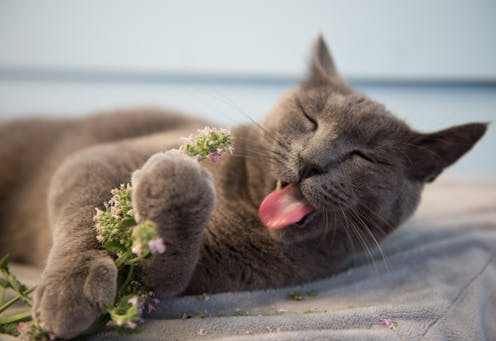
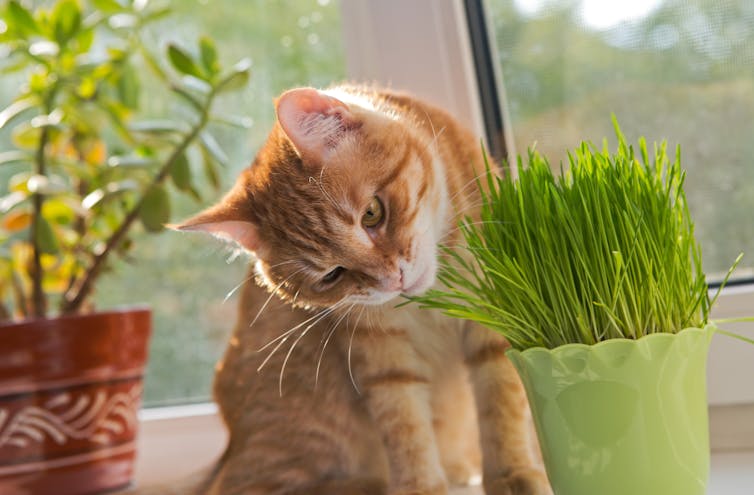





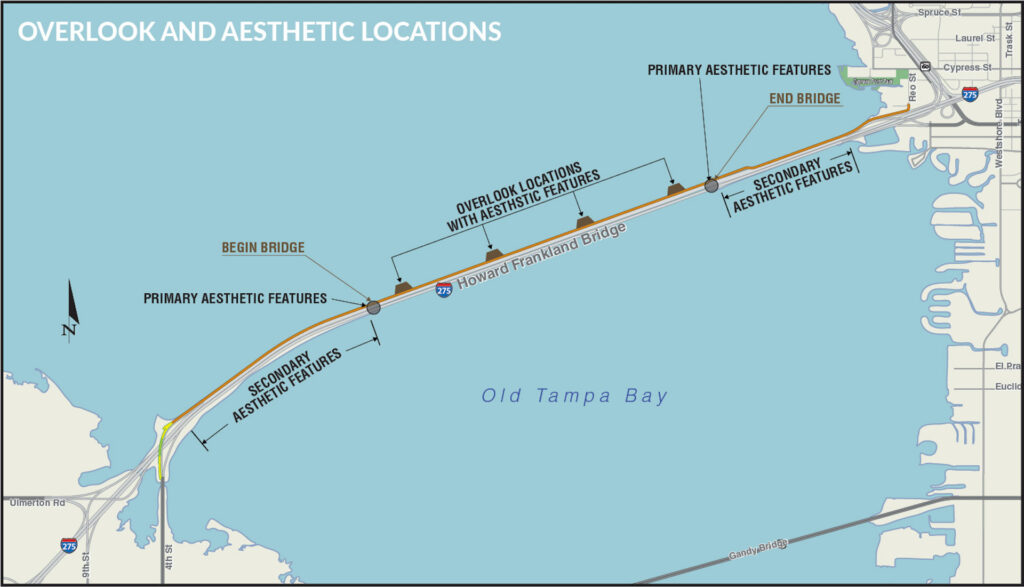



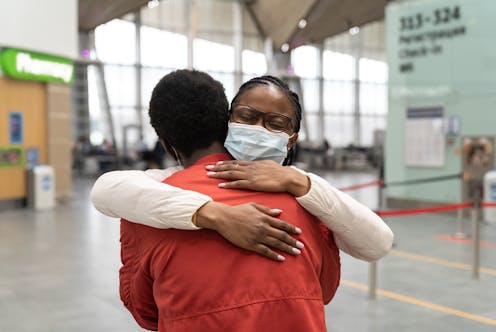
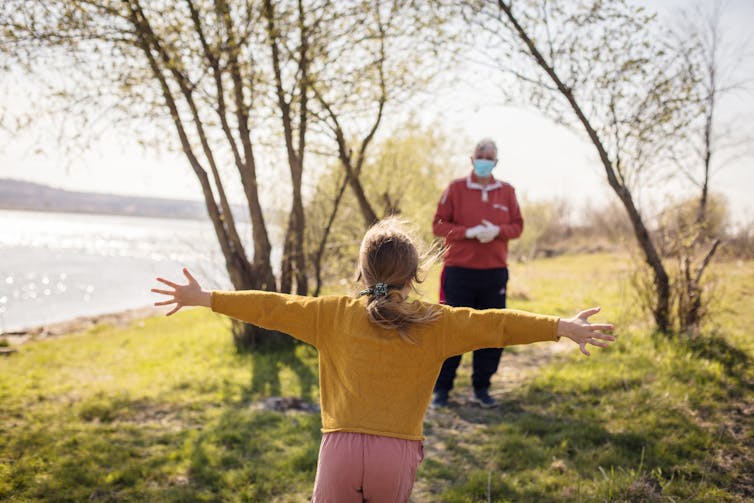






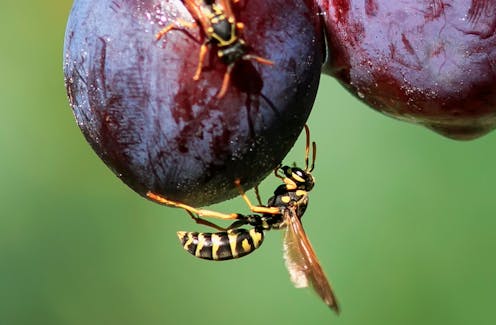

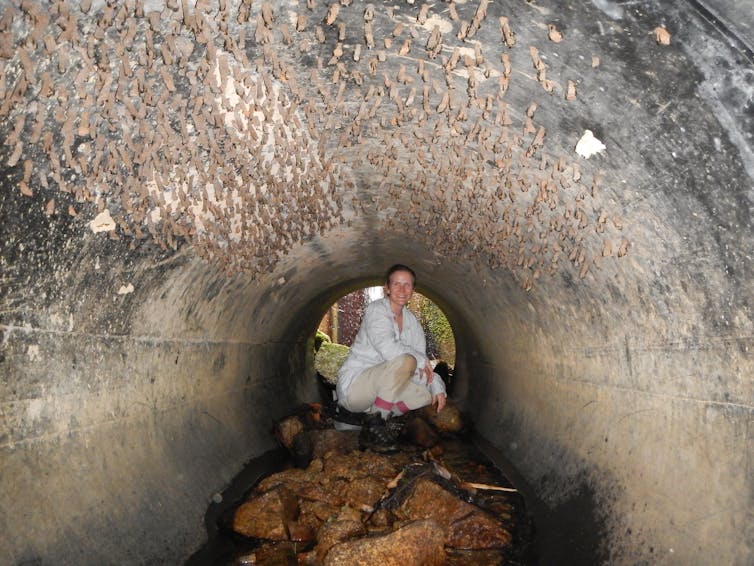
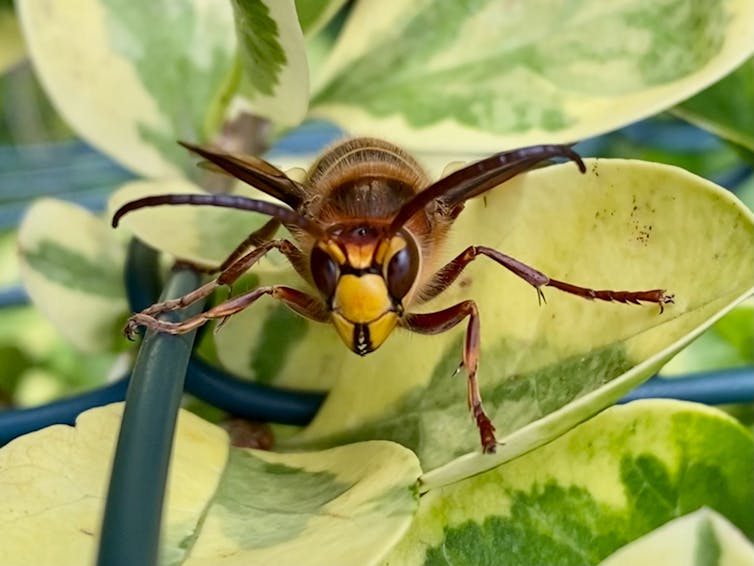
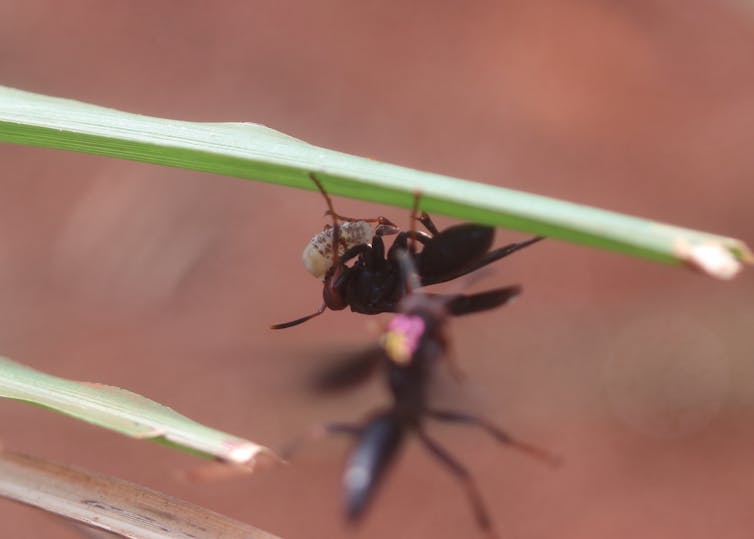
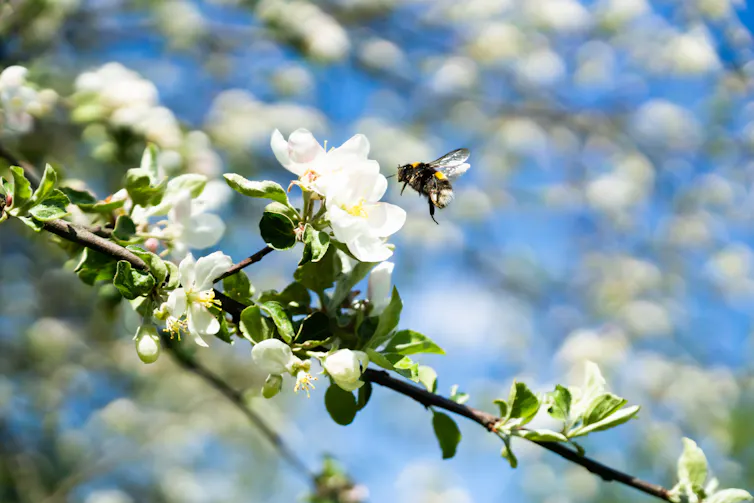
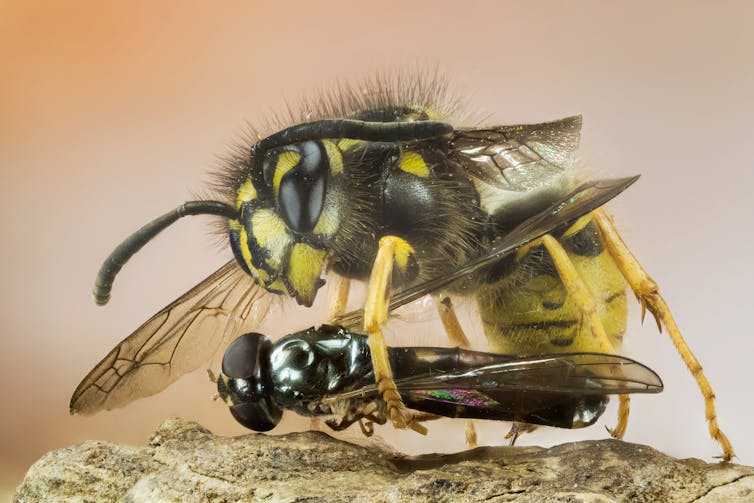
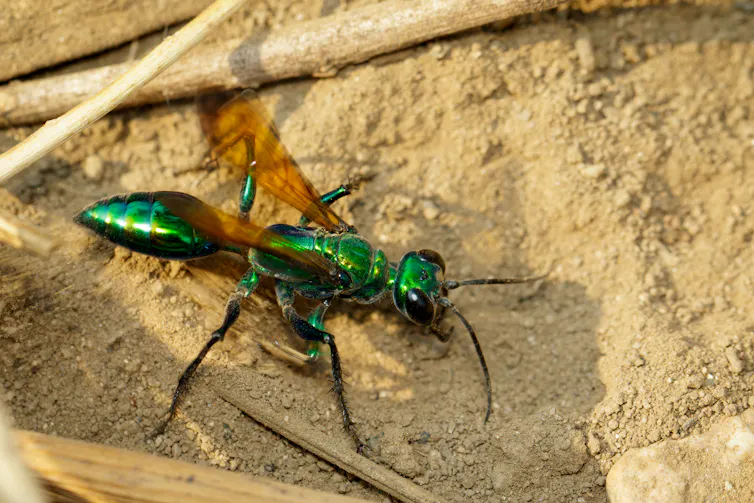
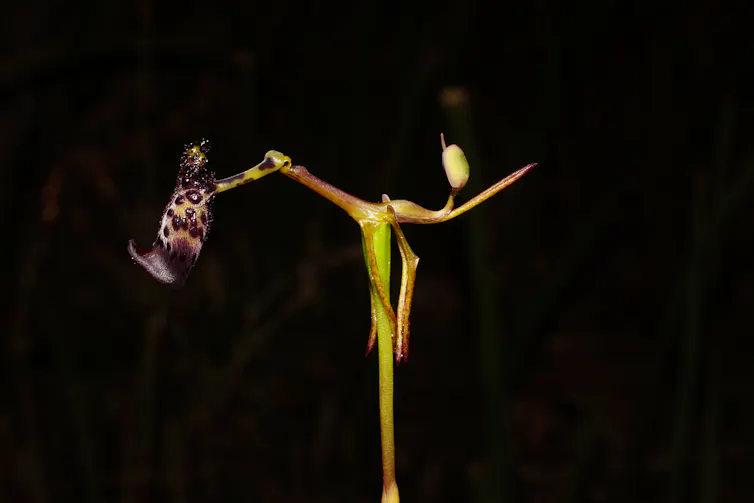
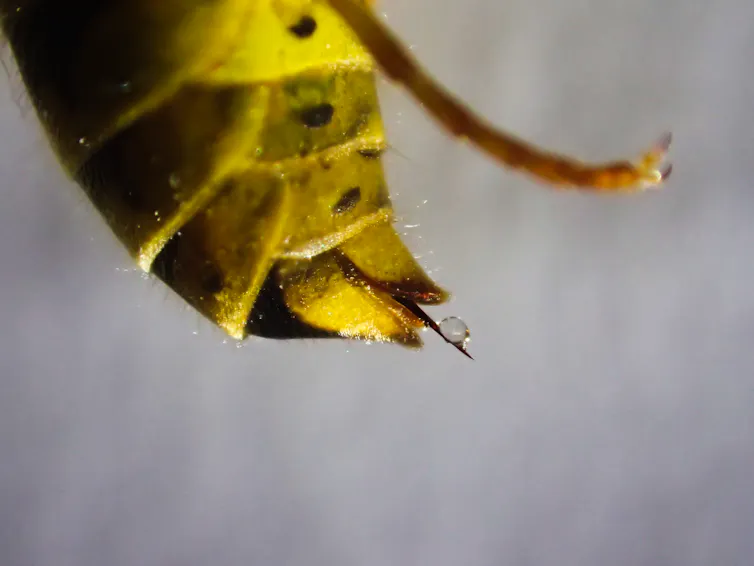


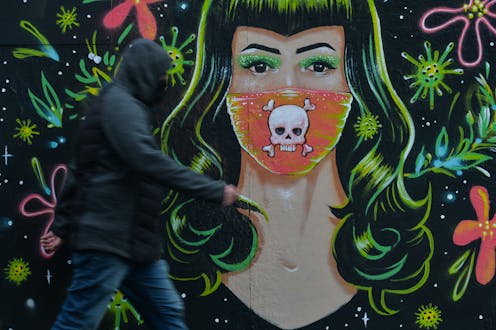
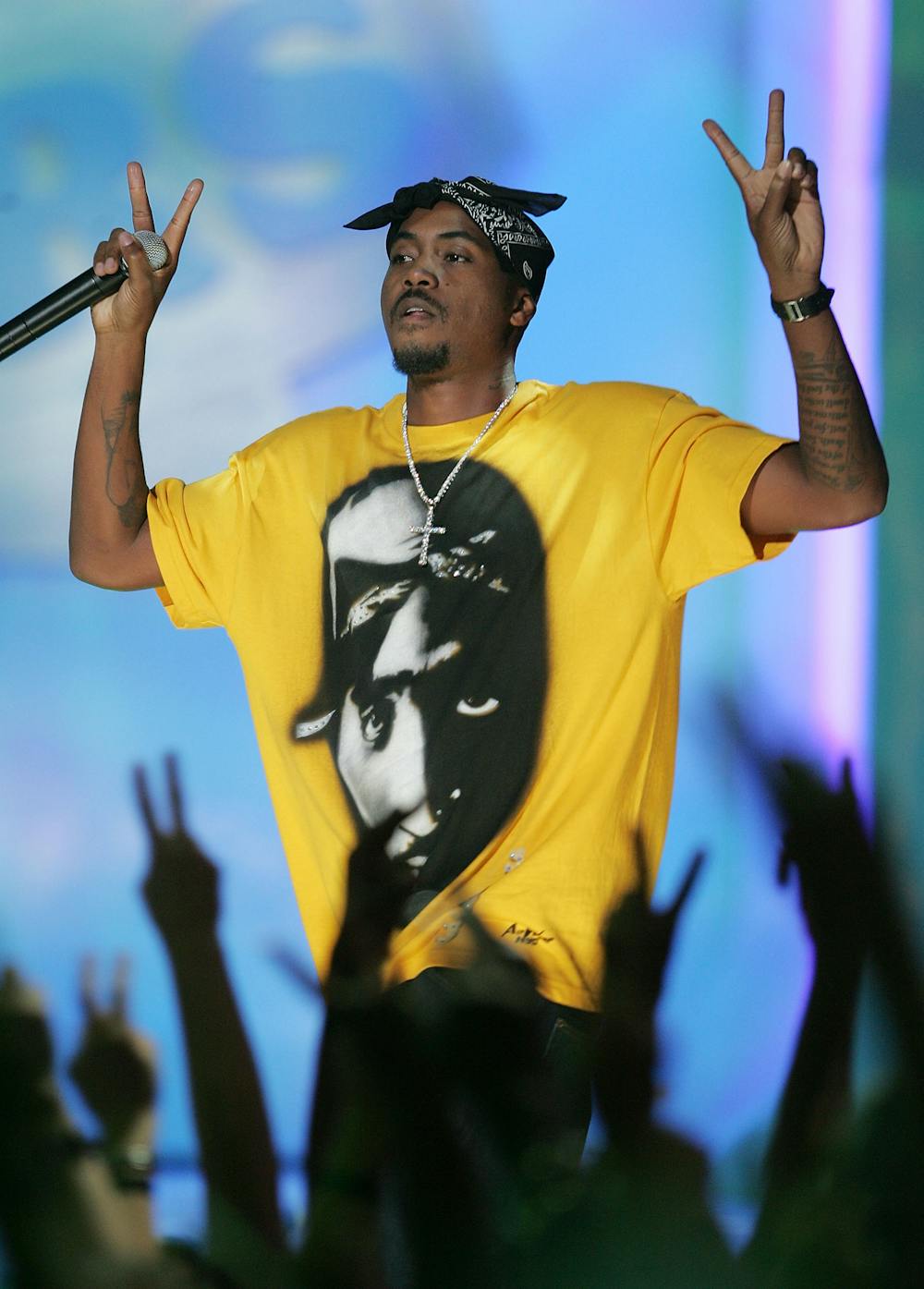
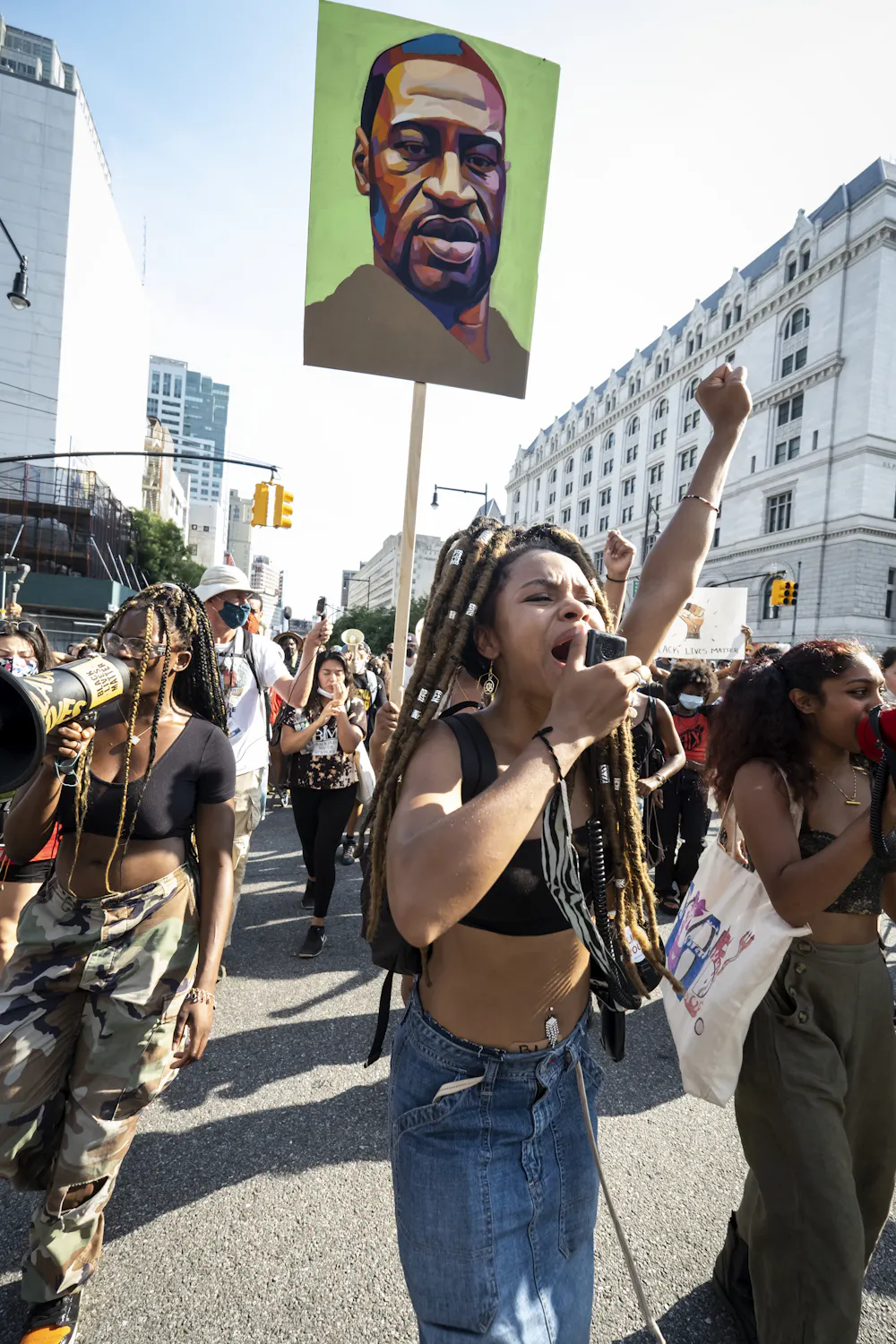


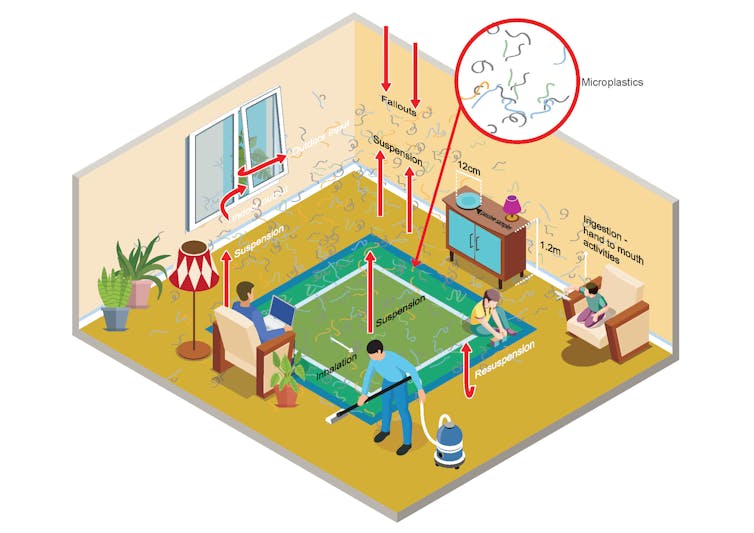





 Today marks the 21st annual