Happy Public Domain Day! After a drought of some 20 years in which no works of art became publicly available to the American people, this year's newly available content includes Winnie the Pooh, Ernest Hemingway's The Sun Also Rises, TE Lawrence's The Seven Pillars of Wisdom (the source for Lawrence of Arabia), Agatha Christie's The Murder of Roger Ackroyd, and an estimated 400,000 sound recordings from before 1923. — Read the rest
Another New Year, another Public Domain Day! January 1, 2022 marks the end of copyright for works first published in the U.S. in 1926. For many years, only works published in the U.S. through 1922 were in the public domain because of retroactive copyright term extensions. Most works published between 1923 and 1977 currently have copyright protection for 95 years, so it wasn’t until the first day of 2019 that 1923 works could finally enter the public domain, and each new year brings more treasures.
Here are a few of the notable 1926 works that entered the public domain today:
A.A. Milne’s Winnie-the-Pooh
Ernest Hemingway’s novels The Sun Also Rises and The Torrents of Spring
F. Scott Fitzgerald’s short story collection All the Sad Young Men
Langston Hughes’ first book of poetry, The Weary Blues
Dorothy Parker’s first book of poetry, Enough Rope
William Faulkner’s first novel, Soldiers’ Pay
T.E. Lawrence’s Seven Pillars of Wisdom
Edna Ferber’s Show Boat
Hart Crane’s first book of poetry, White Buildings
Agatha Christie’s The Murder of Roger Ackroyd
S.S. Van Dine’s The Benson Murder Case, the first Philo Vance mystery novel
Felix Salten’s Bambi
Carl Sandburg’s Abraham Lincoln: The Prairie Years
Arthur Conan Doyle’s The Land of Mist
Arthur Rackham’s illustrations for Shakespeare’s The Tempest
The full texts of the 1926 books that have been scanned by the Internet Archive, Hathi Trust, Google Books, and other digital archives should soon be publicly available on their websites.
Visit the Public Domain Day 2022 website from Duke Law’s Center for the Study of the Public Domain to explore some of the books, music, and films that are now free to use, reprint, quote, remix, and adapt without permission or payment. Of special note, all pre-1923 sound recordings will finally enter the public domain today as well. The site is a great source of information on copyright and the public domain— don’t miss the legal updates and Jennifer Jenkins’ analysis of the complicated tangle of competing rights when a book like Winnie-the-Pooh enters the public domain but companies like Disney have their own copyrights and trademarks based on the work.
Enjoy these photographs of some of the 1926 first editions now in the public domain, courtesy of Bauman Rare Books:
Each January 1st is Public Domain Day, where a new crop of works have their copyrights expire and become free to enjoy, share, and reuse for any purpose.
Nothing says Christmas quite like a fruitcake – or, at the very least, a fruitcake joke.
A quip attributed to former “Tonight Show” host Johnny Carson has it that “There is only one fruitcake in the entire world, and people keep sending it to each other.”
It’s certainly earned its reputation for longevity.
What’s amazing about these old fruitcakes is that people have tasted them and lived, meaning they are still edible after all these years. The trifecta of sugar, low moisture ingredients and some high-proof spirits make fruitcakes some of the longest-lasting foods in the world.
The original energy bar
Fruitcake is an ancient goody, with the oldest versions a sort of energy bar made by the Romans to sustain their soldiers in battle. The Roman fruitcake was a mash of barley, honey, wine and dried fruit, often pomegranate seeds.
What you might recognize as a modern-style fruitcake – a moist, leavened dessert studded with fruits and nuts – was probably first baked in the early Middle Ages in Europe. Cinnamon, cloves and nutmeg were symbols of culinary sophistication, and these sweet spices started appearing alongside fruit in many savory dishes – especially breads, but also main courses.
Fruitcakes are different in Europe than they are in America. European fruitcakes are more like the medieval fruited bread than the versions made in Great Britain and the United States. The two most common styles of fruitcake in Europe are the stollen and panettone.
British and American versions are much more cakelike. For over-the-top extravagance, honors have to go to a British version that crowns a rich fruitcake with a layer of marzipan icing.
Sweetening the pot
Fruitcakes came to America with the European colonists, and the rising tide of emigration from Britain to New England closely mirrored an influx of cheap sugar from the Caribbean.
Sugar was the key to preserving fruit for use across the seasons. One of the favorite methods of preserving fruit was to “candy” it. Candied fruit – sometimes known as crystallized fruit – is fruit that’s been cut into small pieces, boiled in sugar syrup, tossed in granulated sugar and allowed to dry.
Thanks to this technique, colonists were able to keep fruit from the summer harvest to use in their Christmas confections, and fruitcakes became one of the most popular seasonal desserts.
A dessert with staying power
Fruitcakes were also popular due to their legendary shelf life, which, in an era before mechanical refrigeration, was extremely desirable.
Fruitcake aficionados will tell you that the best fruit cakes are matured – or “seasoned” in fruitcake lingo – for at least three months before they are cut. Seasoning not only improves the flavor of the fruitcake, but it makes it easier to slice.
Seasoning a fruitcake involves brushing your fruitcake periodically with your preferred distilled spirit before wrapping it tightly and letting it sit in a cool, dark place for up to two months. The traditional spirit of choice is brandy, but rum is also popular. In the American South, where fruitcake is extremely popular, bourbon is preferred. A well-seasoned fruitcake will get several spirit baths over the maturation period.
Credit for the fruitcake’s popularity in America should at least partially go to the U.S. Post Office.
The institution of Rural Free Delivery in 1896 and the addition of the Parcel Post service in 1913 caused an explosion of mail-order foods in America. Overnight, once rare delicacies were a mere mail-order envelope away for people anywhere who could afford them.
Given fruitcake’s long shelf life and dense texture, it was a natural for a mail-order food business. America’s two most famous fruitcake companies, Claxton’s of Claxton, Georgia, and Collin Street of Corsicana, Texas, got their start in this heyday of mail-order food. By the early 1900s, U.S. mailrooms were full of the now ubiquitous fruitcake tins.
[Over 140,000 readers rely on The Conversation’s newsletters to understand the world.Sign up today.]
As late as the 1950s, fruitcakes were a widely esteemed part of the American holiday tradition. A 1953 Los Angeles Times article called fruitcake a “holiday must,” and in 1958, the Christian Science Monitor asked, “What Could Be a Better Gift Than Fruitcake?” But by 1989, a survey by Mastercard found that fruitcake was the least favorite gift of 75% of those polled.
Jeffrey Miller does not work for, consult, own shares in or receive funding from any company or organisation that would benefit from this article, and has disclosed no relevant affiliations beyond their academic appointment.
Thanks to the Music Modernization Act passed by US Congress in 2018, all sound recordings prior to 1923 will have their copyrights expire in the US on January 1st.
Traditionally, for Christian-Jewish families – or at least in writing about them – the month of December is referred to as a “dilemma.” This time of year brings discussion about whether to celebrate Christmas, Hanukkah, or both, which often centers on one key question: “To tree, or not to tree?”
Of course, interfaith families negotiate these kinds of decisions all year round: Should we observe your traditions, my traditions, both, or neither? On some level, these are questions that any family – blood or chosen – has to navigate, even when they share the same religion. But December throws them into high relief for interfaith families, especially the decision of whether to put up a Christmas tree.
In my work on American religion, particularly Judaism, I have spent nearly a decade researching interfaith families – a topic which interests me, in part, because of my own experience in interfaith families.
Many people try to make decisions about how to observe holidays by drawing lines around what traditions are “religious” vs. “cultural.” But in my interviews, many families say that it is ultimately not what they choose to celebrate, but how they talk about it, that makes everyone feel included.
More multifaith families
What “interfaith marriage” means varies in different historical eras. At moments in American history, a marriage between a Methodist and a Presbyterian would count, although both traditions are Protestant Christian. Many religious groups have had objections to interfaith marriage, often couched in worry that growing up in a multifaith home would be confusing or damaging for children.
After the peak of Jewish immigration in the early 20th century, the rate of interfaith marriage was low for the first few decades, but rose as Jewish communities became more assimilated and accepted as “American”. By the 1990s, an estimated 50% of American Jews married non-Jews, most of whom were Christian, had been raised in Christian households, or were from secular families who celebrated Christian holidays. The Jewish community often assumed people who “married out” were “lost” to Judaism.
When Americans Jews started to marry non-Jews in increasingly large numbers in the 1970s and 1980s, there was a huge controversy over whether rabbis should perform their marriages. Initially, some rabbis in the Reform, Reconstructionist and Renewal movements – modern Judaism’s more liberal branches – decided that they would be willing to, as long as those couples agreed to keep a Jewish home. That said, this was not an era of high Jewish observance, so having a Jewish home was often less about Jewish practices like lighting candles for Shabbat and more about keeping Christian elements like holidays out of the home – at least until children were old enough to go to Hebrew school.
Many people argued that a home should not combine religions. As a small minority, Jewish Americans worried that interfaith marriage would mean a smaller Jewish community. And for some Jews, having elements of Christianity in the home could be painful, given its history of often oppressing Judaism, and because holidays like Christmas increased their own sense of being cultural outsiders. You might have people of multiple religions in that home, they argued, but a Jewish home could not include Christian holidays – and Christmas, representing the birth of the Christian savior, seemed like the ultimate marker of Christianity.
‘Culture’ vs. ‘religion’
In this view, Christmas was a religious holiday and the tree was the symbol of a religious holiday, despite how celebrations like decorating, baking cookies and hanging stockings for Santa can be stripped of Christian theological meaning for many people – including my own Hindu relatives. At the same time, however, many religious leaders and advice manuals argued that a Christmas tree was a cultural symbol, not a religious one, and therefore it shouldn’t matter to a Christian spouse whether or not the family put up a tree.
Whose holidays get celebrated – and how – in interfaith homes?
Thomas Northcut/DigitalVision via Getty Images
However, “religion” and “culture” are complicated, debated categories that do not mean the same thing to everyone. In the U.S., the most common definition of religion is shaped by Christianity – and often, specifically, a form of Protestant Christianity that emphasizes beliefs over almost everything else. In this understanding, religion is mostly about what someone holds in their heart, not outward signs of that faith – particularly activities that aren’t rooted in theology, like church suppers, Easter eggs or Santa.
But “belief” can’t capture a whole tradition, even Protestant ones, never mind other traditions like Judaism. This understanding of “religion” as something separate from “culture” also assumes that somehow “religion” is more important to people.
It does not help someone understand why a Christmas tree might feel emotionally central to a cultural Christian who does not have faith, or feel terribly problematic to a Jew even if they understand that the tree is not part of theology.
Listening with care
Ultimately, perhaps, it is not actually important to use these lines between religion and culture, especially since they are much more complicated than they might appear at first glance.
In my ethnographic research, the families that had the happiest holidays were the families that listened well to each other and felt that everyone’s voices were heard.
For instance, one couple took the standard advice to forgo the tree, but decorated with evergreens. This solution did not really satisfy the wife, who had grown up Christian, and annoyed her Jewish husband. In the end, no one was happy.
By contrast, another couple discussed what mattered most to them. The Jewish husband explained that he felt an “allergy” to both Jesus and the Christmas tree. His Christian wife thought about it and came to the conclusion that Jesus was central to her holiday, but a tree was not. Therefore, they had a nativity scene but went without a tree – in other words, they went with the clearly religious symbol. She appreciated his willingness to let her have Christ in their home; he appreciated that she gave up the tree.
One Jewish woman said that her husband’s decorations – stockings and a tree – can make her feel like it is “all Christmas, all the time,” especially when Hanukkah falls early and celebrations are over long before Christmas. But she appreciates that he agreed to raise their child as a Jew, to have their primary religious community be Jewish, and to attend services with her for the High Holidays and special events. It is hard for her to have a tree in their home, but she recognizes that, while her main compromise comes in December, he has altered his life year-round.
[Over 140,000 readers rely on The Conversation’s newsletters to understand the world.Sign up today.]
Other families settled joyfully into doing both, building family traditions out of both heritages. Still other families agreed to give up Christmas at home in favor of fun family vacations, or long visits with Christmas-celebrating relatives.
What made a difference? For these families, my research suggested that it was not what they decided, but how they decided: by listening to each other in a spirit of collaboration and generosity.
These compromises may seem especially challenging in a shared domestic space, which people want to feel like “home.” But the basic principle holds true in other environments, as well: listening to loved ones, sharing what matters to us, honoring as much of that as possible – and maybe learning to love what our loved ones love.
Samira Mehta receives funding from the Henry Luce Foundation.
by Circe Sturm, Professor of Anthropology, The University of Texas at Austin College of Liberal Arts
The Native American population in the U.S. grew by a staggering 86.5% between 2010 and 2020, according to the latest U.S. Census – a rate demographers say is impossible to achieve without immigration.
Birth rates among Native Americans don’t explain the massive rise in numbers. And there certainly is no evidence of an influx of Native American expatriates returning to the U.S.
Instead, individuals who previously identified as white are now claiming to be Native American.
This growing movement has been captured by terms like “pretendian” and “wannabe.”
Another way to describe this recent adoption of Native American identity is what I call “racial shifting.”
These people are fleeing not from political and social persecution, but from whiteness.
I spent 14 years researching the topic and interviewing dozens of race-shifters for my book “Becoming Indian.” I learned that while some of these people have strong evidence of Native American ancestry, others do not.
Yet nearly all of the 45 people who were interviewed or surveyed for the book believe they have Indigenous ancestry and that it means something powerful about who they are and how they should live their lives. Only a tiny – but troubling – number makes blatantly fraudulent claims to advance their own interests.
History repeats
The search for meaning that characterizes racial shifting is part of an old American story.
Since the days of the Boston Tea Party, when nearly 100 American colonists dressed in Native American garb before throwing 95 tons of British tea into the Boston Harbor, white Americans have distinguished themselves from Europeans by selectively adopting Native American imagery and practices.
Yet as historian Philip Deloria argued in his 1998 book, “Playing Indian,” something happened in American society in the 1950s and 1960s that allowed white Americans greater freedom to appropriate nonwhite identities. White Americans, often with the encouragement of the counterculture and later New Age movements, began to seek new meanings in Indigenous cultures.
Those shifts are apparently reflected in U.S. Census data. The Native American population started increasing at a dramatic rate in the 1960s, growing from 552,000 to 9.7 million in 60 years. Prior to then, the Native American population had been relatively stable.
Backlash against assimilation
What distinguishes contemporary racial shifting from these earlier forms of appropriation is that most race shifters see themselves not as white people who “play Indian,” but as long-unrecognized American Indians who have been forced by historical circumstances to “play white.”
When speaking to me about their former white lives, racial shifters often described a period of sadness when they searched for meaning and connection. Only when they began to look to their family histories did they realize all that had been lost when their families assimilated into whiteness. As one woman from Missouri put it: “They forced us to be white, act white, live white, and that is a very, very degrading feeling.”
The genealogical and historical details might not always be verifiable, but the emotions are real enough. It makes perfect sense that once race shifters link their melancholy to assimilation, they try to ease their sadness by rejecting whiteness and reclaiming an Indigenous status.
U.S. Sen. Elizabeth Warren apologized in 2019 for using a DNA test to support identifying herself as Native American. Here, she speaks with Lakota elder Marcella LeBeau.
Photo by Stephen Maturen/Getty Images
Whiteness devalued
Part of what accounts for these new sentiments are significant changes in the public’s discussion about race.
In my interviews with race shifters, for example, they frequently associated their former whiteness with racial and cultural emptiness.
As one woman put it: “We had an emptiness inside of us, that we did not know who we were or what we were.” They also associated whiteness with social isolation, unearned privilege and guilt over colonialism and slavery.
Today there is growing insecurity about what it means to be white in America. We see this being expressed in public debates about white fragility, affirmative action and colorblind policies. Of course, there’s still much security in being white: White privilege is an ongoing reality of American life, and something most white people and white racial shifters take for granted.
This shift from white to Indigenous self-identification is, I believe, fundamentally about a desire to leave behind the negative connotations of whiteness and move toward the material and symbolic values that now attach to Native American identity.
‘Attack on our sovereignty’
If you listen only to racial shifters, this growing trend could be seen as a progressive move that challenges the legacy of a racist system.
Most view anyone who self-identifies as Native American without being an enrolled citizen of a federally recognized tribe as a threat to tribal sovereignty. As Richard Allen, a former policy analyst with the Cherokee Nation, told me, “Not only is that an insult, but it’s also an attack on our sovereignty as Cherokee people, as the Cherokee Nation.”
Among American Indians, the term sovereignty is used to assert ongoing rights of political self-determination. Because tribes have the sovereign right to determine their own citizenry, American Indian identity is fundamentally a political status, not a racial one, a fact that is often overlooked in debates about Indigenous identity.
Racial shifters also undermine tribal sovereignty when they create alternative tribes for themselves outside the federal acknowledgment process. Most of these groups, such as the Echota Cherokee Tribe or the Southeastern Cherokee Confederacy, have emerged since the late 1970s.
The number of these new self-identified tribes is startling. Over the course of my research, I discovered 253 groups scattered across the U.S. that identify as some sort of Cherokee tribe.
This is a huge number considering that there are only 573 federally recognized tribes, three of which are Cherokee.
Racial shifting is a growing demographic trend that is creating confusion in the public sphere about who is Native American and who isn’t. But its threat is far greater than just social confusion.
Native Americans and their governments face thousands of race-shifters seeking to join their ranks. And as more and more people reject whiteness in favor of indigeneity, they do so at the expense of tribal sovereignty.
Circe Sturm received funding for her research on this topic from the American Council of Learned Societies and the National Endowment for the Humanities Residential Fellowship at the School of American Research, Santa Fe, New Mexico.
.
Marginalized people often suffer the most harm from unintended consequences of new technologies. For example, the algorithms that automatically make decisions about who gets to see what content or how images are interpreted suffer from racial and gender biases. People who have multiple marginalized identities, such as being Black and disabled, are even more at risk than those with a single marginalized identity.
This is why when Mark Zuckerberg laid out his vision for the metaverse – a network of virtual environments in which many people can interact with one another and digital objects – and said that it will touch every product the company builds, I was scared. As a researcher who studies the intersections of race, technology and democracy – and as a Black woman – I believe it is important to carefully consider the values that are being encoded into this next-generation internet.
Problems are already surfacing. Avatars, the graphical personas people can create or buy to represent themselves in virtual environments, are being priced differently based on the perceived race of the avatar, and racist and sexist harassment is cropping up in today’s pre-metaverse immersive environments.
Ensuring that this next iteration of the internet is inclusive and works for everyone will require that people from marginalized communities take the lead in shaping it. It will also require regulation with teeth to keep Big Tech accountable to the public interest. Without these, the metaverse risks inheriting the problems of today’s social media, if not becoming something worse.
Utopian visions versus hard realities
Utopian visions in the early days of the internet typically held that life online would be radically different from life in the physical world. For example, people envisioned the internet as a way to escape parts of their identity, such as race, gender and class distinctions. In reality, the internet is far from raceless.
Zuckerberg described the metaverse as a more immersive, embodied internet that will “unlock a lot of amazing new experiences.” This is a vision not just of a future internet, but of a future way of life. However off target this vision might be, the metaverse is likely – like earlier versions of the internet and social media – to have widespread consequences that will transform how people socialize, travel, learn, work and play.
The question is, will those consequences be the same for everyone? History suggests the answer is no.
Technology is never neutral
Widely used technologies often assume white male identities and bodies as the default. MIT computer scientist Joy Buolomwini has shown that facial recognition software performs worse on women and even more so on women with darker faces. Otherstudies have borne this out.
MIT’s Joy Buolomwini explains the ‘coded gaze,’ the priorities, preferences and prejudices of the people who shape technology.
This historical relationship between race and technology leaves me concerned about the metaverse. If the metaverse is meant to be an embodied version of the internet, as Zuckerberg has described it, then does that mean that already marginalized people will experience new forms of harm?
Facebook and its relationship with Black people
The general relationship between technology and racism is only part of the story. Meta has a poor relationship with Black users on its Facebook platform, and with Black women in particular.
In 2016, ProPublica reporters found that advertisers on Facebook’s advertising portal could exclude groups of people who see their ads based on the users’ race, or what Facebook called an “ethnic affinity.” This option received a lot of pushback because Facebook does not ask its users their race, which meant that users were being assigned an “ethnic affinity” based on their engagement on the platform, such as which pages and posts they liked.
In other words, Facebook was essentially racially profiling its users based on what they do and like on its platform, creating the opportunity for advertisers to discriminate against people based on their race. Facebook has since updated its ad targeting categories to no longer include “ethnic affinities.”
However, advertisers are still able to target people based on their presumed race through race proxies, which use combinations of users’ interests to infer races. For example, if an advertiser sees from Facebook data that you have expressed an interest in African American culture and the BET Awards, it can infer that you are Black and target you with ads for products it wants to market to Black people.
Worse, Facebook has frequently removed Black women’s comments that speak out against racism and sexism. Ironically, Black women’s comments about racism and sexism are being censored – colloquially known as getting zucked – for ostensibly violating Facebook’s policies against hate speech. This is part of a larger trend within online platforms of Black women being punished for voicing their concerns and demanding justice in digital spaces.
According to a recent Washington Post report, Facebook knew its algorithm was disproportionately harming Black users, but chose to do nothing.
A democratically accountable metaverse
In an interview with Vishal Shah, Meta’s vice president of metaverse, National Public Radio host Audie Cornish asked: “If you can’t handle the comments on Instagram, how can you handle the T-shirt that has hate speech on it in the metaverse? How can you handle the hate rally that might happen in the metaverse?” Similarly, if Black people are punished for speaking out against racism and sexism online, then how can they do so in the metaverse?
Ensuring that the metaverse is inclusive and promotes democratic values rather than threatens democracy requires design justice and social media regulation.
Design justice is putting people who do not hold power in society at the center of the design process to avoid perpetuating existing inequalities. It also means starting with a consideration of values and principles to guide design.
I am not against the metaverse. I am for a democratically accountable metaverse. For that to happen, though, I assert there need to be better regulatory frameworks in place for internet companies and more just design processes so that technology doesn’t continue to correlate with racism.
As it stands, the benefits of the metaverse don’t outweigh its costs for me. But it doesn’t have to stay that way.
Breigha Adeyemo does not work for, consult, own shares in or receive funding from any company or organization that would benefit from this article, and has disclosed no relevant affiliations beyond their academic appointment.
by Katarzyna Nowak, Białowieża Geobotanical Station, Department of Biology, University of Warsaw
The European bison is back from the edge of extinction, and Białowieża has the continent's largest population. Michał Żmihorski , Author provided
Poland is planning to build a wall along its border with Belarus, primarily to block migrants fleeing the Middle East and Asia. But the wall would also divide the vast and ancient Białowieża Forest, a UNESCO World Heritage site which harbours more than 12,000 animal species and includes the largest remnants of primeval forest that once covered most of lowland Europe.
Frontiers like this are of conservation priority because they often host unique biodiversity and ecosystems but are increasingly threatened by border fortification.
We are experts in forest ecosystems and two of us combined have more than three decades of experience working in Białowieża, at the intersections of forest, plant and bird ecology. In the journal Science, we recently described how the border wall planned by Poland would jeopardise this trans-boundary forest.
The core of Białowieża is characterised by old-growth forest rich in dead and decaying wood on which mosses, lichens, fungi, insects and also many vertebrates depend. Big animals such as the European bison, boar, lynx and wolf inhabit the forest on both sides of the border.
Białowieża Forest is rich in dead and decaying wood.
Michał Żmihorski, Author provided
A wall would block the movement of these animals, for instance preventing brown bears from recolonising the Polish side of the forest where they were recently observed after a long absence. The wall would also risk plant invasions, and would mean noise and light pollution that will displace wildlife. The influx of people and vehicles, and already accumulated garbage (mainly plastics) also pose risks, including disease – we already know that humans can transmit COVID to wild species, like deer.
Around 60% of the 1,500 km2 forest is in Belarus.
Damian Pankowiec / shutterstock
Poland’s wall will be 5.5 metres high, solid, with barbed wire at the top, and will replace a 130 km provisional 2.5m high razor-wire fence built during summer to autumn 2021. This wall will be high enough to affect low-flying birds, such as grouse.
Impeding wildlife more than people
Poland’s proposed wall resembles the barrier built along parts of the US-Mexico border. Research there based on camera-traps shows that such walls deter people less than they impede wildlife. Animals affected by the US-Mexico barrier include jaguars, pygmy owls, and a bison herd whose food and water were split by the border.
The fences across Europe are highly varied, and no mitigation standards exist. A razor-wire fence, constructed in 2015 by Slovenia along its border with Croatia, killed deer and herons with a mortality rate of 0.12 ungulates (hoofed mammals) per kilometre of fence. Along the Hungary-Croatia border, mortality in the first 28 months following construction of a fence was higher, at 0.47 ungulates per kilometre. Large congregations of red deer were also observed at the fence-line which could spread disease and upset the predator-prey dynamic by making them easier for wolves to catch.
Red deer: a favourite food for Białowieża’s many wolves.
Marcin Zakrzewski / shutterstock
People can and will use ramps, tunnels, and alternative routes by air and sea, whereas wildlife often cannot. Walls have a big human cost too. They may redirect people, and to a lesser extent wildlife, to more dangerous routes, for example, river crossings or deserts, which may intersect with areas of high natural or cultural value.
Physical barriers such as fences and walls now line 32,000 kilometres of borders worldwide with significant increases over the past few decades. According to one recent study, nearly 700 mammal species could now find it difficult to cross into different countries, thwarting their adaptation to climate change. The fragmentation of populations and habitats means reduced gene flow within species and less resilient ecosystems.
The construction of such walls also tends to bypass or be at odds with environmental laws. They devalue conservation investment and hamper cross-boundary cooperation. It was already hard for us to collaborate with fellow scientists from Belarus – the new wall will make cross-border scientific work even harder.
It is possible to mitigate the effects of certain border barriers. But that requires, at the very least, identifying at-risk species and habitats, designing fences to minimise ecological harm and targeting mitigation at known wildlife crossing points. It may also mean assisted migration across a barrier for certain species. To our best knowledge no formal assessment of either social or environmental costs has yet been carried out in the case of Poland’s planned wall.
It’s time conservation biologists made themselves heard, particularly when it comes to the issue of border barriers. As climate change threatens to disrupt borders and migratory patterns of people and of wildlife, we will need to reform, not only policies and frameworks, but also how we perceive borders.
This is already happening without us as “natural borders flood, drift, crumble, or dry up”. Walls – like reactive travel bans – are out of sync with the global solidarity and coordinated actions we urgently need to safeguard life on earth.
The authors do not work for, consult, own shares in or receive funding from any company or organisation that would benefit from this article, and have disclosed no relevant affiliations beyond their academic appointment.
by Paul Ekins, Professor of Resources and Environmental Policy, UCL
The world may soon see more food shortages because of climate change, says an expert. InkDrop/Shutterstock
In a world with an increasing human population, climate change may have a serious impact on our ability to grow enough food.
Research from as far back as 2007 found that around 30% of year-to-year fluctuations in tonnes of crops grown per hectare were due to changes in the climate. It is remarkable under these circumstances that the global agricultural system has managed to remain fairly robust, and that major food shortages have been rare.
On the other hand, food prices in recent decades have become increasingly volatile. While there are many influences on food prices – including crop yield, weather variations, international trade, speculation in food commodity markets, and land management practices – mostly open trading systems have allowed food shortages in some places to be offset by surpluses, and increased production, elsewhere.
Now that the world seems to be moving toward more trade barriers at a time when climate change is intensifying, these stabilising effects may start to fail. Prices could rise sharply, putting pressure on poor countries and on the budgets of poor people in rich countries.
While crop growth per hectare has increased considerably over the last 50 years, recently the rate of this growth has slowed compared to previous decades.
Recent research suggests that up to 30% of the expected increase in growth of European crops has been cancelled out by adverse weather.
But it is worrying that the most pronounced changes tend to be in countries, such as those in sub-Saharan Africa, including South Africa, that are at high risk of climate impacts on food availability and affordability.
Rising temperatures
This is particularly clear in the case of barley, maize, millet, pulses, rice and wheat. It seems that the countries most at risk of food shortages are also worst affected by rising temperature. This seems to bear out the finding from the world’s premier climate science advisers, the Intergovernmental Panel on Climate Change (IPCC), that the higher average global temperatures and more extreme weather events associated with climate change will reduce the reliability of food production. The latest IPCC report also supports these conclusions.
Another change noted by the IPCC is how rising heat and rainfall associated with climate change is increasingly degrading land, making soil less productive. This is due to the loss of soil nutrients and organic matter and has negative effects on crop yields. In addition, accelerating rises in sea levels will compound these negative impacts by increasing saltwater intrusions and permanently flooding crop land.
Cutting the maize crop in South Africa, where climate change poses a high risk to food production.
Shutterstock
Recent modelling of soil loss in wheat and maize fields shows large variations between tropical climate regions and regions with a large proportion of flat and dry land, with losses ranging from less than 1 tonne per hectare in central Asia to 100 tonnes per hectare in south-east Asia. The strong impact of climate and topography on simulated water erosion is clearly shown in the five largest wheat and maize producing countries: in Brazil, China and India, where a large proportion of cropland is in tropical areas, water erosion is relatively high, while in Russia and the United States annual median values are much lower.
However, historically poor management of lands in Europe and the US has been largely remedied through the increased use of chemical fertilisers and irrigation, which has been able to offset a massive amount of soil degradation. For example, one study has shown that, without fertiliser, US yields of corn over the past 100 years would have fallen from around seven to a little over one tonne per hectare, due to soil quality decreasing. However, fertiliser has enabled yields to be broadly maintained, although at an annual cost to farmers of over half a billion dollars.
Fertiliser and food
These results have worrying implications for poorer parts of the world where soil quality is decreasing, but which do not have the resources to compensate for this with fertilisers. And the results become more worrying still if this is exacerbated by climate change.
Many aspects of land management for food production have changed in recent decades, including growing different crops, or the same crops in different places, in response to increased temperatures. The overall result of these changes has been greatly increased food yields in many parts of the world, and land managers may be expected to adapt their strategies for changes in the climate.
But if climate change results in simultaneous failure of major crops such as wheat, maize and soybeans in two or more major breadbasket regions (the areas of the world that produce most food) then the risks of price rises making food too expensive in poorer parts of the world could become acute.
Paul Ekins has received funding from the Grantham Foundation for his work on climate change impacts on food.
by Julian Savulescu, Visiting Professor in Biomedical Ethics, Murdoch Children's Research Institute; Distinguished Visiting Professor in Law, University of Melbourne; Uehiro Chair in Practical Ethics, University of Oxford
Unvaccinated mother, 27, dies with coronavirus as her father calls for fines for people who refuse jab.
This is the kind of headline you may have seen over the past year, an example highlighting public shaming of unvaccinated people who die of COVID-19.
One news outlet compiled a list of “notable anti-vaxxers who have died from COVID-19”.
There’s shaming on social media, too. For instance, a whole Reddit channel is devoted to mocking people who die after refusing the vaccine.
COVID-19 vaccinations save lives and reduce the need for hospitalisation. This is all important public health information.
Telling relatable stories and using emotive language about vaccination sends a message: getting vaccinated is good.
But the problem with the examples above is their tone and the way unvaccinated people are singled out. There’s also a murkier reason behind this shaming.
Public shaming is not new. It is entrenched in human history and psychology. From an evolutionary perspective, shame is a way of keeping individuals accountable to the other members of their community for their perceived anti-social behaviours.
Philosophers Guy Aitchison and Saladin Meckled-Garcia say online public shaming is a way of collectively punishing a person “for having a certain kind of moral character”. This punishment (or “reputational cost”) can be a way of enforcing norms in society.
Shaming is a way of keeping people accountable for their ‘wrongs’. It also helps us feel better about ourselves.
Shutterstock
However, shaming others is also a way of signalling our own virtue and trustworthiness. Moralising about other people’s behaviour can help us feel better about ourselves.
The online world exacerbates this human tendency. It polarises two heavily moralised camps: the self-perceived good, responsible people on one side (the shaming ones), and the ones considered bad, irresponsible people on the other (the shamed ones).
Vaccination has become such a sensitive issue it easily triggers the instinct to shame others.
Shaming people for their health-related choices disregards the complexities about whether people are individually responsible for their own decisions.
Take obesity, another example associated with public shaming. The extent to which individuals are responsible for their obesity or for the lifestyle that causes obesity is complex. We need to consider issues including genes, environment, wealth, as well as choice. Indeed, shaming people for their obesity (“fat shaming”) is widely considered unacceptable.
Likewise, low levels of vaccine uptake in some communities is often linked to structural inequalities, including health inequality, and a resulting lack of trust. The blame for this situation is typically placed on broader society and institutions, and not on the affected groups or individuals.
If someone cannot be blamed for something, then shaming them is not ethically justifiable.
In discussions of responsibility it is now common to focus on “structural injustice” or “inequality” – the injustice of various social factors that shape choice and behaviour.
This applies not only to obesity, drugs, alcohol but also to vaccination decisions.
Even where this is not the case, there has been a targeted, systematic and even state-sponsored misinformation campaign about vaccines. People who are misinformed are victims, not perpetrators.
Finally, we should remember why medical ethics has designated autonomy and consent as foundational ethical values. Even where there is a clear expected benefit, and only very rare side effects, these won’t be shared equally. Many will have their lives saved. But some people will be the ones who suffer the harms. This a strong reason for respecting people’s decision about what risks to take on themselves.
Barring any public health issue, an individual should make the decisions about health risks, whether they are from the disease or vaccines. Shaming them disregards the complexities of the distribution of risks and benefits, of the way individual values affect individual risk assessment, and of personal circumstances shaping individuals’ views on vaccines.
Granted, public health ethics is a broader area and autonomy does not have the same weight there, because other people’s health interests are at stake.
But when public health issues do arise, it is up to public health authorities to limit autonomy through appropriate and more ethical strategies.
One of us (Savulescu) has previously argued for incentives to vaccinate. Mandatory vaccination (such as imposing fines, or other penalties such as limitations on access to certain spaces) would require a separate ethical discussion, but could also be preferable in certain circumstances.
One could plausibly imagine shaming pleases people who are vaccinated – especially the most self-righteous among them. But those who are opposed to vaccines, or who mistrust the government messages, are unlikely to be persuaded and may even be entrenched.
Even if shaming was effective, shaming wouldn’t necessarily be ethically justified. Not everything that is effective at achieving a goal is also ethical. Torture is, generally, not a justifiable way to obtain information, even if that information is credible and life-saving.
Shaming is a form of vigilantism, a mob behaviour. We have moved beyond burning witches or atheists, or lynching wrong-doers. We should stop doing these things also in the metaphorical sense.
We have parliaments and formal mechanisms for limiting behaviour, or incentivising it. We should leave it to these to regulate behaviour, not the media or the mob.
Julian Savulescu receives funding from the Uehiro Foundation on Ethics and Education, NHMRC, Wellcome Trust, Australian Research Council, UK Research and Innovation (Arts and Humanities Research Council) as part of the Ethics Accelerator Award AH/V013947/1, WHO. He is a Partner Investigator on an Australian Research Council Linkage award (LP190100841, Oct 2020-2023) which involves industry partnership from Illumina. He does not personally receive any funds from Illumina. He is a paid member of the Bayer Pharmaceuticals Bioethics Committee.
Alberto Giubilini receives funding from the Wellcome Trust.
by Kelley Fanto Deetz, Visiting Scholar, University of California, Berkeley
These statues of enslaved young boys are part of a modern-day depiction of southern plantation life at the Whitney Museum in Louisiana. AP Photo/Gerald Herbert
Located on nearly 2,000 acres along the banks of the Potomac River, Stratford Hall Plantation is the birthplace of Confederate Gen. Robert E. Lee and the home of four generations of the Lee family, including two signers of the Declaration of Independence, Richard Henry Lee and Francis Lightfoot Lee.
It was also the home of hundreds of enslaved Africans and African Americans. From sunup to sundown, they worked in the fields and in the Great House. Until fairly recently, the stories of these enslaved Africans and of their brothers and sisters toiling at plantations across the Southern U.S. were absent from any discussions during modern-day tours of plantations such as Stratford Hall.
Even now, with new tours and an exhibition highlighting enslaved Africans and African Americans who lived at Stratford Hall, discussions during plantation tours among visitors can often turn into visceral debates over whose history should be told or ignored.
These tensions are part of an ever-growing work of criticism directed at sites that continue to omit the history of the enslaved community. Of the 600 plantations scattered throughout the South, only one, the Whitney Plantation in Louisiana, focuses entirely on the experiences of the enslaved.
As a public historian and the director of collections and visitor engagement at Stratford Hall, I can attest that visitors have vastly different expectations when they visit this historic landmark. Their questions reflect their own interpretations, curiosities and political biases, often to the detriment of obtaining a richer education on every aspect of plantation life – the good, the bad and the ugly.
Awkward questions
Museum professionals at plantations hear it all and must balance viewpoints that are diametrically opposed to one another, such as the romanticized notion of antebellum gentility and the constant fear of terror and violence of the enslaved. Visitors’ expectations often collide with reality, creating tense moments on tours. Some visitors want answers and stories that sit comfortably with their ideas of slavery and of America as a whole.
“Were the Lees good slave owners?” is a frequent question.
Many visitors comment on how the slaves were treated like family, or how their housing doesn’t seem that bad. Some would rather skip the whole slavery thing altogether and just comfortably learn about the decorative arts and the often luxurious lives of the white families who lived there.
But history is not comfortable. Though he lived at Stratford Hall only during his early years, Robert E. Lee was a slave owner in his own right. The majority of the nearly 200 enslaved people Gen. Lee owned were inherited after his father-in-law, George Washington Parke Custis, died in 1857.
For every question about the kindness of the enslavers are others seeking detailed descriptions of abuse and terror.
“How much abuse happened here?” is one such question.
The answer is clear about the innate inhumanity of slavery. Abuse ran rampant, everything from rape and dismemberment to separating families. Enslaved people lived in constant fear. Violence was always a threat, in one form or another.
These questions plague many historic sites. Museum professionals are then saddled with spending more time explaining the lack of specific evidence of abuse on their site – or examples in their records – and spending less time talking about the ways enslaved men, women and children used their culture and community to persevere in a system built on violence and terror.
Violence was not all enslaved people experienced on plantations. Questions that focus heavily on the treatment of the enslaved – and not the people themselves – erase their humanity and ignore their agency.
It also reduces their entire existence into a byproduct of white behavior and, worse, diminishes their cultures and their contributions to both the site and the nation as a whole.
Tour guides are pivotal in providing richer, more inclusive educational experiences. Yet we regularly endure personal attacks and offensive commentary. Historical interpreter Dontavius Williams works around the country at plantation sites, and, despite his authoritative expertise, Williams, 38, has told me and others in the field that he has been called “boy” on several occasions.
Many African American interpreters also have to address statements about how slavery was good for their ancestors.
Inclusion is not exclusion
The visitors’ role is to learn from the staff and engage in ways that generate constructive conversations. Facilitators like Williams are trained in encouraging such talks, regardless of the visitors’ preconceived notions, political agendas or fixed notions about slavery and other confirmation biases.
What brings a more nuanced and balanced tour are questions about who made the furniture, who cooked the food, what people ate, how enslaved people persevered in spite of enslavement or which West African traditions survived in the Colonies.
[Over 140,000 readers rely on The Conversation’s newsletters to understand the world.Sign up today.]
This inclusion does not equate to exclusion. Visitors can learn of the white family, the decorative arts – and the enslaved community.
Historic sites are not Disneyland, U.S. history is not fantasy and plantations are inherently uncomfortable places. If tourists ask the deeper, more nuanced questions, they will get answers that challenge preconceived ideas and render a more complete understanding of our nation’s history.
It was April 1995, and I was preparing to travel to Afghanistan for my first volunteer post with a UK charity. I had travelled to London to meet the Afghanistan director for the non-governmental organisation (NGO) I was going to be working for and now sat in their tiny office facing him. My father had travelled to Afghanistan in the 1970s and loved it. His stories had mesmerised me. After years of dreaming about going to Afghanistan, I would finally be on my way.
I was nervous and had no idea what to expect. Would I find the war-torn nation I had read about in the newspapers or the beautiful country photographed by Roland and Sabrina Michaud – photographers who roamed Afghanistan in the 1970s and captured a wealth of faces and landscapes in their incredible photobooks? I asked the director about the threat of the Taliban. He said: “Sippi, by the time the Taliban take Afghanistan, I’ll be dead and you’ll be an old lady.”
How wrong he was.
Back then, the Taliban were generally considered to be just another faction of the Mujahideen, the Muslim fighters who rose up to push the invading Soviet army out of Afghanistan. Many thought they were so extreme that their early successes would be short-lived and of little consequence. I put them out of my head.
I was 25 at the time. But by the time I was 27, towards the end of 1996 – and still living in Afghanistan – the Taliban had taken most of the country. After the events of September 11, 2001, however, Afghanistan was invaded by US, UK and NATO forces, which displaced the Taliban and installed a new government. But the Taliban never went away and the new regime didn’t last. And in August this year, what I had long expected finally came to pass – once again, the Taliban were in power. Towns, checkpoints and any form of resistance had just toppled like so many dominoes before them.
I had been studying Afghanistan for some time before I landed on a dusty airfield in 1995 and began work in Faizabad, Badakhshan, a remote, conservative backwater in the remote and mountainous northeast of the country. It was inhabited mostly by Tajiks with a mix of other ethnic groups, including Pashtuns and Uzbeks. The country was poor before the war against the Soviet army. But after the war, what little infrastructure had been built was destroyed and there was no budget to restore it or even to employ civil servants.
Throughout my years in Afghanistan, I have always been taken aback by the number of communities where there has never been a school, clinic or government building. In Badakhshan, I watched children with empty oil cans on their backs collecting every animal dropping on the road to burn as fuel at home. In Kabul, I watched adults and children pick through the rubbish heaps looking for food to eat and material to recycle.
The small town of Faizabad, cut in half by the furious and noisy Kokcha river, was full of men with big beards and semi-automatic rifles. Women, meanwhile, all walked around in burqas in public places. I quickly made friends among them, being the only foreigner there at the time. When hailed by one of them in the local bazaar, I couldn’t always recognise the voice, so I would clamber in under their burqas to see who they were and we would have a chat in our private blue tent.
But the differences between the smaller villages and the capital, Kabul, could be stark. Once, during a visit to Kabul before the Taliban took power, I was shocked to see men in suits in offices and women working in the ministries. I wasn’t even allowed female visitors in my office in Faizabad, and had never seen a man in a suit there. So in 1996, when the Taliban arrived in Kabul, where I was living, they brought to the capital a way of life I had already experienced in Badakhshan.
After my initial volunteer stint, I went on to work for a range of NGOs in Taliban-controlled areas. From early 1997, alone with one Afghan driver, I travelled all over the country, doing work on rural development and often focused on helping women.
This was all very unusual. When I started working in Afghanistan, the atmosphere was often tense and fearful because of the actions of some local commanders – murder, rape and looting – were rife. I’d never travel alone for fear of rape and I’d be stopped at checkpoints where militants would ask for money or try to steal things out of my luggage. But things started slowly to change under the Taliban. The Taliban were fine with me accompanying female staff to work in villages and they supported limited activities for women.
Of course, women had to wear burqas and the activities had to be within the bounds of Islam, as the Taliban interpreted it. But before the Taliban – when much of Afghanistan was run by an array of Mujahideen warlords – it was dangerous taking any female staff on journeys because of the likelihood of rape, and at times we faced a lot of restrictions. People who ran projects in the 1980s I spoke with, for example, had great difficulties accessing women in communities and some struggled to get parents to accept that girls should be educated, even in home schools. But this, too, gradually began to change. Some NGOs were requested by communities to build schools for girls. I worked for one of them and we continued building girls’ schools after the Taliban took power.
At the height of Taliban power in the late 1990s, I was often in Kabul working on women’s issues and was once again able to negotiate women’s presence in projects. Throughout this period, I met Taliban ministers, governors, commanders, foot soldiers and the dreaded “vice and virtue” police.
I faced all sorts of attitudes and it was not an easy time for my Afghan colleagues. But we manoeuvred through it somehow. After the fall of the Taliban in 2001 I continued my work with NGOs, the UN, donors, NATO, the World Bank and the Afghan government. I continued my travels and my interest in the Taliban grew, especially thinking back to what I had witnessed from 1996 to 2001.
I began to think more deeply about how the Taliban was portrayed and how the situation wasn’t as black and white as many in the international community tried to paint it. I realised that my experiences were very different to the “official narrative” about the Taliban and I began to wonder why. I pondered whether framing the Taliban differently would have led to different outcomes for Afghanistan.
This story is part of Conversation Insights The Insights team generates long-form journalism and is working with academics from different backgrounds who have been engaged in projects to tackle societal and scientific challenges.
A movement for turbulent times
Questions started to form in my mind about the Taliban’s identity and how it differed from other Mujahideen factions. For example, Ahmad Shah Massoud, the photogenic leader of Jamiat-I Islami, one of the most powerful of the Afghan Mujahideen groups, was a typical Mujahideen warlord – a charismatic orator who was larger than life.
In contrast, Mullah Omar, the founder and original leader of the Taliban, who died in 2013, was a recluse. He had lost an eye during the war against the Soviets. In this sense, he reminded me of other, mystical figures from the region’s past, such as Al-Muqanna (“the veiled one”). Born in Afghanistan in the eighth century and deformed when a chemical explosion went wrong, he led to a popular rebellion against the ruling Abbasid dynasty.
The followers of Al-Muqanna, like the Taliban in those early years, wore white. Was this a coincidence? History repeating itself? For the masses, all this added to the strangeness and, for some, allure of the Taliban.
I started researching the Taliban’s use of events – usually violent ones – to enact a performance demonstrating their power. I realised that this was not simply violence for violence’s sake. It was crafted to have an impact on a specific audience, conveying a message that was usually about projecting their power and legitimacy.
I realised that this kind of violent “performance” was their “language”. If we look at their actions as simplistic, savage, backward or misogynistic, as many do, we miss the opportunity to learn how to face them on this particular battlefield. And it is a battlefield on which they never really faced a sustainable challenge, as their return to power this year suggested.
It is worth remembering that the Taliban emerged during a hugely violent period in Afghan history. All of the major factions were involved in killing, raping and looting on an alarming scale.
The Taliban’s origin story tells how Mullah Omar was approached for help after local warlords raped some young girls at a checkpoint. The Taliban, then, emerged from vigilantism against local commanders whose depravity and violence against people had become intolerable in the southern province of Kandahar. For westerners who were shielded from the daily violence of life under the Mujahideen, the Taliban were only different in revealing their violence publicly. Other factions kidnapped, raped, tortured and executed – but often away from the western gaze.
I remember troops arriving in Kabul from the Junbish faction, a Turkic political group, in 1996, shortly before Kabul fell. They had come to support Jamiat forces – from the oldest Muslim political party in Afghanistan – as they stood to lose Kabul. There was tangible fear throughout the population, especially among women. People remembered the disappearances, the rapes and the mutilated bodies from previous periods when Junbish had ravaged Kabul’s suburbs. Violence was always a grim background soundtrack to people’s lives at the time.
When I look back, it is clear that the Taliban were very visual and performative in their presence in the public space – and this is what gave them power. They did not, for example, simply tell people to keep their hair short; they would grab people and give them haircuts by force. They also had a stick specifically for checking whether men were shaving their genital area as instructed. Their actions spoke of domination and authority. They had a deep impact on Afghan society through fear. Every story told by Afghans since then links back to something which happened to them under the Taliban. They got inside people’s heads.
The Taliban movement developed out of a long-term process of Afghan state formation, transformation and collapse which left the Afghan people in poverty and a bloody civil war raging. What has become clear to me, with the benefit of hindsight, is that through violent performances around power, rule and justice, the Taliban created a political space which belonged only to them. In many ways, the behaviour of ISIS in Syria and Iraq, including the destruction of antiquities, mimicked the Taliban in this early period.
In my ongoing research, I am charting those early years. The sociologist Jeffrey Alexander, who has analysed power and performance during the Arab Spring and the turmoil during and after September 11, states that the ability to mobilise cultural elements to move audiences is the basis of political power.
The Taliban have mastered social performances of power using a language which is visual and visceral. They bring together shared narratives and beliefs from Afghan history and culture in the Muslim period to create new stories about who they are and the state they intend to create.
Three events in particular reveal the Taliban’s mastery of this kind of performance. They also mark major phases in how the Taliban identity developed.
1. The Prophet’s cloak
One of Mullah Omar’s first such actions, in 1996, was extraordinary. He removed a holy relic from a shrine in the city of Kandahar – itself a historic former capital where wars had been waged by mighty empires, as depicted in the Bollywood blockbuster, Panipat.
This relic was a cloak which Muslims believe belonged to Mohammed, the holy prophet of Islam, who wore it on the famous journey from Mecca to Jerusalem, completed in one night, around 621AD. The object was brought to Kandahar in the 18th century from Bukhara, in modern day Uzbekistan, by Ahmad Shah Durrani, founder of the Durrani empire and the modern state of Afghanistan. It is a relic to which miracles are attributed.
Mullah Omar was famously camera-shy. So shaky and grainy, secret camera footage showing him – his arms inserted into the sleeves – with the garment, which he was holding aloft to a large Kandahar crowd, is uncharacteristic and dramatic.
There was almost always a build-up to these events. In this case, religious leaders had come from across Afghanistan and beyond. The Taliban had to decide whether their fight would end in Kandahar or whether they would move on to claim Kabul. But Mullah Omar was declared Amir ul-Mo’menin (Commander of the Faithful), giving him the religious and political authority to lead the Taliban to Kabul and to establish the Islamic Emirate of Afghanistan.
By touching this venerated object before the gathered crowd, the leader of the Taliban was claiming Muslim and Afghan legitimacy by association with the Prophet Mohammad and Ahmad Shah Durrani. This action stated clearly that he had not arrived there solely by the power of the gun and that he was not an ordinary leader of a Mujahideen faction. He was putting himself in the line of descent from the Prophet of Islam and the Durrani kings of Afghanistan. He was claiming moral and religious authority to put his arms in the sleeves of this venerated object.
Although the Mujahideen had been branded holy warriors in their war against the Soviet army, and its leaders had claimed moral authority, none had stated it in such dramatic and symbolic terms before a crowd of thousands.
This relic had rarely been seen by the public – it had last been removed from the shrine decades before, during a cholera outbreak – so being confronted with it in this way was the closest thing to a miracle for those gathered. The crowd started chanting “Allah-o akbar” (God is great) and “Amir al-Mo’menin” (Commander of the Faithful).
2. The dead president
In a photograph which exploded like a bomb the day after the Taliban first took Kabul in late September 1996, two young Taliban foot soldiers hug each other with joyful faces under the grotesquely deformed and bloodied figures of former President Najibullah and his brother, hanging from a traffic light pole in Aryana Square.
After establishing their religious credentials in Kandahar, the Taliban sought to convey anti-corruption and justice messages, especially in Kabul, which they considered a den of iniquity. Before arriving in Kabul, the Taliban had already started their acts of performative violence, indicating that they intended to dictate and dominate people’s private lives.
TVs, videos and music cassettes were banned – and not simply by edict: smashed TVs dangled at Taliban checkpoints like blinded eyes, cassette ribbons flew in the wind like the entrails of eviscerated creatures executed and displayed like trophies.
Indeed, the execution of the former president was the Taliban’s brutal and very public message to the people of Kabul on the first morning of their rule in the city. No exceptions would be made and everyone who deserved punishment would receive it.
But why Aryana Square and why President Najibullah?
Aryana Square is at a crossroads at the heart of Kabul’s historic centre. It is very close to the Arg, a fortress-palace built by Abdur Rahman, the “Iron Amir”, who consolidated Afghanistan and built the foundations of the modern Afghan state. The Arg was constructed after the Bala Hissar fortress was destroyed by British Indian troops during the second Anglo-Afghan War in 1880. Occupation of the Arg has played a symbolic role in modern Afghan history, with the centre of Afghan state power remaining within its walls, except for the period when Mullah Omar ruled from Kandahar.
Regime change in Afghanistan is almost always bloody. Mujahideen commanders before the Taliban had done a great deal of killing, but these deaths were in secret, in assassinations or in firefights. There had never been a public execution of a prominent public figure with the body displayed like a common criminal. But in the case of the Taliban, there was no hiding the killing and torture of the former president, beloved by many for his charisma and loathed in equal measure by the thousands who had disappeared into prisons never to emerge.
This was not a senseless, spur of the moment killing. Najibullah was ethnically Pashtun – like the Taliban – and was under the protection of the UN. When the Mujahideen leaders and commanders abandoned Kabul prior to the Taliban takeover, they had offered to take him. Yet he stayed, confident he could talk the Taliban around because they were fellow Pushtuns. The killing can be interpreted in many ways: that the Taliban were not going to make exceptions for a fellow Pushtun; that the authority of the UN meant nothing when the Taliban wanted to mete out justice for those killed by the Communists; or that the Soviet invasion ended here with the killing of their last protégé. Some have accused Pakistan intelligence forces, ISI, of using the Taliban to dispose of one of their foes.
The bodies, castrated as a further expression of their powerlessness in the masculinised Taliban public sphere, were left to hang there for three days. Announcements had been made on the radio and thousands of people gathered to view the scene with shock and dismay. The spectacle of Najibullah’s execution was the first of many. It was meant to cow the population of Kabul into submission and to set the Taliban up as Islamic arbiters of justice and morality.
These killings made a deep impression which lasted long after the Taliban were toppled. After this, in Kabul as elsewhere, the burqa was forced on women and beards, short hair and head covers on men. Through the personnel of the Office for the Prevention of Vice and Promotion of Virtue, the Taliban policed how people behaved and dressed. And women’s presence in public had to be moderated by a mahram (a male relative).
3. Vandalised antiquities
One of the most dramatic actions of the Taliban was the destruction of the Bamiyan Buddha statues, located in the central highlands of Afghanistan in 2001. This event made the Taliban notorious globally.
One of the most celebrated tourist sites in Afghanistan before the war, the Buddhas were described as priceless artefacts – the largest standing Buddha carvings in the world.
The first attempt to destroy the Buddhas came when the Mughal emperor Aurangzeb tried to use heavy artillery to destroy the statues in the 17th century. He only succeeded in damaging them during the attack. Another attempt was made by the 18th century Persian king, Nader Shah Afshar, who directed cannon fire at them.
It is also claimed that Afghan King Abdur Rahman Khan destroyed the face of one of the Buddhas during a military campaign against the Shia Hazara rebellion (1888-1893). And there were rumours about the British using the Buddhas for artillery practice in the 19th century. According to the ethnologist Professor Pierre Centlivres, 19th century travellers were already noting that the Buddhas lacked faces. The Taliban, however, in keeping with their violent power performances, went for something a bit more systematic and spectacular.
In 2000, the UN Security Council imposed an arms embargo on the Taliban to pressure them into breaking their ties with Osama Bin Laden and to close terrorist training camps in Afghanistan. In response, Mullah Omar issued a decree on February 26 ordering the elimination of all non-Islamic statues and sanctuaries from Afghanistan. The Taliban began smashing Buddhist statues in Kabul Museum from February 2001 onwards.
Inevitably, there was international outcry. In his memoirs, Taliban minister Abdul Salam Zaeef notes that UNESCO sent 36 letters of objection to the proposed destruction. The Chinese, Japanese and Sri Lankan delegates were the most vociferous advocates for the preservation of the Buddhas. The Japanese offered a number of solutions, including payment. UNESCO, New York’s MET museum, Thailand, Sri Lanka and even Iran offered to buy the Buddhas, and 54 ambassadors of the Organisation of the Islamic Conference conducted a meeting and protested their destruction.
CNN reported that Egypt had preserved its ancient pre-Islamic monuments as a point of pride, and Egypt’s president, Hosni Mubarak, dispatched the mufti of the republic, the country’s most senior Islamic authority, to plead with the Taliban.
The 22 member Arab League condemned the destruction as a “savage act”. Pakistani president Pervez Musharraf sent his interior minister, Moinuddin Haider, to Kabul to argue against the destruction on the basis that it was unIslamic and unprecedented. The southeast Asian media reacted with deep shock. The Indian media blamed the US for putting its interests in oil and gas ahead of saving the Buddhas.
The substantial task of destroying the statues in the Bamiyan valley started on March 2, 2001 and took place in stages, over 20 days, using anti-aircraft guns, artillery and anti-tank mines. Eventually, men were lowered down the cliff face to place dynamite into cavities to destroy what was left.
To ensure an international audience and widespread media coverage, 20 journalists were flown to Bamiyan to witness the destruction and confirm that the two Buddhas had been destroyed. Footage of clouds of dust billowing out of the niches, where two giant Buddha statues had stood watch over the Silk Route winding through the Bamiyan valley for millennia, was transmitted all over the world, as the international community watched in horror and dismay.
The Taliban had sought – unsuccessfully – to obtain acceptance of their regime by the international community. The sacrifice of the Buddhas can be interpreted as a symbolic act announcing the end of any conciliatory gestures. This was an assertion of power by spectacle. The internet, relatively new at that time, intensified the impact of the destruction of the Buddhas.
Taliban #2
Since 1994, the Taliban’s actions have all been part of a non-verbal soliloquy, responding to the ghosts of imperialism, colonialism, neo-imperialism and neoliberalism. The group uses public spaces in Afghanistan very much like a stage.
Violence is used as a kind of power performance to convey messages and responses to history. The performances are not random. They are thought through. They can be interpreted on many levels. They speak of discourses in worlds the western audience is not privy to.
The Taliban ushered in a new phase in a long discourse on Islam and the state in this region. Despite those initial dismissive analyses which saw the Taliban as madrasa-educated yahoos from Pushtun backwaters (and stilldo), it became clear that they had in fact been trying to communicate their world vision through these types of performances. If this had been understood, negotiations with the Taliban may have led to very different results and the long war, which has claimed so many lives, avoided.
This time round, the Taliban is tapping into other codes and symbols. In particular, their latest performances have involved their special forces, the Badri 313 unit. These soldiers are extremely well equipped and almost a mirror image of special forces units from other parts of the world. This simple act conveys messaging about the Taliban’s victory, and them being on an equal footing with the American soldiers in the same uniforms.
We have also seen shots of Taliban soldiers wearing clothes worn by southern Pushtun tribespeople. By wearing traditional clothes, outmoded hairstyles and flimsy sandals, they send a message about their claimed background and physical resilience. It also invokes hints of nostalgia, for a time of warriors past, when the Pushtuns were a formidable foe.
After entering Kabul, Taliban fighters and leaders posed for photos in the Presidential Palace, congregating at one point under a painting depicting the crowning of Ahmad Shah Durrani. Although some have commented that this is incongruous with the identity of the Taliban, I would argue that one has to look back to their previous rule. In my view, the Taliban symbolically established a political lineage reaching back to Ahmad Shah through Mullah Omar’s appearance with the cloak of the prophet in Kandahar. But the significance of many of the Taliban’s actions were missed at the time by commentators eager just to write them off.
Most interesting to me was when Sirajuddin Haqqani – leader of the powerful and feared Haqqani faction in the Taliban and now interior minister – met with the families of suicide bombers, praised their sacrifices and gave them gifts of land and money. Suicide bombing was a key part of the Taliban’s battle against the previous government. But the previous regime rarely publicly acknowledged the deaths of their ordinary soldiers and police – they were literally cannon fodder. They certainly did not have public ceremonies to honour the sacrifices of the Afghan people. The government had even hid casualty figures for a while to avoid demoralising the nation.
Months before the Taliban arrived in Kabul in 2021, I watched as they closed girls’ schools in the north. This was also a power performance. It was a challenge, a gauntlet cast down for the Afghan government to pick up. It did not simply show that the Taliban objected to girls’ education. They were demonstrating their power by taking away one of the advances the Afghan government had consistently showcased to the international community as a major “gain”. Perhaps it was also a signal to outspoken Afghan women and their supporters that the Taliban were not interested in being conciliatory on women’s rights.
I waited for an equivalent and “in kind” response from the Afghan government, women’s rights activists or the international community. A team sent to negotiate; a military unit sent to retake the schools; the girls offered education elsewhere – at the time, the Afghan and international military were present and could have made some sort of symbolic gesture in response.
But nothing happened. Nobody, it seems, understood the Taliban’s mode of power performance. The only response was the usual verbal condemnation on social media. The Afghan government showed itself as powerless and abandoned those school girls as it would eventually abandon the rest of the population. Once again, the world watched, frustrated and uncomprehending, as the Taliban rewound Afghanistan right back to the days before they were toppled in 2001.
To hear about new Insights articles, join the hundreds of thousands of people who value The Conversation’s evidence-based news. Subscribe to our newsletter.
Sippi Azarbaijani Moghaddam does not work for, consult, own shares in or receive funding from any company or organisation that would benefit from this article, and has disclosed no relevant affiliations beyond their academic appointment.
by Chih-Ling Liu, Lecturer in Marketing, Lancaster University
shutterstock
In China, if you are female, educated and unmarried by the age of 27, people might use a particular term – “Sheng-nu” – to describe your social status. It translates simply as “leftover women”.
The label was deliberately invented to curb the rising number of single women in a traditional society which sometimes views not marrying as a moral transgression. Some even consider it a threat to national security.
Indeed, portrayals of single women as lonely, desperate, overqualified and intimidating appear regularly in Chinese media and news outlets. Research has shown that the “sheng-nu” stigma has pressurised many women into marriage.
But others are fighting back.
Partly as a result of the expansion of mass education since the economic reform of the 1980s, women in China appear to be increasingly confident about their place in modern society.
The 7 million single women aged 25 to 34 in urban China are among the largest contributors to the country’s growth. Women now contribute some 41% to China’s GDP, the largest proportion of any country in the world.
And our research reveals that single professional Chinese women are changing how others see them not through protest or activism – but through their economic power. They are using consumerism to counteract longstanding stigma over their single status.
One 33-year-old woman told us:
During family gatherings, my aunt just loves to tease my parents about why I’m still single. In her mind, I must lead a miserable life. I need to defend my parents [so] I constantly upgrade my own self-image by buying myself more and more expensive clothes to wear.
She continued: “I want the best of everything in life. My sunglasses are from Burberry, my handbag is from Louis Vuitton, my laptop is from Apple.”
“I show that I’m not miserable and I lead a great life. [My relatives] can then leave my parents alone.”
And a 30-year-old explained: “The more people want to laugh at you, the more glamorous you need to look in front of them. When you look glamorous, people become more tolerant of you [and your family].”
An IT developer of 35 recalled: “When I bought my mother a golden ring, she was over the moon. My father was very poor when they got married, so she never received a ring from him. I wanted to show both of them that I can afford many, many things.”
The marketplace is also capitalising on the rise of singlehood and its economic muscle. China’s “Singles’ Day”, invented in 2009 by the e-commerce giant Alibaba as a kind of anti-Valentine’s celebration for single people, has overtaken Black Friday to become the biggest annual shopping festival in the world.
Singles day spending
Held on November 11 every year (the date was chosen because of the four number ones in the date 11.11), 2021 has seen record levels of spending.
Japanese beauty company SK-II has also seen a growth in sales after it launched a series of popular videos featuring successful professional women who have chosen not to marry.
Of course, not all single women in China can afford to demonstrate this kind of spending power. But our study suggests that for those who can, a new sense of economic liberty helps to define themselves and their place in Chinese society.
The chance to spend money on themselves – and often on gifts for their parents – helps to positively redefine their single status as something to be proud of.
Through conspicuous consumption, they promote themselves as morally upright, economically independent, successful citizens. The women in our study are deploying the power of the market to counteract the “sheng-nu” stigma and its spread.
As another woman commented: “Single women really should go out more, especially when they are not bound by family life. Go out and see new scenery, experience a new life. You might realise there is another possibility to live.”
Despite its rise in contemporary China and Hong Kong, the act of protesting can lead to imprisonment and severe consequences. For stigmatised “sheng-nu” women, direct confrontation in the form of social activism could lead to serious professional or legal consequences.
Instead, consumption and economic power has become a way for these women to build legitimacy for an alternative lifestyle. Their struggle pits the modernising and global power of the contemporary market against the traditional cultural authority and media power of China’s modern party state. And in a surprising turn of events, it looks like the single women are winning.
The authors do not work for, consult, own shares in or receive funding from any company or organisation that would benefit from this article, and have disclosed no relevant affiliations beyond their academic appointment.
by Andrew McKenzie-McHarg, Senior Research Fellow at the Institute for Religion and Critical Inquiry, Australian Catholic University
It is not entirely irrational to fear needles (or to suffer from trypanophobia for those who prefer the Greek term). Likewise, feeling anxious about injecting a foreign substance into the bloodstream seems quite reasonable.
And it is hardly surprising that people might find these things even more anxiety-inducing because of the duty of care we feel toward loved ones, especially children.
The anti-vax movement, thus, has an understandable relationship with fear and anxiety. In fact, there has been resistance to vaccinations since at least the late 18th century when the British physician Edward Jenner began to promote them as a prophylactic measure against smallpox.
One of Jenner’s contemporaries, the caricaturist James Gillray, famously lampooned people’s fears by imagining how cows grotesquely begin to sprout from the limbs and faces of the newly vaccinated. It was an early 19th-century version of what we today might assign to the sub-genre of body horror.
A satirical cartoon by James Gillray entitled, The Cow-Pock—or—the Wonderful Effects of the New Inoculation!, published in 1802.
Wikimedia Commons
The anti-vax movement is, however, no longer fuelled purely by fears about vaccines and harmful side-effects.
At recent protests against vaccine mandates in Australia, for instance, “F*** the jab” was one of the chants that could be heard. The mood was dominated by anger, not anxiety.
On first sight, there is nothing surprising about such truculence. The vaccine mandates imposed in response to the COVID pandemic are forcing some people to do something they are fearful of and would prefer not to do.
But the militancy of the protests and make-up of participants suggest many far-right nationalists and extreme libertarians have either co-opted the anti-vax movement or converged with it. Ideological differences recede into the background and common ground is found in opposing public authorities whose attempts to counteract the spread of the virus have been interpreted as the first steps toward tyranny.
From philosophy to psychology
A common denominator uniting these movements is the penchant for viewing the world through the prism of conspiracy theories.
For some, Big Pharma ruthlessly pursues profits by exploiting human frailty and gullibility. For others, the state is exploiting a health crisis with the goal of installing itself as Big Brother. For a few, the Illuminati overlords are lurking somewhere in the background.
Because conspiracy theories claim to be based in fact – unlike myths or fables – the concept encourages us to treat them as rational and therefore refutable.
Although Popper was aware that conspiracy theories are found throughout history, his analysis was akin to a thought experiment. The experiment revolved around the question of whether it was possible to imagine events and trends in the world as the result of a conspiracy. Is this a tenable view of how society works?
Karl Popper in 1990.
Wikimedia Commons
It was not, he concluded. And refuting the claim that secret agents were responsible for a war or an economic depression, for example, was a way of edging closer to the correct understanding of such phenomena.
If this sounds somewhat abstract, the legal theorist Franz Neumann attempted to get nearer to the reality of conspiracy theories by linking them to a psychological condition.
In a 1954 lecture called “Anxiety and Politics”, Neumann diagnosed conspiracy theories as an attempt to transform people’s anxieties into fear. The distinction had political consequences. Anxiety had a paralysising effect; fear, by contrast, was a catalyst for action.
Neumann insisted that at the core of the delusions characterising conspiracy theories, there remained a “kernel of truth”. In this spirit, the suspicions long harboured by the anti-vax movement are not entirely misplaced if you take into account the far-from-unblemished public health record of pharmaceutical giants.
Much of the research on conspiracy theories since then continues to take its cues from Neumann by treating them as attempts by frightened, panicked people to get a grip on the world.
Anti-vaccination rallies like this one in Romania this month have been commonplace throughout the pandemic.
Vadim Ghirda/AP
How anger leads to falsehoods
What if, however, fear and anxiety are not sufficient to understand the social psychology at work here?
The protests against vaccine mandates, as well as earlier protests against 5G technology and the rise of the QAnon movement, suggest there are other emotions underpinning all of this. These are feelings of anger, grievance, and resentment. Add to this the restrictions and lockdowns imposed by governments over the last 18 months and the effect is like pouring fuel on the fire.
Anger makes us want to lash out – to kick the cat or some other unfortunate proxy for those deemed responsible for our troubles and woes.
Importantly, anger also has a disinhibiting effect on our relationship to the truth. That is, when we are angry, we feel less obliged to speak truthfully and allow our emotions to take over.
For instance, research shows anger enhances our propensity to lie. And the deeper you probe into the contemporary anti-vax movement, the more you find a conscious willingness to play it fast and loose with the truth.
The movement is now driven by lies told out of spite and believed in part by those who tell them because of the gratification this brings them.
The online documentary Plandemic: The Hidden Agenda Behind COVID-19, for example, features Judy Mikovits, a discredited medical researcher with an axe to grind against Anthony Fauci, the leading infectious disease expert in the US, because of the alleged role he played in the loss of her professional reputation.
The documentary makes a series of bogus claims, culminating in the assertion that masks function as a catalyst for COVID because “they activate your inner virus.”
Presumably, it is still possible to ask about the “kernel of truth” buried deep within such claims, yet their outlandishness suggests this model has its limits.
At some point, one has to start factoring in the role of dishonesty.
Clearly, this presents a challenge to historians and social scientists who would prefer to understand falsehoods as innocent errors caused by psychological factors or social circumstances.
Identifying a falsehood as a lie incurs the risk of moralising. And denouncing conspiracy theorists as liars will hardly alleviate social tensions. Easy fixes are hard to come by, but a start would be to understand better the anger that makes lying appear justifiable in the first place.
Andrew McKenzie-McHarg was a member of the five-year (2013-2018) Conspiracy and Democracy project based at the University of Cambridge and funded by the Leverhulme Trust.
Francois Soyer received postdoctoral funding from the Australian Research Council Centre of Excellence for the History of Emotions between 2012 and 2016.
One key way this happens is through Zakat, the mandatory yearly donation of 2.5% of one’s net wealth. Islam requires all adults to give what they have in abundance to others.
In addition, Muslims may help others through other charitable practices such as sadaqa, which is mentioned in the Quran. Sadaqa is any additional giving that can serve this purpose of helping others. Shiite Muslims are expected to donate one-fifth of one’s annual earnings, known as khums, to their spiritual head, the Imam, for charitable purposes.
These charitable gifts can be invested for the community’s long-term benefit. Most of the Muslim world’s major mosques are funded by centuries-old endowments, known as awqaf. These endowments established education and social services for their communities long before the creation of modern nation-states.
An act of kindness
The ultimate earthly goal of Islam is the establishment of justice for all. Charity, then, is about more than just giving money.
Giving one’s time to help others – such as volunteering, caregiving or an act of kindness – can also be a form of charity.
The Quran describes charity as a “beautiful loan” and likens making a donation “to a grain (of corn); it grows seven ears, and each ear has a hundred grains.”
Muslims believe that charity benefits the giver, receiver and the public. Above all, it honors the divine commandment to help those in need.
Iqbal Akhtar does not work for, consult, own shares in or receive funding from any company or organisation that would benefit from this article, and has disclosed no relevant affiliations beyond their academic appointment.
by Sally Thompson, Associate professor, The University of Western Australia
Shutterstock
Forests directly cool the planet, like natural evaporative air conditioners. So what happens when you cut them down?
In tropical countries such as Indonesia, Brazil and the Congo, rapid deforestation may have accounted for up to 75% of the observed surface warming between 1950 and 2010. Our new research took a closer look at this phenomenon.
Using satellite data over Indonesia, Malaysia and Papua New Guinea, we found deforestation can heat a local area by as much as 4.5℃, and can even raise temperatures in undisturbed forests up to 6km away.
More than 40% of the world’s population live in the tropics and, under climate change, rising heat and humidity could push them into lethal conditions. Keeping forests intact is vital to protect those who live in and around them as the planet warms.
Trees provide shade, habitat, and regulate the supply of clean water.
Shutterstock
Deforestation hot spots
At the recent climate change summit in Glasgow, world leaders representing 85% of Earth’s remaining forests committed to ending, and reversing, deforestation by 2030.
This is a crucial measure in our fight to stop the planet warming beyond the internationally agreed limit of 1.5℃, because forests store vast amounts of carbon. Deforestation releases this carbon – approximately 5.2 billion tonnes of carbon dioxide per year – back into the atmosphere. This accounts for nearly 10% of the global emissions from 2009-2016.
Deforestation is particularly prevalent in Southeast Asia. We calculate that between 2000 and 2019, Indonesia lost 17% of its forested area (26.8 million hectares of land), and Malaysia 28% of its forest cover (8.12 million hectares). Others in the region, such as Papua New Guinea, are considered “deforestation hot spots”, as they’re at high risk of losing their forest cover in the coming decade.
Forests in this region are cut down for a variety of reasons, including for expanding palm oil and timber plantations, logging, mining and small-scale farms.
And these new types of land uses produce different spatial patterns of forest loss, which we can see and measure using satellites.
What we found
We already know forests cool the climate directly, and losing forest causes local temperatures to rise. But we wanted to learn whether the different patterns of forest loss influenced how much temperatures increased by, and how far warming spread from the deforested site into neighbouring, unchanged areas.
To find out, we used satellite images that measure the temperature of the land surface. As the illustration below shows, we measured this by averaging forest loss in rings of different widths and radius, and looking at the average temperature change of the forest inside the ring.
How forest clearing near an unchanged area causes temperatures to rise.
For example, if you consider a circle of forest that’s 4km wide, and there’s a completely deforested, 2km-wide ring around it, the inner circle would warm on average by 1.2℃.
The closer the forest loss, the higher the warming. If the ring was 1-2km away, the circle would warm by 3.1℃, while at 4-6km away, it’s 0.75℃.
These might not sound like big increases in temperature, but global studies show for each 1℃ increase in temperature, yields of major crops would decline by around 3-7%. Retaining forest within 1km of agricultural land in Southeast Asia could therefore avoid crop losses of 10-20%.
These estimates are conservative, because we only measured the effect of forest loss on average yearly temperatures. But another important factor is that higher average temperatures usually create higher temperature extremes, like those during heatwaves. And those really high temperatures in heatwaves are what put people and crops at most risk.
Of course, forests aren’t normally cut down in rings. This analysis was designed to exclude other causes of temperature change, putting the effect of non-local forest loss in focus.
Why is this happening?
Forests cool the land because trees draw water from the soil to their leaves, where it then evaporates. The energy needed to evaporate the water comes from sunshine and heat in the air, the same reason you feel colder when you get out of a pool with water on your skin.
A single tree in a tropical forest can cause local surface cooling equivalent to 70 kilowatt hours for every 100 litres of water used from the soil — as much cooling as two household air conditioners.
Forests are particularly good at cooling the land because their canopies have large surface area, which can evaporate a lot of water. When forests in tropical regions are cut down, this evaporative cooling stops, and the land surface warms up.
This is not news to the people of Borneo. In 2018, researchers surveyed people in 477 villages, and found they’re well aware nearby forest loss has caused them to live with hotter temperatures. When asked why forests were important to their health and the health of their families, the ability for trees to regulate temperature was the most frequent response.
In many parts of the world, including the tropics and Australia, expanding farmland is a major reason for cutting down forest. But given hotter temperatures also reduce the productivity of farms, conserving forests might prove a better strategy for food security and for the livelihoods of farmers.
If forests must be removed, there may be ways to avoid the worst possible temperature increases. For example, we found that keeping at least 10% of forest cover helped reduce the associated warming by an average of 0.2℃.
Similarly, temperatures did not increase as much when the area of forest loss was smaller. This means if deforestation occurs in smaller, discontinuous blocks rather than uniformly, then the temperature impacts will be less severe.
To help share these findings, we’ve built a web mapping tool that lets users explore the effects of different patterns and areas of forest loss on local temperatures in maritime South East Asia. It helps show why protecting forests in the tropics offers a climate change double whammy – lowering carbon dioxide emissions and local temperatures together.
Sally Thompson receives funding from the US National Science Foundation, the Western Australian Department of Water and Environmental Regulation, the Western Australian Department of Biodiversity, Conservation and Attractions, and the Australian Research Council. The research described in this article was funded by the National Geographic Society through the "AI for Earth" grant program.
Débora Corrêa receives funding from the Australian Research Council via the Discovery Project DP200102961 and the Centre for Transforming Maintenance through Data Science (IC180100030). The research described in this article was funded by the National Geographic Society through the "AI for Earth" grant program. Sheis affiliated with de Department of Mathematics and Statistics at the University of Western Australia and the ARC Industrial Transformation Training Centre (Transforming Maintenance through Data Science), also at the University of Western Australia.
John Duncan receives funding from the British Council COP26 Seasons Programme, the Australian Urban Research Infrastructure Network, and the research described in this article was funded by the National Geographic Society through the "AI for Earth" grant program.
Octavia Crompton receives funding from the US National Science Foundation (under the BSF-NSF joint program, the NSF EAR Program and the NSF Postdoctoral Fellowship), and the National Geographic Society's AI for Earth program which funded the research discussed in the article.
by Alessondra T Speidel, Postdoctoral Researcher, Karolinska Institutet
Emerald Robinson, the White House correspondent for the conservative news network Newsmax, recently tweeted that Moderna’s COVID vaccine contains luciferase “so that you can be tracked”. “Read the last book of the New Testament to see how this ends,” she added.
This claim, which was later deleted, echoes claims previously made on Facebook such as: “MODERNA VACCINE CONTAINS ‘LUCIFERIN’ IN A 66.6 SOLUTION. YOU CAN’T MAKE THIS STUFF UP”.
Luciferase and luciferin, when used together, are useful tools in the early prototyping of drugs and vaccines. However, neither are in the COVID vaccines that have been safely administered to more than half of the world’s population.
Luciferase is an enzyme that causes luciferin, an organic compound, to release light, and this release of light gives luciferase and luciferin their names. The derivative of these names, the Latin word lucifer, means light-bearer. Lucifer can also mean “morning star” and coincidentally is the fallen archangel’s name before he becomes the devil in Christian tradition.
The light-releasing reaction of luciferase and luciferin is what allows fireflies to glow. Luciferases are also naturally found in several other glowing organisms, including some types of jellyfish, mushrooms, bacteria and various sea organisms.
Although these glowing organisms have been admired and studied since ancient times, Raphaël Dubois is credited with first identifying (and naming) luciferase and luciferin and determining their relative roles in the light-emitting reaction at the end of the 19th century.
Pure luciferase was first successfully collected from fireflies in the 1940s. And Osamu Shimomura was the first to successfully isolate pure luciferin from “sea fireflies”, small sea crustaceans called Cyrpina, in 1955. Shimomura would later win the Nobel prize in chemistry in 2008 for his discovery of another light-emitting marker called green fluorescent protein, naturally found in certain types of jellyfish.
It took several decades before the genetic blueprints for making luciferase were identified in the 1980s. The identification of the genes containing the instructions for making luciferase and a growing repertoire of light-emitting markers fuelled many discoveries that pinpointed how different biological processes work and where they happen, such as lighting up the specific location where a particular gene is turned on.
How they are used in vaccine development
All the current COVID vaccines use the spike protein, which sits on the outside of the coronavirus, to train the recipient’s immune system to recognise and destroy anything that looks the same. The Moderna and Pfizer vaccines do this by delivering messenger RNA (mRNA) instructions to make the spike protein, and human cells are used as factories that produce the spike protein. If the person is infected with the actual coronavirus in the future, their immune system is primed to deal with it.
The mRNA can’t be injected directly into the body, though. It needs to be packaged in a lipid coating.
Early testing of how effective the lipid (Moderna, Pfizer) delivery systems were at entering cells was conducted by adding directions to make luciferase as part of the mRNA payload. If the vaccine delivery systems were successful at delivering the instructions for luciferase, a glowing reaction would occur when luciferin was added.
This type of testing is useful for finding out how effective these delivery systems are and where they go in early animal studies. But they are only used to optimise the vaccine formulations and are never used in people.
… and COVID tests
In 2020, groups at the University of Texas, the University of Southern Florida, and elsewhere have also used luciferase and luciferin to create rapid lab-based methods for diagnosing COVID, screening the efficacy of different COVID patients’ antibodies as well as testing the efficacy of antiviral drugs and vaccines.
For these tests, instructions for making luciferase were added to viruses that resemble the coronavirus. If luciferin is then added and the luciferase-containing virus has successfully infected cells, light should be emitted from the infected cells.
If blood is taken from a patient who has antibodies against COVID, either through vaccination or infection, these antibodies in the blood will block the luciferase-containing viruses from infecting cells and no light should be produced. These types of lab-based tests were among some of the methods used in early assessments of how effective the Moderna COVID vaccine was in mice, the Pfizer vaccine was in humans and the AstraZeneca vaccine was in hamsters. Similarly, the antiviral effects of drugs like remdesivir were assessed using this method. None of these tests involved luciferase or luciferin being injected into humans.
The ingredients for every COVID vaccine are publicly available. None of the ingredients for the Moderna, Pfizer, Janssen, and AstraZeneca COVID vaccines contain luciferase or luciferin.
Alessondra T Speidel does not work for, consult, own shares in or receive funding from any company or organization that would benefit from this article, and has disclosed no relevant affiliations beyond their academic appointment.
by Elizabeth A. Blake, Assistant Professor of English, Clark University
Betty Crocker's first official portrait, on the left, from 1936. Her most recent portrait, from 1996, is on the right. BettyCrocker.com
Though she celebrates her 100th birthday this year, Betty Crocker was never born. Nor does she ever really age.
When her face did change over the past century, it was because it had been reinterpreted by artists and shaped by algorithms.
Betty’s most recent official portrait – painted in 1996 to celebrate her 75th birthday – was inspired by a composite photograph, itself based on photographs of 75 real women reflecting the spirit of Betty Crocker and the changing demographics of America. In it, she doesn’t look a day over 40.
More importantly, this painting captures something that has always been true about Betty Crocker: She represents a cultural ideal rather than an actual woman.
In my academic research on cookbooks, I focus primarily on the way cookbook authors, mostly women, have used the cookbook as a space to explore politics and aesthetics while fostering a sense of community among readers.
But what does it mean when a cookbook author isn’t a real person?
In 1921, readers of the Saturday Evening Post were invited by the Washburn Crosby Co. – the parent company of Gold Medal Flour – to complete a jigsaw puzzle and mail it in for a prize. The advertising department got more than it expected.
In addition to contest entries, customers were sending in questions, asking for cooking advice. Betty’s name was invented as a customer service tool so that the return letters the company’s mostly male advertising department sent in response to these queries would seem more personal. It also seemed more likely that their mostly female customers would trust a woman.
“Betty” was chosen because it seemed friendly and familiar, while “Crocker” honored a former executive with that last name. Her signature came next, chosen from among an assortment submitted by female employees.
As Betty became a household name, the fictional cook and homemaker received so many letters that other employees had to be trained to reproduce that familiar signature.
The advertising department chose the signature for its distinctiveness, though its quirks and contours have been smoothed out over time, so much so that the version that appears on today’s boxes is hardly recognizable. Like Betty’s face, which was first painted in 1936, her signature has evolved with the times.
Betty eventually became a cultural juggernaut – a media personality, with a radio show and a vast library of publications to her name.
The many faces of Betty Crocker.
An outlier in cookbook culture
As I explain to students in my food and literature courses, cookbooks aren’t valued solely for the quality of their recipes. Cookbooks use the literary techniques of characterization and narrative to invite readers into imagined worlds.
By their very nature, recipes are forward-looking; they anticipate a future in which you’ve cooked something delicious. But, as they appear in many cookbooks – and in plenty of home recipe boxes – recipes also reflect a fondly remembered past. Notes in the margin of a recipe card or splatters on a cookbook page may remind us of the times a beloved recipe was cooked and eaten. A recipe may have the name of a family member attached, or even be in their handwriting.
When cookbooks include personal anecdotes, they invite a feeling of connection by mimicking the personal history that is collected in a recipe box.
Irma Rombauer may have perfected this style in her 1931 book “The Joy of Cooking,” but she didn’t invent it. American publishers started printing cookbooks in the middle of the 18th century, and even the genre’s earliest authors had a sense of the power of character, just as many food bloggers do today.
An American ideal
But because Betty Crocker’s cookbooks were written by committee, with recipes tested by staffers and home cooks, that personal history isn’t quite so personal.
As one ad for the “Betty Crocker Picture Cook Book” put it, “The women of America helped Betty Crocker write the Picture Cook Book,” and the resulting book “reflected the warmth and personality of the American home.” And while books like “Betty Crocker’s Cooky Book” open with a friendly note signed by the fictional homemaker herself, the recipe headnotes carefully avoid the pretense that she is a real person, giving credit instead to the women who submitted the recipes, suggesting variations or providing historical context.
Betty Crocker dispenses advice for becoming ‘the most wonderful little wife ever.’
Hathi Trust Digital Library
Betty Crocker’s books invited American women to imagine themselves as part of a community connected by the loose bond of shared recipes. And because they don’t express the unique tastes of a particular person, Betty Crocker books instead promote taste as a shared cultural experience common to all American families, and cooking as a skill to which all women should aspire.
The “Story of Two Brides” that appears in Betty Crocker’s 1933 pamphlet “New Party Cakes for all Occasions” contrasts the good “little bride” who “has been taking radio cooking lessons from Betty Crocker” with the hapless “other bride” whose cooking and shopping habits are equally careless. The message here isn’t particularly subtle: The trick to becoming “the most wonderful little wife ever” is baking well, and buying the right flour.
Betty today
Despite its charming illustrations, the retrograde attitude of that 1933 pamphlet probably wouldn’t sell very many cookbooks today, let alone baking mixes, kitchen appliances or any of the other products that now bear the Betty Crocker brand, which General Mills now owns.
But if Betty Crocker’s branding in the supermarket is all about convenience and ease, the retro stylings of her newest cookbooks are a reminder that her brand is also a nostalgic one.
Published this year, for her 100th anniversary, the “Betty Crocker Best 100” reprints all of Betty’s portraits and tells the story of her invention. Rather than using the logo that appears on contemporary products, the front cover returns to the quirkier script of the early Betty, and the “personal” note at the opening of the book reminds readers that “it’s always been about recognizing that the kitchen is at the heart of the home.”
As Betty is continually reinvented in response to America’s evolving sense of self, perhaps this means valuing domestic labor without judging women by the quality of their cakes, and building community between all bakers – even those who won’t ever be good little brides.
Elizabeth A. Blake does not work for, consult, own shares in or receive funding from any company or organization that would benefit from this article, and has disclosed no relevant affiliations beyond their academic appointment.
WCAI Massachusetts has an inspiring story about a Mashpee-Wampanoag woman who was given a rare opportunity to grow a traditional corn strain on its native land again, after Puritan colonists had tried to ravage the crop. During a particularly bloody conflict known as King Philip's War, which ran between 1675 and 1676, colonists destroyed thousands of acres of Wampanoag crops. — Read the rest
How (and in what form) should we meet with people? When and how should we return to offices and classrooms, or social and cultural events? Who has the authority to decide? Such decisions are being made in real time — by politicians, human resources offices, administrators and all of us in daily interactions.
As a scholar of early modern drama, I am interested in how Shakespeare helps us move across and between historical, cultural and geographical boundaries, and be more thoughtful and empathetic citizens. As we move towards a post-pandemic world, King Lear — and the character Cordelia from the play in particular — helps us negotiate the complex landscape of consent that COVID-19 has exposed.
Withholding consent: An act of resistance
Lear imagines he can dictate how events will unfold.
(Shutterstock)
As the play opens, Lear gathers his court together to announce his retirement. In his ceremonial withdrawal, he commands his daughters to tell the court how much they love him. He advises that once they do so, they will be rewarded with their third of the kingdom.
The king has set the stage and assembled an audience to behold what he expects will unfold, but his carefully stage-managed performance is set up to fail: Lear did not make people aware of expectations in advance and, upon their arrival, they are caught off guard.
Cordelia, his youngest daughter, agonizes about her awkward position. In an aside, she worries: “What shall Cordelia speak? Love, and be silent.”
Facing ‘ambiguous’ situations
Many of us have found ourselves in positions where someone acts badly but we are anxious about speaking up because it might be rude or disruptive. Psychologist Catherine Sanderson categorizes these as “ambiguous” situations. She notes that
“when facing an ambiguous situation, our natural tendency is to look to others to figure out what’s going on.” But if everyone looks to others for cues, the behaviour often goes unchallenged — and people’s “silence conveys a lack of concern, or even tacit acquiescence,” making it far more likely that the behaviour will continue.
When Cordelia realizes her sisters are compliant, she is faced with a difficult decision. Ultimately, she chooses to resist her father’s command, exclaiming:
“I cannot heave / My heart into my mouth.”
She refuses to participate in the love test; in response to Lear’s command, her one-word response (“nothing”) is the opposite of remaining silent. Her answer is a damning indictment of Lear’s domestic drama. She does not consent.
Learning how to solicit consent
Cordelia’s story does not end with her refusal to grant consent. She is exiled and her father denies her the dowry she would need for marriage. However, she leaves court with her integrity intact and a plan to regroup and return. She also continues to love her father despite his betrayal.
Cordelia is loyal to the highest ideals of what Lear can be without judging him for his worst moment, and persists in loving him. She teaches him, and us, that we can learn how to solicit consent.
‘Lear and Cordelia,’ by Ford Madox Brown. Oil painting first shown in 1849.
(Tate), CC BY-NC-ND
When Cordelia is reunited with her father at the end of the play, Lear acknowledges anew the reciprocal nature of their relationship, and the need to approach their future interactions through the lens of consent. The king says: “When thou dost ask me blessing, I’ll kneel down / And ask of thee forgiveness. So we’ll live / And pray, and sing, and tell old tales, and laugh / At gilded butterflies, and hear poor rogues / Talk of court news …”
Lear learns a fundamental lesson about the power of consent. He understands he cannot unilaterally determine how their relations unfold.
Instead, he sees his role as supplicant when he says “I will kneel,” and honours Cordelia’s agency and autonomy when he acknowledges it is her choice to ask for his blessing. And he realizes he will need to ask for forgiveness.
As we practise new ways of gathering and meeting during COVID-19, what lessons can we learn from Cordelia and Lear to help us navigate the “weight of this sad time?”
Think about the purpose of the meeting and provide that clear framework for others: “Would you be available to engage in this type of gathering?”
Outline, in advance, the roles and expectations of all the participants: “In asking you to participate, I hope we can tackle (insert meeting objectives) together.”
Be explicit about the conditions of the proposed meeting and be clear about the parameters. For example: “We will exercise the following cautionary measures, including being outdoors, masked, limit capacity, confirm double vaccination status, ensure proper ventilation” as applicable.
Provide a dignified way for people to withhold consent. “If you’re feeling overwhelmed by COVID-19, limiting your in-person interactions or for any other reason (that is none of my business), we can organize a virtual meeting or meet at a future date.”
Offer room for a more nuanced RSVP: “Please indicate your level of availability and/or level of comfort.”
Appreciate that consent can be withdrawn at any time. If the meeting is scheduled in advance, check in a few days before to see if everyone still feels comfortable in the light of constantly changing conditions.
Develop a menu of choices for people to connect: video-conference, phone call, walk and talk, chat (Teams, texting, Slack), in-person outside and so on.
We need to exercise critical empathy to understand there is a spectrum of readiness to re-enter the world. If we can make space for consent in all our encounters, we can co-create new ways of being together with compassion. Lear learned to solicit consent but it was too late to save his kingdom. We ignore these lessons at our peril.
Jessica Riddell does not work for, consult, own shares in or receive funding from any company or organisation that would benefit from this article, and has disclosed no relevant affiliations beyond their academic appointment.
Commercial use of face recognition technology presents its own range of privacy and security concerns.
Facebook’s discontinuing of this program, including the reported deleting of over one billion face prints, makes it one of the largest face recognition programs to be ended since the technology was invented. As Facebook wrote in its statement, “This change will represent one of the largest shifts in facial recognition usage in the technology’s history. More than a third of Facebook’s daily active users have opted in to our Face Recognition setting and are able to be recognized, and its removal will result in the deletion of more than a billion people’s individual facial recognition templates.” An earlier version of Facebook’s program collected faceprints from its users without their consent, which violated the Illinois Biometric Information Privacy Act (BIPA). The company settled a BIPA lawsuit by paying its Illinois users $650 million.
Facebook says that it will maintain the use of face recognition in “services that help people gain access to a locked account, verify their identity in financial products or unlock a personal device.” Also, the company imagines a future in which the technology could be reintroduced to make the platform more accessible. But for now, it has weighed that use against the ongoing social harms of face recognition technology.
We’ve long advocated for a complete ban on government use of face recognition—which is invasive, inaccurate, and disproportionately harmful to people of color. Commercial use of face recognition technology presents its own range of privacy and security concerns. While federal legislation has been introduced to mitigate the risks of private use of face recognition, in most parts of the country, residents remain largely unprotected.
Companies will continue to feel the pressure of activists and concerned users so long as they employ invasive biometric technologies like face recognition. This is especially true for corporate systems that process users’ biometrics without their freely given opt-in consent, or that store the data in ways that are vulnerable to theft or easily accessible to law enforcement. Facebook’s step is just one very large domino in the continued fight against face recognition technology.
However, one of the areas that is generally less talked about is copyright’s impact on Halloween costumes. That is, until photos such as this one begin to make the rounds.
As one can easily see, that is a costume for the character Beetlejuice. However, rather than carrying his famous moniker, the costume company opted for “Juice Demon”, a clear play on the Beetlejuice name.
Why did the company do this? Why go through the trouble of making the Beetlejuice costume and not put the name on it? If the costume isn’t licensed, why is it not infringing regardless of the name change?
To answer that and other questions about Halloween costumes, we have to step back and look at how copyright and trademark law apply to costumes. With that, we’ll also understand the relatively few ways that your costume could land you in legal trouble.
However, there are two key exceptions to this. First, design elements that are “physically or conceptually separate” from the article can be protected. For example, if you print a photograph onto a shirt, the photograph is still protected by copyright and doesn’t lose protection just because you put it on a shirt.
This means, theoretically, that elements such as the Superman “S” can be protected by copyright because they are separate elements that are merely copied onto the clothing.
However, that limitation has a limitation of its own. The mask must still have enough requisite creativity as another case, this once involving the iconic Michael Meyes mask, it was ruled that the mask did not have adequate creativity as it was simply a mold of William Shatner’s head painted white.
Masks, in turn, are similar to weapons, accessories and other elements are seen as three-dimensional sculptures, not useful articles.
Bringing us back to our Juice Demon, the elements that are copied include the striped suit and tie. These elements are almost certainly just useful articles and not protectable under copyright. As such, anyone is allowed to sell black and white striped suits. Since the costume doesn’t have a mask or any accessories, from a copyright standpoint, it’s likely not breaking any laws.
Popular characters are an interesting overlap between those two areas. Characters are often protected by copyright, even if their fashion is not, but they are also routinely protected by trademark.
The name Beetlejuice, for example, has multiple registered trademarks related to it including registration number 4863369, which covers the use in “Clothing for men, women and children…”
Trademark infringement, however, isn’t like copyright. Trademark isn’t interested in the copying of the mark, but whether the use of the mark causes confusion in the marketplace. As such, I am allowed to discuss Beetlejuice in this article, but I cannot launch a line of Beetlejuice-labeled clothing without committing infringement.
This, in turn, is why our knockoff Beetlejuice is named “Juice Demon”. Though an argument can be made that the company is already causing confusion by selling such a similar costume (Disney made this argument in 2008 when it sued and later settled with a costume company selling costumes similar to Disney characters), it would be considerably worse if they used the name Beetlejuice.
In short, Juice Demon is Juice Demon because he can’t be Beetlejuice, not without a license.
However, selling Beetlejuice costumes isn’t the only way one can find trouble with Halloween costumes. Even if it is, perhaps, the easiest.
Intellectual Property Trouble from Costumes
For the most part, these issues of copyright and trademark are only really relevant to those that make and sell costumes. Homemade costumes rarely run into any issues (no matter how elaborate) as both rightsholders and the law are focused on business uses.
Besides, even if a rightsholder did decide to target such home uses (which would likely be against their self-interest), it is almost certain that it would be found to be a fair use.
However, commercial use of costumes still raises legal questions. This primarily includes three groups of people: Those who sell costume elements on sites such as Etsy, those that use costumes in advertising or promotion and those that operated haunted attractions.
Simply owning a costume doesn’t mean that you own the copyright to the character or the trademark to their name and appearance. Using characters and costumes in a way that implies a relationship that doesn’t exist or otherwise causes confusion in the marketplace could create problems. The same is true for creating new works based on that costume, such as using it in a film or TV commercial.
Lawsuits around these particular issues are rare and the disputes that do arise typically are handled through cease and desist letters or takedown notices. However, it’s important to be careful to not use Halloween costumes in a commercial capacity, especially in one where a rightsholder might feel you’ve violated their trademark or copyright.
If you’re unclear on whether a use is permissible, it’s important to talk to an attorney and get proper legal advice.
Bottom Line
Halloween costumes sit at an interesting and muddled intersection between copyright and trademark law. They are part fashion, part artwork, part branding and part character.
It’s honestly remarkable that there haven’t been more legal issues in this space, especially considering the lucrative market for licensed costumes.
This isn’t to say there’s been no litigation in this area. In addition to the cases mentioned above, we’ve also seen lawsuits over similar banana costumes and similar bear paws, but those cases deal with similar costumes of items that exist in reality, not copyright-protected characters.
Still, it’s worth being caution when using copyright and trademark protected costumes, especially in any commercial capacity.
The only thing more frightening than the spooks and scares of Halloween are legal threats and lawsuits that can potentially follow it.
by Jesse Popp, Assistant Professor, Chair in Indigenous Environmental Science, School of Environmental Studies, University of Guelph
Jesse Popp is an Indigenous scholar who is regularly inundated with requests for input and assistance. Here she shares a few things you should consider before reaching out to an Indigenous scholar. (Jesse Popp), Author provided
Indigenous knowledge systems are extremely diverse. They come from various distinct nations, each with unique cultures and perspectives. Indigenous knowledge systems are place-based bodies of knowledge, practice, belief and ways of life that have been passed down through generations.
As people recognize the value in weaving knowledge systems and move towards supporting reconciliation, Indigenous Peoples and communities are increasingly approached. Unfortunately, the past has been fraught with non-Indigenous people attempting to take Indigenous knowledges with little thought to the impacts on communities. This is changing.
Non-Indigenous people are recognizing the importance of proceeding with respect, and increasingly reach out to Indigenous scholars or communities for guidance on how to do so.
Although more Indigenous people are being welcomed into scholarly roles with expertise that can help guide processes “in a good way,” there are still very few holding these positions. Many Indigenous scholars forge ahead to passionately contribute to systemic change; however, as requests mount, and there’s not enough time to go around, we are stretched incredibly thin.
As more and more people reach out to Indigenous scholars, the pressures increase. That needs to change. So, as an Indigenous scholar who is regularly inundated with requests, I’ve come up with a few considerations to help those wishing to reach out to us.
Before reaching out to an Indigenous scholar:
Do research first. Is there a way you can find answers on your own? For example, from reading a book written by Indigenous authors, Googling or watching videos featuring Indigenous people sharing insights.
Recognize we have a lot of requests. Although we want to help with as much as we can, we often have many requests. Please don’t be offended if we just don’t have time to interact.
Recognize we are not all the same. Indigenous Peoples are diverse. We have unique cultures, values and traditions and will not give the same response.
Just because we are Indigenous doesn’t mean we know all things Indigenous. Like other scholars, we are experts in a given field. We are not experts in all things Indigenous.
Think about your intentions. Do your interests genuinely support reconciliation and prioritize the rights, values and ways of knowing of Indigenous Peoples?
Avoid box-ticking. At all costs, avoid reaching out if the purpose is to tick a box (like making your grant more “Indigenous”).
Ensure your ideas include meaningful engagement. We want to collaborate in meaningful ways. Never tokenize us.
Prioritize reciprocity. Is what you have in mind of mutual benefit? Think about how we might be able to help each other.
Consider compensation. As academics, we have a lot on our plates. External requests are often above and beyond the duties of our paid positions. We have personal lives too. Finding ways to properly acknowledge and compensate us for our time is important.
Know that our ways of knowing are as equally valuable as yours. We may see through different lenses on some things, but our way of seeing and knowing is just as important as yours.
It is important to embrace multiple knowledge systems and ways of knowing to improve our work, improve our communities, improve our planet and work towards righting the wrongs of the past. However, it is equally important to do so in a positive way.
Equally valuing one another and prioritizing respectful engagement can help make us stronger, see more clearly and better address some of the enormous issues facing us today.
Jesse Popp does not work for, consult, own shares in or receive funding from any company or organisation that would benefit from this article, and has disclosed no relevant affiliations beyond their academic appointment.
by Maggie Webster, Senior Lecturer in Education, Edge Hill University
For many witches, the internet offers a community and the opportunity to practice with like-minded people. Pexels/mikhail nilov
Halloween is here once again with supermarkets displaying devil and monster costumes. In my neighbourhood, I will see a mob of wart-ridden, green-faced witch children, terrorising neighbours with the threat of a trick if they are not treated with sweets.
Witches are synonymous with this time of year and most often they are presented as old, ugly and evil – and as something to avoid.
Erdman Palmore, a medical sociologist, has previously written about how the older, more forthright and more outspoken a woman is, the more she is considered a threat. In this way, the caricature of the witch, which stereotypes women as evil and dangerous, helps to silence a woman’s power. It also manipulates and controls societies’ perception of older women, by presenting them as being untrustworthy or mad.
And in this sense, the hag-witch identity has what sociologists refer to as symbolic violence, which is an unconscious mode of cultural or social domination. In other words, the hag witch stereotype, which is imposed upon women, is a form of non-physical violence.
So it’s important to understand that beyond the fairy tales, mythical stories and stereotypes, there are many different ways to be a witch.
The modern witch
As part of my PHD researchI interviewed 13 UK based self-identified witches and analysed hundreds of different witch identities on Facebook, Twitter, Instagram, YouTube and Pinterest. I have seen how people use social media as a platform to teach, learn and practice witchcraft and as a space to promote their witch-selves.
Many of the witches I interviewed and came across on social media spoke about the importance of online spaces because of the lack of local Pagan communities. They also said that the internet offers a community and the opportunity to practice with like-minded people.
It seems being a witch is not something people tend to be initiated into, as with Christianity. More they become a witch (often as a teenager) after realising that the philosophies of witchcraft – such as goddess worship, the moon cycle and positive affirmations – resonate. I’ve seen witches describe how they “came out of the broom closet” and started to present themselves as a witch via the use of memes and images on social media.
I have found though that the stereotypical image of a witch – as an evil, angry woman or an ugly wart-ridden hag – is used often by these groups as a way of reclaiming power. People use the hag or evil witch stereotype to fight the patriarchy. Often using the meme: “We are the granddaughters of the witches you couldn’t burn”.
In this way, the modern witch identity is not about creating fear. It’s about sharing wisdom with the next generation. And my research has found that the modern witch identity is empowering women to stand loud and proud within a patriarchal society.
Halloween or Samhain?
Many trick or treaters may also not be aware that Halloween originates from Samhain, a three-day ancient Celtic pagan festival. Samhain marks the end of the harvest season and the beginning of winter or the “darker-half” of the year and it’s significant to witches.
It falls on the 31 of October – the same day as Halloween – and is one of the eight festivals (Sabbats) within the witch’s year. Samhain is marked with candles, music, bonfires and food. Historically it marked the change of the season but more recently it’s also a time to celebrate life and remember those who’ve died.
For many witches, 31 October is a spiritual festival. It celebrates harvest bounty and an opportunity to provide offerings of thanks to the god of the Sun and others. It is not about creating mischief or evil or eating children, as the stereotype would have us believe. So while Halloween may seem like just a bit of fun, it’s also problematic in that it reinforces stereotypes that cause confusion.
This is why I would like Samhain to be acknowledged and respected as a faith-based autumn festival similar to Diwali in Hinduism that celebrates how light and good overcame darkness and evil, or the same way Harvest is in Christianity.
Indeed, by painting the witch as evil, devil-worshipping and harmful, it limits the exploration of the various identities of the witch. Witch is also not a gender-specific term, it’s an empowering faith identity and it should be presented as such.
So this Halloween, rather than taking on the hag witch persona, why not explore the identity of the Samhain witch in an alternative Halloween celebration – you could take a nature walk, light a bonfire or candles, cook a nice meal and give thanks for the things you are grateful for.
Maggie Webster does not work for, consult, own shares in or receive funding from any company or organisation that would benefit from this article, and has disclosed no relevant affiliations beyond their academic appointment.
by Christopher Baker, Research Fellow in Statistics for Biosecurity Risk, The University of Melbourne
As lockdowns ease in New South Wales, Victoria and the ACT, and people return to work and socialising, many of us will be mixing more with others, even though a section of the community is still unvaccinated.
Many vaccinated people are concerned about the prospect of mixing with unvaccinated people. This mixing might be travelling on trains or at the supermarket initially. But also at family gatherings, or, in NSW at least, at pubs and restaurants when restrictions ease further, slated for December 1.
Some people are wondering, why would a vaccinated person care about the vaccine status of another person?
Briefly, it’s because vaccines reduce the probability of getting infected, which reduces the probability of a vaccinated person infecting someone else. And, despite vaccination providing excellent protection against severe disease, a small proportion of vaccinated people still require ICU care. Therefore some vaccinated people may have a strong preference to mix primarily with other vaccinated people.
But what exactly is the risk of catching COVID from someone who’s unvaccinated?
We also know that vaccinated people are less likely to transmit the disease even if they become infected. The Doherty modelling from August puts the reduction at around 65%, although more recent research has suggested a lower estimate for AstraZeneca. Hence for this thought experiment, we’ll take a lower value of 50%.
As the prevalence of COVID changes over time, it’s hard to estimate an absolute risk of exposure. So instead, we need to think about risks in a relative sense.
If I were spending time with an unvaccinated person, then there’s some probability they’re infected and will infect me. However, if they were vaccinated, they’re ten times less likely to be infected and half as likely to infect me, following the numbers above.
Hence we arrive at a 20-fold reduction in risk when hanging out with a vaccinated person compared to someone who’s not vaccinated.
The exact number depends on a range of factors, including the type of vaccine and time since vaccination. But, in Australia we can expect a large risk reduction when mixing with fully vaccinated people.
The calculation holds true whether you yourself are vaccinated or not. But being vaccinated provides a ten-fold reduction for yourself, which is on top of the risk reduction that comes from people you’re mixing with being vaccinated.
So, dining in an all-vaccinated restaurant and working in an all-vaccinated workplace presents a much lower infection risk to us as individuals, whether we are vaccinated or not. The risk reduction is around 20-fold, but as individuals, we need to consider whether that’s meaningful for our own circumstances, and for the circumstances of those we visit.
There are also added complexities, in that there are three vaccine brands available, and eligibility is still limited to those aged 12 and older. Although, we do know kids are less susceptible and less likely to show symptoms.
However, as more information emerges, we can always update our estimates and think through the implications on the risk reduction.
What about people who can’t be vaccinated?
Some people haven’t been able to get vaccinated because they’re either too young or they have a medical exemption. Other people are immunocompromised and won’t get the same level of protection from two doses as the rest of the community.
Increasing our coverage across the board will help protect those who aren’t fully protected by vaccination (whether that’s by eligibility, medical reasons or choice).
Those at higher risk also enjoy the risk reduction if they’re able to mix primarily with vaccinated people.
And other choices we make can help reduce the risk of transmission when vaccination is impossible, for example, wearing masks, washing hands carefully, and so on.
Do rapid antigen tests help?
Some people have proposed that frequent testing could be used to suppress COVID spread for those who are unwilling to be vaccinated.
Health minister Greg Hunt said Australians can buy rapid antigen tests from November 1, so they can test themselves at home or before entering certain venues.
So how much does a rapid antigen test reduce risk to others?
To answer that question we need to consider test sensitivity.
Test sensitivity is the probability a rapid test will return a positive result, if the person is infected.
So, if you did a rapid antigen test at home, it’s about 64% likely to pick up that you’re positive, if you did have COVID.
Therefore, rapid antigen tests can find about two-thirds of cases. If you’re going to a gathering where everyone has tested negative on a rapid antigen test, that’s a three-fold reduction in risk.
Even though rapid tests provide a reduction in risk, they don’t replace vaccines.
When used in conjunction with high levels of vaccination, rapid tests would provide improved protection for settings where we’re particularly keen to stop disease spread, such as hospitals and aged care facilities.
Consequently, despite the high efficacy of COVID vaccines, there are still reasons a vaccinated person would prefer to mix with vaccinated people, and avoid mixing with unvaccinated people.
This is particularly true for those at higher risk of severe disease, whether due to age or disability. Their baseline risk will be higher, so a 20-fold reduction in risk is more meaningful.
Christopher Baker receives funding from The Australian Government Departments of Health and Foreign Affairs and Trade.
Andrew Robinson receives funding for biosecurity research from the federal Department of Agriculture, Water and the Environment and New Zealand's Ministry for Primary Industries
Nine women work in the Student Government federal executive branch, led by the first all-female presidential ticket. SPECIAL TO THE ORACLE/RENUKA PRESAUD
Sitting with her peers for the first time in person allowed members of Student Government’s (SG) executive branch to process the history they were making as the first all-female federal executive cabinet, a moment SG Attorney General Alliyah Edwards said felt as if they did the “impossible.”
“It really made it real, like, ‘Oh my gosh, this is our cabinet, all of us are here,’” Edwards said. “We were all looking around, like, ‘Oh my gosh, we’re all women’ … and we all just started laughing. We were just really, really happy. I can’t really describe the moment other than it was just really exciting, unheard of and it felt refreshing.”
The branch, made up of only women, is led by the first-time all-female presidential ticket — Student Body President Julia Cunningham and Student Body Vice President Jillian Wilson.
The cabinet is composed of Chief of Staff Monica Smith, Chief Financial Officer Victoria Williams, Edwards, Solicitor General Natalie Vlckova, Chief Marketing Officer Amanda Baxter, Multimedia Specialist Renuka Persaud, Graphic Design Specialist Sydney Zerbe, Wilson and Cunningham.
The fact that all the members of the cabinet are female, however, doesn’t mean they were chosen based on that, according to Wilson. She said only having women wasn’t planned, but rather a surprise when they finished the hiring process.
“We just had a lot of strong women that came out into those interviews and did a phenomenal job, and they showed up and showed out,” Wilson said. “We had to hire the best person for each of the roles, and it just happened to be a woman, which is an amazing coincidence, and we are so thankful for all of our staff and our cabinet.”
Baxter said members were picked because of how they presented themselves and how they would represent the student body.
“That is just a more sentimental meaning because it’s like, ‘Yes, we’re females. But at the end of the day, why does our gender have to matter,’” Baxter said. “Because we’re putting so much effort in, so much work to represent everybody.”
When the executive branch members first saw each other during an Oct. 2 executive retreat, led by Wilson and SG advisers, they talked about group and individual expectations, initiatives and emotional intelligence.
During the retreat, cabinet members also had a diversity training where Edwards said they talked about possibly being challenged by people from the USF community, such as administrators or students, for being an all-female cabinet.
They discussed how to navigate possible scenarios where people might have misconceptions about women. Some of the learning included speaking up in a respectful way no matter the circumstances and channeling emotions to give the message as clearly as possible.
“We just have to figure out how to navigate through some of those spaces where sometimes we won’t always be heard in the way that we want to, or always seen the way that we want to. A lot of times people think women are emotional, or that we can’t really think analytically, but that’s not true,” Edwards said. “We can do everything … that other people can do.”
The cabinet has had conversations about those challenges and the shared issues some of the women in the cabinet face for being women of color, part of the LGBTQ community or simply women since the diversity and inclusion training, according to Cunningham. She said she appreciated that even if members come from different backgrounds, they can relate to each other.
“I know that there have been times in having this role where I was being treated a certain way, or I was being questioned because I was a woman,” Cunningham said. “It was really great to be able to talk to my staff, and them being like, ‘I understand, I’ve been there, too.’ This is how we can help support each other.’
“I think that was something really great, and I got a lot out of it.”
Having that type of support makes the work environment feel welcoming and inclusive, according to Smith. Although they are co-workers, Smith said she can talk to the other members when there are hardships and she knows they will be understanding.
“[The dynamic in the cabinet is] having someone that understands the inherent struggle it is to sometimes be a woman in higher positions of power,” Smith said. “And [having] that support system within the cabinet.”
Smith said the diversity within the cabinet allowed them to have important conversations in the retreat to understand they can support each other no matter their background.
“It doesn’t matter if you’re a minority or not, you can always benefit from diversity talks,” Smith said. “Seeing what we can do and being able to talk to a group of people that [were] genuinely understanding there are these struggles. Let’s talk about them. Let’s hear one another. Let’s support each other. [That] was a really, really great part of the retreat.”
Besides the understanding environment, working alongside eight women in the executive branch this semester has empowered Edwards. In previous years working in SG, she said she sometimes felt overshadowed by men.
“Because [men] have louder voices, and they’re more dominant,” Edwards said. “You would feel like you weren’t heard and sometimes it can be hard and you feel like you don’t want to speak up anymore. So you tend to be more quiet in situations where you want to stand up.”
Edwards said she now feels the members of her cabinet can relate to her and the environment makes her want to go to work every day.
“A lot of times women get told that we can’t do things and it’s like, we’re going to show you this didn’t just happen out of thin air,” Edwards said.
“It’s really cool to know that [we] naturally were able to gravitate toward one another. We’re all leaders, and now we can actually prove to people that thought that we couldn’t do it that we can.”
If you live in a western country, prior to the pandemic you probably hadn’t heard of the medicine ivermectin. It’s a very effective treatment for a number of neglected tropical diseases (NTDs). These are a group of debilitating infections that can cause chronic illness and death. They disproportionately affect the world’s most vulnerable and deprived people.
Examples of NTDs include lymphatic filariasis and onchocerciasis, two worm-based infections that are spread by mosquitoes, and scabies, which is spread by the infestation of the skin with mites. All of these can be treated with ivermectin.
Hundreds of millions of ivermectin doses are administered every year, mostly across lower-income countries. In 2020, the World Health Organization (WHO) published a new roadmap for bringing cases of NTDs down worldwide over the next decade, with ivermectin being integral to this. It will be used to prevent and treat NTDs across many countries, including through mass drug administration.
But during the pandemic, ivermectin has also been touted as a COVID treatment. Despite a lack of good evidence to back this up, some countries have recommended ivermectin as part of their pandemic response. Panama and other parts of Latin America, for example, have endorsed using the drug. So too did India, before the Indian Council of Medical Research specified that the evidence isn’t there to support its use.
A Cochrane Review – a reliable wide-ranging piece of research that analyses the results of many separate pieces of research on a topic – has concluded that the evidence available so far on using ivermectin to treat COVID patients, both inside and outside of hospital, is of low quality.
The WHO has therefore advised that ivermectin shouldn’t be used as part of routine clinical practice when treating COVID. The drug’s manufacturer, Merck, has added that there’s “no meaningful evidence for clinical activity or clinical efficacy in patients with COVID-19 disease”.
But this hasn’t dampened support for ivermectin. There are many online groups calling for it to be used against COVID, and people around the world are buying the drug directly for this purpose.
Confusion undermines trust
This, my colleagues and I argue, leads us into a dangerous situation. Any health intervention depends upon high trust and uptake for success. If people consider ivermectin to be a COVID treatment, then there is a risk that these perceptions may lower trust in the drug as a way of treating NTDs.
For instance, people taking the drug without medical supervision to try to treat or prevent COVID have experienced vomiting, diarrhoea, seizures, dizziness and rashes. This may be because they have overdosed – so wouldn’t indicate a problem with the drug – but nevertheless risks undermining ivermectin’s perceived safety.
Reports of illness after taking ivermectin could have dangerous consequences. Even before the pandemic, in the UK there were rumours about ivermectin that have proven hard to dispel. These concerned the safety of using the drug to treat scabies infections in the elderly. Despite these claims being unsubstantiated, they still deter clinicians from using the drug. Fake news can be hard to fully correct, and could be even more so if negative perceptions build.
Protesters have campaigned for ivermectin to be made available for treating COVID, despite insufficient evidence that it works.
DEspeyrac/Shutterstock
Conflicting messaging can also be a problem. Its use for COVID being disputed, and it being endorsed by the WHO as an NTD treatment but rejected as a COVID treatment, could lead to doubts and misinformation surrounding the drug. Once misinformation is released, it can easily spread. It then takes resources to address and correct false claims that are made. In lower-income settings, such resources will be in short supply.
High uptake is key against NTDs
If there’s significant mistrust in public health programmes that use ivermectin, then the targeted elimination of some NTDs becomes very unlikely. These programmes often revolve around mass administration of the drug, and so are only highly successful in reducing the burden of disease when there’s high uptake.
Success can be limited if there is frequent non-adherence to treatment programmes. This can be an issue when rumours (typically around side-effects) are common.
The WHO’s NTD roadmap has a target to globally eliminate lymphatic filariasis as a public health problem by 2030. There are 17 countries – including Togo, Malawi and Sri Lanka – that have so far used mass administration of ivermectin to successfully eliminate the disease. Other countries are probably going to need to use the drug the same way – but could struggle to stamp the disease out if reports of side-effects or seemingly conflicting advice about the treatment deter people from taking it.
Ivermectin is an excellent medicine. Appropriate use of it will be vital to lowering the burden of NTDs and hitting the targets within the WHO’s roadmap. But to make sure its usefulness isn’t undermined, trust in the drug must not be threatened – and this means its misuse as a COVID treatment needs to end.
Michael Head has received funding from the Bill & Melinda Gates Foundation and the UK Department for International Development.
But Halloween opens a little window of freedom for all ages. It lets people move beyond their ordinary social roles, identities and appearances. It is spooky and morbid, yet playful. Even though death is symbolically very much present in Halloween, it’s also a time to celebrate life. The holiday draws from mixed emotions that resonate even more than usual during the COVID-19 era.
Looking at the ways survivors of past pandemics tried to celebrate the triumph of life amid widespread death can add context to the present-day experience. Consider the Black Death — the mother of all pandemics.
Black Death birthed a new death culture
The Black Death was a pandemic of plague, the infectious disease caused by the bacterium Yersinia pestis. Between 1346 and 1353, plague rampaged across Afro-Eurasia and killed an estimated 40% to 60% of the population. The Black Death ended, but plague carried on, making periodic return visits through the centuries.
The catastrophic effects of plague and its relentless recurrences changed life in every possible way.
One aspect was attitudes toward death. In Europe, high levels of mortality caused by the Black Death and its recurrent outbreaks made death even more visible and tangible than ever before. The ubiquity of death contributed to the making of a new death culture, which found an expression in art. For example, images of the dance of death or “danse macabre” showed the dead and the living coming together.
Even though skeletons and skulls representing death had appeared in ancient and medieval art, such symbols gained renewed emphasis following the Black Death. These images epitomized the transient and volatile nature of life and the imminence of death for all — rich and poor, young and old, men and women.
Artists’ allegorical references to death stressed the closeness of the hour of death. Skulls and other “memento mori” symbols, including coffins and hourglasses, appeared in Renaissance paintings to remind viewers that because death was imminent, one must prepare for it.
Bruegel the Elder’s famous “Triumph of Death” stressed the unpredictability of death: Armies of skeletons march over people and take their lives, whether ready or not.
Death culture influenced the 19th-century Western European doctors who started writing about historical pandemics. Through this lens, they imagined a specific version of past pandemics — the Black Death, in particular — that one modern historian named “Gothic epidemiology.”
Flawed image of Black Death emerged in 1800s
The German medical historian Justus Hecker, who died in 1850, and his followers wrote about the Black Death in a dark, gloomy, emotional tone. They emphasized its morbid and bizarre aspects, such as violent anti-Jewish pogroms and the itinerant Flagellants who whipped themselves in public displays of penance. In their 19th-century writing of the Black Death, it was cast as a singular event of cataclysmic proportions — a foreign, peculiar, almost wondrous entity that did not belong to European history.
As it is remembered today, the dominant symbols of the Black Death – like images of uncanny dancing skeletons and the Grim Reaper – are products of that Gothic imagination. Ironically, the iconic plague doctor was not a medieval phenomenon but a 17th-century introduction. It was only then – 300 years post-Black Death – that doctors treating plague patients started wearing special full-body outfits and a beaked mask, a precursor of modern personal protective equipment. So, sadly, my own plague doctor Halloween costume has nothing to do with the Black Death pandemic itself.
Even the term Black Death is a 19th-century invention; none of the medieval witnesses wrote of a “Black Death” or thought of plague as black.
The living legacy of this Gothic epidemiology still defines scholarly and popular understanding of plague and may creep into today’s Halloween costumes and decorations.
Triumph of death or celebration of life?
Pandemics never mean death and suffering for all. There is strong evidence that Black Death survivors experienced better living standards and increased prosperity. Even during subsequent outbreaks, differences in class, location and gender informed people’s experiences. The urban poor died in greater numbers, for example, as the well-off fled to their countryside residences. Giovanni Boccaccio’s famous “Decameron,” written in the immediate aftermath of the Black Death, tells the story of 10 young people who took refuge in the countryside, passing their days telling each other entertaining stories as a way to forget the horrors of plague and imminent death.
A later example is Ogier Ghiselin de Busbecq, a Habsburg ambassador to the Ottoman Empire who took refuge in the Princes’ Islands off the coast of Istanbul during a plague outbreak in 1561. His memoir describes how he spent his days fishing and enjoying other pleasant pastimes, even while the daily death toll in the city surpassed 1,000 for months.
No one yet knows how the COVID-19 pandemicwill be remembered. But for the moment, Halloween is the perfect occasion to play with the pandemic lesson to simultaneously celebrate life and contemplate death.
[The Conversation’s science, health and technology editors pick their favorite stories.Weekly on Wednesdays.]
Nükhet Varlik does not work for, consult, own shares in or receive funding from any company or organization that would benefit from this article, and has disclosed no relevant affiliations beyond their academic appointment.


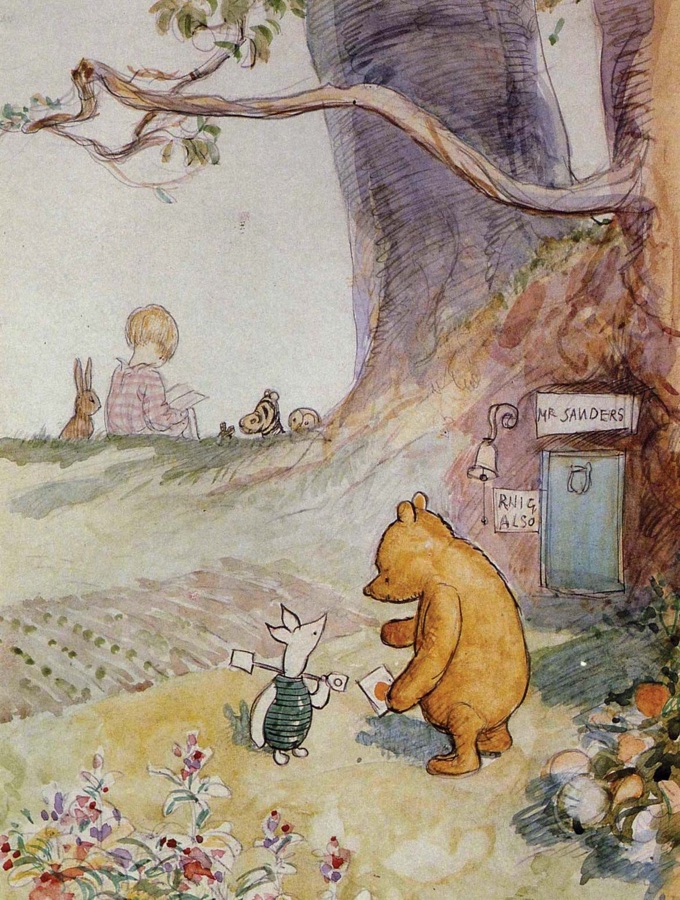
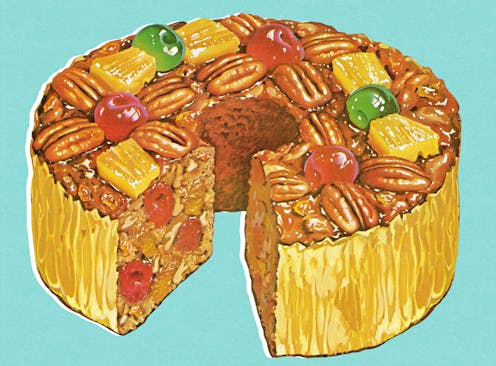
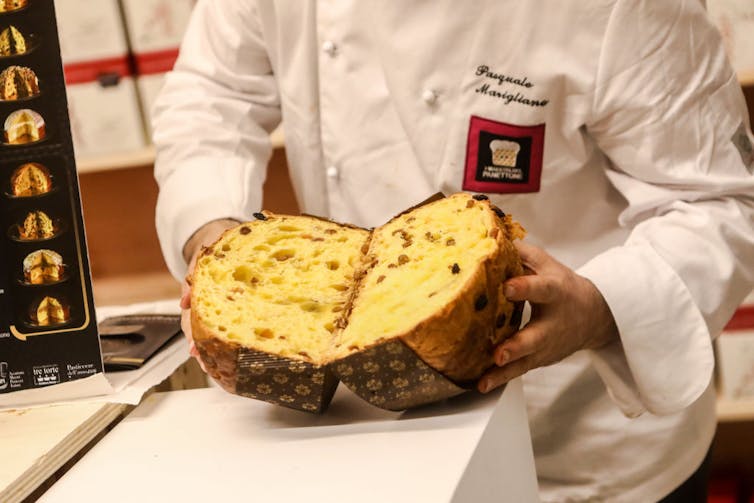
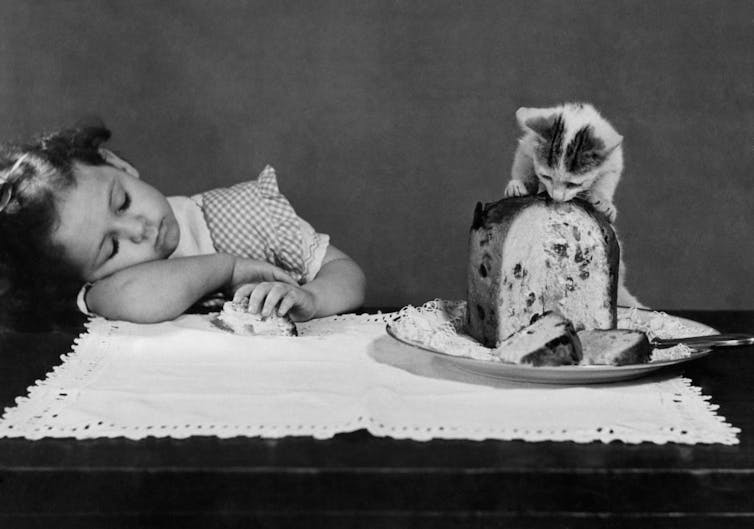

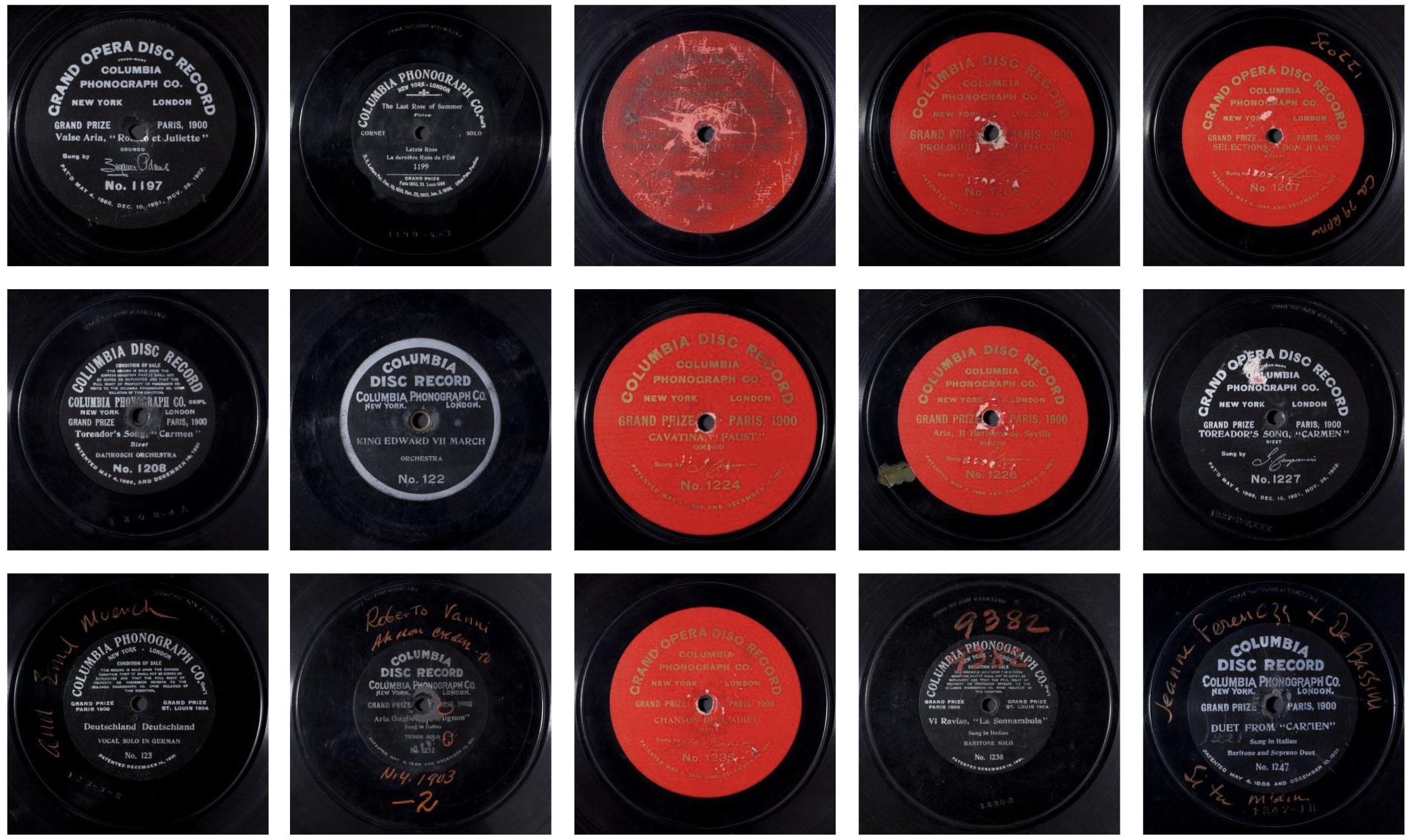



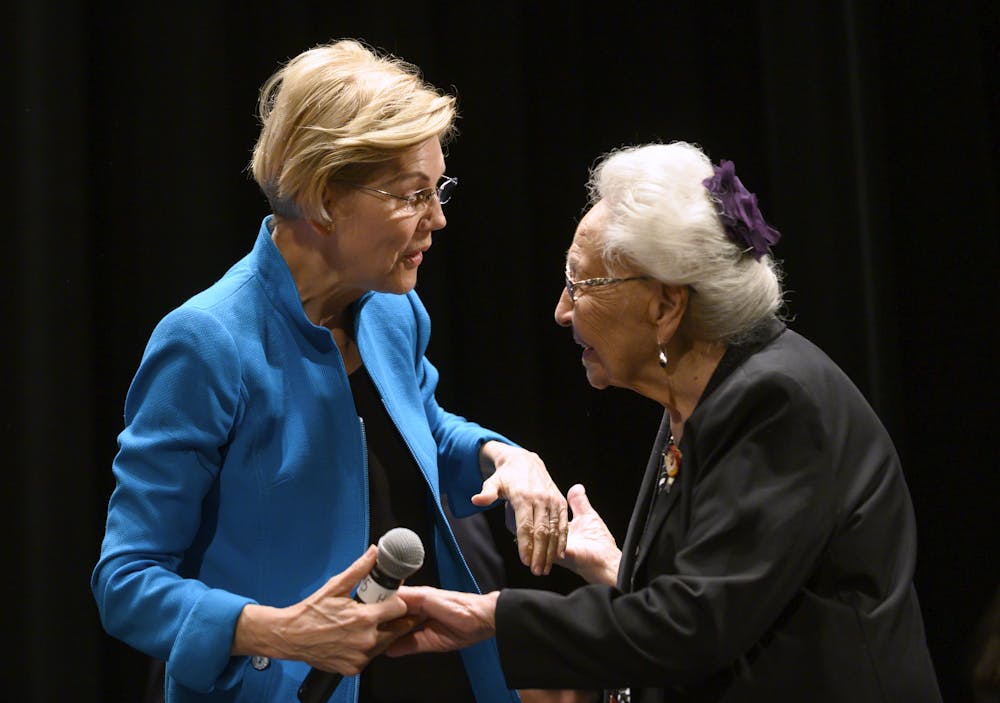




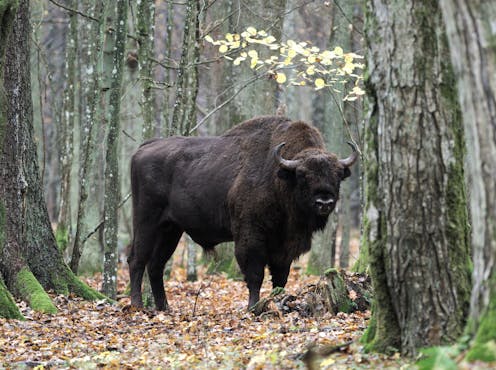
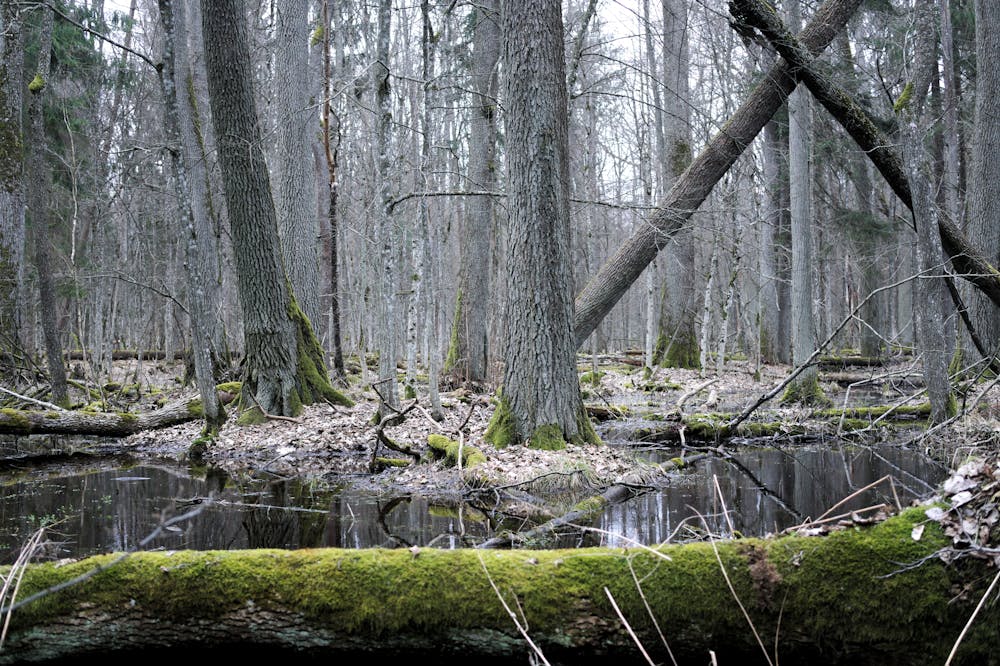
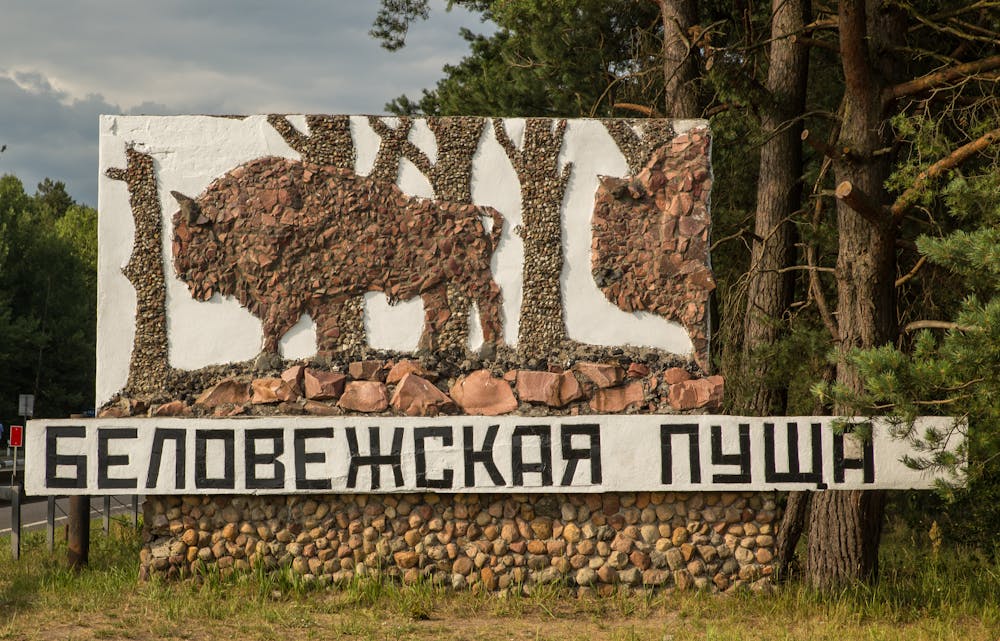
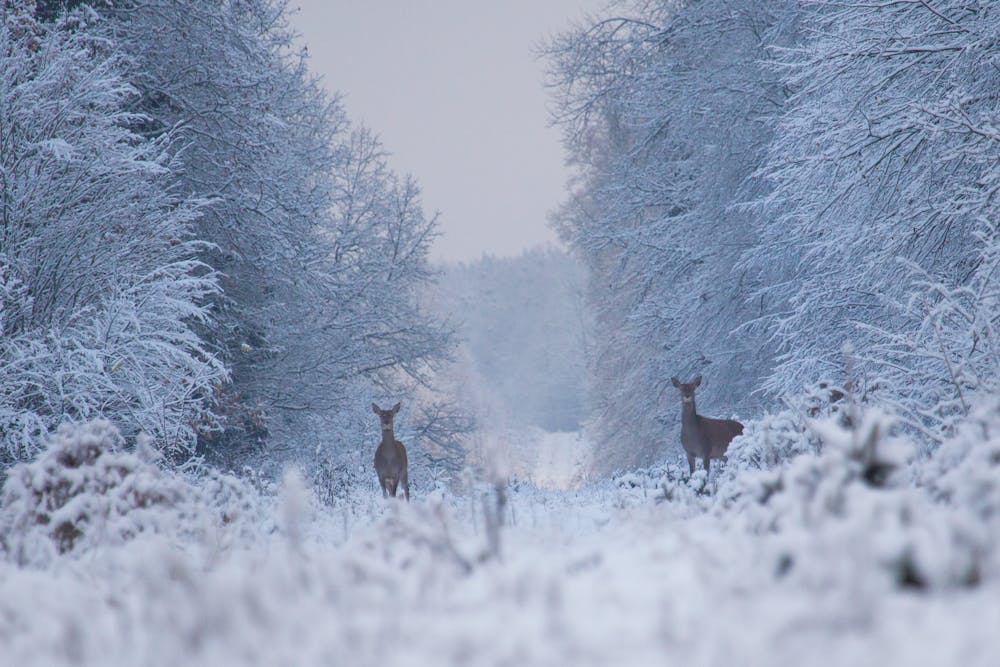


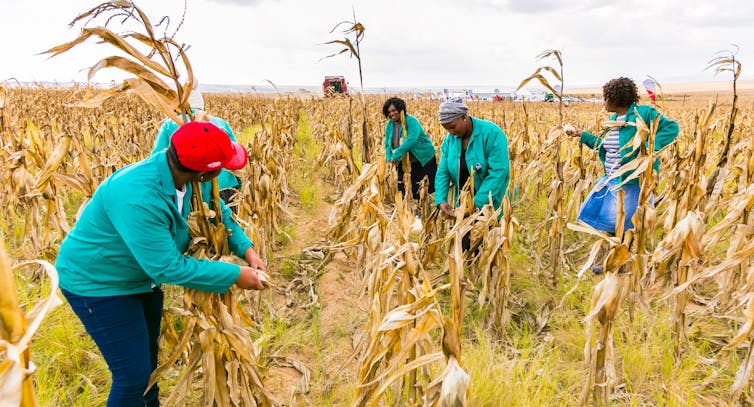




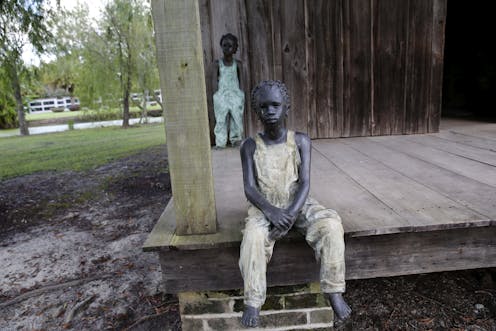
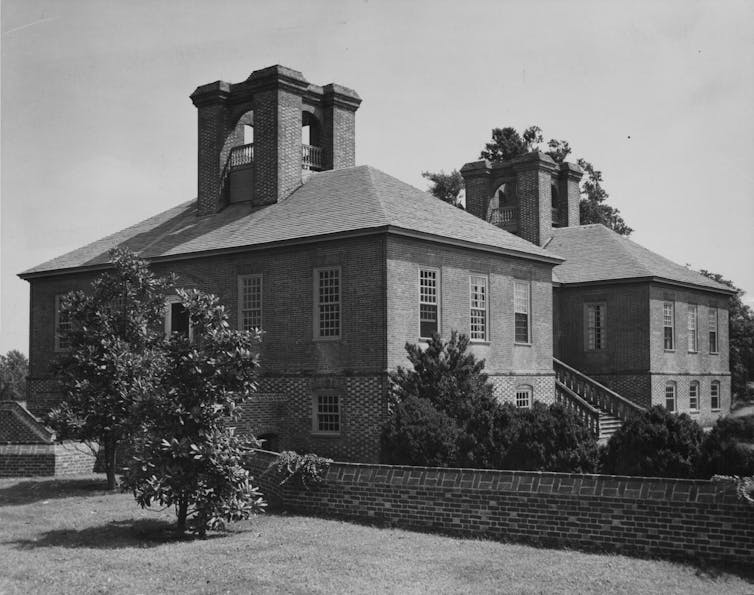
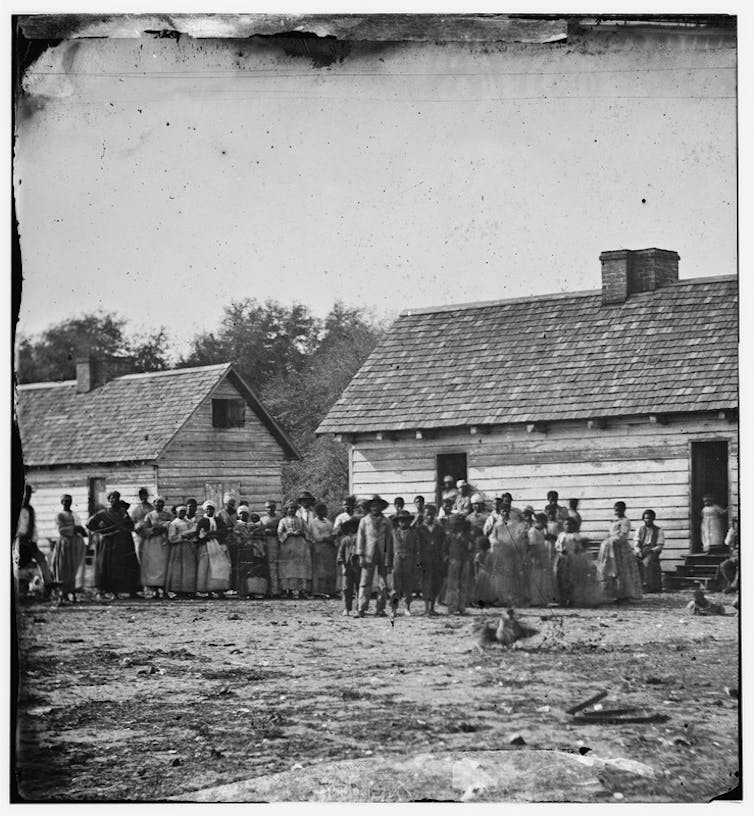


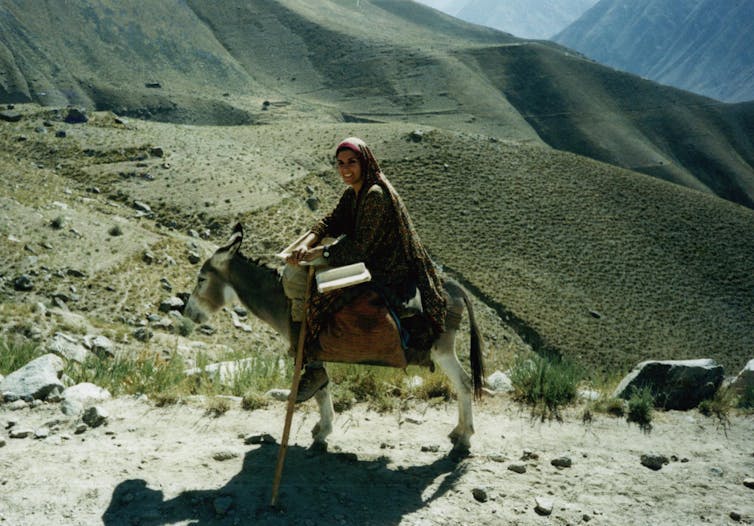
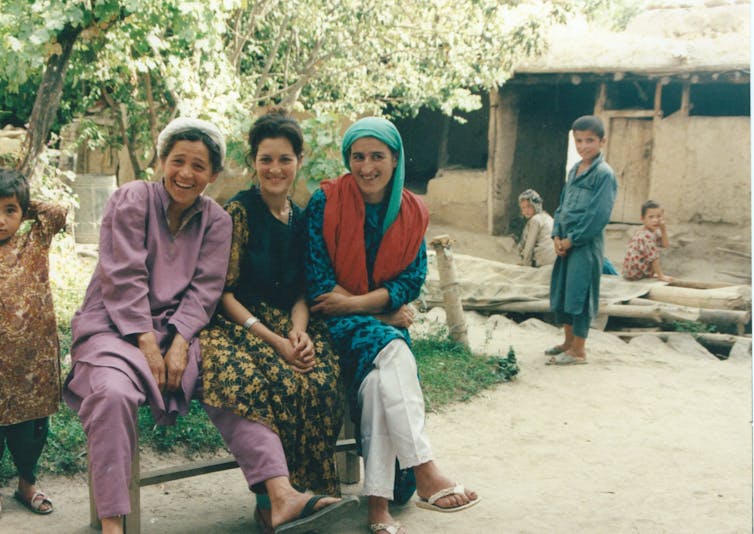

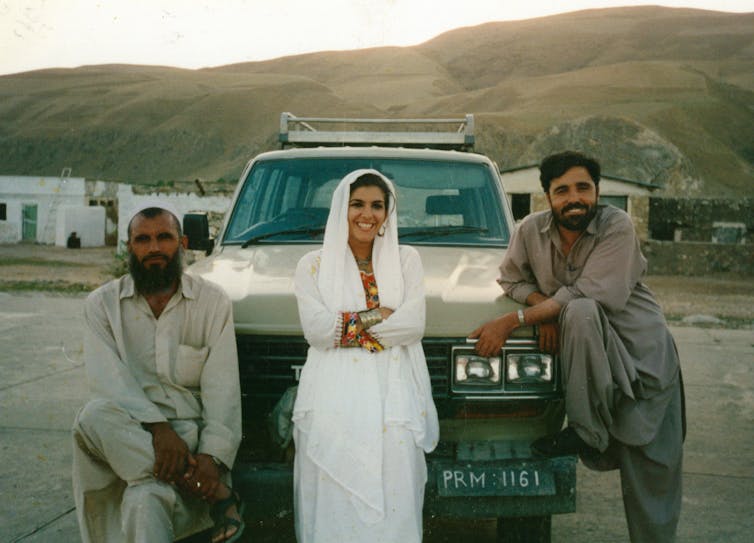
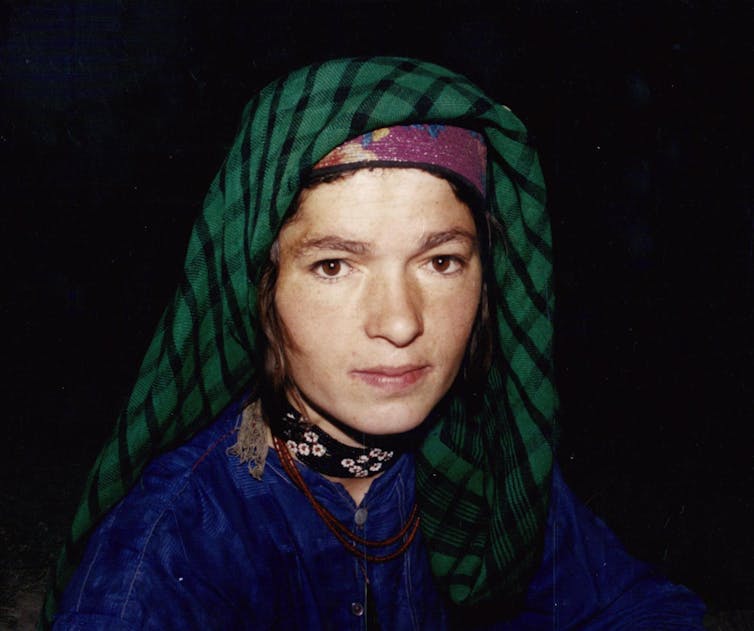



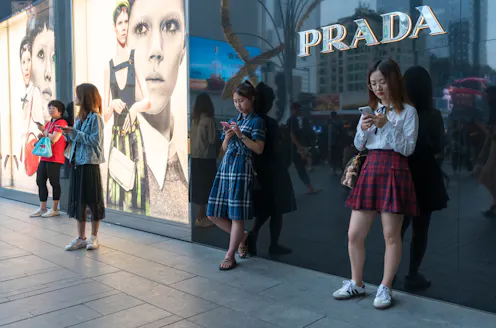

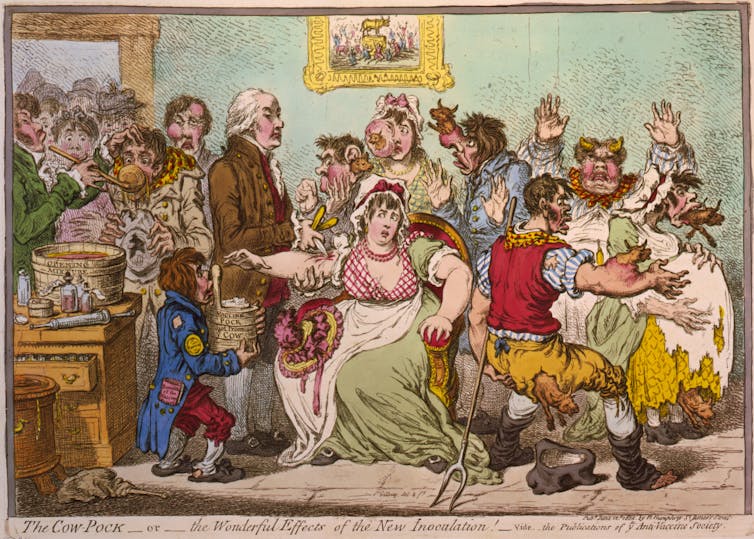

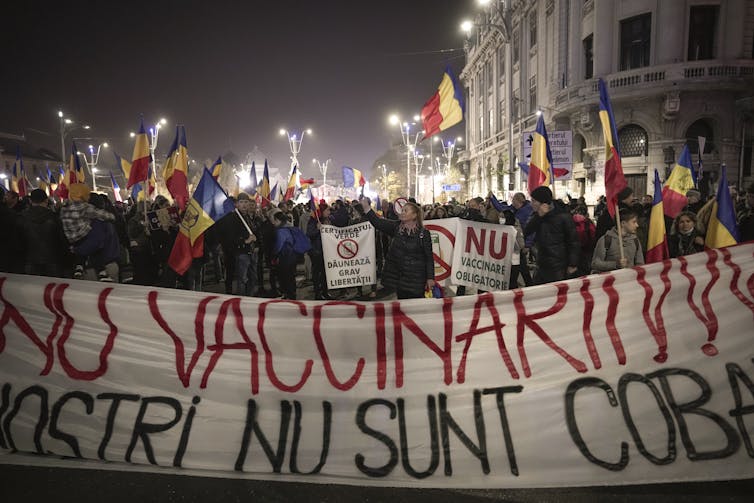

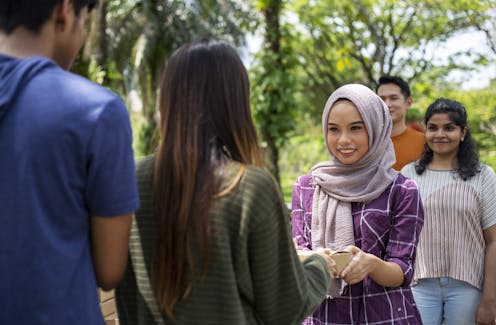

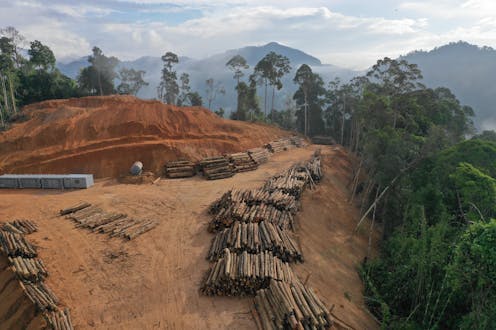
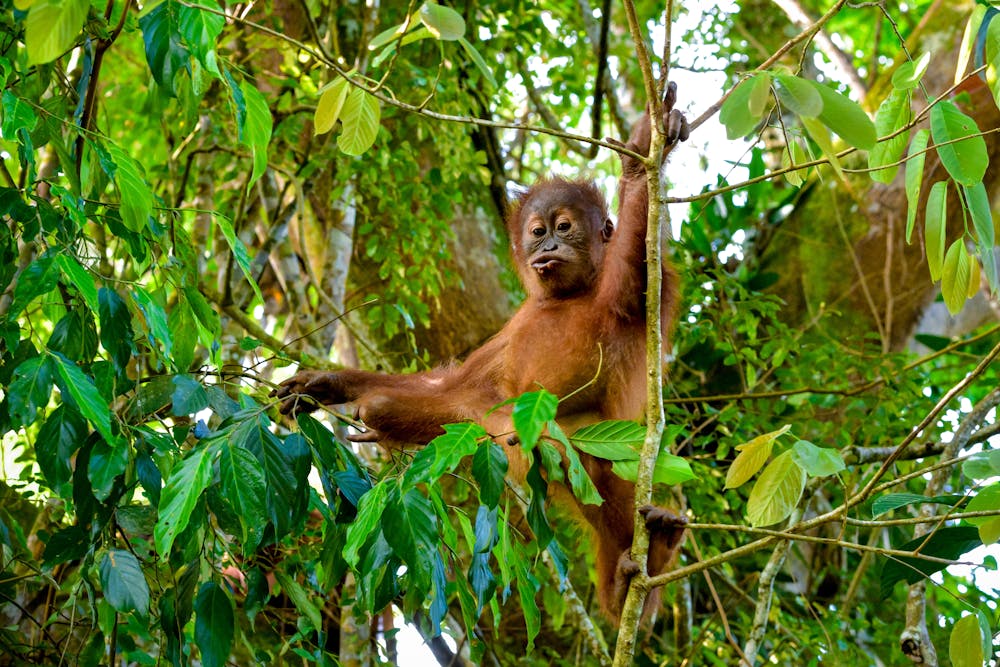
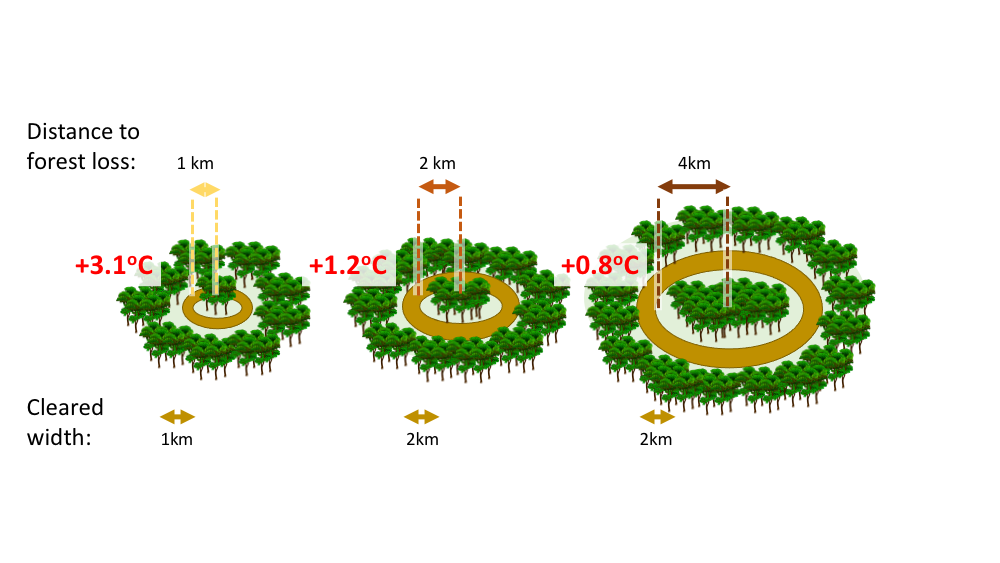
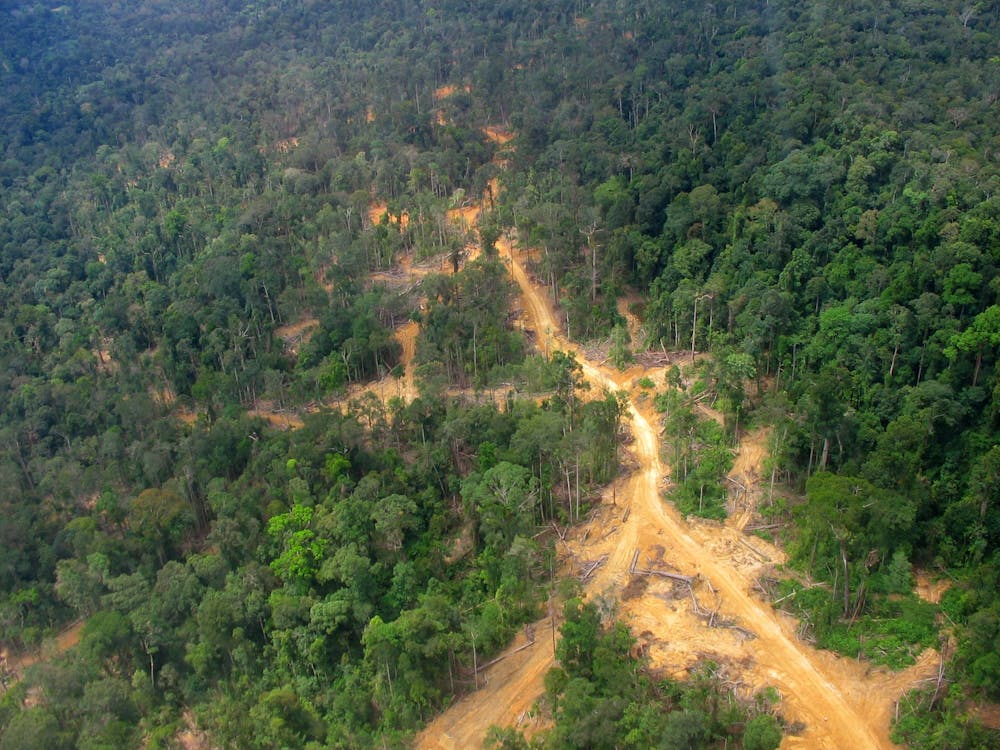


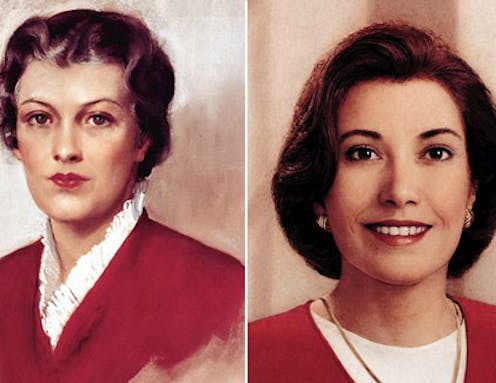

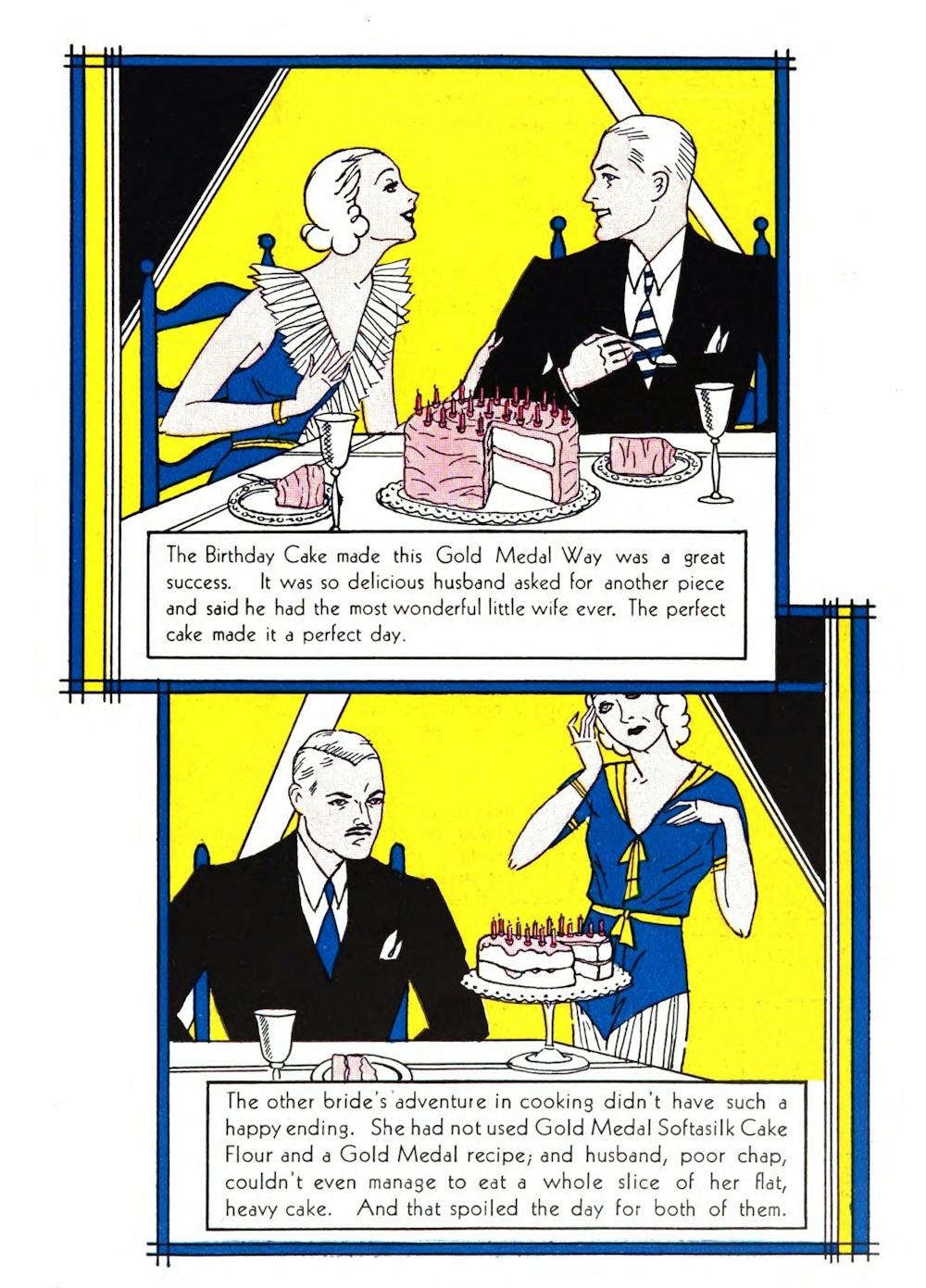


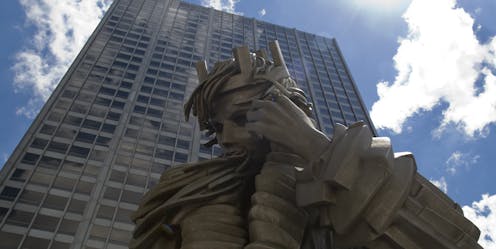

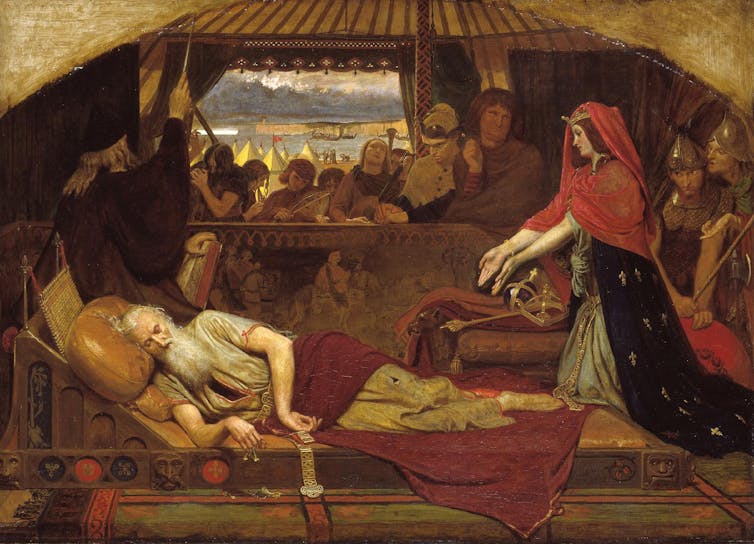





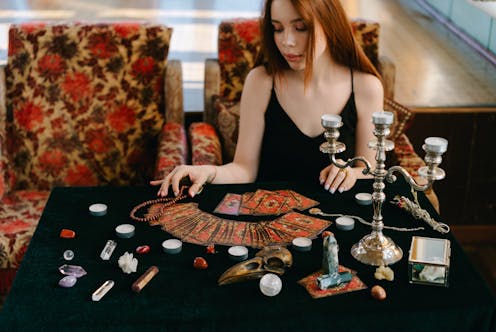

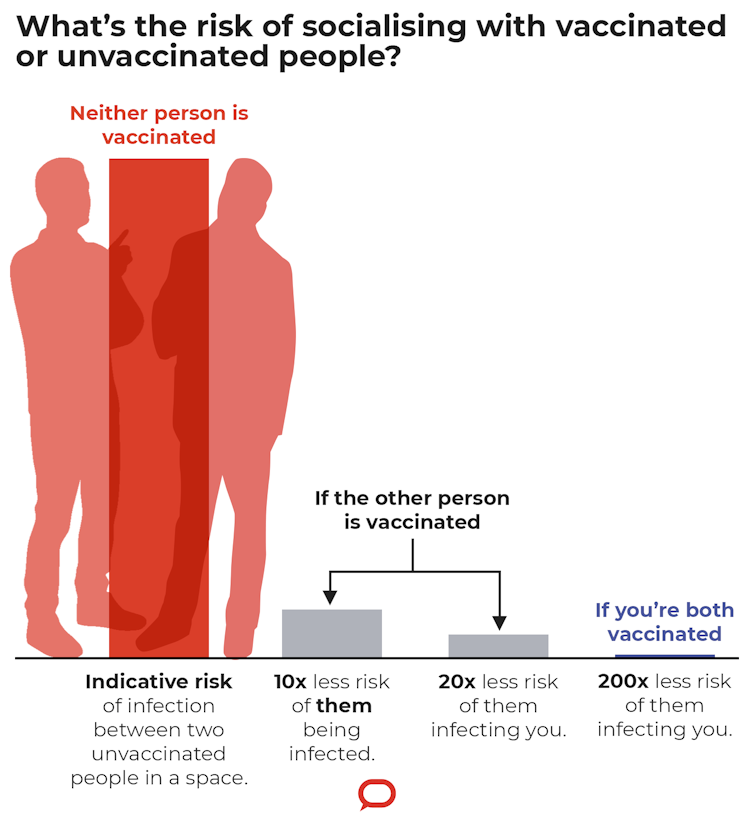



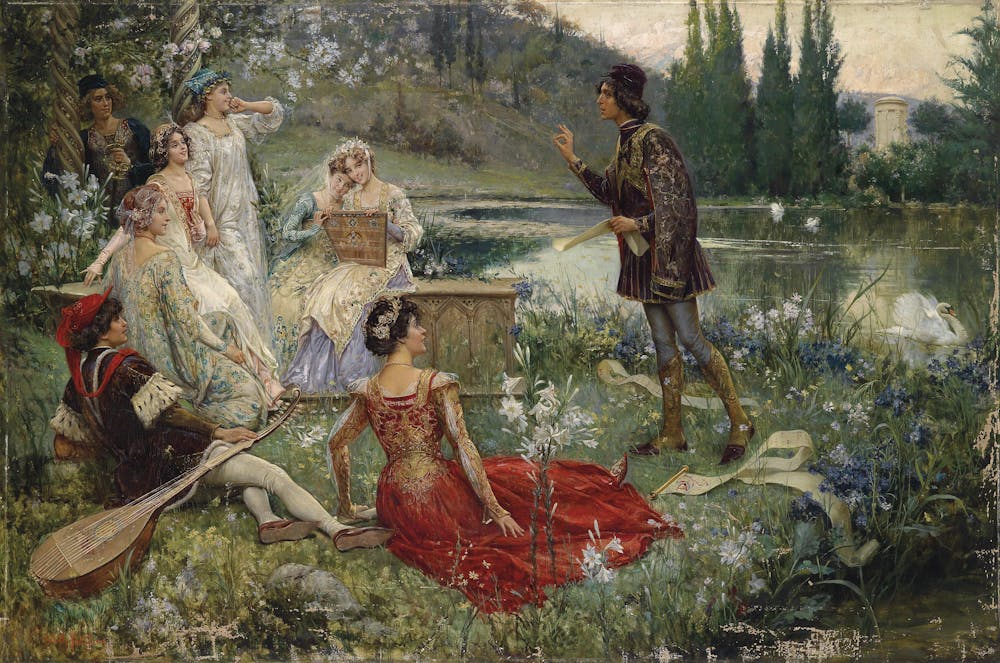

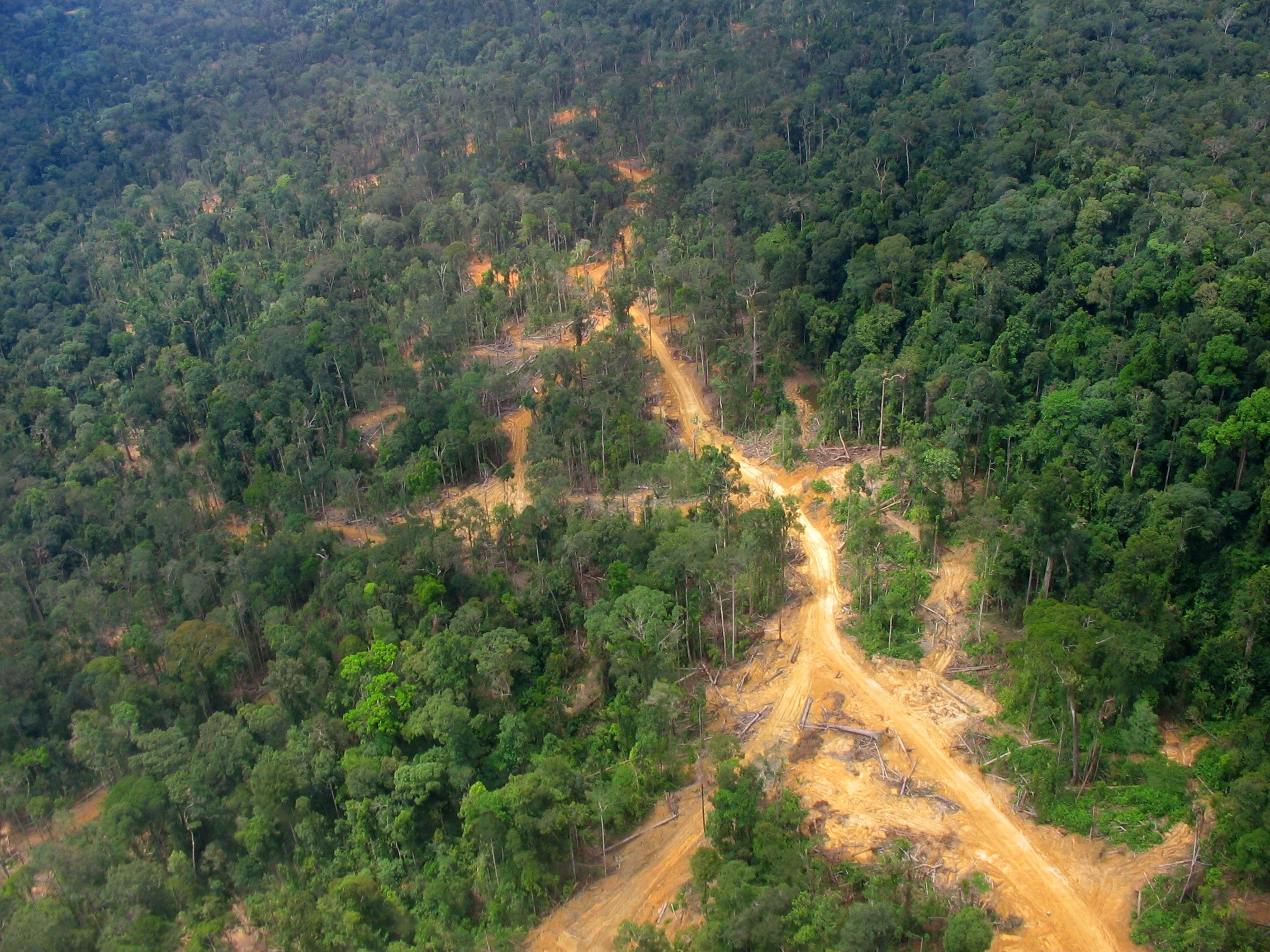




.png)

.jpg)
.jpg)
.png)