Shared posts

28 Jun 14:56

We must think about tax justice and the moral responsibilities of the rich

by Media Wahyudi Askar, University of Manchester
Wal_172619/Pixabay, CC BY

In times of crisis, millionaires’ voices seem to get even more attention from world governments than they usually do. The rich’s ability to direct policies has increased inequality.

We must rethink how we implement our fiscal policy to address this problem.

The World Economic Forum (WEF), held last month in Davos, Switzerland, is an example. This annual meeting was back to present famous figures from both government and private circles. WEF chose “History at a Turning Point” as a theme, with the hope that policymakers could join forces to overcome economic turbulence and political tension due to Russia’s invasion of Ukraine.

But this prestigious forum, launched in 1974, is not without critics. WEF has often been considered too exclusive and more of a friendly platform for millionaires and world politicians that makes their views comparable to those of the world economists’. This year is no different.

Policymakers become nervous when millionaires and entrepreneurs speak about the dangers of a global recession, unemployment and political instability. As a response, various incentives flowed heavily from the government’s pockets to the business world to survive during the pandemic.

Ironically, the support for businesses happens against the backdrop of increasing income inequality.

In Indonesia, millionaires’ total wealth rose by 57.9% during the pandemic, from US$57 billion to US$90 billion (Rp 847 trillion to Rp 1,337 trillion).

At the same time, 2.1 million people fell into extreme poverty. Indonesia’s Central Statistics Agency reported that the total number of poor people in Indonesia reached 9.71% or equal to 26.50 million people.

Challenges of strengthening fiscal policies

Concerns regarding increasing economic inequality have been the main focus of economic research over the past few years. These includes works by world-renowned economists Thomas Piketty, Joseph Stiglitz and Facundo Alvaredo.

One of the key messages from their research is the downward trend in tax rates for the rich, which results in greater inequality. Besides, the wealthy population and their companies benefit significantly from the low tax rates and tax amnesty, including the chance to avoid tax with legal or illegal means.

In Indonesia’s context, evidence shows that tax burdens are not distributed equally. The income tax rates of individuals in Indonesia are still considered low. The highest rate of 35% is mandatory for individual taxpayers, which is still below China, India and most of Europe.

Another challenge is that indirect taxes, such as Value Added Tax (VAT), still dominate Indonesia’s tax revenues. VAT rates applied in Indonesia are not set according to each individual’s different needs and financial capabilities. As a result, low-income families have to bear a more significant tax burden than the rich.

Meanwhile, taxation amounts primarily come from personal income, irrespective of the profit they earn from other economic activities or asset values. The government should implement a more innovative approach and use net wealth taxes – such as property transfer – and financial transaction taxes for trades of currency, stocks, and other financial instruments.

Tax justice to reduce inequality

In 2020, the United Nations officially added an indicator to its Sustainable Development Goals to encourage policymakers to maximise fiscal policies to reduce inequality. Tulane University had even developed Commitment to Equity (CEQ) tools to monitor the impact of fiscal policies on inequality and poverty.

In other words, the choice of approaches is in our own hands.

We can choose to push more incentives toward the business sectors that have the potential to multiply the wealth of entrepreneurs, or we can strengthen our tax policy. We can opt to tolerate tax evasion, or we can decide to improve tax records and impose more significant penalties for those who neglect their tax obligations. Otherwise, we can also choose to increase the budget for social protection or distribute it to non-essential sectors.

In Indonesia, we need to improve at least three aspects.

First, the government must refocus tax policies, especially by optimising measures for income tax.

Currently, Indonesia’s highest proportion of tax revenue comes from corporate income tax, followed by VAT or goods tax and service tax. The government’s decision in October 2021 to increase taxable income by 35% for individual taxpayers who earn above Rp 5 billion per year should be appreciated.

However, this effort should accompany increasing taxes on economic activities with high valuations, such as transactions of property asset sales or asset ownership in the financial market.

Although the current indirect tax scheme does not attempt to distinguish between primary and supporting materials, basic needs are still burdened by VAT rates and disadvantageous for the less privileged. For instance, cooking oil, considered a basic need, is included in the list of commodities with a VAT rate of up to 11%.

Second, we need to increase the quantity and quality of government spending.

Indonesian government spending on social protection in 2022 is only around 1.59%, or the second-lowest in ASEAN, below Cambodia at 3.8%, Malaysia at 2.50%, Vietnam at 2.15%, Myanmar at 3.18% and Timor-Leste, which reached 4.62%. This condition certainly hits the quality of public services in Indonesia.

For example, the minimal support for infrastructure and quality government schools forces the community to spend more money on private schools. In the long term, this impacts the decline in people’s purchasing power while also affecting economic growth.

Thus, the government must increase financial allocations for vulnerable people while opening access to job opportunities. It can also reduce spending on the military sector to make more room for fiscal space. Despite the COVID-19 pandemic-related declines in economic output, the Ministry of Defense’s annual budget increased by 13.28% to Rp 134 trillion in 2021.

Third, the country should encourage efforts to reduce tax evasion and space for corruptors in the tax sector. To make this happen, the government may promote continuous public discussion while involving the community and civic organisations to have a constructive conversation.

Finally, the government is responsible for ensuring a fair tax system. However, we should not forget that entrepreneurs, including millionaires, play a significant role in creating an equitable economic system.

As British multimillionaire and financial activist Phil White has put it, “tax the richest and tax us now”. This statement is still rarely heard from the rich in Indonesia.

The Conversation

Media Wahyudi Askar does not work for, consult, own shares in or receive funding from any company or organisation that would benefit from this article, and has disclosed no relevant affiliations beyond their academic appointment.


28 Jun 14:53

Anti-abortion pregnancy centers will likely outlast the age of Roe – here's how they're funded and the services they provide

by Laura Antkowiak, Associate Professor of Political Science, University of Maryland, Baltimore County
A dozen states now provide a total of $89 million in funding to pregnancy centers. Yuji Ozeki/Digital Vision via Getty Images

Experts predict increased economic hardship now that the U.S. Supreme Court has overturned Roe v. Wade in its Dobbs v. Jackson Women’s Health Organization decision.

Three-quarters of abortion patients in the United States have incomes that place them below or just barely above the federal poverty line of US$26,500 for a family of four in 2021. The inability to afford a child ranks among the most common reasons women give when they explain why they are ending a pregnancy.

The anti-abortion movement is often criticized as caring little about these matters. But as a political scientist who has studied the intersections of abortion and social welfare issues, I became intrigued by a large but little-known subset of anti-abortion activists who claimed to support women during pregnancy and after childbirth.

My 2020 book on this “pregnancy help” work indicates that the anti-abortion movement does provide support to low-income families, even if not in the way its critics might prefer.

The ‘pregnancy help’ movement

This work mostly occurs within the anti-abortion movement’s own charitable organizations. Participants in this “pregnancy help movement,” according to Margaret Hartshorn, the former president of one such organization, strive to make abortion “unwanted now and unthinkable in future generations” by ensuring “that no woman ever feels forced to have an abortion because of lack of support or practical alternatives.”

People in the movement run maternity homes, adoption and social service agencies, charitable medical practices, hotlines, support groups and aid networks. However, the core institutions of their movement are pregnancy centers. Pregnancy centers typically offer free pregnancy tests, sonograms, counseling and promises of material support in the hopes of persuading women to carry unintended pregnancies to term.

The first ones began to open in the U.S. in the late 1960s. They outnumbered abortion providers at least as early as 2013. A July 2018 directory listed 2,740 U.S. pregnancy centers. Lehigh University sociologist Ziad Munson writes that such outreach involves more people, volunteer hours and organizations than any other type of anti-abortion activism.

Based on my interviews of pregnancy center leaders and review of various movement communications, these organizations are mostly funded by individual donations, commonly raised through banquets, walks, races or church-based collections of money and goods. Some anti-abortion groups like Focus on the Family and the Knights of Columbus give them grants.

Pregnancy centers typically aren’t affiliated with specific churches, though they often frame themselves as ministries modeled on Jesus Christ’s love for people who are hurting and marginalized.

In 13 states as of 2021, pregnancy centers could apply for funding from state-run Alternatives to Abortion programs. As of March 2022, as many as 19 states may have directed a proportion of “Choose Life” license plate proceeds to pregnancy centers. An Associated Press investigation of fiscal 2022 state budgets found that 12 states funded pregnancy centers, providing US$89 million.

Centers can also apply for select federal grants. According to a report on U.S. pregnancy center services by the Charlotte Lozier Institute, an anti-abortion think tank, 17% of U.S. centers received some public money in 2019.

By comparison, the Planned Parenthood Federation of America, which provides abortions and other reproductive health care services, reported receiving about $618 million – or 38% of its revenue – in government grants and payments for services in the fiscal year ending June 30, 2020.

U.S. pregnancy centers in 2019, also according to the Lozier Institute, performed more than 730,000 pregnancy tests and met with nearly 1 million new clients.

For perspective, the U.S. recorded 3.75 million live births that year. In 2017, the most recent data available, just over 860,000 abortions were performed. A new peer-reviewed study of pregnant women who were searching online for an abortion provider – suggesting they may be more internet-savvy, older and more socioeconomically advantaged than U.S. abortion-seekers generally – found that at least 13% of them visited a pregnancy center.

An infant sleeps inside a crib.
Many pregnancy help centers provide low-income clients with cribs, baby clothes and diapers. Tatiana Kutina/EyeEm via Getty Images

Pregnancy center aid

Anti-abortion advocates paint pregnancy centers as the compassionate alternative to abortion. Abortion-rights activists describe them as threats to public health that advertise deceptively, offer few health care services and infuse their counseling with misinformation and emotional coercion.

My research did not attempt to assess the quality of counseling provided by the centers. Rather, I focused on broadly understanding and describing the movement and measuring the extent of help they provide to needy families.

Similar to data I collected in 2012, a 2019 report by the Lozier Institute claimed that 94% of centers provided material aid. The report credited U.S. pregnancy centers with distributing about 1.3 million packages of diapers, 690,000 packages of wipes, 2 million baby outfits, 30,000 new car seats and 20,000 strollers. They valued these goods at nearly $27 million. I also found pregnancy centers provided personalized help in navigating community resources for housing, health care, creditor mediation and domestic violence recovery.

Activists told me that helping families meet their material needs was integral to their missions, greatly needed, and simply “Christian” or “pro-life.” Available data suggests that the women who use these centers tend to be under 30 and unmarried.

My research also noted that pregnancy centers were increasingly tying material aid to participation in their parenting programs.

Another trending service they offer is ultrasound imaging. Leaders I interviewed felt that offering a medical service could increase centers’ credibility and that viewing an image of their fetus would inspire clients to “choose life.” Trained nurses overseen by an often off-site physician “medical director” usually perform the scans, but otherwise, critics correctly assert that most pregnancy center staff lack medical training.

Interviews of 21 pregnancy center clients over a period between 2015 and 2017 led medical sociologist Katrina Kimport of the University of California, San Francisco to conclude that “low-income women can find these centers to be meaningful and appreciated sources of free emotional support, pregnancy-related services and material goods,” even if the women ultimately needed more economic resources than centers could provide and sometimes struggled with program requirements.

Kimport continued: “Although these centers have been rightly criticized for disseminating scientifically inaccurate materials and employing potentially deceptive practices, the policy debate about their legitimacy needs to be more nuanced.”

Pregnancy help in a post-Roe America

Pregnancy center volunteers and employees I surveyed in 2012 overwhelmingly agreed that pregnancy centers would remain needed if the federal right to abortion was overturned. Centers are already most numerous, my statistical analysis of location data found, where public opposition to abortion is highest, abortion rates are lowest and abortion providers are the most scarce. Some anti-abortion leaders are calling the movement to follow the fall of Roe with increased aid to low-income people, some of which would flow through pregnancy centers.

The kind of aid pregnancy help groups offer won’t begin to cover all costs of childbearing, or solve larger socioeconomic problems. Many women inclined toward abortion likely don’t see anti-abortion pregnancy centers as desirable service providers.

Still, they attract anti-abortion activists who appear to take seriously what one interviewee called the “consequences to a choice for life.” In my view, they could potentially participate constructively in a conversation about poverty and childbearing in a post-Roe America.

The Conversation

I am a member of Feminists for Life, an anti-abortion education and advocacy group that describes its mission as "systematically eliminating the root causes that drive women to abortion."

27 Jun 12:28

Hillsborough FL Nature Tours App Gives Visitors Info About Local Parks

by Staff

A new Hillsborough County audio tour app is providing visitors with custom-guided tours of the county’s conservation parks and nature preserves. While many hikers love the solitude and quiet of a solo trip through their favorite nature preserve, they often want to learn more from their local park rangers about the flora and fauna that surrounds them. Now, Hillsborough County is providing the best of both worlds with unique audio tours on the new Hillsborough FL Nature Tours app. 

Now, residents can enjoy a quiet solo hike and have all of their questions answered through the audio tour. This allows visitors to access information about the park without having to visit the offices or do their own research prior to their park visit. This also expands access to guided tours for all Hillsborough County residents and visitors without the need for reservations or a planned excursion. 

Hillsborough FL Nature Tours App

The app includes maps of the conservation parks and nature preserves and uses GPS to show visitors where they are. As a person approaches a specific area, the app brings up photos and an audio tour explaining what the parkgoer is seeing. At Lettuce Lake Conservation Park, for example, the app includes photos and information from eight points in the park, giving visitors details about everything from alligators and the park’s observation tower to roseate spoonbills and the ancient cypress trees throughout the park. 

App examples from Bell Creek Nature Preserve

The idea for the app was first developed during the pandemic when parks were open but guided tours were closed in favor of social distancing. Many residents missed the opportunity to ask questions and learn about the parks, which is why development for the app began swiftly and was launched in early 2022. 

Residents have three ways they can use the audio tours:

  • Download the app for free from your device’s app store and listen to each stop (Type in Hillsborough FL Nature Tours in the app store to find.)
  • Use the QR code on the signs at each site
  • Go to the drop-down menu in the app for photos and text. This is particularly useful for those who are deaf or hearing-impaired.   

Now, residents and tourists can enjoy audio tours at 14 different Hillsborough County nature preserves and conservation parks. 

Audio tour locations

The parks and preserves with audio tours include the following: 

  • Alafia River Corridor South Nature Preserve
  • Alderman’s Ford Conservation Park
  • Apollo Beach Nature Preserve
  • Bahia Beach Nature Preserve
  • Bell Creek Nature Preserve
  • Blackwater Creek Nature Preserve
  • Edward Medard Conservation Park
  • Golden Aster Scrub Nature Preserve
  • Lake Frances Nature Preserve
  • Lake Park Conservation Park
  • Lettuce Lake Conservation Park
  • Lower Green Swamp Nature Preserve
  • Triple Creek Nature Preserve
  • Upper Tampa Bay Conservation Park

More from Modern Globe

The post Hillsborough FL Nature Tours App Gives Visitors Info About Local Parks appeared first on ModernGlobe.

27 Jun 12:19

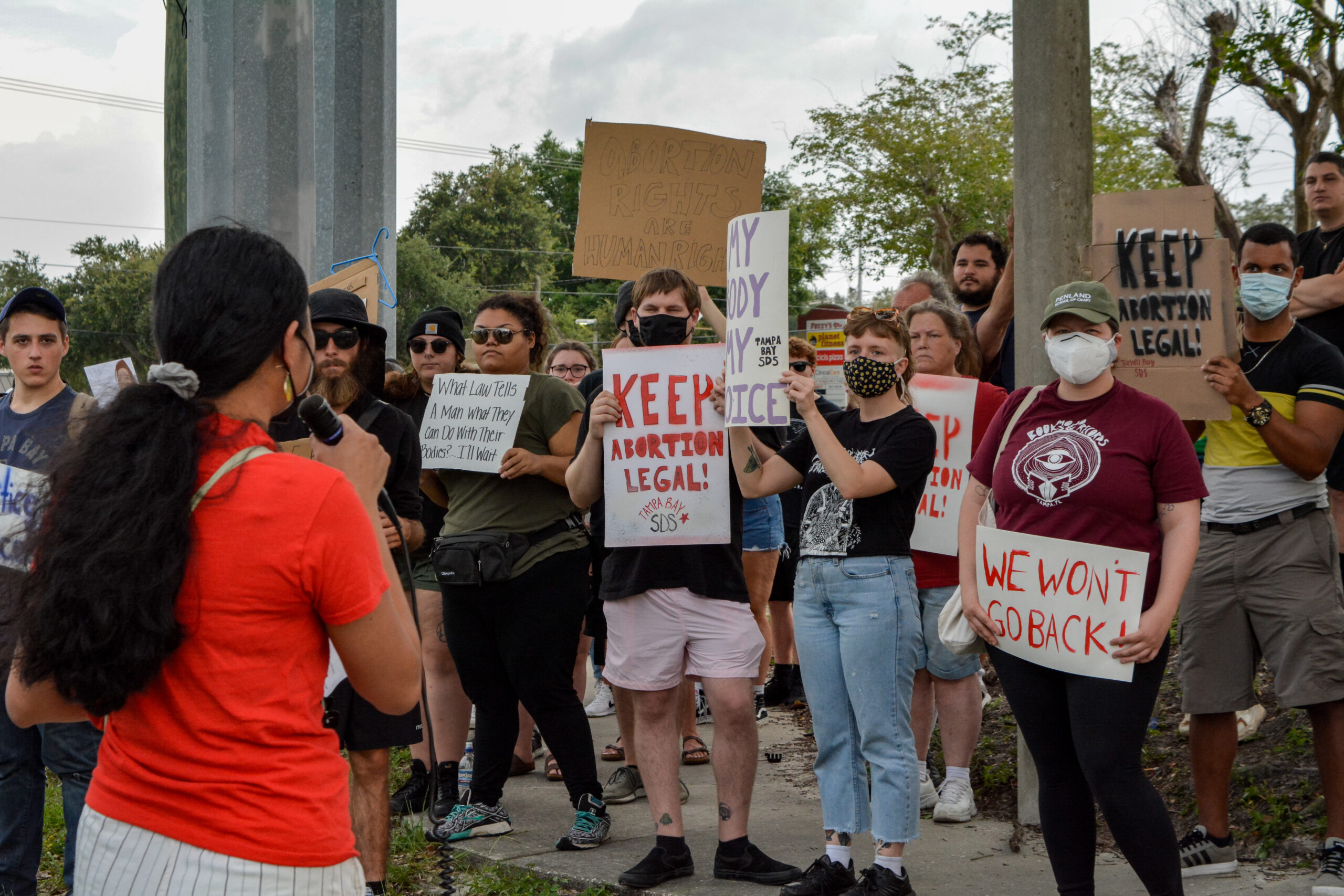
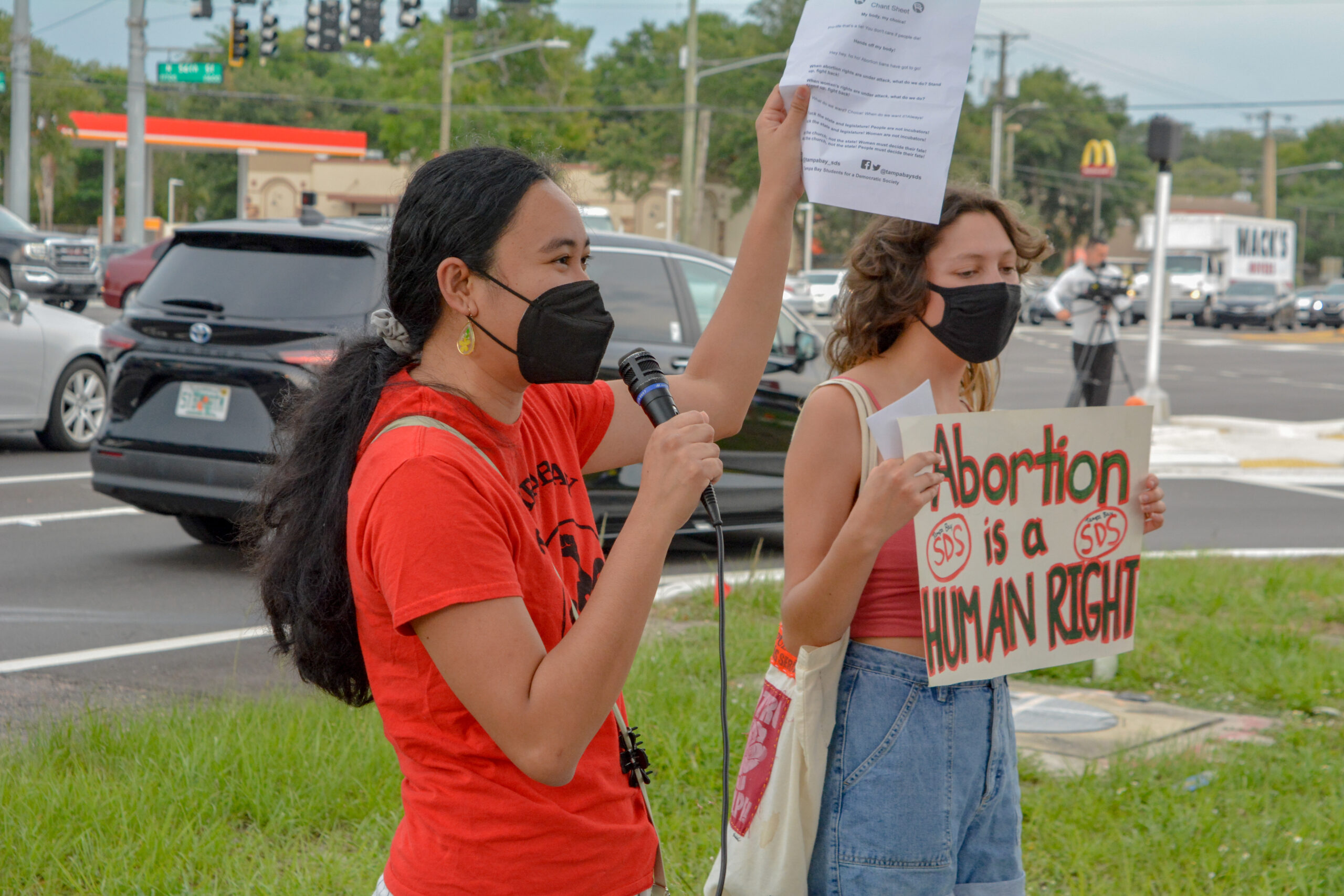
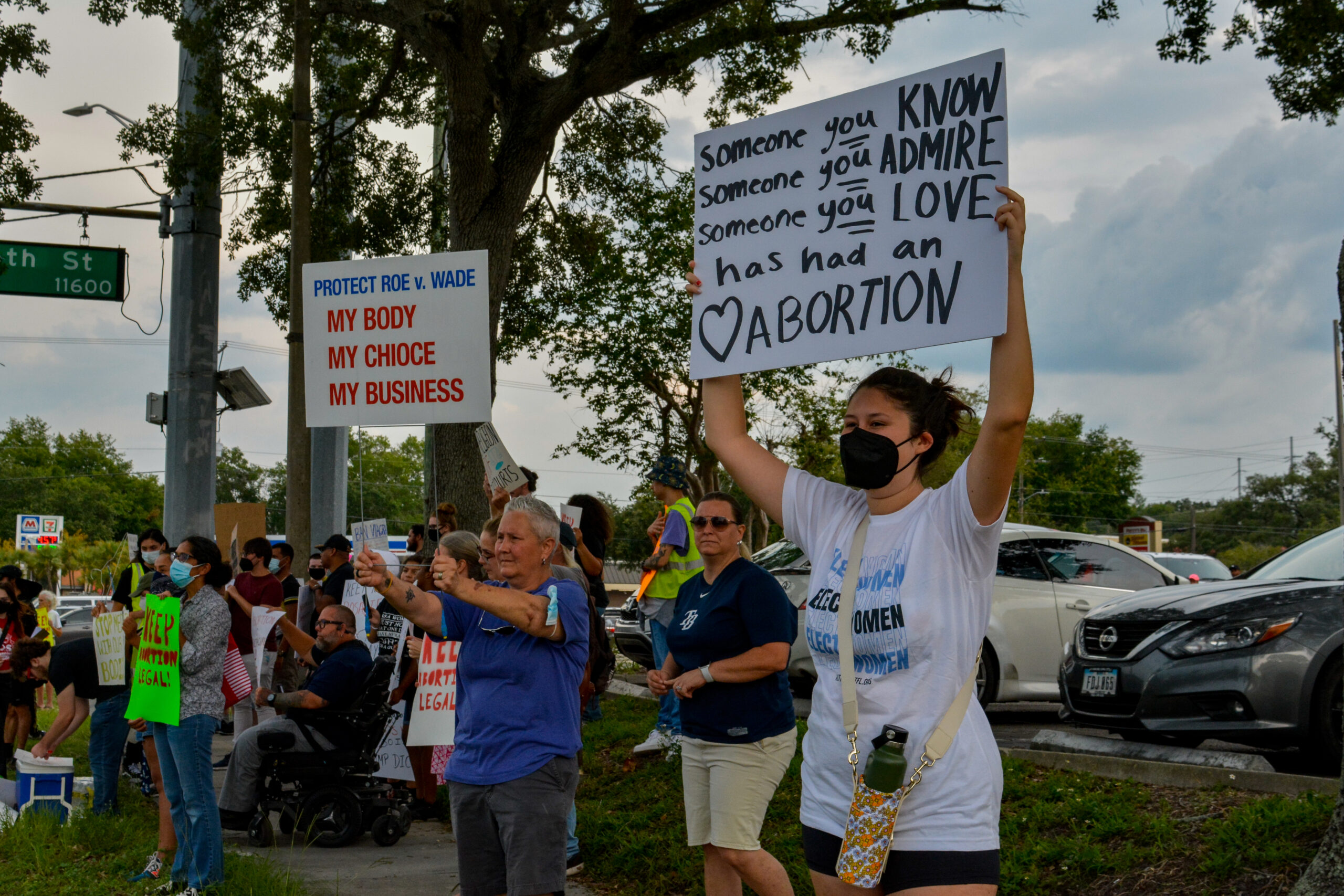
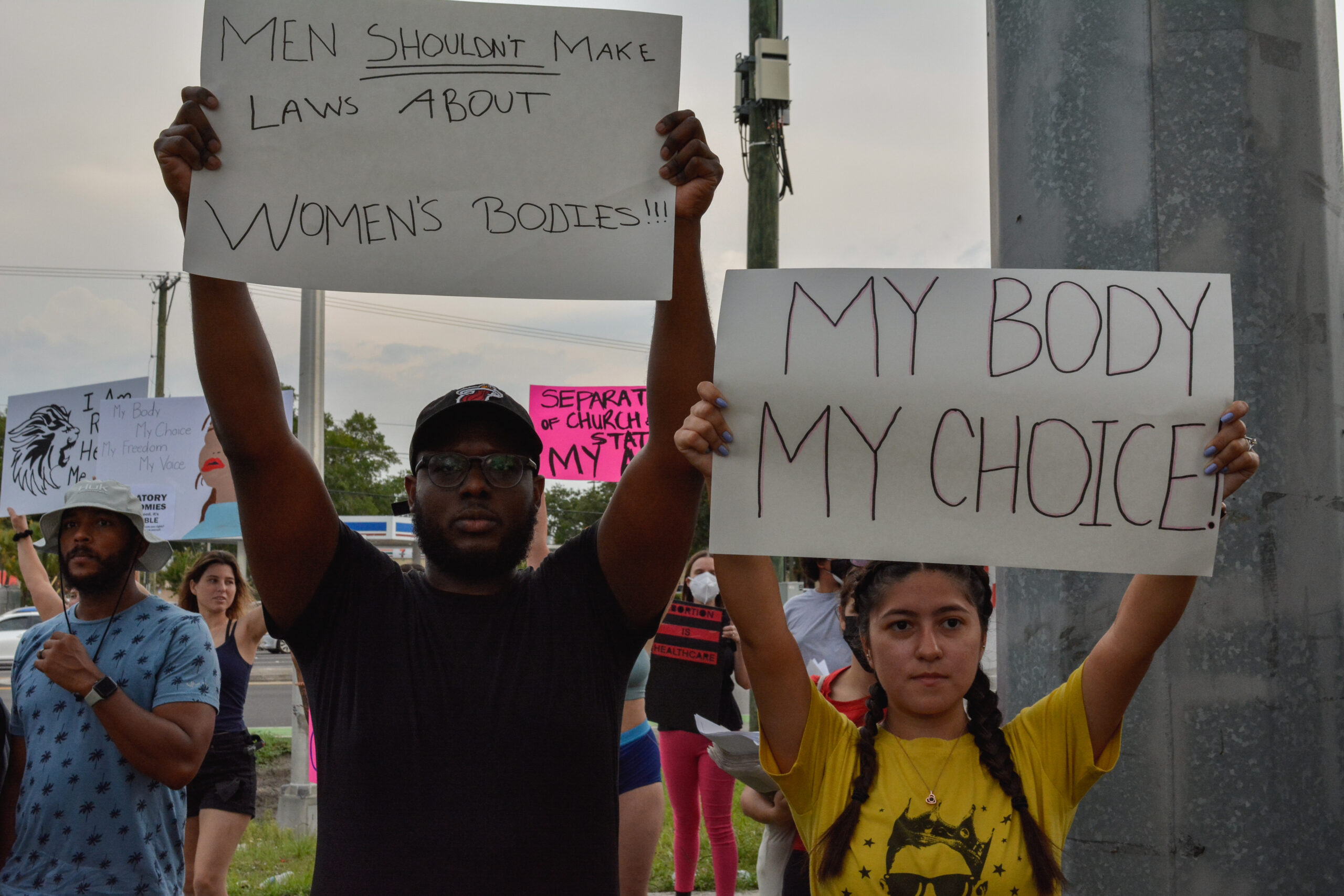
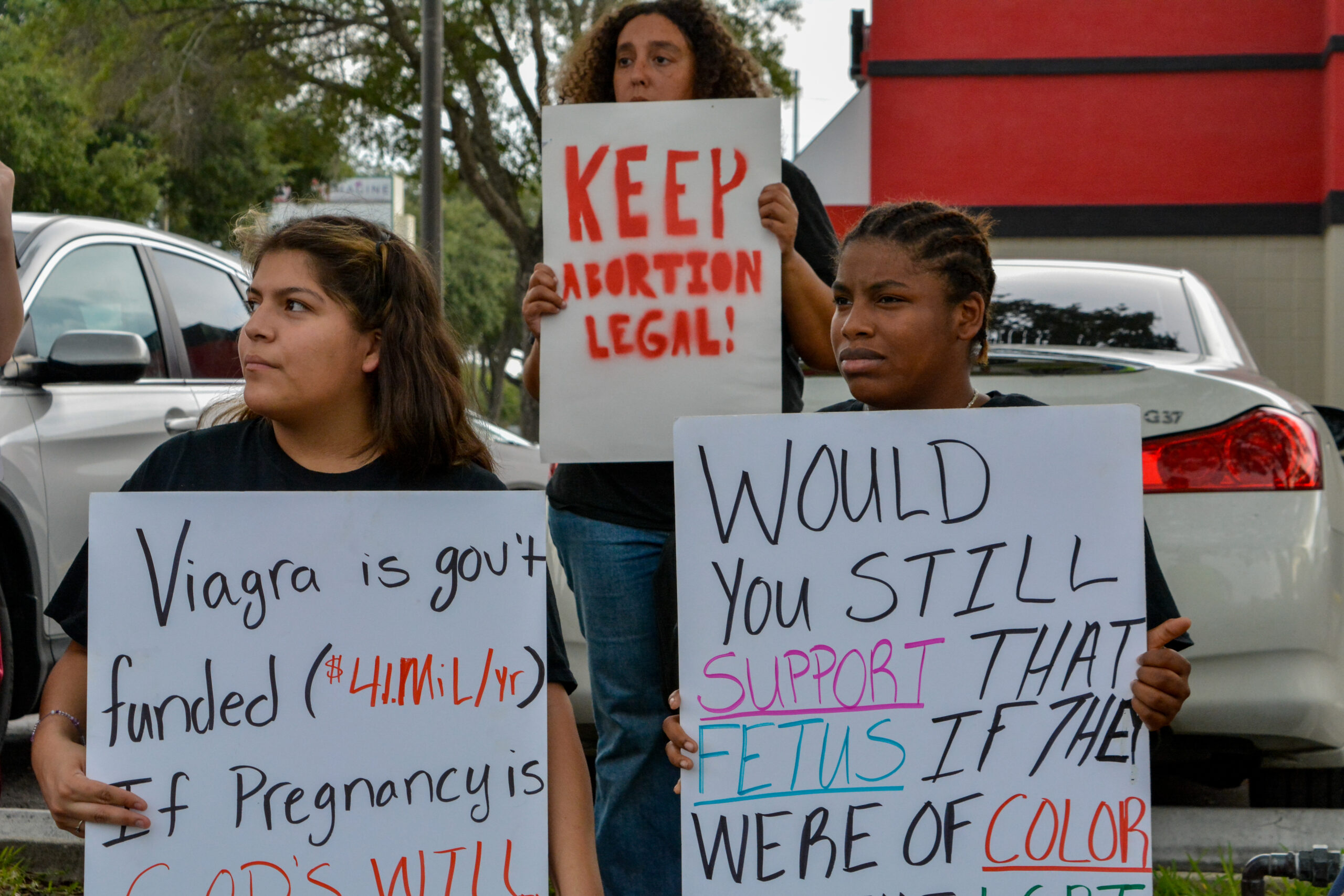
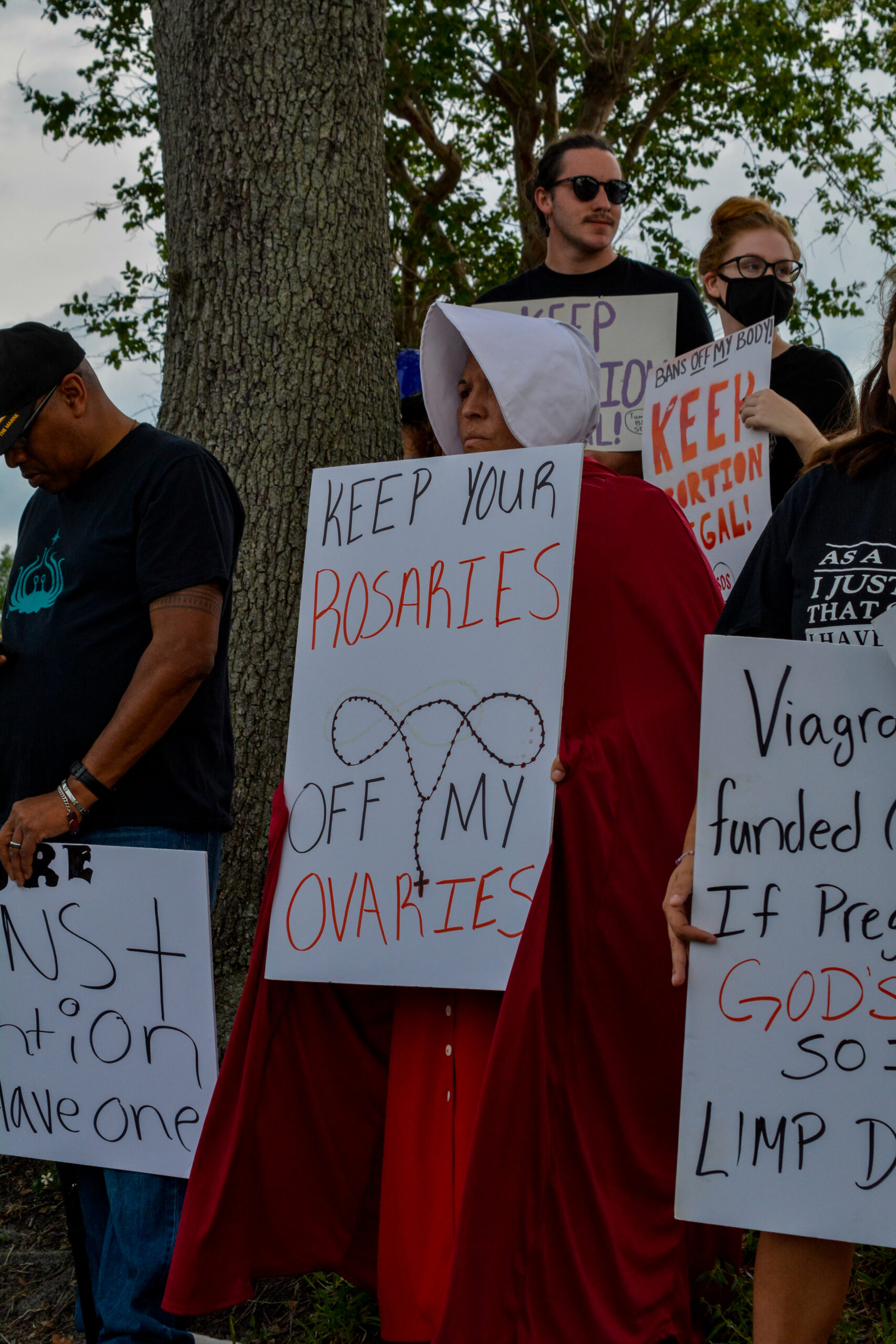
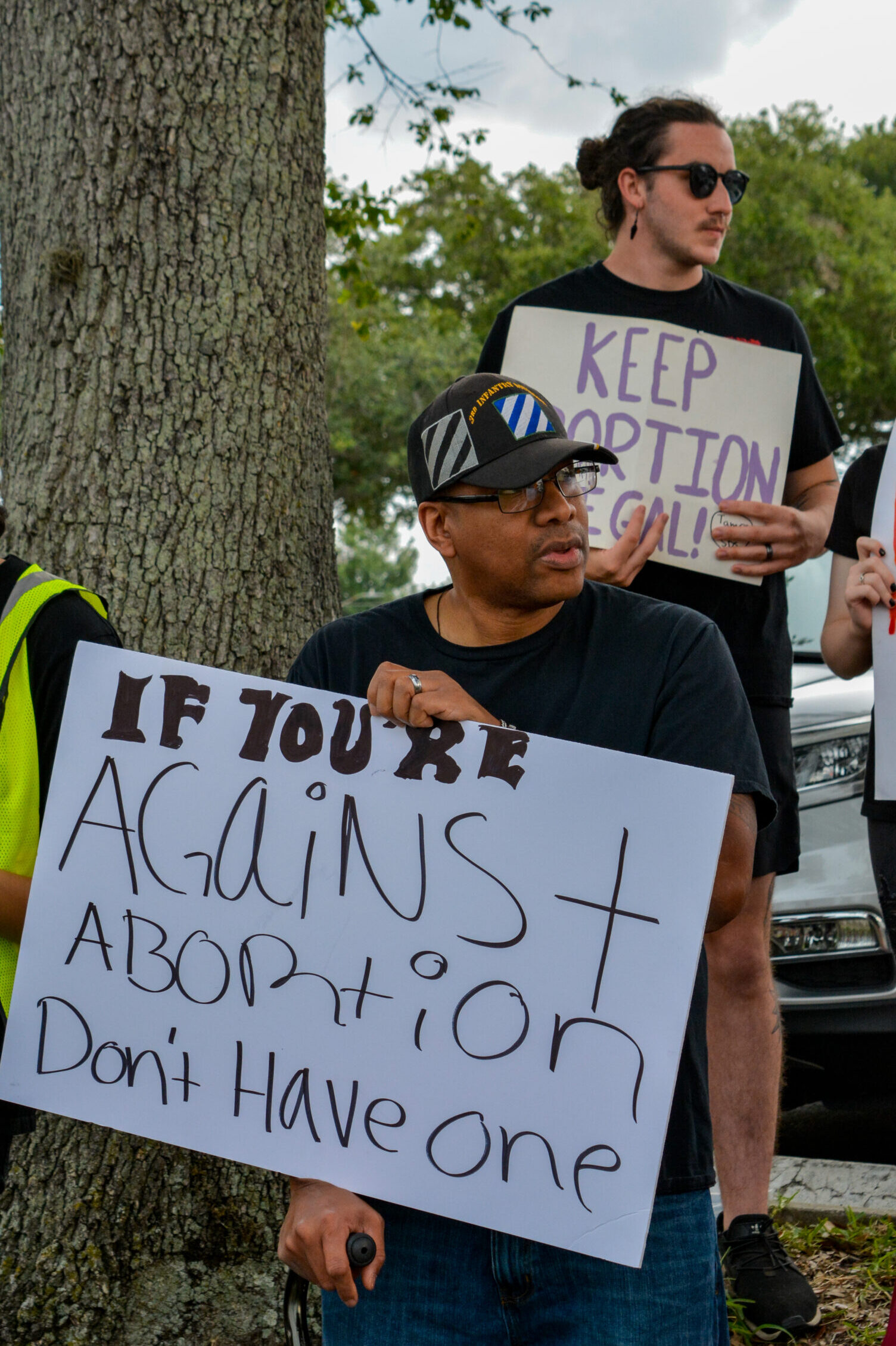
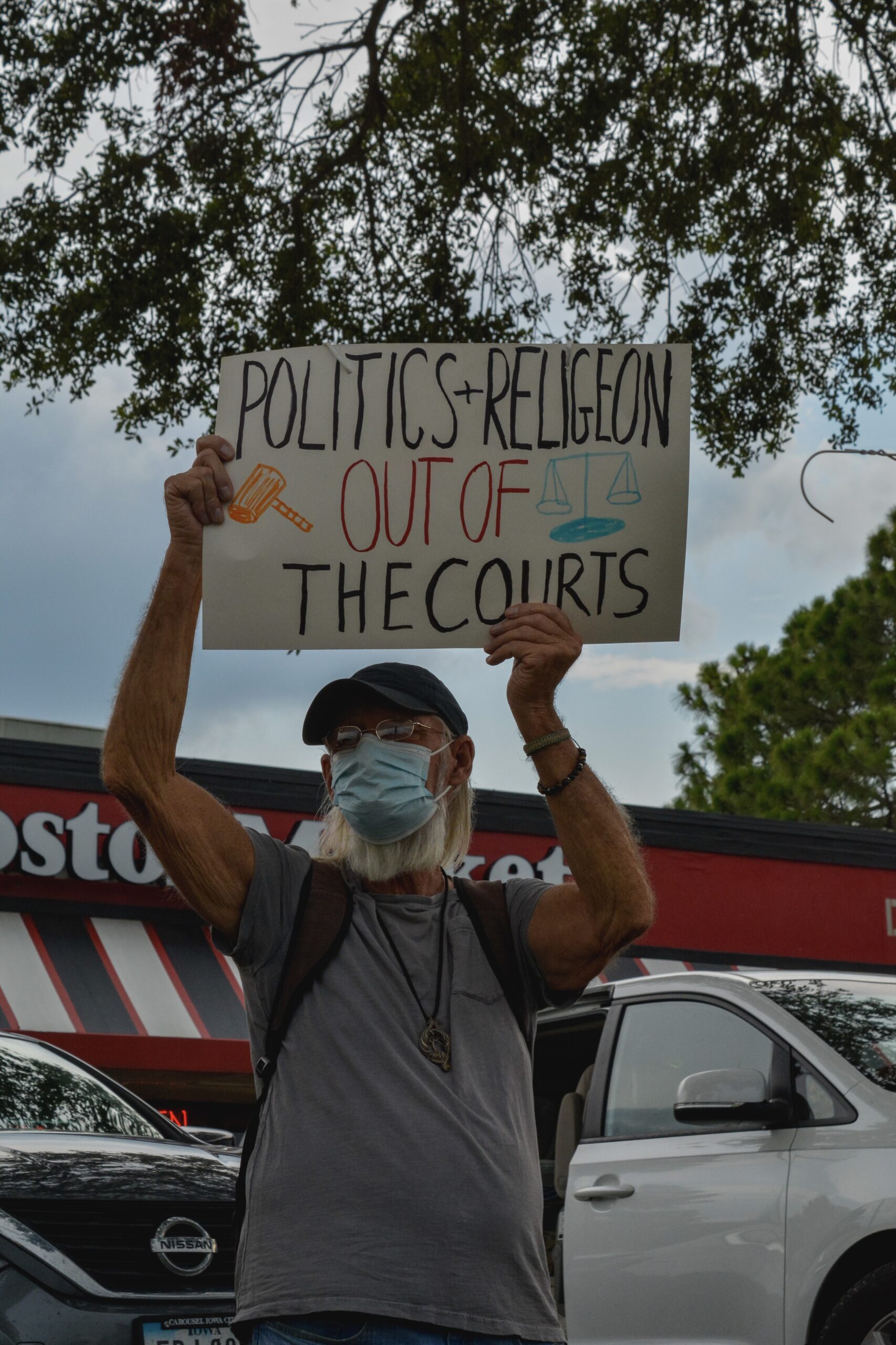
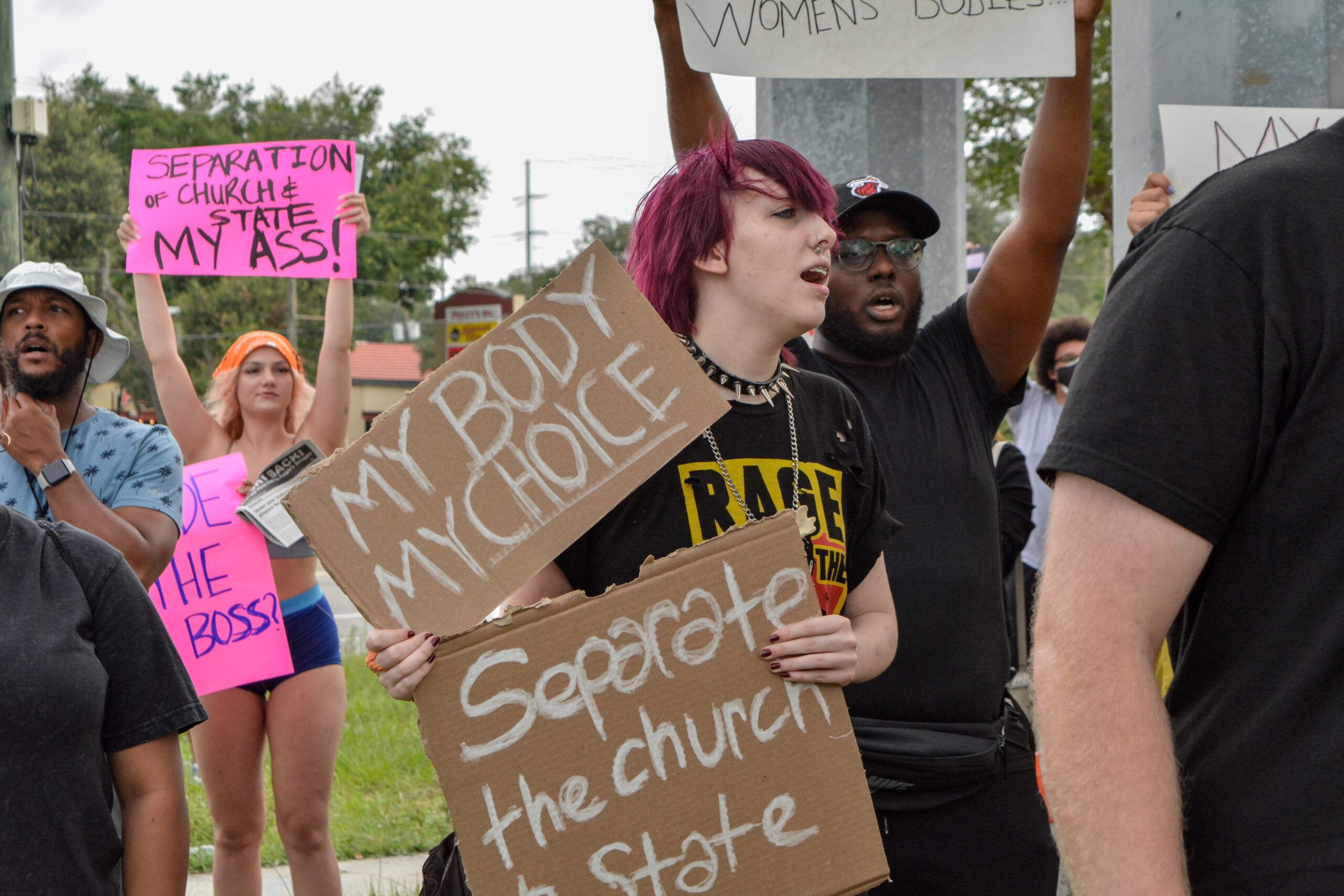
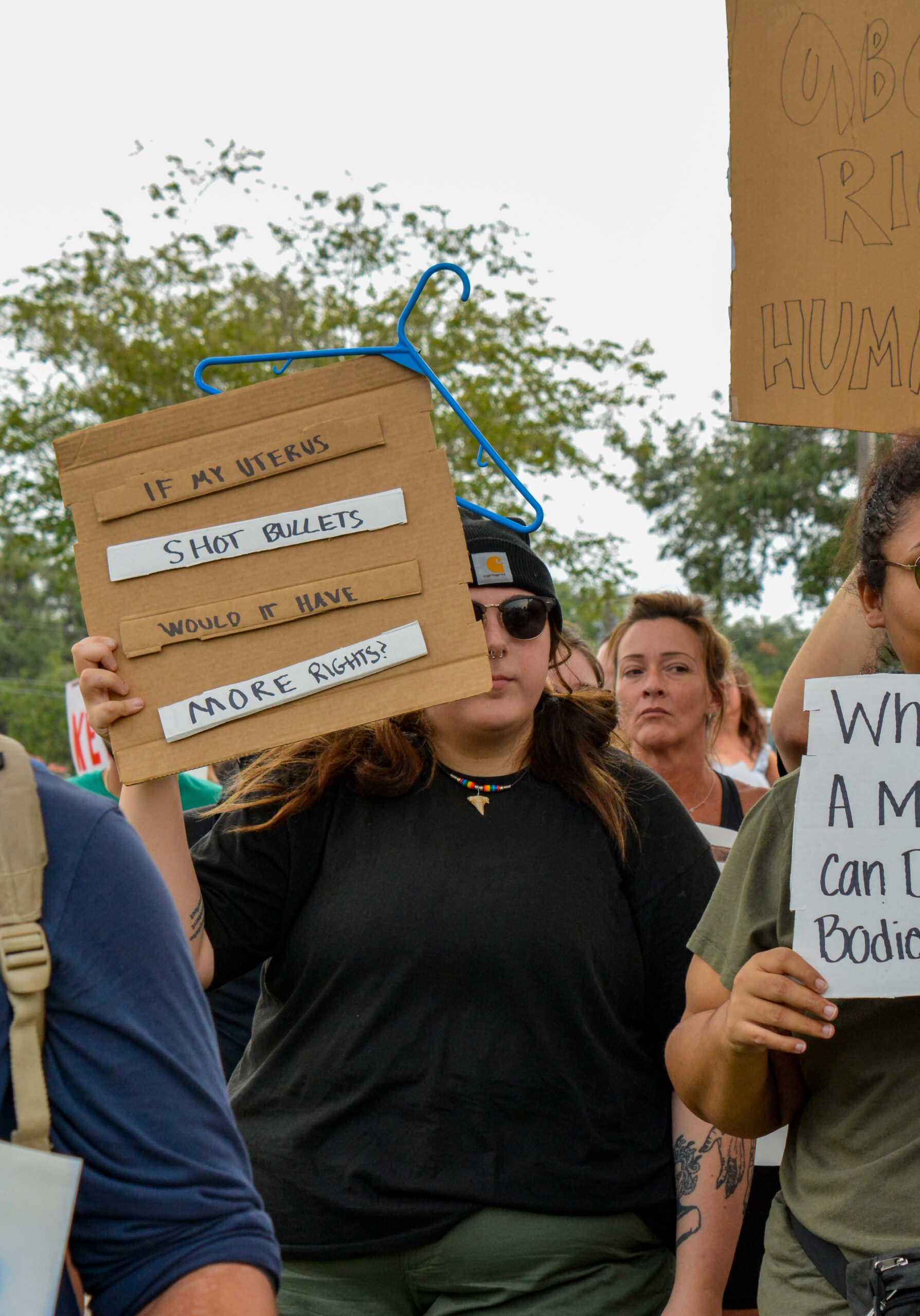
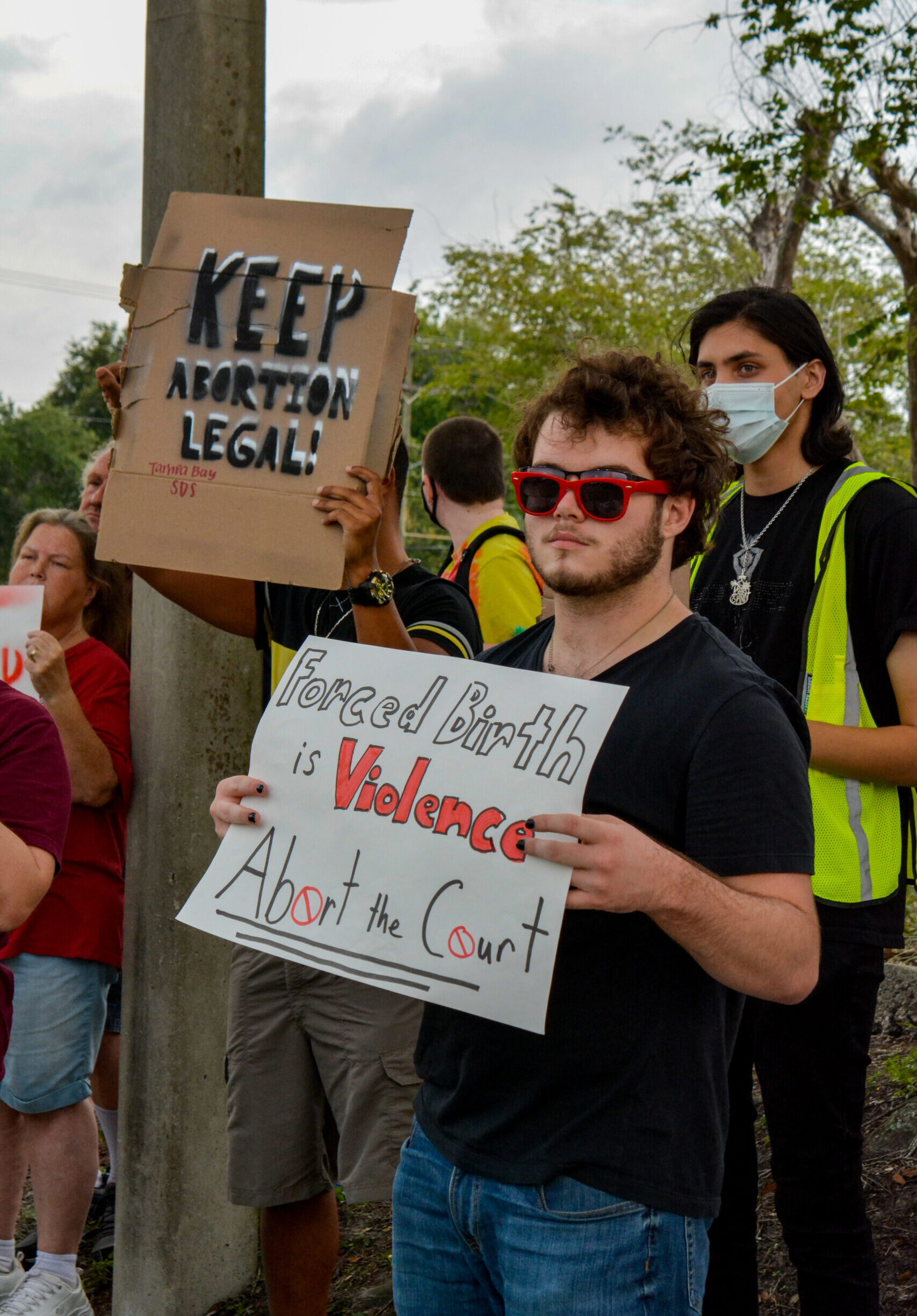
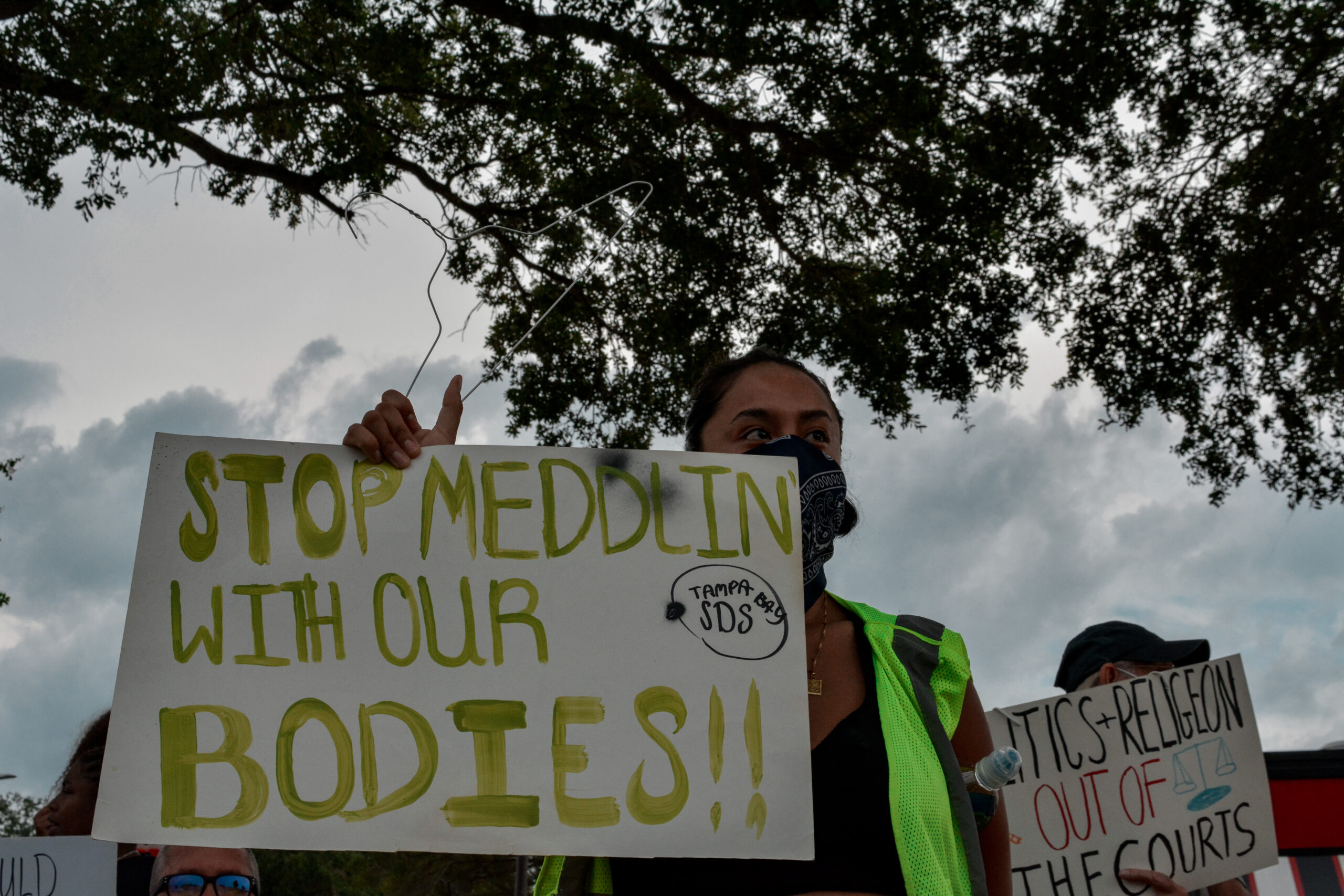
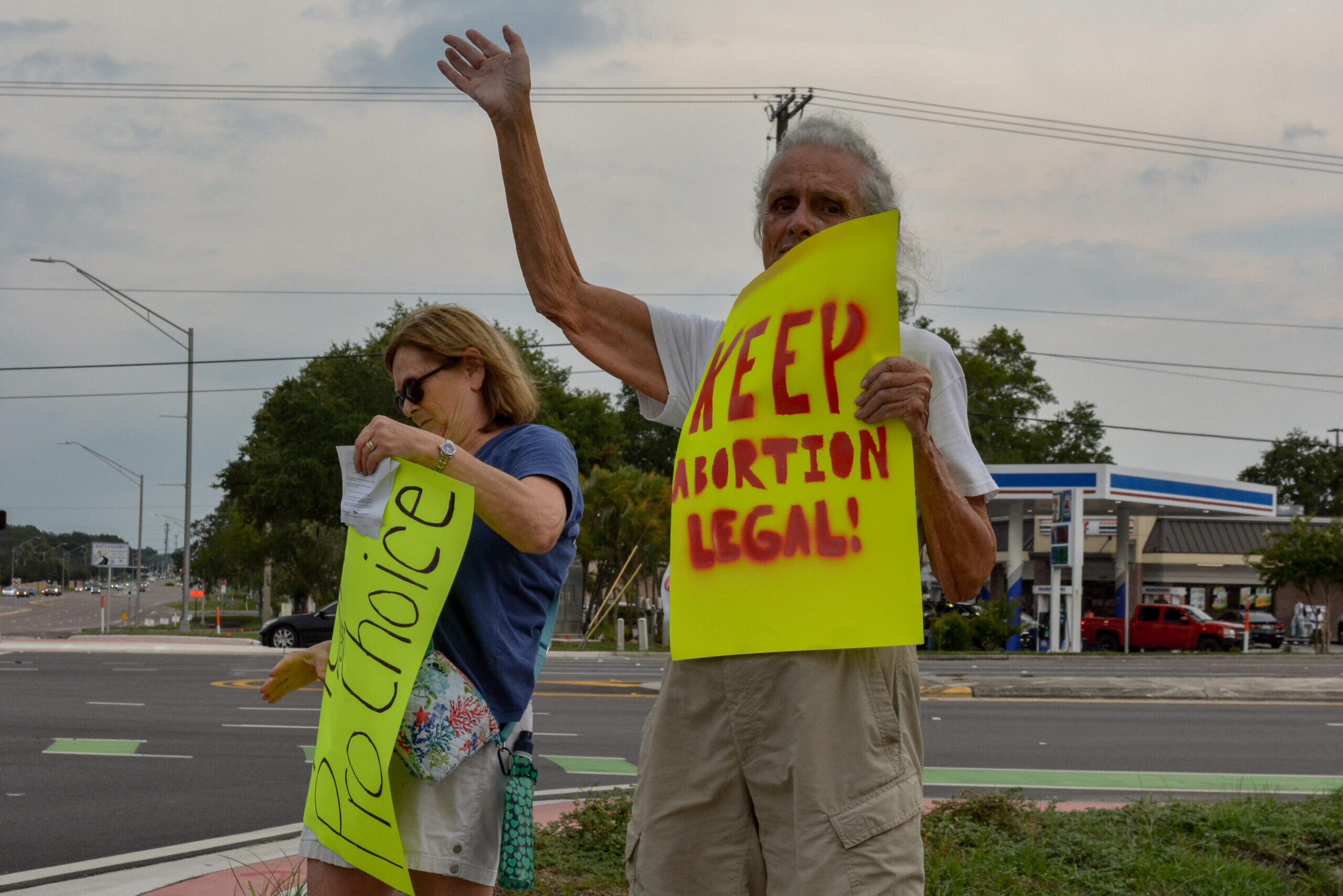
USF students, community march in protest of Roe v. Wade reversal – Photo Gallery

by Uliana Learned, CORRESPONDENT
24 Jun 18:59

Security and Privacy Tips for People Seeking An Abortion

by Daly Barnett

Given the shifting state of the law, people seeking an abortion, or any kind of reproductive healthcare that might end with the termination of a pregnancy,  may need to pay close attention to their digital privacy and security. We've previously covered how those involved in the abortion access movement can keep themselves and their communities safe. We've also laid out a principled guide for platforms to respect user privacy and rights to bodily autonomy. This post is a guide specifically for anyone seeking an abortion and worried about their digital privacy. There is a lot of crossover with the tips outlined in the previously mentioned guides; many tips bear repeating. 

We are not yet sure how companies may respond to law enforcement requests for any abortion related data, and you may not have much control over their choices.  But you can do a lot to control who you are giving your information to, what kind of data they get, and how it might be connected to the rest of your digital life.

Keep This Data Separate from Your Daily Activities

If you are worried about legal pressure, the most important thing to remember is to keep these activities separate from less sensitive ones. This can be done many ways, but the underlying idea is to keep that information compartmentalized away from other aspects of your "regular" life. This makes it harder to trace back to you. 

Choosing a separate browser with hardened privacy settings is an easy and free start. Browsers like Brave, Firefox, and DuckDuckGo on mobile are all easy-to-use options that come with hardened privacy settings out of the box. It's a good idea to look into the “preferences” menu of whichever browser you choose, and raise the privacy settings even further. It's also a good idea to turn off this browser's features to remember browsing history and site data/cookies. Here’s what that looks like in Firefox’s “Privacy and Security” menu: 

Firefox Privacy Menu Showing Cookies Options

Firefox's cookies and history options in its privacy menu

Firefox remember history options in its privacy menu

How to turn off Firefox's feature that remembers browser history

If you are calling clinics or healthcare providers, consider keeping a secondary phone number like Google Voice (which is free), Hushed, or Burner (both Hushed and Burner are paid apps, but have significantly better privacy policies than Google Voice). Having a separate email address, especially one that is made with privacy and security in mind, is also a good idea. Some email services you might consider are Tutanota and Protonmail.

Mobile Privacy

One way to protect your privacy is to get a “burner phone” – meaning a phone that’s not connected to your normal cell phone account. But keeping a super secure burner phone may be hard for many people. If so, consider reviewing the privacy settings on your current cell phone to see what information is being collected about you, who is collecting it, and what they might do with it.

If you're using a period tracker app already, carefully examine its privacy settings. If you can, consider switching to a more privacy-focused app.  Euki, for example, promises not to store any user information.

Turn off ad identifiers on your phone. We've laid out a guide for doing so on iOS and Android here. This restricts individual apps' abilities to track your behavior when you use them, and limits their sharing of that information with others.

While you're at it, it's a good idea to review the other permissions that apps have on your phone, especially location services. For apps that require location data for their core functionality (such as Google Maps), choose an option like "While Using" that only gives the app permission to view your location when it's open (remember to fully close out of those apps when you are finished using them).

If you have a "Find My" feature turned on for your phone, like Apple's function to see where your phone is from your other computers, you will want to consider turning that off before traveling to or from a location you don't want someone else being able to see you visit.

If you're traveling to or from a location (such as a clinic or a rally) where there is a likelihood law enforcement may stop you or seize your device, or if you're often near someone who may look into your phone without permission, turning off biometric unlocking is a good idea. This means turning off any feature for unlocking your phone using your face ID or fingerprint. Instead you should opt for a passcode that is difficult to guess (like all passwords: make it long, unique, and random).

Since you are likely using your phone to text and call others that will share similar data privacy and security concerns as you, it’s a good idea to download Signal, an end-to-end-encrypted messaging app. For a more thorough walkthrough, check out this guide for Android and this for iOS.

Lock & Encrypt

Anticipating how data on your devices might be seized as evidence is a scary thought. You don't need to know how encryption works, but checking to make sure it's turned on for all your devices is vital. Android and iOS devices have full-disk encryption on by default (though it doesn't hurt to check). Doing the same for your laptops and other computers is just as important. It's likely that encryption is on by default for your operating system, but it's worthwhile to check. Here is how to check for MacOS, and also for Windows. Linux users ought to check for guides for their choice of distribution and how to enable full disk encryption from there.

Delete & Turn Off

Deleting things from your phone or computer isn't as easy as it sounds. For sensitive data, you want to make sure it's done right.

When deleting images from your phone, make sure to remove them from "recently deleted" folders. Here is a guide on permanently deleting from iOS. Similar to iOS, Android's Google Photos app requires you to delete photos from its "Bin" folder where it stores recently deleted images for a period of time.

For your computer, using "secure deletion" features on either Windows or MacOS is a good call, but are not as important as making sure full disk encryption is turned on (discussed in the above section)

If you’re especially worried that someone might learn about a specific location you are traveling to or, simply turning off your phone and leaving your laptop at home is the easiest and most foolproof solution. Only you can decide if the risk outweighs the benefit of keeping your phone on when traveling to or from a clinic or abortion rally. For more reading, here is our guide on safely attending a protest, which may be useful for you to make that decision for yourself.

24 Jun 18:58

EFF's Statement on Dobbs Abortion Ruling

by Cindy Cohn

Today's decision deprives millions of people of a fundamental right, and also underscores the importance of fair and meaningful protections for data privacy. Everyone deserves to have strong controls over the collection and use of information they necessarily leave behind as they go about their normal activities, like using apps, search engine queries, posting on social media, texting friends, and so on. But those seeking, offering, or facilitating abortion access must now assume that any data they provide online or offline could be sought by law enforcement.

People should carefully review privacy settings on the services they use, turn off location services on apps that don’t need them, and use encrypted messaging services. Companies should protect users by allowing anonymous access, stopping behavioral tracking, strengthening data deletion policies, encrypting data in transit, enabling end-to-end message encryption by default, preventing location tracking, and ensuring that users get notice when their data is being sought. And state and federal policymakers must pass meaningful privacy legislation. All of these steps are needed to protect privacy, and all are long overdue.

More resources are available at our reproductive rights issue page. 

24 Jun 13:58

USF and St. Pete Youth Farm Unveil Fresh & Local Greenhouse Project

by Staff

The USF St. Petersburg campus and the St. Pete Youth Farm partnered to provide the community with fresh, sustainable food. They have unveiled a new greenhouse that will provide the community with fresh vegetables and fish while giving students the opportunity to learn about sustainable and innovative farming methods.

The Fresh & Local Greenhouse Project

Pinellas County Commissioner Rene Flowers speaking the greenhouse’s unveiling.
Preparing pots for growing.

The new greenhouse will enhance urban agriculture and help address food inequality in south St. Petersburg, where access to affordable and nutritious food is limited. The structure will allow for both hydroponics and aquaponics farming and help college and high school students grow their knowledge of food production and build business skills.

Related: How To Get Wi-Fi Hotspots From the St. Pete Library

“Through this greenhouse project, I am hopeful that we will be able to advance the practical learning of sustainable food production, especially in urban settings,” said Winnie Mulamba, sustainability planner at USF’s St. Petersburg campus. “That it will also provide easy access to affordable fresh and local vegetables to our community, promote creativity among our youth and attract supportive partnerships from various organizations and businesses within the county and beyond.”

Helping out the community

In the most densely populated county in the state, St. Petersburg has a limited amount of land available for food production and a higher percentage of people who identify as food insecure than the national average. More than 190,000 people in Pinellas County are food insecure, according to the nonprofit organization Feeding Tampa Bay. 

The greenhouse is currently growing a variety of lettuces and peppers. Tomatoes and herbs will be added. All will complement the many fruits and vegetables that are grown outside at the youth farm. Blue and red tilapia are also being farm raised within the greenhouse, with their waste being used as fertilizer to grow some of the vegetables within. 

Besides providing food, this urban agriculture initiative will teach students about various farming techniques and entrepreneurship. A majority of the produce will be sold through a youth-driven social enterprise led by the St. Pete Youth Farm and USF’s St. Petersburg campus, with proceeds going back to support the greenhouse and farm. The remaining produce will be given to local charity centers.

“We thought we were setup to just provide food, but it is way more than that. We are cultivating young people and cultivating food at the same time,” said Carla Bristol, collaboration manager at the St. Pete Youth Farm. “And this greenhouse will allow us to grow year-round, grow in a pest-free environment and teach young people about the variety of ways, and technology used, to grow for greater breadth of knowledge and opportunity.”

Related: St. Pete Makes Tripadvisor’s Most Highly Recommended Experiences

The Fresh and Local Greenhouse was made possible by a $25,000 grant from the Ford Motor Company Fund in 2020. USF’s St. Petersburg campus was one of only seven higher education institutions across the nation to receive a grant through the Ford College Community Challenge that year. Additional funding from USF St. Petersburg campus alumni and internal grants supported the greenhouse and the hydroponics and aquaponics system within.

What is the St. Pete Youth Farm?

Farm fresh kale!
Working at the farm.

The St. Pete Youth Farm is located outside the Enoch D. Davis Center in south St. Petersburg and is an urban farm project and youth development program, where young people develop important life skills while learning about growing their own food, leadership and financial literacy. 

In 2017, a grocery store in the Midtown community in South St. Pete shut down. It was the second grocery store to close in a 4-year span. From the dwindling food sources came the idea of starting a youth-led urban farm. The St. Pete Youth Farm became a place where people could access locally grown produce and learn to grow their own food. Fifteen high school-aged students were hired that Summer and many worked to solidify the foundations of the program. Now the St. Pete Youth Farm has had over 45 youth in the community involved in this program.

The post USF and St. Pete Youth Farm Unveil Fresh & Local Greenhouse Project appeared first on ModernGlobe.

24 Jun 13:58

Study Suggests Sun Protects Against Dementia and Strokes

by Staff

According to a new study there appears to be a direct link between vitamin D deficiency and cognitive decline. It turns out there’s a good chance the sun protects against dementia and strokes.

The world-first study discovered that cases of dementia could drop by nearly a fifth if people who are deficient in vitamin D take more supplements to bring them up to healthy levels. Pills aren’t the only solution though, as the skin makes the “sunshine vitamin” after exposure to UV light.

A team from the University of South Australia looked at nearly 300,000 people from the UK Biobank, examining the impact of low levels of vitamin D and the risk of dementia and stroke. They found that low levels of vitamin D displayed a link to lower brain volumes and an increased risk of both conditions.

Related: More States Allowing Students To Take Mental Health Days Off

Further genetic analyses supported a causal effect of vitamin D deficiency and dementia. Researchers report that, in some populations, as much as 17 percent of dementia cases might be preventable through higher vitamin D intake.

Dementia is one of the major causes of disability and dependency among older people worldwide, affecting thinking and behaviors as patients age. Globally, more than 55 million people have dementia, with 10 million new cases diagnosed every year. Dementia cases worldwide will triple to more than 150 million by 2050, according to estimates.

Vitamin D has a major impact on the brain

Study author Professor Elina Hyppönen, senior investigator and director of UniSA’s Australian Centre for Precision Health, says the findings are important for the prevention of dementia and appreciating the need to battle vitamin D deficiency.

Vitamin D is a hormone precursor that is increasingly recognized for widespread effects, including on brain health, but until now it has been very difficult to examine what would happen if we were able to prevent vitamin D deficiency,” Prof. Hyppönen says in a university release.

“Our study is the first to examine the effect of very low levels of vitamin D on the risks of dementia and stroke, using robust genetic analyses among a large population.

“In some contexts, where vitamin D deficiency is relatively common, our findings have important implications for dementia risks. Indeed, in this UK population we observed that up to 17 per cent of dementia cases might have been avoided by boosting vitamin D levels to be within a normal range.”

The genetic study analyzed data from 294,514 participants from the UK Biobank, examining the impact of low levels of vitamin D (25 nmol/L) and the risk of dementia and stroke.

Nonlinear Mendelian randomization (MR) – a method of using measured variation in genes to examine the causal effect of a modifiable exposure on disease – helped researchers test for underlying causality for neuroimaging outcomes, dementia, and stroke.

Dementia is a progressive and debilitating disease that can devastate individuals and families alike,” Prof. Hyppönen says.

“If we’re able to change this reality through ensuring that none of us is severely vitamin D deficient, it would also have further benefits and we could change the health and wellbeing for thousands.”

“Most of us are likely to be ok, but for anyone who for whatever reason may not receive enough vitamin D from the sun, modifications to diet may not be enough, and supplementation may well be needed.”

Story attributed to Study Finds.

The post Study Suggests Sun Protects Against Dementia and Strokes appeared first on ModernGlobe.

23 Jun 18:51

Why critical race theory should inform schools

by Carl E. James, Professor, Jean Augustine Chair in Education, Community & Diaspora, York University, Canada
Parents protested a new anti-racism policy at an Ontario school board saying their children could 'internalize shame and guilt because they’re white.' Unsplash

Some parents have been raising concerns about the teaching of critical race theory in public schools in the United States. Recently, these specious claims have been showing up in Canada too. School boards are being questioned for their anti-racism policies and the teaching of CRT to students.

The Waterloo Region Record recently published a story that detailed how Waterloo Region District School Board trustees in Ontario were told by some parents they were concerned their children could “internalize shame and guilt because they’re white.”

A school delegation called “for more transparency about what’s being taught in classrooms on critical race theory and white privilege” and asked education staff to provide a working definition of the terms in relation to “anti-racist lesson plans.”

And last month, a Toronto Star article on Durham Catholic School Board’s “new anti-racism policy” reported that trustees and members of the public had concerns about language such as “white supremacy” and “colonialism.”

The language, they said, “reflected ‘critical race theory,’ an academic concept that contends racism — whether intentional or not — is systemic and embedded in institutions.” The Star reported that this language was removed from the new policy.


Read more: Why you shouldn't be afraid of critical race theory — Podcast


What is critical race theory?

Law professor Derrick A. Bell is credited with introducing critical race theory within legal studies in a 1976 article for Yale Law Journal and another in 1980 for the Harvard Law Review.

In those articles, Bell sought to explain how laws and public and institutional policies might, on one hand, offer civic rights protection for individuals, and on the other hand, reproduce and enable racial inequity, racism and discrimination. Other scholars who contributed to the scholarly CRT theoretical framework include Kimberlé Crenshaw.

The theory explores race and racialization and is one of several theoretical frameworks that explains how racism is built into our structures and systems.

These systems prevent equal outcomes in education, healthcare, housing, employment and more. CRT seeks to consider how historical, economic, political, social and cultural contexts inform contemporary realities and issues.

CRT also explores the intersections between racism, settler colonialism, ableism, sexism, classism, transphobia and other forms of oppression.

In education, CRT explains how notions of fairness, meritocracy, colour-blindness and neutrality are framed through dominant perspectives, and ignore the collective experiences of race and racism that shape the lives of Black, Indigenous and other racialized students.

Canadians see racism as a problem

According to a recent poll, 60 per cent of Canadians see racism as a serious problem facing our country. This is hopeful news. To help us understand and respond to racism, we need a theoretical framework. CRT is not a policy, structure, training program or curriculum. It is a theoretical framework. As a theory, it is not introduced in K-12 schooling.

As a framework, it asks teachers to use equitable approaches to curriculum, policy and structures in schools and school boards. For example, K-12 curriculum that is viewed through a CRT lens provides historical contexts and explains how history informs contemporary social, political, economic, cultural situations and issues.

This curriculum would also include stories written from the perspective of Indigenous, Black and other racialized authors.

The ‘moral panic’

Programs and structures like this have long existed in Canada. Examples of this include: affirmative action programs, the Canadian Charter of Rights and Freedoms and the Ontario Human Rights Code.

So why is there such confusion and resistance to these ideas now? Joshua Sealy-Harrington, a critical race scholar at The Lincoln Alexander Law School, told the National Post the “moral panic” around CRT is “a well-funded and well-orchestrated political campaign.”

This moral panic has gained traction among right-wing conservatives in the U.S. and Canada to stall and avert efforts at racial justice in K-12 schooling and higher education.

Critics of CRT say addressing racism in schools creates more division and is itself, an example of racism. They say CRT teaches white students to feel bad about themselves and feel guilty about being white. Instead, they call for “universal” approaches to education that focus on our common humanity.

Indeed, proponents of CRT are also committed to universal applications of rights and to equitable outcomes for all students’ learning, belonging and well-being and takes into account their lived realities.

All students are entitled to experience a classroom environment in which they can build strong relationships with teachers and fellow classmates, take risks with their learning and have their experiences affirmed.

Racism is systemic, not individual

If racism is seen as individual actions and beliefs, then suggesting someone has greater power and privilege in a white body than a Black or brown body may feel threatening. But racism is defined as systemic, and should be understood as structural.

Three components constitute the systemic properties of racism: something that is constitutive of laws, legislations and policies; something that is comprised of policies, rules and curricula within institutions; individual beliefs, perceptions and attitudes.

Therefore, feeling threatened when talking about whiteness or white supremacy is not an example of racism.

In our work with educators, we have seen the ways in which delving into issues of race and racism invite students of all racial backgrounds to make sense of the world around them and reflect on their responsibilities in creating more just and humane futures.

Avoiding conversations about race ensures that racism flourishes, creates inhospitable educational contexts and contributes to a deficient learning experience for all students.

We need dialogue that is committed to centring the voices of those who live marginalized and racialized realities and for whom schooling has failed to meet their interests, needs and aspirations. Racism needs to be addressed if we are going to flourish as a society.

Listen and follow the conversation

The Conversation

The authors do not work for, consult, own shares in or receive funding from any company or organisation that would benefit from this article, and have disclosed no relevant affiliations beyond their academic appointment.

23 Jun 17:33

What are PFAS, and why is the EPA warning about them in drinking water? An environmental health scientist explains

by Kathryn Crawford, Assistant Professor of Environmental Health, Middlebury
PFAS, often used in water-resistant gear, also find their way into drinking water and human bodies. CasarsaGuru via Getty Images

“PFAS? What’s PFAS?”

You may be hearing that term in the news as the federal government considers new rules and guidelines for the chemicals. Even if the acronym is new to you, you’re probably already familiar with what PFAS do. That’s because they’re found in everything from nonstick cookware to carpets to ski wax.

PFAS stands for per- and polyfluoroalkyl substances, which are a large group of human-made chemicals – currently estimated to be around 9,000 individual chemical compounds – that are used widely in consumer products and industry. They can make products resistant to water, grease and stains and protect against fire.

Waterproof outdoor apparel and cosmetics, stain-resistant upholstery and carpets, food packaging that is designed to prevent liquid or grease from leaking through, and certain firefighting equipment often contain PFAS. In fact, one recent study found that most products labeled stain- or water-resistant contained PFAS, and another study found that this is even true among products labeled as “nontoxic” or “green.” PFAS are also found in unexpected places like high-performance ski and snowboard waxes, floor waxes and medical devices.

At first glance, PFAS sound pretty useful, so you might be wondering “what’s the big deal?”

The short answer is that PFAS are harmful to human health and the environment.

Some of the very same chemical properties that make PFAS attractive in products also mean these chemicals will persist in the environment for generations. Because of the widespread use of PFAS, these chemicals are now present in water, soil and living organisms and can be found across almost every part of the planet, including Arctic glaciers, marine mammals, remote communities living on subsistence diets, and in 98% of the American public.

The Environmental Protection Agency recently issued new warnings about their risk in drinking water even at very low levels.

Health risks from PFAS exposure

Once people are exposed to PFAS, the chemicals remain in their bodies for a long time – months to years, depending on the specific compound – and they can accumulate over time.

Research consistently demonstrates that PFAS are associated with a variety of adverse health effects. A recent review by a panel of experts looking at research on PFAS toxicity concluded with a high degree of certainty that PFAS contribute to thyroid disease, elevated cholesterol, liver damage and kidney and testicular cancer.

A woman lying on her back on white carpet holds up a little girl who is pretending to fly. A white couch is behind them.
Stain-resistant fabrics and carpets often contain PFAS. Deagreez via Getty Images

Further, they concluded with a high degree of certainty that PFAS also affect babies exposed in utero by increasing their likelihood of being born at a lower birth weight and responding less effectively to vaccines, while impairing women’s mammary gland development, which may adversely impact a mom’s ability to breastfeed.

The review also found evidence that PFAS may contribute to a number of other disorders, though further research is needed to confirm existing findings: inflammatory bowel disease, reduced fertility, breast cancer and an increased likelihood of miscarriage and developing high blood pressure and preeclampsia during pregnancy. Additionally, current research suggests that babies exposed prenatally are at higher risk of experiencing obesity, early-onset puberty and reduced fertility later in life.

Collectively, this is a formidable list of diseases and disorders.

Who’s regulating PFAS?

PFAS chemicals have been around since the late 1930s, when a DuPont scientist created one by accident during a lab experiment. DuPont called it Teflon, which eventually became a household name for its use on nonstick pans.

Decades later, in 1998, Scotchgard maker 3M notified the Environmental Protection Agency that a PFAS chemical was showing up in human blood samples. At the time, 3M said low levels of the manufactured chemical had been detected in people’s blood as early as the 1970s.

Despite the lengthy list of serious health risks linked to PFAS and a tremendous amount of federal investment in PFAS-related research in recent years, PFAS haven’t been regulated at the federal level in the United States.

The EPA has issued advisories and health-based guidelines for two PFAS compounds – PFOA and PFOS – in drinking water, though these guidelines are not legally enforceable standards. And the Agency for Toxic Substances and Disease Registry has a toxicological profile for PFAS.

Federal rules could be coming. Congress is considering legislation to ban PFAS in some food packaging. The EPA has a road map for PFAS regulations it is considering, including regulations involving drinking water. The Biden administration has said it also expects to list PFOA and PFOS as hazardous substances under the Superfund law, a move that worries utilities and businesses that use PFAS-containing products or processes because of the expense of cleanup.

States, meanwhile, have been taking their own actions to protect residents against the risk of PFAS exposure.

At least 21 states have laws targeting PFAS in various uses, such as in food packaging and carpets. But relying on state laws places burdens on state agencies responsible for enforcing them and creates a patchwork of regulations which, in turn, place burdens on business and consumers to navigate regulatory nuances across state lines.

So, what can you do about PFAS?

Based on current scientific understanding, most people are exposed to PFAS primarily through their diet, though drinking water and airborne exposures may be significant among some people, especially if they live near known PFAS-related industries or contamination.

The best ways to protect yourself and your family from risks associated with PFAS are to educate yourself about potential sources of exposures.

Products labeled as water- or stain-resistant have a good chance of containing PFAS. Check the ingredients on products you buy and watch for chemical names containing “fluor-.” Specific trade names, such as Teflon and Gore-Tex, are also likely to contain PFAS.

Check whether there are sources of contamination near you, such as in drinking water or PFAS-related industries in the area. Some states don’t test or report PFAS contamination, so the absence of readily available information does not necessarily mean the region is free of PFAS problems.

For additional information about PFAS, check out the Agency for Toxic Substances and Disease Registry, EPA and U.S. Centers for Disease Control and Prevention websites or contact your state or local public health department.

If you believe you have been exposed to PFAS and are concerned about your health, contact your health care provider. The Agency for Toxic Substances and Disease Registry has a succinct report to help health care professionals understand the clinical implications of PFAS exposure.

The Conversation

Kathryn Crawford has received funding from the National Institute of Environmental Health Sciences and the National Institute of General Medical Sciences.

23 Jun 17:09

Russia’s Ukraine invasion won’t be over soon – and Putin is counting on the West’s short attention span

by Matthew Sussex, Fellow, Strategic and Defence Studies Centre, Australian National University

As Russia’s war in Ukraine becomes a quagmire of attrition, Western leaders are slowly coming to two realisations about Vladimir Putin’s intentions.

First, Russia’s war against Ukraine won’t be over soon, and is likely to grind on for the foreseeable future.

Second, it’s pointless to try to imagine a future in which relations with Moscow are characterised by anything other by mutual mistrust and hostility.

In spite of this, there is still the chance that Russia’s invasion falls off the international radar through a Western inability to deal with hard realities.

Putin’s war of expansion

In an interview with a German newspaper, NATO Secretary General Jens Stoltenberg estimated the war could take years, rather than months.

Patrick Sanders, the incoming chief of the British Army, has claimed the UK’s armed forces need to be oriented around fighting a ground war with Russia.

And after an awkwardly frosty hug with President Volodymyr Zelenskyy, even French President Emmanuel Macron, whose calls to Putin have annoyed Kyiv and who previously warned Putin must not be humiliated, has voiced his unequivocal support for Ukraine.

These epiphanies are long overdue. There’s no point in dreaming up elaborate diplomatic “off ramps” for Putin when it’s abundantly clear he sees no need for them.

Doing so also denies Ukraine agency in determining how the war ends, and presupposes a post-conflict European security order can meet both Russian and Western requirements. As witnessed prior to Russia’s invasion on February 24, the Kremlin isn’t content with anything short of regaining something close to the geo-strategic footprint of the USSR.

Obsessed with territorial aggrandisement, and having cynically cultivated a fetish for militarism in Russian society, Vladimir Putin recently admitted as much when he compared himself to Peter the Great, noting “now it’s our turn to get our lands back”.

At the very least, Putin’s words should put to bed the vastly overstated claim that the enlargement of Western security structures somehow forced Putin to invade Ukraine. This is clearly a war of Russian expansion, not NATO expansion.

Yet some Western security policymakers and commentators remain incapable of letting go of victor’s guilt over how the fledgling Russian state was treated following the USSR’s collapse.

While such sentiments are to an extent defensible, the West’s strategic failings nonetheless pale in comparison to Putin’s long history of internal repression, political warfare against external foes, nuclear threats, and brutality against those whose continued independence irk him.

Putin waiting the West out

Another reason the West should avoid the temptation of hand-wringing is because now is the most dangerous time in Ukraine’s efforts to repel the Russian invasion.

By its own estimation, Ukraine’s forces are outgunned ten-to-one by Russian artillery in the Donbas region. However, Ukraine has no option but to keep fighting, both for national survival and because suing for peace now – given what we know about the barbarism inflicted on Ukrainians by Russian invaders – would mean a swift end for Zelenskyy’s government.

Having initially failed to capture Kyiv in a poorly conceived and executed dash for the capital, Russian forces have adopted their typical approach to offensive operations – massive unguided fires in both urban and rural environments. That curtain of bombardment allows its military to advance, albeit painfully slowly.

This suits Putin just fine, at least for the moment. He has no incentive to go to the negotiating table since the limited territory he has seized from Ukraine so far cannot be spun as a great victory either at home or abroad.

His military calculus is simple: to continue capturing territory and destroy as much of Ukraine’s infrastructure as possible.

It also dovetails with his strategic calculus, which is to simply wait the West out. Previously – in Chechnya, Georgia and Crimea – he has correctly anticipated that Western tolerance for protracted confrontation is low, and it can be counted on to de-escalate.

Will the invasion fall off the radar?

Yet although Western elites are gloomily coming to the understanding Putin cannot somehow be managed, there remains a significant danger the conflict falls off the international radar, or that Western leaders waver as the conflict drags on.

We can already see some of this happening: in the tendency of the Western media to grasp at straws over Putin’s reputed ill-health, and in Germany’s egregious vacillation over allowing heavy weapons destined for Ukraine to transit its territory.

For his part, Zelenskyy is acutely aware of this. It’s why he has maintained the pressure on European nations to match words with deeds.

It’s also why he now expects something in return for the popularity sugar hit European leaders get from photo opportunities after taking the increasingly well-worn path to Kyiv to meet him.

3 reasons to meet Ukraine’s military requests

Meeting Ukraine’s requests for heavy weapons and ammunition is in the interests of NATO members for three reasons.

  1. It’s critical to show Putin that escalation comes with real costs: something Western leaders have shied away from for decades.

  2. It’s increasingly likely neither Ukraine nor Russia will be happy with any eventual settlement to the war, and a “frozen” conflict leaves Russia the chance to try again in future. Ukraine’s armed forces have performed far above expectations in denying the Kremlin the chance to “win”, at least in terms of its original ambitions. But although Kyiv’s desire to recapture all its lost territory – including Crimea – is unsurprising, there’s no realistic prospect of that without military assistance far beyond its requests.

  3. A third reason for the West to meet Ukrainian hardware needs concerns the credibility of NATO’s and the EU’s assertions they protect international order and shared values. No matter how the war ends, a profoundly damaged Ukraine will take decades to rebuild.

And while it’s currently fashionable for Western leaders to proclaim how much they are doing to help, the reality is they’re safely watching Ukraine fight a major power.

With that track record, it would be completely understandable for those in other nations that might need Western security assistance in future to have little confidence in obtaining much more beyond noble sentiments, and bare minimum support.

The Conversation

Matthew Sussex has received funding from the Australian Research Council, the Carnegie Foundation and various government agencies.

23 Jun 16:20

Abortion and bioethics: Principles to guide U.S. abortion debates

by Nancy S. Jecker, Professor of Bioethics and Humanities, School of Medicine, University of Washington
Four basic principles guide the field of medical ethics. goc/E+ via Getty Images

The U.S. Supreme Court will soon decide the fate of Roe v. Wade, the landmark 1973 decision that established the nationwide right to choose an abortion. If the court’s decision hews close to the leaked draft opinion first published by Politico in May 2022, the court’s new conservative majority will overturn Roe.

Rancorous debate about the ruling is often dominated by politics. Ethics garners less attention, although it lies at the heart of the legal controversy. As a philosopher and bioethicist, I study moral problems in medicine and health policy, including abortion.

Bioethical approaches to abortion often appeal to four principles: respect patients’ autonomy; nonmaleficence, or “do no harm”; beneficence, or provide beneficial care; and justice. These principles were first developed during the 1970s to guide research involving human subjects. Today, they are essential guides for many doctors and ethicists in challenging medical cases.

Patient autonomy

The ethical principle of autonomy states that patients are entitled to make decisions about their own medical care when able. The American Medical Association’s Code of Medical Ethics recognizes a patient’s right to “receive information and ask questions about recommended treatments” in order to “make well-considered decisions about care.” Respect for autonomy is enshrined in laws governing informed consent, which protect patients’ right to know the medical options available and make an informed voluntary decision.

Some bioethicists regard respect for autonomy as lending firm support to the right to choose abortion, arguing that if a pregnant person wishes to end their pregnancy, the state should not interfere. According to one interpretation of this view, the principle of autonomy means that a person owns their body and should be free to decide what happens in and to it.

Abortion opponents do not necessarily challenge the soundness of respecting people’s autonomy, but may disagree about how to interpret this principle. Some regard a pregnant person as “two patients” – the pregnant person and the fetus.

One way to reconcile these views is to say that as an immature human being becomes “increasingly self-conscious, rational and autonomous it is harmed to an increasing degree,” as philosopher Jeff McMahan writes. In this view, a late-stage fetus has more interest in its future than a fertilized egg, and therefore the later in pregnancy an abortion takes place, the more it may hinder the fetus’s developing interests. In the U.S., where 92.7% of abortions occur at or before 13 weeks’ gestation, a pregnant person’s rights may often outweigh those attributed to the fetus. Later in pregnancy, however, rights attributed to the fetus may assume greater weight. Balancing these competing claims remains contentious.

Nonmaleficence and beneficence

The ethical principle of “do no harm” forbids intentionally harming or injuring a patient. It demands medically competent care that minimizes risks. Nonmaleficence is often paired with a principle of beneficence, a duty to benefit patients. Together, these principles emphasize doing more good than harm.

A black blood pressure gauge sits on a table next to a small white tablet with writing on it.
The Hippocratic Oath, a traditional code of ethics for doctors, stresses doing no harm. Janko Maslovaric/iStock via Getty Images Plus

Minimizing the risk of harm figures prominently in the World Health Organization’s opposition to bans on abortion because pregnant people facing barriers to abortion often resort to unsafe methods, which represent a leading cause of avoidable maternal deaths and morbidities worldwide.

Although 97% of unsafe abortions occur in developing countries, developed countries that have narrowed abortion access have produced unintended harms. In Poland, for example, doctors fearing prosecution have hesitated to administer cancer treatments during pregnancy or remove a fetus after a pregnant person’s water breaks early in the pregnancy, before the fetus is viable. In the U.S., restrictive abortion laws in some states, like Texas, have complicated care for miscarriages and high-risk pregnancies, putting pregnant people’s lives at risk.

However, Americans who favor overturning Roe are primarily concerned about fetal harm. Regardless of whether or not the fetus is considered a person, the fetus might have an interest in avoiding pain. Late in pregnancy, some ethicists think that humane care for pregnant people should include minimizing fetal pain irrespective of whether a pregnancy continues. Neuroscience teaches that the human capacity to experience feeling or sensation develops between 24 and 28 weeks’ gestation.

Justice

Justice, a final principle of bioethics, requires treating similar cases similarly. If the pregnant person and fetus are moral equals, many argue that it would be unjust to kill the fetus except in self-defense, if the fetus threatens the pregnant person’s life. Others hold that even in self-defense, terminating the fetus’s life is wrong because a fetus is not morally responsible for any threat it poses.

Yet defenders of abortion point out that even if abortion results in the death of an innocent person, that is not its goal. If the ethics of an action is judged by its goals, then abortion might be justified in cases where it realizes an ethical aim, such as saving a woman’s life or protecting a family’s ability to care for their current children. Defenders of abortion also argue that even if the fetus has a right to life, a person does not have a right to everything they need to stay alive. For example, having a right to life does not entail a right to threaten another’s health or life, or ride roughshod over another’s life plans and goals.

Justice also deals with the fair distribution of benefits and burdens. Among wealthy countries, the U.S. has the highest rate of deaths linked to pregnancy and childbirth. Without legal protection for abortion, pregnancy and childbirth for Americans could become even more risky. Studies show that women are more likely to die while pregnant or shortly thereafter in states with the most restrictive abortion policies.

Minority groups may have the most to lose if the right to choose abortion is not upheld because they utilize a disproportionate share of abortion services. In Mississippi, for example, people of color represent 44% of the population, but 81% of those receiving abortions. Other states follow a similar pattern, leading some health activists to conclude that “abortion restrictions are racist.”

Other marginalized groups, including low-income families, could also be hard hit by abortion restrictions because abortions are expected to get pricier.

Politics aside, abortion raises profound ethical questions that remain unsettled, which courts are left to settle using the blunt instrument of law. In this sense, abortion “begins as a moral argument and ends as a legal argument,” in the words of law and ethics scholar Katherine Watson.

Putting to rest legal controversies surrounding abortion would require reaching moral consensus. Short of that, articulating our own moral views and understanding others’ can bring all sides closer to a principled compromise.

The Conversation

Nancy S. Jecker does not work for, consult, own shares in or receive funding from any company or organization that would benefit from this article, and has disclosed no relevant affiliations beyond their academic appointment.

22 Jun 17:53

Psychologists have traditionally focused on the past – what if that's all wrong?

by Jolanta Burke, Senior Lecturer, Centre for Positive Psychology and Health, RCSI University of Medicine and Health Sciences
'Tell me about your mother.' Syda Productions/Shutterstock

For over a century, psychologists such as Sigmund Freud and Carl Rogers focused people’s attention on the past. And so when Mary struggles to maintain romantic relationships, she blames her past boyfriends for it. When Chris battles with addiction, he digs into his memories from childhood when he first felt humiliated. And when Saoirse doesn’t want to settle down, she attributes her free-spirited nature to being the youngest child in her family.

But what if these psychologists got it wrong? What if it is not the past but how we view the future that holds us back, preventing us from becoming the best versions of ourselves?

Psychological research has become obsessed with searching for the causes of mental ill health. However, an increasing body of research suggests that focusing on the future may protect us from depression and help us cope with stress more effectively. Sometimes, instead of dissecting the negative memories, we need to focus on a better understanding of how we view our future.

Many veterans, refugees and other people who have experienced trauma and have mental health issues spend little time thinking about the future. Instead, they are narrowly focused on the negative past.

Two soldiers in a sandy haze.
Veterans who have experienced trauma spend a lot of time focused on the past. Superstar/Shutterstock

However, people who have experienced trauma and developed a healthy future perspective report being better at coping with life, having fewer negative thoughts about the past, and getting better sleep compared with those who have a negative future perspective. So, instead of dwelling on the past, people who have suffered trauma should be encouraged to think about the future and set goals that help them develop hope for a good life.

Reflecting on a positive future can help us develop healthy relationships with the days to come and be more open to life and its opportunities. With this in mind, Julie Round (a qualitative researcher) and I have experimented with a small group of newly retired women, some of whom felt anxious when thinking about their future. They wondered what to do with the rest of their lives. Some even questioned their usefulness in this world, making them feel worse about themselves. When we asked them how they felt about setting goals, they had mixed emotions.

We began gently by helping them create a more positive future. Every day for four days, they wrote for 20 minutes about their “best retired self”. They imagined their dreams coming to fruition. Then, they explored the building blocks (such as home, family and leisure) to reaching their best future selves. They imagined that everything went according to plan, and were encouraged to think about what life would look like five years from now.

On the last day of the study, they imagined their 80th birthday using senses (for example, what did it smell like and who was there with them? – including people they had not yet met). Then we asked them to set goals for their lives ahead.

A week after the activity, they continued to experience mixed emotions. They needed time to process their future – all the things they looked forward to and the things they feared. However, a positive change was noted three months later, when they reported increased calmness and enthusiasm for the future. The image of them on their 80th birthday stayed with them, and they wanted to ensure they contributed to their friends, family and society just as they planned.

Four techniques to create a better future

Your “best retired self”, or a more generic “best possible self”, is just one of many activities you can engage in to help you create a more positive future to look forward to. Other activities include:

  • Anticipate savouring. Consider small and more significant things happening in the near or distant future. Imagine what it would be like if everything went well for you. Enjoy the positive feelings that follow.

  • Develop hope. Hope is about finding the will and the way towards accomplishing something we want in our lives. Try to identify what you would like your future to be and reflect on how to get there. Without a pathway, you may feel helpless about your situation.

  • Imagine all your problems solved. Project yourself into a time when all the issues you are struggling with today will be resolved. Now describe in detail how you achieved this.

  • Develop goals. Come up with a list of goals you would like to achieve. Now complete the Values in Action (VIA) survey of character strengths and identify how your strengths can help you achieve your meaningful goals.

Focusing on the future offers us choices and acknowledges that we have free will, and are not just a product of our childhood or other adverse life events. We have no say in our past, but we can create a better future if we choose to face it and enter it with confidence.

This does not mean we should live in denial. In fact, the opposite is true. We acknowledge that bad things have happened, but we also acknowledge that we want a promising future for ourselves and choose to focus our attention on creating it. Seeing it is a starting point to making it happen.

The Conversation

Jolanta Burke does not work for, consult, own shares in or receive funding from any company or organisation that would benefit from this article, and has disclosed no relevant affiliations beyond their academic appointment.

22 Jun 17:48

Citizen science volunteers are almost entirely white

by Bradley Allf, PhD Candidate in Conservation Biology, North Carolina State University
Many citizen science projects rely on volunteers to collect data in the field. Marko Geber/DigitalVision via Getty Images
CC BY-ND

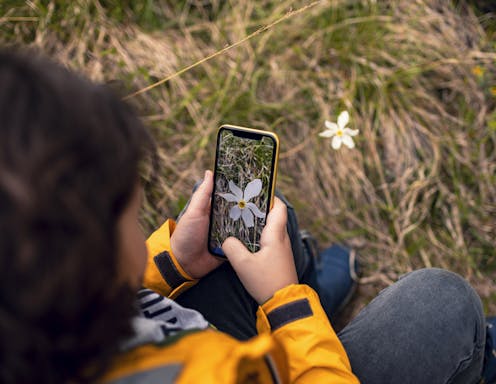
Every day, volunteers around the world contribute to scientific studies through “citizen science.” Citizen science can be anything from counting migrating birds to measuring precipitation or even tracking outbreaks of COVID-19. Citizen science helps researchers collect more data than they could working on their own. The people who participate in these projects also benefit by gaining knowledge about the fields they are working in and learning skills.

We are two researchers who study biology, the environment and the role of citizen science in these fields. In a new paper published on June 22, 2022, in BioScience, we used survey data from 2016 to 2019 to better understand the demographics of citizen scientists.

A graphic of many colored silhouettes of people.
Citizen science volunteers tend to be white, well-educated and work in science, technology, engineering or math. ajijchan/iStock via Getty Images

A few small studies have found that citizen science volunteers tend to be white, well-educated and have high incomes. But this homogeneity of participants is common knowledge among researchers, and few collect detailed demographic data on participants in citizen science.

In our survey, we collected data about race, income and other demographic information. Overall, we received 3,894 responses. Most of the responses – 3,191 – came from the 2016 Christmas Bird Count, the world’s longest-running bird-related citizen science project. Since 1900, thousands of people in the U.S. and abroad have counted birds around Christmas and reported the results to the Audubon Society.

We also collected data from 280 contributors to Candid Critters – a project that uses trail cameras to study wild mammals – and from 423 members of SciStarter.org, an online inventory of citizen science projects.

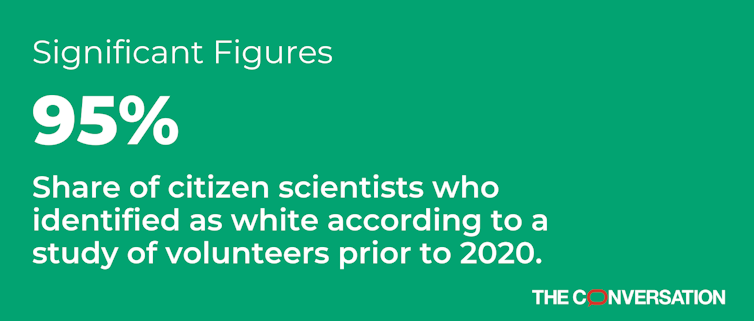
Overall, 95% of respondents identified as white. The lack of racial diversity was striking for each sample, with 96% of participants in both the Christmas Bird count and Candid Critters identifying as white and 88% of respondents from SciStarter saying the same. While only 14% of the U.S. population has a graduate or professional degree, about half of our survey respondents held these degrees. Additionally, while only 6% of the U.S. population has careers in science, technology, engineering or math, almost half of our survey respondents from all three data sources worked in STEM fields.

Problems from a lack of diversity

Participating in citizen science is linked to personal benefits like learning new skills and building community. If citizen science is only reaching educated white science professionals, then it’s concentrating the benefits of participation among this group.

Additionally, if one of the goals of citizen science is to boost science literacy and trust in science, it can’t achieve that goal if it’s preaching to the choir by only reaching people who already work in science.

Finally, a lack of diversity in citizen science could even compromise the quality of the research. For instance, one study found that volunteer water monitors – who were mostly well-educated and white – undersampled areas where environmental concerns disproportionately affected poor communities of color.

A black man holding binoculars in a forest.
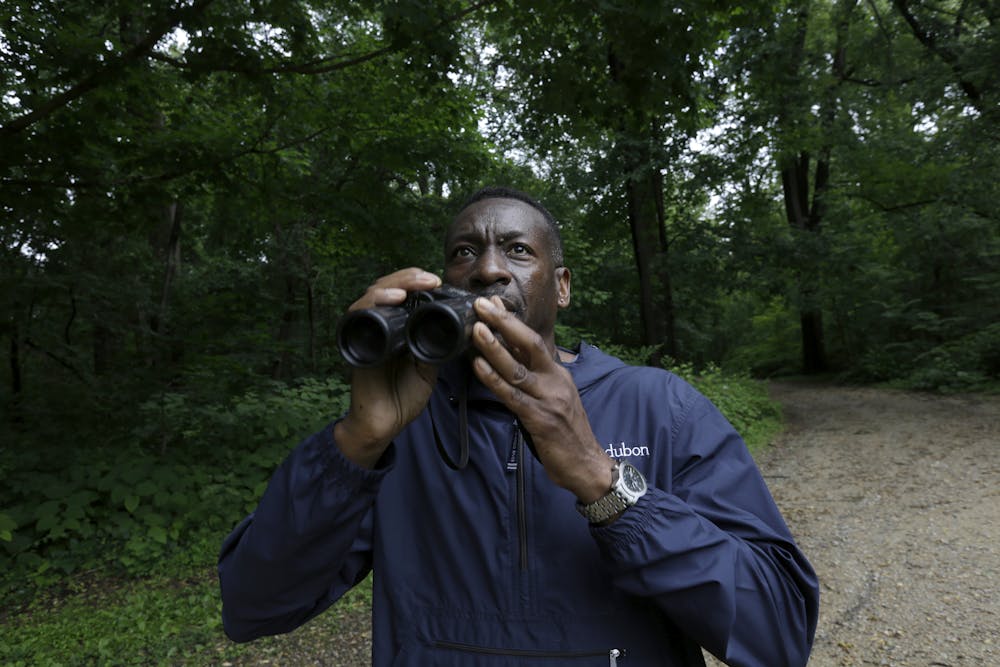
Many organizations and initiatives, like Black Birders Week, are trying to bring people from diverse backgrounds into citizen science projects and science generally. AP Photo/Jacqueline Larma

Initiatives like Black Birders Week seek to increase the visibility and concerns of people of color interested in the outdoors and science. SciStarter, where one of us volunteers as the director of research collaborations, is undertaking a long-term effort to design inclusive citizen science programs. By partnering with community-based groups, schools, churches, companies and libraries, some recent SciStarter initiatives have engaged more than 40% nonwhite participants.

Reforming citizen science with inclusive and equitable practices would not only make the science better but also spread the benefits of these projects more equitably and eventually help bring more diverse perspectives into science generally.

The Conversation

Bradley Allf receives funding from the National Science Foundation.

Caren Cooper receives funding from the National Science Foundation. She is affiliated with SciStarter, as unpaid director of research collaborations.

22 Jun 17:41

US Capitol attack: how the public reaction to the January 6 hearings reflects deep divisions in the US

by Eliza Bechtold, Teaching Fellow, School of Law, University of Aberdeen, University of Aberdeen

After nearly a year of investigating the attack on the US Capitol on January 6 2021, the Democrat-led House Select committee is holding a series of public hearings to present its findings to the US public. These findings include that the former US president, Donald Trump, and his allies engaged in illegal efforts to overturn the results of the 2020 election.

The committee, which has a Republican co-chair, Liz Cheney, also found they knowingly spread lies regarding the integrity of the electoral system, which culminated in the attack on the heart of American democracy.

According to one report in the New York Times, at least 20 million people watched the first primetime hearing. It was carried live by all major public and private news outlets in the US, with the notable exception of Fox News.

It bears repeating that, by all measures, the 2020 general election was one of the most secure elections in American history, with no evidence of widespread voter fraud. These facts have been confirmed over and over again by federal agencies and courts – most recently by the Trump administration’s attorney general, Bill Barr, via video testimony presented at the hearings. Barr recounted telling Trump following the election that his claims of fraud were “bullshit”.

Notwithstanding these facts, Trump led an aggressive disinformation campaign for the purpose of undermining the public’s faith in the integrity of the 2020 presidential election. It’s a campaign that continues to this day. Trump and other Republicans, including those running for elected office, continue to spread lies regarding that election.

During its convention in mid-June, the Republican Party of Texas approved its 2022 policy platform, which relies on false claims of voter fraud to formally reject the results of the 2020 election and proclaim Joe Biden’s victory as illegitimate.

Party lines

While much attention is being paid to Americans’ attitudes generally, more focus on partisan divisions is warranted. An ABC News/Ipsos poll released on January 19 found the American public’s attitudes about Trump’s culpability in the January 6 attack remain largely unchanged.

Partisanship appears to be the largest factor driving Americans’ views of the attack. For example, 91% of Democrats believe Trump is responsible, versus only 19% of Republicans.

Democrats are also more likely to be following the committee hearings – 43% versus just 22% of Republicans. Additionally, while 88% of Democrats approve of the work of the committee, only 32% of Republicans share this view.

Polling also reveals the enduring success of Trump’s disinformation campaign. For example, in January 2022 only 17% of Republicans said they would consider voting for a candidate who accurately characterised Biden’s victory as legitimate. Additionally, while there is no legitimate basis for concerns regarding voter fraud at the state level, Republicans are three or four more times more likely than Democrats to say voter fraud is a problem in their state.

Divergences in the attitudes of Democrats and Republicans concerning January 6 and Trump’s false election claims, while deeply concerning, are unsurprising given partisan differences in how and where Americans access information on matters of public concern.

For example, a Pew Research Center report published in January 2020 revealed that Republicans and Democrats place their trust in two “nearly inverse news media environments”. Republicans place less trust in – and are growing increasingly alienated from – more established news sources, while Democrats’ confidence in them remains stable.

The study also found that Republicans use news sources less frequently than Democrats. Recent declines in trust in, and engagement with, traditional media by Republicans coincide with a recent increase in illiberalism of the Republican Party.

Media polarisation

Such a concerning trend is not evident in European democracies. Comparative research suggests the US has much higher levels of partisan news production, consumption and polarisation than Europe, and lower levels of trust in traditional media.

Even when accounting for the differences within European states and the rise in the use of social media as a news source across Europe, the American information ecosystem is significantly more polluted, fragmented and polarised. For example, according to Ofcom, BBC One remains the most-used news source for people living in the UK. This contrasts starkly with the US, where the largest public news outlets rank far lower than many of the country’s private news outlets.

The declining level of trust in – and disengagement from – traditional media is worrying. Traditional mainstream media serves the important democratic functions of accurately informing the public regarding matters of public concern and holding those in power to account. Without these safeguards, democracies become more vulnerable to disinformation campaigns and other threats to democracy, particularly from politicians.

Democracy at work?

The committee hearings offer an opportunity for the US to share a collective experience that facilitates public understanding of the events surrounding January 6, and the ongoing threat to American democracy from those seeking to undermine democratic institutions. This includes the spread of disinformation and the laying of foundations for overturning future elections if Democrats prevail.

However, so far we have seen only a relatively small percentage of Americans – mostly Democrats – closely engaging with the hearings. Opinions regarding the legitimacy of the investigation and the lies that fuelled the attack tend to be more reflective of party affiliation than engagement with facts and the search for truth.

This demonstrates the enduring viability of disinformation campaigns led by leaders and politicians, particularly when the public’s access to information is heavily informed by party affiliation and one party is actively endeavouring to misinform its base. It further suggests that, while the US prides itself on maintaining a marketplace of ideas where truth ultimately prevails, such faith in the power of unencumbered public discourse is a folly.

This raises the question of whether the committee hearings will bring the political and legal reckoning required to neutralise the threat to American democracy posed by Trump and his allies. So far, there is little reason for optimism.

The Conversation

Eliza Bechtold does not work for, consult, own shares in or receive funding from any company or organisation that would benefit from this article, and has disclosed no relevant affiliations beyond their academic appointment.

22 Jun 11:10

Hidden History: Tampa’s Mutual Aid Societies

by Gillian Finklea

Many interesting buildings line the streets of 7th Avenue in Ybor City — bars, tattoo parlours, ice cream shops, restaurants and much more. But located amongst the fun are beautiful, historic buildings that serve as markers of Tampa’s immigrant past. Buildings such as Centro Español and The Italian Club are physical reminders of Tampa’s mutual aid societies. These societies helped Tampa’s early immigrant families start their lives and transformed Tampa into the city it is today.

What are mutual aid societies?

Mutual aid is a way people support each other by sharing things like goods and labor. It’s people helping each other and striving together to make their community a better place for everyone. In the late 1800s, immigrants from Cuba, Spain, Italy, Germany and other countries entered the United States in large numbers. Needing support in a foreign land, these communities banded together to help each other find jobs, food and medical care. From these groups, mutual aid societies were formed.

Historical Tampa mutual aid societies

These are some of the original mutual aid societies in Tampa, along with the buildings that housed them:

Centro Español

Centro Español in 1914 and 2014.

Centro Español was Tampa’s first ethnic social club and mutual aid society. The group formed in 1892 and the building, on East 7th Avenue, was built in 1912. The group was originally formed by men of Spanish ancestry who wanted a place where they could congregate after a day of work in the cigar factories. It was a place where people could be entertained at the club’s cantina and theater, where they could attempt to learn the language of their new home, and later where they could seek medical services.

The building is no longer the principal meeting place of Centro Español de Tampa. Instead ghost tours, stores and after-school programs use the space.

The Cuban Club

The Cuban Club in 1926 and 2007.

In 1902, Cuban workers founded “El Circulo Cubano” which means “Circle of Cubans.” The club provided a gathering place for members and served as a unifying force in the Cuban community. The actual club building was constructed in 1917 and contained a two-story theater, pharmacy, library, ballroom, cantina, gym, swimming pool and even bowling lanes.

While some of the more recreational elements of this building are no longer in use, many weddings, business expos, cultural and musical events are still held in the building.

L’Unione Italiana

L’Unione Italiana in 1919 and 2019.

The Italians and Sicilians arrived in the late 1880s and had formed an Italian Club as early as April 4, 1894, with 127 members. They built their clubhouse in 1918. The club provided many cultural, educational and medical services and financial aid to families, enhancing the quality of life of their members.

The building has a theatre with an auditorium balcony (later converted for a short time to a movie theatre), and a spacious dance floor, library, cantina, and recreation rooms. In the past, they had meeting rooms, billiard rooms, gymnasiums, steam rooms, bowling alley, handball courts and administrative offices. Many events are still held there today.

Centro Asturiano

Centro Asturiano in 1926 and 2007.

In 1902, a group of 546 immigrants from the province of Asturias founded the Centro Asturiano de Tampa. It was one of the city’s first mutual aid societies and a branch of the original club established in Havana, Cuba. The three-story yellow brick and stone building on Nebraska Avenue was a place families would play card games, dominoes, and attend galas held in the ballroom.

Today, the Centro Asturiano hosts wedding receptions, comedy shows, musicals, recitals, bingo nights, auctions and more. 

La Unión Martí-Maceo

La Unión Martí-Maceo in 1929 and 2008.

La Unión Martí-Maceo was established near the turn of the 20th century. It is named after two Cuban heroes — Jose Martí and General Antonio Maceo. This mutual aid society was a social and recreational club for members of Tampa’s Afro-Cuban community of cigar workers, as racism and segregation forced Afro-Cubans to split from the Círculo Cubano.

The club’s building sits on 7th Avenue in Ybor, and is available for rent for parties, weddings and many other celebrations.

Mutual aid societies of today

Many of the previously mentioned clubs still have a philanthropic element to them as former immigrants, now established Tampa residents, continue to give back to their community. Today, even more mutual aid societies have cropped up. Here are some of the most active mutual aid societies in the Tampa Bay area:

  • Bay Area Dream Defenders. A group of young people fighting for a safer and liberated Florida. Their event Books and Breakfast encourages conversation and education with community members.
  • Food Not Bombs Tampa. Assists the houseless and hungry, and stands in opposition to the violence of war and poverty. Shares free vegan and vegetarian meals with the hungry.
  • Love Has No Borders. A grassroots movement in solidarity with refugees and resettled communities around the world. They act through organizing efforts to create networks, support systems, mutual aid and friendships.
  • Bay Area Harm Reduction. A Black-led mobile resource provider that supports marginalized communities with compassion, while resisting oppression and seeing the humanity of those in need.
  • Gulf Coast JFCS. They have services that meet the needs of families, senior citizens, vulnerable children, and persons needing help because of behavioral or mental health issues.

More Hidden History Stories

The post Hidden History: Tampa’s Mutual Aid Societies appeared first on ModernGlobe.

22 Jun 11:08

Volley of anti-trans legislation draws criticism from students

by Katherine Mailly, STAFF WRITER
The growing numbers of bills targeting the transgender community have been labeled by students as attacks against gender identity, with serious consequences. SPECIAL TO THE ORACLE/UNSPLASH

The ongoing presence of transphobia in American politics has drawn criticism and concern from students, who view its momentum as an attack against the transgender community.

Record numbers of anti-trans bills are set to be passed in 2022, according to the Human Rights Campaign. A total of 79 bills focusing on transgender people were introduced in 2020, followed by a record of 147 proposed bills in 2021. As of March, 137 bills targeting transgender individuals had already been introduced.

The bills revolve around the inclusion of transgender people in spaces that align with their gender identity, including public restrooms and athletics. Others limit discussion of gender and sexuality in the classroom in an effort to discourage external influences on students’ self-exploration. 

Restrictions on access to gender-affirming care, including hormone therapy and gender reassignment surgery, are another defining feature of many of the bills.

Florida has proposed four bills centering on transgender individuals in 2022, according to Track Trans Legislation. Two of the bills were signed into law, including House Bill (HB) 7.

Also known as the “Individual Rights” bill, HB 7 bars transgender students from teams that don’t align with the student’s biological sex in an effort to prevent moral discomfort among students who may be discomfited by the apparent historical divisions between gender identities. 

S.L. Crawley, associate professor in the Department of Sociology, affirmed the role this type of legislation will play in future elections by motivating constituents to vote for politicians that align with their values.

“It seems to me that much of the creation of these laws, to the extent that they’re not solving an eminent social problem, are intended as political theater,” Crawley said. “They’re created for the purpose of trying to stir up the base for future elections. But it doesn’t always work. Sometimes trying to stir up one’s own base stirs up the opposition.” 

Other pieces of legislation, such as HB 1557, prohibit discussions on gender identity in public classrooms.

Also known as the “Don’t Say Gay Bill,” HB 1557 seeks to encourage school officials to notify parents about their student’s gender identity and sexual orientation. The bill, passed March 29, also states that classroom conversation surrounding gender and sexuality must be appropriate to the age level, per the preference of parents.

HB 1557 identifies the transgender community as the oppressors of the cisgender majority, despite historical trends displaying the inverse, according to Crawley. Cisgender people have long been the cultural norm in the U.S., Crawley said, but are now forming laws to protect their identities. 

“There’s an interesting pattern [which] essentially claims about either discrimination or discomfort by people who are in the normative majority,” Crawley said. “That’s an interesting narrative reversal [where] people who are in the majority are made uncomfortable simply by talking about the existence of diversity.”

Simone Perciballi, junior biomedical sciences and public health major, echoed the alienating effect of bills like the “Don’t Say Gay” bill, citing concerns about how transgender people will be viewed as the conversation around gender transitioning is stifled.

“The more anti-trans legislation that is enacted into law, whether it be under the guise of ‘fairness’ in sports or ‘protecting children,’ the more it is perpetuated that being trans is wrong in America,” Perciballi said.

The bills may have wide-reaching consequences that extend beyond their intended purpose, according to Michael Denton, assistant professor in the College of Education’s Higher Education and Student Affairs program.

“Those laws create a climate where people who are already transphobic may feel emboldened to police and regulate and commit any kind of violence, whether that’s physical violence or verbal violence against trans people,” Denton said. “That is what the bigger context for these trans bills is trying to establish.”

The most recent development in transgender regulations in Florida came in the form of an announcement from the Agency for Health Care Administration (AHCA) on June 2, stating Medicaid will no longer be covering gender-affirming care for adults. 

In the missive, the AHCA stated that data supplied by the Biden administration and the U.S. Department of Health and Human Services doesn’t prove gender-affirming care is effective in reducing gender dysphoria. This is the sense of discomfort trans and non-binary people may experience due to the difference between gender identity and sex assigned at birth.

Junior music education major Sam Cody said this restriction will make it difficult for them to receive gender-affirming care due to the increased pressure on their financial situation.

“I currently don’t have health insurance, but I wanted to apply for it to be able to afford gender-affirming care,” Cody said. “I am from a low-income household, and getting any healthcare services is out-of-reach for me due to how expensive it is.”

The lack of access to care also exacerbates Cody’s experiences with gender dysphoria.

“It’s like looking at myself in the mirror and knowing that who I am and want to be isn’t there,” Cody said. “Especially because I haven’t received any gender-affirming health care, I look at myself, but feel like less of myself and more like a shell or vessel.”

A June 2 letter from Florida General Surgeon Joseph Ladapo to the Florida Board of Medicine also called for standards of care surrounding gender-affirming care after the DeSantis administration called for restrictions on the form of health care for transgender youth.

Students and professors predicted the amount of proposed anti-trans legislation will continue to rise.

“We’re not going to see a decrease in [anti-trans legislation], partly because this has been very successful in a lot of spaces,” Denton said. 

“It is very popular among conservative politicians. Conservative politicians are doing this because it creates a base for them. It appeals to their base. It gets them votes. They get to make claims that they’re defending the country and traditional norms and values.”

21 Jun 19:37

Our Digital Lives Rest on a Robust, Flexible, and Stable Fair Use Regime

by Katharine Trendacosta

Much of what we do online involves reproducing copyrightable material, changing it, and/or making new works. Technically, pretty much every original tweet is copyrightable. And the vast majority of memes are based on copyrighted works. Your funny edits, mashups, and photoshopped jokes manipulate copyrighted works into new ones. Effective communication has always included a shared reference pool to make points clearly understood. And now we do that online.

In other words, as the digital world has grown, so has the reach of copyright protections. At the same time, copyright and related laws have changed: terms have expanded, limits (like registration) have shrunk, and new rules shape what you can do with your stuff if that stuff happens to come loaded with software. Some of those rules have had unintended consequences: a law meant to prevent piracy also prevents you from fixing your own car, using generic printer ink, or adapting your e-reader for your visual impairment. And a law meant to encourage innovation is routinely abused to remove critical commentary and new creativity.

In the age of copyright creep, fair use, which allows the use of copyrighted material without permission or payment in certain circumstances, is more vital than ever. A robust and flexible fair use doctrine allows us to make use of a copyrighted work to make new points, critiques, or commentary. It allows libraries to preserve and share our cultural heritage. It gives us more freedom to repair and remake.  It gives users the tools they need to fight back, in keeping with its core purpose—to ensure that copyright fosters, rather than inhibits, creative expression

The Supreme Court has an opportunity to ensure that the doctrine continues to do that essential work, in a case called Andy Warhol Foundation v. Goldsmith. At issue in the case is a series of prints by Andy Warhol, which adapt and recontextualize a photograph of the musician Prince. While the case itself doesn’t involve a digital work, its central issue is a fair use analysis by the Second Circuit that gets fair use and transformative works fundamentally wrong. First, it assumes that two works in a similar medium will share the same overarching purpose. Second, it holds that if a secondary use doesn’t obviously comment on the primary work, then a court cannot look to the artist’s asserted intent or even the impression reasonable third parties, such as critics, might draw. Third, it holds that, to be fair, the secondary use must be so fundamentally different that it should not recognizably derive from and retain essential elements of the original work.

As EFF and the Organization for Transformative Works explain in a brief filed today, all three conclusions not only undermine fair use protections but also run contrary to practical reality. For example, instead of addressing whether the respective works offered different meanings or messages, the Second Circuit essentially concluded that because the works at issue were both static visual works, they served the same purpose. This conclusion is perplexing, to say the least: the works at issue are a photograph of an individual and a collection of portraits in the classic Warhol style that used the photograph as a reference—which you do not need to be an art expert to see as distinct pieces of art. The intent of the photographer and Warhol were different, as are the effects on the different audiences.

This framing of fair use would be devastating for the digital space. For example, memes with the same image but different text could be seen as serving fundamentally the same purpose as the original, even though many memes depend on the juxtaposition of the original intent of the work and its new context. One scene from Star Wars, for example, has given us two memes. In the original film, Darth Vader’s big “NOOOO” was surely meant to be a serious expression of despair. In meme form, it’s a parodic, over-the-top reaction. Another meme comes from a poorly-subtitled version of the film, replacing “NOOOO” with “DO NOT WANT.”  Fan videos, or vids, remix the source material in order to provide a new narrative, highlighting an aspect of the source that may have been peripheral to the source’s initial message, and often commenting on or critiquing that source. And so on.

Just last year, the Supreme Court recognized the importance of fair use in our digital world in Oracle v. Google, and we look for it to reaffirm fair use’s robust, flexible, and stable protections by reversing the Second Circuit’s decision in this case.

21 Jun 19:34

Copyright "Small Claims" Quasi-Court Opens. Here's Why Many Defendants Will Opt Out.

by Mitch Stoltz

A new quasi-court for copyright, with nationwide reach, began accepting cases this week. The “Copyright Claims Board” or “CCB,” housed within the Copyright Office in Washington DC, will rule on private copyright infringement lawsuits from around the country and award damages of up to $30,000 per case. Though it’s billed as an “efficient and user-friendly” alternative to federal litigation, the CCB is likely to disadvantage many people who are accused of copyright infringement, especially ordinary internet users, website owners, and small businesses. It also violates the Constitution in ways that harm everyone. 

Even if this were a perfect process, there is bound to be confusion when a whole new regime for demanding money springs up. And the rules surrounding the CCB are far from perfect, so we want to hear from people who are hauled before the CCB. If you feel you’ve been wronged by the CCB process, please email info@eff.org and let us know.

It’s Voluntary—Except When It Isn’t

The Copyright Office calls the CCB a “voluntary” system. Copyright holders can choose to bring infringement cases in the CCB as an alternative to federal court. And those accused of infringement (called “respondents” here, rather than defendants) can opt out of a CCB proceeding by filing forms within a 60-day window. If a respondent opts out, the CCB proceeding goes no further, and the rightsholder can choose whether or not to file an infringement suit in federal court. But if the accused party doesn’t opt out in time, they become bound by the decisions of the CCB. Those decisions mostly can’t be appealed, even if they get the law wrong.

Although cases will vary, we think most knowledgeable parties will choose to opt out of the CCB process—again “knowledgeable.” The concern about this system mostly hurting regular users, website owners, and small businesses that don’t have staff who have been watching the CCB unfold cannot be understated. Every reason a knowledgeable party might decide to opt out is also a complicated legal issue that the average person should not be expected to know.

Not-So-Small Claims

Damages awards at the CCB will be limited to $15,000 per claim and $30,000 per case. That’s smaller than the maximum statutory damages a federal court can award on an infringement claim, which is $150,000. But is $30,000 per claim really a “small” claim? It’s 44% of the 2020 median US household income. It’s higher than the maximum damages allowed in the small claims courts of nearly every state. And three years from now, the Register of Copyrights can raise the CCB’s damages caps even higher—the statute puts no limit on increases.

The damages caps also hide a big liability pitfall. In federal court, massive and unpredictable statutory damages are generally only available if the rightsholder has registered their copyright before the alleged infringement began. Without advance registration, a rightsholder is limited to recovering the actual damages caused by the infringement, which they must prove and which are often much smaller than statutory damages. In practice, that rule has limited the possibility of big payouts in a copyright lawsuit to works where the author has either made a small proactive effort to protect against infringement, or that have significant market value.

The CCB, though, dispenses with the timely registration rule. In CCB proceedings, a rightsholder can recover up to $7500 in statutory damages per work without any proof of harm, even if they register their copyright the same day they file a claim with the CCB. That means nearly every photograph, tweet, scrap of prose, or scanned scribble can potentially be the basis for a profitable CCB lawsuit, even if it has no commercial value, or even any personal value to the author. It means that website owners and other internet users can face a CCP complaint even for low-value works that would never have merited a federal lawsuit. And it means that in many cases, opting out of CCB “small claims” proceedings will actually lower your financial risk.

Copyright Parking Tickets

The CCB will also have a worrisome “smaller claims” procedure for claims of $5,000 or less. For these claims, proceedings will be even more informal and the responding party’s ability to request evidence from the rightsholder to help in their defense, such as records of copyright ownership and licenses, may be extremely limited. We suspect that responding parties will face significant pressure to settle claims for cash—equivalent to paying a very large parking ticket—where a more careful consideration would show that they have a valid defense such as fair use. There’s a real risk that even clear cases of fair use won’t get their due in these “smaller claims” proceedings.

Cloudy with a Chance of Pro-Rightsholder Bias

Congress handed the Copyright Office a monumental task: creating the first federal “small claims” tribunal, and the first such body with nationwide jurisdiction. The rules that the Copyright Office has created over the past eighteen months strive for evenhandedness. But they still won’t do enough to overcome pro-rightsholder bias.

First, the CCB is housed within the Copyright Office, which has historically acted as a champion of rightsholders over users of copyrighted works. A former head of the Copyright Office, who now leads a publishing industry lobbying group, famously said that “copyright is for the author first and the nation second.” The Office has close relationships with major media and entertainment companies, including co-hosting events and maintaining a “revolving door” of leaders who move between the Office and these industries. “Regulatory capture” is a problem that affects many government agencies, but it’s especially concerning for an agency that is now running a court.

Second, we expect that a relatively small group of rightsholders and rightsholder attorneys will be “frequent flyers” at the CCB, while the responding parties will more often be first-timers to this new tribunal. All decision-making bodies tend to prioritize the desires of repeat players over new participants, and the CCB will be no exception. Compounding this problem, we expect that respondents who know the law well, or have the resources to hire a lawyer, will opt out of CCB proceedings, so that the majority of respondents judged by the CCB will be people with less practical ability to raise the defenses that the law gives them. This dichotomy could warp the CCB “Claims Officers’” perceptions of all of the parties that come before them.

Constitutional Concerns

The CCB was modeled in part on small claims courts at the state level. But the CCB is different in a significant way: it’s not part of the judiciary. The Copyright Office sits within the Library of Congress, which is part of the Legislative Branch. The Office is sometimes considered an executive agency, but either way, the Constitution doesn’t allow either the Legislative or the Executive branches to run courts that rule on disputes between private parties. (Administrative law judges who rule on questions about what rights and benefits the government owes to people are a different story.) This restriction isn’t just a technicality—the independence of the courts is one of the most important protections for individual rights. “Claims Officers” who are hired by and report to the Register of Copyrights can’t truly render independent judgments. This violates the Constitution, and is yet another reason why many people will opt out of a CCB proceeding.

The CCB has other constitutional defects as well. For example, the absence of a meaningful appeals process and the lack of a jury likely violate the Fifth and Seventh Amendments, and the ability to opt out doesn’t necessarily cure these problems.

The staff of the Copyright Office are dedicated public servants, and in setting up the CCB they are doing what Congress asked of them. But care and good intentions won’t be enough to make this unprecedented judicial experiment fair or constitutionally sound. As the CCB starts rendering decisions, EFF would like to hear from people who have been wronged by the process. Email us at info@eff.org.


21 Jun 19:28

Pass the "My Body, My Data" Act

by Hayley Tsukayama

EFF supports Rep. Sara Jacobs’ “My Body, My Data" Act, which will protect the privacy and safety of people seeking reproductive health care.

Privacy fears should never stand in the way of healthcare. That's why this common-sense bill will require businesses and non-governmental organizations to act responsibly with personal information concerning reproductive health care. Specifically, it restricts them from collecting, using, retaining, or disclosing reproductive health information that isn't essential to providing the service someone asks them for.

TAKE ACTION

Tell Congress to pass the "My Body, My Data" Act

These restrictions apply to companies that collect personal information related to a person’s reproductive or sexual health. That includes information such as data related to pregnancy, menstruation, surgery, termination of pregnancy, contraception, basal body temperature or diagnoses. The bill would protect people who, for example, use fertility or period-tracking apps or are seeking information about reproductive health services. 

We are proud to join Planned Parenthood, NARAL, National Abortion Federation, URGE, National Partnership for Women & Families, and Feminist Majority in support of the bill.

In addition to the restrictions on company data processing, this bill also provides people with necessary rights to access and delete their reproductive health information. Companies must also publish a privacy policy, so that everyone can understand what information companies process and why. It also ensures that companies are held to public promises they make about data protection, and gives the Federal Trade Commission the authority to hold them to account if they break those promises. 

The bill also lets people take on companies that violate their privacy with a strong private right of action. Empowering people to bring their own lawsuits not only places more control in the individual's hands, but also ensures that companies will not take these regulations lightly. 

Finally, while Rep. Jacobs' bill establishes an important national privacy foundation for everyone, it also leaves room for states to pass stronger or complementary laws to protect the data privacy of those seeking reproductive health care. 

We thank Rep. Jacobs and the other sponsors for taking up this important bill, and using it as an opportunity not only to protect those seeking reproductive health care, but also highlight why data privacy is an important element of reproductive justice. Please take action to express your support for the "My Body, My Data" Act today.

TAKE ACTION

Tell Congress to pass the "My Body, My Data" Act

21 Jun 18:31

Lethal "fractal burning" woodworking hack has killed dozens

by Rob Beschizza

Burning Lichtenberg figures into wood with electricity is a staple of DIY craft compilations knocking around social media. But the instructions contained in some of those videos and how-to guides are lethal, killing at least 34 people who attempted to recreate the "fractal burning" effect. — Read the rest

21 Jun 18:28

Bad Kingdom (1972)

by noreply@blogger.com (Scarfolk Council)

In 1972, the government drew up plans to construct a deportation facility off the coast of Ireland that could house as many as 70 million people - the entire population of the UK, if need be. The intention was to make it an exact replica of the United Kingdom and call it Bad Kingdom. Nobody, it seemed, fulfilled the increasingly stringent criteria of what it meant to be truly British. 

Experts estimated that, by 2050, the United Kingdom's only remaining residents would be members of the Cabinet, the Royal family, and bald-headed perpetually enraged men with a poor command of the English language whose idea of patriotism was to attack with deckchairs anyone who so much as spoke with a foreign accent. 

In all likelihood, without enough people to maintain a working infrastructure, these UK residents would have to sneak into Bad Kingdom in order to stock up on supplies and to have a shower, although doing so would be illegal and carry a sentence of deportation back to the United Kingdom where they risked being deported to Bad Kingdom, leaving the UK empty.

21 Jun 17:37

Online Exhibit Explores St. Augustine’s Rich, Multi-Ethnic Past

by Staff

The University of South Florida is exploring the unique history of America’s oldest city–St Augustine. The online exhibit will explore archives from St. Augustine dating back to the 16th century with a unique glimpse into parish life. 

The University of South Florida has launched an innovative online exhibit titled “Lost Voices from America’s Oldest Parish Archive, 1594-1821,” This exhibit explores historic St. Augustine, America’s oldest continuously inhabited European settlement. Covering the 16th-19th centuries, exhibit explorers will uncover unique perspectives about the lives, relationships, and hardships of this historic multi-ethnic population.
This exhibit is part of a greater exhibit, “La Florida: The Interactive Digital Archives of the Americas.” This digital platform allows teachers, students, scholars and the public to research pivotal moments in early Florida history, conduct detailed searches on individuals and demographic changes and create custom infographics from the entire collection.

The digital archive includes 4,000 pages of ecclesiastical records from America’s first parish in St. Augustine. The collection presently includes baptism, marriage, death and burial records, including the 1801 burial record of Georges Biassou, an early leader of the Haitian Revolution. Other documents identify the names of dozens of runaway slaves who risked their lives to escape English plantations in search of freedom in Spanish Florida.

Related: Hidden History: Sunken Gardens

“These records give us biographical sketches and can help us track individuals through time,” said J. Michael Francis, the Hough Family Endowed Chair of Florida Studies at USF’s St. Petersburg campus and the executive director of the La Florida project. “When combined with other records from Florida and Spain, we can flesh out stories of individuals that hardly ever appear in historical records, such as women and Native Americans and free and enslaved African Americans.”

Piecing together clues about the little-known lives of Native Americans, free and enslaved Africans, and conquistadors from Spain, Portugal, Germany, Ireland and elsewhere, La Florida brings early Florida’s diverse population to life through short videos, interactive maps and a searchable population database. It weaves together the lives and events of over three centuries of Florida’s colonial past, from Juan Ponce de León’s 1513 expedition to 1821, when Florida became a U.S. territory.

“This project breaks new ground by giving a voice to those who have been traditionally overlooked by the history books,” said Martin Tadlock, regional chancellor of USF’s St. Petersburg campus. “By enhancing those complex and nuanced stories through the use of updated technology, Dr. Francis and his team have given all of us a new and fuller understanding of Florida’s rich colonial history.”

The “Lost Voices” project was supported by a $250,000 major initiatives grant from the National Archives and the generous support of the Hough Family Foundation, the Lastinger Family Foundation and the Frank E. Duckwall Foundation.

The post Online Exhibit Explores St. Augustine’s Rich, Multi-Ethnic Past appeared first on ModernGlobe.

21 Jun 17:34

Foundation Awarding $2 Million for Ideas on How To Help Save Florida Wildlife

by Staff

The Florida Wildlife Corridor Foundation is looking for new ways to help save Florida wildlife. They are currently accepting applications for their Accelerating Connections Award. This awards up to $2 million in grants for innovative projects to protect and conserve the Florida Wildlife Corridor. The grants will be awarded to up to five winning proposals. Applications are open to all industries and will focus on innovative approaches and solutions.

Anyone can help save Florida wildlife

“We’ve made great strides in the effort to conserve the Florida Wildlife Corridor, particularly in the last year, but we want to move even faster,” said Mallory Dimmitt, CEO of the Florida Wildlife Corridor Foundation. “These grants are designed to support fresh perspectives and generate solutions for achieving ambitious but reachable goals in the next decade.”

Related: Nearly 17,000 Acres Added to Florida Wildlife Corridor

The Corridor Foundation is open to a range of ideas, including novel approaches to finding willing landowners or exploring new ways to leverage donations for land protection, to establishing a new capital market scheme. All applications must meet the below criteria:

  • Implementation of a new mechanism, tool, method, activity, or collaboration that achieves lasting land conservation within the Florida Wildlife Corridor.
  • Evidence of long-term sustainability, as far as both the conservation outcomes and the process created.
  • A scalable approach. Activities must be replicable to secure new conservation on tens of thousands of acres of Corridor lands per year.
  • A focus on engineering conservation in the high-urgency areas of the Corridor—i.e., those most vulnerable to development by 2030.

Further, projects that include underrepresented communities in the conservation sphere will be looked on favorably.

Sumbit letters of interest at the Corridor Foundation’s website until July 1, 2022. Upon review, a subset of applicants will be invited to apply in mid-August.

What is the Florida Wildlife Corridor Foundation?

The Florida Wildlife Corridor Foundation seeks to bring partners and people together to accomplish the shared goal of permanently connecting, protecting, and restoring the Corridor. Inspired by the journey of a bear called M34, Florida Wildlife Corridor Foundation is known for their visual storytelling of expeditions into the Corridor.

More stories from Modern Globe

The post Foundation Awarding $2 Million for Ideas on How To Help Save Florida Wildlife appeared first on ModernGlobe.

21 Jun 17:32

How To Save Money While Preparing for Hurricane Season

by Staff

Hurricane season launched June 1, and the first glimpses of stormy weather already passed through parts of the Sunshine State. As prices continue to increase, people will have to pay more for everything, including storm supplies. There are some tried and true trick you can use when preparing for hurricane season.

“Purchasing perishable and non-perishable supplies to successfully weather a storm comes with additional expenses that can impact an already tight budget,” said Brenda Marty-Jimenez, one of several UF/IFAS Extension agents throughout the state specializing in family and consumer sciences. “It can be challenging to find the time and resources necessary to feed our families nutritious food and stock up on recommended supplies.”

Thinking ahead is key, she said.

Related: Explainer: What Key Factors Influence Gas Prices?

“There are plenty of cost-saving measures you can adopt now that will save you money over time, creating hurricane menus and shopping for what you can, ahead of time,” Marty-Jimenez said.

Here, Marty-Jimenez adds her top three strategies to keep disaster preparedness costs under control during the 2022 hurricane season:

1. Plan ahead

Before heading to the store, set up a grocery list that will yield multiple recipes and falls within your budget. Be prepared that substitutions may be necessary – due to ongoing supply chain challenges, stores may not have all items in stock. Keep a copy of your disaster menu plan stored with your disaster supplies.

Some find it useful to take a photo of their grocery list to keep in their smartphone in case the list gets misplaced, especially during stressful moments. Before heading to the register, double-check your grocery list to make sure you have all the items you need inside your cart. A second trip to the grocery store costs time and extra gas money.

2. Check on supplies

 It is tempting to put off shopping and delay the expense of purchasing supplies when money is tight. Spreading your costs over time, if possible, can be the most efficient management strategy. Track spending like you track a storm: One week, plan to purchase non-perishable food supplies and bottled water – and, remember, these items are generally not taxable; the next week, buy paper products; perhaps followed by batteries, flashlights and lanterns.

Be prepared to make alternative purchasing decisions, as stocked items may be low or limited, due to supply chain issues. Make a spending plan that includes a little money set aside each week for needed items. Remember to stock up on what you need, but don’t overbuy.

3. Prepare your car

Keep your gas tank half full during hurricane season. Plan where you will do your shopping based on where you will find the best deals and how far you will have to travel. This may take some extra research but will save you time and money in the end. You can share shopping trips with a friend, family member or co-worker. They can pick up supplies at one store for you while you purchase supplies for them at another. Travel, buy and plan in advance, while the shelves are still stocked. When the shelves are empty, you will spend more gas money driving around to find what you need.

Make sure you are maintaining your gas tank at the half-full level during hurricane season. Consider joining one of the rewards programs at your local gas station. When a storm is approaching, gas lines can become long, and supplies may run out. Download a Gas availability app now such as the GasBuddy app. This may save time and money when looking for gas and supplies are running low. Turnpike tolls are often suspended when evacuation orders are active. 

Modern Globe

The post How To Save Money While Preparing for Hurricane Season appeared first on ModernGlobe.

15 Jun 16:20

Privacy isn't in the Constitution – but it's everywhere in constitutional law

by Scott Skinner-Thompson, Associate Professor of Law, University of Colorado Boulder
Who's allowed to watch what you do and say? Shannon Fagan/The Image Bank via Getty Images

Almost all American adults – including parents, medical patients and people who are sexually active – regularly exercise their right to privacy, even if they don’t know it.

Privacy is not specifically mentioned in the U.S. Constitution. But for half a century, the Supreme Court has recognized it as an outgrowth of protections for individual liberty. As I have studied in my research on constitutional privacy rights, this implied right to privacy is the source of many of the nation’s most cherished, contentious and commonly used rights – including the right to have an abortion.

A key component of liberty

The Supreme Court first formally identified what is called “decisional privacy” – the right to independently control the most personal aspects of our lives and our bodies – in 1965, saying it was implied from other explicit constitutional rights.

For instance, the First Amendment rights of speech and assembly allow people to privately decide what they’ll say, and with whom they’ll associate. The Fourth Amendment limits government intrusion into people’s private property, documents and belongings.

Relying on these explicit provisions, the court concluded in Griswold v. Connecticut that people have privacy rights preventing the government from forbidding married couples from using contraception.

In short order, the court clarified its understanding of the constitutional origins of privacy. In the 1973 Roe v. Wade decision protecting the right to have an abortion, the court held that the right of decisional privacy is based in the Constitution’s assurance that people cannot be “deprived of life, liberty or property, without due process of law.” That phrase, called the due process clause, appears twice in the Constitution – in the Fifth and 14th Amendments.

Decisional privacy also provided the basis for other decisions protecting many crucial, and everyday, activities.

The right to privacy protects the ability to have consensual sex without being sent to jail. And privacy buttresses the ability to marry regardless of race or gender.

The right to privacy is also key to a person’s ability to keep their family together without undue government interference. For example, in 1977, the court relied on the right to private family life to rule that a grandmother could move her grandchildren into her home to raise them even though it violated a local zoning ordinance.

Under a combination of privacy and liberty rights, the Supreme Court has also protected a person’s freedom in medical decision-making. For example, in 1990, the court concluded “that a competent person has a constitutionally protected liberty interest in refusing unwanted medical treatment.”

Limiting government disclosure

The right to decisional privacy is not the only constitutionally protected form of privacy. As then-Supreme Court Justice William Rehnquist noted in 1977, the “concept of ‘privacy’ can be a coat of many colors, and quite differing kinds of rights to ‘privacy’ have been recognized in the law.”

This includes what is called a right to “informational privacy” – letting a person limit government disclosure of information about them.

According to some authority, the right extends even to prominent public and political figures. In one key decision, in 1977, Chief Justice Warren Burger and Rehnquist – both conservative justices – suggested in dissenting opinions that former President Richard Nixon had a privacy interest in documents made during his presidency that touched on his personal life. Lower courts have relied on the right of informational privacy to limit the government’s ability to disclose someone’s sexual orientation or HIV status.

All told, though the word isn’t in the Constitution, privacy is the foundation of many constitutional protections for our most important, sensitive and intimate activities. If the right to privacy is eroded – such as in a future Supreme Court decision – many of the rights it’s connected with may also be in danger.

The Conversation

Scott Skinner-Thompson serves on the advisory board of the Electronic Privacy Information Center (EPIC).

15 Jun 16:17

Why you shouldn't be afraid of critical race theory — Podcast

by Vinita Srivastava, Host + Producer, Don't Call Me Resilient | Senior Editor, Culture + Society
Critical race theory simply holds a mirror up to society, reflecting its realities. (Vince Flemining/Unsplash)

Critical race theory has a lot of people upset. In the United States some parents are calling for schools to ban critical race. They claim it distorts reality and invokes shame for white students.

This is not a new battle in the U.S. or Canada (remember when Prime Minister Harper said “this is not a time to commit sociology?” or when President Trump chastised President Obama for embracing Derrick Bell?). But it has picked up steam recently. Since January 2021, 42 states have introduced bills or taken other steps to restrict how teachers can discuss racism in the classroom and 17 states have given in to these demands.

Racism is so American that when you protest it people think you are protesting America.

But critical race theory is not an abstract concept — it is actually simply a reflection of us: of our unequal laws and systems already in place. It points out the history of our society and its ongoing inequalities. And asks us to look at issues as systemic instead of as individual problems.

Today we explore how applying critical race theory in classrooms across Canada helps both students and teachers.

Teresa Fowler, assistant professor of education at Concordia University of Edmonton, is one of our guests on today’s episode of Don’t Call Me Resilient. She said the reason we feel fear when it comes to discussing race is because:

“We’re afraid of what CRT is revealing … and that is our own bias. CRT is a mirror and we’re all afraid to look into it.”

Also joining us on today’s episode is Dwayne Brown. He is a PhD student in education at York University, and a Grade 7 teacher with the Toronto District School Board. Brown grew up in the Jane and Finch neighbourhood in Toronto, and studies mental health in relation to Black male student success.

Brown who teaches within Canada’s largest school board, where anti-racism curriculum is already embedded into the classroom (although with mixed application) said change begins at school:

It starts with our education system. It starts with the conversations that we have. And critical race theory as a tool, is definitely effective. It’s definitely necessary in order to interrogate the insecurity and the fragility that we have in our society. The social conditioning that we have all endured has to be exposed for what it is and held complicit in the fragility that it’s developed inside of each and every one of us.

Both Brown and Fowler use critical race theory in their classrooms every day, and say that it helps them to see and evaluate their own biases — while also making students feel truly included in their own education.

Please listen in and follow along in this fascinating conversation.

Transcript

An unedited transcript of this episode is available here.

Follow and listen

You can listen to or follow Don’t Call Me Resilient on Apple Podcasts, Google Podcasts, Spotify or wherever you listen to your favourite podcasts. We’d love to hear from you, including any ideas for future episodes. Join The Conversation on Twitter, Facebook, Instagram and TikTok and use #DontCallMeResilient.

ICYMI — Articles published in The Conversation

References mentioned


Baca juga: How to spark change within our unequal education system: Don't Call Me Resilient EP 3


Series co-producers of this podcast are: Haley Lewis, assistant producer Vaishnavi Dandekar and sound producer Lygia Navarro. Jennifer Moroz is our consulting producer. Reza Dahya is our original sound designer. Lisa Varano is our audience development editor and Scott White is the CEO of the Conversation Canada. This podcast was produced with a grant for Journalism Innovation from the Social Sciences and Humanities Research Council of Canada.

The Conversation
15 Jun 16:08

Hidden History: Sunken Gardens

by Gillian Finklea

Downtown St. Petersburg is going through some changes. The St. Pete Pier construction is finally finished. Rapid transit is being added. The entire southern waterfront is soon to be revitalized. However, Sunken Gardens remains an oasis of calm in the middle of a busy downtown. Learn about the Sunken Gardens history and how the four acres of gorgeous flora and fauna will remain in the heart of St. Pete for years to come.

From relaxing hobby to roadside attraction

The gardens once belonged to one man — George Turner, Sr. A plumber by trade, he also had a passion for gardening. In 1922, he purchased six acres that would one day become a world famous roadside attraction. In order to create the winding garden maze we know today, he had to drain an ancient lake. This left a rich, mucky soil — ideal for tropical flowers and fruiting trees. His wife, Eula Turner, also had a love for plants and played a large role in establishing the gardens as a landmark.

Sunken Gardens through the years

  • A brochure advertising the tourist attractions in Florida’s “Fun Triangle.” There is a map of the triangle and a list of attractions with their locations. 1966
  • Entrance to Sunken Gardens 1976.
  • Advertisement for the Sunken Gardens attraction in Saint Petersburg, Florida, 1969
  • Postcard of Ladies walking a path bordered by brilliant azaleas at Sunken Gardens.

By the 1920s, Turner had enough plants to start a nursery. He began selling fruits, vegetables, and plants. In the 1930s, the gardens became a popular place for neighbors to go for a stroll. Eventually, the Turners charged a nickel for tours. By 1935, he had to fence in his garden and start charging 24-cents for admission. The rise possibly because of Depression-era inflation.

Miss Florida Pageant, 1947. Held at Sunken Gardens

In the 1950s, the Gardens were officially in their roadside attraction era. Along with the actual botanical gardens, visitors could now see capybaras, alligator wrestling, “The World’s Largest Gift Shop,” and, of course, flamingos. An original flock of 17 flamingos came to roost in 1956. These pink birds became a trademark of Sunken Gardens and drew in even more tourists. In 2016, dedicated volunteers and their non-profit group bought a new young flock from San Antonio Zoo.

  • Mary Letts performing a Latin dance number in the Miss Florida Pageant 1947
  • Contestants being judged during the evening gown part of the pageant.
  • Laurel Norden, Miss Winter Haven 1947, at the 1947 Miss Florida Pageant
  • Jean Duket dancing during the talent part of the 1947 Miss Florida Pageant
  • Judges and contestants from the Miss Florida Pageant 1947

From the 1970s on, organizations ranked the Gardens as one of Florida’s best roadside attractions. Turner died in 1961 and passed the Gardens onto his sons, who passed it on to their sons. The Gardens were eventually sold to the city of St. Pete in 1999.

A gem of the city

The city purchased Sunken Gardens with funds from a voter-approved tax. The nearby building, know as the Sanitary Public Market, also came with the purchase. The Sanitary Public Market was constructed in 1927. It was a Mediterranean Revival style arcade. In 1940, it was converted for use as the Coca-Cola Bottling Company. In 1967, the Turner family purchased the building to create the “World’s Largest Gift Shop” and the King of Kings Wax Museum. After the city purchased it, the building and the Gardens were designated as a local historic landmark and treated to several years’ efforts of restoration.

Sunken Gardens through the years

  • Young women pose for a photograph at Saint Petersburg’s Sunken Gardens, 1964
  • Young woman stares at a peacock as it spreads it plumage at Sunken Gardens, 1968
  • Visitors with macaws at the Sunken Gardens, 1969
  • Young woman poses with toucan 1968
  • Alligators at the Sunken Gardens, 1980

The Gardens have become so much more than, well, a garden. People get married there. Amateur photographers improve their nature photography-taking skills. This past year there was a Cinco de Mayo fiesta. Tons of horticultural and education programs are offered year-round to both children and adults.

Over 100 years later, Sunken Gardens remains a tranquil oasis nestled in the heart of St. Pete. It’s a place where visitors can go to escape the hustle and bustle of downtown and locals can go to take advantage of cultural and educational opportunities.

More Hidden History stories on Modern Globe

The post Hidden History: Sunken Gardens appeared first on ModernGlobe.

15 Jun 14:08

Power through Pride: Emma Frank preserves LGBTQ history through literary research

by Hannah Wagner, STAFF WRITER
Emma Frank has dedicated her time to finding LGBTQ literary artifacts in her position as a digital humanities intern at the USF Tampa Library. SPECIAL TO THE ORACLE

This story is part of a continuing series that features leaders at USF during Pride Month.

When presented with the opportunity to conduct research on LGBTQ literature, senior English literature and history major Emma Frank knew she wanted to inform the public about the impact historically marginalized queer authors have had upon contemporary literary culture.

Frank conducted extensive research across multiple online databases, archives and social media posts over several months in search of queer cultural artifacts. Although the process often required her to prioritize research over her coursework, she said she felt a sense of responsibility to educate students and faculty on queer authors given the rise of LGBTQ awareness in recent years.

“At first, the intention of my project was to create a digital exhibit out of underutilized materials in the collection, which led me to choose not to study the 20th century because while it’s a very important part of queer history, it’s also important to recognize that so much happened before then,” she said.

“While the idea was that I was supposed to try to create a project using underutilized materials, I decided to instead take initiative and make a project based on literature that has not been generally known by the public, literature that has been underrepresented.”

Despite being primarily motivated to conduct research on LGBTQ culture for a deeper historical understanding, Frank said the catalyst for her advocacy was growing up with parents who weren’t accepting of the community. In an attempt to develop her own beliefs, she said she often found solace by engaging with queer young adult novels.

Getting her parents to accept her research focus required a considerable amount of time, patience and education, according to Frank. While she has encountered many influential professors and mentors throughout the course of her research, she said her father has stood as one of her primary sources of motivation.

“Although I’m inspired by quite a few people in my life, my dad is one of the biggest for sure,” she said. “I grew up very conservative and so he was very much a conservative guy, but he’s gotten so comfortable with everything now that I’ve started this research and that it has led to so many good opportunities.

“It has started so many good conversations that probably wouldn’t have happened or that I would not have been competent enough to hold five years ago before starting college. He stands as such a big support now in my life and I’m incredibly grateful for that.”

Taking classes during her freshman year that explored different perspectives of the LBGTQ community was something Frank said influenced her decision to begin historical research into marginalized communities.

Over the course of her position as a digital humanities intern, Frank has participated in various research projects as a member of the library special collections team, where she has been able to access thousands of archival records and journal volumes on LGBTQ history.

For LGBTQ studies library operations coordinator Sydney Jordan, Frank’s passion to educate library visitors on queer history has made her an invaluable asset to their workplace. Whether it be offering historical knowledge to guests or presenting at research conferences to attract prospective donors for the library’s special collections, Jordan said Frank’s love of research can be better understood as a love for people.

“I love Emma’s ability to see issues from multiple perspectives and never stop questioning and interrogating the limits and systemic exclusions that can exist within the information profession and academia,” she said.

“Much of her work has been focused on social justice, conscious editing and restoring agency to queer and historically marginalized groups. She’s very dedicated to making resources on these topics accessible and relevant in response to the needs and values of communities being served.”

Efforts to honor marginalized queer authors can be shown throughout Frank’s online Queer Life and Literature in the 19th Century exhibit, which debuted in April 2021. The presentation, which is still accessible to the public, contains story maps of queer historical events and literary works between 1800 and now.

Viewers are able to read analyses of various novels, such as The Picture of Dorian Gray, Dracula and the poetry of Sapphos. However, Frank added the presentation also holds her own personal message. When designing the project, she said she hoped people would be able to understand that her research came not only from an academic perspective, but from her insights as a fellow member of the LGBTQ community.

“To me, this has meant finding ways in my everyday life to weave queerness into my research and in that sense, it has been such a fantastic way to make this my own and make it feel like more than just an assignment. People have to read this, understand something about you afterward and as a researcher, you have to be vulnerable,” she said.

“Being able to research LGBTQ history and work on projects like this is almost like a way to celebrate myself alongside that part of history. Even if no one’s going to read it, even if it’s going to be seen by only a handful of people, it really feels like I have left people a part of myself.”

Curator of digital collections Amanda Bozcar said that in addition to Frank’s efforts for inclusivity, her contributions to LGBTQ research have been greatly appreciated by the academic community. She said Frank’s research has not only reached academics at USF, but received attention and acclaim from researchers at many other institutions.

Frank hopes to find a research position after graduation to continue her work on uncovering the history of marginalized communities. She said while homophobia can be deterring, the acceptance she has received from her mentors and peers makes her hopeful for the future of LGBTQ rights.

“Sometimes people ask me why I do this kind of research and I try to treat it as a conversation, which is reaffirming in a lot of ways because I get to show people my research and the research of those that came before me. You can’t possibly sit and say this isn’t a valid thing to study because it obviously is,” she said.

“I have been really lucky to find people in academia who have been encouraging and pushed forward projects similar to my own. It’s nice to not only recognize what this kind of research has allowed me to do, but how it has allowed me to respond to people that question its significance.”

14 Jun 18:22

Older lesbians are the keepers of a rich history of the lives of women who love other women

by Jacquie Gahagan, Full Professor and Associate Vice-President, Research, Mount Saint Vincent University
2SLGBTQQIA+ history cannot be complete without the stories of lesbian women. (Shutterstock)

Many older lesbians sought out invisibility, they called each other “friends” or “career girls” or “not the marrying kind.” These terms worked as camouflage and helped many women feel safe during a time where their sexuality wasn’t accepted.

And while invisibility was at times a “necessary fiction,” there were many other factors that contributed, including lesbophobia. Lesbophobia is a type of discrimination affecting women who are attracted to women because of their sexual orientation.

Over the past several decades, identity terms — like lesbian — have gone through cycles. Words coined by 2SLGBTQQIA+ communities are often misused until they become insults, but these insults can be reclaimed.

“Lesbian” was reclaimed by activists in the 1960s, just before the community adopted “LGBT,” which grew to become the more inclusive “2SLGBTQQIA+.” And while still a contested term, the next generation began to reclaim the term “queer.”

We’re involved in community projects called the Nova Scotia LGBT Seniors Archive and Lesbian Oral History Project that focus on gathering stories from the generation that began using lesbian, and those who still can’t.

2SLGBTQQIA+ history cannot be complete without these women’s stories, but breaching their fiercely protected invisibility raises ethical questions: Can we describe them in their own language?

Why does this matter?

The generations of lesbians who were instrumental in the early fight for equal rights and protections for 2SLGBTQQIA+ Canadians are now in their senior years. Despite their efforts to advocate for change, the stories of older lesbians often go unnoticed or underappreciated.

Older lesbians are not an invisible artifact of the times, but rather the keepers of a rich history of the lives of women who love other women. We have found that there is a struggle for our stories to be heard. As many of us age, we risk losing this rich history. But lesbian oral history archival projects — like ours — are helping counteract this.

Oral histories can create intergenerational teaching and learning opportunities for people to understand the struggles and hard-fought wins.

A group of older women sit on a bench donned in Pride attire.
Women attend a pride event in Vancouver, in 2018. (Shutterstock)

By lesbians for lesbians

The long history of 2SLGBTQQIA+ discrimination and hatred has led to an under-appreciation of the various contributions made by lesbians in advancing human rights legislation.

As part of the recently founded Nova Scotia LGBT Seniors Archive, the Lesbian Oral History Project is collecting the stories of older lesbians from across Nova Scotia to preserve and share our history.

Through community consultations, the Nova Scotia LGBT Seniors Archive became aware of the lack of archival records in the province pertaining specifically to older lesbian histories, including their contributions to Nova Scotia history in general and 2SLGBTQQIA+ history more specifically.

To mitigate this lack of representation, the archive sought funding from the provincial government to develop the Lesbian Oral History Project, which will allow older lesbians (specifically those born between 1946-64) across Nova Scotia to share their stories.

The oral histories were collected over a two-year period, recently transcribed and will be included in the larger Nova Scotia LGBT Seniors Archive collection at Dalhousie University.

It was necessary for the Lesbian Oral History initiative to be run by lesbians because of the importance in being mindful of who controls the process of visibility and with what motives.

For example, in the 1950s and early 1960s, when many of today’s lesbian seniors were in their youth, lesbian pulp fiction with sensationalized covers sold millions of copies providing one of the few sources of lesbian representation in an era known for its repression of sexual minorities.

Covers of three lesbian pulp fiction books
Covers of lesbian pulp fiction books. (Wikimedia Commons)

The majority of these books were written by and aimed at cisgender straight men. The books often contained tragic endings and moralistic messages against gay men’s and lesbians’ so-called lifestyles — their legacy remains today with “Bury your Gays” and “Dead Lesbian Syndrome” tropes.

Despite the publishers’ constraints and who they were written by, many of these books formed what became known as “lesbian survival literature.” The stories depicted queer women living and loving in difficult times, where desire and self-determination were more important than happy endings. It helped many lesbians of that era feel seen despite not being the target audience.

Our projects — the Nova Scotia LGBT Seniors Archive and the Lesbian Oral History Project — hope to do what lesbian pulp fiction did for many lesbians in the ‘50s and '60s — help them feel seen. But we’re doing it differently as the Lesbian Oral History project is created by and for lesbians.

We need to see additional systemic changes in, for example education, to ensure these important contributions of older lesbians are not lost.

This piece was co-authored by Anne Bishop an activist, author, educator, food security advocate, labour organizer and community development worker. Since the 1980s she has advocated for LGBTQ rights, union organization, equity and anti-racist policies in the province of Nova Scotia.

The Conversation

Jacqueline (Jacquie) Gahagan receives funding from the Nova Scotia Department of Seniors, Nova Scotia Department of Communities, Culture and Heritage, Research Nova Scotia, Canadian Institutes of Health Research, Social Sciences, and Humanities Research Council. Denyse Rodrigues Anne Bishop

Denyse Rodrigues does not work for, consult, own shares in or receive funding from any company or organization that would benefit from this article, and has disclosed no relevant affiliations beyond their academic appointment.