The mercurial nature of human understanding makes history both a compelling and horrifying subject. When human ignorance is benign, it usually manifests in the form of silly beliefs, like flat Earth. Once an intellectual blindspot mutates into an unwavering and unassailable belief, ignorance can quickly become malevolent. — Read the rest
Visit your local creative reuse center to donate or discover used art supplies. This website offers a list of creative use centers in various cities around the U.S., so check it out to find one near you.
What exactly is a creative use center, you may ask? — Read the rest
EFF intern Emma Plankey contributed to this blog post.
Students should not have to fear expulsion for expressing themselves on social media after school and off-campus, but that is just what happened to the plaintiff in C1.G v. Siegfried. Last month, the Tenth Circuit Court of Appeals ruled the student’s expulsion violated his First Amendment rights. The court’s opinion affirms what we argued in an amicus brief last year.
We strongly support the Tenth Circuit’s holding that schools cannot regulate how students use social media off campus, even to spread “offensive, controversial speech,” unless they target members of the school community with “vulgar or abusive language.”
The case arose when the student and his friends visited a thrift shop on a Friday night. There, they posted a picture on Snapchat with an offensive joke about violence against Jews. He deleted the post and shared an apology just a few hours later, but the school suspended and eventually expelled him.
The Tenth Circuit first noted that these facts closely mimic those in Mahanoy v. B.L., a recent Supreme Court case that protected a student from suspension after she posted a picture to Snapchat with the caption “fuck cheer.” The Mahanoy Court explained that when students speak off campus, schools don’t have the same educational interests in regulating that speech. Social media does not change that. EFF argued to the Tenth Circuit that, if anything, courts should especially protect social media speech, because it is central to young people’s communication and activism.
The Tenth Circuit held the First Amendment protected the student’s speech because “it does not constitute a true threat, fighting words, or obscenity.” The “post did not include weapons, specific threats, or speech directed toward the school or its students.” While the post spread widely and the school principal received emails about it, the court correctly held that this did not amount to “a reasonable forecast of substantial disruption” that would allow regulation of protected speech.
Over these many years, we’ve talked about a myriad of ways in which people and companies can respond to copyright infringement. The common reaction, and probably the one most natural, is for those copyright holders to absolutely freak out, scream about lost sales and “teh pirates!!1!”, and then turn to their lawyers. Others take a more nuanced approach. Some video game companies mess with pirates by making pirated games unplayable or annoying. Others look at piracy as a market force that illuminates where potential customers are under-served. And still others try to actively engage with those doing the infringing in the hopes of being seen as humans, building up a connection, and trying to convert them into paying customers.
Dreamstime, a stock photo agency, is an example of the last type of strategy. Like other photo agencies of the kind, Dreamstime has a program that crawls the internet for unlicensed uses of its photos. Unlike other agencies, however, the company has a relatively benign response to those infringing uses in most cases.
The Tennesse-based stock website launched a new infringement tracking tool, dubbed LicenseGuard, earlier this year. But rather than demanding thousands of dollars, it will offer a softer resolution. If the offender has only infringed once and it is a genuine mistake, then they can simply remove the image. Dreamstime will offer a “special version” of its regular image license that covers post-usage permission. The company will try to bring the infringers on as clients as well as providing education about best practices.
The reason for this approach, according to Dreamstime, is that most of the infringements it sees are accidental. Examples can include people who purchased themes that used stock images, individuals who don’t understand copyright law, and those that did not understand the license.
Now, in subsequent statements, Dreamstime has been very clear that it absolutely will go the legal route for repeat infringers and those that simply ignore its softer method for reaching out. But as far as middle grounds go, it’s not terrible. First, treat the infringers as though they’re human beings rather than piracy demons, show some understanding that copyright law is so counter-intuitive and pretzeled at this point that honest mistakes happen, and try to convert them into paying customers. Then, for those that truly are just out to infringe, go legal. Again, not necessarily perfect, but understandable.
And the important bit is that Dreamstime is looking at this as a way to bring in more customers, rather than being litigious assbags that piss everyone off.
The company sees these publishers as ideal long-term customers and believes that the current approach, taken by some stock agencies, is adversarial and scares people away from the industry.
100 percent true. And perhaps, just by being a little more human than the Getty’s of the world, a little honey will catch more flies than the vinegar.
by Ali Iqbal, Transplant Nephrologist, Assistant Professor of Medicine, McMaster University
A limited supply of donor organs, paired with a massive demand for transplants, has fuelled the global organ trafficking industry, which exploits poor, underprivileged and persecuted members of society as a source of organs to be purchased by wealthy transplant tourists. (AP Photo/Ebrahim Noroozi)
Organ transplantation is a life-saving therapy for millions of patients and one of the greatest successes of modern medicine. However, a limited supply of donor organs, paired with a massive demand for transplants, has fuelled the global organ trafficking industry which exploits poor, underprivileged and persecuted members of society as a source of organs to be purchased by wealthy transplant tourists.
Although this practice occurs in many countries, the situation in China is particularly concerning. China is the only country in the world to have an industrial-scale organ trafficking practice that harvests organs from executed prisoners of conscience. This practice is known as forced organ harvesting.
To understand forced organ harvesting, it is useful to consider a hypothetical scenario: a patient in Canada with end-stage heart disease is in need of a life-saving cardiac transplant.
Doctors in Canada tell the patient he needs to go on a waiting list until a compatible donor dies under suitable conditions. This process can take weeks, months or even years. The patient then finds a transplant program in China that can schedule a cardiac transplant from a compatible donor weeks in advance.
This raises several important questions. Cardiac transplant can only come from deceased donors, so how can the hospital match this patient with a potential “deceased” donor weeks in advance? How did the hospital find this donor? How do they know when that donor will die? Has the donor consented to have their organs harvested?
Distressing facts
Explainer: China’s multi-billion-dollar murder for organs industry.
The answers to these questions are extremely distressing. China uses incarcerated prisoners of conscience as an organ donor pool to provide compatible transplants for patients. These prisoners or “donors” are executed and their organs harvested against their will, and used in a prolific and profitable transplant industry.
As transplant nephrologists and medical professionals, we aim to spread awareness about organ trafficking, particularly forced organ harvesting, to colleagues, institutions, patients and the public. We are involved with organizations like Doctors Against Forced Organ Harvesting and International Coalition to End Transplant Abuse in China, which have done considerable work in this area for over a decade.
China currently has the second-largest transplant program in the world. Transplant operations in China increased rapidly in the early 2000s without a corresponding rise in voluntary organ donors, which led to questions about the source of the organs.
Concerns about forced organ harvesting began to surface in 2006-7 by the work of two international human rights lawyers, David Kilgour and David Matas, who were later nominated for a Nobel Peace Prize for their work. The China Tribunal, led by human rights lawyer Sir Geoffrey Nice, was formed in 2019 to independently investigate the claims of forced organ harvesting.
Human rights lawyer David Kilgour addresses Falun Gong practitioners demonstrating against forced organ harvesting in China outside Australia’s Parliament House in Canberra, Australia in November 2016.
(AP Photo/Rod McGuirk)
Despite Chinese transplant officials claiming significant transplant reform had taken place since 2015, recent evidence suggests that the barbaric practice of forced organ harvesting has continued. The American Journal of Transplantation, the world’s leading transplant journal, published a paper in April that found that brain death had not been declared in many organ retrievals in China, and that retrieval of the donor’s vital organs was the actual cause of death. In other words, these prisoners were being executed by removal of their organs for the purpose of transplantation.
China has been executing prisoners of conscience and using their organs for transplantation for decades. Transplant physicians, medical professionals and the global community must raise awareness and pressure governments, institutions and hospitals to take action.
It is essential that we conduct due diligence and avoid collaborations where transparency regarding the source of organs cannot be guaranteed. We must protest the unjust and inhumane incarceration and oppression of Uyghurs and marginalized groups around the world.
Susie Hughes, executive director of End Transplant Abuse in China, co-authored this article.
Ali Iqbal is affiliated with International Coalition to End Transplant Abuse in China, and Doctors Against Forced Organ Harvesting.
Aliya Khan receives funding from industry partners for the development of new molecules for osteoporosis and parathyroid disease. Funds received from Amgen, Alexion, Ascendis, Chugai, Radius, Ultragenyx
by Jonathan Este, Associate Editor, International Affairs Editor
We’re now five months into the war in Ukraine and the effects of Vladimir Putin’s “special military operation” are spreading their sinister tentacles far beyond eastern Europe in a manner that is affecting life for just about everyone.
Grain shortages are being caused by the blockade of Ukraine’s Black Sea ports. Energy prices are spiralling thanks to Russia’s decision to limit gas supplies to western Europe. And, of course, millions of innocent families have been forced to flee their homeland to try to rebuild their lives in a new country.
All of which leads us inexorably to the nub: can either Russia or Ukraine be said to be winning this war? Both are, of course, claiming to have the upper hand. Russia has made significant gains in the east and has linked its two breakway republics in Donetsk and Luhansk with Crimea, which Russia annexed in 2014.
If, as Putin now seems to be insisting, his military operation was always just about de-Nazifying Ukraine and protecting the pro-Russian minorities in the Donbas region, he could mount the argument that it is largely mission accomplished.
In that sense, writes Alexander Hill, a professor of military history at the University of Calgary in Canada, claiming victory will be easier for Putin than for the Ukrainian president, Volodymyr Zelensky, who has always said nothing less than pushing Russian troops off Ukrainian soil will do.
This is our weekly recap of expert analysis of the Ukraine conflict.The Conversation, a not-for-profit newsgroup, works with a wide range of academics across its global network to produce evidence-based analysis. Get these recaps in your inbox every Thursday. Subscribe here.
But as George W. Bush will tell you, those are dangerous words for a wartime leader to utter. Ukraine, for its part, has announced that its artillery, particularly the new long-range missile systems from the US and elsewhere, has successfully taken out multiple targets around Kherson in the country’s south, where a major Ukrainian offensive is now taking shape.
For Anicée Van Engeland, a military and security specialist who has advised the Ukraine government about defence matters, it’s the weapons supplied by the west that are making the difference. Their greater accuracy and longer range gives Ukraine’s defenders the opportunity to go on the offensive. Success in the Kherson region would be a major boost for Ukrainian morale, as well as being a key strategic victory.
There was at least one bit of good news this week, when Russia and Ukraine appeared to have agreed a deal to open up Ukraine’s Black Sea ports, an agreement brokered by the United Nations and Turkey. This was promptly undermined a few hours later when Russia launched airstrikes against Odesa, one of the main ports through which Ukraine’s grain and other exports would be expected to pass.
Maritime power expert Basil Germond of Lancaster University believes Russia has more invested in the deal as a public relations exercise than a burning desire to feed the world’s poorest countries. Any relaxation of sanctions in return for opening up the Black Sea ports would be a welcome development for Moscow. In any case, the local waters would need to be cleared of mines before the trade routes are fully operational, which could take some weeks. In the meantime, cautions Germond, Russia will need to be watched very carefully.
Speaking of sanctions, to what extent are they biting Russia after four months? And – given that sanctions are so often a double-edged sword – how has that affected the countries doing the sanctioning? Cecilia Bellora, Kevin Lefebvre and Malte Thie, economists at Centre d'Études Prospectives et d'Information in France, talk us through the escalation in sanctions since February and the effect they are having on both sides.
Another area of international cooperation that has been affected by the war in Ukraine and Russia’s estrangement from the west, has been international space exploration and research. Russia announced this week it would pull out of the International Space Station after 2024, bringing to an end 23 years of unprecedented cooperation, principally between Russia and the US, but also between partners in Europe, Canada and Japan.
NASA accused Russia of staging an anti-Ukrainian propaganda photo on the ISS after Russia’s space agency posted this photo of three cosmonauts holding a flag of the Luhansk People’s Republic.
Roscosmos via Telegram
Wendy Whitman Cobb, a professor of strategy and security studies at Air University in the US, says Russia’s involvement in the ISS has been crucial to its operation and believes it is unclear whether the programme can continue without it.
And all for what? Five months in, Russia’s initial casus belli – that Nato’s expansion in former Soviet satellites would inevitably lead to bases in its neighbour Ukraine, which – by the way – is being run by a pack of Nazi thugs intent on doing harm to innocent pro-Russian civilians in eastern Ukraine, have looked increasingly threadbare as the conflict has continued.
Dariusz Gafijczuk, a specialist in the philosophy of history at the University of Newcastle, has probed another possible reason for Russian hostility towards Kyiv, reasons buried deep in the country’s history and its psyche. For Russians like Putin, Gafijczuk reasons, the failure of communism has left Russia without a unifying idea of itself. In a country prone to reinventing its own history – a people who dress their children up as tanks to celebrate victory in the “Great Patriotic War” (the second world war to you and I) – he says Russia is trying to rewrite its history on the battlefields of Ukraine.
Humans have an evolutionary preference for sweetness. Sweet foods, like fruit and honey, were an important energy source for our ancestors.
However, in the modern world, sweetened foods are readily available, very cheap and advertised extensively. Now, we are consuming too much sugar in foods and drinks – the kind that is added rather than sugar that is naturally occurring. Consuming too much added sugar is bad news for health. It is linked to obesity, type 2 diabetes and tooth decay.
Because of these health concerns, manufacturers started using non-nutritive sweeteners to sweeten food as well. These sweeteners contain little to no kilojoules and include both artificial sweeteners, such as aspartame, and those that come from natural sources, such as stevia.
Our research, published today, shows the amount of added sugars and non-nutritive sweeteners in packaged foods and drinks has grown a lot over the last decade. This is especially true in middle-income countries, such as China and India, as well as in the Asia Pacific, including Australia.
From lollies to biscuits to drinks
Using market sales data from around the globe, we looked at the quantity of added sugar and non-nutritive sweeteners sold in packaged foods and drinks from 2007 to 2019.
We found per person volumes of non-nutritive sweeteners in drinks is now 36% higher globally. Added sugars in packaged food is 9% higher.
Non-nutritive sweeteners are most commonly added to confectionery. Ice creams and sweet biscuits are the fastest-growing food categories in terms of these sweeteners. The expanding use of added sugars and other sweeteners over the last decade means, overall, our packaged food supply is getting sweeter.
Our analysis shows the amount of added sugar used to sweeten drinks has increased globally. However, this is largely explained by a 50% increase in middle-income countries, such as China and India. Use has decreased in high-income countries, such as Australia and the United States.
Icecreams are among the foods increasing in sweetness the fastest.
Shutterstock
It is recommended men consume less than nine teaspoons of sugar a day, while women should have less than six. However, because sugar is added to so many foods and drinks, over half of Australians exceed recommendations, eating an average of 14 teaspoons a day.
The shift from using added sugar to sweeteners to sweeten drinks is most common in carbonated soft drinks and bottled water. The World Health Organization is developing guidelines on the use of non-sugar sweeteners.
Drinks labelled ‘sugar-free’ might seem healthier, even if they’re not.
Shutterstock
There is a difference in added sugar and sweetener use between richer and poorer countries. The market for packaged food and beverages in high-income countries has become saturated. To continue to grow, large food and beverage corporations are expanding into middle-income countries.
Our findings demonstrate a double standard in the sweetening of the food supply, with manufacturers providing less sweet, “healthier” products in richer countries.
To reduce the health harms of high added sugar intakes, many governments have acted to curb their use and consumption. Sugar levies, education campaigns, advertising restrictions and labelling are among these measures.
But such actions can encourage manufacturers to partially or completely substitute sugar with non-nutritive sweeteners to avoid penalties or cater to evolving population preferences.
In our study, we found regions with a higher number of policy actions to reduce sugar intakes had a significant increase in non-nutritive sweeteners sold in drinks.
Why is this a problem
While the harms of consuming too much added sugar are well known, relying on non-nutritive sweeteners as a solution also carries risk. Despite their lack of dietary energy, recent reviews, suggest consuming non-nutritive sweeteners may be linked with type 2 diabetes and heart disease and can disrupt the gut microbiome.
And because they are sweet, ingesting non-nutritive sweeteners influences our palates and encourages us to want more sweet food. This is of particular concern for children, who are still developing their lifelong taste preferences. Additionally, certain non-nutritive sweeteners are considered environmental contaminants and are not effectively removed from wastewater.
Non-nutritive sweeteners are only found in ultra-processed foods. These foods are industrially made, contain ingredients you would not find in a home kitchen, and are designed to be “hyper-palatable”. Eating more ultra-processed foods is linked with more heart disease, type 2 diabetes, cancer and death.
Ultra-processed foods are also environmentally harmful because they use significant resources such as energy, water, packaging materials and plastic waste.
Foods that contain sweeteners can receive a “health halo” if they don’t contain sugar, misleading the public and potentially displacing nutritious, whole foods in the diet.
Non-nutritive sweeteners can include those from artificial and natural sources.
Shutterstock
When making policy to improve public health nutrition, it is important to consider unintended consequences. Rather than focusing on specific nutrients, there is merit in advocating for policy that considers the broader aspects of food, including cultural importance, level of processing and environmental impacts. Such policy should promote nutritious, minimally processed foods.
We need to closely monitor the increasing sweetness of food and drinks and the growing use of added sugars and non-nutritive sweeteners. It is likely to shape our future taste preferences, food choices and human and planetary health.
Cherie Russell has received funding from an Australian Government Research Training Scholarship. The funder of the research was not involved in any aspect of the study. She is affiliated with the not-for-profit organisations Public Health Association of Australia and Healthy Food Systems Australia.
Carley Grimes receives funding from the National Health and Medical Research Council and is affiliated with Dietitans Australia.
Mark Lawrence receives funding from the Australian Research Council. He is a Board member of Food Standards Australia New Zealand. The views expressed in this article do not necessarily reflect the positions of any organisation with which he is associated.
Phillip Baker receives funding from the Australian Research Council.
Rebecca Lindberg is affiliated with The Community Grocer.
by Gina Louise Hawkes, Research associate, University of Wollongong
AAP/Steven Saphore
This week, seven NRL players boycotted a potentially crucial season game over their club’s introduction of a “pride” jersey celebrating inclusivity and the LGBTQIA+ community.
Six of these players are of Pacific Island heritage. There has been much discussion of the players’ culture and religion in the aftermath of the bungled jersey release. But as Fijian scholar Jioji Ravulo has argued, homophobia is not “part of” Pasifika cultures, but rather part of ongoing colonial legacies.
I have previously conducted research on how “masculine” sports such as rugby league were used in the Pacific to promote the British ideology of “muscular Christianity”. This in turn helped create the contemporary relationship between family, faith and football for the Australian Pasifika diaspora.
In times like this, when high-profile sporting entities are thrown into the identity politics spotlight, it is important to try to understand some of the historical connections between the sport and gender and sexual diversity in the Pacific Islands.
What is ‘muscular Christianity’?
“Muscular Christianity” is the belief that by participating in sports, young men would become imbued with positive character traits enabling them to be as capable in the classroom or workforce as they were on the field. The concept migrated to the Pacific through British colonialists, particularly the British school boy system and its use of sports to create the “good” Christian.
While the field became a place men could let off steam, Indigenous men were often limited to this physical realm only and pushed away from intellectual pursuits, creating the manual workforce needed for Empire building. Māori scholar Brendan Hokowhitu’s work shows how British colonialists in Aotearoa symbolically and physically moved Māori out of the classroom and into manual labour. This construction of Māori men as purely athletic was being similarly fostered across the Pacific, where the illusion of the “noble savage” was taking hold.
This colonial reframing of Pasifika masculinity also sought to classify “right” and “wrong”, particularly when it came to gender and sex. An important aspect of colonial masculinity was the suppression of sexual complexity and qualities that were deemed “feminine”.
In the Pacific Islands, this included introducing distinct boundaries between men and women, and the delegitimising of anything in between. Before colonialism, gender was understood in what we may think is a very modern, Western way, but what has actually been understood amongst many Indigenous cultures for centuries: that is, a “gender spectrum” or the idea that there are many gender identities.
Several Manly players have refused to wear the ‘pride’ jersey.
AAP/Many Warringah Sea Eagles handout
In Samoa and Tonga, for example, the gender fluid fa‘afafine and fakaleiti were merged with European understandings of homosexuality with such success that we now know very little about their roles pre-contact. At the same time, homosexuality was condemned as un-Christian, perverted and wrong – both symbolically, and in many cases, legally.
This combination of muscular Christianity, sports, and the moralisation of gender meant that to be a “good” man was to be not only strong and disciplined, but heterosexual and God-fearing.
Individual freedoms vs family and faith
In my interviews with second-generation Pasifika people in Australia, the phrase “faith before footy” was common. However, the nature of faith was changing, with family becoming more central than the institution.
Pasifika scholars have explained that rather than the individualistic philosophy of “I think therefore I am” governing how they see themselves, Pasifika and Māori people work more within a framework of “I belong therefore I am”.
Relationships are where strength and identity are created, which is what makes it so difficult to go against family beliefs. It might be hard for people who have a strong sense of individual freedom to comprehend the complex pull of family and faith to one’s very existence, but for many Pasifika people, not belonging could feel utterly catastrophic.
Sport has always been a political space, and in Australia it has a symbolic potency that makes it a powerful arena for spreading positive messages.
Hopefully the conversations this latest controversy has started outweigh the negative effects, particularly on young, vulnerable queer people. It is hoped we might soon reach a space where gender and sexual diversity in rugby league can be as celebrated as racial and ethnic diversity has been for some time.
With their large and conspicuous presence on the field, Pasifika people play a role in this, but it’s not solely their responsibility. It is up to the decision makers at all levels of the game to learn how to foster inclusion for all.
This research was made possible by an RMIT University PhD scholarship
by Edward D. Melillo, William R. Kenan, Jr. Professor of History and Environmental Studies, Amherst College
Turner was the first scientist to prove certain insects could remember, learn and feel. Courtesy of Charles I. Abramson, CC BY-ND
On a crisp autumn morning in 1908, an elegantly dressed African American man strode back and forth among the pin oaks, magnolias and silver maples of O’Fallon Park in St. Louis, Missouri. After placing a dozen dishes filled with strawberry jam atop several picnic tables, biologist Charles Henry Turner retreated to a nearby bench, notebook and pencil at the ready.
Following a midmorning break for tea and toast (topped with strawberry jam, of course), Turner returned to his outdoor experiment. At noon and again at dusk, he placed jam-filled dishes on the park tables. As he discovered, honeybees (Apis mellifera) were reliable breakfast, lunch and dinner visitors to the sugary buffet. After a few days, Turner stopped offering jam at midday and sunset, and presented the treats only at dawn. Initially, the bees continued appearing at all three times. Soon, however, they changed their arrival patterns, visiting the picnic tables only in the mornings.
This simple but elegantly devised experiment led Turner to conclude that bees can perceive time and will rapidly develop new feeding habits in response to changing conditions. These results were among the first in a cascade of groundbreaking discoveries that Turner made about insect behavior.
Turner was born in Cincinnati in 1867, a mere two years after the Civil War ended. The son of a church custodian and a nurse who was formerly enslaved, he grew up under the specter of Jim Crow – a set of formal laws and informal practices that relegated African Americans to second-class status.
The social environment of Turner’s childhood included school and housing segregation, frequent lynchings and the denial of basic democratic rights to the city’s nonwhite population. Despite immense obstacles to his educational goals and professional aspirations, Turner’s tenacious spirit carried him through.
As a young boy, he developed an abiding fascination with small creatures, capturing and cataloging thousands of ants, beetles and butterflies. An aptitude for science was just one of Turner’s many talents. At Gaines High School, he led his all-Black class, securing his place as valedictorian.
Following a brief stint at the University of Cincinnati and a temporary position at Clark College (now Clark Atlanta University), Turner spent the remainder of his career teaching at Sumner High School in St. Louis. As of 1908, his salary was a meager US$1,080 a year – around $34,300 in today’s dollars. At Sumner – without access to a fully equipped laboratory, a research library or graduate students – Turner made trailblazing discoveries about insect behavior.
Probing the minds of insects
Among Turner’s most significant findings was that wasps, bees, sawflies and ants – members of the Hymenoptera order – are not simply primitive automatons, as so many of his contemporaries thought. Instead, they are organisms with the capacities to remember, learn and feel.
Bees were not well understood at the turn of the 20th century. Illustration published by Popular Encyclopedia, 1894.
mikroman6/Moment via Getty Images
During the early 1900s, biologists were aware that flowers attracted bee pollinators by producing certain scents. However, these researchers knew next to nothing about the visual aspects of such attractions, when bees were too far from the flowers to smell them.
To investigate, Turner pounded rows of wooden dowels into the O’Fallon Park lawn. Atop each rod, he affixed a red disk dipped in honey. Soon, bees began traveling from far away to his makeshift “flowers.”
As a scientific researcher without a university position, he occupied an odd niche. In large part, his situation was the product of systemic racism. It was also a result of his commitment to training young Black students in science.
Alongside his scientific publications, Turner wrote extensively on African American education. In his 1902 essay “Will the Education of the Negro Solve the Race Problem?” Turner contended that trade schools were not the pathway to Black empowerment. Instead, he called for widespread public education of African Americans in all subjects: “if we cast aside our prejudices and try the highest education upon both white and Black, in a few decades there will be no Negro problem.”
Turner was only 56 when he died of acute myocarditis, an infectious heart inflammation. He was survived by two children and his second wife, Lillian Porter.
Despite the colossal challenges he faced throughout his career, Charles Henry Turner was among the first scientists to shed light on the secret lives of bees, the winged pollinators that ensure the welfare of human food systems and the survival of Earth’s biosphere.
Edward D. Melillo does not work for, consult, own shares in or receive funding from any company or organisation that would benefit from this article, and has disclosed no relevant affiliations beyond their academic appointment.
Sunday is often a chance to catch up with friends, lost sleep, and recover from last night’s hangover. But for many of us, by the time Sunday afternoon rolls around, a feeling of intense anxiety and dread sets in – often referred to as the “Sunday scaries”.
It’s hardly surprising the “Sunday scaries” are so common. After all, research shows Sunday is our unhappiest day of the week – with Saturday being the peak. There are a number of reasons why the Sunday scaries happen, and how you spend your weekend can play a big role.
For example, spending all your weekend stuck inside on your computer probably isn’t a good idea, even if it’s for leisure. This is because research shows people who spend a lot of time on their computer tend to feel more anxious in general. Abundant alcohol and drug use can also cause your mood to plummet and cause anxiety levels to soar the following day. So if you spent your Saturday night partying, this might explain why you feel down or anxious by Sunday afternoon.
This article is part of Quarter Life, a series about issues affecting those of us in our twenties and thirties. From the challenges of beginning a career and taking care of our mental health, to the excitement of starting a family, adopting a pet or just making friends as an adult. The articles in this series explore the questions and bring answers as we navigate this turbulent period of life.
For many people, the Sunday scaries also happen due to the work they left behind on Friday evening. The anticipation of the next day, the work you might have to do, and all the emails you’ll need to catch up on can cause anxiety. But working through the weekend isn’t the answer either – and could actually leave your mental health worse off.
The Sunday scaries may also happen because of a social overload that happens during the weekend. This may be especially true for people who work hard during the week or those who are single, who designate their weekend as being their primary time for socialising. But spending time with others, as enjoyable as it may be, can put additional pressure on us. For example, when we share our friends’ worries, we may become stressed too..
If you’re someone who tends to suffer from the Sunday scaries, here are a few things you can do to cope.
1. Finish your tasks
One of the most effective ways of getting rid of the Sunday scaries is to prevent them from happening to begin with. This means trying to finish any tasks you need to do before the weekend, instead of leaving it until Monday morning.
When you know you have unfinished business to deal with on Monday, it can have a number of effects on you, including by ruining your night’s sleep and making you more anxious on Sunday. It may even affect your next week by making you more likely to experience burnout. This is why starting the week with a clean slate is crucial.
Before you switch off your computer on Friday evening, you might also want to take time to reflect on the negative things that may have happened during the week, consider what changes you might want to make for the next week, and try to tie up any loose ends and easy tasks that you can instead of leaving them for Monday.
If you’re in a middle of a long-term project, at least try to complete a milestone task that will help you feel like a chapter of your work is closed on Friday, with a new one ready to begin on Monday.
2. Positive anticipation
Probably the biggest reason for feeling anxious on Sunday evening is due to dreading the work you have to do the following week – especially those tasks you hate doing.
But having events planned for the week that you can look forward to can help balance out these negative emotions and make you feel more positive about the week head. Try creating a new routine on Sunday where you plan out fun things you can do the next week, such as meeting friends for lunch or going to the cinema after work.
3. Write it down
If you get your Sunday scaries but have no idea what’s causing them, take 20 minutes of uninterrupted time to write down your deepest thoughts and feelings. This simple exercise can help you figure out what causes your anxious thoughts, which will ultimately help you address them.
But if you’re someone who has never tried expressive writing before, here are a few things that might help you get started:
Write about your challenges using a different perspective (such as how your parent or best friend might see it).
Try writing at different times of day. You may be more focused at different times of the day, which can be important for helping you tune into how you’re feeling.
If you find it difficult to talk or write about yourself, imagine you’re writing with a specific audience in mind, such as your friend. This may help you better express what you’re feeling and understand why you’re feeling that way.
If writing isn’t for you, use a recorder or video to help you express yourself.
Of course, there are many reasons that people may experience the Sunday scaries. While some of these factors we can change, some of them are a bit more difficult to address, such as if your feelings of anxiety are due to working with people who treat you unfairly. But regardless of the reasons you may get the Sunday scaries, remember that we often tend to over-exaggerate our anxieties in our heads – and often these fears turn out to be unfounded.
Jolanta Burke does not work for, consult, own shares in or receive funding from any company or organisation that would benefit from this article, and has disclosed no relevant affiliations beyond their academic appointment.
by Ferdouse Asefi, PhD candidate, Sociology, University of Toronto
A woman wearing a burka walks through a bird market as she holds her child in downtown Kabul in May after Taliban rulers ordered all Afghan women to wear head-to-toe clothing in public. (AP Photo/Ebrahim Noroozi)
Recently, the United Nations Assistance Mission in Afghanistan (UNAMA) released a report entitled “Human Rights in Afghanistan,” delving into the situation in the country since the takeover.
The report is troubling but not shocking as it highlights civilian casualties, restrictions on women’s rights and freedom of speech, extrajudicial killings and ethnic minority persecutions. Yet a lot is under-reported due to the difficulties in gathering evidence against the Taliban, which has censored the media and mistreated journalists.
The UNAMA report states that the Taliban have taken steps “aimed at the protection and promotion of human rights” and that the security has improved. UNAMA has proposed several recommendations to the Taliban as the extremist regime tries to enhance its reputation globally, but the fundamental human rights of Afghans continue to be violated.
Zabiullah Mujahid, left, the spokesman for the Taliban government, speaks during a news conference in Kabul in June during an event that women weren’t allowed to attend.
(AP Photo/Ebrahim Noroozi)
TV anchor Khatereh Ahmadi bows her head while wearing a face covering as she reads the news on TOLO NEWS, in Kabul in May after the Taliban began enforcing an order requiring all female TV news anchors in the country to cover their faces while on air.
(AP Photo/Ebrahim Noroozi)
Amnesty International’s recent report describes the situation of Afghan women as “death in slow motion.” With the scrapping also of the Ministry of Women’s Affairs, this is a gender-apartheid regime.
The Taliban have also instructed men to grow beards and not trim them, and to wear local clothing or face consequences.
Between 1996 and 2001, only three countries recognized the Taliban regime: Pakistan, Saudi Arabia and the United Arab Emirates. While no country has formally recognized the current regime, the United States and co-instigators like Pakistan and the Arab Gulf states have destabilized Afghanistan.
Much of the destabilization and corruption found in Afghanistan dates back to Americanand Soviet involvement in infrastructure projects in the 1950s and 1960s that haunts the country to this day. The nation’s entire economy relied on foreign aid.
At a UN conference last year, Pakistan’s former prime minister not only defended Taliban occupiers, but claimed that the only way forward was to “strengthen this current government” and “stabilize it for the sake of the people in Afghanistan.”
This was based on the Taliban promise they would adhere to human rights, form an inclusive government, provide amnesty to former government employees and not allow the country to serve as a safe haven for terrorists. Almost a year later, none of this is true.
Belgium has rejected asylum claims of hundreds of Afghan refugees, putting them at risk of being deported as authorities deem Afghanistan to be safe.
Germany has evicted Afghan refugees from their homes within a 24-hour period to make space for Ukrainian refugees.
Canada has capped the number of Afghan refugees at 40,000, yet there’s no cap for Ukrainian refugees, and the government has also waived some security measures for Ukrainians.
It’s estimated that more than 650,000 Afghans from neighbouring nations have been deported or returned to Afghanistan since August 2021. This puts many at severe risk under the Taliban regime.
Now with the passage of the 2023 National Defense Authorization Act, U.S. humanitarian aid delivered to Afghanistan via Defense Department resources has ended. The greatest humanitarian crisis in the world will continue to worsen as long the Taliban are in power.
An absence of war is not the same as peace when Afghans are continuously stripped of their human rights. The Taliban must not be whitewashed — they are patriarchal terrorists. Resistance forces continue to fight this illegitimate regime that is not in any way representative of Afghans — but the rest of the world needs to step up.
Ferdouse Asefi does not work for, consult, own shares in or receive funding from any company or organisation that would benefit from this article, and has disclosed no relevant affiliations beyond their academic appointment.
Thankfully, the UK now looks to be past the peak of both the recent heatwave and the latest COVID wave. But there will be more of both – and in future, we might think about how we protect ourselves from COVID in the same way we protect ourselves from the weather.
An umbrella is a useful analogy. If we look out the window or check the weather forecast and see rain, we would probably take an umbrella out with us. Similarly, if COVID cases are starting to rise or if a new wave is forecast, we might consider grabbing a face mask, for example.
But just as there’s no need to carry an umbrella with us when it’s sunny, we needn’t be expected to wear masks all the time. Of course, some people may choose to wear masks more consistently in certain settings, while others may forgo wearing them altogether. This is the nature of the current phase of the pandemic we’re in, a big part of which is based on personal choice and responsibility.
Thanks largely to the impact of vaccines, we no longer need the kind of rules-based approach to risk management we saw earlier in the pandemic. But the umbrella analogy can guide our behaviour and choices in a variety of areas of our response moving forward. Beyond masks, these include testing, ventilation and social distancing.
The idea is that we can pick up or step up precautions when we most need them (when COVID cases are on the rise), before relaxing them, if we want to, when infection rates and risk are lower.
What might this look like in practice?
Let’s say we start to see COVID cases rising again come autumn. This is a distinct possibility.
It then becomes even more important to take a test if we have any symptoms that might be COVID-related. This will help inform our decision of whether, and to what extent, to minimise contact with others.
Isolation is no longer a legal requirement, and I think this should remain the case. However, if possible, staying at home while we’re unwell is a sensible and considerate thing to do, particularly when COVID rates are high.
Distancing should also remain a choice. But during a wave of infections, people might wish to maintain more distance between themselves and others in shops, or may choose to avoid crowded venues.
Back on masks, when cases begin to rise, the risk of contracting and transmitting COVID also rises, so masks become a more useful and reasonable precaution. They can be particularly valuable in certain circumstances – for example, if someone is unwell but can’t isolate, when visiting people who are vulnerable, or in crowded indoor spaces.
Opening windows even a little can increase fresh air indoors and also help reduce the likelihood of transmitting the virus.
Finally, the number of people in the UK who have had a COVID booster vaccine is considerably lower than the number who received their first and second doses. We know immunity from vaccines wanes, and boosters restore vaccine effectiveness. So if we start to see rising cases, or looking ahead to future waves, it would make good sense for people who are behind on their vaccines to get up-to-date.
It’s been a year since England’s “freedom day”, when most legal COVID measures were removed. But the pandemic is far from over. Along with high numbers of daily infections, long COVID is very common, and the pressure on the NHS is still unsustainable.
In a recent article in the British Medical Journal, Professor Susan Michie and I reflected on some of the lessons we’ve learned over the past year.
Among these, the pandemic has shown us that behaviour is not purely down to an individual’s choice or motivation. People’s actions are also shaped by the opportunities and supports they’re given – or not given. For example, while some people might want to stay home if they have symptoms, they may not if neither their employer or the government provides financial support.
People should be encouraged and supported as much as possible to stay home when they’re sick, particularly when cases are high. Amidst a winter COVID wave, Australia has re-instated its pandemic leave disaster payments to enable those with COVID and without proper sick pay to stay home and not lose out financially.
Further, governments could ensure that free at-home tests are available during times when infections are likely to, or starting to, rise.
And it’s important that, to mitigate the impacts of future waves, vaccination coverage is as high as possible. Public health campaigns should target both the unvaccinated and partially vaccinated, as well as encouraging people (particularly the most vulnerable) to take up booster offers.
We also need more action to ensure adequate ventilation. In the US, billions of dollars are being made available for improving air quality in schools and other public buildings.
I’ve previously argued that the UK government puts too much responsibility in the hands of the public. Just like climate change, pandemics are global problems, and addressing them requires a collective effort.
Simon Nicholas Williams has received funding from Swansea University, the University of Manchester, Senedd Cymru and Public Health Wales for research on COVID-19. However, this article reflects the views of the author only and no funding bodies were involved in the writing or content of this article.
"Mountain Dew'll tickle yer innards, cuz there's a bang in every bottle!" That's what the hillbilly spokesmascot for the carbonated beverage used to say in this old TV commercial for the "Sof' Drink."
I thought the "bang" was the added caffeine (54 mg per 12 oz ounce serving as compared to 34 mg for the same amount of Coca-Cola) but it turns out to be brominated vegetable oil, which contains bromine. — Read the rest
In December 2020, in one of my first forays into the world since the pandemic had hit almost a year earlier, my partner and I drove to Taos, New Mexico, to visit the Earthship Greater World Community. Because I had spent time in New Mexico in the 1990s and had anthropologist friends who had done ethnographic fieldwork within New Age communities in Taos, I was familiar with Earthships but had never seen one up close. — Read the rest
It would appear the Earth has sped up a little bit, and we may need some "negative leap seconds" to keep our artificial system of measuring "time" in order. The folks measuring the speed with which our planet rotates have some ideas, but no conclusions, as to why this may be happening. — Read the rest
Are you a St. Pete Resident who wants to help improve your city? Then apply to join the Bicycle & Pedestrian Advisory Committee! The committee works with leaders throughout the community to improve the lives and safety of people who bike and walk in St. Pete.
The City of St. Petersburg is seeking additional residents to serve on the Bicycle & Pedestrian Advisory Committee. The committee consists of engaged citizens, business owners, and organizational partners. They advise the Mayor and Administration regarding infrastructure improvements, educational programs and events related to walking and bicycling access and safety, supporting many city goals and initiatives including Complete Streets.
The Bicycle and Pedestrian Advisory Committee (BPAC) was formed as a part of creating and implementing the 2003 CityTrails program. BPAC members have been actively involved in discussions that affect the City’s built environment and transportation system. Those who are interested in helping improve bicycling and walking conditions in St. Petersburg should apply. Applicants must also be willing and available to consistently attend meetings. Meetings are held on the third Wednesday of each month at 7:30 a.m. at St. Petersburg City Hall.
Audubon Florida received a $5,000 grant from the Community Foundation of Sarasota. It will use this money to begin a banding project for brown pelicans in the Tampa Bay region. The banding project will provide more information on survival rates following accidental hooking. It will also help them learn more about repeated entanglements for released birds and other areas related to brown pelican conservation.
What are entanglements?
Entanglements occur usually due to fishing gear and often lead to injury and death. Fishing piers are the hotspots for these types of incidents between pelicans and anglers. Rescue organizations have been documenting hundreds of pelicans hooked in just a single month. Audubon Florida’s goal is to band 50-100 birds over a 12-month period. Another 75-100 successfully rehabilitated brown pelicans will also be banded, then released.
“We know that getting hooked and entangled is a problem with pelicans,” said Jeff Liechty, Coastal Biologist for Audubon Florida. “We find pelican carcasses that have been entangled, we know that dozens are rescued each month, but there is a lot we don’t know. This project will help us understand how pelicans are interacting with fisheries, how they are faring over time, and help quantify the impact that entanglement and hooking is having on the population. Ultimately, this project will help inform conservation strategies that help keep pelicans safe.”
Audubon Florida is partnering with Seaside Seabird Sanctuary in Indian Shores, Skyway Fishing Pier State Park and the Florida Fish & Wildlife Conservation Commission, as well as with park managers, rescuers, rehabilitators and anglers.
Liechty said work will be done for the banding project in the Tampa Bay area from Sarasota, Manatee, Hillsborough and Pinellas counties. “But Pelicans are wide-ranging and migratory, so we may end up finding that some of the birds that are being affected are coming from other areas of the Gulf of Mexico or even the Atlantic.”
Brown Pelican Conservation
Mark Rachal, Audubon Florida Coastal Island Sanctuaries Manager, said brown pelicans are one of Florida’s iconic bird species. However, they are particularly susceptible to entanglement and potentially death by fishing line.
“Brown Pelicans were pushed to the brink of extinction twice; first due to hunting and then from the effects of pesticides,” Rachal said. “These birds have made an incredible recovery and are a success story of the Endangered Species Act and all the conservation work that went into protecting and restoring their populations. One of the biggest threats pelicans face today is entanglement in fishing line.”
The Community Foundation of Sarasota
The Community Foundation of Sarasota County is a public charity founded in 1979 by the Southwest Florida Estate Planning Council. It is a resource for caring individuals and the causes they support. It enables them to make a charitable impact on the community. The Foundation holds assets of $520 million in over 1,570 charitable funds. It has awarded grants and scholarships totaling $27.5 million dollars last year. This money went to areas such as education, arts, health, and human services, civic engagement, animal welfare and the environment.
Brown Pelican. Photo courtesy of Audubon.
Since its founding, the Community Foundation has been able to grant more than $350 million to area nonprofit organizations. This is thanks to the generosity of charitable individuals, families, and businesses. For more information, visit www.CFSarasota.org or call (941) 955-3000.
Tampa Audubon
Tampa Audubon has been working on the Skyway pier and other locations to determine how many birds are getting hooked by fishing gear. Becky Schneider, the non-game biologist for FWC, heads the pier committee, called Hooked Birds Working Group.
Ann Paul, with Tampa Audubon, has said the entanglements interfere with the brown pelicans’ ability to establish and keep a healthy population.
And Rachal added, while the pelicans continue to have offspring, their population is not increasing. He believes that is because of the entanglement issue.
Audubon also urges anglers to avoid feeding fish carcasses to pelicans at cleaning stations. Pelicans bodies are not equipped to properly digest them and the bones sometimes impale the birds’ pouch or intestines. This can cause infections and sometimes death.
Indeed, on July 25, 2022, Democrats introduced a bill that would allow a new justice to take the bench every two years and spend 18 years in active service.
The majority that overturned Roe was possible only because of the current system in which justices serve for life and are therefore able to choose when and whether to step down.
Justice Amy Coney Barrett owes her seat to Justice Ruth Bader Ginsburg’s refusal to retire under a Democratic president and her subsequent death under a Republican.
Justice Brett Kavanaugh is on the court because of Reagan appointee Justice Anthony Kennedy’s decision to step down under a GOP administration. Justice Neil Gorsuch was appointed after conservative Justice Antonin Scalia happened to die after President Donald Trump took office.
The author of the opinion in Dobbs, Justice Samuel Alito, took his seat when Republican Justice Sandra Day O’Connor chose to leave under President George W. Bush.
Justice Clarence Thomas – the leader of the court’s conservative majority – has served on the high court for over three decades and is there only because liberal icon Justice Thurgood Marshall refused to retire under a Democratic president and subsequently died with a Republican in office.
All federal judges in the U.S., including Supreme Court justices, enjoy life tenure.
Under Article 3 of the Constitution, justices cannot be forced out of office against their will, barring impeachment. This provision, which followed the precedent of Great Britain, is meant to ensure judicial independence that allows judges to render decisions based on their understandings of the law – free from political, social and electoral influences.
Our extensive research on the Supreme Court shows life tenure, while well intended, has had unforeseen consequences.
In the post-World War II era, presidents generally forgo appointing jurists in their 60s, who would bring a great deal of experience, and instead nominate judges in their 40s or 50s, who could serve on the court for many decades.
When Thomas was appointed at age 43 by President George H.W. Bush in 1991, he famously said he would serve for 43 years. There are another dozen years until his promise is met, should he choose to keep it at all.
Partisanship problems
Justices change during their decades on the bench, research shows.
Justices who at the time of their confirmation espoused views that reflected the general public, the Senate and the president who appointed them tend to move away from those preferences over time. They become more ideological, focused on putting their own policy preferences into law.
The consequence is that Supreme Court justices may no longer reflect the America they preside over.
This can be problematic.
If the court were to routinely stray too far from the public’s values, the public could reject its dictates by refusing to follow the court’s decisions. The Supreme Court relies on public confidence to maintain its legitimacy. In addition to public resistance to its decisions, if the court lost its legitimacy, lower court judges and legislative and executive branch actors might resist implementing the court’s rulings.
Public support for judicial nominees is likewise shaped by partisanship. Simply put, Democrats are much more supportive of nominees appointed by Democratic presidents, and Republicans are much more supportive of nominees appointed by Republican presidents.
It would help insulate the court from becoming a campaign issue because vacancies would no longer arise during election years. Indeed, even if a justice died during an election year, a lower court judge could be temporarily elevated as a replacement. Term limits would also preserve judicial independence by shielding the court from political calls to fundamentally alter the institution.
Partisanship would still tinge the selection and confirmation of judges by the president and Senate and ideological extremists could still reach the Supreme Court. But they would be limited to 18-year terms.
Instituting life tenure
The U.S. Supreme Court is one of the world’s few high courts whose members have life tenure.
Although judges’ ideology has long influenced Supreme Court decisions, today’s court is unusual because all the conservative justices are Republicans and all the liberal justices are Democrats. In the past, it was not uncommon to have liberal-leaning justices who were appointed by Republican presidents, and conservative-leaning justices who were appointed by Democratic presidents.
Some argue that to end the justices’ life tenure would require a constitutional amendment necessitating approval from two-thirds of both houses of Congress and three-fourths of U.S. states. But there is a way to enact term limits short of amendment.
The Constitution does not speak of “life tenure” per se. It states only that justices serve “during good behavior” and does not specify the type of work that justices will do.
As a result, ordinary legislation – such as that introduced this week – could be passed by a majority of both houses of Congress that would require justices to take “senior status” at the end of their 18-year terms.
Senior status is already an option for justices who qualify for it and wish to step down from their Supreme Court duties. Senior status allows them either to retire or to sit on a lower court with undiminished salary for the remainder of their careers.
All that is needed, these proponents argue, is a change in the existing retirement statute that requires senior status after 18 years on the court.
And while there are questions over whether term limits via statute are constitutional, or whether the Supreme Court justices who would be affected by them are the appropriate body to make such a determination, the larger question is whether there is or will be the political will in Congress to enact them.
This story has been updated from the original version published on July 6, 2021.
The authors do not work for, consult, own shares in or receive funding from any company or organization that would benefit from this article, and have disclosed no relevant affiliations beyond their academic appointment.
Monarch butterflies are an important part of our ecosystem. Sadly, they are also at increased risk of becoming an endangered species. As Friends of the Earth explains:
Monarch butterflies are pollinators. Like bees, monarch butterflies help flowering plants through the pollination process.
There’s something odd going on in media reporting on the expiration of Disney’s copyright on the initial version of Mickey Mouse that is set to occur in 2024. Given the subject matter, we’ve talked Mickey Mouse quite a bit on this site, specifically noting the “coincidence” of copyright term extensions that have occurred roughly each and every time Disney’s copyright was about to expire. The context in this throat-clearing is, essentially: Mickey Mouse should have been in the public domain years and years ago but isn’t because Congress keeps extending the term so it never occurs.
Well, while some are theorizing that the odd spate of media posts we’re suddenly seeing now about how Mickey’s earliest versions are going into the public domain soon is part of some campaign to extend copyright terms again, there is actually very little evidence for that. But whatI found interesting about these stories is how many of them were framed: lamenting the loss of Disney’s copyright instead of celebrating the addition to the public domain. Here is one example, headlined Disney Might Lose Copyright To Mickey Mouse As First Version Of Iconic Character Reached Public Domain In 2024.
First, that headline sucks. Might lose? Will lose, actually, unless Congress quickly extends copyright terms. Second, get a sense of how this is all framed with this quote as an example.
But sadly, the first version is going to enter the public domain very soon. The silver lining is that Disney might still hold on to some rights if they can make a trademark of the first Mickey Mouse version, states a report by Deutsche Welle.
What fresh bullshit is this? Disney got sweetheart deals in the form of extensions in copyright terms over and over again, and now we’re “sad” that those sweetheart deals have run their course? And why is it a silver lining that Disney still gets to control subsequent versions of the character for the extended absurd lengths of time? What is with all the hand-wringing here?
This isn’t the only terrible framing at work here. Other outlets are including input from folks reminding people that Disney still has a trademark on Mickey Mouse and how that will allow the company to still bully and control others’ use of the character.
Meanwhile, Daniel Mayeda from the UCLA School of Law told The Guardian: “You can use the Mickey Mouse character as it was originally created to create your own Mickey Mouse stories or stories with this character. But if you do so in a way that people will think of Disney—which is kind of likely because they have been investing in this character for so long—then in theory, Disney could say you violated my trademark.”
No! That isn’t how this works. Trademark law was not intended as an end-around an expiring copyright term. No amount of investment in Mickey Mouse allows Disney to control the fact that the Steamboat Willie version of Mickey Mouse will be in the public domain. And suggesting otherwise is irresponsible. I have no doubt that Disney will try to do this, but it should fail on the merits.
And the larger point is that all of this worry and dismay over one version of Mickey finally(!) entering into the public domain is absurd. Why is the framing in these posts all about Disney “losing” something rather than the public, literally all of us, gaining something. That’s the entire damned point of the public domain and it seems there are a lot of media outlets out there that can’t grasp the concept.
According to the column, the woman, going by the pseudonym Mom of the Poetry Police, was unsure how to move forward with her daughter. The daughter, reading a magazine that publishes poetry from young authors, recognized one of the poems in it from another book.
The daughter was wishing to contact editors of the publication to let them know about the plagiarism. However, the mother was having difficulty with that, not wanting to play a role in ruining the writing career of a supposed 10-year-old girl that lived many states away.
However, on the flip side, she didn’t want to give her daughter the impression that plagiarism should be shrugged off and was struggling to find a balance between these things.
Lemieux, in responding to the letter, told the mom that she didn’t feel it was worth contacting the magazine with the information nor was it worth trying to track down the girl directly.
Instead, she encouraged the mom to try and help her child have empathy with the suspected plagiarist, noting she may come from a very different background or have other issues at home that could open her up to much more severe punishment.
While I don’t necessarily agree with that advice, for reasons I’ll get into in a bit, I do agree that empathy is an important tool when dealing with plagiarism cases, especially those involving children.
However, finding the balance between taking plagiarism seriously and understanding that kids make mistakes is a difficult one, both inside and outside of the classroom.
Because of that, children often plagiarize for the same reasons adults. They may not understand the citation standards, they may not value the assignment, poor time management or simply struggling with the subject are all possible reasons.
However, what makes it different for children is that plagiarism can often have very long-lasting consequences for the plagiarist. In an academic setting, it can derail one’s whole career if it’s serious enough. Outside of academia, it can result in shaming or being blackballed from whatever field it was in.
Plagiarism is often called “The Career Death Penalty,” even though that is demonstrably untrue. But even if it isn’t an automatic career ending moment, it still carries long-term consequences and, in general, we believe children should be as free from such consequences as possible.
Simply put, children are supposed to make mistakes, sometimes bad ones, and be able to move on from them. But, as this mother is rightly worried, a public thrashing of this child for plagiarism would deny her that chance.
While it’s impossible to know why this girl chose to plagiarize in a literary magazine that was not required for her school, it’s not unreasonable to think that there might be other pressures pushing her in this direction. These include ones mentioned by Lemieux, such as issues at home, mental health problems and so forth.
Clearly, there’s not much benefit to punishing this young author. While I certainly understand the daughter’s desire to have the plagiarist held accountable, it’s just not practical in this situation. However, that doesn’t mean the magazine shouldn’t have been contacted. In fact, not doing so likely did the publication itself a great disservice.
What I Would Have Done Differently
While I agree that punishing the young plagiarist was, most likely, not a reasonable goal. The publication itself does have a right to know.
First and foremost, it needs to know that this is a potential problem. Right now, they might not even realize that there is an issue with plagiarism in their publication. With a little bit of knowledge, they can take steps to prevent this from happening in the future.
Second, there are potential legal issues here. Though it’s highly unlikely the original author or their publisher would want to take any action, we have seen very aggressive legal campaigns around poetry before. It would be better for all involved if the publisher learned from a polite letter froma concerned reader rather than a cease and desist.
Finally though, I would trust that the editors of a magazine that specializes in publishing young authors would be able to handle this fairly and gently. I am completely certain that those editors would have the same concerns outlined in the original letter and outlined here as well. In short, they aren’t going to tank this young girl’s name or destroy her writing career before it starts.
Furthermore, this may be an opportunity for the young plagiarist to learn as well. However, there are no lessons that can be gleaned from this if no one tells her that the plagiarism was caught.
While I agree that any action that should be taken should be done to minimize harm to her, not writing the editor leaves them in the dark about the problem and denies her a chance to learn from the mistake.
Bottom Line
When dealing with children that have plagiarized, the focus needs to be on education and improvement, not punishment. Kids are supposed to make mistakes, sometimes serious ones. Those mistakes should almost never be permanent.
However, if we don’t spot those mistakes, teach to them and try to help kids what they did wrong, then there is no growth. In this case, it’s easy to imagine the young plagiarist continuing on until the plagiarism does finally catch up with her and does become a long-term issue.
Simply put, ignoring such mistakes can harm students just as much as over punishing them. Finding a good balance is tricky, but if you look at it as an attempt to help the child and not punish them, it becomes easier to find the path forward.
This was originally posted on Elements. Sign up to the free mailing list to get beautiful visualizations on natural resource megatrends in your email every week.
Bad weather, the Russian invasion of Ukraine, and a shortage of fertilizer have led to fears of a global food crisis.
This infographic will help you understand the problem by highlighting three key factors behind the mounting food crisis.
#1: The Fertilizer Shortage
Since the beginning of the Russian invasion of Ukraine in February 2022, the war has disrupted shipments of fertilizer, an essential source of nutrients for crops.
Russia is the world’s top exporter of nitrogen fertilizer and ranks second in phosphorus and potassium fertilizer exports. Belarus, a Russian ally also contending with Western sanctions, is another major fertilizer producer. In addition, both countries collectively account for over 40% of global exports of the crop nutrient potash.
Here are the top 20 fertilizer exporters globally:
However, many developing countries—including Mongolia, Honduras, Cameroon, Ghana, Senegal, and Guatemala—rely on Russia for at least one-fifth of their fertilizer imports.
Furthermore, the war intensified trends that were already disrupting supply, such as increased hoarding by major producing nations like China and sharp jumps in the price of natural gas, a key feedstock for fertilizer production.
#2: Global Grain Exports
The blockade of Ukrainian ports by Russia’s Black Sea fleet, along with Western sanctions against Russia, has worsened global supply chain bottlenecks, causing inflation in food and energy prices around the world.
This is largely because Russia and Ukraine together account for nearly one-third of the global wheat supply. Wheat is one of the most-used crops in the world annually, used to make a variety of food products like bread and pasta. Additionally, Ukraine is also a major exporter of corn, barley, sunflower oil, and rapeseed oil.
As a result of the blockade, Ukraine’s exports of cereals and oilseed dropped from six million tonnes to two million tonnes per month. After two months of negotiations, the two countries signed a deal to reopen Ukrainian Black Sea ports for grain exports, raising hopes that the international food crisis can be eased.
#3: Recent Food Shortages
Besides the war in Ukraine, factors including the COVID-19 pandemic and climate change resulted in nearly one billion people going hungry last year, according to United Nations.
France’s wine industry saw its smallest harvest since 1957 in 2021, with an estimated loss of $2 billion in sales due to increasingly higher temperatures and extreme weather conditions.
Heat, drought, and floods also decimated crops in Latin America, North America, and India in recent months. Between April 2020 and December 2021, coffee prices increased 70% after droughts and frost destroyed crops in Brazil.
In the face of multiple crises, the World Bank recently announced financial support of up to $30 billion to existing and new projects in areas such as agriculture, nutrition, social protection, water, and irrigation.
This summer, vast swaths of the U.S. have already faced record-breaking heat waves. Heat kills more people than any other extreme weather event, and deadly heat waves are getting longer and hotter as the climate warms. Staying cool–and informed–is essential. Thomas Clanton, a professor of applied physiology and kinesiology at the University of Florida and an expert in the effects of heat on the body, has information about how to recognize heat illness and heatstroke’s long-term damage to the body.
What is heat illness?
Heat illness is a broad spectrum. At the lowest end is heat exhaustion, and on the more extreme end is heatstroke. The difference is really the presence of neurological symptoms in heatstroke. Throughout the spectrum, mild to severe injury to the liver, heart, kidney and muscle can be present. So, you can have heat exhaustion and you’re probably still thinking pretty well, but you know you’re hot. You try to get out of the heat and you’re functional. However, heatstroke victims can go unconscious, lose motor control or become delirious, so their ability to respond is limited.
Clinically, a person would be diagnosed with heatstroke if they have a temperature above 104 degrees Fahrenheit and also exhibit central nervous system symptoms.
The signs of heat illness
Other signs that people notice include the paleness of the skin. Whereas profuse sweating is a normal reaction to heat, at the extremes of heatstroke the sweat response doesn’t work as well, and the skin can become dry. When you notice these signs, get into the shade, drink plenty of water and move to a reclined position. If ice bags or wet towels are available, place them under the arms, on the neck and along the groin regions. If any unusual neurological symptoms develop, get medical assistance immediately.
A lot of times people in the “heat exhaustion” range may not know they are getting heat illness. Besides just feeling hot, an individual may feel a little “woozy” or just “not themselves.” When this occurs, and they are not well hydrated, they can move quickly to conditions of heatstroke. Heatstroke can develop rapidly and it is often mistaken for just normal overheating and exhaustion, so it pays to be aware of the clinical symptoms and to act quickly.
Long-term consequences of heat illness
Death from heat stroke is rare. However, evidence in the last few years shows that some people who experience heatstroke may have medical consequences that can affect them for the rest of their life.
The field has documented changes in the immune system of humans and animals years after a heatstroke. Heatstroke victims also have a greater frequency of developing chronic heart disease and kidney diseases later in life.
Greenways stretch for miles across Hillsborough County. At the end of this month, residents will be able to provide feedback to the County on their current use of greenways, how often they enjoy greenways, and where they would like to see greenways in the future. Feedback received from the community meetings will be used to update the Greenways Master Plan. The Greenways Master Plan has been a part of Hillsborough County planning since 1995.
A bike trail in the Hillsborough County Greenways
Hillsborough County Greenways
Some paths are paved, smooth trails, ideal for cyclist and walkers. Others are unpaved trails used for mountain biking, hiking, or horseback riding. Not always on land, greenways also include blueways (recreational waterways) and launch sites where people can access blueways. Others serve as natural corridors for wildlife.
Since the adoption of the original Greenways Master Plan in 1995, Hillsborough County has planned and programmed greenways projects focusing on several major corridors, including the Upper Tampa Bay Trail and the South Coast Greenway. Today, efforts to complete these corridors, segment by segment, continue through the County’s Capital Improvement Program.
Earlier this year, the Hillsborough County Board of County Commissioners gave the Greenways Master Plan a fresh look, addressing growth and the need for connections to greenways and between them.
An instrumental component of the Greenways Master Plan Update is resident feedback. To engage with residents, the County is hosting four community meetings this summer.
One of the many rivers included in the Hillsborough County Greenways
Join the County and fellow residents at one of the four community meetings listed below:
Florida’s citrus industry ended this year’s growing season with its lowest production in eight decades. As people and organizations searched for answers, an unlikely union has formed between two University of Florida startup companies to help reverse the trend. By combining expertise in precision agriculture with leading-edge aerospace technology Agriculture Intelligence and Satlantis, believe they can offer a powerful tool to help the state’s growers more closely monitor their trees and manage problems faster.
Florida’s Citrus Problems
The U.S. Department of Agriculture released a report last month that estimated Florida growers will fill 44.7 million boxes of oranges, grapefruit and specialty crops during the 2021-2022 season. This is down more than 22% from the previous season and the lowest since the 1939-1940 season.
Growers have a couple of guesses why the crops are having such a hard time. For one, the citrus greening disease that started attacking citrus in Florida 15 years ago. Hurricane Irma further decimated groves in 2017. Citrus canker and black spot disease have joined greening’s assault on the trees.
Scientists have helped growers fight declining productivity. On one front, they have developed disease-tolerant trees. Also, they are in the process of breeding disease-resistant trees to replace those lost. On another, they are creating new nutritional applications to help existing trees, but that is not enough. Industry leaders say they must also track the impact of these new remedies.
“The war for improving productivity starts with understanding the real inventory,” said Matthew Donovan, CEO of precision agriculture company Agriculture Intelligence and resident client at UF Innovate | Accelerate at The Hub. “We need to know how many productive trees are there, and just as important, how many are missing. How can you run a business at all without having an accurate inventory?”
Enter the startups
An accurate inventory of citrus groves and other specialty crops around the entire state is what Agriculture Intelligence and fellow Hub resident client Satlantis hope to make possible by joining forces. The relationship could create the opportunity to monitor inventory more frequently, perhaps even monthly.
“Because Florida growers must contend with storms, freezes and acute events as well as the presence of disease, our goal is to shorten that time between data collections and analyses and, therefore, the decision loop for growers to take action to save their trees,” Donovan said.
Agrosense. The in-field hardware sensor offered from Agriculture Intelligence.
Donovan and fellow UF startup Satlantis believe they can provide those vital sign for the entire state of Florida. Agriculture Intelligence harnesses a system called Agroview, the brainchild of UF/IFAS researcher Yiannis Ampatzidis, which captures inventory data using drones. The collaboration with Satlantis could drastically speed up that data collection using a satellite pointed at Earth.
“Our alliance will enable us to develop one of the most on-demand applications for Earth observation — precision agriculture — and we will do it in collaboration with a company that owns an impressive technology,” said Aitor Moríñigo, executive vice president of Satlantis LLC.
Satlantis is a space technology company offering satellites for Earth observation and universe exploration. If it were to point its cameras downward, it could fly over areas that Agroview has already mapped. It could repeat it every month if desired or after a major storm or freeze to capture changes.
“While drone technology can provide higher resolution than satellites, it lacks the scale that is required to cover large extensions of crops,” Moríñigo said. “The combination of drones and satellites covering these fields results in the optimum methodology, well ahead of the current state of the art.”
Applying AI
Both companies are deeply rooted in science, and their collaboration is a matter of exploration and innovation.
Using Agroview’s powerful artificial intelligence software, the companies could produce not just maps but data demonstrating the growth and health of the trees, including nutrient analysis that informs practical decisions to reduce per-field fertilization treatments, a crucial step in improving sustainability.
“Without that information, the citrus industry is like a cardiologist trying to diagnose a patient without taking his pulse,” Donovan said. “The patient might arrive pale and sweaty. That could be indigestion, or he might be having a heart attack. The doctor must take the vital signs to know how to treat him.
An optical telescope offered by Satlantis
Agriculture Intelligence’s Agroview is a science-first approach to data collection using high-resolution drone imagery, artificial intelligence and software to report the inventory and health. It monitors, analyzes and helps growers understand if their efforts are having the intended effect.
Satlantis designs and manufactures very high-resolution Earth observation payloads for small satellites. The company is unique in its market for its specific characteristics of agility, spectral resolution and VHR image quality. It recently launched one of its satellites from the Cape Canaveral Space Force Station on board a SpaceX Falcon 9 rocket.
“Who would have imagined an astrophysicist and an agriculture leader working together to boost economic development for the state of Florida? But that is exactly what they are doing,” said John Byatt, associate director of UF Innovate | Tech Licensing.
Last year, we discussed how malicious actors on the internet were using fake copyright infringement notices in order to get people to click links that downloaded malware onto their machines. While there have long been these sorts of malware scams, what was notable about this one was that copyright culture and the fear of infringement had made this sort of thing viable. Putting the notices of a copyright troll and someone looking to infect machines with malware side by side, they’re basically the same thing in terms of tactic: scare the shit out of people over copyright infringement to get them to hastily do something they wouldn’t otherwise do. In some cases, that’s pay a settlement fee regardless of guilt. In other cases, click a link and get infected with malware.
In the subsequent year, it’s not like copyright culture has calmed the hell down, sadly. So, perhaps it’s not a huge surprise that there are more scams like this occurring. This time, similar copyright notices are going out to owners of WordPress sites in what is simply a phishing attack.
Site owners who use WordPress need to be aware of a new technique that scammers are using to phish for WordPress login credentials: fake copyright and trademark infringement notices. If you or an employee fall for this attack, your entire site could fall into the hands of scammers who may use your site to spread malware or force you to pay a ransom to regain access.
The scam begins when the scammers send the website a notice via email or through the website’s contact system with some legal-ish sounding language claiming that material on the site is infringing their copyright to images or other content. In order to see details of the alleged infringement, the site owner is directed to a “dashboard” on a WordPress.com hosted site. Once there, the website owner will be presented with a form asking them to log in using their WordPress login credentials. Of course, there is no infringement dashboard, and if you fill in the form you have just given scammers the information they need to take over your site
So, this mirrors common email phishing attacks, which typically come from malicious actors posing as service providers looking to verify credentials for reasons having nothing to do with intellectual property. What makes this so devious is that, though the public has somewhat learned to filter out the common email phishing attempts, disguising all of this as a copyright infringement issue pointed at website owners is likely to ensnare more people than a common phish attempt. Fear is what will drive people to click the “dashboard” link quickly.
And that fear has been meticulously cultivated by copyright trolls and aggressive enforcers of IP in the most pernicious manner possible. Creating that fear in order to get settlements and quick monied responses out of people was the entire point. And now all that fear that was generated has an unintended consequence in these targeted phishing attempts.
So, if you have a WordPress site, beware. And even if you don’t, lament that copyright culture and trolls have created this security vector to begin with.
As part of Creative Commons’ key strategic goal of Better Sharing, we have taken a firm stance against mandatory content filtering on the internet. In new proposed legislation, the U.S. Congress is now raising mandatory content filtering again as a tool to eliminate infringement of copyrighted works. For those who are new to the discussion, mandatory filtering would require that all information providers enable software that prevents the distribution of materials claimed by rightsholders. If you’ve ever uploaded videos to YouTube, you’ve seen content filters at work: videos are scanned for copyrighted audio like popular music before they are published, and sometimes videos are blocked even when they are legal to share. Policy that forces every digital publisher, platform, and service provider to adopt similar filters would make this broken model universal. CC has long stated that the effects of mandatory filtering are devastating to free speech, as well as the sharing of culture and knowledge. CC has also spoken out against filtering mandates and opposed their introduction in the European Union.
Specifically, we stated in our Comment that we did not believe the law mandated STMs, and that the law must continue not to require them. While service providers should be free to choose to use filtering as a tool to aid in compliance for a first-level review, filters should never be the final say in what materials are shared with the public.
In June, Creative Commons was invited to present its position on mandatory filtering at a workshop organized by the Internet Archive entitled “Libraries and the Digital Information Ecosystem: Towards an Affirmative Policy Agenda for a Better Internet.” (The workshop is a continuation of the Better Internet initiative.)
Our lightning talk presentation centered on the damaging effects of mandatory copyright filtering for library communities; mainly, that such policy was at odds with providing the public with access to information. We reiterated that mandatory filtering, by design, does not respect limitations and exceptions to authors’ exclusive rights, but respects only the interests of the largest rightsholders. These simplistic technical tools unfortunately do not account for the context of uses such as education, research, preservation, or critical commentary; they see only matches for content, and many cannot even do that well. Even the most sophisticated systems available today give too many false positives to legally authorized material uploaded by users. (Examples include public domain recordings of classical music mistakenly flagged as major label recordings of those pieces, and an hour long loop of a cat purring being misidentified as a song.)
Fundamentally, Creative Commons does not believe that the effort to completely eliminate copyright infringements is worth the harm such schemes would cause. Our mission for Better Sharing respects both authors’ rights and the rights of the public who teach, learn, criticize, and reference, and we must oppose any mandatory filtering scheme that does not respect these rights.
The Tampa Bay area may still be a hot real estate market, but it turns out that many of the homes sold in Florida are empty. A study by Clever Real Estate shows that many top metros in the United States have high levels of vacancy. In fact, four cities in Florida have a vacancy percentage that exceeds the overall U.S. vacancy rate of 11.6%. The reasons for these vacancies rate are varied but vacation may have something to do with it.
Vacant cities
At the moment, there are more than 16 million housing units in the U.S. are vacant. Americans are looking for cities with affordable living solutions, but some areas have more options than others. A majority of the areas with high vacancies tend to be located in tourist-centric regions. In these place vacancies are associated with unused seasonal homes. This is probably why four out of the seven cities with vacancy rates exceeding the national rate are in Florida.
In other regions, industrial decline, high unemployment, and economic depression cause high vacancy rates.
Here are the cities where the vacancy rate exceeds the national average:
Orlando, Florida (15.27%)
Miami (14.75%)
Tampa, Florida (13.71%)
Birmingham, Alabama (13.23%)
New Orleans (13.1%)
Riverside, California (12.13%)
Jacksonville, Florida (11.87%)
Vacancy causes
These metros are in areas with a lot of vacation homes and short-term rentals, or they have been affected by significant natural disasters in recent memory. Natural disasters, for example, can lead to economic decline in affected areas that reverberate for years.
In metros where homes are more affordable to purchase, the rental vacancy rate may be higher. This may also be the case in tourist areas where seasonal rentals are common. Some studies even suggest that short-term rentals contribute to housing crises in metros where they are common.
Vacancy rates should be analyzed by what’s causing them, which can differ by location. In some areas, high vacancy rates correlate with a high cost of living. That, in turn, could raise the homelessness rate as home and rent prices outpace income.
Ultimately, the average rental vacancy rate is slightly higher in cities where home ownership costs haven’t grown from 2000 to 2020. However, the cost of living is higher in metros where home values have increased over this time period.
The City of Tampa closed on the purchase of a 1.8 acre property next to Fair Oaks Park in East Tampa. This will allow officials to move forward with plans to expand the park and create a new, multi-generational complex that will include a senior center, recreation center, athletic field, and exercise trail.
Earlier this year, the city had to cancel a purchase contract because the owners failed to meet the terms of a deal, but city leaders kept pressing forward with the effort to ensure the creation of a world-class complex in East Tampa.
Massive new recreation center planned for East Tampa
“This is a big day for East Tampa – a huge WOW for our community. Acquiring this property not only removes a blight but helps us create a first-class, regional recreational complex,” said City Council member Orlando Gudes. “This has taken a lot of hard work and persistence to pull off, and I am grateful to the East Tampa CRA’s Community Advisory Community for contributing $1 million for this effort.”
Demolition of the existing Penny Saver building is expected within the next 60 days followed by a groundbreaking ceremony soon after. Construction can’t start soon enough, said Mayor Jane Castor.
“It has taken a lot of determination and hard work to get to this point, but it will pay off in the end. The new senior center and recreation complex will be an East Tampa jewel, and I can’t wait to see our kids, Jazzy Seniors, and everybody else enjoys it,” Mayor Castor said.
A recent Supreme Court ruling inhibits the Environmental Protection Agency from fulfilling its purpose and should be overturned. SPECIAL TO THE ORACLE/FLICKR
On June 30, the Supreme Court issued a controversial ruling stating that the Clean Air Act doesn’t give the Environmental Protection Agency (EPA) authority to regulate carbon emissions in a way that would force the country to transition away from coal-powered energy.
This ruling should be overturned as it was out of line and undermined the purpose of the EPA.
In 1970, when the EPA was first created, it was tasked with creating and enforcing standards and guidelines that will protect the health of people and the environment, as stated on its website. It was trying to do that by regulating coal-burning power plants in order to try to control the amount of carbon dioxide released into the atmosphere.
Greenhouse gasses emitted by these power plants have been detrimental to the country in recent years. They are responsible for nearly 30% of carbon dioxide output in the U.S., according to a June 30 PBS NewsHour article.
In 2021, the average carbon dioxide in Earth’s atmosphere reached a record high of 414.72 parts per million, an uptick from 412.5 parts per million, according to a 2022 article from the National Oceanic and Atmospheric Administration.
In response to the rising carbon levels, the EPA attempted to push the country toward alternative power sources in order to fulfill its mission of protecting the environment and public health. However, the recent Supreme Court decision has severely hindered the agency from doing so.
This ruling doesn’t just undermine the power of the EPA, but some professionals believe it will also delegitimize other government agencies.
“I think it’s going to take years before we fully appreciate the enormous impact that this ruling is going to have, not just at EPA, but as you’ve mentioned before, across federal agencies, the FDA, how we regulate our food, how we make sure our drugs are safe. All this seems to be influenced by industry,” former EPA Administrator Christine Todd Whitman said in a July 5 interview on the radio podcast On Point.
The EPA is made up of experts in matters of the environment, climate change and other such things. The Supreme Court is not. By strictly limiting the power of the EPA to actually set and enforce policies to benefit the environment, the court is essentially claiming to be more of an authority on this matter than the expert government agency.
“And let’s say the obvious: The stakes here are high,” Supreme Court Justice Elena Kagan said in her dissenting opinion. “Yet the Court today prevents congressionally authorized agency action to curb power plants’ carbon dioxide emissions. The Court appoints itself — instead of Congress or the expert agency — the decision maker on climate policy. I cannot think of many things more frightening.”
The very purpose of the EPA is to take action to protect the environment. The recent decision by the Supreme Court has undermined the authority this agency was given and deserves to be overturned for the good of the environment and public health.



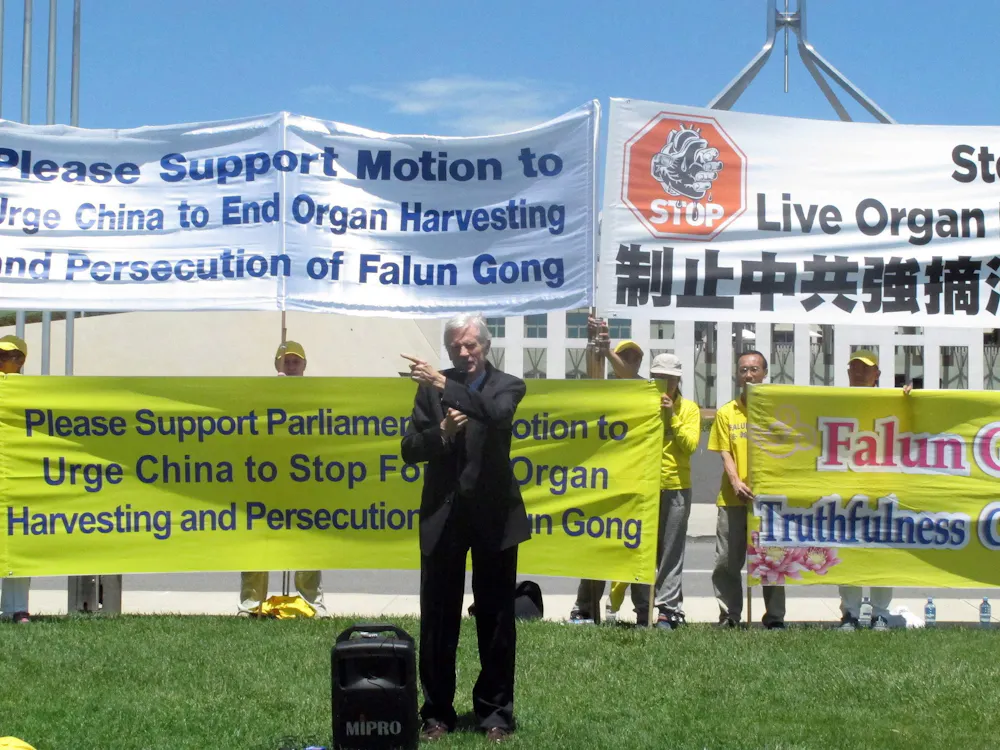















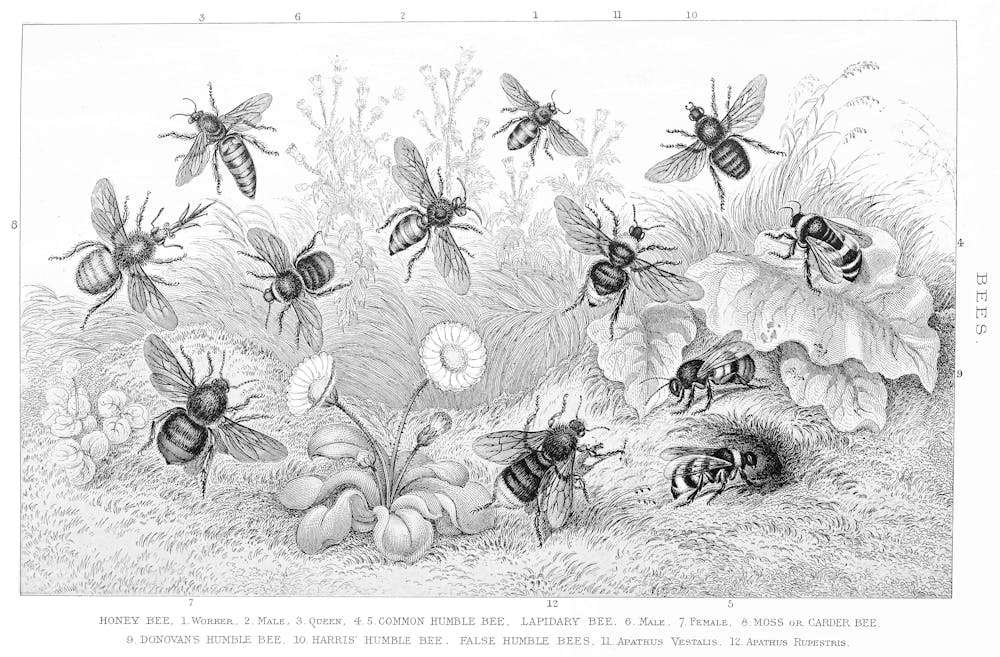





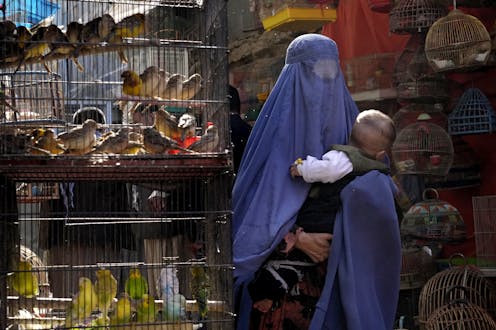







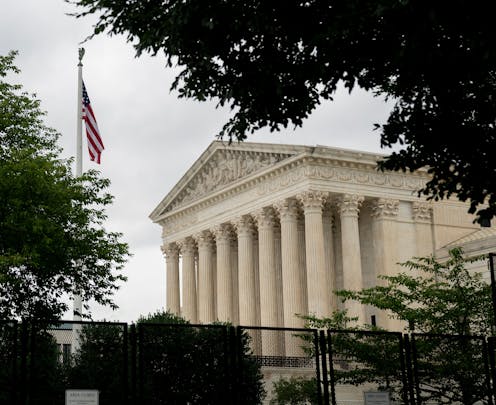




 Germany
 I srael
 Egypt
Egypt Lithuania
 Algeria
 Spain
Spain Jordan
 Poland
 Malaysia
 Nigeria