Christmas is a period for celebrating our relationships with family and friends – a time filled with nostalgia and sentimentality. Of course for many people it’s also a time of conspicuous consumption, even if this year in the face of a cost-of-living crisis, spending is expected to fall. But in times of uncertainty and anxiety for the future, feelings of nostalgia often come to the fore as people look back fondly on happier times.
Perhaps then, this Christmas is the time to move away from the tradition of splurging on new, box-fresh presents and give your loved ones the gift of the past.
Research shows that people like to receive sentimental gifts that remind them of cherished times and relationships. People appreciate gifts which remind them of treasured memories and help them to relive meaningful moments. Secondhand shops and markets are filled with objects that have value not because of their price, but because of their connection to people, places and times past.
We interviewed a number of vintage enthusiasts to explore the relationship people have with purchasing old objects. We’ve found that an item’s history, whether real or imagined, is what makes it a meaningful purchase. This is one reason vintage items would make great Christmas gifts.
Old objects have a history, a previous “life” before we come to own them secondhand. This might inspire consumers to think about the lives of previous owners, or imagine the journey the objects have been on. Part of people’s fascination with secondhand items is the associations and stories they develop around them through imagining their past. As one vintage enthusiast told us:
I think that filters down into why we buy secondhand stuff because you envisage all these fancy things, you imagine this certain world, and can attach it to them.
This fantasy can be a source of fun. When buying old things, we might get some details from person selling them, but we rarely get the whole story. This allows us to fantasise about the objects’ history to fill the gap – usually by mixing facts with imagination, creating a romanticised image of the past.
Consumers also develop their own narratives around an item, including the story of how they came to buy it, which they can share with others. A vintage trader we interviewed shared the imagined history of one of his treasured items, an Indo-Persian war shield he kept at home.
It’s had a life. At some point it’s been held by somebody with […] a sword […] possibly in a battle. It’s seen some action […] it may have only ever been ornamental, I don’t know, but, in my imagination, it’s had that life. Then you’ve got to wonder how it’s got from Indo-Persia to the charity shop in Oldham? […]. What’s been its journey?
Storytelling is a part of Christmas too. Just look at the television adverts, which compete for consumer attention by creating emotional or sentimental connections with viewers. Talking about the history of the presents you give and receive could be a great dinner table topic.
Sustainable giving
Buying secondhand is also a way to consume more sustainably. Not only does it give items a second life, it might inspire you to take better care of the things you have.
Curatorial consumption, a concept from the field of consumer research, reflects a responsibility to preserve old items which hold some sort of significance that might be missing in contemporary times, such as craftsmanship. This is often done by acquiring, using or displaying the items, and then selling or giving them to others who can get the same pleasure from them. Many of these items are well-made and durable in contrast to today’s throwaway culture, so can be passed on to others again and again.
Sometimes, the recognition that an item has been cherished by a previous owner, might encourage some consumers to “continue loving it in the same way”, as one participant told us.
They’ve belonged to other people and they’ve been important to other people, and I think that’s really important to acknowledge. Most of the time, they’ve been very well made because things in the past […] weren’t made to be thrown away […] and there’s craftsmanship […] It’s been well made, it’s been well maintained until you got it, that means it’s been loved until the point at which you got it and I think you’ve got a responsibility to continue loving it in the same way.
Our research suggests that this circular way of consumption allows people to not only consume more responsibly, but also to connect with others with similar interests, helping build a sense of community and contribution.
As Black Friday and pre-holiday sales get underway, think instead about gift shopping at a local vintage shop or secondhand website. You may even start a new tradition by buying something old.
The authors do not work for, consult, own shares in or receive funding from any company or organisation that would benefit from this article, and have disclosed no relevant affiliations beyond their academic appointment.
by Sarah Bush, Associate Professor, Political Science, Yale University
Election workers sort ballots at the Maricopa County Tabulation and Election Center on Nov. 9, 2022, in Phoenix. John Moore/Getty Images
The 2022 U.S. midterm elections ran relatively smoothly and faced few consequential accusations of fraud or mismanagement. Yet many Americans don’t trust this essential element of a democracy.
Study after study – in both the U.S. and around the world – make clear that trust in elections predicts whether a person votes and decides to participate in politics in other ways, like attending peaceful demonstrations or even discussing politics. If people don’t think that elections are fair, then they don’t see the point in taking the steps that maintain democracy.
Healthy democracies are countries where regular elections lead to peaceful transfers of power. Citizens are essential to this process, especially as their votes and peaceful protests hold politicians accountable. Their beliefs about election credibility determine whether they are willing and able to play this role.
Voters cast their ballots at the Madison Senior Center on Nov. 8, 2022, in Madison, Wisconsin.
Jim Vondruska/Getty Images
Winners trust elections – losers don’t
The consequences of the Capitol riot continue to loom large. The congressional hearings investigating the Jan. 6 insurrection have revealed the extent of then-President Trump’s desire to challenge the legitimacy of Joe Biden’s victory. In behind-the-scenes footage from his address on Jan. 7, 2021, to the nation, Trump said, “I don’t want to say the election is over.”
Trump’s actions on Jan. 6, 2021, were hardly the first time he sowed distrust in American elections. While campaigning in 2016, he warned the election could be “rigged” and called on his supporters to be “Trump Election Observers.” Trump built on the claims of earlier Republican politicians who for years stoked fears about what they called “voter fraud,” even though nonpartisan experts demonstrate such fraud is rare in American elections.
Waning trust in elections not only turns off voters, but it also leads to other problems. Trump supporters deliberately overwhelmed local election officials before the midterms with information requests related to 2020 voting records. Other voters were “angry and confused,” uncertain about how to vote by mail and voting machines.
Polarization widens the gap in trust between election winners and losers because partisans rely on different news sources, and some of them may even start to care more about their party winning than about democracy.
In 2016, for example, our surveys of Americans showed that Hillary Clinton’s supporters went into the presidential election thinking it would be significantly more credible than Trump’s supporters thought it would be. Prior to the election, Clinton’s supporters gave the election an average of 7.5 on a 10-point scale of credibility; Trump supporters gave the election an average of 5.4 on a 10-point scale of credibility.
After the election, Trump supporters were much more confident than Clinton supporters in the credibility of the election. Trump supporters gave an average 8.4 vs. Clinton supporters’ 5.4 on the same 10-point scale.
There was an even larger partisan gap after the 2020 presidential election, with Biden’s supporters expressing twice as much confidence in the election than Trump supporters. And the aftermath of that election is well known – the Jan. 6 insurrection.
Fostering faith
Can Americans’ trust in elections be rebuilt?
Answering that question is complicated by the country’s decentralized system of election management. Researchers have found that trust can be enhanced when whole countries reform their electoral systems to make them fairer and more transparent. Although American elections are democratic, it is difficult to highlight specific qualities – or implement reforms that would make elections even better – because election administration varies from state to state.
Another way that countries help the public understand election quality is through positive reports from trusted election observers, both domestic and international. More than 80% of national elections in the world have international monitors present. But, according to a study by the Carter Center and the National Conference of State Legislatures, 15 American states do not allow nonpartisan election observers to monitor polling stations. These states generally do allow partisan election observers, so that means citizens will be able to rely only on party-aligned reports – which citizens may not trust.
Giving monitors access to more state elections and publicizing their work is a step toward rebuilding Americans’ trust in elections. We know this from national surveys of the American public we conducted around the 2016, 2018 and 2020 elections. We consistently found that telling Americans that monitors reported the elections were fair increased citizens’ trust.
What happens when people don’t trust elections? They can get violent, as they did on Jan. 6, 2021, at the U.S. Capitol.
Shay Horse/NurPhoto via Getty Images
Politicizing election administration
Steps like allowing nonpartisan monitors and publicizing their positive assessments can only go so far toward reversing Americans’ declining trust in elections.
If politicians continue to express doubt about the fairness and legitimacy of American elections, whether warranted or unwarranted, the damaging effect of their messages will be difficult to correct.
And some elected officials are taking steps to actively undermine not just perceptions of election credibility, but election integrity itself. For example, the nonpartisan organizations States United Democracy Center and Protect Democracy in August 2022 identified 24 bills that have been enacted across 17 states that politicize and interfere with professional election administration.
The politicization of election administration threatens to further erode public trust in election integrity. Democracy depends on the public’s active participation in elections and acceptance of their results.
Sarah Bush has received funding from the National Science Foundation and New Initiatives Grant in Election Science, MIT Election Data & Science Grant.
Lauren Prather has received funding from the National Science Foundation and New Initiatives Grant in Election Science, MIT Election Data & Science Grant.
Walking doesn’t require any special equipment or gym memberships, and best of all, it’s completely free. For most of us, walking is something we do automatically. It doesn’t require conscious effort, so many of us fail to remember the benefits of walking for health. But what happens if we stop walking on auto-pilot and start challenging our brains and bodies by walking backwards? Not only does this change of direction demand more of our attention, but it may also bring additional health benefits.
Physical activity doesn’t need to be complicated. Whether you’re regularly active or not, even a brisk ten-minute daily walk can deliver a host of health benefits and can count towards the World Health Organization’s recommended minimum of 150 minutes of aerobic activity a week.
Yet walking is more complicated than many of us realise. Remaining upright requires coordination between our visual, vestibular (sensations linked to movements such as twisting, spinning or moving fast) and proprioceptive (awareness of where our bodies are in space) systems. When we walk backwards, it takes longer for our brains to process the extra demands of coordinating these systems. However, this increased level of challenge brings with it increased health benefits.
One of the most well-studied benefits of walking backwards is improving stability and balance. Walking backwards can improve forward gait (how a person walks) and balance for healthy adults and those with knee osteoarthritis. Walking backwards causes us to take shorter, more frequent steps, leading to improved muscular endurance for the muscles of the lower legs while reducing the burden on our joints.
Adding changes in incline or decline can also alter the range of motion for joints and muscles, offering pain relief for conditions such as plantar fasciitis – one of the most common causes of heel pain.
The postural changes brought about by walking backwards also use more of the muscles supporting our lumbar spine - suggesting backwards walking could be a particularly beneficial exercise for people with chronic lower back pain.
Walking backwards has even been used to identify and treat balance and walking speed in patients with neurological conditions or following chronic stroke.
But the benefits of changing direction aren’t just therapeutic - an interest in backwards movement has led researchers to discover various other benefits.
While normal walking can help us maintain a healthy weight, walking backwards may be even more effective. Energy expenditure when walking backwards is almost 40% higher than walking at the same speed forwards (6.0 Mets versus 4.3 Mets - one metabolic equivalent (Met) is the amount of oxygen consumed while sitting at rest), with one study showing reductions in body fat for women who completed a six-week backwards walk or run training programme.
When we become confident with travelling backwards, progressing to running can enhance the demands further. While often studied as a rehabilitation tool, backward running increases the strength of crucial muscles involved with straightening the knee, which not only carries over to injury prevention but also our ability to generate power and athletic performance.
Sustained backward running decreases the energy we expend when we run forwards. These improvements in running economy are even beneficial for experienced runners with an already economical running technique.
If walking backwards seems too easy, but space limitations affect your ability to run backwards, another way to increase the challenge further is to start dragging weights. Increasing the overall load increases the recruitment of the knee extensor muscles while placing heavy demands on your heart and lungs in a short space of time.
Loading a sledge and dragging it backwards carries a low risk of injury, as the most likely outcome if we’re too tired is that the sledge won’t move. But with lighter weights, this kind of exercise can produce an appropriate level of resistance to stimulate significant improvements in lower limb power, with dragging weights as little as 10% of total body weight leading to improved sprint times among young athletes.
How to get started
Walking backwards is simple, but that doesn’t mean it’s easy. So, how can you add walking backwards into your exercise regimen?
When walking backwards, we’re more likely to miss obstacles and hazards that we could crash into or fall over, so in the interest of safety, it’s best to start indoors where you won’t crash into someone or outside in a flat, open area.
Resist the urge to contort your body and look over your shoulder. Keep your head and chest upright while reaching back with your big toe for each step, rolling through the foot from toe to heel.
Once you become more confident walking backwards, you can begin to speed things up and even transition to a treadmill, being sure to use the guide rails when necessary. If using weights, start light. Focus on multiple sets rather than prolonged distances, and remember to maintain the integrity of your technique over no more than a 20-metre distance to begin with.
Jack McNamara does not work for, consult, own shares in or receive funding from any company or organisation that would benefit from this article, and has disclosed no relevant affiliations beyond their academic appointment.
Postal boxes are typically filled with junk mail and dreaded bills, but late November through the end of the year actually gives you a reason to look forward to heading to the mailbox: holiday cards. From cute photos to beautiful greetings filled with family updates, checking the mailbox is perhaps one of my personal favorite holiday activities. However, what are you supposed to do with the cards once the season passes?
READ MORE...
It turns out that Bankman-Fried, his on-and-off girlfriend, Caroline Ellison, who served as CEO of FTX subsidiary Alameda and others involved in the company have dabbled in polyamory. Polyamorous relationships are a form consensual non-monogamy in which partners seek out multiple romantic or sexual relationships.
The Guardian noted that many of the people in the crypto empire’s inner circle, who were sharing a luxury penthouse in the Bahamas, are thought to have been in a “polycule,” meaning a network of interconnected romantic relationships. According to Coindesk, “All 10 are, or used to be, paired up in romantic relationships with each other.”
In a 2020 post on her Tumblr blog, Ellison reflected upon her exploration of polyamory:
“When I…started my first foray into poly, I thought of it as a radical break from my [traditional] past. [B]ut [to be honest], I’ve come to decide the only acceptable style of poly is best characterised as something like [an] ‘imperial Chinese harem’…none of this non-hierarchical bullshit. Everyone should have a ranking of their partners, people should know where they fall on the ranking, and there should be vicious power struggles for the ranks.”
Polyamory – often shortened to “poly” – is relationship-focused and predicated on consent. Everyone involved is privy to the arrangement. It isn’t strictly about sex.
These relationship networks are known as “polycules” or “constellations,” and they can be complex and interconnected. The word polycule is a blending of “polyamory” and “molecule,” reflecting relationship configurations that often resemble the chemical structure of molecules.
In hierarchical polycules, which Ellison refers to in her blog post, there is a central relationship usually referred to as the “primary” relationship. Other people outside the central relationship are often called “secondary” or “tertiary” partners.
Views of how status can operate within hierarchical structures vary. For example, the Scarleteen poly primer suggests that “A 'secondary’ partner isn’t necessarily less important, but may be a smaller part of someone’s daily life.”
The website Polyamory Today describes hierarchical poly as “One Primary Plus” where “Partners are not equal to each other in terms of power within the relationship and things like interconnection and relationship intensity.”
Non-hierarchical arrangements, on the other hand, reject a tiered system. In these sorts of relationship configurations, partners are not ranked with terms like primary or secondary. It also means that no one person has greater priority or privileges or “veto power” over other partners.
Hierarchy doesn’t mean subjugation
Debates about hierarchy are plentiful in poly circles and often elicit strong opinions – as Ellison’s blog reflects.
While Ellison sees the hierarchical style as superior, there is no evidence that one style of poly is better than another in terms of relationship satisfaction or attachment security. I’d argue that all styles are acceptable as long as everyone involved consents to the arrangement.
Hierarchical styles can clarify expectations about roles within a polycule. However even if Ellison is being tongue-in-cheek or sarcastic, I think it’s important to note that the “vicious power struggles for rank” that she calls for are contrary to the ethos of polyamory. The Find Poly blog states that advocating without competing is a vital skill in poly relationships, whether they’re hierarchical or non-hierarchical.
Furthermore, to those not familiar with polyamory, Ellison’s post can be misread to conflate contemporary polyamory with non-consensual forms of non-monogamy. By championing the Imperial Chinese Harem as a model, Ellison invokes the legacy of patriarchal societies in which women served as wives and concubines.
Why polycules matter
Recent studies show that consensual non-monogamy is becoming more common, especially among younger Americans. According to a YouGov survey from 2020, 43% of millennials are “likely to say their ideal relationship is non-monogamous.”
For this reason, Ellison’s posts more likely reflect changing relationship norms, rather than sexual deviancy.
Riki Thompson does not work for, consult, own shares in or receive funding from any company or organization that would benefit from this article, and has disclosed no relevant affiliations beyond their academic appointment.
Fritz Lang's iconic 1927 silent film, Metropolis, is set to enter the public domain on January 1, 2023. This is great news for film fans around the world, who will now be able to freely access, view, and enjoy this beloved classic. — Read the rest
We’ve said this before and we’ll say it again: it cannot make sense to extend copyright terms retroactively. The entire point of copyright law is to provide a limited monopoly on making copies of the work as an incentive to get the work produced. Assuming the work was produced, that says that the bargain that was struck was clearly enough of an incentive for the creator. They were told they’d receive that period of exclusivity and thus they created the work.
Going back and retroactively extending copyright then serves no purpose. Creators need no incentive for works already created. The only thing it does is steal from the public. That’s because the “deal” setup by governments creating copyright terms is between the public (who is temporarily stripped of their right to share knowledge freely) and the creator. But if we extend copyright term retroactively, the public then has their end of the bargain (“you will be free to share these works freely after such-and-such a date”) changed, with no recourse or compensation.
That makes no sense.
And yet, countries keep doing it.
Canada has quietly done it: extending copyrights on literary, dramatic or musical works and engravings from life of the author plus 50 years year to life of the author plus 70 years.
Quietly on November 17, 2022, and appearing online this morning, an Order in Council was issued on behalf of Her Excellency the Governor General, on the recommendation of the Minister of Industry and the Minister of Canadian Heritage to fix December 30, 2022 as the day Bill C-19, Division 16 of Part 5 comes into force. What does this all mean? With the passing of Bill C-19 this past June, the Copyright Act was amended to extend the term of copyright for literary, dramatic or musical works and engravings to life of the author plus a period of 70 years following the end of the calendar year in which that author dies. What was unclear at the time of royal assent was WHEN exactly this would come into force — if on or after January 1, 2023, one more year of works would enter the public domain. Unfortunately, we now know that this date has been fixed as December 30, 2022, meaning that no new works will enter the Canadian public domain for the next 20 years.
This should be a huge scandal. The public has been stripped of its rights to share information for twenty years. Based on what? Literally nothing, but demands from heirs of deceased authors to continue to receive subsidies from the very public they just stripped the rights from.
It is beyond ridiculous that any country in the world is extending copyright in this day and age, rather than decreasing it.
by William Chittenden, Associate Professor of Finance, Texas State University
Questions remain about whether President Joe Biden has the authority to cancel student loan debt. Paul Morigi via Getty Images
When the Biden administration announced in August 2022 that it was canceling up to $20,000 in student loan debt per borrower, it said the idea was to provide families with “breathing room as they prepare to start repaying loans after the economic crisis brought on by the pandemic.” But two federal courts recently blocked President Joe Biden’s student loan relief program, ruling it unconstitutional. Here, William Chittenden, a professor of finance at Texas State University, explains why and what’s next for student loan borrowers still hopeful that their loans can be forgiven.
1. Why was Biden’s student loan cancellation program blocked?
The judge’s ruling prevents any student loans from being forgiven “until a final verdict is made” in the case. Technically it could go to the Supreme Court, but it may also be settled at the appellate court level.
It is unclear how the full court might rule. However, in two previous instances, Justice Amy Coney Barrett has shot down attempts to block the student loan forgiveness plan.
3. What kind of relief can student loan borrowers get in the meantime?
Despite the setback for widespread student loan forgiveness, some borrowers may still qualify for one or more targeted student loan forgiveness programs. These groups include borrowers who attended a school that shut down. Student loans may also be forgiven for those who are totally and permanently disabled. Students who were defrauded by their school – such as by being misled about job placement rates for graduates or the true cost to attend the school – may also be eligible.
William Chittenden does not work for, consult, own shares in or receive funding from any company or organization that would benefit from this article, and has disclosed no relevant affiliations beyond their academic appointment.
by Zhong-Ren Peng, Professor of Urban and Regional Planning, University of Florida
Dozens of homes were left unstable in the Daytona Beach area after Hurricane Nicole's erosion. Joe Raedle/Getty Images
Back-to-back hurricanes left an unnerving scene on the Florida coast in November 2022: Several houses, and even swimming pools, were left dangling over the ocean as waves eroded the property beneath them. Dozens of homes and condo buildings in the Daytona Beach area were deemed unsafe.
The destruction has raised a disturbing question: How much property along the rest of the Florida coast is at risk of collapse, and can it be saved?
As the director of iAdapt, the International Center for Adaptation Planning and Design at the University of Florida, I have been studying climate adaptation issues for the last two decades to help answer these questions.
Drone footage shows homes close to collapsing into the ocean. WPLG/YouTube.
Rising seas, aging buildings
Living by the sea has a strong appeal in Florida – beautiful beaches, ocean views, and often pleasant breezes. However, there are also risks, and they are exacerbated by climate change.
Sea level is forecast to rise on average 10 to 14 inches (25-35 cm) on the U.S. East Coast over the next 30 years, and 14 to 18 inches (35-45 cm) on the Gulf Coast, as the planet warms. Rising temperatures are also increasing the intensity of hurricanes.
With higher seas and larger storm surges, ocean waves more easily erode beaches, weaken sea walls, and submerge cement foundations in corrosive salt water. Together with subsidence, or sinking land, they make coastal living riskier.
The risk of erosion varies depending on the soil, geology and natural shoreline changes. But it is widespread in U.S. coastal areas, particularly Florida. Maps produced by engineers at the Florida Department of Environmental Protection show most of Florida’s coast faces critical erosion risk.
Aging or poorly maintained buildings and sea walls, and older or poor construction methods and materials, can dramatically aggravate the risk.
Designing better building codes
So, what can be done to minimize the damage?
The first step is to build sturdier buildings and fortify existing ones according to advanced building codes.
Building codes change over time as risks rise and construction techniques and materials improve. For example, design criteria in the Florida Building Code for South Florida changed from requiring some new buildings to be able to withstand 146 mph sustained winds in 2002 to 195 mph winds in 2021, meaning a powerful Category 5 hurricane.
The town of Punta Gorda, near where Hurricane Ian made landfall in October 2022, showed how homes constructed to the latest building codes have a much better chance of survival.
Many of Punta Gorda’s buildings had been rebuilt after Hurricane Charley in 2004, shortly after the state updated the Florida Building Code. When Ian hit, they survived with less damage than those in neighboring towns. The updated code required new construction to be able to withstand hurricane-force winds, including having shutters or impact-resistant window glass.
Many homes in Punta Gorda fared better in Hurricane Ian’s winds because they had been rebuilt to higher standards after Hurricane Charley in 2002.
Bryan R. Smith / AFP
However, even homes built to the latest codes can be vulnerable, because the codes don’t adequately address the environment that buildings sit on. A modern building in a low-lying coastal area could face damage in the future as sea level rises and the shoreline erodes, even if it meets the current flood zone elevation standards.
This is the problem coastal residents faced during Hurricanes Nicole and Ian. Flooding and erosion, exacerbated by sea-level rise, caused the most damage – not wind.
The dozens of beach houses and condo buildings that became unstable or collapsed in Volusia County during Hurricane Nicole might have seemed fine originally. But as the climate changes, the coastal environment changes, too, and one hurricane could render the building vulnerable. Hurricane Ian damaged sea walls in Volusia County, and some couldn’t be repaired before Nicole struck.
How to minimize the risk
The damage in the Daytona area in 2022 and the deadly collapse a year earlier of a condo tower in Surfside should be a wake-up call for all coastal communities.
Data and tools can show where coastal areas are most vulnerable. What is lacking are policies and enforcement.
Florida recently began requiring that state-financed constructors conduct a sea-level impact study before starting construction of a coastal structure. I believe it’s time to apply this new rule to any new construction, regardless of the funding source.
With Hurricane Nicole’s storm surge coinciding with high tide, the waves breached a condo tower’s sea walls in Daytona Beach in November 2022.
Joe Raedle/Getty Images
A comprehensive sea-level impact study requirement should also allow for risk-based enforcement, including barring construction in high-risk areas.
Similarly, vulnerability audits – particularly for multistory buildings built before 2002 – can check the integrity of an existing structure and help spot new environmental risks from sea-level rise and beach erosion. Before 2002, the building standard was low and enforcement was lacking, so many of the materials and the structures used in those buildings aren’t up to the standards of today.
What property owners can do
There is a range of techniques homeowners can use to fortify homes from flood risks.
In some places, that may mean elevating the house or improving the lot grading so surface water runs away from the building. Installing a sump pump and remodeling with storm-resistant building materials can help.
FEMA suggests other measures to protect against coastal erosion, such as replenishing beach sand, strengthening sea walls and anchoring the home. Engineering can help communities, temporarily at least, through sea walls, ponds and increased drainage. But in the long term, communities will have to assess the vulnerability of coastal areas. Sometimes the answer is to relocate.
However, there’s a disturbing trend after hurricanes, and we’re seeing it with Ian: Many damaged areas see lots of money pouring in to rebuild in the same vulnerable locations. An important question communities should be asking is, if these are already in high-risk areas, why rebuild in the same place?
Zhong-Ren Peng receives funding from National Science Foundation, Florida Sea Grant, and Florida Department of Transportation.
We humans can’t stop playing with our food. Just think of all the different ways of serving potatoes – entire books have been written about potato recipes alone. The restaurant industry was born from our love of flavouring food in new and interesting ways.
My team’s analysis of the oldest charred food remains ever found show that jazzing up your dinner is a human habit dating back at least 70,000 years.
Imagine ancient people sharing a meal. You would be forgiven for picturing people tearing into raw ingredients or maybe roasting meat over a fire as that is the stereotype. But our new study showed both Neanderthals and Homo sapiens had complex diets involving several steps of preparation, and took effort with seasoning and using plants with bitter and sharp flavours.
This degree of culinary complexity has never been documented before for Palaeolithic hunter-gatherers.
Before our study, the earliest known plant food remains in south-west Asia were from a hunter-gatherer site in Jordan roughly dating to 14,400 years ago, reported in 2018.
Scanning Electron Microscope images of carbonised food remains. Left: The bread-like food found in Franchthi Cave. Right: Pulse-rich food fragment from Shanidar Cave with wild pea.
Ceren Kabukcu, Author provided
We examined food remains from two late Paleolithic sites, which cover a span of nearly 60,000 years, to look at the diets of early hunter gatherers. Our evidence is based on fragments of prepared plant foods (think burnt pieces of bread, patties and porridge lumps) found in two caves. To the naked eye, or under a low-power microscope, they look like carbonised crumbs or chunks, with fragments of fused seeds. But a powerful scanning electron microscope allowed us to see details of plant cells.
Prehistoric chefs
We found carbonised food fragments in Franchthi Cave (Aegean, Greece) dating to about 13,000-11,500 years ago. At Franchthi Cave we found one fragment from a finely-ground food which might be bread, batter or a type of porridge in addition to pulse seed-rich, coarse-ground foods.
In Shanidar Cave (Zagros, Iraqi Kurdistan), associated with early modern humans around 40,000 years ago and Neanderthals around 70,000 years ago, we also found ancient food fragments. This included wild mustard and terebinth (wild pistachio) mixed into foods. We discovered wild grass seeds mixed with pulses in the charred remains from the Neanderthal layers. Previous studies at Shanidar found traces of grass seeds in the tartar on Neanderthal teeth.
At both sites, we often found ground or pounded pulse seeds such as bitter vetch (Vicia ervilia), grass pea (Lathyrus spp) and wild pea (Pisum spp). The people who lived in these caves added the seeds to a mixture that was heated up with water during grinding, pounding or mashing of soaked seeds.
The majority of wild pulse mixes were characterised by bitter tasting mixtures. In modern cooking, these pulses are often soaked, heated and de-hulled (removal of the seed coat) to reduce their bitterness and toxins. The ancient remains we found suggest humans have been doing this for tens of thousands of years. But the fact seed coats weren’t completely removed hints that these people wanted to retain a little of the bitter flavour.
View of Shanidar Cave in Zagros, Iraqi Kurdistan.
Chris Hunt, Author provided
What previous studies showed
The presence of wild mustard, with its distinctive sharp taste, is a seasoning well documented in the Aceramic period (the beginning of village life in the south-west Asia, 8500BC) and later Neolithic sites in the region. Plants such as wild almonds (bitter), terebinth (tannin-rich and oily) and wild fruits (sharp, sometimes sour, sometimes tannin-rich) are pervasive in plant remains from south-west Asia and Europe during the later Paleolithic period (40,000-10,000 years ago). Their inclusion in dishes based on grasses, tubers, meat, fish, would have lent a special flavour to the finished meal. So these plants were eaten for tens of thousands of years across areas thousands of miles apart. These dishes may be the origins of human culinary practices.
Based on the evidence from plants found during this time span, there is no doubt both Neanderthals and early modern humans diets included a variety of plants. Previous studies found food residues trapped in tartar on the teeth of Neanderthals from Europe and south-west Asia which show they cooked and ate grasses and tubers such as wild barley, and medicinal plants. The remains of carbonised plants remains show they gathered pulses and pine nuts.
Plant residues found on grinding or pounding tools from the European later Palaeolithic period suggest early modern humans crushed and roasted wild grass seeds. Residues from an Upper Palaeolithic site in the Pontic steppe, in eastern Europe, shows ancient people pounded tubers before they ate them. Archaeological evidence from South Africa as early as 100,000 years ago indicates Homo sapiens used crushed wild grass seeds.
A Neanderthal hearth found at Shanidar Cave.
Graeme Barker, Author provided
While both Neanderthals and early modern humans ate plants, this does not show up as consistently in the stable isotope evidence from skeletons, which tells us about the main sources of protein in diet over the lifetime of a person. Recent studies suggest Neanderthal populations in Europe were top-level carnivores. Studies show Homo sapiens seem to have had a greater diversity in their diet than Neanderthals, with a higher proportion of plants. But we are certain our evidence on the early culinary complexity is the start of many finds from early hunter-gatherer sites in the region.
Ceren Kabukcu acknowledges funding from the Leverhulme Trust (Early Career Fellowship, ECF–284). She is currently employed as a Research Associate funded by the Gerda Henkel Stiftung. The research at Shanidar Cave, with a team led by Graeme Barker, has received funding from the Leverhulme Trust (Research Grant RPG–2013–105), Rust Family Foundation, British Academy, Wenner-Gren Foundation, Society of Antiquaries, McDonald Institute of Archaeological Research at the University of Cambridge and Natural Environment Research Council’s Oxford Radiocarbon Dating Facility (grant NF/2016/2/14) and the Templeton Trust.
by Heather Ford, Associate Professor, University of Technology Sydney
An Egyptian woman takes part in a demonstration in Cairo, 25 January, 2011. Amel Pain/EPA
In mid-July 2008, I arrived in hot and sticky Alexandria. I had travelled to Egypt to attend Wikimania. As the name suggests, Wikimania is an event for those who share an all-consuming passion for the wiki. But not just any wiki … the most important wiki of all: Wikipedia – the online encyclopedia.
This annual conference for Wikipedians (Wikipedia’s volunteer editors) is a chance to celebrate the project, discuss important issues, and geek out on wiki lore.
I was one of 650 attendees from 45 countries that year. But the conference (held in the Bibliotheca Alexandrina, an attempt to revive the Great Library of Alexandria) had been mired in controversy. There were calls to boycott the event because of Egypt’s censorship and imprisonment of bloggers. In his opening speech, Wikipedia co-founder Jimmy Wales highlighted the case of Abdel Kareem Nabil, a former university student sentenced to four years in prison on charges of insulting Islam and Egypt’s then President Hosni Mubarak, and inciting sectarian strife.
Wikipedia co-founder Jimmy Wales pictured in 2008.
Yonhap/AAP
Although some governments tried to impede free speech, Wales said, this was pointless in the age of the internet, where people could share ideas on platforms like Wikipedia.
“Kareem Amer has become a cause around the world,” he said, showing Nabil’s English Wikipedia page on the screen. “Not the best strategy for keeping his ideas out of the public eye.”
Two and a half years on, in late January 2011, Egyptians took to the streets to demand the end of authoritarian rule. Less than two weeks after protests erupted, Egypt’s autocrat president Mubarak resigned. Some were calling this “the Facebook revolution,” others a “Twitter revolution”.
Sadly it was to be short-lived. In 2013 Egyptian army chief General Abdel Fattah al-Sisi took over in a coup. He still rules today and has imprisoned an estimated 60,000 political prisoners, including those advocating democracy and free speech.
Police stand over a woman protesting on January 25, 2011.
Amel Pain/EPA
But at the end of January 2011, as Mubarak still clung to power, the Israeli Wikipedian Dror Kamir wrote a startling message to a mailing list about Wikipedia’s role in the Egyptian protests.
Kamir pointed out that the first draft of the article about the Egyptian revolution on English Wikipedia had been published at 3:26pm local time, just hours after the first protests began. An Egyptian democracy activist and Wikipedian with the username The Egyptian Liberal had published this article, apparently to influence public opinion. “It almost seems as if the article preceded the actual events,” he wrote.
To Kamir, this demonstrated that Wikipedia “was losing its encyclopedic characteristics”. Wikipedians pride themselves on neutrality. Neutral point of view (or NPOV), is a core content policy. Editors are called to merely summarise reliable sources rather than offering their own original analysis. Policy determines that Wikipedians should follow public opinion rather than lead it.
In a later blog post, Kamir argued Wikipedia had clearly played a significant role in the events of January 2011, but “who is going to remember…?”
In the coming months and years, I tried to do just that: documenting how Wikipedians wrote the story of the Egyptian revolution and whether, in doing so, they influenced the revolution itself.
Catalytic events have always been influenced by their mediation. But few had tried to understand Wikipedia’s role in history-making. When they did, they tended to present Wikipedia as hallowed ground where consensus is reached among a myriad alternative views.
The most important thing I have learned over this time is the truly subversive role of Wikipedia. Though the Egyptian revolution sputtered out, what I have gleaned from this example has a bearing on other history-making events playing out on Wikipedia now – from the war in Ukraine to the independence movement of Taiwan.
Wales was right when he gave that prescient speech. Wikipedia tends to be ignored because it is supposedly “neutral”. One of the world’s most popular platforms, maintained by a nonprofit organisation, its mirage of neutrality is sustained by the idea that individuals may be biased but all crowds are wise.
Wikipedia supposedly reflects “common knowledge” and “collective memory”. But there are many different ways of seeing the world. There will always be an inevitable conflict between those tasked with its representation, especially when the risks and rewards are so great. How, then, did editors of the Egyptian article resolve these differences? What kind of history is the result?
Wikipedia supposedly reflects ‘common knowledge’ and ‘collective memory’.
Shutterstock
A typical Wikipedia article is put together by Wikipedians – the volunteer editors who are committed to Wikipedia’s long-term maintenance. Anyone can be a Wikipedian, as long as you abide by the rules of the project (many have a long history with the site). Wikipedians tend to use pseudonyms rather than their real names – there has been no policy requiring them to identify themselves.
As well as Wikipedians, entries are generally open to anyone else to edit. Many Wikipedians volunteer to watch over articles, receiving an alert when changes have been made to assess them.
A key Wikipedia rule is that Wikipedia is not “a crystal ball”. The rule stipulates that Wikipedians should not write about events until their significance is generally known or before the event has concluded.
Soon after the revolution in 2011, I began analysing countless “talk page” discussions where Wikipedia editors discussed the reliability of sources, how to source free images and how to best summarise these events. (These discussions take place in a tab next to the article labelled “talk”.)
Over the next decade, I reviewed hundreds of edits, and interviewed leading editors. These included The Egyptian Liberal, a university student in his twenties, and Ocaasi, a US-based college graduate in his late twenties. Ocaasi, who suffered from anxiety and agoraphobia, told me he was editing Wikipedia obsessively at the time of the protests while sitting in his bathtub in a Philadelphia attic.
Ocaasi (Jake Orlowitz).
Author provided
Rather than rational negotiation and broad consensus, I learned that Wikipedia articles about historic events are often the result of passionate struggle over representing what happened to whom and its consequences.
I learned about the importance of Wikipedians themselves in shaping the narrative into which individual facts were made to fit. Wikipedians shaped the representation of the event not by inserting falsities but rather by framing and selecting facts that supported certain narratives rather than others.
The Wikipedians moved quickly to create a new article on English Wikipedia when crowds first swarmed into Tahrir Square on January 25, 2011, defending it from possible attack from sceptics arguing it was too soon to be covering events. They bolstered the article’s authority by quickly adding citations to source the evidence for the unfolding protests.
This first move was successful in determining that the protests were important enough to warrant their own article early on.
After the first 24 hours in the life of the article, it had been edited 130 times. Forty two editors had joined The Egyptian Liberal including two longtime Wikipedians, Dragons flight, a physicist educated at UC Berkeley now living in Switzerland and Heroeswithmetaphors, who has made over 18,000 contributions to articles on multiple topics.
Editors settled into a routine – with American editors handing over to those in Egypt and elsewhere when they went to sleep. For Ocaasi, it was a galvanizing moment. “Everything before that on Wikipedia was just playing around and this was not,” he told me.
It was also when my innocence about Wikipedia ended. It wasn’t just a hobby or escape […] There were hundreds of thousands of people reading the article and I knew that. There was a profound sense of responsibility […] I thought the world mattered so much those days and I thought I could play a part – not in an activist sense but by documenting what was happening.
As the violent protests continued, experienced editors resisted attempts by newcomers to continuously change the article’s title from “protests” to “revolution”. A move of this significance requires consensus from editors on the talk page.
A tank stands amid crowds as protesters gather on Tahrir Square in Cairo, Egypt, 1 February 2011.
Hannibal Hanschke/EPA
But within minutes of Mubarak’s resignation at 4pm on February 11, a large crowd of Wikipedia editors again tried to change key facts to reclassify the article to “revolution.” In the hour after Mubarak resigned, the number of readers accessing the page tripled from about 4,000 to 12,500. It was being edited every two minutes in the following hours, as three experienced Wikipedians struggled to hold back the flood of editors attempting to make significant changes before consensus had been reached about the title.
While this was happening, a discussion began on the talk page, with editors asked to weigh in on whether the title of the article should be changed. But an editor, Tariqabjotu, made the change just two hours after Mubarak’s resignation – long before the discussion had run its course.
At this time also, the article on the Tunisian protests, which had unseated long-time President Zine El Abidine Ben Ali the month before, was still merely named as an uprising. Six hours after Mubarek’s resignation, another editor, Knowledgekid87, moved from editing the Egyptian article to the Tunisian one, changing its name to “Tunisian revolution”. This reinforced the Egyptian title change.
On February 11 alone, 125,000 readers accessed the Egyptian article. The number of editors working on it more than tripled from 25 to 84. Many were new editors from the United States, UK, Canada, the Netherlands, Portugal and Singapore, overwhelming those who had been editing it consistently from the beginning.
Other editors in the crowd repeatedly changed the date of the events in the infobox (the small fact box on the right hand side of a Wikipedia article) from “25 January – ongoing” to “25 January – 11 February”. They did this to cement the idea that the protests were over and revolution had been achieved.
In my interviews with Ocaasi, he reflected on how editors surrendered to the momentousness of the occasion. Any effort to resist changes to the article’s title would have been swimming against a tide of editors, one of whom declared that Wikipedia shouldn’t “deny history.”
Tens of thousands of Egyptians pray and celebrate the fall of the regime of former President Hosni Mubarak on February 18 2011.
Ben Curtis/AP
The crowd centred their activity on the infobox and the page name. These elements are the most important parts of a Wikipedia article because they present summarised facts that appear authoritative and stable. These facts have always been prioritised by Google and other search engines’ algorithms, which often place Wikipedia at the top of search results. But the infobox came to matter even more the year after the Egyptian revolution.
In 2012, Google announced a major new project that would build a massive database of facts built from “public” information sources such as Wikipedia and the CIA World Factbook.
Google’s algorithms selectively extract facts from Wikipedia’s infoboxes, divorcing them from the context in which they originated. Sources and citations are often removed. The facts appear more stable than they are on Wikipedia, where they are flanked by breaking news warnings and “citation needed” tags. Wikipedians have no control over Google’s process.
Over a decade after the 2011 Egyptian revolution, Wikipedia is still the authority for facts about the event. If you ask Google, Bing or Yahoo what happened in Egypt in 2011, they will present facts extracted from the English Wikipedia article.
But Google and other platforms extract them automatically and without understanding or debate. The result is a representation of capitalist logic embedded in the machines that have been programmed not to serve public meaning-making but rather to feed revenue sources.
For the past few years, Google’s knowledge panel about the revolution has contained the words, “Deaths section below” after facts about numbers killed during the revolution. This is material lifted from Wikipedia but not linked to further information – so it becomes a meaningless phrase. It shows how Wikipedians have lost control over some of the information they carefully provide. Yet many more people will view this material now in a search engine rather than on Wikipedia.
Popular accounts like The Wisdom of Crowds and the End of Theory present both crowds and algorithms as sources of truth and neutrality. By such accounts, crowds supposedly smooth out one anothers’ biases or ignorance and Big Data enables accuracy because of our access to huge datasets.
But I discovered a passion and feverish anticipation of revolution in Egypt from the very first entry on it, just hours after the protests began on January 25. Rather than rational consensus among dispassionate observers, Wikipedia mirrored the passion, emotion and violence of Tahrir Square.
Did Wikipedia shape the political events at the time, as suggested by Kamir? Ultimately, the story of this Wikipedia entry reiterates how young people (the leading Wikipedia editors) were able to win the information war in Egypt but not transform the government. Most of the article’s editors were people in favour of the revolution.
Nevertheless, Wikipedia articles about political events are important battlegrounds for interest groups vying for control over the historical record. Their impact lives on, courtesy of search engines’ algorithms and the global reach of the site itself. And such struggles for power are no doubt happening, elsewhere, in other Wikipedia articles today.
Writing the Revolution: Wikipedia and the Survival of Facts in the Digital Age is published by MIT Press.
Heather Ford receives funding from the Australian Research Council.
While this new normal offers important benefits for journalists and their audiences, it also comes with risks and challenges that deserve our attention.
Peer review and the pandemic
Traditionally, studies must be read and critiqued by at least two independent experts before they can be published in a scientific journal — a process known as “peer review.”
This isn’t the case with preprints, which are posted online almost immediately, without formal review. This immediacy has made preprints a valuable resource for scientists tackling the COVID-19 pandemic.
The lack of formal review makes preprints a faster way to communicate science, albeit a potentially riskier approach. While peer review isn’t perfect, it can help scientists identify errors in data or more clearly communicate their findings.
Unfortunately, many of these outlets failed to mention that these studies were preprints, leaving audiences unaware that the science they were reading hadn’t been peer reviewed.
We dug deeper into how and why journalists use preprints. Through in-depth interviews, we asked health and science journalists about the strategies they used to find, verify and communicate about preprints and whether they planned to report on them after COVID-19.
Our peer-reviewed, published study found that preprints have become an important information source for many journalists, and one that some plan to keep using post-pandemic. Journalists reported actively seeking out these unreviewed studies by visiting online servers (websites where scientists post preprints) or by monitoring social media.
Although a few journalists were unsure if they would continue using preprints, others said these studies had created “a complete paradigm shift” in science journalism.
A careful equation
Journalists told us that they valued preprints because they were more timely than peer reviewed studies, which are often published months after scientists conduct the research. As one freelancer we interviewed put it: “When people are dying, you gotta get things going a little bit.”
Journalists balanced these benefits against the potential risks for their audiences. Many expressed a high level of skepticism about unreviewed studies, voicing concerns about the potential to spread misinformation.
Journalists access preprints for a variety of reasons, including tight deadlines.
(Unsplash/The Climate Reality Project)
Some journalists provided examples of issues that had become “extremely muddied” by preprints, such as whether to keep schools open during the pandemic.
Many journalists said they felt it was important to label preprints as “preprints” in their stories or mention that the research had not been peer reviewed. At the same time, they admitted that their audience probably wouldn’t understand what the words “preprint” or “peer review” mean.
In addition, verifying preprints appeared to be a real challenge for journalists, even for those with advanced science education. Many told us that they leaned heavily on interviews with experts to vet findings, with some journalists organizing what they described as their “own peer review.”
Other journalists simply relied on their intuition or “gut” instinct, especially when deadlines loomed or when experts were unavailable.
Supporting journalists to communicate science
Recently, media organizations have started publishing resources and tip sheets for reporting on preprints. While these resources are an important first step, our findings suggest that more needs to be done, especially if preprint-based journalism is indeed here to stay.
Whether it’s through providing specialized training, updating journalism school curricula or revising existing professional guidelines, we need to support journalists in verifying and communicating about preprints effectively and ethically. The quality of our news depends on it.
Alice Fleerackers received funding from the Social Sciences and Humanities Research Council of Canada to conduct this research.
Lauren A Maggio does not work for, consult, own shares in or receive funding from any company or organisation that would benefit from this article, and has disclosed no relevant affiliations beyond their academic appointment.
by Evangeline Mantzioris, Program Director of Nutrition and Food Sciences, Accredited Practising Dietitian, University of South Australia
Shutterstock
Nutritionists will tell you to eat a rainbow of fruit and vegetables. This isn’t just because it looks nice on the plate. Each colour signifies different nutrients our body needs.
The nutrients found in plant foods are broadly referred to as phytonutrients. There are at least 5,000 known phytonutrients, and probably many more.
So what does each colour do for our body and our overall health?
Red
Red fruit and veg contain antioxidants. Forgotten what they do? Me too.
Shutterstock
Red fruits and vegetables are coloured by a type of phytonutrient called “carotenoids” (including ones named lycopene, flavones and quercetin – but the names aren’t as important as what they do). These carotenoids are found in tomatoes, apples, cherries, watermelon, red grapes, strawberries and capsicum.
These carotenoids are known as antioxidants. You will have heard this name before, but you might not remember what it means. It has something to do with “free radicals”, which you’ve also probably heard of before.
Free radicals are formed naturally in our body as a byproduct of all our usual bodily processes such as breathing and moving, but they also come from UV light exposure, smoking, air-pollutants and industrial chemicals.
Free radicals are unstable molecules that can damage proteins, cell membranes and DNA in our body. This natural but damaging process is known as oxidation or oxidative stress. This contributes to ageing, inflammation and diseases including cancer and heart disease.
Importantly, antioxidants “mop up” the free radicals that form in our body. They stabilise the free radicals so they no longer cause damage.
Increasing antioxidants in your diet lowers oxidative stress and reduces the risk of many diseases including arthritis, type 2 diabetes, heart disease, stroke and cancer.
Your parents didn’t lie about carrots: orange fruits and veggies are good for our eyes and sight.
Shutterstock
Orange fruits and vegetables also contain carotenoids, but slightly different ones to red veggies (including alpha and beta-carotene, curcuminoids, and others). These are found in carrots, pumpkins, apricots, mandarins, oranges and turmeric.
Alpha and beta-carotene are converted to vitamin A in our bodies, which is important for healthy eyes and good eyesight. Vitamin A is also an antioxidant that can target the parts of your body made of lipids (or fats) such as cell membranes.
Yellow fruits and veggies protect your eyes from sun damage (but you should probably still wear sunnies)
Shutterstock
Yellow fruit and vegetables also contain carotenoids, but they also contain other phytonutrients including lutein, zeaxanthin, meso-zeaxanthin, viola-xanthin and others. These are found in apples, pears, bananas, lemons and pineapple.
Lutein, meso-zeaxanthin and zeaxanthin have been shown to be particularly important for eye health and can reduce the risk of age-related macular degeneration, which leads to blurring of your central vision.
These phytonutrients can also absorb UV light in your eyes, acting like a sunscreen for the eyes and protecting them from sun damage.
Green
Your parents were right again. Greens are good for, well, lots. Read on.
Shutterstock
Green fruits and vegetables contain many phytonutrients including chlorophyll (which you probably remember from high school biology), catechins, epigallocatechin gallate, phytosterols, nitrates and also an important nutrient known as folate (or vitamin B9). These are found in avocados, Brussels sprouts, apples, pears, green tea and leafy vegetables.
These also act as antioxidants and therefore have the benefits as described above for red veggies. But this group also provides important benefits in keeping your blood vessels healthy, by promoting something called “vasodilation”.
These phytonutrients help make our blood vessels more elastic and flexible allowing them to widen or dilate. This improves blood circulation and reduces blood pressure, reducing our risk of heart and other vessel complications and disease.
Folate is recommended before pregnancy because it helps reduce the risk of neural tube defects (such as spina bifida) in babies. Folate helps the development of the foetal nervous system during the first few weeks of pregnancy, as it has been shown to promote healthy cell division and DNA synthesis.
Blue and purple
Forgotten where you put your keys? You haven’t been eating your blueberries.
Shutterstock
Blue and purple produce contain other types of phytonutrients including anthocyanins, resveratrol, tannins and others. They are found in blackberries, blueberries, figs, prunes and purple grapes.
Anthocyanins also have antioxidant properties and so provide benefits in reducing the risk of cancer, heart disease and stroke, as explained under red fruit and veg.
More recent evidence has indicated they may also provide improvements in memory. It is thought this occurs by improving signalling between brain cells and making it easier for the brain to change and adapt to new information (known as brain plasticity).
Brown and white
Garlic: may ward off bacteria as well as vampires.
Shutterstock
Brown and white fruits and vegetables are coloured by a group of phytonutrients known as “flavones”, this includes apigenin, luteolin, isoetin and others. These are found in foods such as garlic, potatoes and bananas.
Most of this research is still at the lab-bench and not many clinical trials have been done in humans, but lab-based studies have found it reduces microorganisms when grown under laboratory conditions.
Coloured fruit and vegetables, and also herbs, spices, legumes and nuts provide us with a plethora of phytonutrients. Promoting a rainbow of fruit and vegetables is a simple strategy to maximise health benefits across all age groups.
However most of us don’t get the recommended amount of fruit and vegetables each day. Here are some tips to improve your intake:
1. when doing your fruit and vegetable shopping, include a rainbow of colours in your shopping basket (frozen varieties are absolutely fine)
2. try some new fruit and vegetables you haven’t had before. The internet has tips on many different ways to cook veggies
3. buy different colours of the fruit and vegetables you normally eat like apples, grapes, onions and lettuces
4. eat the skins, as the phytonutrients may be present in the skin in higher amounts
5. don’t forget herbs and spices also contain phytonutrients, add them to your cooking as well (they also make vegetables more appealing!)
Evangeline Mantzioris is affiliated with Alliance for Research in Nutrition, Exercise and Activity (ARENA) at the University of South Australia. Evangeline Mantzioris has received funding from the National Health and Medical Research Council, and has been appointed to the National Health and Medical Research Council Dietary Guideline Expert Committee.
by Enrico Bonadio, Reader in Intellectual Property Law, City, University of London
A display from The Art of Banksy: Without Limits exhibit at the Museum of Contemporary Art in Bangkok. Banksy's Pest Control website states: "Banksy has NOTHING to do with any of the current or recent exhibitions and they are nothing like a genuine Banksy show." Diego Azubel
Fresh from providing war-torn Ukraine with a series of murals, Banksy recently used his Instagram account to channel frustrations with a more domestic concern.
The elusive artist has accused fashion retailer Guess of exploiting his artwork without consent. He posted a picture of the brand’s flagship store, which showcased clothes incorporating some of his iconic pieces (including the Flower Thrower and Flying Balloon Girl), and invited shoplifters to attack it, saying, “They’ve helped themselves to my artwork without asking, how can it be wrong for you to do the same to their clothes?”
The fashion company has justified the new collection by emphasising that it was “inspired by Banksy’s graffiti” and that they had legally acquired rights over Banksy’s art.
It is very unlikely that Banksy, or his organisation Pest Control, has ever authorised an external company to manage the copyright over his art. This can be inferred from Banksy’s own website, which first claims that “neither Banksy or Pest Control licence the artist’s images to third parties” and then confirms that “Banksy doesn’t do merchandise”.
Some may argue that Banksy’s latest move is hypocritical, emphasising what the artist himself noted in the introductory page to his bestselling 2005 book, Wall and Piece: “Copyright is for losers.”
But a statement made almost 20 years earlier does not deprive the artist of the exclusive rights over his art. To allow otherwise would unduly restrict his freedom of expression.
Banksy’s Pest Control website encourages the non-commercial use of his images, saying, ‘Print them out in a colour that matches your curtains, make a card for your gran, submit them as your own homework, whatever.’
Pest Control
As explained last year by the EU intellectual property (IP) office in the proceedings which led to the cancellation of one of Banksy’s trademarks, one cannot lose the right to a brand because of anti-copyright statements made in the past.
This was also highlighted by a decision of the same office a few weeks ago, which reversed a previous ruling invalidating Banksy’s trademark of the artwork Laugh Now But One Day We’ll Be In Charge. It was noted that anyone is free to express publicly their view and opinions, and that Banksy’s old statement, “Copyright is for losers”, does not mean that copyright should not be enforceable, as it was simply an ironic comment.
A strategic change from team Banksy
Artists can be anti-establishment and still take legal action to protect their intellectual property. And this is exactly what Banksy and Pest Control have started doing.
Another issue is anonymity. Some commentators have claimed that Banksy would need to reveal his identity to be able to start a copyright suit, something the mysterious artist understandably wants to avoid.
But the idea that anonymous (or pseudonymous) artists cannot bring legal actions while keeping their real identity confidential is debatable. Many laws around the world, including in the US and UK, and the main international treaty on copyright (the Berne Convention), clearly protect anonymous works.
Also, several copyright offices allow the registration of anonymous works – the US copyright office being one of them. And in many countries it is possible to start legal actions while remaining anonymous or pseudonymous if certain tests are met – the aim being to protect the complainant’s privacy and personal data.
The EU IP Office stressed this point during the recent proceedings over Banksy’s trademark, saying: “As to Banksy’s need to stay anonymous, it must be stated that in proceedings a party may request to a certain extent to be treated in a confidential way in order to limit, to the extent that it is possible, the dissemination of his personal data, in case this is justified.”
Banksy’s anti-establishment ethos
Not only is copyright compatible with anti-establishment messages, it could also become the legal tool to maintain those messages. Copyright allows artists to object to and prevent what many of them do not accept: a commercial exploitation of their art which is antithetical to their message. Resorting to copyright laws may protect the reputation of artists who, like Banksy, don’t want to be associated with marketing and profit-oriented activities.
Banksy recently unveiled a series of works in war-torn Ukraine.
Sergey Dolzhenko
There have recently been several cases where street and graffiti artists brought copyright infringement claims precisely because they didn’t want to be linked to corporate and consumerist messages. This is the case of US artists Dash Snow, Ahol, Revok and Rime, among others.
But can Banksy be accused of selling-out because of his recent IP enforcement strategy?
As copyright regimes are neutral to the messages conveyed by the works, this accusation is weak. Banksy could earn much more money by regularly licensing his copyright and trademarks to commercial entities. He instead chooses to licence his art royalty-free to charity organisations. One of these is the London-based Loves Welcome, a creative social enterprise aiding refugee women.
Also, Banksy often donates proceeds from sales of his canvases to non-profit organisations. This happened in 2021 when the COVID-themed painting Game Changer, depicting a young boy playing with a superhero nurse doll, was sold for £16 million. Proceeds from the sale were used to support the Southampton Hospitals Charity among others.
Banksy’s relationship with intellectual property and copyright in particular has certainly been tumultuous. But denying him the ability to enforce rights over his art would be wrong. Even controversial figures like Banksy should take advantage of the tools the law offers to protect their artistic vision.
Enrico Bonadio does not work for, consult, own shares in or receive funding from any company or organisation that would benefit from this article, and has disclosed no relevant affiliations beyond their academic appointment.
Then a year like 2022 comes along, with no major hurricane landfalls until FionaandIan struck in late September. The Atlantic hurricane season, which ends Nov. 30, has had eight hurricanes and 14 named storms. It’s a reminder that small sample sizes can be misleading when assessing trends in hurricane behavior. There is so much natural variability in hurricane behavior year to year and even decade to decade that we need to look much further back in time for the real trends to come clear.
Fortunately, hurricanes leave behind telltale evidence that goes back millennia.
Two thousand years of this evidence indicates that the Atlantic has experienced even stormier periods in the past than we’ve seen in recent years. That’s not good news. It tells coastal oceanographers like me that we may be significantly underestimating the threat hurricanes pose to Caribbean islands and the North American coast in the future.
The natural records hurricanes leave behind
When a hurricane nears land, its winds whip up powerful waves and currents that can sweep coarse sands and gravel into marshes and deep coastal ponds, sinkholes and lagoons.
Under normal conditions, fine sand and organic matter like leaves and seeds fall into these areas and settle to the bottom. So when coarse sand and gravel wash in, a distinct layer is left behind.
Imagine cutting through a layer cake – you can see each layer of frosting. Scientists can see the same effect by plunging a long tube into the bottom of these coastal marshes and ponds and pulling up several meters of sediment in what’s known as a sediment core. By studying the layers in sediment, we can see when coarse sand appeared, suggesting an extreme coastal flood from a hurricane.
With these sediment cores, we have been able to document evidence of Atlantic hurricane activity over thousands of years.
The red dots indicate large sand deposits going back about 1,060 years. The yellow dots are estimated dates from radiocarbon dating of small shells.
Tyler Winkler
We now have dozens of chronologies of hurricane activity at different locations – including New England, the Florida GulfCoast, the Florida KeysandBelize – that reveal decade- to century-scale patterns in hurricane frequency.
Others, including from AtlanticCanada, North Carolina, northwestern Florida, Mississippi and Puerto Rico, are lower-resolution, meaning it is nearly impossible to discern individual hurricane layers deposited within decades of one another. But they can be highly informative for determining the timing of the most intense hurricanes, which can have significant impacts on coastal ecosystems.
It’s the records from the Bahamas, however, with nearly annual resolution, that are crucial for seeing the long-term picture for the Atlantic Basin.
Why The Bahamas are so important
The Bahamas are exceptionally vulnerable to the impacts of major hurricanes because of their geographic location.
In the North Atlantic, 85% of all major hurricanes form in what is known as the Main Development Region, off western Africa. Looking just at observed hurricane tracks from the past 170 years, my analysis shows that about 86% of major hurricanes that affect the Bahamas also form in that region, suggesting the frequency variability in the Bahamas may be representative of the basin.
A substantial percentage of North Atlantic storms also pass over or near these islands, so these records appear to reflect changes in overall North Atlantic hurricane frequency through time.
By coupling coastal sediment records from the Bahamas with records from sites farther north, we can explore how changes in ocean surface temperatures, ocean currents, global-scale wind patterns and atmospheric pressure gradients affect regional hurricane frequency.
As sea surface temperatures rise, warmer water provides more energy that can fuel more powerful and destructive hurricanes. However, the frequency of hurricanes – how often they form – isn’t necessarily affected in the same way.
Some of the best locations for studying past hurricane activity are large, near-shore sinkholes known as blue holes.
Blue holes get their name from their deep blue color. They formed when carbonate rock dissolved to form underwater caves. Eventually, the ceilings collapsed, leaving behind sinkholes. The Bahamas has thousands of blue holes, some as wide as a third of a mile and as deep as a 60-story building.
They tend to have deep vertical walls that can trap sediments – including sand transported by strong hurricanes. Fortuitously, deep blue holes often have little oxygen at the bottom, which slows decay, helping to preserve organic matter in the sediment through time.
Hine’s Blue Hole in the Bahamas is about 330 feet (100 meters) deep. Seismic imaging shows about 200 feet (60-plus meters) of accumulated sediment.
Pete van Hengstum; Tyler Winkler
Cracking open a sediment core
When we bring up a sediment core, the coarse sand layers are often evident to the naked eye. But closer examination can tell us much more about these hurricanes of the past.
I use X-rays to measure changes in the density of sediment, X-ray fluorescence to examine elemental changes that can reveal if sediment came from land or sea, and sediment textural analysis that examines the grain size.
To figure out the age of each layer, we typically use radiocarbon dating. By measuring the amount of carbon-14, a radioactive isotope, in shells or other organic material found at various points in the core, I can create a statistical model that predicts the age of sediments throughout the core.
So far, my colleagues and I have published five paleohurricane records with nearly annual detail from blue holes on islands across the Bahamas.
Each record shows periods of significant increase in storm frequency lasting decades and sometimes centuries.
The red dots show the sites of high-resolution paleohurricane records. The map shows the frequency of hurricanes ranked Category 2 or above from 1850 to 2019.
Tyler Winkler
The records vary, showing that a single location might not reflect broader regional trends.
For example, Thatchpoint Blue Hole on Great Abaco Island in the northern Bahamas includes evidence of at least 13 hurricanes per century that were Category 2 or above between the years 1500 and 1670. That significantly exceeds the rate of nine per century documented since 1850. During the same period, 1500 to 1670, blue holes at Andros Island, just 186 miles (300 kilometers) south of Abaco, documented the lowest levels of local hurricane activity observed in this region during the past 1,500 years.
Spotting patterns across the Atlantic Basin
Together, however, these records offer a glimpse of broad regional patterns. They’re also giving us new insight into the ways ocean and atmospheric changes can influence hurricane frequency.
While rising sea surface temperatures provide more energy that can fuel more powerful and destructive hurricanes, their frequency – how often they form – isn’t necessarily affected in the same way. Some studies have predicted the total number of hurricanes will actually decrease in the future.
Comparing paleohurricane records from several locations shows periods of higher frequency. The highlighted periods cover the Little Ice Age, a time of cooler conditions in the North Atlantic from 1300 to 1850, and the Medieval Warm Period, from 900 to 1250.
Tyler Winkler
The compiled Bahamian records document substantially higher hurricane frequency in the northern Caribbean during the Little Ice Age, around 1300 to 1850, than in the past 100 years.
That was a time when North Atlantic surface ocean temperatures were generally coolerthan they are today. But it also coincided with an intensified West African monsoon. The monsoon could have produced more thunderstorms off the western coast of Africa, which act as low-pressure seeds for hurricanes.
Records from sites farther north tell us more about the climate. That’s because changes in ocean temperature and climate conditions are likely far more important to controlling regional impacts in such areas as the Northeastern U.S. and Atlantic Canada, where cooler climate conditions are often unfavorable for storms.
A warning for the islands
I am currently developing records of coastal storminess in locations including Newfoundland and Mexico. With those records, we can better anticipate the impacts of future climate change on storm activity and coastal flooding.
In the Bahamas, meanwhile, sea level rise is putting the islands at increasing risk, so even weaker hurricanes can produce damaging flooding. Given that storms are expected to be more intense, any increase in storm frequency could have devastating impacts.
Tyler Winkler does not work for, consult, own shares in or receive funding from any company or organization that would benefit from this article, and has disclosed no relevant affiliations beyond their academic appointment.
by Andelka M. Phillips, Senior Lecturer in Law, Science and Technology, The University of Queensland
Shutterstock
The field of genomic science is rapidly advancing, with commercial genetic tests becoming affordable and popular.
Taking these tests is simple. The company sends you a collection kit. You send it back with a saliva sample or cheek swab. The sample is sequenced and analysed, and before long you have your results.
However, upon a closer look you’ll find commercial genetic tests come with several hidden risks, and consumers often don’t understand what they’re signing up for. Here are some important factors to consider if you’re thinking of getting one.
Ancestry tests are marketed as a way to explore your ancestral origins. But since different companies use different methods, and even different “ethnicity” categorisations, you may get inconsistent results. For example, Kristen V. Brown wrote for Gizmodo about how her saliva sample produced three different results from AncestryDNA, 23andMe and National Geographic.
In another example, a 2019 CBC Marketplace experiment involved sending the DNA of identical twins to five different companies. Each company returned surprisingly different results. Mark Gerstein, a Yale University bioinformatics expert, suspected the differences came down to different algorithms being used to process the raw data.
Health tests
The industry also offers tests for a variety of health conditions. A test may claim to provide you with predictions of your risk of developing breast cancer or Alzheimer’s. Carrier tests indicate whether you’re likely to pass on a particular condition to your child.
But users can get contradictory results here too. One company might indicate you’re at a heightened risk of colon cancer, while another might say you have reduced risk. Not to mention genes are only one factor in most complex diseases.
In an investigation by the US Government Accountability Office, tests from four companies delivered highly varied results. The report concluded:
The test results we received are misleading and of little or no practical use to consumers. […] The experts we spoke with agreed that the companies’ claims and test results are both ambiguous and misleading.
A genetic test in a medical clinic is governed by many rules and laws. A commercial test bought online is mostly subject to the company’s own terms and conditions and privacy policy. And, as we all know, these terms and conditions are often too long and unreadable for most people.
Another type of test is a “talent test”, which purports to tell parents whether their child will have a high IQ, or excel in certain activities such as music or sport. These tests aren’t validated – and for many talents there’s no strong evidence genes play a key role in their development.
Regarding talent tests for “sporting ability,” a consensus statement published in the British Medical Journal of Sports Medicine said:
[…] the consensus is that the predictive value of such tests in the context of training responses or talent identification in sport is virtually zero.
Yet talent tests are growing in popularity, especially in China. What’s particularly concerning is these tests may promote ideas of genetic determinism – a flawed theory that suggests genes are the only reason we have certain abilities.
So-called “infidelity” tests are also highly problematic. With these, users can discreetly send in DNA samples of other people without their consent to supposedly find out whether their partner might be cheating.
Apart from being unethical and illegal in many countries (including Australia), the samples sent in would likely be taken from objects such as bed sheets or wine glasses, and are unlikely to be reliable.
Inaccurate results are just the start of the problem
Once your genetic data are in the hands of a company – with most market leaders based in the US – there’s a good chance they will stay there indefinitely. And unlike a bank PIN, you can’t just change your genetic code if something goes wrong.
Since we share a lot of our DNA with our relatives, disclosing our genomic data can create privacy risks for relatives, too. One 2018 study found many US citizens of European descent could be identified if their third cousin or closer had their DNA on an open-access or commercial database.
Then there’s the risk of data breaches at DNA testing companies. AncestryDNA, MyHeritage and the genetic genealogy site GedMatch have already been afflicted by such attacks.
Genetic information can also be used in criminal investigations, which means your data could be shared with law enforcement agencies. FamilyTreeDNA has shared data with the FBI in the past. Data can also be shared with immigration authorities and other government entities that may use your (or your relative’s) data against you.
Although most of the commercial DNA testing companies are based in America, they still service people in Australia and New Zealand.
Shutterstock
Additionally, insurance companies may use someone’s genetic data to determine risks, coverage and premiums. In 2018 US biotech Orig3n partnered with Chinese e-insurance company ZhongAn Insurance.
The lack of regulation in the personal genomics industry means it’s impossible to predict how your genetic data might be used. Before you buy a test, or if you know someone who plans to, consider these questions:
Given the sensitivity of the information and the risks involved, are you comfortable accepting the terms and conditions you (probably) haven’t read?
Many third parties may be interested in your genetic information. Are you happy for it to be shared with them?
Do you realise you don’t have the legal right to decide how long your personal data will be stored?
If you’re considering a test because of a health concern, did your doctor recommend it?
How would you respond if your ancestry results don’t match your sense of identity?
How would you feel if the company changed its policy and restricted your access to your own data?
Andelka M. Phillips has received funding from the Borrin Foundation to research the legal and policy implications of Consumer Data Rights in the context of genetic testing services. This article represents the authors views; the Borrin Foundation is not responsible for the content of this article and has not endorsed it.
Samuel Becher has received funding from the Borrin Foundation to research the legal and policy implications of Consumer Data Rights in the context of genetic testing services. This article represents the authors views; the Borrin Foundation is not responsible for the content of this article and has not endorsed it.
Almost three years into the pandemic, myths and misinformation remain widespread. Here we, a virologist and a public health researcher, debunk some common misconceptions about COVID.
It’s true that earlier omicron variants (BA.1 and BA.2) were less likely than delta to cause severe illness, partly because they were more likely to infect the upper airway than the lower airway. This means omicron infections didn’t infect the lungs as aggressively as delta did.
So SARS-CoV-2 is not inherently mild, or necessarily becoming milder. We must also remember that millions of people can’t respond effectively to vaccines or are at heightened risk. Effective public health should combine updated vaccines against this moving target with limiting infections to slow viral evolution.
Myth 2: COVID only affects older and vulnerable people
One common reason people don’t get vaccinated is perceiving a low personal risk from infection. Again, high prevalence inflates smaller individual risks. For younger people, even a mild infection can lead to long COVID, which affects up to one in five adults aged 18-64.
This myth is particularly problematic in relation to children. Kids are far less prone to severe COVID than adults, but among paediatric infectious diseases, COVID is a significant cause of death and illness. Children can also develop long COVID. Despite lacklustre UK government messaging, many healthcare agencies around the world recommend vaccinating kids against SARS-CoV-2.
Myth 3: Washing hands is enough to prevent COVID spread
SARS-CoV-2 spreads via tiny particles of moisture suspended in the air called aerosols. Droplets (for example from sneezing) and fomites (droplet-contaminated objects) play a role, but are not the major route of spread.
As such, ventilation and masks are key to reducing COVID transmission. But hand washing and sanitising have been more popular anti-COVID measures.
Hand washing doesn’t offer significant protection against airborne viruses.
Maridav/Shutterstock
A psychological phenomenon known as a “primacy effect” describes when people are more influenced by the first things they experience, and retain these concepts. It appears the early focus on droplets and fomites stuck in people’s minds, even once we knew SARS-CoV-2 was airborne.
Face masks work by protecting the wearer and others. But as with all mitigation strategies, this is never 100%. Masks work best alongside other measures and must be worn properly.
Masks range from cloth face coverings, to surgical masks, up to FFP2/N95 and FFP3/N99 respirators. Any barrier helps, but cloth masks mainly limit droplets and do little to protect the wearer from aerosols. Surgical masks with non-woven layers are significantly better, yet still offer limited protection compared with respirators.
Worn properly, FFP2 and FFP3 respirators filter 95% and 99% of particles respectively, down to the size of aerosols. In this way they protect the wearer and others.
Myth 5: Vaccines don’t reduce transmission
Delta caused noticeable breakthrough infections in people who had been vaccinated and reinfection is now common with omicron. This is due to the evolution of antibody-evasive mutations within SARS-CoV-2’s spike protein, along with natural antibody waning.
Research consistently supports that vaccination reduces omicron transmission as well as severity. Studies show that, while not eliminating the risk entirely, vaccinated people with breakthrough infections are less likely to spread the virus to others.
COVID vaccine trials were not rushed. Remarkable cooperation, ample funding and innovative design accelerated things. But what’s usually the greatest bottleneck – patient recruitment – was bypassed by the sheer abundance of people exposed to SARS-CoV-2.
Vaccines saved an estimated 20 million lives globally in 2021. But as effective as they are, vaccines, like all medicines, are not perfect.
Up to October 2022, the UK’s Office for National Statistics recorded 56 deaths in England and Wales involving COVID vaccines. All these deaths are tragedies. Patient reporting systems like the Medicines and Healthcare products Regulatory Agency yellow card scheme show higher numbers before investigations.
When millions of people are vaccinated, serious and potentially fatal reactions do occur on rare occasions. This is partly due to our genetic diversity, but other factors also contribute.
Rare reactions include anaphylaxis (allergic responses to vaccine ingredients), blood clots and myocarditis and pericarditis (inflammation of the heart muscle or surrounding sac).
It became clear after millions of inoculations that the AstraZeneca vaccine could cause rare blood clots in the veins. Untreated, this can be fatal. These occur more in younger adults, but the UK now uses mainly mRNA vaccines.
Myocarditis after mRNA vaccination has caused concern, mainly in adolescent males, but is generally rare, mild, and gets better on its own. By contrast, myocarditis from a COVID infection is more common, long-lasting, and far more likely to require intensive care. In other words, the benefits of COVID vaccination clearly outweigh the risks.
Simon Nicholas Williams has received funding from Senedd Cymru, Public Health Wales and the Wales COVID-19 Evidence Centre for research on COVID-19. However, this article reflects the views of the author only and no funding bodies were involved in the writing or content of this article.
Stephen Griffin is affiliated with Independent SAGE.
On Feb. 19, 1906, the mail steamer China pulled into the harbor in Honolulu, Hawaii. It had made the voyage from San Pedro, California, many times before, but this trip made front-page news. Local newspapers heralded the arrival of “one hundred and ten white men, women and children, the vanguard of what promises to be an influx of settlers for the Hawaiian Islands.”
A reporter from the Hawaiian Gazette recorded that they “looked to be a healthy, moral, God-fearing people.” By contrast, in 1856, some of the first Chinese contract laborers to work in Hawaii had been described as a “turbulent, stubborn, reckless class” in need of “influences tending to their improvement and conversion to Christianity” so that there might be “a blessing in store for the Chinese in the Sandwich islands,” a former name for Hawaii.
These white Christians were originally from central southern Russia and were part of a decadelong effort by the wealthy white men who owned Hawaii’s sugar plantations to find laborers who would work hard for little money. But as I have learned during my research into Russian migration to the U.S. in the early 20th century, their racial background was key to their arrival in Hawaii: They were white immigrants whom the supporters could liken to American Colonial-era settlers and those expanding west across the Great Plains.
Shifting power in the islands
Since the 1830s, white planters had run massive sugar plantations on the Hawaiian Islands. At first they employed Native Hawaiians. However, the demand for labor grew fast, and as some of the Native population died from European-introduced diseases, there were not enough workers for the industry. In addition, Hawaiians began to organize against meager pay and harsh working conditions as early as 1841. Faced with a possibility of large-scale unrest, the planters started to recruit contract laborers from Asia in the thousands, especially from China.
White elites, like those who overthrew the Hawaiian monarchy in 1893, wanted Hawaii to eventually become a state. But opponents, like Humphrey Desmond, editor of the Catholic Citizen newspaper, feared that the Asians living there would become U.S. citizens and “dilute the citizenship” of the rest of the white-dominated U.S.
Since the 1880s, Hawaiian elites had tried bringing in workers from Portugal and Norway. They received much higher wages than the Asian laborers and were promoted to skilled occupations faster. A few white farmers also made it on their own to Hawaii, but most of them quickly gave up, their efforts defeated by the harsh tropical climate.
In 1898, the U.S. agreed to annex Hawaii, whose population was just over one-fifth European or American in ethnic background. But that meant the plantations could no longer import Asian workers. They were banned under the Chinese Exclusion Act of 1882, which now applied to Hawaii as a U.S. territory.
The new arrivals to Hawaii were known as Molokans. A Christian group that had emerged in the 18th century in central southern Russia, they rejected the teachings of the Orthodox Church, which was closely tied to the Russian government.
Starting in the 1830s, they were exiled to the Caucasus region, where Russia had been expanding its empire through conquest. Though they were considered dangerous heretics in Russia itself, in the Muslim-majority borderlands they became indispensable allies of the czar’s government.
Their rejection of alcohol, their strong work ethic and their considerable skill as farmers won the admiration of officials, travelers and scholars. But in the 1880s they were subjected to a military draft for the first time. They objected and in 1900 began a campaign to leave for North America – where, again, they became viewed as ideal settlers, once they started arriving in 1904-1905. The Molokans found a temporary home in Los Angeles.
But then, as I have learned by studying contemporary press accounts and primary sources from the Hawaii State Archives, they caught the attention of the Hawaiian planters.
One of their champions, Peter Demens, a California lumber merchant with Russian roots, described their life in the Caucasus to Hawaiian planters and media audiences as one of unending triumph of industry over nature: “In every place they had to do the work of primitive pioneers; to acclimatize themselves, to acquire the knowledge of local conditions, of local customs, usages, and agricultural methods. From the fertile black earth Steppes of central Russia they were moved into the dry, salty deserts of Crimea, which they quickly transformed into blooming gardens.”
Comparing them to European settlers in early America, Demens further highlighted their moral qualities, such as prohibitions on liquor, tobacco and divorce. He exhorted them as “the only part of the masses who know how to think and who do think.”
In January 1906, the archives reveal, the territorial government and the Molokan leaders signed a land deal. It allowed the Molokans to come to Hawaii to work on a plantation in a land subdivision called Kapa'a on the island of Kauai, learning to cultivate sugar cane and bringing their relatives to join them. When the current plantation company’s lease expired in 1907, the deal pledged that the Molokans could take over, not as wage laborers but as settlers with their own lease rights to 5,000 acres on which to live and work.
Starting to work the land
Within a few hours of landing in Honolulu in February 1906, the advance party of 39 families of Molokan settlers set out for Kauai. Once there, they began building houses. The archives show the manager of the Kapa'a plantation was hopeful, calling their effort “a good augury.”
But once they began to learn to farm sugar cane, trouble followed. The hundreds of longtime Japanese, Hawaiian and Portuguese employees were angry that these strangers, fresh off the boat, were in line to receive a lease over the whole plantation. The longtime workers began to find employment elsewhere, leaving the plantation short of labor.
For the Japanese workers, in particular, being displaced by Russians stung: They had won the Russo-Japanese War just months before. Some Japanese workers refused to work with the Russians, citing the recent conflict as the reason in conversations with the plantation manager. Others reported being the objects of Russian aggression, even saying they had been told, “You Japs drove us out of Manchuria, but we will now drive you out of Kapa’a.”
As indicated by plantation manager George Fairchild’s letters to the settlement’s chief supporter, James B. Castle, the Russian settlers then started to act as if they already owned the lease to the Kapa’a lands. They even told other laborers that the other laborers would soon be working for the Russians and tried to sublease local rice paddies to small farmers.
Making matters worse, the Molokans were used to the cool, arid mountains of the Caucasus, not the hot, humid slopes of Hawaii. Archival records show they also resented the strict labor discipline the sugar cane plantation managers required and refused to work more than 10 hours a day, earning derision from the locals, who were accustomed to 12-to-14-hour days. And they tried to plan for their eventual takeover of the lease, proposing to the manager that each family work a separate section of cane.
A short-lived effort
Having hoped for a peaceful and prosperous settlement, the Molokans faced open resentment by other plantation workers, who likely feared being displaced as more Molokans arrived, and constant complaints from managers about the quality of their work.
Most of them left Kauai, and even Hawaii altogether, by early July 1906 – less than six months after their much-heralded arrival. The failed experiment laid bare the flawed concept of Americanizing the islands by increasing the white population. While other labor migrants, such as Portuguese, earned a better reputation with the planters and remained in numbers sufficient to establish a significant cultural presence in the islands, the demographic makeup of the islands would change little in the coming decades.
The plantations went back to relying on the labor of people already in Hawaii, as well as people arriving from the Philippines, which had recently become a U.S. colony.
But for a brief moment, thanks to widely shared notions of white supremacy and colonization as a positive force, even people as different as the Russian Molokans could be likened to the Pilgrim fathers of American settler myth: people who simply by virtue of their looks and background symbolized civilization, progress and a powerful connection with an imagined past.
Stepan Serdiukov does not work for, consult, own shares in or receive funding from any company or organisation that would benefit from this article, and has disclosed no relevant affiliations beyond their academic appointment.
by David B. Parker, Professor of History, Kennesaw State University
A sign encourages people to vote in Charlotte, N.C., ahead of the 2022 U.S. midterm elections. Sean Rayford/Getty Images
Southern Living magazine once described “y’all” as “the quintessential Southern pronoun.” It’s as iconically Southern as sweet tea and grits.
While “y’all” is considered slang, it’s a useful word nonetheless. The English language doesn’t have a good second person plural pronoun; “you” can be both singular and plural, but it’s sometimes awkward to use as a plural. It’s almost like there’s a pronoun missing. “Y’all” fills that second person plural slot – as does “you guys,” “youse,” “you-uns” and a few others.
I’m interested in “y’all” because I was born in North Carolina and grew up saying it. I still do, probably a couple dozen times a day, usually without intention or even awareness. As a historian who has researched the early history of the word, I’m also interested in how the word’s use has changed over the years.
Like something a ‘hillbilly redneck’ would say
“Y’all” might serve an important function, but it has acquired negative connotations.
Back in 1886, The New York Times ran a piece titled “Odd Southernisms” that described “y’all” as “one of the most ridiculous of all the Southernisms.”
That perception has persisted. Like the Southern dialect in general, the use of “y’all” has often been seen as vulgar, low-class, uncultured and uneducated. As someone noted in Urban Dictionary, “Whoever uses [y’all] sounds like a hillbilly redneck.”
In a more recent New York Times essay, writer Maud Newton said that she associated the word with her father, who “defended slavery, demanded the subservience of women and adhered to ‘spare the rod and spoil the child.’” He also demanded that his children say “y’all” rather than “you guys.” She grew up hating the word.
At a time when many Americans are calling for the removal of Confederate monuments and opposing the Lost Cause mythology, “y’all,” with its Southern overtones, might make some people uncomfortable – a misguided reaction, perhaps, but one that has been felt by both those who hear it and those who say it.
Imagine ‘y’all’ with a British accent
The word has not always had such negative connotations.
The etymology of “y’all” is murky. Some linguists trace it back to the Scots-Irish phrase “ye aw”; others suggest an African American origin, perhaps from the Igbo word for “you” brought over by Nigerian-born slaves. According to the “Oxford English Dictionary,” the word first appeared in print in 1856, and all of its examples are sources connected to the American South. Michael Montgomery, a noted linguist, said that early use of the word “is unknown in the British Isles.”
But recently I used some of the new digital literary databases to search for older uses of the word, and I found over a dozen examples. They were all in dramatic or poetic works dating back to the 17th century and published in London. The earliest “y’all” that I uncovered was in William Lisle’s “The Faire Æthiopian,” published in 1631 – “and this y'all know is true.”
My examples push “y’all” back 225 years before the citation in the “Oxford English Dictionary,” and they show that the word appeared first in England rather than the United States.
I think it’s important to point out that it originated in a more formal context than what’s commonly assumed. There are none of the class or cultural connotations of the later American examples.
I should also note that there is almost a centurylong gap between the last known usage of this British version of “y’all” and the first known usage of the American version. Scholars may well decide that these versions of “y’all” are essentially two different words.
Still, there it is, in an English poem written in 1631.
‘Y'all means all’
Ironically, at the same time that some people have shied away from using “y’all,” the word seems to have grown in popularity. An article on exactly this topic, published in the Journal of English Linguistics in 2000, was titled “The Nationalization of a Southernism”; based on scientific polling, the authors suggested that “y’all” will soon be seen as an American, rather than Southern, word.
There might be several reasons for this. One is that African American use of the word in music and other forms of popular culture has made it more familiar – and, therefore, acceptable – to those who didn’t grow up with it.
Second, “you guys,” another common alternative for the second-person plural pronoun, is losing support because of its sexist connotations. Are females included in you guys? How about those who identify as nonbinary?
Maud Newton eventually came to embrace “y’all.” When she moved to Tallahassee, Florida, after law school, she found that “in grocery stores and coffee shops, on the street and in the library, everyone – Black and white, queer and straight, working-class and wealthy – used y’all, and soon I did, too.”
“Y’all means all” – that’s a wonderful phrase that seems to be popping up everywhere, from T-shirts and book titles to memes and music.
A song written by Miranda Lambert for Netflix’s “Queer Eye” beautifully captures the spirit of the phrase:
  You can be born in Tyler, Texas,
  Raised with the Bible Belt;
  If you’re torn between the Y’s and X’s,
  You ain’t gotta play with the hand you’re dealt ...
  Honey, y’all means all.
David B. Parker does not work for, consult, own shares in or receive funding from any company or organization that would benefit from this article, and has disclosed no relevant affiliations beyond their academic appointment.
Yet despite barriers to access, many Americans forged personal connections with the cultures of the ancient Mediterranean – not only the Greeks and Romans, but also the Egyptians and Israelites. Perhaps the newness of American culture inspired this deep interest in the ancient past.
One of the most fascinating aspects of Mediterranean antiquity’s influence on America, even before it officially became a country, is how it cut across cultural lines of race, class and gender. Far from being the preserve of a privileged few, the art and literature of the ancients was often embraced by Americans of all stripes – including the enslaved Black poet Phillis Wheatley (circa 1753-1784) and Black and Native American sculptor Edmonia Lewis (1844-1907). But the circumstances of these encounters and the way individual Americans thought about antiquity varied greatly.
I’m an art historian specializing in ancient Mediterranean art and culture. I am particularly fascinated by the way Americans, from the earliest days, made creative connections between past and present, despite being separated by thousands of miles and millennia of history.
In researching and selecting works of art for the exhibit “Antiquity and America,” on view at the Bowdoin College Museum of Art, I was excited to show an exceptionally diverse range of American encounters with the ancient world, especially in portrait painting.
His unfinished portrait, painted by Nathaniel Smibert (1735-1756) in the mid-18th century, alluded to Occom’s Indigenous identity in the coloring of his skin and the styling of his hair. Simultaneously, it also referenced his training in classical literature and oratory, acquired by studying with Eleazar Wheelock (1711-1779), a Connecticut Congregational minister.
Occom’s pose and draped cloak recall those found on ancient statues of Roman senators – a portrait convention familiar in early America from prints circulating at the time – and one that would later become quite popular in American society.
While his learning in Greek and Latin was undoubtedly a source of great pride for Occom – and a way for him to level the playing field with the European colonists – it was used by others to demonstrate the “civilizing” effect of European culture and education in the British Colonies.
In 1776, Eleazar Wheelock sent his former pupil Occom to Great Britain to raise money for a Native American school – funds that were ultimately repurposed for the founding of Dartmouth College. Occom would later charge Wheelock with using him as a “gazing stock” in Europe while planning all the while to use the funds for the benefit of white settlers.
Portraying Sengbe Pieh, who led the revolt on the slave ship Amistad, in the pose and garb of an ancient Roman senator was an intentional way to influence public opinion.
Courtesy of Bowdoin College Museum of Art
Commissioned by Robert Purvis (1810-1898), a Black Philadelphian and prominent abolitionist, this striking portrait by John Sartain (1808-1897) was intended to shape the popular image of Pieh and his fellow Africans during their Supreme Court trial for mutiny and murder in 1840-1841.
Pieh’s African identity is made evident not only in the tone of his skin, but in the bamboo staff he holds and the landscape in background depicting his homeland. The white cloak draped over his shoulder would have called to mind the white robes worn by Roman senators and, by extension, the Roman virtues of honor and dignity.
Caroline Sanders Truax (1870–1940), one of the first women admitted to the New York state bar, was so enamored by the ancient past she was portrayed as the Greek lyric poet Sappho by painter Jean-Léon Gérôme (1824–1904).
The portrait was a sensation in New York society when it arrived from the artist’s studio in Paris. It was featured in several portrait exhibitions and newspaper articles – and was hung with pride by Truax and her husband in their home.
For generations of Americans, the history and literature of Mediterranean antiquity was fertile ground for contemporary comparisons. It was universal enough to be brought into debates about the Constitution and founding principles of democracy, slavery and abolition, and women’s rights and suffrage. It was also of great individual significance for Americans of many different backgrounds – a past they were on intimate terms with, despite the millennia and miles separating the United States from the ancient Mediterranean.
Sean Burrus previously worked for the Bowdoin College Museum of Art. He received funding from the Andrew W. Mellon Foundation.
Covid-19 cases are on the upswing in Los Angeles County again, and officials are asking people to voluntarily wear masks while indoors. The county is reporting approximately 1500 new cases a day, compared to 1300 per day last week, and a 52% jump since the beginning of the month. — Read the rest
Turtles and Teamsters was one rallying cry during the 1999 protests against the WTO in Seattle, WA. In other words, a coalition between environmental activists and labor organizers.
In 2022 across the University of California University system, some 48,000 academic workers across ten campuses went on strike, the largest labor action in higher education history. — Read the rest
USF staff should not have to pay for parking or access to on-campus amenities. ORACLE PHOTO/LEDA ALVIM
Faculty and staff are the backbone of USF and deserve to be treated as such. Instead, they are nickel-and-dimed by the university for parking and amenities.
Expecting staff members to pay extra for parking and access to the Recreation and Wellness Center is unfair. The university needs to take better care of its staff and reduce or even revoke these fees.
Faculty pay significantly more than students just for parking, according to USF Parking and Transportation Services. USF offers several different options for parking permits, and staff are able to choose between two: an E or GZ permit.
E permits are valid in any of the designated employee parking spaces. GZ permits are also valid in these spaces, as well as what the university calls “prime” parking spaces.
A regular E parking permit costs faculty and staff up to $270 annually, whereas a non-resident student permit is $183. Even resident students, who take up parking spots on campus day and night, pay $226 per year for their parking permits.
That is just the rate for basic parking spaces. If employees want “prime” parking, they can purchase a GZ permit for $450 per year.
University staff shouldn’t have to pay to be at work, much less be forced to pay higher fees than students.
This doesn’t just apply to parking permits — staff also have to pay to use the Recreation and Wellness Center. Students have free access to the center, as it’s covered by their tuition. Faculty and staff, however, have to pay $316.20 per year for access, according to the Recreation and Wellness Center website.
For comparison, Planet Fitness offers a yearly membership for $199, according to its website.
Asking faculty and staff to pay over $300 for a year of access to the Rec is completely unreasonable, especially when other gyms in the area offer memberships for so much less.
This is not exclusive to USF. FSU staff pay $299 per year to use their Rec facilities. For UF faculty, the price is $400 annually, as stated by the Membership Fee Schedule. Students at both universities also have access to these facilities covered by their tuition, so they don’t pay any membership fees.
Universities need to reduce, if not fully remove these fees. Making faculty and staff pay hundreds of dollars to be at work and hundreds more to use campus amenities is unfair.
Faculty and staff give so much of their time and energy to the university. It’s time for USF to step up, set an example for other public universities and show our faculty and staff some gratitude.
by Flint Dibble, Marie-Sklowdowska Curie Research Fellow, School of History, Archaeology and Religion, Cardiff University
Wall-painting depicting a procession of ships from the Bronze Age site of Akrotiri, Thera in Greece Yann Forget
Netflix’s enormously popular new show, Ancient Apocalypse, is an all out attack on archaeologists. As an archaeologist committed to public engagement who strongly believes in the relevance of studying ancient people, I feel a full-throated defence is necessary.
Author Graham Hancock is back, defending his well-trodden theory about an advanced global ice age civilisation, which he connects in Ancient Apocalypse to the legend of Atlantis. His argument, as laid out in this show and in several books, is that this advanced civilisation was destroyed in a cataclysmic flood.
The survivors of this advanced civilisation, according to Hancock, introduced agriculture, architecture, astronomy, arts, maths and the knowledge of “civilisation” to “simple” hunter gatherers. The reason little evidence exists, he says, is because it is under the sea or was destroyed by the cataclysm.
“Perhaps,” Hancock posits in the first episode, “the extremely defensive, arrogant, and patronising attitude of mainstream academia is stopping us from considering that possibility”.
Trailer for Graham Hancock’s Netflix series, Ancient Apocalypse.
The pseudo fish defence
In the opening dialogue of Ancient Apocalypse, Hancock rejects being identified as an archaeologist or scientist. Instead, he calls himself a journalist who is “investigating human prehistory”. A canny choice, as the label “journalist” helps Hancock rebut being characterised as a “pseudo archaeologist” or “pseudo scientist”, which, as he puts it himself in episode four, would be like calling a dolphin a “pseudo fish”.
From my perspective as an archaeologist, the show is surprisingly (or perhaps unsurprisingly) lacking in evidence to support Hancock’s theory of an advanced, global ice age civilisation. The only site Hancock visits that actually dates to near the end of the ice age is Göbekli Tepe in modern Turkey.
The Neolithic archaeological site Göbekli-Tepe in Turkey is one of the locations Hancock visits in Ancient Apocalypse.
Teomancimit, CC BY-SA
Hancock argues that viewers should “not rely on the so-called experts”, implying they should rely on his narrative instead. His attacks against “mainstream archaeologists”, the “so-called experts” who “practice censorship” are strident and frequent. After all, as he puts in in episode six, “archaeologists have been wrong before and they could be wrong again”.
Steph Halmhofer, a PhD candidate at the University of Alberta who studies the use of pseudo archaeology and erasure of indigenous heritage by far-right groups, suggests that these attacks on archaeologists function to increase his sense of authority with viewers. As Halmhofer explains:
It’s about conspiracism and the positioning of Hancock as the victim of a conspiracy. The repeated disparaging remarks about archaeologists and other academics in every episode of Ancient Apocalypse is needed to remind the audience that the alternative past being proposed is true, regardless of the lack of conclusive evidence for it. And the vagueness of who this supposed advanced civilisation was, combined with the credence given to it by being in a Netflix-produced series, is going to make Ancient Apocalypse an easily mouldable source for anyone looking to fill in a fantasied mythical past.
The Serpent Mound in Ohio, another site Hancock visits in Ancient Apocalypse.
Eric Ewing, CC BY-NC-SA
Of course, archaeologists frequently admit when we have been wrong. Any academic teaching “Archaeology 101” or applying to fund a new study points out how new evidence updates our picture of the past. Despite the fact that every scientific field updates its thinking with new evidence, according to Hancock, any rewrites to history mean that archaeologists, his “so-called experts,” should not be relied upon.
Despite repeated claims made by Hancock, no archaeologists today see stone age hunter-gatherers or early farmers as “simple” or “primitive”. We see them as complex people. Priming viewers to distrust archaeologists, also allows Hancock to use circular logic to re-date these sites.
The murky origins of Hancock’s theories
Hancock claims in his book Magicians of the Gods that as the “implications” of his theories “have not yet been taken into account at all by historians and archaeologists, we are obliged to contemplate the possibility that everything we have been taught about the origins of civilisation could be wrong”. However, archaeologists have repeatedly addressed his theories in academic publications, on TV and in mainstream media.
Scholars and journalists have pointed out that Hancock’s ideas recycle the long since discredited conclusions drawn by American congressman Ignatius Donnelly in his book Atlantis: The Antediluvian World, published in 1882.
Another site Hancock discusses in Ancient Apocalypse, the Cholula Pyramid in Mexico.
Ernest Mettendorf, CC BY-SA
Donnelly also believed in an advanced civilisation – Atlantis – that was wiped out by a flood over 10,000 years ago. He claimed that the survivors taught Indigenous people the secrets of farming and monumental architecture.
Hancock even cites Donnelly directly in his 1995 book Fingerprints of the Gods, claiming: “The road system and the sophisticated architecture had been ‘ancient in the time of the Incas,’ but that both ‘were the work of white, auburn-haired men’.” While skin colour is not brought up in Ancient Apocalypse, the repetition of the story of a “bearded” Quetzalcoatl (an ancient Mexican deity) parrots both Donnelly’s and Hancock’s own summary of a white and bearded Quetzalcoatl teaching native people knowledge from this “lost civilisation”.
Hancock’s mirroring of Donnelly’s race-focused “science” is seen more explicitly in his essay, Mysterious Strangers: New Findings About the First Americans. Like Donnelly, Hancock finds depictions of “caucasoids” and “negroids” in Indigenous American art and (often mistranslated) mythology, even drawing attention to some of the exact same sculptures as Donnelly.
A page from Donnelly’s now debunked 1882 book, Atlantis: The Antediluvian World.
via the author
These are the reasons why archaeologists will continue to respond to Hancock. It isn’t that we “hate him” as he claims, it is simply that we strongly believe he is wrong. His flawed thinking implies that Indigenous people do not deserve credit for their cultural heritage.
Netflix labels Ancient Apocalypse a docuseries. IMDB calls it a documentary. It’s neither. It’s an eight-part conspiracy theory that weaponises dramatic rhetoric against scholars.
Flint Dibble ne travaille pas, ne conseille pas, ne possède pas de parts, ne reçoit pas de fonds d'une organisation qui pourrait tirer profit de cet article, et n'a déclaré aucune autre affiliation que son organisme de recherche.
Are there wasps in figs? I've heard this for years and always just assumed it to be true. I've never laid eyes on one, and have just sort of quietly hoped that the crunch inside the figs I've eaten were seeds and not wasps. — Read the rest
For most people, the word Supercalifragilisticexpialidocious has exactly one context, the 1964 film Mary Poppins and the famous hybrid live action/animated scene that it was featured in.
The word and the song that it titles has remained a part of our lexicon for nearly sixty years and, despite being a famous tongue-twister (so much so, it was featured in a recent Mental Floss episode on the topic), has been on the tongues of generations.
However, in 1965, there was a very different conversation about the song. Life Music Inc, representing songwriters Gloria Parker and Barney Young, filed a lawsuit against Disney and others involved in the film alleging that the Disney version of Supercalifragilisticexpialidocious violated the copyright of their 1951 song Supercalafajalistickespeealadojus.
According to the original claim, Young had invented the word in 1921, though he did not compose their version of the song until 1949.
First, even though the songs had similar names and were upbeat tunes, musically they had nothing in common other than having the same starting and ending notes, keys and tempo. According to the judge, and an expert witness who filed a report for the defendants, these are similarities shared by many songs.
Second, even though short phrases can be copyright protected under certain circumstances, the court found that there were many instances of the word Supercalifragilisticexpialidocious or similar variations being used well before the plaintiff’s version of the song was written.
In short, the court found that it was known to the public before the plaintiff’s version was released and was already a common “nonsense phrase.”
With the injunction defeated, the lawsuit seems to have died out. However, that is hardly a surprise as the judge, when denying the injunction, made it extremely clear that their chances of success were extremely low.
In the end, the case is more of a footnote in both the film’s history and the history of copyright. However, it’s an important case to keep in mind, especially litigation over music seems to be on the rise.
Why It’s Worth Remembering
Though the novelty of the case is clear, there’s also a serious reason to look back at this case.
However, it’s important to remember that these kinds of cases have always been with us. For as long as there has been a recorded music industry, there have been lawsuits where lesser-known creators have claimed infringement and, in the vast majority of those cases, were unsuccessful.
While there are high-profile cases where the plaintiff won, in general, those deal with battles between two relatively well-known musicians, such as Chuck Berry’s victory over John Lennon or The Rolling Stones lawsuit against The Verve.
Part of that is because the issue of access is much easier to prove with already-famous performers, but it’s also where actual copying, either accidental or intentional, is more likely to take place.
Though the narrative of the small artist being ripped off by the big corporation or the big musical act is a compelling one, it rarely pans out to be true.
Bottom Line
Obviously, this story is an amusing one. That especially true given the thought of me repeatedly typing (or more realistically pasting) Supercalifragilisticexpialidocious into this article.
But, as unimportant as the case may seem to be both legally and culturally, it’s still a good one to keep in mind. If Supercalifragilisticexpialidocious can face a copyright infringement lawsuit, almost any song can.
This isn’t to imply that the plaintiffs were acting in bad faith. As with most such cases, their belief that they were copied is, most likely, completely genuine.
Still, the next time you hear about a musician being sued for copyright infringement, just remember that this is nothing new and, for better or worse, is part of a long tradition that goes back decades, if not for over a century.
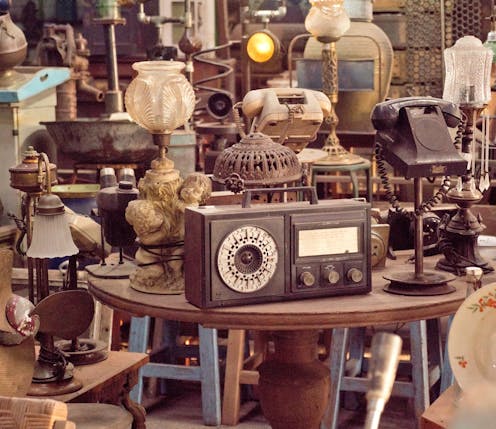
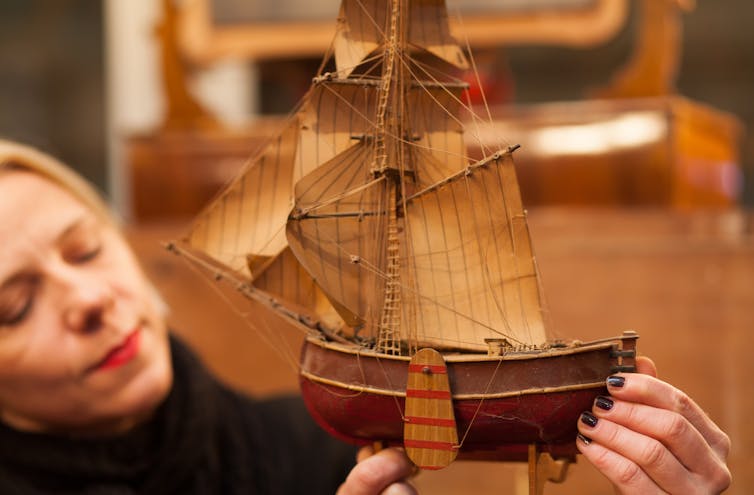

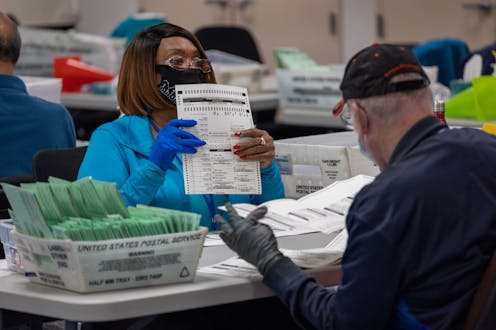
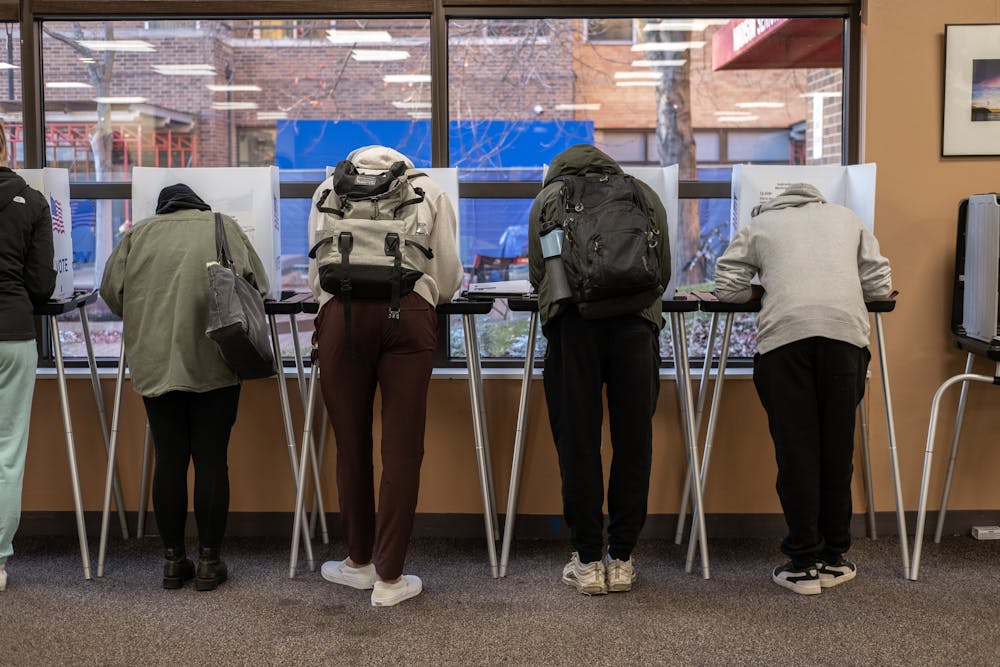
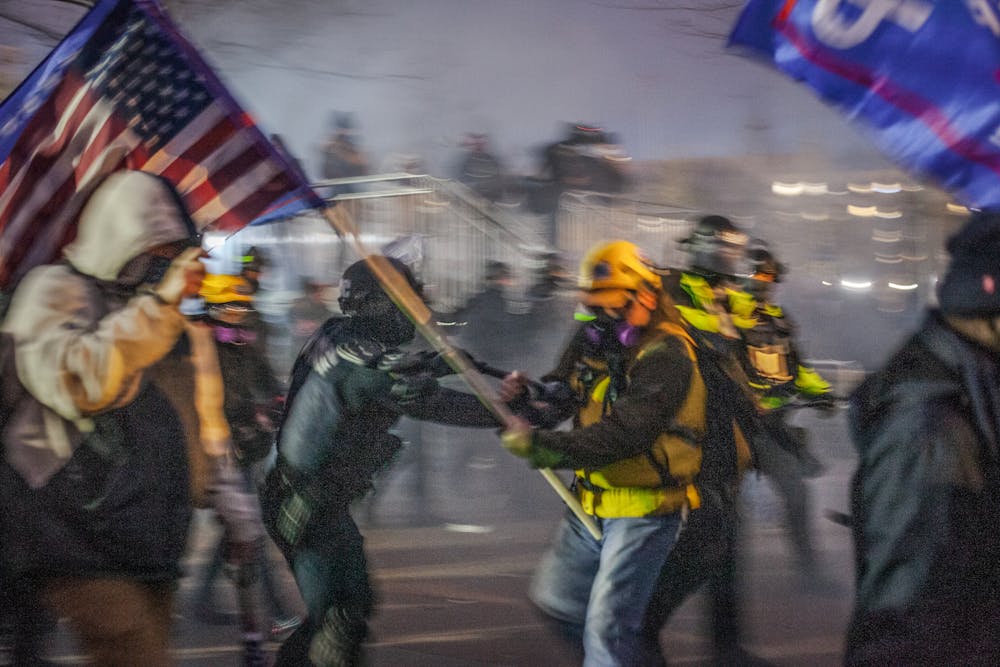




 Postal boxes are typically filled with junk mail and dreaded bills, but late November through the end of the year actually gives you a reason to look forward to heading to the mailbox: holiday cards. From cute photos to beautiful greetings filled with family updates, checking the mailbox is perhaps one of my personal favorite holiday activities. However, what are you supposed to do with the cards once the season passes?
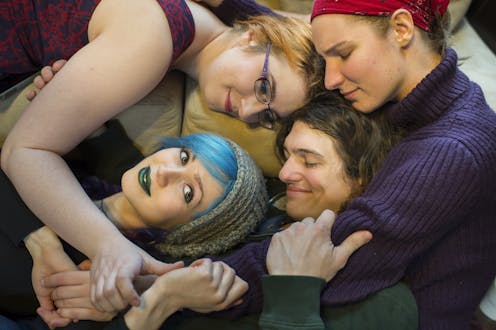


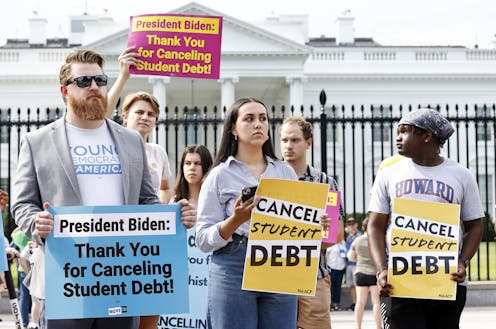

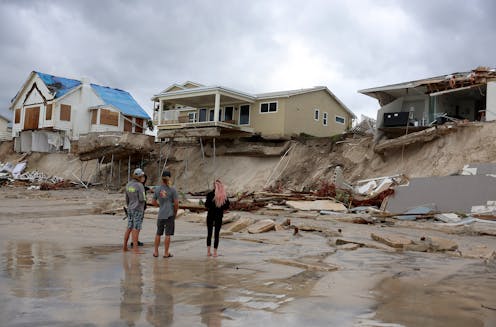
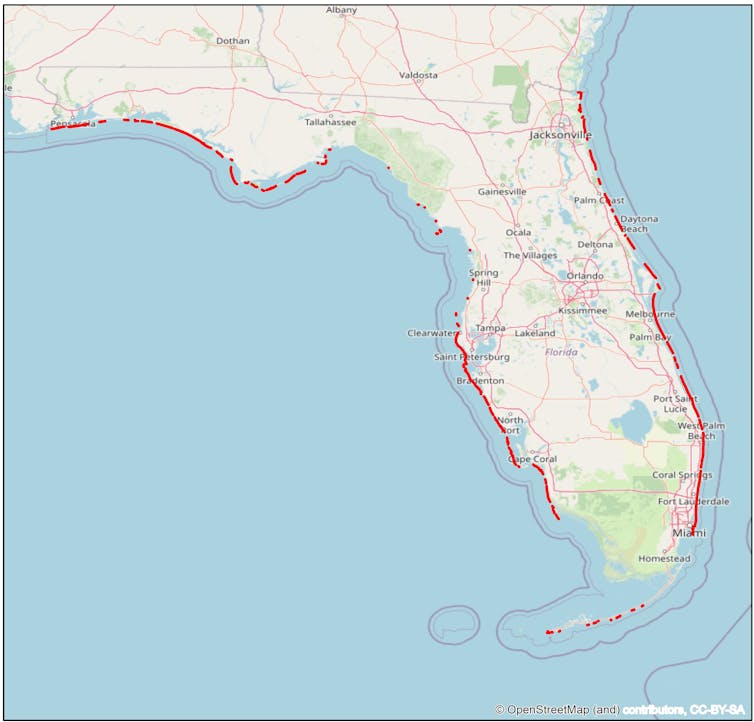
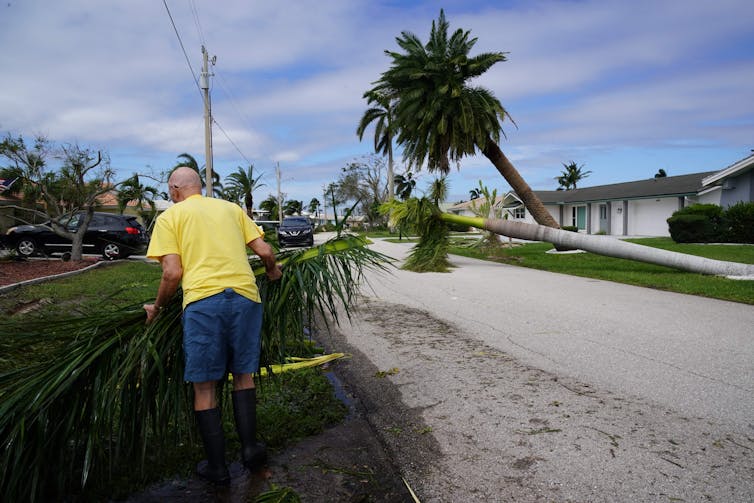
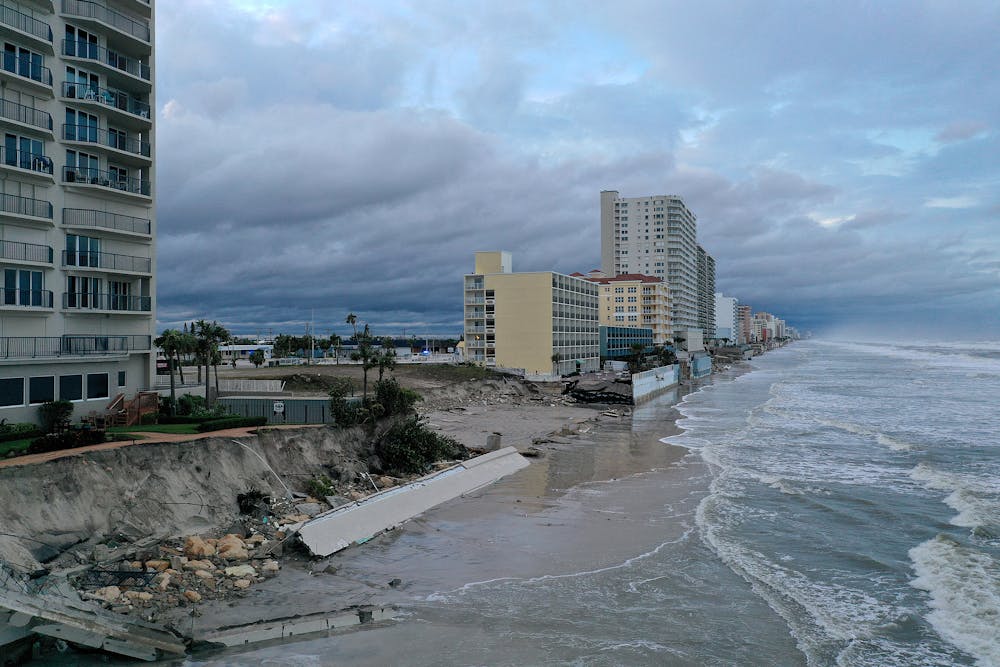

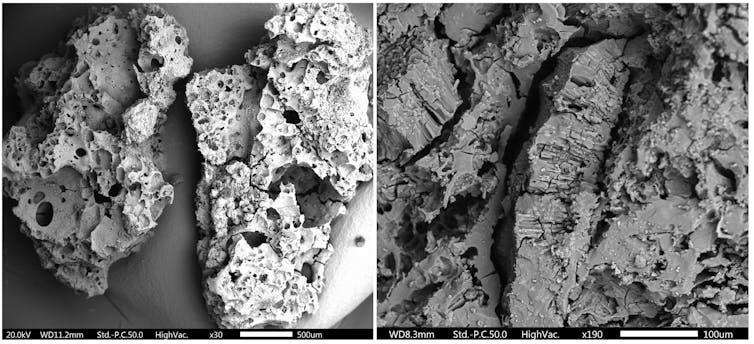
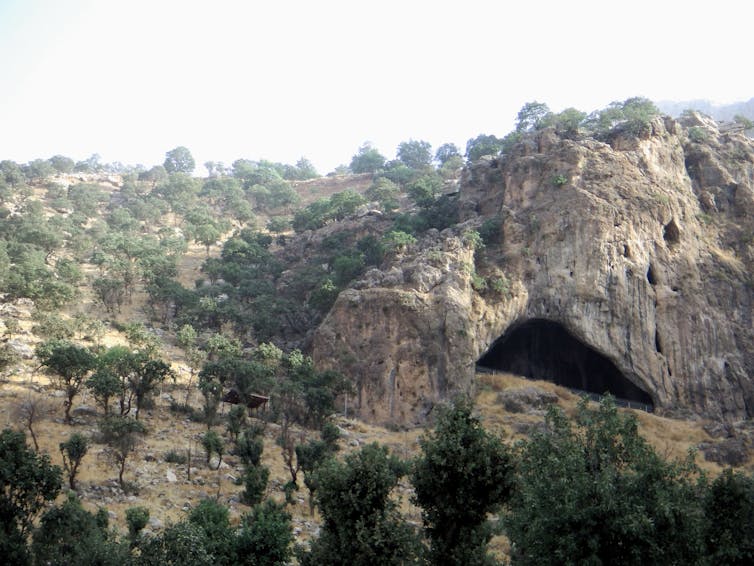
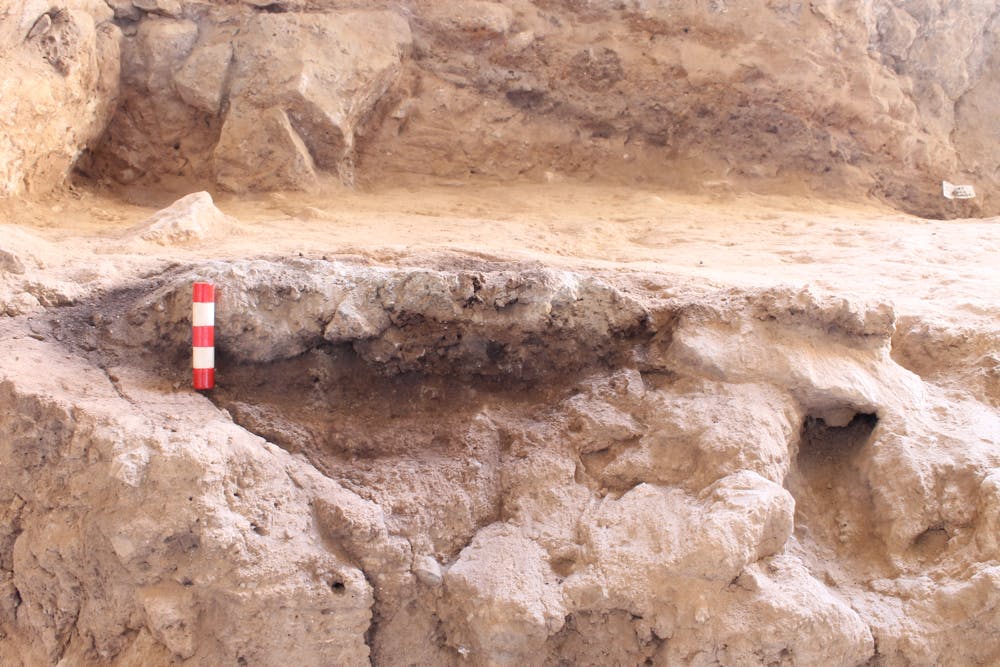

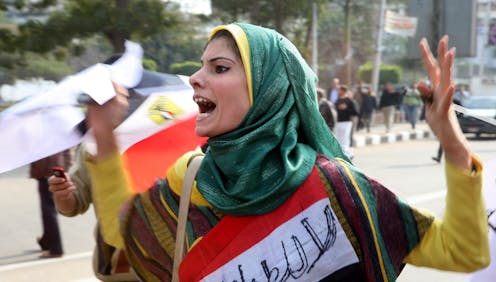



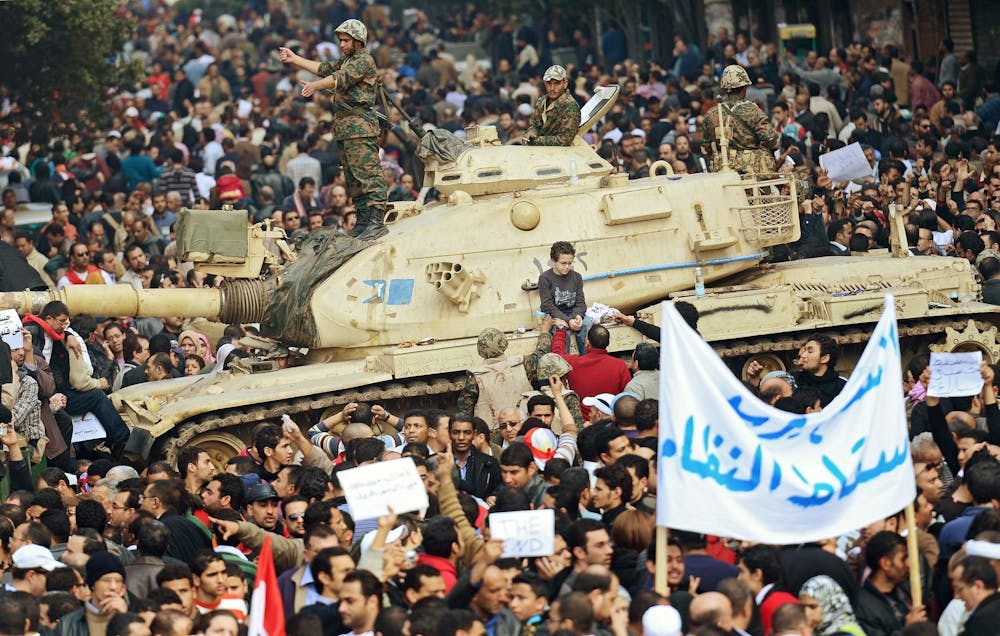













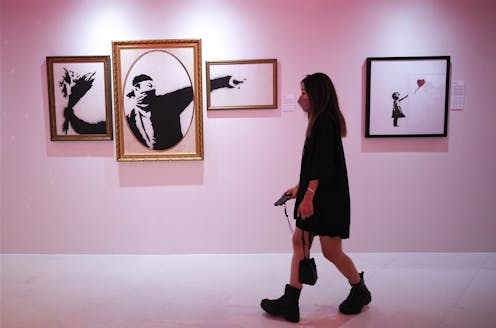
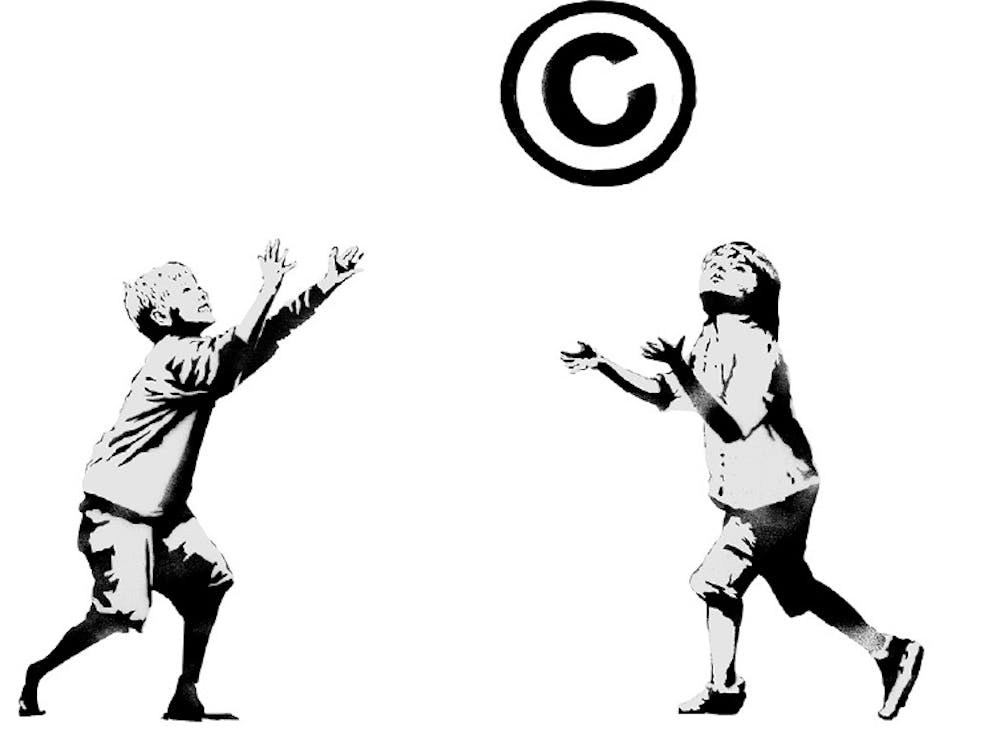
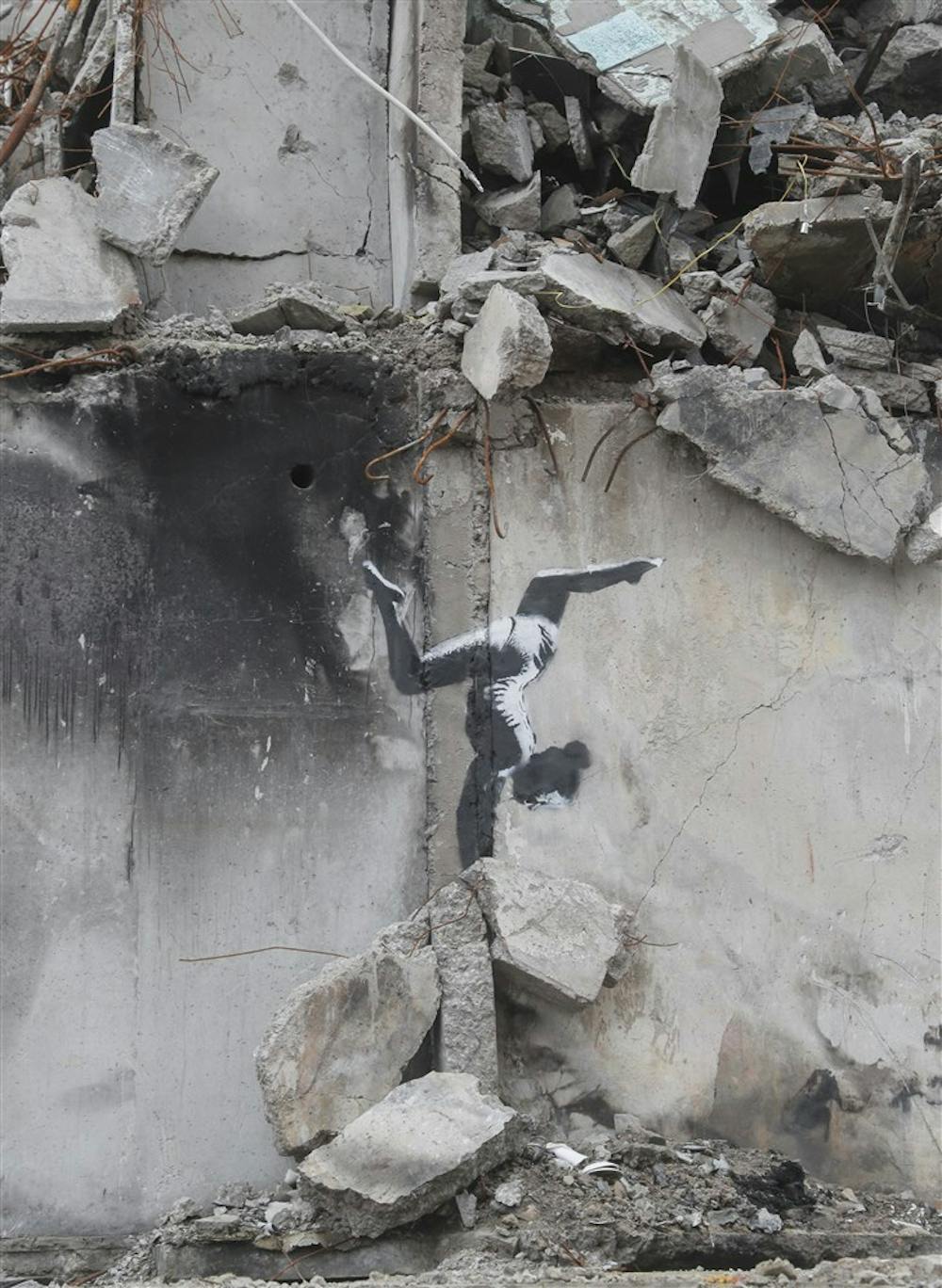

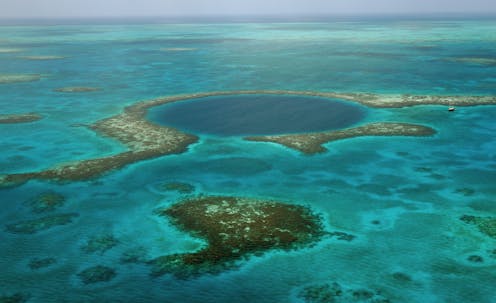
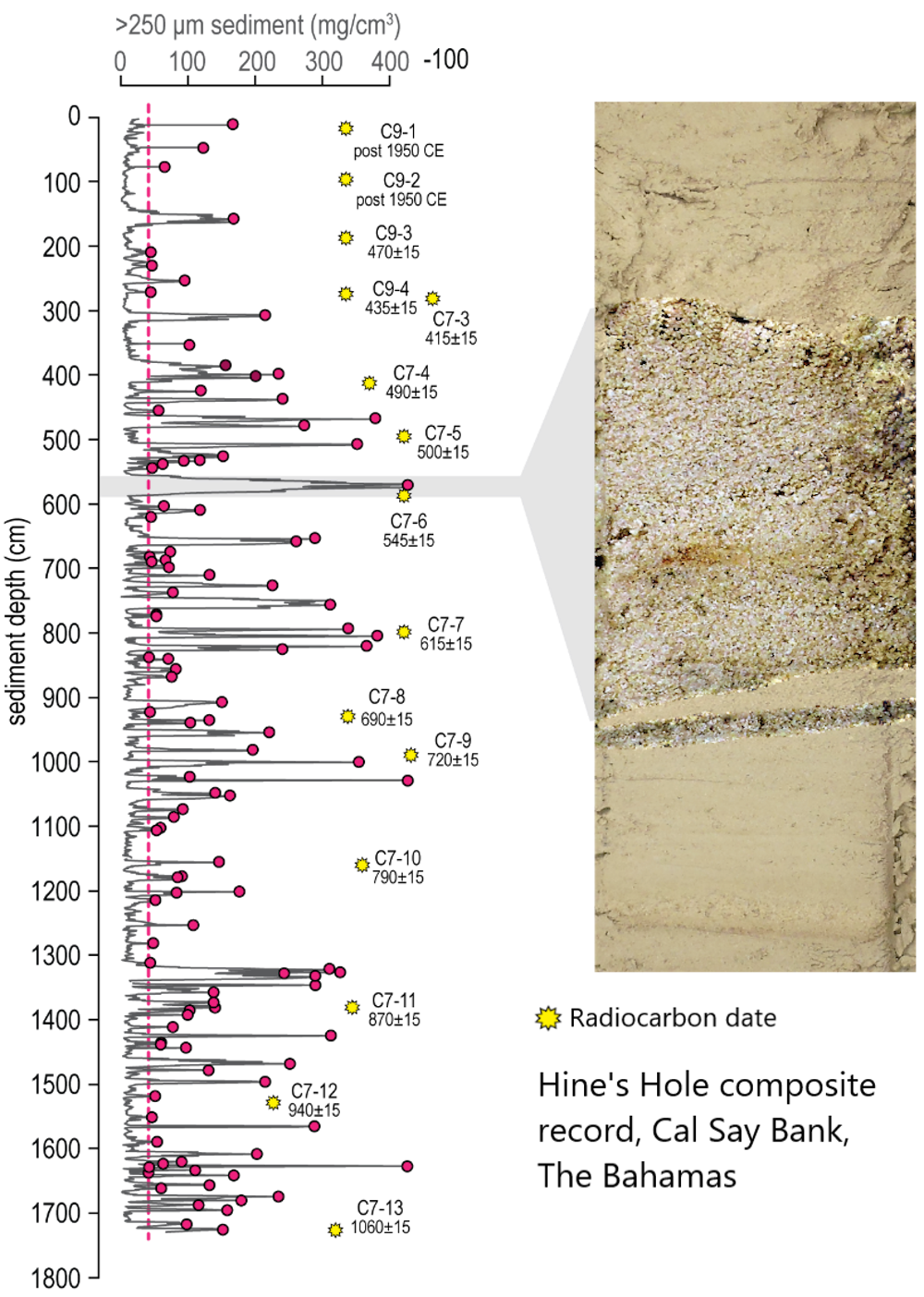
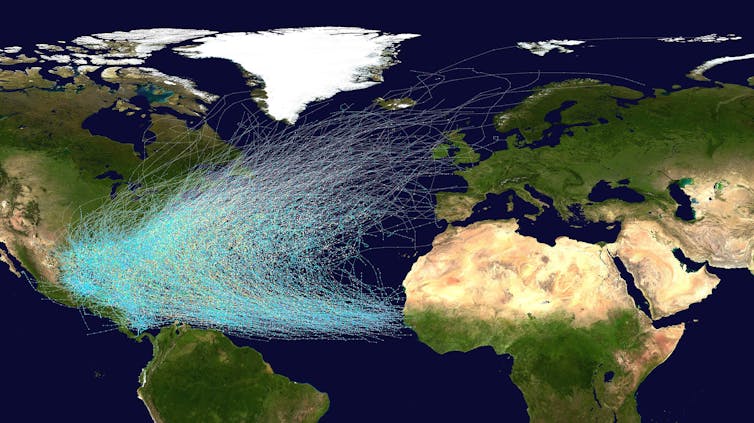
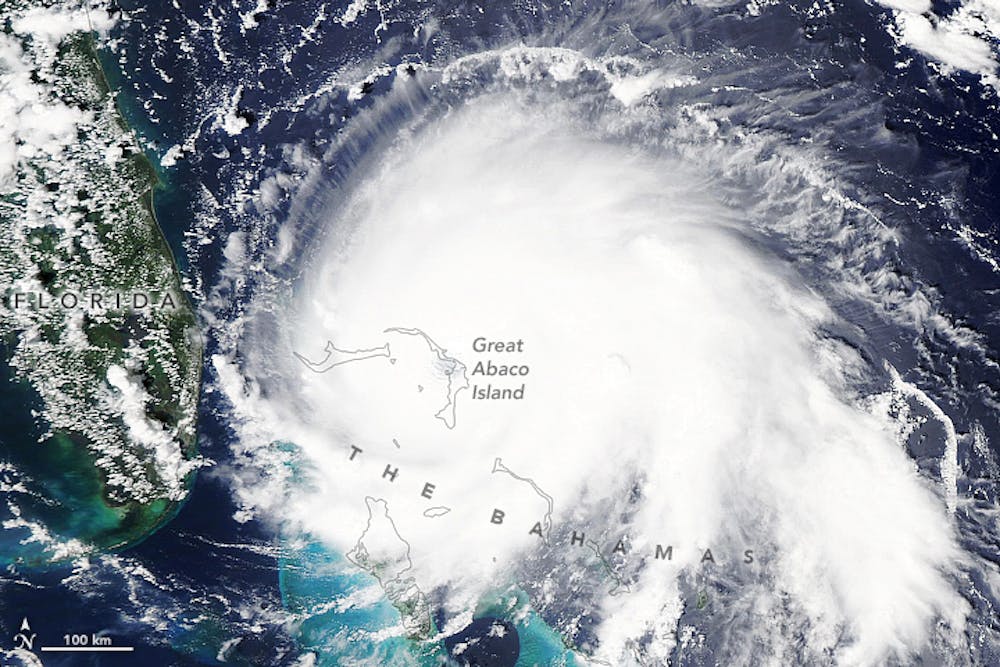
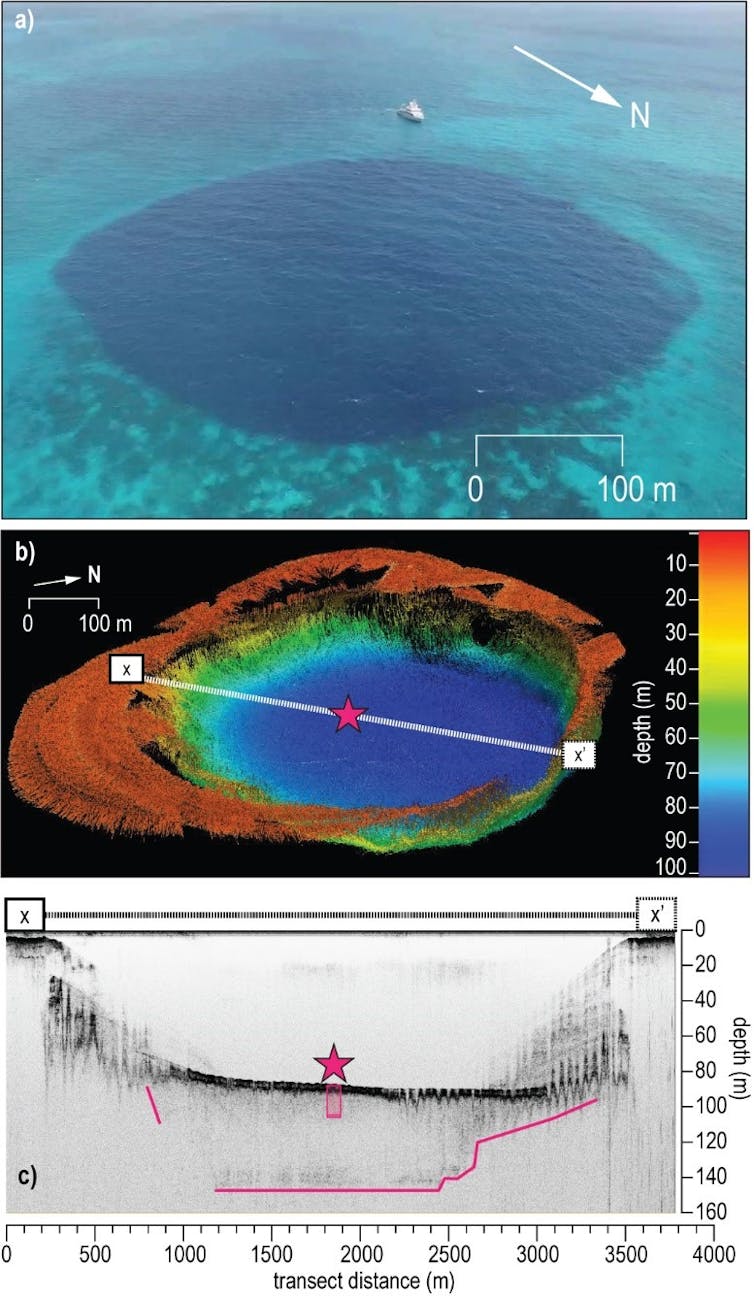
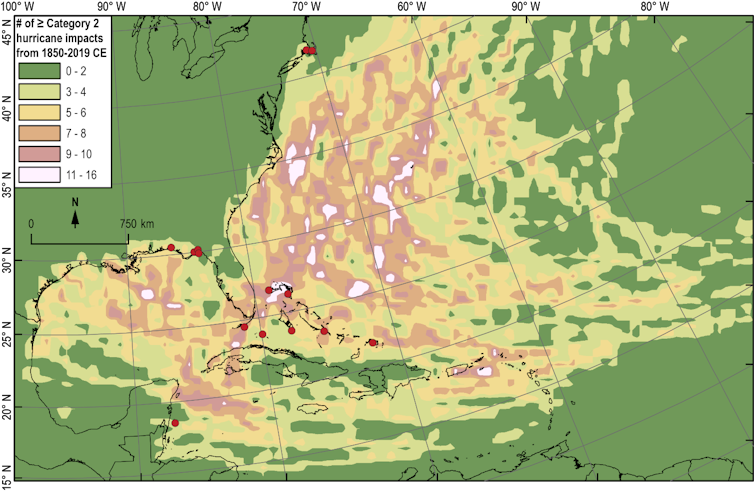
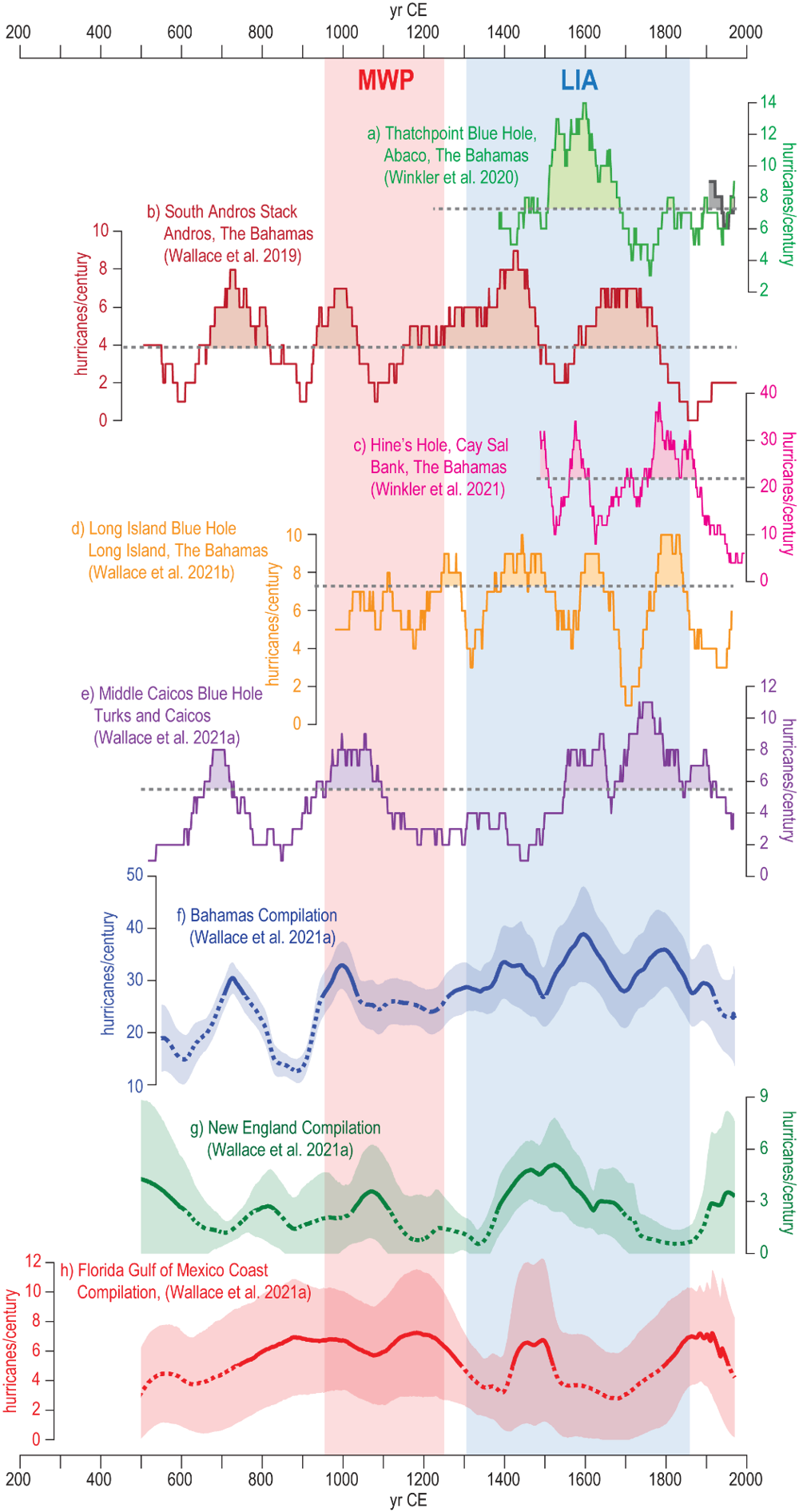






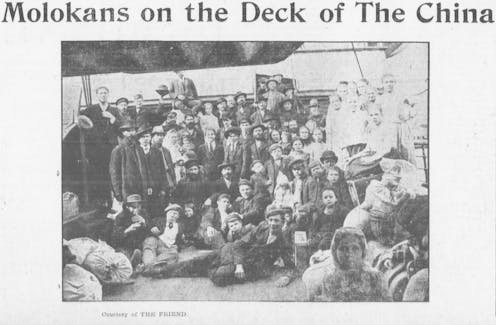
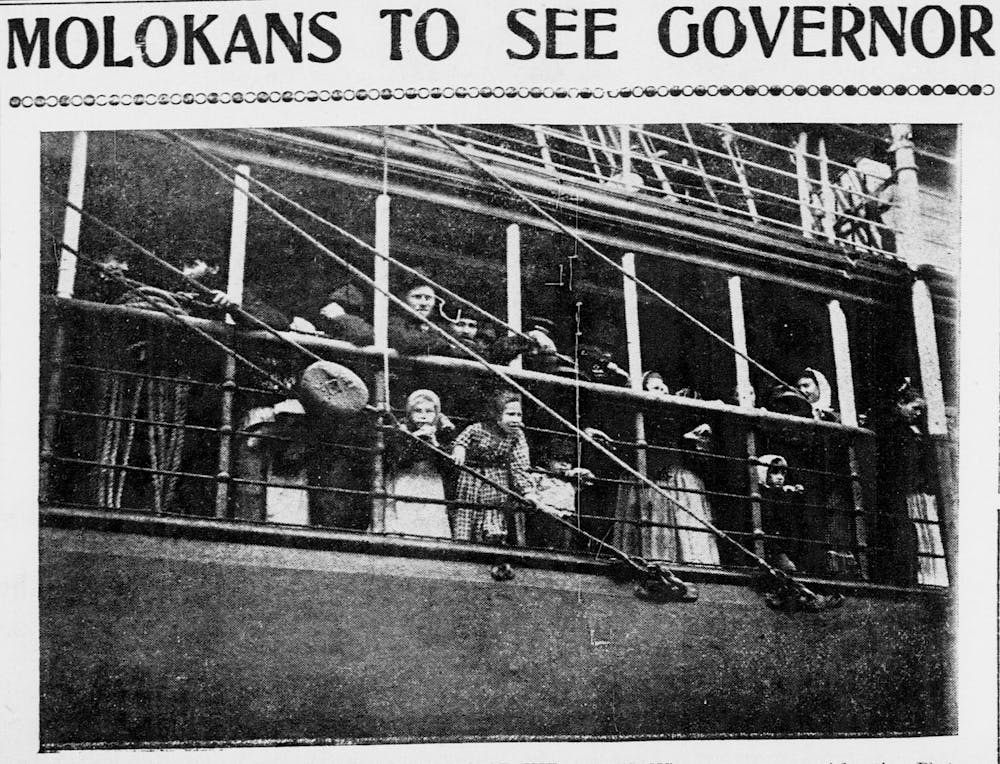








_(16912331906).jpg)