We're taking part in Copyright Week, a series of actions and discussions supporting key principles that should guide copyright policy. Every day this week, various groups are taking on different elements of copyright law and policy, and addressing what's at stake, and what we need to do to make sure that copyright promotes creativity and innovation.
Every January 1st, we celebrate the creative works that become free to use and adapt as their copyright expires. This year, that includes the iconic sci-fi film “Metropolis,” the first Best Picture Oscar winner “Wings,” and the last of the Sherlock Holmes stories by Arthur Conan Doyle. Along with these famous works, many thousands of cultural artifacts from 1927 and earlier can now be used by artists, educators, and businesses without fear of massive copyright liability—if any copies can be found.
For most of the 21st Century, these works have been under legal lock and key. Following the 20-year Sonny Bono Copyright Term Extension Act that Congress passed in 1998, no copyright terms expired in the U.S. until 2019. The cost is staggering - researchers estimate that 75% of the films of the silent era have been lost.
The 1998 extension capped several decades of copyright term expansions that ultimately put U.S. copyrights among the longest in the world. Even though the next 20 years will see many more significant works enter the public domain, including Disney’s famous early films like Snow White, Bambi, and Fantasia, the major media and entertainment companies haven’t called for another term extension—and none seems likely.
Why did U.S. copyright terms stop their relentless growth? Because people from all walks of life stood up and said “no more!” The Internet has made everyone a creator and a user of creative work, whether photos, video, music, or prose. Internet users recognized that ever-longer copyright terms impoverish the public conversation and benefit almost no one. Over the past decade, you’ve made your voices heard and made further term extensions toxic for U.S. lawmakers.
The public domain still faces threats. Canada is poised to enact its own 20-year term extension. We can also expect rightsholders with lots of legal firepower, like Disney, to try and stretch trademark law into what the Supreme Court once called “a species of mutant copyright,” to keep others from building on old characters, books, and films.
Copyright terms remain far too long. It will be nearly two decades before a filmmaker making a documentary about the World War II era can use music recordings from the period without facing what the Recording Industry Association of America and other music industry groups have called a “staggeringly complex” licensing process—or else risking massive and unpredictable statutory damages in a copyright suit.
Rather than preserving culture, long and complicated copyright terms keep us from our history. And that cannot be what copyright was meant to do.
by Steven Smith, Professor of Psychology, Saint Mary’s University
Diversity is usually only thought of in terms of visible diversity, but in reality, it goes far beyond. (Shutterstock)
If you work for an organization that believes diversity can increase organizational performance and employee well-being, we have a secret to share with you: despite what is commonly espoused about diversity, very few organizations have actually achieved benefits through current diversity approaches.
However, diversity is usually only thought of in terms of visible diversity (e.g., in terms of race, ethnicity, age, national origin, sexual orientation and cultural identity). In reality, diversity goes far beyond this.
The importance of valuing diversity
There are two limitations to only approaching diversity from a visible perspective. First, people may not be diverse in ways that are meaningful to organizations when only visible diversity is considered. Second, people may be diverse in ways that are not clearly visible and are difficult to observe and identify.
A visible diversity-only approach stops organizations from achieving the full benefits of true diversity and can lead to organizations actually becoming less diverse in their attitudes and beliefs. This is because of group polarization and groupthink, which can occur when like-minded people get together and make decisions.
Many professions tend to skew either liberal (e.g., academia) or conservative (e.g., the military), and the work environment further accentuates those tendencies, potentially leading to poor decision-making.
In such groups there are different, more deeply held attitudes, beliefs and values that cannot be easily dismissed without sincere critical thinking and engagement.
Groupthink and group polarization can be overcome when groups are composed of people with diverse personalities, values and attitudes.
(Unsplash)
This makes it more difficult for the group to coalesce around particular beliefs and attitudes because these are continuously challenged from within the group.
Further, this process of deep critical thinking and engagement leads to increased creativity, innovation and productivity as underlying assumptions about work and organizing are challenged and critiqued.
Managing diverse organizations
The challenge that managers and human resource professionals face within organizations and groups that have diverse personalities, values and attitudes is finding ways for the organization to work together effectively and reduce conflict. Here are three ways to ensure diversity works in your organization:
1. Create an inclusive climate
Organizations must create an environment where all voices are heard and everyone is encouraged to express themselves and contribute. This should begin from the very moment newcomers join the organization.
Employee on-boarding should introduce newcomers to an organization’s inclusive practices and openness to engaging their unique perspectives and abilities. These inclusive practices should include having robust conflict resolution procedures, as these have been shown to positively impact team outcomes.
This is especially important for organizations with diverse personalities, values and attitudes. A wide range of deeply held values and attitudes have the potential to lead to discord and disputes.
Organizations must create an environment where all voices are heard and everyone is encouraged to express themselves and contribute.
(Unsplash)
In addition, inclusive leaders are needed to create workplaces that encourage dialogue concerning differences and support authenticity in employees.
Recent research has found that inclusive leadership is more likely to result in workplace environments where employees are open to making changes in their work procedures, policies and tasks. We live in a fast changing dynamic world where organizations need a workforce that is able and willing to adapt to continuously changing conditions.
First, organizations should encourage members to leave their ego at the door and focus on team goals, not individual accomplishments or pride. Research has shown that teams perform better when they set group goals.
Second, organizations should ensure there are ways for everyone to communicate their perspectives in ways suitable to them. Introverted members, for example, should have their preferred communication methods available.
Third, organizations should encourage all members to learn something new. Mastering a new skill elicits feelings of doubt and frustration, which causes people to seek help or guidance from others. It also results in humility.
3. Be comfortable with being uncomfortable
To work effectively, organizations should strive to create a culture where members are comfortable working with people with different personalities and perspectives. Such an environment is one where members are encouraged to be honest about their strengths and weaknesses.
Acknowledging our capabilities and the areas where we struggle — and seeing the same in others — helps us see others more completely. Group members can use a deeper understanding of each other’s strengths and weaknesses to assign tasks and support where needed.
Organizations should strive to create an environment where members are encouraged to be honest about their strengths and weaknesses.
(Shutterstock)
Research has shown that perceptions of individual group task competence and group belonging are higher in groups that receive positive feedback. Organizations should focus on positive aspects of individual differences as groups learn to work effectively together.
The road to prosperity
We are able to make the most impactful, lasting changes when we embrace those with different values and attitudes from our own. Leading innovation consultancies have understood this for quite some time. For example, the success of the innovation consultancy IDEO is built on developing innovations by having multi-perspective working teams.
The process of intentionally including diverse personalities, values and attitudes in the workplace is not an easy one — it is hard. Working with people with very different value systems can be very challenging.
However, once we begin to have a deeper understanding of what drives these different perspectives, we can start to leverage the vast wealth of knowledge that has come from the many different individual experiences around us. With this wealth, we can begin to create new thoughts, ideas, products and experiences that will enrich us all.
Steven Smith receives funding from the Social Sciences and Humanities Research Council of Canada.
Katelynn Carter-Rogers receives funding from the Social Sciences and Humanities Research Council of Canada.
Vurain Tabvuma receives funding from the Social Sciences and Humanities Research Council of Canada.
That became clear in December 2022 when multiple DeSantis officials appeared before a federal judge to defend the governor’s decision to suspend a local prosecutor whom DeSantis had termed a “woke ideologue.” The judge asked Ryan Newman, DeSantis’ general counsel, to define “woke.”
Newman answered that “woke” is “the belief there are systemic injustices in American society and the need to address them.”
Newman added that DeSantis does not believe systemic injustices exist in the United States.
DeSantis, for his part, has explicitly denied that systemic racism exists – characterizing the notion as “a bunch of horse manure.”
By his own account, Newman placed DeSantis on the side of injustice. We might call DeSantis an “injustice denier.” Akin to climate change, there is no legitimate academic debate about the reality of systemic racism.
It’s real. It’s pervasive. It’s unjust. No amount of denial can change that – even if it scores political points.
As early as March 2021, one of the campaign’s chief architects, Christopher Rufo, a senior fellow at the Manhattan Institute, publicly bragged about weaponizing critical race theory to further that agenda.
Rufo further explained that maligning critical race theory through calculated caricature and distortion was an “obvious” element of a “public persuasion campaign” to erode faith in public schools.
Rufo, one of DeSantis’ recent board appointees, has outlined the end goal: “lay seige to the institutions” and return Americans to a pre-civil rights social order that lacked affirmative commitments to racial inclusion.
A long history of white resistance
Proponents often claim that laws and policies designed to restrict classroom conversations about race are necessary to protect mostly white students from emotional discomfort.
Yet over two years into an open disinformation campaign and hundreds of laws designed to suppress “woke” viewpoints, many in the mainstream media still frame anti-racism and anti-anti-racism as competing sides in an educational culture war.
The “culture war” frame also implies Americans are fighting over values, yet rarely makes explicit those competing values.
One thing is clear.
There is little new about this culture war.
It is hard to miss the parallels in rhetoric and tactics between 21st-century anti-anti-racism and 20th-century massive resistance, when segregationists openly defied federal court orders to integrate public schools.
Past generations have invoked “religious liberty,” “school choice” and “parents’ rights” to defend the prevailing social order, defund public schools and discredit efforts to redistribute racial power.
This included a law that required all teachers to swear an anti-NAACP oath – a law designed to target Black educators and “destabilize the civil rights movement,” as Cunningham explains.
Impact on cultural literacy
A revival of such measures has occurred since 2020.
In at least 15 states, GOP officials have passed “educational gag orders” to chill classroom conversations about race, racism and related topics. This includes Florida’s “Stop WOKE Act,” a portion of which was enjoined in November 2022.
Given the laws’ design and effect, University of Florida Law Professor Kathryn Russell-Brown has likened this legislation to 19th-century anti-literacy laws.
According to free speech advocacy group PEN America, 2022 saw a 250% jump in such laws, which became more punitive and more likely to target higher education and LGBTQ identities.
Similar policies have accelerated at the local level across the country.
As of December 2022, UCLA’s CRT Forward Tracking Project had identified over 130 school district policies that target anti-racist pedagogy and curriculum.
A related study from January 2022 found that state and local anti-literacy laws affected over 900 districts, accounting for 35% of America’s K-12 students.
Many of the same GOP officials pushing anti-literacy laws are also actively eroding key safeguards that shield public universities and professors from political interference.
Not surprisingly, DeSantis is a leading proponent of such efforts to curb university independence.
In Texas, the lieutenant governor threatened to terminate tenure after the University of Texas’ faculty leadership reaffirmed the value of academic freedom and the right to teach about race and gender justice.
Right-wing groups also have fueled defamatory campaigns against school leaders, teachers and librarians.
Many of the same groups have spearheaded an unprecedented wave of book bans.
PEN America tallied over 2,500 individual bans from July 2021 to June 2022.
But those limitations seem unlikely to alter GOP talking points or the broader assault on public education.
The incoming GOP House leadership has already renewed its pledge to purge schools of critical race theory and “woke ideology.”
To borrow a phrase from the late Supreme Court Justice William Brennan, one might conclude that anti-anti-racism embodies a “fear of too much justice.”
Jonathan Feingold attended UCLA School of Law, where he graduated with a specialization in Critical Race Studies.
When the company OpenAI launched its new artificial intelligence program, ChatGPT, in late 2022, educators began to worry. ChatGPT could generate text that seemed like a human wrote it. How could teachers detect whether students were using language generated by an AI chatbot to cheat on a writing assignment?
As a linguist who studies the effects of technology on how people read, write
and think, I believe there are other, equally pressing concerns besides cheating. These include whether AI, more generally, threatens student writing skills, the value of writing as a process, and the importance of seeing writing as a vehicle for thinking.
As part of the research for my new book on the effects of artificial intelligence on human writing, I surveyed young adults in the U.S. and Europe about a host of issues related to those effects. They reported a litany of concerns about how AI tools can undermine what they do as writers. However, as I note in my book, these concerns have been a long time in the making.
Users see negative effects
Tools like ChatGPT are only the latest in a progression of AI programs for editing or generating text. In fact, the potential for AI undermining both writing skills and motivation to do your own composing has been decades in the making.
Spellcheck and now sophisticated grammar and style programs like Grammarly and Microsoft Editor are among the most widely known AI-driven editing tools. Besides correcting spelling and punctuation, they identify grammar issues as well as offer alternative wording.
AI text-generation developments have included autocomplete for online searches and predictive texting. Enter “Was Rome” into a Google search and you’re given a list of choices like “Was Rome built in a day.” Type “ple” into a text message and you’re offered “please” and “plenty.” These tools inject themselves into our writing endeavors without being invited, incessantly asking us to follow their suggestions.
Young adults in my surveys appreciated AI assistance with spelling and word completion, but they also spoke of negative effects. One survey participant said that “At some point, if you depend on a predictive text [program], you’re going to lose your spelling abilities.” Another observed that “Spellcheck and AI software … can … be used by people who want to take an easier way out.”
One respondent mentioned laziness when relying on predictive texting: “It’s OK when I am feeling particularly lazy.”
Personal expression diminished
AI tools can also affect a person’s writing voice. One person in my survey said that with predictive texting, “[I] don’t feel I wrote it.”
A high school student in Britain echoed the same concern about individual writing style when describing Grammarly: “Grammarly can remove students’ artistic voice. … Rather than using their own unique style when writing, Grammarly can strip that away from students by suggesting severe changes to their work.”
In a similar vein, Evan Selinger, a philosopher, worried that predictive texting reduces the power of writing as a form of mental activity and personal expression.
“[B]y encouraging us not to think too deeply about our words, predictive technology may subtly change how we interact with each other,” Selinger wrote. “[W]e give others more algorithm and less of ourselves. … [A]utomation … can stop us thinking.”
In literate societies, writing has long been recognized as a way to help people think. Many people have quoted author Flannery O’Connor’s comment that “I write because I don’t know what I think until I read what I say.” A host of other accomplished writers, from William Faulkner to Joan Didion, have also voiced this sentiment. If AI text generation does our writing for us, we diminish opportunities to think out problems for ourselves.
One eerie consequence of using programs like ChatGPT to generate language is that the text is grammatically perfect. A finished product. It turns out that lack of errors is a sign that AI, not a human, probably wrote the words, since even accomplished writers and editors make mistakes. Human writing is a process. We question what we originally wrote, we rewrite, or sometimes start over entirely.
Challenges in schools
When undertaking school writing assignments, ideally there is ongoing dialogue between teacher and student: Discuss what the student wants to write about. Share and comment on initial drafts. Then it’s time for the student to rethink and revise. But this practice often doesn’t happen. Most teachers don’t have time to fill a collaborative editorial – and educational – role. Moreover, they might lack interest or the necessary skills, or both.
Conscientious students sometimes undertake aspects of the process themselves – as professional authors typically do. But the temptation to lean on editing and text generation tools like Grammarly and ChatGPT makes it all too easy for people to substitute ready-made technology results for opportunities to think and learn.
Educators are brainstorming how to make good use of AI writing technology. Some point up AI’s potential to kick-start thinking or to collaborate. Before the appearance of ChatGPT, an earlier version of the same underlying program, GPT-3, was licensed by commercial ventures such as Sudowrite. Users can enter a phrase or sentence and then ask the software to fill in more words, potentially stimulating the human writer’s creative juices.
A fading sense of ownership
Yet there’s a slippery slope between collaboration and encroachment. Writer Jennifer Lepp admits that as she increasingly relied on Sudowrite, the resulting text “didn’t feel like mine anymore. It was very uncomfortable to look back over what I wrote and not really feel connected to the words or ideas.”
Students are even less likely than seasoned writers to recognize where to draw the line between a writing assist and letting an AI text generator take over their content and style.
As the technology becomes more powerful and pervasive, I expect schools will strive to teach students about generative AI’s pros and cons. However, the lure of efficiency can make it hard to resist relying on AI to polish a writing assignment or do much of the writing for you. Spellcheck, grammar check and autocomplete programs have already paved the way.
Writing as a human process
I asked ChatGPT whether it was a threat to humans’ motivation to write. The bot’s response:
“There will always be a demand for creative, original content that requires the unique perspective and insight of a human writer.”
It continued: “[W]riting serves many purposes beyond just the creation of content, such as self-expression, communication, and personal growth, which can continue to motivate people to write even if certain types of writing can be automated.”
I was heartened to find the program seemingly acknowledged its own limitations.
My hope is that educators and students will as well. The purpose of making writing assignments must be more than submitting work for a grade. Crafting written work should be a journey, not just a destination.
Naomi S. Baron does not work for, consult, own shares in or receive funding from any company or organization that would benefit from this article, and has disclosed no relevant affiliations beyond their academic appointment.
Martin Bullock, a "wildlife and pet photoshopper" from British Colombia, creates "animals that don't exist" – and probably never should. Clever, cute, disturbing abominations, his photoshopped intra-species critter mashups are a side gig on top of graphic design and commercial fishing. — Read the rest
Dammit. A new study published in Nature Communications by researchers at the University of California San Diego has found that gel manicures lead to "cell death and cancer-causing mutations in human cells," according to phys.org. And it's the UV "dryers" that are the culprit. — Read the rest
An outdated fear of change should not restrict a child’s reading. WIKIMEDIA COMMONS
A new wave of controversy followed books with LGBTQ and diverse stories being pulled and banned from library shelves in 2022. Because of this, teachers and librarians in Florida may have to undergo training to remove or avoid books that involve these topics, according to a Jan. 18 article by Education Week.
To restrict Florida students’ access to books based on personal ideology is dangerous, and if the next generation of Florida teachers are to prepare future children, they need to be protected from civil prosecution.
Florida has banned the second most books out of all 50 states. The state had 566 instances of book banning in 21 school districts, according to a 2022 WUSF report. Of these banned books, 41% contain themes or characters involving the LGBTQ community and people of color.
Thanks to the 2022 Parental Rights in Education law, or the “Don’t Say Gay” law, conservative parents’ rights groups are able to easily petition for books to be banned or sue teachers for their teaching curriculum if it involves themes parents do not agree with.
Supporters of the legislation say it gives parents more involvement in their children’s education, however HB1557 states school districts are required to adopt certain procedures for resolving specified parental concerns, including paying for damages brought on by “emotional distress.” This opens the door for teachers or public schools to litigation for exposing students to materials that parents do not believe in or agree with, including LGBTQ identity and racism, resulting in books being removed or changed to avoid lawsuits.
The “Don’t Say Gay” law also allows anyone to petition for a book to be banned for any reason.
According to a 2022 report released by PEN America, book banning has become the most widespread form of censorship. Banning books does not stop children from accessing this information, but it does heavily restrict what can be taught by their teachers if one single person deems the lesson “too explicit” or does not agree with the subject matter.
Teachers can’t do their jobs effectively if they are constantly having to worry about a potential lawsuit.
Banning literature for having LGBTQ themes or stories that bring attention to racism can prevent students from becoming aware of the issues society faces. The next generation of teachers cannot be afraid to teach about other ideals or cultures.
Teachers shape future generations, but this can be difficult to do when fear controls their lessons. Remaining ignorant will not solve the country’s growing problems, but learning from the ideas brought on through these types of books may offer better insight.
On Jan. 22, 2023, more than a billion people globally will welcome the Year of the Rabbit – or the Year of Cat, depending on which cultural traditions they follow – as the start of the Lunar New Year. In the New York City public school district, Lunar New Year has been observed as a school holiday since 2015.
The Lunar New Year is sometimes called the Chinese New Year, because it follows a calendar that was developed in China; but it is also celebrated in various parts of Asia, such as Korea and Vietnam. Tibetan and Mongolian cultures follow a similar calendar that will start the Year of the Rabbit about a month later, on Feb. 20.
While this calendar is sometimes just called “lunar,” it adds an extra month every few years to stay in sync with the solar cycle, so it’s technically lunar and solar, or lunisolar. This means that the date of the Lunar New Year in the Gregorian calendar changes from year to year but always falls in January or February. The Gregorian calendar is the solar calendar used today in most parts of the world, including the United States.
As a scholar of East Asian religions, I am familiar with the wide range of lunar and lunisolar calendars used in different religions and cultures, and especially with the religious significance of the East Asian lunisolar calendar.
The lunisolar calendar that developed in China combines two categories: 12 earthly branches, each of which corresponds to an animal, and 10 heavenly stems, each of which corresponds to one of the five elements – fire, water, wood, metal and earth – and either the feminine yin or masculine yang force.
While this lunisolar calendar brings people together, different countries and cultures have their own legends and customs surrounding the New Year. Even the animal associated with the year can vary.
Year of the Rabbit or Year of the Cat?
In most parts of East Asia, the new year that begins on Jan. 22 corresponds to the rabbit, and also to the element of water and the feminine yin force. The cycle takes 60 years to complete, so 60th birthdays across East Asia are times for special celebrations.
However, the animal associations of the zodiac can vary: In Vietnam, Jan. 22 will usher in the Year of the Cat instead. The most recent Year of the Cat, in 2011, saw a baby boom in Vietnam because of the good luck associated with that zodiac sign.
One explanation among scholars for why Vietnamese culture celebrates it as the Year of the Cat is that the earthly branch corresponding to “rabbit” is pronounced mao in Mandarin and meo in Vietnamese, which sounds similar to the Vietnamese word for “cat.”
Another explanation comes from two variations of a popular legend about how the 12 zodiac animals were chosen. According to that legend, either the Buddha or the Jade Emperor, head of the Chinese pantheon, organized a race across a river to choose the zodiac animals and their order.
In the Chinese version, the cat and rat were riding across a river on an ox when the rat, in its drive to be first, pushed the cat into the water so that the cat arrived last and was disqualified. The rabbit was crossing the river by hopping on stones sticking out of the water, but with one lucky leap it landed on a floating log that swiftly carried it to shore, so that the rabbit finished fourth. However, in the Vietnamese version – which lacks a rabbit – the cat could swim and ended up arriving fourth.
In the Chinese tradition, people born in particular zodiac years have some of their animal’s characteristics. Since the late 20th century, Chinese regions have seen birth rates spike during Years of the Dragon because dragons are powerful symbols of good fortune and success.
Some animals carry strongly gendered meanings: the Year of the Tiger is widely seen as a good year for male births, but female tigers are stereotyped as overly aggressive. In Korea, the Year of the Horse is similarly perceived as a bad time for girls to be born.
Conversely, the Year of the Rabbit is seen as a better year for girls because the rabbit’s qualities of kindness, empathy and patience are stereotypically feminine virtues. Moreover, rabbits have been associated with male homosexuality since the 18th century, and the word “rabbit,” tuzi in Mandarin, is a slur for male sex workers. The stigma surrounding homosexuality in Chinese cultures means that, for some people, having a boy in the Year of the Rabbit would be less ideal. However, some members of Chinese LGBTQ+ communities are rejecting this stigma by reclaiming the Rabbit God as a patron deity.
The Rabbit God is not always understood as a god of male same-sex love. He can also be a symbol of longevity. Chinese lore holds that a rabbit and toad on the Moon work with the moon goddess Chang’e to refine the elixir of immortality.
The Year of the Rabbit will feature rabbit decorations, rabbit-themed marketing, and an abundance of new pet rabbits. However, the celebration will remain the same as in other years.
Chinese Lunar New Year celebrations emphasize family togetherness as well as good luck and prosperity for the coming year. In China, the Lunar New Year marks the world’s largest annual human migration, as people who work in big cities travel home to see their families for the two-week holiday.
The new year officially ushers in the spring, so it is also called Spring Festival, or Chunjie in Mandarin. To start the New Year on the right foot, people get haircuts, clean their houses and wear new clothes. These new clothes, like most New Year’s decorations, are red, which symbolizes good fortune.
New Year’s foods also aim to bring good fortune. Among the dishes commonly eaten at New Year’s are fish, because in Mandarin “having fish,” you yu, is a homophone for “having a surplus.” Eating a dessert of glutinous rice balls in sweet soup, known as tangyuan, represents the family being complete, because the word for round, yuan, also means “complete.”
Family is the focus of New Year celebrations, which traditionally take place in the home of the husband’s family. Adults generally give gifts of money in red envelopes to younger relatives who are still in school. On the second or third day of the new year, families often travel to the wife’s family home to see the in-laws.
The Lantern Festival, Yuanxiao jie, wraps up the festivities two weeks after the New Year begins with the first full moon of the year. As the name suggests, people celebrate with decorated lanterns, which often have riddles attached. In addition to guessing the answers to these riddles, people celebrate by eating tangyuan or similar round dumplings called yuanxiao, and watching dragon and lion dances.
The global Asian diaspora means that Lunar New Year is now celebrated around the world, including in the United States. Chinese American, Korean American, and Vietnamese American communities will mark the beginning of the Lunar New Year with a variety of celebrations, some welcoming the Year of the Rabbit and others welcoming the Year of the Cat.
Megan Bryson ne travaille pas, ne conseille pas, ne possède pas de parts, ne reçoit pas de fonds d'une organisation qui pourrait tirer profit de cet article, et n'a déclaré aucune autre affiliation que son organisme de recherche.
Over at The Nib, Sam Wallman has created an illustrated history of the Pinkerton Agency — the original "private eyes," a nearly 200-year-old American corporation that essentially pioneered the privatization of domestic military intelligent services, most often weaponized against the working class. — Read the rest
You’ll see it all over the land records of colonial America.
In one document, person A leases the land to person B.
And in another, often a day or two later, and sometimes even on the same day, person A releases the land to person B.
So, for example, on the 23rd of November, 1737, Henry Kendall of the County of Orange, Virginia, leased to Spencer Bobo of the County of Caroline, Virginia, one 50-acre tract of land on the north side of the Robinson River, for five shillings sterling.1 The very next day, on the 24th of November 1737, Henry Kendall released that same tract of land to Spencer Bobo “for and in Consideration of the full Sum of thirty pds Current Money of Virginia.”2
Okay, what’s up with that?
Now The Legal Genealogist freely admits… they don’t teach this in modern law school property courses — this isn’t something anybody with today’s legal training is likely to have encountered.
In other words, yep. I had to look it up too.
The first thing I learned was that this is, by definition:
A species of conveyance much used in England, … thus contrived: A lease, or rather bargain and sale upon some pecuniary consideration for one year, is made by the tenant of the freehold to the lessee or bargainee. This, without any enrolment, makes the bargainor stand seised to the use of the bargainee, and vests in the bargainee the use of the term for one year, and then the statute immediately annexes the possession. Being thus in possession, he is capable of receiving a release of the freehold and reversion, which must be made to the tenant in possession, and accordingly the next day a release is granted to him. The lease and release, when used as a conveyance of the fee, have the joint operation of a single conveyance.3
R-i-i-i-i-g-h-t.
About as clear as mud, isn’t it?
So let’s see what else we can find.
Merriam-Webster says it’s “a nearly obsolete mode of conveyance under the Statute of Uses by means of a bargain and sale for a leasehold interest conventionally for a year, which under the statute vested the leasehold estate without entry, with a subsequent release vesting the fee in the lessee without entry or livery of seisin.”4
Sorry. Not all that much better.
The Oxford Reference website says it’s “A method of transferring land from one party to another without the necessity of enrolling a deed. The purchaser first took a lease of the property for one year (thus avoiding the need to enrol), then on the following day the vendor conveyed to him the reversion of the lease. The records of the transaction consisted of two documents, the lease and the release. The method remained popular until 1845.”5
A bit closer, maybe… but still not clear.
According to the website of the Fairfax County, Virginia, Circuit Court Historic Records Center, “Deeds of lease and release are often found in the Northern Neck and older counties. The lease, listing a nominal sum, is followed by the release noting the actual sale price. The lease may predate the release by a day, a week, or even a year. Together the two documents make up a legal deed and should not be confused with a simple lease to rent land.”6
Yeah, maybe we’re not confused about it being a simple lease to rent land, but we’re still confused…
Over to Wikipedia, and we actually get a pretty good definition: “Lease and release is literally the lease (tenancy) of non-tenanted property by its owner followed by a release (relinquishment) of the landlord’s interest in the property. This sequence of transactions was commonly used to transfer full title to real estate under real property law. … Between its parties it achieves the same outcome as a deed of grant/transfer/conveyance.”7
Now we’re getting somewhere. This isn’t a lease followed by another lease (re-lease). The land gets leased by the owner person A to the ultimate buyer person B, and then the owner person A releases the buyer person B from ever having to give the land back when the lease term ends.
Okay… Got it. A lease following by a release (giving up) of the right ever to get the leased land back, and taken together, it’s the same as a deed selling the land outright. And if you want a more thorough explanation of just how that worked, the University of Nottingham Manuscipts and Special Collections has a good overview of the ins and outs of lease and release.8
But… but… but why? Why in the world use two documents instead of one?
Wikipedia gives a clue: “Lease and release was a mode of conveyance of freehold estates formerly common … for tax avoidance …”9
Aha! It’s a tax dodge! And when you consider the history of this form of land transaction, that makes sense. You see, in the 1530s, Henry VIII of England got a couple of laws passed that any document selling land had to be in writing and enrolled — recorded — in a registry maintained by public officials in the area. But neither a lease nor the release (the “landlord” giving up the right to get the land back) was considered a sale of land, so it wasn’t among the documents that had to be recorded. And what the Crown didn’t know about, it couldn’t tax.10
But… but… but… there wasn’t any requirement in colonial America that deeds be recorded. So why did this catch on here?
Nobody knows for sure. One good possibility is that that’s the way it had been done in England since the days of Henry VIII, and so much of what gets done in the law is because “it’s always been done that way.”
But the explanation on the University of Nottingham website gives a hint of another possibility — one that, personally, I’d rate as at least equally likely: “Many lease and releases are long and complicated,… Lawyers in the eighteenth and early nineteenth centuries were paid by the line. Therefore the longer and wordier a deed was, the more they got paid!”11
Tax dodges and greedy lawyers.
Works for me…
Cite/link to this post: Judy G. Russell, “Releasing the land,” The Legal Genealogist (https://www.legalgenealogist.com/blog : posted 13 Jan 2023).
SOURCES
Orange County, Virginia, Deed Book 2: 194; digital images, DGS film 007724898, image 414, FamilySearch.org (https://www.familysearch.org/ : accessed 13 Jan 2023). ↩
Orange County, Virginia, Deed Book 2: 196; ibid., images 415-416. ↩
Henry Campbell Black, A Dictionary of Law (St. Paul, Minn. : West, 1891), 697, “lease and release.” ↩
Merriam-Webster Online Dictionary (https://www.merriam-webster.com/ : accessed 13 Jan 2023), “lease and release.” ↩
Oxford Reference (https://www.oxfordreference.com/ : accessed 13 Jan 2023), “lease and release.” ↩
“Deeds,” Fairfax Circuit Court Historic Records Center (https://www.fairfaxcounty.gov/circuit/historic-records-center/ : accessed 13 Jan 2023). ↩
Wikipedia (https://www.wikipedia.com), “Lease and release,” rev. 4 June 2021. ↩
“Lease and Release,” Research Guidance: Deeds in Depth: Freehold Land, Manuscipts and Special Collections, University of Nottingham (https://www.nottingham.ac.uk/ : accessed 13 Jan 2023). ↩
Wikipedia (https://www.wikipedia.com), “Lease and release,” rev. 4 June 2021. ↩
We're taking part in Copyright Week, a series of actions and discussions supporting key principles that should guide copyright policy. Every day this week, various groups are taking on different elements of copyright law and policy, and addressing what's at stake, and what we need to do to make sure that copyright promotes creativity and innovation.
One of the interesting side effects of the internet is that more people than ever are aware of copyright. Pretty much everyone online has seen some version of the “this media is no longer available due to a copyright claim” notice on something they wanted to see. Copyright affects everything from what entertainment we see to which of our devices we can repair. This is why we must fight for copyright law and policy that serves everyone.
Eleven years ago, a diverse coalition of Internet users, non-profit groups, and Internet companies defeated the Stop Online Piracy Act (SOPA) and the PROTECT IP Act (PIPA), bills that would have forced Internet companies to blacklist and block websites accused of hosting copyright infringing content. These were bills that would have made censorship very easy and harmed legitimate speech, all in the name of copyright enforcement.
But this week isn’t just about stopping bad proposals. It’s about celebrating positive changes for all of us. It’s about right to repair, fair use, and the public domain.
And so, every year, EFF and a number of diverse organizations participate in Copyright Week. Each year, we pick five copyright issues to highlight and advocate a set of principles of copyright law. This year’s issues are:
Monday: Public Domain The public domain is a crucial resource for innovation and access to knowledge. Copyright should strive to promote, and not diminish, a robust, accessible public domain.
Tuesday: Digital Ownership. As the things we buy increasingly exist either in digital form or as devices with software, we also find ourselves subject to onerous licensing agreements and technological restrictions. If you buy something, you should be able to truly own it – meaning you can learn how it works, repair it, remove unwanted features, or tinker with it to make it work in a new way.
Wednesday: Open Access Having an even playing field when accessing the latest information isn’t just good for science, it’s fundamental to human rights worldwide. As we’ve seen in the global response to COVID-19, copyright shouldn’t get in the way of open collaboration and global equity.
Thursday: Free Expression and Fair Use Copyright policy should encourage creativity, not hamper it. Fair use makes it possible for us to comment, criticize, and rework our common culture.
Friday: Copyright Enforcement Tools as Censorship Freedom of expression is a fundamental human right essential to a functioning democracy. Copyright should encourage more speech, not act as a legal cudgel to silence it.
Every day this week, we’ll be sharing links to blog posts and actions on these topics at https://www.eff.org/copyrightweek and at #CopyrightWeek on Twitter.
As we said last year, and the year before that, if you too stand behind these principles, please join us by supporting them, sharing them, and telling your lawmakers you want to see copyright law reflect them.
Hurricanes are a common occurrence in Florida, but that’s not keeping wealthy homeowners from moving there. In fact, a new study finds rich home buyers don’t wait for neighborhoods to rebuild after a storm. They buy up real estate right away! There’s actually some pretty good reasons rich people move to Florida after a hurricane — and a main one is insurance.
A team from Resources for the Future (RFF), the University of California-San Diego, and the U.S. Government Accountability Office found that Florida neighborhoods hit by hurricanes tend to gentrify immediately after the natural disaster. Although the long-term housing demand stays the same, the average income in those neighborhoods shoots up over the next three years.
To reach their findings, the team looked at data from county tax assessments, the National Oceanic and Atmospheric Administration (NOAA). And the real estate website Zillow. This helped them gauge conditions of local housing markets and population turnover in Florida from 2000 to 2016.
“Hurricanes are projected to get stronger,” says co-author and RFF Fellow Yanjun (Penny) Liao in a media release. “Our findings show that the idea that people will naturally retreat from hazardous areas may not necessarily hold up. In Florida, at least, it appears that market forces are not encouraging people to move to safer places.”
Hurricanes drive supply down and prices up
The study notes that hurricanes striking Florida lead to a temporary jump in local home prices. That’s not surprising when you consider that devastating storm losses lower the supply of available homes for sale.
These price hikes tend to return to normal within three years. The same amount of time it usually takes to rebuild neighborhoods to pre-storm levels. While the prices are high however, researchers note that several things happen in Florida:
The average income of new home buyers increases at the same rate as rising home prices.
Real estate prices increase by an average of five percent.
Socio-demographic characteristics of hurricane-ravaged neighborhoods don’t change, aside from incomes going up.
Hurricanes fail to change the long-term demand for houses in these areas.
Study authors add that, after three years, more than a quarter of all the homes in these Florida neighborhoods are owned by people with higher incomes compared to the time before the storm. Local housing prices also return to normal. But they never drop below the point they were at before the hurricane made landfall.
As for the reason, researchers theorize that wealthier home buyers are more capable of paying higher prices and insurance cost increases than the average person. This incentivizes them to take advantage of the situation and buy up homes before Florida rebuilds.
“In some ways, this indicates a market flaw given the current state of the climate,” says co-author Joshua Graff Zivin of UC San Diego. “Policies may be needed to ensure that these communities have strong adaptation and mitigation measures in place to deal with future storms.”
The Gas Plant District was the second African-American neighborhood formed in St. Petersburg. The neighborhood encompassed all along Ninth Street South and south of First Avenue South. What was once a thriving community was dismantled in the 70s as the interstate was built to run right through it. Later, Tropicana Field was built and demolished any residual sense of community. However, rumblings of a new stadium are happening and revitalization may finally come to the area.
The Gas Plant District
The area’s original settlers came to this area to help finish the Orange Belt Railway. The Orange Belt Railway was a narrow-gauge railroad that carried citrus, vegetables and passengers from St. Pete to Sanford. Although most of the railroad is now defunct, there is still a stretch from Clearwater southeast to St. Petersburg that remains active.
Railway workers
As the population grew and prospered, businesses, homes, churches and entertainment flourished. Davis Academy, later Davis Elementary, one of the first school for Black children opened. It became a community where working-class Black families could thrive.
The neighborhood was home to many people, me included, who still have pleasant memories of growing up there. The communal fish fries on Friday, crab boils on Saturday and barbecues were a major part of the social life of the neighborhood, as was the sound of children’s laughter as they played kickball, hopscotch and four-square in the alleys and backyards of the homes along Sugar Hill, Dixie, and Dunmore Avenues.
Making room for the Trop
The neighborhood’s dismantling came first with introducing the interstate. In 1970, plans to extend I-75 into Pinellas County took shape. There were many delays and protests as business owners and community leaders pushed against the government, stating that construction of this road would hurt their livelihoods. However, through the process of eminent domain, Black families in Methodist Town and the Gas Plant District were uprooted.
Model of the Suncoast Dome in St. Petersburg in 1987.
Designs for a baseball stadium in Pinellas were floated as early as 1983 as the county wanted to get in on the professional sports scene. Actual construction on what was originally called the Florida Suncoast Dome began in 1986. The two gas tanks that gave the district its name were demolished to make way for the stadium. The St. Petersburg City Council voted to refurbish the neighborhood in the early 80s to coincide with the stadium. They promised affordable housing and assured people that the new stadium would provide a wealth of new jobs.
Neither housing nor jobs came through for the Gas Plant population. When the stadium went up, what was left of the community fell.
A possibly brighter future
In June 2022, St. Pete Mayor Kenneth T. Welch announced the city is looking towards the Gas Plant District for Tropicana Field site redevelopment. In 2027, the Rays lease on Tropicana Field expires. The City of St. Pete is looking to rebuild the stadium and affordable housing, community development and “equitable access to all residents, visitors and stakeholders.”
It sounds similar to the promise made in the area 40 years ago.
However, in the proposal is the “Gas Plant Promise” which states:
The site also must effectively recognize, honor, and support the community displaced due to construction of the original stadium, in an impactful and sustainable manner.
Perhaps the future of the Gas Plant District will honor its vibrant past.
by Stuart Kells, Adjunct Professor, College of Arts, Social Sciences and Commerce, La Trobe University
Niklas Ohlrogge/Unsplash
Right now, for technological, ethical and political reasons, the world’s archivists are suddenly very busy.
Advances in digital imaging and communications are feeding an already intense interest in provenance, authorship and material culture. Two recent discoveries – a woman’s name scratched in the margins of an 8th-century manuscript, and John Milton’s annotations in a copy of Shakespeare’s First Folio held in the Free Library of Philadelphia – are examples of how new tools are revealing new evidence, and how distant scholars are making fascinating connections.
At the same time, and even more importantly, the holdings of archives, libraries and museums – “memory institutions” – are being scrutinised as the world grapples with legacies of racism, imperialism, slavery and oppression. Some of the holdings speak to heinous episodes and indefensible values. And some of them were flat-out stolen.
The so called “post-truth” era is a third cause of the burst of archival activity. Politicians and activists, mostly from the political right, have attacked facts and science. Archives have come under pressure to rewrite history, or have done so on their own initiative. The decision of the US National Archives to obscure anti-Trump slogans in a 2017 image of the Women’s March is a case in point.
Post-truth narratives pose all sorts of archival conundrums. In Australia, for example, people raised eyebrows when the National Library began collecting the posts of anti-vaxxers and conspiracy theorists, as part of its effort to document the COVID-19 pandemic.
Buffeted by strong and competing forces, archivists are in a tough spot. Their ability to navigate a path forward, moreover, is made more difficult by non-archivists’ foggy and unrealistic expectations of what archivists actually do, and what they might do in the future.
Copy of the First Folio held at the Folger Shakespeare Library, Washington DC.
Daderot/Wikimedia Commons, CC BY
What to save?
In principle, every detail of every kind of object is useful and valid as historical evidence. Two recent examples of this fractal property: the field of biocodicology – the study of biological traces in books and manuscripts – is turning library dust into valuable data, while the field of fragmentology is looking inside old book-bindings for hidden pieces of even older texts.
But this is not enough to justify keeping everything. And even if we wanted to, we couldn’t. In his story The Library of Babel, Jorge Luis Borges imagined an infinite library, but here on earth there are limits.
Despite the rise of e-books and online periodicals, publishers still produce millions of physical books, journals, magazines and newspapers every year. Then there are amateur publications, along with personal, official and commercial documents, multitudes of flyers, catalogues, posters and other ephemera. We can’t keep everything in this bulging pile of paper.
Jorge Luis Borges imagined an infinite library.
Wikimedia Commons.
Non-textual objects are also part of the story of humanity, but we can’t keep all of them, either. Not only do we lack the room and money and curators to keep it all, for reasons of civilisational self-preservation we need to recycle as much of it as we can. And for reasons of civilisational sanity, we shouldn’t even attempt universal preservation, which – the moral of Borges’s story – is a sure-fire path to madness.
The physics of digital storage are different to those of physical archives, but ultimately the same rule applies: we can’t keep all the corporate and news sites, social media posts, blog posts, computer games, AI mash-ups, YouTube videos, messages, comments, selfies, porn – all of it growing by the second.
Keeping a single, static copy of the internet at any given moment is a Google-scale task. Now imagine what would be involved in preserving all the previous copies simultaneously, not just as static versions but dynamic ones, meaningfully accessible and covering every corner of the internet. That task is beyond even the imagination of Borges.
The work of archivists, therefore, necessarily involves decisions about what to preserve and for how long.
Those decisions are a minefield. Libraries, for example, are regularly criticised when they refuse donated books. “Why won’t you take our nineteenth-century bible,” the donors ask indignantly, “or our set of old racing guides, or Encyclopedia Britannica, or Funk and Wagnalls?”
Libraries and museums are criticised even more loudly when they are caught removing items from their collections. Every good curator knows the value of a regular cull, but patrons and funders have romantic conceptions of collection practices. Senior librarians get into trouble when people see, round the back of the library, the skips full of “deaccessioned” books.
In the global shift towards digital resources, libraries have been so trigger-happy in retiring physical holdings of newspapers and magazines, that some mastheads may no longer exist at all in physical form, their non-digital properties forever lost to research. Physical newspapers are not the only ones in trouble. Late in 2022, the National Library of Australia announced that funding for its hugely popular online newspaper archive Trove would likely run out in mid-2023.
Just as dangerous for librarians is the offloading – sometimes sheepishly, sometimes flagrantly – of valuable items via suave, big-city book dealers and auction houses, such as Christies and Sotheby’s.
In the 1980s, for example, at a time of tight budgets and financial austerity, the John Rylands Library in Manchester auctioned 98 of its best books on the grounds that they were “duplicates”. But a closer look revealed many of the books were unique in important ways. The sale sparked an outcry; author Nicolas Barker likened the disposals to the sale of a trilith from Stonehenge.
Librarians get in trouble when books leave – and when books arrive.
At the start of the 17th century, Sir Thomas Bodley revived one of the great Oxford libraries. He had firm ideas about what constituted “worthy books” for the revitalised collection. They certainly did not include “such books as almanacks, plays and an infinite number, that are daily printed, of very unworthy matters”. When Dr Thomas James, Bodley’s librarian, allowed such volumes into the collection, he earned a sharp rebuke. After Bodley’s death, James collected them with gusto.
With 400 years of hindsight, we can see Bodley’s definition of a worthy book was biased and fallible. His definition left out the first published works of Shakespeare, as well as many other early modern works of exceptional cultural and literary interest.
With our super-powered hindsight, we can also see that his 17th-century value judgements reflected explicit and implicit prejudices about class, gender, nationality, ethnicity, religion, high and low culture, and politics.
Of course, the same is true about curatorial judgements today. There is no such thing as an apolitical archive. Even an archive that is assiduously bipartisan or multi-partisan will still reflect choices about the scope and balance of the represented perspectives.
Right now, at our strange social moment, in which “woke” – a synonym for (racial) respect – is wielded as a politicised insult, archival work is even more political than usual.
Sir Thomas Bodley revived the Bodleian Library at Oxford in 1602.
Remi Mathis/Wikimedia Commons, CC BY-SA
Danger areas
How things leave and how they arrive are just two of the danger areas for archivists. Archives are full of hazards, including light, air conditioners, thieves and careless handling.
Fakes are another danger. Bogus Socratic scrolls famously infiltrated the ancient Library of Alexandria. In the late 19th and early 20th centuries, the Wrenn Library (subsequently in the University of Texas) and the British Library accumulated large holdings of Thomas Wise editions in the years before he was exposed as an audacious forger.
Thomas Wise (1859-1937).
How should today’s archivists chart a course through this perilous terrain?
Most archival mistakes are the result of a failure to do something that is right but difficult, or doing something that is wrong but easy.
In the “easy but wrong” category, simple mistakes have led to the preventable damage of art, artefacts and books. The photo modification at the US National Archives was a grave dereliction of archival duty, but it was an easy path to follow, and technically a simple thing to do.
For an example of “difficult but right”, we need only consider that for much of the 20th century, Western “memory institutions” largely reflected a white and chauvinistic view of worthy items. It was hard for archivists to retain evidence from the cultural fringes. But many forward-looking archivists and institutions swam against the official and political tide, assembling collections focused on women, civil rights, banned books, queer literature and “low” literature, such as the cheap magazines known as “pulps”.
With hindsight, we can see that retaining and conserving those collections was emphatically the right choice. Banned and marginal texts are essential to several grand human projects, including filling in silences and erasures, and building foundations for a fairer and more inclusive society.
There are still obstacles to representation and inclusion, but the argument has largely been won. Recovering women’s history, decolonising the archive, queering the archive – these have all rightly become mainstream endeavours.
One of the most difficult frontiers for archivists today is whether and how to record social and political phenomena that progressive people would rather did not exist.
We have just come through the Trump era (or phase one of the Trump era) and we are still going through the COVID era. Both eras have spawned populist, sometimes militant and incendiary literatures and discourses.
In Melbourne, the State Library of Victoria is collecting pandemic-era imagery, including photos of anti-vax graffiti and anti-government protests. With the help of that library and other institutions, the National Library of Australia is keeping anti-vax, “pro-freedom” websites and social media posts.
Holding this kind of material is a challenge and a paradox for archives. The anti-vax sites are symptoms of anti-truth forces that are anathema to archives’ truth-telling goals. In the 19th century, the forger Thomas Wise relished the credibility that came from the British Library holding his publications. Now, the anti-vaxxers celebrate the official preservation of their material as a similar badge of legitimacy.
But no matter how obnoxious or fantastical, these records are historically relevant. They are part of the full story of politics and activism in Australia. For future scholars looking to understand the COVID era, the records will be invaluable.
Archivists cannot and should not blind humanity to its own mistakes. But the best archivists also know the importance of context when conserving and presenting difficult material. The records from the COVID fringe need proper and honest framing.
Such framing would acknowledge that the anti-vaxxers and conspiracy theorists did not represent a majority view, or even a significant minority one. It would also acknowledge the influence of misinformation and conspiracy theories beyond the fringe: on vaccine hesitancy, for example, and on the tactics of mainstream political parties that flirted with and even courted the anti-vax vote.
Anti-vaccination rally, Brisbane, March 15, 2022.
Darren England/AAP
Preserving the story of humankind: that is the noble goal of archives, libraries and museums. It can sometimes seem like an abstract luxury, but it is actually very tangible, and essential. Without evidence, there can be no history. And without history, we can’t understand ourselves or chart a good course into the future.
The clichéd image of archival work as dusty, dull and benign is a long way from the truth. Archivists are continually making hard decisions at the sharp edges of politics and social change.
What can society do to help? We need a wide conversation to better understand the nature and value of archival work, and the limits of what archivists can do. We need to give archivists an explicit licence and the necessary resources to continue to make difficult decisions.
For that to work, the community needs to protect archivists from politicians and narrow interests. Only then will archivists feel safe to be transparent about what they are keeping, why they are keeping it, and the judgements they are applying in order to put the holdings in their proper context.
Looking back over the past two millennia, archivists have made every kind of curatorial mistake. They have rejected worthy items, let in unworthy ones, mishandled objects in their care, and fallen prey to fakers and frauds. But only rarely have they lost sight of their core purpose.
On the big issues of our time, we should trust archivists to make the right calls. And we should give them our understanding and protection so they can do their work in peace.
Stuart Kells does not work for, consult, own shares in or receive funding from any company or organization that would benefit from this article, and has disclosed no relevant affiliations beyond their academic appointment.
As you’re probably aware, now that it’s January, we’re running our annual public domain game jam, for games based on works from 1927. This is the 5th year we’ve done this, ever since the public domain (finally) returned to the US after decades with no works ever reaching the public domain, due to never-ending copyright term extension. Many people have noted that the terms seemed to extend just as Disney’s Mickey Mouse was about to enter the public domain. And while some scholars dispute the claim that Disney was the main lobbying force behind extensions, it’s uncanny how often the extensions seemed timed to Mickey’s unshackling.
A few years ago, though, it became clear that even Disney had given up on the idea of copyright term extension in the US (elsewhere, however…). After all, even one of the most extreme pro-copyright Copyright Registrars had suggested that perhaps it was time to scale back copyright terms (though only in the slightest of ways). The battle over the Sonny Bono Copyright Term Extension Act, followed by the battle over SOPA has (at least) taught the legacy copyright industries that they can’t just slip through never-ending extensions any more.
That didn’t stop a weird flood of articles last summer bemoaning the horror that would come from Disney losing the copyright on the Steamboat Willie version of Mickey Mouse, as it’s set to do on January 21st, 2024. Right before the New Year, the NY Times had a slightly more balanced article looking at what to expect on the freeing of Steamboat Willie Mickey in one year’s time.
For the first time, however, one of Disney’s marquee characters — Mickey himself — is set to enter the public domain. “Steamboat Willie,” the 1928 short film that introduced Mickey to the world, will lose copyright protection in the United States and a few other countries at the end of next year, prompting fans, copyright experts and potential Mickey grabbers to wonder: How is the notoriously litigious Disney going to respond?
As the article notes, this definitely isn’t a free-for-all for Mickey. The Steamboat Willie version is quite different from the Mickey most people know of today. It is true that Disney won’t be able to stop people from showing or sharing the original animation, but the company itself put it up on YouTube well over a decade ago anyway, so it’s free for all to see.
But there are other parts of the article that clearly suggest that Disney is prepping itself to use trademark law to scare off would-be adapters. This has always been something of a concern, and the article suggests that Disney itself has been quietly getting things ready for this kind of legal attack. As we’ve explained dozens of times, trademark and copyright law are different. Trademark law is really about not confusing or tricking the consumer into believing a product was made by someone else. So, really, the issue is in not making content that anyone might think would have come from Disney, which might wipe out a fair bit of content, but still leave plenty of open space.
But, also, trademark is about commerce, and the trademark holder has to be making use of the trademark in commerce in order for it to remain valid. But, as the article notes, over the past fifteen years or so, Disney has been gradually ramping up its commerce related to the Steamboat Willie version of Mickey.
In 2007, Walt Disney Animation Studios redesigned its logo to incorporate the “Steamboat Willie” mouse. It has appeared before every movie the unit has released since, including “Frozen” and “Encanto,” deepening the old character’s association with the company. (The logo is also protected by a trademark.) In addition, Disney sells “Steamboat Willie” merchandise, including socks, backpacks, mugs, stickers, shirts and collectibles.
My sense is that Disney will be cautiously litigious around Mickey. That is, I’m guessing that the aggressive IP enforcement team will be told not to go after just random uses of the Steamboat Willie version of Mickey, but anything borderline will bring down the lawyers screaming trademark infringement.
Of course, there’s another side to this not covered in the NY Times piece, which is that it’s unlikely Disney’s copyright in the Steamboat Willie version of Mickey is even valid in the first place. Beyond the fact that Steamboat Willie was a parody of Buster Keaton’s Steamboat Bill Jr. (which came out just a few months earlier, and will also be going into the public domain next January), a bunch of researchers have found pretty strong evidence that Disney screwed up the copyright filings for the film anyway, meaning it likely technically went into the public domain decades ago. It’s just that no one wanted to fight Disney’s litigation team on it.
New year, new you, new diet. It’s a familiar refrain. One popular dieting technique is to create a food blacklist. Quitting “carbs” or packaged foods is common, which can mean avoiding supermarket staples like pasta.
But do we really need to ban pasta to improve our diets?
This is what we call a reductionist approach to nutrition, where we describe a food based on just one of its key components. Pasta isn’t just carbohydrates. One cup (about 145 grams) of cooked pasta has about 38g of carbohydrates, 7.7g of protein and 0.6g of fats. Plus, there’s all the water that is absorbed from cooking and lots of vitamins and minerals.
“But pasta is mostly carbs!” I hear you cry. This is true, but it’s not the whole story. We need to think about context.
You probably know there are recommendations for how much energy (kilojoules or calories) we should eat in a day. These recommendations are based on body size, sex and physical activity. But you might not realise there are also recommendations about the profile of macronutrients – or types of food – that supply this energy.
Fats, carbs and proteins are macronutrients. Macronutrients are broken down in the body to produce energy for our bodies.
Acceptable Macronutrient Distribution Ranges describe the ratio or percentage of macronutrients that should provide this energy. These ranges are set by experts based on health outcomes and models of healthy eating. They aim to make sure we get enough, but not too much, of each macro. Consuming too much or too little of any type of food can have consequences for health.
The ratios are also designed to make sure we get enough of the vitamins and minerals that come with the energy in the foods we typically eat. We should get 45–65% of our energy from carbohydrates, 10–30% from proteins, and 20–35% from fats.
If weight loss is a health goal, then looking at serving might be better than blacklisting food types.
Unsplash, CC BY
Macronutrient ratios mean it can be healthy to eat up to between 1.2 and 6.5 times more carbohydrates in a day than protein – since each gram of protein has the same amount of energy as a gram of carbohydrates.
The ratio of carbs to protein in pasta is 38g to 7.7g, which equates to roughly a 5:1 ratio, well within the acceptable macronutrient distribution range. Meaning pasta actually has enough protein to balance with the carbohydrates. This isn’t just because of the eggs in pasta either. Wheat is another source of protein, making up about 20% of the proteins eaten globally.
If you are worried about the calorie levels and weight gain, that’s not so simple either.
In the context of an otherwise healthy diet, people have been shown to lose more weight when their diet includes pasta regularly. And, a systematic review of ten different studies found pasta was better for post-meal blood glucose levels than bread or potatoes.
Instead of quitting spaghetti, consider reducing portion sizes, or switching to wholegrain pasta, which has a higher fibre content which has benefits for gut health and can help you feel fuller longer.
Gluten-free pasta has slightly less protein than wheat pasta. So, despite being healthier for people with gluten intolerance, there are no increased health benefits in switching to gluten-free pasta for most of us.
Pasta really is better the next day. Leftovers are lower in calories when cooled and reheated.
Unsplash, CC BY
Pasta is also not typically eaten alone. So, while some warn about the dangers of blood sugar spikes when eating “naked carbs” (meaning just carbs with no other foods), this typically isn’t a risk for pasta.
When pasta provides the base of a meal, it can be a vehicle to help people eat more vegetables in smooth or chunky vegetable sauces. For kids (or fussy adults) pasta sauce can be a great place to hide pureed or grated vegetables.
Not eating pasta alone is also important for the protein profile. Plant foods are typically not complete proteins, which means we need to eat combinations of them to get all the different types of amino acids (the building blocks of proteins) we need to survive.
But pasta, even though we often focus on the carbs and energy, packs a good nutritional punch. Like most foods, it isn’t just macronutrients it also has micronutrients.
One cup of cooked pasta has about a quarter of our daily recommended intakes of vitamins B1 and B9, half the recommended intake of selenium, and 10% of our iron needs.
The news for pasta gets even better when we eat it as leftovers. When pasta is cooked and cooled, some of the carbohydrates convert to resistant starch. This starch gets its name from being resistant to digestion, so it contributes less energy and is better for blood sugar levels. So, your leftover pasta, even if you reheat it, is lower in calories than the night before.
Pasta offers more in nutritional terms than some other ‘carb’ foods.
Unsplash, CC BY
Look a little closer at ‘carb’ choices
There is a lot of talk about reducing intakes of carbohydrates for weight loss, but remember carbs come in different forms and in different foods.
Some of them, like pasta, bring other benefits. Others like cakes and lollies, add very little else. When we talk about reducing intake of refined carbohydrates, think first of sweets that are eaten alone, before you cut the staple carbohydrates that are often served with vegetables – arguably the healthiest core food group!
Emma Beckett has received funding for research or consulting from Mars Foods, Nutrition Research Australia, NHMRC, ARC, AMP Foundation, Kellogg, and the University of Newcastle. She is a member of committees/working groups related to nutrition or the Australian Academy of Science, the National Health and Medical Research Council and the Nutrition Society of Australia.
When William A. Smith, a scholar of education and culture, introduced the term “racial battle fatigue” in 2003, he used it to describe the cumulative effects of racial hostility that Black people – specifically faculty and graduate students – experience at predominantly white colleges and universities. In short, it takes a toll on their psychological, physical and emotional well-being.
Since then, the term has been applied by scholars to Hispanic undergraduates and women of color. Scholars have also applied the term to groups beyond the college campus, such as teachers of color and students of color at the K-12 level. Most of the research on racial battle fatigue deals with the matter within the context of education.
And the term “battle fatigue” has long been used to describe the symptoms that result from the stress of combat, such as depression and anxiety.
The term “racial battle fatigue,” then, likens the collective experiences of people of color who are subjected to racial hostility to that of soldiers who experience combat stress. Both are believed to result from being placed in a hostile environment filled with regular threats and attacks.
Racial microaggressions are defined as “brief and commonplace daily verbal, behavioral, or environmental indignities, whether intentional or unintentional, that communicate hostile, derogatory, or negative racial slights and insults toward people of color.” Common racial microaggressions toward Black individuals include questions like “Where are you from?” and statements such as “You are so articulate” or “I’m not racist. I have several Black friends.” They also include asking a Black person, “Why are you so loud?” and confusing a Black professional for a service worker.
There are several strategies students of color can practice to minimize the damage caused by experiencing racial stress.
1. Build community: Social belonging has been found to mitigate racial stress for Black high school students. It has also been found to improve the academic achievement of Black college students.
2. Engage in mindfulness: Research suggests the benefits of using mindfulness strategies to manage racial stress. For example, when students of color engaged in a self-affirmation exercise that involved writing about important life values, it lessened the effects of negative race-based stereotypes on their academic achievement.
Students can also learn reflective coping strategies, which involve managing stressful events by changing the situation, their emotions or their thoughts. Research has found that the use of such strategies can promote positive mental health for students of color exposed to racial microaggressions.
3. Get some exercise: Students of color can make conscious efforts to engage in regular physical activity, as exposure to racial discrimination has been found to lead to a more sedentary lifestyle, which can in turn lead to poorer health.
As long as racism persists in education, students of color may never be able to completely avoid racial battle fatigue. But by being more conscious of this fatigue and how to fight it, they can at least be equipped to deal with it more effectively and prevent it from harming their academic careers and their lives.
Geremy Grant does not work for, consult, own shares in or receive funding from any company or organisation that would benefit from this article, and has disclosed no relevant affiliations beyond their academic appointment.
Tom the Dancing Bug – Billy Dare and, against their will, The Hardy Boys
Volume 4 of The Complete Tom the Dancing Bug! TOM THE DANCING BUG: ALL-MIGHTY COMICS!Books currently being personalized, signed, sketched in, and sent out! Let's go! — Read the rest
One day in my high school English class, our teacher told us we were having a guest speaker. That excited everyone because it meant no work in class. All we had to do was sit back and listen.
So this man walks in and he’s carrying a satchel. The teacher introduced him (his name was John) and left him alone in the front of the class.
The man seemed a little unprepared as he fumbled around in his satchel. Eventually he pulled out a box. It looked like a box of dry spaghetti noodles actually.
As he lifted up the box, the bottom opened up and noodles went flying everywhere, all over the floor.
What happened next was something I’d remember for decades.
John looked down at all the noodles and appeared extremely embarrassed and almost defeated.
There was some laughter in the room at his plight.
All I could think of was, “Oh wow, he must feel so embarrassed right now. This poor man, what a first impression he’s making!”
He bent down and started picking up the noodles one at a time. He said nothing.
The laughter stopped and the room was quiet.
What would happen next?
The longer he spent picking up noodles, the more my body twitched. I almost got out of my chair to help him, but I didn’t want to be the only one, so I settled into my chair and hoped this poor guy would hurry. People were uncomfortable.
Finally, a young man in our class, Mike, got out of his chair, walked to the front, and said “Here, let me help you.” He bent down and immediately began picking up noodles with this man.
I felt relief. Finally, someone was helping him.
No one else got out of their chair though. Not one other person helped gather spaghetti.
Finally after what seemed like forever, they had all the spaghetti in hand and John put it back in the box. Mike sat down. John looked at the class and asked a question of the group.
“Why didn’t any of the rest of you get up and help me pick up the spaghetti?”
There was uncomfortable silence. People shifted in their seats. I, myself, felt shame.
He said again, “You saw me struggling with a problem, a problem you were physically capable of helping me with, yet only one among you got up and helped me. Why?”
At this point we all realized he had staged the spaghetti incident to run a social experiment on us.
Still, no one answered, so he turned to Mike and said, “You, sir. You got up and helped me. Why did you do that?”
Mike shrugged and said, “It was the right thing to do.”
John nodded at Mike and turned back to the class. “Did any of you want to help me but made a conscious decision not to?”
Several people raised their hand or nodded. I was one of them.
John said, “Why? What prevented you from getting out of your seat to help?”
A girl in class said, “I was too embarrassed. I didn’t want to be part of your embarrassment.”
A boy said, “I didn’t want to be the center of attention.”
John nodded and said, “How many of you had no desire to help me at all?”
A few people raised their hand.
One guy volunteered, “It wasn’t my problem. It was your problem. I felt no desire to help you clean up the mess you made.”
A few people indicated agreement.
A girl said, “To be honest, I thought you were clumsy and stupid, and I didn’t want to be associated with you.”
John nodded and said, “I understand.”
Then he turned to the class and said, “What did you guys think of this young man here when he got up from his seat to help me?”
Responses included:
“I thought he was an idiot.”
“I thought he was brave.’’
“I thought he was kind.”
“I was happy someone was helping you.’
“It made me feel bad because I was too afraid to help you.”
John said, “I want you to think about compassion and action. Do you want to go through your life pointing and laughing at people who need help, or do you want to be the person that helps someone in need?”
He continued, “You can always sit back and watch people struggle. This guy over here was right, it wasn’t his problem. It wasn’t his fault all the spaghetti was on the floor. He was under no obligation to help me pick it up.”
Then he looked back at Mike, “But this young man chose to help me even though it wasn’t his problem. Imagine what the world would look like if people aided others in times of stress.”
John continued, “When Mike helped me, it took half the time to get all the spaghetti up off the floor. Imagine how quickly that problem would have been solved if 30 of you helped pick up spaghetti off the floor.”
John spoke a little while longer about character, compassion, and deciding how we wanted to show up in the world. He ended his speech and we applauded him.
Then he took all the spaghetti out of the box and tossed it onto the floor again.
People laughed, others groaned, but about 15 of us got out of our chairs immediately and began helping him pick it up. The rest sat in their seats and watched.
I learned a valuable lesson that day. I decided I wanted to show up for others the same way I’d want them to show up for me if I had a problem or needed help.
I decided I wanted to be a helper, when I could, where I could, in whatever capacity I could, and that I wouldn’t let fear or shame stop me.
This principle has guided my life for decades. I am grateful to this man, John, for helping me see who I wanted to be.
Have you had an experience like this that shaped you to your core? An experience that stayed with you for life and made you who you are today?
Join Creative Commons, Internet Archive, and many other leaders from the open world to celebrate Public Domain Day 2023. As of January 2023, a treasure trove of new cultural works has become as free as the moon and the stars — at least in the USA and many other countries. And what better way to get us feeling inspired than recalling those timeless lyrics of the 1927 hit musical composition: “The Best Things In Life Are Free“. We agree! That’s why we made it our theme.
This year ushered in a wealth of creative works published in 1927 into the Public Domain, which now contribute to our cultural heritage. Iconic authors like Sir Arthur Conan Doyle, Marcel Proust, and Virginia Woolf, silent film classics like the controversial The Jazz Singer with Al Jolson and Fritz Lang’s dystopian Metropolis, and snappy musical compositions like “You Scream, I Scream, We All Scream For Ice Cream”.
You can welcome new public domain works and celebrate with us in three ways:
Join us for a virtual party on 19 January 2023 at 1pm PST / 4pm EST / 9pm UTC, where we will celebrate our theme, The Best Things In Life Are Free, with a host of entertainers, historians, librarians, academics, activists and other leaders from the open world, including additional sponsoring organizations Library Futures, SPARC, Authors Alliance, Public Knowledge, and the Duke Center for the Study of the Public Domain. REGISTER FOR THE VIRTUAL EVENT!
The Internet Archive will also host an in-person Film Remix Contest Screening Party on 20 January 2023 at 6pm at 300 Funston Ave in San Francisco. We will celebrate 1927 as the founding year of the Academy of Motion Picture Arts and Sciences, while watching this year’s Public Domain Day Remix Contest winning entries, eating popcorn and ice cream. Come dressed in your best golden age of Hollywood inspired costume, and walk the red carpet with the Internet Archive as we celebrate the entry of “talkies” into the public domain. REGISTER FOR THE IN-PERSON PARTY IN SAN FRANCISCO!
Celebrate Public Domain Day 2023 with the Internet Archive through creative expression! Artists of all levels are invited to submit short films 2-3 minutes in length crafted from resources from the Internet Archive’s collections from 1927. The uploaded videos will be judged and prizes of up to $1500 awarded. All submissions must be in by Midnight, 16 January 2023 (PST). SUBMIT AN ENTRY OR FIND OUT MORE!
There’s nothing wrong with wanting your home to smell nice and fresh – and from candles to diffusers, there’s no shortage of home scent products to help you achieve that.
But having rampant fragrances in our indoor air can dramatically impact air quality, coming with a host of potential problems.
Indoor air quality is a going concern
People in high- and middle-income countries spend 85-90% of their time indoors. An average person inhales up to 20,000 litres of air daily, and exposure to air pollutants in stagnant air indoors can pose risks to our health and wellbeing, causing symptoms such as eye irritation, respiratory issues and even headaches.
According to the US Environmental Protection Agency (EPA), levels of indoor air pollutants are typically more than three times higher than outdoors.
Sources of indoor pollution can be many: cooking, heating, scented cleaning products, and also the products we use to deodorise our living or working spaces – whether they’re candles, diffusers, room sprays, gels, beads or other products.
The sole purpose of home scents is to make the air smell nice. This means we’re intentionally releasing a mix of chemicals in an indoor environment and potentially lowering the indoor air quality.
Air fresheners emit more than 100 different chemicals, including volatile organic compounds (VOCs). These are airborne chemicals that include wide classes of organic compounds: terpenes such as limonene (lemon scent), alpha-pinene (smell of pine trees), and beta-pinene; solvents such as ethanol, formaldehyde, benzene, toluene and xylene, and many other compounds.
These VOCs will react with ozone and other indoor oxidants to generate a range of oxidation products, which are potentially toxic molecules. The level of exposure and concentration determines the potential toxicity.
Fragrances and ozone can also generate pollutants such as formaldehyde, acetaldehyde and free radicals, all classified as toxic or hazardous by agencies such as the EPA.
The type and amount of pollutants created by your home fragrance will depend on many factors, such as the type of product (does it burn or is it a vapour?), its composition (although ingredients aren’t always known), and the indoor air itself.
All air freshener types produce high emissions of volatile organic compounds in some settings. How scents are delivered into the space is reported to be less important for emissions than the composition of the scent in question.
Legally, the chemicals used in air fresheners do not have to be disclosed. Studies have found vast variation in what gets disclosed on the label.
Apart from fragrance compounds, a home scent can also emit solvents such as ethanol and iso-propanol, or dipropylene glycol and tens of others. Odourless solvents are of specific concern as it is difficult for a consumer to predict the impact and to be aware of higher concentrations present in the air.
Notably, manufacturers of scents can use the words “fragrance”, “perfume” and “essential oil” in the list of ingredients without specifying which chemicals are used to form the fragrance.
Typically, it can be tens or hundreds of different chemicals that were not disclosed.
Apart from scent, home fragrances like diffusers also contain various solvents.
H_Ko/Shutterstock
‘Green’ isn’t always better either
Even when the ingredients are listed on the label, it doesn’t mean the product is entirely off the hook.
For example, consumers can be easily misled by labels such as “green”, “organic” or “natural” on their products, also known as greenwashing.
There is generally a lack of awareness that the scents marketed as green or organic release similar amounts of potentially hazardous materials into the air as other products, as there’s no regulation on what can be labelled “green”.
For example, essential oils are natural aromatic compounds but, once released into the air, can form nanoparticles and pollutants such as formaldehyde, a known carcinogen.
Keeping it fresh
Our ubiquitous exposure to fragranced products, even at low levels, has been associated with various adverse health effects. In a study across the United States, Australia, Sweden and the United Kingdom, 32.2% of people were reported to have a sensitivity to fragrance. In those who are sensitive, fragrances are a risk factor for asthma and headaches.
All this doesn’t mean you must throw your scented candles in the bin. But using them in moderation is highly advisable if you care about the overall quality of your indoor air.
Although there is no safe threshold for exposure to particulate matter (such as soot) and VOCs, burning soy, beeswax or other non-paraffin candles in a moderate way – along with proper ventilation and/or indoor air filtration – should be considered generally safe.
That said, removing air fresheners, fragrances and scented candles will likely improve your indoor air quality overall. It will also make your living space safer for your family, pets and friends.
Some other measures you may consider to make your indoor environment cleaner and healthier are frequently ventilating spaces, using vacuum cleaners with HEPA filters, using air purifiers, surrounding yourself with greenery, and cleaning regularly.
Svetlana Stevanovic receives funding from the Australian Research Council and research and industry partners such as CO2 CRC, Hyzon Motors and others. All my work is associated with the characterisation of airborne materials and complies with the research ethics and scientific research integrity code. I do not have any funding related to the scent or candle industries.
by Yuan Chen, PhD Candidate in Evolutionary Anthropology, UCL
Women working in rural China close to the Tibetan border. Yuan Chen, Author provided
For most people around the world, physical work takes up a great amount of time and energy every day. But what determines whether it is men or women who are working harder in households? In most hunter-gatherer societies, men are the hunters and women are the gatherers – with men seemingly walking the furthest. But what’s the labour breakdown in other societies?
We carried out a study of farming and herding groups in the Tibetan borderlands in rural China – an area with huge cultural diversity – to uncover which factors actually determine who works the hardest in a household, and why. Our results, published in Current Biology, shed light on the gender division of work across many different kinds of society.
The majority of adults across the world are married. Marriage is a contract, so one might expect roughly equal costs and benefits from the union for both parties. But unequal bargaining power in a household – such as one person threatening divorce – can lead to unequal contributions to the partnership.
Leaving home
We decided to test the hypothesis that leaving your natal area after heterosexual marriage to live with your spouse’s family may contribute to a higher level of workload. In such marriages, the new person typically isn’t related to, and doesn’t share a history with, anyone in their new household. Without blood relatives around them, they might therefore be at a disadvantage when it comes to bargaining power.
Men have more leisure time.
Yuan Chen, Author provided
The most common form of marriage around the world is where women are the “dispersers”, leaving their native home, while men stay with their families in their natal area. This is known as patrilocality.
Neolocality – in which both sexes disperse at marriage, and the couple lives in a new place away from both their families – is another common practice in many parts of the world. Matrilocality – where women stay in the natal family and men move to live with the wife and her family – is quite rare. And duolocality – where neither sex leaves home and husband and wife live apart – is very rarely seen.
Luckily, in the diverse Tibetan borderlands, all four of these different dispersal patterns can be found across various different ethnic groups.
Our study focused on rural villages from six different ethnic cultures. With our collaborators from Lanzhou University in China, we interviewed more than 500 people about their dispersal status after marriage, and invited them to wear an activity tracker (like a fitbit) to assess their workloads.
Women work harder
Our first finding was that women worked much harder than men, and contributed most of the fruits of this labour to their families. This was evidenced both by their own reports of how much they worked and by their activity trackers.
Women walked on average just over 12,000 steps per day, while men walked just over 9,000 steps. So men also worked hard, but less so than women. They spent more time in leisure or social activities, or just hanging around and resting.
This may be partly because women are, on average, physically weaker than men, and may thus have reduced bargaining power. But we also found that individuals (be they male or female) who disperse at marriage to live away from their kin have higher workloads than those who stay with their natal families.
So if you are female and move away from home at marriage (as most women do throughout the world), you suffer not just in terms of missing your own family but also in terms of workload. When both sexes disperse and no one lives with their natal families, both sexes work hard (as there is little help from kin) – but the woman still works harder. According to our study, perfect sex equality in workload only occurs in instances where men disperse and women do not.
These results help us to understand why women globally disperse, but men generally do not. Dispersal is especially bad for men – adding about 2,000 more steps per day to their step count, but only adding about 1,000 steps per day for women.
Men work slightly less hard than women.
Yuan Chen, Author provided
Time and energy spent on farming, herding and housework competes with free time. So substantial labour contribution to households in these rural areas can result in less time spent on rest. From an evolutionary view, giving up rest isn’t favourable unless it contributes to higher fitness – such as enhancing offspring survival.
We don’t actually know whether it is favourable in this case, as it hasn’t been researched much. It may be true in poor and rural areas around the world, but less so in wealthier settings.
In most urban areas, for example, an inactive lifestyle is becoming more pervasive. And research has shown that sedentary lifestyles in such areas among white-collar workers are becoming a significant public health issue. They are linked to many chronic health conditions such as obesity, infertility, and several mental health disorders.
Sex inequality in workload persists both in the home and outside. Now our study has given an evolutionary perspective on why women are more likely than men to be bearing a heavy work burden.
But things are slowly changing. As women are increasingly starting families away from both their partner’s and their own family, their bargaining power is increasing. This is further boosted by their increasing levels of self-generated wealth, education and autonomy. Ultimately, these changes are leading men to take on an increasing workload in many urban, industrial or post-industrial societies.
Yuan Chen receives funding from the European Research Council (ERC grant EvoBias), and previously was funded by Lanzhou University, the International Society of Evolution, Medicine, and Public Health, and the HRAF institute affiliated with Yale University supported by the National Science Foundation (NSF 2022).
Ruth Mace receives funding from the European Research Council (ERC grant EvoBias). She is Editor-in-Chief of Evolutionary Human Sciences (a Cambridge University Press open-access journal). She has previously been affiliated with The Chinese Academy of Sciences in Beijing and Lanzhou University. Ruth Mace is currently a visitor at the Institute of Advanced Study in Toulouse (IAST).
The year 2022 marked the 100th anniversary of the founding of PEN America, an organization that "stands at the intersection of literature and human rights to protect free expression in the United States and worldwide. We champion the freedom to write, recognizing the power of the word to transform the world. — Read the rest
Erin Reed is a researcher, mother, content creator, activist, and writer. As a transwoman who uses she/her pronouns, Reed works "to achieve gender justice for queer and marginalized people through education and understanding."
A recent update to the Anti-Trans legislative map that Reed has been working on reveals the breadth and depth of the legal and extralegal threat to trans people and their communities. — Read the rest
That's why we've rounded up this collection of Youtube channels with free movies, which together constitute one big meta-collection of hundreds of films. Among them are numerous black-and-white classics, of course, but also critically acclaimed pictures by international auteurs, rather less critically acclaimed (but nonetheless enjoyable) cult favorites, documentaries on a wide variety of subjects, and even twenty-first-century Hollywood releases.
For years, we’ve written about the copyright nonsense around sampling in hip hop music, and how it was treated with very, very different rules than things like cover songs and paying homage to previous artists in other forms of music. As we’ve mentioned for over a decade, filmmaker Kembrew McCleod did a full (fascinating) exploration of this in the documentary “Copyright Criminals” which is worth watching if you can find it. The trailer is here:
The group De La Soul features prominently in the movie, as their first album, 3 Feet High and Rising, has long been the quintessential example of an album that had so many samples that it would be effectively impossible to get the official licenses necessary to release it today.
Because of this, that classic hip hop album has not been available on various streaming platforms in an era where (unfortunately or not) not being on streaming more or less means the album doesn’t exist. It’s obviously been frustrating for the band. In 2014, they made everything they had ever created free for people to download from their website… but just for 24 hours. In fact, back in 2015, De La Soul did a Kickstarter project to create new music for themselves to sample as a commentary on their inability to sample others (I could have sworn I wrote about the project back then, but search is failing me in finding it). Both of these moves came with statements from the group talking about how much they want their music out there and how much they want to support their fans, but copyright law and the record labels kept getting in the way.
All of this is silly, frankly. Much of the time, samples are unrecognizable from the original. They should, easily, be covered by de minimis use or fair use. Yet, perhaps because of the nature of the music — and who frequently creates it — courts were much quicker to insist that every single sample needs to be licensed, no matter how short, no matter how transformed, no matter how unrecognizable, and even no matter how much a sample might actually help promote the original.
Still, for over a decade, people have talked about finally trying to make 3 Feet High and Rising available legally (of course, if you just ignore copyright laws, it’s always been possible to find it). Three years ago there were reports that it was finally going to come to streaming. Except that ran into problems as the plan from Tommy Boy records was apparently done without agreement with the group, and where most of the money would go to the label.
It’s good that De La Soul controls their own masters and is able to get this music out there for more people to listen to legally, but it’s somewhat ridiculous that it’s taken all this time and had to go through so much nonsense. Of course, it’s still not entirely clear to me that the rights issues regarding the samples are all cleared. I recall a similar effort by the Beastie Boys to rerelease Paul’s Boutique that resulted in a lawsuit over some of the samples as well.
But hopefully, we can get past all that… and just let people enjoy the music.






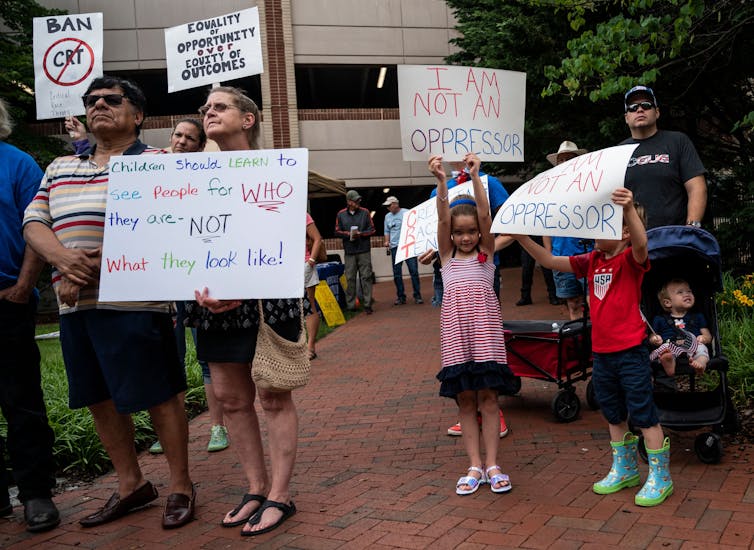
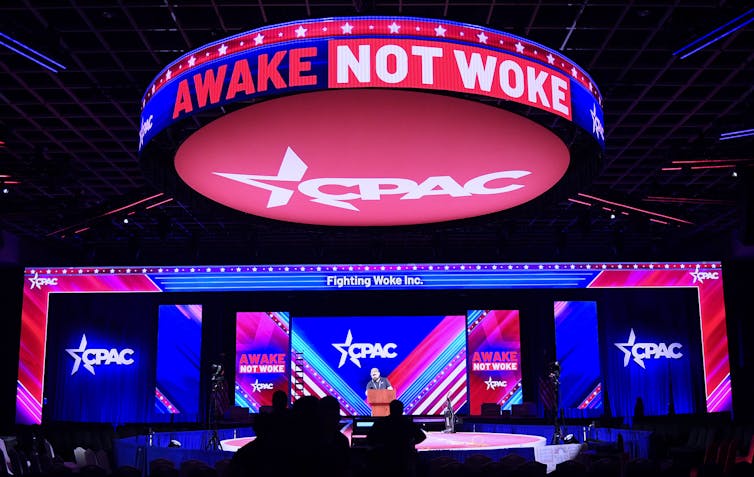




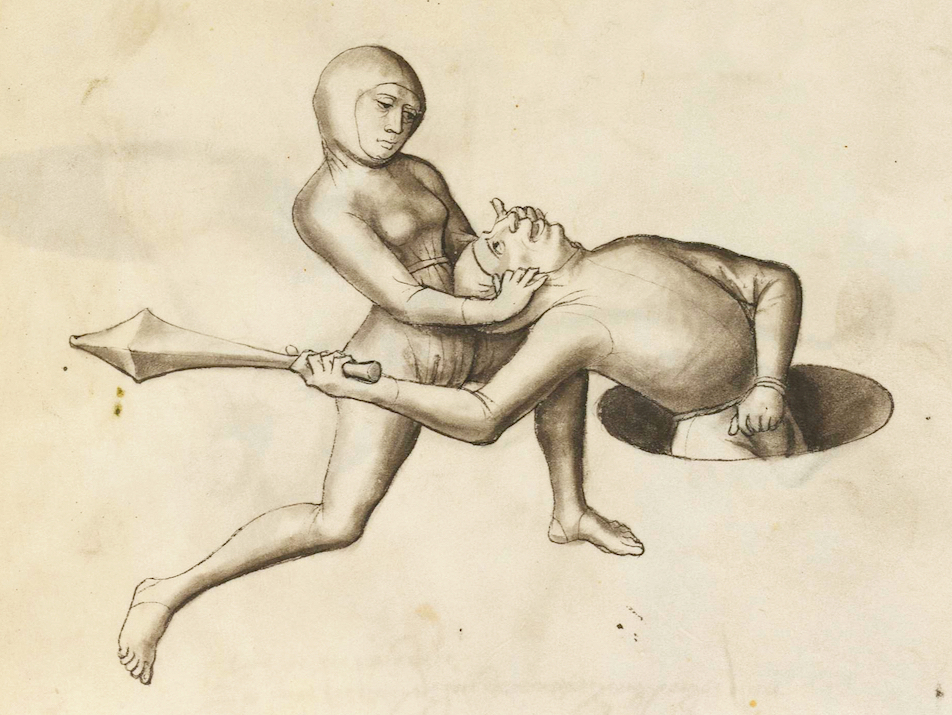
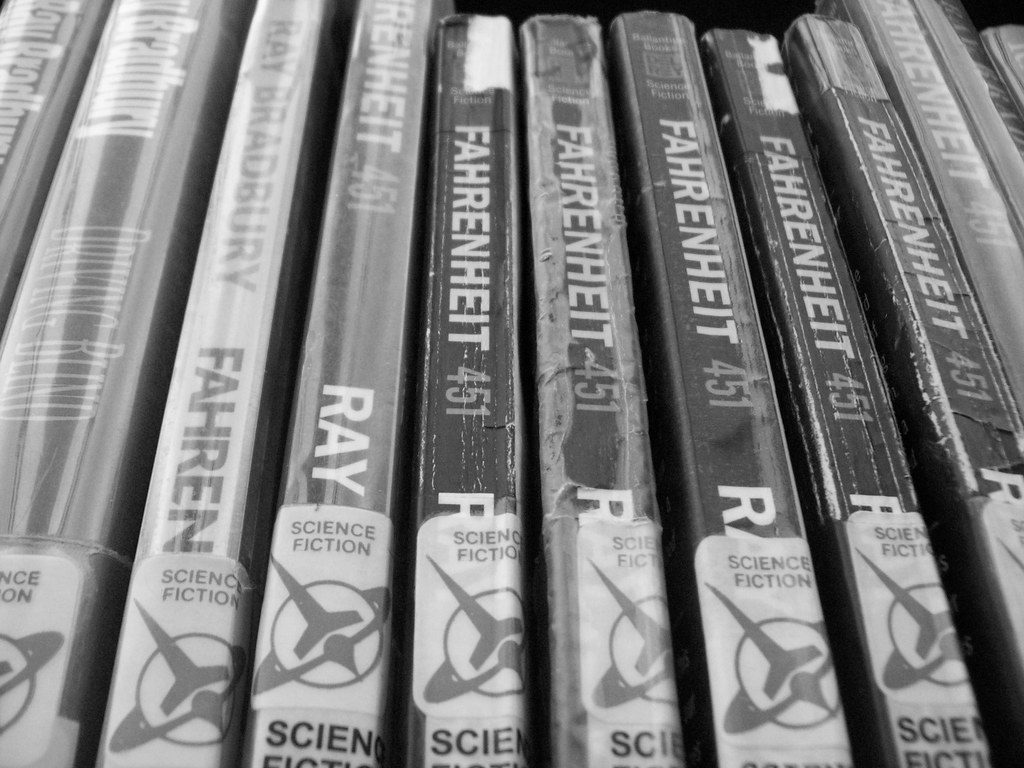
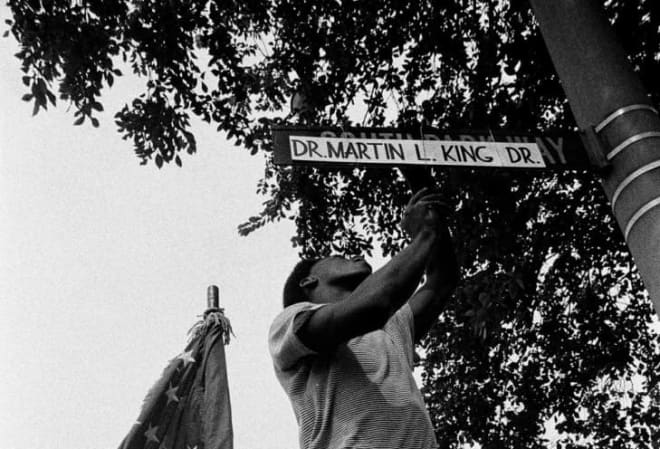 Here's how.
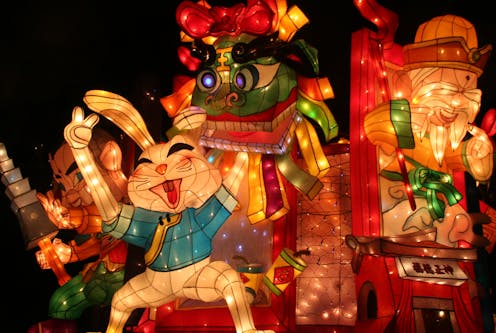
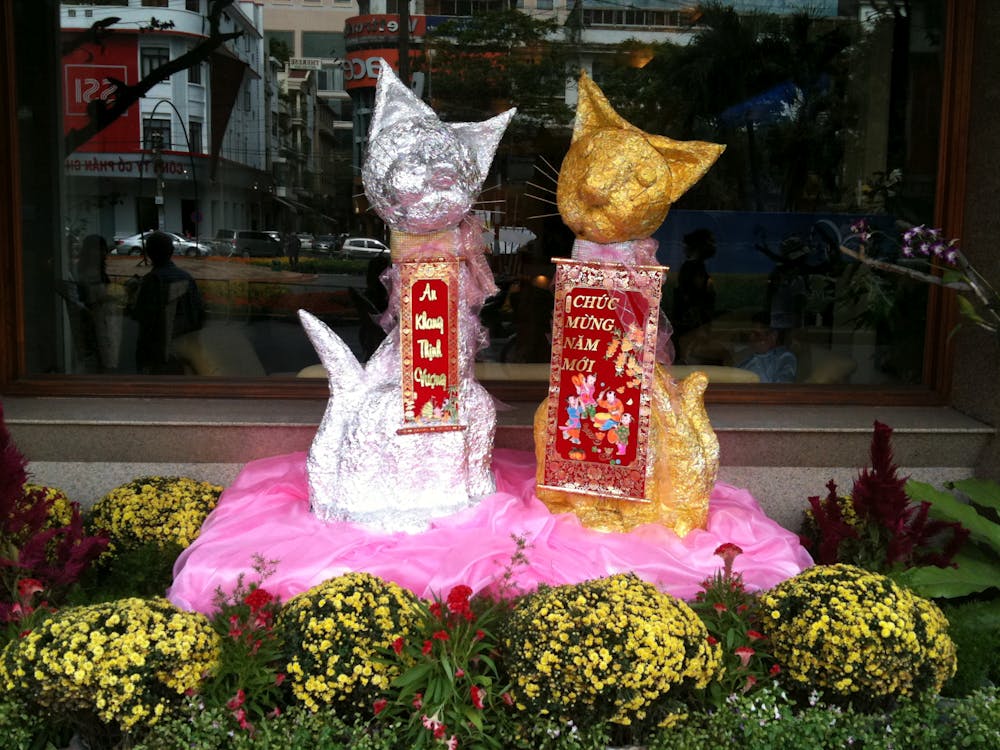
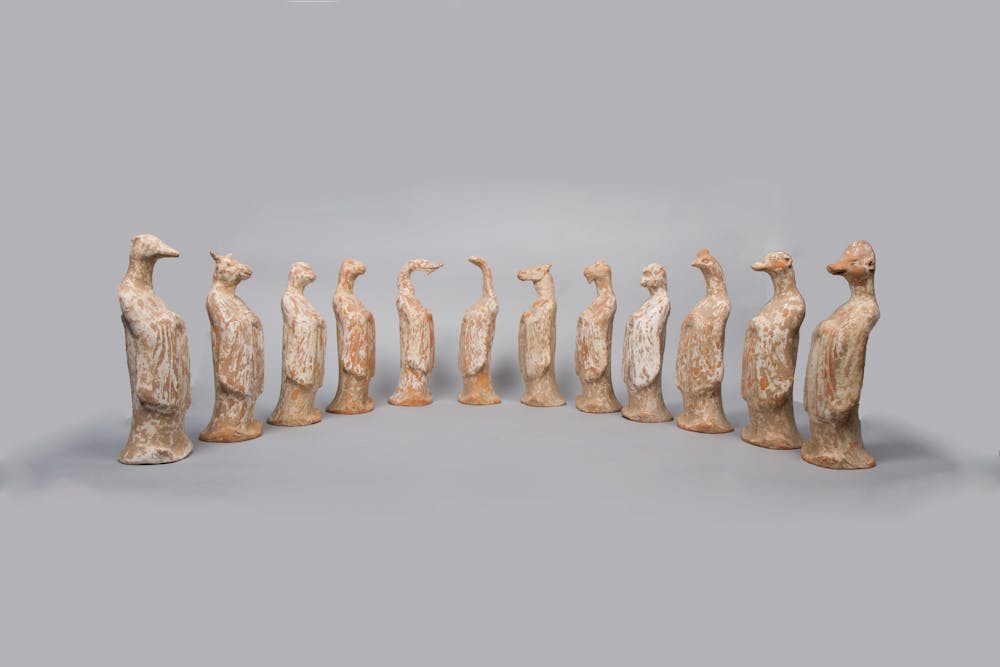
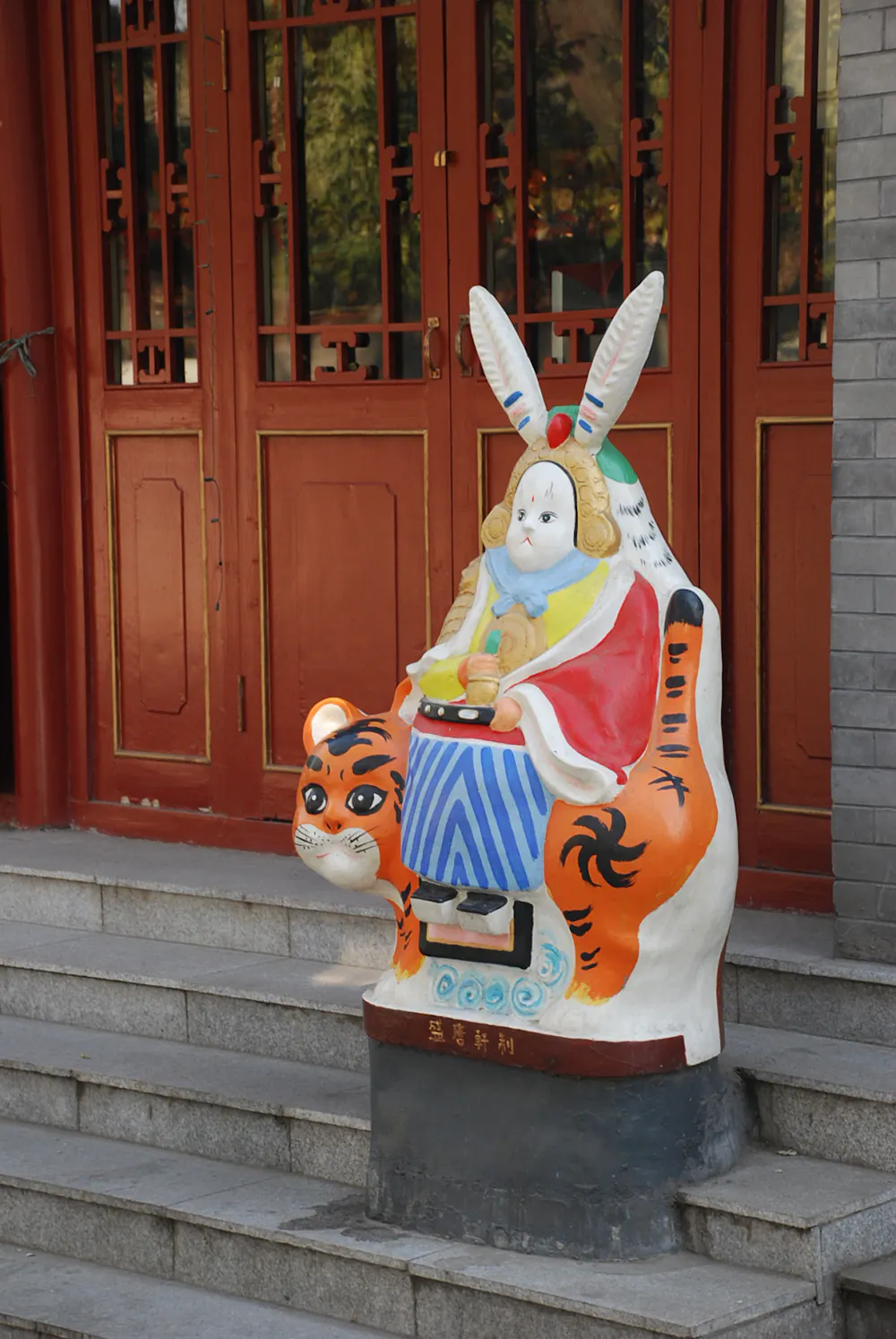
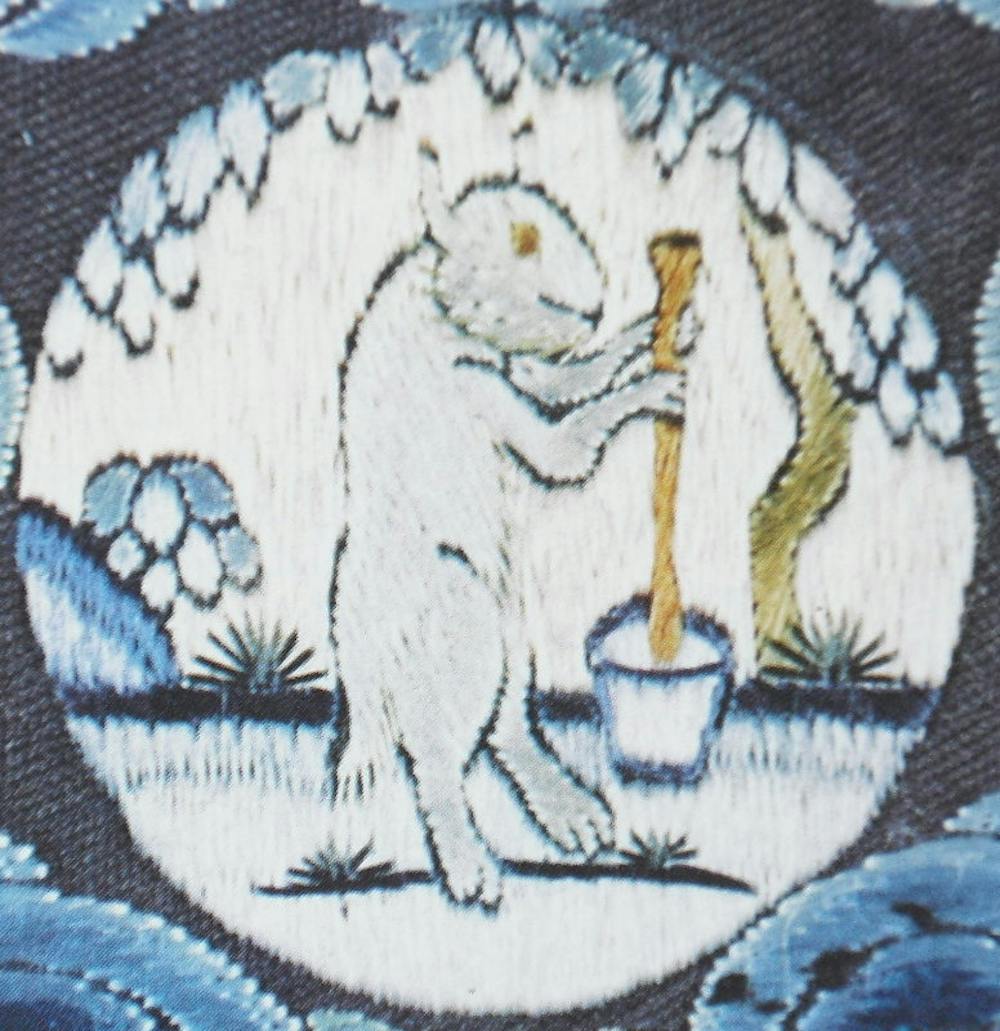
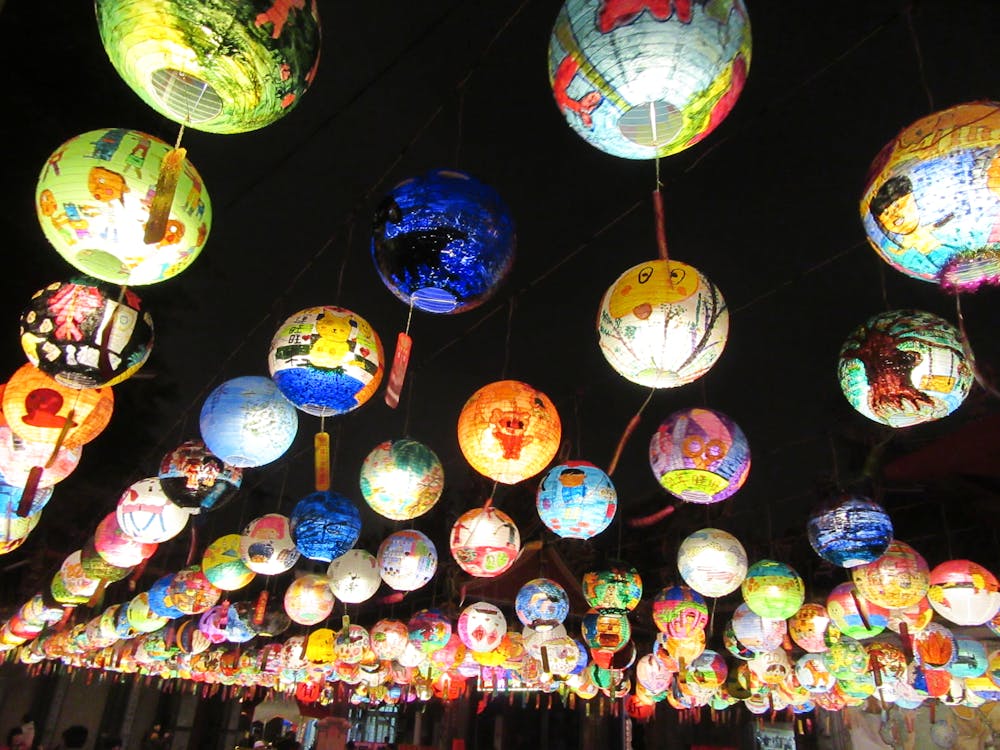





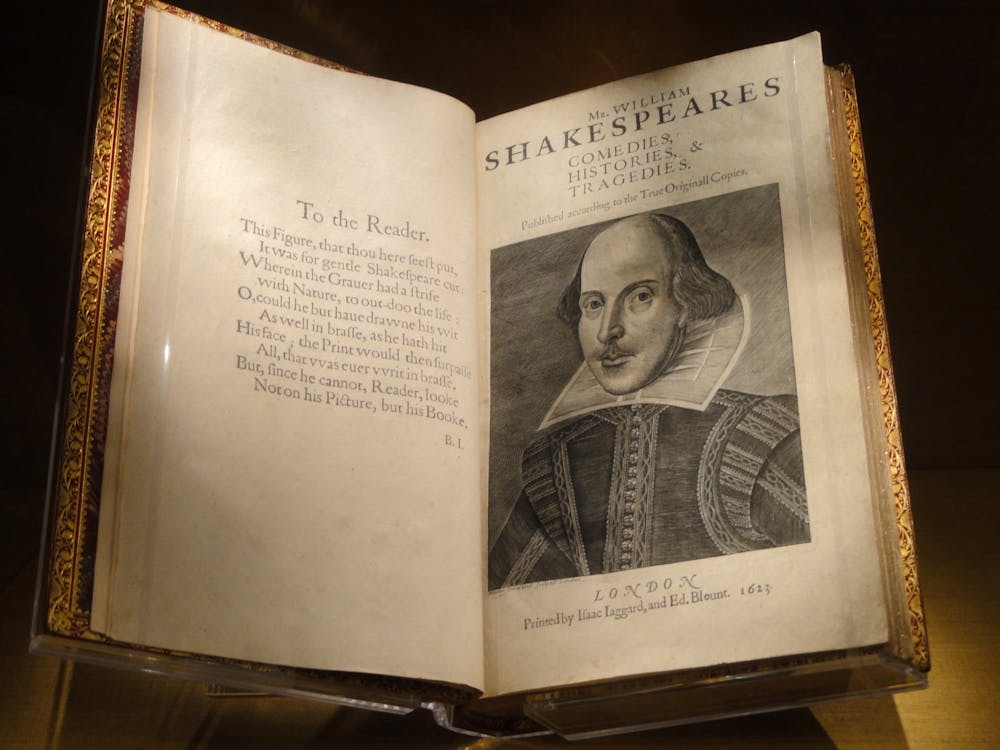


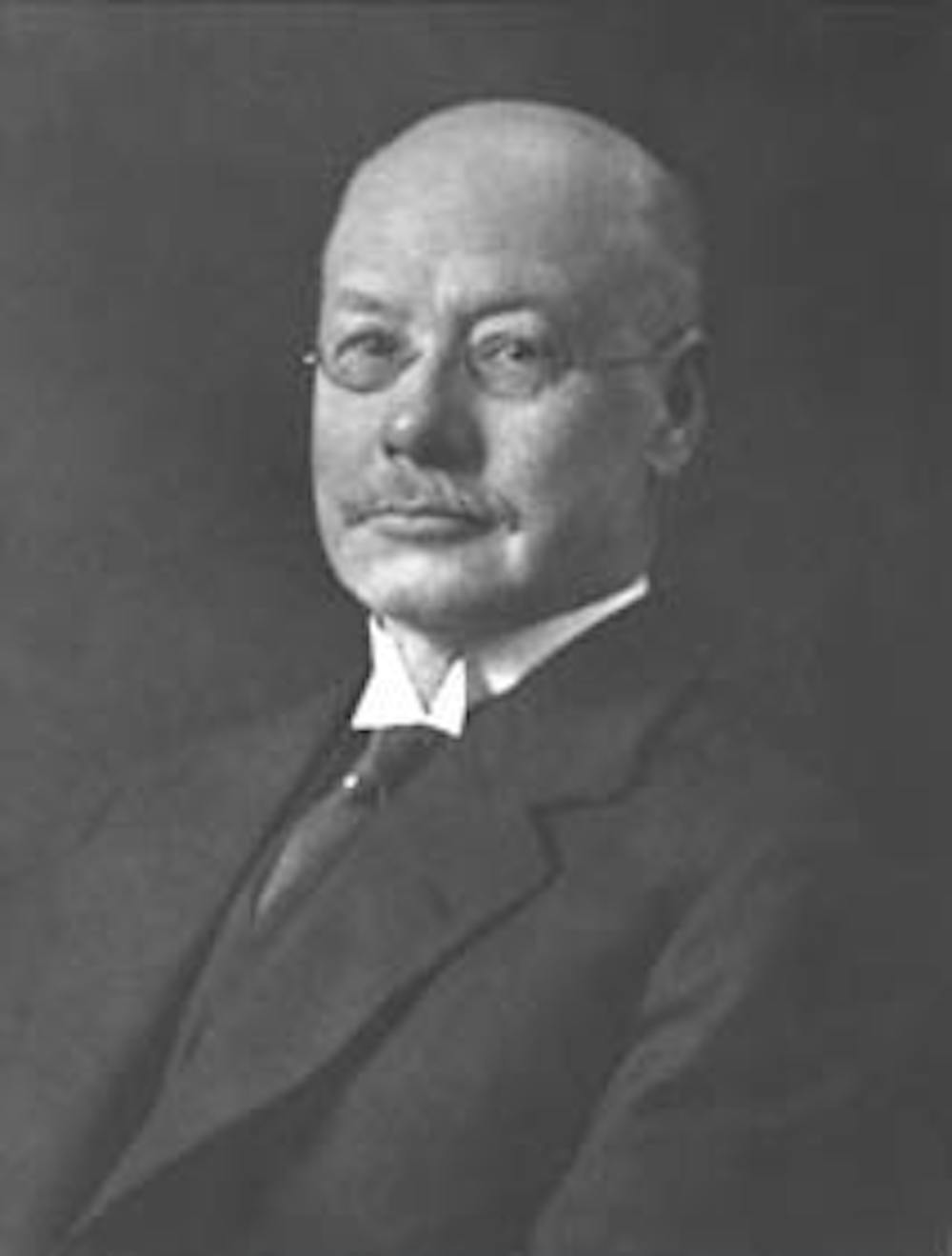









 Join Creative Commons, Internet Archive, and many other leaders from the open world to celebrate Public Domain Day 2023. As of January 2023, a treasure trove of new cultural works has become as free as the moon and the stars — at least in the USA and many other countries. And what better way to get us feeling inspired than recalling those timeless lyrics of the 1927 hit musical composition: “