Shared posts

15 Sep 16:56

A constitutional revolution is underway at the Supreme Court, as the conservative supermajority rewrites basic understandings of the roots of US law

by Morgan Marietta, Professor of Political Science, University of Texas at Arlington
The Preamble to the U.S. Constitution, written in 1787 on parchment paper. Joe Sohm/Visions of America/Universal Images Group via Getty Images

In a 2006 episode of the television show “Boston Legal,” conservative lawyer Denny Crane asserted that he had a constitutional right to carry a concealed firearm: “And the Supreme Court is going to say so, just as soon as they overturn Roe v. Wade.”

That was a joke, an unimaginable event, when the show aired 17 years ago. Then in 2022, the court announced both changes, shifting the butt of a joke to the law of the land in a brief span of years – and signaling the start of what is sometimes called a “constitutional revolution.”

Scholars describe a constitutional revolution as “a historic constitutional course correction,” or a “deep change in constitutional meaning.”

As Constitution Day is celebrated this year on Sept. 17 – the anniversary of the signing of America’s basic law in 1787 – I believe a shift of that magnitude is clearly occurring in the recent rulings of the Supreme Court.

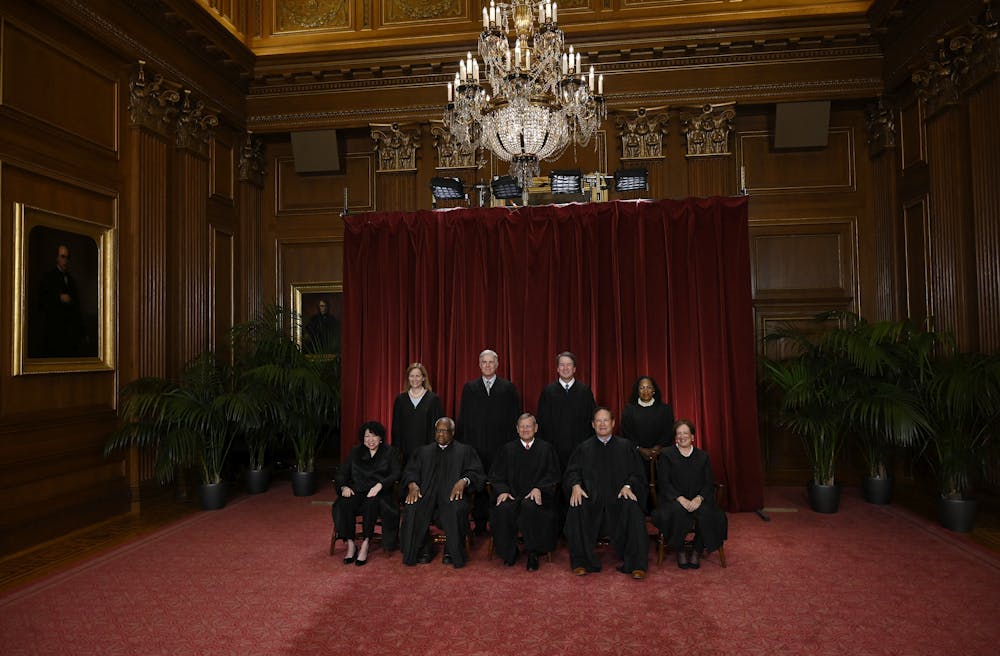
Nine people in black robes seated together in an elegant, high-ceilinged room under a chandelier.
Justices of the Supreme Court pose for their official photo at the Supreme Court building in Washington, Oct. 7, 2022. Olivier Douliery/AFP via Getty Images

Revolutionary rulings

In the 2021-22 term, the Supreme Court’s dramatic rulings focused on abortion, guns, religion and the power of federal agencies. In a nutshell, the justices removed the recognition of a constitutional right to abortion, expanded gun rights and religious rights, and restricted the power of agencies like the Environmental Protection Agency to craft regulations.

In the recent 2022-2023 term, the court again addressed religion and the power of the federal bureaucracy, also adding race as a major area of controversy in a decision that ended affirmative action in college admissions.

The core rulings on these disputes were all 6-3, with the court’s new supermajority of conservative justices on one side and the three remaining liberals in dissent.

Here are the three major cases from the past term expanding the constitutional revolution:

Race: Students for Fair Admissions v. Harvard College

This case challenged the constitutionality of affirmative action programs at American universities. Unlike previous affirmative action cases, which featured white applicants who claimed to have been discriminated against in favor of minority students, this lawsuit focused on another minority – Asians – who believed they were treated worse than other minorities and whites in the Harvard admissions process.

The heart of the controversy is about the meaning of the equal protection clause of the Fourteenth Amendment: “No State shall … deny to any person within its jurisdiction the equal protection of the laws.”

The court ruled that the equal protection principle means public institutions may not take race into account, even when they are using racial preferences to the advantage of minority groups who suffered a history of oppression.

The Harvard case effectively overrules a prior decision in 2003 that allowed universities to use racial preferences in order to achieve a degree of diversity on campus.

The new constitutional rule is that the equal protection clause is a promise to treat all citizens of all races the same, rather than the alternative understanding of the clause’s promise to move society toward equity among racial groups, which allows or even encourages the differential treatment of some groups in order to make up for past injustices.

Religion: 303 Creative v. Elenis

This case asked whether the First Amendment’s protections of religion and speech override the protections for LGBT citizens in state laws. Does a business owner who wants to provide only wedding websites for celebrations that comport with their religious convictions have to provide the same service for couples whose unions they do not endorse?

The court ruled that regardless of the religious component, it is a violation of free speech for the government to compel the expression of any messages inconsistent with one’s beliefs, even in the context of a business transaction.

While technically a ruling on speech, this is a controversy about religious citizens demanding exemptions from anti-discrimination laws. The ruling is part of a long trend expanding religious liberty.

The new rule in this case extended the previous term’s dramatic change in the constitutional law of religion in the praying coach case, Kennedy v. Bremerton. In that case, the court ruled that the religion clauses at the beginning of the First Amendment have a clear meaning: The government may not coerce any citizen when it comes to religion – either toward or away from religious beliefs. If any action of the government is pushing someone to abandon or embrace religious behavior, that is not allowable.

In the case of the praying coach, this meant a public school could not block his display of prayer at a sporting event, something that would have been seen as an unconstitutional entanglement of government with religion under previous courts. The new interpretation of the First Amendment explained in this line of rulings – giving the benefit of the doubt to religious believers whenever there is a judgment call – dramatically increases the protections for religious citizens.

The administrative state: Biden v. Nebraska

The justices in this case struck down President Joe Biden’s student loan forgiveness program, which would have eliminated up to US$20,000 of debt for millions of Americans, with a total price tag of approximately $430 billion. The decision to bar the administration’s program was grounded in a new principle known as the “major questions doctrine.”

This principle diminishes the power of many federal agencies. It first appeared in the court’s rulings during the pandemic, halting the Biden administration’s eviction moratorium and vaccine mandate. The clearest statement of the doctrine came in 2022 in West Virginia v. EPA, limiting the agency’s ability to introduce new regulations curbing greenhouse gas emissions and shifting energy production toward cleaner sources.

The doctrine asserts that an administrative agency – like the Department of Education, which initiated the loan forgiveness program – cannot decide what the court sees as a major political question, which includes doing something with a large price tag or making a dramatic change in policy, unless the agency has explicit authorization from Congress.

The justification for the new doctrine, expressed most clearly by Justice Neil Gorsuch, is that only Congress wields the authority delegated by the voters, who can reward or punish those members of Congress in the next election. Federal agencies are not limited by the same control through elections, and are wielding the delegated authority of Congress rather than their own inherent power. The major question doctrine argues that if agencies are allowed to make major policy decisions, we do not have representative government as demanded by the Constitution.

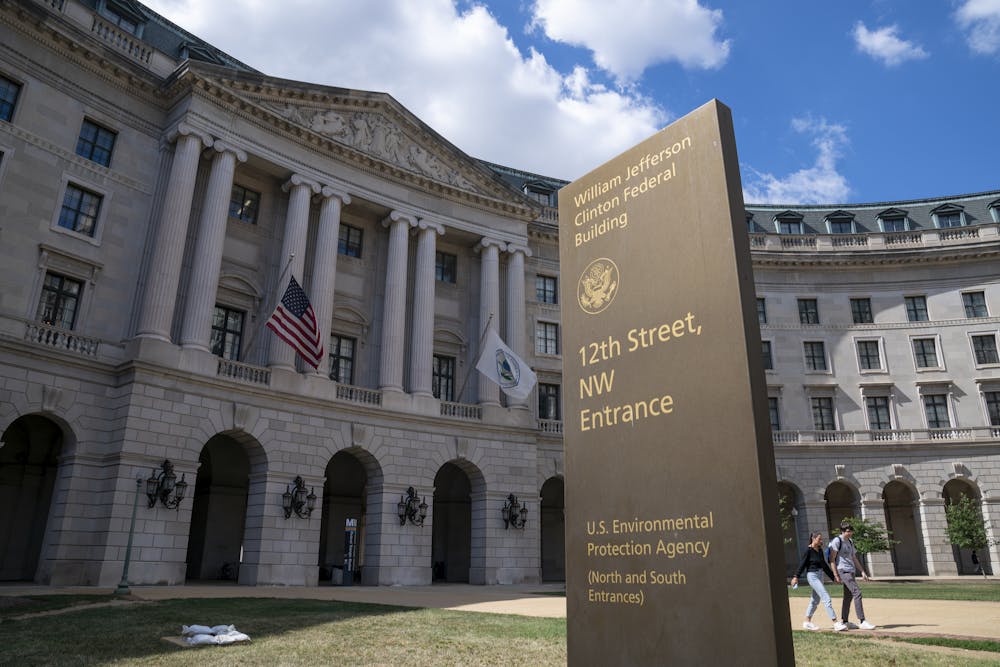
A large granite building with a sign in front of it.
The Supreme Court has issued rulings in the past two years curbing the power of government agencies such as the EPA. AP Photo/J. Scott Applewhite

Destination unknown

This constitutional revolution could lead far beyond abortion, guns, race, religion or the administrative state. What is known on this Constitution Day is that the revolution will likely continue, expressed in Supreme Court opinions crafted by the new supermajority of conservative justices.

The Conversation

Morgan Marietta does not work for, consult, own shares in or receive funding from any company or organization that would benefit from this article, and has disclosed no relevant affiliations beyond their academic appointment.

15 Sep 16:37

Jamais vu: the science behind eerie opposite of déjà vu

by Akira O'Connor, Senior Lecturer in Psychology, University of St Andrews
Cornelius Krishna Tedjo/Shutterstock

Repetition has a strange relationship with the mind. Take the experience of déjà vu, when we wrongly believe have experienced a novel situation in the past – leaving you with an spooky sense of pastness. But we have discovered that déjà vu is actually a window into the workings of our memory system.

Our research found that the phenomenon arises when the part of the brain which detects familiarity de-synchronises with reality. Déjà vu is the signal which alerts you to this weirdness: it is a type of “fact checking” for the memory system.

But repetition can do something even more uncanny and unusual. The opposite of déjà vu is “jamais vu”, when something you know to be familiar feels unreal or novel in some way. In our recent research, which has just won an Ig Nobel award for literature, we investigated the mechanism behind the phenomenon.

Jamais vu may involve looking at a familiar face and finding it suddenly unusual or unknown. Musicians have it momentarily – losing their way in a very familiar passage of music. You may have had it going to a familiar place and becoming disorientated or seeing it with “new eyes”.

It’s an experience which is even rarer than déjà vu and perhaps even more unusual and unsettling. When you ask people to describe it in questionnaires about experiences in daily life they give accounts like: “While writing in my exams, I write a word correctly like ‘appetite’ but I keep looking at the word over and over again because I have second thoughts that it might be wrong.”

In daily life, it can be provoked by repetition or staring, but it needn’t be. One of us, Akira, has had it driving on the motorway, necessitating that he pull over onto the hard shoulder to allow his unfamiliarity with the pedals and the steering wheel to “reset”. Thankfully, in the wild, it’s rare.

Simple set up

We don’t know much about jamais vu. But we guessed it would be pretty easy to induce in the laboratory. If you just ask someone to repeat something over and over, they often find it becomes meaningless and confusing.

This was the basic design of our experiments on jamais vu. In a first experiment, 94 undergraduates spent their time repeatedly writing the same word. They did it with twelve different words which ranged from the commonplace, such as “door”, to less common, such as “sward”.

We asked participants to copy out the word as quickly as possible, but told them they were allowed to stop, and gave them a few reasons why they might stop including feeling peculiar, being bored or their hand hurting. Stopping because things began to feel strange was the most common option chosen, with about 70% stopping at least once for feeling something we defined as jamais vu. This usually occured after about one minute (33 repetitions) – and typically for familiar words.

In a second experiment we used only the word “the”, figuring that it was the most common. This time, 55% of people stopped writing for reasons consistent with our definition of jamais vu (but after 27 repetitions).

People described their experiences as ranging from “They lose their meaning the more you look at them” to “seemed to lose control of hand” and our favourite “it doesn’t seem right, almost looks like it’s not really a word but someone’s tricked me into thinking it is.”

Image of paper with the word
Try writing ‘the’ 33 times. Christopher Moulin, CC BY

It took us around 15 years to write up and publish this scientific work. In 2003, we were acting on a hunch that people would feel weird while repeatedly writing a word. One of us, Chris, had noticed that the lines he had been asked to repeatedly write as a punishment at secondary school made him feel strange – as if it weren’t real.

It took 15 years because we weren’t as clever as we thought we were. It wasn’t the novelty that we thought it was. In 1907, one of psychology’s unsung founding figures, Margaret Floy Washburn, published an experiment with one of her students which showed the “loss of associative power” in words that were stared at for three minutes. The words became strange, lost their meaning and became fragmented over time.

We had reinvented the wheel. Such introspective methods and investigations had simply fallen out of favour in psychology.

Deeper insights

Our unique contribution is the idea that transformations and losses of meaning in repetition are accompanied by a particular feeling – jamais vu. Jamais vu is a signal to you that something has become too automatic, too fluent, too repetitive. It helps us “snap out” of our current processing, and the feeling of unreality is in fact a reality check.

It makes sense that this has to happen. Our cognitive systems must stay flexible, allowing us to direct our attention to wherever is needed rather than getting lost in repetitive tasks for too long.

We are only beginning to understand jamais vu. The main scientific account is of “satiation” – the overloading of a representation until it becomes nonsensical. Related ideas include the “verbal transformation effect” whereby repeating a word over and over activates so-called neighbours so that you start off listening to the looped word “tress” over and over, but then listeners report hearing “dress,” “stress,” or “florist”.

It also seems related to research into obsessive compulsive disorder (OCD), which looked at the effect of compulsively staring at objects, such as lit gas rings. Like repeatedly writing, the effects are strange and mean that reality begins to slip, but this might help us understand and treat OCD. If repeatedly checking the door is locked makes the task meaningless, it will mean that it is difficult to know if the door is locked, and so a vicious cycle starts.

Ultimately, we are flattered to have been awarded the Ig Nobel prize for literature. The winners of these prizes contribute scientific works which “make you laugh and then make you think”. Hopefully our work on jamais vu will inspire more research and even greater insights in the near future.

The Conversation

Chris Moulin currently receives funding from the French Agence National de Recherche to examine memory awareness in healthy older adults (the AGEFOK project). He was a senior member of the Institut Universitaire de France (IUF) between 2016 and 2021. He gratefully acknowledges the support of the IUF in his research into déjà vu and jamais vu.

Akira O'Connor does not work for, consult, own shares in or receive funding from any company or organization that would benefit from this article, and has disclosed no relevant affiliations beyond their academic appointment.

15 Sep 16:24

A.V. Club’s AI Reporter Plagiarized IMDb

by Jonathan Bailey

A report by Futurism points out plagiarism by A.V. Club's AI reporter. Here's why it matters, even if the company doesn't seem to care.

The post A.V. Club’s AI Reporter Plagiarized IMDb appeared first on Plagiarism Today.

15 Sep 15:59

Publishers, Don’t Use AI Detection Tools!

by Avi Staiman

The challenges offered by artificial intelligence require a different approach than that seen for plagiarism detection.

The post Publishers, Don’t Use AI Detection Tools! appeared first on The Scholarly Kitchen.

14 Sep 13:46

Tampa Theatre reveals terrifying schedule for A Nightmare on Franklin Street

by Andrew Harlan

It’s spooky season in the city of Tampa, and that much is evident with the return of Tampa Theatre’s A Nightmare on Franklin Street. A host of classic horror flicks, ghost tours, spooky family classics and more will hit the stage and screen at our downtown movie palace this October. In late October, the hair-raising historic landmark goes 100% Halloween with classic horror movies, guest stars, ghost tours, spine-chilling stage shows, spooky storytelling, and family-friendly frights.

Side note: Tampa Theatre officially turns 97 this October! Get those birthday candles ready, Tampa! The 2023 series will fill Tampa’s most historic – and most haunted – movie palace with all of your Nightmare favorites like classic horror films and creepy cult favorites; two screenings of The Rocky Horror Picture Show with a live floor cast and audience partici… (Say it! Say it!) … pation; plenty of Ghosts of Tampa Theatre Tours; the elegantly gothic stylings of Phantasmagoria with an Edgar Allen Poe-themed mainstage show; an evening of spooky Campfire Stories under the Theatre’s star-lit sky; family-friendly “Mummy & Me” screenings with FREE tickets for kids 12 and younger; and so much more.

inside an old theatre with a blue velvet curtain on stage and a pianist at the center
Photo via Tampa Theatre

A Nightmare on Franklin Street is a Tampa tradition

My personal favorite event. the balcony to backstage ghost tours, will run from October 13-31. Tickets are available now – reserve your spot before they sell out.

On Sunday, Oct. 15, join Tampa Theatre at 7pm for an evening of Campfire Stories around the campfire under the movie palace’s iconic star-lit sky. The Storytellers of Old Tampa Bay are back with a family-friendly program of PG tales appropriate for all ages (who don’t mind having a chill sent down their spine). Tickets are $10 for general admission and FREE for Tampa Theatre Members.

Film Tampa Bay will sponsor a FREE screening of Cannibal Comedian (2023) at 7:00pm Thursday, Oct. 19 as part of the “Film Tampa Bay Presents” series, which celebrates films and filmmakers with ties to the Tampa Bay area. The first 150 to arrive will also receive free popcorn and soda, and all are invited to stick around after the film for an audience Q&A with the local filmmakers.

A spooky film paired with the mighty Wurlitzer organ

On Friday, Oct. 20, the Theatre’s artist-in-residence Dr. Steven Ball will accompany a new 4k restoration of the silent suspense film The Cabinet of Dr. Caligari (1920) with an original score on the Mighty Wurlitzer Theatre Organ at 7:00pm.

Then, Tampa Theatre welcomes back the “Cheap Little Punks” shadow cast on Saturday, Oct. 21 for TWO screenings of The Rocky Horror Picture Show (1975) at 7:00 & 11:00pm.

They also have plenty of screenings of lesser-known titles like Slotherhouse, Pulgasari, and Night of the Lepus – a total of a fear-inducing 46 events over the 19-day series. 

You can see a full lineup of films, ghost tours, and events by visiting Tampa Theatre’s website.

What to read next:

The post Tampa Theatre reveals terrifying schedule for A Nightmare on Franklin Street appeared first on That's So Tampa.

13 Sep 19:52

one thousand twenty nine

by Gene Ambaum

13 Sep 17:41

Looking for your 'calling'? What people get wrong when chasing meaningful work

by Garrett Potts, Assistant Professor of Religious Studies, University of South Florida
Searching for your 'calling' can be a source of joy -- but also stress and distraction. Tom Werner/Stone via Getty Images

As a professor, I’m fortunate to teach a course called World Religions for Healthcare Professionals that prepares students for the spiritual and ethical issues they may encounter in their careers. But the class often boils down to life’s big questions: What makes life worth living, and how should we live? How do you find your “calling”?

In particular, one thought-provoking paradox captures students’ attention. They live in a society where the idea of a professional “calling” is frequently talked about as a quest for personal fulfillment and achievement or satisfaction with one’s work. The problem is that the more you aim for success, “the more you are going to miss it,” as psychiatrist and Holocaust survivor Viktor Frankl wrote in his influential book “Man’s Search for Meaning.”

In Frankl’s view, success and happiness come only from dedicating oneself to a greater cause, or to another person. But his perspective – echoed by my students – contrasts with the prevailing way many Americans talk about a “calling” today. As a professor of religious studies, much of my research centers on how society portrays callings and meaningful work and how that has shifted over the past few decades.

A yellow sign with an arrow says 'find your place,' with five plastic human figurines posed above it.
College students’ final-semester fear: What am I supposed to do with my life? tumsasedgars/iStock via Getty Images Plus

Redeeming work

Understanding work as a calling traces back to the German theologian Martin Luther, who famously ushered in the Protestant Reformation. Luther challenged the prevailing notion that nonreligious or nonpolitical work was drudgery and a punishment from the gods – a view that came from Greco-Roman times. The story of Pandora’s box, for example, tells of a woman cursed by the gods who accidentally unleashes all forms of evil, including the toils of labor, on humanity.

Luther saw this bias against most forms of work as a reflection of a glaringly unequal society. Every task – even dirty work – held sacred significance, Luther believed. After all, he maintained, God was not above laboring in the dirt to create the universe and human beings in his likeness. God created work not as a punishment but instead as an invitation to participate in his creation.

Therefore, in the same way that one might be called to religious or political life, Luther believed one might be called to glorify God, grow as an individual and benefit others through the work of their hands.

Jobs, careers and callings

Religious understandings of being “called” to a vocation have continued ever since, often recast in secular terms. A particularly influential book about modern ideas of work is “Habits of the Heart,” written by Robert Bellah and other sociologists in 1985.

These authors described three different orientations toward work: work as a job, work as a career and work as a calling. The “job” orientation is focused on financial or material gains, while someone who thinks of their work as a “career” aims for social advancement. Someone who senses a “calling,” meanwhile, is inspired to produce excellent products or services while growing as an individual and contributing to the common good. In this view, meaningful work ensues through commitments to other people and causes.

Two women in short-sleeve shirts smile, seated, while shaking hands with a man across a desk.
It’s not just the type of work that can make for a meaningful ‘calling’ – the way employees think about their work matters, too. mapodile/E+ via Getty Images

However, the authors argued that American society was emphasizing individualism more and more, making this conception of calling “harder and harder to understand.” For many Americans, it was “difficult to see work as a contribution to the whole and easier to view it as a segmental, self-interested activity.”

The search for significance

Today, employee engagement numbers are startlingly low. Recent research from Gallup indicates that only 1 in 4 employees around the globe feel engaged at work, and workers’ stress is at a record high.

Perhaps that’s why many fields, like management and psychology, are highlighting the existential need to find meaning at work. Because participation in religious congregations, clubs and other civic organizations that once provided meaningful connection have been in decline in recent decades, work has now become the dominant way that many Americans participate in public life and hope to feel significant. Approaching work as a calling will leave you happier and more satisfied, columnists advise.

In recent decades, researchers studying the notion of callings have focused on work that helps people learn about themselves and experience fulfillment, especially in terms of ego needs like individual success and achievement. Today, the archetype for meaningful work seems to center on how it makes the employee feel.

Rethinking success

What I and some other scholars have argued, however, is that finding meaning at work is more contingent on what motivates you than on the feeling of personal fulfillment.

For example, in a 2011 analysis of 407 undergraduates, those “whose sense of calling seems to be primarily driven in … self-centered” ways were found to be much more susceptible to “negative views about themselves.” Those who focused on the “intrinsic” or “prosocial” purpose of work possessed lower rates of insecurity and higher overall rates of personal satisfaction.

A woman with curly black hair sits looking thoughtful as she reads something on a laptop.
Are we looking for meaning in the wrong places? LaylaBird/E+ via Getty Images

More recently, an analysis of 135 workers from 10 occupations revealed that “individuals tended to experience their work as meaningful when [they realized how] it mattered to others more than just to themselves.” In one case, “an academic described how she found her work meaningful when she saw her students graduate at the commencement ceremony, a tangible sign of how her own hard work had helped others succeed.”

As it turns out, the way that people think about the meaning of work matters. Pursuing meaning in terms of individual success and achievement makes the goal post of happiness become elusive. Just ask Rainn Wilson, who played Dwight in the hit NBC comedy series, “The Office.”

“When I was in ‘The Office,’ I spent several years really mostly unhappy because it wasn’t enough. ‘Why am I not a movie star?’ ‘Why am I not the next Jack Black or the next Will Ferrell?’” he told Bill Maher in a podcast interview.

However, his latest project, “The Geography of Bliss,” left Wilson believing that happiness finds us “when we turn from being self-centered to other-centered, when we’re of service to others.” Meaning finds us, in other words, when we’re not so focused on looking for it.

The Conversation

I am connected to the authors of the Life Worth Living book. They have generously supported my pedagogical efforts in the classroom. I am not directly funded by them, however they did fund a post-doc in our department to aide me in teaching courses that would build upon the class I mention in this article.

13 Sep 17:40

5 ways that college campuses benefit from diversity, equity and inclusion programs

by Erica Jacqueline Licht, Research Project Director, Institutional Antiracism and Accountability Project (IARA), Harvard Kennedy School

For more than half a century, colleges and universities have relied on dedicated programs to attract students of color and support them. Today, those programs – known as diversity, equity and inclusion, or DEI, programs – are under attack.

Republican lawmakers assail the programs as being driven by liberal Democrats’ “woke agenda” to value and prioritize racial identity over merit. However, rigorous social science research shows that these programs result in universities with better student learning.

As a researcher who is concerned with racial equity on campus, here are five ways that I contend DEI programs have made a difference at colleges and universities throughout the U.S.:

1. Students perform better academically

Students from marginalized identity groups – including Black, Indigenous, Latinx and Asian students, as well as first-generation students – perform better academically at schools with diversity programs, and graduate at a higher rate.

As a result of DEI programs, students also report feeling more included on campus through dedicated resources and spaces for students of color.

This sense of belonging also increases when, as a part of DEI programs, more faculty of color are hired.

When students feel like they belong, they stay in school and graduate after four years at a higher rate than those who do not.

2. Students are less biased

Diversity programs have been shown to create more racially diverse learning environments.

These more diverse environments have proved to reduce bias and promote peer acceptance. Increased contact between students from different racial groups results in increased understanding of different perspectives and development of trust.

Students of color also report less racial stress and fewer feelings of imposter syndrome on campus.

3. More satisfied faculty

Faculty at schools with DEI programs including mentorship stay at their jobs longer and are more satisfied at their places of work. This increased job satisfaction is because of how DEI programs restructure university policies on hiring, promotion and advancement. This restructuring includes redesigning job descriptions, including more voices in the interview process and requiring implicit bias training for search committees.

Additionally, these changes result in increasing the number of junior faculty of color on campus.

4. More engaging curriculum and classrooms

DEI programs produce more engaged scholarship, which results in higher quality of curriculum and classroom learning as reported by students themselves.

Faculty on campuses with greater curricular innovation publish higher quality work on issues that affect the communities in which their students will live and work.

Engaged academic work connects classroom learning to issues that students experience directly themselves, such as racism and discrimination based on class, gender and sexuality.

5. Students are more prepared to be local leaders

As a result of DEI programs, students are more engaged in their communities after they graduate.

Additionally, students are more likely to participate in local government and politics, including turning out to vote and running for office after graduation.

Graduating students at schools with DEI programs are also more likely to have interracial friendships and are more prepared for multiracial professional settings because they gain a better understanding of race and ethnicity.

DEI programs have been time-tested as changing campuses for the better and attracting more Black, Indigenous, Latinx and Asian students. With race-based admissions having been outlawed, going forward DEI efforts can play an even greater role in attracting more students of color and creating the conditions for them to thrive.

The Conversation

Erica Jacqueline Licht does not work for, consult, own shares in or receive funding from any company or organisation that would benefit from this article, and has disclosed no relevant affiliations beyond their academic appointment.

13 Sep 17:36

People who grow their own fruit and veg waste less food and eat more healthily, says research

by Boglarka Zilla Gulyas, Postdoctoral Research Associate in SCHARR, University of Sheffield
Households that produced their own fruit and veg wasted 95% less than the average UK household. Air Images/Shutterstock

The rising cost of living is making it harder for people, especially those on lower incomes (who often have poorer diets), to afford to eat healthily. Despite this, households in the UK continue to waste a shocking amount of food – including around 68kg of fruit and vegetables each year.

Food waste is not only damaging to your pocket, it’s also bad for the environment too. Globally, 1.3 billion tonnes of food are wasted every year, generating about 8% of the world’s greenhouse gas emissions. These emissions arise from unused food at all stages of the food supply chain, from production to decomposition.

However, our recent study revealed that those who grow their own food in gardens and allotments waste an average of just 3.4kg of fruits and vegetables – 95% less than the UK average. These households adopted various practices to minimise food waste, including preserving or giving away their excess produce.

There has been renewed interest in growing fresh produce in gardens, community gardens and allotments in the UK and elsewhere in recent years. But the available supply of allotments is not enough to meet increasing demand.

Allocating more land for household fruit and vegetable production could make a significant contribution to the availability of fresh produce for urban residents.

Research has shown that using a mere 10% of the available space in the English city of Sheffield for food cultivation could supply enough fruit and vegetables to meet the needs of 15% of the city’s population. And more people growing their own food could also reduce waste.

Vegetables rotting away in a landfill.
Food waste generates about 8% of the world’s greenhouse gas emissions. Joaquin Corbalan P/Shutterstock

Food diaries

Our study involved 197 households in the UK that grow their own food. We asked them to maintain a food diary, where they recorded the amounts of fruits and vegetables they acquired each week. We received complete records from 85 separate households.

They specified whether each item was cultivated in their garden or allotment, bought from shops or markets, sourced from other growers, or foraged in the wild. The households also recorded the quantity of the produce they gave away to family and friends, and the amounts they had to throw out.

Our findings suggest that individuals who grow their own food may be more inclined to avoid food wastage than the average person in the UK. This is possibly because they place a higher value on produce they had grown themselves.

The results align with earlier research that was conducted in Germany and Italy. This study found that the amount of discarded food was greatest among people who shopped exclusively in large supermarkets. People who purchased items from various small stores tended to waste less food, while those that grew their own food wasted the least.

Our findings also suggest that the households we studied can produce roughly half of all the vegetables, and 20% of the fruit, they consume annually. These households consumed 70% more fruits and vegetables (slightly more than six portions per day) than the national average.

Eating plenty of fruits and vegetables as part of a balanced and nutritious diet is key to maintaining good health. This kind of diet can help prevent diseases such as type 2 diabetes, certain cancers and heart disease.

Yet, in the UK, less than one-third of adults and only about 8% of teenagers eat their “five-a-day”. This target, which is based on advice from the World Health Organization, recommends eating at least five 80g portions of fruit and veg every day.

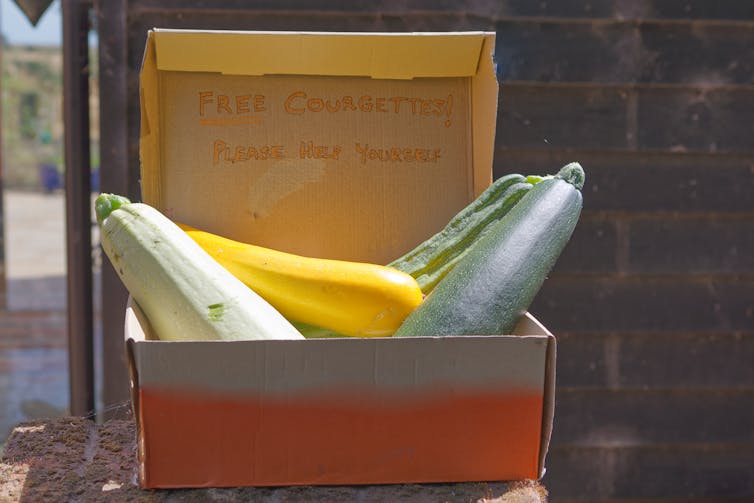
Courgettes in a box offered for free from a home vegetable garden.
Grow-your-own households adopted various practices to minimise food waste. Alan Goodwin Photo/Shutterstock

Grow your own food security

Growing your own food can improve access to fresh fruits and vegetables, promote good health and reduce food waste. However, several obstacles hinder involvement in household food production. These obstacles include limited access to the land, skills and time needed to grow your own fruit and veg.

Approximately one in eight UK households lacks access to a garden. And, since the 1950s, the availability of allotments throughout the UK has declined by 60%. This decline has been particularly evident in more deprived areas of the country, where people could benefit most from better availability of nutritious foods.

We also found that those who grew their own food dedicated approximately four hours each week to working on their allotment or garden. Unfortunately, not everyone has the luxury of having the time to do so.

Nonetheless, raising awareness about the benefits of home food production, beyond just food security and reducing waste, to include its positive impacts on social cohesion, overall wellbeing and biodiversity could encourage more people to participate. Increasing demand for growing space may also encourage local authorities to allocate more land for this purpose.

Whether you grow your own food or not, everyone can adopt mindful practices when purchasing or growing food. Planning ahead and freezing or sharing excess food with others to prevent it from going to waste are good options.


Read more: Five ways to cut down on food waste – and why it matters


But some food waste is inevitable. Composting it instead of sending it to landfill will substantially lower its impact on the planet.


Imagine weekly climate newsletter

Don’t have time to read about climate change as much as you’d like?
Get a weekly roundup in your inbox instead. Every Wednesday, The Conversation’s environment editor writes Imagine, a short email that goes a little deeper into just one climate issue. Join the 20,000+ readers who’ve subscribed so far.


The Conversation

Boglarka Zilla Gulyas received funding from an EPSRC PhD scholarship.

Jill Edmondson receives funding from NERC and EPSRC.

08 Sep 19:40

The Magical Meaning of Starlings

by J.

Since there are still small, belligerent starlings all over the yard, I figured I’d make the best of a very noisy situation and write a bit on their magical significance. While I mostly know them as small weirdoes who periodically walk up to me and gape to be fed (which is almost admirable in its temerity, to be honest), they’re powerful, sacred animals in their own right.

Starling Folklore

Despite their ubiquity in my area, starlings aren’t native to the United States. The story is that they were brought here in the late 1800s in what is, perhaps, the silliest fashion imaginable. A German-American Shakespeare enthusiast named Eugene Schieffelin wanted the US to have all of the birds mentioned in Shakespeare’s plays, so he imported and released about sixty to eighty of them. (Invasive species who?) However entertaining this tale might be, it most likely isn’t actually true.

Shakespeare’s mention of starlings refers to their talent at mimicry:

Nay,

I’ll have a starling shall be taught to speak

Nothing but “Mortimer,” and give it him

To keep his anger still in motion.

spoken by Hotspur, in Act 1, Scene 3 of Henry IV
A murmuration of birds over a city, against a dark, cloudy sky.

In Rome, however, starlings were more than a curiosity or a passing note in a play. Starlings form very large, elaborate migrating flocks called murmurations. These are exceptionally striking formations of thousands of individual birds who seem to cover the sky in a flowing, undulating mass. Augurs, diviners who read the movement of birds, would watch these murmurations to receive messages from their gods. Some forms and flows were very good omens. Others, not so much.

In the Welsh Mabinogion, Branwen is sent to Ireland to marry King Matholwch . Her marriage is far from happy, however, so she tames a starling and teaches it to speak. She sends the starling back to Wales, where it alerts her brother Bran to come and save her.

Starlings can mimic far more than words. Mozart kept one as a pet, and it learned to repeat portions of his compositions. When it died, he was heartbroken. He performed a funeral that his biographer (and wife’s second husband) described thus:

When a bird died, he arranged a funeral procession, in which everyone who could sing had to join in, heavily veiled – made a sort of requiem, epitaph in verse.

Georg Nikolaus von Nissen 

Starlings also seem to imprint readily on people. Personally, I have made every attempt to avoid them, however their babies still don’t seem to have any issue strolling up to me with their mouths open, expectantly. It’s kind of like walking up to a grizzly bear and demanding spaghetti.

In general, the starling’s place in folklore seems to have been secured by their ability to bond with people, and their talent at mimicking speech and other sounds they encounter. Just watch this one, who not only imitates a human, but flawlessly mimics an Alexa unit immediately afterward:

It’s almost eerie!

The Symbolism of Starlings

Starlings are said to represent everything from freedom, to prosperity, to love. Given their folklore, they’re most strongly connected to communication and divination.

To divine using a flock of starlings (or even just one, though they always seem to show up in groups!) involves noting their number and behavior. It can sometimes be hard to count starlings, particularly since they can number in the thousands within a single murmuration.

If you observe them in flight, like the ancient Romans, pay attention to the shapes they form. What do they evoke for you?

Note the direction in which they’re flying. This means both the cardinal direction, and their relative direction. The east represents beginnings, renewal, spring, and the dawn. The south represents a climax, an apex, summer, and high noon. The west represents a decline, a release, autumn, and twilight. The north represents endings, death, winter, and midnight.

A starling clinging to the trunk of a tree.

In terms of relative directions, birds flying to the right generally indicates a positive or affirmative response. Birds flying to the left generally indicates a negative response.

As with any divination method, keep a journal of what you see and your interpretations. After some time has passed, revisit what you wrote and see how accurate it was. This can help you decode what the flight of birds means specifically to you.

Starlings are polarizing little guys. Some people absolutely love these noisy, funny little birds, while others hate them. I’ve come to be amused by their antics, though I’m also looking forward to when their fledglings are finally grown and it’s time for them to migrate!

08 Sep 18:38

Many people hate wasps, but they're smarter than you might think – and ecologically important

by Scarlett Howard, Lecturer, School of Biological Sciences, Monash University
Wolfgang Hasselmann/Unsplash

Everybody loves bees, but their cousins the wasps often provoke a far less friendly reaction. The much-maligned insects often inspire fear, disgust or even the “kill it with fire” response.

The stereotypical wasp is the angular, angry-looking vespid with black and yellow stripes known as the European wasp (Vespula vulgaris). It has a reputation for aggression, stinging multiple times and contributing little to society. But that’s just one of more than 100,000 known wasp species with a wide range of appearances, many of which don’t even sting.

Five images of wasp species. First image shows two European wasps. Second image shows a metallic blue wasp. Third image shows a dark coloured wasp with orange antennae. Fourth image shows a black spotted wasp with orange antennae and legs.
Wasps come in many shapes and sizes. Scarlett Howard, CC BY-SA

In our work with wasps, we have found these innocent insects have done little to deserve our scorn. In fact, they have surprisingly complex minds and can play important ecological roles.

Our latest study, published in Behavioral Ecology and Sociobiology, shows European wasps have impressive abilities to learn visual tasks in different ways depending on how we train them. It adds to a growing body of research about what wasp’s minds can do – including recognising human faces and learning other complex tasks.


Read more: Are they watching you? The tiny brains of bees and wasps can recognise faces


How to train a wasp

European wasps are central-place foragers, which means they will remember and return to a profitable food source – be that sugar, meat or your soft drink at a BBQ. This behaviour allows us to train individual wasps to return to our experiment throughout a day.

We offer the wasps sugar water, and then place an identification dot on each individual. A wasp will then continue returning to participate in experiments as long as we are offering a sugary reward.

The wasps in our study were enthusiastic volunteers who would fly some distance to participate. In our experiments, wasps needed to undergo ten trials to learn a visual task, and then a further ten trials without reward to test if they had learnt.

Wasps received sugar water for correct choices in learning, and continually returned to the experiment to finish all the trials.

What did the wasps learn?

We trained wasps to discriminate between two different hues of blue cards. The colours are quite similar to wasp vision, so it is a tricky task.

We evaluated three ways of training wasps to determine how they learned best.

First, we used absolute conditioning to train the wasps to discriminate between the colours. In this method, wasps were given sugar on the card of the correct colour without seeing the other colour. We introduced cards of the other colour as well to test whether the wasps could discriminate between the two.

The second training method was appetitive differential conditioning. In this approach, both colours of card were present during training. Wasps were rewarded for landing on the correct colour and received no outcome if they landed on the incorrect colour.

The third training framework was appetitive-aversive differential conditioning, where wasps were provided with a sugar reward for landing on the correct colour and tasted a bitter liquid when they landed on the incorrect colour. Again, both colours were present during learning.

With absolute conditioning, the wasps failed to successfully identify the correct colour in tests. However, when trained with either the appetitive or appetitive-aversive differential conditioning, they did pass the colour test.

This result tells us it was important for wasps to view and compare both colours simultaneously to enable learning. Their learning was actually best when there was a sweet reward on one colour and a bitter liquid on the other.

What else do we know about wasp intelligence?

Scientists are becoming increasingly interested in wasp intelligence.

One recent study showed two species of hornets (a kind of wasp) could learn to discriminate between two colours when one colour was associated with sugar water. The hornets could then reverse that learning when the rewarding colour was switched. This reverse learning task is challenging for small brains to solve.

Achromatic images of two human faces with very low resolution.
Representation of how a bee or wasp may perceive a human face. Adrian Dyer, CC BY

Other studies have shown paper wasps have evolved specialised abilities for learning faces. One species of paper wasp can differentiate among normal wasp face images more rapidly and accurately than non-face images or manipulated faces. This allows for a comparison between how facial recognition may have evolved in small insect brains compared to larger primate brains.

Researchers have also shown that wasps (and bees) can learn to discriminate between images of human faces.

The role of wasps in pollination and pest control

Wasps play an important role in many ecosystems by controlling pests and pollinating flowers. Many Australian orchids, for example, rely on wasps for pollination – as do hundreds of other plant species.

However, wasp pollination has been relatively poorly studied. While the economic value of pollination by bees and other insects has been well researched, the extent of wasp contributions to crop production is currently unknown.

Many wasps eat critters we consider pests, such as bugs, spiders, cockroaches and flies. Indeed, some species of wasp are sold commercially as pest control agents.

A photo of a wasp on a pink flower.
Some wasps pollinate flowers. Wikimedia Commons, CC BY

Why we respect wasps

Despite their poor public image, wasps display intelligence, and can be useful in agriculture if well managed.

We hope our new work will allow people to appreciate the complexity, intelligence, and value of these misunderstood animals and the importance they can have in the environment. Additionally, as wasps can learn to recognise faces, perhaps being nice to them is a good strategy.

The Conversation

Scarlett Howard has received funding from the Australian Government, RMIT University, Fyssen Foundation, L’Oreal-UNESCO, Australian Academy of Sciences, Hermon Slade Foundation, Deakin University, and Monash University. She has been affiliated with Pint of Science Australia and Triple RRR.

Adrian Dyer receives funding from the Australian Research Council, the USAF AOARD, and the Alexander von Humboldt Foundation.

07 Sep 19:27

When the Tarot Community Incites Anti-Chinese Xenophobia

by benebell
There’s been a rise in anti-Chinese xenophobia here in the West, and the tarot community has been no exception. Every one of these screenshots were authored by someone I know or know of, someone I am connected to via the tarot community. Many are by well-known public figures in our community. However, I’ve redacted names …

Continue reading When the Tarot Community Incites Anti-Chinese Xenophobia

06 Sep 19:29

How recycling could solve the shortage of minerals essential to clean energy

by Serasu Duran, Assistant Professor, Operations and Supply Chain Management at Haskayne School of Business, University of Calgary
An ambitious clean energy transition requires more of the metals and minerals used to build clean energy technologies. (AP Photo/Mary Altaffer)

What do silver, silicon and gallium have in common? These expensive raw materials are essential components of our various solar energy technologies. What about neodymium, praseodymium and dysprosium? These rare earth metals are used to build the powerful magnets in wind turbines.

Keeping our planet liveable requires accelerated clean energy transitions by governments — global carbon emissions must halve by 2030 and achieve net-zero by 2050.

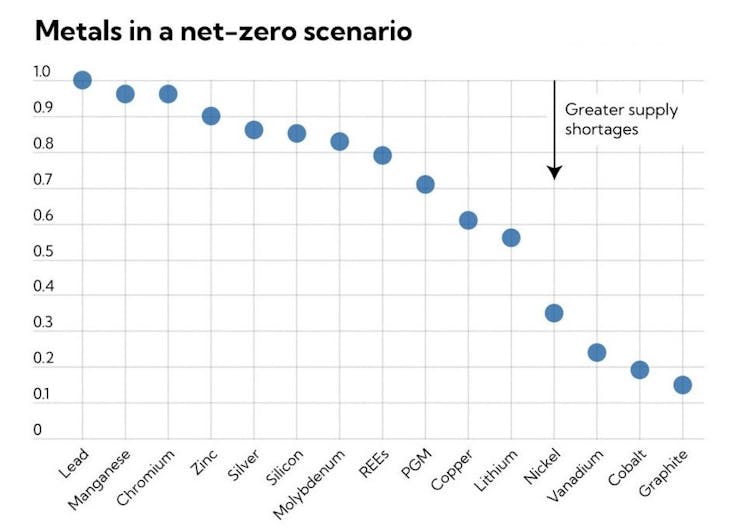
But a more ambitious clean energy transition requires more of the metals and minerals used to build clean energy technologies. As the global energy sector shifts from fossil fuels to clean energy, the demand of precious metals — known as critical minerals — is increasing.


Read more: Critical minerals are vital for renewable energy. We must learn to mine them responsibly


A striking example is lithium, a metal used in electric vehicle batteries. Between 2018 and 2022, the demand for lithium increased by 25 per cent per year. Under a net-zero scenario, lithium demand by 2040 could be over 40 times what it was in 2020.

Supply and demand

The current challenge lies in a supply and demand mismatch. The projected demand for critical minerals exceeds the available supply. Basic principles of economics dictate higher prices for these minerals.

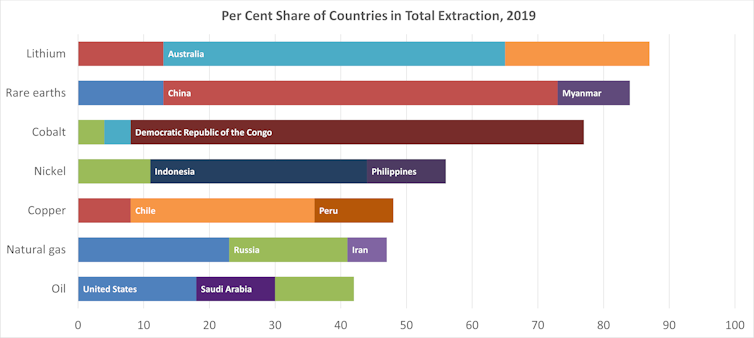
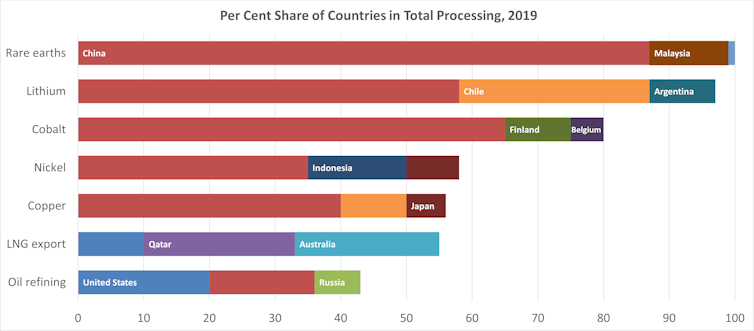
In addition, critical minerals have a geographically concentrated supply. These metals are only extracted from a handful of countries and are overwhelmingly processed in China.

A graph showing the demand for important metals is outpacing supply
The current production rates of critical metals are likely to be inadequate to satisfy future demand. (International Monetary Fund)

China, for example, extracts 60 per cent and processes 90 per cent of all rare earth elements. In comparison, the top oil-producing country — the United States — accounts for only 18 per cent of the extraction and 20 per cent of the processing of the whole industry.

A bar graph that illustrates a select few countries are responsible for the extraction of selected minerals and fossil fuels
Share of top producing countries in the extraction of selected minerals and fossil fuels. (IEA), CC BY

The geographical concentration may result in additional supply constraints. Indonesia, the world’s first nickel producer, has progressively banned the export of nickel ore overseas in an attempt to strengthen domestic processing.

A bar graph that illustrates a select few countries are responsible for the processing of selected minerals and fossil fuels
Share of top producing countries in total processing of selected minerals and fossil fuels. (IEA), CC BY

The lack of geographical diversity in supply can increase price volatility. Lithium prices rose more than 400 per cent in 2022, before dropping again by 65 per cent in 2023. Copper prices soared in Peru following social unrest and mine blockades.

China, which controls 98 per cent of the gallium supply, created a 40 per cent spike in 2023 on gallium prices by setting severe restriction on exports due to “national security reasons.”

If supply constraints continue, the prices of critical minerals could become too high. Installing clean energy could become too expensive, and governments may find it hard to reach their clean energy targets.

The demand and supply balance must be restored by one of two ways: either by decreasing the demand for critical materials or increasing their supply.

Restoring balance

The most obvious way to restore the balance between supply and demand — more mining — is tricky. Mining is environmentally destructive and damages ecosystems and communities. Plans for opening new mines in France, Serbia and Portugal have seen massive social opposition, leaving their future uncertain.

Opening a new mine can take more than 15 years on average, so projects started today might arrive too late. While some capacity can be built quicker by reopening old mines, and some projects are already underway, supply imbalances are expected to be inevitable by 2030.

Beyond mining, two alternative practical approaches exist. The first is to reduce the demand for critical minerals by clean energy technologies. With innovation and research and development, clean energy products can be redesigned to use less material in each generation.

The silver content in solar cells dropped by 80 per cent in one decade. Likewise, the cathodes in new electric vehicle batteries contain up to six times less cobalt than older models.

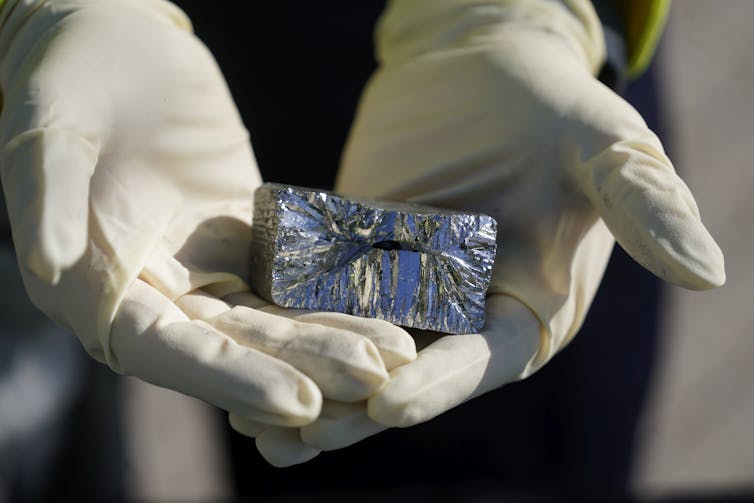
A block of a silvery mineral is held in gloved hands
Refined tellurium, a rare mineral used in solar panels, is shown at the Rio Tinto Kennecott refinery in May 2022 in Magna, Utah. (AP Photo/Rick Bowmer)

The second alternative is to increase the supply of critical minerals by recovering them from older and used clean technology products via advanced recycling. Decommissioned solar panels might no longer produce energy but can be a valuable source of silver or silicon.

Our past research has shown that discarded solar panels could outweigh new installations by the next decade as installers seek to replace older panels with newer, more efficient ones.

By recovering critical minerals from this waste in a process known as urban mining, we could cover the demand for the materials needed for future energy installations.

Recycling is the way forward

Our recent research with our colleague Luk Van Wassenhove compares the economic consequences of these two alternative approaches. If the scarcity of critical minerals is not extreme, reducing the critical material content of clean energy products would be the way to go.

However, unintended consequences can be expected akin to the rebound effect or Jevon’s paradox: by improving the efficiency of usage of critical minerals, producers can end up consuming more of it.

As clean energy products use less critical material, their improved profitability could increase production even more. As a result, decreasing the material usage per product won’t necessarily lead to a decrease in critical material demand overall.

In contrast, our research suggests that recycling decommissioned products is not subject to such a rebound effect. A steady stream of recycled materials from end-of-life products protects producers from volatile commodity prices and better facilitates the critical energy transition.

Setting up a recycling ecosystem requires greater effort than marginally changing a product’s design. Firms need a cost-efficient reverse logistics system, recycling plants and infrastructure to get enough end-of-use products back and to process them. Sizeable initial capital investments will take time to recover and require firms and policymakers to adopt a long-term mindset.

But there’s room for optimism. The start-up ROSI Solar opened its first recycling plant in 2023, making France a pioneer in recovering high-purity silicon, silver and copper from end-of-use solar panels.

Likewise, the U.S.-based SOLARCYCLE can recycle 95 per cent of valuable materials in solar panels. Many electric vehicle makers, like Tesla, Renault and Nissan, have started projects to recycle batteries and ensure a riskless cobalt, nickel and lithium supply. Recycling may indeed be the path to affordable clean energy.

The Conversation

The authors do not work for, consult, own shares in or receive funding from any company or organisation that would benefit from this article, and have disclosed no relevant affiliations beyond their academic appointment.


06 Sep 19:24

New vehicles a "privacy nightmare" where you consent to carmakers collecting data on behavioral, biological, even sexual activity

by Rob Beschizza

To buy a new car in 2023 is to jump into a privacy nightmare, reports the Mozilla Foundation. The heavily-computerized and connected modern vehicles constantly collect and promiscuously share personal information, location and other data. They represent "the worst category we have ever reviewed" in consumer goods. — Read the rest

06 Sep 19:20

A Warning From the Unpublished Preface to Orwell’s Animal Farm

by Blake
His Preface, “The Freedom of the Press” was omitted from the first edition of the book, then disappeared, and was not rediscovered until 1971. From it,...
06 Sep 19:09

More than 2000 more

by Judy G. Russell

Copyright-free images

The Legal Genealogist has said it before and will undoubtedly say it again.

It isn’t possible to overstate the debt that genealogists — and Americans — owe to Carol Highsmith.1

A debt that has just grown by more than 2000…

Images, that is.

Gorgeous, full-color, digital, copyright-free images. Meaning that they are free for us to use. To incorporate into our own work. To help illustrate the places that have been important to our own families.

Carol Highsmith, you see, is a photographer who has been donating her work to the Library of Congress for decades now — with every single image free of copyright restrictions. And just added to the collection are more than 2000 new images, dated 2022, mostly from the western states of Idaho, Montana, Nevada, and Utah.2

Images like this one, entitled “A lone steer has this remote, mostly dry valley to himself near the small city of Green River (population c. 950 as of 2022) in the western U.S. state of Utah”:

Highsmith Utah photo 2022

Every last one of them donated to the country.

Calling it “A Photographic Gift to the Nation,” the Library of Congress explains: “Every photograph that Highsmith captures will be given to the Library in her lifetime.”3

The collection appears at the Library of Congress website, and is entitled the Carol M. Highsmith Archive. Its description:

The online presentation of the Carol M. Highsmith Archive features photographs of landmark buildings and architectural renovation projects in Washington, D.C., and throughout the United States. The first 23 groups of photographs contain more than 2,500 images and date from 1980 to 2005, with many views in color as well as black-and-white. Extensive coverage of the Library of Congress Jefferson Building was added in 2007. The archive is expected to grow to more than 100,000 photographs covering all of the United States.


Highsmith, a distinguished and richly-published American photographer, has donated her work to the Library of Congress since 1992. Starting in 2002, Highsmith provided scans or photographs she shot digitally with new donations to allow rapid online access throughout the world. Her generosity in dedicating the rights to the American people for copyright free access also makes this Archive a very special visual resource.4

For anyone who wants an image to illustrate a blog post, a genealogy newsletter or journal, a family history or more, this collection is solid gold. Try doing a search for images of courthouses. You’ll find 3232 images as of today. Search for Idaho. You’ll get 573 images, including 316 added from her 2022 travels. Need an image of a garden? You’ll have 2319 to choose from, including 23 added in the 2022 donation. There are 288 images of log cabins. And 6146 involving rivers. And 1604 involving beaches. And…

Poke around in that archive long enough and you’re just about guaranteed to find something you can use — something meaningful to your family and where your people are from.

Highsmith herself says: “I’m very passionate about documenting this moment in time in America and showcasing it to the world. Through the Library of Congress, my hope is that this work will remain a part of our visual heritage for hundreds of years to come.”5

A visual heritage of wonderful photographs.

And now more than 2000 more than we had before.

Thank you, Ms. Highsmith. Thank you.


Cite/link to this post: Judy G. Russell, “More than 2000 more,” The Legal Genealogist (https://www.legalgenealogist.com/blog : posted 17 Aug 2023).

SOURCES

Image: Library of Congress, Prints & Photographs Division, photograph by Carol M. Highsmith [LC-DIG-highsm-70125]

  1. See Judy G. Russell, “Through the lens brightly,” The Legal Genealogist, posted 16 June 2014 (https://www.legalgenealogist.com/blog : accessed 17 Aug 2023).
  2. See Kristi Finefield, “Ready for Research: A Wide Range of New Pictures,” posted 17 Aug 2023, Picture This blog, Library of Congress Prints & Photos Division (https://blogs.loc.gov/picturethis : accessed 17 Aug 2023).
  3. See Raquel Maya, “A Photographic Gift to the Nation,” Library of Congress Information Bulletin, December 2007 (https://www.loc.gov/loc/lcib : accessed 17 Aug 2023).
  4. About the Carol M. Highsmith Archive,” Library of Congress, Prints & Photographs Online Catalog (https://www.loc.gov/pictures/ : accessed 17 Aug 2023).
  5. Maya, “A Photographic Gift to the Nation.”
06 Sep 19:06

Generative AI, ChatGPT, and Google Bard: Evaluating the Impact and Opportunities for Scholarly Publishing

by Hong Zhou

To identify both benefits and risks of generative AI for our industry, we tested ChatGPT and Google Bard for authoring, for submission and reviews, for publishing, and for discovery and dissemination.

The post Generative AI, ChatGPT, and Google Bard: Evaluating the Impact and Opportunities for Scholarly Publishing appeared first on The Scholarly Kitchen.

06 Sep 14:42

Floridians Favor Trees Over Development

by Staff

Floridians want to keep the shade in their cities a new University of Florida study shows. But researchers were surprised to find that about half the urban residents surveyed support ordinances that protect trees on private property. Even if it means limiting development.

That’s often seen as a controversial issue because it is a balance between tree conservation and property owner rights, said Andrew Koeser. He’s a UF/IFAS associate professor of environmental horticulture and leader of the study.

Florida trees over development

Florida leads the nation in urban tree loss. Recognizing this trend, many local governments in Florida have adopted tree protection and mitigation ordinances such as removal permits and planting requirements to limit tree loss in the face of development pressure.

For the study, researchers conducted an online survey of 1,716 urban Florida residents to see how they value regulation and management of city forests. Specifically, scientists asked about tree protection ordinances, incentive programs to manage or plant trees, justification for tree removal and development.

About two-thirds of the respondents support urban tree protections. Even if those rules limit development. Additionally, 54% say would support tree protections, even if they are applied to their property. Koeser cited a study in urban areas of Alabama that showed far less support for tree removal on private property.

Furthermore, 82% would consider planting a tree on their property if they were offered a tax incentive as compensation for the benefits their tree provides the community.

“We did not expect to find such high levels of support for tree protections on private property,” said Koeser. “Our study showed that removing a tree to make way for a home or addition was among the least popular justifications for tree removal.”

What’s the takeaway for city and county governments?

“Cities and counties might consider creating incentives that reward people for planting and retaining trees as their benefits carry out into the surrounding community,” Koeser said. “They might also consider creating incentives for developers to preserve trees when they redevelop city lots or clear previously undeveloped properties.”

Story attributed to UF/IFAS.

The post Floridians Favor Trees Over Development appeared first on ModernGlobe.

06 Sep 14:40

Worst Hurricanes Of All Time: Top 5 Most Destructive Storms

by Staff

The history of destructive storms in the United States goes all the way back to the founding days of the nation. When preparing for future storm systems, it can be helpful to at the worst hurricanes of all time in order to learn from the past.

Current research suggests we should brace ourselves for some gnarly hurricane seasons in the coming years. Scientists are predicting back-to-back hurricanes in coastal areas in the next few decades. Some areas, like the Gulf coast of the United States, will likely see double hits once every three years, according to new estimates. “Rising sea levels and climate change make sequential damaging hurricanes more likely as the century progresses,” says study lead author Dazhi Xi, a postdoctoral researcher and a former graduate student in civil and environmental engineering at Princeton University. “Today’s extremely rare events will become far more frequent.”

This topic is fascinating for some, but somber for many others. Here is StudyFinds list of the five worst hurricanes. They serve as a way to consider past damage and response in order to prepare for the future.

After the 1900 Galveston hurricane, relief supplies were brought in. People were desperate; this distribution center had to be guarded by armed guards. Courtesy Traces of Texas.

The List: Worst Hurricanes of All Time

1. Galveston, Texas (1900)

Hands-down the worst storm in United States history occurred over Galveston, TX in 1900. “This hurricane sets the record for the most casualties still to this day. With an estimated 8,000 to 12,000 deaths. This Category 4 storm hit the city of Galveston in September 1900, with winds over 135 miles-per-hour. The city wasn’t as prepared as it should have been because unfortunately, the forecasters‘ predictions were wrong about where the storm was heading. Hurricane science was very new, to the point that they didn’t even predict the storm would enter the Gulf of Mexico,” explains Green Matters.

Related: Why Don’t Hurricanes Directly Hit Tampa Bay?

“After crossing over Cuba as a tropical storm, it emerged from the Florida straight and quickly intensified to hurricane status. The storm continued to churn in the Gulf of Mexico, gaining strength before making a right turn into Texas. The storm continued its path north and slowly weakened as it passed over Oklahoma, the Great Lakes and Halifax, Nova Scotia in Canada,” offers Fox 13 News.

Makeshift coffins stacked beside the bridge at Canal Point near Lake Okeechobee. Courtesy State Archives of Florida.

2. Lake Okeechobee, Florida (1928)

The next historical storm on the list touched down in Florida. The storm had a ruinous effect on the lives of Black Farmworkers. “In 1928, not that many people lived in Florida, and the area around Lake Okeechobee was filled with mostly farmers at the time. Residents were warned of the incoming Category 4 hurricane — they just weren’t given an accurate time of arrival. After they had thought the storm had come and gone, they returned home only to soon be greeted by 140 mile-per-hour winds and water surges that wiped homes right out of the ground, resulting in an estimated 2,500 to 3,000 casualties, per Farmer’s Almanac,” details Green Matters.

The damage and loss of life highlighted the need to invest in infrastructure as many deaths were caused by a storm surge that breached the dike surrounding Lake Okeechobee and flooded the surrounding area.

The island of Domenica, also affected by Hurricane Maria. Courtesy of Christie Hua.

3. Hurricane Maria (2017)

One of the more recent storms on our list is a stark reminder of nature’s power. “With maximum sustained winds over 175 miles per hour, Hurricane Maria blasted Puerto Rico to claim more than 3,000 lives and generate nearly $100 billion in property damage. It remains the deadliest Atlantic hurricane in recorded history. As of 2021, residents of the island continue to recover from the once-in-a-lifetime hurricane,” according to Morgan & Morgan.

Related: How To Save Money While Preparing for Hurricane Season

“It was one of the deadliest storms to hit the U.S. Originally, the death toll was under reported by the government, with 64 deaths. After an independent investigation, the number reached 2,975, while experts believe it could be as high as 4,500,” states Fodor’s Travels.

4. Hurricane Camille (1969)

Some readers may remember this storm. “When Hurricane Camille made landfall the evening of Aug. 17, 1969, along the Mississippi Gulf Coast near Waveland, Mississippi, it had a wind speed of 175 mph. Or at least that’s what post-storm reanalysis data indicates. The precise wind speed isn’t known because ‘the hurricane destroyed all the wind-recording instruments in the landfall area,’ according to the National Weather Service,” states The Healthy.

“The incredible storm surge was the main reason why 259 people lost their lives. Camille’s path of destruction left behind $1.4 billion in property damage. It would have been considerably higher if the storm had grown in size before making landfall,” adds Morgan & Morgan.

Barber Shop located in Ninth Ward, New Orleans, Louisiana, damaged by Hurricane Katrina in 2005.

5. Hurricane Katrina (2005)

“Hurricane Katrina was a Category 5 hurricane that struck the Gulf Coast of the United States on August 29, 2005. The storm surge breached the levees in New Orleans, causing catastrophic flooding and resulting in over 1,800 deaths,” writes American Oceans.

“An estimated storm surge of 25 feet in Mississippi was one of the contributing factors that made Katrina one of the deadliest hurricanes in American history. More than 1,800 people lost their lives because of the storm surge and a famously compromised levy system that caused deadly flooding over 80 percent of New Orleans. The property damage bill for Hurricane Katrina exceeded $100 billion,” according to Morgan & Morgan.

Story attributed to Study Finds.

The post Worst Hurricanes Of All Time: Top 5 Most Destructive Storms appeared first on ModernGlobe.

06 Sep 14:40

USF Researcher Answers Questions About Recent Malaria Outbreak in Florida

by Staff

Seven U.S. cases have been confirmed in the malaria outbreak in Florida and Texas. It is the first time the potentially fatal, mosquito-borne disease has been acquired in the United States in 20 years. It can be life-threatening, with organ damage, including kidney failure, seizures, and coma. Symptoms typically start about 10 days to 4 weeks after infection. But people can get sick as late as a year after their initial infection.

The malaria outbreak in Florida

USF infectious disease researcher John Adams provides insight on the recent malaria outbreak:

Is the recent outbreak potentially part of a broader infiltration of mosquitoes carrying malaria?

At the moment, this still appears to be isolated to specific areas. Although there are native Florida mosquitoes capable of transmission, the parasite also has to be available in the human population. We are not seeing that yet. 

Which populations are most vulnerable?

Globally, anyone exposed to malaria-carrying mosquitoes is at risk, especially young children and pregnant women. Protective clothing and bug spray should protect the vast majority of at-risk individuals. 

This is the first local spread of malaria in 20 years. What could have caused it?

Malaria cases in Florida are usually a result of people returning to the U.S. after traveling to malaria endemic areas. Malaria is typically found in tropical or equatorial locations. However, vivax malaria can also be a result of the reemergence of dormant parasites hiding in the liver of a person infected in the past. It is unclear which is the case. 

John Adams, distinguished university professor in the College of Public Health | Photo by: Allison Long, USF Health.

Is there a high risk of contracting malaria in the United States?

There is a relatively low risk of contracting malaria in the U.S.

How do the climates in Florida and Texas play a role in the mosquitoes becoming infected?

Florida has a subtropical climate that is fit for mosquitoes to survive and reproduce year-round. Also, both Texas and Florida have native Anopheles mosquitoes capable of transmission if the parasites are present. Prior to the 1950s, there were many cases of malaria in Florida, transmitted by native mosquitoes.

Can all mosquitoes carry malaria?

Anopheles mosquitoes are the most adequate vectors for malaria transmission. This is different from Ades mosquitos, which dominated the news for transmission of the Zika and Dengue viruses. 

How quickly can malaria spread from mosquito-to-mosquito?

Mosquitoes can give malaria to each other relatively fast, within weeks. 

Is malaria contagious?

Malaria requires a mosquito vector for person-to-person transmission. 

What treatments are available?

There are serval antimalarial drugs and combination therapies available to treat P. vivax malaria (the most common type of malaria.) One of these treatments will work against the dormant liver form of the parasites, but only for some people. There are also two World Health Organization-approved malaria vaccines for Plasmodium falciparum, but they have not been shown to be effective against P. vivax. 

What is the best type of bug spray to repel mosquitoes? Some companies advertise DEET-free or botanical ingredients. Are these still effective?

DEET is the best option for mosquito repellents. Plant-based DEET can still be somewhat effective, but there can be variations in results between batches and companies.  

Story courtesy of USF.

The post USF Researcher Answers Questions About Recent Malaria Outbreak in Florida appeared first on ModernGlobe.

06 Sep 14:39

Not All Mosquito Repellents Are Equal–How to Avoid Bites

by Staff

Now that summer is in full swing, mosquitoes have come out across the United States. The use of mosquito repellents can protect both your health and sanity this summer.

While mosquitoes leave bothersome, itchy bites on your skin, they can also pose a serious and sometimes deadly risk to your health. When a mosquito bites you, it may transmit harmful pathogens that cause dangerous diseases like malariaDengue feverZika and West Nile.

Avoiding mosquito bites

Mosquito females bite people to get vital nutrients from our blood. They then use these nutrients to make their eggs. One single blood meal can give rise to about 100 mosquito eggs that hatch into wiggling larvae.

There are several ways to avoid getting bitten by mosquitoes, from wearing long, loose clothing and limiting time outside to placing screens over your windows and getting rid of standing water that mosquitoes might use to breed.

However, one of the best ways to protect yourself when you’re going to a place where hungry mosquitoes will be buzzing around is by using mosquito repellents.

Our team at the New Mexico State University Molecular Vector Physiology Laboratory has studied different types of mosquito repellents and their efficacy for over a decade. Here’s what you need to know to protect yourself this summer:

All about repellents

The use of mosquito repellents goes far back in history, certainly predating written historical accounts. Some of the oldest records of the use of mosquito repellents date back to early Egyptian and Roman history. During this period, smoke from smudge fires was often used to repel mosquitoes.

Today, we have more options than our ancestors when it comes to choosing what type of mosquito repellent to use – sprays and lotions, candles, coils and vaporizers, to name some.

These repellents interfere with a mosquito’s sense of smell, taste or both. The repellent either blocks or overstimulates these senses. Scientists understand how certain repellents like DEET work at the molecular level, but for many of them, it is still unknown why exactly they repel mosquitoes.

Testing repellents

We used a variety of scientific laboratory experiments and field tests to find out what works. For some products, testing was as simple as putting a volunteer’s treated arm into a cage with 25 mosquitoes and waiting for the first mosquito bite.

For others, like citronella candles, we used a slow-speed wind tunnel and put a candle or device between a person and a cage of mosquitoes. Depending on the repellent efficacy of the device, mosquitoes either flew toward the person or away. Another experiment we conducted was the Y-tube choice assay where mosquitoes chose to fly toward someone’s hand or, if repelled, fly toward the blank or empty option.

Mosquito repellents that don’t work

Bracelets don’t work. Department stores and pharmacy chains sell hundreds of different varieties of bracelets. They are marketed as “mosquito repellent” bands, wristbands and watches, and their materials can vary from plastic to leather. Even if they are loaded with repellents, they can’t protect your whole body from mosquito bites.

Ultrasonic repellent devices don’t work. These come as electrical plug-ins, free-standing varieties or watchlike accessories that claim to emit a high-frequency sound that deters mosquitoes by mimicking bats. However, in scientific studies, ultrasonic repellent devices fail to repel mosquitoes. In fact, when our lab tested one of these devices, we found a slight increase in mosquito attraction to the wearer.

Dietary supplements – vitamin B, garlic and so on – don’t work. No scientific evidence shows these supplements protect people from mosquito bites.

Light-based repellents don’t work. These devices come as colored light bulbs, and they don’t attract insects that fly toward white light. This approach works well on moths, beetles and stinkbugs, but not on mosquitoes.

Mosquito repellents that work

And here is our ranking of what does work, starting with the best repellent/active ingredient.

  1. DEET works. DEET, chemical name, N,N-diethyl-meta-toluamide, was developed in the 1950s by the U.S. Army and is a well-established mosquito repellent with a long history of use. The higher the percentage, the longer the protection time is – up to six hours.
  2. Picaridin works. This synthetic repellent can protect for up to six hours at a 20% concentration. This repellent is a promising alternative for DEET.
  3. Oil of lemon eucalyptus, or OLE, works. OLE, with the active ingredient PMD, is a plant-based alternative to DEET and picaridin. Its repellent properties can last for up to six hours.
  4. Other essential oils – some work, some not so much. We applied 20 different essential oils in a 10% essential oil lotion mixture to volunteers’ skin. Here’s what we found:Clove oil works. This oil, with the active ingredient eugenol, can protect from mosquito bites for over 90 minutes at a 10% concentration in lotion. Cinnamon oil works. This oil, with the active ingredients cinnamaldehyde and eugenol, can protect from mosquitoes for over 60 minutes at a 10% concentration in lotion. Geraniol and 2-PEP, or 2-phenylethyl propionate, work for about 60 minutes at a 10% concentration in lotion. Citronella oil works, just not so great. We found citronella oil at a 10% concentration only protected from mosquito bites for about 30 minutes.

If you are planning to mix your own plant-based mosquito repellent this summer, remember that essential oils are complex mixtures of plant-made chemicals that can cause skin irritations at high concentrations.

Based on our study, we recommend using repellents with the active ingredient DEET if you live in or are traveling to regions with a high risk of vector-borne disease transmission. However, plant-based repellents will work just fine to prevent nuisance mosquito bites in low-risk areas, as long as you reapply them as needed.

Story related to StudyFinds.

The post Not All Mosquito Repellents Are Equal–How to Avoid Bites appeared first on ModernGlobe.

06 Sep 14:38

Hidden History: AC in Florida

by Gillian Finklea

The Hidden History series is about finding the common, everyday places and things we might take for granted in Tampa Bay — like AC in Florida — and unearthing their unique story.

Suntanning on the beach. Strolling down the Riverwalk. Biking down Bayshore. All fun activities we are able to do in Tampa—as long as there’s the promise of sweet, sweet air condition when we’re done. Let’s learn more about what it took to get AC in Florida and how people ever lived without it.

Getting rid of bad air

One of the first people to understand the need for cool air was John B Gorrie. Born in the Caribbean in Nevis, he moved to Florida in 1833, where he found the climate was not much cooler than the island he left. A doctor and inventor, his focus was on tropical diseases, particularly Yellow Fever. It was his belief that bad air1 caused diseases, and he was constantly looking for ways to cool down patients. So, he invented the first practical ice-making machine.

He began mechanically producing ice in 1844. And by 1850, he was able to routinely produce ice the size of bricks while finding ways to blow air on ice, therefore producing cooler air. Unfortunately, in 1835, a patent for the “Apparatus and means for producing ice and in cooling fluids” had been granted in England and Scotland to American-born inventor Jacob Perkins, who later became known as “the father of the refrigerator.”2

John Gorrie Statue at the Hall of Statues in the U.S. Capitol.

Enter the Ice Box

Most people relied on ice harvested from northern lakes to keep things cool in Florida. Upon arrival, the blocks of ice were distributed to ice houses and local businesses, where they were stored in sawdust to minimize melting. People would purchase the ice and transport it home using horse-drawn carts or insulated wagons.

  • Seminole Ice Company, Inc. truck with awning across top and iceboxes; man posed next to it, 1936. Courtesy, Tampa-Hillsborough County Public Library System
  • Tampa Arctic Ice Company, Inc., Second Avenue and Fourteenth Street with delivery staff posed in vehicles, 1928. Courtesy, Tampa-Hillsborough County Public Library System
  • Atlantic Ice and Coal Corporation at 816-820 Zack Street in Tampa, 1919. Courtesy, Tampa-Hillsborough County Public Library System.
  • St. Cloud Ice Company horse drawn wagon – Saint Cloud, Florida, 1910. Courtesy State Archives of Florida

The ice was then placed in a wooden or metal container known as an ice box — an insulated cabinet with a compartment for storing the ice at the top and a lower compartment for food storage. The ice’s cold air would circulate through the lower compartment, keeping perishables cool and slowing down the spoilage process.

To mitigate the effects of the Florida heat, ice boxes were often positioned in shaded areas or special ice box rooms that were well-ventilated to improve air circulation. Some homeowners even dug shallow wells and placed their ice boxes partially underground to take advantage of the cooler earth temperature.

Modern frame home with icebox on the front porch, 1955. Courtesy State Archives of Florida.

Modern AC in Florida

Modern air conditioning owes its origins to Willis Carrier, who created the first electrical air conditioner in 1902. Initially, factories and textile mills used air conditioning to control humidity levels. Recognizing the potential of this invention, entrepreneurs soon realized the impact it could have on improving the quality of life in hot climates.

In the early 20th century, Florida’s population was relatively small, and most communities lacked access to air conditioning. Businesses were the first to adopt this luxury, using air conditioning systems to cool hotels, department stores, and movie theaters. One such example is the Tampa Bay Hotel, which installed air conditioning in 1902, becoming one of the first public building in Florida to offer cooled air to its guests.

The widespread adoption of air conditioning in Florida really began in the 1950s and 1960s. The newfound comfort offered by air conditioning sparked a surge in population growth and economic development in the state.

Cool air revolutionizes the states

The ability to escape the oppressive heat and enjoy a comfortable environment attracted visitors from across the country, boosting the state’s economy. Hotels, theme parks, and shopping centers thrived, and Florida solidified its position as a top vacation destination.

Air conditioning had a profound impact on architectural design in Florida as well. Prior to its widespread use, buildings relied on natural ventilation to provide relief from the heat.3 However, with air conditioning, architects could create sealed environments that offered consistent comfort regardless of the external climate. This led to the rise of high-rise buildings and suburban sprawl, as people no longer needed to live close to coastal breezes for relief.

As we enter the hottest months in Tampa, let’s be happy we don’t have to rely on little more than ice and a cool breeze to keep us comfortable.

  • Old “Shotgun” style homes on Varella Street – Key West, Florida., 1936. Courtesy State Archives of Florida.
  • Courtesy State Archives of Florida
  • Shotgun houses – Apalachicola, Florida, 1986. Courtesy State Archives of Florida

Notes

  1. The term malaria comes from the Italian words for bad (mala) and air (aria).
  2. Gorrie is still a hero in these parts. Gorrie Elementary in South Tampa is named after him.
  3. The “shotgun” style home was common in Florida as it allowed for excellent airflow.

The post Hidden History: AC in Florida appeared first on ModernGlobe.

05 Sep 19:45

Tampa’s biggest urban arts and crafts festival arrives at Perry Harvey Sr Park

by Andrew Harlan

Get ready to shop and celebrate all things local this October at Perry Harvey Sr Park. Your Tampa Markets hosts the Tampa Arts and Crafts Festival on October 28 and 29 in the beautiful park. Perry Harvey is brimming with vibrant, massive sculptures, public art, and a full history trail to enrich your visit to the green space.

The Arts and Crafts Festival is free to attend. It will include a local hand makers park, youth art, plus a full art park. This will be a wonderful fusion of Florida artists, fine handmade crafters, and chef-inspired food trucks.

This festival will run from 11am-5pm on Saturday, October 28, and 11am-4pm on Sunday, October 29.

Spots are available now for vendors, and those interested in participating can apply online. This is a family-friendly, and pet-friendly event.

Your Tampa Markets has more events coming up at Perry Harvey Park, so local vendors have tons of opportunities to join in on the fun:

Follow Your Tampa Markets on Facebook and its website for more details.

What to read next:

The post Tampa’s biggest urban arts and crafts festival arrives at Perry Harvey Sr Park appeared first on That's So Tampa.

05 Sep 19:42

PHOTOS Rare sighting of flamingos along Treasure Island

by Andrew Harlan

It’s very rare to see flamingos at Treasure Island, but it looks like the aftermath of Hurricane Idalia has brought the flamboyance to the shores of our area beaches. Photos from the exceptional artist/muralist Alyssa Marie brilliantly capture their visit to the beach.

Florida Fish and Wildlife Conservation Commission reports that 95 percent of sightings happen in South Florida within the Everglades, Biscayne Bay, and the Florida Keys.

Why are flamingos flocking to the beaches? According to the Florida Audubon, birds who are migrating south will go around hurricanes to avoid them. Other birds, however, can become trapped in the storm and can blow birds miles offer course. Whatever the reason, we appreciate the photographers who captures these beautiful creatures.

Thank you to Alyssa Marie for sharing these photos with us. Make sure to follow her art page and website for even more stunning content.

pink flamingos flying over the beach
Photo by Alyssa Marie
flamingos flying over water
Photo by Alyssa Marie

The post PHOTOS Rare sighting of flamingos along Treasure Island appeared first on That's So Tampa.

27 Jul 16:42

Misinformation is rife and causing deeper polarisation – here's how social media users can help curb it

by Jason Weismueller, Doctoral Researcher, The University of Western Australia
Shutterstock

Many Australians believe the nation is more politically polarised and divided today than in the past. It’s a divide that has long plagued the United States, but new data show it is increasingly eroding nations’ unity, shared goals, and wellbeing all over the world, including in Australia.

Our research suggests the spread of misinformation on social media is part of the problem. For example, we showed participants misinformation claiming that the “Biden administration lost 20 million COVID vaccines”. In fact, the Biden administration searched for these vaccines because the distribution system established by the Trump administration failed to track the full route they travelled. But this didn’t matter: seeing this misinformation made people angry and polarised their attitudes towards the government.

Surprisingly, responses of anger and polarised attitudes occurred regardless of whether individuals were supporting or opposing the Biden administration and its response to COVID. We found similar results when exposing people to information that may be accurate, but contains extreme partisan viewpoints.

One might assume people would simply dismiss such information as baseless and avoid engaging with it. But our research has revealed a disconcerting trend: these misleading narratives can attract even more attention and interaction than accurate and less extreme information.

Data on the role of misinformation in driving political polarisation remains scarce. However, our findings might not be surprising given the growing awareness of misinformation’s pervasive impact on society. As misinformation continues to shape public debate, the repercussions of a highly polarised society, including political gridlock and social unrest are increasingly felt.

It is a complex problem that needs a multifaceted solution that includes changing how we engage with information.

So, what do we need to look out for?

Misinformation from political elites

Although misinformation often originates from individuals and private citizens, public figures and political elites also spread misinformation and fuel political polarisation.

Public figures and political elites may wield even greater influence as they are often perceived as trusted sources. Research has demonstrated that the “who” behind a social media post can sometimes hold more significance than the “what” in determining our engagement with content.

During the COVID crisis, many false claims and rumours originated from public figures. More recently, One Nation Senator Pauline Hanson claimed the Indigenous Voice was “Australia’s version of apartheid”.


Read more: The Voice isn't apartheid or a veto over parliament – this misinformation is undermining democratic debate


The media are in on it too

Information from partisan media outlets might not be strictly false, but these outlets often skew their reports to disparage opposing viewpoints. In the United States, extreme partisan viewpoints are expressed by media outlets such as Breitbart and AlterNet. In Australia, many media outlets overwhelmingly express conservative or liberal viewpoints too.

For example, instead of discussing the Voice to Parliament referendum in a neutral manner that shows the strength and weaknesses of the “yes” and “no” campaign, these outlets mainly focus on one side. Often they not only report in a partisan manner but also support false claims from political elites.

Although fact-checking could assist journalists in identifying false claims, many tend to concentrate solely on whether the statements made by political elites align with the views of their audiences. In this way, they facilitate an even wider spread of misinformation leading to further political polarisation.


Read more: Journalists reporting on the Voice to Parliament do voters a disservice with 'he said, she said' approach


What does that mean for Australians?

Our research focused on sources of misinformation and extreme partisan information in the United States. However, the findings also have important implications for public political debate in Australia.

With the looming Voice referendum, the significance of this matter cannot be overstated. Indeed, Prime Minister Anthony Albanese has argued the referendum comes at a time of increasing polarisation, when democracy needs to be protected.

The choices made by citizens during this referendum could be heavily swayed by the information they consume on social media platforms. This means awareness around these dynamics and fundamental change in how we consume information has never been more important.

What next, then?

Curbing political polarisation needs to come from a variety of stakeholders, including social media platforms, policymakers, and educators. Social media platforms have implemented many changes throughout the years.

However, it appears that sensationalism is still prioritised over accuracy. While content moderation can be a dangerous tool, deprioritising potentially damaging content can serve as a first line of defence against misinformation and political polarisation.

At the same time, non-profit organisations and educational institutions can initiate programs that develop digital literacy and a shared understanding of responsible engagement online.


Read more: Why is it legal to tell lies during the Voice referendum campaign?


We need to change too

It’s important that social media users do their part too. Social media users need to use their greater awareness around misinformation to change how they consume and engage with information. This change can include consuming less content but engaging more critically with it and relying on multiple sources.

Especially when dealing with highly emotional content, users should step back and take some time before making a decision to share or otherwise engage with it. Using the tools that social media platforms provide is just as crucial. Such tools include, for example, X’s community notes feature, which allows users to see or provide additional context to information they encounter.

Social media platforms can facilitate the spread of misinformation and a resulting increase in political polarisation. But the power to fuel this vicious cycle lies firmly in the palms of their users.

The Conversation

The authors do not work for, consult, own shares in or receive funding from any company or organisation that would benefit from this article, and have disclosed no relevant affiliations beyond their academic appointment.

27 Jul 16:12

4 factors driving 2023's extreme heat and climate disasters

by Michael Wysession, Professor of Earth, Environmental, and Planetary Sciences, Arts & Sciences at Washington University in St. Louis
2023's weather has been extreme in many ways. AP Photo/Michael Probst

Between the record-breaking global heat and extreme downpours, it’s hard to ignore that something unusual is going on with the weather in 2023.

People have been quick to blame climate change – and they’re right, to a point: Human-caused global warming does play the biggest role. A recent study determined that the weekslong heat wave in Texas and Mexico that started in June 2023 would have been virtually impossible without it.

However, the extremes this year are sharper than anthropogenic global warming alone would be expected to cause. Human activities that release greenhouse gas emissions into the atmosphere have been increasing temperatures gradually, at an average of 0.2 degrees Fahrenheit (0.1 Celsius) per decade.

Three additional natural factors are also helping drive up global temperatures and fuel disasters this year: El Niño, solar fluctuations and a massive underwater volcanic eruption.

Unfortunately, these factors are combining in a way that is exacerbating global warming. Still worse, we can expect unusually high temperatures to continue through at least 2025, which means even more extreme weather in the near future.

An illustrated chart showing global warming has a much greater influence on temperature
An illustration by the author shows the typical relative impact on temperature rise driven by human activities compared with natural forces. El Niño/La Niña and solar energy cycles fluctuate. The Hunga Tonga-Hunga Ha’apai volcano’s underwater eruption exacerbated global warming. Michael Wysession, Author provided

How El Niño is involved

El Niño is a climate phenomenon that occurs every few years when surface water in the tropical Pacific reverses direction and heats up. That warms the atmosphere above, which influences temperatures and weather patterns around the globe.

Essentially, the atmosphere borrows heat out of the Pacific, and global temperatures increase slightly. This happened in 2016, the time of the last strong El Niño. Global temperatures increased by about 0.25 F (0.14 C) on average, making 2016 the warmest year on record. A weak El Niño also occurred in 2019-2020, contributing to 2020 becoming the world’s second-warmest year.

El Niño’s opposite, La Niña, involves cooler-than-usual Pacific currents flowing westward, absorbing heat out of the atmosphere, which cools the globe. The world just came out of three straight years of La Niña, meaning we’re experiencing an even greater temperature swing.

Charts show the reversing of El Nino and La Nina ever 5-7 years or so and how each El Nino peak corresponds with higher temperatures.
Comparing global temperatures (top chart) with El Niño and La Niña events. NOAA Space Weather Prediction Center

Based on increasing Pacific sea surface temperatures in mid-2023, climate modeling now suggests a 90% chance that Earth is headed toward its first strong El Niño since 2016.

Combined with the steady human-induced warming, Earth may soon again be breaking its annual temperature records. June 2023 was the hottest in modern record. July saw global records for the hottest days and a large number of regional records, including an incomprehensible heat index of 152 F (67 C) in Iran.

Solar fluctuations

The Sun may seem to shine at a constant rate, but it is a seething, churning ball of plasma whose radiating energy changes over many different time scales.

The Sun is slowly heating up and in half a billion years will boil away Earth’s oceans. On human time scales, however, the Sun’s energy output varies only slightly, about 1 part in 1,000, over a repeating 11-year cycle. The peaks of this cycle are too small for us to notice at a daily level, but they affect Earth’s climate systems.

Rapid convection within our Sun both generates a strong magnetic field aligned with its spin axis and causes this field to fully flip and reverse every 11 years. This is what causes the 11-year cycle in emitted solar radiation.

A chart shows regular waves of increasing and decreasing sunspot activity. The current cycle is above what was forecast but not near previous highs.
Sunspot activity is considered a proxy for the Sun’s energy output. The last 11-year solar cycle was unusually weak. The current cycle isn’t yet at its maximum. NOAA Space Weather Prediction Center

Earth’s temperature increase during a solar maximum, compared with average solar output, is only about 0.09 F (0.05 C), roughly a third of a large El Niño. The opposite happens during a solar minimum. However, unlike the variable and unpredictable El Niño changes, the 11-year solar cycle is comparatively regular, consistent and predictable.

The last solar cycle hit its minimum in 2020, reducing the effect of the modest 2020 El Niño. The current solar cycle has already surpassed the peak of the relatively weak previous cycle (which was in 2014) and will peak in 2025, with the Sun’s energy output increasing until then.

A massive volcanic eruption

Volcanic eruptions can also significantly affect global climates. They usually do this by lowering global temperatures when erupted sulfate aerosols shield and block a portion of incoming sunlight – but not always.

In an unusual twist, the largest volcanic eruption of the 21st century so far, the 2022 eruption of Tonga’s Hunga Tonga-Hunga Ha’apai is having a warming and not cooling effect.

An animated GIF shows the eruption from under water sending a large cloud of water vapor into the sky.
The Hunga Tonga-Hunga Ha’apai volcano’s eruption was enormous, but underwater. It hurled large amounts of water vapor into the atmosphere. NASA Earth Observatory image by Joshua Stevens using GOES imagery courtesy of NOAA and NESDIS

The eruption released an unusually small amount of cooling sulfate aerosols but an enormous amount of water vapor. The molten magma exploded underwater, vaporizing a huge volume of ocean water that erupted like a geyser high into the atmosphere.

Water vapor is a powerful greenhouse gas, and the eruption may end up warming Earth’s surface by about 0.06 F (0.035 C), according to one estimate. Unlike the cooling sulfate aerosols, which are actually tiny droplets of sulfuric acid that fall out of the atmosphere within one to two years, water vapor is a gas that can stay in the atmosphere for many years. The warming impact of the Tonga volcano is expected to last for at least five years.

Underlying it all: Global warming

All of this comes on top of anthropogenic, or human-caused, global warming.

Humans have raised global average temperatures by about 2 F (1.1 C) since 1900 by releasing large volumes of greenhouse gases into the atmosphere. For example, humans have increased the amount of carbon dioxide in the atmosphere by 50%, primarily through combustion of fossil fuels in vehicles and power plants. The warming from greenhouse gases is actually greater than 2 F (1.1 C), but it has been masked by other human factors that have a cooling effect, such as air pollution.

If human impacts were the only factors, each successive year would set a new record as the hottest year ever, but that doesn’t happen. The year 2016 was the warmest so far, in large part because of the last large El Niño.

What does this mean for the future?

The next couple of years could be very rough.

If a strong El Niño develops over the next year, combined with the solar maximum and the effects of the Hunga Tonga-Hunga Ha’apai eruption, Earth’s temperatures would likely soar to uncharted highs. According to climate modeling, this would likely mean even more heat waves, forest fires, flash floods and other extreme weather events.

Both weather and climate forecasts have become very reliable in recent years, benefiting from vast amounts of data from Earth-orbiting satellites and enormous supercomputing power for forecasting the flow and interactions of heat and water among the complex components of the ocean, land and atmosphere.

Unfortunately, climate modeling shows that as temperatures continue to increase, weather events get more extreme.

There is now a greater than 50% chance that Earth’s global temperature will reach 2.7 F (1.5 C) by the year 2028, at least temporarily, increasing the risk of triggering climate tipping points with even greater human impacts. Because of the unfortunate timing of several parts of the climate system, it seems that the odds are not in our favor.

The Conversation

Michael Wysession does not work for, consult, own shares in or receive funding from any company or organisation that would benefit from this article, and has disclosed no relevant affiliations beyond their academic appointment.

26 Jul 17:41

Record technostress and reduced well-being show that remote working isn’t as good as we thought

by Raffaele Filieri, Professor in digital marketing, Audencia

At the peak of the Covid-19 pandemic, at least 557 million workers were forced to work from home.

Up until a few months ago, many employers and government bodies had been extensively promoting the practice, albeit mainly for safety and security reasons. Other upsides have been amply documented by both the media and academia: more time spent with loved ones, and reduced transportation costs, commuting time, and air pollution. All in all, working from home has been touted as the best way for employees to keep mentally and physically fit), helped by the ability to work from any location so long as there is a fast Internet connection.

But excess screen time can also generate less welcome effects, such as “technostress”. The term was coined in 1984 by the clinical psychologist Craig Brod, who described it as a modern disease caused by one’s inability to cope or deal with information and communication technologies in a healthy manner. Technostress is the stress caused by overuse of technology at work and/or in private life, and researchers have demonstrated it can lead to negative psychological reactions such as emotional exhaustion.

When technostress flares up

In our latest paper in the Journal of Business Research we looked at how our excessive reliance on technology in both our work and personal lives during the pandemic impacted our technostress levels. To answer this question, we surveyed 306 British workers who were employed (mostly full-time) before and at the time of the survey, in July 2020. We asked them about their professional experience as they navigated lockdown, stay-at-home policies, and strict social distancing.

In remote-working scenarios, people had to manage various digital platforms and applications while simultaneously juggling their work, familial, and social commitments.

Furthermore, digital platforms used for personal and social purposes exposed users to excessive, contradictory, and confusing information that were also likely to hike stress levels. A surfeit of misinformation and fake news on social media stirred up both confusion and anxiety, including conspiracy theories that downplayed Covid-19’s severity or denied the virus’ existence altogether.

Experienced remote workers suffered less

However, the study results also show that employees with previous remote working experience coped better with technostress than individuals with none. Experienced remote workers also happened to better manage working applications and time at large.

But past a certain time, even experienced remote workers succumbed to stress and experience feelings of alienation. A single remote worker aged 40 years old declared:

“During the Covid-19 lockdown and after, my productivity has increased as I no longer have to commute to work, and I can’t have casual chats with colleagues in the office. This increased my concentration and capacity to produce more in less time. However, I gained 15 kilos weight in two years because I had fewer incentives for doing any physical activity between work and bedtime. Furthermore, I felt increasingly detached from the work environment, my colleagues, and my company, which caused some stress.

Covid-19 gave me the opportunity to spend more time with my family and kids. The first month went well although what was happening outside we were enjoying family time. However, with all the kids at home it was difficult to concentrate and carry out my tasks properly… I also missed the coffee breaks with my colleagues so that we organised the virtual coffee breaks at 11a.m.” _

The problem of loneliness

These results contradict the wisdom that working from home is better for workers’ satisfaction and well-being. A forced prolonged situation of working from home can alienate workers and create a sense of loneliness over time. Indeed, remote working is associated with fewer face-to-face meetings, interpersonal communication, bonding, community building, and brainstorming, however fundamental the latter may be for innovative companies.

It is evident that many companies have understood this and are asking employees to come back to the office, of which one significant example is Google. The easing of Covid-19 restriction measures has seen many companies define new hybrid working solutions.

It appears that the working from home mode is not, after all, going to be the “new normal” in the post-pandemic world. In the ongoing battle between bosses and workers over returning to the office, recent data shows more people are trudging back to the workplace. However, it has certainly given more flexibility to workers and can be beneficial, as long as a careful balance is maintained, primarily through providing hybrid models of working and taking the preferences and needs of organisations and workers into account.

The Conversation

Raffaele Filieri ne travaille pas, ne conseille pas, ne possède pas de parts, ne reçoit pas de fonds d'une organisation qui pourrait tirer profit de cet article, et n'a déclaré aucune autre affiliation que son organisme de recherche.

26 Jul 17:31

Australian ant honey inhibits tough pathogens, new research shows

by Dee Carter, Professor of Microbiology, University of Sydney
Danny Ulrich and Andrew Dong, Author provided

The medicinal value and potent antimicrobial activity of honey has been a topic of considerable interest in recent years, particularly in light of the alarming rise in antibiotic resistance.

While most honey comes from honey bees (Apis mellifera), other insects such as stingless bees, wasps and even ants can produce honey-like products from plant nectar.

One of these insects is the honeypot ant Camponotus inflatus, found throughout the central desert region of Australia. We set out to determine whether its honey might be medically useful.

Our results, published in PeerJ, show the honey has powerful anti-microbial effects, particularly against certain heat-tolerant yeasts and moulds which resist most current antifungal drugs.

Pots of gold

Honeypot ants are social ant species that develop large nests in the soil. Within these colonies, certain worker ants known as “repletes” serve as living food stores.

The repletes are fed by other members of the colony, who forage for nectar and honeydew in the environment. The repletes accumulate a golden honey-like substance in their flexible abdomens.

The repletes become so engorged with honey they are rendered almost immobile. They hang together from the ceiling of the nest, forming a sort of ant pantry.

Honeypot ant ‘repletes’ store honey for the nest. Andrew Dong, Author provided

In times of need, other worker ants visit the repletes and stroke their antennae. The repletes cough up some honey in response, and the other workers then distribute it throughout the colony.

Most honeypot ants live in very dry environments. Their unusual lifestyle has been so successful it has evolved multiple times.

Honeypot ants in First Nations culture

Digging for honeypot ants. Danny Ulrich, Author provided

In Australia, Camponotus inflatus is found throughout the central desert region and holds cultural and nutritional significance to local Indigenous people.

Danny Ulrich of the Tjupan language group, operator of Goldfields Honey Ant Tours in Kalgoorlie, Western Australia, says

For our people, honey ants are more than just a food source. Digging for them is a very enjoyable way of life. It’s a way of bringing the family together, to connect with each other and nature.

There are also reports of traditional use of honeypot ant honey for treating ailments like colds and sore throats, and possibly as a topical ointment to help keep infections at bay, suggesting potential antimicrobial properties.

Not your usual honey activity

To investigate further, we obtained honeypot ant repletes from Goldfields Honey Ant Tours, collected and pooled the honey from the ants and tested its ability to inhibit various pathogenic bacteria, yeasts and moulds.

We compared this to two well-studied bee honeys with anti-microbial properties: manuka honey from New Zealand, and jarrah honey from Western Australia.

Our results revealed striking differences between the honeypot ant honey and the bee honeys.

Both bee honeys showed broad activity and were able to inhibit every pathogen tested at similar levels. However, the honeypot ant honey showed remarkable potency against certain microbes, but little against others.


Read more: Science or Snake Oil: is manuka honey really a 'superfood' for treating colds, allergies and infections?


Important factors that contribute to the antimicrobial power of bee honey are its high sugar and low water content, which sucks the water out of microbial invaders.

We found honeypot ant honey to have a much higher moisture content than the bee honeys, however, putting it in a range that could support the growth of some microorganisms.

Most bee honeys also contain enzymes that produce hydrogen peroxide, a known antimicrobial compound. However, honeypot ant honey retained most of its activity even after we removed all the hydrogen peroxide.

Finally, some honeys contain antimicrobial proteins and peptides that are derived from the honey bee. These can be destroyed by heat, and when we heated the honeypot ant honey to 90℃ for 10 minutes it lost most of its antimicrobial activity.

We therefore think this unique antimicrobial activity is likely due to proteins or peptides, and these are probably derived from the honeypot ant.

Evolution of antimicrobial activity in the insect world

In the natural environment, animals, plants, and the products they make are exposed to a huge range of microorganisms looking for their next meal. Sweet, nutritious honey is an enticing food source for these microbial scavengers and must be vigorously protected, both to prevent its spoilage and to stop invasion of the hive or nest by rapidly growing moulds.

Intriguingly, we found honeypot ant honey was particularly effective against some pathogens we consider to be quite “tough”. These pathogens are well adapted to living in soils and dry conditions, and can also cause very serious infections in people with severely weakened immune systems.


Read more: Wasps, aphids and ants: the other honey makers


In particular, the ant honey was able to inhibit heat-tolerant yeasts and moulds that are likely to be present in the honey ant nest and surrounding environment. Importantly, these can be very difficult to kill with most currently available antifungal drugs.

We suggest the evolutionary pressure imposed by these soil microorganisms has resulted in the potent, selective antimicrobial activity of honeypot ant honey.

Science catches up with Indigenous knowledge

Our results clearly support the medicinal use of honeypot ant honey by Australian Indigenous communities and provide a new understanding of the intricate relationship between honeypot ants, their environment, and the remarkable antimicrobial activity exhibited by their honey.

Due to the cultural significance of the ants, and challenges with rearing them at a commercial scale, it is not feasible to domesticate honeypot ants for honey production.

However, honeypot ant honey may provide valuable insights for the development of useful new antimicrobial peptides. These may help expand our arsenal of effective antibacterial and antifungal treatments, which are increasingly needed to combat emerging challenges in healthcare.

The Conversation

Dee Carter has received funding to support work on honey bee honey from The Rural Industries Research and Development Corporation, AgriFutures, the Australian Research Council (Linkage program), and the NSW Government under the Bushfire Industry Recovery Package.

Danny Ulrich is the operator of Goldfields Honey Ant Tours.

Kenya Fernandes conducts research on honey bees and medicinal honey supported by the NSW Government under the Bushfire Industry Recovery Package.

Nural Cokcetin has received funding to support research on honey bees and medicinal honey from AgriFutures Australia and the NSW Government under the Bushfire Industry Recovery Package. She is a member of the NSW Apiarists' Association.

Andrew Dong does not work for, consult, own shares in or receive funding from any company or organisation that would benefit from this article, and has disclosed no relevant affiliations beyond their academic appointment.

26 Jul 17:28

As witchcraft becomes a multibillion-dollar business, practitioners' connection to the natural world is changing

by Helen A. Berger, Affliated Scholar at the Women's Studies Research Center, Brandeis University
The natural world is an important part of Pagan practice. Louise OLIGNY/Gamma-Rapho via Getty Images

Witches, Wiccans and other contemporary Pagans see divinity in trees, streams, plants and animals. Most Pagans view the Earth as the Goddess, with a body that humans must care for, and from which they gain emotional, spiritual and physical sustenance.

Paganism is an umbrella term that includes religions that view their practices as returning to those of pre-Christian societies, in which they believe the Goddess was worshipped along with the gods and the land was seen as sacred. Wicca focuses specifically on the practice of the British Isles.

Witchcraft has also become a multibillion-dollar business. As a sociologist who has been researching this religion for more than 30 years, I have witnessed this growing commercialization: Witch kits are sold by large companies and in stores – something unheard of when I began my research in 1986.

This surge in popularity has changed these communities in some subtle and not-so-subtle ways. Groups called covens were the norm when I began my research, but as my own research shows, most Pagans now are solitary practitioners. Even while the Goddess continues to be revered, the practitioners’ connection to the natural world, at least for many, is also changing.

Spiritual objects

When I first began my research, I would join Pagans when they went to forests, the seaside or other natural areas to attend a retreat or to participate in a ritual out in nature. I would often see them pick up a rock, a pine cone, a shell or another natural object as they walked along.

Typically, I observed that they chose each object with care, and they didn’t keep every object they found. I once walked beside a man who collected shells; he put most of them back after admiring them until he found one with a perfectly formed naturally occurring hole. He kept that one, as it held a spiritual spark for him.

The objects were seen as connecting the person to both the natural world and to the spiritual realm. Some of these objects were then further imbued with spiritual significance by being placed on an altar during a ritual. Most often these rituals, a part of Wiccan spiritual practice, celebrated the cycle of the seasons in eight holidays called sabbats. But the ritual could also be for a special purpose, such as to provide healing for someone who was ill.

Pagans believe the object from nature was possibly left there for them by the divine, and the ritual further imbued the object with magical energy.

The cherished objects can be passed on as gifts to others who may need them. At a ritual I attended I witnessed one woman, who had recovered from her own illness, give an object to another who was ill. It was clear that she felt the object would be an important tool of healing, and the person receiving the object also viewed it as such.

Process of commercialization

Commercialization started in the 1980s with the sale of how-to books on Wicca. At first, things changed slowly, and only for a minority of participants. By the 1990s, however, commercialization was occurring more quickly – and having an impact on the majority of practitioners, particularly new entrants.

Indeed, even in the early, less commercial days of witchcraft there were always objects that were bought at a shop, such as candles, incense, fabric to make ritual robes or covers for the altars. Some of the objects that were cherished, particularly colored stones and crystals, were bought at occult bookstores or shops.

A group of young men and women seated on the floor around a table that has objects on it.
A group of Witches or Wiccans meet for a ceremony in the U.K. in July 1971. Evening Standard/Hulton Archive/Getty Images

Many of these objects were inexpensive. As one of the witches who was a member of the first coven I studied in the 1980s proudly told me, one of the things that drew her to the religion was that it required that she spend almost no money, as many ritual items were made by the participants and one could learn about the religion free of charge in covens.

But today most objects can be bought online, and fewer are handmade or handpicked. Additionally, a larger proportion of Pagans are solitary practitioners, who are trained outside of the coven system.

More recently, companies such as the cosmetic purveyor Sephora and celebrities such as the Olsen twins have started directly marketing starter witchcraft kits online.

Nature online

Sociologist Douglas Ezzy was one of the first scholars of contemporary Paganism to write about this growing commercialization. His articles in the early 2000s describe how knowledge – once shared at no cost in covens – became something to be bought in the form of a book. With this change in practice, the social bonds and obligations that came with the exchange of knowledge also came to an end. Although it made it easier for many to learn about the religion, Ezzy argues, it also shifted the focus from self-growth to individual fulfillment.

Ezzy and another religion scholar, Chris Miller, note that many of the Witches trained in covens free of charge believe that the marketing of starter kits and sacred items has reduced them to the mundane. There is no longer a need to enter into a forest or go to the shore to find an object that connects practitioners to Mother Nature. Instead, the object can be sent right to individuals’ homes.

Nature is still seen as sacred and celebrated in rituals, but more and more practitioners are finding the objects for their altars on websites. There is less reason to actually go into the natural world and experience it, but it does make it make it accessible to more people.

The Conversation

Helen A. Berger does not work for, consult, own shares in or receive funding from any company or organization that would benefit from this article, and has disclosed no relevant affiliations beyond their academic appointment.

25 Jul 14:04

Laughter can communicate a lot more than good humor – people use it to smooth social interactions

by Adrienne Wood, Assistant Professor of Psychology, University of Virginia
A well-deployed laugh can help grease a social interaction, even if nothing is funny. Catherine Falls Commercial/Moment via Getty Images

Laughter is an everyday reminder that we humans are animals. In fact, when recorded laughter is slowed down, listeners can’t tell whether the sound is from a person or an animal.

We throw our heads back and bare our teeth in a monkeylike grin. Sometimes we double over and lose our ability to speak for a moment, reverting temporarily to hooting apes. And just as hoots and howls help strengthen bonds in a troop of primates or a pack of wolves, laughter helps us connect with others.

Laughter is evolutionarily ancient. Known as a “play signal,” mammalian laughter accompanies playful interactions to signal harmless intentions and keep the play going. Chimps laugh. Rats laugh. Dogs laugh. Perhaps even dolphins laugh.

And laughter is an essential feature of human social interactions. We laugh when we’re amused, of course. But we also laugh out of embarrassment, politeness, nervousness and derision.

I’m a psychology researcher who studies how people use laughter to connect, and sometimes disconnect, with others. For humans, laughter has expanded from its original function as a play signal to serve a variety of social functions.

Laughter smooths social interactions

Amused laughter is a response to what scholars of humor call a “benign violation” – a situation that could represent a threat but that the laughing person has concluded is safe. (Psychologists love to ruin good things like comedy by overexplaining them.)

Laughter is a way to communicate that an interaction is playful, harmless and unserious. It’s often not a reliable sign that a person is having a good time, even though people sometimes laugh when they are enjoying themselves. An awkward exchange, a misunderstanding, a mocking joke – all these potentially uncomfortable moments are smoothed over by laughter.

My colleagues and I were curious about whether the tendency to laugh is a trait that is consistent for each person regardless of context or whether it depends on whom they’re interacting with. In one study, we had people talk to 10 strangers in a series of one-on-one conversations. Then we counted how many times they laughed.

To our surprise, we found that how often a person laughs – at least when talking to strangers – is fairly consistent. Some people are laughers, and others are not. Whom they were talking to didn’t have a strong effect. At least in our sample, there weren’t hilarious partners who made everyone they talked to laugh.
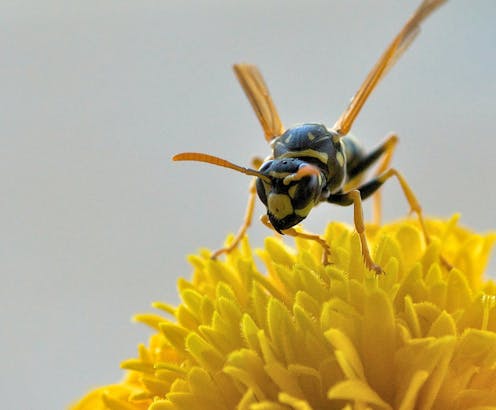
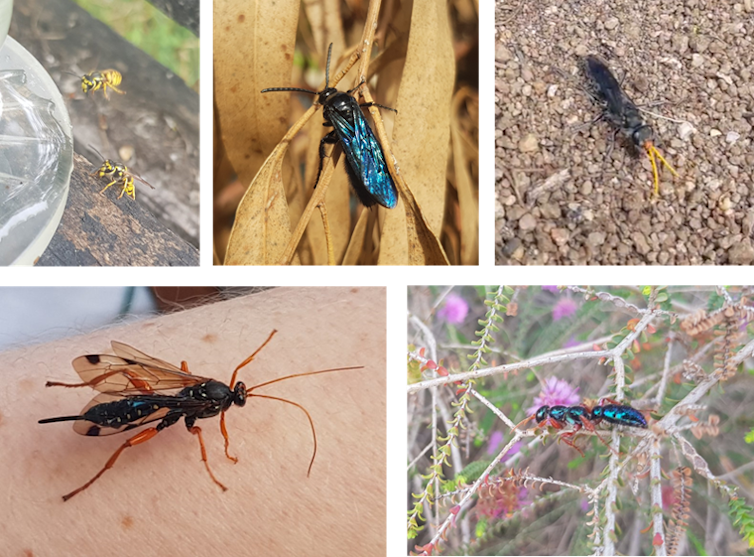
Man smiling sitting beside a woman with an uncomfortable expression
Laughter can be a response to an uncomfortable interaction. corners74/iStock via Getty Images Plus

We found that the people who tended to laugh more enjoyed the conversations less. If you intrinsically enjoy talking to strangers and feel comfortable doing so, you may not feel the need to laugh a lot and smooth out the interaction – you trust it is going well. However, people felt they had more in common with these big-time laughers.

So in conversations between strangers, laughing a lot is not a sign of enjoyment, but it will make your partners feel similar to you. They will be likelier to agree that the two of you have something in common, which is a key ingredient in social connection. I suspect people borrow and transform the play signal of laughter to influence situations that, on their face, have nothing to do with play.

Laughter sends a message

We humans have remarkable control over our voices. Not only can we speak, but we can also alter the meaning of our words by modifying our vocal pitch, vowel placement, breathiness or nasality. A breathy “hello” becomes a flirtatious advance, a growly “hello” becomes a threat, and an upturned, high-pitched “hello” becomes a fearful question.

This got me thinking: Maybe people change the sound of their laughter depending on what they want to communicate.

After all, while some forms of laughter are considered uncontrollable – the kind that leaves you physically weak and running out of oxygen – most everyday laughter is at least somewhat under your control.

It turns out that there are already a lot of studies looking at different forms of laughter. Although their perspectives and methods differ, researchers agree that laughter takes many acoustic forms and occurs in many different situations.

The most popular approach for categorizing the many forms of laughter is to sort them by the internal state of the person laughing. Is the laughter “genuine,” reflecting a true positive state? Or is it the result of embarrassment, schadenfreude or mirth?

I wasn’t satisfied with those approaches. Laughter is a communicative behavior. To me it seems we should therefore categorize it according to how it influences the people listening, not based on how the person felt while laughing. The word “cat” transmits the same information to a listener regardless of whether the speaker loves or loathes felines. And the effect of a giggle on a listener is the same regardless of how the giggler feels, assuming the giggle sounds the same.

three men talking and laughing in an office setting
There are different flavors of laughter, and context matters. Klaus Vedfelt/DigitalVision via Getty Images

Pleasurable, reassuring or threatening

With the communicative nature of laughter in mind, my colleagues and I proposed that laughter can be boiled down to three basic social functions – all under the cloak of playfulness.

First, there’s reward laughter. This type is most clearly linked to laughter’s evolved role as a play signal. It is pleasurable to hear and produce, thus making a playful interaction even more enjoyable.

Then there’s affiliation laughter. It conveys the same message of harmlessness without delivering a burst of pleasure. People can use it to reassure, appease and soothe. This is the most common laughter in everyday conversations – people punctuate their speech with it to ensure that their intentions aren’t misconstrued.

Finally, there’s dominance laughter. This type turns the nonserious message on its head. By laughing at someone, you are conveying that they are not worth taking seriously.

My colleagues and I have identified acoustic properties of laughter that make it sound more rewarding, friendly or dominant. I have also found that people change how their laughter sounds during conversations that emphasize those three social tasks. The changes are subtle because the context – the situation, the people’s relationship, the conversation topic – does a lot to clarify a laugh’s meaning.

There is no such thing as a fake laugh. All laughter serves genuine social functions, helping you navigate complex social interactions. And because you look and sound so silly while doing it, laughter ensures no one takes themselves too seriously.

The Conversation

Adrienne Wood receives funding from the National Science Foundation.