Diana Kennedy in her kitchen in Mexico | Zachary Martin (Greenwich)
“Nothing Fancy” celebrates the life of 97-year-old Mexican food authority
Few would say that Diana Kennedy hasn’t gotten her due over her long life of studying, writing about, and teaching Mexican cuisine. She published nine cookbooks, had a cooking show, won two James Beard awards, met Prince Charles, received the Order of the Aztec Eagle from the Mexican government, appeared in every major food publication and on all manner of TV programs, spoke at the MAD conference, and has been lauded by chefs around the world. Yet the new documentary about her life and work, Nothing Fancy, feels overdue anddeserved.
How Kennedy, a white British woman with no professional culinary training, rose to prominence as an authority in regional Mexican cuisine for the English-speaking world, is a compelling and complicated one. But what’s equally interesting to see in this film is how she navigates the world as a spry, opinionated, unyielding 97-year-old woman with a lot left to say and do.
Kennedy moved to Mexico in 1957 after getting together with her husband, a foreign correspondent for the New York Times. Outside of a stint in New York, where her husband underwent cancer treatment and eventually died in 1966, she’s spent the majority of her life in Mexico, studying, researching, and documenting its regional culinary treasures and advocating for sustainable living.
Director Elizabeth Carroll shot the film over six and a half years. The length of the project was a result of funding, but “had we finished the whole thing in two years we wouldn’t have gotten the change in Diana and our relationship and the level of intimacy between us,” says Carroll.
Indeed, Kennedy does not hold back. She curses at drivers, insults food vendors, rants to her students about corrections she’s sent in to Saveur. “She has a really difficult personality and she’s not loved by everyone… [people love] what she’s done and her work and her brilliance and commitment to what she’s passionate about, but her style is not for everyone.”
The film is not one about the regional food of Mexico or the American perception of it, nor does it get into her work with a great deal of specificity. Instead it’s a character study of an important woman at the end of her life and a celebration of what she’s achieved.
In a time where we as consumers are increasingly aware of who is telling the story of and potentially profiting off of a cuisine — and whether or not they should be — it’s worthwhile to acknowledge someone who put in the work. Kennedy is, yes, a white woman from England. And so many Mexican-born chefs never had the connections or access to rise to her level of fame. But she has dedicated her life to understanding the food by seeking out and interviewing its creators, crediting her sources, and bringing a better understanding of it to a wider audience. “I think it’s interesting because technically she could have gone down and mastered the recipes and started four restaurants and started a line, and that was not her goal,” says Elizabeth. “Making a bunch of money was not her goal. She chose a life of solitary existence in Mexico.”
The film is available to rent here. 50 percent of proceeds will go to local theaters. It will be available on iTunes and Amazon Video on June 19.
Workers line up to return to work a Tyson processing plant in Logansport, Indiana, which temporarily closed after 900 workers tested positive for COVID-19 | AP Photo/Michael Conroy
More than a century after Upton Sinclair’s novel about exploitation in America’s meat industry, the coronavirus has revealed how little meatpacking has changed
Black Hawk County Sheriff Tony Thompson left the Tyson pork processing plant in Waterloo, Iowa, in disgust. On April 10, after receiving complaints from workers and community members, he and local health officials inspected the facility, which is responsible for about 5 percent of total U.S. pork production, according to industry estimates. “We walked out of that plant tour knowing those complaints were valid,” says Thompson, who is also chair of the Black Hawk Emergency Management Commission. “They had a huge problem.”
On the factory floor, where 2,800 people slaughter, cut, and package 19,500 hogs a day, only a third of workers wore face coverings, Thompson says, some with bandanas and eye masks over their mouths instead of appropriate masks. “They thought they had three confirmed [COVID-19] cases out of that plant, but we knew they were in the double digits.”
Thompson and other elected officials urged Tyson to close the plant immediately for cleaning and test employees for COVID-19. “They didn’t take action,” he says. Now, 1,031 workers at the Waterloo plant have tested positive, and 1,703 cases total have been confirmed in Black Hawk County, including at a long-term care facility for the elderly. Twenty-six people have died. Thompson traces the outbreak to the Tyson plant, one of the county’s largest employers. “They blew a hole in our defensive line.”
For Thompson, as for many Americans, the COVID-19 pandemic is shining a bright light into one of the darkest recesses of the country’s food system: industrial meat processing, comprising slaughter and packing — an incredibly streamlined and consolidated industry controlled by a small number of companies and reliant on low-paid, immigrant labor. It’s dangerous work on a good day, with steadily increasing production speeds, injury rates twice the national average, and illness rates 15 times normal rates, according to the National Employment Law Project.
“They didn’t start to take it seriously until we started getting cases in our town and in our plant.”
But COVID-19 has made matters much, much worse. According to the Centers for Disease Control and Prevention, 4,913 cases of COVID-19 have been reported at 115 meat and poultry processing facilities in the U.S. as of April 30, and 20 workers have died of the disease. Data collected by the Food & Environment Reporting Network through May 12 puts the number of meatpacking worker deaths at 52 and the number of infected at more than 13,000.
The problems are partly of scale: The CDC points to “difficulties with workplace physical distancing and hygiene and crowded living and transportation conditions,” or thousands of workers laboring in tight quarters and living in small, rural communities. At another Tyson plant, in Perry, Iowa, 730 workers, or 58 percent of those tested, were positive for COVID-19, health officials said. In Sioux Falls, South Dakota, more than 900 COVID-19 cases stemmed from an outbreak at a single Smithfield Foods meat processing plant, according to health officials.
Some workers and union groups blame meatpacking companies for acting too slowly to address COVID-19 related safety concerns. “I felt like they didn’t start to take it seriously until we started getting cases in our town and in our plant,” said one meatpacking worker at a facility in Kansas, where masks weren’t implemented even after some workers tested positive for COVID-19, she says. Following a bout of chills and aches, the worker, who wished to remain anonymous for fear of reprisal, also tested positive for COVID-19 last week. She’s now isolated, with pay, and recovering.
For longtime critics of America’s meat system, the current public scrutiny feels overdue. “The industrial meat system is about as nasty as you can get,” says Brent Young, whose Brooklyn butcher shop, the Meat Hook, was established in contrast to big meat — and is one of many small purveyors currently thriving even as major processors struggle. (Young, along with Meat Hook co-owner Ben Turley, is also the co-host of the Eater video series Prime Time). “I can’t say anything without recognizing that it’s incredibly sad that [this situation] is going to affect millions of animals and undocumented workers,” Young says. “But as for that supply chain being broken, all I can say is it’s about time.”
On April 22, Tyson finally closed its Waterloo plant, with company president Steve Stouffer saying that “protecting our team members is our top priority.” It’s just one of at least 22 U.S. meat and poultry processing plants that had closed due to COVID-19 cases by April 28, according to estimates from the United Food and Commercial Workers International Union.
Recent plant closures highlight the meat industry’s decades of consolidation into an oligopoly of four companies: Tyson, JBS (a subsidiary of a Brazilian company), Cargill, and Smithfield Foods (a subsidiary of a Chinese company). According to Cassandra Fish, an industry analyst and former Tyson risk management executive, about 50 meat processing plants are responsible for as much as 98 percent of all U.S. meat slaughter and processing. The arrangement has driven prices downward — meat prices in the EU were twice as high as of 2017 — but created a system that’s vulnerable to disturbances like COVID-19, says Christopher Leonard, author of The Meat Racket: The Secret Takeover of America’s Food Business. “All these animals have to pass through an extremely narrow bottleneck.
“We used to think of this in terms of food-borne pathogens. We used to say, when you have these few plants, if you have a problem at one plant, it can have a cascading effect through the whole food system,” says Leonard. “Now [with COVID-19], this is triply true. If you shut down a single slaughterhouse, it knocks out a huge, measurable portion of the whole meat supply.”
AP Photo/Charlie Neibergall
A worker leaves the Tyson Foods plant in Waterloo, Iowa on May 1
AP Photo/Charlie Neibergall
Medical workers test a local resident at a drive-thru COVID-19 testing site in Waterloo, Iowa
The measure of the disruption is striking: As of the first week of May, pork production capacity was down 25 percent, and beef capacity was down 10 percent, according to the food workers’ union. Slaughter of both pork and cattle was down 30 percent year-over-year, according to livestock reports from the Chicago Mercantile Exchange. All in all, Fish predicts, that’s likely to translate to a 20 to 25 percent reduction in the amount of available beef during what’s typically peak sales season, between Mother’s Day and Father’s Day. Pork supply could be down by 18 percent during that period, she anticipates.
Meat company executives sounded the alarm, warning the public of potential shortages. On April 27, Tyson chairman John Tyson took out a full-page ad in the Washington Post, New York Times, and Arkansas Democrat-Gazette, addressing plant closures in dire public health terms. “The food supply chain is breaking,” Tyson wrote, warning of “meat shortages and wasted animals. … Our plants must remain operational so that we can supply food to our families in America.”
But the North American Meat Institute, which represents the companies responsible for 90 percent of U.S. red meat production, points to plenty of meat reserves in cold storage; 921 million pounds of chicken and 467 million pounds of beef, according to the USDA, as of late April. Much of this meat was previously allotted to restaurants that are now closed and won’t need it. Pork reserves, originally bound for export to China, can also be released to U.S. customers.
FDA officials say they don’t anticipate serious food shortages for consumers, just temporarily low inventory at some stores as they restock. And even if supply is lower and there’s less variety, Steve Meyer, a meat industry economist with Kerns and Associates in Ames, Iowa, isn’t worried about Americans running out of meat. “From a consumer standpoint, it’s not a crisis at all, in my opinion.”
Still, some chains like McDonald’s report that they’re bracing for diminished meat supplies. Hundreds of locations of Wendy’s, which relies on fresh beef, rather than more abundant frozen beef, reported running out of burgers at some locations by early May, with shortages expected to last a “couple of weeks.” In grocery stores, fresh meat prices were up 8.1 percent for the week ending April 25 over the same week last year, per Nielsen data. But prices weren’t up across the board, according to USDA data: Ground beef was more expensive, but the price of typically more costly cuts, like rib-eye, went down. And while retailers like Costco and Kroger are placing per-person limits on meat purchases, that’s in part to curtail panic shopping, which could perpetuate shortage fears and panic-buying cycles.
“From a consumer standpoint, it’s not a crisis at all, in my opinion.”
Critics of the meat industry even characterize its claims of a shortage as tactical hyperbole: a calculated campaign intended to gain federal support. On April 28, just two days after the Tyson ad appeared, President Donald Trump signed an executive order declaring meat production essential infrastructure. Meat industry executives cheered, but workers’ rights advocates howled. “It’s putting profits ahead of public health,” says Tony Corbo, a lobbyist for the watchdog group Food and Water Watch.
“The return on investment for Tyson’s public relations ad was enormous,” says Leonard.
For customers, there may be no immediate meat crisis. But for processing workers, the danger is real. “A lot of us are scared,” says the Kansas meat processing worker who tested positive for COVID-19. “It feels like we’re putting our health at risk, but at what cost?”
Rather than precise OSHA and CDC requirements, the executive order points to looser temporary guidance. “To keep their doors open safely, meatpacking plants — and all essential workplaces — must operate under clear, enforceable OSHA standards — not voluntary ‘guidance,’” says Jessica Martinez, co-executive director of the National Council for Occupational Safety and Health. Alarmingly, federal officials seem to downplay the risk: In a May 7 call with lawmakers, Secretary of Health and Human Services Alex Azar emphasized the need to keep plants open, and suggested “home and social” aspects of workers’ lives contributed to high infection rates at meatpacking plants.
Debbie Berkowitz, a former senior OSHA official and expert on meat processing who is now director for worker safety and health at the National Employment Law Project, thinks the federal government is less worried about keeping workers safe and more concerned with keeping businesses safe from liability. “Instead of requiring meatpacking companies to implement safe practices, the president prefers to attempt to shield these corporations from responsibility for putting workers’ lives in danger,” Berkowitz wrote in a statement to Eater.
The industry is already under-regulated, says author Christopher Leonard, with processors consistently permitted to push operating speeds faster. “The USDA is controlled almost entirely by the big meat companies, it’s just a categorical fact,” he says. “The meat industry is setting the terms of regulation.”
Even with added safety measures now in place at her factory — plexiglass screens, staggered breaks, and limits on seating capacity at the cafeteria — social distancing is nearly impossible, according to the Kansas meatpacking employee. “It’s very loud, and so a lot of people just pull their mask down to speak to you,” she says. Before she began isolating last week, absenteeism was high: She was forced to pack meat from two conveyor belts instead of one to fill in for a missing colleague. To encourage workers to come in, the plant offered $2-per-hour raises — from $15.90 to $17.90 for her. But if workers miss even one day of work per week, they lose the whole week’s bonus. “It doesn’t even feel worth it,” she says.
Legal experts have questioned the enforceability of Trump’s executive order. It’s “a paper-thin proclamation with limited legal effect,” Daniel Hemel, an assistant professor of law at the University of Chicago, argued in a Washington Post op-ed. But the order at least provides some justification and legal framework for big meat companies to push their workers to keep coming in. “The industry is already trying to use this argument,” says Tony Corbo, who suspects companies will invoke the order in an attempt to avoid liability.
But maybe it doesn’t matter: Tyson’s Waterloo, Iowa, plant, for example, remained closed for weeks despite the executive order, in part because of absenteeism: Workers simply wouldn’t show up, and realistically, Tyson can’t force them to. “I think it’s a well-intended [order], but it doesn’t address the real problem, which is getting workers to work, and keeping them safe when they’re there,” said Meyer of Kerns and Associates.
Processing closures are also creating a logjam effect, leading to problems that echo up the supply chain. “The crisis is at the hog farm,” says Jen Sorenson of Iowa Select Farm, the state’s largest pork producer. Before the COVID-19 crisis, the country was experiencing record pork and beef production. Now hog prices are spiraling downward, costing famers dearly. Many animals will be “depopulated,” an industry euphemism for being killed without being processed and sent to market.
Commercial pigs like Sorenson’s are raised inside barns their whole lives, and grow about two and a half pounds a day. If they’re not sent off to slaughter, they get too large for their quarters — roughly 7.2 to 8.7 square feet per animal, according to an industry publication’s recommendation. Slaughterhouses won’t accept animals if they get too big, and they can even become too heavy for their own legs. There’s nothing to do but euthanize them. In Minnesota, 10,000 hogs are being euthanized per day, Department of Agriculture officials tellthe Star Tribune. The USDA’s Animal and Plant Health Inspection Service announced it will establish a National Incident Coordination Center “to provide direct support to producers whose animals cannot move to market as a result of processing plant closures due to COVID-19,” including depopulation and disposal methods.
Scott Olson/Getty Images
Hogs at Illinois’s fifth generation Old Elm Farms
For now, Iowa Select Farms has changed its hog feed to slow growth, holding its pigs at market weight for as long as possible. “This is why we need to keep our packing plants open,” says Sorenson, who is also communications director and president-elect of the National Pork Producers Council. “We need to keep that food chain moving.”
The mass closure of restaurants has also temporarily disrupted the meat supply chain: About 30 percent of pork, for example, is typically shipped to food-service establishments, per council estimates. The meat industry has scrambled to reroute those supplies to retail instead — which is good news for grocery store customers.
Looking out at her farm, Sorenson doesn’t see the makings of a long-term pork shortage. “There are plenty of hogs and we’re not running out of pork or bacon,” she says. “We’ve got a glitch between the farm and packer that’s got to get fixed ASAP. The supply two months down the road, it’s there — we’ve bred those animals, and we are birthing those piglets, and they’re moving through our farms.”
But if losses for farmers continue to mount, a real shortage could be coming in the long run. “The medium- to long-term effect is we could potentially lose more farms, more family farmers, who are not able to withstand these markets and this situation, and go out of business,” Sorenson predicts.
Meyer concurs. “Producers are losing so much money that some of them are going to go out of business. A year or two from now, we’re going to have lower pork supplies, and then you will see higher prices at the retail level, that’s almost certain.”
While the industrial meat system faces public scrutiny and backlash, America’s network of small butchers, farmers, and microprocessors are experiencing new attention of their own. “There’s a kind of validation,” says Ben Turley of the temporarily closed restaurant the Meat Hook, where business is up thanks to retail and delivery.
When Turley saw Tyson’s full-page ad, he called bullshit. “The food supply chain isn’t breaking; that’s just false. It’s Tyson’s food supply chain that’s breaking. Not ours. They want to make it seem like the end of the world to you. But Tyson is not all of food.”
The Meat Hook is supplied by Gibson Family Farms in Valley Falls, New York, and a small slaughterhouse nearby, Eagle Bridge Custom Meats. “If you take an outfit like the Meat Hook, you take us, and you take the people that slaughter the animals for us, and that’s three businesses currently thriving,” says Gibson Family Farms owner Dustin Gibson, who raises his hogs outdoors and grazes his cows on grass. “It’s awesome to see that they’re being rewarded.”
Kate Kavanaugh, owner of Western Daughters, a butcher shop in Denver focused on grass-fed meat raised according to regenerative farm practices, is encouraged by a recent uptick in sales. “The volume that we are seeing now as a business is the volume that could actually sustain us and our farmers and ranchers in the long term,” she says. It offers “a fighting chance.”
“The food supply chain isn’t breaking; that’s just false. It’s Tyson’s food supply chain that’s breaking.”
News stories about the meat industry are finally reaching consumers in a meaningful way, says Anya Fernald, CEO of California meat company Belcampo. “In America, we celebrate the high availability of so many different types of foods at such affordable prices. That’s an American privilege.” It’s no accident that cheap meat goes unexamined, she says. “There’s a willful disbelief.”
Belcampo’s meat — grass-fed, organic, and slaughtered at its own processing plant — is much more expensive than commodity meat. Fernald would argue that it’s also much tastier and healthier. But due to its price, meat from small purveyors won’t replace all the cheap protein Americans consume daily. It doesn’t have to, advocates say. “We need less meat in our diet,” says Turley of the Meat Hook. He just hopes consumers choose a little grass-fed meat over a lot of commodity meat. “We need to be eating more vegetables anyway.”
Cheap meat also comes at a high hidden cost, Fernald warns, and we don’t know when it will come due. The World Health Organization and the Centers for Disease Control and Prevention have warned the public for years that most emerging infectious disease comes from animals, and industrialized animal farming can increase risk. “When we’re creating cheap meat, we’re actually creating a vast pathogen resource, a potential viral breeding ground, and making ourselves resistant to the most effective antibiotics that we have,” says Fernald.
“Propping up the meat industry is the last thing we need right now,” agrees Dr. Michael Greger, a critic of industrialized meat who runs the website NutritionFacts.org. “Not only because meat overconsumption worsens risk factors like heart disease... but because Big Ag may be brewing up Big Flu, a slew of new swine and bird flu viruses poised to potentially trigger the next pandemic.”
It’s a poignant lesson, says Fernald. “COVID is a broader story about meat, because it came fundamentally, it sounds like, from a wet market where animals are trafficked. … The whole story of COVID is a story of human boundaries with the animal kingdom, extractive mentalities about animals, and short-term thinking about animals and the planet.”
As the nation’s largest slaughterhouses and packing plants struggle and close, smaller slaughter and packing operations, on which independent butchers and small farmers depend, have been able to pick up some of the slack. “This has been just an absolute zoo,” says Christopher Young, executive director of the American Association of Meat Processors, which represents about 1,500 facilities with fewer than 500 workers. “I’ve had some of my members describe it as the week before Christmas on steroids.” Young attributes the boom to customers cooking more at home, avoiding crowds at grocery stores, and anticipating possible industrial meat shortages based on news reports.
Workers at small slaughter operations have stayed healthy compared to their counterparts at big plants. That’s by virtue of their size, says Debbie Farrara of Eagle Bridge Custom Meats, which slaughters for Gibson Family Farms. “I do believe it is ‘easier’ for us to make an attempt to keep our staff healthy and to social distance and still get our work done.” Her team of 20 is now spaced out more widely, and she’s also cut back on staff on some days, so that they can have less exposure to one another.
“We’re small enough that with a bit of creativity and effort we can make this work,” says Farrara. “We are grateful that our team has stayed healthy thus far.”
AP Photo/Paul Sancya
A customer wearing gloves reaches for a package of pork
These fewer COVID cases at small plants might be due to little more than simple math, says Mike Lorentz, owner of Lorentz Meats in Cannon Falls, Minnesota, and co-owner of Vermont Packinghouse in North Springfield, Vermont. “These large plants in rural areas have to draw employees from a very large circle, and then they take that large draw, and they cram them into a small place. That feels like a formula to amplify a socially transmitted disease… it’s exponential.” But there is a cultural element that stems from size, too: Lorentz has established trust and community with his employees. It’s a family business.
In terms of size, Lorentz is a “big little guy.” Still, “there’s such a chasm between little plants and big plants,” he says. “I used to joke that the first day of the year, by about noon, a big plant has done more than what we’ll do that entire year. Now I think we’ve caught up a little bit — we’d be two or three days into January now.”
As a second-generation processor, Lorentz has watched consolidation shape his industry for decades. The total number of slaughtering plants in the country has gone down 70 percent since 1967, according to figures from the U.S. Department of Agriculture. There just aren’t many meat processing plants in the U.S. at all. Fewer than 6,500 federally inspected facilities, according to the USDA; just 617 slaughtering beef, and 612 slaughtering pork. In response to recent news reports about the industry, two senators, Tammy Baldwin of Wisconsin and Josh Hawley of Missouri, have reportedly asked the Fair Trade Commission to investigate the practices of Smithfield, Cargill, JBS, and Tyson.
Putting aside the potential effects of consolidation on animal welfare and environmental health, there’s a major human toll. Initially, higher wages lured workers from small to big meat plants, but pay eventually slumped. According to a USDA study, declining unionization coincided with changes in worker demographics as more immigrants entered the meat labor force. Conditions worsened in response, historian Roger Horowitz writes in his book Negro and White, Unite and Fight! A Social History of Industrial Unionism in Meatpacking, 1930-90. “Almost a century after Upton Sinclair’s pioneering expose of meatpacking, packinghouse workers in the United States have tragically returned to the jungle,” Horowitz writes.
When we sit down to eat, are we partaking of a sacrament, or participating in a desecration?
By contrast, Lorentz Meats is guided by a quote from the agrarian writer Wendell Berry. It’s inscribed on the walls, and Lorentz recites it from memory like a mantra. “We cannot live harmlessly at our own expense; we depend on other creatures and survive by their deaths. To live, we must daily break the body and shed the blood of Creation. The point is, when we do this knowingly, lovingly, skillfully, reverently, it is a sacrament; when we do it ignorantly, greedily, clumsily, destructively, it is a desecration.”
“I grew up in a family that processed meat,” Lorentz recalls. “My brother was the one that was in charge of the kill floor until 1997, when we bought my mom and dad out, and I worked on the kill floor, and I knew what it meant... Something is going to die to keep moving us forward, and once you start to realize that, you start doing that in a thoughtful way, and it changes the way you look at things.”
Slaughter on the whole has become a much more humane business, says Lorentz, even among the industry’s largest players. For that, he credits the industry-changing work of professor Temple Grandin, whose techniques have been adopted as USDA best practices. But there’s still work to be done on the farm and the factory floor. “Now the question is, ‘How do we treat the people?’ Are we giving them benefits, satisfying work?” Are our “essential” workers protected as such?
For Americans, our consolidated, industrial processing system has made it easy to consume meat without much thought. Cheap and plentiful, it becomes less a choice or privilege and more a right and convenience. But can it really be? With so much of our daily lives in question and our food system straining into visibility, we can’t help but ask ourselves: When we sit down to eat, are we partaking of a sacrament, or participating in a desecration?
Thinking back to the plant in Waterloo, Iowa, Sheriff Thompson says he’s not just angry at Tyson — he’s ashamed of himself. “I walked out of that plant as an elected official feeling like I’d let [those workers] down, too. So many of them are immigrants; they’re easy to take advantage of. These are hardworking people who do their shift and go home, and we never engage them… I didn’t protect them the way maybe we should have.”
Last Thursday, the Waterloo Tyson plant reopened after more than two weeks idle. Face masks and shields will be required, among other safety measures, and all workers will be tested for COVID-19 before returning to the job, Tyson executives said. To see that they actually do return, the company is distributing a $500 “thank you” bonus to workers in early May. It’s conditional upon their attendance.
Caleb Pershan is an NYC-based reporter and former editor of Eater SF.
Disclosure: Eater has a video series, Prime Time, hosted by Ben Turley and Brent Young of the Meat Hook.
Photo-illustration by Eater; photo by Lucia Romero Herranz / EyeEm / Getty
“Clean as you go” doesn’t have to be annoying
So you’re becoming reacquainted with your kitchen. Perhaps you’re learning how to cook for the very first time, or you’re an old pro and are using some newfound time indoors to get really good at sourdough or Beef Wellington or something. And perhaps you realize that once the cooking is done there’s a pesky second part to the task: cleaning.
“Clean,” right now, probably evokes its cousin term “sanitized.” In terms of disinfecting your kitchen, here’s a guide on how to do that, and here’s an interview with an expert on the risk of contracting a virus from your groceries. If this is the only thing you do, great. But aside from viral concerns, a messy kitchen just isn’t an inviting kitchen. You’re not going to want to roll out dough on a countertop spotted with hair and crumbs, and you’re not going to be able to measure out spices when all your measuring spoons are at the bottom of a dirty pile of dishes. You don’t have to commit to Marie Kondo-levels of organization, but there are a few tricks to finishing cooking and having it not look like a bomb went off in your kitchen.
Start With an Empty Kitchen and a Clear Work Surface
This is pretty logical even though I’ve been very guilty of not following my own advice here. If you start cooking and there’s already stuff all over, then anything you dirty up while cooking has to go... somewhere else. Which means there’s less room for you to do actual cooking, and also it feels sort of gross to move around greasy pans when you’re trying to get a casserole in the oven, or god forbid, realize that you have to drain pasta and there’s nowhere for you to put a colander. Start with a clean sink. Make sure all your dishes are washed and put away before you start, or if you’re lucky enough to have a dishwasher, that it’s empty and ready to be filled. Then once you start cooking you can fill the sink with abandon and things will still mostly look fine.
You also want to make sure there’s room to actually do the prepwork required of cooking, so you’re not pushing junk mail and sacks of clementines around while you’re trying to make space for a cutting board. If you’re short on counter space, try to make sure the area you clear off is near the stove, to make it that much shorter a distance between whatever you’re prepping and the cooking vessel it’ll go into.
Along these lines, try to start with an empty, or at least not-needing-to-be-taken-out-imminently, garbage can and recycling bin, so any food ends and opened cans have a place to go too. There’s also Rachael Ray’s trick of starting your prep off with a designated garbage bowl, where every scrap, wrapper and other piece of trash you accumulate goes, so you’re not constantly running over to your trash.
Get a Lot of Dish Towels
There’s a reason every time you see a chef on TV they have a dish towel effortlessly slung over one shoulder. One, it looks very sexy. Two, it’s greatfor getting any of the little messes that happen as you cook. Sauce is sputtering onto the stovetop? Wipe it up. Counter covered with breadcrumbs or garlic paper? Brush it into the (empty!) sink or the (empty!) trash. Especially when it comes to liquid spills, it’s better to clean them up early than leave them to dry and possibly stain your counters.
Prep and Measure Out Everything Beforehand
A few years ago I took a cooking class with Julie Sahni, icon of Indian cooking in America, and she told us the easiest way to cook spice-heavy food was to have everything measured out, and laid out next to the stove in the order it was added to the pot. This seems so obvious in hindsight that it’s almost embarrassing, but until then I had absolutely been scrounging through my pantry looking for bottles of spices and measuring them directly into the dish the moment the recipe called for it, which was both stressful and inefficient.
So before you start, read the recipe and lay everything out. See which things get added at the same time and put those in the same container, and line everything up in the order they’re added. It’s useful to have little bowls for spices and herbs, but if you don’t have little bowls, this is not the time to order a bunch of little bowls. Use mugs or wine glasses or literally anything else. Anyway, once you’re done prepping and measuring, put all the spices you’ve taken down back where they came from, and as you add everything to the dish you can just toss those containers into the sink. And then, look, no stuff on the counter! You did it!
Reuse Whatever Tools You Can
It is tempting to take out a new cutting board or skillet for every task, but most of the time you can do a quick rinse and keep going. If you cut your vegetables first, you can rinse your cutting board with water and use the same one for meat without worrying about contamination. If you use your measuring cup to measure water, you can wipe it off and put it straight back in the drawer because it didn’t actually get dirty. Also, instead of getting out a second skillet, wipe out the one on the counter with hot water and a tea towel, using tongs to hold it. One fewer dish to do later.
Cleaning As You Go Doesn’t Have to Be Annoying
I’m sure you’ve heard the chipper advice to “clean as you go” at least once before, and I’m sure you’ve wanted to punch whoever said it. You are already cooking. What do you mean you have to do a second thing as you go? Unfortunately there’s no real trick to getting good at this. It’s more of a mindset of getting to messes as they happen instead of waiting for One Big Clean at the end.
To help, start using cooking time to your advantage. For a lot of people, once the meal goes in the oven, or the lid goes on the pot, and the timer is set, then the cooking is done. Now it’s just time to wait. But then you wait, and you eat, and then you’re full and tired and you look at your kitchen and it’s full of dishes and now cleaning seems like an even bigger chore.
Instead, see if you can trick yourself into thinking of the hands-off cooking time as still chore time. If something has to bake for 30 minutes, that’s 30 minutes you can use to make sure you’ve addressed messes in the high-use areas of your kitchen: Make sure your supplies are put away; wipe off your counters and stovetop; get started on washing or soaking the dishes. By the time your meal is ready, you’ll probably have nothing left to do but enjoy it.
One thing that is clear from the pandemic crisis that is shaking the world is the crucial need we have for models that allow us to estimate the future behavior of the epidemic. The dynamics of the spread of an epidemic are simply not amenable to intuitive estimation. So it is critical to have computational models that permit us to project the near- and middle-term behavior of the disease, based on available data and assumptions.
Scott Page is a complexity scientist at the University of Michigan who has written extensively on the uses and interpretation of computational models in the social sciences. His book, The Model Thinker: What You Need to Know to Make Data Work for You, does a superlative job of introducing the reader to a wide range of models. One of his key recommendations is that we should consider many models when we are trying to understand a particular kind of phenomenon. (Here is an earlier discussion of the book; link.) Page contributed a very useful article to the Washington Post this week that sheds light on the several kinds of pandemic models that are currently being used to understand and predict the course of the pandemic at global, national, and regional levels ("Which pandemic model should you trust?"; (link). Page describes the logic of "curve-fitting" models like the Institute for Health Metrics and Evaluation (IHME) model as well as epidemiological models that proceed on the basis of assumptions about the causal and social processes through which disease spreads. The latter attempt to represent the process of infection from infected person to susceptible person to recovered person. (Page refers to these as "microfoundational" models.) Page points out that all models involve a range of probable error and missing data, and it is crucial to make use of a range of different models in order to lay a foundation for sound public health policies. Here are his summary thoughts:
All this doesn’t mean that we should stop using models, but that we should use many of them. We can continue to improve curve-fitting and microfoundation models and combine them into hybrids, which will improve not just predictions, but also our understanding of how the virus spreads, hopefully informing policy.
Even better, we should bring different kinds of models together into an “ensemble.” Different models have different strengths. Curve-fitting models reveal patterns; “parameter estimation” models reveal aggregate changes in key indicators such as the average number of people infected by a contagious individual; mathematical models uncover processes; and agent-based models can capture differences in peoples’ networks and behaviors that affect the spread of diseases. Policies should not be based on any single model — even the one that’s been most accurate to date. As I argue in my recent book, they should instead be guided by many-model thinking — a deep engagement with a variety of models to capture the different aspects of a complex reality. (link)
Page's description of the workings of these models is very helpful for anyone who wants to have a better understanding of the way a pandemic evolves. Page has also developed a valuable series of videos that go into greater detail about the computational architecture of these various types of models (link). These videos are very clear and eminently worth viewing if you want to understand epidemiological modeling better.
Social network analysis is crucial to addressing the challenge of how to restart businesses and other social organizations. Page has created "A Leader's Toolkit For Reopening: Twenty Strategies to Reopen and Reimagine", a valuable set of network tools and strategies offering concrete advice about steps to take in restarting businesses safely and productively. Visit this site to see how tools of network analysis can help make us safer and healthier in the workplace (link).
Another useful recent resource on the logic of pandemic models is Jonathan Fuller's recent article "Models vs. evidence" in Boston Review (link). Fuller is a philosopher of science who undertakes two tasks in this piece: first, how can we use evidence to evaluate alternative models? And second, what accounts for the disagreements that exist in the academic literature over the validity of several classes of models? Fuller has in mind essentially the same distinction as Page does, between curve-fitting and microfoundational models. Fuller characterizes the former as "clinical epidemiological models" and the latter as "infectious disease epidemiological models", and he argues that the two research communities have very different ideas about what constitutes appropriate use of empirical evidence in evaluating a model. Essentially Fuller believes that the two approaches embody two different philosophies of science with regard to computational models of epidemics, one more strictly empirical and the other more amenable to a combination of theory and evidence in developing and evaluating the model. The article provides a level of detail that would make it ideal for a case study in a course on the philosophy of social science.
Joshua Epstein, author of Generative Social Science: Studies in Agent-Based Computational Modeling, gave a brief description in 2009 of the application of agent-based models to pandemics in "Modelling to Contain Pandemics" (link). Epstein describes a massive ABM model of a global pandemic, the Global-Scale Agent Model (GSAM), that attempted to model the spread of the H1N1 virus in 1996. Here is a video in which Miles Parker explains and demonstrates the model (link).
Another useful resource is this video on "Network Theory: Network Diffusion & Contagion" (link), which provides greater detail about how the structure of social networks influences the spread of an infectious disease (or ideas, attitudes, or rumors).
My own predilections in the philosophy of science lean towards scientific realism and the importance of identifying underlying causal mechanisms. This leaves me more persuaded by the microfoundational / infectious disease models than the curve-fitting models. The criticisms that Nancy Cartwright and Jeremy Hardie offer in Evidence-Based Policy: A Practical Guide to Doing It Better of the uncritical methodology of randomized controlled trials (link) seem relevant here as well. The IHME model is calibrated against data from Wuhan and more recently northern Italy; but circumstances were very different in each of those locales, making it questionable that the same inflection points will show up in New York or California. As Cartwright and Hardie put the point, "The fact that causal principles can differ from locale to locale means that you cannot read off that a policy will work here from even very solid evidence that it worked somewhere else" (23). But, as Page emphasizes, it is valuable to have multiple models working from different assumptions when we are attempting to understand a phenomenon as complex as epidemic spread. Fuller makes much the same point in his article:
Just as we should embrace both models and evidence, we should welcome both of epidemiology’s competing philosophies. This may sound like a boring conclusion, but in the coronavirus pandemic there is no glory, and there are no winners. Cooperation in society should be matched by cooperation across disciplinary divides. The normal process of scientific scrutiny and peer review has given way to a fast track from research offices to media headlines and policy panels. Yet the need for criticism from diverse minds remains.
The Great Courses has made available a free and rather timely course--Building Your Resilience: Finding Meaning in Adversity. Divided into 24 lectures and taught by Molly Birkholm, the course gets introduced with the following text:
Recent research shows that we grow into our best and most joyful selves not when we avoid our problems but when we embrace them, confident that we are resilient enough to work through them to an appropriate resolution. Our problems are an important part of our path.
Resilience is our ability to physically, emotionally, and mentally bounce back from adverse circumstances. Without it, we would be down for the count every time we ran into a problem. Stuck in traffic and late for a meeting? It’s your resilience that allows you to make the necessary phone calls and keep moving forward, confident that you can handle this stressful situation as it evolves. Without it, you’d make a U-turn and give up. Recovering from the flu or recent surgery? It’s your resilience that helps you take care of yourself appropriately and look forward to a better future. Our capacity to thrive in life depends directly on our resilience.
Sharing her own fascinating journey, as well as the latest research by neurologists and psychologists, trauma specialist Molly Birkholm shows us how to gauge our current level of resilience and improve from there. In Building Your Resilience: Finding Meaning in Adversity, you’ll learn how all of our challenges—from everyday stresses to life-altering traumas—can bring wisdom and growth. In 17 fascinating classes and 7 “hands-on” practice sessions, you’ll learn about and experience the process of building the inner calm and clarity of mind that create greater resilience. With Ms. Birkholm’s warm and optimistic demeanor, you’ll feel her encouragement every step of the way as you move toward building your best and most fulfilling life.
Would you like to support the mission of Open Culture? Please consider making a donation to our site. It's hard to rely 100% on ads, and your contributions will help us continue providing the best free cultural and educational materials to learners everywhere.
Also consider following Open Culture on Facebook andTwitter and sharing intelligent media with your friends. Or sign up for our daily email and get a daily dose of Open Culture in your inbox.
But there is another way. Take a deep breath. Leave your beets alone. Read these stories about doing nothing, and then, maybe, if it’s an option for you, do nothing for a bit.
No one can sleep or think right now; we’re facing global instability, an uncertain economy, and an endless stream of internet discourse on acceptable or non-acceptable ways to spend our time. In the face of all that, I’m enjoying returning to these pieces. Here are a few words from some of them:
“In a brightly lit and busy world, maintaining the composure necessary for thoughtful observation is a glaring challenge.”
“Putting aside the capitalist imperative leaves space for staring into space, an act which stands in for the kind of elusive freedom we have been taught that money can buy.”
“These days I’ve come to believe that it’s natural for many of us to go through periods when we put words to the page and times when we can’t. These aren’t separate, distinct states; rather than agonizing over ‘writer’s block,’ maybe we can accept that we aren’t blocked at all, and that resting might just be part of our process.”
The cultural magnificence of the vinaigrette was revealed to me in a paper read by Timothy Tomasik, an accomplished scholar of 16th-century French food, basically 1530 to 1560, during the height of the foires of Lyon and right around the time that the grand councillors of the city hosted their Swiss counterparts. The event, held on a rainy Saturday morning in Manhattan, was moderated by Allen Grieco, a research associate at the Villa i Tatti in Florence, the Harvard Center for Renaissance Studies. (Spoiler alert number five: We did visit New York City—twice; in fact, we would eventually return.) Tomasik’s paper was on the history of the word “vinaigrette.”
Since the withering humiliation of my having to ask how to make a vinaigrette, I had become a student of it and its many variations and its importance to the French kitchen (acid! wine! balance!). But the history? I had read Pasteur, but Pasteur was 19th century. Tomasik, then a friend (we met at another Renaissance food conference), was going to go deep into the word’s very origins. I showed up jumping-in-my-seat excited, and was shocked, genuinely, to see that only six other people were in the audience in a room that accommodated 200. On a Saturday! New York is a big city. Where were everyone?
Tomasik’s lecture was an effort to solve a puzzle. The modern sense of the word “vinaigrette” was first published in the Dictionnaire de l’Académie française in 1694, which describes it as “a type of cold sauce,” une sorte de sauce froide, that is made “with vinegar, oil, salt, pepper, parsley, and chives.” Since then, there have been variations on the essential formula, but the French Academy’s remains the best definition.
But before 1694, it was a meaty sauce. The word first appears in the 14th century, in Taillevent’s Le Viandier, one of the earliest surviving French cookbooks. It is perhaps less French than medieval, illustrated by his instructions for making “une vinaigrette,” for which you start with a pig’s spleen, brown it on a spit, chop it up, add it to a pot with blood, broth, ginger, a pepperlike spice, saffron, wine, and vinegar (finally), and then boil. “It should be brown.”
A sheep-based vinaigrette calls for the head, stomach, and feet. A cow vinaigrette insists on using all four stomachs.
During the Q&A, Tomasik, disarming in his honesty, admitted that his paper (“A Vinaigrette by Any Other Name”) was a work-in-progress.
Culinary historians tend to work in the language of their specialization and rarely venture out of it—the Italians rarely speaking to the French, the French not going out of their way to speak to the Italians.
He had begun, Tomasik said, with what seemed like a straightforward problem of lexicography. In early French history, “vinaigrette” meant something that seemed appropriate for the food eaten at the time— basically, pot-in-a-hearth cooking. By the late 17th century, the word had come to mean something completely different, but was also completely appropriate for the food of its time: a light dressing for comparably lightly cooked vegetables, like haricots verts or artichokes. What he couldn’t find was when the word changed. He had charted its usage in books published in 1536, 1539, 1542, 1547, and 1552. He expected to find something in the subsequent one hundred years, but hadn’t yet.
He had the aw-shucks manner of the good student who had shown up to class with an essential problem in his homework not quite solved but one that he would sort out shortly.
I thought: Not a chance.
Those one hundred years: They represent the dark tunnel in French cooking. At one end, you find the food that you can cook in your fireplace; at the other the end, on or around 1651, when Le Cuisinier françois was published, a radical festival of ostentation and expertise. The book was written by a François Pierre de La Varenne. Though the title is probably a play on words (i.e., either The Cook François or The French Cook), there is no ambiguity in how it was understood and translated. It was a declaration of nationalist cuisine. Le Cuisinier françois said, “This is our food. It is our culture.” In the approximately 400-year span of recipes, manuscripts, translations, and culinary publications of any kind in French, no text had so forthrightly proclaimed its Frenchness. After Le Cuisinier françois, French cuisine was established.
Article continues after advertisement
But, in the eyes of many, there is virtually no record of what had been going on to effect the change. Something was happening, obviously (nothing comes from nothing), but who knew what it was?
Meanwhile, I was jumping up and down in my seat. I was very excited. I knew the answer! At least in relation to the vinaigrette! It was on the other side of the Alps, in Italy, a tract about salads, but I couldn’t remember the name of the author, except that it was a quirky name, something like “happiness.”
Grieco, for his part, was also jumping up and down, but he knew the name and had downloaded a text on his phone. The author was Costanzo Felici.
“Yes,” I blurted out. I couldn’t help it. “Felici! That’s the guy!”
Grieco continued. “Costanzo Felici was a medical doctor and a naturalist in the village of Piobbico.” Piobbico is east of Florence and almost to the Adriatic. “He had published tracts on aspects of natural history: the olive tree, the mushroom, the wolf, an agrarian calendar.” Grieco, who was 66 and had a silver goatee and wore round scholarly spectacles halfway down the bridge of his nose, had the manner of a man accustomed to having to speak softly in libraries. Tomasik, half his age, was robustly broad-chested, and youthfully confident. Grieco treated him with careful respect.
Felici fell into a correspondence with one of the great botanists of the time, Ulisse Aldrovandi, at the University of Bologna. Aldrovandi asked Felici to describe the vegetables that were being eaten in his village, especially the salads and herbs, and how they were prepared: something like a field report. They were done in one way, Felici wrote: con olio, aceto, sale, e pepe. With oil, vinegar, salt, and pepper.
After Felici’s death, his letters to Aldrovandi were published as a book. Grieco read a few sentences aloud, a reference to how the Italians had been regarded by the French, as indiscriminate salad eaters: “il cibo dell’insalate—così dette volgarmente, cibo quasi proprio (dicono gl’oltramontani) de’ Italiani ghiotti quali hanno tolta la vivanda agl’animali bruti che si magnano l’herbe crude—.”
I had come upon the passage before, in 2003, in a cultural history of Italian cooking by Alberto Capatti and Massimo Montanari that would be my introduction to the beauty and high achievement of the Italian Renaissance kitchen. The text is now quite famous, if only for its droll wit, including the word, oltramontani, to describe the French: i.e., the people from the other side of the mountains. Those people think we are the crude ones—they think we are the gluttons (ghiotti)—because we take raw grass out of the mouths of brute animals and eat it instead of them! The French, Felici was saying, don’t get it. They are the ghiotti, meat-eaters only, who don’t understand the appeal of salad and vegetables, earth’s bounty, the expression of its seasons. Felici wasn’t to know that it would be only a matter of time.
Is there a paper trail that we can follow that illustrates how the Italians taught the French how to make and dress a salad?
Probably not.
But there is a footpath, seldom mentioned by historians, a mountain trail, and the traffic on it, in food and people and ideas, was steady and busy. It is pre-Roman. It is as old as walking. It begins in Susa, the town the Romans called Segusio, on the northwestern edge of the Italian peninsula, passes through the mountains, and emerges in Le Planay, a village where the French established an early customhouse. It wasn’t the only way between Italy and France, but, in the early 1500s, had become popular enough for the king to see a tax-collecting revenue opportunity. In exchange for paying duties, traders were promised protection on the trail from thieves.
What attracted the Italian traders? The foires, those quarterly markets in Lyon, only recently re-established, and this transalpine trail, sometimes called le chemin du Piémont, led directly to them. Many of the products sold there (spices, silks, mortadella, the suddenly popular “fromage de Milan”—i.e., Parmigiano) were Italian; most of the bankers, importers, and wholesalers (Gadagne, Capponi, Manelli, Grimaldi, Sauli, Johanno, Bonvisi, and Cenami) were of Italian descent. The foires made Lyon prosperous. They also made it into a culinary hothouse; they helped create the cuisine that was developing there.
Vinaigrette worked for a medieval stew. But it is a curiosity of history that when people stopped making the stew there was this great word that an oil-and-vinegar dressing could move into.
Later I traveled to Susa and learned the route has been protected by a customs pact for much longer than I had known. It is commemorated by a stone arch at the start of the trail, agreed between Caesar Augustus and the Celtic tribes of the Alps under King Cottius. The town no longer figures in guidebooks (with the construction of the Fréjus Tunnel, Susa is almost always bypassed), and since the Maastricht Treaty of 1992, the borders have been effectively dissolved, but for me it was an unexpected miracle—to stand there, in front of the portal through which so much has passed, back and forth: hunter-gatherers, soldiers, salt, Hannibal with his elephants, black pepper, the Apostle Paul, Julius Caesar en route to conquering Gaul, Charles VIII hoping to conquer Italy, François Premier (twice), Rabelais, Montaigne, Leonardo da Vinci, manuscripts, merchants, popes, 18 centuries of monks, religious pilgrims, Charlemagne, Italian bankers, the Renaissance, the history of Europe, and, possibly, a salad dressing.
And, thus, this word “vinaigrette”: I think of it like a crustacean’s home, the shell. When its inhabitant dies, another creature moves in. Or like the peasant homes that you see on le chemin du Piémont, built from the stones of older homes that have been abandoned. Vinaigrette worked for a medieval stew. But it is a curiosity of history that when people stopped making the stew there was this great word that an oil-and-vinegar dressing could move into.
Foods are always crossing the globe. The pig, at the heart of the Italian and French diet, came from China. Turkeys, potatoes, tomatoes, squash, and chocolates came from the Native Americans in the New World. The quenelle, famous as a Lyonnais food, came from the Austrian Knödel.
But vinaigrette: This is of a different order. It is not an ingredient. It is a preparation. It is an idea, a way of eating.
I would rarely meet a French person who believed that the Italians had anything to do with the development of French cuisine. A phrase I would hear often was the lack of “preuves incontestables d’Italienités”— the incontestable proof of anything Italian in what became French food.
The evolution of the word “vinaigrette” is not an incontestable proof. But it invites one to consider the limitations that inhibit scholarly investigation. Culinary historians tend to work in the language of their specialization and rarely venture out of it—the Italians rarely speaking to the French, the French not going out of their way to speak to the Italians—none of which is surprising except that, in food matters, the two cultures are complexly connected. Jacqueline Boucher, a professor of 16th-century Lyonnais history, has written the excellent Présence Italienne à Lyon à la Renaissance (The Italian Presence in Lyon During the Renaissance).
In her (admittedly abridged) bibliography, she lists 46 works: 42 of them are in French, two in English, and one in Italian, a genealogy of the Gadagne banking family. How, I can’t help myself from asking, can one write about the Italians without reading what they had to say in their own words? In our time in France, I attended a number of Renaissance food conferences, fascinated by what there was to learn, and, each time, was warned by an organizer: “Watch the Italians and the French—they won’t want to have anything to do with each other.” That big mountain range separating the two countries appears to be much more than a matter of geology.
A view of Mont Cenis, near the French-Italian border.
That big mountain range itself is also misunderstood, informed by an anachronistic view that, in medieval and Renaissance Europe, a boat was more reliable than travel by foot or by animal, especially if it involved crossing the Alps, which was obviously too arduous for normal people to cross.
Well, it wasn’t, and it isn’t. And, in an era without reliable meteorological forecasting, it was much less dangerous.
I wanted to replicate that crossing, climbing up the steep side, with my young boys: to make the point that if they could do it—in, admittedly, the summer, the most favorable season for an Alpine crossing—so could cooks, artists, poets, architects, princesses, monks with their knowledge of bread and sausage making, painters, and the whole long train of the Italian Renaissance. The trail, I knew, wasn’t in good shape. In 1803, Napoleon changed the route (he found a wider passage, suitable for his armies, that commenced in Lanslebourg, the next town up the valley from Le Planay, and that survives as a paved road, the D1006). After 200 years, the original path is scarcely well maintained. We stayed at Lavis Trafford, the chambre d’hôte built on the premises of the original customhouse, and we tried the trail when the boys were five. In the morning, they walked a mile to the trailhead. There was a sign invoking the centuries of history that had made the ascent. The boys read it and said, “Nah.” They were already exhausted.
We returned when they were seven. Encouraged by Marc Broyer, the Lavis Trafford proprietor, who mischievously described the walk as a “stroll” that wouldn’t “take more than an hour,” the boys and I, dressed in shorts and sandals (I never thought that they would actually reach the top), completed the hike. It took four hours. It wasn’t that far—four miles?—but was steep, and the trail was washed out and rocky (George twisted an ankle, Frederick, terrified of bees, was stung), and we ran out of drinking water before the last challenging ascent. Meanwhile, both boys were being covertly coerced by their father, who promised them that, if they completed the walk, the event would be recorded with their names (George Ely Buford and Frederick Hawkins Buford) in the book he was writing. They considered the offer and concluded, okay, they would press on. When we reached the top, there was running water, a restaurant, and a paved road. But that didn’t matter. Four years later, aged eleven, they did the hike again!
Maybe it’s always too soon to make predictions, but historians of the future will likely view the time of COVID-19 as one of unprecedented cultural, social, and economic change on a vast scale. One of those changes, the opening of historic museum collections—photographed and uploaded in high resolution images, and viewable in the kind of fine detail one could never get close enough to see in person—has put an advancing trend into hyperdrive. The British Museum, for example, has just announced a “major revamp” of its digital collection, Vice reports, “making nearly 1.9 million images free to use for anyone under a Creative Commons 4.0 license.”
The museum is transparent about some “outstanding issues” with the online collection—including minor problems with layout and image order—but due to “extraordinary circumstances” they felt it in the public interest to launch sooner than later. Since access is free and unrestricted, one hopes there’ll be few complaints.
Virtual visitors can get an incredibly detailed view of British Museum items like the 15th century silver and ivory hunting horn from Sierra Leone (top), an object you can’t see in person, not only because the museum is closed but because it isn’t on display. Online exhibits give us the kind of access previously only available to curators. They also take us deeper into art and archaeological history than most in-person visits can.
An encounter with the intricate Sutton Hoo helmet, above, recovered at an Anglo-Saxon burial site, is interesting enough sans context. At the museum site, however, visitors can dive into an entire lesson on the history and meaning of this and other incredible artifacts stumbled upon by a farmer in 1939 who found a ship buried in Suffolk that turned out to be “the most impressive medieval grave to be discovered in Europe.”
The democratic utility of vast online collections like this one cannot be overstated. The struggles of educators and parents these days are very real.“If you’re currently homeschooling your kids,” Lifehacker writes, “you may be interested in the British Museum’s free online learning resources geared towards students ages three to 16+. Want to learn how Egyptian mummies were made? There’s a lesson for that. Maybe you can learn what the Romans ate and drank and enjoy a Roman-themed lunch!” (Doesn’t that sound fun, parent who hasn’t been to the grocery store!) Take a virtual walkthrough of the museum. See the Rosetta Stone in the Egyptian sculpture gallery and the Lewis Chessmen in the Medieval Europe gallery.
No one needs to be brought up to date on the devastation already wrought by Covid-19, in the United States, in Europe, and in other parts of the world, and more is almost certain to come in the next two years. The virus is highly contagious in social settings -- not as contagious as measles, but more so than other viral diseases. It has a high mortality rate for older individuals, but it kills patients of every age. It can be spread by persons who do not yet show symptoms -- perhaps even by people who will never develop symptoms. The disease has the great potential of overwhelming health systems in regions where it strikes hardest -- northern Italy, New York City, Britain, Detroit. There is no effective treatment for severe cases of the disease, and there is no vaccine currently available. This is the pandemic that sane governments have feared and prepared for, for many years. Ali Khan, an experienced and long-serving leader on infectious disease at the Centers for Disease Control and Prevention, provides vivid descriptions of the background scientific and public health infrastructure needed to contain viral outbreaks like ebola, monkeypox, MERS, and SARS (The Next Pandemic: On the Front Lines Against Humankind's Gravest Dangers). (Here is a list of possible global virus threats by the World Health Organization (link).
It is therefore plain to any sensible person that government-enforced public health measures are required in order to slow the spread of this disease. Countries that were slow to take the pandemic seriously and establish strong measures designed to slow the infection rate -- like the United States and Great Britain -- have reaped the whirlwind; the United States now has the highest number of Covid-19 cases in the world (link). And the stakes are incredibly high. The 1918 Spanish flu, for example, hit the city of Philadelphia with savage effect because the mayor decided not to cancel the Liberty Loan parade on September 28, 1918 (link); whereas cities like St. Louis made different decisions about public gatherings and had much lower levels of influenza.
The governors of most states in the United States have enacted physical distancing orders mandating "stay-at-home" requirements, business closures, closures of public places, and restrictions on public gatherings. And these measures have worked, on the whole. The governor of Michigan, my home state, for example, has assembled a world-class team of scientific and health advisers concerning the details of the shut-down orders, and a highly respected committee of business and health system leaders to work on developing a strategy for reopening the state in a way that does the best job possible of protecting the health of our ten million citizens. And the curve has flattened.
But now we come to the right-wing protests that have occurred in Lansing and other state capitals around the country (link, link). Guns, extremist placards, threatening behavior, and an armed invasion of the floor of the Michigan state house -- what in the world is going on here? Protest of government policy is one of the fundamental rights of citizenship -- of course. But why heavily armed protesters? Why racist, white-supremacist groups in the crowd? Why the hateful, vitriolic language towards elected officials? What are the underlying political motivations -- and organizational resources -- of these protests?
Cas Mudde has a perceptive analysis in the Guardian (link). His recent book The Far Right Today provides the broader context. Mudde sees the anti-lockdown demonstrations as being largely about Donald Trump's increasingly desperate efforts to win reelection. Mudde calls out the financial ties that exist between these demonstrations and well-funded not-for-profit Republican organizations linked to Betsy DeVos (link).
And indeed, these protests look a lot like Trump campaign rallies, calling the faithful in "battleground" states. The hats, slogans, and behavior make it clear that these protesters are making a political statement in favor of their president. And the president has returned the compliment, describing these protests as reasonable, and encouraging more. The president's behavior is, as usual, horrible. The idea that the president of the United States is actively seeking to interfere with the performance of the governors of many states in their duties of preserving the health and safety of their citizens, after himself failing abysmally to prepare or respond to the pandemic, is something out of a dystopian novel. Here is how Mudde describes the political strategy underlying this approach:
For Trump, the anti-lockdown protests provide him with visible popular support for his Covid-19 strategy. For the sake of his re-election, he is keen to move discussion from public health to the economy. Given that a clear majority of Americans support the stay-at-home policies, Trump needs the momentum to shift. The protests can help him, by taking his struggle from the White House to the streets, and thereby to the media. (link)
Where does the gun-toting extremism come into this political activism? One obvious strand of this "movement" is the extremist anti-government ideology that brought world attention to the Malheur National Wildlife Refuge takeover in 2016. These are radical militia adherents, rejecting the authority of the Federal government in all of its actions, and willing to overtly threaten the lives of others in their activism. Brandishing semi-automatic weapons is not political theatre; it is not “simply an assertion of second amendment rights”; it is a deliberate effort to intimidate and frighten the rest of society. And it is hard to avoid the question — what if these were anarchist protesters in black masks carrying semi-automatic weapons? Or Black Panthers? And what if the venue were the entrance to the White House, or the entrance to the Capitol Building in Washington? How would conservative Republicans react to these scenarios?
Another stream, not entirely distinct from the first, is the persistent and growing white supremacist movement in the right wing of conservative politics. Their involvement in these protests is opportunistic, but their potentially violent opposition to democratically elected government is in common. Here is a report by the Southern Poverty Law Center about involvement by extremist nationalist group the Proud Boys in the anti-lockdown demonstrations; link. Here is a snippet from the SPLC report:
Even though the Proud Boys weren’t behind efforts to get the protests off the ground, they quickly realized their value. They are the perfect platform for the proto-fascist group to make the case that the will of a small minority of Americans – the hyper-individualistic “patriots” who attend these rallies – should supersede democratic processes, and that individual desires should trump the collective public good. The protests also provide other benefits: the chance to launch their ideas into wider right-wing circles, further cement their status as core members of the Trump coalition, build relationships with local politicians and gain attention from outlets like Fox News.
(Neil MacFarquhar and Adam Goldman's coverage in the New York Times of the white-supremacist terrorist organization, the Base, is sobering reading; link.)
It is certainly true that the pandemic is creating huge economic suffering for millions of Americans (and Europeans, Indians, Brazilians, ...). People are suffering, and some much more than others. Poor people, hourly workers, small farmers, gig workers, and people of color are disproportionately victims to the economic recession, and people of color are vastly over-represented among the infected population and the death rolls of the disease. Closures of businesses have led to vast numbers of unemployed men and women. But notably, these demonstrations in Lansing and elsewhere don't seem to be supported by the constituencies most at risk in the economic shutdown; the participants who show up to flaunt their guns and their reckless disregard for social distancing seem to be mostly angry activists pursuing their own agendas.
So an answer to the fundamental question here -- why are we seeing this surge of right-wing extremist protests to pandemic policies? -- seems to involve three related factors: political supporters of Donald Trump (President Trump's efforts to normalize the pandemic and attack Democratic governors who are doing something about it); anti-government extremists who object to any exercise of the appropriate powers of the state; and opportunistic efforts by white supremacist organizations to capture the moment. Add to that the understandable concerns that citizens have about their immediate economic futures, and you have a combustible mixture. And the issue of trust in the institutions of government, raised in a recent post, is plainly relevant here as well; these extremist organizations are working very hard to undermine the trust that ordinary citizens have in the intentions, competence, and legitimacy of their elected officials.
Yes, the economic consequences of the pandemic are enormous. But the alternative is undoubtedly worse. Do nothing about physical distancing and the virus will sweep every state, every county, and every town. Experts believe that the unchecked virus would infect 20-60% of the globe's population. And a conservative estimate of the mortality rate associated with the disease is on the order of 1%. Thomas Tsai, Benjamin Jacobson, and Ashish Jha do the math in Health Affairs (link), assuming a 40% infection rate. For the United States that implies an infected population within about eighteen months of about 98.9 million victims, 20.6 million hospitalizations, and 4.4 million patients needing treatment in ICUs. Both hospitalization rates and ICU demand greatly exceed the total stock available in the United States. Tsai et al do not provide a mortality estimate, but at a 1% mortality rate, this would amount to about a million deaths. It goes without saying that the health system, the food supply system, and virtually every aspect of our "normal" economy would collapse. So the only choice we have is rigorous physical distancing, a sound public health plan for cautiously restarting economic activity, massive increase in testing capacity, aggressive search for treatments and vaccine, and generous programs of Federal assistance to help our whole population make it through the hard times that are coming. And generosity needs to come from all of us -- contributions to local funds for food and social assistance can make a big difference.
Instead of taking CSA members’ cloth bags and returning them filled with fresh vegetables, farmers Jesse Frost and Hannah Crabtree delivered mid-April shares in plastic bags. And for the weekly farmers’ market in Lexington, Kentucky, they used smaller plastic bags to individually package their greens, which would normally be loose in bins for shoppers to reach into.
Single-use plastic doesn’t align with Rough Draft Farmstead’s commitment to environmentalism. But as they hustle to reinvent their business plan for 2020 while continuing to produce and sell food during a pandemic, they’ve had to adjust the hierarchy that determines their priorities, Frost said.
“Everything’s kind of been scrambled,” he said. “The first thing we have to do is figure out what our marketing approach is. Then, figure out what the distribution looks like. Then, we have to figure out how to keep all of those things sanitary.”
As farmers, farmers’ markets, grocery stores, and restaurants have all raced to confront a quickly reordered reality, the qualities that contributed to single-use plastic becoming such a ubiquitous problem over decades — it is incredibly cheap and convenient — are contributing to a resurgence in use. And it’s happening at a time when the recycling of plastic has been severely curtailed.
“I’m probably using more plastic from one grocery trip than I normally would in months,” said Abby K. Cannon, a Long Island-based nutritionist who also coaches clients on low-waste living.
While there is no evidence that the coronavirus is transmitted on food or that wrapping food in plastic is safer, all of the activities that surround the use of reusables — reaching, swapping, and sharing — are off limits. And throwing something away that came from outside the home and was touched by unknown hands simply feels safer.
In recent weeks, the plastics industry has spread mis-information about the dangers of reusable bags.
Some grocery stores and counties have banned cloth bags, and more people are shopping for groceries online, which generally results in more plastic packaging. Farmers’ market tables are now stocked with vegetables pre-packed into plastic bags, and CSA pick-ups that were once self-serve now involve plastic bags inside larger plastic bags or boxes. In addition, coffee shops that used to give discounts for bringing cups from home have stopped allowing them.
In the midst of this, the plastics industry has stepped in to spread misinformation about the dangers of reusable bags and has successfully reversed plastic bag bans in some states and cities. And news came out this morning that plastics industry trade association is now asking for a $1 billion bailout from the U.S. government.
It’s clear that at the moment, concerns about the waste generated from single-use packaging, and especially plastic, in the food system will have to take a backseat to the immediate health, safety, and economic concerns that have arisen during the pandemic.
But activism to fight plastic waste during the pandemic persists: On April 22, a new documentary on the costs of plastic pollution premiered. And some say the temporary shift will be gradually worked out as we learn more about COVID-19 and the shape of the new economy — and that it could even lead to Americans asking deeper questions about sustainable habits.
Grocery store plastic and the campaign against reusables
Around the country, restrictions on reusable bags at grocery stores began to pick up steam as the coronavirus pandemic worsened.
The governor of New Hampshire banned reusable bags in the state in late March; San Francisco banned reusable bags in stores citywide at the beginning of April, and the state of California lifted a fee on plastic bags for two months at the end of April; and Maine delayed the implementation of a plastic bag ban that was set to go into effect in late April. Meanwhile, supermarket chains have implemented their own policies: Trader Joe’s, for example, is not allowing reusable bags at any of its locations.
While many of these policies sprung out of an abundance of caution, Mother Jonesrecently documented how the plastics industry and affiliated think tanks are attempting to use the momentum to reverse plastic bag bans around the country. To do so, they are spreading false information about the dangers of coronavirus on reusables and asking the federal government to back that misinformation.
“We are asking that the Department of Health and Human Services… make a public statement on the health and safety benefits seen in single-use plastics,” Tony Radoszewski, the president and CEO of the Plastics Industry Association, recently wrote in a letter to the Secretary of Health and Human Services. The federal government has not obliged, but the coordinated PR campaign has resulted in misleading news coverage, influenced public opinion, and led to local bans on reusable bags.
The strategy is nothing new: In the past, industry groups have funded studies that found bacteria on reusable bags. While scientists said the research merely pointed to the importance of washing bags, the industry has wielded it to fight plastic bag bans. In a new report, Greenpeace documents how exploiting concerns about COVID-19 is a continuation of a long-running misinformation campaign to overturn plastic bag bans.
However, expert after expert has detailed how there is no evidence that COVID-19 lives longer on cloth or cotton compared to plastic. (There have been no studies specifically on the coronavirus and reusable bags.) One study found the virus can live on plastic for a few days, versus 24 hours on cardboard. Overall, experts emphasize that the risk of contracting coronavirus from touching any bag is very low, and that most transmission occurs from breathing in particles when in close proximity to other people.
Still, at a time when more deaths of grocery workers are being reported, it makes sense to take every precaution to minimize contact with shoppers. Some stores, like Target and Mom’s Organic Markets, are doing this not by banning reusable bags, but by requiring that shoppers bag their own groceries.
At Whole Foods, Long Island nutritionist Cannon normally does most of her shopping by filling her own containers in the bulk section. But the first time she hit the supermarket after the shelter-in-place order had been issued in New York, she couldn’t bring herself to handle the shared scoops. “It made me afraid,” she said. “Right now, I’d much prefer to get something prepackaged. I don’t trust other people washing their hands, or even myself and my bags.”
Plastic is also having a moment thanks to an increase in grocery delivery. A recent Pew Research Center survey found that one in five adults in the U.S. say they’ve used a “food delivery service” instead of going to a grocery store or restaurant, due to COVID-19.
On a recent afternoon, a delivery person, wearing plastic gloves and a disposable mask, carried about 15 plastic grocery bags from her van to a Baltimore, Maryland rowhouse and crammed them into the vestibule. Even companies like Whole Foods that deliver orders in paper bags often package individual food items inside those bags — like a bunch of bananas — in plastic. Grocery delivery relied on plastic before the pandemic, but shoppers who would have grabbed an unwrapped bunch of bananas and used reusable bags before are now relying on it.
However, there are exceptions to the new tendency toward plastic. Brooklyn-based the Wally Shop, for example, applies bulk bin principles to online grocery, sending staple foods in reusable jars that shoppers send back to be cleaned and put back into circulation. In early April, the company opened up nationwide shipping for the first time and has been struggling to keep up with demand. In other words, many consumers are still okay with reusable packaging, it turns out, if social distancing is maintained.
“This is certainly a galvanizing moment of starting to take your food safety practices incredibly seriously [as a farmer], in the same way that we’re all suddenly doing so much better with not touching our faces and washing our hands,” Fraver said.
Some of those farm practices that are being adopted involve single-use plastic, like lining produce boxes with a new liner each time they’re reused (a practice that was already required for some farms) and using lots of throwaway gloves. “That is a little antithetical to a lot of the reasons we see people excited about farming from an ecological standpoint,” she said.
At farmers’ markets, “everything is more likely to be pre-bagged,” she said, and market-style CSA pick-ups that are especially popular on the East Coast are increasingly shifting to handing out pre-bagged or boxed shares. Some of these changes, Fraver noted, are being made to ease eaters’ concerns at a time when everyone is scared and reliable information on the virus is not always easy to find.
“It’s not just what is safe, it’s also what is perceived as safe,” she said. A good example is that while strict hand washing protocols can be more effective than wearing gloves (especially if gloves are not being utilized properly), farmers wearing gloves at markets send a visual signal to shoppers about preventative measures.
Fraver also noted that a lot of the increase in packaging is not about food or containers being contaminated with the virus, it’s about getting people out of markets and CSA pick-ups faster, since transmission is more likely to occur when individuals congregate.
Finding creative solutions to plastic bags
Farmer Michael Protas of One Acre Farm in Dickerson, Maryland, was worried about that issue at his four CSA pick-up sites, which in past years have been executed market-style, with members bringing their own produce bags and totes to walk down a line while grabbing their food. “On Capitol Hill, we had 40 families that would come into a smallish garage … and that’s not gonna fly at the moment,” he said.
Protas had always provided compostable BioBags for members who forgot their reusables, but switching to a pre-packaged system meant a major increase in the number of bags he’d need. “We’re gonna be flying through these things,” he said. He knew that would be cost prohibitive and that other small farms in the region were likely facing the same dilemma.
Instead of switching to much cheaper plastic bags, he proposed organizing a bulk purchase with other farmers in the Mid-Atlantic. Local nonprofit Future Harvest helped organize the endeavor, and 13 farms signed on; Protas placed an order for 27 cases of produce bags and 13 cases of T-shirt bags for the farms to use throughout the coming season.
More markets and farmers will figure out creative solutions as they gain confidence about safety and are able to calibrate to new systems. “Things are changing so dramatically and fast,” Frost said.
At Rough Draft Farmstead, he sees space in the future to place bulk orders for boxes or paper bags or to reconsider reusable cloth bags. “We hope as the season goes on and we learn more about how the virus is transmitted, we can make decisions that keep us safe and the customers safe,” he said.
It’s the kind of push-and-pull decision making that nutritionist Cannon said is necessary right now. While she’s alarmed (but not surprised) by industry efforts to reverse bag bans, for most individuals producing, shopping for, and eating food, cutting back on single-use packaging waste just might not be possible for a while.
That doesn’t mean Americans are putting their concerns about the environment aside. In fact, Kearney, a consulting firm, released the results of a new consumer survey on Earth Day. Nearly half of the respondents said the pandemic had made them more concerned about the environment. Fifty-nine percent said they are likely to use reusable shopping bags in the future; the biggest plans for future behavioral shifts that respondents reported were to decline plastic utensils and buy food in bulk.
For now, Cannon is focusing on other aspects of sustainable living. “I was crazy about food waste before, but it’s next-level now. If something is going to go bad, it goes in the freezer, or I’m repurposing it and we’re eating it. We’re shopping less. We’re working from home and not getting food on the go; we’re not driving,” she said. “I will be able to go back to bulk buying [at some point], I’m confident in that. But I think what this has made me realize is the conversation is about so much more than plastic and how I shop for food.”
While learning to bake her own bread, signing up for a CSA to support local agriculture, and changing her three-month-old’s cloth diapers, Cannon is thinking about self-sufficiency. “I hope that at the end of this, people are more mindful and are more open to having conversations about what it means to be sustainable,” she said. “Right now, everything is very stressful, and things are going to come in plastic.”
Chefs recommend their favorite foods preserved in cans and jars, from the Strategist
Shelf-stable food items have, needless to say, never been more popular. The bean business, in particular, is booming — according to recent reports, Goya’s sales have increased some 400 percent. But for those whose legume repertoires are beginning to feel a tad stale, it might be worth considering other areas of the canned and tinned universe, many of which are also quickly gaining traction. Anchovies, long the topping “held” from a dish, are taking center stage on Instagram (in sandwiches, on heaps of linguine), and humble canned tuna has shifted from the back of the pantry to front and center. Not to mention the fact that there’s something specifically delightful about eating a perfectly salty, spicy, or sweet item (whether it’s a smoked oyster or a sour cherry) plucked straight from a completely contained package. To find out the tinned, jarred, and canned foods chefs and home cooks are stocking their pantries with, we asked everyone from Ernesto’s Ryan Bartlow, who suggested a tin of splurge-y white asparagus, to Nom Wah’s Julie Cole, who recommended stocking up on Campbell’s Cream of Celery — which she calls “the Ferrari of canned soups.”
Best tinned and jarred fish
Don Bocarte Anchovies
Four of the chefs and home cooks we talked to topped their list of tinned goods with Don Bocarte Anchovies. “The creme de la creme of anchovies are Don Bocarte salt cured anchovies packed in olive oil,” says Nialls Fallon, a partner at Hart’s, Cervo’s, and The Fly. “They taste like butter and melt in your mouth — I could drink the oil when I’m done it’s so damn good.” Fallon told us that the anchovies come from the Bay of Biscay and are “painstakingly gutted and fileted by hand, then packed in large barrels in concentric circles with salt added after each layer.” Then they’re aged for several months, and rinsed and packed by hand in Spanish olive oil. Danny Bowien of Mission Chinese is a fan, too, as is Julia Sherman, of Salad for President and Angie Mar, chef at the Beatrice Inn.
Agostino Recca Anchovies Fillets in Olive Oil
Michael Schall, co-owner of Bar Camillo and Locanda Vini e Olii says that his restaurant’s “No. 1 choice” for tinned food are these anchovies from Agostino Recca. “I am just addicted to them, as are a lot of our customers.” (This customer can attest to their addictive qualities.) Schall says the anchovies have a just-right amount of saltiness, and are “big enough to feel substantial if you are eating them by themselves.” But if eating straight anchovies sounds like a lot, Schall says they’re great for cooking, too: “Melt them in the pan with some olive oil and a clove of garlic, toss with freshly cooked spaghetti, and you have one of the best all-time afternoon pasta dishes.” Chef and farmer Phoebe Cole-Smith is a fan of the Agostino Recca anchovies, as well.
Cento Anchovy Flat Fillets in Olive Oil
For something a bit less expensive, Carolina Santos Neves, executive chef of American Bar, recommends this Cento tin, which she says, despite the low price are still high-quality enough to eat on their own.
Ortiz Sardines In Olive Oil
Bart van Olphen, sustainable fishing advocate, chef, and author of The Tinned Fish Cookbook, is a fan of Ortiz tinned goods, as well, and told us about these sardines. “I love sardines, but buying the right quality makes the difference between having a great experience or never wanting to eat them again,” he says. “Ortiz is famous for its quality. The cooking process is very particular. The sardines are gutted and then precooked before being trimmed to the size of the can. Cheaper brands only cook the sardines once.”
Cabo de Peñas Razor Shell Clams in Brine
If clams are more your thing, Sherman told us that these from Cabo de Penas — “I love all the tinned seafood by Cabo de Penas,” she says. “But these are especially good. They are super clean and briny — eat them straight from the can.”
Ramon Pena Cockles in Brine
My favorite splurge is a tin of cockles from Ramon Pena in Spain,” says Fallon. “They’re expensive, but worth it.” Fallon says the cockles, which are tiny clams, are the size of a dime and tear-shaped. The cockles are pricey because of how difficult they are to harvest: “They are hard and dangerous to source, by hand from the rocky coastline, then meticulously and perfectly cooked, removed from their shells, and placed in order in a round tin,” Fallon says. “Their milky white color is surrounded by clear briny salty water — it’s so elegant, and pure and really a treat.”
Cabo de Peñas Small Sardines
Nick Perkins, partner at Hart’s, Cervo’s, and The Fly, says that Cabo de Penas is also the go-to brand of tinned fish for his restaurants. “They’re just old school and really solid,” he says. “They also just do really solid sardines and mackerels, which are cost effective.” His favorite are the brand’s baby sardines.
“These are sustainably certified sardines, and beautifully hand-packed with high-quality olive oil,” says Fallon. “A real savory, firm and earthy style.” He told us he’ll go for the classic plain olive oil, or the ones packed with dried chillies.
Matiz Sardines in Olive Oil
This pack of sardines comes recommended by Alissa Wagner, co-owner of Dimes (who also told us about her favorite spices). “They’re a great option for both your health and the health of our planet,” she says. “Sustainable and packed with Omega 3’s, these little fish are a great upgrade for simple salads or enjoyed on some grilled bread with roasted cherry tomatoes and fresh herbs.”
Bela Sardines Lightly Smoked Organic Cayenne Pepper
Andy Xu, Executive Chef at The Odeon, told us that Bela is his preferred sardine brand: “They’re lightly smoked, so there’s an added depth of flavor,” he says.
American Albacore Tuna
Sometimes you just want good old-fashioned canned tuna. Van Olphen suggests trying this tin, which is from a brand founded by one of the families behind the American Albacore Fishing Association. “Their West Coast fishery was the first in the world to obtain a certification for seafood sustainability from the Marine Stewardship Council,” says Van Olphen.
Dongwon Tuna in Kimchi Sauce
“I’m honestly just eating a lot of canned tuna, like Jessica Simpson,” says Bowien of his quarantine meals. “In Korea, canned tuna is such a thing, and you can get it at 711, open it up, and just eat it — especially the kimchi-flavored ones.” Bowien says this tuna from Dongwon is one of his favorites. “I eat it a lot — it’s good quality canned tuna, not fancy — I literally open up the can and dump it on top of hot rice.”
Zallo White Tuna Belly in Olive Oil
Ryan Bartlow, chef-owner at Ernesto’s, says that when it comes to tuna, this, from Zallo, is an easy favorite. “It’s from Bizkaia, Spain, and is perfect eaten on its own, or doused with a little minced onions, salt, olive oil and espelette,” Bartlow says. “At Ernesto’s we serve them with our Gildas.” He also notes that the stately packaging makes it a great gift for the friend who can never have too much tuna (which, right now, is most every non-vegetarian friend).
Interpage International Cod Liver In Own Oil
Van Olphen told us he believes in the “head-to-tail philosophy” when it comes to fish: “Where we’re not just eating the fillet, but also the cheeks or liver, for example.” He describes these cod livers as “soft” and “elegant” and says they work with lots of different dishes. “One of my very favorite ways is to serve it with some reduced orange juice mixed with a bit of lime and sesame oil, sprinkled with pomegranate seeds and pink peppercorn on top,” he says.
Ever since I was little I’ve loved large smoked oysters or mussels,” says Carolina Santos Neves, executive chef of American Bar. “My pick these days are Reese and Patagonia Provisions for their sustainably sourced Mussels — I’ll eat them plain or on toasted buttered sourdough bread.”
Ekone Smoked Habanero Oysters
If you want smoked oysters with a bit more zing, Fallon says these Ekone oysters are one of his favorites. “You can have them as a snack with a beer,” he says. “They’re hot! And chewy, and smoky, and really good with mayo or cream cheese on a cracker.”
JOSE Gourmet Spiced Calamari in Ragout Sauce
“The baby squids are prepared by hand — they removed the tentacles and stuff them into the tube of the squid, then hand pack them with a rich tomato ragout sauce,” says Fallon of this spicy option. “Smoky and meaty in flavor and texture, really delicious.” He’s a fan of the baby octopus in olive oil, as well.
Best tinned and canned meats
Underwood Deviled Ham Spread
“I’ll admit that I haven’t had deviled ham spread for a very long time, but one of my favorite sandwiches as a child was this stuff on pepperidge farm white bread with a thin layer of butter,” says Cole-Smith. “I have a few tins of it in my emergency preparedness food kit, because it means I can quickly relive my childhood, using crackers as a vehicle.” Cole-Smith says that in a pinch, “and if you close your eyes,” the deviled ham spread is like “a ‘poor man’s jambon au beurre.’”
Hénaff French Pork Countryside Pate Pâté De Campagne
Perhaps you prefer pâté. Food writer Ashley Mason says that a can of this pork pâté will have you feeling like you’re enjoying “a lazy afternoon on the French countryside” in no time. “Just add a bottle of wine, a baguette, and some crunchy cornichons,” she says.
Best tinned and canned peppers and chiles
Formaggio Kitchen Piparras Peppers
“I discover a lot of my favorite cans and glass jar items from Formaggio,” says chef and food artist Laila Gohar. “They do a really great job at finding products from around the world that are really delicious.” One of her favorite jarred goods from Formaggio are these peppers. “They’re spicy and briny and add a nice bite to a lot of dishes,” she says. “I just like to nibble on them plain, too.”
Xilli Salsa Macha
If you’re looking for a chili sauce with a smoky flavor, Wagner suggests these Xilli Chipotles. “Blend them with yogurt and a little lime juice and salt for a fantastic sauce,” she says. “I love this one on fish tacos.”
Best canned and tinned beans and legumes
Best tinned and canned fruits and vegetables
J. Vela Extra Thick Primera White Asparagus
These tinned white asparagus also come recommended by Bartlow. “We use this product in the restaurant in two different dishes,” he says. “It’s a component in our Ernesto’s salad, as well as a white Asparagus pintxo in the pintxo bar … white asparagus conserva is always in the house.”
Ortiz Piquillo Peppers Stuffed With White Tuna
Mason says that the Spanish peppers used in these are “fire-roasted before being stuffed with fatty Spanish tuna.” Mason suggests having them with cheese and crackers, or if you want something more hearty, “Swap the Ritz for a toasted, sliced baguette and you have tapas.”
Fenn Shui — Pickled Fennel Root in Rice Vinegar, Ginger, Thai Chile
Mason is also a fan of this jarred fennel root, which is pickled in rice vinegar with ginger, orange zest, and fiery Thai chiles. “They’re as crunchy and refreshing as cucumbers,” she says. “Try them in your next burger.”
Best tinned and canned sweets
Vox Media has affiliate partnerships. These do not influence editorial content, though Vox Media may earn commissions for products purchased via affiliate links. For more information, see our ethics policy.
Taka Sakaeda, executive chef and co-owner of New York’s Nami Nori, shares his go-to method
Nami Nori made a splash on the NYC restaurant scene this past year, drawing long lines and fulsome food critics with its cheeky, taco-like hand rolls wrapped in crisp nori shells. With creative ingredients, such as a red miso-flavored eggplant roll and a salmon-and-tomato roll, Nami Nori takes sushi to a different, playful place.
But one traditional foundation never changes: the rice. Taka Sakaeda, executive chef and co-owner of Nami Nori, is a longtime sushi master and a Masa alum, knows a thing or two about nailing the perfect sushi rice. Sakaeda discussed his process on Instagram Live as part of the Eater @ Home virtual event series and shared his recipe, which you can check out below.
For sushi vinegar: 2 cups of rice vinegar 3⁄4 cup of sugar 1⁄4 cup of salt 3” x 3” piece of konbu (optional)
Prepare your sushi vinegar by combining all ingredients and mixing well to dissolve. If using the optional konbu, leave in vinegar at least 1 hour — it will get better with time.
Measure your rice; approximately 1⁄2 - 1 cup of dry rice is enough for one serving. Wash rice in cold water and rinse several times, until most of the starch is removed. (Milky color = starch.) Strain and let sit to drain excess water.
Follow your rice cooker’s instructions to cook rice. (If there is an option for “sushi rice,” follow those directions.)
While rice is cooking, measure out sushi vinegar. 20 percent of the volume of dry rice — or 1:5 — is a good ratio; so if you cooked 2 cups of dry rice, measure out 0.4 cups of sushi vinegar.
When the rice is done cooking, transfer all the rice into a large bowl or hangiri. Pour the sushi vinegar evenly over the rice. Using the spatula or shamoji, fold and “cut” the rice, trying to make sure each grain of rice has been seasoned with the sushi vinegar.
Let it cool to room temperature. Put rice back into the rice cooker and leave it on the warm setting.
Watch Taka Sakaeda making temaki and talking all things sushi:
For his book How to Feed a Dictator, Polish journalist Witold Szablowski interviewed Erasmo Hernandez Leon, the former bodyguard and chef of Fidel Castro. The following is based on Szablowski’s conversations with him.
*
I knew I wanted to cook from the start, probably because I’d worked in a restaurant before then. In our unit there was a real cook, whose name was Castañera. Whenever I had a spare moment, I went to see him, and I questioned him about how to make various things. He’d cooked at a very expensive restaurant before then; he’d joined the revolution because he’d fallen afoul of one of Fulgencio Batista’s men.
We ate what there was, mainly ajiaco, which is a very popular soup in Cuba. Everyone knows how to make it. I used to make it with Castañera almost every day. You take sausage, bacon, chicken, or a pig’s head—whatever you can use to make a stock. Once that’s ready, you add beans, corn, potatoes, sausage, rice, tomatoes—whatever you have on hand. You can also add fish or shellfish, but in the mountains we very rarely had fish, never mind lobster or shrimp. You toss it all in the pot. And you cook it on a slow flame for about half an hour.
It’s delicious, and also very nourishing, so it was ideal for the soldiers.
Che Guevara ate the same as everyone else. He never turned his nose up at the food, even though he was from a rich family and must have been used to good food. Castañera would probably have known how to make a dish from his home country, but there was no question of Che eating anything different from the ordinary soldiers.
The one thing that singled him out was his love of black beans. He could eat an entire big bowl of them.
Finally, a few weeks later, we set off toward Santa Clara. I took part in all the major battles in that campaign. I fought at Caibarién and Camajuaní, where Batista’s men ran away from us without firing a single shot.
My hometown fell a day later. It happened so fast that some of our comrades sensed a trap. But there was no trap; the road to Havana was open to us. Batista was well aware of this, because a few hours later he fled to the United States. There was so much going on that I didn’t have the time to visit my parents. After the Battle of Santa Clara, Rogelio Acevedo was promoted to captain and Enrique to lieutenant. We all went to Havana. I was shown appreciation too; Che took me into his personal bodyguard.
But I didn’t work for him long. You want to know how I ended up with Fidel Castro? Just a moment, I really must deal with that swordfish. Bear with me a while. I’ll tell the waiter to bring you some more coffee.
*
I met Fidel a few days after we entered the capital, at the house of Antonio Núñez Jiménez, a scientist who would later be the first Cuban to sail to the Antarctic. Jiménez had been in Che’s unit too and then became head of the National Institute for Agrarian Reform. The meeting at his house had to do with that reform, and along the way it turned out Fidel needed someone for security. Che adored Fidel and wanted to share everything he had with him, so without a second thought he told me to transfer to Castro’s bodyguards.
Was I pleased? Of course! Not only had I finally met Fidel; I’d started working with him too. I spent several years walking behind him—fetch this, take that, let’s go here, let’s go there. But although we were working for the chief, no one ever thought about food. There was always something more important. I was the first to think about the fact that the chief went about hungry, so one day I just set up a cooking pot and something to go in it and then made a campfire, and once El Jefe had finished his meeting, there was soup ready for him. It wasn’t part of my duties, but I’d always liked to cook, and that way I didn’t go hungry either.
If you work in the president’s kitchen, you have to be able to plan the work well and to delegate the tasks properly.
Fidel liked this idea, so I did the same thing more often. In time I started taking the pot with me wherever we went.
We often worked right around the clock; Fidel would invite guests, or he’d stay up late with someone, or he’d suddenly feel like having something to eat, and by now he’d gotten used to the fact that I could always sort something out for him. But no one ever complained. We all knew the revolution would only succeed if each of us, whether a minister or a bodyguard, gave all he had.
And four years of my life flew by like that, years in which a great deal happened in Cuba. Fidel carried out the agrarian reform, thanks to which all the land passed into the possession of the state. He took the factories away from the Americans. He organized campaigns to combat illiteracy, which in Batista’s day nobody in Cuba had bothered about.
It all happened so fast that my memory of those years is poor. I didn’t even have a home; I slept wherever Fidel happened to be.
Until one day Celia Sánchez, his close friend and companion since the Sierra Maestra days, took me aside and said, “Erasmo, you’ve got a great talent for cooking! Fidel can have as many bodyguards as he wants, but it’s hard to find a reliable chef. Maybe you should get special training?”
It was a great compliment, because Celia had very often cooked for him herself, and Fidel used to say he only liked the food she prepared.
I had already been wondering if the army life was right for me, thinking that in fact I got more pleasure out of cooking, those moments when I could see how the spices totally changed the flavor. How the same dish came out slightly different every time I made it. And above all, how Fidel and all the others liked what I had cooked.
I told Celia it was a great idea. Yes, I’d like to go to culinary school.
My fellow guerrillas were amazed. Me? Fidel’s bodyguard?
That was the most direct route to becoming an officer.
But I stuck to my guns, and Fidel agreed, and so instead of being his bodyguard, I became a kitchen boy.
To get into the school, I had to pass a cooking test. I remember that I cooked a fillet of fish in diced mango sauce, which won me first place. Even I was surprised. For that sauce you have to have very good demi-glace, which is a thick stock. You take marrow bones, chop them into small pieces, and bake them for 20 minutes in an oven set at a very high temperature. The best sauce comes from ox bones, but in fact you can use any kind of bones.
Meanwhile, you fry carrots, tomatoes, and celery in olive oil. Once the bones are browning, you put everything in a large pot and simmer it over a very low flame. For how long? At least two days. A well-made demi-glace has the consistency of aspic. The rest of it is simple: you fillet the fish and fry it, ideally in olive oil. In a separate pot you heat up the demi-glace. Once it’s hot and the fish is cooked, you add the mango, but wait until the last minute, because it disintegrates very quickly. The mango should be diced, not too small and not too big, about the size of a thumbnail. You cook it until the mango starts to dissolve. Once the fillet is fried, you pour the sauce over it.
Later I used to cook that dish for Fidel, who liked it very much. I knew the recipe from a restaurant in Santa Clara.
The school was wonderful. We had teachers from France, Italy, and Paraguay. Surprisingly, there was no one from the Soviet Union, though the island had been full of Russians ever since the Americans had placed an embargo on Cuba. My favorite teacher was a man named David Griego who had been a chef at an expensive hotel, the Habana Libre.
To be a good cook—especially one who cooks for such prominent people—it’s not enough to know how to cook. Anyone can learn to do that; if you have a recipe and you make it once or twice, it can’t fail to come out well. But if you work in the president’s kitchen, you have to be able to plan the work well and to delegate the tasks properly. You have to plan several hours, sometimes even days ahead. I’d had no way of learning how to do that as a bodyguard. And that’s the knowledge David Griego passed on to me.
One day, after about a year of school, Celia asked me to come and see her. She complained that Fidel often forgot to eat all day. Or someone would cook for him, but he’d say he didn’t like the food and then start making himself spaghetti in the middle of the night; that was one of the things nobody else could cook for him, not even Celia.
So Celia asked if I could sometimes come by after school to cook for him.
Of course I agreed.
*
The biggest problem with Fidel was that with the guerrillas he had learned to eat at various times of day. It was impossible to plan ahead with him. For a cook that’s a tricky situation. You’re on the job at any time of the day or night.
But I was also aware of the pluses. Fidel wasn’t the type to complain; he ate what I made for him. If anyone was going to criticize the cook, it was more likely to be Raúl.
I remember one time Castro’s mother cooked paella for us all. I thought I managed very well with the cooking, but I didn’t know how to make such a good paella.
One time we went to Birán, where Fidel was raised and where his mother lived to the end of her life; his father died before the revolution. They had an enormous farm there. Fidel had eight siblings, and if they had stayed on their father’s farm, each of them would have had a very good life. But he brought about the revolution, and he had to set an example. When he carried out the agrarian reform, one of the first farms in Cuba that he took into state ownership was his father’s.
He left his mother with nothing but a small cottage. His father had earned it all through hard work. He was no American capitalist of the kind we were to fight against, but a Spaniard from Galicia, who had ended up in Cuba when he was very poor; everything he owned, he had built from scratch. But Fidel couldn’t take the land from everyone else and let his mother keep theirs. While he was still fighting in the Sierra Maestra, when he set fire to the large sugarcane plantations, one of the first ones he gave orders to burn down was his father’s. Have you ever seen a sugarcane plantation on fire? I have. It leaves a sticky, sugary taste in the air.
His mother never forgave him for that. Of course she was very pleased when he came to visit and always received us cordially—I think she loved him the best of all her children—but it was plain to see there was ill feeling between them. They only ever talked about very general topics: “How’s life?” “Everything’s fine”; “lots of work”; “it’s hot today.” Our other comrades and I often offered to leave them alone, but Fidel didn’t like being left on his own with his mother. “There’s no need,” he’d say.
His father had regarded him as a troublemaker who’d never amount to anything in life. He could have expanded the family estate. He was very capable: he’d graduated from high school and then law school with top grades. He could have become anyone he liked. A politician? Any party would have chosen him as its leader. An athlete? The American baseball league offered him a professional contract. A chef? He was a great cook, and if he’d gone to the same school as I did, I’m sure he’d have become the best chef in all of Cuba.
But he earned a law degree and started to help the poor, instead of opening a legal practice for the rich. He could hardly make ends meet.
His mother was a superb cook. Before she became old Castro’s second wife, she’d been his maid, and probably his cook too. I remember one time she cooked paella for us all. I thought I managed very well with the cooking, but I didn’t know how to make such a good paella. I tried asking her how she did it, but she just smiled. Good cooks never betray their secrets; they’d rather take them to the grave. I thought she must have added a spice to that dish that I couldn’t identify.
Afterward I talked about it with my teacher at culinary school, and he said that in such cases it’s often the water that’s the critical factor. It may not have a flavor, but its quality can have a tremendous effect on the taste of the dish. Indeed, quite near the house they had their own spring, and the water from it tasted very good. Maybe there was something to that.
Carlos Soto sounds chipper about returning to work today. The 35-year-old is looking forward to being around people again and having something to do with his time. FROGS cantina, the Tex-Mex restaurant in Atlanta where he has worked as a server, bartender, and manager for the past four and a half years, closed in mid-March, but is planning to open for takeout with a limited staff this week.
“We’re going to be wearing face masks and disinfecting everything. I’m not scared anymore. I’m ready to go back to work,” Soto told Civil Eats.
But not everyone in Georgia’s restaurant industry feels that way after Governor Brian Kemp announced that businesses such as salons and gyms could re-open last Friday, with restaurants open for dine-in service starting today. The move came amidst a smattering of manufacturedprotests against governors issuing seemingly over-restrictive stay-at-home orders in states across the country. There has been notable pushback to Kemp’s order—even President Trump, who repeatedly fanned the flames of the protests, criticized the move last week, and the White House today noted that some form of physical distancing is likely to be in place nationwide through the summer. But for workers like Soto and many others, the situation is dire.
Civil Eats spoke to several Georgia restaurant workers, who cannot count on unemployment benefits and are wary of losing their housing, and who feel they are being asked to trade their health for a regular income. In the first three weeks of April, the Georgia Department of Labor (DOL) paid out over $600 million in unemployment benefits, according to the Augusta Metro Chamber of Commerce. Despite the massive payout, DOL is still working through a backlog. Some restaurant workers and owners wonder if the rush to reopen businesses is really about stemming the flow of benefits to workers.
But Soto, who has barely received any unemployment benefits in the past month, laughed when asked if he’d be returning to work if he was receiving full benefits. “No. But where is the money?”
Soto isn’t alone in his wait. Michael Aaglan, 51, has been furloughed since his employer, the Atlanta steakhouse Highland Tap, closed in March. He could not pay April rent, and he doubts he will be able to pay in May, either. Aaglan’s bosses told him that they won’t be re-opening today out of safety concerns, which is a relief considering he has a history of respiratory problems, and he thinks reopening now is too early. And yet, as bills pile up, he told Civil Eats, “I might have no choice but to go back [as soon as we reopen].”
In the meantime, Aaglan said he has spent the past month feeling depressed and anxious about his unemployment benefits. He’s been trying to buy food while also paying a portion of his rent “I get overwhelmed occasionally,” he says, “but pull myself back together.”
“We all lost our jobs, and now we’re being asked to be on the frontlines again to be guinea pigs to see if this works.”
Chef Hugh Acheson, the Top Chef judge and owner of Five & Ten in Athens and Empire State South and By George in Atlanta, also believes it is too soon to reopen and has concerns about staff safety. “We’ve already been on the frontline. We all lost our jobs,” he told Civil Eats. “And now we’re being asked to be on the frontlines again to be guinea pigs to see if this works.”
Missing Checks and Tough Decisions
The state has struggled to process and pay out the record number of unemployment claims, and workers across the state have questions about what the proposed reopening would mean. Georgia’s Labor Commissioner, Mark Butler, fielded questions last week about how reopening businesses would affect employees’ unemployment claims.
According to Butler, workers can earn up to $300 a week without any change to their state unemployment, and restaurant owners could claim those workers as partially employed so owners could file for Payroll Protection Plan loans. Butler assured workers who have yet to receive unemployment benefits that their checks are coming. “Whatever you qualified for, you still get. It doesn’t matter even in normal times,” he said last week.
For workers like Aaglan and Soto, those promises ring hollow. “They say it’s coming, but when?” Soto asks. “I stretched $300 over the past four weeks.”
Butler said people who feel unsafe returning to their workplaces may refuse and still collect benefits—although they would need to prove their workplace is unsafe, a potentially tall order when the governor says it is “on the other side” of efforts to flatten the curve. However, Georgia Department of Public Health’s daily status report shows no signs of new COVID-19 cases decreasing.
Workers with young children are confronting another dilemma. Schools are closed, and childcare is not on Kemp’s list of businesses approved to reopen.
Kimberly Skobba, a professor at the University of Georgia whose research focuses on housing insecurity and low-income workers, described the current climate for workers as extremely precarious. “It’s a perfect storm: housing costs are very high, wages have not kept pace, the nature of work for low- and moderate-income households is uncertain, [and] the risk is all on the employee,” she says.
Cameren Cook, 34, was a line cook at the Lazy Llama Cantina in Atlanta’s midtown neighborhood. She has been furloughed for a little over a month. After several weeks she has finally started receiving unemployment benefits and has started paying off her debts. Now, that lifeline is in question.
“I refuse to go back to work, because I know that it is too soon,” she told Civil Eats. Cook said she does not have health insurance, like many service workers, and doesn’t want to expose herself to the virus for the sake of a low-paying job.
State and Industry Response
With nearly all it’s official response to the pandemic, Georgians have endured a confusing back-and-forth of messages. After Kemp made his announcement, restaurant industry leaders pushed back, saying it would take time to reopen restaurants in a way that follows social distancing guidelines.
The Georgia Restaurant Association, for instance, has not released a unified response to Kemp’s decision. However, Jay Bandy of Goliath Consulting Group is working on integrating Kemp’s newly released requirements with standard restaurant guidelines for health and safety, while also thinking about Centers for Disease Control (CDC) and U.S. Food & Drug Administration (FDA) guidelines.
Bandy said restaurants will struggle with accommodating the new rules quickly. For instance, Kemp’s executive order says restaurant workers must wear a “face covering” at all times, but beyond that the details are sparse.
“Everyone has to wear a mask, but how do you do that?” Bandy asked. “What kind of mask is that? Where do you get masks? You can’t go to the drugstore and buy 100 masks.” These concerns have a very real effect on the workers being asked to come back.
Bandy said the earliest that any of the restaurants he works with will be opening is June 1, regardless of the governor’s order.
Atlanta’s mayor, Keisha Lance Bottoms, has expressed her own concerns over Governor Kemp’s decision. She told CNN that neither she nor the mayor of Augusta had heard any discussion of the decision before it was announced, and she noted that the state ranks 45th in the U.S. in per capita testing and is not currently testing asymptomatic patients unless they fall into the essential worker category.
Without testing and careful planning, experts warn that loosening stay-at-home rules and reopening businesses will increase COVID-19 infections and deaths. Dr. Antony Fauci, the government’s top infectious disease expert, has repeatedly pushed back on suggestions that states start to ease coronavirus restrictions on businesses. Fauci described reopening by May 1 as “overly optimistic.” Kemp’s decision beats that date by a few days.
Before her restaurant closed, line cook Cameren Cook said, “I was getting paid to make my favorite food. I had clearly won the lottery.” Now, if restaurants reopen and make receiving unemployment impossible she worries that she’ll, “have to pick [between] my food budget, next month’s rent, and health insurance.”
If you’ve reached the point in your stay-at-home life where re-watching every season of The Real Housewives of New York (it’s just an example, okay?) feels more like a punishment than a treat, perhaps it’s time to stream something a bit more culturally satiating. Like Shakespeare!
Luckily, Shakespeare’s Globe is making past performances of some of their productions available to stream for free through June. From now until May 3, you can watch the theater’s 2009 production of Romeo and Juliet. The rest of the roster includes The Two Noble Kinsman, The Winter’s Tale, The Merry Wives of Windsor, and A Midsummer Night’s Dream.
Most of these new and seasoned gardeners are making careful decisions about what type of plants they want to grow and how to organize the beds, but it’s also a good time to consider another, perhaps more important aspect of food sovereignty: what kind of seeds you’re planting and whether or not you’ll be able to save and share them next year.
To save seeds is to preserve food culture. Heirloom crops wouldn’t exist if it weren’t for the gardeners who meticulously grew and saved seeds including the Brandywine tomato, Purple Top White Globe turnip, and many other varieties, passing them on to future generations.
In recent years, many Indigenous groups have also used seed saving as a way to preserve their cultures—as well as important crops like Cherokee White Eagle Corn, the Trail of Tears Bean, and Candy Roaster Squash for future generations.
Perhaps most important in this moment, saving (and sharing) seeds also makes sense economically. “People are having a hard time right now financially,” says Philip Kauth, director of preservation for Seed Savers Exchange. But saving seeds is free and many seed libraries, seed exchanges, and other groups offer packets of seeds at prices that are lower than those offered by retail seed companies. “There are so many economical aspects to it. You don’t have to buy seeds every year and you don’t have to buy produce, depending on the time of the year.”
“In the 1930s and 40s, it was popular for home gardeners to save their own seeds,” says Fern Marshall Bradley, author of Saving Vegetable Seeds and an editor at Chelsea Green Publishing. The practice died out but is being revived again by gardeners who want more control (and creativity) with their crops. And it’s easier than it seems to get started. If you’re growing beans, tomatoes, squash, or similar plants you’re already growing seeds. “Why not just take the extra step of saving them?” Bradley says.
Why Avoid Patented Seeds?
Seeds are either open-pollinated or hybrids. The latter are often bred for specific traits like drought resistance or large yields, but you can’t save the seeds. Unlike open-pollinated seeds which can be collected and replanted year after year to get the same tomatoes or lettuce as the year before, hybrids are patented and have been bred to grow just once. Technically, you can save the seeds, but they won’t don’t grow true to type, meaning you’re likely a plant that produces very different food the second time around (if the seeds grow at all).
Beginning with the 1970 Plant Variety Protection Act (PVPA), which granted companies a certificate ownership of seeds, and the 1980 Supreme Court case Diamond v. Chakrabarty, which allowed seeds full patent protection, seed ownership began to look more like intellectual property law. In many cases, farmers were no longer allowed to save seeds and breeders couldn’t use patented seeds to breed new plant varieties either. Today, the bulk of seed breeding has moved from public universities to private laboratories and four companies control more than 60 percent of global seed sales.
“When there are only two [companies] you can go to for your seed, you’ve got problems.”
“Farmers no longer buy seeds,” says Jack Kloppenburg, a sociologist and author of First the Seed. “They rent that seed from Monsanto or Syngenta,” he explains referring to the trend that has overtaken many commodity crops like corn, soy, or cotton. Rather than growing a number of open-pollinated seeds that are bred to thrive in a particular climate or soil conditions, farmers throughout the world are turning to a few conglomerates to buy the same seeds and grow the same cash crops as the rest of the world.
“When there are only two places you can go for your seed as a farmer,” Kloppenburg says, “you’ve got problems.” He worries that if current trends continue, even more seeds will wind up under patent.
On the other end of the spectrum, a small group of seed breeders are working to expand the number of plant varieties that can be freely saved and shared. The Open Source Seed Initiative (OSSI) asks plant breeders working with open-pollinated varieties to pledge not to restrict others’ use of the seeds they breed (or their derivatives) by patents or legal restrictions.
Seed companies can still sell the seeds (and the OSSI site includes a long list of open source varieties with links to the companies that sell them) researchers can still use the genetic material to create new varieties; they just can’t restrict other companies and researchers from doing the same. The renewed popularity of open source seeds, independent seed companies, seed libraries, and other exchanges means that it’s getting easier to find seeds adapted for local conditions. But you still won’t find them in the plant section of Home Depot—or most other mainstream plant stores.
“If we have hyper-consolidation of all these [agricultural] industries and our farms are getting bigger and seed companies are getting bigger, I think people have less control over their food system,” says Claire Luby, co-founder of OSSI. “People are starting to recognize the role seeds play in food sovereignty, but it’s been slower than the local food movement.” Having seeds adapted for a local environment is particularly important in an era of climate change. That doesn’t happen if one [laboratory] is breeding “carrots for the entire country” as Luby says.
“It’s a fun thing to see people breeding [plants] for their community in the mountains or the high desert or really high conditions,” she says. “Sure, this tomato won’t be grown everywhere but that’s not the point. It does well in that one place.”
However, “you don’t need the breeder’s long-term view” to be good at seed saving, Bradley says. Even if someone isn’t trying to become a plant breeder, by saving seeds from plants that have survived (and thrived) enough at the end of the season to produce seeds, there’s already some selection taking place. “If you keep saving seeds from healthy plants, each year those seeds will give you plants that are better adapted to your conditions,” she says.
A Farmer’s Perspective
Even if they don’t want to counter-balance the global seed giants, some farmers have practical reasons to work with open-pollinated varieties and save their own seed. Kristyn Leach is the owner of the two-acre Namu Farm in Winters, California, which supplies produce to restaurant group Namu Gaji as well as other local establishments. When Leach started her farm in 2011, she quickly realized that most commercially available seeds didn’t work for the kind of farm she wanted to run.
“My aim has always been focused on no-till and minimum inputs,” Leach says, referring to her approach to using fertilizer, pesticides, and even water. Seeds might be labeled “high yield,” but farmers will only see those yields if the use of heavy irrigation which, in California, is particularly expensive for farmers and the environment.
Leach had previous experience breeding plants while working for a tomato breeder and decided to put those skills to use saving seed and selecting for crops that are optimal for her farm’s conditions. She set aside a few rows on her farm for breeding, stressing the plants by giving them less fertilizer or water and seeing which ones stayed alive.
“Basically you’re attempting to kill a percentage of your plants in the hopes that what remains has the genetics to withstand [those conditions],” she explains.
Plant breeding and seed saving are not common practices among farmers, who look at the economics of buying a seeds versus the land and time needed to grow extra plants to save their own. “Seed is not an expensive line-item but fertility and water are,” Leach explains. “It saves money downstream.” One project she undertook with eggplant took six years to complete. But at the end of that time, Leach went from needing to water the crop three hours every other day to one and a half hours every week.
The Seed Savers Exchange website suggests people pay attention to how often a given crop sets seed (in other words, whether a plant is biennial, annual, or perennial), plot the garden to avoid unwanted cross-pollination from similar plants, and that gardeners grow enough to be able to both harvest plants for food and save seed as well as getting more genetic diversity into the saved seeds.
Kauth recommends people start with a beefsteak tomatoes or beans because the seeds are large and the plants are familiar to most gardeners. Lettuce and other greens can be easy to save seed from too since the plants grow so quickly. There are numerous books on seed saving (Seed to Seed by Suzanne Ashworth is one well-regarded title recommended by Luby) as well as online resources for anyone who wants to get started.
The hope is that as more seeds go open-source it will help lead to a boom in the biodiversity of seeds again and leave future generations with more varieties of plants and food to enjoy (and seeds to save). Seed Savers Exchange sells some open-source seeds in addition to rare and heirloom varieties, houses the largest nongovernmental seed bank in the U.S., and even hosts an in-person seed exchange where people can swap seeds with strangers from all over. (There’s an online seed saving and seed swapping exchange as well.)
“We want people to save the seeds they get from us,” Kauth says. “If you buy seeds a couple times in your gardening life from us, that’s perfectly fine. Save those seeds and share them with friends and family next year.” At a time when seeds are hard to come by and communal anything feels more vital than ever, seed saving seems to transcend the many political and practical motivations behind it.
Coronavirus may not impact spring seed orders in 2021, but there are plenty of other potential interruptions to seed supply from a bad harvest to a storm. “Saving seed guarantees you’ve got them and it can be fun to trade them with other people,” says Bradley.
She believes that gardening with seed saving in mind can also make you a better grower. You need healthy plants at the end of the season which means you might pay more attention to how their plants are growing. A packet of seeds might seem relatively inexpensive but the feeling of saving more than enough for next year’s harvest from a single tomato is priceless.
by Joel Kahn and Therese McPherson on Lifehacker, shared by Marnie Shure to The Takeout
Between long grocery lines, heated competition for delivery slots and the blessed arrival of springtime weather, you may be tempted to try your hand at growing your own vegetables. You and everyone else: There’s also been a run on seeds. Luckily, many vegetables you take home from the produce section are easy to…
“It’s like Armageddon, but we’ll get through it,” Benjamin Walker explained over the phone in mid-March. That day, sales at Baldor — the New York-based food distribution company where Walker is the vice president of sales and marketing — had dropped by 85 percent.
With 90 percent of its business focused on food service, Baldor’s 400 trucks are typically loaded with specialty produce, meats, and baked goods bound for restaurants, hotels, schools, and stadiums in New York City, Boston, and Washington, D.C. In other words, its food goes to all of the institutions that have been shut down by the coronavirus pandemic.
“The shimmer of hope for us is the 10 percent of retail [sales we were already doing],” Walker said. “That’s really the only food channel operating at the moment, and that supply chain has been maxed out.” Over the last months, Walker and his team have been acting quickly to onboard new accounts and reroute those trucks.
As shoppers across the country have stockpiled food in anticipation of weeks or months of eating at home, there has been significant panic at the sight of empty shelves in grocery stores. Experts and food-industry groups have jumped in to assure the public, in variouspublications, that the American food supply was strong and those shelves do not reflect shortages. Instead, they were said to be a reflection of behind-the-scenes adjustments that need to be made by manufacturers, distributors, and retailers to keep up with where people are eating.
In the last few weeks, however, it has also become clear that the workers we rely on to harvest, process, stock, and deliver all this food are vulnerable to coronavirus — which means we will likely begin to see gaps in the production system itself.
We’re also seeing large disparities where farmers, without their usual foodservice markets, are being forced to dump milk, eggs, and produce — even while there is an urgent, unprecedented need at food banks. And while there are efforts underway to address the gap between production and distribution, in between are many questions about how our food supply and distribution systems are set up — or not — to respond to disruption.
For now, what we know is that the country is in the midst of a rapid shift in terms of the kinds of foods that will get to shelves and how they get there — as well as shifts in who is available to work, how those workers are kept safe, and new restrictions on movement between countries (and sometimes, cities). With all this in mind, now is the time to understand what U.S. food distribution, under the best of circumstances, looks like.
Photo by ARIANA DREHSLER/AFP via Getty Images
Organic tangerines and boxes sit out at Stehly Farms Organics in Valley Center, California
Food Distribution 101
Farmers produce food in all 50 states, but agricultural production is concentrated in California and the Midwest. Some states have built robust local and regional food systems in which food is sold directly to residents at nearby farmers’ markets, restaurants, and CSA subscriptions, but the vast majority of food leaves farms and enters a complicated, interconnected web of transport and processing.
Andrew Novakovic, a Cornell University agricultural economist, said that the beginning of the supply chain is pretty uniform, but once food leaves the farm, “that’s where you start to get some divergence.” Some foods that are sold fresh are moved almost directly through packaging to a grocery store, while others are processed into different products.
Dairy is a good example of variability in supply chain length. The shortest is for milk, which is highly perishable. It’s bottled and pasteurized and then trucked directly to a retailer or moved quickly through a distribution center before being shipped to grocery stores or food service customers.
Cheese is a different story. That milk might be processed into mozzarella in a factory, which is then used by various companies to turn it into blocks or packages of shredded cheese. Or maybe the milk goes to a factory where it’s processed into powdered cheese, which might then be sent elsewhere to a processor making boxed macaroni and cheese, as one ingredient in the assembly line. “Every [food] has a little bit different detail, but the fundamental story is farm to processor, processing in one or multiple locations, maybe there’s storage involved, and then ultimately it gets to a food manufacturer or retailer,” Novakovic said.
Those pathways, however, are rarely simple nor linear. In 2019, a research team at the University of Illinois gathered data on how food moves between counties and then developed maps that illustrated those “food flows.” The research showed 9.5 million “links” between counties. “For example, the map shows how a shipment of corn starts at a farm in Illinois, travels to a grain elevator in Iowa before heading to a feedlot in Kansas, and then travels in [the form of] animal products to grocery stores in Chicago,” the lead researcher explained late last year.
Then there are imports and exports. According to Economic Research Service data, in 2018, U.S. agricultural imports totaled $129 billion, with more than half of that total in “horticultural products” like fruits, vegetables, nuts, and wine. While those foods were coming in, even more food was being shipped out, with exports totaling $140 billion. In 2018, Canada, China, and Mexico received the most food from the U.S.; more than 50 percent of the rice, wheat, and nuts produced here were exported.
While several decades ago, retailers were more likely to store extra inventory, in recent years, supply chains have become what many in the industry call “lean.”
“Supply chains are so efficient, they call them ‘just-in-time’ food delivery systems,” explained Robin Currey, the director of sustainable food systems at Prescott College. This is possible because retailers track buyer behavior over time and order just what they need when they need it. “The models are extraordinarily well-developed … because nobody wants to be losing money [on food waste or storage],” she said.
Before the pandemic, those models accounted for shoppers buying roughly the same portion of food they ate every week—the remainder was eaten outside the home. So, when people were told to stock up and stay home, demand spiked, and that lean system wasn’t stocked with extra inventory.
“We’re making decisions about [food] purchases today that are going to be consumed over a longer period of time,” said Michigan State University agricultural economist Aleks Schaefer during the first in a series of weekly Zoom presentations about how the coronavirus is impacting the supply chain. Schaefer said he saw current shortages at supermarkets as “short-run disruptions that over time will be ironed out.”
Photo by Daniel Kopatsch/Getty Images
Asparagus harvested during the coronavirus crisis
Coronavirus and the Supply Chain
“As the virus spreads and cases mount, and measures tighten to curb the spread of the virus, there are countless ways the food systems at all levels will be tested and strained in the coming weeks and months,” the Food and Agriculture Organization (FAO) of the United Nations declared at the end of March.
Starting at that first step in the chain, the U.S. food supply could first be affected by disruptions in farm labor. Many farms rely on workers who come from Mexico and other countries via temporary agricultural H-2A visas, and while the Trump administration is allowing workers to come in, fewer workers may make the journey, given the situation. Farmworkers are also particularly vulnerable to coronavirus, and outbreaks in the fields could occur.
In meat processing, workers in several states have already contracted COVID-19, causing groups of workers to go into quarantine; others have walked out of meatpacking plants demanding better protections.
On Monday, the CEO of Smithfield — one of nation’s largest suppliers of pork — warned that the virus was pushing the industry “perilously close” to a meat shortage.
“It is impossible to keep our grocery stores stocked if our plants are not running,” Smithfield Foods CEO Kenneth Sullivan told NPR.
So far, Novakovic doesn’t think these impacts will spread industry-wide. But he is concerned that transportation could be affected. “There’s going to be a lot of stress on the transportation system,” he said. The U.S. trucking industry was already confronting a shortage of drivers before the coronavirus. And there have been recent reports of truckers facing fears on the road, as they face shuttered truck stops and changes in demand.
Data from the food flows project also shows that the most “important” counties in terms of sending out and bringing in the most food each year are almost all in California, one of the states hardest hit by COVID-19 so far.
Tessemae’s is a Maryland-based company that makes organic salad dressings, condiments, and salad kits sold at national retailers like Target and Walmart. Co-founder and CEO Greg Vetter said he was initially concerned because the produce the company uses for its salad kits comes from Monterey County, California, which issued a “shelter in place” order starting on March 18. However, agricultural supply chains have so far been allowed to operate as usual. “Right now, we’re exempt from any of these lockdowns,” he said. “So we’re just going to keep watching this in real time.”
Movement across international borders is likely to be affected in bigger ways, and the FAO noted that it was “already seeing… challenges in terms of the logistics involving the movement of food.”
In many places where travel has been restricted in the U.S., exceptions are largely being made for important food distribution. The closing of the Canadian border, for example, does not apply to commercial traffic, which Novakovic said recognizes that “we’ve got pretty integrated supply chains going in both directions.”
At Baldor, Walker said he has started to see disruptions in imports, especially from heavily affected places like Italy and France. While there is a significant amount of imported food already stocked in the U.S., depending on when trade and production return to normal, he said, “you’re going to start to see the domestic stock of European imports vanish.”
“While we might have the food supply available, will we have the workers to get it to us?”
Still, that does not necessarily translate to an overall food shortage, Novakovic emphasized. “If you can’t get Brie cheese from France or olive oil from Greece, nobody in the U.S. is going to go hungry,” he said.
And yet shifting supply chains to move food normally destined for restaurants and other institutions to retail locations is a bigger challenge than it sounds.
At Baldor, Walker said the core challenge has been quickly setting up accounts with retailers. “We’ve been trying to onboard hundreds of new customers,” he said. On the day we spoke, his drivers delivered to 150 Acme supermarkets, a chain based in New Jersey, New York, and Pennsylvania.
Other companies set up to sell to both food service and retail customers, such as Organic Valley, are taking a similar tack. The company’s structure, a cooperative of 1,800 dairy farms, means it already has a network of small, domestic producers spread out across the country. But chief revenue officer Staci Kring said in a statement that the company was working to adapt to the shift. “Where we have the flexibility, we are redirecting production from food service to retail to fill the increase in demand,” she said.
Another challenge Walker noted was that retailers have different produce preferences than restaurants. Grocery store shoppers only want about 50 popular items out of the 3,000 items Baldor usually distributes, so farmers who grow produce such as microgreens and purple garlic for chefs are likely to be more affected than onion and tomato growers.
Once distribution networks do shift more to grocery stores, labor at those stores presents a final challenge. “Some of the stock-outs and slowdowns in grocery check-out lines are because employees are staying at home and practicing social distancing,” Purdue University food and agricultural economist Jayson Lusk said in a recent blog post. “This problem is likely to grow if more people become ill. So, while we might have the food supply available, will we have the workers to get it to us?”
Trader Joe’s has already had to temporarily close stores in New York City after workers tested positive for coronavirus, although it’s one of several grocery stores that are implementing preventative measures, like reducing hours to give staff time to stock shelves while limiting exposure to customers.
“In many locations, we’ve adjusted our hours to allow our store teams time to rest a little, clean, and get new products in and on the shelves for our customers,” Kroger’s CEO Rodney McMullen said in a video posted to the national grocery chain’s coronavirus information page.
Supermarkets are also hiring more workers: Safeway, a national grocery chain, announced it has 2,000 open positions to fill, while Amazon announced it would hire an additional 100,000 workers to handle increased delivery demand (a significant portion of which is likely due to a spike in online grocery orders). Like many things, whether the companies will be able to fill those jobs at a time when social distancing is encouraged is a big unknown.
Will Food Distribution Become More Localized?
Will the disruptions to these long food chains prompt more people to buy food directly from local producers? Maybe.
“I’m in the midst of writing an op-ed right now about this being the moment for local food systems to shine,” Malone said during the Michigan State University presentation. He’s not the only one. Kathleen Finlay, president of the New York-based food and farming organization Glynwood, recently made that argument in The Boston Globe, and many articles have chronicled a rise in demand for local food.
Prescott College’s Currey said that the COVID-19 crisis has called new attention to food security, and that some of the benefits of localized food distribution are on display. For instance, relationships between farmers and customers that enable direct distribution far from crowded grocery stores. Small, direct-market farmers are also not locked into contracts with big buyers, so they can be more nimble and change what they grow and how they get food to people more quickly.
On a basic level, “the longer and the more complicated something is, the more things can go wrong,” Currey said.
But different kinds of crises can illuminate the risks and opportunities of different systems of distribution, she added. A hurricane that wipes out crops in Florida, for example, would highlight the benefit of being able to get food from far away shipped in. “Longer supply chains can enhance our resiliency when we have localized disasters,” Currey explained.
Her hope is that “increased awareness about some of the vulnerabilities in our food supply” will lead to deeper consideration of how to build domestic and regional food security, and where balancing that with imports and exports really makes sense.
In the meantime, the supply chain will continue adjusting on the fly. “I get a recap from our head of supply chain at the end of each day. It’s ‘What’s going to happen next?’” Tessemae’s Vetter said. “Every single day is something new.”
The CEO of Baltimore-based Atlas Restaurant Group on operating his 15-restaurant group in a new reality
Atlas Restaurant Group is one of the largest restaurant groups in Baltimore. Since opening its first restaurant in 2012, the company has grown to include a dozen throughout the city, ranging from properties in the Four Seasons to neighborhood pizzerias, and it employs more than 1,000 people in Baltimore, Texas, and Florida. Atlas is prolific, and it’s also high grossing. The group was on pace to earn as much as $85 million in revenue in 2020 and projected surpassing $100 million in 2021. All of that changed with the coronavirus crisis.
In mid-March, Atlas closed all but one of its restaurants as governors in Maryland, Texas, and Florida ordered nonessential businesses to shut down. Only Harbor East Delicatessen & Pizzeria in Baltimore remains open for delivery and takeout. “We went from 15 restaurants down to one restaurant pretty much overnight, just like everybody else,” says Atlas founder and CEO Alex Smith. “It’s very sad and very scary.”
Atlas’s projected 2020 earnings are unlikely, if not impossible, for an independent restaurant to achieve, and yet they’re by no means on par with those of a chain restaurant corporation that employs tens of thousands. Atlas is one of a number of mid-sized restaurant groups across the country that occupy this in-between space, and it represents a segment of the hospitality landscape that was left out of an early draft of the stimulus bill completely, although the final plan does take businesses of this size into consideration. Smith spoke to Eater about envisioning a new future for restaurants and the lifelines his business depends on now. — Monica Burton
We were doing about $6 million to $7 million a month in revenue. We were going to be a fairly large restaurant group this year, with probably $75 million to $85 million in revenue, and we basically went from that to zero overnight. We employed just over 1,000 people year-round, and seasonally we would have gotten up to 1,200. Of the 1,000 employees we had, we furloughed over 900. We still have about 50 working on a reduced salary as well as seven corporate officers to help get us up and running again. The challenging part is that we need to keep a certain number of people to be able to restart the engine. Our goal is: As soon as these governors say go, that we can take our leadership team that’s still with us and get these furloughed employees back to work so we can take care of them.
I think our size makes us more vulnerable in some ways and it helps us in other ways. It makes us more vulnerable because we have a lot more payroll to carry. The insurance companies have completely abandoned the restaurant industry. I actually have in my insurance policy a viral outbreak clause and they’re fighting with me saying that it doesn’t include pandemics and only includes a viral outbreak, like salmonella. It doesn’t say anything about precluding pandemics. But the insurance company has basically said, “Go ahead and sue us. We’re not going to pay out anything.”
There are a few subsidies we can get in different states that are basically grants, but essentially we’re down to two options. Option one is the Paycheck Protection Program (PPP), which is a really good option. If the government did not set up PPP, we would be in a very, very difficult position to be able to reopen these properties, but it’s a challenging process. We’ve gotten all our paperwork in and we still haven’t gotten answers on timing or anything. The other option is the SBA Express (Small Business Administration loans). We’ve applied for some SBA Express loans because it takes money to reopen these properties. You have spoilage, you have some training you need to redo just in case your furloughed staff don’t come back.
‘How do you start back up the engine?’ is the question.
If PPP comes through, it’s incredible for us, because it allows us to pay our rent and it allows us to pay all the current employees. If we get that money it’s incredible for us, and not only that, it turns into a grant as long as it’s used for payroll and rent. For eight weeks we’re covered, and that is really our lifeline. If it wasn’t for that, we would be in a really, really difficult position financially. I can only imagine the position that a lot of our furloughed employees are in. But if that comes through, we’ll be able to backdate and get those people paid, get them money in their hands as soon as possible.
I think the one advantage that a mom-and-pop shop has is that if you’re running a small restaurant and you’re running it with your business partner or your family members, you are the labor — and you don’t have necessarily the GM, executive chef, sous chef infrastructure where you have these people on salary in many different properties. If you’re fortunate enough to own your own building, that’s probably the best scenario because you don’t have to rent. There are restaurant owners in Baltimore who run the place themselves, they own their own building, and I think they’re going to come out of this the best, just because they don’t have the carrying costs that a lot of us do.
“How do you start back up the engine?” is the question. How do you get organized when you have that many employees and that many properties to get going again? It’s very difficult. We have 45 managers — around three per property — that have all agreed to take a reduction in salary. They’re still being paid by us right now. We’re in constant contact with them. And we have our seven core leaders of Atlas in our corporate structure along with me and my brother. The goal is to be in constant contact with our hourlies. We’re providing groceries once a week for all of our employees. We’re providing resources for them to file for unemployment. We’re providing resources for where they can find things like health insurance and other grants that the state and the city are handing out.
We need to get our employees and our Atlas family back to work. But you’re not really only taking care of 900 employees; it trickles down. You have your vendors. There’s local farmers that now can’t sell their goods. The trickle-down effect of this is absolutely devastating. The best thing we can do is respect social distancing, backdate pay and take care of our people through PPP, and do our best to get people moving around again.
The dynamic of restaurants is going to change. We may have servers wearing masks. We may have to space all our tables six feet apart. We may have to get rid of barstools. Maybe they’ll start with just outdoor seating. But if you’re going to eat a meal, you’re no safer in a grocery store than you are eating in a well-run dining establishment, from a food safety standpoint. I’ve always felt that way, but the narrative of what’s going on is changing and we’re going to have to adapt. If that means a 50 percent reduction in business, we’ll need to adapt to that to make sure we can survive.
Alliums like green onions and leeks are prime candidates for windowsill gardening. | Photo: Chayapak Jansavang/Shutterstock
For reasons both practical and emotional, people are regrowing scallions and more in jars of water
In 1917, as the United States deployed troops to a Europe battered by warfare and food shortages, victory gardens sprang up across the U.S. Planted by civilians with urging by the government, these small gardens were made to feed American infantry and help “win the war.” Now, more than a century later, victory gardens are once again in fashion amid fears of shortages during the coronavirus pandemic, with seed companies seeing a surge in demand.
But for many people sheltering at home without access to outdoor space, their version of victory gardens look a little less like dedicated plots of earth, and more like scallions growing in glasses of water on the windowsill. Like quarantine baking, dalgona coffee, and virtual parties, this form of low-key gardening — hereby dubbed “victory sills,” trademark not pending — has emerged as one of the pandemic’s at-home micro-trends, adopted and adapted by those who are fortunate enough to be able to stay indoors and tinker with some light horticulture.
There’s an obvious practicality to the notion of victory sills during this time of social distancing, when even a simple grocery run should be carefully considered to avoid the risk of coronavirus transmission. For writer Kat Thompson, growing her own leeks and scallions — or her “plant children” — from the leftover root ends just made sense, both in terms of money and time, once the virus outbreak intensified in New York and grocery shopping became more fraught.
“Since we’ve been in quarantine, we’ve been cooking a lot more,” says Thompson, who already had some experience tending to plants, like the lemongrass and holy basil that she grew up watching her Thai mother cultivate in their garden. “I just knew that it’s a thing you can do: you cut off a certain amount, you put it in water, the roots will pop out in a couple of days, and you can regrow them.”
Photos: Kat Thompson/@katthompsonnOn the left, Kat Thompson’s leek on March 19. On the right, the leek, joined by green onions and scallions, on April 7.
The simplicity of this kind of hydroponics-lite gardening is also a reason why many people, including first-time vegetable growers, are tempted to try it out. “I always tell people: if you’re going to start something, whether that’s cooking or even gardening, start with something you know is going to build confidence,” says cookbook author Nik Sharma, who recently published a guide to making the best use of pantry essentials and kitchen scraps. Scallions in jars of water, the odd leftover bean in a pot of soil, even cherry tomatoes, which are easier and more encouraging to tackle than touchier heirloom varieties — “These are all little things people can do without having to put that much effort in,” according to Sharma.
For the online generation, there’s also a social aspect to the trend, the feeling of being able to participate in a collective hobby that several of your friends are doing. Noah Cho, a writer and teacher in the Bay Area, was partly inspired by watching the updates that Thompson, a friend of his, posted on Instagram Stories.
“I have done everything else that’s basic quarantine stuff,” Cho says, listing off activities like making sourdough, whipping dalgona coffee, and playing Animal Crossing: New Horizons (a game, he points out, in which he also spends his time planting trees and flowers). “I’ve just been doing everything that everybody else is doing because I feel like it’s my one way of staying connected to the world … I can’t go outside, but at least I can send friends my allium progress.”
Scallion update. Might transfer them to soil since I happen to have some. Thoughts? pic.twitter.com/x6ZAcwkBy3
There are also small, private joys that some find in tending to their victory sills. Aaron Hutcherson, a chef, recipe developer, and writer in New York, describes the simple pleasure of seeing how his scallions — which he put in a stemless champagne flute filled with water, not long after the state’s stay-at-home order went into effect — grew practically overnight. “Having something to look after right now just feels nice,” he says. “A little bit of joy amid the darkness.”
Not everyone who is currently attempting to grow new life on their windowsills will continue after the pandemic has ended (although the people I talked to for this story says they will try). But still, the experience of having done so during this particular moment in time, when so much is uncertain, may stay with them. Food waste, scarcity, labor — these larger issues are all inextricable from the story of a scallion, from start to finish, as it makes the journey from field to grocery store to your kitchen.
“Green onions are something we take for granted, and I think in a time when we’re looking at food waste more closely, and thinking about who grows our food and the sacrifices they have to make to do it, this might make a good starting point for a lot of people to really understand what it takes,” says Cho. Keeping a green onion alive may be as simple as giving it sunlight and changing its water every day, but it still requires attention, consistency, care; produce doesn’t just magically materialize for our consumption. For individuals like Cho, that reminder is small, but significant: “There’s a different appreciation I have for something as simple as a green onion, because of this.”
One might, it seems, be almost anywhere in the U.S. and only a few hours drive from a Frank Lloyd Wright house. The “Wisconsin-born Wright’s portfolio,” writes Jess Hoffert at Midwest Living, consists “of about 500 structures, a good portion of which still stand in the Midwest.” Wright houses span the West Coast and nestle in the suburbs of Washington, DC. As millions of visitors see up close every year at the Metropolitan Museum of Art's Frank Lloyd Wright Room, Wright’s style permeated every part of his designs, inside and out.
But there’s no talk of travel these days. The Wright-designed homes and museum exhibitions that were open to the public have closed their doors to visitors “just when they were gearing up for the spring touring season to begin,” announced the Frank Lloyd Wright Building Conservancy. To make sure the public still has access to twelve of those famous works, the Conservancy—along with the Frank Lloyd Wright Foundation and the Unity Temple Restoration Foundation—have launched #WrightVirtualVisits, which offers virtual tours of 12 iconic houses.
The delivery method is “a touch confusing,” Matt Hickman comments at The Architect’s Newspaper. Tours kick off at 12:00 Central every Thursday “for six weeks (and maybe more). Each week, the conservators of a specific Wright site will share a short yet intimate video tour on its website and associated media pages of another Wright site…. Each week, two fresh Wright properties will partake in this virtual tour swap.” This does require a close reading of the instructions, and requires one to keep a date, as it were, for a Wright tour.
Given the houses on display, you might not find this too troublesome.
Buildings that have been featured already or are up to bat in the coming weeks include the Unity Temple in Oak Park, Illinois; the Hollyhock House, recently named as the first UNESCO World Heritage Site in Los Angeles; Chicago’s Prairie School stunner, the Emil Bach House; Taliesin West, home of the (possibly) defunct School of Architecture at Taliesin, in Scottsdale, Arizona; the stunning yet often-overlooked Graycliff estate outside of Buffalo, New York; Samara, a pristine Usonian design in West Lafayette, Indiana; the Gordon House, the only Wright building in Oregon, and, of course, Fallingwater.
That last house must surely be Wright’s most famous, an exemplar of his “Usonian” style. But no matter what particular idiom he chose, the Midwestern aesthetic values that shaped his early Prairie Style carried through into all of his later work. In her short guide to ten of the most well-known Prairie Houses, Wright expert Carla Lind describes his visual philosophy as representative of “ideals in which midwesterners believed.”
The seeds of the Prairie Style were rooted in an appreciation for nature and a dedication to the freedom and individuality inherent in democracy. To that Wright added his own experiences and influences: his mother’s teaching via the Froebel gifts, that natural law could be understood through geometric abstractions; his father’s passion for music, which introduced him to composition and harmony; the literature of the day that informed him about the Aesthetic and Arts and Crafts movements and transcendental writers such as Whitman, Emerson, and Thoreau… the Japanese art and architecture at the World’s Columbian Exposition….
The price of admission—free for as long as it lasts—makes this opportunity to see, from a safe social distance, how Wright balanced these influences well worth the virtual trip.
A quick heads up. Through the end of April, Nikon has made its curriculum of online photography courses free. Normally priced at $15-$50 per course, this 10-course offering covers Fundamentals of Photography, Dynamic Landscape Photography, Macro Photography, Photographing Children and Pets, and more. Sign up for the courses here.
Would you like to support the mission of Open Culture? Please consider making a donation to our site. It's hard to rely 100% on ads, and your contributions will help us continue providing the best free cultural and educational materials to learners everywhere.
Also consider following Open Culture on Facebook andTwitter and sharing intelligent media with your friends. Or sign up for our daily email and get a daily dose of Open Culture in your inbox.
Limitations stimulate creativity. While that phrasing is credited to business-management scholar Henry Mintzberg, the idea itself has a long history. We know we work more fruitfully when we work within boundaries, and we've known ever since our capabilities were limited in ways barely imaginable today. With the ongoing coronavirus pandemic having temporarily redrawn the boundaries of our lives, many of us have already begun to rediscover our own creativity. Some have even done it on Zoom, the teleconferencing software used by businesses and institutions to keep their meetings and classes going even in a time of social distancing.
Instead of their bedrooms or offices, students and office workers have started appearing in settings like a 1970s disco, the Taj Mahal, and the starship Enterprise. The technology making this possible is the "virtual background," explained in the official Zoom instructional video down below.
Word of the virtual background's possibilities has spread through institutions everywhere. It certainly has at the Getty, whose digital editor Caitlin Shamberg notes that "the Getty’s Open Content program includes over 100,000 images that are free and downloadable. This means they’re also fair game to use as your own custom background."
That last work, pictured above, has a certain metaphorical resonance with the situation the world now finds itself in, hoping though we are that the storm of COVID-19 is now passing rather than still coming. But while we're sheltering from it — and continuing to carry on business as usual as best we can — we might as well get take every opportunity to get artistic. Find many more artistic images to download here.
Based in Seoul, Colin Marshall writes and broadcasts on cities, language, and culture. His projects include the book The Stateless City: a Walk through 21st-Century Los Angeles and the video series The City in Cinema. Follow him on Twitter at @colinmarshall, on Facebook, or on Instagram.
Country music legend and goddamn national treasure Dolly Parton (who also happens to be a true fairy godmother of American literacy) is going to be reading to us all starting this Thursday, April 2. As you can see below, the founder of the Imagination Library will be treating an isolated and beleaguered world to some bedtime children stories, the better to help us all get a good night’s sleep. (It’ll never happen but I’d pay good money to hear Dolly read Suttree or The Heart is a Lonely Hunter.)
 Diana Kennedy in her kitchen in Mexico | Zachary Martin (Greenwich)
 Workers line up to return to work a Tyson processing plant in Logansport, Indiana, which temporarily closed after 900 workers tested positive for COVID-19 | AP Photo/Michael Conroy
/cdn.vox-cdn.com/uploads/chorus_asset/file/19962963/AP_20125590122950.jpg) AP Photo/Charlie Neibergall
AP Photo/Charlie Neibergall
/cdn.vox-cdn.com/uploads/chorus_asset/file/19962971/AP_20125590291897.jpg) AP Photo/Charlie Neibergall
AP Photo/Charlie Neibergall
/cdn.vox-cdn.com/uploads/chorus_asset/file/19962992/1223084236.jpg.jpg) Scott Olson/Getty Images
Scott Olson/Getty Images
/cdn.vox-cdn.com/uploads/chorus_asset/file/19963054/AP_20120712974668.jpg) AP Photo/Paul Sancya
AP Photo/Paul Sancya
 Photo-illustration by Eater; photo by Lucia Romero Herranz / EyeEm / Getty




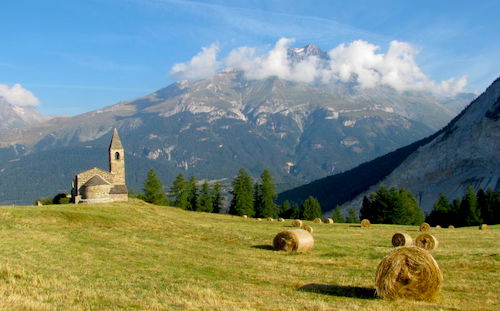 A view of Mont Cenis, near the French-Italian border.
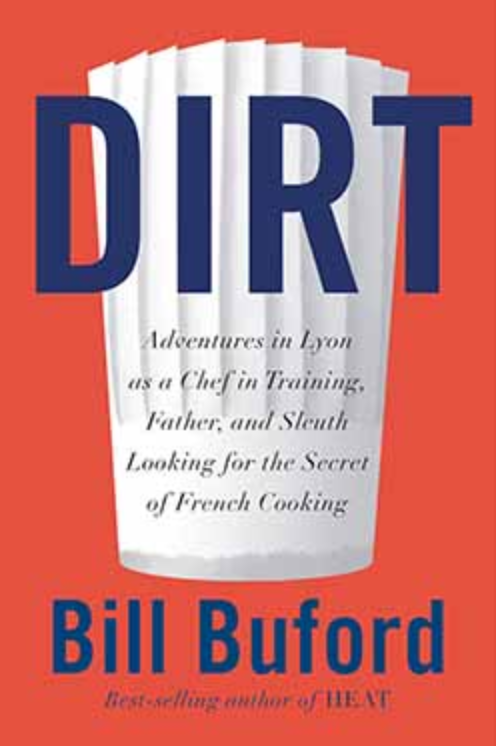






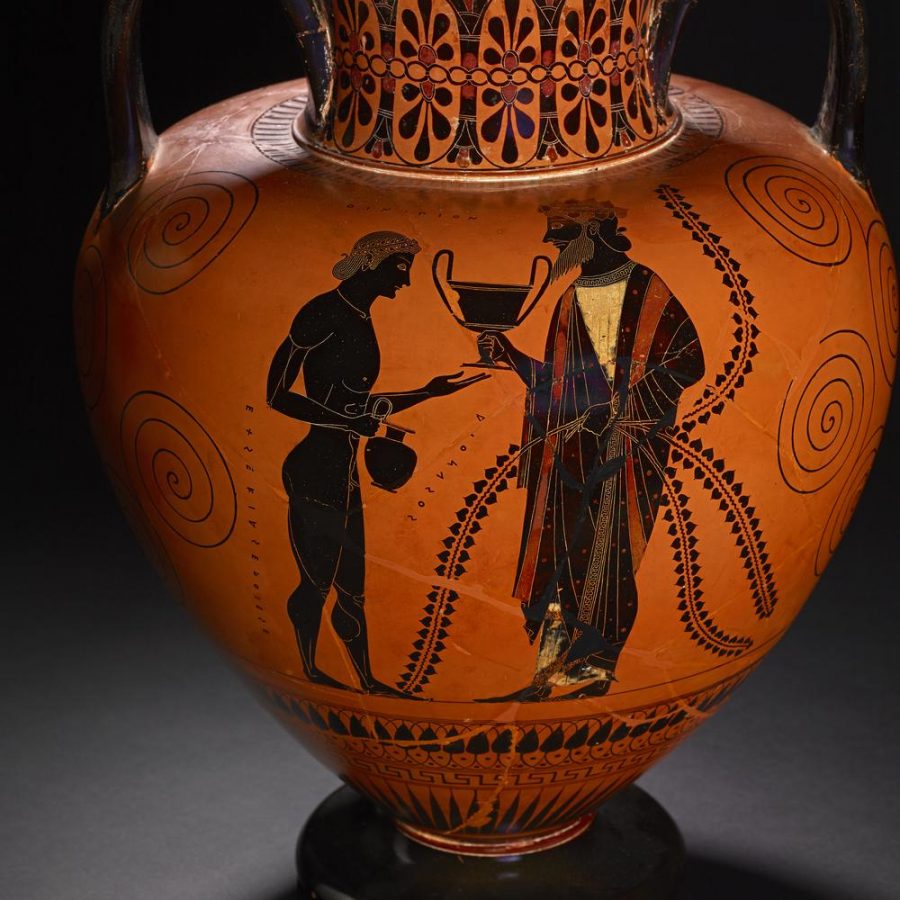

 Photo credit should read MARTIN BUREAU/AFP via Getty Images
 Photo-Illustration: Courtesy of the retailers.
/cdn.vox-cdn.com/uploads/chorus_asset/file/19918311/anchovies.jpg)
/cdn.vox-cdn.com/uploads/chorus_asset/file/19918322/agostino_anchocies.jpg)
/cdn.vox-cdn.com/uploads/chorus_asset/file/19918340/cento.jpg)
/cdn.vox-cdn.com/uploads/chorus_asset/file/19918411/ortiz_sardines.jpg)
/cdn.vox-cdn.com/uploads/chorus_asset/file/19918398/razorshell.jpg)
/cdn.vox-cdn.com/uploads/chorus_asset/file/19918562/clams.jpg)
/cdn.vox-cdn.com/uploads/chorus_asset/file/19918568/sardinillas.jpg)
/cdn.vox-cdn.com/uploads/chorus_asset/file/19918575/mouettes.jpg)
/cdn.vox-cdn.com/uploads/chorus_asset/file/19918586/wild_sardines.jpg)
/cdn.vox-cdn.com/uploads/chorus_asset/file/19918597/bela.jpg)
/cdn.vox-cdn.com/uploads/chorus_asset/file/19920821/americantuna.jpg)
/cdn.vox-cdn.com/uploads/chorus_asset/file/19920827/kimchi.jpg)
/cdn.vox-cdn.com/uploads/chorus_asset/file/19920836/Zallo_box.jpg)
/cdn.vox-cdn.com/uploads/chorus_asset/file/19920839/cod_liver.jpg)
/cdn.vox-cdn.com/uploads/chorus_asset/file/19920930/smoked_oysters.jpg)
/cdn.vox-cdn.com/uploads/chorus_asset/file/19920948/calamari.jpg)
/cdn.vox-cdn.com/uploads/chorus_asset/file/19920959/deviled_ham.jpg)
/cdn.vox-cdn.com/uploads/chorus_asset/file/19920961/pate.jpg)
/cdn.vox-cdn.com/uploads/chorus_asset/file/19920980/matizvasco.jpg)
/cdn.vox-cdn.com/uploads/chorus_asset/file/19921000/xilli.jpg)
/cdn.vox-cdn.com/uploads/chorus_asset/file/19927734/jvela.jpg)
/cdn.vox-cdn.com/uploads/chorus_asset/file/19927829/ortiz.jpg)
/cdn.vox-cdn.com/uploads/chorus_asset/file/19927844/pacificpickle.jpg)

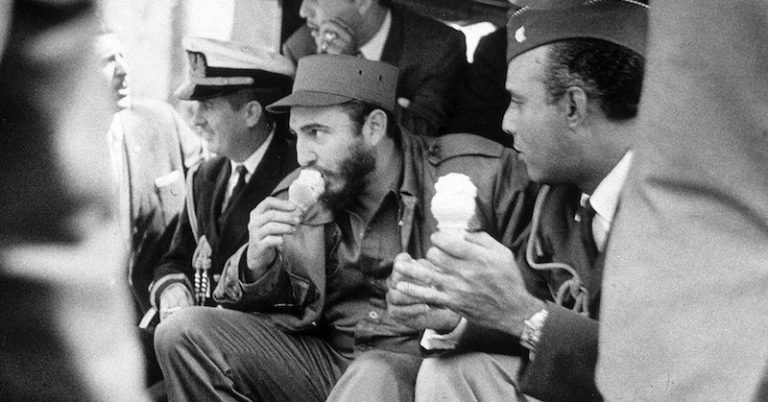




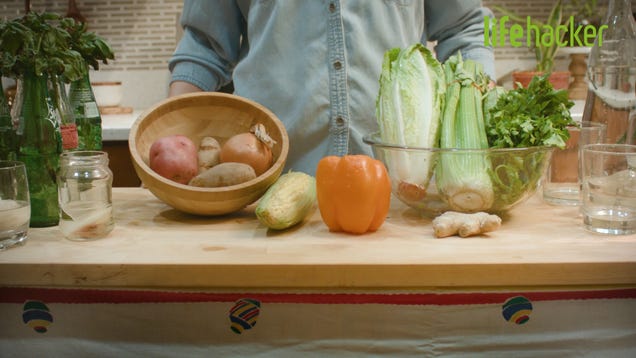
 A worker unloads a fruit and vegetable truck in the UK before the pandemic | Daniel Leal-Olivas/AFP via Getty Images
/cdn.vox-cdn.com/uploads/chorus_asset/file/19901104/1208237355.jpg.jpg) Photo by ARIANA DREHSLER/AFP via Getty Images
Photo by ARIANA DREHSLER/AFP via Getty Images
/cdn.vox-cdn.com/uploads/chorus_asset/file/19901149/1209548331.jpg.jpg) Photo by Daniel Kopatsch/Getty Images
Photo by Daniel Kopatsch/Getty Images
 A closed restaurant |
  Alliums like green onions and leeks are prime candidates for windowsill gardening. | Photo:
 /cdn.vox-cdn.com/uploads/chorus_asset/file/19904875/kat_plants_side_by_side.jpg) Photos: Kat Thompson/
Photos: Kat Thompson/



 __________________________________
 Getty Images