Shared posts

22 Oct 00:37

A New Book Compiles Photos of Idiosyncratic, Quirky Destinations that Look Just Like Wes Anderson Films

by Grace Ebert

All images © Wally Koval, shared with permission

Devotees of Wes Anderson’s films can spot the pastel architecture and simple signage synonymous with the American director’s aesthetic anywhere, a notion that’s proven in a newly released book by Wally Koval. Buoyed by an Instagram account with more than 1,200 images from all seven continents, Accidentally Wes Anderson showcases international destinations with the likeness of the Grand Budapest Hotel or the heavily wallpapered train cars of The Darjeeling Limited. The 368-page edition is teeming with charm, quirky compositions, and picturesque settings and even includes a foreword written by the famed director himself, who previously had no ties to the endeavor.

Based in Brooklyn, Koval began collecting photographs in 2017 and has since amassed an incredible archive, which he’s categorized by location, theme, and color palette on his site. Further explore the idiosyncratic locales by picking up a copy of Accidentally Wes Anderson on Bookshop. (via Fast Company)


20 Oct 14:14

Carmilla Is Better Than Dracula, And Here’s Why

by Annabelle Williams

Our modern archetype of the vampire is as a man: Nosferatu, Dracula, Lestat, Edward. But some of the earliest vampires in literary and popular fiction were women. J. Sheridan Le Fanu’s 1872 vampire novella Carmilla hasn’t taken hold of the contemporary imagination in the same way as Bram Stoker’s novel Dracula, but Carmilla did it first (by 25 years). And she did it better. The Dracula myth as it’s understood today might be better described as Carmilla in drag. And now, her renaissance is nigh.

If Dracula is our default vampire, Carmilla lurks behind him, languid and sulking in the shadows, waiting to be invited in. “I wonder whether you feel as strangely drawn towards me as I do to you; I have never had a friend—shall I find one now?” she asks her primary victim, the enthralled Laura, whose life force she feeds on. She might as well be addressing the 21st-century reader, rediscovering Carmilla as a formative part of the vampire canon.

Dracula has been constantly adapted in the years since its release in 1897, from the silent film Nosferatu to Francis Ford Coppola’s take on Bram Stoker’s Dracula. The character of the mysterious count, influenced both by Stoker’s book and later pop culture interpretations, informs the way we imagine vampires. Think about sexy Draculas of yore: Gary Oldman in the ‘90s, for instance, and all the other seductive man-creatures with pan-Euro accents. The glamorous sheen of the Dracula legend, though, is grounded less in the text itself and more in our reproductions of him. 

Sure, he turns Lucy Westenra into a vampire, but the text itself is more concerned with his real estate holdings.

The tropes we associate with 21st-century vampire fictions—linking of sex and the forbidden, romantic obsession, and physical beauty—map onto Carmilla more than Dracula himself. Sure, he turns Lucy Westenra into a vampire, but the text itself is more concerned with his real estate holdings and the dynamics of the vampire hunters.

In contrast, Carmilla is pure psychological horror: the titular vampire tells Laura, “You are mine, you shall be mine, you and I are one for ever.” For a better analogue of our modern vampires, look not to the dominating Dracula but instead to his seductive predecessor. Carmilla is, put simply, a really sexy book—a better predecessor to the 21st-century’s class of smoldering, sparkling supernaturals. By contrast, Dracula is a vampire in the Hungarian folkloric tradition: enthralling but not hot. 

In Carmilla, the titular vampire circles her prey—a meek and obsessed nobleman’s daughter named Laura—until they are inseparable and in some cases indistinguishable. It’s a dance. Dracula’s primary motive is less about attraction and more about domination. It’s a violent text which loses sight of the attractiveness of vampiric stories: the sex factor.  

Much of our knowledge of vampires in folklore comes from a 19th-century monk, Augustine Calmet, who wrote a treatise on the supernatural called The Phantom World. Calmet offers case studies on vampiric folklore and presents a version of the Hungarian vampire of “revenant”: a ruddy, bloated creature who looks quite different from the suave ladykiller we imagine Dracula to be. In popular culture, he is represented as a sophisticate, while the text paints him more as a brute. 

Dracula, read straight from Stoker, isn’t even all that sexy.

Dracula, read straight from Stoker, isn’t even all that sexy. He has “massive eyebrows,” a mouth that is “fixed and rather cruel-looking.” As the original text portrays him, he’s more tyrant than heartthrob. “Even the deep, burning eyes seemed set amongst swollen flesh, for the lids and pouches underneath were bloated,” Stoker writes. 

That textual description of Dracula matches up with the story of Arnold Paole, a famous “real vampire” case in Hungary. Calmet describes Paole as, above all things, vital: “His body was red, his hair, nails, and beard had all grown again, and his veins were replete with fluid blood.” 

And the ways in which we’ve conceived of him—and the vampire legend more broadly—more closely resemble the mystery of Carmilla than the brutishness of Dracula. 

Contrast that description to Carmilla, a vampire inhabiting the body of a countess and dripping in cat-like glamour. Repeatedly described by Le Fanu as thin, ethereal, and enthralling, Carmilla better approximates and predicts what sticks about the vampire legend: the glamor, the iconography, the aesthetics. It seems that even the modern reproductions of Dracula are more indebted to her than the character they’re nominally portraying. 

A Perfectly Normal Interview with Carmen Maria Machado Where Everything Is Fine

The author discusses her very personal connection to a new edition of the 19th-century vampire novel “Carmilla”

Apr 18 – Theodore McCombs
Interviews

Carmilla is also a queer novel. In a sense, it’s a proto-erotic thriller, which renders it a more useful predecessor to our modern vampire love stories. As Carmen Maria Machado wrote in the introduction of a 2019 edition of Carmilla which she edited, “to contemprary eyes, it is impossible to argue with the queer currents that run beneath Carmilla’s text.” Though the social mores of the 1870s meant Le Fanu couldn’t explicitly couple the female protagonists, the queercoding is plain as day.

Vampires are our fictional cipher for the outsider, and represent the embodiment of our cultural fears of the unknown. Dracula, a foreign aristocrat encroaching on British land—and women—represented a xenophobic reading of otherness. Carmilla, however, embodied the otherness of feminine desire and queerness. The taboo of vampirism superseded the taboo of lesbianism. Because she existed outside the social contract, she was allowed to exist as her sultry self. But the threat is still there: this time, though, Carmilla as a character and as a symbol poses a threat to the patriarchy. 

If we think of vampirism as a kind of procreation, then in the female vampire, we see an avenue for reproduction that doesn’t require a penis (though penetration is an important component). Lesbian vampires create and consume their victims at the same time. Fictional women have always been required to multitask, serving as Madonnas and whores, mothers and maids. 

When Carmilla bites her, Laura feels “a stinging pain as if two large needles darted, an inch or two apart, deep into [her] breast.” If we think of a woman’s breast as both a site for feeding and for sexual desire, this act takes on an intimate, reproductive meaning as well as its obvious horror overtones.

And the linkage of women and reproduction in horror is one that resonates today. Women have always been the primary consumer of the horror genre. Why, then, is our default vampire a sulky dude?

Where Dracula is a singular entity, Carmilla and Laura are the dark and light halves of the self, and they’re drawn to each other. That pull is the novella’s animating psychological force. Dracula as a text and Dracula as a character are more concerned with land deals, empire, and the propagation of a vampire race. But Carmilla’s inherent intimacy makes it a more appropriate template for our modern vampire myths.

In some ways, Dracula’s main function now is as a reference point.

In some ways, Dracula’s main function now is as a reference point. Stoker’s novel popularized tropes of the vampire myth ranging from garlic to coffins, and the sheer endurance of Dracula as a character put all subsequent Western vampire fictions in conversation with the Count. 

As Nina Auerbach puts it in Our Vampires, Ourselves, “There are many Draculas, and still more vampires who refuse to be Dracula or to play him.” And it’s interesting to think about the parts of the legend we’ve shaved off or collectively rejected. When Dracula brought vampire stories into the cultural fore, vampires weren’t sexy or sparkly—they represented the brute nature of death more than the death drive and desire that animates much of our modern connection with vampire stories. 

Because the animating force behind our interest in vampires is the connection between desire and death, sex and sin. We think of Dracula as a relic. Carmilla is spared that historical scrutiny in part because it was never as famous as its Transylvanian successor, but also because her story continues to resonate today. The tale of obsession, queer desire, and Gothic intrigue feels as enthralling in 2020 as it did in 1872. 

The post Carmilla Is Better Than Dracula, And Here’s Why appeared first on Electric Literature.

19 Oct 19:44

New Canadian data on mask effectiveness

by Tyler Cowen

We estimate the impact of mask mandates and other non-pharmaceutical interventions (NPI) on COVID-19 case growth in Canada, including regulations on businesses and gatherings, school closures, travel and self-isolation, and long-term care homes. We partially account for behavioral responses using Google mobility data. Our identification approach exploits variation in the timing of indoor face mask mandates staggered over two months in the 34 public health regions in Ontario, Canada’s most populous province. We find that, in the first few weeks after implementation, mask mandates are associated with a reduction of 25 percent in the weekly number of new COVID-19 cases. Additional analysis with province-level data provides corroborating evidence. Counterfactual policy simulations suggest that mandating indoor masks nationwide in early July could have reduced the weekly number of new cases in Canada by 25 to 40 percent in mid-August, which translates into 700 to 1,100 fewer cases per week.

That is from a new NBER working paper by Alexander Karaivano, Shih En Lu, Hitoshi Shigeoka, Gong Chen, and Stephanie Pamplona.

The post New Canadian data on mask effectiveness appeared first on Marginal REVOLUTION.

19 Oct 13:33

FDA: Dog food recall expanded to include several brands, multiple countries

by Marnie Shure
Bgarland

k you see this?

Last week, the FDA announced that a recall by Sunshine Mills, maker of several brands of pet food products, was being expanded to include more products under more brand labels, shipped not only nationwide but also to distributors in Japan and Colombia. Though the recall had initially been announced by Sunshine Mills…

Read more...

16 Oct 18:39

NASA’s About to Try Grabbing a Chunk of Asteroid to Bring to Earth—and You Can Watch

by Vanessa Bates Ramirez
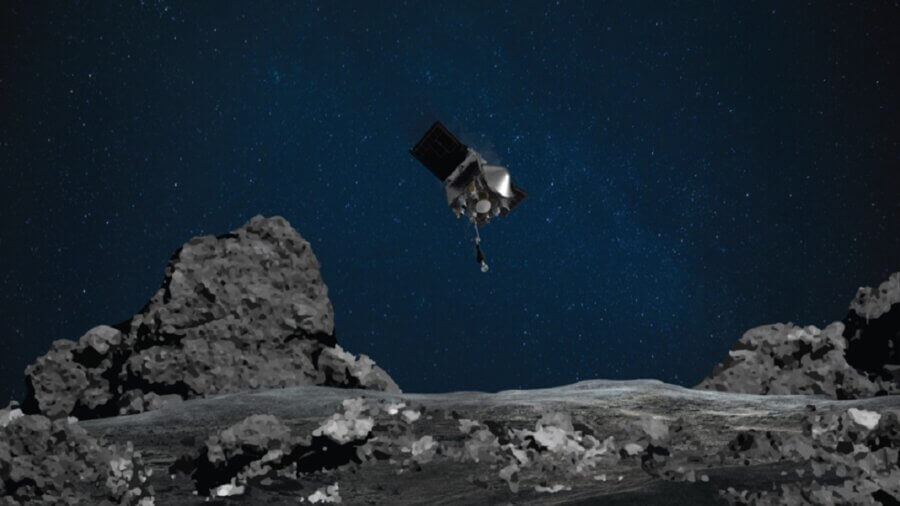
OSIRIS-REx spacecraft near asteroid in space NASA

If you’ve seen the movie The Martian, you no doubt remember the rescue scene, in which (spoiler alert!) Matt Damon launches himself off Mars in a stripped-down rocket in hopes of his carefully-calculated trajectory taking him just close enough to his crew for them to pluck him from the void of outer space and bring him safely home to Earth. There’s a multitude of complex physics involved, and who knows how true-to-science the scene is, but getting the details right to successfully grab something in space certainly isn’t easy.

So it will be fascinating to watch NASA aim to do just that, as its OSIRIS-REx spacecraft attempts to pocket a fistful of rock and dust from an asteroid called Bennu then ferry it back to Earth—with the whole endeavor broadcast live on NASA’s website starting Tuesday, October 20 at 5pm Eastern time. Here are some details to know in advance.

The Asteroid

Bennu’s full name is 101955 Bennu, and it’s close enough to Earth to be classified as a near-Earth object, or NEO—that means it orbits within 1.3 AU of the sun. An AU is equivalent to the distance between Earth and the sun, which is about 93 million miles. The asteroid orbits the sun at an average distance of 105 million miles, which is just (“just” being a relative term here!) 12 million miles farther than Earth’s average orbital distance from the sun.

Every six years, Bennu comes closer to Earth, getting to within 0.002 AU. Scientists say this means there’s a high likelihood the asteroid could impact Earth sometime in the late 22nd century. Luckily, an international team is already on the case (plus, due to Bennu’s size and composition, it likely wouldn’t do any harm).

Bennu isn’t solid, but rather a loose clump of rock and dust whose density varies across its area (in fact, up to 40 percent of it might just be empty space!). Its shape is more similar to a spinning top than a basketball or other orb, and it’s not very big—about a third of a mile wide at its widest point. Since it’s small, it spins pretty fast, doing a full rotation on its axis in less than four and a half hours. That fast spinning also means it’s likely to eject material once in a while, with chunks or rock and other regolith dislodging and being flung into space.

The Spacecraft

OSIRIS-REx stands for Origins, Spectral Interpretation, Resource Identification, Security-Regolith Explorer. Yeah—that’s a lot. It’s the size of a large van (bigger than a minivan, smaller than a bus), and looks sort of like a box with wings and one long arm. It’s been orbiting Bennu for about two years (since 2018) after taking two years to get there (it was launched in 2016).

The spacecraft’s “arm” is called TAGSAM, which stands for Touch-And-Go Sample Acquisition Mechanism. It’s 11 feet long and has a round collection chamber attached to its end.

OSIRIS-REx doesn’t have any legs to land on, but that’s for a good reason: landing isn’t part of the plan. Which brings us to…

The Plan

As far as plans go, this one is pretty cool. The spacecraft will approach the asteroid, and its arm will reach out to tap the surface. A pressurized canister will shoot out some nitrogen gas to try to dislodge some dust and rock from Bennu, and the collection chamber on the spacecraft’s arm will open up to grab whatever it can; scientists are hoping to get at least 60 grams’ worth of material (that’s only 4 tablespoons! It’s less than the cup of yogurt you eat in the morning!).

And that’s not even the wildest detail; if the mission goes as planned and OSIRIS-REx scoops up those four tablespoons of precious cargo, scientists on Earth still won’t see them for almost three more years; the spacecraft is scheduled for a parachute landing in the Utah desert on September 24, 2023.

The NASA team working on this project thinks it’s likely they’ll find organic material in the sample collection, and it may even give them clues to the origins of life on Earth.

Does the mission have better odds of success than Matt Damon’s rescue in The Martian? Tune in on Tuesday to see for yourself.

Image Credit: NASA

14 Oct 18:44

Theories of authoritarian personality

by Dan Little

A key problem faced today by liberal democracies throughout the world is the fact that millions of citizens in those democracies seem to support parties and candidates who are fundamentally anti-democratic. The authoritarian tendencies of Prime Minister Modi of India, President Erdoğan of Turkey, and President Trump of the United States are evident in their speeches and their actions, in varying ways and degrees. And each of these national leaders is supported by millions of citizens in their countries, who apparently endorse and support their inclination towards authoritarian rule and the suppression of the rights of minorities and critics. What explains the willingness of ordinary citizens to support these populist strongmen in their open contempt for the norms, values, and institutions of constitutional democracy?

John Dean and Bob Altemeyer have offered a summary of a theory of authoritarian psychology that has long roots in the discipline of personality psychology, extending back to efforts by psychologists to understand popular support for fascism and Nazi dictatorship in the 1930s and 1940s. Their book Authoritarian Nightmare: Trump and His Followers summarizes these theories and offers a warning: Trumpism will survive the presidency of Donald Trump. They argue that a very large number of supporters of Trump's variety of populist authoritarianism score high on psychological measures for intolerance (racism, xenophobia) and support for authoritarian leaders, and that these psychological characteristics account for the fervent and unwavering support that the President gains from his base. In a word, many men and women in Trump's base continue to support him because they appreciate his impulses towards authoritarian language and action, and they approve of his apparent comfort with white supremacy and racism. Dean and Altemeyer propose a psychological theory of Trump's base and the base that supports other right-wing xenophobic populists in other countries as well: a certain percentage of citizens have been subject to social, cultural, and familial circumstances that enhanced features of intolerance, hierarchy, and authoritarianism in their personality structure, and these individuals constitute ready ground for supporters of xenophobic authoritarian populism. And, very importantly, Dean and Altemeyer were able to make use of a highly reputable survey research organization (the Monmouth University Polling Institute Survey, Autumn 2019) to measure personality characteristics of a sample of voters (link). The surveys found that Trump supporters do indeed show high levels of intolerance and prejudice, and high levels of authoritarian attitudes.

There is an extensive field of research on the topic of personality characteristics of "liberals" and "conservatives". Carney, Jost, Gosling, and Potter (2008) review this literature and current developments in the field (link). They affirm that there are persistent differences in the personality characteristics of conservatives and liberals, writing that:

We obtained consistent and converging evidence that personality differences between liberals and conservatives are robust, replicable, and behaviorally significant, especially with respect to social (vs. economic) dimensions of ideology. In general, liberals are more open-minded, creative, curious, and novelty seeking, whereas conservatives are more orderly, conventional, and better organized. (808)

And they quote an important conclusion by Jost et al. (2003) (link):

We regard political conservatism as an ideological belief system that is significantly (but not completely) related to motivational concerns having to do with the psychological management of uncertainty and fear.... Although resistance to change and support for inequality are conceptually distinguishable, we have argued that they are psychologically interrelated, in part because motives pertaining to uncertainty and threat are interrelated.... (814)

The analysis offered in Authoritarian Nightmare is based on two distinct psychometric measures developed by different traditions of social psychologists that have been used and refined over several decades. The first is a scale measuring "social dominance orientation" (SDO) and the second is a scale measuring "right-wing authoritarianism" (RWA). Social dominance orientation is the psychological characteristic of expecting and valuing inequalities of worth and status in society, manifest for example in racism, xenophobia, anti-Semitism, anti-homosexual attitudes, and anti-Muslim bigotry. The psychological characteristic identified in the measure of RWA is a willingness to accept a political system based on domination and one-person or one-party rule, without institutional protections of the rights of minorities.

Bob Altemeyer is a respected and accomplished academic psychologist who is one of the founders of RWA theory. He spent his career (in Canada) studying the emotional and motivational characteristics of authoritarian citizens, and was the author of Right-Wing Authoritarianism in 1986. Through his research Altemeyer developed an instrument for measuring an individual's propensity for authoritarian thoughts and actions. This is the RWA scale, and the method has received widespread adoption and use. Saunders and Ngo provide a brief explanation of Altemeyer's construction of the scale in "The Right-Wing Authoritarianism Scale" in Encyclopedia of Personality and Individual Differences (link).

The right-wing authoritarianism scale measures the degree to which people defer to established authorities, show aggression toward out-groups when authorities sanction that aggression, and support traditional values endorsed by authorities. (1)

Saunders and Ngo note that this line of research derived from studies of "the authoritarian personality" initiated by Adorno et al, The Authoritarian Personality (1950). Here is their summary of the RWA scale:

Right-wing authoritarianism, as currently measured by the RWA scale (Altemeyer 1981, 1988, 2006), is an individual difference variable that assesses attitudes concerning three covarying facets derived from Adorno et al.’s (1950) nine original dimensions: Authoritarian submission, authoritarian aggression, and conventionalism. In other words, RWA measures the degree to which people defer to established authorities (i.e., authoritarian submission), show aggression toward out-groups when authorities sanction that aggression (i.e., authoritarian aggression), and support traditional values, particularly those endorsed by authorities (i.e., conventionalism). (2)

The "social dominance orientation" (SDO) scale was introduced by James Sidanius and colleagues in the 1990s, and is presented in a research article entitled "Social dominance orientation: A personality variable predicting social and political attitudes" (Pratto, Sidanius, Stallworth, Malle, 1994; link). Here is the abstract to the article:

Social dominance orientation (SDO), one's degree of preference for inequality among social groups, is introduced. On the basis of social dominance theory, it is shown that (a) men are more social dominance-oriented than women, (b) high-SDO people seek hierarchy-enhancing professional roles and low-SDO people seek hierarchy-attenuating roles, (c) SDO was related to beliefs in a large number of social and political ideologies that support group-based hierarchy (e.g., meritocracy and racism) and to support for policies that have implications for intergroup relations (e.g., war, civil rights, and social programs), including new policies. SDO was distinguished from interpersonal dominance, conservatism, and authoritarianism. SDO was negatively correlated with empathy, tolerance, communality, and altruism. The ramifications of SDO in social context are discussed.

They explain the central idea of social dominance ideology in these terms:

The theory postulates that societies minimize group conflict by creating consensus on ideologies that promote the superiority of one group over others (see also Sidanius, Pratto, Martin, & Stallworth, 1991). Ideologies that promote or maintain group inequality are the tools that legitimize discrimination. To work smoothly, these ideologies must be widely accepted within a society, appearing as self-apparent truths; hence we call them hierarchy-legitimizing myth.... For example, the ideology of anti-Black racism has been instantiated in personal acts of discrimination, but also in institutional discrimination against African-Americans by banks, public transit authorities, schools, churches, marriage laws, and the penal system . (741)

Saunders and Ngo observe that the RWA scale and the SDO scale are often used together to predict the political affinities and behavior of different groups, and that the two measures are correlated with each other.

What appears to be left unexplained in the psychometric literature on the SDO and RWA measures is the developmental question: why do different individuals develop in such a way as to manifest important differences on each of these scales? Why do some individuals become intolerant and authoritarian adults, whereas other adults are tolerant and democratic? Are these two aspects of personality linked, or are they independent from each other? What facts of social context, family relations, education, and other social and political factors are most important for giving rise to the social psychology of social dominance and right-wing authoritarianism? The most plausible theory mentioned by Saunders and Ngo is a social-cognitive theory (motivated social cognition) derived from Jost, Glaser, Kruglanski, and Sulloway (link): "people adopt RWA attitudes to meet psychological needs such as the reduction of fear (i.e., existential needs), uncertainty and loss (i.e., epistemic needs), as well as meeting related needs for structure and cognitive closure." Jost et al summarize their approach in these terms in the abstract to this article: "Analyzing political conservatism as motivated social cognition integrates theories of personality (authoritarianism, dogmatism-intolerance of ambiguity), epistemic and existential needs (for closure, regulatory focus, terror management), and ideological rationalization (social dominance, system justification)." On this approach, conditions of insecurity, fear, and threat are thought to encourage the personality psychology of intolerance and authoritarianism. 

The developmental question is important, but the empirical fact is alarming enough: tens of millions of American citizens rank highly on both scales, and these individuals tend to support right-wing populists with xenophobic and racist inclinations. And the two scales are correlated. "In large adult and student samples, for example, right-wing authoritarianism positively predicts anti-Black prejudice and did so more strongly than several other correlates of prejudice" (Saunders and Ngo 2017:4).

In Deeply Divided: Racial Politics and Social Movements in Postwar America Doug McAdam and Karina Kloos make use of this body of theory and research in their analysis of the influence of racism within grassroots conservative movements in the United States, including the Tea Party movement. In particular, they make use of survey research to assess the level of Social Dominance Orientation in different voting groups.

Abamowitz’s analyses of the 2010 ANES data yield results that are very consistent with the Parker/Barreto findings. In particular, Abamowitz finds three variables to be especially strong predictors of attitudinal support for the Tea Party. Two of the three—“dislike of Obama” and “racial resentment”—essentially mirror the first two variables in the Parker/Barreto study. Abramowitz’s conclusion echoes that of Parker and Barreto: “these results clearly show that the rise of the Tea Party movement was a direct result of the growing racial and ideological polarization of the American electorate. The Tea Party drew its support very disproportionately from Republican identifiers who were white, conservative, and very upset about the presence of a black man in the White House.” Support for the Tea Party is thus decidedly not the same thing as conventional conservatism or traditional partisan identification with the Republican Party. Above all else, it is race and racism that runs through and links all three variables discussed here. Whatever else is motivating supporters, racial resentment must be seen as central to the Tea Party and, by extension, to the GOP as well in view of the movement’s significant influence within the party. (p. 353)

It seems, then, that researchers in personality psychology have developed theories and measurement tools that contribute to answering part of the anti-democratic populism puzzle. The prevalence in a significant percentage of citizens of the personality attributes of social dominance orientation and right-wing authoritarianism may explain the dramatic and surprising upsurge of support that anti-democratic populist politicians are able to draw upon. The difficult questions of "why now?", "why in this generation?" are as yet unanswered, though the cognitive theory of personality formation above may give the clue. The precariousness of certain parts of the populations in Western Europe and North America -- terrorism, fear of shifting demographic balance, fear of the consequences of globalization -- may be all it takes to trigger this toxic and intolerant form of personality in an extensive proportion of the population of these countries. This suggests that the theories of authoritarian personality at the individual level and political entrepreneurship at the political level -- in an environment of rapid change and perceived threats to various groups -- may go a long way to explaining the scope and depth of right-wing populism in liberal democracies today.


14 Oct 15:09

Please enjoy the sound of bear cubs snacking on apples

by Marnie Shure

For nearly 30 years, the Kilham Bear Center in Lyme, New Hampshire, has been rehabilitating injured and orphaned bear cubs in acres of forested enclosures with the goal of releasing them back into the wild. This year, around 30 cubs were sent to the facility. If your first thought is “I must meet this heap of chubby…

Read more...

14 Oct 15:07

Alphabet’s New Moonshot Is to Transform How We Grow Food

by Vanessa Bates Ramirez
future of food field Google X Mineral project

In the 1940s, agronomist Norman Borlaug was tasked by the US government with improving the yield of wheat plants in Mexico. The thinking was that if America’s southern neighbor had better food security, relations between the two countries would improve, and fewer migrants would cross the US border.

At that time, a plant disease called stem rust was ravaging crops in Mexico and parts of the US, depleting harvests and causing panic among farmers. Borlaug started crossbreeding seeds in hopes of stumbling upon a genetic combination that was resistant to stem rust and produced a high yield. Over the course of three years, Borlaug and his assistants pollinated and inspected hundreds of thousands of plants by hand: 110,000 in just one growing season.

Their work paid off; the resulting wheat seeds produced three times more yield on the same amount of land. Borlaug is known as the father of the Green Revolution, and was later awarded the Nobel Peace Prize.

With the global population growing while climate change begins to impact our ability to produce food, many are calling for a 21st-century Green Revolution. In short, we need to figure out better ways to grow food, and fast.

This week a tech powerhouse joined the effort. Google parent company Alphabet’s X division—internally called “the moonshot factory”—announced a project called Mineral, launched to develop technologies for a more sustainable, resilient, and productive food system.

The way we grow crops now, the project page explains, works pretty well, but it’s not ideal. Dozens or hundreds of acres of a given crop are treated the same across the board, fertilized and sprayed with various chemicals to kill pests and weeds. We get the yields we needs with this method, but at the same time we’re progressively depleting the soil by pumping it full of the same chemicals year after year, and in the process we’re making our own food less nutrient-rich. It’s kind of a catch-22; this is the best way to grow the most food, but the quality of that food is getting worse.

But maybe there’s a better way—and Mineral wants to find it.

Like many things nowadays, the key to building something better is data. Genetic data, weather pattern data, soil composition and erosion data, satellite data… The list goes on. As part of the massive data-gathering that will need to be done, X introduced what it’s calling a “plant buggy” (if the term makes you picture a sort of baby stroller for plants, you’re not alone…).

It is in fact not a stroller, though. It looks more like a platform on wheels, topped with solar panels and stuffed with cameras, sensors, and software. It comes in different sizes and shapes so that it can be used on multiple types of crops (inspecting tall, thin stalks of corn, for example, requires a different setup than short, bushy soybean plants). The buggy will collect info about plants’ height, leaf area, and fruit size, then consider it alongside soil, weather, and other data.

Having this type of granular information, Mineral hopes, will allow farmers to treat different areas of their fields or even specific plants individually rather than using blanket solutions that may be good for some plants, but bad for others.

It’s sort of like the “quantified self” trend in healthcare; all of our bodies are different, as are our genomes and the factors likely to make us ill; by gathering as much data as possible about ourselves and monitoring our bodies’ various systems, we can customize our diets, medications, exercise, and lifestyles to what will work best for us, rather than what’s likely to work best for the average person.

In a blog post about Mineral, project lead Elliott Grant asks, “What if every single plant could be monitored and given exactly the nutrition it needed? What if we could untangle the genetic and environmental drivers of crop yield? What if we could measure the subtle ways a plant responds to its environment?” He and his team hope that tools like those being developed as part of Mineral will help the agriculture industry transform how food is grown.

There are all sorts of projects—all over the world—devoted to the future of food, from cultured meat and fish to nanoparticles that help plants grow in the desert to factories raising millions of bugs for protein. Google X has taken on some ambitious goals and hasn’t disappointed, so with Mineral joining the effort, we may see another Green Revolution in the not-too-distant future.

Image Credit: Mineral/X

14 Oct 13:37

A Colorized Snowball Fight from 1896 Shows Not Much Has Changed in the Art of Winter Warfare

by Grace Ebert

A short clip, originally captured by Louis Lumière in 1896, documents a rowdy snowball fight on the streets of Lyon, France. Thanks to Barcelona-based Joaquim Campa, who used the open-source software DeOldify to upscale and colorize the historic footage, the video of the winter pastime is incredibly clear, revealing facial features and details on garments. He’s applied a similar method to clips from New York City, Jerusalem, and San Sebastian, among others, all of which you can find on Twitter.  You also might enjoy this flying train ride through a German village in 1902. (via Twisted Sifter)


12 Oct 01:23

How Does Trump Get Away with Monetizing the Office of the Presidency?

by Keen On

The coronavirus pandemic is dramatically disrupting not only our daily lives but society itself. This show features conversations with some of the world’s leading thinkers and writers about the deeper economic, political, and technological consequences of the pandemic. It’s our new daily podcast trying to make longterm sense out of the chaos of today’s global crisis.

On today’s episode, Tom Burgis, author of Kleptopia, discusses the New York Times’ recent revelations about Donald Trump and his taxes.

From the episode:

Andrew Keen: What’re your initial thoughts on the New York Times revelations? Did they surprise you?

Tom Burgis: They didn’t surprise me, but what’s so striking, I’d say, is that one, we see Trump laid bare as a kind of ersatz businessman contorting money and the stories we tell about money to give this impression of success.

And then crucially, I think, you see it really starkly in the New York Times coverage, the way that he is monetizing the office of the president. You see this huge surge of income into Mar-a-Lago and the Washington hotel of his. If that was happening in Nigeria or Moscow, we would just call it out as straight-up corruption or kleptocracy. It’s a leader holding the highest office in the land and making it absolutely straightforward that you can turn up, you can be Goldman Sachs or you can be some dictator, and you can put money in his pocket.

Andrew Keen: Tom, as you know, Catherine Belton’s book Putin’s People makes, I thought at least, a compelling case connecting KGB money or KGB capitalism and Trump. What do the New York Times revelations tell us, if anything, about this nexus between Russian money and Trump? Does it strengthen the argument that somehow Trump is indebted to KGB money?

Tom Burgis: There are peripheral details about, say, a consultancy fee that was paid in Azerbaijan or something like that. But there’s something huge that’s between the lines of the New York Times story. Catherine’s written about this, and in Kleptopia, I really try and follow these threads. What comes out clearly is this, isn’t it: Trump is a failed businessman who is suddenly rescued by two things at the same time. One is the advent of reality television. He can pretend to be a successful tycoon, and he can play that part with huge fanfare to an enormous weekly audience.

The other thing is that at the end of the 90s, all that money that has been diverted from the old Soviet empire to private interests starts to flow out into the West, seeking havens and seeking safety. And what does it find above all? US real estate. And who does it find? Donald Trump. He has this model, and you can see it from the New York Times story about the tax returns, whereby he generates a brand as the successful tycoon of The Apprentice, and he starts to license that brand out.

One of the clevernesses of this is that the brand is for sale, but Trump himself is being paid by the developer. He’s renting out his image and his name to buildings built by other people, and they are bringing in the money. So there’s this kind of circuit breaker in the money trail. It comes in to the developers of the Trump Soho or the Trump Toronto, people with deep roots in the post-Soviet kleptocracies. It builds these buildings. And Donald Trump can say—in what one person from his circles described to me as willful obliviousness—he can say, yeah, yeah, I’m taking millions. You know what? I’m still taking millions while I’m in office. But I wasn’t responsible for bringing in the money.

Then he’s in office. He clearly, demonstrably has a broad sense—maybe, we think, a much more specific sense from personal meetings with these investors—of where the money’s coming from. He gets into office and who are his circle of allies? They are the world’s great kleptocrats, from Putin on down.

________________________

Subscribe now on iTunes, Spotify, Stitcher, or wherever else you find your podcasts!

Tom Burgis is an investigations correspondent at the Financial Times. He has reported from more than forty countries, won major journalism awards in the US and Asia and been shortlisted for eight others, including twice at the British Press Awards. His critically acclaimed book The Looting Machine, about the modern plundering of Africa, won an Overseas Press Club of America award.

The post How Does Trump Get Away with Monetizing the Office of the Presidency? first appeared on Literary Hub.

09 Oct 11:44

Gene-editing tool CRISPR wins the chemistry Nobel

by Tina Hesman Saey

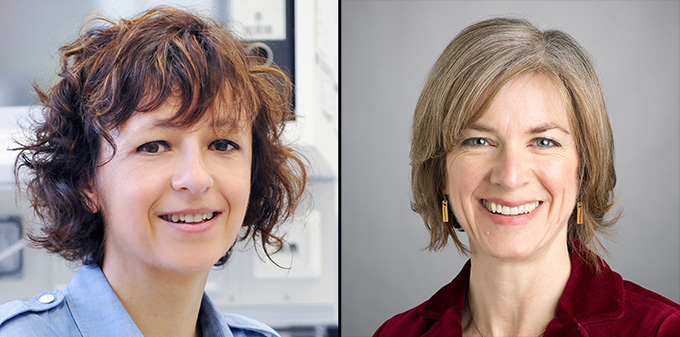
Turning a bacterial defense mechanism into one of the most powerful tools in genetics has earned Jennifer Doudna and Emmanuelle Charpentier the Nobel Prize in chemistry. 

The award for these genetic scissors, called CRISPR/Cas 9, is “a fantastic prize,” Pernilla Wittung-Stafshede, a member of the Nobel Committee for Chemistry, said at an Oct. 7 news conference held in Stockholm by the Royal Swedish Academy of Sciences to announce the prize. “The ability to cut the DNA where you want has revolutionized the life sciences. We can now easily edit genomes as desired — something that before was hard, or even impossible.”  

“The genetic scissors were discovered just eight years ago, but have already benefited humankind greatly,” she said. “Only imagination sets the limits for what this chemical tool … can be used for in the future. Perhaps the dream of curing genetic diseases will come true.” She later amended the statement to say that ethics and law are also important to determine what can and should be done with the tool, as some human gene editing is extremely controversial.

Only five other women have ever won the Nobel Prize in chemistry. “I wish that this would provide a positive message specifically to the young … girls who would like to follow the path of science, and I think to show them that women in science can also be awarded prizes, but more importantly that women in science can also have an impact through the research that they are performing,” Charpentier said in response to a question during the news conference.

The two will split prize money of 10 million Swedish kronor, about $1.1 million.

Emmanuelle Charpentier (left) and Jennifer Doudna (right)
Emmanuelle Charpentier (left) and Jennifer Doudna (right) teamed up to turn a bacterial defense system into a gene editor.From left: ©Helmholtz/Hallbauer&Fioretti; Sam Willard/Sam Willard Photography, Berkeley

The tool, a programmable molecular scissors known as CRISPR/Cas9, has been used by bacteria and archaea for millions to billions of years to fight viruses (SN: 4/5/17).

CRISPR stands for Clustered Regularly Interspaced Short Palindromic Repeats. In essence, these short, repeating bits of DNA sandwich bacteria’s version of the FBI’s most wanted list — invading viruses. Every time bacteria encounter a virus, they take a DNA mug shot of it and file it in between the repeats. The next time the bacteria encounters that virus, they make RNA copies of the mug shots. Those RNA photocopies then team up with another bit of RNA known as a trans-activating CRISPR RNA, or tracrRNA, to form an all-points bulletin known as a guide RNA. Guide RNAs shepherd the DNA-cutting enzyme Cas9 to the virus, where the enzyme chops and eliminates the threat.

Doudna of the University of California, Berkeley, and Charpentier, now director of the Max Planck Institute for Infection Biology in Berlin, met in 2011 at a conference in Puerto Rico. “We walked around Old San Juan and talked about CRISPR/Cas9,” Doudna recalled during a virtual news conference October 7. The scientists decided to team up to study the bacterial defense system and ended up turning it into a gene editor. Their innovation was to fuse the mug shot RNA to the tracrRNA, creating a single guide RNA. And the researchers realized that the mugshots didn’t have to be molecular pictures of viruses. Instead, by replacing the mug shot with RNA that matches a gene, the scientists could direct Cas9 to snip that gene — or any gene, really.

Molecular scissors

CRISPR/Cas9 is a two-part gene editing tool made up of a guide RNA and an enzyme, Cas 9, that cuts DNA. A guide RNA brings the enzyme to a particular spot in an organism’s DNA that researchers wish to cut (the targeted sequence in this diagram). The spot is a chemical match for the RNA. Once ferried to the right spot, Cas9 snips the DNA.

How CRISPR/Cas9 works
How CRISPR works diagram
E. Otwell
How CRISPR works diagram
E. Otwell

“The seminal paper they published together has been cited more than 9,500 times — approximately once every eight hours since its publication in 2012,” says David Liu, a chemical biologist and Howard Hughes Medical Institute investigator at Harvard University. Liu and others have altered the original CRISPR system so that researchers can use it in a variety of ways.

The win was “extremely highly anticipated. I think everyone has been talking about CRISPR [as a Nobel contender] for a long time now,” says Luis Echegoyen, a chemist at the University of Texas at El Paso and president of the American Chemical Society. Even though the gestation period from discovery to Nobel Prize is typically much longer, the award for CRISPR is “long overdue,” says Echegoyen. 

CRISPR’s promise was immediately apparent, says Stanley Qi, a bioengineer and biotechnologist at Stanford University. As a student in Doudna’s lab, Qi had a ringside seat to the discovery and knew then that CRISPR would do great things. “In these eight years there have been so many breakthroughs and advances,” he says, “it’s far beyond my expectations.” 

Doudna and Charpentier “have continued to look at the broad category of CRISPR” enzymes, Qi says. Their ongoing work has contributed new insight into the evolution and the mechanisms behind how the bacterial system works. Doudna’s work to define the structure and function of the Cas9 enzyme laid the groundwork for improving the accuracy and efficiency of gene editing, he says.

Many researchers have now taken these genetic scissors to the next step, using CRISPR/Cas9 to cut and edit genes in human cells. Scientists rave about how cheap, versatile and easy to use CRISPR is. Researchers have used it edit genes in a wide variety of animals, including dogs (SN: 8/30/18), mice (SN: 1/26/17), butterflies (SN: 8/24/16), cows (SN: 2/3/17), pigs (SN: 8/10/17), snails (SN: 5/14/19) and mosquitoes. 

The tool has also been used to encode data and store movies in bacterial DNA (SN: 7/12/17). Plants and mushrooms have gotten the CRISPR treatment, too. And the gene editor has been used to reprogram human immune cells to fight cancer (SN: 11/16/16) and to turn cancer cells against each other (SN: 7/11/18).

With CRISPR’s great power comes great controversy, Doudna warned in her 2017 book A Crack in Creation with coauthor Samuel Sternberg. While the gene editor might be used to stamp out invasive species and prevent mosquitoes from carrying disease, it might also drive entire species extinct or create ecological disasters. Already scientists have wiped out small populations of mosquitoes in the laboratory using a CRISPR-based molecular copy machine known as a gene drive (SN: 9/24/18).

Most controversially, a scientist in China edited genes in human embryos, producing twin baby girls in 2018 (SN: 11/28/18). Backlash against his actions was swift and vocal. But many people fear the door is already open to “designer babies,” health care inequalities and other abuses (SN: 12/17/18).

“This enormous power of this technology means that we need to use it with great care,” Claes Gustafsson, chair of the Nobel Committee for Chemistry, said at the news conference. “But it’s equally clear that this is a technology… that will provide humankind with great opportunities.” 

More hopefully, clinical trials testing CRISPR/Cas9’s ability to treat cancer, sickle cell disease, beta-thalassemia and inherited blindness began in 2019 (SN: 8/14/19). If successful, CRISPR/Cas9 may provide therapies, or even cures, for previously untreatable genetic conditions.

CRISPR has also played a role in the coronavirus pandemic, with CRISPR-based diagnostic tests for COVID-19 (SN: 8/31/20) and therapies in development.  

When Charpentier received the news that she was a newly minted Nobel laureate, “I was very emotional,” she said at a news conference in Berlin following the announcement. “It’s one thing to be told multiple times that maybe one day you will be awarded the Nobel Prize, but another thing when it happens.” 

Charpentier hopes the award will provide a message to the public “that fundamental research is critical.” CRISPR/Cas9 is a “perfect example of a discovery that has a large impact in life sciences, in research and development, but also in biotechnology and the production of food, in medicine,” she said. “That is really originating from pure, fundamental research — going very deeply in the mechanisms of life.”

Their work, “belies the notion that basic and applied research occupy different realms of knowledge,” Douglas Clark, dean of Berkeley’s College of Chemistry said in Doudna’s news conference. They “are woven together, much like DNA is.”

Doudna said she learned of her win when a reporter called to ask for comment. She is the first woman faculty member to win the Nobel Prize in UC Berkeley’s 150 year history, noted Carol Christ, the university’s chancellor. (Christ also bestowed Berkeley’s most coveted award, a free parking space on campus.) Doudna and Charpentier are the only women to share the chemistry award. “I’m proud of my gender,” Doudna declared when asked about the significance of the firsts. “I think for many women there’s a feeling that their work will never be recognized as it might be if they were a man. I want to see that change, and I certainly hope this is a step in the right direction.”  

Nearly all scientific prizes for CRISPR/Cas9 have honored Doudna and Charpentier. Some prizes have also included Feng Zhang of the Broad Institute of MIT and Harvard, which holds the patent on using the gene editor to make changes in eukaryotic cells, including human and animal cells. Patent rights have been disputed by Doudna’s and Charpentier’s institutions. Many people thought that the prize would not honor work on CRISPR until the patent dispute was settled. (Zhang is a member of the board of trustees for the Society for Science & the Public, an educational nonprofit in Washington, D.C., that also publishes Science News. He is also an alumnus of the Society’s Regeneron Science Talent Search.) 

Two other scientists, Rodolphe Barrangou of North Carolina State University in Raleigh and Philippe Horvath of DuPont Nutrition & Biosciences in Dangé-Saint-Romain, France, have also been honored for discoveries related to CRISPR. The duo discovered CRISPR’s natural role as a bacterial immune system while working with yogurt bacteria at the food ingredient company Danisco.

And two major prizes — the Warren Alpert Foundation prize and the Kavli prize for neuroscience — have honored Virginijus Šikšnys, a biochemist at Vilnius University in Lithuania. Šikšnys authored an independent paper describing the same innovation made by Doudna and Charpentier that was held up in the publishing process, and didn’t hit presses until three months after the UC Berkeley team’s report.

When asked if other scientists had been considered for the prize, Gustaffson said, “this is a question we never answer. We are just extremely happy for this year’s laureates. It’s a big field, and there’s a lot of good science being done.”


 Staff writer Maria Temming contributed to this story. 

09 Oct 11:33

With Indoor Dining’s Return, NYC Workers Must Choose Between Income and Health

by Eater Staff
Getty Images

Despite fearing for their safety, restaurant workers say they have little recourse but to work without any new government aid in sight

https://ny.eater.com/2020/10/7/21504902/nyc-restaurant-workers-indoor-dining-safety
09 Oct 11:33

Pro-Trump Supporters and Cops Mixed and Mingled at a Packed DC Pub Last Night

by Tierney Plumb

Trump retweeted a now-viral video that captures an unmasked crowd blatantly violating public health orders inside Harry’s Pub

https://dc.eater.com/2020/10/7/21505894/pro-trump-supporters-and-cops-packed-downtown-pub-covid-19
05 Oct 17:59

Read on, if you dare: 20 books that are laced with sinister magic.

by Katie Yee
sinister magic, house in the woods

Dear reader: the Practical Magic soundtrack is on at full volume as I write this. I’ve got a pumpkin-scented candle going. There are decorative gourds all over the place. (Seriously, I tripped on a stray one just a minute ago.) A maple-flavored yogurt is nestling into my digestive tract right now. I’ve scheduled my weekly viewings of Hocus Pocus, and I’m planning on attending at least one (virtual) hex on the patriarchy. All that’s left is recommending a seasonally-appropriate reading list.

*

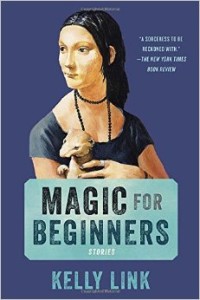
magic for beginners

Kelly Link, Magic for Beginners
(Random House)

Kelly Link is, in my heart, the patron saint of sinister magic. The stories here suck you in. A lot of them start like normal stories: a girl thrift-shopping with her friends, for example, as in the first story. But here’s the thing. The girl is looking for a faery handbag, gifted to her by her deceased grandmother, that is said to contain a whole world. Open it the right way, and you can fall into it, if you’re not careful. The most enchanting part of this collection, though, are the moments when she turns to you, dear reader. (Is there anything scarier than being seen?) She catches you looking, catches you off guard: “I know that no one is going to believe any of this. That’s okay. If I thought you would, then I wouldn’t tell you. Promise me that you won’t believe a word.” Start here, then go on to Stranger Things Happen and meet me at Get In Trouble, which I’m savoring right now.


Carmen Maria Machado, Her Body and Other Parties

Carmen Maria Machado, Her Body and Other Parties
(Graywolf Press)

Do you remember that very creepy story you read as a child about the girl with the green ribbon around her neck? She always had to have it on, and you didn’t know why until the end, when she’s dying and she tells her husband he may finally know the secret. He unties the ribbon, and her head falls off. (It scarred me, too.) The first story in Carmen Maria Machado’s debut collection, “The Husband Stitch,” is a brilliant, feminist retelling of this. As though that weren’t enough to entice you, inside you will also find Law & Order SVU in an alternate universe (featuring girls with bells for eyes, an image that haunts me still) and a scary experience at a writers’ residence. (I mean, beyond the normal scariness of a writers’ residence.)


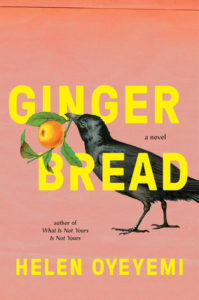
gingerbread helen oyeyemi

Helen Oyeyemi, Gingerbread
(Riverhead)

Honestly, all of Helen Oyeyemi’s oeuvre belongs on this list. From Mr. Fox to Boy, Snow, Bird, she puts her own spin on the idea of a fairytale. But I think perhaps the most apt embodiment of Helen Oyeyemi’s magic is Gingerbread, a witty, maddening, and wildly inventive retelling of—well, you guessed it. You’ll want to leave yourself some breadcrumbs to get out of this forest alive.


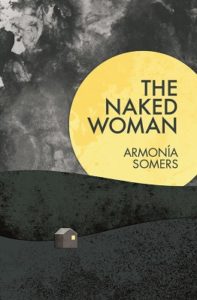
The Naked Woman - Armonia Somers

Armonía Somers, tr. Kit Maude, The Naked Woman
(Feminist Press)

Armonía Somers’ The Naked Woman is an eerie novel revived from 1950s Uruguay that tells the story of a woman who visits a sleepy village and drives its inhabitants mad. It is full of violence and dark desire. You can feel it in the prose. The sun doesn’t just set; it sinks its teeth into the earth. Fun Fact: When it was originally published, it was so salacious and violent that people didn’t believe it was written by a woman.


yan lianke the day the sun died

Yan Lianke, tr. Carlos Rojas, The Day the Sun Died
(Grove Press)

Is there anything more frightening than the image of people staggering through the streets in the dead of the night? (Think: The Walking Dead, the children under a song-spell in Hocus Pocus, a field of scarecrows in every horror movie ever?) In The Day the Sun Died, a strange thing is happening to a town’s inhabitants. They start to sleepwalk and act out their deepest desires, the things they’ve been suppressing in their waking life. More haunting than this zombie-like mass is the idea that the scariest things are the things we dream up ourselves; the horrors live inside us.


hurricane season

Fernanda Melchor, tr. Sophie Hughes, Hurricane Season
(New Directions)

The story starts with a dead witch. How could it not make this list? A group of children discover the body. (Ah, the ruin of innocence—a sinister magic embedded in childhood.) The village crowds together to make sense of the murder. Based on the real-life killing of a “witch,” Hurricane Season will lure you in with a smokescreen of horror and mystery and strike you with its all-too-real portrayal of corruption and human cruelty.


One Hundred Apocalypses and other apocalypses

Lucy Corin, One Hundred Apocalypses and Other Apocalypses
(McSweeney’s)

Apocalypses—you don’t say! Some of these are all-too-real right now (there’s one story in which California is burning), but there are others that really go off the rails. In one story, a soldier comes home from war, where a witch is waiting. My personal favorite is “Madman,” which begins like this: “The day I got my period, my mother and father took me to pick my madman.” And so a terrifying materialization of adolescence is born. Something Lucy Corin does that’s so haunting is give a gritty, physical form to our base fears.


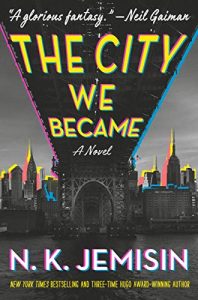
The City We Became_N.K. Jemisin

N.K. Jemisin, The City We Became
(Orbit)

I have always believed New Yorkers are laced with a kind of sinister magic. In N.K. Jemisin’s latest, five New Yorkers must defend their city against an ancient evil. Here, she pulls up the concrete to expose the erasure of communities of color. The City We Became is a delightful subversion of the hatred and racism that ran rampant in Lovecraft’s work.


such small hands

Andrés Barba, tr. Lisa Dillman, Such Small Hands
(Transit Books)

Andrés Barba’s Such Small Hands is without a doubt one of the most haunting and beautiful books I have read in a long time. It starts with a car crash that kills seven-year-old Marina’s parents and follows her to an orphanage, where she invents a sinister game that changes the lives of the other girls. The eerie plot will have you turning pages, but the delicate and particular piercing of language will give you pause. (There’s a lovely passage in which Marina first arrives at the orphanage and is looking around before she meets the others. She examines the beds with their names on them and remarks that the names are empty; they don’t have girls inside them yet.)


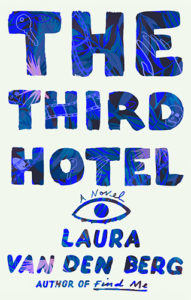
the third hotel

Laura van den Berg, The Third Hotel
(Picador)

Laura van den Berg has mastered the uncanny. In The Third Hotel, a widow goes to Havana to attend a film festival that her horror film scholar husband was supposed to be at. When she arrives, she is haunted by a man who looks exactly like her deceased husband. Reading this novel gives off the feeling of watching one of those Twilight Zone episodes. You sink into a story, and you catch the off-kilter details, and you wait for the twist.


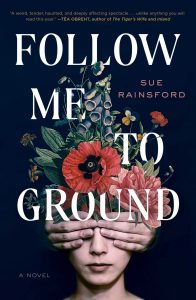
Sue Rainsford, Follow Me to Ground

Sue Rainsford, Follow Me to Ground
(Scribner)

Sue Rainsford’s debut novel tells the story of Ada and her father, creatures born from a mystical patch of earth called The Ground. They live peacefully at the edge of a town whose residents seek their healing powers. For particularly difficult cases, the patient is buried temporarily in the bit of The Ground in their yard that they have trained to do their bidding. The whole environment of this story is sinister. The earth comes alive but feels so unnatural at the same time. There’s one description of a healing session in which the sickness leaves the body but forms a stain on the wallpaper; there are some darkness that can’t be destroyed.


Ahmed Saadawi, tr. Jonathan Wright, Frankenstein in Baghdad

Ahmed Saadawi, Frankenstein in Baghdad
(Penguin)

Ahmed Saadwi’s novel reads like a fever dream. Sometimes funny, always horrifying, Frankenstein in Baghdad is a retelling of Frankenstein set in US-occupied Baghdad. Enter the lair of a junk dealer, who has been stitching together the body parts of bomb-blast victims to create something new: a physical manifestation of the terror we inflict on one another.


Afia Atakora_Conjure Women

Afia Atakora, Conjure Women
(Random House)

Set in the South in the 1860s, this debut introduces us to three women: a healer, her daughter, and the daughter of her master. There is always going to be something magical about the secrets that bond women, but add to that the Civil War, the birth of an accursed child, and a superstitious town. The heart of this surreal, historical novel lives in questions of the body: the intersections of battles over women’s rights and the wars waged over controlling people of color.


St Lucys Home for Girls Raised by Wolves_Karen Russell

Karen Russell, St. Lucy’s Home for Girls Raised by Wolves
(Vintage)

No list like this would be compete with a Karen Russell title. Although I also highly recommend her newer collection, Orange World and her recently re-issued novella Sleep Donation, I think it’s best we start here, at St. Lucy’s. Welcome to the swamps of the Florida Everglades. Here you’ll find sleep-away camps for disordered dreamers, a boarding school for the human daughters of werewolves, and many more perfect outcasts and oddities.


Nnedi Okorafor Who Fears Death

Nnedi Okorafor, Who Fears Death
(Daw Books)

Before it hits HBO, you might want to read Nnedi Okorafor’s novel, about a woman surviving in post-apocalyptic Africa. There is a terrible genocide. Bloodshed fills the land. After she is raped by an enemy soldier, she gives birth to an angry baby who she names Onyesonwu, or “Who Fears Death.” As she grows, it is clear that Onye has tapped into an ancient magic—something that marks her and propels her to question the circumstances around her life. It is a dizzying, surreal tale of creation and destruction.


K-Ming Chang, Bestiary

K-Ming Chang, Bestiary
(One World)

Family legends and stories from our homelands have a certain power over us. They haunt us more than the stories that aren’t in our blood. In Bestiary, Mother tells Daughter a story about a girl whose body was inhabited by a tiger spirit who craved children. The next morning, Daughter has a tiger tail. And that’s just the beginning of this book that spans three generations, toys with Taiwanese myth, and prods at buried desires.


The Governesses_Anne Serre

Anne Serre, tr. Mark Hutchinson, The Governesses
(New Directions)

I would say you could devour this novella on a rainy afternoon, but the truth is: it will devour you. Told at an icily removed distance that gives the impression of an old fable, this is the story of three governesses that tempt the neighborhood men and eat them. (Love the black widow energy!)


Emily Temple, The Lightness

Emily Temple, The Lightness
(William Morrow)

At the start of this novel, our heroine arrives at the Buddhist meditation center where her father disappeared a year ago. She enrolls herself in their “Buddhist boot camp for bad girls,” where she meets a trio of mysterious young women who are determined to unlock the secrets of levitation. The dark underbelly of this story comes in the form of female adolescence: the alluring older man who abuses his power, the obsession with the lightness of our bodies, and those twisted female friendships that make you feel loved one minute and utterly alone the next.


Marie Ndiaye, tr. Jordan Stump, That Time of Year

Marie NDiaye, tr. Jordan Stump, That Time of Year
(Two Lines Press)

In That Time of Year, a man is on vacation with his family. Then his wife and son disappear. And the weather starts to turn. And the residents of the town are acting strange. It’s like a conspiracy theory come to life. The walls of this story will close in on you. It’s a novel full of dread, in the best way.


Megan Hunter, The Harpy

Megan Hunter, The Harpy
(Grove Press)

You’re going to have to wait until next month for this one, but consider it an extension of this eerie October feeling. It’ll be worth the anticipation. In The Harpy, Lucy discovers her husband has been sleeping with a colleague, and they come to an agreement: she may hurt him three times. What we find here is a fascinating descent into a woman scorned. What happens when two people in a relationship no longer come to the table with the best intentions? Megan Hunter is a beautiful observer of the minutiae in a soured marriage; she has this way of picking up these little details, these tiny scraps, and wielding them in a way that pierces. Toggling between their dark present and the narrator’s lifelong fascination with the mythical figure of the harpy, the novel has a sinister, fairy-tale like quality. In this space, Megan Hunter has carved out a place for a woman between Virgin and Whore, a third kind of woman that claws at your insides long after you’ve shut the book.


05 Oct 17:58

As the wood pellet industry grows across the South, Enviva targets Alabama and Mississippi for future expansion

by Danielle Purifoy
Bgarland

Eek. Not great. I had no idea.

An expanding wood pellet market in the South has fallen short of climate and economic goals—instead bringing air pollution, noise, and reduced biodiversity to Black and low wealth communities.

The post As the wood pellet industry grows across the South, Enviva targets Alabama and Mississippi for future expansion appeared first on Scalawag.

05 Oct 17:54

Seasonal coronavirus protective immunity is short-lasting

by Tyler Cowen
Bgarland

Not awesome. Too early to know about COVID-19, of course.

A key unsolved question in the current coronavirus disease 2019 (COVID-19) pandemic is the duration of acquired immunity. Insights from infections with the four seasonal human coronaviruses might reveal common characteristics applicable to all human coronaviruses. We monitored healthy individuals for more than 35 years and determined that reinfection with the same seasonal coronavirus occurred frequently at 12 months after infection.

That is from a new research paper by Arthur W D Edridge, et.al.  That is not conclusive proof concerning Covid-19, but it’s not exactly great news either.

The post Seasonal coronavirus protective immunity is short-lasting appeared first on Marginal REVOLUTION.

05 Oct 17:52

Voter intimidation: 'If they can bring a gun, I can bring my camera'

by Courtney Napier

Alongside widespread concerns with the processing of mail-in ballots, voters across the South are preparing to reckon with a new threat on Election Day: Right-wing, armed poll-watchers.

The post Voter intimidation: 'If they can bring a gun, I can bring my camera' appeared first on Scalawag.

05 Oct 17:05

The Grateful Dead Movie: Watch It Free Online

by OC
Bgarland

The first rock concert I went to by myself was the Grateful Dead in September of 1982. I was 13. Neither I, nor my parents, had any idea who the Dead were or what they were about! I would go on to see another dozen or so shows over the next decade.

The Grateful Dead Movie documents "a tour-ending five night stand at the Winterland Ballroom in October 1974. These were their last shows with the Wall of Sound, and the film includes amazing performances of many favorites like One More Saturday Night, Goin' Down The Road Feelin' Bad, Truckin', Sugar Magnolia/Sunshine Daydream, Stella Blue, Casey Jones, and Morning Dew."

Enjoy it online, rather than having to drop $90 for a DVD. The Grateful Dead Movie will be added to our list of Free Documentaries, a subset of our collection, 1,150 Free Movies Online: Great Classics, Indies, Noir, Westerns, etc..

Would you like to support the mission of Open Culture? Please consider making a donation to our site. It's hard to rely 100% on ads, and your contributions will help us continue providing the best free cultural and educational materials to learners everywhere.

Also consider following Open Culture on Facebook and Twitter and sharing intelligent media with your friends. Or sign up for our daily email and get a daily dose of Open Culture in your inbox. 

Related Content:

The Grateful Dead’s “Ripple” Played by Musicians Around the World

Every Grateful Dead Song Annotated in Hypertext: Web Project Reveals the Deep Literary Foundations of the Dead’s Lyrics

10,173 Free Grateful Dead Concert Recordings in the Internet Archive

The Grateful Dead Movie: Watch It Free Online is a post from: Open Culture. Follow us on Facebook, Twitter, and Google Plus, or get our Daily Email. And don't miss our big collections of Free Online Courses, Free Online Movies, Free eBooksFree Audio Books, Free Foreign Language Lessons, and MOOCs.

04 Oct 20:42

UK hospitals are already using monoclonal antibodies

by Tyler Cowen

Here is the story, note the treatment is making a very good impression:

Prof Peter Horby, who is part of Oxford University’s national Recovery trial, which aims to identify potential treatments for Covid-19, said “about three hospitals in the north” began using the drug last weekend. He said the drug was due to be rolled out to another 30 to 40 UK hospitals next week.

He told BBC Radio 4’s Today programme that the drug, REGN-COV2, was “very promising” and “very potent”.

“The class of drugs, these artificial antibodies, have been around for quite a while now, and they’ve been extensively used in inflammatory conditions and cancers, and they’re pretty safe and well understood, and so the technology is something that I think we have confidence in,” Horby said.

“This particular drug has probably been given to, I would think now, four or five hundred patients, mild or severe patients in different trials, and so far there’s been no worrying safety signals.

“In the laboratory, in cell cultures, it has a very strong effect against the virus, and there have been studies in artificial animals where it also shows benefits. So probably of the drugs that are available, it’s one of the most promising.”

Horby said a single dose of the treatment provided prolonged protection for a month to six weeks, making it “quite attractive for the older population”.

I hope Donald Trump “twists” the arms of the scientists at the FDA into speedy Emergency Use Authorization, and “politicizes” them into doing the right thing.

Twist, Donald! Yes, they are accountable too. Twist harder! That’s why we gave you the monoclonal antibodies.

And please don’t tell me in response that we can expect ordinary Americans to apply for the compassionate use exception, or sign up for clinical trials.

The post UK hospitals are already using monoclonal antibodies appeared first on Marginal REVOLUTION.

04 Oct 20:19

Why You Should Aerate Your Orange Juice

by Claire Lower on Skillet, shared by Marnie Shure to The Takeout

Orange juice is a surprisingly complex beverage. So complex that its molecular composition is used in beginning chemistry classes to exemplify how even the seemingly simplest things contain intricate chemical systems (and to illustrate that “all-natural” and “chemical-free” are nonsense marketing terms that should be…

Read more...

04 Oct 20:16

A Vitamin D Bet

by Alex Tabarrok

It was always odd to me that hydroxychloroquine became a shibboleth. Vitamin D seemed like a better focal point (cheap, safe, natural!) and the case for its effectiveness is not without merit. Indeed, an Israeli company, RootClaim, which combines crowdfunding of data with Bayesian algorithms to improve decision making (yeah, some reasons for skepticism here) has offered to bet anyone $100,000 (I think at 1:1 odds) that Vitamin D works against COVID. The precise bet is as follows:

Rootclaim is willing to bet $100,000 that vitamin D is effective in reducing the severity of Covid-19.

Our claim: By April 1st, 2022, it will be accepted by health professionals that a vitamin D treatment protocol similar to that used in the study is better than existing treatments (remdesivir and corticosteroids) in reducing the odds of severe outcomes, which we will define as a minimum 1.5x reduction in odds of admission to the ICU.

  • The challenger needs to show that they can commit $100,000. We are open to discussing lower or higher amounts, and the funds can be pooled from multiple sources.
  • Both sides will agree in advance on the specifics of how a winner is determined, and what arbitration mechanism to use, if need be.
  • The challenger needs to declare that they do not have access to any relevant non-public information. This is to protect from abuse in case of unpublished research (there is still a small chance that further research will discover the treatment is ineffective). For the same reason, we may update these terms or withdraw the offer, as new information emerges.

Rootclaim is putting a lot of weight on their analysis of this study. Evaluate at your own risk but I have been taking Vitamin D and trying to get some extra sun since the beginning of the pandemic.

Hat tip: Gordon Shotwell who has a useful overview of Vitamin D research and COVID here.

The post A Vitamin D Bet appeared first on Marginal REVOLUTION.

30 Sep 00:55

Sohla El-Waylly, Formerly of the Bon Appétit Test Kitchen, Announces New YouTube Show

by Jaya Saxena
Bgarland

Sohla is amazing.

A white man in a blue apron and a brown woman in a teal apron standing side by side in a kitchen Binging With Babish

“Stump Sohla” will air Saturdays on the Binging with Babish YouTube channel

Chef and YouTube star Sohla El-Waylly has announced a new show, Stump Sohla, on the Binging with Babish YouTube network. In the episodes, El-Waylly will be challenged to make meals in a particular styles, but will have extra challenges — decided by spinning a wheel — as roadblocks. The first episode is now live on YouTube; in it, El-Waylly must make mac & cheese with 18th century tools.

“Welcome to the Babish Culinary Universe @sohlae, an incredibly talented chef and all-around amazing human being. Let’s see if we can Stump Sohla!,” announced Binging with Babish on Instagram.

The premise of the show echos the fun, weird challenges El-Waylly’s performed in the Bon Appétit test kitchen’s popular YouTube videos. Though she remains at the magazine as the assistant food editor, El-Waylly was released from her video contract, along with fellow staffers Rick Martinzer, Priya Krishna, Molly Baz, Gaby Melian, and Carla Lalli Music, following unsuccessful negotiations over race-based pay discrepancies within the test kitchen. Over the summer, the magazine faced numerous allegations of racism and inequity. Bon Appétit editor-in-chief Adam Rapoport’s resigned in early June, following a series of tweets by food writer Tammie Teclemariam that included a photo of Rapoport and his wife dressed as Puerto Ricans at a 2013 costume party.

Prior to his resignation, El-Waylly revealed on on Instagram that “only white editors are paid for their video appearances.” The chef and editor was also the subject of a viral video, showing how many times she appeared on screen in Bon Appétit videos, unpaid and being asked for help by the white hosts.

The “Binging With Babish” YouTube channel has nearly 8 million followers, which is about 2 million more than Bon Appétit.

Bon Appétit recently hired Dawn Davis as its new editor-in-chief, and in a statement announced that the company would be “implementing anti-racism training for our staff, and resolving any pay inequities that are found across all departments.” The publication has yet to announce plans for its YouTube channel.

As one El-Waylly fan wrote on Instagram, “BWB about to get the entire Bon Appétit viewership.”

30 Sep 00:31

Why We’re So Bad at Disaster Planning

by Ethan Lou
Just because we see something coming, that doesn’t mean we can stop it
30 Sep 00:31

Last Call: A new chart shows us the big fast food picture

by Allison Robicelli

If you’re a visual learner like I am and are not yet familiar with Visual Capitalist, get ready to spend the next few hours glued to your screen, because you are about to learn about so much crap. Want to get a basic overview of the consolidation of the dairy industry? There’s an infographic for that. Want a…

Read more...

24 Sep 00:08

Namwali Serpell’s The Old Drift has won the 2020 Arthur C. Clarke Award.

by Rasheeda Saka
Namwali Serpell

The Arthur C. Clarke Award, named in honor of the eponymous author, is the United Kingdom’s most prestigious prize for science fiction first published in the UK. The prize comes with an award plaque and a cash prize of £2020.00. Previous winners include Yoon Ha Lee, Ahmad Saadawi, and Anne Charnock.

Today, the British Science Fiction Association, in partnership with the Science Fiction Foundation and the Sci-Fi London Film Festival, announced that the 2020 winner is Namwali Serpell, for her debut novel The Old Drift.

Tade Thompson, who was last year’s winner, said the following of Serpell’s win: “At last, a book that acknowledges that the African lives with the fantastic and mundane. At last, an African book of unarguable universality. Serpell has created something specifically Zambian and generally African at the same time. The Old Drift is everything fiction should be, and everything those of us who write should aspire to. Hats off. Well-deserved win.”

23 Sep 12:18

A New Volume Compiles Five Decades of the Pudgy, Curious, and Drowsy Pups in Walter Chandoha’s Photographs

by Grace Ebert
Bgarland

OK, dog freaks. You're welcome.

Mixed-breed and the photographer’s daughter Maria, Long Island, New York, 1956. All images © Estate of Walter Chandoha, courtesy of Taschen, shared with permission

Dubbed the 20th century’s greatest pet photographer, the late Walter Chandoha was renowned for capturing the unique personalities of furry companions. From black-and-white candid shots to those posed in the studio, Taschen’s new volume, Dogs, compiles five decades worth of capricious, curious, and playful pups. The 296-page book is a sequel to Cats, which similarly collected hundreds of the iconic photographer’s images, and is edited by Reuel Golden.

In his early years, Chandoha served as a combat photographer during World War II. He went on to be prolific across mediums, having written dozens of books and captured more than 225,000 images during his lifetime, many of which were used in magazines and advertisements.

Check out some of our favorite shots of pudgy bulldogs and blue-eyed Weimaraners below, and pre-order a copy of Dogs, which will be released in October, from Taschen or Bookshop.


Pugs, Long Island, New York, 1957

Weimaraner, Long Island, New York, 1955

21 Sep 20:25

The Long Golden Age of Useless, American Crap

by Wendy A. Woloson

Americans have surrounded themselves with crappy things: consumer goods that are typically low priced, poorly made, composed of inferior materials, lacking in meaningful purpose, and not meant to last. Such crap has insinuated itself into just about every aspect of daily life, filling countless kitchen “junk” drawers and clotting garages and basements across the nation. So ubiquitous, crap is nearly invisible, like white noise in material form.

Crappiness is not just a material condition but a cultural one as well: an often exuberant and wholly unapologetic expression of American excess and waste. Crap’s creep into daily life might seem like a new thing, but it began centuries ago. Over time, Americans have decided—as individuals, as members of groups, and as a society—to embrace not just materialism itself but materialism with a certain shoddy complexion.

Living in a world of crap was not inevitable. But for various reasons, Americans forged consuming habits that are now ingrained in the nation’s very DNA. In an age of material surfeit, we continue to spend money on things we do not need, often will not use, and likely do not even want.

One of my favorite Twilight Zone episodes depicts the dynamic of crap better than almost anything else. In “One for the Angels,” affable street seller Lou Bookman tries to distract Mr. Death from taking the soul of a beloved neighborhood girl by giving him the sales pitch of a lifetime. Bookman draws Mr. Death’s attention to an array of goods that he brings forth from his traveling case, like a magician pulling rabbits out of a hat.

Thanks to Lou’s persuasive skills, Mr. Death, at first an aloof and skeptical customer, becomes utterly entranced. The peddler’s neckties are made not of polyester but rather “the most exciting invention since atomic energy,” a fabric that would “even mystify the ancient Chinese silk manufacturers.” His sewing thread is even more enthralling: “a demonstration of tensile strength . . . as strong as steel yet as fragile and delicate as Shantung silk . . . smuggled in by Oriental birds specially trained for ocean travel each carrying a minute quantity in a small satchel underneath their ruby throats. It takes 832 crossings,” Bookman exhorts, “to supply enough thread to go around one spool.” Bedazzled, Mr. Death frantically rifles his pockets for cash, shouting, “I’ll take all you have!”

Like Mr. Death, Americans have approached the marketplace of goods with a combination of world-weariness and openmouthed credulity. The promise of endless supplies of new things, ever cheap and accessible, has captivated and enchanted. And the risk is low, since any one thing doesn’t seem to cost all that much. Yet the result is a material world of ephemeral, disposable, and largely meaningless goods. It is a world of crap, and it has very real costs, ranging from the material to the mental, the environmental to the emotional.

Inferior things became desirable for probably as many reasons as there were people to buy them, including sheer accessibility and affordability.

The encrappification of America dates back centuries. While there were, undoubtedly, once village blacksmiths who forged brittle nails, farm women who adulterated their butter, and tailors who cut corners, these were the exceptions. Most things were made by skilled and reputable hands working with good intentions, supplying the needs of people within local communities. The consumer revolution, which began in the mid-1700s, changed all that.

Responding to the increasing demands of farther-flung and more anonymous and democratized markets, cabinet-makers contrived faux finishes to simulate exotic woods and intricate inlays, metalsmiths discovered how to make plated and imitation wares, and jewelers began creating glittering gemstones made of “paste” backed with foils. Even then, however, ersatz goods were still only accessible to the elite and fortunate strivers because they still had to be crafted by hand. And these items were often prized because they were clever simulations, allowing people to purchase more than they truly needed and to show material excess off to others.

But crappy goods—inartful and deceptive simulations, shoddily made and not meant to last—followed very quickly. Inferior things became desirable for probably as many reasons as there were people to buy them, including sheer accessibility and affordability, the desire to emulate friends and impress neighbors, and a simple thirst for novelty. Crappy goods would not have become popular, however, without the countless slick-tongued persuaders who helped sell them. These early pitchmen, as essential to the rise of the nation as yeoman farmers and independent artisans, descended from a long line of itinerant salesmen who, by the late 18th century if not earlier, were pulling beguiling things from their packs with showmen’s flourishes.

Though they’ve long vanished from the commercial landscape, their legacies nevertheless remain. The siren songs promising untold treasures at bargain prices call to us from the jumbled stock of dollar store shelves, the seemingly infinite listings on sites like eBay, countless infomercials, and, once, the Lou Bookmans and Willy Lomans pounding the pavement looking for their next opportunity to make a pitch.

As soon as Americans could get their hands on cheap stuff—often aided by all those roving peddlers and pitchmen—they began encrappifying their lives, tentatively at first, and then with gusto. Not long after the American Revolution domestic markets became inundated with goods from overseas. Great Britain dumped the majority of these items on America’s shores, and many of them were inferior in some way: remainders; damaged goods and knock-offs; the unfashionable and outmoded; things dyed with fast-fading “fugitive” colors and constructed with less durable materials; myriad items that had little purpose and likely would not last.

None of that mattered. After domestic boycotts and periodic embargoes, Americans of all sorts—rich and middling, urban and rural—not only had access to new markets but came to see themselves as consumers as much as producers. By the early decades of the 19th century, retailers advertising bargain wares and shops specializing in cheap variety goods began appearing in large cities and small towns alike.

There were profits to be made in selling cheap goods. Precursors to our dollar stores, they offered the beguiling combination of great variety and low prices. Aiding these retailers were the countless itinerant peddlers who introduced their Yankee notions—and the cosmopolitan ideas they embodied—to the hinterlands. For the first time, American consumers began to value cheaper, ephemeral objects over more durable ones, enamored by the low cost and pulsing abundance of these new goods and the material and emotional satisfactions they seemed to promise.

Americans quickly came to enjoy the cyclical churning of cheap possessions, avoiding long-term commitments to fewer, better-quality, and more expensive things. America’s unapologetically disposable culture has its roots in this era and with these goods.

There is something to be said for the embrace of cheap things over time. Such material access has enabled American consumers to fully participate in the marketplace—not simply the world of goods but the ideas and possibilities they represent. Too, the taste for cheap goods boosted the output of manufacturers, thereby helping to raise the general standard of living. Producers were able to employ more workers to make their wares, wholesalers expanded networks to distribute them, retailers could hire more clerks to sell them, and so on.

Facilitating access to cheap goods also helped spur the government to invest in infrastructure. Networks of turnpikes, canals, and railroad lines not only connected people to once-distant markets but also made possible new ways of doing business, like the mail order enterprises of Sears, Roebuck and Montgomery Ward. On a more personal level, the vast majority of American consumers could embrace novelty for its own sake and for the pleasures it provided, since they no longer had to make do with just a few things that would have to last a lifetime.

This lessened the burdens of ownership itself: now easily discarded and just as easily replaced, possessions no longer had to be painstakingly cared for. The marketplace of crap turned a broken kettle or cracked dish from a crisis into a mere inconvenience effortlessly—and pleasurably—ameliorated by a new purchase.

Long before Cracker Jack tokens and cereal box prizes, merchandisers were rewarding loyal customers with giveaways and prizes.

Cheap goods made people’s lives easier in other ways, too. The number of gadgets—from combination corn grinders to miracle fire extinguishers—began increasing in the 1840s and exponentially so after the Civil War, supplementing reliable and familiar tools. Gadgets embodied the seemingly limitless creativity of American ingenuity and drive toward greater efficiency. “New-fangled” devices offered faster, easier, more enjoyable processes for doing everything from washing clothes to peeling apples. But that wasn’t all. Gadgets came to seem like personal servants, promising to turn the burdens of work into entertaining leisure activities.

People could now, all by themselves, make magic happen, whether instantaneously rejuvenating their skin or transforming ordinary potatoes into perfectly julienned strips with the simple turn of a crank. At relatively low cost, gadgets—from yesterday’s all-in-one tools to today’s miracle garden hoers—have delivered outsized wonders and spectacles matched only by their extreme functionality.

More alluring still is the crap that isn’t just cheap but free. Since the first decades of the 19th century, long before Cracker Jack tokens and cereal box prizes, merchandisers were rewarding loyal customers with giveaways and prizes. Even the most pedestrian of things—fly swatters, calendars, ballpoint pens—have helped kindle warm feelings between sellers and buyers, creating loyalty. While today it manifests in items such as t-shirts and tote bags, 19th-century commercial goodwill came in the form of things like calendars, embossed rulers, and cheap jewelry. All of it was crap, but it was free crap, which was all that mattered.

Crappy stuff has also enlivened American homes. Early itinerant peddlers selling cheap plaster figurines helped democratize the trade in bric-a-brac, knickknacks, and tchotchkes. Ornamental wares could now be enjoyed by rich and poor alike. Although they lived in “filthy, damp and dismal conditions,” 19th-century tenement dwellers, for instance, nevertheless were able to “crowd” their mantelpieces with cheap figurines.

However crappy, such knickknacks did not simply adorn people’s homes but offered them brief mental respite from their straitened circumstances. Sometimes, too, cheap imitations were in some ways superior: artificial plants and fruits, whether plastic or plaster, and even if “laughably clumsy, and daubed over with green and yellow paint,” could be more vibrant than the real thing and lasted forever, defying decay and death.

The growing trade in “giftware”—upscale tchotchkes—enabled Americans to expand their decorative horizons even more broadly and boldly. Sold in specialty boutiques, these affordable items—blown-glass art vases, carved wood figurines, hand-dipped candles—allowed their owners to make more nuanced statements about themselves, their tastes, and even their politics. Gift shops began appearing in America at the dawn of the 20th century, serving the rising number of leisure travelers who took cross-country tours in their new automobiles.

These independent shops, often owned by women, offered customers seemingly unique merchandise—Irish linen tea towels, ashtrays crafted in India, hand-painted woodenware napkin holders. Over time, the number of gift shops expanded, enabling ever more consumers to purchase special things that seemed to be imbued with their own personalities, life histories, and individual marks of artistry. But because it has always been mass-produced, giftware can only be derivative and never unique. Its appropriated stylistic glosses, often described as “looks,” such as Colonial Revival, rustic, and contemporary, can only embody a faux authenticity.

Another way that Americans have been able to keenly demonstrate their connoisseurship, taste, and status has been through mass-produced and -marketed collectibles. Produced specifically to be collected, “intentional” collectibles first appeared in the late 19th century, when cutlery companies began making souvenir spoons. But the market really took off in the mid-1950s, when ceramics manufacturers began aggressively marketing commemorative plates. In due course the world of collectibles expanded to include figurines, historical replicas, dolls, and other items that purported to be investment opportunities for increasingly prosperous Americans.

There is no denying that crap has brought different forms of pleasure to people over time.

The manufacturers of these myriad objects democratized collecting, which had been a fairly exclusive activity. People afflicted with the collecting bug but of limited means had had few choices: some collected stamps; others, matchbooks and luggage stickers. Serious collecting of serious things—the high-rolling world of antiques auctions, the fine art market, and museum patronage—was a practice both economically and socially out of bounds to all but the very elite.

Intentional collectibles, however, enabled ordinary people to enjoy the thrill of the hunt, the satisfactions of acquisition and curation, the pride of display, the company and camaraderie of like-minded people, and (nominally) the economic benefits of investing. By the 1960s and 1970s, clubs, magazines, and even special market exchanges were serving collectors of everything from Hummel figurines and scale-model replicas of military machines to commemorative coins and limited-edition dolls.

There is no denying that crap has brought different forms of pleasure to people over time. This is probably no truer than when considering novelty goods like Joy Buzzers, Whoopie Cushions, and plastic vomit. These things, too, have long histories: mass merchandisers were selling things like exploding cans of snakes, trick spiders, fake mustaches, Resurrection Plants, and surprise boxes as early as the 1860s.

Americans had never before seen many of these queer and curious things, let alone known what to do with them. But no matter. They seemed to offer untold delights, opportunities, and even mysteries, especially among children and childish-at-heart pranksters.

The nascent novelties market continued to expand, thanks in part to technological innovations that made new things pop and whizz and explode more reliably and in part to the expansion of advertising. Pulp magazines, mail order catalogs, and even bubblegum wrappers had become, in the early 20th century, prime ad space for x-ray spectacles, fake dog poo, and Chinese finger traps. Although the golden age of novelty goods is now long past, for over a century they enabled even young consumers to explore taboo subjects like sex and death by disguising them in frivolous and playful forms.

__________________________________
Reprinted with permission from Crap: A History of Cheap Stuff in America by Wendy Woloson, published by the University of Chicago Press. © 2020 by The University of Chicago. All rights reserved.

21 Sep 20:06

Eleanor Roosevelt’s son authored twenty mysteries in which his mother solves murders.

by Olivia Rutigliano

Yes, that’s right. Apparently, Elliott Roosevelt, the son of Franklin Delano and Eleanor Roosevelt, wrote a long-running murder mystery series starring his mother as an amateur detective.

This incredible development was brought to my attention by scholar Bill Black (@williamrblack), who recently tweeted about this miraculous series, which spanned seventeen years and twenty novels. The first installment, aptly titled Murder and the First Lady, was published in 1984, and the series continued to 2001. Most of the books take place in the White House during the FDR administration, and have titles like The Hyde Park Murder and The White House Pantry Murder. Roosevelt is also listed as the author of two novels featuring FDR’s own private investigator Blackjack Endicott (I know), one of which is entitled (and get ready for this): New Deal for Death. I’m screaming.

However, Elliott Roosevelt, who is known to history primarily as an aviator and the author of tell-all book about his parents, died at the age of eighty in 1990, which means that only the first eight novels were published during his lifetime. The remaining sixteen were likely ghostwritten by William Harrington, who is credited as the author only of the final book. (If I might speculate, it seems likely that all of these novels were in fact ghostwritten by Harrington, even the ones written when Roosevelt was alive; Roosevelt thanks him in an epigraph in one of the early novels, mentioning the great assistance he provided.)

Roosevelt is not the only child of a U.S. President who turned to writing mystery novels; the late Margaret Truman, a classically trained soprano, also wrote a long-running detective series (initially without a ghostwriter), which spanned twenty-four novels from 1980 to 2008. An additional six novels were published posthumously under her name by Donald Bain, who ultimately collaborated with her on 23 novels. The series, known as “Margaret Truman’s Capital Crimes” also takes place in D.C.’s most exclusive political locales, but sadly does not involve adapting any historical figures into amateur sleuths. Which is a shame. I’d love it if Bess Truman got the Eleanor Roosevelt treatment.

21 Sep 19:53

Make the Banana Pudding That People Wait in Line for All Over the World

by Patty Diez

New York-based Magnolia Bakery’s excellent pudding is easier to make than you think

Extremely ripe bananas (along with sourdough) were among the must-have ingredients at the beginning of shelter-in-place orders, when it seemed like everyone was baking for comfort. But while bread flour and sourdough starter became much harder to find in the spring, we always have bananas — America’s most popular fruit — for our banana bread baking and, if you’re getting creative, building layers of banana pudding.

According to culinary historian Robert Moss, bananas began to touch down in small numbers in the U.S. before the Civil War, arriving by boat from the West Indies. Then, thanks to decades of aggressive ad campaigns touting the banana’s nutritional benefits, demand for the delicate, tropical fruit skyrocketed and bananas became an unmovable part of the American diet. By the end of the 1800s, over four million bunches were arriving annually to ports, with New Orleans enjoying the greatest share, and more and more cooks were getting creative with how to use them.

Some say banana pudding’s reputation as a “Southern food” is due to its arrival in Southern ports, like NOLA’s. Additionally, Moss makes the case that the ease of making banana pudding — in large batches, without having to turn the oven on — made it ideal for serving at large Southern social gatherings and events.

But recipes for banana pudding were in the North as early as the 1880s and variations abound, from using lady fingers in place of sponge cake (the original base) to topping it with meringue or infusing it with citrus. In 1921, Laura Kerley published a banana pudding recipe that swapped in vanilla wafers as the base; Nabisco jumped aboard and was publishing a recipe for banana pudding on the side of its wafer boxes by the 1940s. By the ’50s and ’60s, the banana pudding we know today was the norm: bananas, vanilla wafers, custard, and whipped cream.

Today, the most famous maker of banana pudding is probably New York-based Magnolia Bakery. Though it shot to fame thanks to its cupcakes and a couple of pop culture references, it’s the excellent (and arguably better) banana pudding that keeps lines snaking at nearly 20 locations worldwide. You can find the recipe for Magnolia’s version below, prepared by chief baking officer Bobbie Lloyd. Magnolia also offers kits to help recreate the signature recipe at home.


Magnolia Bakery Classic Banana Pudding

Ingredients:

1 14-ounce can sweetened condensed milk
1½ cups (360 grams/12.7 oz) ice cold water
1 3.4-ounce package instant vanilla pudding mix, preferably Jell-O Brand
3 cups (720 grams/25.5 oz) heavy cream
1 11-ounce box vanilla wafers, preferably Nilla brand
4 to 5 ripe bananas, sliced

Step 1: In a medium sized bowl whisk together the sweetened condensed milk and the cold water. Place the pudding mix in another medium sized bowl and slowly whisk in the liquid, whisking until there are no lumps and the mixture is smooth, about 1 minute. Cover and refrigerate until firm at least an hour or overnight.

Step 2: In a stand mixer with the whisk attachment or using a hand mixer, whip the heavy cream on medium speed for about 1 minute until the cream starts to thicken. Increase the speed to medium-high and whip the heavy cream until stiff peaks form. Be careful not to over-whip.

Step 3: Carefully add the pudding mixture to the whipped cream and mix on low speed until blended and no streaks of pudding remain.

Step 4: Using either a trifle bowl or a wide glass bowl with a 4- to 5-quart capacity, spread one-quarter of the pudding over the bottom and layer with one-third of the cookies [save 4 to 5 cookies for the garnish on top] and about 1 to 1 12 of the sliced bananas — enough to cover the layer. Repeat the layering twice more. End with a final layer of pudding. Garnish the top with additional cookies or cookie crumbs.

Step 5: Cover tightly with plastic wrap and refrigerate for 4 to 6 hours. Cookies should be tender when poked with a knife. It’s best served within 12 hours of assembling. Enjoy!

17 Sep 20:31

Microsoft Had a Crazy Idea to Put Servers Under Water—and It Totally Worked

by Vanessa Bates Ramirez
Microsoft underwater servers Natick

A little over two years ago, a shipping container-sized cylinder bearing Microsoft’s name and logo was lowered onto the ocean floor off the northern coast of Scotland. Inside were 864 servers, and their submersion was part of the second phase of the software giant’s Project Natick. Launched in 2015, the project’s purpose is to determine the feasibility of underwater data centers powered by offshore renewable energy.

A couple months ago, the deep-sea servers were brought back up to the surface so engineers could inspect them and evaluate how they’d performed while under water.

But wait—why were they there in the first place?

As bizarre as it seems to sink hundreds of servers into the ocean, there are actually several very good reasons to do so. According to the UN, about 40 percent of the world’s population lives within 60 miles of an ocean. As internet connectivity expands to cover most of the globe in the next few years, millions more people will come online, and a lot more servers will be needed to manage the increased demand and data they’ll generate.

In densely-populated cities real estate is expensive and can be hard to find. But know where there’s lots of cheap, empty space? At the bottom of the ocean. This locale also carries the added benefit of being really cold (depending where we’re talking, that is; if you’re looking off the coast of, say, Mumbai or Abu Dhabi, the waters are warmer).

Servers generate a lot of heat, and datacenters use most of their electricity for cooling. Keeping not just the temperature but also the humidity level constant is important for optimal functioning of the servers; neither of these vary much 100 feet under water.

Finally, installing data centers on the ocean floor is, surprisingly, much faster than building them on land. Microsoft claims its server-holding cylinders will take less than 90 days to go from factory ship to operation, as compared to the average two years it takes to get a terrestrial data center up and running.

Microsoft’s Special Projects team operated the underwater data center for two years, and it took a full day to dredge it up and bring it to the surface. One of the first things researchers did was to insert test tubes into the container to take samples of the air inside; they’ll use it to try to determine how gases released from the equipment may have impacted the servers’ operating environment.

The container was filled with dry nitrogen upon deployment, which seems to have made for a much better environment than the oxygen that land-bound servers are normally surrounded by; the failure rate of the servers in the water was just one-eighth that of Microsoft’s typical rate for its servers on land. The team thinks the nitrogen atmosphere was helpful because it’s less corrosive than oxygen. The fact that no humans entered the container for the entirety of its operations helped, too (no moving around of components or having to turn on lights or adjust the temperature).

Ben Cutler, a project manager in Microsoft’s Special Projects research group who leads Project Natick, believes the results of this phase of the project are sufficient to show that underwater data centers are worth pursuing. “We are now at the point of trying to harness what we have done as opposed to feeling the need to go and prove out some more,” he said.

Cutler envisions putting underwater datacenters near offshore wind farms to power them sustainably. The data centers of the future will require less human involvement, instead being managed and run primarily by technologies like robotics and AI. In this kind of “lights-out” datacenter, the servers would be swapped out about once every five years, with any that fail before then being taken offline.

The final step in this phase of Project Natick is to recycle all the components used for the underwater data center, including the steel pressure vessel, heat exchangers, and the servers themselves—and restoring the sea bed where the cylinder rested back to its original condition.

If Cutler’s optimism is a portent of things to come, it may not be long before the ocean floor is dotted with sustainable datacenters to feed our ever-increasing reliance on our phones and the internet.

Image Credit: Microsoft